
Gratitude
Poems in this topic

Edward Estlin Cummings
I Am A Beggar Always
I Am A Beggar Always
i am a beggar always
who begs in your mind
(slightly smiling, patient, unspeaking
with a sign on his
chest
BLIND)yes i
am this person of whom somehow
you are never wholly rid(and who
does not ask for more than
just enough dreams to
live on)
after all, kid
you might as well
toss him a few thoughts
a little love preferably,
anything which you can't
pass off on other people: for
instance a
plugged promise
the he will maybe (hearing something
fall into his hat)go wandering
after it with fingers;till having
found
what was thrown away
himself
taptaptaps out of your brain, hopes, life
to(carefully turning a
corner)never bother you any more
Anonymous submission.
i am a beggar always
who begs in your mind
(slightly smiling, patient, unspeaking
with a sign on his
chest
BLIND)yes i
am this person of whom somehow
you are never wholly rid(and who
does not ask for more than
just enough dreams to
live on)
after all, kid
you might as well
toss him a few thoughts
a little love preferably,
anything which you can't
pass off on other people: for
instance a
plugged promise
the he will maybe (hearing something
fall into his hat)go wandering
after it with fingers;till having
found
what was thrown away
himself
taptaptaps out of your brain, hopes, life
to(carefully turning a
corner)never bother you any more
Anonymous submission.
1,338
1

Charlotte Brontë
Parting
Parting
THERE'S no use in weeping,
Though we are condemned to part:
There's such a thing as keeping
A remembrance in one's heart:
There's such a thing as dwelling
On the thought ourselves have nurs'd,
And with scorn and courage telling
The world to do its worst.
We'll not let its follies grieve us,
We'll just take them as they come;
And then every day will leave us
A merry laugh for home.
When we've left each friend and brother,
When we're parted wide and far,
We will think of one another,
As even better than we are.
Every glorious sight above us,
Every pleasant sight beneath,
We'll connect with those that love us,
Whom we truly love till death !
In the evening, when we're sitting
By the fire perchance alone,
Then shall heart with warm heart meeting,
Give responsive tone for tone.
We can burst the bonds which chain us,
Which cold human hands have wrought,
And where none shall dare restrain us
We can meet again, in thought.
So there's no use in weeping,
Bear a cheerful spirit still;
Never doubt that Fate is keeping
Future good for present ill !
THERE'S no use in weeping,
Though we are condemned to part:
There's such a thing as keeping
A remembrance in one's heart:
There's such a thing as dwelling
On the thought ourselves have nurs'd,
And with scorn and courage telling
The world to do its worst.
We'll not let its follies grieve us,
We'll just take them as they come;
And then every day will leave us
A merry laugh for home.
When we've left each friend and brother,
When we're parted wide and far,
We will think of one another,
As even better than we are.
Every glorious sight above us,
Every pleasant sight beneath,
We'll connect with those that love us,
Whom we truly love till death !
In the evening, when we're sitting
By the fire perchance alone,
Then shall heart with warm heart meeting,
Give responsive tone for tone.
We can burst the bonds which chain us,
Which cold human hands have wrought,
And where none shall dare restrain us
We can meet again, in thought.
So there's no use in weeping,
Bear a cheerful spirit still;
Never doubt that Fate is keeping
Future good for present ill !
528
1

Edgar Albert Guest
A Father's Prayer
A Father's Prayer
Lord, make me tolerant and wise;
Incline my ears to hear him through;
Let him not stand with downcast eyes,
Fearing to trust me and be true.
Instruct me so that I may know
The way my son and I should go.
When he shall err, as once did I,
Or boyhood folly bids him stray,
Let me not into anger fly
And drive the good in him away.
Teach me to win his trust, that he
Shall keep no secret hid from me.
Lord, strengthen me that I may be .
A fit example for my son.
Grant he may never hear or see
A shameful deed that I have done.
However sorely I am tried,
Let me not undermine his pride.
In spite of years and temples gray,
Still let my spirit beat with joy;
Teach me to share in all his play
And be a comrade with my boy.
Wherever we may chance to be,
Let him find happiness with me.
Lord, as his father, now I pray
For manhood's strength and counsel wise;
Let me deal justly, day by day,
In all that fatherhood implies.
To be his father, keep me fit;
Let me not play the hypocrite!
Lord, make me tolerant and wise;
Incline my ears to hear him through;
Let him not stand with downcast eyes,
Fearing to trust me and be true.
Instruct me so that I may know
The way my son and I should go.
When he shall err, as once did I,
Or boyhood folly bids him stray,
Let me not into anger fly
And drive the good in him away.
Teach me to win his trust, that he
Shall keep no secret hid from me.
Lord, strengthen me that I may be .
A fit example for my son.
Grant he may never hear or see
A shameful deed that I have done.
However sorely I am tried,
Let me not undermine his pride.
In spite of years and temples gray,
Still let my spirit beat with joy;
Teach me to share in all his play
And be a comrade with my boy.
Wherever we may chance to be,
Let him find happiness with me.
Lord, as his father, now I pray
For manhood's strength and counsel wise;
Let me deal justly, day by day,
In all that fatherhood implies.
To be his father, keep me fit;
Let me not play the hypocrite!
1,253
1
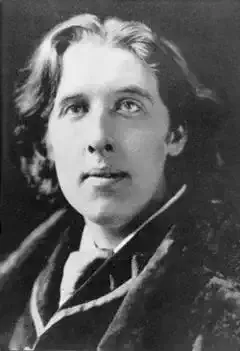
Oscar Wilde
Sonnet On Hearing The Dies Irae Sung In The Sistine Chapel
Nay, Lord, not thus! white lilies in the spring,
Sad olive-groves, or silver-breasted dove,
Teach me more clearly of Thy life and love
Than terrors of red flame and thundering.
The hillside vines dear memories of Thee bring:
A bird at evening flying to its nest
Tells me of One who had no place of rest:
I think it is of Thee the sparrows sing.
Come rather on some autumn afternoon,
When red and brown are burnished on the leaves,
And the fields echo to the gleaner's song,
Come when the splendid fulness of the moon
Looks down upon the rows of golden sheaves,
And reap Thy harvest: we have waited long.
Sad olive-groves, or silver-breasted dove,
Teach me more clearly of Thy life and love
Than terrors of red flame and thundering.
The hillside vines dear memories of Thee bring:
A bird at evening flying to its nest
Tells me of One who had no place of rest:
I think it is of Thee the sparrows sing.
Come rather on some autumn afternoon,
When red and brown are burnished on the leaves,
And the fields echo to the gleaner's song,
Come when the splendid fulness of the moon
Looks down upon the rows of golden sheaves,
And reap Thy harvest: we have waited long.
610
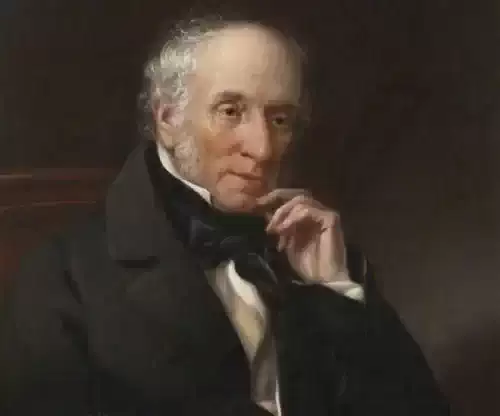
William Wordsworth
Written in London. September,
Written in London. September,
. O Friend! I know not which way I must look
For comfort, being, as I am, opprest,
To think that now our life is only drest
For show; mean handy-work of craftsman, cook,
Or groom! -- We must run glittering like a brook
In the open sunshine, or we are unblest:
The wealthiest man among us is the best:
No grandeur now in nature or in book
Delights us. Rapine, avarice, expense,
This is idolatry; and these we adore:
Plain living and high thinking are no more:
The homely beauty of the good old cause
Is gone; our peace, our fearful innocence,
And pure religion breathing household laws.
. O Friend! I know not which way I must look
For comfort, being, as I am, opprest,
To think that now our life is only drest
For show; mean handy-work of craftsman, cook,
Or groom! -- We must run glittering like a brook
In the open sunshine, or we are unblest:
The wealthiest man among us is the best:
No grandeur now in nature or in book
Delights us. Rapine, avarice, expense,
This is idolatry; and these we adore:
Plain living and high thinking are no more:
The homely beauty of the good old cause
Is gone; our peace, our fearful innocence,
And pure religion breathing household laws.
170
William Wordsworth
Wishing-gate, The
Wishing-gate, The
Hope rules a land forever green:
All powers that serve the bright-eyed Queen
Are confident and gay;
Clouds at her bidding disappear;
Points she to aught?---the bliss draws near,
And Fancy smooths the way.
Not such the land of Wishes---there
Dwell fruitless day-dreams, lawless prayer,
And thoughts with things at strife;
Yet how forlorn, should ye depart
Ye superstitions of the heart,
How poor, were human life!
When magic lore abjured its might,
Ye did not forfeit one dear right,
One tender claim abate;
Witness this symbol of your sway,
Surnving near the public way,
The rustic Wishing-gate!
Inquire not if the faery race
Shed kindly influence on the place,
Ere northward they retired;
If here a warrior left a spell,
Panting for glory as he fell;
Or here a saint expired.
Enough that all arouud is fair,
Composed with Nature's finest care,
And in her fondest love---
Peace to embosom and content---
To overawe the turbulent,
The selfish to reprove.
Yea! even the Stranger from afar,
Reclining on this moss-grown bar,
Unknowing, and unknown,
The infection of the ground partakes,
Longing for his Beloved---who maker
All happiness her own.
Then why should conscious Spirits fear
The mystic stirrings that are here,
The ancient faith disclaim?
The local Genius ne'er befriends
Desires whose course in folly ends,
Whose just reward is shame.
Smile if thou wilt, but not in scorn,
If some, by ceaseless pains outworn,
Here crave an easier lot;
If some have thirsted to renew
A broken vow, or bind a true,
With firmer, holier knot.
And not in vain, when thoughts are cast
Upon the irrevocable past,
Some Penitent sincere
May for a worthier future sigh,
While trickles from his downcast eye
No unavailing tear.
The Worldling, pining to be freed
From turmoil, who would turn or speed
The current of his fate,
Might stop before this favored scene,
At Nature's call, nor blush to lean
Upon the Wishing-gate.
The Sage, who feels how blind, how weak
Is man, though loth such help to seek,
Yet, passing, here might pause,
And thirst for insight to allay
Misgiving, while the crimson day
In quietness withdraws;
Or when the church-clock's knell profound
To Time's first step across the bound
Of midnight makes reply;
Time pressing on with starry crest,
To filial sleep upon the breast
Of dread eternity.
Hope rules a land forever green:
All powers that serve the bright-eyed Queen
Are confident and gay;
Clouds at her bidding disappear;
Points she to aught?---the bliss draws near,
And Fancy smooths the way.
Not such the land of Wishes---there
Dwell fruitless day-dreams, lawless prayer,
And thoughts with things at strife;
Yet how forlorn, should ye depart
Ye superstitions of the heart,
How poor, were human life!
When magic lore abjured its might,
Ye did not forfeit one dear right,
One tender claim abate;
Witness this symbol of your sway,
Surnving near the public way,
The rustic Wishing-gate!
Inquire not if the faery race
Shed kindly influence on the place,
Ere northward they retired;
If here a warrior left a spell,
Panting for glory as he fell;
Or here a saint expired.
Enough that all arouud is fair,
Composed with Nature's finest care,
And in her fondest love---
Peace to embosom and content---
To overawe the turbulent,
The selfish to reprove.
Yea! even the Stranger from afar,
Reclining on this moss-grown bar,
Unknowing, and unknown,
The infection of the ground partakes,
Longing for his Beloved---who maker
All happiness her own.
Then why should conscious Spirits fear
The mystic stirrings that are here,
The ancient faith disclaim?
The local Genius ne'er befriends
Desires whose course in folly ends,
Whose just reward is shame.
Smile if thou wilt, but not in scorn,
If some, by ceaseless pains outworn,
Here crave an easier lot;
If some have thirsted to renew
A broken vow, or bind a true,
With firmer, holier knot.
And not in vain, when thoughts are cast
Upon the irrevocable past,
Some Penitent sincere
May for a worthier future sigh,
While trickles from his downcast eye
No unavailing tear.
The Worldling, pining to be freed
From turmoil, who would turn or speed
The current of his fate,
Might stop before this favored scene,
At Nature's call, nor blush to lean
Upon the Wishing-gate.
The Sage, who feels how blind, how weak
Is man, though loth such help to seek,
Yet, passing, here might pause,
And thirst for insight to allay
Misgiving, while the crimson day
In quietness withdraws;
Or when the church-clock's knell profound
To Time's first step across the bound
Of midnight makes reply;
Time pressing on with starry crest,
To filial sleep upon the breast
Of dread eternity.
213
William Wordsworth
To The Daisy (first poem)
To The Daisy (first poem)
"Her divine skill taught me this,
That from every thing I saw
I could some instruction draw,
And raise pleasure to the height
Through the meanest objects sight.
By the murmur of a spring,
Or the least bough's rustelling;
By a Daisy whose leaves spread
Shut when Titan goes to bed;
Or a shady bush or tree;
She could more infuse in me
Than all Nature's beauties can
In some other wiser man.'
G. Wither. * His muse.
IN youth from rock to rock I went,
From hill to hill in discontent
Of pleasure high and turbulent,
Most pleased when most uneasy;
But now my own delights I make,--
My thirst at every rill can slake,
And gladly Nature's love partake,
Of Thee, sweet Daisy!
Thee Winter in the garland wears
That thinly decks his few grey hairs;
Spring parts the clouds with softest airs,
That she may sun thee;
Whole Summer-fields are thine by right;
And Autumn, melancholy Wight!
Doth in thy crimson head delight
When rains are on thee.
In shoals and bands, a morrice train,
Thou greet'st the traveller in the lane;
Pleased at his greeting thee again;
Yet nothing daunted,
Nor grieved if thou be set at nought:
And oft alone in nooks remote
We meet thee, like a pleasant thought,
When such are wanted.
Be violets in their secret mews
The flowers the wanton Zephyrs choose;
Proud be the rose, with rains and dews
Her head impearling,
Thou liv'st with less ambitious aim,
Yet hast not gone without thy fame;
Thou art indeed by many a claim
The Poet's darling.
If to a rock from rains he fly,
Or, some bright day of April sky,
Imprisoned by hot sunshine lie
Near the green holly,
And wearily at length should fare;
He needs but look about, and there
Thou art!--a friend at hand, to scare
His melancholy.
A hundred times, by rock or bower,
Ere thus I have lain couched an hour,
Have I derived from thy sweet power
Some apprehension;
Some steady love; some brief delight;
Some memory that had taken flight;
Some chime of fancy wrong or right;
Or stray invention.
If stately passions in me burn,
And one chance look to Thee should turn,
I drink out of an humbler urn
A lowlier pleasure;
The homely sympathy that heeds
The common life, our nature breeds;
A wisdom fitted to the needs
Of hearts at leisure.
Fresh-smitten by the morning ray,
When thou art up, alert and gay,
Then, cheerful Flower! my spirits play
With kindred gladness:
And when, at dusk, by dews opprest
Thou sink'st, the image of thy rest
Hath often eased my pensive breast
Of careful sadness.
And all day long I number yet,
All seasons through, another debt,
Which I, wherever thou art met,
To thee am owing;
An instinct call it, a blind sense;
A happy, genial influence,
Coming one knows not how, nor whence,
Nor whither going.
Child of the Year! that round dost run
Thy pleasant course,--when day's begun
As ready to salute the sun
As lark or leveret,
Thy long-lost praise thou shalt regain;
Nor be less dear to future men
Than in old time;--thou not in vain
Art Nature's favourite.
"Her divine skill taught me this,
That from every thing I saw
I could some instruction draw,
And raise pleasure to the height
Through the meanest objects sight.
By the murmur of a spring,
Or the least bough's rustelling;
By a Daisy whose leaves spread
Shut when Titan goes to bed;
Or a shady bush or tree;
She could more infuse in me
Than all Nature's beauties can
In some other wiser man.'
G. Wither. * His muse.
IN youth from rock to rock I went,
From hill to hill in discontent
Of pleasure high and turbulent,
Most pleased when most uneasy;
But now my own delights I make,--
My thirst at every rill can slake,
And gladly Nature's love partake,
Of Thee, sweet Daisy!
Thee Winter in the garland wears
That thinly decks his few grey hairs;
Spring parts the clouds with softest airs,
That she may sun thee;
Whole Summer-fields are thine by right;
And Autumn, melancholy Wight!
Doth in thy crimson head delight
When rains are on thee.
In shoals and bands, a morrice train,
Thou greet'st the traveller in the lane;
Pleased at his greeting thee again;
Yet nothing daunted,
Nor grieved if thou be set at nought:
And oft alone in nooks remote
We meet thee, like a pleasant thought,
When such are wanted.
Be violets in their secret mews
The flowers the wanton Zephyrs choose;
Proud be the rose, with rains and dews
Her head impearling,
Thou liv'st with less ambitious aim,
Yet hast not gone without thy fame;
Thou art indeed by many a claim
The Poet's darling.
If to a rock from rains he fly,
Or, some bright day of April sky,
Imprisoned by hot sunshine lie
Near the green holly,
And wearily at length should fare;
He needs but look about, and there
Thou art!--a friend at hand, to scare
His melancholy.
A hundred times, by rock or bower,
Ere thus I have lain couched an hour,
Have I derived from thy sweet power
Some apprehension;
Some steady love; some brief delight;
Some memory that had taken flight;
Some chime of fancy wrong or right;
Or stray invention.
If stately passions in me burn,
And one chance look to Thee should turn,
I drink out of an humbler urn
A lowlier pleasure;
The homely sympathy that heeds
The common life, our nature breeds;
A wisdom fitted to the needs
Of hearts at leisure.
Fresh-smitten by the morning ray,
When thou art up, alert and gay,
Then, cheerful Flower! my spirits play
With kindred gladness:
And when, at dusk, by dews opprest
Thou sink'st, the image of thy rest
Hath often eased my pensive breast
Of careful sadness.
And all day long I number yet,
All seasons through, another debt,
Which I, wherever thou art met,
To thee am owing;
An instinct call it, a blind sense;
A happy, genial influence,
Coming one knows not how, nor whence,
Nor whither going.
Child of the Year! that round dost run
Thy pleasant course,--when day's begun
As ready to salute the sun
As lark or leveret,
Thy long-lost praise thou shalt regain;
Nor be less dear to future men
Than in old time;--thou not in vain
Art Nature's favourite.
613
William Wordsworth
To The Daisy
To The Daisy
IN youth from rock to rock I went
From hill to hill in discontent
Of pleasure high and turbulent,
Most pleased when most uneasy;
But now my own delights I make,---
Thirst at every rill can slake,
And gladly Nature's love partake,
Of Thee, sweet Daisy!
Thee Winter in the garland wears
That thinly decks his few gray hairs;
Spring parts the clouds with softest airs,
That she may sun thee;
Whole Summer-fields are thine by right;
And Autumn, melancholy Wight!
Doth in thy crimson head delight
When rains are on thee.
In shoals and bands, a morrice train,
Thou greet'st the traveller in the lane;
Pleased at his greeting thee again;
Yet nothing daunted,
Nor grieved if thou be set at nought:
And oft alone in nooks remote
We meet thee, like a pleasant thought,
When such are wanted.
Be violets in their secret mews
The flowers the wanton Zephyrs choose;
Proud be the rose, with rains and dew
Her head impearling,
Thou liv'st with less ambitious aim,
Yet hast not gone without thy fame;
Thou art indeed by many a claim
The Poet's darling.
If to a rock from rain he fly,
Or, some bright day of April sky,
Imprisoned by hot sunshine lie
Near the green holly,
And wearily at length should fare;
He need but look about, and there
Thou art!---a friend at hand, to care
His melancholy.
A hundred times, by rock or bower,
Ere thus I have lain couched an hour,
Have I derived from thy sweet power
Some apprehension
Some steady love; some brief delight;
Some memory that had taken flight;
Some chime of fancy wrong or right;
Of stray invention.
If stately passions in me burn,
And one chance look to Thee should turn,
I drink out of an humbler urn
A lowlier pleasure;
The homely sympathy that heeds
The common life, our nature breeds;
A wisdom fitted to the needs
Of hearts at leisure.
Fresh-smitten by the morning ray,
When thou art up, alert and gay,
Then, cheerful Flower! my spirits play
With kindred gladness:
And when, at dusk, by dews opprest
Thou sink'st, the image of thy rest
Hath often eased my pensive breast
Of careful sadness.
And all day long I number yet,
All seasons through, another debt,
Which I, wherever thou art met,
To thee am owing;
An instinct call it, a blind sense;
A happy, genial influence,
Coming one knows not how, nor whence,
Nor whither going.
Child of the Year! that round dost run
Thy pleasant course,---when day's begun
As ready to salute the sun
As lark or leveret,
Thy long-lost praise thou shalt regain;
Nor be less dear to future men
Than in old time;---thou not in vain
Art Nature's favourite.
IN youth from rock to rock I went
From hill to hill in discontent
Of pleasure high and turbulent,
Most pleased when most uneasy;
But now my own delights I make,---
Thirst at every rill can slake,
And gladly Nature's love partake,
Of Thee, sweet Daisy!
Thee Winter in the garland wears
That thinly decks his few gray hairs;
Spring parts the clouds with softest airs,
That she may sun thee;
Whole Summer-fields are thine by right;
And Autumn, melancholy Wight!
Doth in thy crimson head delight
When rains are on thee.
In shoals and bands, a morrice train,
Thou greet'st the traveller in the lane;
Pleased at his greeting thee again;
Yet nothing daunted,
Nor grieved if thou be set at nought:
And oft alone in nooks remote
We meet thee, like a pleasant thought,
When such are wanted.
Be violets in their secret mews
The flowers the wanton Zephyrs choose;
Proud be the rose, with rains and dew
Her head impearling,
Thou liv'st with less ambitious aim,
Yet hast not gone without thy fame;
Thou art indeed by many a claim
The Poet's darling.
If to a rock from rain he fly,
Or, some bright day of April sky,
Imprisoned by hot sunshine lie
Near the green holly,
And wearily at length should fare;
He need but look about, and there
Thou art!---a friend at hand, to care
His melancholy.
A hundred times, by rock or bower,
Ere thus I have lain couched an hour,
Have I derived from thy sweet power
Some apprehension
Some steady love; some brief delight;
Some memory that had taken flight;
Some chime of fancy wrong or right;
Of stray invention.
If stately passions in me burn,
And one chance look to Thee should turn,
I drink out of an humbler urn
A lowlier pleasure;
The homely sympathy that heeds
The common life, our nature breeds;
A wisdom fitted to the needs
Of hearts at leisure.
Fresh-smitten by the morning ray,
When thou art up, alert and gay,
Then, cheerful Flower! my spirits play
With kindred gladness:
And when, at dusk, by dews opprest
Thou sink'st, the image of thy rest
Hath often eased my pensive breast
Of careful sadness.
And all day long I number yet,
All seasons through, another debt,
Which I, wherever thou art met,
To thee am owing;
An instinct call it, a blind sense;
A happy, genial influence,
Coming one knows not how, nor whence,
Nor whither going.
Child of the Year! that round dost run
Thy pleasant course,---when day's begun
As ready to salute the sun
As lark or leveret,
Thy long-lost praise thou shalt regain;
Nor be less dear to future men
Than in old time;---thou not in vain
Art Nature's favourite.
252
William Wordsworth
To M.H.
To M.H.
Our walk was far among the ancient trees:
There was no road, nor any woodman's path;
But a thick umbrage--checking the wild growth
Of weed and sapling, along soft green turf
Beneath the branches--of itself had made
A track, that brought us to a slip of lawn,
And a small bed of water in the woods.
All round this pool both flocks and herds might drink
On its firm margin, even as from a well,
Or some stone-basin which the herdsman's hand
Had shaped for their refreshment; nor did sun,
Or wind from any quarter, ever come,
But as a blessing to this calm recess,
This glade of water and this one green field.
The spot was made by Nature for herself;
The travellers know it not, and 'twill remain
Unknown to them; but it is beautiful;
And if a man should plant his cottage near,
Should sleep beneath the shelter of its trees,
And blend its waters with his daily meal,
He would so love it, that in his death-hour
Its image would survive among his thoughts:
And therefore, my sweet MARY, this still Nook,
With all its beeches, we have named from You!
Our walk was far among the ancient trees:
There was no road, nor any woodman's path;
But a thick umbrage--checking the wild growth
Of weed and sapling, along soft green turf
Beneath the branches--of itself had made
A track, that brought us to a slip of lawn,
And a small bed of water in the woods.
All round this pool both flocks and herds might drink
On its firm margin, even as from a well,
Or some stone-basin which the herdsman's hand
Had shaped for their refreshment; nor did sun,
Or wind from any quarter, ever come,
But as a blessing to this calm recess,
This glade of water and this one green field.
The spot was made by Nature for herself;
The travellers know it not, and 'twill remain
Unknown to them; but it is beautiful;
And if a man should plant his cottage near,
Should sleep beneath the shelter of its trees,
And blend its waters with his daily meal,
He would so love it, that in his death-hour
Its image would survive among his thoughts:
And therefore, my sweet MARY, this still Nook,
With all its beeches, we have named from You!
168
William Wordsworth
To A Sexton
To A Sexton
Let thy wheel-barrow alone--
Wherefore, Sexton, piling still
In thy bone-house bone on bone?
'Tis already like a hill
In a field of battle made,
Where three thousand skulls are laid;
These died in peace each with the other,--
Father, sister, friend, and brother.
Mark the spot to which I point!
From this platform, eight feet square,
Take not even a finger-joint:
Andrew's whole fire-side is there.
Here, alone, before thine eyes,
Simon's sickly daughter lies,
From weakness now, and pain defended,
Whom he twenty winters tended.
Look but at the gardener's pride--
How he glories, when he sees
Roses, lilies, side by side,
Violets in families!
By the heart of Man, his tears,
By his hopes and by his fears,
Thou, too heedless, art the Warden
Of a far superior garden.
Thus then, each to other dear,
Let them all in quiet lie,
Andrew there, and Susan here,
Neighbours in mortality.
And, should I live through sun and rain
Seven widowed years without my Jane,
O Sexton, do not then remove her,
Let one grave hold the Loved and Lover!
Let thy wheel-barrow alone--
Wherefore, Sexton, piling still
In thy bone-house bone on bone?
'Tis already like a hill
In a field of battle made,
Where three thousand skulls are laid;
These died in peace each with the other,--
Father, sister, friend, and brother.
Mark the spot to which I point!
From this platform, eight feet square,
Take not even a finger-joint:
Andrew's whole fire-side is there.
Here, alone, before thine eyes,
Simon's sickly daughter lies,
From weakness now, and pain defended,
Whom he twenty winters tended.
Look but at the gardener's pride--
How he glories, when he sees
Roses, lilies, side by side,
Violets in families!
By the heart of Man, his tears,
By his hopes and by his fears,
Thou, too heedless, art the Warden
Of a far superior garden.
Thus then, each to other dear,
Let them all in quiet lie,
Andrew there, and Susan here,
Neighbours in mortality.
And, should I live through sun and rain
Seven widowed years without my Jane,
O Sexton, do not then remove her,
Let one grave hold the Loved and Lover!
209
William Wordsworth
To A Butterfly ()
To A Butterfly ()
I'VE watched you now a full half-hour,
Self-poised upon that yellow flower;
And, little Butterfly! indeed
I know not if you sleep or feed.
How motionless!---not frozen seas
More motionless! and then
What joy awaits you, when the breeze
Hath found you out among the trees,
And calls you forth again !
This plot of orchard-ground is ours;
My trees they are, my Sister's flowers;
Here rest your wing when they are weary;
Here lodge as in a sanctuary!
Come often to us, fear no wrong;
Sit near us on the bough!
We'll talk of sunshine and of song,
And summer days, when we were young;
Sweet childish days, that were as long
As twenty days are now.
I'VE watched you now a full half-hour,
Self-poised upon that yellow flower;
And, little Butterfly! indeed
I know not if you sleep or feed.
How motionless!---not frozen seas
More motionless! and then
What joy awaits you, when the breeze
Hath found you out among the trees,
And calls you forth again !
This plot of orchard-ground is ours;
My trees they are, my Sister's flowers;
Here rest your wing when they are weary;
Here lodge as in a sanctuary!
Come often to us, fear no wrong;
Sit near us on the bough!
We'll talk of sunshine and of song,
And summer days, when we were young;
Sweet childish days, that were as long
As twenty days are now.
337
William Wordsworth
The Sparrow's Nest
The Sparrow's Nest
BEHOLD, within the leafy shade,
Those bright blue eggs together laid!
On me the chance-discovered sight
Gleamed like a vision of delight.
I started---seeming to espy
The home and sheltered bed,
The Sparrow's dwelling, which, hard by
My Father' house, in wet or dry
My sister Emmeline and I
Together visited.
She looked at it and seemed to fear it;
Dreading, tho' wishing, to be near it:
Such heart was in her, being then
A little Prattler among men.
The Blessing of my later year
Was with me when a boy:
She gave me eyes, she gave me ears;
And humble care, and delicate fears;
A heart, the fountain of sweet tears;
And love, and thought, and joy.
BEHOLD, within the leafy shade,
Those bright blue eggs together laid!
On me the chance-discovered sight
Gleamed like a vision of delight.
I started---seeming to espy
The home and sheltered bed,
The Sparrow's dwelling, which, hard by
My Father' house, in wet or dry
My sister Emmeline and I
Together visited.
She looked at it and seemed to fear it;
Dreading, tho' wishing, to be near it:
Such heart was in her, being then
A little Prattler among men.
The Blessing of my later year
Was with me when a boy:
She gave me eyes, she gave me ears;
And humble care, and delicate fears;
A heart, the fountain of sweet tears;
And love, and thought, and joy.
239
William Wordsworth
Sparrow's Nest, The
Sparrow's Nest, The
Behold, within the leafy shade,
Those bright blue eggs together laid!
On me the chance-discovered sight
Gleamed like a vision of delight.
I started---seeming to espy
The home and sheltered bed,
The Sparrow's dwelling, which, hard by
My Father' house, in wet or dry
My sister Emmeline and I
Together visited.
She looked at it and seemed to fear it;
Dreading, tho' wishing, to be near it:
Such heart was in her, being then
A little Prattler among men.
The Blessing of my later year
Was with me when a boy:
She gave me eyes, she gave me ears;
And humble care, and delicate fears;
A heart, the fountain of sweet tears;
And love, and thought, and joy.
Behold, within the leafy shade,
Those bright blue eggs together laid!
On me the chance-discovered sight
Gleamed like a vision of delight.
I started---seeming to espy
The home and sheltered bed,
The Sparrow's dwelling, which, hard by
My Father' house, in wet or dry
My sister Emmeline and I
Together visited.
She looked at it and seemed to fear it;
Dreading, tho' wishing, to be near it:
Such heart was in her, being then
A little Prattler among men.
The Blessing of my later year
Was with me when a boy:
She gave me eyes, she gave me ears;
And humble care, and delicate fears;
A heart, the fountain of sweet tears;
And love, and thought, and joy.
188
William Wordsworth
Simon Lee, The Old Huntsman
Simon Lee, The Old Huntsman
In the sweet shire of Cardigan,
Not far from pleasant Ivor-hall,
An old Man dwells, a little man,--
'Tis said he once was tall.
Full five-and-thirty years he lived
A running huntsman merry;
And still the centre of his cheek
Is red as a ripe cherry.
No man like him the horn could sound,
And hill and valley rang with glee
When Echo bandied, round and round,
The halloo of Simon Lee.
In those proud days, he little cared
For husbandry or tillage;
To blither tasks did Simon rouse
The sleepers of the village.
He all the country could outrun,
Could leave both man and horse behind;
And often, ere the chase was done,
He reeled, and was stone-blind.
And still there's something in the world
At which his heart rejoices;
For when the chiming hounds are out,
He dearly loves their voices!
But, oh the heavy change!--bereft
Of health, strength, friends, and kindred, see!
Old Simon to the world is left
In liveried poverty.
His Master's dead,--and no one now
Dwells in the Hall of Ivor;
Men, dogs, and horses, all are dead;
He is the sole survivor.
And he is lean and he is sick;
His body, dwindled and awry,
Rests upon ankles swoln and thick;
His legs are thin and dry.
One prop he has, and only one,
His wife, an aged woman,
Lives with him, near the waterfall,
Upon the village Common.
Beside their moss-grown hut of clay,
Not twenty paces from the door,
A scrap of land they have, but they
Are poorest of the poor.
This scrap of land he from the heath
Enclosed when he was stronger;
But what to them avails the land
Which he can till no longer?
Oft, working by her Husband's side,
Ruth does what Simon cannot do;
For she, with scanty cause for pride,
Is stouter of the two.
And, though you with your utmost skill
From labour could not wean them,
'Tis little, very little--all
That they can do between them.
Few months of life has he in store
As he to you will tell,
For still, the more he works, the more
Do his weak ankles swell.
My gentle Reader, I perceive
How patiently you've waited,
And now I fear that you expect
Some tale will be related.
O Reader! had you in your mind
Such stores as silent thought can bring,
O gentle Reader! you would find
A tale in every thing.
What more I have to say is short,
And you must kindly take it:
It is no tale; but, should you think,
Perhaps a tale you'll make it.
One summer-day I chanced to see
This old Man doing all he could
To unearth the root of an old tree,
A stump of rotten wood.
The mattock tottered in his hand;
So vain was his endeavour,
That at the root of the old tree
He might have worked for ever.
"You're overtasked, good Simon Lee,
Give me your tool," to him I said;
And at the word right gladly he
Received my proffered aid.
I struck, and with a single blow
The tangled root I severed,
At which the poor old Man so long
And vainly had endeavoured.
The tears into his eyes were brought,
And thanks and praises seemed to run
So fast out of his heart, I thought
They never would have done.
--I've heard of hearts unkind, kind deeds
With coldness still returning;
Alas! the gratitude of men
Hath oftener left me mourning.
In the sweet shire of Cardigan,
Not far from pleasant Ivor-hall,
An old Man dwells, a little man,--
'Tis said he once was tall.
Full five-and-thirty years he lived
A running huntsman merry;
And still the centre of his cheek
Is red as a ripe cherry.
No man like him the horn could sound,
And hill and valley rang with glee
When Echo bandied, round and round,
The halloo of Simon Lee.
In those proud days, he little cared
For husbandry or tillage;
To blither tasks did Simon rouse
The sleepers of the village.
He all the country could outrun,
Could leave both man and horse behind;
And often, ere the chase was done,
He reeled, and was stone-blind.
And still there's something in the world
At which his heart rejoices;
For when the chiming hounds are out,
He dearly loves their voices!
But, oh the heavy change!--bereft
Of health, strength, friends, and kindred, see!
Old Simon to the world is left
In liveried poverty.
His Master's dead,--and no one now
Dwells in the Hall of Ivor;
Men, dogs, and horses, all are dead;
He is the sole survivor.
And he is lean and he is sick;
His body, dwindled and awry,
Rests upon ankles swoln and thick;
His legs are thin and dry.
One prop he has, and only one,
His wife, an aged woman,
Lives with him, near the waterfall,
Upon the village Common.
Beside their moss-grown hut of clay,
Not twenty paces from the door,
A scrap of land they have, but they
Are poorest of the poor.
This scrap of land he from the heath
Enclosed when he was stronger;
But what to them avails the land
Which he can till no longer?
Oft, working by her Husband's side,
Ruth does what Simon cannot do;
For she, with scanty cause for pride,
Is stouter of the two.
And, though you with your utmost skill
From labour could not wean them,
'Tis little, very little--all
That they can do between them.
Few months of life has he in store
As he to you will tell,
For still, the more he works, the more
Do his weak ankles swell.
My gentle Reader, I perceive
How patiently you've waited,
And now I fear that you expect
Some tale will be related.
O Reader! had you in your mind
Such stores as silent thought can bring,
O gentle Reader! you would find
A tale in every thing.
What more I have to say is short,
And you must kindly take it:
It is no tale; but, should you think,
Perhaps a tale you'll make it.
One summer-day I chanced to see
This old Man doing all he could
To unearth the root of an old tree,
A stump of rotten wood.
The mattock tottered in his hand;
So vain was his endeavour,
That at the root of the old tree
He might have worked for ever.
"You're overtasked, good Simon Lee,
Give me your tool," to him I said;
And at the word right gladly he
Received my proffered aid.
I struck, and with a single blow
The tangled root I severed,
At which the poor old Man so long
And vainly had endeavoured.
The tears into his eyes were brought,
And thanks and praises seemed to run
So fast out of his heart, I thought
They never would have done.
--I've heard of hearts unkind, kind deeds
With coldness still returning;
Alas! the gratitude of men
Hath oftener left me mourning.
174
William Wordsworth
Resolution and Independence
Resolution and Independence
I
There was a roaring in the wind all night;
The rain came heavily and fell in floods;
But now the sun is rising calm and bright;
The birds are singing in the distant woods;
Over his own sweet voice the Stock-dove broods;
The Jay makes answer as the Magpie chatters;
And all the air is filled with pleasant noise of waters.
II
All things that love the sun are out of doors;
The sky rejoices in the morning's birth;
The grass is bright with rain-drops;--on the moors
The hare is running races in her mirth;
And with her feet she from the plashy earth
Raises a mist, that, glittering in the sun,
Runs with her all the way, wherever she doth run.
III
I was a Traveller then upon the moor,
I saw the hare that raced about with joy;
I heard the woods and distant waters roar;
Or heard them not, as happy as a boy:
The pleasant season did my heart employ:
My old remembrances went from me wholly;
And all the ways of men, so vain and melancholy.
IV
But, as it sometimes chanceth, from the might
Of joy in minds that can no further go,
As high as we have mounted in delight
In our dejection do we sink as low;
To me that morning did it happen so;
And fears and fancies thick upon me came;
Dim sadness--and blind thoughts, I knew not, nor could name.
V
I heard the sky-lark warbling in the sky;
And I bethought me of the playful hare:
Even such a happy Child of earth am I;
Even as these blissful creatures do I fare;
Far from the world I walk, and from all care;
But there may come another day to me--
Solitude, pain of heart, distress, and poverty.
VI
My whole life I have lived in pleasant thought,
As if life's business were a summer mood;
As if all needful things would come unsought
To genial faith, still rich in genial good;
But how can He expect that others should
Build for him, sow for him, and at his call
Love him, who for himself will take no heed at all?
VII
I thought of Chatterton, the marvellous Boy,
The sleepless Soul that perished in his pride;
Of Him who walked in glory and in joy
Following his plough, along the mountain-side:
By our own spirits are we deified:
We Poets in our youth begin in gladness;
But thereof come in the end despondency and madness.
VIII
Now, whether it were by peculiar grace,
A leading from above, a something given,
Yet it befell, that, in this lonely place,
When I with these untoward thoughts had striven,
Beside a pool bare to the eye of heaven
I saw a Man before me unawares:
The oldest man he seemed that ever wore grey hairs.
IX
As a huge stone is sometimes seen to lie
Couched on the bald top of an eminence;
Wonder to all who do the same espy,
By what means it could thither come, and whence;
So that it seems a thing endued with sense:
Like a sea-beast crawled forth, that on a shelf
Of rock or sand reposeth, there to sun itself;
X
Such seemed this Man, not all alive nor dead,
Nor all asleep--in his extreme old age:
His body was bent double, feet and head
Coming together in life's pilgrimage;
As if some dire constraint of pain, or rage
Of sickness felt by him in times long past,
A more than human weight upon his frame had cast.
XI
Himself he propped, limbs, body, and pale face,
Upon a long grey staff of shaven wood:
And, still as I drew near with gentle pace,
Upon the margin of that moorish flood
Motionless as a cloud the old Man stood,
That heareth not the loud winds when they call
And moveth all together, if it move at all.
XII
At length, himself unsettling, he the pond
Stirred with his staff, and fixedly did look
Upon the muddy water, which he conned,
As if he had been reading in a book:
And now a stranger's privilege I took;
And, drawing to his side, to him did say,
"This morning gives us promise of a glorious day."
XIII
A gentle answer did the old Man make,
In courteous speech which forth he slowly drew:
And him with further words I thus bespake,
"What occupation do you there pursue?
This is a lonesome place for one like you."
Ere he replied, a flash of mild surprise
Broke from the sable orbs of his yet-vivid eyes,
XIV
His words came feebly, from a feeble chest,
But each in solemn order followed each,
With something of a lofty utterance drest--
Choice word and measured phrase, above the reach
Of ordinary men; a stately speech;
Such as grave Livers do in Scotland use,
Religious men, who give to God and man their dues.
XV
He told, that to these waters he had come
To gather leeches, being old and poor:
Employment hazardous and wearisome!
And he had many hardships to endure:
From pond to pond he roamed, from moor to moor;
Housing, with God's good help, by choice or chance,
And in this way he gained an honest maintenance.
XVI
The old Man still stood talking by my side;
But now his voice to me was like a stream
Scarce heard; nor word from word could I divide;
And the whole body of the Man did seem
Like one whom I had met with in a dream;
Or like a man from some far region sent,
To give me human strength, by apt admonishment.
XVII
My former thoughts returned: the fear that kills;
And hope that is unwilling to be fed;
Cold, pain, and labour, and all fleshly ills;
And mighty Poets in their misery dead.
--Perplexed, and longing to be comforted,
My question eagerly did I renew,
"How is it that you live, and what is it you do?"
XVIII
He with a smile did then his words repeat;
And said, that, gathering leeches, far and wide
He travelled; stirring thus about his feet
The waters of the pools where they abide.
"Once I could meet with them on every side;
But they have dwindled long by slow decay;
Yet still I persevere, and find them where I may."
XIX
While he was talking thus, the lonely place,
The old Man's shape, and speech--all troubled me:
In my mind's eye I seemed to see him pace
About the weary moors continually,
Wandering about alone and silently.
While I these thoughts within myself pursued,
He, having made a pause, the same discourse renewed.
XX
And soon with this he other matter blended,
Cheerfully uttered, with demeanour kind,
But stately in the main; and when he ended,
I could have laughed myself to scorn to find
In that decrepit Man so firm a mind.
"God," said I, "be my help and stay secure;
I'll think of the Leech-gatherer on the lonely moor!"
I
There was a roaring in the wind all night;
The rain came heavily and fell in floods;
But now the sun is rising calm and bright;
The birds are singing in the distant woods;
Over his own sweet voice the Stock-dove broods;
The Jay makes answer as the Magpie chatters;
And all the air is filled with pleasant noise of waters.
II
All things that love the sun are out of doors;
The sky rejoices in the morning's birth;
The grass is bright with rain-drops;--on the moors
The hare is running races in her mirth;
And with her feet she from the plashy earth
Raises a mist, that, glittering in the sun,
Runs with her all the way, wherever she doth run.
III
I was a Traveller then upon the moor,
I saw the hare that raced about with joy;
I heard the woods and distant waters roar;
Or heard them not, as happy as a boy:
The pleasant season did my heart employ:
My old remembrances went from me wholly;
And all the ways of men, so vain and melancholy.
IV
But, as it sometimes chanceth, from the might
Of joy in minds that can no further go,
As high as we have mounted in delight
In our dejection do we sink as low;
To me that morning did it happen so;
And fears and fancies thick upon me came;
Dim sadness--and blind thoughts, I knew not, nor could name.
V
I heard the sky-lark warbling in the sky;
And I bethought me of the playful hare:
Even such a happy Child of earth am I;
Even as these blissful creatures do I fare;
Far from the world I walk, and from all care;
But there may come another day to me--
Solitude, pain of heart, distress, and poverty.
VI
My whole life I have lived in pleasant thought,
As if life's business were a summer mood;
As if all needful things would come unsought
To genial faith, still rich in genial good;
But how can He expect that others should
Build for him, sow for him, and at his call
Love him, who for himself will take no heed at all?
VII
I thought of Chatterton, the marvellous Boy,
The sleepless Soul that perished in his pride;
Of Him who walked in glory and in joy
Following his plough, along the mountain-side:
By our own spirits are we deified:
We Poets in our youth begin in gladness;
But thereof come in the end despondency and madness.
VIII
Now, whether it were by peculiar grace,
A leading from above, a something given,
Yet it befell, that, in this lonely place,
When I with these untoward thoughts had striven,
Beside a pool bare to the eye of heaven
I saw a Man before me unawares:
The oldest man he seemed that ever wore grey hairs.
IX
As a huge stone is sometimes seen to lie
Couched on the bald top of an eminence;
Wonder to all who do the same espy,
By what means it could thither come, and whence;
So that it seems a thing endued with sense:
Like a sea-beast crawled forth, that on a shelf
Of rock or sand reposeth, there to sun itself;
X
Such seemed this Man, not all alive nor dead,
Nor all asleep--in his extreme old age:
His body was bent double, feet and head
Coming together in life's pilgrimage;
As if some dire constraint of pain, or rage
Of sickness felt by him in times long past,
A more than human weight upon his frame had cast.
XI
Himself he propped, limbs, body, and pale face,
Upon a long grey staff of shaven wood:
And, still as I drew near with gentle pace,
Upon the margin of that moorish flood
Motionless as a cloud the old Man stood,
That heareth not the loud winds when they call
And moveth all together, if it move at all.
XII
At length, himself unsettling, he the pond
Stirred with his staff, and fixedly did look
Upon the muddy water, which he conned,
As if he had been reading in a book:
And now a stranger's privilege I took;
And, drawing to his side, to him did say,
"This morning gives us promise of a glorious day."
XIII
A gentle answer did the old Man make,
In courteous speech which forth he slowly drew:
And him with further words I thus bespake,
"What occupation do you there pursue?
This is a lonesome place for one like you."
Ere he replied, a flash of mild surprise
Broke from the sable orbs of his yet-vivid eyes,
XIV
His words came feebly, from a feeble chest,
But each in solemn order followed each,
With something of a lofty utterance drest--
Choice word and measured phrase, above the reach
Of ordinary men; a stately speech;
Such as grave Livers do in Scotland use,
Religious men, who give to God and man their dues.
XV
He told, that to these waters he had come
To gather leeches, being old and poor:
Employment hazardous and wearisome!
And he had many hardships to endure:
From pond to pond he roamed, from moor to moor;
Housing, with God's good help, by choice or chance,
And in this way he gained an honest maintenance.
XVI
The old Man still stood talking by my side;
But now his voice to me was like a stream
Scarce heard; nor word from word could I divide;
And the whole body of the Man did seem
Like one whom I had met with in a dream;
Or like a man from some far region sent,
To give me human strength, by apt admonishment.
XVII
My former thoughts returned: the fear that kills;
And hope that is unwilling to be fed;
Cold, pain, and labour, and all fleshly ills;
And mighty Poets in their misery dead.
--Perplexed, and longing to be comforted,
My question eagerly did I renew,
"How is it that you live, and what is it you do?"
XVIII
He with a smile did then his words repeat;
And said, that, gathering leeches, far and wide
He travelled; stirring thus about his feet
The waters of the pools where they abide.
"Once I could meet with them on every side;
But they have dwindled long by slow decay;
Yet still I persevere, and find them where I may."
XIX
While he was talking thus, the lonely place,
The old Man's shape, and speech--all troubled me:
In my mind's eye I seemed to see him pace
About the weary moors continually,
Wandering about alone and silently.
While I these thoughts within myself pursued,
He, having made a pause, the same discourse renewed.
XX
And soon with this he other matter blended,
Cheerfully uttered, with demeanour kind,
But stately in the main; and when he ended,
I could have laughed myself to scorn to find
In that decrepit Man so firm a mind.
"God," said I, "be my help and stay secure;
I'll think of the Leech-gatherer on the lonely moor!"
219
William Wordsworth
Rainbow, The
Rainbow, The
My heart leaps up when I behold
A Rainbow in the sky:
So was it when my life began;
So is it now I am a man;
So be it when I shall grow old,
Or let me die!
The Child is father of the man;
And I wish my days to be
Bound each to each by natural piety.
My heart leaps up when I behold
A Rainbow in the sky:
So was it when my life began;
So is it now I am a man;
So be it when I shall grow old,
Or let me die!
The Child is father of the man;
And I wish my days to be
Bound each to each by natural piety.
188
William Wordsworth
Nutting
Nutting
---------------------It seems a day
(I speak of one from many singled out)
One of those heavenly days that cannot die;
When, in the eagerness of boyish hope,
I left our cottage-threshold, sallying forth
With a huge wallet o'er my shoulders slung,
A nutting-crook in hand; and turned my steps
Tow'rd some far-distant wood, a Figure quaint,
Tricked out in proud disguise of cast-off weeds
Which for that service had been husbanded,
By exhortation of my frugal Dame--
Motley accoutrement, of power to smile
At thorns, and brakes, and brambles,--and, in truth,
More ragged than need was! O'er pathless rocks,
Through beds of matted fern, and tangled thickets,
Forcing my way, I came to one dear nook
Unvisited, where not a broken bough
Drooped with its withered leaves, ungracious sign
Of devastation; but the hazels rose
Tall and erect, with tempting clusters hung,
A virgin scene!--A little while I stood,
Breathing with such suppression of the heart
As joy delights in; and, with wise restraint
Voluptuous, fearless of a rival, eyed
The banquet;--or beneath the trees I sate
Among the flowers, and with the flowers I played;
A temper known to those, who, after long
And weary expectation, have been blest
With sudden happiness beyond all hope.
Perhaps it was a bower beneath whose leaves
The violets of five seasons re-appear
And fade, unseen by any human eye;
Where fairy water-breaks do murmur on
For ever; and I saw the sparkling foam,
And--with my cheek on one of those green stones
That, fleeced with moss, under the shady trees,
Lay round me, scattered like a flock of sheep--
I heard the murmur and the murmuring sound,
In that sweet mood when pleasure loves to pay
Tribute to ease; and, of its joy secure,
The heart luxuriates with indifferent things,
Wasting its kindliness on stocks and stones,
And on the vacant air. Then up I rose,
And dragged to earth both branch and bough, with crash
And merciless ravage: and the shady nook
Of hazels, and the green and mossy bower,
Deformed and sullied, patiently gave up
Their quiet being: and, unless I now
Confound my present feelings with the past;
Ere from the mutilated bower I turned
Exulting, rich beyond the wealth of kings,
I felt a sense of pain when I beheld
The silent trees, and saw the intruding sky--
Then, dearest Maiden, move along these shades
In gentleness of heart; with gentle hand
Touch--for there is a spirit in the woods.
---------------------It seems a day
(I speak of one from many singled out)
One of those heavenly days that cannot die;
When, in the eagerness of boyish hope,
I left our cottage-threshold, sallying forth
With a huge wallet o'er my shoulders slung,
A nutting-crook in hand; and turned my steps
Tow'rd some far-distant wood, a Figure quaint,
Tricked out in proud disguise of cast-off weeds
Which for that service had been husbanded,
By exhortation of my frugal Dame--
Motley accoutrement, of power to smile
At thorns, and brakes, and brambles,--and, in truth,
More ragged than need was! O'er pathless rocks,
Through beds of matted fern, and tangled thickets,
Forcing my way, I came to one dear nook
Unvisited, where not a broken bough
Drooped with its withered leaves, ungracious sign
Of devastation; but the hazels rose
Tall and erect, with tempting clusters hung,
A virgin scene!--A little while I stood,
Breathing with such suppression of the heart
As joy delights in; and, with wise restraint
Voluptuous, fearless of a rival, eyed
The banquet;--or beneath the trees I sate
Among the flowers, and with the flowers I played;
A temper known to those, who, after long
And weary expectation, have been blest
With sudden happiness beyond all hope.
Perhaps it was a bower beneath whose leaves
The violets of five seasons re-appear
And fade, unseen by any human eye;
Where fairy water-breaks do murmur on
For ever; and I saw the sparkling foam,
And--with my cheek on one of those green stones
That, fleeced with moss, under the shady trees,
Lay round me, scattered like a flock of sheep--
I heard the murmur and the murmuring sound,
In that sweet mood when pleasure loves to pay
Tribute to ease; and, of its joy secure,
The heart luxuriates with indifferent things,
Wasting its kindliness on stocks and stones,
And on the vacant air. Then up I rose,
And dragged to earth both branch and bough, with crash
And merciless ravage: and the shady nook
Of hazels, and the green and mossy bower,
Deformed and sullied, patiently gave up
Their quiet being: and, unless I now
Confound my present feelings with the past;
Ere from the mutilated bower I turned
Exulting, rich beyond the wealth of kings,
I felt a sense of pain when I beheld
The silent trees, and saw the intruding sky--
Then, dearest Maiden, move along these shades
In gentleness of heart; with gentle hand
Touch--for there is a spirit in the woods.
443
William Wordsworth
Idiot Boy, The
Idiot Boy, The
'Tis eight o'clock,--a clear March night,
The moon is up,--the sky is blue,
The owlet, in the moonlight air,
Shouts from nobody knows where;
He lengthens out his lonely shout,
Halloo! halloo! a long halloo!
--Why bustle thus about your door,
What means this bustle, Betty Foy?
Why are you in this mighty fret?
And why on horseback have you set
Him whom you love, your Idiot Boy?
Scarcely a soul is out of bed;
Good Betty, put him down again;
His lips with joy they burr at you;
But, Betty! what has he to do
With stirrup, saddle, or with rein?
But Betty's bent on her intent;
For her good neighbour, Susan Gale,
Old Susan, she who dwells alone,
Is sick, and makes a piteous moan
As if her very life would fail.
There's not a house within a mile,
No hand to help them in distress;
Old Susan lies a-bed in pain,
And sorely puzzled are the twain,
For what she ails they cannot guess.
And Betty's husband's at the wood,
Where by the week he doth abide,
A woodman in the distant vale;
There's none to help poor Susan Gale;
What must be done? what will betide?
And Betty from the lane has fetched
Her Pony, that is mild and good;
Whether he be in joy or pain,
Feeding at will along the lane,
Or bringing faggots from the wood.
And he is all in travelling trim,--
And, by the moonlight, Betty Foy
Has on the well-girt saddle set
(The like was never heard of yet)
Him whom she loves, her Idiot Boy.
And he must post without delay
Across the bridge and through the dale,
And by the church, and o'er the down,
To bring a Doctor from the town,
Or she will die, old Susan Gale.
There is no need of boot or spur,
There is no need of whip or wand;
For Johnny has his holly-bough,
And with a 'hurly-burly' now
He shakes the green bough in his hand.
And Betty o'er and o'er has told
The Boy, who is her best delight,
Both what to follow, what to shun,
What do, and what to leave undone,
How turn to left, and how to right.
And Betty's most especial charge,
Was, "Johnny! Johnny! mind that you
Come home again, nor stop at all,--
Come home again, whate'er befall,
My Johnny, do, I pray you do."
To this did Johnny answer make,
Both with his head and with his hand,
And proudly shook the bridle too;
And then! his words were not a few,
Which Betty well could understand.
And now that Johnny is just going,
Though Betty's in a mighty flurry,
She gently pats the Pony's side,
On which her Idiot Boy must ride,
And seems no longer in a hurry.
But when the Pony moved his legs,
Oh! then for the poor Idiot Boy!
For joy he cannot hold the bridle,
For joy his head and heels are idle,
He's idle all for very joy.
And while the Pony moves his legs,
In Johnny's left hand you may see
The green bough motionless and dead:
The Moon that shines above his head
Is not more still and mute than he.
His heart it was so full of glee,
That till full fifty yards were gone,
He quite forgot his holly whip,
And all his skill in horsemanship:
Oh! happy, happy, happy John.
And while the Mother, at the door,
Stands fixed, her face with joy o'erflows,
Proud of herself, and proud of him,
She sees him in his travelling trim,
How quietly her Johnny goes.
The silence of her Idiot Boy,
What hopes it sends to Betty's heart!
He's at the guide-post--he turns right;
She watches till he's out of sight,
And Betty will not then depart.
Burr, burr--now Johnny's lips they burr,
As loud as any mill, or near it;
Meek as a lamb the Pony moves,
And Johnny makes the noise he loves,
And Betty listens, glad to hear it.
Away she hies to Susan Gale:
Her Messenger's in merry tune;
The owlets hoot, the owlets curr,
And Johnny's lips they burr, burr, burr,
As on he goes beneath the moon.
His steed and he right well agree;
For of this Pony there's a rumour,
That, should he lose his eyes and ears,
And should he live a thousand years,
He never will be out of humour.
But then he is a horse that thinks!
And when he thinks, his pace is slack;
Now, though he knows poor Johnny well,
Yet, for his life, he cannot tell
What he has got upon his back.
So through the moonlight lanes they go,
And far into the moonlight dale,
And by the church, and o'er the down,
To bring a Doctor from the town,
To comfort poor old Susan Gale.
And Betty, now at Susan's side,
Is in the middle of her story,
What speedy help her Boy will bring,
With many a most diverting thing,
Of Johnny's wit, and Johnny's glory.
And Betty, still at Susan's side,
By this time is not quite so flurried:
Demure with porringer and plate
She sits, as if in Susan's fate
Her life and soul were buried.
But Betty, poor good woman! she,
You plainly in her face may read it,
Could lend out of that moment's store
Five years of happiness or more
To any that might need it.
But yet I guess that now and then
With Betty all was not so well;
And to the road she turns her ears,
And thence full many a sound she hears,
Which she to Susan will not tell.
Poor Susan moans, poor Susan groans;
"As sure as there's a moon in heaven,"
Cries Betty, "he'll be back again;
They'll both be here--'tis almost ten--
Both will be here before eleven."
Poor Susan moans, poor Susan groans;
The clock gives warning for eleven;
'Tis on the stroke--"He must be near,"
Quoth Betty, "and will soon be here,
As sure as there's a moon in heaven."
The clock is on the stroke of twelve,
And Johnny is not yet in sight:
--The Moon's in heaven, as Betty sees,
But Betty is not quite at ease;
And Susan has a dreadful night.
And Betty, half an hour ago,
On Johnny vile reflections cast:
"A little idle sauntering Thing!"
With other names, an endless string;
But now that time is gone and past.
And Betty's drooping at the heart,
That happy time all past and gone,
"How can it be he is so late?
The Doctor, he has made him wait;
Susan! they'll both be here anon."
And Susan's growing worse and worse,
And Betty's in a sad 'quandary';
And then there's nobody to say
If she must go, or she must stay!
--She's in a sad 'quandary'.
The clock is on the stroke of one;
But neither Doctor nor his Guide
Appears along the moonlight road;
There's neither horse nor man abroad,
And Betty's still at Susan's side.
And Susan now begins to fear
Of sad mischances not a few,
That Johnny may perhaps be drowned;
Or lost, perhaps, and never found;
Which they must both for ever rue.
She prefaced half a hint of this
With, "God forbid it should be true!"
At the first word that Susan said
Cried Betty, rising from the bed,
"Susan, I'd gladly stay with you.
"I must be gone, I must away:
Consider, Johnny's but half-wise;
Susan, we must take care of him,
If he is hurt in life or limb"--
"Oh God forbid!" poor Susan cries.
"What can I do?" says Betty, going,
"What can I do to ease your pain?
Good Susan tell me, and I'll stay;
I fear you're in a dreadful way,
But I shall soon be back again."
"Nay, Betty, go! good Betty, go!
There's nothing that can ease my pain,"
Then off she hies, but with a prayer
That God poor Susan's life would spare,
Till she comes back again.
So, through the moonlight lane she goes,
And far into the moonlight dale;
And how she ran, and how she walked,
And all that to herself she talked,
Would surely be a tedious tale.
In high and low, above, below,
In great and small, in round and square,
In tree and tower was Johnny seen,
In bush and brake, in black and green;
'Twas Johnny, Johnny, every where.
And while she crossed the bridge, there came
A thought with which her heart is sore--
Johnny perhaps his horse forsook,
To hunt the moon within the brook,
And never will be heard of more.
Now is she high upon the down,
Alone amid a prospect wide;
There's neither Johnny nor his Horse
Among the fern or in the gorse;
There's neither Doctor nor his Guide.
"O saints! what is become of him?
Perhaps he's climbed into an oak,
Where he will stay till he is dead;
Or, sadly he has been misled,
And joined the wandering gipsy-folk.
"Or him that wicked Pony's carried
To the dark cave, the goblin's hall;
Or in the castle he's pursuing
Among the ghosts his own undoing;
Or playing with the waterfall."
At poor old Susan then she railed,
While to the town she posts away;
"If Susan had not been so ill,
Alas! I should have had him still,
My Johnny, till my dying day."
Poor Betty, in this sad distemper,
The Doctor's self could hardly spare:
Unworthy things she talked, and wild;
Even he, of cattle the most mild,
The Pony had his share.
But now she's fairly in the town,
And to the Doctor's door she hies;
'Tis silence all on every side;
The town so long, the town so wide,
Is silent as the skies.
And now she's at the Doctor's door,
She lifts the knocker, rap, rap, rap;
The Doctor at the casement shows
His glimmering eyes that peep and doze!
And one hand rubs his old night-cap.
"O Doctor! Doctor! where's my Johnny?"
"I'm here, what is't you want with me?"
"O Sir! you know I'm Betty Foy,
And I have lost my poor dear Boy,
You know him--him you often see;
"He's not so wise as some folks be:"
"The devil take his wisdom!" said
The Doctor, looking somewhat grim,
"What, Woman! should I know of him?"
And, grumbling, he went back to bed!
"O woe is me! O woe is me!
Here will I die, here will I die;
I thought to find my lost one here,
But he is neither far nor near,
Oh! what a wretched Mother I!"
She stops, she stands, she looks about;
Which way to turn she cannot tell.
Poor Betty! it would ease her pain
If she had heart to knock again;
--The clock strikes three--a dismal knell!
Then up along the town she hies,
No wonder if her senses fail;
This piteous news so much it shocked her,
She quite forgot to send the Doctor,
To comfort poor old Susan Gale.
And now she's high upon the down,
And she can see a mile of road:
"O cruel! I'm almost threescore;
Such night as this was ne'er before,
There's not a single soul abroad."
She listens, but she cannot hear
The foot of horse, the voice of man;
The streams with softest sound are flowing,
The grass you almost hear it growing,
You hear it now, if e'er you can.
The owlets through the long blue night
Are shouting to each other still:
Fond lovers! yet not quite hob nob,
They lengthen out the tremulous sob,
That echoes far from hill to hill.
Poor Betty now has lost all hope,
Her thoughts are bent on deadly sin,
A green-grown pond she just has past,
And from the brink she hurries fast,
Lest she should drown herself therein.
And now she sits her down and weeps;
Such tears she never shed before;
"Oh dear, dear Pony! my sweet joy!
Oh carry back my Idiot Boy!
And we will ne'er o'erload thee more."
A thought is come into her head:
The Pony he is mild and good,
And we have always used him well;
Perhaps he's gone along the dell,
And carried Johnny to the wood.
Then up she springs as if on wings;
She thinks no more of deadly sin;
If Betty fifty ponds should see,
The last of all her thoughts would be
To drown herself therein.
O Reader! now that I might tell
What Johnny and his Horse are doing
What they've been doing all this time,
Oh could I put it into rhyme,
A most delightful tale pursuing!
Perhaps, and no unlikely thought!
He with his Pony now doth roam
The cliffs and peaks so high that are,
To lay his hands upon a star,
And in his pocket bring it home.
Perhaps he's turned himself about,
His face unto his horse's tail,
And, still and mute, in wonder lost,
All silent as a horseman-ghost,
He travels slowly down the vale.
And now, perhaps, is hunting sheep,
A fierce and dreadful hunter he;
Yon valley, now so trim and green,
In five months' time, should he be seen,
A desert wilderness will be!
Perhaps, with head and heels on fire,
And like the very soul of evil,
He's galloping away, away,
And so will gallop on for aye,
The bane of all that dread the devil!
I to the Muses have been bound
These fourteen years, by strong indentures:
O gentle Muses! let me tell
But half of what to him befell;
He surely met with strange adventures.
O gentle Muses! is this kind?
Why will ye thus my suit repel?
Why of your further aid bereave me?
And can ye thus unfriended leave me
Ye Muses! whom I love so well?
Who's yon, that, near the waterfall,
Which thunders down with headlong force,
Beneath the moon, yet shining fair,
As careless as if nothing were,
Sits upright on a feeding horse?
Unto his horse--there feeding free,
He seems, I think, the rein to give;
Of moon or stars he takes no heed;
Of such we in romances read:
--'Tis Johnny! Johnny! as I live.
And that's the very Pony, too!
Where is she, where is Betty Foy?
She hardly can sustain her fears;
The roaring waterfall she hears,
And cannot find her Idiot Boy.
Your Pony's worth his weight in gold:
Then calm your terrors, Betty Foy!
She's coming from among the trees,
And now all full in view she sees
Him whom she loves, her Idiot Boy.
And Betty sees the Pony too:
Why stand you thus, good Betty Foy?
It is no goblin, 'tis no ghost,
'Tis he whom you so long have lost,
He whom you love, your Idiot Boy.
She looks again--her arms are up--
She screams--she cannot move for joy;
She darts, as with a torrent's force,
She almost has o'erturned the Horse,
And fast she holds her Idiot Boy.
And Johnny burrs, and laughs aloud;
Whether in cunning or in joy
I cannot tell; but while he laughs,
Betty a drunken pleasure quaffs
To hear again her Idiot Boy.
And now she's at the Pony's tail,
And now is at the Pony's head,--
On that side now, and now on this;
And, almost stifled with her bliss,
A few sad tears does Betty shed.
She kisses o'er and o'er again
Him whom she loves, her Idiot Boy;
She's happy here, is happy there,
She is uneasy every where;
Her limbs are all alive with joy.
She pats the Pony, where or when
She knows not, happy Betty Foy!
The little Pony glad may be,
But he is milder far than she,
You hardly can perceive his joy.
"Oh! Johnny, never mind the Doctor;
You've done your best, and that is all:"
She took the reins, when this was said,
And gently turned the Pony's head
From the loud waterfall.
By this the stars were almost gone,
The moon was setting on the hill,
So pale you scarcely looked at her:
The little birds began to stir,
Though yet their tongues were still.
The Pony, Betty, and her Boy,
Wind slowly through the woody dale;
And who is she, betimes abroad,
That hobbles up the steep rough road?
Who is it, but old Susan Gale?
Long time lay Susan lost in thought;
And many dreadful fears beset her,
Both for her Messenger and Nurse;
And, as her mind grew worse and worse,
Her body--it grew better.
She turned, she tossed herself in bed,
On all sides doubts and terrors met her;
Point after point did she discuss;
And, while her mind was fighting thus,
Her body still grew better.
"Alas! what is become of them?
These fears can never be endured;
I'll to the wood."--The word scarce said,
Did Susan rise up from her bed,
As if by magic cured.
Away she goes up hill and down,
And to the wood at length is come;
She spies her Friends, she shouts a greeting;
Oh me! it is a merry meeting
As ever was in Christendom.
The owls have hardly sung their last,
While our four travellers homeward wend;
The owls have hooted all night long,
And with the owls began my song,
And with the owls must end.
For while they all were travelling home,
Cried Betty, "Tell us, Johnny, do,
Where all this long night you have been,
What you have heard, what you have seen:
And, Johnny, mind you tell us true."
Now Johnny all night long had heard
The owls in tuneful concert strive;
No doubt too he the moon had seen;
For in the moonlight he had been
From eight o'clock till five.
And thus, to Betty's question, he
Made answer, like a traveller bold,
(His very words I give to you,)
"The cocks did crow to-whoo, to-whoo,
And the sun did shine so cold!"
--Thus answered Johnny in his glory,
And that was all his travel's story,
'Tis eight o'clock,--a clear March night,
The moon is up,--the sky is blue,
The owlet, in the moonlight air,
Shouts from nobody knows where;
He lengthens out his lonely shout,
Halloo! halloo! a long halloo!
--Why bustle thus about your door,
What means this bustle, Betty Foy?
Why are you in this mighty fret?
And why on horseback have you set
Him whom you love, your Idiot Boy?
Scarcely a soul is out of bed;
Good Betty, put him down again;
His lips with joy they burr at you;
But, Betty! what has he to do
With stirrup, saddle, or with rein?
But Betty's bent on her intent;
For her good neighbour, Susan Gale,
Old Susan, she who dwells alone,
Is sick, and makes a piteous moan
As if her very life would fail.
There's not a house within a mile,
No hand to help them in distress;
Old Susan lies a-bed in pain,
And sorely puzzled are the twain,
For what she ails they cannot guess.
And Betty's husband's at the wood,
Where by the week he doth abide,
A woodman in the distant vale;
There's none to help poor Susan Gale;
What must be done? what will betide?
And Betty from the lane has fetched
Her Pony, that is mild and good;
Whether he be in joy or pain,
Feeding at will along the lane,
Or bringing faggots from the wood.
And he is all in travelling trim,--
And, by the moonlight, Betty Foy
Has on the well-girt saddle set
(The like was never heard of yet)
Him whom she loves, her Idiot Boy.
And he must post without delay
Across the bridge and through the dale,
And by the church, and o'er the down,
To bring a Doctor from the town,
Or she will die, old Susan Gale.
There is no need of boot or spur,
There is no need of whip or wand;
For Johnny has his holly-bough,
And with a 'hurly-burly' now
He shakes the green bough in his hand.
And Betty o'er and o'er has told
The Boy, who is her best delight,
Both what to follow, what to shun,
What do, and what to leave undone,
How turn to left, and how to right.
And Betty's most especial charge,
Was, "Johnny! Johnny! mind that you
Come home again, nor stop at all,--
Come home again, whate'er befall,
My Johnny, do, I pray you do."
To this did Johnny answer make,
Both with his head and with his hand,
And proudly shook the bridle too;
And then! his words were not a few,
Which Betty well could understand.
And now that Johnny is just going,
Though Betty's in a mighty flurry,
She gently pats the Pony's side,
On which her Idiot Boy must ride,
And seems no longer in a hurry.
But when the Pony moved his legs,
Oh! then for the poor Idiot Boy!
For joy he cannot hold the bridle,
For joy his head and heels are idle,
He's idle all for very joy.
And while the Pony moves his legs,
In Johnny's left hand you may see
The green bough motionless and dead:
The Moon that shines above his head
Is not more still and mute than he.
His heart it was so full of glee,
That till full fifty yards were gone,
He quite forgot his holly whip,
And all his skill in horsemanship:
Oh! happy, happy, happy John.
And while the Mother, at the door,
Stands fixed, her face with joy o'erflows,
Proud of herself, and proud of him,
She sees him in his travelling trim,
How quietly her Johnny goes.
The silence of her Idiot Boy,
What hopes it sends to Betty's heart!
He's at the guide-post--he turns right;
She watches till he's out of sight,
And Betty will not then depart.
Burr, burr--now Johnny's lips they burr,
As loud as any mill, or near it;
Meek as a lamb the Pony moves,
And Johnny makes the noise he loves,
And Betty listens, glad to hear it.
Away she hies to Susan Gale:
Her Messenger's in merry tune;
The owlets hoot, the owlets curr,
And Johnny's lips they burr, burr, burr,
As on he goes beneath the moon.
His steed and he right well agree;
For of this Pony there's a rumour,
That, should he lose his eyes and ears,
And should he live a thousand years,
He never will be out of humour.
But then he is a horse that thinks!
And when he thinks, his pace is slack;
Now, though he knows poor Johnny well,
Yet, for his life, he cannot tell
What he has got upon his back.
So through the moonlight lanes they go,
And far into the moonlight dale,
And by the church, and o'er the down,
To bring a Doctor from the town,
To comfort poor old Susan Gale.
And Betty, now at Susan's side,
Is in the middle of her story,
What speedy help her Boy will bring,
With many a most diverting thing,
Of Johnny's wit, and Johnny's glory.
And Betty, still at Susan's side,
By this time is not quite so flurried:
Demure with porringer and plate
She sits, as if in Susan's fate
Her life and soul were buried.
But Betty, poor good woman! she,
You plainly in her face may read it,
Could lend out of that moment's store
Five years of happiness or more
To any that might need it.
But yet I guess that now and then
With Betty all was not so well;
And to the road she turns her ears,
And thence full many a sound she hears,
Which she to Susan will not tell.
Poor Susan moans, poor Susan groans;
"As sure as there's a moon in heaven,"
Cries Betty, "he'll be back again;
They'll both be here--'tis almost ten--
Both will be here before eleven."
Poor Susan moans, poor Susan groans;
The clock gives warning for eleven;
'Tis on the stroke--"He must be near,"
Quoth Betty, "and will soon be here,
As sure as there's a moon in heaven."
The clock is on the stroke of twelve,
And Johnny is not yet in sight:
--The Moon's in heaven, as Betty sees,
But Betty is not quite at ease;
And Susan has a dreadful night.
And Betty, half an hour ago,
On Johnny vile reflections cast:
"A little idle sauntering Thing!"
With other names, an endless string;
But now that time is gone and past.
And Betty's drooping at the heart,
That happy time all past and gone,
"How can it be he is so late?
The Doctor, he has made him wait;
Susan! they'll both be here anon."
And Susan's growing worse and worse,
And Betty's in a sad 'quandary';
And then there's nobody to say
If she must go, or she must stay!
--She's in a sad 'quandary'.
The clock is on the stroke of one;
But neither Doctor nor his Guide
Appears along the moonlight road;
There's neither horse nor man abroad,
And Betty's still at Susan's side.
And Susan now begins to fear
Of sad mischances not a few,
That Johnny may perhaps be drowned;
Or lost, perhaps, and never found;
Which they must both for ever rue.
She prefaced half a hint of this
With, "God forbid it should be true!"
At the first word that Susan said
Cried Betty, rising from the bed,
"Susan, I'd gladly stay with you.
"I must be gone, I must away:
Consider, Johnny's but half-wise;
Susan, we must take care of him,
If he is hurt in life or limb"--
"Oh God forbid!" poor Susan cries.
"What can I do?" says Betty, going,
"What can I do to ease your pain?
Good Susan tell me, and I'll stay;
I fear you're in a dreadful way,
But I shall soon be back again."
"Nay, Betty, go! good Betty, go!
There's nothing that can ease my pain,"
Then off she hies, but with a prayer
That God poor Susan's life would spare,
Till she comes back again.
So, through the moonlight lane she goes,
And far into the moonlight dale;
And how she ran, and how she walked,
And all that to herself she talked,
Would surely be a tedious tale.
In high and low, above, below,
In great and small, in round and square,
In tree and tower was Johnny seen,
In bush and brake, in black and green;
'Twas Johnny, Johnny, every where.
And while she crossed the bridge, there came
A thought with which her heart is sore--
Johnny perhaps his horse forsook,
To hunt the moon within the brook,
And never will be heard of more.
Now is she high upon the down,
Alone amid a prospect wide;
There's neither Johnny nor his Horse
Among the fern or in the gorse;
There's neither Doctor nor his Guide.
"O saints! what is become of him?
Perhaps he's climbed into an oak,
Where he will stay till he is dead;
Or, sadly he has been misled,
And joined the wandering gipsy-folk.
"Or him that wicked Pony's carried
To the dark cave, the goblin's hall;
Or in the castle he's pursuing
Among the ghosts his own undoing;
Or playing with the waterfall."
At poor old Susan then she railed,
While to the town she posts away;
"If Susan had not been so ill,
Alas! I should have had him still,
My Johnny, till my dying day."
Poor Betty, in this sad distemper,
The Doctor's self could hardly spare:
Unworthy things she talked, and wild;
Even he, of cattle the most mild,
The Pony had his share.
But now she's fairly in the town,
And to the Doctor's door she hies;
'Tis silence all on every side;
The town so long, the town so wide,
Is silent as the skies.
And now she's at the Doctor's door,
She lifts the knocker, rap, rap, rap;
The Doctor at the casement shows
His glimmering eyes that peep and doze!
And one hand rubs his old night-cap.
"O Doctor! Doctor! where's my Johnny?"
"I'm here, what is't you want with me?"
"O Sir! you know I'm Betty Foy,
And I have lost my poor dear Boy,
You know him--him you often see;
"He's not so wise as some folks be:"
"The devil take his wisdom!" said
The Doctor, looking somewhat grim,
"What, Woman! should I know of him?"
And, grumbling, he went back to bed!
"O woe is me! O woe is me!
Here will I die, here will I die;
I thought to find my lost one here,
But he is neither far nor near,
Oh! what a wretched Mother I!"
She stops, she stands, she looks about;
Which way to turn she cannot tell.
Poor Betty! it would ease her pain
If she had heart to knock again;
--The clock strikes three--a dismal knell!
Then up along the town she hies,
No wonder if her senses fail;
This piteous news so much it shocked her,
She quite forgot to send the Doctor,
To comfort poor old Susan Gale.
And now she's high upon the down,
And she can see a mile of road:
"O cruel! I'm almost threescore;
Such night as this was ne'er before,
There's not a single soul abroad."
She listens, but she cannot hear
The foot of horse, the voice of man;
The streams with softest sound are flowing,
The grass you almost hear it growing,
You hear it now, if e'er you can.
The owlets through the long blue night
Are shouting to each other still:
Fond lovers! yet not quite hob nob,
They lengthen out the tremulous sob,
That echoes far from hill to hill.
Poor Betty now has lost all hope,
Her thoughts are bent on deadly sin,
A green-grown pond she just has past,
And from the brink she hurries fast,
Lest she should drown herself therein.
And now she sits her down and weeps;
Such tears she never shed before;
"Oh dear, dear Pony! my sweet joy!
Oh carry back my Idiot Boy!
And we will ne'er o'erload thee more."
A thought is come into her head:
The Pony he is mild and good,
And we have always used him well;
Perhaps he's gone along the dell,
And carried Johnny to the wood.
Then up she springs as if on wings;
She thinks no more of deadly sin;
If Betty fifty ponds should see,
The last of all her thoughts would be
To drown herself therein.
O Reader! now that I might tell
What Johnny and his Horse are doing
What they've been doing all this time,
Oh could I put it into rhyme,
A most delightful tale pursuing!
Perhaps, and no unlikely thought!
He with his Pony now doth roam
The cliffs and peaks so high that are,
To lay his hands upon a star,
And in his pocket bring it home.
Perhaps he's turned himself about,
His face unto his horse's tail,
And, still and mute, in wonder lost,
All silent as a horseman-ghost,
He travels slowly down the vale.
And now, perhaps, is hunting sheep,
A fierce and dreadful hunter he;
Yon valley, now so trim and green,
In five months' time, should he be seen,
A desert wilderness will be!
Perhaps, with head and heels on fire,
And like the very soul of evil,
He's galloping away, away,
And so will gallop on for aye,
The bane of all that dread the devil!
I to the Muses have been bound
These fourteen years, by strong indentures:
O gentle Muses! let me tell
But half of what to him befell;
He surely met with strange adventures.
O gentle Muses! is this kind?
Why will ye thus my suit repel?
Why of your further aid bereave me?
And can ye thus unfriended leave me
Ye Muses! whom I love so well?
Who's yon, that, near the waterfall,
Which thunders down with headlong force,
Beneath the moon, yet shining fair,
As careless as if nothing were,
Sits upright on a feeding horse?
Unto his horse--there feeding free,
He seems, I think, the rein to give;
Of moon or stars he takes no heed;
Of such we in romances read:
--'Tis Johnny! Johnny! as I live.
And that's the very Pony, too!
Where is she, where is Betty Foy?
She hardly can sustain her fears;
The roaring waterfall she hears,
And cannot find her Idiot Boy.
Your Pony's worth his weight in gold:
Then calm your terrors, Betty Foy!
She's coming from among the trees,
And now all full in view she sees
Him whom she loves, her Idiot Boy.
And Betty sees the Pony too:
Why stand you thus, good Betty Foy?
It is no goblin, 'tis no ghost,
'Tis he whom you so long have lost,
He whom you love, your Idiot Boy.
She looks again--her arms are up--
She screams--she cannot move for joy;
She darts, as with a torrent's force,
She almost has o'erturned the Horse,
And fast she holds her Idiot Boy.
And Johnny burrs, and laughs aloud;
Whether in cunning or in joy
I cannot tell; but while he laughs,
Betty a drunken pleasure quaffs
To hear again her Idiot Boy.
And now she's at the Pony's tail,
And now is at the Pony's head,--
On that side now, and now on this;
And, almost stifled with her bliss,
A few sad tears does Betty shed.
She kisses o'er and o'er again
Him whom she loves, her Idiot Boy;
She's happy here, is happy there,
She is uneasy every where;
Her limbs are all alive with joy.
She pats the Pony, where or when
She knows not, happy Betty Foy!
The little Pony glad may be,
But he is milder far than she,
You hardly can perceive his joy.
"Oh! Johnny, never mind the Doctor;
You've done your best, and that is all:"
She took the reins, when this was said,
And gently turned the Pony's head
From the loud waterfall.
By this the stars were almost gone,
The moon was setting on the hill,
So pale you scarcely looked at her:
The little birds began to stir,
Though yet their tongues were still.
The Pony, Betty, and her Boy,
Wind slowly through the woody dale;
And who is she, betimes abroad,
That hobbles up the steep rough road?
Who is it, but old Susan Gale?
Long time lay Susan lost in thought;
And many dreadful fears beset her,
Both for her Messenger and Nurse;
And, as her mind grew worse and worse,
Her body--it grew better.
She turned, she tossed herself in bed,
On all sides doubts and terrors met her;
Point after point did she discuss;
And, while her mind was fighting thus,
Her body still grew better.
"Alas! what is become of them?
These fears can never be endured;
I'll to the wood."--The word scarce said,
Did Susan rise up from her bed,
As if by magic cured.
Away she goes up hill and down,
And to the wood at length is come;
She spies her Friends, she shouts a greeting;
Oh me! it is a merry meeting
As ever was in Christendom.
The owls have hardly sung their last,
While our four travellers homeward wend;
The owls have hooted all night long,
And with the owls began my song,
And with the owls must end.
For while they all were travelling home,
Cried Betty, "Tell us, Johnny, do,
Where all this long night you have been,
What you have heard, what you have seen:
And, Johnny, mind you tell us true."
Now Johnny all night long had heard
The owls in tuneful concert strive;
No doubt too he the moon had seen;
For in the moonlight he had been
From eight o'clock till five.
And thus, to Betty's question, he
Made answer, like a traveller bold,
(His very words I give to you,)
"The cocks did crow to-whoo, to-whoo,
And the sun did shine so cold!"
--Thus answered Johnny in his glory,
And that was all his travel's story,
238
William Wordsworth
I Know an Old Man Constrained to Dwell
I Know an Old Man Constrained to Dwell
I know an aged Man constrained to dwell
In a large house of public charity,
Where he abides, as in a Prisoner's cell,
With numbers near, alas! no company.
When he could creep about, at will, though poor
And forced to live on alms, this old Man fed
A Redbreast, one that to his cottage door
Came not, but in a lane partook his bread.
There, at the root of one particular tree,
An easy seat this worn-out Labourer found
While Robin pecked the crumbs upon his knee
Laid one by one, or scattered on the ground.
Dear intercourse was theirs, day after day;
What signs of mutual gladness when they met!
Think of their common peace, their simple play,
The parting moment and its fond regret.
Months passed in love that failed not to fulfil,
In spite of season's change, its own demand,
By fluttering pinions here and busy bill;
There by caresses from a tremulous hand.
Thus in the chosen spot a tie so strong
Was formed between the solitary pair,
That when his fate had housed him 'mid a throng
The Captive shunned all converse proffered there.
Wife, children, kindred, they were dead and gone;
But, if no evil hap his wishes crossed,
One living Stay was left, and on that one
Some recompence for all that he had lost.
Oh that the good old Man had power to prove,
By message sent through air or visible token,
That still he loves the Bird, and still must love;
That friendship lasts though fellowship is broken!
I know an aged Man constrained to dwell
In a large house of public charity,
Where he abides, as in a Prisoner's cell,
With numbers near, alas! no company.
When he could creep about, at will, though poor
And forced to live on alms, this old Man fed
A Redbreast, one that to his cottage door
Came not, but in a lane partook his bread.
There, at the root of one particular tree,
An easy seat this worn-out Labourer found
While Robin pecked the crumbs upon his knee
Laid one by one, or scattered on the ground.
Dear intercourse was theirs, day after day;
What signs of mutual gladness when they met!
Think of their common peace, their simple play,
The parting moment and its fond regret.
Months passed in love that failed not to fulfil,
In spite of season's change, its own demand,
By fluttering pinions here and busy bill;
There by caresses from a tremulous hand.
Thus in the chosen spot a tie so strong
Was formed between the solitary pair,
That when his fate had housed him 'mid a throng
The Captive shunned all converse proffered there.
Wife, children, kindred, they were dead and gone;
But, if no evil hap his wishes crossed,
One living Stay was left, and on that one
Some recompence for all that he had lost.
Oh that the good old Man had power to prove,
By message sent through air or visible token,
That still he loves the Bird, and still must love;
That friendship lasts though fellowship is broken!
188
William Wordsworth
Elegiac Stanzas
Elegiac Stanzas
Lulled by the sound of pastoral bells,
Rude Nature's Pilgrims did we go,
From the dread summit of the Queen
Of mountains, through a deep ravine,
Where, in her holy chapel, dwells
"Our Lady of the Snow."
The sky was blue, the air was mild;
Free were the streams and green the bowers;
As if, to rough assaults unknown,
The genial spot had 'ever' shown
A countenance that as sweetly smiled--
The face of summer-hours.
And we were gay, our hearts at ease;
With pleasure dancing through the frame
We journeyed; all we knew of care--
Our path that straggled here and there;
Of trouble--but the fluttering breeze;
Of Winter--but a name.
If foresight could have rent the veil
Of three short days--but hush--no more!
Calm is the grave, and calmer none
Than that to which thy cares are gone,
Thou Victim of the stormy gale;
Asleep on ZURICH'S shore!
O GODDARD! what art thou?--a name--
A sunbeam followed by a shade!
Nor more, for aught that time supplies,
The great, the experienced, and the wise:
Too much from this frail earth we claim,
And therefore are betrayed.
We met, while festive mirth ran wild,
Where, from a deep lake's mighty urn,
Forth slips, like an enfranchised slave,
A sea-green river, proud to lave,
With current swift and undefiled,
The towers of old LUCERNE.
We parted upon solemn ground
Far-lifted towards the unfading sky;
But all our thoughts were 'then' of Earth,
That gives to common pleasures birth;
And nothing in our hearts we found
That prompted even a sigh.
Fetch, sympathising Powers of air,
Fetch, ye that post o'er seas and lands,
Herbs, moistened by Virginian dew,
A most untimely grave to strew,
Whose turf may never know the care
Of 'kindred' human hands!
Beloved by every gentle Muse
He left his Transatlantic home:
Europe, a realised romance,
Had opened on his eager glance;
What present bliss!--what golden views!
What stores for years to come!
Though lodged within no vigorous frame,
His soul her daily tasks renewed,
Blithe as the lark on sun-gilt wings
High poised--or as the wren that sings
In shady places, to proclaim
Her modest gratitude.
Not vain is sadly-uttered praise;
The words of truth's memorial vow
Are sweet as morning fragrance shed
From flowers 'mid GOLDAU'S ruins bred;
As evening's fondly-lingering rays,
On RIGHI'S silent brow.
Lamented Youth! to thy cold clay
Fit obsequies the Stranger paid;
And piety shall guard the Stone
Which hath not left the spot unknown
Where the wild waves resigned their prey--
And 'that' which marks thy bed.
And, when thy Mother weeps for Thee,
Lost Youth! a solitary Mother;
This tribute from a casual Friend
A not unwelcome aid may lend,
To feed the tender luxury,
The rising pang to smother.
Lulled by the sound of pastoral bells,
Rude Nature's Pilgrims did we go,
From the dread summit of the Queen
Of mountains, through a deep ravine,
Where, in her holy chapel, dwells
"Our Lady of the Snow."
The sky was blue, the air was mild;
Free were the streams and green the bowers;
As if, to rough assaults unknown,
The genial spot had 'ever' shown
A countenance that as sweetly smiled--
The face of summer-hours.
And we were gay, our hearts at ease;
With pleasure dancing through the frame
We journeyed; all we knew of care--
Our path that straggled here and there;
Of trouble--but the fluttering breeze;
Of Winter--but a name.
If foresight could have rent the veil
Of three short days--but hush--no more!
Calm is the grave, and calmer none
Than that to which thy cares are gone,
Thou Victim of the stormy gale;
Asleep on ZURICH'S shore!
O GODDARD! what art thou?--a name--
A sunbeam followed by a shade!
Nor more, for aught that time supplies,
The great, the experienced, and the wise:
Too much from this frail earth we claim,
And therefore are betrayed.
We met, while festive mirth ran wild,
Where, from a deep lake's mighty urn,
Forth slips, like an enfranchised slave,
A sea-green river, proud to lave,
With current swift and undefiled,
The towers of old LUCERNE.
We parted upon solemn ground
Far-lifted towards the unfading sky;
But all our thoughts were 'then' of Earth,
That gives to common pleasures birth;
And nothing in our hearts we found
That prompted even a sigh.
Fetch, sympathising Powers of air,
Fetch, ye that post o'er seas and lands,
Herbs, moistened by Virginian dew,
A most untimely grave to strew,
Whose turf may never know the care
Of 'kindred' human hands!
Beloved by every gentle Muse
He left his Transatlantic home:
Europe, a realised romance,
Had opened on his eager glance;
What present bliss!--what golden views!
What stores for years to come!
Though lodged within no vigorous frame,
His soul her daily tasks renewed,
Blithe as the lark on sun-gilt wings
High poised--or as the wren that sings
In shady places, to proclaim
Her modest gratitude.
Not vain is sadly-uttered praise;
The words of truth's memorial vow
Are sweet as morning fragrance shed
From flowers 'mid GOLDAU'S ruins bred;
As evening's fondly-lingering rays,
On RIGHI'S silent brow.
Lamented Youth! to thy cold clay
Fit obsequies the Stranger paid;
And piety shall guard the Stone
Which hath not left the spot unknown
Where the wild waves resigned their prey--
And 'that' which marks thy bed.
And, when thy Mother weeps for Thee,
Lost Youth! a solitary Mother;
This tribute from a casual Friend
A not unwelcome aid may lend,
To feed the tender luxury,
The rising pang to smother.
217
William Wordsworth
By the Seaside
By the Seaside
The sun is couched, the sea-fowl gone to rest,
And the wild storm hath somewhere found a nest;
Air slumbers--wave with wave no longer strives,
Only a heaving of the deep survives,
A tell-tale motion! soon will it be laid,
And by the tide alone the water swayed.
Stealthy withdrawings, interminglings mild
Of light with shade in beauty reconciled--
Such is the prospect far as sight can range,
The soothing recompence, the welcome change.
Where, now, the ships that drove before the blast,
Threatened by angry breakers as they passed;
And by a train of flying clouds bemocked;
Or, in the hollow surge, at anchor rocked
As on a bed of death? Some lodge in peace,
Saved by His care who bade the tempest cease;
And some, too heedless of past danger, court
Fresh gales to waft them to the far-off port
But near, or hanging sea and sky between,
Not one of all those winged powers is seen,
Seen in her course, nor 'mid this quiet heard;
Yet oh! how gladly would the air be stirred
By some acknowledgment of thanks and praise,
Soft in its temper as those vesper lays
Sung to the Virgin while accordant oars
Urge the slow bark along Calabrian shores;
A sea-born service through the mountains felt
Till into one loved vision all things melt:
Or like those hymns that soothe with graver sound
The gulfy coast of Norway iron-bound;
And, from the wide and open Baltic, rise
With punctual care, Lutherian harmonies.
Hush, not a voice is here! but why repine,
Now when the star of eve comes forth to shine
On British waters with that look benign?
Ye mariners, that plough your onward way,
Or in the haven rest, or sheltering bay,
May silent thanks at least to God be given
With a full heart; "our thoughts are 'heard' in heaven."
The sun is couched, the sea-fowl gone to rest,
And the wild storm hath somewhere found a nest;
Air slumbers--wave with wave no longer strives,
Only a heaving of the deep survives,
A tell-tale motion! soon will it be laid,
And by the tide alone the water swayed.
Stealthy withdrawings, interminglings mild
Of light with shade in beauty reconciled--
Such is the prospect far as sight can range,
The soothing recompence, the welcome change.
Where, now, the ships that drove before the blast,
Threatened by angry breakers as they passed;
And by a train of flying clouds bemocked;
Or, in the hollow surge, at anchor rocked
As on a bed of death? Some lodge in peace,
Saved by His care who bade the tempest cease;
And some, too heedless of past danger, court
Fresh gales to waft them to the far-off port
But near, or hanging sea and sky between,
Not one of all those winged powers is seen,
Seen in her course, nor 'mid this quiet heard;
Yet oh! how gladly would the air be stirred
By some acknowledgment of thanks and praise,
Soft in its temper as those vesper lays
Sung to the Virgin while accordant oars
Urge the slow bark along Calabrian shores;
A sea-born service through the mountains felt
Till into one loved vision all things melt:
Or like those hymns that soothe with graver sound
The gulfy coast of Norway iron-bound;
And, from the wide and open Baltic, rise
With punctual care, Lutherian harmonies.
Hush, not a voice is here! but why repine,
Now when the star of eve comes forth to shine
On British waters with that look benign?
Ye mariners, that plough your onward way,
Or in the haven rest, or sheltering bay,
May silent thanks at least to God be given
With a full heart; "our thoughts are 'heard' in heaven."
412
William Wordsworth
After-Thought
After-Thought
. I thought of Thee, my partner and my guide,
As being past away.--Vain sympathies!
For, backward, Duddon! as I cast my eyes,
I see what was, and is, and will abide;
Still glides the Stream, and shall for ever glide;
The Form remains, the Function never dies;
While we, the brave, the mighty, and the wise,
We Men, who in our morn of youth defied
The elements, must vanish;--be it so!
Enough, if something from our hands have power
To live, and act, and serve the future hour;
And if, as toward the silent tomb we go,
Through love, through hope, and faith's transcendent dower,
We feel that we are greater than we know.
. I thought of Thee, my partner and my guide,
As being past away.--Vain sympathies!
For, backward, Duddon! as I cast my eyes,
I see what was, and is, and will abide;
Still glides the Stream, and shall for ever glide;
The Form remains, the Function never dies;
While we, the brave, the mighty, and the wise,
We Men, who in our morn of youth defied
The elements, must vanish;--be it so!
Enough, if something from our hands have power
To live, and act, and serve the future hour;
And if, as toward the silent tomb we go,
Through love, through hope, and faith's transcendent dower,
We feel that we are greater than we know.
194
William Wordsworth
Is ample, and some little might be stored
Is ample, and some little might be stored
Wherewith to cheer him in the winter time."
Thus talking of that Peasant, we approached
Close to the spot where with his rod and line
He stood alone; whereat he turned his head
To greet us--and we saw a Mam worn down
By sickness, gaunt and lean, with sunken cheeks
And wasted limbs, his legs so long and lean
That for my single self I looked at them,
Forgetful of the body they sustained.--
Too weak to labour in the harvest field,
The Man was using his best skill to gain
A pittance from the dead unfeeling lake
That knew not of his wants. I will not say
What thoughts immediately were ours, nor how
The happy idleness of that sweet morn,
With all its lovely images, was changed
To serious musing and to self-reproach.
Nor did we fail to see within ourselves
What need there is to be reserved in speech,
And temper all our thoughts with charity.
--Therefore, unwilling to forget that day,
My Friend, Myself, and She who then received
The same admonishment, have called the place
By a memorial name, uncouth indeed
As e'er by mariner was given to bay
Or foreland, on a new-discovered coast;
And POINT RASH-JUDGMENT is the name it bears.
Wherewith to cheer him in the winter time."
Thus talking of that Peasant, we approached
Close to the spot where with his rod and line
He stood alone; whereat he turned his head
To greet us--and we saw a Mam worn down
By sickness, gaunt and lean, with sunken cheeks
And wasted limbs, his legs so long and lean
That for my single self I looked at them,
Forgetful of the body they sustained.--
Too weak to labour in the harvest field,
The Man was using his best skill to gain
A pittance from the dead unfeeling lake
That knew not of his wants. I will not say
What thoughts immediately were ours, nor how
The happy idleness of that sweet morn,
With all its lovely images, was changed
To serious musing and to self-reproach.
Nor did we fail to see within ourselves
What need there is to be reserved in speech,
And temper all our thoughts with charity.
--Therefore, unwilling to forget that day,
My Friend, Myself, and She who then received
The same admonishment, have called the place
By a memorial name, uncouth indeed
As e'er by mariner was given to bay
Or foreland, on a new-discovered coast;
And POINT RASH-JUDGMENT is the name it bears.
182

William Shakespeare
The Rival Poet Sonnets (78 - 86)
The Rival Poet Sonnets (78 - 86)
LXXVIII
So oft have I invoked thee for my Muse,
And found such fair assistance in my verse
As every alien pen hath got my use
And under thee their poesy disperse.
Thine eyes, that taught the dumb on high to sing
And heavy ignorance aloft to fly,
Have added feathers to the learned's wing
And given grace a double majesty.
Yet be most proud of that which I compile,
Whose influence is thine, and born of thee:
In others' works thou dost but mend the style,
And arts with thy sweet graces graced be;
But thou art all my art, and dost advance
As high as learning my rude ignorance.
LXXIX
Whilst I alone did call upon thy aid,
My verse alone had all thy gentle grace;
But now my gracious numbers are decay'd,
And my sick Muse doth give an other place.
I grant, sweet love, thy lovely argument
Deserves the travail of a worthier pen;
Yet what of thee thy poet doth invent
He robs thee of, and pays it thee again.
He lends thee virtue, and he stole that word
From thy behaviour; beauty doth he give,
And found it in thy cheek: he can afford
No praise to thee, but what in thee doth live.
Then thank him not for that which he doth say,
Since what he owes thee, thou thyself dost pay.
LXXX
O! how I faint when I of you do write,
Knowing a better spirit doth use your name,
And in the praise thereof spends all his might,
To make me tongue-tied speaking of your fame.
But since your worth, wide as the ocean is,
The humble as the proudest sail doth bear,
My saucy bark, inferior far to his,
On your broad main doth wilfully appear.
Your shallowest help will hold me up afloat,
Whilst he upon your soundless deep doth ride;
Or, being wrack'd, I am a worthless boat,
He of tall building, and of goodly pride:
Then if he thrive and I be cast away,
The worst was this, my love was my decay.
LXXXI
Or I shall live your epitaph to make,
Or you survive when I in earth am rotten,
From hence your memory death cannot take,
Although in me each part will be forgotten.
Your name from hence immortal life shall have,
Though I, once gone, to all the world must die:
The earth can yield me but a common grave,
When you entombed in men's eyes shall lie.
Your monument shall be my gentle verse,
Which eyes not yet created shall o'er-read;
And tongues to be, your being shall rehearse,
When all the breathers of this world are dead;
You still shall live, such virtue hath my pen,
Where breath most breathes, even in the mouths of men.
LXXXII
I grant thou wert not married to my Muse,
And therefore mayst without attaint o'erlook
The dedicated words which writers use
Of their fair subject, blessing every book.
Thou art as fair in knowledge as in hue,
Finding thy worth a limit past my praise;
And therefore art enforced to seek anew
Some fresher stamp of the time-bettering days.
And do so, love; yet when they have devis'd,
What strained touches rhetoric can lend,
Thou truly fair, wert truly sympathiz'd
In true plain words, by thy true-telling friend;
And their gross painting might be better usd
Where cheeks need blood; in thee it is abusd.
LXXXIII
I never saw that you did painting need,
And therefore to your fair no painting set;
I found, or thought I found, you did exceed
The barren tender of a poet's debt:
And therefore have I slept in your report,
That you yourself, being extant, well might show
How far a modern quill doth come too short,
Speaking of worth, what worth in you doth grow.
This silence for my sin you did impute,
Which shall be most my glory being dumb;
For I impair not beauty being mute,
When others would give life, and bring a tomb.
There lives more life in one of your fair eyes
Than both your poets can in praise devise.
LXXXIV
Who is it that says most, which can say more,
Than this rich praise, that you alone, are you,
In whose confine immured is the store
Which should example where your equal grew?
Lean penury within that pen doth dwell
That to his subject lends not some small glory;
But he that writes of you, if he can tell
That you are you, so dignifies his story.
Let him but copy what in you is writ,
Not making worse what nature made so clear,
And such a counterpart shall fame his wit,
Making his style admired every where.
You to your beauteous blessings add a curse,
Being fond on praise, which makes your praises worse.
LXXXV
My tongue-tied Muse in manners holds her still,
While comments of your praise richly compiled,
Reserve thy character with golden quill,
And precious phrase by all the Muses filed.
I think good thoughts, whilst others write good words,
And like unlettered clerk still cry 'Amen'
To every hymn that able spirit affords,
In polished form of well-refined pen.
Hearing you praised, I say ''tis so, 'tis true,'
And to the most of praise add something more;
But that is in my thought, whose love to you,
Though words come hindmost, holds his rank before.
Then others, for the breath of words respect,
Me for my dumb thoughts, speaking in effect.
LXXXVI
Was it the proud full sail of his great verse,
Bound for the prize of all too precious you,
That did my ripe thoughts in my brain inhearse,
Making their tomb the womb wherein they grew?
Was it his spirit, by spirits taught to write
Above a mortal pitch, that struck me dead?
No, neither he, nor his compeers by night
Giving him aid, my verse astonished.
He, nor that affable familiar ghost
Which nightly gulls him with intelligence,
As victors of my silence cannot boast;
I was not sick of any fear from thence:
But when your countenance filled up his line,
Then lacked I matter; that enfeebled mine.
LXXVIII
So oft have I invoked thee for my Muse,
And found such fair assistance in my verse
As every alien pen hath got my use
And under thee their poesy disperse.
Thine eyes, that taught the dumb on high to sing
And heavy ignorance aloft to fly,
Have added feathers to the learned's wing
And given grace a double majesty.
Yet be most proud of that which I compile,
Whose influence is thine, and born of thee:
In others' works thou dost but mend the style,
And arts with thy sweet graces graced be;
But thou art all my art, and dost advance
As high as learning my rude ignorance.
LXXIX
Whilst I alone did call upon thy aid,
My verse alone had all thy gentle grace;
But now my gracious numbers are decay'd,
And my sick Muse doth give an other place.
I grant, sweet love, thy lovely argument
Deserves the travail of a worthier pen;
Yet what of thee thy poet doth invent
He robs thee of, and pays it thee again.
He lends thee virtue, and he stole that word
From thy behaviour; beauty doth he give,
And found it in thy cheek: he can afford
No praise to thee, but what in thee doth live.
Then thank him not for that which he doth say,
Since what he owes thee, thou thyself dost pay.
LXXX
O! how I faint when I of you do write,
Knowing a better spirit doth use your name,
And in the praise thereof spends all his might,
To make me tongue-tied speaking of your fame.
But since your worth, wide as the ocean is,
The humble as the proudest sail doth bear,
My saucy bark, inferior far to his,
On your broad main doth wilfully appear.
Your shallowest help will hold me up afloat,
Whilst he upon your soundless deep doth ride;
Or, being wrack'd, I am a worthless boat,
He of tall building, and of goodly pride:
Then if he thrive and I be cast away,
The worst was this, my love was my decay.
LXXXI
Or I shall live your epitaph to make,
Or you survive when I in earth am rotten,
From hence your memory death cannot take,
Although in me each part will be forgotten.
Your name from hence immortal life shall have,
Though I, once gone, to all the world must die:
The earth can yield me but a common grave,
When you entombed in men's eyes shall lie.
Your monument shall be my gentle verse,
Which eyes not yet created shall o'er-read;
And tongues to be, your being shall rehearse,
When all the breathers of this world are dead;
You still shall live, such virtue hath my pen,
Where breath most breathes, even in the mouths of men.
LXXXII
I grant thou wert not married to my Muse,
And therefore mayst without attaint o'erlook
The dedicated words which writers use
Of their fair subject, blessing every book.
Thou art as fair in knowledge as in hue,
Finding thy worth a limit past my praise;
And therefore art enforced to seek anew
Some fresher stamp of the time-bettering days.
And do so, love; yet when they have devis'd,
What strained touches rhetoric can lend,
Thou truly fair, wert truly sympathiz'd
In true plain words, by thy true-telling friend;
And their gross painting might be better usd
Where cheeks need blood; in thee it is abusd.
LXXXIII
I never saw that you did painting need,
And therefore to your fair no painting set;
I found, or thought I found, you did exceed
The barren tender of a poet's debt:
And therefore have I slept in your report,
That you yourself, being extant, well might show
How far a modern quill doth come too short,
Speaking of worth, what worth in you doth grow.
This silence for my sin you did impute,
Which shall be most my glory being dumb;
For I impair not beauty being mute,
When others would give life, and bring a tomb.
There lives more life in one of your fair eyes
Than both your poets can in praise devise.
LXXXIV
Who is it that says most, which can say more,
Than this rich praise, that you alone, are you,
In whose confine immured is the store
Which should example where your equal grew?
Lean penury within that pen doth dwell
That to his subject lends not some small glory;
But he that writes of you, if he can tell
That you are you, so dignifies his story.
Let him but copy what in you is writ,
Not making worse what nature made so clear,
And such a counterpart shall fame his wit,
Making his style admired every where.
You to your beauteous blessings add a curse,
Being fond on praise, which makes your praises worse.
LXXXV
My tongue-tied Muse in manners holds her still,
While comments of your praise richly compiled,
Reserve thy character with golden quill,
And precious phrase by all the Muses filed.
I think good thoughts, whilst others write good words,
And like unlettered clerk still cry 'Amen'
To every hymn that able spirit affords,
In polished form of well-refined pen.
Hearing you praised, I say ''tis so, 'tis true,'
And to the most of praise add something more;
But that is in my thought, whose love to you,
Though words come hindmost, holds his rank before.
Then others, for the breath of words respect,
Me for my dumb thoughts, speaking in effect.
LXXXVI
Was it the proud full sail of his great verse,
Bound for the prize of all too precious you,
That did my ripe thoughts in my brain inhearse,
Making their tomb the womb wherein they grew?
Was it his spirit, by spirits taught to write
Above a mortal pitch, that struck me dead?
No, neither he, nor his compeers by night
Giving him aid, my verse astonished.
He, nor that affable familiar ghost
Which nightly gulls him with intelligence,
As victors of my silence cannot boast;
I was not sick of any fear from thence:
But when your countenance filled up his line,
Then lacked I matter; that enfeebled mine.
323
Page 1
Next