
Grandparents and Ancestors
Poems in this topic
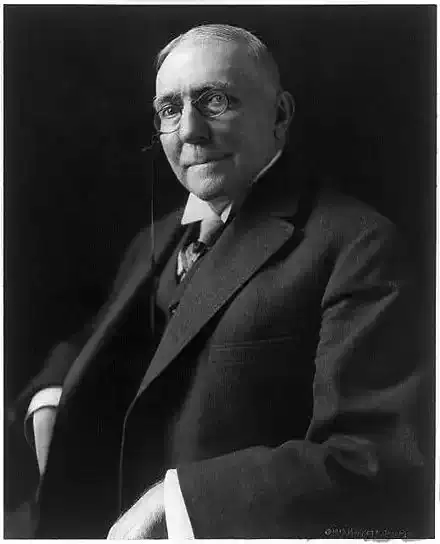
James Whitcomb Riley
Grandfather Squeers
Grandfather Squeers
'My grandfather Squeers,' said The Raggedy Man,
As he solemnly lighted his pipe and began-
'The most indestructible man, for his years,
And the grandest on earth, was my grandfather Squeers!
'He said, when he rounded his three-score-and-ten,
'I've the hang of it now and can do it again!'
'He had frozen his heels so repeatedly, he
Could tell by them just what the weather would be;
'And would laugh and declare, 'while the _Almanac_ would
Most falsely prognosticate, _he_ never could!'
'Such a hale constitution had grandfather Squeers
That, 'though he'd used '_navy_' for sixty odd years,
'He still chewed a dime's-worth six days of the week,
While the seventh he passed with a chew in each cheek:
'Then my grandfather Squeers had a singular knack
Of sitting around on the small of his back,
'With his legs like a letter Y stretched o'er the grate
Wherein 'twas his custom to ex-pec-tor-ate.
'He was fond of tobacco in _manifold_ ways,
And would sit on the door-step, of sunshiny days,
'And smoke leaf-tobacco he'd raised strictly for
The pipe he'd used all through The Mexican War.'
And The Raggedy Man said, refilling the bowl
Of his own pipe and leisurely picking a coal
From the stove with his finger and thumb, 'You can see
What a tee-nacious habit he's fastened on me!
'And my grandfather Squeers took a special delight
In pruning his corns every Saturday night
'With a horn-handled razor, whose edge he excused
By saying 'twas one that his grandfather used;
'And, though deeply etched in the haft of the same
Was the ever-euphonious Wostenholm's name,
''Twas my grandfather's custom to boast of the blade
As 'A Seth Thomas razor--the best ever made!'
'No Old Settlers' Meeting, or Pioneers' Fair,
Was complete without grandfather Squeers in the chair
'To lead off the programme by telling folks how
'He used to shoot deer where the Court-House stands now'-
'How 'he felt, of a truth, to live over the past,
When the country was wild and unbroken and vast,
''That the little log cabin was just plenty fine
For himself, his companion, and fambly of nine!-
''When they didn't have even a pump, or a tin,
But drunk surface-water, year out and year in,
''From the old-fashioned gourd that was sweeter, by odds,
Than the goblets of gold at the lips of the gods!''
Then The Raggedy Man paused to plaintively say
It was clockin' along to'rds the close of the day--
And he'd _ought_ to get back to his work on the lawn,--
Then dreamily blubbered his pipe and went on:
'His teeth were imperfect--my grandfather owned
That he couldn't eat oysters unless they were 'boned';
'And his eyes were so weak, and so feeble of sight,
He couldn't sleep with them unless, every night,
'He put on his spectacles--all he possessed,--
Three pairs--with his goggles on top of the rest.
'And my grandfather always, retiring at night,
Blew down the lamp-chimney to put out the light;
'Then he'd curl up on edge like a shaving, in bed,
And puff and smoke pipes in his sleep, it is said:
'And would snore oftentimes as the legends relate,
Till his folks were wrought up to a terrible state,-
'Then he'd snort, and rear up, and roll over; and there,
In the subsequent hush they could hear him chew air.
'And so glaringly bald was the top of his head
That many's the time he has musingly said,
'As his eyes journeyed o'er its reflex in the glass,-'
I must set out a few signs of _Keep Off the Grass!_'
'So remarkably deaf was my grandfather Squeers
That he had to wear lightning-rods over his ears
'To even hear thunder--and oftentimes then
He was forced to request it to thunder again.'
'My grandfather Squeers,' said The Raggedy Man,
As he solemnly lighted his pipe and began-
'The most indestructible man, for his years,
And the grandest on earth, was my grandfather Squeers!
'He said, when he rounded his three-score-and-ten,
'I've the hang of it now and can do it again!'
'He had frozen his heels so repeatedly, he
Could tell by them just what the weather would be;
'And would laugh and declare, 'while the _Almanac_ would
Most falsely prognosticate, _he_ never could!'
'Such a hale constitution had grandfather Squeers
That, 'though he'd used '_navy_' for sixty odd years,
'He still chewed a dime's-worth six days of the week,
While the seventh he passed with a chew in each cheek:
'Then my grandfather Squeers had a singular knack
Of sitting around on the small of his back,
'With his legs like a letter Y stretched o'er the grate
Wherein 'twas his custom to ex-pec-tor-ate.
'He was fond of tobacco in _manifold_ ways,
And would sit on the door-step, of sunshiny days,
'And smoke leaf-tobacco he'd raised strictly for
The pipe he'd used all through The Mexican War.'
And The Raggedy Man said, refilling the bowl
Of his own pipe and leisurely picking a coal
From the stove with his finger and thumb, 'You can see
What a tee-nacious habit he's fastened on me!
'And my grandfather Squeers took a special delight
In pruning his corns every Saturday night
'With a horn-handled razor, whose edge he excused
By saying 'twas one that his grandfather used;
'And, though deeply etched in the haft of the same
Was the ever-euphonious Wostenholm's name,
''Twas my grandfather's custom to boast of the blade
As 'A Seth Thomas razor--the best ever made!'
'No Old Settlers' Meeting, or Pioneers' Fair,
Was complete without grandfather Squeers in the chair
'To lead off the programme by telling folks how
'He used to shoot deer where the Court-House stands now'-
'How 'he felt, of a truth, to live over the past,
When the country was wild and unbroken and vast,
''That the little log cabin was just plenty fine
For himself, his companion, and fambly of nine!-
''When they didn't have even a pump, or a tin,
But drunk surface-water, year out and year in,
''From the old-fashioned gourd that was sweeter, by odds,
Than the goblets of gold at the lips of the gods!''
Then The Raggedy Man paused to plaintively say
It was clockin' along to'rds the close of the day--
And he'd _ought_ to get back to his work on the lawn,--
Then dreamily blubbered his pipe and went on:
'His teeth were imperfect--my grandfather owned
That he couldn't eat oysters unless they were 'boned';
'And his eyes were so weak, and so feeble of sight,
He couldn't sleep with them unless, every night,
'He put on his spectacles--all he possessed,--
Three pairs--with his goggles on top of the rest.
'And my grandfather always, retiring at night,
Blew down the lamp-chimney to put out the light;
'Then he'd curl up on edge like a shaving, in bed,
And puff and smoke pipes in his sleep, it is said:
'And would snore oftentimes as the legends relate,
Till his folks were wrought up to a terrible state,-
'Then he'd snort, and rear up, and roll over; and there,
In the subsequent hush they could hear him chew air.
'And so glaringly bald was the top of his head
That many's the time he has musingly said,
'As his eyes journeyed o'er its reflex in the glass,-'
I must set out a few signs of _Keep Off the Grass!_'
'So remarkably deaf was my grandfather Squeers
That he had to wear lightning-rods over his ears
'To even hear thunder--and oftentimes then
He was forced to request it to thunder again.'
287
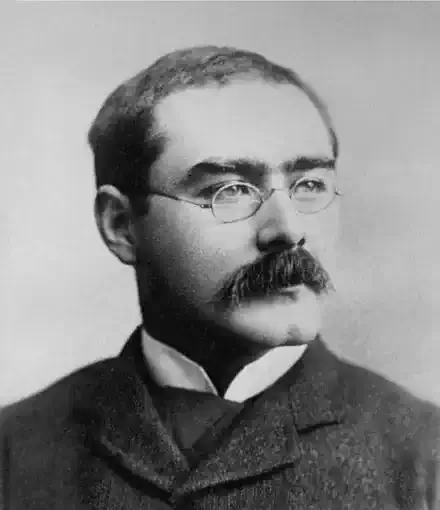
Rudyard Kipling
Song of the Fifth River
Song of the Fifth River
Where first by Eden Tree
The Four Great Rivers ran,
To each was appointed a Man
Her Prince and Ruler to be.
But after this was ordained
(The ancient legends' tell),
There came dark Israel,
For whom no River remained.
Then He Whom the Rivers obey
Said to him: "Fling on the ground
A handful of yellow clay,
And a Fifth Great River shall run,
Mightier than these Four,
In secret the Earth around;
And Her secret evermore,
Shall be shown to thee and thy Race."
So it was said and done.
And, deep in the veins of Earth,
And, fed by a thousand springs
That comfort the market-place,
Or sap the power of King,
The Fifth Great River had birth,
Even as it was foretold--
The Secret River of Gold!
And Israel laid down
His sceptre and his crown,
To brood on that River bank
Where the waters flashed and sank
And burrowed in earth and fell
And bided a season below,
For reason that none might know,
Save only Israel
He is Lord of the Last--
The Fifth, most wonderful, Flood.
He hears Her thunder past
And Her Song is in his blood.
He can foresay: "She will fall,"
For he knows which fountain dries
Behind which desert-belt
A thousand leagues to the South.
He can foresay: "She will rise."
He knows what far snows melt
Along what mountain-wall
A thousand leagues to the North,
He snuffs the coming drouth
As he snuffs the coming rain,
He knows what each will bring forth,
And turns it to his gain.
A Ruler without a Throne,
A Prince without a Sword,
Israel follows his quest.
In every land a guest,
Of many lands a lord,
In no land King is he.
But the Fifth Great River keeps
The secret of Her deeps
For Israel alone,
As it was ordered to be.
Where first by Eden Tree
The Four Great Rivers ran,
To each was appointed a Man
Her Prince and Ruler to be.
But after this was ordained
(The ancient legends' tell),
There came dark Israel,
For whom no River remained.
Then He Whom the Rivers obey
Said to him: "Fling on the ground
A handful of yellow clay,
And a Fifth Great River shall run,
Mightier than these Four,
In secret the Earth around;
And Her secret evermore,
Shall be shown to thee and thy Race."
So it was said and done.
And, deep in the veins of Earth,
And, fed by a thousand springs
That comfort the market-place,
Or sap the power of King,
The Fifth Great River had birth,
Even as it was foretold--
The Secret River of Gold!
And Israel laid down
His sceptre and his crown,
To brood on that River bank
Where the waters flashed and sank
And burrowed in earth and fell
And bided a season below,
For reason that none might know,
Save only Israel
He is Lord of the Last--
The Fifth, most wonderful, Flood.
He hears Her thunder past
And Her Song is in his blood.
He can foresay: "She will fall,"
For he knows which fountain dries
Behind which desert-belt
A thousand leagues to the South.
He can foresay: "She will rise."
He knows what far snows melt
Along what mountain-wall
A thousand leagues to the North,
He snuffs the coming drouth
As he snuffs the coming rain,
He knows what each will bring forth,
And turns it to his gain.
A Ruler without a Throne,
A Prince without a Sword,
Israel follows his quest.
In every land a guest,
Of many lands a lord,
In no land King is he.
But the Fifth Great River keeps
The secret of Her deeps
For Israel alone,
As it was ordered to be.
522
Rudyard Kipling
Our Fathers Also
Our Fathers Also
Thrones, Powers, Dominions, Peoples, Kings,
Are changing 'neath our hand.
Our fathers also see these things
But they do not understand.
By--they are by with mirth and tears,
Wit or the works of Desire-
Cushioned about on the kindly years
Between the wall and the fire.
The grapes are pressed, the corn is shocked--
Standeth no more to glean;
For the Gates of Love and Learning locked
When they went out between.
All lore our Lady Venus bares,
Signalled it was or told
By the dear lips long given to theirs
And longer to the mould.
All Profit, all Device, all Truth,
Written it was or said
By the mighty men of their mighty youth,
Which is mighty being dead.
The film that floats before their eyes
The Temple's Veil they call;
And the dust that on the Shewbread lies
Is holy over all.
Warn them of seas that slip our yoke,
Of slow-conspiring stars-
The ancient Front of Things unbroke
But heavy with new wars?
By--they are by with mirth and tears,
Wit or the waste of Desire-
Cushioned about on the kindly years
Between the wall and the fire!
Thrones, Powers, Dominions, Peoples, Kings,
Are changing 'neath our hand.
Our fathers also see these things
But they do not understand.
By--they are by with mirth and tears,
Wit or the works of Desire-
Cushioned about on the kindly years
Between the wall and the fire.
The grapes are pressed, the corn is shocked--
Standeth no more to glean;
For the Gates of Love and Learning locked
When they went out between.
All lore our Lady Venus bares,
Signalled it was or told
By the dear lips long given to theirs
And longer to the mould.
All Profit, all Device, all Truth,
Written it was or said
By the mighty men of their mighty youth,
Which is mighty being dead.
The film that floats before their eyes
The Temple's Veil they call;
And the dust that on the Shewbread lies
Is holy over all.
Warn them of seas that slip our yoke,
Of slow-conspiring stars-
The ancient Front of Things unbroke
But heavy with new wars?
By--they are by with mirth and tears,
Wit or the waste of Desire-
Cushioned about on the kindly years
Between the wall and the fire!
432
Rudyard Kipling
Our Fathers Also
"Our Fathers Also"
Thrones, Powers, Dominions, Peoples, Kings,
Are changing 'neath our hand.
Our fathers also see these things
But they do not understand.
By--they are by with mirth and tears,
Wit or the works of Desire-
Cushioned about on the kindly years
Between the wall and the fire.
The grapes are pressed, the corn is shocked--
Standeth no more to glean;
For the Gates of Love and Learning locked
When they went out between.
All lore our Lady Venus bares,
Signalled it was or told
By the dear lips long given to theirs
And longer to the mould.
All Profit, all Device, all Truth,
Written it was or said
By the mighty men of their mighty youth,
Which is mighty being dead.
The film that floats before their eyes
The Temple's Veil they call;
And the dust that on the Shewbread lies
Is holy over all.
Warn them of seas that slip our yoke,
Of slow-conspiring stars-
The ancient Front of Things unbroke
But heavy with new wars?
By--they are by with mirth and tears,
Wit or the waste of Desire-
Cushioned about on the kindly years
Between the wall and the fire!
Thrones, Powers, Dominions, Peoples, Kings,
Are changing 'neath our hand.
Our fathers also see these things
But they do not understand.
By--they are by with mirth and tears,
Wit or the works of Desire-
Cushioned about on the kindly years
Between the wall and the fire.
The grapes are pressed, the corn is shocked--
Standeth no more to glean;
For the Gates of Love and Learning locked
When they went out between.
All lore our Lady Venus bares,
Signalled it was or told
By the dear lips long given to theirs
And longer to the mould.
All Profit, all Device, all Truth,
Written it was or said
By the mighty men of their mighty youth,
Which is mighty being dead.
The film that floats before their eyes
The Temple's Veil they call;
And the dust that on the Shewbread lies
Is holy over all.
Warn them of seas that slip our yoke,
Of slow-conspiring stars-
The ancient Front of Things unbroke
But heavy with new wars?
By--they are by with mirth and tears,
Wit or the waste of Desire-
Cushioned about on the kindly years
Between the wall and the fire!
410

Robert W. Service
The Old Armchair
The Old Armchair
In all the pubs from Troon to Ayr
Grandfather's father would repair
With Bobby Burns, a drouthy pair,
The glass to clink;
And oftenwhiles, when not too "fou,"
They'd roar a bawdy stave or two,
From midnight muk to morning dew,
And drink and drink.
And Grandfather, with eye aglow
And proper pride, would often show
An old armchair where long ago
The Bard would sit;
Reciting there with pawky glee
"The Lass that Made the Bed for Me;"
Or whiles a rhyme about the flea
That ne'er was writ.
Then I would seek the Poet's chair
And plant my kilted buttocks there,
And read with joy the Bard of Ayr
In my own tongue;
The Diel, the Daisy and the Louse
The Hare, the Haggis and the Mouse,
(What fornication and carouse!)
When I was young.
Though Kipling, Hardy, Stevenson
Have each my admiration won,
Today, my rhyme-race almost run,
My fancy turns
To him who did Pegasus prod
For me, Bard of my native sod,
The sinner best-loved of God
Rare Robbie Burns.
In all the pubs from Troon to Ayr
Grandfather's father would repair
With Bobby Burns, a drouthy pair,
The glass to clink;
And oftenwhiles, when not too "fou,"
They'd roar a bawdy stave or two,
From midnight muk to morning dew,
And drink and drink.
And Grandfather, with eye aglow
And proper pride, would often show
An old armchair where long ago
The Bard would sit;
Reciting there with pawky glee
"The Lass that Made the Bed for Me;"
Or whiles a rhyme about the flea
That ne'er was writ.
Then I would seek the Poet's chair
And plant my kilted buttocks there,
And read with joy the Bard of Ayr
In my own tongue;
The Diel, the Daisy and the Louse
The Hare, the Haggis and the Mouse,
(What fornication and carouse!)
When I was young.
Though Kipling, Hardy, Stevenson
Have each my admiration won,
Today, my rhyme-race almost run,
My fancy turns
To him who did Pegasus prod
For me, Bard of my native sod,
The sinner best-loved of God
Rare Robbie Burns.
184

Spike Milligan
Bazonka
Bazonka
Say Bazonka every day
That's what my grandma used to say
It keeps at bay the Asian Flu'
And both your elbows free from glue.
So say Bazonka every day
(That's what my grandma used to say)
Don't say it if your socks are dry!
Or when the sun is in your eye!
Never say it in the dark
(The word you see emits a spark)
Only say it in the day
(That's what my grandma used to say)
Young Tiny Tim took her advice
He said it once, he said it twice
he said it till the day he died
And even after that he tried
To say Bazonka! every day
Just like my grandma used to say.
Now folks around declare it's true
That every night at half past two
If you'll stand upon your head
And shout Bazonka! from your bed
You'll hear the word as clear as day
Just like my grandma used to say!
Say Bazonka every day
That's what my grandma used to say
It keeps at bay the Asian Flu'
And both your elbows free from glue.
So say Bazonka every day
(That's what my grandma used to say)
Don't say it if your socks are dry!
Or when the sun is in your eye!
Never say it in the dark
(The word you see emits a spark)
Only say it in the day
(That's what my grandma used to say)
Young Tiny Tim took her advice
He said it once, he said it twice
he said it till the day he died
And even after that he tried
To say Bazonka! every day
Just like my grandma used to say.
Now folks around declare it's true
That every night at half past two
If you'll stand upon your head
And shout Bazonka! from your bed
You'll hear the word as clear as day
Just like my grandma used to say!
240

Siegfried Sassoon
To His Dead Body
To His Dead Body
When roaring gloom surged inward and you cried,
Groping for friendly hands, and clutched, and died,
Like racing smoke, swift from your lolling head
phantoms of thought and memory thinned and fled.
Yet, though my dreams that throng the darkened stair
Can bring me no report of how you fare,
Safe quit of wars, I speed you on your way
Up lonely, glimmering fields to find new day,
Slow-rising, saintless, confident and kind—
Dear, red-faced father God who lit your mind.
When roaring gloom surged inward and you cried,
Groping for friendly hands, and clutched, and died,
Like racing smoke, swift from your lolling head
phantoms of thought and memory thinned and fled.
Yet, though my dreams that throng the darkened stair
Can bring me no report of how you fare,
Safe quit of wars, I speed you on your way
Up lonely, glimmering fields to find new day,
Slow-rising, saintless, confident and kind—
Dear, red-faced father God who lit your mind.
76
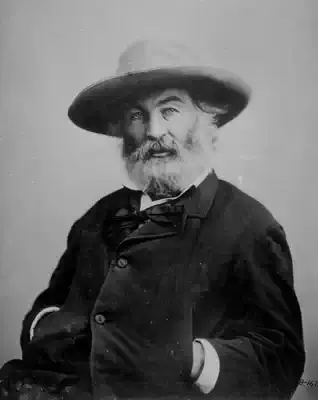
Walt Whitman
This Dust Was Once The Man
This Dust Was Once The Man
THIS dust was once the Man,
Gentle, plain, just and resolute--under whose cautious hand,
Against the foulest crime in history known in any land or age,
Was saved the Union of These States.
THIS dust was once the Man,
Gentle, plain, just and resolute--under whose cautious hand,
Against the foulest crime in history known in any land or age,
Was saved the Union of These States.
324
Siegfried Sassoon
Ancient History
Ancient History
Adam, a brown old vulture in the rain,
Shivered below his wind-whipped olive-trees;
Huddling sharp chin on scarred and scraggy knees,
He moaned and mumbled to his darkening brain;
‘He was the grandest of them all was Cain!
‘A lion laired in the hills, that none could tire:
‘Swift as a stag: a stallion of the plain,
‘Hungry and fierce with deeds of huge desire.’
Grimly he thought of Abel, soft and fair
A lover with disaster in his face,
And scarlet blossom twisted in bright hair.
‘Afraid to fight; was murder more disgrace?’
‘God always hated Cain’ He bowed his head
The gaunt wild man whose lovely sons were dead.
Adam, a brown old vulture in the rain,
Shivered below his wind-whipped olive-trees;
Huddling sharp chin on scarred and scraggy knees,
He moaned and mumbled to his darkening brain;
‘He was the grandest of them all was Cain!
‘A lion laired in the hills, that none could tire:
‘Swift as a stag: a stallion of the plain,
‘Hungry and fierce with deeds of huge desire.’
Grimly he thought of Abel, soft and fair
A lover with disaster in his face,
And scarlet blossom twisted in bright hair.
‘Afraid to fight; was murder more disgrace?’
‘God always hated Cain’ He bowed his head
The gaunt wild man whose lovely sons were dead.
77
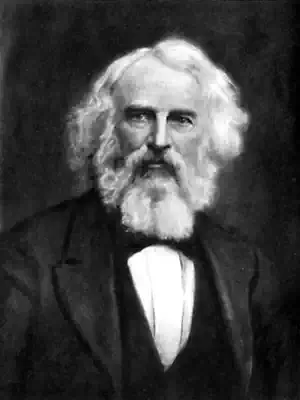
Henry Wadsworth Longfellow
The Song Of Hiawatha XIV: Picture-Writing
The Song Of Hiawatha XIV: Picture-Writing
In those days said Hiawatha,
'Lo! how all things fade and perish!
From the memory of the old men
Pass away the great traditions,
The achievements of the warriors,
The adventures of the hunters,
All the wisdom of the Medas,
All the craft of the Wabenos,
All the marvellous dreams and visions
Of the Jossakeeds, the Prophets!
'Great men die and are forgotten,
Wise men speak; their words of wisdom
Perish in the ears that hear them,
Do not reach the generations
That, as yet unborn, are waiting
In the great, mysterious darkness
Of the speechless days that shall be!
'On the grave-posts of our fathers
Are no signs, no figures painted;
Who are in those graves we know not,
Only know they are our fathers.
Of what kith they are and kindred,
From what old, ancestral Totem,
Be it Eagle, Bear, or Beaver,
They descended, this we know not,
Only know they are our fathers.
'Face to face we speak together,
But we cannot speak when absent,
Cannot send our voices from us
To the friends that dwell afar off;
Cannot send a secret message,
But the bearer learns our secret,
May pervert it, may betray it,
May reveal it unto others.'
Thus said Hiawatha, walking
In the solitary forest,
Pondering, musing in the forest,
On the welfare of his people.
From his pouch he took his colors,
Took his paints of different colors,
On the smooth bark of a birch-tree
Painted many shapes and figures,
Wonderful and mystic figures,
And each figure had a meaning,
Each some word or thought suggested.
Gitche Manito the Mighty,
He, the Master of Life, was painted
As an egg, with points projecting
To the four winds of the heavens.
Everywhere is the Great Spirit,
Was the meaning of this symbol.
Gitche Manito the Mighty,
He the dreadful Spirit of Evil,
As a serpent was depicted,
As Kenabeek, the great serpent.
Very crafty, very cunning,
Is the creeping Spirit of Evil,
Was the meaning of this symbol.
Life and Death he drew as circles,
Life was white, but Death was darkened;
Sun and moon and stars he painted,
Man and beast, and fish and reptile,
Forests, mountains, lakes, and rivers.
For the earth he drew a straight line,
For the sky a bow above it;
White the space between for daytime,
Filled with little stars for night-time;
On the left a point for sunrise,
On the right a point for sunset,
On the top a point for noontide,
And for rain and cloudy weather
Waving lines descending from it.
Footprints pointing towards a wigwam
Were a sign of invitation,
Were a sign of guests assembling;
Bloody hands with palms uplifted
Were a symbol of destruction,
Were a hostile sign and symbol.
All these things did Hiawatha
Show unto his wondering people,
And interpreted their meaning,
And he said: 'Behold, your grave-posts
Have no mark, no sign, nor symbol,
Go and paint them all with figures;
Each one with its household symbol,
With its own ancestral Totem;
So that those who follow after
May distinguish them and know them.'
And they painted on the grave-posts
On the graves yet unforgotten,
Each his own ancestral Totem,
Each the symbol of his household;
Figures of the Bear and Reindeer,
Of the Turtle, Crane, and Beaver,
Each inverted as a token
That the owner was departed,
That the chief who bore the symbol
Lay beneath in dust and ashes.
And the Jossakeeds, the Prophets,
The Wabenos, the Magicians,
And the Medicine-men, the Medas,
Painted upon bark and deer-skin
Figures for the songs they chanted,
For each song a separate symbol,
Figures mystical and awful,
Figures strange and brightly colored;
And each figure had its meaning,
Each some magic song suggested.
The Great Spirit, the Creator,
Flashing light through all the heaven;
The Great Serpent, the Kenabeek,
With his bloody crest erected,
Creeping, looking into heaven;
In the sky the sun, that listens,
And the moon eclipsed and dying;
Owl and eagle, crane and hen-hawk,
And the cormorant, bird of magic;
Headless men, that walk the heavens,
Bodies lying pierced with arrows,
Bloody hands of death uplifted,
Flags on graves, and great war-captains
Grasping both the earth and heaven!
Such as these the shapes they painted
On the birch-bark and the deer-skin;
Songs of war and songs of hunting,
Songs of medicine and of magic,
All were written in these figures,
For each figure had its meaning,
Each its separate song recorded.
Nor forgotten was the Love-Song,
The most subtle of all medicines,
The most potent spell of magic,
Dangerous more than war or hunting!
Thus the Love-Song was recorded,
Symbol and interpretation.
First a human figure standing,
Painted in the brightest scarlet;
`T Is the lover, the musician,
And the meaning is, 'My painting
Makes me powerful over others.'
Then the figure seated, singing,
Playing on a drum of magic,
And the interpretation, 'Listen!
`T Is my voice you hear, my singing!'
Then the same red figure seated
In the shelter of a wigwam,
And the meaning of the symbol,
'I will come and sit beside you
In the mystery of my passion!'
Then two figures, man and woman,
Standing hand in hand together
With their hands so clasped together
That they seemed in one united,
And the words thus represented
Are, 'I see your heart within you,
And your cheeks are red with blushes!'
Next the maiden on an island,
In the centre of an Island;
And the song this shape suggested
Was, 'Though you were at a distance,
Were upon some far-off island,
Such the spell I cast upon you,
Such the magic power of passion,
I could straightway draw you to me!'
Then the figure of the maiden
Sleeping, and the lover near her,
Whispering to her in her slumbers,
Saying, 'Though you were far from me
In the land of Sleep and Silence,
Still the voice of love would reach you!'
And the last of all the figures
Was a heart within a circle,
Drawn within a magic circle;
And the image had this meaning:
'Naked lies your heart before me,
To your naked heart I whisper!'
Thus it was that Hiawatha,
In his wisdom, taught the people
All the mysteries of painting,
All the art of Picture-Writing,
On the smooth bark of the birch-tree,
On the white skin of the reindeer,
On the grave-posts of the village.
In those days said Hiawatha,
'Lo! how all things fade and perish!
From the memory of the old men
Pass away the great traditions,
The achievements of the warriors,
The adventures of the hunters,
All the wisdom of the Medas,
All the craft of the Wabenos,
All the marvellous dreams and visions
Of the Jossakeeds, the Prophets!
'Great men die and are forgotten,
Wise men speak; their words of wisdom
Perish in the ears that hear them,
Do not reach the generations
That, as yet unborn, are waiting
In the great, mysterious darkness
Of the speechless days that shall be!
'On the grave-posts of our fathers
Are no signs, no figures painted;
Who are in those graves we know not,
Only know they are our fathers.
Of what kith they are and kindred,
From what old, ancestral Totem,
Be it Eagle, Bear, or Beaver,
They descended, this we know not,
Only know they are our fathers.
'Face to face we speak together,
But we cannot speak when absent,
Cannot send our voices from us
To the friends that dwell afar off;
Cannot send a secret message,
But the bearer learns our secret,
May pervert it, may betray it,
May reveal it unto others.'
Thus said Hiawatha, walking
In the solitary forest,
Pondering, musing in the forest,
On the welfare of his people.
From his pouch he took his colors,
Took his paints of different colors,
On the smooth bark of a birch-tree
Painted many shapes and figures,
Wonderful and mystic figures,
And each figure had a meaning,
Each some word or thought suggested.
Gitche Manito the Mighty,
He, the Master of Life, was painted
As an egg, with points projecting
To the four winds of the heavens.
Everywhere is the Great Spirit,
Was the meaning of this symbol.
Gitche Manito the Mighty,
He the dreadful Spirit of Evil,
As a serpent was depicted,
As Kenabeek, the great serpent.
Very crafty, very cunning,
Is the creeping Spirit of Evil,
Was the meaning of this symbol.
Life and Death he drew as circles,
Life was white, but Death was darkened;
Sun and moon and stars he painted,
Man and beast, and fish and reptile,
Forests, mountains, lakes, and rivers.
For the earth he drew a straight line,
For the sky a bow above it;
White the space between for daytime,
Filled with little stars for night-time;
On the left a point for sunrise,
On the right a point for sunset,
On the top a point for noontide,
And for rain and cloudy weather
Waving lines descending from it.
Footprints pointing towards a wigwam
Were a sign of invitation,
Were a sign of guests assembling;
Bloody hands with palms uplifted
Were a symbol of destruction,
Were a hostile sign and symbol.
All these things did Hiawatha
Show unto his wondering people,
And interpreted their meaning,
And he said: 'Behold, your grave-posts
Have no mark, no sign, nor symbol,
Go and paint them all with figures;
Each one with its household symbol,
With its own ancestral Totem;
So that those who follow after
May distinguish them and know them.'
And they painted on the grave-posts
On the graves yet unforgotten,
Each his own ancestral Totem,
Each the symbol of his household;
Figures of the Bear and Reindeer,
Of the Turtle, Crane, and Beaver,
Each inverted as a token
That the owner was departed,
That the chief who bore the symbol
Lay beneath in dust and ashes.
And the Jossakeeds, the Prophets,
The Wabenos, the Magicians,
And the Medicine-men, the Medas,
Painted upon bark and deer-skin
Figures for the songs they chanted,
For each song a separate symbol,
Figures mystical and awful,
Figures strange and brightly colored;
And each figure had its meaning,
Each some magic song suggested.
The Great Spirit, the Creator,
Flashing light through all the heaven;
The Great Serpent, the Kenabeek,
With his bloody crest erected,
Creeping, looking into heaven;
In the sky the sun, that listens,
And the moon eclipsed and dying;
Owl and eagle, crane and hen-hawk,
And the cormorant, bird of magic;
Headless men, that walk the heavens,
Bodies lying pierced with arrows,
Bloody hands of death uplifted,
Flags on graves, and great war-captains
Grasping both the earth and heaven!
Such as these the shapes they painted
On the birch-bark and the deer-skin;
Songs of war and songs of hunting,
Songs of medicine and of magic,
All were written in these figures,
For each figure had its meaning,
Each its separate song recorded.
Nor forgotten was the Love-Song,
The most subtle of all medicines,
The most potent spell of magic,
Dangerous more than war or hunting!
Thus the Love-Song was recorded,
Symbol and interpretation.
First a human figure standing,
Painted in the brightest scarlet;
`T Is the lover, the musician,
And the meaning is, 'My painting
Makes me powerful over others.'
Then the figure seated, singing,
Playing on a drum of magic,
And the interpretation, 'Listen!
`T Is my voice you hear, my singing!'
Then the same red figure seated
In the shelter of a wigwam,
And the meaning of the symbol,
'I will come and sit beside you
In the mystery of my passion!'
Then two figures, man and woman,
Standing hand in hand together
With their hands so clasped together
That they seemed in one united,
And the words thus represented
Are, 'I see your heart within you,
And your cheeks are red with blushes!'
Next the maiden on an island,
In the centre of an Island;
And the song this shape suggested
Was, 'Though you were at a distance,
Were upon some far-off island,
Such the spell I cast upon you,
Such the magic power of passion,
I could straightway draw you to me!'
Then the figure of the maiden
Sleeping, and the lover near her,
Whispering to her in her slumbers,
Saying, 'Though you were far from me
In the land of Sleep and Silence,
Still the voice of love would reach you!'
And the last of all the figures
Was a heart within a circle,
Drawn within a magic circle;
And the image had this meaning:
'Naked lies your heart before me,
To your naked heart I whisper!'
Thus it was that Hiawatha,
In his wisdom, taught the people
All the mysteries of painting,
All the art of Picture-Writing,
On the smooth bark of the birch-tree,
On the white skin of the reindeer,
On the grave-posts of the village.
272
Henry Wadsworth Longfellow
The Burial Of The Poet
The Burial Of The Poet
In the old churchyard of his native town,
And in the ancestral tomb beside the wall,
We laid him in the sleep that comes to all,
And left him to his rest and his renown.
The snow was falling, as if Heaven dropped down
White flowers of Paradise to strew his pall;--
The dead around him seemed to wake, and call
His name, as worthy of so white a crown.
And now the moon is shining on the scene,
And the broad sheet of snow is written o'er
With shadows cruciform of leafless trees,
As once the winding-sheet of Saladin
With chapters of the Koran; but, ah! more
Mysterious and triumphant signs are these.
In the old churchyard of his native town,
And in the ancestral tomb beside the wall,
We laid him in the sleep that comes to all,
And left him to his rest and his renown.
The snow was falling, as if Heaven dropped down
White flowers of Paradise to strew his pall;--
The dead around him seemed to wake, and call
His name, as worthy of so white a crown.
And now the moon is shining on the scene,
And the broad sheet of snow is written o'er
With shadows cruciform of leafless trees,
As once the winding-sheet of Saladin
With chapters of the Koran; but, ah! more
Mysterious and triumphant signs are these.
283
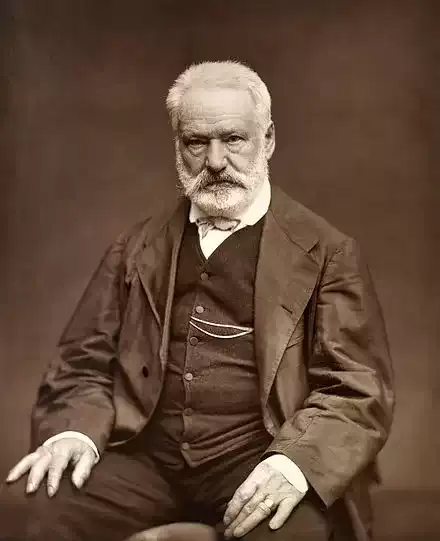
Victor Marie Hugo
Boaz Asleep
Boaz Asleep
Boaz, overcome with weariness, by torchlight
made his pallet on the threshing floor
where all day he had worked, and now he slept
among the bushels of threshed wheat.
The old man owned wheatfields and barley,
and though he was rich, he was still fair-minded.
No filth soured the sweetness of his well.
No hot iron of torture whitened in his forge.
His beard was silver as a brook in April.
He bound sheaves without the strain of hate
or envy. He saw gleaners pass, and said,
Let handfuls of the fat ears fall to them.
The man's mind, clear of untoward feeling,
clothed itself in candor. He wore clean robes.
His heaped granaries spilled over always
toward the poor, no less than public fountains.
Boaz did well by his workers and by kinsmen.
He was generous, and moderate. Women held him
worthier than younger men, for youth is handsome,
but to him in his old age came greatness.
An old man, nearing his first source, may find
the timelessness beyond times of trouble.
And though fire burned in young men's eyes,
to Ruth the eyes of Boaz shone clear light.
Boaz, overcome with weariness, by torchlight
made his pallet on the threshing floor
where all day he had worked, and now he slept
among the bushels of threshed wheat.
The old man owned wheatfields and barley,
and though he was rich, he was still fair-minded.
No filth soured the sweetness of his well.
No hot iron of torture whitened in his forge.
His beard was silver as a brook in April.
He bound sheaves without the strain of hate
or envy. He saw gleaners pass, and said,
Let handfuls of the fat ears fall to them.
The man's mind, clear of untoward feeling,
clothed itself in candor. He wore clean robes.
His heaped granaries spilled over always
toward the poor, no less than public fountains.
Boaz did well by his workers and by kinsmen.
He was generous, and moderate. Women held him
worthier than younger men, for youth is handsome,
but to him in his old age came greatness.
An old man, nearing his first source, may find
the timelessness beyond times of trouble.
And though fire burned in young men's eyes,
to Ruth the eyes of Boaz shone clear light.
224
Henry Wadsworth Longfellow
Tales Of A Wayside Inn : Part 1. Interlude I.
Tales Of A Wayside Inn : Part 1. Interlude I.
The Landlord ended thus his tale,
Then rising took down from its nail
The sword that hung there, dim with dust
And cleaving to its sheath with rust,
And said, 'This sword was in the fight.'
The Poet seized it, and exclaimed,
'It is the sword of a good knight,
Though homespun was his coat-of-mail;
What matter if it be not named
Joyeuse, Colada, Durindale,
Excalibar, or Aroundight,
Or other name the books record?
Your ancestor, who bore this sword
As Colonel of the Volunteers,
Mounted upon his old gray mare,
Seen here and there and everywhere,
To me a grander shape appears
Than old Sir William, or what not,
Clinking about in foreign lands
With iron gauntlets on his hands,
And on his head an iron pot!'
All laughed; the Landlord's face grew red
As his escutcheon on the wall;
He could not comprehend at all
The drift of what the Poet said;
For those who had been longest dead
Were always greatest in his eyes;
And be was speechless with surprise
To see Sir William's pluméd head
Brought to a level with the rest,
And made the subject of a jest.
And this perceiving, to appease
The Landlord's wrath, the others' fears,
The Student said, with careless ease,
'The ladies and the cavaliers,
The arms, the loves, the courtesies,
The deeds of high emprise, I sing!
Thus Ariosto says, in words
That have the stately stride and ring
Of arméd knights and clashing swords.
Now listen to the tale I bring;
Listen! though not to me belong
The flowing draperies of his song,
The words that rouse, the voice that charms.
The Landlord's tale was one of arms,
Only a tale of love is mine,
Blending the human and divine,
A tale of the Decameron, told
In Palmieri's garden old,
By Fiametta, laurel-crowned,
While her companions lay around,
And heard the intermingled sound
Of airs that on their errands sped,
And wild birds gossiping overhead,
And lisp of leaves, and fountain's fall,
And her own voice more sweet than all,
Telling the tale, which, wanting these,
Perchance may lose its power to please.'
The Landlord ended thus his tale,
Then rising took down from its nail
The sword that hung there, dim with dust
And cleaving to its sheath with rust,
And said, 'This sword was in the fight.'
The Poet seized it, and exclaimed,
'It is the sword of a good knight,
Though homespun was his coat-of-mail;
What matter if it be not named
Joyeuse, Colada, Durindale,
Excalibar, or Aroundight,
Or other name the books record?
Your ancestor, who bore this sword
As Colonel of the Volunteers,
Mounted upon his old gray mare,
Seen here and there and everywhere,
To me a grander shape appears
Than old Sir William, or what not,
Clinking about in foreign lands
With iron gauntlets on his hands,
And on his head an iron pot!'
All laughed; the Landlord's face grew red
As his escutcheon on the wall;
He could not comprehend at all
The drift of what the Poet said;
For those who had been longest dead
Were always greatest in his eyes;
And be was speechless with surprise
To see Sir William's pluméd head
Brought to a level with the rest,
And made the subject of a jest.
And this perceiving, to appease
The Landlord's wrath, the others' fears,
The Student said, with careless ease,
'The ladies and the cavaliers,
The arms, the loves, the courtesies,
The deeds of high emprise, I sing!
Thus Ariosto says, in words
That have the stately stride and ring
Of arméd knights and clashing swords.
Now listen to the tale I bring;
Listen! though not to me belong
The flowing draperies of his song,
The words that rouse, the voice that charms.
The Landlord's tale was one of arms,
Only a tale of love is mine,
Blending the human and divine,
A tale of the Decameron, told
In Palmieri's garden old,
By Fiametta, laurel-crowned,
While her companions lay around,
And heard the intermingled sound
Of airs that on their errands sped,
And wild birds gossiping overhead,
And lisp of leaves, and fountain's fall,
And her own voice more sweet than all,
Telling the tale, which, wanting these,
Perchance may lose its power to please.'
247
Rudyard Kipling
The Veterans
The Veterans
To-day, across our fathers' graves,
The astonished years reveal
The remnant of that desperate host
Which cleansed our East with steel.
Hail and farewell! We greet you here,
With tears that none will scorn--
O Keepers of the House of old,
Or ever we were born!
One service more we dare to ask--
Pray for us, heroes, pray,
That when Fate lays on us our task
We do not shame the Day!
To-day, across our fathers' graves,
The astonished years reveal
The remnant of that desperate host
Which cleansed our East with steel.
Hail and farewell! We greet you here,
With tears that none will scorn--
O Keepers of the House of old,
Or ever we were born!
One service more we dare to ask--
Pray for us, heroes, pray,
That when Fate lays on us our task
We do not shame the Day!
353
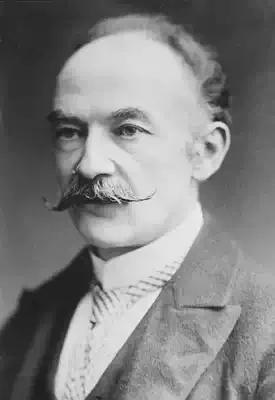
Thomas Hardy
Transformations
Transformations
Portion of this yew
Is a man my grandsire knew,
Bosomed here at its foot:
This branch may be his wife,
A ruddy human life
Now turned to a green shoot.
These grasses must be made
Of her who often prayed,
Last century, for repose;
And the fair girl long ago
Whom I often tried to know
May be entering this rose.
So, they are not underground,
But as nerves and veins abound
In the growths of upper air,
And they feel the sun and rain,
And the energy again
That made them what they were!
Portion of this yew
Is a man my grandsire knew,
Bosomed here at its foot:
This branch may be his wife,
A ruddy human life
Now turned to a green shoot.
These grasses must be made
Of her who often prayed,
Last century, for repose;
And the fair girl long ago
Whom I often tried to know
May be entering this rose.
So, they are not underground,
But as nerves and veins abound
In the growths of upper air,
And they feel the sun and rain,
And the energy again
That made them what they were!
213
Henry Wadsworth Longfellow
Picture-Writing
Picture-Writing
In those days said Hiawatha,
"Lo! how all things fade and perish!
From the memory of the old men
Pass away the great traditions,
The achievements of the warriors,
The adventures of the hunters,
All the wisdom of the Medas,
All the craft of the Wabenos,
All the marvellous dreams and visions
Of the Jossakeeds, the Prophets!
"Great men die and are forgotten,
Wise men speak; their words of wisdom
Perish in the ears that hear them,
Do not reach the generations
That, as yet unborn, are waiting
In the great, mysterious darkness
Of the speechless days that shall be!
"On the grave-posts of our fathers
Are no signs, no figures painted;
Who are in those graves we know not,
Only know they are our fathers.
Of what kith they are and kindred,
From what old, ancestral Totem,
Be it Eagle, Bear, or Beaver,
They descended, this we know not,
Only know they are our fathers.
"Face to face we speak together,
But we cannot speak when absent,
Cannot send our voices from us
To the friends that dwell afar off;
Cannot send a secret message,
But the bearer learns our secret,
May pervert it, may betray it,
May reveal it unto others."
Thus said Hiawatha, walking
In the solitary forest,
Pondering, musing in the forest,
On the welfare of his people.
From his pouch he took his colors,
Took his paints of different colors,
On the smooth bark of a birch-tree
Painted many shapes and figures,
Wonderful and mystic figures,
And each figure had a meaning,
Each some word or thought suggested.
Gitche Manito the Mighty,
He, the Master of Life, was painted
As an egg, with points projecting
To the four winds of the heavens.
Everywhere is the Great Spirit,
Was the meaning of this symbol.
Gitche Manito the Mighty,
He the dreadful Spirit of Evil,
As a serpent was depicted,
As Kenabeek, the great serpent.
Very crafty, very cunning,
Is the creeping Spirit of Evil,
Was the meaning of this symbol.
Life and Death he drew as circles,
Life was white, but Death was darkened;
Sun and moon and stars he painted,
Man and beast, and fish and reptile,
Forests, mountains, lakes, and rivers.
For the earth he drew a straight line,
For the sky a bow above it;
White the space between for daytime,
Filled with little stars for night-time;
On the left a point for sunrise,
On the right a point for sunset,
On the top a point for noontide,
And for rain and cloudy weather
Waving lines descending from it.
Footprints pointing towards a wigwam
Were a sign of invitation,
Were a sign of guests assembling;
Bloody hands with palms uplifted
Were a symbol of destruction,
Were a hostile sign and symbol.
All these things did Hiawatha
Show unto his wondering people,
And interpreted their meaning,
And he said: "Behold, your grave-posts
Have no mark, no sign, nor symbol,
Go and paint them all with figures;
Each one with its household symbol,
With its own ancestral Totem;
So that those who follow after
May distinguish them and know them."
And they painted on the grave-posts
On the graves yet unforgotten,
Each his own ancestral Totem,
Each the symbol of his household;
Figures of the Bear and Reindeer,
Of the Turtle, Crane, and Beaver,
Each inverted as a token
That the owner was departed,
That the chief who bore the symbol
Lay beneath in dust and ashes.
And the Jossakeeds, the Prophets,
The Wabenos, the Magicians,
And the Medicine-men, the Medas,
Painted upon bark and deer-skin
Figures for the songs they chanted,
For each song a separate symbol,
Figures mystical and awful,
Figures strange and brightly colored;
And each figure had its meaning,
Each some magic song suggested.
The Great Spirit, the Creator,
Flashing light through all the heaven;
The Great Serpent, the Kenabeek,
With his bloody crest erected,
Creeping, looking into heaven;
In the sky the sun, that listens,
And the moon eclipsed and dying;
Owl and eagle, crane and hen-hawk,
And the cormorant, bird of magic;
Headless men, that walk the heavens,
Bodies lying pierced with arrows,
Bloody hands of death uplifted,
Flags on graves, and great war-captains
Grasping both the earth and heaven!
Such as these the shapes they painted
On the birch-bark and the deer-skin;
Songs of war and songs of hunting,
Songs of medicine and of magic,
All were written in these figures,
For each figure had its meaning,
Each its separate song recorded.
Nor forgotten was the Love-Song,
The most subtle of all medicines,
The most potent spell of magic,
Dangerous more than war or hunting!
Thus the Love-Song was recorded,
Symbol and interpretation.
First a human figure standing,
Painted in the brightest scarlet;
`T Is the lover, the musician,
And the meaning is, "My painting
Makes me powerful over others."
Then the figure seated, singing,
Playing on a drum of magic,
And the interpretation, "Listen!
`T Is my voice you hear, my singing!"
Then the same red figure seated
In the shelter of a wigwam,
And the meaning of the symbol,
"I will come and sit beside you
In the mystery of my passion!"
Then two figures, man and woman,
Standing hand in hand together
With their hands so clasped together
That they seemed in one united,
And the words thus represented
Are, "I see your heart within you,
And your cheeks are red with blushes!"
Next the maiden on an island,
In the centre of an Island;
And the song this shape suggested
Was, "Though you were at a distance,
Were upon some far-off island,
Such the spell I cast upon you,
Such the magic power of passion,
I could straightway draw you to me!"
Then the figure of the maiden
Sleeping, and the lover near her,
Whispering to her in her slumbers,
Saying, "Though you were far from me
In the land of Sleep and Silence,
Still the voice of love would reach you!"
And the last of all the figures
Was a heart within a circle,
Drawn within a magic circle;
And the image had this meaning:
"Naked lies your heart before me,
To your naked heart I whisper!"
Thus it was that Hiawatha,
In his wisdom, taught the people
All the mysteries of painting,
All the art of Picture-Writing,
On the smooth bark of the birch-tree,
On the white skin of the reindeer,
On the grave-posts of the village.
In those days said Hiawatha,
"Lo! how all things fade and perish!
From the memory of the old men
Pass away the great traditions,
The achievements of the warriors,
The adventures of the hunters,
All the wisdom of the Medas,
All the craft of the Wabenos,
All the marvellous dreams and visions
Of the Jossakeeds, the Prophets!
"Great men die and are forgotten,
Wise men speak; their words of wisdom
Perish in the ears that hear them,
Do not reach the generations
That, as yet unborn, are waiting
In the great, mysterious darkness
Of the speechless days that shall be!
"On the grave-posts of our fathers
Are no signs, no figures painted;
Who are in those graves we know not,
Only know they are our fathers.
Of what kith they are and kindred,
From what old, ancestral Totem,
Be it Eagle, Bear, or Beaver,
They descended, this we know not,
Only know they are our fathers.
"Face to face we speak together,
But we cannot speak when absent,
Cannot send our voices from us
To the friends that dwell afar off;
Cannot send a secret message,
But the bearer learns our secret,
May pervert it, may betray it,
May reveal it unto others."
Thus said Hiawatha, walking
In the solitary forest,
Pondering, musing in the forest,
On the welfare of his people.
From his pouch he took his colors,
Took his paints of different colors,
On the smooth bark of a birch-tree
Painted many shapes and figures,
Wonderful and mystic figures,
And each figure had a meaning,
Each some word or thought suggested.
Gitche Manito the Mighty,
He, the Master of Life, was painted
As an egg, with points projecting
To the four winds of the heavens.
Everywhere is the Great Spirit,
Was the meaning of this symbol.
Gitche Manito the Mighty,
He the dreadful Spirit of Evil,
As a serpent was depicted,
As Kenabeek, the great serpent.
Very crafty, very cunning,
Is the creeping Spirit of Evil,
Was the meaning of this symbol.
Life and Death he drew as circles,
Life was white, but Death was darkened;
Sun and moon and stars he painted,
Man and beast, and fish and reptile,
Forests, mountains, lakes, and rivers.
For the earth he drew a straight line,
For the sky a bow above it;
White the space between for daytime,
Filled with little stars for night-time;
On the left a point for sunrise,
On the right a point for sunset,
On the top a point for noontide,
And for rain and cloudy weather
Waving lines descending from it.
Footprints pointing towards a wigwam
Were a sign of invitation,
Were a sign of guests assembling;
Bloody hands with palms uplifted
Were a symbol of destruction,
Were a hostile sign and symbol.
All these things did Hiawatha
Show unto his wondering people,
And interpreted their meaning,
And he said: "Behold, your grave-posts
Have no mark, no sign, nor symbol,
Go and paint them all with figures;
Each one with its household symbol,
With its own ancestral Totem;
So that those who follow after
May distinguish them and know them."
And they painted on the grave-posts
On the graves yet unforgotten,
Each his own ancestral Totem,
Each the symbol of his household;
Figures of the Bear and Reindeer,
Of the Turtle, Crane, and Beaver,
Each inverted as a token
That the owner was departed,
That the chief who bore the symbol
Lay beneath in dust and ashes.
And the Jossakeeds, the Prophets,
The Wabenos, the Magicians,
And the Medicine-men, the Medas,
Painted upon bark and deer-skin
Figures for the songs they chanted,
For each song a separate symbol,
Figures mystical and awful,
Figures strange and brightly colored;
And each figure had its meaning,
Each some magic song suggested.
The Great Spirit, the Creator,
Flashing light through all the heaven;
The Great Serpent, the Kenabeek,
With his bloody crest erected,
Creeping, looking into heaven;
In the sky the sun, that listens,
And the moon eclipsed and dying;
Owl and eagle, crane and hen-hawk,
And the cormorant, bird of magic;
Headless men, that walk the heavens,
Bodies lying pierced with arrows,
Bloody hands of death uplifted,
Flags on graves, and great war-captains
Grasping both the earth and heaven!
Such as these the shapes they painted
On the birch-bark and the deer-skin;
Songs of war and songs of hunting,
Songs of medicine and of magic,
All were written in these figures,
For each figure had its meaning,
Each its separate song recorded.
Nor forgotten was the Love-Song,
The most subtle of all medicines,
The most potent spell of magic,
Dangerous more than war or hunting!
Thus the Love-Song was recorded,
Symbol and interpretation.
First a human figure standing,
Painted in the brightest scarlet;
`T Is the lover, the musician,
And the meaning is, "My painting
Makes me powerful over others."
Then the figure seated, singing,
Playing on a drum of magic,
And the interpretation, "Listen!
`T Is my voice you hear, my singing!"
Then the same red figure seated
In the shelter of a wigwam,
And the meaning of the symbol,
"I will come and sit beside you
In the mystery of my passion!"
Then two figures, man and woman,
Standing hand in hand together
With their hands so clasped together
That they seemed in one united,
And the words thus represented
Are, "I see your heart within you,
And your cheeks are red with blushes!"
Next the maiden on an island,
In the centre of an Island;
And the song this shape suggested
Was, "Though you were at a distance,
Were upon some far-off island,
Such the spell I cast upon you,
Such the magic power of passion,
I could straightway draw you to me!"
Then the figure of the maiden
Sleeping, and the lover near her,
Whispering to her in her slumbers,
Saying, "Though you were far from me
In the land of Sleep and Silence,
Still the voice of love would reach you!"
And the last of all the figures
Was a heart within a circle,
Drawn within a magic circle;
And the image had this meaning:
"Naked lies your heart before me,
To your naked heart I whisper!"
Thus it was that Hiawatha,
In his wisdom, taught the people
All the mysteries of painting,
All the art of Picture-Writing,
On the smooth bark of the birch-tree,
On the white skin of the reindeer,
On the grave-posts of the village.
275
Robert W. Service
Lucindy Jane
Lucindy Jane
When I was young I was too proud
To wheel my daughter in her pram.
"It's infra dig," I said aloud,-Bot
now I'm old, behold I am
Perambulating up and down
Grand-daughter through the town.
And when I come into the Square,
Beside the fountain I will stop;
And as to rest I linger there,
The dames will say: "How do, Grand-pop!
Lucindy Jane with eyes so blue
Looks more and more like you."
And sure it's pleased as Punch I get,
And take Lucindy on my knee;
Aye, at the risk of getting wet,
I blether to the girls a wee:
Then as we have a bottle date
Home we perambulate.
Gosh! That's the joy of all my day;
And as I play the part of nurse:
"She's got your nose," I hear them say.
Thinks I: "Well now, she might have worse."
And how I dream I'll live to see
A great-grandchild upon my knee,
Whom folks say looks like me!
When I was young I was too proud
To wheel my daughter in her pram.
"It's infra dig," I said aloud,-Bot
now I'm old, behold I am
Perambulating up and down
Grand-daughter through the town.
And when I come into the Square,
Beside the fountain I will stop;
And as to rest I linger there,
The dames will say: "How do, Grand-pop!
Lucindy Jane with eyes so blue
Looks more and more like you."
And sure it's pleased as Punch I get,
And take Lucindy on my knee;
Aye, at the risk of getting wet,
I blether to the girls a wee:
Then as we have a bottle date
Home we perambulate.
Gosh! That's the joy of all my day;
And as I play the part of nurse:
"She's got your nose," I hear them say.
Thinks I: "Well now, she might have worse."
And how I dream I'll live to see
A great-grandchild upon my knee,
Whom folks say looks like me!
233
Rudyard Kipling
The Heritage
The Heritage
Our Fathers in a wondrous age,
Ere yet the Earth was small,
Ensured to us a heritage,
And doubted not at all
That we the children of their heart,
Which then did beat so high,
In later rime should play like part
For our posterity.
A thousand years they steadfast built,
To 'vantage us and ours,
The Walls that were a world's despair,
The sea-constraining Towers:
Yet in their midmost pride they knew,
And unto Kings made known,
Not all from these their strength they drew,
Their faith from brass or stone.
Youth's passion, manhood's fierce intent,
With age's judgment wise,
They spent, and counted not they spent,
At daily sacrifice.
Not lambs alone nor purchased doves .
Or tithe of trader's gold--
Their lives most dear, their dearer loves,
They offered up of old.
Refraining e'en from lawful things,
They bowed the neck to bear
The unadorned yoke that brings
Stark toil and sternest care.
Wherefore through them is Freedom sure;
Wherefore through them we stand,
From all but sloth and pride secure,
In a delightsome land.
Then, fretful, murmur not they gave
So great a charge to keep,
Nor dream that awestruck Time shall save
Their labour while we sleep.
Dear-bought and clear, a thousand year,
Our fathers' title runs.
Make we likewise their sacrifice,
Defrauding not our sons.
Our Fathers in a wondrous age,
Ere yet the Earth was small,
Ensured to us a heritage,
And doubted not at all
That we the children of their heart,
Which then did beat so high,
In later rime should play like part
For our posterity.
A thousand years they steadfast built,
To 'vantage us and ours,
The Walls that were a world's despair,
The sea-constraining Towers:
Yet in their midmost pride they knew,
And unto Kings made known,
Not all from these their strength they drew,
Their faith from brass or stone.
Youth's passion, manhood's fierce intent,
With age's judgment wise,
They spent, and counted not they spent,
At daily sacrifice.
Not lambs alone nor purchased doves .
Or tithe of trader's gold--
Their lives most dear, their dearer loves,
They offered up of old.
Refraining e'en from lawful things,
They bowed the neck to bear
The unadorned yoke that brings
Stark toil and sternest care.
Wherefore through them is Freedom sure;
Wherefore through them we stand,
From all but sloth and pride secure,
In a delightsome land.
Then, fretful, murmur not they gave
So great a charge to keep,
Nor dream that awestruck Time shall save
Their labour while we sleep.
Dear-bought and clear, a thousand year,
Our fathers' title runs.
Make we likewise their sacrifice,
Defrauding not our sons.
385
Thomas Hardy
Heredity
Heredity
I am the family face;
Flesh perishes, I live on,
Projecting trait and trace
Through time to times anon,
And leaping from place to place
Over oblivion.
The years-heired feature that can
In curve and voice and eye
Despise the human span
Of durance -- that is I;
The eternal thing in man,
That heeds no call to die
I am the family face;
Flesh perishes, I live on,
Projecting trait and trace
Through time to times anon,
And leaping from place to place
Over oblivion.
The years-heired feature that can
In curve and voice and eye
Despise the human span
Of durance -- that is I;
The eternal thing in man,
That heeds no call to die
173

Emily Dickinson
The Mountain sat upon the Plain
The Mountain sat upon the Plain
975
The Mountain sat upon the Plain
In his tremendous Chair-
His observation omnifold,
His inquest, everywhere-
The Seasons played around his knees
Like Children round a sire-
Grandfather of the Days is He
Of Dawn, the Ancestor-
975
The Mountain sat upon the Plain
In his tremendous Chair-
His observation omnifold,
His inquest, everywhere-
The Seasons played around his knees
Like Children round a sire-
Grandfather of the Days is He
Of Dawn, the Ancestor-
265

Edward Lear
Limerick: There Was an Old Man on a Hill
Limerick: There Was an Old Man on a Hill
There was an Old Man on a hill,
Who seldom, if ever, stood still;
He ran up and down,
In his Grandmother's gown,
Which adorned that Old Man on a hill.
There was an Old Man on a hill,
Who seldom, if ever, stood still;
He ran up and down,
In his Grandmother's gown,
Which adorned that Old Man on a hill.
210
Edward Lear
Limerick: There was a Young Person of Smyrna,
Limerick: There was a Young Person of Smyrna,
There was a Young Person of Smyrna,
Whose Grandmother threatened to burn her;
But she seized on the cat,
And said, 'Granny, burn that!
You incongruous Old Woman of Smyrna!'
There was a Young Person of Smyrna,
Whose Grandmother threatened to burn her;
But she seized on the cat,
And said, 'Granny, burn that!
You incongruous Old Woman of Smyrna!'
236

George Gordon Lord Byron
Oscar Of Alva: A Tale
Oscar Of Alva: A Tale
How sweetly shines through azure skies,
The lamp of heaven on Lora's shore;
Where Alva's hoary turrets rise,
And hear the din of arms no more!
But often has yon rolling moon
On Alva's casques of silver play'd;
And view'd at midnight's silent noon,
Her chief's in gleaming mail array'd:
And on the crimson'd rocks beneath,
Which scowl o'er ocean's sullen flow,
Pale in the scatter'd runks of death,
She saw the gasping warrior low;
While many an eye which ne'er again
Could mark the rising orb of day,
T'urn'd feebly from the gory plain,
Beheld in death her fading ray.
Once to those eyes the lamp of Love,
They blest her dear propitious light;
But now she glimmer'd from above,
A sad, funereal torch of night.
Faded is Alva's noble race,
And gray her towers are seen afar;
No more her heroes urge the chase,
Or roll the crimson tide of war.
But who was last of Alva's clan?
Why grows the moss on Alva's stone?
Her towers resound no steps of man,
They echo to the gale alone.
And when that gale is fierce and high,
A sound is heard in yonder hall;
It rises hoarsely through the sky,
And vibrates o'er the mould'ring wall.
Yes, when the eddying tempest sighs,
It shakes the shield of Oscar brave;
But there no more his banners rise,
No more his plumes of sable wave.
Fair shone the sun on Oscar's birth,
When Angus hail'd his eldest born
The vassals round their chieftain's hearth
Crowd to applaud the happy morn.
They feast upon the mountain deer,
The pibroch raised its piercing note;
To gladden more their highland cheer,
The strains in martial numbers float:
And they who heard the warnotes
wild
Hoped that one day the pibroch's strain
Should play belore the hero's child
While he should lead the tartan train.
Another year is qulckly past,
And Angus hails another son;
His natal day is like the last,
Nor soon the jocund feast was done.
Taught by their sire to bend the bow,
On Alva's dusky hills of wind,
The boys in childhood chased the roe,
And left their hounds in speed behind.
But ere their years of youth are o'er,
They mingle in the ranks of war;
They lightly wheel the bright claymore
And send the whistling arrow far.
Dark was the flow of Oscar's hair,
Wildly it stream'd along the gale;
But Allan's locks were bright and fair,
And pensive seem'd his cheek, and pale.
But Oscar own'd a hero's soul,
His dark eye shone through beams of truth;
Allan had early learn'd control,
And smooth his words had been from youth.
Both, both were brave; the Saxon spear
Was shiver'd oft beneath their steel;
And Oscar's bosom scorn'd to fear,
But Oscar's bosom knew to feel;
While Allan's soul belied his form,
Unworthy with such charms to dwell:
Keen as the lightning of the storm,
On foe, his deadly vengeance fell.
From high Southannon's distant tower
Arrived a young and noble dame;
With Kenneth's lands to form her dower,
Glenalvon's blueeyed
daughter came;
And Oscar claim'd the beauteous bride,
And Angus on his Oscar srniled:
It soothed the father's feudal pride
Thus to obtain Glenalvon's child.
Hark to the pibroch's pleasing note!
Hark to the swelling nuptial song!
In joyous strains the voices float,
And still the choral peal prolong.
See how the heroes' bloodred
plumes
Assembled wave in Alva's hall;
Each youth his varied plaid assumes,
Attending on thir chieftain's call.
It is not war their aid demands,
The pibroch plays the song of peace;
To Oscar's nuptials throng the bands,
Nor yet the sounds of pleasure cease.
But where is Oscar? sure 'tis late:
Is this a bridegroom's ardent flame?
While thronging guests and ladies wait,
Nor Oscar nor his brother came.
At length young Allan join'd the bride;
'Why comes not Oscar?' Angus said:
Is he not here?' the youth replied;
'With me he roved not o'er the glade:
'Perchance, forgetful of the day,
'Tis his to chase the bounding roe;
Or ocean's waves prolong his stay;
Yet Oscar's bark is seldom slow.'
'Oh, no!' the anguish'd Sire rejoin'd,
'Nor chase nor wave, my boy delay;
Would he to Mora seem unkind?
Would aught to her impede his way?
'Oh, search, ye chiefs! oh, search around!
Allan, with these through Alva fly;
Till Oscar, till my son is found,
Haste, haste, nor dare attempt reply.'
All is confusion — through the vale
The name of Oscar hoarsely rings,
It rises on the murmuring gale,
Till night expands her dusky wings;
It breaks the stillness of the night,
But echoes through her shades in vain;
It sounds through morning's misty light,
But Oscar comes not o'er the plain.
Three days,three sleepless nights, the Chief
For Oscar search'd each mountaln cave:
Then hope is lost; in boundless grief,
His locks in graytorn
ringlets wave.
'Oscar! my son! thou God of heaven,
Restore the prop of sinking age!
Or if that hope no more is given,
Yield his assassin to my rage.
'Yes, on some desert rocky shore
My Oscar's whiten'd bones must lie;
Then grant, thou God! I ask no more,
With him his frantic sire may die!
'Yet he may live, — away, despalr!
Be calm, my soul! he yet may live;
T'arraign my fate, my voice forbear!
O God! my impious prayer forgive.
'What, if he live for me no more,
I sink forgotten in the dust,
The hope of Alva's age is o'er:
Alas! can pangs like these be just?'
Thus did the hapless parent mourn,
Till Time, which soothes severest woe,
Had bade serenity return
And made the teardrop
cease to flow.
For still some latent hope survived
That Oscar might once more appear;
His hope now droop'd and now revived,
Till Time had told a tedious year.
Days roll'd along, the orb of light
Again had run his destined race;
No Oscar bless'd his father's sight,
And sorrow left a fainter trace.
For youthful Allan still remain'd,
And now his father's only joy:
And Mora's heart was quickly gain'd,
For beauty crown'd the fairhair'd
boy.
She thought that Oscar low was laid,
And Allan's face was wondrous fair;
If Oscar lived, some other maid
Had clairn'd his faithless bosom's care.
And Angus said, if one year more
In fruitless hope was pass'd away,
His fondest scruples should be o'er,
And he would name their nuptial day.
Slow roll'd the moons, but blest at last
Arrived the dearly destined morn
The year of anxious trembling past,
What smiles the lovers' cheeks adorn!
Hark to the pibroch's pleasing note!
Hark to the swelling nuptial song!
In joyous strains the voices float,
And still the choral peal prolong.
Again the clan, in festive crowd,
Throng through the gate of Alva's hall;
The sounds of mirth reecho
loud,
And all their former joy recall.
But who is he, whose darken'd brow
Glooms in the midst of general mirth?
Before his eyes' far fiercer glow
The blue flames curdle o'er the hearth.
Dark is the robe which wraps his form,
And tall his plume of gory red;
His voice is like the rising storm,
But light and trackless is his tread.
'Tis noon of night, the pledge goes round,
The bridegroom's health is deeply quaff'd;
With shouts the vaulted roofs resound,
And all combine to hail the draught.
Sudden the strangerchief
arose,
And all the clamorous crowd are hush'd;
And Angus' cheek with wonder glows,
And Mora's tender bosom blush'd
'Old rnan!'he cried,'this pledge is done;
Thou saw'st 'twas duly drank by me;
It hail'd the nuptials of thy son:
Now will I claim a pledge from thee.
'While all around is mirth and joy,
To bless thy Allan's happy lot,
Say, hadst thou ne'er another boy?
Say, why should Oscar be forgot?'
'Alas!' the hapless sire replied,
The big tear starting as he spoke
'When Oscar left my hail, or died,
This aged heart was almost broke,
'Thrice has the earth revolved her course
Since Oscar's form has bless'd my sight;
And Allan is my last resource,
Since martial Oscar's death or flight.'
'Tis well,' replied the stranger stern,
And fiercely flash'd his rolling eye;
'Thy Oscar's fate I fain would learn;
Perhaps the hero did not die.
'Perhaps, if those whom most he loved
Would call, thy Oscar might return;
Perchance the chief has only roved;
For him thy beltane yet may burn.
'Fill high the bowl the table round,
We will not climb the pledge by stealth;
With wine let every cup be crown'd
Pledge me departed Oscar's health.'
'With all my soul,' old Angus said,
And fill'd his goblet to the brim:
'Here's to my boy! alive or dead'
I ne'er shall find a son like him'
'Bravely. old man this health has sped;
But why does Allan trembling stand?
Come, drink remembrance of the dead,
And raise thy cup with firmer hand.'
The crimson glow of Allan's face
Was turn'd at once to ghastly hue;
The drops of death each other chase
Adown in agonizing dew.
Thrice did he raise the goblet high,
And thrice his lips refused to taste;
For thrice he caught the stranger's eye
On his with deadly fury placed.
'And is it thus a brother's hails
A brother's fond remembrance here?
If thus affection's strength prevails'
What might we not expect from fear?'
Roused by the sneer, he raised the bowl,
'Would Oscar now could share our mirth!'
Internal fear appall'd his soul;
He said and dash'd the cap to earth,
'Tis he! I hear my murderer's voice!'
Loud shrieks a darkly gleaming form.
'A murderer's voice!' the roof replies,
And deeply swells the bursting storm,
The tapers wink, the chieftains shrink,
The stranger's gone, — amidst the crew,
A form was seen in tartan green,
And tall the shade terrific grew.
His waist was bound with a broad belt round,
His plume of sable stream'd on high;
But his breast was bare, with the red wounds there,
And fix'd was the glare of his glassy eye.
And thrice he smiled, with his eyes so wild,
On Angus bending low the knee;
And thrice he frown'd on a chief on the ground
Whom shivering crowds with horror see
The bolts loud roll from pole to pole
The thunders through the welkin ring,
And the gleaming form, through the mist of the storm,
Was borne on high by the whirlwind's wing
Cold was the feast, the revel ceased.
Who lies upon the stony floor?
Oblivion press'd old Angus' breast,
At length his lifepulse
throbs once more.
'Away, away! let the leech essay
To pour the light on Allan's eyes;'
His sand is done, – his race is run –
Oh! never more shall Allan rise!
But Oscar's breast is cold as clay,
His locks are lifted by the gale;
And Allan's barbed arrow lay
With him In dark Glentanar's vale.
And whence the dreadful stranger came,
Or who, no mortal wight can tell;
But no one doubts the form of flame,
For Alva's sons knew Oscar well.
Ambition nerved young Allan's hand,
Exulting demons wing'd his dart;
While Envy waved her burnng brand,
And pour'd her venom round his heart.
Swift is the shaft from Allan's bow;
Whose streaming lifeblood
stains his side?
Dark Oscar's sable crest is low,
The dart has drunk his vital tide.
And Mora's eyes could Allan move,
She bade his wounded pride rebel:
Alas! that eyes which beam'd with love
Should urge the soul to deeds of hell.
Lo! seest thou not a lonely tomb
Which rises o'er a warrior dead?
It glimmers through the twilight gloom;
Oh! that is Allan's nuptial bed.
Far distant far, the noble grave
Which held his clan's great ashes stood;
And o'er his corse no banners wave,
For they were stain'd with kindred blood.
What minstrel gray, what hoary bard,
Shall Allan's deeds on harpstrings
raise?
The song is glory's chief reward,
But who can strike a murderer's praise?
Unstrung, untouch'd, th harp must stand,
No minstrel dare the theme awake;
Guilt would benumb his palsied hand,
His harp in shuddering chords would break.
No lyre of fame, no hallow'd verse,
Shall sound his glories high in air:
A dying father's bitter curse,
A brother's deathgroan
echoes there.
How sweetly shines through azure skies,
The lamp of heaven on Lora's shore;
Where Alva's hoary turrets rise,
And hear the din of arms no more!
But often has yon rolling moon
On Alva's casques of silver play'd;
And view'd at midnight's silent noon,
Her chief's in gleaming mail array'd:
And on the crimson'd rocks beneath,
Which scowl o'er ocean's sullen flow,
Pale in the scatter'd runks of death,
She saw the gasping warrior low;
While many an eye which ne'er again
Could mark the rising orb of day,
T'urn'd feebly from the gory plain,
Beheld in death her fading ray.
Once to those eyes the lamp of Love,
They blest her dear propitious light;
But now she glimmer'd from above,
A sad, funereal torch of night.
Faded is Alva's noble race,
And gray her towers are seen afar;
No more her heroes urge the chase,
Or roll the crimson tide of war.
But who was last of Alva's clan?
Why grows the moss on Alva's stone?
Her towers resound no steps of man,
They echo to the gale alone.
And when that gale is fierce and high,
A sound is heard in yonder hall;
It rises hoarsely through the sky,
And vibrates o'er the mould'ring wall.
Yes, when the eddying tempest sighs,
It shakes the shield of Oscar brave;
But there no more his banners rise,
No more his plumes of sable wave.
Fair shone the sun on Oscar's birth,
When Angus hail'd his eldest born
The vassals round their chieftain's hearth
Crowd to applaud the happy morn.
They feast upon the mountain deer,
The pibroch raised its piercing note;
To gladden more their highland cheer,
The strains in martial numbers float:
And they who heard the warnotes
wild
Hoped that one day the pibroch's strain
Should play belore the hero's child
While he should lead the tartan train.
Another year is qulckly past,
And Angus hails another son;
His natal day is like the last,
Nor soon the jocund feast was done.
Taught by their sire to bend the bow,
On Alva's dusky hills of wind,
The boys in childhood chased the roe,
And left their hounds in speed behind.
But ere their years of youth are o'er,
They mingle in the ranks of war;
They lightly wheel the bright claymore
And send the whistling arrow far.
Dark was the flow of Oscar's hair,
Wildly it stream'd along the gale;
But Allan's locks were bright and fair,
And pensive seem'd his cheek, and pale.
But Oscar own'd a hero's soul,
His dark eye shone through beams of truth;
Allan had early learn'd control,
And smooth his words had been from youth.
Both, both were brave; the Saxon spear
Was shiver'd oft beneath their steel;
And Oscar's bosom scorn'd to fear,
But Oscar's bosom knew to feel;
While Allan's soul belied his form,
Unworthy with such charms to dwell:
Keen as the lightning of the storm,
On foe, his deadly vengeance fell.
From high Southannon's distant tower
Arrived a young and noble dame;
With Kenneth's lands to form her dower,
Glenalvon's blueeyed
daughter came;
And Oscar claim'd the beauteous bride,
And Angus on his Oscar srniled:
It soothed the father's feudal pride
Thus to obtain Glenalvon's child.
Hark to the pibroch's pleasing note!
Hark to the swelling nuptial song!
In joyous strains the voices float,
And still the choral peal prolong.
See how the heroes' bloodred
plumes
Assembled wave in Alva's hall;
Each youth his varied plaid assumes,
Attending on thir chieftain's call.
It is not war their aid demands,
The pibroch plays the song of peace;
To Oscar's nuptials throng the bands,
Nor yet the sounds of pleasure cease.
But where is Oscar? sure 'tis late:
Is this a bridegroom's ardent flame?
While thronging guests and ladies wait,
Nor Oscar nor his brother came.
At length young Allan join'd the bride;
'Why comes not Oscar?' Angus said:
Is he not here?' the youth replied;
'With me he roved not o'er the glade:
'Perchance, forgetful of the day,
'Tis his to chase the bounding roe;
Or ocean's waves prolong his stay;
Yet Oscar's bark is seldom slow.'
'Oh, no!' the anguish'd Sire rejoin'd,
'Nor chase nor wave, my boy delay;
Would he to Mora seem unkind?
Would aught to her impede his way?
'Oh, search, ye chiefs! oh, search around!
Allan, with these through Alva fly;
Till Oscar, till my son is found,
Haste, haste, nor dare attempt reply.'
All is confusion — through the vale
The name of Oscar hoarsely rings,
It rises on the murmuring gale,
Till night expands her dusky wings;
It breaks the stillness of the night,
But echoes through her shades in vain;
It sounds through morning's misty light,
But Oscar comes not o'er the plain.
Three days,three sleepless nights, the Chief
For Oscar search'd each mountaln cave:
Then hope is lost; in boundless grief,
His locks in graytorn
ringlets wave.
'Oscar! my son! thou God of heaven,
Restore the prop of sinking age!
Or if that hope no more is given,
Yield his assassin to my rage.
'Yes, on some desert rocky shore
My Oscar's whiten'd bones must lie;
Then grant, thou God! I ask no more,
With him his frantic sire may die!
'Yet he may live, — away, despalr!
Be calm, my soul! he yet may live;
T'arraign my fate, my voice forbear!
O God! my impious prayer forgive.
'What, if he live for me no more,
I sink forgotten in the dust,
The hope of Alva's age is o'er:
Alas! can pangs like these be just?'
Thus did the hapless parent mourn,
Till Time, which soothes severest woe,
Had bade serenity return
And made the teardrop
cease to flow.
For still some latent hope survived
That Oscar might once more appear;
His hope now droop'd and now revived,
Till Time had told a tedious year.
Days roll'd along, the orb of light
Again had run his destined race;
No Oscar bless'd his father's sight,
And sorrow left a fainter trace.
For youthful Allan still remain'd,
And now his father's only joy:
And Mora's heart was quickly gain'd,
For beauty crown'd the fairhair'd
boy.
She thought that Oscar low was laid,
And Allan's face was wondrous fair;
If Oscar lived, some other maid
Had clairn'd his faithless bosom's care.
And Angus said, if one year more
In fruitless hope was pass'd away,
His fondest scruples should be o'er,
And he would name their nuptial day.
Slow roll'd the moons, but blest at last
Arrived the dearly destined morn
The year of anxious trembling past,
What smiles the lovers' cheeks adorn!
Hark to the pibroch's pleasing note!
Hark to the swelling nuptial song!
In joyous strains the voices float,
And still the choral peal prolong.
Again the clan, in festive crowd,
Throng through the gate of Alva's hall;
The sounds of mirth reecho
loud,
And all their former joy recall.
But who is he, whose darken'd brow
Glooms in the midst of general mirth?
Before his eyes' far fiercer glow
The blue flames curdle o'er the hearth.
Dark is the robe which wraps his form,
And tall his plume of gory red;
His voice is like the rising storm,
But light and trackless is his tread.
'Tis noon of night, the pledge goes round,
The bridegroom's health is deeply quaff'd;
With shouts the vaulted roofs resound,
And all combine to hail the draught.
Sudden the strangerchief
arose,
And all the clamorous crowd are hush'd;
And Angus' cheek with wonder glows,
And Mora's tender bosom blush'd
'Old rnan!'he cried,'this pledge is done;
Thou saw'st 'twas duly drank by me;
It hail'd the nuptials of thy son:
Now will I claim a pledge from thee.
'While all around is mirth and joy,
To bless thy Allan's happy lot,
Say, hadst thou ne'er another boy?
Say, why should Oscar be forgot?'
'Alas!' the hapless sire replied,
The big tear starting as he spoke
'When Oscar left my hail, or died,
This aged heart was almost broke,
'Thrice has the earth revolved her course
Since Oscar's form has bless'd my sight;
And Allan is my last resource,
Since martial Oscar's death or flight.'
'Tis well,' replied the stranger stern,
And fiercely flash'd his rolling eye;
'Thy Oscar's fate I fain would learn;
Perhaps the hero did not die.
'Perhaps, if those whom most he loved
Would call, thy Oscar might return;
Perchance the chief has only roved;
For him thy beltane yet may burn.
'Fill high the bowl the table round,
We will not climb the pledge by stealth;
With wine let every cup be crown'd
Pledge me departed Oscar's health.'
'With all my soul,' old Angus said,
And fill'd his goblet to the brim:
'Here's to my boy! alive or dead'
I ne'er shall find a son like him'
'Bravely. old man this health has sped;
But why does Allan trembling stand?
Come, drink remembrance of the dead,
And raise thy cup with firmer hand.'
The crimson glow of Allan's face
Was turn'd at once to ghastly hue;
The drops of death each other chase
Adown in agonizing dew.
Thrice did he raise the goblet high,
And thrice his lips refused to taste;
For thrice he caught the stranger's eye
On his with deadly fury placed.
'And is it thus a brother's hails
A brother's fond remembrance here?
If thus affection's strength prevails'
What might we not expect from fear?'
Roused by the sneer, he raised the bowl,
'Would Oscar now could share our mirth!'
Internal fear appall'd his soul;
He said and dash'd the cap to earth,
'Tis he! I hear my murderer's voice!'
Loud shrieks a darkly gleaming form.
'A murderer's voice!' the roof replies,
And deeply swells the bursting storm,
The tapers wink, the chieftains shrink,
The stranger's gone, — amidst the crew,
A form was seen in tartan green,
And tall the shade terrific grew.
His waist was bound with a broad belt round,
His plume of sable stream'd on high;
But his breast was bare, with the red wounds there,
And fix'd was the glare of his glassy eye.
And thrice he smiled, with his eyes so wild,
On Angus bending low the knee;
And thrice he frown'd on a chief on the ground
Whom shivering crowds with horror see
The bolts loud roll from pole to pole
The thunders through the welkin ring,
And the gleaming form, through the mist of the storm,
Was borne on high by the whirlwind's wing
Cold was the feast, the revel ceased.
Who lies upon the stony floor?
Oblivion press'd old Angus' breast,
At length his lifepulse
throbs once more.
'Away, away! let the leech essay
To pour the light on Allan's eyes;'
His sand is done, – his race is run –
Oh! never more shall Allan rise!
But Oscar's breast is cold as clay,
His locks are lifted by the gale;
And Allan's barbed arrow lay
With him In dark Glentanar's vale.
And whence the dreadful stranger came,
Or who, no mortal wight can tell;
But no one doubts the form of flame,
For Alva's sons knew Oscar well.
Ambition nerved young Allan's hand,
Exulting demons wing'd his dart;
While Envy waved her burnng brand,
And pour'd her venom round his heart.
Swift is the shaft from Allan's bow;
Whose streaming lifeblood
stains his side?
Dark Oscar's sable crest is low,
The dart has drunk his vital tide.
And Mora's eyes could Allan move,
She bade his wounded pride rebel:
Alas! that eyes which beam'd with love
Should urge the soul to deeds of hell.
Lo! seest thou not a lonely tomb
Which rises o'er a warrior dead?
It glimmers through the twilight gloom;
Oh! that is Allan's nuptial bed.
Far distant far, the noble grave
Which held his clan's great ashes stood;
And o'er his corse no banners wave,
For they were stain'd with kindred blood.
What minstrel gray, what hoary bard,
Shall Allan's deeds on harpstrings
raise?
The song is glory's chief reward,
But who can strike a murderer's praise?
Unstrung, untouch'd, th harp must stand,
No minstrel dare the theme awake;
Guilt would benumb his palsied hand,
His harp in shuddering chords would break.
No lyre of fame, no hallow'd verse,
Shall sound his glories high in air:
A dying father's bitter curse,
A brother's deathgroan
echoes there.
566
William Carlos Williams
The Last Words of My English Grandmother
The Last Words of My English Grandmother
There were some dirty plates
and a glass of milk
beside her on a small table
near the rank, disheveled bed--
Wrinkled and nearly blind
she lay and snored
rousing with anger in her tones
to cry for food,
Gimme something to eat--
They're starving me--
I'm all right--I won't go
to the hospital.No, no, no
Give me something to eat!
Let me take you
to the hospital, I said
and after you are well
you can do as you please.
She smiled, Yes
you do what you please first
then I can do what I please--
Oh, oh, oh! she cried
as the ambulance men lifted
her to the stretcher--
Is this what you call
making me comfortable?
By now her mind was clear--
Oh you think you're smart
you young people,
she said, but I'll tell you
you don't know anything.
Then we started.
On the way
we passed a long row
of elms. She looked at them
awhile out of
the ambulance window and said,
What are all those
fuzzy looking things out there?
Trees?Well, I'm tired
of them and rolled her head away.
There were some dirty plates
and a glass of milk
beside her on a small table
near the rank, disheveled bed--
Wrinkled and nearly blind
she lay and snored
rousing with anger in her tones
to cry for food,
Gimme something to eat--
They're starving me--
I'm all right--I won't go
to the hospital.No, no, no
Give me something to eat!
Let me take you
to the hospital, I said
and after you are well
you can do as you please.
She smiled, Yes
you do what you please first
then I can do what I please--
Oh, oh, oh! she cried
as the ambulance men lifted
her to the stretcher--
Is this what you call
making me comfortable?
By now her mind was clear--
Oh you think you're smart
you young people,
she said, but I'll tell you
you don't know anything.
Then we started.
On the way
we passed a long row
of elms. She looked at them
awhile out of
the ambulance window and said,
What are all those
fuzzy looking things out there?
Trees?Well, I'm tired
of them and rolled her head away.
638
Page 1
Next