
Freedom
Poems in this topic
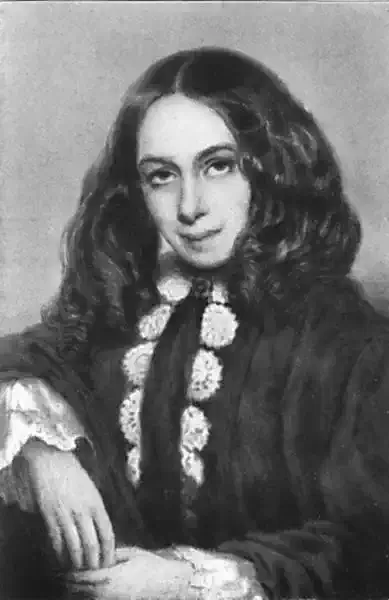
Elizabeth Barrett Browning
XXII
XXII
When our two souls stand up erect and strong,
Face to face, silent, drawing nigh and nigher,
Until the lengthening wings break into fire
At either curved point,--what bitter wrong
Can the earth do to us, that we should not long
Be here contented ? Think. In mounting higher,
The angels would press on us and aspire
To drop some golden orb of perfect song
Into our deep, dear silence. Let us stay
Rather on earth, Beloved,--where the unfit
Contrarious moods of men recoil away
And isolate pure spirits, and permit
A place to stand and love in for a day,
With darkness and the death-hour rounding it.
When our two souls stand up erect and strong,
Face to face, silent, drawing nigh and nigher,
Until the lengthening wings break into fire
At either curved point,--what bitter wrong
Can the earth do to us, that we should not long
Be here contented ? Think. In mounting higher,
The angels would press on us and aspire
To drop some golden orb of perfect song
Into our deep, dear silence. Let us stay
Rather on earth, Beloved,--where the unfit
Contrarious moods of men recoil away
And isolate pure spirits, and permit
A place to stand and love in for a day,
With darkness and the death-hour rounding it.
1,012
1
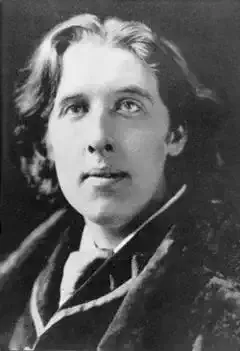
Oscar Wilde
Soneto: Sonnet To Liberty
Not that I love thy children, whose dull eyes
See nothing save their own unlovely woe,
Whose minds know nothing, nothing care to know,
But that the roar of thy Democracies,
Thy reigns of Terror, thy great Anarchies,
Mirror my wildest passions like the sea
And give my rage a brother -!Liberty!
For this sake only do thy dissonant cries
Delight my discreet soul, else might all kings
By bloody knout or treacherous cannonades
Rob nations of their rights inviolate
And I remain unmoved - and yet, and yet,
These Christs that die upon the barricades,
God knows it I am with them, in some things.
See nothing save their own unlovely woe,
Whose minds know nothing, nothing care to know,
But that the roar of thy Democracies,
Thy reigns of Terror, thy great Anarchies,
Mirror my wildest passions like the sea
And give my rage a brother -!Liberty!
For this sake only do thy dissonant cries
Delight my discreet soul, else might all kings
By bloody knout or treacherous cannonades
Rob nations of their rights inviolate
And I remain unmoved - and yet, and yet,
These Christs that die upon the barricades,
God knows it I am with them, in some things.
639
Oscar Wilde
Soneto: At Verona
How steep the stairs within King's houses are
For exile-wearied feet as mine to tread,
And O how salt and bitter is the bread
Which falls from this Hound's table, - better far
That I had died in the red ways of war,
Or that the gate of Florence bare my head,
Than to live thus, by all things comraded
Which seek the essence of my soul to mar.
'Curse God and die: what better hope than this?
He hath forgotten thee in all the bliss
Of his gold city, and eternal day' -
Nay peace: behind my prison's blinded bars
I do possess what none can take away,
My love and all the glory of the stars.
For exile-wearied feet as mine to tread,
And O how salt and bitter is the bread
Which falls from this Hound's table, - better far
That I had died in the red ways of war,
Or that the gate of Florence bare my head,
Than to live thus, by all things comraded
Which seek the essence of my soul to mar.
'Curse God and die: what better hope than this?
He hath forgotten thee in all the bliss
Of his gold city, and eternal day' -
Nay peace: behind my prison's blinded bars
I do possess what none can take away,
My love and all the glory of the stars.
668
Oscar Wilde
Theoretikos
This mighty empire hath but feet of clay:
Of all its ancient chivalry and might
Our little island is forsaken quite:
Some enemy hath stolen its crown of bay,
And from its hills that voice hath passed away
Which spake of Freedom: O come out of it,
Come out of it, my Soul, thou art not fit
For this vile traffic-house, where day by day
Wisdom and reverence are sold at mart,
And the rude people rage with ignorant cries
Against an heritage of centuries.
It mars my calm: wherefore in dreams of Art
And loftiest culture I would stand apart,
Neither for God, nor for his enemies.
Of all its ancient chivalry and might
Our little island is forsaken quite:
Some enemy hath stolen its crown of bay,
And from its hills that voice hath passed away
Which spake of Freedom: O come out of it,
Come out of it, my Soul, thou art not fit
For this vile traffic-house, where day by day
Wisdom and reverence are sold at mart,
And the rude people rage with ignorant cries
Against an heritage of centuries.
It mars my calm: wherefore in dreams of Art
And loftiest culture I would stand apart,
Neither for God, nor for his enemies.
662
Oscar Wilde
Taedium Vitae
To stab my youth with desperate knives, to wear
This paltry age's gaudy livery,
To let each base hand filch my treasury,
To mesh my soul within a woman's hair,
And be mere Fortune's lackeyed groom, - I swear
I love it not! these things are less to me
Than the thin foam that frets upon the sea,
Less than the thistledown of summer air
Which hath no seed: better to stand aloof
Far from these slanderous fools who mock my life
Knowing me not, better the lowliest roof
Fit for the meanest hind to sojourn in,
Than to go back to that hoarse cave of strife
Where my white soul first kissed the mouth of sin.
This paltry age's gaudy livery,
To let each base hand filch my treasury,
To mesh my soul within a woman's hair,
And be mere Fortune's lackeyed groom, - I swear
I love it not! these things are less to me
Than the thin foam that frets upon the sea,
Less than the thistledown of summer air
Which hath no seed: better to stand aloof
Far from these slanderous fools who mock my life
Knowing me not, better the lowliest roof
Fit for the meanest hind to sojourn in,
Than to go back to that hoarse cave of strife
Where my white soul first kissed the mouth of sin.
759
Oscar Wilde
Quantum Mutata
There was a time in Europe long ago
When no man died for freedom anywhere,
But England's lion leaping from its lair
Laid hands on the oppressor! it was so
While England could a great Republic show.
Witness the men of Piedmont, chiefest care
Of Cromwell, when with impotent despair
The Pontiff in his painted portico
Trembled before our stern ambassadors.
How comes it then that from such high estate
We have thus fallen, save that Luxury
With barren merchandise piles up the gate
Where noble thoughts and deeds should enter by:
Else might we still be Milton's heritors.
When no man died for freedom anywhere,
But England's lion leaping from its lair
Laid hands on the oppressor! it was so
While England could a great Republic show.
Witness the men of Piedmont, chiefest care
Of Cromwell, when with impotent despair
The Pontiff in his painted portico
Trembled before our stern ambassadors.
How comes it then that from such high estate
We have thus fallen, save that Luxury
With barren merchandise piles up the gate
Where noble thoughts and deeds should enter by:
Else might we still be Milton's heritors.
579
Oscar Wilde
Louis Napoleon
Eagle of Austerlitz! where were thy wings
When far away upon a barbarous strand,
In fight unequal, by an obscure hand,
Fell the last scion of thy brood of Kings!
Poor boy! thou shalt not flaunt thy cloak of red,
Or ride in state through Paris in the van
Of thy returning legions, but instead
Thy mother France, free and republican,
Shall on thy dead and crownless forehead place
The better laurels of a soldier's crown,
That not dishonoured should thy soul go down
To tell the mighty Sire of thy race
That France hath kissed the mouth of Liberty,
And found it sweeter than his honied bees,
And that the giant wave Democracy
Breaks on the shores where Kings lay couched at ease.
When far away upon a barbarous strand,
In fight unequal, by an obscure hand,
Fell the last scion of thy brood of Kings!
Poor boy! thou shalt not flaunt thy cloak of red,
Or ride in state through Paris in the van
Of thy returning legions, but instead
Thy mother France, free and republican,
Shall on thy dead and crownless forehead place
The better laurels of a soldier's crown,
That not dishonoured should thy soul go down
To tell the mighty Sire of thy race
That France hath kissed the mouth of Liberty,
And found it sweeter than his honied bees,
And that the giant wave Democracy
Breaks on the shores where Kings lay couched at ease.
630
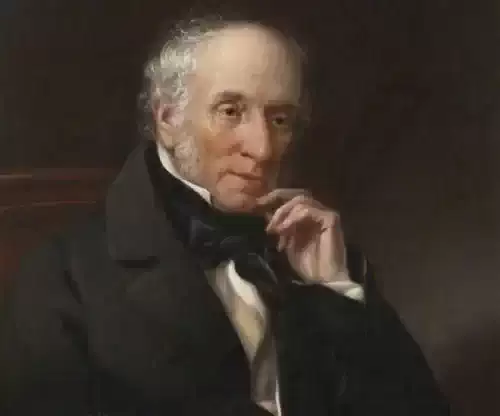
William Wordsworth
To a Sky-Lark
To a Sky-Lark
Up with me! up with me into the clouds!
For thy song, Lark, is strong;
Up with me, up with me into the clouds!
Singing, singing,
With clouds and sky about thee ringing,
Lift me, guide me till I find
That spot which seems so to thy mind!
I have walked through wildernesses dreary
And to-day my heart is weary;
Had I now the wings of a Faery,
Up to thee would I fly.
There is madness about thee, and joy divine
In that song of thine;
Lift me, guide me high and high
To thy banqueting-place in the sky.
Joyous as morning
Thou art laughing and scorning;
Thou hast a nest for thy love and thy rest,
And, though little troubled with sloth,
Drunken Lark! thou would'st be loth
To be such a traveller as I.
Happy, happy Liver,
With a soul as strong as a mountain river
Pouring out praise to the Almighty Giver,
Joy and jollity be with us both!
Alas! my journey, rugged and uneven,
Through prickly moors or dusty ways must wind;
But hearing thee, or others of thy kind,
As full of gladness and as free of heaven,
I, with my fate contented, will plod on,
And hope for higher raptures, when life's day is done.
Up with me! up with me into the clouds!
For thy song, Lark, is strong;
Up with me, up with me into the clouds!
Singing, singing,
With clouds and sky about thee ringing,
Lift me, guide me till I find
That spot which seems so to thy mind!
I have walked through wildernesses dreary
And to-day my heart is weary;
Had I now the wings of a Faery,
Up to thee would I fly.
There is madness about thee, and joy divine
In that song of thine;
Lift me, guide me high and high
To thy banqueting-place in the sky.
Joyous as morning
Thou art laughing and scorning;
Thou hast a nest for thy love and thy rest,
And, though little troubled with sloth,
Drunken Lark! thou would'st be loth
To be such a traveller as I.
Happy, happy Liver,
With a soul as strong as a mountain river
Pouring out praise to the Almighty Giver,
Joy and jollity be with us both!
Alas! my journey, rugged and uneven,
Through prickly moors or dusty ways must wind;
But hearing thee, or others of thy kind,
As full of gladness and as free of heaven,
I, with my fate contented, will plod on,
And hope for higher raptures, when life's day is done.
189
William Wordsworth
The Sonnet i
The Sonnet i
NUNS fret not at their convent's narrow room,
And hermits are contented with their cells,
And students with their pensive citadels;
Maids at the wheel, the weaver at his loom,
Sit blithe and happy; bees that soar for bloom,
High as the highest peak of Furness fells,
Will murmur by the hour in foxglove bells:
In truth the prison unto which we doom
Ourselves no prison is: and hence for me,
In sundry moods, 'twas pastime to be bound
Within the Sonnet's scanty plot of ground;
Pleased if some souls (for such there needs must be)
Who have felt the weight of too much liberty,
Should find brief solace there, as I have found.
NUNS fret not at their convent's narrow room,
And hermits are contented with their cells,
And students with their pensive citadels;
Maids at the wheel, the weaver at his loom,
Sit blithe and happy; bees that soar for bloom,
High as the highest peak of Furness fells,
Will murmur by the hour in foxglove bells:
In truth the prison unto which we doom
Ourselves no prison is: and hence for me,
In sundry moods, 'twas pastime to be bound
Within the Sonnet's scanty plot of ground;
Pleased if some souls (for such there needs must be)
Who have felt the weight of too much liberty,
Should find brief solace there, as I have found.
147
William Wordsworth
The Power of Armies Is a Visible Thing
The Power of Armies Is a Visible Thing
The power of Armies is a visible thing,
Formal, and circumscribed in time and space;
But who the limits of that power shall trace
Which a brave People into light can bring
Or hide, at will,--for freedom combating
By just revenge inflamed? No foot may chase,
No eye can follow, to a fatal place
That power, that spirit, whether on the wing
Like the strong wind, or sleeping like the wind
Within its awful caves.--From year to year
Springs this indigenous produce far and near;
No craft this subtle element can bind,
Rising like water from the soil, to find
In every nook a lip that it may cheer.
The power of Armies is a visible thing,
Formal, and circumscribed in time and space;
But who the limits of that power shall trace
Which a brave People into light can bring
Or hide, at will,--for freedom combating
By just revenge inflamed? No foot may chase,
No eye can follow, to a fatal place
That power, that spirit, whether on the wing
Like the strong wind, or sleeping like the wind
Within its awful caves.--From year to year
Springs this indigenous produce far and near;
No craft this subtle element can bind,
Rising like water from the soil, to find
In every nook a lip that it may cheer.
144
William Wordsworth
It is not to be Thought of
It is not to be Thought of
. It is not to be thought of that the Flood
Of British freedom, which, to the open sea
Of the world's praise, from dark antiquity
Hath flowed, "with pomp of waters, unwithstood,"
Roused though it be full often to a mood
Which spurns the check of salutary bands,
That this most famous Stream in bogs and sands
Should perish; and to evil and to good
Be lost for ever. In our halls is hung
Armoury of the invincible Knights of old:
We must be free or die, who speak the tongue
That Shakespeare spake; the faith and morals hold
Which Milton held.--In every thing we are sprung
Of Earth's first blood, have titles manifold.
. It is not to be thought of that the Flood
Of British freedom, which, to the open sea
Of the world's praise, from dark antiquity
Hath flowed, "with pomp of waters, unwithstood,"
Roused though it be full often to a mood
Which spurns the check of salutary bands,
That this most famous Stream in bogs and sands
Should perish; and to evil and to good
Be lost for ever. In our halls is hung
Armoury of the invincible Knights of old:
We must be free or die, who speak the tongue
That Shakespeare spake; the faith and morals hold
Which Milton held.--In every thing we are sprung
Of Earth's first blood, have titles manifold.
167
William Wordsworth
England iv
England iv
IT is not to be thought of that the flood
Of British freedom, which, to the open sea
Of the world's praise, from dark antiquity
Hath flow'd, 'with pomp of waters, unwithstood,'
Roused though it be full often to a mood
Which spurns the check of salutary bands,--
That this most famous stream in bogs and sands
Should perish; and to evil and to good
Be lost for ever. In our halls is hung
Armoury of the invincible Knights of old:
We must be free or die, who speak the tongue
That Shakespeare spake; the faith and morals hold
Which Milton held.--In everything we are sprung
Of Earth's first blood, have titles manifold.
IT is not to be thought of that the flood
Of British freedom, which, to the open sea
Of the world's praise, from dark antiquity
Hath flow'd, 'with pomp of waters, unwithstood,'
Roused though it be full often to a mood
Which spurns the check of salutary bands,--
That this most famous stream in bogs and sands
Should perish; and to evil and to good
Be lost for ever. In our halls is hung
Armoury of the invincible Knights of old:
We must be free or die, who speak the tongue
That Shakespeare spake; the faith and morals hold
Which Milton held.--In everything we are sprung
Of Earth's first blood, have titles manifold.
191
William Wordsworth
The World Is To Much With Us; Late and Soon
"The World Is To Much With Us; Late and Soon"
The world is too much with us; late and soon,
Getting and spending, we lay waste our powers:
Little we see in Nature that is ours;
We have given our hearts away, a sordid boon!
This Sea that bares her bosom to the moon;
The winds that will be howling at all hours,
And are up-gathered now like sleeping flowers;
For this, for everything, we are out of tune,
It moves us not.--Great God! I'd rather be
A Pagan suckled in a creed outworn;
So might I, standing on this pleasant lea,
Have glimpses that would make me less forlorn;
Have sight of Proteus rising from the sea;
Or hear old Triton blow his wreathed horn.
The world is too much with us; late and soon,
Getting and spending, we lay waste our powers:
Little we see in Nature that is ours;
We have given our hearts away, a sordid boon!
This Sea that bares her bosom to the moon;
The winds that will be howling at all hours,
And are up-gathered now like sleeping flowers;
For this, for everything, we are out of tune,
It moves us not.--Great God! I'd rather be
A Pagan suckled in a creed outworn;
So might I, standing on this pleasant lea,
Have glimpses that would make me less forlorn;
Have sight of Proteus rising from the sea;
Or hear old Triton blow his wreathed horn.
148
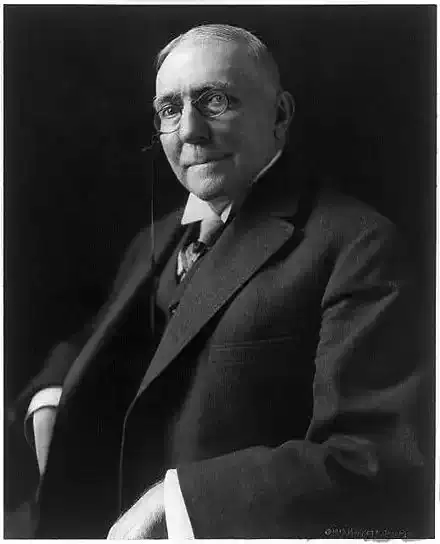
James Whitcomb Riley
Green Fields And Running Brooks
Green Fields And Running Brooks
Ho! green fields and running brooks!
Knotted strings and fishing-hooks
Of the truant, stealing down
Weedy backways of the town.
Where the sunshine overlooks,
By green fields and running brooks,
All intruding guests of chance
With a golden tolerance,
Cooing doves, or pensive pair
Of picnickers, straying there--
By green fields and running brooks,
Sylvan shades and mossy nooks!
And--O Dreamer of the Days,
Murmurer of roundelays
All unsung of words or books,
Sing green fields and running brooks!
Ho! green fields and running brooks!
Knotted strings and fishing-hooks
Of the truant, stealing down
Weedy backways of the town.
Where the sunshine overlooks,
By green fields and running brooks,
All intruding guests of chance
With a golden tolerance,
Cooing doves, or pensive pair
Of picnickers, straying there--
By green fields and running brooks,
Sylvan shades and mossy nooks!
And--O Dreamer of the Days,
Murmurer of roundelays
All unsung of words or books,
Sing green fields and running brooks!
248
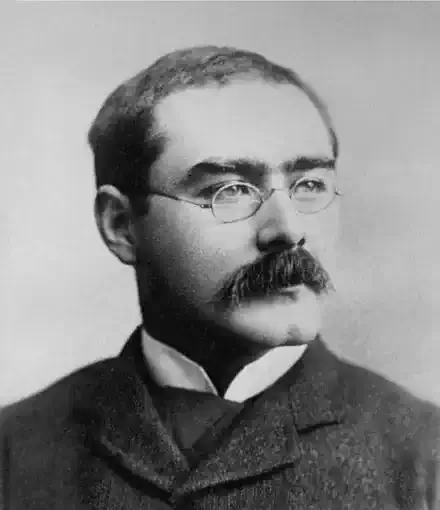
Rudyard Kipling
Poseidon's Law
Poseidon's Law
When the robust and Brass-bound Man commissioned first for sea
His fragile raft, Poseidon laughed, and "Mariner," said he,
"Behold, a Law immutable I lay on thee and thine,
That never shall ye act or tell a falsehood at my shrine.
"Let Zeus adjudge your landward kin whose votive meal and sale
At easy-cheated altars win oblivion for the fault,
But you the unhoodwinked wave shall test--the immediate gulf condemn--
Except ye owe the Fates a jest, be slow to jest with them.
Ye shall not clear by Greekly speech, nor cozen from your path
The twinkling shoal, the leeward beach, or Hadria's white-lipped wrath;
Nor tempt with painted cloth for wood my fraud-avenging hosts;
Nor make at all, or all make good, your bulwarks and your boasts.
Now and henceforward serve unshod, through wet and wakeful shifts,
A present and oppressive God, but take, to aid, my gifts--
The wide and windward-opening eye, the large and lavish hand,
The soul that cannot tell a lie--except upon the land!"
In dromond and in catafract--wet, wakeful, windward-eyed--
He kept Poseidon's Law intact (his ship and freight beside),
But, once discharged the dromond's hold, the bireme beached once more,
Splendaciously mendacious rolled the Brass-bound Man ashore....
The thranite now and thalamite are pressures low and high,
And where three hundred blades bit white the twin-propellers ply.
The God that hailed, the keel that sailed are changed beyond recall,
But the robust and Brass-bound Man he is not changed at all!
From Punt returned, from Phormio's Fleet, from Javan and Gadire,
He strongly occupies the seat about the tavern fire,
And, moist with much Falernian or smoked Massilian juice,
Revenges there the Brass-bound Man his long-enforced truce!
When the robust and Brass-bound Man commissioned first for sea
His fragile raft, Poseidon laughed, and "Mariner," said he,
"Behold, a Law immutable I lay on thee and thine,
That never shall ye act or tell a falsehood at my shrine.
"Let Zeus adjudge your landward kin whose votive meal and sale
At easy-cheated altars win oblivion for the fault,
But you the unhoodwinked wave shall test--the immediate gulf condemn--
Except ye owe the Fates a jest, be slow to jest with them.
Ye shall not clear by Greekly speech, nor cozen from your path
The twinkling shoal, the leeward beach, or Hadria's white-lipped wrath;
Nor tempt with painted cloth for wood my fraud-avenging hosts;
Nor make at all, or all make good, your bulwarks and your boasts.
Now and henceforward serve unshod, through wet and wakeful shifts,
A present and oppressive God, but take, to aid, my gifts--
The wide and windward-opening eye, the large and lavish hand,
The soul that cannot tell a lie--except upon the land!"
In dromond and in catafract--wet, wakeful, windward-eyed--
He kept Poseidon's Law intact (his ship and freight beside),
But, once discharged the dromond's hold, the bireme beached once more,
Splendaciously mendacious rolled the Brass-bound Man ashore....
The thranite now and thalamite are pressures low and high,
And where three hundred blades bit white the twin-propellers ply.
The God that hailed, the keel that sailed are changed beyond recall,
But the robust and Brass-bound Man he is not changed at all!
From Punt returned, from Phormio's Fleet, from Javan and Gadire,
He strongly occupies the seat about the tavern fire,
And, moist with much Falernian or smoked Massilian juice,
Revenges there the Brass-bound Man his long-enforced truce!
428
Rudyard Kipling
Chant-Pagan
Chant-Pagan
ENGLISH IRREGULAR, DISCHARGED
Me that 'ave been what I've been --
Me that 'ave gone where I've gone --
Me that 'ave seen what I've seen --
'Ow can I ever take on
With awful old England again,
An' 'ouses both sides of the street,
And 'edges two sides of the lane,
And the parson an' gentry between,
An' touchin' my 'at when we meet --
Me that 'ave been what I've been?
Me that 'ave watched 'arf a world
'Eave up all shiny with dew,
Kopje on kop to the sun,
An' as soon as the mist let 'em through
Our 'elios winkin' like fun --
Three sides of a ninety-mile square,
Over valleys as big as a shire --
"Are ye there? Are ye there? Are ye there?"
An' then the blind drum of our fire . . .
An' I'm rollin' 'is lawns for the Squire,
Me!
Me htat 'ave rode through the dark
Forty mile, often, on end,
Along the Ma'ollisberg Range,
With only the stars for my mark
An' only the night for my friend,
An' things runnin' off as you pass,
An' things jumpin' up in the grass,
An' the silence, the shine an' the size
Of the 'igh, unexpressible skies --
I am takin' some letters almost
As much as a mile to the post,
An' "mind you come back with the change!"
Me!
Me that saw Barberton took
When we dropped through the clouds on their 'ead,
An' they 'ove the guns over and fled --
Me that was through Di'mond I'll,
An' Pieters an' Springs an' Belfast --
From Dundee to Vereeniging all --
Me that stuck out to the last
(An' five bloomin' bars on my chest) --
I am doin' my Sunday-school best,
By the 'elp of the Squire an' 'is wife
(Not to mention the 'ousemaid an' cook),
To come in an' 'ands up an' be still,
An' honestly work for my bread,
My livin' in that state of life
To which it shall please God to call
Me!
Me that 'ave followed my trade
In the place where the Lightnin's are made;
"Twixt the Rains and the Sun and the Moon --
Me that lay down an' got up
Three years with the sky for my roof --
That 'ave ridden my 'unger an' thirst
Six thousand raw mile on the hoof,
With the Vaal and the Orange for cup,
An' the Brandwater Basin for dish, --
Oh! it's 'ard to be'ave as they wish
(Too 'ard, an' a little too soon),
I'll 'ave to think over it first --
Me!
I will arise an' get 'ence --
I will trek South and make sure
If it's only my fancy or not
That the sunshine of England is pale,
And the breezes of England are stale,
An' there's something' gone small with the lot.
For I know of a sun an' a wind,
An' some plains and a mountain be'ind,
An' some graves by a barb-wire fence,
An' a Dutchman I've fought 'oo might give
Me a job where I ever inclined
To look in an' offsaddle an' live
Where there's neither a road nor a tree --
But only my Maker an' me,
An I think it will kill me or cure,
So I think I will go there an' see.
ENGLISH IRREGULAR, DISCHARGED
Me that 'ave been what I've been --
Me that 'ave gone where I've gone --
Me that 'ave seen what I've seen --
'Ow can I ever take on
With awful old England again,
An' 'ouses both sides of the street,
And 'edges two sides of the lane,
And the parson an' gentry between,
An' touchin' my 'at when we meet --
Me that 'ave been what I've been?
Me that 'ave watched 'arf a world
'Eave up all shiny with dew,
Kopje on kop to the sun,
An' as soon as the mist let 'em through
Our 'elios winkin' like fun --
Three sides of a ninety-mile square,
Over valleys as big as a shire --
"Are ye there? Are ye there? Are ye there?"
An' then the blind drum of our fire . . .
An' I'm rollin' 'is lawns for the Squire,
Me!
Me htat 'ave rode through the dark
Forty mile, often, on end,
Along the Ma'ollisberg Range,
With only the stars for my mark
An' only the night for my friend,
An' things runnin' off as you pass,
An' things jumpin' up in the grass,
An' the silence, the shine an' the size
Of the 'igh, unexpressible skies --
I am takin' some letters almost
As much as a mile to the post,
An' "mind you come back with the change!"
Me!
Me that saw Barberton took
When we dropped through the clouds on their 'ead,
An' they 'ove the guns over and fled --
Me that was through Di'mond I'll,
An' Pieters an' Springs an' Belfast --
From Dundee to Vereeniging all --
Me that stuck out to the last
(An' five bloomin' bars on my chest) --
I am doin' my Sunday-school best,
By the 'elp of the Squire an' 'is wife
(Not to mention the 'ousemaid an' cook),
To come in an' 'ands up an' be still,
An' honestly work for my bread,
My livin' in that state of life
To which it shall please God to call
Me!
Me that 'ave followed my trade
In the place where the Lightnin's are made;
"Twixt the Rains and the Sun and the Moon --
Me that lay down an' got up
Three years with the sky for my roof --
That 'ave ridden my 'unger an' thirst
Six thousand raw mile on the hoof,
With the Vaal and the Orange for cup,
An' the Brandwater Basin for dish, --
Oh! it's 'ard to be'ave as they wish
(Too 'ard, an' a little too soon),
I'll 'ave to think over it first --
Me!
I will arise an' get 'ence --
I will trek South and make sure
If it's only my fancy or not
That the sunshine of England is pale,
And the breezes of England are stale,
An' there's something' gone small with the lot.
For I know of a sun an' a wind,
An' some plains and a mountain be'ind,
An' some graves by a barb-wire fence,
An' a Dutchman I've fought 'oo might give
Me a job where I ever inclined
To look in an' offsaddle an' live
Where there's neither a road nor a tree --
But only my Maker an' me,
An I think it will kill me or cure,
So I think I will go there an' see.
468
Rudyard Kipling
A Child's Garden
A Child's Garden
R. L. Stevenson
Now there is nothing wrong with me
Except -- I think it's called T.B.
And that is why I have to lay
Out in the garden all the day.
Our garden is not very wide
And cars go by on either side,
And make an angry-hooty noise
That rather startles little boys.
But worst of all is when they take
Me out in cars that growl and shake,
With charabancs so dreadful-near
I have to shut my eyes for fear.
But when I'm on my back again,
I watch the Croydon aeroplane
That flies across to France, and sings
Like hitting thick piano-strings.
When I am strong enough to do
The things I'm truly wishful to,
I'll never use a car or train
But always have an aeroplane;
And just go zooming round and round,
And frighten Nursey with the sound,
And see the angel-side of clouds,
And spit on all those motor-crowds!
R. L. Stevenson
Now there is nothing wrong with me
Except -- I think it's called T.B.
And that is why I have to lay
Out in the garden all the day.
Our garden is not very wide
And cars go by on either side,
And make an angry-hooty noise
That rather startles little boys.
But worst of all is when they take
Me out in cars that growl and shake,
With charabancs so dreadful-near
I have to shut my eyes for fear.
But when I'm on my back again,
I watch the Croydon aeroplane
That flies across to France, and sings
Like hitting thick piano-strings.
When I am strong enough to do
The things I'm truly wishful to,
I'll never use a car or train
But always have an aeroplane;
And just go zooming round and round,
And frighten Nursey with the sound,
And see the angel-side of clouds,
And spit on all those motor-crowds!
522

Horace
BkII:XX Poetic Immortality
BkII:XX Poetic Immortality
A poet of dual form, I won’t be carried
through the flowing air on weak or mundane wings,
nor will I linger down here on earth,
for any length of time: beyond envy,
I’ll leave the cities behind. It’s not I, born
of poor parents, it’s not I, who hear your voice,
beloved Maecenas, I who’ll die,
or be encircled by Stygian waters.
Even now the rough skin is settling around
my ankles, and now above them I’ve become
a snow-white swan, and soft feathers are
emerging over my arms and shoulders.
Soon, a melodious bird, and more famous
than Icarus, Daedalus’ son, I’ll visit
Bosphorus’ loud shores, Gaetulian
Syrtes, and the Hyperborean plains.
Colchis will know me, so will the Scythians,
who pretend to show no fear of Italian
troops, and the Geloni: Spain will learn
from me, the expert, and those who drink Rhone.
No dirges at my insubstantial funeral,
no elegies, and no unseemly grieving:
suppress all the clamour, not for me
the superfluous honour of a tomb.
A poet of dual form, I won’t be carried
through the flowing air on weak or mundane wings,
nor will I linger down here on earth,
for any length of time: beyond envy,
I’ll leave the cities behind. It’s not I, born
of poor parents, it’s not I, who hear your voice,
beloved Maecenas, I who’ll die,
or be encircled by Stygian waters.
Even now the rough skin is settling around
my ankles, and now above them I’ve become
a snow-white swan, and soft feathers are
emerging over my arms and shoulders.
Soon, a melodious bird, and more famous
than Icarus, Daedalus’ son, I’ll visit
Bosphorus’ loud shores, Gaetulian
Syrtes, and the Hyperborean plains.
Colchis will know me, so will the Scythians,
who pretend to show no fear of Italian
troops, and the Geloni: Spain will learn
from me, the expert, and those who drink Rhone.
No dirges at my insubstantial funeral,
no elegies, and no unseemly grieving:
suppress all the clamour, not for me
the superfluous honour of a tomb.
220
Rudyard Kipling
For All We Have and Are
"For All We Have and Are"
For all we have and are,
For all our children's fate,
Stand up and meet the war.
The Hun is at the gate!
Our world has passed away
In wantonness o'erthrown.
There is nothing left to-day
But steel and fire and stone.
Though all we knew depart,
The old commandments stand:
"In courage keep your heart,
In strength lift up your hand."
Once more we hear the word
That sickened earth of old:
"No law except the sword
Unsheathed and uncontrolled,"
Once more it knits mankind,
Once more the nations go
To meet and break and bind
A crazed and driven foe.
Comfort, content, delight --
The ages' slow-bought gain --
They shrivelled in a night,
Only ourselves remain
To face the naked days
In silent fortitude,
Through perils and dismays
Renewd and re-renewed.
Though all we made depart,
The old commandments stand:
"In patience keep your heart,
In strength lift up your hand."
No easy hopes or lies
Shall bring us to our goal,
But iron sacrifice
Of body, will, and soul.
There is but one task for all --
For each one life to give.
Who stands if freedom fall?
Who dies if England live?
For all we have and are,
For all our children's fate,
Stand up and meet the war.
The Hun is at the gate!
Our world has passed away
In wantonness o'erthrown.
There is nothing left to-day
But steel and fire and stone.
Though all we knew depart,
The old commandments stand:
"In courage keep your heart,
In strength lift up your hand."
Once more we hear the word
That sickened earth of old:
"No law except the sword
Unsheathed and uncontrolled,"
Once more it knits mankind,
Once more the nations go
To meet and break and bind
A crazed and driven foe.
Comfort, content, delight --
The ages' slow-bought gain --
They shrivelled in a night,
Only ourselves remain
To face the naked days
In silent fortitude,
Through perils and dismays
Renewd and re-renewed.
Though all we made depart,
The old commandments stand:
"In patience keep your heart,
In strength lift up your hand."
No easy hopes or lies
Shall bring us to our goal,
But iron sacrifice
Of body, will, and soul.
There is but one task for all --
For each one life to give.
Who stands if freedom fall?
Who dies if England live?
443
Horace
BkI:XVII The Delights of the Country
BkI:XVII The Delights of the Country
Swift Faunus, the god, will quite often exchange
Arcady for my sweet Mount Lucretilis,
and while he stays he protects my goats
from the midday heat and the driving rain.
The wandering wives of the rank he-goats search,
with impunity, through the safe woodland groves,
for the hidden arbutus, and thyme,
and their kids don’t fear green poisonous snakes,
or the wolf of Mars, my lovely Tyndaris,
once my Mount Ustica’s long sloping valleys,
and its smooth worn rocks, have re-echoed
to the music of sweet divine piping.
The gods protect me: my love and devotion,
and my Muse, are dear to the gods. Here the rich
wealth of the countryside’s beauties will
flow for you, now, from the horn of plenty.
Here you’ll escape from the heat of the dog-star,
in secluded valleys, sing of bright Circe,
labouring over the Teian lyre,
and of Penelope: both loved one man.
Here you’ll bring cups of innocent Lesbian
wine, under the shade, nor will Semele’s son,
that Bacchus, battle it out with Mars,
nor shall you fear the intemperate hands
of insolent Cyrus, jealously watching,
to possess you, girl, unequal to evil,
to tear off the garland that clings to
your hair, or tear off your innocent clothes.
Swift Faunus, the god, will quite often exchange
Arcady for my sweet Mount Lucretilis,
and while he stays he protects my goats
from the midday heat and the driving rain.
The wandering wives of the rank he-goats search,
with impunity, through the safe woodland groves,
for the hidden arbutus, and thyme,
and their kids don’t fear green poisonous snakes,
or the wolf of Mars, my lovely Tyndaris,
once my Mount Ustica’s long sloping valleys,
and its smooth worn rocks, have re-echoed
to the music of sweet divine piping.
The gods protect me: my love and devotion,
and my Muse, are dear to the gods. Here the rich
wealth of the countryside’s beauties will
flow for you, now, from the horn of plenty.
Here you’ll escape from the heat of the dog-star,
in secluded valleys, sing of bright Circe,
labouring over the Teian lyre,
and of Penelope: both loved one man.
Here you’ll bring cups of innocent Lesbian
wine, under the shade, nor will Semele’s son,
that Bacchus, battle it out with Mars,
nor shall you fear the intemperate hands
of insolent Cyrus, jealously watching,
to possess you, girl, unequal to evil,
to tear off the garland that clings to
your hair, or tear off your innocent clothes.
210

Robert W. Service
Wheels
Wheels
Since I am sick of Wheels
That jar my day,
Unto the hush that heals
I steal away.
Unto the core of Peace
Nature reveals,
I go to win release
From Wheels.
Let me beneath the moon
Take desert trail;
Or on some lost lagoon
Serenely sail;
Win to some peak the grey
Storm cloud conceals . . .
Life, let me get away
From Wheels!
Why was I born so late?
A skin-clad man
I should have shared the fate
Of mountain clan;
My quiet flock beside,
When silence steals,
Unshocked in eventide
By Wheels.
The Wheel is King today,
And speed's a god;
Yet when I see the way
My feet have trod,
Like pilgrims who to shrine
Of Beauty kneels,
I pray: O Peace divine
Damn Wheels!
Since I am sick of Wheels
That jar my day,
Unto the hush that heals
I steal away.
Unto the core of Peace
Nature reveals,
I go to win release
From Wheels.
Let me beneath the moon
Take desert trail;
Or on some lost lagoon
Serenely sail;
Win to some peak the grey
Storm cloud conceals . . .
Life, let me get away
From Wheels!
Why was I born so late?
A skin-clad man
I should have shared the fate
Of mountain clan;
My quiet flock beside,
When silence steals,
Unshocked in eventide
By Wheels.
The Wheel is King today,
And speed's a god;
Yet when I see the way
My feet have trod,
Like pilgrims who to shrine
Of Beauty kneels,
I pray: O Peace divine
Damn Wheels!
202
Robert W. Service
The Wildy Ones
The Wildy Ones
The sheep are in the silver wood,
The cows are in the broom;
The goats are in the wild mountain
And won't be home by noon.
My mother sang that olden tune
Most every night,
And to her newest she would croon
By candle light;
While cuddling in the velvet gloom
I'd dream of cows
That sought each dawn 'mid golden broom
To gently browse.
Or I would glimpse the silver wood,
The birchen glade,
Where pearly sheep in quiet mood
Cropped unafraid;
But how I loved in lapsing drowse
The mountain wild!
The goats were more than sheep and cows
To one wee child.
For cows and sheep are shelter-wise,
And love the lea;
While goats have starlight in their eyes,
In cragland free . . .
And now on edge of endless sleep
Wryly I note
How less I'm kin to kine and sheep
Than rebel goat!
The sheep are in the silver wood,
The cows are in the broom;
The goats are in the wild mountain
And won't be home by noon.
My mother sang that olden tune
Most every night,
And to her newest she would croon
By candle light;
While cuddling in the velvet gloom
I'd dream of cows
That sought each dawn 'mid golden broom
To gently browse.
Or I would glimpse the silver wood,
The birchen glade,
Where pearly sheep in quiet mood
Cropped unafraid;
But how I loved in lapsing drowse
The mountain wild!
The goats were more than sheep and cows
To one wee child.
For cows and sheep are shelter-wise,
And love the lea;
While goats have starlight in their eyes,
In cragland free . . .
And now on edge of endless sleep
Wryly I note
How less I'm kin to kine and sheep
Than rebel goat!
194
Robert W. Service
The Walkers
The Walkers
(He speaks.)
Walking, walking, oh, the joy of walking!
Swinging down the tawny lanes with head held high;
Striding up the green hills, through the heather stalking,
Swishing through the woodlands where the brown leaves lie;
Marveling at all things -- windmills gaily turning,
Apples for the cider-press, ruby-hued and gold;
Tails of rabbits twinkling, scarlet berries burning,
Wedge of geese high-flying in the sky's clear cold,
Light in little windows, field and furrow darkling;
Home again returning, hungry as a hawk;
Whistling up the garden, ruddy-cheeked and sparkling,
Oh, but I am happy as I walk, walk, walk!
(She speaks.)
Walking, walking, oh, the curse of walking!
Slouching round the grim square, shuffling up the street,
Slinking down the by-way, all my graces hawking,
Offering my body to each man I meet.
Peering in the gin-shop where the lads are drinking,
Trying to look gay-like, crazy with the blues;
Halting in a doorway, shuddering and shrinking
(Oh, my draggled feather and my thin, wet shoes).
Here's a drunken drover: "Hullo, there, old dearie!"
No, he only curses, can't be got to talk. . . .
On and on till daylight, famished, wet and weary,
God in Heaven help me as I walk, walk, walk!
(He speaks.)
Walking, walking, oh, the joy of walking!
Swinging down the tawny lanes with head held high;
Striding up the green hills, through the heather stalking,
Swishing through the woodlands where the brown leaves lie;
Marveling at all things -- windmills gaily turning,
Apples for the cider-press, ruby-hued and gold;
Tails of rabbits twinkling, scarlet berries burning,
Wedge of geese high-flying in the sky's clear cold,
Light in little windows, field and furrow darkling;
Home again returning, hungry as a hawk;
Whistling up the garden, ruddy-cheeked and sparkling,
Oh, but I am happy as I walk, walk, walk!
(She speaks.)
Walking, walking, oh, the curse of walking!
Slouching round the grim square, shuffling up the street,
Slinking down the by-way, all my graces hawking,
Offering my body to each man I meet.
Peering in the gin-shop where the lads are drinking,
Trying to look gay-like, crazy with the blues;
Halting in a doorway, shuddering and shrinking
(Oh, my draggled feather and my thin, wet shoes).
Here's a drunken drover: "Hullo, there, old dearie!"
No, he only curses, can't be got to talk. . . .
On and on till daylight, famished, wet and weary,
God in Heaven help me as I walk, walk, walk!
260
Robert W. Service
The Silent Ones
The Silent Ones
I'm just an ordinary chap
Who comes home to his tea,
And mostly I don't care a rap
What people think of me;
I do my job and take my pay,
And love of peace expound;
But as I go my patient way,
--Don't push me round.
Though I respect authority
And order never flout,
When Law and Justice disagree
You can include me out.
The Welfare State I tolerate
If it is kept in bound,
But if you wish to rouse my hate
--Just push me round.
And that's the way with lots of us:
We want to feel we're free;
So labour governments we cuss
And mock at monarchy.
Yea, we are men of secret mirth,
And fury seldom sound;
But if you value peace on earth
--Don't push us round.
I'm just an ordinary chap
Who comes home to his tea,
And mostly I don't care a rap
What people think of me;
I do my job and take my pay,
And love of peace expound;
But as I go my patient way,
--Don't push me round.
Though I respect authority
And order never flout,
When Law and Justice disagree
You can include me out.
The Welfare State I tolerate
If it is kept in bound,
But if you wish to rouse my hate
--Just push me round.
And that's the way with lots of us:
We want to feel we're free;
So labour governments we cuss
And mock at monarchy.
Yea, we are men of secret mirth,
And fury seldom sound;
But if you value peace on earth
--Don't push us round.
197
Page 1
Next