
Dreams and Imagination
Poems in this topic

Elizabeth Bishop
Love Lies Sleeping
Love Lies Sleeping
Earliest morning, switching all the tracks
that cross the sky from cinder star to star,
coupling the ends of streets
to trains of light.
now draw us into daylight in our beds;
and clear away what presses on the brain:
put out the neon shapes
that float and swell and glare
down the gray avenue between the eyes
in pinks and yellows, letters and twitching signs.
Hang-over moons, wane, wane!
From the window I see
an immense city, carefully revealed,
made delicate by over-workmanship,
detail upon detail,
cornice upon facade,
reaching up so languidly up into
a weak white sky, it seems to waver there.
(Where it has slowly grown
in skies of water-glass
from fused beads of iron and copper crystals,
the little chemical "garden" in a jar
trembles and stands again,
pale blue, blue-green, and brick.)
The sparrows hurriedly begin their play.
Then, in the West, "Boom!" and a cloud of smoke.
"Boom!" and the exploding ball
of blossom blooms again.
(And all the employees who work in a plants
where such a sound says "Danger," or once said "Death,"
turn in their sleep and feel
the short hairs bristling
on backs of necks.) The cloud of smoke moves off.
A shirt is taken of a threadlike clothes-line.
Along the street below
the water-wagon comes
throwing its hissing, snowy fan across
peelings and newspapers. The water dries
light-dry, dark-wet, the pattern
of the cool watermelon.
I hear the day-springs of the morning strike
from stony walls and halls and iron beds,
scattered or grouped cascades,
alarms for the expected:
queer cupids of all persons getting up,
whose evening meal they will prepare all day,
you will dine well
on his heart, on his, and his,
so send them about your business affectionately,
dragging in the streets their unique loves.
Scourge them with roses only,
be light as helium,
for always to one, or several, morning comes
whose head has fallen over the edge of his bed,
whose face is turned
so that the image of
the city grows down into his open eyes
inverted and distorted. No. I mean
distorted and revealed,
if he sees it at all.
Earliest morning, switching all the tracks
that cross the sky from cinder star to star,
coupling the ends of streets
to trains of light.
now draw us into daylight in our beds;
and clear away what presses on the brain:
put out the neon shapes
that float and swell and glare
down the gray avenue between the eyes
in pinks and yellows, letters and twitching signs.
Hang-over moons, wane, wane!
From the window I see
an immense city, carefully revealed,
made delicate by over-workmanship,
detail upon detail,
cornice upon facade,
reaching up so languidly up into
a weak white sky, it seems to waver there.
(Where it has slowly grown
in skies of water-glass
from fused beads of iron and copper crystals,
the little chemical "garden" in a jar
trembles and stands again,
pale blue, blue-green, and brick.)
The sparrows hurriedly begin their play.
Then, in the West, "Boom!" and a cloud of smoke.
"Boom!" and the exploding ball
of blossom blooms again.
(And all the employees who work in a plants
where such a sound says "Danger," or once said "Death,"
turn in their sleep and feel
the short hairs bristling
on backs of necks.) The cloud of smoke moves off.
A shirt is taken of a threadlike clothes-line.
Along the street below
the water-wagon comes
throwing its hissing, snowy fan across
peelings and newspapers. The water dries
light-dry, dark-wet, the pattern
of the cool watermelon.
I hear the day-springs of the morning strike
from stony walls and halls and iron beds,
scattered or grouped cascades,
alarms for the expected:
queer cupids of all persons getting up,
whose evening meal they will prepare all day,
you will dine well
on his heart, on his, and his,
so send them about your business affectionately,
dragging in the streets their unique loves.
Scourge them with roses only,
be light as helium,
for always to one, or several, morning comes
whose head has fallen over the edge of his bed,
whose face is turned
so that the image of
the city grows down into his open eyes
inverted and distorted. No. I mean
distorted and revealed,
if he sees it at all.
1,031
1
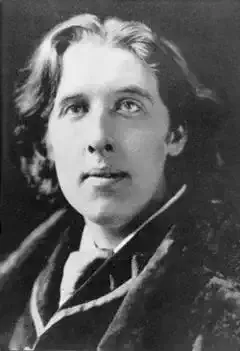
Oscar Wilde
In the forest
Out of the mid-wood's twilight
Into the meadow's dawn,
Ivory limbed and brown-eyed,
Flashes my Faun!
He skips through the copses singing,
And his shadow dances along,
And I know not which I should follow,
Shadow or song!
O Hunter, snare me his shadow!
O Nightingale, catch me his strain!
Else moonstruck with music and madness
I track him in vain!
Into the meadow's dawn,
Ivory limbed and brown-eyed,
Flashes my Faun!
He skips through the copses singing,
And his shadow dances along,
And I know not which I should follow,
Shadow or song!
O Hunter, snare me his shadow!
O Nightingale, catch me his strain!
Else moonstruck with music and madness
I track him in vain!
871
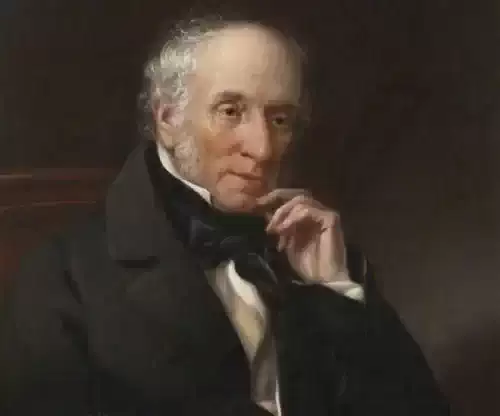
William Wordsworth
The Wishing Gate
The Wishing Gate
[In the vale of Grasmere, by the side of an old highway
leading to Ambleside, is a gate, which, from time out of
mind, has been called the Wishing-gate, from a belief that
wishes formed or indulged there have a favorable issue.]
HOPE rules a land forever green:
All powers that serve the bright-eyed Queen
Are confident and gay;
Clouds at her bidding disappear;
Points she to aught?---the bliss draws near,
And Fancy smooths the way.
Not such the land of Wishes---there
Dwell fruitless day-dreams, lawless prayer,
And thoughts with things at strife;
Yet how forlorn, should ye depart
Ye superstitions of the heart,
How poor, were human life!
When magic lore abjured its might,
Ye did not forfeit one dear right,
One tender claim abate;
Witness this symbol of your sway,
Surnving near the public way,
The rustic Wishing-gate!
Inquire not if the faery race
Shed kindly influence on the place,
Ere northward they retired;
If here a warrior left a spell,
Panting for glory as he fell;
Or here a saint expired.
Enough that all arouud is fair,
Composed with Nature's finest care,
And in her fondest love---
Peace to embosom and content---
To overawe the turbulent,
The selfish to reprove.
Yea! even the Stranger from afar,
Reclining on this moss-grown bar,
Unknowing, and unknown,
The infection of the ground partakes,
Longing for his Beloved---who maker
All happiness her own.
Then why should conscious Spirits fear
The mystic stirrings that are here,
The ancient faith disclaim?
The local Genius ne'er befriends
Desires whose course in folly ends,
Whose just reward is shame.
Smile if thou wilt, but not in scorn,
If some, by ceaseless pains outworn,
Here crave an easier lot;
If some have thirsted to renew
A broken vow, or bind a true,
With firmer, holier knot.
And not in vain, when thoughts are cast
Upon the irrevocable past,
Some Penitent sincere
May for a worthier future sigh,
While trickles from his downcast eye
No unavailing tear.
The Worldling, pining to be freed
From turmoil, who would turn or speed
The current of his fate,
Might stop before this favored scene,
At Nature's call, nor blush to lean
Upon the Wishing-gate.
The Sage, who feels how blind, how weak
Is man, though loth such help to seek,
Yet, passing, here might pause,
And thirst for insight to allay
Misgiving, while the crimson day
In quietness withdraws;
Or when the church-clock's knell profound
To Time's first step across the bound
Of midnight makes reply;
Time pressing on with starry crest,
To filial sleep upon the breast
Of dread eternity.
[In the vale of Grasmere, by the side of an old highway
leading to Ambleside, is a gate, which, from time out of
mind, has been called the Wishing-gate, from a belief that
wishes formed or indulged there have a favorable issue.]
HOPE rules a land forever green:
All powers that serve the bright-eyed Queen
Are confident and gay;
Clouds at her bidding disappear;
Points she to aught?---the bliss draws near,
And Fancy smooths the way.
Not such the land of Wishes---there
Dwell fruitless day-dreams, lawless prayer,
And thoughts with things at strife;
Yet how forlorn, should ye depart
Ye superstitions of the heart,
How poor, were human life!
When magic lore abjured its might,
Ye did not forfeit one dear right,
One tender claim abate;
Witness this symbol of your sway,
Surnving near the public way,
The rustic Wishing-gate!
Inquire not if the faery race
Shed kindly influence on the place,
Ere northward they retired;
If here a warrior left a spell,
Panting for glory as he fell;
Or here a saint expired.
Enough that all arouud is fair,
Composed with Nature's finest care,
And in her fondest love---
Peace to embosom and content---
To overawe the turbulent,
The selfish to reprove.
Yea! even the Stranger from afar,
Reclining on this moss-grown bar,
Unknowing, and unknown,
The infection of the ground partakes,
Longing for his Beloved---who maker
All happiness her own.
Then why should conscious Spirits fear
The mystic stirrings that are here,
The ancient faith disclaim?
The local Genius ne'er befriends
Desires whose course in folly ends,
Whose just reward is shame.
Smile if thou wilt, but not in scorn,
If some, by ceaseless pains outworn,
Here crave an easier lot;
If some have thirsted to renew
A broken vow, or bind a true,
With firmer, holier knot.
And not in vain, when thoughts are cast
Upon the irrevocable past,
Some Penitent sincere
May for a worthier future sigh,
While trickles from his downcast eye
No unavailing tear.
The Worldling, pining to be freed
From turmoil, who would turn or speed
The current of his fate,
Might stop before this favored scene,
At Nature's call, nor blush to lean
Upon the Wishing-gate.
The Sage, who feels how blind, how weak
Is man, though loth such help to seek,
Yet, passing, here might pause,
And thirst for insight to allay
Misgiving, while the crimson day
In quietness withdraws;
Or when the church-clock's knell profound
To Time's first step across the bound
Of midnight makes reply;
Time pressing on with starry crest,
To filial sleep upon the breast
Of dread eternity.
246

William Shakespeare
Twelve O'Clock - Fairy time
Twelve O'Clock - Fairy time
Through the house give glimmering light
By the dead and drowsy fire;
Every elf and fairy sprite
hop as light as bird from brier.
Now, until the break of day
Through this house each fairy stray.
Through the house give glimmering light
By the dead and drowsy fire;
Every elf and fairy sprite
hop as light as bird from brier.
Now, until the break of day
Through this house each fairy stray.
277
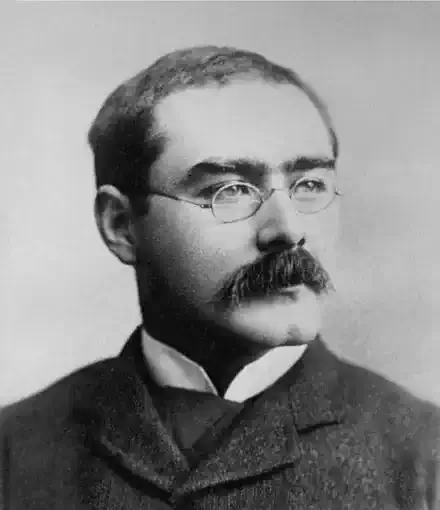
Rudyard Kipling
The Coiner
The Coiner
To be sung by the unlearned to the tune of "King John and the Abbot of
Canterbury," and by the learned to "Tempest-a-brewing."
Against the Bermudas we foundered, whereby
This Master, that Swabber, yon Bo'sun, and I
(Our pinnace and crew being drowned in the main)
Must beg for our bread through old England again.
For a bite and a sup, and a bed of clean straw,
We'll tell you such marvels as man never saw,
On a Magical Island which no one did spy
Save this Master, that Swabber, yon Bo'sun, and I.
Seven months among Mermaids and Devils and Sprites,
And Voices that howl in the cedars o'nights,
With further enchantments we underwent there.
Good Sirs, 'tis a tale to draw guts from a bear!
'Twixt Dover and Southwark it paid us our way,
Where we found some poor players were labouring a play;
And, willing to search what such business might be,
We entered the yard, both to hear and to see.
One hailed us for seamen and courteous-ly
Did guide us apart to a tavern near by
Where we told him our tale (as to many of late),
And he gave us good cheer, so we gave him good weight.
Mulled sack and strong waters on bellies well lined
With beef and black pudding do strengthen the mind;
And seeing him greedy for marvels, at last
From plain salted truth to flat leasing we passed.
But he, when on midnight our reckoning he paid,
Says, "Never match coins with a Coiner by trade,
Or he'll turn your lead pieces to metal as rare
As shall fill him this globe, and leave something to spare...."
We slept where they laid us, and when we awoke
Was a crown or five shillings in every man's poke.
We bit them and rang them, and, finding them good,
We drank to that Coiner as honest men should!
For a cup and a crust, and a truss, etc.
To be sung by the unlearned to the tune of "King John and the Abbot of
Canterbury," and by the learned to "Tempest-a-brewing."
Against the Bermudas we foundered, whereby
This Master, that Swabber, yon Bo'sun, and I
(Our pinnace and crew being drowned in the main)
Must beg for our bread through old England again.
For a bite and a sup, and a bed of clean straw,
We'll tell you such marvels as man never saw,
On a Magical Island which no one did spy
Save this Master, that Swabber, yon Bo'sun, and I.
Seven months among Mermaids and Devils and Sprites,
And Voices that howl in the cedars o'nights,
With further enchantments we underwent there.
Good Sirs, 'tis a tale to draw guts from a bear!
'Twixt Dover and Southwark it paid us our way,
Where we found some poor players were labouring a play;
And, willing to search what such business might be,
We entered the yard, both to hear and to see.
One hailed us for seamen and courteous-ly
Did guide us apart to a tavern near by
Where we told him our tale (as to many of late),
And he gave us good cheer, so we gave him good weight.
Mulled sack and strong waters on bellies well lined
With beef and black pudding do strengthen the mind;
And seeing him greedy for marvels, at last
From plain salted truth to flat leasing we passed.
But he, when on midnight our reckoning he paid,
Says, "Never match coins with a Coiner by trade,
Or he'll turn your lead pieces to metal as rare
As shall fill him this globe, and leave something to spare...."
We slept where they laid us, and when we awoke
Was a crown or five shillings in every man's poke.
We bit them and rang them, and, finding them good,
We drank to that Coiner as honest men should!
For a cup and a crust, and a truss, etc.
446
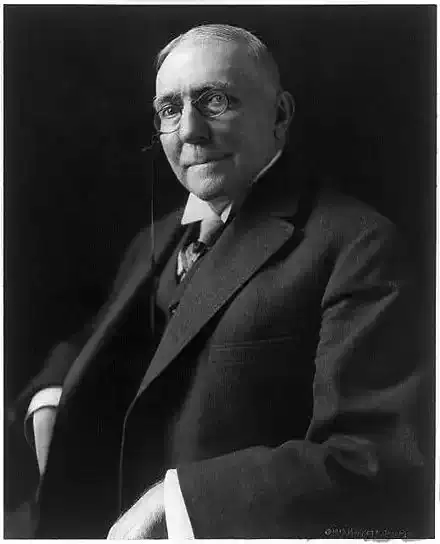
James Whitcomb Riley
Craqueodoom
Craqueodoom
The Crankadox leaned o'er the edge of the moon
And wistfully gazed on the sea
Where the Gryxabodill madly whistled a tune
To the air of 'Ti-fol-de-ding-dee.'
The quavering shriek of the Fly-up-the-creek
Was fitfully wafted afar
To the Queen of the Wunks as she powdered her cheek
With the pulverized rays of a star.
The Gool closed his ear on the voice of the Grig,
And his heart it grew heavy as lead
As he marked the Baldekin adjusting his wing
On the opposite side of his head,
And the air it grew chill as the Gryxabodill
Raised his dank, dripping fins to the skies,
And plead with the Plunk for the use of her bill
To pick the tears out of his eyes.
The ghost of the Zhack flitted by in a trance,
And the Squidjum hid under a tub
As he heard the loud hooves of the Hooken advance
With a rub-a-dub--dub-a-dub--dub!
And the Crankadox cried, as he lay down and died,
'My fate there is none to bewail,'
While the Queen of the Wunks drifted over the tide
With a long piece of crape to her tail.
The Crankadox leaned o'er the edge of the moon
And wistfully gazed on the sea
Where the Gryxabodill madly whistled a tune
To the air of 'Ti-fol-de-ding-dee.'
The quavering shriek of the Fly-up-the-creek
Was fitfully wafted afar
To the Queen of the Wunks as she powdered her cheek
With the pulverized rays of a star.
The Gool closed his ear on the voice of the Grig,
And his heart it grew heavy as lead
As he marked the Baldekin adjusting his wing
On the opposite side of his head,
And the air it grew chill as the Gryxabodill
Raised his dank, dripping fins to the skies,
And plead with the Plunk for the use of her bill
To pick the tears out of his eyes.
The ghost of the Zhack flitted by in a trance,
And the Squidjum hid under a tub
As he heard the loud hooves of the Hooken advance
With a rub-a-dub--dub-a-dub--dub!
And the Crankadox cried, as he lay down and died,
'My fate there is none to bewail,'
While the Queen of the Wunks drifted over the tide
With a long piece of crape to her tail.
288
James Whitcomb Riley
An Impetuous Resolve
An Impetuous Resolve
When little Dickie Swope's a man,
He's go' to be a Sailor;
An' little Hamey Tincher, he's
A-go' to be a Tailor:
Bud Mitchell, he's a-go' to be
A stylish Carriage-Maker;
An' when _I_ grow a grea'-big man,
I'm go' to be a Baker!
An' Dick'll buy his sailor-suit
O' Hame; and Hame'll take it
An' buy as fine a double-rigg
As ever Bud can make it:
An' nen all three'll drive roun' fer me
An' we'll drive off togevver,
A-slingin' pie-crust 'long the road
Ferever an' ferever!
When little Dickie Swope's a man,
He's go' to be a Sailor;
An' little Hamey Tincher, he's
A-go' to be a Tailor:
Bud Mitchell, he's a-go' to be
A stylish Carriage-Maker;
An' when _I_ grow a grea'-big man,
I'm go' to be a Baker!
An' Dick'll buy his sailor-suit
O' Hame; and Hame'll take it
An' buy as fine a double-rigg
As ever Bud can make it:
An' nen all three'll drive roun' fer me
An' we'll drive off togevver,
A-slingin' pie-crust 'long the road
Ferever an' ferever!
309
James Whitcomb Riley
A Wrangdillion
A Wrangdillion
Dexery-tethery! down in the dike,
Under the ooze and the slime,
Nestles the wraith of a reticent Gryke,
Blubbering bubbles of rhyme:
Though the reeds touch him and tickle his teeth--
Though the Graigroll and the Cheest
Pluck at the leaves of his laureate-wreath,
Nothing affects him the least.
He sinks to the dregs in the dead o' the night,
And he shuffles the shadows about
As he gathers the stars in a nest of delight
And sets there and hatches them out:
The Zhederrill peers from his watery mine
In scorn with the Will-o'-the-wisp,
As he twinkles his eyes in a whisper of shine
That ends in a luminous lisp.
The Morning is born like a baby of gold,
And it lies in a spasm of pink,
And rallies the Cheest for the horrible cold
He has dragged to the willowy brink,
The Gryke blots his tears with a scrap of his grief,
And growls at the wary Graigroll
As he twunkers a tune on a Tiljicum leaf
And hums like a telegraph pole.
Dexery-tethery! down in the dike,
Under the ooze and the slime,
Nestles the wraith of a reticent Gryke,
Blubbering bubbles of rhyme:
Though the reeds touch him and tickle his teeth--
Though the Graigroll and the Cheest
Pluck at the leaves of his laureate-wreath,
Nothing affects him the least.
He sinks to the dregs in the dead o' the night,
And he shuffles the shadows about
As he gathers the stars in a nest of delight
And sets there and hatches them out:
The Zhederrill peers from his watery mine
In scorn with the Will-o'-the-wisp,
As he twinkles his eyes in a whisper of shine
That ends in a luminous lisp.
The Morning is born like a baby of gold,
And it lies in a spasm of pink,
And rallies the Cheest for the horrible cold
He has dragged to the willowy brink,
The Gryke blots his tears with a scrap of his grief,
And growls at the wary Graigroll
As he twunkers a tune on a Tiljicum leaf
And hums like a telegraph pole.
240
James Whitcomb Riley
A Home-Made Fairy Tale
A Home-Made Fairy Tale
Bud, come here to your uncle a spell,
And I'll tell you something you mustn't tell--
For it's a secret and shore-'nuf true,
And maybe I oughtn't to tell it to you--!
But out in the garden, under the shade
Of the apple-trees, where we romped and played
Till the moon was up, and you thought I'd gone
Fast asleep--, That was all put on!
For I was a-watchin' something queer
Goin' on there in the grass, my dear--!
'Way down deep in it, there I see
A little dude-Fairy who winked at me,
And snapped his fingers, and laughed as low
And fine as the whine of a mus-kee-to!
I kept still-- watchin' him closer-- and
I noticed a little guitar in his hand,
Which he leant 'ginst a little dead bee-- and laid
His cigarette down on a clean grass-blade,
And then climbed up on the shell of a snail--
Carefully dusting his swallowtail--
And pulling up, by a waxed web-thread,
This little guitar, you remember. I said!
And there he trinkled and trilled a tune--,
'My Love, so Fair, Tans in the Moon!'
Till presently, out of the clover-top
He seemed to be singing to, came k'pop!
The purtiest, daintiest Fairy face
In all this world, or any place!
Then the little ser'nader waved his hand,
As much as to say, 'We'll excuse you!' and
I heard, as I squinted my eyelids to,
A kiss like the drip of a drop of dew!
Bud, come here to your uncle a spell,
And I'll tell you something you mustn't tell--
For it's a secret and shore-'nuf true,
And maybe I oughtn't to tell it to you--!
But out in the garden, under the shade
Of the apple-trees, where we romped and played
Till the moon was up, and you thought I'd gone
Fast asleep--, That was all put on!
For I was a-watchin' something queer
Goin' on there in the grass, my dear--!
'Way down deep in it, there I see
A little dude-Fairy who winked at me,
And snapped his fingers, and laughed as low
And fine as the whine of a mus-kee-to!
I kept still-- watchin' him closer-- and
I noticed a little guitar in his hand,
Which he leant 'ginst a little dead bee-- and laid
His cigarette down on a clean grass-blade,
And then climbed up on the shell of a snail--
Carefully dusting his swallowtail--
And pulling up, by a waxed web-thread,
This little guitar, you remember. I said!
And there he trinkled and trilled a tune--,
'My Love, so Fair, Tans in the Moon!'
Till presently, out of the clover-top
He seemed to be singing to, came k'pop!
The purtiest, daintiest Fairy face
In all this world, or any place!
Then the little ser'nader waved his hand,
As much as to say, 'We'll excuse you!' and
I heard, as I squinted my eyelids to,
A kiss like the drip of a drop of dew!
334
James Whitcomb Riley
A Dream Of Long Ago
A Dream Of Long Ago
Lying listless in the mosses
Underneath a tree that tosses
Flakes of sunshine, and embosses
Its green shadow with the snow-Drowsy-
eyed, I sink in slumber
Born of fancies without number--
Tangled fancies that encumber
Me with dreams of long ago.
Ripples of the river singing;
And the water-lilies swinging
Bells of Parian, and ringing
Peals of perfume faint and fine,
While old forms and fairy faces
Leap from out their hiding-places
In the past, with glad embraces
Fraught with kisses sweet as wine.
Willows dip their slender fingers
O'er the little fisher's stringers,
While he baits his hook and lingers
Till the shadows gather dim;
And afar off comes a calling
Like the sounds of water falling,
With the lazy echoes drawling
Messages of haste to him.
Little naked feet that tinkle
Through the stubble-fields, and twinkle
Down the winding road, and sprinkle
Little mists of dusty rain,
While in pasture-lands the cattle
Cease their grazing with a rattle
Of the bells whose clappers tattle
To their masters down the lane.
Trees that hold their tempting treasures
O'er the orchard's hedge embrasures,
Furnish their forbidden pleasures
As in Eden lands of old;
And the coming of the master
Indicates a like disaster
To the frightened heart that faster
Beats pulsations manifold.
Puckered lips whose pipings tingle
In staccato notes that mingle
Musically with the jingle-
Haunted winds that lightly fan
Mellow twilights, crimson-tinted
By the sun, and picture-printed
Like a book that sweetly hinted
Of the Nights Arabian.
Porticoes with columns plaited
And entwined with vines and freighted
With a bloom all radiated
With the light of moon and star;
Where some tender voice is winging
In sad flights of song, and singing
To the dancing fingers flinging
Dripping from the sweet guitar.
Would my dreams were never taken
From me: that with faith unshaken
I might sleep and never waken
On a weary world of woe!
Links of love would never sever
As I dreamed them, never, never!
I would glide along forever
Through the dreams of long ago.
Lying listless in the mosses
Underneath a tree that tosses
Flakes of sunshine, and embosses
Its green shadow with the snow-Drowsy-
eyed, I sink in slumber
Born of fancies without number--
Tangled fancies that encumber
Me with dreams of long ago.
Ripples of the river singing;
And the water-lilies swinging
Bells of Parian, and ringing
Peals of perfume faint and fine,
While old forms and fairy faces
Leap from out their hiding-places
In the past, with glad embraces
Fraught with kisses sweet as wine.
Willows dip their slender fingers
O'er the little fisher's stringers,
While he baits his hook and lingers
Till the shadows gather dim;
And afar off comes a calling
Like the sounds of water falling,
With the lazy echoes drawling
Messages of haste to him.
Little naked feet that tinkle
Through the stubble-fields, and twinkle
Down the winding road, and sprinkle
Little mists of dusty rain,
While in pasture-lands the cattle
Cease their grazing with a rattle
Of the bells whose clappers tattle
To their masters down the lane.
Trees that hold their tempting treasures
O'er the orchard's hedge embrasures,
Furnish their forbidden pleasures
As in Eden lands of old;
And the coming of the master
Indicates a like disaster
To the frightened heart that faster
Beats pulsations manifold.
Puckered lips whose pipings tingle
In staccato notes that mingle
Musically with the jingle-
Haunted winds that lightly fan
Mellow twilights, crimson-tinted
By the sun, and picture-printed
Like a book that sweetly hinted
Of the Nights Arabian.
Porticoes with columns plaited
And entwined with vines and freighted
With a bloom all radiated
With the light of moon and star;
Where some tender voice is winging
In sad flights of song, and singing
To the dancing fingers flinging
Dripping from the sweet guitar.
Would my dreams were never taken
From me: that with faith unshaken
I might sleep and never waken
On a weary world of woe!
Links of love would never sever
As I dreamed them, never, never!
I would glide along forever
Through the dreams of long ago.
244
Rudyard Kipling
La Nuit Blanche
La Nuit Blanche
A much-discerning Public hold
The Singer generally sings
And prints and sells his past for gold.
Whatever I may here disclaim,
The very clever folk I sing to
Will most indubitably cling to
Their pet delusion, just the same.
I had seen, as the dawn was breaking
And I staggered to my rest,
Tari Devi softly shaking
From the Cart Road to the crest.
I had seen the spurs of Jakko
Heave and quiver, swell and sink.
Was it Earthquake or tobacco,
Day of Doom, or Night of Drink?
In the full, fresh fragrant morning
I observed a camel crawl,
Laws of gravitation scorning,
On the ceiling and the wall;
Then I watched a fender walking,
And I heard grey leeches sing,
And a red-hot monkey talking
Did not seem the proper thing.
Then a Creature, skinned and crimson,
Ran about the floor and cried,
And they said that I had the "jims" on,
And they dosed me with bromide,
And they locked me in my bedroom --
Me and one wee Blood Red Mouse --
Though I said: "To give my head room
You had best unroof the house."
But my words were all unheeded,
Though I told the grave M.D.
That the treatment really needed
Was a dip in open sea
That was lapping just below me,
Smooth as silver, white as snow,
And it took three men to throw me
When I found I could not go.
Half the night I watched the Heavens
Fizz like ' champagne --
Fly to sixes and to sevens,
Wheel and thunder back again;
And when all was peace and order
Save one planet nailed askew,
Much I wept because my warder
Would not let me sit it true.
After frenzied hours of wating,
When the Earth and Skies were dumb,
Pealed an awful voice dictating
An interminable sum,
Changing to a tangle story --
"What she said you said I said" --
Till the Moon arose in glory,
And I found her . . . in my head;
Then a Face came, blind and weeping,
And It couldn't wipe its eyes,
And It muttered I was keeping
Back the moonlight from the skies;
So I patted it for pity,
But it whistled shrill with wrath,
And a huge black Devil City
Poured its peoples on my path.
So I fled with steps uncertain
On a thousand-year long race,
But the bellying of the curtain
Kept me always in one place;
While the tumult rose and maddened
To the roar of Earth on fire,
Ere it ebbed and sank and saddened
To a whisper tense as wire.
In tolerable stillness
Rose one little, little star,
And it chuckled at my illness,
And it mocked me from afar;
And its breathren came and eyed me,
Called the Universe to aid,
Till I lay, with naught to hide me,
'Neath' the Scorn of All Things Made.
Dun and saffron, robed and splendid,
Broke the solemn, pitying Day,
And I knew my pains were ended,
And I turned and tried to pray;
But my speech was shattered wholly,
And I wept as children weep.
Till the dawn-wind, softly, slowly,
Brought to burning eyelids sleep.
A much-discerning Public hold
The Singer generally sings
And prints and sells his past for gold.
Whatever I may here disclaim,
The very clever folk I sing to
Will most indubitably cling to
Their pet delusion, just the same.
I had seen, as the dawn was breaking
And I staggered to my rest,
Tari Devi softly shaking
From the Cart Road to the crest.
I had seen the spurs of Jakko
Heave and quiver, swell and sink.
Was it Earthquake or tobacco,
Day of Doom, or Night of Drink?
In the full, fresh fragrant morning
I observed a camel crawl,
Laws of gravitation scorning,
On the ceiling and the wall;
Then I watched a fender walking,
And I heard grey leeches sing,
And a red-hot monkey talking
Did not seem the proper thing.
Then a Creature, skinned and crimson,
Ran about the floor and cried,
And they said that I had the "jims" on,
And they dosed me with bromide,
And they locked me in my bedroom --
Me and one wee Blood Red Mouse --
Though I said: "To give my head room
You had best unroof the house."
But my words were all unheeded,
Though I told the grave M.D.
That the treatment really needed
Was a dip in open sea
That was lapping just below me,
Smooth as silver, white as snow,
And it took three men to throw me
When I found I could not go.
Half the night I watched the Heavens
Fizz like ' champagne --
Fly to sixes and to sevens,
Wheel and thunder back again;
And when all was peace and order
Save one planet nailed askew,
Much I wept because my warder
Would not let me sit it true.
After frenzied hours of wating,
When the Earth and Skies were dumb,
Pealed an awful voice dictating
An interminable sum,
Changing to a tangle story --
"What she said you said I said" --
Till the Moon arose in glory,
And I found her . . . in my head;
Then a Face came, blind and weeping,
And It couldn't wipe its eyes,
And It muttered I was keeping
Back the moonlight from the skies;
So I patted it for pity,
But it whistled shrill with wrath,
And a huge black Devil City
Poured its peoples on my path.
So I fled with steps uncertain
On a thousand-year long race,
But the bellying of the curtain
Kept me always in one place;
While the tumult rose and maddened
To the roar of Earth on fire,
Ere it ebbed and sank and saddened
To a whisper tense as wire.
In tolerable stillness
Rose one little, little star,
And it chuckled at my illness,
And it mocked me from afar;
And its breathren came and eyed me,
Called the Universe to aid,
Till I lay, with naught to hide me,
'Neath' the Scorn of All Things Made.
Dun and saffron, robed and splendid,
Broke the solemn, pitying Day,
And I knew my pains were ended,
And I turned and tried to pray;
But my speech was shattered wholly,
And I wept as children weep.
Till the dawn-wind, softly, slowly,
Brought to burning eyelids sleep.
541
Rudyard Kipling
Gods of the East
Gods of the East
Because I sought it far from men,
In deserts and alone,
I found it burning overhead,
The jewel of a Throne.
Because I sought--I sought it so
And spent my days to find--
It blazed one moment ere it left
The blacker night behind.
We be the Gods of the East--
Older than all--
Masters of Mourning and Feast--
How shall we fall?
* * * * *
This I saw when the rites were done,
And the lamps were dead and the Gods alone,
And the grey snake coiled on the altar stone--
Ere I fled from a Fear that I could not see,
And the Gods of the East made mouths at me.
Because I sought it far from men,
In deserts and alone,
I found it burning overhead,
The jewel of a Throne.
Because I sought--I sought it so
And spent my days to find--
It blazed one moment ere it left
The blacker night behind.
We be the Gods of the East--
Older than all--
Masters of Mourning and Feast--
How shall we fall?
* * * * *
This I saw when the rites were done,
And the lamps were dead and the Gods alone,
And the grey snake coiled on the altar stone--
Ere I fled from a Fear that I could not see,
And the Gods of the East made mouths at me.
434
James Joyce
At That Hour
At That Hour
At that hour when all things have repose,
O lonely watcher of the skies,
Do you hear the night wind and the sighs
Of harps playing unto Love to unclose
The pale gates of sunrise?
When all things repose, do you alone
Awake to hear the sweet harps play
To Love before him on his way,
And the night wind answering in antiphon
Till night is overgone?
Play on, invisible harps, unto Love,
Whose way in heaven is aglow
At that hour when soft lights come and go,
Soft sweet music in the air above
And in the earth below.
At that hour when all things have repose,
O lonely watcher of the skies,
Do you hear the night wind and the sighs
Of harps playing unto Love to unclose
The pale gates of sunrise?
When all things repose, do you alone
Awake to hear the sweet harps play
To Love before him on his way,
And the night wind answering in antiphon
Till night is overgone?
Play on, invisible harps, unto Love,
Whose way in heaven is aglow
At that hour when soft lights come and go,
Soft sweet music in the air above
And in the earth below.
202
Rudyard Kipling
A Child's Garden
A Child's Garden
R. L. Stevenson
Now there is nothing wrong with me
Except -- I think it's called T.B.
And that is why I have to lay
Out in the garden all the day.
Our garden is not very wide
And cars go by on either side,
And make an angry-hooty noise
That rather startles little boys.
But worst of all is when they take
Me out in cars that growl and shake,
With charabancs so dreadful-near
I have to shut my eyes for fear.
But when I'm on my back again,
I watch the Croydon aeroplane
That flies across to France, and sings
Like hitting thick piano-strings.
When I am strong enough to do
The things I'm truly wishful to,
I'll never use a car or train
But always have an aeroplane;
And just go zooming round and round,
And frighten Nursey with the sound,
And see the angel-side of clouds,
And spit on all those motor-crowds!
R. L. Stevenson
Now there is nothing wrong with me
Except -- I think it's called T.B.
And that is why I have to lay
Out in the garden all the day.
Our garden is not very wide
And cars go by on either side,
And make an angry-hooty noise
That rather startles little boys.
But worst of all is when they take
Me out in cars that growl and shake,
With charabancs so dreadful-near
I have to shut my eyes for fear.
But when I'm on my back again,
I watch the Croydon aeroplane
That flies across to France, and sings
Like hitting thick piano-strings.
When I am strong enough to do
The things I'm truly wishful to,
I'll never use a car or train
But always have an aeroplane;
And just go zooming round and round,
And frighten Nursey with the sound,
And see the angel-side of clouds,
And spit on all those motor-crowds!
522

Roger Mcgough
The Time I Like Best
The Time I Like Best
The time I like best is am
when the snow is inches deep
which I'm yet to discover
'cause I'm under the covers
fast, fast asleep.
The time I like best is am
when the snow is inches deep
which I'm yet to discover
'cause I'm under the covers
fast, fast asleep.
589
Hilaire Belloc
The Night
The Night
Most Holy Night, that still dost keep
The keys of all the doors of sleep,
To me when my tired eyelids close
Give thou repose.
And let the far lament of them
That chaunt the dead day’s requiem
Make in my ears, who wakeful lie,
Soft lullaby.
Let them that guard the hornàed Moon
By my bedside their memories croon.
So shall I have new dreams and blest
In my brief rest.
Fold thy great wings about my face,
Hide day-dawn from my resting-place,
And cheat me with thy false delight,
Most Holy Night.
Most Holy Night, that still dost keep
The keys of all the doors of sleep,
To me when my tired eyelids close
Give thou repose.
And let the far lament of them
That chaunt the dead day’s requiem
Make in my ears, who wakeful lie,
Soft lullaby.
Let them that guard the hornàed Moon
By my bedside their memories croon.
So shall I have new dreams and blest
In my brief rest.
Fold thy great wings about my face,
Hide day-dawn from my resting-place,
And cheat me with thy false delight,
Most Holy Night.
332

Robert W. Service
The Visionary
The Visionary
If fortune had not granted me
To suck the Muse's teats,
I think I would have liked to be
A sweeper of the streets;
And city gutters glad to groom,
Have heft a bonny broom.
There--as amid the crass and crush
The limousines swished by,
I would have leaned upon my brush
With visionary eye:
Deeming despite their loud allure
That I was rich, they poor.
Aye, though in garb terrestrial,
To Heaven I would pray,
And dream with broom celestial
I swept the Milky Way;
And golden chariots would ring,
And harps of Heaven sing.
And all the strumpets passing me,
And heelers of the Ward
Would glorified Madonnas be,
And angels of the Lord;
And all the brats in gutters grim
Be rosy cherubim.
If fortune had not granted me
To suck the Muse's teats,
I think I would have liked to be
A sweeper of the streets;
And city gutters glad to groom,
Have heft a bonny broom.
There--as amid the crass and crush
The limousines swished by,
I would have leaned upon my brush
With visionary eye:
Deeming despite their loud allure
That I was rich, they poor.
Aye, though in garb terrestrial,
To Heaven I would pray,
And dream with broom celestial
I swept the Milky Way;
And golden chariots would ring,
And harps of Heaven sing.
And all the strumpets passing me,
And heelers of the Ward
Would glorified Madonnas be,
And angels of the Lord;
And all the brats in gutters grim
Be rosy cherubim.
198
William Blake
Crystal Cabinet, The
Crystal Cabinet, The
The Maiden caught me in the wild,
Where I was dancing merrily;
She put me into her Cabinet,
And lock'd me up with a golden key.
This cabinet is form'd of gold
And pearl and crystal shining bright,
And within it opens into a world
And a little lovely moony night.
Another England there I saw
Another London with its Tower,
Another Thames and other hills,
And another pleasant Surrey bower.
Another Maiden like herself,
Translucent, lovely, shining clear,
Threefold each in the other clos'd
O, what a pleasant trembling fear!
O, what a smile! a threefold smile
Fill'd me, that like a flame I burn'd;
I bent to kiss the lovely Maid,
And found a threefold kiss return'd.
I strove to seize the inmost form
With ardor fierce and hands of flame,
But burst the Crystal Cabinet,
And like a weeping Babe became--
A weeping Babe upon the wild,
And weeping Woman pale reclin'd,
And in the outward air again,
I fill'd with woes the passing wind.
.
The Maiden caught me in the wild,
Where I was dancing merrily;
She put me into her Cabinet,
And lock'd me up with a golden key.
This cabinet is form'd of gold
And pearl and crystal shining bright,
And within it opens into a world
And a little lovely moony night.
Another England there I saw
Another London with its Tower,
Another Thames and other hills,
And another pleasant Surrey bower.
Another Maiden like herself,
Translucent, lovely, shining clear,
Threefold each in the other clos'd
O, what a pleasant trembling fear!
O, what a smile! a threefold smile
Fill'd me, that like a flame I burn'd;
I bent to kiss the lovely Maid,
And found a threefold kiss return'd.
I strove to seize the inmost form
With ardor fierce and hands of flame,
But burst the Crystal Cabinet,
And like a weeping Babe became--
A weeping Babe upon the wild,
And weeping Woman pale reclin'd,
And in the outward air again,
I fill'd with woes the passing wind.
.
433
William Blake
Angel, The
Angel, The
I dreamt a dream! What can it mean?
And that I was a maiden Queen
Guarded by an Angel mild:
Witless woe was ne'er beguiled!
And I wept both night and day,
And he wiped my tears away;
And I wept both day and night,
And hid from him my heart's delight.
So he took his wings, and fled;
Then the morn blushed rosy red.
I dried my tears, and armed my fears
With ten-thousand shields and spears.
Soon my Angel came again;
I was armed, he came in vain;
For the time of youth was fled,
And grey hairs were on my head.
I dreamt a dream! What can it mean?
And that I was a maiden Queen
Guarded by an Angel mild:
Witless woe was ne'er beguiled!
And I wept both night and day,
And he wiped my tears away;
And I wept both day and night,
And hid from him my heart's delight.
So he took his wings, and fled;
Then the morn blushed rosy red.
I dried my tears, and armed my fears
With ten-thousand shields and spears.
Soon my Angel came again;
I was armed, he came in vain;
For the time of youth was fled,
And grey hairs were on my head.
449
William Blake
Ah! Sunflower
Ah! Sunflower
Ah Sunflower, weary of time,
Who countest the steps of the sun;
Seeking after that sweet golden clime
Where the traveller's journey is done;
Where the Youth pined away with desire,
And the pale virgin shrouded in snow,
Arise from their graves, and aspire
Where my Sunflower wishes to go!
Ah Sunflower, weary of time,
Who countest the steps of the sun;
Seeking after that sweet golden clime
Where the traveller's journey is done;
Where the Youth pined away with desire,
And the pale virgin shrouded in snow,
Arise from their graves, and aspire
Where my Sunflower wishes to go!
390

Wilfred Owen
Spells and Incantations
Spells and Incantations
A vague pearl, a wan pearl
You showed me once; I peered through far-gone winters
Until my mind was fog-bound in that gem.
Blue diamonds, cold diamonds
You shook before me, so that out of them
Glittered and glowed vast diamond dawns of spring.
Tiger-eyed rubies, wrathful rubies
You rolled. I watched their hot hearts fling
Flames from each glaring summer of my life.
Quiet amber, mellow amber
You lifted; and behold the whole air rife
With evening, and the auburn autumn cloud.
But pale skin, your pearl skin
Show this to me, and I shall have surprise
Of every snow-lit dawn before it break.
But clear eyes, your fresh eyes
Open; that I may laugh, and lightly take
All air of early April in one hour.
But brown curls, O shadow me with curls,
Full of September mist, half-gleam, half-glower,
And I shall roam warm nights in lands far south.
A vague pearl, a wan pearl
You showed me once; I peered through far-gone winters
Until my mind was fog-bound in that gem.
Blue diamonds, cold diamonds
You shook before me, so that out of them
Glittered and glowed vast diamond dawns of spring.
Tiger-eyed rubies, wrathful rubies
You rolled. I watched their hot hearts fling
Flames from each glaring summer of my life.
Quiet amber, mellow amber
You lifted; and behold the whole air rife
With evening, and the auburn autumn cloud.
But pale skin, your pearl skin
Show this to me, and I shall have surprise
Of every snow-lit dawn before it break.
But clear eyes, your fresh eyes
Open; that I may laugh, and lightly take
All air of early April in one hour.
But brown curls, O shadow me with curls,
Full of September mist, half-gleam, half-glower,
And I shall roam warm nights in lands far south.
125
Walter De La Mare
The Spirit of Air
The Spirit of Air
Coral and clear emerald,
And amber from the sea,
Lilac-coloured amethyst,
Chalcedony;
The lovely Spirit of Air
Floats on a cloud and doth ride,
Clad in the beauties of earth
Like a bride.
So doth she haunt me; and words
Tell but a tithe of the tale.
Sings all the sweetness of Spring
Even in the nightengale?
Nay, but with echoes she cries
Of the valley of love;
Dews on the thorns of her feet,
And darkness above.
Coral and clear emerald,
And amber from the sea,
Lilac-coloured amethyst,
Chalcedony;
The lovely Spirit of Air
Floats on a cloud and doth ride,
Clad in the beauties of earth
Like a bride.
So doth she haunt me; and words
Tell but a tithe of the tale.
Sings all the sweetness of Spring
Even in the nightengale?
Nay, but with echoes she cries
Of the valley of love;
Dews on the thorns of her feet,
And darkness above.
325
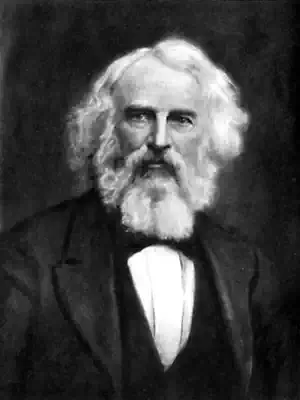
Henry Wadsworth Longfellow
Voices Of The Night : Prelude
Voices Of The Night : Prelude
Pleasant it was, when woods were green,
And winds were soft and low,
To lie amid some sylvan scene,
Where, the long drooping boughs between
Shadows dark and sunlight sheen
Alternate come and go;
Or where the denser grove receives
No sunlight from above
But the dark foliage interweaves
In one unbroken roof of leaves,
Underneath whose sloping eaves
The shadows hardly move.
Beneath some patriarchal tree
I lay upon the ground;
His hoary arms uplifted he,
And all the broad leaves over me
Clapped their little hands in glee,
With one continuous sound;--
A slumberous sound,--a sound that brings
The feelings of a dream,--
As of innumerable wings,
As, when a bell no longer swings,
Faint the hollow murmur rings
O'er meadow, lake, and stream.
And dreams of that which cannot die,
Bright visins, came to me,
As lapped in thought I used to lie,
And gaze into the summer sky,
Where the sailing clouds went by,
Like ships upon the sea;
Dreams that the soul of youth engage
Ere Fancy has been quelled;
Old legends of the monkish page.
Traditions of the saint and sage,
Tales that have the rime of age,
And chronicles of Eld.
And, loving still these quaint old themes,
Even in the city's throng
I feel the freshness of the streams,
That, crossed by shades and sunny gleams,
Water the green land of dreams,
The holy land of song.
Therefore, at Pentecost, which brings
The Spring, clothed like a bride,
When nestling buds unfold their wings,
And bishop's-caps have golden rings,
Musing upon many things,
I sought the woodlands wide.
The green trees whispered low and mild,
It was a sound of joy!
They were my playmates when a child
And rocked me in their arms so wild!
Still they looked at me and smiled
As if I were a boy;
And ever whispered, mild and low,
'Come, be a child once more!'
And waved their long arms to and fro,
And beckoned solemnly and slow;
O, I could not choose but go
Into the woodlands hoar;
Into the blithe and breathing air,
Into the solemn wood.
Solemn and silent everywhere!
Nature with folded hands seemed there,
Kneeling at her evening prayer!
Like one in prayer I stood.
Before me rose an avenue
Of tall and sombrous pines;
Abroad their fan-like branches grew,
And, where the sunshine darted throught
Spread a vapor soft and blue,
In long and sloping lines.
And, falling on my weary brain,
Like a fast-falling shower,
The dreams of youth came back again,
Low lispings of the summer rain,
Dropping on the ripened grain,
As once upon the flower.
Visions of childhood! Stay, O stay!
Ye were so sweet and wild!
And distant voices seemed to say,
'It cannot be! They pass away!
Other themes demand thy lay;
Thou art no more a child!
'The land of Song within thee lies,
Watered by living springs;
The lids of Fancy's sleepless eyes
Are gates unto that Paradise;
Holy thoughts, like stars, arise,
Its clouds are angels' wings.
'Learn, that henceforth thy song shall be
Not mountains capped with snow,
Nor forests sounding like the sea,
Nor rivers flowing ceaselessly,
Where the woodlands bend to see
The bending heavens below.
'There is a forest where the din
Of iron branches sounds!
A mighty river roara between,
And whosoever looks therein,
Sees the heavens all black with sin,--
Sees not ita depths, nor bounds.
'Athwart the swinging branches cast,
Soft rays of sunshine pour;
Then comes the fearful wintry blast;
Our hopes, like withered leaves, fall fast;
Pallid lips say, 'It is past!
We can return no more!'
'Look, then, into thine heart, and write!
Yes, into Life's deep stream!
All forms of sorrow and delight,
All solemn Voices of the Night,
That can soothe thee, or affright,--
Be these henceforth thy theme.'
Pleasant it was, when woods were green,
And winds were soft and low,
To lie amid some sylvan scene,
Where, the long drooping boughs between
Shadows dark and sunlight sheen
Alternate come and go;
Or where the denser grove receives
No sunlight from above
But the dark foliage interweaves
In one unbroken roof of leaves,
Underneath whose sloping eaves
The shadows hardly move.
Beneath some patriarchal tree
I lay upon the ground;
His hoary arms uplifted he,
And all the broad leaves over me
Clapped their little hands in glee,
With one continuous sound;--
A slumberous sound,--a sound that brings
The feelings of a dream,--
As of innumerable wings,
As, when a bell no longer swings,
Faint the hollow murmur rings
O'er meadow, lake, and stream.
And dreams of that which cannot die,
Bright visins, came to me,
As lapped in thought I used to lie,
And gaze into the summer sky,
Where the sailing clouds went by,
Like ships upon the sea;
Dreams that the soul of youth engage
Ere Fancy has been quelled;
Old legends of the monkish page.
Traditions of the saint and sage,
Tales that have the rime of age,
And chronicles of Eld.
And, loving still these quaint old themes,
Even in the city's throng
I feel the freshness of the streams,
That, crossed by shades and sunny gleams,
Water the green land of dreams,
The holy land of song.
Therefore, at Pentecost, which brings
The Spring, clothed like a bride,
When nestling buds unfold their wings,
And bishop's-caps have golden rings,
Musing upon many things,
I sought the woodlands wide.
The green trees whispered low and mild,
It was a sound of joy!
They were my playmates when a child
And rocked me in their arms so wild!
Still they looked at me and smiled
As if I were a boy;
And ever whispered, mild and low,
'Come, be a child once more!'
And waved their long arms to and fro,
And beckoned solemnly and slow;
O, I could not choose but go
Into the woodlands hoar;
Into the blithe and breathing air,
Into the solemn wood.
Solemn and silent everywhere!
Nature with folded hands seemed there,
Kneeling at her evening prayer!
Like one in prayer I stood.
Before me rose an avenue
Of tall and sombrous pines;
Abroad their fan-like branches grew,
And, where the sunshine darted throught
Spread a vapor soft and blue,
In long and sloping lines.
And, falling on my weary brain,
Like a fast-falling shower,
The dreams of youth came back again,
Low lispings of the summer rain,
Dropping on the ripened grain,
As once upon the flower.
Visions of childhood! Stay, O stay!
Ye were so sweet and wild!
And distant voices seemed to say,
'It cannot be! They pass away!
Other themes demand thy lay;
Thou art no more a child!
'The land of Song within thee lies,
Watered by living springs;
The lids of Fancy's sleepless eyes
Are gates unto that Paradise;
Holy thoughts, like stars, arise,
Its clouds are angels' wings.
'Learn, that henceforth thy song shall be
Not mountains capped with snow,
Nor forests sounding like the sea,
Nor rivers flowing ceaselessly,
Where the woodlands bend to see
The bending heavens below.
'There is a forest where the din
Of iron branches sounds!
A mighty river roara between,
And whosoever looks therein,
Sees the heavens all black with sin,--
Sees not ita depths, nor bounds.
'Athwart the swinging branches cast,
Soft rays of sunshine pour;
Then comes the fearful wintry blast;
Our hopes, like withered leaves, fall fast;
Pallid lips say, 'It is past!
We can return no more!'
'Look, then, into thine heart, and write!
Yes, into Life's deep stream!
All forms of sorrow and delight,
All solemn Voices of the Night,
That can soothe thee, or affright,--
Be these henceforth thy theme.'
295
Walter De La Mare
The Keys of Morning
The Keys of Morning
While at her bedroom window once,
Learning her task for school,
Little Louisa lonely sat
In the morning clear and cool,
She slanted her small bead-brown eyes
Across the empty street,
And saw Death softly watching her
In the sunshine pale and sweet.
His was a long lean sallow face;
He sat with half-shut eyes,
Like a old sailor in a ship
Becalmed 'neath tropic skies.
Beside him in the dust he had set
His staff and shady hat;
These, peeping small, Louisa saw
Quite clearly where she sat -
The thinness of his coal-black locks,
His hands so long and lean
They scarcely seemed to grasp at all
The keys that hung between:
Both were of gold, but one was small,
And with this last did he
Wag in the air, as if to say,
"Come hither, child, to me!"
Louisa laid her lesson book
On the cold window-sill;
And in the sleepy sunshine house
Went softly down, until
She stood in the half-opened door,
And peeped. But strange to say
Where Death just now had sunning sat
Only a shadow lay:
Just the tall chimney's round-topped cowl,
And the small sun behind,
Had with its shadow in the dust
Called sleepy Death to mind.
But most she thought how strange it was
Two keys that he should bear,
And that, when beckoning, he should wag
The littlest in the air.
While at her bedroom window once,
Learning her task for school,
Little Louisa lonely sat
In the morning clear and cool,
She slanted her small bead-brown eyes
Across the empty street,
And saw Death softly watching her
In the sunshine pale and sweet.
His was a long lean sallow face;
He sat with half-shut eyes,
Like a old sailor in a ship
Becalmed 'neath tropic skies.
Beside him in the dust he had set
His staff and shady hat;
These, peeping small, Louisa saw
Quite clearly where she sat -
The thinness of his coal-black locks,
His hands so long and lean
They scarcely seemed to grasp at all
The keys that hung between:
Both were of gold, but one was small,
And with this last did he
Wag in the air, as if to say,
"Come hither, child, to me!"
Louisa laid her lesson book
On the cold window-sill;
And in the sleepy sunshine house
Went softly down, until
She stood in the half-opened door,
And peeped. But strange to say
Where Death just now had sunning sat
Only a shadow lay:
Just the tall chimney's round-topped cowl,
And the small sun behind,
Had with its shadow in the dust
Called sleepy Death to mind.
But most she thought how strange it was
Two keys that he should bear,
And that, when beckoning, he should wag
The littlest in the air.
261
Page 1
Next