
Destiny and Overcoming
Poems in this topic
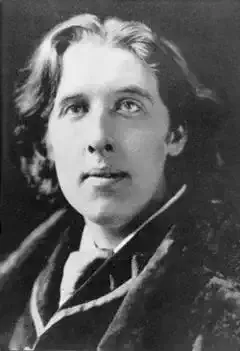
Oscar Wilde
The True Knowledge
Thou knowest all; I seek in vain
What lands to till or sow with seed -
The land is black with briar and weed,
Nor cares for falling tears or rain.
Thou knowest all; I sit and wait
With blinded eyes and hands that fail,
Till the last lifting of the veil
And the first opening of the gate.
Thou knowest all; I cannot see.
I trust I shall not live in vain,
I know that we shall meet again
In some divine eternity.
What lands to till or sow with seed -
The land is black with briar and weed,
Nor cares for falling tears or rain.
Thou knowest all; I sit and wait
With blinded eyes and hands that fail,
Till the last lifting of the veil
And the first opening of the gate.
Thou knowest all; I cannot see.
I trust I shall not live in vain,
I know that we shall meet again
In some divine eternity.
815
Oscar Wilde
Louis Napoleon
Eagle of Austerlitz! where were thy wings
When far away upon a barbarous strand,
In fight unequal, by an obscure hand,
Fell the last scion of thy brood of Kings!
Poor boy! thou shalt not flaunt thy cloak of red,
Or ride in state through Paris in the van
Of thy returning legions, but instead
Thy mother France, free and republican,
Shall on thy dead and crownless forehead place
The better laurels of a soldier's crown,
That not dishonoured should thy soul go down
To tell the mighty Sire of thy race
That France hath kissed the mouth of Liberty,
And found it sweeter than his honied bees,
And that the giant wave Democracy
Breaks on the shores where Kings lay couched at ease.
When far away upon a barbarous strand,
In fight unequal, by an obscure hand,
Fell the last scion of thy brood of Kings!
Poor boy! thou shalt not flaunt thy cloak of red,
Or ride in state through Paris in the van
Of thy returning legions, but instead
Thy mother France, free and republican,
Shall on thy dead and crownless forehead place
The better laurels of a soldier's crown,
That not dishonoured should thy soul go down
To tell the mighty Sire of thy race
That France hath kissed the mouth of Liberty,
And found it sweeter than his honied bees,
And that the giant wave Democracy
Breaks on the shores where Kings lay couched at ease.
630
Oscar Wilde
Apologia
Is it thy will that I should wax and wane,
Barter my cloth of gold for hodden grey,
And at thy pleasure weave that web of pain
Whose brightest threads are each a wasted day?
Is it thy will - Love that I love so well -
That my Soul's House should be a tortured spot
Wherein, like evil paramours, must dwell
The quenchless flame, the worm that dieth not?
Nay, if it be thy will I shall endure,
And sell ambition at the common mart,
And let dull failure be my vestiture,
And sorrow dig its grave within my heart.
Perchance it may be better so - at least
I have not made my heart a heart of stone,
Nor starved my boyhood of its goodly feast,
Nor walked where Beauty is a thing unknown.
Many a man hath done so; sought to fence
In straitened bonds the soul that should be free,
Trodden the dusty road of common sense,
While all the forest sang of liberty,
Not marking how the spotted hawk in flight
Passed on wide pinion through the lofty air,
To where some steep untrodden mountain height
Caught the last tresses of the Sun God's hair.
Or how the little flower he trod upon,
The daisy, that white-feathered shield of gold,
Followed with wistful eyes the wandering sun
Content if once its leaves were aureoled.
But surely it is something to have been
The best beloved for a little while,
To have walked hand in hand with Love, and seen
His purple wings flit once across thy smile.
Ay! though the gorged asp of passion feed
On my boy's heart, yet have I burst the bars,
Stood face to face with Beauty, known indeed
The Love which moves the Sun and all the stars!
Barter my cloth of gold for hodden grey,
And at thy pleasure weave that web of pain
Whose brightest threads are each a wasted day?
Is it thy will - Love that I love so well -
That my Soul's House should be a tortured spot
Wherein, like evil paramours, must dwell
The quenchless flame, the worm that dieth not?
Nay, if it be thy will I shall endure,
And sell ambition at the common mart,
And let dull failure be my vestiture,
And sorrow dig its grave within my heart.
Perchance it may be better so - at least
I have not made my heart a heart of stone,
Nor starved my boyhood of its goodly feast,
Nor walked where Beauty is a thing unknown.
Many a man hath done so; sought to fence
In straitened bonds the soul that should be free,
Trodden the dusty road of common sense,
While all the forest sang of liberty,
Not marking how the spotted hawk in flight
Passed on wide pinion through the lofty air,
To where some steep untrodden mountain height
Caught the last tresses of the Sun God's hair.
Or how the little flower he trod upon,
The daisy, that white-feathered shield of gold,
Followed with wistful eyes the wandering sun
Content if once its leaves were aureoled.
But surely it is something to have been
The best beloved for a little while,
To have walked hand in hand with Love, and seen
His purple wings flit once across thy smile.
Ay! though the gorged asp of passion feed
On my boy's heart, yet have I burst the bars,
Stood face to face with Beauty, known indeed
The Love which moves the Sun and all the stars!
951
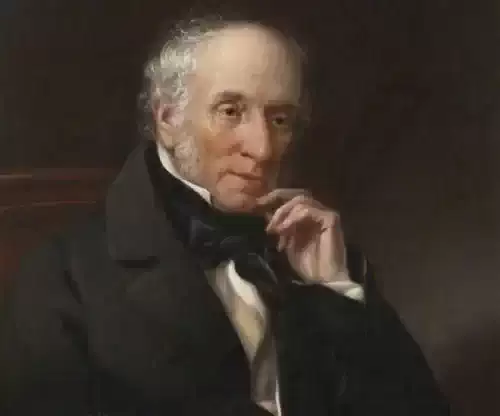
William Wordsworth
A Night Thought
A Night Thought
Lo! where the Moon along the sky
Sails with her happy destiny;
Oft is she hid from mortal eye
Or dimly seen,
But when the clouds asunder fly
How bright her mien!
Far different we--a froward race,
Thousands though rich in Fortune's grace
With cherished sullenness of pace
Their way pursue,
Ingrates who wear a smileless face
The whole year through.
If kindred humours e'er would make
My spirit droop for drooping's sake,
From Fancy following in thy wake,
Bright ship of heaven!
A counter impulse let me take
And be forgiven.
Lo! where the Moon along the sky
Sails with her happy destiny;
Oft is she hid from mortal eye
Or dimly seen,
But when the clouds asunder fly
How bright her mien!
Far different we--a froward race,
Thousands though rich in Fortune's grace
With cherished sullenness of pace
Their way pursue,
Ingrates who wear a smileless face
The whole year through.
If kindred humours e'er would make
My spirit droop for drooping's sake,
From Fancy following in thy wake,
Bright ship of heaven!
A counter impulse let me take
And be forgiven.
144
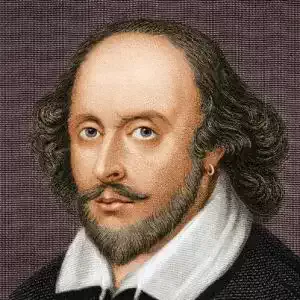
William Shakespeare
Sonnet XIII
Sonnet XIII
O, that you were yourself! but, love, you are
No longer yours than you yourself here live:
Against this coming end you should prepare,
And your sweet semblance to some other give.
So should that beauty which you hold in lease
Find no determination: then you were
Yourself again after yourself's decease,
When your sweet issue your sweet form should bear.
Who lets so fair a house fall to decay,
Which husbandry in honour might uphold
Against the stormy gusts of winter's day
And barren rage of death's eternal cold?
O, none but unthrifts! Dear my love, you know
You had a father: let your son say so.
O, that you were yourself! but, love, you are
No longer yours than you yourself here live:
Against this coming end you should prepare,
And your sweet semblance to some other give.
So should that beauty which you hold in lease
Find no determination: then you were
Yourself again after yourself's decease,
When your sweet issue your sweet form should bear.
Who lets so fair a house fall to decay,
Which husbandry in honour might uphold
Against the stormy gusts of winter's day
And barren rage of death's eternal cold?
O, none but unthrifts! Dear my love, you know
You had a father: let your son say so.
290
William Shakespeare
Sonnet CXXVI
Sonnet CXXVI
O thou, my lovely boy, who in thy power
Dost hold Time's fickle glass, his sickle, hour;
Who hast by waning grown, and therein show'st
Thy lovers withering as thy sweet self grow'st;
If Nature, sovereign mistress over wrack,
As thou goest onwards, still will pluck thee back,
She keeps thee to this purpose, that her skill
May time disgrace and wretched minutes kill.
Yet fear her, O thou minion of her pleasure!
She may detain, but not still keep, her treasure:
Her audit, though delay'd, answer'd must be,
And her quietus is to render thee.
O thou, my lovely boy, who in thy power
Dost hold Time's fickle glass, his sickle, hour;
Who hast by waning grown, and therein show'st
Thy lovers withering as thy sweet self grow'st;
If Nature, sovereign mistress over wrack,
As thou goest onwards, still will pluck thee back,
She keeps thee to this purpose, that her skill
May time disgrace and wretched minutes kill.
Yet fear her, O thou minion of her pleasure!
She may detain, but not still keep, her treasure:
Her audit, though delay'd, answer'd must be,
And her quietus is to render thee.
232
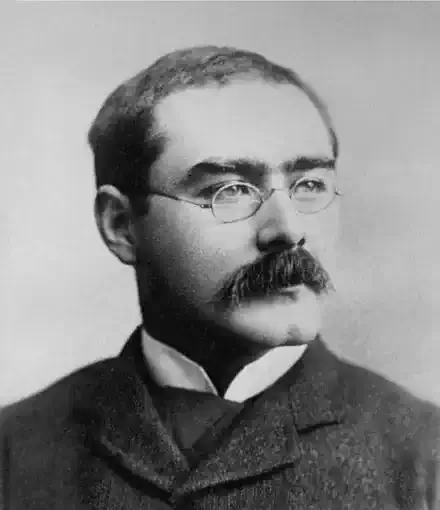
Rudyard Kipling
The Conversion of Aurelian McGoggin
The Conversion of Aurelian McGoggin
Ride with an idle whip, ride with an unused heel,
But, once in a way, there will come a day
When the colt must be taught to feel
The lash that falls, and the curb that galls, and the sting
of the rowelled steel.
Ride with an idle whip, ride with an unused heel,
But, once in a way, there will come a day
When the colt must be taught to feel
The lash that falls, and the curb that galls, and the sting
of the rowelled steel.
351
Rudyard Kipling
The Ballad of Bolivar
The Ballad of Bolivar
Seven men from all the world, back to Docks again,
Rolling down the Ratcliffe Road drunk and raising Cain:
Give the girls another drink 'fore we sign away --
We that took the ~Bolivar~ out across the Bay!
We put out from Sunderland loaded down with rails;
We put back to Sunderland 'cause our cargo shifted;
We put out from Sunderland -- met the winter gales --
Seven days and seven nights to the Start we drifted.
Racketing her rivets loose, smoke-stack white as snow,
All the coals adrift adeck, half the rails below,
Leaking like a lobster-pot, steering like a dray --
Out we took the ~Bolivar~, out across the Bay!
One by one the Lights came up, winked and let us by;
Mile by mile we waddled on, coal and fo'c'sle short;
Met a blow that laid us down, heard a bulkhead fly;
Left the ~Wolf~ behind us with a two-foot list to port.
Trailing like a wounded duck, working out her soul;
Clanging like a smithy-shop after every roll;
Just a funnel and a mast lurching through the spray --
So we threshed the ~Bolivar~ out across the Bay!
'Felt her hog and felt her sag, betted when she'd break;
Wondered every time she raced if she'd stand the shock;
Heard the seas like drunken men pounding at her strake;
Hoped the Lord 'ud keep his thumb on the plummer-block.
Banged against the iron decks, bilges choked with coal;
Flayed and frozen foot and hand, sick of heart and soul;
Last we prayed she'd buck herself into judgment Day --
Hi! we cursed the ~Bolivar~ knocking round the Bay!
O her nose flung up to sky, groaning to be still --
Up and down and back we went, never time for breath;
Then the money paid at Lloyd's caught her by the heel,
And the stars ran round and round dancin' at our death.
Aching for an hour's sleep, dozing off between;
'Heard the rotten rivets draw when she took it green;
'Watched the compass chase its tail like a cat at play --
That was on the ~Bolivar~, south across the Bay.
Once we saw between the squalls, lyin' head to swell --
Mad with work and weariness, wishin' they was we --
Some damned Liner's lights go by like a long hotel;
Cheered her from the ~Bolivar~ swampin' in the sea.
Then a grayback cleared us out, then the skipper laughed;
"Boys, the wheel has gone to Hell -- rig the winches aft!
Yoke the kicking rudder-head -- get her under way!"
So we steered her, pulley-haul, out across the Bay!
Just a pack o' rotten plates puttied up with tar,
In we came, an' time enough, 'cross Bilbao Bar.
Overloaded, undermanned, meant to founder, we
Euchred God Almighty's storm, bluffed the Eternal Sea!
Seven men from all the world, back to town again,
Rollin' down the Ratcliffe Road drunk and raising Cain:
Seven men from out of Hell. Ain't the owners gay,
'Cause we took the "Bolivar" safe across the Bay?
Seven men from all the world, back to Docks again,
Rolling down the Ratcliffe Road drunk and raising Cain:
Give the girls another drink 'fore we sign away --
We that took the ~Bolivar~ out across the Bay!
We put out from Sunderland loaded down with rails;
We put back to Sunderland 'cause our cargo shifted;
We put out from Sunderland -- met the winter gales --
Seven days and seven nights to the Start we drifted.
Racketing her rivets loose, smoke-stack white as snow,
All the coals adrift adeck, half the rails below,
Leaking like a lobster-pot, steering like a dray --
Out we took the ~Bolivar~, out across the Bay!
One by one the Lights came up, winked and let us by;
Mile by mile we waddled on, coal and fo'c'sle short;
Met a blow that laid us down, heard a bulkhead fly;
Left the ~Wolf~ behind us with a two-foot list to port.
Trailing like a wounded duck, working out her soul;
Clanging like a smithy-shop after every roll;
Just a funnel and a mast lurching through the spray --
So we threshed the ~Bolivar~ out across the Bay!
'Felt her hog and felt her sag, betted when she'd break;
Wondered every time she raced if she'd stand the shock;
Heard the seas like drunken men pounding at her strake;
Hoped the Lord 'ud keep his thumb on the plummer-block.
Banged against the iron decks, bilges choked with coal;
Flayed and frozen foot and hand, sick of heart and soul;
Last we prayed she'd buck herself into judgment Day --
Hi! we cursed the ~Bolivar~ knocking round the Bay!
O her nose flung up to sky, groaning to be still --
Up and down and back we went, never time for breath;
Then the money paid at Lloyd's caught her by the heel,
And the stars ran round and round dancin' at our death.
Aching for an hour's sleep, dozing off between;
'Heard the rotten rivets draw when she took it green;
'Watched the compass chase its tail like a cat at play --
That was on the ~Bolivar~, south across the Bay.
Once we saw between the squalls, lyin' head to swell --
Mad with work and weariness, wishin' they was we --
Some damned Liner's lights go by like a long hotel;
Cheered her from the ~Bolivar~ swampin' in the sea.
Then a grayback cleared us out, then the skipper laughed;
"Boys, the wheel has gone to Hell -- rig the winches aft!
Yoke the kicking rudder-head -- get her under way!"
So we steered her, pulley-haul, out across the Bay!
Just a pack o' rotten plates puttied up with tar,
In we came, an' time enough, 'cross Bilbao Bar.
Overloaded, undermanned, meant to founder, we
Euchred God Almighty's storm, bluffed the Eternal Sea!
Seven men from all the world, back to town again,
Rollin' down the Ratcliffe Road drunk and raising Cain:
Seven men from out of Hell. Ain't the owners gay,
'Cause we took the "Bolivar" safe across the Bay?
542
Rudyard Kipling
Song of the Fifth River
Song of the Fifth River
Where first by Eden Tree
The Four Great Rivers ran,
To each was appointed a Man
Her Prince and Ruler to be.
But after this was ordained
(The ancient legends' tell),
There came dark Israel,
For whom no River remained.
Then He Whom the Rivers obey
Said to him: "Fling on the ground
A handful of yellow clay,
And a Fifth Great River shall run,
Mightier than these Four,
In secret the Earth around;
And Her secret evermore,
Shall be shown to thee and thy Race."
So it was said and done.
And, deep in the veins of Earth,
And, fed by a thousand springs
That comfort the market-place,
Or sap the power of King,
The Fifth Great River had birth,
Even as it was foretold--
The Secret River of Gold!
And Israel laid down
His sceptre and his crown,
To brood on that River bank
Where the waters flashed and sank
And burrowed in earth and fell
And bided a season below,
For reason that none might know,
Save only Israel
He is Lord of the Last--
The Fifth, most wonderful, Flood.
He hears Her thunder past
And Her Song is in his blood.
He can foresay: "She will fall,"
For he knows which fountain dries
Behind which desert-belt
A thousand leagues to the South.
He can foresay: "She will rise."
He knows what far snows melt
Along what mountain-wall
A thousand leagues to the North,
He snuffs the coming drouth
As he snuffs the coming rain,
He knows what each will bring forth,
And turns it to his gain.
A Ruler without a Throne,
A Prince without a Sword,
Israel follows his quest.
In every land a guest,
Of many lands a lord,
In no land King is he.
But the Fifth Great River keeps
The secret of Her deeps
For Israel alone,
As it was ordered to be.
Where first by Eden Tree
The Four Great Rivers ran,
To each was appointed a Man
Her Prince and Ruler to be.
But after this was ordained
(The ancient legends' tell),
There came dark Israel,
For whom no River remained.
Then He Whom the Rivers obey
Said to him: "Fling on the ground
A handful of yellow clay,
And a Fifth Great River shall run,
Mightier than these Four,
In secret the Earth around;
And Her secret evermore,
Shall be shown to thee and thy Race."
So it was said and done.
And, deep in the veins of Earth,
And, fed by a thousand springs
That comfort the market-place,
Or sap the power of King,
The Fifth Great River had birth,
Even as it was foretold--
The Secret River of Gold!
And Israel laid down
His sceptre and his crown,
To brood on that River bank
Where the waters flashed and sank
And burrowed in earth and fell
And bided a season below,
For reason that none might know,
Save only Israel
He is Lord of the Last--
The Fifth, most wonderful, Flood.
He hears Her thunder past
And Her Song is in his blood.
He can foresay: "She will fall,"
For he knows which fountain dries
Behind which desert-belt
A thousand leagues to the South.
He can foresay: "She will rise."
He knows what far snows melt
Along what mountain-wall
A thousand leagues to the North,
He snuffs the coming drouth
As he snuffs the coming rain,
He knows what each will bring forth,
And turns it to his gain.
A Ruler without a Throne,
A Prince without a Sword,
Israel follows his quest.
In every land a guest,
Of many lands a lord,
In no land King is he.
But the Fifth Great River keeps
The secret of Her deeps
For Israel alone,
As it was ordered to be.
521
Rudyard Kipling
Romulus and Remus
Romulus and Remus
Canadian
Oh, little did the Wolf-Child care--
When first he planned his home,
What City should arise and bear
The weight and state of Rome.
A shiftless, westward-wandering tramp,
Checked by the Tiber flood,
He reared a wall around his camp
Of uninspired mud.
But when his brother leaped the Wall
And mocked its height and make,
He guessed the future of it all
And slew him for its sake.
Swift was the blow--swift as the thought
Which showed him in that hour
How unbelief may bring to naught
The early steps of Power.
Foreseeing Time's imperilled hopes
Of Glory, Grace, and Love--
All singers, Caesars, artists, Popes--
Would fail if Remus throve,
He sent his brother to the Gods,
And, when the fit was o'er,
Went on collecting turves and clods
To build the Wall once more!
Canadian
Oh, little did the Wolf-Child care--
When first he planned his home,
What City should arise and bear
The weight and state of Rome.
A shiftless, westward-wandering tramp,
Checked by the Tiber flood,
He reared a wall around his camp
Of uninspired mud.
But when his brother leaped the Wall
And mocked its height and make,
He guessed the future of it all
And slew him for its sake.
Swift was the blow--swift as the thought
Which showed him in that hour
How unbelief may bring to naught
The early steps of Power.
Foreseeing Time's imperilled hopes
Of Glory, Grace, and Love--
All singers, Caesars, artists, Popes--
Would fail if Remus throve,
He sent his brother to the Gods,
And, when the fit was o'er,
Went on collecting turves and clods
To build the Wall once more!
437
Rudyard Kipling
Kim
Kim
Unto whose use the pregnant suns are poised,
With idiot moons and stars retracting stars?
Creep thou between -- thy coming's all unnoised.
Heaven hath her high, as Earth her baser, wars.
Heir to these tumults, this affright, that fray
(By Adam's, fathers', own, sin bound alway);
Peer up, draw out thy horoscope and say
Which planet mends thy threadbare fate, or mars.
Unto whose use the pregnant suns are poised,
With idiot moons and stars retracting stars?
Creep thou between -- thy coming's all unnoised.
Heaven hath her high, as Earth her baser, wars.
Heir to these tumults, this affright, that fray
(By Adam's, fathers', own, sin bound alway);
Peer up, draw out thy horoscope and say
Which planet mends thy threadbare fate, or mars.
359
Rudyard Kipling
Jubal and Tubal Cain
Jubal and Tubal Cain
Canadian
Jubal sang of the Wrath of God
And the curse of thistle and thorn--
But Tubal got him a pointed rod,
And scrabbled the earth for corn.
Old--old as that early mould,
Young as the sprouting grain--
Yearly green is the strife between
Jubal and Tubal Cain!
Jubal sang of the new-found sea,
And the love that its waves divide--
But Tubal hollowed a fallen tree
And passed to the further side.
Black-black as the hurricane-wrack,
Salt as the under-main-
Bitter and cold is the hate they hold--
Jubal and Tubal Cain!
Jubal sang of the golden years
Uhen wars and wounds shall cease--
But Tubal fashioned the hand-flung spears
And showed his neighbours peace
New--new as Nine-point-Two
Older than Lamech's slain--
Roaring and loud is the feud avowed
Twix'' Jubal and Tubal Cain!
Jubal sang of the cliffs that bar
And the peaks that none may crown--
But Tubal clambered by jut and scar
And there he builded a town.
High-high as the snowsheds lie,
Low as the culverts drain--
Wherever they be they can never agree--
Jubal and Tubal Cain!
Canadian
Jubal sang of the Wrath of God
And the curse of thistle and thorn--
But Tubal got him a pointed rod,
And scrabbled the earth for corn.
Old--old as that early mould,
Young as the sprouting grain--
Yearly green is the strife between
Jubal and Tubal Cain!
Jubal sang of the new-found sea,
And the love that its waves divide--
But Tubal hollowed a fallen tree
And passed to the further side.
Black-black as the hurricane-wrack,
Salt as the under-main-
Bitter and cold is the hate they hold--
Jubal and Tubal Cain!
Jubal sang of the golden years
Uhen wars and wounds shall cease--
But Tubal fashioned the hand-flung spears
And showed his neighbours peace
New--new as Nine-point-Two
Older than Lamech's slain--
Roaring and loud is the feud avowed
Twix'' Jubal and Tubal Cain!
Jubal sang of the cliffs that bar
And the peaks that none may crown--
But Tubal clambered by jut and scar
And there he builded a town.
High-high as the snowsheds lie,
Low as the culverts drain--
Wherever they be they can never agree--
Jubal and Tubal Cain!
545
Rudyard Kipling
If
If
If you can keep your head when all about you
Are losing theirs and blaming it on you;
If you can trust yourself when all men doubt you,
But make allowance for their doubting too:
If you can wait and not be tired by waiting,
Or, being lied about, don't deal in lies,
Or being hated don't give way to hating,
And yet don't look too good, nor talk too wise;
If you can dream---and not make dreams your master;
If you can think---and not make thoughts your aim,
If you can meet with Triumph and Disaster
And treat those two impostors just the same:.
If you can bear to hear the truth you've spoken
Twisted by knaves to make a trap for fools,
Or watch the things you gave your life to, broken,
And stoop and build'em up with worn-out tools;
If you can make one heap of all your winnings
And risk it on one turn of pitch-and-toss,
And lose, and start again at your beginnings,
And never breathe a word about your loss:
If you can force your heart and nerve and sinew
To serve your turn long after they are gone,
And so hold on when there is nothing in you
Except the Will which says to them: "Hold on!"
If you can talk with crowds and keep your virtue,
Or walk with Kings---nor lose the common touch,
If neither foes nor loving friends can hurt you,
If all men count with you, but none too much:
If you can fill the unforgiving minute
With sixty seconds' worth of distance run,
Yours is the Earth and everything that's in it,
And---which is more---you'll be a Man, my son!
If you can keep your head when all about you
Are losing theirs and blaming it on you;
If you can trust yourself when all men doubt you,
But make allowance for their doubting too:
If you can wait and not be tired by waiting,
Or, being lied about, don't deal in lies,
Or being hated don't give way to hating,
And yet don't look too good, nor talk too wise;
If you can dream---and not make dreams your master;
If you can think---and not make thoughts your aim,
If you can meet with Triumph and Disaster
And treat those two impostors just the same:.
If you can bear to hear the truth you've spoken
Twisted by knaves to make a trap for fools,
Or watch the things you gave your life to, broken,
And stoop and build'em up with worn-out tools;
If you can make one heap of all your winnings
And risk it on one turn of pitch-and-toss,
And lose, and start again at your beginnings,
And never breathe a word about your loss:
If you can force your heart and nerve and sinew
To serve your turn long after they are gone,
And so hold on when there is nothing in you
Except the Will which says to them: "Hold on!"
If you can talk with crowds and keep your virtue,
Or walk with Kings---nor lose the common touch,
If neither foes nor loving friends can hurt you,
If all men count with you, but none too much:
If you can fill the unforgiving minute
With sixty seconds' worth of distance run,
Yours is the Earth and everything that's in it,
And---which is more---you'll be a Man, my son!
634
Rudyard Kipling
Hunting Song of the Seeonee Pack
Hunting Song of the Seeonee Pack
As the dawn was breaking the Sambhur belled
Once, twice, and again!
And a doe leaped up -- and a doe leaped up
From the pond in the wood where the wild deer sup.
This I, scouting alone, beheld,
Once, twice, and again!
As the dawn was breaking the Sambhur belled
Once, twice, and again!
And a wolf stole back -- and a wolf stole back
To carry the word to the waiting Pack;
And we sought and we found and we bayed on his track
Once, twice, and again!
As the dawn was breaking the Wolf-pack yelled
Once, twice, and again!
Feet in the jungle that leave no mark!
Eyes that can see in the dark -- the dark!
Tongue -- give tongue to it! Hark! O Hark!
Once, twice, and again!
His spots are the joy of the Leopard: his horns are the Buffalo's pride --
Be clean, for the strength of the hunter is known by the gloss of his hide.
If ye find that the Bullock can toss you, or the heavy-browed Sambhur can gore;
Ye need not stop work to inform us; we knew it ten seasons before.
Oppress not the cubs of the stranger, but hail them as Sister and Brother,
For though they are little and fubsy, it may be the Bear is their mother.
"There is none like to me!" says the Cub in the pride of his earliest kill;
But the Jungle is large and the Cub he is small. Let him think and be still.
As the dawn was breaking the Sambhur belled
Once, twice, and again!
And a doe leaped up -- and a doe leaped up
From the pond in the wood where the wild deer sup.
This I, scouting alone, beheld,
Once, twice, and again!
As the dawn was breaking the Sambhur belled
Once, twice, and again!
And a wolf stole back -- and a wolf stole back
To carry the word to the waiting Pack;
And we sought and we found and we bayed on his track
Once, twice, and again!
As the dawn was breaking the Wolf-pack yelled
Once, twice, and again!
Feet in the jungle that leave no mark!
Eyes that can see in the dark -- the dark!
Tongue -- give tongue to it! Hark! O Hark!
Once, twice, and again!
His spots are the joy of the Leopard: his horns are the Buffalo's pride --
Be clean, for the strength of the hunter is known by the gloss of his hide.
If ye find that the Bullock can toss you, or the heavy-browed Sambhur can gore;
Ye need not stop work to inform us; we knew it ten seasons before.
Oppress not the cubs of the stranger, but hail them as Sister and Brother,
For though they are little and fubsy, it may be the Bear is their mother.
"There is none like to me!" says the Cub in the pride of his earliest kill;
But the Jungle is large and the Cub he is small. Let him think and be still.
464
Rudyard Kipling
By the Hoof of the Wild Goat
By the Hoof of the Wild Goat
By the Hoof of the Wild Goat uptossed
From the cliff where she lay in the Sun
Fell the Stone
To the Tarn where the daylight is lost,
So she fell from the light of the Sun
And alone!
Now the fall was ordained from the first
With the Goat and the Cliff and the Tarn,
But the Stone
Knows only her life is accursed
As she sinks from the light of the Sun
And alone!
Oh Thou Who hast builded the World,
Oh Thou Who hast lighted the Sun,
Oh Thou Who hast darkened the Tarn,
Judge Thou
The sin of the Stone that was hurled
By the goat from the light of the Sun,
As she sinks in the mire of the Tarn,
Even now--even now--even now!
By the Hoof of the Wild Goat uptossed
From the cliff where she lay in the Sun
Fell the Stone
To the Tarn where the daylight is lost,
So she fell from the light of the Sun
And alone!
Now the fall was ordained from the first
With the Goat and the Cliff and the Tarn,
But the Stone
Knows only her life is accursed
As she sinks from the light of the Sun
And alone!
Oh Thou Who hast builded the World,
Oh Thou Who hast lighted the Sun,
Oh Thou Who hast darkened the Tarn,
Judge Thou
The sin of the Stone that was hurled
By the goat from the light of the Sun,
As she sinks in the mire of the Tarn,
Even now--even now--even now!
479

Horace
BkIV:II Augustus’s Return
BkIV:II Augustus’s Return
Iulus, whoever tries to rival Pindar,
flies on waxen wings, with Daedalean art,
and is doomed, like Icarus, to give a name
to glassy waters.
Like a river, rushing down from the mountains,
that the rain has filled above its usual banks,
so Pindar’s deep voice seethes, immeasurably,
and goes on flowing,
Pindar, deserving Apollo’s laurel crown,
whether he coins new phrases in audacious
dithyrambs, and is carried along in verse
that’s free of rules,
or whether he sings gods, and kings, the children
of gods, at whose hands the Centaurs, rightly, died,
and by whom the fearful Chimaera’s fires
were all extinguished,
or speaks of those godlike ones an Elean
palm, for boxing or riding, leads home again,
granting a tribute much more powerful than
a hundred statues,
or weeps for the young man snatched from his tearful
bride, praises his powers, to the stars, his spirit,
his golden virtue, begrudging all of them
to gloomy Orcus.
Son of Antony, a powerful breeze raises
the Dircean swan, whenever it’s carried
to cloudy heights. While I create my verses,
in the manner
of a humble Matinian bee, that goes
gathering pollen from all the pleasant thyme,
and labours among the many groves, on the banks
of flowing Tiber.
You, a poet of much greater power, will sing
Caesar, honoured with well-earned wreaths, as he climbs
the sacred slopes, drawing along in his wake
the savage Germans:
he, whom no greater and no better ruler
has Fate, and the true gods, given to the world,
nor ever will, though the centuries roll back
to that first age of gold.
You’ll sing of those happy days, and the City’s
public games, when our brave Augustus returns,
in answer to our prayers: you’ll sing the Forum
free of all quarrels.
Then, if what I utter’s worth hearing, the best
strains of my voice, thrilled by Caesar’s return,
will rise, and I will sing: ‘O lovely sun, O
worthy to be praised!’
While you lead us along: ‘Hail, God of Triumph!’
not once but many times: ‘Hail, God of Triumph!’
all the city will shout, and offer incense
to the kindly gods.
Ten bulls will acquit you, and as many cows:
me, a tender calf that has left its mother,
one that’s been fattened on wide pastures, one that
can fulfil my vow,
echoing, with its brow, those returning fires
of the crescent moon, at the third night’s rising,
appearing snow-white where it carries a mark,
and the rest tawny.
Iulus, whoever tries to rival Pindar,
flies on waxen wings, with Daedalean art,
and is doomed, like Icarus, to give a name
to glassy waters.
Like a river, rushing down from the mountains,
that the rain has filled above its usual banks,
so Pindar’s deep voice seethes, immeasurably,
and goes on flowing,
Pindar, deserving Apollo’s laurel crown,
whether he coins new phrases in audacious
dithyrambs, and is carried along in verse
that’s free of rules,
or whether he sings gods, and kings, the children
of gods, at whose hands the Centaurs, rightly, died,
and by whom the fearful Chimaera’s fires
were all extinguished,
or speaks of those godlike ones an Elean
palm, for boxing or riding, leads home again,
granting a tribute much more powerful than
a hundred statues,
or weeps for the young man snatched from his tearful
bride, praises his powers, to the stars, his spirit,
his golden virtue, begrudging all of them
to gloomy Orcus.
Son of Antony, a powerful breeze raises
the Dircean swan, whenever it’s carried
to cloudy heights. While I create my verses,
in the manner
of a humble Matinian bee, that goes
gathering pollen from all the pleasant thyme,
and labours among the many groves, on the banks
of flowing Tiber.
You, a poet of much greater power, will sing
Caesar, honoured with well-earned wreaths, as he climbs
the sacred slopes, drawing along in his wake
the savage Germans:
he, whom no greater and no better ruler
has Fate, and the true gods, given to the world,
nor ever will, though the centuries roll back
to that first age of gold.
You’ll sing of those happy days, and the City’s
public games, when our brave Augustus returns,
in answer to our prayers: you’ll sing the Forum
free of all quarrels.
Then, if what I utter’s worth hearing, the best
strains of my voice, thrilled by Caesar’s return,
will rise, and I will sing: ‘O lovely sun, O
worthy to be praised!’
While you lead us along: ‘Hail, God of Triumph!’
not once but many times: ‘Hail, God of Triumph!’
all the city will shout, and offer incense
to the kindly gods.
Ten bulls will acquit you, and as many cows:
me, a tender calf that has left its mother,
one that’s been fattened on wide pastures, one that
can fulfil my vow,
echoing, with its brow, those returning fires
of the crescent moon, at the third night’s rising,
appearing snow-white where it carries a mark,
and the rest tawny.
240
Horace
BkIII:XXVII Europa
BkIII:XXVII Europa
Let the wicked be led by omens of screeching
from owls, by pregnant dogs, or a grey-she wolf,
hurrying down from Lanuvian meadows,
or a fox with young:
May a snake disturb the journey they’ve started,
terrifying the ponies like an arrow
flashing across the road: but I far-seeing
augur, with prayer
for him whom I’m fearful for, out of the east
I’ll call up the ominous raven, before
the bird that divines the imminent showers
seeks standing water.
Galatea, wherever you choose to live
may you be happy, and live in thought of me:
no woodpecker on your left, or errant crow
to bar your going.
But see, with what storms flickering Orion
is setting. I know how the Adriatic’s
black gulf can be, and how the bright westerly
wind commits its sins.
Let the wives and children of our enemy
feel the blind force of the rising southerly,
and the thunder of the dark waters, the shores
trembling at the blow.
So, Europa entrusted her snow-white form
to the bull’s deceit, and the brave girl grew pale,
at the sea alive with monsters, the dangers
of the deep ocean.
Leaving the meadow, where, lost among flowers,
she was weaving a garland owed to the Nymphs,
now, in the luminous night, she saw nothing
but water and stars.
As soon as she reached the shores of Crete, mighty
with its hundred cities, she cried: ‘O father,
I’ve lost the name of daughter, my piety
conquered by fury.
Where have I come from, where am I going? One
death is too few for a virgin’s sin. Am I
awake, weeping a vile act, or free from guilt,
mocked by a phantom,
that fleeing, false, from the ivory gate brings
only a dream? Is it not better to pick
fresh flowers than to go travelling over
the breadths of the sea?
If anyone now could deliver that foul
beast to my anger, I’d attempt to wound it
with steel, and shatter the horns of that monster,
the one I once loved.
I’m shameless, I’ve abandoned my country’s gods,
I’m shameless, I keep Orcus waiting. O if
one of the gods can hear, I wish I might walk
naked with lions!
Before vile leanness hollows my lovely cheeks,
and the juices ebb in this tender victim,
while I am still beautiful, I’ll seek to be
food for the tigers.
My absent father urges me on: ‘Why wait
to die, worthless Europa? Happily you
can hang by the neck from this ash-tree: use
the sash that’s with you.
Or if cliffs and the sharpened rocks attract you,
as a means of death, put your trust in the speed
of the wind, unless you’d rather be carding
some mistress’s wool,
you, of royal blood, be handed over, as
concubine to a barbarous queen.’ She moaned:
Venus was laughing, treacherously, with her
son, his bow unstrung.
When she’d toyed enough with her, she said: ‘Refrain
from anger and burning passion, when the bull,
you hate, yields you his horns again, so that you
can start to wound them.
Don’t you know you’re invincible Jupiter’s
wife. Stop your sobbing, and learn to carry your
good fortune well: a continent of the Earth
will be named for you.
Let the wicked be led by omens of screeching
from owls, by pregnant dogs, or a grey-she wolf,
hurrying down from Lanuvian meadows,
or a fox with young:
May a snake disturb the journey they’ve started,
terrifying the ponies like an arrow
flashing across the road: but I far-seeing
augur, with prayer
for him whom I’m fearful for, out of the east
I’ll call up the ominous raven, before
the bird that divines the imminent showers
seeks standing water.
Galatea, wherever you choose to live
may you be happy, and live in thought of me:
no woodpecker on your left, or errant crow
to bar your going.
But see, with what storms flickering Orion
is setting. I know how the Adriatic’s
black gulf can be, and how the bright westerly
wind commits its sins.
Let the wives and children of our enemy
feel the blind force of the rising southerly,
and the thunder of the dark waters, the shores
trembling at the blow.
So, Europa entrusted her snow-white form
to the bull’s deceit, and the brave girl grew pale,
at the sea alive with monsters, the dangers
of the deep ocean.
Leaving the meadow, where, lost among flowers,
she was weaving a garland owed to the Nymphs,
now, in the luminous night, she saw nothing
but water and stars.
As soon as she reached the shores of Crete, mighty
with its hundred cities, she cried: ‘O father,
I’ve lost the name of daughter, my piety
conquered by fury.
Where have I come from, where am I going? One
death is too few for a virgin’s sin. Am I
awake, weeping a vile act, or free from guilt,
mocked by a phantom,
that fleeing, false, from the ivory gate brings
only a dream? Is it not better to pick
fresh flowers than to go travelling over
the breadths of the sea?
If anyone now could deliver that foul
beast to my anger, I’d attempt to wound it
with steel, and shatter the horns of that monster,
the one I once loved.
I’m shameless, I’ve abandoned my country’s gods,
I’m shameless, I keep Orcus waiting. O if
one of the gods can hear, I wish I might walk
naked with lions!
Before vile leanness hollows my lovely cheeks,
and the juices ebb in this tender victim,
while I am still beautiful, I’ll seek to be
food for the tigers.
My absent father urges me on: ‘Why wait
to die, worthless Europa? Happily you
can hang by the neck from this ash-tree: use
the sash that’s with you.
Or if cliffs and the sharpened rocks attract you,
as a means of death, put your trust in the speed
of the wind, unless you’d rather be carding
some mistress’s wool,
you, of royal blood, be handed over, as
concubine to a barbarous queen.’ She moaned:
Venus was laughing, treacherously, with her
son, his bow unstrung.
When she’d toyed enough with her, she said: ‘Refrain
from anger and burning passion, when the bull,
you hate, yields you his horns again, so that you
can start to wound them.
Don’t you know you’re invincible Jupiter’s
wife. Stop your sobbing, and learn to carry your
good fortune well: a continent of the Earth
will be named for you.
249
Rudyard Kipling
An American
An American
The American Spirit speaks:
"If the Led Striker call it a strike,
Or the papers call it a war,
They know not much what I am like,
Nor what he is, my Avatar."
Through many roads, by me possessed,
He shambles forth in cosmic guise;
He is the Jester and the Jest,
And he the Text himself applies.
The Celt is in his heart and hand,
The Gaul is in his brain and nerve;
Where, cosmopolitanly planned,
He guards the Redskin's dry reserve.
His easy unswept hearth he lends
From Labrador to Guadeloupe;
Till, elbowed out by sloven friends,
He camps, at sufferance, on the stoop.
Calm-eyed he scoffs at sword and crown,
Or panic-blinded stabs and slays:
Blatant he bids the world bow down,
Or cringing begs a crust of praise;
Or, sombre-drunk, at mine and mart,
He dubs his dreary brethren Kings.
His hands are black with blood -- his heart
Leaps, as a babe's, at little things.
But, through the shift of mood and mood,
Mine ancient humour saves him whole --
The cynic devil in his blood
That bids him mock his hurrying soul;
That bids him flout the Law he makes,
That bids him make the Law he flouts,
Till, dazed by many doubts, he wakes
The drumming guns that -- have no doubts;
That checks him foolish -- hot and fond,
That chuckles through his deepest ire,
That gilds the slough of his despond
But dims the goal of his desire;
Inopportune, shrill-accented,
The acrid Asiatic mirth
That leaves him, careless 'mid his dead,
The scandal of the elder earth.
How shall he clear himself, how reach
Your bar or weighed defence prefer?
A brother hedged with alien speech
And lacking all interpreter.
Which knowledge vexes him a space;
But while Reproof around him rings,
He turns a keen untroubled face
Home, to the instant need of things.
Enslaved, illogical, elate,
He greets th' embarrassed Gods, nor fears
To shake the iron hand of Fate
Or match with Destiny for beers.
Lo, imperturbable he rules,
Unkempt, disreputable, vast --
And, in the teeth of all the schools,
I -- I shall save him at the last!
The American Spirit speaks:
"If the Led Striker call it a strike,
Or the papers call it a war,
They know not much what I am like,
Nor what he is, my Avatar."
Through many roads, by me possessed,
He shambles forth in cosmic guise;
He is the Jester and the Jest,
And he the Text himself applies.
The Celt is in his heart and hand,
The Gaul is in his brain and nerve;
Where, cosmopolitanly planned,
He guards the Redskin's dry reserve.
His easy unswept hearth he lends
From Labrador to Guadeloupe;
Till, elbowed out by sloven friends,
He camps, at sufferance, on the stoop.
Calm-eyed he scoffs at sword and crown,
Or panic-blinded stabs and slays:
Blatant he bids the world bow down,
Or cringing begs a crust of praise;
Or, sombre-drunk, at mine and mart,
He dubs his dreary brethren Kings.
His hands are black with blood -- his heart
Leaps, as a babe's, at little things.
But, through the shift of mood and mood,
Mine ancient humour saves him whole --
The cynic devil in his blood
That bids him mock his hurrying soul;
That bids him flout the Law he makes,
That bids him make the Law he flouts,
Till, dazed by many doubts, he wakes
The drumming guns that -- have no doubts;
That checks him foolish -- hot and fond,
That chuckles through his deepest ire,
That gilds the slough of his despond
But dims the goal of his desire;
Inopportune, shrill-accented,
The acrid Asiatic mirth
That leaves him, careless 'mid his dead,
The scandal of the elder earth.
How shall he clear himself, how reach
Your bar or weighed defence prefer?
A brother hedged with alien speech
And lacking all interpreter.
Which knowledge vexes him a space;
But while Reproof around him rings,
He turns a keen untroubled face
Home, to the instant need of things.
Enslaved, illogical, elate,
He greets th' embarrassed Gods, nor fears
To shake the iron hand of Fate
Or match with Destiny for beers.
Lo, imperturbable he rules,
Unkempt, disreputable, vast --
And, in the teeth of all the schools,
I -- I shall save him at the last!
454
Rudyard Kipling
A Lover's Journey
A Lover's Journey
When a lover hies abroad
Looking for his love,
Azrael smiling sheathes his sword,
Heaven smiles above.
Earth and sea
His servants be,
And to lesser compass round,
That his love be sooner found!
When a lover hies abroad
Looking for his love,
Azrael smiling sheathes his sword,
Heaven smiles above.
Earth and sea
His servants be,
And to lesser compass round,
That his love be sooner found!
377
Horace
BkIII:V No Surrender
BkIII:V No Surrender
We believe thunderous Jupiter rules the sky:
Augustus is considered a god on earth,
for adding the Britons, and likewise
the weight of the Persians to our empire.
Didn’t Crassus’ soldiers live in vile marriage
with barbarian wives, and (because of our
Senate and its perverse ways!) grow old,
in the service of their hostile fathers.
Marsians, Apulians ruled by a Mede,
forgetting their shields, Roman names, and togas,
and eternal Vesta, though Jove’s shrines
and the city of Rome remained unharmed?
Regulus’s far-seeing mind warned of this,
when he objected to shameful surrender,
and considered from its example
harm would come to the following age,
unless captured men were killed without pity.
‘I’ve seen standards and weapons,’ he said,
‘taken bloodlessly from our soldiers,
hung there in the Carthaginian shrines,
I’ve seen the arms of our freemen twisted
behind their backs, enemy gates wide open,
and the fields that our warfare ravaged
being freely cultivated again.
Do you think that our soldiers ransomed for gold,
will fight more fiercely next time! You’ll add
harm to shame: the wool that’s dyed purple
never regains the colour that vanished,
and true courage, when once departed, never
cares to return to an inferior heart.
When a doe that’s set free, from the thick
hunting nets, turns to fight, then he’ll be brave
who trusts himself to treacherous enemies
and he’ll crush Carthage, in a second battle,
who’s felt the chains on his fettered wrists,
without a struggle, afraid of dying.
He’s one who, not knowing how life should be lived,
confuses war with peace. O, shame! O mighty
Carthage, made mightier now because
of Italy’s disgraceful decadence.’
It’s said he set aside his wife’s chaste kisses,
and his little ones, as of less importance,
and, grimly, he set his manly face
to the soil, until he might be able
to strengthen the Senate’s wavering purpose,
by making of himself an example no
other man had made, and hurrying,
among grieving friends, to noble exile.
Yet he knew what the barbarous torturer
was preparing for him. Still he pushed aside
the kinsmen who were blocking his way,
and the people who delayed his going,
as if, with some case decided, and leaving
all that tedious business of his clients,
he headed for Venafrum’s meadows,
or Lacedaemonian Tarentum.
We believe thunderous Jupiter rules the sky:
Augustus is considered a god on earth,
for adding the Britons, and likewise
the weight of the Persians to our empire.
Didn’t Crassus’ soldiers live in vile marriage
with barbarian wives, and (because of our
Senate and its perverse ways!) grow old,
in the service of their hostile fathers.
Marsians, Apulians ruled by a Mede,
forgetting their shields, Roman names, and togas,
and eternal Vesta, though Jove’s shrines
and the city of Rome remained unharmed?
Regulus’s far-seeing mind warned of this,
when he objected to shameful surrender,
and considered from its example
harm would come to the following age,
unless captured men were killed without pity.
‘I’ve seen standards and weapons,’ he said,
‘taken bloodlessly from our soldiers,
hung there in the Carthaginian shrines,
I’ve seen the arms of our freemen twisted
behind their backs, enemy gates wide open,
and the fields that our warfare ravaged
being freely cultivated again.
Do you think that our soldiers ransomed for gold,
will fight more fiercely next time! You’ll add
harm to shame: the wool that’s dyed purple
never regains the colour that vanished,
and true courage, when once departed, never
cares to return to an inferior heart.
When a doe that’s set free, from the thick
hunting nets, turns to fight, then he’ll be brave
who trusts himself to treacherous enemies
and he’ll crush Carthage, in a second battle,
who’s felt the chains on his fettered wrists,
without a struggle, afraid of dying.
He’s one who, not knowing how life should be lived,
confuses war with peace. O, shame! O mighty
Carthage, made mightier now because
of Italy’s disgraceful decadence.’
It’s said he set aside his wife’s chaste kisses,
and his little ones, as of less importance,
and, grimly, he set his manly face
to the soil, until he might be able
to strengthen the Senate’s wavering purpose,
by making of himself an example no
other man had made, and hurrying,
among grieving friends, to noble exile.
Yet he knew what the barbarous torturer
was preparing for him. Still he pushed aside
the kinsmen who were blocking his way,
and the people who delayed his going,
as if, with some case decided, and leaving
all that tedious business of his clients,
he headed for Venafrum’s meadows,
or Lacedaemonian Tarentum.
280
Horace
BkII:XX Poetic Immortality
BkII:XX Poetic Immortality
A poet of dual form, I won’t be carried
through the flowing air on weak or mundane wings,
nor will I linger down here on earth,
for any length of time: beyond envy,
I’ll leave the cities behind. It’s not I, born
of poor parents, it’s not I, who hear your voice,
beloved Maecenas, I who’ll die,
or be encircled by Stygian waters.
Even now the rough skin is settling around
my ankles, and now above them I’ve become
a snow-white swan, and soft feathers are
emerging over my arms and shoulders.
Soon, a melodious bird, and more famous
than Icarus, Daedalus’ son, I’ll visit
Bosphorus’ loud shores, Gaetulian
Syrtes, and the Hyperborean plains.
Colchis will know me, so will the Scythians,
who pretend to show no fear of Italian
troops, and the Geloni: Spain will learn
from me, the expert, and those who drink Rhone.
No dirges at my insubstantial funeral,
no elegies, and no unseemly grieving:
suppress all the clamour, not for me
the superfluous honour of a tomb.
A poet of dual form, I won’t be carried
through the flowing air on weak or mundane wings,
nor will I linger down here on earth,
for any length of time: beyond envy,
I’ll leave the cities behind. It’s not I, born
of poor parents, it’s not I, who hear your voice,
beloved Maecenas, I who’ll die,
or be encircled by Stygian waters.
Even now the rough skin is settling around
my ankles, and now above them I’ve become
a snow-white swan, and soft feathers are
emerging over my arms and shoulders.
Soon, a melodious bird, and more famous
than Icarus, Daedalus’ son, I’ll visit
Bosphorus’ loud shores, Gaetulian
Syrtes, and the Hyperborean plains.
Colchis will know me, so will the Scythians,
who pretend to show no fear of Italian
troops, and the Geloni: Spain will learn
from me, the expert, and those who drink Rhone.
No dirges at my insubstantial funeral,
no elegies, and no unseemly grieving:
suppress all the clamour, not for me
the superfluous honour of a tomb.
220
Horace
BkII:XVII We’ll Go Together
BkII:XVII We’ll Go Together
Why do you stifle me with your complaining?
It’s neither the gods’ idea nor mine to die
before you, Maecenas, you’re the great
glory, and pillar of my existence.
Ah, if some premature blow snatches away
half of my spirit, why should the rest remain,
no longer as loved, nor surviving
entire? That day shall lead us to ruin
together. I’m not making some treacherous
promise: whenever you lead the way, let’s go,
let’s go, prepared as friends to set out,
you and I, to try the final journey.
No Chimaera’s fiery breath will ever tear
me from you, or if he should rise against me
hundred handed Gyas: that’s the will
of all-powerful Justice and the Fates.
Whether Libra or fearful Scorpio shone
more powerfully on me at my natal hour,
or Capricorn, which is the ruler
of the waters that flow round Italy,
our stars were mutually aspected in their
marvellous way. Jupiter’s protection shone,
brighter for you than baleful Saturn,
and rescued you, and held back the rapid
wings of Fate, that day when the people crowding
the theatre, three times broke into wild applause:
I’d have received the trunk of a tree
on my head, if Faunus, the guardian
of Mercurial poets, hadn’t warded off
the blow with his hand. So remember to make
due offering: you build a votive shrine:
I’ll come and sacrifice a humble lamb.
Why do you stifle me with your complaining?
It’s neither the gods’ idea nor mine to die
before you, Maecenas, you’re the great
glory, and pillar of my existence.
Ah, if some premature blow snatches away
half of my spirit, why should the rest remain,
no longer as loved, nor surviving
entire? That day shall lead us to ruin
together. I’m not making some treacherous
promise: whenever you lead the way, let’s go,
let’s go, prepared as friends to set out,
you and I, to try the final journey.
No Chimaera’s fiery breath will ever tear
me from you, or if he should rise against me
hundred handed Gyas: that’s the will
of all-powerful Justice and the Fates.
Whether Libra or fearful Scorpio shone
more powerfully on me at my natal hour,
or Capricorn, which is the ruler
of the waters that flow round Italy,
our stars were mutually aspected in their
marvellous way. Jupiter’s protection shone,
brighter for you than baleful Saturn,
and rescued you, and held back the rapid
wings of Fate, that day when the people crowding
the theatre, three times broke into wild applause:
I’d have received the trunk of a tree
on my head, if Faunus, the guardian
of Mercurial poets, hadn’t warded off
the blow with his hand. So remember to make
due offering: you build a votive shrine:
I’ll come and sacrifice a humble lamb.
165
Rudyard Kipling
For All We Have and Are
"For All We Have and Are"
For all we have and are,
For all our children's fate,
Stand up and meet the war.
The Hun is at the gate!
Our world has passed away
In wantonness o'erthrown.
There is nothing left to-day
But steel and fire and stone.
Though all we knew depart,
The old commandments stand:
"In courage keep your heart,
In strength lift up your hand."
Once more we hear the word
That sickened earth of old:
"No law except the sword
Unsheathed and uncontrolled,"
Once more it knits mankind,
Once more the nations go
To meet and break and bind
A crazed and driven foe.
Comfort, content, delight --
The ages' slow-bought gain --
They shrivelled in a night,
Only ourselves remain
To face the naked days
In silent fortitude,
Through perils and dismays
Renewd and re-renewed.
Though all we made depart,
The old commandments stand:
"In patience keep your heart,
In strength lift up your hand."
No easy hopes or lies
Shall bring us to our goal,
But iron sacrifice
Of body, will, and soul.
There is but one task for all --
For each one life to give.
Who stands if freedom fall?
Who dies if England live?
For all we have and are,
For all our children's fate,
Stand up and meet the war.
The Hun is at the gate!
Our world has passed away
In wantonness o'erthrown.
There is nothing left to-day
But steel and fire and stone.
Though all we knew depart,
The old commandments stand:
"In courage keep your heart,
In strength lift up your hand."
Once more we hear the word
That sickened earth of old:
"No law except the sword
Unsheathed and uncontrolled,"
Once more it knits mankind,
Once more the nations go
To meet and break and bind
A crazed and driven foe.
Comfort, content, delight --
The ages' slow-bought gain --
They shrivelled in a night,
Only ourselves remain
To face the naked days
In silent fortitude,
Through perils and dismays
Renewd and re-renewed.
Though all we made depart,
The old commandments stand:
"In patience keep your heart,
In strength lift up your hand."
No easy hopes or lies
Shall bring us to our goal,
But iron sacrifice
Of body, will, and soul.
There is but one task for all --
For each one life to give.
Who stands if freedom fall?
Who dies if England live?
443
Rudyard Kipling
By the Hoof of the Wild Goat
"By the Hoof of the Wild Goat"
By the Hoof of the Wild Goat uptossed
From the cliff where she lay in the Sun
Fell the Stone
To the Tarn where the daylight is lost,
So she fell from the light of the Sun
And alone!
Now the fall was ordained from the first
With the Goat and the Cliff and the Tarn,
But the Stone
Knows only her life is accursed
As she sinks from the light of the Sun
And alone!
Oh Thou Who hast builded the World,
Oh Thou Who hast lighted the Sun,
Oh Thou Who hast darkened the Tarn,
Judge Thou
The sin of the Stone that was hurled
By the goat from the light of the Sun,
As she sinks in the mire of the Tarn,
Even now--even now--even now!
By the Hoof of the Wild Goat uptossed
From the cliff where she lay in the Sun
Fell the Stone
To the Tarn where the daylight is lost,
So she fell from the light of the Sun
And alone!
Now the fall was ordained from the first
With the Goat and the Cliff and the Tarn,
But the Stone
Knows only her life is accursed
As she sinks from the light of the Sun
And alone!
Oh Thou Who hast builded the World,
Oh Thou Who hast lighted the Sun,
Oh Thou Who hast darkened the Tarn,
Judge Thou
The sin of the Stone that was hurled
By the goat from the light of the Sun,
As she sinks in the mire of the Tarn,
Even now--even now--even now!
445
Page 1
Next