
Desire
Poems in this topic
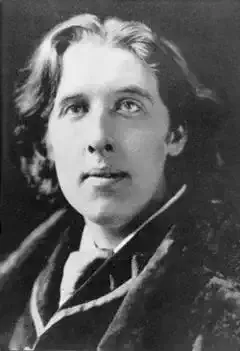
Oscar Wilde
Silentium Amoris
As often-times the too resplendent sun
Hurries the pallid and reluctant moon
Back to her sombre cave, ere she hath won
A single ballad from the nightingale,
So doth thy Beauty make my lips to fail,
And all my sweetest singing out of tune.
And as at dawn across the level mead
On wings impetuous some wind will come,
And with its too harsh kisses break the reed
Which was its only instrument of song,
So my too stormy passions work me wrong,
And for excess of Love my Love is dumb.
But surely unto Thee mine eyes did show
Why I am silent, and my lute unstrung;
Else it were better we should part, and go,
Thou to some lips of sweeter melody,
And I to nurse the barren memory
Of unkissed kisses, and songs never sung.
Hurries the pallid and reluctant moon
Back to her sombre cave, ere she hath won
A single ballad from the nightingale,
So doth thy Beauty make my lips to fail,
And all my sweetest singing out of tune.
And as at dawn across the level mead
On wings impetuous some wind will come,
And with its too harsh kisses break the reed
Which was its only instrument of song,
So my too stormy passions work me wrong,
And for excess of Love my Love is dumb.
But surely unto Thee mine eyes did show
Why I am silent, and my lute unstrung;
Else it were better we should part, and go,
Thou to some lips of sweeter melody,
And I to nurse the barren memory
Of unkissed kisses, and songs never sung.
713
Oscar Wilde
Serenade (For Music)
The western wind is blowing fair
Across the dark AEgean sea,
And at the secret marble stair
My Tyrian galley waits for thee.
Come down! the purple sail is spread,
The watchman sleeps within the town,
O leave thy lily-flowered bed,
O Lady mine come down, come down!
She will not come, I know her well,
Of lover's vows she hath no care,
And little good a man can tell
Of one so cruel and so fair.
True love is but a woman's toy,
They never know the lover's pain,
And I who loved as loves a boy
Must love in vain, must love in vain.
O noble pilot, tell me true,
Is that the sheen of golden hair?
Or is it but the tangled dew
That binds the passion-flowers there?
Good sailor come and tell me now
Is that my Lady's lily hand?
Or is it but the gleaming prow,
Or is it but the silver sand?
No! no! 'tis not the tangled dew,
'Tis not the silver-fretted sand,
It is my own dear Lady true
With golden hair and lily hand!
O noble pilot, steer for Troy,
Good sailor, ply the labouring oar,
This is the Queen of life and joy
Whom we must bear from Grecian shore!
The waning sky grows faint and blue,
It wants an hour still of day,
Aboard! aboard! my gallant crew,
O Lady mine, away! away!
O noble pilot, steer for Troy,
Good sailor, ply the labouring oar,
O loved as only loves a boy!
O loved for ever evermore!
Across the dark AEgean sea,
And at the secret marble stair
My Tyrian galley waits for thee.
Come down! the purple sail is spread,
The watchman sleeps within the town,
O leave thy lily-flowered bed,
O Lady mine come down, come down!
She will not come, I know her well,
Of lover's vows she hath no care,
And little good a man can tell
Of one so cruel and so fair.
True love is but a woman's toy,
They never know the lover's pain,
And I who loved as loves a boy
Must love in vain, must love in vain.
O noble pilot, tell me true,
Is that the sheen of golden hair?
Or is it but the tangled dew
That binds the passion-flowers there?
Good sailor come and tell me now
Is that my Lady's lily hand?
Or is it but the gleaming prow,
Or is it but the silver sand?
No! no! 'tis not the tangled dew,
'Tis not the silver-fretted sand,
It is my own dear Lady true
With golden hair and lily hand!
O noble pilot, steer for Troy,
Good sailor, ply the labouring oar,
This is the Queen of life and joy
Whom we must bear from Grecian shore!
The waning sky grows faint and blue,
It wants an hour still of day,
Aboard! aboard! my gallant crew,
O Lady mine, away! away!
O noble pilot, steer for Troy,
Good sailor, ply the labouring oar,
O loved as only loves a boy!
O loved for ever evermore!
1,556
Oscar Wilde
Madonna Mia
A lily-girl, not made for this world's pain,
With brown, soft hair close braided by her ears,
And longing eyes half veiled by slumberous tears
Like bluest water seen through mists of rain:
Pale cheeks whereon no love hath left its stain,
Red underlip drawn in for fear of love,
And white throat, whiter than the silvered dove,
Through whose wan marble creeps one purple vein.
Yet, though my lips shall praise her without cease,
Even to kiss her feet I am not bold,
Being o'ershadowed by the wings of awe,
Like Dante, when he stood with Beatrice
Beneath the flaming Lion's breast, and saw
The seventh Crystal, and the Stair of Gold.
With brown, soft hair close braided by her ears,
And longing eyes half veiled by slumberous tears
Like bluest water seen through mists of rain:
Pale cheeks whereon no love hath left its stain,
Red underlip drawn in for fear of love,
And white throat, whiter than the silvered dove,
Through whose wan marble creeps one purple vein.
Yet, though my lips shall praise her without cease,
Even to kiss her feet I am not bold,
Being o'ershadowed by the wings of awe,
Like Dante, when he stood with Beatrice
Beneath the flaming Lion's breast, and saw
The seventh Crystal, and the Stair of Gold.
737
Oscar Wilde
Le Panneau
Under the rose-tree's dancing shade
There stands a little ivory girl,
Pulling the leaves of pink and pearl
With pale green nails of polished jade.
The red leaves fall upon the mould,
The white leaves flutter, one by one,
Down to a blue bowl where the sun,
Like a great dragon, writhes in gold.
The white leaves float upon the air,
The red leaves flutter idly down,
Some fall upon her yellow gown,
And some upon her raven hair.
She takes an amber lute and sings,
And as she sings a silver crane
Begins his scarlet neck to strain,
And flap his burnished metal wings.
She takes a lute of amber bright,
And from the thicket where he lies
Her lover, with his almond eyes,
Watches her movements in delight.
And now she gives a cry of fear,
And tiny tears begin to start:
A thorn has wounded with its dart
The pink-veined sea-shell of her ear.
And now she laughs a merry note:
There has fallen a petal of the rose
Just where the yellow satin shows
The blue-veined flower of her throat.
With pale green nails of polished jade,
Pulling the leaves of pink and pearl,
There stands a little ivory girl
Under the rose-tree's dancing shade.
There stands a little ivory girl,
Pulling the leaves of pink and pearl
With pale green nails of polished jade.
The red leaves fall upon the mould,
The white leaves flutter, one by one,
Down to a blue bowl where the sun,
Like a great dragon, writhes in gold.
The white leaves float upon the air,
The red leaves flutter idly down,
Some fall upon her yellow gown,
And some upon her raven hair.
She takes an amber lute and sings,
And as she sings a silver crane
Begins his scarlet neck to strain,
And flap his burnished metal wings.
She takes a lute of amber bright,
And from the thicket where he lies
Her lover, with his almond eyes,
Watches her movements in delight.
And now she gives a cry of fear,
And tiny tears begin to start:
A thorn has wounded with its dart
The pink-veined sea-shell of her ear.
And now she laughs a merry note:
There has fallen a petal of the rose
Just where the yellow satin shows
The blue-veined flower of her throat.
With pale green nails of polished jade,
Pulling the leaves of pink and pearl,
There stands a little ivory girl
Under the rose-tree's dancing shade.
1,395
Oscar Wilde
La Bella Donna Della Mia Mente
My limbs are wasted with a flame,
My feet are sore with travelling,
For, calling on my Lady's name,
My lips have now forgot to sing.
O Linnet in the wild-rose brake
Strain for my Love thy melody,
O Lark sing louder for love's sake,
My gentle Lady passeth by.
She is too fair for any man
To see or hold his heart's delight,
Fairer than Queen or courtesan
Or moonlit water in the night.
Her hair is bound with myrtle leaves,
(Green leaves upon her golden hair!)
Green grasses through the yellow sheaves
Of autumn corn are not more fair.
Her little lips, more made to kiss
Than to cry bitterly for pain,
Are tremulous as brook-water is,
Or roses after evening rain.
Her neck is like white melilote
Flushing for pleasure of the sun,
The throbbing of the linnet's throat
Is not so sweet to look upon.
As a pomegranate, cut in twain,
White-seeded, is her crimson mouth,
Her cheeks are as the fading stain
Where the peach reddens to the south.
O twining hands! O delicate
White body made for love and pain!
O House of love! O desolate
Pale flower beaten by the rain!
My feet are sore with travelling,
For, calling on my Lady's name,
My lips have now forgot to sing.
O Linnet in the wild-rose brake
Strain for my Love thy melody,
O Lark sing louder for love's sake,
My gentle Lady passeth by.
She is too fair for any man
To see or hold his heart's delight,
Fairer than Queen or courtesan
Or moonlit water in the night.
Her hair is bound with myrtle leaves,
(Green leaves upon her golden hair!)
Green grasses through the yellow sheaves
Of autumn corn are not more fair.
Her little lips, more made to kiss
Than to cry bitterly for pain,
Are tremulous as brook-water is,
Or roses after evening rain.
Her neck is like white melilote
Flushing for pleasure of the sun,
The throbbing of the linnet's throat
Is not so sweet to look upon.
As a pomegranate, cut in twain,
White-seeded, is her crimson mouth,
Her cheeks are as the fading stain
Where the peach reddens to the south.
O twining hands! O delicate
White body made for love and pain!
O House of love! O desolate
Pale flower beaten by the rain!
689
Oscar Wilde
In the forest
Out of the mid-wood's twilight
Into the meadow's dawn,
Ivory limbed and brown-eyed,
Flashes my Faun!
He skips through the copses singing,
And his shadow dances along,
And I know not which I should follow,
Shadow or song!
O Hunter, snare me his shadow!
O Nightingale, catch me his strain!
Else moonstruck with music and madness
I track him in vain!
Into the meadow's dawn,
Ivory limbed and brown-eyed,
Flashes my Faun!
He skips through the copses singing,
And his shadow dances along,
And I know not which I should follow,
Shadow or song!
O Hunter, snare me his shadow!
O Nightingale, catch me his strain!
Else moonstruck with music and madness
I track him in vain!
871
Oscar Wilde
From Spring Days To Winter (For Music)
In the glad springtime when leaves were green,
O merrily the throstle sings!
I sought, amid the tangled sheen,
Love whom mine eyes had never seen,
O the glad dove has golden wings!
Between the blossoms red and white,
O merrily the throstle sings!
My love first came into my sight,
O perfect vision of delight,
O the glad dove has golden wings!
The yellow apples glowed like fire,
O merrily the throstle sings!
O Love too great for lip or lyre,
Blown rose of love and of desire,
O the glad dove has golden wings!
But now with snow the tree is grey,
Ah, sadly now the throstle sings!
My love is dead: ah! well-a-day,
See at her silent feet I lay
A dove with broken wings!
Ah, Love! ah, Love! that thou wert slain -
Fond Dove, fond Dove return again!
O merrily the throstle sings!
I sought, amid the tangled sheen,
Love whom mine eyes had never seen,
O the glad dove has golden wings!
Between the blossoms red and white,
O merrily the throstle sings!
My love first came into my sight,
O perfect vision of delight,
O the glad dove has golden wings!
The yellow apples glowed like fire,
O merrily the throstle sings!
O Love too great for lip or lyre,
Blown rose of love and of desire,
O the glad dove has golden wings!
But now with snow the tree is grey,
Ah, sadly now the throstle sings!
My love is dead: ah! well-a-day,
See at her silent feet I lay
A dove with broken wings!
Ah, Love! ah, Love! that thou wert slain -
Fond Dove, fond Dove return again!
581
Oscar Wilde
Canzonet
I have no store
Of gryphon-guarded gold;
Now, as before,
Bare is the shepherd's fold.
Rubies nor pearls
Have I to gem thy throat;
Yet woodland girls
Have loved the shepherd's note.
Then pluck a reed
And bid me sing to thee,
For I would feed
Thine ears with melody,
Who art more fair
Than fairest fleur-de-lys,
More sweet and rare
Than sweetest ambergris.
What dost thou fear?
Young Hyacinth is slain,
Pan is not here,
And will not come again.
No horned Faun
Treads down the yellow leas,
No God at dawn
Steals through the olive trees.
Hylas is dead,
Nor will he e'er divine
Those little red
Rose-petalled lips of thine.
On the high hill
No ivory dryads play,
Silver and still
Sinks the sad autumn day.
Of gryphon-guarded gold;
Now, as before,
Bare is the shepherd's fold.
Rubies nor pearls
Have I to gem thy throat;
Yet woodland girls
Have loved the shepherd's note.
Then pluck a reed
And bid me sing to thee,
For I would feed
Thine ears with melody,
Who art more fair
Than fairest fleur-de-lys,
More sweet and rare
Than sweetest ambergris.
What dost thou fear?
Young Hyacinth is slain,
Pan is not here,
And will not come again.
No horned Faun
Treads down the yellow leas,
No God at dawn
Steals through the olive trees.
Hylas is dead,
Nor will he e'er divine
Those little red
Rose-petalled lips of thine.
On the high hill
No ivory dryads play,
Silver and still
Sinks the sad autumn day.
676
Oscar Wilde
Ave Maria Gratia Plena
Was this His coming! I had hoped to see
A scene of wondrous glory, as was told
Of some great God who in a rain of gold
Broke open bars and fell on Danae:
Or a dread vision as when Semele
Sickening for love and unappeased desire
Prayed to see God's clear body, and the fire
Caught her brown limbs and slew her utterly:
With such glad dreams I sought this holy place,
And now with wondering eyes and heart I stand
Before this supreme mystery of Love:
Some kneeling girl with passionless pale face,
An angel with a lily in his hand,
And over both the white wings of a Dove.
FLORENCE.
A scene of wondrous glory, as was told
Of some great God who in a rain of gold
Broke open bars and fell on Danae:
Or a dread vision as when Semele
Sickening for love and unappeased desire
Prayed to see God's clear body, and the fire
Caught her brown limbs and slew her utterly:
With such glad dreams I sought this holy place,
And now with wondering eyes and heart I stand
Before this supreme mystery of Love:
Some kneeling girl with passionless pale face,
An angel with a lily in his hand,
And over both the white wings of a Dove.
FLORENCE.
702
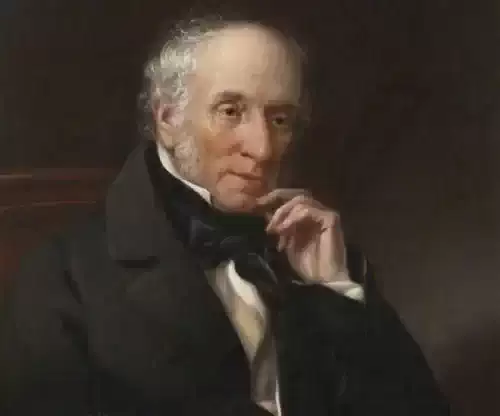
William Wordsworth
With ships the sea was sprinkled
With ships the sea was sprinkled
WITH ships the sea was sprinkled far and nigh,
Like stars in heaven, and joyously it showed;
Some lying fast at anchor in the road,
Some veering up and down, one knew not why.
A goodly vessel did I then espy
Come like a giant from a haven broad;
And lustily along the bay she strode,
Her tackling rich, and of apparel high.
The ship was nought to me, nor I to her,
Yet I pursued her with a lover's look;
This ship to all the rest did I prefer:
When will she turn, and whither? She will brook
No tarrying; where she comes the winds must stir:
On went she, and due north her journey took.
WITH ships the sea was sprinkled far and nigh,
Like stars in heaven, and joyously it showed;
Some lying fast at anchor in the road,
Some veering up and down, one knew not why.
A goodly vessel did I then espy
Come like a giant from a haven broad;
And lustily along the bay she strode,
Her tackling rich, and of apparel high.
The ship was nought to me, nor I to her,
Yet I pursued her with a lover's look;
This ship to all the rest did I prefer:
When will she turn, and whither? She will brook
No tarrying; where she comes the winds must stir:
On went she, and due north her journey took.
158

William Shakespeare
When in disgrace with fortune and men's eyes (Sonnet 29)
When in disgrace with fortune and men's eyes (Sonnet 29)
When in disgrace with fortune and men's eyes,
I all alone beweep my outcast state,
And trouble deaf heaven with my bootless cries,
And look upon myself and curse my fate,
wishing me like to one more rich in hope,
Featured like him, like him with friends possessed,
Desiring this man's art, and that man's scope,
With what I most enjoy contented least;
Yet in these thoughts myself almost despising,
Haply I think on thee--and then my state,
Like to the lark at break of day arising
From sullen earth sings hymns at heaven's gate;
For thy sweet love remembered such wealth brings,
That then I scorn to change my state with kings.
When in disgrace with fortune and men's eyes,
I all alone beweep my outcast state,
And trouble deaf heaven with my bootless cries,
And look upon myself and curse my fate,
wishing me like to one more rich in hope,
Featured like him, like him with friends possessed,
Desiring this man's art, and that man's scope,
With what I most enjoy contented least;
Yet in these thoughts myself almost despising,
Haply I think on thee--and then my state,
Like to the lark at break of day arising
From sullen earth sings hymns at heaven's gate;
For thy sweet love remembered such wealth brings,
That then I scorn to change my state with kings.
318
William Shakespeare
The Passionate Pilgrim
The Passionate Pilgrim
I.
When my love swears that she is made of truth,
I do believe her, though I know she lies,
That she might think me some untutor'd youth,
Unskilful in the world's false forgeries,
Thus vainly thinking that she thinks me young,
Although I know my years be past the best,
I smiling credit her false-speaking tongue,
Outfacing faults in love with love's ill rest.
But wherefore says my love that she is young?
And wherefore say not I that I am old?
O, love's best habit is a soothing tongue,
And age, in love, loves not to have years told.
Therefore, I'll lie with love, and love with me,
Since that our faults in love thus smother'd be.
II.
Two loves I have, of comfort and despair,
That like two spirits do suggest me still;
My better angel is a man right fair,
My worser spirit a woman colour'd ill.
To win me soon to hell, my female evil
Tempteth my better angel from my side,
And would corrupt my saint to be a devil,
Wooing his purity with her fair pride.
And whether that my angel be turn'd fiend,
Suspect I may, yet not directly tell:
For being both to me, both to each friend,
I guess one angel in another's hell:
The truth I shall not know, but live in doubt,
Till my bad angel fire my good one out.
III.
Did not the heavenly rhetoric of thine eye,
'Gainst whom the world could not hold argument.
Persuade my heart to this false perjury?
Vows for thee broke deserve not punishment.
A woman I forswore; but I will prove,
Thou being a goddess, I forswore not thee:
My vow was earthly, thou a heavenly love:
Thy grace being gain'd cures all disgrace in me.
My vow was breath, and breath a vapour is;
Then, thou fair sun, that on this earth doth shine,
Exhale this vapour vow; in thee it is:
If broken, then it is no fault of mine.
If by me broke, what fool is not so wise
To break an oath, to win a paradise?
IV.
Sweet Cytherea, sitting by a brook
With young Adonis, lovely, fresh, and green,
Did court the lad with many a lovely look,
Such looks as none could look but beauty's queen,
She told him stories to delight his ear;
She show'd him favours to allure his eye;
To win his heart, she touch'd him here and there, --
Touches so soft still conquer chastity.
But whether unripe years did want conceit,
Or he refused to take her figured proffer,
The tender nibbler would not touch the bait,
But smile and jest at every gentle offer:
Then fell she on her back, fair queen, and toward:
He rose and ran away; ah, fool too froward!
V.
If love make me forsworn, how shall I swear to love?
O never faith could hold, if not to beauty vow'd:
Though to myself forsworn, to thee I'll constant prove;
Those thoughts, to me like oaks, to thee like osiers bow'd.
Study his bias leaves, and make his book thine eyes,
Where all those pleasures live that art can comprehend.
If knowledge be the mark, to know thee shall suffice;
Well learned is that tongue that well can thee commend;
All ignorant that soul that sees thee without wonder;
Which is to me some praise, that I thy parts admire:
Thy eye Jove's lightning seems, thy voice his dreadful thunder,
Which, not to anger bent, is music and sweet fire.
Celestial as thou art, O do not love that wrong,
To sing heaven's praise with such an earthly tongue.
VI.
Scarce had the sun dried up the dewy morn,
And scarce the herd gone to the hedge for shade,
When Cytherea, all in love forlorn,
A longing tarriance for Adonis made
Under an osier growing by a brook,
A brook where Adon used to cool his spleen:
Hot was the day; she hotter that did look
For his approach, that often there had been.
Anon he comes, and throws his mantle by,
And stood stark naked on the brook's green brim:
The sun look'd on the world with glorious eye,
Yet not so wistly as this queen on him.
He, spying her, bounced in, whereas he stood:
'O Jove,' quoth she, 'why was not I a flood!'
VII.
Fair is my love, but not so fair as fickle;
Mild as a dove, but neither true nor trusty;
Brighter than glass, and yet, as glass is brittle;
Softer than wax, and yet, as iron, rusty:
A lily pale, with damask dye to grace her,
None fairer, nor none falser to deface her.
Her lips to mine how often hath she joined,
Between each kiss her oaths of true love swearing!
How many tales to please me bath she coined,
Dreading my love, the loss thereof still fearing!
Yet in the midst of all her pure protestings,
Her faith, her oaths, her tears, and all were jestings.
She burn'd with love, as straw with fire flameth;
She burn'd out love, as soon as straw outburneth;
She framed the love, and yet she foil'd the framing;
She bade love last, and yet she fell a-turning.
Was this a lover, or a lecher whether?
Bad in the best, though excellent in neither.
VIII.
If music and sweet poetry agree,
As they must needs, the sister and the brother,
Then must the love be great 'twixt thee and me,
Because thou lovest the one, and I the other.
Dowland to thee is dear, whose heavenly touch
Upon the lute doth ravish human sense;
Spenser to me, whose deep conceit is such
As, passing all conceit, needs no defence.
Thou lovest to bear the sweet melodious sound
That Phoebus' lute, the queen of music, makes;
And I in deep delight am chiefly drown'd
Whenas himself to singing he betakes.
One god is god of both, as poets feign;
One knight loves both, and both in thee remain.
IX.
Fair was the morn when the fair queen of love,
Paler for sorrow than her milk-white dove,
For Adon's sake, a youngster proud and wild;
Her stand she takes upon a steep-up hill:
Anon Adonis comes with horn and hounds;
She, silly queen, with more than love's good will,
Forbade the boy he should not pass those grounds:
'Once,' quoth she, 'did I see a fair sweet youth
Here in these brakes deep-wounded with a boar,
Deep in the thigh, a spectacle of ruth!
See, in my thigh,' quoth she, 'here was the sore.
She showed hers: he saw more wounds than one,
And blushing fled, and left her all alone.
X.
Sweet rose, fair flower, untimely pluck'd, soon vaded,
Pluck'd in the bud, and vaded in the spring!
Bright orient pearl, alack, too timely shaded!
Fair creature, kill'd too soon by death's sharp sting!
Like a green plum that hangs upon a tree,
And falls, through wind, before the fall should he.
I weep for thee, and yet no cause I have;
For why thou left'st me nothing in thy will:
And yet thou left'st me more than I did crave;
For why I craved nothing of thee still:
O yes, dear friend, I pardon crave of thee,
Thy discontent thou didst bequeath to me.
XI.
Venus, with young Adonis sitting by her
Under a myrtle shade, began to woo him:
She told the youngling how god Mars did try her,
And as he fell to her, so fell she to him.
'Even thus,' quoth she, 'the warlike god embraced me,'
And then she clipp'd Adonis in her arms;
'Even thus,' quoth she, 'the warlike god unlaced me,'
As if the boy should use like loving charms;
'Even thus,' quoth she, 'he seized on my lips
And with her lips on his did act the seizure
And as she fetched breath, away he skips,
And would not take her meaning nor her pleasure.
Ah, that I had my lady at this bay,
To kiss and clip me till I run away!
XII.
Crabbed age and youth cannot live together
Youth is full of pleasance, age is full of care;
Youth like summer morn, age like winter weather;
Youth like summer brave, age like winter bare;
Youth is full of sport, age's breath is short;
Youth is nimble, age is lame;
Youth is hot and bold, age is weak and cold;
Youth is wild, and age is tame.
Age, I do abhor thee; youth, I do adore thee;
O, my love, my love is young!
Age, I do defy thee: O, sweet shepherd, hie thee,
For methinks thou stay'st too long.
XIII.
Beauty is but a vain and doubtful good;
A shining gloss that vadeth suddenly;
A flower that dies when first it gins to bud;
A brittle glass that's broken presently:
A doubtful good, a gloss, a glass, a flower,
Lost, vaded, broken, dead within an hour.
And as goods lost are seld or never found,
As vaded gloss no rubbing will refresh,
As flowers dead lie wither'd on the ground,
As broken glass no cement can redress,
So beauty blemish'd once's for ever lost,
In spite of physic, painting, pain and cost.
XIV.
Good night, good rest. Ah, neither be my share:
She bade good night that kept my rest away;
And daff'd me to a cabin hang'd with care,
To descant on the doubts of my decay.
'Farewell,' quoth she, 'and come again tomorrow:
Fare well I could not, for I supp'd with sorrow.
Yet at my parting sweetly did she smile,
In scorn or friendship, nill I construe whether:
'T may be, she joy'd to jest at my exile,
'T may be, again to make me wander thither:
'Wander,' a word for shadows like myself,
As take the pain, but cannot pluck the pelf.
XV.
Lord, how mine eyes throw gazes to the east!
My heart doth charge the watch; the morning rise
Doth cite each moving sense from idle rest.
Not daring trust the office of mine eyes,
While Philomela sits and sings, I sit and mark,
And wish her lays were tuned like the lark;
For she doth welcome daylight with her ditty,
And drives away dark dismal-dreaming night:
The night so pack'd, I post unto my pretty;
Heart hath his hope, and eyes their wished sight;
Sorrow changed to solace, solace mix'd with sorrow;
For why, she sigh'd and bade me come tomorrow.
Were I with her, the night would post too soon;
But now are minutes added to the hours;
To spite me now, each minute seems a moon;
Yet not for me, shine sun to succour flowers!
Pack night, peep day; good day, of night now borrow:
Short, night, to-night, and length thyself tomorrow.
I.
When my love swears that she is made of truth,
I do believe her, though I know she lies,
That she might think me some untutor'd youth,
Unskilful in the world's false forgeries,
Thus vainly thinking that she thinks me young,
Although I know my years be past the best,
I smiling credit her false-speaking tongue,
Outfacing faults in love with love's ill rest.
But wherefore says my love that she is young?
And wherefore say not I that I am old?
O, love's best habit is a soothing tongue,
And age, in love, loves not to have years told.
Therefore, I'll lie with love, and love with me,
Since that our faults in love thus smother'd be.
II.
Two loves I have, of comfort and despair,
That like two spirits do suggest me still;
My better angel is a man right fair,
My worser spirit a woman colour'd ill.
To win me soon to hell, my female evil
Tempteth my better angel from my side,
And would corrupt my saint to be a devil,
Wooing his purity with her fair pride.
And whether that my angel be turn'd fiend,
Suspect I may, yet not directly tell:
For being both to me, both to each friend,
I guess one angel in another's hell:
The truth I shall not know, but live in doubt,
Till my bad angel fire my good one out.
III.
Did not the heavenly rhetoric of thine eye,
'Gainst whom the world could not hold argument.
Persuade my heart to this false perjury?
Vows for thee broke deserve not punishment.
A woman I forswore; but I will prove,
Thou being a goddess, I forswore not thee:
My vow was earthly, thou a heavenly love:
Thy grace being gain'd cures all disgrace in me.
My vow was breath, and breath a vapour is;
Then, thou fair sun, that on this earth doth shine,
Exhale this vapour vow; in thee it is:
If broken, then it is no fault of mine.
If by me broke, what fool is not so wise
To break an oath, to win a paradise?
IV.
Sweet Cytherea, sitting by a brook
With young Adonis, lovely, fresh, and green,
Did court the lad with many a lovely look,
Such looks as none could look but beauty's queen,
She told him stories to delight his ear;
She show'd him favours to allure his eye;
To win his heart, she touch'd him here and there, --
Touches so soft still conquer chastity.
But whether unripe years did want conceit,
Or he refused to take her figured proffer,
The tender nibbler would not touch the bait,
But smile and jest at every gentle offer:
Then fell she on her back, fair queen, and toward:
He rose and ran away; ah, fool too froward!
V.
If love make me forsworn, how shall I swear to love?
O never faith could hold, if not to beauty vow'd:
Though to myself forsworn, to thee I'll constant prove;
Those thoughts, to me like oaks, to thee like osiers bow'd.
Study his bias leaves, and make his book thine eyes,
Where all those pleasures live that art can comprehend.
If knowledge be the mark, to know thee shall suffice;
Well learned is that tongue that well can thee commend;
All ignorant that soul that sees thee without wonder;
Which is to me some praise, that I thy parts admire:
Thy eye Jove's lightning seems, thy voice his dreadful thunder,
Which, not to anger bent, is music and sweet fire.
Celestial as thou art, O do not love that wrong,
To sing heaven's praise with such an earthly tongue.
VI.
Scarce had the sun dried up the dewy morn,
And scarce the herd gone to the hedge for shade,
When Cytherea, all in love forlorn,
A longing tarriance for Adonis made
Under an osier growing by a brook,
A brook where Adon used to cool his spleen:
Hot was the day; she hotter that did look
For his approach, that often there had been.
Anon he comes, and throws his mantle by,
And stood stark naked on the brook's green brim:
The sun look'd on the world with glorious eye,
Yet not so wistly as this queen on him.
He, spying her, bounced in, whereas he stood:
'O Jove,' quoth she, 'why was not I a flood!'
VII.
Fair is my love, but not so fair as fickle;
Mild as a dove, but neither true nor trusty;
Brighter than glass, and yet, as glass is brittle;
Softer than wax, and yet, as iron, rusty:
A lily pale, with damask dye to grace her,
None fairer, nor none falser to deface her.
Her lips to mine how often hath she joined,
Between each kiss her oaths of true love swearing!
How many tales to please me bath she coined,
Dreading my love, the loss thereof still fearing!
Yet in the midst of all her pure protestings,
Her faith, her oaths, her tears, and all were jestings.
She burn'd with love, as straw with fire flameth;
She burn'd out love, as soon as straw outburneth;
She framed the love, and yet she foil'd the framing;
She bade love last, and yet she fell a-turning.
Was this a lover, or a lecher whether?
Bad in the best, though excellent in neither.
VIII.
If music and sweet poetry agree,
As they must needs, the sister and the brother,
Then must the love be great 'twixt thee and me,
Because thou lovest the one, and I the other.
Dowland to thee is dear, whose heavenly touch
Upon the lute doth ravish human sense;
Spenser to me, whose deep conceit is such
As, passing all conceit, needs no defence.
Thou lovest to bear the sweet melodious sound
That Phoebus' lute, the queen of music, makes;
And I in deep delight am chiefly drown'd
Whenas himself to singing he betakes.
One god is god of both, as poets feign;
One knight loves both, and both in thee remain.
IX.
Fair was the morn when the fair queen of love,
Paler for sorrow than her milk-white dove,
For Adon's sake, a youngster proud and wild;
Her stand she takes upon a steep-up hill:
Anon Adonis comes with horn and hounds;
She, silly queen, with more than love's good will,
Forbade the boy he should not pass those grounds:
'Once,' quoth she, 'did I see a fair sweet youth
Here in these brakes deep-wounded with a boar,
Deep in the thigh, a spectacle of ruth!
See, in my thigh,' quoth she, 'here was the sore.
She showed hers: he saw more wounds than one,
And blushing fled, and left her all alone.
X.
Sweet rose, fair flower, untimely pluck'd, soon vaded,
Pluck'd in the bud, and vaded in the spring!
Bright orient pearl, alack, too timely shaded!
Fair creature, kill'd too soon by death's sharp sting!
Like a green plum that hangs upon a tree,
And falls, through wind, before the fall should he.
I weep for thee, and yet no cause I have;
For why thou left'st me nothing in thy will:
And yet thou left'st me more than I did crave;
For why I craved nothing of thee still:
O yes, dear friend, I pardon crave of thee,
Thy discontent thou didst bequeath to me.
XI.
Venus, with young Adonis sitting by her
Under a myrtle shade, began to woo him:
She told the youngling how god Mars did try her,
And as he fell to her, so fell she to him.
'Even thus,' quoth she, 'the warlike god embraced me,'
And then she clipp'd Adonis in her arms;
'Even thus,' quoth she, 'the warlike god unlaced me,'
As if the boy should use like loving charms;
'Even thus,' quoth she, 'he seized on my lips
And with her lips on his did act the seizure
And as she fetched breath, away he skips,
And would not take her meaning nor her pleasure.
Ah, that I had my lady at this bay,
To kiss and clip me till I run away!
XII.
Crabbed age and youth cannot live together
Youth is full of pleasance, age is full of care;
Youth like summer morn, age like winter weather;
Youth like summer brave, age like winter bare;
Youth is full of sport, age's breath is short;
Youth is nimble, age is lame;
Youth is hot and bold, age is weak and cold;
Youth is wild, and age is tame.
Age, I do abhor thee; youth, I do adore thee;
O, my love, my love is young!
Age, I do defy thee: O, sweet shepherd, hie thee,
For methinks thou stay'st too long.
XIII.
Beauty is but a vain and doubtful good;
A shining gloss that vadeth suddenly;
A flower that dies when first it gins to bud;
A brittle glass that's broken presently:
A doubtful good, a gloss, a glass, a flower,
Lost, vaded, broken, dead within an hour.
And as goods lost are seld or never found,
As vaded gloss no rubbing will refresh,
As flowers dead lie wither'd on the ground,
As broken glass no cement can redress,
So beauty blemish'd once's for ever lost,
In spite of physic, painting, pain and cost.
XIV.
Good night, good rest. Ah, neither be my share:
She bade good night that kept my rest away;
And daff'd me to a cabin hang'd with care,
To descant on the doubts of my decay.
'Farewell,' quoth she, 'and come again tomorrow:
Fare well I could not, for I supp'd with sorrow.
Yet at my parting sweetly did she smile,
In scorn or friendship, nill I construe whether:
'T may be, she joy'd to jest at my exile,
'T may be, again to make me wander thither:
'Wander,' a word for shadows like myself,
As take the pain, but cannot pluck the pelf.
XV.
Lord, how mine eyes throw gazes to the east!
My heart doth charge the watch; the morning rise
Doth cite each moving sense from idle rest.
Not daring trust the office of mine eyes,
While Philomela sits and sings, I sit and mark,
And wish her lays were tuned like the lark;
For she doth welcome daylight with her ditty,
And drives away dark dismal-dreaming night:
The night so pack'd, I post unto my pretty;
Heart hath his hope, and eyes their wished sight;
Sorrow changed to solace, solace mix'd with sorrow;
For why, she sigh'd and bade me come tomorrow.
Were I with her, the night would post too soon;
But now are minutes added to the hours;
To spite me now, each minute seems a moon;
Yet not for me, shine sun to succour flowers!
Pack night, peep day; good day, of night now borrow:
Short, night, to-night, and length thyself tomorrow.
288
William Shakespeare
The Blossom
The Blossom
ON a day--alack the day!--
Love, whose month is ever May,
Spied a blossom passing fair
Playing in the wanton air:
Through the velvet leaves the wind
All unseen 'gan passage find;
That the lover, sick to death,
Wish'd himself the heaven's breath.
Air, quoth he, thy cheeks may blow;
Air, would I might triumph so!
But, alack, my hand is sworn
Ne'er to pluck thee from thy thorn:
Vow, alack, for youth unmeet;
Youth so apt to pluck a sweet!
Do not call it sin in me
That I am forsworn for thee;
Thou for whom e'en Jove would swear
Juno but an Ethiop were;
And deny himself for Jove,
Turning mortal for thy love.
ON a day--alack the day!--
Love, whose month is ever May,
Spied a blossom passing fair
Playing in the wanton air:
Through the velvet leaves the wind
All unseen 'gan passage find;
That the lover, sick to death,
Wish'd himself the heaven's breath.
Air, quoth he, thy cheeks may blow;
Air, would I might triumph so!
But, alack, my hand is sworn
Ne'er to pluck thee from thy thorn:
Vow, alack, for youth unmeet;
Youth so apt to pluck a sweet!
Do not call it sin in me
That I am forsworn for thee;
Thou for whom e'en Jove would swear
Juno but an Ethiop were;
And deny himself for Jove,
Turning mortal for thy love.
287
William Shakespeare
Sonnets xix
Sonnets xix
TH' expense of Spirit in a waste of shame
Is lust in action; and till action, lust
Is perjured, murderous, bloody, full of blame,
Savage, extreme, rude, cruel, not to trust;
Enjoy'd no sooner but despised straight;
Past reason hunted; and, no sooner had,
Past reason hated, as a swallow'd bait
On purpose laid to make the taker mad:
Mad in pursuit, and in possession so;
Had, having, and in quest to have, extreme;
A bliss in proof, and proved, a very woe;
Before, a joy proposed; behind, a dream.
All this the world well knows; yet none knows well
To shun the heaven that leads men to this hell.
TH' expense of Spirit in a waste of shame
Is lust in action; and till action, lust
Is perjured, murderous, bloody, full of blame,
Savage, extreme, rude, cruel, not to trust;
Enjoy'd no sooner but despised straight;
Past reason hunted; and, no sooner had,
Past reason hated, as a swallow'd bait
On purpose laid to make the taker mad:
Mad in pursuit, and in possession so;
Had, having, and in quest to have, extreme;
A bliss in proof, and proved, a very woe;
Before, a joy proposed; behind, a dream.
All this the world well knows; yet none knows well
To shun the heaven that leads men to this hell.
299
William Shakespeare
Sonnets vii
Sonnets vii
BEING your slave, what should I do but tend
Upon the hours and times of your desire?
I have no precious time at all to spend,
Nor services to do, till you require.
Nor dare I chide the world-without-end hour
Whilst I, my sovereign, watch the clock for you,
Nor think the bitterness of absence sour
When you have bid your servant once adieu;
Nor dare I question with my jealous thought
Where you may be, or your affairs suppose,
But, like a sad slave, stay and think of nought
Save, where you are how happy you make those!
So true a fool is love, that in your Will,
Though you do any thing, he thinks no ill.
BEING your slave, what should I do but tend
Upon the hours and times of your desire?
I have no precious time at all to spend,
Nor services to do, till you require.
Nor dare I chide the world-without-end hour
Whilst I, my sovereign, watch the clock for you,
Nor think the bitterness of absence sour
When you have bid your servant once adieu;
Nor dare I question with my jealous thought
Where you may be, or your affairs suppose,
But, like a sad slave, stay and think of nought
Save, where you are how happy you make those!
So true a fool is love, that in your Will,
Though you do any thing, he thinks no ill.
224
William Shakespeare
Sonnets CXXIX: Th' expense of spirit in a waste of shame
Sonnets CXXIX: Th' expense of spirit in a waste of shame
Th' expense of spirit in a waste of shame
Is lust in action; and till action, lust
Is perjur'd, murd'rous, bloody, full of blame,
Savage, extreme, rude, cruel, not to trust;
Enjoy'd no sooner but despised straight;
Past reason hunted; and, no sooner had,
Past reason hated, as a swallow'd bait,
On purpose laid to make the taker mad:
Mad in pursuit, and in possession so;
Had, having, and in quest to have, extreme;
A bliss in proof, and prov'd, a very woe;
Before, a joy propos'd; behind, a dream.
All this the world well knows; yet none knows well
To shun the heaven that leads men to this hell.
Th' expense of spirit in a waste of shame
Is lust in action; and till action, lust
Is perjur'd, murd'rous, bloody, full of blame,
Savage, extreme, rude, cruel, not to trust;
Enjoy'd no sooner but despised straight;
Past reason hunted; and, no sooner had,
Past reason hated, as a swallow'd bait,
On purpose laid to make the taker mad:
Mad in pursuit, and in possession so;
Had, having, and in quest to have, extreme;
A bliss in proof, and prov'd, a very woe;
Before, a joy propos'd; behind, a dream.
All this the world well knows; yet none knows well
To shun the heaven that leads men to this hell.
270
William Shakespeare
Sonnet XLI
Sonnet XLI
Those petty wrongs that liberty commits,
When I am sometime absent from thy heart,
Thy beauty and thy years full well befits,
For still temptation follows where thou art.
Gentle thou art and therefore to be won,
Beauteous thou art, therefore to be assailed;
And when a woman woos, what woman's son
Will sourly leave her till she have prevailed?
Ay me! but yet thou mightest my seat forbear,
And chide try beauty and thy straying youth,
Who lead thee in their riot even there
Where thou art forced to break a twofold truth,
Hers by thy beauty tempting her to thee,
Thine, by thy beauty being false to me.
Those petty wrongs that liberty commits,
When I am sometime absent from thy heart,
Thy beauty and thy years full well befits,
For still temptation follows where thou art.
Gentle thou art and therefore to be won,
Beauteous thou art, therefore to be assailed;
And when a woman woos, what woman's son
Will sourly leave her till she have prevailed?
Ay me! but yet thou mightest my seat forbear,
And chide try beauty and thy straying youth,
Who lead thee in their riot even there
Where thou art forced to break a twofold truth,
Hers by thy beauty tempting her to thee,
Thine, by thy beauty being false to me.
341
William Shakespeare
Sonnet CXXIX
Sonnet CXXIX
The expense of spirit in a waste of shame
Is lust in action; and till action, lust
Is perjured, murderous, bloody, full of blame,
Savage, extreme, rude, cruel, not to trust,
Enjoy'd no sooner but despised straight,
Past reason hunted, and no sooner had
Past reason hated, as a swallow'd bait
On purpose laid to make the taker mad;
Mad in pursuit and in possession so;
Had, having, and in quest to have, extreme;
A bliss in proof, and proved, a very woe;
Before, a joy proposed; behind, a dream.
All this the world well knows; yet none knows well
To shun the heaven that leads men to this hell.
The expense of spirit in a waste of shame
Is lust in action; and till action, lust
Is perjured, murderous, bloody, full of blame,
Savage, extreme, rude, cruel, not to trust,
Enjoy'd no sooner but despised straight,
Past reason hunted, and no sooner had
Past reason hated, as a swallow'd bait
On purpose laid to make the taker mad;
Mad in pursuit and in possession so;
Had, having, and in quest to have, extreme;
A bliss in proof, and proved, a very woe;
Before, a joy proposed; behind, a dream.
All this the world well knows; yet none knows well
To shun the heaven that leads men to this hell.
222
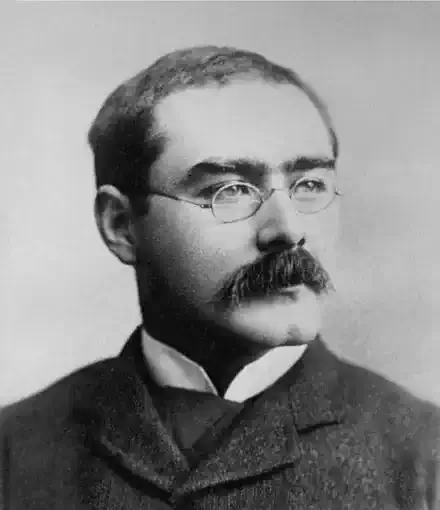
Rudyard Kipling
The City of Sleep
The City of Sleep
Over the edge of the purple down,
Where the single lamplight gleams,
Know ye the road to the Merciful Town
That is hard by the Sea of Dreams--
Where the poor may lay their wrongs away,
And the sick may forget to weep?
But we--pity us! Oh, pity us!
We wakeful; ah, pity us! --
We must go back with Policeman Day--
Back from the City of Sleep!
Weary they turn from the scroll and crown,
Fetter and prayer and plough--
They that go up to the Merciful Town,
For her gates are closing now.
It is their right in the Baths of Night
Body and soul to steep,
But we--pity us! ah, pity us!
We wakeful; oh, pity us!--
We must go back with Policeman Day--
Back from the City of Sleep!
Over the edge of the purple down,
Ere the tender dreams begin,
Look--we may look--at the Merciful Town,
But we may not enter in!
Outcasts all, from her guarded wall
Back to our watch we creep:
We--pity us! ah, pity us!
We wakeful; oh, pity us!--
We that go back with Policeman Day--
Back from the City of Sleep!
Over the edge of the purple down,
Where the single lamplight gleams,
Know ye the road to the Merciful Town
That is hard by the Sea of Dreams--
Where the poor may lay their wrongs away,
And the sick may forget to weep?
But we--pity us! Oh, pity us!
We wakeful; ah, pity us! --
We must go back with Policeman Day--
Back from the City of Sleep!
Weary they turn from the scroll and crown,
Fetter and prayer and plough--
They that go up to the Merciful Town,
For her gates are closing now.
It is their right in the Baths of Night
Body and soul to steep,
But we--pity us! ah, pity us!
We wakeful; oh, pity us!--
We must go back with Policeman Day--
Back from the City of Sleep!
Over the edge of the purple down,
Ere the tender dreams begin,
Look--we may look--at the Merciful Town,
But we may not enter in!
Outcasts all, from her guarded wall
Back to our watch we creep:
We--pity us! ah, pity us!
We wakeful; oh, pity us!--
We that go back with Policeman Day--
Back from the City of Sleep!
393
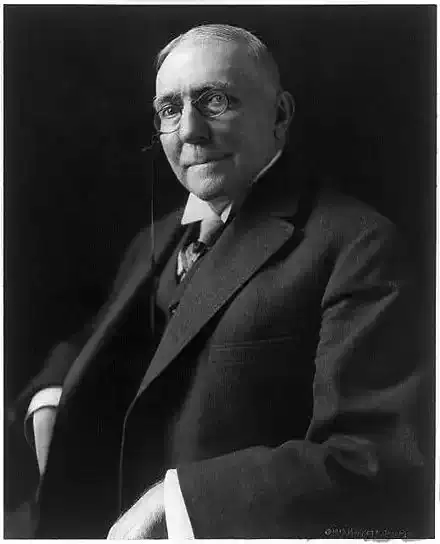
James Whitcomb Riley
Bedouin
Bedouin
O love is like an untamed steed!--
So hot of heart and wild of speed,
And with fierce freedom so in love,
The desert is not vast enough,
With all its leagues of glimmering sands,
To pasture it! Ah, that my hands
Were more than human in their strength,
That my deft lariat at length
Might safely noose this splendid thing
That so defies all conquering!
Ho! but to see it whirl and reel--
The sands spurt forward--and to feel
The quivering tension of the thong
That throned me high, with shriek and song!
To grapple tufts of tossing mane--
To spurn it to its feet again,
And then, sans saddle, rein or bit,
To lash the mad life out of it!
O love is like an untamed steed!--
So hot of heart and wild of speed,
And with fierce freedom so in love,
The desert is not vast enough,
With all its leagues of glimmering sands,
To pasture it! Ah, that my hands
Were more than human in their strength,
That my deft lariat at length
Might safely noose this splendid thing
That so defies all conquering!
Ho! but to see it whirl and reel--
The sands spurt forward--and to feel
The quivering tension of the thong
That throned me high, with shriek and song!
To grapple tufts of tossing mane--
To spurn it to its feet again,
And then, sans saddle, rein or bit,
To lash the mad life out of it!
292
James Whitcomb Riley
An Autumnal Extravaganza
An Autumnal Extravaganza
With a sweeter voice than birds
Dare to twitter in their sleep,
Pipe for me a tune of words,
Till my dancing fancies leap
Into freedom vaster far
Than the realms of Reason are!
Sing for me with wilder fire
Than the lover ever sung,
From the time he twanged the lyre
When the world was baby-young.
O my maiden Autumn, you--
You have filled me through and through
With a passion so intense,
All of earthly eloquence
Fails, and falls, and swoons away
In your presence. Like as one
Who essays to look the sun
Fairly in the face, I say,
Though my eyes you dazzle blind
Greater dazzled is my mind.
So, my Autumn, let me kneel
At your feet and worship you!
Be my sweetheart; let me feel
Your caress; and tell me too
Why your smiles bewilder me--
Glancing into laughter, then
Trancing into calm again,
Till your meaning drowning lies
In the dim depths of your eyes.
Let me see the things you see
Down the depths of mystery!
Blow aside the hazy veil
From the daylight of your face
With the fragrance-ladened gale
Of your spicy breath and chase
Every dimple to its place.
Lift your gipsy finger-tips
To the roses of your lips,
And fling down to me a bud--
But an unblown kiss--but one--
It shall blossom in my blood,
Even after life is done--
When I dare to touch the brow
Your rare hair is veiling now--
When the rich, red-golden strands
Of the treasure in my hands
Shall be all of worldly worth
Heaven lifted from the earth,
Like a banner to have set
On its highest minaret.
With a sweeter voice than birds
Dare to twitter in their sleep,
Pipe for me a tune of words,
Till my dancing fancies leap
Into freedom vaster far
Than the realms of Reason are!
Sing for me with wilder fire
Than the lover ever sung,
From the time he twanged the lyre
When the world was baby-young.
O my maiden Autumn, you--
You have filled me through and through
With a passion so intense,
All of earthly eloquence
Fails, and falls, and swoons away
In your presence. Like as one
Who essays to look the sun
Fairly in the face, I say,
Though my eyes you dazzle blind
Greater dazzled is my mind.
So, my Autumn, let me kneel
At your feet and worship you!
Be my sweetheart; let me feel
Your caress; and tell me too
Why your smiles bewilder me--
Glancing into laughter, then
Trancing into calm again,
Till your meaning drowning lies
In the dim depths of your eyes.
Let me see the things you see
Down the depths of mystery!
Blow aside the hazy veil
From the daylight of your face
With the fragrance-ladened gale
Of your spicy breath and chase
Every dimple to its place.
Lift your gipsy finger-tips
To the roses of your lips,
And fling down to me a bud--
But an unblown kiss--but one--
It shall blossom in my blood,
Even after life is done--
When I dare to touch the brow
Your rare hair is veiling now--
When the rich, red-golden strands
Of the treasure in my hands
Shall be all of worldly worth
Heaven lifted from the earth,
Like a banner to have set
On its highest minaret.
254
Rudyard Kipling
My Lady's Law
My Lady's Law
The Law whereby my lady moves
Was never Law to me,
But 'tis enough that she approves
Whatever Law it be.
For in that Law, and by that Law
My constant course I'll steer;
Not that I heed or deem it dread,
But that she holds it dear.
Tho' Asia sent for my content
Her richest argosies,
Those would I spurn, and bid return,
If that should give her ease.
With equal heart I'd watch depart
Each spiced sail from sight;
Sans bitterness, desiring less
Great gear than her delight.
Though Kings made swift with many a gift
My proven sword to hire--
I would not go nor serve 'em so--
Except at her desire.
With even mind, I'd put behind
Adventure and acclaim,
And clean give o'er, esteeming more
Her favour than my fame.
Yet such am I, yea, such am I--
Sore bond and freest free,
The Law that sways my lady's ways
Is mystery to me!
The Law whereby my lady moves
Was never Law to me,
But 'tis enough that she approves
Whatever Law it be.
For in that Law, and by that Law
My constant course I'll steer;
Not that I heed or deem it dread,
But that she holds it dear.
Tho' Asia sent for my content
Her richest argosies,
Those would I spurn, and bid return,
If that should give her ease.
With equal heart I'd watch depart
Each spiced sail from sight;
Sans bitterness, desiring less
Great gear than her delight.
Though Kings made swift with many a gift
My proven sword to hire--
I would not go nor serve 'em so--
Except at her desire.
With even mind, I'd put behind
Adventure and acclaim,
And clean give o'er, esteeming more
Her favour than my fame.
Yet such am I, yea, such am I--
Sore bond and freest free,
The Law that sways my lady's ways
Is mystery to me!
381
James Joyce
When the Shy Star Goes Forth in Heaven
When the Shy Star Goes Forth in Heaven
When the shy star goes forth in heaven
All maidenly, disconsolate,
Hear you amid the drowsy even
One who is singing by your gate.
His song is softer than the dew
And he is come to visit you.
O bend no more in revery
When he at eventide is calling.
Nor muse: Who may this singer be
Whose song about my heart is falling?
Know you by this, the lover's chant,
'Tis I that am your visitant.
When the shy star goes forth in heaven
All maidenly, disconsolate,
Hear you amid the drowsy even
One who is singing by your gate.
His song is softer than the dew
And he is come to visit you.
O bend no more in revery
When he at eventide is calling.
Nor muse: Who may this singer be
Whose song about my heart is falling?
Know you by this, the lover's chant,
'Tis I that am your visitant.
168
James Joyce
Silently She's Combing
Silently She's Combing
Silently she's combing,
Combing her long hair
Silently and graciously,
With many a pretty air.
The sun is in the willow leaves
And on the dappled grass,
And still she's combing her long hair
Before the looking-glass.
I pray you, cease to comb out,
Comb out your long hair,
For I have heard of witchery
Under a pretty air,
That makes as one thing to the lover
Staying and going hence,
All fair, with many a pretty air
And many a negligence.
Silently she's combing,
Combing her long hair
Silently and graciously,
With many a pretty air.
The sun is in the willow leaves
And on the dappled grass,
And still she's combing her long hair
Before the looking-glass.
I pray you, cease to comb out,
Comb out your long hair,
For I have heard of witchery
Under a pretty air,
That makes as one thing to the lover
Staying and going hence,
All fair, with many a pretty air
And many a negligence.
291
Page 1
Next