
Birth
Poems in this topic
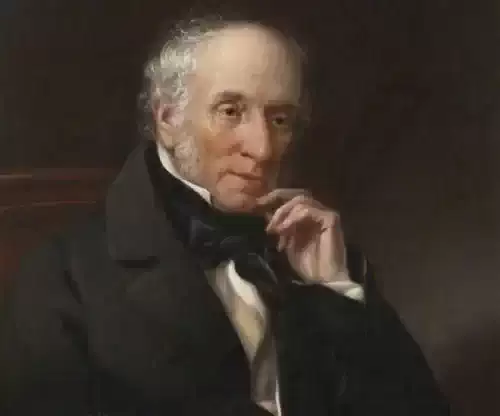
William Wordsworth
Birth of Love, The
Birth of Love, The
When Love was born of heavenly line,
What dire intrigues disturbed Cythera's joy!
Till Venus cried, "A mother's heart is mine;
None but myself shall nurse my boy,"
But, infant as he was, the child
In that divine embrace enchanted lay;
And, by the beauty of the vase beguiled,
Forgot the beverage--and pined away.
"And must my offspring languish in my sight?"
(Alive to all a mother's pain,
The Queen of Beauty thus her court addressed)
"No: Let the most discreet of all my train
Receive him to her breast:
Think all, he is the God of young delight."
Then TENDERNESS with CANDOUR joined,
And GAIETY the charming office sought;
Nor even DELICACY stayed behind:
But none of those fair Graces brought
Wherewith to nurse the child--and still he pined.
Some fond hearts to COMPLIANCE seemed inclined;
But she had surely spoiled the boy:
And sad experience forbade a thought
On the wild Goddess of VOLUPTUOUS JOY.
Long undecided lay th' important choice,
Till of the beauteous court, at length, a voice
Pronounced the name of HOPE:--The conscious child
Stretched forth his little arms, and smiled.
'Tis said ENJOYMENT (who averred
The charge belonged to her alone)
Jealous that HOPE had been preferred
Laid snares to make the babe her own.
Of INNOCENCE the garb she took,
The blushing mien and downcast look;
And came her services to proffer:
And HOPE (what has not Hope believed!)
By that seducing air deceived,
Accepted of the offer.
It happened that, to sleep inclined,
Deluded HOPE: for one short hour
To that false INNOCENCE'S power
Her little charge consigned.
The Goddess then her lap with sweetmeats filled
And gave, in handfuls gave, the treacherous store:
A wild delirium first the infant thrilled;
But soon upon her breast he sunk--to wake no more.
When Love was born of heavenly line,
What dire intrigues disturbed Cythera's joy!
Till Venus cried, "A mother's heart is mine;
None but myself shall nurse my boy,"
But, infant as he was, the child
In that divine embrace enchanted lay;
And, by the beauty of the vase beguiled,
Forgot the beverage--and pined away.
"And must my offspring languish in my sight?"
(Alive to all a mother's pain,
The Queen of Beauty thus her court addressed)
"No: Let the most discreet of all my train
Receive him to her breast:
Think all, he is the God of young delight."
Then TENDERNESS with CANDOUR joined,
And GAIETY the charming office sought;
Nor even DELICACY stayed behind:
But none of those fair Graces brought
Wherewith to nurse the child--and still he pined.
Some fond hearts to COMPLIANCE seemed inclined;
But she had surely spoiled the boy:
And sad experience forbade a thought
On the wild Goddess of VOLUPTUOUS JOY.
Long undecided lay th' important choice,
Till of the beauteous court, at length, a voice
Pronounced the name of HOPE:--The conscious child
Stretched forth his little arms, and smiled.
'Tis said ENJOYMENT (who averred
The charge belonged to her alone)
Jealous that HOPE had been preferred
Laid snares to make the babe her own.
Of INNOCENCE the garb she took,
The blushing mien and downcast look;
And came her services to proffer:
And HOPE (what has not Hope believed!)
By that seducing air deceived,
Accepted of the offer.
It happened that, to sleep inclined,
Deluded HOPE: for one short hour
To that false INNOCENCE'S power
Her little charge consigned.
The Goddess then her lap with sweetmeats filled
And gave, in handfuls gave, the treacherous store:
A wild delirium first the infant thrilled;
But soon upon her breast he sunk--to wake no more.
252
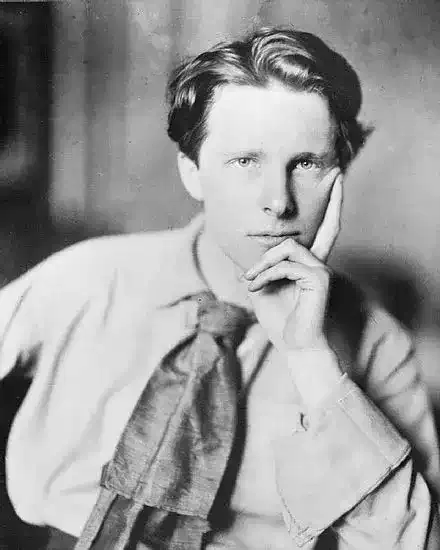
Rupert Brooke
Mary and Gabriel
Mary and Gabriel
Young Mary, loitering once her garden way,
Felt a warm splendour grow in the April day,
As wine that blushes water through. And soon,
Out of the gold air of the afternoon,
One knelt before her: hair he had, or fire,
Bound back above his ears with golden wire,
Baring the eager marble of his face.
Not man's nor woman's was the immortal grace
Rounding the limbs beneath that robe of white,
And lighting the proud eyes with changeless light,
Incurious. Calm as his wings, and fair,
That presence filled the garden.
She stood there,
Saying, "What would you, Sir?"
He told his word,
"Blessed art thou of women!" Half she heard,
Hands folded and face bowed, half long had known,
The message of that clear and holy tone,
That fluttered hot sweet sobs about her heart;
Such serene tidings moved such human smart.
Her breath came quick as little flakes of snow.
Her hands crept up her breast. She did but know
It was not hers. She felt a trembling stir
Within her body, a will too strong for her
That held and filled and mastered all. With eyes
Closed, and a thousand soft short broken sighs,
She gave submission; fearful, meek, and glad. . . .
She wished to speak. Under her breasts she had
Such multitudinous burnings, to and fro,
And throbs not understood; she did not know
If they were hurt or joy for her; but only
That she was grown strange to herself, half lonely,
All wonderful, filled full of pains to come
And thoughts she dare not think, swift thoughts and dumb,
Human, and quaint, her own, yet very far,
Divine, dear, terrible, familiar . . .
Her heart was faint for telling; to relate
Her limbs' sweet treachery, her strange high estate,
Over and over, whispering, half revealing,
Weeping; and so find kindness to her healing.
'Twixt tears and laughter, panic hurrying her,
She raised her eyes to that fair messenger.
He knelt unmoved, immortal; with his eyes
Gazing beyond her, calm to the calm skies;
Radiant, untroubled in his wisdom, kind.
His sheaf of lilies stirred not in the wind.
How should she, pitiful with mortality,
Try the wide peace of that felicity
With ripples of her perplexed shaken heart,
And hints of human ecstasy, human smart,
And whispers of the lonely weight she bore,
And how her womb within was hers no more
And at length hers?
Being tired, she bowed her head;
And said, "So be it!"
The great wings were spread
Showering glory on the fields, and fire.
The whole air, singing, bore him up, and higher,
Unswerving, unreluctant. Soon he shone
A gold speck in the gold skies; then was gone.
The air was colder, and grey. She stood alone.
Young Mary, loitering once her garden way,
Felt a warm splendour grow in the April day,
As wine that blushes water through. And soon,
Out of the gold air of the afternoon,
One knelt before her: hair he had, or fire,
Bound back above his ears with golden wire,
Baring the eager marble of his face.
Not man's nor woman's was the immortal grace
Rounding the limbs beneath that robe of white,
And lighting the proud eyes with changeless light,
Incurious. Calm as his wings, and fair,
That presence filled the garden.
She stood there,
Saying, "What would you, Sir?"
He told his word,
"Blessed art thou of women!" Half she heard,
Hands folded and face bowed, half long had known,
The message of that clear and holy tone,
That fluttered hot sweet sobs about her heart;
Such serene tidings moved such human smart.
Her breath came quick as little flakes of snow.
Her hands crept up her breast. She did but know
It was not hers. She felt a trembling stir
Within her body, a will too strong for her
That held and filled and mastered all. With eyes
Closed, and a thousand soft short broken sighs,
She gave submission; fearful, meek, and glad. . . .
She wished to speak. Under her breasts she had
Such multitudinous burnings, to and fro,
And throbs not understood; she did not know
If they were hurt or joy for her; but only
That she was grown strange to herself, half lonely,
All wonderful, filled full of pains to come
And thoughts she dare not think, swift thoughts and dumb,
Human, and quaint, her own, yet very far,
Divine, dear, terrible, familiar . . .
Her heart was faint for telling; to relate
Her limbs' sweet treachery, her strange high estate,
Over and over, whispering, half revealing,
Weeping; and so find kindness to her healing.
'Twixt tears and laughter, panic hurrying her,
She raised her eyes to that fair messenger.
He knelt unmoved, immortal; with his eyes
Gazing beyond her, calm to the calm skies;
Radiant, untroubled in his wisdom, kind.
His sheaf of lilies stirred not in the wind.
How should she, pitiful with mortality,
Try the wide peace of that felicity
With ripples of her perplexed shaken heart,
And hints of human ecstasy, human smart,
And whispers of the lonely weight she bore,
And how her womb within was hers no more
And at length hers?
Being tired, she bowed her head;
And said, "So be it!"
The great wings were spread
Showering glory on the fields, and fire.
The whole air, singing, bore him up, and higher,
Unswerving, unreluctant. Soon he shone
A gold speck in the gold skies; then was gone.
The air was colder, and grey. She stood alone.
212
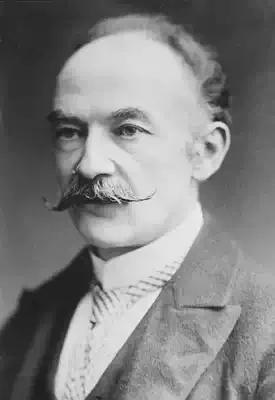
Thomas Hardy
Mad Judy
Mad Judy
When the hamlet hailed a birth
Judy used to cry:
When she heard our christening mirth
She would kneel and sigh.
She was crazed, we knew, and we
Humoured her infirmity.
When the daughters and the sons
Gathered them to wed,
And we like-intending ones
Danced till dawn was red,
She would rock and mutter, "More
Comers to this stony shore!"
When old Headsman Death laid hands
On a babe or twain,
She would feast, and by her brands
Sing her songs again.
What she liked we let her do,
Judy was insane, we knew.
When the hamlet hailed a birth
Judy used to cry:
When she heard our christening mirth
She would kneel and sigh.
She was crazed, we knew, and we
Humoured her infirmity.
When the daughters and the sons
Gathered them to wed,
And we like-intending ones
Danced till dawn was red,
She would rock and mutter, "More
Comers to this stony shore!"
When old Headsman Death laid hands
On a babe or twain,
She would feast, and by her brands
Sing her songs again.
What she liked we let her do,
Judy was insane, we knew.
194
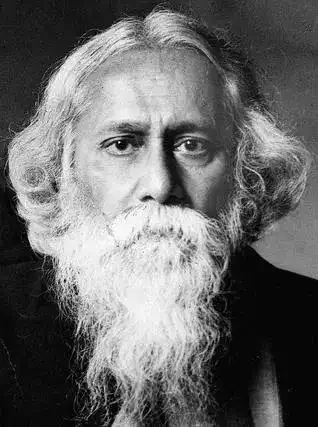
Rabindranath Tagore
Threshold
Threshold
I was not aware of the moment
when I first crossed the threshold of this life.
What was the power that made me open out into this vast mystery
like a bud in the forest at midnight!
When in the morning I looked upon the light
I felt in a moment that I was no stranger in this world,
that the inscrutable without name and form
had taken me in its arms in the form of my own mother.
Even so, in death the same unknown will appear as ever known to me.
And because I love this life,
I know I shall love death as well.
The child cries out
when from the right breast the mother takes it away,
in the very next moment to find in the left one its consolation.
I was not aware of the moment
when I first crossed the threshold of this life.
What was the power that made me open out into this vast mystery
like a bud in the forest at midnight!
When in the morning I looked upon the light
I felt in a moment that I was no stranger in this world,
that the inscrutable without name and form
had taken me in its arms in the form of my own mother.
Even so, in death the same unknown will appear as ever known to me.
And because I love this life,
I know I shall love death as well.
The child cries out
when from the right breast the mother takes it away,
in the very next moment to find in the left one its consolation.
535
Rabindranath Tagore
The Beginning
The Beginning
"Where have I come from, where did you pick me up?" the baby asked
its mother.
She answered, half crying, half laughing, and clasping the
baby to her breast
"You were hidden in my heart as its desire, my darling.
You were in the dolls of my childhood's games; and when with
clay I made the image of my god every morning, I made the unmade
you then.
You were enshrined with our household deity, in his worship
I worshipped you.
In all my hopes and my loves, in my life, in the life of my
mother you have lived.
In the lap of the deathless Spirit who rules our home you have
been nursed for ages.
When in girlhood my heart was opening its petals, you hovered
as a fragrance about it.
Your tender softness bloomed in my youthful limbs, like a glow
in the sky before the sunrise.
Heaven's first darling, twain-born with the morning light, you
have floated down the stream of the world's life, and at last you
have stranded on my heart.
As I gaze on your face, mystery overwhelms me; you who belong
to all have become mine.
For fear of losing you I hold you tight to my breast. What
magic has snared the world's treasure in these slender arms of
mine?"
"Where have I come from, where did you pick me up?" the baby asked
its mother.
She answered, half crying, half laughing, and clasping the
baby to her breast
"You were hidden in my heart as its desire, my darling.
You were in the dolls of my childhood's games; and when with
clay I made the image of my god every morning, I made the unmade
you then.
You were enshrined with our household deity, in his worship
I worshipped you.
In all my hopes and my loves, in my life, in the life of my
mother you have lived.
In the lap of the deathless Spirit who rules our home you have
been nursed for ages.
When in girlhood my heart was opening its petals, you hovered
as a fragrance about it.
Your tender softness bloomed in my youthful limbs, like a glow
in the sky before the sunrise.
Heaven's first darling, twain-born with the morning light, you
have floated down the stream of the world's life, and at last you
have stranded on my heart.
As I gaze on your face, mystery overwhelms me; you who belong
to all have become mine.
For fear of losing you I hold you tight to my breast. What
magic has snared the world's treasure in these slender arms of
mine?"
580
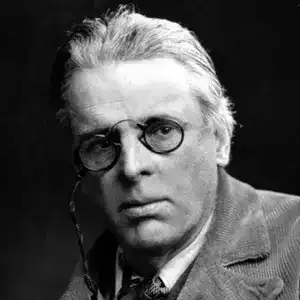
William Butler Yeats
The Mother Of God
The Mother Of God
THE threefold terror of love; a fallen flare
Through the hollow of an ear;
Wings beating about the room;
The terror of all terrors that I bore
The Heavens in my womb.
Had I not found content among the shows
Every common woman knows,
Chimney corner, garden walk,
Or rocky cistern where we tread the clothes
And gather all the talk?
What is this flesh I purchased with my pains,
This fallen star my milk sustains,
This love that makes my heart's blood stop
Or strikes a Sudden chill into my bones
And bids my hair stand up?
THE threefold terror of love; a fallen flare
Through the hollow of an ear;
Wings beating about the room;
The terror of all terrors that I bore
The Heavens in my womb.
Had I not found content among the shows
Every common woman knows,
Chimney corner, garden walk,
Or rocky cistern where we tread the clothes
And gather all the talk?
What is this flesh I purchased with my pains,
This fallen star my milk sustains,
This love that makes my heart's blood stop
Or strikes a Sudden chill into my bones
And bids my hair stand up?
258

Ezra Pound
Ortus
Ortus
How have I laboured?
How have I not laboured
To bring her soul to birth,
To give these elements a name and a centre!
She is beautiful as the sunlight, and as fluid.
She has no name, and no place.
How have I laboured to bring her soul into separation;
To give her a name and her being!
Surely you are bound and entwined,
You are mingled with the elements unborn;
I have loved a stream and a shadow.
I beseech you enter your life.
I beseech you learn to say ‘I’
When I question you;
For you are no part, but a whole,
No portion, but a being.
How have I laboured?
How have I not laboured
To bring her soul to birth,
To give these elements a name and a centre!
She is beautiful as the sunlight, and as fluid.
She has no name, and no place.
How have I laboured to bring her soul into separation;
To give her a name and her being!
Surely you are bound and entwined,
You are mingled with the elements unborn;
I have loved a stream and a shadow.
I beseech you enter your life.
I beseech you learn to say ‘I’
When I question you;
For you are no part, but a whole,
No portion, but a being.
480
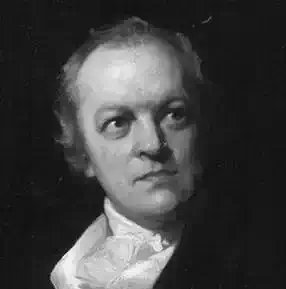
William Blake
The Book of Urizen: Chapter VI
The Book of Urizen: Chapter VI
. But Los saw the Female & pitied
He embrac'd her, she wept, she refus'd
In perverse and cruel delight
She fled from his arms, yet he followd
. Eternity shudder'd when they saw,
Man begetting his likeness,
On his own divided image.
. A time passed over, the Eternals
Began to erect the tent;
When Enitharmon sick,
Felt a Worm within her womb.
. Yet helpless it lay like a Worm
In the trembling womb
To be moulded into existence
. All day the worm lay on her bosom
All night within her womb
The worm lay till it grew to a serpent
With dolorous hissings & poisons
Round Enitharmons loins folding,
. Coild within Enitharmons womb
The serpent grew casting its scales,
With sharp pangs the hissings began
To change to a grating cry,
Many sorrows and dismal throes,
Many forms of fish, bird & beast,
Brought forth an Infant form
Where was a worm before.
. The Eternals their tent finished
Alarm'd with these gloomy visions
When Enitharmon groaning
Produc'd a man Child to the light.
. A shriek ran thro' Eternity:
And a paralytic stroke;
At the birth of the Human shadow.
. Delving earth in his resistless way;
Howling, the Child with fierce flames
Issu'd from Enitharmon.
. The Eternals, closed the tent
They beat down the stakes the cords
Stretch'd for a work of eternity;
No more Los beheld Eternity.
. In his hands he seiz'd the infant
He bathed him in springs of sorrow
He gave him to Enitharmon.
. But Los saw the Female & pitied
He embrac'd her, she wept, she refus'd
In perverse and cruel delight
She fled from his arms, yet he followd
. Eternity shudder'd when they saw,
Man begetting his likeness,
On his own divided image.
. A time passed over, the Eternals
Began to erect the tent;
When Enitharmon sick,
Felt a Worm within her womb.
. Yet helpless it lay like a Worm
In the trembling womb
To be moulded into existence
. All day the worm lay on her bosom
All night within her womb
The worm lay till it grew to a serpent
With dolorous hissings & poisons
Round Enitharmons loins folding,
. Coild within Enitharmons womb
The serpent grew casting its scales,
With sharp pangs the hissings began
To change to a grating cry,
Many sorrows and dismal throes,
Many forms of fish, bird & beast,
Brought forth an Infant form
Where was a worm before.
. The Eternals their tent finished
Alarm'd with these gloomy visions
When Enitharmon groaning
Produc'd a man Child to the light.
. A shriek ran thro' Eternity:
And a paralytic stroke;
At the birth of the Human shadow.
. Delving earth in his resistless way;
Howling, the Child with fierce flames
Issu'd from Enitharmon.
. The Eternals, closed the tent
They beat down the stakes the cords
Stretch'd for a work of eternity;
No more Los beheld Eternity.
. In his hands he seiz'd the infant
He bathed him in springs of sorrow
He gave him to Enitharmon.
428

Dylan Thomas
Vision and Prayer
Vision and Prayer
Who
Are you
Who is born
In the next room
So loud to my own
That I can hear the womb
Opening and the dark run
Over the ghost and the dropped son
Behind the wall thin as a wren's bone?
In the birth bloody room unknown
To the burn and turn of time
And the heart print of man
Bows no baptism
But dark alone
Blessing on
The wild
Child.
Who
Are you
Who is born
In the next room
So loud to my own
That I can hear the womb
Opening and the dark run
Over the ghost and the dropped son
Behind the wall thin as a wren's bone?
In the birth bloody room unknown
To the burn and turn of time
And the heart print of man
Bows no baptism
But dark alone
Blessing on
The wild
Child.
356
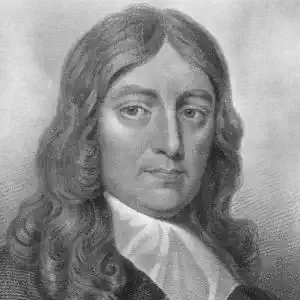
John Milton
On the Morning of Christ’s Nativity
On the Morning of Christ’s Nativity
I
This is the month, and this the happy morn,
Wherein the Son of Heaven’s eternal King,
Of wedded maid and Virgin Mother born,
Our great redemption from above did bring;
For so the holy sages once did sing,
That he our deadly forfeit should release,
And with his Father work us a perpetual peace.
II
That glorious Form, that Light unsufferable,
And that far-beaming blaze of majesty,
Wherewith he wont at Heaven’s high council-table
To sit the midst of Trinal Unity,
He laid aside, and, here with us to be,
Forsook the Courts of everlasting Day,
And chose with us a darksome house of mortal clay.
III
Say, Heavenly Muse, shall not thy sacred vein
Afford a present to the Infant God?
Hast thou no verse, no hymn, or solemn strain,
To welcome him to this his new abode,
Now while the heaven, by the Sun’s team untrod,
Hath took no print of the approaching light,
And all the spangled host keep watch in squadrons bright?
IV
See how from far upon the Eastern road
The star-led Wisards haste with odours sweet!
Oh! run; prevent them with thy humble ode,
And lay it lowly at his blessèd feet;
Have thou the honour first thy Lord to greet,
And join thy voice unto the Angel Quire,
From out his secret altar touched with hallowed fire.
The Hymn
I
It was the winter wild,
While the heaven-born child
All meanly wrapt in the rude manger lies;
Nature, in awe to him,
Had doffed her gaudy trim,
With her great Master so to sympathize:
It was no season then for her
To wanton with the Sun, her lusty Paramour.
II
Only with speeches fair
She woos the gentle air
To hide her guilty front with innocent snow,
And on her naked shame,
Pollute with sinful blame,
The saintly veil of maiden white to throw;
Confounded, that her Maker’s eyes
Should look so near upon her foul deformities.
III
But he, her fears to cease,
Sent down the meek-eyed Peace:
She, crowned with olive green, came softly sliding
Down through the turning sphere,
His ready Harbinger,
With turtle wing the amorous clouds dividing;
And, waving wide her myrtle wand,
She strikes a universal peace through sea and land.
IV
No war, or battail’s sound,
Was heard the world around;
The idle spear and shield were high uphung;
The hookèd chariot stood,
Unstained with hostile blood;
The trumpet spake not to the armèd throng;
And Kings sat still with awful eye,
As if they surely knew their sovran Lord was by.
V
But peaceful was the night
Wherein the Prince of Light
His reign of peace upon the earth began.
The winds, with wonder whist,
Smoothly the waters kissed,
Whispering new joys to the mild Ocean,
Who now hath quite forgot to rave,
While birds of calm sit brooding on the charmed wave.
VI
The stars, with deep amaze,
Stand fixed in steadfast gaze,
Bending one way their precious influence,
And will not take their flight,
For all the morning light,
Or Lucifer that often warned them thence;
But in their glimmering orbs did glow,
Until their Lord himself bespake, and bid them go.
VII
And, though the shady gloom
Had given day her room,
The Sun himself withheld his wonted speed,
And hid his head of shame,
As his inferior flame
The new-enlightened world no more should need:
He saw a greater Sun appear
Than his bright Throne or burning axletree could bear.
VIII
The Shepherds on the lawn,
Or ere the point of dawn,
Sat simply chatting in a rustic row;
Full little thought they than
That the mighty Pan
Was kindly come to live with them below:
Perhaps their loves, or else their sheep,
Was all that did their silly thoughts so busy keep.
IX
When such music sweet
Their hearts and ears did greet
As never was by mortal finger strook,
Divinely-warbled voice
Answering the stringèd noise,
As all their souls in blissful rapture took:
The air, such pleasure loth to lose,
With thousand echoes still prolongs each heavenly close.
X
Nature, that heard such sound
Beneath the hollow round
Of Cynthia’s seat the airy Region thrilling,
Now was almost won
To think her part was done,
And that her reign had here its last fulfilling:
She knew such harmony alone
Could hold all Heaven and Earth in happier union.
XI
At last surrounds their sight
A globe of circular light,
That with long beams the shamefaced Night arrayed;
The helmèd Cherubim
And sworded Seraphim
Are seen in glittering ranks with wings displayed,
Harping in loud and solemn quire,
With unexpressive notes, to Heaven’s newborn Heir.
XII
Such music (as ’tis said)
Before was never made,
But when of old the Sons of Morning sung,
While the Creator great
His constellations set,
And the well-balanced World on hinges hung,
And cast the dark foundations deep,
And bid the weltering waves their oozy channel keep.
XIII
Ring out, ye crystal spheres!
Once bless our human ears,
If ye have power to touch our senses so;
And let your silver chime
Move in melodious time;
And let the bass of heaven’s deep organ blow;
And with your ninefold harmony
Make up full consort of the angelic symphony.
XIV
For, if such holy song
Enwrap our fancy long,
Time will run back and fetch the Age of Gold;
And speckled Vanity
Will sicken soon and die,
And leprous Sin will melt from earthly mould;
And Hell itself will pass away,
And leave her dolorous mansions of the peering day.
XV
Yes, Truth and Justice then
Will down return to men,
The enamelled arras of the rainbow wearing;
And Mercy set between,
Throned in celestial sheen,
With radiant feet the tissued clouds down steering;
And Heaven, as at some festival,
Will open wide the gates of her high palace-hall.
XVI
But wisest Fate says No,
This must not yet be so;
The Babe lies yet in smiling infancy
That on the bitter cross
Must redeem our loss,
So both himself and us to glorify:
Yet first, to those chained in sleep,
The wakeful trump of doom must thunder through the deep,
XVII
With such a horrid clang
As on Mount Sinai rang,
While the red fire and smouldering clouds outbrake:
The aged Earth, aghast
With terror of that blast,
Shall from the surface to the centre shake,
When, at the world’s last sessiön,
The dreadful Judge in middle air shall spread his throne.
XVIII
And then at last our bliss
Full and perfect is,
But now begins; for from this happy day
The Old Dragon under ground,
In straiter limits bound,
Not half so far casts his usurpèd sway,
And, wroth to see his Kingdom fail,
Swindges the scaly horror of his folded tail.
XIX
The Oracles are dumb;
No voice or hideous hum
Runs through the archèd roof in words deceiving.
Apollo from his shrine
Can no more divine,
Will hollow shriek the steep of Delphos leaving.
No nightly trance, or breathèd spell,
Inspires the pale-eyed Priest from the prophetic cell.
XX
The lonely mountains o’er,
And the resounding shore,
A voice of weeping heard and loud lament;
Edgèd with poplar pale,
From haunted spring, and dale
The parting Genius is with sighing sent;
With flower-inwoven tresses torn
The Nymphs in twilight shade of tangled thickets mourn.
XXI
In consecrated earth,
And on the holy hearth,
The Lars and Lemures moan with midnight plaint;
In urns, and altars round,
A drear and dying sound
Affrights the Flamens at their service quaint;
And the chill marble seems to sweat,
While each peculiar power forgoes his wonted seat.
XXII
Peor and Baälim
Forsake their temples dim,
With that twice-battered god of Palestine;
And moonèd Ashtaroth,
Heaven’s Queen and Mother both,
Now sits not girt with tapers’ holy shine:
The Libyc Hammon shrinks his horn;
In vain the Tyrian maids their wounded Thammuz mourn.
XXIII
And sullen Moloch, fled,
Hath left in shadows dread
His burning idol all of blackest hue;
In vain with cymbals’ ring
They call the grisly king,
In dismal dance about the furnace blue;
The brutish gods of Nile as fast,
Isis, and Orus, and the dog Anubis, haste.
XXIV
Nor is Osiris seen
In Memphian grove or green,
Trampling the unshowered grass with lowings loud;
Nor can he be at rest
Within his sacred chest;
Nought but profoundest Hell can be his shroud;
In vain, with timbreled anthems dark,
The sable-stolèd Sorcerers bear his worshiped ark.
XXV
He feels from Juda’s land
The dreaded Infant’s hand;
The rays of Bethlehem blind his dusky eyn;
Nor all the gods beside
Longer dare abide,
Not Typhon huge ending in snaky twine:
Our Babe, to show his Godhead true,
Can in his swaddling bands control the damnèd crew.
XXVI
So, when the Sun in bed,
Curtained with cloudy red,
Pillows his chin upon an orient wave,
The flocking shadows pale
Troop to the infernal jail,
Each fettered ghost slips to his several grave,
And the yellow-skirted Fays
Fly after the night-steeds, leaving their moon-loved maze.
XXVII
But see! the Virgin blest
Hath laid her Babe to rest,
Time is our tedious song should here have ending:
Heaven’s youngest-teemèd star
Hath fixed her polished car,
Her sleeping Lord with handmaid lamp attending;
And all about the courtly stable
Bright-harnessed Angels sit in order serviceable.
I
This is the month, and this the happy morn,
Wherein the Son of Heaven’s eternal King,
Of wedded maid and Virgin Mother born,
Our great redemption from above did bring;
For so the holy sages once did sing,
That he our deadly forfeit should release,
And with his Father work us a perpetual peace.
II
That glorious Form, that Light unsufferable,
And that far-beaming blaze of majesty,
Wherewith he wont at Heaven’s high council-table
To sit the midst of Trinal Unity,
He laid aside, and, here with us to be,
Forsook the Courts of everlasting Day,
And chose with us a darksome house of mortal clay.
III
Say, Heavenly Muse, shall not thy sacred vein
Afford a present to the Infant God?
Hast thou no verse, no hymn, or solemn strain,
To welcome him to this his new abode,
Now while the heaven, by the Sun’s team untrod,
Hath took no print of the approaching light,
And all the spangled host keep watch in squadrons bright?
IV
See how from far upon the Eastern road
The star-led Wisards haste with odours sweet!
Oh! run; prevent them with thy humble ode,
And lay it lowly at his blessèd feet;
Have thou the honour first thy Lord to greet,
And join thy voice unto the Angel Quire,
From out his secret altar touched with hallowed fire.
The Hymn
I
It was the winter wild,
While the heaven-born child
All meanly wrapt in the rude manger lies;
Nature, in awe to him,
Had doffed her gaudy trim,
With her great Master so to sympathize:
It was no season then for her
To wanton with the Sun, her lusty Paramour.
II
Only with speeches fair
She woos the gentle air
To hide her guilty front with innocent snow,
And on her naked shame,
Pollute with sinful blame,
The saintly veil of maiden white to throw;
Confounded, that her Maker’s eyes
Should look so near upon her foul deformities.
III
But he, her fears to cease,
Sent down the meek-eyed Peace:
She, crowned with olive green, came softly sliding
Down through the turning sphere,
His ready Harbinger,
With turtle wing the amorous clouds dividing;
And, waving wide her myrtle wand,
She strikes a universal peace through sea and land.
IV
No war, or battail’s sound,
Was heard the world around;
The idle spear and shield were high uphung;
The hookèd chariot stood,
Unstained with hostile blood;
The trumpet spake not to the armèd throng;
And Kings sat still with awful eye,
As if they surely knew their sovran Lord was by.
V
But peaceful was the night
Wherein the Prince of Light
His reign of peace upon the earth began.
The winds, with wonder whist,
Smoothly the waters kissed,
Whispering new joys to the mild Ocean,
Who now hath quite forgot to rave,
While birds of calm sit brooding on the charmed wave.
VI
The stars, with deep amaze,
Stand fixed in steadfast gaze,
Bending one way their precious influence,
And will not take their flight,
For all the morning light,
Or Lucifer that often warned them thence;
But in their glimmering orbs did glow,
Until their Lord himself bespake, and bid them go.
VII
And, though the shady gloom
Had given day her room,
The Sun himself withheld his wonted speed,
And hid his head of shame,
As his inferior flame
The new-enlightened world no more should need:
He saw a greater Sun appear
Than his bright Throne or burning axletree could bear.
VIII
The Shepherds on the lawn,
Or ere the point of dawn,
Sat simply chatting in a rustic row;
Full little thought they than
That the mighty Pan
Was kindly come to live with them below:
Perhaps their loves, or else their sheep,
Was all that did their silly thoughts so busy keep.
IX
When such music sweet
Their hearts and ears did greet
As never was by mortal finger strook,
Divinely-warbled voice
Answering the stringèd noise,
As all their souls in blissful rapture took:
The air, such pleasure loth to lose,
With thousand echoes still prolongs each heavenly close.
X
Nature, that heard such sound
Beneath the hollow round
Of Cynthia’s seat the airy Region thrilling,
Now was almost won
To think her part was done,
And that her reign had here its last fulfilling:
She knew such harmony alone
Could hold all Heaven and Earth in happier union.
XI
At last surrounds their sight
A globe of circular light,
That with long beams the shamefaced Night arrayed;
The helmèd Cherubim
And sworded Seraphim
Are seen in glittering ranks with wings displayed,
Harping in loud and solemn quire,
With unexpressive notes, to Heaven’s newborn Heir.
XII
Such music (as ’tis said)
Before was never made,
But when of old the Sons of Morning sung,
While the Creator great
His constellations set,
And the well-balanced World on hinges hung,
And cast the dark foundations deep,
And bid the weltering waves their oozy channel keep.
XIII
Ring out, ye crystal spheres!
Once bless our human ears,
If ye have power to touch our senses so;
And let your silver chime
Move in melodious time;
And let the bass of heaven’s deep organ blow;
And with your ninefold harmony
Make up full consort of the angelic symphony.
XIV
For, if such holy song
Enwrap our fancy long,
Time will run back and fetch the Age of Gold;
And speckled Vanity
Will sicken soon and die,
And leprous Sin will melt from earthly mould;
And Hell itself will pass away,
And leave her dolorous mansions of the peering day.
XV
Yes, Truth and Justice then
Will down return to men,
The enamelled arras of the rainbow wearing;
And Mercy set between,
Throned in celestial sheen,
With radiant feet the tissued clouds down steering;
And Heaven, as at some festival,
Will open wide the gates of her high palace-hall.
XVI
But wisest Fate says No,
This must not yet be so;
The Babe lies yet in smiling infancy
That on the bitter cross
Must redeem our loss,
So both himself and us to glorify:
Yet first, to those chained in sleep,
The wakeful trump of doom must thunder through the deep,
XVII
With such a horrid clang
As on Mount Sinai rang,
While the red fire and smouldering clouds outbrake:
The aged Earth, aghast
With terror of that blast,
Shall from the surface to the centre shake,
When, at the world’s last sessiön,
The dreadful Judge in middle air shall spread his throne.
XVIII
And then at last our bliss
Full and perfect is,
But now begins; for from this happy day
The Old Dragon under ground,
In straiter limits bound,
Not half so far casts his usurpèd sway,
And, wroth to see his Kingdom fail,
Swindges the scaly horror of his folded tail.
XIX
The Oracles are dumb;
No voice or hideous hum
Runs through the archèd roof in words deceiving.
Apollo from his shrine
Can no more divine,
Will hollow shriek the steep of Delphos leaving.
No nightly trance, or breathèd spell,
Inspires the pale-eyed Priest from the prophetic cell.
XX
The lonely mountains o’er,
And the resounding shore,
A voice of weeping heard and loud lament;
Edgèd with poplar pale,
From haunted spring, and dale
The parting Genius is with sighing sent;
With flower-inwoven tresses torn
The Nymphs in twilight shade of tangled thickets mourn.
XXI
In consecrated earth,
And on the holy hearth,
The Lars and Lemures moan with midnight plaint;
In urns, and altars round,
A drear and dying sound
Affrights the Flamens at their service quaint;
And the chill marble seems to sweat,
While each peculiar power forgoes his wonted seat.
XXII
Peor and Baälim
Forsake their temples dim,
With that twice-battered god of Palestine;
And moonèd Ashtaroth,
Heaven’s Queen and Mother both,
Now sits not girt with tapers’ holy shine:
The Libyc Hammon shrinks his horn;
In vain the Tyrian maids their wounded Thammuz mourn.
XXIII
And sullen Moloch, fled,
Hath left in shadows dread
His burning idol all of blackest hue;
In vain with cymbals’ ring
They call the grisly king,
In dismal dance about the furnace blue;
The brutish gods of Nile as fast,
Isis, and Orus, and the dog Anubis, haste.
XXIV
Nor is Osiris seen
In Memphian grove or green,
Trampling the unshowered grass with lowings loud;
Nor can he be at rest
Within his sacred chest;
Nought but profoundest Hell can be his shroud;
In vain, with timbreled anthems dark,
The sable-stolèd Sorcerers bear his worshiped ark.
XXV
He feels from Juda’s land
The dreaded Infant’s hand;
The rays of Bethlehem blind his dusky eyn;
Nor all the gods beside
Longer dare abide,
Not Typhon huge ending in snaky twine:
Our Babe, to show his Godhead true,
Can in his swaddling bands control the damnèd crew.
XXVI
So, when the Sun in bed,
Curtained with cloudy red,
Pillows his chin upon an orient wave,
The flocking shadows pale
Troop to the infernal jail,
Each fettered ghost slips to his several grave,
And the yellow-skirted Fays
Fly after the night-steeds, leaving their moon-loved maze.
XXVII
But see! the Virgin blest
Hath laid her Babe to rest,
Time is our tedious song should here have ending:
Heaven’s youngest-teemèd star
Hath fixed her polished car,
Her sleeping Lord with handmaid lamp attending;
And all about the courtly stable
Bright-harnessed Angels sit in order serviceable.
526
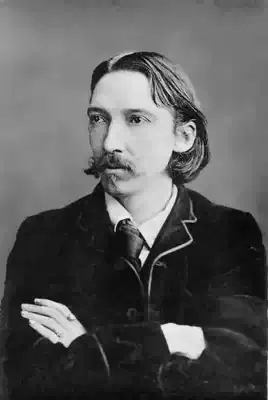
Robert Louis Stevenson
God Gave To Me A Child In Part
God Gave To Me A Child In Part
GOD gave to me a child in part,
Yet wholly gave the father's heart:
Child of my soul, O whither now,
Unborn, unmothered, goest thou?
You came, you went, and no man wist;
Hapless, my child, no breast you kist;
On no dear knees, a privileged babbler, clomb,
Nor knew the kindly feel of home.
My voice may reach you, O my dear-
A father's voice perhaps the child may hear;
And, pitying, you may turn your view
On that poor father whom you never knew.
Alas! alone he sits, who then,
Immortal among mortal men,
Sat hand in hand with love, and all day through
With your dear mother wondered over you.
GOD gave to me a child in part,
Yet wholly gave the father's heart:
Child of my soul, O whither now,
Unborn, unmothered, goest thou?
You came, you went, and no man wist;
Hapless, my child, no breast you kist;
On no dear knees, a privileged babbler, clomb,
Nor knew the kindly feel of home.
My voice may reach you, O my dear-
A father's voice perhaps the child may hear;
And, pitying, you may turn your view
On that poor father whom you never knew.
Alas! alone he sits, who then,
Immortal among mortal men,
Sat hand in hand with love, and all day through
With your dear mother wondered over you.
283