
Animals and Nature
Poems in this topic
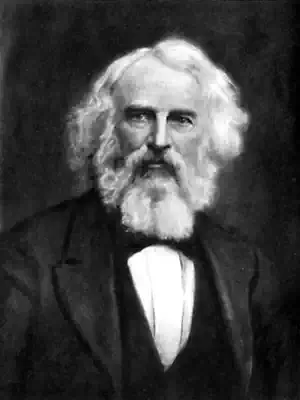
Henry Wadsworth Longfellow
Serenade from “The Spanish Student”
Serenade from “The Spanish Student”
STARS of the summer night!
Far in yon azure deeps,
Hide, hide your golden light!
She sleeps!
My lady sleeps!
Sleeps!
Moon of the summer night!
Far down yon western steeps,
Sink, sink in silver light!
She sleeps!
My lady sleeps!
Sleeps!
Wind of the summer night!
Where yonder woodbine creeps,
Fold, fold thy pinions light!
She sleeps!
My lady sleeps!
Sleeps!
Dreams of the summer night!
Tell her, her lover keeps
Watch! while in slumbers light
She sleeps!
My lady sleeps!
Sleeps!
STARS of the summer night!
Far in yon azure deeps,
Hide, hide your golden light!
She sleeps!
My lady sleeps!
Sleeps!
Moon of the summer night!
Far down yon western steeps,
Sink, sink in silver light!
She sleeps!
My lady sleeps!
Sleeps!
Wind of the summer night!
Where yonder woodbine creeps,
Fold, fold thy pinions light!
She sleeps!
My lady sleeps!
Sleeps!
Dreams of the summer night!
Tell her, her lover keeps
Watch! while in slumbers light
She sleeps!
My lady sleeps!
Sleeps!
941
1

Elizabeth Bishop
Seascape
Seascape
This celestial seascape, with white herons got up as angels,
flying high as they want and as far as they want sidewise
in tiers and tiers of immaculate reflections;
the whole region, from the highest heron
down to the weightless mangrove island
with bright green leaves edged neatly with bird-droppings
like illumination in silver,
and down to the suggestively Gothic arches of the mangrove roots
and the beautiful pea-green back-pasture
where occasionally a fish jumps, like a wildflower
in an ornamental spray of spray;
this cartoon by Raphael for a tapestry for a Pope:
it does look like heaven.
But a skeletal lighthouse standing there
in black and white clerical dress,
who lives on his nerves, thinks he knows better.
He thinks that hell rages below his iron feet,
that that is why the shallow water is so warm,
and he knows that heaven is not like this.
Heaven is not like flying or swimming,
but has something to do with blackness and a strong glare
and when it gets dark he will remember something
strongly worded to say on the subject.
This celestial seascape, with white herons got up as angels,
flying high as they want and as far as they want sidewise
in tiers and tiers of immaculate reflections;
the whole region, from the highest heron
down to the weightless mangrove island
with bright green leaves edged neatly with bird-droppings
like illumination in silver,
and down to the suggestively Gothic arches of the mangrove roots
and the beautiful pea-green back-pasture
where occasionally a fish jumps, like a wildflower
in an ornamental spray of spray;
this cartoon by Raphael for a tapestry for a Pope:
it does look like heaven.
But a skeletal lighthouse standing there
in black and white clerical dress,
who lives on his nerves, thinks he knows better.
He thinks that hell rages below his iron feet,
that that is why the shallow water is so warm,
and he knows that heaven is not like this.
Heaven is not like flying or swimming,
but has something to do with blackness and a strong glare
and when it gets dark he will remember something
strongly worded to say on the subject.
1,282
1
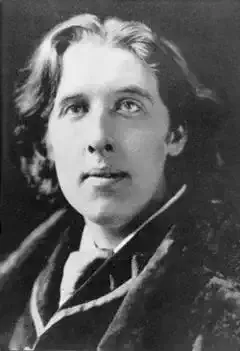
Oscar Wilde
Magdalen Walks
The little white clouds are racing over the sky,
And the fields are strewn with the gold of the flower of March,
The daffodil breaks under foot, and the tasselled larch
Sways and swings as the thrush goes hurrying by.
A delicate odour is borne on the wings of the morning breeze,
The odour of deep wet grass, and of brown new-furrowed earth,
The birds are singing for joy of the Spring's glad birth,
Hopping from branch to branch on the rocking trees.
And all the woods are alive with the murmur and sound of Spring,
And the rose-bud breaks into pink on the climbing briar,
And the crocus-bed is a quivering moon of fire
Girdled round with the belt of an amethyst ring.
And the plane to the pine-tree is whispering some tale of love
Till it rustles with laughter and tosses its mantle of green,
And the gloom of the wych-elm's hollow is lit with the iris sheen
Of the burnished rainbow throat and the silver breast of a dove.
See! the lark starts up from his bed in the meadow there,
Breaking the gossamer threads and the nets of dew,
And flashing adown the river, a flame of blue!
The kingfisher flies like an arrow, and wounds the air.
And the fields are strewn with the gold of the flower of March,
The daffodil breaks under foot, and the tasselled larch
Sways and swings as the thrush goes hurrying by.
A delicate odour is borne on the wings of the morning breeze,
The odour of deep wet grass, and of brown new-furrowed earth,
The birds are singing for joy of the Spring's glad birth,
Hopping from branch to branch on the rocking trees.
And all the woods are alive with the murmur and sound of Spring,
And the rose-bud breaks into pink on the climbing briar,
And the crocus-bed is a quivering moon of fire
Girdled round with the belt of an amethyst ring.
And the plane to the pine-tree is whispering some tale of love
Till it rustles with laughter and tosses its mantle of green,
And the gloom of the wych-elm's hollow is lit with the iris sheen
Of the burnished rainbow throat and the silver breast of a dove.
See! the lark starts up from his bed in the meadow there,
Breaking the gossamer threads and the nets of dew,
And flashing adown the river, a flame of blue!
The kingfisher flies like an arrow, and wounds the air.
635
Oscar Wilde
La Fruite De La Lune
To outer senses there is peace,
A dreamy peace on either hand
Deep silence in the shadowy land,
Deep silence where the shadows cease.
Save for a cry that echoes shrill
From some lone bird disconsolate;
A corncrake calling to its mate;
The answer from the misty hill.
And suddenly the moon withdraws
Her sickle from the lightening skies,
And to her sombre cavern flies,
Wrapped in a veil of yellow gauze.
A dreamy peace on either hand
Deep silence in the shadowy land,
Deep silence where the shadows cease.
Save for a cry that echoes shrill
From some lone bird disconsolate;
A corncrake calling to its mate;
The answer from the misty hill.
And suddenly the moon withdraws
Her sickle from the lightening skies,
And to her sombre cavern flies,
Wrapped in a veil of yellow gauze.
1,075
Oscar Wilde
In the forest
Out of the mid-wood's twilight
Into the meadow's dawn,
Ivory limbed and brown-eyed,
Flashes my Faun!
He skips through the copses singing,
And his shadow dances along,
And I know not which I should follow,
Shadow or song!
O Hunter, snare me his shadow!
O Nightingale, catch me his strain!
Else moonstruck with music and madness
I track him in vain!
Into the meadow's dawn,
Ivory limbed and brown-eyed,
Flashes my Faun!
He skips through the copses singing,
And his shadow dances along,
And I know not which I should follow,
Shadow or song!
O Hunter, snare me his shadow!
O Nightingale, catch me his strain!
Else moonstruck with music and madness
I track him in vain!
871
Oscar Wilde
Impression De Voyage
The sea was sapphire coloured, and the sky
Burned like a heated opal through the air;
We hoisted sail; the wind was blowing fair
For the blue lands that to the eastward lie.
From the steep prow I marked with quickening eye
Zakynthos, every olive grove and creek,
Ithaca's cliff, Lycaon's snowy peak,
And all the flower-strewn hills of Arcady.
The flapping of the sail against the mast,
The ripple of the water on the side,
The ripple of girls' laughter at the stern,
The only sounds:- when 'gan the West to burn,
And a red sun upon the seas to ride,
I stood upon the soil of Greece at last!
KATAKOLO.
Burned like a heated opal through the air;
We hoisted sail; the wind was blowing fair
For the blue lands that to the eastward lie.
From the steep prow I marked with quickening eye
Zakynthos, every olive grove and creek,
Ithaca's cliff, Lycaon's snowy peak,
And all the flower-strewn hills of Arcady.
The flapping of the sail against the mast,
The ripple of the water on the side,
The ripple of girls' laughter at the stern,
The only sounds:- when 'gan the West to burn,
And a red sun upon the seas to ride,
I stood upon the soil of Greece at last!
KATAKOLO.
660
Oscar Wilde
From Spring Days To Winter (For Music)
In the glad springtime when leaves were green,
O merrily the throstle sings!
I sought, amid the tangled sheen,
Love whom mine eyes had never seen,
O the glad dove has golden wings!
Between the blossoms red and white,
O merrily the throstle sings!
My love first came into my sight,
O perfect vision of delight,
O the glad dove has golden wings!
The yellow apples glowed like fire,
O merrily the throstle sings!
O Love too great for lip or lyre,
Blown rose of love and of desire,
O the glad dove has golden wings!
But now with snow the tree is grey,
Ah, sadly now the throstle sings!
My love is dead: ah! well-a-day,
See at her silent feet I lay
A dove with broken wings!
Ah, Love! ah, Love! that thou wert slain -
Fond Dove, fond Dove return again!
O merrily the throstle sings!
I sought, amid the tangled sheen,
Love whom mine eyes had never seen,
O the glad dove has golden wings!
Between the blossoms red and white,
O merrily the throstle sings!
My love first came into my sight,
O perfect vision of delight,
O the glad dove has golden wings!
The yellow apples glowed like fire,
O merrily the throstle sings!
O Love too great for lip or lyre,
Blown rose of love and of desire,
O the glad dove has golden wings!
But now with snow the tree is grey,
Ah, sadly now the throstle sings!
My love is dead: ah! well-a-day,
See at her silent feet I lay
A dove with broken wings!
Ah, Love! ah, Love! that thou wert slain -
Fond Dove, fond Dove return again!
581
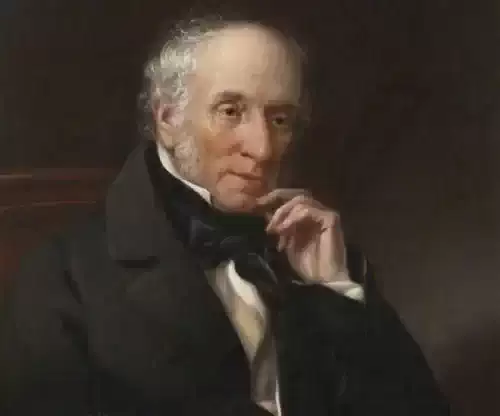
William Wordsworth
Written in Early Spring
Written in Early Spring
I heard a thousand blended notes
While in a grove I sat reclined,
In that sweet mood when pleasant thoughts
Bring sad thoughts to the mind.
To her fair works did Nature link
The human soul that through me ran;
And much it grieved my heart to think
What Man has made of Man.
Through primrose tufts, in that sweet bower,
The periwinkle trailed its wreaths;
And 'tis my faith that every flower
Enjoys the air it breathes.
The birds around me hopped and played,
Their thoughts I cannot measure -
But the least motion which they made
It seemed a thrill of pleasure.
The budding twigs spread out their fan
To catch the breezy air;
And I must think, do all I can,
That there was pleasure there.
If this belief from heaven be sent,
If such be Nature's holy plan,
Have I not reason to lament
What Man has made of Man?
I heard a thousand blended notes
While in a grove I sat reclined,
In that sweet mood when pleasant thoughts
Bring sad thoughts to the mind.
To her fair works did Nature link
The human soul that through me ran;
And much it grieved my heart to think
What Man has made of Man.
Through primrose tufts, in that sweet bower,
The periwinkle trailed its wreaths;
And 'tis my faith that every flower
Enjoys the air it breathes.
The birds around me hopped and played,
Their thoughts I cannot measure -
But the least motion which they made
It seemed a thrill of pleasure.
The budding twigs spread out their fan
To catch the breezy air;
And I must think, do all I can,
That there was pleasure there.
If this belief from heaven be sent,
If such be Nature's holy plan,
Have I not reason to lament
What Man has made of Man?
323
William Wordsworth
Waterfall and The Eglantine, The
Waterfall and The Eglantine, The
"Begone, thou fond presumptuous Elf,"
Exclaimed an angry Voice,
"Nor dare to thrust thy foolish self
Between me and my choice!"
A small Cascade fresh swoln with snows
Thus threatened a poor Briar-rose,
That, all bespattered with his foam,
And dancing high and dancing low,
Was living, as a child might know,
In an unhappy home.
II
"Dost thou presume my course to block?
Off, off! or, puny Thing!
I'll hurl thee headlong with the rock
To which thy fibres cling."
The Flood was tyrannous and strong;
The patient Briar suffered long,
Nor did he utter groan or sigh,
Hoping the danger would be past;
But, seeing no relief, at last,
He ventured to reply.
III
"Ah!" said the Briar, "blame me not;
Why should we dwell in strife?
We who in this sequestered spot
Once lived a happy life!
You stirred me on my rocky bed--
What pleasure through my veins you spread
The summer long, from day to day,
My leaves you freshened and bedewed;
Nor was it common gratitude
That did your cares repay.
IV
"When spring came on with bud and bell,
Among these rocks did I
Before you hang my wreaths to tell
That gentle days were nigh!
And in the sultry summer hours,
I sheltered you with leaves and flowers;
And in my leaves--now shed and gone,
The linnet lodged, and for us two
Chanted his pretty songs, when you
Had little voice or none.
V
"But now proud thoughts are in your breast--
What grief is mine you see,
Ah! would you think, even yet how blest
Together we might be!
Though of both leaf and flower bereft,
Some ornaments to me are left--
Rich store of scarlet hips is mine,
With which I, in my humble way,
Would deck you many a winter day,
A happy Eglantine!"
VI
What more he said I cannot tell,
The Torrent down the rocky dell
Came thundering loud and fast;
I listened, nor aught else could hear;
The Briar quaked--and much I fear
Those accents were his last.
"Begone, thou fond presumptuous Elf,"
Exclaimed an angry Voice,
"Nor dare to thrust thy foolish self
Between me and my choice!"
A small Cascade fresh swoln with snows
Thus threatened a poor Briar-rose,
That, all bespattered with his foam,
And dancing high and dancing low,
Was living, as a child might know,
In an unhappy home.
II
"Dost thou presume my course to block?
Off, off! or, puny Thing!
I'll hurl thee headlong with the rock
To which thy fibres cling."
The Flood was tyrannous and strong;
The patient Briar suffered long,
Nor did he utter groan or sigh,
Hoping the danger would be past;
But, seeing no relief, at last,
He ventured to reply.
III
"Ah!" said the Briar, "blame me not;
Why should we dwell in strife?
We who in this sequestered spot
Once lived a happy life!
You stirred me on my rocky bed--
What pleasure through my veins you spread
The summer long, from day to day,
My leaves you freshened and bedewed;
Nor was it common gratitude
That did your cares repay.
IV
"When spring came on with bud and bell,
Among these rocks did I
Before you hang my wreaths to tell
That gentle days were nigh!
And in the sultry summer hours,
I sheltered you with leaves and flowers;
And in my leaves--now shed and gone,
The linnet lodged, and for us two
Chanted his pretty songs, when you
Had little voice or none.
V
"But now proud thoughts are in your breast--
What grief is mine you see,
Ah! would you think, even yet how blest
Together we might be!
Though of both leaf and flower bereft,
Some ornaments to me are left--
Rich store of scarlet hips is mine,
With which I, in my humble way,
Would deck you many a winter day,
A happy Eglantine!"
VI
What more he said I cannot tell,
The Torrent down the rocky dell
Came thundering loud and fast;
I listened, nor aught else could hear;
The Briar quaked--and much I fear
Those accents were his last.
275
William Wordsworth
To The Daisy (third poem)
To The Daisy (third poem)
Bright Flower! whose home is everywhere,
Bold in maternal Nature's care,
And all the long year through the heir
Of joy or sorrow;
Methinks that there abides in thee
Some concord with humanity,
Given to no other flower I see
The forest thorough!
Is it that Man is soon deprest?
A thoughtless Thing! who, once unblest,
Does little on his memory rest,
Or on his reason,
And Thou would'st teach him how to find
A shelter under every wind,
A hope for times that are unkind
And every season?
Thou wander'st the wide world about,
Uncheck'd by pride or scrupulous doubt,
With friend to greet thee, or without,
Yet pleased and willing;
Meek, yielding to the occasion's call,
And all things suffering from all,
Thy function apostolical
In peace fulfilling.
Bright Flower! whose home is everywhere,
Bold in maternal Nature's care,
And all the long year through the heir
Of joy or sorrow;
Methinks that there abides in thee
Some concord with humanity,
Given to no other flower I see
The forest thorough!
Is it that Man is soon deprest?
A thoughtless Thing! who, once unblest,
Does little on his memory rest,
Or on his reason,
And Thou would'st teach him how to find
A shelter under every wind,
A hope for times that are unkind
And every season?
Thou wander'st the wide world about,
Uncheck'd by pride or scrupulous doubt,
With friend to greet thee, or without,
Yet pleased and willing;
Meek, yielding to the occasion's call,
And all things suffering from all,
Thy function apostolical
In peace fulfilling.
247
William Wordsworth
To The Daisy (first poem)
To The Daisy (first poem)
"Her divine skill taught me this,
That from every thing I saw
I could some instruction draw,
And raise pleasure to the height
Through the meanest objects sight.
By the murmur of a spring,
Or the least bough's rustelling;
By a Daisy whose leaves spread
Shut when Titan goes to bed;
Or a shady bush or tree;
She could more infuse in me
Than all Nature's beauties can
In some other wiser man.'
G. Wither. * His muse.
IN youth from rock to rock I went,
From hill to hill in discontent
Of pleasure high and turbulent,
Most pleased when most uneasy;
But now my own delights I make,--
My thirst at every rill can slake,
And gladly Nature's love partake,
Of Thee, sweet Daisy!
Thee Winter in the garland wears
That thinly decks his few grey hairs;
Spring parts the clouds with softest airs,
That she may sun thee;
Whole Summer-fields are thine by right;
And Autumn, melancholy Wight!
Doth in thy crimson head delight
When rains are on thee.
In shoals and bands, a morrice train,
Thou greet'st the traveller in the lane;
Pleased at his greeting thee again;
Yet nothing daunted,
Nor grieved if thou be set at nought:
And oft alone in nooks remote
We meet thee, like a pleasant thought,
When such are wanted.
Be violets in their secret mews
The flowers the wanton Zephyrs choose;
Proud be the rose, with rains and dews
Her head impearling,
Thou liv'st with less ambitious aim,
Yet hast not gone without thy fame;
Thou art indeed by many a claim
The Poet's darling.
If to a rock from rains he fly,
Or, some bright day of April sky,
Imprisoned by hot sunshine lie
Near the green holly,
And wearily at length should fare;
He needs but look about, and there
Thou art!--a friend at hand, to scare
His melancholy.
A hundred times, by rock or bower,
Ere thus I have lain couched an hour,
Have I derived from thy sweet power
Some apprehension;
Some steady love; some brief delight;
Some memory that had taken flight;
Some chime of fancy wrong or right;
Or stray invention.
If stately passions in me burn,
And one chance look to Thee should turn,
I drink out of an humbler urn
A lowlier pleasure;
The homely sympathy that heeds
The common life, our nature breeds;
A wisdom fitted to the needs
Of hearts at leisure.
Fresh-smitten by the morning ray,
When thou art up, alert and gay,
Then, cheerful Flower! my spirits play
With kindred gladness:
And when, at dusk, by dews opprest
Thou sink'st, the image of thy rest
Hath often eased my pensive breast
Of careful sadness.
And all day long I number yet,
All seasons through, another debt,
Which I, wherever thou art met,
To thee am owing;
An instinct call it, a blind sense;
A happy, genial influence,
Coming one knows not how, nor whence,
Nor whither going.
Child of the Year! that round dost run
Thy pleasant course,--when day's begun
As ready to salute the sun
As lark or leveret,
Thy long-lost praise thou shalt regain;
Nor be less dear to future men
Than in old time;--thou not in vain
Art Nature's favourite.
"Her divine skill taught me this,
That from every thing I saw
I could some instruction draw,
And raise pleasure to the height
Through the meanest objects sight.
By the murmur of a spring,
Or the least bough's rustelling;
By a Daisy whose leaves spread
Shut when Titan goes to bed;
Or a shady bush or tree;
She could more infuse in me
Than all Nature's beauties can
In some other wiser man.'
G. Wither. * His muse.
IN youth from rock to rock I went,
From hill to hill in discontent
Of pleasure high and turbulent,
Most pleased when most uneasy;
But now my own delights I make,--
My thirst at every rill can slake,
And gladly Nature's love partake,
Of Thee, sweet Daisy!
Thee Winter in the garland wears
That thinly decks his few grey hairs;
Spring parts the clouds with softest airs,
That she may sun thee;
Whole Summer-fields are thine by right;
And Autumn, melancholy Wight!
Doth in thy crimson head delight
When rains are on thee.
In shoals and bands, a morrice train,
Thou greet'st the traveller in the lane;
Pleased at his greeting thee again;
Yet nothing daunted,
Nor grieved if thou be set at nought:
And oft alone in nooks remote
We meet thee, like a pleasant thought,
When such are wanted.
Be violets in their secret mews
The flowers the wanton Zephyrs choose;
Proud be the rose, with rains and dews
Her head impearling,
Thou liv'st with less ambitious aim,
Yet hast not gone without thy fame;
Thou art indeed by many a claim
The Poet's darling.
If to a rock from rains he fly,
Or, some bright day of April sky,
Imprisoned by hot sunshine lie
Near the green holly,
And wearily at length should fare;
He needs but look about, and there
Thou art!--a friend at hand, to scare
His melancholy.
A hundred times, by rock or bower,
Ere thus I have lain couched an hour,
Have I derived from thy sweet power
Some apprehension;
Some steady love; some brief delight;
Some memory that had taken flight;
Some chime of fancy wrong or right;
Or stray invention.
If stately passions in me burn,
And one chance look to Thee should turn,
I drink out of an humbler urn
A lowlier pleasure;
The homely sympathy that heeds
The common life, our nature breeds;
A wisdom fitted to the needs
Of hearts at leisure.
Fresh-smitten by the morning ray,
When thou art up, alert and gay,
Then, cheerful Flower! my spirits play
With kindred gladness:
And when, at dusk, by dews opprest
Thou sink'st, the image of thy rest
Hath often eased my pensive breast
Of careful sadness.
And all day long I number yet,
All seasons through, another debt,
Which I, wherever thou art met,
To thee am owing;
An instinct call it, a blind sense;
A happy, genial influence,
Coming one knows not how, nor whence,
Nor whither going.
Child of the Year! that round dost run
Thy pleasant course,--when day's begun
As ready to salute the sun
As lark or leveret,
Thy long-lost praise thou shalt regain;
Nor be less dear to future men
Than in old time;--thou not in vain
Art Nature's favourite.
613
William Wordsworth
To The Daisy
To The Daisy
IN youth from rock to rock I went
From hill to hill in discontent
Of pleasure high and turbulent,
Most pleased when most uneasy;
But now my own delights I make,---
Thirst at every rill can slake,
And gladly Nature's love partake,
Of Thee, sweet Daisy!
Thee Winter in the garland wears
That thinly decks his few gray hairs;
Spring parts the clouds with softest airs,
That she may sun thee;
Whole Summer-fields are thine by right;
And Autumn, melancholy Wight!
Doth in thy crimson head delight
When rains are on thee.
In shoals and bands, a morrice train,
Thou greet'st the traveller in the lane;
Pleased at his greeting thee again;
Yet nothing daunted,
Nor grieved if thou be set at nought:
And oft alone in nooks remote
We meet thee, like a pleasant thought,
When such are wanted.
Be violets in their secret mews
The flowers the wanton Zephyrs choose;
Proud be the rose, with rains and dew
Her head impearling,
Thou liv'st with less ambitious aim,
Yet hast not gone without thy fame;
Thou art indeed by many a claim
The Poet's darling.
If to a rock from rain he fly,
Or, some bright day of April sky,
Imprisoned by hot sunshine lie
Near the green holly,
And wearily at length should fare;
He need but look about, and there
Thou art!---a friend at hand, to care
His melancholy.
A hundred times, by rock or bower,
Ere thus I have lain couched an hour,
Have I derived from thy sweet power
Some apprehension
Some steady love; some brief delight;
Some memory that had taken flight;
Some chime of fancy wrong or right;
Of stray invention.
If stately passions in me burn,
And one chance look to Thee should turn,
I drink out of an humbler urn
A lowlier pleasure;
The homely sympathy that heeds
The common life, our nature breeds;
A wisdom fitted to the needs
Of hearts at leisure.
Fresh-smitten by the morning ray,
When thou art up, alert and gay,
Then, cheerful Flower! my spirits play
With kindred gladness:
And when, at dusk, by dews opprest
Thou sink'st, the image of thy rest
Hath often eased my pensive breast
Of careful sadness.
And all day long I number yet,
All seasons through, another debt,
Which I, wherever thou art met,
To thee am owing;
An instinct call it, a blind sense;
A happy, genial influence,
Coming one knows not how, nor whence,
Nor whither going.
Child of the Year! that round dost run
Thy pleasant course,---when day's begun
As ready to salute the sun
As lark or leveret,
Thy long-lost praise thou shalt regain;
Nor be less dear to future men
Than in old time;---thou not in vain
Art Nature's favourite.
IN youth from rock to rock I went
From hill to hill in discontent
Of pleasure high and turbulent,
Most pleased when most uneasy;
But now my own delights I make,---
Thirst at every rill can slake,
And gladly Nature's love partake,
Of Thee, sweet Daisy!
Thee Winter in the garland wears
That thinly decks his few gray hairs;
Spring parts the clouds with softest airs,
That she may sun thee;
Whole Summer-fields are thine by right;
And Autumn, melancholy Wight!
Doth in thy crimson head delight
When rains are on thee.
In shoals and bands, a morrice train,
Thou greet'st the traveller in the lane;
Pleased at his greeting thee again;
Yet nothing daunted,
Nor grieved if thou be set at nought:
And oft alone in nooks remote
We meet thee, like a pleasant thought,
When such are wanted.
Be violets in their secret mews
The flowers the wanton Zephyrs choose;
Proud be the rose, with rains and dew
Her head impearling,
Thou liv'st with less ambitious aim,
Yet hast not gone without thy fame;
Thou art indeed by many a claim
The Poet's darling.
If to a rock from rain he fly,
Or, some bright day of April sky,
Imprisoned by hot sunshine lie
Near the green holly,
And wearily at length should fare;
He need but look about, and there
Thou art!---a friend at hand, to care
His melancholy.
A hundred times, by rock or bower,
Ere thus I have lain couched an hour,
Have I derived from thy sweet power
Some apprehension
Some steady love; some brief delight;
Some memory that had taken flight;
Some chime of fancy wrong or right;
Of stray invention.
If stately passions in me burn,
And one chance look to Thee should turn,
I drink out of an humbler urn
A lowlier pleasure;
The homely sympathy that heeds
The common life, our nature breeds;
A wisdom fitted to the needs
Of hearts at leisure.
Fresh-smitten by the morning ray,
When thou art up, alert and gay,
Then, cheerful Flower! my spirits play
With kindred gladness:
And when, at dusk, by dews opprest
Thou sink'st, the image of thy rest
Hath often eased my pensive breast
Of careful sadness.
And all day long I number yet,
All seasons through, another debt,
Which I, wherever thou art met,
To thee am owing;
An instinct call it, a blind sense;
A happy, genial influence,
Coming one knows not how, nor whence,
Nor whither going.
Child of the Year! that round dost run
Thy pleasant course,---when day's begun
As ready to salute the sun
As lark or leveret,
Thy long-lost praise thou shalt regain;
Nor be less dear to future men
Than in old time;---thou not in vain
Art Nature's favourite.
252
William Wordsworth
To a Sky-Lark
To a Sky-Lark
Up with me! up with me into the clouds!
For thy song, Lark, is strong;
Up with me, up with me into the clouds!
Singing, singing,
With clouds and sky about thee ringing,
Lift me, guide me till I find
That spot which seems so to thy mind!
I have walked through wildernesses dreary
And to-day my heart is weary;
Had I now the wings of a Faery,
Up to thee would I fly.
There is madness about thee, and joy divine
In that song of thine;
Lift me, guide me high and high
To thy banqueting-place in the sky.
Joyous as morning
Thou art laughing and scorning;
Thou hast a nest for thy love and thy rest,
And, though little troubled with sloth,
Drunken Lark! thou would'st be loth
To be such a traveller as I.
Happy, happy Liver,
With a soul as strong as a mountain river
Pouring out praise to the Almighty Giver,
Joy and jollity be with us both!
Alas! my journey, rugged and uneven,
Through prickly moors or dusty ways must wind;
But hearing thee, or others of thy kind,
As full of gladness and as free of heaven,
I, with my fate contented, will plod on,
And hope for higher raptures, when life's day is done.
Up with me! up with me into the clouds!
For thy song, Lark, is strong;
Up with me, up with me into the clouds!
Singing, singing,
With clouds and sky about thee ringing,
Lift me, guide me till I find
That spot which seems so to thy mind!
I have walked through wildernesses dreary
And to-day my heart is weary;
Had I now the wings of a Faery,
Up to thee would I fly.
There is madness about thee, and joy divine
In that song of thine;
Lift me, guide me high and high
To thy banqueting-place in the sky.
Joyous as morning
Thou art laughing and scorning;
Thou hast a nest for thy love and thy rest,
And, though little troubled with sloth,
Drunken Lark! thou would'st be loth
To be such a traveller as I.
Happy, happy Liver,
With a soul as strong as a mountain river
Pouring out praise to the Almighty Giver,
Joy and jollity be with us both!
Alas! my journey, rugged and uneven,
Through prickly moors or dusty ways must wind;
But hearing thee, or others of thy kind,
As full of gladness and as free of heaven,
I, with my fate contented, will plod on,
And hope for higher raptures, when life's day is done.
189
William Wordsworth
To A Butterfly (second poem)
To A Butterfly (second poem)
I've watched you now a full half-hour,
Self-poised upon that yellow flower;
And, little Butterfly! indeed
I know not if you sleep or feed.
How motionless!---not frozen seas
More motionless! and then
What joy awaits you, when the breeze
Hath found you out among the trees,
And calls you forth again !
This plot of orchard-ground is ours;
My trees they are, my Sister's flowers;
Here rest your wing when they are weary;
Here lodge as in a sanctuary!
Come often to us, fear no wrong;
Sit near us on the bough!
We'll talk of sunshine and of song,
And summer days, when we were young;
Sweet childish days, that were as long
As twenty days are now.
I've watched you now a full half-hour,
Self-poised upon that yellow flower;
And, little Butterfly! indeed
I know not if you sleep or feed.
How motionless!---not frozen seas
More motionless! and then
What joy awaits you, when the breeze
Hath found you out among the trees,
And calls you forth again !
This plot of orchard-ground is ours;
My trees they are, my Sister's flowers;
Here rest your wing when they are weary;
Here lodge as in a sanctuary!
Come often to us, fear no wrong;
Sit near us on the bough!
We'll talk of sunshine and of song,
And summer days, when we were young;
Sweet childish days, that were as long
As twenty days are now.
392
William Wordsworth
To A Butterfly ()
To A Butterfly ()
I'VE watched you now a full half-hour,
Self-poised upon that yellow flower;
And, little Butterfly! indeed
I know not if you sleep or feed.
How motionless!---not frozen seas
More motionless! and then
What joy awaits you, when the breeze
Hath found you out among the trees,
And calls you forth again !
This plot of orchard-ground is ours;
My trees they are, my Sister's flowers;
Here rest your wing when they are weary;
Here lodge as in a sanctuary!
Come often to us, fear no wrong;
Sit near us on the bough!
We'll talk of sunshine and of song,
And summer days, when we were young;
Sweet childish days, that were as long
As twenty days are now.
I'VE watched you now a full half-hour,
Self-poised upon that yellow flower;
And, little Butterfly! indeed
I know not if you sleep or feed.
How motionless!---not frozen seas
More motionless! and then
What joy awaits you, when the breeze
Hath found you out among the trees,
And calls you forth again !
This plot of orchard-ground is ours;
My trees they are, my Sister's flowers;
Here rest your wing when they are weary;
Here lodge as in a sanctuary!
Come often to us, fear no wrong;
Sit near us on the bough!
We'll talk of sunshine and of song,
And summer days, when we were young;
Sweet childish days, that were as long
As twenty days are now.
337
William Wordsworth
Three Years She Grew
Three Years She Grew
THREE years she grew in sun and shower,
Then Nature said, 'A lovelier flower
On earth was never sown;
This Child I to myself will take;
She shall be mine, and I will make
A Lady of my own.
'Myself will to my darling be
Both law and impulse: and with me
The Girl, in rock and plain
In earth and heaven, in glade and bower,
Shall feel an overseeing power
To kindle or restrain.
'She shall be sportive as the fawn
That wild with glee across the lawn
Or up the mountain springs;
And her's shall be the breathing balm,
And her's the silence and the calm
Of mute insensate things.
'The floating clouds their state shall lend
To her; for her the willow bend;
Nor shall she fail to see
Even in the motions of the Storm
Grace that shall mold the Maiden's form
By silent sympathy.
'The stars of midnight shall be dear
To her; and she shall lean her ear
In many a secret place
Where rivulets dance their wayward round,
And beauty born of murmuring sound
Shall pass into her face.
'And vital feelings of delight
Shall rear her form to stately height,
Her virgin bosom swell;
Such thoughts to Lucy I will give
While she and I together live
Here in this happy dell.'
Thus Nature spake---The work was done---
How soon my Lucy's race was run!
She died, and left to me
This heath, this calm, and quiet scene;
The memory of what has been,
And never more will be.
THREE years she grew in sun and shower,
Then Nature said, 'A lovelier flower
On earth was never sown;
This Child I to myself will take;
She shall be mine, and I will make
A Lady of my own.
'Myself will to my darling be
Both law and impulse: and with me
The Girl, in rock and plain
In earth and heaven, in glade and bower,
Shall feel an overseeing power
To kindle or restrain.
'She shall be sportive as the fawn
That wild with glee across the lawn
Or up the mountain springs;
And her's shall be the breathing balm,
And her's the silence and the calm
Of mute insensate things.
'The floating clouds their state shall lend
To her; for her the willow bend;
Nor shall she fail to see
Even in the motions of the Storm
Grace that shall mold the Maiden's form
By silent sympathy.
'The stars of midnight shall be dear
To her; and she shall lean her ear
In many a secret place
Where rivulets dance their wayward round,
And beauty born of murmuring sound
Shall pass into her face.
'And vital feelings of delight
Shall rear her form to stately height,
Her virgin bosom swell;
Such thoughts to Lucy I will give
While she and I together live
Here in this happy dell.'
Thus Nature spake---The work was done---
How soon my Lucy's race was run!
She died, and left to me
This heath, this calm, and quiet scene;
The memory of what has been,
And never more will be.
502
William Wordsworth
There was a Boy
There was a Boy
There was a Boy; ye knew him well, ye cliffs
And islands of Winander!--many a time,
At evening, when the earliest stars began
To move along the edges of the hills,
Rising or setting, would he stand alone,
Beneath the trees, or by the glimmering lake;
And there, with fingers interwoven, both hands
Pressed closely palm to palm and to his mouth
Uplifted, he, as through an instrument,
Blew mimic hootings to the silent owls,
That they might answer him.--And they would shout
Across the watery vale, and shout again,
Responsive to his call,--with quivering peals,
And long halloos, and screams, and echoes loud
Redoubled and redoubled; concourse wild
Of jocund din! And, when there came a pause
Of silence such as baffled his best skill:
Then, sometimes, in that silence, while he hung
Listening, a gentle shock of mild surprise
Has carried far into his heart the voice
Of mountain-torrents; or the visible scene
Would enter unawares into his mind
With all its solemn imagery, its rocks,
Its woods, and that uncertain heaven received
Into the bosom of the steady lake.
This boy was taken from his mates, and died
In childhood, ere he was full twelve years old.
Pre-eminent in beauty is the vale
Where he was born and bred: the churchyard hangs
Upon a slope above the village-school;
And, through that church-yard when my way has led
On summer-evenings, I believe, that there
A long half-hour together I have stood
Mute--looking at the grave in which he lies!
There was a Boy; ye knew him well, ye cliffs
And islands of Winander!--many a time,
At evening, when the earliest stars began
To move along the edges of the hills,
Rising or setting, would he stand alone,
Beneath the trees, or by the glimmering lake;
And there, with fingers interwoven, both hands
Pressed closely palm to palm and to his mouth
Uplifted, he, as through an instrument,
Blew mimic hootings to the silent owls,
That they might answer him.--And they would shout
Across the watery vale, and shout again,
Responsive to his call,--with quivering peals,
And long halloos, and screams, and echoes loud
Redoubled and redoubled; concourse wild
Of jocund din! And, when there came a pause
Of silence such as baffled his best skill:
Then, sometimes, in that silence, while he hung
Listening, a gentle shock of mild surprise
Has carried far into his heart the voice
Of mountain-torrents; or the visible scene
Would enter unawares into his mind
With all its solemn imagery, its rocks,
Its woods, and that uncertain heaven received
Into the bosom of the steady lake.
This boy was taken from his mates, and died
In childhood, ere he was full twelve years old.
Pre-eminent in beauty is the vale
Where he was born and bred: the churchyard hangs
Upon a slope above the village-school;
And, through that church-yard when my way has led
On summer-evenings, I believe, that there
A long half-hour together I have stood
Mute--looking at the grave in which he lies!
334
William Wordsworth
The world is too much with us; late and soon
The world is too much with us; late and soon
The world is too much with us; late and soon,
Getting and spending, we lay waste our powers;
Little we see in Nature that is ours;
We have given our hearts away, a sordid boon!
This Sea that bares her bosom to the moon;
The winds that will be howling at all hours,
And are up-gathered now like sleeping flowers,
For this, for everything, we are out of tune;
It moves us not.--Great God!I'd rather be
A pagan suckled in a creed outworn;
So might I, standing on this pleasant lea,
Have glimpses that would make me less forlorn;
Have sight of Proteus rising from the sea;
Or hear old Triton blow his wreathèd horn.
The world is too much with us; late and soon,
Getting and spending, we lay waste our powers;
Little we see in Nature that is ours;
We have given our hearts away, a sordid boon!
This Sea that bares her bosom to the moon;
The winds that will be howling at all hours,
And are up-gathered now like sleeping flowers,
For this, for everything, we are out of tune;
It moves us not.--Great God!I'd rather be
A pagan suckled in a creed outworn;
So might I, standing on this pleasant lea,
Have glimpses that would make me less forlorn;
Have sight of Proteus rising from the sea;
Or hear old Triton blow his wreathèd horn.
202
William Wordsworth
The Tables Turned
The Tables Turned
Up! up! my Friend, and quit your books;
Or surely you'll grow double:
Up! up! my Friend, and clear your looks;
Why all this toil and trouble?
The sun above the mountain's head,
A freshening lustre mellow
Through all the long green fields has spread,
His first sweet evening yellow.
Books! 'tis a dull and endless strife:
Come, hear the woodland linnet,
How sweet his music! on my life,
There's more of wisdom in it.
And hark! how blithe the throstle sings!
He, too, is no mean preacher:
Come forth into the light of things,
Let Nature be your teacher.
She has a world of ready wealth,
Our minds and hearts to bless--
Spontaneous wisdom breathed by health,
Truth breathed by cheerfulness.
One impulse from a vernal wood
May teach you more of man,
Of moral evil and of good,
Than all the sages can.
Sweet is the lore which Nature brings;
Our meddling intellect
Mis-shapes the beauteous forms of things:--
We murder to dissect.
Enough of Science and of Art;
Close up those barren leaves;
Come forth, and bring with you a heart
That watches and receives.
Up! up! my Friend, and quit your books;
Or surely you'll grow double:
Up! up! my Friend, and clear your looks;
Why all this toil and trouble?
The sun above the mountain's head,
A freshening lustre mellow
Through all the long green fields has spread,
His first sweet evening yellow.
Books! 'tis a dull and endless strife:
Come, hear the woodland linnet,
How sweet his music! on my life,
There's more of wisdom in it.
And hark! how blithe the throstle sings!
He, too, is no mean preacher:
Come forth into the light of things,
Let Nature be your teacher.
She has a world of ready wealth,
Our minds and hearts to bless--
Spontaneous wisdom breathed by health,
Truth breathed by cheerfulness.
One impulse from a vernal wood
May teach you more of man,
Of moral evil and of good,
Than all the sages can.
Sweet is the lore which Nature brings;
Our meddling intellect
Mis-shapes the beauteous forms of things:--
We murder to dissect.
Enough of Science and of Art;
Close up those barren leaves;
Come forth, and bring with you a heart
That watches and receives.
205
William Wordsworth
The Reaper
The Reaper
Behold her, single in the field,
Yon solitary Highland Lass!
Reaping and singing by herself;
Stop here, or gently pass!
Alone she cuts and binds the grain,
And sings a melancholy strain;
O listen! for the vale profound
Is overflowing with the sound.
No nightingale did ever chaunt
More welcome notes to weary bands
Of travellers in some shady haunt,
Among Arabian sands:
A voice so thrilling ne'er was heard
In spring-time from the cuckoo-bird
Breaking the silence of the seas
Among the farthest Hebrides.
Will no one tell me what she sings?
Perhaps the plaintive numbers flow
For old, unhappy, far-off things,
And battles long ago:
Or is it some more humble lay,
Familiar matter of today?
Some natural sorrow, loss, or pain,
That has been, and may be again!
Whate'er the theme, the maiden sang
As if her song could have no ending;
I saw her singing at her work,
And o'er the sickle bending;
I listened, motionless and still;
And as I mounted up the hill
The music in my heart I bore,
Long after it was heard no more.
Behold her, single in the field,
Yon solitary Highland Lass!
Reaping and singing by herself;
Stop here, or gently pass!
Alone she cuts and binds the grain,
And sings a melancholy strain;
O listen! for the vale profound
Is overflowing with the sound.
No nightingale did ever chaunt
More welcome notes to weary bands
Of travellers in some shady haunt,
Among Arabian sands:
A voice so thrilling ne'er was heard
In spring-time from the cuckoo-bird
Breaking the silence of the seas
Among the farthest Hebrides.
Will no one tell me what she sings?
Perhaps the plaintive numbers flow
For old, unhappy, far-off things,
And battles long ago:
Or is it some more humble lay,
Familiar matter of today?
Some natural sorrow, loss, or pain,
That has been, and may be again!
Whate'er the theme, the maiden sang
As if her song could have no ending;
I saw her singing at her work,
And o'er the sickle bending;
I listened, motionless and still;
And as I mounted up the hill
The music in my heart I bore,
Long after it was heard no more.
207
William Wordsworth
The Primrose of the Rock
The Primrose of the Rock
A Rock there is whose homely front
The passing traveller slights;
Yet there the glow-worms hang their lamps,
Like stars, at various heights;
And one coy Primrose to that Rock
The vernal breeze invites.
What hideous warfare hath been waged,
What kingdoms overthrown,
Since first I spied that Primrose-tuft
And marked it for my own;
A lasting link in Nature's chain
From highest heaven let down!
The flowers, still faithful to the stems,
Their fellowship renew;
The stems are faithful to the root,
That worketh out of view;
And to the rock the root adheres
In every fibre true.
Close clings to earth the living rock,
Though threatening still to fall:
The earth is constant to her sphere;
And God upholds them all:
So blooms this lonely Plant, nor dreads
Her annual funeral.
Here closed the meditative strain;
But air breathed soft that day,
The hoary mountain-heights were cheered,
The sunny vale looked gay;
And to the Primrose of the Rock
I gave this after-lay.
I sang-Let myriads of bright flowers,
Like Thee, in field and grove
Revive unenvied;-mightier far,
Than tremblings that reprove
Our vernal tendencies to hope,
Is God's redeeming love;
That love which changed-for wan disease,
For sorrow that had bent
O'er hopeless dust, for withered age-
Their moral element,
And turned the thistles of a curse
To types beneficent.
Sin-blighted though we are, we too,
The reasoning Sons of Men,
From one oblivious winter called
Shall rise, and breathe again;
And in eternal summer lose
Our threescore years and ten.
To humbleness of heart descends
This prescience from on high,
The faith that elevates the just,
Before and when they die;
And makes each soul a separate heaven
A court for Deity.
A Rock there is whose homely front
The passing traveller slights;
Yet there the glow-worms hang their lamps,
Like stars, at various heights;
And one coy Primrose to that Rock
The vernal breeze invites.
What hideous warfare hath been waged,
What kingdoms overthrown,
Since first I spied that Primrose-tuft
And marked it for my own;
A lasting link in Nature's chain
From highest heaven let down!
The flowers, still faithful to the stems,
Their fellowship renew;
The stems are faithful to the root,
That worketh out of view;
And to the rock the root adheres
In every fibre true.
Close clings to earth the living rock,
Though threatening still to fall:
The earth is constant to her sphere;
And God upholds them all:
So blooms this lonely Plant, nor dreads
Her annual funeral.
Here closed the meditative strain;
But air breathed soft that day,
The hoary mountain-heights were cheered,
The sunny vale looked gay;
And to the Primrose of the Rock
I gave this after-lay.
I sang-Let myriads of bright flowers,
Like Thee, in field and grove
Revive unenvied;-mightier far,
Than tremblings that reprove
Our vernal tendencies to hope,
Is God's redeeming love;
That love which changed-for wan disease,
For sorrow that had bent
O'er hopeless dust, for withered age-
Their moral element,
And turned the thistles of a curse
To types beneficent.
Sin-blighted though we are, we too,
The reasoning Sons of Men,
From one oblivious winter called
Shall rise, and breathe again;
And in eternal summer lose
Our threescore years and ten.
To humbleness of heart descends
This prescience from on high,
The faith that elevates the just,
Before and when they die;
And makes each soul a separate heaven
A court for Deity.
202
William Wordsworth
The Prelude, Book : School-time (Continued)
The Prelude, Book : School-time (Continued)
. Thus far, O Friend! have we, though leaving much
Unvisited, endeavour'd to retrace
My life through its first years, and measured back
The way I travell'd when I first began
To love the woods and fields; the passion yet
Was in its birth, sustain'd, as might befal,
By nourishment that came unsought, for still,
From week to week, from month to month, we liv'd
A round of tumult: duly were our games
Prolong'd in summer till the day-light fail'd;
No chair remain'd before the doors, the bench
And threshold steps were empty; fast asleep
The Labourer, and the old Man who had sate,
A later lingerer, yet the revelry
Continued, and the loud uproar: at last,
When all the ground was dark, and the huge clouds
Were edged with twinkling stars, to bed we went,
With weary joints, and with a beating mind.
Ah! is there one who ever has been young,
Nor needs a monitory voice to tame
The pride of virtue, and of intellect?
And is there one, the wisest and the best
Of all mankind, who does not sometimes wish
For things which cannot be, who would not give,
If so he might, to duty and to truth
The eagerness of infantine desire?
A tranquillizing spirit presses now
On my corporeal frame: so wide appears
The vacancy between me and those days,
Which yet have such self-presence in my mind
That, sometimes, when I think of them, I seem
Two consciousnesses, conscious of myself
And of some other Being. A grey Stone
Of native rock, left midway in the Square
Of our small market Village, was the home
And centre of these joys, and when, return'd
After long absence, thither I repair'd,
I found that it was split, and gone to build
A smart Assembly-room that perk'd and flar'd
With wash and rough-cast elbowing the ground
Which had been ours. But let the fiddle scream,
And be ye happy! yet, my Friends! I know
That more than one of you will think with me
Of those soft starry nights, and that old Dame
From whom the stone was nam'd who there had sate
And watch'd her Table with its huckster's wares
Assiduous, thro' the length of sixty years.
We ran a boisterous race; the year span round
With giddy motion. But the time approach'd
That brought with it a regular desire
For calmer pleasures, when the beauteous forms
Of Nature were collaterally attach'd
To every scheme of holiday delight,
And every boyish sport, less grateful else,
And languidly pursued. When summer came
It was the pastime of our afternoons
To beat along the plain of Windermere
With rival oars, and the selected bourne
Was now an Island musical with birds
That sang for ever; now a Sister Isle
Beneath the oaks' umbrageous covert, sown
With lillies of the valley, like a field;
And now a third small Island where remain'd
An old stone Table, and a moulder'd Cave,
A Hermit's history. In such a race,
So ended, disappointment could be none,
Uneasiness, or pain, or jealousy:
We rested in the shade, all pleas'd alike,
Conquer'd and Conqueror. Thus the pride of strength,
And the vain-glory of superior skill
Were interfus'd with objects which subdu'd
And temper'd them, and gradually produc'd
A quiet independence of the heart.
And to my Friend, who knows me, I may add,
Unapprehensive of reproof, that hence
Ensu'd a diffidence and modesty,
And I was taught to feel, perhaps too much,
The self-sufficing power of solitude.
No delicate viands sapp'd our bodily strength;
More than we wish'd we knew the blessing then
Of vigorous hunger, for our daily meals
Were frugal, Sabine fare! and then, exclude
A little weekly stipend, and we lived
Through three divisions of the quarter'd year
In pennyless poverty. But now, to School
Return'd, from the half-yearly holidays,
We came with purses more profusely fill'd,
Allowance which abundantly suffic'd
To gratify the palate with repasts
More costly than the Dame of whom I spake,
That ancient Woman, and her board supplied.
Hence inroads into distant Vales, and long
Excursions far away among the hills,
Hence rustic dinners on the cool green ground,
Or in the woods, or near a river side,
Or by some shady fountain, while soft airs
Among the leaves were stirring, and the sun
Unfelt, shone sweetly round us in our joy.
Nor is my aim neglected, if I tell
How twice in the long length of those half-years
We from our funds, perhaps, with bolder hand
Drew largely, anxious for one day, at least,
To feel the motion of the galloping Steed;
And with the good old Inn-keeper, in truth,
On such occasion sometimes we employ'd
Sly subterfuge; for the intended bound
Of the day's journey was too distant far
For any cautious man, a Structure famed
Beyond its neighbourhood, the antique Walls
Of that large Abbey which within the vale
Of Nightshade, to St. Mary's honour built,
Stands yet, a mouldering Pile, with fractured Arch,
Belfry, and Images, and living Trees,
A holy Scene! along the smooth green turf
Our Horses grazed: to more than inland peace
Left by the sea wind passing overhead
(Though wind of roughest temper) trees and towers
May in that Valley oftentimes be seen,
Both silent and both motionless alike;
Such is the shelter that is there, and such
The safeguard for repose and quietness.
Our steeds remounted, and the summons given,
With whip and spur we by the Chauntry flew
In uncouth race, and left the cross-legg'd Knight,
And the stone-Abbot, and that single Wren
Which one day sang so sweetly in the Nave
Of the old Church, that, though from recent showers
The earth was comfortless, and, touch'd by faint
Internal breezes, sobbings of the place,
And respirations, from the roofless walls
The shuddering ivy dripp'd large drops, yet still,
So sweetly 'mid the gloom the invisible Bird
Sang to itself, that there I could have made
My dwelling-place, and liv'd for ever there
To hear such music. Through the Walls we flew
And down the valley, and a circuit made
In wantonness of heart, through rough and smooth
We scamper'd homeward. Oh! ye Rocks and Streams,
And that still Spirit of the evening air!
Even in this joyous time I sometimes felt
Your presence, when with slacken'd step we breath'd
Along the sides of the steep hills, or when,
Lighted by gleams of moonlight from the sea,
We beat with thundering hoofs the level sand.
Upon the Eastern Shore of Windermere,
Above the crescent of a pleasant Bay,
There stood an Inn, no homely-featured Shed,
Brother of the surrounding Cottages,
But 'twas a splendid place, the door beset
With Chaises, Grooms, and Liveries, and within
Decanters, Glasses, and the blood-red Wine.
In ancient times, or ere the Hall was built
On the large Island, had this Dwelling been
More worthy of a Poet's love, a Hut,
Proud of its one bright fire, and sycamore shade.
But though the rhymes were gone which once inscribed
The threshold, and large golden characters
On the blue-frosted Signboard had usurp'd
The place of the old Lion, in contempt
And mockery of the rustic painter's hand,
Yet to this hour the spot to me is dear
With all its foolish pomp. The garden lay
Upon a slope surmounted by the plain
Of a small Bowling-green; beneath us stood
A grove; with gleams of water through the trees
And over the tree-tops; nor did we want
Refreshment, strawberries and mellow cream.
And there, through half an afternoon, we play'd
On the smooth platform, and the shouts we sent
Made all the mountains ring. But ere the fall
Of night, when in our pinnace we return'd
Over the dusky Lake, and to the beach
Of some small Island steer'd our course with one,
The Minstrel of our troop, and left him there,
And row'd off gently, while he blew his flute
Alone upon the rock; Oh! then the calm
And dead still water lay upon my mind
Even with a weight of pleasure, and the sky
Never before so beautiful, sank down
Into my heart, and held me like a dream.
Thus daily were my sympathies enlarged,
And thus the common range of visible things
Grew dear to me: already I began
To love the sun, a Boy I lov'd the sun,
Not as I since have lov'd him, as a pledge
And surety of our earthly life, a light
Which while we view we feel we are alive;
But, for this cause, that I had seen him lay
His beauty on the morning hills, had seen
The western mountain touch his setting orb,
In many a thoughtless hour, when, from excess
Of happiness, my blood appear'd to flow
With its own pleasure, and I breath'd with joy.
And from like feelings, humble though intense,
To patriotic and domestic love
Analogous, the moon to me was dear;
For I would dream away my purposes,
Standing to look upon her while she hung
Midway between the hills, as if she knew
No other region; but belong'd to thee,
Yea, appertain'd by a peculiar right
To thee and thy grey huts, my darling Vale!
Those incidental charms which first attach'd
My heart to rural objects, day by day
Grew weaker, and I hasten on to tell
How Nature, intervenient till this time,
And secondary, now at length was sought
For her own sake. But who shall parcel out
His intellect, by geometric rules,
Split, like a province, into round and square?
Who knows the individual hour in which
His habits were first sown, even as a seed,
Who that shall point, as with a wand, and say,
'This portion of the river of my mind
Came from yon fountain?' Thou, my Friend! art one
More deeply read in thy own thoughts; to thee
Science appears but, what in truth she is,
Not as our glory and our absolute boast,
But as a succedaneum, and a prop
To our infirmity. Thou art no slave
Of that false secondary power, by which,
In weakness, we create distinctions, then
Deem that our puny boundaries are things
Which we perceive, and not which we have made.
To thee, unblinded by these outward shows,
The unity of all has been reveal'd
And thou wilt doubt with me, less aptly skill'd
Than many are to class the cabinet
Of their sensations, and, in voluble phrase,
Run through the history and birth of each,
As of a single independent thing.
Hard task to analyse a soul, in which,
Not only general habits and desires,
But each most obvious and particular thought,
Not in a mystical and idle sense,
But in the words of reason deeply weigh'd,
Hath no beginning. Bless'd the infant Babe,
(For with my best conjectures I would trace
The progress of our Being) blest the Babe,
Nurs'd in his Mother's arms, the Babe who sleeps
Upon his Mother's breast, who, when his soul
Claims manifest kindred with an earthly soul,
Doth gather passion from his Mother's eye!
Such feelings pass into his torpid life
Like an awakening breeze, and hence his mind
Even [in the first trial of its powers]
Is prompt and watchful, eager to combine
In one appearance, all the elements
And parts of the same object, else detach'd
And loth to coalesce. Thus, day by day,
Subjected to the discipline of love,
His organs and recipient faculties
Are quicken'd, are more vigorous, his mind spreads,
Tenacious of the forms which it receives.
In one beloved presence, nay and more,
In that most apprehensive habitude
And those sensations which have been deriv'd
From this beloved Presence, there exists
A virtue which irradiates and exalts
All objects through all intercourse of sense.
No outcast he, bewilder'd and depress'd;
Along his infant veins are interfus'd
The gravitation and the filial bond
Of nature, that connect him with the world.
Emphatically such a Being lives,
An inmate of this active universe;
From nature largely he receives; nor so
Is satisfied, but largely gives again,
For feeling has to him imparted strength,
And powerful in all sentiments of grief,
Of exultation, fear, and joy, his mind,
Even as an agent of the one great mind,
Creates, creator and receiver both,
Working but in alliance with the works
Which it beholds.--Such, verily, is the first
Poetic spirit of our human life;
By uniform control of after years
In most abated or suppress'd, in some,
Through every change of growth or of decay,
Pre-eminent till death. From early days,
Beginning not long after that first time
In which, a Babe, by intercourse of touch,
I held mute dialogues with my Mother's heart
I have endeavour'd to display the means
Whereby this infant sensibility,
Great birthright of our Being, was in me
Augmented and sustain'd. Yet is a path
More difficult before me, and I fear
That in its broken windings we shall need
The chamois' sinews, and the eagle's wing:
For now a trouble came into my mind
From unknown causes. I was left alone,
Seeking the visible world, nor knowing why.
The props of my affections were remov'd,
And yet the building stood, as if sustain'd
By its own spirit! All that I beheld
Was dear to me, and from this cause it came,
That now to Nature's finer influxes
My mind lay open, to that more exact
And intimate communion which our hearts
Maintain with the minuter properties
Of objects which already are belov'd,
And of those only. Many are the joys
Of youth; but oh! what happiness to live
When every hour brings palpable access
Of knowledge, when all knowledge is delight,
And sorrow is not there. The seasons came,
And every season to my notice brought
A store of transitory qualities
Which, but for this most watchful power of love
Had been neglected, left a register
Of permanent relations, else unknown,
Hence life, and change, and beauty, solitude
More active, even, than 'best society',
Society made sweet as solitude
By silent inobtrusive sympathies,
And gentle agitations of the mind
From manifold distinctions, difference
Perceived in things, where to the common eye,
No difference is; and hence, from the same source
Sublimer joy; for I would walk alone,
In storm and tempest, or in starlight nights
Beneath the quiet Heavens; and, at that time,
Have felt whate'er there is of power in sound
To breathe an elevated mood, by form
Or image unprofaned; and I would stand,
Beneath some rock, listening to sounds that are
The ghostly language of the ancient earth,
Or make their dim abode in distant winds.
Thence did I drink the visionary power.
I deem not profitless those fleeting moods
Of shadowy exultation: not for this,
That they are kindred to our purer mind
And intellectual life; but that the soul,
Remembering how she felt, but what she felt
Remembering not, retains an obscure sense
Of possible sublimity, to which,
With growing faculties she doth aspire,
With faculties still growing, feeling still
That whatsoever point they gain, they still
Have something to pursue. And not alone,
In grandeur and in tumult, but no less
In tranquil scenes, that universal power
And fitness in the latent qualities
And essences of things, by which the mind
Is mov'd by feelings of delight, to me
Came strengthen'd with a superadded soul,
A virtue not its own. My morning walks
Were early; oft, before the hours of School
I travell'd round our little Lake, five miles
Of pleasant wandering, happy time! more dear
For this, that one was by my side, a Friend
Then passionately lov'd; with heart how full
Will he peruse these lines, this page, perhaps
A blank to other men! for many years
Have since flow'd in between us; and our minds,
Both silent to each other, at this time
We live as if those hours had never been.
Nor seldom did I lift our cottage latch
Far earlier, and before the vernal thrush
Was audible, among the hills I sate
Alone, upon some jutting eminence
At the first hour of morning, when the Vale
Lay quiet in an utter solitude.
How shall I trace the history, where seek
The origin of what I then have felt?
Oft in these moments such a holy calm
Did overspread my soul, that I forgot
That I had bodily eyes, and what I saw
Appear'd like something in myself, a dream,
A prospect in my mind. 'Twere long to tell
What spring and autumn, what the winter snows,
And what the summer shade, what day and night,
The evening and the morning, what my dreams
And what my waking thoughts supplied, to nurse
That spirit of religious love in which
I walked with Nature. But let this, at least
Be not forgotten, that I still retain'd
My first creative sensibility,
That by the regular action of the world
My soul was unsubdu'd. A plastic power
Abode with me, a forming hand, at times
Rebellious, acting in a devious mood,
A local spirit of its own, at war
With general tendency, but for the most
Subservient strictly to the external things
With which it commun'd. An auxiliar light
Came from my mind which on the setting sun
Bestow'd new splendor, the melodious birds,
The gentle breezes, fountains that ran on,
Murmuring so sweetly in themselves, obey'd
A like dominion; and the midnight storm
Grew darker in the presence of my eye.
Hence by obeisance, my devotion hence,
And hence my transport. Nor should this, perchance,
Pass unrecorded, that I still have lov'd
The exercise and produce of a toil
Than analytic industry to me
More pleasing, and whose character I deem
Is more poetic as resembling more
Creative agency. I mean to speak
Of that interminable building rear'd
By observation of affinities
In objects where no brotherhood exists
To common minds. My seventeenth year was come
And, whether from this habit, rooted now
So deeply in my mind, or from excess
Of the great social principle of life,
Coercing all things into sympathy,
To unorganic natures I transferr'd
My own enjoyments, or, the power of truth
Coming in revelation, I convers'd
With things that really are, I, at this time
Saw blessings spread around me like a sea.
Thus did my days pass on, and now at length
From Nature and her overflowing soul
I had receiv'd so much that all my thoughts
Were steep'd in feeling; I was only then
Contented when with bliss ineffable
I felt the sentiment of Being spread
O'er all that moves, and all that seemeth still,
O'er all, that, lost beyond the reach of thought
And human knowledge, to the human eye
Invisible, yet liveth to the heart,
O'er all that leaps, and runs, and shouts, and sings,
Or beats the gladsome air, o'er all that glides
Beneath the wave, yea, in the wave itself
And mighty depth of waters. Wonder not
If such my transports were; for in all things
I saw one life, and felt that it was joy.
One song they sang, and it was audible,
Most audible then when the fleshly ear,
O'ercome by grosser prelude of that strain,
Forgot its functions, and slept undisturb'd.
If this be error, and another faith
Find easier access to the pious mind,
Yet were I grossly destitute of all
Those human sentiments which make this earth
So dear, if I should fail, with grateful voice
To speak of you, Ye Mountains and Ye Lakes,
And sounding Cataracts! Ye Mists and Winds
That dwell among the hills where I was born.
If, in my youth, I have been pure in heart,
If, mingling with the world, I am content
With my own modest pleasures, and have liv'd,
With God and Nature communing, remov'd
From little enmities and low desires,
The gift is yours; if in these times of fear,
This melancholy waste of hopes o'erthrown,
If, 'mid indifference and apathy
And wicked exultation, when good men,
On every side fall off we know not how,
To selfishness, disguis'd in gentle names
Of peace, and quiet, and domestic love,
Yet mingled, not unwillingly, with sneers
On visionary minds; if in this time
Of dereliction and dismay, I yet
Despair not of our nature; but retain
A more than Roman confidence, a faith
That fails not, in all sorrow my support,
The blessing of my life, the gift is yours,
Ye mountains! thine, O Nature! Thou hast fed
My lofty speculations; and in thee,
For this uneasy heart of ours I find
A never-failing principle of joy,
And purest passion. Thou, my Friend! wert rear'd
In the great City, 'mid far other scenes;
But we, by different roads at length have gain'd
The self-same bourne. And for this cause to Thee
I speak, unapprehensive of contempt,
The insinuated scoff of coward tongues,
And all that silent language which so oft
In conversation betwixt man and man
Blots from the human countenance all trace
Of beauty and of love. For Thou hast sought
The truth in solitude, and Thou art one,
The most intense of Nature's worshippers
In many things my Brother, chiefly here
In this my deep devotion. Fare Thee well!
Health, and the quiet of a healthful mind
Attend thee! seeking oft the haunts of men,
And yet more often living with Thyself,
And for Thyself, so haply shall thy days
Be many, and a blessing to mankind.
. Thus far, O Friend! have we, though leaving much
Unvisited, endeavour'd to retrace
My life through its first years, and measured back
The way I travell'd when I first began
To love the woods and fields; the passion yet
Was in its birth, sustain'd, as might befal,
By nourishment that came unsought, for still,
From week to week, from month to month, we liv'd
A round of tumult: duly were our games
Prolong'd in summer till the day-light fail'd;
No chair remain'd before the doors, the bench
And threshold steps were empty; fast asleep
The Labourer, and the old Man who had sate,
A later lingerer, yet the revelry
Continued, and the loud uproar: at last,
When all the ground was dark, and the huge clouds
Were edged with twinkling stars, to bed we went,
With weary joints, and with a beating mind.
Ah! is there one who ever has been young,
Nor needs a monitory voice to tame
The pride of virtue, and of intellect?
And is there one, the wisest and the best
Of all mankind, who does not sometimes wish
For things which cannot be, who would not give,
If so he might, to duty and to truth
The eagerness of infantine desire?
A tranquillizing spirit presses now
On my corporeal frame: so wide appears
The vacancy between me and those days,
Which yet have such self-presence in my mind
That, sometimes, when I think of them, I seem
Two consciousnesses, conscious of myself
And of some other Being. A grey Stone
Of native rock, left midway in the Square
Of our small market Village, was the home
And centre of these joys, and when, return'd
After long absence, thither I repair'd,
I found that it was split, and gone to build
A smart Assembly-room that perk'd and flar'd
With wash and rough-cast elbowing the ground
Which had been ours. But let the fiddle scream,
And be ye happy! yet, my Friends! I know
That more than one of you will think with me
Of those soft starry nights, and that old Dame
From whom the stone was nam'd who there had sate
And watch'd her Table with its huckster's wares
Assiduous, thro' the length of sixty years.
We ran a boisterous race; the year span round
With giddy motion. But the time approach'd
That brought with it a regular desire
For calmer pleasures, when the beauteous forms
Of Nature were collaterally attach'd
To every scheme of holiday delight,
And every boyish sport, less grateful else,
And languidly pursued. When summer came
It was the pastime of our afternoons
To beat along the plain of Windermere
With rival oars, and the selected bourne
Was now an Island musical with birds
That sang for ever; now a Sister Isle
Beneath the oaks' umbrageous covert, sown
With lillies of the valley, like a field;
And now a third small Island where remain'd
An old stone Table, and a moulder'd Cave,
A Hermit's history. In such a race,
So ended, disappointment could be none,
Uneasiness, or pain, or jealousy:
We rested in the shade, all pleas'd alike,
Conquer'd and Conqueror. Thus the pride of strength,
And the vain-glory of superior skill
Were interfus'd with objects which subdu'd
And temper'd them, and gradually produc'd
A quiet independence of the heart.
And to my Friend, who knows me, I may add,
Unapprehensive of reproof, that hence
Ensu'd a diffidence and modesty,
And I was taught to feel, perhaps too much,
The self-sufficing power of solitude.
No delicate viands sapp'd our bodily strength;
More than we wish'd we knew the blessing then
Of vigorous hunger, for our daily meals
Were frugal, Sabine fare! and then, exclude
A little weekly stipend, and we lived
Through three divisions of the quarter'd year
In pennyless poverty. But now, to School
Return'd, from the half-yearly holidays,
We came with purses more profusely fill'd,
Allowance which abundantly suffic'd
To gratify the palate with repasts
More costly than the Dame of whom I spake,
That ancient Woman, and her board supplied.
Hence inroads into distant Vales, and long
Excursions far away among the hills,
Hence rustic dinners on the cool green ground,
Or in the woods, or near a river side,
Or by some shady fountain, while soft airs
Among the leaves were stirring, and the sun
Unfelt, shone sweetly round us in our joy.
Nor is my aim neglected, if I tell
How twice in the long length of those half-years
We from our funds, perhaps, with bolder hand
Drew largely, anxious for one day, at least,
To feel the motion of the galloping Steed;
And with the good old Inn-keeper, in truth,
On such occasion sometimes we employ'd
Sly subterfuge; for the intended bound
Of the day's journey was too distant far
For any cautious man, a Structure famed
Beyond its neighbourhood, the antique Walls
Of that large Abbey which within the vale
Of Nightshade, to St. Mary's honour built,
Stands yet, a mouldering Pile, with fractured Arch,
Belfry, and Images, and living Trees,
A holy Scene! along the smooth green turf
Our Horses grazed: to more than inland peace
Left by the sea wind passing overhead
(Though wind of roughest temper) trees and towers
May in that Valley oftentimes be seen,
Both silent and both motionless alike;
Such is the shelter that is there, and such
The safeguard for repose and quietness.
Our steeds remounted, and the summons given,
With whip and spur we by the Chauntry flew
In uncouth race, and left the cross-legg'd Knight,
And the stone-Abbot, and that single Wren
Which one day sang so sweetly in the Nave
Of the old Church, that, though from recent showers
The earth was comfortless, and, touch'd by faint
Internal breezes, sobbings of the place,
And respirations, from the roofless walls
The shuddering ivy dripp'd large drops, yet still,
So sweetly 'mid the gloom the invisible Bird
Sang to itself, that there I could have made
My dwelling-place, and liv'd for ever there
To hear such music. Through the Walls we flew
And down the valley, and a circuit made
In wantonness of heart, through rough and smooth
We scamper'd homeward. Oh! ye Rocks and Streams,
And that still Spirit of the evening air!
Even in this joyous time I sometimes felt
Your presence, when with slacken'd step we breath'd
Along the sides of the steep hills, or when,
Lighted by gleams of moonlight from the sea,
We beat with thundering hoofs the level sand.
Upon the Eastern Shore of Windermere,
Above the crescent of a pleasant Bay,
There stood an Inn, no homely-featured Shed,
Brother of the surrounding Cottages,
But 'twas a splendid place, the door beset
With Chaises, Grooms, and Liveries, and within
Decanters, Glasses, and the blood-red Wine.
In ancient times, or ere the Hall was built
On the large Island, had this Dwelling been
More worthy of a Poet's love, a Hut,
Proud of its one bright fire, and sycamore shade.
But though the rhymes were gone which once inscribed
The threshold, and large golden characters
On the blue-frosted Signboard had usurp'd
The place of the old Lion, in contempt
And mockery of the rustic painter's hand,
Yet to this hour the spot to me is dear
With all its foolish pomp. The garden lay
Upon a slope surmounted by the plain
Of a small Bowling-green; beneath us stood
A grove; with gleams of water through the trees
And over the tree-tops; nor did we want
Refreshment, strawberries and mellow cream.
And there, through half an afternoon, we play'd
On the smooth platform, and the shouts we sent
Made all the mountains ring. But ere the fall
Of night, when in our pinnace we return'd
Over the dusky Lake, and to the beach
Of some small Island steer'd our course with one,
The Minstrel of our troop, and left him there,
And row'd off gently, while he blew his flute
Alone upon the rock; Oh! then the calm
And dead still water lay upon my mind
Even with a weight of pleasure, and the sky
Never before so beautiful, sank down
Into my heart, and held me like a dream.
Thus daily were my sympathies enlarged,
And thus the common range of visible things
Grew dear to me: already I began
To love the sun, a Boy I lov'd the sun,
Not as I since have lov'd him, as a pledge
And surety of our earthly life, a light
Which while we view we feel we are alive;
But, for this cause, that I had seen him lay
His beauty on the morning hills, had seen
The western mountain touch his setting orb,
In many a thoughtless hour, when, from excess
Of happiness, my blood appear'd to flow
With its own pleasure, and I breath'd with joy.
And from like feelings, humble though intense,
To patriotic and domestic love
Analogous, the moon to me was dear;
For I would dream away my purposes,
Standing to look upon her while she hung
Midway between the hills, as if she knew
No other region; but belong'd to thee,
Yea, appertain'd by a peculiar right
To thee and thy grey huts, my darling Vale!
Those incidental charms which first attach'd
My heart to rural objects, day by day
Grew weaker, and I hasten on to tell
How Nature, intervenient till this time,
And secondary, now at length was sought
For her own sake. But who shall parcel out
His intellect, by geometric rules,
Split, like a province, into round and square?
Who knows the individual hour in which
His habits were first sown, even as a seed,
Who that shall point, as with a wand, and say,
'This portion of the river of my mind
Came from yon fountain?' Thou, my Friend! art one
More deeply read in thy own thoughts; to thee
Science appears but, what in truth she is,
Not as our glory and our absolute boast,
But as a succedaneum, and a prop
To our infirmity. Thou art no slave
Of that false secondary power, by which,
In weakness, we create distinctions, then
Deem that our puny boundaries are things
Which we perceive, and not which we have made.
To thee, unblinded by these outward shows,
The unity of all has been reveal'd
And thou wilt doubt with me, less aptly skill'd
Than many are to class the cabinet
Of their sensations, and, in voluble phrase,
Run through the history and birth of each,
As of a single independent thing.
Hard task to analyse a soul, in which,
Not only general habits and desires,
But each most obvious and particular thought,
Not in a mystical and idle sense,
But in the words of reason deeply weigh'd,
Hath no beginning. Bless'd the infant Babe,
(For with my best conjectures I would trace
The progress of our Being) blest the Babe,
Nurs'd in his Mother's arms, the Babe who sleeps
Upon his Mother's breast, who, when his soul
Claims manifest kindred with an earthly soul,
Doth gather passion from his Mother's eye!
Such feelings pass into his torpid life
Like an awakening breeze, and hence his mind
Even [in the first trial of its powers]
Is prompt and watchful, eager to combine
In one appearance, all the elements
And parts of the same object, else detach'd
And loth to coalesce. Thus, day by day,
Subjected to the discipline of love,
His organs and recipient faculties
Are quicken'd, are more vigorous, his mind spreads,
Tenacious of the forms which it receives.
In one beloved presence, nay and more,
In that most apprehensive habitude
And those sensations which have been deriv'd
From this beloved Presence, there exists
A virtue which irradiates and exalts
All objects through all intercourse of sense.
No outcast he, bewilder'd and depress'd;
Along his infant veins are interfus'd
The gravitation and the filial bond
Of nature, that connect him with the world.
Emphatically such a Being lives,
An inmate of this active universe;
From nature largely he receives; nor so
Is satisfied, but largely gives again,
For feeling has to him imparted strength,
And powerful in all sentiments of grief,
Of exultation, fear, and joy, his mind,
Even as an agent of the one great mind,
Creates, creator and receiver both,
Working but in alliance with the works
Which it beholds.--Such, verily, is the first
Poetic spirit of our human life;
By uniform control of after years
In most abated or suppress'd, in some,
Through every change of growth or of decay,
Pre-eminent till death. From early days,
Beginning not long after that first time
In which, a Babe, by intercourse of touch,
I held mute dialogues with my Mother's heart
I have endeavour'd to display the means
Whereby this infant sensibility,
Great birthright of our Being, was in me
Augmented and sustain'd. Yet is a path
More difficult before me, and I fear
That in its broken windings we shall need
The chamois' sinews, and the eagle's wing:
For now a trouble came into my mind
From unknown causes. I was left alone,
Seeking the visible world, nor knowing why.
The props of my affections were remov'd,
And yet the building stood, as if sustain'd
By its own spirit! All that I beheld
Was dear to me, and from this cause it came,
That now to Nature's finer influxes
My mind lay open, to that more exact
And intimate communion which our hearts
Maintain with the minuter properties
Of objects which already are belov'd,
And of those only. Many are the joys
Of youth; but oh! what happiness to live
When every hour brings palpable access
Of knowledge, when all knowledge is delight,
And sorrow is not there. The seasons came,
And every season to my notice brought
A store of transitory qualities
Which, but for this most watchful power of love
Had been neglected, left a register
Of permanent relations, else unknown,
Hence life, and change, and beauty, solitude
More active, even, than 'best society',
Society made sweet as solitude
By silent inobtrusive sympathies,
And gentle agitations of the mind
From manifold distinctions, difference
Perceived in things, where to the common eye,
No difference is; and hence, from the same source
Sublimer joy; for I would walk alone,
In storm and tempest, or in starlight nights
Beneath the quiet Heavens; and, at that time,
Have felt whate'er there is of power in sound
To breathe an elevated mood, by form
Or image unprofaned; and I would stand,
Beneath some rock, listening to sounds that are
The ghostly language of the ancient earth,
Or make their dim abode in distant winds.
Thence did I drink the visionary power.
I deem not profitless those fleeting moods
Of shadowy exultation: not for this,
That they are kindred to our purer mind
And intellectual life; but that the soul,
Remembering how she felt, but what she felt
Remembering not, retains an obscure sense
Of possible sublimity, to which,
With growing faculties she doth aspire,
With faculties still growing, feeling still
That whatsoever point they gain, they still
Have something to pursue. And not alone,
In grandeur and in tumult, but no less
In tranquil scenes, that universal power
And fitness in the latent qualities
And essences of things, by which the mind
Is mov'd by feelings of delight, to me
Came strengthen'd with a superadded soul,
A virtue not its own. My morning walks
Were early; oft, before the hours of School
I travell'd round our little Lake, five miles
Of pleasant wandering, happy time! more dear
For this, that one was by my side, a Friend
Then passionately lov'd; with heart how full
Will he peruse these lines, this page, perhaps
A blank to other men! for many years
Have since flow'd in between us; and our minds,
Both silent to each other, at this time
We live as if those hours had never been.
Nor seldom did I lift our cottage latch
Far earlier, and before the vernal thrush
Was audible, among the hills I sate
Alone, upon some jutting eminence
At the first hour of morning, when the Vale
Lay quiet in an utter solitude.
How shall I trace the history, where seek
The origin of what I then have felt?
Oft in these moments such a holy calm
Did overspread my soul, that I forgot
That I had bodily eyes, and what I saw
Appear'd like something in myself, a dream,
A prospect in my mind. 'Twere long to tell
What spring and autumn, what the winter snows,
And what the summer shade, what day and night,
The evening and the morning, what my dreams
And what my waking thoughts supplied, to nurse
That spirit of religious love in which
I walked with Nature. But let this, at least
Be not forgotten, that I still retain'd
My first creative sensibility,
That by the regular action of the world
My soul was unsubdu'd. A plastic power
Abode with me, a forming hand, at times
Rebellious, acting in a devious mood,
A local spirit of its own, at war
With general tendency, but for the most
Subservient strictly to the external things
With which it commun'd. An auxiliar light
Came from my mind which on the setting sun
Bestow'd new splendor, the melodious birds,
The gentle breezes, fountains that ran on,
Murmuring so sweetly in themselves, obey'd
A like dominion; and the midnight storm
Grew darker in the presence of my eye.
Hence by obeisance, my devotion hence,
And hence my transport. Nor should this, perchance,
Pass unrecorded, that I still have lov'd
The exercise and produce of a toil
Than analytic industry to me
More pleasing, and whose character I deem
Is more poetic as resembling more
Creative agency. I mean to speak
Of that interminable building rear'd
By observation of affinities
In objects where no brotherhood exists
To common minds. My seventeenth year was come
And, whether from this habit, rooted now
So deeply in my mind, or from excess
Of the great social principle of life,
Coercing all things into sympathy,
To unorganic natures I transferr'd
My own enjoyments, or, the power of truth
Coming in revelation, I convers'd
With things that really are, I, at this time
Saw blessings spread around me like a sea.
Thus did my days pass on, and now at length
From Nature and her overflowing soul
I had receiv'd so much that all my thoughts
Were steep'd in feeling; I was only then
Contented when with bliss ineffable
I felt the sentiment of Being spread
O'er all that moves, and all that seemeth still,
O'er all, that, lost beyond the reach of thought
And human knowledge, to the human eye
Invisible, yet liveth to the heart,
O'er all that leaps, and runs, and shouts, and sings,
Or beats the gladsome air, o'er all that glides
Beneath the wave, yea, in the wave itself
And mighty depth of waters. Wonder not
If such my transports were; for in all things
I saw one life, and felt that it was joy.
One song they sang, and it was audible,
Most audible then when the fleshly ear,
O'ercome by grosser prelude of that strain,
Forgot its functions, and slept undisturb'd.
If this be error, and another faith
Find easier access to the pious mind,
Yet were I grossly destitute of all
Those human sentiments which make this earth
So dear, if I should fail, with grateful voice
To speak of you, Ye Mountains and Ye Lakes,
And sounding Cataracts! Ye Mists and Winds
That dwell among the hills where I was born.
If, in my youth, I have been pure in heart,
If, mingling with the world, I am content
With my own modest pleasures, and have liv'd,
With God and Nature communing, remov'd
From little enmities and low desires,
The gift is yours; if in these times of fear,
This melancholy waste of hopes o'erthrown,
If, 'mid indifference and apathy
And wicked exultation, when good men,
On every side fall off we know not how,
To selfishness, disguis'd in gentle names
Of peace, and quiet, and domestic love,
Yet mingled, not unwillingly, with sneers
On visionary minds; if in this time
Of dereliction and dismay, I yet
Despair not of our nature; but retain
A more than Roman confidence, a faith
That fails not, in all sorrow my support,
The blessing of my life, the gift is yours,
Ye mountains! thine, O Nature! Thou hast fed
My lofty speculations; and in thee,
For this uneasy heart of ours I find
A never-failing principle of joy,
And purest passion. Thou, my Friend! wert rear'd
In the great City, 'mid far other scenes;
But we, by different roads at length have gain'd
The self-same bourne. And for this cause to Thee
I speak, unapprehensive of contempt,
The insinuated scoff of coward tongues,
And all that silent language which so oft
In conversation betwixt man and man
Blots from the human countenance all trace
Of beauty and of love. For Thou hast sought
The truth in solitude, and Thou art one,
The most intense of Nature's worshippers
In many things my Brother, chiefly here
In this my deep devotion. Fare Thee well!
Health, and the quiet of a healthful mind
Attend thee! seeking oft the haunts of men,
And yet more often living with Thyself,
And for Thyself, so haply shall thy days
Be many, and a blessing to mankind.
156
William Wordsworth
The Kitten And Falling Leaves
The Kitten And Falling Leaves
THAT way look, my Infant, lo!
What a pretty baby-show!
See the kitten on the wall,
Sporting with the leaves that fall,
Withered leaves---one---two---and three---
From the lofty elder-tree!
Through the calm and frosty air
Of this morning bright and fair,
Eddying round and round they sink
Softly, slowly: one might think,
From the motions that are made,
Every little leaf conveyed
Sylph or Faery hither tending,---
To this lower world descending,
Each invisible and mute,
In his wavering parachute.
---But the Kitten, how she starts,
Crouches, stretches, paws, and darts!
First at one, and then its fellow
Just as light and just as yellow;
There are many now---now one---
Now they stop and there are none
What intenseness of desire
In her upward eye of fire!
With a tiger-leap half way
Now she meets the coming prey,
Lets it go as fast, and then
Has it in her power again:
Now she works with three or four,
Like an Indian conjurer;
Quick as he in feats of art,
Far beyond in joy of heart.
Were her antics played in the eye
Of a thousand standers-by,
Clapping hands with shout and stare,
What would little Tabby care
For the plaudits of the crowd?
Over happy to be proud,
Over wealthy in the treasure
Of her own exceeding pleasure!
'Tis a pretty baby-treat;
Nor, I deem, for me unmeet;
Here, for neither Babe nor me,
Other play-mate can I see.
Of the countless living things,
That with stir of feet and wings
(In the sun or under shade,
Upon bough or grassy blade)
And with busy revellings,
Chirp and song, and murmurings,
Made this orchard's narrow space,
And this vale so blithe a place;
Multitudes are swept away
Never more to breathe the day:
Some are sleeping; some in bands
Travelled into distant lands;
Others slunk to moor and wood,
Far from human neighborhood;
And, among the Kinds that keep
With us closer fellowship,
With us openly abide,
All have laid their mirth aside.
Where is he that giddy Sprite,
Blue-cap, with his colors bright,
Who was blest as bird could be,
Feeding in the apple-tree;
Made such wanton spoil and rout,
Turning blossoms inside out;
Hung---head pointing towards the ground---
Fluttered, perched, into a round
Bound himself, and then unbound;
Lithest, gaudiest Harlequin!
Prettiest Tumbler ever seen!
Light of heart and light of limb;
What is now become of Him?
Lambs, that through the mountains went
Frisking, bleating merriment,
When the year was in its prime,
They are sobered by this time.
If you look to vale or hill,
If you listen, all is still,
Save a little neighboring rill,
That from out the rocky ground
Strikes a solitary sound.
Vainly glitter hill and plain,
And the air is calm in vain;
Vainly Morning spreads the lure
Of a sky serene and pure;
Creature none can she decoy
Into open sign of joy:
Is it that they have a fear
Of the dreary season near?
Or that other pleasures be
Sweeter even than gaiety ?
Yet, whate'er enjoyments dwell
In the impenetrable cell
Of the silent heart which Nature
Furnishes to every creature;
Whatsoe'er we feel and know
Too sedate for outward show,
Such a light of gladness breaks,
Pretty Kitten! from thy freaks,---
Spreads with such a living grace
O'er my little Dora's face;
Yes, the sight so stirs and charms
Thee, Baby, laughing in my arms,
That almost I could repine
That your transports are not mine,
That I do not wholly fare
Even as ye do, thoughtless pair!
And I will have my careless season
Spite of melancholy reason,
Will walk through life in such a way
That, when time brings on decay,
Now and then I may possess
Hours of perfect gladsomeness.
---Pleased by any random toy;
By a kitten's busy joy,
Or an infant's laughing eye
Sharing in the ecstasy;
I would fare like that or this,
Find my wisdom in my bliss;
Keep the sprightly soul awake,
And have faculties to take,
Even from things by sorrow wrought,
Matter for a jocund thought,
Spite of care, and spite of grief,
To gambol with Life's falling Leaf.
THAT way look, my Infant, lo!
What a pretty baby-show!
See the kitten on the wall,
Sporting with the leaves that fall,
Withered leaves---one---two---and three---
From the lofty elder-tree!
Through the calm and frosty air
Of this morning bright and fair,
Eddying round and round they sink
Softly, slowly: one might think,
From the motions that are made,
Every little leaf conveyed
Sylph or Faery hither tending,---
To this lower world descending,
Each invisible and mute,
In his wavering parachute.
---But the Kitten, how she starts,
Crouches, stretches, paws, and darts!
First at one, and then its fellow
Just as light and just as yellow;
There are many now---now one---
Now they stop and there are none
What intenseness of desire
In her upward eye of fire!
With a tiger-leap half way
Now she meets the coming prey,
Lets it go as fast, and then
Has it in her power again:
Now she works with three or four,
Like an Indian conjurer;
Quick as he in feats of art,
Far beyond in joy of heart.
Were her antics played in the eye
Of a thousand standers-by,
Clapping hands with shout and stare,
What would little Tabby care
For the plaudits of the crowd?
Over happy to be proud,
Over wealthy in the treasure
Of her own exceeding pleasure!
'Tis a pretty baby-treat;
Nor, I deem, for me unmeet;
Here, for neither Babe nor me,
Other play-mate can I see.
Of the countless living things,
That with stir of feet and wings
(In the sun or under shade,
Upon bough or grassy blade)
And with busy revellings,
Chirp and song, and murmurings,
Made this orchard's narrow space,
And this vale so blithe a place;
Multitudes are swept away
Never more to breathe the day:
Some are sleeping; some in bands
Travelled into distant lands;
Others slunk to moor and wood,
Far from human neighborhood;
And, among the Kinds that keep
With us closer fellowship,
With us openly abide,
All have laid their mirth aside.
Where is he that giddy Sprite,
Blue-cap, with his colors bright,
Who was blest as bird could be,
Feeding in the apple-tree;
Made such wanton spoil and rout,
Turning blossoms inside out;
Hung---head pointing towards the ground---
Fluttered, perched, into a round
Bound himself, and then unbound;
Lithest, gaudiest Harlequin!
Prettiest Tumbler ever seen!
Light of heart and light of limb;
What is now become of Him?
Lambs, that through the mountains went
Frisking, bleating merriment,
When the year was in its prime,
They are sobered by this time.
If you look to vale or hill,
If you listen, all is still,
Save a little neighboring rill,
That from out the rocky ground
Strikes a solitary sound.
Vainly glitter hill and plain,
And the air is calm in vain;
Vainly Morning spreads the lure
Of a sky serene and pure;
Creature none can she decoy
Into open sign of joy:
Is it that they have a fear
Of the dreary season near?
Or that other pleasures be
Sweeter even than gaiety ?
Yet, whate'er enjoyments dwell
In the impenetrable cell
Of the silent heart which Nature
Furnishes to every creature;
Whatsoe'er we feel and know
Too sedate for outward show,
Such a light of gladness breaks,
Pretty Kitten! from thy freaks,---
Spreads with such a living grace
O'er my little Dora's face;
Yes, the sight so stirs and charms
Thee, Baby, laughing in my arms,
That almost I could repine
That your transports are not mine,
That I do not wholly fare
Even as ye do, thoughtless pair!
And I will have my careless season
Spite of melancholy reason,
Will walk through life in such a way
That, when time brings on decay,
Now and then I may possess
Hours of perfect gladsomeness.
---Pleased by any random toy;
By a kitten's busy joy,
Or an infant's laughing eye
Sharing in the ecstasy;
I would fare like that or this,
Find my wisdom in my bliss;
Keep the sprightly soul awake,
And have faculties to take,
Even from things by sorrow wrought,
Matter for a jocund thought,
Spite of care, and spite of grief,
To gambol with Life's falling Leaf.
298
William Wordsworth
The Green Linnet
The Green Linnet
BENEATH these fruit-tree boughs that shed
Their snow-white blossoms on my head,
With brightest sunshine round me spread
Of spring's unclouded weather,
In this sequestered nook how sweet
To sit upon my orchard-seat!
And birds and flowers once more to greet,
My last year's friends together.
One have I marked, the happiest guest
In all this covert of the blest:
Hail to Thee, far above the rest
In joy of voice and pinion!
Thou, Linnet! in thy green array,
Presiding Spirit here today,
Dost lead the revels of the May;
And this is thy dominion.
While bird, and butterflies, and flowers,
Make all one band of paramours,
Thou, ranging up and down the bowers,
Art sole in thy employment:
A Life, a Presence like the Air,
Scattering thy gladness without care,
Too blest with any one to pair;
Thyself thy own enjoyment.
Amid yon tuft of hazel trees,
That twinkle to the gusty breeze,
Behold him perched in ecstasies,
Yet seeming still to hover;
There! where the flutter of his wings
Upon his back and body flings
Shadows and sunny glimmerings,
That cover him all over.
My dazzled sight he oft deceives,
A Brother of the dancing leaves;
Then flits, and from the cottage eaves
Pours forth his song in gushes;
As if by that exulting strain
He mocked and treated with disdain
The voiceless Form he chose to feign,
While fluttering in the bushes.
BENEATH these fruit-tree boughs that shed
Their snow-white blossoms on my head,
With brightest sunshine round me spread
Of spring's unclouded weather,
In this sequestered nook how sweet
To sit upon my orchard-seat!
And birds and flowers once more to greet,
My last year's friends together.
One have I marked, the happiest guest
In all this covert of the blest:
Hail to Thee, far above the rest
In joy of voice and pinion!
Thou, Linnet! in thy green array,
Presiding Spirit here today,
Dost lead the revels of the May;
And this is thy dominion.
While bird, and butterflies, and flowers,
Make all one band of paramours,
Thou, ranging up and down the bowers,
Art sole in thy employment:
A Life, a Presence like the Air,
Scattering thy gladness without care,
Too blest with any one to pair;
Thyself thy own enjoyment.
Amid yon tuft of hazel trees,
That twinkle to the gusty breeze,
Behold him perched in ecstasies,
Yet seeming still to hover;
There! where the flutter of his wings
Upon his back and body flings
Shadows and sunny glimmerings,
That cover him all over.
My dazzled sight he oft deceives,
A Brother of the dancing leaves;
Then flits, and from the cottage eaves
Pours forth his song in gushes;
As if by that exulting strain
He mocked and treated with disdain
The voiceless Form he chose to feign,
While fluttering in the bushes.
150
Page 1
Next