

Poems in this theme
Soul

George Herbert
Aaron
Aaron
Holiness on the head,
Light and perfection on the breast,
Harmonious bells below, raising the dead
To led them unto life and rest.
Thus are true Aarons dressed.
Profaneness in my head,
Defects and darkness in my breast,
A noise of passions ringing me for dead
Unto a place where is no rest.
Poor priest thus am I dressed.
Only another head
I have, another heart and breast,
another music, making live not dead,
without whom I could have no rest:
In him I am well dressed.
Christ is my only head,
My alone only heart and breast,
My only music, striking me even dead;
That to the old man I may rest,
And be in him new dressed.
So holy in my head,
Perfect and light in my dear breast,
My doctrine tuned by Christ, (who is not dead,
But lives in me while I do rest)
Come people; Aaron's dressed.
Holiness on the head,
Light and perfection on the breast,
Harmonious bells below, raising the dead
To led them unto life and rest.
Thus are true Aarons dressed.
Profaneness in my head,
Defects and darkness in my breast,
A noise of passions ringing me for dead
Unto a place where is no rest.
Poor priest thus am I dressed.
Only another head
I have, another heart and breast,
another music, making live not dead,
without whom I could have no rest:
In him I am well dressed.
Christ is my only head,
My alone only heart and breast,
My only music, striking me even dead;
That to the old man I may rest,
And be in him new dressed.
So holy in my head,
Perfect and light in my dear breast,
My doctrine tuned by Christ, (who is not dead,
But lives in me while I do rest)
Come people; Aaron's dressed.
341
George Herbert
A Dialogue-Anthem
A Dialogue-Anthem
Alas, poor Death! Where is thy glory?
Where is thy famous force, thy ancient sting?
Alas, poor mortal, void of story!
Go spell and read how I have killed thy King.
Poor Death! And who was hurt thereby?
Thy curse being laid on Him makes thee accurst.
Let losers talk, yet thou shalt die;
These arms shall crush thee.
Spare not, do thy worst.
I shall be one day better than before;
Thou so much worse, that thou shalt be no more.
Alas, poor Death! Where is thy glory?
Where is thy famous force, thy ancient sting?
Alas, poor mortal, void of story!
Go spell and read how I have killed thy King.
Poor Death! And who was hurt thereby?
Thy curse being laid on Him makes thee accurst.
Let losers talk, yet thou shalt die;
These arms shall crush thee.
Spare not, do thy worst.
I shall be one day better than before;
Thou so much worse, that thou shalt be no more.
247
George Herbert
A Dialogue
A Dialogue
Man. SWEETEST Saviour, if my soul
Were but worth the having,
Quickly should I then control
Any thought of waving.
But when all my care and pains
Cannot give the name of gains
To Thy wretch so full of stains,
What delight or hope remains?
Saviour. What, child, is the balance thine,
Thine the poise and measure?
If I say, 'Thou shalt be Mine,'
Finger not My treasure.
What the gains in having thee
Do amount to, only He
Who for man was sold can see;
That transferr'd th' accounts to Me.
Man. But as I can see no merit
Leading to this favour,
So the way to fit me for it
Is beyond my savour.
As the reason, then, is Thine,
So the way is none of mine;
I disclaim the whole design;
Sin disclaims and I resign.
Saviour. That is all: if that I could
Get without repining;
And My clay, My creature, would
Follow My resigning;
That as I did freely part
With My glory and desert,
Left all joys to feel all smart----
Man. Ah, no more! Thou break'st my heart!
Man. SWEETEST Saviour, if my soul
Were but worth the having,
Quickly should I then control
Any thought of waving.
But when all my care and pains
Cannot give the name of gains
To Thy wretch so full of stains,
What delight or hope remains?
Saviour. What, child, is the balance thine,
Thine the poise and measure?
If I say, 'Thou shalt be Mine,'
Finger not My treasure.
What the gains in having thee
Do amount to, only He
Who for man was sold can see;
That transferr'd th' accounts to Me.
Man. But as I can see no merit
Leading to this favour,
So the way to fit me for it
Is beyond my savour.
As the reason, then, is Thine,
So the way is none of mine;
I disclaim the whole design;
Sin disclaims and I resign.
Saviour. That is all: if that I could
Get without repining;
And My clay, My creature, would
Follow My resigning;
That as I did freely part
With My glory and desert,
Left all joys to feel all smart----
Man. Ah, no more! Thou break'st my heart!
257
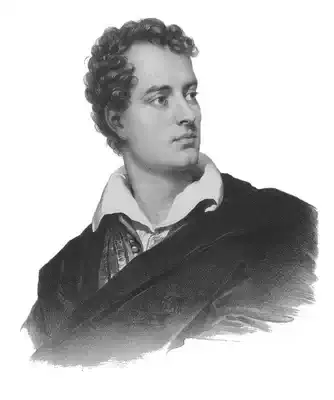
Lord Byron
Were My Bosom As False as Thou Deem'st It To Be
Were My Bosom As False as Thou Deem'st It To Be
Were my bosom as false as thou deem'st it to be,
I need not have wander'd from far Galilee;
It was but abjuring my creed to efface
The curse which, thou say'st, is the crime of my race.
If the bad never triumph, then God is with thee!
If the slave only sin, thou art spotless and free!
If the Exile on earth is an Outcast on high,
Live on in thy faith, but in mine I will die.
I have lost for that faith more than thou canst bestow,
As the God who permits thee to prosper doth know;
In his hand is my heart and my hope and
in thine
The land and the life which for him I resign.
Were my bosom as false as thou deem'st it to be,
I need not have wander'd from far Galilee;
It was but abjuring my creed to efface
The curse which, thou say'st, is the crime of my race.
If the bad never triumph, then God is with thee!
If the slave only sin, thou art spotless and free!
If the Exile on earth is an Outcast on high,
Live on in thy faith, but in mine I will die.
I have lost for that faith more than thou canst bestow,
As the God who permits thee to prosper doth know;
In his hand is my heart and my hope and
in thine
The land and the life which for him I resign.
397
Lord Byron
When I Roved A Young Highlander
When I Roved A Young Highlander
When I roved a young Highlander o'er the dark heath,
And climb'd thy steep sumrnit, oh Morven of snow!
To gaze on the torrent that thunder'd beneath,
Or the mist of the tempest that gather'd below,
Untutor'd by science, a stranger to fear,
And rude as the rocks where my infancy grew,
No feeling, save one, to my bosom was dear
Need I say, my sweet Mary, 'twas centred in you?
Yet it could not be love, for I knew not the name,What
passion can dwell in the heart of a child?
But still I pereceive an emotion the same
As I felt, when a boy, on the crag cover'd wild:
One image alone on my bosom impress'd
I loved my bleak regions, nor panted for new;
And few were my wants, for my wishes were bless'd;
And pure were my thoughts, for my soul was with you.
I arose with the dawn; with my dog as my guide,
From mountain to mountain I bounded along
I breasted the billows of Dee's rushing tide,
And heard at a distance the Highlander's song:
At eve, on my heathcover'd
couch of repose,
No dreams, save of Mary, were spread to my view;
And warm to the skies my devotions aoose,
For the first of my prayers was a blessing on you.
I left my bleak home, and my visions are gone;
The mountains are vanish'd, my youth is no more;
As the last of my race, I must wither alone,
And delight but in days I have witness'd before:
Ah! splendour has raised but embitter'd my lot;
More dear were the scenes which my infancy knew:
Though my hopes may have fail'd, yet they are not forgot;
Though cold is my heart, still it lingers with you.
When I see some dark hill point its crest to the sky,
I think of the rocks that o'ershadow Colbleen
When I see the soft blue of a lovespeaking
eye
I think of those eyes that endear'd the rude scene;
When, haply, some lightwaving
locks I behold,
That faintly resemble my Mary's in hue,
I think on the long, flowing ringlets of gold,
The locks that were sacred to beauty, and you.
Yet the day may arrive when the mountains once more
Shall rise to my sight In their mantles of snow:
But while these soar above me, unchanged as before
Will Mary be there to receive me? ah,
no!
Adieu, then, ye hills, where my childhood was bred!
Thou sweet flowing Dee, to thy waters adieu!
No home in the forest shall shelter my head,
Ah! Mary, what home could be mine but with you?
When I roved a young Highlander o'er the dark heath,
And climb'd thy steep sumrnit, oh Morven of snow!
To gaze on the torrent that thunder'd beneath,
Or the mist of the tempest that gather'd below,
Untutor'd by science, a stranger to fear,
And rude as the rocks where my infancy grew,
No feeling, save one, to my bosom was dear
Need I say, my sweet Mary, 'twas centred in you?
Yet it could not be love, for I knew not the name,What
passion can dwell in the heart of a child?
But still I pereceive an emotion the same
As I felt, when a boy, on the crag cover'd wild:
One image alone on my bosom impress'd
I loved my bleak regions, nor panted for new;
And few were my wants, for my wishes were bless'd;
And pure were my thoughts, for my soul was with you.
I arose with the dawn; with my dog as my guide,
From mountain to mountain I bounded along
I breasted the billows of Dee's rushing tide,
And heard at a distance the Highlander's song:
At eve, on my heathcover'd
couch of repose,
No dreams, save of Mary, were spread to my view;
And warm to the skies my devotions aoose,
For the first of my prayers was a blessing on you.
I left my bleak home, and my visions are gone;
The mountains are vanish'd, my youth is no more;
As the last of my race, I must wither alone,
And delight but in days I have witness'd before:
Ah! splendour has raised but embitter'd my lot;
More dear were the scenes which my infancy knew:
Though my hopes may have fail'd, yet they are not forgot;
Though cold is my heart, still it lingers with you.
When I see some dark hill point its crest to the sky,
I think of the rocks that o'ershadow Colbleen
When I see the soft blue of a lovespeaking
eye
I think of those eyes that endear'd the rude scene;
When, haply, some lightwaving
locks I behold,
That faintly resemble my Mary's in hue,
I think on the long, flowing ringlets of gold,
The locks that were sacred to beauty, and you.
Yet the day may arrive when the mountains once more
Shall rise to my sight In their mantles of snow:
But while these soar above me, unchanged as before
Will Mary be there to receive me? ah,
no!
Adieu, then, ye hills, where my childhood was bred!
Thou sweet flowing Dee, to thy waters adieu!
No home in the forest shall shelter my head,
Ah! Mary, what home could be mine but with you?
672
Lord Byron
Translation Of The Romaic Song
Translation Of The Romaic Song
I enter thy garden of roses,
Beloved and fair Haidée,
Each morning where Flora reposes,
For surely I see her in thee.
Oh, Lovely! thus low I implore thee,
Receive this fond truth from my tongue,
Which utters its song to adore thee,
Yet trembles for what it has sung;
As the branch, at the bidding of Nature,
Adds fragrance and fruit to the tree,
Through her eyes, through her every feature,
Shines the soul of the young Haidée.
But the loveliest garden grows hateful
When Love has abandon'd the bowers;
Bring me hemlock since
mine is ungrateful,
That herb is more fragrant than flowers.
The poison, when pour 'd from the chalice,
Will deeply embitter the bowl;
But when drunk to escape from thy malice,
The draught shall be sweet to my soul.
Too cruel! in vain I implore thee
My heart from these horrors to save:
Will nought to my bosom restore thee?
Then open the gates of the grave.
As the chief who to combat advances
Secure of his conquest before,
Thus thou, with those eyes for thy lances,
Halt pierced through my heart to its core.
Ah, tell me, my soul! must I perish
By pangs which a smile would dispel?
Would the hope, which thou once bad'st me cherish,
For torture repay me too well?
Now sad is the garden of roses,
Beloved but false Haidée!
There Flora all wither'd reposes,
And mourns o'er thing absence with me.
I enter thy garden of roses,
Beloved and fair Haidée,
Each morning where Flora reposes,
For surely I see her in thee.
Oh, Lovely! thus low I implore thee,
Receive this fond truth from my tongue,
Which utters its song to adore thee,
Yet trembles for what it has sung;
As the branch, at the bidding of Nature,
Adds fragrance and fruit to the tree,
Through her eyes, through her every feature,
Shines the soul of the young Haidée.
But the loveliest garden grows hateful
When Love has abandon'd the bowers;
Bring me hemlock since
mine is ungrateful,
That herb is more fragrant than flowers.
The poison, when pour 'd from the chalice,
Will deeply embitter the bowl;
But when drunk to escape from thy malice,
The draught shall be sweet to my soul.
Too cruel! in vain I implore thee
My heart from these horrors to save:
Will nought to my bosom restore thee?
Then open the gates of the grave.
As the chief who to combat advances
Secure of his conquest before,
Thus thou, with those eyes for thy lances,
Halt pierced through my heart to its core.
Ah, tell me, my soul! must I perish
By pangs which a smile would dispel?
Would the hope, which thou once bad'st me cherish,
For torture repay me too well?
Now sad is the garden of roses,
Beloved but false Haidée!
There Flora all wither'd reposes,
And mourns o'er thing absence with me.
493
Lord Byron
Translation Of A Romaic Love Song
Translation Of A Romaic Love Song
Ah! Love was never yet without
The pang, the agony, the doubt,
Which rends my heart with ceaseless sigh,
While day and night roll darkling by.
Without one friend to hear my woe,
I faint, I die beneath the blow.
That Love had arrows well I knew;
Alas! I find them poison'd too.
Birds, yet in freedom, shun the net
Which Love around your haunts hath set;
Or, circled by his fatal fire,
Your hearts shall burn, your hopes expire.
A bird of free and careless wing
Was I through many a smiling spring;
But caught within the subtle snare,
I burn, and feebly flutter there.
Who ne'er have loved, and loved in vain,
Can neither feel nor pity pain,
The cold repulse, the look askance,
The lightning of Love's angry glance.
In flattering dreams I deem'd thee mine;
Now hope, and he who hoped, decline'
Like melting wax, or withering flower,
I feel my passion, and thy power.
My light of life! ah, tell me why
That pouting lip, and alter'd eye?
My bird of love! my beauteous mate!
And art thou changed, and canst thou hate?
Mine eyes like wintry streams o'erflow:
What wretch with me would barter woe?
My bird! relent: one note could give
A charm to bid thy lover live.
My curdling blood, my madd'ning brain,
In silent anguish I sustain
And still thy heart, without partaking
One pang, exults while
mine is breaking.
Pour me the poison; fear not thou!
Thou canst not murder more than now:
I've lived to curse my natal day,
And Love, that thus can lingering slay.
My wounded soul, my bleeding breast,
Can patience preach thee into rest?
Alas! too late, I dearly know
That joy is harbinger of woe.
Ah! Love was never yet without
The pang, the agony, the doubt,
Which rends my heart with ceaseless sigh,
While day and night roll darkling by.
Without one friend to hear my woe,
I faint, I die beneath the blow.
That Love had arrows well I knew;
Alas! I find them poison'd too.
Birds, yet in freedom, shun the net
Which Love around your haunts hath set;
Or, circled by his fatal fire,
Your hearts shall burn, your hopes expire.
A bird of free and careless wing
Was I through many a smiling spring;
But caught within the subtle snare,
I burn, and feebly flutter there.
Who ne'er have loved, and loved in vain,
Can neither feel nor pity pain,
The cold repulse, the look askance,
The lightning of Love's angry glance.
In flattering dreams I deem'd thee mine;
Now hope, and he who hoped, decline'
Like melting wax, or withering flower,
I feel my passion, and thy power.
My light of life! ah, tell me why
That pouting lip, and alter'd eye?
My bird of love! my beauteous mate!
And art thou changed, and canst thou hate?
Mine eyes like wintry streams o'erflow:
What wretch with me would barter woe?
My bird! relent: one note could give
A charm to bid thy lover live.
My curdling blood, my madd'ning brain,
In silent anguish I sustain
And still thy heart, without partaking
One pang, exults while
mine is breaking.
Pour me the poison; fear not thou!
Thou canst not murder more than now:
I've lived to curse my natal day,
And Love, that thus can lingering slay.
My wounded soul, my bleeding breast,
Can patience preach thee into rest?
Alas! too late, I dearly know
That joy is harbinger of woe.
610
Lord Byron
To Thyrza: And Thou Art Dead, As Young And Fair
To Thyrza: And Thou Art Dead, As Young And Fair
And thou art dead, as young and fair
As aught of mortal birth;
And form so soft, and charms so rare,
Too soon return'd to Earth!
Though Earth received them in her bed
And o'er the spot the crowd may tread
In carelessness or mirth,
There is an eye which could not brook
A moment on that grave to look.
I will not ask where thou liest low,
Nor gaze upon the spot;
There flowers or weeds at will may grow,
So I behold them not:
It is enough for me to prove
That what I loved, and long must love,
Like common earth can rot;
To me there needs no stone to tell,
'Tis Nothing that I loved so well.
Yet did I love thee to the last
As fervently as thou,
Who didst not change through all the past,
And cans't not alter now.
The love where Death has set his seal,
Nor age can chill, nor rival steal,
Nor falsehood disavow:
And, what were worse, thou canst not see
Or wrong, or change, or fault in me.
The better days of life were ours;
The worst can be but mine:
The sun that cheers, the storm that lowers,
Shall never more be thine.
The silence of that dreamless sleep
I envy now too much to weep;
Nor need I to repine,
That all those charms have pass'd away
I might have watch'd through long decay.
The flower in ripen'd bloom unmatch'd
Must fall the earliest prey;
Though by no hand untimely snatch'd,
The leaves must drop away:
And yet it were a greater grief
To watch it withering, leaf by leaf,
Than see it pluck'd today;
Since earthly eye but ill can bear
To trace the change to foul from fair.
I know not if I could have borne
To see thy beauties fade;
The night that followed such a morn
Had worn a deeper shade:
Thy day without a cloud hath passed
And thou wert lovely to the last;
Extinguish'd, not decay'd;
As stars that shoot along the sky
Shine brightest as they fall from high.
As once I wept, if I could weep,
My tears might well be shed,
To think I was not near to keep
One vigil o'er thy bed;
To gaze, how fondly! on thy face,
To fold thee in a faint embrace,
Uphold thy drooping head;
And show that love, however vain,
Nor thou nor I can feel again.
Yet how much less it were to gain,
Though thou hast left me free,
The loveliest things that still remain,
Than thus remember thee!
The all of thine that cannot die
Through dark and dread Eternity
Returns again to me,
And more thy buried love endears
Than aught except its living years.
And thou art dead, as young and fair
As aught of mortal birth;
And form so soft, and charms so rare,
Too soon return'd to Earth!
Though Earth received them in her bed
And o'er the spot the crowd may tread
In carelessness or mirth,
There is an eye which could not brook
A moment on that grave to look.
I will not ask where thou liest low,
Nor gaze upon the spot;
There flowers or weeds at will may grow,
So I behold them not:
It is enough for me to prove
That what I loved, and long must love,
Like common earth can rot;
To me there needs no stone to tell,
'Tis Nothing that I loved so well.
Yet did I love thee to the last
As fervently as thou,
Who didst not change through all the past,
And cans't not alter now.
The love where Death has set his seal,
Nor age can chill, nor rival steal,
Nor falsehood disavow:
And, what were worse, thou canst not see
Or wrong, or change, or fault in me.
The better days of life were ours;
The worst can be but mine:
The sun that cheers, the storm that lowers,
Shall never more be thine.
The silence of that dreamless sleep
I envy now too much to weep;
Nor need I to repine,
That all those charms have pass'd away
I might have watch'd through long decay.
The flower in ripen'd bloom unmatch'd
Must fall the earliest prey;
Though by no hand untimely snatch'd,
The leaves must drop away:
And yet it were a greater grief
To watch it withering, leaf by leaf,
Than see it pluck'd today;
Since earthly eye but ill can bear
To trace the change to foul from fair.
I know not if I could have borne
To see thy beauties fade;
The night that followed such a morn
Had worn a deeper shade:
Thy day without a cloud hath passed
And thou wert lovely to the last;
Extinguish'd, not decay'd;
As stars that shoot along the sky
Shine brightest as they fall from high.
As once I wept, if I could weep,
My tears might well be shed,
To think I was not near to keep
One vigil o'er thy bed;
To gaze, how fondly! on thy face,
To fold thee in a faint embrace,
Uphold thy drooping head;
And show that love, however vain,
Nor thou nor I can feel again.
Yet how much less it were to gain,
Though thou hast left me free,
The loveliest things that still remain,
Than thus remember thee!
The all of thine that cannot die
Through dark and dread Eternity
Returns again to me,
And more thy buried love endears
Than aught except its living years.
438
Lord Byron
To The Countess Of Blessington
To The Countess Of Blessington
You have ask'd for a verse:the
request
In a rhymer 'twere strange to deny;
But my Hippocrene was but my breast,
And my feelings (its fountain) are dry.
Were I now as I was, I had sung
What Lawrence has painted so well;
But the strain would expire on my tongue,
And the theme is too soft for my shell.
I am ashes where once I was fire,
And the bard in my bosom is dead;
What I loved I now merely admire,
And my heart is as grey as my head.
My life is not dated by yearsThere
are moments which act as plough;
And there is not a furrow appears
But is deep in my soul as my brow.
Let the young and the brilliant aspire
To sing what I gaze on in vain;
For sorrow has torn from my lyre
The string which was worthy the strain.
You have ask'd for a verse:the
request
In a rhymer 'twere strange to deny;
But my Hippocrene was but my breast,
And my feelings (its fountain) are dry.
Were I now as I was, I had sung
What Lawrence has painted so well;
But the strain would expire on my tongue,
And the theme is too soft for my shell.
I am ashes where once I was fire,
And the bard in my bosom is dead;
What I loved I now merely admire,
And my heart is as grey as my head.
My life is not dated by yearsThere
are moments which act as plough;
And there is not a furrow appears
But is deep in my soul as my brow.
Let the young and the brilliant aspire
To sing what I gaze on in vain;
For sorrow has torn from my lyre
The string which was worthy the strain.
508
Lord Byron
To The Earl Of Clare
To The Earl Of Clare
'Tu semper amoris
Sisd memor, etcari comitis ne abscedat imago'~Val Flac
Friend of my youth! when young we roved,
Like striplings mutually beloved,
With friendship's purest glow,
The bliss which wing'd those rosy hours
Was such as pleasure seldom showers
On mortals here below.
The recollectlon seems alone
Dearer than all the joys I've known,
When distant far from you:
Though pain, 'tis still a pleasing pain,
To trace those days and hours again,
And sigh again, adieu!
My pensive memory lingers o'er
Those scenes to be enjoy'd no more,
Those scenes regretted ever
The measure of our youth is full,
Life's evening dream is dark and dull,
And we rnay meet ah!
never!
As when one parent spring supplies
Two strearns which from one fountain rise
Together join'd in 'vain;
How soon' diverging from their source,
Each murmuring, seeks another course,
Till mingled in the main!
Our vital streams of weal or woe,
Though near, alas! distinctly flow,
Nor mingle as before:
Now swift or slow, now black or clear,
Till death's unfathom'd gulf appear,
And both shall quit the shore.
Our souls, my friend! which once supplied
One wish, nor breathed a thought beside,
Now flow in different channels:
Disdaining humbler rural sports,
'Tis yours to mix in polish'd courts,
And shine in fashion's annals
;'Tis mine to waste on love my time,
Or vent my reveries in rhyme,
Without the aid of reason;
For sense and reason (critics know it)
Have quitted every amorous poet,
Nor left a thought to seize on.
Poor LITTLE! sweet, melodlous bard!
Of late esteem'd it monstrous hard
That he, who sang before all,He
who the lore of love expanded,By
dire reviewers should be branded
As void of wit and moral.
And yet, while Beauty's praise is thine,
Harmonious favourite of the nine,
Repine not at thy lot.
Thy soothing lays may still be read,
When Persecution's arm is dead,
And critics are forgot.
Still I must yield those worthies merit,
Who chasten, with unsparing spirit,
Bad rhymes, and those who write them;
And though myself may be the next
By criticism to be vext,
I really will not fight them.
Perhaps they wouid do quite as well
To break the rudely sounding shell
Of such a young beginner:
He who offends at pert nineteen,
Ere thirty may become, I ween,
A very harden'd sinner.
Now, Clare, I must return to you;
And, sure, apologies are due:
Accept, then, my concession
In truth dear Clare, in fancy's flight
I soar along from left to right;
My muse admires digression
I think I said 'twould he your fate
To add one star to royal state;May
regal smiles attend you!
And should a noble monarch reign,
You will not seek his smiles in vain,
If worth can recommend you.
Yet since in danger courts abound,
Where specious rivals glitter round,
From snares may saints preserve you;
And grant your love or friendship ne'er
From any claim a kindred care,
But those who best deserve you!
Not for a moment may you stray
From truth's secure, unerring way!
May no delights decoy!
O'er roses may your footsteps move,
Your smiles be ever smiles of love,
Your tears be tears of joy!
Oh! if you wish that happiness
Your coming days and years may bless,
And virtues crown your brow;
Be still as you were wont to be,
Spotless as you've been known to me,Be
still as you are now.
And though some trifling share of praise,
To cheer my last declining days,
To me were doubly dear;
Whilst blessing your beloved name
I'd waive at once a poet's fame,
To prove a prophet here.
'Tu semper amoris
Sisd memor, etcari comitis ne abscedat imago'~Val Flac
Friend of my youth! when young we roved,
Like striplings mutually beloved,
With friendship's purest glow,
The bliss which wing'd those rosy hours
Was such as pleasure seldom showers
On mortals here below.
The recollectlon seems alone
Dearer than all the joys I've known,
When distant far from you:
Though pain, 'tis still a pleasing pain,
To trace those days and hours again,
And sigh again, adieu!
My pensive memory lingers o'er
Those scenes to be enjoy'd no more,
Those scenes regretted ever
The measure of our youth is full,
Life's evening dream is dark and dull,
And we rnay meet ah!
never!
As when one parent spring supplies
Two strearns which from one fountain rise
Together join'd in 'vain;
How soon' diverging from their source,
Each murmuring, seeks another course,
Till mingled in the main!
Our vital streams of weal or woe,
Though near, alas! distinctly flow,
Nor mingle as before:
Now swift or slow, now black or clear,
Till death's unfathom'd gulf appear,
And both shall quit the shore.
Our souls, my friend! which once supplied
One wish, nor breathed a thought beside,
Now flow in different channels:
Disdaining humbler rural sports,
'Tis yours to mix in polish'd courts,
And shine in fashion's annals
;'Tis mine to waste on love my time,
Or vent my reveries in rhyme,
Without the aid of reason;
For sense and reason (critics know it)
Have quitted every amorous poet,
Nor left a thought to seize on.
Poor LITTLE! sweet, melodlous bard!
Of late esteem'd it monstrous hard
That he, who sang before all,He
who the lore of love expanded,By
dire reviewers should be branded
As void of wit and moral.
And yet, while Beauty's praise is thine,
Harmonious favourite of the nine,
Repine not at thy lot.
Thy soothing lays may still be read,
When Persecution's arm is dead,
And critics are forgot.
Still I must yield those worthies merit,
Who chasten, with unsparing spirit,
Bad rhymes, and those who write them;
And though myself may be the next
By criticism to be vext,
I really will not fight them.
Perhaps they wouid do quite as well
To break the rudely sounding shell
Of such a young beginner:
He who offends at pert nineteen,
Ere thirty may become, I ween,
A very harden'd sinner.
Now, Clare, I must return to you;
And, sure, apologies are due:
Accept, then, my concession
In truth dear Clare, in fancy's flight
I soar along from left to right;
My muse admires digression
I think I said 'twould he your fate
To add one star to royal state;May
regal smiles attend you!
And should a noble monarch reign,
You will not seek his smiles in vain,
If worth can recommend you.
Yet since in danger courts abound,
Where specious rivals glitter round,
From snares may saints preserve you;
And grant your love or friendship ne'er
From any claim a kindred care,
But those who best deserve you!
Not for a moment may you stray
From truth's secure, unerring way!
May no delights decoy!
O'er roses may your footsteps move,
Your smiles be ever smiles of love,
Your tears be tears of joy!
Oh! if you wish that happiness
Your coming days and years may bless,
And virtues crown your brow;
Be still as you were wont to be,
Spotless as you've been known to me,Be
still as you are now.
And though some trifling share of praise,
To cheer my last declining days,
To me were doubly dear;
Whilst blessing your beloved name
I'd waive at once a poet's fame,
To prove a prophet here.
465
Lord Byron
To Romance
To Romance
Parent of golden dreams, Romance!
Auspicious Queen of childish joys,
Who lead'st along, in airy dance,
Thy votive train of girls and boys;
At length, in spells no longer bound,
I break the fetters of my youth;
No more I tread thy mystic round,
But leave thy realms for those of Truth.
And yet 'tis hard to quit the dreams
Which haunt the unsuspicious soul,
Where every nymph a goddess seems,
Whose eyes through rays immortal roll;
While Fancy holds her boundless reign,
And all assume a varied hue;
When Virgins seem no longer vain,
And even Woman's smiles are true.
And must we own thee, but a name,
And from thy hall of clouds descend?
Nor find a Sylph in every dame,
A Pylades in every friend?
But leave, at once, thy realms of air i
To mingling bands of fairy elves;
Confess that woman's false as fair,
And friends have feeling forthemselves?
With shame, I own, I've felt thy sway;
Repentant, now thy reign is o'er;
No more thy precepts I obey,
No more on fancied pinions soar;
Fond fool! to love a sparkling eye,
And think that eye to truth was dear;
To trust a passing wanton's sigh,
And melt beneath a wanton's tear!
Romance! disgusted with deceit,
Far from thy motley court I fly,
Where Affectation holds her seat,
And sickly Sensibility;
Whose silly tears can never flow
For any pangs excepting thine;
Who turns aside from real woe,
To steep in dew thy gaudy shrine.
Now join with sable Sympathy,
With cypress crown'd, array'd in weeds,
Who heaves with thee her simple sigh,
Whose breast for every bosom bleeds;
And call thy sylvan female choir,
To mourn a Swain for ever gone,
Who once could glow with equal fire,
But bends not now before thy throne.
Ye genial Nymphs, whose ready tears
On all occasions swiftly flow;
Whose bosoms heave with fancied fears,
With fancied flames and phrenzy glow
Say, will you mourn my absent name,
Apostate from your gentle train
An infant Bard, at least, may claim
From you a sympathetic strain.
Adieu, fond race! a long adieu!
The hour of fate is hovering nigh;
E'en now the gulf appears in view,
Where unlamented you must lie:
Oblivion's blackening lake is seen,
Convuls'd by gales you cannot weather,
Where you, and eke your gentle queen,
Alas! must perish altogether.
Parent of golden dreams, Romance!
Auspicious Queen of childish joys,
Who lead'st along, in airy dance,
Thy votive train of girls and boys;
At length, in spells no longer bound,
I break the fetters of my youth;
No more I tread thy mystic round,
But leave thy realms for those of Truth.
And yet 'tis hard to quit the dreams
Which haunt the unsuspicious soul,
Where every nymph a goddess seems,
Whose eyes through rays immortal roll;
While Fancy holds her boundless reign,
And all assume a varied hue;
When Virgins seem no longer vain,
And even Woman's smiles are true.
And must we own thee, but a name,
And from thy hall of clouds descend?
Nor find a Sylph in every dame,
A Pylades in every friend?
But leave, at once, thy realms of air i
To mingling bands of fairy elves;
Confess that woman's false as fair,
And friends have feeling forthemselves?
With shame, I own, I've felt thy sway;
Repentant, now thy reign is o'er;
No more thy precepts I obey,
No more on fancied pinions soar;
Fond fool! to love a sparkling eye,
And think that eye to truth was dear;
To trust a passing wanton's sigh,
And melt beneath a wanton's tear!
Romance! disgusted with deceit,
Far from thy motley court I fly,
Where Affectation holds her seat,
And sickly Sensibility;
Whose silly tears can never flow
For any pangs excepting thine;
Who turns aside from real woe,
To steep in dew thy gaudy shrine.
Now join with sable Sympathy,
With cypress crown'd, array'd in weeds,
Who heaves with thee her simple sigh,
Whose breast for every bosom bleeds;
And call thy sylvan female choir,
To mourn a Swain for ever gone,
Who once could glow with equal fire,
But bends not now before thy throne.
Ye genial Nymphs, whose ready tears
On all occasions swiftly flow;
Whose bosoms heave with fancied fears,
With fancied flames and phrenzy glow
Say, will you mourn my absent name,
Apostate from your gentle train
An infant Bard, at least, may claim
From you a sympathetic strain.
Adieu, fond race! a long adieu!
The hour of fate is hovering nigh;
E'en now the gulf appears in view,
Where unlamented you must lie:
Oblivion's blackening lake is seen,
Convuls'd by gales you cannot weather,
Where you, and eke your gentle queen,
Alas! must perish altogether.
562
Lord Byron
To Marion
To Marion
Marion! why that pensive brow?
What disgust to life hast thou?
Change that discontented air;
Frowns become not one so fair.
'Tis not love disturbs thy rest,
Love's a stranger to thy breast;
He in dimpling smiles appears,
Or mourns in weedy timid tears'
Or bends the languid eyelid down,
But shuns the cold forbidding frown.
Then resume thy former fire
Some will love, and all admire;
While that icy aspect chills us,
Nought but cool indifference thrills us.
Wou'dst thou wandering hearts beguile,
Smile at least, or seem to smile.
Eyes like thine were never meant
To hide their orbs in dark restraint.
Spite of all thou fain wouldst say,
Still in truant beams they play.
Thy lips – but here my modest Muse
Her impulse chaste must needs refuse:
She blushes, curt'sies, frowns,– in short she
Dreads lest the subject should transport me;
And flying off in search of reason,
Brings prudence back in proper season.
All I shall therefore say (whate'er
I think, is neither here nor there)
Is, that such lips of looks endearing,
Were form'd for better things than sneering:
Of soothing compliments divested,
Advice at least's disinterested;
Such is my artless song to thee,
From all the flow of flattery free;
Counsel like mine is as a brother's,
My heart is given to some others;
That is to say, unskill'd to cozen
It shares itself among a dozen.
Marion, adieu! oh, pr'ythee slight not
This warning, though it may delight not;
And, lest my precepts be displeasing
To those who think remonstrance teasing:
At once I'll tell thee our opinion
Concerning woman's soft dominion:
Howe'er we gaze with admiration
On eyes of blue or lips carnation,
Howe'er the flowing locks attract us,
Howe'er those beauties may distract us,
Still fickle, we are prone to rove,
These cannot fix our souls to love;
It is not too severe a stricture
To say they form a pretty picture;
But wouldst thou see the secret chain
Which binds us in your humble train,
To hail you queens of all creation,
Know, in a word, 'tis ANIMATION.
Marion! why that pensive brow?
What disgust to life hast thou?
Change that discontented air;
Frowns become not one so fair.
'Tis not love disturbs thy rest,
Love's a stranger to thy breast;
He in dimpling smiles appears,
Or mourns in weedy timid tears'
Or bends the languid eyelid down,
But shuns the cold forbidding frown.
Then resume thy former fire
Some will love, and all admire;
While that icy aspect chills us,
Nought but cool indifference thrills us.
Wou'dst thou wandering hearts beguile,
Smile at least, or seem to smile.
Eyes like thine were never meant
To hide their orbs in dark restraint.
Spite of all thou fain wouldst say,
Still in truant beams they play.
Thy lips – but here my modest Muse
Her impulse chaste must needs refuse:
She blushes, curt'sies, frowns,– in short she
Dreads lest the subject should transport me;
And flying off in search of reason,
Brings prudence back in proper season.
All I shall therefore say (whate'er
I think, is neither here nor there)
Is, that such lips of looks endearing,
Were form'd for better things than sneering:
Of soothing compliments divested,
Advice at least's disinterested;
Such is my artless song to thee,
From all the flow of flattery free;
Counsel like mine is as a brother's,
My heart is given to some others;
That is to say, unskill'd to cozen
It shares itself among a dozen.
Marion, adieu! oh, pr'ythee slight not
This warning, though it may delight not;
And, lest my precepts be displeasing
To those who think remonstrance teasing:
At once I'll tell thee our opinion
Concerning woman's soft dominion:
Howe'er we gaze with admiration
On eyes of blue or lips carnation,
Howe'er the flowing locks attract us,
Howe'er those beauties may distract us,
Still fickle, we are prone to rove,
These cannot fix our souls to love;
It is not too severe a stricture
To say they form a pretty picture;
But wouldst thou see the secret chain
Which binds us in your humble train,
To hail you queens of all creation,
Know, in a word, 'tis ANIMATION.
443
Lord Byron
To M. S. G.
To M. S. G.
Whene'er I view those lips of thine,
Their hue invites my fervent kiss;
Yet, I forego that bliss divine,
Alas! it wereunhallow'd
bliss.
Whene'er I dream of that pure breast,
How could I dwell upon its snows!
Yet, is the daring wish represt,
For that,would
banish its repose.
A glance from thy soulsearching
eye
Can raise with hope, depress with fear;
Yet, I conceal my love,and
why?
I would not force a painful tear.
I ne'er have told my love, yet thou
Hast seen my ardent flame too well;
And shall I plead my passion now,
To make thy bosom's heaven a hell?
No! for thou never canst be mine,
United by the priest's decree:
By any ties but those divine,
Mine, my belov'd, thou ne'er shalt be.
Then let the secret fire consume,
Let it consume, thou shalt not know:
With joy I court a certain doom,
Rather than spread its guilty glow.
I will not ease my tortur'd heart,
By driving doveey'd
peace from thine;
Rather than such a sting impart,
Each thought presumptuous I resign.
Yes! yield those lips, for which I'd brave
More than I here shall dare to tell;
Thy innocence and mine to save,I
bid thee now a last farewell.
Yes! yield that breast, to seek despair
And hope no more thy soft embrace;
Which to obtain, my soul would dare,
All, all reproach, but thy disgrace.
At least from guilt shalt thou be free,
No matron shall thy shame reprove;
Though cureless pangs may prey on me,
No martyr shalt thou be to love.
Whene'er I view those lips of thine,
Their hue invites my fervent kiss;
Yet, I forego that bliss divine,
Alas! it wereunhallow'd
bliss.
Whene'er I dream of that pure breast,
How could I dwell upon its snows!
Yet, is the daring wish represt,
For that,would
banish its repose.
A glance from thy soulsearching
eye
Can raise with hope, depress with fear;
Yet, I conceal my love,and
why?
I would not force a painful tear.
I ne'er have told my love, yet thou
Hast seen my ardent flame too well;
And shall I plead my passion now,
To make thy bosom's heaven a hell?
No! for thou never canst be mine,
United by the priest's decree:
By any ties but those divine,
Mine, my belov'd, thou ne'er shalt be.
Then let the secret fire consume,
Let it consume, thou shalt not know:
With joy I court a certain doom,
Rather than spread its guilty glow.
I will not ease my tortur'd heart,
By driving doveey'd
peace from thine;
Rather than such a sting impart,
Each thought presumptuous I resign.
Yes! yield those lips, for which I'd brave
More than I here shall dare to tell;
Thy innocence and mine to save,I
bid thee now a last farewell.
Yes! yield that breast, to seek despair
And hope no more thy soft embrace;
Which to obtain, my soul would dare,
All, all reproach, but thy disgrace.
At least from guilt shalt thou be free,
No matron shall thy shame reprove;
Though cureless pangs may prey on me,
No martyr shalt thou be to love.
461
Lord Byron
To George, Earl Delwarr
To George, Earl Delwarr
Oh! yes, I will own we were dear to each other;
The friendships of childhood, though fleeting are true;
The love which you felt was the love of a brother,
Nor less the affection I cherish'd for you.
But Friendship can vary her gentle dominion;
The attachment of years in a moment expires:
Like Love, too, she moves on a swiftwaving
pinion,
But glows not, like Love, with unquenchable fires.
Full oft have we wander'd through Ida together,
And blest were the scenes of our youth, I allow:
In the spring of our life, how serene is the weather!
But winter's rude tempests are gathering now.
No more with affection shall memory blending,
The wonted delights of our childhood retrace:
When pride steels the bosom, the heart is unbending,
And what would be Justice appears a disgrace.
However, dear George, for I still must esteem you;
The few whom I love I can never upbraid:
The chance which has lost may in future redeem you,
Repentance will cancel the vow you have made.
I will not complain, and though chill'd is affection,
With me no corroding resentment shall live:
My bosom is calm'd by the simple reflection,
That both may be wrong, and that both should forgive.
You knew that my soul, that my heart, my existence,
If danger demanded, were wholly your own.
You knew me unalter'd by years or by distance
Devoted to love and to friendship alone.
You knew but
away with the vain retropection!
The bond of affection no longer endures;
Too late you may droop o'er the fond recollection,
And sigh for the friend who was formerly yours.
For the present, we part,I
will hope not for ever;
For time and regret will restore you at last:
To forget our dimension we both should endeavour,
I ask no atonement, but days like the past.
Oh! yes, I will own we were dear to each other;
The friendships of childhood, though fleeting are true;
The love which you felt was the love of a brother,
Nor less the affection I cherish'd for you.
But Friendship can vary her gentle dominion;
The attachment of years in a moment expires:
Like Love, too, she moves on a swiftwaving
pinion,
But glows not, like Love, with unquenchable fires.
Full oft have we wander'd through Ida together,
And blest were the scenes of our youth, I allow:
In the spring of our life, how serene is the weather!
But winter's rude tempests are gathering now.
No more with affection shall memory blending,
The wonted delights of our childhood retrace:
When pride steels the bosom, the heart is unbending,
And what would be Justice appears a disgrace.
However, dear George, for I still must esteem you;
The few whom I love I can never upbraid:
The chance which has lost may in future redeem you,
Repentance will cancel the vow you have made.
I will not complain, and though chill'd is affection,
With me no corroding resentment shall live:
My bosom is calm'd by the simple reflection,
That both may be wrong, and that both should forgive.
You knew that my soul, that my heart, my existence,
If danger demanded, were wholly your own.
You knew me unalter'd by years or by distance
Devoted to love and to friendship alone.
You knew but
away with the vain retropection!
The bond of affection no longer endures;
Too late you may droop o'er the fond recollection,
And sigh for the friend who was formerly yours.
For the present, we part,I
will hope not for ever;
For time and regret will restore you at last:
To forget our dimension we both should endeavour,
I ask no atonement, but days like the past.
557
Lord Byron
To Edward Noel Long, Esq.
To Edward Noel Long, Esq.
'Nil ego contulerim jucundo sanus amico.'~Horace.
Dear Long, in this sequester'd scene,
While all around in slumber lie,
The joyous days, which ours have been
Come rolling fresh on Fancy's eye;
Thus, if, amidst the gathering storm,
While clouds the darken'd noon deform,
Yon heaven assumes a varied glow,
I hail the sky's celestial bow,
Which spreads the sign of future peace,
And bids the war of tempests cease.
Ah! though the present brings but pain,
I think those days may come again;
Or if, in melancholy mood,
Some lurking envious fear intrude,
To check my bosom's fondest thought,
And interrupt the golden dream
I crush the fiend with malice fraught,
And, still, indulge my wonted theme.
Although we ne'er again can trace,
In Granta's vale, the pedant's lore,
Nor through the groves of Ida chace
Our raptured visions, as before;
Though Youth has flown on rosy pinion,
And Manhood claims his stern dominion,
Age will not every hope destroy,
But yields some hours of sober joy.
Yes, I will hope that Time's broad wing
Will shed around some dews of spring:
But, if his scythe must sweep the flowers
Which bloom among the fairy bowers,
Where smiling Youth delights to dwell,
And hearts with early rapture swell;
In frowning Age, with cold control,
Confines the current of the soul,
Congeals the tear of Pity's eye,
Or checks the sympathetic sigh,
Or hears, unmov'd, Misfortune's groan,
And bids me feel for self alone;
Oh! may my bosom never learn
To soothe its wonted heedless flow;
Still may I rove untutor'd, wild,
But ne'er forget another's woe.
Yes, as you knew me in the days
O'er which Remembrance yet delays
And even in age, at heart a child.
Though, now, on airy visions borne,
To you my soul is still the same.
Oft has it ben my fate to mourn,
And all my former joys are tame:
But, hence! ye hours of sabl hue!
Your frowns are gone, my sorrows o'er:
By every bliss my childhood knew,
I'll think upon your shade no more.
Thus, when the whirlwind's rage is past,
And caves their sullen roar enclose,
We heed no more the wintery blast,
When lull'd by zephyr to repose.
Full often has my infant Muse
Attun'd to love her languid lyre;
But, now, without a theme to choose,
The strains in stolen sighs expire.
My youthful nymps, alas! are flown;
E — is a wife, and C — a mother,
And Carolina sighs alone,
And Mary's given to another;
And Cora's eye, which roll'd on me,
Can now no more my love recall In
truth, dear LONG, 'twas time to flee For
Cora's eye will shine on all.
And though the Sun, with genial rays,
His beams aike to all displays,
And every lady's eye's a sun,
These last should be confin'd to one.
The souls' meridian don't become her,
Whose sun desplays a general summer!
Thus faint is every former flame,
And Passion's self is now a name;
As, when the ebbing flames are low,
The aid which once improv'd their light,
And bade them burn with fiercer glow,
Now quenches all their sparks in night;
Thus has it been with Passion's fires,
As many a boy and girl remembers,
While all the force of love expires,
Extinguish'd with the dying embers.
But now, dear LONG, 'tis midnight's noon,
And clouds obscure the watery moon,
Whose beauties I shall not rehearse,
Describ'd in every stripling's verse;
For why should I the path go o'er
Which every bard has trod before?
Yet ere yon silver lamp of night
Has thrice perform'd her stated round,
Has thrice retraced her path of light,
And chased away the gloom profound,
I trust that we, my gentle Friend,
Shall see her rolling orbit wend,
Above the dearloved
peaceful seat,
Which once contain'd our youth's retreat;
And then, with those our childhood knew,
We'll mingle in the festive crew;
While many a tale of former day
Shall wing the laughing hours away;
And all the flow of souls shall pour
Tha sacred intellectual shower,
Nor cease, till Luna's waning horn
Scarce glimmers through the mist of Morn.
'Nil ego contulerim jucundo sanus amico.'~Horace.
Dear Long, in this sequester'd scene,
While all around in slumber lie,
The joyous days, which ours have been
Come rolling fresh on Fancy's eye;
Thus, if, amidst the gathering storm,
While clouds the darken'd noon deform,
Yon heaven assumes a varied glow,
I hail the sky's celestial bow,
Which spreads the sign of future peace,
And bids the war of tempests cease.
Ah! though the present brings but pain,
I think those days may come again;
Or if, in melancholy mood,
Some lurking envious fear intrude,
To check my bosom's fondest thought,
And interrupt the golden dream
I crush the fiend with malice fraught,
And, still, indulge my wonted theme.
Although we ne'er again can trace,
In Granta's vale, the pedant's lore,
Nor through the groves of Ida chace
Our raptured visions, as before;
Though Youth has flown on rosy pinion,
And Manhood claims his stern dominion,
Age will not every hope destroy,
But yields some hours of sober joy.
Yes, I will hope that Time's broad wing
Will shed around some dews of spring:
But, if his scythe must sweep the flowers
Which bloom among the fairy bowers,
Where smiling Youth delights to dwell,
And hearts with early rapture swell;
In frowning Age, with cold control,
Confines the current of the soul,
Congeals the tear of Pity's eye,
Or checks the sympathetic sigh,
Or hears, unmov'd, Misfortune's groan,
And bids me feel for self alone;
Oh! may my bosom never learn
To soothe its wonted heedless flow;
Still may I rove untutor'd, wild,
But ne'er forget another's woe.
Yes, as you knew me in the days
O'er which Remembrance yet delays
And even in age, at heart a child.
Though, now, on airy visions borne,
To you my soul is still the same.
Oft has it ben my fate to mourn,
And all my former joys are tame:
But, hence! ye hours of sabl hue!
Your frowns are gone, my sorrows o'er:
By every bliss my childhood knew,
I'll think upon your shade no more.
Thus, when the whirlwind's rage is past,
And caves their sullen roar enclose,
We heed no more the wintery blast,
When lull'd by zephyr to repose.
Full often has my infant Muse
Attun'd to love her languid lyre;
But, now, without a theme to choose,
The strains in stolen sighs expire.
My youthful nymps, alas! are flown;
E — is a wife, and C — a mother,
And Carolina sighs alone,
And Mary's given to another;
And Cora's eye, which roll'd on me,
Can now no more my love recall In
truth, dear LONG, 'twas time to flee For
Cora's eye will shine on all.
And though the Sun, with genial rays,
His beams aike to all displays,
And every lady's eye's a sun,
These last should be confin'd to one.
The souls' meridian don't become her,
Whose sun desplays a general summer!
Thus faint is every former flame,
And Passion's self is now a name;
As, when the ebbing flames are low,
The aid which once improv'd their light,
And bade them burn with fiercer glow,
Now quenches all their sparks in night;
Thus has it been with Passion's fires,
As many a boy and girl remembers,
While all the force of love expires,
Extinguish'd with the dying embers.
But now, dear LONG, 'tis midnight's noon,
And clouds obscure the watery moon,
Whose beauties I shall not rehearse,
Describ'd in every stripling's verse;
For why should I the path go o'er
Which every bard has trod before?
Yet ere yon silver lamp of night
Has thrice perform'd her stated round,
Has thrice retraced her path of light,
And chased away the gloom profound,
I trust that we, my gentle Friend,
Shall see her rolling orbit wend,
Above the dearloved
peaceful seat,
Which once contain'd our youth's retreat;
And then, with those our childhood knew,
We'll mingle in the festive crew;
While many a tale of former day
Shall wing the laughing hours away;
And all the flow of souls shall pour
Tha sacred intellectual shower,
Nor cease, till Luna's waning horn
Scarce glimmers through the mist of Morn.
527
Lord Byron
To Caroline: When I Hear That You Express An Affection So Warm
To Caroline: When I Hear That You Express An Affection So Warm
When I hear that you express an affection so warm,
Ne'er think, my beloved, that I do not believe;
For your lip would the soul of suspicion disarm,
And your eye beams a ray which can never deceive.
Yet, still, this fond bosom regrets, while adoring,
That love, like the leaf, must fall into the sear;
That age will come on, when remembrance, deploring,
Contemplates the scenes of her youth with a tear;
That the time must arrive, when, no longer retaining
Their auburn, those locks must wave thin to the breeze,
When a few silver hairs of those tresses remaining
Prove nature a prey to decay and disease.
'Tis this, my beloved, which spreads gloom o'er my features,
Though I ne'er shall presume to arraign the decree,
Which God has proclaim'd as the fate of his creatures,
In the death which will one day deprive you of me.
Mistake not, sweet sceptic, the cause of emotion,
No doubt can the mind of your lover invade;
He worships each look with such faithful devotion,
A smile can enchant, or a tear can dissuade.
But as death, my beloved, soon or late shall o'ertake us,
And our breasts, which alive with such sympathy glow,
Will sleep in the grave till the blast shall awake us,
When calling the dead, in earth's bosom laid low,
Oh! then let us drain, while we may, draughts of pleasure,
Which from passion like ours may unceasingly flow;
Let us pass round the cup of love's bliss in full measure,
And quaff the contents as our nectar below.
1805
When I hear that you express an affection so warm,
Ne'er think, my beloved, that I do not believe;
For your lip would the soul of suspicion disarm,
And your eye beams a ray which can never deceive.
Yet, still, this fond bosom regrets, while adoring,
That love, like the leaf, must fall into the sear;
That age will come on, when remembrance, deploring,
Contemplates the scenes of her youth with a tear;
That the time must arrive, when, no longer retaining
Their auburn, those locks must wave thin to the breeze,
When a few silver hairs of those tresses remaining
Prove nature a prey to decay and disease.
'Tis this, my beloved, which spreads gloom o'er my features,
Though I ne'er shall presume to arraign the decree,
Which God has proclaim'd as the fate of his creatures,
In the death which will one day deprive you of me.
Mistake not, sweet sceptic, the cause of emotion,
No doubt can the mind of your lover invade;
He worships each look with such faithful devotion,
A smile can enchant, or a tear can dissuade.
But as death, my beloved, soon or late shall o'ertake us,
And our breasts, which alive with such sympathy glow,
Will sleep in the grave till the blast shall awake us,
When calling the dead, in earth's bosom laid low,
Oh! then let us drain, while we may, draughts of pleasure,
Which from passion like ours may unceasingly flow;
Let us pass round the cup of love's bliss in full measure,
And quaff the contents as our nectar below.
1805
439
Lord Byron
To An Oak At Newstead
To An Oak At Newstead
Young Oak! when I planted thee deep in the ground,
I hoped that thy days would be longer than mine;
That thy dark‑waving branches would flourish around,
And ivy thy trunk with its mantle entwine.
Such, such was my hope, when in infancy's
On the land of my fathers I rear'd thee with pride;
They are past, and I water thy stem with my tears,
Thy decay not the weeds that surround thee can hide.
I left thee, my Oak, and, since that fatal hour,
A stranger has dwelt in the hall of my sire;
Till manhood shall crown me, not mine is the power,
But his, whose neglect may have bade thee expire.
Oh! hardy thou wenteven
now little care
Might revive thy young head, and thy wounds gently heal:
But thou went not fated affection to shareFor
who could suppose that a stranger would feel!
Ah, droop not, my Oak! lift thy head for a while;
Ere twice round yon Glory this planet shall run,
The hand of thy Master will teach thee to smile,
When Infancy's years of probation are done.
Oh, live then, my Oak! tow'r aloft from the weeds,
That clog thy young growth, and assist thy decay,
For still in thy bosom are life's early seeds,
And still may thy branches their beauty display.
Oh! yet, if maturity's years may be thine,
Though I shall lie low in the cavern of death,
On thy leaves yet the day‑beam of ages may shine,
Uninjured by time, or the rude winter's breath.
For centuries still may thy boughs lightly wave
O'er the Gorse of thy lord in thy canopy laid;
While the branches thus gratefully shelter his grave,
The chief who survives may recline in thy shade.
And as he, with his boys, shall revisit this spot,
He will tell them is whispers more softly to tread.
Oh! surely, by these I shall ne'er be forgot;
Remembrance still hallows the dust of the dead.
And here, will they say, when in life's glowing prime,
Perhaps he has pour'd forth his young simple lay,
And here must he sleep, till the moments of time
Are lost in the hours of Eternity's day.
Young Oak! when I planted thee deep in the ground,
I hoped that thy days would be longer than mine;
That thy dark‑waving branches would flourish around,
And ivy thy trunk with its mantle entwine.
Such, such was my hope, when in infancy's
On the land of my fathers I rear'd thee with pride;
They are past, and I water thy stem with my tears,
Thy decay not the weeds that surround thee can hide.
I left thee, my Oak, and, since that fatal hour,
A stranger has dwelt in the hall of my sire;
Till manhood shall crown me, not mine is the power,
But his, whose neglect may have bade thee expire.
Oh! hardy thou wenteven
now little care
Might revive thy young head, and thy wounds gently heal:
But thou went not fated affection to shareFor
who could suppose that a stranger would feel!
Ah, droop not, my Oak! lift thy head for a while;
Ere twice round yon Glory this planet shall run,
The hand of thy Master will teach thee to smile,
When Infancy's years of probation are done.
Oh, live then, my Oak! tow'r aloft from the weeds,
That clog thy young growth, and assist thy decay,
For still in thy bosom are life's early seeds,
And still may thy branches their beauty display.
Oh! yet, if maturity's years may be thine,
Though I shall lie low in the cavern of death,
On thy leaves yet the day‑beam of ages may shine,
Uninjured by time, or the rude winter's breath.
For centuries still may thy boughs lightly wave
O'er the Gorse of thy lord in thy canopy laid;
While the branches thus gratefully shelter his grave,
The chief who survives may recline in thy shade.
And as he, with his boys, shall revisit this spot,
He will tell them is whispers more softly to tread.
Oh! surely, by these I shall ne'er be forgot;
Remembrance still hallows the dust of the dead.
And here, will they say, when in life's glowing prime,
Perhaps he has pour'd forth his young simple lay,
And here must he sleep, till the moments of time
Are lost in the hours of Eternity's day.
544
Lord Byron
To Anne: Oh, Say Not, Sweet Anne
To Anne: Oh, Say Not, Sweet Anne
Oh, say not, sweet Anne, that the Fates have decreed
The heart which adores you should wish to dissever;
Such Fates were to me most unkind ones indeed,
To bear me from love and from beauty for ever.
Your frowns, lovely girl, are the Fates which alone
Could bid me from fond admiration refrain;
By these, every hope, every wish were o'erthrown,
Till smiles should restore me to rapture again.
As the ivy and oak, in the forest entwined,
The rage of the tempest united must weather;
My love and my life were by nature design'd
To flourish alike, or to perish together.
Then say not, sweet Anne, that the Fates have decreed
Your lover should bid you a lasting adieu;
Till Fate can ordain that his bosom shall bleed,
His soul, his existence, are centred in you.
Oh, say not, sweet Anne, that the Fates have decreed
The heart which adores you should wish to dissever;
Such Fates were to me most unkind ones indeed,
To bear me from love and from beauty for ever.
Your frowns, lovely girl, are the Fates which alone
Could bid me from fond admiration refrain;
By these, every hope, every wish were o'erthrown,
Till smiles should restore me to rapture again.
As the ivy and oak, in the forest entwined,
The rage of the tempest united must weather;
My love and my life were by nature design'd
To flourish alike, or to perish together.
Then say not, sweet Anne, that the Fates have decreed
Your lover should bid you a lasting adieu;
Till Fate can ordain that his bosom shall bleed,
His soul, his existence, are centred in you.
524
Lord Byron
To A Lady, Who Presented The Author With The Velvet Band Which Bound Her
To A Lady, Who Presented The Author With The Velvet Band Which Bound Her
Tresses
This Band, which bound thy yellow hair,
Is mine, sweet girl! Thy pledge of love;
It claims my warmest, dearest care,
Like relics left of saints above.
Oh! I will wear it next my heart;
'Twill blind my soul in bonds to thee;
From me again 't will ne'er depart,
But mingle in the grave with me.
The dew I gather from thy lip
Is not so dear to me as this;
That I but for a moment sip,
And banquet on a transient bliss:
This will recall each youthful scene,
E'en when our lives are on the wane;
The leaves of Love will still be green
When Memory bids them bud again.
Oh! little lock of golden hue,
In gently waving ringlet curl'd
By the dear head on which you grow,
I would not lose you for a world.
Not though a thousand more adorn
The polish'd brow where once you shone,
Like rays which gild a cloudless morn,
Beneath Columbia's fervid zone.
Tresses
This Band, which bound thy yellow hair,
Is mine, sweet girl! Thy pledge of love;
It claims my warmest, dearest care,
Like relics left of saints above.
Oh! I will wear it next my heart;
'Twill blind my soul in bonds to thee;
From me again 't will ne'er depart,
But mingle in the grave with me.
The dew I gather from thy lip
Is not so dear to me as this;
That I but for a moment sip,
And banquet on a transient bliss:
This will recall each youthful scene,
E'en when our lives are on the wane;
The leaves of Love will still be green
When Memory bids them bud again.
Oh! little lock of golden hue,
In gently waving ringlet curl'd
By the dear head on which you grow,
I would not lose you for a world.
Not though a thousand more adorn
The polish'd brow where once you shone,
Like rays which gild a cloudless morn,
Beneath Columbia's fervid zone.
487
Lord Byron
To A Lady
To A Lady
O! had my Fate been join'd with thine,
As once this pledge appear'd a token,
These follies had not, then, been mine,
For, then, my peace had not been broken.
To thee, these early faults I owe,
To thee, the wise and old reproving:
They know my sins, but do not know
'Twas thine to break the bonds of loving.
For once my soul, like thine, was pure,
And all its rising fires could smother;
But, now, thy vows no more endure,
Bestow'd by thee upon another.
Perhaps, his peace I could destroy,
And spoil the blisses that await him;
Yet let my Rival smile in joy,
For thy dear sake, I cannot hate him.
Ah! since thy angel form is gone,
My heart no more can rest with any;
But what it sought in thee alone,
Attempts, alas! to find in many.
Then, fare thee well, deceitful Maid!
'Twere vain and fruitless to regret thee;
Nor Hope, nor Memory yield their aid,
But Pride may teach me to forget thee.
Yet all this giddy waste of years,
This tiresome round of palling pleasures;
These varied loves, these matrons' fears,
These thoughtless strains to Passion's measures
If thou wert mine, had all been hush'd:This
cheek, now pale from early riot,
With Passion's hectic ne'er had flush'd,
But bloom'd in calm domestic quiet.
Yes, once the rural Scene was sweet,
For Nature seem'd to smile before thee;
And once my Breast abhorr'd deceit,For
then it beat but to adore thee.
But, now, I seek for other joysTo
think, would drive my soul to madness;
In thoughtless throngs, and empty noise,
I conquer half my Bosom's sadness.
Yet, even in these, a thought will steal,
In spite of every vain endeavor;
And fiends might pity what I feelTo
know that thou art lost for ever.
O! had my Fate been join'd with thine,
As once this pledge appear'd a token,
These follies had not, then, been mine,
For, then, my peace had not been broken.
To thee, these early faults I owe,
To thee, the wise and old reproving:
They know my sins, but do not know
'Twas thine to break the bonds of loving.
For once my soul, like thine, was pure,
And all its rising fires could smother;
But, now, thy vows no more endure,
Bestow'd by thee upon another.
Perhaps, his peace I could destroy,
And spoil the blisses that await him;
Yet let my Rival smile in joy,
For thy dear sake, I cannot hate him.
Ah! since thy angel form is gone,
My heart no more can rest with any;
But what it sought in thee alone,
Attempts, alas! to find in many.
Then, fare thee well, deceitful Maid!
'Twere vain and fruitless to regret thee;
Nor Hope, nor Memory yield their aid,
But Pride may teach me to forget thee.
Yet all this giddy waste of years,
This tiresome round of palling pleasures;
These varied loves, these matrons' fears,
These thoughtless strains to Passion's measures
If thou wert mine, had all been hush'd:This
cheek, now pale from early riot,
With Passion's hectic ne'er had flush'd,
But bloom'd in calm domestic quiet.
Yes, once the rural Scene was sweet,
For Nature seem'd to smile before thee;
And once my Breast abhorr'd deceit,For
then it beat but to adore thee.
But, now, I seek for other joysTo
think, would drive my soul to madness;
In thoughtless throngs, and empty noise,
I conquer half my Bosom's sadness.
Yet, even in these, a thought will steal,
In spite of every vain endeavor;
And fiends might pity what I feelTo
know that thou art lost for ever.
549
Lord Byron
To-- : From The French
To-- : From The French
Must thou go, my glorious Chief,
Sever'd from thy faithful few?
Who can tell thy warrior's grief,
Maddening o'er that long adieu?
Woman's love, and friendship's zeal,
Dear as both have been to meWhat
are they to all I feel,
With a soldier's faith for thee?
Idol of the soldier's soul!
First in fight, but mightiest now;
Many could a world control;
Thee alone no doom can bow.
By thy side for years I dared
Death; and envied those who fell,
When their dying shout was heard,
Blessing him they served so well.
Would that I were cold with those,
Since this hour I live to see;
When the doubts of coward foes
Scarce dare trust a man with thee,
Dreading each should set thee free!
Oh! although in dungeons pent,
All their chains were light to me,
Gazing on thy soul unbent.
Would the sycophants of him
Now so deaf to duty's prayer,
Were his borrow'd glories dim,
In his native darkness share?
Were that world this hour his own,
All thou calmly dost resign,
Could he purchase with that throne
Hearts like those which still are thine?
My chief, my king, my friend, adieu!
Never did I droop before;
Never to my sovereign sue,
As his foes I now implore:
All I ask is to divide
Every peril he must brave;
Sharing by the hero's side
His fall, his exile, and his grave.
Must thou go, my glorious Chief,
Sever'd from thy faithful few?
Who can tell thy warrior's grief,
Maddening o'er that long adieu?
Woman's love, and friendship's zeal,
Dear as both have been to meWhat
are they to all I feel,
With a soldier's faith for thee?
Idol of the soldier's soul!
First in fight, but mightiest now;
Many could a world control;
Thee alone no doom can bow.
By thy side for years I dared
Death; and envied those who fell,
When their dying shout was heard,
Blessing him they served so well.
Would that I were cold with those,
Since this hour I live to see;
When the doubts of coward foes
Scarce dare trust a man with thee,
Dreading each should set thee free!
Oh! although in dungeons pent,
All their chains were light to me,
Gazing on thy soul unbent.
Would the sycophants of him
Now so deaf to duty's prayer,
Were his borrow'd glories dim,
In his native darkness share?
Were that world this hour his own,
All thou calmly dost resign,
Could he purchase with that throne
Hearts like those which still are thine?
My chief, my king, my friend, adieu!
Never did I droop before;
Never to my sovereign sue,
As his foes I now implore:
All I ask is to divide
Every peril he must brave;
Sharing by the hero's side
His fall, his exile, and his grave.
513
Lord Byron
There Was A Time, I Need Not Name
There Was A Time, I Need Not Name
There was a time, I need not name,
Since it will ne'er forgotten be,
When all our feelings were the same
As still my soul hath been to thee.
And from that hour when first thy tongue
Confess'd a love which equall'd mine,
Though many a grief my heart hath wrung,
Unknown, and thus unfelt, by thine,
None, none hath sunk so deep as thisTo
think how all that love hath flown;
Transient as every faithless kiss,
But transient in thy breast alone.
And yet my heart some solace knew,
When late I heard thy lips declare,
In accents once imagined true,
Remembrance of the days that were.
Yes! my adored, yet most unkind!
Though thou wilt never love again,
To me 'tis doubly sweet to find
Remembrance of that love remain.
Yes! 'tis a glorious thought to me,
Nor longer shall my soul repine,
Whate'er thou art or e'er shalt be,
Thou hast been dearly, solely mine.
There was a time, I need not name,
Since it will ne'er forgotten be,
When all our feelings were the same
As still my soul hath been to thee.
And from that hour when first thy tongue
Confess'd a love which equall'd mine,
Though many a grief my heart hath wrung,
Unknown, and thus unfelt, by thine,
None, none hath sunk so deep as thisTo
think how all that love hath flown;
Transient as every faithless kiss,
But transient in thy breast alone.
And yet my heart some solace knew,
When late I heard thy lips declare,
In accents once imagined true,
Remembrance of the days that were.
Yes! my adored, yet most unkind!
Though thou wilt never love again,
To me 'tis doubly sweet to find
Remembrance of that love remain.
Yes! 'tis a glorious thought to me,
Nor longer shall my soul repine,
Whate'er thou art or e'er shalt be,
Thou hast been dearly, solely mine.
545
Lord Byron
There Be None of Beauty's Daughters
There Be None of Beauty's Daughters
There be none of Beauty's daughters
With a magic like Thee;
And like music on the waters
Is thy sweet voice to me:
When, as if its sound were causing
The charméd ocean's pausing,
The waves lie still and gleaming,
And the lull'd winds seem dreaming:
And the midnight moon is weaving
Her bright chain o'er the deep,
Whose breast is gently heaving
As an infant's asleep:
So the spirit bows before thee
To listen and adore thee;
With a full but soft emotion,
Like the swell of Summer's ocean.
There be none of Beauty's daughters
With a magic like Thee;
And like music on the waters
Is thy sweet voice to me:
When, as if its sound were causing
The charméd ocean's pausing,
The waves lie still and gleaming,
And the lull'd winds seem dreaming:
And the midnight moon is weaving
Her bright chain o'er the deep,
Whose breast is gently heaving
As an infant's asleep:
So the spirit bows before thee
To listen and adore thee;
With a full but soft emotion,
Like the swell of Summer's ocean.
432
Lord Byron
The Spell Is Broke, The Charm Is Flown!
The Spell Is Broke, The Charm Is Flown!
The spell is broke; the charm is flown!
Thus is it with life's fitful fever:
We madly smile when we should groan:
Delirium is our best deceiver.
Each lucid interval of thought
Recalls the woes of Nature's charter;
And he that acts as wise men ought,
But lives, as saints have died, a martyr.
The spell is broke; the charm is flown!
Thus is it with life's fitful fever:
We madly smile when we should groan:
Delirium is our best deceiver.
Each lucid interval of thought
Recalls the woes of Nature's charter;
And he that acts as wise men ought,
But lives, as saints have died, a martyr.
372