

Poems in this theme
Soul
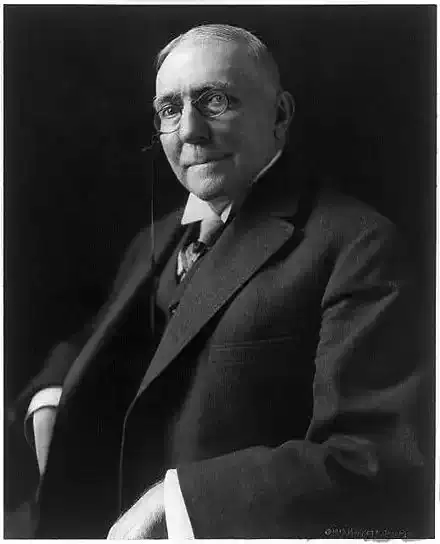
James Whitcomb Riley
Tom Van Arden
Tom Van Arden
Tom Van Arden, my old friend,
Our warm fellowship is one
Far too old to comprehend
Where its bond was first begun:
Mirage-like before my gaze
Gleams a land of other days,
Where two truant boys, astray,
Dream their lazy lives away.
There's a vision, in the guise
Of Midsummer, where the Past
Like a weary beggar lies
In the shadow Time has cast;
And as blends the bloom of trees
With the drowsy hum of bees,
Fragrant thoughts and murmurs blend,
Tom Van Arden, my old friend.
Tom Van Arden, my old friend,
All the pleasures we have known
Thrill me now as I extend
This old hand and grasp your own--
Feeling, in the rude caress,
All affection's tenderness;
Feeling, though the touch be rough,
Our old souls are soft enough.
So we'll make a mellow hour:
Fill your pipe, and taste the wine--
Warp your face, if it be sour,
I can spare a smile from mine;
If it sharpen up your wit,
Let me feel the edge of it--
I have eager ears to lend,
Tom Van Arden, my old friend.
Tom Van Arden, my old friend,
Are we 'lucky dogs,' indeed?
Are we all that we pretend
In the jolly life we lead?--
Bachelors, we must confess,
Boast of 'single blessedness'
To the world, but not alone-Man's
best sorrow is his own!
And the saddest truth is this,--
Life to us has never proved
What we tasted in the kiss
Of the women we have loved:
Vainly we congratulate
Our escape from such a fate
As their lying lips could send,
Tom Van Arden, my old friend!
Tom Van Arden, my old friend,
Hearts, like fruit upon the stem,
Ripen sweetest, I contend,
As the frost falls over them:
Your regard for me to-day
Makes November taste of May,
And through every vein of rhyme
Pours the blood of summer-time.
When our souls are cramped with youth
Happiness seems far away
In the future, while, in truth,
We look back on it to-day
Through our tears, nor dare to boast,-'
Better to have loved and lost!'
Broken hearts are hard to mend,
Tom Van Arden, my old friend.
Tom Van Arden, my old friend,
I grow prosy, and you tire;
Fill the glasses while I bend
To prod up the failing fire. . . .
You are restless:--I presume
There's a dampness in the room.--
Much of warmth our nature begs,
With rheumatics in our legs! . . .
Humph! the legs we used to fling
Limber-jointed in the dance,
When we heard the fiddle ring
Up the curtain of Romance,
And in crowded public halls
Played with hearts like jugglers' balls.--
FEATS OF MOUNTEBANKS, DEPEND!--
Tom Van Arden, my old friend.
Tom Van Arden, my old friend,
Pardon, then, this theme of mine:
While the firelight leaps to lend
Higher color to the wine,--
I propose a health to those
Who have HOMES, and home's repose,
Wife- and child-love without end!
. . . Tom Van Arden, my old friend.
Tom Van Arden, my old friend,
Our warm fellowship is one
Far too old to comprehend
Where its bond was first begun:
Mirage-like before my gaze
Gleams a land of other days,
Where two truant boys, astray,
Dream their lazy lives away.
There's a vision, in the guise
Of Midsummer, where the Past
Like a weary beggar lies
In the shadow Time has cast;
And as blends the bloom of trees
With the drowsy hum of bees,
Fragrant thoughts and murmurs blend,
Tom Van Arden, my old friend.
Tom Van Arden, my old friend,
All the pleasures we have known
Thrill me now as I extend
This old hand and grasp your own--
Feeling, in the rude caress,
All affection's tenderness;
Feeling, though the touch be rough,
Our old souls are soft enough.
So we'll make a mellow hour:
Fill your pipe, and taste the wine--
Warp your face, if it be sour,
I can spare a smile from mine;
If it sharpen up your wit,
Let me feel the edge of it--
I have eager ears to lend,
Tom Van Arden, my old friend.
Tom Van Arden, my old friend,
Are we 'lucky dogs,' indeed?
Are we all that we pretend
In the jolly life we lead?--
Bachelors, we must confess,
Boast of 'single blessedness'
To the world, but not alone-Man's
best sorrow is his own!
And the saddest truth is this,--
Life to us has never proved
What we tasted in the kiss
Of the women we have loved:
Vainly we congratulate
Our escape from such a fate
As their lying lips could send,
Tom Van Arden, my old friend!
Tom Van Arden, my old friend,
Hearts, like fruit upon the stem,
Ripen sweetest, I contend,
As the frost falls over them:
Your regard for me to-day
Makes November taste of May,
And through every vein of rhyme
Pours the blood of summer-time.
When our souls are cramped with youth
Happiness seems far away
In the future, while, in truth,
We look back on it to-day
Through our tears, nor dare to boast,-'
Better to have loved and lost!'
Broken hearts are hard to mend,
Tom Van Arden, my old friend.
Tom Van Arden, my old friend,
I grow prosy, and you tire;
Fill the glasses while I bend
To prod up the failing fire. . . .
You are restless:--I presume
There's a dampness in the room.--
Much of warmth our nature begs,
With rheumatics in our legs! . . .
Humph! the legs we used to fling
Limber-jointed in the dance,
When we heard the fiddle ring
Up the curtain of Romance,
And in crowded public halls
Played with hearts like jugglers' balls.--
FEATS OF MOUNTEBANKS, DEPEND!--
Tom Van Arden, my old friend.
Tom Van Arden, my old friend,
Pardon, then, this theme of mine:
While the firelight leaps to lend
Higher color to the wine,--
I propose a health to those
Who have HOMES, and home's repose,
Wife- and child-love without end!
. . . Tom Van Arden, my old friend.
267
James Whitcomb Riley
The Watches Of The Night
The Watches Of The Night
O the waiting in the watches of the night!
In the darkness, desolation, and contrition and affright;
The awful hush that holds us shut away from all delight:
The ever weary memory that ever weary goes
Recounting ever over every aching loss it knows--
The ever weary eyelids gasping ever for repose--
In the dreary, weary watches of the night!
Dark--stifling dark--the watches of the night!
With tingling nerves at tension, how the blackness flashes white
With spectral visitations smitten past the inner sight!--
What shuddering sense of wrongs we've wrought
that may not be redressed--
Of tears we did not brush away--of lips we left unpressed,
And hands that we let fall, with all their loyalty unguessed!
Ah! the empty, empty watches of the night!
What solace in the watches of the night?--
What frailest staff of hope to stay--what faintest shaft of light?
Do we _dream_ and dare _believe_ it, that by never weight of right
Of our own poor weak deservings, we shall win the dawn at last--
Our famished souls find freedom from this penance for the past,
In a faith that leaps and lightens from the gloom
that flees aghast--
Shall we survive the watches of the night?
One leads us through the watches of the night--
By the ceaseless intercession of our loved ones lost to sight
He is with us through all trials, in His mercy and His might;--
With our mothers there about Him, all our sorrow disappears,
Till the silence of our sobbing is the prayer the Master hears,
And His hand is laid upon us with the tenderness of tears
In the waning of the watches of the night.
O the waiting in the watches of the night!
In the darkness, desolation, and contrition and affright;
The awful hush that holds us shut away from all delight:
The ever weary memory that ever weary goes
Recounting ever over every aching loss it knows--
The ever weary eyelids gasping ever for repose--
In the dreary, weary watches of the night!
Dark--stifling dark--the watches of the night!
With tingling nerves at tension, how the blackness flashes white
With spectral visitations smitten past the inner sight!--
What shuddering sense of wrongs we've wrought
that may not be redressed--
Of tears we did not brush away--of lips we left unpressed,
And hands that we let fall, with all their loyalty unguessed!
Ah! the empty, empty watches of the night!
What solace in the watches of the night?--
What frailest staff of hope to stay--what faintest shaft of light?
Do we _dream_ and dare _believe_ it, that by never weight of right
Of our own poor weak deservings, we shall win the dawn at last--
Our famished souls find freedom from this penance for the past,
In a faith that leaps and lightens from the gloom
that flees aghast--
Shall we survive the watches of the night?
One leads us through the watches of the night--
By the ceaseless intercession of our loved ones lost to sight
He is with us through all trials, in His mercy and His might;--
With our mothers there about Him, all our sorrow disappears,
Till the silence of our sobbing is the prayer the Master hears,
And His hand is laid upon us with the tenderness of tears
In the waning of the watches of the night.
310
James Whitcomb Riley
The Shower
The Shower
The landscape, like the awed face of a child,
Grew curiously blurred; a hush of death
Fell on the fields, and in the darkened wild
The zephyr held its breath.
No wavering glamour-work of light and shade
Dappled the shivering surface of the brook;
The frightened ripples in their ambuscade
Of willows thrilled and shook.
The sullen day grew darker, and anon
Dim flashes of pent anger lit the sky;
With rumbling wheels of wrath came rolling on
The storm's artillery.
The cloud above put on its blackest frown,
And then, as with a vengeful cry of pain,
The lightning snatched it, ripped and flung it down
In ravelled shreds of rain:
While I, transfigured by some wondrous art,
Bowed with the thirsty lilies to the sod,
My empty soul brimmed over, and my heart
Drenched with the love of God.
The landscape, like the awed face of a child,
Grew curiously blurred; a hush of death
Fell on the fields, and in the darkened wild
The zephyr held its breath.
No wavering glamour-work of light and shade
Dappled the shivering surface of the brook;
The frightened ripples in their ambuscade
Of willows thrilled and shook.
The sullen day grew darker, and anon
Dim flashes of pent anger lit the sky;
With rumbling wheels of wrath came rolling on
The storm's artillery.
The cloud above put on its blackest frown,
And then, as with a vengeful cry of pain,
The lightning snatched it, ripped and flung it down
In ravelled shreds of rain:
While I, transfigured by some wondrous art,
Bowed with the thirsty lilies to the sod,
My empty soul brimmed over, and my heart
Drenched with the love of God.
291
James Whitcomb Riley
The Same Old Story
The Same Old Story
The same old story told again--
The maiden droops her head,
The ripening glow of her crimson cheek
Is answering in her stead.
The pleading tone of a trembling voice
Is telling her the way
He loved her when his heart was young
In Youth's sunshiny day:
The trembling tongue, the longing tone,
Imploringly ask why
They can not be as happy now
As in the days gone by.
And two more hearts, tumultuous
With overflowing joy,
Are dancing to the music
Which that dear, provoking boy
Is twanging on his bowstring,
As, fluttering his wings,
He sends his love-charged arrows
While merrily be sings:
'Ho! ho! my dainty maiden,
It surely can not be
You are thinking you are master
Of your heart, when it is me.'
And another gleaming arrow
Does the little god's behest,
And the dainty little maiden
Falls upon her lover's breast.
'The same old story told again,'
And listened o'er and o'er,
Will still be new, and pleasing, too,
Till 'Time shall be no more.'
The same old story told again--
The maiden droops her head,
The ripening glow of her crimson cheek
Is answering in her stead.
The pleading tone of a trembling voice
Is telling her the way
He loved her when his heart was young
In Youth's sunshiny day:
The trembling tongue, the longing tone,
Imploringly ask why
They can not be as happy now
As in the days gone by.
And two more hearts, tumultuous
With overflowing joy,
Are dancing to the music
Which that dear, provoking boy
Is twanging on his bowstring,
As, fluttering his wings,
He sends his love-charged arrows
While merrily be sings:
'Ho! ho! my dainty maiden,
It surely can not be
You are thinking you are master
Of your heart, when it is me.'
And another gleaming arrow
Does the little god's behest,
And the dainty little maiden
Falls upon her lover's breast.
'The same old story told again,'
And listened o'er and o'er,
Will still be new, and pleasing, too,
Till 'Time shall be no more.'
283
James Whitcomb Riley
The Sermon Of The Rose
The Sermon Of The Rose
Wilful we are in our infirmity
Of childish questioning and discontent.
Whate'er befalls us is divinely meant--
Thou Truth the clearer for thy mystery!
Make us to meet what is or is to be
With fervid welcome, knowing it is sent
To serve us in some way full excellent,
Though we discern it all belatedly.
The rose buds, and the rose blooms and the rose
Bows in the dews, and in its fulness, lo,
Is in the lover's hand,--then on the breast
Of her he loves,--and there dies.--And who knows
Which fate of all a rose may undergo
Is fairest, dearest, sweetest, loveliest?
Nay, we are children: we will not mature.
A blessed gift must seem a theft; and tears
Must storm our eyes when but a joy appears
In drear disguise of sorrow; and how poor
We seem when we are richest,--most secure
Against all poverty the lifelong years
We yet must waste in childish doubts and fears
That, in despite of reason, still endure!
Alas! the sermon of the rose we will
Not wisely ponder; nor the sobs of grief
Lulled into sighs of rapture; nor the cry
Of fierce defiance that again is still.
Be patient--patient with our frail belief,
And stay it yet a little ere we die.
O opulent life of ours, though dispossessed
Of treasure after treasure! Youth most fair
Went first, but left its priceless coil of hair--
Moaned over sleepless nights, kissed and caressed
Through drip and blur of tears the tenderest.
And next went Love--the ripe rose glowing there
Her very sister!... It is here; but where
Is she, of all the world the first and best?
And yet how sweet the sweet earth after rain--
How sweet the sunlight on the garden wall
Across the roses--and how sweetly flows
The limpid yodel of the brook again!
And yet--and yet how sweeter after all,
The smouldering sweetness of a dead red rose!
Wilful we are in our infirmity
Of childish questioning and discontent.
Whate'er befalls us is divinely meant--
Thou Truth the clearer for thy mystery!
Make us to meet what is or is to be
With fervid welcome, knowing it is sent
To serve us in some way full excellent,
Though we discern it all belatedly.
The rose buds, and the rose blooms and the rose
Bows in the dews, and in its fulness, lo,
Is in the lover's hand,--then on the breast
Of her he loves,--and there dies.--And who knows
Which fate of all a rose may undergo
Is fairest, dearest, sweetest, loveliest?
Nay, we are children: we will not mature.
A blessed gift must seem a theft; and tears
Must storm our eyes when but a joy appears
In drear disguise of sorrow; and how poor
We seem when we are richest,--most secure
Against all poverty the lifelong years
We yet must waste in childish doubts and fears
That, in despite of reason, still endure!
Alas! the sermon of the rose we will
Not wisely ponder; nor the sobs of grief
Lulled into sighs of rapture; nor the cry
Of fierce defiance that again is still.
Be patient--patient with our frail belief,
And stay it yet a little ere we die.
O opulent life of ours, though dispossessed
Of treasure after treasure! Youth most fair
Went first, but left its priceless coil of hair--
Moaned over sleepless nights, kissed and caressed
Through drip and blur of tears the tenderest.
And next went Love--the ripe rose glowing there
Her very sister!... It is here; but where
Is she, of all the world the first and best?
And yet how sweet the sweet earth after rain--
How sweet the sunlight on the garden wall
Across the roses--and how sweetly flows
The limpid yodel of the brook again!
And yet--and yet how sweeter after all,
The smouldering sweetness of a dead red rose!
314
James Whitcomb Riley
The Rose
The Rose
It tossed its head at the wooing breeze;
And the sun, like a bashful swain,
Beamed on it through the waving trees
With a passion all in vain,--
For my rose laughed in a crimson glee,
And hid in the leaves in wait for me.
The honey-bee came there to sing
His love through the languid hours,
And vaunt of his hives, as a proud old king
Might boast of his palace-towers:
But my rose bowed in a mockery,
And hid in the leaves in wait for me.
The humming-bird, like a courtier gay,
Dipped down with a dalliant song,
And twanged his wings through the roundelay
Of love the whole day long:
Yet my rose turned from his minstrelsy
And hid in the leaves in wait for me.
The firefly came in the twilight dim
My red, red rose to woo--
Till quenched was the flame of love in him,
And the light of his lantern too,
As my rose wept with dewdrops three
And hid in the leaves in wait for me.
And I said: I will cull my own sweet rose--
Some day I will claim as mine
The priceless worth of the flower that knows
No change, but a bloom divine--
The bloom of a fadeless constancy
That hides in the leaves in wait for me!
But time passed by in a strange disguise,
And I marked it not, but lay
In a lazy dream, with drowsy eyes,
Till the summer slipped away,
And a chill wind sang in a minor key:
'Where is the rose that waits for thee?'
. . . . . . . .
I dream to-day, o'er a purple stain
Of bloom on a withered stalk,
Pelted down by the autumn rain
In the dust of the garden-walk,
That an Angel-rose in the world to be
Will hide in the leaves in wait for me.
It tossed its head at the wooing breeze;
And the sun, like a bashful swain,
Beamed on it through the waving trees
With a passion all in vain,--
For my rose laughed in a crimson glee,
And hid in the leaves in wait for me.
The honey-bee came there to sing
His love through the languid hours,
And vaunt of his hives, as a proud old king
Might boast of his palace-towers:
But my rose bowed in a mockery,
And hid in the leaves in wait for me.
The humming-bird, like a courtier gay,
Dipped down with a dalliant song,
And twanged his wings through the roundelay
Of love the whole day long:
Yet my rose turned from his minstrelsy
And hid in the leaves in wait for me.
The firefly came in the twilight dim
My red, red rose to woo--
Till quenched was the flame of love in him,
And the light of his lantern too,
As my rose wept with dewdrops three
And hid in the leaves in wait for me.
And I said: I will cull my own sweet rose--
Some day I will claim as mine
The priceless worth of the flower that knows
No change, but a bloom divine--
The bloom of a fadeless constancy
That hides in the leaves in wait for me!
But time passed by in a strange disguise,
And I marked it not, but lay
In a lazy dream, with drowsy eyes,
Till the summer slipped away,
And a chill wind sang in a minor key:
'Where is the rose that waits for thee?'
. . . . . . . .
I dream to-day, o'er a purple stain
Of bloom on a withered stalk,
Pelted down by the autumn rain
In the dust of the garden-walk,
That an Angel-rose in the world to be
Will hide in the leaves in wait for me.
338
James Whitcomb Riley
The Ripest Peach
The Ripest Peach
The ripest peach is highest on the tree --
And so her love, beyond the reach of me,
Is dearest in my sight. Sweet breezes, bow
Her heart down to me where I worship now!
She looms aloft where every eye may see
The ripest peach is highest on the tree.
Such fruitage as her love I know, alas!
I may not reach here from the orchard grass.
I drink the sunshine showered past her lips
As roses drain the dewdrop as it drips.
The ripest peach is highest on the tree,
And so mine eyes gaze upward eagerly.
Why -- why do I not turn away in wrath
And pluck some heart here hanging in my path? -Love's
lower boughs bend with them -- but, ah me!
The ripest peach is highest on the tree!
The ripest peach is highest on the tree --
And so her love, beyond the reach of me,
Is dearest in my sight. Sweet breezes, bow
Her heart down to me where I worship now!
She looms aloft where every eye may see
The ripest peach is highest on the tree.
Such fruitage as her love I know, alas!
I may not reach here from the orchard grass.
I drink the sunshine showered past her lips
As roses drain the dewdrop as it drips.
The ripest peach is highest on the tree,
And so mine eyes gaze upward eagerly.
Why -- why do I not turn away in wrath
And pluck some heart here hanging in my path? -Love's
lower boughs bend with them -- but, ah me!
The ripest peach is highest on the tree!
373
James Whitcomb Riley
The Rainy Morning
The Rainy Morning
The dawn of the day was dreary,
And the lowering clouds o'erhead
Wept in a silent sorrow
Where the sweet sunshine lay dead;
And a wind came out of the eastward
Like an endless sigh of pain,
And the leaves fell down in the pathway
And writhed in the falling rain.
I had tried in a brave endeavor
To chord my harp with the sun,
But the strings would slacken ever,
And the task was a weary one:
And so, like a child impatient
And sick of a discontent,
I bowed in a shower of tear-drops
And mourned with the instrument.
And lo! as I bowed, the splendor
Of the sun bent over me,
With a touch as warm and tender
As a father's hand might be:
And, even as I felt its presence,
My clouded soul grew bright,
And the tears, like the rain of morning,
Melted in mists of light.
The dawn of the day was dreary,
And the lowering clouds o'erhead
Wept in a silent sorrow
Where the sweet sunshine lay dead;
And a wind came out of the eastward
Like an endless sigh of pain,
And the leaves fell down in the pathway
And writhed in the falling rain.
I had tried in a brave endeavor
To chord my harp with the sun,
But the strings would slacken ever,
And the task was a weary one:
And so, like a child impatient
And sick of a discontent,
I bowed in a shower of tear-drops
And mourned with the instrument.
And lo! as I bowed, the splendor
Of the sun bent over me,
With a touch as warm and tender
As a father's hand might be:
And, even as I felt its presence,
My clouded soul grew bright,
And the tears, like the rain of morning,
Melted in mists of light.
312
James Whitcomb Riley
The Quest
The Quest
I am looking for Love. Has he passed this way,
With eyes as blue as the skies of May,
And a face as fair as the summer dawn?--
You answer back, but I wander on,--
For you say: 'Oh, yes; but his eyes were gray,
And his face as dim as a rainy day.'
Good friends, I query, I search for Love;
His eyes are as blue as the skies above,
And his smile as bright as the midst of May
When the truce-bird pipes: Has he passed this way?
And one says: 'Ay; but his face, alack!
Frowned as he passed, and his eyes were black.'
O who will tell me of Love? I cry!
His eyes are as blue as the mid-May sky,
And his face as bright as the morning sun;
And you answer and mock me, every one,
That his eyes were dark, and his face was wan,
And he passed you frowning and wandered on.
But stout of heart will I onward fare,
Knowing _my_ Love is beyond--somewhere,--
The Love I seek, with the eyes of blue,
And the bright, sweet smile unknown of you;
And on from the hour his trail is found
I shall sing sonnets the whole year round.
I am looking for Love. Has he passed this way,
With eyes as blue as the skies of May,
And a face as fair as the summer dawn?--
You answer back, but I wander on,--
For you say: 'Oh, yes; but his eyes were gray,
And his face as dim as a rainy day.'
Good friends, I query, I search for Love;
His eyes are as blue as the skies above,
And his smile as bright as the midst of May
When the truce-bird pipes: Has he passed this way?
And one says: 'Ay; but his face, alack!
Frowned as he passed, and his eyes were black.'
O who will tell me of Love? I cry!
His eyes are as blue as the mid-May sky,
And his face as bright as the morning sun;
And you answer and mock me, every one,
That his eyes were dark, and his face was wan,
And he passed you frowning and wandered on.
But stout of heart will I onward fare,
Knowing _my_ Love is beyond--somewhere,--
The Love I seek, with the eyes of blue,
And the bright, sweet smile unknown of you;
And on from the hour his trail is found
I shall sing sonnets the whole year round.
326
James Whitcomb Riley
The Legend Glorified
The Legend Glorified
'I deem that God is not disquieted'--
This in a mighty poet's rhymes I read;
And blazoned so forever doth abide
Within my soul the legend glorified.
Though awful tempests thunder overhead,
I deem that God is not disquieted,--
The faith that trembles somewhat yet is sure
Through storm and darkness of a way secure.
Bleak winters, when the naked spirit hears
The break of hearts, through stinging sleet of tears,
I deem that God is not disquieted;
Against all stresses am I clothed and fed.
Nay, even with fixed eyes and broken breath,
My feet dip down into the tides of death,
Nor any friend be left, nor prayer be said,
I deem that God is not disquieted.
'I deem that God is not disquieted'--
This in a mighty poet's rhymes I read;
And blazoned so forever doth abide
Within my soul the legend glorified.
Though awful tempests thunder overhead,
I deem that God is not disquieted,--
The faith that trembles somewhat yet is sure
Through storm and darkness of a way secure.
Bleak winters, when the naked spirit hears
The break of hearts, through stinging sleet of tears,
I deem that God is not disquieted;
Against all stresses am I clothed and fed.
Nay, even with fixed eyes and broken breath,
My feet dip down into the tides of death,
Nor any friend be left, nor prayer be said,
I deem that God is not disquieted.
266
James Whitcomb Riley
The Hereafter
The Hereafter
Hereafter! O we need not waste
Our smiles or tears, whatever befall:
No happiness but holds a taste
Of something sweeter, after all;--
No depth of agony but feels
Some fragment of abiding trust,--
Whatever death unlocks or seals,
The mute beyond is just.
Hereafter! O we need not waste
Our smiles or tears, whatever befall:
No happiness but holds a taste
Of something sweeter, after all;--
No depth of agony but feels
Some fragment of abiding trust,--
Whatever death unlocks or seals,
The mute beyond is just.
264
James Whitcomb Riley
The Harp Of The Minstrel
The Harp Of The Minstrel
The harp of the minstrel has never a tone
As sad as the song in his bosom to-night,
For the magical touch of his fingers alone
Can not waken the echoes that breathe it aright;
But oh! as the smile of the moon may impart
A sorrow to one in an alien clime,
Let the light of the melody fall on the heart,
And cadence his grief into musical rhyme.
The faces have faded, the eyes have grown dim
That once were his passionate love and his pride;
And alas! all the smiles that once blossomed for him
Have fallen away as the flowers have died.
The hands that entwined him the laureate's wreath
And crowned him with fame in the long, long ago,
Like the laurels are withered and folded beneath
The grass and the stubble--the frost and the snow.
Then sigh, if thou wilt, as the whispering strings
Strive ever in vain for the utterance clear,
And think of the sorrowful spirit that sings,
And jewel the song with the gem of a tear.
For the harp of the minstrel has never a tone
As sad as the song in his bosom tonight,
And the magical touch of his fingers alone
Can not waken the echoes that breathe it aright.
The harp of the minstrel has never a tone
As sad as the song in his bosom to-night,
For the magical touch of his fingers alone
Can not waken the echoes that breathe it aright;
But oh! as the smile of the moon may impart
A sorrow to one in an alien clime,
Let the light of the melody fall on the heart,
And cadence his grief into musical rhyme.
The faces have faded, the eyes have grown dim
That once were his passionate love and his pride;
And alas! all the smiles that once blossomed for him
Have fallen away as the flowers have died.
The hands that entwined him the laureate's wreath
And crowned him with fame in the long, long ago,
Like the laurels are withered and folded beneath
The grass and the stubble--the frost and the snow.
Then sigh, if thou wilt, as the whispering strings
Strive ever in vain for the utterance clear,
And think of the sorrowful spirit that sings,
And jewel the song with the gem of a tear.
For the harp of the minstrel has never a tone
As sad as the song in his bosom tonight,
And the magical touch of his fingers alone
Can not waken the echoes that breathe it aright.
264
James Whitcomb Riley
The Chant Of The Cross-Bearing Child
The Chant Of The Cross-Bearing Child
I bear dis cross dis many a mile.
O de cross-bearin' chile--
De cross-bearin' chile!
I bear dis cross 'long many a road
Wha' de pink ain't bloom' an' de grass done mowed.
O de cross-bearin' chile--
De cross-bearin' chile!
Hits on my conscience all dese days
Fo' ter bear de cross ut de good Lord lays
On my po' soul, an' ter lif my praise.
O de cross-bearin' chile--
De cross-bearin' chile!
I 's nigh-'bout weak ez I mos' kin be,
Yit de Marstah call an' He say,--'You 's free
Fo' ter 'cept dis cross, an' ter cringe yo' knee
To no n'er man in de worl' but me!'
O de cross-bearin' chile--
De cross-bearin' chile!
Says you guess wrong, ef I let you guess--
Says you 'spec' mo', an'-a you git less:--
Says you go eas', says you go wes',
An' whense you fine de road ut you like bes'
You betteh take ch'ice er any er de res'!
O de cross-bearin' chile--
De cross-bearin' chile!
He build my feet, an' He fix de signs
Dat de shoe hit pinch an' de shoe hit bines
Ef I on'y w'ah eights an-a wanter w'ah nines;
I hone fo' de rain, an' de sun hit shines,
An' whilse I hunt de sun, hits de rain I fines.-O-
a trim my lamp, an-a gyrd my lines!
O de cross-bearin' chile--
De cross-bearin' chile!
I wade de wet, an' I walk de dry:
I done tromp long, an' I done clim high;
An' I pilgrim on ter de jasper sky,
An' I taken de resk fo' ter cas' my eye
Wha' de Gate swing wide an' de Lord draw nigh,
An' de Trump hit blow, an' I hear de cry,-'
You lay dat cross down by an' by!--
O de Cross-bearin' Chile--
Do Cross-bearin' Chile!'
I bear dis cross dis many a mile.
O de cross-bearin' chile--
De cross-bearin' chile!
I bear dis cross 'long many a road
Wha' de pink ain't bloom' an' de grass done mowed.
O de cross-bearin' chile--
De cross-bearin' chile!
Hits on my conscience all dese days
Fo' ter bear de cross ut de good Lord lays
On my po' soul, an' ter lif my praise.
O de cross-bearin' chile--
De cross-bearin' chile!
I 's nigh-'bout weak ez I mos' kin be,
Yit de Marstah call an' He say,--'You 's free
Fo' ter 'cept dis cross, an' ter cringe yo' knee
To no n'er man in de worl' but me!'
O de cross-bearin' chile--
De cross-bearin' chile!
Says you guess wrong, ef I let you guess--
Says you 'spec' mo', an'-a you git less:--
Says you go eas', says you go wes',
An' whense you fine de road ut you like bes'
You betteh take ch'ice er any er de res'!
O de cross-bearin' chile--
De cross-bearin' chile!
He build my feet, an' He fix de signs
Dat de shoe hit pinch an' de shoe hit bines
Ef I on'y w'ah eights an-a wanter w'ah nines;
I hone fo' de rain, an' de sun hit shines,
An' whilse I hunt de sun, hits de rain I fines.-O-
a trim my lamp, an-a gyrd my lines!
O de cross-bearin' chile--
De cross-bearin' chile!
I wade de wet, an' I walk de dry:
I done tromp long, an' I done clim high;
An' I pilgrim on ter de jasper sky,
An' I taken de resk fo' ter cas' my eye
Wha' de Gate swing wide an' de Lord draw nigh,
An' de Trump hit blow, an' I hear de cry,-'
You lay dat cross down by an' by!--
O de Cross-bearin' Chile--
Do Cross-bearin' Chile!'
231
James Whitcomb Riley
The Ancient Printman
The Ancient Printman
'O Printerman of sallow face,
And look of absent guile,
Is it the 'copy' on your 'case'
That causes you to smile?
Or is it some old treasure scrap
You cull from Memory's file?
'I fain would guess its mystery--
For often I can trace
A fellow dreamer's history
Whene'er it haunts the face;
Your fancy's running riot
In a retrospective race!
'Ah, Printerman, you're straying
Afar from 'stick' and type--
Your heart has 'gone a-maying,'
And you taste old kisses, ripe
Again on lips that pucker
At your old asthmatic pipe!
'You are dreaming of old pleasures
That have faded from your view;
And the music-burdened measures
Of the laughs you listen to
Are now but angel-echoes--
O, have I spoken true?'
The ancient Printer hinted
With a motion full of grace
To where the words were printed
On a card above his 'case,'-'
I am deaf and dumb!' I left him
With a smile upon his face.
'O Printerman of sallow face,
And look of absent guile,
Is it the 'copy' on your 'case'
That causes you to smile?
Or is it some old treasure scrap
You cull from Memory's file?
'I fain would guess its mystery--
For often I can trace
A fellow dreamer's history
Whene'er it haunts the face;
Your fancy's running riot
In a retrospective race!
'Ah, Printerman, you're straying
Afar from 'stick' and type--
Your heart has 'gone a-maying,'
And you taste old kisses, ripe
Again on lips that pucker
At your old asthmatic pipe!
'You are dreaming of old pleasures
That have faded from your view;
And the music-burdened measures
Of the laughs you listen to
Are now but angel-echoes--
O, have I spoken true?'
The ancient Printer hinted
With a motion full of grace
To where the words were printed
On a card above his 'case,'-'
I am deaf and dumb!' I left him
With a smile upon his face.
281
James Whitcomb Riley
Robert Burns Wilson
Robert Burns Wilson
What intuition named thee?--Through what thrill
Of the awed soul came the command divine
Into the mother-heart, foretelling thine
Should palpitate with his whose raptures will
Sing on while daisies bloom and lavrocks trill
Their undulating ways up through the fine
Fair mists of heavenly reaches? Thy pure line
Falls as the dew of anthems, quiring still
The sweeter since the Scottish singer raised
His voice therein, and, quit of every stress
Of earthly ache and longing and despair,
Knew certainly each simple thing he praised
Was no less worthy, for its lowliness,
Than any joy of all the glory There.
What intuition named thee?--Through what thrill
Of the awed soul came the command divine
Into the mother-heart, foretelling thine
Should palpitate with his whose raptures will
Sing on while daisies bloom and lavrocks trill
Their undulating ways up through the fine
Fair mists of heavenly reaches? Thy pure line
Falls as the dew of anthems, quiring still
The sweeter since the Scottish singer raised
His voice therein, and, quit of every stress
Of earthly ache and longing and despair,
Knew certainly each simple thing he praised
Was no less worthy, for its lowliness,
Than any joy of all the glory There.
348
James Whitcomb Riley
Out Of Nazareth
Out Of Nazareth
'He shall sleep unscathed of thieves
Who loves Allah and believes.'
Thus heard one who shared the tent,
In the far-off Orient,
Of the Bedouin ben Ahrzz--
Nobler never loved the stars
Through the palm-leaves nigh the dim
Dawn his courser neighed to him!
He said: 'Let the sands be swarmed
With such thieves as I, and thou
Shalt at morning rise unharmed,
Light as eyelash to the brow
Of thy camel amber-eyed,
Ever munching either side,
Striding still, with nestled knees,
Through the midnight's oases.'
'Who can rob thee an thou hast
More than this that thou hast cast
At my feet-- this dust of gold?
Simply this and that, all told!
Hast thou not a treasure of
Such a thing as men call love?'
'Can the dusky band I lead
Rob thee of thy daily need
Of a whiter soul, or steal
What thy lordly prayers reveal?
Who could be enriched of thee
By such hoard of poverty
As thy niggard hand pretends
To dole me-- thy worst of friends?
Therefore shouldst thou pause to bless
One indeed who blesses thee:
Robbing thee, I dispossess
But myself--. Pray thou for me!'
He shall sleep unscathed of thieves
Who loves Allah and believes.
'He shall sleep unscathed of thieves
Who loves Allah and believes.'
Thus heard one who shared the tent,
In the far-off Orient,
Of the Bedouin ben Ahrzz--
Nobler never loved the stars
Through the palm-leaves nigh the dim
Dawn his courser neighed to him!
He said: 'Let the sands be swarmed
With such thieves as I, and thou
Shalt at morning rise unharmed,
Light as eyelash to the brow
Of thy camel amber-eyed,
Ever munching either side,
Striding still, with nestled knees,
Through the midnight's oases.'
'Who can rob thee an thou hast
More than this that thou hast cast
At my feet-- this dust of gold?
Simply this and that, all told!
Hast thou not a treasure of
Such a thing as men call love?'
'Can the dusky band I lead
Rob thee of thy daily need
Of a whiter soul, or steal
What thy lordly prayers reveal?
Who could be enriched of thee
By such hoard of poverty
As thy niggard hand pretends
To dole me-- thy worst of friends?
Therefore shouldst thou pause to bless
One indeed who blesses thee:
Robbing thee, I dispossess
But myself--. Pray thou for me!'
He shall sleep unscathed of thieves
Who loves Allah and believes.
249
James Whitcomb Riley
Orlie Wilde
Orlie Wilde
A goddess, with a siren's grace,--
A sun-haired girl on a craggy place
Above a bay where fish-boats lay
Drifting about like birds of prey.
Wrought was she of a painter's dream,--
Wise only as are artists wise,
My artist-friend, Rolf Herschkelhiem,
With deep sad eyes of oversize,
And face of melancholy guise.
I pressed him that he tell to me
This masterpiece's history.
He turned--REturned--and thus beguiled
Me with the tale of Orlie Wilde:-
"We artists live ideally:
We breed our firmest facts of air;
We make our own reality--
We dream a thing and it is so.
The fairest scenes we ever see
Are mirages of memory;
The sweetest thoughts we ever know
We plagiarize from Long Ago:
And as the girl on canvas there
Is marvelously rare and fair,
'Tis only inasmuch as she
Is dumb and may not speak to me!"
He tapped me with his mahlstick--then
The picture,--and went on again:
"Orlie Wilde, the fisher's child--
I see her yet, as fair and mild
As ever nursling summer day
Dreamed on the bosom of the bay:
For I was twenty then, and went
Alone and long-haired--all content
With promises of sounding name
And fantasies of future fame,
And thoughts that now my mind discards
As editor a fledgling bard's.
"At evening once I chanced to go,
With pencil and portfolio,
Adown the street of silver sand
That winds beneath this craggy land,
To make a sketch of some old scurf
Of driftage, nosing through the surf
A splintered mast, with knarl and strand
Of rigging-rope and tattered threads
Of flag and streamer and of sail
That fluttered idly in the gale
Or whipped themselves to sadder shreds.
The while I wrought, half listlessly,
On my dismantled subject, came
A sea-bird, settling on the same
With plaintive moan, as though that he
Had lost his mate upon the sea;
And--with my melancholy trend--
It brought dim dreams half understood--
It wrought upon my morbid mood,--
I thought of my own voyagings
That had no end--that have no end.--
And, like the sea-bird, I made moan
That I was loveless and alone.
And when at last with weary wings
It went upon its wanderings,
With upturned face I watched its flight
Until this picture met my sight:
A goddess, with a siren's grace,--
A sun-haired girl on a craggy place
Above a bay where fish-boats lay
Drifting about like birds of prey.
"In airy poise she, gazing, stood
A machless form of womanhood,
That brought a thought that if for me
Such eyes had sought across the sea,
I could have swum the widest tide
That ever mariner defied,
And, at the shore, could on have gone
To that high crag she stood upon,
To there entreat and say, 'My Sweet,
Behold thy servant at thy feet.'
And to my soul I said: 'Above,
There stands the idol of thy love!'
"In this rapt, awed, ecstatic state
I gazed--till lo! I was aware
A fisherman had joined her there--
A weary man, with halting gait,
Who toiled beneath a basket's weight:
Her father, as I guessed, for she
Had run to meet him gleefully
And ta'en his burden to herself,
That perched upon her shoulder's shelf
So lightly that she, tripping, neared
A jutting crag and disappeared;
But she left the echo of a song
That thrills me yet, and will as long
As I have being! . . .
. . . "Evenings came
And went,--but each the same--the same:
She watched above, and even so
I stood there watching from below;
Till, grown so bold at last, I sung,-(
What matter now the theme thereof!)--
It brought an answer from her tongue--
Faint as the murmur of a dove,
Yet all the more the song of love. . . .
"I turned and looked upon the bay,
With palm to forehead--eyes a-blur
In the sea's smile--meant but for her!--
I saw the fish-boats far away
In misty distance, lightly drawn
In chalk-dots on the horizon--
Looked back at her, long, wistfully;--
And, pushing off an empty skiff,
I beckoned her to quit the cliff
And yield me her rare company
Upon a little pleasure-cruise.--
She stood, as loathful to refuse,
To muse for full a moment's time,--
Then answered back in pantomime
'She feared some danger from the sea
Were she discovered thus with me.'
I motioned then to ask her if
I might not join her on the cliff
And back again, with graceful wave
Of lifted arm, she anwer gave
'She feared some danger from the sea.'
"Impatient, piqued, impetuous, I
Sprang in the boat, and flung 'Good-by'
From pouted mouth with angry hand,
And madly pulled away from land
With lusty stroke, despite that she
Held out her hands entreatingly:
And when far out, with covert eye
I shoreward glanced, I saw her fly
In reckless haste adown the crag,
Her hair a-flutter like a flag
Of gold that danced across the strand
In little mists of silver sand.
All curious I, pausing, tried
To fancy what it all implied,--
When suddenly I found my feet
Were wet; and, underneath the seat
On which I sat, I heard the sound
Of gurgling waters, and I found
The boat aleak alarmingly. . . .
I turned and looked upon the sea,
Whose every wave seemed mocking me;
I saw the fishers' sails once more--
In dimmer distance than before;
I saw the sea-bird wheeling by,
With foolish wish that _I_ could fly:
I thought of firm earth, home and friends--
I thought of everything that tends
To drive a man to frenzy and
To wholly lose his own command;
I thought of all my waywardness--
Thought of a mother's deep distress;
Of youthful follies yet unpurged--
Sins, as the seas, about me surged--
Thought of the printer's ready pen
To-morrow drowning me again;--
A million things without a name--
I thought of everything but--Fame. . . .
"A memory yet is in my mind,
So keenly clear and sharp-defined,
I picture every phase and line
Of life and death, and neither mine,--
While some fair seraph, golden-haired,
Bends over me,--with white arms bared,
That strongly plait themselves about
My drowning weight and lift me out--
With joy too great for words to state
Or tongue to dare articulate!
"And this seraphic ocean-child
And heroine was Orlie Wilde:
And thus it was I came to hear
Her voice's music in my ear--
Ay, thus it was Fate paved the way
That I walk desolate to-day!" . . .
The artist paused and bowed his face
Within his palms a little space,
While reverently on his form
I bent my gaze and marked a storm
That shook his frame as wrathfully
As some typhoon of agony,
And fraught with sobs--the more profound
For that peculiar laughing sound
We hear when strong men weep. . . . I leant
With warmest sympathy--I bent
To stroke with soothing hand his brow,
He murmuring--"Tis over now!--
And shall I tie the silken thread
Of my frail romance?" "Yes," I said.--
He faintly smiled; and then, with brow
In kneading palm, as one in dread-
His tasseled cap pushed from his head
" 'Her voice's music,' I repeat,"
He said,--" 'twas sweet--O passing sweet!--
Though she herself, in uttering
Its melody, proved not the thing
Of loveliness my dreams made meet
For me--there, yearning, at her feet--
Prone at her feet--a worshiper,--
For lo! she spake a tongue," moaned he,
"Unknown to me;--unknown to me
As mine to her--as mine to her."
A goddess, with a siren's grace,--
A sun-haired girl on a craggy place
Above a bay where fish-boats lay
Drifting about like birds of prey.
Wrought was she of a painter's dream,--
Wise only as are artists wise,
My artist-friend, Rolf Herschkelhiem,
With deep sad eyes of oversize,
And face of melancholy guise.
I pressed him that he tell to me
This masterpiece's history.
He turned--REturned--and thus beguiled
Me with the tale of Orlie Wilde:-
"We artists live ideally:
We breed our firmest facts of air;
We make our own reality--
We dream a thing and it is so.
The fairest scenes we ever see
Are mirages of memory;
The sweetest thoughts we ever know
We plagiarize from Long Ago:
And as the girl on canvas there
Is marvelously rare and fair,
'Tis only inasmuch as she
Is dumb and may not speak to me!"
He tapped me with his mahlstick--then
The picture,--and went on again:
"Orlie Wilde, the fisher's child--
I see her yet, as fair and mild
As ever nursling summer day
Dreamed on the bosom of the bay:
For I was twenty then, and went
Alone and long-haired--all content
With promises of sounding name
And fantasies of future fame,
And thoughts that now my mind discards
As editor a fledgling bard's.
"At evening once I chanced to go,
With pencil and portfolio,
Adown the street of silver sand
That winds beneath this craggy land,
To make a sketch of some old scurf
Of driftage, nosing through the surf
A splintered mast, with knarl and strand
Of rigging-rope and tattered threads
Of flag and streamer and of sail
That fluttered idly in the gale
Or whipped themselves to sadder shreds.
The while I wrought, half listlessly,
On my dismantled subject, came
A sea-bird, settling on the same
With plaintive moan, as though that he
Had lost his mate upon the sea;
And--with my melancholy trend--
It brought dim dreams half understood--
It wrought upon my morbid mood,--
I thought of my own voyagings
That had no end--that have no end.--
And, like the sea-bird, I made moan
That I was loveless and alone.
And when at last with weary wings
It went upon its wanderings,
With upturned face I watched its flight
Until this picture met my sight:
A goddess, with a siren's grace,--
A sun-haired girl on a craggy place
Above a bay where fish-boats lay
Drifting about like birds of prey.
"In airy poise she, gazing, stood
A machless form of womanhood,
That brought a thought that if for me
Such eyes had sought across the sea,
I could have swum the widest tide
That ever mariner defied,
And, at the shore, could on have gone
To that high crag she stood upon,
To there entreat and say, 'My Sweet,
Behold thy servant at thy feet.'
And to my soul I said: 'Above,
There stands the idol of thy love!'
"In this rapt, awed, ecstatic state
I gazed--till lo! I was aware
A fisherman had joined her there--
A weary man, with halting gait,
Who toiled beneath a basket's weight:
Her father, as I guessed, for she
Had run to meet him gleefully
And ta'en his burden to herself,
That perched upon her shoulder's shelf
So lightly that she, tripping, neared
A jutting crag and disappeared;
But she left the echo of a song
That thrills me yet, and will as long
As I have being! . . .
. . . "Evenings came
And went,--but each the same--the same:
She watched above, and even so
I stood there watching from below;
Till, grown so bold at last, I sung,-(
What matter now the theme thereof!)--
It brought an answer from her tongue--
Faint as the murmur of a dove,
Yet all the more the song of love. . . .
"I turned and looked upon the bay,
With palm to forehead--eyes a-blur
In the sea's smile--meant but for her!--
I saw the fish-boats far away
In misty distance, lightly drawn
In chalk-dots on the horizon--
Looked back at her, long, wistfully;--
And, pushing off an empty skiff,
I beckoned her to quit the cliff
And yield me her rare company
Upon a little pleasure-cruise.--
She stood, as loathful to refuse,
To muse for full a moment's time,--
Then answered back in pantomime
'She feared some danger from the sea
Were she discovered thus with me.'
I motioned then to ask her if
I might not join her on the cliff
And back again, with graceful wave
Of lifted arm, she anwer gave
'She feared some danger from the sea.'
"Impatient, piqued, impetuous, I
Sprang in the boat, and flung 'Good-by'
From pouted mouth with angry hand,
And madly pulled away from land
With lusty stroke, despite that she
Held out her hands entreatingly:
And when far out, with covert eye
I shoreward glanced, I saw her fly
In reckless haste adown the crag,
Her hair a-flutter like a flag
Of gold that danced across the strand
In little mists of silver sand.
All curious I, pausing, tried
To fancy what it all implied,--
When suddenly I found my feet
Were wet; and, underneath the seat
On which I sat, I heard the sound
Of gurgling waters, and I found
The boat aleak alarmingly. . . .
I turned and looked upon the sea,
Whose every wave seemed mocking me;
I saw the fishers' sails once more--
In dimmer distance than before;
I saw the sea-bird wheeling by,
With foolish wish that _I_ could fly:
I thought of firm earth, home and friends--
I thought of everything that tends
To drive a man to frenzy and
To wholly lose his own command;
I thought of all my waywardness--
Thought of a mother's deep distress;
Of youthful follies yet unpurged--
Sins, as the seas, about me surged--
Thought of the printer's ready pen
To-morrow drowning me again;--
A million things without a name--
I thought of everything but--Fame. . . .
"A memory yet is in my mind,
So keenly clear and sharp-defined,
I picture every phase and line
Of life and death, and neither mine,--
While some fair seraph, golden-haired,
Bends over me,--with white arms bared,
That strongly plait themselves about
My drowning weight and lift me out--
With joy too great for words to state
Or tongue to dare articulate!
"And this seraphic ocean-child
And heroine was Orlie Wilde:
And thus it was I came to hear
Her voice's music in my ear--
Ay, thus it was Fate paved the way
That I walk desolate to-day!" . . .
The artist paused and bowed his face
Within his palms a little space,
While reverently on his form
I bent my gaze and marked a storm
That shook his frame as wrathfully
As some typhoon of agony,
And fraught with sobs--the more profound
For that peculiar laughing sound
We hear when strong men weep. . . . I leant
With warmest sympathy--I bent
To stroke with soothing hand his brow,
He murmuring--"Tis over now!--
And shall I tie the silken thread
Of my frail romance?" "Yes," I said.--
He faintly smiled; and then, with brow
In kneading palm, as one in dread-
His tasseled cap pushed from his head
" 'Her voice's music,' I repeat,"
He said,--" 'twas sweet--O passing sweet!--
Though she herself, in uttering
Its melody, proved not the thing
Of loveliness my dreams made meet
For me--there, yearning, at her feet--
Prone at her feet--a worshiper,--
For lo! she spake a tongue," moaned he,
"Unknown to me;--unknown to me
As mine to her--as mine to her."
228
James Whitcomb Riley
My Jolly Friend's Secret
My Jolly Friend's Secret
Ah, friend of mine, how goes it,
Since you've taken you a mate?--
Your smile, though, plainly shows it
Is a very happy state!
Dan Cupid's necromancy!
You must sit you down and dine,
And lubricate your fancy
With a glass or two of wine.
And as you have 'deserted,'
As my other chums have done,
While I laugh alone diverted,
As you drop off one by one--
And I've remained unwedded,
Till--you see--look here--that I'm,
In a manner, 'snatched bald-headed'
By the sportive hand of Time!
I'm an 'old 'un!' yes, but wrinkles
Are not so plenty, quite,
As to cover up the twinkles
Of the BOY--ain't I right?
Yet, there are ghosts of kisses
Under this mustache of mine
My mem'ry only misses
When I drown 'em out with wine.
From acknowledgment so ample,
You would hardly take me for
What I am--a perfect sample
Of a 'jolly bachelor';
Not a bachelor has being
When he laughs at married life
But his heart and soul's agreeing
That he ought to have a wife!
Ah, ha I old chum, this claret,
Like Fatima, holds the key
Of the old Blue-Beardish garret
Of my hidden mystery!
Did you say you'd like to listen?
Ah, my boy! the 'SAD NO MORE!'
And the tear-drops that will glisten--
TURN THE CATCH UPON THE DOOR,
And sit you down beside me,
And put yourself at ease-I'll
trouble you to slide me
That wine decanter, please;
The path is kind o' mazy
Where my fancies have to go,
And my heart gets sort o' lazy
On the journey--don't you know?
Let me see--when I was twenty-It's
a lordly age, my boy,
When a fellow's money's plenty,
And the leisure to enjoy--
And a girl--with hair as golden
As--THAT; and lips--well--quite
As red as THIS I'm holdin'
Between you and the light.
And eyes and a complexion--
Ah, heavens!--le'-me-see-Well,--
just in this connection,--
DID YOU LOCK THAT DOOR FOR ME?
Did I start in recitation
My past life to recall?
Well, THAT'S an indication
I am purty tight--that's all!
Ah, friend of mine, how goes it,
Since you've taken you a mate?--
Your smile, though, plainly shows it
Is a very happy state!
Dan Cupid's necromancy!
You must sit you down and dine,
And lubricate your fancy
With a glass or two of wine.
And as you have 'deserted,'
As my other chums have done,
While I laugh alone diverted,
As you drop off one by one--
And I've remained unwedded,
Till--you see--look here--that I'm,
In a manner, 'snatched bald-headed'
By the sportive hand of Time!
I'm an 'old 'un!' yes, but wrinkles
Are not so plenty, quite,
As to cover up the twinkles
Of the BOY--ain't I right?
Yet, there are ghosts of kisses
Under this mustache of mine
My mem'ry only misses
When I drown 'em out with wine.
From acknowledgment so ample,
You would hardly take me for
What I am--a perfect sample
Of a 'jolly bachelor';
Not a bachelor has being
When he laughs at married life
But his heart and soul's agreeing
That he ought to have a wife!
Ah, ha I old chum, this claret,
Like Fatima, holds the key
Of the old Blue-Beardish garret
Of my hidden mystery!
Did you say you'd like to listen?
Ah, my boy! the 'SAD NO MORE!'
And the tear-drops that will glisten--
TURN THE CATCH UPON THE DOOR,
And sit you down beside me,
And put yourself at ease-I'll
trouble you to slide me
That wine decanter, please;
The path is kind o' mazy
Where my fancies have to go,
And my heart gets sort o' lazy
On the journey--don't you know?
Let me see--when I was twenty-It's
a lordly age, my boy,
When a fellow's money's plenty,
And the leisure to enjoy--
And a girl--with hair as golden
As--THAT; and lips--well--quite
As red as THIS I'm holdin'
Between you and the light.
And eyes and a complexion--
Ah, heavens!--le'-me-see-Well,--
just in this connection,--
DID YOU LOCK THAT DOOR FOR ME?
Did I start in recitation
My past life to recall?
Well, THAT'S an indication
I am purty tight--that's all!
312
James Whitcomb Riley
Mr. Hammond's Parable--The Dreamer
Mr. Hammond's Parable--The Dreamer
I
He was a Dreamer of the Days:
Indolent as a lazy breeze
Of midsummer, in idlest ways
Lolling about in the shade of trees.
The farmer turned--as he passed him by
Under the hillside where he kneeled
Plucking a flower--with scornful eye
And rode ahead in the harvest field
Muttering--'Lawz! ef that-air shirk
Of a boy was mine fer a week er so,
He'd quit _dreamin'_ and git to work
And _airn_ his livin'--er--Well! _I_ know!'
And even kindlier rumor said,
Tapping with finger a shaking head,-'
Got such a curious kind o' way-Wouldn't
surprise me much, I say!'
Lying limp, with upturned gaze
Idly dreaming away his days.
No companions? Yes, a book
Sometimes under his arm he took
To read aloud to a lonesome brook.
And school-boys, truant, once had heard
A strange voice chanting, faint and dim--
Followed the echoes, and found it him,
Perched in a tree-top like a bird,
Singing, clean from the highest limb;
And, fearful and awed, they all slipped by
To wonder in whispers if he could fly.
'Let him alone!' his father said
When the old schoolmaster came to say,
'He took no part in his books to-day--
Only the lesson the readers read.--
His mind seems sadly going astray!'
'Let him alone!' came the mournful tone,
And the father's grief in his sad eyes shone--
Hiding his face in his trembling hand,
Moaning, 'Would I could understand!
But as heaven wills it I accept
Uncomplainingly!' So he wept.
Then went 'The Dreamer' as he willed,
As uncontrolled as a light sail filled
Flutters about with an empty boat
Loosed from its moorings and afloat:
Drifted out from the busy quay
Of dull school-moorings listlessly;
Drifted off on the talking breeze,
All alone with his reveries;
Drifted on, as his fancies wrought-
Out on the mighty gulfs of thought.
II
The farmer came in the evening gray
And took the bars of the pasture down;
Called to the cows in a coaxing way,
'Bess' and 'Lady' and 'Spot' and 'Brown,'
While each gazed with a wide-eyed stare,
As though surprised at his coming there--
Till another tone, in a higher key,
Brought their obeyance lothfully.
Then, as he slowly turned and swung
The topmost bar to its proper rest,
Something fluttered along and clung
An instant, shivering at his breast--
A wind-scared fragment of legal cap,
Which darted again, as he struck his hand
On his sounding chest with a sudden slap,
And hurried sailing across the land.
But as it clung he had caught the glance
Of a little penciled countenance,
And a glamour of written words; and hence,
A minute later, over the fence,
'Here and there and gone astray
Over the hills and far away,'
He chased it into a thicket of trees
And took it away from the captious breeze.
A scrap of paper with a rhyme
Scrawled upon it of summertime:
A pencil-sketch of a dairy-maid,
Under a farmhouse porch's shade,
Working merrily; and was blent
With her glad features such sweet content,
That a song she sung in the lines below
Seemed delightfully _apropos_:--
I
He was a Dreamer of the Days:
Indolent as a lazy breeze
Of midsummer, in idlest ways
Lolling about in the shade of trees.
The farmer turned--as he passed him by
Under the hillside where he kneeled
Plucking a flower--with scornful eye
And rode ahead in the harvest field
Muttering--'Lawz! ef that-air shirk
Of a boy was mine fer a week er so,
He'd quit _dreamin'_ and git to work
And _airn_ his livin'--er--Well! _I_ know!'
And even kindlier rumor said,
Tapping with finger a shaking head,-'
Got such a curious kind o' way-Wouldn't
surprise me much, I say!'
Lying limp, with upturned gaze
Idly dreaming away his days.
No companions? Yes, a book
Sometimes under his arm he took
To read aloud to a lonesome brook.
And school-boys, truant, once had heard
A strange voice chanting, faint and dim--
Followed the echoes, and found it him,
Perched in a tree-top like a bird,
Singing, clean from the highest limb;
And, fearful and awed, they all slipped by
To wonder in whispers if he could fly.
'Let him alone!' his father said
When the old schoolmaster came to say,
'He took no part in his books to-day--
Only the lesson the readers read.--
His mind seems sadly going astray!'
'Let him alone!' came the mournful tone,
And the father's grief in his sad eyes shone--
Hiding his face in his trembling hand,
Moaning, 'Would I could understand!
But as heaven wills it I accept
Uncomplainingly!' So he wept.
Then went 'The Dreamer' as he willed,
As uncontrolled as a light sail filled
Flutters about with an empty boat
Loosed from its moorings and afloat:
Drifted out from the busy quay
Of dull school-moorings listlessly;
Drifted off on the talking breeze,
All alone with his reveries;
Drifted on, as his fancies wrought-
Out on the mighty gulfs of thought.
II
The farmer came in the evening gray
And took the bars of the pasture down;
Called to the cows in a coaxing way,
'Bess' and 'Lady' and 'Spot' and 'Brown,'
While each gazed with a wide-eyed stare,
As though surprised at his coming there--
Till another tone, in a higher key,
Brought their obeyance lothfully.
Then, as he slowly turned and swung
The topmost bar to its proper rest,
Something fluttered along and clung
An instant, shivering at his breast--
A wind-scared fragment of legal cap,
Which darted again, as he struck his hand
On his sounding chest with a sudden slap,
And hurried sailing across the land.
But as it clung he had caught the glance
Of a little penciled countenance,
And a glamour of written words; and hence,
A minute later, over the fence,
'Here and there and gone astray
Over the hills and far away,'
He chased it into a thicket of trees
And took it away from the captious breeze.
A scrap of paper with a rhyme
Scrawled upon it of summertime:
A pencil-sketch of a dairy-maid,
Under a farmhouse porch's shade,
Working merrily; and was blent
With her glad features such sweet content,
That a song she sung in the lines below
Seemed delightfully _apropos_:--
259
James Whitcomb Riley
My Bride That Is To Be
My Bride That Is To Be
O soul of mine, look out and see
My bride, my bride that is to be!
Reach out with mad, impatient hands,
And draw aside futurity
As one might draw a veil aside--
And so unveil her where she stands
Madonna-like and glorified--
The queen of undiscovered lands
Of love, to where she beckons me--
My bride--my bride that is to be.
The shadow of a willow-tree
That wavers on a garden-wall
In summertime may never fall
In attitude as gracefully
As my fair bride that is to be;--
Nor ever Autumn's leaves of brown
As lightly flutter to the lawn
As fall her fairy-feet upon
The path of love she loiters down.-O'er
drops of dew she walks, and yet
Not one may stain her sandal wet--
Aye, she might _dance_ upon the way
Nor crush a single drop to spray,
So airy-like she seems to me,--
My bride, my bride that is to be.
I know not if her eyes are light
As summer skies or dark as night,--
I only know that they are dim
With mystery: In vain I peer
To make their hidden meaning clear,
While o'er their surface, like a tear
That ripples to the silken brim,
A look of longing seems to swim
All worn and wearylike to me;
And then, as suddenly, my sight
Is blinded with a smile so bright,
Through folded lids I still may see
My bride, my bride that is to be.
Her face is like a night of June
Upon whose brow the crescent-moon
Hangs pendant in a diadem
Of stars, with envy lighting them.--
And, like a wild cascade, her hair
Floods neck and shoulder, arm and wrist,
Till only through a gleaming mist
I seem to see a siren there,
With lips of love and melody
And open arms and heaving breast
Wherein I fling myself to rest,
The while my heart cries hopelessly
For my fair bride that is to be....
Nay, foolish heart and blinded eyes!
My bride hath need of no disguise.--
But, rather, let her come to me
In such a form as bent above
My pillow when in infancy
I knew not anything but love.--
O let her come from out the lands
Of Womanhood--not fairy isles,--
And let her come with Woman's hands
And Woman's eyes of tears and smiles,--
With Woman's hopefulness and grace
Of patience lighting up her face:
And let her diadem be wrought
Of kindly deed and prayerful thought,
That ever over all distress
May beam the light of cheerfulness.--
And let her feet be brave to fare
The labyrinths of doubt and care,
That, following, my own may find
The path to Heaven God designed.--
O let her come like this to me--
My bride--my bride that is to be.
O soul of mine, look out and see
My bride, my bride that is to be!
Reach out with mad, impatient hands,
And draw aside futurity
As one might draw a veil aside--
And so unveil her where she stands
Madonna-like and glorified--
The queen of undiscovered lands
Of love, to where she beckons me--
My bride--my bride that is to be.
The shadow of a willow-tree
That wavers on a garden-wall
In summertime may never fall
In attitude as gracefully
As my fair bride that is to be;--
Nor ever Autumn's leaves of brown
As lightly flutter to the lawn
As fall her fairy-feet upon
The path of love she loiters down.-O'er
drops of dew she walks, and yet
Not one may stain her sandal wet--
Aye, she might _dance_ upon the way
Nor crush a single drop to spray,
So airy-like she seems to me,--
My bride, my bride that is to be.
I know not if her eyes are light
As summer skies or dark as night,--
I only know that they are dim
With mystery: In vain I peer
To make their hidden meaning clear,
While o'er their surface, like a tear
That ripples to the silken brim,
A look of longing seems to swim
All worn and wearylike to me;
And then, as suddenly, my sight
Is blinded with a smile so bright,
Through folded lids I still may see
My bride, my bride that is to be.
Her face is like a night of June
Upon whose brow the crescent-moon
Hangs pendant in a diadem
Of stars, with envy lighting them.--
And, like a wild cascade, her hair
Floods neck and shoulder, arm and wrist,
Till only through a gleaming mist
I seem to see a siren there,
With lips of love and melody
And open arms and heaving breast
Wherein I fling myself to rest,
The while my heart cries hopelessly
For my fair bride that is to be....
Nay, foolish heart and blinded eyes!
My bride hath need of no disguise.--
But, rather, let her come to me
In such a form as bent above
My pillow when in infancy
I knew not anything but love.--
O let her come from out the lands
Of Womanhood--not fairy isles,--
And let her come with Woman's hands
And Woman's eyes of tears and smiles,--
With Woman's hopefulness and grace
Of patience lighting up her face:
And let her diadem be wrought
Of kindly deed and prayerful thought,
That ever over all distress
May beam the light of cheerfulness.--
And let her feet be brave to fare
The labyrinths of doubt and care,
That, following, my own may find
The path to Heaven God designed.--
O let her come like this to me--
My bride--my bride that is to be.
315
James Whitcomb Riley
Last Night-- And This
Last Night-- And This
Last night-- how deep the darkness was!
And well I knew its depths, because
I waded it from shore to shore,
Thinking to reach the light no more.
She would not even touch my hand---.
The winds rose and the cedars fanned
The moon out, and the stars fled back
In heaven and hid-- and all was black!
But ah! To-night a summons came,
Signed with a tear-drop for a name,
For as I wondering kissed it, lo
A line beneath it told me so.
And now-- the moon hangs over me
A disk of dazzling brilliancy,
And every star-tip stabs my sights
With splintered glitterings of light!
Last night-- how deep the darkness was!
And well I knew its depths, because
I waded it from shore to shore,
Thinking to reach the light no more.
She would not even touch my hand---.
The winds rose and the cedars fanned
The moon out, and the stars fled back
In heaven and hid-- and all was black!
But ah! To-night a summons came,
Signed with a tear-drop for a name,
For as I wondering kissed it, lo
A line beneath it told me so.
And now-- the moon hangs over me
A disk of dazzling brilliancy,
And every star-tip stabs my sights
With splintered glitterings of light!
211
James Whitcomb Riley
Knee-Deep in June
Knee-Deep in June
Tell you what I like the best -'
Long about knee-deep in June,
'Bout the time strawberries melts
On the vine, -- some afternoon
Like to jes' git out and rest,
And not work at nothin' else!
Orchard's where I'd ruther be -Needn't
fence it in fer me! --
Jes' the whole sky overhead,
And the whole airth underneath --
Sort o' so's a man kin breathe
Like he ort, and kind o' has
Elbow-room to keerlessly
Sprawl out len'thways on the grass
Where the shadders thick and soft
As the kivvers on the bed
Mother fixes in the loft
Allus, when they's company!
Jes' a-sort o' lazin there S'lazy,
'at you peek and peer
Through the wavin' leaves above,
Like a feller 'ats in love
And don't know it, ner don't keer!
Ever'thing you hear and see
Got some sort o' interest -
Maybe find a bluebird's nest
Tucked up there conveenently
Fer the boy 'at's ap' to be
Up some other apple tree!
Watch the swallers skootin' past
Bout as peert as you could ast;
Er the Bob-white raise and whiz
Where some other's whistle is.
Ketch a shadder down below,
And look up to find the crow --
Er a hawk, - away up there,
'Pearantly froze in the air! --
Hear the old hen squawk, and squat
Over ever' chick she's got,
Suddent-like! - and she knows where
That-air hawk is, well as you! --
You jes' bet yer life she do! --
Eyes a-glitterin' like glass,
Waitin' till he makes a pass!
Pee-wees wingin', to express
My opinion, 's second-class,
Yit you'll hear 'em more er less;
Sapsucks gittin' down to biz,
Weedin' out the lonesomeness;
Mr. Bluejay, full o' sass,
In them baseball clothes o' his,
Sportin' round the orchad jes'
Like he owned the premises!
Sun out in the fields kin sizz,
But flat on yer back, I guess,
In the shade's where glory is!
That's jes' what I'd like to do
Stiddy fer a year er two!
Plague! Ef they ain't somepin' in
Work 'at kind o' goes ag'in'
My convictions! - 'long about
Here in June especially! --
Under some ole apple tree,
Jes' a-restin through and through,
I could git along without
Nothin' else at all to do
Only jes' a-wishin' you
Wuz a-gittin' there like me,
And June wuz eternity!
Lay out there and try to see
Jes' how lazy you kin be! --
Tumble round and souse yer head
In the clover-bloom, er pull
Yer straw hat acrost yer eyes
And peek through it at the skies,
Thinkin' of old chums 'ats dead,
Maybe, smilin' back at you
In betwixt the beautiful
Clouds o'gold and white and blue! --
Month a man kin railly love --
June, you know, I'm talkin' of!
March ain't never nothin' new! -April's
altogether too
Brash fer me! and May -- I jes'
'Bominate its promises, --
Little hints o' sunshine and
Green around the timber-land --
A few blossoms, and a few
Chip-birds, and a sprout er two, --
Drap asleep, and it turns in
Fore daylight and snows ag'in! --
But when June comes - Clear my th'oat
With wild honey! -- Rench my hair
In the dew! And hold my coat!
Whoop out loud! And th'ow my hat! --
June wants me, and I'm to spare!
Spread them shadders anywhere,
I'll get down and waller there,
And obleeged to you at that!
Tell you what I like the best -'
Long about knee-deep in June,
'Bout the time strawberries melts
On the vine, -- some afternoon
Like to jes' git out and rest,
And not work at nothin' else!
Orchard's where I'd ruther be -Needn't
fence it in fer me! --
Jes' the whole sky overhead,
And the whole airth underneath --
Sort o' so's a man kin breathe
Like he ort, and kind o' has
Elbow-room to keerlessly
Sprawl out len'thways on the grass
Where the shadders thick and soft
As the kivvers on the bed
Mother fixes in the loft
Allus, when they's company!
Jes' a-sort o' lazin there S'lazy,
'at you peek and peer
Through the wavin' leaves above,
Like a feller 'ats in love
And don't know it, ner don't keer!
Ever'thing you hear and see
Got some sort o' interest -
Maybe find a bluebird's nest
Tucked up there conveenently
Fer the boy 'at's ap' to be
Up some other apple tree!
Watch the swallers skootin' past
Bout as peert as you could ast;
Er the Bob-white raise and whiz
Where some other's whistle is.
Ketch a shadder down below,
And look up to find the crow --
Er a hawk, - away up there,
'Pearantly froze in the air! --
Hear the old hen squawk, and squat
Over ever' chick she's got,
Suddent-like! - and she knows where
That-air hawk is, well as you! --
You jes' bet yer life she do! --
Eyes a-glitterin' like glass,
Waitin' till he makes a pass!
Pee-wees wingin', to express
My opinion, 's second-class,
Yit you'll hear 'em more er less;
Sapsucks gittin' down to biz,
Weedin' out the lonesomeness;
Mr. Bluejay, full o' sass,
In them baseball clothes o' his,
Sportin' round the orchad jes'
Like he owned the premises!
Sun out in the fields kin sizz,
But flat on yer back, I guess,
In the shade's where glory is!
That's jes' what I'd like to do
Stiddy fer a year er two!
Plague! Ef they ain't somepin' in
Work 'at kind o' goes ag'in'
My convictions! - 'long about
Here in June especially! --
Under some ole apple tree,
Jes' a-restin through and through,
I could git along without
Nothin' else at all to do
Only jes' a-wishin' you
Wuz a-gittin' there like me,
And June wuz eternity!
Lay out there and try to see
Jes' how lazy you kin be! --
Tumble round and souse yer head
In the clover-bloom, er pull
Yer straw hat acrost yer eyes
And peek through it at the skies,
Thinkin' of old chums 'ats dead,
Maybe, smilin' back at you
In betwixt the beautiful
Clouds o'gold and white and blue! --
Month a man kin railly love --
June, you know, I'm talkin' of!
March ain't never nothin' new! -April's
altogether too
Brash fer me! and May -- I jes'
'Bominate its promises, --
Little hints o' sunshine and
Green around the timber-land --
A few blossoms, and a few
Chip-birds, and a sprout er two, --
Drap asleep, and it turns in
Fore daylight and snows ag'in! --
But when June comes - Clear my th'oat
With wild honey! -- Rench my hair
In the dew! And hold my coat!
Whoop out loud! And th'ow my hat! --
June wants me, and I'm to spare!
Spread them shadders anywhere,
I'll get down and waller there,
And obleeged to you at that!
228
James Whitcomb Riley
Kingry's Mill
Kingry's Mill
On old Brandywine-- about
Where White's Lots is now laid out,
And the old crick narries down
To the ditch that splits the town--,
Kingry's Mill stood. Hardly see
Where the old dam ust to be;
Shallor, long, dry trought o' grass
Where the old race ust to pass!
That's be'n forty years ago--
Forty years o' frost and snow--
Forty years o' shade and shine
Sence them boyhood-days o' mine--!
All the old landmarks o' town.
Changed about, er rotted down!
Where's the Tanyard? Where's the Still?
Tell me where's old Kingry's Mill?
Don't seem furder back, to me,
I'll be dogg'd! Than yisterd'y,
Since us fellers, in bare feet
And straw hats, went through the wheat,
Cuttin' 'crost the shortest shoot
Fer that-air old ellum root
Jest above the mill-dam-- where
The blame' cars now crosses there!
Through the willers down the crick
We could see the old mill stick
Its red gable up, as if
It jest knowed we'd stol'd the skiff!
See the winders in the sun
Blink like they wuz wonderun'
What the miller ort to do
With sich boys as me and you!
But old Kingry--! Who could fear
That old chap, with all his cheer--?
Leanin' at the window-sill,
Er the half-door o' the mill,
Swoppin' lies, and pokin' fun,
'N jigglin' like his hoppers done--
Laughin' grists o' gold and red
Right out o' the wagon-bed!
What did he keer where we went--?
'Jest keep out o' devilment,
And don't fool around the belts,
Bolts, ner burrs, ner nothin' else
'Bout the blame machinery,
And that's all I ast!' says-ee.
Then we'd climb the stairs, and play
In the bran-bins half the day!
Rickollect the dusty wall,
And the spider-webs, and all!
Rickollect the trimblin' spout
Where the meal come josslln' out--
Stand and comb yer fingers through
The fool-truck an hour er two--
Felt so sorto' warm-like and
Soothin' to a feller's hand!
Climb, high up above the stream,
And 'coon' out the wobbly beam
And peek down from out the lof'
Where the weather-boards was off-Gee-
mun-nee! w'y, it takes grit
Even jest to think of it--!
Lookin' 'way down there below
On the worter roarin' so!
Rickollect the flume, and wheel,
And the worter slosh and reel
And jest ravel out in froth
Flossier'n satin cloth!
Rickollect them paddles jest
Knock the bubbles galley-west,
And plunge under, and come up
Drippin' like a worter-pup!
And to see them old things gone
That I onc't was bettin' on,
In rale p'int o' fact, I feel
kindo' like that worter-wheel--,
Sorto' drippy-like and wet
Round the eyes-- but paddlin' yet,
And in mem'ry, loafin' still
Down around old Kingry's Mill!
On old Brandywine-- about
Where White's Lots is now laid out,
And the old crick narries down
To the ditch that splits the town--,
Kingry's Mill stood. Hardly see
Where the old dam ust to be;
Shallor, long, dry trought o' grass
Where the old race ust to pass!
That's be'n forty years ago--
Forty years o' frost and snow--
Forty years o' shade and shine
Sence them boyhood-days o' mine--!
All the old landmarks o' town.
Changed about, er rotted down!
Where's the Tanyard? Where's the Still?
Tell me where's old Kingry's Mill?
Don't seem furder back, to me,
I'll be dogg'd! Than yisterd'y,
Since us fellers, in bare feet
And straw hats, went through the wheat,
Cuttin' 'crost the shortest shoot
Fer that-air old ellum root
Jest above the mill-dam-- where
The blame' cars now crosses there!
Through the willers down the crick
We could see the old mill stick
Its red gable up, as if
It jest knowed we'd stol'd the skiff!
See the winders in the sun
Blink like they wuz wonderun'
What the miller ort to do
With sich boys as me and you!
But old Kingry--! Who could fear
That old chap, with all his cheer--?
Leanin' at the window-sill,
Er the half-door o' the mill,
Swoppin' lies, and pokin' fun,
'N jigglin' like his hoppers done--
Laughin' grists o' gold and red
Right out o' the wagon-bed!
What did he keer where we went--?
'Jest keep out o' devilment,
And don't fool around the belts,
Bolts, ner burrs, ner nothin' else
'Bout the blame machinery,
And that's all I ast!' says-ee.
Then we'd climb the stairs, and play
In the bran-bins half the day!
Rickollect the dusty wall,
And the spider-webs, and all!
Rickollect the trimblin' spout
Where the meal come josslln' out--
Stand and comb yer fingers through
The fool-truck an hour er two--
Felt so sorto' warm-like and
Soothin' to a feller's hand!
Climb, high up above the stream,
And 'coon' out the wobbly beam
And peek down from out the lof'
Where the weather-boards was off-Gee-
mun-nee! w'y, it takes grit
Even jest to think of it--!
Lookin' 'way down there below
On the worter roarin' so!
Rickollect the flume, and wheel,
And the worter slosh and reel
And jest ravel out in froth
Flossier'n satin cloth!
Rickollect them paddles jest
Knock the bubbles galley-west,
And plunge under, and come up
Drippin' like a worter-pup!
And to see them old things gone
That I onc't was bettin' on,
In rale p'int o' fact, I feel
kindo' like that worter-wheel--,
Sorto' drippy-like and wet
Round the eyes-- but paddlin' yet,
And in mem'ry, loafin' still
Down around old Kingry's Mill!
269
James Whitcomb Riley
June At Woodruff
June At Woodruff
Out at Woodruff Place--afar
From the city's glare and jar,
With the leafy trees, instead
Of the awnings, overhead;
With the shadows cool and sweet,
For the fever of the street;
With the silence, like a prayer,
Breathing round us everywhere.
Gracious anchorage, at last,
From the billows of the vast
Tide of life that comes and goes,
Whence and where nobody knows--
Moving, like a skeptic's thought,
Out of nowhere into naught.
Touch and tame us with thy grace,
Placid calm of Woodruff Place!
Weave a wreath of beechen leaves
For the brow that throbs and grieves
O'er the ledger, bloody-lined,
'Neath the sun-struck window-blind!
Send the breath of woodland bloom
Through the sick man's prison room,
Till his old farm-home shall swim
Sweet in mind to hearten him!
Out at Woodruff Place the Muse
Dips her sandal in the dews,
Sacredly as night and dawn
Baptize lilied grove and lawn:
Woody path, or paven way--
She doth haunt them night and day,--
Sun or moonlight through the trees,
To her eyes, are melodies.
Swinging lanterns, twinkling clear
Through night-scenes, are songs to her--
Tinted lilts and choiring hues,
Blent with children's glad halloos;
Then belated lays that fade
Into midnight's serenade-Vine-
like words and zithern-strings
Twined through ali her slumberings.
Blessed be each hearthstone set
Neighboring the violet!
Blessed every rooftree prayed
Over by the beech's shadel
Blessed doorway, opening where
We may look on Nature--there
Hand to hand and face to face-
Storied realm, or Woodruff Place.
Out at Woodruff Place--afar
From the city's glare and jar,
With the leafy trees, instead
Of the awnings, overhead;
With the shadows cool and sweet,
For the fever of the street;
With the silence, like a prayer,
Breathing round us everywhere.
Gracious anchorage, at last,
From the billows of the vast
Tide of life that comes and goes,
Whence and where nobody knows--
Moving, like a skeptic's thought,
Out of nowhere into naught.
Touch and tame us with thy grace,
Placid calm of Woodruff Place!
Weave a wreath of beechen leaves
For the brow that throbs and grieves
O'er the ledger, bloody-lined,
'Neath the sun-struck window-blind!
Send the breath of woodland bloom
Through the sick man's prison room,
Till his old farm-home shall swim
Sweet in mind to hearten him!
Out at Woodruff Place the Muse
Dips her sandal in the dews,
Sacredly as night and dawn
Baptize lilied grove and lawn:
Woody path, or paven way--
She doth haunt them night and day,--
Sun or moonlight through the trees,
To her eyes, are melodies.
Swinging lanterns, twinkling clear
Through night-scenes, are songs to her--
Tinted lilts and choiring hues,
Blent with children's glad halloos;
Then belated lays that fade
Into midnight's serenade-Vine-
like words and zithern-strings
Twined through ali her slumberings.
Blessed be each hearthstone set
Neighboring the violet!
Blessed every rooftree prayed
Over by the beech's shadel
Blessed doorway, opening where
We may look on Nature--there
Hand to hand and face to face-
Storied realm, or Woodruff Place.
288