

Poems in this theme
Soul
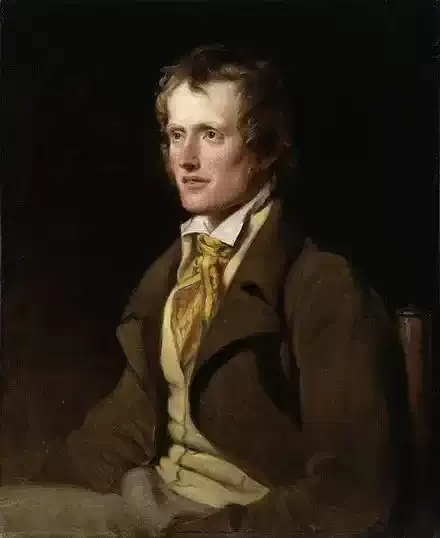
John Clare
Summer
Summer
Come we to the summer, to the summer we will come,
For the woods are full of bluebells and the hedges full of bloom,
And the crow is on the oak a-building of her nest,
And love is burning diamonds in my true lover's breast;
She sits beneath the whitethorn a-plaiting of her hair,
And I will to my true lover with a fond request repair;
I will look upon her face, I will in her beauty rest,
And lay my aching weariness upon her lovely breast.
The clock-a-clay is creeping on the open bloom of May,
The merry bee is trampling the pinky threads all day,
And the chaffinch it is brooding on its grey mossy nest
In the whitethorn bush where I will lean upon my lover's breast;
I'll lean upon her breast and I'll whisper in her ear
That I cannot get a wink o'sleep for thinking of my dear;
I hunger at my meat and I daily fade away
Like the hedge rose that is broken in the heat of the day.
Come we to the summer, to the summer we will come,
For the woods are full of bluebells and the hedges full of bloom,
And the crow is on the oak a-building of her nest,
And love is burning diamonds in my true lover's breast;
She sits beneath the whitethorn a-plaiting of her hair,
And I will to my true lover with a fond request repair;
I will look upon her face, I will in her beauty rest,
And lay my aching weariness upon her lovely breast.
The clock-a-clay is creeping on the open bloom of May,
The merry bee is trampling the pinky threads all day,
And the chaffinch it is brooding on its grey mossy nest
In the whitethorn bush where I will lean upon my lover's breast;
I'll lean upon her breast and I'll whisper in her ear
That I cannot get a wink o'sleep for thinking of my dear;
I hunger at my meat and I daily fade away
Like the hedge rose that is broken in the heat of the day.
370
John Clare
Summer Images
Summer Images
Now swarthy Summer, by rude health embrowned,
Precedence takes of rosy fingered Spring;
And laughing Joy, with wild flowers prank'd, and crown'd,
A wild and giddy thing,
And Health robust, from every care unbound,
Come on the zephyr's wing,
And cheer the toiling clown.
Happy as holiday-enjoying face,
Loud tongued, and "merry as a marriage bell,"
Thy lightsome step sheds joy in every place;
And where the troubled dwell,
Thy witching charms wean them of half their cares;
And from thy sunny spell,
They greet joy unawares.
Then with thy sultry locks all loose and rude,
And mantle laced with gems of garish light,
Come as of wont; for I would fain intrude,
And in the world's despite,
Share the rude wealth that thy own heart beguiles;
If haply so I might
Win pleasure from thy smiles.
Me not the noise of brawling pleasure cheers,
In nightly revels or in city streets;
But joys which soothe, and not distract the ears,
That one at leisure meets
In the green woods, and meadows summer-shorn,
Or fields, where bee-fly greets
The ear with mellow horn.
The green-swathed grasshopper, on treble pipe,
Sings there, and dances, in mad-hearted pranks;
There bees go courting every flower that's ripe,
On baulks and sunny banks;
And droning dragon-fly, on rude bassoon,
Attempts to give God thanks
In no discordant tune.
The speckled thrush, by self-delight embued,
There sings unto himself for joy's amends,
And drinks the honey dew of solitude.
There Happiness attends
With inbred Joy until the heart o'erflow,
Of which the world's rude friends,
Nought heeding, nothing know.
There the gay river, laughing as it goes,
Plashes with easy wave its flaggy sides,
And to the calm of heart, in calmness shows
What pleasure there abides,
To trace its sedgy banks, from trouble free:
Spots Solitude provides
To muse, and happy be.
There ruminating 'neath some pleasant bush,
On sweet silk grass I stretch me at mine ease,
Where I can pillow on the yielding rush;
And, acting as I please,
Drop into pleasant dreams; or musing lie,
Mark the wind-shaken trees,
And cloud-betravelled sky.
There think me how some barter joy for care,
And waste life's summer-health in riot rude,
Of nature, nor of nature's sweets aware.
When passions vain intrude,
These, by calm musings, softened are and still;
And the heart's better mood
Feels sick of doing ill.
There I can live, and at my leisure seek
Joys far from cold restraints--not fearing pride--
Free as the winds, that breathe upon my cheek
Rude health, so long denied.
Here poor Integrity can sit at ease,
And list self-satisfied
The song of honey-bees.
The green lane now I traverse, where it goes
Nought guessing, till some sudden turn espies
Rude batter'd finger post, that stooping shows
Where the snug mystery lies;
And then a mossy spire, with ivy crown,
Cheers up the short surprise,
And shows a peeping town.
I see the wild flowers, in their summer morn
Of beauty, feeding on joy's luscious hours;
The gay convolvulus, wreathing round the thorn,
Agape for honey showers;
And slender kingcup, burnished with the dew
Of morning's early hours,
Like gold yminted new.
And mark by rustic bridge, o'er shallow stream,
Cow-tending boy, to toil unreconciled,
Absorbed as in some vagrant summer dream;
Who now, in gestures wild,
Starts dancing to his shadow on the wall,
Feeling self-gratified,
Nor fearing human thrall.
Or thread the sunny valley laced with streams,
Or forests rude, and the o'ershadow'd brims
Of simple ponds, where idle shepherd dreams,
Stretching his listless limbs;
Or trace hay-scented meadows, smooth and long,
Where joy's wild impulse swims
In one continued song.
I love at early morn, from new mown swath,
To see the startled frog his route pursue;
To mark while, leaping o'er the dripping path,
His bright sides scatter dew,
The early lark that from its bustle flies,
To hail his matin new;
And watch him to the skies.
To note on hedgerow baulks, in moisture sprent,
The jetty snail creep from the mossy thorn,
With earnest heed, and tremulous intent,
Frail brother of the morn,
That from the tiny bent's dew-misted leaves
Withdraws his timid horn,
And fearful vision weaves.
Or swallow heed on smoke-tanned chimney top,
Wont to be first unsealing Morning's eye,
Ere yet the bee hath gleaned one wayward drop
Of honey on his thigh;
To see him seek morn's airy couch to sing,
Until the golden sky
Bepaint his russet wing.
Or sauntering boy by tanning corn to spy,
With clapping noise to startle birds away,
And hear him bawl to every passer by
To know the hour of day;
While the uncradled breezes, fresh and strong,
With waking blossoms play,
And breathe Æolian song.
I love the south-west wind, or low or loud,
And not the less when sudden drops of rain
Moisten my glowing cheek from ebon cloud,
Threatening soft showers again,
That over lands new ploughed and meadow grounds,
Summer's sweet breath unchain,
And wake harmonious sounds.
Rich music breathes in Summer's every sound;
And in her harmony of varied greens,
Woods, meadows, hedge-rows, corn-fields, all around
Much beauty intervenes,
Filling with harmony the ear and eye;
While o'er the mingling scenes
Far spreads the laughing sky.
See, how the wind-enamoured aspen leaves
Turn up their silver lining to the sun!
And hark! the rustling noise, that oft deceives,
And makes the sheep-boy run:
The sound so mimics fast-approaching showers,
He thinks the rain's begun,
And hastes to sheltering bowers.
But now the evening curdles dank and grey,
Changing her watchet hue for sombre weed;
And moping owls, to close the lids of day,
On drowsy wing proceed;
While chickering crickets, tremulous and long,
Light's farewell inly heed,
And give it parting song.
The pranking bat its flighty circlet makes;
The glow-worm burnishes its lamp anew;
O'er meadows dew-besprent, the beetle wakes
Inquiries ever new,
Teazing each passing ear with murmurs vain,
As wanting to pursue
His homeward path again.
Hark! 'tis the melody of distant bells
That on the wind with pleasing hum rebounds
By fitful starts, then musically swells
O'er the dim stilly grounds;
While on the meadow-bridge the pausing boy
Listens the mellow sounds,
And hums in vacant joy.
Now homeward-bound, the hedger bundles round
His evening faggot, and with every stride
His leathern doublet leaves a rustling sound,
Till silly sheep beside
His path start tremulous, and once again
Look back dissatisfied,
And scour the dewy plain.
How sweet the soothing calmness that distills
O'er the heart's every sense its opiate dews,
In meek-eyed moods and ever balmy trills!
That softens and subdues,
With gentle Quiet's bland and sober train,
Which dreamy eve renews
In many a mellow strain!
I love to walk the fields, they are to me
A legacy no evil can destroy;
They, like a spell, set every rapture free
That cheer'd me when a boy.
Play--pastime--all Time's blotting pen conceal'd,
Comes like a new-born joy,
To greet me in the field.
For Nature's objects ever harmonize
With emulous Taste, that vulgar deed annoys;
Which loves in pensive moods to sympathize,
And meet vibrating joys
O'er Nature's pleasing things; nor slighting, deems
Pastimes, the Muse employs,
Vain and obtrusive themes.
Now swarthy Summer, by rude health embrowned,
Precedence takes of rosy fingered Spring;
And laughing Joy, with wild flowers prank'd, and crown'd,
A wild and giddy thing,
And Health robust, from every care unbound,
Come on the zephyr's wing,
And cheer the toiling clown.
Happy as holiday-enjoying face,
Loud tongued, and "merry as a marriage bell,"
Thy lightsome step sheds joy in every place;
And where the troubled dwell,
Thy witching charms wean them of half their cares;
And from thy sunny spell,
They greet joy unawares.
Then with thy sultry locks all loose and rude,
And mantle laced with gems of garish light,
Come as of wont; for I would fain intrude,
And in the world's despite,
Share the rude wealth that thy own heart beguiles;
If haply so I might
Win pleasure from thy smiles.
Me not the noise of brawling pleasure cheers,
In nightly revels or in city streets;
But joys which soothe, and not distract the ears,
That one at leisure meets
In the green woods, and meadows summer-shorn,
Or fields, where bee-fly greets
The ear with mellow horn.
The green-swathed grasshopper, on treble pipe,
Sings there, and dances, in mad-hearted pranks;
There bees go courting every flower that's ripe,
On baulks and sunny banks;
And droning dragon-fly, on rude bassoon,
Attempts to give God thanks
In no discordant tune.
The speckled thrush, by self-delight embued,
There sings unto himself for joy's amends,
And drinks the honey dew of solitude.
There Happiness attends
With inbred Joy until the heart o'erflow,
Of which the world's rude friends,
Nought heeding, nothing know.
There the gay river, laughing as it goes,
Plashes with easy wave its flaggy sides,
And to the calm of heart, in calmness shows
What pleasure there abides,
To trace its sedgy banks, from trouble free:
Spots Solitude provides
To muse, and happy be.
There ruminating 'neath some pleasant bush,
On sweet silk grass I stretch me at mine ease,
Where I can pillow on the yielding rush;
And, acting as I please,
Drop into pleasant dreams; or musing lie,
Mark the wind-shaken trees,
And cloud-betravelled sky.
There think me how some barter joy for care,
And waste life's summer-health in riot rude,
Of nature, nor of nature's sweets aware.
When passions vain intrude,
These, by calm musings, softened are and still;
And the heart's better mood
Feels sick of doing ill.
There I can live, and at my leisure seek
Joys far from cold restraints--not fearing pride--
Free as the winds, that breathe upon my cheek
Rude health, so long denied.
Here poor Integrity can sit at ease,
And list self-satisfied
The song of honey-bees.
The green lane now I traverse, where it goes
Nought guessing, till some sudden turn espies
Rude batter'd finger post, that stooping shows
Where the snug mystery lies;
And then a mossy spire, with ivy crown,
Cheers up the short surprise,
And shows a peeping town.
I see the wild flowers, in their summer morn
Of beauty, feeding on joy's luscious hours;
The gay convolvulus, wreathing round the thorn,
Agape for honey showers;
And slender kingcup, burnished with the dew
Of morning's early hours,
Like gold yminted new.
And mark by rustic bridge, o'er shallow stream,
Cow-tending boy, to toil unreconciled,
Absorbed as in some vagrant summer dream;
Who now, in gestures wild,
Starts dancing to his shadow on the wall,
Feeling self-gratified,
Nor fearing human thrall.
Or thread the sunny valley laced with streams,
Or forests rude, and the o'ershadow'd brims
Of simple ponds, where idle shepherd dreams,
Stretching his listless limbs;
Or trace hay-scented meadows, smooth and long,
Where joy's wild impulse swims
In one continued song.
I love at early morn, from new mown swath,
To see the startled frog his route pursue;
To mark while, leaping o'er the dripping path,
His bright sides scatter dew,
The early lark that from its bustle flies,
To hail his matin new;
And watch him to the skies.
To note on hedgerow baulks, in moisture sprent,
The jetty snail creep from the mossy thorn,
With earnest heed, and tremulous intent,
Frail brother of the morn,
That from the tiny bent's dew-misted leaves
Withdraws his timid horn,
And fearful vision weaves.
Or swallow heed on smoke-tanned chimney top,
Wont to be first unsealing Morning's eye,
Ere yet the bee hath gleaned one wayward drop
Of honey on his thigh;
To see him seek morn's airy couch to sing,
Until the golden sky
Bepaint his russet wing.
Or sauntering boy by tanning corn to spy,
With clapping noise to startle birds away,
And hear him bawl to every passer by
To know the hour of day;
While the uncradled breezes, fresh and strong,
With waking blossoms play,
And breathe Æolian song.
I love the south-west wind, or low or loud,
And not the less when sudden drops of rain
Moisten my glowing cheek from ebon cloud,
Threatening soft showers again,
That over lands new ploughed and meadow grounds,
Summer's sweet breath unchain,
And wake harmonious sounds.
Rich music breathes in Summer's every sound;
And in her harmony of varied greens,
Woods, meadows, hedge-rows, corn-fields, all around
Much beauty intervenes,
Filling with harmony the ear and eye;
While o'er the mingling scenes
Far spreads the laughing sky.
See, how the wind-enamoured aspen leaves
Turn up their silver lining to the sun!
And hark! the rustling noise, that oft deceives,
And makes the sheep-boy run:
The sound so mimics fast-approaching showers,
He thinks the rain's begun,
And hastes to sheltering bowers.
But now the evening curdles dank and grey,
Changing her watchet hue for sombre weed;
And moping owls, to close the lids of day,
On drowsy wing proceed;
While chickering crickets, tremulous and long,
Light's farewell inly heed,
And give it parting song.
The pranking bat its flighty circlet makes;
The glow-worm burnishes its lamp anew;
O'er meadows dew-besprent, the beetle wakes
Inquiries ever new,
Teazing each passing ear with murmurs vain,
As wanting to pursue
His homeward path again.
Hark! 'tis the melody of distant bells
That on the wind with pleasing hum rebounds
By fitful starts, then musically swells
O'er the dim stilly grounds;
While on the meadow-bridge the pausing boy
Listens the mellow sounds,
And hums in vacant joy.
Now homeward-bound, the hedger bundles round
His evening faggot, and with every stride
His leathern doublet leaves a rustling sound,
Till silly sheep beside
His path start tremulous, and once again
Look back dissatisfied,
And scour the dewy plain.
How sweet the soothing calmness that distills
O'er the heart's every sense its opiate dews,
In meek-eyed moods and ever balmy trills!
That softens and subdues,
With gentle Quiet's bland and sober train,
Which dreamy eve renews
In many a mellow strain!
I love to walk the fields, they are to me
A legacy no evil can destroy;
They, like a spell, set every rapture free
That cheer'd me when a boy.
Play--pastime--all Time's blotting pen conceal'd,
Comes like a new-born joy,
To greet me in the field.
For Nature's objects ever harmonize
With emulous Taste, that vulgar deed annoys;
Which loves in pensive moods to sympathize,
And meet vibrating joys
O'er Nature's pleasing things; nor slighting, deems
Pastimes, the Muse employs,
Vain and obtrusive themes.
413
John Clare
Song #4
Song #4
I wish I was where I would be,
With love alone to dwell,
Was I but her or she but me,
Then love would all be well.
I wish to send my thoughts to her
As quick as thoughts can fly,
But as the winds the waters stir
The mirrors change and fly.
I wish I was where I would be,
With love alone to dwell,
Was I but her or she but me,
Then love would all be well.
I wish to send my thoughts to her
As quick as thoughts can fly,
But as the winds the waters stir
The mirrors change and fly.
22
John Clare
Song's Eternity
Song's Eternity
What is song's eternity?
Come and see.
Can it noise and bustle be?
Come and see.
Praises sung or praises said
Can it be?
Wait awhile and these are dead -
Sigh, sigh;
Be they high or lowly bred
They die.
What is song's eternity?
Come and see.
Melodies of earth and sky,
Here they be.
Song once sung to Adam's ears
Can it be?
Ballads of six thousand years
Thrive, thrive;
Songs awaken with the spheres
Alive.
Mighty songs that miss decay,
What are they?
Crowds and cities pass away
Like a day.
Books are out and books are read;
What are they?
Years will lay them with the dead -
Sigh, sigh;
Trifles unto nothing wed,
They die.
Dreamers, mark the honey bee;
Mark the tree
Where the blue cap "tootle tee"
Sings a glee
Sung to Adam and to Eve -
Here they be.
When floods covered every bough,
Noah's ark
Heard that ballad singing now;
Hark, hark,
"Tootle tootle tootle tee" -
Can it be
Pride and fame must shadows be?
Come and see -
Every season owns her own;
Bird and bee
Sing creation's music on;
Nature's glee
Is in every mood and tone
Eternity.
What is song's eternity?
Come and see.
Can it noise and bustle be?
Come and see.
Praises sung or praises said
Can it be?
Wait awhile and these are dead -
Sigh, sigh;
Be they high or lowly bred
They die.
What is song's eternity?
Come and see.
Melodies of earth and sky,
Here they be.
Song once sung to Adam's ears
Can it be?
Ballads of six thousand years
Thrive, thrive;
Songs awaken with the spheres
Alive.
Mighty songs that miss decay,
What are they?
Crowds and cities pass away
Like a day.
Books are out and books are read;
What are they?
Years will lay them with the dead -
Sigh, sigh;
Trifles unto nothing wed,
They die.
Dreamers, mark the honey bee;
Mark the tree
Where the blue cap "tootle tee"
Sings a glee
Sung to Adam and to Eve -
Here they be.
When floods covered every bough,
Noah's ark
Heard that ballad singing now;
Hark, hark,
"Tootle tootle tootle tee" -
Can it be
Pride and fame must shadows be?
Come and see -
Every season owns her own;
Bird and bee
Sing creation's music on;
Nature's glee
Is in every mood and tone
Eternity.
408
John Clare
Song #2
Song #2
One gloomy eve I roamed about
Neath Oxey's hazel bowers,
While timid hares were darting out,
To crop the dewy flowers;
And soothing was the scene to me,
Right pleased was my soul,
My breast was calm as summer's sea
When waves forget to roll.
But short was even's placid smile,
My startled soul to charm,
When Nelly lightly skipt the stile,
With milk-pail on her arm:
One careless look on me she flung,
As bright as parting day;
And like a hawk from covert sprung,
It pounced my peace away.
One gloomy eve I roamed about
Neath Oxey's hazel bowers,
While timid hares were darting out,
To crop the dewy flowers;
And soothing was the scene to me,
Right pleased was my soul,
My breast was calm as summer's sea
When waves forget to roll.
But short was even's placid smile,
My startled soul to charm,
When Nelly lightly skipt the stile,
With milk-pail on her arm:
One careless look on me she flung,
As bright as parting day;
And like a hawk from covert sprung,
It pounced my peace away.
21
John Clare
Secret Love
Secret Love
I hid my love when young till I
Couldn't bear the buzzing of a fly;
I hid my love to my despite
Till I could not bear to look at light:
I dare not gaze upon her face
But left her memory in each place;
Where eer I saw a wild flower lie
I kissed and bade my love good bye.
I met her in the greenest dells
Where dewdrops pearl the wood blue bells
The lost breeze kissed her bright blue eye,
The bee kissed and went singing by,
A sunbeam found a passage there,
A gold chain round her neck so fair;
As secret as the wild bee's song
She lay there all the summer long.
I hid my love in field and town
Till een the breeze would knock me down,
The bees seemed singing ballads oer,
The fly's bass turned a lion's roar;
And even silence found a tongue,
To haunt me all the summer long;
The riddle nature could not prove
Was nothing else but secret love.
I hid my love when young till I
Couldn't bear the buzzing of a fly;
I hid my love to my despite
Till I could not bear to look at light:
I dare not gaze upon her face
But left her memory in each place;
Where eer I saw a wild flower lie
I kissed and bade my love good bye.
I met her in the greenest dells
Where dewdrops pearl the wood blue bells
The lost breeze kissed her bright blue eye,
The bee kissed and went singing by,
A sunbeam found a passage there,
A gold chain round her neck so fair;
As secret as the wild bee's song
She lay there all the summer long.
I hid my love in field and town
Till een the breeze would knock me down,
The bees seemed singing ballads oer,
The fly's bass turned a lion's roar;
And even silence found a tongue,
To haunt me all the summer long;
The riddle nature could not prove
Was nothing else but secret love.
409
John Clare
Love Cannot Die
Love Cannot Die
In crime and enmity they lie
Who sin and tell us love can die,
Who say to us in slander's breath
That love belongs to sin and death.
From heaven it came on angel's wing
To bloom on earth, eternal spring;
In falsehood's enmity they lie
Who sin and tell us love can die.
Twas born upon an angel's breast.
The softest dreams, the sweetest rest,
The brightest sun, the bluest sky,
Are love's own home and canopy.
The thought that cheers this heart of mine
Is that of love; love so divine
They sin who say in slander's breath
That love belongs to sin and death.
The sweetest voice that lips contain,
The sweetest thought that leaves the brain,
The sweetest feeling of the heart-There's
pleasure in its very smart.
The scent of rose and cinnamon
Is not like love remembered on;
In falsehood's enmity they lie
Who sin and tell us love can die.
In crime and enmity they lie
Who sin and tell us love can die,
Who say to us in slander's breath
That love belongs to sin and death.
From heaven it came on angel's wing
To bloom on earth, eternal spring;
In falsehood's enmity they lie
Who sin and tell us love can die.
Twas born upon an angel's breast.
The softest dreams, the sweetest rest,
The brightest sun, the bluest sky,
Are love's own home and canopy.
The thought that cheers this heart of mine
Is that of love; love so divine
They sin who say in slander's breath
That love belongs to sin and death.
The sweetest voice that lips contain,
The sweetest thought that leaves the brain,
The sweetest feeling of the heart-There's
pleasure in its very smart.
The scent of rose and cinnamon
Is not like love remembered on;
In falsehood's enmity they lie
Who sin and tell us love can die.
395
John Clare
Invitation To Eternity
Invitation To Eternity
Say, wilt thou go with me, sweet maid,
Say, maiden, wilt thou go with me
Through the valley-depths of shade,
Of bright and dark obscurity;
Where the path has lost its way,
Where the sun forgets the day,
Where there's nor light nor life to see,
Sweet maiden, wilt thou go with me?
Where stones will turn to flooding streams,
Where plains will rise like ocean's waves,
Where life will fade like visioned dreams
And darkness darken into caves,
Say, maiden, wilt thou go with me
Through this sad non-identity
Where parents live and are forgot,
And sisters live and know us not?
Say, maiden, wilt thou go with me
In this strange death of life to be,
To live in death and be the same,
Without this life or home or name,
At once to be and not to be--
That was and is not--yet to see
Things pass like shadows, and the sky
Above, below, around us lie?
The land of shadows wilt thou trace,
Nor look nor know each other's face;
The present marred with reason gone,
And past and present both as one?
Say, maiden, can thy life be led
To join the living and the dead?
Then trace thy footsteps on with me:
We are wed to one eternity.
Say, wilt thou go with me, sweet maid,
Say, maiden, wilt thou go with me
Through the valley-depths of shade,
Of bright and dark obscurity;
Where the path has lost its way,
Where the sun forgets the day,
Where there's nor light nor life to see,
Sweet maiden, wilt thou go with me?
Where stones will turn to flooding streams,
Where plains will rise like ocean's waves,
Where life will fade like visioned dreams
And darkness darken into caves,
Say, maiden, wilt thou go with me
Through this sad non-identity
Where parents live and are forgot,
And sisters live and know us not?
Say, maiden, wilt thou go with me
In this strange death of life to be,
To live in death and be the same,
Without this life or home or name,
At once to be and not to be--
That was and is not--yet to see
Things pass like shadows, and the sky
Above, below, around us lie?
The land of shadows wilt thou trace,
Nor look nor know each other's face;
The present marred with reason gone,
And past and present both as one?
Say, maiden, can thy life be led
To join the living and the dead?
Then trace thy footsteps on with me:
We are wed to one eternity.
399
John Clare
Idle Fame
Idle Fame
I would not wish the burning blaze
Of fame around a restless world,
The thunder and the storm of praise
In crowded tumults heard and hurled.
I would not be a flower to stand
The stare of every passer-bye;
But in some nook of fairyland,
Seen in the praise of beauty's eye.
I would not wish the burning blaze
Of fame around a restless world,
The thunder and the storm of praise
In crowded tumults heard and hurled.
I would not be a flower to stand
The stare of every passer-bye;
But in some nook of fairyland,
Seen in the praise of beauty's eye.
343
John Clare
Fragment
Fragment
The cataract, whirling down the precipice,
Elbows down rocks and, shouldering, thunders through.
Roars, howls, and stifled murmurs never cease;
Hell and its agonies seem hid below.
Thick rolls the mist, that smokes and falls in dew;
The trees and greenwood wear the deepest green.
Horrible mysteries in the gulph stare through,
Roars of a million tongues, and none knows what they mean.
The cataract, whirling down the precipice,
Elbows down rocks and, shouldering, thunders through.
Roars, howls, and stifled murmurs never cease;
Hell and its agonies seem hid below.
Thick rolls the mist, that smokes and falls in dew;
The trees and greenwood wear the deepest green.
Horrible mysteries in the gulph stare through,
Roars of a million tongues, and none knows what they mean.
384
John Clare
First Love
First Love
I ne'er was struck before that hour
With love so sudden and so sweet,
Her face it bloomed like a sweet flower
And stole my heart away complete.
My face turned pale as deadly pale.
My legs refused to walk away,
And when she looked, what could I ail?
My life and all seemed turned to clay.
And then my blood rushed to my face
And took my eyesight quite away,
The trees and bushes round the place
Seemed midnight at noonday.
I could not see a single thing,
Words from my eyes did start --
They spoke as chords do from the string,
And blood burnt round my heart.
Are flowers the winter's choice?
Is love's bed always snow?
She seemed to hear my silent voice,
Not love's appeals to know.
I never saw so sweet a face
As that I stood before.
My heart has left its dwelling-place
And can return no more
I ne'er was struck before that hour
With love so sudden and so sweet,
Her face it bloomed like a sweet flower
And stole my heart away complete.
My face turned pale as deadly pale.
My legs refused to walk away,
And when she looked, what could I ail?
My life and all seemed turned to clay.
And then my blood rushed to my face
And took my eyesight quite away,
The trees and bushes round the place
Seemed midnight at noonday.
I could not see a single thing,
Words from my eyes did start --
They spoke as chords do from the string,
And blood burnt round my heart.
Are flowers the winter's choice?
Is love's bed always snow?
She seemed to hear my silent voice,
Not love's appeals to know.
I never saw so sweet a face
As that I stood before.
My heart has left its dwelling-place
And can return no more
408
John Clare
Evening Primrose
Evening Primrose
When once the sun sinks in the west,
And dewdrops pearl the evening's breast;
Almost as pale as moonbeams are,
Or its companionable star,
The evening primrose opes anew
Its delicate blossoms to the dew;
And, hermit-like, shunning the light,
Wastes its fair bloom upon the night,
Who, blindfold to its fond caresses,
Knows not the beauty it possesses;
Thus it blooms on while night is by;
When day looks out with open eye,
Bashed at the gaze it cannot shun,
It faints and withers and is gone.
When once the sun sinks in the west,
And dewdrops pearl the evening's breast;
Almost as pale as moonbeams are,
Or its companionable star,
The evening primrose opes anew
Its delicate blossoms to the dew;
And, hermit-like, shunning the light,
Wastes its fair bloom upon the night,
Who, blindfold to its fond caresses,
Knows not the beauty it possesses;
Thus it blooms on while night is by;
When day looks out with open eye,
Bashed at the gaze it cannot shun,
It faints and withers and is gone.
512
John Clare
Farewell And Defiance To Love
Farewell And Defiance To Love
Love and thy vain employs, away
From this too oft deluded breast!
No longer will I court thy stay,
To be my bosom's teazing guest.
Thou treacherous medicine, reckoned pure,
Thou quackery of the harassed heart,
That kills what it pretends to cure,
Life's mountebank thou art.
With nostrums vain of boasted powers,
That, ta'en, a worse disorder leave;
An asp hid in a group of flowers,
That bites and stings when few perceive;
Thou mock-truce to the troubled mind,
Leading it more in sorrow's way,
Freedom, that leaves us more confined,
I bid thee hence away.
Dost taunt, and deem thy power beyond
The resolution reason gave?
Tut! Falsity hath snapt each bond,
That kept me once thy quiet slave,
And made thy snare a spider's thread,
Which een my breath can break in twain;
Nor will I be, like Sampson, led
To trust thy wiles again.
I took thee as my staff to guide
Me on the road I did pursue,
And when my weakness most relied
Upon its strength it broke in two.
I took thee as my friendly host
That counsel might in dangers show,
But when I needed thee the most
I found thou wert my foe.
Tempt me no more with rosy cheeks,
Nor daze my reason with bright eyes;
I'm wearied with thy painted freaks,
And sicken at such vanities:
Be roses fine as eer they will,
They, with the meanest, fade and die,
And eyes, though thronged with darts to kill,
Share like mortality.
Feed the young bard, that madly sips
His nectar-draughts from folly's flowers,
Bright eyes, fair cheeks, and ruby lips,
Till muses melt to honey showers;
Lure him to thrum thy empty lays,
While flattery listens to the chimes,
Till words themselves grow sick with praise
And stop for want of rhymes.
Let such be still thy paramours,
And chaunt love's old and idle tune,
Robbing the spring of all its flowers,
And heaven of all her stars and moon,
To gild with dazzling similes
Blind folly's vain and empty lay:
I'm sobered from such phantasies,
So get thee hence away.
Nor bid me sigh for mine own cost,
Nor count its loss, for mine annoy,
Nor say my stubbornness hath lost
A paradise of dainty joy:
I'll not believe thee, till I know
That sober reason turns an ape,
And acts the harlequin, to show
That cares in every shape,
Heart-achings, sighs, and grief-wrung tears,
Shame-blushes at betrayed distress,
Dissembled smiles, and jealous fears,
Are nought but real happiness:
Then will I mourn what now I brave,
And suffer Celia's quirks to be
(Like a poor fate-bewilder'd slave,)
The rulers of my destiny.
I'll weep and sigh wheneer she wills
To frown, and when she deigns to smile
It shall be cure for all my ills,
And, foolish still, I'll laugh the while;
But till that comes, I'll bless the rules
Experience taught, and deem it wise
To hold thee as the game of fools,
And all thy tricks despise.
Love and thy vain employs, away
From this too oft deluded breast!
No longer will I court thy stay,
To be my bosom's teazing guest.
Thou treacherous medicine, reckoned pure,
Thou quackery of the harassed heart,
That kills what it pretends to cure,
Life's mountebank thou art.
With nostrums vain of boasted powers,
That, ta'en, a worse disorder leave;
An asp hid in a group of flowers,
That bites and stings when few perceive;
Thou mock-truce to the troubled mind,
Leading it more in sorrow's way,
Freedom, that leaves us more confined,
I bid thee hence away.
Dost taunt, and deem thy power beyond
The resolution reason gave?
Tut! Falsity hath snapt each bond,
That kept me once thy quiet slave,
And made thy snare a spider's thread,
Which een my breath can break in twain;
Nor will I be, like Sampson, led
To trust thy wiles again.
I took thee as my staff to guide
Me on the road I did pursue,
And when my weakness most relied
Upon its strength it broke in two.
I took thee as my friendly host
That counsel might in dangers show,
But when I needed thee the most
I found thou wert my foe.
Tempt me no more with rosy cheeks,
Nor daze my reason with bright eyes;
I'm wearied with thy painted freaks,
And sicken at such vanities:
Be roses fine as eer they will,
They, with the meanest, fade and die,
And eyes, though thronged with darts to kill,
Share like mortality.
Feed the young bard, that madly sips
His nectar-draughts from folly's flowers,
Bright eyes, fair cheeks, and ruby lips,
Till muses melt to honey showers;
Lure him to thrum thy empty lays,
While flattery listens to the chimes,
Till words themselves grow sick with praise
And stop for want of rhymes.
Let such be still thy paramours,
And chaunt love's old and idle tune,
Robbing the spring of all its flowers,
And heaven of all her stars and moon,
To gild with dazzling similes
Blind folly's vain and empty lay:
I'm sobered from such phantasies,
So get thee hence away.
Nor bid me sigh for mine own cost,
Nor count its loss, for mine annoy,
Nor say my stubbornness hath lost
A paradise of dainty joy:
I'll not believe thee, till I know
That sober reason turns an ape,
And acts the harlequin, to show
That cares in every shape,
Heart-achings, sighs, and grief-wrung tears,
Shame-blushes at betrayed distress,
Dissembled smiles, and jealous fears,
Are nought but real happiness:
Then will I mourn what now I brave,
And suffer Celia's quirks to be
(Like a poor fate-bewilder'd slave,)
The rulers of my destiny.
I'll weep and sigh wheneer she wills
To frown, and when she deigns to smile
It shall be cure for all my ills,
And, foolish still, I'll laugh the while;
But till that comes, I'll bless the rules
Experience taught, and deem it wise
To hold thee as the game of fools,
And all thy tricks despise.
401
John Clare
Decay
Decay
O Poesy is on the wane,
For Fancy's visions all unfitting;
I hardly know her face again,
Nature herself seems on the flitting.
The fields grow old and common things,
The grass, the sky, the winds a-blowing;
And spots, where still a beauty clings,
Are sighing 'going! all a-going!'
O Poesy is on the wane,
I hardly know her face again.
The bank with brambles overspread,
And little molehills round about it,
Was more to me than laurel shades,
With paths of gravel finely clouted;
And streaking here and streaking there,
Through shaven grass and many a border,
With rutty lanes had no compare,
And heaths were in a richer order.
But Poesy is on the wane,
I hardly know her face again.
I sat beside the pasture stream,
When Beauty's self was sitting by,
The fields did more than Eden seem
Nor could I tell the reason why.
I often drank when not adry
To pledge her health in draughts divine;
Smiles made it nectar from the sky,
Love turned een water into wine.
O Poesy is on the wane,
I cannot find her face again.
The sun those mornings used to find,
Its clouds were other-country mountains,
And heaven looked downward on the mind,
Like groves, and rocks, and mottled fountains.
Those heavens are gone, the mountains grey
Turned mist--the sun, a homeless ranger,
Pursues alone his naked way,
Unnoticed like a very stranger.
O Poesy is on the wane,
Nor love nor joy is mine again.
Love's sun went down without a frown,
For very joy it used to grieve us;
I often think the West is gone,
Ah, cruel Time, to undeceive us.
The stream it is a common stream,
Where we on Sundays used to ramble,
The sky hangs oer a broken dream,
The bramble's dwindled to a bramble!
O Poesy is on the wane,
I cannot find her haunts again.
Mere withered stalks and fading trees,
And pastures spread with hills and rushes,
Are all my fading vision sees;
Gone, gone are rapture's flooding gushes!
When mushrooms they were fairy bowers,
Their marble pillars overswelling,
And Danger paused to pluck the flowers
That in their swarthy rings were dwelling.
Yes, Poesy is on the wane,
Nor joy nor fear is mine again.
Aye, Poesy hath passed away,
And Fancy's visions undeceive us;
The night hath ta'en the place of day,
And why should passing shadows grieve us?
I thought the flowers upon the hills
Were flowers from Adam's open gardens;
But I have had my summer thrills,
And I have had my heart's rewardings.
So Poesy is on the wane,
I hardly know her face again.
And Friendship it hath burned away,
Like to a very ember cooling,
A make-believe on April day
That sent the simple heart a-fooling;
Mere jesting in an earnest way,
Deceiving on and still deceiving;
And Hope is but a fancy-play,
And Joy the art of true believing;
For Poesy is on the wane,
O could I feel her faith again!
O Poesy is on the wane,
For Fancy's visions all unfitting;
I hardly know her face again,
Nature herself seems on the flitting.
The fields grow old and common things,
The grass, the sky, the winds a-blowing;
And spots, where still a beauty clings,
Are sighing 'going! all a-going!'
O Poesy is on the wane,
I hardly know her face again.
The bank with brambles overspread,
And little molehills round about it,
Was more to me than laurel shades,
With paths of gravel finely clouted;
And streaking here and streaking there,
Through shaven grass and many a border,
With rutty lanes had no compare,
And heaths were in a richer order.
But Poesy is on the wane,
I hardly know her face again.
I sat beside the pasture stream,
When Beauty's self was sitting by,
The fields did more than Eden seem
Nor could I tell the reason why.
I often drank when not adry
To pledge her health in draughts divine;
Smiles made it nectar from the sky,
Love turned een water into wine.
O Poesy is on the wane,
I cannot find her face again.
The sun those mornings used to find,
Its clouds were other-country mountains,
And heaven looked downward on the mind,
Like groves, and rocks, and mottled fountains.
Those heavens are gone, the mountains grey
Turned mist--the sun, a homeless ranger,
Pursues alone his naked way,
Unnoticed like a very stranger.
O Poesy is on the wane,
Nor love nor joy is mine again.
Love's sun went down without a frown,
For very joy it used to grieve us;
I often think the West is gone,
Ah, cruel Time, to undeceive us.
The stream it is a common stream,
Where we on Sundays used to ramble,
The sky hangs oer a broken dream,
The bramble's dwindled to a bramble!
O Poesy is on the wane,
I cannot find her haunts again.
Mere withered stalks and fading trees,
And pastures spread with hills and rushes,
Are all my fading vision sees;
Gone, gone are rapture's flooding gushes!
When mushrooms they were fairy bowers,
Their marble pillars overswelling,
And Danger paused to pluck the flowers
That in their swarthy rings were dwelling.
Yes, Poesy is on the wane,
Nor joy nor fear is mine again.
Aye, Poesy hath passed away,
And Fancy's visions undeceive us;
The night hath ta'en the place of day,
And why should passing shadows grieve us?
I thought the flowers upon the hills
Were flowers from Adam's open gardens;
But I have had my summer thrills,
And I have had my heart's rewardings.
So Poesy is on the wane,
I hardly know her face again.
And Friendship it hath burned away,
Like to a very ember cooling,
A make-believe on April day
That sent the simple heart a-fooling;
Mere jesting in an earnest way,
Deceiving on and still deceiving;
And Hope is but a fancy-play,
And Joy the art of true believing;
For Poesy is on the wane,
O could I feel her faith again!
446
John Clare
A vision
A vision
I lost the love of heaven above,
I spurned the lust of earth below,
I felt the sweets of fancied love
And hell itself my only foe.
I lost earth's joys but felt the glow
Of heaven's flame abound in me
Till loveliness and I did grow
The bard of immortality.
I loved but woman fell away
I hid me from her faded fame,
I snatched the sun's eternal ray
And wrote till earth was but a name
In every language upon earth,
On every shore, o'er every sea,
I give my name immortal birth
And kept my spirit with the free.
I lost the love of heaven above,
I spurned the lust of earth below,
I felt the sweets of fancied love
And hell itself my only foe.
I lost earth's joys but felt the glow
Of heaven's flame abound in me
Till loveliness and I did grow
The bard of immortality.
I loved but woman fell away
I hid me from her faded fame,
I snatched the sun's eternal ray
And wrote till earth was but a name
In every language upon earth,
On every shore, o'er every sea,
I give my name immortal birth
And kept my spirit with the free.
487
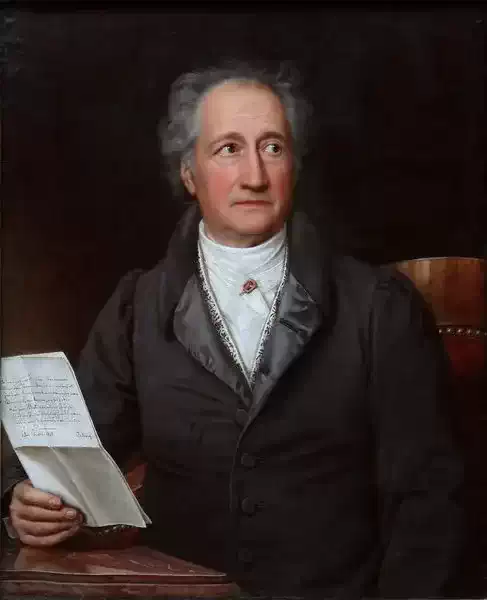
Johann Wolfgang von Goethe
When The Fox Dies, His Skin Counts
When The Fox Dies, His Skin Counts
WE young people in the shade
Sat one sultry day;
Cupid came, and "Dies the Fox"
With us sought to play.
Each one of my friends then sat
By his mistress dear;
Cupid, blowing out the torch,
Said: "The taper's here!"
Then we quickly sent around
The expiring brand;
Each one put it hastily
ln his neighbour's hand.
Dorilis then gave it me,
With a scoffing jest;
Sudden into flame it broke,
By my fingers press'd.
And it singed my eyes and face,
Set my breast on fire;
Then above my head the blaze
Mounted ever higher.
Vain I sought to put it out;
Ever burned the flame;
Stead of dying, soon the Fox
Livelier still became.
WE young people in the shade
Sat one sultry day;
Cupid came, and "Dies the Fox"
With us sought to play.
Each one of my friends then sat
By his mistress dear;
Cupid, blowing out the torch,
Said: "The taper's here!"
Then we quickly sent around
The expiring brand;
Each one put it hastily
ln his neighbour's hand.
Dorilis then gave it me,
With a scoffing jest;
Sudden into flame it broke,
By my fingers press'd.
And it singed my eyes and face,
Set my breast on fire;
Then above my head the blaze
Mounted ever higher.
Vain I sought to put it out;
Ever burned the flame;
Stead of dying, soon the Fox
Livelier still became.
313
Johann Wolfgang von Goethe
Winter Journey Over The Hartz Mountain
Winter Journey Over The Hartz Mountain
LIKE the vulture
Who on heavy morning clouds
With gentle wing reposing
Looks for his prey,--
Hover, my song!
For a God hath
Unto each prescribed
His destined path,
Which the happy one
Runs o'er swiftly
To his glad goal:
He whose heart cruel
Fate hath contracted,
Struggles but vainly
Against all the barriers
The brazen thread raises,
But which the harsh shears
Must one day sever.
Through gloomy thickets
Presseth the wild deer on,
And with the sparrows
Long have the wealthy
Settled themselves in the marsh.
Easy 'tis following the chariot
That by Fortune is driven,
Like the baggage that moves
Over well-mended highways
After the train of a prince.
But who stands there apart?
In the thicket, lost is his path;
Behind him the bushes
Are closing together,
The grass springs up again,
The desert engulphs him.
Ah, who'll heal his afflictions,
To whom balsam was poison,
Who, from love's fullness,
Drank in misanthropy only?
First despised, and now a despiser,
He, in secret, wasteth
All that he is worth,
In a selfishness vain.
If there be, on thy psaltery,
Father of Love, but one tone
That to his ear may be pleasing,
Oh, then, quicken his heart!
Clear his cloud-enveloped eyes
Over the thousand fountains
Close by the thirsty one
In the desert.
Thou who createst much joy,
For each a measure o'erflowing,
Bless the sons of the chase
When on the track of the prey,
With a wild thirsting for blood,
Youthful and joyous
Avenging late the injustice
Which the peasant resisted
Vainly for years with his staff.
But the lonely one veil
Within thy gold clouds!
Surround with winter-green,
Until the roses bloom again,
The humid locks,
Oh Love, of thy minstrel!
With thy glimmering torch
Lightest thou him
Through the fords when 'tis night,
Over bottomless places
On desert-like plains;
With the thousand colours of morning
Gladd'nest his bosom;
With the fierce-biting storm
Bearest him proudly on high;
Winter torrents rush from the cliffs,--
Blend with his psalms;
An altar of grateful delight
He finds in the much-dreaded mountain's
Snow-begirded summit,
Which foreboding nations
Crown'd with spirit-dances.
Thou stand'st with breast inscrutable,
Mysteriously disclosed,
High o'er the wondering world,
And look'st from clouds
Upon its realms and its majesty,
Which thou from the veins of thy brethren
Near thee dost water.
LIKE the vulture
Who on heavy morning clouds
With gentle wing reposing
Looks for his prey,--
Hover, my song!
For a God hath
Unto each prescribed
His destined path,
Which the happy one
Runs o'er swiftly
To his glad goal:
He whose heart cruel
Fate hath contracted,
Struggles but vainly
Against all the barriers
The brazen thread raises,
But which the harsh shears
Must one day sever.
Through gloomy thickets
Presseth the wild deer on,
And with the sparrows
Long have the wealthy
Settled themselves in the marsh.
Easy 'tis following the chariot
That by Fortune is driven,
Like the baggage that moves
Over well-mended highways
After the train of a prince.
But who stands there apart?
In the thicket, lost is his path;
Behind him the bushes
Are closing together,
The grass springs up again,
The desert engulphs him.
Ah, who'll heal his afflictions,
To whom balsam was poison,
Who, from love's fullness,
Drank in misanthropy only?
First despised, and now a despiser,
He, in secret, wasteth
All that he is worth,
In a selfishness vain.
If there be, on thy psaltery,
Father of Love, but one tone
That to his ear may be pleasing,
Oh, then, quicken his heart!
Clear his cloud-enveloped eyes
Over the thousand fountains
Close by the thirsty one
In the desert.
Thou who createst much joy,
For each a measure o'erflowing,
Bless the sons of the chase
When on the track of the prey,
With a wild thirsting for blood,
Youthful and joyous
Avenging late the injustice
Which the peasant resisted
Vainly for years with his staff.
But the lonely one veil
Within thy gold clouds!
Surround with winter-green,
Until the roses bloom again,
The humid locks,
Oh Love, of thy minstrel!
With thy glimmering torch
Lightest thou him
Through the fords when 'tis night,
Over bottomless places
On desert-like plains;
With the thousand colours of morning
Gladd'nest his bosom;
With the fierce-biting storm
Bearest him proudly on high;
Winter torrents rush from the cliffs,--
Blend with his psalms;
An altar of grateful delight
He finds in the much-dreaded mountain's
Snow-begirded summit,
Which foreboding nations
Crown'd with spirit-dances.
Thou stand'st with breast inscrutable,
Mysteriously disclosed,
High o'er the wondering world,
And look'st from clouds
Upon its realms and its majesty,
Which thou from the veins of thy brethren
Near thee dost water.
390
Johann Wolfgang von Goethe
Welcome And Farewell
Welcome And Farewell
QUICK throbb'd my heart: to norse! haste, haste,
And lo! 'twas done with speed of light;
The evening soon the world embraced,
And o'er the mountains hung the night.
Soon stood, in robe of mist, the oak,
A tow'ring giant in his size,
Where darkness through the thicket broke,
And glared with hundred gloomy eyes.
From out a hill of clouds the moon
With mournful gaze began to peer:
The winds their soft wings flutter'd soon,
And murmur'd in mine awe-struck ear;
The night a thousand monsters made,
Yet fresh and joyous was my mind;
What fire within my veins then play'd!
What glow was in my bosom shrin'd!
I saw thee, and with tender pride
Felt thy sweet gaze pour joy on me;
While all my heart was at thy side.
And every breath I breath'd for thee.
The roseate hues that spring supplies
Were playing round thy features fair,
And love for me--ye Deities!
I hoped it, I deserved it ne'er!
But, when the morning sun return'd,
Departure filled with grief my heart:
Within thy kiss, what rapture burn'd!
But in thy look, what bitter smart!
I went--thy gaze to earth first roved
Thou follow'dst me with tearful eye:
And yet, what rapture to be loved!
And, Gods, to love--what ecstasy!
QUICK throbb'd my heart: to norse! haste, haste,
And lo! 'twas done with speed of light;
The evening soon the world embraced,
And o'er the mountains hung the night.
Soon stood, in robe of mist, the oak,
A tow'ring giant in his size,
Where darkness through the thicket broke,
And glared with hundred gloomy eyes.
From out a hill of clouds the moon
With mournful gaze began to peer:
The winds their soft wings flutter'd soon,
And murmur'd in mine awe-struck ear;
The night a thousand monsters made,
Yet fresh and joyous was my mind;
What fire within my veins then play'd!
What glow was in my bosom shrin'd!
I saw thee, and with tender pride
Felt thy sweet gaze pour joy on me;
While all my heart was at thy side.
And every breath I breath'd for thee.
The roseate hues that spring supplies
Were playing round thy features fair,
And love for me--ye Deities!
I hoped it, I deserved it ne'er!
But, when the morning sun return'd,
Departure filled with grief my heart:
Within thy kiss, what rapture burn'd!
But in thy look, what bitter smart!
I went--thy gaze to earth first roved
Thou follow'dst me with tearful eye:
And yet, what rapture to be loved!
And, Gods, to love--what ecstasy!
583
Johann Wolfgang von Goethe
Wedding Night
Wedding Night
Far from the feasting, in the bedroom
Sits loyal Amor and quakes with dread:
What if the guests become too zestful,
Break the peace of the bridal bed?
A mystical and holy shimmer
Flows from his pale flames of gold;
For you both a whirl of incense
Readies pleasures manifold.
How throbs your heart as chiming timepiece
Chases noisy guests away;
Any moment, lips you burn for
Nought will utter, nought gainsay.
You hasten with her to the temple,
There to consummate your bliss;
The guardian holds aloft his flambeau,
Still and small as a taper is.
How she trembles with your kisses,
Bosom, lips, and cheeks, and brow:
His severities are shivers,
Your derring-do is duty now.
Quick, Amor helps you undress her,
He has half your enterprise;
Roguish, then, but also modest,
He'll be closing both his eyes.
Far from the feasting, in the bedroom
Sits loyal Amor and quakes with dread:
What if the guests become too zestful,
Break the peace of the bridal bed?
A mystical and holy shimmer
Flows from his pale flames of gold;
For you both a whirl of incense
Readies pleasures manifold.
How throbs your heart as chiming timepiece
Chases noisy guests away;
Any moment, lips you burn for
Nought will utter, nought gainsay.
You hasten with her to the temple,
There to consummate your bliss;
The guardian holds aloft his flambeau,
Still and small as a taper is.
How she trembles with your kisses,
Bosom, lips, and cheeks, and brow:
His severities are shivers,
Your derring-do is duty now.
Quick, Amor helps you undress her,
He has half your enterprise;
Roguish, then, but also modest,
He'll be closing both his eyes.
436
Johann Wolfgang von Goethe
Venetian Epigrams I
Venetian Epigrams I
Sarcophagi, urns, were all covered with lifelike scenes,
fauns dancing with girls from a Bacchanalian choir,
paired-off, goat-footed creatures puffing their cheeks,
forcing ear-splitting notes from the blaring horns.
Cymbals and drumbeats, the marble is seen and is heard.
How delightful the fruit in the beaks of fluttering birds!
No startling noise can scare them, or scare away love,
Amor, whose torch waves more gladly in this happy throng.
So fullness overcomes death, and the ashes within
seem still, in their silent house, to feel love’s delight.
So may the Poet’s sarcophagus be adorned,
with this book the writer has filled with the beauty of life.
Sarcophagi, urns, were all covered with lifelike scenes,
fauns dancing with girls from a Bacchanalian choir,
paired-off, goat-footed creatures puffing their cheeks,
forcing ear-splitting notes from the blaring horns.
Cymbals and drumbeats, the marble is seen and is heard.
How delightful the fruit in the beaks of fluttering birds!
No startling noise can scare them, or scare away love,
Amor, whose torch waves more gladly in this happy throng.
So fullness overcomes death, and the ashes within
seem still, in their silent house, to feel love’s delight.
So may the Poet’s sarcophagus be adorned,
with this book the writer has filled with the beauty of life.
414
Johann Wolfgang von Goethe
Trilogy Of Passion 03 Atonement
Trilogy Of Passion 03 Atonement
PASSION brings reason--who can pacify
An anguish'd heart whose loss hath been so great?
Where are the hours that fled so swiftly by?
In vain the fairest thou didst gain from fate;
Sad is the soul, confused the enterprise;
The glorious world, how on the sense it dies!
In million tones entwined for evermore,
Music with angel-pinions hovers there,
To pierce man's being to its inmost core,
Eternal beauty has its fruit to bear;
The eye grows moist, in yearnings blest reveres
The godlike worth of music as of tears.
And so the lighten'd heart soon learns to see
That it still lives, and beats, and ought to beat,
Off'ring itself with joy and willingly,
In grateful payment for a gift so sweet.
And then was felt,--oh may it constant prove!--
The twofold bliss of music and of love.
PASSION brings reason--who can pacify
An anguish'd heart whose loss hath been so great?
Where are the hours that fled so swiftly by?
In vain the fairest thou didst gain from fate;
Sad is the soul, confused the enterprise;
The glorious world, how on the sense it dies!
In million tones entwined for evermore,
Music with angel-pinions hovers there,
To pierce man's being to its inmost core,
Eternal beauty has its fruit to bear;
The eye grows moist, in yearnings blest reveres
The godlike worth of music as of tears.
And so the lighten'd heart soon learns to see
That it still lives, and beats, and ought to beat,
Off'ring itself with joy and willingly,
In grateful payment for a gift so sweet.
And then was felt,--oh may it constant prove!--
The twofold bliss of music and of love.
370
Johann Wolfgang von Goethe
Trilogy Of Passion 01 To Werther
Trilogy Of Passion 01 To Werther
ONCE more, then, much-wept shadow, thou dost dare
Boldly to face the day's clear light,
To meet me on fresh blooming meadows fair,
And dost not tremble at my sight.
Those happy times appear return'd once more.
When on one field we quaff'd refreshing dew,
And, when the day's unwelcome toils were o'er,
The farewell sunbeams bless'd our ravish'd view;
Fate bade thee go,--to linger here was mine,--
Going the first, the smaller loss was thine.
The life of man appears a glorious fate:
The day how lovely, and the night how great!
And we 'mid Paradise-like raptures plac'd,
The sun's bright glory scarce have learn'd to taste.
When strange contending feelings dimly cover,
Now us, and now the forms that round us hover;
One's feelings by no other are supplied,
'Tis dark without, if all is bright inside;
An outward brightness veils my sadden'd mood,
When Fortune smiles,--how seldom understood!
Now think we that we know her, and with might
A woman's beauteous form instils delight;
The youth, as glad as in his infancy,
The spring-time treads, as though the spring were he
Ravish'd, amazed, he asks, how this is done?
He looks around, the world appears his own.
With careless speed he wanders on through space,
Nor walls, nor palaces can check his race;
As some gay flight of birds round tree-tops plays,
So 'tis with him who round his mistress strays;
He seeks from AEther, which he'd leave behind him,
The faithful look that fondly serves to bind him.
Yet first too early warn'd, and then too late,
He feels his flight restrain'd, is captur'd straight
To meet again is sweet, to part is sad,
Again to meet again is still more glad,
And years in one short moment are enshrin'd;
But, oh, the harsh farewell is hid behind!
Thou smilest, friend, with fitting thoughts inspired;
By a dread parting was thy fame acquired,
Thy mournful destiny we sorrow'd o'er,
For weal and woe thou left'st us evermore,
And then again the passions' wavering force
Drew us along in labyrinthine course;
And we, consumed by constant misery,
At length must part--and parting is to die!
How moving is it, when the minstrel sings,
To 'scape the death that separation brings!
Oh grant, some god, to one who suffers so,
To tell, half-guilty, his sad tale of woe.
ONCE more, then, much-wept shadow, thou dost dare
Boldly to face the day's clear light,
To meet me on fresh blooming meadows fair,
And dost not tremble at my sight.
Those happy times appear return'd once more.
When on one field we quaff'd refreshing dew,
And, when the day's unwelcome toils were o'er,
The farewell sunbeams bless'd our ravish'd view;
Fate bade thee go,--to linger here was mine,--
Going the first, the smaller loss was thine.
The life of man appears a glorious fate:
The day how lovely, and the night how great!
And we 'mid Paradise-like raptures plac'd,
The sun's bright glory scarce have learn'd to taste.
When strange contending feelings dimly cover,
Now us, and now the forms that round us hover;
One's feelings by no other are supplied,
'Tis dark without, if all is bright inside;
An outward brightness veils my sadden'd mood,
When Fortune smiles,--how seldom understood!
Now think we that we know her, and with might
A woman's beauteous form instils delight;
The youth, as glad as in his infancy,
The spring-time treads, as though the spring were he
Ravish'd, amazed, he asks, how this is done?
He looks around, the world appears his own.
With careless speed he wanders on through space,
Nor walls, nor palaces can check his race;
As some gay flight of birds round tree-tops plays,
So 'tis with him who round his mistress strays;
He seeks from AEther, which he'd leave behind him,
The faithful look that fondly serves to bind him.
Yet first too early warn'd, and then too late,
He feels his flight restrain'd, is captur'd straight
To meet again is sweet, to part is sad,
Again to meet again is still more glad,
And years in one short moment are enshrin'd;
But, oh, the harsh farewell is hid behind!
Thou smilest, friend, with fitting thoughts inspired;
By a dread parting was thy fame acquired,
Thy mournful destiny we sorrow'd o'er,
For weal and woe thou left'st us evermore,
And then again the passions' wavering force
Drew us along in labyrinthine course;
And we, consumed by constant misery,
At length must part--and parting is to die!
How moving is it, when the minstrel sings,
To 'scape the death that separation brings!
Oh grant, some god, to one who suffers so,
To tell, half-guilty, his sad tale of woe.
357
Johann Wolfgang von Goethe
To The Moon
To The Moon
BUSH and vale thou fill'st again
With thy misty ray,
And my spirit's heavy chain
Castest far away.
Thou dost o'er my fields extend
Thy sweet soothing eye,
Watching like a gentle friend,
O'er my destiny.
Vanish'd days of bliss and woe
Haunt me with their tone,
Joy and grief in turns I know,
As I stray alone.
Stream beloved, flow on! flow on!
Ne'er can I be gay!
Thus have sport and kisses gone,
Truth thus pass'd away.
Once I seem'd the lord to be
Of that prize so fair!
Now, to our deep sorrow, we
Can forget it ne'er.
Murmur, stream, the vale along,
Never cease thy sighs;
Murmur, whisper to my song
Answering melodies!
When thou in the winter's night
Overflow'st in wrath,
Or in spring-time sparklest bright,
As the buds shoot forth.
He who from the world retires,
Void of hate, is blest;
Who a friend's true love inspires,
Leaning on his breast!
That which heedless man ne'er knew,
Or ne'er thought aright,
Roams the bosom's labyrinth through,
Boldly into night.
BUSH and vale thou fill'st again
With thy misty ray,
And my spirit's heavy chain
Castest far away.
Thou dost o'er my fields extend
Thy sweet soothing eye,
Watching like a gentle friend,
O'er my destiny.
Vanish'd days of bliss and woe
Haunt me with their tone,
Joy and grief in turns I know,
As I stray alone.
Stream beloved, flow on! flow on!
Ne'er can I be gay!
Thus have sport and kisses gone,
Truth thus pass'd away.
Once I seem'd the lord to be
Of that prize so fair!
Now, to our deep sorrow, we
Can forget it ne'er.
Murmur, stream, the vale along,
Never cease thy sighs;
Murmur, whisper to my song
Answering melodies!
When thou in the winter's night
Overflow'st in wrath,
Or in spring-time sparklest bright,
As the buds shoot forth.
He who from the world retires,
Void of hate, is blest;
Who a friend's true love inspires,
Leaning on his breast!
That which heedless man ne'er knew,
Or ne'er thought aright,
Roams the bosom's labyrinth through,
Boldly into night.
452
Johann Wolfgang von Goethe
To The Golden Heart That He Wore Around His Neck
To The Golden Heart That He Wore Around His Neck
OH thou token loved of joys now perish'd
That I still wear from my neck suspended,
Art thou stronger than our spirit-bond so cherish'd?
Or canst thou prolong love's days untimely ended?
Lily, I fly from thee! I still am doom'd to range
Thro' countries strange,
Thro' distant vales and woods, link'd on to thee!
Ah, Lily's heart could surely never fall
So soon away from me!
As when a bird bath broken from his thrall,
And seeks the forest green,
Proof of imprisonment he bears behind him,
A morsel of the thread once used to bind him;
The free-born bird of old no more is seen,
For he another's prey bath been.
OH thou token loved of joys now perish'd
That I still wear from my neck suspended,
Art thou stronger than our spirit-bond so cherish'd?
Or canst thou prolong love's days untimely ended?
Lily, I fly from thee! I still am doom'd to range
Thro' countries strange,
Thro' distant vales and woods, link'd on to thee!
Ah, Lily's heart could surely never fall
So soon away from me!
As when a bird bath broken from his thrall,
And seeks the forest green,
Proof of imprisonment he bears behind him,
A morsel of the thread once used to bind him;
The free-born bird of old no more is seen,
For he another's prey bath been.
250