

Poems in this theme
Soul
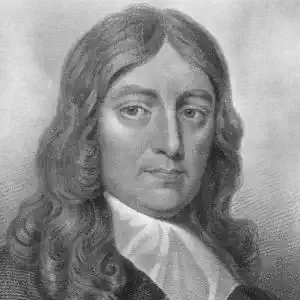
John Milton
How Soon Hath Time
How Soon Hath Time
How soon hath Time, the subtle thief of youth,
Stoln on his wing my three and twentieth year!
My hasting days fly on wtih full career,
But my late spring no bud or blossom shew'th.
Perhaps my semblance might deceive the truth,
That I to manhood am arrived so near,
And inward ripeness doth much less appear,
That some more timely-happy spirits endu'th.
Yet be it less or more, or soon or slow,
It shall be still in strictest measure even
To that same lot, however mean or high,
Toward which Time leads me, and the will of Heaven;
All is, if I have grace to use it so,
As ever in my great Taskmaster's eye.
How soon hath Time, the subtle thief of youth,
Stoln on his wing my three and twentieth year!
My hasting days fly on wtih full career,
But my late spring no bud or blossom shew'th.
Perhaps my semblance might deceive the truth,
That I to manhood am arrived so near,
And inward ripeness doth much less appear,
That some more timely-happy spirits endu'th.
Yet be it less or more, or soon or slow,
It shall be still in strictest measure even
To that same lot, however mean or high,
Toward which Time leads me, and the will of Heaven;
All is, if I have grace to use it so,
As ever in my great Taskmaster's eye.
565
John Milton
From 'Arcades'
From 'Arcades'
O'RE the smooth enameld green
Where no print of step hath been,
Follow me as I sing,
And touch the warbled string.
Under the shady roof
Of branching Elm Star-proof,
Follow me,
I will bring you where she sits
Clad in splendor as befits
Her deity.
Such a rural Queen
All Arcadia hath not seen.
313. From 'Comus'
i
THE Star that bids the Shepherd fold,
Now the top of Heav'n doth hold,
And the gilded Car of Day,
His glowing Axle doth allay
In the steep Atlantick stream,
And the slope Sun his upward beam
Shoots against the dusky Pole,
Pacing toward the other gole
Of his Chamber in the East.
Mean while welcom Joy, and Feast,
Midnight shout, and revelry,
Tipsie dance, and Jollity.
Braid your Locks with rosie Twine
Dropping odours, dropping Wine.
Rigor now is gon to bed,
And Advice with scrupulous head,
Strict Age, and sowre Severity,
With their grave Saws in slumber ly.
We that are of purer fire
Imitate the Starry Quire,
Who in their nightly watchfull Sphears,
Lead in swift round the Months and Years.
The Sounds, and Seas with all their finny drove
Now to the Moon in wavering Morrice move,
And on the Tawny Sands and Shelves,
Trip the pert Fairies and the dapper Elves;
By dimpled Brook, and Fountain brim,
The Wood-Nymphs deckt with Daisies trim,
Their merry wakes and pastimes keep:
What hath night to do with sleep?
Night hath better sweets to prove,
Venus now wakes, and wak'ns Love....
Com, knit hands, and beat the ground,
In a light fantastick round.
John Milton. 1608-1674
314. From' Comus'
ii. Echo
SWEET Echo, sweetest Nymph that liv'st unseen
Within thy airy shell
By slow Meander's margent green,
And in the violet imbroider'd vale
Where the love-lorn Nightingale
Nightly to thee her sad Song mourneth well.
Canst thou not tell me of a gentle Pair
That likest thy Narcissus are?
O if thou have
Hid them in som flowry Cave,
Tell me but where
Sweet Queen of Parly, Daughter of the Sphear!
So maist thou be translated to the skies,
And give resounding grace to all Heav'ns Harmonies!
John Milton. 1608-1674
315. From' Comus'
iii. Sabrina
The Spirit sings: SABRINA fair
Listen where thou art sitting
Under the glassie, cool, translucent wave,
In twisted braids of Lillies knitting
The loose train of thy amber-dropping hair,
Listen for dear honour's sake,
Goddess of the silver lake,
Listen and save!
Listen and appear to us,
In name of great Oceanus,
By the earth-shaking Neptune's mace,
And Tethys grave majestick pace,
By hoary Nereus wrincled look,
And the Carpathian wisards hook,
By scaly Tritons winding shell,
And old sooth-saying Glaucus spell,
By Leucothea's lovely hands,
And her son that rules the strands,
By Thetis tinsel-slipper'd feet,
And the Songs of Sirens sweet,
By dead Parthenope's dear tomb,
And fair Ligea's golden comb,
Wherwith she sits on diamond rocks
Sleeking her soft alluring locks,
By all the Nymphs that nightly dance
Upon thy streams with wily glance,
Rise, rise, and heave thy rosie head
From thy coral-pav'n bed,
And bridle in thy headlong wave,
Till thou our summons answered have.
Listen and save!
Sabrina replies: By the rushy-fringed bank,
Where grows the Willow and the Osier dank,
My sliding Chariot stayes,
Thick set with Agat, and the azurn sheen
Of Turkis blew, and Emrauld green
That in the channell strayes,
Whilst from off the waters fleet
Thus I set my printless feet
O're the Cowslips Velvet head,
That bends not as I tread,
Gentle swain at thy request
I am here.
John Milton. 1608-1674
316. From 'Comus'
iv
The Spirit epiloguizes: TO the Ocean now I fly,
And those happy climes that ly
Where day never shuts his eye,
Up in the broad fields of the sky:
There I suck the liquid ayr
All amidst the Gardens fair
Of Hesperus, and his daughters three
That sing about the golden tree:
Along the crisped shades and bowres
Revels the spruce and jocond Spring,
The Graces, and the rosie-boosom'd Howres,
Thither all their bounties bring,
That there eternal Summer dwels,
And West winds, with musky wing
About the cedar'n alleys fling
Nard, and Cassia's balmy smels.
Iris there with humid bow,
Waters the odorous banks that blow
Flowers of more mingled hew
Than her purfl'd scarf can shew,
And drenches with Elysian dew
(List mortals, if your ears be true)
Beds of Hyacinth, and roses
Where young Adonis oft reposes,
Waxing well of his deep wound
In slumber soft, and on the ground
Sadly sits th' Assyrian Queen;
But far above in spangled sheen
Celestial Cupid her fam'd son advanc't,
Holds his dear Psyche sweet intranc't
After her wandring labours long,
Till free consent the gods among
Make her his eternal Bride,
And from her fair unspotted side
Two blissful twins are to be born,
Youth and Joy; so Jove hath sworn.
But now my task is smoothly don,
I can fly, or I can run
Quickly to the green earths end,
Where the bow'd welkin slow doth bend,
And from thence can soar as soon
To the corners of the Moon.
Mortals that would follow me,
Love vertue, she alone is free.
She can teach ye how to clime
Higher then the Spheary chime;
Or if Vertue feeble were,
Heav'n it self would stoop to her.
YET once more, O ye Laurels, and once more
Ye Myrtles brown, with Ivy never-sear,
I com to pluck your Berries harsh and crude,
And with forc'd fingers rude,
Shatter your leaves before the mellowing year.
Bitter constraint, and sad occasion dear,
Compels me to disturb your season due:
For Lycidas is dead, dead ere his prime
Young Lycidas, and hath not left his peer:
Who would not sing for Lycidas? he knew
Himself to sing, and build the lofty rhyme.
He must not flote upon his watry bear
Unwept, and welter to the parching wind,
Without the meed of som melodious tear.
Begin, then, Sisters of the sacred well,
That from beneath the seat of Jove doth spring,
Begin, and somwhat loudly sweep the string.
Hence with denial vain, and coy excuse,
So may som gentle Muse
With lucky words favour my destin'd Urn,
And as he passes turn,
And bid fair peace be to my sable shrowd.
For we were nurst upon the self-same hill,
Fed the same flock, by fountain, shade, and rill.
Together both, ere the high Lawns appear'd
Under the opening eye-lids of the morn,
We drove a field, and both together heard
What time the Gray-fly winds her sultry horn,
Batt'ning our flocks with the fresh dews of night,
Oft till the Star that rose, at Ev'ning, bright
Toward Heav'ns descent had slop'd his westering wheel.
Mean while the Rural ditties were not mute,
Temper'd to th'Oaten Flute;
Rough Satyrs danc'd, and Fauns with clov'n heel,
From the glad sound would not be absent long,
And old Damaetas lov'd to hear our song.
But O the heavy change, now thou art gon,
Now thou art gon, and never must return!
Thee Shepherd, thee the Woods, and desert Caves,
With wilde Thyme and the gadding Vine o'regrown,
And all their echoes mourn.
The Willows, and the Hazle Copses green,
Shall now no more be seen,
Fanning their joyous Leaves to thy soft layes.
As killing as the Canker to the Rose,
Or Taint-worm to the weanling Herds that graze,
Or Frost to Flowers, that their gay wardrop wear,
When first the White thorn blows;
Such, Lycidas, thy loss to Shepherds ear.
Where were ye Nymphs when the remorseless deep
Clos'd o're the head of your lov'd Lycidas?
For neither were ye playing on the steep,
Where your old Bards, the famous Druids ly,
Nor on the shaggy top of Mona high,
Nor yet where Deva spreads her wisard stream:
Ay me, I fondly dream!
Had ye bin there--for what could that have don?
What could the Muse her self that Orpheus bore,
The Muse her self, for her inchanting son
Whom Universal nature did lament,
When by the rout that made the hideous roar,
His goary visage down the stream was sent,
Down the swift Hebrus to the Lesbian shore.
Alas! what boots it with uncessant care
To tend the homely slighted Shepherds trade,
And strictly meditate the thankles Muse,
Were it not better don as others use,
To sport with Amaryllis in the shade,
Or with the tangles of Neaera's hair?
Fame is the spur that the clear spirit doth raise
(That last infirmity of Noble mind)
To scorn delights, and live laborious dayes;
But the fair Guerdon when we hope to find,
And think to burst out into sudden blaze,
Comes the blind Fury with th'abhorred shears,
And slits the thin spun life. But not the praise,
Phoebus repli'd, and touch'd my trembling ears;
Fame is no plant that grows on mortal soil,
Nor in the glistering foil
Set off to th'world, nor in broad rumour lies,
But lives and spreds aloft by those pure eyes,
And perfet witnes of all judging Jove;
As he pronounces lastly on each deed,
Of so much fame in Heav'n expect thy meed.
O fountain Arethuse, and thou honour'd floud,
Smooth-sliding Mincius, crown'd with vocall reeds,
That strain I heard was of a higher mood:
But now my Oate proceeds,
And listens to the Herald of the Sea
That came in Neptune's plea,
He ask'd the Waves, and ask'd the Fellon winds,
What hard mishap hath doom'd this gentle swain?
And question'd every gust of rugged wings
That blows from off each beaked Promontory,
They knew not of his story,
And sage Hippotades their answer brings,
That not a blast was from his dungeon stray'd,
The Ayr was calm, and on the level brine,
Sleek Panope with all her sisters play'd.
It was that fatall and perfidious Bark
Built in th'eclipse, and rigg'd with curses dark,
That sunk so low that sacred head of thine.
Next Camus, reverend Sire, went footing slow,
His Mantle hairy, and his Bonnet sedge,
Inwrought with figures dim, and on the edge
Like to that sanguine flower inscrib'd with woe.
Ah; Who hath reft (quoth he) my dearest pledge?
Last came, and last did go,
The Pilot of the Galilean lake,
Two massy Keyes he bore of metals twain,
(The Golden opes, the Iron shuts amain)
He shook his Miter'd locks, and stern bespake,
How well could I have spar'd for thee, young swain,
Anow of such as for their bellies sake,
Creep and intrude, and climb into the fold?
Of other care they little reck'ning make,
Then how to scramble at the shearers feast,
And shove away the worthy bidden guest.
Blind mouthes! that scarce themselves know how to hold
A Sheep-hook, or have learn'd ought els the least
That to the faithfull Herdmans art belongs!
What recks it them? What need they? They are sped;
And when they list, their lean and flashy songs
Grate on their scrannel Pipes of wretched straw,
The hungry Sheep look up, and are not fed,
But swoln with wind, and the rank mist they draw,
Rot inwardly, and foul contagion spread:
Besides what the grim Woolf with privy paw
Daily devours apace, and nothing sed,
But that two-handed engine at the door,
Stands ready to smite once, and smite no more.
Return Alpheus, the dread voice is past,
That shrunk thy streams; Return Sicilian Muse,
And call the Vales, and bid them hither cast
Their Bels, and Flourets of a thousand hues.
Ye valleys low where the milde whispers use,
Of shades and wanton winds, and gushing brooks,
On whose fresh lap the swart Star sparely looks,
Throw hither all your quaint enameld eyes,
That on the green terf suck the honied showres,
And purple all the ground with vernal flowres.
Bring the rathe Primrose that forsaken dies.
The tufted Crow-toe, and pale Gessamine,
The white Pink, and the Pansie freakt with jeat,
The glowing Violet.
The Musk-rose, and the well attir'd Woodbine.
With Cowslips wan that hang the pensive hed,
And every flower that sad embroidery wears:
Bid Amaranthus all his beauty shed,
And Daffadillies fill their cups with tears,
To strew the Laureat Herse where Lycid lies.
For so to interpose a little ease,
Let our frail thoughts dally with false surmise.
Ay me! Whilst thee the shores, and sounding Seas
Wash far away, where ere thy bones are hurld,
Whether beyond the stormy Hebrides,
Where thou perhaps under the whelming tide
Visit'st the bottom of the monstrous world;
Or whether thou to our moist vows deny'd,
Sleep'st by the fable of Bellerus old,
Where the great vision of the guarded Mount
Looks toward Namancos and Bayona's hold;
Look homeward Angel now, and melt with ruth.
And, O ye Dolphins, waft the haples youth.
Weep no more, woful Shepherds weep no more,
For Lycidas your sorrow is not dead,
Sunk though he be beneath the watry floar,
So sinks the day-star in the Ocean bed,
And yet anon repairs his drooping head,
And tricks his beams, and with new spangled Ore,
Flames in the forehead of the morning sky:
So Lycidas sunk low, but mounted high,
Through the dear might of him that walk'd the waves
Where other groves, and other streams along,
With Nectar pure his oozy Lock's he laves,
And hears the unexpressive nuptiall Song,
In the blest Kingdoms meek of joy and love.
There entertain him all the Saints above,
In solemn troops, and sweet Societies
That sing, and singing in their glory move,
And wipe the tears for ever from his eyes.
Now Lycidas the Shepherds weep no more;
Hence forth thou art the Genius of the shore,
In thy large recompense, and shalt be good
To all that wander in that perilous flood.
Thus sang the uncouth Swain to th'Okes and rills,
While the still morn went out with Sandals gray,
He touch'd the tender stops of various Quills,
With eager thought warbling his Dorick lay:
And now the Sun had stretch'd out all the hills,
And now was dropt into the Western bay;
At last he rose, and twitch'd his Mantle blew:
To morrow to fresh Woods, and Pastures new.
O'RE the smooth enameld green
Where no print of step hath been,
Follow me as I sing,
And touch the warbled string.
Under the shady roof
Of branching Elm Star-proof,
Follow me,
I will bring you where she sits
Clad in splendor as befits
Her deity.
Such a rural Queen
All Arcadia hath not seen.
313. From 'Comus'
i
THE Star that bids the Shepherd fold,
Now the top of Heav'n doth hold,
And the gilded Car of Day,
His glowing Axle doth allay
In the steep Atlantick stream,
And the slope Sun his upward beam
Shoots against the dusky Pole,
Pacing toward the other gole
Of his Chamber in the East.
Mean while welcom Joy, and Feast,
Midnight shout, and revelry,
Tipsie dance, and Jollity.
Braid your Locks with rosie Twine
Dropping odours, dropping Wine.
Rigor now is gon to bed,
And Advice with scrupulous head,
Strict Age, and sowre Severity,
With their grave Saws in slumber ly.
We that are of purer fire
Imitate the Starry Quire,
Who in their nightly watchfull Sphears,
Lead in swift round the Months and Years.
The Sounds, and Seas with all their finny drove
Now to the Moon in wavering Morrice move,
And on the Tawny Sands and Shelves,
Trip the pert Fairies and the dapper Elves;
By dimpled Brook, and Fountain brim,
The Wood-Nymphs deckt with Daisies trim,
Their merry wakes and pastimes keep:
What hath night to do with sleep?
Night hath better sweets to prove,
Venus now wakes, and wak'ns Love....
Com, knit hands, and beat the ground,
In a light fantastick round.
John Milton. 1608-1674
314. From' Comus'
ii. Echo
SWEET Echo, sweetest Nymph that liv'st unseen
Within thy airy shell
By slow Meander's margent green,
And in the violet imbroider'd vale
Where the love-lorn Nightingale
Nightly to thee her sad Song mourneth well.
Canst thou not tell me of a gentle Pair
That likest thy Narcissus are?
O if thou have
Hid them in som flowry Cave,
Tell me but where
Sweet Queen of Parly, Daughter of the Sphear!
So maist thou be translated to the skies,
And give resounding grace to all Heav'ns Harmonies!
John Milton. 1608-1674
315. From' Comus'
iii. Sabrina
The Spirit sings: SABRINA fair
Listen where thou art sitting
Under the glassie, cool, translucent wave,
In twisted braids of Lillies knitting
The loose train of thy amber-dropping hair,
Listen for dear honour's sake,
Goddess of the silver lake,
Listen and save!
Listen and appear to us,
In name of great Oceanus,
By the earth-shaking Neptune's mace,
And Tethys grave majestick pace,
By hoary Nereus wrincled look,
And the Carpathian wisards hook,
By scaly Tritons winding shell,
And old sooth-saying Glaucus spell,
By Leucothea's lovely hands,
And her son that rules the strands,
By Thetis tinsel-slipper'd feet,
And the Songs of Sirens sweet,
By dead Parthenope's dear tomb,
And fair Ligea's golden comb,
Wherwith she sits on diamond rocks
Sleeking her soft alluring locks,
By all the Nymphs that nightly dance
Upon thy streams with wily glance,
Rise, rise, and heave thy rosie head
From thy coral-pav'n bed,
And bridle in thy headlong wave,
Till thou our summons answered have.
Listen and save!
Sabrina replies: By the rushy-fringed bank,
Where grows the Willow and the Osier dank,
My sliding Chariot stayes,
Thick set with Agat, and the azurn sheen
Of Turkis blew, and Emrauld green
That in the channell strayes,
Whilst from off the waters fleet
Thus I set my printless feet
O're the Cowslips Velvet head,
That bends not as I tread,
Gentle swain at thy request
I am here.
John Milton. 1608-1674
316. From 'Comus'
iv
The Spirit epiloguizes: TO the Ocean now I fly,
And those happy climes that ly
Where day never shuts his eye,
Up in the broad fields of the sky:
There I suck the liquid ayr
All amidst the Gardens fair
Of Hesperus, and his daughters three
That sing about the golden tree:
Along the crisped shades and bowres
Revels the spruce and jocond Spring,
The Graces, and the rosie-boosom'd Howres,
Thither all their bounties bring,
That there eternal Summer dwels,
And West winds, with musky wing
About the cedar'n alleys fling
Nard, and Cassia's balmy smels.
Iris there with humid bow,
Waters the odorous banks that blow
Flowers of more mingled hew
Than her purfl'd scarf can shew,
And drenches with Elysian dew
(List mortals, if your ears be true)
Beds of Hyacinth, and roses
Where young Adonis oft reposes,
Waxing well of his deep wound
In slumber soft, and on the ground
Sadly sits th' Assyrian Queen;
But far above in spangled sheen
Celestial Cupid her fam'd son advanc't,
Holds his dear Psyche sweet intranc't
After her wandring labours long,
Till free consent the gods among
Make her his eternal Bride,
And from her fair unspotted side
Two blissful twins are to be born,
Youth and Joy; so Jove hath sworn.
But now my task is smoothly don,
I can fly, or I can run
Quickly to the green earths end,
Where the bow'd welkin slow doth bend,
And from thence can soar as soon
To the corners of the Moon.
Mortals that would follow me,
Love vertue, she alone is free.
She can teach ye how to clime
Higher then the Spheary chime;
Or if Vertue feeble were,
Heav'n it self would stoop to her.
YET once more, O ye Laurels, and once more
Ye Myrtles brown, with Ivy never-sear,
I com to pluck your Berries harsh and crude,
And with forc'd fingers rude,
Shatter your leaves before the mellowing year.
Bitter constraint, and sad occasion dear,
Compels me to disturb your season due:
For Lycidas is dead, dead ere his prime
Young Lycidas, and hath not left his peer:
Who would not sing for Lycidas? he knew
Himself to sing, and build the lofty rhyme.
He must not flote upon his watry bear
Unwept, and welter to the parching wind,
Without the meed of som melodious tear.
Begin, then, Sisters of the sacred well,
That from beneath the seat of Jove doth spring,
Begin, and somwhat loudly sweep the string.
Hence with denial vain, and coy excuse,
So may som gentle Muse
With lucky words favour my destin'd Urn,
And as he passes turn,
And bid fair peace be to my sable shrowd.
For we were nurst upon the self-same hill,
Fed the same flock, by fountain, shade, and rill.
Together both, ere the high Lawns appear'd
Under the opening eye-lids of the morn,
We drove a field, and both together heard
What time the Gray-fly winds her sultry horn,
Batt'ning our flocks with the fresh dews of night,
Oft till the Star that rose, at Ev'ning, bright
Toward Heav'ns descent had slop'd his westering wheel.
Mean while the Rural ditties were not mute,
Temper'd to th'Oaten Flute;
Rough Satyrs danc'd, and Fauns with clov'n heel,
From the glad sound would not be absent long,
And old Damaetas lov'd to hear our song.
But O the heavy change, now thou art gon,
Now thou art gon, and never must return!
Thee Shepherd, thee the Woods, and desert Caves,
With wilde Thyme and the gadding Vine o'regrown,
And all their echoes mourn.
The Willows, and the Hazle Copses green,
Shall now no more be seen,
Fanning their joyous Leaves to thy soft layes.
As killing as the Canker to the Rose,
Or Taint-worm to the weanling Herds that graze,
Or Frost to Flowers, that their gay wardrop wear,
When first the White thorn blows;
Such, Lycidas, thy loss to Shepherds ear.
Where were ye Nymphs when the remorseless deep
Clos'd o're the head of your lov'd Lycidas?
For neither were ye playing on the steep,
Where your old Bards, the famous Druids ly,
Nor on the shaggy top of Mona high,
Nor yet where Deva spreads her wisard stream:
Ay me, I fondly dream!
Had ye bin there--for what could that have don?
What could the Muse her self that Orpheus bore,
The Muse her self, for her inchanting son
Whom Universal nature did lament,
When by the rout that made the hideous roar,
His goary visage down the stream was sent,
Down the swift Hebrus to the Lesbian shore.
Alas! what boots it with uncessant care
To tend the homely slighted Shepherds trade,
And strictly meditate the thankles Muse,
Were it not better don as others use,
To sport with Amaryllis in the shade,
Or with the tangles of Neaera's hair?
Fame is the spur that the clear spirit doth raise
(That last infirmity of Noble mind)
To scorn delights, and live laborious dayes;
But the fair Guerdon when we hope to find,
And think to burst out into sudden blaze,
Comes the blind Fury with th'abhorred shears,
And slits the thin spun life. But not the praise,
Phoebus repli'd, and touch'd my trembling ears;
Fame is no plant that grows on mortal soil,
Nor in the glistering foil
Set off to th'world, nor in broad rumour lies,
But lives and spreds aloft by those pure eyes,
And perfet witnes of all judging Jove;
As he pronounces lastly on each deed,
Of so much fame in Heav'n expect thy meed.
O fountain Arethuse, and thou honour'd floud,
Smooth-sliding Mincius, crown'd with vocall reeds,
That strain I heard was of a higher mood:
But now my Oate proceeds,
And listens to the Herald of the Sea
That came in Neptune's plea,
He ask'd the Waves, and ask'd the Fellon winds,
What hard mishap hath doom'd this gentle swain?
And question'd every gust of rugged wings
That blows from off each beaked Promontory,
They knew not of his story,
And sage Hippotades their answer brings,
That not a blast was from his dungeon stray'd,
The Ayr was calm, and on the level brine,
Sleek Panope with all her sisters play'd.
It was that fatall and perfidious Bark
Built in th'eclipse, and rigg'd with curses dark,
That sunk so low that sacred head of thine.
Next Camus, reverend Sire, went footing slow,
His Mantle hairy, and his Bonnet sedge,
Inwrought with figures dim, and on the edge
Like to that sanguine flower inscrib'd with woe.
Ah; Who hath reft (quoth he) my dearest pledge?
Last came, and last did go,
The Pilot of the Galilean lake,
Two massy Keyes he bore of metals twain,
(The Golden opes, the Iron shuts amain)
He shook his Miter'd locks, and stern bespake,
How well could I have spar'd for thee, young swain,
Anow of such as for their bellies sake,
Creep and intrude, and climb into the fold?
Of other care they little reck'ning make,
Then how to scramble at the shearers feast,
And shove away the worthy bidden guest.
Blind mouthes! that scarce themselves know how to hold
A Sheep-hook, or have learn'd ought els the least
That to the faithfull Herdmans art belongs!
What recks it them? What need they? They are sped;
And when they list, their lean and flashy songs
Grate on their scrannel Pipes of wretched straw,
The hungry Sheep look up, and are not fed,
But swoln with wind, and the rank mist they draw,
Rot inwardly, and foul contagion spread:
Besides what the grim Woolf with privy paw
Daily devours apace, and nothing sed,
But that two-handed engine at the door,
Stands ready to smite once, and smite no more.
Return Alpheus, the dread voice is past,
That shrunk thy streams; Return Sicilian Muse,
And call the Vales, and bid them hither cast
Their Bels, and Flourets of a thousand hues.
Ye valleys low where the milde whispers use,
Of shades and wanton winds, and gushing brooks,
On whose fresh lap the swart Star sparely looks,
Throw hither all your quaint enameld eyes,
That on the green terf suck the honied showres,
And purple all the ground with vernal flowres.
Bring the rathe Primrose that forsaken dies.
The tufted Crow-toe, and pale Gessamine,
The white Pink, and the Pansie freakt with jeat,
The glowing Violet.
The Musk-rose, and the well attir'd Woodbine.
With Cowslips wan that hang the pensive hed,
And every flower that sad embroidery wears:
Bid Amaranthus all his beauty shed,
And Daffadillies fill their cups with tears,
To strew the Laureat Herse where Lycid lies.
For so to interpose a little ease,
Let our frail thoughts dally with false surmise.
Ay me! Whilst thee the shores, and sounding Seas
Wash far away, where ere thy bones are hurld,
Whether beyond the stormy Hebrides,
Where thou perhaps under the whelming tide
Visit'st the bottom of the monstrous world;
Or whether thou to our moist vows deny'd,
Sleep'st by the fable of Bellerus old,
Where the great vision of the guarded Mount
Looks toward Namancos and Bayona's hold;
Look homeward Angel now, and melt with ruth.
And, O ye Dolphins, waft the haples youth.
Weep no more, woful Shepherds weep no more,
For Lycidas your sorrow is not dead,
Sunk though he be beneath the watry floar,
So sinks the day-star in the Ocean bed,
And yet anon repairs his drooping head,
And tricks his beams, and with new spangled Ore,
Flames in the forehead of the morning sky:
So Lycidas sunk low, but mounted high,
Through the dear might of him that walk'd the waves
Where other groves, and other streams along,
With Nectar pure his oozy Lock's he laves,
And hears the unexpressive nuptiall Song,
In the blest Kingdoms meek of joy and love.
There entertain him all the Saints above,
In solemn troops, and sweet Societies
That sing, and singing in their glory move,
And wipe the tears for ever from his eyes.
Now Lycidas the Shepherds weep no more;
Hence forth thou art the Genius of the shore,
In thy large recompense, and shalt be good
To all that wander in that perilous flood.
Thus sang the uncouth Swain to th'Okes and rills,
While the still morn went out with Sandals gray,
He touch'd the tender stops of various Quills,
With eager thought warbling his Dorick lay:
And now the Sun had stretch'd out all the hills,
And now was dropt into the Western bay;
At last he rose, and twitch'd his Mantle blew:
To morrow to fresh Woods, and Pastures new.
688
John Milton
Comus (excerpts)
Comus (excerpts)
SONG1Sweet
Echo, sweetest nymph that liv'st unseen
-
Within thy airy shell
-
By slow Meander's margent green,
-
And in the violet-imbroider'd vale
-
Where the love-lorn nightingale
-
Nightly to thee her sad song mourneth well:
-
Canst thou not tell me of a gentle pair
-
That likest thy Narcissus are?
-
O if thou have
-
Hid them in some flow'ry cave,
-
Tell me but where
-
Sweet Queen of Parley, Daughter of the Sphere,
-
So mayst thou be translated to the skies,
-
And give resounding grace to all heav'ns harmonies.
SONG
-
Sabrina fair
-
Listen where thou art sitting
-
Under the glassy, cool, translucent wave,
-
In twisted braids of lilies knitting
-
The loose train of thy amber-dropping hair;
-
Listen for dear honour's sake,
-
Goddess of the silver lake,
-
Listen and save.
-
Listen and appear to us
-
In name of great Oceanus,
-
By the earth-shaking Neptune's mace,
-
And Tethys' grave majestic pace;
-
By hoary Nereus' wrinkled look,
-
And the Carpathian wizard's hook;
-
By scaly Triton's winding shell,
-
And old soothsaying Glaucus' spell;
-
By Leucothea's lovely hands,
-
And her son that rules the strands;
-
By Thetis' tinsel-slipper'd feet,
-
And the songs of Sirens sweet;
-
By dead Parthenope's dear tomb,
-
And fair Ligea's golden comb,
-
Wherewith she sits on diamond rocks
-
Sleeking her soft alluring locks;
-
By all the nymphs that nightly dance
-
Upon thy streams with wily glance,
-
Rise, rise, and heave thy rosy head
-
From thy coral-pav'n bed,
-
And bridle in thy headlong wave,
-
Till thou our summons answer'd have.
-
Listen and save.
SABRINA RISES, ATTENDED BY WATER-NYMPHS, AND SINGS
-
By the rushy-fringed bank,
-
Where grows the willow and the osier dank,
-
My sliding chariot stays,
-
Thick set with agate, and the azurn sheen
-
Of turkis blue, and em'rald green
-
That in the channel strays,
-
Whilst from off the waters fleet
-
Thus I set my printless feet
-
O'er the cowslip's velvet head,
-
That bends not as I tread;
-
Gentle swain at thy request
-
I am here.
SONG1Sweet
Echo, sweetest nymph that liv'st unseen
-
Within thy airy shell
-
By slow Meander's margent green,
-
And in the violet-imbroider'd vale
-
Where the love-lorn nightingale
-
Nightly to thee her sad song mourneth well:
-
Canst thou not tell me of a gentle pair
-
That likest thy Narcissus are?
-
O if thou have
-
Hid them in some flow'ry cave,
-
Tell me but where
-
Sweet Queen of Parley, Daughter of the Sphere,
-
So mayst thou be translated to the skies,
-
And give resounding grace to all heav'ns harmonies.
SONG
-
Sabrina fair
-
Listen where thou art sitting
-
Under the glassy, cool, translucent wave,
-
In twisted braids of lilies knitting
-
The loose train of thy amber-dropping hair;
-
Listen for dear honour's sake,
-
Goddess of the silver lake,
-
Listen and save.
-
Listen and appear to us
-
In name of great Oceanus,
-
By the earth-shaking Neptune's mace,
-
And Tethys' grave majestic pace;
-
By hoary Nereus' wrinkled look,
-
And the Carpathian wizard's hook;
-
By scaly Triton's winding shell,
-
And old soothsaying Glaucus' spell;
-
By Leucothea's lovely hands,
-
And her son that rules the strands;
-
By Thetis' tinsel-slipper'd feet,
-
And the songs of Sirens sweet;
-
By dead Parthenope's dear tomb,
-
And fair Ligea's golden comb,
-
Wherewith she sits on diamond rocks
-
Sleeking her soft alluring locks;
-
By all the nymphs that nightly dance
-
Upon thy streams with wily glance,
-
Rise, rise, and heave thy rosy head
-
From thy coral-pav'n bed,
-
And bridle in thy headlong wave,
-
Till thou our summons answer'd have.
-
Listen and save.
SABRINA RISES, ATTENDED BY WATER-NYMPHS, AND SINGS
-
By the rushy-fringed bank,
-
Where grows the willow and the osier dank,
-
My sliding chariot stays,
-
Thick set with agate, and the azurn sheen
-
Of turkis blue, and em'rald green
-
That in the channel strays,
-
Whilst from off the waters fleet
-
Thus I set my printless feet
-
O'er the cowslip's velvet head,
-
That bends not as I tread;
-
Gentle swain at thy request
-
I am here.
628
John Milton
At A Vacation Exercise In The Colledge, Part Latin, Part English. The Latin
At A Vacation Exercise In The Colledge, Part Latin, Part English. The Latin
Speeches Ended, The English Thus Began
Hail native Language, that by sinews weak
Didst move my first endeavouring tongue to speak,
And mad'st imperfect words with childish tripps,
Half unpronounc't, slide through my infant-lipps,
Driving dum silence from the portal dore,
Where he had mutely sate two years before:
Here I salute thee and thy pardon ask,
That now I use thee in my latter task:
Small loss it is that thence can come unto thee,
I know my tongue but little Grace can do thee:
Thou needst not be ambitious to be first,
Believe me I have thither packt the worst:
And, if it happen as I did forecast,
The daintest dishes shall be serv'd up last.
I pray thee then deny me not thy aide
For this same small neglect that I have made:
But haste thee strait to do me once a Pleasure,
And from thy wardrope bring thy chiefest treasure;
Not those new fangled toys, and triming slight
Which takes our late fantasticks with delight,
But cull those richest Robes, and gay'st attire
Which deepest Spirits, and choicest Wits desire:
I have some naked thoughts that rove about
And loudly knock to have their passage out;
And wearie of their place do only stay
Till thou hast deck't them in thy best aray;
That so they may without suspect or fears
Fly swiftly to this fair Assembly's ears;
Yet I had rather if I were to chuse,
Thy service in some graver subject use,
Such as may make thee search thy coffers round
Before thou cloath my fancy in fit sound:
Such where the deep transported mind may scare
Above the wheeling poles, and at Heav'ns dore
Look in, and see each blissful Deitie
How he before the thunderous throne doth lie,
Listening to what unshorn Apollo sings
To th'touch of golden wires, while Hebe brings
Immortal Nectar to her Kingly Sire:
Then passing through the Spherse of watchful fire,
And mistie Regions of wide air next under,
And hills of Snow and lofts of piled Thunder,
May tell at length how green-ey'd Neptune raves,
In Heav'ns defiance mustering all his waves;
Then sing of secret things that came to pass
When Beldam Nature in her cradle was;
And last of Kings and Queens and Hero's old,
Such as the wise Demodocus once told
In solemn Songs at King Alcinous feast,
While sad Ulisses soul and all the rest
Are held with his melodious harmonie
In willing chains and sweet captivitie.
But fie my wandring Muse how thou dost stray!
Expectance calls thee now another way,
Thou know'st it must he now thy only bent
To keep in compass of thy Predicament:
Then quick about thy purpos'd business come,
That to the next I may resign my Roome
Then Ens is represented as Father of the Predicaments his ten
Sons, whereof the Eldest stood for Substance with his Canons,
which Ens thus speaking, explains.
Good luck befriend thee Son; for at thy birth
The Faiery Ladies daunc't upon the hearth;
Thy drowsie Nurse hath sworn she did them spie
Come tripping to the Room where thou didst lie;
And sweetly singing round about thy Bed
Strew all their blessings on thy sleeping Head.
She heard them give thee this, that thou should'st still
From eyes of mortals walk invisible,
Yet there is something that doth force my fear,
For once it was my dismal hap to hear
A Sybil old, bow-bent with crooked age,
That far events full wisely could presage,
And in Times long and dark Prospective Glass
Fore-saw what future dayes should bring to pass,
Your Son, said she, (nor can you it prevent)
Shall subject be to many an Accident.
O're all his Brethren he shall Reign as King,
Yet every one shall make him underling,
And those that cannot live from him asunder
Ungratefully shall strive to keep him under,
In worth and excellence he shall out-go them,
Yet being above them, he shall be below them;
From others he shall stand in need of nothing,
Yet on his Brothers shall depend for Cloathing.
To find a Foe it shall not be his hap,
And peace shall lull him in her flowry lap;
Yet shall he live in strife, and at his dore
Devouring war shall never cease to roare;
Yea it shall be his natural property
To harbour those that are at enmity.
What power, what force, what mighty spell, if not
Your learned hands, can loose this Gordian knot?
The next Quantity and Quality, spake in Prose, then Relation
was call'd by his Name.
Rivers arise; whether thou be the Son,
Of utmost Tweed, or Oose, or gulphie Dun,
Or Trent, who like some earth-born Giant spreads
His thirty Armes along the indented Meads,
Or sullen Mole that runneth underneath,
Or Severn swift, guilty of Maidens death,
Or Rockie Avon, or of Sedgie Lee,
Or Coaly Tine, or antient hallowed Dee,
Or Humber loud that keeps the Scythians Name,
Or Medway smooth, or Royal Towred Thame.
Speeches Ended, The English Thus Began
Hail native Language, that by sinews weak
Didst move my first endeavouring tongue to speak,
And mad'st imperfect words with childish tripps,
Half unpronounc't, slide through my infant-lipps,
Driving dum silence from the portal dore,
Where he had mutely sate two years before:
Here I salute thee and thy pardon ask,
That now I use thee in my latter task:
Small loss it is that thence can come unto thee,
I know my tongue but little Grace can do thee:
Thou needst not be ambitious to be first,
Believe me I have thither packt the worst:
And, if it happen as I did forecast,
The daintest dishes shall be serv'd up last.
I pray thee then deny me not thy aide
For this same small neglect that I have made:
But haste thee strait to do me once a Pleasure,
And from thy wardrope bring thy chiefest treasure;
Not those new fangled toys, and triming slight
Which takes our late fantasticks with delight,
But cull those richest Robes, and gay'st attire
Which deepest Spirits, and choicest Wits desire:
I have some naked thoughts that rove about
And loudly knock to have their passage out;
And wearie of their place do only stay
Till thou hast deck't them in thy best aray;
That so they may without suspect or fears
Fly swiftly to this fair Assembly's ears;
Yet I had rather if I were to chuse,
Thy service in some graver subject use,
Such as may make thee search thy coffers round
Before thou cloath my fancy in fit sound:
Such where the deep transported mind may scare
Above the wheeling poles, and at Heav'ns dore
Look in, and see each blissful Deitie
How he before the thunderous throne doth lie,
Listening to what unshorn Apollo sings
To th'touch of golden wires, while Hebe brings
Immortal Nectar to her Kingly Sire:
Then passing through the Spherse of watchful fire,
And mistie Regions of wide air next under,
And hills of Snow and lofts of piled Thunder,
May tell at length how green-ey'd Neptune raves,
In Heav'ns defiance mustering all his waves;
Then sing of secret things that came to pass
When Beldam Nature in her cradle was;
And last of Kings and Queens and Hero's old,
Such as the wise Demodocus once told
In solemn Songs at King Alcinous feast,
While sad Ulisses soul and all the rest
Are held with his melodious harmonie
In willing chains and sweet captivitie.
But fie my wandring Muse how thou dost stray!
Expectance calls thee now another way,
Thou know'st it must he now thy only bent
To keep in compass of thy Predicament:
Then quick about thy purpos'd business come,
That to the next I may resign my Roome
Then Ens is represented as Father of the Predicaments his ten
Sons, whereof the Eldest stood for Substance with his Canons,
which Ens thus speaking, explains.
Good luck befriend thee Son; for at thy birth
The Faiery Ladies daunc't upon the hearth;
Thy drowsie Nurse hath sworn she did them spie
Come tripping to the Room where thou didst lie;
And sweetly singing round about thy Bed
Strew all their blessings on thy sleeping Head.
She heard them give thee this, that thou should'st still
From eyes of mortals walk invisible,
Yet there is something that doth force my fear,
For once it was my dismal hap to hear
A Sybil old, bow-bent with crooked age,
That far events full wisely could presage,
And in Times long and dark Prospective Glass
Fore-saw what future dayes should bring to pass,
Your Son, said she, (nor can you it prevent)
Shall subject be to many an Accident.
O're all his Brethren he shall Reign as King,
Yet every one shall make him underling,
And those that cannot live from him asunder
Ungratefully shall strive to keep him under,
In worth and excellence he shall out-go them,
Yet being above them, he shall be below them;
From others he shall stand in need of nothing,
Yet on his Brothers shall depend for Cloathing.
To find a Foe it shall not be his hap,
And peace shall lull him in her flowry lap;
Yet shall he live in strife, and at his dore
Devouring war shall never cease to roare;
Yea it shall be his natural property
To harbour those that are at enmity.
What power, what force, what mighty spell, if not
Your learned hands, can loose this Gordian knot?
The next Quantity and Quality, spake in Prose, then Relation
was call'd by his Name.
Rivers arise; whether thou be the Son,
Of utmost Tweed, or Oose, or gulphie Dun,
Or Trent, who like some earth-born Giant spreads
His thirty Armes along the indented Meads,
Or sullen Mole that runneth underneath,
Or Severn swift, guilty of Maidens death,
Or Rockie Avon, or of Sedgie Lee,
Or Coaly Tine, or antient hallowed Dee,
Or Humber loud that keeps the Scythians Name,
Or Medway smooth, or Royal Towred Thame.
542
John Milton
Arcades
Arcades
Part of an entertainment presented to the Countess Dowager of
Darby at Harefield, by som Noble persons of her Family, who
appear on the Scene in pastoral habit, moving toward the seat
of State with this Song.
I. SONG.
Look Nymphs, and Shepherds look,
What sudden blaze of majesty
Is that which we from hence descry
Too divine to be mistook:
This this is she
To whom our vows and wishes bend,
Heer our solemn search hath end.
Fame that her high worth to raise,
Seem'd erst so lavish and profuse,
We may justly now accuse
Of detraction from her praise,
Less then half we find exprest,
Envy bid conceal the rest.
Mark what radiant state she spreds,
In circle round her shining throne,
Shooting her beams like silver threds,
This this is she alone,
Sitting like a Goddes bright,
In the center of her light.
Might she the wise Latona be,
Or the towred Cybele,
Mother of a hunderd gods;
Juno dare's not give her odds;
Who had thought this clime had held
A deity so unparalel'd?
As they com forward, the genius of the Wood appears, and
turning toward them, speaks.
GEN. Stay gentle Swains, for though in this disguise,
I see bright honour sparkle through your eyes,
Of famous Arcady ye are, and sprung
Of that renowned flood, so often sung,
Divine Alpheus, who by secret sluse,
Stole under Seas to meet his Arethuse;
And ye the breathing Roses of the Wood,
Fair silver-buskind Nymphs as great and good,
I know this quest of yours, and free intent
Was all in honour and devotion ment
To the great Mistres of yon princely shrine,
Whom with low reverence I adore as mine,
And with all helpful service will comply
To further this nights glad solemnity;
And lead ye where ye may more neer behold
What shallow-searching Fame hath left untold;
Which I full oft amidst these shades alone
Have sate to wonder at, and gaze upon:
For know by lot from Jove I am the powr
Of this fair wood, and live in Oak'n bowr,
To nurse the Saplings tall, and curl the grove
With Ringlets quaint, and wanton windings wove.
And all my Plants I save from nightly ill,
Of noisom winds, and blasting vapours chill.
And from the Boughs brush off the evil dew,
And heal the harms of thwarting thunder blew,
Or what the cross dire-looking Planet smites,
Or hurtfull Worm with canker'd venom bites.
When Eev'ning gray doth rise, I fetch my round
Over the mount, and all this hallow'd ground,
And early ere the odorous breath of morn
Awakes the slumbring leaves, or tasseld horn
Shakes the high thicket, haste I all about,
Number my ranks, and visit every sprout
With puissant words, and murmurs made to bless,
But els in deep of night when drowsines
Hath lockt up mortal sense, then listen I
To the celestial Sirens harmony,
That sit upon the nine enfolded Sphears,
And sing to those that hold the vital shears,
And turn the Adamantine spindle round,
On which the fate of gods and men is wound.
Such sweet compulsion doth in musick ly,
To lull the daughters of Necessity,
And keep unsteddy Nature to her law,
And the low world in measur'd motion draw
After the heavenly tune, which none can hear
Of human mould with grosse unpurged ear;
And yet such musick worthiest were to blaze
The peerles height of her immortal praise,
Whose lustre leads us, and for her most fit,
If my inferior hand or voice could hit
Inimitable sounds, yet as we go,
What ere the skill of lesser gods can show,
I will assay, her worth to celebrate,
And so attend ye toward her glittering state;
Where ye may all that are of noble stemm
Approach, and kiss her sacred vestures hemm.
2. SONG.
O're the smooth enameld green
Where no print of step hath been,
Follow me as I sing,
And touch the warbled string.
Under the shady roof
Of branching Elm Star-proof,
Follow me,
I will bring you where she sits
Clad in splendor as befits
Her deity.
Such a rural Queen
All Arcadia hath not seen.
3. SONG.
Nymphs and Shepherds dance no more
By sandy Ladons Lillied banks.
On old Lycaeus or Cyllene hoar,
Trip no more in twilight ranks,
Though Erynanth your loss deplore,
A better soyl shall give ye thanks.
From the stony Maenalus,
Bring your Flocks, and live with us,
Here ye shall have greater grace,
To serve the Lady of this place.
Though Syrinx your Pans Mistres were,
Yet Syrinx well might wait on her.
Such a rural Queen
All Arcadia hath not seen.
Note: 22 hunderd] Milton's own spelling here is hundred. But in
the Errata to Paradise Lost (i. 760) he corrects hundred to hunderd.
Part of an entertainment presented to the Countess Dowager of
Darby at Harefield, by som Noble persons of her Family, who
appear on the Scene in pastoral habit, moving toward the seat
of State with this Song.
I. SONG.
Look Nymphs, and Shepherds look,
What sudden blaze of majesty
Is that which we from hence descry
Too divine to be mistook:
This this is she
To whom our vows and wishes bend,
Heer our solemn search hath end.
Fame that her high worth to raise,
Seem'd erst so lavish and profuse,
We may justly now accuse
Of detraction from her praise,
Less then half we find exprest,
Envy bid conceal the rest.
Mark what radiant state she spreds,
In circle round her shining throne,
Shooting her beams like silver threds,
This this is she alone,
Sitting like a Goddes bright,
In the center of her light.
Might she the wise Latona be,
Or the towred Cybele,
Mother of a hunderd gods;
Juno dare's not give her odds;
Who had thought this clime had held
A deity so unparalel'd?
As they com forward, the genius of the Wood appears, and
turning toward them, speaks.
GEN. Stay gentle Swains, for though in this disguise,
I see bright honour sparkle through your eyes,
Of famous Arcady ye are, and sprung
Of that renowned flood, so often sung,
Divine Alpheus, who by secret sluse,
Stole under Seas to meet his Arethuse;
And ye the breathing Roses of the Wood,
Fair silver-buskind Nymphs as great and good,
I know this quest of yours, and free intent
Was all in honour and devotion ment
To the great Mistres of yon princely shrine,
Whom with low reverence I adore as mine,
And with all helpful service will comply
To further this nights glad solemnity;
And lead ye where ye may more neer behold
What shallow-searching Fame hath left untold;
Which I full oft amidst these shades alone
Have sate to wonder at, and gaze upon:
For know by lot from Jove I am the powr
Of this fair wood, and live in Oak'n bowr,
To nurse the Saplings tall, and curl the grove
With Ringlets quaint, and wanton windings wove.
And all my Plants I save from nightly ill,
Of noisom winds, and blasting vapours chill.
And from the Boughs brush off the evil dew,
And heal the harms of thwarting thunder blew,
Or what the cross dire-looking Planet smites,
Or hurtfull Worm with canker'd venom bites.
When Eev'ning gray doth rise, I fetch my round
Over the mount, and all this hallow'd ground,
And early ere the odorous breath of morn
Awakes the slumbring leaves, or tasseld horn
Shakes the high thicket, haste I all about,
Number my ranks, and visit every sprout
With puissant words, and murmurs made to bless,
But els in deep of night when drowsines
Hath lockt up mortal sense, then listen I
To the celestial Sirens harmony,
That sit upon the nine enfolded Sphears,
And sing to those that hold the vital shears,
And turn the Adamantine spindle round,
On which the fate of gods and men is wound.
Such sweet compulsion doth in musick ly,
To lull the daughters of Necessity,
And keep unsteddy Nature to her law,
And the low world in measur'd motion draw
After the heavenly tune, which none can hear
Of human mould with grosse unpurged ear;
And yet such musick worthiest were to blaze
The peerles height of her immortal praise,
Whose lustre leads us, and for her most fit,
If my inferior hand or voice could hit
Inimitable sounds, yet as we go,
What ere the skill of lesser gods can show,
I will assay, her worth to celebrate,
And so attend ye toward her glittering state;
Where ye may all that are of noble stemm
Approach, and kiss her sacred vestures hemm.
2. SONG.
O're the smooth enameld green
Where no print of step hath been,
Follow me as I sing,
And touch the warbled string.
Under the shady roof
Of branching Elm Star-proof,
Follow me,
I will bring you where she sits
Clad in splendor as befits
Her deity.
Such a rural Queen
All Arcadia hath not seen.
3. SONG.
Nymphs and Shepherds dance no more
By sandy Ladons Lillied banks.
On old Lycaeus or Cyllene hoar,
Trip no more in twilight ranks,
Though Erynanth your loss deplore,
A better soyl shall give ye thanks.
From the stony Maenalus,
Bring your Flocks, and live with us,
Here ye shall have greater grace,
To serve the Lady of this place.
Though Syrinx your Pans Mistres were,
Yet Syrinx well might wait on her.
Such a rural Queen
All Arcadia hath not seen.
Note: 22 hunderd] Milton's own spelling here is hundred. But in
the Errata to Paradise Lost (i. 760) he corrects hundred to hunderd.
529
John Milton
An Epitaph on the Admirable Dramatic Poet W. Shakespeare
An Epitaph on the Admirable Dramatic Poet W. Shakespeare
What needs my Shakespeare for his honored bones
The labor of an age in piled stones?
Or that his hallowed reliques should be hid
Under a star-ypointing pyramid?
Dear son of Memory, great heir of Fame,
What need'st thou such weak witness of thy name?
Thou in our wonder and astonishment
Hast built thy self a livelong monument.
For whilst, to th' shame of slow-endeavoring art,
Thy easy numbers flow, and that each heart
Hath from the leaves of thy unvalued book
Those Delphic lines with deep impression took,
Then thou, our fancy of itself bereaving,
Dost make us marble with too much conceiving,
And so sepulchred in such pomp dost lie
That kings for such a tomb would wish to die.
What needs my Shakespeare for his honored bones
The labor of an age in piled stones?
Or that his hallowed reliques should be hid
Under a star-ypointing pyramid?
Dear son of Memory, great heir of Fame,
What need'st thou such weak witness of thy name?
Thou in our wonder and astonishment
Hast built thy self a livelong monument.
For whilst, to th' shame of slow-endeavoring art,
Thy easy numbers flow, and that each heart
Hath from the leaves of thy unvalued book
Those Delphic lines with deep impression took,
Then thou, our fancy of itself bereaving,
Dost make us marble with too much conceiving,
And so sepulchred in such pomp dost lie
That kings for such a tomb would wish to die.
500
John Milton
An Epitaph On The Marchioness Of Winchester
An Epitaph On The Marchioness Of Winchester
This rich Marble doth enterr
The honour'd Wife of Winchester,
A Vicounts daughter, an Earls heir,
Besides what her vertues fair
Added to her noble birth,
More then she could own from Earth.
Summers three times eight save one
She had told, alas too soon,
After so short time of breath,
To house with darknes, and with death.
Yet had the number of her days
Bin as compleat as was her praise,
Nature and fate had had no strife
In giving limit to her life.
Her high birth, and her graces sweet,
Quickly found a lover meet;
The Virgin quire for her request
The God that sits at marriage feast;
He at their invoking came
But with a scarce-wel-lighted flame;
And in his Garland as he stood,
Ye might discern a Cipress bud.
Once had the early Matrons run
To greet her of a lovely son,
And now with second hope she goes,
And calls Lucina to her throws;
But whether by mischance or blame
Atropos for Lucina came;
And with remorsles cruelty,
Spoil'd at once both fruit and tree:
The haples Babe before his birth
Had burial, yet not laid in earth,
And the languisht Mothers Womb
Was not long a living Tomb.
So have I seen som tender slip
Sav'd with care from Winters nip,
The pride of her carnation train,
Pluck't up by som unheedy swain,
Who onely thought to crop the flowr
New shot up from vernall showr;
But the fair blossom hangs the head
Side-ways as on a dying bed,
And those Pearls of dew she wears,
Prove to be presaging tears
Which the sad morn had let fall
On her hast'ning funerall.
Gentle Lady may thy grave
Peace and quiet ever have;
After this thy travail sore
Sweet rest sease thee evermore,
That to give the world encrease,
Shortned hast thy own lives lease;
Here besides the sorrowing
That thy noble House doth bring,
Here be tears of perfect moan
Weept for thee in Helicon,
And som Flowers, and som Bays,
For thy Hears to strew the ways,
Sent thee from the banks of Came,
Devoted to thy vertuous name;
Whilst thou bright Saint high sit'st in glory,
Next her much like to thee in story,
That fair Syrian Shepherdess,
Who after yeers of barrennes,
The highly favour'd Joseph bore
To him that serv'd for her before,
And at her next birth much like thee,
Through pangs fled to felicity,
Far within the boosom bright
of blazing Majesty and Light,
There with thee, new welcom Saint,
Like fortunes may her soul acquaint,
With thee there clad in radiant sheen,
No Marchioness, but now a Queen.
This rich Marble doth enterr
The honour'd Wife of Winchester,
A Vicounts daughter, an Earls heir,
Besides what her vertues fair
Added to her noble birth,
More then she could own from Earth.
Summers three times eight save one
She had told, alas too soon,
After so short time of breath,
To house with darknes, and with death.
Yet had the number of her days
Bin as compleat as was her praise,
Nature and fate had had no strife
In giving limit to her life.
Her high birth, and her graces sweet,
Quickly found a lover meet;
The Virgin quire for her request
The God that sits at marriage feast;
He at their invoking came
But with a scarce-wel-lighted flame;
And in his Garland as he stood,
Ye might discern a Cipress bud.
Once had the early Matrons run
To greet her of a lovely son,
And now with second hope she goes,
And calls Lucina to her throws;
But whether by mischance or blame
Atropos for Lucina came;
And with remorsles cruelty,
Spoil'd at once both fruit and tree:
The haples Babe before his birth
Had burial, yet not laid in earth,
And the languisht Mothers Womb
Was not long a living Tomb.
So have I seen som tender slip
Sav'd with care from Winters nip,
The pride of her carnation train,
Pluck't up by som unheedy swain,
Who onely thought to crop the flowr
New shot up from vernall showr;
But the fair blossom hangs the head
Side-ways as on a dying bed,
And those Pearls of dew she wears,
Prove to be presaging tears
Which the sad morn had let fall
On her hast'ning funerall.
Gentle Lady may thy grave
Peace and quiet ever have;
After this thy travail sore
Sweet rest sease thee evermore,
That to give the world encrease,
Shortned hast thy own lives lease;
Here besides the sorrowing
That thy noble House doth bring,
Here be tears of perfect moan
Weept for thee in Helicon,
And som Flowers, and som Bays,
For thy Hears to strew the ways,
Sent thee from the banks of Came,
Devoted to thy vertuous name;
Whilst thou bright Saint high sit'st in glory,
Next her much like to thee in story,
That fair Syrian Shepherdess,
Who after yeers of barrennes,
The highly favour'd Joseph bore
To him that serv'd for her before,
And at her next birth much like thee,
Through pangs fled to felicity,
Far within the boosom bright
of blazing Majesty and Light,
There with thee, new welcom Saint,
Like fortunes may her soul acquaint,
With thee there clad in radiant sheen,
No Marchioness, but now a Queen.
529
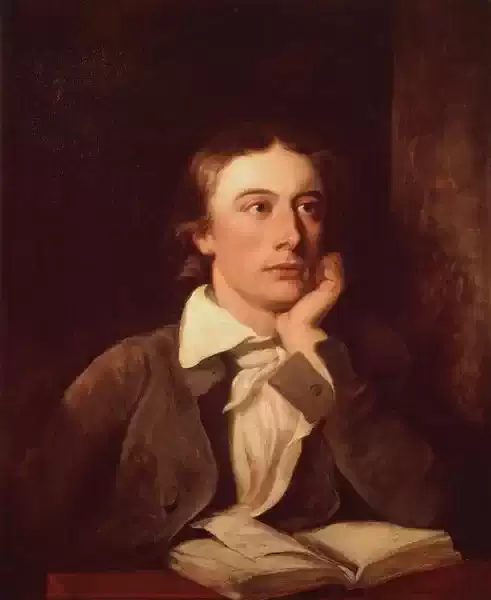
John Keats
Written on a Summer Evening
Written on a Summer Evening
The church bells toll a melancholy round,
Calling the people to some other prayers,
Some other gloominess, more dreadful cares,
More harkening to the sermon's horrid sound.
Surely the mind of man is closely bound
In some blind spell: seeing that each one tears
Himself from fireside joys and Lydian airs,
And converse high of those with glory crowned.
Still, still they toll, and I should feel a damp,
A chill as from a tomb, did I not know
That they are dying like an outburnt lamp, -
That 'tis their sighing, wailing, ere they go
Into oblivion -that fresh flowers will grow,
And many glories of immortal stamp.
The church bells toll a melancholy round,
Calling the people to some other prayers,
Some other gloominess, more dreadful cares,
More harkening to the sermon's horrid sound.
Surely the mind of man is closely bound
In some blind spell: seeing that each one tears
Himself from fireside joys and Lydian airs,
And converse high of those with glory crowned.
Still, still they toll, and I should feel a damp,
A chill as from a tomb, did I not know
That they are dying like an outburnt lamp, -
That 'tis their sighing, wailing, ere they go
Into oblivion -that fresh flowers will grow,
And many glories of immortal stamp.
426
John Keats
Why did I laugh tonight? No voice will tell
Why did I laugh tonight? No voice will tell
Why did I laugh tonight? No voice will tell
No God, no demon of severe response
Deigns to reply from heaven or from hell
Then to my human heart I turn at once:
Heart, thou and I are here, sad and alone,
Say, why did I laugh? O mortal pain!
O darkness! darkness! Forever must I moan
To question heaven and hell and heart in vain?
Why did I laugh? I know this being's lease
My fancy to it's utmost blisses spreads
Yet would I on this very midnight cease
And all the world's gaudy ensigns see in shreds
Verse, fame and beauty are intense indeed
But death intenser, death is life's high meed.
Why did I laugh tonight? No voice will tell
No God, no demon of severe response
Deigns to reply from heaven or from hell
Then to my human heart I turn at once:
Heart, thou and I are here, sad and alone,
Say, why did I laugh? O mortal pain!
O darkness! darkness! Forever must I moan
To question heaven and hell and heart in vain?
Why did I laugh? I know this being's lease
My fancy to it's utmost blisses spreads
Yet would I on this very midnight cease
And all the world's gaudy ensigns see in shreds
Verse, fame and beauty are intense indeed
But death intenser, death is life's high meed.
454
John Keats
When I Have Fears
When I Have Fears
When I have fears that I may cease to be
Before my pen has glean'd my teeming brain,
Before high-piled books, in charactery,
Hold like rich garners the full ripen'd grain;
When I behold, upon the night's starr'd face,
Huge cloudy symbols of a high romance,
And think that I may never live to trace
Their shadows, with the magic hand of chance;
And when I feel, fair creature of an hour,
That I shall never look upon thee more,
Never have relish in the faery power
Of unreflecting love;--then on the shore
Of the wide world I stand alone, and think
Till love and fame to nothingness do sink.
When I have fears that I may cease to be
Before my pen has glean'd my teeming brain,
Before high-piled books, in charactery,
Hold like rich garners the full ripen'd grain;
When I behold, upon the night's starr'd face,
Huge cloudy symbols of a high romance,
And think that I may never live to trace
Their shadows, with the magic hand of chance;
And when I feel, fair creature of an hour,
That I shall never look upon thee more,
Never have relish in the faery power
Of unreflecting love;--then on the shore
Of the wide world I stand alone, and think
Till love and fame to nothingness do sink.
466
John Keats
Two Sonnets. To Haydon, With A Sonnet Written On Seeing The Elgin Marbles
Two Sonnets. To Haydon, With A Sonnet Written On Seeing The Elgin Marbles
I.
Haydon! forgive me that I cannot speak
Definitively of these mighty things;
Forgive me, that I have not eagle's wings,
That what I want I know not where to seek,
And think that I would not be over-meek,
In rolling out upfollowed thunderings,
Even to the steep of Heliconian springs,
Were I of ample strength for such a freak.
Think, too, that all these numbers should be thine;
Whose else? In this who touch thy vesture's hem?
For, when men stared at what was most divine
With brainless idiotism and o'erwise phlegm,
Thou hadst beheld the full Hesperian shine
Of their star in the east, and gone to worship them.
II. On Seeing The Elgin Marbles.
My spirit is too weak - mortality
Weighs heavily upon me like unwilling sleep,
And each imagined pinnacle and steep
Of godlike hardship tells me I must die
Like a sick eagle looking at the sky.
Yet 'tis a gentle luxury to weep
That I have not the cloudy winds to keep,
Fresh for the opening of the morning's eye.
Such dim-conceived glories of the brain
Bring round the heart an undescribable feud;
So do these wonders a most dizzy pain,
That mingles Grecian grandeur with the rude
Wasting of old Time -- with a billowy main --
A sun -- a shadow of a magnitude.
I.
Haydon! forgive me that I cannot speak
Definitively of these mighty things;
Forgive me, that I have not eagle's wings,
That what I want I know not where to seek,
And think that I would not be over-meek,
In rolling out upfollowed thunderings,
Even to the steep of Heliconian springs,
Were I of ample strength for such a freak.
Think, too, that all these numbers should be thine;
Whose else? In this who touch thy vesture's hem?
For, when men stared at what was most divine
With brainless idiotism and o'erwise phlegm,
Thou hadst beheld the full Hesperian shine
Of their star in the east, and gone to worship them.
II. On Seeing The Elgin Marbles.
My spirit is too weak - mortality
Weighs heavily upon me like unwilling sleep,
And each imagined pinnacle and steep
Of godlike hardship tells me I must die
Like a sick eagle looking at the sky.
Yet 'tis a gentle luxury to weep
That I have not the cloudy winds to keep,
Fresh for the opening of the morning's eye.
Such dim-conceived glories of the brain
Bring round the heart an undescribable feud;
So do these wonders a most dizzy pain,
That mingles Grecian grandeur with the rude
Wasting of old Time -- with a billowy main --
A sun -- a shadow of a magnitude.
432
John Keats
To-
To-
Had I a man's fair form, then might my sighs
Be echoed swiftly through that ivory shell,
Thine ear, and find thy gentle heart; so well
Would passion arm me for the enterprise:
But ah! I am no knight whose foeman dies;
No cuirass glistens on my bosom's swell;
I am no happy shepherd of the dell
Whose lips have trembled with a maiden's eyes.
Yet must I dote upon thee,-call thee sweet,
Sweeter by far than Hybla's honied roses
When steeped in dew rich to intoxication.
Ah! I will taste that dew, for me 'tis meet,
And when the moon her pallid face discloses,
I'll gather some by spells, and incantation.
Had I a man's fair form, then might my sighs
Be echoed swiftly through that ivory shell,
Thine ear, and find thy gentle heart; so well
Would passion arm me for the enterprise:
But ah! I am no knight whose foeman dies;
No cuirass glistens on my bosom's swell;
I am no happy shepherd of the dell
Whose lips have trembled with a maiden's eyes.
Yet must I dote upon thee,-call thee sweet,
Sweeter by far than Hybla's honied roses
When steeped in dew rich to intoxication.
Ah! I will taste that dew, for me 'tis meet,
And when the moon her pallid face discloses,
I'll gather some by spells, and incantation.
354
John Keats
To Solitude
To Solitude
O Solitude! if I must with thee dwell,
Let it not be among the jumbled heap
Of murky buildings; climb with me the steep, -
Nature's observatory -- whence the dell,
Its flowery slopes, its river's crystal swell,
May seem a span; let me thy vigils keep
'Mongst boughs pavilion'd, where the deer's swift leap
Startles the wild bee from the foxglove bell.
But though I'll gladly trace these scenes with thee,
Yet the sweet converse of an innocent mind,
Whose words are images of thoughts refin'd,
Is my soul's pleasure; and it sure must be
Almost the highest bliss of human-kind,
When to thy haunts two kindred spirits flee.
O Solitude! if I must with thee dwell,
Let it not be among the jumbled heap
Of murky buildings; climb with me the steep, -
Nature's observatory -- whence the dell,
Its flowery slopes, its river's crystal swell,
May seem a span; let me thy vigils keep
'Mongst boughs pavilion'd, where the deer's swift leap
Startles the wild bee from the foxglove bell.
But though I'll gladly trace these scenes with thee,
Yet the sweet converse of an innocent mind,
Whose words are images of thoughts refin'd,
Is my soul's pleasure; and it sure must be
Almost the highest bliss of human-kind,
When to thy haunts two kindred spirits flee.
452
John Keats
To one who has been long in city pent
To one who has been long in city pent
To one who has been long in city pent,
'Tis very sweet to look into the fair
And open face of heaven,--to breathe a prayer
Full in the smile of the blue firmament.
Who is more happy, when, with heart's content,
Fatigued he sinks into some pleasant lair
Of wavy grass, and reads a debonair
And gentle tale of love and languishment?
Returning home at evening, with an ear
Catching the notes of Philomel,--an eye
Watching the sailing cloudlet's bright career,
He mourns that day so soon has glided by:
E'en like the passage of an angel's tear
That falls through the clear ether silently.
To one who has been long in city pent,
'Tis very sweet to look into the fair
And open face of heaven,--to breathe a prayer
Full in the smile of the blue firmament.
Who is more happy, when, with heart's content,
Fatigued he sinks into some pleasant lair
Of wavy grass, and reads a debonair
And gentle tale of love and languishment?
Returning home at evening, with an ear
Catching the notes of Philomel,--an eye
Watching the sailing cloudlet's bright career,
He mourns that day so soon has glided by:
E'en like the passage of an angel's tear
That falls through the clear ether silently.
410
John Keats
To My Brother George
To My Brother George
Many the wonders I this day have seen:
The sun, when first he kissed away the tears
That filled the eyes of Morn;-the laurelled peers
Who from the feathery gold of evening lean;-
The ocean with its vastness, its blue green,
Its ships, its rocks, its caves, its hopes, its fears,
Its voice mysterious, which whoso hears
Must think on what will be, and what has been.
E'en now, dear George, while this for you I write,
Cynthia is from her silken curtains peeping
So scantly, that it seems her bridal night,
And she her half-discovered revels keeping.
But what, without the social thought of thee,
Would be the wonders of the sky and sea?
Many the wonders I this day have seen:
The sun, when first he kissed away the tears
That filled the eyes of Morn;-the laurelled peers
Who from the feathery gold of evening lean;-
The ocean with its vastness, its blue green,
Its ships, its rocks, its caves, its hopes, its fears,
Its voice mysterious, which whoso hears
Must think on what will be, and what has been.
E'en now, dear George, while this for you I write,
Cynthia is from her silken curtains peeping
So scantly, that it seems her bridal night,
And she her half-discovered revels keeping.
But what, without the social thought of thee,
Would be the wonders of the sky and sea?
461
John Keats
To Homer
To Homer
Standing aloof in giant ignorance,
Of thee I hear and of the Cyclades,
As one who sits ashore and longs perchance
To visit dolphin-coral in deep seas.
So thou wast blind;--but then the veil was rent,
For Jove uncurtain'd Heaven to let thee live,
And Neptune made for thee a spumy tent,
And Pan made sing for thee his forest-hive;
Aye on the shores of darkness there is light,
And precipices show untrodden green,
There is a budding morrow in midnight,
There is a triple sight in blindness keen;
Such seeing hadst thou, as it once befel
To Dian, Queen of Earth, and Heaven, and Hell.
Standing aloof in giant ignorance,
Of thee I hear and of the Cyclades,
As one who sits ashore and longs perchance
To visit dolphin-coral in deep seas.
So thou wast blind;--but then the veil was rent,
For Jove uncurtain'd Heaven to let thee live,
And Neptune made for thee a spumy tent,
And Pan made sing for thee his forest-hive;
Aye on the shores of darkness there is light,
And precipices show untrodden green,
There is a budding morrow in midnight,
There is a triple sight in blindness keen;
Such seeing hadst thou, as it once befel
To Dian, Queen of Earth, and Heaven, and Hell.
456
John Keats
To John Hamilton Reynolds
To John Hamilton Reynolds
O that a week could be an age, and we
Felt parting and warm meeting every week,
Then one poor year a thousand years would be,
The flush of welcome ever on the cheek:
So could we live long life in little space,
So time itself would be annihilate,
So a day's journey in oblivious haze
To serve ourjoys would lengthen and dilate.
O to arrive each Monday morn from Ind!
To land each Tuesday from the rich Levant!
In little time a host of joys to bind,
And keep our souls in one eternal pant!
This morn, my friend, and yester-evening taught
Me how to harbour such a happy thought.
O that a week could be an age, and we
Felt parting and warm meeting every week,
Then one poor year a thousand years would be,
The flush of welcome ever on the cheek:
So could we live long life in little space,
So time itself would be annihilate,
So a day's journey in oblivious haze
To serve ourjoys would lengthen and dilate.
O to arrive each Monday morn from Ind!
To land each Tuesday from the rich Levant!
In little time a host of joys to bind,
And keep our souls in one eternal pant!
This morn, my friend, and yester-evening taught
Me how to harbour such a happy thought.
444
John Keats
To Fanny
To Fanny
I cry your mercy-pity-love!-aye, love!
Merciful love that tantalizes not,
One-thoughted, never-wandering, guileless love,
Unmasked, and being seen-without a blot!
O! let me have thee whole,-all-all-be mine!
That shape, that fairness, that sweet minor zest
Of love, your kiss,-those hands, those eyes divine,
That warm, white, lucent, million-pleasured breast,Yourself-
your soul-in pity give me all,
Withhold no atom's atom or I die,
Or living on, perhaps, your wretched thrall,
Forget, in the mist of idle misery,
Life's purposes,-the palate of my mind
Losing its gust, and my ambition blind!
I cry your mercy-pity-love!-aye, love!
Merciful love that tantalizes not,
One-thoughted, never-wandering, guileless love,
Unmasked, and being seen-without a blot!
O! let me have thee whole,-all-all-be mine!
That shape, that fairness, that sweet minor zest
Of love, your kiss,-those hands, those eyes divine,
That warm, white, lucent, million-pleasured breast,Yourself-
your soul-in pity give me all,
Withhold no atom's atom or I die,
Or living on, perhaps, your wretched thrall,
Forget, in the mist of idle misery,
Life's purposes,-the palate of my mind
Losing its gust, and my ambition blind!
445
John Keats
To Byron
To Byron
Byron! how sweetly sad thy melody!
Attuning still the soul to tenderness,
As if soft Pity, with unusual stress,
Had touch'd her plaintive lute, and thou, being by,
Hadst caught the tones, nor suffer'd them to die.
O'ershadowing sorrow doth not make thee less
Delightful: thou thy griefs dost dress
With a bright halo, shining beamily,
As when a cloud the golden moon doth veil,
Its sides are ting'd with a resplendent glow,
Through the dark robe oft amber rays prevail,
And like fair veins in sable marble flow;
Still warble, dying swan! still tell the tale,
The enchanting tale, the tale of pleasing woe.
Byron! how sweetly sad thy melody!
Attuning still the soul to tenderness,
As if soft Pity, with unusual stress,
Had touch'd her plaintive lute, and thou, being by,
Hadst caught the tones, nor suffer'd them to die.
O'ershadowing sorrow doth not make thee less
Delightful: thou thy griefs dost dress
With a bright halo, shining beamily,
As when a cloud the golden moon doth veil,
Its sides are ting'd with a resplendent glow,
Through the dark robe oft amber rays prevail,
And like fair veins in sable marble flow;
Still warble, dying swan! still tell the tale,
The enchanting tale, the tale of pleasing woe.
408
John Keats
The Day Is Gone, And All Its Sweets Are Gone
The Day Is Gone, And All Its Sweets Are Gone
The day is gone, and all its sweets are gone!
Sweet voice, sweet lips, soft hand, and softer breast,
Warm breath, light whisper, tender semitone,
Bright eyes, accomplished shape, and lang'rous waist!
Faded the flower and all its budded charms,
Faded the sight of beauty from my eyes,
Faded the shape of beauty from my arms,
Faded the voice, warmth, whiteness, paradise-
Vanished unseasonably at shut of eve,
When the dusk holiday-or holinight
Of fragrant-curtained love begins to weave
The woof of darkness thick, for hid delight;
But, as I've read love's missal through today,
He'll let me sleep, seeing I fast and pray.
The day is gone, and all its sweets are gone!
Sweet voice, sweet lips, soft hand, and softer breast,
Warm breath, light whisper, tender semitone,
Bright eyes, accomplished shape, and lang'rous waist!
Faded the flower and all its budded charms,
Faded the sight of beauty from my eyes,
Faded the shape of beauty from my arms,
Faded the voice, warmth, whiteness, paradise-
Vanished unseasonably at shut of eve,
When the dusk holiday-or holinight
Of fragrant-curtained love begins to weave
The woof of darkness thick, for hid delight;
But, as I've read love's missal through today,
He'll let me sleep, seeing I fast and pray.
464
John Keats
Staffa
Staffa
Not Aladdin magian
Ever such a work began;
Not the wizard of the Dee
Ever such a dream could see;
Not St. John, in Patmos' Isle,
In the passion of his toil,
When he saw the churches seven,
Golden aisl'd, built up in heaven,
Gaz'd at such a rugged wonder.
As I stood its roofing under
Lo! I saw one sleeping there,
On the marble cold and bare.
While the surges wash'd his feet,
And his garments white did beat.
Drench'd about the sombre rocks,
On his neck his well-grown locks,
Lifted dry above the main,
Were upon the curl again.
'What is this? and what art thou?'
Whisper'd I, and touch'd his brow;
'What art thou? and what is this?'
Whisper'd I, and strove to kiss
The spirit's hand, to wake his eyes;
Up he started in a trice:
'I am Lycidas,' said he,
'Fam'd in funeral minstrely!
This was architectur'd thus
By the great Oceanus!--
Here his mighty waters play
Hollow organs all the day;
Here by turns his dolphins all,
Finny palmers great and small,
Come to pay devotion due--
Each a mouth of pearls must strew.
Many a mortal of these days,
Dares to pass our sacred ways,
Dares to touch audaciously
This Cathedral of the Sea!
I have been the pontiff-priest
Where the waters never rest,
Where a fledgy sea-bird choir
Soars for ever; holy fire
I have hid from mortal man;
Proteus is my Sacristan.
But the dulled eye of mortal
Hath pass'd beyond the rocky portal;
So for ever will I leave
Such a taint, and soon unweave
All the magic of the place.'
* * * * * *
So saying, with a Spirit's glance
He dived!
Not Aladdin magian
Ever such a work began;
Not the wizard of the Dee
Ever such a dream could see;
Not St. John, in Patmos' Isle,
In the passion of his toil,
When he saw the churches seven,
Golden aisl'd, built up in heaven,
Gaz'd at such a rugged wonder.
As I stood its roofing under
Lo! I saw one sleeping there,
On the marble cold and bare.
While the surges wash'd his feet,
And his garments white did beat.
Drench'd about the sombre rocks,
On his neck his well-grown locks,
Lifted dry above the main,
Were upon the curl again.
'What is this? and what art thou?'
Whisper'd I, and touch'd his brow;
'What art thou? and what is this?'
Whisper'd I, and strove to kiss
The spirit's hand, to wake his eyes;
Up he started in a trice:
'I am Lycidas,' said he,
'Fam'd in funeral minstrely!
This was architectur'd thus
By the great Oceanus!--
Here his mighty waters play
Hollow organs all the day;
Here by turns his dolphins all,
Finny palmers great and small,
Come to pay devotion due--
Each a mouth of pearls must strew.
Many a mortal of these days,
Dares to pass our sacred ways,
Dares to touch audaciously
This Cathedral of the Sea!
I have been the pontiff-priest
Where the waters never rest,
Where a fledgy sea-bird choir
Soars for ever; holy fire
I have hid from mortal man;
Proteus is my Sacristan.
But the dulled eye of mortal
Hath pass'd beyond the rocky portal;
So for ever will I leave
Such a taint, and soon unweave
All the magic of the place.'
* * * * * *
So saying, with a Spirit's glance
He dived!
434
John Keats
Sonnet. Why Did I Laugh Tonight?
Sonnet. Why Did I Laugh Tonight?
Why did I laugh to-night? No voice will tell
No God, no Demon of severe response,
Deigns to reply from Heaven or from Hell
Then to my human heart I turn at once:
Heart! Thou and I are here sad and alone;
I say, why did I laugh? O mortal pain!
O Darkness! Darkness! ever must I moan,
To question Heaven and Hell and Heart in vain.
Why did I laugh? I know this Being's lease,
My fancy to its utmost blisses spreads;
Yet would I on this very midnight cease,
And all the world's gaudy ensigns see in shreds;
Verse, Fame, and Beauty are intense indeed,
But Death intenser -- Death is Life's high meed.
Why did I laugh to-night? No voice will tell
No God, no Demon of severe response,
Deigns to reply from Heaven or from Hell
Then to my human heart I turn at once:
Heart! Thou and I are here sad and alone;
I say, why did I laugh? O mortal pain!
O Darkness! Darkness! ever must I moan,
To question Heaven and Hell and Heart in vain.
Why did I laugh? I know this Being's lease,
My fancy to its utmost blisses spreads;
Yet would I on this very midnight cease,
And all the world's gaudy ensigns see in shreds;
Verse, Fame, and Beauty are intense indeed,
But Death intenser -- Death is Life's high meed.
449
John Keats
Sonnet. The Day Is Gone
Sonnet. The Day Is Gone
The day is gone, and all its sweets are gone!
Sweet voice, sweet lips, soft hand, and softer breast,
Warm breath, light whisper, tender semitone,
Bright eyes, accomplished shape, and lang'rous waist!
Faded the flower and all its budded charms,
Faded the sight of beauty from my eyes,
Faded the shape of beauty from my arms,
Faded the voice, warmth, whiteness, paradise--
Vanished unseasonably at shut of eve,
When the dusk holiday -- or holinight
Of fragrant-curtained love begins to weave
The woof of darkness thick, for hid delight;
But, as I've read love's missal through today,
He'll let me sleep, seeing I fast and pray.
The day is gone, and all its sweets are gone!
Sweet voice, sweet lips, soft hand, and softer breast,
Warm breath, light whisper, tender semitone,
Bright eyes, accomplished shape, and lang'rous waist!
Faded the flower and all its budded charms,
Faded the sight of beauty from my eyes,
Faded the shape of beauty from my arms,
Faded the voice, warmth, whiteness, paradise--
Vanished unseasonably at shut of eve,
When the dusk holiday -- or holinight
Of fragrant-curtained love begins to weave
The woof of darkness thick, for hid delight;
But, as I've read love's missal through today,
He'll let me sleep, seeing I fast and pray.
416
John Keats
Sonnet. To A Lady Seen For A Few Moments At Vauxhall
Sonnet. To A Lady Seen For A Few Moments At Vauxhall
Time's sea hath been five years at its slow ebb,
Long hours have to and fro let creep the sand,
Since I was tangled in thy beauty's web,
And snared by the ungloving of thine hand.
And yet I never look on midnight sky,
But I behold thine eyes' well memory'd light;
I cannot look upon the rose's dye,
But to thy cheek my soul doth take its flight.
I cannot look on any budding flower,
But my fond ear, in fancy at thy lips
And hearkening for a love-sound, doth devour
Its sweets in the wrong sense: -- Thou dost eclipse
Every delight with sweet remembering,
And grief unto my darling joys dost bring.
Time's sea hath been five years at its slow ebb,
Long hours have to and fro let creep the sand,
Since I was tangled in thy beauty's web,
And snared by the ungloving of thine hand.
And yet I never look on midnight sky,
But I behold thine eyes' well memory'd light;
I cannot look upon the rose's dye,
But to thy cheek my soul doth take its flight.
I cannot look on any budding flower,
But my fond ear, in fancy at thy lips
And hearkening for a love-sound, doth devour
Its sweets in the wrong sense: -- Thou dost eclipse
Every delight with sweet remembering,
And grief unto my darling joys dost bring.
501