

Poems in this theme
Soul
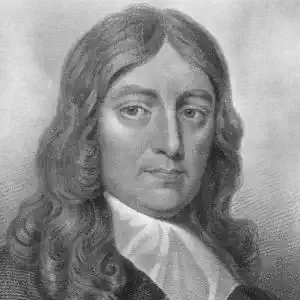
John Milton
Sonnet 04
Sonnet 04
IV
Diodati, e te'l diro con maraviglia,
Quel ritroso io ch'amor spreggiar solea
E de suoi lacci spesso mi ridea
Gia caddi, ov'huom dabben talhor s'impiglia.
Ne treccie d'oro, ne guancia vermiglia
M' abbaglian si, ma sotto nova idea
Pellegrina bellezza che'l cuor bea,
Portamenti alti honesti, e nelle ciglia
Quel sereno fulgor d' amabil nero,
Parole adorne di lingua piu d'una,
E'l cantar che di mezzo l'hemispero
Traviar ben puo la faticosa Luna,
E degil occhi suoi auventa si gran fuoco
Che l 'incerar gli oreechi mi fia poco.
IV
Diodati, e te'l diro con maraviglia,
Quel ritroso io ch'amor spreggiar solea
E de suoi lacci spesso mi ridea
Gia caddi, ov'huom dabben talhor s'impiglia.
Ne treccie d'oro, ne guancia vermiglia
M' abbaglian si, ma sotto nova idea
Pellegrina bellezza che'l cuor bea,
Portamenti alti honesti, e nelle ciglia
Quel sereno fulgor d' amabil nero,
Parole adorne di lingua piu d'una,
E'l cantar che di mezzo l'hemispero
Traviar ben puo la faticosa Luna,
E degil occhi suoi auventa si gran fuoco
Che l 'incerar gli oreechi mi fia poco.
449
John Milton
Sonnet 03
Sonnet 03
III
Qual in colle aspro, al imbrunir di sera
L'avezza giovinetta pastorella
Va bagnando l'herbetta strana e bella
Che mal si spande a disusata spera
Fuor di sua natia alma primavera,
Cosi Amor meco insu la lingua snella
Desta il fior novo di strania favella,
Mentre io di te, vezzosamente altera,
Canto, dal mio buon popol non inteso
E'l bel Tamigi cangio col bel Arno
Amor lo volse, ed io a l'altrui peso
Seppi ch' Amor cosa mai volse indarno.
Deh! foss' il mio cuor lento e'l duro seno
A chi pianta dal ciel si buon terreno.
III
Qual in colle aspro, al imbrunir di sera
L'avezza giovinetta pastorella
Va bagnando l'herbetta strana e bella
Che mal si spande a disusata spera
Fuor di sua natia alma primavera,
Cosi Amor meco insu la lingua snella
Desta il fior novo di strania favella,
Mentre io di te, vezzosamente altera,
Canto, dal mio buon popol non inteso
E'l bel Tamigi cangio col bel Arno
Amor lo volse, ed io a l'altrui peso
Seppi ch' Amor cosa mai volse indarno.
Deh! foss' il mio cuor lento e'l duro seno
A chi pianta dal ciel si buon terreno.
380
John Milton
Samson Agonistes (excerpts)
Samson Agonistes (excerpts)
[Samson's Opening Speech]
A little onward lend thy guiding hand
To these dark steps, a little further on;
For yonder bank hath choice of sun or shade,
There I am wont to sit, when any chance
Relieves me from my task of servile toil,
Daily in the common prison else enjoin'd me,
Where I a prisoner chain'd, scarce freely draw
The air imprison'd also, close and damp,
Unwholesome draught: but here I feel amends,
The breath of Heav'n fresh-blowing, pure and sweet,
With day-spring born; here leave me to respire.
This day a solemn feast the people hold
To Dagon, their sea-idol, and forbid
Laborious works; unwillingly this rest
Their superstition yields me; hence with leave
Retiring from the popular noise, I seek
This unfrequented place to find some ease;
Ease to the body some, none to the mind
From restless thoughts, that like a deadly swarm
Of hornets arm'd, no sooner found alone,
But rush upon me thronging, and present
Times past, what once I was, and what am now.
O wherefore was my birth from Heaven foretold
Twice by an angel, who at last in sight
Of both my parents all in flames ascended
From off the altar, where an off'ring burn'd,
As in a fiery column charioting
His godlike presence, and from some great act
Of benefit reveal'd to Abraham's race?
Why was my breeding order'd and prescrib'd
As of a person separate to God,
Design'd for great exploits; if I must die
Betray'd, captiv'd, and both my eyes put out,
Made of my enemies the scorn and gaze;
To grind in brazen fetters under task
With this Heav'n-gifted strength? O glorious strength
Put to the labour of a beast, debas'd
Lower than bondslave! Promise was that I
Should Israel from Philistian yoke deliver;
Ask for this great deliverer now, and find him
Eyeless in Gaza at the mill with slaves,
Himself in bonds under Philistian yoke.
Yet stay, let me not rashly call in doubt
Divine prediction; what if all foretold
Had been fulfill'd but through mine own default,
Whom have I to complain of but myself?
Who this high gift of strength committed to me,
In what part lodg'd, how easily bereft me,
Under the seal of silence could not keep,
But weakly to a woman must reveal it
O'ercome with importunity and tears.
O impotence of mind, in body strong!
But what is strength without a double share
Of wisdom? vast, unwieldy, burdensome,
Proudly secure, yet liable to fall
By weakest subtleties, not made to rule,
But to subserve where wisdom bears command.
God, when he gave me strength, to show withal
How slight the gift was, hung it in my hair.
But peace, I must not quarrel with the will
Of highest dispensation, which herein
Haply had ends above my reach to know:
Suffices that to me strength is my bane,
And proves the source of all my miseries;
So many, and so huge, that each apart
Would ask a life to wail, but chief of all,
O loss of sight, of thee I most complain!
Blind among enemies, O worse than chains,
Dungeon, or beggary, or decrepit age!
Light, the prime work of God, to me is extinct,
And all her various objects of delight
Annull'd, which might in part my grief have eas'd,
Inferior to the vilest now become
Of man or worm; the vilest here excel me:
They creep, yet see, I, dark in light, expos'd
To daily fraud, contempt, abuse, and wrong,
Within doors, or without, still as a fool,
In power of others, never in my own;
Scarce half I seem to live, dead more than half.
O dark, dark, dark, amid the blaze of noon,
Irrecoverably dark, total eclipse
Without all hope of day!
O first created Beam, and thou great Word,
"Let there be light, and light was over all,"
Why am I thus bereav'd thy prime decree?
The sun to me is dark
And silent as the moon,
When she deserts the night,
Hid in her vacant interlunar cave.
Since light so necessary is to life,
And almost life itself, if it be true
That light is in the soul,
She all in every part, why was the sight
To such a tender ball as th' eye confin'd?
So obvious and so easy to be quench'd,
And not as feeling through all parts diffus'd,
That she might look at will through every pore?
Then had I not been thus exil'd from light,
As in the land of darkness, yet in light,
To live a life half dead, a living death,
And buried; but O yet more miserable!
Myself my sepulchre, a moving grave;
Buried, yet not exempt
By privilege of death and burial
From worst of other evils, pains and wrongs;
But made hereby obnoxious more
To all the miseries of life,
Life in captivity
Among inhuman foes.
But who are these? for with joint pace I hear
The tread of many feet steering this way;
Perhaps my enemies who come to stare
At my affliction, and perhaps to insult,
Their daily practice to afflict me more.
...
[Chorus, Manoah, Samson]
CHORUS.
Just are the ways of God,
And justifiable to men;
Unless there be who think not God at all:
If any be, they walk obscure;
For of such doctrine never was there school,
But the heart of the fool,
And no man therein doctor but himself.
Yet more there be who doubt his ways not just,
As to his own edicts found contradicting,
Then give the reins to wand'ring thought,
Regardless of his glory's diminution;
Till by their own perplexities involv'd
They ravel more, still less resolv'd,
But never find self-satisfying solution.
As if they would confine th' interminable,
And tie him to his own prescript,
Who made our laws to bind us, not himself,
And hath full right to exempt
Whom so it pleases him by choice
From national obstriction, without taint
Of sin, or legal debt;
For with his own laws he can best dispense.
He would not else, who never wanted means,
Nor in respect of the enemy just cause
To set his people free,
Have prompted this heroic Nazarite,
Against his vow of strictest purity,
To seek in marriage that fallacious bride,
Unclean, unchaste.
Down, Reason, then; at least vain reasonings down;
Though Reason here aver
That moral verdit quits her of unclean:
Unchaste was subsequent, her stain, not his.
But see, here comes thy reverend sire,
With careful step, locks white as down,
Old Manoa: advise
Forthwith how thou ought'st to receive him.
SAMSON.
Ay me, another inward grief awak'd,
With mention of that name renews th' assault.
MANOA.
Brethren and men of Dan, for such ye seem,
Though in this uncouth place; if old respect,
As I suppose, towards your once gloried friend,
My son, now captive, hither hath inform'd
Your younger feet, while mine cast back with age
Came lagging after; say if he be here.
CHORUS.
As signal now in low dejected state,
As erst in highest, behold him where he lies.
MANOA.
O miserable change! is this the man,
That invincible Samson, far renown'd,
The dread of Israel's foes, who with a strength
Equivalent to angels' walk'd their streets,
None offering fight; who single combatant
Duell'd their armies rank'd in proud array,
Himself an army, now unequal match
To save himself against a coward arm'd
At one spear's length. O ever failing trust
In mortal strength! and oh, what not in man
Deceivable and vain! Nay what thing good
Pray'd for, but often proves our woe, our bane?
I pray'd for children, and thought barrenness
In wedlock a reproach; I gain'd a son,
And such a son as all men hail'd me happy;
Who would be now a father in my stead?
O wherefore did God grant me my request,
And as a blessing with such pomp adorn'd?
Why are his gifts desirable, to tempt
Our earnest prayers, then giv'n with solemn hand
As graces, draw a scorpion's tail behind?
For this did the Angel twice descend? for this
Ordain'd thy nurture holy, as of a plant;
Select, and sacred, glorious for a while,
The miracle of men: then in an hour
Ensnar'd, assaulted, overcome, led bound,
Thy foes' derision, captive, poor, and blind,
Into a dungeon thrust, to work with slaves?
Alas! methinks whom God hath chosen once
To worthiest deeds, if he through frailty err
He should not so o'erwhelm, and as a thrall
Subject him to so foul indignities,
Be it but for honour's sake of former deeds.
...
[Chorus, Manoh, Samson, Dalilah]
SAMSON.
His pardon I implore; but as for life,
To what end should I seek it? when in strength
All mortals I excell'd, and great in hopes
With youthful courage and magnanimous thoughts
Of birth from Heav'n foretold and high exploits,
Full of divine instinct, after some proof
Of acts indeed heroic, far beyond
The sons of Anak, famous now and blaz'd,
Fearless of danger, like a petty god
I walk'd about, admir'd of all, and dreaded
On hostile ground, none daring my affront.
Then swoll'n with pride into the snare I fell
Of fair fallacious looks, venereal trains,
Softn'd with pleasure and voluptuous life;
At length to lay my head and hallow'd pledge
Of all my strength in the lascivious lap
Of a deceitful concubine who shore me
Like a tame wether, all my precious fleece,
Then turn'd me out ridiculous, despoil'd,
Shav'n, and disarm'd among my enemies.
CHORUS.
Desire of wine and all delicious drinks,
Which many a famous warrior overturns,
Thou couldst repress, nor did the dancing ruby
Sparkling out-pour'd, the flavour, or the smell,
Or taste that cheers the heart of gods and men,
Allure thee from the cool crystalline stream.
SAMSON.
Wherever fountain or fresh current flow'd
Against the eastern ray, translucent, pure,
With touch ætherial of Heav'n's fiery rod
I drank, from the clear milky juice allaying
Thirst, and refresh'd; nor envied them the grape
Whose heads that turbulent liquor fills with fumes.
CHORUS.
O madness, to think use of strongest wines
And strongest drinks our chief support of health,
When God with these forbidd'n made choice to rear
His mighty champion, strong above compare,
Whose drink was only from the liquid brook.
SAMSON.
But what avail'd this temperance, not complete
Against another object more enticing?
What boots it at one gate to make defence,
And at another to let in the foe,
Effeminately vanquish'd? by which means,
Now blind, disheartn'd, sham'd, dishonour'd, quell'd,
To what can I be useful, wherein serve
My nation, and the work from Heav'n impos'd,
But to sit idle on the household hearth,
A burdenous drone; to visitants a gaze,
Or pitied object, these redundant locks
Robustious to no purpose clust'ring down,
Vain monument of strength; till length of years
And sedentary numbness craze my limbs
To a contemptible old age obscure?
Here rather let me drudge and earn my bread,
Till vermin or the draff of servile food
Consume me, and oft-invocated death
Hast'n the welcome end of all my pains.
MANOA.
Wilt thou then serve the Philistines with that gift
Which was expressly giv'n thee to annoy them?
Better at home lie bed-rid, not only idle,
Inglorious, unemploy'd, with age out-worn.
But God, who caus'd a fountain at thy prayer
From the dry ground to spring, thy thirst to allay
After the brunt of battle, can as easy
Cause light again within thy eyes to spring,
Wherewith to serve him better than thou hast;
And I persuade me so; why else this strength
Miraculous yet remaining in those locks?
His might continues in thee not for naught,
Nor shall his wondrous gifts be frustrate thus.
SAMSON.
All otherwise to me my thoughts portend,
That these dark orbs no more shall treat with light,
Nor th' other light of life continue long,
But yield to double darkness nigh at hand:
So much I feel my genial spirits droop,
My hopes all flat; Nature within me seems
In all her functions weary of herself;
My race of glory run, and race of shame,
And I shall shortly be with them that rest.
MANOA.
Believe not these suggestions which proceed
From anguish of the mind and humours black,
That mingle with thy fancy. I however
Must not omit a father's timely care
To prosecute the means of thy deliverance
By ransom or how else: meanwhile be calm,
And healing words from these thy friends admit.
SAMSON.
O that torment should not be confin'd
To the body's wounds and sores,
With maladies innumerable
In heart, head, breast, and reins;
But must secret passage find
To th' inmost mind,
There exercise all his fierce accidents,
And on her purest spirits prey,
As on entrails, joints, and limbs,
With answerable pains, but more intense,
Though void of corporal sense.
My griefs not only pain me
As a ling'ring disease,
But finding no redress, ferment and rage,
Nor less than wounds immedicable
Rankle, and fester, and gangrene,
To black mortification.
Thoughts, my tormentors, arm'd with deadly stings
Mangle my apprehensive tenderest parts,
Exasperate, exulcerate, and raise
Dire inflammation which no cooling herb
Or med'cinal liquor can assuage,
Nor breath of vernal air from snowy Alp.
Sleep hath forsook and giv'n me o'er
To death's benumbing opium as my only cure;
Thence faintings, swoonings of despair,
And sense of Heav'n's desertion.
I was his nursling once and choice delight,
His destin'd from the womb,
Promis'd by heavenly message twice descending.
Under his special eye
Abstemious I grew up and thriv'd amain;
He led me on to mightiest deeds
Above the nerve of mortal arm
Against the uncircumcis'd, our enemies;
But now hath cast me off as never known,
And to those cruel enemies,
Whom I by his appointment had provok'd,
Left me all helpless with th' irreparable loss
Of sight, reserv'd alive to be repeated
The subject of their cruelty, or scorn.
Nor am I in the list of them that hope;
Hopeless are all my evils, all remediless;
This one prayer yet remains, might I be heard,
No long petition, speedy death,
The close of all my miseries, and the balm.
CHORUS.
Many are the sayings of the wise
In ancient and in modern books enroll'd,
Extolling patience as the truest fortitude;
And to the bearing well of all calamities,
All chances incident to man's frail life
Consolatories writ
With studied argument, and much persuasion sought,
Lenient of grief and anxious thought;
But with th' afflicted in his pangs their sound
Little prevails, or rather seems a tune
Harsh, and of dissonant mood from his complaint,
Unless he feel within
Some source of consolation from above;
Secret refreshings, that repair his strength,
And fainting spirits uphold.
God of our Fathers, what is man!
That thou towards him with hand so various,
Or might I say contrarious,
Temper'st thy providence through his short course:
Not evenly, as thou rul'st
The Angelic orders and inferior creatures mute,
Irrational and brute.
Nor do I name of men the common rout,
That wand'ring loose about
Grow up and perish, as the summer fly,
Heads without name no more remember'd;
But such as thou has solemnly elected,
With gifts and graces eminently adorn'd
To some great work, thy glory,
And people's safety, which in part they effect:
Yet toward these thus dignifi'd, thou oft
Amidst their highth of noon,
Changest thy countenance, and thy hand with no regard
Of highest favours past
From thee on them, or them to thee of service.
Nor only dost degrade them, or remit
To life obscur'd, which were a fair dismission,
But throw'st them lower than thou didst exalt them high,
Unseemly falls in human eye,
Too grievous for the trespass or omission,
Oft leav'st them to the hostile sword
Of heathen and profane, their carcasses
To dogs and fowls a prey, or else captiv'd:
Or to the unjust tribunals, under change of times,
And condemnation of the ingrateful multitude.
If these they scape, perhaps in poverty
With sickness and disease thou bow'st them down,
Painful diseases and deform'd,
In crude old age;
Though not disordinate, yet causeless suff'ring
The punishment of dissolute days: in fine,
Just or unjust, alike seem miserable,
For oft alike both come to evil end.
So deal not with this once thy glorious champion,
The image of thy strength, and mighty minister.
What do I beg? how hast thou dealt already?
Behold him in this state calamitous, and turn
His labours, for thou canst, to peaceful end.
But who is this, what thing of sea or land?
Female of sex it seems,
That so bedeck'd, ornate, and gay,
Comes this way sailing
Like a stately ship
Of Tarsus, bound for th' isles
Of Javan or Gadire
With all her bravery on, and tackle trim,
Sails fill'd, and streamers waving,
Courted by all the winds that hold them play,
An amber scent of odorous perfume
Her harbinger, a damsel train behind;
Some rich Philistian matron she may seem,
And now at nearer view, no other certain
Than Dalila thy wife.
SAMSON.
My wife! my traitress! let her not come near me.
CHORUS.
Yet on she moves, now stands and eyes thee fix'd,
About t' have spoke, but now, with head declin'd
Like a fair flower surcharg'd with dew, she weeps,
And words address'd seem into tears dissolv'd,
Wetting the borders of her silk'n veil;
But now again she makes address to speak.
DALILAH.
With doubtful feet and wavering resolution
I came, still dreading thy displeasure, Samson,
Which to have merited, without excuse,
I cannot but acknowledge; yet if tears
May expiate (though the fact more evil drew
In the perverse event than I foresaw)
My penance hath not slack'n'd, though my pardon
No way assur'd. But conjugal affection
Prevailing over fear, and timorous doubt
Hath led me on desirous to behold
Once more thy face, and know of thy estate.
If aught in my ability may serve
To light'n what thou suffer'st, and appease
Thy mind with what amends is in my power,
Though late, yet in some part to recompense
My rash but more unfortunate misdeed.
SAMSON.
Out, out hyena! these are thy wonted arts,
And arts of every woman false like thee,
To break all faith, all vows, deceive, betray,
Then as repentant to submit, beseech,
And reconcilement move with feign'd remorse,
Confess, and promise wonders in her change,
Not truly penitent, but chief to try
Her husband, how far urg'd his patience bears,
His virtue or weakness which way to assail:
Then with more cautious and instructed skill
Again transgresses, and again submits;
That wisest and best men, full oft beguil'd,
With goodness principl'd not to reject
The penitent, but ever to forgive,
Are drawn to wear out miserable days,
Entangl'd with a pois'nous bosom-snake,
If not by quick destruction soon cut off
As I by thee, to ages an example.
...
[Chorus, Harapha, Samson]
CHORUS.
Look now for no enchanting voice, nor fear
The bait of honied words; a rougher tongue
Draws hitherward, I know him by his stride,
The giant Harapha of Gath, his look
Haughty as is his pile high-built and proud.
Comes he in peace? What wind hath blown him hither
I less conjecture than when first I saw
The sumptuous Dalila floating this way:
His habit carries peace, his brow defiance.
SAMSON.
Or peace or not, alike to me he comes.
CHORUS.
His fraught we soon shall know, he now arrives.
HARAPHA.
I come not Samson, to condole thy chance,
As these perhaps, yet wish it had not been,
Though for no friendly intent. I am of Gath;
Men call me Harapha, of stock renown'd
As Og, or Anak, and the Emims old
That Kiriathaim held: thou knowst me now
If thou at all art known. Much I have heard
Of thy prodigious might and feats perform'd
Incredible to me, in this displeas'd,
That I was never present on the place
Of those encounters, where we might have tri'd
Each other's force in camp or listed field;
And now am come to see of whom such noise
Hath walk'd about, and each limb to survey,
If thy appearance answer loud report.
SAMSON.
The way to know were not to see but taste.
HARAPHA.
Dost thou already single me; I thought
Gyves and the mill had tam'd thee? O that fortune
Had brought me to the field where thou art fam'd
To have wrought such wonders with an ass's jaw;
I should have forc'd thee soon wish other arms,
Or left thy carcase where the ass lay thrown:
So had the glory of prowess been recover'd
To Palestine, won by a Philistine
From the unforeskinn'd race, of whom thou bear'st
The highest name for valiant acts; that honour
Certain to have won by mortal duel from thee,
I lose, prevented by thy eyes put out.
SAMSON.
Boast not of what thou would'st have done, but do
What then thou would'st, thou seest it in thy hand.
HARAPHA.
To combat with a blind man I disdain,
And thou hast need much washing to be touch'd.
SAMSON.
Such usage as your honourable lords
Afford me, assassinated and betray'd,
Who durst not with their whole united powers
In fight withstand me single and unarm'd,
Nor in the house with chamber ambushes
Close-banded durst attack me, no not sleeping,
Till they had hir'd a woman with their gold,
Breaking her marriage faith to circumvent me.
Therefore without feign'd shifts let be assign'd
Some narrow place enclos'd, where sight may give thee,
Or rather flight, no great advantage on me;
Then put on all thy gorgeous arms, thy helmet
And brigandine of brass, thy broad habergeon,
Vant-brass and greaves, and gauntlet, add thy spear,
A weaver's beam, and seven-times-folded shield:
I only with an oak'n staff will meet thee,
And raise such outcries on thy clatter'd iron,
Which long shall not withhold me from thy head,
That in a little time, while breath remains thee,
Thou oft shalt wish thyself at Gath to boast
Again in safety what thou would'st have done
To Samson, but shalt never see Gath more.
HARAPHA.
Thou durst not thus disparage glorious arms
Which greatest heroes have in battle worn,
Their ornament and safety, had not spells
And black enchantments, some magician's art
Arm'd thee or charm'd thee strong, which thou from Heaven
Feign'dst at thy birth was giv'n thee in thy hair,
Where strength can least abide, though all thy hairs
Were bristles rang'd like those that ridge the back
Of chaf'd wild boars, or ruffl'd porcupines.
SAMSON.
I know no spells, use no forbidden arts;
My trust is in the living God who gave me
At my nativity this strength, diffus'd
No less through all my sinews, joints and bones,
Than thine, while I preserv'd these locks unshorn,
The pledge of my unviolated vow.
For proof hereof, if Dagon be thy god,
Go to his temple, invocate his aid
With solemnest devotion, spread before him
How highly it concerns his glory now
To frustrate and dissolve these magic spells,
Which I to be the power of Israel's God
Avow, and challenge Dagon to the test,
Offering to combat thee his champion bold,
With th' utmost of his godhead seconded:
Then thou shalt see, or rather to thy sorrow
Soon feel, whose God is strongest, thine or mine.
HARAPHA.
Presume not on thy God, whate'er he be,
Thee he regards not, owns not, hath cut off
Quite from his people, and delivered up
Into thy enemies' hand, permitted them
To put out both thine eyes, and fetter'd send thee
Into the common prison, there to grind
Among the slaves and asses thy comrades,
As good for nothing else, no better service
With those thy boist'rous locks, no worthy match
For valour to assail, nor by the sword
Of noble warrior, so to stain his honour,
But by the barber's razor best subdu'd.
SAMSON.
All these indignities, for such they are
From thine, these evils I deserve and more,
Acknowledge them from God inflicted on me
Justly, yet despair not of his final pardon
Whose ear is ever open; and his eye
Gracious to re-admit the suppliant;
In confidence whereof I once again
Defy thee to the trial of mortal fight,
By combat to decide whose god is God,
Thine or whom I with Israel's sons adore.
HARAPHA.
Fair honour that thou dost thy God, in trusting
He will accept thee to defend his cause,
A murtherer, a revolter, and a robber.
SAMSON.
Tongue-doughty giant, how dost thou prove me
these?
HARAPHA.
Is not thy nation subject to our lords?
Their magistrates confess'd it, when they took thee
As a league-breaker and deliver'd bound
Into our hands: for had'st thou not committed
Notorious murder on those thirty men
At Askalon, who never did thee harm,
Then like a robber stripp'dst them of their robes?
The Philistines, when thou hadst broke the league,
Went up with armed powers thee only seeking,
To others did no violence nor spoil.
SAMSON.
Among the daughters of the Philistines
I chose a wife, which argu'd me no foe;
And in your city held my nuptial feast:
But your ill-meaning politician lords,
Under pretence of bridal friends and guests,
Appointed to await me thirty spies,
Who threat'ning cruel death, constrain'd the bride
To wring from me and tell to them my secret,
That solv'd the riddle which I had propos'd.
When I perceiv'd all set on enmity,
As on my enemies, wherever chanc'd,
I us'd hostility, and took their spoil
To pay my underminers in their coin.
My nation was subjected to your lords?
It was the force of conquest; force with force
Is well ejected when the conquer'd can.
But I a private person, whom my country
As a league-breaker gave up bound, presum'd
Single rebellion and did hostile acts.
I was no private but a person rais'd
With strength sufficient and command from Heav'n
To free my country; if their servile minds
Me their deliverer sent would not receive,
But to their masters gave me up for nought,
Th' unworthier they; whence to this day they serve.
I was to do my part from Heav'n assign'd,
And had perform'd it if my known offence
Had not disabl'd me, not all your force:
These shifts refuted, answer thy appellant,
Though by his blindness maim'd for high attempts,
Who now defies thee thrice to single fight,
As a petty enterprise of small enforce.
HARAPHA.
With thee, a man condemn'd, a slave enroll'd,
Due by the law to capital punishment?
To fight with thee no man of arms will deign.
SAMSON.
Cam'st thou for this, vain boaster, to survey me,
To descant on my strength, and give thy verdit?
Come nearer, part not hence so slight inform'd;
But take good heed my hand survey not thee.
HARAPHA.
O Baal-zebub! can my ears unus'd
Hear these dishonours, and not render death?
SAMSON.
No man withholds thee, nothing from thy hand
Fear I incurable; bring up thy van,
My heels are fetter'd, but my fist is free.
HARAPHA.
This insolence other kind of answer fits.
SAMSON.
Go baffl'd coward, lest I run upon thee,
Though in these chains, bulk without spirit vast,
And with one buffet lay thy structure low,
Or swing thee in the air, then dash thee down
To the hazard of thy brains and shatter'd sides.
HARAPHA.
By Astaroth, ere long thou shalt lament
These braveries, in irons loaden on thee.
CHORUS.
His giantship is gone somewhat crestfall'n,
Stalking with less unconsci'nable strides,
And lower looks, but in a sultry chafe.
SAMSON.
I dread him not, nor all his giant-brood,
Though fame divulge him father of five sons
All of gigantic size, Goliah chief.
CHORUS.
He will directly to the lords, I fear,
And with malicious counsel stir them up
Some way or other yet further to afflict thee.
SAMSON.
He must allege some cause, and offer'd fight
Will not dare mention, lest a question rise
Whether he durst accept the offer or not,
And that he durst not plain enough appear'd.
Much more affliction than already felt
They cannot well impose, nor I sustain;
If they intend advantage of my labours,
The work of many hands, which earns my keeping
With no small profit daily to my owners.
But come what will, my deadliest foe will prove
My speediest friend, by death to rid me hence,
The worst that he can give, to me the best.
Yet so it may fall out, because their end
Is hate, not help to me, it may with mine
Draw their own ruin who attempt the deed.
CHORUS.
Oh how comely it is and how reviving
To the spirits of just men long oppress'd,
When God into the hands of their deliverer
Puts invincible might
To quell the mighty of the Earth, th' oppressor,
The brute and boist'rous force of violent men,
Hardy and industrious to support
Tyrannic power, but raging to pursue
The righteous and all such as honour truth;
He all their ammunition
And feats of war defeats
With plain heroic magnitude of mind
And celestial vigour arm'd;
Their armouries and magazines contemns,
Renders them useless, while
With winged expedition
Swift as the lightning glance he executes
His errand on the wicked, who surpris'd
Lose their defence distracted and amaz'd.
But patience is more oft the exercise
Of saints, the trial of their fortitude,
Making them each his own deliverer,
And victor over all
That tyranny or fortune can inflict.
Either of these is in thy lot,
Samson, with might endu'd
Above the sons of men; but sight bereav'd
May chance to number thee with those
Whom patience finally must crown.
This idol's day hath been to thee no day of rest,
Labouring thy mind
More than the working day thy hands;
And yet perhaps more trouble is behind,
For I descry this way
Some other tending; in his hand
A sceptre or quaint staff he bears,
Comes on amain, speed in his look.
By his habit I discern him now
A public officer, and now at hand.
His message will be short and voluble.
OFFICER.
Ebrews, the pris'ner Samson here I seek.
CHORUS.
His manacles remark him, there he sits.
OFFICER.
Samson, to thee our lords thus bid me say;
This day to Dagon is a solemn feast,
With sacrifices, triumph, pomp, and games;
Thy strength they know surpassing human rate,
And now some public proof thereof require
To honour this great feast, and great assembly;
Rise therefore with all speed and come along,
Where I will see thee heart'n'd and fresh clad
To appear as fits before th' illustrious lords.
SAMSON.
Thou knowst I am an Ebrew, therefore tell them,
Our law forbids at their religious rites
My presence; for that cause I cannot come.
OFFICER.
This answer, be assur'd, will not content them.
SAMSON.
Have they not sword-players, and ev'ry sort
Of gymnic artists, wrestlers, riders, runners,
Jugglers and dancers, antics, mummers, mimics,
But they must pick me out with shackles tir'd,
And over-labour'd at their public mill,
To make them sport with blind activity?
Do they not seek occasion of new quarrels
On my refusal to distress me more,
Or make a game of my calamities?
Return the way thou cam'st; I will not come.
OFFICER.
Regard thyself, this will offend them highly.
SAMSON.
Myself? my conscience and internal peace.
Can they think me so broken, so debas'd
With corporal servitude, that my mind ever
Will condescend to such absurd commands?
Although their drudge, to be their fool or jester,
And in my midst of sorrow and heart-grief
To shew them feats, and play before their god
The worst of all indignities, yet on me
Join'd with extreme contempt? I will not come.
OFFICER.
My message was impos'd on me with speed,
Brooks no delay: is this thy resolution?
SAMSON.
So take it with what speed thy message needs.
OFFICER.
I am sorry what this stoutness will produce.
SAMSON.
Perhaps thou shalt have cause to sorrow indeed.
CHORUS.
Consider, Samson; matters now are strain'd
Up to the highth, whether to hold or break;
He's gone, and who knows how he may report
Thy words by adding fuel to the flame?
Expect another message more imperious,
More lordly thund'ring than thou well wilt bear.
SAMSON.
Shall I abuse this consecrated gift
Of strength, again returning with my hair
After my great transgression, so requite
Favour renew'd, and add a greater sin
By prostituting holy things to idols;
A Nazarite in place abominable
Vaunting my strength in honour to their Dagon?
Besides, how vile, contemptible, ridiculous,
What act more execrably unclean, profane?
CHORUS.
Yet with this strength thou serv'st the Philistines,
Idolatrous, uncircumcis'd, unclean.
SAMSON.
Not in their idol worship, but by labour
Honest and lawful to deserve my food
Of those who have me in their civil power.
CHORUS.
Where the heart joins not, outward acts defile not.
SAMSON.
Where outward force constrains, the sentence holds;
But who constrains me to the temple of Dagon,
Not dragging? the Philistian lords command.
Commands are no constraints. If I obey them,
I do it freely; venturing to displease
God for the fear of man, and man prefer,
Set God behind: which in his jealousy
Shall never, unrepented, find forgiveness.
Yet that he may dispense with me or thee
Present in temples at idolatrous rites
For some important cause, thou needst not doubt.
CHORUS.
How thou wilt here come off surmounts my reach.
SAMSON.
Be of good courage, I begin to feel
Some rousing motions in me which dispose
To something extraordinary my thoughts.
I with this messenger will go along,
Nothing to do, be sure, that may dishonour
Our law, or stain my vow of Nazarite.
If there be aught of presage in the mind,
This day will be remarkable in my life
By some great act, or of my days the last.
CHORUS.
In time thou hast resolv'd, the man returns.
OFFICER.
Samson, this second message from our lords
To thee I am bid say. Art thou our slave,
Our captive, at the public mill our drudge,
And dar'st thou at our sending and command
Dispute thy coming? come without delay;
Or we shall find such engines to assail
And hamper thee, as thou shalt come of force,
Though thou wert firmlier fast'nd than a rock.
SAMSON.
I could be well content to try their art,
Which to no few of them would prove pernicious;
Yet knowing their advantages too many,
Because they shall not trail me through their streets
Like a wild beast, I am content to go.
Masters' commands come with a power resistless
To such as owe them absolute subjection;
And for a life who will not change his purpose?
(So mutable are all the ways of men)
Yet this be sure, in nothing to comply
Scandalous or forbidden in our law.
OFFICER.
I praise thy resolution, doff these links:
By this compiance thou wilt win the lords
To favour, and perhaps to set thee free.
SAMSON.
Brethren farewell, your company along
I will not wish, lest it perhaps offend them
To see me girt with friends; and how the sight
Of me as of a common enemy,
So dreaded once, may now exasperate them
I know not. Lords are lordliest in their wine;
And the well-feasted priest then soonest fir'd
With zeal, if aught religion seem concern'd:
No less the people on their holy-days
Impetuous, insolent, unquenchable;
Happ'n what may, of me expect to hear
Nothing dishonourable, impure, unworthy
Our God, our law, my nation, or myself;
The last of me or no I cannot warrant.
...
[Messenger, Manoah, Chorus]
MESSENGER.
Occasions drew me early to this city,
And as the gates I enter'd with sun-rise,
The morning trumpets festival proclaim'd
Through each high street: little I had dispatch'd
When all abroad was rumour'd that this day
Samson should be brought forth to shew the people
Proof of his mighty strength in feats and games;
I sorrow'd at his captive state, but minded
Not to be absent at that spectacle.
The building was a spacious theatre
Half round on two main pillars vaulted high,
With seats where all the lords and each degree
Of sort, might sit in order to behold,
The other side was op'n, where the throng
On banks and scaffolds under sky might stand;
I among these aloof obscurely stood.
The feast and noon grew high, and sacrifice
Had fill'd their hearts with mirth, high cheer, and wine,
When to their sports they turn'd. Immediately
Was Samson as a public servant brought,
In their state livery clad; before him pipes
And timbrels, on each side went armed guards,
Both horse and foot before him and behind,
Archers, and slingers, cataphracts and spears.
At sight of him the people with a shout
Rifted the air clamouring their god with praise,
Who had made their dreadful enemy their thrall.
He patient but undaunted, where they led him
Came to the place, and what was set before him
Which without help of eye, might be assay'd,
To heave, pull, draw, or break, he still perform'd
All with incredible, stupendous force,
None daring to appear antagonist.
At length for intermission sake they led him
Between the pillars; he his guide requested
(For so from such as nearer stood we heard)
As over-tir'd to let him lean a while
With both his arms on those two massy pillars
That to the arched roof gave main support.
He unsuspicious led him; which when Samson
Felt in his arms, with head a while inclin'd,
And eyes fast fix'd he stood, as one who pray'd,
Or some great matter in his mind revolv'd.
At last with head erect thus cried aloud,
"Hitherto, Lords, what your commands impos'd
I have perform'd, as reason was, obeying,
Not without wonder or delight beheld.
Now of my own accord such other trial
I mean to show you of my strength, yet greater,
As with amaze shall strike all who behold."
This utter'd, straining all his nerves he bow'd,
As with the force of winds and waters pent,
When mountains tremble, those two massy pillars
With horrible convulsion to and fro;
He tugg'd, he shook, till down they came and drew
The whole roof after them, with burst of thunder
Upon the heads of all who sate beneath,
Lords, ladies, captains, counsellors, or priests,
Their choice nobility and flower, not only
Of this but each Philistian city round,
Met from all parts to solemnize this feast.
Samson with these immix'd, inevitably
Pull'd down the same destruction on himself;
The vulgar only scap'd who stood without.
CHORUS.
O dearly-bought revenge, yet glorious!
Living or dying thou hast fulfill'd
The work for which thou wast foretold
To Israel, and now ly'st victorious
Among thy slain self-kill'd,
Not willingly, but tangl'd in the fold
Of dire necessity, whose law in death conjoin'd
Thee with thy slaughter'd foes in number more
Than all thy life had slain before.
SEMICHORUS.
While their hearts were jocund and sublime,
Drunk with idolatry, drunk with wine,
And fat regorg'd of bulls and goats,
Chaunting their idol, and preferring
Before our living Dread who dwells
In Silo his bright sanctuary:
Among them he a spirit of phrenzy sent,
Who hurt their minds,
And urg'd them on with mad desire
To call in haste for their destroyer;
They only set on sport and play
Unweetingly importun'd
Their own destruction to come speedy upon them.
So fond are mortal men
Fall'n into wrath divine,
As their own ruin on themselves to invite,
Insensate left, or to sense reprobate,
And with blindness internal struck.
SEMICHORUS.
But he, though blind of sight,
Despis'd and thought extinguish'd quite,
With inward eyes illuminated
His fiery virtue rous'd
From under ashes into sudden flame,
And as an ev'ning dragon came,
Assailant on the perched roosts,
And nests in order rang'd
Of tame villatic fowl; but as an eagle
His cloudless thunder bolted on their heads.
So virtue giv'n for lost,
Depress'd, and overthrown, as seem'd,
Like that self-begott'n bird
In the Arabian woods embost,
That no second knows nor third,
And lay erewhile a holocaust,
From out her ashy womb now teem'd,
Revives, reflourishes, then vigorous most
When most unactive deem'd,
And though her body die, her fame survives,
A secular bird, ages of lives.
MANOA.
Come, come, no time for lamentation now,
Nor much more cause: Samson hath quit himself
Like Samson, and heroicly hath finish'd
A life heroic, on his enemies
Fully reveng'd; hath left them years of mourning,
And lamentation to the sons of Caphtor
Through all Philistian bounds; to Israel
Honour hath left, and freedom, let but them
Find courage to lay hold on this occasion;
To himself and father's house eternal fame;
And which is best and happiest yet, all this
With God not parted from him, as was fear'd,
But favouring and assisting to the end.
Nothing is here for tears, nothing to wail
Or knock the breast, no weakness, no contempt,
Dispraise, or blame, nothing but well and fair,
And what may quiet us in a death so noble.
Let us go find the body where it lies
Soak'd in his enemies' blood, and from the stream
With layers pure and cleansing herbs wash off
The clotted gore. I with what speed the while
(Gaza is not in plight to say us nay)
Will send for all my kindred, all my friends
To fetch him hence and solemnly attend
With silent obsequy and funeral train
Home to his father's house. There will I build him
A monument, and plant it round with shade
Of laurel ever green, and branching palm,
With all his trophies hung, and acts enroll'd
In copious legend, or sweet lyric song.
Thither shall all the valiant youth resort,
And from his memory inflame their breasts
To matchless valour, and adventures high;
The virgins also shall on feastful days
Visit his tomb with flowers, only bewailing
His lot unfortunate in nuptial choice,
From whence captivity and loss of eyes.
CHORUS.
All is best, though we oft doubt,
What th' unsearchable dispose
Of Highest Wisdom brings about,
And ever best found in the close.
Oft he seems to hide his face,
But unexpectedly returns
And to his faithful champion hath in place
Bore witness gloriously; whence Gaza mourns
And all that band them to resist
His uncontrollable intent.
His servants he with new acquist
Of true experience from this great event
With peace and consolation hath dismist,
And calm of mind, all passion spent.
[Samson's Opening Speech]
A little onward lend thy guiding hand
To these dark steps, a little further on;
For yonder bank hath choice of sun or shade,
There I am wont to sit, when any chance
Relieves me from my task of servile toil,
Daily in the common prison else enjoin'd me,
Where I a prisoner chain'd, scarce freely draw
The air imprison'd also, close and damp,
Unwholesome draught: but here I feel amends,
The breath of Heav'n fresh-blowing, pure and sweet,
With day-spring born; here leave me to respire.
This day a solemn feast the people hold
To Dagon, their sea-idol, and forbid
Laborious works; unwillingly this rest
Their superstition yields me; hence with leave
Retiring from the popular noise, I seek
This unfrequented place to find some ease;
Ease to the body some, none to the mind
From restless thoughts, that like a deadly swarm
Of hornets arm'd, no sooner found alone,
But rush upon me thronging, and present
Times past, what once I was, and what am now.
O wherefore was my birth from Heaven foretold
Twice by an angel, who at last in sight
Of both my parents all in flames ascended
From off the altar, where an off'ring burn'd,
As in a fiery column charioting
His godlike presence, and from some great act
Of benefit reveal'd to Abraham's race?
Why was my breeding order'd and prescrib'd
As of a person separate to God,
Design'd for great exploits; if I must die
Betray'd, captiv'd, and both my eyes put out,
Made of my enemies the scorn and gaze;
To grind in brazen fetters under task
With this Heav'n-gifted strength? O glorious strength
Put to the labour of a beast, debas'd
Lower than bondslave! Promise was that I
Should Israel from Philistian yoke deliver;
Ask for this great deliverer now, and find him
Eyeless in Gaza at the mill with slaves,
Himself in bonds under Philistian yoke.
Yet stay, let me not rashly call in doubt
Divine prediction; what if all foretold
Had been fulfill'd but through mine own default,
Whom have I to complain of but myself?
Who this high gift of strength committed to me,
In what part lodg'd, how easily bereft me,
Under the seal of silence could not keep,
But weakly to a woman must reveal it
O'ercome with importunity and tears.
O impotence of mind, in body strong!
But what is strength without a double share
Of wisdom? vast, unwieldy, burdensome,
Proudly secure, yet liable to fall
By weakest subtleties, not made to rule,
But to subserve where wisdom bears command.
God, when he gave me strength, to show withal
How slight the gift was, hung it in my hair.
But peace, I must not quarrel with the will
Of highest dispensation, which herein
Haply had ends above my reach to know:
Suffices that to me strength is my bane,
And proves the source of all my miseries;
So many, and so huge, that each apart
Would ask a life to wail, but chief of all,
O loss of sight, of thee I most complain!
Blind among enemies, O worse than chains,
Dungeon, or beggary, or decrepit age!
Light, the prime work of God, to me is extinct,
And all her various objects of delight
Annull'd, which might in part my grief have eas'd,
Inferior to the vilest now become
Of man or worm; the vilest here excel me:
They creep, yet see, I, dark in light, expos'd
To daily fraud, contempt, abuse, and wrong,
Within doors, or without, still as a fool,
In power of others, never in my own;
Scarce half I seem to live, dead more than half.
O dark, dark, dark, amid the blaze of noon,
Irrecoverably dark, total eclipse
Without all hope of day!
O first created Beam, and thou great Word,
"Let there be light, and light was over all,"
Why am I thus bereav'd thy prime decree?
The sun to me is dark
And silent as the moon,
When she deserts the night,
Hid in her vacant interlunar cave.
Since light so necessary is to life,
And almost life itself, if it be true
That light is in the soul,
She all in every part, why was the sight
To such a tender ball as th' eye confin'd?
So obvious and so easy to be quench'd,
And not as feeling through all parts diffus'd,
That she might look at will through every pore?
Then had I not been thus exil'd from light,
As in the land of darkness, yet in light,
To live a life half dead, a living death,
And buried; but O yet more miserable!
Myself my sepulchre, a moving grave;
Buried, yet not exempt
By privilege of death and burial
From worst of other evils, pains and wrongs;
But made hereby obnoxious more
To all the miseries of life,
Life in captivity
Among inhuman foes.
But who are these? for with joint pace I hear
The tread of many feet steering this way;
Perhaps my enemies who come to stare
At my affliction, and perhaps to insult,
Their daily practice to afflict me more.
...
[Chorus, Manoah, Samson]
CHORUS.
Just are the ways of God,
And justifiable to men;
Unless there be who think not God at all:
If any be, they walk obscure;
For of such doctrine never was there school,
But the heart of the fool,
And no man therein doctor but himself.
Yet more there be who doubt his ways not just,
As to his own edicts found contradicting,
Then give the reins to wand'ring thought,
Regardless of his glory's diminution;
Till by their own perplexities involv'd
They ravel more, still less resolv'd,
But never find self-satisfying solution.
As if they would confine th' interminable,
And tie him to his own prescript,
Who made our laws to bind us, not himself,
And hath full right to exempt
Whom so it pleases him by choice
From national obstriction, without taint
Of sin, or legal debt;
For with his own laws he can best dispense.
He would not else, who never wanted means,
Nor in respect of the enemy just cause
To set his people free,
Have prompted this heroic Nazarite,
Against his vow of strictest purity,
To seek in marriage that fallacious bride,
Unclean, unchaste.
Down, Reason, then; at least vain reasonings down;
Though Reason here aver
That moral verdit quits her of unclean:
Unchaste was subsequent, her stain, not his.
But see, here comes thy reverend sire,
With careful step, locks white as down,
Old Manoa: advise
Forthwith how thou ought'st to receive him.
SAMSON.
Ay me, another inward grief awak'd,
With mention of that name renews th' assault.
MANOA.
Brethren and men of Dan, for such ye seem,
Though in this uncouth place; if old respect,
As I suppose, towards your once gloried friend,
My son, now captive, hither hath inform'd
Your younger feet, while mine cast back with age
Came lagging after; say if he be here.
CHORUS.
As signal now in low dejected state,
As erst in highest, behold him where he lies.
MANOA.
O miserable change! is this the man,
That invincible Samson, far renown'd,
The dread of Israel's foes, who with a strength
Equivalent to angels' walk'd their streets,
None offering fight; who single combatant
Duell'd their armies rank'd in proud array,
Himself an army, now unequal match
To save himself against a coward arm'd
At one spear's length. O ever failing trust
In mortal strength! and oh, what not in man
Deceivable and vain! Nay what thing good
Pray'd for, but often proves our woe, our bane?
I pray'd for children, and thought barrenness
In wedlock a reproach; I gain'd a son,
And such a son as all men hail'd me happy;
Who would be now a father in my stead?
O wherefore did God grant me my request,
And as a blessing with such pomp adorn'd?
Why are his gifts desirable, to tempt
Our earnest prayers, then giv'n with solemn hand
As graces, draw a scorpion's tail behind?
For this did the Angel twice descend? for this
Ordain'd thy nurture holy, as of a plant;
Select, and sacred, glorious for a while,
The miracle of men: then in an hour
Ensnar'd, assaulted, overcome, led bound,
Thy foes' derision, captive, poor, and blind,
Into a dungeon thrust, to work with slaves?
Alas! methinks whom God hath chosen once
To worthiest deeds, if he through frailty err
He should not so o'erwhelm, and as a thrall
Subject him to so foul indignities,
Be it but for honour's sake of former deeds.
...
[Chorus, Manoh, Samson, Dalilah]
SAMSON.
His pardon I implore; but as for life,
To what end should I seek it? when in strength
All mortals I excell'd, and great in hopes
With youthful courage and magnanimous thoughts
Of birth from Heav'n foretold and high exploits,
Full of divine instinct, after some proof
Of acts indeed heroic, far beyond
The sons of Anak, famous now and blaz'd,
Fearless of danger, like a petty god
I walk'd about, admir'd of all, and dreaded
On hostile ground, none daring my affront.
Then swoll'n with pride into the snare I fell
Of fair fallacious looks, venereal trains,
Softn'd with pleasure and voluptuous life;
At length to lay my head and hallow'd pledge
Of all my strength in the lascivious lap
Of a deceitful concubine who shore me
Like a tame wether, all my precious fleece,
Then turn'd me out ridiculous, despoil'd,
Shav'n, and disarm'd among my enemies.
CHORUS.
Desire of wine and all delicious drinks,
Which many a famous warrior overturns,
Thou couldst repress, nor did the dancing ruby
Sparkling out-pour'd, the flavour, or the smell,
Or taste that cheers the heart of gods and men,
Allure thee from the cool crystalline stream.
SAMSON.
Wherever fountain or fresh current flow'd
Against the eastern ray, translucent, pure,
With touch ætherial of Heav'n's fiery rod
I drank, from the clear milky juice allaying
Thirst, and refresh'd; nor envied them the grape
Whose heads that turbulent liquor fills with fumes.
CHORUS.
O madness, to think use of strongest wines
And strongest drinks our chief support of health,
When God with these forbidd'n made choice to rear
His mighty champion, strong above compare,
Whose drink was only from the liquid brook.
SAMSON.
But what avail'd this temperance, not complete
Against another object more enticing?
What boots it at one gate to make defence,
And at another to let in the foe,
Effeminately vanquish'd? by which means,
Now blind, disheartn'd, sham'd, dishonour'd, quell'd,
To what can I be useful, wherein serve
My nation, and the work from Heav'n impos'd,
But to sit idle on the household hearth,
A burdenous drone; to visitants a gaze,
Or pitied object, these redundant locks
Robustious to no purpose clust'ring down,
Vain monument of strength; till length of years
And sedentary numbness craze my limbs
To a contemptible old age obscure?
Here rather let me drudge and earn my bread,
Till vermin or the draff of servile food
Consume me, and oft-invocated death
Hast'n the welcome end of all my pains.
MANOA.
Wilt thou then serve the Philistines with that gift
Which was expressly giv'n thee to annoy them?
Better at home lie bed-rid, not only idle,
Inglorious, unemploy'd, with age out-worn.
But God, who caus'd a fountain at thy prayer
From the dry ground to spring, thy thirst to allay
After the brunt of battle, can as easy
Cause light again within thy eyes to spring,
Wherewith to serve him better than thou hast;
And I persuade me so; why else this strength
Miraculous yet remaining in those locks?
His might continues in thee not for naught,
Nor shall his wondrous gifts be frustrate thus.
SAMSON.
All otherwise to me my thoughts portend,
That these dark orbs no more shall treat with light,
Nor th' other light of life continue long,
But yield to double darkness nigh at hand:
So much I feel my genial spirits droop,
My hopes all flat; Nature within me seems
In all her functions weary of herself;
My race of glory run, and race of shame,
And I shall shortly be with them that rest.
MANOA.
Believe not these suggestions which proceed
From anguish of the mind and humours black,
That mingle with thy fancy. I however
Must not omit a father's timely care
To prosecute the means of thy deliverance
By ransom or how else: meanwhile be calm,
And healing words from these thy friends admit.
SAMSON.
O that torment should not be confin'd
To the body's wounds and sores,
With maladies innumerable
In heart, head, breast, and reins;
But must secret passage find
To th' inmost mind,
There exercise all his fierce accidents,
And on her purest spirits prey,
As on entrails, joints, and limbs,
With answerable pains, but more intense,
Though void of corporal sense.
My griefs not only pain me
As a ling'ring disease,
But finding no redress, ferment and rage,
Nor less than wounds immedicable
Rankle, and fester, and gangrene,
To black mortification.
Thoughts, my tormentors, arm'd with deadly stings
Mangle my apprehensive tenderest parts,
Exasperate, exulcerate, and raise
Dire inflammation which no cooling herb
Or med'cinal liquor can assuage,
Nor breath of vernal air from snowy Alp.
Sleep hath forsook and giv'n me o'er
To death's benumbing opium as my only cure;
Thence faintings, swoonings of despair,
And sense of Heav'n's desertion.
I was his nursling once and choice delight,
His destin'd from the womb,
Promis'd by heavenly message twice descending.
Under his special eye
Abstemious I grew up and thriv'd amain;
He led me on to mightiest deeds
Above the nerve of mortal arm
Against the uncircumcis'd, our enemies;
But now hath cast me off as never known,
And to those cruel enemies,
Whom I by his appointment had provok'd,
Left me all helpless with th' irreparable loss
Of sight, reserv'd alive to be repeated
The subject of their cruelty, or scorn.
Nor am I in the list of them that hope;
Hopeless are all my evils, all remediless;
This one prayer yet remains, might I be heard,
No long petition, speedy death,
The close of all my miseries, and the balm.
CHORUS.
Many are the sayings of the wise
In ancient and in modern books enroll'd,
Extolling patience as the truest fortitude;
And to the bearing well of all calamities,
All chances incident to man's frail life
Consolatories writ
With studied argument, and much persuasion sought,
Lenient of grief and anxious thought;
But with th' afflicted in his pangs their sound
Little prevails, or rather seems a tune
Harsh, and of dissonant mood from his complaint,
Unless he feel within
Some source of consolation from above;
Secret refreshings, that repair his strength,
And fainting spirits uphold.
God of our Fathers, what is man!
That thou towards him with hand so various,
Or might I say contrarious,
Temper'st thy providence through his short course:
Not evenly, as thou rul'st
The Angelic orders and inferior creatures mute,
Irrational and brute.
Nor do I name of men the common rout,
That wand'ring loose about
Grow up and perish, as the summer fly,
Heads without name no more remember'd;
But such as thou has solemnly elected,
With gifts and graces eminently adorn'd
To some great work, thy glory,
And people's safety, which in part they effect:
Yet toward these thus dignifi'd, thou oft
Amidst their highth of noon,
Changest thy countenance, and thy hand with no regard
Of highest favours past
From thee on them, or them to thee of service.
Nor only dost degrade them, or remit
To life obscur'd, which were a fair dismission,
But throw'st them lower than thou didst exalt them high,
Unseemly falls in human eye,
Too grievous for the trespass or omission,
Oft leav'st them to the hostile sword
Of heathen and profane, their carcasses
To dogs and fowls a prey, or else captiv'd:
Or to the unjust tribunals, under change of times,
And condemnation of the ingrateful multitude.
If these they scape, perhaps in poverty
With sickness and disease thou bow'st them down,
Painful diseases and deform'd,
In crude old age;
Though not disordinate, yet causeless suff'ring
The punishment of dissolute days: in fine,
Just or unjust, alike seem miserable,
For oft alike both come to evil end.
So deal not with this once thy glorious champion,
The image of thy strength, and mighty minister.
What do I beg? how hast thou dealt already?
Behold him in this state calamitous, and turn
His labours, for thou canst, to peaceful end.
But who is this, what thing of sea or land?
Female of sex it seems,
That so bedeck'd, ornate, and gay,
Comes this way sailing
Like a stately ship
Of Tarsus, bound for th' isles
Of Javan or Gadire
With all her bravery on, and tackle trim,
Sails fill'd, and streamers waving,
Courted by all the winds that hold them play,
An amber scent of odorous perfume
Her harbinger, a damsel train behind;
Some rich Philistian matron she may seem,
And now at nearer view, no other certain
Than Dalila thy wife.
SAMSON.
My wife! my traitress! let her not come near me.
CHORUS.
Yet on she moves, now stands and eyes thee fix'd,
About t' have spoke, but now, with head declin'd
Like a fair flower surcharg'd with dew, she weeps,
And words address'd seem into tears dissolv'd,
Wetting the borders of her silk'n veil;
But now again she makes address to speak.
DALILAH.
With doubtful feet and wavering resolution
I came, still dreading thy displeasure, Samson,
Which to have merited, without excuse,
I cannot but acknowledge; yet if tears
May expiate (though the fact more evil drew
In the perverse event than I foresaw)
My penance hath not slack'n'd, though my pardon
No way assur'd. But conjugal affection
Prevailing over fear, and timorous doubt
Hath led me on desirous to behold
Once more thy face, and know of thy estate.
If aught in my ability may serve
To light'n what thou suffer'st, and appease
Thy mind with what amends is in my power,
Though late, yet in some part to recompense
My rash but more unfortunate misdeed.
SAMSON.
Out, out hyena! these are thy wonted arts,
And arts of every woman false like thee,
To break all faith, all vows, deceive, betray,
Then as repentant to submit, beseech,
And reconcilement move with feign'd remorse,
Confess, and promise wonders in her change,
Not truly penitent, but chief to try
Her husband, how far urg'd his patience bears,
His virtue or weakness which way to assail:
Then with more cautious and instructed skill
Again transgresses, and again submits;
That wisest and best men, full oft beguil'd,
With goodness principl'd not to reject
The penitent, but ever to forgive,
Are drawn to wear out miserable days,
Entangl'd with a pois'nous bosom-snake,
If not by quick destruction soon cut off
As I by thee, to ages an example.
...
[Chorus, Harapha, Samson]
CHORUS.
Look now for no enchanting voice, nor fear
The bait of honied words; a rougher tongue
Draws hitherward, I know him by his stride,
The giant Harapha of Gath, his look
Haughty as is his pile high-built and proud.
Comes he in peace? What wind hath blown him hither
I less conjecture than when first I saw
The sumptuous Dalila floating this way:
His habit carries peace, his brow defiance.
SAMSON.
Or peace or not, alike to me he comes.
CHORUS.
His fraught we soon shall know, he now arrives.
HARAPHA.
I come not Samson, to condole thy chance,
As these perhaps, yet wish it had not been,
Though for no friendly intent. I am of Gath;
Men call me Harapha, of stock renown'd
As Og, or Anak, and the Emims old
That Kiriathaim held: thou knowst me now
If thou at all art known. Much I have heard
Of thy prodigious might and feats perform'd
Incredible to me, in this displeas'd,
That I was never present on the place
Of those encounters, where we might have tri'd
Each other's force in camp or listed field;
And now am come to see of whom such noise
Hath walk'd about, and each limb to survey,
If thy appearance answer loud report.
SAMSON.
The way to know were not to see but taste.
HARAPHA.
Dost thou already single me; I thought
Gyves and the mill had tam'd thee? O that fortune
Had brought me to the field where thou art fam'd
To have wrought such wonders with an ass's jaw;
I should have forc'd thee soon wish other arms,
Or left thy carcase where the ass lay thrown:
So had the glory of prowess been recover'd
To Palestine, won by a Philistine
From the unforeskinn'd race, of whom thou bear'st
The highest name for valiant acts; that honour
Certain to have won by mortal duel from thee,
I lose, prevented by thy eyes put out.
SAMSON.
Boast not of what thou would'st have done, but do
What then thou would'st, thou seest it in thy hand.
HARAPHA.
To combat with a blind man I disdain,
And thou hast need much washing to be touch'd.
SAMSON.
Such usage as your honourable lords
Afford me, assassinated and betray'd,
Who durst not with their whole united powers
In fight withstand me single and unarm'd,
Nor in the house with chamber ambushes
Close-banded durst attack me, no not sleeping,
Till they had hir'd a woman with their gold,
Breaking her marriage faith to circumvent me.
Therefore without feign'd shifts let be assign'd
Some narrow place enclos'd, where sight may give thee,
Or rather flight, no great advantage on me;
Then put on all thy gorgeous arms, thy helmet
And brigandine of brass, thy broad habergeon,
Vant-brass and greaves, and gauntlet, add thy spear,
A weaver's beam, and seven-times-folded shield:
I only with an oak'n staff will meet thee,
And raise such outcries on thy clatter'd iron,
Which long shall not withhold me from thy head,
That in a little time, while breath remains thee,
Thou oft shalt wish thyself at Gath to boast
Again in safety what thou would'st have done
To Samson, but shalt never see Gath more.
HARAPHA.
Thou durst not thus disparage glorious arms
Which greatest heroes have in battle worn,
Their ornament and safety, had not spells
And black enchantments, some magician's art
Arm'd thee or charm'd thee strong, which thou from Heaven
Feign'dst at thy birth was giv'n thee in thy hair,
Where strength can least abide, though all thy hairs
Were bristles rang'd like those that ridge the back
Of chaf'd wild boars, or ruffl'd porcupines.
SAMSON.
I know no spells, use no forbidden arts;
My trust is in the living God who gave me
At my nativity this strength, diffus'd
No less through all my sinews, joints and bones,
Than thine, while I preserv'd these locks unshorn,
The pledge of my unviolated vow.
For proof hereof, if Dagon be thy god,
Go to his temple, invocate his aid
With solemnest devotion, spread before him
How highly it concerns his glory now
To frustrate and dissolve these magic spells,
Which I to be the power of Israel's God
Avow, and challenge Dagon to the test,
Offering to combat thee his champion bold,
With th' utmost of his godhead seconded:
Then thou shalt see, or rather to thy sorrow
Soon feel, whose God is strongest, thine or mine.
HARAPHA.
Presume not on thy God, whate'er he be,
Thee he regards not, owns not, hath cut off
Quite from his people, and delivered up
Into thy enemies' hand, permitted them
To put out both thine eyes, and fetter'd send thee
Into the common prison, there to grind
Among the slaves and asses thy comrades,
As good for nothing else, no better service
With those thy boist'rous locks, no worthy match
For valour to assail, nor by the sword
Of noble warrior, so to stain his honour,
But by the barber's razor best subdu'd.
SAMSON.
All these indignities, for such they are
From thine, these evils I deserve and more,
Acknowledge them from God inflicted on me
Justly, yet despair not of his final pardon
Whose ear is ever open; and his eye
Gracious to re-admit the suppliant;
In confidence whereof I once again
Defy thee to the trial of mortal fight,
By combat to decide whose god is God,
Thine or whom I with Israel's sons adore.
HARAPHA.
Fair honour that thou dost thy God, in trusting
He will accept thee to defend his cause,
A murtherer, a revolter, and a robber.
SAMSON.
Tongue-doughty giant, how dost thou prove me
these?
HARAPHA.
Is not thy nation subject to our lords?
Their magistrates confess'd it, when they took thee
As a league-breaker and deliver'd bound
Into our hands: for had'st thou not committed
Notorious murder on those thirty men
At Askalon, who never did thee harm,
Then like a robber stripp'dst them of their robes?
The Philistines, when thou hadst broke the league,
Went up with armed powers thee only seeking,
To others did no violence nor spoil.
SAMSON.
Among the daughters of the Philistines
I chose a wife, which argu'd me no foe;
And in your city held my nuptial feast:
But your ill-meaning politician lords,
Under pretence of bridal friends and guests,
Appointed to await me thirty spies,
Who threat'ning cruel death, constrain'd the bride
To wring from me and tell to them my secret,
That solv'd the riddle which I had propos'd.
When I perceiv'd all set on enmity,
As on my enemies, wherever chanc'd,
I us'd hostility, and took their spoil
To pay my underminers in their coin.
My nation was subjected to your lords?
It was the force of conquest; force with force
Is well ejected when the conquer'd can.
But I a private person, whom my country
As a league-breaker gave up bound, presum'd
Single rebellion and did hostile acts.
I was no private but a person rais'd
With strength sufficient and command from Heav'n
To free my country; if their servile minds
Me their deliverer sent would not receive,
But to their masters gave me up for nought,
Th' unworthier they; whence to this day they serve.
I was to do my part from Heav'n assign'd,
And had perform'd it if my known offence
Had not disabl'd me, not all your force:
These shifts refuted, answer thy appellant,
Though by his blindness maim'd for high attempts,
Who now defies thee thrice to single fight,
As a petty enterprise of small enforce.
HARAPHA.
With thee, a man condemn'd, a slave enroll'd,
Due by the law to capital punishment?
To fight with thee no man of arms will deign.
SAMSON.
Cam'st thou for this, vain boaster, to survey me,
To descant on my strength, and give thy verdit?
Come nearer, part not hence so slight inform'd;
But take good heed my hand survey not thee.
HARAPHA.
O Baal-zebub! can my ears unus'd
Hear these dishonours, and not render death?
SAMSON.
No man withholds thee, nothing from thy hand
Fear I incurable; bring up thy van,
My heels are fetter'd, but my fist is free.
HARAPHA.
This insolence other kind of answer fits.
SAMSON.
Go baffl'd coward, lest I run upon thee,
Though in these chains, bulk without spirit vast,
And with one buffet lay thy structure low,
Or swing thee in the air, then dash thee down
To the hazard of thy brains and shatter'd sides.
HARAPHA.
By Astaroth, ere long thou shalt lament
These braveries, in irons loaden on thee.
CHORUS.
His giantship is gone somewhat crestfall'n,
Stalking with less unconsci'nable strides,
And lower looks, but in a sultry chafe.
SAMSON.
I dread him not, nor all his giant-brood,
Though fame divulge him father of five sons
All of gigantic size, Goliah chief.
CHORUS.
He will directly to the lords, I fear,
And with malicious counsel stir them up
Some way or other yet further to afflict thee.
SAMSON.
He must allege some cause, and offer'd fight
Will not dare mention, lest a question rise
Whether he durst accept the offer or not,
And that he durst not plain enough appear'd.
Much more affliction than already felt
They cannot well impose, nor I sustain;
If they intend advantage of my labours,
The work of many hands, which earns my keeping
With no small profit daily to my owners.
But come what will, my deadliest foe will prove
My speediest friend, by death to rid me hence,
The worst that he can give, to me the best.
Yet so it may fall out, because their end
Is hate, not help to me, it may with mine
Draw their own ruin who attempt the deed.
CHORUS.
Oh how comely it is and how reviving
To the spirits of just men long oppress'd,
When God into the hands of their deliverer
Puts invincible might
To quell the mighty of the Earth, th' oppressor,
The brute and boist'rous force of violent men,
Hardy and industrious to support
Tyrannic power, but raging to pursue
The righteous and all such as honour truth;
He all their ammunition
And feats of war defeats
With plain heroic magnitude of mind
And celestial vigour arm'd;
Their armouries and magazines contemns,
Renders them useless, while
With winged expedition
Swift as the lightning glance he executes
His errand on the wicked, who surpris'd
Lose their defence distracted and amaz'd.
But patience is more oft the exercise
Of saints, the trial of their fortitude,
Making them each his own deliverer,
And victor over all
That tyranny or fortune can inflict.
Either of these is in thy lot,
Samson, with might endu'd
Above the sons of men; but sight bereav'd
May chance to number thee with those
Whom patience finally must crown.
This idol's day hath been to thee no day of rest,
Labouring thy mind
More than the working day thy hands;
And yet perhaps more trouble is behind,
For I descry this way
Some other tending; in his hand
A sceptre or quaint staff he bears,
Comes on amain, speed in his look.
By his habit I discern him now
A public officer, and now at hand.
His message will be short and voluble.
OFFICER.
Ebrews, the pris'ner Samson here I seek.
CHORUS.
His manacles remark him, there he sits.
OFFICER.
Samson, to thee our lords thus bid me say;
This day to Dagon is a solemn feast,
With sacrifices, triumph, pomp, and games;
Thy strength they know surpassing human rate,
And now some public proof thereof require
To honour this great feast, and great assembly;
Rise therefore with all speed and come along,
Where I will see thee heart'n'd and fresh clad
To appear as fits before th' illustrious lords.
SAMSON.
Thou knowst I am an Ebrew, therefore tell them,
Our law forbids at their religious rites
My presence; for that cause I cannot come.
OFFICER.
This answer, be assur'd, will not content them.
SAMSON.
Have they not sword-players, and ev'ry sort
Of gymnic artists, wrestlers, riders, runners,
Jugglers and dancers, antics, mummers, mimics,
But they must pick me out with shackles tir'd,
And over-labour'd at their public mill,
To make them sport with blind activity?
Do they not seek occasion of new quarrels
On my refusal to distress me more,
Or make a game of my calamities?
Return the way thou cam'st; I will not come.
OFFICER.
Regard thyself, this will offend them highly.
SAMSON.
Myself? my conscience and internal peace.
Can they think me so broken, so debas'd
With corporal servitude, that my mind ever
Will condescend to such absurd commands?
Although their drudge, to be their fool or jester,
And in my midst of sorrow and heart-grief
To shew them feats, and play before their god
The worst of all indignities, yet on me
Join'd with extreme contempt? I will not come.
OFFICER.
My message was impos'd on me with speed,
Brooks no delay: is this thy resolution?
SAMSON.
So take it with what speed thy message needs.
OFFICER.
I am sorry what this stoutness will produce.
SAMSON.
Perhaps thou shalt have cause to sorrow indeed.
CHORUS.
Consider, Samson; matters now are strain'd
Up to the highth, whether to hold or break;
He's gone, and who knows how he may report
Thy words by adding fuel to the flame?
Expect another message more imperious,
More lordly thund'ring than thou well wilt bear.
SAMSON.
Shall I abuse this consecrated gift
Of strength, again returning with my hair
After my great transgression, so requite
Favour renew'd, and add a greater sin
By prostituting holy things to idols;
A Nazarite in place abominable
Vaunting my strength in honour to their Dagon?
Besides, how vile, contemptible, ridiculous,
What act more execrably unclean, profane?
CHORUS.
Yet with this strength thou serv'st the Philistines,
Idolatrous, uncircumcis'd, unclean.
SAMSON.
Not in their idol worship, but by labour
Honest and lawful to deserve my food
Of those who have me in their civil power.
CHORUS.
Where the heart joins not, outward acts defile not.
SAMSON.
Where outward force constrains, the sentence holds;
But who constrains me to the temple of Dagon,
Not dragging? the Philistian lords command.
Commands are no constraints. If I obey them,
I do it freely; venturing to displease
God for the fear of man, and man prefer,
Set God behind: which in his jealousy
Shall never, unrepented, find forgiveness.
Yet that he may dispense with me or thee
Present in temples at idolatrous rites
For some important cause, thou needst not doubt.
CHORUS.
How thou wilt here come off surmounts my reach.
SAMSON.
Be of good courage, I begin to feel
Some rousing motions in me which dispose
To something extraordinary my thoughts.
I with this messenger will go along,
Nothing to do, be sure, that may dishonour
Our law, or stain my vow of Nazarite.
If there be aught of presage in the mind,
This day will be remarkable in my life
By some great act, or of my days the last.
CHORUS.
In time thou hast resolv'd, the man returns.
OFFICER.
Samson, this second message from our lords
To thee I am bid say. Art thou our slave,
Our captive, at the public mill our drudge,
And dar'st thou at our sending and command
Dispute thy coming? come without delay;
Or we shall find such engines to assail
And hamper thee, as thou shalt come of force,
Though thou wert firmlier fast'nd than a rock.
SAMSON.
I could be well content to try their art,
Which to no few of them would prove pernicious;
Yet knowing their advantages too many,
Because they shall not trail me through their streets
Like a wild beast, I am content to go.
Masters' commands come with a power resistless
To such as owe them absolute subjection;
And for a life who will not change his purpose?
(So mutable are all the ways of men)
Yet this be sure, in nothing to comply
Scandalous or forbidden in our law.
OFFICER.
I praise thy resolution, doff these links:
By this compiance thou wilt win the lords
To favour, and perhaps to set thee free.
SAMSON.
Brethren farewell, your company along
I will not wish, lest it perhaps offend them
To see me girt with friends; and how the sight
Of me as of a common enemy,
So dreaded once, may now exasperate them
I know not. Lords are lordliest in their wine;
And the well-feasted priest then soonest fir'd
With zeal, if aught religion seem concern'd:
No less the people on their holy-days
Impetuous, insolent, unquenchable;
Happ'n what may, of me expect to hear
Nothing dishonourable, impure, unworthy
Our God, our law, my nation, or myself;
The last of me or no I cannot warrant.
...
[Messenger, Manoah, Chorus]
MESSENGER.
Occasions drew me early to this city,
And as the gates I enter'd with sun-rise,
The morning trumpets festival proclaim'd
Through each high street: little I had dispatch'd
When all abroad was rumour'd that this day
Samson should be brought forth to shew the people
Proof of his mighty strength in feats and games;
I sorrow'd at his captive state, but minded
Not to be absent at that spectacle.
The building was a spacious theatre
Half round on two main pillars vaulted high,
With seats where all the lords and each degree
Of sort, might sit in order to behold,
The other side was op'n, where the throng
On banks and scaffolds under sky might stand;
I among these aloof obscurely stood.
The feast and noon grew high, and sacrifice
Had fill'd their hearts with mirth, high cheer, and wine,
When to their sports they turn'd. Immediately
Was Samson as a public servant brought,
In their state livery clad; before him pipes
And timbrels, on each side went armed guards,
Both horse and foot before him and behind,
Archers, and slingers, cataphracts and spears.
At sight of him the people with a shout
Rifted the air clamouring their god with praise,
Who had made their dreadful enemy their thrall.
He patient but undaunted, where they led him
Came to the place, and what was set before him
Which without help of eye, might be assay'd,
To heave, pull, draw, or break, he still perform'd
All with incredible, stupendous force,
None daring to appear antagonist.
At length for intermission sake they led him
Between the pillars; he his guide requested
(For so from such as nearer stood we heard)
As over-tir'd to let him lean a while
With both his arms on those two massy pillars
That to the arched roof gave main support.
He unsuspicious led him; which when Samson
Felt in his arms, with head a while inclin'd,
And eyes fast fix'd he stood, as one who pray'd,
Or some great matter in his mind revolv'd.
At last with head erect thus cried aloud,
"Hitherto, Lords, what your commands impos'd
I have perform'd, as reason was, obeying,
Not without wonder or delight beheld.
Now of my own accord such other trial
I mean to show you of my strength, yet greater,
As with amaze shall strike all who behold."
This utter'd, straining all his nerves he bow'd,
As with the force of winds and waters pent,
When mountains tremble, those two massy pillars
With horrible convulsion to and fro;
He tugg'd, he shook, till down they came and drew
The whole roof after them, with burst of thunder
Upon the heads of all who sate beneath,
Lords, ladies, captains, counsellors, or priests,
Their choice nobility and flower, not only
Of this but each Philistian city round,
Met from all parts to solemnize this feast.
Samson with these immix'd, inevitably
Pull'd down the same destruction on himself;
The vulgar only scap'd who stood without.
CHORUS.
O dearly-bought revenge, yet glorious!
Living or dying thou hast fulfill'd
The work for which thou wast foretold
To Israel, and now ly'st victorious
Among thy slain self-kill'd,
Not willingly, but tangl'd in the fold
Of dire necessity, whose law in death conjoin'd
Thee with thy slaughter'd foes in number more
Than all thy life had slain before.
SEMICHORUS.
While their hearts were jocund and sublime,
Drunk with idolatry, drunk with wine,
And fat regorg'd of bulls and goats,
Chaunting their idol, and preferring
Before our living Dread who dwells
In Silo his bright sanctuary:
Among them he a spirit of phrenzy sent,
Who hurt their minds,
And urg'd them on with mad desire
To call in haste for their destroyer;
They only set on sport and play
Unweetingly importun'd
Their own destruction to come speedy upon them.
So fond are mortal men
Fall'n into wrath divine,
As their own ruin on themselves to invite,
Insensate left, or to sense reprobate,
And with blindness internal struck.
SEMICHORUS.
But he, though blind of sight,
Despis'd and thought extinguish'd quite,
With inward eyes illuminated
His fiery virtue rous'd
From under ashes into sudden flame,
And as an ev'ning dragon came,
Assailant on the perched roosts,
And nests in order rang'd
Of tame villatic fowl; but as an eagle
His cloudless thunder bolted on their heads.
So virtue giv'n for lost,
Depress'd, and overthrown, as seem'd,
Like that self-begott'n bird
In the Arabian woods embost,
That no second knows nor third,
And lay erewhile a holocaust,
From out her ashy womb now teem'd,
Revives, reflourishes, then vigorous most
When most unactive deem'd,
And though her body die, her fame survives,
A secular bird, ages of lives.
MANOA.
Come, come, no time for lamentation now,
Nor much more cause: Samson hath quit himself
Like Samson, and heroicly hath finish'd
A life heroic, on his enemies
Fully reveng'd; hath left them years of mourning,
And lamentation to the sons of Caphtor
Through all Philistian bounds; to Israel
Honour hath left, and freedom, let but them
Find courage to lay hold on this occasion;
To himself and father's house eternal fame;
And which is best and happiest yet, all this
With God not parted from him, as was fear'd,
But favouring and assisting to the end.
Nothing is here for tears, nothing to wail
Or knock the breast, no weakness, no contempt,
Dispraise, or blame, nothing but well and fair,
And what may quiet us in a death so noble.
Let us go find the body where it lies
Soak'd in his enemies' blood, and from the stream
With layers pure and cleansing herbs wash off
The clotted gore. I with what speed the while
(Gaza is not in plight to say us nay)
Will send for all my kindred, all my friends
To fetch him hence and solemnly attend
With silent obsequy and funeral train
Home to his father's house. There will I build him
A monument, and plant it round with shade
Of laurel ever green, and branching palm,
With all his trophies hung, and acts enroll'd
In copious legend, or sweet lyric song.
Thither shall all the valiant youth resort,
And from his memory inflame their breasts
To matchless valour, and adventures high;
The virgins also shall on feastful days
Visit his tomb with flowers, only bewailing
His lot unfortunate in nuptial choice,
From whence captivity and loss of eyes.
CHORUS.
All is best, though we oft doubt,
What th' unsearchable dispose
Of Highest Wisdom brings about,
And ever best found in the close.
Oft he seems to hide his face,
But unexpectedly returns
And to his faithful champion hath in place
Bore witness gloriously; whence Gaza mourns
And all that band them to resist
His uncontrollable intent.
His servants he with new acquist
Of true experience from this great event
With peace and consolation hath dismist,
And calm of mind, all passion spent.
773
John Milton
Sonnet 01
Sonnet 01
I
O Nightingale, that on yon bloomy Spray
Warbl'st at eeve, when all the Woods are still,
Thou with fresh hope the Lovers heart dost fill,
While the jolly hours lead on propitious May,
Thy liquid notes that close the eye of Day,
First heard before the shallow Cuccoo's bill
Portend success in love; O if Jove's will
Have linkt that amorous power to thy soft lay,
Now timely sing, ere the rude Bird of Hate
Foretell my hopeles doom in som Grove ny:
As thou from yeer to yeer hast sung too late
For my relief; yet hadst no reason why,
Whether the Muse, or Love call thee his mate,
Both them I serve, and of their train am I.
I
O Nightingale, that on yon bloomy Spray
Warbl'st at eeve, when all the Woods are still,
Thou with fresh hope the Lovers heart dost fill,
While the jolly hours lead on propitious May,
Thy liquid notes that close the eye of Day,
First heard before the shallow Cuccoo's bill
Portend success in love; O if Jove's will
Have linkt that amorous power to thy soft lay,
Now timely sing, ere the rude Bird of Hate
Foretell my hopeles doom in som Grove ny:
As thou from yeer to yeer hast sung too late
For my relief; yet hadst no reason why,
Whether the Muse, or Love call thee his mate,
Both them I serve, and of their train am I.
947
John Milton
Psalm 87
Psalm 87
Among the holy Mountains high
Is his foundation fast,
There Seated in his Sanctuary,
His Temple there is plac't.
Sions fair Gates the Lord loves more
Then all the dwellings faire
Of Jacobs Land, though there be store,
And all within his care.
City of God, most glorious things
Of thee abroad are spoke;
I mention Egypt, where proud Kings
Did our forefathers yoke,
I mention Babel to my friends,
Philistia full of scorn,
And Tyre with Ethiops utmost ends,
Lo this man there was born:
But twise that praise shall in our ear
Be said of Sion last
This and this man was born in her,
High God shall fix her fast.
The Lord shall write it in a Scrowle
That ne're shall be out-worn
When he the Nations doth enrowle
That this man there was born.
Both they who sing, and they who dance
With sacred Songs are there,
In thee fresh brooks, and soft streams glance
And all my fountains clear.
Among the holy Mountains high
Is his foundation fast,
There Seated in his Sanctuary,
His Temple there is plac't.
Sions fair Gates the Lord loves more
Then all the dwellings faire
Of Jacobs Land, though there be store,
And all within his care.
City of God, most glorious things
Of thee abroad are spoke;
I mention Egypt, where proud Kings
Did our forefathers yoke,
I mention Babel to my friends,
Philistia full of scorn,
And Tyre with Ethiops utmost ends,
Lo this man there was born:
But twise that praise shall in our ear
Be said of Sion last
This and this man was born in her,
High God shall fix her fast.
The Lord shall write it in a Scrowle
That ne're shall be out-worn
When he the Nations doth enrowle
That this man there was born.
Both they who sing, and they who dance
With sacred Songs are there,
In thee fresh brooks, and soft streams glance
And all my fountains clear.
529
John Milton
Psalm CXXXVI
Psalm CXXXVI
Let us with a gladsome mind
Praise the Lord for he is kind;
For his mercies aye endure,
Ever faithful, ever sure.
Let us blaze his Name abroad,
For of gods he is the God;
For his, &c.
O let us his praises tell,
That doth the wrathful tyrants quell;
For his, &c.
That with his miracles doth make
Amazèd Heaven and Earth to shake;
For his, &c.
That by his wisdom did create
The painted heavens so full of state;
For his, &c.
That did the solid Earth ordain
To rise above the watery plain;
For his, &c.
That by his all-commanding might,
Did fill the new-made world with light;
For his, &c.
And caused the golden-tressèd Sun
All the day long his course to run;
For his, &c.
The hornèd Moon to shine by night
Amongst her spangled sisters bright;
For his, &c.
He, with his thunder-clasping hand,
Smote the first-born of Egypt land;
For his, &c.
And, in despite of Pharao fell,
He brought from thence his Israel;
For his, &c.
The ruddy waves he cleft in twain
Of the Erythræan main;
For his, &c.
The floods stood still, like walls of glass,
While the Hebrew bands did pass;
For his, &c.
But full soon they did devour
The tawny King with all his power;
For his, &c.
His chosen people he did bless
In the wasteful Wilderness;
For his, &c.
In bloody battail he brought down
Kings of prowess and renown;
For his, &c.
He foiled bold Seon and his host,
That ruled the Amorrean coast;
For his, &c.
And large-limbed Og he did subdue,
With all his over-hardy crew;
For his, &c.
And to his servant Israel
He gave their land, therein to dwell;
For his, &c.
He hath, with a piteous eye,
Beheld us in our misery;
For his, &c.
And freed us from the slavery
Of the invading enemy;
For his, &c.
All living creatures he doth feed,
And with full hand supplies their need;
For his, &c.
Let us, therefore, warble forth
His mighty majesty and worth;
For his, &c.
That his mansion hath on high,
Above the reach of mortal eye;
For his, &c.
Let us with a gladsome mind
Praise the Lord for he is kind;
For his mercies aye endure,
Ever faithful, ever sure.
Let us blaze his Name abroad,
For of gods he is the God;
For his, &c.
O let us his praises tell,
That doth the wrathful tyrants quell;
For his, &c.
That with his miracles doth make
Amazèd Heaven and Earth to shake;
For his, &c.
That by his wisdom did create
The painted heavens so full of state;
For his, &c.
That did the solid Earth ordain
To rise above the watery plain;
For his, &c.
That by his all-commanding might,
Did fill the new-made world with light;
For his, &c.
And caused the golden-tressèd Sun
All the day long his course to run;
For his, &c.
The hornèd Moon to shine by night
Amongst her spangled sisters bright;
For his, &c.
He, with his thunder-clasping hand,
Smote the first-born of Egypt land;
For his, &c.
And, in despite of Pharao fell,
He brought from thence his Israel;
For his, &c.
The ruddy waves he cleft in twain
Of the Erythræan main;
For his, &c.
The floods stood still, like walls of glass,
While the Hebrew bands did pass;
For his, &c.
But full soon they did devour
The tawny King with all his power;
For his, &c.
His chosen people he did bless
In the wasteful Wilderness;
For his, &c.
In bloody battail he brought down
Kings of prowess and renown;
For his, &c.
He foiled bold Seon and his host,
That ruled the Amorrean coast;
For his, &c.
And large-limbed Og he did subdue,
With all his over-hardy crew;
For his, &c.
And to his servant Israel
He gave their land, therein to dwell;
For his, &c.
He hath, with a piteous eye,
Beheld us in our misery;
For his, &c.
And freed us from the slavery
Of the invading enemy;
For his, &c.
All living creatures he doth feed,
And with full hand supplies their need;
For his, &c.
Let us, therefore, warble forth
His mighty majesty and worth;
For his, &c.
That his mansion hath on high,
Above the reach of mortal eye;
For his, &c.
606
John Milton
Psalm 83
Psalm 83
Be not thou silent now at length
O God hold not thy peace,
Sit not thou still O God of strength
We cry and do not cease.
For lo thy furious foes now *swell
And *storm outrageously, *Jehemajun.
And they that hate thee proud and fill
Exalt their heads full hie.
Against thy people they *contrive *Jagnarimu.
*Their Plots and Counsels deep, *Sod.
*Them to ensnare they chiefly strive *Jithjagnatsu gnal.
*Whom thou dost hide and keep. *Tsephuneca.
Come let us cut them off say they,
Till they no Nation be
That Israels name for ever may
Be lost in memory.
For they consult *with all their might, *Lev jachdau.
And all as one in mind
Themselves against thee they unite
And in firm union bind.
The tents of Edom, and the brood
Of scornful Ishmael,
Moab, with them of Hagars blood
That in the Desart dwell,
Gebal and Ammon there conspire,
And hateful Amalec,
The Philistims, and they of Tyre
Whose bounds the sea doth check.
With them great Asshur also bands
And doth confirm the knot,
All these have lent their armed hands
To aid the Sons of Lot.
Do to them as to Midian bold
That wasted all the Coast.
To Sisera, and as is told
Thou didst to Jabins hoast,
When at the brook of Kishon old
They were repulst and slain,
At Endor quite cut off, and rowl'd
As dung upon the plain.
As Zeb and Oreb evil sped
So let their Princes speed
As Zeba, and Zalmunna bled
So let their Princes bleed.
For they amidst their pride have said
By right now shall we seize
Gods houses, and will now invade
*Their stately Palaces. *Neoth Elohim bears both.
My God, oh make them as a wheel
No quiet let them find,
Giddy and restless let them reel
Like stubble from the wind.
As when an aged wood takes fire
Which on a sudden straies,
The greedy flame runs hier and hier
Till all the mountains blaze,
So with thy whirlwind them pursue,
And with thy tempest chase;
*And till they *yield thee honour due,
Lord fill with shame their face.
*They seek thy
Name. Heb.
Asham'd and troubl'd let them be,
Troubl'd and sham'd for ever,
Ever confounded, and so die
With shame, and scape it never.
Then shall they know that thou whose name
Jehova is alone,
Art the most high, and thou the same
O're all the earth art one.
Be not thou silent now at length
O God hold not thy peace,
Sit not thou still O God of strength
We cry and do not cease.
For lo thy furious foes now *swell
And *storm outrageously, *Jehemajun.
And they that hate thee proud and fill
Exalt their heads full hie.
Against thy people they *contrive *Jagnarimu.
*Their Plots and Counsels deep, *Sod.
*Them to ensnare they chiefly strive *Jithjagnatsu gnal.
*Whom thou dost hide and keep. *Tsephuneca.
Come let us cut them off say they,
Till they no Nation be
That Israels name for ever may
Be lost in memory.
For they consult *with all their might, *Lev jachdau.
And all as one in mind
Themselves against thee they unite
And in firm union bind.
The tents of Edom, and the brood
Of scornful Ishmael,
Moab, with them of Hagars blood
That in the Desart dwell,
Gebal and Ammon there conspire,
And hateful Amalec,
The Philistims, and they of Tyre
Whose bounds the sea doth check.
With them great Asshur also bands
And doth confirm the knot,
All these have lent their armed hands
To aid the Sons of Lot.
Do to them as to Midian bold
That wasted all the Coast.
To Sisera, and as is told
Thou didst to Jabins hoast,
When at the brook of Kishon old
They were repulst and slain,
At Endor quite cut off, and rowl'd
As dung upon the plain.
As Zeb and Oreb evil sped
So let their Princes speed
As Zeba, and Zalmunna bled
So let their Princes bleed.
For they amidst their pride have said
By right now shall we seize
Gods houses, and will now invade
*Their stately Palaces. *Neoth Elohim bears both.
My God, oh make them as a wheel
No quiet let them find,
Giddy and restless let them reel
Like stubble from the wind.
As when an aged wood takes fire
Which on a sudden straies,
The greedy flame runs hier and hier
Till all the mountains blaze,
So with thy whirlwind them pursue,
And with thy tempest chase;
*And till they *yield thee honour due,
Lord fill with shame their face.
*They seek thy
Name. Heb.
Asham'd and troubl'd let them be,
Troubl'd and sham'd for ever,
Ever confounded, and so die
With shame, and scape it never.
Then shall they know that thou whose name
Jehova is alone,
Art the most high, and thou the same
O're all the earth art one.
512
John Milton
Psalm 85
Psalm 85
Thy Land to favour graciously
Thou hast not Lord been slack,
Thou hast from hard Captivity
Returned Jacob back.
Th' iniquity thou didst forgive
That wrought thy people woe,
And all their Sin, that did thee grieve
Hast hid where none shall know.
Thine anger all thou hadst remov'd,
And calmly didst return
From thy *fierce wrath which we had prov'd
Far worse then fire to burn.
God of our saving health and peace,
Turn us, and us restore,
*Heb. The burning
heat of thy
wrath.
Thine indignation cause to cease
Toward us, and chide no more.
Wilt thou be angry without end,
For ever angry thus
Wilt thou thy frowning ire extend
From age to age on us?
Wilt thou not * turn, and hear our voice * Heb. Turn to
And us again * revive ,
That so thy people may rejoyce
By thee preserv'd alive.
Cause us to see thy goodness Lord,
To us thy mercy shew
Thy saving health to us afford
And lift in us renew.
quicken us.
And now what God the Lord will speak
I will go strait and hear,
For to his people he speaks peace
And to his Saints full dear,
To his dear Saints he will speak peace,
But let them never more
Return to folly, but surcease
To trespass as before.
Surely to such as do him fear
Salvation is at hand
And glory shall ere long appear
To dwell within our Land.
Mercy and Truth that long were miss'd
Now joyfully are met
Sweet Peace and Righteousness have kiss'd
And hand in hand are set.
Truth from the earth like to a flowr
Shall bud and blossom then,
And Justice from her heavenly bowr
Look down on mortal men.
The Lord will also then bestow
Whatever thing is good
Our Land shall forth in plenty throw
Her fruits to be our food.
Before him Righteousness shall go
His Royal Harbinger,
Then * will he come, and not be slow *Heb. He will set his
His footsteps cannot err. steps to the way.
Thy Land to favour graciously
Thou hast not Lord been slack,
Thou hast from hard Captivity
Returned Jacob back.
Th' iniquity thou didst forgive
That wrought thy people woe,
And all their Sin, that did thee grieve
Hast hid where none shall know.
Thine anger all thou hadst remov'd,
And calmly didst return
From thy *fierce wrath which we had prov'd
Far worse then fire to burn.
God of our saving health and peace,
Turn us, and us restore,
*Heb. The burning
heat of thy
wrath.
Thine indignation cause to cease
Toward us, and chide no more.
Wilt thou be angry without end,
For ever angry thus
Wilt thou thy frowning ire extend
From age to age on us?
Wilt thou not * turn, and hear our voice * Heb. Turn to
And us again * revive ,
That so thy people may rejoyce
By thee preserv'd alive.
Cause us to see thy goodness Lord,
To us thy mercy shew
Thy saving health to us afford
And lift in us renew.
quicken us.
And now what God the Lord will speak
I will go strait and hear,
For to his people he speaks peace
And to his Saints full dear,
To his dear Saints he will speak peace,
But let them never more
Return to folly, but surcease
To trespass as before.
Surely to such as do him fear
Salvation is at hand
And glory shall ere long appear
To dwell within our Land.
Mercy and Truth that long were miss'd
Now joyfully are met
Sweet Peace and Righteousness have kiss'd
And hand in hand are set.
Truth from the earth like to a flowr
Shall bud and blossom then,
And Justice from her heavenly bowr
Look down on mortal men.
The Lord will also then bestow
Whatever thing is good
Our Land shall forth in plenty throw
Her fruits to be our food.
Before him Righteousness shall go
His Royal Harbinger,
Then * will he come, and not be slow *Heb. He will set his
His footsteps cannot err. steps to the way.
924
John Milton
Psalm 81
Psalm 81
To God our strength sing loud, and clear,
Sing loud to God our King,
To Jacobs God, that all may hear
Loud acclamations ring.
Prepare a Hymn, prepare a Song
The Timbrel hither bring
The cheerfull Psaltry bring along
And Harp with pleasant string.
Blow, as is wont, in the new Moon
With Trumpets lofty sound,
Th'appointed time, the day wheron
Our solemn Feast comes round.
This was a Statute giv'n of old
For Israel to observe
A Law of Jacobs God, to hold
From whence they might not swerve.
This he a Testimony ordain'd
In Joseph, not to change,
When as he pass'd through Aegypt land;
The Tongue I heard, was strange.
From burden, and from slavish toyle
I set his shoulder free;
His hands from pots, and mirie soyle
Deliver'd were by me.
When trouble did thee sore assaile,
On me then didst thou call,
And I to free thee did not faile,
And led thee out of thrall.
I answer'd thee in *thunder deep *Be Sether ragnam.
With clouds encompass'd round;
I tri'd thee at the water steep
Of Meriba renown'd.
Hear O my people, heark'n well,
I testifie to thee
Thou antient flock of Israel,
If thou wilt list to mee,
Through out the land of thy abode
No alien God shall be
Nor shalt thou to a forein God
In honour bend thy knee.
I am the Lord thy God which brought
Thee out of Aegypt land
Ask large enough, and I, besought,
Will grant thy full demand.
And yet my people would not hear,
Nor hearken to my voice;
And Israel whom I lov'd so dear
Mislik'd me for his choice.
Then did I leave them to their will
And to their wandring mind;
Their own conceits they follow'd still
Their own devises blind
O that my people would be wise
To serve me all their daies,
And O that Israel would advise
To walk my righteous waies.
Then would I soon bring down their foes
That now so proudly rise,
And turn my hand against all those
That are their enemies.
Who hate the Lord should then be fain
To bow to him and bend,
But they, His should remain,
Their time should have no end.
And he would free them from the shock
With flower of finest wheat,
And satisfie them from the rock
With Honey for their Meat.
To God our strength sing loud, and clear,
Sing loud to God our King,
To Jacobs God, that all may hear
Loud acclamations ring.
Prepare a Hymn, prepare a Song
The Timbrel hither bring
The cheerfull Psaltry bring along
And Harp with pleasant string.
Blow, as is wont, in the new Moon
With Trumpets lofty sound,
Th'appointed time, the day wheron
Our solemn Feast comes round.
This was a Statute giv'n of old
For Israel to observe
A Law of Jacobs God, to hold
From whence they might not swerve.
This he a Testimony ordain'd
In Joseph, not to change,
When as he pass'd through Aegypt land;
The Tongue I heard, was strange.
From burden, and from slavish toyle
I set his shoulder free;
His hands from pots, and mirie soyle
Deliver'd were by me.
When trouble did thee sore assaile,
On me then didst thou call,
And I to free thee did not faile,
And led thee out of thrall.
I answer'd thee in *thunder deep *Be Sether ragnam.
With clouds encompass'd round;
I tri'd thee at the water steep
Of Meriba renown'd.
Hear O my people, heark'n well,
I testifie to thee
Thou antient flock of Israel,
If thou wilt list to mee,
Through out the land of thy abode
No alien God shall be
Nor shalt thou to a forein God
In honour bend thy knee.
I am the Lord thy God which brought
Thee out of Aegypt land
Ask large enough, and I, besought,
Will grant thy full demand.
And yet my people would not hear,
Nor hearken to my voice;
And Israel whom I lov'd so dear
Mislik'd me for his choice.
Then did I leave them to their will
And to their wandring mind;
Their own conceits they follow'd still
Their own devises blind
O that my people would be wise
To serve me all their daies,
And O that Israel would advise
To walk my righteous waies.
Then would I soon bring down their foes
That now so proudly rise,
And turn my hand against all those
That are their enemies.
Who hate the Lord should then be fain
To bow to him and bend,
But they, His should remain,
Their time should have no end.
And he would free them from the shock
With flower of finest wheat,
And satisfie them from the rock
With Honey for their Meat.
511
John Milton
Psalm 08
Psalm 08
Aug. 14. 1653.
O Jehovah our Lord how wondrous great
And glorious is thy name through all the earth?
So as above the Heavens thy praise to set
Out of the tender mouths of latest bearth,
Out of the mouths of babes and sucklings thou
Hast founded strength because of all thy foes
To stint th'enemy, and slack th'avengers brow
That bends his rage thy providence to oppose.
When I behold thy Heavens, thy Fingers art,
The Moon and Starrs which thou so bright hast set,
In the pure firmament, then saith my heart,
O What is man that thou remembrest yet,
And think'st upon him; or of man begot
That him thou visit'st and of him art found;
Scarce to be less then Gods, thou mad'st his lot,
With honour and with state thou hast him crown'd.
O're the works of thy hand thou mad'st him Lord,
Thou hast put all under his lordly feet,
All Flocks, and Herds, by thy commanding word,
All beasts that in the field or forrest meet.
Fowl of the Heavens, and Fish that through the wet
Sea-paths in shoals do slide. And know no dearth.
O Jehovah our Lord how wondrous great
And glorious is thy name through all the earth.
Aug. 14. 1653.
O Jehovah our Lord how wondrous great
And glorious is thy name through all the earth?
So as above the Heavens thy praise to set
Out of the tender mouths of latest bearth,
Out of the mouths of babes and sucklings thou
Hast founded strength because of all thy foes
To stint th'enemy, and slack th'avengers brow
That bends his rage thy providence to oppose.
When I behold thy Heavens, thy Fingers art,
The Moon and Starrs which thou so bright hast set,
In the pure firmament, then saith my heart,
O What is man that thou remembrest yet,
And think'st upon him; or of man begot
That him thou visit'st and of him art found;
Scarce to be less then Gods, thou mad'st his lot,
With honour and with state thou hast him crown'd.
O're the works of thy hand thou mad'st him Lord,
Thou hast put all under his lordly feet,
All Flocks, and Herds, by thy commanding word,
All beasts that in the field or forrest meet.
Fowl of the Heavens, and Fish that through the wet
Sea-paths in shoals do slide. And know no dearth.
O Jehovah our Lord how wondrous great
And glorious is thy name through all the earth.
480
John Milton
Psalm 04
Psalm 04
Aug. 10. 1653.
Answer me when I call
God of my righteousness;
In straights and in distress
Thou didst me disinthrall
And set at large; now spare,
Now pity me, and hear my earnest prai'r.
Great ones how long will ye
My glory have in scorn
How long be thus forlorn
Still to love vanity,
To love, to seek, to prize
Things false and vain and nothing else but lies?
Yet know the Lord hath chose
Chose to himself a part
The good and meek of heart
(For whom to chuse he knows)
Jehovah from on high
Will hear my voyce what time to him I crie.
Be aw'd, and do not sin,
Speak to your hearts alone,
Upon your beds, each one,
And be at peace within.
Offer the offerings just
Of righteousness and in Jehovah trust.
Many there be that say
Who yet will shew us good?
Talking like this worlds brood;
But Lord, thus let me pray,
On us lift up the light
Lift up the favour of thy count'nance bright.
Into my heart more joy
And gladness thou hast put
Then when a year of glut
Their stores doth over-cloy
And from their plenteous grounds
With vast increase their corn and wine abounds.
In peace at once will I
Both lay me down and sleep
For thou alone dost keep
Me safe where ere I lie
As in a rocky Cell
Thou Lord alone in safety mak'st me dwell.
Aug. 10. 1653.
Answer me when I call
God of my righteousness;
In straights and in distress
Thou didst me disinthrall
And set at large; now spare,
Now pity me, and hear my earnest prai'r.
Great ones how long will ye
My glory have in scorn
How long be thus forlorn
Still to love vanity,
To love, to seek, to prize
Things false and vain and nothing else but lies?
Yet know the Lord hath chose
Chose to himself a part
The good and meek of heart
(For whom to chuse he knows)
Jehovah from on high
Will hear my voyce what time to him I crie.
Be aw'd, and do not sin,
Speak to your hearts alone,
Upon your beds, each one,
And be at peace within.
Offer the offerings just
Of righteousness and in Jehovah trust.
Many there be that say
Who yet will shew us good?
Talking like this worlds brood;
But Lord, thus let me pray,
On us lift up the light
Lift up the favour of thy count'nance bright.
Into my heart more joy
And gladness thou hast put
Then when a year of glut
Their stores doth over-cloy
And from their plenteous grounds
With vast increase their corn and wine abounds.
In peace at once will I
Both lay me down and sleep
For thou alone dost keep
Me safe where ere I lie
As in a rocky Cell
Thou Lord alone in safety mak'st me dwell.
1,024
John Milton
Psalm 06
Psalm 06
Aug. 13. 1653.
Lord in thine anger do not reprehend me
Nor in thy hot displeasure me correct;
Pity me Lord for I am much deject
Am very weak and faint; heal and amend me,
For all my bones, that even with anguish ake,
Are troubled, yea my soul is troubled sore
And thou O Lord how long? turn Lord, restore
My soul, O save me for thy goodness sake
For in death no remembrance is of thee;
Who in the grave can celebrate thy praise?
Wearied I am with sighing out my dayes.
Nightly my Couch I make a kind of Sea;
My Bed I water with my tears; mine Eie
Through grief consumes, is waxen old and dark
Ith' mid'st of all mine enemies that mark.
Depart all ye that work iniquitie.
Depart from me, for the voice of my weeping
The Lord hath heard, the Lord hath heard my prai'r
My supplication with acceptance fair
The Lord will own, and have me in his keeping.
Mine enemies shall all be blank and dash't
With much confusion; then grow red with shame,
They shall return in hast the way they came
And in a moment shall be quite abash't.
Aug. 13. 1653.
Lord in thine anger do not reprehend me
Nor in thy hot displeasure me correct;
Pity me Lord for I am much deject
Am very weak and faint; heal and amend me,
For all my bones, that even with anguish ake,
Are troubled, yea my soul is troubled sore
And thou O Lord how long? turn Lord, restore
My soul, O save me for thy goodness sake
For in death no remembrance is of thee;
Who in the grave can celebrate thy praise?
Wearied I am with sighing out my dayes.
Nightly my Couch I make a kind of Sea;
My Bed I water with my tears; mine Eie
Through grief consumes, is waxen old and dark
Ith' mid'st of all mine enemies that mark.
Depart all ye that work iniquitie.
Depart from me, for the voice of my weeping
The Lord hath heard, the Lord hath heard my prai'r
My supplication with acceptance fair
The Lord will own, and have me in his keeping.
Mine enemies shall all be blank and dash't
With much confusion; then grow red with shame,
They shall return in hast the way they came
And in a moment shall be quite abash't.
924
John Milton
Paradise Regained: The Third Book
Paradise Regained: The Third Book
So spake the Son of God; and Satan stood
A while as mute, confounded what to say,
What to reply, confuted and convinced
Of his weak arguing and fallacious drift;
At length, collecting all his serpent wiles,
With soothing words renewed, him thus accosts:
"I see thou know'st what is of use to know,
What best to say canst say, to do canst do;
Thy actions to thy words accord; thy words
To thy large heart give utterance due; thy heart
Contains of good, wise, just, the perfet shape.
Should kings and nations from thy mouth consult,
Thy counsel would be as the oracle
Urim and Thummim, those oraculous gems
On Aaron's breast, or tongue of Seers old
Infallible; or, wert thou sought to deeds
That might require the array of war, thy skill
Of conduct would be such that all the world
Could not sustain thy prowess, or subsist
In battle, though against thy few in arms.
These godlike virtues wherefore dost thou hide?
Affecting private life, or more obscure
In savage wilderness, wherefore deprive
All Earth her wonder at thy acts, thyself
The fame and glory-glory, the reward
That sole excites to high attempts the flame
Of most erected spirits, most tempered pure
AEthereal, who all pleasures else despise,
All treasures and all gain esteem as dross,
And dignities and powers, all but the highest?
Thy years are ripe, and over-ripe. The son
Of Macedonian Philip had ere these
Won Asia, and the throne of Cyrus held
At his dispose; young Scipio had brought down
The Carthaginian pride; young Pompey quelled
The Pontic king, and in triumph had rode.
Yet years, and to ripe years judgment mature,
Quench not the thirst of glory, but augment.
Great Julius, whom now all the world admires,
The more he grew in years, the more inflamed
With glory, wept that he had lived so long
Ingloroious. But thou yet art not too late."
To whom our Saviour calmly thus replied:"
Thou neither dost persuade me to seek wealth
For empire's sake, nor empire to affect
For glory's sake, by all thy argument.
For what is glory but the blaze of fame,
The people's praise, if always praise unmixed?
And what the people but a herd confused,
A miscellaneous rabble, who extol
Things vulgar, and, well weighed, scarce worth the praise?
They praise and they admire they know not what,
And know not whom, but as one leads the other;
And what delight to be by such extolled,
To live upon their tongues, and be their talk?
Of whom to be dispraised were no small praise-
His lot who dares be singularly good.
The intelligent among them and the wise
Are few, and glory scarce of few is raised.
This is true glory and renown-when God,
Looking on the Earth, with approbation marks
The just man, and divulges him through Heaven
To all his Angels, who with true applause
Recount his praises. Thus he did to Job,
When, to extend his fame through Heaven and Earth,
As thou to thy reproach may'st well remember,
He asked thee, 'Hast thou seen my servant Job?'
Famous he was in Heaven; on Earth less known,
Where glory is false glory, attributed
To things not glorious, men not worthy of fame.
They err who count it glorious to subdue
By conquest far and wide, to overrun
Large countries, and in field great battles win,
Great cities by assault. What do these worthies
But rob and spoil, burn, slaughter, and enslave
Peaceable nations, neighbouring or remote,
Made captive, yet deserving freedom more
Than those their conquerors, who leave behind
Nothing but ruin wheresoe'er they rove,
And all the flourishing works of peace destroy;
Then swell with pride, and must be titled Gods,
Great benefactors of mankind, Deliverers,
Worshipped with temple, priest, and sacrifice?
One is the son of Jove, of Mars the other;
Till conqueror Death discover them scarce men,
Rowling in brutish vices, and deformed,
Violent or shameful death their due reward.
But, if there be in glory aught of good;
It may be means far different be attained,
Without ambition, war, or violence-
By deeds of peace, by wisdom eminent,
By patience, temperance. I mention still
Him whom thy wrongs, with saintly patience borne,
Made famous in a land and times obscure;
Who names not now with honour patient Job?
Poor Socrates, (who next more memorable?)
By what he taught and suffered for so doing,
For truth's sake suffering death unjust, lives now
Equal in fame to proudest conquerors.
Yet, if for fame and glory aught be done,
Aught suffered-if young African for fame
His wasted country freed from Punic rage-
The deed becomes unpraised, the man at least,
And loses, though but verbal, his reward.
Shall I seek glory, then, as vain men seek,
Oft not deserved? I seek not mine, but His
Who sent me, and thereby witness whence I am."
To whom the Tempter, murmuring, thus replied:"
Think not so slight of glory, therein least
Resembling thy great Father. He seeks glory,
And for his glory all things made, all things
Orders and governs; nor content in Heaven,
By all his Angels glorified, requires
Glory from men, from all men, good or bad,
Wise or unwise, no difference, no exemption.
Above all sacrifice, or hallowed gift,
Glory he requires, and glory he receives,
Promiscuous from all nations, Jew, or Greek,
Or Barbarous, nor exception hath declared;
From us, his foes pronounced, glory he exacts."
To whom our Saviour fervently replied:
"And reason; since his Word all things produced,
Though chiefly not for glory as prime end,
But to shew forth his goodness, and impart
His good communicable to every soul
Freely; of whom what could He less expect
Than glory and benediction-that is, thanks-
The slightest, easiest, readiest recompense
From them who could return him nothing else,
And, not returning that, would likeliest render
Contempt instead, dishonour, obloquy?
Hard recompense, unsuitable return
For so much good, so much beneficience!
But why should man seek glory, who of his own
Hath nothing, and to whom nothing belongs
But condemnation, ignominy, and shame-
Who, for so many benefits received,
Turned recreant to God, ingrate and false,
And so of all true good himself despoiled;
Yet, sacrilegious, to himself would take
That which to God alone of right belongs?
Yet so much bounty is in God, such grace,
That who advances his glory, not their own,
Them he himself to glory will advance."
So spake the Son of God; and here again
Satan had not to answer, but stood struck
With guilt of his own sin-for he himself,
Insatiable of glory, had lost all;
Yet of another plea bethought him soon:
"Of glory, as thou wilt," said he, "so deem;
Worth or not worth the seeking, let it pass.
But to a Kingdom thou art born-ordained
To sit upon thy father David's throne,
By mother's side thy father, though thy right
Be now in powerful hands, that will not part
Easily from possession won with arms.
Judaea now and all the Promised Land,
Reduced a province under Roman yoke,
Obeys Tiberius, nor is always ruled
With temperate sway: oft have they violated
The Temple, oft the Law, with foul affronts,
Abominations rather, as did once
Antiochus. And think'st thou to regain
Thy right by sitting still, or thus retiring?
So did not Machabeus. He indeed
Retired unto the Desert, but with arms;
And o'er a mighty king so oft prevailed
That by strong hand his family obtained,
Though priests, the crown, and David's throne usurped,
With Modin and her suburbs once content.
If kingdom move thee not, let move thee zeal
And duty-zeal and duty are not slow,
But on Occasion's forelock watchful wait:
They themselves rather are occasion best-
Zeal of thy Father's house, duty to free
Thy country from her heathen servitude.
So shalt thou best fulfil, best verify,
The Prophets old, who sung thy endless reign-
The happier reign the sooner it begins.
Rein then; what canst thou better do the while?"
To whom our Saviour answer thus returned:"
All things are best fulfilled in their due time;
And time there is for all things, Truth hath said.
If of my reign Prophetic Writ hath told
That it shall never end, so, when begin
The Father in his purpose hath decreed-
He in whose hand all times and seasons rowl.
What if he hath decreed that I shall first
Be tried in humble state, and things adverse,
By tribulations, injuries, insults,
Contempts, and scorns, and snares, and violence,
Suffering, abstaining, quietly expecting
Without distrust or doubt, that He may know
What I can suffer, how obey? Who best
Can suffer best can do, best reign who first
Well hath obeyed-just trial ere I merit
My exaltation without change or end.
But what concerns it thee when I begin
My everlasting Kingdom? Why art thou
Solicitous? What moves thy inquisition?
Know'st thou not that my rising is thy fall,
And my promotion will be thy destruction?"
To whom the Tempter, inly racked, replied:"
Let that come when it comes. All hope is lost
Of my reception into grace; what worse?
For where no hope is left is left no fear.
If there be worse, the expectation more
Of worse torments me than the feeling can.
I would be at the worst; worst is my port,
My harbour, and my ultimate repose,
The end I would attain, my final good.
My error was my error, and my crime
My crime; whatever, for itself condemned,
And will alike be punished, whether thou
Reign or reign not-though to that gentle brow
Willingly I could fly, and hope thy reign,
From that placid aspect and meek regard,
Rather than aggravate my evil state,
Would stand between me and thy Father's ire
(Whose ire I dread more than the fire of Hell)
A shelter and a kind of shading cool
Interposition, as a summer's cloud.
If I, then, to the worst that can be haste,
Why move thy feet so slow to what is best?
Happiest, both to thyself and all the world,
That thou, who worthiest art, shouldst be their King!
Perhaps thou linger'st in deep thoughts detained
Of the enterprise so hazardous and high!
No wonder; for, though in thee be united
What of perfection can in Man be found,
Or human nature can receive, consider
Thy life hath yet been private, most part spent
At home, scarce viewed the Galilean towns,
And once a year Jerusalem, few days'
Short sojourn; and what thence couldst thou observe?
The world thou hast not seen, much less her glory,
Empires, and monarchs, and their radiant courts-
Best school of best experience, quickest in sight
In all things that to greatest actions lead.
The wisest, unexperienced, will be ever
Timorous, and loth, with novice modesty
(As he who, seeking asses, found a kingdom)
Irresolute, unhardy, unadventrous.
But I will bring thee where thou soon shalt quit
Those rudiments, and see before thine eyes
The monarchies of the Earth, their pomp and state-
Sufficient introduction to inform
Thee, of thyself so apt, in regal arts,
And regal mysteries; that thou may'st know
How best their opposition to withstand."
With that (such power was given him then), he took
The Son of God up to a mountain high.
It was a mountain at whose verdant feet
A spacious plain outstretched in circuit wide
Lay pleasant; from his side two rivers flowed,
The one winding, the other straight, and left between
Fair champaign, with less rivers interveined,
Then meeting joined their tribute to the sea.
Fertil of corn the glebe, of oil, and wine;
With herds the pasture thronged, with flocks the hills;
Huge cities and high-towered, that well might seem
The seats of mightiest monarchs; and so large
The prospect was that here and there was room
For barren desert, fountainless and dry.
To this high mountain-top the Tempter brought
Our Saviour, and new train of words began:"
Well have we speeded, and o'er hill and dale,
Forest, and field, and flood, temples and towers,
Cut shorter many a league. Here thou behold'st
Assyria, and her empire's ancient bounds,
Araxes and the Caspian lake; thence on
As far as Indus east, Euphrates west,
And oft beyond; to south the Persian bay,
And, inaccessible, the Arabian drouth:
Here, Nineveh, of length within her wall
Several days' journey, built by Ninus old,
Of that first golden monarchy the seat,
And seat of Salmanassar, whose success
Israel in long captivity still mourns;
There Babylon, the wonder of all tongues,
As ancient, but rebuilt by him who twice
Judah and all thy father David's house
Led captive, and Jerusalem laid waste,
Till Cyrus set them free; Persepolis,
His city, there thou seest, and Bactra there;
Ecbatana her structure vast there shews,
And Hecatompylos her hunderd gates;
There Susa by Choaspes, amber stream,
The drink of none but kings; of later fame,
Built by Emathian or by Parthian hands,
The great Seleucia, Nisibis, and there
Artaxata, Teredon, Ctesiphon,
Turning with easy eye, thou may'st behold.
All these the Parthian (now some ages past
By great Arsaces led, who founded first
That empire) under his dominion holds,
From the luxurious kings of Antioch won.
And just in time thou com'st to have a view
Of his great power; for now the Parthian king
In Ctesiphon hath gathered all his host
Against the Scythian, whose incursions wild
Have wasted Sogdiana; to her aid
He marches now in haste. See, though from far,
His thousands, in what martial equipage
They issue forth, steel bows and shafts their arms,
Of equal dread in flight or in pursuit-
All horsemen, in which fight they most excel;
See how in warlike muster they appear,
In rhombs, and wedges, and half-moons, and wings."
He looked, and saw what numbers numberless
The city gates outpoured, light-armed troops
In coats of mail and military pride.
In mail their horses clad, yet fleet and strong,
Prauncing their riders bore, the flower and choice
Of many provinces from bound to bound-
From Arachosia, from Candaor east,
And Margiana, to the Hyrcanian cliffs
Of Caucasus, and dark Iberian dales;
From Atropatia, and the neighbouring plains
Of Adiabene, Media, and the south
Of Susiana, to Balsara's haven.
He saw them in their forms of battle ranged,
How quick they wheeled, and flying behind them shot
Sharp sleet of arrowy showers against the face
Of their pursuers, and overcame by flight;
The field all iron cast a gleaming brown.
Nor wanted clouds of foot, nor, on each horn,
Cuirassiers all in steel for standing fight,
Chariots, or elephants indorsed with towers
Of archers; nor of labouring pioners
A multitude, with spades and axes armed,
To lay hills plain, fell woods, or valleys fill,
Or where plain was raise hill, or overlay
With bridges rivers proud, as with a yoke:
Mules after these, camels and dromedaries,
And waggons fraught with utensils of war.
Such forces met not, nor so wide a camp,
When Agrican, with all his northern powers,
Besieged Albracea, as romances tell,
The city of Gallaphrone, from thence to win
The fairest of her sex, Angelica,
His daughter, sought by many prowest knights,
Both Paynim and the peers of Charlemane.
Such and so numerous was their chivalry;
At sight whereof the Fiend yet more presumed,
And to our Saviour thus his words renewed:"
That thou may'st know I seek not to engage
Thy virtue, and not every way secure
On no slight grounds thy safety, hear and mark
To what end I have brought thee hither, and shew
All this fair sight. Thy kingdom, though foretold
By Prophet or by Angel, unless thou
Endeavour, as thy father David did,
Thou never shalt obtain: prediction still
In all things, and all men, supposes means;
Without means used, what it predicts revokes.
But say thou wert possessed of David's throne
By free consent of all, none opposite,
Samaritan or Jew; how couldst thou hope
Long to enjoy it quiet and secure
Between two such enclosing enemies,
Roman and Parthian? Therefore one of these
Thou must make sure thy own: the Parthian first,
By my advice, as nearer, and of late
Found able by invasion to annoy
Thy country, and captive lead away her kings,
Antigonus and old Hyrcanus, bound,
Maugre the Roman. It shall be my task
To render thee the Parthian at dispose,
Choose which thou wilt, by conquest or by league.
By him thou shalt regain, without him not,
That which alone can truly reinstall thee
In David's royal seat, his true successor-
Deliverance of thy brethren, those Ten Tribes
Whose offspring in his territory yet serve
In Habor, and among the Medes dispersed:
The sons of Jacob, two of Joseph, lost
Thus long from Israel, serving, as of old
Their fathers in the land of Egypt served,
This offer sets before thee to deliver.
These if from servitude thou shalt restore
To their inheritance, then, nor till then,
Thou on the throne of David in full glory,
From Egypt to Euphrates and beyond,
Shalt reign, and Rome or Caesar not need fear."
To whom our Saviour answered thus, unmoved:
"Much ostentation vain of fleshly arm
And fragile arms, much instrument of war,
Long in preparing, soon to nothing brought,
Before mine eyes thou hast set, and in my ear
Vented much policy, and projects deep
Of enemies, of aids, battles, and leagues,
Plausible to the world, to me worth naught.
Means I must use, thou say'st; prediction else
Will unpredict, and fail me of the throne!
My time, I told thee (and that time for thee
Were better farthest off), is not yet come.
When that comes, think not thou to find me slack
On my part aught endeavouring, or to need
Thy politic maxims, or that cumbersome
Luggage of war there shewn me-argument
Of human weakness rather than of strength.
My brethren, as thou call'st them, those Ten Tribes,
I must deliver, if I mean to reign
David's true heir, and his full sceptre sway
To just extent over all Israel's sons!
But whence to thee this zeal? Where was it then
For Israel, or for David, or his throne,
When thou stood'st up his tempter to the pride
Of numbering Israel-which cost the lives
of threescore and ten thousand Israelites
By three days' pestilence? Such was thy zeal
To Israel then, the same that now to me.
As for those captive tribes, themselves were they
Who wrought their own captivity, fell off
From God to worship calves, the deities
Of Egypt, Baal next and Ashtaroth,
And all the idolatries of heathen round,
Besides their other worse than heathenish crimes;
Nor in the land of their captivity
Humbled themselves, or penitent besought
The God of their forefathers, but so died
Impenitent, and left a race behind
Like to themselves, distinguishable scarce
From Gentiles, but by circumcision vain,
And God with idols in their worship joined.
Should I of these the liberty regard,
Who, freed, as to their ancient patrimony,
Unhumbled, unrepentant, unreformed,
Headlong would follow, and to their gods perhaps
Of Bethel and of Dan? No; let them serve
Their enemies who serve idols with God.
Yet He at length, time to himself best known,
Remembering Abraham, by some wondrous call
May bring them back, repentant and sincere,
And at their passing cleave the Assyrian flood,
While to their native land with joy they haste,
As the Red Sea and Jordan once he cleft,
When to the Promised Land their fathers passed.
To his due time and providence I leave them."
So spake Israel's true King, and to the Fiend
Made answer meet, that made void all his wiles.
So fares it when with truth falsehood contends.
So spake the Son of God; and Satan stood
A while as mute, confounded what to say,
What to reply, confuted and convinced
Of his weak arguing and fallacious drift;
At length, collecting all his serpent wiles,
With soothing words renewed, him thus accosts:
"I see thou know'st what is of use to know,
What best to say canst say, to do canst do;
Thy actions to thy words accord; thy words
To thy large heart give utterance due; thy heart
Contains of good, wise, just, the perfet shape.
Should kings and nations from thy mouth consult,
Thy counsel would be as the oracle
Urim and Thummim, those oraculous gems
On Aaron's breast, or tongue of Seers old
Infallible; or, wert thou sought to deeds
That might require the array of war, thy skill
Of conduct would be such that all the world
Could not sustain thy prowess, or subsist
In battle, though against thy few in arms.
These godlike virtues wherefore dost thou hide?
Affecting private life, or more obscure
In savage wilderness, wherefore deprive
All Earth her wonder at thy acts, thyself
The fame and glory-glory, the reward
That sole excites to high attempts the flame
Of most erected spirits, most tempered pure
AEthereal, who all pleasures else despise,
All treasures and all gain esteem as dross,
And dignities and powers, all but the highest?
Thy years are ripe, and over-ripe. The son
Of Macedonian Philip had ere these
Won Asia, and the throne of Cyrus held
At his dispose; young Scipio had brought down
The Carthaginian pride; young Pompey quelled
The Pontic king, and in triumph had rode.
Yet years, and to ripe years judgment mature,
Quench not the thirst of glory, but augment.
Great Julius, whom now all the world admires,
The more he grew in years, the more inflamed
With glory, wept that he had lived so long
Ingloroious. But thou yet art not too late."
To whom our Saviour calmly thus replied:"
Thou neither dost persuade me to seek wealth
For empire's sake, nor empire to affect
For glory's sake, by all thy argument.
For what is glory but the blaze of fame,
The people's praise, if always praise unmixed?
And what the people but a herd confused,
A miscellaneous rabble, who extol
Things vulgar, and, well weighed, scarce worth the praise?
They praise and they admire they know not what,
And know not whom, but as one leads the other;
And what delight to be by such extolled,
To live upon their tongues, and be their talk?
Of whom to be dispraised were no small praise-
His lot who dares be singularly good.
The intelligent among them and the wise
Are few, and glory scarce of few is raised.
This is true glory and renown-when God,
Looking on the Earth, with approbation marks
The just man, and divulges him through Heaven
To all his Angels, who with true applause
Recount his praises. Thus he did to Job,
When, to extend his fame through Heaven and Earth,
As thou to thy reproach may'st well remember,
He asked thee, 'Hast thou seen my servant Job?'
Famous he was in Heaven; on Earth less known,
Where glory is false glory, attributed
To things not glorious, men not worthy of fame.
They err who count it glorious to subdue
By conquest far and wide, to overrun
Large countries, and in field great battles win,
Great cities by assault. What do these worthies
But rob and spoil, burn, slaughter, and enslave
Peaceable nations, neighbouring or remote,
Made captive, yet deserving freedom more
Than those their conquerors, who leave behind
Nothing but ruin wheresoe'er they rove,
And all the flourishing works of peace destroy;
Then swell with pride, and must be titled Gods,
Great benefactors of mankind, Deliverers,
Worshipped with temple, priest, and sacrifice?
One is the son of Jove, of Mars the other;
Till conqueror Death discover them scarce men,
Rowling in brutish vices, and deformed,
Violent or shameful death their due reward.
But, if there be in glory aught of good;
It may be means far different be attained,
Without ambition, war, or violence-
By deeds of peace, by wisdom eminent,
By patience, temperance. I mention still
Him whom thy wrongs, with saintly patience borne,
Made famous in a land and times obscure;
Who names not now with honour patient Job?
Poor Socrates, (who next more memorable?)
By what he taught and suffered for so doing,
For truth's sake suffering death unjust, lives now
Equal in fame to proudest conquerors.
Yet, if for fame and glory aught be done,
Aught suffered-if young African for fame
His wasted country freed from Punic rage-
The deed becomes unpraised, the man at least,
And loses, though but verbal, his reward.
Shall I seek glory, then, as vain men seek,
Oft not deserved? I seek not mine, but His
Who sent me, and thereby witness whence I am."
To whom the Tempter, murmuring, thus replied:"
Think not so slight of glory, therein least
Resembling thy great Father. He seeks glory,
And for his glory all things made, all things
Orders and governs; nor content in Heaven,
By all his Angels glorified, requires
Glory from men, from all men, good or bad,
Wise or unwise, no difference, no exemption.
Above all sacrifice, or hallowed gift,
Glory he requires, and glory he receives,
Promiscuous from all nations, Jew, or Greek,
Or Barbarous, nor exception hath declared;
From us, his foes pronounced, glory he exacts."
To whom our Saviour fervently replied:
"And reason; since his Word all things produced,
Though chiefly not for glory as prime end,
But to shew forth his goodness, and impart
His good communicable to every soul
Freely; of whom what could He less expect
Than glory and benediction-that is, thanks-
The slightest, easiest, readiest recompense
From them who could return him nothing else,
And, not returning that, would likeliest render
Contempt instead, dishonour, obloquy?
Hard recompense, unsuitable return
For so much good, so much beneficience!
But why should man seek glory, who of his own
Hath nothing, and to whom nothing belongs
But condemnation, ignominy, and shame-
Who, for so many benefits received,
Turned recreant to God, ingrate and false,
And so of all true good himself despoiled;
Yet, sacrilegious, to himself would take
That which to God alone of right belongs?
Yet so much bounty is in God, such grace,
That who advances his glory, not their own,
Them he himself to glory will advance."
So spake the Son of God; and here again
Satan had not to answer, but stood struck
With guilt of his own sin-for he himself,
Insatiable of glory, had lost all;
Yet of another plea bethought him soon:
"Of glory, as thou wilt," said he, "so deem;
Worth or not worth the seeking, let it pass.
But to a Kingdom thou art born-ordained
To sit upon thy father David's throne,
By mother's side thy father, though thy right
Be now in powerful hands, that will not part
Easily from possession won with arms.
Judaea now and all the Promised Land,
Reduced a province under Roman yoke,
Obeys Tiberius, nor is always ruled
With temperate sway: oft have they violated
The Temple, oft the Law, with foul affronts,
Abominations rather, as did once
Antiochus. And think'st thou to regain
Thy right by sitting still, or thus retiring?
So did not Machabeus. He indeed
Retired unto the Desert, but with arms;
And o'er a mighty king so oft prevailed
That by strong hand his family obtained,
Though priests, the crown, and David's throne usurped,
With Modin and her suburbs once content.
If kingdom move thee not, let move thee zeal
And duty-zeal and duty are not slow,
But on Occasion's forelock watchful wait:
They themselves rather are occasion best-
Zeal of thy Father's house, duty to free
Thy country from her heathen servitude.
So shalt thou best fulfil, best verify,
The Prophets old, who sung thy endless reign-
The happier reign the sooner it begins.
Rein then; what canst thou better do the while?"
To whom our Saviour answer thus returned:"
All things are best fulfilled in their due time;
And time there is for all things, Truth hath said.
If of my reign Prophetic Writ hath told
That it shall never end, so, when begin
The Father in his purpose hath decreed-
He in whose hand all times and seasons rowl.
What if he hath decreed that I shall first
Be tried in humble state, and things adverse,
By tribulations, injuries, insults,
Contempts, and scorns, and snares, and violence,
Suffering, abstaining, quietly expecting
Without distrust or doubt, that He may know
What I can suffer, how obey? Who best
Can suffer best can do, best reign who first
Well hath obeyed-just trial ere I merit
My exaltation without change or end.
But what concerns it thee when I begin
My everlasting Kingdom? Why art thou
Solicitous? What moves thy inquisition?
Know'st thou not that my rising is thy fall,
And my promotion will be thy destruction?"
To whom the Tempter, inly racked, replied:"
Let that come when it comes. All hope is lost
Of my reception into grace; what worse?
For where no hope is left is left no fear.
If there be worse, the expectation more
Of worse torments me than the feeling can.
I would be at the worst; worst is my port,
My harbour, and my ultimate repose,
The end I would attain, my final good.
My error was my error, and my crime
My crime; whatever, for itself condemned,
And will alike be punished, whether thou
Reign or reign not-though to that gentle brow
Willingly I could fly, and hope thy reign,
From that placid aspect and meek regard,
Rather than aggravate my evil state,
Would stand between me and thy Father's ire
(Whose ire I dread more than the fire of Hell)
A shelter and a kind of shading cool
Interposition, as a summer's cloud.
If I, then, to the worst that can be haste,
Why move thy feet so slow to what is best?
Happiest, both to thyself and all the world,
That thou, who worthiest art, shouldst be their King!
Perhaps thou linger'st in deep thoughts detained
Of the enterprise so hazardous and high!
No wonder; for, though in thee be united
What of perfection can in Man be found,
Or human nature can receive, consider
Thy life hath yet been private, most part spent
At home, scarce viewed the Galilean towns,
And once a year Jerusalem, few days'
Short sojourn; and what thence couldst thou observe?
The world thou hast not seen, much less her glory,
Empires, and monarchs, and their radiant courts-
Best school of best experience, quickest in sight
In all things that to greatest actions lead.
The wisest, unexperienced, will be ever
Timorous, and loth, with novice modesty
(As he who, seeking asses, found a kingdom)
Irresolute, unhardy, unadventrous.
But I will bring thee where thou soon shalt quit
Those rudiments, and see before thine eyes
The monarchies of the Earth, their pomp and state-
Sufficient introduction to inform
Thee, of thyself so apt, in regal arts,
And regal mysteries; that thou may'st know
How best their opposition to withstand."
With that (such power was given him then), he took
The Son of God up to a mountain high.
It was a mountain at whose verdant feet
A spacious plain outstretched in circuit wide
Lay pleasant; from his side two rivers flowed,
The one winding, the other straight, and left between
Fair champaign, with less rivers interveined,
Then meeting joined their tribute to the sea.
Fertil of corn the glebe, of oil, and wine;
With herds the pasture thronged, with flocks the hills;
Huge cities and high-towered, that well might seem
The seats of mightiest monarchs; and so large
The prospect was that here and there was room
For barren desert, fountainless and dry.
To this high mountain-top the Tempter brought
Our Saviour, and new train of words began:"
Well have we speeded, and o'er hill and dale,
Forest, and field, and flood, temples and towers,
Cut shorter many a league. Here thou behold'st
Assyria, and her empire's ancient bounds,
Araxes and the Caspian lake; thence on
As far as Indus east, Euphrates west,
And oft beyond; to south the Persian bay,
And, inaccessible, the Arabian drouth:
Here, Nineveh, of length within her wall
Several days' journey, built by Ninus old,
Of that first golden monarchy the seat,
And seat of Salmanassar, whose success
Israel in long captivity still mourns;
There Babylon, the wonder of all tongues,
As ancient, but rebuilt by him who twice
Judah and all thy father David's house
Led captive, and Jerusalem laid waste,
Till Cyrus set them free; Persepolis,
His city, there thou seest, and Bactra there;
Ecbatana her structure vast there shews,
And Hecatompylos her hunderd gates;
There Susa by Choaspes, amber stream,
The drink of none but kings; of later fame,
Built by Emathian or by Parthian hands,
The great Seleucia, Nisibis, and there
Artaxata, Teredon, Ctesiphon,
Turning with easy eye, thou may'st behold.
All these the Parthian (now some ages past
By great Arsaces led, who founded first
That empire) under his dominion holds,
From the luxurious kings of Antioch won.
And just in time thou com'st to have a view
Of his great power; for now the Parthian king
In Ctesiphon hath gathered all his host
Against the Scythian, whose incursions wild
Have wasted Sogdiana; to her aid
He marches now in haste. See, though from far,
His thousands, in what martial equipage
They issue forth, steel bows and shafts their arms,
Of equal dread in flight or in pursuit-
All horsemen, in which fight they most excel;
See how in warlike muster they appear,
In rhombs, and wedges, and half-moons, and wings."
He looked, and saw what numbers numberless
The city gates outpoured, light-armed troops
In coats of mail and military pride.
In mail their horses clad, yet fleet and strong,
Prauncing their riders bore, the flower and choice
Of many provinces from bound to bound-
From Arachosia, from Candaor east,
And Margiana, to the Hyrcanian cliffs
Of Caucasus, and dark Iberian dales;
From Atropatia, and the neighbouring plains
Of Adiabene, Media, and the south
Of Susiana, to Balsara's haven.
He saw them in their forms of battle ranged,
How quick they wheeled, and flying behind them shot
Sharp sleet of arrowy showers against the face
Of their pursuers, and overcame by flight;
The field all iron cast a gleaming brown.
Nor wanted clouds of foot, nor, on each horn,
Cuirassiers all in steel for standing fight,
Chariots, or elephants indorsed with towers
Of archers; nor of labouring pioners
A multitude, with spades and axes armed,
To lay hills plain, fell woods, or valleys fill,
Or where plain was raise hill, or overlay
With bridges rivers proud, as with a yoke:
Mules after these, camels and dromedaries,
And waggons fraught with utensils of war.
Such forces met not, nor so wide a camp,
When Agrican, with all his northern powers,
Besieged Albracea, as romances tell,
The city of Gallaphrone, from thence to win
The fairest of her sex, Angelica,
His daughter, sought by many prowest knights,
Both Paynim and the peers of Charlemane.
Such and so numerous was their chivalry;
At sight whereof the Fiend yet more presumed,
And to our Saviour thus his words renewed:"
That thou may'st know I seek not to engage
Thy virtue, and not every way secure
On no slight grounds thy safety, hear and mark
To what end I have brought thee hither, and shew
All this fair sight. Thy kingdom, though foretold
By Prophet or by Angel, unless thou
Endeavour, as thy father David did,
Thou never shalt obtain: prediction still
In all things, and all men, supposes means;
Without means used, what it predicts revokes.
But say thou wert possessed of David's throne
By free consent of all, none opposite,
Samaritan or Jew; how couldst thou hope
Long to enjoy it quiet and secure
Between two such enclosing enemies,
Roman and Parthian? Therefore one of these
Thou must make sure thy own: the Parthian first,
By my advice, as nearer, and of late
Found able by invasion to annoy
Thy country, and captive lead away her kings,
Antigonus and old Hyrcanus, bound,
Maugre the Roman. It shall be my task
To render thee the Parthian at dispose,
Choose which thou wilt, by conquest or by league.
By him thou shalt regain, without him not,
That which alone can truly reinstall thee
In David's royal seat, his true successor-
Deliverance of thy brethren, those Ten Tribes
Whose offspring in his territory yet serve
In Habor, and among the Medes dispersed:
The sons of Jacob, two of Joseph, lost
Thus long from Israel, serving, as of old
Their fathers in the land of Egypt served,
This offer sets before thee to deliver.
These if from servitude thou shalt restore
To their inheritance, then, nor till then,
Thou on the throne of David in full glory,
From Egypt to Euphrates and beyond,
Shalt reign, and Rome or Caesar not need fear."
To whom our Saviour answered thus, unmoved:
"Much ostentation vain of fleshly arm
And fragile arms, much instrument of war,
Long in preparing, soon to nothing brought,
Before mine eyes thou hast set, and in my ear
Vented much policy, and projects deep
Of enemies, of aids, battles, and leagues,
Plausible to the world, to me worth naught.
Means I must use, thou say'st; prediction else
Will unpredict, and fail me of the throne!
My time, I told thee (and that time for thee
Were better farthest off), is not yet come.
When that comes, think not thou to find me slack
On my part aught endeavouring, or to need
Thy politic maxims, or that cumbersome
Luggage of war there shewn me-argument
Of human weakness rather than of strength.
My brethren, as thou call'st them, those Ten Tribes,
I must deliver, if I mean to reign
David's true heir, and his full sceptre sway
To just extent over all Israel's sons!
But whence to thee this zeal? Where was it then
For Israel, or for David, or his throne,
When thou stood'st up his tempter to the pride
Of numbering Israel-which cost the lives
of threescore and ten thousand Israelites
By three days' pestilence? Such was thy zeal
To Israel then, the same that now to me.
As for those captive tribes, themselves were they
Who wrought their own captivity, fell off
From God to worship calves, the deities
Of Egypt, Baal next and Ashtaroth,
And all the idolatries of heathen round,
Besides their other worse than heathenish crimes;
Nor in the land of their captivity
Humbled themselves, or penitent besought
The God of their forefathers, but so died
Impenitent, and left a race behind
Like to themselves, distinguishable scarce
From Gentiles, but by circumcision vain,
And God with idols in their worship joined.
Should I of these the liberty regard,
Who, freed, as to their ancient patrimony,
Unhumbled, unrepentant, unreformed,
Headlong would follow, and to their gods perhaps
Of Bethel and of Dan? No; let them serve
Their enemies who serve idols with God.
Yet He at length, time to himself best known,
Remembering Abraham, by some wondrous call
May bring them back, repentant and sincere,
And at their passing cleave the Assyrian flood,
While to their native land with joy they haste,
As the Red Sea and Jordan once he cleft,
When to the Promised Land their fathers passed.
To his due time and providence I leave them."
So spake Israel's true King, and to the Fiend
Made answer meet, that made void all his wiles.
So fares it when with truth falsehood contends.
529
John Milton
Psalm 02
Psalm 02
Done Aug. 8. 1653. Terzetti.
Why do the Gentiles tumult, and the Nations
Muse a vain thing, the Kings of th'earth upstand
With power, and Princes in their Congregations
Lay deep their plots together through each Land,
Against the Lord and his Messiah dear.
Let us break off; say they, by strength of hand
Their bonds, and cast from us, no more to wear,
Their twisted cords: he who in Heaven doth dwell
Shall laugh, the Lord shall scoff them, then severe
Speak to them in his wrath, and in his fell
And fierce ire trouble them; but I saith hee
Anointed have my King (though ye rebell)
On Sion my holi' hill. A firm decree
I will declare; the Lord to me hath say'd
Thou art my Son I have begotten thee
This day, ask of me, and the grant is made;
As thy possession I on thee bestow
Th'Heathen, and as thy conquest to be sway'd
Earths utmost bounds: them shalt thou bring full low
With Iron Sceptir bruis'd, and them disperse
Like to a potters vessel shiver'd so.
And now be wise at length ye Kings averse
Be taught ye Judges of the earth; with fear
Jehovah serve and let your joy converse
With trembling; Kiss the Son least he appear
In anger and ye perish in the way
If once his wrath take fire like fuel sere.
Happy all those who have in him their stay.
Done Aug. 8. 1653. Terzetti.
Why do the Gentiles tumult, and the Nations
Muse a vain thing, the Kings of th'earth upstand
With power, and Princes in their Congregations
Lay deep their plots together through each Land,
Against the Lord and his Messiah dear.
Let us break off; say they, by strength of hand
Their bonds, and cast from us, no more to wear,
Their twisted cords: he who in Heaven doth dwell
Shall laugh, the Lord shall scoff them, then severe
Speak to them in his wrath, and in his fell
And fierce ire trouble them; but I saith hee
Anointed have my King (though ye rebell)
On Sion my holi' hill. A firm decree
I will declare; the Lord to me hath say'd
Thou art my Son I have begotten thee
This day, ask of me, and the grant is made;
As thy possession I on thee bestow
Th'Heathen, and as thy conquest to be sway'd
Earths utmost bounds: them shalt thou bring full low
With Iron Sceptir bruis'd, and them disperse
Like to a potters vessel shiver'd so.
And now be wise at length ye Kings averse
Be taught ye Judges of the earth; with fear
Jehovah serve and let your joy converse
With trembling; Kiss the Son least he appear
In anger and ye perish in the way
If once his wrath take fire like fuel sere.
Happy all those who have in him their stay.
526
John Milton
Paradise Lost: Book 08
Paradise Lost: Book 08
The Angel ended, and in Adam's ear
So charming left his voice, that he a while
Thought him still speaking, still stood fixed to hear;
Then, as new waked, thus gratefully replied.
What thanks sufficient, or what recompence
Equal, have I to render thee, divine
Historian, who thus largely hast allayed
The thirst I had of knowledge, and vouchsafed
This friendly condescension to relate
Things, else by me unsearchable; now heard
With wonder, but delight, and, as is due,
With glory attributed to the high
Creator! Something yet of doubt remains,
Which only thy solution can resolve.
When I behold this goodly frame, this world,
Of Heaven and Earth consisting; and compute
Their magnitudes; this Earth, a spot, a grain,
An atom, with the firmament compared
And all her numbered stars, that seem to roll
Spaces incomprehensible, (for such
Their distance argues, and their swift return
Diurnal,) merely to officiate light
Round this opacous Earth, this punctual spot,
One day and night; in all her vast survey
Useless besides; reasoning I oft admire,
How Nature wise and frugal could commit
Such disproportions, with superfluous hand
So many nobler bodies to create,
Greater so manifold, to this one use,
For aught appears, and on their orbs impose
Such restless revolution day by day
Repeated; while the sedentary Earth,
That better might with far less compass move,
Served by more noble than herself, attains
Her end without least motion, and receives,
As tribute, such a sumless journey brought
Of incorporeal speed, her warmth and light;
Speed, to describe whose swiftness number fails.
So spake our sire, and by his countenance seemed
Entering on studious thoughts abstruse; which Eve
Perceiving, where she sat retired in sight,
With lowliness majestick from her seat,
And grace that won who saw to wish her stay,
Rose, and went forth among her fruits and flowers,
To visit how they prospered, bud and bloom,
Her nursery; they at her coming sprung,
And, touched by her fair tendance, gladlier grew.
Yet went she not, as not with such discourse
Delighted, or not capable her ear
Of what was high: such pleasure she reserved,
Adam relating, she sole auditress;
Her husband the relater she preferred
Before the Angel, and of him to ask
Chose rather; he, she knew, would intermix
Grateful digressions, and solve high dispute
With conjugal caresses: from his lip
Not words alone pleased her. O! when meet now
Such pairs, in love and mutual honour joined?
With Goddess-like demeanour forth she went,
Not unattended; for on her, as Queen,
A pomp of winning Graces waited still,
And from about her shot darts of desire
Into all eyes, to wish her still in sight.
And Raphael now, to Adam's doubt proposed,
Benevolent and facile thus replied.
To ask or search, I blame thee not; for Heaven
Is as the book of God before thee set,
Wherein to read his wonderous works, and learn
His seasons, hours, or days, or months, or years:
This to attain, whether Heaven move or Earth,
Imports not, if thou reckon right; the rest
From Man or Angel the great Architect
Did wisely to conceal, and not divulge
His secrets to be scanned by them who ought
Rather admire; or, if they list to try
Conjecture, he his fabrick of the Heavens
Hath left to their disputes, perhaps to move
His laughter at their quaint opinions wide
Hereafter; when they come to model Heaven
And calculate the stars, how they will wield
The mighty frame; how build, unbuild, contrive
To save appearances; how gird the sphere
With centrick and eccentrick scribbled o'er,
Cycle and epicycle, orb in orb:
Already by thy reasoning this I guess,
Who art to lead thy offspring, and supposest
That bodies bright and greater should not serve
The less not bright, nor Heaven such journeys run,
Earth sitting still, when she alone receives
The benefit: Consider first, that great
Or bright infers not excellence: the Earth
Though, in comparison of Heaven, so small,
Nor glistering, may of solid good contain
More plenty than the sun that barren shines;
Whose virtue on itself works no effect,
But in the fruitful Earth; there first received,
His beams, unactive else, their vigour find.
Yet not to Earth are those bright luminaries
Officious; but to thee, Earth's habitant.
And for the Heaven's wide circuit, let it speak
The Maker's high magnificence, who built
So spacious, and his line stretched out so far;
That Man may know he dwells not in his own;
An edifice too large for him to fill,
Lodged in a small partition; and the rest
Ordained for uses to his Lord best known.
The swiftness of those circles attribute,
Though numberless, to his Omnipotence,
That to corporeal substances could add
Speed almost spiritual: Me thou thinkest not slow,
Who since the morning-hour set out from Heaven
Where God resides, and ere mid-day arrived
In Eden; distance inexpressible
By numbers that have name. But this I urge,
Admitting motion in the Heavens, to show
Invalid that which thee to doubt it moved;
Not that I so affirm, though so it seem
To thee who hast thy dwelling here on Earth.
God, to remove his ways from human sense,
Placed Heaven from Earth so far, that earthly sight,
If it presume, might err in things too high,
And no advantage gain. What if the sun
Be center to the world; and other stars,
By his attractive virtue and their own
Incited, dance about him various rounds?
Their wandering course now high, now low, then hid,
Progressive, retrograde, or standing still,
In six thou seest; and what if seventh to these
The planet earth, so stedfast though she seem,
Insensibly three different motions move?
Which else to several spheres thou must ascribe,
Moved contrary with thwart obliquities;
Or save the sun his labour, and that swift
Nocturnal and diurnal rhomb supposed,
Invisible else above all stars, the wheel
Of day and night; which needs not thy belief,
If earth, industrious of herself, fetch day
Travelling east, and with her part averse
From the sun's beam meet night, her other part
Still luminous by his ray. What if that light,
Sent from her through the wide transpicuous air,
To the terrestrial moon be as a star,
Enlightening her by day, as she by night
This earth? reciprocal, if land be there,
Fields and inhabitants: Her spots thou seest
As clouds, and clouds may rain, and rain produce
Fruits in her softened soil for some to eat
Allotted there; and other suns perhaps,
With their attendant moons, thou wilt descry,
Communicating male and female light;
Which two great sexes animate the world,
Stored in each orb perhaps with some that live.
For such vast room in Nature unpossessed
By living soul, desart and desolate,
Only to shine, yet scarce to contribute
Each orb a glimpse of light, conveyed so far
Down to this habitable, which returns
Light back to them, is obvious to dispute.
But whether thus these things, or whether not;
But whether the sun, predominant in Heaven,
Rise on the earth; or earth rise on the sun;
He from the east his flaming road begin;
Or she from west her silent course advance,
With inoffensive pace that spinning sleeps
On her soft axle, while she paces even,
And bears thee soft with the smooth hair along;
Sollicit not thy thoughts with matters hid;
Leave them to God above; him serve, and fear!
Of other creatures, as him pleases best,
Wherever placed, let him dispose; joy thou
In what he gives to thee, this Paradise
And thy fair Eve; Heaven is for thee too high
To know what passes there; be lowly wise:
Think only what concerns thee, and thy being;
Dream not of other worlds, what creatures there
Live, in what state, condition, or degree;
Contented that thus far hath been revealed
Not of Earth only, but of highest Heaven.
To whom thus Adam, cleared of doubt, replied.
How fully hast thou satisfied me, pure
Intelligence of Heaven, Angel serene!
And, freed from intricacies, taught to live
The easiest way; nor with perplexing thoughts
To interrupt the sweet of life, from which
God hath bid dwell far off all anxious cares,
And not molest us; unless we ourselves
Seek them with wandering thoughts, and notions vain.
But apt the mind or fancy is to rove
Unchecked, and of her roving is no end;
Till warned, or by experience taught, she learn,
That, not to know at large of things remote
From use, obscure and subtle; but, to know
That which before us lies in daily life,
Is the prime wisdom: What is more, is fume,
Or emptiness, or fond impertinence:
And renders us, in things that most concern,
Unpractised, unprepared, and still to seek.
Therefore from this high pitch let us descend
A lower flight, and speak of things at hand
Useful; whence, haply, mention may arise
Of something not unseasonable to ask,
By sufferance, and thy wonted favour, deigned.
Thee I have heard relating what was done
Ere my remembrance: now, hear me relate
My story, which perhaps thou hast not heard;
And day is not yet spent; till then thou seest
How subtly to detain thee I devise;
Inviting thee to hear while I relate;
Fond! were it not in hope of thy reply:
For, while I sit with thee, I seem in Heaven;
And sweeter thy discourse is to my ear
Than fruits of palm-tree pleasantest to thirst
And hunger both, from labour, at the hour
Of sweet repast; they satiate, and soon fill,
Though pleasant; but thy words, with grace divine
Imbued, bring to their sweetness no satiety.
To whom thus Raphael answered heavenly meek.
Nor are thy lips ungraceful, Sire of men,
Nor tongue ineloquent; for God on thee
Abundantly his gifts hath also poured
Inward and outward both, his image fair:
Speaking, or mute, all comeliness and grace
Attends thee; and each word, each motion, forms;
Nor less think we in Heaven of thee on Earth
Than of our fellow-servant, and inquire
Gladly into the ways of God with Man:
For God, we see, hath honoured thee, and set
On Man his equal love: Say therefore on;
For I that day was absent, as befel,
Bound on a voyage uncouth and obscure,
Far on excursion toward the gates of Hell;
Squared in full legion (such command we had)
To see that none thence issued forth a spy,
Or enemy, while God was in his work;
Lest he, incensed at such eruption bold,
Destruction with creation might have mixed.
Not that they durst without his leave attempt;
But us he sends upon his high behests
For state, as Sovran King; and to inure
Our prompt obedience. Fast we found, fast shut,
The dismal gates, and barricadoed strong;
But long ere our approaching heard within
Noise, other than the sound of dance or song,
Torment, and loud lament, and furious rage.
Glad we returned up to the coasts of light
Ere sabbath-evening: so we had in charge.
But thy relation now; for I attend,
Pleased with thy words no less than thou with mine.
So spake the Godlike Power, and thus our Sire.
For Man to tell how human life began
Is hard; for who himself beginning knew
Desire with thee still longer to converse
Induced me. As new waked from soundest sleep,
Soft on the flowery herb I found me laid,
In balmy sweat; which with his beams the sun
Soon dried, and on the reeking moisture fed.
Straight toward Heaven my wondering eyes I turned,
And gazed a while the ample sky; till, raised
By quick instinctive motion, up I sprung,
As thitherward endeavouring, and upright
Stood on my feet: about me round I saw
Hill, dale, and shady woods, and sunny plains,
And liquid lapse of murmuring streams; by these,
Creatures that lived and moved, and walked, or flew;
Birds on the branches warbling; all things smiled;
With fragrance and with joy my heart o'erflowed.
Myself I then perused, and limb by limb
Surveyed, and sometimes went, and sometimes ran
With supple joints, as lively vigour led:
But who I was, or where, or from what cause,
Knew not; to speak I tried, and forthwith spake;
My tongue obeyed, and readily could name
Whate'er I saw. Thou Sun, said I, fair light,
And thou enlightened Earth, so fresh and gay,
Ye Hills, and Dales, ye Rivers, Woods, and Plains,
And ye that live and move, fair Creatures, tell,
Tell, if ye saw, how I came thus, how here?--
Not of myself;--by some great Maker then,
In goodness and in power pre-eminent:
Tell me, how may I know him, how adore,
From whom I have that thus I move and live,
And feel that I am happier than I know.--
While thus I called, and strayed I knew not whither,
From where I first drew air, and first beheld
This happy light; when, answer none returned,
On a green shady bank, profuse of flowers,
Pensive I sat me down: There gentle sleep
First found me, and with soft oppression seised
My droused sense, untroubled, though I thought
I then was passing to my former state
Insensible, and forthwith to dissolve:
When suddenly stood at my head a dream,
Whose inward apparition gently moved
My fancy to believe I yet had being,
And lived: One came, methought, of shape divine,
And said, 'Thy mansion wants thee, Adam; rise,
'First Man, of men innumerable ordained
'First Father! called by thee, I come thy guide
'To the garden of bliss, thy seat prepared.'
So saying, by the hand he took me raised,
And over fields and waters, as in air
Smooth-sliding without step, last led me up
A woody mountain; whose high top was plain,
A circuit wide, enclosed, with goodliest trees
Planted, with walks, and bowers; that what I saw
Of Earth before scarce pleasant seemed. Each tree,
Loaden with fairest fruit that hung to the eye
Tempting, stirred in me sudden appetite
To pluck and eat; whereat I waked, and found
Before mine eyes all real, as the dream
Had lively shadowed: Here had new begun
My wandering, had not he, who was my guide
Up hither, from among the trees appeared,
Presence Divine. Rejoicing, but with awe,
In adoration at his feet I fell
Submiss: He reared me, and 'Whom thou soughtest I am,'
Said mildly, 'Author of all this thou seest
'Above, or round about thee, or beneath.
'This Paradise I give thee, count it thine
'To till and keep, and of the fruit to eat:
'Of every tree that in the garden grows
'Eat freely with glad heart; fear here no dearth:
'But of the tree whose operation brings
'Knowledge of good and ill, which I have set
'The pledge of thy obedience and thy faith,
'Amid the garden by the tree of life,
'Remember what I warn thee, shun to taste,
'And shun the bitter consequence: for know,
'The day thou eatest thereof, my sole command
'Transgressed, inevitably thou shalt die,
'From that day mortal; and this happy state
'Shalt lose, expelled from hence into a world
'Of woe and sorrow.' Sternly he pronounced
The rigid interdiction, which resounds
Yet dreadful in mine ear, though in my choice
Not to incur; but soon his clear aspect
Returned, and gracious purpose thus renewed.
'Not only these fair bounds, but all the Earth
'To thee and to thy race I give; as lords
'Possess it, and all things that therein live,
'Or live in sea, or air; beast, fish, and fowl.
'In sign whereof, each bird and beast behold
'After their kinds; I bring them to receive
'From thee their names, and pay thee fealty
'With low subjection; understand the same
'Of fish within their watery residence,
'Not hither summoned, since they cannot change
'Their element, to draw the thinner air.'
As thus he spake, each bird and beast behold
Approaching two and two; these cowering low
With blandishment; each bird stooped on his wing.
I named them, as they passed, and understood
Their nature, with such knowledge God endued
My sudden apprehension: But in these
I found not what methought I wanted still;
And to the heavenly Vision thus presumed.
O, by what name, for thou above all these,
Above mankind, or aught than mankind higher,
Surpassest far my naming; how may I
Adore thee, Author of this universe,
And all this good to man? for whose well being
So amply, and with hands so liberal,
Thou hast provided all things: But with me
I see not who partakes. In solitude
What happiness, who can enjoy alone,
Or, all enjoying, what contentment find?
Thus I presumptuous; and the Vision bright,
As with a smile more brightened, thus replied.
What callest thou solitude? Is not the Earth
With various living creatures, and the air
Replenished, and all these at thy command
To come and play before thee? Knowest thou not
Their language and their ways? They also know,
And reason not contemptibly: With these
Find pastime, and bear rule; thy realm is large.
So spake the Universal Lord, and seemed
So ordering: I, with leave of speech implored,
And humble deprecation, thus replied.
Let not my words offend thee, Heavenly Power;
My Maker, be propitious while I speak.
Hast thou not made me here thy substitute,
And these inferiour far beneath me set?
Among unequals what society
Can sort, what harmony, or true delight?
Which must be mutual, in proportion due
Given and received; but, in disparity
The one intense, the other still remiss,
Cannot well suit with either, but soon prove
Tedious alike: Of fellowship I speak
Such as I seek, fit to participate
All rational delight: wherein the brute
Cannot be human consort: They rejoice
Each with their kind, lion with lioness;
So fitly them in pairs thou hast combined:
Much less can bird with beast, or fish with fowl
So well converse, nor with the ox the ape;
Worse then can man with beast, and least of all.
Whereto the Almighty answered, not displeased.
A nice and subtle happiness, I see,
Thou to thyself proposest, in the choice
Of thy associates, Adam! and wilt taste
No pleasure, though in pleasure, solitary.
What thinkest thou then of me, and this my state?
Seem I to thee sufficiently possessed
Of happiness, or not? who am alone
From all eternity; for none I know
Second to me or like, equal much less.
How have I then with whom to hold converse,
Save with the creatures which I made, and those
To me inferiour, infinite descents
Beneath what other creatures are to thee?
He ceased; I lowly answered. To attain
The highth and depth of thy eternal ways
All human thoughts come short, Supreme of things!
Thou in thyself art perfect, and in thee
Is no deficience found: Not so is Man,
But in degree; the cause of his desire
By conversation with his like to help
Or solace his defects. No need that thou
Shouldst propagate, already Infinite;
And through all numbers absolute, though One:
But Man by number is to manifest
His single imperfection, and beget
Like of his like, his image multiplied,
In unity defective; which requires
Collateral love, and dearest amity.
Thou in thy secresy although alone,
Best with thyself accompanied, seekest not
Social communication; yet, so pleased,
Canst raise thy creature to what highth thou wilt
Of union or communion, deified:
I, by conversing, cannot these erect
From prone; nor in their ways complacence find.
Thus I emboldened spake, and freedom used
Permissive, and acceptance found; which gained
This answer from the gracious Voice Divine.
Thus far to try thee, Adam, I was pleased;
And find thee knowing, not of beasts alone,
Which thou hast rightly named, but of thyself;
Expressing well the spirit within thee free,
My image, not imparted to the brute;
Whose fellowship therefore unmeet for thee
Good reason was thou freely shouldst dislike;
And be so minded still: I, ere thou spakest,
Knew it not good for Man to be alone;
And no such company as then thou sawest
Intended thee; for trial only brought,
To see how thou couldest judge of fit and meet:
What next I bring shall please thee, be assured,
Thy likeness, thy fit help, thy other self,
Thy wish exactly to thy heart's desire.
He ended, or I heard no more; for now
My earthly by his heavenly overpowered,
Which it had long stood under, strained to the highth
In that celestial colloquy sublime,
As with an object that excels the sense
Dazzled and spent, sunk down; and sought repair
Of sleep, which instantly fell on me, called
By Nature as in aid, and closed mine eyes.
Mine eyes he closed, but open left the cell
Of fancy, my internal sight; by which,
Abstract as in a trance, methought I saw,
Though sleeping, where I lay, and saw the shape
Still glorious before whom awake I stood:
Who stooping opened my left side, and took
From thence a rib, with cordial spirits warm,
And life-blood streaming fresh; wide was the wound,
But suddenly with flesh filled up and healed:
The rib he formed and fashioned with his hands;
Under his forming hands a creature grew,
Man-like, but different sex; so lovely fair,
That what seemed fair in all the world, seemed now
Mean, or in her summed up, in her contained
And in her looks; which from that time infused
Sweetness into my heart, unfelt before,
And into all things from her air inspired
The spirit of love and amorous delight.
She disappeared, and left me dark; I waked
To find her, or for ever to deplore
Her loss, and other pleasures all abjure:
When out of hope, behold her, not far off,
Such as I saw her in my dream, adorned
With what all Earth or Heaven could bestow
To make her amiable: On she came,
Led by her heavenly Maker, though unseen,
And guided by his voice; nor uninformed
Of nuptial sanctity, and marriage rites:
Grace was in all her steps, Heaven in her eye,
In every gesture dignity and love.
I, overjoyed, could not forbear aloud.
This turn hath made amends; thou hast fulfilled
Thy words, Creator bounteous and benign,
Giver of all things fair! but fairest this
Of all thy gifts! nor enviest. I now see
Bone of my bone, flesh of my flesh, myself
Before me: Woman is her name;of Man
Extracted: for this cause he shall forego
Father and mother, and to his wife adhere;
And they shall be one flesh, one heart, one soul.
She heard me thus; and though divinely brought,
Yet innocence, and virgin modesty,
Her virtue, and the conscience of her worth,
That would be wooed, and not unsought be won,
Not obvious, not obtrusive, but, retired,
The more desirable; or, to say all,
Nature herself, though pure of sinful thought,
Wrought in her so, that, seeing me, she turned:
I followed her; she what was honour knew,
And with obsequious majesty approved
My pleaded reason. To the nuptial bower
I led her blushing like the morn: All Heaven,
And happy constellations, on that hour
Shed their selectest influence; the Earth
Gave sign of gratulation, and each hill;
Joyous the birds; fresh gales and gentle airs
Whispered it to the woods, and from their wings
Flung rose, flung odours from the spicy shrub,
Disporting, till the amorous bird of night
Sung spousal, and bid haste the evening-star
On his hill top, to light the bridal lamp.
Thus have I told thee all my state, and brought
My story to the sum of earthly bliss,
Which I enjoy; and must confess to find
In all things else delight indeed, but such
As, used or not, works in the mind no change,
Nor vehement desire; these delicacies
I mean of taste, sight, smell, herbs, fruits, and flowers,
Walks, and the melody of birds: but here
Far otherwise, transported I behold,
Transported touch; here passion first I felt,
Commotion strange! in all enjoyments else
Superiour and unmoved; here only weak
Against the charm of Beauty's powerful glance.
Or Nature failed in me, and left some part
Not proof enough such object to sustain;
Or, from my side subducting, took perhaps
More than enough; at least on her bestowed
Too much of ornament, in outward show
Elaborate, of inward less exact.
For well I understand in the prime end
Of Nature her the inferiour, in the mind
And inward faculties, which most excel;
In outward also her resembling less
His image who made both, and less expressing
The character of that dominion given
O'er other creatures: Yet when I approach
Her loveliness, so absolute she seems
And in herself complete, so well to know
Her own, that what she wills to do or say,
Seems wisest, virtuousest, discreetest, best:
All higher knowledge in her presence falls
Degraded; Wisdom in discourse with her
Loses discountenanced, and like Folly shows;
Authority and Reason on her wait,
As one intended first, not after made
Occasionally; and, to consummate all,
Greatness of mind and Nobleness their seat
Build in her loveliest, and create an awe
About her, as a guard angelick placed.
To whom the Angel with contracted brow.
Accuse not Nature, she hath done her part;
Do thou but thine; and be not diffident
Of Wisdom; she deserts thee not, if thou
Dismiss not her, when most thou needest her nigh,
By attributing overmuch to things
Less excellent, as thou thyself perceivest.
For, what admirest thou, what transports thee so,
An outside? fair, no doubt, and worthy well
Thy cherishing, thy honouring, and thy love;
Not thy subjection: Weigh with her thyself;
Then value: Oft-times nothing profits more
Than self-esteem, grounded on just and right
Well managed; of that skill the more thou knowest,
The more she will acknowledge thee her head,
And to realities yield all her shows:
Made so adorn for thy delight the more,
So awful, that with honour thou mayest love
Thy mate, who sees when thou art seen least wise.
But if the sense of touch, whereby mankind
Is propagated, seem such dear delight
Beyond all other; think the same vouchsafed
To cattle and each beast; which would not be
To them made common and divulged, if aught
Therein enjoyed were worthy to subdue
The soul of man, or passion in him move.
What higher in her society thou findest
Attractive, human, rational, love still;
In loving thou dost well, in passion not,
Wherein true love consists not: Love refines
The thoughts, and heart enlarges; hath his seat
In reason, and is judicious; is the scale
By which to heavenly love thou mayest ascend,
Not sunk in carnal pleasure; for which cause,
Among the beasts no mate for thee was found.
To whom thus, half abashed, Adam replied.
Neither her outside formed so fair, nor aught
In procreation common to all kinds,
(Though higher of the genial bed by far,
And with mysterious reverence I deem,)
So much delights me, as those graceful acts,
Those thousand decencies, that daily flow
From all her words and actions mixed with love
And sweet compliance, which declare unfeigned
Union of mind, or in us both one soul;
Harmony to behold in wedded pair
More grateful than harmonious sound to the ear.
Yet these subject not; I to thee disclose
What inward thence I feel, not therefore foiled,
Who meet with various objects, from the sense
Variously representing; yet, still free,
Approve the best, and follow what I approve.
To love, thou blamest me not; for Love, thou sayest,
Leads up to Heaven, is both the way and guide;
Bear with me then, if lawful what I ask:
Love not the heavenly Spirits, and how their love
Express they? by looks only? or do they mix
Irradiance, virtual or immediate touch?
To whom the Angel, with a smile that glowed
Celestial rosy red, Love's proper hue,
Answered. Let it suffice thee that thou knowest
Us happy, and without love no happiness.
Whatever pure thou in the body enjoyest,
(And pure thou wert created) we enjoy
In eminence; and obstacle find none
Of membrane, joint, or limb, exclusive bars;
Easier than air with air, if Spirits embrace,
Total they mix, union of pure with pure
Desiring, nor restrained conveyance need,
As flesh to mix with flesh, or soul with soul.
But I can now no more; the parting sun
Beyond the Earth's green Cape and verdant Isles
Hesperian sets, my signal to depart.
Be strong, live happy, and love! But, first of all,
Him, whom to love is to obey, and keep
His great command; take heed lest passion sway
Thy judgement to do aught, which else free will
Would not admit: thine, and of all thy sons,
The weal or woe in thee is placed; beware!
I in thy persevering shall rejoice,
And all the Blest: Stand fast;to stand or fall
Free in thine own arbitrement it lies.
Perfect within, no outward aid require;
And all temptation to transgress repel.
So saying, he arose; whom Adam thus
Followed with benediction. Since to part,
Go, heavenly guest, ethereal Messenger,
Sent from whose sovran goodness I adore!
Gentle to me and affable hath been
Thy condescension, and shall be honoured ever
With grateful memory: Thou to mankind
Be good and friendly still, and oft return!
So parted they; the Angel up to Heaven
From the thick shade, and Adam to his bower.
The Angel ended, and in Adam's ear
So charming left his voice, that he a while
Thought him still speaking, still stood fixed to hear;
Then, as new waked, thus gratefully replied.
What thanks sufficient, or what recompence
Equal, have I to render thee, divine
Historian, who thus largely hast allayed
The thirst I had of knowledge, and vouchsafed
This friendly condescension to relate
Things, else by me unsearchable; now heard
With wonder, but delight, and, as is due,
With glory attributed to the high
Creator! Something yet of doubt remains,
Which only thy solution can resolve.
When I behold this goodly frame, this world,
Of Heaven and Earth consisting; and compute
Their magnitudes; this Earth, a spot, a grain,
An atom, with the firmament compared
And all her numbered stars, that seem to roll
Spaces incomprehensible, (for such
Their distance argues, and their swift return
Diurnal,) merely to officiate light
Round this opacous Earth, this punctual spot,
One day and night; in all her vast survey
Useless besides; reasoning I oft admire,
How Nature wise and frugal could commit
Such disproportions, with superfluous hand
So many nobler bodies to create,
Greater so manifold, to this one use,
For aught appears, and on their orbs impose
Such restless revolution day by day
Repeated; while the sedentary Earth,
That better might with far less compass move,
Served by more noble than herself, attains
Her end without least motion, and receives,
As tribute, such a sumless journey brought
Of incorporeal speed, her warmth and light;
Speed, to describe whose swiftness number fails.
So spake our sire, and by his countenance seemed
Entering on studious thoughts abstruse; which Eve
Perceiving, where she sat retired in sight,
With lowliness majestick from her seat,
And grace that won who saw to wish her stay,
Rose, and went forth among her fruits and flowers,
To visit how they prospered, bud and bloom,
Her nursery; they at her coming sprung,
And, touched by her fair tendance, gladlier grew.
Yet went she not, as not with such discourse
Delighted, or not capable her ear
Of what was high: such pleasure she reserved,
Adam relating, she sole auditress;
Her husband the relater she preferred
Before the Angel, and of him to ask
Chose rather; he, she knew, would intermix
Grateful digressions, and solve high dispute
With conjugal caresses: from his lip
Not words alone pleased her. O! when meet now
Such pairs, in love and mutual honour joined?
With Goddess-like demeanour forth she went,
Not unattended; for on her, as Queen,
A pomp of winning Graces waited still,
And from about her shot darts of desire
Into all eyes, to wish her still in sight.
And Raphael now, to Adam's doubt proposed,
Benevolent and facile thus replied.
To ask or search, I blame thee not; for Heaven
Is as the book of God before thee set,
Wherein to read his wonderous works, and learn
His seasons, hours, or days, or months, or years:
This to attain, whether Heaven move or Earth,
Imports not, if thou reckon right; the rest
From Man or Angel the great Architect
Did wisely to conceal, and not divulge
His secrets to be scanned by them who ought
Rather admire; or, if they list to try
Conjecture, he his fabrick of the Heavens
Hath left to their disputes, perhaps to move
His laughter at their quaint opinions wide
Hereafter; when they come to model Heaven
And calculate the stars, how they will wield
The mighty frame; how build, unbuild, contrive
To save appearances; how gird the sphere
With centrick and eccentrick scribbled o'er,
Cycle and epicycle, orb in orb:
Already by thy reasoning this I guess,
Who art to lead thy offspring, and supposest
That bodies bright and greater should not serve
The less not bright, nor Heaven such journeys run,
Earth sitting still, when she alone receives
The benefit: Consider first, that great
Or bright infers not excellence: the Earth
Though, in comparison of Heaven, so small,
Nor glistering, may of solid good contain
More plenty than the sun that barren shines;
Whose virtue on itself works no effect,
But in the fruitful Earth; there first received,
His beams, unactive else, their vigour find.
Yet not to Earth are those bright luminaries
Officious; but to thee, Earth's habitant.
And for the Heaven's wide circuit, let it speak
The Maker's high magnificence, who built
So spacious, and his line stretched out so far;
That Man may know he dwells not in his own;
An edifice too large for him to fill,
Lodged in a small partition; and the rest
Ordained for uses to his Lord best known.
The swiftness of those circles attribute,
Though numberless, to his Omnipotence,
That to corporeal substances could add
Speed almost spiritual: Me thou thinkest not slow,
Who since the morning-hour set out from Heaven
Where God resides, and ere mid-day arrived
In Eden; distance inexpressible
By numbers that have name. But this I urge,
Admitting motion in the Heavens, to show
Invalid that which thee to doubt it moved;
Not that I so affirm, though so it seem
To thee who hast thy dwelling here on Earth.
God, to remove his ways from human sense,
Placed Heaven from Earth so far, that earthly sight,
If it presume, might err in things too high,
And no advantage gain. What if the sun
Be center to the world; and other stars,
By his attractive virtue and their own
Incited, dance about him various rounds?
Their wandering course now high, now low, then hid,
Progressive, retrograde, or standing still,
In six thou seest; and what if seventh to these
The planet earth, so stedfast though she seem,
Insensibly three different motions move?
Which else to several spheres thou must ascribe,
Moved contrary with thwart obliquities;
Or save the sun his labour, and that swift
Nocturnal and diurnal rhomb supposed,
Invisible else above all stars, the wheel
Of day and night; which needs not thy belief,
If earth, industrious of herself, fetch day
Travelling east, and with her part averse
From the sun's beam meet night, her other part
Still luminous by his ray. What if that light,
Sent from her through the wide transpicuous air,
To the terrestrial moon be as a star,
Enlightening her by day, as she by night
This earth? reciprocal, if land be there,
Fields and inhabitants: Her spots thou seest
As clouds, and clouds may rain, and rain produce
Fruits in her softened soil for some to eat
Allotted there; and other suns perhaps,
With their attendant moons, thou wilt descry,
Communicating male and female light;
Which two great sexes animate the world,
Stored in each orb perhaps with some that live.
For such vast room in Nature unpossessed
By living soul, desart and desolate,
Only to shine, yet scarce to contribute
Each orb a glimpse of light, conveyed so far
Down to this habitable, which returns
Light back to them, is obvious to dispute.
But whether thus these things, or whether not;
But whether the sun, predominant in Heaven,
Rise on the earth; or earth rise on the sun;
He from the east his flaming road begin;
Or she from west her silent course advance,
With inoffensive pace that spinning sleeps
On her soft axle, while she paces even,
And bears thee soft with the smooth hair along;
Sollicit not thy thoughts with matters hid;
Leave them to God above; him serve, and fear!
Of other creatures, as him pleases best,
Wherever placed, let him dispose; joy thou
In what he gives to thee, this Paradise
And thy fair Eve; Heaven is for thee too high
To know what passes there; be lowly wise:
Think only what concerns thee, and thy being;
Dream not of other worlds, what creatures there
Live, in what state, condition, or degree;
Contented that thus far hath been revealed
Not of Earth only, but of highest Heaven.
To whom thus Adam, cleared of doubt, replied.
How fully hast thou satisfied me, pure
Intelligence of Heaven, Angel serene!
And, freed from intricacies, taught to live
The easiest way; nor with perplexing thoughts
To interrupt the sweet of life, from which
God hath bid dwell far off all anxious cares,
And not molest us; unless we ourselves
Seek them with wandering thoughts, and notions vain.
But apt the mind or fancy is to rove
Unchecked, and of her roving is no end;
Till warned, or by experience taught, she learn,
That, not to know at large of things remote
From use, obscure and subtle; but, to know
That which before us lies in daily life,
Is the prime wisdom: What is more, is fume,
Or emptiness, or fond impertinence:
And renders us, in things that most concern,
Unpractised, unprepared, and still to seek.
Therefore from this high pitch let us descend
A lower flight, and speak of things at hand
Useful; whence, haply, mention may arise
Of something not unseasonable to ask,
By sufferance, and thy wonted favour, deigned.
Thee I have heard relating what was done
Ere my remembrance: now, hear me relate
My story, which perhaps thou hast not heard;
And day is not yet spent; till then thou seest
How subtly to detain thee I devise;
Inviting thee to hear while I relate;
Fond! were it not in hope of thy reply:
For, while I sit with thee, I seem in Heaven;
And sweeter thy discourse is to my ear
Than fruits of palm-tree pleasantest to thirst
And hunger both, from labour, at the hour
Of sweet repast; they satiate, and soon fill,
Though pleasant; but thy words, with grace divine
Imbued, bring to their sweetness no satiety.
To whom thus Raphael answered heavenly meek.
Nor are thy lips ungraceful, Sire of men,
Nor tongue ineloquent; for God on thee
Abundantly his gifts hath also poured
Inward and outward both, his image fair:
Speaking, or mute, all comeliness and grace
Attends thee; and each word, each motion, forms;
Nor less think we in Heaven of thee on Earth
Than of our fellow-servant, and inquire
Gladly into the ways of God with Man:
For God, we see, hath honoured thee, and set
On Man his equal love: Say therefore on;
For I that day was absent, as befel,
Bound on a voyage uncouth and obscure,
Far on excursion toward the gates of Hell;
Squared in full legion (such command we had)
To see that none thence issued forth a spy,
Or enemy, while God was in his work;
Lest he, incensed at such eruption bold,
Destruction with creation might have mixed.
Not that they durst without his leave attempt;
But us he sends upon his high behests
For state, as Sovran King; and to inure
Our prompt obedience. Fast we found, fast shut,
The dismal gates, and barricadoed strong;
But long ere our approaching heard within
Noise, other than the sound of dance or song,
Torment, and loud lament, and furious rage.
Glad we returned up to the coasts of light
Ere sabbath-evening: so we had in charge.
But thy relation now; for I attend,
Pleased with thy words no less than thou with mine.
So spake the Godlike Power, and thus our Sire.
For Man to tell how human life began
Is hard; for who himself beginning knew
Desire with thee still longer to converse
Induced me. As new waked from soundest sleep,
Soft on the flowery herb I found me laid,
In balmy sweat; which with his beams the sun
Soon dried, and on the reeking moisture fed.
Straight toward Heaven my wondering eyes I turned,
And gazed a while the ample sky; till, raised
By quick instinctive motion, up I sprung,
As thitherward endeavouring, and upright
Stood on my feet: about me round I saw
Hill, dale, and shady woods, and sunny plains,
And liquid lapse of murmuring streams; by these,
Creatures that lived and moved, and walked, or flew;
Birds on the branches warbling; all things smiled;
With fragrance and with joy my heart o'erflowed.
Myself I then perused, and limb by limb
Surveyed, and sometimes went, and sometimes ran
With supple joints, as lively vigour led:
But who I was, or where, or from what cause,
Knew not; to speak I tried, and forthwith spake;
My tongue obeyed, and readily could name
Whate'er I saw. Thou Sun, said I, fair light,
And thou enlightened Earth, so fresh and gay,
Ye Hills, and Dales, ye Rivers, Woods, and Plains,
And ye that live and move, fair Creatures, tell,
Tell, if ye saw, how I came thus, how here?--
Not of myself;--by some great Maker then,
In goodness and in power pre-eminent:
Tell me, how may I know him, how adore,
From whom I have that thus I move and live,
And feel that I am happier than I know.--
While thus I called, and strayed I knew not whither,
From where I first drew air, and first beheld
This happy light; when, answer none returned,
On a green shady bank, profuse of flowers,
Pensive I sat me down: There gentle sleep
First found me, and with soft oppression seised
My droused sense, untroubled, though I thought
I then was passing to my former state
Insensible, and forthwith to dissolve:
When suddenly stood at my head a dream,
Whose inward apparition gently moved
My fancy to believe I yet had being,
And lived: One came, methought, of shape divine,
And said, 'Thy mansion wants thee, Adam; rise,
'First Man, of men innumerable ordained
'First Father! called by thee, I come thy guide
'To the garden of bliss, thy seat prepared.'
So saying, by the hand he took me raised,
And over fields and waters, as in air
Smooth-sliding without step, last led me up
A woody mountain; whose high top was plain,
A circuit wide, enclosed, with goodliest trees
Planted, with walks, and bowers; that what I saw
Of Earth before scarce pleasant seemed. Each tree,
Loaden with fairest fruit that hung to the eye
Tempting, stirred in me sudden appetite
To pluck and eat; whereat I waked, and found
Before mine eyes all real, as the dream
Had lively shadowed: Here had new begun
My wandering, had not he, who was my guide
Up hither, from among the trees appeared,
Presence Divine. Rejoicing, but with awe,
In adoration at his feet I fell
Submiss: He reared me, and 'Whom thou soughtest I am,'
Said mildly, 'Author of all this thou seest
'Above, or round about thee, or beneath.
'This Paradise I give thee, count it thine
'To till and keep, and of the fruit to eat:
'Of every tree that in the garden grows
'Eat freely with glad heart; fear here no dearth:
'But of the tree whose operation brings
'Knowledge of good and ill, which I have set
'The pledge of thy obedience and thy faith,
'Amid the garden by the tree of life,
'Remember what I warn thee, shun to taste,
'And shun the bitter consequence: for know,
'The day thou eatest thereof, my sole command
'Transgressed, inevitably thou shalt die,
'From that day mortal; and this happy state
'Shalt lose, expelled from hence into a world
'Of woe and sorrow.' Sternly he pronounced
The rigid interdiction, which resounds
Yet dreadful in mine ear, though in my choice
Not to incur; but soon his clear aspect
Returned, and gracious purpose thus renewed.
'Not only these fair bounds, but all the Earth
'To thee and to thy race I give; as lords
'Possess it, and all things that therein live,
'Or live in sea, or air; beast, fish, and fowl.
'In sign whereof, each bird and beast behold
'After their kinds; I bring them to receive
'From thee their names, and pay thee fealty
'With low subjection; understand the same
'Of fish within their watery residence,
'Not hither summoned, since they cannot change
'Their element, to draw the thinner air.'
As thus he spake, each bird and beast behold
Approaching two and two; these cowering low
With blandishment; each bird stooped on his wing.
I named them, as they passed, and understood
Their nature, with such knowledge God endued
My sudden apprehension: But in these
I found not what methought I wanted still;
And to the heavenly Vision thus presumed.
O, by what name, for thou above all these,
Above mankind, or aught than mankind higher,
Surpassest far my naming; how may I
Adore thee, Author of this universe,
And all this good to man? for whose well being
So amply, and with hands so liberal,
Thou hast provided all things: But with me
I see not who partakes. In solitude
What happiness, who can enjoy alone,
Or, all enjoying, what contentment find?
Thus I presumptuous; and the Vision bright,
As with a smile more brightened, thus replied.
What callest thou solitude? Is not the Earth
With various living creatures, and the air
Replenished, and all these at thy command
To come and play before thee? Knowest thou not
Their language and their ways? They also know,
And reason not contemptibly: With these
Find pastime, and bear rule; thy realm is large.
So spake the Universal Lord, and seemed
So ordering: I, with leave of speech implored,
And humble deprecation, thus replied.
Let not my words offend thee, Heavenly Power;
My Maker, be propitious while I speak.
Hast thou not made me here thy substitute,
And these inferiour far beneath me set?
Among unequals what society
Can sort, what harmony, or true delight?
Which must be mutual, in proportion due
Given and received; but, in disparity
The one intense, the other still remiss,
Cannot well suit with either, but soon prove
Tedious alike: Of fellowship I speak
Such as I seek, fit to participate
All rational delight: wherein the brute
Cannot be human consort: They rejoice
Each with their kind, lion with lioness;
So fitly them in pairs thou hast combined:
Much less can bird with beast, or fish with fowl
So well converse, nor with the ox the ape;
Worse then can man with beast, and least of all.
Whereto the Almighty answered, not displeased.
A nice and subtle happiness, I see,
Thou to thyself proposest, in the choice
Of thy associates, Adam! and wilt taste
No pleasure, though in pleasure, solitary.
What thinkest thou then of me, and this my state?
Seem I to thee sufficiently possessed
Of happiness, or not? who am alone
From all eternity; for none I know
Second to me or like, equal much less.
How have I then with whom to hold converse,
Save with the creatures which I made, and those
To me inferiour, infinite descents
Beneath what other creatures are to thee?
He ceased; I lowly answered. To attain
The highth and depth of thy eternal ways
All human thoughts come short, Supreme of things!
Thou in thyself art perfect, and in thee
Is no deficience found: Not so is Man,
But in degree; the cause of his desire
By conversation with his like to help
Or solace his defects. No need that thou
Shouldst propagate, already Infinite;
And through all numbers absolute, though One:
But Man by number is to manifest
His single imperfection, and beget
Like of his like, his image multiplied,
In unity defective; which requires
Collateral love, and dearest amity.
Thou in thy secresy although alone,
Best with thyself accompanied, seekest not
Social communication; yet, so pleased,
Canst raise thy creature to what highth thou wilt
Of union or communion, deified:
I, by conversing, cannot these erect
From prone; nor in their ways complacence find.
Thus I emboldened spake, and freedom used
Permissive, and acceptance found; which gained
This answer from the gracious Voice Divine.
Thus far to try thee, Adam, I was pleased;
And find thee knowing, not of beasts alone,
Which thou hast rightly named, but of thyself;
Expressing well the spirit within thee free,
My image, not imparted to the brute;
Whose fellowship therefore unmeet for thee
Good reason was thou freely shouldst dislike;
And be so minded still: I, ere thou spakest,
Knew it not good for Man to be alone;
And no such company as then thou sawest
Intended thee; for trial only brought,
To see how thou couldest judge of fit and meet:
What next I bring shall please thee, be assured,
Thy likeness, thy fit help, thy other self,
Thy wish exactly to thy heart's desire.
He ended, or I heard no more; for now
My earthly by his heavenly overpowered,
Which it had long stood under, strained to the highth
In that celestial colloquy sublime,
As with an object that excels the sense
Dazzled and spent, sunk down; and sought repair
Of sleep, which instantly fell on me, called
By Nature as in aid, and closed mine eyes.
Mine eyes he closed, but open left the cell
Of fancy, my internal sight; by which,
Abstract as in a trance, methought I saw,
Though sleeping, where I lay, and saw the shape
Still glorious before whom awake I stood:
Who stooping opened my left side, and took
From thence a rib, with cordial spirits warm,
And life-blood streaming fresh; wide was the wound,
But suddenly with flesh filled up and healed:
The rib he formed and fashioned with his hands;
Under his forming hands a creature grew,
Man-like, but different sex; so lovely fair,
That what seemed fair in all the world, seemed now
Mean, or in her summed up, in her contained
And in her looks; which from that time infused
Sweetness into my heart, unfelt before,
And into all things from her air inspired
The spirit of love and amorous delight.
She disappeared, and left me dark; I waked
To find her, or for ever to deplore
Her loss, and other pleasures all abjure:
When out of hope, behold her, not far off,
Such as I saw her in my dream, adorned
With what all Earth or Heaven could bestow
To make her amiable: On she came,
Led by her heavenly Maker, though unseen,
And guided by his voice; nor uninformed
Of nuptial sanctity, and marriage rites:
Grace was in all her steps, Heaven in her eye,
In every gesture dignity and love.
I, overjoyed, could not forbear aloud.
This turn hath made amends; thou hast fulfilled
Thy words, Creator bounteous and benign,
Giver of all things fair! but fairest this
Of all thy gifts! nor enviest. I now see
Bone of my bone, flesh of my flesh, myself
Before me: Woman is her name;of Man
Extracted: for this cause he shall forego
Father and mother, and to his wife adhere;
And they shall be one flesh, one heart, one soul.
She heard me thus; and though divinely brought,
Yet innocence, and virgin modesty,
Her virtue, and the conscience of her worth,
That would be wooed, and not unsought be won,
Not obvious, not obtrusive, but, retired,
The more desirable; or, to say all,
Nature herself, though pure of sinful thought,
Wrought in her so, that, seeing me, she turned:
I followed her; she what was honour knew,
And with obsequious majesty approved
My pleaded reason. To the nuptial bower
I led her blushing like the morn: All Heaven,
And happy constellations, on that hour
Shed their selectest influence; the Earth
Gave sign of gratulation, and each hill;
Joyous the birds; fresh gales and gentle airs
Whispered it to the woods, and from their wings
Flung rose, flung odours from the spicy shrub,
Disporting, till the amorous bird of night
Sung spousal, and bid haste the evening-star
On his hill top, to light the bridal lamp.
Thus have I told thee all my state, and brought
My story to the sum of earthly bliss,
Which I enjoy; and must confess to find
In all things else delight indeed, but such
As, used or not, works in the mind no change,
Nor vehement desire; these delicacies
I mean of taste, sight, smell, herbs, fruits, and flowers,
Walks, and the melody of birds: but here
Far otherwise, transported I behold,
Transported touch; here passion first I felt,
Commotion strange! in all enjoyments else
Superiour and unmoved; here only weak
Against the charm of Beauty's powerful glance.
Or Nature failed in me, and left some part
Not proof enough such object to sustain;
Or, from my side subducting, took perhaps
More than enough; at least on her bestowed
Too much of ornament, in outward show
Elaborate, of inward less exact.
For well I understand in the prime end
Of Nature her the inferiour, in the mind
And inward faculties, which most excel;
In outward also her resembling less
His image who made both, and less expressing
The character of that dominion given
O'er other creatures: Yet when I approach
Her loveliness, so absolute she seems
And in herself complete, so well to know
Her own, that what she wills to do or say,
Seems wisest, virtuousest, discreetest, best:
All higher knowledge in her presence falls
Degraded; Wisdom in discourse with her
Loses discountenanced, and like Folly shows;
Authority and Reason on her wait,
As one intended first, not after made
Occasionally; and, to consummate all,
Greatness of mind and Nobleness their seat
Build in her loveliest, and create an awe
About her, as a guard angelick placed.
To whom the Angel with contracted brow.
Accuse not Nature, she hath done her part;
Do thou but thine; and be not diffident
Of Wisdom; she deserts thee not, if thou
Dismiss not her, when most thou needest her nigh,
By attributing overmuch to things
Less excellent, as thou thyself perceivest.
For, what admirest thou, what transports thee so,
An outside? fair, no doubt, and worthy well
Thy cherishing, thy honouring, and thy love;
Not thy subjection: Weigh with her thyself;
Then value: Oft-times nothing profits more
Than self-esteem, grounded on just and right
Well managed; of that skill the more thou knowest,
The more she will acknowledge thee her head,
And to realities yield all her shows:
Made so adorn for thy delight the more,
So awful, that with honour thou mayest love
Thy mate, who sees when thou art seen least wise.
But if the sense of touch, whereby mankind
Is propagated, seem such dear delight
Beyond all other; think the same vouchsafed
To cattle and each beast; which would not be
To them made common and divulged, if aught
Therein enjoyed were worthy to subdue
The soul of man, or passion in him move.
What higher in her society thou findest
Attractive, human, rational, love still;
In loving thou dost well, in passion not,
Wherein true love consists not: Love refines
The thoughts, and heart enlarges; hath his seat
In reason, and is judicious; is the scale
By which to heavenly love thou mayest ascend,
Not sunk in carnal pleasure; for which cause,
Among the beasts no mate for thee was found.
To whom thus, half abashed, Adam replied.
Neither her outside formed so fair, nor aught
In procreation common to all kinds,
(Though higher of the genial bed by far,
And with mysterious reverence I deem,)
So much delights me, as those graceful acts,
Those thousand decencies, that daily flow
From all her words and actions mixed with love
And sweet compliance, which declare unfeigned
Union of mind, or in us both one soul;
Harmony to behold in wedded pair
More grateful than harmonious sound to the ear.
Yet these subject not; I to thee disclose
What inward thence I feel, not therefore foiled,
Who meet with various objects, from the sense
Variously representing; yet, still free,
Approve the best, and follow what I approve.
To love, thou blamest me not; for Love, thou sayest,
Leads up to Heaven, is both the way and guide;
Bear with me then, if lawful what I ask:
Love not the heavenly Spirits, and how their love
Express they? by looks only? or do they mix
Irradiance, virtual or immediate touch?
To whom the Angel, with a smile that glowed
Celestial rosy red, Love's proper hue,
Answered. Let it suffice thee that thou knowest
Us happy, and without love no happiness.
Whatever pure thou in the body enjoyest,
(And pure thou wert created) we enjoy
In eminence; and obstacle find none
Of membrane, joint, or limb, exclusive bars;
Easier than air with air, if Spirits embrace,
Total they mix, union of pure with pure
Desiring, nor restrained conveyance need,
As flesh to mix with flesh, or soul with soul.
But I can now no more; the parting sun
Beyond the Earth's green Cape and verdant Isles
Hesperian sets, my signal to depart.
Be strong, live happy, and love! But, first of all,
Him, whom to love is to obey, and keep
His great command; take heed lest passion sway
Thy judgement to do aught, which else free will
Would not admit: thine, and of all thy sons,
The weal or woe in thee is placed; beware!
I in thy persevering shall rejoice,
And all the Blest: Stand fast;to stand or fall
Free in thine own arbitrement it lies.
Perfect within, no outward aid require;
And all temptation to transgress repel.
So saying, he arose; whom Adam thus
Followed with benediction. Since to part,
Go, heavenly guest, ethereal Messenger,
Sent from whose sovran goodness I adore!
Gentle to me and affable hath been
Thy condescension, and shall be honoured ever
With grateful memory: Thou to mankind
Be good and friendly still, and oft return!
So parted they; the Angel up to Heaven
From the thick shade, and Adam to his bower.
972
John Milton
Paradise Lost: Book 04
Paradise Lost: Book 04
O, for that warning voice, which he, who saw
The Apocalypse, heard cry in Heaven aloud,
Then when the Dragon, put to second rout,
Came furious down to be revenged on men,
Woe to the inhabitants on earth! that now,
While time was, our first parents had been warned
The coming of their secret foe, and 'scaped,
Haply so 'scaped his mortal snare: For now
Satan, now first inflamed with rage, came down,
The tempter ere the accuser of mankind,
To wreak on innocent frail Man his loss
Of that first battle, and his flight to Hell:
Yet, not rejoicing in his speed, though bold
Far off and fearless, nor with cause to boast,
Begins his dire attempt; which nigh the birth
Now rolling boils in his tumultuous breast,
And like a devilish engine back recoils
Upon himself; horrour and doubt distract
His troubled thoughts, and from the bottom stir
The Hell within him; for within him Hell
He brings, and round about him, nor from Hell
One step, no more than from himself, can fly
By change of place: Now conscience wakes despair,
That slumbered; wakes the bitter memory
Of what he was, what is, and what must be
Worse; of worse deeds worse sufferings must ensue.
Sometimes towards Eden, which now in his view
Lay pleasant, his grieved look he fixes sad;
Sometimes towards Heaven, and the full-blazing sun,
Which now sat high in his meridian tower:
Then, much revolving, thus in sighs began.
O thou, that, with surpassing glory crowned,
Lookest from thy sole dominion like the God
Of this new world; at whose sight all the stars
Hide their diminished heads; to thee I call,
But with no friendly voice, and add thy name,
Of Sun! to tell thee how I hate thy beams,
That bring to my remembrance from what state
I fell, how glorious once above thy sphere;
Till pride and worse ambition threw me down
Warring in Heaven against Heaven's matchless King:
Ah, wherefore! he deserved no such return
From me, whom he created what I was
In that bright eminence, and with his good
Upbraided none; nor was his service hard.
What could be less than to afford him praise,
The easiest recompence, and pay him thanks,
How due! yet all his good proved ill in me,
And wrought but malice; lifted up so high
I sdeined subjection, and thought one step higher
Would set me highest, and in a moment quit
The debt immense of endless gratitude,
So burdensome still paying, still to owe,
Forgetful what from him I still received,
And understood not that a grateful mind
By owing owes not, but still pays, at once
Indebted and discharged; what burden then
O, had his powerful destiny ordained
Me some inferiour Angel, I had stood
Then happy; no unbounded hope had raised
Ambition! Yet why not some other Power
As great might have aspired, and me, though mean,
Drawn to his part; but other Powers as great
Fell not, but stand unshaken, from within
Or from without, to all temptations armed.
Hadst thou the same free will and power to stand?
Thou hadst: whom hast thou then or what to accuse,
But Heaven's free love dealt equally to all?
Be then his love accursed, since love or hate,
To me alike, it deals eternal woe.
Nay, cursed be thou; since against his thy will
Chose freely what it now so justly rues.
Me miserable! which way shall I fly
Infinite wrath, and infinite despair?
Which way I fly is Hell; myself am Hell;
And, in the lowest deep, a lower deep
Still threatening to devour me opens wide,
To which the Hell I suffer seems a Heaven.
O, then, at last relent: Is there no place
Left for repentance, none for pardon left?
None left but by submission; and that word
Disdain forbids me, and my dread of shame
Among the Spirits beneath, whom I seduced
With other promises and other vaunts
Than to submit, boasting I could subdue
The Omnipotent. Ay me! they little know
How dearly I abide that boast so vain,
Under what torments inwardly I groan,
While they adore me on the throne of Hell.
With diadem and scepter high advanced,
The lower still I fall, only supreme
In misery: Such joy ambition finds.
But say I could repent, and could obtain,
By act of grace, my former state; how soon
Would highth recall high thoughts, how soon unsay
What feigned submission swore? Ease would recant
Vows made in pain, as violent and void.
For never can true reconcilement grow,
Where wounds of deadly hate have pierced so deep:
Which would but lead me to a worse relapse
And heavier fall: so should I purchase dear
Short intermission bought with double smart.
This knows my Punisher; therefore as far
From granting he, as I from begging, peace;
All hope excluded thus, behold, in stead
Mankind created, and for him this world.
So farewell, hope; and with hope farewell, fear;
Farewell, remorse! all good to me is lost;
Evil, be thou my good; by thee at least
Divided empire with Heaven's King I hold,
By thee, and more than half perhaps will reign;
As Man ere long, and this new world, shall know.
Thus while he spake, each passion dimmed his face
Thrice changed with pale, ire, envy, and despair;
Which marred his borrowed visage, and betrayed
Him counterfeit, if any eye beheld.
For heavenly minds from such distempers foul
Are ever clear. Whereof he soon aware,
Each perturbation smoothed with outward calm,
Artificer of fraud; and was the first
That practised falsehood under saintly show,
Deep malice to conceal, couched with revenge:
Yet not enough had practised to deceive
Uriel once warned; whose eye pursued him down
The way he went, and on the Assyrian mount
Saw him disfigured, more than could befall
Spirit of happy sort; his gestures fierce
He marked and mad demeanour, then alone,
As he supposed, all unobserved, unseen.
So on he fares, and to the border comes
Of Eden, where delicious Paradise,
Now nearer, crowns with her enclosure green,
As with a rural mound, the champaign head
Of a steep wilderness, whose hairy sides
Access denied; and overhead upgrew
Insuperable height of loftiest shade,
Cedar, and pine, and fir, and branching palm,
A sylvan scene, and, as the ranks ascend,
Shade above shade, a woody theatre
Of stateliest view. Yet higher than their tops
The verdurous wall of Paradise upsprung;
Which to our general sire gave prospect large
Into his nether empire neighbouring round.
And higher than that wall a circling row
Of goodliest trees, loaden with fairest fruit,
Blossoms and fruits at once of golden hue,
Appeared, with gay enamelled colours mixed:
On which the sun more glad impressed his beams
Than in fair evening cloud, or humid bow,
When God hath showered the earth; so lovely seemed
That landskip: And of pure now purer air
Meets his approach, and to the heart inspires
Vernal delight and joy, able to drive
All sadness but despair: Now gentle gales,
Fanning their odoriferous wings, dispense
Native perfumes, and whisper whence they stole
Those balmy spoils. As when to them who fail
Beyond the Cape of Hope, and now are past
Mozambick, off at sea north-east winds blow
Sabean odours from the spicy shore
Of Araby the blest; with such delay
Well pleased they slack their course, and many a league
Cheered with the grateful smell old Ocean smiles:
So entertained those odorous sweets the Fiend,
Who came their bane; though with them better pleased
Than Asmodeus with the fishy fume
That drove him, though enamoured, from the spouse
Of Tobit's son, and with a vengeance sent
From Media post to Egypt, there fast bound.
Now to the ascent of that steep savage hill
Satan had journeyed on, pensive and slow;
But further way found none, so thick entwined,
As one continued brake, the undergrowth
Of shrubs and tangling bushes had perplexed
All path of man or beast that passed that way.
One gate there only was, and that looked east
On the other side: which when the arch-felon saw,
Due entrance he disdained; and, in contempt,
At one flight bound high over-leaped all bound
Of hill or highest wall, and sheer within
Lights on his feet. As when a prowling wolf,
Whom hunger drives to seek new haunt for prey,
Watching where shepherds pen their flocks at eve
In hurdled cotes amid the field secure,
Leaps o'er the fence with ease into the fold:
Or as a thief, bent to unhoard the cash
Of some rich burgher, whose substantial doors,
Cross-barred and bolted fast, fear no assault,
In at the window climbs, or o'er the tiles:
So clomb this first grand thief into God's fold;
So since into his church lewd hirelings climb.
Thence up he flew, and on the tree of life,
The middle tree and highest there that grew,
Sat like a cormorant; yet not true life
Thereby regained, but sat devising death
To them who lived; nor on the virtue thought
Of that life-giving plant, but only used
For prospect, what well used had been the pledge
Of immortality. So little knows
Any, but God alone, to value right
The good before him, but perverts best things
To worst abuse, or to their meanest use.
Beneath him with new wonder now he views,
To all delight of human sense exposed,
In narrow room, Nature's whole wealth, yea more,
A Heaven on Earth: For blissful Paradise
Of God the garden was, by him in the east
Of Eden planted; Eden stretched her line
From Auran eastward to the royal towers
Of great Seleucia, built by Grecian kings,
Of where the sons of Eden long before
Dwelt in Telassar: In this pleasant soil
His far more pleasant garden God ordained;
Out of the fertile ground he caused to grow
All trees of noblest kind for sight, smell, taste;
And all amid them stood the tree of life,
High eminent, blooming ambrosial fruit
Of vegetable gold; and next to life,
Our death, the tree of knowledge, grew fast by,
Knowledge of good bought dear by knowing ill.
Southward through Eden went a river large,
Nor changed his course, but through the shaggy hill
Passed underneath ingulfed; for God had thrown
That mountain as his garden-mould high raised
Upon the rapid current, which, through veins
Of porous earth with kindly thirst up-drawn,
Rose a fresh fountain, and with many a rill
Watered the garden; thence united fell
Down the steep glade, and met the nether flood,
Which from his darksome passage now appears,
And now, divided into four main streams,
Runs diverse, wandering many a famous realm
And country, whereof here needs no account;
But rather to tell how, if Art could tell,
How from that sapphire fount the crisped brooks,
Rolling on orient pearl and sands of gold,
With mazy errour under pendant shades
Ran nectar, visiting each plant, and fed
Flowers worthy of Paradise, which not nice Art
In beds and curious knots, but Nature boon
Poured forth profuse on hill, and dale, and plain,
Both where the morning sun first warmly smote
The open field, and where the unpierced shade
Imbrowned the noontide bowers: Thus was this place
A happy rural seat of various view;
Groves whose rich trees wept odorous gums and balm,
Others whose fruit, burnished with golden rind,
Hung amiable, Hesperian fables true,
If true, here only, and of delicious taste:
Betwixt them lawns, or level downs, and flocks
Grazing the tender herb, were interposed,
Or palmy hillock; or the flowery lap
Of some irriguous valley spread her store,
Flowers of all hue, and without thorn the rose:
Another side, umbrageous grots and caves
Of cool recess, o'er which the mantling vine
Lays forth her purple grape, and gently creeps
Luxuriant; mean while murmuring waters fall
Down the slope hills, dispersed, or in a lake,
That to the fringed bank with myrtle crowned
Her crystal mirrour holds, unite their streams.
The birds their quire apply; airs, vernal airs,
Breathing the smell of field and grove, attune
The trembling leaves, while universal Pan,
Knit with the Graces and the Hours in dance,
Led on the eternal Spring. Not that fair field
Of Enna, where Proserpine gathering flowers,
Herself a fairer flower by gloomy Dis
Was gathered, which cost Ceres all that pain
To seek her through the world; nor that sweet grove
Of Daphne by Orontes, and the inspired
Castalian spring, might with this Paradise
Of Eden strive; nor that Nyseian isle
Girt with the river Triton, where old Cham,
Whom Gentiles Ammon call and Libyan Jove,
Hid Amalthea, and her florid son
Young Bacchus, from his stepdame Rhea's eye;
Nor where Abassin kings their issue guard,
Mount Amara, though this by some supposed
True Paradise under the Ethiop line
By Nilus' head, enclosed with shining rock,
A whole day's journey high, but wide remote
From this Assyrian garden, where the Fiend
Saw, undelighted, all delight, all kind
Of living creatures, new to sight, and strange
Two of far nobler shape, erect and tall,
Godlike erect, with native honour clad
In naked majesty seemed lords of all:
And worthy seemed; for in their looks divine
The image of their glorious Maker shone,
Truth, wisdom, sanctitude severe and pure,
(Severe, but in true filial freedom placed,)
Whence true authority in men; though both
Not equal, as their sex not equal seemed;
For contemplation he and valour formed;
For softness she and sweet attractive grace;
He for God only, she for God in him:
His fair large front and eye sublime declared
Absolute rule; and hyacinthine locks
Round from his parted forelock manly hung
Clustering, but not beneath his shoulders broad:
She, as a veil, down to the slender waist
Her unadorned golden tresses wore
Dishevelled, but in wanton ringlets waved
As the vine curls her tendrils, which implied
Subjection, but required with gentle sway,
And by her yielded, by him best received,
Yielded with coy submission, modest pride,
And sweet, reluctant, amorous delay.
Nor those mysterious parts were then concealed;
Then was not guilty shame, dishonest shame
Of nature's works, honour dishonourable,
Sin-bred, how have ye troubled all mankind
With shows instead, mere shows of seeming pure,
And banished from man's life his happiest life,
Simplicity and spotless innocence!
So passed they naked on, nor shunned the sight
Of God or Angel; for they thought no ill:
So hand in hand they passed, the loveliest pair,
That ever since in love's embraces met;
Adam the goodliest man of men since born
His sons, the fairest of her daughters Eve.
Under a tuft of shade that on a green
Stood whispering soft, by a fresh fountain side
They sat them down; and, after no more toil
Of their sweet gardening labour than sufficed
To recommend cool Zephyr, and made ease
More easy, wholesome thirst and appetite
More grateful, to their supper-fruits they fell,
Nectarine fruits which the compliant boughs
Yielded them, side-long as they sat recline
On the soft downy bank damasked with flowers:
The savoury pulp they chew, and in the rind,
Still as they thirsted, scoop the brimming stream;
Nor gentle purpose, nor endearing smiles
Wanted, nor youthful dalliance, as beseems
Fair couple, linked in happy nuptial league,
Alone as they. About them frisking played
All beasts of the earth, since wild, and of all chase
In wood or wilderness, forest or den;
Sporting the lion ramped, and in his paw
Dandled the kid; bears, tigers, ounces, pards,
Gambolled before them; the unwieldy elephant,
To make them mirth, used all his might, and wreathed
His?kithetmroboscis; close the serpent sly,
Insinuating, wove with Gordian twine
His braided train, and of his fatal guile
Gave proof unheeded; others on the grass
Couched, and now filled with pasture gazing sat,
Or bedward ruminating; for the sun,
Declined, was hasting now with prone career
To the ocean isles, and in the ascending scale
Of Heaven the stars that usher evening rose:
When Satan still in gaze, as first he stood,
Scarce thus at length failed speech recovered sad.
O Hell! what do mine eyes with grief behold!
Into our room of bliss thus high advanced
Creatures of other mould, earth-born perhaps,
Not Spirits, yet to heavenly Spirits bright
Little inferiour; whom my thoughts pursue
With wonder, and could love, so lively shines
In them divine resemblance, and such grace
The hand that formed them on their shape hath poured.
Ah! gentle pair, ye little think how nigh
Your change approaches, when all these delights
Will vanish, and deliver ye to woe;
More woe, the more your taste is now of joy;
Happy, but for so happy ill secured
Long to continue, and this high seat your Heaven
Ill fenced for Heaven to keep out such a foe
As now is entered; yet no purposed foe
To you, whom I could pity thus forlorn,
Though I unpitied: League with you I seek,
And mutual amity, so strait, so close,
That I with you must dwell, or you with me
Henceforth; my dwelling haply may not please,
Like this fair Paradise, your sense; yet such
Accept your Maker's work; he gave it me,
Which I as freely give: Hell shall unfold,
To entertain you two, her widest gates,
And send forth all her kings; there will be room,
Not like these narrow limits, to receive
Your numerous offspring; if no better place,
Thank him who puts me loth to this revenge
On you who wrong me not for him who wronged.
And should I at your harmless innocence
Melt, as I do, yet publick reason just,
Honour and empire with revenge enlarged,
By conquering this new world, compels me now
To do what else, though damned, I should abhor.
So spake the Fiend, and with necessity,
The tyrant's plea, excused his devilish deeds.
Then from his lofty stand on that high tree
Down he alights among the sportful herd
Of those four-footed kinds, himself now one,
Now other, as their shape served best his end
Nearer to view his prey, and, unespied,
To mark what of their state he more might learn,
By word or action marked. About them round
A lion now he stalks with fiery glare;
Then as a tiger, who by chance hath spied
In some purlieu two gentle fawns at play,
Straight couches close, then, rising, changes oft
His couchant watch, as one who chose his ground,
Whence rushing, he might surest seize them both,
Griped in each paw: when, Adam first of men
To first of women Eve thus moving speech,
Turned him, all ear to hear new utterance flow.
Sole partner, and sole part, of all these joys,
Dearer thyself than all; needs must the Power
That made us, and for us this ample world,
Be infinitely good, and of his good
As liberal and free as infinite;
That raised us from the dust, and placed us here
In all this happiness, who at his hand
Have nothing merited, nor can perform
Aught whereof he hath need; he who requires
From us no other service than to keep
This one, this easy charge, of all the trees
In Paradise that bear delicious fruit
So various, not to taste that only tree
Of knowledge, planted by the tree of life;
So near grows death to life, whate'er death is,
Some dreadful thing no doubt; for well thou knowest
God hath pronounced it death to taste that tree,
The only sign of our obedience left,
Among so many signs of power and rule
Conferred upon us, and dominion given
Over all other creatures that possess
Earth, air, and sea. Then let us not think hard
One easy prohibition, who enjoy
Free leave so large to all things else, and choice
Unlimited of manifold delights:
But let us ever praise him, and extol
His bounty, following our delightful task,
To prune these growing plants, and tend these flowers,
Which were it toilsome, yet with thee were sweet.
To whom thus Eve replied. O thou for whom
And from whom I was formed, flesh of thy flesh,
And without whom am to no end, my guide
And head! what thou hast said is just and right.
For we to him indeed all praises owe,
And daily thanks; I chiefly, who enjoy
So far the happier lot, enjoying thee
Pre-eminent by so much odds, while thou
Like consort to thyself canst no where find.
That day I oft remember, when from sleep
I first awaked, and found myself reposed
Under a shade on flowers, much wondering where
And what I was, whence thither brought, and how.
Not distant far from thence a murmuring sound
Of waters issued from a cave, and spread
Into a liquid plain, then stood unmoved
Pure as the expanse of Heaven; I thither went
With unexperienced thought, and laid me down
On the green bank, to look into the clear
Smooth lake, that to me seemed another sky.
As I bent down to look, just opposite
A shape within the watery gleam appeared,
Bending to look on me: I started back,
It started back; but pleased I soon returned,
Pleased it returned as soon with answering looks
Of sympathy and love: There I had fixed
Mine eyes till now, and pined with vain desire,
Had not a voice thus warned me; 'What thou seest,
'What there thou seest, fair Creature, is thyself;
'With thee it came and goes: but follow me,
'And I will bring thee where no shadow stays
'Thy coming, and thy soft embraces, he
'Whose image thou art; him thou shalt enjoy
'Inseparably thine, to him shalt bear
'Multitudes like thyself, and thence be called
'Mother of human race.' What could I do,
But follow straight, invisibly thus led?
Till I espied thee, fair indeed and tall,
Under a platane; yet methought less fair,
Less winning soft, less amiably mild,
Than that smooth watery image: Back I turned;
Thou following cryedst aloud, 'Return, fair Eve;
'Whom flyest thou? whom thou flyest, of him thou art,
'His flesh, his bone; to give thee being I lent
'Out of my side to thee, nearest my heart,
'Substantial life, to have thee by my side
'Henceforth an individual solace dear;
'Part of my soul I seek thee, and thee claim
'My other half:' With that thy gentle hand
Seised mine: I yielded;and from that time see
How beauty is excelled by manly grace,
And wisdom, which alone is truly fair.
So spake our general mother, and with eyes
Of conjugal attraction unreproved,
And meek surrender, half-embracing leaned
On our first father; half her swelling breast
Naked met his, under the flowing gold
Of her loose tresses hid: he in delight
Both of her beauty, and submissive charms,
Smiled with superiour love, as Jupiter
On Juno smiles, when he impregns the clouds
That shed Mayflowers; and pressed her matron lip
With kisses pure: Aside the Devil turned
For envy; yet with jealous leer malign
Eyed them askance, and to himself thus plained.
Sight hateful, sight tormenting! thus these two,
Imparadised in one another's arms,
The happier Eden, shall enjoy their fill
Of bliss on bliss; while I to Hell am thrust,
Where neither joy nor love, but fierce desire,
Among our other torments not the least,
Still unfulfilled with pain of longing pines.
Yet let me not forget what I have gained
From their own mouths: All is not theirs, it seems;
One fatal tree there stands, of knowledge called,
Forbidden them to taste: Knowledge forbidden
Suspicious, reasonless. Why should their Lord
Envy them that? Can it be sin to know?
Can it be death? And do they only stand
By ignorance? Is that their happy state,
The proof of their obedience and their faith?
O fair foundation laid whereon to build
Their ruin! hence I will excite their minds
With more desire to know, and to reject
Envious commands, invented with design
To keep them low, whom knowledge might exalt
Equal with Gods: aspiring to be such,
They taste and die: What likelier can ensue
But first with narrow search I must walk round
This garden, and no corner leave unspied;
A chance but chance may lead where I may meet
Some wandering Spirit of Heaven by fountain side,
Or in thick shade retired, from him to draw
What further would be learned. Live while ye may,
Yet happy pair; enjoy, till I return,
Short pleasures, for long woes are to succeed!
So saying, his proud step he scornful turned,
But with sly circumspection, and began
Through wood, through waste, o'er hill, o'er dale, his roam
Mean while in utmost longitude, where Heaven
With earth and ocean meets, the setting sun
Slowly descended, and with right aspect
Against the eastern gate of Paradise
Levelled his evening rays: It was a rock
Of alabaster, piled up to the clouds,
Conspicuous far, winding with one ascent
Accessible from earth, one entrance high;
The rest was craggy cliff, that overhung
Still as it rose, impossible to climb.
Betwixt these rocky pillars Gabriel sat,
Chief of the angelick guards, awaiting night;
About him exercised heroick games
The unarmed youth of Heaven, but nigh at hand
Celestial armoury, shields, helms, and spears,
Hung high with diamond flaming, and with gold.
Thither came Uriel, gliding through the even
On a sun-beam, swift as a shooting star
In autumn thwarts the night, when vapours fired
Impress the air, and shows the mariner
From what point of his compass to beware
Impetuous winds: He thus began in haste.
Gabriel, to thee thy course by lot hath given
Charge and strict watch, that to this happy place
No evil thing approach or enter in.
This day at highth of noon came to my sphere
A Spirit, zealous, as he seemed, to know
More of the Almighty's works, and chiefly Man,
God's latest image: I described his way
Bent all on speed, and marked his aery gait;
But in the mount that lies from Eden north,
Where he first lighted, soon discerned his looks
Alien from Heaven, with passions foul obscured:
Mine eye pursued him still, but under shade
Lost sight of him: One of the banished crew,
I fear, hath ventured from the deep, to raise
New troubles; him thy care must be to find.
To whom the winged warriour thus returned.
Uriel, no wonder if thy perfect sight,
Amid the sun's bright circle where thou sitst,
See far and wide: In at this gate none pass
The vigilance here placed, but such as come
Well known from Heaven; and since meridian hour
No creature thence: If Spirit of other sort,
So minded, have o'er-leaped these earthly bounds
On purpose, hard thou knowest it to exclude
Spiritual substance with corporeal bar.
But if within the circuit of these walks,
In whatsoever shape he lurk, of whom
Thou tellest, by morrow dawning I shall know.
So promised he; and Uriel to his charge
Returned on that bright beam, whose point now raised
Bore him slope downward to the sun now fallen
Beneath the Azores; whether the prime orb,
Incredible how swift, had thither rolled
Diurnal, or this less volubil earth,
By shorter flight to the east, had left him there
Arraying with reflected purple and gold
The clouds that on his western throne attend.
Now came still Evening on, and Twilight gray
Had in her sober livery all things clad;
Silence accompanied; for beast and bird,
They to their grassy couch, these to their nests
Were slunk, all but the wakeful nightingale;
She all night long her amorous descant sung;
Silence was pleased: Now glowed the firmament
With living sapphires: Hesperus, that led
The starry host, rode brightest, till the moon,
Rising in clouded majesty, at length
Apparent queen unveiled her peerless light,
And o'er the dark her silver mantle threw.
When Adam thus to Eve. Fair Consort, the hour
Of night, and all things now retired to rest,
Mind us of like repose; since God hath set
Labour and rest, as day and night, to men
Successive; and the timely dew of sleep,
Now falling with soft slumbrous weight, inclines
Our eye-lids: Other creatures all day long
Rove idle, unemployed, and less need rest;
Man hath his daily work of body or mind
Appointed, which declares his dignity,
And the regard of Heaven on all his ways;
While other animals unactive range,
And of their doings God takes no account.
To-morrow, ere fresh morning streak the east
With first approach of light, we must be risen,
And at our pleasant labour, to reform
Yon flowery arbours, yonder alleys green,
Our walk at noon, with branches overgrown,
That mock our scant manuring, and require
More hands than ours to lop their wanton growth:
Those blossoms also, and those dropping gums,
That lie bestrown, unsightly and unsmooth,
Ask riddance, if we mean to tread with ease;
Mean while, as Nature wills, night bids us rest.
To whom thus Eve, with perfect beauty adorned
My Author and Disposer, what thou bidst
Unargued I obey: So God ordains;
God is thy law, thou mine: To know no more
Is woman's happiest knowledge, and her praise.
With thee conversing I forget all time;
All seasons, and their change, all please alike.
Sweet is the breath of Morn, her rising sweet,
With charm of earliest birds: pleasant the sun,
When first on this delightful land he spreads
His orient beams, on herb, tree, fruit, and flower,
Glistering with dew; fragrant the fertile earth
After soft showers; and sweet the coming on
Of grateful Evening mild; then silent Night,
With this her solemn bird, and this fair moon,
And these the gems of Heaven, her starry train:
But neither breath of Morn, when she ascends
With charm of earliest birds; nor rising sun
On this delightful land; nor herb, fruit, flower,
Glistering with dew; nor fragrance after showers;
Nor grateful Evening mild; nor silent Night,
With this her solemn bird, nor walk by moon,
Or glittering star-light, without thee is sweet.
But wherefore all night long shine these? for whom
This glorious sight, when sleep hath shut all eyes?
To whom our general ancestor replied.
Daughter of God and Man, accomplished Eve,
These have their course to finish round the earth,
By morrow evening, and from land to land
In order, though to nations yet unborn,
Ministring light prepared, they set and rise;
Lest total Darkness should by night regain
Her old possession, and extinguish life
In Nature and all things; which these soft fires
Not only enlighten, but with kindly heat
Of various influence foment and warm,
Temper or nourish, or in part shed down
Their stellar virtue on all kinds that grow
On earth, made hereby apter to receive
Perfection from the sun's more potent ray.
These then, though unbeheld in deep of night,
Shine not in vain; nor think, though men were none,
That Heaven would want spectators, God want praise:
Millions of spiritual creatures walk the earth
Unseen, both when we wake, and when we sleep:
All these with ceaseless praise his works behold
Both day and night: How often from the steep
Of echoing hill or thicket have we heard
Celestial voices to the midnight air,
Sole, or responsive each to others note,
Singing their great Creator? oft in bands
While they keep watch, or nightly rounding walk,
With heavenly touch of instrumental sounds
In full harmonick number joined, their songs
Divide the night, and lift our thoughts to Heaven.
Thus talking, hand in hand alone they passed
On to their blissful bower: it was a place
Chosen by the sovran Planter, when he framed
All things to Man's delightful use; the roof
Of thickest covert was inwoven shade
Laurel and myrtle, and what higher grew
Of firm and fragrant leaf; on either side
Acanthus, and each odorous bushy shrub,
Fenced up the verdant wall; each beauteous flower,
Iris all hues, roses, and jessamin,
Reared high their flourished heads between, and wrought
Mosaick; underfoot the violet,
Crocus, and hyacinth, with rich inlay
Broidered the ground, more coloured than with stone
Of costliest emblem: Other creature here,
Bird, beast, insect, or worm, durst enter none,
Such was their awe of Man. In shadier bower
More sacred and sequestered, though but feigned,
Pan or Sylvanus never slept, nor Nymph
Nor Faunus haunted. Here, in close recess,
With flowers, garlands, and sweet-smelling herbs,
Espoused Eve decked first her nuptial bed;
And heavenly quires the hymenaean sung,
What day the genial Angel to our sire
Brought her in naked beauty more adorned,
More lovely, than Pandora, whom the Gods
Endowed with all their gifts, and O! too like
In sad event, when to the unwiser son
Of Japhet brought by Hermes, she ensnared
Mankind with her fair looks, to be avenged
On him who had stole Jove's authentick fire.
Thus, at their shady lodge arrived, both stood,
Both turned, and under open sky adored
The God that made both sky, air, earth, and heaven,
Which they beheld, the moon's resplendent globe,
And starry pole: Thou also madest the night,
Maker Omnipotent, and thou the day,
Which we, in our appointed work employed,
Have finished, happy in our mutual help
And mutual love, the crown of all our bliss
Ordained by thee; and this delicious place
For us too large, where thy abundance wants
Partakers, and uncropt falls to the ground.
But thou hast promised from us two a race
To fill the earth, who shall with us extol
Thy goodness infinite, both when we wake,
And when we seek, as now, thy gift of sleep.
This said unanimous, and other rites
Observing none, but adoration pure
Which God likes best, into their inmost bower
Handed they went; and, eased the putting off
These troublesome disguises which we wear,
Straight side by side were laid; nor turned, I ween,
Adam from his fair spouse, nor Eve the rites
Mysterious of connubial love refused:
Whatever hypocrites austerely talk
Of purity, and place, and innocence,
Defaming as impure what God declares
Pure, and commands to some, leaves free to all.
Our Maker bids encrease; who bids abstain
But our Destroyer, foe to God and Man?
Hail, wedded Love, mysterious law, true source
Of human offspring, sole propriety
In Paradise of all things common else!
By thee adulterous Lust was driven from men
Among the bestial herds to range; by thee
Founded in reason, loyal, just, and pure,
Relations dear, and all the charities
Of father, son, and brother, first were known.
Far be it, that I should write thee sin or blame,
Or think thee unbefitting holiest place,
Perpetual fountain of domestick sweets,
Whose bed is undefiled and chaste pronounced,
Present, or past, as saints and patriarchs used.
Here Love his golden shafts employs, here lights
His constant lamp, and waves his purple wings,
Reigns here and revels; not in the bought smile
Of harlots, loveless, joyless, unendeared,
Casual fruition; nor in court-amours,
Mixed dance, or wanton mask, or midnight ball,
Or serenate, which the starved lover sings
To his proud fair, best quitted with disdain.
These, lulled by nightingales, embracing slept,
And on their naked limbs the flowery roof
Showered roses, which the morn repaired. Sleep on,
Blest pair; and O!yet happiest, if ye seek
No happier state, and know to know no more.
Now had night measured with her shadowy cone
Half way up hill this vast sublunar vault,
And from their ivory port the Cherubim,
Forth issuing at the accustomed hour, stood armed
To their night watches in warlike parade;
When Gabriel to his next in power thus spake.
Uzziel, half these draw off, and coast the south
With strictest watch; these other wheel the north;
Our circuit meets full west. As flame they part,
Half wheeling to the shield, half to the spear.
From these, two strong and subtle Spirits he called
That near him stood, and gave them thus in charge.
Ithuriel and Zephon, with winged speed
Search through this garden, leave unsearched no nook;
But chiefly where those two fair creatures lodge,
Now laid perhaps asleep, secure of harm.
This evening from the sun's decline arrived,
Who tells of some infernal Spirit seen
Hitherward bent (who could have thought?) escaped
The bars of Hell, on errand bad no doubt:
Such, where ye find, seise fast, and hither bring.
So saying, on he led his radiant files,
Dazzling the moon; these to the bower direct
In search of whom they sought: Him there they found
Squat like a toad, close at the ear of Eve,
Assaying by his devilish art to reach
The organs of her fancy, and with them forge
Illusions, as he list, phantasms and dreams;
Or if, inspiring venom, he might taint
The animal spirits, that from pure blood arise
Like gentle breaths from rivers pure, thence raise
At least distempered, discontented thoughts,
Vain hopes, vain aims, inordinate desires,
Blown up with high conceits ingendering pride.
Him thus intent Ithuriel with his spear
Touched lightly; for no falshood can endure
Touch of celestial temper, but returns
Of force to its own likeness: Up he starts
Discovered and surprised. As when a spark
Lights on a heap of nitrous powder, laid
Fit for the tun some magazine to store
Against a rumoured war, the smutty grain,
With sudden blaze diffused, inflames the air;
So started up in his own shape the Fiend.
Back stept those two fair Angels, half amazed
So sudden to behold the grisly king;
Yet thus, unmoved with fear, accost him soon.
Which of those rebel Spirits adjudged to Hell
Comest thou, escaped thy prison? and, transformed,
Why sat'st thou like an enemy in wait,
Here watching at the head of these that sleep?
Know ye not then said Satan, filled with scorn,
Know ye not me? ye knew me once no mate
For you, there sitting where ye durst not soar:
Not to know me argues yourselves unknown,
The lowest of your throng; or, if ye know,
Why ask ye, and superfluous begin
Your message, like to end as much in vain?
To whom thus Zephon, answering scorn with scorn.
Think not, revolted Spirit, thy shape the same,
Or undiminished brightness to be known,
As when thou stoodest in Heaven upright and pure;
That glory then, when thou no more wast good,
Departed from thee; and thou resemblest now
Thy sin and place of doom obscure and foul.
But come, for thou, be sure, shalt give account
To him who sent us, whose charge is to keep
This place inviolable, and these from harm.
So spake the Cherub; and his grave rebuke,
Severe in youthful beauty, added grace
Invincible: Abashed the Devil stood,
And felt how awful goodness is, and saw
Virtue in her shape how lovely; saw, and pined
His loss; but chiefly to find here observed
His lustre visibly impaired; yet seemed
Undaunted. If I must contend, said he,
Best with the best, the sender, not the sent,
Or all at once; more glory will be won,
Or less be lost. Thy fear, said Zephon bold,
Will save us trial what the least can do
Single against thee wicked, and thence weak.
The Fiend replied not, overcome with rage;
But, like a proud steed reined, went haughty on,
Champing his iron curb: To strive or fly
He held it vain; awe from above had quelled
His heart, not else dismayed. Now drew they nigh
The western point, where those half-rounding guards
Just met, and closing stood in squadron joined,
A waiting next command. To whom their Chief,
Gabriel, from the front thus called aloud.
O friends! I hear the tread of nimble feet
Hasting this way, and now by glimpse discern
Ithuriel and Zephon through the shade;
And with them comes a third of regal port,
But faded splendour wan; who by his gait
And fierce demeanour seems the Prince of Hell,
Not likely to part hence without contest;
Stand firm, for in his look defiance lours.
He scarce had ended, when those two approached,
And brief related whom they brought, where found,
How busied, in what form and posture couched.
To whom with stern regard thus Gabriel spake.
Why hast thou, Satan, broke the bounds prescribed
To thy transgressions, and disturbed the charge
Of others, who approve not to transgress
By thy example, but have power and right
To question thy bold entrance on this place;
Employed, it seems, to violate sleep, and those
Whose dwelling God hath planted here in bliss!
To whom thus Satan with contemptuous brow.
Gabriel? thou hadst in Heaven the esteem of wise,
And such I held thee; but this question asked
Puts me in doubt. Lives there who loves his pain!
Who would not, finding way, break loose from Hell,
Though thither doomed! Thou wouldst thyself, no doubt
And boldly venture to whatever place
Farthest from pain, where thou mightst hope to change
Torment with ease, and soonest recompense
Dole with delight, which in this place I sought;
To thee no reason, who knowest only good,
But evil hast not tried: and wilt object
His will who bounds us! Let him surer bar
His iron gates, if he intends our stay
In that dark durance: Thus much what was asked.
The rest is true, they found me where they say;
But that implies not violence or harm.
Thus he in scorn. The warlike Angel moved,
Disdainfully half smiling, thus replied.
O loss of one in Heaven to judge of wise
Since Satan fell, whom folly overthrew,
And now returns him from his prison 'scaped,
Gravely in doubt whether to hold them wise
Or not, who ask what boldness brought him hither
Unlicensed from his bounds in Hell prescribed;
So wise he judges it to fly from pain
However, and to 'scape his punishment!
So judge thou still, presumptuous! till the wrath,
Which thou incurrest by flying, meet thy flight
Sevenfold, and scourge that wisdom back to Hell,
Which taught thee yet no better, that no pain
Can equal anger infinite provoked.
But wherefore thou alone? wherefore with thee
Came not all hell broke loose? or thou than they
Less hardy to endure? Courageous Chief!
The first in flight from pain! hadst thou alleged
To thy deserted host this cause of flight,
Thou surely hadst not come sole fugitive.
To which the Fiend thus answered, frowning stern.
Not that I less endure, or shrink from pain,
Insulting Angel! well thou knowest I stood
Thy fiercest, when in battle to thy aid
The blasting vollied thunder made all speed,
And seconded thy else not dreaded spear.
But still thy words at random, as before,
Argue thy inexperience what behoves
From hard assays and ill successes past
A faithful leader, not to hazard all
Through ways of danger by himself untried:
I, therefore, I alone first undertook
To wing the desolate abyss, and spy
This new created world, whereof in Hell
Fame is not silent, here in hope to find
Better abode, and my afflicted Powers
To settle here on earth, or in mid air;
Though for possession put to try once more
What thou and thy gay legions dare against;
Whose easier business were to serve their Lord
High up in Heaven, with songs to hymn his throne,
And practised distances to cringe, not fight,
To whom the warriour Angel soon replied.
To say and straight unsay, pretending first
Wise to fly pain, professing next the spy,
Argues no leader but a liear traced,
Satan, and couldst thou faithful add? O name,
O sacred name of faithfulness profaned!
Faithful to whom? to thy rebellious crew?
Army of Fiends, fit body to fit head.
Was this your discipline and faith engaged,
Your military obedience, to dissolve
Allegiance to the acknowledged Power supreme?
And thou, sly hypocrite, who now wouldst seem
Patron of liberty, who more than thou
Once fawned, and cringed, and servily adored
Heaven's awful Monarch? wherefore, but in hope
To dispossess him, and thyself to reign?
But mark what I arreed thee now, Avant;
Fly neither whence thou fledst! If from this hour
Within these hallowed limits thou appear,
Back to the infernal pit I drag thee chained,
And seal thee so, as henceforth not to scorn
The facile gates of Hell too slightly barred.
So threatened he; but Satan to no threats
Gave heed, but waxing more in rage replied.
Then when I am thy captive talk of chains,
Proud limitary Cherub! but ere then
Far heavier load thyself expect to feel
From my prevailing arm, though Heaven's King
Ride on thy wings, and thou with thy compeers,
Us'd to the yoke, drawest his triumphant wheels
In progress through the road of Heaven star-paved.
While thus he spake, the angelick squadron bright
Turned fiery red, sharpening in mooned horns
Their phalanx, and began to hem him round
With ported spears, as thick as when a field
Of Ceres ripe for harvest waving bends
Her bearded grove of ears, which way the wind
Sways them; the careful plowman doubting stands,
Left on the threshing floor his hopeless sheaves
Prove chaff. On the other side, Satan, alarmed,
Collecting all his might, dilated stood,
Like Teneriff or Atlas, unremoved:
His stature reached the sky, and on his crest
Sat Horrour plumed; nor wanted in his grasp
What seemed both spear and shield: Now dreadful deeds
Might have ensued, nor only Paradise
In this commotion, but the starry cope
Of Heaven perhaps, or all the elements
At least had gone to wrack, disturbed and torn
With violence of this conflict, had not soon
The Eternal, to prevent such horrid fray,
Hung forth in Heaven his golden scales, yet seen
Betwixt Astrea and the Scorpion sign,
Wherein all things created first he weighed,
The pendulous round earth with balanced air
In counterpoise, now ponders all events,
Battles and realms: In these he put two weights,
The sequel each of parting and of fight:
The latter quick up flew, and kicked the beam,
Which Gabriel spying, thus bespake the Fiend.
Satan, I know thy strength, and thou knowest mine;
Neither our own, but given: What folly then
To boast what arms can do? since thine no more
Than Heaven permits, nor mine, though doubled now
To trample thee as mire: For proof look up,
And read thy lot in yon celestial sign;
Where thou art weighed, and shown how light, how weak,
If thou resist. The Fiend looked up, and knew
His mounted scale aloft: Nor more;but fled
Murmuring, and with him fled the shades of night.
O, for that warning voice, which he, who saw
The Apocalypse, heard cry in Heaven aloud,
Then when the Dragon, put to second rout,
Came furious down to be revenged on men,
Woe to the inhabitants on earth! that now,
While time was, our first parents had been warned
The coming of their secret foe, and 'scaped,
Haply so 'scaped his mortal snare: For now
Satan, now first inflamed with rage, came down,
The tempter ere the accuser of mankind,
To wreak on innocent frail Man his loss
Of that first battle, and his flight to Hell:
Yet, not rejoicing in his speed, though bold
Far off and fearless, nor with cause to boast,
Begins his dire attempt; which nigh the birth
Now rolling boils in his tumultuous breast,
And like a devilish engine back recoils
Upon himself; horrour and doubt distract
His troubled thoughts, and from the bottom stir
The Hell within him; for within him Hell
He brings, and round about him, nor from Hell
One step, no more than from himself, can fly
By change of place: Now conscience wakes despair,
That slumbered; wakes the bitter memory
Of what he was, what is, and what must be
Worse; of worse deeds worse sufferings must ensue.
Sometimes towards Eden, which now in his view
Lay pleasant, his grieved look he fixes sad;
Sometimes towards Heaven, and the full-blazing sun,
Which now sat high in his meridian tower:
Then, much revolving, thus in sighs began.
O thou, that, with surpassing glory crowned,
Lookest from thy sole dominion like the God
Of this new world; at whose sight all the stars
Hide their diminished heads; to thee I call,
But with no friendly voice, and add thy name,
Of Sun! to tell thee how I hate thy beams,
That bring to my remembrance from what state
I fell, how glorious once above thy sphere;
Till pride and worse ambition threw me down
Warring in Heaven against Heaven's matchless King:
Ah, wherefore! he deserved no such return
From me, whom he created what I was
In that bright eminence, and with his good
Upbraided none; nor was his service hard.
What could be less than to afford him praise,
The easiest recompence, and pay him thanks,
How due! yet all his good proved ill in me,
And wrought but malice; lifted up so high
I sdeined subjection, and thought one step higher
Would set me highest, and in a moment quit
The debt immense of endless gratitude,
So burdensome still paying, still to owe,
Forgetful what from him I still received,
And understood not that a grateful mind
By owing owes not, but still pays, at once
Indebted and discharged; what burden then
O, had his powerful destiny ordained
Me some inferiour Angel, I had stood
Then happy; no unbounded hope had raised
Ambition! Yet why not some other Power
As great might have aspired, and me, though mean,
Drawn to his part; but other Powers as great
Fell not, but stand unshaken, from within
Or from without, to all temptations armed.
Hadst thou the same free will and power to stand?
Thou hadst: whom hast thou then or what to accuse,
But Heaven's free love dealt equally to all?
Be then his love accursed, since love or hate,
To me alike, it deals eternal woe.
Nay, cursed be thou; since against his thy will
Chose freely what it now so justly rues.
Me miserable! which way shall I fly
Infinite wrath, and infinite despair?
Which way I fly is Hell; myself am Hell;
And, in the lowest deep, a lower deep
Still threatening to devour me opens wide,
To which the Hell I suffer seems a Heaven.
O, then, at last relent: Is there no place
Left for repentance, none for pardon left?
None left but by submission; and that word
Disdain forbids me, and my dread of shame
Among the Spirits beneath, whom I seduced
With other promises and other vaunts
Than to submit, boasting I could subdue
The Omnipotent. Ay me! they little know
How dearly I abide that boast so vain,
Under what torments inwardly I groan,
While they adore me on the throne of Hell.
With diadem and scepter high advanced,
The lower still I fall, only supreme
In misery: Such joy ambition finds.
But say I could repent, and could obtain,
By act of grace, my former state; how soon
Would highth recall high thoughts, how soon unsay
What feigned submission swore? Ease would recant
Vows made in pain, as violent and void.
For never can true reconcilement grow,
Where wounds of deadly hate have pierced so deep:
Which would but lead me to a worse relapse
And heavier fall: so should I purchase dear
Short intermission bought with double smart.
This knows my Punisher; therefore as far
From granting he, as I from begging, peace;
All hope excluded thus, behold, in stead
Mankind created, and for him this world.
So farewell, hope; and with hope farewell, fear;
Farewell, remorse! all good to me is lost;
Evil, be thou my good; by thee at least
Divided empire with Heaven's King I hold,
By thee, and more than half perhaps will reign;
As Man ere long, and this new world, shall know.
Thus while he spake, each passion dimmed his face
Thrice changed with pale, ire, envy, and despair;
Which marred his borrowed visage, and betrayed
Him counterfeit, if any eye beheld.
For heavenly minds from such distempers foul
Are ever clear. Whereof he soon aware,
Each perturbation smoothed with outward calm,
Artificer of fraud; and was the first
That practised falsehood under saintly show,
Deep malice to conceal, couched with revenge:
Yet not enough had practised to deceive
Uriel once warned; whose eye pursued him down
The way he went, and on the Assyrian mount
Saw him disfigured, more than could befall
Spirit of happy sort; his gestures fierce
He marked and mad demeanour, then alone,
As he supposed, all unobserved, unseen.
So on he fares, and to the border comes
Of Eden, where delicious Paradise,
Now nearer, crowns with her enclosure green,
As with a rural mound, the champaign head
Of a steep wilderness, whose hairy sides
Access denied; and overhead upgrew
Insuperable height of loftiest shade,
Cedar, and pine, and fir, and branching palm,
A sylvan scene, and, as the ranks ascend,
Shade above shade, a woody theatre
Of stateliest view. Yet higher than their tops
The verdurous wall of Paradise upsprung;
Which to our general sire gave prospect large
Into his nether empire neighbouring round.
And higher than that wall a circling row
Of goodliest trees, loaden with fairest fruit,
Blossoms and fruits at once of golden hue,
Appeared, with gay enamelled colours mixed:
On which the sun more glad impressed his beams
Than in fair evening cloud, or humid bow,
When God hath showered the earth; so lovely seemed
That landskip: And of pure now purer air
Meets his approach, and to the heart inspires
Vernal delight and joy, able to drive
All sadness but despair: Now gentle gales,
Fanning their odoriferous wings, dispense
Native perfumes, and whisper whence they stole
Those balmy spoils. As when to them who fail
Beyond the Cape of Hope, and now are past
Mozambick, off at sea north-east winds blow
Sabean odours from the spicy shore
Of Araby the blest; with such delay
Well pleased they slack their course, and many a league
Cheered with the grateful smell old Ocean smiles:
So entertained those odorous sweets the Fiend,
Who came their bane; though with them better pleased
Than Asmodeus with the fishy fume
That drove him, though enamoured, from the spouse
Of Tobit's son, and with a vengeance sent
From Media post to Egypt, there fast bound.
Now to the ascent of that steep savage hill
Satan had journeyed on, pensive and slow;
But further way found none, so thick entwined,
As one continued brake, the undergrowth
Of shrubs and tangling bushes had perplexed
All path of man or beast that passed that way.
One gate there only was, and that looked east
On the other side: which when the arch-felon saw,
Due entrance he disdained; and, in contempt,
At one flight bound high over-leaped all bound
Of hill or highest wall, and sheer within
Lights on his feet. As when a prowling wolf,
Whom hunger drives to seek new haunt for prey,
Watching where shepherds pen their flocks at eve
In hurdled cotes amid the field secure,
Leaps o'er the fence with ease into the fold:
Or as a thief, bent to unhoard the cash
Of some rich burgher, whose substantial doors,
Cross-barred and bolted fast, fear no assault,
In at the window climbs, or o'er the tiles:
So clomb this first grand thief into God's fold;
So since into his church lewd hirelings climb.
Thence up he flew, and on the tree of life,
The middle tree and highest there that grew,
Sat like a cormorant; yet not true life
Thereby regained, but sat devising death
To them who lived; nor on the virtue thought
Of that life-giving plant, but only used
For prospect, what well used had been the pledge
Of immortality. So little knows
Any, but God alone, to value right
The good before him, but perverts best things
To worst abuse, or to their meanest use.
Beneath him with new wonder now he views,
To all delight of human sense exposed,
In narrow room, Nature's whole wealth, yea more,
A Heaven on Earth: For blissful Paradise
Of God the garden was, by him in the east
Of Eden planted; Eden stretched her line
From Auran eastward to the royal towers
Of great Seleucia, built by Grecian kings,
Of where the sons of Eden long before
Dwelt in Telassar: In this pleasant soil
His far more pleasant garden God ordained;
Out of the fertile ground he caused to grow
All trees of noblest kind for sight, smell, taste;
And all amid them stood the tree of life,
High eminent, blooming ambrosial fruit
Of vegetable gold; and next to life,
Our death, the tree of knowledge, grew fast by,
Knowledge of good bought dear by knowing ill.
Southward through Eden went a river large,
Nor changed his course, but through the shaggy hill
Passed underneath ingulfed; for God had thrown
That mountain as his garden-mould high raised
Upon the rapid current, which, through veins
Of porous earth with kindly thirst up-drawn,
Rose a fresh fountain, and with many a rill
Watered the garden; thence united fell
Down the steep glade, and met the nether flood,
Which from his darksome passage now appears,
And now, divided into four main streams,
Runs diverse, wandering many a famous realm
And country, whereof here needs no account;
But rather to tell how, if Art could tell,
How from that sapphire fount the crisped brooks,
Rolling on orient pearl and sands of gold,
With mazy errour under pendant shades
Ran nectar, visiting each plant, and fed
Flowers worthy of Paradise, which not nice Art
In beds and curious knots, but Nature boon
Poured forth profuse on hill, and dale, and plain,
Both where the morning sun first warmly smote
The open field, and where the unpierced shade
Imbrowned the noontide bowers: Thus was this place
A happy rural seat of various view;
Groves whose rich trees wept odorous gums and balm,
Others whose fruit, burnished with golden rind,
Hung amiable, Hesperian fables true,
If true, here only, and of delicious taste:
Betwixt them lawns, or level downs, and flocks
Grazing the tender herb, were interposed,
Or palmy hillock; or the flowery lap
Of some irriguous valley spread her store,
Flowers of all hue, and without thorn the rose:
Another side, umbrageous grots and caves
Of cool recess, o'er which the mantling vine
Lays forth her purple grape, and gently creeps
Luxuriant; mean while murmuring waters fall
Down the slope hills, dispersed, or in a lake,
That to the fringed bank with myrtle crowned
Her crystal mirrour holds, unite their streams.
The birds their quire apply; airs, vernal airs,
Breathing the smell of field and grove, attune
The trembling leaves, while universal Pan,
Knit with the Graces and the Hours in dance,
Led on the eternal Spring. Not that fair field
Of Enna, where Proserpine gathering flowers,
Herself a fairer flower by gloomy Dis
Was gathered, which cost Ceres all that pain
To seek her through the world; nor that sweet grove
Of Daphne by Orontes, and the inspired
Castalian spring, might with this Paradise
Of Eden strive; nor that Nyseian isle
Girt with the river Triton, where old Cham,
Whom Gentiles Ammon call and Libyan Jove,
Hid Amalthea, and her florid son
Young Bacchus, from his stepdame Rhea's eye;
Nor where Abassin kings their issue guard,
Mount Amara, though this by some supposed
True Paradise under the Ethiop line
By Nilus' head, enclosed with shining rock,
A whole day's journey high, but wide remote
From this Assyrian garden, where the Fiend
Saw, undelighted, all delight, all kind
Of living creatures, new to sight, and strange
Two of far nobler shape, erect and tall,
Godlike erect, with native honour clad
In naked majesty seemed lords of all:
And worthy seemed; for in their looks divine
The image of their glorious Maker shone,
Truth, wisdom, sanctitude severe and pure,
(Severe, but in true filial freedom placed,)
Whence true authority in men; though both
Not equal, as their sex not equal seemed;
For contemplation he and valour formed;
For softness she and sweet attractive grace;
He for God only, she for God in him:
His fair large front and eye sublime declared
Absolute rule; and hyacinthine locks
Round from his parted forelock manly hung
Clustering, but not beneath his shoulders broad:
She, as a veil, down to the slender waist
Her unadorned golden tresses wore
Dishevelled, but in wanton ringlets waved
As the vine curls her tendrils, which implied
Subjection, but required with gentle sway,
And by her yielded, by him best received,
Yielded with coy submission, modest pride,
And sweet, reluctant, amorous delay.
Nor those mysterious parts were then concealed;
Then was not guilty shame, dishonest shame
Of nature's works, honour dishonourable,
Sin-bred, how have ye troubled all mankind
With shows instead, mere shows of seeming pure,
And banished from man's life his happiest life,
Simplicity and spotless innocence!
So passed they naked on, nor shunned the sight
Of God or Angel; for they thought no ill:
So hand in hand they passed, the loveliest pair,
That ever since in love's embraces met;
Adam the goodliest man of men since born
His sons, the fairest of her daughters Eve.
Under a tuft of shade that on a green
Stood whispering soft, by a fresh fountain side
They sat them down; and, after no more toil
Of their sweet gardening labour than sufficed
To recommend cool Zephyr, and made ease
More easy, wholesome thirst and appetite
More grateful, to their supper-fruits they fell,
Nectarine fruits which the compliant boughs
Yielded them, side-long as they sat recline
On the soft downy bank damasked with flowers:
The savoury pulp they chew, and in the rind,
Still as they thirsted, scoop the brimming stream;
Nor gentle purpose, nor endearing smiles
Wanted, nor youthful dalliance, as beseems
Fair couple, linked in happy nuptial league,
Alone as they. About them frisking played
All beasts of the earth, since wild, and of all chase
In wood or wilderness, forest or den;
Sporting the lion ramped, and in his paw
Dandled the kid; bears, tigers, ounces, pards,
Gambolled before them; the unwieldy elephant,
To make them mirth, used all his might, and wreathed
His?kithetmroboscis; close the serpent sly,
Insinuating, wove with Gordian twine
His braided train, and of his fatal guile
Gave proof unheeded; others on the grass
Couched, and now filled with pasture gazing sat,
Or bedward ruminating; for the sun,
Declined, was hasting now with prone career
To the ocean isles, and in the ascending scale
Of Heaven the stars that usher evening rose:
When Satan still in gaze, as first he stood,
Scarce thus at length failed speech recovered sad.
O Hell! what do mine eyes with grief behold!
Into our room of bliss thus high advanced
Creatures of other mould, earth-born perhaps,
Not Spirits, yet to heavenly Spirits bright
Little inferiour; whom my thoughts pursue
With wonder, and could love, so lively shines
In them divine resemblance, and such grace
The hand that formed them on their shape hath poured.
Ah! gentle pair, ye little think how nigh
Your change approaches, when all these delights
Will vanish, and deliver ye to woe;
More woe, the more your taste is now of joy;
Happy, but for so happy ill secured
Long to continue, and this high seat your Heaven
Ill fenced for Heaven to keep out such a foe
As now is entered; yet no purposed foe
To you, whom I could pity thus forlorn,
Though I unpitied: League with you I seek,
And mutual amity, so strait, so close,
That I with you must dwell, or you with me
Henceforth; my dwelling haply may not please,
Like this fair Paradise, your sense; yet such
Accept your Maker's work; he gave it me,
Which I as freely give: Hell shall unfold,
To entertain you two, her widest gates,
And send forth all her kings; there will be room,
Not like these narrow limits, to receive
Your numerous offspring; if no better place,
Thank him who puts me loth to this revenge
On you who wrong me not for him who wronged.
And should I at your harmless innocence
Melt, as I do, yet publick reason just,
Honour and empire with revenge enlarged,
By conquering this new world, compels me now
To do what else, though damned, I should abhor.
So spake the Fiend, and with necessity,
The tyrant's plea, excused his devilish deeds.
Then from his lofty stand on that high tree
Down he alights among the sportful herd
Of those four-footed kinds, himself now one,
Now other, as their shape served best his end
Nearer to view his prey, and, unespied,
To mark what of their state he more might learn,
By word or action marked. About them round
A lion now he stalks with fiery glare;
Then as a tiger, who by chance hath spied
In some purlieu two gentle fawns at play,
Straight couches close, then, rising, changes oft
His couchant watch, as one who chose his ground,
Whence rushing, he might surest seize them both,
Griped in each paw: when, Adam first of men
To first of women Eve thus moving speech,
Turned him, all ear to hear new utterance flow.
Sole partner, and sole part, of all these joys,
Dearer thyself than all; needs must the Power
That made us, and for us this ample world,
Be infinitely good, and of his good
As liberal and free as infinite;
That raised us from the dust, and placed us here
In all this happiness, who at his hand
Have nothing merited, nor can perform
Aught whereof he hath need; he who requires
From us no other service than to keep
This one, this easy charge, of all the trees
In Paradise that bear delicious fruit
So various, not to taste that only tree
Of knowledge, planted by the tree of life;
So near grows death to life, whate'er death is,
Some dreadful thing no doubt; for well thou knowest
God hath pronounced it death to taste that tree,
The only sign of our obedience left,
Among so many signs of power and rule
Conferred upon us, and dominion given
Over all other creatures that possess
Earth, air, and sea. Then let us not think hard
One easy prohibition, who enjoy
Free leave so large to all things else, and choice
Unlimited of manifold delights:
But let us ever praise him, and extol
His bounty, following our delightful task,
To prune these growing plants, and tend these flowers,
Which were it toilsome, yet with thee were sweet.
To whom thus Eve replied. O thou for whom
And from whom I was formed, flesh of thy flesh,
And without whom am to no end, my guide
And head! what thou hast said is just and right.
For we to him indeed all praises owe,
And daily thanks; I chiefly, who enjoy
So far the happier lot, enjoying thee
Pre-eminent by so much odds, while thou
Like consort to thyself canst no where find.
That day I oft remember, when from sleep
I first awaked, and found myself reposed
Under a shade on flowers, much wondering where
And what I was, whence thither brought, and how.
Not distant far from thence a murmuring sound
Of waters issued from a cave, and spread
Into a liquid plain, then stood unmoved
Pure as the expanse of Heaven; I thither went
With unexperienced thought, and laid me down
On the green bank, to look into the clear
Smooth lake, that to me seemed another sky.
As I bent down to look, just opposite
A shape within the watery gleam appeared,
Bending to look on me: I started back,
It started back; but pleased I soon returned,
Pleased it returned as soon with answering looks
Of sympathy and love: There I had fixed
Mine eyes till now, and pined with vain desire,
Had not a voice thus warned me; 'What thou seest,
'What there thou seest, fair Creature, is thyself;
'With thee it came and goes: but follow me,
'And I will bring thee where no shadow stays
'Thy coming, and thy soft embraces, he
'Whose image thou art; him thou shalt enjoy
'Inseparably thine, to him shalt bear
'Multitudes like thyself, and thence be called
'Mother of human race.' What could I do,
But follow straight, invisibly thus led?
Till I espied thee, fair indeed and tall,
Under a platane; yet methought less fair,
Less winning soft, less amiably mild,
Than that smooth watery image: Back I turned;
Thou following cryedst aloud, 'Return, fair Eve;
'Whom flyest thou? whom thou flyest, of him thou art,
'His flesh, his bone; to give thee being I lent
'Out of my side to thee, nearest my heart,
'Substantial life, to have thee by my side
'Henceforth an individual solace dear;
'Part of my soul I seek thee, and thee claim
'My other half:' With that thy gentle hand
Seised mine: I yielded;and from that time see
How beauty is excelled by manly grace,
And wisdom, which alone is truly fair.
So spake our general mother, and with eyes
Of conjugal attraction unreproved,
And meek surrender, half-embracing leaned
On our first father; half her swelling breast
Naked met his, under the flowing gold
Of her loose tresses hid: he in delight
Both of her beauty, and submissive charms,
Smiled with superiour love, as Jupiter
On Juno smiles, when he impregns the clouds
That shed Mayflowers; and pressed her matron lip
With kisses pure: Aside the Devil turned
For envy; yet with jealous leer malign
Eyed them askance, and to himself thus plained.
Sight hateful, sight tormenting! thus these two,
Imparadised in one another's arms,
The happier Eden, shall enjoy their fill
Of bliss on bliss; while I to Hell am thrust,
Where neither joy nor love, but fierce desire,
Among our other torments not the least,
Still unfulfilled with pain of longing pines.
Yet let me not forget what I have gained
From their own mouths: All is not theirs, it seems;
One fatal tree there stands, of knowledge called,
Forbidden them to taste: Knowledge forbidden
Suspicious, reasonless. Why should their Lord
Envy them that? Can it be sin to know?
Can it be death? And do they only stand
By ignorance? Is that their happy state,
The proof of their obedience and their faith?
O fair foundation laid whereon to build
Their ruin! hence I will excite their minds
With more desire to know, and to reject
Envious commands, invented with design
To keep them low, whom knowledge might exalt
Equal with Gods: aspiring to be such,
They taste and die: What likelier can ensue
But first with narrow search I must walk round
This garden, and no corner leave unspied;
A chance but chance may lead where I may meet
Some wandering Spirit of Heaven by fountain side,
Or in thick shade retired, from him to draw
What further would be learned. Live while ye may,
Yet happy pair; enjoy, till I return,
Short pleasures, for long woes are to succeed!
So saying, his proud step he scornful turned,
But with sly circumspection, and began
Through wood, through waste, o'er hill, o'er dale, his roam
Mean while in utmost longitude, where Heaven
With earth and ocean meets, the setting sun
Slowly descended, and with right aspect
Against the eastern gate of Paradise
Levelled his evening rays: It was a rock
Of alabaster, piled up to the clouds,
Conspicuous far, winding with one ascent
Accessible from earth, one entrance high;
The rest was craggy cliff, that overhung
Still as it rose, impossible to climb.
Betwixt these rocky pillars Gabriel sat,
Chief of the angelick guards, awaiting night;
About him exercised heroick games
The unarmed youth of Heaven, but nigh at hand
Celestial armoury, shields, helms, and spears,
Hung high with diamond flaming, and with gold.
Thither came Uriel, gliding through the even
On a sun-beam, swift as a shooting star
In autumn thwarts the night, when vapours fired
Impress the air, and shows the mariner
From what point of his compass to beware
Impetuous winds: He thus began in haste.
Gabriel, to thee thy course by lot hath given
Charge and strict watch, that to this happy place
No evil thing approach or enter in.
This day at highth of noon came to my sphere
A Spirit, zealous, as he seemed, to know
More of the Almighty's works, and chiefly Man,
God's latest image: I described his way
Bent all on speed, and marked his aery gait;
But in the mount that lies from Eden north,
Where he first lighted, soon discerned his looks
Alien from Heaven, with passions foul obscured:
Mine eye pursued him still, but under shade
Lost sight of him: One of the banished crew,
I fear, hath ventured from the deep, to raise
New troubles; him thy care must be to find.
To whom the winged warriour thus returned.
Uriel, no wonder if thy perfect sight,
Amid the sun's bright circle where thou sitst,
See far and wide: In at this gate none pass
The vigilance here placed, but such as come
Well known from Heaven; and since meridian hour
No creature thence: If Spirit of other sort,
So minded, have o'er-leaped these earthly bounds
On purpose, hard thou knowest it to exclude
Spiritual substance with corporeal bar.
But if within the circuit of these walks,
In whatsoever shape he lurk, of whom
Thou tellest, by morrow dawning I shall know.
So promised he; and Uriel to his charge
Returned on that bright beam, whose point now raised
Bore him slope downward to the sun now fallen
Beneath the Azores; whether the prime orb,
Incredible how swift, had thither rolled
Diurnal, or this less volubil earth,
By shorter flight to the east, had left him there
Arraying with reflected purple and gold
The clouds that on his western throne attend.
Now came still Evening on, and Twilight gray
Had in her sober livery all things clad;
Silence accompanied; for beast and bird,
They to their grassy couch, these to their nests
Were slunk, all but the wakeful nightingale;
She all night long her amorous descant sung;
Silence was pleased: Now glowed the firmament
With living sapphires: Hesperus, that led
The starry host, rode brightest, till the moon,
Rising in clouded majesty, at length
Apparent queen unveiled her peerless light,
And o'er the dark her silver mantle threw.
When Adam thus to Eve. Fair Consort, the hour
Of night, and all things now retired to rest,
Mind us of like repose; since God hath set
Labour and rest, as day and night, to men
Successive; and the timely dew of sleep,
Now falling with soft slumbrous weight, inclines
Our eye-lids: Other creatures all day long
Rove idle, unemployed, and less need rest;
Man hath his daily work of body or mind
Appointed, which declares his dignity,
And the regard of Heaven on all his ways;
While other animals unactive range,
And of their doings God takes no account.
To-morrow, ere fresh morning streak the east
With first approach of light, we must be risen,
And at our pleasant labour, to reform
Yon flowery arbours, yonder alleys green,
Our walk at noon, with branches overgrown,
That mock our scant manuring, and require
More hands than ours to lop their wanton growth:
Those blossoms also, and those dropping gums,
That lie bestrown, unsightly and unsmooth,
Ask riddance, if we mean to tread with ease;
Mean while, as Nature wills, night bids us rest.
To whom thus Eve, with perfect beauty adorned
My Author and Disposer, what thou bidst
Unargued I obey: So God ordains;
God is thy law, thou mine: To know no more
Is woman's happiest knowledge, and her praise.
With thee conversing I forget all time;
All seasons, and their change, all please alike.
Sweet is the breath of Morn, her rising sweet,
With charm of earliest birds: pleasant the sun,
When first on this delightful land he spreads
His orient beams, on herb, tree, fruit, and flower,
Glistering with dew; fragrant the fertile earth
After soft showers; and sweet the coming on
Of grateful Evening mild; then silent Night,
With this her solemn bird, and this fair moon,
And these the gems of Heaven, her starry train:
But neither breath of Morn, when she ascends
With charm of earliest birds; nor rising sun
On this delightful land; nor herb, fruit, flower,
Glistering with dew; nor fragrance after showers;
Nor grateful Evening mild; nor silent Night,
With this her solemn bird, nor walk by moon,
Or glittering star-light, without thee is sweet.
But wherefore all night long shine these? for whom
This glorious sight, when sleep hath shut all eyes?
To whom our general ancestor replied.
Daughter of God and Man, accomplished Eve,
These have their course to finish round the earth,
By morrow evening, and from land to land
In order, though to nations yet unborn,
Ministring light prepared, they set and rise;
Lest total Darkness should by night regain
Her old possession, and extinguish life
In Nature and all things; which these soft fires
Not only enlighten, but with kindly heat
Of various influence foment and warm,
Temper or nourish, or in part shed down
Their stellar virtue on all kinds that grow
On earth, made hereby apter to receive
Perfection from the sun's more potent ray.
These then, though unbeheld in deep of night,
Shine not in vain; nor think, though men were none,
That Heaven would want spectators, God want praise:
Millions of spiritual creatures walk the earth
Unseen, both when we wake, and when we sleep:
All these with ceaseless praise his works behold
Both day and night: How often from the steep
Of echoing hill or thicket have we heard
Celestial voices to the midnight air,
Sole, or responsive each to others note,
Singing their great Creator? oft in bands
While they keep watch, or nightly rounding walk,
With heavenly touch of instrumental sounds
In full harmonick number joined, their songs
Divide the night, and lift our thoughts to Heaven.
Thus talking, hand in hand alone they passed
On to their blissful bower: it was a place
Chosen by the sovran Planter, when he framed
All things to Man's delightful use; the roof
Of thickest covert was inwoven shade
Laurel and myrtle, and what higher grew
Of firm and fragrant leaf; on either side
Acanthus, and each odorous bushy shrub,
Fenced up the verdant wall; each beauteous flower,
Iris all hues, roses, and jessamin,
Reared high their flourished heads between, and wrought
Mosaick; underfoot the violet,
Crocus, and hyacinth, with rich inlay
Broidered the ground, more coloured than with stone
Of costliest emblem: Other creature here,
Bird, beast, insect, or worm, durst enter none,
Such was their awe of Man. In shadier bower
More sacred and sequestered, though but feigned,
Pan or Sylvanus never slept, nor Nymph
Nor Faunus haunted. Here, in close recess,
With flowers, garlands, and sweet-smelling herbs,
Espoused Eve decked first her nuptial bed;
And heavenly quires the hymenaean sung,
What day the genial Angel to our sire
Brought her in naked beauty more adorned,
More lovely, than Pandora, whom the Gods
Endowed with all their gifts, and O! too like
In sad event, when to the unwiser son
Of Japhet brought by Hermes, she ensnared
Mankind with her fair looks, to be avenged
On him who had stole Jove's authentick fire.
Thus, at their shady lodge arrived, both stood,
Both turned, and under open sky adored
The God that made both sky, air, earth, and heaven,
Which they beheld, the moon's resplendent globe,
And starry pole: Thou also madest the night,
Maker Omnipotent, and thou the day,
Which we, in our appointed work employed,
Have finished, happy in our mutual help
And mutual love, the crown of all our bliss
Ordained by thee; and this delicious place
For us too large, where thy abundance wants
Partakers, and uncropt falls to the ground.
But thou hast promised from us two a race
To fill the earth, who shall with us extol
Thy goodness infinite, both when we wake,
And when we seek, as now, thy gift of sleep.
This said unanimous, and other rites
Observing none, but adoration pure
Which God likes best, into their inmost bower
Handed they went; and, eased the putting off
These troublesome disguises which we wear,
Straight side by side were laid; nor turned, I ween,
Adam from his fair spouse, nor Eve the rites
Mysterious of connubial love refused:
Whatever hypocrites austerely talk
Of purity, and place, and innocence,
Defaming as impure what God declares
Pure, and commands to some, leaves free to all.
Our Maker bids encrease; who bids abstain
But our Destroyer, foe to God and Man?
Hail, wedded Love, mysterious law, true source
Of human offspring, sole propriety
In Paradise of all things common else!
By thee adulterous Lust was driven from men
Among the bestial herds to range; by thee
Founded in reason, loyal, just, and pure,
Relations dear, and all the charities
Of father, son, and brother, first were known.
Far be it, that I should write thee sin or blame,
Or think thee unbefitting holiest place,
Perpetual fountain of domestick sweets,
Whose bed is undefiled and chaste pronounced,
Present, or past, as saints and patriarchs used.
Here Love his golden shafts employs, here lights
His constant lamp, and waves his purple wings,
Reigns here and revels; not in the bought smile
Of harlots, loveless, joyless, unendeared,
Casual fruition; nor in court-amours,
Mixed dance, or wanton mask, or midnight ball,
Or serenate, which the starved lover sings
To his proud fair, best quitted with disdain.
These, lulled by nightingales, embracing slept,
And on their naked limbs the flowery roof
Showered roses, which the morn repaired. Sleep on,
Blest pair; and O!yet happiest, if ye seek
No happier state, and know to know no more.
Now had night measured with her shadowy cone
Half way up hill this vast sublunar vault,
And from their ivory port the Cherubim,
Forth issuing at the accustomed hour, stood armed
To their night watches in warlike parade;
When Gabriel to his next in power thus spake.
Uzziel, half these draw off, and coast the south
With strictest watch; these other wheel the north;
Our circuit meets full west. As flame they part,
Half wheeling to the shield, half to the spear.
From these, two strong and subtle Spirits he called
That near him stood, and gave them thus in charge.
Ithuriel and Zephon, with winged speed
Search through this garden, leave unsearched no nook;
But chiefly where those two fair creatures lodge,
Now laid perhaps asleep, secure of harm.
This evening from the sun's decline arrived,
Who tells of some infernal Spirit seen
Hitherward bent (who could have thought?) escaped
The bars of Hell, on errand bad no doubt:
Such, where ye find, seise fast, and hither bring.
So saying, on he led his radiant files,
Dazzling the moon; these to the bower direct
In search of whom they sought: Him there they found
Squat like a toad, close at the ear of Eve,
Assaying by his devilish art to reach
The organs of her fancy, and with them forge
Illusions, as he list, phantasms and dreams;
Or if, inspiring venom, he might taint
The animal spirits, that from pure blood arise
Like gentle breaths from rivers pure, thence raise
At least distempered, discontented thoughts,
Vain hopes, vain aims, inordinate desires,
Blown up with high conceits ingendering pride.
Him thus intent Ithuriel with his spear
Touched lightly; for no falshood can endure
Touch of celestial temper, but returns
Of force to its own likeness: Up he starts
Discovered and surprised. As when a spark
Lights on a heap of nitrous powder, laid
Fit for the tun some magazine to store
Against a rumoured war, the smutty grain,
With sudden blaze diffused, inflames the air;
So started up in his own shape the Fiend.
Back stept those two fair Angels, half amazed
So sudden to behold the grisly king;
Yet thus, unmoved with fear, accost him soon.
Which of those rebel Spirits adjudged to Hell
Comest thou, escaped thy prison? and, transformed,
Why sat'st thou like an enemy in wait,
Here watching at the head of these that sleep?
Know ye not then said Satan, filled with scorn,
Know ye not me? ye knew me once no mate
For you, there sitting where ye durst not soar:
Not to know me argues yourselves unknown,
The lowest of your throng; or, if ye know,
Why ask ye, and superfluous begin
Your message, like to end as much in vain?
To whom thus Zephon, answering scorn with scorn.
Think not, revolted Spirit, thy shape the same,
Or undiminished brightness to be known,
As when thou stoodest in Heaven upright and pure;
That glory then, when thou no more wast good,
Departed from thee; and thou resemblest now
Thy sin and place of doom obscure and foul.
But come, for thou, be sure, shalt give account
To him who sent us, whose charge is to keep
This place inviolable, and these from harm.
So spake the Cherub; and his grave rebuke,
Severe in youthful beauty, added grace
Invincible: Abashed the Devil stood,
And felt how awful goodness is, and saw
Virtue in her shape how lovely; saw, and pined
His loss; but chiefly to find here observed
His lustre visibly impaired; yet seemed
Undaunted. If I must contend, said he,
Best with the best, the sender, not the sent,
Or all at once; more glory will be won,
Or less be lost. Thy fear, said Zephon bold,
Will save us trial what the least can do
Single against thee wicked, and thence weak.
The Fiend replied not, overcome with rage;
But, like a proud steed reined, went haughty on,
Champing his iron curb: To strive or fly
He held it vain; awe from above had quelled
His heart, not else dismayed. Now drew they nigh
The western point, where those half-rounding guards
Just met, and closing stood in squadron joined,
A waiting next command. To whom their Chief,
Gabriel, from the front thus called aloud.
O friends! I hear the tread of nimble feet
Hasting this way, and now by glimpse discern
Ithuriel and Zephon through the shade;
And with them comes a third of regal port,
But faded splendour wan; who by his gait
And fierce demeanour seems the Prince of Hell,
Not likely to part hence without contest;
Stand firm, for in his look defiance lours.
He scarce had ended, when those two approached,
And brief related whom they brought, where found,
How busied, in what form and posture couched.
To whom with stern regard thus Gabriel spake.
Why hast thou, Satan, broke the bounds prescribed
To thy transgressions, and disturbed the charge
Of others, who approve not to transgress
By thy example, but have power and right
To question thy bold entrance on this place;
Employed, it seems, to violate sleep, and those
Whose dwelling God hath planted here in bliss!
To whom thus Satan with contemptuous brow.
Gabriel? thou hadst in Heaven the esteem of wise,
And such I held thee; but this question asked
Puts me in doubt. Lives there who loves his pain!
Who would not, finding way, break loose from Hell,
Though thither doomed! Thou wouldst thyself, no doubt
And boldly venture to whatever place
Farthest from pain, where thou mightst hope to change
Torment with ease, and soonest recompense
Dole with delight, which in this place I sought;
To thee no reason, who knowest only good,
But evil hast not tried: and wilt object
His will who bounds us! Let him surer bar
His iron gates, if he intends our stay
In that dark durance: Thus much what was asked.
The rest is true, they found me where they say;
But that implies not violence or harm.
Thus he in scorn. The warlike Angel moved,
Disdainfully half smiling, thus replied.
O loss of one in Heaven to judge of wise
Since Satan fell, whom folly overthrew,
And now returns him from his prison 'scaped,
Gravely in doubt whether to hold them wise
Or not, who ask what boldness brought him hither
Unlicensed from his bounds in Hell prescribed;
So wise he judges it to fly from pain
However, and to 'scape his punishment!
So judge thou still, presumptuous! till the wrath,
Which thou incurrest by flying, meet thy flight
Sevenfold, and scourge that wisdom back to Hell,
Which taught thee yet no better, that no pain
Can equal anger infinite provoked.
But wherefore thou alone? wherefore with thee
Came not all hell broke loose? or thou than they
Less hardy to endure? Courageous Chief!
The first in flight from pain! hadst thou alleged
To thy deserted host this cause of flight,
Thou surely hadst not come sole fugitive.
To which the Fiend thus answered, frowning stern.
Not that I less endure, or shrink from pain,
Insulting Angel! well thou knowest I stood
Thy fiercest, when in battle to thy aid
The blasting vollied thunder made all speed,
And seconded thy else not dreaded spear.
But still thy words at random, as before,
Argue thy inexperience what behoves
From hard assays and ill successes past
A faithful leader, not to hazard all
Through ways of danger by himself untried:
I, therefore, I alone first undertook
To wing the desolate abyss, and spy
This new created world, whereof in Hell
Fame is not silent, here in hope to find
Better abode, and my afflicted Powers
To settle here on earth, or in mid air;
Though for possession put to try once more
What thou and thy gay legions dare against;
Whose easier business were to serve their Lord
High up in Heaven, with songs to hymn his throne,
And practised distances to cringe, not fight,
To whom the warriour Angel soon replied.
To say and straight unsay, pretending first
Wise to fly pain, professing next the spy,
Argues no leader but a liear traced,
Satan, and couldst thou faithful add? O name,
O sacred name of faithfulness profaned!
Faithful to whom? to thy rebellious crew?
Army of Fiends, fit body to fit head.
Was this your discipline and faith engaged,
Your military obedience, to dissolve
Allegiance to the acknowledged Power supreme?
And thou, sly hypocrite, who now wouldst seem
Patron of liberty, who more than thou
Once fawned, and cringed, and servily adored
Heaven's awful Monarch? wherefore, but in hope
To dispossess him, and thyself to reign?
But mark what I arreed thee now, Avant;
Fly neither whence thou fledst! If from this hour
Within these hallowed limits thou appear,
Back to the infernal pit I drag thee chained,
And seal thee so, as henceforth not to scorn
The facile gates of Hell too slightly barred.
So threatened he; but Satan to no threats
Gave heed, but waxing more in rage replied.
Then when I am thy captive talk of chains,
Proud limitary Cherub! but ere then
Far heavier load thyself expect to feel
From my prevailing arm, though Heaven's King
Ride on thy wings, and thou with thy compeers,
Us'd to the yoke, drawest his triumphant wheels
In progress through the road of Heaven star-paved.
While thus he spake, the angelick squadron bright
Turned fiery red, sharpening in mooned horns
Their phalanx, and began to hem him round
With ported spears, as thick as when a field
Of Ceres ripe for harvest waving bends
Her bearded grove of ears, which way the wind
Sways them; the careful plowman doubting stands,
Left on the threshing floor his hopeless sheaves
Prove chaff. On the other side, Satan, alarmed,
Collecting all his might, dilated stood,
Like Teneriff or Atlas, unremoved:
His stature reached the sky, and on his crest
Sat Horrour plumed; nor wanted in his grasp
What seemed both spear and shield: Now dreadful deeds
Might have ensued, nor only Paradise
In this commotion, but the starry cope
Of Heaven perhaps, or all the elements
At least had gone to wrack, disturbed and torn
With violence of this conflict, had not soon
The Eternal, to prevent such horrid fray,
Hung forth in Heaven his golden scales, yet seen
Betwixt Astrea and the Scorpion sign,
Wherein all things created first he weighed,
The pendulous round earth with balanced air
In counterpoise, now ponders all events,
Battles and realms: In these he put two weights,
The sequel each of parting and of fight:
The latter quick up flew, and kicked the beam,
Which Gabriel spying, thus bespake the Fiend.
Satan, I know thy strength, and thou knowest mine;
Neither our own, but given: What folly then
To boast what arms can do? since thine no more
Than Heaven permits, nor mine, though doubled now
To trample thee as mire: For proof look up,
And read thy lot in yon celestial sign;
Where thou art weighed, and shown how light, how weak,
If thou resist. The Fiend looked up, and knew
His mounted scale aloft: Nor more;but fled
Murmuring, and with him fled the shades of night.
677
John Milton
On Time
On Time
Fly, envious Time, till thou run out thy race,
Call on the lazy leaden-stepping hours,
Whose speed is but the heavy plummet's pace;
And glut thyself with what thy womb devours,
Which is no more than what is false and vain,
And merely mortal dross;
So little is our loss,
So little is thy gain.
For when as each thing bad thou hast intombed,
And last of all thy greedy self consumed,
Then long Eternity shall greet our bliss
With an individual kiss,
And Joy shall overtake us as a flood;
When every thing that is sincerely good
And perfectly divine,
With truth, and peace, and love, shall ever shine
About the supreme throne
Of Him, t' whose happy-making sight alone
When once our heav'nly-guided soul shall climb,
Then, all this earthly grossness quit,
Attired with stars, we shall for ever sit,
Triumphing over Death, and Chance, and thee, O Time.
Fly, envious Time, till thou run out thy race,
Call on the lazy leaden-stepping hours,
Whose speed is but the heavy plummet's pace;
And glut thyself with what thy womb devours,
Which is no more than what is false and vain,
And merely mortal dross;
So little is our loss,
So little is thy gain.
For when as each thing bad thou hast intombed,
And last of all thy greedy self consumed,
Then long Eternity shall greet our bliss
With an individual kiss,
And Joy shall overtake us as a flood;
When every thing that is sincerely good
And perfectly divine,
With truth, and peace, and love, shall ever shine
About the supreme throne
Of Him, t' whose happy-making sight alone
When once our heav'nly-guided soul shall climb,
Then, all this earthly grossness quit,
Attired with stars, we shall for ever sit,
Triumphing over Death, and Chance, and thee, O Time.
634
John Milton
On the Religious Memory of Mrs. Catherine Thomson, my Christian Friend,
On the Religious Memory of Mrs. Catherine Thomson, my Christian Friend,
Deceased Dec. 16, 1646
When Faith and Love, which parted from thee never,
Had ripened thy just soul to dwell with God,
Meekly thou didst resign this earthly load
Of death, called life, which us from life doth sever.
Thy works, and alms, and all thy good endeavour,
Stayed not behind, nor in the grave were trod;
But, as Faith pointed with her golden rod,
Followed thee up to joy and bliss for ever.
Love led them on; and Faith, who knew them best
Thy handmaids, clad them o’er with purple beams
And azure wings, that up they flew so drest,
And speak the truth of thee on glorious themes
Before the Judge; who henceforth bid thee rest,
And drink thy fill of pure immortal streams.
Deceased Dec. 16, 1646
When Faith and Love, which parted from thee never,
Had ripened thy just soul to dwell with God,
Meekly thou didst resign this earthly load
Of death, called life, which us from life doth sever.
Thy works, and alms, and all thy good endeavour,
Stayed not behind, nor in the grave were trod;
But, as Faith pointed with her golden rod,
Followed thee up to joy and bliss for ever.
Love led them on; and Faith, who knew them best
Thy handmaids, clad them o’er with purple beams
And azure wings, that up they flew so drest,
And speak the truth of thee on glorious themes
Before the Judge; who henceforth bid thee rest,
And drink thy fill of pure immortal streams.
556
John Milton
On the Morning of Christ’s Nativity
On the Morning of Christ’s Nativity
I
This is the month, and this the happy morn,
Wherein the Son of Heaven’s eternal King,
Of wedded maid and Virgin Mother born,
Our great redemption from above did bring;
For so the holy sages once did sing,
That he our deadly forfeit should release,
And with his Father work us a perpetual peace.
II
That glorious Form, that Light unsufferable,
And that far-beaming blaze of majesty,
Wherewith he wont at Heaven’s high council-table
To sit the midst of Trinal Unity,
He laid aside, and, here with us to be,
Forsook the Courts of everlasting Day,
And chose with us a darksome house of mortal clay.
III
Say, Heavenly Muse, shall not thy sacred vein
Afford a present to the Infant God?
Hast thou no verse, no hymn, or solemn strain,
To welcome him to this his new abode,
Now while the heaven, by the Sun’s team untrod,
Hath took no print of the approaching light,
And all the spangled host keep watch in squadrons bright?
IV
See how from far upon the Eastern road
The star-led Wisards haste with odours sweet!
Oh! run; prevent them with thy humble ode,
And lay it lowly at his blessèd feet;
Have thou the honour first thy Lord to greet,
And join thy voice unto the Angel Quire,
From out his secret altar touched with hallowed fire.
The Hymn
I
It was the winter wild,
While the heaven-born child
All meanly wrapt in the rude manger lies;
Nature, in awe to him,
Had doffed her gaudy trim,
With her great Master so to sympathize:
It was no season then for her
To wanton with the Sun, her lusty Paramour.
II
Only with speeches fair
She woos the gentle air
To hide her guilty front with innocent snow,
And on her naked shame,
Pollute with sinful blame,
The saintly veil of maiden white to throw;
Confounded, that her Maker’s eyes
Should look so near upon her foul deformities.
III
But he, her fears to cease,
Sent down the meek-eyed Peace:
She, crowned with olive green, came softly sliding
Down through the turning sphere,
His ready Harbinger,
With turtle wing the amorous clouds dividing;
And, waving wide her myrtle wand,
She strikes a universal peace through sea and land.
IV
No war, or battail’s sound,
Was heard the world around;
The idle spear and shield were high uphung;
The hookèd chariot stood,
Unstained with hostile blood;
The trumpet spake not to the armèd throng;
And Kings sat still with awful eye,
As if they surely knew their sovran Lord was by.
V
But peaceful was the night
Wherein the Prince of Light
His reign of peace upon the earth began.
The winds, with wonder whist,
Smoothly the waters kissed,
Whispering new joys to the mild Ocean,
Who now hath quite forgot to rave,
While birds of calm sit brooding on the charmed wave.
VI
The stars, with deep amaze,
Stand fixed in steadfast gaze,
Bending one way their precious influence,
And will not take their flight,
For all the morning light,
Or Lucifer that often warned them thence;
But in their glimmering orbs did glow,
Until their Lord himself bespake, and bid them go.
VII
And, though the shady gloom
Had given day her room,
The Sun himself withheld his wonted speed,
And hid his head of shame,
As his inferior flame
The new-enlightened world no more should need:
He saw a greater Sun appear
Than his bright Throne or burning axletree could bear.
VIII
The Shepherds on the lawn,
Or ere the point of dawn,
Sat simply chatting in a rustic row;
Full little thought they than
That the mighty Pan
Was kindly come to live with them below:
Perhaps their loves, or else their sheep,
Was all that did their silly thoughts so busy keep.
IX
When such music sweet
Their hearts and ears did greet
As never was by mortal finger strook,
Divinely-warbled voice
Answering the stringèd noise,
As all their souls in blissful rapture took:
The air, such pleasure loth to lose,
With thousand echoes still prolongs each heavenly close.
X
Nature, that heard such sound
Beneath the hollow round
Of Cynthia’s seat the airy Region thrilling,
Now was almost won
To think her part was done,
And that her reign had here its last fulfilling:
She knew such harmony alone
Could hold all Heaven and Earth in happier union.
XI
At last surrounds their sight
A globe of circular light,
That with long beams the shamefaced Night arrayed;
The helmèd Cherubim
And sworded Seraphim
Are seen in glittering ranks with wings displayed,
Harping in loud and solemn quire,
With unexpressive notes, to Heaven’s newborn Heir.
XII
Such music (as ’tis said)
Before was never made,
But when of old the Sons of Morning sung,
While the Creator great
His constellations set,
And the well-balanced World on hinges hung,
And cast the dark foundations deep,
And bid the weltering waves their oozy channel keep.
XIII
Ring out, ye crystal spheres!
Once bless our human ears,
If ye have power to touch our senses so;
And let your silver chime
Move in melodious time;
And let the bass of heaven’s deep organ blow;
And with your ninefold harmony
Make up full consort of the angelic symphony.
XIV
For, if such holy song
Enwrap our fancy long,
Time will run back and fetch the Age of Gold;
And speckled Vanity
Will sicken soon and die,
And leprous Sin will melt from earthly mould;
And Hell itself will pass away,
And leave her dolorous mansions of the peering day.
XV
Yes, Truth and Justice then
Will down return to men,
The enamelled arras of the rainbow wearing;
And Mercy set between,
Throned in celestial sheen,
With radiant feet the tissued clouds down steering;
And Heaven, as at some festival,
Will open wide the gates of her high palace-hall.
XVI
But wisest Fate says No,
This must not yet be so;
The Babe lies yet in smiling infancy
That on the bitter cross
Must redeem our loss,
So both himself and us to glorify:
Yet first, to those chained in sleep,
The wakeful trump of doom must thunder through the deep,
XVII
With such a horrid clang
As on Mount Sinai rang,
While the red fire and smouldering clouds outbrake:
The aged Earth, aghast
With terror of that blast,
Shall from the surface to the centre shake,
When, at the world’s last sessiön,
The dreadful Judge in middle air shall spread his throne.
XVIII
And then at last our bliss
Full and perfect is,
But now begins; for from this happy day
The Old Dragon under ground,
In straiter limits bound,
Not half so far casts his usurpèd sway,
And, wroth to see his Kingdom fail,
Swindges the scaly horror of his folded tail.
XIX
The Oracles are dumb;
No voice or hideous hum
Runs through the archèd roof in words deceiving.
Apollo from his shrine
Can no more divine,
Will hollow shriek the steep of Delphos leaving.
No nightly trance, or breathèd spell,
Inspires the pale-eyed Priest from the prophetic cell.
XX
The lonely mountains o’er,
And the resounding shore,
A voice of weeping heard and loud lament;
Edgèd with poplar pale,
From haunted spring, and dale
The parting Genius is with sighing sent;
With flower-inwoven tresses torn
The Nymphs in twilight shade of tangled thickets mourn.
XXI
In consecrated earth,
And on the holy hearth,
The Lars and Lemures moan with midnight plaint;
In urns, and altars round,
A drear and dying sound
Affrights the Flamens at their service quaint;
And the chill marble seems to sweat,
While each peculiar power forgoes his wonted seat.
XXII
Peor and Baälim
Forsake their temples dim,
With that twice-battered god of Palestine;
And moonèd Ashtaroth,
Heaven’s Queen and Mother both,
Now sits not girt with tapers’ holy shine:
The Libyc Hammon shrinks his horn;
In vain the Tyrian maids their wounded Thammuz mourn.
XXIII
And sullen Moloch, fled,
Hath left in shadows dread
His burning idol all of blackest hue;
In vain with cymbals’ ring
They call the grisly king,
In dismal dance about the furnace blue;
The brutish gods of Nile as fast,
Isis, and Orus, and the dog Anubis, haste.
XXIV
Nor is Osiris seen
In Memphian grove or green,
Trampling the unshowered grass with lowings loud;
Nor can he be at rest
Within his sacred chest;
Nought but profoundest Hell can be his shroud;
In vain, with timbreled anthems dark,
The sable-stolèd Sorcerers bear his worshiped ark.
XXV
He feels from Juda’s land
The dreaded Infant’s hand;
The rays of Bethlehem blind his dusky eyn;
Nor all the gods beside
Longer dare abide,
Not Typhon huge ending in snaky twine:
Our Babe, to show his Godhead true,
Can in his swaddling bands control the damnèd crew.
XXVI
So, when the Sun in bed,
Curtained with cloudy red,
Pillows his chin upon an orient wave,
The flocking shadows pale
Troop to the infernal jail,
Each fettered ghost slips to his several grave,
And the yellow-skirted Fays
Fly after the night-steeds, leaving their moon-loved maze.
XXVII
But see! the Virgin blest
Hath laid her Babe to rest,
Time is our tedious song should here have ending:
Heaven’s youngest-teemèd star
Hath fixed her polished car,
Her sleeping Lord with handmaid lamp attending;
And all about the courtly stable
Bright-harnessed Angels sit in order serviceable.
I
This is the month, and this the happy morn,
Wherein the Son of Heaven’s eternal King,
Of wedded maid and Virgin Mother born,
Our great redemption from above did bring;
For so the holy sages once did sing,
That he our deadly forfeit should release,
And with his Father work us a perpetual peace.
II
That glorious Form, that Light unsufferable,
And that far-beaming blaze of majesty,
Wherewith he wont at Heaven’s high council-table
To sit the midst of Trinal Unity,
He laid aside, and, here with us to be,
Forsook the Courts of everlasting Day,
And chose with us a darksome house of mortal clay.
III
Say, Heavenly Muse, shall not thy sacred vein
Afford a present to the Infant God?
Hast thou no verse, no hymn, or solemn strain,
To welcome him to this his new abode,
Now while the heaven, by the Sun’s team untrod,
Hath took no print of the approaching light,
And all the spangled host keep watch in squadrons bright?
IV
See how from far upon the Eastern road
The star-led Wisards haste with odours sweet!
Oh! run; prevent them with thy humble ode,
And lay it lowly at his blessèd feet;
Have thou the honour first thy Lord to greet,
And join thy voice unto the Angel Quire,
From out his secret altar touched with hallowed fire.
The Hymn
I
It was the winter wild,
While the heaven-born child
All meanly wrapt in the rude manger lies;
Nature, in awe to him,
Had doffed her gaudy trim,
With her great Master so to sympathize:
It was no season then for her
To wanton with the Sun, her lusty Paramour.
II
Only with speeches fair
She woos the gentle air
To hide her guilty front with innocent snow,
And on her naked shame,
Pollute with sinful blame,
The saintly veil of maiden white to throw;
Confounded, that her Maker’s eyes
Should look so near upon her foul deformities.
III
But he, her fears to cease,
Sent down the meek-eyed Peace:
She, crowned with olive green, came softly sliding
Down through the turning sphere,
His ready Harbinger,
With turtle wing the amorous clouds dividing;
And, waving wide her myrtle wand,
She strikes a universal peace through sea and land.
IV
No war, or battail’s sound,
Was heard the world around;
The idle spear and shield were high uphung;
The hookèd chariot stood,
Unstained with hostile blood;
The trumpet spake not to the armèd throng;
And Kings sat still with awful eye,
As if they surely knew their sovran Lord was by.
V
But peaceful was the night
Wherein the Prince of Light
His reign of peace upon the earth began.
The winds, with wonder whist,
Smoothly the waters kissed,
Whispering new joys to the mild Ocean,
Who now hath quite forgot to rave,
While birds of calm sit brooding on the charmed wave.
VI
The stars, with deep amaze,
Stand fixed in steadfast gaze,
Bending one way their precious influence,
And will not take their flight,
For all the morning light,
Or Lucifer that often warned them thence;
But in their glimmering orbs did glow,
Until their Lord himself bespake, and bid them go.
VII
And, though the shady gloom
Had given day her room,
The Sun himself withheld his wonted speed,
And hid his head of shame,
As his inferior flame
The new-enlightened world no more should need:
He saw a greater Sun appear
Than his bright Throne or burning axletree could bear.
VIII
The Shepherds on the lawn,
Or ere the point of dawn,
Sat simply chatting in a rustic row;
Full little thought they than
That the mighty Pan
Was kindly come to live with them below:
Perhaps their loves, or else their sheep,
Was all that did their silly thoughts so busy keep.
IX
When such music sweet
Their hearts and ears did greet
As never was by mortal finger strook,
Divinely-warbled voice
Answering the stringèd noise,
As all their souls in blissful rapture took:
The air, such pleasure loth to lose,
With thousand echoes still prolongs each heavenly close.
X
Nature, that heard such sound
Beneath the hollow round
Of Cynthia’s seat the airy Region thrilling,
Now was almost won
To think her part was done,
And that her reign had here its last fulfilling:
She knew such harmony alone
Could hold all Heaven and Earth in happier union.
XI
At last surrounds their sight
A globe of circular light,
That with long beams the shamefaced Night arrayed;
The helmèd Cherubim
And sworded Seraphim
Are seen in glittering ranks with wings displayed,
Harping in loud and solemn quire,
With unexpressive notes, to Heaven’s newborn Heir.
XII
Such music (as ’tis said)
Before was never made,
But when of old the Sons of Morning sung,
While the Creator great
His constellations set,
And the well-balanced World on hinges hung,
And cast the dark foundations deep,
And bid the weltering waves their oozy channel keep.
XIII
Ring out, ye crystal spheres!
Once bless our human ears,
If ye have power to touch our senses so;
And let your silver chime
Move in melodious time;
And let the bass of heaven’s deep organ blow;
And with your ninefold harmony
Make up full consort of the angelic symphony.
XIV
For, if such holy song
Enwrap our fancy long,
Time will run back and fetch the Age of Gold;
And speckled Vanity
Will sicken soon and die,
And leprous Sin will melt from earthly mould;
And Hell itself will pass away,
And leave her dolorous mansions of the peering day.
XV
Yes, Truth and Justice then
Will down return to men,
The enamelled arras of the rainbow wearing;
And Mercy set between,
Throned in celestial sheen,
With radiant feet the tissued clouds down steering;
And Heaven, as at some festival,
Will open wide the gates of her high palace-hall.
XVI
But wisest Fate says No,
This must not yet be so;
The Babe lies yet in smiling infancy
That on the bitter cross
Must redeem our loss,
So both himself and us to glorify:
Yet first, to those chained in sleep,
The wakeful trump of doom must thunder through the deep,
XVII
With such a horrid clang
As on Mount Sinai rang,
While the red fire and smouldering clouds outbrake:
The aged Earth, aghast
With terror of that blast,
Shall from the surface to the centre shake,
When, at the world’s last sessiön,
The dreadful Judge in middle air shall spread his throne.
XVIII
And then at last our bliss
Full and perfect is,
But now begins; for from this happy day
The Old Dragon under ground,
In straiter limits bound,
Not half so far casts his usurpèd sway,
And, wroth to see his Kingdom fail,
Swindges the scaly horror of his folded tail.
XIX
The Oracles are dumb;
No voice or hideous hum
Runs through the archèd roof in words deceiving.
Apollo from his shrine
Can no more divine,
Will hollow shriek the steep of Delphos leaving.
No nightly trance, or breathèd spell,
Inspires the pale-eyed Priest from the prophetic cell.
XX
The lonely mountains o’er,
And the resounding shore,
A voice of weeping heard and loud lament;
Edgèd with poplar pale,
From haunted spring, and dale
The parting Genius is with sighing sent;
With flower-inwoven tresses torn
The Nymphs in twilight shade of tangled thickets mourn.
XXI
In consecrated earth,
And on the holy hearth,
The Lars and Lemures moan with midnight plaint;
In urns, and altars round,
A drear and dying sound
Affrights the Flamens at their service quaint;
And the chill marble seems to sweat,
While each peculiar power forgoes his wonted seat.
XXII
Peor and Baälim
Forsake their temples dim,
With that twice-battered god of Palestine;
And moonèd Ashtaroth,
Heaven’s Queen and Mother both,
Now sits not girt with tapers’ holy shine:
The Libyc Hammon shrinks his horn;
In vain the Tyrian maids their wounded Thammuz mourn.
XXIII
And sullen Moloch, fled,
Hath left in shadows dread
His burning idol all of blackest hue;
In vain with cymbals’ ring
They call the grisly king,
In dismal dance about the furnace blue;
The brutish gods of Nile as fast,
Isis, and Orus, and the dog Anubis, haste.
XXIV
Nor is Osiris seen
In Memphian grove or green,
Trampling the unshowered grass with lowings loud;
Nor can he be at rest
Within his sacred chest;
Nought but profoundest Hell can be his shroud;
In vain, with timbreled anthems dark,
The sable-stolèd Sorcerers bear his worshiped ark.
XXV
He feels from Juda’s land
The dreaded Infant’s hand;
The rays of Bethlehem blind his dusky eyn;
Nor all the gods beside
Longer dare abide,
Not Typhon huge ending in snaky twine:
Our Babe, to show his Godhead true,
Can in his swaddling bands control the damnèd crew.
XXVI
So, when the Sun in bed,
Curtained with cloudy red,
Pillows his chin upon an orient wave,
The flocking shadows pale
Troop to the infernal jail,
Each fettered ghost slips to his several grave,
And the yellow-skirted Fays
Fly after the night-steeds, leaving their moon-loved maze.
XXVII
But see! the Virgin blest
Hath laid her Babe to rest,
Time is our tedious song should here have ending:
Heaven’s youngest-teemèd star
Hath fixed her polished car,
Her sleeping Lord with handmaid lamp attending;
And all about the courtly stable
Bright-harnessed Angels sit in order serviceable.
560
John Milton
On His Deceased Wife
On His Deceased Wife
METHOUGHT I saw my late espoused Saint
Brought to me like Alcestis from the grave,
Whom Joves great Son to her glad Husband gave,
Rescu'd from death by force though pale and faint.
Mine as whom washt from spot of child-bed taint,
Purification in the old Law did save,
And such, as yet once more I trust to have
Full sight of her in Heaven without restraint,
Came vested all in white, pure as her mind:
Her face was vail'd, yet to my fancied sight,
Love, sweetness, goodness, in her person shin'd
So clear, as in no face with more delight.
But O as to embrace me she enclin'd
I wak'd, she fled, and day brought back my night.
METHOUGHT I saw my late espoused Saint
Brought to me like Alcestis from the grave,
Whom Joves great Son to her glad Husband gave,
Rescu'd from death by force though pale and faint.
Mine as whom washt from spot of child-bed taint,
Purification in the old Law did save,
And such, as yet once more I trust to have
Full sight of her in Heaven without restraint,
Came vested all in white, pure as her mind:
Her face was vail'd, yet to my fancied sight,
Love, sweetness, goodness, in her person shin'd
So clear, as in no face with more delight.
But O as to embrace me she enclin'd
I wak'd, she fled, and day brought back my night.
493
John Milton
On The Death Of A Fair Infant Dying Of A Cough
On The Death Of A Fair Infant Dying Of A Cough
I
O fairest flower no sooner blown but blasted,
Soft silken Primrose fading timelesslie,
Summers chief honour if thou hadst outlasted
Bleak winters force that made thy blossome drie;
For he being amorous on that lovely die
That did thy cheek envermeil, thought to kiss
But kill'd alas, and then bewayl'd his fatal bliss.
II
For since grim Aquilo his charioter
By boistrous rape th' Athenian damsel got,
He thought it toucht his Deitie full neer,
If likewise he some fair one wedded not,
Thereby to wipe away th' infamous blot,
Of long-uncoupled bed, and childless eld,
Which 'mongst the wanton gods a foul reproach was held.
III
So mounting up in ycie-pearled carr,
Through middle empire of the freezing aire
He wanderd long, till thee he spy'd from farr,
There ended was his quest, there ceast his care
Down he descended from his Snow-soft chaire,
But all unwares with his cold-kind embrace
Unhous'd thy Virgin Soul from her fair hiding place.
IV
Yet art thou not inglorious in thy fate;
For so Apollo, with unweeting hand
Whilome did slay his dearly-loved mate
Young Hyacinth born on Eurotas' strand,
Young Hyacinth the pride of Spartan land;
But then transform'd him to a purple flower
Alack that so to change thee winter had no power.
V
Yet can I not perswade me thou art dead
Or that thy coarse corrupts in earths dark wombe,
Or that thy beauties lie in wormie bed,
Hid from the world in a low delved tombe;
Could Heav'n for pittie thee so strictly doom?
O no! for something in thy face did shine
Above mortalitie that shew'd thou wast divine.
VI
Resolve me then oh Soul most surely blest
(If so it be that thou these plaints dost hear)
Tell me bright Spirit where e're thou hoverest
Whether above that high first-moving Spheare
Or in the Elisian fields (if such there were.)
Oh say me true if thou wert mortal wight
And why from us so quickly thou didst take thy flight.
VII
Wert thou some Starr which from the ruin'd roofe
Of shak't Olympus by mischance didst fall;
Which carefull Jove in natures true behoofe
Took up, and in fit place did reinstall?
Or did of late earths Sonnes besiege the wall
Of sheenie Heav'n, and thou some goddess fled
Amongst us here below to hide thy nectar'd head
VIII
Or wert thou that just Maid who once before
Forsook the hated earth, O tell me sooth
And cam'st again to visit us once more?
Or wert thou that sweet smiling Youth!
Or that c[r]own'd Matron sage white-robed Truth?
Or any other of that heav'nly brood
Let down in clowdie throne to do the world some good.
Note: 53 Or wert thou] Or wert thou Mercy -- conjectured by
John Heskin Ch. Ch. Oxon. from Ode on Nativity, st. 15.
IX
Or wert thou of the golden-winged boast,
Who having clad thy self in humane weed,
To earth from thy praefixed seat didst poast,
And after short abode flie back with speed,
As if to shew what creatures Heav'n doth breed,
Thereby to set the hearts of men on fire
To scorn the sordid world, and unto Heav'n aspire.
X
But oh why didst thou not stay here below
To bless us with thy heav'n-lov'd innocence,
To slake his wrath whom sin hath made our foe
To turn Swift-rushing black perdition hence,
Or drive away the slaughtering pestilence,
To stand 'twixt us and our deserved smart
But thou canst best perform that office where thou art.
XI
Then thou the mother of so sweet a child
Her false imagin'd loss cease to lament,
And wisely learn to curb thy sorrows wild;
Think what a present thou to God hast sent,
And render him with patience what he lent;
This if thou do he will an off-spring give,
That till the worlds last-end shall make thy name to live.
I
O fairest flower no sooner blown but blasted,
Soft silken Primrose fading timelesslie,
Summers chief honour if thou hadst outlasted
Bleak winters force that made thy blossome drie;
For he being amorous on that lovely die
That did thy cheek envermeil, thought to kiss
But kill'd alas, and then bewayl'd his fatal bliss.
II
For since grim Aquilo his charioter
By boistrous rape th' Athenian damsel got,
He thought it toucht his Deitie full neer,
If likewise he some fair one wedded not,
Thereby to wipe away th' infamous blot,
Of long-uncoupled bed, and childless eld,
Which 'mongst the wanton gods a foul reproach was held.
III
So mounting up in ycie-pearled carr,
Through middle empire of the freezing aire
He wanderd long, till thee he spy'd from farr,
There ended was his quest, there ceast his care
Down he descended from his Snow-soft chaire,
But all unwares with his cold-kind embrace
Unhous'd thy Virgin Soul from her fair hiding place.
IV
Yet art thou not inglorious in thy fate;
For so Apollo, with unweeting hand
Whilome did slay his dearly-loved mate
Young Hyacinth born on Eurotas' strand,
Young Hyacinth the pride of Spartan land;
But then transform'd him to a purple flower
Alack that so to change thee winter had no power.
V
Yet can I not perswade me thou art dead
Or that thy coarse corrupts in earths dark wombe,
Or that thy beauties lie in wormie bed,
Hid from the world in a low delved tombe;
Could Heav'n for pittie thee so strictly doom?
O no! for something in thy face did shine
Above mortalitie that shew'd thou wast divine.
VI
Resolve me then oh Soul most surely blest
(If so it be that thou these plaints dost hear)
Tell me bright Spirit where e're thou hoverest
Whether above that high first-moving Spheare
Or in the Elisian fields (if such there were.)
Oh say me true if thou wert mortal wight
And why from us so quickly thou didst take thy flight.
VII
Wert thou some Starr which from the ruin'd roofe
Of shak't Olympus by mischance didst fall;
Which carefull Jove in natures true behoofe
Took up, and in fit place did reinstall?
Or did of late earths Sonnes besiege the wall
Of sheenie Heav'n, and thou some goddess fled
Amongst us here below to hide thy nectar'd head
VIII
Or wert thou that just Maid who once before
Forsook the hated earth, O tell me sooth
And cam'st again to visit us once more?
Or wert thou that sweet smiling Youth!
Or that c[r]own'd Matron sage white-robed Truth?
Or any other of that heav'nly brood
Let down in clowdie throne to do the world some good.
Note: 53 Or wert thou] Or wert thou Mercy -- conjectured by
John Heskin Ch. Ch. Oxon. from Ode on Nativity, st. 15.
IX
Or wert thou of the golden-winged boast,
Who having clad thy self in humane weed,
To earth from thy praefixed seat didst poast,
And after short abode flie back with speed,
As if to shew what creatures Heav'n doth breed,
Thereby to set the hearts of men on fire
To scorn the sordid world, and unto Heav'n aspire.
X
But oh why didst thou not stay here below
To bless us with thy heav'n-lov'd innocence,
To slake his wrath whom sin hath made our foe
To turn Swift-rushing black perdition hence,
Or drive away the slaughtering pestilence,
To stand 'twixt us and our deserved smart
But thou canst best perform that office where thou art.
XI
Then thou the mother of so sweet a child
Her false imagin'd loss cease to lament,
And wisely learn to curb thy sorrows wild;
Think what a present thou to God hast sent,
And render him with patience what he lent;
This if thou do he will an off-spring give,
That till the worlds last-end shall make thy name to live.
545
John Milton
Methought I Saw My Late Espoused Saint
Methought I Saw My Late Espoused Saint
Methought I saw my late espoused Saint
Brought to me like Alcestus from the grave,
Who Jove's great Son to her glad Husband gave,
Rescu'd from death by force though pale and faint.
Mine as whom washt from spot of child-bed taint
Purification in the old Law did save,
And such as yet once more I trust to have
Full sight of her in Heav'n without restraint,
Came vested all in white, pure as her mind:
Her face was veil'd, yet to my fancied sight
Love, sweetness, goodness in her person shin'd
So clear, as in no face with more delight.
But O as to embrace me she enclin'd
I wak'd, she fled, and day brought back my night.
Methought I saw my late espoused Saint
Brought to me like Alcestus from the grave,
Who Jove's great Son to her glad Husband gave,
Rescu'd from death by force though pale and faint.
Mine as whom washt from spot of child-bed taint
Purification in the old Law did save,
And such as yet once more I trust to have
Full sight of her in Heav'n without restraint,
Came vested all in white, pure as her mind:
Her face was veil'd, yet to my fancied sight
Love, sweetness, goodness in her person shin'd
So clear, as in no face with more delight.
But O as to embrace me she enclin'd
I wak'd, she fled, and day brought back my night.
513
John Milton
Light
Light
HAIL holy light, ofspring of Heav'n first-born,
Or of th' Eternal Coeternal beam
May I express thee unblam'd? since God is light,
And never but in unapproached light
Dwelt from Eternitie, dwelt then in thee,
Bright effluence of bright essence increate.
Or hear'st thou rather pure Ethereal stream,
Whose Fountain who shall tell? before the Sun,
Before the Heavens thou wert, and at the voice
Of God, as with a Mantle didst invest
The rising world of waters dark and deep,
Won from the void and formless infinite.
Thee I re-visit now with bolder wing,
Escap't the Stygian Pool, though long detain'd
In that obscure sojourn, while in my flight
Through utter and through middle darkness borne
With other notes then to th' Orphean Lyre
I sung of Chaos and Eternal Night,
Taught by the heav'nly Muse to venture down
The dark descent, and up to reascend,
Though hard and rare: thee I revisit safe,
And feel thy sovran vital Lamp; but thou
Revisit'st not these eyes, that rowle in vain
To find thy piercing ray, and find no dawn;
So thick a drop serene hath quencht thir Orbs,
Or dim suffusion veild. Yet not the more
Cease I to wander where the Muses haunt
Cleer Spring, or shadie Grove, or Sunnie Hill,
Smit with the love of sacred song; but chief
Thee Sion and the flowrie Brooks beneath
That wash thy hallowd feet, and warbling flow,
Nightly I visit: nor somtimes forget
Those other two equal'd with me in Fate,
So were I equal'd with them in renown.
Blind Thamyris and blind Maeonides,
And Tiresias and Phineus Prophets old.
Then feed on thoughts, that voluntarie move
Harmonious numbers; as the wakeful Bird
Sings darkling, and in shadiest Covert hid
Tunes her nocturnal Note. Thus with the Year
Seasons return, but not to me returns
Day, or the sweet approach of Ev'n or Morn,
Or sight of vernal bloom, or Summers Rose,
Or flocks, or herds, or human face divine;
But cloud in stead, and ever-during dark
Surrounds me, from the chearful waies of men
Cut off, and for the Book of knowledg fair
Presented with a Universal blanc
Of Natures works to mee expung'd and ras'd,
And wisdome at one entrance quite shut out.
So much the rather thou Celestial light
Shine inward, and the mind through all her powers
Irradiate, there plant eyes, all mist from thence
Purge and disperse, that I may see and tell
Of things invisible to mortal sight.
HAIL holy light, ofspring of Heav'n first-born,
Or of th' Eternal Coeternal beam
May I express thee unblam'd? since God is light,
And never but in unapproached light
Dwelt from Eternitie, dwelt then in thee,
Bright effluence of bright essence increate.
Or hear'st thou rather pure Ethereal stream,
Whose Fountain who shall tell? before the Sun,
Before the Heavens thou wert, and at the voice
Of God, as with a Mantle didst invest
The rising world of waters dark and deep,
Won from the void and formless infinite.
Thee I re-visit now with bolder wing,
Escap't the Stygian Pool, though long detain'd
In that obscure sojourn, while in my flight
Through utter and through middle darkness borne
With other notes then to th' Orphean Lyre
I sung of Chaos and Eternal Night,
Taught by the heav'nly Muse to venture down
The dark descent, and up to reascend,
Though hard and rare: thee I revisit safe,
And feel thy sovran vital Lamp; but thou
Revisit'st not these eyes, that rowle in vain
To find thy piercing ray, and find no dawn;
So thick a drop serene hath quencht thir Orbs,
Or dim suffusion veild. Yet not the more
Cease I to wander where the Muses haunt
Cleer Spring, or shadie Grove, or Sunnie Hill,
Smit with the love of sacred song; but chief
Thee Sion and the flowrie Brooks beneath
That wash thy hallowd feet, and warbling flow,
Nightly I visit: nor somtimes forget
Those other two equal'd with me in Fate,
So were I equal'd with them in renown.
Blind Thamyris and blind Maeonides,
And Tiresias and Phineus Prophets old.
Then feed on thoughts, that voluntarie move
Harmonious numbers; as the wakeful Bird
Sings darkling, and in shadiest Covert hid
Tunes her nocturnal Note. Thus with the Year
Seasons return, but not to me returns
Day, or the sweet approach of Ev'n or Morn,
Or sight of vernal bloom, or Summers Rose,
Or flocks, or herds, or human face divine;
But cloud in stead, and ever-during dark
Surrounds me, from the chearful waies of men
Cut off, and for the Book of knowledg fair
Presented with a Universal blanc
Of Natures works to mee expung'd and ras'd,
And wisdome at one entrance quite shut out.
So much the rather thou Celestial light
Shine inward, and the mind through all her powers
Irradiate, there plant eyes, all mist from thence
Purge and disperse, that I may see and tell
Of things invisible to mortal sight.
534
John Milton
Il Penseroso
Il Penseroso
HENCE, vain deluding Joys,
............The brood of Folly without father bred!
How little you bested
............Or fill the fixed mind with all your toys!
Dwell in some idle brain,
............And fancies fond with gaudy shapes possess,
As thick and numberless
............As the gay motes that people the sun-beams,
Or likest hovering dreams,
............The fickle pensioners of Morpheus' train.
But, hail! thou Goddess sage and holy!
Hail, divinest Melancholy!
Whose saintly visage is too bright
To hit the sense of human sight,
And therefore to our weaker view
O'erlaid with black, staid Wisdom's hue;
Black, but such as in esteem
Prince Memnon's sister might beseem,
Or that starred Ethiop queen that strove
To set her beauty's praise above
The Sea-Nymphs, and their powers offended.
Yet thou art higher far descended:
Thee bright-haired Vesta long of yore
To solitary Saturn bore;
His daughter she; in Saturn's reign
Such mixture was not held a stain.
Oft in glimmering bowers and glades
He met her, and in secret shades
Of woody Ida's inmost grove,
Whilst yet there was no fear of Jove.
Come, pensive Nun, devout and pure,
Sober, steadfast, and demure,
All in a robe of darkest grain,
Flowing with majestic train,
And sable stole of cypress lawn
Over thy decent shoulders drawn.
Come; but keep thy wonted state,
With even step, and musing gait,
And looks commercing with the skies,
Thy rapt soul sitting in thine eyes:
There, held in holy passion still,
Forget thyself to marble, till
With a sad leaden downward cast
Thou fix them on the earth as fast.
And join with thee calm Peace and Quiet,
Spare Fast, that oft with gods doth diet,
And hears the Muses in a ring
Aye round about Jove's altar sing;
And add to these retired Leisure,
That in trim gardens takes his pleasure;
But, first and chiefest, with thee bring
Him that yon soars on golden wing,
Guiding the fiery-wheeled throne,
The Cherub Contemplation;
And the mute Silence hist along,
'Less Philomel will deign a song,
In her sweetest saddest plight,
Smoothing the rugged brow of Night,
While Cynthia checks her dragon yoke
Gently o'er the accustomed oak.
Sweet bird, that shunn'st the noise of folly,
Most musical, most melancholy!
Thee, chauntress, oft the woods among
I woo, to hear thy even-song;
And, missing thee,I walk unseen
On the dry smooth-shaven green,
To behold the wandering moon,
Riding near her highest noon,
Like one that had been led astray
Through the heaven's wide pathless way,
And oft, as if her head she bowed,
Stooping through a fleecy cloud.
Oft, on a plat of rising ground,
I hear the far-off curfew sound,
Over some wide-watered shore,
Swinging slow with sullen roar;
Or, if the air will not permit,
Some still removed place will fit,
Where glowing embers through the room
Teach light to counterfeit a gloom,
Far from all resort of mirth,
Save the cricket on the hearth,
Or the bellman's drowsy charm
To bless the doors from nightly harm.
Or let my lamp, at midnight hour,
Be seen in some high lonely tower,
Where I may oft outwatch the Bear,
With thrice great Hermes, or unsphere
The spirit of Plato, to unfold
What worlds or what vast regions hold
The immortal mind that hath forsook
Her mansion in this fleshly nook;
And of those demons that are found
In fire, air, flood, or underground,
Whose power hath a true consent
With planet or with element.
Sometime let gorgeous Tragedy
In sceptred pall come sweeping by,
Presenting Thebes, or Pelops' line,
Or the tale of Troy divine,
Or what (though rare) of later age
Ennobled hath the buskined stage.
But, O sad Virgin! that thy power
Might raise Musaeus from his bower;
Or bid the soul of Orpheus sing
Such notes as, warbled to the string,
Drew iron tears down Pluto's cheek,
And made Hell grant what love did seek;
Or call up him that left half-told
The story of Cambuscan bold,
Of Camball, and of Algarsife,
And who had Canace to wife,
That owned the virtuous ring and glass,
And of the wondrous horse of brass
On which the Tartar king did ride;
And if aught else great bards beside
In sage and solemn tunes have sung,
Of turneys, and of trophies hung,
Of forests, and enchantments drear,
Where more is meant than meets the ear.
Thus, Night, oft see me in thy pale career,
Till civil-suited Morn appear,
Not tricked and frounced, as she was wont
With the Attic boy to hunt,
But kerchieft in a comely cloud
While rocking winds are piping loud,
Or ushered with a shower still,
When the gust hath blown his fill,
Ending on the rustling leaves,
With minute-drops from off the eaves.
And, when the sun begins to fling
His flaring beams, me, Goddess, bring
To arched walks of twilight groves,
And shadows brown, that Sylvan loves,
Of pine, or monumental oak,
Where the rude axe with heaved stroke
Was never heard the nymphs to daunt,
Or fright them from their hallowed haunt.
There, in close covert, by some brook,
Where no profaner eye may look,
Hide me from day's garish eye,
While the bee with honeyed thigh,
That at her flowery work doth sing,
And the waters murmuring,
With such consort as they keep,
Entice the dewy-feathered Sleep.
And let some strange mysterious dream
Wave at his wings, in airy stream
Of lively portraiture displayed,
Softly on my eyelids laid;
And, as I wake, sweet music breathe
Above, about, or underneath,
Sent by some Spirit to mortals good,
Or the unseen Genius of the wood.
But let my due feet never fail
To walk the studious cloister's pale,
And love the high embowed roof,
With antique pillars massy proof,
And storied windows richly dight,
Casting a dim religious light.
There let the pealing organ blow,
To the full-voiced quire below,
In service high and anthems clear,
As may with sweetness, through mine ear,
Dissolve me into ecstasies,
And bring all Heaven before mine eyes.
And may at last my weary age
Find out the peaceful hermitage,
The hairy gown and mossy cell,
Where I may sit and rightly spell
Of every star that heaven doth shew,
And every herb that sips the dew,
Till old experience do attain
To something like prophetic strain.
These pleasures, Melancholy, give;
And I with thee will choose to live.
HENCE, vain deluding Joys,
............The brood of Folly without father bred!
How little you bested
............Or fill the fixed mind with all your toys!
Dwell in some idle brain,
............And fancies fond with gaudy shapes possess,
As thick and numberless
............As the gay motes that people the sun-beams,
Or likest hovering dreams,
............The fickle pensioners of Morpheus' train.
But, hail! thou Goddess sage and holy!
Hail, divinest Melancholy!
Whose saintly visage is too bright
To hit the sense of human sight,
And therefore to our weaker view
O'erlaid with black, staid Wisdom's hue;
Black, but such as in esteem
Prince Memnon's sister might beseem,
Or that starred Ethiop queen that strove
To set her beauty's praise above
The Sea-Nymphs, and their powers offended.
Yet thou art higher far descended:
Thee bright-haired Vesta long of yore
To solitary Saturn bore;
His daughter she; in Saturn's reign
Such mixture was not held a stain.
Oft in glimmering bowers and glades
He met her, and in secret shades
Of woody Ida's inmost grove,
Whilst yet there was no fear of Jove.
Come, pensive Nun, devout and pure,
Sober, steadfast, and demure,
All in a robe of darkest grain,
Flowing with majestic train,
And sable stole of cypress lawn
Over thy decent shoulders drawn.
Come; but keep thy wonted state,
With even step, and musing gait,
And looks commercing with the skies,
Thy rapt soul sitting in thine eyes:
There, held in holy passion still,
Forget thyself to marble, till
With a sad leaden downward cast
Thou fix them on the earth as fast.
And join with thee calm Peace and Quiet,
Spare Fast, that oft with gods doth diet,
And hears the Muses in a ring
Aye round about Jove's altar sing;
And add to these retired Leisure,
That in trim gardens takes his pleasure;
But, first and chiefest, with thee bring
Him that yon soars on golden wing,
Guiding the fiery-wheeled throne,
The Cherub Contemplation;
And the mute Silence hist along,
'Less Philomel will deign a song,
In her sweetest saddest plight,
Smoothing the rugged brow of Night,
While Cynthia checks her dragon yoke
Gently o'er the accustomed oak.
Sweet bird, that shunn'st the noise of folly,
Most musical, most melancholy!
Thee, chauntress, oft the woods among
I woo, to hear thy even-song;
And, missing thee,I walk unseen
On the dry smooth-shaven green,
To behold the wandering moon,
Riding near her highest noon,
Like one that had been led astray
Through the heaven's wide pathless way,
And oft, as if her head she bowed,
Stooping through a fleecy cloud.
Oft, on a plat of rising ground,
I hear the far-off curfew sound,
Over some wide-watered shore,
Swinging slow with sullen roar;
Or, if the air will not permit,
Some still removed place will fit,
Where glowing embers through the room
Teach light to counterfeit a gloom,
Far from all resort of mirth,
Save the cricket on the hearth,
Or the bellman's drowsy charm
To bless the doors from nightly harm.
Or let my lamp, at midnight hour,
Be seen in some high lonely tower,
Where I may oft outwatch the Bear,
With thrice great Hermes, or unsphere
The spirit of Plato, to unfold
What worlds or what vast regions hold
The immortal mind that hath forsook
Her mansion in this fleshly nook;
And of those demons that are found
In fire, air, flood, or underground,
Whose power hath a true consent
With planet or with element.
Sometime let gorgeous Tragedy
In sceptred pall come sweeping by,
Presenting Thebes, or Pelops' line,
Or the tale of Troy divine,
Or what (though rare) of later age
Ennobled hath the buskined stage.
But, O sad Virgin! that thy power
Might raise Musaeus from his bower;
Or bid the soul of Orpheus sing
Such notes as, warbled to the string,
Drew iron tears down Pluto's cheek,
And made Hell grant what love did seek;
Or call up him that left half-told
The story of Cambuscan bold,
Of Camball, and of Algarsife,
And who had Canace to wife,
That owned the virtuous ring and glass,
And of the wondrous horse of brass
On which the Tartar king did ride;
And if aught else great bards beside
In sage and solemn tunes have sung,
Of turneys, and of trophies hung,
Of forests, and enchantments drear,
Where more is meant than meets the ear.
Thus, Night, oft see me in thy pale career,
Till civil-suited Morn appear,
Not tricked and frounced, as she was wont
With the Attic boy to hunt,
But kerchieft in a comely cloud
While rocking winds are piping loud,
Or ushered with a shower still,
When the gust hath blown his fill,
Ending on the rustling leaves,
With minute-drops from off the eaves.
And, when the sun begins to fling
His flaring beams, me, Goddess, bring
To arched walks of twilight groves,
And shadows brown, that Sylvan loves,
Of pine, or monumental oak,
Where the rude axe with heaved stroke
Was never heard the nymphs to daunt,
Or fright them from their hallowed haunt.
There, in close covert, by some brook,
Where no profaner eye may look,
Hide me from day's garish eye,
While the bee with honeyed thigh,
That at her flowery work doth sing,
And the waters murmuring,
With such consort as they keep,
Entice the dewy-feathered Sleep.
And let some strange mysterious dream
Wave at his wings, in airy stream
Of lively portraiture displayed,
Softly on my eyelids laid;
And, as I wake, sweet music breathe
Above, about, or underneath,
Sent by some Spirit to mortals good,
Or the unseen Genius of the wood.
But let my due feet never fail
To walk the studious cloister's pale,
And love the high embowed roof,
With antique pillars massy proof,
And storied windows richly dight,
Casting a dim religious light.
There let the pealing organ blow,
To the full-voiced quire below,
In service high and anthems clear,
As may with sweetness, through mine ear,
Dissolve me into ecstasies,
And bring all Heaven before mine eyes.
And may at last my weary age
Find out the peaceful hermitage,
The hairy gown and mossy cell,
Where I may sit and rightly spell
Of every star that heaven doth shew,
And every herb that sips the dew,
Till old experience do attain
To something like prophetic strain.
These pleasures, Melancholy, give;
And I with thee will choose to live.
757