

Poems in this theme
Soul

Joyce Kilmer
Poets
Poets
Vain is the chiming of forgotten bells
That the wind sways above a ruined shrine.
Vainer his voice in whom no longer dwells
Hunger that craves immortal Bread and Wine.
Light songs we breathe that perish with our breath
Out of our lips that have not kissed the rod.
They shall not live who have not tasted death.
They only sing who are struck dumb by God.
Vain is the chiming of forgotten bells
That the wind sways above a ruined shrine.
Vainer his voice in whom no longer dwells
Hunger that craves immortal Bread and Wine.
Light songs we breathe that perish with our breath
Out of our lips that have not kissed the rod.
They shall not live who have not tasted death.
They only sing who are struck dumb by God.
181
Joyce Kilmer
Old Poets
Old Poets
(For Robert Cortez Holliday)
If I should live in a forest
And sleep underneath a tree,
No grove of impudent saplings
Would make a home for me.
I'd go where the old oaks gather,
Serene and good and strong,
And they would not sigh and tremble
And vex me with a song.
The pleasantest sort of poet
Is the poet who's old and wise,
With an old white beard and wrinkles
About his kind old eyes.
For these young flippertigibbets
A-rhyming their hours away
They won't be still like honest men
And listen to what you say.
The young poet screams forever
About his sex and his soul;
But the old man listens, and smokes his pipe,
And polishes its bowl.
There should be a club for poets
Who have come to seventy year.
They should sit in a great hall drinking
Red wine and golden beer.
They would shuffle in of an evening,
Each one to his cushioned seat,
And there would be mellow talking
And silence rich and sweet.
There is no peace to be taken
With poets who are young,
For they worry about the wars to be fought
And the songs that must be sung.
But the old man knows that he's in his chair
And that God's on His throne in the sky.
So he sits by the fire in comfort
And he lets the world spin by.
(For Robert Cortez Holliday)
If I should live in a forest
And sleep underneath a tree,
No grove of impudent saplings
Would make a home for me.
I'd go where the old oaks gather,
Serene and good and strong,
And they would not sigh and tremble
And vex me with a song.
The pleasantest sort of poet
Is the poet who's old and wise,
With an old white beard and wrinkles
About his kind old eyes.
For these young flippertigibbets
A-rhyming their hours away
They won't be still like honest men
And listen to what you say.
The young poet screams forever
About his sex and his soul;
But the old man listens, and smokes his pipe,
And polishes its bowl.
There should be a club for poets
Who have come to seventy year.
They should sit in a great hall drinking
Red wine and golden beer.
They would shuffle in of an evening,
Each one to his cushioned seat,
And there would be mellow talking
And silence rich and sweet.
There is no peace to be taken
With poets who are young,
For they worry about the wars to be fought
And the songs that must be sung.
But the old man knows that he's in his chair
And that God's on His throne in the sky.
So he sits by the fire in comfort
And he lets the world spin by.
126
Joyce Kilmer
Dave Lilly
Dave Lilly
There's a brook on the side of Greylock that used to be full of trout,
But there's nothing there now but minnows; they say it is all fished out.
I fished there many a Summer day some twenty years ago,
And I never quit without getting a mess of a dozen or so.
There was a man, Dave Lilly, who lived on the North Adams road,
And he spent all his time fishing, while his neighbors reaped and sowed.
He was the luckiest fisherman in the Berkshire hills, I think.
And when he didn't go fishing he'd sit in the tavern and drink.
Well, Dave is dead and buried and nobody cares very much;
They have no use in Greylock for drunkards and loafers and such.
But I always liked Dave Lilly, he was pleasant as you could wish;
He was shiftless and good-for-nothing, but he certainly could fish.
The other night I was walking up the hill from Williamstown
And I came to the brook I mentioned,
and I stopped on the bridge and sat down.
I looked at the blackened water with its little flecks of white
And I heard it ripple and whisper in the still of the Summer night.
And after I'd been there a minute it seemed to me I could feel
The presence of someone near me, and I heard the hum of a reel.
And the water was churned and broken, and something was brought to land
By a twist and flirt of a shadowy rod in a deft and shadowy hand.
I scrambled down to the brookside and hunted all about;
There wasn't a sign of a fisherman; there wasn't a sign of a trout.
But I heard somebody chuckle behind the hollow oak
And I got a whiff of tobacco like Lilly used to smoke.
It's fifteen years, they tell me, since anyone fished that brook;
And there's nothing in it but minnows that nibble the bait off your hook.
But before the sun has risen and after the moon has set
I know that it's full of ghostly trout for Lilly's ghost to get.
I guess I'll go to the tavern and get a bottle of rye
And leave it down by the hollow oak, where Lilly's ghost went by.
I meant to go up on the hillside and try to find his grave
And put some flowers on it -- but this will be better for Dave.
There's a brook on the side of Greylock that used to be full of trout,
But there's nothing there now but minnows; they say it is all fished out.
I fished there many a Summer day some twenty years ago,
And I never quit without getting a mess of a dozen or so.
There was a man, Dave Lilly, who lived on the North Adams road,
And he spent all his time fishing, while his neighbors reaped and sowed.
He was the luckiest fisherman in the Berkshire hills, I think.
And when he didn't go fishing he'd sit in the tavern and drink.
Well, Dave is dead and buried and nobody cares very much;
They have no use in Greylock for drunkards and loafers and such.
But I always liked Dave Lilly, he was pleasant as you could wish;
He was shiftless and good-for-nothing, but he certainly could fish.
The other night I was walking up the hill from Williamstown
And I came to the brook I mentioned,
and I stopped on the bridge and sat down.
I looked at the blackened water with its little flecks of white
And I heard it ripple and whisper in the still of the Summer night.
And after I'd been there a minute it seemed to me I could feel
The presence of someone near me, and I heard the hum of a reel.
And the water was churned and broken, and something was brought to land
By a twist and flirt of a shadowy rod in a deft and shadowy hand.
I scrambled down to the brookside and hunted all about;
There wasn't a sign of a fisherman; there wasn't a sign of a trout.
But I heard somebody chuckle behind the hollow oak
And I got a whiff of tobacco like Lilly used to smoke.
It's fifteen years, they tell me, since anyone fished that brook;
And there's nothing in it but minnows that nibble the bait off your hook.
But before the sun has risen and after the moon has set
I know that it's full of ghostly trout for Lilly's ghost to get.
I guess I'll go to the tavern and get a bottle of rye
And leave it down by the hollow oak, where Lilly's ghost went by.
I meant to go up on the hillside and try to find his grave
And put some flowers on it -- but this will be better for Dave.
166
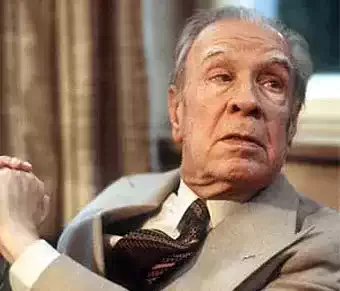
Jorge Luis Borges
To a Cat
To a Cat
Mirrors are not more silent
nor the creeping dawn more secretive;
in the moonlight, you are that panther
we catch sight of from afar.
By the inexplicable workings of a divine law,
we look for you in vain;
More remote, even, than the Ganges or the setting sun,
yours is the solitude, yours the secret.
Your haunch allows the lingering
caress of my hand. You have accepted,
since that long forgotten past,
the love of the distrustful hand.
You belong to another time. You are lord
of a place bounded like a dream.
Mirrors are not more silent
nor the creeping dawn more secretive;
in the moonlight, you are that panther
we catch sight of from afar.
By the inexplicable workings of a divine law,
we look for you in vain;
More remote, even, than the Ganges or the setting sun,
yours is the solitude, yours the secret.
Your haunch allows the lingering
caress of my hand. You have accepted,
since that long forgotten past,
the love of the distrustful hand.
You belong to another time. You are lord
of a place bounded like a dream.
665
Jorge Luis Borges
The Art of Poetry
The Art of Poetry
To gaze at a river made of time and water
And remember Time is another river.
To know we stray like a river
and our faces vanish like water.
To feel that waking is another dream
that dreams of not dreaming and that the death
we fear in our bones is the death
that every night we call a dream.
To see in every day and year a symbol
of all the days of man and his years,
and convert the outrage of the years
into a music, a sound, and a symbol.
To see in death a dream, in the sunset
a golden sadness--such is poetry,
humble and immortal, poetry,
returning, like dawn and the sunset.
Sometimes at evening there's a face
that sees us from the deeps of a mirror.
Art must be that sort of mirror,
disclosing to each of us his face.
They say Ulysses, wearied of wonders,
wept with love on seeing Ithaca,
humble and green. Art is that Ithaca,
a green eternity, not wonders.
Art is endless like a river flowing,
passing, yet remaining, a mirror to the same
inconstant Heraclitus, who is the same
and yet another, like the river flowing.
To gaze at a river made of time and water
And remember Time is another river.
To know we stray like a river
and our faces vanish like water.
To feel that waking is another dream
that dreams of not dreaming and that the death
we fear in our bones is the death
that every night we call a dream.
To see in every day and year a symbol
of all the days of man and his years,
and convert the outrage of the years
into a music, a sound, and a symbol.
To see in death a dream, in the sunset
a golden sadness--such is poetry,
humble and immortal, poetry,
returning, like dawn and the sunset.
Sometimes at evening there's a face
that sees us from the deeps of a mirror.
Art must be that sort of mirror,
disclosing to each of us his face.
They say Ulysses, wearied of wonders,
wept with love on seeing Ithaca,
humble and green. Art is that Ithaca,
a green eternity, not wonders.
Art is endless like a river flowing,
passing, yet remaining, a mirror to the same
inconstant Heraclitus, who is the same
and yet another, like the river flowing.
828
Jorge Luis Borges
Susana Soca
Susana Soca
With lingering love she gazed at the dispersed
Colors of dusk. It pleased her utterly
To lose herself in the complex melody
Or in the cunous life to be found in verse.
lt was not the primal red but rather grays
That spun the fine thread of her destiny,
For the nicest distinctions and all spent
In waverings, ambiguities, delays.
Lacking the nerve to tread this treacherous
Labyrinth, she looked in on, whom without,
The shapes, the turbulence, the striving rout,
(Like the other lady of the looking glass.)
The gods that dwell too far away for prayer
Abandoned her to the final tiger, Fire.
With lingering love she gazed at the dispersed
Colors of dusk. It pleased her utterly
To lose herself in the complex melody
Or in the cunous life to be found in verse.
lt was not the primal red but rather grays
That spun the fine thread of her destiny,
For the nicest distinctions and all spent
In waverings, ambiguities, delays.
Lacking the nerve to tread this treacherous
Labyrinth, she looked in on, whom without,
The shapes, the turbulence, the striving rout,
(Like the other lady of the looking glass.)
The gods that dwell too far away for prayer
Abandoned her to the final tiger, Fire.
1,244
Jorge Luis Borges
Remorse For Any Death
Remorse For Any Death
Free of memory and of hope,
limitless, abstract, almost future,
the dead man is not a dead man: he is death.
Like the God of the mystics,
of Whom anything that could be said must be denied,
the dead one, alien everywhere,
is but the ruin and absence of the world.
We rob him of everything,
we leave him not so much as a color or syllable:
here, the courtyard which his eyes no longer see,
there, the sidewalk where his hope lay in wait.
Even what we are thinking,
he could be thinking;
we have divvied up like thieves
the booty of nights and days.
Free of memory and of hope,
limitless, abstract, almost future,
the dead man is not a dead man: he is death.
Like the God of the mystics,
of Whom anything that could be said must be denied,
the dead one, alien everywhere,
is but the ruin and absence of the world.
We rob him of everything,
we leave him not so much as a color or syllable:
here, the courtyard which his eyes no longer see,
there, the sidewalk where his hope lay in wait.
Even what we are thinking,
he could be thinking;
we have divvied up like thieves
the booty of nights and days.
777
Jorge Luis Borges
Limits
Limits
Of all the streets that blur in to the sunset,
There must be one (which, I am not sure)
That I by now have walked for the last time
Without guessing it, the pawn of that Someone
Who fixes in advance omnipotent laws,
Sets up a secret and unwavering scale
for all the shadows, dreams, and forms
Woven into the texture of this life.
If there is a limit to all things and a measure
And a last time and nothing more and forgetfulness,
Who will tell us to whom in this house
We without knowing it have said farewell?
Through the dawning window night withdraws
And among the stacked books which throw
Irregular shadows on the dim table,
There must be one which I will never read.
There is in the South more than one worn gate,
With its cement urns and planted cactus,
Which is already forbidden to my entry,
Inaccessible, as in a lithograph.
There is a door you have closed forever
And some mirror is expecting you in vain;
To you the crossroads seem wide open,
Yet watching you, four-faced, is a Janus.
There is among all your memories one
Which has now been lost beyond recall.
You will not be seen going down to that fountain
Neither by white sun nor by yellow moon.
You will never recapture what the Persian
Said in his language woven with birds and roses,
When, in the sunset, before the light disperses,
You wish to give words to unforgettable things.
And the steadily flowing Rhone and the lake,
All that vast yesterday over which today I bend?
They will be as lost as Carthage,
Scourged by the Romans with fire and salt.
At dawn I seem to hear the turbulent
Murmur of crowds milling and fading away;
They are all I have been loved by, forgotten by;
Space, time, and Borges now are leaving me.
Of all the streets that blur in to the sunset,
There must be one (which, I am not sure)
That I by now have walked for the last time
Without guessing it, the pawn of that Someone
Who fixes in advance omnipotent laws,
Sets up a secret and unwavering scale
for all the shadows, dreams, and forms
Woven into the texture of this life.
If there is a limit to all things and a measure
And a last time and nothing more and forgetfulness,
Who will tell us to whom in this house
We without knowing it have said farewell?
Through the dawning window night withdraws
And among the stacked books which throw
Irregular shadows on the dim table,
There must be one which I will never read.
There is in the South more than one worn gate,
With its cement urns and planted cactus,
Which is already forbidden to my entry,
Inaccessible, as in a lithograph.
There is a door you have closed forever
And some mirror is expecting you in vain;
To you the crossroads seem wide open,
Yet watching you, four-faced, is a Janus.
There is among all your memories one
Which has now been lost beyond recall.
You will not be seen going down to that fountain
Neither by white sun nor by yellow moon.
You will never recapture what the Persian
Said in his language woven with birds and roses,
When, in the sunset, before the light disperses,
You wish to give words to unforgettable things.
And the steadily flowing Rhone and the lake,
All that vast yesterday over which today I bend?
They will be as lost as Carthage,
Scourged by the Romans with fire and salt.
At dawn I seem to hear the turbulent
Murmur of crowds milling and fading away;
They are all I have been loved by, forgotten by;
Space, time, and Borges now are leaving me.
727
Jorge Luis Borges
El Instante
El Instante
Dónde estarán los siglos, dónde el sueño
de espadas que los tártaros soñaron,
dónde los fuertes muros que allanaron,
dónde el Árbol de Adán y el otro Leño?
El presente está solo. La memoria
erige el tiempo. Sucesión y engaño
es la rutina del reloj. El año
no es menos vano que la vana historia.
Entre el alba y la noche hay un abismo
de agonías, de luces, de cuidados;
el rostro que se mira en los gastados
espejos de la noche no es el mismo.
El hoy fugaz es tenue y es eterno;
otro Cielo no esperes, ni otro Infierno.
Dónde estarán los siglos, dónde el sueño
de espadas que los tártaros soñaron,
dónde los fuertes muros que allanaron,
dónde el Árbol de Adán y el otro Leño?
El presente está solo. La memoria
erige el tiempo. Sucesión y engaño
es la rutina del reloj. El año
no es menos vano que la vana historia.
Entre el alba y la noche hay un abismo
de agonías, de luces, de cuidados;
el rostro que se mira en los gastados
espejos de la noche no es el mismo.
El hoy fugaz es tenue y es eterno;
otro Cielo no esperes, ni otro Infierno.
785
Jorge Luis Borges
History of the Night
History of the Night
Throughout the course of th generations
men constructed the night.
At first she was blindness;
thorns raking bare feet,
fear of wolves.
We shall never know who forged the word
for the interval of shadow
dividing the two twilights;
we shall never know in what age it came to mean
the starry hours.
Others created the myth.
They made her the mother of the unruffled Fates
that spin our destiny,
thev sacrificed black ewes to her, and the cock
who crows his own death.
The Chaldeans assigned to her twelve houses;
to Zeno, infinite words.
She took shape from Latin hexameters
and the terror of Pascal.
Luis de Leon saw in her the homeland
of his stricken soul.
Now we feel her to be inexhuastible
like an ancient wine
and no one can gaze on her without vertigo
and time has charged her with eternity.
And to think that she wouldn't exist
except for those fragile instruments, the eyes.
Throughout the course of th generations
men constructed the night.
At first she was blindness;
thorns raking bare feet,
fear of wolves.
We shall never know who forged the word
for the interval of shadow
dividing the two twilights;
we shall never know in what age it came to mean
the starry hours.
Others created the myth.
They made her the mother of the unruffled Fates
that spin our destiny,
thev sacrificed black ewes to her, and the cock
who crows his own death.
The Chaldeans assigned to her twelve houses;
to Zeno, infinite words.
She took shape from Latin hexameters
and the terror of Pascal.
Luis de Leon saw in her the homeland
of his stricken soul.
Now we feel her to be inexhuastible
like an ancient wine
and no one can gaze on her without vertigo
and time has charged her with eternity.
And to think that she wouldn't exist
except for those fragile instruments, the eyes.
762
Jorge Luis Borges
Art of Poetry, The
Art of Poetry, The
To gaze at a river made of time and water
And remember Time is another river.
To know we stray like a river
and our faces vanish like water.
To feel that waking is another dream
that dreams of not dreaming and that the death
we fear in our bones is the death
that every night we call a dream.
To see in every day and year a symbol
of all the days of man and his years,
and convert the outrage of the years
into a music, a sound, and a symbol.
To see in death a dream, in the sunset
a golden sadness--such is poetry,
humble and immortal, poetry,
returning, like dawn and the sunset.
Sometimes at evening there's a face
that sees us from the deeps of a mirror.
Art must be that sort of mirror,
disclosing to each of us his face.
They say Ulysses, wearied of wonders,
wept with love on seeing Ithaca,
humble and green. Art is that Ithaca,
a green eternity, not wonders.
Art is endless like a river flowing,
passing, yet remaining, a mirror to the same
inconstant Heraclitus, who is the same
and yet another, like the river flowing.
To gaze at a river made of time and water
And remember Time is another river.
To know we stray like a river
and our faces vanish like water.
To feel that waking is another dream
that dreams of not dreaming and that the death
we fear in our bones is the death
that every night we call a dream.
To see in every day and year a symbol
of all the days of man and his years,
and convert the outrage of the years
into a music, a sound, and a symbol.
To see in death a dream, in the sunset
a golden sadness--such is poetry,
humble and immortal, poetry,
returning, like dawn and the sunset.
Sometimes at evening there's a face
that sees us from the deeps of a mirror.
Art must be that sort of mirror,
disclosing to each of us his face.
They say Ulysses, wearied of wonders,
wept with love on seeing Ithaca,
humble and green. Art is that Ithaca,
a green eternity, not wonders.
Art is endless like a river flowing,
passing, yet remaining, a mirror to the same
inconstant Heraclitus, who is the same
and yet another, like the river flowing.
953
Jorge Luis Borges
Adam Cast Forth
Adam Cast Forth
Was there a Garden or was the Garden a dream?
Amid the fleeting light, I have slowed myself and queried,
Almost for consolation, if the bygone period
Over which this Adam, wretched now, once reigned supreme,
Might not have been just a magical illusion
Of that God I dreamed. Already it's imprecise
In my memory, the clear Paradise,
But I know it exists, in flower and profusion,
Although not for me. My punishment for life
Is the stubborn earth with the incestuous strife
Of Cains and Abels and their brood; I await no pardon.
Yet, it's much to have loved, to have known true joy,
To have had -- if only for just one day --
The experience of touching the living Garden.
Translated by Genia Gurarie, ..
Copyright retained by Genia Gurarie.
email: egurarie@princeton.edu
http://www.princeton.edu/~egurarie/
For permission to reproduce, write personally to the translator.
Was there a Garden or was the Garden a dream?
Amid the fleeting light, I have slowed myself and queried,
Almost for consolation, if the bygone period
Over which this Adam, wretched now, once reigned supreme,
Might not have been just a magical illusion
Of that God I dreamed. Already it's imprecise
In my memory, the clear Paradise,
But I know it exists, in flower and profusion,
Although not for me. My punishment for life
Is the stubborn earth with the incestuous strife
Of Cains and Abels and their brood; I await no pardon.
Yet, it's much to have loved, to have known true joy,
To have had -- if only for just one day --
The experience of touching the living Garden.
Translated by Genia Gurarie, ..
Copyright retained by Genia Gurarie.
email: egurarie@princeton.edu
http://www.princeton.edu/~egurarie/
For permission to reproduce, write personally to the translator.
801

Jonathan Swift
To Stella On Her Birth-Day, 1721-2
To Stella On Her Birth-Day, 1721-2
While, Stella, to your lasting praise
The Muse her annual tribute pays,
While I assign myself a task
Which you expect, but scorn to ask;
If I perform this task with pain,
Let me of partial fate complain;
You every year the debt enlarge,
I grow less equal to the charge:
In you each virtue brighter shines,
But my poetic vein declines;
My harp will soon in vain be strung,
And all your virtues left unsung.
For none among the upstart race
Of poets dare assume my place;
Your worth will be to them unknown,
They must have Stellas of their own;
And thus, my stock of wit decay'd,
I dying leave the debt unpaid,
Unless Delany, as my heir,
Will answer for the whole arrear.
While, Stella, to your lasting praise
The Muse her annual tribute pays,
While I assign myself a task
Which you expect, but scorn to ask;
If I perform this task with pain,
Let me of partial fate complain;
You every year the debt enlarge,
I grow less equal to the charge:
In you each virtue brighter shines,
But my poetic vein declines;
My harp will soon in vain be strung,
And all your virtues left unsung.
For none among the upstart race
Of poets dare assume my place;
Your worth will be to them unknown,
They must have Stellas of their own;
And thus, my stock of wit decay'd,
I dying leave the debt unpaid,
Unless Delany, as my heir,
Will answer for the whole arrear.
214
Jonathan Swift
Stella's Birthday March 13, 1719
Stella's Birthday March 13, 1719
Stella this day is thirty-four,
(We shan't dispute a year or more:)
However, Stella, be not troubled,
Although thy size and years are doubled,
Since first I saw thee at sixteen,
The brightest virgin on the green;
So little is thy form declin'd;
Made up so largely in thy mind.
Oh, would it please the gods to split
Thy beauty, size, and years, and wit;
No age could furnish out a pair
Of nymphs so graceful, wise, and fair;
With half the lustre of your eyes,
With half your wit, your years, and size.
And then, before it grew too late,
How should I beg of gentle Fate,
(That either nymph might have her swain,)
To split my worship too in twain.
Stella this day is thirty-four,
(We shan't dispute a year or more:)
However, Stella, be not troubled,
Although thy size and years are doubled,
Since first I saw thee at sixteen,
The brightest virgin on the green;
So little is thy form declin'd;
Made up so largely in thy mind.
Oh, would it please the gods to split
Thy beauty, size, and years, and wit;
No age could furnish out a pair
Of nymphs so graceful, wise, and fair;
With half the lustre of your eyes,
With half your wit, your years, and size.
And then, before it grew too late,
How should I beg of gentle Fate,
(That either nymph might have her swain,)
To split my worship too in twain.
219
Jonathan Swift
Stella's Birthday March 13, 1727
Stella's Birthday March 13, 1727
This day, whate'er the Fates decree,
Shall still be kept with joy by me:
This day then let us not be told,
That you are sick, and I grown old;
Nor think on our approaching ills,
And talk of spectacles and pills.
To-morrow will be time enough
To hear such mortifying stuff.
Yet, since from reason may be brought
A better and more pleasing thought,
Which can, in spite of all decays,
Support a few remaining days:
From not the gravest of divines
Accept for once some serious lines.
Although we now can form no more
Long schemes of life, as heretofore;
Yet you, while time is running fast,
Can look with joy on what is past.
Were future happiness and pain
A mere contrivance of the brain,
As atheists argue, to entice
And fit their proselytes for vice;
(The only comfort they propose,
To have companions in their woes;)
Grant this the case; yet sure 'tis hard
That virtue, styl'd its own reward,
And by all sages understood
To be the chief of human good,
Should, acting, die, nor leave behind
Some lasting pleasure in the mind;
Which by remembrance will assuage
Grief, sickness, poverty, and age;
And strongly shoot a radiant dart
To shine through life's declining part.
Say, Stella, feel you no content,
Reflecting on a life well spent?
Your skilful hand employ'd to save
Despairing wretches from the grave;
And then supporting with your store
Those whom you dragg'd from death before?
So Providence on mortals waits,
Preserving what it first creates.
Your gen'rous boldness to defend
An innocent and absent friend;
That courage which can make you just
To merit humbled in the dust;
The detestation you express
For vice in all its glitt'ring dress;
That patience under torturing pain,
Where stubborn stoics would complain:
Must these like empty shadows pass,
Or forms reflected from a glass?
Or mere chimæras in the mind,
That fly, and leave no marks behind?
Does not the body thrive and grow
By food of twenty years ago?
And, had it not been still supplied,
It must a thousand times have died.
Then who with reason can maintain
That no effects of food remain?
And is not virtue in mankind
The nutriment that feeds the mind;
Upheld by each good action past,
And still continued by the last?
Then, who with reason can pretend
That all effects of virtue end?
Believe me, Stella, when you show
That true contempt for things below,
Nor prize your life for other ends,
Than merely to oblige your friends;
Your former actions claim their part,
And join to fortify your heart.
For Virtue, in her daily race,
Like Janus, bears a double face;
Looks back with joy where she has gone
And therefore goes with courage on:
She at your sickly couch will wait,
And guide you to a better state.
O then, whatever Heav'n intends,
Take pity on your pitying friends!
Nor let your ills affect your mind,
To fancy they can be unkind.
Me, surely me, you ought to spare,
Who gladly would your suff'rings share;
Or give my scrap of life to you,
And think it far beneath your due;
You, to whose care so oft I owe
That I'm alive to tell you so.
This day, whate'er the Fates decree,
Shall still be kept with joy by me:
This day then let us not be told,
That you are sick, and I grown old;
Nor think on our approaching ills,
And talk of spectacles and pills.
To-morrow will be time enough
To hear such mortifying stuff.
Yet, since from reason may be brought
A better and more pleasing thought,
Which can, in spite of all decays,
Support a few remaining days:
From not the gravest of divines
Accept for once some serious lines.
Although we now can form no more
Long schemes of life, as heretofore;
Yet you, while time is running fast,
Can look with joy on what is past.
Were future happiness and pain
A mere contrivance of the brain,
As atheists argue, to entice
And fit their proselytes for vice;
(The only comfort they propose,
To have companions in their woes;)
Grant this the case; yet sure 'tis hard
That virtue, styl'd its own reward,
And by all sages understood
To be the chief of human good,
Should, acting, die, nor leave behind
Some lasting pleasure in the mind;
Which by remembrance will assuage
Grief, sickness, poverty, and age;
And strongly shoot a radiant dart
To shine through life's declining part.
Say, Stella, feel you no content,
Reflecting on a life well spent?
Your skilful hand employ'd to save
Despairing wretches from the grave;
And then supporting with your store
Those whom you dragg'd from death before?
So Providence on mortals waits,
Preserving what it first creates.
Your gen'rous boldness to defend
An innocent and absent friend;
That courage which can make you just
To merit humbled in the dust;
The detestation you express
For vice in all its glitt'ring dress;
That patience under torturing pain,
Where stubborn stoics would complain:
Must these like empty shadows pass,
Or forms reflected from a glass?
Or mere chimæras in the mind,
That fly, and leave no marks behind?
Does not the body thrive and grow
By food of twenty years ago?
And, had it not been still supplied,
It must a thousand times have died.
Then who with reason can maintain
That no effects of food remain?
And is not virtue in mankind
The nutriment that feeds the mind;
Upheld by each good action past,
And still continued by the last?
Then, who with reason can pretend
That all effects of virtue end?
Believe me, Stella, when you show
That true contempt for things below,
Nor prize your life for other ends,
Than merely to oblige your friends;
Your former actions claim their part,
And join to fortify your heart.
For Virtue, in her daily race,
Like Janus, bears a double face;
Looks back with joy where she has gone
And therefore goes with courage on:
She at your sickly couch will wait,
And guide you to a better state.
O then, whatever Heav'n intends,
Take pity on your pitying friends!
Nor let your ills affect your mind,
To fancy they can be unkind.
Me, surely me, you ought to spare,
Who gladly would your suff'rings share;
Or give my scrap of life to you,
And think it far beneath your due;
You, to whose care so oft I owe
That I'm alive to tell you so.
250
Jonathan Swift
Stella’s Birth-Day.1719-20
Stella’s Birth-Day.1719-20
All travellers at first incline
Where'er they see the fairest sign
And if they find the chambers neat,
And like the liquor and the meat,
Will call again, and recommend
The Angel Inn to every friend.
And though the painting grows decay'd,
The house will never lose its trade:
Nay, though the treach'rous tapster, Thomas,
Hangs a new Angel two doors from us,
As fine as daubers' hands can make it,
In hopes that strangers may mistake it,
We think it both a shame and sin
To quit the true old Angel Inn.
Now this is Stella's case in fact,
An angel's face a little crack'd.
(Could poets or could painters fix
How angels look at thirty-six
This drew us in at first to find
In such a form an angel's mind;
And every virtue now supplies
The fainting rays of Stella's eyes.
See, at her levee crowding swains,
Whom Stella freely entertains
With breeding, humour, wit, and sense,
And puts them to so small expense;
Their minds so plentifully fills,
And makes such reasonable bills,
So little gets for what she gives,
We really wonder how she lives!
And had her stock been less, no doubt
She must have long ago run out.
Then, who can think we'll quit the place,
When Doll hangs out a newer face?
Nail'd to her window full in sight
All Christian people to invite.
Or stop and light at Chloe's head,
With scraps and leavings to be fed?
Then, Chloe, still go on to prate
Of thirty-six and thirty-eight;
Pursue your trade of scandal-picking,
Your hints that Stella is no chicken;
Your innuendoes, when you tell us,
That Stella loves to talk with fellows:
But let me warn you to believe
A truth, for which your soul should grieve;
That should you live to see the day,
When Stella's locks must all be gray,
When age must print a furrow'd trace
On every feature of her face;
Though you, and all your senseless tribe,
Could Art, or Time, or Nature bribe,
To make you look like Beauty's Queen,
And hold for ever at fifteen;
No bloom of youth can ever blind
The cracks and wrinkles of your mind:
All men of sense will pass your door,
And crowd to Stella's at four-score.
All travellers at first incline
Where'er they see the fairest sign
And if they find the chambers neat,
And like the liquor and the meat,
Will call again, and recommend
The Angel Inn to every friend.
And though the painting grows decay'd,
The house will never lose its trade:
Nay, though the treach'rous tapster, Thomas,
Hangs a new Angel two doors from us,
As fine as daubers' hands can make it,
In hopes that strangers may mistake it,
We think it both a shame and sin
To quit the true old Angel Inn.
Now this is Stella's case in fact,
An angel's face a little crack'd.
(Could poets or could painters fix
How angels look at thirty-six
This drew us in at first to find
In such a form an angel's mind;
And every virtue now supplies
The fainting rays of Stella's eyes.
See, at her levee crowding swains,
Whom Stella freely entertains
With breeding, humour, wit, and sense,
And puts them to so small expense;
Their minds so plentifully fills,
And makes such reasonable bills,
So little gets for what she gives,
We really wonder how she lives!
And had her stock been less, no doubt
She must have long ago run out.
Then, who can think we'll quit the place,
When Doll hangs out a newer face?
Nail'd to her window full in sight
All Christian people to invite.
Or stop and light at Chloe's head,
With scraps and leavings to be fed?
Then, Chloe, still go on to prate
Of thirty-six and thirty-eight;
Pursue your trade of scandal-picking,
Your hints that Stella is no chicken;
Your innuendoes, when you tell us,
That Stella loves to talk with fellows:
But let me warn you to believe
A truth, for which your soul should grieve;
That should you live to see the day,
When Stella's locks must all be gray,
When age must print a furrow'd trace
On every feature of her face;
Though you, and all your senseless tribe,
Could Art, or Time, or Nature bribe,
To make you look like Beauty's Queen,
And hold for ever at fifteen;
No bloom of youth can ever blind
The cracks and wrinkles of your mind:
All men of sense will pass your door,
And crowd to Stella's at four-score.
240
Jonathan Swift
On Time
On Time
Ever eating, never cloying,
All-devouring, all-destroying,
Never finding full repast,
Till I eat the world at last.
Ever eating, never cloying,
All-devouring, all-destroying,
Never finding full repast,
Till I eat the world at last.
210
Jonathan Swift
On Ink
On Ink
I am jet black, as you may see,
The son of pitch and gloomy night:
Yet all that know me will agree,
I'm dead except I live in light.
Sometimes in panegyric high,
Like lofty Pindar, I can soar;
And raise a virgin to the sky,
Or sink her to a pocky whore.
My blood this day is very sweet,
To-morrow of a bitter juice;
Like milk, 'tis cried about the street,
And so applied to different use.
Most wondrous is my magic power:
For with one colour I can paint;
I'll make the devil a saint this hour,
Next make a devil of a saint.
Through distant regions I can fly,
Provide me but with paper wings;
And fairly show a reason why
There should be quarrels among kings:
And, after all, you'll think it odd,
When learned doctors will dispute,
That I should point the word of God,
And show where they can best confute.
Let lawyers bawl and strain their throats:
'Tis I that must the lands convey,
And strip their clients to their coats;
Nay, give their very souls away.
I am jet black, as you may see,
The son of pitch and gloomy night:
Yet all that know me will agree,
I'm dead except I live in light.
Sometimes in panegyric high,
Like lofty Pindar, I can soar;
And raise a virgin to the sky,
Or sink her to a pocky whore.
My blood this day is very sweet,
To-morrow of a bitter juice;
Like milk, 'tis cried about the street,
And so applied to different use.
Most wondrous is my magic power:
For with one colour I can paint;
I'll make the devil a saint this hour,
Next make a devil of a saint.
Through distant regions I can fly,
Provide me but with paper wings;
And fairly show a reason why
There should be quarrels among kings:
And, after all, you'll think it odd,
When learned doctors will dispute,
That I should point the word of God,
And show where they can best confute.
Let lawyers bawl and strain their throats:
'Tis I that must the lands convey,
And strip their clients to their coats;
Nay, give their very souls away.
289
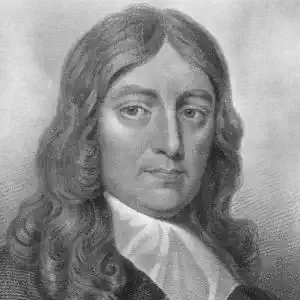
John Milton
The Passion
The Passion
I
Erewhile of music, and ethereal mirth,
Wherewith the stage of Air and Earth did ring,
And joyous news of heavenly Infant’s birth,
My muse with Angels did divide to sing;
But headlong joy is ever on the wing,
In wintry solstice like the shortened light
Soon swallowed up in dark and long outliving night.
II
For now to sorrow must I tune my song,
And set my Harp to notes of saddest woe,
Which on our dearest Lord did seize ere long,
Dangers, and snares, and wrongs, and worse than so,
Which he for us did freely undergo:
Most perfect Hero, tried in heaviest plight
Of labours huge and hard, too hard for human wight!
III
He, sovran Priest, stooping his regal head,
That dropt with odorous oil down his fair eyes,
Poor fleshly Tabernacle enterèd,
His starry front low-roofed beneath the skies:
Oh, what a mask was there, what a disguise!
Yet more: the stroke of death he must abide;
Then lies him meekly down fast by his Brethren’s side.
IV
These latest scenes confine my roving verse;
To this horizon is my Phoebus bound.
His godlike acts, and his temptations fierce,
And former sufferings, otherwhere are found;
Loud o’er the rest Cremona’s trump doth sound:
Me softer airs befit, and softer strings
Of lute, or viol still, more apt for mournful things.
V
Befriend me, Night, best Patroness of grief!
Over the pole thy thickest mantle throw,
And work my flattered fancy to belief
That Heaven and Earth are coloured with my woe;
My sorrows are too dark for day to know:
The leaves should all be black whereon I write,
And letters, where my tears have washed, a wannish white.
VI
See, see the chariot, and those rushing wheels,
That whirled the prophet up at Chebar flood;
My spirit some transporting Cherub feels
To bear me where the Towers of Salem stood,
Once glorious towers, now sunk in guiltless blood.
There doth my soul in holy vision sit,
In pensive trance, and anguish, and ecstatic fit.
VII
Mine eye hath found that sad sepulchral rock
That was the casket of Heaven’s richest store,
And here, though grief my feeble hands up-lock,
Yet on the softened quarry would I score
My plaining verse as lively as before;
For sure so well instructed are my tears
That they would fitly fall in ordered characters.
VIII
Or, should I thence, hurried on viewless wing,
Take up a weeping on the mountains wild,
The gentle neighbourhood of grove and spring
Would soon unbosom all their Echoes mild;
And I (for grief is easily beguiled)
Might think the infection of my sorrows loud
Had got a race of mourners on some pregnant cloud.
This Subject the Author finding to be above the years he had when he wrote it, and
nothing satisfied with what was begun, left it unfinished.
I
Erewhile of music, and ethereal mirth,
Wherewith the stage of Air and Earth did ring,
And joyous news of heavenly Infant’s birth,
My muse with Angels did divide to sing;
But headlong joy is ever on the wing,
In wintry solstice like the shortened light
Soon swallowed up in dark and long outliving night.
II
For now to sorrow must I tune my song,
And set my Harp to notes of saddest woe,
Which on our dearest Lord did seize ere long,
Dangers, and snares, and wrongs, and worse than so,
Which he for us did freely undergo:
Most perfect Hero, tried in heaviest plight
Of labours huge and hard, too hard for human wight!
III
He, sovran Priest, stooping his regal head,
That dropt with odorous oil down his fair eyes,
Poor fleshly Tabernacle enterèd,
His starry front low-roofed beneath the skies:
Oh, what a mask was there, what a disguise!
Yet more: the stroke of death he must abide;
Then lies him meekly down fast by his Brethren’s side.
IV
These latest scenes confine my roving verse;
To this horizon is my Phoebus bound.
His godlike acts, and his temptations fierce,
And former sufferings, otherwhere are found;
Loud o’er the rest Cremona’s trump doth sound:
Me softer airs befit, and softer strings
Of lute, or viol still, more apt for mournful things.
V
Befriend me, Night, best Patroness of grief!
Over the pole thy thickest mantle throw,
And work my flattered fancy to belief
That Heaven and Earth are coloured with my woe;
My sorrows are too dark for day to know:
The leaves should all be black whereon I write,
And letters, where my tears have washed, a wannish white.
VI
See, see the chariot, and those rushing wheels,
That whirled the prophet up at Chebar flood;
My spirit some transporting Cherub feels
To bear me where the Towers of Salem stood,
Once glorious towers, now sunk in guiltless blood.
There doth my soul in holy vision sit,
In pensive trance, and anguish, and ecstatic fit.
VII
Mine eye hath found that sad sepulchral rock
That was the casket of Heaven’s richest store,
And here, though grief my feeble hands up-lock,
Yet on the softened quarry would I score
My plaining verse as lively as before;
For sure so well instructed are my tears
That they would fitly fall in ordered characters.
VIII
Or, should I thence, hurried on viewless wing,
Take up a weeping on the mountains wild,
The gentle neighbourhood of grove and spring
Would soon unbosom all their Echoes mild;
And I (for grief is easily beguiled)
Might think the infection of my sorrows loud
Had got a race of mourners on some pregnant cloud.
This Subject the Author finding to be above the years he had when he wrote it, and
nothing satisfied with what was begun, left it unfinished.
591
John Milton
Sonnet XVI: Cromwell, our chief of men
Sonnet XVI: Cromwell, our chief of men
To the Lord General Cromwell
On the Proposals of Certain Ministers of the Committee
for the Propagation of the Gospel
Cromwell, our chief of men, who through a cloud
Not of war only, but detractions rude,
Guided by faith and matchless fortitude,
To peace and truth thy glorious way hast ploughed,
And on the neck of crowned Fortune proud
Hast reared God's trophies, and his work pursued,
While Darwen stream with blood of Scots imbrued,
And Dunbar field resounds thy praises loud,
And Worcester's laureate wreath. Yet much remains
To conquer still; peace hath her victories
No less renowned than war: new foes arise,
Threat'ning to bind our souls with secular chains:
Help us to save free conscience from the paw
Of hireling wolves, whose gospel is their maw.
To the Lord General Cromwell
On the Proposals of Certain Ministers of the Committee
for the Propagation of the Gospel
Cromwell, our chief of men, who through a cloud
Not of war only, but detractions rude,
Guided by faith and matchless fortitude,
To peace and truth thy glorious way hast ploughed,
And on the neck of crowned Fortune proud
Hast reared God's trophies, and his work pursued,
While Darwen stream with blood of Scots imbrued,
And Dunbar field resounds thy praises loud,
And Worcester's laureate wreath. Yet much remains
To conquer still; peace hath her victories
No less renowned than war: new foes arise,
Threat'ning to bind our souls with secular chains:
Help us to save free conscience from the paw
Of hireling wolves, whose gospel is their maw.
530
John Milton
Sonnet 22
Sonnet 22
XXII
Cyriac, this three years' day these eyes, though clear,
To outward view, of blemish or of spot,
Bereft of light, their seeing have forgot;
Nor to their idle orbs doth sight appear
Of sun, or moon, or star, throughout the year,
Or man, or woman. Yet I argue not
Against Heav'n's hand or will, nor bate a jot
Of heart or hope; but still bear up and steer
Right onward. What supports me, dost thou ask?
The conscience, Friend, t' have lost them overplied
In liberty's defence, my noble task,
Of which all Europe rings from side to side.
This thought might lead me through the world's vain mask
Content, though blind, had I no better guide.
XXII
Cyriac, this three years' day these eyes, though clear,
To outward view, of blemish or of spot,
Bereft of light, their seeing have forgot;
Nor to their idle orbs doth sight appear
Of sun, or moon, or star, throughout the year,
Or man, or woman. Yet I argue not
Against Heav'n's hand or will, nor bate a jot
Of heart or hope; but still bear up and steer
Right onward. What supports me, dost thou ask?
The conscience, Friend, t' have lost them overplied
In liberty's defence, my noble task,
Of which all Europe rings from side to side.
This thought might lead me through the world's vain mask
Content, though blind, had I no better guide.
532
John Milton
Sonnet 16
Sonnet 16
XVI
When I consider how my light is spent,
E're half my days, in this dark world and wide,
And that one Talent which is death to hide,
Lodg'd with me useless, though my Soul more bent
To serve therewith my Maker, and present
My true account, least he returning chide,
Doth God exact day-labour, light deny'd,
I fondly ask; But patience to prevent
That murmur, soon replies, God doth not need
Either man's work or his own gifts, who best
Bear his milde yoak, they serve him best, his State
Is Kingly. Thousands at his bidding speed
And post o're Land and Ocean without rest:
They also serve who only stand and waite.
XVI
When I consider how my light is spent,
E're half my days, in this dark world and wide,
And that one Talent which is death to hide,
Lodg'd with me useless, though my Soul more bent
To serve therewith my Maker, and present
My true account, least he returning chide,
Doth God exact day-labour, light deny'd,
I fondly ask; But patience to prevent
That murmur, soon replies, God doth not need
Either man's work or his own gifts, who best
Bear his milde yoak, they serve him best, his State
Is Kingly. Thousands at his bidding speed
And post o're Land and Ocean without rest:
They also serve who only stand and waite.
572
John Milton
Sonnet 14
Sonnet 14
XIV
When Faith and Love which parted from thee never,
Had ripen'd thy just soul to dwell with God,
Meekly thou didst resign this earthy load
Of Death, call'd Life; which us from Life doth sever
Thy Works and Alms and all thy good Endeavour
Staid not behind, nor in the grave were trod;
But as Faith pointed with her golden rod,
Follow'd thee up to joy and bliss for ever.
Love led them on, and Faith who knew them best
Thy hand-maids, clad them o're with purple beams
And azure wings, that up they flew so drest,
And speak the truth of thee on glorious Theams
Before the Judge, who thenceforth bid thee rest
And drink thy fill of pure immortal streams.
Note: Camb. Autograph supplies title, On the Religious
Memory of Catherine Thomson, my Christian Friend, deceased
16 Decemb., 1646.
XIV
When Faith and Love which parted from thee never,
Had ripen'd thy just soul to dwell with God,
Meekly thou didst resign this earthy load
Of Death, call'd Life; which us from Life doth sever
Thy Works and Alms and all thy good Endeavour
Staid not behind, nor in the grave were trod;
But as Faith pointed with her golden rod,
Follow'd thee up to joy and bliss for ever.
Love led them on, and Faith who knew them best
Thy hand-maids, clad them o're with purple beams
And azure wings, that up they flew so drest,
And speak the truth of thee on glorious Theams
Before the Judge, who thenceforth bid thee rest
And drink thy fill of pure immortal streams.
Note: Camb. Autograph supplies title, On the Religious
Memory of Catherine Thomson, my Christian Friend, deceased
16 Decemb., 1646.
739
John Milton
Sonnet 06
Sonnet 06
VI
Giovane piano, e semplicetto amante
Poi che fuggir me stesso in dubbio sono,
Madonna a voi del mio cuor l'humil dono
Faro divoto; io certo a prove tante
L'hebbi fedele, intrepido, costante,
De pensieri leggiadro, accorto, e buono;
Quando rugge il gran mondo, e scocca il tuono,
S 'arma di se, e d' intero diamante,
Tanto del forse, e d' invidia sicuro,
Di timori, e speranze al popol use
Quanto d'ingegno, e d' alto valor vago,
E di cetra sonora, e delle muse:
Sol troverete in tal parte men duro
Ove amor mise l 'insanabil ago.
VI
Giovane piano, e semplicetto amante
Poi che fuggir me stesso in dubbio sono,
Madonna a voi del mio cuor l'humil dono
Faro divoto; io certo a prove tante
L'hebbi fedele, intrepido, costante,
De pensieri leggiadro, accorto, e buono;
Quando rugge il gran mondo, e scocca il tuono,
S 'arma di se, e d' intero diamante,
Tanto del forse, e d' invidia sicuro,
Di timori, e speranze al popol use
Quanto d'ingegno, e d' alto valor vago,
E di cetra sonora, e delle muse:
Sol troverete in tal parte men duro
Ove amor mise l 'insanabil ago.
428