

Poems in this theme
Soul
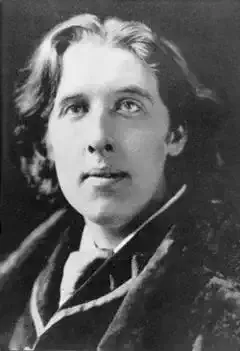
Oscar Wilde
Sonnet
Sonnet
CHRIST, dost thou live indeed? or are thy bones
Still straightened in their rock-hewn sepulchre?
And was thy Rising only dreamed by Her
Whose love of thee for all her sin atones?
For here the air is horrid with men's groans,
The priests who call upon thy name are slain,
Dost thou not hear the bitter wail of pain
From those whose children lie upon the stones?
Come down, O Son of God! incestuous gloom
Curtains the land, and through the starless night
Over thy Cross the Crescent moon I see!
If thou in very truth didst burst the tomb
Come down, O Son of Man! and show thy might,
Lest Mahomet be crowned instead of Thee!
CHRIST, dost thou live indeed? or are thy bones
Still straightened in their rock-hewn sepulchre?
And was thy Rising only dreamed by Her
Whose love of thee for all her sin atones?
For here the air is horrid with men's groans,
The priests who call upon thy name are slain,
Dost thou not hear the bitter wail of pain
From those whose children lie upon the stones?
Come down, O Son of God! incestuous gloom
Curtains the land, and through the starless night
Over thy Cross the Crescent moon I see!
If thou in very truth didst burst the tomb
Come down, O Son of Man! and show thy might,
Lest Mahomet be crowned instead of Thee!
210
Oscar Wilde
San Miniato
San Miniato
SEE, I have climbed the mountain side
Up to this holy house of God,
Where once that Angel-Painter trod
Who saw the heavens opened wide,
And throned upon the crescent moon
The Virginal white Queen of Grace,--
Mary! could I but see thy face
Death could not come at all too soon.
O crowned by God with thorns and pain!
Mother of Christ! O mystic wife!
My heart is weary of this life
And over-sad to sing again.
O crowned by God with love and flame!
O crowned by Christ the Holy One!
O listen ere the searching sun
Show to the world my sin and shame.
SEE, I have climbed the mountain side
Up to this holy house of God,
Where once that Angel-Painter trod
Who saw the heavens opened wide,
And throned upon the crescent moon
The Virginal white Queen of Grace,--
Mary! could I but see thy face
Death could not come at all too soon.
O crowned by God with thorns and pain!
Mother of Christ! O mystic wife!
My heart is weary of this life
And over-sad to sing again.
O crowned by God with love and flame!
O crowned by Christ the Holy One!
O listen ere the searching sun
Show to the world my sin and shame.
182
Oscar Wilde
Roses and Rue
Roses and Rue
Could we dig up this long-buried treasure,
Were it worth the pleasure,
We never could learn love's song,
We are parted too long
Could the passionate past that is fled
Call back its dead,
Could we live it all over again,
Were it worth the pain!
I remember we used to meet
By an ivied seat,
And you warbled each pretty word
With the air of a bird;
And your voice had a quaver in it,
Just like a linnet,
And shook, as the blackbird's throat
With its last big note;
And your eyes, they were green and grey
Like an April day,
But lit into amethyst
When I stooped and kissed;
And your mouth, it would never smile
For a long, long while,
Then it rippled all over with laughter
Five minutes after.
You were always afraid of a shower,
Just like a flower:
I remember you started and ran
When the rain began.
I remember I never could catch you,
For no one could match you,
You had wonderful, luminous, fleet,
Little wings to your feet.
I remember your hair - did I tie it?
For it always ran riot -
Like a tangled sunbeam of gold:
These things are old.
I remember so well the room,
And the lilac bloom
That beat at the dripping pane
In the warm June rain;
And the colour of your gown,
It was amber-brown,
And two yellow satin bows
From the shoulders rose.
And the handkerchief of French lace
Which you held to your face-
Had a small tear left a stain?
Or was it the rain?
On your hand as it waved adieu
There were veins of blue;
In your voice as it said good-bye
Was a petulant cry,
"You have only wasted your life."
(Ah, that was the knife!)
When I rushed through the garden gate
It was all too late.
Could we live it over again,
Were it worth the pain,
Could the passionate past that is fled
Call back its dead!
Well, if my heart must break,
Dear love, for your sake,
It will break in music, I know,
Poets' hearts break so.
But strange that I was not told
That the brain can hold
In a tiny ivory cell
God's heaven and hell.
Could we dig up this long-buried treasure,
Were it worth the pleasure,
We never could learn love's song,
We are parted too long
Could the passionate past that is fled
Call back its dead,
Could we live it all over again,
Were it worth the pain!
I remember we used to meet
By an ivied seat,
And you warbled each pretty word
With the air of a bird;
And your voice had a quaver in it,
Just like a linnet,
And shook, as the blackbird's throat
With its last big note;
And your eyes, they were green and grey
Like an April day,
But lit into amethyst
When I stooped and kissed;
And your mouth, it would never smile
For a long, long while,
Then it rippled all over with laughter
Five minutes after.
You were always afraid of a shower,
Just like a flower:
I remember you started and ran
When the rain began.
I remember I never could catch you,
For no one could match you,
You had wonderful, luminous, fleet,
Little wings to your feet.
I remember your hair - did I tie it?
For it always ran riot -
Like a tangled sunbeam of gold:
These things are old.
I remember so well the room,
And the lilac bloom
That beat at the dripping pane
In the warm June rain;
And the colour of your gown,
It was amber-brown,
And two yellow satin bows
From the shoulders rose.
And the handkerchief of French lace
Which you held to your face-
Had a small tear left a stain?
Or was it the rain?
On your hand as it waved adieu
There were veins of blue;
In your voice as it said good-bye
Was a petulant cry,
"You have only wasted your life."
(Ah, that was the knife!)
When I rushed through the garden gate
It was all too late.
Could we live it over again,
Were it worth the pain,
Could the passionate past that is fled
Call back its dead!
Well, if my heart must break,
Dear love, for your sake,
It will break in music, I know,
Poets' hearts break so.
But strange that I was not told
That the brain can hold
In a tiny ivory cell
God's heaven and hell.
300
Oscar Wilde
Requiescat
Requiescat
TREAD lightly, she is near
Under the snow,
Speak gently, she can hear
The daisies grow.
All her bright golden hair
Tarnished with rust,
She that was young and fair
Fallen to dust.
Lily-like, white as snow,
She hardly knew
She was a woman, so
Sweetly she grew.
Coffin-board, heavy stone,
Lie on her breast,
I vex my heart alone
She is at rest.
Peace, Peace, she cannot hear
Lyre or sonnet,
All my life's buried here,
Heap earth upon it.
AVIGNON.
TREAD lightly, she is near
Under the snow,
Speak gently, she can hear
The daisies grow.
All her bright golden hair
Tarnished with rust,
She that was young and fair
Fallen to dust.
Lily-like, white as snow,
She hardly knew
She was a woman, so
Sweetly she grew.
Coffin-board, heavy stone,
Lie on her breast,
I vex my heart alone
She is at rest.
Peace, Peace, she cannot hear
Lyre or sonnet,
All my life's buried here,
Heap earth upon it.
AVIGNON.
190
Oscar Wilde
Quia Multum Amavi
Quia Multum Amavi
DEAR Heart I think the young impassioned priest
When first he takes from out the hidden shrine
His God imprisoned in the Eucharist,
And eats the bread, and drinks the dreadful wine,
Feels not such awful wonder as I felt
When first my smitten eyes beat full on thee,
And all night long before thy feet I knelt
Till thou wert wearied of Idolatry.
Ah! had'st thou liked me less and loved me more,
Through all those summer days of joy and rain,
I had not now been sorrow's heritor,
Or stood a lackey in the House of Pain.
Yet, though remorse, youth's white-faced seneschal
Tread on my heels with all his retinue,
I am most glad I loved thee--think of all
The suns that go to make one speedwell blue!
DEAR Heart I think the young impassioned priest
When first he takes from out the hidden shrine
His God imprisoned in the Eucharist,
And eats the bread, and drinks the dreadful wine,
Feels not such awful wonder as I felt
When first my smitten eyes beat full on thee,
And all night long before thy feet I knelt
Till thou wert wearied of Idolatry.
Ah! had'st thou liked me less and loved me more,
Through all those summer days of joy and rain,
I had not now been sorrow's heritor,
Or stood a lackey in the House of Pain.
Yet, though remorse, youth's white-faced seneschal
Tread on my heels with all his retinue,
I am most glad I loved thee--think of all
The suns that go to make one speedwell blue!
231
Oscar Wilde
Phedre
Phedre
(To Sarah Bernhardt)
How vain and dull this common world must seem
To such a One as thou, who should'st have talked
At Florence with Mirandola, or walked
Through the cool olives of the Academe:
Thou should'st have gathered reeds from a green stream
For Goat-foot Pan's shrill piping, and have played
With the white girls in that Phaeacian glade
Where grave Odysseus wakened from his dream.
Ah! surely once some urn of Attic clay
Held thy wan dust, and thou hast come again
Back to this common world so dull and vain,
For thou wert weary of the sunless day,
The heavy fields of scentless asphodel,
The loveless lips with which men kiss in Hell.
(To Sarah Bernhardt)
How vain and dull this common world must seem
To such a One as thou, who should'st have talked
At Florence with Mirandola, or walked
Through the cool olives of the Academe:
Thou should'st have gathered reeds from a green stream
For Goat-foot Pan's shrill piping, and have played
With the white girls in that Phaeacian glade
Where grave Odysseus wakened from his dream.
Ah! surely once some urn of Attic clay
Held thy wan dust, and thou hast come again
Back to this common world so dull and vain,
For thou wert weary of the sunless day,
The heavy fields of scentless asphodel,
The loveless lips with which men kiss in Hell.
194
Oscar Wilde
Panthea
Panthea
NAY, let us walk from fire unto fire,
From passionate pain to deadlier delight,--
I am too young to live without desire,
Too young art thou to waste this summer night
Asking those idle questions which of old
Man sought of seer and oracle, and no reply was told.
For, sweet, to feel is better than to know,
And wisdom is a childless heritage,
One pulse of passion--youth's first fiery glow,--
Are worth the hoarded proverbs of the sage:
Vex not thy soul with dead philosophy,
Have we not lips to kiss with, hearts to love, and eyes to see!
Dost thou not hear the murmuring nightingale
Like water bubbling from a silver jar,
So soft she sings the envious moon is pale,
That high in heaven she is hung so far
She cannot hear that love-enraptured tune,--
Mark how she wreathes each horn with mist, yon late and labouring
moon.
White lilies, in whose cups the gold bees dream,
The fallen snow of petals where the breeze
Scatters the chestnut blossom, or the gleam
Of boyish limbs in water,--are not these
Enough for thee, dost thou desire more?
Alas! the Gods will give nought else from their eternal store.
For our high Gods have sick and wearied grown
Of all our endless sins, our vain endeavour
For wasted days of youth to make atone
By pain or prayer or priest, and never, never,
Hearken they now to either good or ill,
But send their rain upon the just and the unjust at will.
They sit at ease, our Gods they sit at ease,
Strewing with leaves of rose their scented wine,
They sleep, they sleep, beneath the rocking trees
Where asphodel and yellow lotus twine,
Mourning the old glad days before they knew
What evil things the heart of man could dream, and dreaming do.
And far beneath the brazen floor they see
Like swarming flies the crowd of little men,
The bustle of small lives, then wearily
Back to their lotus-haunts they turn again
Kissing each other's mouths, and mix more deep
The poppy-seeded draught which brings soft purple-lidded sleep.
There all day long the golden-vestured sun,
Their torch-bearer, stands with his torch a-blaze,
And when the gaudy web of noon is spun
By its twelve maidens through the crimson haze
Fresh from Endymion's arms comes forth the moon,
And the immortal Gods in toils of mortal passions swoon.
There walks Queen Juno through some dewy mead
Her grand white feet flecked with the saffron dust
Of wind-stirred lilies, while young Ganymede
Leaps in the hot and amber-foaming must,
His curls all tossed, as when the eagle bare
The frightened boy from Ida through the blue Ionian air.
There in the green heart of some garden close
Queen Venus with the shepherd at her side,
Her warm soft body like the briar rose
Which would be white yet blushes at its pride,
Laughs low for love, till jealous Salmacis
Peers through the myrtle-leaves and sighs for pain of lonely
bliss.
There never does that dreary north-wind blow
Which leaves our English forests bleak and bare,
Nor ever falls the swift white-feathered snow,
Nor doth the red-toothed lightning ever dare
To wake them in the silver-fretted night
When we lie weeping for some sweet sad sin, some dead delight.
Alas! they know the far Lethæan spring,
The violet-hidden waters well they know,
Where one whose feet with tired wandering
Are faint and broken may take heart and go,
And from those dark depths cool and crystalline
Drink, and draw balm, and sleep for sleepless souls, and anodyne.
But we oppress our natures, God or Fate
Is our enemy, we starve and feed
On vain repentance--O we are born too late!
What balm for us in bruisèd poppy seed
Who crowd into one finite pulse of time
The joy of infinite love and the fierce pain of infinite crime.
O we are wearied of this sense of guilt,
Wearied of pleasure's paramour despair,
Wearied of every temple we have built,
Wearied of every right, unanswered prayer,
For man is weak; God sleeps: and heaven is high:
One fiery-coloured moment: one great love; and lo! we die.
Ah! but no ferry-man with labouring pole
Nears his black shallop to the flowerless strand,
No little coin of bronze can bring the soul
Over Death's river to the sunless land,
Victim and wine and vow are all in vain,
The tomb is sealed; the soldiers watch; the dead rise not again.
We are resolved into the supreme air,
We are made one with what we touch and see,
With our heart's blood each crimson sun is fair,
With our young lives each spring-impassioned tree
Flames into green, the wildest beasts that range
The moor our kinsmen are, all life is one, and all is change.
With beat of systole and of diastole
One grand great life throbs through earth's giant heart,
And mighty waves of single Being roll
From nerve-less germ to man, for we are part
Of every rock and bird and beast and hill,
One with the things that prey on us, and one with what we kill.
From lower cells of waking life we pass
To full perfection; thus the world grows old:
We who are godlike now were once a mass
Of quivering purple flecked with bars of gold,
Unsentient or of joy or misery,
And tossed in terrible tangles of some wild and wind-swept sea.
This hot hard flame with which our bodies burn
Will make some meadow blaze with daffodil,
Ay! and those argent breasts of thine will turn
To water-lilies; the brown fields men till
Will be more fruitful for our love to-night,
Nothing is lost in nature, all things live in Death's despite.
The boy's first kiss, the hyacinth's first bell,
The man's last passion, and the last red spear
That from the lily leaps, the asphodel
Which will not let its blossoms blow for fear
Of too much beauty, and the timid shame
Of the young bride-groom at his lover's eyes,--these with the
same
One sacrament are consecrate, the earth
Not we alone hath passions hymeneal,
The yellow buttercups that shake for mirth
At daybreak know a pleasure not less real
Than we do, when in some fresh-blossoming wood
We draw the spring into our hearts, and feel that life is good.
So when men bury us beneath the yew
Thy crimson-stainèd mouth a rose will be,
And thy soft eyes lush bluebells dimmed with dew,
And when the white narcissus wantonly
Kisses the wind its playmate, some faint joy
Will thrill our dust, and we will be again fond maid and boy.
And thus without life's conscious torturing pain
In some sweet flower we will feel the sun,
And from the linnet's throat will sing again,
And as two gorgeous-mailèd snakes will run
Over our graves, or as two tigers creep
Through the hot jungle where the yellow-eyed huge lions sleep
And give them battle! How my heart leaps up
To think of that grand living after death
In beast and bird and flower, when this cup,
Being filled too full of spirit, bursts for breath,
And with the pale leaves of some autumn day
The soul earth's earliest conqueror becomes earth's last great prey.
O think of it! We shall inform ourselves
Into all sensuous life, the goat-foot Faun,
The Centaur, or the merry bright-eyed Elves
That leave their dancing rings to spite the dawn
Upon the meadows, shall not be more near
Than you and I to nature's mysteries, for we shall hear
The thrush's heart beat, and the daisies grow,
And the wan snowdrop sighing for the sun
On sunless days in winter, we shall know
By whom the silver gossamer is spun,
Who paints the diapered fritillaries,
On what wide wings from shivering pine to pine the eagle flies.
Ay! had we never loved at all, who knows
If yonder daffodil had lured the bee
Into its gilded womb, or any rose
Had hung with crimson lamps its little tree!
Methinks no leaf would ever bud in spring,
But for the lovers' lips that kiss, the poets' lips that sing.
Is the light vanished from our golden sun,
Or is this dædal-fashioned earth less fair,
That we are nature's heritors, and one
With every pulse of life that beats the air?
Rather new suns across the sky shall pass,
New splendour come unto the flower, new glory to the grass.
And we two lovers shall not sit afar,
Critics of nature, but the joyous sea
Shall be our raiment, and the bearded star
Shoot arrows at our pleasure! We shall be
Part of the mighty universal whole,
And through all æons mix and mingle with the Kosmic Soul!
We shall be notes in that great Symphony
Whose cadence circles through the rhythmic spheres,
And all the live World's throbbing heart shall be
One with our heart, the stealthy creeping years
Have lost their terrors now, we shall not die,
The Universe itself shall be our Immortality!
NAY, let us walk from fire unto fire,
From passionate pain to deadlier delight,--
I am too young to live without desire,
Too young art thou to waste this summer night
Asking those idle questions which of old
Man sought of seer and oracle, and no reply was told.
For, sweet, to feel is better than to know,
And wisdom is a childless heritage,
One pulse of passion--youth's first fiery glow,--
Are worth the hoarded proverbs of the sage:
Vex not thy soul with dead philosophy,
Have we not lips to kiss with, hearts to love, and eyes to see!
Dost thou not hear the murmuring nightingale
Like water bubbling from a silver jar,
So soft she sings the envious moon is pale,
That high in heaven she is hung so far
She cannot hear that love-enraptured tune,--
Mark how she wreathes each horn with mist, yon late and labouring
moon.
White lilies, in whose cups the gold bees dream,
The fallen snow of petals where the breeze
Scatters the chestnut blossom, or the gleam
Of boyish limbs in water,--are not these
Enough for thee, dost thou desire more?
Alas! the Gods will give nought else from their eternal store.
For our high Gods have sick and wearied grown
Of all our endless sins, our vain endeavour
For wasted days of youth to make atone
By pain or prayer or priest, and never, never,
Hearken they now to either good or ill,
But send their rain upon the just and the unjust at will.
They sit at ease, our Gods they sit at ease,
Strewing with leaves of rose their scented wine,
They sleep, they sleep, beneath the rocking trees
Where asphodel and yellow lotus twine,
Mourning the old glad days before they knew
What evil things the heart of man could dream, and dreaming do.
And far beneath the brazen floor they see
Like swarming flies the crowd of little men,
The bustle of small lives, then wearily
Back to their lotus-haunts they turn again
Kissing each other's mouths, and mix more deep
The poppy-seeded draught which brings soft purple-lidded sleep.
There all day long the golden-vestured sun,
Their torch-bearer, stands with his torch a-blaze,
And when the gaudy web of noon is spun
By its twelve maidens through the crimson haze
Fresh from Endymion's arms comes forth the moon,
And the immortal Gods in toils of mortal passions swoon.
There walks Queen Juno through some dewy mead
Her grand white feet flecked with the saffron dust
Of wind-stirred lilies, while young Ganymede
Leaps in the hot and amber-foaming must,
His curls all tossed, as when the eagle bare
The frightened boy from Ida through the blue Ionian air.
There in the green heart of some garden close
Queen Venus with the shepherd at her side,
Her warm soft body like the briar rose
Which would be white yet blushes at its pride,
Laughs low for love, till jealous Salmacis
Peers through the myrtle-leaves and sighs for pain of lonely
bliss.
There never does that dreary north-wind blow
Which leaves our English forests bleak and bare,
Nor ever falls the swift white-feathered snow,
Nor doth the red-toothed lightning ever dare
To wake them in the silver-fretted night
When we lie weeping for some sweet sad sin, some dead delight.
Alas! they know the far Lethæan spring,
The violet-hidden waters well they know,
Where one whose feet with tired wandering
Are faint and broken may take heart and go,
And from those dark depths cool and crystalline
Drink, and draw balm, and sleep for sleepless souls, and anodyne.
But we oppress our natures, God or Fate
Is our enemy, we starve and feed
On vain repentance--O we are born too late!
What balm for us in bruisèd poppy seed
Who crowd into one finite pulse of time
The joy of infinite love and the fierce pain of infinite crime.
O we are wearied of this sense of guilt,
Wearied of pleasure's paramour despair,
Wearied of every temple we have built,
Wearied of every right, unanswered prayer,
For man is weak; God sleeps: and heaven is high:
One fiery-coloured moment: one great love; and lo! we die.
Ah! but no ferry-man with labouring pole
Nears his black shallop to the flowerless strand,
No little coin of bronze can bring the soul
Over Death's river to the sunless land,
Victim and wine and vow are all in vain,
The tomb is sealed; the soldiers watch; the dead rise not again.
We are resolved into the supreme air,
We are made one with what we touch and see,
With our heart's blood each crimson sun is fair,
With our young lives each spring-impassioned tree
Flames into green, the wildest beasts that range
The moor our kinsmen are, all life is one, and all is change.
With beat of systole and of diastole
One grand great life throbs through earth's giant heart,
And mighty waves of single Being roll
From nerve-less germ to man, for we are part
Of every rock and bird and beast and hill,
One with the things that prey on us, and one with what we kill.
From lower cells of waking life we pass
To full perfection; thus the world grows old:
We who are godlike now were once a mass
Of quivering purple flecked with bars of gold,
Unsentient or of joy or misery,
And tossed in terrible tangles of some wild and wind-swept sea.
This hot hard flame with which our bodies burn
Will make some meadow blaze with daffodil,
Ay! and those argent breasts of thine will turn
To water-lilies; the brown fields men till
Will be more fruitful for our love to-night,
Nothing is lost in nature, all things live in Death's despite.
The boy's first kiss, the hyacinth's first bell,
The man's last passion, and the last red spear
That from the lily leaps, the asphodel
Which will not let its blossoms blow for fear
Of too much beauty, and the timid shame
Of the young bride-groom at his lover's eyes,--these with the
same
One sacrament are consecrate, the earth
Not we alone hath passions hymeneal,
The yellow buttercups that shake for mirth
At daybreak know a pleasure not less real
Than we do, when in some fresh-blossoming wood
We draw the spring into our hearts, and feel that life is good.
So when men bury us beneath the yew
Thy crimson-stainèd mouth a rose will be,
And thy soft eyes lush bluebells dimmed with dew,
And when the white narcissus wantonly
Kisses the wind its playmate, some faint joy
Will thrill our dust, and we will be again fond maid and boy.
And thus without life's conscious torturing pain
In some sweet flower we will feel the sun,
And from the linnet's throat will sing again,
And as two gorgeous-mailèd snakes will run
Over our graves, or as two tigers creep
Through the hot jungle where the yellow-eyed huge lions sleep
And give them battle! How my heart leaps up
To think of that grand living after death
In beast and bird and flower, when this cup,
Being filled too full of spirit, bursts for breath,
And with the pale leaves of some autumn day
The soul earth's earliest conqueror becomes earth's last great prey.
O think of it! We shall inform ourselves
Into all sensuous life, the goat-foot Faun,
The Centaur, or the merry bright-eyed Elves
That leave their dancing rings to spite the dawn
Upon the meadows, shall not be more near
Than you and I to nature's mysteries, for we shall hear
The thrush's heart beat, and the daisies grow,
And the wan snowdrop sighing for the sun
On sunless days in winter, we shall know
By whom the silver gossamer is spun,
Who paints the diapered fritillaries,
On what wide wings from shivering pine to pine the eagle flies.
Ay! had we never loved at all, who knows
If yonder daffodil had lured the bee
Into its gilded womb, or any rose
Had hung with crimson lamps its little tree!
Methinks no leaf would ever bud in spring,
But for the lovers' lips that kiss, the poets' lips that sing.
Is the light vanished from our golden sun,
Or is this dædal-fashioned earth less fair,
That we are nature's heritors, and one
With every pulse of life that beats the air?
Rather new suns across the sky shall pass,
New splendour come unto the flower, new glory to the grass.
And we two lovers shall not sit afar,
Critics of nature, but the joyous sea
Shall be our raiment, and the bearded star
Shoot arrows at our pleasure! We shall be
Part of the mighty universal whole,
And through all æons mix and mingle with the Kosmic Soul!
We shall be notes in that great Symphony
Whose cadence circles through the rhythmic spheres,
And all the live World's throbbing heart shall be
One with our heart, the stealthy creeping years
Have lost their terrors now, we shall not die,
The Universe itself shall be our Immortality!
218
Oscar Wilde
On Easter Day
On Easter Day
The silver trumpets rang across the Dome:
The people knelt upon the ground with awe:
And borne upon the necks of men I saw,
Like some great God, the Holy Lord of Rome.
Priest-like, he wore a robe more white than foam,
And, king-like, swathed himself in royal red,
Three crowns of gold rose high upon his head:
In splendor and in light the Pope passed home.
My heart stole back across wide wastes of years
To One who wandered by a lonely sea,
And sought in vain for any place of rest:
"Foxes have holes, and every bird its nest,
I, only I, must wander wearily,
And bruise My feet, and drink wine salt with tears."
The silver trumpets rang across the Dome:
The people knelt upon the ground with awe:
And borne upon the necks of men I saw,
Like some great God, the Holy Lord of Rome.
Priest-like, he wore a robe more white than foam,
And, king-like, swathed himself in royal red,
Three crowns of gold rose high upon his head:
In splendor and in light the Pope passed home.
My heart stole back across wide wastes of years
To One who wandered by a lonely sea,
And sought in vain for any place of rest:
"Foxes have holes, and every bird its nest,
I, only I, must wander wearily,
And bruise My feet, and drink wine salt with tears."
195
Oscar Wilde
La Bella Donna Della Mia Mente
La Bella Donna Della Mia Mente
MY limbs are wasted with a flame,
My feet are sore with travelling,
For calling on my Lady's name
My lips have now forgot to sing.
O Linnet in the wild-rose brake
Strain for my Love thy melody,
O Lark sing louder for love's sake,
My gentle Lady passeth by.
She is too fair for any man
To see or hold his heart's delight,
Fairer than Queen or courtezan
Or moon-lit water in the night.
Her hair is bound with myrtle leaves,
(Green leaves upon her golden hair!)
Green grasses through the yellow sheaves
Of autumn corn are not more fair.
Her little lips, more made to kiss
Than to cry bitterly for pain,
Are tremulous as brook-water is,
Or roses after evening rain.
Her neck is like white melilote
Flushing for pleasure of the sun,
The throbbing of the linnet's throat
Is not so sweet to look upon.
As a pomegranate, cut in twain,
White-seeded, is her crimson mouth,
Her cheeks are as the fading stain
Where the peach reddens to the south.
O twining hands! O delicate
White body made for love and pain!
O House of love! O desolate
Pale flower beaten by the rain!
MY limbs are wasted with a flame,
My feet are sore with travelling,
For calling on my Lady's name
My lips have now forgot to sing.
O Linnet in the wild-rose brake
Strain for my Love thy melody,
O Lark sing louder for love's sake,
My gentle Lady passeth by.
She is too fair for any man
To see or hold his heart's delight,
Fairer than Queen or courtezan
Or moon-lit water in the night.
Her hair is bound with myrtle leaves,
(Green leaves upon her golden hair!)
Green grasses through the yellow sheaves
Of autumn corn are not more fair.
Her little lips, more made to kiss
Than to cry bitterly for pain,
Are tremulous as brook-water is,
Or roses after evening rain.
Her neck is like white melilote
Flushing for pleasure of the sun,
The throbbing of the linnet's throat
Is not so sweet to look upon.
As a pomegranate, cut in twain,
White-seeded, is her crimson mouth,
Her cheeks are as the fading stain
Where the peach reddens to the south.
O twining hands! O delicate
White body made for love and pain!
O House of love! O desolate
Pale flower beaten by the rain!
202
Oscar Wilde
In the Gold Room - a Harmony
In the Gold Room - a Harmony
Her ivory hands on the ivory keys
Strayed in a fitful fantasy,
Like the silver gleam when the poplar trees
Rustle their pale-leaves listlessly,
Or the drifting foam of a restless sea
When the waves show their teeth in the flying breeze.
Her gold hair fell on the wall of gold
Like the delicate gossamer tangles spun
On the burnished disk of the marigold,
Or the sunflower turning to meet the sun
When the gloom of the dark blue night is done,
And the spear of the lily is aureoled.
And her sweet red lips on these lips of mine
Burned like the ruby fire set
In the swinging lamp of a crimson shrine,
Or the bleeding wounds of the pomegranate,
Or the heart of the lotus drenched and wet
With the spilt-out blood of the rose-red wine.
Her ivory hands on the ivory keys
Strayed in a fitful fantasy,
Like the silver gleam when the poplar trees
Rustle their pale-leaves listlessly,
Or the drifting foam of a restless sea
When the waves show their teeth in the flying breeze.
Her gold hair fell on the wall of gold
Like the delicate gossamer tangles spun
On the burnished disk of the marigold,
Or the sunflower turning to meet the sun
When the gloom of the dark blue night is done,
And the spear of the lily is aureoled.
And her sweet red lips on these lips of mine
Burned like the ruby fire set
In the swinging lamp of a crimson shrine,
Or the bleeding wounds of the pomegranate,
Or the heart of the lotus drenched and wet
With the spilt-out blood of the rose-red wine.
193
Oscar Wilde
Hellas
Hellas
To drift with every passion till my soul
Is a stringed lute on which all winds can play,
Is it for this that I have given away
Mine ancient wisdom, and austere control?-
Methinks my life is a twice-written scroll
Scrawled over on some boyish holiday
With idle songs for pipe and virelay
Which do but mar the secret of the whole.
Surely that was a time I might have trod
The sunlit heights, and from life's dissonance
Struck one clear chord to reach the ears of God;
is that time dead? lo! with a little rod
I did but touch the honey of romance-
And must I lose a soul's inheritance?
To drift with every passion till my soul
Is a stringed lute on which all winds can play,
Is it for this that I have given away
Mine ancient wisdom, and austere control?-
Methinks my life is a twice-written scroll
Scrawled over on some boyish holiday
With idle songs for pipe and virelay
Which do but mar the secret of the whole.
Surely that was a time I might have trod
The sunlit heights, and from life's dissonance
Struck one clear chord to reach the ears of God;
is that time dead? lo! with a little rod
I did but touch the honey of romance-
And must I lose a soul's inheritance?
434
Oscar Wilde
Flower of Love
Flower of Love
Sweet, I blame you not, for mine the fault was, had I not been made of common
clay
I had climbed the higher heights unclimbed yet, seen the fuller air, the
larger day.
From the wildness of my wasted passion I had struck a better, clearer song,
Lit some lighter light of freer freedom, battled with some Hydra-headed wrong.
Had my lips been smitten into music by the kisses that but made them bleed,
You had walked with Bice and the angels on that verdant and enamelled meed.
I had trod the road which Dante treading saw the suns of seven circles shine,
Ay! perchance had seen the heavens opening, as they opened to the Florentine.
And the mighty nations would have crowned me, who am crownless now and without
name,
And some orient dawn had found me kneeling on the threshold of the House of
Fame.
I had sat within that marble circle where the oldest bard is as the young,
And the pipe is ever dropping honey, and the lyre's strings are ever strung.
Keats had lifted up his hymeneal curls from out the poppy-seeded wine,
With ambrosial mouth had kissed my forehead, clasped the hand of noble love in
mine.
And at springtide, when the apple-blossoms brush the burnished bosom of the
dove,
Two young lovers lying in an orchard would have read the story of our love;
Would have read the legend of my passion, known the bitter secret of my heart,
Kissed as we have kissed, but never parted as we two are fated now to part.
For the crimson flower of our life is eaten by the cankerworm of truth,
And no hand can gather up the fallen withered petals of the rose of youth.
Yet I am not sorry that I loved you -ah! what else had I a boy to do? -
For the hungry teeth of time devour, and the silent-footed years pursue.
Rudderless, we drift athwart a tempest, and when once the storm of youth is
past,
Without lyre, without lute or chorus, Death the silent pilot comes at last.
And within the grave there is no pleasure, for the blindworm battens on the
root,
And Desire shudders into ashes, and the tree of Passion bears no fruit.
Ah! what else had I to do but love you? God's own mother was less dear to me,
And less dear the Cytheraean rising like an argent lily from the sea.
I have made my choice, have lived my poems, and, though youth is gone in
wasted days,
I have found the lover's crown of myrtle better than the poet's crown of bays.
Sweet, I blame you not, for mine the fault was, had I not been made of common
clay
I had climbed the higher heights unclimbed yet, seen the fuller air, the
larger day.
From the wildness of my wasted passion I had struck a better, clearer song,
Lit some lighter light of freer freedom, battled with some Hydra-headed wrong.
Had my lips been smitten into music by the kisses that but made them bleed,
You had walked with Bice and the angels on that verdant and enamelled meed.
I had trod the road which Dante treading saw the suns of seven circles shine,
Ay! perchance had seen the heavens opening, as they opened to the Florentine.
And the mighty nations would have crowned me, who am crownless now and without
name,
And some orient dawn had found me kneeling on the threshold of the House of
Fame.
I had sat within that marble circle where the oldest bard is as the young,
And the pipe is ever dropping honey, and the lyre's strings are ever strung.
Keats had lifted up his hymeneal curls from out the poppy-seeded wine,
With ambrosial mouth had kissed my forehead, clasped the hand of noble love in
mine.
And at springtide, when the apple-blossoms brush the burnished bosom of the
dove,
Two young lovers lying in an orchard would have read the story of our love;
Would have read the legend of my passion, known the bitter secret of my heart,
Kissed as we have kissed, but never parted as we two are fated now to part.
For the crimson flower of our life is eaten by the cankerworm of truth,
And no hand can gather up the fallen withered petals of the rose of youth.
Yet I am not sorry that I loved you -ah! what else had I a boy to do? -
For the hungry teeth of time devour, and the silent-footed years pursue.
Rudderless, we drift athwart a tempest, and when once the storm of youth is
past,
Without lyre, without lute or chorus, Death the silent pilot comes at last.
And within the grave there is no pleasure, for the blindworm battens on the
root,
And Desire shudders into ashes, and the tree of Passion bears no fruit.
Ah! what else had I to do but love you? God's own mother was less dear to me,
And less dear the Cytheraean rising like an argent lily from the sea.
I have made my choice, have lived my poems, and, though youth is gone in
wasted days,
I have found the lover's crown of myrtle better than the poet's crown of bays.
231
Oscar Wilde
E Tenebris
E Tenebris
COME down, O Christ, and help me! reach thy hand,
For I am drowning in a stormier sea
Than Simon on thy lake of Galilee:
The wine of life is spilt upon the sand,
My heart is as some famine-murdered land,
Whence all good things have perished utterly,
And well I know my soul in Hell must lie
If I this night before God's throne should stand.
'He sleeps perchance, or rideth to the chase,
Like Baal, when his prophets howled that name
From morn to noon on Carmel's smitten height.'
Nay, peace, I shall behold before the night,
The feet of brass, the robe more white than flame,
The wounded hands, the weary human face.
COME down, O Christ, and help me! reach thy hand,
For I am drowning in a stormier sea
Than Simon on thy lake of Galilee:
The wine of life is spilt upon the sand,
My heart is as some famine-murdered land,
Whence all good things have perished utterly,
And well I know my soul in Hell must lie
If I this night before God's throne should stand.
'He sleeps perchance, or rideth to the chase,
Like Baal, when his prophets howled that name
From morn to noon on Carmel's smitten height.'
Nay, peace, I shall behold before the night,
The feet of brass, the robe more white than flame,
The wounded hands, the weary human face.
232
Oscar Wilde
Charmides
Charmides
HE was a Grecian lad, who coming home
With pulpy figs and wine from Sicily
Stood at his galley's prow, and let the foam
Blow through his crisp brown curls unconsciously,
And holding wave and wind in boy's despite
Peered from his dripping seat across the wet and stormy night
Till with the dawn he saw a burnished spear
Like a thin thread of gold against the sky,
And hoisted sail, and strained the creaking gear,
And bade the pilot head her lustily
Against the nor'west gale, and all day long
Held on his way, and marked the rowers' time with measured song,
And when the faint Corinthian hills were red
Dropped anchor in a little sandy bay,
And with fresh boughs of olive crowned his head,
And brushed from cheek and throat the hoary spray,
And washed his limbs with oil, and from the hold
Brought out his linen tunic and his sandals brazen-soled,
And a rich robe stained with the fishes' juice
Which of some swarthy trader he had bought
Upon the sunny quay at Syracuse,
And was with Tyrian broideries inwrought,
And by the questioning merchants made his way
Up through the soft and silver woods, and when the labouring day
Had spun its tangled web of crimson cloud,
Clomb the high hill, and with swift silent feet
Crept to the fane unnoticed by the crowd
Of busy priests, and from some dark retreat
Watched the young swains his frolic playmates bring
The firstling of their little flock, and the shy shepherd fling
The crackling salt upon the flame, or hang
His studded crook against the temple wall
To Her who keeps away the ravenous fang
Of the base wolf from homestead and from stall;
And then the clear-voiced maidens 'gan to sing,
And to the altar each man brought some goodly offering,
A beechen cup brimming with milky foam,
A fair cloth wrought with cunning imagery
Of hounds in chase, a waxen honey-comb
Dripping with oozy gold which scarce the bee
Had ceased from building, a black skin of oil
Meet for the wrestlers, a great boar the fierce and white-tusked
spoil
Stolen from Artemis that jealous maid
To please Athena, and the dappled hide
Of a tall stag who in some mountain glade
Had met the shaft; and then the herald cried,
And from the pillared precinct one by one
Went the glad Greeks well pleased that they their simple vows had
done.
And the old priest put out the waning fires
Save that one lamp whose restless ruby glowed
For ever in the cell, and the shrill lyres
Came fainter on the wind, as down the road
In joyous dance these country folk did pass,
And with stout hands the warder closed the gates of polished brass.
Long time he lay and hardly dared to breathe,
And heard the cadenced drip of spilt-out wine,
And the rose-petals falling from the wreath
As the night breezes wandered through the shrine,
And seemed to be in some entrancèd swoon
Till through the open roof above the full and brimming moon
Flooded with sheeny waves the marble floor,
When from his nook upleapt the venturous lad,
And flinging wide the cedar-carven door
Beheld an awful image saffron-clad
And armed for battle! the gaunt Griffin glared
From the huge helm, and the long lance of wreck and ruin flared
Like a red rod of flame, stony and steeled
The Gorgon's head its leaden eyeballs rolled,
And writhed its snaky horrors through the shield,
And gaped aghast with bloodless lips and cold
In passion impotent, while with blind gaze
The blinking owl between the feet hooted in shrill amaze.
The lonely fisher as he trimmed his lamp
Far out at sea off Sunium, or cast
The net for tunnies, heard a brazen tramp
Of horses smite the waves, and a wild blast
Divide the folded curtains of the night,
And knelt upon the little poop, and prayed in holy fright.
And guilty lovers in their venery
Forgat a little while their stolen sweets,
Deeming they heard dread Dian's bitter cry;
And the grim watchmen on their lofty seats
Ran to their shields in haste precipitate,
Or strained black-bearded throats across the dusky parapet.
For round the temple rolled the clang of arms,
And the twelve Gods leapt up in marble fear,
And the air quaked with dissonant alarums
Till huge Poseidon shook his mighty spear,
And on the frieze the prancing horses neighed,
And the low tread of hurrying feet rang from the cavalcade.
Ready for death with parted lips he stood,
And well content at such a price to see
That calm wide brow, that terrible maidenhood,
The marvel of that pitiless chastity,
Ah! well content indeed, for never wight
Since Troy's young shepherd prince had seen so wonderful a sight.
Ready for death he stood, but lo! the air
Grew silent, and the horses ceased to neigh,
And off his brow he tossed the clustering hair,
And from his limbs he threw the cloak away,
For whom would not such love make desperate,
And nigher came, and touched her throat, and with hands violate
Undid the cuirass, and the crocus gown,
And bared the breasts of polished ivory,
Till from the waist the peplos falling down
Left visible the secret mystery
Which to no lover will Athena show,
The grand cool flanks, the crescent thighs, the bossy hills of snow.
Those who have never known a lover's sin
Let them not read my ditty, it will be
To their dull ears so musicless and thin
That they will have no joy of it, but ye
To whose wan cheeks now creeps the lingering smile,
Ye who have learned who Eros is,--O listen yet a-while.
A little space he let his greedy eyes
Rest on the burnished image, till mere sight
Half swooned for surfeit of such luxuries,
And then his lips in hungering delight
Fed on her lips, and round the towered neck
He flung his arms, nor cared at all his passion's will to check.
Never I ween did lover hold such tryst,
For all night long he murmured honeyed word,
And saw her sweet unravished limbs, and kissed
Her pale and argent body undisturbed,
And paddled with the polished throat, and pressed
His hot and beating heart upon her chill and icy breast.
It was as if Numidian javelins
Pierced through and through his wild and whirling brain,
And his nerves thrilled like throbbing violins
In exquisite pulsation, and the pain
Was such sweet anguish that he never drew
His lips from hers till overhead the lark of warning flew.
They who have never seen the daylight peer
Into a darkened room, and drawn the curtain,
And with dull eyes and wearied from some dear
And worshipped body risen, they for certain
Will never know of what I try to sing,
How long the last kiss was, how fond and late his lingering.
The moon was girdled with a crystal rim,
The sign which shipmen say is ominous
Of wrath in heaven, the wan stars were dim,
And the low lightening east was tremulous
With the faint fluttering wings of flying dawn,
Ere from the silent sombre shrine this lover had withdrawn.
Down the steep rock with hurried feet and fast
Clomb the brave lad, and reached the cave of Pan,
And heard the goat-foot snoring as he passed,
And leapt upon a grassy knoll and ran
Like a young fawn unto an olive wood
Which in a shady valley by the well-built city stood.
And sought a little stream, which well he knew,
For oftentimes with boyish careless shout
The green and crested grebe he would pursue,
Or snare in woven net the silver trout,
And down amid the startled reeds he lay
Panting in breathless sweet affright, and waited for the day.
On the green bank he lay, and let one hand
Dip in the cool dark eddies listlessly,
And soon the breath of morning came and fanned
His hot flushed cheeks, or lifted wantonly
The tangled curls from off his forehead, while
He on the running water gazed with strange and secret smile.
And soon the shepherd in rough woollen cloak
With his long crook undid the wattled cotes,
And from the stack a thin blue wreath of smoke
Curled through the air across the ripening oats,
And on the hill the yellow house-dog bayed
As through the crisp and rustling fern the heavy cattle strayed.
And when the light-foot mower went afield
Across the meadows laced with threaded dew,
And the sheep bleated on the misty weald,
And from its nest the waking corn-crake flew,
Some woodmen saw him lying by the stream
And marvelled much that any lad so beautiful could seem,
Nor deemed him born of mortals, and one said,
'It is young Hylas, that false runaway
Who with a Naiad now would make his bed
Forgetting Herakles,' but others, 'Nay,
It is Narcissus, his own paramour,
Those are the fond and crimson lips no woman can allure.'
And when they nearer came a third one cried,
'It is young Dionysos who has hid
His spear and fawnskin by the river side
Weary of hunting with the Bassarid,
And wise indeed were we away to fly
They live not long who on the gods immortal come to spy.'
So turned they back, and feared to look behind,
And told the timid swain how they had seen
Amid the reeds some woodland God reclined,
And no man dared to cross the open green,
And on that day no olive-tree was slain,
Nor rushes cut, but all deserted was the fair domain.
Save when the neat-herd's lad, his empty pail
Well slung upon his back, with leap and bound
Raced on the other side, and stopped to hail
Hoping that he some comrade new had found,
And gat no answer, and then half afraid
Passed on his simple way, or down the still and silent glade
A little girl ran laughing from the farm
Not thinking of love's secret mysteries,
And when she saw the white and gleaming arm
And all his manlihood, with longing eyes
Whose passion mocked her sweet virginity
Watched him a-while, and then stole back sadly and wearily.
Far off he heard the city's hum and noise,
And now and then the shriller laughter where
The passionate purity of brown-limbed boys
Wrestled or raced in the clear healthful air,
And now and then a little tinkling bell
As the shorn wether led the sheep down to the mossy well.
Through the grey willows danced the fretful gnat,
The grasshopper chirped idly from the tree,
In sleek and oily coat the water-rat
Breasting the little ripples manfully
Made for the wild-duck's nest, from bough to bough
Hopped the shy finch, and the huge tortoise crept across the slough.
On the faint wind floated the silky seeds,
As the bright scythe swept through the waving grass,
The ousel-cock splashed circles in the reeds
And flecked with silver whorls the forest's glass,
Which scarce had caught again its imagery
Ere from its bed the dusky tench leapt at the dragonfly.
But little care had he for any thing
Though up and down the beech the squirrel played,
And from the copse the linnet 'gan to sing
To her brown mate her sweetest serenade,
Ah! little care indeed, for he had seen
The breasts of Pallas and the naked wonder of the Queen.
But when the herdsman called his straggling goats
With whistling pipe across the rocky road,
And the shard-beetle with its trumpet-notes
Boomed through the darkening woods, and seemed to bode
Of coming storm, and the belated crane
Passed homeward like a shadow, and the dull big drops of rain
Fell on the pattering fig-leaves, up he rose,
And from the gloomy forest went his way
Past sombre homestead and wet orchard-close,
And came at last unto a little quay,
And called his mates a-board, and took his seat
On the high poop, and pushed from land, and loosed the dripping
sheet,
And steered across the bay, and when nine suns
Passed down the long and laddered way of gold,
And nine pale moons had breathed their orisons
To the chaste stars their confessors, or told
Their dearest secret to the downy moth
That will not fly at noonday, through the foam and surging froth
Came a great owl with yellow sulphurous eyes
And lit upon the ship, whose timbers creaked
As though the lading of three argosies
Were in the hold, and flapped its wings, and shrieked,
And darkness straightway stole across the deep,
Sheathed was Orion's sword, dread Mars himself fled down the steep,
And the moon hid behind a tawny mask
Of drifting cloud, and from the ocean's marge
Rose the red plume, the huge and hornèd casque,
The seven-cubit spear, the brazen targe!
And clad in bright and burnished panoply
Athena strode across the stretch of sick and shivering sea!
To the dull sailors' sight her loosened locks
Seemed like the jagged storm-rack, and her feet
Only the spume that floats on hidden rocks,
And marking how the rising waters beat
Against the rolling ship, the pilot cried
To the young helmsman at the stern to luff to windward side.
But he, the over-bold adulterer,
A dear profaner of great mysteries,
An ardent amorous idolater,
When he beheld those grand relentless eyes
Laughed loud for joy, and crying out 'I come'
Leapt from the lofty poop into the chill and churning foam.
Then fell from the high heaven one bright star,
One dancer left the circling galaxy,
And back to Athens on her clattering car
In all the pride of venged divinity
Pale Pallas swept with shrill and steely clank,
And a few gurgling bubbles rose where her boy lover sank.
And the mast shuddered as the gaunt owl flew
With mocking hoots after the wrathful Queen,
And the old pilot bade the trembling crew
Hoist the big sail, and told how he had seen
Close to the stern a dim and giant form,
And like a dipping swallow the stout ship dashed through the storm.
And no man dared to speak of Charmides
Deeming that he some evil thing had wrought,
And when they reached the strait Symplegades
They beached their galley on the shore, and sought
The toll-gate of the city hastily,
And in the market showed their brown and pictured pottery.
II.
But some good Triton-god had ruth, and bare
The boy's drowned body back to Grecian land,
And mermaids combed his dank and dripping hair
And smoothed his brow, and loosed his clenching hand,
Some brought sweet spices from far Araby,
And others bade the halcyon sing her softest lullaby.
And when he neared his old Athenian home,
A mighty billow rose up suddenly
Upon whose oily back the clotted foam
Lay diapered in some strange fantasy,
And clasping him unto its glassy breast,
Swept landward, like a white-maned steed upon a venturous quest!
Now where Colonos leans unto the sea
There lies a long and level stretch of lawn,
The rabbit knows it, and the mountain bee
For it deserts Hymettus, and the Faun
Is not afraid, for never through the day
Comes a cry ruder than the shout of shepherd lads at play.
But often from the thorny labyrinth
And tangled branches of the circling wood
The stealthy hunter sees young Hyacinth
Hurling the polished disk, and draws his hood
Over his guilty gaze, and creeps away,
Nor dares to wind his horn, or--else at the first break of day
The Dyrads come and throw the leathern ball
Along the reedy shore, and circumvent
Some goat-eared Pan to be their seneschal
For fear of bold Poseidon's ravishment,
And loose their girdles, with shy timorous eyes,
Lest from the surf his azure arms and purple beard should rise.
On this side and on that a rocky cave,
Hung with the yellow-bell'd laburnum, stands,
Smooth is the beach, save where some ebbing wave
Leaves its faint outline etched upon the sands,
As though it feared to be too soon forgot
By the green rush, its playfellow,--and yet, it is a spot
So small, that the inconstant butterfly
Could steal the hoarded honey from each flower
Ere it was noon, and still not satisfy
Its over-greedy love,--within an hour
A sailor boy, were he but rude enow
To land and pluck a garland for his galley's painted prow,
Would almost leave the little meadow bare,
For it knows nothing of great pageantry,
Only a few narcissi here and there
Stand separate in sweet austerity,
Dotting the unmown grass with silver stars,
And here and there a daffodil waves tiny scimetars.
Hither the billow brought him, and was glad
Of such dear servitude, and where the land
Was virgin of all waters laid the lad
Upon the golden margent of the strand,
And like a lingering lover oft returned
To kiss those pallid limbs which once with intense fire burned,
Ere the wet seas had quenched that holocaust,
That self-fed flame, that passionate lustihead,
Ere grisly death with chill and nipping frost
Had withered up those lilies white and red
Which, while the boy would through the forest range,
Answered each other in a sweet antiphonal counterchange.
And when at dawn the woodnymphs, hand-in-hand,
Threaded the bosky dell, their satyr spied
The boy's pale body stretched upon the sand,
And feared Poseidon's treachery, and cried,
And like bright sunbeams flitting through a glade,
Each startled Dryad sought some safe and leafy ambuscade.
Save one white girl, who deemed it would not be
So dread a thing to feel a sea-god's arms
Crushing her breasts in amorous tyranny,
And longed to listen to those subtle charms
Insidious lovers weave when they would win
Some fencèd fortress, and stole back again, nor thought it sin
To yield her treasure unto one so fair,
And lay beside him, thirsty with love's drouth,
Called him soft names, played with his tangled hair,
And with hot lips made havoc of his mouth
Afraid he might not wake, and then afraid
Lest he might wake too soon, fled back, and then, fond renegade,
Returned to fresh assault, and all day long
Sat at his side, and laughed at her new toy,
And held his hand, and sang her sweetest song,
Then frowned to see how froward was the boy
Who would not with her maidenhood entwine,
Nor knew that three days since his eyes had looked on Proserpine,
Nor knew what sacrilege his lips had done,
But said, 'He will awake, I know him well,
He will awake at evening when the sun
Hangs his red shield on Corinth's citadel,
This sleep is but a cruel treachery
To make me love him more, and in some cavern of the sea
Deeper than ever falls the fisher's line
Already a huge Triton blows his horn,
And weaves a garland from the crystalline
And drifting ocean-tendrils to adorn
The emerald pillars of our bridal bed,
For sphered in foaming silver, and with coral-crownèd head,
We two will sit upon a throne of pearl,
And a blue wave will be our canopy,
And at our feet the water-snakes will curl
In all their amethystine panoply
Of diamonded mail, and we will mark
The mullets swimming by the mast of some storm-foundered bark,
Vermilion-finned with eyes of bossy gold
Like flakes of crimson light, and the great deep
His glassy-portaled chamber will unfold,
And we will see the painted dolphins sleep
Cradled by murmuring halcyons on the rocks
Where Proteus in quaint suit of green pastures his monstrous flocks.
And tremulous opal-hued anemones
Will wave their purple fringes where we tread
Upon the mirrored floor, and argosies
Of fishes flecked with tawny scales will thread
The drifting cordage of the shattered wreck,
And honey-coloured amber beads our twining limbs will deck.'
But when that baffled Lord of War the Sun
With gaudy pennon flying passed away
Into his brazen House, and one by one
The little yellow stars began to stray
Across the field of heaven, ah! then indeed
She feared his lips upon her lips would never care to feed,
And cried, 'Awake, already the pale moon
Washes the trees with silver, and the wave
Creeps grey and chilly up this sandy dune,
The croaking frogs are out, and from the cave
The night-jar shrieks, the fluttering bats repass,
And the brown stoat with hollow flanks creeps through the dusky
grass.
Nay, though thou art a God, be not so coy,
For in yon stream there is a little reed
That often whispers how a lovely boy
Lay with her once upon a grassy mead,
Who when his cruel pleasure he had done
Spread wings of rustling gold and soared aloft into the sun.
Be not so coy, the laurel trembles still
With great Apollo's kisses, and the fir
Whose clustering sisters fringe the sea-ward hill
Hath many a tale of that bold ravisher
Whom men call Boreas, and I have seen
The mocking eyes of Hermes through the poplar's silvery sheen.
Even the jealous Naiads call me fair,
And every morn a young and ruddy swain
Wooes me with apples and with locks of hair,
And seeks to soothe my virginal disdain
By all the gifts the gentle wood-nymphs love;
But yesterday he brought to me an iris-plumaged dove
With little crimson feet, which with its store
Of seven spotted eggs the cruel lad
Had stolen from the lofty sycamore
At day-break, when her amorous comrade had
Flown off in search of berried juniper
Which most they love; the fretful wasp, that earliest vintager
Of the blue grapes, hath not persistency
So constant as this simple shepherd-boy
For my poor lips, his joyous purity
And laughing sunny eyes might well decoy
A Dryad from her oath to Artemis;
For very beautiful is he, his mouth was made to kiss,
His argent forehead, like a rising moon
Over the dusky hills of meeting brows,
Is crescent shaped, the hot and Tyrian noon
Leads from the myrtle-grove no goodlier spouse
For Cytheræa, the first silky down
Fringes his blushing cheeks, and his young limbs are strong and
brown:
And he is rich, and fat and fleecy herds
Of bleating sheep upon his meadows lie,
And many an earthen bowl of yellow curds
Is in his homestead for the thievish fly
To swim and drown in, the pink clover mead
Keeps its sweet store for him, and he can pipe on oaten reed.
And yet I love him not, it was for thee
I kept my love, I knew that thou would'st come
To rid me of this pallid chastity;
Thou fairest flower of the flowerless foam
Of all the wide Ægean, brightest star
Of ocean's azure heavens where the mirrored planets are!
I knew that thou would'st come, for when at first
The dry wood burgeoned, and the sap of Spring
Swelled in my green and tender bark or burst
To myriad multitudinous blossoming
Which mocked the midnight with its mimic moons
That did not dread the dawn, and first the thrushes' rapturous tunes
Startled the squirrel from its granary,
And cuckoo flowers fringed the narrow lane,
Through my young leaves a sensuous ecstasy
Crept like new wine, and every mossy vein
Throbbed with the fitful pulse of amorous blood,
And the wild winds of passion shook my slim stem's maidenhood.
The trooping fawns at evening came and laid
Their cool black noses on my lowest boughs
And on my topmost branch the blackbird made
A little nest of grasses for his spouse,
And now and then a twittering wren would light
On a thin twig which hardly bare the weigh of such delight.
I was the Attic shepherd's trysting place,
Beneath my shadow Amaryllis lay,
And round my trunk would laughing Daphnis chase
The timorous girl, till tired out with play
She felt his hot breath stir her tangled hair,
And turned, and looked, and fled no more from such delightful snare.
Then come away unto my ambuscade
Where clustering woodbine weaves a canopy
For amorous pleasaunce, and the rustling shade
Of Paphian myrtles seems to sanctify
The dearest rites of love, there in the cool
And green recesses of its farthest depth there is a pool,
The ouzel's haunt, the wild bee's pasturage,
For round its rim great creamy lilies float
Through their flat leaves in verdant anchorage,
Each cup a white-sailed golden-laden boat
Steered by a dragon-fly,--be not afraid
To leave this wan and wave-kissed shore, surely the place were made
For lovers such as we, the Cyprian Queen,
One arm around her boyish paramour,
Strays often there at eve, and I have seen
The moon strip off her misty vestiture
For young Endymion's eyes, be not afraid,
The panther feet of Dian never tread that secret glade.
Nay if thou wil'st, back to the beating brine,
Back to the boisterous billow let us go,
And walk all day beneath the hyaline
Huge vault of Neptune's watery portico,
And watch the purple monsters of the deep
Sport in ungainly play, and from his lair keen Xiphias leap.
For if my mistress find me lying here
She will not ruth or gentle pity show,
But lay her boar-spear down, and with austere
Relentless fingers string the cornel bow,
And draw the feathered notch against her breast,
And loose the archèd cord, ay, even now upon the quest
I hear her hurrying feet,--awake, awake,
Thou laggard in love's battle! once at least
Let me drink deep of passion's wine, and slake
My parchèd being with the nectarous feast
Which even Gods affect! O come Love come,
Still we have time to reach the cavern of thine azure home.'
Scarce had she spoken when the shuddering trees
Shook, and the leaves divided, and the air
Grew conscious of a God, and the grey seas
Crawled backward, and a long and dismal blare
Blew from some tasselled horn, a sleuth-hound bayed,
And like a flame a barbèd reed flew whizzing down the glade.
And where the little flowers of her breast
Just brake into their milky blossoming,
This murderous paramour, this unbidden guest,
Pierced and struck deep in horrid chambering,
And ploughed a bloody furrow with its dart,
And dug a long red road, and cleft with wingèd death her heart.
Sobbing her life out with a bitter cry
On the boy's body fell the Dryad maid,
Sobbing for incomplete virginity,
And raptures unenjoyed, and pleasures dead,
And all the pain of things unsatisfied,
And the bright drops of crimson youth crept down her throbbing
side.
Ah! pitiful it was to hear her moan,
And very pitiful to see her die
Ere she had yielded up her sweets, or known
The joy of passion, that dread mystery
Which not to know is not to live at all,
And yet to know is to be held in death's most deadly thrall.
But as it hapt the Queen of Cythere,
Who with Adonis all night long had lain
Within some shepherd's hut in Arcady,
On team of silver doves and gilded wane
Was journeying Paphos-ward, high up afar
From mortal ken between the mountains and the morning star,
And when low down she spied the hapless pair,
And heard the Oread's faint despairing cry,
Whose cadence seemed to play upon the air
As though it were a viol, hastily
She bade her pigeons fold each straining plume,
And dropt to earth, and reached the strand, and saw their dolorous
doom.
For as a gardener turning back his head
To catch the last notes of the linnet, mows
With careless scythe too near some flower bed,
And cuts the thorny pillar of the rose,
And with the flower's loosened loveliness
Strews the brown mould, or as some shepherd lad in wantonness
Driving his little flock along the mead
Treads down two daffodils which side by side
Have lured the lady-bird with yellow brede
And made the gaudy moth forget its pride,
Treads down their brimming golden chalices
Under light feet which were not made for such rude ravages,
Or as a schoolboy tired of his book
Flings himself down upon the reedy grass
And plucks two water-lilies from the brook,
And for a time forgets the hour glass,
Then wearies of their sweets, and goes his way,
And lets the hot sun kill them, even so these lovers lay.
And Venus cried, 'It is dread Artemis
Whose bitter hand hath wrought this cruelty,
Or else that mightier may whose care it is
To guard her strong and stainless majesty
Upon the hill Athenian,--alas!
That they who loved so well unloved into Death's house should pass.
So with soft hands she laid the boy and girl
In the great golden waggon tenderly,
Her white throat whiter than a moony pearl
Just threaded with a blue vein's tapestry
Had not yet ceased to throb, and still her breast
Swayed like a wind-stirred lily in ambiguous unrest.
And then each pigeon spread its milky van,
The bright car soared into the dawning sky,
And like a cloud the aerial caravan
Passed over the Ægean silently,
Till the faint air was troubled with the song
From the wan mouths that call on bleeding Thammuz all night long.
But when the doves had reached their wonted goal
Where the wide stair of orbèd marble dips
Its snows into the sea, her fluttering soul
Just shook the trembling petals of her lips
And passed into the void, and Venus knew
That one fair maid the less would walk amid her retinue,
And bade her servants carve a cedar chest
With all the wonder of this history,
Within whose scented womb their limbs should rest
Where olive-trees make tender the blue sky
On the low hills of Paphos, and the faun
Pipes in the noonday, and the nightingale sings on till dawn.
Nor failed they to obey her hest, and ere
The morning bee had stung the daffodil
With tiny fretful spear, or from its lair
The waking stag had leapt across the rill
And roused the ouzel, or the lizard crept
Athwart the sunny rock, beneath the grass their bodies slept.
And when day brake, within that silver shrine
Fed by the flames of cressets tremulous,
Queen Venus knelt and prayed to Proserpine
That she whose beauty made Death amorous
Should beg a guerdon from her pallid Lord,
And let Desire pass across dread Charon's icy ford.
III.
In melancholy moonless Acheron,
Far from the goodly earth and joyous day,
Where no spring ever buds, nor ripening sun
Weighs down the apple trees, nor flowery May
Chequers with chestnut blooms the grassy floor,
Where thrushes never sing, and piping linnets mate no more,
There by a dim and dark Lethæan well
Young Charmides was lying, wearily
He plucked the blossoms from the asphodel,
And with its little rifled treasury
Strewed the dull waters of the dusky stream,
And watched the white stars founder, and the land was like a
dream,
When as he gazed into the watery glass
And through his brown hair's curly tangles scanned
His own wan face, a shadow seemed to pass
Across the mirror, and a little hand
Stole into his, and warm lips timidly
Brushed his pale cheeks, and breathed their secret forth into a sigh.
Then turned he round his weary eyes and saw,
And ever nigher still their faces came,
And nigher ever did their young mouths draw
Until they seemed one perfect rose of flame,
And longing arms around her neck he cast,
And felt her throbbing bosom, and his breath came hot and fast,
And all his hoarded sweets were hers to kiss,
And all her maidenhood was his to slay,
And limb to limb in long and rapturous bliss
Their passion waxed and waned,--O why essay
To pipe again of love too venturous reed!
Enough, enough that Erôs laughed upon that flowerless mead.
Too venturous poesy O why essay
To pipe again of passion! fold thy wings
O'er daring Icarus and bid thy lay
Sleep hidden in the lyre's silent strings,
Till thou hast found the old Castalian rill,
Or from the Lesbian waters plucked drowned Sappho's golden quill!
Enough, enough that he whose life had been
A fiery pulse of sin, a splendid shame,
Could in the loveless land of Hades glean
One scorching harvest from those fields of flame
Where passion walks with naked unshod feet
And is not wounded,--ah! enough that once their lips could meet
In that wild throb when all existences
Seem narrowed to one single ecstasy
Which dies through its own sweetness and the stress
Of too much pleasure, ere Persephone
Had bade them serve her by the ebon throne
Of the pale God who in the fields of Enna loosed her zone.
HE was a Grecian lad, who coming home
With pulpy figs and wine from Sicily
Stood at his galley's prow, and let the foam
Blow through his crisp brown curls unconsciously,
And holding wave and wind in boy's despite
Peered from his dripping seat across the wet and stormy night
Till with the dawn he saw a burnished spear
Like a thin thread of gold against the sky,
And hoisted sail, and strained the creaking gear,
And bade the pilot head her lustily
Against the nor'west gale, and all day long
Held on his way, and marked the rowers' time with measured song,
And when the faint Corinthian hills were red
Dropped anchor in a little sandy bay,
And with fresh boughs of olive crowned his head,
And brushed from cheek and throat the hoary spray,
And washed his limbs with oil, and from the hold
Brought out his linen tunic and his sandals brazen-soled,
And a rich robe stained with the fishes' juice
Which of some swarthy trader he had bought
Upon the sunny quay at Syracuse,
And was with Tyrian broideries inwrought,
And by the questioning merchants made his way
Up through the soft and silver woods, and when the labouring day
Had spun its tangled web of crimson cloud,
Clomb the high hill, and with swift silent feet
Crept to the fane unnoticed by the crowd
Of busy priests, and from some dark retreat
Watched the young swains his frolic playmates bring
The firstling of their little flock, and the shy shepherd fling
The crackling salt upon the flame, or hang
His studded crook against the temple wall
To Her who keeps away the ravenous fang
Of the base wolf from homestead and from stall;
And then the clear-voiced maidens 'gan to sing,
And to the altar each man brought some goodly offering,
A beechen cup brimming with milky foam,
A fair cloth wrought with cunning imagery
Of hounds in chase, a waxen honey-comb
Dripping with oozy gold which scarce the bee
Had ceased from building, a black skin of oil
Meet for the wrestlers, a great boar the fierce and white-tusked
spoil
Stolen from Artemis that jealous maid
To please Athena, and the dappled hide
Of a tall stag who in some mountain glade
Had met the shaft; and then the herald cried,
And from the pillared precinct one by one
Went the glad Greeks well pleased that they their simple vows had
done.
And the old priest put out the waning fires
Save that one lamp whose restless ruby glowed
For ever in the cell, and the shrill lyres
Came fainter on the wind, as down the road
In joyous dance these country folk did pass,
And with stout hands the warder closed the gates of polished brass.
Long time he lay and hardly dared to breathe,
And heard the cadenced drip of spilt-out wine,
And the rose-petals falling from the wreath
As the night breezes wandered through the shrine,
And seemed to be in some entrancèd swoon
Till through the open roof above the full and brimming moon
Flooded with sheeny waves the marble floor,
When from his nook upleapt the venturous lad,
And flinging wide the cedar-carven door
Beheld an awful image saffron-clad
And armed for battle! the gaunt Griffin glared
From the huge helm, and the long lance of wreck and ruin flared
Like a red rod of flame, stony and steeled
The Gorgon's head its leaden eyeballs rolled,
And writhed its snaky horrors through the shield,
And gaped aghast with bloodless lips and cold
In passion impotent, while with blind gaze
The blinking owl between the feet hooted in shrill amaze.
The lonely fisher as he trimmed his lamp
Far out at sea off Sunium, or cast
The net for tunnies, heard a brazen tramp
Of horses smite the waves, and a wild blast
Divide the folded curtains of the night,
And knelt upon the little poop, and prayed in holy fright.
And guilty lovers in their venery
Forgat a little while their stolen sweets,
Deeming they heard dread Dian's bitter cry;
And the grim watchmen on their lofty seats
Ran to their shields in haste precipitate,
Or strained black-bearded throats across the dusky parapet.
For round the temple rolled the clang of arms,
And the twelve Gods leapt up in marble fear,
And the air quaked with dissonant alarums
Till huge Poseidon shook his mighty spear,
And on the frieze the prancing horses neighed,
And the low tread of hurrying feet rang from the cavalcade.
Ready for death with parted lips he stood,
And well content at such a price to see
That calm wide brow, that terrible maidenhood,
The marvel of that pitiless chastity,
Ah! well content indeed, for never wight
Since Troy's young shepherd prince had seen so wonderful a sight.
Ready for death he stood, but lo! the air
Grew silent, and the horses ceased to neigh,
And off his brow he tossed the clustering hair,
And from his limbs he threw the cloak away,
For whom would not such love make desperate,
And nigher came, and touched her throat, and with hands violate
Undid the cuirass, and the crocus gown,
And bared the breasts of polished ivory,
Till from the waist the peplos falling down
Left visible the secret mystery
Which to no lover will Athena show,
The grand cool flanks, the crescent thighs, the bossy hills of snow.
Those who have never known a lover's sin
Let them not read my ditty, it will be
To their dull ears so musicless and thin
That they will have no joy of it, but ye
To whose wan cheeks now creeps the lingering smile,
Ye who have learned who Eros is,--O listen yet a-while.
A little space he let his greedy eyes
Rest on the burnished image, till mere sight
Half swooned for surfeit of such luxuries,
And then his lips in hungering delight
Fed on her lips, and round the towered neck
He flung his arms, nor cared at all his passion's will to check.
Never I ween did lover hold such tryst,
For all night long he murmured honeyed word,
And saw her sweet unravished limbs, and kissed
Her pale and argent body undisturbed,
And paddled with the polished throat, and pressed
His hot and beating heart upon her chill and icy breast.
It was as if Numidian javelins
Pierced through and through his wild and whirling brain,
And his nerves thrilled like throbbing violins
In exquisite pulsation, and the pain
Was such sweet anguish that he never drew
His lips from hers till overhead the lark of warning flew.
They who have never seen the daylight peer
Into a darkened room, and drawn the curtain,
And with dull eyes and wearied from some dear
And worshipped body risen, they for certain
Will never know of what I try to sing,
How long the last kiss was, how fond and late his lingering.
The moon was girdled with a crystal rim,
The sign which shipmen say is ominous
Of wrath in heaven, the wan stars were dim,
And the low lightening east was tremulous
With the faint fluttering wings of flying dawn,
Ere from the silent sombre shrine this lover had withdrawn.
Down the steep rock with hurried feet and fast
Clomb the brave lad, and reached the cave of Pan,
And heard the goat-foot snoring as he passed,
And leapt upon a grassy knoll and ran
Like a young fawn unto an olive wood
Which in a shady valley by the well-built city stood.
And sought a little stream, which well he knew,
For oftentimes with boyish careless shout
The green and crested grebe he would pursue,
Or snare in woven net the silver trout,
And down amid the startled reeds he lay
Panting in breathless sweet affright, and waited for the day.
On the green bank he lay, and let one hand
Dip in the cool dark eddies listlessly,
And soon the breath of morning came and fanned
His hot flushed cheeks, or lifted wantonly
The tangled curls from off his forehead, while
He on the running water gazed with strange and secret smile.
And soon the shepherd in rough woollen cloak
With his long crook undid the wattled cotes,
And from the stack a thin blue wreath of smoke
Curled through the air across the ripening oats,
And on the hill the yellow house-dog bayed
As through the crisp and rustling fern the heavy cattle strayed.
And when the light-foot mower went afield
Across the meadows laced with threaded dew,
And the sheep bleated on the misty weald,
And from its nest the waking corn-crake flew,
Some woodmen saw him lying by the stream
And marvelled much that any lad so beautiful could seem,
Nor deemed him born of mortals, and one said,
'It is young Hylas, that false runaway
Who with a Naiad now would make his bed
Forgetting Herakles,' but others, 'Nay,
It is Narcissus, his own paramour,
Those are the fond and crimson lips no woman can allure.'
And when they nearer came a third one cried,
'It is young Dionysos who has hid
His spear and fawnskin by the river side
Weary of hunting with the Bassarid,
And wise indeed were we away to fly
They live not long who on the gods immortal come to spy.'
So turned they back, and feared to look behind,
And told the timid swain how they had seen
Amid the reeds some woodland God reclined,
And no man dared to cross the open green,
And on that day no olive-tree was slain,
Nor rushes cut, but all deserted was the fair domain.
Save when the neat-herd's lad, his empty pail
Well slung upon his back, with leap and bound
Raced on the other side, and stopped to hail
Hoping that he some comrade new had found,
And gat no answer, and then half afraid
Passed on his simple way, or down the still and silent glade
A little girl ran laughing from the farm
Not thinking of love's secret mysteries,
And when she saw the white and gleaming arm
And all his manlihood, with longing eyes
Whose passion mocked her sweet virginity
Watched him a-while, and then stole back sadly and wearily.
Far off he heard the city's hum and noise,
And now and then the shriller laughter where
The passionate purity of brown-limbed boys
Wrestled or raced in the clear healthful air,
And now and then a little tinkling bell
As the shorn wether led the sheep down to the mossy well.
Through the grey willows danced the fretful gnat,
The grasshopper chirped idly from the tree,
In sleek and oily coat the water-rat
Breasting the little ripples manfully
Made for the wild-duck's nest, from bough to bough
Hopped the shy finch, and the huge tortoise crept across the slough.
On the faint wind floated the silky seeds,
As the bright scythe swept through the waving grass,
The ousel-cock splashed circles in the reeds
And flecked with silver whorls the forest's glass,
Which scarce had caught again its imagery
Ere from its bed the dusky tench leapt at the dragonfly.
But little care had he for any thing
Though up and down the beech the squirrel played,
And from the copse the linnet 'gan to sing
To her brown mate her sweetest serenade,
Ah! little care indeed, for he had seen
The breasts of Pallas and the naked wonder of the Queen.
But when the herdsman called his straggling goats
With whistling pipe across the rocky road,
And the shard-beetle with its trumpet-notes
Boomed through the darkening woods, and seemed to bode
Of coming storm, and the belated crane
Passed homeward like a shadow, and the dull big drops of rain
Fell on the pattering fig-leaves, up he rose,
And from the gloomy forest went his way
Past sombre homestead and wet orchard-close,
And came at last unto a little quay,
And called his mates a-board, and took his seat
On the high poop, and pushed from land, and loosed the dripping
sheet,
And steered across the bay, and when nine suns
Passed down the long and laddered way of gold,
And nine pale moons had breathed their orisons
To the chaste stars their confessors, or told
Their dearest secret to the downy moth
That will not fly at noonday, through the foam and surging froth
Came a great owl with yellow sulphurous eyes
And lit upon the ship, whose timbers creaked
As though the lading of three argosies
Were in the hold, and flapped its wings, and shrieked,
And darkness straightway stole across the deep,
Sheathed was Orion's sword, dread Mars himself fled down the steep,
And the moon hid behind a tawny mask
Of drifting cloud, and from the ocean's marge
Rose the red plume, the huge and hornèd casque,
The seven-cubit spear, the brazen targe!
And clad in bright and burnished panoply
Athena strode across the stretch of sick and shivering sea!
To the dull sailors' sight her loosened locks
Seemed like the jagged storm-rack, and her feet
Only the spume that floats on hidden rocks,
And marking how the rising waters beat
Against the rolling ship, the pilot cried
To the young helmsman at the stern to luff to windward side.
But he, the over-bold adulterer,
A dear profaner of great mysteries,
An ardent amorous idolater,
When he beheld those grand relentless eyes
Laughed loud for joy, and crying out 'I come'
Leapt from the lofty poop into the chill and churning foam.
Then fell from the high heaven one bright star,
One dancer left the circling galaxy,
And back to Athens on her clattering car
In all the pride of venged divinity
Pale Pallas swept with shrill and steely clank,
And a few gurgling bubbles rose where her boy lover sank.
And the mast shuddered as the gaunt owl flew
With mocking hoots after the wrathful Queen,
And the old pilot bade the trembling crew
Hoist the big sail, and told how he had seen
Close to the stern a dim and giant form,
And like a dipping swallow the stout ship dashed through the storm.
And no man dared to speak of Charmides
Deeming that he some evil thing had wrought,
And when they reached the strait Symplegades
They beached their galley on the shore, and sought
The toll-gate of the city hastily,
And in the market showed their brown and pictured pottery.
II.
But some good Triton-god had ruth, and bare
The boy's drowned body back to Grecian land,
And mermaids combed his dank and dripping hair
And smoothed his brow, and loosed his clenching hand,
Some brought sweet spices from far Araby,
And others bade the halcyon sing her softest lullaby.
And when he neared his old Athenian home,
A mighty billow rose up suddenly
Upon whose oily back the clotted foam
Lay diapered in some strange fantasy,
And clasping him unto its glassy breast,
Swept landward, like a white-maned steed upon a venturous quest!
Now where Colonos leans unto the sea
There lies a long and level stretch of lawn,
The rabbit knows it, and the mountain bee
For it deserts Hymettus, and the Faun
Is not afraid, for never through the day
Comes a cry ruder than the shout of shepherd lads at play.
But often from the thorny labyrinth
And tangled branches of the circling wood
The stealthy hunter sees young Hyacinth
Hurling the polished disk, and draws his hood
Over his guilty gaze, and creeps away,
Nor dares to wind his horn, or--else at the first break of day
The Dyrads come and throw the leathern ball
Along the reedy shore, and circumvent
Some goat-eared Pan to be their seneschal
For fear of bold Poseidon's ravishment,
And loose their girdles, with shy timorous eyes,
Lest from the surf his azure arms and purple beard should rise.
On this side and on that a rocky cave,
Hung with the yellow-bell'd laburnum, stands,
Smooth is the beach, save where some ebbing wave
Leaves its faint outline etched upon the sands,
As though it feared to be too soon forgot
By the green rush, its playfellow,--and yet, it is a spot
So small, that the inconstant butterfly
Could steal the hoarded honey from each flower
Ere it was noon, and still not satisfy
Its over-greedy love,--within an hour
A sailor boy, were he but rude enow
To land and pluck a garland for his galley's painted prow,
Would almost leave the little meadow bare,
For it knows nothing of great pageantry,
Only a few narcissi here and there
Stand separate in sweet austerity,
Dotting the unmown grass with silver stars,
And here and there a daffodil waves tiny scimetars.
Hither the billow brought him, and was glad
Of such dear servitude, and where the land
Was virgin of all waters laid the lad
Upon the golden margent of the strand,
And like a lingering lover oft returned
To kiss those pallid limbs which once with intense fire burned,
Ere the wet seas had quenched that holocaust,
That self-fed flame, that passionate lustihead,
Ere grisly death with chill and nipping frost
Had withered up those lilies white and red
Which, while the boy would through the forest range,
Answered each other in a sweet antiphonal counterchange.
And when at dawn the woodnymphs, hand-in-hand,
Threaded the bosky dell, their satyr spied
The boy's pale body stretched upon the sand,
And feared Poseidon's treachery, and cried,
And like bright sunbeams flitting through a glade,
Each startled Dryad sought some safe and leafy ambuscade.
Save one white girl, who deemed it would not be
So dread a thing to feel a sea-god's arms
Crushing her breasts in amorous tyranny,
And longed to listen to those subtle charms
Insidious lovers weave when they would win
Some fencèd fortress, and stole back again, nor thought it sin
To yield her treasure unto one so fair,
And lay beside him, thirsty with love's drouth,
Called him soft names, played with his tangled hair,
And with hot lips made havoc of his mouth
Afraid he might not wake, and then afraid
Lest he might wake too soon, fled back, and then, fond renegade,
Returned to fresh assault, and all day long
Sat at his side, and laughed at her new toy,
And held his hand, and sang her sweetest song,
Then frowned to see how froward was the boy
Who would not with her maidenhood entwine,
Nor knew that three days since his eyes had looked on Proserpine,
Nor knew what sacrilege his lips had done,
But said, 'He will awake, I know him well,
He will awake at evening when the sun
Hangs his red shield on Corinth's citadel,
This sleep is but a cruel treachery
To make me love him more, and in some cavern of the sea
Deeper than ever falls the fisher's line
Already a huge Triton blows his horn,
And weaves a garland from the crystalline
And drifting ocean-tendrils to adorn
The emerald pillars of our bridal bed,
For sphered in foaming silver, and with coral-crownèd head,
We two will sit upon a throne of pearl,
And a blue wave will be our canopy,
And at our feet the water-snakes will curl
In all their amethystine panoply
Of diamonded mail, and we will mark
The mullets swimming by the mast of some storm-foundered bark,
Vermilion-finned with eyes of bossy gold
Like flakes of crimson light, and the great deep
His glassy-portaled chamber will unfold,
And we will see the painted dolphins sleep
Cradled by murmuring halcyons on the rocks
Where Proteus in quaint suit of green pastures his monstrous flocks.
And tremulous opal-hued anemones
Will wave their purple fringes where we tread
Upon the mirrored floor, and argosies
Of fishes flecked with tawny scales will thread
The drifting cordage of the shattered wreck,
And honey-coloured amber beads our twining limbs will deck.'
But when that baffled Lord of War the Sun
With gaudy pennon flying passed away
Into his brazen House, and one by one
The little yellow stars began to stray
Across the field of heaven, ah! then indeed
She feared his lips upon her lips would never care to feed,
And cried, 'Awake, already the pale moon
Washes the trees with silver, and the wave
Creeps grey and chilly up this sandy dune,
The croaking frogs are out, and from the cave
The night-jar shrieks, the fluttering bats repass,
And the brown stoat with hollow flanks creeps through the dusky
grass.
Nay, though thou art a God, be not so coy,
For in yon stream there is a little reed
That often whispers how a lovely boy
Lay with her once upon a grassy mead,
Who when his cruel pleasure he had done
Spread wings of rustling gold and soared aloft into the sun.
Be not so coy, the laurel trembles still
With great Apollo's kisses, and the fir
Whose clustering sisters fringe the sea-ward hill
Hath many a tale of that bold ravisher
Whom men call Boreas, and I have seen
The mocking eyes of Hermes through the poplar's silvery sheen.
Even the jealous Naiads call me fair,
And every morn a young and ruddy swain
Wooes me with apples and with locks of hair,
And seeks to soothe my virginal disdain
By all the gifts the gentle wood-nymphs love;
But yesterday he brought to me an iris-plumaged dove
With little crimson feet, which with its store
Of seven spotted eggs the cruel lad
Had stolen from the lofty sycamore
At day-break, when her amorous comrade had
Flown off in search of berried juniper
Which most they love; the fretful wasp, that earliest vintager
Of the blue grapes, hath not persistency
So constant as this simple shepherd-boy
For my poor lips, his joyous purity
And laughing sunny eyes might well decoy
A Dryad from her oath to Artemis;
For very beautiful is he, his mouth was made to kiss,
His argent forehead, like a rising moon
Over the dusky hills of meeting brows,
Is crescent shaped, the hot and Tyrian noon
Leads from the myrtle-grove no goodlier spouse
For Cytheræa, the first silky down
Fringes his blushing cheeks, and his young limbs are strong and
brown:
And he is rich, and fat and fleecy herds
Of bleating sheep upon his meadows lie,
And many an earthen bowl of yellow curds
Is in his homestead for the thievish fly
To swim and drown in, the pink clover mead
Keeps its sweet store for him, and he can pipe on oaten reed.
And yet I love him not, it was for thee
I kept my love, I knew that thou would'st come
To rid me of this pallid chastity;
Thou fairest flower of the flowerless foam
Of all the wide Ægean, brightest star
Of ocean's azure heavens where the mirrored planets are!
I knew that thou would'st come, for when at first
The dry wood burgeoned, and the sap of Spring
Swelled in my green and tender bark or burst
To myriad multitudinous blossoming
Which mocked the midnight with its mimic moons
That did not dread the dawn, and first the thrushes' rapturous tunes
Startled the squirrel from its granary,
And cuckoo flowers fringed the narrow lane,
Through my young leaves a sensuous ecstasy
Crept like new wine, and every mossy vein
Throbbed with the fitful pulse of amorous blood,
And the wild winds of passion shook my slim stem's maidenhood.
The trooping fawns at evening came and laid
Their cool black noses on my lowest boughs
And on my topmost branch the blackbird made
A little nest of grasses for his spouse,
And now and then a twittering wren would light
On a thin twig which hardly bare the weigh of such delight.
I was the Attic shepherd's trysting place,
Beneath my shadow Amaryllis lay,
And round my trunk would laughing Daphnis chase
The timorous girl, till tired out with play
She felt his hot breath stir her tangled hair,
And turned, and looked, and fled no more from such delightful snare.
Then come away unto my ambuscade
Where clustering woodbine weaves a canopy
For amorous pleasaunce, and the rustling shade
Of Paphian myrtles seems to sanctify
The dearest rites of love, there in the cool
And green recesses of its farthest depth there is a pool,
The ouzel's haunt, the wild bee's pasturage,
For round its rim great creamy lilies float
Through their flat leaves in verdant anchorage,
Each cup a white-sailed golden-laden boat
Steered by a dragon-fly,--be not afraid
To leave this wan and wave-kissed shore, surely the place were made
For lovers such as we, the Cyprian Queen,
One arm around her boyish paramour,
Strays often there at eve, and I have seen
The moon strip off her misty vestiture
For young Endymion's eyes, be not afraid,
The panther feet of Dian never tread that secret glade.
Nay if thou wil'st, back to the beating brine,
Back to the boisterous billow let us go,
And walk all day beneath the hyaline
Huge vault of Neptune's watery portico,
And watch the purple monsters of the deep
Sport in ungainly play, and from his lair keen Xiphias leap.
For if my mistress find me lying here
She will not ruth or gentle pity show,
But lay her boar-spear down, and with austere
Relentless fingers string the cornel bow,
And draw the feathered notch against her breast,
And loose the archèd cord, ay, even now upon the quest
I hear her hurrying feet,--awake, awake,
Thou laggard in love's battle! once at least
Let me drink deep of passion's wine, and slake
My parchèd being with the nectarous feast
Which even Gods affect! O come Love come,
Still we have time to reach the cavern of thine azure home.'
Scarce had she spoken when the shuddering trees
Shook, and the leaves divided, and the air
Grew conscious of a God, and the grey seas
Crawled backward, and a long and dismal blare
Blew from some tasselled horn, a sleuth-hound bayed,
And like a flame a barbèd reed flew whizzing down the glade.
And where the little flowers of her breast
Just brake into their milky blossoming,
This murderous paramour, this unbidden guest,
Pierced and struck deep in horrid chambering,
And ploughed a bloody furrow with its dart,
And dug a long red road, and cleft with wingèd death her heart.
Sobbing her life out with a bitter cry
On the boy's body fell the Dryad maid,
Sobbing for incomplete virginity,
And raptures unenjoyed, and pleasures dead,
And all the pain of things unsatisfied,
And the bright drops of crimson youth crept down her throbbing
side.
Ah! pitiful it was to hear her moan,
And very pitiful to see her die
Ere she had yielded up her sweets, or known
The joy of passion, that dread mystery
Which not to know is not to live at all,
And yet to know is to be held in death's most deadly thrall.
But as it hapt the Queen of Cythere,
Who with Adonis all night long had lain
Within some shepherd's hut in Arcady,
On team of silver doves and gilded wane
Was journeying Paphos-ward, high up afar
From mortal ken between the mountains and the morning star,
And when low down she spied the hapless pair,
And heard the Oread's faint despairing cry,
Whose cadence seemed to play upon the air
As though it were a viol, hastily
She bade her pigeons fold each straining plume,
And dropt to earth, and reached the strand, and saw their dolorous
doom.
For as a gardener turning back his head
To catch the last notes of the linnet, mows
With careless scythe too near some flower bed,
And cuts the thorny pillar of the rose,
And with the flower's loosened loveliness
Strews the brown mould, or as some shepherd lad in wantonness
Driving his little flock along the mead
Treads down two daffodils which side by side
Have lured the lady-bird with yellow brede
And made the gaudy moth forget its pride,
Treads down their brimming golden chalices
Under light feet which were not made for such rude ravages,
Or as a schoolboy tired of his book
Flings himself down upon the reedy grass
And plucks two water-lilies from the brook,
And for a time forgets the hour glass,
Then wearies of their sweets, and goes his way,
And lets the hot sun kill them, even so these lovers lay.
And Venus cried, 'It is dread Artemis
Whose bitter hand hath wrought this cruelty,
Or else that mightier may whose care it is
To guard her strong and stainless majesty
Upon the hill Athenian,--alas!
That they who loved so well unloved into Death's house should pass.
So with soft hands she laid the boy and girl
In the great golden waggon tenderly,
Her white throat whiter than a moony pearl
Just threaded with a blue vein's tapestry
Had not yet ceased to throb, and still her breast
Swayed like a wind-stirred lily in ambiguous unrest.
And then each pigeon spread its milky van,
The bright car soared into the dawning sky,
And like a cloud the aerial caravan
Passed over the Ægean silently,
Till the faint air was troubled with the song
From the wan mouths that call on bleeding Thammuz all night long.
But when the doves had reached their wonted goal
Where the wide stair of orbèd marble dips
Its snows into the sea, her fluttering soul
Just shook the trembling petals of her lips
And passed into the void, and Venus knew
That one fair maid the less would walk amid her retinue,
And bade her servants carve a cedar chest
With all the wonder of this history,
Within whose scented womb their limbs should rest
Where olive-trees make tender the blue sky
On the low hills of Paphos, and the faun
Pipes in the noonday, and the nightingale sings on till dawn.
Nor failed they to obey her hest, and ere
The morning bee had stung the daffodil
With tiny fretful spear, or from its lair
The waking stag had leapt across the rill
And roused the ouzel, or the lizard crept
Athwart the sunny rock, beneath the grass their bodies slept.
And when day brake, within that silver shrine
Fed by the flames of cressets tremulous,
Queen Venus knelt and prayed to Proserpine
That she whose beauty made Death amorous
Should beg a guerdon from her pallid Lord,
And let Desire pass across dread Charon's icy ford.
III.
In melancholy moonless Acheron,
Far from the goodly earth and joyous day,
Where no spring ever buds, nor ripening sun
Weighs down the apple trees, nor flowery May
Chequers with chestnut blooms the grassy floor,
Where thrushes never sing, and piping linnets mate no more,
There by a dim and dark Lethæan well
Young Charmides was lying, wearily
He plucked the blossoms from the asphodel,
And with its little rifled treasury
Strewed the dull waters of the dusky stream,
And watched the white stars founder, and the land was like a
dream,
When as he gazed into the watery glass
And through his brown hair's curly tangles scanned
His own wan face, a shadow seemed to pass
Across the mirror, and a little hand
Stole into his, and warm lips timidly
Brushed his pale cheeks, and breathed their secret forth into a sigh.
Then turned he round his weary eyes and saw,
And ever nigher still their faces came,
And nigher ever did their young mouths draw
Until they seemed one perfect rose of flame,
And longing arms around her neck he cast,
And felt her throbbing bosom, and his breath came hot and fast,
And all his hoarded sweets were hers to kiss,
And all her maidenhood was his to slay,
And limb to limb in long and rapturous bliss
Their passion waxed and waned,--O why essay
To pipe again of love too venturous reed!
Enough, enough that Erôs laughed upon that flowerless mead.
Too venturous poesy O why essay
To pipe again of passion! fold thy wings
O'er daring Icarus and bid thy lay
Sleep hidden in the lyre's silent strings,
Till thou hast found the old Castalian rill,
Or from the Lesbian waters plucked drowned Sappho's golden quill!
Enough, enough that he whose life had been
A fiery pulse of sin, a splendid shame,
Could in the loveless land of Hades glean
One scorching harvest from those fields of flame
Where passion walks with naked unshod feet
And is not wounded,--ah! enough that once their lips could meet
In that wild throb when all existences
Seem narrowed to one single ecstasy
Which dies through its own sweetness and the stress
Of too much pleasure, ere Persephone
Had bade them serve her by the ebon throne
Of the pale God who in the fields of Enna loosed her zone.
197
Oscar Wilde
Athenasia
Athenasia
To that gaunt House of Art which lacks for naught
Of all the great things men have saved from Time,
The withered body of a girl was brought
Dead ere the world's glad youth had touched its prime,
And seen by lonely Arabs lying hid
In the dim wound of some black pyramid.
But when they had unloosed the linen band
Which swathed the Egyptian's body,- lo! was found
Closed in the wasted hollow of her hand
A little seed, which sown in English ground
Did wondrous snow of starry blossoms bear,
And spread rich odors through our springtide air.
With such strange arts this flower did allure
That all forgotten was the asphodel,
And the brown bee, the lily's paramour,
Forsook the cup where he was wont to dwell,
For not a thing of earth it seemed to be,
But stolen from some heavenly Arcady.
In vain the sad narcissus, wan and white
At its own beauty, hung across the stream,
The purple dragon-fly had no delight
With its gold-dust to make his wings a-gleam,
Ah! no delight the jasmine-bloom to kiss,
Or brush the rain-pearls from the eucharis.
For love of it the passionate nightingale
Forgot the hills of Thrace, the cruel king,
And the pale dove no longer cared to sail
Through the wet woods at time of blossoming,
But round this flower of Egypt sought to float,
With silvered wing and amethystine throat.
While the hot sun blazed in his tower of blue
A cooling wind crept from the land of snows,
And the warm south with tender tears of dew
Drenched its white leaves when Hesperos uprose
Amid those sea-green meadows of the sky
On which the scarlet bars of sunset lie.
But when o'er wastes of lily-haunted field
The tired birds had stayed their amorous tune,
And broad and glittering like an argent shield
High in the sapphire heavens hung the moon,
Did no strange dream or evil memory make
Each tremulous petal of its blossoms shake?
Ah no! to this bright flower a thousand years
Seemed but the lingering of a summer's day,
It never knew the tide of cankering fears
Which turn a boy's gold hair to withered gray,
The dread desire of death it never knew,
Or how all folk that they were born must rue.
For we to death with pipe and dancing go,
Nor would we pass the ivory gate again,
As some sad river wearied of its flow
Through the dull plains, the haunts of common men,
Leaps lover-like into the terrible sea!
And counts it gain to die so gloriously.
We mar our lordly strength in barren strife
With the world's legions led by clamorous care,
It never feels decay but gathers life
From the pure sunlight and the supreme air,
We live beneath Time's wasting sovereignty,
It is the child of all eternity.
To that gaunt House of Art which lacks for naught
Of all the great things men have saved from Time,
The withered body of a girl was brought
Dead ere the world's glad youth had touched its prime,
And seen by lonely Arabs lying hid
In the dim wound of some black pyramid.
But when they had unloosed the linen band
Which swathed the Egyptian's body,- lo! was found
Closed in the wasted hollow of her hand
A little seed, which sown in English ground
Did wondrous snow of starry blossoms bear,
And spread rich odors through our springtide air.
With such strange arts this flower did allure
That all forgotten was the asphodel,
And the brown bee, the lily's paramour,
Forsook the cup where he was wont to dwell,
For not a thing of earth it seemed to be,
But stolen from some heavenly Arcady.
In vain the sad narcissus, wan and white
At its own beauty, hung across the stream,
The purple dragon-fly had no delight
With its gold-dust to make his wings a-gleam,
Ah! no delight the jasmine-bloom to kiss,
Or brush the rain-pearls from the eucharis.
For love of it the passionate nightingale
Forgot the hills of Thrace, the cruel king,
And the pale dove no longer cared to sail
Through the wet woods at time of blossoming,
But round this flower of Egypt sought to float,
With silvered wing and amethystine throat.
While the hot sun blazed in his tower of blue
A cooling wind crept from the land of snows,
And the warm south with tender tears of dew
Drenched its white leaves when Hesperos uprose
Amid those sea-green meadows of the sky
On which the scarlet bars of sunset lie.
But when o'er wastes of lily-haunted field
The tired birds had stayed their amorous tune,
And broad and glittering like an argent shield
High in the sapphire heavens hung the moon,
Did no strange dream or evil memory make
Each tremulous petal of its blossoms shake?
Ah no! to this bright flower a thousand years
Seemed but the lingering of a summer's day,
It never knew the tide of cankering fears
Which turn a boy's gold hair to withered gray,
The dread desire of death it never knew,
Or how all folk that they were born must rue.
For we to death with pipe and dancing go,
Nor would we pass the ivory gate again,
As some sad river wearied of its flow
Through the dull plains, the haunts of common men,
Leaps lover-like into the terrible sea!
And counts it gain to die so gloriously.
We mar our lordly strength in barren strife
With the world's legions led by clamorous care,
It never feels decay but gathers life
From the pure sunlight and the supreme air,
We live beneath Time's wasting sovereignty,
It is the child of all eternity.
258
Oscar Wilde
At Verona
At Verona
HOW steep the stairs within Kings' houses are
For exile-wearied feet as mine to tread,
And O how salt and bitter is the bread
Which falls from this Hound's table,--better far
That I had died in the red ways of war,
Or that the gate of Florence bare my head,
Than to live thus, by all things comraded
Which seek the essence of my soul to mar.
'Curse God and die: what better hope than this?
He hath forgotten thee in all the bliss
Of his gold city, and eternal day'--
Nay peace: behind my prison's blinded bars
I do possess what none can take away,
My love, and all the glory of the stars.
HOW steep the stairs within Kings' houses are
For exile-wearied feet as mine to tread,
And O how salt and bitter is the bread
Which falls from this Hound's table,--better far
That I had died in the red ways of war,
Or that the gate of Florence bare my head,
Than to live thus, by all things comraded
Which seek the essence of my soul to mar.
'Curse God and die: what better hope than this?
He hath forgotten thee in all the bliss
Of his gold city, and eternal day'--
Nay peace: behind my prison's blinded bars
I do possess what none can take away,
My love, and all the glory of the stars.
248
Oscar Wilde
A Vision
A Vision
TWO crownèd Kings, and One that stood alone
With no green weight of laurels round his head,
But with sad eyes as one uncomforted,
And wearied with man's never-ceasing moan
For sins no bleating victim can atone,
And sweet long lips with tears and kisses fed.
Girt was he in a garment black and red,
And at his feet I marked a broken stone
Which sent up lilies, dove-like, to his knees.
Now at their sight, my heart being lit with flame
I cried to Beatricé, 'Who are these?'
And she made answer, knowing well each name,
'Æschylos first, the second Sophokles,
And last (wide stream of tears!) Euripides.'
TWO crownèd Kings, and One that stood alone
With no green weight of laurels round his head,
But with sad eyes as one uncomforted,
And wearied with man's never-ceasing moan
For sins no bleating victim can atone,
And sweet long lips with tears and kisses fed.
Girt was he in a garment black and red,
And at his feet I marked a broken stone
Which sent up lilies, dove-like, to his knees.
Now at their sight, my heart being lit with flame
I cried to Beatricé, 'Who are these?'
And she made answer, knowing well each name,
'Æschylos first, the second Sophokles,
And last (wide stream of tears!) Euripides.'
220
Oscar Wilde
Amor Intellectualis
Amor Intellectualis
OFT have we trod the vales of Castaly
And heard sweet notes of sylvan music blown
From antique reeds to common folk unknown:
And often launched our bark upon that sea
Which the nine Muses hold in empery,
And ploughed free furrows through the wave and foam,
Nor spread reluctant sail for more safe home
Till we had freighted well our argosy.
Of which despoilèd treasures these remain,
Sordello's passion, and the honied line
Of young Endymion, lordly Tamburlaine
Driving his pampered jades, and more than these,
The seven-fold vision of the Florentine,
And grave-browed Milton's solemn harmonies.
OFT have we trod the vales of Castaly
And heard sweet notes of sylvan music blown
From antique reeds to common folk unknown:
And often launched our bark upon that sea
Which the nine Muses hold in empery,
And ploughed free furrows through the wave and foam,
Nor spread reluctant sail for more safe home
Till we had freighted well our argosy.
Of which despoilèd treasures these remain,
Sordello's passion, and the honied line
Of young Endymion, lordly Tamburlaine
Driving his pampered jades, and more than these,
The seven-fold vision of the Florentine,
And grave-browed Milton's solemn harmonies.
257

Ogden Nash
Old Dr. Valentine To His Son
Old Dr. Valentine To His Son
Your hopeless patients will live,
Your healthy patients will die.
I have only this word to give:
Wonder, and find out why
Your hopeless patients will live,
Your healthy patients will die.
I have only this word to give:
Wonder, and find out why
334
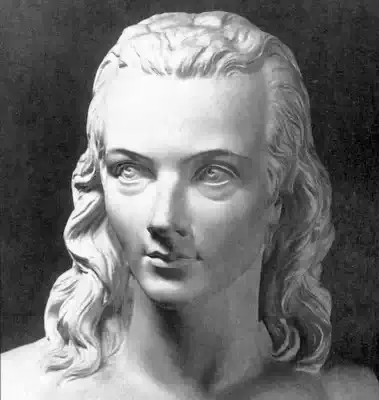
Novalis
Hymns to the Night :
Hymns to the Night :
Now I know when will come the last morning -- when the Light no more scares away
Night and Love -- when sleep shall be without waking, and but one continuous dream. I
feel in me a celestial exhaustion. Long and weariful was my pilgrimage to the holy
grave, and crushing was the cross. The crystal wave, which, imperceptible to the
ordinary sense, springs in the dark bosom of the mound against whose foot breaks the
flood of the world, he who has tasted it, he who has stood on the mountain frontier of
the world, and looked across into the new land, into the abode of the Night -- truly he
turns not again into the tumult of the world, into the land where dwells the Light in
ceaseless unrest.
On those heights he builds for himself tabernacles -- tabernacles of peace, there longs
and loves and gazes across, until the welcomest of all hours draws him down into the
waters of the spring -- afloat above remains what is earthly, and is swept back in
storms, but what became holy by the touch of love, runs free through hidden ways to
the region beyond, where, like fragrances, it mingles with love asleep.
Still wakest thou, cheerful Light, that weary man to his labor -- and into me pourest
joyous life -- but thou wilest me not away from Memory's moss-grown monument.
Gladly will I stir busy hands, everywhere behold where thou hast need of me -- praise
the lustre of thy splendor -- pursue unwearied the lovely harmonies of thy skilled
handicraft -- gladly contemplate the clever pace of thy mighty, luminous clock --
explore the balance of the forces and the laws of the wondrous play of countless worlds
and their seasons. But true to the Night remains my secret heart, and to creative Love,
her daughter. Canst thou show me a heart eternally true? has thy sun friendly eyes
that know me? do thy stars lay hold of my longing hand? and return me the tender
pressure and the caressing word? was it thou did adorn them with colors and a
flickering outline -- or was it she who gave to thy jewels a higher, a dearer weight?
What delight, what pleasure offers thy life, to outweigh the transports of Death? Wears
not everything that inspires us the color of the Night? She sustains thee mother-like,
and to her thou owest all thy glory. Thou wouldst vanish into thyself -- in boundless
space thou wouldst dissolve, if she did not hold thee fast, if she swaddled thee not, so
that thou grewest warm, and flaming, begot the universe. Truly I was, before thou
wast -- the mother sent me with my brothers and sisters to inhabit thy world, to hallow
it with love that it might be an ever-present memorial -- to plant it with flowers
unfading. As yet they have not ripened, these thoughts divine -- as yet is there small
trace of our coming revelation -- One day thy clock will point to the end of time, and
then thou shalt be as one of us, and shalt, full of ardent longing, be extinguished and
die. I feel in me the close of thy activity -- heavenly freedom, and blessed return. With
wild pangs I recognize thy distance from our home, thy resistance against the ancient,
glorious heaven. Thy rage and thy raving are in vain. Unscorchable stands the cross --
victory-banner of our breed.
Over I journey
And for each pain
A pleasant sting only
Shall one day remain.
Yet in a few moments
Then free am I,
And intoxicated
In Love's lap lie.
Life everlasting
Lifts, wave-like, at me,
I gaze from its summit
Down after thee.
Your lustre must vanish
Yon mound underneath --
A shadow will bring thee
Thy cooling wreath.
Oh draw at my heart, love,
Draw till I'm gone,
That, fallen asleep, I
Still may love on.
I feel the flow of
Death's youth-giving flood
To balsam and ether
Transform my blood --
I live all the daytime
In faith and in might
And in holy fire
I die every night.
Now I know when will come the last morning -- when the Light no more scares away
Night and Love -- when sleep shall be without waking, and but one continuous dream. I
feel in me a celestial exhaustion. Long and weariful was my pilgrimage to the holy
grave, and crushing was the cross. The crystal wave, which, imperceptible to the
ordinary sense, springs in the dark bosom of the mound against whose foot breaks the
flood of the world, he who has tasted it, he who has stood on the mountain frontier of
the world, and looked across into the new land, into the abode of the Night -- truly he
turns not again into the tumult of the world, into the land where dwells the Light in
ceaseless unrest.
On those heights he builds for himself tabernacles -- tabernacles of peace, there longs
and loves and gazes across, until the welcomest of all hours draws him down into the
waters of the spring -- afloat above remains what is earthly, and is swept back in
storms, but what became holy by the touch of love, runs free through hidden ways to
the region beyond, where, like fragrances, it mingles with love asleep.
Still wakest thou, cheerful Light, that weary man to his labor -- and into me pourest
joyous life -- but thou wilest me not away from Memory's moss-grown monument.
Gladly will I stir busy hands, everywhere behold where thou hast need of me -- praise
the lustre of thy splendor -- pursue unwearied the lovely harmonies of thy skilled
handicraft -- gladly contemplate the clever pace of thy mighty, luminous clock --
explore the balance of the forces and the laws of the wondrous play of countless worlds
and their seasons. But true to the Night remains my secret heart, and to creative Love,
her daughter. Canst thou show me a heart eternally true? has thy sun friendly eyes
that know me? do thy stars lay hold of my longing hand? and return me the tender
pressure and the caressing word? was it thou did adorn them with colors and a
flickering outline -- or was it she who gave to thy jewels a higher, a dearer weight?
What delight, what pleasure offers thy life, to outweigh the transports of Death? Wears
not everything that inspires us the color of the Night? She sustains thee mother-like,
and to her thou owest all thy glory. Thou wouldst vanish into thyself -- in boundless
space thou wouldst dissolve, if she did not hold thee fast, if she swaddled thee not, so
that thou grewest warm, and flaming, begot the universe. Truly I was, before thou
wast -- the mother sent me with my brothers and sisters to inhabit thy world, to hallow
it with love that it might be an ever-present memorial -- to plant it with flowers
unfading. As yet they have not ripened, these thoughts divine -- as yet is there small
trace of our coming revelation -- One day thy clock will point to the end of time, and
then thou shalt be as one of us, and shalt, full of ardent longing, be extinguished and
die. I feel in me the close of thy activity -- heavenly freedom, and blessed return. With
wild pangs I recognize thy distance from our home, thy resistance against the ancient,
glorious heaven. Thy rage and thy raving are in vain. Unscorchable stands the cross --
victory-banner of our breed.
Over I journey
And for each pain
A pleasant sting only
Shall one day remain.
Yet in a few moments
Then free am I,
And intoxicated
In Love's lap lie.
Life everlasting
Lifts, wave-like, at me,
I gaze from its summit
Down after thee.
Your lustre must vanish
Yon mound underneath --
A shadow will bring thee
Thy cooling wreath.
Oh draw at my heart, love,
Draw till I'm gone,
That, fallen asleep, I
Still may love on.
I feel the flow of
Death's youth-giving flood
To balsam and ether
Transform my blood --
I live all the daytime
In faith and in might
And in holy fire
I die every night.
318
Novalis
Hymns to the Night :
Hymns to the Night :
Must the morning always return? Will the despotism of the earthly never cease? Unholy
activity consumes the angel-visit of the Night. Will the time never come when Love's
hidden sacrifice shall burn eternally? To the Light a season was set; but everlasting and
boundless is the dominion of the Night. -- Endless is the duration of sleep. Holy Sleep
-- gladden not too seldom in this earthly day-labor, the devoted servant of the Night.
Fools alone mistake thee, knowing nought of sleep but the shadow which, in the
twilight of the real Night, thou pitifully castest over us. They feel thee not in the golden
flood of the grapes -- in the magic oil of the almond tree -- and the brown juice of the
poppy. They know not that it is thou who hauntest the bosom of the tender maiden,
and makest a heaven of her lap -- never suspect it is thou, opening the doors to
Heaven, that steppest to meet them out of ancient stories, bearing the key to the
dwellings of the blessed, silent messenger of secrets infinite.
Must the morning always return? Will the despotism of the earthly never cease? Unholy
activity consumes the angel-visit of the Night. Will the time never come when Love's
hidden sacrifice shall burn eternally? To the Light a season was set; but everlasting and
boundless is the dominion of the Night. -- Endless is the duration of sleep. Holy Sleep
-- gladden not too seldom in this earthly day-labor, the devoted servant of the Night.
Fools alone mistake thee, knowing nought of sleep but the shadow which, in the
twilight of the real Night, thou pitifully castest over us. They feel thee not in the golden
flood of the grapes -- in the magic oil of the almond tree -- and the brown juice of the
poppy. They know not that it is thou who hauntest the bosom of the tender maiden,
and makest a heaven of her lap -- never suspect it is thou, opening the doors to
Heaven, that steppest to meet them out of ancient stories, bearing the key to the
dwellings of the blessed, silent messenger of secrets infinite.
323
Novalis
Hymns to the Night :
Hymns to the Night :
Before all the wondrous shows of the widespread space around him, what living,
sentient thing loves not the all-joyous light -- with its colors, its rays and undulations,
its gentle omnipresence in the form of the wakening Day? The giant-world of the
unresting constellations inhales it as the innermost soul of life, and floats dancing in its
blue flood -- the sparkling, ever-tranquil stone, the thoughtful, imbibing plant, and the
wild, burning multiform beast inhales it -- but more than all, the lordly stranger with
the sense-filled eyes, the swaying walk, and the sweetly closed, melodious lips. Like a
king over earthly nature, it rouses every force to countless transformations, binds and
unbinds innumerable alliances, hangs its heavenly form around every earthly
substance. -- Its presence alone reveals the marvelous splendor of the kingdoms of the
world.
Aside I turn to the holy, unspeakable, mysterious Night. Afar lies the world -- sunk in a
deep grave -- waste and lonely is its place. In the chords of the bosom blows a deep
sadness. I am ready to sink away in drops of dew, and mingle with the ashes. -- The
distances of memory, the wishes of youth, the dreams of childhood, the brief joys and
vain hopes of a whole long life, arise in gray garments, like an evening vapor after the
sunset. In other regions the light has pitched its joyous tents. What if it should never
return to its children, who wait for it with the faith of innocence?
What springs up all at once so sweetly boding in my heart, and stills the soft air of
sadness? Dost thou also take a pleasure in us, dark Night? What holdest thou under
thy mantle, that with hidden power affects my soul? Precious balm drips from thy hand
out of its bundle of poppies. Thou upliftest the heavy-laden wings of the soul. Darkly
and inexpressibly are we moved -- joy-startled, I see a grave face that, tender and
worshipful, inclines toward me, and, amid manifold entangled locks, reveals the
youthful loveliness of the Mother. How poor and childish a thing seems to me now the
Light -- how joyous and welcome the departure of the day -- because the Night turns
away from thee thy servants, you now strew in the gulfs of space those flashing
globes, to proclaim thy omnipotence -- thy return -- in seasons of thy absence. More
heavenly than those glittering stars we hold the eternal eyes which the Night hath
opened within us. Farther they see than the palest of those countless hosts -- needing
no aid from the light, they penetrate the depths of a loving soul -- that fills a loftier
region with bliss ineffable. Glory to the queen of the world, to the great prophet of the
holier worlds, to the guardian of blissful love -- she sends thee to me -- thou tenderly
beloved -- the gracious sun of the Night, -- now am I awake -- for now am I thine and
mine -- thou hast made me know the Night -- made of me a man -- consume with
spirit-fire my body, that I, turned to finer air, may mingle more closely with thee, and
then our bridal night endure forever.
Before all the wondrous shows of the widespread space around him, what living,
sentient thing loves not the all-joyous light -- with its colors, its rays and undulations,
its gentle omnipresence in the form of the wakening Day? The giant-world of the
unresting constellations inhales it as the innermost soul of life, and floats dancing in its
blue flood -- the sparkling, ever-tranquil stone, the thoughtful, imbibing plant, and the
wild, burning multiform beast inhales it -- but more than all, the lordly stranger with
the sense-filled eyes, the swaying walk, and the sweetly closed, melodious lips. Like a
king over earthly nature, it rouses every force to countless transformations, binds and
unbinds innumerable alliances, hangs its heavenly form around every earthly
substance. -- Its presence alone reveals the marvelous splendor of the kingdoms of the
world.
Aside I turn to the holy, unspeakable, mysterious Night. Afar lies the world -- sunk in a
deep grave -- waste and lonely is its place. In the chords of the bosom blows a deep
sadness. I am ready to sink away in drops of dew, and mingle with the ashes. -- The
distances of memory, the wishes of youth, the dreams of childhood, the brief joys and
vain hopes of a whole long life, arise in gray garments, like an evening vapor after the
sunset. In other regions the light has pitched its joyous tents. What if it should never
return to its children, who wait for it with the faith of innocence?
What springs up all at once so sweetly boding in my heart, and stills the soft air of
sadness? Dost thou also take a pleasure in us, dark Night? What holdest thou under
thy mantle, that with hidden power affects my soul? Precious balm drips from thy hand
out of its bundle of poppies. Thou upliftest the heavy-laden wings of the soul. Darkly
and inexpressibly are we moved -- joy-startled, I see a grave face that, tender and
worshipful, inclines toward me, and, amid manifold entangled locks, reveals the
youthful loveliness of the Mother. How poor and childish a thing seems to me now the
Light -- how joyous and welcome the departure of the day -- because the Night turns
away from thee thy servants, you now strew in the gulfs of space those flashing
globes, to proclaim thy omnipotence -- thy return -- in seasons of thy absence. More
heavenly than those glittering stars we hold the eternal eyes which the Night hath
opened within us. Farther they see than the palest of those countless hosts -- needing
no aid from the light, they penetrate the depths of a loving soul -- that fills a loftier
region with bliss ineffable. Glory to the queen of the world, to the great prophet of the
holier worlds, to the guardian of blissful love -- she sends thee to me -- thou tenderly
beloved -- the gracious sun of the Night, -- now am I awake -- for now am I thine and
mine -- thou hast made me know the Night -- made of me a man -- consume with
spirit-fire my body, that I, turned to finer air, may mingle more closely with thee, and
then our bridal night endure forever.
389

Nazim Hikmet
Letters From A Man In Solitary
Letters From A Man In Solitary
I carved your name on my watchband
with my fingernail.
Where I am, you know,
I don't have a pearl-handled jackknife
(they won't give me anything sharp)
or a plane tree with its head in the clouds.
Trees may grow in the yard,
but I'm not allowed
to see the sky overhead...
How many others are in this place?
I don't know.
I'm alone far from them,
they're all together far from me.
To talk anyone besides myself
is forbidden.
So I talk to myself.
But I find my conversation so boring,
my dear wife, that I sing songs.
And what do you know,
that awful, always off-key voice of mine
touches me so
that my heart breaks.
And just like the barefoot orphan
lost in the snow
in those old sad stories, my heart
-- with moist blue eyes
and a little red runny rose --
wants to snuggle up in your arms.
It doesn't make me blush
that right now
I'm this weak,
this selfish,
this human simply.
No doubt my state can be explained
physiologically, psychologically, etc.
Or maybe it's
this barred window,
this earthen jug,
these four walls,
which for months have kept me from hearing
another human voice.
It's five o'clock, my dear.
Outside,
with its dryness,
eerie whispers,
mud roof,
and lame, skinny horse
standing motionless in infinity
-- I mean, it's enough to drive the man inside crazy with grief --
outside, with all its machinery and all its art,
a plains night comes down red on treeless space.
Again today, night will fall in no time.
A light will circle the lame, skinny horse.
And the treeless space, in this hopeless landscape
stretched out before me like the body of a hard man,
will suddenly be filled with stars.
We'll reach the inevitable end once more,
which is to say the stage is set
again today for an elaborate nostalgia.
Me,
the man inside,
once more I'll exhibit my customary talent,
and singing an old-fashioned lament
in the reedy voice of my childhood,
once more, by God, it will crush my unhappy heart
to hear you inside my head,
so far
away, as if I were watching you
in a smoky, broken mirror...
It's spring outside, my dear wife, spring.
Outside on the plain, suddenly the smell
of fresh earth, birds singing, etc.
It's spring, my dear wife,
the plain outside sparkles...
And inside the bed comes alive with bugs,
the water jug no longer freezes,
and in the morning sun floods the concrete...
The sun--
every day till noon now
it comes and goes
from me, flashing off
and on...
And as the day turns to afternoon, shadows climb the walls,
the glass of the barred window catches fire,
and it's night outside,
a cloudless spring night...
And inside this is spring's darkest hour.
In short, the demon called freedom,
with its glittering scales and fiery eyes,
possesses the man inside
especially in spring...
I know this from experience, my dear wife,
from experience...
Sunday today.
Today they took me out in the sun for the first time.
And I just stood there, struck for the first time in my life
by how far away the sky is,
how blue
and how wide.
Then I respectfully sat down on the earth.
I leaned back against the wall.
For a moment no trap to fall into,
no struggle, no freedom, no wife.
Only earth, sun, and me...
I am happy.
Trans. by Randy Blasing and Mutlu Konuk ()
I carved your name on my watchband
with my fingernail.
Where I am, you know,
I don't have a pearl-handled jackknife
(they won't give me anything sharp)
or a plane tree with its head in the clouds.
Trees may grow in the yard,
but I'm not allowed
to see the sky overhead...
How many others are in this place?
I don't know.
I'm alone far from them,
they're all together far from me.
To talk anyone besides myself
is forbidden.
So I talk to myself.
But I find my conversation so boring,
my dear wife, that I sing songs.
And what do you know,
that awful, always off-key voice of mine
touches me so
that my heart breaks.
And just like the barefoot orphan
lost in the snow
in those old sad stories, my heart
-- with moist blue eyes
and a little red runny rose --
wants to snuggle up in your arms.
It doesn't make me blush
that right now
I'm this weak,
this selfish,
this human simply.
No doubt my state can be explained
physiologically, psychologically, etc.
Or maybe it's
this barred window,
this earthen jug,
these four walls,
which for months have kept me from hearing
another human voice.
It's five o'clock, my dear.
Outside,
with its dryness,
eerie whispers,
mud roof,
and lame, skinny horse
standing motionless in infinity
-- I mean, it's enough to drive the man inside crazy with grief --
outside, with all its machinery and all its art,
a plains night comes down red on treeless space.
Again today, night will fall in no time.
A light will circle the lame, skinny horse.
And the treeless space, in this hopeless landscape
stretched out before me like the body of a hard man,
will suddenly be filled with stars.
We'll reach the inevitable end once more,
which is to say the stage is set
again today for an elaborate nostalgia.
Me,
the man inside,
once more I'll exhibit my customary talent,
and singing an old-fashioned lament
in the reedy voice of my childhood,
once more, by God, it will crush my unhappy heart
to hear you inside my head,
so far
away, as if I were watching you
in a smoky, broken mirror...
It's spring outside, my dear wife, spring.
Outside on the plain, suddenly the smell
of fresh earth, birds singing, etc.
It's spring, my dear wife,
the plain outside sparkles...
And inside the bed comes alive with bugs,
the water jug no longer freezes,
and in the morning sun floods the concrete...
The sun--
every day till noon now
it comes and goes
from me, flashing off
and on...
And as the day turns to afternoon, shadows climb the walls,
the glass of the barred window catches fire,
and it's night outside,
a cloudless spring night...
And inside this is spring's darkest hour.
In short, the demon called freedom,
with its glittering scales and fiery eyes,
possesses the man inside
especially in spring...
I know this from experience, my dear wife,
from experience...
Sunday today.
Today they took me out in the sun for the first time.
And I just stood there, struck for the first time in my life
by how far away the sky is,
how blue
and how wide.
Then I respectfully sat down on the earth.
I leaned back against the wall.
For a moment no trap to fall into,
no struggle, no freedom, no wife.
Only earth, sun, and me...
I am happy.
Trans. by Randy Blasing and Mutlu Konuk ()
355
Nazim Hikmet
Hymn To Life
Hymn To Life
The hair falling on your forehead
suddenly lifted.
Suddenly something stirred on the ground.
The trees are whispering
in the dark.
Your bare arms will be cold.
Far off
where we can't see,
the moon must be rising.
It hasn't reached us yet,
slipping through the leaves
to light up your shoulder.
But I know
a wind comes up with the moon.
The trees are whispering.
Your bare arms will be cold.
From above,
from the branches lost in the dark,
something dropped at your feet.
You moved closer to me.
Under my hand your bare flesh is like the fuzzy skin of a fruit.
Neither a song of the heart nor "common sense"--
before the trees, birds, and insects,
my hand on my wife's flesh
is thinking.
Tonight my hand
can't read or write.
Neither loving nor unloving...
It's the tongue of a leopard at a spring,
a grape leaf,
a wolf's paw.
To move, breathe, eat, drink.
My hand is like a seed
splitting open underground.
Neither a song of the heart nor "common sense,"
neither loving nor unloving.
My hand thinking on my wife's flesh
is the hand of the first man.
Like a root that finds water underground,
it says to me:
"To eat, drink, cold, hot, struggle, smell, color--
not to live in order to die
but to die to live..."
And now
as red female hair blows across my face,
as something stirs on the ground,
as the trees whisper in the dark,
and as the moon rises far off
where we can't see,
my hand on my wife's flesh
before the trees, birds, and insects,
I want the right of life,
of the leopard at the spring, of the seed splitting open--
I want the right of the first man.
Trans. by Randy Blasing and Mutlu Konuk ()
The hair falling on your forehead
suddenly lifted.
Suddenly something stirred on the ground.
The trees are whispering
in the dark.
Your bare arms will be cold.
Far off
where we can't see,
the moon must be rising.
It hasn't reached us yet,
slipping through the leaves
to light up your shoulder.
But I know
a wind comes up with the moon.
The trees are whispering.
Your bare arms will be cold.
From above,
from the branches lost in the dark,
something dropped at your feet.
You moved closer to me.
Under my hand your bare flesh is like the fuzzy skin of a fruit.
Neither a song of the heart nor "common sense"--
before the trees, birds, and insects,
my hand on my wife's flesh
is thinking.
Tonight my hand
can't read or write.
Neither loving nor unloving...
It's the tongue of a leopard at a spring,
a grape leaf,
a wolf's paw.
To move, breathe, eat, drink.
My hand is like a seed
splitting open underground.
Neither a song of the heart nor "common sense,"
neither loving nor unloving.
My hand thinking on my wife's flesh
is the hand of the first man.
Like a root that finds water underground,
it says to me:
"To eat, drink, cold, hot, struggle, smell, color--
not to live in order to die
but to die to live..."
And now
as red female hair blows across my face,
as something stirs on the ground,
as the trees whisper in the dark,
and as the moon rises far off
where we can't see,
my hand on my wife's flesh
before the trees, birds, and insects,
I want the right of life,
of the leopard at the spring, of the seed splitting open--
I want the right of the first man.
Trans. by Randy Blasing and Mutlu Konuk ()
346