

Poems in this theme
Soul
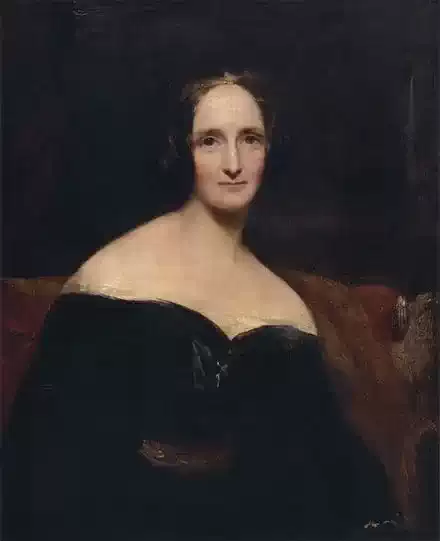
Percy Bysshe Shelley
The Witch Of Atlas
The Witch Of Atlas
Before those cruel twins whom at one birth
Incestuous Change bore to her father Time,
Error and Truth, had hunted from the earth
All those bright natures which adorned its prime,
And left us nothing to believe in, worth
The pains of putting into learn?d rhyme,
A Lady Witch there lived on Atlas mountain
Within a cavern by a secret fountain.
Her mother was one of the Atlantides.
The all-beholding Sun had ne'er beholden
In his wide voyage o'er continents and seas
So fair a creature, as she lay enfolden
In the warm shadow of her loveliness;
He kissed her with his beams, and made all golden
The chamber of gray rock in which she lay.
She, in that dream of joy, dissolved away.
'Tis said she first was changed into a vapor;
And then into a cloud,--such clouds as flit
(Like splendor-winged moths about a taper)
Round the red west when the Sun dies in it;
And then into a meteor, such as caper
On hill-tops when the Moon is in a fit;
Then into one of those mysterious stars
Which hide themselves between the Earth and Mars.
Ten times the Mother of the Months had ben
Her bow beside the folding-star, and bidden
With that bright sign the billows to indent
The sea-deserted sand--(like children chidden,
At her command they ever came and went)--
Since in that cave a dewy splendor hidden
Took shape and motion. With the living form
Of this embodied Power the cave grew warm.
A lovely Lady garmented in light
From her own beauty: deep her eyes as are
Two openings of unfathomable night
Seen through a temple's cloven roof; her hair
Dark; the dim brain whirls dizzy with delight,
Picturing her form. Her soft smiles shone afar;
And her low voice was heard like love, and drew
All living things towards this wonder new.
And first the spotted cameleopard came;
And then the wise and fearless elephant;
Then the sly serpent, in the golden flame
Of his own volumes intervolved. All gaunt
And sanguine beasts her gentle looks made tame,--
They drank before her at her sacred fount;
And every beast of beating heart grew bold,
Such gentleness and power even to behold.
The brinded lioness led forth her young,
That she might teach them how they should forego
Their inborn thirst of death; the pard unstrung
His sinews at her feet, and sought to know,
With looks whose motions spoke without a tongue,
How he might be as gentle as the doe.
The magic circle of her voice and eyes
All savage natures did imparadise.
And old Silenus, shaking a green stick
Of lilies, and the Wood-gods in a crew,
Came blithe as in the olive-copses thick
Cicade are, drunk with the noonday dew;
And Dryope and Faunus followed quick,
Teazing the God to sing them something new;
Till in this cave they found the Lady lone,
Sitting upon a seat of emerald stone.
And universal Pan, 'tis said, was there.
And, though none saw him,--through the adamant
Of the deep mountains, through the trackless air,
And through those living spirits like a want,--
He passed out of his everlasting lair
Where the quick heart of the great world doth pant,
And felt that wondrous Lady all alone,--
And she felt him upon her emerald throne.
And every Nymph of stream and spreading tree,
And every Shepherdess of Ocean's flocks
Who drives her white waves over the green sea,
And Ocean with the brine on his grey locks,
And quaint Priapus with his company,--
All came, much wondering how the enwombed rocks
Could have brought forth so beautiful a birth:
Her love subdued their wonder and their mirth.
The herdsmen and the mountain-maidens came,
And the rude kings of pastoral Garamant--
Their spirits shook within them, as a flame
Stirred by the air under a cavern gaunt:
Pygmies and Polyphemes, by many a name,
Centaurs and Satyrs, and such shapes as haunt
Wet clefts,--and lumps neither alive nor dead,
Dog-headed, bosom-eyed, and bird-footed.
For she was beautiful. Her beauty made
The bright world dim, and everything beside
Seemed like the fleeting image of a shade.
No thought of living spirit could abide
(Which to her looks had ever been betrayed)
On any object in the world so wide,
On any hope within the circling skies,--
But on her form, and in her inmost eyes.
Which when the Lady knew; she took her spindle,
And twined three threads of fleecy mist, and three
Long lines of light, such as the dawn may kindle
The clouds and waves and mountains with, and she
As many starbeams, ere their lamps could dwindle
In the belated moon, wound skilfully;
And with these threads a subtle veil she wove--
A shadow for the splendour of her love.
The deep recesses of her odorous dwelling
Were stored with magic treasures:--sounds of air
Which had the power all spirits of compelling,
Folded in cells of crystal silence there;
Such as we hear in youth, and think the feeling
will never die--yet, ere we are aware,
The feeling and the sound are fled and gone
And the regret they leave remains alone.
And there lay Visions swift and sweet and quaint,
Each in its thin sheath like a chrysalis;--
Some eager to burst forth; some weak and faint
With the soft burden of intensest bliss
It is their work to bear to many a saint
Whose heart adores the shrine which holiest is,
Even Love's; and others, white, green, grey, and black,
And of all shapes:--and each was at her beck.
And odours in a kind of aviary
Of ever-blooming Eden-trees she kept,
Clipped in a floating net a love-sick Fairy
Had woven from dew-beams while the moon yet slept.
As bats at the wired window of a dairy,
They beat their vans; and each was an adept--
When loosed and missioned, making wings of winds--
To stir sweet thoughts or sad in destined minds.
And liquors clear and sweet, whose healthful might
Could medicine the sick soul to happy sleep,
And change eternal death into a night
Of glorious dreams--or, if eyes needs must weep,
Could make their tears all wonder and delight--
She in her crystal phials did closely keep:
If men could drink of those clear phials, 'tis said
The living were not envied of the dead.
Her cave was stored with scrolls of strange device,
The works of some Saturnian Archimage,
Which taught the expiations at whose price
Men from the Gods might win that happy age
Too lightly lost, redeeming native vice,--
And which might quench the earth-consuming rage
Of gold and blood, till men should live and move
Harmonious as the sacred stars above:--
And how all things that seem untameable,
Not to be checked and not to be confined,
Obey the spells of Wisdom's wizard skill;
Time, earth, and fire, the ocean and the wind,
And all their shapes, and man's imperial will;--
And other scrolls whose writings did unbind
The inmost lore of love--let the profane
Tremble to ask what secrets they contain.
And wondrous works of substances unknown,
To which the enchantment of her Father's power
Had changed those ragged blocks of savage stone,
Were heaped in the recesses of her bower;
Carved lamps and chalices, and phials which shone
In their own golden beams--each like a flower
Out of whose depth a firefly shakes his light
Under a cypress in a starless night.
At first she lived alone in this wild home,
And her own thoughts were each a minister,
Clothing themselves or with the ocean-foam,
Or with the wind, or with the speed of fire,
To work whatever purposes might come
Into her mind: such power her mighty Sire
Had girt them with, whether to fly or run
Through all the regions which he shines upon.
The Ocean-nymphs and Hamadryades,
Oreads, and Naiads with long weedy locks,
Offered to do her bidding through the seas,
Under the earth, and in the hollow rocks,
And far beneath the matted roots of trees,
And in the gnarled heart of stubborn oaks;
So they might live for ever in the light
Of her sweet presence--each a satellite.
"This may not be," the Wizard Maid replied.
"The fountains where the Naiades bedew
Their shining hair at length are drained and dried;
The solid oaks forget their strength, and strew
Their latest leaf upon the mountains wide;
The boundless ocean like a drop of dew
Will be consumed; the stubborn centre must
Be scattered like a cloud of summer dust.
"And ye, with them, will perish one by one.
If I must sigh to think that this shall be,
If I must weep when the surviving Sun
Shall smile on your decay--oh ask not me
To love you till your little race is run;
I cannot die as ye must.--Over me
Your leaves shall glance--the streams in which ye dwell
Shall be my paths henceforth; and so farewell."
She spoke and wept. The dark and azure well
Sparkled beneath the shower of her bright tears,
And every little circlet where they fell
Flung to the cavern-roof inconstant spheres
And intertangled lines of light. A knell
Of sobbing voices came upon her ears
From those departing forms, o'er the serene
Of the white streams and of the forest green.
All day the Wizard Lady sat aloof;
Spelling out scrolls of dread antiquity
Under the cavern's fountain-lighted roof;
Or broidering the pictured poesy
Of some high tale upon her growing woof,
Which the sweet splendor of her smiles could dye
In hues outshining heaven--and ever she
Added some grace to the wrought poesy:--
While on her hearth lay blazing many a piece
Of sandal-wood, rare gums, and cinnamon.
Men scarcely know how beautiful fire is;
Each flame of it is as a precious stone
Dissolved in ever-moving light, and this
Belongs to each and all who gaze thereon.'
The Witch beheld it not, for in her hand
She held a woof that dimmed the burning brand.
This Lady never slept, but lay in trance
All night within the fountain--as in sleep.
Its emerald crags glowed in her beauty's glance:
Through the green splendour of the water deep
She saw the constellations reel and dance
Like fireflies--and withal did ever keep
The tenor of her contemplations calm,
With open eyes, closed feet, and folded palm.
And, when the whirlwinds and the clouds descended
From the white pinnacles of that cold hill,
She passed at dewfall to a space extended,
Where, in a lawn of flowering asphodel
Amid a wood of pines and cedars blended,
There yawned an inextinguishable well
Of crimson fire, full even to the brim,
And overflowing all the margin trim:--
Within the which she lay when the fierce war
Of wintry winds shook that innocuous liquor,
In many a mimic moon and bearded star,
O'er woods and lawns. The serpent heard it flicker
In sleep, and, dreaming still, he crept afar.
And, when the windless snow descended thicker
Than autumn-leaves, she watched it as it came
Melt on the surface of the level flame.
She had a boat which some say Vulcan wrought
For Venus, as the chariot of her star;
But it was found too feeble to be fraught
With all the ardours in that sphere which are,
And so she sold it, and Apollo bought
And gave it to this daughter: from a car,
Changed to the fairest and the lightest boat
Which ever upon mortal stream did float.
And others say that, when but three hours old,
The firstborn Love out of his cradle leapt,
And clove dun chaos with his wings of gold,
And, like a horticultural adept,
Stole a strange seed, and wrapped it up in mould,
And sowed it in his mother's star, and kept
Watering it all the summer with sweet dew,
And with his wings fanning it as it grew.
The plant grew strong and green--the snowy flower
Fell, and the long and gourd-like fruit began
To turn the light and dew by inward power
To its own substance: woven tracery ran
Of light firm texture, ribbed and branching, o'er
The solid rind, like a leaf's veined fan,--
Of which Love scooped this boat, and with soft motion
Piloted it round the circumfluous ocean.
This boat she moored upon her fount, and lit
A living spirit within all its frame,
Breathing the soul of swiftness into it.
Couched on the fountain--like a panther tame
(One of the twain at Evan's feet that sit,
Or as on Vesta's sceptre a swift flame,
Or on blind Homer's heart a winged thought--
In joyous expectation lay the boat.
Then by strange art she kneaded fire and snow
Together, tempering the repugnant mass
With liquid love--all things together grow
Through which the harmony of love can pass;
And a fair Shape out of her hands did flow--
A living image which did far surpass
In beauty that bright shape of vital stone
Which drew the heart out of Pygmalion.
A sexless thing it was, and in its growth
It seemed to have developed no defect
Of either sex, yet all the grace of both.
In gentleness and strength its limbs were decked;
The bosom lightly swelled with its full youth;
The countenance was such as might select
Some artist that his skill should never die,
lmaging forth such perfect purity.
From its smooth shoulders hung two rapid wings
Fit to have borne it to the seventh sphere,
Tipped with the speed of liquid lightenings,
Dyed in the ardours of the atmosphere.
She led her creature to the boiling springs
Where the light boat was moored, and said "Sit here,"
And pointed to the prow, and took her seat
Beside the rudder with opposing feet.
And down the streams which clove those mountains vast,
Around their inland islets, and amid
The panther-peopled forests (whose shade cast
Darkness and odors, and a pleasure hid
In melancholy gloom) the pinnace passed;
By many a star-surrounded pyramid
Of icy crag cleaving the purple sky,
And caverns yawning round unfathomably.
The silver noon into that winding dell,
With slanted gleam athwart the forest-tops,
Tempered like golden evening, feebly fell;
A green and glowing light, like that which drops
From folded lilies in which glow-worms dwell
When Earth over her face Night's mantle wraps;
Between the severed mountains lay on high,
Over the stream, a narrow rift of sky.
And, ever as she went, the Image lay
With folded wings and unawakened eyes;
And o'er its gentle countenance did play
The busy dreams, as thick as summer flies,
Chasing the rapid smiles that would not stay,
And drinking the warm tears, and the sweet sighs
Inhaling, which with busy murmur vain
They has aroused from that full heart and brain.
And ever down the prone vale, like a cloud
Upon a stream of wind, the pinnace went:
Now lingering on the pools, in which abode
The calm and darkness of the deep content
In which they paused; now o'er the shallow road
Of white and dancing waters, all besprent
With sand and polished pebbles:--mortal boat
In such a shallow rapid could not float.
And down the earthquaking cataracts, which shivcr
Their snow-like waters into golden air,
Or under chasms unfathomable ever
Sepulchre them, till in their rage they tear
A subterranean portal for the river,
It fled. The circling sunbows did upbear
Its fall down the hoar precipice of spray,
Lighting it far upon its lampless way.
And, when the Wizard Lady would ascend
The labyrinths of some many-winding vale
Which to the inmost mountain upward tend,
She called "Hermaphroditus!"--and the pale
And heavy hue which slumber could extend
Over its lips and eyes, as on the gale
A rapid shadow from a slope of grass,
Into the darkness of the stream did pass
And it unfurled its heaven-coloured pinions;
With stars of fire spotting the stream below,
And from above into the Sun's dominions
Flinging a glory like the golden glow
In which Spring clothes her emerald-winged minions,
All interwoven with fine feathery snow,
And moonlight splendour of intensest rime
With which frost paints the pines in winter-time.
And then it winnowed the elysian air
Which ever hung about that Lady bright,
With its etherial vans: and, speeding there,
Like a star up the torrent of the night,
Or a swift eagle in the morning glare
Breasting the whirlwind with impetuous flight,
The pinnace, oared by those enchanted wings,
Clove the fierce streams towards their upper springs.
The water flashed,--like sunlight, by the prow
Of a noon-wandering meteor flung to heaven;
The still air seemed as if its waves did flow
In tempest down the mountains; loosely driven,
The Lady's radiant hair streamed to and fro;
Beneath, the billows, having vainly striven
Indignant and impetuous, roared to feel
The swift and steady motion of the keel.
Or, when the weary moon was in the wane,
Or in the noon of interlunar night,
The Lady Witch in visions could not chain
Her spirit; but sailed forth under the light
Of shooting stars, and bade extend amain
Its storm-outspeeding wings the Hermaphrodite;
She to the austral waters took her way,
Beyond the fabulous Thamondocana.
Where, like a meadow which no scythe has shaven,
Which rain could never bend or whirlblast shake,
With the antarctic constellations paven,
Canopus and his crew, lay the austral lake--
There she would build herself a windless haven
Out of the clouds whose moving turrets make
The bastions of the storm, when through the sky
The spirits of the tempest thundered by:--
A haven beneath whose translucent floor
The tremulous stars sparkled unfathomably;
And around which the solid vapours hoar,
Based on the level waters, to the sky
Lifted their dreadful crags, and, like a shore
Of wintry mountains, inaccessibly
Hemmed-in with rifts and precipices grey,
And hanging crags, many a cove and bay.
And, whilst the outer lake beneath the lash
Of the wind's scourge foamed like a wounded thing
And the incessant hail with stony clash
Ploughed up the waters, and the flagging wing
Of the roused cormorant in the lightningflash
Looked like the wreck of some wind-wandering
Fragment of inky thunder-smoke--this haven
Was as a gem to copy heaven engraven.
On which that Lady played her many pranks,
Circling the image of a shooting star
(Even as a tiger on Hydaspes' banks
Outspeeds the antelopes which speediest are)
In her light boat; and many quips and cranks
She played upon the water; till the car
Of the late moon, like a sick matron wan,
To journey from the misty east began.
And then she called out of the hollow turrets
Of those high clouds, white, golden, and vermilion,
The armies of her ministering spirits.
In mighty legions million after million
They came, each troop emblazoning its merits
On meteor flags; and many a proud pavilion
Of the intertexture of the atmosphere
They pitched upon the plain of the calm mere.
They framed the imperial tent of their great Queen
Of woven exhalations, underlaid
With lambent lightning-fire, as may be seen
A dome of thin and open ivory inlaid
With crimson silk. Cressets from the serene
Hung there, and on the water for her tread
A tapestry of fleece-like mist was strewn,
Dyed in the beams of the ascending moon.
And on a throne o'erlaid with starlight, caught
Upon those wandering isles of aery dew
Which highest shoals of mountain shipwreck not,
She sate, and heard all that had happened new
Between the earth and moon since they had brought
The last intelligence: and now she grew
Pale as that moon lost in the watery night,
And now she wept, and now she laughed outright.
These were tame pleasures.--She would often climb
The steepest ladder of the crudded rack
Up to some beaked cape of cloud sublime,
And like Arion on the dolphin's back
Ride singing through the shoreless air. Oft-time,
Following the serpent lightning's winding track,
She ran upon the platforms of the wind,
And laughed to hear the fireballs roar behid.
And sometimes to those streams of upper air
Which whirl the earth in its diurnal round
She would ascend, and win the Spirits there
To let her join their chorus. Mortals found
That on those days the sky was calm and fair,
And mystic snatches of harmonious sound
Wandered upon the earth where'er she passed,
And happy thoughts of hope, too sweet to last.
But her choice sport was, in the hours of sleep,
To glide adown old Nilus, where he threads
Egypt and Ethiopia from the steep
Of utmost Axume until he spreads,
Like a calm flock of silver-fleeced sheep,
His waters on the plain,--and crested heads
Of cities and proud temples gleam amid,
And many a vapour-belted pyramid:--
By MÏris and the Mareotid lakes,
Strewn with faint blooms like bridal-chamber floors,
Where naked boys bridling tame water-snakes,
Or charioteering ghastly alligators,
Had left on the sweet waters mighty wakes
Of those huge forms;--within the brazen doors
Of the Great Labyrinth slept both boy and beast,
Tired with the pomp of their Osirian feast.
And where within the surface of the river
The shadows of the massy temples lie,
And never are erased, but tremble ever
Like things which every cloud can doom to die,--
Through lotus-paven canals, and wheresoever
The works of man pierced that serenest sky
With tombs and towers and fanes,--'twas her delight
To wander in the shadow of the night.
With motion like the spirit of that wind
Whose soft step deepens slumber, her light feet
Passed through the peopled haunts of humankind,
Scattering sweet visions from her presence sweet,--
Through fane and palace-court, and labyrinth mined
With many a dark and subterranean street
Under the Nile; through chambers high and deep
She passed, observing mortals in their sleep.
A pleasure sweet doubtless it was to see
Mortals subdued in all the shapes of sleep.
Here lay two sister-twins in infancy;
There a lone youth who in his dreams did weep;
Within, two lovers linked innocently
In their loose locks which over both did creep
Like ivy from one stem; and there lay calm
Old age with snow-bright hair and folded palm.
But other troubled forms of sleep she saw,
Not to be mirrored in a holy song,--
Distortions foul of supernatural awe,
And pale imaginings of visioned wrong,
And all the code of Custom's lawless law
Written upon the brows of old and young.
"This," said the Wizard Maiden, "is the strife
Which stirs the liquid surface of man's life."
And little did the sight disturb her soul.
We, the weak mariners of that wide lake,
Where'er its shores extend or billows roll,
Our course unpiloted and starless make
O'er its wild surface to an unknown goal;
But she in the calm depths her way could take,
Where in bright bowers immortal forms abide
Beneath the weltering of the restless tide.
And she saw princes couched under the glow
Of sunlike gems; and round each temple-court
In dormitories ranged, row after row,
She saw the priests asleep,--all of one sort,
For all were educated to be so.
The peasants in their huts, and in the port
The sailors she saw cradled on the waves,
And the dead lulled within their dreamless graves.
And all the forms in which those spirits lay
Were to her sight like the diaphanous
Veils in which those sweet ladies oft array
Their delicate limbs who would conceal from us
Only their scorn of all concealment: they
Move in the light of their own beauty thus.
But these and all now lay with sleep upon them,
And little thought a Witch was looking on them.
She all those human figures breathing there
Beheld as living spirits. To her eyes
The naked beauty of the soul lay bare,
And often through a rude and worn disguise
She saw the inner form most bright and fair:
And then she had a charm of strange device,
Which, murmured on mute lips with tender tone,
Could make that spirit mingle with her own.
Alas! Aurora, what wouldst thou have given
For such a charm, when Tithon became grey--
Or how much, Venus, of thy silver heaven
Wouldst thou have yielded, ere Proserpina
Had half (oh why not all?) the debt forgiven
Which dear Adonis had been doomed to pay--
To any witch who would have taught you it
The Heliad doth not know its value yet.
'Tis said in after times her spirit free
Knew what love was, and felt itself alone.
But holy Dian could not chaster be
Before she stooped to kiss Endymion
Than now this Lady,--like a sexless bee,
Tasting all blossoms and confined to none:
Among those mortal forms the Wizard Maiden
Passed with an eye serene and heart unladen.
To those she saw most beautiful she gave
Strange panacea in a crystal bowl.
They drank in their deep sleep of that sweet wave,
And lived thenceforward as if some control,
Mightier than life, were in them; and the grave
Of such, when death oppressed the weary soul,
Was as a green and overarching bower
Lit by the gems of many a starry flower.
For, on the night when they were buried, she
Restored the embalmer's ruining, and shook
The light out of the funeral-lamps, to be
A mimic day within that deathy nook;
And she unwound the woven imagery
Of second childhood's swaddling-bands, and took
The coffin, its last cradle, from its niche,
And threw it with contempt into a ditch,
And there the body lay, age after age,
Mute, breathing, beating, warm, and undecaying,
Like one asleep in a green hermitage,--
With gentle smiles about its eyelids playing,
And living in its dreams beyond the rage
Of death or life; while they were still arraying
In liveries ever new the rapid, blind,
And fleeting generations of mankind.
And she would write strange dreams upon the brain
Of those who were less beautiful, and make
All harsh and crooked purposes more vain
Than in the desert is the serpent's wake
Which the sand covers. All his evil gain
The miser, in such dreams, would rise and shake
Into a beggar's lap; the lying scribe
Would his own lies betray without a bribe.
The priests would write an explanation full,
Translating hieroglyphics into Greek,
How the God Apis really was a bull,
And nothing more; and bid the herald stick
The same against the temple-doors, and pull
The old cant down: they licensed all to speak
Whate'er they thought of hawks and cats and geese,
By pastoral letters to each diocese.
The king would dress an ape up in his crown
And robes, and seat him on his glorious seat,
And on the right hand of the sunlike throne
Would place a gaudy mock-bird to repeat
The chatterings of the monkey. Every one
Of the prone courtiers crawled to kiss the feet
Of their great emperor when the morning came;
And kissed--alas, how many kiss the same!
The soldiers dreamed that they were blacksmiths, and
Walked out of quarters in somnambulism;
Round the red anvils you might see them stand
Like Cyclopses in Vulcan's sooty abysm,
Beating their swords to ploughshares:--in a band
The jailors sent those of the liberal schism
Free through the streets of Memphis--much, I wis,
To the annoyance of king Amasis.
And timid lovers, who had been so coy
They hardly knew whether they loved or not,
Would rise out of their rest, and take sweet joy,
To the fulfilment of their inmost thought;
And, when next day the maiden and the boy
Met one another, both, like sinners caught,
Blushed at the thing which each believed was done
Only in fancy--till the tenth moon shone;
And then the Witch would let them take no ill;
Of many thousand schemes which lovers find,
The Witch found one,--and so they took their fill
Of happiness in marriage warm and kind.
Friends who, by practice of some envious skill,
Were torn apart (a wide wound, mind from mind)
She did unite again with visions clear
Of deep affection and of truth sincere.
These were the pranks she played among the cities
Of mortal men. And what she did to Sprites
And Gods, entangling them in her sweet ditties,
To do her will, and show their subtle sleights,
I will declare another time; for it is
A tale more fit for the weird winter-nights
Than for these garish summer-days, when we
Scarcely believe much more than we can see.
Before those cruel twins whom at one birth
Incestuous Change bore to her father Time,
Error and Truth, had hunted from the earth
All those bright natures which adorned its prime,
And left us nothing to believe in, worth
The pains of putting into learn?d rhyme,
A Lady Witch there lived on Atlas mountain
Within a cavern by a secret fountain.
Her mother was one of the Atlantides.
The all-beholding Sun had ne'er beholden
In his wide voyage o'er continents and seas
So fair a creature, as she lay enfolden
In the warm shadow of her loveliness;
He kissed her with his beams, and made all golden
The chamber of gray rock in which she lay.
She, in that dream of joy, dissolved away.
'Tis said she first was changed into a vapor;
And then into a cloud,--such clouds as flit
(Like splendor-winged moths about a taper)
Round the red west when the Sun dies in it;
And then into a meteor, such as caper
On hill-tops when the Moon is in a fit;
Then into one of those mysterious stars
Which hide themselves between the Earth and Mars.
Ten times the Mother of the Months had ben
Her bow beside the folding-star, and bidden
With that bright sign the billows to indent
The sea-deserted sand--(like children chidden,
At her command they ever came and went)--
Since in that cave a dewy splendor hidden
Took shape and motion. With the living form
Of this embodied Power the cave grew warm.
A lovely Lady garmented in light
From her own beauty: deep her eyes as are
Two openings of unfathomable night
Seen through a temple's cloven roof; her hair
Dark; the dim brain whirls dizzy with delight,
Picturing her form. Her soft smiles shone afar;
And her low voice was heard like love, and drew
All living things towards this wonder new.
And first the spotted cameleopard came;
And then the wise and fearless elephant;
Then the sly serpent, in the golden flame
Of his own volumes intervolved. All gaunt
And sanguine beasts her gentle looks made tame,--
They drank before her at her sacred fount;
And every beast of beating heart grew bold,
Such gentleness and power even to behold.
The brinded lioness led forth her young,
That she might teach them how they should forego
Their inborn thirst of death; the pard unstrung
His sinews at her feet, and sought to know,
With looks whose motions spoke without a tongue,
How he might be as gentle as the doe.
The magic circle of her voice and eyes
All savage natures did imparadise.
And old Silenus, shaking a green stick
Of lilies, and the Wood-gods in a crew,
Came blithe as in the olive-copses thick
Cicade are, drunk with the noonday dew;
And Dryope and Faunus followed quick,
Teazing the God to sing them something new;
Till in this cave they found the Lady lone,
Sitting upon a seat of emerald stone.
And universal Pan, 'tis said, was there.
And, though none saw him,--through the adamant
Of the deep mountains, through the trackless air,
And through those living spirits like a want,--
He passed out of his everlasting lair
Where the quick heart of the great world doth pant,
And felt that wondrous Lady all alone,--
And she felt him upon her emerald throne.
And every Nymph of stream and spreading tree,
And every Shepherdess of Ocean's flocks
Who drives her white waves over the green sea,
And Ocean with the brine on his grey locks,
And quaint Priapus with his company,--
All came, much wondering how the enwombed rocks
Could have brought forth so beautiful a birth:
Her love subdued their wonder and their mirth.
The herdsmen and the mountain-maidens came,
And the rude kings of pastoral Garamant--
Their spirits shook within them, as a flame
Stirred by the air under a cavern gaunt:
Pygmies and Polyphemes, by many a name,
Centaurs and Satyrs, and such shapes as haunt
Wet clefts,--and lumps neither alive nor dead,
Dog-headed, bosom-eyed, and bird-footed.
For she was beautiful. Her beauty made
The bright world dim, and everything beside
Seemed like the fleeting image of a shade.
No thought of living spirit could abide
(Which to her looks had ever been betrayed)
On any object in the world so wide,
On any hope within the circling skies,--
But on her form, and in her inmost eyes.
Which when the Lady knew; she took her spindle,
And twined three threads of fleecy mist, and three
Long lines of light, such as the dawn may kindle
The clouds and waves and mountains with, and she
As many starbeams, ere their lamps could dwindle
In the belated moon, wound skilfully;
And with these threads a subtle veil she wove--
A shadow for the splendour of her love.
The deep recesses of her odorous dwelling
Were stored with magic treasures:--sounds of air
Which had the power all spirits of compelling,
Folded in cells of crystal silence there;
Such as we hear in youth, and think the feeling
will never die--yet, ere we are aware,
The feeling and the sound are fled and gone
And the regret they leave remains alone.
And there lay Visions swift and sweet and quaint,
Each in its thin sheath like a chrysalis;--
Some eager to burst forth; some weak and faint
With the soft burden of intensest bliss
It is their work to bear to many a saint
Whose heart adores the shrine which holiest is,
Even Love's; and others, white, green, grey, and black,
And of all shapes:--and each was at her beck.
And odours in a kind of aviary
Of ever-blooming Eden-trees she kept,
Clipped in a floating net a love-sick Fairy
Had woven from dew-beams while the moon yet slept.
As bats at the wired window of a dairy,
They beat their vans; and each was an adept--
When loosed and missioned, making wings of winds--
To stir sweet thoughts or sad in destined minds.
And liquors clear and sweet, whose healthful might
Could medicine the sick soul to happy sleep,
And change eternal death into a night
Of glorious dreams--or, if eyes needs must weep,
Could make their tears all wonder and delight--
She in her crystal phials did closely keep:
If men could drink of those clear phials, 'tis said
The living were not envied of the dead.
Her cave was stored with scrolls of strange device,
The works of some Saturnian Archimage,
Which taught the expiations at whose price
Men from the Gods might win that happy age
Too lightly lost, redeeming native vice,--
And which might quench the earth-consuming rage
Of gold and blood, till men should live and move
Harmonious as the sacred stars above:--
And how all things that seem untameable,
Not to be checked and not to be confined,
Obey the spells of Wisdom's wizard skill;
Time, earth, and fire, the ocean and the wind,
And all their shapes, and man's imperial will;--
And other scrolls whose writings did unbind
The inmost lore of love--let the profane
Tremble to ask what secrets they contain.
And wondrous works of substances unknown,
To which the enchantment of her Father's power
Had changed those ragged blocks of savage stone,
Were heaped in the recesses of her bower;
Carved lamps and chalices, and phials which shone
In their own golden beams--each like a flower
Out of whose depth a firefly shakes his light
Under a cypress in a starless night.
At first she lived alone in this wild home,
And her own thoughts were each a minister,
Clothing themselves or with the ocean-foam,
Or with the wind, or with the speed of fire,
To work whatever purposes might come
Into her mind: such power her mighty Sire
Had girt them with, whether to fly or run
Through all the regions which he shines upon.
The Ocean-nymphs and Hamadryades,
Oreads, and Naiads with long weedy locks,
Offered to do her bidding through the seas,
Under the earth, and in the hollow rocks,
And far beneath the matted roots of trees,
And in the gnarled heart of stubborn oaks;
So they might live for ever in the light
Of her sweet presence--each a satellite.
"This may not be," the Wizard Maid replied.
"The fountains where the Naiades bedew
Their shining hair at length are drained and dried;
The solid oaks forget their strength, and strew
Their latest leaf upon the mountains wide;
The boundless ocean like a drop of dew
Will be consumed; the stubborn centre must
Be scattered like a cloud of summer dust.
"And ye, with them, will perish one by one.
If I must sigh to think that this shall be,
If I must weep when the surviving Sun
Shall smile on your decay--oh ask not me
To love you till your little race is run;
I cannot die as ye must.--Over me
Your leaves shall glance--the streams in which ye dwell
Shall be my paths henceforth; and so farewell."
She spoke and wept. The dark and azure well
Sparkled beneath the shower of her bright tears,
And every little circlet where they fell
Flung to the cavern-roof inconstant spheres
And intertangled lines of light. A knell
Of sobbing voices came upon her ears
From those departing forms, o'er the serene
Of the white streams and of the forest green.
All day the Wizard Lady sat aloof;
Spelling out scrolls of dread antiquity
Under the cavern's fountain-lighted roof;
Or broidering the pictured poesy
Of some high tale upon her growing woof,
Which the sweet splendor of her smiles could dye
In hues outshining heaven--and ever she
Added some grace to the wrought poesy:--
While on her hearth lay blazing many a piece
Of sandal-wood, rare gums, and cinnamon.
Men scarcely know how beautiful fire is;
Each flame of it is as a precious stone
Dissolved in ever-moving light, and this
Belongs to each and all who gaze thereon.'
The Witch beheld it not, for in her hand
She held a woof that dimmed the burning brand.
This Lady never slept, but lay in trance
All night within the fountain--as in sleep.
Its emerald crags glowed in her beauty's glance:
Through the green splendour of the water deep
She saw the constellations reel and dance
Like fireflies--and withal did ever keep
The tenor of her contemplations calm,
With open eyes, closed feet, and folded palm.
And, when the whirlwinds and the clouds descended
From the white pinnacles of that cold hill,
She passed at dewfall to a space extended,
Where, in a lawn of flowering asphodel
Amid a wood of pines and cedars blended,
There yawned an inextinguishable well
Of crimson fire, full even to the brim,
And overflowing all the margin trim:--
Within the which she lay when the fierce war
Of wintry winds shook that innocuous liquor,
In many a mimic moon and bearded star,
O'er woods and lawns. The serpent heard it flicker
In sleep, and, dreaming still, he crept afar.
And, when the windless snow descended thicker
Than autumn-leaves, she watched it as it came
Melt on the surface of the level flame.
She had a boat which some say Vulcan wrought
For Venus, as the chariot of her star;
But it was found too feeble to be fraught
With all the ardours in that sphere which are,
And so she sold it, and Apollo bought
And gave it to this daughter: from a car,
Changed to the fairest and the lightest boat
Which ever upon mortal stream did float.
And others say that, when but three hours old,
The firstborn Love out of his cradle leapt,
And clove dun chaos with his wings of gold,
And, like a horticultural adept,
Stole a strange seed, and wrapped it up in mould,
And sowed it in his mother's star, and kept
Watering it all the summer with sweet dew,
And with his wings fanning it as it grew.
The plant grew strong and green--the snowy flower
Fell, and the long and gourd-like fruit began
To turn the light and dew by inward power
To its own substance: woven tracery ran
Of light firm texture, ribbed and branching, o'er
The solid rind, like a leaf's veined fan,--
Of which Love scooped this boat, and with soft motion
Piloted it round the circumfluous ocean.
This boat she moored upon her fount, and lit
A living spirit within all its frame,
Breathing the soul of swiftness into it.
Couched on the fountain--like a panther tame
(One of the twain at Evan's feet that sit,
Or as on Vesta's sceptre a swift flame,
Or on blind Homer's heart a winged thought--
In joyous expectation lay the boat.
Then by strange art she kneaded fire and snow
Together, tempering the repugnant mass
With liquid love--all things together grow
Through which the harmony of love can pass;
And a fair Shape out of her hands did flow--
A living image which did far surpass
In beauty that bright shape of vital stone
Which drew the heart out of Pygmalion.
A sexless thing it was, and in its growth
It seemed to have developed no defect
Of either sex, yet all the grace of both.
In gentleness and strength its limbs were decked;
The bosom lightly swelled with its full youth;
The countenance was such as might select
Some artist that his skill should never die,
lmaging forth such perfect purity.
From its smooth shoulders hung two rapid wings
Fit to have borne it to the seventh sphere,
Tipped with the speed of liquid lightenings,
Dyed in the ardours of the atmosphere.
She led her creature to the boiling springs
Where the light boat was moored, and said "Sit here,"
And pointed to the prow, and took her seat
Beside the rudder with opposing feet.
And down the streams which clove those mountains vast,
Around their inland islets, and amid
The panther-peopled forests (whose shade cast
Darkness and odors, and a pleasure hid
In melancholy gloom) the pinnace passed;
By many a star-surrounded pyramid
Of icy crag cleaving the purple sky,
And caverns yawning round unfathomably.
The silver noon into that winding dell,
With slanted gleam athwart the forest-tops,
Tempered like golden evening, feebly fell;
A green and glowing light, like that which drops
From folded lilies in which glow-worms dwell
When Earth over her face Night's mantle wraps;
Between the severed mountains lay on high,
Over the stream, a narrow rift of sky.
And, ever as she went, the Image lay
With folded wings and unawakened eyes;
And o'er its gentle countenance did play
The busy dreams, as thick as summer flies,
Chasing the rapid smiles that would not stay,
And drinking the warm tears, and the sweet sighs
Inhaling, which with busy murmur vain
They has aroused from that full heart and brain.
And ever down the prone vale, like a cloud
Upon a stream of wind, the pinnace went:
Now lingering on the pools, in which abode
The calm and darkness of the deep content
In which they paused; now o'er the shallow road
Of white and dancing waters, all besprent
With sand and polished pebbles:--mortal boat
In such a shallow rapid could not float.
And down the earthquaking cataracts, which shivcr
Their snow-like waters into golden air,
Or under chasms unfathomable ever
Sepulchre them, till in their rage they tear
A subterranean portal for the river,
It fled. The circling sunbows did upbear
Its fall down the hoar precipice of spray,
Lighting it far upon its lampless way.
And, when the Wizard Lady would ascend
The labyrinths of some many-winding vale
Which to the inmost mountain upward tend,
She called "Hermaphroditus!"--and the pale
And heavy hue which slumber could extend
Over its lips and eyes, as on the gale
A rapid shadow from a slope of grass,
Into the darkness of the stream did pass
And it unfurled its heaven-coloured pinions;
With stars of fire spotting the stream below,
And from above into the Sun's dominions
Flinging a glory like the golden glow
In which Spring clothes her emerald-winged minions,
All interwoven with fine feathery snow,
And moonlight splendour of intensest rime
With which frost paints the pines in winter-time.
And then it winnowed the elysian air
Which ever hung about that Lady bright,
With its etherial vans: and, speeding there,
Like a star up the torrent of the night,
Or a swift eagle in the morning glare
Breasting the whirlwind with impetuous flight,
The pinnace, oared by those enchanted wings,
Clove the fierce streams towards their upper springs.
The water flashed,--like sunlight, by the prow
Of a noon-wandering meteor flung to heaven;
The still air seemed as if its waves did flow
In tempest down the mountains; loosely driven,
The Lady's radiant hair streamed to and fro;
Beneath, the billows, having vainly striven
Indignant and impetuous, roared to feel
The swift and steady motion of the keel.
Or, when the weary moon was in the wane,
Or in the noon of interlunar night,
The Lady Witch in visions could not chain
Her spirit; but sailed forth under the light
Of shooting stars, and bade extend amain
Its storm-outspeeding wings the Hermaphrodite;
She to the austral waters took her way,
Beyond the fabulous Thamondocana.
Where, like a meadow which no scythe has shaven,
Which rain could never bend or whirlblast shake,
With the antarctic constellations paven,
Canopus and his crew, lay the austral lake--
There she would build herself a windless haven
Out of the clouds whose moving turrets make
The bastions of the storm, when through the sky
The spirits of the tempest thundered by:--
A haven beneath whose translucent floor
The tremulous stars sparkled unfathomably;
And around which the solid vapours hoar,
Based on the level waters, to the sky
Lifted their dreadful crags, and, like a shore
Of wintry mountains, inaccessibly
Hemmed-in with rifts and precipices grey,
And hanging crags, many a cove and bay.
And, whilst the outer lake beneath the lash
Of the wind's scourge foamed like a wounded thing
And the incessant hail with stony clash
Ploughed up the waters, and the flagging wing
Of the roused cormorant in the lightningflash
Looked like the wreck of some wind-wandering
Fragment of inky thunder-smoke--this haven
Was as a gem to copy heaven engraven.
On which that Lady played her many pranks,
Circling the image of a shooting star
(Even as a tiger on Hydaspes' banks
Outspeeds the antelopes which speediest are)
In her light boat; and many quips and cranks
She played upon the water; till the car
Of the late moon, like a sick matron wan,
To journey from the misty east began.
And then she called out of the hollow turrets
Of those high clouds, white, golden, and vermilion,
The armies of her ministering spirits.
In mighty legions million after million
They came, each troop emblazoning its merits
On meteor flags; and many a proud pavilion
Of the intertexture of the atmosphere
They pitched upon the plain of the calm mere.
They framed the imperial tent of their great Queen
Of woven exhalations, underlaid
With lambent lightning-fire, as may be seen
A dome of thin and open ivory inlaid
With crimson silk. Cressets from the serene
Hung there, and on the water for her tread
A tapestry of fleece-like mist was strewn,
Dyed in the beams of the ascending moon.
And on a throne o'erlaid with starlight, caught
Upon those wandering isles of aery dew
Which highest shoals of mountain shipwreck not,
She sate, and heard all that had happened new
Between the earth and moon since they had brought
The last intelligence: and now she grew
Pale as that moon lost in the watery night,
And now she wept, and now she laughed outright.
These were tame pleasures.--She would often climb
The steepest ladder of the crudded rack
Up to some beaked cape of cloud sublime,
And like Arion on the dolphin's back
Ride singing through the shoreless air. Oft-time,
Following the serpent lightning's winding track,
She ran upon the platforms of the wind,
And laughed to hear the fireballs roar behid.
And sometimes to those streams of upper air
Which whirl the earth in its diurnal round
She would ascend, and win the Spirits there
To let her join their chorus. Mortals found
That on those days the sky was calm and fair,
And mystic snatches of harmonious sound
Wandered upon the earth where'er she passed,
And happy thoughts of hope, too sweet to last.
But her choice sport was, in the hours of sleep,
To glide adown old Nilus, where he threads
Egypt and Ethiopia from the steep
Of utmost Axume until he spreads,
Like a calm flock of silver-fleeced sheep,
His waters on the plain,--and crested heads
Of cities and proud temples gleam amid,
And many a vapour-belted pyramid:--
By MÏris and the Mareotid lakes,
Strewn with faint blooms like bridal-chamber floors,
Where naked boys bridling tame water-snakes,
Or charioteering ghastly alligators,
Had left on the sweet waters mighty wakes
Of those huge forms;--within the brazen doors
Of the Great Labyrinth slept both boy and beast,
Tired with the pomp of their Osirian feast.
And where within the surface of the river
The shadows of the massy temples lie,
And never are erased, but tremble ever
Like things which every cloud can doom to die,--
Through lotus-paven canals, and wheresoever
The works of man pierced that serenest sky
With tombs and towers and fanes,--'twas her delight
To wander in the shadow of the night.
With motion like the spirit of that wind
Whose soft step deepens slumber, her light feet
Passed through the peopled haunts of humankind,
Scattering sweet visions from her presence sweet,--
Through fane and palace-court, and labyrinth mined
With many a dark and subterranean street
Under the Nile; through chambers high and deep
She passed, observing mortals in their sleep.
A pleasure sweet doubtless it was to see
Mortals subdued in all the shapes of sleep.
Here lay two sister-twins in infancy;
There a lone youth who in his dreams did weep;
Within, two lovers linked innocently
In their loose locks which over both did creep
Like ivy from one stem; and there lay calm
Old age with snow-bright hair and folded palm.
But other troubled forms of sleep she saw,
Not to be mirrored in a holy song,--
Distortions foul of supernatural awe,
And pale imaginings of visioned wrong,
And all the code of Custom's lawless law
Written upon the brows of old and young.
"This," said the Wizard Maiden, "is the strife
Which stirs the liquid surface of man's life."
And little did the sight disturb her soul.
We, the weak mariners of that wide lake,
Where'er its shores extend or billows roll,
Our course unpiloted and starless make
O'er its wild surface to an unknown goal;
But she in the calm depths her way could take,
Where in bright bowers immortal forms abide
Beneath the weltering of the restless tide.
And she saw princes couched under the glow
Of sunlike gems; and round each temple-court
In dormitories ranged, row after row,
She saw the priests asleep,--all of one sort,
For all were educated to be so.
The peasants in their huts, and in the port
The sailors she saw cradled on the waves,
And the dead lulled within their dreamless graves.
And all the forms in which those spirits lay
Were to her sight like the diaphanous
Veils in which those sweet ladies oft array
Their delicate limbs who would conceal from us
Only their scorn of all concealment: they
Move in the light of their own beauty thus.
But these and all now lay with sleep upon them,
And little thought a Witch was looking on them.
She all those human figures breathing there
Beheld as living spirits. To her eyes
The naked beauty of the soul lay bare,
And often through a rude and worn disguise
She saw the inner form most bright and fair:
And then she had a charm of strange device,
Which, murmured on mute lips with tender tone,
Could make that spirit mingle with her own.
Alas! Aurora, what wouldst thou have given
For such a charm, when Tithon became grey--
Or how much, Venus, of thy silver heaven
Wouldst thou have yielded, ere Proserpina
Had half (oh why not all?) the debt forgiven
Which dear Adonis had been doomed to pay--
To any witch who would have taught you it
The Heliad doth not know its value yet.
'Tis said in after times her spirit free
Knew what love was, and felt itself alone.
But holy Dian could not chaster be
Before she stooped to kiss Endymion
Than now this Lady,--like a sexless bee,
Tasting all blossoms and confined to none:
Among those mortal forms the Wizard Maiden
Passed with an eye serene and heart unladen.
To those she saw most beautiful she gave
Strange panacea in a crystal bowl.
They drank in their deep sleep of that sweet wave,
And lived thenceforward as if some control,
Mightier than life, were in them; and the grave
Of such, when death oppressed the weary soul,
Was as a green and overarching bower
Lit by the gems of many a starry flower.
For, on the night when they were buried, she
Restored the embalmer's ruining, and shook
The light out of the funeral-lamps, to be
A mimic day within that deathy nook;
And she unwound the woven imagery
Of second childhood's swaddling-bands, and took
The coffin, its last cradle, from its niche,
And threw it with contempt into a ditch,
And there the body lay, age after age,
Mute, breathing, beating, warm, and undecaying,
Like one asleep in a green hermitage,--
With gentle smiles about its eyelids playing,
And living in its dreams beyond the rage
Of death or life; while they were still arraying
In liveries ever new the rapid, blind,
And fleeting generations of mankind.
And she would write strange dreams upon the brain
Of those who were less beautiful, and make
All harsh and crooked purposes more vain
Than in the desert is the serpent's wake
Which the sand covers. All his evil gain
The miser, in such dreams, would rise and shake
Into a beggar's lap; the lying scribe
Would his own lies betray without a bribe.
The priests would write an explanation full,
Translating hieroglyphics into Greek,
How the God Apis really was a bull,
And nothing more; and bid the herald stick
The same against the temple-doors, and pull
The old cant down: they licensed all to speak
Whate'er they thought of hawks and cats and geese,
By pastoral letters to each diocese.
The king would dress an ape up in his crown
And robes, and seat him on his glorious seat,
And on the right hand of the sunlike throne
Would place a gaudy mock-bird to repeat
The chatterings of the monkey. Every one
Of the prone courtiers crawled to kiss the feet
Of their great emperor when the morning came;
And kissed--alas, how many kiss the same!
The soldiers dreamed that they were blacksmiths, and
Walked out of quarters in somnambulism;
Round the red anvils you might see them stand
Like Cyclopses in Vulcan's sooty abysm,
Beating their swords to ploughshares:--in a band
The jailors sent those of the liberal schism
Free through the streets of Memphis--much, I wis,
To the annoyance of king Amasis.
And timid lovers, who had been so coy
They hardly knew whether they loved or not,
Would rise out of their rest, and take sweet joy,
To the fulfilment of their inmost thought;
And, when next day the maiden and the boy
Met one another, both, like sinners caught,
Blushed at the thing which each believed was done
Only in fancy--till the tenth moon shone;
And then the Witch would let them take no ill;
Of many thousand schemes which lovers find,
The Witch found one,--and so they took their fill
Of happiness in marriage warm and kind.
Friends who, by practice of some envious skill,
Were torn apart (a wide wound, mind from mind)
She did unite again with visions clear
Of deep affection and of truth sincere.
These were the pranks she played among the cities
Of mortal men. And what she did to Sprites
And Gods, entangling them in her sweet ditties,
To do her will, and show their subtle sleights,
I will declare another time; for it is
A tale more fit for the weird winter-nights
Than for these garish summer-days, when we
Scarcely believe much more than we can see.
556
Percy Bysshe Shelley
Time Long Past
Time Long Past
Like the ghost of a dear friend dead
Is Time long past.
A tone which is now forever fled,
A hope which is now forever past,
A love so sweet it could not last,
Was Time long past.
There were sweet dreams in the night
Of Time long past:
And, was it sadness or delight,
Each day a shadow onward cast
Which made us wish it yet might last--
That Time long past.
There is regret, almost remorse,
For Time long past.
'Tis like a child's belovèd corse
A father watches, till at last
Beauty is like remembrance, cast
From Time long past.
Like the ghost of a dear friend dead
Is Time long past.
A tone which is now forever fled,
A hope which is now forever past,
A love so sweet it could not last,
Was Time long past.
There were sweet dreams in the night
Of Time long past:
And, was it sadness or delight,
Each day a shadow onward cast
Which made us wish it yet might last--
That Time long past.
There is regret, almost remorse,
For Time long past.
'Tis like a child's belovèd corse
A father watches, till at last
Beauty is like remembrance, cast
From Time long past.
386
Percy Bysshe Shelley
The Question
The Question
I dreamed that, as I wandered by the way,
Bare Winter suddenly was changed to Spring,
And gentle odours led my steps astray,
Mixed with a sound of waters murmuring
Along a shelving bank of turf, which lay
Under a copse, and hardly dared to fling
Its green arms round the bosom of the stream,
But kissed it and then fled, as thou mightest in dream.
There grew pied wind-flowers and violets,
Daisies, those pearled Arcturi of the earth,
The constellated flower that never sets;
Faint oxlips; tender bluebells, at whose birth
The sod scarce heaved; and that tall flower that wets--
Like a child, half in tenderness and mirth--
Its mother's face with Heaven's collected tears,
When the low wind, its playmate's voice, it hears.
And in the warm hedge grew lush eglantine,
Green cowbind and the moonlight-coloured may,
And cherry-blossoms, and white cups, whose wine
Was the bright dew, yet drained not by the day;
And wild roses, and ivy serpentine,
With its dark buds and leaves, wandering astray;
And flowers azure, black, and streaked with gold,
Fairer than any wakened eyes behold.
And nearer to the river's trembling edge
There grew broad flag-flowers, purple pranked with white,
And starry river buds among the sedge,
And floating water-lilies, broad and bright,
Which lit the oak that overhung the hedge
With moonlight beams of their own watery light;
And bulrushes, and reeds of such deep green
As soothed the dazzled eye with sober sheen.
Methought that of these visionary flowers
I made a nosegay, bound in such a way
That the same hues, which in their natural bowers
Were mingled or opposed, the like array
Kept these imprisoned children of the Hours
Within my hand,--and then, elate and gay,
I hastened to the spot whence I had come,
That I might there present it!--Oh! to whom?
I dreamed that, as I wandered by the way,
Bare Winter suddenly was changed to Spring,
And gentle odours led my steps astray,
Mixed with a sound of waters murmuring
Along a shelving bank of turf, which lay
Under a copse, and hardly dared to fling
Its green arms round the bosom of the stream,
But kissed it and then fled, as thou mightest in dream.
There grew pied wind-flowers and violets,
Daisies, those pearled Arcturi of the earth,
The constellated flower that never sets;
Faint oxlips; tender bluebells, at whose birth
The sod scarce heaved; and that tall flower that wets--
Like a child, half in tenderness and mirth--
Its mother's face with Heaven's collected tears,
When the low wind, its playmate's voice, it hears.
And in the warm hedge grew lush eglantine,
Green cowbind and the moonlight-coloured may,
And cherry-blossoms, and white cups, whose wine
Was the bright dew, yet drained not by the day;
And wild roses, and ivy serpentine,
With its dark buds and leaves, wandering astray;
And flowers azure, black, and streaked with gold,
Fairer than any wakened eyes behold.
And nearer to the river's trembling edge
There grew broad flag-flowers, purple pranked with white,
And starry river buds among the sedge,
And floating water-lilies, broad and bright,
Which lit the oak that overhung the hedge
With moonlight beams of their own watery light;
And bulrushes, and reeds of such deep green
As soothed the dazzled eye with sober sheen.
Methought that of these visionary flowers
I made a nosegay, bound in such a way
That the same hues, which in their natural bowers
Were mingled or opposed, the like array
Kept these imprisoned children of the Hours
Within my hand,--and then, elate and gay,
I hastened to the spot whence I had come,
That I might there present it!--Oh! to whom?
453
Percy Bysshe Shelley
The Two Spirits: An Allegory
The Two Spirits: An Allegory
FIRST SPIRIT
O thou, who plum'd with strong desire
Wouldst float above the earth, beware!
A Shadow tracks thy flight of fire--
Night is coming!
Bright are the regions of the air,
And among the winds and beams
It were delight to wander there--
Night is coming!SECOND SPIRIT
The deathless stars are bright above;
If I would cross the shade of night,
Within my heart is the lamp of love,
And that is day!
And the moon will smile with gentle light
On my golden plumes where'er they move;
The meteors will linger round my flight,
And make night day.FIRST SPIRIT
But if the whirlwinds of darkness waken
Hail, and lightning, and stormy rain;
See, the bounds of the air are shaken--
Night is coming!
The red swift clouds of the hurricane
Yon declining sun have overtaken,
The clash of the hail sweeps over the plain--
Night is coming!SECOND SPIRIT
I see the light, and I hear the sound;
I'll sail on the flood of the tempest dark,
With the calm within and the light around
Which makes night day:
And thou, when the gloom is deep and stark,
Look from thy dull earth, slumber-bound,
My moon-like flight thou then mayst mark
On high, far away.----
Some say there is a precipice
Where one vast pine is frozen to ruin
O'er piles of snow and chasms of ice
Mid Alpine mountains;
And that the languid storm pursuing
That winged shape, for ever flies
Round those hoar branches, aye renewing
Its aëry fountains.
Some say when nights are dry and dear,
And the death-dews sleep on the morass,
Sweet whispers are heard by the traveller,
Which make night day:
And a silver shape like his early love doth pass
Upborne by her wild and glittering hair,
And when he awakes on the fragrant grass,
He finds night day.
FIRST SPIRIT
O thou, who plum'd with strong desire
Wouldst float above the earth, beware!
A Shadow tracks thy flight of fire--
Night is coming!
Bright are the regions of the air,
And among the winds and beams
It were delight to wander there--
Night is coming!SECOND SPIRIT
The deathless stars are bright above;
If I would cross the shade of night,
Within my heart is the lamp of love,
And that is day!
And the moon will smile with gentle light
On my golden plumes where'er they move;
The meteors will linger round my flight,
And make night day.FIRST SPIRIT
But if the whirlwinds of darkness waken
Hail, and lightning, and stormy rain;
See, the bounds of the air are shaken--
Night is coming!
The red swift clouds of the hurricane
Yon declining sun have overtaken,
The clash of the hail sweeps over the plain--
Night is coming!SECOND SPIRIT
I see the light, and I hear the sound;
I'll sail on the flood of the tempest dark,
With the calm within and the light around
Which makes night day:
And thou, when the gloom is deep and stark,
Look from thy dull earth, slumber-bound,
My moon-like flight thou then mayst mark
On high, far away.----
Some say there is a precipice
Where one vast pine is frozen to ruin
O'er piles of snow and chasms of ice
Mid Alpine mountains;
And that the languid storm pursuing
That winged shape, for ever flies
Round those hoar branches, aye renewing
Its aëry fountains.
Some say when nights are dry and dear,
And the death-dews sleep on the morass,
Sweet whispers are heard by the traveller,
Which make night day:
And a silver shape like his early love doth pass
Upborne by her wild and glittering hair,
And when he awakes on the fragrant grass,
He finds night day.
436
Percy Bysshe Shelley
The Invitation
The Invitation
BEST and brightest, come away!
Fairer far than this fair Day,
Which, like thee to those in sorrow,
Comes to bid a sweet good-morrow
To the rough Year just awake
In its cradle on the brake.
The brightest hour of unborn Spring,
Through the winter wandering,
Found, it seems, the halcyon Morn
To hoar February born.
Bending from heaven, in azure mirth,
It kiss'd the forehead of the Earth;
And smiled upon the silent sea;
And bade the frozen streams be free;
And waked to music all their fountains;
And breathed upon the frozen mountains;
And like a prophetess of May
Strew'd flowers upon the barren way,
Making the wintry world appear
Like one on whom thou smilest, dear.
Away, away, from men and towns,
To the wild wood and the downs--
To the silent wilderness
Where the soul need not repress
Its music lest it should not find
An echo in another's mind,
While the touch of Nature's art
Harmonizes heart to heart.
I leave this notice on my door
For each accustom'd visitor:--
'I am gone into the fields
To take what this sweet hour yields.
Reflection, you may come to-morrow;
Sit by the fireside with Sorrow.
You with the unpaid bill, Despair,--
You, tiresome verse-reciter, Care,--
I will pay you in the grave,--
Death will listen to your stave.
Expectation too, be off!
To-day is for itself enough.
Hope, in pity mock not Woe
With smiles, nor follow where I go;
Long having lived on your sweet food,
At length I find one moment's good
After long pain: with all your love,
This you never told me of.'
Radiant Sister of the Day,
Awake! arise! and come away!
To the wild woods and the plains;
And the pools where winter rains
Image all their roof of leaves;
Where the pine its garland weaves
Of sapless green and ivy dun
Round stems that never kiss the sun;
Where the lawns and pastures be,
And the sandhills of the sea;
Where the melting hoar-frost wets
The daisy-star that never sets,
And wind-flowers, and violets
Which yet join not scent to hue,
Crown the pale year weak and new;
When the night is left behind
In the deep east, dun and blind,
And the blue noon is over us,
And the multitudinous
Billows murmur at our feet
Where the earth and ocean meet,
And all things seem only one
In the universal sun.
BEST and brightest, come away!
Fairer far than this fair Day,
Which, like thee to those in sorrow,
Comes to bid a sweet good-morrow
To the rough Year just awake
In its cradle on the brake.
The brightest hour of unborn Spring,
Through the winter wandering,
Found, it seems, the halcyon Morn
To hoar February born.
Bending from heaven, in azure mirth,
It kiss'd the forehead of the Earth;
And smiled upon the silent sea;
And bade the frozen streams be free;
And waked to music all their fountains;
And breathed upon the frozen mountains;
And like a prophetess of May
Strew'd flowers upon the barren way,
Making the wintry world appear
Like one on whom thou smilest, dear.
Away, away, from men and towns,
To the wild wood and the downs--
To the silent wilderness
Where the soul need not repress
Its music lest it should not find
An echo in another's mind,
While the touch of Nature's art
Harmonizes heart to heart.
I leave this notice on my door
For each accustom'd visitor:--
'I am gone into the fields
To take what this sweet hour yields.
Reflection, you may come to-morrow;
Sit by the fireside with Sorrow.
You with the unpaid bill, Despair,--
You, tiresome verse-reciter, Care,--
I will pay you in the grave,--
Death will listen to your stave.
Expectation too, be off!
To-day is for itself enough.
Hope, in pity mock not Woe
With smiles, nor follow where I go;
Long having lived on your sweet food,
At length I find one moment's good
After long pain: with all your love,
This you never told me of.'
Radiant Sister of the Day,
Awake! arise! and come away!
To the wild woods and the plains;
And the pools where winter rains
Image all their roof of leaves;
Where the pine its garland weaves
Of sapless green and ivy dun
Round stems that never kiss the sun;
Where the lawns and pastures be,
And the sandhills of the sea;
Where the melting hoar-frost wets
The daisy-star that never sets,
And wind-flowers, and violets
Which yet join not scent to hue,
Crown the pale year weak and new;
When the night is left behind
In the deep east, dun and blind,
And the blue noon is over us,
And the multitudinous
Billows murmur at our feet
Where the earth and ocean meet,
And all things seem only one
In the universal sun.
402
Percy Bysshe Shelley
Song Of Proserpine
Song Of Proserpine
Sacred Goddess, Mother Earth,
Thou from whose immortal bosom
Gods and men and beasts have birth,
Leaf and blade, and bud and blossom,
Breathe thine influence most divine
On thine own child, Proserpine.
If with mists of evening dew
Thou dost nourish these young flowers
Till they grow in scent and hue
Fairest children of the Hours,
Breathe thine influence most divine
On thine own child, Proserpine.
Sacred Goddess, Mother Earth,
Thou from whose immortal bosom
Gods and men and beasts have birth,
Leaf and blade, and bud and blossom,
Breathe thine influence most divine
On thine own child, Proserpine.
If with mists of evening dew
Thou dost nourish these young flowers
Till they grow in scent and hue
Fairest children of the Hours,
Breathe thine influence most divine
On thine own child, Proserpine.
360
Percy Bysshe Shelley
Queen Mab: Part VI (excerpts)
Queen Mab: Part VI (excerpts)
"Throughout these infinite orbs of mingling light,
Of which yon earth is one, is wide diffus'd
A Spirit of activity and life,
That knows no term, cessation, or decay;
That fades not when the lamp of earthly life,
Extinguish'd in the dampness of the grave,
Awhile there slumbers, more than when the babe
In the dim newness of its being feels
The impulses of sublunary things,
And all is wonder to unpractis'd sense:
But, active, steadfast and eternal, still
Guides the fierce whirlwind, in the tempest roars,
Cheers in the day, breathes in the balmy groves,
Strengthens in health, and poisons in disease;
And in the storm of change, that ceaselessly
Rolls round the eternal universe and shakes
Its undecaying battlement, presides,
Apportioning with irresistible law
The place each spring of its machine shall fill;
So that when waves on waves tumultuous heap
Confusion to the clouds, and fiercely driven
Heaven's lightnings scorch the uprooted ocean-fords,
Whilst, to the eye of shipwreck'd mariner,
Lone sitting on the bare and shuddering rock,
All seems unlink'd contingency and chance,
No atom of this turbulence fulfils
A vague and unnecessitated task,
Or acts but as it must and ought to act.
Even the minutest molecule of light,
That in an April sunbeam's fleeting glow
Fulfils its destin'd, though invisible work,
The universal Spirit guides; nor less,
When merciless ambition, or mad zeal,
Has led two hosts of dupes to battlefield,
That, blind, they there may dig each other's graves,
And call the sad work glory, does it rule
All passions: not a thought, a will, an act,
No working of the tyrant's moody mind,
Nor one misgiving of the slaves who boast
Their servitude to hide the shame they feel,
Nor the events enchaining every will,
That from the depths of unrecorded time
Have drawn all-influencing virtue, pass
Unrecogniz'd or unforeseen by thee,
Soul of the Universe! eternal spring
Of life and death, of happiness and woe,
Of all that chequers the phantasmal scene
That floats before our eyes in wavering light,
Which gleams but on the darkness of our prison,
Whose chains and massy walls
We feel, but cannot see.
"Spirit of Nature! all-sufficing Power,
Necessity! thou mother of the world!
Unlike the God of human error, thou
Requir'st no prayers or praises; the caprice
Of man's weak will belongs no more to thee
Than do the changeful passions of his breast
To thy unvarying harmony: the slave,
Whose horrible lusts spread misery o'er the world,
And the good man, who lifts with virtuous pride
His being in the sight of happiness
That springs from his own works; the poison-tree,
Beneath whose shade all life is wither'd up,
And the fair oak, whose leafy dome affords
A temple where the vows of happy love
Are register'd, are equal in thy sight:
No love, no hate thou cherishest; revenge
And favouritism, and worst desire of fame
Thou know'st not: all that the wide world contains
Are but thy passive instruments, and thou
Regard'st them all with an impartial eye,
Whose joy or pain thy nature cannot feel,
Because thou hast not human sense,
Because thou art not human mind.
"Yes! when the sweeping storm of time
Has sung its death-dirge o'er the ruin'd fanes
And broken altars of the almighty Fiend
Whose name usurps thy honours, and the blood
Through centuries clotted there has floated down
The tainted flood of ages, shalt thou live
Unchangeable! A shrine is rais'd to thee,
Which, nor the tempest-breath of time,
Nor the interminable flood
Over earth's slight pageant rolling,
Availeth to destroy--
The sensitive extension of the world.
That wondrous and eternal fane,
Where pain and pleasure, good and evil join,
To do the will of strong necessity,
And life, in multitudinous shapes,
Still pressing forward where no term can be,
Like hungry and unresting flame
Curls round the eternal columns of its strength."
"Throughout these infinite orbs of mingling light,
Of which yon earth is one, is wide diffus'd
A Spirit of activity and life,
That knows no term, cessation, or decay;
That fades not when the lamp of earthly life,
Extinguish'd in the dampness of the grave,
Awhile there slumbers, more than when the babe
In the dim newness of its being feels
The impulses of sublunary things,
And all is wonder to unpractis'd sense:
But, active, steadfast and eternal, still
Guides the fierce whirlwind, in the tempest roars,
Cheers in the day, breathes in the balmy groves,
Strengthens in health, and poisons in disease;
And in the storm of change, that ceaselessly
Rolls round the eternal universe and shakes
Its undecaying battlement, presides,
Apportioning with irresistible law
The place each spring of its machine shall fill;
So that when waves on waves tumultuous heap
Confusion to the clouds, and fiercely driven
Heaven's lightnings scorch the uprooted ocean-fords,
Whilst, to the eye of shipwreck'd mariner,
Lone sitting on the bare and shuddering rock,
All seems unlink'd contingency and chance,
No atom of this turbulence fulfils
A vague and unnecessitated task,
Or acts but as it must and ought to act.
Even the minutest molecule of light,
That in an April sunbeam's fleeting glow
Fulfils its destin'd, though invisible work,
The universal Spirit guides; nor less,
When merciless ambition, or mad zeal,
Has led two hosts of dupes to battlefield,
That, blind, they there may dig each other's graves,
And call the sad work glory, does it rule
All passions: not a thought, a will, an act,
No working of the tyrant's moody mind,
Nor one misgiving of the slaves who boast
Their servitude to hide the shame they feel,
Nor the events enchaining every will,
That from the depths of unrecorded time
Have drawn all-influencing virtue, pass
Unrecogniz'd or unforeseen by thee,
Soul of the Universe! eternal spring
Of life and death, of happiness and woe,
Of all that chequers the phantasmal scene
That floats before our eyes in wavering light,
Which gleams but on the darkness of our prison,
Whose chains and massy walls
We feel, but cannot see.
"Spirit of Nature! all-sufficing Power,
Necessity! thou mother of the world!
Unlike the God of human error, thou
Requir'st no prayers or praises; the caprice
Of man's weak will belongs no more to thee
Than do the changeful passions of his breast
To thy unvarying harmony: the slave,
Whose horrible lusts spread misery o'er the world,
And the good man, who lifts with virtuous pride
His being in the sight of happiness
That springs from his own works; the poison-tree,
Beneath whose shade all life is wither'd up,
And the fair oak, whose leafy dome affords
A temple where the vows of happy love
Are register'd, are equal in thy sight:
No love, no hate thou cherishest; revenge
And favouritism, and worst desire of fame
Thou know'st not: all that the wide world contains
Are but thy passive instruments, and thou
Regard'st them all with an impartial eye,
Whose joy or pain thy nature cannot feel,
Because thou hast not human sense,
Because thou art not human mind.
"Yes! when the sweeping storm of time
Has sung its death-dirge o'er the ruin'd fanes
And broken altars of the almighty Fiend
Whose name usurps thy honours, and the blood
Through centuries clotted there has floated down
The tainted flood of ages, shalt thou live
Unchangeable! A shrine is rais'd to thee,
Which, nor the tempest-breath of time,
Nor the interminable flood
Over earth's slight pageant rolling,
Availeth to destroy--
The sensitive extension of the world.
That wondrous and eternal fane,
Where pain and pleasure, good and evil join,
To do the will of strong necessity,
And life, in multitudinous shapes,
Still pressing forward where no term can be,
Like hungry and unresting flame
Curls round the eternal columns of its strength."
401
Percy Bysshe Shelley
Music, When Soft Voices Die
Music, When Soft Voices Die
Music, when soft voices die,
Vibrates in the memory;
Odours, when sweet violets sicken,
Live within the sense they quicken.
Rose leaves, when the rose is dead,
Are heaped for the beloved's bed;
And so thy thoughts, when thou art gone,
Love itself shall slumber on.
Music, when soft voices die,
Vibrates in the memory;
Odours, when sweet violets sicken,
Live within the sense they quicken.
Rose leaves, when the rose is dead,
Are heaped for the beloved's bed;
And so thy thoughts, when thou art gone,
Love itself shall slumber on.
343
Percy Bysshe Shelley
Night
Night
SWIFTLY walk o'er the western wave,
Spirit of Night!
Out of the misty eastern cave,--
Where, all the long and lone daylight,
Thou wovest dreams of joy and fear
Which make thee terrible and dear,--
Swift be thy flight!
Wrap thy form in a mantle grey,
Star-inwrought!
Blind with thine hair the eyes of Day;
Kiss her until she be wearied out.
Then wander o'er city and sea and land,
Touching all with thine opiate wand--
Come, long-sought!
When I arose and saw the dawn,
I sigh'd for thee;
When light rode high, and the dew was gone,
And noon lay heavy on flower and tree,
And the weary Day turn'd to his rest,
Lingering like an unloved guest,
I sigh'd for thee.
Thy brother Death came, and cried,
'Wouldst thou me?'
Thy sweet child Sleep, the filmy-eyed,
Murmur'd like a noontide bee,
'Shall I nestle near thy side?
Wouldst thou me?'--And I replied,
'No, not thee!'
Death will come when thou art dead,
Soon, too soon--
Sleep will come when thou art fled.
Of neither would I ask the boon
I ask of thee, beloved Night--
Swift be thine approaching flight,
Come soon, soon!
SWIFTLY walk o'er the western wave,
Spirit of Night!
Out of the misty eastern cave,--
Where, all the long and lone daylight,
Thou wovest dreams of joy and fear
Which make thee terrible and dear,--
Swift be thy flight!
Wrap thy form in a mantle grey,
Star-inwrought!
Blind with thine hair the eyes of Day;
Kiss her until she be wearied out.
Then wander o'er city and sea and land,
Touching all with thine opiate wand--
Come, long-sought!
When I arose and saw the dawn,
I sigh'd for thee;
When light rode high, and the dew was gone,
And noon lay heavy on flower and tree,
And the weary Day turn'd to his rest,
Lingering like an unloved guest,
I sigh'd for thee.
Thy brother Death came, and cried,
'Wouldst thou me?'
Thy sweet child Sleep, the filmy-eyed,
Murmur'd like a noontide bee,
'Shall I nestle near thy side?
Wouldst thou me?'--And I replied,
'No, not thee!'
Death will come when thou art dead,
Soon, too soon--
Sleep will come when thou art fled.
Of neither would I ask the boon
I ask of thee, beloved Night--
Swift be thine approaching flight,
Come soon, soon!
455
Percy Bysshe Shelley
Mont Blanc
Mont Blanc
(Lines written in the Vale of Chamouni)
The everlasting universe of things
Flows through the mind, and rolls its rapid waves,
Now dark - now glittering - now reflecting gloom -
Now lending splendor, where from secret springs
The source of human thought its tribute brings
Of waters, - with a sound but half its own,
Such as a feeble brook will oft assume
In the wild woods, amon the mountains lone,
Where waterfalls around it leap for ever,
Where woods and winds contend, and a vast river
Over its rocks ceaselessly bursts and raves.
Thus thou, Ravine of Arve - dark, deep Ravine-
Thou many-colored, many voiced vale,
Over whose pines, and crags, and caverns sail
Fast cloud-shadows and sunbeams: awful scene,
Where Power in likeness of the Arve comes down
From the ice-gulfs that gird his secret throne,
Bursting through these dark mountains like the flame
Of lightning through the tempest; -thou dost lie,
Thy giant brood of pines around thee clinging,
Children of elder time, in whose devotion
The chainless winds still come and ever came
To drink their odors, and their mighty swinging
To hear - an old and solemn harmony;
Thine earthly rainbows stretched across the sweep
Of the ethereal waterfall, whose veil
Robes some unsculptured image; the strange sleep
Which when the voices of the desert fail
Wraps all in its own deep eternity;-
Thy caverns echoing to the Arve's commotion,
A loud, lone sound no other sound can tame;
Thou art pervaded with that ceaseless motion,
Thou art the path of that unresting sound-
Dizzy Ravine! and when I gaze on thee
I seem as in a trance sublime and strange
To muse on my own separate fantasy,
My own, my human mind, which passively
Now renders and receives fast influencings,
Holding an unremitting interchange
With the clear universe of things around;
One legion of wild thoughts, whose wandering wings
Now float above thy darkness, and now rest
Where that or thou art no unbidden guest,
In the still cave of the witch Poesy,
Seeking among the shadows that pass by
Ghosts of all things that are, some shade of thee,
Some phantom, some faint image; till the breast
From which they fled recalls them, thou art there!
Some say that gleams of a remoter world
Visit the soul in sleep,-that death is slumber,
And that its shapes the busy thoughts outnumber
Of those who wake and live. -I look on high;
Has some unknown omnipotence unfurled
The veil of life and death? or do I lie
In dream, and does the mightier world of sleep
Spread far and round and inaccessibly
Its circles? For the very spirit fails,
Driven like a homeless cloud from steep to steep
That vanishes amon the viewless gales!
Far, far above, piercing the infinite sky,
Mont Blanc appears,-still snowy and serene-
Its subject mountains their unearthly forms
Pile around it, ice and rock; broad vales between
Of frozen floods, unfathomable deeps,
Blue as the overhanging heaven, that spread
And wind among the accumulated steeps;
A desert peopled by the storms alone,
Save when the eagle brings some hunter's bone,
And the wolf tracks her there - how hideously
Its shapes are heaped around! rude, bare, and high,
Ghastly, and scarred, and riven. -Is this the scene
Where the old Earthquake-demon taught her young
Ruin? Were these their toys? or did a sea
Of fire envelop once this silent snow?
None can reply - all seems eternal now.
The wilderness has a mysterious tongue
Which teaches awful doubt, or faith so mild,
So solemn, so serene, that man may be,
But for such faith, with nature reconciled;
Thou hast a voice, great Mountain, to repeal
Large codes of fraud and woe; not understood
By all, but which the wise, and great, and good
Interpret, or make felt, or deeply feel.
The fields, the lakes, the forests, and the streams,
Ocean, and all the living things that dwell
Within the daedal earth; lightning, and rain,
Earthquake, and fiery flood, and hurricane,
The torpor of the year when feeble dreams
Visit the hidden buds, or dreamless sleep
Holds every future leaf and flower; -the bound
With which from that detested trance they leap;
The works and ways of man, their death and birth,
And that of him, and all that his may be;
All things that move and breathe with toil and sound
Are born and die; revolve, subside, and swell.
Power dwells apart in its tranquility,
Remote, serene, and inaccessible:
And this, the naked countenance of earth,
On which I gaze, even these primeval mountains
Teach the adverting mind. The glaciers creep
Like snakes that watch their prey, from their far fountains,
Slow rolling on; there, many a precipice,
Frost and the Sun in scorn of mortal power
Have piled: dome, pyramid, and pinnacle,
A city of death, distinct with many a tower
And wall impregnable of beaming ice.
Yet not a city, but a flood of ruin
Is there, that from the boundaries of the sky
Rolls its perpetual stream; vast pines are strewing
Its destined path, or in the mangled soil
Branchless and shattered stand; the rocks, drawn down
From yon remotest waste, have overthrown
The limits of the dead and living world,
Never to be reclaimed. The dwelling-place
Of insects, beasts, and birds, becomes its spoil
Their food and their retreat for ever gone,
So much of life and joy is lost. The race
Of man flies far in dread; his work and dwelling
Vanish, like smoke before the tempest's stream,
And their place is not known. Below, vast caves
Shine in the rushing torrents' restless gleam,
Which from those secret chasms in tumult welling
Meet in the vale, and one majestic River,
The breath and blood of distant lands , for ever
Rolls its loud waters to the ocean-waves,
Breathes its swift vapors to the circling air.
Mont Blanc yet gleams on high:-the power is there,
The still and solemn power of many sights,
And many sounds, and much of life and death.
In the calm darkness of the moonless nights,
In the lone glare of day, the snows descend
Upon that mountain; none beholds them there,
Nor when the flakes burn in the sinking sun,
Or the star-beams dart through them:-Winds contend
Silently there, and heap the snow with breath
Rapid and strong, but silently! Its home
The voiceless lightning in these solitudes
Keeps innocently, and like vapor broods
Over the snow. The secret Strength of things
Which governs thought, and to the infinite dome
Of Heaven is as a law, inhabits thee!
And what were thou, and earth, and stars, and sea,
If to the human mind's imaginings
Silence and solitude were vacancy?
(Lines written in the Vale of Chamouni)
The everlasting universe of things
Flows through the mind, and rolls its rapid waves,
Now dark - now glittering - now reflecting gloom -
Now lending splendor, where from secret springs
The source of human thought its tribute brings
Of waters, - with a sound but half its own,
Such as a feeble brook will oft assume
In the wild woods, amon the mountains lone,
Where waterfalls around it leap for ever,
Where woods and winds contend, and a vast river
Over its rocks ceaselessly bursts and raves.
Thus thou, Ravine of Arve - dark, deep Ravine-
Thou many-colored, many voiced vale,
Over whose pines, and crags, and caverns sail
Fast cloud-shadows and sunbeams: awful scene,
Where Power in likeness of the Arve comes down
From the ice-gulfs that gird his secret throne,
Bursting through these dark mountains like the flame
Of lightning through the tempest; -thou dost lie,
Thy giant brood of pines around thee clinging,
Children of elder time, in whose devotion
The chainless winds still come and ever came
To drink their odors, and their mighty swinging
To hear - an old and solemn harmony;
Thine earthly rainbows stretched across the sweep
Of the ethereal waterfall, whose veil
Robes some unsculptured image; the strange sleep
Which when the voices of the desert fail
Wraps all in its own deep eternity;-
Thy caverns echoing to the Arve's commotion,
A loud, lone sound no other sound can tame;
Thou art pervaded with that ceaseless motion,
Thou art the path of that unresting sound-
Dizzy Ravine! and when I gaze on thee
I seem as in a trance sublime and strange
To muse on my own separate fantasy,
My own, my human mind, which passively
Now renders and receives fast influencings,
Holding an unremitting interchange
With the clear universe of things around;
One legion of wild thoughts, whose wandering wings
Now float above thy darkness, and now rest
Where that or thou art no unbidden guest,
In the still cave of the witch Poesy,
Seeking among the shadows that pass by
Ghosts of all things that are, some shade of thee,
Some phantom, some faint image; till the breast
From which they fled recalls them, thou art there!
Some say that gleams of a remoter world
Visit the soul in sleep,-that death is slumber,
And that its shapes the busy thoughts outnumber
Of those who wake and live. -I look on high;
Has some unknown omnipotence unfurled
The veil of life and death? or do I lie
In dream, and does the mightier world of sleep
Spread far and round and inaccessibly
Its circles? For the very spirit fails,
Driven like a homeless cloud from steep to steep
That vanishes amon the viewless gales!
Far, far above, piercing the infinite sky,
Mont Blanc appears,-still snowy and serene-
Its subject mountains their unearthly forms
Pile around it, ice and rock; broad vales between
Of frozen floods, unfathomable deeps,
Blue as the overhanging heaven, that spread
And wind among the accumulated steeps;
A desert peopled by the storms alone,
Save when the eagle brings some hunter's bone,
And the wolf tracks her there - how hideously
Its shapes are heaped around! rude, bare, and high,
Ghastly, and scarred, and riven. -Is this the scene
Where the old Earthquake-demon taught her young
Ruin? Were these their toys? or did a sea
Of fire envelop once this silent snow?
None can reply - all seems eternal now.
The wilderness has a mysterious tongue
Which teaches awful doubt, or faith so mild,
So solemn, so serene, that man may be,
But for such faith, with nature reconciled;
Thou hast a voice, great Mountain, to repeal
Large codes of fraud and woe; not understood
By all, but which the wise, and great, and good
Interpret, or make felt, or deeply feel.
The fields, the lakes, the forests, and the streams,
Ocean, and all the living things that dwell
Within the daedal earth; lightning, and rain,
Earthquake, and fiery flood, and hurricane,
The torpor of the year when feeble dreams
Visit the hidden buds, or dreamless sleep
Holds every future leaf and flower; -the bound
With which from that detested trance they leap;
The works and ways of man, their death and birth,
And that of him, and all that his may be;
All things that move and breathe with toil and sound
Are born and die; revolve, subside, and swell.
Power dwells apart in its tranquility,
Remote, serene, and inaccessible:
And this, the naked countenance of earth,
On which I gaze, even these primeval mountains
Teach the adverting mind. The glaciers creep
Like snakes that watch their prey, from their far fountains,
Slow rolling on; there, many a precipice,
Frost and the Sun in scorn of mortal power
Have piled: dome, pyramid, and pinnacle,
A city of death, distinct with many a tower
And wall impregnable of beaming ice.
Yet not a city, but a flood of ruin
Is there, that from the boundaries of the sky
Rolls its perpetual stream; vast pines are strewing
Its destined path, or in the mangled soil
Branchless and shattered stand; the rocks, drawn down
From yon remotest waste, have overthrown
The limits of the dead and living world,
Never to be reclaimed. The dwelling-place
Of insects, beasts, and birds, becomes its spoil
Their food and their retreat for ever gone,
So much of life and joy is lost. The race
Of man flies far in dread; his work and dwelling
Vanish, like smoke before the tempest's stream,
And their place is not known. Below, vast caves
Shine in the rushing torrents' restless gleam,
Which from those secret chasms in tumult welling
Meet in the vale, and one majestic River,
The breath and blood of distant lands , for ever
Rolls its loud waters to the ocean-waves,
Breathes its swift vapors to the circling air.
Mont Blanc yet gleams on high:-the power is there,
The still and solemn power of many sights,
And many sounds, and much of life and death.
In the calm darkness of the moonless nights,
In the lone glare of day, the snows descend
Upon that mountain; none beholds them there,
Nor when the flakes burn in the sinking sun,
Or the star-beams dart through them:-Winds contend
Silently there, and heap the snow with breath
Rapid and strong, but silently! Its home
The voiceless lightning in these solitudes
Keeps innocently, and like vapor broods
Over the snow. The secret Strength of things
Which governs thought, and to the infinite dome
Of Heaven is as a law, inhabits thee!
And what were thou, and earth, and stars, and sea,
If to the human mind's imaginings
Silence and solitude were vacancy?
623
Percy Bysshe Shelley
Lines: The cold earth slept below
Lines: The cold earth slept below
The cold earth slept below;
Above the cold sky shone;
And all around,
With a chilling sound,
From caves of ice and fields of snow
The breath of night like death did flow
Beneath the sinking moon.
The wintry hedge was black;
The green grass was not seen;
The birds did rest
On the bare thorn's breast,
Whose roots, beside the pathway track,
Had bound their folds o'er many a crack
Which the frost had made between.
Thine eyes glow'd in the glare
Of the moon's dying light;
As a fen-fire's beam
On a sluggish stream
Gleams dimly--so the moon shone there,
And it yellow'd the strings of thy tangled hair,
That shook in the wind of night.
The moon made thy lips pale, belov{`e}d;
The wind made thy bosom chill;
The night did shed
On thy dear head
Its frozen dew, and thou didst lie
Where the bitter breath of the naked sky
Might visit thee at will.
The cold earth slept below;
Above the cold sky shone;
And all around,
With a chilling sound,
From caves of ice and fields of snow
The breath of night like death did flow
Beneath the sinking moon.
The wintry hedge was black;
The green grass was not seen;
The birds did rest
On the bare thorn's breast,
Whose roots, beside the pathway track,
Had bound their folds o'er many a crack
Which the frost had made between.
Thine eyes glow'd in the glare
Of the moon's dying light;
As a fen-fire's beam
On a sluggish stream
Gleams dimly--so the moon shone there,
And it yellow'd the strings of thy tangled hair,
That shook in the wind of night.
The moon made thy lips pale, belov{`e}d;
The wind made thy bosom chill;
The night did shed
On thy dear head
Its frozen dew, and thou didst lie
Where the bitter breath of the naked sky
Might visit thee at will.
514
Percy Bysshe Shelley
Lines Written Among The Euganean Hills
Lines Written Among The Euganean Hills
Many a green isle needs must be
In the deep wide sea of Misery,
Or the mariner, worn and wan,
Never thus could voyage on -
Day and night, and night and day,
Drifting on his dreary way,
With the solid darkness black
Closing round his vessel's track:
Whilst above the sunless sky,
Big with clouds, hangs heavily,
And behind the tempest fleet
Hurries on with lightning feet,
He is ever drifted on
O'er the unreposing wave
To the haven of the grave.
What, if there no friends will greet;
What, if there no heart will meet
His with love's impatient beat;
Wander wheresoe'er he may,
Can he dream before that day
To find refuge from distress
In friendship's smile, in love's caress?
Then 'twill wreak him little woe
Whether such there be or no:
Senseless is the breast, and cold,
Which relenting love would fold;
Bloodless are the veins and chill
Which the pulse of pain did fill;
Every little living nerve
That from bitter words did swerve
Round the tortured lips and brow,
Are like sapless leaflets now
Frozen upon December's bough.
On the beach of a northern sea
Which tempests shake eternally,
As once the wretch there lay to sleep,
Lies a solitary heap,
One white skull and seven dry bones,
On the margin of the stones,
Where a few grey rushes stand,
Boundaries of the sea and land:
Nor is heard one voice of wail
But the sea-mews, as they sail
O'er the billows of the gale;
Or the whirlwind up and down
Howling, like a slaughtered town,
When a king in glory rides
Through the pomp and fratricides:
Those unburied bones around
There is many a mournful sound;
There is no lament for him,
Like a sunless vapour, dim,
Who once clothed with life and thought
What now moves nor murmurs not.
Ay, many flowering islands lie
In the waters of wide Agony:
To such a one this morn was led,
My bark by soft winds piloted:
'Mid the mountains Euganean
I stood listening to the paean
With which the legioned rooks did hail
The sun's uprise majestical;
Gathering round with wings all hoar,
Through the dewy mist they soar
Like gray shades, till the eastern heaven
Bursts, and then, as clouds of even,
Flecked with fire and azure, lie
In the unfathomable sky,
So their plumes of purple grain,
Starred with drops of golden rain,
Gleam above the sunlight woods,
As in silent multitudes
On the morning's fitful gale
Through the broken mist they sail,
And the vapours cloven and gleaming
Follow, down the dark steep streaming,
Till all is bright, and clear, and still,
Round the solitary hill.
Beneath is spread like a green sea
The waveless plain of Lombardy,
Bounded by the vaporous air,
Islanded by cities fair;
Underneath Day's azure eyes
Ocean's nursling, Venice, lies,
A peopled labyrinth of walls,
Amphitrite's destined halls,
Which her hoary sire now paves
With his blue and beaming waves.
Lo! the sun upsprings behind,
Broad, red, radiant, half-reclined
On the level quivering line
Of the waters crystalline;
And before that chasm of light,
As within a furnace bright,
Column, tower, and dome, and spire,
Shine like obelisks of fire,
Pointing with inconstant motion
From the altar of dark ocean
To the sapphire-tinted skies;
As the flames of sacrifice
From the marble shrines did rise,
As to pierce the dome of gold
Where Apollo spoke of old.
Sea-girt City, thou hast been
Ocean's child, and then his queen;
Now is come a darker day,
And thou soon must be his prey,
If the power that raised thee here
Hallow so thy watery bier.
A less drear ruin then than now,
With thy conquest-branded brow
Stooping to the slave of slaves
From thy throne, among the waves
Wilt thou be, when the sea-mew
Flies, as once before it flew,
O'er thine isles depopulate,
And all is in its ancient state,
Save where many a palace gate
With green sea-flowers overgrown
Like a rock of Ocean's own,
Topples o'er the abandoned sea
As the tides change sullenly.
The fisher on his watery way,
Wandering at the close of day,
Will spread his sail and seize his oar
Till he pass the gloomy shore,
Lest thy dead should, from their sleep
Bursting o'er the starlight deep,
Lead a rapid masque of death
O'er the waters of his path.
Those who alone thy towers behold
Quivering through aereal gold,
As I now behold them here,
Would imagine not they were
Sepulchres, where human forms,
Like pollution-nourished worms,
To the corpse of greatness cling,
Murdered, and now mouldering:
But if Freedom should awake
In her omnipotence and shake
From the Celtic Anarch's hold
All the keys of dungeons cold,
Where a hundred cities lie
Chained like thee, ingloriously,
Thou and all thy sister band
Might adorn this sunny land,
Twining memories of old time
With new virtues more sublime;
If not, perish thou ldering:
But if Freedom should awake
In her omnipotence and shake
From the Celtic Anarch's hold
All the keys of dungeons cold,
Where a hundred cities lie
Chained like thee, ingloriously,
Thou and all thy sister band
Might adorn this sunny land,
Twining memories of old time
With new virtues more sublime;
If not, perish thou and they! -
Clouds which stain truth's rising day
By her sun consumed away -
Earth can spare ye; while like flowers,
In the waste of years and hours,
From your dust new nations spring
With more kindly blossoming.
Perish -let there only be
Floating o'er thy heartless sea
As the garment of thy sky
Clothes the world immortally,
One remembrance, more sublime
Than the tattered pall of time,
Which scarce hides thy visage wan; -
That a tempest-cleaving Swan
Of the sons of Albion,
Driven from his ancestral streams
By the might of evil dreams,
Found a nest in thee; and Ocean
Welcomed him with such emotion
That its joy grew his, and sprung
From his lips like music flung
O'er a mighty thunder-fit,
Chastening terror: -what though yet
Poesy's unfailing River,
Which through Albion winds forever
Lashing with melodious wave
Many a sacred Poet's grave,
Mourn its latest nursling fled?
What though thou with all thy dead
Scarce can for this fame repay
Aught thine own? oh, rather say
Though thy sins and slaveries foul
Overcloud a sunlike soul?
As the ghost of Homer clings
Round Scamander's wasting springs;
As divinest Shakespeare's might
Fills Avon and the world with light
Like omniscient power which he
Imaged 'mid mortality;
As the love from Petrarch's urn,
Yet amid yon hills doth burn,
A quenchless lamp by which the heart
Sees things unearthly; -so thou art,
Mighty spirit -so shall be
The City that did refuge thee.
Lo, the sun floats up the sky
Like thought-winged Liberty,
Till the universal light
Seems to level plain and height;
From the sea a mist has spread,
And the beams of morn lie dead
On the towers of Venice now,
Like its glory long ago.
By the skirts of that gray cloud
Many-domed Padua proud
Stands, a peopled solitude,
'Mid the harvest-shining plain,
Where the peasant heaps his grain
In the garner of his foe,
And the milk-white oxen slow
With the purple vintage strain,
Heaped upon the creaking wain,
That the brutal Celt may swill
Drunken sleep with savage will;
And the sickle to the sword
Lies unchanged, though many a lord,
Like a weed whose shade is poison,
Overgrows this region's foison,
Sheaves of whom are ripe to come
To destruction's harvest-home:
Men must reap the things they sow,
Force from force must ever flow,
Or worse; but 'tis a bitter woe
That love or reason cannot change
The despot's rage, the slave's revenge.
Padua, thou within whose walls
Those mute guests at festivals,
Son and Mother, Death and Sin,
Played at dice for Ezzelin,
Till Death cried, "I win, I win!"
And Sin cursed to lose the wager,
But Death promised, to assuage her,
That he would petition for
Her to be made Vice-Emperor,
When the destined years were o'er,
Over all between the Po
And the eastern Alpine snow,
Under the mighty Austrian.
She smiled so as Sin only can,
And since that time, ay, long before,
Both have ruled from shore to shore, -
That incestuous pair, who follow
Tyrants as the sun the swallow,
As Repentance follows Crime,
And as changes follow Time.
In thine halls the lamp of learning,
Padua, now no more is burning;
Like a meteor, whose wild way
Is lost over the grave of day,
It gleams betrayed and to betray:
Once remotest nations came
To adore that sacred flame,
When it lit not many a hearth
On this cold and gloomy earth:
Now new fires from antique light
Spring beneath the wide world's might;
But their spark lies dead in thee,
Trampled out by Tyranny.
As the Norway woodman quells,
In the depth of piny dells,
One light flame among the brakes,
While the boundless forest shakes,
And its mighty trunks are torn
By the fire thus lowly born:
The spark beneath his feet is dead,
He starts to see the flames it fed
Howling through the darkened sky
With a myriad tongues victoriously,
And sinks down in fear: so thou,
O Tyranny, beholdest now
Light around thee, and thou hearest
The loud flames ascend, and fearest:
Grovel on the earth; ay, hide
In the dust thy purple pride!
Noon descends around me now:
'Tis the noon of autumn's glow,
When a soft and purple mist
Like a vapourous amethyst,
Or an air-dissolved star
Mingling light and fragrance, far
From the curved horizon's bound
To the point of Heaven's profound,
Fills the overflowing sky;
And the plains that silent lie
Underneath the leaves unsodden
Where the infant Frost has trodden
With his morning-winged feet,
Whose bright print is gleaming yet;
And the red and golden vines,
Piercing with their trellised lines
The rough, dark-skirted wilderness;
The dun and bladed grass no less,
Pointing from this hoary tower
In the windless air; the flower
Glimmering at my feet; the line
Of the olive-sandalled Apennine
In the south dimly islanded;
And the Alps, whose snows are spread
High between the clouds and sun;
And of living things each one;
And my spirit which so long
Darkened this swift stream of song, -
Interpenetrated lie
By the glory of the sky:
Be it love, light, harmony,
Odour, or the soul of all
Which from Heaven like dew doth fall,
Or the mind which feeds this verse
Peopling the lone universe.
Noon descends, and after noon
Autumn's evening meets me soon,
Leading the infantine moon,
And that one star, which to her
Almost seems to minister
Half the crimson light she brings
From the sunset's radiant springs:
And the soft dreams of the morn
(Which like winged winds had borne
To that silent isle, which lies
Mid remembered agonies,
The frail bark of this lone being)
Pass, to other sufferers fleeing,
And its ancient pilot, Pain,
Sits beside the helm again.
Other flowering isles must be
In the sea of Life and Agony:
Other spirits float and flee
O'er that gulf: even now, perhaps,
On some rock the wild wave wraps,
With folded wings they waiting sit
For my bark, to pilot it
To some calm and blooming cove,
Where for me, and those I love,
May a windless bower be built,
Far from passion, pain, and guilt,
In a dell mid lawny hills,
Which the wild sea-murmur fills,
And soft sunshine, and the sound
Of old forests echoing round,
And the light and smell divine
Of all flowers that breathe and shine:
We may live so happy there,
That the Spirits of the Air,
Envying us, may even entice
To our healing Paradise
The polluting multitude;
But their rage would be subdued
By that clime divine and calm,
And the winds whose wings rain balm
On the uplifted soul, and leaves
Under which the bright sea heaves;
While each breathless interval
In their whisperings musical
The inspired soul supplies
With its own deep melodies;
And the love which heals all strife
Circling, like the breath of life,
All things in that sweet abode
With its own mild brotherhood:
They, not it, would change; and soon
Every sprite beneath the moon
Would repent its envy vain,
And the earth grow young again.
Many a green isle needs must be
In the deep wide sea of Misery,
Or the mariner, worn and wan,
Never thus could voyage on -
Day and night, and night and day,
Drifting on his dreary way,
With the solid darkness black
Closing round his vessel's track:
Whilst above the sunless sky,
Big with clouds, hangs heavily,
And behind the tempest fleet
Hurries on with lightning feet,
He is ever drifted on
O'er the unreposing wave
To the haven of the grave.
What, if there no friends will greet;
What, if there no heart will meet
His with love's impatient beat;
Wander wheresoe'er he may,
Can he dream before that day
To find refuge from distress
In friendship's smile, in love's caress?
Then 'twill wreak him little woe
Whether such there be or no:
Senseless is the breast, and cold,
Which relenting love would fold;
Bloodless are the veins and chill
Which the pulse of pain did fill;
Every little living nerve
That from bitter words did swerve
Round the tortured lips and brow,
Are like sapless leaflets now
Frozen upon December's bough.
On the beach of a northern sea
Which tempests shake eternally,
As once the wretch there lay to sleep,
Lies a solitary heap,
One white skull and seven dry bones,
On the margin of the stones,
Where a few grey rushes stand,
Boundaries of the sea and land:
Nor is heard one voice of wail
But the sea-mews, as they sail
O'er the billows of the gale;
Or the whirlwind up and down
Howling, like a slaughtered town,
When a king in glory rides
Through the pomp and fratricides:
Those unburied bones around
There is many a mournful sound;
There is no lament for him,
Like a sunless vapour, dim,
Who once clothed with life and thought
What now moves nor murmurs not.
Ay, many flowering islands lie
In the waters of wide Agony:
To such a one this morn was led,
My bark by soft winds piloted:
'Mid the mountains Euganean
I stood listening to the paean
With which the legioned rooks did hail
The sun's uprise majestical;
Gathering round with wings all hoar,
Through the dewy mist they soar
Like gray shades, till the eastern heaven
Bursts, and then, as clouds of even,
Flecked with fire and azure, lie
In the unfathomable sky,
So their plumes of purple grain,
Starred with drops of golden rain,
Gleam above the sunlight woods,
As in silent multitudes
On the morning's fitful gale
Through the broken mist they sail,
And the vapours cloven and gleaming
Follow, down the dark steep streaming,
Till all is bright, and clear, and still,
Round the solitary hill.
Beneath is spread like a green sea
The waveless plain of Lombardy,
Bounded by the vaporous air,
Islanded by cities fair;
Underneath Day's azure eyes
Ocean's nursling, Venice, lies,
A peopled labyrinth of walls,
Amphitrite's destined halls,
Which her hoary sire now paves
With his blue and beaming waves.
Lo! the sun upsprings behind,
Broad, red, radiant, half-reclined
On the level quivering line
Of the waters crystalline;
And before that chasm of light,
As within a furnace bright,
Column, tower, and dome, and spire,
Shine like obelisks of fire,
Pointing with inconstant motion
From the altar of dark ocean
To the sapphire-tinted skies;
As the flames of sacrifice
From the marble shrines did rise,
As to pierce the dome of gold
Where Apollo spoke of old.
Sea-girt City, thou hast been
Ocean's child, and then his queen;
Now is come a darker day,
And thou soon must be his prey,
If the power that raised thee here
Hallow so thy watery bier.
A less drear ruin then than now,
With thy conquest-branded brow
Stooping to the slave of slaves
From thy throne, among the waves
Wilt thou be, when the sea-mew
Flies, as once before it flew,
O'er thine isles depopulate,
And all is in its ancient state,
Save where many a palace gate
With green sea-flowers overgrown
Like a rock of Ocean's own,
Topples o'er the abandoned sea
As the tides change sullenly.
The fisher on his watery way,
Wandering at the close of day,
Will spread his sail and seize his oar
Till he pass the gloomy shore,
Lest thy dead should, from their sleep
Bursting o'er the starlight deep,
Lead a rapid masque of death
O'er the waters of his path.
Those who alone thy towers behold
Quivering through aereal gold,
As I now behold them here,
Would imagine not they were
Sepulchres, where human forms,
Like pollution-nourished worms,
To the corpse of greatness cling,
Murdered, and now mouldering:
But if Freedom should awake
In her omnipotence and shake
From the Celtic Anarch's hold
All the keys of dungeons cold,
Where a hundred cities lie
Chained like thee, ingloriously,
Thou and all thy sister band
Might adorn this sunny land,
Twining memories of old time
With new virtues more sublime;
If not, perish thou ldering:
But if Freedom should awake
In her omnipotence and shake
From the Celtic Anarch's hold
All the keys of dungeons cold,
Where a hundred cities lie
Chained like thee, ingloriously,
Thou and all thy sister band
Might adorn this sunny land,
Twining memories of old time
With new virtues more sublime;
If not, perish thou and they! -
Clouds which stain truth's rising day
By her sun consumed away -
Earth can spare ye; while like flowers,
In the waste of years and hours,
From your dust new nations spring
With more kindly blossoming.
Perish -let there only be
Floating o'er thy heartless sea
As the garment of thy sky
Clothes the world immortally,
One remembrance, more sublime
Than the tattered pall of time,
Which scarce hides thy visage wan; -
That a tempest-cleaving Swan
Of the sons of Albion,
Driven from his ancestral streams
By the might of evil dreams,
Found a nest in thee; and Ocean
Welcomed him with such emotion
That its joy grew his, and sprung
From his lips like music flung
O'er a mighty thunder-fit,
Chastening terror: -what though yet
Poesy's unfailing River,
Which through Albion winds forever
Lashing with melodious wave
Many a sacred Poet's grave,
Mourn its latest nursling fled?
What though thou with all thy dead
Scarce can for this fame repay
Aught thine own? oh, rather say
Though thy sins and slaveries foul
Overcloud a sunlike soul?
As the ghost of Homer clings
Round Scamander's wasting springs;
As divinest Shakespeare's might
Fills Avon and the world with light
Like omniscient power which he
Imaged 'mid mortality;
As the love from Petrarch's urn,
Yet amid yon hills doth burn,
A quenchless lamp by which the heart
Sees things unearthly; -so thou art,
Mighty spirit -so shall be
The City that did refuge thee.
Lo, the sun floats up the sky
Like thought-winged Liberty,
Till the universal light
Seems to level plain and height;
From the sea a mist has spread,
And the beams of morn lie dead
On the towers of Venice now,
Like its glory long ago.
By the skirts of that gray cloud
Many-domed Padua proud
Stands, a peopled solitude,
'Mid the harvest-shining plain,
Where the peasant heaps his grain
In the garner of his foe,
And the milk-white oxen slow
With the purple vintage strain,
Heaped upon the creaking wain,
That the brutal Celt may swill
Drunken sleep with savage will;
And the sickle to the sword
Lies unchanged, though many a lord,
Like a weed whose shade is poison,
Overgrows this region's foison,
Sheaves of whom are ripe to come
To destruction's harvest-home:
Men must reap the things they sow,
Force from force must ever flow,
Or worse; but 'tis a bitter woe
That love or reason cannot change
The despot's rage, the slave's revenge.
Padua, thou within whose walls
Those mute guests at festivals,
Son and Mother, Death and Sin,
Played at dice for Ezzelin,
Till Death cried, "I win, I win!"
And Sin cursed to lose the wager,
But Death promised, to assuage her,
That he would petition for
Her to be made Vice-Emperor,
When the destined years were o'er,
Over all between the Po
And the eastern Alpine snow,
Under the mighty Austrian.
She smiled so as Sin only can,
And since that time, ay, long before,
Both have ruled from shore to shore, -
That incestuous pair, who follow
Tyrants as the sun the swallow,
As Repentance follows Crime,
And as changes follow Time.
In thine halls the lamp of learning,
Padua, now no more is burning;
Like a meteor, whose wild way
Is lost over the grave of day,
It gleams betrayed and to betray:
Once remotest nations came
To adore that sacred flame,
When it lit not many a hearth
On this cold and gloomy earth:
Now new fires from antique light
Spring beneath the wide world's might;
But their spark lies dead in thee,
Trampled out by Tyranny.
As the Norway woodman quells,
In the depth of piny dells,
One light flame among the brakes,
While the boundless forest shakes,
And its mighty trunks are torn
By the fire thus lowly born:
The spark beneath his feet is dead,
He starts to see the flames it fed
Howling through the darkened sky
With a myriad tongues victoriously,
And sinks down in fear: so thou,
O Tyranny, beholdest now
Light around thee, and thou hearest
The loud flames ascend, and fearest:
Grovel on the earth; ay, hide
In the dust thy purple pride!
Noon descends around me now:
'Tis the noon of autumn's glow,
When a soft and purple mist
Like a vapourous amethyst,
Or an air-dissolved star
Mingling light and fragrance, far
From the curved horizon's bound
To the point of Heaven's profound,
Fills the overflowing sky;
And the plains that silent lie
Underneath the leaves unsodden
Where the infant Frost has trodden
With his morning-winged feet,
Whose bright print is gleaming yet;
And the red and golden vines,
Piercing with their trellised lines
The rough, dark-skirted wilderness;
The dun and bladed grass no less,
Pointing from this hoary tower
In the windless air; the flower
Glimmering at my feet; the line
Of the olive-sandalled Apennine
In the south dimly islanded;
And the Alps, whose snows are spread
High between the clouds and sun;
And of living things each one;
And my spirit which so long
Darkened this swift stream of song, -
Interpenetrated lie
By the glory of the sky:
Be it love, light, harmony,
Odour, or the soul of all
Which from Heaven like dew doth fall,
Or the mind which feeds this verse
Peopling the lone universe.
Noon descends, and after noon
Autumn's evening meets me soon,
Leading the infantine moon,
And that one star, which to her
Almost seems to minister
Half the crimson light she brings
From the sunset's radiant springs:
And the soft dreams of the morn
(Which like winged winds had borne
To that silent isle, which lies
Mid remembered agonies,
The frail bark of this lone being)
Pass, to other sufferers fleeing,
And its ancient pilot, Pain,
Sits beside the helm again.
Other flowering isles must be
In the sea of Life and Agony:
Other spirits float and flee
O'er that gulf: even now, perhaps,
On some rock the wild wave wraps,
With folded wings they waiting sit
For my bark, to pilot it
To some calm and blooming cove,
Where for me, and those I love,
May a windless bower be built,
Far from passion, pain, and guilt,
In a dell mid lawny hills,
Which the wild sea-murmur fills,
And soft sunshine, and the sound
Of old forests echoing round,
And the light and smell divine
Of all flowers that breathe and shine:
We may live so happy there,
That the Spirits of the Air,
Envying us, may even entice
To our healing Paradise
The polluting multitude;
But their rage would be subdued
By that clime divine and calm,
And the winds whose wings rain balm
On the uplifted soul, and leaves
Under which the bright sea heaves;
While each breathless interval
In their whisperings musical
The inspired soul supplies
With its own deep melodies;
And the love which heals all strife
Circling, like the breath of life,
All things in that sweet abode
With its own mild brotherhood:
They, not it, would change; and soon
Every sprite beneath the moon
Would repent its envy vain,
And the earth grow young again.
499
Percy Bysshe Shelley
Lift Not The Painted Veil Which Those Who Live
Lift Not The Painted Veil Which Those Who Live
Lift not the painted veil which those who live
Call Life: though unreal shapes be pictured there,
And it but mimic all we would believe
With colours idly spread,--behind, lurk Fear
And Hope, twin Destinies; who ever weave
Their shadows, o'er the chasm, sightless and drear.
I knew one who had lifted it--he sought,
For his lost heart was tender, things to love,
But found them not, alas! nor was there aught
The world contains, the which he could approve.
Through the unheeding many he did move,
A splendour among shadows, a bright blot
Upon this gloomy scene, a Spirit that strove
For truth, and like the Preacher found it not.
Lift not the painted veil which those who live
Call Life: though unreal shapes be pictured there,
And it but mimic all we would believe
With colours idly spread,--behind, lurk Fear
And Hope, twin Destinies; who ever weave
Their shadows, o'er the chasm, sightless and drear.
I knew one who had lifted it--he sought,
For his lost heart was tender, things to love,
But found them not, alas! nor was there aught
The world contains, the which he could approve.
Through the unheeding many he did move,
A splendour among shadows, a bright blot
Upon this gloomy scene, a Spirit that strove
For truth, and like the Preacher found it not.
471
Percy Bysshe Shelley
Invocation
Invocation
Rarely, rarely, comest thou,
Spirit of Delight!
Wherefore hast thou left me now
Many a day and night?
Many a weary night and day
'Tis since thou art fled away.
How shall ever one like me
Win thee back again?
With the joyous and the free
Thou wilt scoff at pain.
Spirit false! thou hast forgot
All but those who need thee not.
As a lizard with the shade
Of a trembling leaf,
Thou with sorrow art dismayed;
Even the sighs of grief
Reproach thee, that thou art not near,
And reproach thou wilt not hear.
Let me set my mournful ditty
To a merry measure;
Thou wilt never come for pity,
Thou wilt come for pleasure; -
Pity then will cut away
Those cruel wings, and thou wilt stay.
I love all that thou lovest,
Spirit of Delight!
The fresh Earth in new leaves dressed,
And the starry night;
Autumn evening, and the morn
When the golden mists are born.
I love snow and all the forms
Of the radiant frost;
I love waves, and winds, and storms,
Everything almost
Which is Nature's, and may be
Untainted by man's misery.
I love tranquil solitude,
And such society
As is quiet, wise, and good: -
Between thee and me
What diff'rence? but thou dost possess
The things I seek, not love them less.
I love Love -though he has wings,
And like light can flee,
But above all other things,
Spirit, I love thee -
Thou art love and life! O come!
Make once more my heart thy home!
Rarely, rarely, comest thou,
Spirit of Delight!
Wherefore hast thou left me now
Many a day and night?
Many a weary night and day
'Tis since thou art fled away.
How shall ever one like me
Win thee back again?
With the joyous and the free
Thou wilt scoff at pain.
Spirit false! thou hast forgot
All but those who need thee not.
As a lizard with the shade
Of a trembling leaf,
Thou with sorrow art dismayed;
Even the sighs of grief
Reproach thee, that thou art not near,
And reproach thou wilt not hear.
Let me set my mournful ditty
To a merry measure;
Thou wilt never come for pity,
Thou wilt come for pleasure; -
Pity then will cut away
Those cruel wings, and thou wilt stay.
I love all that thou lovest,
Spirit of Delight!
The fresh Earth in new leaves dressed,
And the starry night;
Autumn evening, and the morn
When the golden mists are born.
I love snow and all the forms
Of the radiant frost;
I love waves, and winds, and storms,
Everything almost
Which is Nature's, and may be
Untainted by man's misery.
I love tranquil solitude,
And such society
As is quiet, wise, and good: -
Between thee and me
What diff'rence? but thou dost possess
The things I seek, not love them less.
I love Love -though he has wings,
And like light can flee,
But above all other things,
Spirit, I love thee -
Thou art love and life! O come!
Make once more my heart thy home!
519
Percy Bysshe Shelley
Hymn to Intellectual Beauty
Hymn to Intellectual Beauty
The awful shadow of some unseen Power
Floats through unseen among us, -- visiting
This various world with as inconstant wing
As summer winds that creep from flower to flower, --
Like moonbeams that behind some piny mountain shower,
It visits with inconstant glance
Each human heart and countenance;
Like hues and harmonies of evening, --
Like clouds in starlight widely spread, --
Like memory of music fled, --
Like aught that for its grace may be
Dear, and yet dearer for its mystery.
Spirit of Beauty, that dost consecrate
With thine own hues all thou dost shine upon
Of human thought or form, -- where art thou gone?
Why dost thou pass away and leave our state,
This dim vast vale of tears, vacant and desolate?
Ask why the sunlight not for ever
Weaves rainbows o'er yon mountain-river,
Why aught should fail and fade that once is shown,
Why fear and dream and death and birth
Cast on the daylight of this earth
Such gloom, -- why man has such a scope
For love and hate, despondency and hope?
No voice from some sublimer world hath ever
To sage or poet these responses given --
Therefore the names of Demon, Ghost, and Heaven,
Remain the records of their vain endeavour,
Frail spells -- whose uttered charm might not avail to sever,
From all we hear and all we see,
Doubt, chance, and mutability.
Thy light alone -- like mist oe'er the mountains driven,
Or music by the night-wind sent
Through strings of some still instrument,
Or moonlight on a midnight stream,
Gives grace and truth to life's unquiet dream.
Love, Hope, and Self-esteem, like clouds depart
And come, for some uncertain moments lent.
Man were immortal, and omnipotent,
Didst thou, unknown and awful as thou art,
Keep with thy glorious train firm state within his heart.
Thou messgenger of sympathies,
That wax and wane in lovers' eyes --
Thou -- that to human thought art nourishment,
Like darkness to a dying flame!
Depart not as thy shadow came,
Depart not -- lest the grave should be,
Like life and fear, a dark reality.
While yet a boy I sought for ghosts, and sped
Through many a listening chamber, cave and ruin,
And starlight wood, with fearful steps pursuing
Hopes of high talk with the departed dead.
I called on poisonous names with which our youth is fed;
I was not heard -- I saw them not --
When musing deeply on the lot
Of life, at that sweet time when winds are wooing
All vital things that wake to bring
News of birds and blossoming, --
Sudden, thy shadow fell on me;
I shrieked, and clasped my hands in ecstasy!
I vowed that I would dedicate my powers
To thee and thine -- have I not kept the vow?
With beating heart and streaming eyes, even now
I call the phantoms of a thousand hours
Each from his voiceless grave: they have in visioned bowers
Of studious zeal or love's delight
Outwatched with me the envious night --
They know that never joy illumed my brow
Unlinked with hope that thou wouldst free
This world from its dark slavery,
That thou - O awful Loveliness,
Wouldst give whate'er these words cannot express.
The day becomes more solemn and serene
When noon is past -- there is a harmony
In autumn, and a lustre in its sky,
Which through the summer is not heard or seen,
As if it could not be, as if it had not been!
Thus let thy power, which like the truth
Of nature on my passive youth
Descended, to my onward life supply
Its calm -- to one who worships thee,
And every form containing thee,
Whom, Spirit fair, thy spells did bind
To fear himself, and love all human kind.
The awful shadow of some unseen Power
Floats through unseen among us, -- visiting
This various world with as inconstant wing
As summer winds that creep from flower to flower, --
Like moonbeams that behind some piny mountain shower,
It visits with inconstant glance
Each human heart and countenance;
Like hues and harmonies of evening, --
Like clouds in starlight widely spread, --
Like memory of music fled, --
Like aught that for its grace may be
Dear, and yet dearer for its mystery.
Spirit of Beauty, that dost consecrate
With thine own hues all thou dost shine upon
Of human thought or form, -- where art thou gone?
Why dost thou pass away and leave our state,
This dim vast vale of tears, vacant and desolate?
Ask why the sunlight not for ever
Weaves rainbows o'er yon mountain-river,
Why aught should fail and fade that once is shown,
Why fear and dream and death and birth
Cast on the daylight of this earth
Such gloom, -- why man has such a scope
For love and hate, despondency and hope?
No voice from some sublimer world hath ever
To sage or poet these responses given --
Therefore the names of Demon, Ghost, and Heaven,
Remain the records of their vain endeavour,
Frail spells -- whose uttered charm might not avail to sever,
From all we hear and all we see,
Doubt, chance, and mutability.
Thy light alone -- like mist oe'er the mountains driven,
Or music by the night-wind sent
Through strings of some still instrument,
Or moonlight on a midnight stream,
Gives grace and truth to life's unquiet dream.
Love, Hope, and Self-esteem, like clouds depart
And come, for some uncertain moments lent.
Man were immortal, and omnipotent,
Didst thou, unknown and awful as thou art,
Keep with thy glorious train firm state within his heart.
Thou messgenger of sympathies,
That wax and wane in lovers' eyes --
Thou -- that to human thought art nourishment,
Like darkness to a dying flame!
Depart not as thy shadow came,
Depart not -- lest the grave should be,
Like life and fear, a dark reality.
While yet a boy I sought for ghosts, and sped
Through many a listening chamber, cave and ruin,
And starlight wood, with fearful steps pursuing
Hopes of high talk with the departed dead.
I called on poisonous names with which our youth is fed;
I was not heard -- I saw them not --
When musing deeply on the lot
Of life, at that sweet time when winds are wooing
All vital things that wake to bring
News of birds and blossoming, --
Sudden, thy shadow fell on me;
I shrieked, and clasped my hands in ecstasy!
I vowed that I would dedicate my powers
To thee and thine -- have I not kept the vow?
With beating heart and streaming eyes, even now
I call the phantoms of a thousand hours
Each from his voiceless grave: they have in visioned bowers
Of studious zeal or love's delight
Outwatched with me the envious night --
They know that never joy illumed my brow
Unlinked with hope that thou wouldst free
This world from its dark slavery,
That thou - O awful Loveliness,
Wouldst give whate'er these words cannot express.
The day becomes more solemn and serene
When noon is past -- there is a harmony
In autumn, and a lustre in its sky,
Which through the summer is not heard or seen,
As if it could not be, as if it had not been!
Thus let thy power, which like the truth
Of nature on my passive youth
Descended, to my onward life supply
Its calm -- to one who worships thee,
And every form containing thee,
Whom, Spirit fair, thy spells did bind
To fear himself, and love all human kind.
1,104
Percy Bysshe Shelley
From the Arabic, an Imitation
From the Arabic, an Imitation
MY faint spirit was sitting in the light
Of thy looks, my love;
It panted for thee like the hind at noon
For the brooks, my love.
Thy barb, whose hoofs outspeed the tempest's flight,
Bore thee far from me;
My heart, for my weak feet were weary soon,
Did companion thee.
Ah! fleeter far than fleetest storm or steed,
Or the death they bear,
The heart which tender thought clothes like a dove
With the wings of care;
In the battle, in the darkness, in the need,
Shall mine cling to thee,
Nor claim one smile for all the comfort, love,
It may bring to thee.
MY faint spirit was sitting in the light
Of thy looks, my love;
It panted for thee like the hind at noon
For the brooks, my love.
Thy barb, whose hoofs outspeed the tempest's flight,
Bore thee far from me;
My heart, for my weak feet were weary soon,
Did companion thee.
Ah! fleeter far than fleetest storm or steed,
Or the death they bear,
The heart which tender thought clothes like a dove
With the wings of care;
In the battle, in the darkness, in the need,
Shall mine cling to thee,
Nor claim one smile for all the comfort, love,
It may bring to thee.
429
Percy Bysshe Shelley
fragment: To The Moon
fragment: To The Moon
Art thou pale for weariness
Of climbing Heaven, and gazing on the earth,
Wandering companionless
Among the stars that have a different birth,--
And ever changing, like a joyless eye
That finds no object worth its constancy?
Art thou pale for weariness
Of climbing Heaven, and gazing on the earth,
Wandering companionless
Among the stars that have a different birth,--
And ever changing, like a joyless eye
That finds no object worth its constancy?
372
Percy Bysshe Shelley
Art Thou Pale For Weariness
Art Thou Pale For Weariness
Art thou pale for weariness
Of climbing heaven and gazing on the earth,
Wandering companionless
Among the stars that have a different birth,
And ever changing, like a joyless eye
That finds no object worth its constancy?
Art thou pale for weariness
Of climbing heaven and gazing on the earth,
Wandering companionless
Among the stars that have a different birth,
And ever changing, like a joyless eye
That finds no object worth its constancy?
510
Percy Bysshe Shelley
Alastor: or, the Spirit of Solitude
Alastor: or, the Spirit of Solitude
Earth, Ocean, Air, belovèd brotherhood!
If our great Mother has imbued my soul
With aught of natural piety to feel
Your love, and recompense the boon with mine;
If dewy morn, and odorous noon, and even,
With sunset and its gorgeous ministers,
And solemn midnight's tingling silentness;
If Autumn's hollow sighs in the sere wood,
And Winter robing with pure snow and crowns
Of starry ice the gray grass and bare boughs;
If Spring's voluptuous pantings when she breathes
Her first sweet kisses,--have been dear to me;
If no bright bird, insect, or gentle beast
I consciously have injured, but still loved
And cherished these my kindred; then forgive
This boast, belovèd brethren, and withdraw
No portion of your wonted favor now!
Mother of this unfathomable world!
Favor my solemn song, for I have loved
Thee ever, and thee only; I have watched
Thy shadow, and the darkness of thy steps,
And my heart ever gazes on the depth
Of thy deep mysteries. I have made my bed
In charnels and on coffins, where black death
Keeps record of the trophies won from thee,
Hoping to still these obstinate questionings
Of thee and thine, by forcing some lone ghost,
Thy messenger, to render up the tale
Of what we are. In lone and silent hours,
When night makes a weird sound of its own stillness,
Like an inspired and desperate alchemist
Staking his very life on some dark hope,
Have I mixed awful talk and asking looks
With my most innocent love, until strange tears,
Uniting with those breathless kisses, made
Such magic as compels the charmèd night
To render up thy charge; and, though ne'er yet
Thou hast unveiled thy inmost sanctuary,
Enough from incommunicable dream,
And twilight phantasms, and deep noonday thought,
Has shone within me, that serenely now
And moveless, as a long-forgotten lyre
Suspended in the solitary dome
Of some mysterious and deserted fane,
I wait thy breath, Great Parent, that my strain
May modulate with murmurs of the air,
And motions of the forests and the sea,
And voice of living beings, and woven hymns
Of night and day, and the deep heart of man.
There was a Poet whose untimely tomb
No human hands with pious reverence reared,
But the charmed eddies of autumnal winds
Built o'er his mouldering bones a pyramid
Of mouldering leaves in the waste wilderness:
A lovely youth,--no mourning maiden decked
With weeping flowers, or votive cypress wreath,
The lone couch of his everlasting sleep:
Gentle, and brave, and generous,--no lorn bard
Breathed o'er his dark fate one melodious sigh:
He lived, he died, he sung in solitude.
Strangers have wept to hear his passionate notes,
And virgins, as unknown he passed, have pined
And wasted for fond love of his wild eyes.
The fire of those soft orbs has ceased to burn,
And Silence, too enamoured of that voice,
Locks its mute music in her rugged cell.
By solemn vision and bright silver dream
His infancy was nurtured. Every sight
And sound from the vast earth and ambient air
Sent to his heart its choicest impulses.
The fountains of divine philosophy
Fled not his thirsting lips, and all of great,
Or good, or lovely, which the sacred past
In truth or fable consecrates, he felt
And knew. When early youth had passed, he left
His cold fireside and alienated home
To seek strange truths in undiscovered lands.
Many a wide waste and tangled wilderness
Has lured his fearless steps; and he has bought
With his sweet voice and eyes, from savage men,
His rest and food. Nature's most secret steps
He like her shadow has pursued, where'er
The red volcano overcanopies
Its fields of snow and pinnacles of ice
With burning smoke, or where bitumen lakes
On black bare pointed islets ever beat
With sluggish surge, or where the secret caves,
Rugged and dark, winding among the springs
Of fire and poison, inaccessible
To avarice or pride, their starry domes
Of diamond and of gold expand above
Numberless and immeasurable halls,
Frequent with crystal column, and clear shrines
Of pearl, and thrones radiant with chrysolite.
Nor had that scene of ampler majesty
Than gems or gold, the varying roof of heaven
And the green earth, lost in his heart its claims
To love and wonder; he would linger long
In lonesome vales, making the wild his home,
Until the doves and squirrels would partake
From his innocuous band his bloodless food,
Lured by the gentle meaning of his looks,
And the wild antelope, that starts whene'er
The dry leaf rustles in the brake, suspend
Her timid steps, to gaze upon a form
More graceful than her own.
His wandering step,
Obedient to high thoughts, has visited
The awful ruins of the days of old:
Athens, and Tyre, and Balbec, and the waste
Where stood Jerusalem, the fallen towers
Of Babylon, the eternal pyramids,
Memphis and Thebes, and whatsoe'er of strange,
Sculptured on alabaster obelisk
Or jasper tomb or mutilated sphinx,
Dark Æthiopia in her desert hills
Conceals. Among the ruined temples there,
Stupendous columns, and wild images
Of more than man, where marble daemons watch
The Zodiac's brazen mystery, and dead men
Hang their mute thoughts on the mute walls around,
He lingered, poring on memorials
Of the world's youth: through the long burning day
Gazed on those speechless shapes; nor, when the moon
Filled the mysterious halls with floating shades
Suspended he that task, but ever gazed
And gazed, till meaning on his vacant mind
Flashed like strong inspiration, and he saw
The thrilling secrets of the birth of time.
Meanwhile an Arab maiden brought his food,
Her daily portion, from her father's tent,
And spread her matting for his couch, and stole
From duties and repose to tend his steps,
Enamoured, yet not daring for deep awe
To speak her love, and watched his nightly sleep,
Sleepless herself, to gaze upon his lips
Parted in slumber, whence the regular breath
Of innocent dreams arose; then, when red morn
Made paler the pale moon, to her cold home
Wildered, and wan, and panting, she returned.
The Poet, wandering on, through Arabie,
And Persia, and the wild Carmanian waste,
And o'er the aërial mountains which pour down
Indus and Oxus from their icy caves,
In joy and exultation held his way;
Till in the vale of Cashmire, far within
Its loneliest dell, where odorous plants entwine
Beneath the hollow rocks a natural bower,
Beside a sparkling rivulet he stretched
His languid limbs. A vision on his sleep
There came, a dream of hopes that never yet
Had flushed his cheek. He dreamed a veilèd maid
Sate near him, talking in low solemn tones.
Her voice was like the voice of his own soul
Heard in the calm of thought; its music long,
Like woven sounds of streams and breezes, held
His inmost sense suspended in its web
Of many-colored woof and shifting hues.
Knowledge and truth and virtue were her theme,
And lofty hopes of divine liberty,
Thoughts the most dear to him, and poesy,
Herself a poet. Soon the solemn mood
Of her pure mind kindled through all her frame
A permeating fire; wild numbers then
She raised, with voice stifled in tremulous sobs
Subdued by its own pathos; her fair hands
Were bare alone, sweeping from some strange harp
Strange symphony, and in their branching veins
The eloquent blood told an ineffable tale.
The beating of her heart was heard to fill
The pauses of her music, and her breath
Tumultuously accorded with those fits
Of intermitted song. Sudden she rose,
As if her heart impatiently endured
Its bursting burden; at the sound he turned,
And saw by the warm light of their own life
Her glowing limbs beneath the sinuous veil
Of woven wind, her outspread arms now bare,
Her dark locks floating in the breath of night,
Her beamy bending eyes, her parted lips
Outstretched, and pale, and quivering eagerly.
His strong heart sunk and sickened with excess
Of love. He reared his shuddering limbs, and quelled
His gasping breath, and spread his arms to meet
Her panting bosom:--she drew back awhile,
Then, yielding to the irresistible joy,
With frantic gesture and short breathless cry
Folded his frame in her dissolving arms.
Now blackness veiled his dizzy eyes, and night
Involved and swallowed up the vision; sleep,
Like a dark flood suspended in its course,
Rolled back its impulse on his vacant brain.
Roused by the shock, he started from his trance--
The cold white light of morning, the blue moon
Low in the west, the clear and garish hills,
The distinct valley and the vacant woods,
Spread round him where he stood. Whither have fled
The hues of heaven that canopied his bower
Of yesternight? The sounds that soothed his sleep,
The mystery and the majesty of Earth,
The joy, the exultation? His wan eyes
Gaze on the empty scene as vacantly
As ocean's moon looks on the moon in heaven.
The spirit of sweet human love has sent
A vision to the sleep of him who spurned
Her choicest gifts. He eagerly pursues
Beyond the realms of dream that fleeting shade;
He overleaps the bounds. Alas! alas!
Were limbs and breath and being intertwined
Thus treacherously? Lost, lost, forever lost
In the wide pathless desert of dim sleep,
That beautiful shape! Does the dark gate of death
Conduct to thy mysterious paradise,
O Sleep? Does the bright arch of rainbow clouds
And pendent mountains seen in the calm lake
Lead only to a black and watery depth,
While death's blue vault with loathliest vapors hung,
Where every shade which the foul grave exhales
Hides its dead eye from the detested day,
Conducts, O Sleep, to thy delightful realms?
This doubt with sudden tide flowed on his heart;
The insatiate hope which it awakened stung
His brain even like despair.
While daylight held
The sky, the Poet kept mute conference
With his still soul. At night the passion came,
Like the fierce fiend of a distempered dream,
And shook him from his rest, and led him forth
Into the darkness. As an eagle, grasped
In folds of the green serpent, feels her breast
Burn with the poison, and precipitates
Through night and day, tempest, and calm, and cloud,
Frantic with dizzying anguish, her blind flight
O'er the wide aëry wilderness: thus driven
By the bright shadow of that lovely dream,
Beneath the cold glare of the desolate night,
Through tangled swamps and deep precipitous dells,
Startling with careless step the moon-light snake,
He fled. Red morning dawned upon his flight,
Shedding the mockery of its vital hues
Upon his cheek of death. He wandered on
Till vast Aornos seen from Petra's steep
Hung o'er the low horizon like a cloud;
Through Balk, and where the desolated tombs
Of Parthian kings scatter to every wind
Their wasting dust, wildly he wandered on,
Day after day, a weary waste of hours,
Bearing within his life the brooding care
That ever fed on its decaying flame.
And now his limbs were lean; his scattered hair,
Sered by the autumn of strange suffering,
Sung dirges in the wind; his listless hand
Hung like dead bone within its withered skin;
Life, and the lustre that consumed it, shone,
As in a furnace burning secretly,
From his dark eyes alone. The cottagers,
Who ministered with human charity
His human wants, beheld with wondering awe
Their fleeting visitant. The mountaineer,
Encountering on some dizzy precipice
That spectral form, deemed that the Spirit of Wind,
With lightning eyes, and eager breath, and feet
Disturbing not the drifted snow, had paused
In its career; the infant would conceal
His troubled visage in his mother's robe
In terror at the glare of those wild eyes,
To remember their strange light in many a dream
Of after times; but youthful maidens, taught
By nature, would interpret half the woe
That wasted him, would call him with false names
Brother and friend, would press his pallid hand
At parting, and watch, dim through tears, the path
Of his departure from their father's door.
At length upon the lone Chorasmian shore
He paused, a wide and melancholy waste
Of putrid marshes. A strong impulse urged
His steps to the sea-shore. A swan was there,
Beside a sluggish stream among the reeds.
It rose as he approached, and, with strong wings
Scaling the upward sky, bent its bright course
High over the immeasurable main.
His eyes pursued its flight:--'Thou hast a home,
Beautiful bird! thou voyagest to thine home,
Where thy sweet mate will twine her downy neck
With thine, and welcome thy return with eyes
Bright in the lustre of their own fond joy.
And what am I that I should linger here,
With voice far sweeter than thy dying notes,
Spirit more vast than thine, frame more attuned
To beauty, wasting these surpassing powers
In the deaf air, to the blind earth, and heaven
That echoes not my thoughts?' A gloomy smile
Of desperate hope wrinkled his quivering lips.
For sleep, he knew, kept most relentlessly
Its precious charge, and silent death exposed,
Faithless perhaps as sleep, a shadowy lure,
With doubtful smile mocking its own strange charms.
Startled by his own thoughts, he looked around.
There was no fair fiend near him, not a sight
Or sound of awe but in his own deep mind.
A little shallop floating near the shore
Caught the impatient wandering of his gaze.
It had been long abandoned, for its sides
Gaped wide with many a rift, and its frail joints
Swayed with the undulations of the tide.
A restless impulse urged him to embark
And meet lone Death on the drear ocean's waste;
For well he knew that mighty Shadow loves
The slimy caverns of the populous deep.
The day was fair and sunny; sea and sky
Drank its inspiring radiance, and the wind
Swept strongly from the shore, blackening the waves.
Following his eager soul, the wanderer
Leaped in the boat; he spread his cloak aloft
On the bare mast, and took his lonely seat,
And felt the boat speed o'er the tranquil sea
Like a torn cloud before the hurricane.
As one that in a silver vision floats
Obedient to the sweep of odorous winds
Upon resplendent clouds, so rapidly
Along the dark and ruffled waters fled
The straining boat. A whirlwind swept it on,
With fierce gusts and precipitating force,
Through the white ridges of the chafèd sea.
The waves arose. Higher and higher still
Their fierce necks writhed beneath the tempest's scourge
Like serpents struggling in a vulture's grasp.
Calm and rejoicing in the fearful war
Of wave ruining on wave, and blast on blast
Descending, and black flood on whirlpool driven
With dark obliterating course, he sate:
As if their genii were the ministers
Appointed to conduct him to the light
Of those belovèd eyes, the Poet sate,
Holding the steady helm. Evening came on;
The beams of sunset hung their rainbow hues
High 'mid the shifting domes of sheeted spray
That canopied his path o'er the waste deep;
Twilight, ascending slowly from the east,
Entwined in duskier wreaths her braided locks
O'er the fair front and radiant eyes of Day;
Night followed, clad with stars. On every side
More horribly the multitudinous streams
Of ocean's mountainous waste to mutual war
Rushed in dark tumult thundering, as to mock
The calm and spangled sky. The little boat
Still fled before the storm; still fled, like foam
Down the steep cataract of a wintry river;
Now pausing on the edge of the riven wave;
Now leaving far behind the bursting mass
That fell, convulsing ocean; safely fled--
As if that frail and wasted human form
Had been an elemental god.
At midnight
The moon arose; and lo! the ethereal cliffs
Of Caucasus, whose icy summits shone
Among the stars like sunlight, and around
Whose caverned base the whirlpools and the waves
Bursting and eddying irresistibly
Rage and resound forever.--Who shall save?--
The boat fled on,--the boiling torrent drove,--
The crags closed round with black and jagged arms,
The shattered mountain overhung the sea,
And faster still, beyond all human speed,
Suspended on the sweep of the smooth wave,
The little boat was driven. A cavern there
Yawned, and amid its slant and winding depths
Ingulfed the rushing sea. The boat fled on
With unrelaxing speed.--'Vision and Love!'
The Poet cried aloud, 'I have beheld
The path of thy departure. Sleep and death
Shall not divide us long.'
The boat pursued
The windings of the cavern. Daylight shone
At length upon that gloomy river's flow;
Now, where the fiercest war among the waves
Is calm, on the unfathomable stream
The boat moved slowly. Where the mountain, riven,
Exposed those black depths to the azure sky,
Ere yet the flood's enormous volume fell
Even to the base of Caucasus, with sound
That shook the everlasting rocks, the mass
Filled with one whirlpool all that ample chasm;
Stair above stair the eddying waters rose,
Circling immeasurably fast, and laved
With alternating dash the gnarlèd roots
Of mighty trees, that stretched their giant arms
In darkness over it. I' the midst was left,
Reflecting yet distorting every cloud,
A pool of treacherous and tremendous calm.
Seized by the sway of the ascending stream,
With dizzy swiftness, round and round and round,
Ridge after ridge the straining boat arose,
Till on the verge of the extremest curve,
Where through an opening of the rocky bank
The waters overflow, and a smooth spot
Of glassy quiet 'mid those battling tides
Is left, the boat paused shuddering.--Shall it sink
Down the abyss? Shall the reverting stress
Of that resistless gulf embosom it?
Now shall it fall?--A wandering stream of wind
Breathed from the west, has caught the expanded sail,
And, lo! with gentle motion between banks
Of mossy slope, and on a placid stream,
Beneath a woven grove, it sails, and, hark!
The ghastly torrent mingles its far roar
With the breeze murmuring in the musical woods.
Where the embowering trees recede, and leave
A little space of green expanse, the cove
Is closed by meeting banks, whose yellow flowers
Forever gaze on their own drooping eyes,
Reflected in the crystal calm. The wave
Of the boat's motion marred their pensive task,
Which naught but vagrant bird, or wanton wind,
Or falling spear-grass, or their own decay
Had e'er disturbed before. The Poet longed
To deck with their bright hues his withered hair,
But on his heart its solitude returned,
And he forbore. Not the strong impulse hid
In those flushed cheeks, bent eyes, and shadowy frame,
Had yet performed its ministry; it hung
Upon his life, as lightning in a cloud
Gleams, hovering ere it vanish, ere the floods
Of night close over it.
The noonday sun
Now shone upon the forest, one vast mass
Of mingling shade, whose brown magnificence
A narrow vale embosoms. There, huge caves,
Scooped in the dark base of their aëry rocks,
Mocking its moans, respond and roar forever.
The meeting boughs and implicated leaves
Wove twilight o'er the Poet's path, as, led
By love, or dream, or god, or mightier Death,
He sought in Nature's dearest haunt some bank,
Her cradle and his sepulchre. More dark
And dark the shades accumulate. The oak,
Expanding its immense and knotty arms,
Embraces the light beech. The pyramids
Of the tall cedar overarching frame
Most solemn domes within, and far below,
Like clouds suspended in an emerald sky,
The ash and the acacia floating hang
Tremulous and pale. Like restless serpents, clothed
In rainbow and in fire, the parasites,
Starred with ten thousand blossoms, flow around
The gray trunks, and, as gamesome infants' eyes,
With gentle meanings, and most innocent wiles,
Fold their beams round the hearts of those that love,
These twine their tendrils with the wedded boughs,
Uniting their close union; the woven leaves
Make network of the dark blue light of day
And the night's noontide clearness, mutable
As shapes in the weird clouds. Soft mossy lawns
Beneath these canopies extend their swells,
Fragrant with perfumed herbs, and eyed with blooms
Minute yet beautiful. One darkest glen
Sends from its woods of musk-rose twined with jasmine
A soul-dissolving odor to invite
To some more lovely mystery. Through the dell
Silence and Twilight here, twin-sisters, keep
Their noonday watch, and sail among the shades,
Like vaporous shapes half-seen; beyond, a well,
Dark, gleaming, and of most translucent wave,
Images all the woven boughs above,
And each depending leaf, and every speck
Of azure sky darting between their chasms;
Nor aught else in the liquid mirror laves
Its portraiture, but some inconstant star,
Between one foliaged lattice twinkling fair,
Or painted bird, sleeping beneath the moon,
Or gorgeous insect floating motionless,
Unconscious of the day, ere yet his wings
Have spread their glories to the gaze of noon.
Hither the Poet came. His eyes beheld
Their own wan light through the reflected lines
Of his thin hair, distinct in the dark depth
Of that still fountain; as the human heart,
Gazing in dreams over the gloomy grave,
Sees its own treacherous likeness there. He heard
The motion of the leaves--the grass that sprung
Startled and glanced and trembled even to feel
An unaccustomed presence--and the sound
Of the sweet brook that from the secret springs
Of that dark fountain rose. A Spirit seemed
To stand beside him--clothed in no bright robes
Of shadowy silver or enshrining light,
Borrowed from aught the visible world affords
Of grace, or majesty, or mystery;
But undulating woods, and silent well,
And leaping rivulet, and evening gloom
Now deepening the dark shades, for speech assuming,
Held commune with him, as if he and it
Were all that was; only--when his regard
Was raised by intense pensiveness--two eyes,
Two starry eyes, hung in the gloom of thought,
And seemed with their serene and azure smiles
To beckon him.
Obedient to the light
That shone within his soul, he went, pursuing
The windings of the dell. The rivulet,
Wanton and wild, through many a green ravine
Beneath the forest flowed. Sometimes it fell
Among the moss with hollow harmony
Dark and profound. Now on the polished stones
It danced, like childhood laughing as it went;
Then, through the plain in tranquil wanderings crept,
Reflecting every herb and drooping bud
That overhung its quietness.--'O stream!
Whose source is inaccessibly profound,
Whither do thy mysterious waters tend?
Thou imagest my life. Thy darksome stillness,
Thy dazzling waves, thy loud and hollow gulfs,
Thy searchless fountain and invisible course,
Have each their type in me; and the wide sky
And measureless ocean may declare as soon
What oozy cavern or what wandering cloud
Contains thy waters, as the universe
Tell where these living thoughts reside, when stretched
Upon thy flowers my bloodless limbs shall waste
I' the passing wind!'
Beside the grassy shore
Of the small stream he went; he did impress
On the green moss his tremulous step, that caught
Strong shuddering from his burning limbs. As one
Roused by some joyous madness from the couch
Of fever, he did move; yet not like him
Forgetful of the grave, where, when the flame
Of his frail exultation shall be spent,
He must descend. With rapid steps he went
Beneath the shade of trees, beside the flow
Of the wild babbling rivulet; and now
The forest's solemn canopies were changed
For the uniform and lightsome evening sky.
Gray rocks did peep from the spare moss, and stemmed
The struggling brook; tall spires of windlestrae
Threw their thin shadows down the rugged slope,
And nought but gnarlèd roots of ancient pines
Branchless and blasted, clenched with grasping roots
The unwilling soil. A gradual change was here
Yet ghastly. For, as fast years flow away,
The smooth brow gathers, and the hair grows thin
And white, and where irradiate dewy eyes
Had shone, gleam stony orbs:--so from his steps
Bright flowers departed, and the beautiful shade
Of the green groves, with all their odorous winds
And musical motions. Calm he still pursued
The stream, that with a larger volume now
Rolled through the labyrinthine dell; and there
Fretted a path through its descending curves
With its wintry speed. On every side now rose
Rocks, which, in unimaginable forms,
Lifted their black and barren pinnacles
In the light of evening, and its precipice
Obscuring the ravine, disclosed above,
'Mid toppling stones, black gulfs and yawning caves,
Whose windings gave ten thousand various tongues
To the loud stream. Lo! where the pass expands
Its stony jaws, the abrupt mountain breaks,
And seems with its accumulated crags
To overhang the world; for wide expand
Beneath the wan stars and descending moon
Islanded seas, blue mountains, mighty streams,
Dim tracts and vast, robed in the lustrous gloom
Of leaden-colored even, and fiery hills
Mingling their flames with twilight, on the verge
Of the remote horizon. The near scene,
In naked and severe simplicity,
Made contrast with the universe. A pine,
Rock-rooted, stretched athwart the vacancy
Its swinging boughs, to each inconstant blast
Yielding one only response at each pause
In most familiar cadence, with the howl,
The thunder and the hiss of homeless streams
Mingling its solemn song, whilst the broad river
Foaming and hurrying o'er its rugged path,
Fell into that immeasurable void,
Scattering its waters to the passing winds.
Yet the gray precipice and solemn pine
And torrent were not all;--one silent nook
Was there. Even on the edge of that vast mountain,
Upheld by knotty roots and fallen rocks,
It overlooked in its serenity
The dark earth and the bending vault of stars.
It was a tranquil spot that seemed to smile
Even in the lap of horror. Ivy clasped
The fissured stones with its entwining arms,
And did embower with leaves forever green
And berries dark the smooth and even space
Of its inviolated floor; and here
The children of the autumnal whirlwind bore
In wanton sport those bright leaves whose decay,
Red, yellow, or ethereally pale,
Rivals the pride of summer. 'T is the haunt
Of every gentle wind whose breath can teach
The wilds to love tranquillity. One step,
One human step alone, has ever broken
The stillness of its solitude; one voice
Alone inspired its echoes;--even that voice
Which hither came, floating among the winds,
And led the loveliest among human forms
To make their wild haunts the depository
Of all the grace and beauty that endued
Its motions, render up its majesty,
Scatter its music on the unfeeling storm,
And to the damp leaves and blue cavern mould,
Nurses of rainbow flowers and branching moss,
Commit the colors of that varying cheek,
That snowy breast, those dark and drooping eyes.
The dim and hornèd moon hung low, and poured
A sea of lustre on the horizon's verge
That overflowed its mountains. Yellow mist
Filled the unbounded atmosphere, and drank
Wan moonlight even to fulness; not a star
Shone, not a sound was heard; the very winds,
Danger's grim playmates, on that precipice
Slept, clasped in his embrace.--O storm of death,
Whose sightless speed divides this sullen night!
And thou, colossal Skeleton, that, still
Guiding its irresistible career
In thy devastating omnipotence,
Art king of this frail world! from the red field
Of slaughter, from the reeking hospital,
The patriot's sacred couch, the snowy bed
Of innocence, the scaffold and the throne,
A mighty voice invokes thee! Ruin calls
His brother Death! A rare and regal prey
He hath prepared, prowling around the world;
Glutted with which thou mayst repose, and men
Go to their graves like flowers or creeping worms,
Nor ever more offer at thy dark shrine
The unheeded tribute of a broken heart.
When on the threshold of the green recess
The wanderer's footsteps fell, he knew that death
Was on him. Yet a little, ere it fled,
Did he resign his high and holy soul
To images of the majestic past,
That paused within his passive being now,
Like winds that bear sweet music, when they breathe
Through some dim latticed chamber. He did place
His pale lean hand upon the rugged trunk
Of the old pine; upon an ivied stone
Reclined his languid head; his limbs did rest,
Diffused and motionless, on the smooth brink
Of that obscurest chasm;--and thus he lay,
Surrendering to their final impulses
The hovering powers of life. Hope and Despair,
The torturers, slept; no mortal pain or fear
Marred his repose; the influxes of sense
And his own being, unalloyed by pain,
Yet feebler and more feeble, calmly fed
The stream of thought, till he lay breathing there
At peace, and faintly smiling. His last sight
Was the great moon, which o'er the western line
Of the wide world her mighty horn suspended,
With whose dun beams inwoven darkness seemed
To mingle. Now upon the jagged hills
It rests; and still as the divided frame
Of the vast meteor sunk, the Poet's blood,
That ever beat in mystic sympathy
With Nature's ebb and flow, grew feebler still;
And when two lessening points of light alone
Gleamed through the darkness, the alternate gasp
Of his faint respiration scarce did stir
The stagnate night:--till the minutest ray
Was quenched, the pulse yet lingered in his heart.
It paused--it fluttered. But when heaven remained
Utterly black, the murky shades involved
An image silent, cold, and motionless,
As their own voiceless earth and vacant air.
Even as a vapor fed with golden beams
That ministered on sunlight, ere the west
Eclipses it, was now that wondrous frame--
No sense, no motion, no divinity--
A fragile lute, on whose harmonious strings
The breath of heaven did wander--a bright stream
Once fed with many-voicèd waves--a dream
Of youth, which night and time have quenched forever--
Still, dark, and dry, and unremembered now.
Oh, for Medea's wondrous alchemy,
Which wheresoe'er it fell made the earth gleam
With bright flowers, and the wintry boughs exhale
From vernal blooms fresh fragrance! Oh, that God,
Profuse of poisons, would concede the chalice
Which but one living man has drained, who now,
Vessel of deathless wrath, a slave that feels
No proud exemption in the blighting curse
He bears, over the world wanders forever,
Lone as incarnate death! Oh, that the dream
Of dark magician in his visioned cave,
Raking the cinders of a crucible
For life and power, even when his feeble hand
Shakes in its last decay, were the true law
Of this so lovely world! But thou art fled,
Like some frail exhalation, which the dawn
Robes in its golden beams,--ah! thou hast fled!
The brave, the gentle and the beautiful,
The child of grace and genius. Heartless things
Are done and said i' the world, and many worms
And beasts and men live on, and mighty Earth
From sea and mountain, city and wilderness,
In vesper low or joyous orison,
Lifts still its solemn voice:--but thou art fled--
Thou canst no longer know or love the shapes
Of this phantasmal scene, who have to thee
Been purest ministers, who are, alas!
Now thou art not! Upon those pallid lips
So sweet even in their silence, on those eyes
That image sleep in death, upon that form
Yet safe from the worm's outrage, let no tear
Be shed--not even in thought. Nor, when those hues
Are gone, and those divinest lineaments,
Worn by the senseless wind, shall live alone
In the frail pauses of this simple strain,
Let not high verse, mourning the memory
Of that which is no more, or painting's woe
Or sculpture, speak in feeble imagery
Their own cold powers. Art and eloquence,
And all the shows o' the world, are frail and vain
To weep a loss that turns their lights to shade.
It is a woe "too deep for tears," when all
Is reft at once, when some surpassing Spirit,
Whose light adorned the world around it, leaves
Those who remain behind, not sobs or groans,
The passionate tumult of a clinging hope;
But pale despair and cold tranquillity,
Nature's vast frame, the web of human things,
Birth and the grave, that are not as they were.
Earth, Ocean, Air, belovèd brotherhood!
If our great Mother has imbued my soul
With aught of natural piety to feel
Your love, and recompense the boon with mine;
If dewy morn, and odorous noon, and even,
With sunset and its gorgeous ministers,
And solemn midnight's tingling silentness;
If Autumn's hollow sighs in the sere wood,
And Winter robing with pure snow and crowns
Of starry ice the gray grass and bare boughs;
If Spring's voluptuous pantings when she breathes
Her first sweet kisses,--have been dear to me;
If no bright bird, insect, or gentle beast
I consciously have injured, but still loved
And cherished these my kindred; then forgive
This boast, belovèd brethren, and withdraw
No portion of your wonted favor now!
Mother of this unfathomable world!
Favor my solemn song, for I have loved
Thee ever, and thee only; I have watched
Thy shadow, and the darkness of thy steps,
And my heart ever gazes on the depth
Of thy deep mysteries. I have made my bed
In charnels and on coffins, where black death
Keeps record of the trophies won from thee,
Hoping to still these obstinate questionings
Of thee and thine, by forcing some lone ghost,
Thy messenger, to render up the tale
Of what we are. In lone and silent hours,
When night makes a weird sound of its own stillness,
Like an inspired and desperate alchemist
Staking his very life on some dark hope,
Have I mixed awful talk and asking looks
With my most innocent love, until strange tears,
Uniting with those breathless kisses, made
Such magic as compels the charmèd night
To render up thy charge; and, though ne'er yet
Thou hast unveiled thy inmost sanctuary,
Enough from incommunicable dream,
And twilight phantasms, and deep noonday thought,
Has shone within me, that serenely now
And moveless, as a long-forgotten lyre
Suspended in the solitary dome
Of some mysterious and deserted fane,
I wait thy breath, Great Parent, that my strain
May modulate with murmurs of the air,
And motions of the forests and the sea,
And voice of living beings, and woven hymns
Of night and day, and the deep heart of man.
There was a Poet whose untimely tomb
No human hands with pious reverence reared,
But the charmed eddies of autumnal winds
Built o'er his mouldering bones a pyramid
Of mouldering leaves in the waste wilderness:
A lovely youth,--no mourning maiden decked
With weeping flowers, or votive cypress wreath,
The lone couch of his everlasting sleep:
Gentle, and brave, and generous,--no lorn bard
Breathed o'er his dark fate one melodious sigh:
He lived, he died, he sung in solitude.
Strangers have wept to hear his passionate notes,
And virgins, as unknown he passed, have pined
And wasted for fond love of his wild eyes.
The fire of those soft orbs has ceased to burn,
And Silence, too enamoured of that voice,
Locks its mute music in her rugged cell.
By solemn vision and bright silver dream
His infancy was nurtured. Every sight
And sound from the vast earth and ambient air
Sent to his heart its choicest impulses.
The fountains of divine philosophy
Fled not his thirsting lips, and all of great,
Or good, or lovely, which the sacred past
In truth or fable consecrates, he felt
And knew. When early youth had passed, he left
His cold fireside and alienated home
To seek strange truths in undiscovered lands.
Many a wide waste and tangled wilderness
Has lured his fearless steps; and he has bought
With his sweet voice and eyes, from savage men,
His rest and food. Nature's most secret steps
He like her shadow has pursued, where'er
The red volcano overcanopies
Its fields of snow and pinnacles of ice
With burning smoke, or where bitumen lakes
On black bare pointed islets ever beat
With sluggish surge, or where the secret caves,
Rugged and dark, winding among the springs
Of fire and poison, inaccessible
To avarice or pride, their starry domes
Of diamond and of gold expand above
Numberless and immeasurable halls,
Frequent with crystal column, and clear shrines
Of pearl, and thrones radiant with chrysolite.
Nor had that scene of ampler majesty
Than gems or gold, the varying roof of heaven
And the green earth, lost in his heart its claims
To love and wonder; he would linger long
In lonesome vales, making the wild his home,
Until the doves and squirrels would partake
From his innocuous band his bloodless food,
Lured by the gentle meaning of his looks,
And the wild antelope, that starts whene'er
The dry leaf rustles in the brake, suspend
Her timid steps, to gaze upon a form
More graceful than her own.
His wandering step,
Obedient to high thoughts, has visited
The awful ruins of the days of old:
Athens, and Tyre, and Balbec, and the waste
Where stood Jerusalem, the fallen towers
Of Babylon, the eternal pyramids,
Memphis and Thebes, and whatsoe'er of strange,
Sculptured on alabaster obelisk
Or jasper tomb or mutilated sphinx,
Dark Æthiopia in her desert hills
Conceals. Among the ruined temples there,
Stupendous columns, and wild images
Of more than man, where marble daemons watch
The Zodiac's brazen mystery, and dead men
Hang their mute thoughts on the mute walls around,
He lingered, poring on memorials
Of the world's youth: through the long burning day
Gazed on those speechless shapes; nor, when the moon
Filled the mysterious halls with floating shades
Suspended he that task, but ever gazed
And gazed, till meaning on his vacant mind
Flashed like strong inspiration, and he saw
The thrilling secrets of the birth of time.
Meanwhile an Arab maiden brought his food,
Her daily portion, from her father's tent,
And spread her matting for his couch, and stole
From duties and repose to tend his steps,
Enamoured, yet not daring for deep awe
To speak her love, and watched his nightly sleep,
Sleepless herself, to gaze upon his lips
Parted in slumber, whence the regular breath
Of innocent dreams arose; then, when red morn
Made paler the pale moon, to her cold home
Wildered, and wan, and panting, she returned.
The Poet, wandering on, through Arabie,
And Persia, and the wild Carmanian waste,
And o'er the aërial mountains which pour down
Indus and Oxus from their icy caves,
In joy and exultation held his way;
Till in the vale of Cashmire, far within
Its loneliest dell, where odorous plants entwine
Beneath the hollow rocks a natural bower,
Beside a sparkling rivulet he stretched
His languid limbs. A vision on his sleep
There came, a dream of hopes that never yet
Had flushed his cheek. He dreamed a veilèd maid
Sate near him, talking in low solemn tones.
Her voice was like the voice of his own soul
Heard in the calm of thought; its music long,
Like woven sounds of streams and breezes, held
His inmost sense suspended in its web
Of many-colored woof and shifting hues.
Knowledge and truth and virtue were her theme,
And lofty hopes of divine liberty,
Thoughts the most dear to him, and poesy,
Herself a poet. Soon the solemn mood
Of her pure mind kindled through all her frame
A permeating fire; wild numbers then
She raised, with voice stifled in tremulous sobs
Subdued by its own pathos; her fair hands
Were bare alone, sweeping from some strange harp
Strange symphony, and in their branching veins
The eloquent blood told an ineffable tale.
The beating of her heart was heard to fill
The pauses of her music, and her breath
Tumultuously accorded with those fits
Of intermitted song. Sudden she rose,
As if her heart impatiently endured
Its bursting burden; at the sound he turned,
And saw by the warm light of their own life
Her glowing limbs beneath the sinuous veil
Of woven wind, her outspread arms now bare,
Her dark locks floating in the breath of night,
Her beamy bending eyes, her parted lips
Outstretched, and pale, and quivering eagerly.
His strong heart sunk and sickened with excess
Of love. He reared his shuddering limbs, and quelled
His gasping breath, and spread his arms to meet
Her panting bosom:--she drew back awhile,
Then, yielding to the irresistible joy,
With frantic gesture and short breathless cry
Folded his frame in her dissolving arms.
Now blackness veiled his dizzy eyes, and night
Involved and swallowed up the vision; sleep,
Like a dark flood suspended in its course,
Rolled back its impulse on his vacant brain.
Roused by the shock, he started from his trance--
The cold white light of morning, the blue moon
Low in the west, the clear and garish hills,
The distinct valley and the vacant woods,
Spread round him where he stood. Whither have fled
The hues of heaven that canopied his bower
Of yesternight? The sounds that soothed his sleep,
The mystery and the majesty of Earth,
The joy, the exultation? His wan eyes
Gaze on the empty scene as vacantly
As ocean's moon looks on the moon in heaven.
The spirit of sweet human love has sent
A vision to the sleep of him who spurned
Her choicest gifts. He eagerly pursues
Beyond the realms of dream that fleeting shade;
He overleaps the bounds. Alas! alas!
Were limbs and breath and being intertwined
Thus treacherously? Lost, lost, forever lost
In the wide pathless desert of dim sleep,
That beautiful shape! Does the dark gate of death
Conduct to thy mysterious paradise,
O Sleep? Does the bright arch of rainbow clouds
And pendent mountains seen in the calm lake
Lead only to a black and watery depth,
While death's blue vault with loathliest vapors hung,
Where every shade which the foul grave exhales
Hides its dead eye from the detested day,
Conducts, O Sleep, to thy delightful realms?
This doubt with sudden tide flowed on his heart;
The insatiate hope which it awakened stung
His brain even like despair.
While daylight held
The sky, the Poet kept mute conference
With his still soul. At night the passion came,
Like the fierce fiend of a distempered dream,
And shook him from his rest, and led him forth
Into the darkness. As an eagle, grasped
In folds of the green serpent, feels her breast
Burn with the poison, and precipitates
Through night and day, tempest, and calm, and cloud,
Frantic with dizzying anguish, her blind flight
O'er the wide aëry wilderness: thus driven
By the bright shadow of that lovely dream,
Beneath the cold glare of the desolate night,
Through tangled swamps and deep precipitous dells,
Startling with careless step the moon-light snake,
He fled. Red morning dawned upon his flight,
Shedding the mockery of its vital hues
Upon his cheek of death. He wandered on
Till vast Aornos seen from Petra's steep
Hung o'er the low horizon like a cloud;
Through Balk, and where the desolated tombs
Of Parthian kings scatter to every wind
Their wasting dust, wildly he wandered on,
Day after day, a weary waste of hours,
Bearing within his life the brooding care
That ever fed on its decaying flame.
And now his limbs were lean; his scattered hair,
Sered by the autumn of strange suffering,
Sung dirges in the wind; his listless hand
Hung like dead bone within its withered skin;
Life, and the lustre that consumed it, shone,
As in a furnace burning secretly,
From his dark eyes alone. The cottagers,
Who ministered with human charity
His human wants, beheld with wondering awe
Their fleeting visitant. The mountaineer,
Encountering on some dizzy precipice
That spectral form, deemed that the Spirit of Wind,
With lightning eyes, and eager breath, and feet
Disturbing not the drifted snow, had paused
In its career; the infant would conceal
His troubled visage in his mother's robe
In terror at the glare of those wild eyes,
To remember their strange light in many a dream
Of after times; but youthful maidens, taught
By nature, would interpret half the woe
That wasted him, would call him with false names
Brother and friend, would press his pallid hand
At parting, and watch, dim through tears, the path
Of his departure from their father's door.
At length upon the lone Chorasmian shore
He paused, a wide and melancholy waste
Of putrid marshes. A strong impulse urged
His steps to the sea-shore. A swan was there,
Beside a sluggish stream among the reeds.
It rose as he approached, and, with strong wings
Scaling the upward sky, bent its bright course
High over the immeasurable main.
His eyes pursued its flight:--'Thou hast a home,
Beautiful bird! thou voyagest to thine home,
Where thy sweet mate will twine her downy neck
With thine, and welcome thy return with eyes
Bright in the lustre of their own fond joy.
And what am I that I should linger here,
With voice far sweeter than thy dying notes,
Spirit more vast than thine, frame more attuned
To beauty, wasting these surpassing powers
In the deaf air, to the blind earth, and heaven
That echoes not my thoughts?' A gloomy smile
Of desperate hope wrinkled his quivering lips.
For sleep, he knew, kept most relentlessly
Its precious charge, and silent death exposed,
Faithless perhaps as sleep, a shadowy lure,
With doubtful smile mocking its own strange charms.
Startled by his own thoughts, he looked around.
There was no fair fiend near him, not a sight
Or sound of awe but in his own deep mind.
A little shallop floating near the shore
Caught the impatient wandering of his gaze.
It had been long abandoned, for its sides
Gaped wide with many a rift, and its frail joints
Swayed with the undulations of the tide.
A restless impulse urged him to embark
And meet lone Death on the drear ocean's waste;
For well he knew that mighty Shadow loves
The slimy caverns of the populous deep.
The day was fair and sunny; sea and sky
Drank its inspiring radiance, and the wind
Swept strongly from the shore, blackening the waves.
Following his eager soul, the wanderer
Leaped in the boat; he spread his cloak aloft
On the bare mast, and took his lonely seat,
And felt the boat speed o'er the tranquil sea
Like a torn cloud before the hurricane.
As one that in a silver vision floats
Obedient to the sweep of odorous winds
Upon resplendent clouds, so rapidly
Along the dark and ruffled waters fled
The straining boat. A whirlwind swept it on,
With fierce gusts and precipitating force,
Through the white ridges of the chafèd sea.
The waves arose. Higher and higher still
Their fierce necks writhed beneath the tempest's scourge
Like serpents struggling in a vulture's grasp.
Calm and rejoicing in the fearful war
Of wave ruining on wave, and blast on blast
Descending, and black flood on whirlpool driven
With dark obliterating course, he sate:
As if their genii were the ministers
Appointed to conduct him to the light
Of those belovèd eyes, the Poet sate,
Holding the steady helm. Evening came on;
The beams of sunset hung their rainbow hues
High 'mid the shifting domes of sheeted spray
That canopied his path o'er the waste deep;
Twilight, ascending slowly from the east,
Entwined in duskier wreaths her braided locks
O'er the fair front and radiant eyes of Day;
Night followed, clad with stars. On every side
More horribly the multitudinous streams
Of ocean's mountainous waste to mutual war
Rushed in dark tumult thundering, as to mock
The calm and spangled sky. The little boat
Still fled before the storm; still fled, like foam
Down the steep cataract of a wintry river;
Now pausing on the edge of the riven wave;
Now leaving far behind the bursting mass
That fell, convulsing ocean; safely fled--
As if that frail and wasted human form
Had been an elemental god.
At midnight
The moon arose; and lo! the ethereal cliffs
Of Caucasus, whose icy summits shone
Among the stars like sunlight, and around
Whose caverned base the whirlpools and the waves
Bursting and eddying irresistibly
Rage and resound forever.--Who shall save?--
The boat fled on,--the boiling torrent drove,--
The crags closed round with black and jagged arms,
The shattered mountain overhung the sea,
And faster still, beyond all human speed,
Suspended on the sweep of the smooth wave,
The little boat was driven. A cavern there
Yawned, and amid its slant and winding depths
Ingulfed the rushing sea. The boat fled on
With unrelaxing speed.--'Vision and Love!'
The Poet cried aloud, 'I have beheld
The path of thy departure. Sleep and death
Shall not divide us long.'
The boat pursued
The windings of the cavern. Daylight shone
At length upon that gloomy river's flow;
Now, where the fiercest war among the waves
Is calm, on the unfathomable stream
The boat moved slowly. Where the mountain, riven,
Exposed those black depths to the azure sky,
Ere yet the flood's enormous volume fell
Even to the base of Caucasus, with sound
That shook the everlasting rocks, the mass
Filled with one whirlpool all that ample chasm;
Stair above stair the eddying waters rose,
Circling immeasurably fast, and laved
With alternating dash the gnarlèd roots
Of mighty trees, that stretched their giant arms
In darkness over it. I' the midst was left,
Reflecting yet distorting every cloud,
A pool of treacherous and tremendous calm.
Seized by the sway of the ascending stream,
With dizzy swiftness, round and round and round,
Ridge after ridge the straining boat arose,
Till on the verge of the extremest curve,
Where through an opening of the rocky bank
The waters overflow, and a smooth spot
Of glassy quiet 'mid those battling tides
Is left, the boat paused shuddering.--Shall it sink
Down the abyss? Shall the reverting stress
Of that resistless gulf embosom it?
Now shall it fall?--A wandering stream of wind
Breathed from the west, has caught the expanded sail,
And, lo! with gentle motion between banks
Of mossy slope, and on a placid stream,
Beneath a woven grove, it sails, and, hark!
The ghastly torrent mingles its far roar
With the breeze murmuring in the musical woods.
Where the embowering trees recede, and leave
A little space of green expanse, the cove
Is closed by meeting banks, whose yellow flowers
Forever gaze on their own drooping eyes,
Reflected in the crystal calm. The wave
Of the boat's motion marred their pensive task,
Which naught but vagrant bird, or wanton wind,
Or falling spear-grass, or their own decay
Had e'er disturbed before. The Poet longed
To deck with their bright hues his withered hair,
But on his heart its solitude returned,
And he forbore. Not the strong impulse hid
In those flushed cheeks, bent eyes, and shadowy frame,
Had yet performed its ministry; it hung
Upon his life, as lightning in a cloud
Gleams, hovering ere it vanish, ere the floods
Of night close over it.
The noonday sun
Now shone upon the forest, one vast mass
Of mingling shade, whose brown magnificence
A narrow vale embosoms. There, huge caves,
Scooped in the dark base of their aëry rocks,
Mocking its moans, respond and roar forever.
The meeting boughs and implicated leaves
Wove twilight o'er the Poet's path, as, led
By love, or dream, or god, or mightier Death,
He sought in Nature's dearest haunt some bank,
Her cradle and his sepulchre. More dark
And dark the shades accumulate. The oak,
Expanding its immense and knotty arms,
Embraces the light beech. The pyramids
Of the tall cedar overarching frame
Most solemn domes within, and far below,
Like clouds suspended in an emerald sky,
The ash and the acacia floating hang
Tremulous and pale. Like restless serpents, clothed
In rainbow and in fire, the parasites,
Starred with ten thousand blossoms, flow around
The gray trunks, and, as gamesome infants' eyes,
With gentle meanings, and most innocent wiles,
Fold their beams round the hearts of those that love,
These twine their tendrils with the wedded boughs,
Uniting their close union; the woven leaves
Make network of the dark blue light of day
And the night's noontide clearness, mutable
As shapes in the weird clouds. Soft mossy lawns
Beneath these canopies extend their swells,
Fragrant with perfumed herbs, and eyed with blooms
Minute yet beautiful. One darkest glen
Sends from its woods of musk-rose twined with jasmine
A soul-dissolving odor to invite
To some more lovely mystery. Through the dell
Silence and Twilight here, twin-sisters, keep
Their noonday watch, and sail among the shades,
Like vaporous shapes half-seen; beyond, a well,
Dark, gleaming, and of most translucent wave,
Images all the woven boughs above,
And each depending leaf, and every speck
Of azure sky darting between their chasms;
Nor aught else in the liquid mirror laves
Its portraiture, but some inconstant star,
Between one foliaged lattice twinkling fair,
Or painted bird, sleeping beneath the moon,
Or gorgeous insect floating motionless,
Unconscious of the day, ere yet his wings
Have spread their glories to the gaze of noon.
Hither the Poet came. His eyes beheld
Their own wan light through the reflected lines
Of his thin hair, distinct in the dark depth
Of that still fountain; as the human heart,
Gazing in dreams over the gloomy grave,
Sees its own treacherous likeness there. He heard
The motion of the leaves--the grass that sprung
Startled and glanced and trembled even to feel
An unaccustomed presence--and the sound
Of the sweet brook that from the secret springs
Of that dark fountain rose. A Spirit seemed
To stand beside him--clothed in no bright robes
Of shadowy silver or enshrining light,
Borrowed from aught the visible world affords
Of grace, or majesty, or mystery;
But undulating woods, and silent well,
And leaping rivulet, and evening gloom
Now deepening the dark shades, for speech assuming,
Held commune with him, as if he and it
Were all that was; only--when his regard
Was raised by intense pensiveness--two eyes,
Two starry eyes, hung in the gloom of thought,
And seemed with their serene and azure smiles
To beckon him.
Obedient to the light
That shone within his soul, he went, pursuing
The windings of the dell. The rivulet,
Wanton and wild, through many a green ravine
Beneath the forest flowed. Sometimes it fell
Among the moss with hollow harmony
Dark and profound. Now on the polished stones
It danced, like childhood laughing as it went;
Then, through the plain in tranquil wanderings crept,
Reflecting every herb and drooping bud
That overhung its quietness.--'O stream!
Whose source is inaccessibly profound,
Whither do thy mysterious waters tend?
Thou imagest my life. Thy darksome stillness,
Thy dazzling waves, thy loud and hollow gulfs,
Thy searchless fountain and invisible course,
Have each their type in me; and the wide sky
And measureless ocean may declare as soon
What oozy cavern or what wandering cloud
Contains thy waters, as the universe
Tell where these living thoughts reside, when stretched
Upon thy flowers my bloodless limbs shall waste
I' the passing wind!'
Beside the grassy shore
Of the small stream he went; he did impress
On the green moss his tremulous step, that caught
Strong shuddering from his burning limbs. As one
Roused by some joyous madness from the couch
Of fever, he did move; yet not like him
Forgetful of the grave, where, when the flame
Of his frail exultation shall be spent,
He must descend. With rapid steps he went
Beneath the shade of trees, beside the flow
Of the wild babbling rivulet; and now
The forest's solemn canopies were changed
For the uniform and lightsome evening sky.
Gray rocks did peep from the spare moss, and stemmed
The struggling brook; tall spires of windlestrae
Threw their thin shadows down the rugged slope,
And nought but gnarlèd roots of ancient pines
Branchless and blasted, clenched with grasping roots
The unwilling soil. A gradual change was here
Yet ghastly. For, as fast years flow away,
The smooth brow gathers, and the hair grows thin
And white, and where irradiate dewy eyes
Had shone, gleam stony orbs:--so from his steps
Bright flowers departed, and the beautiful shade
Of the green groves, with all their odorous winds
And musical motions. Calm he still pursued
The stream, that with a larger volume now
Rolled through the labyrinthine dell; and there
Fretted a path through its descending curves
With its wintry speed. On every side now rose
Rocks, which, in unimaginable forms,
Lifted their black and barren pinnacles
In the light of evening, and its precipice
Obscuring the ravine, disclosed above,
'Mid toppling stones, black gulfs and yawning caves,
Whose windings gave ten thousand various tongues
To the loud stream. Lo! where the pass expands
Its stony jaws, the abrupt mountain breaks,
And seems with its accumulated crags
To overhang the world; for wide expand
Beneath the wan stars and descending moon
Islanded seas, blue mountains, mighty streams,
Dim tracts and vast, robed in the lustrous gloom
Of leaden-colored even, and fiery hills
Mingling their flames with twilight, on the verge
Of the remote horizon. The near scene,
In naked and severe simplicity,
Made contrast with the universe. A pine,
Rock-rooted, stretched athwart the vacancy
Its swinging boughs, to each inconstant blast
Yielding one only response at each pause
In most familiar cadence, with the howl,
The thunder and the hiss of homeless streams
Mingling its solemn song, whilst the broad river
Foaming and hurrying o'er its rugged path,
Fell into that immeasurable void,
Scattering its waters to the passing winds.
Yet the gray precipice and solemn pine
And torrent were not all;--one silent nook
Was there. Even on the edge of that vast mountain,
Upheld by knotty roots and fallen rocks,
It overlooked in its serenity
The dark earth and the bending vault of stars.
It was a tranquil spot that seemed to smile
Even in the lap of horror. Ivy clasped
The fissured stones with its entwining arms,
And did embower with leaves forever green
And berries dark the smooth and even space
Of its inviolated floor; and here
The children of the autumnal whirlwind bore
In wanton sport those bright leaves whose decay,
Red, yellow, or ethereally pale,
Rivals the pride of summer. 'T is the haunt
Of every gentle wind whose breath can teach
The wilds to love tranquillity. One step,
One human step alone, has ever broken
The stillness of its solitude; one voice
Alone inspired its echoes;--even that voice
Which hither came, floating among the winds,
And led the loveliest among human forms
To make their wild haunts the depository
Of all the grace and beauty that endued
Its motions, render up its majesty,
Scatter its music on the unfeeling storm,
And to the damp leaves and blue cavern mould,
Nurses of rainbow flowers and branching moss,
Commit the colors of that varying cheek,
That snowy breast, those dark and drooping eyes.
The dim and hornèd moon hung low, and poured
A sea of lustre on the horizon's verge
That overflowed its mountains. Yellow mist
Filled the unbounded atmosphere, and drank
Wan moonlight even to fulness; not a star
Shone, not a sound was heard; the very winds,
Danger's grim playmates, on that precipice
Slept, clasped in his embrace.--O storm of death,
Whose sightless speed divides this sullen night!
And thou, colossal Skeleton, that, still
Guiding its irresistible career
In thy devastating omnipotence,
Art king of this frail world! from the red field
Of slaughter, from the reeking hospital,
The patriot's sacred couch, the snowy bed
Of innocence, the scaffold and the throne,
A mighty voice invokes thee! Ruin calls
His brother Death! A rare and regal prey
He hath prepared, prowling around the world;
Glutted with which thou mayst repose, and men
Go to their graves like flowers or creeping worms,
Nor ever more offer at thy dark shrine
The unheeded tribute of a broken heart.
When on the threshold of the green recess
The wanderer's footsteps fell, he knew that death
Was on him. Yet a little, ere it fled,
Did he resign his high and holy soul
To images of the majestic past,
That paused within his passive being now,
Like winds that bear sweet music, when they breathe
Through some dim latticed chamber. He did place
His pale lean hand upon the rugged trunk
Of the old pine; upon an ivied stone
Reclined his languid head; his limbs did rest,
Diffused and motionless, on the smooth brink
Of that obscurest chasm;--and thus he lay,
Surrendering to their final impulses
The hovering powers of life. Hope and Despair,
The torturers, slept; no mortal pain or fear
Marred his repose; the influxes of sense
And his own being, unalloyed by pain,
Yet feebler and more feeble, calmly fed
The stream of thought, till he lay breathing there
At peace, and faintly smiling. His last sight
Was the great moon, which o'er the western line
Of the wide world her mighty horn suspended,
With whose dun beams inwoven darkness seemed
To mingle. Now upon the jagged hills
It rests; and still as the divided frame
Of the vast meteor sunk, the Poet's blood,
That ever beat in mystic sympathy
With Nature's ebb and flow, grew feebler still;
And when two lessening points of light alone
Gleamed through the darkness, the alternate gasp
Of his faint respiration scarce did stir
The stagnate night:--till the minutest ray
Was quenched, the pulse yet lingered in his heart.
It paused--it fluttered. But when heaven remained
Utterly black, the murky shades involved
An image silent, cold, and motionless,
As their own voiceless earth and vacant air.
Even as a vapor fed with golden beams
That ministered on sunlight, ere the west
Eclipses it, was now that wondrous frame--
No sense, no motion, no divinity--
A fragile lute, on whose harmonious strings
The breath of heaven did wander--a bright stream
Once fed with many-voicèd waves--a dream
Of youth, which night and time have quenched forever--
Still, dark, and dry, and unremembered now.
Oh, for Medea's wondrous alchemy,
Which wheresoe'er it fell made the earth gleam
With bright flowers, and the wintry boughs exhale
From vernal blooms fresh fragrance! Oh, that God,
Profuse of poisons, would concede the chalice
Which but one living man has drained, who now,
Vessel of deathless wrath, a slave that feels
No proud exemption in the blighting curse
He bears, over the world wanders forever,
Lone as incarnate death! Oh, that the dream
Of dark magician in his visioned cave,
Raking the cinders of a crucible
For life and power, even when his feeble hand
Shakes in its last decay, were the true law
Of this so lovely world! But thou art fled,
Like some frail exhalation, which the dawn
Robes in its golden beams,--ah! thou hast fled!
The brave, the gentle and the beautiful,
The child of grace and genius. Heartless things
Are done and said i' the world, and many worms
And beasts and men live on, and mighty Earth
From sea and mountain, city and wilderness,
In vesper low or joyous orison,
Lifts still its solemn voice:--but thou art fled--
Thou canst no longer know or love the shapes
Of this phantasmal scene, who have to thee
Been purest ministers, who are, alas!
Now thou art not! Upon those pallid lips
So sweet even in their silence, on those eyes
That image sleep in death, upon that form
Yet safe from the worm's outrage, let no tear
Be shed--not even in thought. Nor, when those hues
Are gone, and those divinest lineaments,
Worn by the senseless wind, shall live alone
In the frail pauses of this simple strain,
Let not high verse, mourning the memory
Of that which is no more, or painting's woe
Or sculpture, speak in feeble imagery
Their own cold powers. Art and eloquence,
And all the shows o' the world, are frail and vain
To weep a loss that turns their lights to shade.
It is a woe "too deep for tears," when all
Is reft at once, when some surpassing Spirit,
Whose light adorned the world around it, leaves
Those who remain behind, not sobs or groans,
The passionate tumult of a clinging hope;
But pale despair and cold tranquillity,
Nature's vast frame, the web of human things,
Birth and the grave, that are not as they were.
418
Percy Bysshe Shelley
Adonais
Adonais
I weep for Adonais -he is dead!
O, weep for Adonais! though our tears
Thaw not the frost which binds so dear a head!
And thou, sad Hour, selected from all years
To mourn our loss, rouse thy obscure compeers,
And teach them thine own sorrow, say: "With me
Died Adonais; till the Future dares
Forget the Past, his fate and fame shall be
An echo and a light unto eternity!"
Where wert thou, mighty Mother, when he lay,
When thy Son lay, pierced by the shaft which flies
In darkness? where was lorn Urania
When Adonais died? With veiled eyes,
Mid listening Echoes, in her Paradise
She sate, while one, with soft enamoured breath,
Rekindled all the fading melodies
With which, like flowers that mock the corse beneath,
He had adorned and hid the coming bulk of death.
O, weep for Adonais -he is dead!
Wake, melancholy Mother, wake and weep!
Yet wherefore? Quench within their burning bed
Thy fiery tears, and let thy loud heart keep
Like his, a mute and uncomplaining sleep;
For he is gone, where all things wise and fair
Descend; -oh, dream not that the amorous Deep
Will yet restore him to the vital air;
Death feeds on his mute voice, and laughs at our despair.
Most musical of mourners, weep again!
Lament anew, Urania! -He died,
Who was the Sire of an immortal strain,
Blind, old, and lonely, when his country's pride,
The priest, the slave, and the liberticide
Trampled and mocked with many a loathed rite
Of lust and blood; he went, unterrified,
Into the gulf of death; but his clear Sprite
Yet reigns o'er earth; the third among the sons of light.
Most musical of mourners, weep anew!
Not all to that bright station dared to climb;
And happier they their happiness who knew,
Whose tapers yet burn through that night of time
In which suns perished; others more sublime,
Struck by the envious wrath of man or god,
Have sunk, extinct in their refulgent prime;
And some yet live, treading the thorny road
Which leads, through toil and hate, to Fame's serene abode.
But now, thy youngest, dearest one, has perished -
The nursling of thy widowhood, who grew,
Like a pale flower by some sad maiden cherished,
And fed with true-love tears, instead of dew;
Most musical of mourners, weep anew!
Thy extreme hope, the loveliest and the last,
The bloom, whose petals nipped before they blew
Died on the promise of the fruit, is waste;
The broken lily lies -the storm is overpast.
To that high Capital, where kingly Death
Keeps his pale court in beauty and decay,
He came; and bought, with price of purest breath,
A grave among the eternal. -Come away!
Haste, while the vault of blue Italian day
Is yet his fitting charnel-roof! while still
He lies, as if in dewy sleep he lay;
Awake him not! surely he takes his fill
Of deep and liquid rest, forgetful of all ill.
He will awake no more, oh, never more! -
Within the twilight chamber spreads apace
The shadow of white Death, and at the door
Invisible Corruption waits to trace
His extreme way to her dim dwelling-place;
The eternal Hunger sits, but pity and awe
Soothe her pale rage, nor dares she to deface
So fair a prey, till darkness, and the law
Of change, shall o'er his sleep the mortal curtain draw.
O, weep for Adonais! -The quick Dreams,
The passion-winged Ministers of thought,
Who were his flocks, whom near the living streams
Of his young spirit he fed, and whom he taught
The love which was its music, wander not, -
Wander no more, from kindling brain to brain,
But droop there, whence they sprung; and mourn their lot
Round the cold heart, where, after their sweet pain,
They ne'er will gather strength, or find a home again.
And one with trembling hands clasps his cold head,
And fans him with her moonlight wings, and cries,
"Our love, our hope, our sorrow, is not dead;
See, on the silken fringe of his faint eyes,
Like dew upon a sleeping flower, there lies
A tear some Dream has loosened from his brain."
Lost Angel of a ruined Paradise!
She knew not 'twas her own; as with no stain
She faded, like a cloud which had outwept its rain.
One from a lucid urn of starry dew
Washed his light limbs as if embalming them;
Another clipped her profuse locks, and threw
The wreath upon him, like an anadem,
Which frozen tears instead of pearls begem;
Another in her wilful grief would break
Her bow and winged reeds, as if to stem
A greater loss with one which was more weak;
And dull the barbed fire against his frozen cheek.
Another Splendour on his mouth alit,
That mouth, whence it was wont to draw the breath
Which gave it strength to pierce the guarded wit,
And pass into the panting heart beneath
With lightning and with music: the damp death
Quenched its caress upon his icy lips;
And, as a dying meteor stains a wreath
Of moonlight vapour, which the cold night clips,
It flushed through his pale limbs, and passed to its eclipse.
And others came... Desires and Adorations,
Winged Persuasions and veiled Destinies,
Splendours, and Glooms, and glimmering Incarnations
Of hopes and fears, and twilight Phantasies;
And Sorrow, with her family of Sighs,
And Pleasure, blind with tears, led by the gleam
Of her own dying smile instead of eyes,
Came in slow pomp; -the moving pomp might seem
Like pageantry of mist on an autumnal stream.
All he had loved, and moulded into thought,
From shape, and hue, and odour, and sweet sound,
Lamented Adonais. Morning sought
Her eastern watch-tower, and her hair unbound,
Wet with the tears which should adorn the ground,
Dimmed the aereal eyes that kindle day;
Afar the melancholy thunder moaned,
Pale Ocean in unquiet slumber lay,
And the wild Winds flew round, sobbing in their dismay.
Lost Echo sits amid the voiceless mountains,
And feeds her grief with his remembered lay,
And will no more reply to winds or fountains,
Or amorous birds perched on the young green spray,
Or herdsman's horn, or bell at closing day;
Since she can mimic not his lips, more dear
Than those for whose disdain she pined away
Into a shadow of all sounds: -a drear
Murmur, between their songs, is all the woodmen hear.
Grief made the young Spring wild, and she threw down
Her kindling buds, as if she Autumn were,
Or they dead leaves; since her delight is flown,
For whom should she have waked the sullen year?
To Phoebus was not Hyacinth so dear
Nor to himself Narcissus, as to both
Thou, Adonais: wan they stand and sere
Amid the faint companions of their youth,
With dew all turned to tears; odour, to sighing ruth.
Thy spirit's sister, the lorn nightingale
Mourns not her mate with such melodious pain;
Not so the eagle, who like thee could scale
Heaven, and could nourish in the sun's domain
Her mighty youth with morning, doth complain,
Soaring and screaming round her empty nest,
As Albion wails for thee: the curse of Cain
Light on his head who pierced thy innocent breast,
And scared the angel soul that was its earthly guest!
Ah, woe is me! Winter is come and gone,
But grief returns with the revolving year;
The airs and streams renew their joyous tone;
The ants, the bees, the swallows reappear;
Fresh leaves and flowers deck the dead Season's bier;
The amorous birds now pair in every brake,
And build their mossy homes in field and brere;
And the green lizard, and the golden snake,
Like unimprisoned flames, out of their trance awake.
Through wood and stream and field and hill and Ocean
A quickening life from the Earth's heart has burst
As it has ever done, with change and motion,
From the great morning of the world when first
God dawned on Chaos; in its stream immersed,
The lamps of Heaven flash with a softer light;
All baser things pant with life's sacred thirst;
Diffuse themselves; and spend in love's delight
The beauty and the joy of their renewed might.
The leprous corpse, touched by this spirit tender,
Exhales itself in flowers of gentle breath;
Like incarnations of the stars, when splendour
Is changed to fragrance, they illumine death
And mock the merry worm that wakes beneath;
Nought we know, dies. Shall that alone which knows
Be as a sword consumed before the sheath
By sightless lightning? -the intense atom glows
A moment, then is quenched in a most cold repose.
Alas! that all we loved of him should be,
But for our grief, as if it had not been,
And grief itself be mortal! Woe is me!
Whence are we, and why are we? of what scene
The actors or spectators? Great and mean
Meet massed in death, who lends what life must borrow.
As long as skies are blue, and fields are green,
Evening must usher night, night urge the morrow,
Month follow month with woe, and year wake year to sorrow.
He will awake no more, oh, never more!
"Wake thou," cried Misery, "childless Mother, rise
Out of thy sleep, and slake, in thy heart's core,
A wound more fierce than his with tears and sighs."
And all the Dreams that watched Urania's eyes,
And all the Echoes whom their sister's song
Had held in holy silence, cried: "Arise!"
Swift as a Thought by the snake Memory stung,
From her ambrosial rest the fading Splendour sprung.
She rose like an autumnal Night, that springs
Our of the East, and follows wild and drear
The golden Day, which, on eternal wings,
Even as a ghost abandoning a bier,
Had left the Earth a corpse. Sorrow and fear
So struck, so roused, so rapt Urania;
So saddened round her like an atmosphere
Of stormy mist; so swept her on her way
Even to the mournful place where Adonais lay.
Our of her secret Paradise she sped,
Through camps and cities rough with stone, and steel,
And human hearts, which to her aery tread
Yielding not, wounded the invisible
Palms of her tender feet where'er they fell:
And barbed tongues, and thoughts more sharp than they,
Rent the soft Form they never could repel,
Whose sacred blood, like the young tears of May,
Paved with eternal flowers that undeserving way.
In the death-chamber for a moment Death,
Shamed by the presence of that living Might,
Blushed to annihilation, and the breath
Revisited those lips, and Life's pale light
Flashed through those limbs, so late her dear delight.
"Leave me not wild and drear and comfortless,
As silent lightning leaves the starless night!
Leave me not!" cried Urania: her distress
Roused Death: Death rose and smiled, and met her vain caress.
"'Stay yet awhile! speak to me once again;
Kiss me, so long but as a kiss may live;
And in my heartless breast and burning brain
That word, that kiss, shall all thoughts else survive,
With food of saddest memory kept alive,
Now thou art dead, as if it were a part
Of thee, my Adonais! I would give
All that I am to be as thou now art!
But I am chained to Time, and cannot thence depart!
"O gentle child, beautiful as thou wert,
Why didst thou leave the trodden paths of men
Too soon, and with weak hands though mighty heart
Dare the unpastured dragon in his den?
Defenceless as thou wert, oh, where was then
Wisdom the mirrored shield, or scorn the spear?
Or hadst thou waited the full cycle, when
Thy spirit should have filled its crescent sphere,
The monsters of life's waste had fled from thee like deer.
"The herded wolves, bold only to pursue;
The obscene ravens, clamorous o'er the dead;
The vultures to the conqueror's banner true
Who feed where Desolation first has fed,
And whose wings rain contagion; -how they fled,
When, like Apollo, from his golden bow
The Pythian of the age one arrow sped
And smiled! -The spoilers tempt no second blow,
They fawn on the proud feet that spurn them lying low.
"The sun comes forth, and many reptiles spawn;
He sets, and each ephemeral insect then
Is gathered into death without a dawn,
And the immortal stars awake again;
So is it in the world of living men:
A godlike mind soars forth, in its delight
Making earth bare and veiling heaven, and when
It sinks, the swarms that dimmed or shared its light
Leave to its kindred lamps the spirit's awful night."
Thus ceased she: and the mountain shepherds came,
Their garlands sere, their magic mantles rent;
The Pilgrim of Eternity, whose fame
Over his living head like Heaven is bent,
An early but enduring monument,
Came, veiling all the lightnings of his song
In sorrow; from her wilds Irene sent
The sweetest lyrist of her saddest wrong,
And Love taught Grief to fall like music from his tongue.
Midst others of less note, came one frail Form,
A phantom among men; companionless
As the last cloud of an expiring storm
Whose thunder is its knell; he, as I guess,
Had gazed on Nature's naked loveliness,
Actaeon-like, and now he fled astray
With feeble steps o'er the world's wilderness,
And his own thoughts, along that rugged way,
Pursued, like raging hounds, their father and their prey.
A pardlike Spirit beautiful and swift -
A Love in desolation masked; -a Power
Girt round with weakness; -it can scarce uplift
The weight of the superincumbent hour;
It is a dying lamp, a falling shower,
A breaking billow; -even whilst we speak
Is it not broken? On the withering flower
The killing sun smiles brightly: on a cheek
The life can burn in blood, even while the heart may break.
His head was bound with pansies overblown,
And faded violets, white, and pied, and blue;
And a light spear topped with a cypress cone,
Round whose rude shaft dark ivy-tresses grew
Yet dripping with the forest's noonday dew,
Vibrated, as the ever-beating heart
Shook the weak hand that grasped it; of that crew
He came the last, neglected and apart;
A herd-abandoned deer struck by the hunter's dart.
All stood aloof, and at his partial moan
Smiled through their tears; well knew that gentle band
Who in another's fate now wept his own,
As in the accents of an unknown land
He sung new sorrow; sad Urania scanned
The Stranger's mien, and murmured: "Who art thou?"
He answered not, but with a sudden hand
Made bare his branded and ensanguined brow,
Which was like Cain's or Christ's -oh! that it should be so!
What softer voice is hushed over the dead?
Athwart what brow is that dark mantle thrown?
What form leans sadly o'er the white death-bed,
In mockery of monumental stone,
The heavy heart heaving without a moan?
If it be He, who, gentlest of the wise,
Taught, soothed, loved, honoured the departed one,
Let me not vex, with inharmonious sighs,
The silence of that heart's accepted sacrifice.
Our Adonais has drunk poison -oh!
What deaf and viperous murderer could crown
Life's early cup with such a draught of woe?
The nameless worm would now itself disown:
It felt, yet could escape, the magic tone
Whose prelude held all envy, hate, and wrong,
But what was howling in one breast alone,
Silent with expectation of the song,
Whose master's hand is cold, whose silver lyre unstrung.
Live thou, whose infamy is not thy fame!
Live! fear no heavier chastisement from me,
Thou noteless blot on a remembered name!
But be thyself, and know thyself to be!
And ever at thy season be thou free
To spill the venom when thy fangs o'erflow:
Remorse and Self-contempt shall cling to thee;
Hot Shame shall burn upon thy secret brow,
And like a beaten hound tremble thou shalt -as now.
Nor let us weep that our delight is fled
Far from these carrion kites that scream below;
He wakes or sleeps with the enduring dead;
Thou canst not soar where he is sitting now -
Dust to the dust! but the pure spirit shall flow
Back to the burning fountain whence it came,
A portion of the Eternal, which must glow
Through time and change, unquenchably the same,
Whilst thy cold embers choke the sordid hearth of shame.
Peace, peace! he is not dead, he doth not sleep -
He hath awakened from the dream of life -
'Tis we, who lost in stormy visions, keep
With phantoms an unprofitable strife,
And in mad trance, strike with our spirit's knife
Invulnerable nothings. -We decay
Like corpses in a charnel; fear and grief
Convulse us and consume us day by day,
And cold hopes swarm like worms within our living clay.
He has outsoared the shadow of our night;
Envy and calumny and hate and pain,
And that unrest which men miscall delight,
Can touch him not and torture not again;
From the contagion of the world's slow stain
He is secure, and now can never mourn
A heart grown cold, a head grown grey in vain;
Nor, when the spirit's self has ceased to burn,
With sparkless ashes load an unlamented urn.
He lives, he wakes -'tis Death is dead, not he;
Mourn not for Adonais. -Thou young Dawn,
Turn all thy dew to splendour, for from thee
The spirit thou lamentest is not gone;
Ye caverns and ye forests, cease to moan!
Cease, ye faint flowers and fountains, and thou Air
Which like a mourning veil thy scarf hadst thrown
O'er the abandoned Earth, now leave it bare
Even to the joyous stars which smile on its despair!
He is made one with Nature: there is heard
His voice in all her music, from the moan
Of thunder, to the song of night's sweet bird;
He is a presence to be felt and known
In darkness and in light, from herb and stone,
Spreading itself where'er that Power may move
Which has withdrawn his being to its own;
Which wields the world with never-wearied love,
Sustains it from beneath, and kindles it above.
He is a portion of the loveliness
Which once he made more lovely: he doth bear
His part, while the one Spirit's plastic stress
Sweeps through the dull dense world, compelling there
All new successions to the forms they wear;
Torturing th' unwilling dross that checks its flight
To its own likeness, as each mass may bear;
And bursting in its beauty and its might
From trees and beasts and men into the Heavens' light.
The splendours of the firmament of time
May be eclipsed, but are extinguished not;
Like stars to their appointed height they climb,
And death is a low mist which cannot blot
The brightness it may veil. When lofty thought
Lifts a young heart above its mortal lair,
And love and life contend in it, for what
Shall be its earthly doom, the dead live there
And move like winds of light on dark and stormy air.
The inheritors of unfulfilled renown
Rose from their thrones, built beyond mortal thought,
Far in the Unapparent. Chatterton
Rose pale, -his solemn agony had not
Yet faded from him; Sidney, as he fought
And as he fell and as he lived and loved
Sublimely mild, a Spirit without spot,
Arose; and Lucan, by his death approved:
Oblivion as they rose shrank like a thing reproved.
And many more, whose names on Earth are dark,
But whose transmitted effluence cannot die
So long as fire outlives the parent spark,
Rose, robed in dazzling immortality.
"Thou art become as one of us," they cry,
"It was for thee yon kingless sphere has long
Swung blind in unascended majesty,
Silent alone amid an Heaven of Song.
Assume thy winged throne, thou Vesper of our throng!"
Who mourns for Adonais? Oh, come forth,
Fond wretch! and know thyself and him aright.
Clasp with thy panting soul the pendulous Earth;
As from a centre, dart thy spirit's light
Beyond all worlds, until its spacious might
Satiate the void circumference: then shrink
Even to a point within our day and night;
And keep thy heart light lest it make thee sink
When hope has kindled hope, and lured thee to the brink.
Or go to Rome, which is the sepulchre,
Oh, not of him, but of our joy: 'tis nought
That ages, empires, and religions there
Lie buried in the ravage they have wrought;
For such as he can lend, -they borrow not
Glory from those who made the world their prey;
And he is gathered to the kings of thought
Who waged contention with their time's decay,
And of the past are all that cannot pass away.
Go thou to Rome, -at once the Paradise,
The grave, the city, and the wilderness;
And where its wrecks like shattered mountains rise,
And flowering weeds, and fragrant copses dress
The bones of Desolation's nakedness
Pass, till the spirit of the spot shall lead
Thy footsteps to a slope of green access
Where, like an infant's smile, over the dead
A light of laughing flowers along the grass is spread;
And grey walls moulder round, on which dull Time
Feeds, like slow fire upon a hoary brand;
And one keen pyramid with wedge sublime,
Pavilioning the dust of him who planned
This refuge for his memory, doth stand
Like flame transformed to marble; and beneath,
A field is spread, on which a newer band
Have pitched in Heaven's smile their camp of death,
Welcoming him we lose with scarce extinguished breath.
Here pause: these graves are all too young as yet
To have outgrown the sorrow which consigned
Its charge to each; and if the seal is set,
Here, on one fountain of a mourning mind,
Break it not thou! too surely shalt thou find
Thine own well full, if thou returnest home,
Of tears and gall. From the world's bitter wind
Seek shelter in the shadow of the tomb.
What Adonais is, why fear we to become?
The One remains, the many change and pass;
Heaven's light forever shines, Earth's shadows fly;
Life, like a dome of many-coloured glass,
Stains the white radiance of Eternity,
Until Death tramples it to fragments. -Die,
If thou wouldst be with that which thou dost seek!
Follow where all is fled! -Rome's azure sky,
Flowers, ruins, statues, music, words, are weak
The glory they transfuse with fitting truth to speak.
Why linger, why turn back, why shrink, my Heart?
Thy hopes are gone before: from all things here
They have departed; thou shouldst now depart!
A light is passed from the revolving year,
And man, and woman; and what still is dear
Attracts to crush, repels to make thee wither.
The soft sky smiles, -the low wind whispers near:
'Tis Adonais calls! oh, hasten thither,
No more let Life divide what Death can join together.
That Light whose smile kindles the Universe,
That Beauty in which all things work and move,
That Benediction which the eclipsing Curse
Of birth can quench not, that sustaining Love
Which through the web of being blindly wove
By man and beast and earth and air and sea,
Burns bright or dim, as each are mirrors of
The fire for which all thirst, now beams on me,
Consuming the last clouds of cold mortality.
The breath whose might I have invoked in song
Descends on me; my spirit's bark is driven
Far from the shore, far from the trembling throng
Whose sails were never to the tempest given;
The massy earth and sphered skies are riven!
I am borne darkly, fearfully, afar;
Whilst, burning through the inmost veil of Heaven,
The soul of Adonais, like a star,
Beacons from the abode where the Eternal are.
I weep for Adonais -he is dead!
O, weep for Adonais! though our tears
Thaw not the frost which binds so dear a head!
And thou, sad Hour, selected from all years
To mourn our loss, rouse thy obscure compeers,
And teach them thine own sorrow, say: "With me
Died Adonais; till the Future dares
Forget the Past, his fate and fame shall be
An echo and a light unto eternity!"
Where wert thou, mighty Mother, when he lay,
When thy Son lay, pierced by the shaft which flies
In darkness? where was lorn Urania
When Adonais died? With veiled eyes,
Mid listening Echoes, in her Paradise
She sate, while one, with soft enamoured breath,
Rekindled all the fading melodies
With which, like flowers that mock the corse beneath,
He had adorned and hid the coming bulk of death.
O, weep for Adonais -he is dead!
Wake, melancholy Mother, wake and weep!
Yet wherefore? Quench within their burning bed
Thy fiery tears, and let thy loud heart keep
Like his, a mute and uncomplaining sleep;
For he is gone, where all things wise and fair
Descend; -oh, dream not that the amorous Deep
Will yet restore him to the vital air;
Death feeds on his mute voice, and laughs at our despair.
Most musical of mourners, weep again!
Lament anew, Urania! -He died,
Who was the Sire of an immortal strain,
Blind, old, and lonely, when his country's pride,
The priest, the slave, and the liberticide
Trampled and mocked with many a loathed rite
Of lust and blood; he went, unterrified,
Into the gulf of death; but his clear Sprite
Yet reigns o'er earth; the third among the sons of light.
Most musical of mourners, weep anew!
Not all to that bright station dared to climb;
And happier they their happiness who knew,
Whose tapers yet burn through that night of time
In which suns perished; others more sublime,
Struck by the envious wrath of man or god,
Have sunk, extinct in their refulgent prime;
And some yet live, treading the thorny road
Which leads, through toil and hate, to Fame's serene abode.
But now, thy youngest, dearest one, has perished -
The nursling of thy widowhood, who grew,
Like a pale flower by some sad maiden cherished,
And fed with true-love tears, instead of dew;
Most musical of mourners, weep anew!
Thy extreme hope, the loveliest and the last,
The bloom, whose petals nipped before they blew
Died on the promise of the fruit, is waste;
The broken lily lies -the storm is overpast.
To that high Capital, where kingly Death
Keeps his pale court in beauty and decay,
He came; and bought, with price of purest breath,
A grave among the eternal. -Come away!
Haste, while the vault of blue Italian day
Is yet his fitting charnel-roof! while still
He lies, as if in dewy sleep he lay;
Awake him not! surely he takes his fill
Of deep and liquid rest, forgetful of all ill.
He will awake no more, oh, never more! -
Within the twilight chamber spreads apace
The shadow of white Death, and at the door
Invisible Corruption waits to trace
His extreme way to her dim dwelling-place;
The eternal Hunger sits, but pity and awe
Soothe her pale rage, nor dares she to deface
So fair a prey, till darkness, and the law
Of change, shall o'er his sleep the mortal curtain draw.
O, weep for Adonais! -The quick Dreams,
The passion-winged Ministers of thought,
Who were his flocks, whom near the living streams
Of his young spirit he fed, and whom he taught
The love which was its music, wander not, -
Wander no more, from kindling brain to brain,
But droop there, whence they sprung; and mourn their lot
Round the cold heart, where, after their sweet pain,
They ne'er will gather strength, or find a home again.
And one with trembling hands clasps his cold head,
And fans him with her moonlight wings, and cries,
"Our love, our hope, our sorrow, is not dead;
See, on the silken fringe of his faint eyes,
Like dew upon a sleeping flower, there lies
A tear some Dream has loosened from his brain."
Lost Angel of a ruined Paradise!
She knew not 'twas her own; as with no stain
She faded, like a cloud which had outwept its rain.
One from a lucid urn of starry dew
Washed his light limbs as if embalming them;
Another clipped her profuse locks, and threw
The wreath upon him, like an anadem,
Which frozen tears instead of pearls begem;
Another in her wilful grief would break
Her bow and winged reeds, as if to stem
A greater loss with one which was more weak;
And dull the barbed fire against his frozen cheek.
Another Splendour on his mouth alit,
That mouth, whence it was wont to draw the breath
Which gave it strength to pierce the guarded wit,
And pass into the panting heart beneath
With lightning and with music: the damp death
Quenched its caress upon his icy lips;
And, as a dying meteor stains a wreath
Of moonlight vapour, which the cold night clips,
It flushed through his pale limbs, and passed to its eclipse.
And others came... Desires and Adorations,
Winged Persuasions and veiled Destinies,
Splendours, and Glooms, and glimmering Incarnations
Of hopes and fears, and twilight Phantasies;
And Sorrow, with her family of Sighs,
And Pleasure, blind with tears, led by the gleam
Of her own dying smile instead of eyes,
Came in slow pomp; -the moving pomp might seem
Like pageantry of mist on an autumnal stream.
All he had loved, and moulded into thought,
From shape, and hue, and odour, and sweet sound,
Lamented Adonais. Morning sought
Her eastern watch-tower, and her hair unbound,
Wet with the tears which should adorn the ground,
Dimmed the aereal eyes that kindle day;
Afar the melancholy thunder moaned,
Pale Ocean in unquiet slumber lay,
And the wild Winds flew round, sobbing in their dismay.
Lost Echo sits amid the voiceless mountains,
And feeds her grief with his remembered lay,
And will no more reply to winds or fountains,
Or amorous birds perched on the young green spray,
Or herdsman's horn, or bell at closing day;
Since she can mimic not his lips, more dear
Than those for whose disdain she pined away
Into a shadow of all sounds: -a drear
Murmur, between their songs, is all the woodmen hear.
Grief made the young Spring wild, and she threw down
Her kindling buds, as if she Autumn were,
Or they dead leaves; since her delight is flown,
For whom should she have waked the sullen year?
To Phoebus was not Hyacinth so dear
Nor to himself Narcissus, as to both
Thou, Adonais: wan they stand and sere
Amid the faint companions of their youth,
With dew all turned to tears; odour, to sighing ruth.
Thy spirit's sister, the lorn nightingale
Mourns not her mate with such melodious pain;
Not so the eagle, who like thee could scale
Heaven, and could nourish in the sun's domain
Her mighty youth with morning, doth complain,
Soaring and screaming round her empty nest,
As Albion wails for thee: the curse of Cain
Light on his head who pierced thy innocent breast,
And scared the angel soul that was its earthly guest!
Ah, woe is me! Winter is come and gone,
But grief returns with the revolving year;
The airs and streams renew their joyous tone;
The ants, the bees, the swallows reappear;
Fresh leaves and flowers deck the dead Season's bier;
The amorous birds now pair in every brake,
And build their mossy homes in field and brere;
And the green lizard, and the golden snake,
Like unimprisoned flames, out of their trance awake.
Through wood and stream and field and hill and Ocean
A quickening life from the Earth's heart has burst
As it has ever done, with change and motion,
From the great morning of the world when first
God dawned on Chaos; in its stream immersed,
The lamps of Heaven flash with a softer light;
All baser things pant with life's sacred thirst;
Diffuse themselves; and spend in love's delight
The beauty and the joy of their renewed might.
The leprous corpse, touched by this spirit tender,
Exhales itself in flowers of gentle breath;
Like incarnations of the stars, when splendour
Is changed to fragrance, they illumine death
And mock the merry worm that wakes beneath;
Nought we know, dies. Shall that alone which knows
Be as a sword consumed before the sheath
By sightless lightning? -the intense atom glows
A moment, then is quenched in a most cold repose.
Alas! that all we loved of him should be,
But for our grief, as if it had not been,
And grief itself be mortal! Woe is me!
Whence are we, and why are we? of what scene
The actors or spectators? Great and mean
Meet massed in death, who lends what life must borrow.
As long as skies are blue, and fields are green,
Evening must usher night, night urge the morrow,
Month follow month with woe, and year wake year to sorrow.
He will awake no more, oh, never more!
"Wake thou," cried Misery, "childless Mother, rise
Out of thy sleep, and slake, in thy heart's core,
A wound more fierce than his with tears and sighs."
And all the Dreams that watched Urania's eyes,
And all the Echoes whom their sister's song
Had held in holy silence, cried: "Arise!"
Swift as a Thought by the snake Memory stung,
From her ambrosial rest the fading Splendour sprung.
She rose like an autumnal Night, that springs
Our of the East, and follows wild and drear
The golden Day, which, on eternal wings,
Even as a ghost abandoning a bier,
Had left the Earth a corpse. Sorrow and fear
So struck, so roused, so rapt Urania;
So saddened round her like an atmosphere
Of stormy mist; so swept her on her way
Even to the mournful place where Adonais lay.
Our of her secret Paradise she sped,
Through camps and cities rough with stone, and steel,
And human hearts, which to her aery tread
Yielding not, wounded the invisible
Palms of her tender feet where'er they fell:
And barbed tongues, and thoughts more sharp than they,
Rent the soft Form they never could repel,
Whose sacred blood, like the young tears of May,
Paved with eternal flowers that undeserving way.
In the death-chamber for a moment Death,
Shamed by the presence of that living Might,
Blushed to annihilation, and the breath
Revisited those lips, and Life's pale light
Flashed through those limbs, so late her dear delight.
"Leave me not wild and drear and comfortless,
As silent lightning leaves the starless night!
Leave me not!" cried Urania: her distress
Roused Death: Death rose and smiled, and met her vain caress.
"'Stay yet awhile! speak to me once again;
Kiss me, so long but as a kiss may live;
And in my heartless breast and burning brain
That word, that kiss, shall all thoughts else survive,
With food of saddest memory kept alive,
Now thou art dead, as if it were a part
Of thee, my Adonais! I would give
All that I am to be as thou now art!
But I am chained to Time, and cannot thence depart!
"O gentle child, beautiful as thou wert,
Why didst thou leave the trodden paths of men
Too soon, and with weak hands though mighty heart
Dare the unpastured dragon in his den?
Defenceless as thou wert, oh, where was then
Wisdom the mirrored shield, or scorn the spear?
Or hadst thou waited the full cycle, when
Thy spirit should have filled its crescent sphere,
The monsters of life's waste had fled from thee like deer.
"The herded wolves, bold only to pursue;
The obscene ravens, clamorous o'er the dead;
The vultures to the conqueror's banner true
Who feed where Desolation first has fed,
And whose wings rain contagion; -how they fled,
When, like Apollo, from his golden bow
The Pythian of the age one arrow sped
And smiled! -The spoilers tempt no second blow,
They fawn on the proud feet that spurn them lying low.
"The sun comes forth, and many reptiles spawn;
He sets, and each ephemeral insect then
Is gathered into death without a dawn,
And the immortal stars awake again;
So is it in the world of living men:
A godlike mind soars forth, in its delight
Making earth bare and veiling heaven, and when
It sinks, the swarms that dimmed or shared its light
Leave to its kindred lamps the spirit's awful night."
Thus ceased she: and the mountain shepherds came,
Their garlands sere, their magic mantles rent;
The Pilgrim of Eternity, whose fame
Over his living head like Heaven is bent,
An early but enduring monument,
Came, veiling all the lightnings of his song
In sorrow; from her wilds Irene sent
The sweetest lyrist of her saddest wrong,
And Love taught Grief to fall like music from his tongue.
Midst others of less note, came one frail Form,
A phantom among men; companionless
As the last cloud of an expiring storm
Whose thunder is its knell; he, as I guess,
Had gazed on Nature's naked loveliness,
Actaeon-like, and now he fled astray
With feeble steps o'er the world's wilderness,
And his own thoughts, along that rugged way,
Pursued, like raging hounds, their father and their prey.
A pardlike Spirit beautiful and swift -
A Love in desolation masked; -a Power
Girt round with weakness; -it can scarce uplift
The weight of the superincumbent hour;
It is a dying lamp, a falling shower,
A breaking billow; -even whilst we speak
Is it not broken? On the withering flower
The killing sun smiles brightly: on a cheek
The life can burn in blood, even while the heart may break.
His head was bound with pansies overblown,
And faded violets, white, and pied, and blue;
And a light spear topped with a cypress cone,
Round whose rude shaft dark ivy-tresses grew
Yet dripping with the forest's noonday dew,
Vibrated, as the ever-beating heart
Shook the weak hand that grasped it; of that crew
He came the last, neglected and apart;
A herd-abandoned deer struck by the hunter's dart.
All stood aloof, and at his partial moan
Smiled through their tears; well knew that gentle band
Who in another's fate now wept his own,
As in the accents of an unknown land
He sung new sorrow; sad Urania scanned
The Stranger's mien, and murmured: "Who art thou?"
He answered not, but with a sudden hand
Made bare his branded and ensanguined brow,
Which was like Cain's or Christ's -oh! that it should be so!
What softer voice is hushed over the dead?
Athwart what brow is that dark mantle thrown?
What form leans sadly o'er the white death-bed,
In mockery of monumental stone,
The heavy heart heaving without a moan?
If it be He, who, gentlest of the wise,
Taught, soothed, loved, honoured the departed one,
Let me not vex, with inharmonious sighs,
The silence of that heart's accepted sacrifice.
Our Adonais has drunk poison -oh!
What deaf and viperous murderer could crown
Life's early cup with such a draught of woe?
The nameless worm would now itself disown:
It felt, yet could escape, the magic tone
Whose prelude held all envy, hate, and wrong,
But what was howling in one breast alone,
Silent with expectation of the song,
Whose master's hand is cold, whose silver lyre unstrung.
Live thou, whose infamy is not thy fame!
Live! fear no heavier chastisement from me,
Thou noteless blot on a remembered name!
But be thyself, and know thyself to be!
And ever at thy season be thou free
To spill the venom when thy fangs o'erflow:
Remorse and Self-contempt shall cling to thee;
Hot Shame shall burn upon thy secret brow,
And like a beaten hound tremble thou shalt -as now.
Nor let us weep that our delight is fled
Far from these carrion kites that scream below;
He wakes or sleeps with the enduring dead;
Thou canst not soar where he is sitting now -
Dust to the dust! but the pure spirit shall flow
Back to the burning fountain whence it came,
A portion of the Eternal, which must glow
Through time and change, unquenchably the same,
Whilst thy cold embers choke the sordid hearth of shame.
Peace, peace! he is not dead, he doth not sleep -
He hath awakened from the dream of life -
'Tis we, who lost in stormy visions, keep
With phantoms an unprofitable strife,
And in mad trance, strike with our spirit's knife
Invulnerable nothings. -We decay
Like corpses in a charnel; fear and grief
Convulse us and consume us day by day,
And cold hopes swarm like worms within our living clay.
He has outsoared the shadow of our night;
Envy and calumny and hate and pain,
And that unrest which men miscall delight,
Can touch him not and torture not again;
From the contagion of the world's slow stain
He is secure, and now can never mourn
A heart grown cold, a head grown grey in vain;
Nor, when the spirit's self has ceased to burn,
With sparkless ashes load an unlamented urn.
He lives, he wakes -'tis Death is dead, not he;
Mourn not for Adonais. -Thou young Dawn,
Turn all thy dew to splendour, for from thee
The spirit thou lamentest is not gone;
Ye caverns and ye forests, cease to moan!
Cease, ye faint flowers and fountains, and thou Air
Which like a mourning veil thy scarf hadst thrown
O'er the abandoned Earth, now leave it bare
Even to the joyous stars which smile on its despair!
He is made one with Nature: there is heard
His voice in all her music, from the moan
Of thunder, to the song of night's sweet bird;
He is a presence to be felt and known
In darkness and in light, from herb and stone,
Spreading itself where'er that Power may move
Which has withdrawn his being to its own;
Which wields the world with never-wearied love,
Sustains it from beneath, and kindles it above.
He is a portion of the loveliness
Which once he made more lovely: he doth bear
His part, while the one Spirit's plastic stress
Sweeps through the dull dense world, compelling there
All new successions to the forms they wear;
Torturing th' unwilling dross that checks its flight
To its own likeness, as each mass may bear;
And bursting in its beauty and its might
From trees and beasts and men into the Heavens' light.
The splendours of the firmament of time
May be eclipsed, but are extinguished not;
Like stars to their appointed height they climb,
And death is a low mist which cannot blot
The brightness it may veil. When lofty thought
Lifts a young heart above its mortal lair,
And love and life contend in it, for what
Shall be its earthly doom, the dead live there
And move like winds of light on dark and stormy air.
The inheritors of unfulfilled renown
Rose from their thrones, built beyond mortal thought,
Far in the Unapparent. Chatterton
Rose pale, -his solemn agony had not
Yet faded from him; Sidney, as he fought
And as he fell and as he lived and loved
Sublimely mild, a Spirit without spot,
Arose; and Lucan, by his death approved:
Oblivion as they rose shrank like a thing reproved.
And many more, whose names on Earth are dark,
But whose transmitted effluence cannot die
So long as fire outlives the parent spark,
Rose, robed in dazzling immortality.
"Thou art become as one of us," they cry,
"It was for thee yon kingless sphere has long
Swung blind in unascended majesty,
Silent alone amid an Heaven of Song.
Assume thy winged throne, thou Vesper of our throng!"
Who mourns for Adonais? Oh, come forth,
Fond wretch! and know thyself and him aright.
Clasp with thy panting soul the pendulous Earth;
As from a centre, dart thy spirit's light
Beyond all worlds, until its spacious might
Satiate the void circumference: then shrink
Even to a point within our day and night;
And keep thy heart light lest it make thee sink
When hope has kindled hope, and lured thee to the brink.
Or go to Rome, which is the sepulchre,
Oh, not of him, but of our joy: 'tis nought
That ages, empires, and religions there
Lie buried in the ravage they have wrought;
For such as he can lend, -they borrow not
Glory from those who made the world their prey;
And he is gathered to the kings of thought
Who waged contention with their time's decay,
And of the past are all that cannot pass away.
Go thou to Rome, -at once the Paradise,
The grave, the city, and the wilderness;
And where its wrecks like shattered mountains rise,
And flowering weeds, and fragrant copses dress
The bones of Desolation's nakedness
Pass, till the spirit of the spot shall lead
Thy footsteps to a slope of green access
Where, like an infant's smile, over the dead
A light of laughing flowers along the grass is spread;
And grey walls moulder round, on which dull Time
Feeds, like slow fire upon a hoary brand;
And one keen pyramid with wedge sublime,
Pavilioning the dust of him who planned
This refuge for his memory, doth stand
Like flame transformed to marble; and beneath,
A field is spread, on which a newer band
Have pitched in Heaven's smile their camp of death,
Welcoming him we lose with scarce extinguished breath.
Here pause: these graves are all too young as yet
To have outgrown the sorrow which consigned
Its charge to each; and if the seal is set,
Here, on one fountain of a mourning mind,
Break it not thou! too surely shalt thou find
Thine own well full, if thou returnest home,
Of tears and gall. From the world's bitter wind
Seek shelter in the shadow of the tomb.
What Adonais is, why fear we to become?
The One remains, the many change and pass;
Heaven's light forever shines, Earth's shadows fly;
Life, like a dome of many-coloured glass,
Stains the white radiance of Eternity,
Until Death tramples it to fragments. -Die,
If thou wouldst be with that which thou dost seek!
Follow where all is fled! -Rome's azure sky,
Flowers, ruins, statues, music, words, are weak
The glory they transfuse with fitting truth to speak.
Why linger, why turn back, why shrink, my Heart?
Thy hopes are gone before: from all things here
They have departed; thou shouldst now depart!
A light is passed from the revolving year,
And man, and woman; and what still is dear
Attracts to crush, repels to make thee wither.
The soft sky smiles, -the low wind whispers near:
'Tis Adonais calls! oh, hasten thither,
No more let Life divide what Death can join together.
That Light whose smile kindles the Universe,
That Beauty in which all things work and move,
That Benediction which the eclipsing Curse
Of birth can quench not, that sustaining Love
Which through the web of being blindly wove
By man and beast and earth and air and sea,
Burns bright or dim, as each are mirrors of
The fire for which all thirst, now beams on me,
Consuming the last clouds of cold mortality.
The breath whose might I have invoked in song
Descends on me; my spirit's bark is driven
Far from the shore, far from the trembling throng
Whose sails were never to the tempest given;
The massy earth and sphered skies are riven!
I am borne darkly, fearfully, afar;
Whilst, burning through the inmost veil of Heaven,
The soul of Adonais, like a star,
Beacons from the abode where the Eternal are.
697

Paul Laurence Dunbar
We Wear the Mask
We Wear the Mask
We wear the mask that grins and lies,
It hides our cheeks and shades our eyes,--
This debt we pay to human guile;
With torn and bleeding hearts we smile,
And mouth with myriad subtleties.
Why should the world be overwise,
In counting all our tears and sighs?
Nay, let them only see us, while
We wear the mask.
We smile, but, O great Christ, our cries
To thee from tortured souls arise.
We sing, but oh the clay is vile
Beneath our feet, and long the mile;
But let the world dream otherwise,
We wear the mask!
We wear the mask that grins and lies,
It hides our cheeks and shades our eyes,--
This debt we pay to human guile;
With torn and bleeding hearts we smile,
And mouth with myriad subtleties.
Why should the world be overwise,
In counting all our tears and sighs?
Nay, let them only see us, while
We wear the mask.
We smile, but, O great Christ, our cries
To thee from tortured souls arise.
We sing, but oh the clay is vile
Beneath our feet, and long the mile;
But let the world dream otherwise,
We wear the mask!
646
Paul Laurence Dunbar
The Paradox
The Paradox
I am the mother of sorrows,
I am the ender of grief;
I am the bud and the blossom,
I am the late-falling leaf.
I am thy priest and thy poet,
I am thy serf and thy king;
I cure the tears of the heartsick,
When I come near they shall sing.
White are my hands as the snowdrop;
Swart are my fingers as clay;
Dark is my frown as the midnight,
Fair is my brow as the day.
Battle and war are my minions,
Doing my will as divine;
I am the calmer of passions,
Peace is a nursling of mine.
Speak to me gently or curse me,
Seek me or fly from my sight;
I am thy fool in the morning,
Thou art my slave in the night.
Down to the grave I will take thee,
Out from the noise of the strife,
Then shalt thou see me and know me--
Death, then, no longer, but life.
Then shalt thou sing at my coming,
Kiss me with passionate breath,
Clasp me and smile to have thought me
Aught save the foeman of death.
Come to me, brother, when weary,
Come when thy lonely heart swells;
I'll guide thy footsteps and lead thee
Down where the Dream Woman dwells.
I am the mother of sorrows,
I am the ender of grief;
I am the bud and the blossom,
I am the late-falling leaf.
I am thy priest and thy poet,
I am thy serf and thy king;
I cure the tears of the heartsick,
When I come near they shall sing.
White are my hands as the snowdrop;
Swart are my fingers as clay;
Dark is my frown as the midnight,
Fair is my brow as the day.
Battle and war are my minions,
Doing my will as divine;
I am the calmer of passions,
Peace is a nursling of mine.
Speak to me gently or curse me,
Seek me or fly from my sight;
I am thy fool in the morning,
Thou art my slave in the night.
Down to the grave I will take thee,
Out from the noise of the strife,
Then shalt thou see me and know me--
Death, then, no longer, but life.
Then shalt thou sing at my coming,
Kiss me with passionate breath,
Clasp me and smile to have thought me
Aught save the foeman of death.
Come to me, brother, when weary,
Come when thy lonely heart swells;
I'll guide thy footsteps and lead thee
Down where the Dream Woman dwells.
710
Paul Laurence Dunbar
Theology
Theology
There is a heaven, for ever, day by day,
The upward longing of my soul doth tell me so.
There is a hell, I'm quite as sure; for pray
If there were not, where would my neighbours go?
There is a heaven, for ever, day by day,
The upward longing of my soul doth tell me so.
There is a hell, I'm quite as sure; for pray
If there were not, where would my neighbours go?
879
Paul Laurence Dunbar
The Barrier
The Barrier
The Midnight wooed the Morning Star,
And prayed her: "Love come nearer;
Your swinging coldly there afar
To me but makes you dearer."
The Morning Star was pale with dole
As said she, low replying:
"Oh, lover mine, soul of my soul,
For you I too am sighing."
"But One ordained when we were born,
In spite of love's insistence,
That night might only view the Morn
Adoring at a distance."
But as she spoke, the jealous Sun
Across the heavens panted;
"Oh, whining fools," he cried, "have done,
Your wishes shall be granted."
He hurled his flaming lances far;
The twain stood unaffrighted,
And Midnight and the Morning Star
Lay down in death united.
The Midnight wooed the Morning Star,
And prayed her: "Love come nearer;
Your swinging coldly there afar
To me but makes you dearer."
The Morning Star was pale with dole
As said she, low replying:
"Oh, lover mine, soul of my soul,
For you I too am sighing."
"But One ordained when we were born,
In spite of love's insistence,
That night might only view the Morn
Adoring at a distance."
But as she spoke, the jealous Sun
Across the heavens panted;
"Oh, whining fools," he cried, "have done,
Your wishes shall be granted."
He hurled his flaming lances far;
The twain stood unaffrighted,
And Midnight and the Morning Star
Lay down in death united.
694