

Poems in this theme
Soul

Robert Frost
The Bear
The Bear
The bear puts both arms around the tree above her
And draws it down as if it were a lover
And its chokecherries lips to kiss good-by,
Then lets it snap back upright in the sky.
Her next step rocks a boulder on the wall
(She's making her cross-country in the fall).
Her great weight creaks the barbed wire in its staples
As she flings over and off down through the maples,
Leaving on one wire tooth a lock of hair.
Such is the uncaged progress of the bear.
The world has room to make a bear feel free;
The universe seems cramped to you and me.
Man acts more like the poor bear in a cage,
That all day fights a nervous inward rage,
His mood rejecting all his mind suggests.
He paces back and forth and never rests
The me-nail click and shuffle of his feet,
The telescope at one end of his beat,
And at the other end the microscope,
Two instruments of nearly equal hope,
And in conjunction giving quite a spread.
Or if he rests from scientific tread,
'Tis only to sit back and sway his head
Through ninety-odd degrees of arc, it seems,
Between two metaphysical extremes.
He sits back on his fundamental butt
With lifted snout and eyes (if any) shut
(He almost looks religious but he's not),
And back and forth he sways from cheek to cheek,
At one extreme agreeing with one Greek
At the other agreeing with another Greek
Which may be thought, but only so to speak.
A baggy figure, equally pathetic
When sedentary and when peripatetic.
The bear puts both arms around the tree above her
And draws it down as if it were a lover
And its chokecherries lips to kiss good-by,
Then lets it snap back upright in the sky.
Her next step rocks a boulder on the wall
(She's making her cross-country in the fall).
Her great weight creaks the barbed wire in its staples
As she flings over and off down through the maples,
Leaving on one wire tooth a lock of hair.
Such is the uncaged progress of the bear.
The world has room to make a bear feel free;
The universe seems cramped to you and me.
Man acts more like the poor bear in a cage,
That all day fights a nervous inward rage,
His mood rejecting all his mind suggests.
He paces back and forth and never rests
The me-nail click and shuffle of his feet,
The telescope at one end of his beat,
And at the other end the microscope,
Two instruments of nearly equal hope,
And in conjunction giving quite a spread.
Or if he rests from scientific tread,
'Tis only to sit back and sway his head
Through ninety-odd degrees of arc, it seems,
Between two metaphysical extremes.
He sits back on his fundamental butt
With lifted snout and eyes (if any) shut
(He almost looks religious but he's not),
And back and forth he sways from cheek to cheek,
At one extreme agreeing with one Greek
At the other agreeing with another Greek
Which may be thought, but only so to speak.
A baggy figure, equally pathetic
When sedentary and when peripatetic.
513
Robert Frost
Stars
Stars
How countlessly they congregate
O'er our tumultuous snow,
Which flows in shapes as tall as trees
When wintry winds do blow!--
As if with keenness for our fate,
Our faltering few steps on
To white rest, and a place of rest
Invisible at dawn,--
And yet with neither love nor hate,
Those stars like some snow-white
Minerva's snow-white marble eyes
Without the gift of sight.
How countlessly they congregate
O'er our tumultuous snow,
Which flows in shapes as tall as trees
When wintry winds do blow!--
As if with keenness for our fate,
Our faltering few steps on
To white rest, and a place of rest
Invisible at dawn,--
And yet with neither love nor hate,
Those stars like some snow-white
Minerva's snow-white marble eyes
Without the gift of sight.
487
Robert Frost
Rose Pogonias
Rose Pogonias
A saturated meadow,
Sun-shaped and jewel-small,
A circle scarcely wider
Than the trees around were tall;
Where winds were quite excluded,
And the air was stifling sweet
With the breath of many flowers, --
A temple of the heat.
There we bowed us in the burning,
As the sun's right worship is,
To pick where none could miss them
A thousand orchises;
For though the grass was scattered,
yet every second spear
Seemed tipped with wings of color,
That tinged the atmosphere.
We raised a simple prayer
Before we left the spot,
That in the general mowing
That place might be forgot;
Or if not all so favored,
Obtain such grace of hours,
that none should mow the grass there
While so confused with flowers.
A saturated meadow,
Sun-shaped and jewel-small,
A circle scarcely wider
Than the trees around were tall;
Where winds were quite excluded,
And the air was stifling sweet
With the breath of many flowers, --
A temple of the heat.
There we bowed us in the burning,
As the sun's right worship is,
To pick where none could miss them
A thousand orchises;
For though the grass was scattered,
yet every second spear
Seemed tipped with wings of color,
That tinged the atmosphere.
We raised a simple prayer
Before we left the spot,
That in the general mowing
That place might be forgot;
Or if not all so favored,
Obtain such grace of hours,
that none should mow the grass there
While so confused with flowers.
497
Robert Frost
Putting In The Seed
Putting In The Seed
You come to fetch me from my work to-night
When supper's on the table, and we'll see
If I can leave off burying the white
Soft petals fallen from the apple tree
(Soft petals, yes, but not so barren quite,
Mingled with these, smooth bean and wrinkled pea);
And go along with you ere you lose sight
Of what you came for and become like me,
Slave to a Springtime passion for the earth.
How Love burns through the Putting in the Seed
On through the watching for that early birth
When, just as the soil tarnishes with weed,
The sturdy seedling with arched body comes
Shouldering its way and shedding the earth crumbs.
You come to fetch me from my work to-night
When supper's on the table, and we'll see
If I can leave off burying the white
Soft petals fallen from the apple tree
(Soft petals, yes, but not so barren quite,
Mingled with these, smooth bean and wrinkled pea);
And go along with you ere you lose sight
Of what you came for and become like me,
Slave to a Springtime passion for the earth.
How Love burns through the Putting in the Seed
On through the watching for that early birth
When, just as the soil tarnishes with weed,
The sturdy seedling with arched body comes
Shouldering its way and shedding the earth crumbs.
616
Robert Frost
Reluctance
Reluctance
Out through the fields and the woods And over the walls I have wended; I have
climbed the hills of view And looked at the world, and descended; I have come by the
highway home, And lo, it is ended. The leaves are all dead on the group, Save those
that the oak is keeping To ravel them one by one And let them go scraping and
creeping Out over the crusted snow, When others are sleeping. And the dead leaves
lie huddled and still, No longer blown hither and thither; The last long aster is gone;
The flowers of the witch-hazel wither; The heart is still aching to seek, But the feel
question 'Whither?' Ah, when to the heart of man Was it ever less than a treason To
go with the drift of things, To yield with a grace to reason, And bow and accept the end
Of a love or a season?
Out through the fields and the woods And over the walls I have wended; I have
climbed the hills of view And looked at the world, and descended; I have come by the
highway home, And lo, it is ended. The leaves are all dead on the group, Save those
that the oak is keeping To ravel them one by one And let them go scraping and
creeping Out over the crusted snow, When others are sleeping. And the dead leaves
lie huddled and still, No longer blown hither and thither; The last long aster is gone;
The flowers of the witch-hazel wither; The heart is still aching to seek, But the feel
question 'Whither?' Ah, when to the heart of man Was it ever less than a treason To
go with the drift of things, To yield with a grace to reason, And bow and accept the end
Of a love or a season?
436
Robert Frost
One Step Backward Taken
One Step Backward Taken
Not only sands and gravels
Were once more on their travels,
But gulping muddy gallons
Great boulders off their balance
Bumped heads together dully
And started down the gully.
Whole capes caked off in slices.
I felt my standpoint shaken
In the universal crisis.
But with one step backward taken
I saved myself from going.
A world torn loose went by me.
Then the rain stopped and the blowing,
And the sun came out to dry me.
Not only sands and gravels
Were once more on their travels,
But gulping muddy gallons
Great boulders off their balance
Bumped heads together dully
And started down the gully.
Whole capes caked off in slices.
I felt my standpoint shaken
In the universal crisis.
But with one step backward taken
I saved myself from going.
A world torn loose went by me.
Then the rain stopped and the blowing,
And the sun came out to dry me.
353
Robert Frost
On Looking Up by Chance at the Constellations
On Looking Up by Chance at the Constellations
You'll wait a long, long time for anything much
To happen in heaven beyond the floats of cloud
And the Northern Lights that run like tingling nerves.
The sun and moon get crossed, but they never touch,
Nor strike out fire from each other nor crash out loud.
The planets seem to interfere in their curves -
But nothing ever happens, no harm is done.
We may as well go patiently on with our life,
And look elsewhere than to stars and moon and sun
For the shocks and changes we need to keep us sane.
It is true the longest drout will end in rain,
The longest peace in China will end in strife.
Still it wouldn't reward the watcher to stay awake
In hopes of seeing the calm of heaven break
On his particular time and personal sight.
That calm seems certainly safe to last to-night.
You'll wait a long, long time for anything much
To happen in heaven beyond the floats of cloud
And the Northern Lights that run like tingling nerves.
The sun and moon get crossed, but they never touch,
Nor strike out fire from each other nor crash out loud.
The planets seem to interfere in their curves -
But nothing ever happens, no harm is done.
We may as well go patiently on with our life,
And look elsewhere than to stars and moon and sun
For the shocks and changes we need to keep us sane.
It is true the longest drout will end in rain,
The longest peace in China will end in strife.
Still it wouldn't reward the watcher to stay awake
In hopes of seeing the calm of heaven break
On his particular time and personal sight.
That calm seems certainly safe to last to-night.
451
Robert Frost
My November Guest
My November Guest
My Sorrow, when she's here with me,
Thinks these dark days of autumn rain
Are beautiful as days can be;
She loves the bare, the withered tree;
She walks the sodden pasture lane.
Her pleasure will not let me stay.
She talks and I am fain to list:
She's glad the birds are gone away,
She's glad her simple worsted grey
Is silver now with clinging mist.
The desolate, deserted trees,
The faded earth, the heavy sky,
The beauties she so truly sees,
She thinks I have no eye for these,
And vexes me for reason why.
Not yesterday I learned to know
The love of bare November days
Before the coming of the snow,
But it were vain to tell her so,
And they are better for her praise
My Sorrow, when she's here with me,
Thinks these dark days of autumn rain
Are beautiful as days can be;
She loves the bare, the withered tree;
She walks the sodden pasture lane.
Her pleasure will not let me stay.
She talks and I am fain to list:
She's glad the birds are gone away,
She's glad her simple worsted grey
Is silver now with clinging mist.
The desolate, deserted trees,
The faded earth, the heavy sky,
The beauties she so truly sees,
She thinks I have no eye for these,
And vexes me for reason why.
Not yesterday I learned to know
The love of bare November days
Before the coming of the snow,
But it were vain to tell her so,
And they are better for her praise
525
Robert Frost
Mowing
Mowing
There was never a sound beside the wood but one,
And that was my long scythe whispering to the ground.
What was it it whispered? I knew not well myself;
Perhaps it was something about the heat of the sun,
Something, perhaps, about the lack of sound--
And that was why it whispered and did not speak.
It was no dream of the gift of idle hours,
Or easy gold at the hand of fay or elf:
Anything more than the truth would have seemed too weak
To the earnest love that laid the swale in rows,
Not without feeble-pointed spikes of flowers
(Pale orchises), and scared a bright green snake.
The fact is the sweetest dream that labour knows.
My long scythe whispered and left the hay to make.
There was never a sound beside the wood but one,
And that was my long scythe whispering to the ground.
What was it it whispered? I knew not well myself;
Perhaps it was something about the heat of the sun,
Something, perhaps, about the lack of sound--
And that was why it whispered and did not speak.
It was no dream of the gift of idle hours,
Or easy gold at the hand of fay or elf:
Anything more than the truth would have seemed too weak
To the earnest love that laid the swale in rows,
Not without feeble-pointed spikes of flowers
(Pale orchises), and scared a bright green snake.
The fact is the sweetest dream that labour knows.
My long scythe whispered and left the hay to make.
808
Robert Frost
Home Burial
Home Burial
He saw her from the bottom of the stairs
Before she saw him. She was starting down,
Looking back over her shoulder at some fear.
She took a doubtful step and then undid it
To raise herself and look again. He spoke
Advancing toward her: "What is it you see
From up there always? -- for I want to know."
She turned and sank upon her skirts at that,
And her face changed from terrified to dull.
He said to gain time: "What is it you see?"
Mounting until she cowered under him.
"I will find out now -- you must tell me, dear."
She, in her place, refused him any help,
With the least stiffening of her neck and silence.
She let him look, sure that he wouldn't see,
Blind creature; and a while he didn't see.
But at last he murmured, "Oh" and again, "Oh."
"What is it -- what?" she said.
"Just that I see."
"You don't," she challenged. "Tell me what it is."
"The wonder is I didn't see at once.
I never noticed it from here before.
I must be wonted to it -- that's the reason.
The little graveyard where my people are!
So small the window frames the whole of it.
Not so much larger than a bedroom, is it?
There are three stones of slate and one of marble,
Broad-shouldered little slabs there in the sunlight
On the sidehill. We haven't to mind those.
But I understand: it is not the stones,
But the child's mound ----"
"Don't, don't, don't,
don't," she cried.
She withdrew, shrinking from beneath his arm
That rested on the banister, and slid downstairs;
And turned on him with such a daunting look,
He said twice over before he knew himself:
"Can't a man speak of his own child he's lost?"
"Not you! -- Oh, where's my hat? Oh, I don't need it!
I must get out of here. I must get air.--
I don't know rightly whether any man can."
"Amy! Don't go to someone else this time.
Listen to me. I won't come down the stairs."
He sat and fixed his chin between his fists.
"There's something I should like to ask you, dear."
"You don't know how to ask it."
"Help me, then."
Her fingers moved the latch for all reply.
"My words are nearly always an offense.
I don't know how to speak of anything
So as to please you. But I might be taught,
I should suppose. I can't say I see how.
A man must partly give up being a man
With womenfolk. We could have some arrangement
By which I'd bind myself to keep hands off
Anything special you're a-mind to name.
Though I don't like such things 'twixt those that love.
Two that don't love can't live together without them.
But two that do can't live together with them."
She moved the latch a little. "Don't -- don't go.
Don't carry it to someone else this time.
Tell me about it if it's something human.
Let me into your grief. I'm not so much
Unlike other folks as your standing there
Apart would make me out. Give me my chance.
I do think, though, you overdo it a little.
What was it brought you up to think it the thing
To take your mother-loss of a first child
So inconsolably -- in the face of love.
You'd think his memory might be satisfied ----"
"There you go sneering now!"
"I'm not, I'm not!
You make me angry. I'll come down to you.
God, what a woman! And it's come to this,
A man can't speak of his own child that's dead."
"You can't because you don't know how to speak.
If you had any feelings, you that dug
With your own hand -- how could you? -- his little grave;
I saw you from that very window there,
Making the gravel leap and leap in air,
Leap up, like that, like that, and land so lightly
And roll back down the mound beside the hole.
I thought, Who is that man? I didn't know you.
And I crept down the stairs and up the stairs
To look again, and still your spade kept lifting.
Then you came in. I heard your rumbling voice
Out in the kitchen, and I don't know why,
But I went near to see with my own eyes.
You could sit there with the stains on your shoes
Of the fresh earth from your own baby's grave
And talk about your everyday concerns.
You had stood the spade up against the wall
Outside there in the entry, for I saw it."
"I shall laugh the worst laugh I ever laughed.
I'm cursed. God, if I don't believe I'm cursed."
"I can repeat the very words you were saying:
'Three foggy mornings and one rainy day
Will rot the best birch fence a man can build.'
Think of it, talk like that at such a time!
What had how long it takes a birch to rot
To do with what was in the darkened parlour?
You couldn't care! The nearest friends can go
With anyone to death, comes so far short
They might as well not try to go at all.
No, from the time when one is sick to death,
One is alone, and he dies more alone.
Friends make pretense of following to the grave,
But before one is in it, their minds are turned
And making the best of their way back to life
And living people, and things they understand.
But the world's evil. I won't have grief so
If I can change it. Oh, I won't, I won't!"
"There, you have said it all and you feel better.
You won't go now. You're crying. Close the door.
The heart's gone out of it: why keep it up?
Amyl There's someone coming down the road!"
"You -- oh, you think the talk is all. I must go --
Somewhere out of this house. How can I make you ----"
"If -- you -- do!" She was opening the door wider.
"Where do you mean to go? First tell me that.
I'll follow and bring you back by force. I will! --"
He saw her from the bottom of the stairs
Before she saw him. She was starting down,
Looking back over her shoulder at some fear.
She took a doubtful step and then undid it
To raise herself and look again. He spoke
Advancing toward her: "What is it you see
From up there always? -- for I want to know."
She turned and sank upon her skirts at that,
And her face changed from terrified to dull.
He said to gain time: "What is it you see?"
Mounting until she cowered under him.
"I will find out now -- you must tell me, dear."
She, in her place, refused him any help,
With the least stiffening of her neck and silence.
She let him look, sure that he wouldn't see,
Blind creature; and a while he didn't see.
But at last he murmured, "Oh" and again, "Oh."
"What is it -- what?" she said.
"Just that I see."
"You don't," she challenged. "Tell me what it is."
"The wonder is I didn't see at once.
I never noticed it from here before.
I must be wonted to it -- that's the reason.
The little graveyard where my people are!
So small the window frames the whole of it.
Not so much larger than a bedroom, is it?
There are three stones of slate and one of marble,
Broad-shouldered little slabs there in the sunlight
On the sidehill. We haven't to mind those.
But I understand: it is not the stones,
But the child's mound ----"
"Don't, don't, don't,
don't," she cried.
She withdrew, shrinking from beneath his arm
That rested on the banister, and slid downstairs;
And turned on him with such a daunting look,
He said twice over before he knew himself:
"Can't a man speak of his own child he's lost?"
"Not you! -- Oh, where's my hat? Oh, I don't need it!
I must get out of here. I must get air.--
I don't know rightly whether any man can."
"Amy! Don't go to someone else this time.
Listen to me. I won't come down the stairs."
He sat and fixed his chin between his fists.
"There's something I should like to ask you, dear."
"You don't know how to ask it."
"Help me, then."
Her fingers moved the latch for all reply.
"My words are nearly always an offense.
I don't know how to speak of anything
So as to please you. But I might be taught,
I should suppose. I can't say I see how.
A man must partly give up being a man
With womenfolk. We could have some arrangement
By which I'd bind myself to keep hands off
Anything special you're a-mind to name.
Though I don't like such things 'twixt those that love.
Two that don't love can't live together without them.
But two that do can't live together with them."
She moved the latch a little. "Don't -- don't go.
Don't carry it to someone else this time.
Tell me about it if it's something human.
Let me into your grief. I'm not so much
Unlike other folks as your standing there
Apart would make me out. Give me my chance.
I do think, though, you overdo it a little.
What was it brought you up to think it the thing
To take your mother-loss of a first child
So inconsolably -- in the face of love.
You'd think his memory might be satisfied ----"
"There you go sneering now!"
"I'm not, I'm not!
You make me angry. I'll come down to you.
God, what a woman! And it's come to this,
A man can't speak of his own child that's dead."
"You can't because you don't know how to speak.
If you had any feelings, you that dug
With your own hand -- how could you? -- his little grave;
I saw you from that very window there,
Making the gravel leap and leap in air,
Leap up, like that, like that, and land so lightly
And roll back down the mound beside the hole.
I thought, Who is that man? I didn't know you.
And I crept down the stairs and up the stairs
To look again, and still your spade kept lifting.
Then you came in. I heard your rumbling voice
Out in the kitchen, and I don't know why,
But I went near to see with my own eyes.
You could sit there with the stains on your shoes
Of the fresh earth from your own baby's grave
And talk about your everyday concerns.
You had stood the spade up against the wall
Outside there in the entry, for I saw it."
"I shall laugh the worst laugh I ever laughed.
I'm cursed. God, if I don't believe I'm cursed."
"I can repeat the very words you were saying:
'Three foggy mornings and one rainy day
Will rot the best birch fence a man can build.'
Think of it, talk like that at such a time!
What had how long it takes a birch to rot
To do with what was in the darkened parlour?
You couldn't care! The nearest friends can go
With anyone to death, comes so far short
They might as well not try to go at all.
No, from the time when one is sick to death,
One is alone, and he dies more alone.
Friends make pretense of following to the grave,
But before one is in it, their minds are turned
And making the best of their way back to life
And living people, and things they understand.
But the world's evil. I won't have grief so
If I can change it. Oh, I won't, I won't!"
"There, you have said it all and you feel better.
You won't go now. You're crying. Close the door.
The heart's gone out of it: why keep it up?
Amyl There's someone coming down the road!"
"You -- oh, you think the talk is all. I must go --
Somewhere out of this house. How can I make you ----"
"If -- you -- do!" She was opening the door wider.
"Where do you mean to go? First tell me that.
I'll follow and bring you back by force. I will! --"
571
Robert Frost
Ghost House
Ghost House
I dwell in a lonely house I know
That vanished many a summer ago,
And left no trace but the cellar walls,
And a cellar in which the daylight falls,
And the purple-stemmed wild raspberries grow.
O'er ruined fences the grape-vines shield
The woods come back to the mowing field;
The orchard tree has grown one copse
Of new wood and old where the woodpecker chops;
The footpath down to the well is healed.
I dwell with a strangely aching heart
In that vanished abode there far apart
On that disused and forgotten road
That has no dust-bath now for the toad.
Night comes; the black bats tumble and dart;
The whippoorwill is coming to shout
And hush and cluck and flutter about:
I hear him begin far enough away
Full many a time to say his say
Before he arrives to say it out.
It is under the small, dim, summer star.
I know not who these mute folk are
Who share the unlit place with me--
Those stones out under the low-limbed tree
Doubtless bear names that the mosses mar.
They are tireless folk, but slow and sad,
Though two, close-keeping, are lass and lad,--
With none among them that ever sings,
And yet, in view of how many things,
As sweet companions as might be had.
I dwell in a lonely house I know
That vanished many a summer ago,
And left no trace but the cellar walls,
And a cellar in which the daylight falls,
And the purple-stemmed wild raspberries grow.
O'er ruined fences the grape-vines shield
The woods come back to the mowing field;
The orchard tree has grown one copse
Of new wood and old where the woodpecker chops;
The footpath down to the well is healed.
I dwell with a strangely aching heart
In that vanished abode there far apart
On that disused and forgotten road
That has no dust-bath now for the toad.
Night comes; the black bats tumble and dart;
The whippoorwill is coming to shout
And hush and cluck and flutter about:
I hear him begin far enough away
Full many a time to say his say
Before he arrives to say it out.
It is under the small, dim, summer star.
I know not who these mute folk are
Who share the unlit place with me--
Those stones out under the low-limbed tree
Doubtless bear names that the mosses mar.
They are tireless folk, but slow and sad,
Though two, close-keeping, are lass and lad,--
With none among them that ever sings,
And yet, in view of how many things,
As sweet companions as might be had.
558
Robert Frost
For once, then Something
For once, then Something
Others taught me with having knelt at well-curbs
Always wrong to the light, so never seeing
Deeper down in the well than where the water
Gives me back in a shining surface picture
Me myself in the summer heaven godlike
Looking out of a wreath of fern and cloud puffs.
Once, when trying with chin against a well-curb,
I discerned, as I thought, beyond the picture,
Through the picture, a something white, uncertain,
Something more of the depths--and then I lost it.
Water came to rebuke the too clear water.
One drop fell from a fern, and lo, a ripple
Shook whatever it was lay there at bottom,
Blurred it, blotted it out. What was that whiteness?
Truth? A pebble of quartz? For once, then, something.
Others taught me with having knelt at well-curbs
Always wrong to the light, so never seeing
Deeper down in the well than where the water
Gives me back in a shining surface picture
Me myself in the summer heaven godlike
Looking out of a wreath of fern and cloud puffs.
Once, when trying with chin against a well-curb,
I discerned, as I thought, beyond the picture,
Through the picture, a something white, uncertain,
Something more of the depths--and then I lost it.
Water came to rebuke the too clear water.
One drop fell from a fern, and lo, a ripple
Shook whatever it was lay there at bottom,
Blurred it, blotted it out. What was that whiteness?
Truth? A pebble of quartz? For once, then, something.
420
Robert Frost
Desert Places
Desert Places
Snow falling and night falling fast, oh, fast
In a field I looked into going past,
And the ground almost covered smooth in snow,
But a few weeds and stubble showing last.
The woods around it have it - it is theirs.
All animals are smothered in their lairs.
I am too absent-spirited to count;
The loneliness includes me unawares.
And lonely as it is, that loneliness
Will be more lonely ere it will be less -
A blanker whiteness of benighted snow
WIth no expression, nothing to express.
They cannot scare me with their empty spaces
Between stars - on stars where no human race is.
I have it in me so much nearer home
To scare myself with my own desert places.
Snow falling and night falling fast, oh, fast
In a field I looked into going past,
And the ground almost covered smooth in snow,
But a few weeds and stubble showing last.
The woods around it have it - it is theirs.
All animals are smothered in their lairs.
I am too absent-spirited to count;
The loneliness includes me unawares.
And lonely as it is, that loneliness
Will be more lonely ere it will be less -
A blanker whiteness of benighted snow
WIth no expression, nothing to express.
They cannot scare me with their empty spaces
Between stars - on stars where no human race is.
I have it in me so much nearer home
To scare myself with my own desert places.
405
Robert Frost
Birches
Birches
When I see birches bend to left and right
Across the lines of straighter darker trees,
I like to think some boy's been swinging them.
But swinging doesn't bend them down to stay.
Ice-storms do that. Often you must have seen them
Loaded with ice a sunny winter morning
After a rain. They click upon themselves
As the breeze rises, and turn many-coloured
As the stir cracks and crazes their enamel.
Soon the sun's warmth makes them shed crystal shells
Shattering and avalanching on the snow-crust
Such heaps of broken glass to sweep away
You'd think the inner dome of heaven had fallen.
They are dragged to the withered bracken by the load,
And they seem not to break; though once they are bowed
So low for long, they never right themselves:
You may see their trunks arching in the woods
Years afterwards, trailing their leaves on the ground,
Like girls on hands and knees that throw their hair
Before them over their heads to dry in the sun.
But I was going to say when Truth broke in
With all her matter-of-fact about the ice-storm,
I should prefer to have some boy bend them
As he went out and in to fetch the cows--
Some boy too far from town to learn baseball,
Whose only play was what he found himself,
Summer or winter, and could play alone.
One by one he subdued his father's trees
By riding them down over and over again
Until he took the stiffness out of them,
And not one but hung limp, not one was left
For him to conquer. He learned all there was
To learn about not launching out too soon
And so not carrying the tree away
Clear to the ground. He always kept his poise
To the top branches, climbing carefully
With the same pains you use to fill a cup
Up to the brim, and even above the brim.
Then he flung outward, feet first, with a swish,
Kicking his way down through the air to the ground.
So was I once myself a swinger of birches.
And so I dream of going back to be.
It's when I'm weary of considerations,
And life is too much like a pathless wood
Where your face burns and tickles with the cobwebs
Broken across it, and one eye is weeping
From a twig's having lashed across it open.
I'd like to get away from earth awhile
And then come back to it and begin over.
May no fate willfully misunderstand me
And half grant what I wish and snatch me away
Not to return. Earth's the right place for love:
I don't know where it's likely to go better.
I'd like to go by climbing a birch tree
And climb black branches up a snow-white trunk
Toward heaven, till the tree could bear no more,
But dipped its top and set me down again.
That would be good both going and coming back.
One could do worse than be a swinger of birches.
When I see birches bend to left and right
Across the lines of straighter darker trees,
I like to think some boy's been swinging them.
But swinging doesn't bend them down to stay.
Ice-storms do that. Often you must have seen them
Loaded with ice a sunny winter morning
After a rain. They click upon themselves
As the breeze rises, and turn many-coloured
As the stir cracks and crazes their enamel.
Soon the sun's warmth makes them shed crystal shells
Shattering and avalanching on the snow-crust
Such heaps of broken glass to sweep away
You'd think the inner dome of heaven had fallen.
They are dragged to the withered bracken by the load,
And they seem not to break; though once they are bowed
So low for long, they never right themselves:
You may see their trunks arching in the woods
Years afterwards, trailing their leaves on the ground,
Like girls on hands and knees that throw their hair
Before them over their heads to dry in the sun.
But I was going to say when Truth broke in
With all her matter-of-fact about the ice-storm,
I should prefer to have some boy bend them
As he went out and in to fetch the cows--
Some boy too far from town to learn baseball,
Whose only play was what he found himself,
Summer or winter, and could play alone.
One by one he subdued his father's trees
By riding them down over and over again
Until he took the stiffness out of them,
And not one but hung limp, not one was left
For him to conquer. He learned all there was
To learn about not launching out too soon
And so not carrying the tree away
Clear to the ground. He always kept his poise
To the top branches, climbing carefully
With the same pains you use to fill a cup
Up to the brim, and even above the brim.
Then he flung outward, feet first, with a swish,
Kicking his way down through the air to the ground.
So was I once myself a swinger of birches.
And so I dream of going back to be.
It's when I'm weary of considerations,
And life is too much like a pathless wood
Where your face burns and tickles with the cobwebs
Broken across it, and one eye is weeping
From a twig's having lashed across it open.
I'd like to get away from earth awhile
And then come back to it and begin over.
May no fate willfully misunderstand me
And half grant what I wish and snatch me away
Not to return. Earth's the right place for love:
I don't know where it's likely to go better.
I'd like to go by climbing a birch tree
And climb black branches up a snow-white trunk
Toward heaven, till the tree could bear no more,
But dipped its top and set me down again.
That would be good both going and coming back.
One could do worse than be a swinger of birches.
419
Robert Frost
Acquainted with the Night
Acquainted with the Night
I have been one acquainted with the night.
I have walked out in rain -- and back in rain.
I have outwalked the furthest city light.
I have looked down the saddest city lane.
I have passed by the watchman on his beat
And dropped my eyes, unwilling to explain.
I have stood still and stopped the sound of feet
When far away an interrupted cry
Came over houses from another street,
But not to call me back or say good-bye;
And further still at an unearthly height,
A luminary clock against the sky
Proclaimed the time was neither wrong nor right.
I have been one acquainted with the night.
I have been one acquainted with the night.
I have walked out in rain -- and back in rain.
I have outwalked the furthest city light.
I have looked down the saddest city lane.
I have passed by the watchman on his beat
And dropped my eyes, unwilling to explain.
I have stood still and stopped the sound of feet
When far away an interrupted cry
Came over houses from another street,
But not to call me back or say good-bye;
And further still at an unearthly height,
A luminary clock against the sky
Proclaimed the time was neither wrong nor right.
I have been one acquainted with the night.
478
Robert Frost
A Question
A Question
A voice said, Look me in the stars
And tell me truly, men of earth,
If all the soul-and-body scars
Were not too much to pay for birth.
A voice said, Look me in the stars
And tell me truly, men of earth,
If all the soul-and-body scars
Were not too much to pay for birth.
358
Robert Frost
A Soldier
A Soldier
He is that fallen lance that lies as hurled,
That lies unlifted now, come dew, come rust,
But still lies pointed as it plowed the dust.
If we who sight along it round the world,
See nothing worthy to have been its mark,
It is because like men we look too near,
Forgetting that as fitted to the sphere,
Our missiles always make too short an arc.
They fall, they rip the grass, they intersect
The curve of earth, and striking, break their own;
They make us cringe for metal-point on stone.
But this we know, the obstacle that checked
And tripped the body, shot the spirit on
Further than target ever showed or shone.
He is that fallen lance that lies as hurled,
That lies unlifted now, come dew, come rust,
But still lies pointed as it plowed the dust.
If we who sight along it round the world,
See nothing worthy to have been its mark,
It is because like men we look too near,
Forgetting that as fitted to the sphere,
Our missiles always make too short an arc.
They fall, they rip the grass, they intersect
The curve of earth, and striking, break their own;
They make us cringe for metal-point on stone.
But this we know, the obstacle that checked
And tripped the body, shot the spirit on
Further than target ever showed or shone.
470
Robert Frost
A Dream Pang
A Dream Pang
I had withdrawn in forest, and my song
Was swallowed up in leaves that blew alway;
And to the forest edge you came one day
(This was my dream) and looked and pondered long,
But did not enter, though the wish was strong:
You shook your pensive head as who should say,
‘I dare not—too far in his footsteps stray—
He must seek me would he undo the wrong.
Not far, but near, I stood and saw it all
Behind low boughs the trees let down outside;
And the sweet pang it cost me not to call
And tell you that I saw does still abide.
But ’tis not true that thus I dwelt aloof,
For the wood wakes, and you are here for proof.
I had withdrawn in forest, and my song
Was swallowed up in leaves that blew alway;
And to the forest edge you came one day
(This was my dream) and looked and pondered long,
But did not enter, though the wish was strong:
You shook your pensive head as who should say,
‘I dare not—too far in his footsteps stray—
He must seek me would he undo the wrong.
Not far, but near, I stood and saw it all
Behind low boughs the trees let down outside;
And the sweet pang it cost me not to call
And tell you that I saw does still abide.
But ’tis not true that thus I dwelt aloof,
For the wood wakes, and you are here for proof.
475
Robert Frost
A Cliff Dwelling
A Cliff Dwelling
There sandy seems the golden sky
And golden seems the sandy plain.
No habitation meets the eye
Unless in the horizon rim,
Some halfway up the limestone wall,
That spot of black is not a stain
Or shadow, but a cavern hole,
Where someone used to climb and crawl
To rest from his besetting fears.
I see the callus on his soul
The disappearing last of him
And of his race starvation slim,
Oh years ago - ten thousand years.
There sandy seems the golden sky
And golden seems the sandy plain.
No habitation meets the eye
Unless in the horizon rim,
Some halfway up the limestone wall,
That spot of black is not a stain
Or shadow, but a cavern hole,
Where someone used to climb and crawl
To rest from his besetting fears.
I see the callus on his soul
The disappearing last of him
And of his race starvation slim,
Oh years ago - ten thousand years.
398
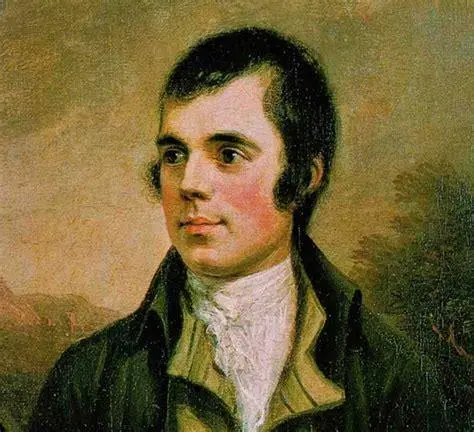
Robert Burns
Winter: A Dirge
Winter: A Dirge
The wintry west extends his blast,
And hail and rain does blaw;
Or the stormy north sends driving forth
The blinding sleet and snaw:
While, tumbling brown, the burn comes down,
And roars frae bank to brae;
And bird and beast in covert rest,
And pass the heartless day.
"The sweeping blast, the sky o'ercast,"
The joyless winter day
Let others fear, to me more dear
Than all the pride of May:
The tempest's howl, it soothes my soul,
My griefs it seems to join;
The leafless trees my fancy please,
Their fate resembles mine!
Thou Power Supreme, whose mighty scheme
These woes of mine fulfil,
Here firm I rest; they must be best,
Because they are Thy will!
Then all I want-O do Thou grant
This one request of mine!-
Since to enjoy Thou dost deny,
Assist me to resign.
The wintry west extends his blast,
And hail and rain does blaw;
Or the stormy north sends driving forth
The blinding sleet and snaw:
While, tumbling brown, the burn comes down,
And roars frae bank to brae;
And bird and beast in covert rest,
And pass the heartless day.
"The sweeping blast, the sky o'ercast,"
The joyless winter day
Let others fear, to me more dear
Than all the pride of May:
The tempest's howl, it soothes my soul,
My griefs it seems to join;
The leafless trees my fancy please,
Their fate resembles mine!
Thou Power Supreme, whose mighty scheme
These woes of mine fulfil,
Here firm I rest; they must be best,
Because they are Thy will!
Then all I want-O do Thou grant
This one request of mine!-
Since to enjoy Thou dost deny,
Assist me to resign.
269
Robert Burns
The Bonie Wee Thing
The Bonie Wee Thing
Wishfully I look and languish
In that bonie face o' thine,
And my heart it sounds wi' anguish,
Lest my wee thing be na mine.
[Chorus] Bonie wee thing, cannie wee thing,
Lovely wee thing, wert thou mine,
I wad wear thee in my bosom,
Lest my jewel it should tine.
Wit and Grace, and Love, and Beauty,
In ae constellation shine;
To adore thee in my duty,
Goddess o' this soul o' mine!
[Chorus]
Wishfully I look and languish
In that bonie face o' thine,
And my heart it sounds wi' anguish,
Lest my wee thing be na mine.
[Chorus] Bonie wee thing, cannie wee thing,
Lovely wee thing, wert thou mine,
I wad wear thee in my bosom,
Lest my jewel it should tine.
Wit and Grace, and Love, and Beauty,
In ae constellation shine;
To adore thee in my duty,
Goddess o' this soul o' mine!
[Chorus]
232
Robert Burns
My Nannie, O
My Nannie, O
Behind yon hills, where Lugar flows,
'Mang moors an' mosses many, O,
The wintry sun the day has clos'd,
And I'll awa to Nannie, O.
The westlin wind blaws loud and shill;
The night's baith mirk an' rainy, O;
But I'll get my plaid, an' out I'll steal,
An' owre the hills to Nannie, O.
My Nannie's charming, sweet, an' young:
Nae artfu' wiles to Will ye, O:
May ill befa' the flattering tongue
That wad beguile my Nannie, O.
Her face is fair, her heart is true,
She's spotless as she's bonnie, O:
The op'ning gowan, wet wi' dew,
Nae purer is than Nannie, O.
A country lad is my degree,
And few there be that ken me, O;
But what care I how few they be
I'm welcome aye to Nannie, O.
My riches a' 's my penny-fee,
An' I maun guide it cannie, O;
But warl's gear ne'er troubles me,
My thoughts are a' my Nannie, O.
Our auld guidman delights to view
His sheep and kye thrive bonnie, O;
But I'm as blythe that hauds his pleugh,
An' has nae care but Nannie, O.
Come weel, come woe, I care na by,
I'll tak' what Heav'n will sen' me, O;
Nae ither care in life have I,
But live, an' love my Nannie, O.
Behind yon hills, where Lugar flows,
'Mang moors an' mosses many, O,
The wintry sun the day has clos'd,
And I'll awa to Nannie, O.
The westlin wind blaws loud and shill;
The night's baith mirk an' rainy, O;
But I'll get my plaid, an' out I'll steal,
An' owre the hills to Nannie, O.
My Nannie's charming, sweet, an' young:
Nae artfu' wiles to Will ye, O:
May ill befa' the flattering tongue
That wad beguile my Nannie, O.
Her face is fair, her heart is true,
She's spotless as she's bonnie, O:
The op'ning gowan, wet wi' dew,
Nae purer is than Nannie, O.
A country lad is my degree,
And few there be that ken me, O;
But what care I how few they be
I'm welcome aye to Nannie, O.
My riches a' 's my penny-fee,
An' I maun guide it cannie, O;
But warl's gear ne'er troubles me,
My thoughts are a' my Nannie, O.
Our auld guidman delights to view
His sheep and kye thrive bonnie, O;
But I'm as blythe that hauds his pleugh,
An' has nae care but Nannie, O.
Come weel, come woe, I care na by,
I'll tak' what Heav'n will sen' me, O;
Nae ither care in life have I,
But live, an' love my Nannie, O.
251
Robert Burns
Montgomerie's Peggy
Montgomerie's Peggy
Tune - "Galla Water."
Altho' my bed were in yon muir,
Amang the heather, in my plaidie;
Yet happy, happy would I be,
Had I my dear Montgomerie's Peggy.
When o'er the hill beat surly storms,
And winter nights were dark and rainy;
I'd seek some dell, and in my arms
I'd shelter dear Montgomerie's Peggy.
Were I a baron proud and high,
And horse and servants waiting ready;
Then a' 'twad gie o' joy to me, -
The sharin't with Montgomerie's Peggy.
Tune - "Galla Water."
Altho' my bed were in yon muir,
Amang the heather, in my plaidie;
Yet happy, happy would I be,
Had I my dear Montgomerie's Peggy.
When o'er the hill beat surly storms,
And winter nights were dark and rainy;
I'd seek some dell, and in my arms
I'd shelter dear Montgomerie's Peggy.
Were I a baron proud and high,
And horse and servants waiting ready;
Then a' 'twad gie o' joy to me, -
The sharin't with Montgomerie's Peggy.
216
Robert Burns
Love in the Guise of Frindship
Love in the Guise of Frindship
Talk not of love, it gives me pain,
For love has been my foe;
He bound me in an iron chain,
And plung'd me deep in woe.
But friendship's pure and lasting joys,
My heart was form'd to prove;
There, welcome win and wear the prize,
But never talk of love.
Your friendship much can make me blest,
O why that bliss destroy?
Why urge the only, one request
You know I will deny?
Your thought, if Love must harbour there,
Conceal it in that thought;
Nor cause it in that thought;
Nor cause me from my bosom tear
The very friend I sought.
Talk not of love, it gives me pain,
For love has been my foe;
He bound me in an iron chain,
And plung'd me deep in woe.
But friendship's pure and lasting joys,
My heart was form'd to prove;
There, welcome win and wear the prize,
But never talk of love.
Your friendship much can make me blest,
O why that bliss destroy?
Why urge the only, one request
You know I will deny?
Your thought, if Love must harbour there,
Conceal it in that thought;
Nor cause it in that thought;
Nor cause me from my bosom tear
The very friend I sought.
373