

Poems in this theme
Soul

Wilfred Owen
The Young Soldier
The Young Soldier
It is not death
Without hereafter
To one in dearth
Of life and its laughter,
Nor the sweet murder
Dealt slow and even
Unto the martyr
Smiling at heaven:
It is the smile
Faint as a (waning) myth,
Faint, and exceeding small
On a boy's murdered mouth.
It is not death
Without hereafter
To one in dearth
Of life and its laughter,
Nor the sweet murder
Dealt slow and even
Unto the martyr
Smiling at heaven:
It is the smile
Faint as a (waning) myth,
Faint, and exceeding small
On a boy's murdered mouth.
133
Wilfred Owen
The Show
The Show
My soul looked down from a vague height with Death,
As unremembering how I rose or why,
And saw a sad land, weak with sweats of dearth,
Gray, cratered like the moon with hollow woe,
And fitted with great pocks and scabs of plaques.
Across its beard, that horror of harsh wire,
There moved thin caterpillars, slowly uncoiled.
It seemed they pushed themselves to be as plugs
Of ditches, where they writhed and shrivelled, killed.
By them had slimy paths been trailed and scraped
Round myriad warts that might be little hills.
From gloom's last dregs these long-strung creatures crept,
And vanished out of dawn down hidden holes.
(And smell came up from those foul openings
As out of mouths, or deep wounds deepening.)
On dithering feet upgathered, more and more,
Brown strings towards strings of gray, with bristling spines,
All migrants from green fields, intent on mire.
Those that were gray, of more abundant spawns,
Ramped on the rest and ate them and were eaten.
I saw their bitten backs curve, loop, and straighten,
I watched those agonies curl, lift, and flatten.
Whereat, in terror what that sight might mean,
I reeled and shivered earthward like a feather.
And Death fell with me, like a deepening moan.
And He, picking a manner of worm, which half had hid
Its bruises in the earth, but crawled no further,
Showed me its feet, the feet of many men,
And the fresh-severed head of it, my head.
My soul looked down from a vague height with Death,
As unremembering how I rose or why,
And saw a sad land, weak with sweats of dearth,
Gray, cratered like the moon with hollow woe,
And fitted with great pocks and scabs of plaques.
Across its beard, that horror of harsh wire,
There moved thin caterpillars, slowly uncoiled.
It seemed they pushed themselves to be as plugs
Of ditches, where they writhed and shrivelled, killed.
By them had slimy paths been trailed and scraped
Round myriad warts that might be little hills.
From gloom's last dregs these long-strung creatures crept,
And vanished out of dawn down hidden holes.
(And smell came up from those foul openings
As out of mouths, or deep wounds deepening.)
On dithering feet upgathered, more and more,
Brown strings towards strings of gray, with bristling spines,
All migrants from green fields, intent on mire.
Those that were gray, of more abundant spawns,
Ramped on the rest and ate them and were eaten.
I saw their bitten backs curve, loop, and straighten,
I watched those agonies curl, lift, and flatten.
Whereat, in terror what that sight might mean,
I reeled and shivered earthward like a feather.
And Death fell with me, like a deepening moan.
And He, picking a manner of worm, which half had hid
Its bruises in the earth, but crawled no further,
Showed me its feet, the feet of many men,
And the fresh-severed head of it, my head.
152
Wilfred Owen
The Kind Ghosts
The Kind Ghosts
She sleeps on soft, last breaths; but no ghost looms
Out of the stillness of her palace wall,
Her wall of boys on boys and dooms on dooms.
She dreams of golden gardens and sweet glooms,
Not marvelling why her roses never fall
Nor what red mouths were torn to make their blooms.
The shades keep down which well might roam her hall.
Quiet their blood lies in her crimson rooms
And she is not afraid of their footfall.
They move not from her tapestries, their pall,
Nor pace her terraces, their hecatombs,
Lest aught she be disturbed, or grieved at all.
She sleeps on soft, last breaths; but no ghost looms
Out of the stillness of her palace wall,
Her wall of boys on boys and dooms on dooms.
She dreams of golden gardens and sweet glooms,
Not marvelling why her roses never fall
Nor what red mouths were torn to make their blooms.
The shades keep down which well might roam her hall.
Quiet their blood lies in her crimson rooms
And she is not afraid of their footfall.
They move not from her tapestries, their pall,
Nor pace her terraces, their hecatombs,
Lest aught she be disturbed, or grieved at all.
188
Wilfred Owen
Spells and Incantations
Spells and Incantations
A vague pearl, a wan pearl
You showed me once; I peered through far-gone winters
Until my mind was fog-bound in that gem.
Blue diamonds, cold diamonds
You shook before me, so that out of them
Glittered and glowed vast diamond dawns of spring.
Tiger-eyed rubies, wrathful rubies
You rolled. I watched their hot hearts fling
Flames from each glaring summer of my life.
Quiet amber, mellow amber
You lifted; and behold the whole air rife
With evening, and the auburn autumn cloud.
But pale skin, your pearl skin
Show this to me, and I shall have surprise
Of every snow-lit dawn before it break.
But clear eyes, your fresh eyes
Open; that I may laugh, and lightly take
All air of early April in one hour.
But brown curls, O shadow me with curls,
Full of September mist, half-gleam, half-glower,
And I shall roam warm nights in lands far south.
A vague pearl, a wan pearl
You showed me once; I peered through far-gone winters
Until my mind was fog-bound in that gem.
Blue diamonds, cold diamonds
You shook before me, so that out of them
Glittered and glowed vast diamond dawns of spring.
Tiger-eyed rubies, wrathful rubies
You rolled. I watched their hot hearts fling
Flames from each glaring summer of my life.
Quiet amber, mellow amber
You lifted; and behold the whole air rife
With evening, and the auburn autumn cloud.
But pale skin, your pearl skin
Show this to me, and I shall have surprise
Of every snow-lit dawn before it break.
But clear eyes, your fresh eyes
Open; that I may laugh, and lightly take
All air of early April in one hour.
But brown curls, O shadow me with curls,
Full of September mist, half-gleam, half-glower,
And I shall roam warm nights in lands far south.
154
Wilfred Owen
Strange Meeting
Strange Meeting
It seemed that out of the battle I escaped
Down some profound dull tunnel, long since scooped
Through granites which Titanic wars had groined.
Yet also there encumbered sleepers groaned,
Too fast in thought or death to be bestirred.
Then, as I probed them, one sprang up, and stared
With piteous recognition in fixed eyes,
Lifting distressful hands as if to bless.
And by his smile, I knew that sullen hall;
With a thousand fears that vision's face was grained;
Yet no blood reached there from the upper ground,
And no guns thumped, or down the fluies made moan.
"Strange, friend," I said, "Here is no cause to mourn."
"None," said the other, "Save the undone years,
The hopelessness. Whatever hope is yours,
Was my life also; I went hunting wild
After the wildest beauty in the world,
Which lies not calm in eyes, or braided hair,
But mocks the steady running of the hour,
And if it grieves, grieves richlier than here.
For by my glee might many men have laughed,
And of my weeping something has been left,
Which must die now. I mean the truth untold,
The pity of war, the pity war distilled.
Now men will go content with what we spoiled.
Or, discontent, boil bloody, and be spilled.
They will be swift with swiftness of the tigress,
None will break ranks, though nations trek from progress.
Courage was mine, and I had mystery;
Wisdom was mine, and I had mastery;
To miss the march of this retreating world
Into vain citadels that are not walled.
Then, when much blood had clogged their chariot-wheels
I would go up and wash them from sweet wells,
Even with truths that lie too deep for taint.
I would have poured my spirit without stint
But not through wounds; not on the cess of war.
Foreheads of men have bled where no wounds were.
I am the enemy you killed, my friend.
I knew you in this dark; for so you frowned
Yesterday through me as you jabbed and killed.
I parried; but my hands were loath and cold.
Let us sleep now ...
It seemed that out of the battle I escaped
Down some profound dull tunnel, long since scooped
Through granites which Titanic wars had groined.
Yet also there encumbered sleepers groaned,
Too fast in thought or death to be bestirred.
Then, as I probed them, one sprang up, and stared
With piteous recognition in fixed eyes,
Lifting distressful hands as if to bless.
And by his smile, I knew that sullen hall;
With a thousand fears that vision's face was grained;
Yet no blood reached there from the upper ground,
And no guns thumped, or down the fluies made moan.
"Strange, friend," I said, "Here is no cause to mourn."
"None," said the other, "Save the undone years,
The hopelessness. Whatever hope is yours,
Was my life also; I went hunting wild
After the wildest beauty in the world,
Which lies not calm in eyes, or braided hair,
But mocks the steady running of the hour,
And if it grieves, grieves richlier than here.
For by my glee might many men have laughed,
And of my weeping something has been left,
Which must die now. I mean the truth untold,
The pity of war, the pity war distilled.
Now men will go content with what we spoiled.
Or, discontent, boil bloody, and be spilled.
They will be swift with swiftness of the tigress,
None will break ranks, though nations trek from progress.
Courage was mine, and I had mystery;
Wisdom was mine, and I had mastery;
To miss the march of this retreating world
Into vain citadels that are not walled.
Then, when much blood had clogged their chariot-wheels
I would go up and wash them from sweet wells,
Even with truths that lie too deep for taint.
I would have poured my spirit without stint
But not through wounds; not on the cess of war.
Foreheads of men have bled where no wounds were.
I am the enemy you killed, my friend.
I knew you in this dark; for so you frowned
Yesterday through me as you jabbed and killed.
I parried; but my hands were loath and cold.
Let us sleep now ...
751
Wilfred Owen
S. I. W.
S. I. W.
"I will to the King,
And offer him consolation in his trouble,
For that man there has set his teeth to die,
And being one that hates obedience,
Discipline, and orderliness of life,
I cannot mourn him."
W. B. Yeats.
Patting goodbye, doubtless they told the lad
He'd always show the Hun a brave man's face;
Father would sooner him dead than in disgrace, --
Was proud to see him going, aye, and glad.
Perhaps his Mother whimpered how she'd fret
Until he got a nice, safe wound to nurse.
Sisters would wish girls too could shoot, charge, curse, . . .
Brothers -- would send his favourite cigarette,
Each week, month after month, they wrote the same,
Thinking him sheltered in some Y.M. Hut,
Where once an hour a bullet missed its aim
And misses teased the hunger of his brain.
His eyes grew old with wincing, and his hand
Reckless with ague. Courage leaked, as sand
From the best sandbags after years of rain.
But never leave, wound, fever, trench-foot, shock,
Untrapped the wretch. And death seemed still withheld
For torture of lying machinally shelled,
At the pleasure of this world's Powers who'd run amok.
He'd seen men shoot their hands, on night patrol,
Their people never knew. Yet they were vile.
"Death sooner than dishonour, that's the style!"
So Father said.
One dawn, our wire patrol
Carried him. This time, Death had not missed.
We could do nothing, but wipe his bleeding cough.
Could it be accident? -- Rifles go off . . .
Not sniped? No. (Later they found the English ball.)
It was the reasoned crisis of his soul.
Against the fires that would not burn him whole
But kept him for death's perjury and scoff
And life's half-promising, and both their riling.
With him they buried the muzzle his teeth had kissed,
And truthfully wrote the Mother "Tim died smiling."
"I will to the King,
And offer him consolation in his trouble,
For that man there has set his teeth to die,
And being one that hates obedience,
Discipline, and orderliness of life,
I cannot mourn him."
W. B. Yeats.
Patting goodbye, doubtless they told the lad
He'd always show the Hun a brave man's face;
Father would sooner him dead than in disgrace, --
Was proud to see him going, aye, and glad.
Perhaps his Mother whimpered how she'd fret
Until he got a nice, safe wound to nurse.
Sisters would wish girls too could shoot, charge, curse, . . .
Brothers -- would send his favourite cigarette,
Each week, month after month, they wrote the same,
Thinking him sheltered in some Y.M. Hut,
Where once an hour a bullet missed its aim
And misses teased the hunger of his brain.
His eyes grew old with wincing, and his hand
Reckless with ague. Courage leaked, as sand
From the best sandbags after years of rain.
But never leave, wound, fever, trench-foot, shock,
Untrapped the wretch. And death seemed still withheld
For torture of lying machinally shelled,
At the pleasure of this world's Powers who'd run amok.
He'd seen men shoot their hands, on night patrol,
Their people never knew. Yet they were vile.
"Death sooner than dishonour, that's the style!"
So Father said.
One dawn, our wire patrol
Carried him. This time, Death had not missed.
We could do nothing, but wipe his bleeding cough.
Could it be accident? -- Rifles go off . . .
Not sniped? No. (Later they found the English ball.)
It was the reasoned crisis of his soul.
Against the fires that would not burn him whole
But kept him for death's perjury and scoff
And life's half-promising, and both their riling.
With him they buried the muzzle his teeth had kissed,
And truthfully wrote the Mother "Tim died smiling."
176
Wilfred Owen
Miners
Miners
There was a whispering in my hearth,
A sigh of the coal.
Grown wistful of a former earth
It might recall.
I listened for a tale of leaves
And smothered ferns,
Frond-forests; and the low, sly lives
Before the fawns.
My fire might show steam-phantoms simmer
From Time's old cauldron,
Before the birds made nests in summer,
Or men had children.
But the coals were murmuring of their mine,
And moans down there
Of boys that slept wry sleep, and men
Writhing for air.
And I saw white bones in the cinder-shard,
Bones without number.
For many hearts with coal are charred,
And few remember.
I thought of all that worked dark pits
Of war, and died
Digging the rock where Death reputes
Peace lies indeed.
Comforted years will sit soft-chaired
In rooms of amber;
The years will stretch their hands, well-cheered
By our lifes' ember.
The centuries will burn rich loads
With which we groaned,
Whose warmth shall lull their dreaming lids,
While songs are crooned.
But they will not dream of us poor lads
Left in the ground.
There was a whispering in my hearth,
A sigh of the coal.
Grown wistful of a former earth
It might recall.
I listened for a tale of leaves
And smothered ferns,
Frond-forests; and the low, sly lives
Before the fawns.
My fire might show steam-phantoms simmer
From Time's old cauldron,
Before the birds made nests in summer,
Or men had children.
But the coals were murmuring of their mine,
And moans down there
Of boys that slept wry sleep, and men
Writhing for air.
And I saw white bones in the cinder-shard,
Bones without number.
For many hearts with coal are charred,
And few remember.
I thought of all that worked dark pits
Of war, and died
Digging the rock where Death reputes
Peace lies indeed.
Comforted years will sit soft-chaired
In rooms of amber;
The years will stretch their hands, well-cheered
By our lifes' ember.
The centuries will burn rich loads
With which we groaned,
Whose warmth shall lull their dreaming lids,
While songs are crooned.
But they will not dream of us poor lads
Left in the ground.
251
Wilfred Owen
Insensibility
Insensibility
I
Happy are men who yet before they are killed
Can let their veins run cold.
Whom no compassion fleers
Or makes their feet
Sore on the alleys cobbled with their brothers.
The front line withers,
But they are troops who fade, not flowers
For poets' tearful fooling:
Men, gaps for filling
Losses who might have fought
Longer; but no one bothers.
II
And some cease feeling
Even themselves or for themselves.
Dullness best solves
The tease and doubt of shelling,
And Chance's strange arithmetic
Comes simpler than the reckoning of their shilling.
They keep no check on Armies' decimation.
III
Happy are these who lose imagination:
They have enough to carry with ammunition.
Their spirit drags no pack.
Their old wounds save with cold can not more ache.
Having seen all things red,
Their eyes are rid
Of the hurt of the colour of blood for ever.
And terror's first constriction over,
Their hearts remain small drawn.
Their senses in some scorching cautery of battle
Now long since ironed,
Can laugh among the dying, unconcerned.
IV
Happy the soldier home, with not a notion
How somewhere, every dawn, some men attack,
And many sighs are drained.
Happy the lad whose mind was never trained:
His days are worth forgetting more than not.
He sings along the march
Which we march taciturn, because of dusk,
The long, forlorn, relentless trend
From larger day to huger night.
V
We wise, who with a thought besmirch
Blood over all our soul,
How should we see our task
But through his blunt and lashless eyes?
Alive, he is not vital overmuch;
Dying, not mortal overmuch;
Nor sad, nor proud,
Nor curious at all.
He cannot tell
Old men's placidity from his.
VI
But cursed are dullards whom no cannon stuns,
That they should be as stones.
Wretched are they, and mean
With paucity that never was simplicity.
By choice they made themselves immune
To pity and whatever mourns in man
Before the last sea and the hapless stars;
Whatever mourns when many leave these shores;
Whatever shares
The eternal reciprocity of tears.
I
Happy are men who yet before they are killed
Can let their veins run cold.
Whom no compassion fleers
Or makes their feet
Sore on the alleys cobbled with their brothers.
The front line withers,
But they are troops who fade, not flowers
For poets' tearful fooling:
Men, gaps for filling
Losses who might have fought
Longer; but no one bothers.
II
And some cease feeling
Even themselves or for themselves.
Dullness best solves
The tease and doubt of shelling,
And Chance's strange arithmetic
Comes simpler than the reckoning of their shilling.
They keep no check on Armies' decimation.
III
Happy are these who lose imagination:
They have enough to carry with ammunition.
Their spirit drags no pack.
Their old wounds save with cold can not more ache.
Having seen all things red,
Their eyes are rid
Of the hurt of the colour of blood for ever.
And terror's first constriction over,
Their hearts remain small drawn.
Their senses in some scorching cautery of battle
Now long since ironed,
Can laugh among the dying, unconcerned.
IV
Happy the soldier home, with not a notion
How somewhere, every dawn, some men attack,
And many sighs are drained.
Happy the lad whose mind was never trained:
His days are worth forgetting more than not.
He sings along the march
Which we march taciturn, because of dusk,
The long, forlorn, relentless trend
From larger day to huger night.
V
We wise, who with a thought besmirch
Blood over all our soul,
How should we see our task
But through his blunt and lashless eyes?
Alive, he is not vital overmuch;
Dying, not mortal overmuch;
Nor sad, nor proud,
Nor curious at all.
He cannot tell
Old men's placidity from his.
VI
But cursed are dullards whom no cannon stuns,
That they should be as stones.
Wretched are they, and mean
With paucity that never was simplicity.
By choice they made themselves immune
To pity and whatever mourns in man
Before the last sea and the hapless stars;
Whatever mourns when many leave these shores;
Whatever shares
The eternal reciprocity of tears.
183
Wilfred Owen
Happiness
Happiness
Ever again to breathe pure happiness,
So happy that we gave away our toy?
We smiled at nothings, needing no caress?
Have we not laughed too often since with Joy?
Have we not stolen too strange and sorrowful wrongs
For her hands' pardoning? The sun may cleanse,
And time, and starlight. Life will sing great songs,
And gods will show us pleasures more than men's.
Yet heaven looks smaller than the old doll's-home,
No nestling place is left in bluebell bloom,
And the wide arms of trees have lost their scope.
The former happiness is unreturning:
Boys' griefs are not so grievous as our yearning,
Boys have no sadness sadder than our hope.
Ever again to breathe pure happiness,
So happy that we gave away our toy?
We smiled at nothings, needing no caress?
Have we not laughed too often since with Joy?
Have we not stolen too strange and sorrowful wrongs
For her hands' pardoning? The sun may cleanse,
And time, and starlight. Life will sing great songs,
And gods will show us pleasures more than men's.
Yet heaven looks smaller than the old doll's-home,
No nestling place is left in bluebell bloom,
And the wide arms of trees have lost their scope.
The former happiness is unreturning:
Boys' griefs are not so grievous as our yearning,
Boys have no sadness sadder than our hope.
170
Wilfred Owen
Futility
Futility
Move him into the sun--
Gently its touch awoke him once,
At home, whispering of fields unsown.
Always it awoke him, even in France,
Until this morning and this snow.
If anything might rouse him now
The kind old sun will know.
Think how it wakes the seeds--
Woke, once, the clays of a cold star.
Are limbs so dear-achieved, are sides
Full-nerved,--still warm,--too hard to stir?
Was it for this the clay grew tall?
--O what made fatuous sunbeams toil
To break earth's sleep at all?
Move him into the sun--
Gently its touch awoke him once,
At home, whispering of fields unsown.
Always it awoke him, even in France,
Until this morning and this snow.
If anything might rouse him now
The kind old sun will know.
Think how it wakes the seeds--
Woke, once, the clays of a cold star.
Are limbs so dear-achieved, are sides
Full-nerved,--still warm,--too hard to stir?
Was it for this the clay grew tall?
--O what made fatuous sunbeams toil
To break earth's sleep at all?
376
Wilfred Owen
Disabled
Disabled
He sat in a wheeled chair, waiting for dark,
And shivered in his ghastly suit of grey,
Legless, sewn short at elbow. Through the park
Voices of boys rang saddening like a hymn,
Voices of play and pleasure after day,
Till gathering sleep had mothered them from him.
About this time Town used to swing so gay
When glow-lamps budded in the light blue trees,
And girls glanced lovelier as the air grew dim,-
In the old times, before he threw away his knees.
Now he will never feel again how slim
Girls' waists are, or how warm their subtle hands.
All of them touch him like some queer disease.
There was an artist silly for his face,
For it was younger than his youth, last year.
Now, he is old; his back will never brace;
He's lost his colour very far from here,
Poured it down shell-holes till the veins ran dry,
And half his lifetime lapsed in the hot race
And leap of purple spurted from his thigh.
One time he liked a blood-smear down his leg,
After the matches, carried shoulder-high.
It was after football, when he'd drunk a peg,
He thought he'd better join. - He wonders why.
Someone had said he'd look a god in kilts,
That's why; and maybe, too, to please his Meg,
Aye, that was it, to please the giddy jilts
He asked to join. He didn't have to beg;
Smiling they wrote his lie: aged nineteen years.
Germans he scarcely thought of; all their guilt,
And Austria's, did not move him. And no fears
Of Fear came yet. He drought of jewelled hills
For daggers in plaid socks; of smart salutes;
And care of arms; and leave; and pay arrears;
Esprit de corps; and hints for young recruits.
And soon, he was drafted out with drums and cheers.
Some cheered him home, but not as crowds cheer Goal.
Only a solemn man who brought him fruits
Thanked him; and then enquired about his soul.
Now, he will spend a few sick years in institutes,
And do what things the rules consider wise,
And take whatever pity they may dole.
Tonight he noticed how the women's eyes
Passed from him to the strong men that were whole.
How cold and late it is! Why don't they come
And put him into bed? Why don't they come?
He sat in a wheeled chair, waiting for dark,
And shivered in his ghastly suit of grey,
Legless, sewn short at elbow. Through the park
Voices of boys rang saddening like a hymn,
Voices of play and pleasure after day,
Till gathering sleep had mothered them from him.
About this time Town used to swing so gay
When glow-lamps budded in the light blue trees,
And girls glanced lovelier as the air grew dim,-
In the old times, before he threw away his knees.
Now he will never feel again how slim
Girls' waists are, or how warm their subtle hands.
All of them touch him like some queer disease.
There was an artist silly for his face,
For it was younger than his youth, last year.
Now, he is old; his back will never brace;
He's lost his colour very far from here,
Poured it down shell-holes till the veins ran dry,
And half his lifetime lapsed in the hot race
And leap of purple spurted from his thigh.
One time he liked a blood-smear down his leg,
After the matches, carried shoulder-high.
It was after football, when he'd drunk a peg,
He thought he'd better join. - He wonders why.
Someone had said he'd look a god in kilts,
That's why; and maybe, too, to please his Meg,
Aye, that was it, to please the giddy jilts
He asked to join. He didn't have to beg;
Smiling they wrote his lie: aged nineteen years.
Germans he scarcely thought of; all their guilt,
And Austria's, did not move him. And no fears
Of Fear came yet. He drought of jewelled hills
For daggers in plaid socks; of smart salutes;
And care of arms; and leave; and pay arrears;
Esprit de corps; and hints for young recruits.
And soon, he was drafted out with drums and cheers.
Some cheered him home, but not as crowds cheer Goal.
Only a solemn man who brought him fruits
Thanked him; and then enquired about his soul.
Now, he will spend a few sick years in institutes,
And do what things the rules consider wise,
And take whatever pity they may dole.
Tonight he noticed how the women's eyes
Passed from him to the strong men that were whole.
How cold and late it is! Why don't they come
And put him into bed? Why don't they come?
270
Wilfred Owen
Elegy in April and September
Elegy in April and September
Hush, thrush! Hush, missen-thrush, I listen...
I heard the flush of footsteps through the loose leaves,
And a low whistle by the water's brim.
Still! Daffodil! Nay, hail me not so gaily,-
Your gay gold lily daunts me and deceives,
Who follow gleams more golden and more slim.
Look, brook! O run and look, O run!
The vain reeds shook? - Yet search till gray sea heaves,
And I will stray among these fields for him.
Gaze, daisy! Stare through haze and glare,
And mark the hazardous stars all dawns and eves,
For my eye withers, and his star wanes dim.
Close, rose, and droop, heliotrope,
And shudder, hope! The shattering winter blows.
Drop, heliotrope, and close, rose...
Mourn, corn, and sigh, rye.
Men garner you, but youth's head lies forlorn.
Sigh, rye, and mourn, corn...
Brood, wood, and muse, yews,
The ways gods use we have not understood.
Muse, yews, and brood, wood...
Hush, thrush! Hush, missen-thrush, I listen...
I heard the flush of footsteps through the loose leaves,
And a low whistle by the water's brim.
Still! Daffodil! Nay, hail me not so gaily,-
Your gay gold lily daunts me and deceives,
Who follow gleams more golden and more slim.
Look, brook! O run and look, O run!
The vain reeds shook? - Yet search till gray sea heaves,
And I will stray among these fields for him.
Gaze, daisy! Stare through haze and glare,
And mark the hazardous stars all dawns and eves,
For my eye withers, and his star wanes dim.
Close, rose, and droop, heliotrope,
And shudder, hope! The shattering winter blows.
Drop, heliotrope, and close, rose...
Mourn, corn, and sigh, rye.
Men garner you, but youth's head lies forlorn.
Sigh, rye, and mourn, corn...
Brood, wood, and muse, yews,
The ways gods use we have not understood.
Muse, yews, and brood, wood...
170
Wilfred Owen
Conscious
Conscious
His fingers wake, and flutter up the bed.
His eyes come open with a pull of will,
Helped by the yellow may-flowers by his head.
A blind-cord drawls across the window-sill . . .
How smooth the floor of the ward is! what a rug!
And who's that talking, somewhere out of sight?
Why are they laughing? What's inside that jug?
"Nurse! Doctor!" "Yes; all right, all right."
But sudden dusk bewilders all the air --
There seems no time to want a drink of water.
Nurse looks so far away. And everywhere
Music and roses burnt through crimson slaughter.
Cold; cold; he's cold; and yet so hot:
And there's no light to see the voices by --
No time to dream, and ask -- he knows not what.
His fingers wake, and flutter up the bed.
His eyes come open with a pull of will,
Helped by the yellow may-flowers by his head.
A blind-cord drawls across the window-sill . . .
How smooth the floor of the ward is! what a rug!
And who's that talking, somewhere out of sight?
Why are they laughing? What's inside that jug?
"Nurse! Doctor!" "Yes; all right, all right."
But sudden dusk bewilders all the air --
There seems no time to want a drink of water.
Nurse looks so far away. And everywhere
Music and roses burnt through crimson slaughter.
Cold; cold; he's cold; and yet so hot:
And there's no light to see the voices by --
No time to dream, and ask -- he knows not what.
163
Wilfred Owen
As Bronze May Be Much Beautified
As Bronze May Be Much Beautified
As bronze may be much beautified
By lying in the dark damp soil,
So men who fade in dust of warfare fade
Fairer, and sorrow blooms their soul.
Like pearls which noble women wear
And, tarnishing, awhile confide
Unto the old salt sea to feed,
Many return more lustrous than they were.
But what of them buried profound,
Buried where we can no more find.
Who ( )
Lie dark for ever under abysmal war?
As bronze may be much beautified
By lying in the dark damp soil,
So men who fade in dust of warfare fade
Fairer, and sorrow blooms their soul.
Like pearls which noble women wear
And, tarnishing, awhile confide
Unto the old salt sea to feed,
Many return more lustrous than they were.
But what of them buried profound,
Buried where we can no more find.
Who ( )
Lie dark for ever under abysmal war?
153
Wilfred Owen
Apologia Pro Poemate Meo
Apologia Pro Poemate Meo
I, too, saw God through mud--
The mud that cracked on cheeks when wretches smiled.
War brought more glory to their eyes than blood,
And gave their laughs more glee than shakes a child.
Merry it was to laugh there--
Where death becomes absurd and life absurder.
For power was on us as we slashed bones bare
Not to feel sickness or remorse of murder.
I, too, have dropped off fear--
Behind the barrage, dead as my platoon,
And sailed my spirit surging, light and clear,
Past the entanglement where hopes lie strewn;
And witnessed exhultation--
Faces that used to curse me, scowl for scowl,
Shine and lift up with passion of oblation,
Seraphic for an hour, though they were foul.
I have made fellowships--
Untold of happy lovers in old song.
For love is not the binding of fair lips
With the soft silk of eyes that look and long.
By joy, whose ribbon slips,--
But wound with war's hard wire whose stakes are strong;
Bound with the bandage of the arm that drips;
Knit in the welding of the rifle-thong.
I have perceived much beauty
In the hoarse oaths that kept our courage straight;
Heard music in the silentness of duty;
Found peace where shell-storms spouted reddest spate.
Nevertheless, except you share
With them in hell the sorrowful dark of hell,
Whose world is but a trembling of a flare
And heaven but a highway for a shell,
You shall not hear their mirth:
You shall not come to think them well content
By any jest of mine. These men are worth
Your tears: You are not worth their merriment.
I, too, saw God through mud--
The mud that cracked on cheeks when wretches smiled.
War brought more glory to their eyes than blood,
And gave their laughs more glee than shakes a child.
Merry it was to laugh there--
Where death becomes absurd and life absurder.
For power was on us as we slashed bones bare
Not to feel sickness or remorse of murder.
I, too, have dropped off fear--
Behind the barrage, dead as my platoon,
And sailed my spirit surging, light and clear,
Past the entanglement where hopes lie strewn;
And witnessed exhultation--
Faces that used to curse me, scowl for scowl,
Shine and lift up with passion of oblation,
Seraphic for an hour, though they were foul.
I have made fellowships--
Untold of happy lovers in old song.
For love is not the binding of fair lips
With the soft silk of eyes that look and long.
By joy, whose ribbon slips,--
But wound with war's hard wire whose stakes are strong;
Bound with the bandage of the arm that drips;
Knit in the welding of the rifle-thong.
I have perceived much beauty
In the hoarse oaths that kept our courage straight;
Heard music in the silentness of duty;
Found peace where shell-storms spouted reddest spate.
Nevertheless, except you share
With them in hell the sorrowful dark of hell,
Whose world is but a trembling of a flare
And heaven but a highway for a shell,
You shall not hear their mirth:
You shall not come to think them well content
By any jest of mine. These men are worth
Your tears: You are not worth their merriment.
167
Wilfred Owen
A Terre
A Terre
(Being the philosophy of many Soldiers.)
Sit on the bed; I'm blind, and three parts shell,
Be careful; can't shake hands now; never shall.
Both arms have mutinied against me -- brutes.
My fingers fidget like ten idle brats.
I tried to peg out soldierly -- no use!
One dies of war like any old disease.
This bandage feels like pennies on my eyes.
I have my medals? -- Discs to make eyes close.
My glorious ribbons? -- Ripped from my own back
In scarlet shreds. (That's for your poetry book.)
A short life and a merry one, my brick!
We used to say we'd hate to live dead old, --
Yet now . . . I'd willingly be puffy, bald,
And patriotic. Buffers catch from boys
At least the jokes hurled at them. I suppose
Little I'd ever teach a son, but hitting,
Shooting, war, hunting, all the arts of hurting.
Well, that's what I learnt, -- that, and making money.
Your fifty years ahead seem none too many?
Tell me how long I've got? God! For one year
To help myself to nothing more than air!
One Spring! Is one too good to spare, too long?
Spring wind would work its own way to my lung,
And grow me legs as quick as lilac-shoots.
My servant's lamed, but listen how he shouts!
When I'm lugged out, he'll still be good for that.
Here in this mummy-case, you know, I've thought
How well I might have swept his floors for ever,
I'd ask no night off when the bustle's over,
Enjoying so the dirt. Who's prejudiced
Against a grimed hand when his own's quite dust,
Less live than specks that in the sun-shafts turn,
Less warm than dust that mixes with arms' tan?
I'd love to be a sweep, now, black as Town,
Yes, or a muckman. Must I be his load?
O Life, Life, let me breathe, -- a dug-out rat!
Not worse than ours the existences rats lead --
Nosing along at night down some safe vat,
They find a shell-proof home before they rot.
Dead men may envy living mites in cheese,
Or good germs even. Microbes have their joys,
And subdivide, and never come to death,
Certainly flowers have the easiest time on earth.
"I shall be one with nature, herb, and stone."
Shelley would tell me. Shelley would be stunned;
The dullest Tommy hugs that fancy now.
"Pushing up daisies," is their creed, you know.
To grain, then, go my fat, to buds my sap,
For all the usefulness there is in soap.
D'you think the Boche will ever stew man-soup?
Some day, no doubt, if . . .
Friend, be very sure
I shall be better off with plants that share
More peaceably the meadow and the shower.
Soft rains will touch me, -- as they could touch once,
And nothing but the sun shall make me ware.
Your guns may crash around me. I'll not hear;
Or, if I wince, I shall not know I wince.
Don't take my soul's poor comfort for your jest.
Soldiers may grow a soul when turned to fronds,
But here the thing's best left at home with friends.
My soul's a little grief, grappling your chest,
To climb your throat on sobs; easily chased
On other sighs and wiped by fresher winds.
Carry my crying spirit till it's weaned
To do without what blood remained these wounds.
(Being the philosophy of many Soldiers.)
Sit on the bed; I'm blind, and three parts shell,
Be careful; can't shake hands now; never shall.
Both arms have mutinied against me -- brutes.
My fingers fidget like ten idle brats.
I tried to peg out soldierly -- no use!
One dies of war like any old disease.
This bandage feels like pennies on my eyes.
I have my medals? -- Discs to make eyes close.
My glorious ribbons? -- Ripped from my own back
In scarlet shreds. (That's for your poetry book.)
A short life and a merry one, my brick!
We used to say we'd hate to live dead old, --
Yet now . . . I'd willingly be puffy, bald,
And patriotic. Buffers catch from boys
At least the jokes hurled at them. I suppose
Little I'd ever teach a son, but hitting,
Shooting, war, hunting, all the arts of hurting.
Well, that's what I learnt, -- that, and making money.
Your fifty years ahead seem none too many?
Tell me how long I've got? God! For one year
To help myself to nothing more than air!
One Spring! Is one too good to spare, too long?
Spring wind would work its own way to my lung,
And grow me legs as quick as lilac-shoots.
My servant's lamed, but listen how he shouts!
When I'm lugged out, he'll still be good for that.
Here in this mummy-case, you know, I've thought
How well I might have swept his floors for ever,
I'd ask no night off when the bustle's over,
Enjoying so the dirt. Who's prejudiced
Against a grimed hand when his own's quite dust,
Less live than specks that in the sun-shafts turn,
Less warm than dust that mixes with arms' tan?
I'd love to be a sweep, now, black as Town,
Yes, or a muckman. Must I be his load?
O Life, Life, let me breathe, -- a dug-out rat!
Not worse than ours the existences rats lead --
Nosing along at night down some safe vat,
They find a shell-proof home before they rot.
Dead men may envy living mites in cheese,
Or good germs even. Microbes have their joys,
And subdivide, and never come to death,
Certainly flowers have the easiest time on earth.
"I shall be one with nature, herb, and stone."
Shelley would tell me. Shelley would be stunned;
The dullest Tommy hugs that fancy now.
"Pushing up daisies," is their creed, you know.
To grain, then, go my fat, to buds my sap,
For all the usefulness there is in soap.
D'you think the Boche will ever stew man-soup?
Some day, no doubt, if . . .
Friend, be very sure
I shall be better off with plants that share
More peaceably the meadow and the shower.
Soft rains will touch me, -- as they could touch once,
And nothing but the sun shall make me ware.
Your guns may crash around me. I'll not hear;
Or, if I wince, I shall not know I wince.
Don't take my soul's poor comfort for your jest.
Soldiers may grow a soul when turned to fronds,
But here the thing's best left at home with friends.
My soul's a little grief, grappling your chest,
To climb your throat on sobs; easily chased
On other sighs and wiped by fresher winds.
Carry my crying spirit till it's weaned
To do without what blood remained these wounds.
165
Wilfred Owen
[I Saw His Round Mouth's Crimson]
[I Saw His Round Mouth's Crimson]
[I saw his round mouth's crimson deepen as it fell],
Like a Sun, in his last deep hour;
Watched the magnificent recession of farewell,
Clouding, half gleam, half glower,
And a last splendour burn the heavens of his cheek.
And in his eyes
The cold stars lighting, very old and bleak,
In different skies.
[I saw his round mouth's crimson deepen as it fell],
Like a Sun, in his last deep hour;
Watched the magnificent recession of farewell,
Clouding, half gleam, half glower,
And a last splendour burn the heavens of his cheek.
And in his eyes
The cold stars lighting, very old and bleak,
In different skies.
164
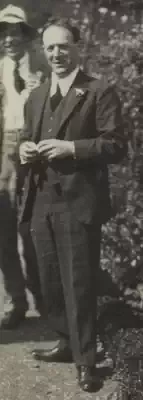
Walter de la Mare
When the Rose is Faded
When the Rose is Faded
When the rose is faded,
Memory may still dwell on
Her beauty shadowed,
And the sweet smell gone.
That vanishing loveliness,
That burdening breath,
No bond of life hath then,
Nor grief of death.
'Tis the immortal thought
Whose passion still
Makes the changing
The unchangeable.
Oh, thus thy beauty,
Loveliest on earth to me,
Dark with no sorrow, shines
And burns, with thee.
When the rose is faded,
Memory may still dwell on
Her beauty shadowed,
And the sweet smell gone.
That vanishing loveliness,
That burdening breath,
No bond of life hath then,
Nor grief of death.
'Tis the immortal thought
Whose passion still
Makes the changing
The unchangeable.
Oh, thus thy beauty,
Loveliest on earth to me,
Dark with no sorrow, shines
And burns, with thee.
280
Walter de la Mare
The Song of Finis
The Song of Finis
At the edge of All the Ages
A Knight sate on his steed,
His armor red and thin with rust
His soul from sorrow freed;
And he lifted up his visor
From a face of skin and bone,
And his horse turned head and whinnied
As the twain stood there alone.
No bird above that steep of time
Sang of a livelong quest;
No wind breathed,
Rest:
"Lone for an end!" cried Knight to steed,
Loosed an eager rein--
Charged with his challenge into space:
And quiet did quiet remain.
At the edge of All the Ages
A Knight sate on his steed,
His armor red and thin with rust
His soul from sorrow freed;
And he lifted up his visor
From a face of skin and bone,
And his horse turned head and whinnied
As the twain stood there alone.
No bird above that steep of time
Sang of a livelong quest;
No wind breathed,
Rest:
"Lone for an end!" cried Knight to steed,
Loosed an eager rein--
Charged with his challenge into space:
And quiet did quiet remain.
322
Walter de la Mare
The Spirit of Air
The Spirit of Air
Coral and clear emerald,
And amber from the sea,
Lilac-coloured amethyst,
Chalcedony;
The lovely Spirit of Air
Floats on a cloud and doth ride,
Clad in the beauties of earth
Like a bride.
So doth she haunt me; and words
Tell but a tithe of the tale.
Sings all the sweetness of Spring
Even in the nightengale?
Nay, but with echoes she cries
Of the valley of love;
Dews on the thorns of her feet,
And darkness above.
Coral and clear emerald,
And amber from the sea,
Lilac-coloured amethyst,
Chalcedony;
The lovely Spirit of Air
Floats on a cloud and doth ride,
Clad in the beauties of earth
Like a bride.
So doth she haunt me; and words
Tell but a tithe of the tale.
Sings all the sweetness of Spring
Even in the nightengale?
Nay, but with echoes she cries
Of the valley of love;
Dews on the thorns of her feet,
And darkness above.
358
Walter de la Mare
The Scribe
The Scribe
What lovely things
Thy hand hath made:
The smooth-plumed bird
In its emerald shade,
The seed of the grass,
The speck of the stone
Which the wayfaring ant
Stirs -- and hastes on!
Though I should sit
By some tarn in thy hills,
Using its ink
As the spirit wills
To write of Earth's wonders,
Its live, willed things,
Flit would the ages
On soundless wings
Ere unto Z
My pen drew nigh
Leviathan told,
And the honey-fly:
And still would remain
My wit to try --
My worn reeds broken,
The dark tarn dry,
All words forgotten --
Thou, Lord, and I.
What lovely things
Thy hand hath made:
The smooth-plumed bird
In its emerald shade,
The seed of the grass,
The speck of the stone
Which the wayfaring ant
Stirs -- and hastes on!
Though I should sit
By some tarn in thy hills,
Using its ink
As the spirit wills
To write of Earth's wonders,
Its live, willed things,
Flit would the ages
On soundless wings
Ere unto Z
My pen drew nigh
Leviathan told,
And the honey-fly:
And still would remain
My wit to try --
My worn reeds broken,
The dark tarn dry,
All words forgotten --
Thou, Lord, and I.
315
Walter de la Mare
The Ghost
The Ghost
Peace in thy hands,
Peace in thine eyes,
Peace on thy brow;
Flower of a moment in the eternal hour,
Peace with me now.
Not a wave breaks,
Not a bird calls,
My heart, like a sea,
Silent after a storm that hath died,
Sleeps within me.
All the night's dews,
All the world's leaves,
All winter's snow
Seem with their quiet to have stilled in life's dream
All sorrowing now.
Peace in thy hands,
Peace in thine eyes,
Peace on thy brow;
Flower of a moment in the eternal hour,
Peace with me now.
Not a wave breaks,
Not a bird calls,
My heart, like a sea,
Silent after a storm that hath died,
Sleeps within me.
All the night's dews,
All the world's leaves,
All winter's snow
Seem with their quiet to have stilled in life's dream
All sorrowing now.
290
Walter de la Mare
Nicholas Nye
Nicholas Nye
Thistle and darnell and dock grew there,
And a bush, in the corner, of may,
On the orchard wall I used to sprawl
In the blazing heat of the day;
Half asleep and half awake,
While the birds went twittering by,
And nobody there my lone to share
But Nicholas Nye.
Nicholas Nye was lean and gray,
Lame of leg and old,
More than a score of donkey's years
He had been since he was foaled;
He munched the thistles, purple and spiked,
Would sometimes stoop and sigh,
And turn to his head, as if he said,
"Poor Nicholas Nye!"
Alone with his shadow he'd drowse in the meadow,
Lazily swinging his tail,
At break of day he used to bray,--
Not much too hearty and hale;
But a wonderful gumption was under his skin,
And a clean calm light in his eye,
And once in a while; he'd smile:--
Would Nicholas Nye.
Seem to be smiling at me, he would,
From his bush in the corner, of may,--
Bony and ownerless, widowed and worn,
Knobble-kneed, lonely and gray;
And over the grass would seem to pass
'Neath the deep dark blue of the sky,
Something much better than words between me
And Nicholas Nye.
But dusk would come in the apple boughs,
The green of the glow-worm shine,
The birds in nest would crouch to rest,
And home I'd trudge to mine;
And there, in the moonlight, dark with dew,
Asking not wherefore nor why,
Would brood like a ghost, and as still as a post,
Old Nicholas Nye.
Thistle and darnell and dock grew there,
And a bush, in the corner, of may,
On the orchard wall I used to sprawl
In the blazing heat of the day;
Half asleep and half awake,
While the birds went twittering by,
And nobody there my lone to share
But Nicholas Nye.
Nicholas Nye was lean and gray,
Lame of leg and old,
More than a score of donkey's years
He had been since he was foaled;
He munched the thistles, purple and spiked,
Would sometimes stoop and sigh,
And turn to his head, as if he said,
"Poor Nicholas Nye!"
Alone with his shadow he'd drowse in the meadow,
Lazily swinging his tail,
At break of day he used to bray,--
Not much too hearty and hale;
But a wonderful gumption was under his skin,
And a clean calm light in his eye,
And once in a while; he'd smile:--
Would Nicholas Nye.
Seem to be smiling at me, he would,
From his bush in the corner, of may,--
Bony and ownerless, widowed and worn,
Knobble-kneed, lonely and gray;
And over the grass would seem to pass
'Neath the deep dark blue of the sky,
Something much better than words between me
And Nicholas Nye.
But dusk would come in the apple boughs,
The green of the glow-worm shine,
The birds in nest would crouch to rest,
And home I'd trudge to mine;
And there, in the moonlight, dark with dew,
Asking not wherefore nor why,
Would brood like a ghost, and as still as a post,
Old Nicholas Nye.
646
Walter de la Mare
Music
Music
When music sounds, gone is the earth I know,
And all her lovely things even lovelier grow;
Her flowers in vision flame, her forest trees
Lift burdened branches, stilled with ecstasies.
When music sounds, out of the water rise
Naiads whose beauty dims my waking eyes,
Rapt in strange dreams burns each enchanted face,
With solemn echoing stirs their dwelling-place.
When music sounds, all that I was I am
Ere to this haunt of brooding dust I came;
And from Time's woods break into distant song
The swift-winged hours, as I hasten along.
When music sounds, gone is the earth I know,
And all her lovely things even lovelier grow;
Her flowers in vision flame, her forest trees
Lift burdened branches, stilled with ecstasies.
When music sounds, out of the water rise
Naiads whose beauty dims my waking eyes,
Rapt in strange dreams burns each enchanted face,
With solemn echoing stirs their dwelling-place.
When music sounds, all that I was I am
Ere to this haunt of brooding dust I came;
And from Time's woods break into distant song
The swift-winged hours, as I hasten along.
362