

Poems in this theme
Soul
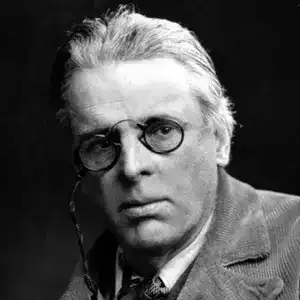
William Butler Yeats
Crazy Jane Reproved
Crazy Jane Reproved
I care not what the sailors say:
All those dreadful thunder-stones,
All that storm that blots the day
Can but show that Heaven yawns;
Great Europa played the fool
That changed a lover for a bull.
Fol de rol, fol de rol.
To round that shell's elaborate whorl,
Adorning every secret track
With the delicate mother-of-pearl,
Made the joints of Heaven crack:
So never hang your heart upon
A roaring, ranting journeyman.
Fol de rol, fol de rol.
I care not what the sailors say:
All those dreadful thunder-stones,
All that storm that blots the day
Can but show that Heaven yawns;
Great Europa played the fool
That changed a lover for a bull.
Fol de rol, fol de rol.
To round that shell's elaborate whorl,
Adorning every secret track
With the delicate mother-of-pearl,
Made the joints of Heaven crack:
So never hang your heart upon
A roaring, ranting journeyman.
Fol de rol, fol de rol.
366
William Butler Yeats
Crazy Jane On The Day Of Judgment
Crazy Jane On The Day Of Judgment
'Love is all
Unsatisfied
That cannot take the whole
Body and soul';
And that is what Jane said.
'Take the sour
If you take me
I can scoff and lour
And scold for an hour.'
"That's certainly the case,' said he.
'Naked I lay,
The grass my bed;
Naked and hidden away,
That black day';
And that is what Jane said.
'What can be shown?
What true love be?
All could be known or shown
If Time were but gone.'
'That's certainly the case,' said he.
'Love is all
Unsatisfied
That cannot take the whole
Body and soul';
And that is what Jane said.
'Take the sour
If you take me
I can scoff and lour
And scold for an hour.'
"That's certainly the case,' said he.
'Naked I lay,
The grass my bed;
Naked and hidden away,
That black day';
And that is what Jane said.
'What can be shown?
What true love be?
All could be known or shown
If Time were but gone.'
'That's certainly the case,' said he.
427
William Butler Yeats
Crazy Jane Grown Old Looks At The Dancers
Crazy Jane Grown Old Looks At The Dancers
I found that ivory image there
Dancing with her chosen youth,
But when he wound her coal-black hair
As though to strangle her, no scream
Or bodily movement did I dare,
Eyes under eyelids did so gleam;
Love is like the lion's tooth.
When She, and though some said she played
I said that she had danced heart's truth,
Drew a knife to strike him dead,
I could but leave him to his fate;
For no matter what is said
They had all that had their hate;
Love is like the lion's tooth.
Did he die or did she die?
Seemed to die or died they both?
God be with the times when I
Cared not a thraneen for what chanced
So that I had the limbs to try
Such a dance as there was danced -
Love is like the lion's tooth.
I found that ivory image there
Dancing with her chosen youth,
But when he wound her coal-black hair
As though to strangle her, no scream
Or bodily movement did I dare,
Eyes under eyelids did so gleam;
Love is like the lion's tooth.
When She, and though some said she played
I said that she had danced heart's truth,
Drew a knife to strike him dead,
I could but leave him to his fate;
For no matter what is said
They had all that had their hate;
Love is like the lion's tooth.
Did he die or did she die?
Seemed to die or died they both?
God be with the times when I
Cared not a thraneen for what chanced
So that I had the limbs to try
Such a dance as there was danced -
Love is like the lion's tooth.
356
William Butler Yeats
Crazy Jane And Jack The Journeyman
Crazy Jane And Jack The Journeyman
I know, although when looks meet
I tremble to the bone,
The more I leave the door unlatched
The sooner love is gone,
For love is but a skein unwound
Between the dark and dawn.
A lonely ghost the ghost is
That to God shall come;
I - love's skein upon the ground,
My body in the tomb -
Shall leap into the light lost
In my mother's womb.
But were I left to lie alone
In an empty bed,
The skein so bound us ghost to ghost
When he turned his head
passing on the road that night,
Mine must walk when dead.
I know, although when looks meet
I tremble to the bone,
The more I leave the door unlatched
The sooner love is gone,
For love is but a skein unwound
Between the dark and dawn.
A lonely ghost the ghost is
That to God shall come;
I - love's skein upon the ground,
My body in the tomb -
Shall leap into the light lost
In my mother's womb.
But were I left to lie alone
In an empty bed,
The skein so bound us ghost to ghost
When he turned his head
passing on the road that night,
Mine must walk when dead.
426
William Butler Yeats
Coole Park And Ballylee, 1931
Coole Park And Ballylee, 1931
Under my window-ledge the waters race,
Otters below and moor-hens on the top,
Run for a mile undimmed in Heaven's face
Then darkening through 'dark' Raftery's 'cellar' drop,
Run underground, rise in a rocky place
In Coole demesne, and there to finish up
Spread to a lake and drop into a hole.
What's water but the generated soul?
Upon the border of that lake's a wood
Now all dry sticks under a wintry sun,
And in a copse of beeches there I stood,
For Nature's pulled her tragic buskin on
And all the rant's a mirror of my mood:
At sudden thunder of the mounting swan
I turned about and looked where branches break
The glittering reaches of the flooded lake.
Another emblem there! That stormy white
But seems a concentration of the sky;
And, like the soul, it sails into the sight
And in the morning's gone, no man knows why;
And is so lovely that it sets to right
What knowledge or its lack had set awry,
So atrogantly pure, a child might think
It can be murdered with a spot of ink.
Sound of a stick upon the floor, a sound
From somebody that toils from chair to chair;
Beloved books that famous hands have bound,
Old marble heads, old pictures everywhere;
Great rooms where travelled men and children found
Content or joy; a last inheritor
Where none has reigned that lacked a name and fame
Or out of folly into folly came.
A spot whereon the founders lived and died
Seemed once more dear than life; ancestral trees,
Or gardens rich in memory glorified
Marriages, alliances and families,
And every bride's ambition satisfied.
Where fashion or mere fantasy decrees
We shift about - all that great glory spent -
Like some poor Arab tribesman and his tent.
We were the last romantics - chose for theme
Traditional sanctity and loveliness;
Whatever's written in what poets name
The book of the people; whatever most can bless
The mind of man or elevate a rhyme;
But all is changed, that high horse riderless,
Though mounted in that saddle Homer rode
Where the swan drifts upon a darkening flood.
Under my window-ledge the waters race,
Otters below and moor-hens on the top,
Run for a mile undimmed in Heaven's face
Then darkening through 'dark' Raftery's 'cellar' drop,
Run underground, rise in a rocky place
In Coole demesne, and there to finish up
Spread to a lake and drop into a hole.
What's water but the generated soul?
Upon the border of that lake's a wood
Now all dry sticks under a wintry sun,
And in a copse of beeches there I stood,
For Nature's pulled her tragic buskin on
And all the rant's a mirror of my mood:
At sudden thunder of the mounting swan
I turned about and looked where branches break
The glittering reaches of the flooded lake.
Another emblem there! That stormy white
But seems a concentration of the sky;
And, like the soul, it sails into the sight
And in the morning's gone, no man knows why;
And is so lovely that it sets to right
What knowledge or its lack had set awry,
So atrogantly pure, a child might think
It can be murdered with a spot of ink.
Sound of a stick upon the floor, a sound
From somebody that toils from chair to chair;
Beloved books that famous hands have bound,
Old marble heads, old pictures everywhere;
Great rooms where travelled men and children found
Content or joy; a last inheritor
Where none has reigned that lacked a name and fame
Or out of folly into folly came.
A spot whereon the founders lived and died
Seemed once more dear than life; ancestral trees,
Or gardens rich in memory glorified
Marriages, alliances and families,
And every bride's ambition satisfied.
Where fashion or mere fantasy decrees
We shift about - all that great glory spent -
Like some poor Arab tribesman and his tent.
We were the last romantics - chose for theme
Traditional sanctity and loveliness;
Whatever's written in what poets name
The book of the people; whatever most can bless
The mind of man or elevate a rhyme;
But all is changed, that high horse riderless,
Though mounted in that saddle Homer rode
Where the swan drifts upon a darkening flood.
574
William Butler Yeats
Chosen
Chosen
The lot of love is chosen. I learnt that much
Struggling for an image on the track
Of the whirling Zodiac.
Scarce did he my body touch,
Scarce sank he from the west
Or found a subtetranean rest
On the maternal midnight of my breast
Before I had marked him on his northern way,
And seemed to stand although in bed I lay.
I struggled with the horror of daybreak,
I chose it for my lot! If questioned on
My utmost pleasure with a man
By some new-married bride, I take
That stillness for a theme
Where his heart my heart did seem
And both adrift on the miraculous stream
Where -- wrote a learned astrologer --
The Zodiac is changed into a sphere.
The lot of love is chosen. I learnt that much
Struggling for an image on the track
Of the whirling Zodiac.
Scarce did he my body touch,
Scarce sank he from the west
Or found a subtetranean rest
On the maternal midnight of my breast
Before I had marked him on his northern way,
And seemed to stand although in bed I lay.
I struggled with the horror of daybreak,
I chose it for my lot! If questioned on
My utmost pleasure with a man
By some new-married bride, I take
That stillness for a theme
Where his heart my heart did seem
And both adrift on the miraculous stream
Where -- wrote a learned astrologer --
The Zodiac is changed into a sphere.
438
William Butler Yeats
Brown Penny
Brown Penny
I WHISPERED, 'I am too young,'
And then, 'I am old enough';
Wherefore I threw a penny
To find out if I might love.
'Go and love, go and love, young man,
If the lady be young and fair.'
Ah, penny, brown penny, brown penny,
I am looped in the loops of her hair.
O love is the crooked thing,
There is nobody wise enough
To find out all that is in it,
For he would be thinking of love
Till the stars had run away
And the shadows eaten the moon.
Ah, penny, brown penny, brown penny,
One cannot begin it too soon.
I WHISPERED, 'I am too young,'
And then, 'I am old enough';
Wherefore I threw a penny
To find out if I might love.
'Go and love, go and love, young man,
If the lady be young and fair.'
Ah, penny, brown penny, brown penny,
I am looped in the loops of her hair.
O love is the crooked thing,
There is nobody wise enough
To find out all that is in it,
For he would be thinking of love
Till the stars had run away
And the shadows eaten the moon.
Ah, penny, brown penny, brown penny,
One cannot begin it too soon.
429
William Butler Yeats
Blood And The Moon
Blood And The Moon
BLESSED be this place,
More blessed still this tower;
A bloody, arrogant power
Rose out of the race
Uttering, mastering it,
Rose like these walls from these
Storm-beaten cottages --
In mockery I have set
A powerful emblem up,
And sing it rhyme upon rhyme
In mockery of a time
HaIf dead at the top.
Alexandria's was a beacon tower, and Babylon's
An image of the moving heavens, a log-book of the
sun's journey and the moon's;
And Shelley had his towers, thought's crowned powers
he called them once.
I declare this tower is my symbol; I declare
This winding, gyring, spiring treadmill of a stair is my
ancestral stair;
That Goldsmith and the Dean, Berkeley and Burke
have travelled there.
Swift beating on his breast in sibylline frenzy blind
Because the heart in his blood-sodden breast had
dragged him down into mankind,
Goldsmith deliberately sipping at the honey-pot of his
mind,
And haughtier-headed Burke that proved the State a
tree,
That this unconquerable labyrinth of the birds, century
after century,
Cast but dead leaves to mathematical equality;
And God-appointed Berkeley that proved all things a
dream,
That this pragmatical, preposterous pig of a world, its
farrow that so solid seem,
Must vanish on the instant if the mind but change its
theme;
i{Saeva Indignatio} and the labourer's hire,
The strength that gives our blood and state magnanimity
of its own desire;
Everything that is not God consumed with intellectual
fire.
III
The purity of the unclouded moon
Has flung its atrowy shaft upon the floor.
Seven centuries have passed and it is pure,
The blood of innocence has left no stain.
There, on blood-saturated ground, have stood
Soldier, assassin, executioner.
Whether for daily pittance or in blind fear
Or out of abstract hatred, and shed blood,
But could not cast a single jet thereon.
Odour of blood on the ancestral stair!
And we that have shed none must gather there
And clamour in drunken frenzy for the moon.
IV
Upon the dusty, glittering windows cling,
And seem to cling upon the moonlit skies,
Tortoiseshell butterflies, peacock butterflies,
A couple of night-moths are on the wing.
Is every modern nation like the tower,
Half dead at the top? No matter what I said,
For wisdom is the property of the dead,
A something incompatible with life; and power,
Like everything that has the stain of blood,
A property of the living; but no stain
Can come upon the visage of the moon
When it has looked in glory from a cloud.
BLESSED be this place,
More blessed still this tower;
A bloody, arrogant power
Rose out of the race
Uttering, mastering it,
Rose like these walls from these
Storm-beaten cottages --
In mockery I have set
A powerful emblem up,
And sing it rhyme upon rhyme
In mockery of a time
HaIf dead at the top.
Alexandria's was a beacon tower, and Babylon's
An image of the moving heavens, a log-book of the
sun's journey and the moon's;
And Shelley had his towers, thought's crowned powers
he called them once.
I declare this tower is my symbol; I declare
This winding, gyring, spiring treadmill of a stair is my
ancestral stair;
That Goldsmith and the Dean, Berkeley and Burke
have travelled there.
Swift beating on his breast in sibylline frenzy blind
Because the heart in his blood-sodden breast had
dragged him down into mankind,
Goldsmith deliberately sipping at the honey-pot of his
mind,
And haughtier-headed Burke that proved the State a
tree,
That this unconquerable labyrinth of the birds, century
after century,
Cast but dead leaves to mathematical equality;
And God-appointed Berkeley that proved all things a
dream,
That this pragmatical, preposterous pig of a world, its
farrow that so solid seem,
Must vanish on the instant if the mind but change its
theme;
i{Saeva Indignatio} and the labourer's hire,
The strength that gives our blood and state magnanimity
of its own desire;
Everything that is not God consumed with intellectual
fire.
III
The purity of the unclouded moon
Has flung its atrowy shaft upon the floor.
Seven centuries have passed and it is pure,
The blood of innocence has left no stain.
There, on blood-saturated ground, have stood
Soldier, assassin, executioner.
Whether for daily pittance or in blind fear
Or out of abstract hatred, and shed blood,
But could not cast a single jet thereon.
Odour of blood on the ancestral stair!
And we that have shed none must gather there
And clamour in drunken frenzy for the moon.
IV
Upon the dusty, glittering windows cling,
And seem to cling upon the moonlit skies,
Tortoiseshell butterflies, peacock butterflies,
A couple of night-moths are on the wing.
Is every modern nation like the tower,
Half dead at the top? No matter what I said,
For wisdom is the property of the dead,
A something incompatible with life; and power,
Like everything that has the stain of blood,
A property of the living; but no stain
Can come upon the visage of the moon
When it has looked in glory from a cloud.
365
William Butler Yeats
Before The World Was Made
Before The World Was Made
If I make the lashes dark
And the eyes more bright
And the lips more scarlet,
Or ask if all be right
From mirror after mirror,
No vanity's displayed:
I'm looking for the face I had
Before the world was made.
What if I look upon a man
As though on my beloved,
And my blood be cold the while
And my heart unmoved?
Why should he think me cruel
Or that he is betrayed?
I'd have him love the thing that was
Before the world was made.
If I make the lashes dark
And the eyes more bright
And the lips more scarlet,
Or ask if all be right
From mirror after mirror,
No vanity's displayed:
I'm looking for the face I had
Before the world was made.
What if I look upon a man
As though on my beloved,
And my blood be cold the while
And my heart unmoved?
Why should he think me cruel
Or that he is betrayed?
I'd have him love the thing that was
Before the world was made.
263
William Butler Yeats
Baile And Aillinn
Baile And Aillinn
ARGUMENT. Baile and Aillinn were lovers, but Aengus, the
Master of Love, wishing them to he happy in his own land
among the dead, told to each a story of the other's death, so
that their hearts were broken and they died.
I HARDLY hear the curlew cry,
Nor thegrey rush when the wind is high,
Before my thoughts begin to run
On the heir of Uladh, Buan's son,
Baile, who had the honey mouth;
And that mild woman of the south,
Aillinn, who was King Lugaidh's heir.
Their love was never drowned in care
Of this or that thing, nor grew cold
Because their hodies had grown old.
Being forbid to marry on earth,
They blossomed to immortal mirth.
About the time when Christ was born,
When the long wars for the White Horn
And the Brown Bull had not yet come,
Young Baile Honey Mouth, whom some
Called rather Baile Little-Land,
Rode out of Emain with a band
Of harpers and young men; and they
Imagined, as they struck the way
To many-pastured Muirthemne,
That all things fell out happily,
And there, for all that fools had said,
Baile and Aillinn would be wed.
They found an old man running there:
He had ragged long grass-coloured hair;
He had knees that stuck out of his hose;
He had puddle-water in his shoes;
He had half a cloak to keep him dry,
Although he had a squirrel's eye.
wandering hirds and rushy beds,
You put such folly in our heads
With all this crying in the wind,
No common love is to our mind,
And our poor kate or Nan is less
Than any whose unhappiness
Awoke the harp-strings long ago.
Yet they that know all things hut know
That all this life can give us is
A child's laughter, a woman's kiss.
Who was it put so great a scorn
In thegrey reeds that night and morn
Are trodden and broken hy the herds,
And in the light bodies of birds
The north wind tumbles to and fro
And pinches among hail and snow?
That runner said: 'I am from the south;
I run to Baile Honey-Mouth,
To tell him how the girl Aillinn
Rode from the country of her kin,
And old and young men rode with her:
For all that country had been astir
If anybody half as fair
Had chosen a husband anywhere
But where it could see her every day.
When they had ridden a little way
An old man caught the horse's head
With: ''You must home again, and wed
With somebody in your own land.''
A young man cried and kissed her hand,
''O lady, wed with one of us'';
And when no face grew piteous
For any gentle thing she spake,
She fell and died of the heart-break.'
Because a lover's heart s worn out,
Being tumbled and blown about
By its own blind imagining,
And will believe that anything
That is bad enough to be true, is true,
Baile's heart was broken in two;
And he, being laid upon green boughs,
Was carried to the goodly house
Where the Hound of Uladh sat before
The brazen pillars of his door,
His face bowed low to weep the end
Of the harper's daughter and her friend
For athough years had passed away
He always wept them on that day,
For on that day they had been betrayed;
And now that Honey-Mouth is laid
Under a cairn of sleepy stone
Before his eyes, he has tears for none,
Although he is carrying stone, but two
For whom the cairn's but heaped anew.
We hold, because our memory is
Sofull of that thing and of this,
That out of sight is out of mind.
But the grey rush under the wind
And the grey bird with crooked bill
rave such long memories that they still
Remember Deirdre and her man;
And when we walk with Kate or Nan
About the windy water-side,
Our hearts can Fear the voices chide.
How could we be so soon content,
Who know the way that Naoise went?
And they have news of Deirdre's eyes,
Who being lovely was so wise --
Ah! wise, my heart knows well how wise.
Now had that old gaunt crafty one,
Gathering his cloak about him, mn
Where Aillinn rode with waiting-maids,
Who amid leafy lights and shades
Dreamed of the hands that would unlace
Their bodices in some dim place
When they had come to the matriage-bed,
And harpers, pacing with high head
As though their music were enough
To make the savage heart of love
Grow gentle without sorrowing,
Imagining and pondering
Heaven knows what calamity;
'Another's hurried off,' cried he,
'From heat and cold and wind and wave;
They have heaped the stones above his grave
In Muirthemne, and over it
In changeless Ogham letters writ --
Baile, that was of Rury's seed.
But the gods long ago decreed
No waiting-maid should ever spread
Baile and Aillinn's marriage-bed,
For they should clip and clip again
Where wild bees hive on the Great Plain.
Therefore it is but little news
That put this hurry in my shoes.'
Then seeing that he scarce had spoke
Before her love-worn heart had broke.
He ran and laughed until he came
To that high hill the herdsmen name
The Hill Seat of Laighen, because
Some god or king had made the laws
That held the land together there,
In old times among the clouds of the air.
That old man climbed; the day grew dim;
Two swans came flying up to him,
Linked by a gold chain each to each,
And with low murmuring laughing speech
Alighted on the windy grass.
They knew him: his changed body was
Tall, proud and ruddy, and light wings
Were hovering over the harp-strings
That Edain, Midhir's wife, had wove
In the hid place, being crazed by love.
What shall I call them? fish that swim,
Scale rubbing scale where light is dim
By a broad water-lily leaf;
Or mice in the one wheaten sheaf
Forgotten at the threshing-place;
Or birds lost in the one clear space
Of morning light in a dim sky;
Or, it may be, the eyelids of one eye,
Or the door-pillars of one house,
Or two sweet blossoming apple-boughs
That have one shadow on the ground;
Or the two strings that made one sound
Where that wise harper's finger ran.
For this young girl and this young man
Have happiness without an end,
Because they have made so good a friend.
They know all wonders, for they pass
The towery gates of Gorias,
And Findrias and Falias,
And long-forgotten Murias,
Among the giant kings whose hoard,
Cauldron and spear and stone and sword,
Was robbed before earth gave the wheat;
Wandering from broken street to street
They come where some huge watcher is,
And tremble with their love and kiss.
They know undying things, for they
Wander where earth withers away,
Though nothing troubles the great streams
But light from the pale stars, and gleams
From the holy orchards, where there is none
But fruit that is of precious stone,
Or apples of the sun and moon.
What were our praise to them? They eat
Quiet's wild heart, like daily meat;
Who when night thickens are afloat
On dappled skins in a glass boat,
Far out under a windless sky;
While over them birds of Aengus fly,
And over the tiller and the prow,
And waving white wings to and fro
Awaken wanderings of light air
To stir their coverlet and their hair.
And poets found, old writers say,
A yew tree where his body lay;
But a wild apple hid the grass
With its sweet blossom where hers was,
And being in good heart, because
A better time had come again
After the deaths of many men,
And that long fighting at the ford,
They wrote on tablets of thin board,
Made of the apple and the yew,
All the love stories that they knew.
Let rush and hird cry out their fill
Of the harper's daughter if they will,
Beloved, I am not afraid of her.
She is not wiser nor lovelier,
And you are more high of heart than she,
For all her wanderings over-sea;
But I'd have bird and rush forget
Those other two; for never yet
Has lover lived, but longed to wive
Like them that are no more alive.
ARGUMENT. Baile and Aillinn were lovers, but Aengus, the
Master of Love, wishing them to he happy in his own land
among the dead, told to each a story of the other's death, so
that their hearts were broken and they died.
I HARDLY hear the curlew cry,
Nor thegrey rush when the wind is high,
Before my thoughts begin to run
On the heir of Uladh, Buan's son,
Baile, who had the honey mouth;
And that mild woman of the south,
Aillinn, who was King Lugaidh's heir.
Their love was never drowned in care
Of this or that thing, nor grew cold
Because their hodies had grown old.
Being forbid to marry on earth,
They blossomed to immortal mirth.
About the time when Christ was born,
When the long wars for the White Horn
And the Brown Bull had not yet come,
Young Baile Honey Mouth, whom some
Called rather Baile Little-Land,
Rode out of Emain with a band
Of harpers and young men; and they
Imagined, as they struck the way
To many-pastured Muirthemne,
That all things fell out happily,
And there, for all that fools had said,
Baile and Aillinn would be wed.
They found an old man running there:
He had ragged long grass-coloured hair;
He had knees that stuck out of his hose;
He had puddle-water in his shoes;
He had half a cloak to keep him dry,
Although he had a squirrel's eye.
wandering hirds and rushy beds,
You put such folly in our heads
With all this crying in the wind,
No common love is to our mind,
And our poor kate or Nan is less
Than any whose unhappiness
Awoke the harp-strings long ago.
Yet they that know all things hut know
That all this life can give us is
A child's laughter, a woman's kiss.
Who was it put so great a scorn
In thegrey reeds that night and morn
Are trodden and broken hy the herds,
And in the light bodies of birds
The north wind tumbles to and fro
And pinches among hail and snow?
That runner said: 'I am from the south;
I run to Baile Honey-Mouth,
To tell him how the girl Aillinn
Rode from the country of her kin,
And old and young men rode with her:
For all that country had been astir
If anybody half as fair
Had chosen a husband anywhere
But where it could see her every day.
When they had ridden a little way
An old man caught the horse's head
With: ''You must home again, and wed
With somebody in your own land.''
A young man cried and kissed her hand,
''O lady, wed with one of us'';
And when no face grew piteous
For any gentle thing she spake,
She fell and died of the heart-break.'
Because a lover's heart s worn out,
Being tumbled and blown about
By its own blind imagining,
And will believe that anything
That is bad enough to be true, is true,
Baile's heart was broken in two;
And he, being laid upon green boughs,
Was carried to the goodly house
Where the Hound of Uladh sat before
The brazen pillars of his door,
His face bowed low to weep the end
Of the harper's daughter and her friend
For athough years had passed away
He always wept them on that day,
For on that day they had been betrayed;
And now that Honey-Mouth is laid
Under a cairn of sleepy stone
Before his eyes, he has tears for none,
Although he is carrying stone, but two
For whom the cairn's but heaped anew.
We hold, because our memory is
Sofull of that thing and of this,
That out of sight is out of mind.
But the grey rush under the wind
And the grey bird with crooked bill
rave such long memories that they still
Remember Deirdre and her man;
And when we walk with Kate or Nan
About the windy water-side,
Our hearts can Fear the voices chide.
How could we be so soon content,
Who know the way that Naoise went?
And they have news of Deirdre's eyes,
Who being lovely was so wise --
Ah! wise, my heart knows well how wise.
Now had that old gaunt crafty one,
Gathering his cloak about him, mn
Where Aillinn rode with waiting-maids,
Who amid leafy lights and shades
Dreamed of the hands that would unlace
Their bodices in some dim place
When they had come to the matriage-bed,
And harpers, pacing with high head
As though their music were enough
To make the savage heart of love
Grow gentle without sorrowing,
Imagining and pondering
Heaven knows what calamity;
'Another's hurried off,' cried he,
'From heat and cold and wind and wave;
They have heaped the stones above his grave
In Muirthemne, and over it
In changeless Ogham letters writ --
Baile, that was of Rury's seed.
But the gods long ago decreed
No waiting-maid should ever spread
Baile and Aillinn's marriage-bed,
For they should clip and clip again
Where wild bees hive on the Great Plain.
Therefore it is but little news
That put this hurry in my shoes.'
Then seeing that he scarce had spoke
Before her love-worn heart had broke.
He ran and laughed until he came
To that high hill the herdsmen name
The Hill Seat of Laighen, because
Some god or king had made the laws
That held the land together there,
In old times among the clouds of the air.
That old man climbed; the day grew dim;
Two swans came flying up to him,
Linked by a gold chain each to each,
And with low murmuring laughing speech
Alighted on the windy grass.
They knew him: his changed body was
Tall, proud and ruddy, and light wings
Were hovering over the harp-strings
That Edain, Midhir's wife, had wove
In the hid place, being crazed by love.
What shall I call them? fish that swim,
Scale rubbing scale where light is dim
By a broad water-lily leaf;
Or mice in the one wheaten sheaf
Forgotten at the threshing-place;
Or birds lost in the one clear space
Of morning light in a dim sky;
Or, it may be, the eyelids of one eye,
Or the door-pillars of one house,
Or two sweet blossoming apple-boughs
That have one shadow on the ground;
Or the two strings that made one sound
Where that wise harper's finger ran.
For this young girl and this young man
Have happiness without an end,
Because they have made so good a friend.
They know all wonders, for they pass
The towery gates of Gorias,
And Findrias and Falias,
And long-forgotten Murias,
Among the giant kings whose hoard,
Cauldron and spear and stone and sword,
Was robbed before earth gave the wheat;
Wandering from broken street to street
They come where some huge watcher is,
And tremble with their love and kiss.
They know undying things, for they
Wander where earth withers away,
Though nothing troubles the great streams
But light from the pale stars, and gleams
From the holy orchards, where there is none
But fruit that is of precious stone,
Or apples of the sun and moon.
What were our praise to them? They eat
Quiet's wild heart, like daily meat;
Who when night thickens are afloat
On dappled skins in a glass boat,
Far out under a windless sky;
While over them birds of Aengus fly,
And over the tiller and the prow,
And waving white wings to and fro
Awaken wanderings of light air
To stir their coverlet and their hair.
And poets found, old writers say,
A yew tree where his body lay;
But a wild apple hid the grass
With its sweet blossom where hers was,
And being in good heart, because
A better time had come again
After the deaths of many men,
And that long fighting at the ford,
They wrote on tablets of thin board,
Made of the apple and the yew,
All the love stories that they knew.
Let rush and hird cry out their fill
Of the harper's daughter if they will,
Beloved, I am not afraid of her.
She is not wiser nor lovelier,
And you are more high of heart than she,
For all her wanderings over-sea;
But I'd have bird and rush forget
Those other two; for never yet
Has lover lived, but longed to wive
Like them that are no more alive.
472
William Butler Yeats
Are You Content?
Are You Content?
I CALL on those that call me son,
Grandson, or great-grandson,
On uncles, aunts, great-uncles or great-aunts,
To judge what I have done.
Have I, that put it into words,
Spoilt what old loins have sent?
Eyes spiritualised by death can judge,
I cannot, but I am not content.
He that in Sligo at Drumcliff
Set up the old stone Cross,
That red-headed rector in County Down,
A good man on a horse,
Sandymount Corbets, that notable man
Old William pollexfen,
The smuggler Middleton, Butlers far back,
Half legendary men.
Infirm and aged I might stay
In some good company,
I who have always hated work,
Smiling at the sea,
Or demonstrate in my own life
What Robert Browning meant
By an old hunter talking with Gods;
But I am not content.
I CALL on those that call me son,
Grandson, or great-grandson,
On uncles, aunts, great-uncles or great-aunts,
To judge what I have done.
Have I, that put it into words,
Spoilt what old loins have sent?
Eyes spiritualised by death can judge,
I cannot, but I am not content.
He that in Sligo at Drumcliff
Set up the old stone Cross,
That red-headed rector in County Down,
A good man on a horse,
Sandymount Corbets, that notable man
Old William pollexfen,
The smuggler Middleton, Butlers far back,
Half legendary men.
Infirm and aged I might stay
In some good company,
I who have always hated work,
Smiling at the sea,
Or demonstrate in my own life
What Robert Browning meant
By an old hunter talking with Gods;
But I am not content.
330
William Butler Yeats
An Image From A Past Life
An Image From A Past Life
He. Never until this night have I been stirred.
The elaborate starlight throws a reflection
On the dark stream,
Till all the eddies gleam;
And thereupon there comes that scream
From terrified, invisible beast or bird:
Image of poignant recollection.
She. An image of my heart that is smitten through
Out of all likelihood, or reason,
And when at last,
Youth's bitterness being past,
I had thought that all my days were cast
Amid most lovely places; smitten as though
It had not learned its lesson.
He. Why have you laid your hands upon my eyes?
What can have suddenly alarmed you
Whereon 'twere best
My eyes should never rest?
What is there but the slowly fading west,
The river imaging the flashing skies,
All that to this moment charmed you?
She. A Sweetheart from another life floats there
As though she had been forced to linger
From vague distress
Or arrogant loveliness,
Merely to loosen out a tress
Among the starry eddies of her hair
Upon the paleness of a finger.
He. But why should you grow suddenly afraid
And start -- I at your shoulder --
Imagining
That any night could bring
An image up, or anything
Even to eyes that beauty had driven mad,
But images to make me fonder?
She. Now She has thrown her arms above her head;
Whether she threw them up to flout me,
Or but to find,
Now that no fingers bind,
That her hair streams upon the wind,
I do not know, that know I am afraid
Of the hovering thing night brought me.
He. Never until this night have I been stirred.
The elaborate starlight throws a reflection
On the dark stream,
Till all the eddies gleam;
And thereupon there comes that scream
From terrified, invisible beast or bird:
Image of poignant recollection.
She. An image of my heart that is smitten through
Out of all likelihood, or reason,
And when at last,
Youth's bitterness being past,
I had thought that all my days were cast
Amid most lovely places; smitten as though
It had not learned its lesson.
He. Why have you laid your hands upon my eyes?
What can have suddenly alarmed you
Whereon 'twere best
My eyes should never rest?
What is there but the slowly fading west,
The river imaging the flashing skies,
All that to this moment charmed you?
She. A Sweetheart from another life floats there
As though she had been forced to linger
From vague distress
Or arrogant loveliness,
Merely to loosen out a tress
Among the starry eddies of her hair
Upon the paleness of a finger.
He. But why should you grow suddenly afraid
And start -- I at your shoulder --
Imagining
That any night could bring
An image up, or anything
Even to eyes that beauty had driven mad,
But images to make me fonder?
She. Now She has thrown her arms above her head;
Whether she threw them up to flout me,
Or but to find,
Now that no fingers bind,
That her hair streams upon the wind,
I do not know, that know I am afraid
Of the hovering thing night brought me.
353
William Butler Yeats
Anashuya And Vijaya
Anashuya And Vijaya
A little Indian temple in the Golden Age. Around it a garden;
around that the forest. Anashuya, the young priestess, kneelinq
within the temple.
Anashuya. Send peace on all the lands and flickering
corn. --
O, may tranquillity walk by his elbow
When wandering in the forest, if he love
No other. -- Hear, and may the indolent flocks
Be plentiful. -- And if he love another,
May panthers end him. -- Hear, and load our king
With wisdom hour by hour. -- May we two stand,
When we are dead, beyond the setting suns,
A little from the other shades apart,
With mingling hair, and play upon one lute.
Vijaya [entering and throwing a lily at her]. Hail! hail, my
Anashuya.
Anashuya. No: be still.
I, priestess of this temple, offer up
prayers for the land.
Vijaya. I will wait here, Amrita.
Anashuya. By mighty Brahma's ever-rustling robe,
Who is Amrita? Sorrow of all sorrows!
Another fills your mind.
Vijaya. My mother's name.
Anashuya [sings, coming out of the temple].
A sad, sad thought went by me slowly:
Sigh, O you little stars.! O sigh and shake your blue
apparel.!
The sad, sad thought has gone from me now wholly:
Sing, O you little stars.! O sing and raise your rapturous
carol
To mighty Brahma, be who made you many as the sands,
And laid you on the gates of evening with his quiet hands.
(Sits down on the steps of the temple.j
Vijaya, I have brought my evening rice;
The sun has laid his chin on the grey wood,
Weary, with all his poppies gathered round him.
Vijaya. The hour when Kama, full of sleepy laughter,
Rises, and showers abroad his fragrant arrows,
Piercing the twilight with their murmuring barbs.
Anashuya. See-how the sacred old flamingoes come.
Painting with shadow all the marble steps:
Aged and wise, they seek their wonted perches
Within the temple, devious walking, made
To wander by their melancholy minds.
Yon tall one eyes my supper; chase him away,
Far, far away. I named him after you.
He is a famous fisher; hour by hour
He ruffles with his bill the minnowed streams.
Ah! there he snaps my rice. I told you so.
Now cuff him off. He's off! A kiss for you,
Because you saved my rice. Have you no thanks?
Vijaya [sings]. Sing you of her, O first few stars,
Whom Brahma, touching with his finger, praises, for you
hold
The van of wandering quiet; ere you be too calm and old,
Sing, turning in your cars,
Sing, till you raise your hands and sigh, and from your carheads
peer,
With all your whirling hair, and drop many an azure tear.
Anashuya. What know the pilots of the stars of tears?
Vijaya. Their faces are all worn, and in their eyes
Flashes the fire of sadness, for they see
The icicles that famish all the North,
Where men lie frozen in the glimmering snow;
And in the flaming forests cower the lion
And lioness, with all their whimpering cubs;
And, ever pacing on the verge of things,
The phantom, Beauty, in a mist of tears;
While we alone have round us woven woods,
And feel the softness of each other's hand,
Amrita, while -- -
Anashuya [going away from him].
Ah me! you love another,
[Bursting into tears.]
And may some sudden dreadful ill befall her!
Vijaya. I loved another; now I love no other.
Among the mouldering of ancient woods
You live, and on the village border she,
With her old father the blind wood-cutter;
I saw her standing in her door but now.
Anashuya. Vijaya, swear to love her never more.
Vijaya. Ay, ay.
Anashuya. Swear by the parents of the gods,
Dread oath, who dwell on sacred Himalay,
On the far Golden peak; enormous shapes,
Who still were old when the great sea was young;
On their vast faces mystery and dreams;
Their hair along the mountains rolled and filled
From year to year by the unnumbered nests
Of aweless birds, and round their stirless feet
The joyous flocks of deer and antelope,
Who never hear the unforgiving hound.
Swear!
Vijaya. By the parents of the gods, I swear.
Anashuya [sings]. I have forgiven, O new star!
Maybe you have not heard of us, you have come forth so
newly,
You hunter of the fields afar!
Ah, you will know my loved one by his hunter's arrows
truly,
Shoot on him shafts of quietness, that he may ever keep
A lonely laughter, and may kiss his hands to me in sleep.
Farewell, Vijaya. Nay, no word, no word;
I, priestess of this temple, offer up
Prayers for the land.
[Vijaya goes.]
O Brahma, guard in sleep
The merry lambs and the complacent kine,
The flies below the leaves, and the young mice
In the tree roots, and all the sacred flocks
Of red flamingoes; and my love, Vijaya;
And may no restless fay with fidget finger
Trouble his sleeping: give him dreams of me.
A little Indian temple in the Golden Age. Around it a garden;
around that the forest. Anashuya, the young priestess, kneelinq
within the temple.
Anashuya. Send peace on all the lands and flickering
corn. --
O, may tranquillity walk by his elbow
When wandering in the forest, if he love
No other. -- Hear, and may the indolent flocks
Be plentiful. -- And if he love another,
May panthers end him. -- Hear, and load our king
With wisdom hour by hour. -- May we two stand,
When we are dead, beyond the setting suns,
A little from the other shades apart,
With mingling hair, and play upon one lute.
Vijaya [entering and throwing a lily at her]. Hail! hail, my
Anashuya.
Anashuya. No: be still.
I, priestess of this temple, offer up
prayers for the land.
Vijaya. I will wait here, Amrita.
Anashuya. By mighty Brahma's ever-rustling robe,
Who is Amrita? Sorrow of all sorrows!
Another fills your mind.
Vijaya. My mother's name.
Anashuya [sings, coming out of the temple].
A sad, sad thought went by me slowly:
Sigh, O you little stars.! O sigh and shake your blue
apparel.!
The sad, sad thought has gone from me now wholly:
Sing, O you little stars.! O sing and raise your rapturous
carol
To mighty Brahma, be who made you many as the sands,
And laid you on the gates of evening with his quiet hands.
(Sits down on the steps of the temple.j
Vijaya, I have brought my evening rice;
The sun has laid his chin on the grey wood,
Weary, with all his poppies gathered round him.
Vijaya. The hour when Kama, full of sleepy laughter,
Rises, and showers abroad his fragrant arrows,
Piercing the twilight with their murmuring barbs.
Anashuya. See-how the sacred old flamingoes come.
Painting with shadow all the marble steps:
Aged and wise, they seek their wonted perches
Within the temple, devious walking, made
To wander by their melancholy minds.
Yon tall one eyes my supper; chase him away,
Far, far away. I named him after you.
He is a famous fisher; hour by hour
He ruffles with his bill the minnowed streams.
Ah! there he snaps my rice. I told you so.
Now cuff him off. He's off! A kiss for you,
Because you saved my rice. Have you no thanks?
Vijaya [sings]. Sing you of her, O first few stars,
Whom Brahma, touching with his finger, praises, for you
hold
The van of wandering quiet; ere you be too calm and old,
Sing, turning in your cars,
Sing, till you raise your hands and sigh, and from your carheads
peer,
With all your whirling hair, and drop many an azure tear.
Anashuya. What know the pilots of the stars of tears?
Vijaya. Their faces are all worn, and in their eyes
Flashes the fire of sadness, for they see
The icicles that famish all the North,
Where men lie frozen in the glimmering snow;
And in the flaming forests cower the lion
And lioness, with all their whimpering cubs;
And, ever pacing on the verge of things,
The phantom, Beauty, in a mist of tears;
While we alone have round us woven woods,
And feel the softness of each other's hand,
Amrita, while -- -
Anashuya [going away from him].
Ah me! you love another,
[Bursting into tears.]
And may some sudden dreadful ill befall her!
Vijaya. I loved another; now I love no other.
Among the mouldering of ancient woods
You live, and on the village border she,
With her old father the blind wood-cutter;
I saw her standing in her door but now.
Anashuya. Vijaya, swear to love her never more.
Vijaya. Ay, ay.
Anashuya. Swear by the parents of the gods,
Dread oath, who dwell on sacred Himalay,
On the far Golden peak; enormous shapes,
Who still were old when the great sea was young;
On their vast faces mystery and dreams;
Their hair along the mountains rolled and filled
From year to year by the unnumbered nests
Of aweless birds, and round their stirless feet
The joyous flocks of deer and antelope,
Who never hear the unforgiving hound.
Swear!
Vijaya. By the parents of the gods, I swear.
Anashuya [sings]. I have forgiven, O new star!
Maybe you have not heard of us, you have come forth so
newly,
You hunter of the fields afar!
Ah, you will know my loved one by his hunter's arrows
truly,
Shoot on him shafts of quietness, that he may ever keep
A lonely laughter, and may kiss his hands to me in sleep.
Farewell, Vijaya. Nay, no word, no word;
I, priestess of this temple, offer up
Prayers for the land.
[Vijaya goes.]
O Brahma, guard in sleep
The merry lambs and the complacent kine,
The flies below the leaves, and the young mice
In the tree roots, and all the sacred flocks
Of red flamingoes; and my love, Vijaya;
And may no restless fay with fidget finger
Trouble his sleeping: give him dreams of me.
381
William Butler Yeats
An Acre Of Grass
An Acre Of Grass
PICTURE and book remain,
An acre of green grass
For air and exercise,
Now strength of body goes;
Midnight, an old house
Where nothing stirs but a mouse.
My temptation is quiet.
Here at life's end
Neither loose imagination,
Nor the mill of the mind
Consuming its rag and bonc,
Can make the truth known.
Grant me an old man's frenzy,
Myself must I remake
Till I am Timon and Lear
Or that William Blake
Who beat upon the wall
Till Truth obeyed his call;
A mind Michael Angelo knew
That can pierce the clouds,
Or inspired by frenzy
Shake the dead in their shrouds;
Forgotten else by mankind,
An old man's eagle mind.
PICTURE and book remain,
An acre of green grass
For air and exercise,
Now strength of body goes;
Midnight, an old house
Where nothing stirs but a mouse.
My temptation is quiet.
Here at life's end
Neither loose imagination,
Nor the mill of the mind
Consuming its rag and bonc,
Can make the truth known.
Grant me an old man's frenzy,
Myself must I remake
Till I am Timon and Lear
Or that William Blake
Who beat upon the wall
Till Truth obeyed his call;
A mind Michael Angelo knew
That can pierce the clouds,
Or inspired by frenzy
Shake the dead in their shrouds;
Forgotten else by mankind,
An old man's eagle mind.
430
William Butler Yeats
After Long Silence
After Long Silence
Speech after long silence; it is right,
All other lovers being estranged or dead,
Unfriendly lamplight hid under its shade,
The curtains drawn upon unfriendly night,
That we descant and yet again descant
Upon the supreme theme of Art and Song:
Bodily decrepitude is wisdom; young
We loved each other and were ignorant.
Speech after long silence; it is right,
All other lovers being estranged or dead,
Unfriendly lamplight hid under its shade,
The curtains drawn upon unfriendly night,
That we descant and yet again descant
Upon the supreme theme of Art and Song:
Bodily decrepitude is wisdom; young
We loved each other and were ignorant.
312
William Butler Yeats
All Souls' Night
All Souls' Night
Epilogue to 'A Vision'
MIDNIGHT has come, and the great Christ Church Bell
And may a lesser bell sound through the room;
And it is All Souls' Night,
And two long glasses brimmed with muscatel
Bubble upon the table. A ghost may come;
For it is a ghost's right,
His element is so fine
Being sharpened by his death,
To drink from the wine-breath
While our gross palates drink from the whole wine.
I need some mind that, if the cannon sound
From every quarter of the world, can stay
Wound in mind's pondering
As mummies in the mummy-cloth are wound;
Because I have a marvellous thing to say,
A certain marvellous thing
None but the living mock,
Though not for sober ear;
It may be all that hear
Should laugh and weep an hour upon the clock.
Horton's the first I call. He loved strange thought
And knew that sweet extremity of pride
That's called platonic love,
And that to such a pitch of passion wrought
Nothing could bring him, when his lady died,
Anodyne for his love.
Words were but wasted breath;
One dear hope had he:
The inclemency
Of that or the next winter would be death.
Two thoughts were so mixed up I could not tell
Whether of her or God he thought the most,
But think that his mind's eye,
When upward turned, on one sole image fell;
And that a slight companionable ghost,
Wild with divinity,
Had so lit up the whole
Immense miraculous house
The Bible promised us,
It seemed a gold-fish swimming in a bowl.
On Florence Emery I call the next,
Who finding the first wrinkles on a face
Admired and beautiful,
And knowing that the future would be vexed
With 'minished beauty, multiplied commonplace,
preferred to teach a school
Away from neighbour or friend,
Among dark skins, and there
permit foul years to wear
Hidden from eyesight to the unnoticed end.
Before that end much had she ravelled out
From a discourse in figurative speech
By some learned Indian
On the soul's journey. How it is whirled about,
Wherever the orbit of the moon can reach,
Until it plunge into the sun;
And there, free and yet fast,
Being both Chance and Choice,
Forget its broken toys
And sink into its own delight at last.
And I call up MacGregor from the grave,
For in my first hard springtime we were friends.
Although of late estranged.
I thought him half a lunatic, half knave,
And told him so, but friendship never ends;
And what if mind seem changed,
And it seem changed with the mind,
When thoughts rise up unbid
On generous things that he did
And I grow half contented to be blind!
He had much industry at setting out,
Much boisterous courage, before loneliness
Had driven him crazed;
For meditations upon unknown thought
Make human intercourse grow less and less;
They are neither paid nor praised.
but he d object to the host,
The glass because my glass;
A ghost-lover he was
And may have grown more arrogant being a ghost.
But names are nothing. What matter who it be,
So that his elements have grown so fine
The fume of muscatel
Can give his sharpened palate ecstasy
No living man can drink from the whole wine.
I have mummy truths to tell
Whereat the living mock,
Though not for sober ear,
For maybe all that hear
Should laugh and weep an hour upon the clock.
Such thought -- such thought have I that hold it tight
Till meditation master all its parts,
Nothing can stay my glance
Until that glance run in the world's despite
To where the damned have howled away their hearts,
And where the blessed dance;
Such thought, that in it bound
I need no other thing,
Wound in mind's wandering
As mummies in the mummy-cloth are wound.
Epilogue to 'A Vision'
MIDNIGHT has come, and the great Christ Church Bell
And may a lesser bell sound through the room;
And it is All Souls' Night,
And two long glasses brimmed with muscatel
Bubble upon the table. A ghost may come;
For it is a ghost's right,
His element is so fine
Being sharpened by his death,
To drink from the wine-breath
While our gross palates drink from the whole wine.
I need some mind that, if the cannon sound
From every quarter of the world, can stay
Wound in mind's pondering
As mummies in the mummy-cloth are wound;
Because I have a marvellous thing to say,
A certain marvellous thing
None but the living mock,
Though not for sober ear;
It may be all that hear
Should laugh and weep an hour upon the clock.
Horton's the first I call. He loved strange thought
And knew that sweet extremity of pride
That's called platonic love,
And that to such a pitch of passion wrought
Nothing could bring him, when his lady died,
Anodyne for his love.
Words were but wasted breath;
One dear hope had he:
The inclemency
Of that or the next winter would be death.
Two thoughts were so mixed up I could not tell
Whether of her or God he thought the most,
But think that his mind's eye,
When upward turned, on one sole image fell;
And that a slight companionable ghost,
Wild with divinity,
Had so lit up the whole
Immense miraculous house
The Bible promised us,
It seemed a gold-fish swimming in a bowl.
On Florence Emery I call the next,
Who finding the first wrinkles on a face
Admired and beautiful,
And knowing that the future would be vexed
With 'minished beauty, multiplied commonplace,
preferred to teach a school
Away from neighbour or friend,
Among dark skins, and there
permit foul years to wear
Hidden from eyesight to the unnoticed end.
Before that end much had she ravelled out
From a discourse in figurative speech
By some learned Indian
On the soul's journey. How it is whirled about,
Wherever the orbit of the moon can reach,
Until it plunge into the sun;
And there, free and yet fast,
Being both Chance and Choice,
Forget its broken toys
And sink into its own delight at last.
And I call up MacGregor from the grave,
For in my first hard springtime we were friends.
Although of late estranged.
I thought him half a lunatic, half knave,
And told him so, but friendship never ends;
And what if mind seem changed,
And it seem changed with the mind,
When thoughts rise up unbid
On generous things that he did
And I grow half contented to be blind!
He had much industry at setting out,
Much boisterous courage, before loneliness
Had driven him crazed;
For meditations upon unknown thought
Make human intercourse grow less and less;
They are neither paid nor praised.
but he d object to the host,
The glass because my glass;
A ghost-lover he was
And may have grown more arrogant being a ghost.
But names are nothing. What matter who it be,
So that his elements have grown so fine
The fume of muscatel
Can give his sharpened palate ecstasy
No living man can drink from the whole wine.
I have mummy truths to tell
Whereat the living mock,
Though not for sober ear,
For maybe all that hear
Should laugh and weep an hour upon the clock.
Such thought -- such thought have I that hold it tight
Till meditation master all its parts,
Nothing can stay my glance
Until that glance run in the world's despite
To where the damned have howled away their hearts,
And where the blessed dance;
Such thought, that in it bound
I need no other thing,
Wound in mind's wandering
As mummies in the mummy-cloth are wound.
460
William Butler Yeats
Aedh Tells of a Valley Full of Lovers
Aedh Tells of a Valley Full of Lovers
I dreamed that I stood in a valley, and amid sighs,
For happy lovers passed two by two where I stood;
And I dreamed my lost love came stealthily out of the wood
With her cloud-pale eyelids falling on dream-dimmed eyes:
I cried in my dream ‘O women bid the young men lay
‘Their heads on your knees, and drown their eyes with your hair,
‘Or remembering hers they will find no other face fair
‘Till all the valleys of the world have been withered away.’
I dreamed that I stood in a valley, and amid sighs,
For happy lovers passed two by two where I stood;
And I dreamed my lost love came stealthily out of the wood
With her cloud-pale eyelids falling on dream-dimmed eyes:
I cried in my dream ‘O women bid the young men lay
‘Their heads on your knees, and drown their eyes with your hair,
‘Or remembering hers they will find no other face fair
‘Till all the valleys of the world have been withered away.’
386
William Butler Yeats
A Woman homer Sung
A Woman homer Sung
IF any man drew near
When I was young,
I thought, 'He holds her dear,'
And shook with hate and fear.
But O! 'twas bitter wrong
If he could pass her by
With an indifferent eye.
Whereon I wrote and wrought,
And now, being grey,
I dream that I have brought
To such a pitch my thought
That coming time can say,
'He shadowed in a glass
What thing her body was.'
For she had fiery blood
When I was young,
And trod so sweetly proud
As 'twere upon a cloud,
A woman Homer sung,
That life and letters seem
But an heroic dream.
IF any man drew near
When I was young,
I thought, 'He holds her dear,'
And shook with hate and fear.
But O! 'twas bitter wrong
If he could pass her by
With an indifferent eye.
Whereon I wrote and wrought,
And now, being grey,
I dream that I have brought
To such a pitch my thought
That coming time can say,
'He shadowed in a glass
What thing her body was.'
For she had fiery blood
When I was young,
And trod so sweetly proud
As 'twere upon a cloud,
A woman Homer sung,
That life and letters seem
But an heroic dream.
315
William Butler Yeats
A Song From The Player Queen
A Song From "The Player Queen"
MY mother dandled me and sang,
"How young it is, how young!'
And made a golden cradle
That on a willow swung.
"He went away,' my mother sang,
"When I was brought to bed,'
And all the while her needle pulled
The gold and silver thread.
She pulled the thread and bit the thread
And made a golden gown,
And wept because she had dreamt that I
Was born to wear a crown.
"When she was got,' my mother sang,
I heard a sea-mew cry,
And saw a flake of the yellow foam
That dropped upon my thigh."
How therefore could she help but braid
The gold into my hair,
And dream that I should carry
The golden top of care?
MY mother dandled me and sang,
"How young it is, how young!'
And made a golden cradle
That on a willow swung.
"He went away,' my mother sang,
"When I was brought to bed,'
And all the while her needle pulled
The gold and silver thread.
She pulled the thread and bit the thread
And made a golden gown,
And wept because she had dreamt that I
Was born to wear a crown.
"When she was got,' my mother sang,
I heard a sea-mew cry,
And saw a flake of the yellow foam
That dropped upon my thigh."
How therefore could she help but braid
The gold into my hair,
And dream that I should carry
The golden top of care?
385
William Butler Yeats
A Poet To His Beloved
A Poet To His Beloved
I BRING you with reverent hands
The books of my numberless dreams,
White woman that passion has worn
As the tide wears the dove-grey sands,
And with heart more old than the horn
That is brimmed from the pale fire of time:
White woman with numberless dreams,
I bring you my passionate rhyme.
I BRING you with reverent hands
The books of my numberless dreams,
White woman that passion has worn
As the tide wears the dove-grey sands,
And with heart more old than the horn
That is brimmed from the pale fire of time:
White woman with numberless dreams,
I bring you my passionate rhyme.
393
William Butler Yeats
A Prayer For My Son
A Prayer For My Son
BID a strong ghost stand at the head
That my Michael may sleep sound,
Nor cry, nor turn in the bed
Till his morning meal come round;
And may departing twilight keep
All dread afar till morning's back.
That his mother may not lack
Her fill of sleep.
Bid the ghost have sword in fist:
Some there are, for I avow
Such devilish things exist,
Who have planned his murder, for they know
Of some most haughty deed or thought
That waits upon his future days,
And would through hatred of the bays
Bring that to nought.
Though You can fashion everything
From nothing every day, and teach
The morning stats to sing,
You have lacked articulate speech
To tell Your simplest want, and known,
Wailing upon a woman's knee,
All of that worst ignominy
Of flesh and bone;
And when through all the town there ran
The servants of Your enemy,
A woman and a man,
Unless the Holy Writings lie,
Hurried through the smooth and rough
And through the fertile and waste,
protecting, till the danger past,
With human love.
BID a strong ghost stand at the head
That my Michael may sleep sound,
Nor cry, nor turn in the bed
Till his morning meal come round;
And may departing twilight keep
All dread afar till morning's back.
That his mother may not lack
Her fill of sleep.
Bid the ghost have sword in fist:
Some there are, for I avow
Such devilish things exist,
Who have planned his murder, for they know
Of some most haughty deed or thought
That waits upon his future days,
And would through hatred of the bays
Bring that to nought.
Though You can fashion everything
From nothing every day, and teach
The morning stats to sing,
You have lacked articulate speech
To tell Your simplest want, and known,
Wailing upon a woman's knee,
All of that worst ignominy
Of flesh and bone;
And when through all the town there ran
The servants of Your enemy,
A woman and a man,
Unless the Holy Writings lie,
Hurried through the smooth and rough
And through the fertile and waste,
protecting, till the danger past,
With human love.
619
William Butler Yeats
A Meditation In Time Of War
A Meditation In Time Of War
FOR one throb of the artery,
While on that old grey stone I Sat
Under the old wind-broken tree,
I knew that One is animate,
Mankind inanimate fantasy'.
FOR one throb of the artery,
While on that old grey stone I Sat
Under the old wind-broken tree,
I knew that One is animate,
Mankind inanimate fantasy'.
334
William Butler Yeats
A Man Young And Old: X. His Wildness
A Man Young And Old: X. His Wildness
O bid me mount and sail up there
Amid the cloudy wrack,
For peg and Meg and Paris' love
That had so straight a back,
Are gone away, and some that stay
Have changed their silk for sack.
Were I but there and none to hear
I'd have a peacock cry,
For that is natural to a man
That lives in memory,
Being all alone I'd nurse a stone
And sing it lullaby.
O bid me mount and sail up there
Amid the cloudy wrack,
For peg and Meg and Paris' love
That had so straight a back,
Are gone away, and some that stay
Have changed their silk for sack.
Were I but there and none to hear
I'd have a peacock cry,
For that is natural to a man
That lives in memory,
Being all alone I'd nurse a stone
And sing it lullaby.
271
William Butler Yeats
A Man Young And Old
A Man Young And Old
I
First Love
THOUGH nurtured like the sailing moon
In beauty's murderous brood,
She walked awhile and blushed awhile
And on my pathway stood
Until I thought her body bore
A heart of flesh and blood.
But since I laid a hand thereon
And found a heart of stone
I have attempted many things
And not a thing is done,
For every hand is lunatic
That travels on the moon.
She smiled and that transfigured me
And left me but a lout,
Maundering here, and maundering there,
Emptier of thought
Than the heavenly circuit of its stars
When the moon sails out.
II
Human Dignity
Like the moon her kindness is,
If kindness I may call
What has no comprehension in't,
But is the same for all
As though my sorrow were a scene
Upon a painted wall.
So like a bit of stone I lie
Under a broken tree.
I could recover if I shrieked
My heart's agony
To passing bird, but I am dumb
From human dignity.
III
The Mermaid
A mermaid found a swimming lad,
Picked him for her own,
Pressed her body to his body,
Laughed; and plunging down
Forgot in cruel happiness
That even lovers drown.
IV
The Death of the Hare
I have pointed out the yelling pack,
The hare leap to the wood,
And when I pass a compliment
Rejoice as lover should
At the drooping of an eye,
At the mantling of the blood.
Then' suddenly my heart is wrung
By her distracted air
And I remember wildness lost
And after, swept from there,
Am set down standing in the wood
At the death of the hare.
V
The Empty Cup
A crazy man that found a cup,
When all but dead of thirst,
Hardly dared to wet his mouth
Imagining, moon-accursed,
That another mouthful
And his beating heart would burst.
October last I found it too
But found it dry as bone,
And for that reason am I crazed
And my sleep is gone.
VI
His Memories
We should be hidden from their eyes,
Being but holy shows
And bodies broken like a thorn
Whereon the bleak north blows,
To think of buried Hector
And that none living knows.
The women take so little stock
In what I do or say
They'd sooner leave their cosseting
To hear a jackass bray;
My arms are like the twisted thorn
And yet there beauty lay;
The first of all the tribe lay there
And did such pleasure take --
She who had brought great Hector down
And put all Troy to wreck --
That she cried into this ear,
'Strike me if I shriek.'
VII
The Friends of his Youth
Laughter not time destroyed my voice
And put that crack in it,
And when the moon's pot-bellied
I get a laughing fit,
For that old Madge comes down the lane,
A stone upon her breast,
And a cloak wrapped about the stone,
And she can get no rest
With singing hush and hush-a-bye;
She that has been wild
And barren as a breaking wave
Thinks that the stone's a child.
And Peter that had great affairs
And was a pushing man
Shrieks, 'I am King of the Peacocks,'
And perches on a stone;
And then I laugh till tears run down
And the heart thumps at my side,
Remembering that her shriek was love
And that he shrieks from pride.
VIII
Summer and Spring
We sat under an old thorn-tree
And talked away the night,
Told all that had been said or done
Since first we saw the light,
And when we talked of growing up
Knew that we'd halved a soul
And fell the one in t'other's arms
That we might make it whole;
Then peter had a murdering look,
For it seemed that he and she
Had spoken of their childish days
Under that very tree.
O what a bursting out there was,
And what a blossoming,
When we had all the summer-time
And she had all the spring!
IX
The Secrets of the Old
I have old women's sectets now
That had those of the young;
Madge tells me what I dared not think
When my blood was strong,
And what had drowned a lover once
Sounds like an old song.
Though Margery is stricken dumb
If thrown in Madge's way,
We three make up a solitude;
For none alive to-day
Can know the stories that we know
Or say the things we say:
How such a man pleased women most
Of all that are gone,
How such a pair loved many years
And such a pair but one,
Stories of the bed of straw
Or the bed of down.
X
His Wildness
O bid me mount and sail up there
Amid the cloudy wrack,
For peg and Meg and Paris' love
That had so straight a back,
Are gone away, and some that stay
Have changed their silk for sack.
Were I but there and none to hear
I'd have a peacock cry,
For that is natural to a man
That lives in memory,
Being all alone I'd nurse a stone
And sing it lullaby.
XI
From 'Oedipus at Colonus'
Endure what life God gives and ask no longer span;
Cease to remember the delights of youth, travel-wearied aged man;
Delight becomes death-longing if all longing else be vain.
Even from that delight memory treasures so,
Death, despair, division of families, all entanglements of mankind grow,
As that old wandering beggar and these God-hated children know.
In the long echoing street the laughing dancers throng,
The bride is catried to the bridegroom's chamber
through torchlight and tumultuous song;
I celebrate the silent kiss that ends short life or long.
Never to have lived is best, ancient writers say;
Never to have drawn the breath of life, never to have
looked into the eye of day;
The second best's a gay goodnight and quickly turn away.
I
First Love
THOUGH nurtured like the sailing moon
In beauty's murderous brood,
She walked awhile and blushed awhile
And on my pathway stood
Until I thought her body bore
A heart of flesh and blood.
But since I laid a hand thereon
And found a heart of stone
I have attempted many things
And not a thing is done,
For every hand is lunatic
That travels on the moon.
She smiled and that transfigured me
And left me but a lout,
Maundering here, and maundering there,
Emptier of thought
Than the heavenly circuit of its stars
When the moon sails out.
II
Human Dignity
Like the moon her kindness is,
If kindness I may call
What has no comprehension in't,
But is the same for all
As though my sorrow were a scene
Upon a painted wall.
So like a bit of stone I lie
Under a broken tree.
I could recover if I shrieked
My heart's agony
To passing bird, but I am dumb
From human dignity.
III
The Mermaid
A mermaid found a swimming lad,
Picked him for her own,
Pressed her body to his body,
Laughed; and plunging down
Forgot in cruel happiness
That even lovers drown.
IV
The Death of the Hare
I have pointed out the yelling pack,
The hare leap to the wood,
And when I pass a compliment
Rejoice as lover should
At the drooping of an eye,
At the mantling of the blood.
Then' suddenly my heart is wrung
By her distracted air
And I remember wildness lost
And after, swept from there,
Am set down standing in the wood
At the death of the hare.
V
The Empty Cup
A crazy man that found a cup,
When all but dead of thirst,
Hardly dared to wet his mouth
Imagining, moon-accursed,
That another mouthful
And his beating heart would burst.
October last I found it too
But found it dry as bone,
And for that reason am I crazed
And my sleep is gone.
VI
His Memories
We should be hidden from their eyes,
Being but holy shows
And bodies broken like a thorn
Whereon the bleak north blows,
To think of buried Hector
And that none living knows.
The women take so little stock
In what I do or say
They'd sooner leave their cosseting
To hear a jackass bray;
My arms are like the twisted thorn
And yet there beauty lay;
The first of all the tribe lay there
And did such pleasure take --
She who had brought great Hector down
And put all Troy to wreck --
That she cried into this ear,
'Strike me if I shriek.'
VII
The Friends of his Youth
Laughter not time destroyed my voice
And put that crack in it,
And when the moon's pot-bellied
I get a laughing fit,
For that old Madge comes down the lane,
A stone upon her breast,
And a cloak wrapped about the stone,
And she can get no rest
With singing hush and hush-a-bye;
She that has been wild
And barren as a breaking wave
Thinks that the stone's a child.
And Peter that had great affairs
And was a pushing man
Shrieks, 'I am King of the Peacocks,'
And perches on a stone;
And then I laugh till tears run down
And the heart thumps at my side,
Remembering that her shriek was love
And that he shrieks from pride.
VIII
Summer and Spring
We sat under an old thorn-tree
And talked away the night,
Told all that had been said or done
Since first we saw the light,
And when we talked of growing up
Knew that we'd halved a soul
And fell the one in t'other's arms
That we might make it whole;
Then peter had a murdering look,
For it seemed that he and she
Had spoken of their childish days
Under that very tree.
O what a bursting out there was,
And what a blossoming,
When we had all the summer-time
And she had all the spring!
IX
The Secrets of the Old
I have old women's sectets now
That had those of the young;
Madge tells me what I dared not think
When my blood was strong,
And what had drowned a lover once
Sounds like an old song.
Though Margery is stricken dumb
If thrown in Madge's way,
We three make up a solitude;
For none alive to-day
Can know the stories that we know
Or say the things we say:
How such a man pleased women most
Of all that are gone,
How such a pair loved many years
And such a pair but one,
Stories of the bed of straw
Or the bed of down.
X
His Wildness
O bid me mount and sail up there
Amid the cloudy wrack,
For peg and Meg and Paris' love
That had so straight a back,
Are gone away, and some that stay
Have changed their silk for sack.
Were I but there and none to hear
I'd have a peacock cry,
For that is natural to a man
That lives in memory,
Being all alone I'd nurse a stone
And sing it lullaby.
XI
From 'Oedipus at Colonus'
Endure what life God gives and ask no longer span;
Cease to remember the delights of youth, travel-wearied aged man;
Delight becomes death-longing if all longing else be vain.
Even from that delight memory treasures so,
Death, despair, division of families, all entanglements of mankind grow,
As that old wandering beggar and these God-hated children know.
In the long echoing street the laughing dancers throng,
The bride is catried to the bridegroom's chamber
through torchlight and tumultuous song;
I celebrate the silent kiss that ends short life or long.
Never to have lived is best, ancient writers say;
Never to have drawn the breath of life, never to have
looked into the eye of day;
The second best's a gay goodnight and quickly turn away.
529