

Poems
Life
Poems in this topic
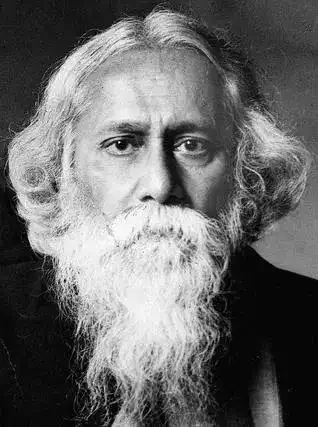
Rabindranath Tagore
Stream Of Life
Stream Of Life
The same stream of life that runs through my veins night and day
runs through the world and dances in rhythmic measures.
It is the same life that shoots in joy through the dust of the earth
in numberless blades of grass
and breaks into tumultuous waves of leaves and flowers.
It is the same life that is rocked in the ocean-cradle of birth
and of death, in ebb and in flow.
I feel my limbs are made glorious by the touch of this world of life.
And my pride is from the life-throb of ages dancing in my blood this moment.
The same stream of life that runs through my veins night and day
runs through the world and dances in rhythmic measures.
It is the same life that shoots in joy through the dust of the earth
in numberless blades of grass
and breaks into tumultuous waves of leaves and flowers.
It is the same life that is rocked in the ocean-cradle of birth
and of death, in ebb and in flow.
I feel my limbs are made glorious by the touch of this world of life.
And my pride is from the life-throb of ages dancing in my blood this moment.
848
Rabindranath Tagore
Stray Birds 81 - 90
Stray Birds 81 - 90
81
WHAT is this unseen flame of darkness
whose sparks are the stars?
82
LET life be beautiful like summer flowers
and death like autumn leaves.
88
HE who wants to do good knocks at the gate;
he who loves
finds the gate open.
84
IN death the many becomes one;
in life the one becomes many.
Religion will be one
when God is dead.
85
THE artist is the lover of Nature,
therefore he is her slave
and her master.
86
'HOW far are you from me, O Fruit?'
'I am hidden in your heart, O Flower.'
87
THIS longing is for the one who is felt in the dark,
but not seen in the day.
88
'YOU are the big drop of dew under the lotus leaf,
I am the smaller one on its upper side,
' said the dewdrop to the lake.
89
THE scabbard is content to be dull
when it protects the keenness of the sword.
90
IN darkness
the One appears as uniform;
in the light
the One appears as manifold.
81
WHAT is this unseen flame of darkness
whose sparks are the stars?
82
LET life be beautiful like summer flowers
and death like autumn leaves.
88
HE who wants to do good knocks at the gate;
he who loves
finds the gate open.
84
IN death the many becomes one;
in life the one becomes many.
Religion will be one
when God is dead.
85
THE artist is the lover of Nature,
therefore he is her slave
and her master.
86
'HOW far are you from me, O Fruit?'
'I am hidden in your heart, O Flower.'
87
THIS longing is for the one who is felt in the dark,
but not seen in the day.
88
'YOU are the big drop of dew under the lotus leaf,
I am the smaller one on its upper side,
' said the dewdrop to the lake.
89
THE scabbard is content to be dull
when it protects the keenness of the sword.
90
IN darkness
the One appears as uniform;
in the light
the One appears as manifold.
525
Rabindranath Tagore
Poems On Life
Poems On Life
Life is given to us,
we earn it by giving it.
Let the dead have the immortality of fame,
but the living the immortality of love.
Life's errors cry for the merciful beauty
that can modulate their isolation into a
harmony with the whole.
Life, like a child, laughs,
shaking its rattle of death as it runs.
Life is given to us,
we earn it by giving it.
Let the dead have the immortality of fame,
but the living the immortality of love.
Life's errors cry for the merciful beauty
that can modulate their isolation into a
harmony with the whole.
Life, like a child, laughs,
shaking its rattle of death as it runs.
411
Rabindranath Tagore
Playthings
Playthings
Child, how happy you are sitting in the dust, playing with a broken twig all the
morning.
I smile at your play with that little bit of a broken twig.
I am busy with my accounts, adding up figures by the hour.
Perhaps you glance at me and think, "What a stupid game to spoil your morning
with!"
Child, I have forgotten the art of being absorbed in sticks and mud-pies.
I seek out costly playthings, and gather lumps of gold and silver.
With whatever you find you create your glad games, I spend both my time and my
strength over things I never can obtain.
In my frail canoe I struggle to cross the sea of desire, and forget that I too am
playing a game.
Child, how happy you are sitting in the dust, playing with a broken twig all the
morning.
I smile at your play with that little bit of a broken twig.
I am busy with my accounts, adding up figures by the hour.
Perhaps you glance at me and think, "What a stupid game to spoil your morning
with!"
Child, I have forgotten the art of being absorbed in sticks and mud-pies.
I seek out costly playthings, and gather lumps of gold and silver.
With whatever you find you create your glad games, I spend both my time and my
strength over things I never can obtain.
In my frail canoe I struggle to cross the sea of desire, and forget that I too am
playing a game.
640
Rabindranath Tagore
On the Seashore
On the Seashore
On the seashore of endless worlds children meet.
The infinite sky is motionless overhead and the restless water is boisterous. On the
seashore of endless worlds the children meet with shouts and dances.
They build their houses with sand, and they play with empty shells. With withered
leaves they weave their boats and smilingly float them on the vast deep. Children have
their play on the seashore of worlds.
They know not how to swim, they know not how to cast nets. Pearl-fishers dive for
pearls, merchants sail in their ships, while children gather pebbles and scatter them
again. They seek not for hidden treasures, they know not how to cast nets.
The sea surges up with laughter, and pale gleams the smile of the sea-beach.
Death-dealing waves sing meaningless ballads to the children, even like a mother while
rocking her baby's cradle. The sea plays with children, and pale gleams the smile of the
sea-beach.
On the seashore of endless worlds children meet. Tempest roams in the pathless
sky, ships are wrecked in the trackless water, death is abroad and children play. On
the seashore of endless worlds is the great meeting of children.
On the seashore of endless worlds children meet.
The infinite sky is motionless overhead and the restless water is boisterous. On the
seashore of endless worlds the children meet with shouts and dances.
They build their houses with sand, and they play with empty shells. With withered
leaves they weave their boats and smilingly float them on the vast deep. Children have
their play on the seashore of worlds.
They know not how to swim, they know not how to cast nets. Pearl-fishers dive for
pearls, merchants sail in their ships, while children gather pebbles and scatter them
again. They seek not for hidden treasures, they know not how to cast nets.
The sea surges up with laughter, and pale gleams the smile of the sea-beach.
Death-dealing waves sing meaningless ballads to the children, even like a mother while
rocking her baby's cradle. The sea plays with children, and pale gleams the smile of the
sea-beach.
On the seashore of endless worlds children meet. Tempest roams in the pathless
sky, ships are wrecked in the trackless water, death is abroad and children play. On
the seashore of endless worlds is the great meeting of children.
555
Rabindranath Tagore
Lover's Gifts XL: A Message Came
Lover's Gifts XL: A Message Came
A message came from my youth of vanished days, saying, " I wait for
you among the quivering of unborn May, where smiles ripen for tears
and hours ache with songs unsung."
It says, "Come to me across the worn-out track of age, through
the gates of death. For dreams fade, hopes fail, the fathered
fruits of the year decay, but I am the eternal truth, and you shall
meet me again and again in your voyage of life from shore to
shore."
A message came from my youth of vanished days, saying, " I wait for
you among the quivering of unborn May, where smiles ripen for tears
and hours ache with songs unsung."
It says, "Come to me across the worn-out track of age, through
the gates of death. For dreams fade, hopes fail, the fathered
fruits of the year decay, but I am the eternal truth, and you shall
meet me again and again in your voyage of life from shore to
shore."
490
Rabindranath Tagore
Lover's Gifts LIV: In the Beginning of Time
Lover's Gifts LIV: In the Beginning of Time
In the beginning of time, there rose from the churning of God's
dream two women. One is the dancer at the court of paradise, the
desired of men, she who laughs and plucks the minds of the wise
from their cold meditations and of fools from their emptiness; and
scatters them like seeds with careless hands in the extravagant
winds of March, in the flowering frenzy of May.
The other is the crowned queen of heaven, the mother, throned
on the fullness of golden autumn; she who in the harvest-time
brings straying hearts to the smile sweet as tears, the beauty deep
as the sea of silence, -brings them to the temple of the Unknown,
at the holy confluence of Life and Death.
In the beginning of time, there rose from the churning of God's
dream two women. One is the dancer at the court of paradise, the
desired of men, she who laughs and plucks the minds of the wise
from their cold meditations and of fools from their emptiness; and
scatters them like seeds with careless hands in the extravagant
winds of March, in the flowering frenzy of May.
The other is the crowned queen of heaven, the mother, throned
on the fullness of golden autumn; she who in the harvest-time
brings straying hearts to the smile sweet as tears, the beauty deep
as the sea of silence, -brings them to the temple of the Unknown,
at the holy confluence of Life and Death.
512
Rabindranath Tagore
Face To Face
Face To Face
Day after day, O lord of my life,
shall I stand before thee face to face.
With folded hands, O lord of all worlds,
shall I stand before thee face to face.
Under thy great sky in solitude and silence,
with humble heart shall I stand before thee face to face.
In this laborious world of thine, tumultuous with toil
and with struggle, among hurrying crowds
shall I stand before thee face to face.
And when my work shall be done in this world,
O King of kings, alone and speechless
shall I stand before thee face to face.
Day after day, O lord of my life,
shall I stand before thee face to face.
With folded hands, O lord of all worlds,
shall I stand before thee face to face.
Under thy great sky in solitude and silence,
with humble heart shall I stand before thee face to face.
In this laborious world of thine, tumultuous with toil
and with struggle, among hurrying crowds
shall I stand before thee face to face.
And when my work shall be done in this world,
O King of kings, alone and speechless
shall I stand before thee face to face.
494
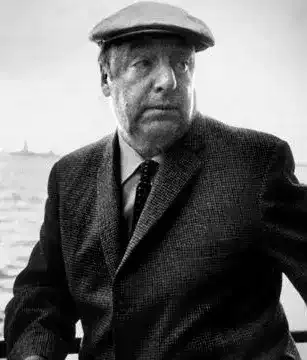
Pablo Neruda
The Wide Ocean
The Wide Ocean
Ocean, if you were to give, a measure, a ferment, a fruit
of your gifts and destructions, into my hand,
I would choose your far-off repose, your contour of steel,
your vigilant spaces of air and darkness,
and the power of your white tongue,
that shatters and overthrows columns,
breaking them down to your proper purity.
Not the final breaker, heavy with brine,
that thunders onshore, and creates
the silence of sand, that encircles the world,
but the inner spaces of force,
the naked power of the waters,
the immoveable solitude, brimming with lives.
It is Time perhaps, or the vessel filled
with all motion, pure Oneness,
that death cannot touch, the visceral green
of consuming totality.
Only a salt kiss remains of the drowned arm,
that lifts a spray: a humid scent,
of the damp flower, is left,
from the bodies of men. Your energies
form, in a trickle that is not spent,
form, in retreat into silence.
The falling wave,
arch of identity, shattering feathers,
is only spume when it clears,
and returns to its source, unconsumed.
Your whole force heads for its origin.
The husks that your load threshes,
are only the crushed, plundered, deliveries,
that your act of abundance expelled,
all those that take life from your branches.
Your form extends beyond breakers,
vibrant, and rhythmic, like the chest, cloaking
a single being, and its breathings,
that lift into the content of light,
plains raised above waves,
forming the naked surface of earth.
You fill your true self with your substance.
You overflow curve with silence.
The vessel trembles with your salt and sweetness,
the universal cavern of waters,
and nothing is lost from you, as it is
from the desolate crater, or the bay of a hill,
those empty heights, signs, scars,
guarding the wounded air.
Your petals throbbing against the Earth,
trembling your submarine harvests,
your menace thickening the smooth swell,
with pulsations and swarming of schools,
and only the thread of the net raises
the dead lightning of fish-scale,
one wounded millimetre, in the space
of your crystal completeness.
Ocean, if you were to give, a measure, a ferment, a fruit
of your gifts and destructions, into my hand,
I would choose your far-off repose, your contour of steel,
your vigilant spaces of air and darkness,
and the power of your white tongue,
that shatters and overthrows columns,
breaking them down to your proper purity.
Not the final breaker, heavy with brine,
that thunders onshore, and creates
the silence of sand, that encircles the world,
but the inner spaces of force,
the naked power of the waters,
the immoveable solitude, brimming with lives.
It is Time perhaps, or the vessel filled
with all motion, pure Oneness,
that death cannot touch, the visceral green
of consuming totality.
Only a salt kiss remains of the drowned arm,
that lifts a spray: a humid scent,
of the damp flower, is left,
from the bodies of men. Your energies
form, in a trickle that is not spent,
form, in retreat into silence.
The falling wave,
arch of identity, shattering feathers,
is only spume when it clears,
and returns to its source, unconsumed.
Your whole force heads for its origin.
The husks that your load threshes,
are only the crushed, plundered, deliveries,
that your act of abundance expelled,
all those that take life from your branches.
Your form extends beyond breakers,
vibrant, and rhythmic, like the chest, cloaking
a single being, and its breathings,
that lift into the content of light,
plains raised above waves,
forming the naked surface of earth.
You fill your true self with your substance.
You overflow curve with silence.
The vessel trembles with your salt and sweetness,
the universal cavern of waters,
and nothing is lost from you, as it is
from the desolate crater, or the bay of a hill,
those empty heights, signs, scars,
guarding the wounded air.
Your petals throbbing against the Earth,
trembling your submarine harvests,
your menace thickening the smooth swell,
with pulsations and swarming of schools,
and only the thread of the net raises
the dead lightning of fish-scale,
one wounded millimetre, in the space
of your crystal completeness.
619
Pablo Neruda
Ode to the Book
Ode to the Book
When I close a book
I open life.
I hear
faltering cries
among harbours.
Copper ignots
slide down sand-pits
to Tocopilla.
Night time.
Among the islands
our ocean
throbs with fish,
touches the feet, the thighs,
the chalk ribs
of my country.
The whole of night
clings to its shores, by dawn
it wakes up singing
as if it had excited a guitar.
The ocean's surge is calling.
The wind
calls me
and Rodriguez calls,
and Jose Antonio--
I got a telegram
from the "Mine" Union
and the one I love
(whose name I won't let out)
expects me in Bucalemu.
No book has been able
to wrap me in paper,
to fill me up
with typography,
with heavenly imprints
or was ever able
to bind my eyes,
I come out of books to people orchards
with the hoarse family of my song,
to work the burning metals
or to eat smoked beef
by mountain firesides.
I love adventurous
books,
books of forest or snow,
depth or sky
but hate
the spider book
in which thought
has laid poisonous wires
to trap the juvenile
and circling fly.
Book, let me go.
I won't go clothed
in volumes,
I don't come out
of collected works,
my poems
have not eaten poems-they
devour
exciting happenings,
feed on rough weather,
and dig their food
out of earth and men.
I'm on my way
with dust in my shoes
free of mythology:
send books back to their shelves,
I'm going down into the streets.
I learned about life
from life itself,
love I learned in a single kiss
and could teach no one anything
except that I have lived
with something in common among men,
when fighting with them,
when saying all their say in my song.
When I close a book
I open life.
I hear
faltering cries
among harbours.
Copper ignots
slide down sand-pits
to Tocopilla.
Night time.
Among the islands
our ocean
throbs with fish,
touches the feet, the thighs,
the chalk ribs
of my country.
The whole of night
clings to its shores, by dawn
it wakes up singing
as if it had excited a guitar.
The ocean's surge is calling.
The wind
calls me
and Rodriguez calls,
and Jose Antonio--
I got a telegram
from the "Mine" Union
and the one I love
(whose name I won't let out)
expects me in Bucalemu.
No book has been able
to wrap me in paper,
to fill me up
with typography,
with heavenly imprints
or was ever able
to bind my eyes,
I come out of books to people orchards
with the hoarse family of my song,
to work the burning metals
or to eat smoked beef
by mountain firesides.
I love adventurous
books,
books of forest or snow,
depth or sky
but hate
the spider book
in which thought
has laid poisonous wires
to trap the juvenile
and circling fly.
Book, let me go.
I won't go clothed
in volumes,
I don't come out
of collected works,
my poems
have not eaten poems-they
devour
exciting happenings,
feed on rough weather,
and dig their food
out of earth and men.
I'm on my way
with dust in my shoes
free of mythology:
send books back to their shelves,
I'm going down into the streets.
I learned about life
from life itself,
love I learned in a single kiss
and could teach no one anything
except that I have lived
with something in common among men,
when fighting with them,
when saying all their say in my song.
670
Pablo Neruda
Ode to Clothes
Ode to Clothes
Every morning you wait,
clothes, over a chair,
to fill yourself with
my vanity, my love,
my hope, my body.
Barely
risen from sleep,
I relinquish the water,
enter your sleeves,
my legs look for
the hollows of your legs,
and so embraced
by your indefatigable faithfulness
I rise, to tread the grass,
enter poetry,
consider through the windows,
the things,
the men, the women,
the deeds and the fights
go on forming me,
go on making me face things
working my hands,
opening my eyes,
using my mouth,
and so,
clothes,
I too go forming you,
extending your elbows,
snapping your threads,
and so your life expands
in the image of my life.
In the wind
you billow and snap
as if you were my soul,
at bad times
you cling
to my bones,
vacant, for the night,
darkness, sleep
populate with their phantoms
your wings and mine.
I wonder
if one day
a bullet
from the enemy
will leave you stained with my blood
and then
you will die with me
or one day
not quite
so dramatic
but simple,
you will fall ill,
clothes,
with me,
grow old
with me, with my body
and joined
we will enter
the earth.
Because of this
each day
I greet you
with reverence and then
you embrace me and I forget you,
because we are one
and we will go on
facing the wind, in the night,
the streets or the fight,
a single body,
one day, one day, some day, still.
Every morning you wait,
clothes, over a chair,
to fill yourself with
my vanity, my love,
my hope, my body.
Barely
risen from sleep,
I relinquish the water,
enter your sleeves,
my legs look for
the hollows of your legs,
and so embraced
by your indefatigable faithfulness
I rise, to tread the grass,
enter poetry,
consider through the windows,
the things,
the men, the women,
the deeds and the fights
go on forming me,
go on making me face things
working my hands,
opening my eyes,
using my mouth,
and so,
clothes,
I too go forming you,
extending your elbows,
snapping your threads,
and so your life expands
in the image of my life.
In the wind
you billow and snap
as if you were my soul,
at bad times
you cling
to my bones,
vacant, for the night,
darkness, sleep
populate with their phantoms
your wings and mine.
I wonder
if one day
a bullet
from the enemy
will leave you stained with my blood
and then
you will die with me
or one day
not quite
so dramatic
but simple,
you will fall ill,
clothes,
with me,
grow old
with me, with my body
and joined
we will enter
the earth.
Because of this
each day
I greet you
with reverence and then
you embrace me and I forget you,
because we are one
and we will go on
facing the wind, in the night,
the streets or the fight,
a single body,
one day, one day, some day, still.
637
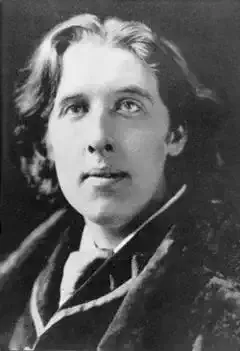
Oscar Wilde
Athenasia
Athenasia
To that gaunt House of Art which lacks for naught
Of all the great things men have saved from Time,
The withered body of a girl was brought
Dead ere the world's glad youth had touched its prime,
And seen by lonely Arabs lying hid
In the dim wound of some black pyramid.
But when they had unloosed the linen band
Which swathed the Egyptian's body,- lo! was found
Closed in the wasted hollow of her hand
A little seed, which sown in English ground
Did wondrous snow of starry blossoms bear,
And spread rich odors through our springtide air.
With such strange arts this flower did allure
That all forgotten was the asphodel,
And the brown bee, the lily's paramour,
Forsook the cup where he was wont to dwell,
For not a thing of earth it seemed to be,
But stolen from some heavenly Arcady.
In vain the sad narcissus, wan and white
At its own beauty, hung across the stream,
The purple dragon-fly had no delight
With its gold-dust to make his wings a-gleam,
Ah! no delight the jasmine-bloom to kiss,
Or brush the rain-pearls from the eucharis.
For love of it the passionate nightingale
Forgot the hills of Thrace, the cruel king,
And the pale dove no longer cared to sail
Through the wet woods at time of blossoming,
But round this flower of Egypt sought to float,
With silvered wing and amethystine throat.
While the hot sun blazed in his tower of blue
A cooling wind crept from the land of snows,
And the warm south with tender tears of dew
Drenched its white leaves when Hesperos uprose
Amid those sea-green meadows of the sky
On which the scarlet bars of sunset lie.
But when o'er wastes of lily-haunted field
The tired birds had stayed their amorous tune,
And broad and glittering like an argent shield
High in the sapphire heavens hung the moon,
Did no strange dream or evil memory make
Each tremulous petal of its blossoms shake?
Ah no! to this bright flower a thousand years
Seemed but the lingering of a summer's day,
It never knew the tide of cankering fears
Which turn a boy's gold hair to withered gray,
The dread desire of death it never knew,
Or how all folk that they were born must rue.
For we to death with pipe and dancing go,
Nor would we pass the ivory gate again,
As some sad river wearied of its flow
Through the dull plains, the haunts of common men,
Leaps lover-like into the terrible sea!
And counts it gain to die so gloriously.
We mar our lordly strength in barren strife
With the world's legions led by clamorous care,
It never feels decay but gathers life
From the pure sunlight and the supreme air,
We live beneath Time's wasting sovereignty,
It is the child of all eternity.
To that gaunt House of Art which lacks for naught
Of all the great things men have saved from Time,
The withered body of a girl was brought
Dead ere the world's glad youth had touched its prime,
And seen by lonely Arabs lying hid
In the dim wound of some black pyramid.
But when they had unloosed the linen band
Which swathed the Egyptian's body,- lo! was found
Closed in the wasted hollow of her hand
A little seed, which sown in English ground
Did wondrous snow of starry blossoms bear,
And spread rich odors through our springtide air.
With such strange arts this flower did allure
That all forgotten was the asphodel,
And the brown bee, the lily's paramour,
Forsook the cup where he was wont to dwell,
For not a thing of earth it seemed to be,
But stolen from some heavenly Arcady.
In vain the sad narcissus, wan and white
At its own beauty, hung across the stream,
The purple dragon-fly had no delight
With its gold-dust to make his wings a-gleam,
Ah! no delight the jasmine-bloom to kiss,
Or brush the rain-pearls from the eucharis.
For love of it the passionate nightingale
Forgot the hills of Thrace, the cruel king,
And the pale dove no longer cared to sail
Through the wet woods at time of blossoming,
But round this flower of Egypt sought to float,
With silvered wing and amethystine throat.
While the hot sun blazed in his tower of blue
A cooling wind crept from the land of snows,
And the warm south with tender tears of dew
Drenched its white leaves when Hesperos uprose
Amid those sea-green meadows of the sky
On which the scarlet bars of sunset lie.
But when o'er wastes of lily-haunted field
The tired birds had stayed their amorous tune,
And broad and glittering like an argent shield
High in the sapphire heavens hung the moon,
Did no strange dream or evil memory make
Each tremulous petal of its blossoms shake?
Ah no! to this bright flower a thousand years
Seemed but the lingering of a summer's day,
It never knew the tide of cankering fears
Which turn a boy's gold hair to withered gray,
The dread desire of death it never knew,
Or how all folk that they were born must rue.
For we to death with pipe and dancing go,
Nor would we pass the ivory gate again,
As some sad river wearied of its flow
Through the dull plains, the haunts of common men,
Leaps lover-like into the terrible sea!
And counts it gain to die so gloriously.
We mar our lordly strength in barren strife
With the world's legions led by clamorous care,
It never feels decay but gathers life
From the pure sunlight and the supreme air,
We live beneath Time's wasting sovereignty,
It is the child of all eternity.
257

Ogden Nash
Old Dr. Valentine To His Son
Old Dr. Valentine To His Son
Your hopeless patients will live,
Your healthy patients will die.
I have only this word to give:
Wonder, and find out why
Your hopeless patients will live,
Your healthy patients will die.
I have only this word to give:
Wonder, and find out why
333
Ogden Nash
Introspective Reflection
Introspective Reflection
I would live all my life in nonchalance and insouciance
Were it not for making a living, which is rather a nouciance.
I would live all my life in nonchalance and insouciance
Were it not for making a living, which is rather a nouciance.
344

Nazim Hikmet
On Living
On Living
I
Living is no laughing matter:
you must live with great seriousness
like a squirrel, for example--
I mean without looking for something beyond and above living,
I mean living must be your whole occupation.
Living is no laughing matter:
you must take it seriously,
so much so and to such a degree
that, for example, your hands tied behind your back,
your back to the wall,
or else in a laboratory
in your white coat and safety glasses,
you can die for people--
even for people whose faces you've never seen,
even though you know living
is the most real, the most beautiful thing.
I mean, you must take living so seriously
that even at seventy, for example, you'll plant olive trees--
and not for your children, either,
but because although you fear death you don't believe it,
because living, I mean, weighs heavier.
II
Let's say you're seriously ill, need surgery--
which is to say we might not get
from the white table.
Even though it's impossible not to feel sad
about going a little too soon,
we'll still laugh at the jokes being told,
we'll look out the window to see it's raining,
or still wait anxiously
for the latest newscast ...
Let's say we're at the front--
for something worth fighting for, say.
There, in the first offensive, on that very day,
we might fall on our face, dead.
We'll know this with a curious anger,
but we'll still worry ourselves to death
about the outcome of the war, which could last years.
Let's say we're in prison
and close to fifty,
and we have eighteen more years, say,
before the iron doors will open.
We'll still live with the outside,
with its people and animals, struggle and wind--
I mean with the outside beyond the walls.
I mean, however and wherever we are,
we must live as if we will never die.
III
This earth will grow cold,
a star among stars
and one of the smallest,
a gilded mote on blue velvet--
I mean this, our great earth.
This earth will grow cold one day,
not like a block of ice
or a dead cloud even
but like an empty walnut it will roll along
in pitch-black space ...
You must grieve for this right now
--you have to feel this sorrow now--
for the world must be loved this much
if you're going to say "I lived" ...
Trans. by Randy Blasing and Mutlu Konuk ()
I
Living is no laughing matter:
you must live with great seriousness
like a squirrel, for example--
I mean without looking for something beyond and above living,
I mean living must be your whole occupation.
Living is no laughing matter:
you must take it seriously,
so much so and to such a degree
that, for example, your hands tied behind your back,
your back to the wall,
or else in a laboratory
in your white coat and safety glasses,
you can die for people--
even for people whose faces you've never seen,
even though you know living
is the most real, the most beautiful thing.
I mean, you must take living so seriously
that even at seventy, for example, you'll plant olive trees--
and not for your children, either,
but because although you fear death you don't believe it,
because living, I mean, weighs heavier.
II
Let's say you're seriously ill, need surgery--
which is to say we might not get
from the white table.
Even though it's impossible not to feel sad
about going a little too soon,
we'll still laugh at the jokes being told,
we'll look out the window to see it's raining,
or still wait anxiously
for the latest newscast ...
Let's say we're at the front--
for something worth fighting for, say.
There, in the first offensive, on that very day,
we might fall on our face, dead.
We'll know this with a curious anger,
but we'll still worry ourselves to death
about the outcome of the war, which could last years.
Let's say we're in prison
and close to fifty,
and we have eighteen more years, say,
before the iron doors will open.
We'll still live with the outside,
with its people and animals, struggle and wind--
I mean with the outside beyond the walls.
I mean, however and wherever we are,
we must live as if we will never die.
III
This earth will grow cold,
a star among stars
and one of the smallest,
a gilded mote on blue velvet--
I mean this, our great earth.
This earth will grow cold one day,
not like a block of ice
or a dead cloud even
but like an empty walnut it will roll along
in pitch-black space ...
You must grieve for this right now
--you have to feel this sorrow now--
for the world must be loved this much
if you're going to say "I lived" ...
Trans. by Randy Blasing and Mutlu Konuk ()
382
Nazim Hikmet
Hymn To Life
Hymn To Life
The hair falling on your forehead
suddenly lifted.
Suddenly something stirred on the ground.
The trees are whispering
in the dark.
Your bare arms will be cold.
Far off
where we can't see,
the moon must be rising.
It hasn't reached us yet,
slipping through the leaves
to light up your shoulder.
But I know
a wind comes up with the moon.
The trees are whispering.
Your bare arms will be cold.
From above,
from the branches lost in the dark,
something dropped at your feet.
You moved closer to me.
Under my hand your bare flesh is like the fuzzy skin of a fruit.
Neither a song of the heart nor "common sense"--
before the trees, birds, and insects,
my hand on my wife's flesh
is thinking.
Tonight my hand
can't read or write.
Neither loving nor unloving...
It's the tongue of a leopard at a spring,
a grape leaf,
a wolf's paw.
To move, breathe, eat, drink.
My hand is like a seed
splitting open underground.
Neither a song of the heart nor "common sense,"
neither loving nor unloving.
My hand thinking on my wife's flesh
is the hand of the first man.
Like a root that finds water underground,
it says to me:
"To eat, drink, cold, hot, struggle, smell, color--
not to live in order to die
but to die to live..."
And now
as red female hair blows across my face,
as something stirs on the ground,
as the trees whisper in the dark,
and as the moon rises far off
where we can't see,
my hand on my wife's flesh
before the trees, birds, and insects,
I want the right of life,
of the leopard at the spring, of the seed splitting open--
I want the right of the first man.
Trans. by Randy Blasing and Mutlu Konuk ()
The hair falling on your forehead
suddenly lifted.
Suddenly something stirred on the ground.
The trees are whispering
in the dark.
Your bare arms will be cold.
Far off
where we can't see,
the moon must be rising.
It hasn't reached us yet,
slipping through the leaves
to light up your shoulder.
But I know
a wind comes up with the moon.
The trees are whispering.
Your bare arms will be cold.
From above,
from the branches lost in the dark,
something dropped at your feet.
You moved closer to me.
Under my hand your bare flesh is like the fuzzy skin of a fruit.
Neither a song of the heart nor "common sense"--
before the trees, birds, and insects,
my hand on my wife's flesh
is thinking.
Tonight my hand
can't read or write.
Neither loving nor unloving...
It's the tongue of a leopard at a spring,
a grape leaf,
a wolf's paw.
To move, breathe, eat, drink.
My hand is like a seed
splitting open underground.
Neither a song of the heart nor "common sense,"
neither loving nor unloving.
My hand thinking on my wife's flesh
is the hand of the first man.
Like a root that finds water underground,
it says to me:
"To eat, drink, cold, hot, struggle, smell, color--
not to live in order to die
but to die to live..."
And now
as red female hair blows across my face,
as something stirs on the ground,
as the trees whisper in the dark,
and as the moon rises far off
where we can't see,
my hand on my wife's flesh
before the trees, birds, and insects,
I want the right of life,
of the leopard at the spring, of the seed splitting open--
I want the right of the first man.
Trans. by Randy Blasing and Mutlu Konuk ()
340
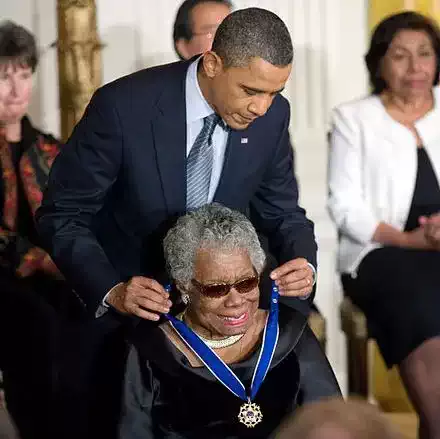
Maya Angelou
The Lesson
The Lesson
I keep on dying again.
Veins collapse, opening like the
Small fists of sleeping
Children.
Memory of old tombs,
Rotting flesh and worms do
Not convince me against
The challenge. The years
And cold defeat live deep in
Lines along my face.
They dull my eyes, yet
I keep on dying,
Because I love to live.
I keep on dying again.
Veins collapse, opening like the
Small fists of sleeping
Children.
Memory of old tombs,
Rotting flesh and worms do
Not convince me against
The challenge. The years
And cold defeat live deep in
Lines along my face.
They dull my eyes, yet
I keep on dying,
Because I love to live.
173
Lewis Carroll
Four Riddles
Four Riddles
I
There was an ancient City, stricken down
With a strange frenzy, and for many a day
They paced from morn to eve the crowded town,
And danced the night away.
I asked the cause: the aged man grew sad:
They pointed to a building gray and tall,
And hoarsely answered "Step inside, my lad,
And then you'll see it all."
Yet what are all such gaieties to me
Whose thoughts are full of indices and surds?
x*x + 7x + 53 = 11/3
But something whispered "It will soon be done:
Bands cannot always play, nor ladies smile:
Endure with patience the distasteful fun
For just a little while!"
A change came o'er my Vision it
was night:
We clove a pathway through a frantic throng:
The steeds, wildplunging,
filled us with affright:
The chariots whirled along.
Within a marble hall a river ran A
living tide, half muslin and half cloth:
And here one mourned a broken wreath or fan,
Yet swallowed down her wrath;
And here one offered to a thirsty fair
(His words halfdrowned
amid those thunders tuneful)
Some frozen viand (there were many there),
A toothache
in each spoonful.
There comes a happy pause, for human strength
Will not endure to dance without cessation;
And every one must reach the point at length
Of absolute prostration.
At such a moment ladies learn to give,
To partners who would urge them overmuch,
A flat and yet decided negative Photographers
love such.
There comes a welcome summons hope
revives,
And fading eyes grow bright, and pulses quicken:
Incessant pop the corks, and busy knives
Dispense the tongue and chicken.
Flushed with new life, the crowd flows back again:
And all is tangled talk and mazy motion Much
like a waving field of golden grain,
Or a tempestuous ocean.
And thus they give the time, that Nature meant
For peaceful sleep and meditative snores,
To ceaseless din and mindless merriment
And waste of shoes and floors.
And One (we name him not) that flies the flowers,
That dreads the dances, and that shuns the salads,
They doom to pass in solitude the hours,
Writing acrosticballads.
How late it grows! The hour is surely past
That should have warned us with its double knock?
The twilight wanes, and morning comes at last "
Oh, Uncle, what's o'clock?"
The Uncle gravely nods, and wisely winks.
It MAY mean much, but how is one to know?
He opens his mouth yet
out of it, methinks,
No words of wisdom flow.
II
Empress of Art, for thee I twine
This wreath with all too slender skill.
Forgive my Muse each halting line,
And for the deed accept the will!
O day of tears! Whence comes this spectre grim,
Parting, like Death's cold river, souls that love?
Is not he bound to thee, as thou to him,
By vows, unwhispered here, yet heard above?
And still it lives, that keen and heavenward flame,
Lives in his eye, and trembles in his tone:
And these wild words of fury but proclaim
A heart that beats for thee, for thee alone!
But all is lost: that mighty mind o'erthrown,
Like sweet bells jangled, piteous sight to see!
"Doubt that the stars are fire," so runs his moan,
"Doubt Truth herself, but not my love for thee!"
A sadder vision yet: thine aged sire
Shaming his hoary locks with treacherous wile!
And dost thou now doubt Truth to be a liar?
And wilt thou die, that hast forgot to smile?
Nay, get thee hence! Leave all thy winsome ways
And the faint fragrance of thy scattered flowers:
In holy silence wait the appointed days,
And weep away the leadenfooted
hours.
III.
The air is bright with hues of light
And rich with laughter and with singing:
Young hearts beat high in ecstasy,
And banners wave, and bells are ringing:
But silence falls with fading day,
And there's an end to mirth and play.
Ah, welladay
Rest your old bones, ye wrinkled crones!
The kettle sings, the firelight dances.
Deep be it quaffed, the magic draught
That fills the soul with golden fancies!
For Youth and Pleasance will not stay,
And ye are withered, worn, and gray.
Ah, welladay!
O fair cold face! O form of grace,
For human passion madly yearning!
O weary air of dumb despair,
From marble won, to marble turning!
"Leave us not thus!" we fondly pray.
"We cannot let thee pass away!"
Ah, welladay!
IV.
My First is singular at best:
More plural is my Second:
My Third is far the pluralest So
pluralplural,
I protest
It scarcely can be reckoned!
My First is followed by a bird:
My Second by believers
In magic art: my simple Third
Follows, too often, hopes absurd
And plausible deceivers.
My First to get at wisdom tries A
failure melancholy!
My Second men revered as wise:
My Third from heights of wisdom flies
To depths of frantic folly.
My First is ageing day by day:
My Second's age is ended:
My Third enjoys an age, they say,
That never seems to fade away,
Through centuries extended.
My Whole? I need a poet's pen
To paint her myriad phases:
The monarch, and the slave, of men A
mountainsummit,
and a den
Of dark and deadly mazes
A flashing light a
fleeting shade Beginning,
end, and middle
Of all that human art hath made
Or wit devised! Go, seek HER aid,
If you would read my riddle!
I
There was an ancient City, stricken down
With a strange frenzy, and for many a day
They paced from morn to eve the crowded town,
And danced the night away.
I asked the cause: the aged man grew sad:
They pointed to a building gray and tall,
And hoarsely answered "Step inside, my lad,
And then you'll see it all."
Yet what are all such gaieties to me
Whose thoughts are full of indices and surds?
x*x + 7x + 53 = 11/3
But something whispered "It will soon be done:
Bands cannot always play, nor ladies smile:
Endure with patience the distasteful fun
For just a little while!"
A change came o'er my Vision it
was night:
We clove a pathway through a frantic throng:
The steeds, wildplunging,
filled us with affright:
The chariots whirled along.
Within a marble hall a river ran A
living tide, half muslin and half cloth:
And here one mourned a broken wreath or fan,
Yet swallowed down her wrath;
And here one offered to a thirsty fair
(His words halfdrowned
amid those thunders tuneful)
Some frozen viand (there were many there),
A toothache
in each spoonful.
There comes a happy pause, for human strength
Will not endure to dance without cessation;
And every one must reach the point at length
Of absolute prostration.
At such a moment ladies learn to give,
To partners who would urge them overmuch,
A flat and yet decided negative Photographers
love such.
There comes a welcome summons hope
revives,
And fading eyes grow bright, and pulses quicken:
Incessant pop the corks, and busy knives
Dispense the tongue and chicken.
Flushed with new life, the crowd flows back again:
And all is tangled talk and mazy motion Much
like a waving field of golden grain,
Or a tempestuous ocean.
And thus they give the time, that Nature meant
For peaceful sleep and meditative snores,
To ceaseless din and mindless merriment
And waste of shoes and floors.
And One (we name him not) that flies the flowers,
That dreads the dances, and that shuns the salads,
They doom to pass in solitude the hours,
Writing acrosticballads.
How late it grows! The hour is surely past
That should have warned us with its double knock?
The twilight wanes, and morning comes at last "
Oh, Uncle, what's o'clock?"
The Uncle gravely nods, and wisely winks.
It MAY mean much, but how is one to know?
He opens his mouth yet
out of it, methinks,
No words of wisdom flow.
II
Empress of Art, for thee I twine
This wreath with all too slender skill.
Forgive my Muse each halting line,
And for the deed accept the will!
O day of tears! Whence comes this spectre grim,
Parting, like Death's cold river, souls that love?
Is not he bound to thee, as thou to him,
By vows, unwhispered here, yet heard above?
And still it lives, that keen and heavenward flame,
Lives in his eye, and trembles in his tone:
And these wild words of fury but proclaim
A heart that beats for thee, for thee alone!
But all is lost: that mighty mind o'erthrown,
Like sweet bells jangled, piteous sight to see!
"Doubt that the stars are fire," so runs his moan,
"Doubt Truth herself, but not my love for thee!"
A sadder vision yet: thine aged sire
Shaming his hoary locks with treacherous wile!
And dost thou now doubt Truth to be a liar?
And wilt thou die, that hast forgot to smile?
Nay, get thee hence! Leave all thy winsome ways
And the faint fragrance of thy scattered flowers:
In holy silence wait the appointed days,
And weep away the leadenfooted
hours.
III.
The air is bright with hues of light
And rich with laughter and with singing:
Young hearts beat high in ecstasy,
And banners wave, and bells are ringing:
But silence falls with fading day,
And there's an end to mirth and play.
Ah, welladay
Rest your old bones, ye wrinkled crones!
The kettle sings, the firelight dances.
Deep be it quaffed, the magic draught
That fills the soul with golden fancies!
For Youth and Pleasance will not stay,
And ye are withered, worn, and gray.
Ah, welladay!
O fair cold face! O form of grace,
For human passion madly yearning!
O weary air of dumb despair,
From marble won, to marble turning!
"Leave us not thus!" we fondly pray.
"We cannot let thee pass away!"
Ah, welladay!
IV.
My First is singular at best:
More plural is my Second:
My Third is far the pluralest So
pluralplural,
I protest
It scarcely can be reckoned!
My First is followed by a bird:
My Second by believers
In magic art: my simple Third
Follows, too often, hopes absurd
And plausible deceivers.
My First to get at wisdom tries A
failure melancholy!
My Second men revered as wise:
My Third from heights of wisdom flies
To depths of frantic folly.
My First is ageing day by day:
My Second's age is ended:
My Third enjoys an age, they say,
That never seems to fade away,
Through centuries extended.
My Whole? I need a poet's pen
To paint her myriad phases:
The monarch, and the slave, of men A
mountainsummit,
and a den
Of dark and deadly mazes
A flashing light a
fleeting shade Beginning,
end, and middle
Of all that human art hath made
Or wit devised! Go, seek HER aid,
If you would read my riddle!
234
Langston Hughes
Sick Room
Sick Room
How quiet
It is in this sick room
Where on the bed
A silent woman lies between two lovers-
Life and Death,
And all three covered with a sheet of pain.
How quiet
It is in this sick room
Where on the bed
A silent woman lies between two lovers-
Life and Death,
And all three covered with a sheet of pain.
428
Langston Hughes
Mother to Son
Mother to Son
Well, son, I'll tell you:
Life for me ain't been no crystal stair.
It's had tacks in it,
And splinters,
And boards torn up,
And places with no carpet on the floor—
Bare.
But all the time
I'se been a-climbin' on,
And reachin' landin's,
And turnin' corners,
And sometimes goin' in the dark
Where there ain't been no light.
So, boy, don't you turn back.
Don't you set down on the steps.
'Cause you finds it's kinder hard.
Don't you fall now—
For I'se still goin', honey,
I'se still climbin',
And life for me ain't been no crystal stair.
Well, son, I'll tell you:
Life for me ain't been no crystal stair.
It's had tacks in it,
And splinters,
And boards torn up,
And places with no carpet on the floor—
Bare.
But all the time
I'se been a-climbin' on,
And reachin' landin's,
And turnin' corners,
And sometimes goin' in the dark
Where there ain't been no light.
So, boy, don't you turn back.
Don't you set down on the steps.
'Cause you finds it's kinder hard.
Don't you fall now—
For I'se still goin', honey,
I'se still climbin',
And life for me ain't been no crystal stair.
495
Khalil Gibran
Eating and Drinking chapter VI
Eating and Drinking chapter VI
Then an old man, a keeper of an inn, said, "Speak to us of Eating and Drinking."
And he said:
Would that you could live on the fragrance of the earth, and like an air plant be
sustained by the light.
But since you must kill to eat, and rob the young of its mother's milk to quench your
thirst, let it then be an act of worship,
And let your board stand an altar on which the pure and the innocent of forest and
plain are sacrificed for that which is purer and still more innocent in many.
When you kill a beast say to him in your heart,
"By the same power that slays you, I to am slain; and I too shall be consumed. For the
law that delivered you into my hand shall deliver me into a mightier hand.
Your blood and my blood is naught but the sap that feeds the tree of heaven."
And when you crush an apple with your teeth, say to it in your heart,
"Your seeds shall live in my body,
And the buds of your tomorrow shall blossom in my heart,
And your fragrance shall be my breath,
And together we shall rejoice through all the seasons."
And in the autumn, when you gather the grapes of your vineyard for the winepress,
say in you heart,
"I too am a vineyard, and my fruit shall be gathered for the winepress,
And like new wine I shall be kept in eternal vessels."
And in winter, when you draw the wine, let there be in your heart a song for each cup;
And let there be in the song a remembrance for the autumn days, and for the vineyard,
and for the winepress.
Then an old man, a keeper of an inn, said, "Speak to us of Eating and Drinking."
And he said:
Would that you could live on the fragrance of the earth, and like an air plant be
sustained by the light.
But since you must kill to eat, and rob the young of its mother's milk to quench your
thirst, let it then be an act of worship,
And let your board stand an altar on which the pure and the innocent of forest and
plain are sacrificed for that which is purer and still more innocent in many.
When you kill a beast say to him in your heart,
"By the same power that slays you, I to am slain; and I too shall be consumed. For the
law that delivered you into my hand shall deliver me into a mightier hand.
Your blood and my blood is naught but the sap that feeds the tree of heaven."
And when you crush an apple with your teeth, say to it in your heart,
"Your seeds shall live in my body,
And the buds of your tomorrow shall blossom in my heart,
And your fragrance shall be my breath,
And together we shall rejoice through all the seasons."
And in the autumn, when you gather the grapes of your vineyard for the winepress,
say in you heart,
"I too am a vineyard, and my fruit shall be gathered for the winepress,
And like new wine I shall be kept in eternal vessels."
And in winter, when you draw the wine, let there be in your heart a song for each cup;
And let there be in the song a remembrance for the autumn days, and for the vineyard,
and for the winepress.
323

Kazi Nazrul Islam
Life
Life
An awakening pervades
The meadows and wilderness
Let not your slumber
Make it go in vain.
The lightning is beckoning
With thunder and rain.
The heaven is awake
The earth is awake
Oh, wake up for heaven's sake.
Beneath the earth
And under the feet
Those who lay dead
They shall now sprout
Like the green grass
With new blades.
A verdant earth is awaiting
The advent of a spring-shower.
The bud that the thunder
Failed to burst into new blossom
Out of joy, it will now bloom.
[Original: Jibon; Translation: Syed Mujibul Huq]
An awakening pervades
The meadows and wilderness
Let not your slumber
Make it go in vain.
The lightning is beckoning
With thunder and rain.
The heaven is awake
The earth is awake
Oh, wake up for heaven's sake.
Beneath the earth
And under the feet
Those who lay dead
They shall now sprout
Like the green grass
With new blades.
A verdant earth is awaiting
The advent of a spring-shower.
The bud that the thunder
Failed to burst into new blossom
Out of joy, it will now bloom.
[Original: Jibon; Translation: Syed Mujibul Huq]
579
Jorge Luis Borges
Limits
Limits
Of all the streets that blur in to the sunset,
There must be one (which, I am not sure)
That I by now have walked for the last time
Without guessing it, the pawn of that Someone
Who fixes in advance omnipotent laws,
Sets up a secret and unwavering scale
for all the shadows, dreams, and forms
Woven into the texture of this life.
If there is a limit to all things and a measure
And a last time and nothing more and forgetfulness,
Who will tell us to whom in this house
We without knowing it have said farewell?
Through the dawning window night withdraws
And among the stacked books which throw
Irregular shadows on the dim table,
There must be one which I will never read.
There is in the South more than one worn gate,
With its cement urns and planted cactus,
Which is already forbidden to my entry,
Inaccessible, as in a lithograph.
There is a door you have closed forever
And some mirror is expecting you in vain;
To you the crossroads seem wide open,
Yet watching you, four-faced, is a Janus.
There is among all your memories one
Which has now been lost beyond recall.
You will not be seen going down to that fountain
Neither by white sun nor by yellow moon.
You will never recapture what the Persian
Said in his language woven with birds and roses,
When, in the sunset, before the light disperses,
You wish to give words to unforgettable things.
And the steadily flowing Rhone and the lake,
All that vast yesterday over which today I bend?
They will be as lost as Carthage,
Scourged by the Romans with fire and salt.
At dawn I seem to hear the turbulent
Murmur of crowds milling and fading away;
They are all I have been loved by, forgotten by;
Space, time, and Borges now are leaving me.
Of all the streets that blur in to the sunset,
There must be one (which, I am not sure)
That I by now have walked for the last time
Without guessing it, the pawn of that Someone
Who fixes in advance omnipotent laws,
Sets up a secret and unwavering scale
for all the shadows, dreams, and forms
Woven into the texture of this life.
If there is a limit to all things and a measure
And a last time and nothing more and forgetfulness,
Who will tell us to whom in this house
We without knowing it have said farewell?
Through the dawning window night withdraws
And among the stacked books which throw
Irregular shadows on the dim table,
There must be one which I will never read.
There is in the South more than one worn gate,
With its cement urns and planted cactus,
Which is already forbidden to my entry,
Inaccessible, as in a lithograph.
There is a door you have closed forever
And some mirror is expecting you in vain;
To you the crossroads seem wide open,
Yet watching you, four-faced, is a Janus.
There is among all your memories one
Which has now been lost beyond recall.
You will not be seen going down to that fountain
Neither by white sun nor by yellow moon.
You will never recapture what the Persian
Said in his language woven with birds and roses,
When, in the sunset, before the light disperses,
You wish to give words to unforgettable things.
And the steadily flowing Rhone and the lake,
All that vast yesterday over which today I bend?
They will be as lost as Carthage,
Scourged by the Romans with fire and salt.
At dawn I seem to hear the turbulent
Murmur of crowds milling and fading away;
They are all I have been loved by, forgotten by;
Space, time, and Borges now are leaving me.
724

Jonathan Swift
Robin And Harry
Robin And Harry
Robin to beggars with a curse,
Throws the last shilling in his purse;
And when the coachman comes for pay,
The rogue must call another day.
Grave Harry, when the poor are pressing
Gives them a penny and God's blessing;
But always careful of the main,
With twopence left, walks home in rain.
Robin from noon to night will prate,
Run out in tongue, as in estate;
And, ere a twelvemonth and a day,
Will not have one new thing to say.
Much talking is not Harry's vice;
He need not tell a story twice:
And, if he always be so thrifty,
His fund may last to five-and-fifty.
It so fell out that cautious Harry,
As soldiers use, for love must marry,
And, with his dame, the ocean cross'd;
(All for Love, or the World well Lost!)
Repairs a cabin gone to ruin,
Just big enough to shelter two in;
And in his house, if anybody come,
Will make them welcome to his modicum
Where Goody Julia milks the cows,
And boils potatoes for her spouse;
Or darns his hose, or mends his breeches,
While Harry's fencing up his ditches.
Robin, who ne'er his mind could fix,
To live without a coach-and-six,
To patch his broken fortunes, found
A mistress worth five thousand pound;
Swears he could get her in an hour,
If gaffer Harry would endow her;
And sell, to pacify his wrath,
A birth-right for a mess of broth.
Young Harry, as all Europe knows,
Was long the quintessence of beaux;
But, when espoused, he ran the fate
That must attend the married state;
From gold brocade and shining armour,
Was metamorphosed to a farmer;
His grazier's coat with dirt besmear'd;
Nor twice a-week will shave his beard.
Old Robin, all his youth a sloven,
At fifty-two, when he grew loving,
Clad in a coat of paduasoy,
A flaxen wig, and waistcoat gay,
Powder'd from shoulder down to flank,
In courtly style addresses Frank;
Twice ten years older than his wife,
Is doom'd to be a beau for life;
Supplying those defects by dress,
Which I must leave the world to guess.
Robin to beggars with a curse,
Throws the last shilling in his purse;
And when the coachman comes for pay,
The rogue must call another day.
Grave Harry, when the poor are pressing
Gives them a penny and God's blessing;
But always careful of the main,
With twopence left, walks home in rain.
Robin from noon to night will prate,
Run out in tongue, as in estate;
And, ere a twelvemonth and a day,
Will not have one new thing to say.
Much talking is not Harry's vice;
He need not tell a story twice:
And, if he always be so thrifty,
His fund may last to five-and-fifty.
It so fell out that cautious Harry,
As soldiers use, for love must marry,
And, with his dame, the ocean cross'd;
(All for Love, or the World well Lost!)
Repairs a cabin gone to ruin,
Just big enough to shelter two in;
And in his house, if anybody come,
Will make them welcome to his modicum
Where Goody Julia milks the cows,
And boils potatoes for her spouse;
Or darns his hose, or mends his breeches,
While Harry's fencing up his ditches.
Robin, who ne'er his mind could fix,
To live without a coach-and-six,
To patch his broken fortunes, found
A mistress worth five thousand pound;
Swears he could get her in an hour,
If gaffer Harry would endow her;
And sell, to pacify his wrath,
A birth-right for a mess of broth.
Young Harry, as all Europe knows,
Was long the quintessence of beaux;
But, when espoused, he ran the fate
That must attend the married state;
From gold brocade and shining armour,
Was metamorphosed to a farmer;
His grazier's coat with dirt besmear'd;
Nor twice a-week will shave his beard.
Old Robin, all his youth a sloven,
At fifty-two, when he grew loving,
Clad in a coat of paduasoy,
A flaxen wig, and waistcoat gay,
Powder'd from shoulder down to flank,
In courtly style addresses Frank;
Twice ten years older than his wife,
Is doom'd to be a beau for life;
Supplying those defects by dress,
Which I must leave the world to guess.
265