

Poems
Old Age and Ageing
Poems in this topic
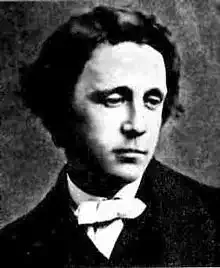
Lewis Carroll
You Are Old Father William
You Are Old Father William
"You are old, father William," the young man said,
"And your hair has become very white;
And yet you incessantly stand on your head Do
you think, at your age, it is right?
"In my youth," father William replied to his son,
"I feared it might injure the brain;
But, now that I'm perfectly sure I have none,
Why, I do it again and again."
"You are old," said the youth, "as I mentioned before,
And you have grown most uncommonly fat;
Yet you turned a backsomersault
in at the door Pray
what is the reason for that?"
"In my youth," said the sage, as he shook his grey locks,
"I kept all my limbs very supple
By the use of this ointment one
shilling a box Allow
me to sell you a couple?"
"You are old," said the youth, "and your jaws are too weak
For anything tougher than suet;
Yet you finished the goose, with the bones and the beak Pray,
how did you mange to do it?"
"In my youth," said his fater, "I took to the law,
And argued each case with my wife;
And the muscular strength, which it gave to my jaw,
Has lasted the rest of my life."
"You are old," said the youth, "one would hardly suppose
That your eye was as steady as every;
Yet you balanced an eel on the tend of your nose What
made you so awfully clever?"
"I have answered three questions, and that is enough,"
Said his father. "Don't give yourself airs!
Do you think I can listen all day to such stuff?
Be off, or I'll kick you down stairs.
"You are old, father William," the young man said,
"And your hair has become very white;
And yet you incessantly stand on your head Do
you think, at your age, it is right?
"In my youth," father William replied to his son,
"I feared it might injure the brain;
But, now that I'm perfectly sure I have none,
Why, I do it again and again."
"You are old," said the youth, "as I mentioned before,
And you have grown most uncommonly fat;
Yet you turned a backsomersault
in at the door Pray
what is the reason for that?"
"In my youth," said the sage, as he shook his grey locks,
"I kept all my limbs very supple
By the use of this ointment one
shilling a box Allow
me to sell you a couple?"
"You are old," said the youth, "and your jaws are too weak
For anything tougher than suet;
Yet you finished the goose, with the bones and the beak Pray,
how did you mange to do it?"
"In my youth," said his fater, "I took to the law,
And argued each case with my wife;
And the muscular strength, which it gave to my jaw,
Has lasted the rest of my life."
"You are old," said the youth, "one would hardly suppose
That your eye was as steady as every;
Yet you balanced an eel on the tend of your nose What
made you so awfully clever?"
"I have answered three questions, and that is enough,"
Said his father. "Don't give yourself airs!
Do you think I can listen all day to such stuff?
Be off, or I'll kick you down stairs.
507
Lewis Carroll
The Aged Aged Man
The Aged Aged Man
I'll tell thee everything I can;
There's little to relate.
I saw an aged aged man,
Asitting
on a gate.
"Who are you, aged man?" I said,
"And how is it you live?"
And his answer trickled through my head
Like water through a sieve.
He said, "I look for butterflies
That sleep among the wheat:
I make them into muttonpies,
And sell them in the street.
I sell them unto men," he said,
"Who sail on stormy seas;
And that's the way I get my bread—
A trifle; if you please."
But I was thinking of a plan
To dye one's whiskers green,
And always use so large a fan
That they could not be seen.
So, having no reply to give
To what the old man said,
I cried, "Come, tell me how you live!"
And thumped him on the head.
His accents mild took up the tale:
He said, "I go my ways,
And when I find a mountainrill,
I set it in a blaze;
And thence they make a stuff they call
Rowland's MacassarOil&
mdash;
Yet twopencehalfpenny
is all
They give me for my toil."
But I was thinking of a way
To feed oneself on batter,
And so go on from day to day
Getting a little fatter.
I shook him well from side to side,
Until his face was blue:
"Come, tell me how you live," I cried,
"And what it is you do!"
He said, "I hunt for haddocks' eyes
Among the heather bright,
And work them into waistcoat buttons
In the silent night.
And these I do not sell for gold
Or coin of silvery shine,
But for a copper halfpenny,
And that will purchase nine.
"I sometimes dig for buttered rolls,
Or set limed twigs for crabs;
I sometimes search the grassy knolls
For wheels of hansomcabs.
And that's the way" (he gave a wink)
"By which I get my wealth—
And very gladly will I drink
Your Honour's noble health."
I heard him then, for I had just
Completed my design
To keep the Menai bridge from rust
By boiling it in wine.
I thanked him much for telling me
The way he got his wealth,
But chiefly for his wish that he
Might drink my noble health.
And now, if e'er by chance I put
My fingers into glue,
Or madly squeeze a righthand
foot
Into a lefthand
shoe,
Or if I drop upon my toe
A very heavy weight,
I weep, for it reminds me so
Of that old man I used to know—
Whose look was mild, whose speech was slow,
Whose hair was whiter than the snow,
Whose face was very like a crow,
With eyes, like cinders, all aglow,
Who seemed distracted with his woe,
Who rocked his body to and fro,
And muttered mumblingly and low,
As if his mouth were full of dough,
Who snorted like a buffalo—
That summer evening long ago
Asitting
on a gate.
I'll tell thee everything I can;
There's little to relate.
I saw an aged aged man,
Asitting
on a gate.
"Who are you, aged man?" I said,
"And how is it you live?"
And his answer trickled through my head
Like water through a sieve.
He said, "I look for butterflies
That sleep among the wheat:
I make them into muttonpies,
And sell them in the street.
I sell them unto men," he said,
"Who sail on stormy seas;
And that's the way I get my bread—
A trifle; if you please."
But I was thinking of a plan
To dye one's whiskers green,
And always use so large a fan
That they could not be seen.
So, having no reply to give
To what the old man said,
I cried, "Come, tell me how you live!"
And thumped him on the head.
His accents mild took up the tale:
He said, "I go my ways,
And when I find a mountainrill,
I set it in a blaze;
And thence they make a stuff they call
Rowland's MacassarOil&
mdash;
Yet twopencehalfpenny
is all
They give me for my toil."
But I was thinking of a way
To feed oneself on batter,
And so go on from day to day
Getting a little fatter.
I shook him well from side to side,
Until his face was blue:
"Come, tell me how you live," I cried,
"And what it is you do!"
He said, "I hunt for haddocks' eyes
Among the heather bright,
And work them into waistcoat buttons
In the silent night.
And these I do not sell for gold
Or coin of silvery shine,
But for a copper halfpenny,
And that will purchase nine.
"I sometimes dig for buttered rolls,
Or set limed twigs for crabs;
I sometimes search the grassy knolls
For wheels of hansomcabs.
And that's the way" (he gave a wink)
"By which I get my wealth—
And very gladly will I drink
Your Honour's noble health."
I heard him then, for I had just
Completed my design
To keep the Menai bridge from rust
By boiling it in wine.
I thanked him much for telling me
The way he got his wealth,
But chiefly for his wish that he
Might drink my noble health.
And now, if e'er by chance I put
My fingers into glue,
Or madly squeeze a righthand
foot
Into a lefthand
shoe,
Or if I drop upon my toe
A very heavy weight,
I weep, for it reminds me so
Of that old man I used to know—
Whose look was mild, whose speech was slow,
Whose hair was whiter than the snow,
Whose face was very like a crow,
With eyes, like cinders, all aglow,
Who seemed distracted with his woe,
Who rocked his body to and fro,
And muttered mumblingly and low,
As if his mouth were full of dough,
Who snorted like a buffalo—
That summer evening long ago
Asitting
on a gate.
210

Joyce Kilmer
Old Poets
Old Poets
(For Robert Cortez Holliday)
If I should live in a forest
And sleep underneath a tree,
No grove of impudent saplings
Would make a home for me.
I'd go where the old oaks gather,
Serene and good and strong,
And they would not sigh and tremble
And vex me with a song.
The pleasantest sort of poet
Is the poet who's old and wise,
With an old white beard and wrinkles
About his kind old eyes.
For these young flippertigibbets
A-rhyming their hours away
They won't be still like honest men
And listen to what you say.
The young poet screams forever
About his sex and his soul;
But the old man listens, and smokes his pipe,
And polishes its bowl.
There should be a club for poets
Who have come to seventy year.
They should sit in a great hall drinking
Red wine and golden beer.
They would shuffle in of an evening,
Each one to his cushioned seat,
And there would be mellow talking
And silence rich and sweet.
There is no peace to be taken
With poets who are young,
For they worry about the wars to be fought
And the songs that must be sung.
But the old man knows that he's in his chair
And that God's on His throne in the sky.
So he sits by the fire in comfort
And he lets the world spin by.
(For Robert Cortez Holliday)
If I should live in a forest
And sleep underneath a tree,
No grove of impudent saplings
Would make a home for me.
I'd go where the old oaks gather,
Serene and good and strong,
And they would not sigh and tremble
And vex me with a song.
The pleasantest sort of poet
Is the poet who's old and wise,
With an old white beard and wrinkles
About his kind old eyes.
For these young flippertigibbets
A-rhyming their hours away
They won't be still like honest men
And listen to what you say.
The young poet screams forever
About his sex and his soul;
But the old man listens, and smokes his pipe,
And polishes its bowl.
There should be a club for poets
Who have come to seventy year.
They should sit in a great hall drinking
Red wine and golden beer.
They would shuffle in of an evening,
Each one to his cushioned seat,
And there would be mellow talking
And silence rich and sweet.
There is no peace to be taken
With poets who are young,
For they worry about the wars to be fought
And the songs that must be sung.
But the old man knows that he's in his chair
And that God's on His throne in the sky.
So he sits by the fire in comfort
And he lets the world spin by.
124

Jonathan Swift
Stella's Birthday March 13, 1727
Stella's Birthday March 13, 1727
This day, whate'er the Fates decree,
Shall still be kept with joy by me:
This day then let us not be told,
That you are sick, and I grown old;
Nor think on our approaching ills,
And talk of spectacles and pills.
To-morrow will be time enough
To hear such mortifying stuff.
Yet, since from reason may be brought
A better and more pleasing thought,
Which can, in spite of all decays,
Support a few remaining days:
From not the gravest of divines
Accept for once some serious lines.
Although we now can form no more
Long schemes of life, as heretofore;
Yet you, while time is running fast,
Can look with joy on what is past.
Were future happiness and pain
A mere contrivance of the brain,
As atheists argue, to entice
And fit their proselytes for vice;
(The only comfort they propose,
To have companions in their woes;)
Grant this the case; yet sure 'tis hard
That virtue, styl'd its own reward,
And by all sages understood
To be the chief of human good,
Should, acting, die, nor leave behind
Some lasting pleasure in the mind;
Which by remembrance will assuage
Grief, sickness, poverty, and age;
And strongly shoot a radiant dart
To shine through life's declining part.
Say, Stella, feel you no content,
Reflecting on a life well spent?
Your skilful hand employ'd to save
Despairing wretches from the grave;
And then supporting with your store
Those whom you dragg'd from death before?
So Providence on mortals waits,
Preserving what it first creates.
Your gen'rous boldness to defend
An innocent and absent friend;
That courage which can make you just
To merit humbled in the dust;
The detestation you express
For vice in all its glitt'ring dress;
That patience under torturing pain,
Where stubborn stoics would complain:
Must these like empty shadows pass,
Or forms reflected from a glass?
Or mere chimæras in the mind,
That fly, and leave no marks behind?
Does not the body thrive and grow
By food of twenty years ago?
And, had it not been still supplied,
It must a thousand times have died.
Then who with reason can maintain
That no effects of food remain?
And is not virtue in mankind
The nutriment that feeds the mind;
Upheld by each good action past,
And still continued by the last?
Then, who with reason can pretend
That all effects of virtue end?
Believe me, Stella, when you show
That true contempt for things below,
Nor prize your life for other ends,
Than merely to oblige your friends;
Your former actions claim their part,
And join to fortify your heart.
For Virtue, in her daily race,
Like Janus, bears a double face;
Looks back with joy where she has gone
And therefore goes with courage on:
She at your sickly couch will wait,
And guide you to a better state.
O then, whatever Heav'n intends,
Take pity on your pitying friends!
Nor let your ills affect your mind,
To fancy they can be unkind.
Me, surely me, you ought to spare,
Who gladly would your suff'rings share;
Or give my scrap of life to you,
And think it far beneath your due;
You, to whose care so oft I owe
That I'm alive to tell you so.
This day, whate'er the Fates decree,
Shall still be kept with joy by me:
This day then let us not be told,
That you are sick, and I grown old;
Nor think on our approaching ills,
And talk of spectacles and pills.
To-morrow will be time enough
To hear such mortifying stuff.
Yet, since from reason may be brought
A better and more pleasing thought,
Which can, in spite of all decays,
Support a few remaining days:
From not the gravest of divines
Accept for once some serious lines.
Although we now can form no more
Long schemes of life, as heretofore;
Yet you, while time is running fast,
Can look with joy on what is past.
Were future happiness and pain
A mere contrivance of the brain,
As atheists argue, to entice
And fit their proselytes for vice;
(The only comfort they propose,
To have companions in their woes;)
Grant this the case; yet sure 'tis hard
That virtue, styl'd its own reward,
And by all sages understood
To be the chief of human good,
Should, acting, die, nor leave behind
Some lasting pleasure in the mind;
Which by remembrance will assuage
Grief, sickness, poverty, and age;
And strongly shoot a radiant dart
To shine through life's declining part.
Say, Stella, feel you no content,
Reflecting on a life well spent?
Your skilful hand employ'd to save
Despairing wretches from the grave;
And then supporting with your store
Those whom you dragg'd from death before?
So Providence on mortals waits,
Preserving what it first creates.
Your gen'rous boldness to defend
An innocent and absent friend;
That courage which can make you just
To merit humbled in the dust;
The detestation you express
For vice in all its glitt'ring dress;
That patience under torturing pain,
Where stubborn stoics would complain:
Must these like empty shadows pass,
Or forms reflected from a glass?
Or mere chimæras in the mind,
That fly, and leave no marks behind?
Does not the body thrive and grow
By food of twenty years ago?
And, had it not been still supplied,
It must a thousand times have died.
Then who with reason can maintain
That no effects of food remain?
And is not virtue in mankind
The nutriment that feeds the mind;
Upheld by each good action past,
And still continued by the last?
Then, who with reason can pretend
That all effects of virtue end?
Believe me, Stella, when you show
That true contempt for things below,
Nor prize your life for other ends,
Than merely to oblige your friends;
Your former actions claim their part,
And join to fortify your heart.
For Virtue, in her daily race,
Like Janus, bears a double face;
Looks back with joy where she has gone
And therefore goes with courage on:
She at your sickly couch will wait,
And guide you to a better state.
O then, whatever Heav'n intends,
Take pity on your pitying friends!
Nor let your ills affect your mind,
To fancy they can be unkind.
Me, surely me, you ought to spare,
Who gladly would your suff'rings share;
Or give my scrap of life to you,
And think it far beneath your due;
You, to whose care so oft I owe
That I'm alive to tell you so.
249
Jonathan Swift
Stella’s Birth-Day.1719-20
Stella’s Birth-Day.1719-20
All travellers at first incline
Where'er they see the fairest sign
And if they find the chambers neat,
And like the liquor and the meat,
Will call again, and recommend
The Angel Inn to every friend.
And though the painting grows decay'd,
The house will never lose its trade:
Nay, though the treach'rous tapster, Thomas,
Hangs a new Angel two doors from us,
As fine as daubers' hands can make it,
In hopes that strangers may mistake it,
We think it both a shame and sin
To quit the true old Angel Inn.
Now this is Stella's case in fact,
An angel's face a little crack'd.
(Could poets or could painters fix
How angels look at thirty-six
This drew us in at first to find
In such a form an angel's mind;
And every virtue now supplies
The fainting rays of Stella's eyes.
See, at her levee crowding swains,
Whom Stella freely entertains
With breeding, humour, wit, and sense,
And puts them to so small expense;
Their minds so plentifully fills,
And makes such reasonable bills,
So little gets for what she gives,
We really wonder how she lives!
And had her stock been less, no doubt
She must have long ago run out.
Then, who can think we'll quit the place,
When Doll hangs out a newer face?
Nail'd to her window full in sight
All Christian people to invite.
Or stop and light at Chloe's head,
With scraps and leavings to be fed?
Then, Chloe, still go on to prate
Of thirty-six and thirty-eight;
Pursue your trade of scandal-picking,
Your hints that Stella is no chicken;
Your innuendoes, when you tell us,
That Stella loves to talk with fellows:
But let me warn you to believe
A truth, for which your soul should grieve;
That should you live to see the day,
When Stella's locks must all be gray,
When age must print a furrow'd trace
On every feature of her face;
Though you, and all your senseless tribe,
Could Art, or Time, or Nature bribe,
To make you look like Beauty's Queen,
And hold for ever at fifteen;
No bloom of youth can ever blind
The cracks and wrinkles of your mind:
All men of sense will pass your door,
And crowd to Stella's at four-score.
All travellers at first incline
Where'er they see the fairest sign
And if they find the chambers neat,
And like the liquor and the meat,
Will call again, and recommend
The Angel Inn to every friend.
And though the painting grows decay'd,
The house will never lose its trade:
Nay, though the treach'rous tapster, Thomas,
Hangs a new Angel two doors from us,
As fine as daubers' hands can make it,
In hopes that strangers may mistake it,
We think it both a shame and sin
To quit the true old Angel Inn.
Now this is Stella's case in fact,
An angel's face a little crack'd.
(Could poets or could painters fix
How angels look at thirty-six
This drew us in at first to find
In such a form an angel's mind;
And every virtue now supplies
The fainting rays of Stella's eyes.
See, at her levee crowding swains,
Whom Stella freely entertains
With breeding, humour, wit, and sense,
And puts them to so small expense;
Their minds so plentifully fills,
And makes such reasonable bills,
So little gets for what she gives,
We really wonder how she lives!
And had her stock been less, no doubt
She must have long ago run out.
Then, who can think we'll quit the place,
When Doll hangs out a newer face?
Nail'd to her window full in sight
All Christian people to invite.
Or stop and light at Chloe's head,
With scraps and leavings to be fed?
Then, Chloe, still go on to prate
Of thirty-six and thirty-eight;
Pursue your trade of scandal-picking,
Your hints that Stella is no chicken;
Your innuendoes, when you tell us,
That Stella loves to talk with fellows:
But let me warn you to believe
A truth, for which your soul should grieve;
That should you live to see the day,
When Stella's locks must all be gray,
When age must print a furrow'd trace
On every feature of her face;
Though you, and all your senseless tribe,
Could Art, or Time, or Nature bribe,
To make you look like Beauty's Queen,
And hold for ever at fifteen;
No bloom of youth can ever blind
The cracks and wrinkles of your mind:
All men of sense will pass your door,
And crowd to Stella's at four-score.
240
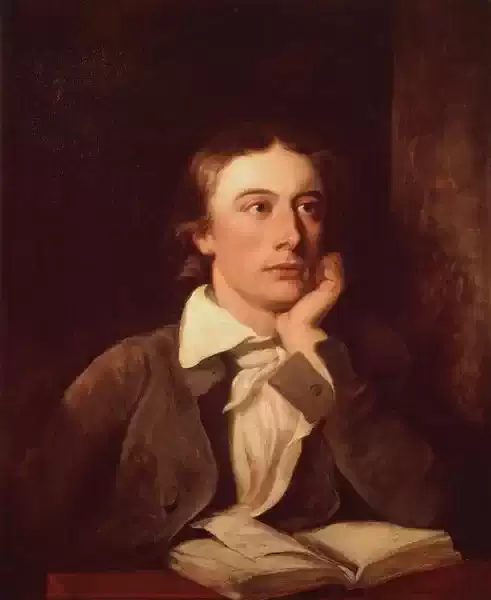
John Keats
Hyperion. Book I
Hyperion. Book I
Deep in the shady sadness of a vale
Far sunken from the healthy breath of morn,
Far from the fiery noon, and eve's one star,
Sat gray-hair'd Saturn, quiet as a stone,
Still as the silence round about his lair;
Forest on forest hung above his head
Like cloud on cloud. No stir of air was there,
Not so much life as on a summer's day
Robs not one light seed from the feather'd grass,
But where the dead leaf fell, there did it rest.
A stream went voiceless by, still deadened more
By reason of his fallen divinity
Spreading a shade: the Naiad 'mid her reeds
Press'd her cold finger closer to her lips.
Along the margin-sand large foot-marks went,
No further than to where his feet had stray'd,
And slept there since. Upon the sodden ground
His old right hand lay nerveless, listless, dead,
Unsceptred; and his realmless eyes were closed;
While his bow'd head seem'd list'ning to the Earth,
His ancient mother, for some comfort yet.
It seem'd no force could wake him from his place;
But there came one, who with a kindred hand
Touch'd his wide shoulders, after bending low
With reverence, though to one who knew it not.
She was a Goddess of the infant world;
By her in stature the tall Amazon
Had stood a pigmy's height: she would have ta'en
Achilles by the hair and bent his neck;
Or with a finger stay'd Ixion's wheel.
Her face was large as that of Memphian sphinx,
Pedestal'd haply in a palace court,
When sages look'd to Egypt for their lore.
But oh! how unlike marble was that face:
How beautiful, if sorrow had not made
Sorrow more beautiful than Beauty's self.
There was a listening fear in her regard,
As if calamity had but begun;
As if the vanward clouds of evil days
Had spent their malice, and the sullen rear
Was with its stored thunder labouring up.
One hand she press'd upon that aching spot
Where beats the human heart, as if just there,
Though an immortal, she felt cruel pain:
The other upon Saturn's bended neck
She laid, and to the level of his ear
Leaning with parted lips, some words she spake
In solemn tenor and deep organ tone:
Some mourning words, which in our feeble tongue
Would come in these like accents; O how frail
To that large utterance of the early Gods!
'Saturn, look up!--though wherefore, poor old King?
I have no comfort for thee, no not one:
I cannot say, 'O wherefore sleepest thou?'
For heaven is parted from thee, and the earth
Knows thee not, thus afflicted, for a God;
And ocean too, with all its solemn noise,
Has from thy sceptre pass'd; and all the air
Is emptied of thine hoary majesty.
Thy thunder, conscious of the new command,
Rumbles reluctant o'er our fallen house;
And thy sharp lightning in unpractised hands
Scorches and burns our once serene domain.
O aching time! O moments big as years!
All as ye pass swell out the monstrous truth,
And press it so upon our weary griefs
That unbelief has not a space to breathe.
Saturn, sleep on:--O thoughtless, why did I
Thus violate thy slumbrous solitude?
Why should I ope thy melancholy eyes?
Saturn, sleep on! while at thy feet I weep.'
As when, upon a tranced summer-night,
Those green-rob'd senators of mighty woods,
Tall oaks, branch-charmed by the earnest stars,
Dream, and so dream all night without a stir,
Save from one gradual solitary gust
Which comes upon the silence, and dies off,
As if the ebbing air had but one wave;
So came these words and went; the while in tears
She touch'd her fair large forehead to the ground,
Just where her fallen hair might be outspread
A soft and silken mat for Saturn's feet.
One moon, with alteration slow, had shed
Her silver seasons four upon the night,
And still these two were postured motionless,
Like natural sculpture in cathedral cavern;
The frozen God still couchant on the earth,
And the sad Goddess weeping at his feet:
Until at length old Saturn lifted up
His faded eyes, and saw his kingdom gone,
And all the gloom and sorrow ofthe place,
And that fair kneeling Goddess; and then spake,
As with a palsied tongue, and while his beard
Shook horrid with such aspen-malady:
'O tender spouse of gold Hyperion,
Thea, I feel thee ere I see thy face;
Look up, and let me see our doom in it;
Look up, and tell me if this feeble shape
Is Saturn's; tell me, if thou hear'st the voice
Of Saturn; tell me, if this wrinkling brow,
Naked and bare of its great diadem,
Peers like the front of Saturn? Who had power
To make me desolate? Whence came the strength?
How was it nurtur'd to such bursting forth,
While Fate seem'd strangled in my nervous grasp?
But it is so; and I am smother'd up,
And buried from all godlike exercise
Of influence benign on planets pale,
Of admonitions to the winds and seas,
Of peaceful sway above man's harvesting,
And all those acts which Deity supreme
Doth ease its heart of love in.--I am gone
Away from my own bosom: I have left
My strong identity, my real self,
Somewhere between the throne, and where I sit
Here on this spot of earth. Search, Thea, search!
Open thine eyes eterne, and sphere them round
Upon all space: space starr'd, and lorn of light;
Space region'd with life-air; and barren void;
Spaces of fire, and all the yawn of hell.--
Search, Thea, search! and tell me, if thou seest
A certain shape or shadow, making way
With wings or chariot fierce to repossess
A heaven he lost erewhile: it must--it must
Be of ripe progress--Saturn must be King.
Yes, there must be a golden victory;
There must be Gods thrown down, and trumpets blown
Of triumph calm, and hymns of festival
Upon the gold clouds metropolitan,
Voices of soft proclaim, and silver stir
Of strings in hollow shells; and there shall be
Beautiful things made new, for the surprise
Of the sky-children; I will give command:
Thea! Thea! Thea! where is Saturn?'
This passion lifted him upon his feet,
And made his hands to struggle in the air,
His Druid locks to shake and ooze with sweat,
His eyes to fever out, his voice to cease.
He stood, and heard not Thea's sobbing deep;
A little time, and then again he snatch'd
Utterance thus.--'But cannot I create?
Cannot I form? Cannot I fashion forth
Another world, another universe,
To overbear and crumble this to nought?
Where is another Chaos? Where?'--That word
Found way unto Olympus, and made quake
The rebel three.--Thea was startled up,
And in her bearing was a sort of hope,
As thus she quick-voic'd spake, yet full of awe.
'This cheers our fallen house: come to our friends,
O Saturn! come away, and give them heart;
I know the covert, for thence came I hither.'
Thus brief; then with beseeching eyes she went
With backward footing through the shade a space:
He follow'd, and she turn'd to lead the way
Through aged boughs, that yielded like the mist
Which eagles cleave upmounting from their nest.
Meanwhile in other realms big tears were shed,
More sorrow like to this, and such like woe,
Too huge for mortal tongue or pen of scribe:
The Titans fierce, self-hid, or prison-bound,
Groan'd for the old allegiance once more,
And listen'd in sharp pain for Saturn's voice.
But one of the whole mammoth-brood still kept
His sov'reigny, and rule, and majesy;--
Blazing Hyperion on his orbed fire
Still sat, still snuff'd the incense, teeming up
From man to the sun's God: yet unsecure:
For as among us mortals omens drear
Fright and perplex, so also shuddered he--
Not at dog's howl, or gloom-bird's hated screech,
Or the familiar visiting of one
Upon the first toll of his passing-bell,
Or prophesyings of the midnight lamp;
But horrors, portion'd to a giant nerve,
Oft made Hyperion ache. His palace bright,
Bastion'd with pyramids of glowing gold,
And touch'd with shade of bronzed obelisks,
Glar'd a blood-red through all its thousand courts,
Arches, and domes, and fiery galleries;
And all its curtains of Aurorian clouds
Flush'd angerly: while sometimes eagles' wings,
Unseen before by Gods or wondering men,
Darken'd the place; and neighing steeds were heard
Not heard before by Gods or wondering men.
Also, when he would taste the spicy wreaths
Of incense, breath'd aloft from sacred hills,
Instead of sweets, his ample palate took
Savor of poisonous brass and metal sick:
And so, when harbor'd in the sleepy west,
After the full completion of fair day,--
For rest divine upon exalted couch,
And slumber in the arms of melody,
He pac'd away the pleasant hours of ease
With stride colossal, on from hall to hall;
While far within each aisle and deep recess,
His winged minions in close clusters stood,
Amaz'd and full offear; like anxious men
Who on wide plains gather in panting troops,
When earthquakes jar their battlements and towers.
Even now, while Saturn, rous'd from icy trance,
Went step for step with Thea through the woods,
Hyperion, leaving twilight in the rear,
Came slope upon the threshold of the west;
Then, as was wont, his palace-door flew ope
In smoothest silence, save what solemn tubes,
Blown by the serious Zephyrs, gave of sweet
And wandering sounds, slow-breathed melodies;
And like a rose in vermeil tint and shape,
In fragrance soft, and coolness to the eye,
That inlet to severe magnificence
Stood full blown, for the God to enter in.
He enter'd, but he enter'd full of wrath;
His flaming robes stream'd out beyond his heels,
And gave a roar, as if of earthly fire,
That scar'd away the meek ethereal Hours
And made their dove-wings tremble. On he flared
From stately nave to nave, from vault to vault,
Through bowers of fragrant and enwreathed light,
And diamond-paved lustrous long arcades,
Until he reach'd the great main cupola;
There standing fierce beneath, he stampt his foot,
And from the basements deep to the high towers
Jarr'd his own golden region; and before
The quavering thunder thereupon had ceas'd,
His voice leapt out, despite of godlike curb,
To this result: 'O dreams of day and night!
O monstrous forms! O effigies of pain!
O spectres busy in a cold, cold gloom!
O lank-eared phantoms of black-weeded pools!
Why do I know ye? why have I seen ye? why
Is my eternal essence thus distraught
To see and to behold these horrors new?
Saturn is fallen, am I too to fall?
Am I to leave this haven of my rest,
This cradle of my glory, this soft clime,
This calm luxuriance of blissful light,
These crystalline pavilions, and pure fanes,
Of all my lucent empire? It is left
Deserted, void, nor any haunt of mine.
The blaze, the splendor, and the symmetry,
I cannot see but darkness, death, and darkness.
Even here, into my centre of repose,
The shady visions come to domineer,
Insult, and blind, and stifle up my pomp.-Fall!--
No, by Tellus and her briny robes!
Over the fiery frontier of my realms
I will advance a terrible right arm
Shall scare that infant thunderer, rebel Jove,
And bid old Saturn take his throne again.'--
He spake, and ceas'd, the while a heavier threat
Held struggle with his throat but came not forth;
For as in theatres of crowded men
Hubbub increases more they call out 'Hush!'
So at Hyperion's words the phantoms pale
Bestirr'd themselves, thrice horrible and cold;
And from the mirror'd level where he stood
A mist arose, as from a scummy marsh.
At this, through all his bulk an agony
Crept gradual, from the feet unto the crown,
Like a lithe serpent vast and muscular
Making slow way, with head and neck convuls'd
From over-strained might. Releas'd, he fled
To the eastern gates, and full six dewy hours
Before the dawn in season due should blush,
He breath'd fierce breath against the sleepy portals,
Clear'd them of heavy vapours, burst them wide
Suddenly on the ocean's chilly streams.
The planet orb of fire, whereon he rode
Each day from east to west the heavens through,
Spun round in sable curtaining of clouds;
Not therefore veiled quite, blindfold, and hid,
But ever and anon the glancing spheres,
Circles, and arcs, and broad-belting colure,
Glow'd through, and wrought upon the muffling dark
Sweet-shaped lightnings from the nadir deep
Up to the zenith,--hieroglyphics old,
Which sages and keen-eyed astrologers
Then living on the earth, with laboring thought
Won from the gaze of many centuries:
Now lost, save what we find on remnants huge
Of stone, or rnarble swart; their import gone,
Their wisdom long since fled.--Two wings this orb
Possess'd for glory, two fair argent wings,
Ever exalted at the God's approach:
And now, from forth the gloom their plumes immense
Rose, one by one, till all outspreaded were;
While still the dazzling globe maintain'd eclipse,
Awaiting for Hyperion's command.
Fain would he have commanded, fain took throne
And bid the day begin, if but for change.
He might not:--No, though a primeval God:
The sacred seasons might not be disturb'd.
Therefore the operations of the dawn
Stay'd in their birth, even as here 'tis told.
Those silver wings expanded sisterly,
Eager to sail their orb; the porches wide
Open'd upon the dusk demesnes of night
And the bright Titan, phrenzied with new woes,
Unus'd to bend, by hard compulsion bent
His spirit to the sorrow of the time;
And all along a dismal rack of clouds,
Upon the boundaries of day and night,
He stretch'd himself in grief and radiance faint.
There as he lay, the Heaven with its stars
Look'd down on him with pity, and the voice
Of Coelus, from the universal space,
Thus whisper'd low and solemn in his ear:
'O brightest of my children dear, earth-born
And sky-engendered, son of mysteries
All unrevealed even to the powers
Which met at thy creating; at whose joys
And palpitations sweet, and pleasures soft,
I, Coelus, wonder, how they came and whence;
And at the fruits thereof what shapes they be,
Distinct, and visible; symbols divine,
Manifestations of that beauteous life
Diffus'd unseen throughout eternal space:
Of these new-form'd art thou, O brightest child!
Of these, thy brethren and the Goddesses!
There is sad feud among ye, and rebellion
Of son against his sire. I saw him fall,
I saw my first-born tumbled from his throne!
To me his arms were spread, to me his voice
Found way from forth the thunders round his head!
Pale wox I, and in vapours hid my face.
Art thou, too, near such doom? vague fear there is:
For I have seen my sons most unlike Gods.
Divine ye were created, and divine
In sad demeanour, solemn, undisturb'd,
Unruffled, like high Gods, ye liv'd and ruled:
Now I behold in you fear, hope, and wrath;
Actions of rage and passion; even as
I see them, on the mortal world beneath,
In men who die.--This is the grief, O son!
Sad sign of ruin, sudden dismay, and fall!
Yet do thou strive; as thou art capable,
As thou canst move about, an evident God;
And canst oppose to each malignant hour
Ethereal presence:--I am but a voice;
My life is but the life of winds and tides,
No more than winds and tides can I avail:--
But thou canst.--Be thou therefore in the van
Of circumstance; yea, seize the arrow's barb
Before the tense string murmur.--To the earth!
For there thou wilt find Saturn, and his woes.
Meantime I will keep watch on thy bright sun,
And of thy seasons be a careful nurse.'--
Ere half this region-whisper had come down,
Hyperion arose, and on the stars
Lifted his curved lids, and kept them wide
Until it ceas'd; and still he kept them wide:
And still they were the same bright, patient stars.
Then with a slow incline of his broad breast,
Like to a diver in the pearly seas,
Forward he stoop'd over the airy shore,
And plung'd all noiseless into the deep night.
Deep in the shady sadness of a vale
Far sunken from the healthy breath of morn,
Far from the fiery noon, and eve's one star,
Sat gray-hair'd Saturn, quiet as a stone,
Still as the silence round about his lair;
Forest on forest hung above his head
Like cloud on cloud. No stir of air was there,
Not so much life as on a summer's day
Robs not one light seed from the feather'd grass,
But where the dead leaf fell, there did it rest.
A stream went voiceless by, still deadened more
By reason of his fallen divinity
Spreading a shade: the Naiad 'mid her reeds
Press'd her cold finger closer to her lips.
Along the margin-sand large foot-marks went,
No further than to where his feet had stray'd,
And slept there since. Upon the sodden ground
His old right hand lay nerveless, listless, dead,
Unsceptred; and his realmless eyes were closed;
While his bow'd head seem'd list'ning to the Earth,
His ancient mother, for some comfort yet.
It seem'd no force could wake him from his place;
But there came one, who with a kindred hand
Touch'd his wide shoulders, after bending low
With reverence, though to one who knew it not.
She was a Goddess of the infant world;
By her in stature the tall Amazon
Had stood a pigmy's height: she would have ta'en
Achilles by the hair and bent his neck;
Or with a finger stay'd Ixion's wheel.
Her face was large as that of Memphian sphinx,
Pedestal'd haply in a palace court,
When sages look'd to Egypt for their lore.
But oh! how unlike marble was that face:
How beautiful, if sorrow had not made
Sorrow more beautiful than Beauty's self.
There was a listening fear in her regard,
As if calamity had but begun;
As if the vanward clouds of evil days
Had spent their malice, and the sullen rear
Was with its stored thunder labouring up.
One hand she press'd upon that aching spot
Where beats the human heart, as if just there,
Though an immortal, she felt cruel pain:
The other upon Saturn's bended neck
She laid, and to the level of his ear
Leaning with parted lips, some words she spake
In solemn tenor and deep organ tone:
Some mourning words, which in our feeble tongue
Would come in these like accents; O how frail
To that large utterance of the early Gods!
'Saturn, look up!--though wherefore, poor old King?
I have no comfort for thee, no not one:
I cannot say, 'O wherefore sleepest thou?'
For heaven is parted from thee, and the earth
Knows thee not, thus afflicted, for a God;
And ocean too, with all its solemn noise,
Has from thy sceptre pass'd; and all the air
Is emptied of thine hoary majesty.
Thy thunder, conscious of the new command,
Rumbles reluctant o'er our fallen house;
And thy sharp lightning in unpractised hands
Scorches and burns our once serene domain.
O aching time! O moments big as years!
All as ye pass swell out the monstrous truth,
And press it so upon our weary griefs
That unbelief has not a space to breathe.
Saturn, sleep on:--O thoughtless, why did I
Thus violate thy slumbrous solitude?
Why should I ope thy melancholy eyes?
Saturn, sleep on! while at thy feet I weep.'
As when, upon a tranced summer-night,
Those green-rob'd senators of mighty woods,
Tall oaks, branch-charmed by the earnest stars,
Dream, and so dream all night without a stir,
Save from one gradual solitary gust
Which comes upon the silence, and dies off,
As if the ebbing air had but one wave;
So came these words and went; the while in tears
She touch'd her fair large forehead to the ground,
Just where her fallen hair might be outspread
A soft and silken mat for Saturn's feet.
One moon, with alteration slow, had shed
Her silver seasons four upon the night,
And still these two were postured motionless,
Like natural sculpture in cathedral cavern;
The frozen God still couchant on the earth,
And the sad Goddess weeping at his feet:
Until at length old Saturn lifted up
His faded eyes, and saw his kingdom gone,
And all the gloom and sorrow ofthe place,
And that fair kneeling Goddess; and then spake,
As with a palsied tongue, and while his beard
Shook horrid with such aspen-malady:
'O tender spouse of gold Hyperion,
Thea, I feel thee ere I see thy face;
Look up, and let me see our doom in it;
Look up, and tell me if this feeble shape
Is Saturn's; tell me, if thou hear'st the voice
Of Saturn; tell me, if this wrinkling brow,
Naked and bare of its great diadem,
Peers like the front of Saturn? Who had power
To make me desolate? Whence came the strength?
How was it nurtur'd to such bursting forth,
While Fate seem'd strangled in my nervous grasp?
But it is so; and I am smother'd up,
And buried from all godlike exercise
Of influence benign on planets pale,
Of admonitions to the winds and seas,
Of peaceful sway above man's harvesting,
And all those acts which Deity supreme
Doth ease its heart of love in.--I am gone
Away from my own bosom: I have left
My strong identity, my real self,
Somewhere between the throne, and where I sit
Here on this spot of earth. Search, Thea, search!
Open thine eyes eterne, and sphere them round
Upon all space: space starr'd, and lorn of light;
Space region'd with life-air; and barren void;
Spaces of fire, and all the yawn of hell.--
Search, Thea, search! and tell me, if thou seest
A certain shape or shadow, making way
With wings or chariot fierce to repossess
A heaven he lost erewhile: it must--it must
Be of ripe progress--Saturn must be King.
Yes, there must be a golden victory;
There must be Gods thrown down, and trumpets blown
Of triumph calm, and hymns of festival
Upon the gold clouds metropolitan,
Voices of soft proclaim, and silver stir
Of strings in hollow shells; and there shall be
Beautiful things made new, for the surprise
Of the sky-children; I will give command:
Thea! Thea! Thea! where is Saturn?'
This passion lifted him upon his feet,
And made his hands to struggle in the air,
His Druid locks to shake and ooze with sweat,
His eyes to fever out, his voice to cease.
He stood, and heard not Thea's sobbing deep;
A little time, and then again he snatch'd
Utterance thus.--'But cannot I create?
Cannot I form? Cannot I fashion forth
Another world, another universe,
To overbear and crumble this to nought?
Where is another Chaos? Where?'--That word
Found way unto Olympus, and made quake
The rebel three.--Thea was startled up,
And in her bearing was a sort of hope,
As thus she quick-voic'd spake, yet full of awe.
'This cheers our fallen house: come to our friends,
O Saturn! come away, and give them heart;
I know the covert, for thence came I hither.'
Thus brief; then with beseeching eyes she went
With backward footing through the shade a space:
He follow'd, and she turn'd to lead the way
Through aged boughs, that yielded like the mist
Which eagles cleave upmounting from their nest.
Meanwhile in other realms big tears were shed,
More sorrow like to this, and such like woe,
Too huge for mortal tongue or pen of scribe:
The Titans fierce, self-hid, or prison-bound,
Groan'd for the old allegiance once more,
And listen'd in sharp pain for Saturn's voice.
But one of the whole mammoth-brood still kept
His sov'reigny, and rule, and majesy;--
Blazing Hyperion on his orbed fire
Still sat, still snuff'd the incense, teeming up
From man to the sun's God: yet unsecure:
For as among us mortals omens drear
Fright and perplex, so also shuddered he--
Not at dog's howl, or gloom-bird's hated screech,
Or the familiar visiting of one
Upon the first toll of his passing-bell,
Or prophesyings of the midnight lamp;
But horrors, portion'd to a giant nerve,
Oft made Hyperion ache. His palace bright,
Bastion'd with pyramids of glowing gold,
And touch'd with shade of bronzed obelisks,
Glar'd a blood-red through all its thousand courts,
Arches, and domes, and fiery galleries;
And all its curtains of Aurorian clouds
Flush'd angerly: while sometimes eagles' wings,
Unseen before by Gods or wondering men,
Darken'd the place; and neighing steeds were heard
Not heard before by Gods or wondering men.
Also, when he would taste the spicy wreaths
Of incense, breath'd aloft from sacred hills,
Instead of sweets, his ample palate took
Savor of poisonous brass and metal sick:
And so, when harbor'd in the sleepy west,
After the full completion of fair day,--
For rest divine upon exalted couch,
And slumber in the arms of melody,
He pac'd away the pleasant hours of ease
With stride colossal, on from hall to hall;
While far within each aisle and deep recess,
His winged minions in close clusters stood,
Amaz'd and full offear; like anxious men
Who on wide plains gather in panting troops,
When earthquakes jar their battlements and towers.
Even now, while Saturn, rous'd from icy trance,
Went step for step with Thea through the woods,
Hyperion, leaving twilight in the rear,
Came slope upon the threshold of the west;
Then, as was wont, his palace-door flew ope
In smoothest silence, save what solemn tubes,
Blown by the serious Zephyrs, gave of sweet
And wandering sounds, slow-breathed melodies;
And like a rose in vermeil tint and shape,
In fragrance soft, and coolness to the eye,
That inlet to severe magnificence
Stood full blown, for the God to enter in.
He enter'd, but he enter'd full of wrath;
His flaming robes stream'd out beyond his heels,
And gave a roar, as if of earthly fire,
That scar'd away the meek ethereal Hours
And made their dove-wings tremble. On he flared
From stately nave to nave, from vault to vault,
Through bowers of fragrant and enwreathed light,
And diamond-paved lustrous long arcades,
Until he reach'd the great main cupola;
There standing fierce beneath, he stampt his foot,
And from the basements deep to the high towers
Jarr'd his own golden region; and before
The quavering thunder thereupon had ceas'd,
His voice leapt out, despite of godlike curb,
To this result: 'O dreams of day and night!
O monstrous forms! O effigies of pain!
O spectres busy in a cold, cold gloom!
O lank-eared phantoms of black-weeded pools!
Why do I know ye? why have I seen ye? why
Is my eternal essence thus distraught
To see and to behold these horrors new?
Saturn is fallen, am I too to fall?
Am I to leave this haven of my rest,
This cradle of my glory, this soft clime,
This calm luxuriance of blissful light,
These crystalline pavilions, and pure fanes,
Of all my lucent empire? It is left
Deserted, void, nor any haunt of mine.
The blaze, the splendor, and the symmetry,
I cannot see but darkness, death, and darkness.
Even here, into my centre of repose,
The shady visions come to domineer,
Insult, and blind, and stifle up my pomp.-Fall!--
No, by Tellus and her briny robes!
Over the fiery frontier of my realms
I will advance a terrible right arm
Shall scare that infant thunderer, rebel Jove,
And bid old Saturn take his throne again.'--
He spake, and ceas'd, the while a heavier threat
Held struggle with his throat but came not forth;
For as in theatres of crowded men
Hubbub increases more they call out 'Hush!'
So at Hyperion's words the phantoms pale
Bestirr'd themselves, thrice horrible and cold;
And from the mirror'd level where he stood
A mist arose, as from a scummy marsh.
At this, through all his bulk an agony
Crept gradual, from the feet unto the crown,
Like a lithe serpent vast and muscular
Making slow way, with head and neck convuls'd
From over-strained might. Releas'd, he fled
To the eastern gates, and full six dewy hours
Before the dawn in season due should blush,
He breath'd fierce breath against the sleepy portals,
Clear'd them of heavy vapours, burst them wide
Suddenly on the ocean's chilly streams.
The planet orb of fire, whereon he rode
Each day from east to west the heavens through,
Spun round in sable curtaining of clouds;
Not therefore veiled quite, blindfold, and hid,
But ever and anon the glancing spheres,
Circles, and arcs, and broad-belting colure,
Glow'd through, and wrought upon the muffling dark
Sweet-shaped lightnings from the nadir deep
Up to the zenith,--hieroglyphics old,
Which sages and keen-eyed astrologers
Then living on the earth, with laboring thought
Won from the gaze of many centuries:
Now lost, save what we find on remnants huge
Of stone, or rnarble swart; their import gone,
Their wisdom long since fled.--Two wings this orb
Possess'd for glory, two fair argent wings,
Ever exalted at the God's approach:
And now, from forth the gloom their plumes immense
Rose, one by one, till all outspreaded were;
While still the dazzling globe maintain'd eclipse,
Awaiting for Hyperion's command.
Fain would he have commanded, fain took throne
And bid the day begin, if but for change.
He might not:--No, though a primeval God:
The sacred seasons might not be disturb'd.
Therefore the operations of the dawn
Stay'd in their birth, even as here 'tis told.
Those silver wings expanded sisterly,
Eager to sail their orb; the porches wide
Open'd upon the dusk demesnes of night
And the bright Titan, phrenzied with new woes,
Unus'd to bend, by hard compulsion bent
His spirit to the sorrow of the time;
And all along a dismal rack of clouds,
Upon the boundaries of day and night,
He stretch'd himself in grief and radiance faint.
There as he lay, the Heaven with its stars
Look'd down on him with pity, and the voice
Of Coelus, from the universal space,
Thus whisper'd low and solemn in his ear:
'O brightest of my children dear, earth-born
And sky-engendered, son of mysteries
All unrevealed even to the powers
Which met at thy creating; at whose joys
And palpitations sweet, and pleasures soft,
I, Coelus, wonder, how they came and whence;
And at the fruits thereof what shapes they be,
Distinct, and visible; symbols divine,
Manifestations of that beauteous life
Diffus'd unseen throughout eternal space:
Of these new-form'd art thou, O brightest child!
Of these, thy brethren and the Goddesses!
There is sad feud among ye, and rebellion
Of son against his sire. I saw him fall,
I saw my first-born tumbled from his throne!
To me his arms were spread, to me his voice
Found way from forth the thunders round his head!
Pale wox I, and in vapours hid my face.
Art thou, too, near such doom? vague fear there is:
For I have seen my sons most unlike Gods.
Divine ye were created, and divine
In sad demeanour, solemn, undisturb'd,
Unruffled, like high Gods, ye liv'd and ruled:
Now I behold in you fear, hope, and wrath;
Actions of rage and passion; even as
I see them, on the mortal world beneath,
In men who die.--This is the grief, O son!
Sad sign of ruin, sudden dismay, and fall!
Yet do thou strive; as thou art capable,
As thou canst move about, an evident God;
And canst oppose to each malignant hour
Ethereal presence:--I am but a voice;
My life is but the life of winds and tides,
No more than winds and tides can I avail:--
But thou canst.--Be thou therefore in the van
Of circumstance; yea, seize the arrow's barb
Before the tense string murmur.--To the earth!
For there thou wilt find Saturn, and his woes.
Meantime I will keep watch on thy bright sun,
And of thy seasons be a careful nurse.'--
Ere half this region-whisper had come down,
Hyperion arose, and on the stars
Lifted his curved lids, and kept them wide
Until it ceas'd; and still he kept them wide:
And still they were the same bright, patient stars.
Then with a slow incline of his broad breast,
Like to a diver in the pearly seas,
Forward he stoop'd over the airy shore,
And plung'd all noiseless into the deep night.
638
John Donne
Elegy IX: The Autumnal
Elegy IX: The Autumnal
No spring nor summer beauty hath such grace
As I have seen in one autumnal face.
Young beauties force our love, and that's a rape,
This doth but counsel, yet you cannot scape.
If 'twere a shame to love, here 'twere no shame;
Affection here takes reverence's name.
Were her first years the golden age? That's true,
But now she's gold oft tried and ever new.
That was her torrid and inflaming time,
This is her tolerable tropic clime.
Fair eyes, who asks more heat than comes from hence,
He in a fever wishes pestilence.
Call not these wrinkles, graves; if graves they were,
They were Love's graves, for else he is no where.
Yet lies not Love dead here, but here doth sit
Vow'd to this trench, like an anachorit;
And here till hers, which must be his death, come,
He doth not dig a grave, but build a tomb.
Here dwells he; though he sojourn ev'rywhere
In progress, yet his standing house is here:
Here where still evening is, not noon nor night,
Where no voluptuousness, yet all delight.
In all her words, unto all hearers fit,
You may at revels, you at council, sit.
This is Love's timber, youth his underwood;
There he, as wine in June, enrages blood,
Which then comes seasonabliest when our taste
And appetite to other things is past.
Xerxes' strange Lydian love, the platan tree,
Was lov'd for age, none being so large as she,
Or else because, being young, nature did bless
Her youth with age's glory, barrenness.
If we love things long sought, age is a thing
Which we are fifty years in compassing;
If transitory things, which soon decay,
Age must be loveliest at the latest day.
But name not winter faces, whose skin's slack,
Lank as an unthrift's purse, but a soul's sack;
Whose eyes seek light within, for all here's shade;
Whose mouths are holes, rather worn out than made;
Whose every tooth to a several place is gone,
To vex their souls at resurrection:
Name not these living death's-heads unto me,
For these, not ancient, but antique be.
I hate extremes, yet I had rather stay
With tombs than cradles, to wear out a day.
Since such love's natural lation is, may still
My love descend, and journey down the hill,
Not panting after growing beauties. So,
I shall ebb on with them who homeward go.
No spring nor summer beauty hath such grace
As I have seen in one autumnal face.
Young beauties force our love, and that's a rape,
This doth but counsel, yet you cannot scape.
If 'twere a shame to love, here 'twere no shame;
Affection here takes reverence's name.
Were her first years the golden age? That's true,
But now she's gold oft tried and ever new.
That was her torrid and inflaming time,
This is her tolerable tropic clime.
Fair eyes, who asks more heat than comes from hence,
He in a fever wishes pestilence.
Call not these wrinkles, graves; if graves they were,
They were Love's graves, for else he is no where.
Yet lies not Love dead here, but here doth sit
Vow'd to this trench, like an anachorit;
And here till hers, which must be his death, come,
He doth not dig a grave, but build a tomb.
Here dwells he; though he sojourn ev'rywhere
In progress, yet his standing house is here:
Here where still evening is, not noon nor night,
Where no voluptuousness, yet all delight.
In all her words, unto all hearers fit,
You may at revels, you at council, sit.
This is Love's timber, youth his underwood;
There he, as wine in June, enrages blood,
Which then comes seasonabliest when our taste
And appetite to other things is past.
Xerxes' strange Lydian love, the platan tree,
Was lov'd for age, none being so large as she,
Or else because, being young, nature did bless
Her youth with age's glory, barrenness.
If we love things long sought, age is a thing
Which we are fifty years in compassing;
If transitory things, which soon decay,
Age must be loveliest at the latest day.
But name not winter faces, whose skin's slack,
Lank as an unthrift's purse, but a soul's sack;
Whose eyes seek light within, for all here's shade;
Whose mouths are holes, rather worn out than made;
Whose every tooth to a several place is gone,
To vex their souls at resurrection:
Name not these living death's-heads unto me,
For these, not ancient, but antique be.
I hate extremes, yet I had rather stay
With tombs than cradles, to wear out a day.
Since such love's natural lation is, may still
My love descend, and journey down the hill,
Not panting after growing beauties. So,
I shall ebb on with them who homeward go.
276
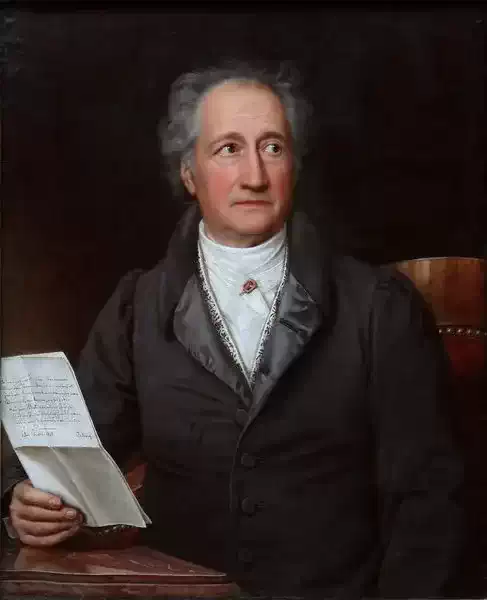
Johann Wolfgang von Goethe
Epitaph
Epitaph
As a boy, reserved and naughty;
As a youth, a coxcomb and haughty;
As a man, for action inclined;
As a greybeard, fickle in mind.--
Upon thy grave will people read:
This was a very man, indeed!
As a boy, reserved and naughty;
As a youth, a coxcomb and haughty;
As a man, for action inclined;
As a greybeard, fickle in mind.--
Upon thy grave will people read:
This was a very man, indeed!
408
James Whitcomb Riley
Grandfather Squeers
Grandfather Squeers
'My grandfather Squeers,' said The Raggedy Man,
As he solemnly lighted his pipe and began-
'The most indestructible man, for his years,
And the grandest on earth, was my grandfather Squeers!
'He said, when he rounded his three-score-and-ten,
'I've the hang of it now and can do it again!'
'He had frozen his heels so repeatedly, he
Could tell by them just what the weather would be;
'And would laugh and declare, 'while the _Almanac_ would
Most falsely prognosticate, _he_ never could!'
'Such a hale constitution had grandfather Squeers
That, 'though he'd used '_navy_' for sixty odd years,
'He still chewed a dime's-worth six days of the week,
While the seventh he passed with a chew in each cheek:
'Then my grandfather Squeers had a singular knack
Of sitting around on the small of his back,
'With his legs like a letter Y stretched o'er the grate
Wherein 'twas his custom to ex-pec-tor-ate.
'He was fond of tobacco in _manifold_ ways,
And would sit on the door-step, of sunshiny days,
'And smoke leaf-tobacco he'd raised strictly for
The pipe he'd used all through The Mexican War.'
And The Raggedy Man said, refilling the bowl
Of his own pipe and leisurely picking a coal
From the stove with his finger and thumb, 'You can see
What a tee-nacious habit he's fastened on me!
'And my grandfather Squeers took a special delight
In pruning his corns every Saturday night
'With a horn-handled razor, whose edge he excused
By saying 'twas one that his grandfather used;
'And, though deeply etched in the haft of the same
Was the ever-euphonious Wostenholm's name,
''Twas my grandfather's custom to boast of the blade
As 'A Seth Thomas razor--the best ever made!'
'No Old Settlers' Meeting, or Pioneers' Fair,
Was complete without grandfather Squeers in the chair
'To lead off the programme by telling folks how
'He used to shoot deer where the Court-House stands now'-
'How 'he felt, of a truth, to live over the past,
When the country was wild and unbroken and vast,
''That the little log cabin was just plenty fine
For himself, his companion, and fambly of nine!-
''When they didn't have even a pump, or a tin,
But drunk surface-water, year out and year in,
''From the old-fashioned gourd that was sweeter, by odds,
Than the goblets of gold at the lips of the gods!''
Then The Raggedy Man paused to plaintively say
It was clockin' along to'rds the close of the day--
And he'd _ought_ to get back to his work on the lawn,--
Then dreamily blubbered his pipe and went on:
'His teeth were imperfect--my grandfather owned
That he couldn't eat oysters unless they were 'boned';
'And his eyes were so weak, and so feeble of sight,
He couldn't sleep with them unless, every night,
'He put on his spectacles--all he possessed,--
Three pairs--with his goggles on top of the rest.
'And my grandfather always, retiring at night,
Blew down the lamp-chimney to put out the light;
'Then he'd curl up on edge like a shaving, in bed,
And puff and smoke pipes in his sleep, it is said:
'And would snore oftentimes as the legends relate,
Till his folks were wrought up to a terrible state,-
'Then he'd snort, and rear up, and roll over; and there,
In the subsequent hush they could hear him chew air.
'And so glaringly bald was the top of his head
That many's the time he has musingly said,
'As his eyes journeyed o'er its reflex in the glass,-'
I must set out a few signs of _Keep Off the Grass!_'
'So remarkably deaf was my grandfather Squeers
That he had to wear lightning-rods over his ears
'To even hear thunder--and oftentimes then
He was forced to request it to thunder again.'
'My grandfather Squeers,' said The Raggedy Man,
As he solemnly lighted his pipe and began-
'The most indestructible man, for his years,
And the grandest on earth, was my grandfather Squeers!
'He said, when he rounded his three-score-and-ten,
'I've the hang of it now and can do it again!'
'He had frozen his heels so repeatedly, he
Could tell by them just what the weather would be;
'And would laugh and declare, 'while the _Almanac_ would
Most falsely prognosticate, _he_ never could!'
'Such a hale constitution had grandfather Squeers
That, 'though he'd used '_navy_' for sixty odd years,
'He still chewed a dime's-worth six days of the week,
While the seventh he passed with a chew in each cheek:
'Then my grandfather Squeers had a singular knack
Of sitting around on the small of his back,
'With his legs like a letter Y stretched o'er the grate
Wherein 'twas his custom to ex-pec-tor-ate.
'He was fond of tobacco in _manifold_ ways,
And would sit on the door-step, of sunshiny days,
'And smoke leaf-tobacco he'd raised strictly for
The pipe he'd used all through The Mexican War.'
And The Raggedy Man said, refilling the bowl
Of his own pipe and leisurely picking a coal
From the stove with his finger and thumb, 'You can see
What a tee-nacious habit he's fastened on me!
'And my grandfather Squeers took a special delight
In pruning his corns every Saturday night
'With a horn-handled razor, whose edge he excused
By saying 'twas one that his grandfather used;
'And, though deeply etched in the haft of the same
Was the ever-euphonious Wostenholm's name,
''Twas my grandfather's custom to boast of the blade
As 'A Seth Thomas razor--the best ever made!'
'No Old Settlers' Meeting, or Pioneers' Fair,
Was complete without grandfather Squeers in the chair
'To lead off the programme by telling folks how
'He used to shoot deer where the Court-House stands now'-
'How 'he felt, of a truth, to live over the past,
When the country was wild and unbroken and vast,
''That the little log cabin was just plenty fine
For himself, his companion, and fambly of nine!-
''When they didn't have even a pump, or a tin,
But drunk surface-water, year out and year in,
''From the old-fashioned gourd that was sweeter, by odds,
Than the goblets of gold at the lips of the gods!''
Then The Raggedy Man paused to plaintively say
It was clockin' along to'rds the close of the day--
And he'd _ought_ to get back to his work on the lawn,--
Then dreamily blubbered his pipe and went on:
'His teeth were imperfect--my grandfather owned
That he couldn't eat oysters unless they were 'boned';
'And his eyes were so weak, and so feeble of sight,
He couldn't sleep with them unless, every night,
'He put on his spectacles--all he possessed,--
Three pairs--with his goggles on top of the rest.
'And my grandfather always, retiring at night,
Blew down the lamp-chimney to put out the light;
'Then he'd curl up on edge like a shaving, in bed,
And puff and smoke pipes in his sleep, it is said:
'And would snore oftentimes as the legends relate,
Till his folks were wrought up to a terrible state,-
'Then he'd snort, and rear up, and roll over; and there,
In the subsequent hush they could hear him chew air.
'And so glaringly bald was the top of his head
That many's the time he has musingly said,
'As his eyes journeyed o'er its reflex in the glass,-'
I must set out a few signs of _Keep Off the Grass!_'
'So remarkably deaf was my grandfather Squeers
That he had to wear lightning-rods over his ears
'To even hear thunder--and oftentimes then
He was forced to request it to thunder again.'
304
Horácio
BkIV:X Age
BkIV:X Age
O you who are cruel still, and a master of Venus’s gifts,
when a white, unexpected plumage surmounts all your arrogance,
and the tresses that wave on your shoulders have all been shorn away,
and the colour that now outshines the flower of the crimson rose
is transformed, my Ligurinus, and has changed into roughened skin:
whenever you look at your altered face in the mirror, you’ll say:
‘Why didn’t I have, when I was a youth, the mind I have today,
or why can’t those untouched cheeks return to visit this soul of mine?’
O you who are cruel still, and a master of Venus’s gifts,
when a white, unexpected plumage surmounts all your arrogance,
and the tresses that wave on your shoulders have all been shorn away,
and the colour that now outshines the flower of the crimson rose
is transformed, my Ligurinus, and has changed into roughened skin:
whenever you look at your altered face in the mirror, you’ll say:
‘Why didn’t I have, when I was a youth, the mind I have today,
or why can’t those untouched cheeks return to visit this soul of mine?’
227
Horácio
BkIII:XV Too Old
BkIII:XV Too Old
O, dear wife of poor Ibycus,
put an end to your wickedness, at last, and all
of your infamous goings-on:
now you are nearer the season for dying,
stop playing about with the girls,
and scattering a mist over shining stars.
What fits Pholoe is not quite
fitting for you, Chloris: while your daughter’s more
suited to storming the houses of lovers,
like a Bacchante stirred by the beating drum.
Her love for Nothus forces her
to gambol like a lascivious she-goat:
the wool that’s shorn near to noble
Luceria’s fitting for you, sad old thing,
not the dark red flower of the rose,
nor the lyre, nor the wine-jars drained to their dregs
O, dear wife of poor Ibycus,
put an end to your wickedness, at last, and all
of your infamous goings-on:
now you are nearer the season for dying,
stop playing about with the girls,
and scattering a mist over shining stars.
What fits Pholoe is not quite
fitting for you, Chloris: while your daughter’s more
suited to storming the houses of lovers,
like a Bacchante stirred by the beating drum.
Her love for Nothus forces her
to gambol like a lascivious she-goat:
the wool that’s shorn near to noble
Luceria’s fitting for you, sad old thing,
not the dark red flower of the rose,
nor the lyre, nor the wine-jars drained to their dregs
260
Henry Wadsworth Longfellow
Youth And Age. (Sonnet III.)
Youth And Age. (Sonnet III.)
Oh give me back the days when loose and free
To my blind passion were the curb and rein,
Oh give me back the angelic face again,
With which all virtue buried seems to be!
Oh give my panting footsteps back to me,
That are in age so slow and fraught with pain,
And fire and moisture in the heart and brain,
If thou wouldst have me burn and weep for thee!
If it be true thou livest alone, Amor,
On the sweet-bitter tears of human hearts,
In an old man thou canst not wake desire;
Souls that have almost reached the other shore
Of a diviner love should feel the darts,
And be as tinder to a holier fire.
Oh give me back the days when loose and free
To my blind passion were the curb and rein,
Oh give me back the angelic face again,
With which all virtue buried seems to be!
Oh give my panting footsteps back to me,
That are in age so slow and fraught with pain,
And fire and moisture in the heart and brain,
If thou wouldst have me burn and weep for thee!
If it be true thou livest alone, Amor,
On the sweet-bitter tears of human hearts,
In an old man thou canst not wake desire;
Souls that have almost reached the other shore
Of a diviner love should feel the darts,
And be as tinder to a holier fire.
405
Henry Wadsworth Longfellow
Old Age. (Sonnet IV.)
Old Age. (Sonnet IV.)
The course of my long life hath reached at last,
In fragile bark o'er a tempestuous sea,
The common harbor, where must rendered be
Account of all the actions of the past.
The impassioned phantasy, that, vague and vast,
Made art an idol and a king to me,
Was an illusion, and but vanity
Were the desires that lured me and harassed.
The dreams of love, that were so sweet of yore,
What are they now, when two deaths may be mine,--
One sure, and one forecasting its alarms?
Painting and sculpture satisfy no more
The soul now turning to the Love Divine,
That oped, to embrace us, on the cross its arms.
The course of my long life hath reached at last,
In fragile bark o'er a tempestuous sea,
The common harbor, where must rendered be
Account of all the actions of the past.
The impassioned phantasy, that, vague and vast,
Made art an idol and a king to me,
Was an illusion, and but vanity
Were the desires that lured me and harassed.
The dreams of love, that were so sweet of yore,
What are they now, when two deaths may be mine,--
One sure, and one forecasting its alarms?
Painting and sculpture satisfy no more
The soul now turning to the Love Divine,
That oped, to embrace us, on the cross its arms.
428
Henry Wadsworth Longfellow
Morituri Salutamus: Poem for the Fiftieth Anniversary of th
Morituri Salutamus: Poem for the Fiftieth Anniversary of th
Tempora labuntur, tacitisque senescimus annis,
Et fugiunt freno non remorante dies.
Ovid, Fastorum, Lib. vi.
"O Cæsar, we who are about to die
Salute you!" was the gladiators' cry
In the arena, standing face to face
With death and with the Roman populace.
O ye familiar scenes,--ye groves of pine,
That once were mine and are no longer mine,-Thou
river, widening through the meadows green
To the vast sea, so near and yet unseen,-Ye
halls, in whose seclusion and repose
Phantoms of fame, like exhalations, rose
And vanished,--we who are about to die,
Salute you; earth and air and sea and sky,
And the Imperial Sun that scatters down
His sovereign splendors upon grove and town.
Ye do not answer us! ye do not hear!
We are forgotten; and in your austere
And calm indifference, ye little care
Whether we come or go, or whence or where.
What passing generations fill these halls,
What passing voices echo from these walls,
Ye heed not; we are only as the blast,
A moment heard, and then forever past.
Not so the teachers who in earlier days
Led our bewildered feet through learning's maze;
They answer us--alas! what have I said?
What greetings come there from the voiceless dead?
What salutation, welcome, or reply?
What pressure from the hands that lifeless lie?
They are no longer here; they all are gone
Into the land of shadows,--all save one.
Honor and reverence, and the good repute
That follows faithful service as its fruit,
Be unto him, whom living we salute.
The great Italian poet, when he made
His dreadful journey to the realms of shade,
Met there the old instructor of his youth,
And cried in tones of pity and of ruth:
"Oh, never from the memory of my heart
Your dear, paternal image shall depart,
Who while on earth, ere yet by death surprised,
Taught me how mortals are immortalized;
How grateful am I for that patient care
All my life long my language shall declare."
To-day we make the poet's words our own,
And utter them in plaintive undertone;
Nor to the living only be they said,
But to the other living called the dead,
Whose dear, paternal images appear
Not wrapped in gloom, but robed in sunshine here;
Whose simple lives, complete and without flaw,
Were part and parcel of great Nature's law;
Who said not to their Lord, as if afraid,
"Here is thy talent in a napkin laid,"
But labored in their sphere, as men who live
In the delight that work alone can give.
Peace be to them; eternal peace and rest,
And the fulfilment of the great behest:
"Ye have been faithful over a few things,
Over ten cities shall ye reign as kings."
And ye who fill the places we once filled,
And follow in the furrows that we tilled,
Young men, whose generous hearts are beating high,
We who are old, and are about to die,
Salute you; hail you; take your hands in ours,
And crown you with our welcome as with flowers!
How beautiful is youth! how bright it gleams
With its illusions, aspirations, dreams!
Book of Beginnings, Story without End,
Each maid a heroine, and each man a friend!
Aladdin's Lamp, and Fortunatus' Purse,
That holds the treasures of the universe!
All possibilities are in its hands,
No danger daunts it, and no foe withstands;
In its sublime audacity of faith,
"Be thou removed!" it to the mountain saith,
And with ambitious feet, secure and proud,
Ascends the ladder leaning on the cloud!
As ancient Priam at the Scæan gate
Sat on the walls of Troy in regal state
With the old men, too old and weak to fight,
Chirping like grasshoppers in their delight
To see the embattled hosts, with spear and shield,
Of Trojans and Achaians in the field;
So from the snowy summits of our years
We see you in the plain, as each appears,
And question of you; asking, "Who is he
That towers above the others? Which may be
Atreides, Menelaus, Odysseus,
Ajax the great, or bold Idomeneus?"
Let him not boast who puts his armor on
As he who puts it off, the battle done.
Study yourselves; and most of all note well
Wherein kind Nature meant you to excel.
Not every blossom ripens into fruit;
Minerva, the inventress of the flute,
Flung it aside, when she her face surveyed
Distorted in a fountain as she played;
The unlucky Marsyas found it, and his fate
Was one to make the bravest hesitate.
Write on your doors the saying wise and old,
"Be bold! be bold!" and everywhere, "Be bold;
Be not too bold!" Yet better the excess
Than the defect; better the more than less;
Better like Hector in the field to die,
Than like a perfumed Paris turn and fly.
And now, my classmates; ye remaining few
That number not the half of those we knew,
Ye, against whose familiar names not yet
The fatal asterisk of death is set,
Ye I salute! The horologe of Time
Strikes the half-century with a solemn chime,
And summons us together once again,
The joy of meeting not unmixed with pain.
Where are the others? Voices from the deep
Caverns of darkness answer me: "They sleep!"
I name no names; instinctively I feel
Each at some well-remembered grave will kneel,
And from the inscription wipe the weeds and moss,
For every heart best knoweth its own loss.
I see their scattered gravestones gleaming white
Through the pale dusk of the impending night;
O'er all alike the impartial sunset throws
Its golden lilies mingled with the rose;
We give to each a tender thought, and pass
Out of the graveyards with their tangled grass,
Unto these scenes frequented by our feet
When we were young, and life was fresh and sweet.
What shall I say to you? What can I say
Better than silence is? When I survey
This throng of faces turned to meet my own,
Friendly and fair, and yet to me unknown,
Transformed the very landscape seems to be;
It is the same, yet not the same to me.
So many memories crowd upon my brain,
So many ghosts are in the wooded plain,
I fain would steal away, with noiseless tread,
As from a house where some one lieth dead.
I cannot go;--I pause;--I hesitate;
My feet reluctant linger at the gate;
As one who struggles in a troubled dream
To speak and cannot, to myself I seem.
Vanish the dream! Vanish the idle fears!
Vanish the rolling mists of fifty years!
Whatever time or space may intervene,
I will not be a stranger in this scene.
Here every doubt, all indecision, ends;
Hail, my companions, comrades, classmates, friends!
Ah me! the fifty years since last we met
Seem to me fifty folios bound and set
By Time, the great transcriber, on his shelves,
Wherein are written the histories of ourselves.
What tragedies, what comedies, are there;
What joy and grief, what rapture and despair!
What chronicles of triumph and defeat,
Of struggle, and temptation, and retreat!
What records of regrets, and doubts, and fears!
What pages blotted, blistered by our tears!
What lovely landscapes on the margin shine,
What sweet, angelic faces, what divine
And holy images of love and trust,
Undimmed by age, unsoiled by damp or dust!
Whose hand shall dare to open and explore
These volumes, closed and clasped forevermore?
Not mine. With reverential feet I pass;
I hear a voice that cries, "Alas! alas!
Whatever hath been written shall remain,
Nor be erased nor written o'er again;
The unwritten only still belongs to thee:
Take heed, and ponder well what that shall be."
As children frightened by a thunder-cloud
Are reassured if some one reads aloud
A tale of wonder, with enchantment fraught,
Or wild adventure, that diverts their thought,
Let me endeavor with a tale to chase
The gathering shadows of the time and place,
And banish what we all too deeply feel
Wholly to say, or wholly to conceal.
In mediæval Rome, I know not where,
There stood an image with its arm in air,
And on its lifted finger, shining clear,
A golden ring with the device, "Strike here!"
Greatly the people wondered, though none guessed
The meaning that these words but half expressed,
Until a learned clerk, who at noonday
With downcast eyes was passing on his way,
Paused, and observed the spot, and marked it well,
Whereon the shadow of the finger fell;
And, coming back at midnight, delved, and found
A secret stairway leading underground.
Down this he passed into a spacious hall,
Lit by a flaming jewel on the wall;
And opposite, in threatening attitude,
With bow and shaft a brazen statue stood.
Upon its forehead, like a coronet,
Were these mysterious words of menace set:
"That which I am, I am; my fatal aim
None can escape, not even yon luminous flame!"
Midway the hall was a fair table placed,
With cloth of gold, and golden cups enchased
With rubies, and the plates and knives were gold,
And gold the bread and viands manifold.
Around it, silent, motionless, and sad,
Were seated gallant knights in armor clad,
And ladies beautiful with plume and zone,
But they were stone, their hearts within were stone;
And the vast hall was filled in every part
With silent crowds, stony in face and heart.
Long at the scene, bewildered and amazed
The trembling clerk in speechless wonder gazed;
Then from the table, by his greed made bold,
He seized a goblet and a knife of gold,
And suddenly from their seats the guests upsprang,
The vaulted ceiling with loud clamors rang,
The archer sped his arrow, at their call,
Shattering the lambent jewel on the wall,
And all was dark around and overhead;-Stark
on the floor the luckless clerk lay dead!
The writer of this legend then records
Its ghostly application in these words:
The image is the Adversary old,
Whose beckoning finger points to realms of gold;
Our lusts and passions are the downward stair
That leads the soul from a diviner air;
The archer, Death; the flaming jewel, Life;
Terrestrial goods, the goblet and the knife;
The knights and ladies, all whose flesh and bone
By avarice have been hardened into stone;
The clerk, the scholar whom the love of pelf
Tempts from his books and from his nobler self.
The scholar and the world! The endless strife,
The discord in the harmonies of life!
The love of learning, the sequestered nooks,
And all the sweet serenity of books;
The market-place, the eager love of gain,
Whose aim is vanity, and whose end is pain!
But why, you ask me, should this tale be told
To men grown old, or who are growing old?
It is too late! Ah, nothing is too late
Till the tired heart shall cease to palpitate.
Cato learned Greek at eighty; Sophocles
Wrote his grand Oedipus, and Simonides
Bore off the prize of verse from his compeers,
When each had numbered more than fourscore years,
And Theophrastus, at fourscore and ten,
Had but begun his "Characters of Men."
Chaucer, at Woodstock with the nightingales,
At sixty wrote the Canterbury Tales;
Goethe at Weimar, toiling to the last,
Completed Faust when eighty years were past.
These are indeed exceptions; but they show
How far the gulf-stream of our youth may flow
Into the arctic regions of our lives,
Where little else than life itself survives.
As the barometer foretells the storm
While still the skies are clear, the weather warm
So something in us, as old age draws near,
Betrays the pressure of the atmosphere.
The nimble mercury, ere we are aware,
Descends the elastic ladder of the air;
The telltale blood in artery and vein
Sinks from its higher levels in the brain;
Whatever poet, orator, or sage
May say of it, old age is still old age.
It is the waning, not the crescent moon;
The dusk of evening, not the blaze of noon;
It is not strength, but weakness; not desire,
But its surcease; not the fierce heat of fire,
The burning and consuming element,
But that of ashes and of embers spent,
In which some living sparks we still discern,
Enough to warm, but not enough to burn.
What then? Shall we sit idly down and say
The night hath come; it is no longer day?
The night hath not yet come; we are not quite
Cut off from labor by the failing light;
Something remains for us to do or dare;
Even the oldest tree some fruit may bear;
Not Oedipus Coloneus, or Greek Ode,
Or tales of pilgrims that one morning rode
Out of the gateway of the Tabard Inn,
But other something, would we but begin;
For age is opportunity no less
Than youth itself, though in another dress,
And as the evening twilight fades away
The sky is filled with stars, invisible by day.
Tempora labuntur, tacitisque senescimus annis,
Et fugiunt freno non remorante dies.
Ovid, Fastorum, Lib. vi.
"O Cæsar, we who are about to die
Salute you!" was the gladiators' cry
In the arena, standing face to face
With death and with the Roman populace.
O ye familiar scenes,--ye groves of pine,
That once were mine and are no longer mine,-Thou
river, widening through the meadows green
To the vast sea, so near and yet unseen,-Ye
halls, in whose seclusion and repose
Phantoms of fame, like exhalations, rose
And vanished,--we who are about to die,
Salute you; earth and air and sea and sky,
And the Imperial Sun that scatters down
His sovereign splendors upon grove and town.
Ye do not answer us! ye do not hear!
We are forgotten; and in your austere
And calm indifference, ye little care
Whether we come or go, or whence or where.
What passing generations fill these halls,
What passing voices echo from these walls,
Ye heed not; we are only as the blast,
A moment heard, and then forever past.
Not so the teachers who in earlier days
Led our bewildered feet through learning's maze;
They answer us--alas! what have I said?
What greetings come there from the voiceless dead?
What salutation, welcome, or reply?
What pressure from the hands that lifeless lie?
They are no longer here; they all are gone
Into the land of shadows,--all save one.
Honor and reverence, and the good repute
That follows faithful service as its fruit,
Be unto him, whom living we salute.
The great Italian poet, when he made
His dreadful journey to the realms of shade,
Met there the old instructor of his youth,
And cried in tones of pity and of ruth:
"Oh, never from the memory of my heart
Your dear, paternal image shall depart,
Who while on earth, ere yet by death surprised,
Taught me how mortals are immortalized;
How grateful am I for that patient care
All my life long my language shall declare."
To-day we make the poet's words our own,
And utter them in plaintive undertone;
Nor to the living only be they said,
But to the other living called the dead,
Whose dear, paternal images appear
Not wrapped in gloom, but robed in sunshine here;
Whose simple lives, complete and without flaw,
Were part and parcel of great Nature's law;
Who said not to their Lord, as if afraid,
"Here is thy talent in a napkin laid,"
But labored in their sphere, as men who live
In the delight that work alone can give.
Peace be to them; eternal peace and rest,
And the fulfilment of the great behest:
"Ye have been faithful over a few things,
Over ten cities shall ye reign as kings."
And ye who fill the places we once filled,
And follow in the furrows that we tilled,
Young men, whose generous hearts are beating high,
We who are old, and are about to die,
Salute you; hail you; take your hands in ours,
And crown you with our welcome as with flowers!
How beautiful is youth! how bright it gleams
With its illusions, aspirations, dreams!
Book of Beginnings, Story without End,
Each maid a heroine, and each man a friend!
Aladdin's Lamp, and Fortunatus' Purse,
That holds the treasures of the universe!
All possibilities are in its hands,
No danger daunts it, and no foe withstands;
In its sublime audacity of faith,
"Be thou removed!" it to the mountain saith,
And with ambitious feet, secure and proud,
Ascends the ladder leaning on the cloud!
As ancient Priam at the Scæan gate
Sat on the walls of Troy in regal state
With the old men, too old and weak to fight,
Chirping like grasshoppers in their delight
To see the embattled hosts, with spear and shield,
Of Trojans and Achaians in the field;
So from the snowy summits of our years
We see you in the plain, as each appears,
And question of you; asking, "Who is he
That towers above the others? Which may be
Atreides, Menelaus, Odysseus,
Ajax the great, or bold Idomeneus?"
Let him not boast who puts his armor on
As he who puts it off, the battle done.
Study yourselves; and most of all note well
Wherein kind Nature meant you to excel.
Not every blossom ripens into fruit;
Minerva, the inventress of the flute,
Flung it aside, when she her face surveyed
Distorted in a fountain as she played;
The unlucky Marsyas found it, and his fate
Was one to make the bravest hesitate.
Write on your doors the saying wise and old,
"Be bold! be bold!" and everywhere, "Be bold;
Be not too bold!" Yet better the excess
Than the defect; better the more than less;
Better like Hector in the field to die,
Than like a perfumed Paris turn and fly.
And now, my classmates; ye remaining few
That number not the half of those we knew,
Ye, against whose familiar names not yet
The fatal asterisk of death is set,
Ye I salute! The horologe of Time
Strikes the half-century with a solemn chime,
And summons us together once again,
The joy of meeting not unmixed with pain.
Where are the others? Voices from the deep
Caverns of darkness answer me: "They sleep!"
I name no names; instinctively I feel
Each at some well-remembered grave will kneel,
And from the inscription wipe the weeds and moss,
For every heart best knoweth its own loss.
I see their scattered gravestones gleaming white
Through the pale dusk of the impending night;
O'er all alike the impartial sunset throws
Its golden lilies mingled with the rose;
We give to each a tender thought, and pass
Out of the graveyards with their tangled grass,
Unto these scenes frequented by our feet
When we were young, and life was fresh and sweet.
What shall I say to you? What can I say
Better than silence is? When I survey
This throng of faces turned to meet my own,
Friendly and fair, and yet to me unknown,
Transformed the very landscape seems to be;
It is the same, yet not the same to me.
So many memories crowd upon my brain,
So many ghosts are in the wooded plain,
I fain would steal away, with noiseless tread,
As from a house where some one lieth dead.
I cannot go;--I pause;--I hesitate;
My feet reluctant linger at the gate;
As one who struggles in a troubled dream
To speak and cannot, to myself I seem.
Vanish the dream! Vanish the idle fears!
Vanish the rolling mists of fifty years!
Whatever time or space may intervene,
I will not be a stranger in this scene.
Here every doubt, all indecision, ends;
Hail, my companions, comrades, classmates, friends!
Ah me! the fifty years since last we met
Seem to me fifty folios bound and set
By Time, the great transcriber, on his shelves,
Wherein are written the histories of ourselves.
What tragedies, what comedies, are there;
What joy and grief, what rapture and despair!
What chronicles of triumph and defeat,
Of struggle, and temptation, and retreat!
What records of regrets, and doubts, and fears!
What pages blotted, blistered by our tears!
What lovely landscapes on the margin shine,
What sweet, angelic faces, what divine
And holy images of love and trust,
Undimmed by age, unsoiled by damp or dust!
Whose hand shall dare to open and explore
These volumes, closed and clasped forevermore?
Not mine. With reverential feet I pass;
I hear a voice that cries, "Alas! alas!
Whatever hath been written shall remain,
Nor be erased nor written o'er again;
The unwritten only still belongs to thee:
Take heed, and ponder well what that shall be."
As children frightened by a thunder-cloud
Are reassured if some one reads aloud
A tale of wonder, with enchantment fraught,
Or wild adventure, that diverts their thought,
Let me endeavor with a tale to chase
The gathering shadows of the time and place,
And banish what we all too deeply feel
Wholly to say, or wholly to conceal.
In mediæval Rome, I know not where,
There stood an image with its arm in air,
And on its lifted finger, shining clear,
A golden ring with the device, "Strike here!"
Greatly the people wondered, though none guessed
The meaning that these words but half expressed,
Until a learned clerk, who at noonday
With downcast eyes was passing on his way,
Paused, and observed the spot, and marked it well,
Whereon the shadow of the finger fell;
And, coming back at midnight, delved, and found
A secret stairway leading underground.
Down this he passed into a spacious hall,
Lit by a flaming jewel on the wall;
And opposite, in threatening attitude,
With bow and shaft a brazen statue stood.
Upon its forehead, like a coronet,
Were these mysterious words of menace set:
"That which I am, I am; my fatal aim
None can escape, not even yon luminous flame!"
Midway the hall was a fair table placed,
With cloth of gold, and golden cups enchased
With rubies, and the plates and knives were gold,
And gold the bread and viands manifold.
Around it, silent, motionless, and sad,
Were seated gallant knights in armor clad,
And ladies beautiful with plume and zone,
But they were stone, their hearts within were stone;
And the vast hall was filled in every part
With silent crowds, stony in face and heart.
Long at the scene, bewildered and amazed
The trembling clerk in speechless wonder gazed;
Then from the table, by his greed made bold,
He seized a goblet and a knife of gold,
And suddenly from their seats the guests upsprang,
The vaulted ceiling with loud clamors rang,
The archer sped his arrow, at their call,
Shattering the lambent jewel on the wall,
And all was dark around and overhead;-Stark
on the floor the luckless clerk lay dead!
The writer of this legend then records
Its ghostly application in these words:
The image is the Adversary old,
Whose beckoning finger points to realms of gold;
Our lusts and passions are the downward stair
That leads the soul from a diviner air;
The archer, Death; the flaming jewel, Life;
Terrestrial goods, the goblet and the knife;
The knights and ladies, all whose flesh and bone
By avarice have been hardened into stone;
The clerk, the scholar whom the love of pelf
Tempts from his books and from his nobler self.
The scholar and the world! The endless strife,
The discord in the harmonies of life!
The love of learning, the sequestered nooks,
And all the sweet serenity of books;
The market-place, the eager love of gain,
Whose aim is vanity, and whose end is pain!
But why, you ask me, should this tale be told
To men grown old, or who are growing old?
It is too late! Ah, nothing is too late
Till the tired heart shall cease to palpitate.
Cato learned Greek at eighty; Sophocles
Wrote his grand Oedipus, and Simonides
Bore off the prize of verse from his compeers,
When each had numbered more than fourscore years,
And Theophrastus, at fourscore and ten,
Had but begun his "Characters of Men."
Chaucer, at Woodstock with the nightingales,
At sixty wrote the Canterbury Tales;
Goethe at Weimar, toiling to the last,
Completed Faust when eighty years were past.
These are indeed exceptions; but they show
How far the gulf-stream of our youth may flow
Into the arctic regions of our lives,
Where little else than life itself survives.
As the barometer foretells the storm
While still the skies are clear, the weather warm
So something in us, as old age draws near,
Betrays the pressure of the atmosphere.
The nimble mercury, ere we are aware,
Descends the elastic ladder of the air;
The telltale blood in artery and vein
Sinks from its higher levels in the brain;
Whatever poet, orator, or sage
May say of it, old age is still old age.
It is the waning, not the crescent moon;
The dusk of evening, not the blaze of noon;
It is not strength, but weakness; not desire,
But its surcease; not the fierce heat of fire,
The burning and consuming element,
But that of ashes and of embers spent,
In which some living sparks we still discern,
Enough to warm, but not enough to burn.
What then? Shall we sit idly down and say
The night hath come; it is no longer day?
The night hath not yet come; we are not quite
Cut off from labor by the failing light;
Something remains for us to do or dare;
Even the oldest tree some fruit may bear;
Not Oedipus Coloneus, or Greek Ode,
Or tales of pilgrims that one morning rode
Out of the gateway of the Tabard Inn,
But other something, would we but begin;
For age is opportunity no less
Than youth itself, though in another dress,
And as the evening twilight fades away
The sky is filled with stars, invisible by day.
347

Henry Lawson
Black Bonnet
Black Bonnet
A day of seeming innocence,
A glorious sun and sky,
And, just above my picket fence,
Black Bonnet passing by.
In knitted gloves and quaint old dress,
Without a spot or smirch,
Her worn face lit with peacefulness,
Old Granny goes to church.
Her hair is richly white, like milk,
That long ago was fair --
And glossy still the old black silk
She keeps for "chapel wear";
Her bonnet, of a bygone style,
That long has passed away,
She must have kept a weary while
Just as it is to-day.
The parasol of days gone by --
Old days that seemed the best --
The hymn and prayer books carried high
Against her warm, thin breast;
As she had clasped -- come smiles come tears,
Come hardship, aye, and worse --
On market days, through faded years,
The slender household purse.
Although the road is rough and steep,
She takes it with a will,
For, since she hushed her first to sleep
Her way has been uphill.
Instinctively I bare my head
(A sinful one, alas!)
Whene'er I see, by church bells led,
Brave Old Black Bonnet pass.
For she has known the cold and heat
And dangers of the Track:
Has fought bush-fires to save the wheat
And little home Out Back.
By barren creeks the Bushman loves,
By stockyard, hut, and pen,
The withered hands in those old gloves
Have done the work of men.
.....
They called it "Service" long ago
When Granny yet was young,
And in the chapel, sweet and low,
As girls her daughters sung.
And when in church she bends her head
(But not as others do)
She sees her loved ones, and her dead
And hears their voices too.
Fair as the Saxons in her youth,
Not forward, and not shy;
And strong in healthy life and truth
As after years went by:
She often laughed with sinners vain,
Yet passed from faith to sight --
God gave her beauty back again
The more her hair grew white.
She came out in the Early Days,
(Green seas, and blue -- and grey) --
The village fair, and English ways,
Seemed worlds and worlds away.
She fought the haunting loneliness
Where brooding gum trees stood;
And won through sickness and distress
As Englishwomen could.
.....
By verdant swath and ivied wall
The congregation's seen --
White nothings where the shadows fall,
Black blots against the green.
The dull, suburban people meet
And buzz in little groups,
While down the white steps to the street
A quaint old figure stoops.
And then along my picket fence
Where staring wallflowers grow -World-
wise Old Age, and Common-sense! --
Black Bonnet, nodding slow.
But not alone; for on each side
A little dot attends
In snowy frock and sash of pride,
And these are Granny's friends.
To them her mind is clear and bright,
Her old ideas are new;
They know her "real talk" is right,
Her "fairy talk" is true.
And they converse as grown-ups may,
When all the news is told;
The one so wisely young to-day,
The two so wisely old.
At home, with dinner waiting there,
She smooths her hair and face,
And puts her bonnet by with care
And dons a cap of lace.
The table minds its p's and q's
Lest one perchance be hit
By some rare dart which is a part
Of her old-fashioned wit.
.....
Her son and son's wife are asleep,
She puts her apron on --
The quiet house is hers to keep,
With all the youngsters gone.
There's scarce a sound of dish on dish
Or cup slipped into cup,
When left alone, as is her wish,
Black Bonnet "washes up."
A day of seeming innocence,
A glorious sun and sky,
And, just above my picket fence,
Black Bonnet passing by.
In knitted gloves and quaint old dress,
Without a spot or smirch,
Her worn face lit with peacefulness,
Old Granny goes to church.
Her hair is richly white, like milk,
That long ago was fair --
And glossy still the old black silk
She keeps for "chapel wear";
Her bonnet, of a bygone style,
That long has passed away,
She must have kept a weary while
Just as it is to-day.
The parasol of days gone by --
Old days that seemed the best --
The hymn and prayer books carried high
Against her warm, thin breast;
As she had clasped -- come smiles come tears,
Come hardship, aye, and worse --
On market days, through faded years,
The slender household purse.
Although the road is rough and steep,
She takes it with a will,
For, since she hushed her first to sleep
Her way has been uphill.
Instinctively I bare my head
(A sinful one, alas!)
Whene'er I see, by church bells led,
Brave Old Black Bonnet pass.
For she has known the cold and heat
And dangers of the Track:
Has fought bush-fires to save the wheat
And little home Out Back.
By barren creeks the Bushman loves,
By stockyard, hut, and pen,
The withered hands in those old gloves
Have done the work of men.
.....
They called it "Service" long ago
When Granny yet was young,
And in the chapel, sweet and low,
As girls her daughters sung.
And when in church she bends her head
(But not as others do)
She sees her loved ones, and her dead
And hears their voices too.
Fair as the Saxons in her youth,
Not forward, and not shy;
And strong in healthy life and truth
As after years went by:
She often laughed with sinners vain,
Yet passed from faith to sight --
God gave her beauty back again
The more her hair grew white.
She came out in the Early Days,
(Green seas, and blue -- and grey) --
The village fair, and English ways,
Seemed worlds and worlds away.
She fought the haunting loneliness
Where brooding gum trees stood;
And won through sickness and distress
As Englishwomen could.
.....
By verdant swath and ivied wall
The congregation's seen --
White nothings where the shadows fall,
Black blots against the green.
The dull, suburban people meet
And buzz in little groups,
While down the white steps to the street
A quaint old figure stoops.
And then along my picket fence
Where staring wallflowers grow -World-
wise Old Age, and Common-sense! --
Black Bonnet, nodding slow.
But not alone; for on each side
A little dot attends
In snowy frock and sash of pride,
And these are Granny's friends.
To them her mind is clear and bright,
Her old ideas are new;
They know her "real talk" is right,
Her "fairy talk" is true.
And they converse as grown-ups may,
When all the news is told;
The one so wisely young to-day,
The two so wisely old.
At home, with dinner waiting there,
She smooths her hair and face,
And puts her bonnet by with care
And dons a cap of lace.
The table minds its p's and q's
Lest one perchance be hit
By some rare dart which is a part
Of her old-fashioned wit.
.....
Her son and son's wife are asleep,
She puts her apron on --
The quiet house is hers to keep,
With all the youngsters gone.
There's scarce a sound of dish on dish
Or cup slipped into cup,
When left alone, as is her wish,
Black Bonnet "washes up."
251

Gwendolyn Brooks
Sadie and Maud
Sadie and Maud
Maud went to college.
Sadie stayed home.
Sadie scraped life
With a fine toothed comb.
She didn't leave a tangle in
Her comb found every strand.
Sadie was one of the livingest chicks
In all the land.
Sadie bore two babies
Under her maiden name.
Maud and Ma and Papa
Nearly died of shame.
When Sadie said her last so-long
Her girls struck out from home.
(Sadie left as heritage
Her fine-toothed comb.)
Maud, who went to college,
Is a thin brown mouse.
She is living all alone
In this old house.
Maud went to college.
Sadie stayed home.
Sadie scraped life
With a fine toothed comb.
She didn't leave a tangle in
Her comb found every strand.
Sadie was one of the livingest chicks
In all the land.
Sadie bore two babies
Under her maiden name.
Maud and Ma and Papa
Nearly died of shame.
When Sadie said her last so-long
Her girls struck out from home.
(Sadie left as heritage
Her fine-toothed comb.)
Maud, who went to college,
Is a thin brown mouse.
She is living all alone
In this old house.
302
Gwendolyn Brooks
A Sunset of the City
A Sunset of the City
Already I am no longer looked at with lechery or love.
My daughters and sons have put me away with marbles and dolls,
Are gone from the house.
My husband and lovers are pleasant or somewhat polite
And night is night.
It is a real chill out,
The genuine thing.
I am not deceived, I do not think it is still summer
Because sun stays and birds continue to sing.
It is summer-gone that I see, it is summer-gone.
The sweet flowers indrying and dying down,
The grasses forgetting their blaze and consenting to brown.
It is a real chill out. The fall crisp comes
I am aware there is winter to heed.
There is no warm house
That is fitted with my need.
I am cold in this cold house this house
Whose washed echoes are tremulous down lost halls.
I am a woman, and dusty, standing among new affairs.
I am a woman who hurries through her prayers.
Tin intimations of a quiet core to be my
Desert and my dear relief
Come: there shall be such islanding from grief,
And small communion with the master shore.
Twang they. And I incline this ear to tin,
Consult a dual dilemma. Whether to dry
In humming pallor or to leap and die.
Somebody muffed it?? Somebody wanted to joke.
Already I am no longer looked at with lechery or love.
My daughters and sons have put me away with marbles and dolls,
Are gone from the house.
My husband and lovers are pleasant or somewhat polite
And night is night.
It is a real chill out,
The genuine thing.
I am not deceived, I do not think it is still summer
Because sun stays and birds continue to sing.
It is summer-gone that I see, it is summer-gone.
The sweet flowers indrying and dying down,
The grasses forgetting their blaze and consenting to brown.
It is a real chill out. The fall crisp comes
I am aware there is winter to heed.
There is no warm house
That is fitted with my need.
I am cold in this cold house this house
Whose washed echoes are tremulous down lost halls.
I am a woman, and dusty, standing among new affairs.
I am a woman who hurries through her prayers.
Tin intimations of a quiet core to be my
Desert and my dear relief
Come: there shall be such islanding from grief,
And small communion with the master shore.
Twang they. And I incline this ear to tin,
Consult a dual dilemma. Whether to dry
In humming pallor or to leap and die.
Somebody muffed it?? Somebody wanted to joke.
245

Ezra Pound
The Tea Shop
The Tea Shop
The girl in the tea shop
Is not so beautiful as she was,
The August has worn against her.
She does not get up the stairs so eagerly;
Yes, she also will turn middle-aged,
And the glow of youth that she spread about us
As she brought us our muffins
Will be spread about us no longer.
She also will turn middle-aged.
The girl in the tea shop
Is not so beautiful as she was,
The August has worn against her.
She does not get up the stairs so eagerly;
Yes, she also will turn middle-aged,
And the glow of youth that she spread about us
As she brought us our muffins
Will be spread about us no longer.
She also will turn middle-aged.
383
Ezra Pound
The Social Order
The Social Order
I
This government official
Whose wife is several years his senior,
Has such a caressing air
When he shakes hands with young ladies.
II
(Pompes Funèbres)
This old lady,
Who was fcso old that she was an atheist',
Is now surrounded
By six candles and a crucifix,
While the second wife of a nephew
Makes hay with the things in her house.
Her two cats
Go before her into Avernus;
A sort of chloroformed suttee,
And it is to be hoped that their spirits will walk
With their tails up,
And with a plaintive, gentle mewing,
For it is certain that she has left on this earth
No sound
Save a squabble of female connections,
I
This government official
Whose wife is several years his senior,
Has such a caressing air
When he shakes hands with young ladies.
II
(Pompes Funèbres)
This old lady,
Who was fcso old that she was an atheist',
Is now surrounded
By six candles and a crucifix,
While the second wife of a nephew
Makes hay with the things in her house.
Her two cats
Go before her into Avernus;
A sort of chloroformed suttee,
And it is to be hoped that their spirits will walk
With their tails up,
And with a plaintive, gentle mewing,
For it is certain that she has left on this earth
No sound
Save a squabble of female connections,
451
Ezra Pound
Piere Vidal Old
Piere Vidal Old
When I but think upon the great dead days
And turn my mind upon that splendid madness,
Lo! I do curse my strength
And blame the sun his gladness;
For that the one is dead
And the red sun mocks my sadness.
Behold me, Vidal, that was fool of fools!
Swift as the king wolf was I and as strong
When tall stags fled me through the alder brakes,
And every jongleur knew me in his song,
And the hounds fled and the deer fled
And none fled over long.
Even the grey pack knew me and knew fear.
God! how the swiftest hind's blood spurted hot
Over the sharpened teeth and purpling lips!
Hot was that hind's blood yet it scorched me not
As did first scorn, then lips of the Penautier!
Aye ye are fools, if ye think time can blot
From Piere Vidal’s remembrance that blue night.
God! but the purple of the sky was deep!
Clear, deep, translucent, so the stars me seemed
Set deep in crystal; and because my sleep
Rare visitor came not, the Saints I guerdon
For that restlessness Piere set to keep
One more fool's vigil with the hollyhocks.
Swift came the Loba, as a branch that's caught,
Torn, green and silent in the swollen Rhone,
Green was her mantle, close, and wrought
Of some thin silk stuff that's scarce stuff at all,
But like a mist wherethrough her white form fought,
And conquered! Ah God! conquered!
Silent my mate came as the night was still.
Speech? Words? Faugh! Who talks of words and love?!
Hot is such love and silent,
Silent as fate is, and as strong until
It faints in taking and in giving all.
Stark, keen, triumphant, till it plays at death.
God! she was white then, splendid as some tomb
High wrought of marble, and the panting breath
Ceased utterly. Well, then I waited, drew,
Half-sheathed, then naked from its saffron sheath
Drew full this dagger that doth tremble here.
Just then she woke and mocked the less keen blade.
Ah God, the Loba! and my only mate!
Was there such flesh made ever and unmade!
God curse the years that turn such women grey!
Behold here Vidal, that was hunted, flayed,
Shamed and yet bowed not and that won at last.
And yet I curse the sun for his red gladness,
I that have known strath, garth, brake, dale,
And every run-away of the wood through that great
madness,
Behold me shrivelled as an old oak's trunk
And made men's mock'ry in my rotten sadness!
No man hath heard the glory of my days:
No man hath dared and won his dare as I:
One night, one body and one welding flame!
What do ye own, ye niggards! that can buy
Such glory of the earth? Or who will win
Such battle-guerdon with his 'prowesse high' ?
O age gone lax! O stunted followers,
That mask at passions and desire desires,
Behold me shrivelled, and your mock of mocks;
And yet I mock you by the mighty fires
That burnt me to this ash.
Ah! Cabaret! Ah Cabaret, thy hills again!
Take your hands off me! . . . [Sniffing the air.
Ha! this scent is hot!
When I but think upon the great dead days
And turn my mind upon that splendid madness,
Lo! I do curse my strength
And blame the sun his gladness;
For that the one is dead
And the red sun mocks my sadness.
Behold me, Vidal, that was fool of fools!
Swift as the king wolf was I and as strong
When tall stags fled me through the alder brakes,
And every jongleur knew me in his song,
And the hounds fled and the deer fled
And none fled over long.
Even the grey pack knew me and knew fear.
God! how the swiftest hind's blood spurted hot
Over the sharpened teeth and purpling lips!
Hot was that hind's blood yet it scorched me not
As did first scorn, then lips of the Penautier!
Aye ye are fools, if ye think time can blot
From Piere Vidal’s remembrance that blue night.
God! but the purple of the sky was deep!
Clear, deep, translucent, so the stars me seemed
Set deep in crystal; and because my sleep
Rare visitor came not, the Saints I guerdon
For that restlessness Piere set to keep
One more fool's vigil with the hollyhocks.
Swift came the Loba, as a branch that's caught,
Torn, green and silent in the swollen Rhone,
Green was her mantle, close, and wrought
Of some thin silk stuff that's scarce stuff at all,
But like a mist wherethrough her white form fought,
And conquered! Ah God! conquered!
Silent my mate came as the night was still.
Speech? Words? Faugh! Who talks of words and love?!
Hot is such love and silent,
Silent as fate is, and as strong until
It faints in taking and in giving all.
Stark, keen, triumphant, till it plays at death.
God! she was white then, splendid as some tomb
High wrought of marble, and the panting breath
Ceased utterly. Well, then I waited, drew,
Half-sheathed, then naked from its saffron sheath
Drew full this dagger that doth tremble here.
Just then she woke and mocked the less keen blade.
Ah God, the Loba! and my only mate!
Was there such flesh made ever and unmade!
God curse the years that turn such women grey!
Behold here Vidal, that was hunted, flayed,
Shamed and yet bowed not and that won at last.
And yet I curse the sun for his red gladness,
I that have known strath, garth, brake, dale,
And every run-away of the wood through that great
madness,
Behold me shrivelled as an old oak's trunk
And made men's mock'ry in my rotten sadness!
No man hath heard the glory of my days:
No man hath dared and won his dare as I:
One night, one body and one welding flame!
What do ye own, ye niggards! that can buy
Such glory of the earth? Or who will win
Such battle-guerdon with his 'prowesse high' ?
O age gone lax! O stunted followers,
That mask at passions and desire desires,
Behold me shrivelled, and your mock of mocks;
And yet I mock you by the mighty fires
That burnt me to this ash.
Ah! Cabaret! Ah Cabaret, thy hills again!
Take your hands off me! . . . [Sniffing the air.
Ha! this scent is hot!
544
Ezra Pound
In Tempore Senectutis
In Tempore Senectutis
When I am old
I will not have you look apart
From me, into the cold,
Friend of my heart,
Nor be sad in your remembrance
Of the careless, mad-heart semblance
That the wind hath blown away
When I am old.
When I am old
And the white hot wonder-fire
Unto the world seem cold,
My soul's desire
Know you then that all life's shower,
The rain of the years, that hour
Shall make blow for us one flower,
Including all, when we are old.
When I am old
If you remember
Any love save what is then
Hearth light unto life's December
Be your joy of past sweet chalices
To know then naught but this
"How many wonders are less sweet
Than love I bear to thee
When I am old."
When I am old
I will not have you look apart
From me, into the cold,
Friend of my heart,
Nor be sad in your remembrance
Of the careless, mad-heart semblance
That the wind hath blown away
When I am old.
When I am old
And the white hot wonder-fire
Unto the world seem cold,
My soul's desire
Know you then that all life's shower,
The rain of the years, that hour
Shall make blow for us one flower,
Including all, when we are old.
When I am old
If you remember
Any love save what is then
Hearth light unto life's December
Be your joy of past sweet chalices
To know then naught but this
"How many wonders are less sweet
Than love I bear to thee
When I am old."
463

Emily Dickinson
On that dear Frame the Years had worn
On that dear Frame the Years had worn
940
On that dear Frame the Years had worn
Yet precious as the House
In which We first experienced Light
The Witnessing, to Us-
Precious! It was conceiveless fair
As Hands the Grave had grimed
Should softly place within our own
Denying that they died.
940
On that dear Frame the Years had worn
Yet precious as the House
In which We first experienced Light
The Witnessing, to Us-
Precious! It was conceiveless fair
As Hands the Grave had grimed
Should softly place within our own
Denying that they died.
257
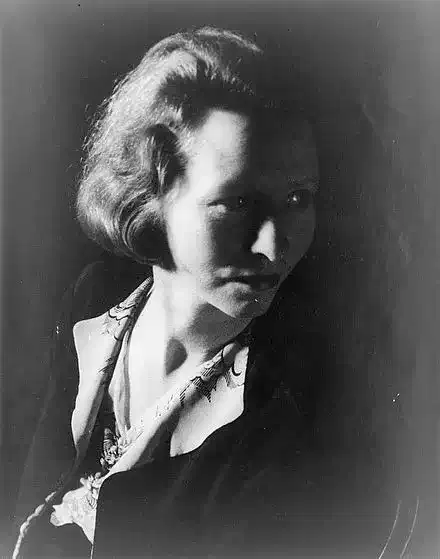
Edna St. Vincent Millay
To A Poet That Died Young
To A Poet That Died Young
Minstrel, what have you to do
With this man that, after you,
Sharing not your happy fate,
Sat as England's Laureate?
Vainly, in these iron days,
Strives the poet in your praise,
Minstrel, by whose singing side
Beauty walked, until you died.
Still, though none should hark again,
Drones the blue-fly in the pane,
Thickly crusts the blackest moss,
Blows the rose its musk across,
Floats the boat that is forgot
None the less to Camelot.
Many a bard's untimely death
Lends unto his verses breath;
Here's a song was never sung:
Growing old is dying young.
Minstrel, what is this to you:
That a man you never knew,
When your grave was far and green,
Sat and gossipped with a queen?
Thalia knows how rare a thing
Is it, to grow old and sing;
When a brown and tepid tide
Closes in on every side.
Who shall say if Shelley's gold
Had withstood it to grow old?
Minstrel, what have you to do
With this man that, after you,
Sharing not your happy fate,
Sat as England's Laureate?
Vainly, in these iron days,
Strives the poet in your praise,
Minstrel, by whose singing side
Beauty walked, until you died.
Still, though none should hark again,
Drones the blue-fly in the pane,
Thickly crusts the blackest moss,
Blows the rose its musk across,
Floats the boat that is forgot
None the less to Camelot.
Many a bard's untimely death
Lends unto his verses breath;
Here's a song was never sung:
Growing old is dying young.
Minstrel, what is this to you:
That a man you never knew,
When your grave was far and green,
Sat and gossipped with a queen?
Thalia knows how rare a thing
Is it, to grow old and sing;
When a brown and tepid tide
Closes in on every side.
Who shall say if Shelley's gold
Had withstood it to grow old?
315
Dorothy Parker
The Little Old Lady in Lavender Silk
The Little Old Lady in Lavender Silk
I was seventy-seven, come August,
I shall shortly be losing my bloom;
I've experienced zephyr and raw gust
And (symbolical) flood and simoom.
When you come to this time of abatement,
To this passing from Summer to Fall,
It is manners to issue a statement
As to what you got out of it all.
So I'll say, though reflection unnerves me
And pronouncements I dodge as I can,
That I think (if my memory serves me)
There was nothing more fun than a man!
In my youth, when the crescent was too wan
To embarrass with beams from above,
By the aid of some local Don Juan
I fell into the habit of love.
And I learned how to kiss and be merry- an
Education left better unsung.
My neglect of the waters Pierian
Was a scandal, when Grandma was young.
Though the shabby unbalanced the splendid,
And the bitter outmeasured the sweet,
I should certainly do as I then did,
Were I given the chance to repeat.
For contrition is hollow and wraithful,
And regret is no part of my plan,
And I think (if my memory's faithful)
There was nothing more fun than a man!
I was seventy-seven, come August,
I shall shortly be losing my bloom;
I've experienced zephyr and raw gust
And (symbolical) flood and simoom.
When you come to this time of abatement,
To this passing from Summer to Fall,
It is manners to issue a statement
As to what you got out of it all.
So I'll say, though reflection unnerves me
And pronouncements I dodge as I can,
That I think (if my memory serves me)
There was nothing more fun than a man!
In my youth, when the crescent was too wan
To embarrass with beams from above,
By the aid of some local Don Juan
I fell into the habit of love.
And I learned how to kiss and be merry- an
Education left better unsung.
My neglect of the waters Pierian
Was a scandal, when Grandma was young.
Though the shabby unbalanced the splendid,
And the bitter outmeasured the sweet,
I should certainly do as I then did,
Were I given the chance to repeat.
For contrition is hollow and wraithful,
And regret is no part of my plan,
And I think (if my memory's faithful)
There was nothing more fun than a man!
362