

Poems in this theme
Sadness and Melancholy

Ella Wheeler Wilcox
The Pessimist
The Pessimist
The pessimist locust, last to leaf,
Though all the world is glad, still talks of grief.
The pessimist locust, last to leaf,
Though all the world is glad, still talks of grief.
316
Ella Wheeler Wilcox
The Common Lot
The Common Lot
It is a common fate – a woman’s lot –
To waste on one the riches of her soul,
Who takes the wealth she gives him, but cannot
Repay the interest, and much less the whole.
As I look up into your eyes, and wait
For some response to my fond gaze and touch,
It seems to me there is no sadder fate
Than to be doomed to loving overmuch.
Are you not kind? Ah, yes, so very kind –
So thoughtful of my comfort, and so true.
Yes, yes, dear heart; but I, not being blind,
Know that I am not loved, as I love you.
One tenderer word, a little longer kiss,
Will fill my soul with music and with song;
And if you seem abstracted, or I miss
The heart-tone from your voice, my world goes wrong.
And oftentimes you think me childish – weak –
When at some thoughtless word the tears will start;
You cannot understand how aught you speak
Has power to stir the deapths of my poor heart.
I cannot help it, dear – I wish I could,
Or feign indifference where I now adore;
For if I seemed to love you less, you would,
Manlike, I have no doubt, love me the more.
‘Tis a sad gift, that much applauded thing,
A constant heart; for fact doth daily prove
That constancy finds oft a cruel sting,
While fickle natures win the deeper love.
It is a common fate – a woman’s lot –
To waste on one the riches of her soul,
Who takes the wealth she gives him, but cannot
Repay the interest, and much less the whole.
As I look up into your eyes, and wait
For some response to my fond gaze and touch,
It seems to me there is no sadder fate
Than to be doomed to loving overmuch.
Are you not kind? Ah, yes, so very kind –
So thoughtful of my comfort, and so true.
Yes, yes, dear heart; but I, not being blind,
Know that I am not loved, as I love you.
One tenderer word, a little longer kiss,
Will fill my soul with music and with song;
And if you seem abstracted, or I miss
The heart-tone from your voice, my world goes wrong.
And oftentimes you think me childish – weak –
When at some thoughtless word the tears will start;
You cannot understand how aught you speak
Has power to stir the deapths of my poor heart.
I cannot help it, dear – I wish I could,
Or feign indifference where I now adore;
For if I seemed to love you less, you would,
Manlike, I have no doubt, love me the more.
‘Tis a sad gift, that much applauded thing,
A constant heart; for fact doth daily prove
That constancy finds oft a cruel sting,
While fickle natures win the deeper love.
351
Ella Wheeler Wilcox
The Beautiful Blue Danube
The Beautiful Blue Danube
They drift down the hall together;
He smiles in her lifted eyes.
Like waves of that mighty river
The strains of the ‘Danube’ rise.
They float on its rhythmic measure,
Like leaves on a summer stream;
And here, in this scene of pleasure,
I bury my sweet dead dream.
Through the cloud of her dusky tresses,
Like a star, shines out her face;
And the form of his strong arm presses
Is sylph-like in its grace.
As a leaf on the bounding river
Is lost in the seething sea,
I know that for ever and ever
My dream is lost to me.
And still the viols are playing
That grand old wordless rhyme;
And still those two are swaying
In perfect tune and time.
If the great bassoons that mutter,
If the clarinets that blow,
Were given the chance to utter
The secret things they know.
Would the lists of the slain who slumber
On the Danube’s battle-plains
The unknown hosts outnumber
Who die ‘neath the ‘Danube’s’ strains?
Those fall where the cannons rattle,
‘Mid the rain of shot and shell;
But these, in a fiercer battle,
Find death in the music’s swell.
With the river’s roar of passion
Is blended the dying groan;
But here, in the halls of fashion,
Hearts break, and make no moan.
And the music, swelling and sweeping,
Like the river, knows it all;
But none are counting or keeping
The lists of those who fall.
They drift down the hall together;
He smiles in her lifted eyes.
Like waves of that mighty river
The strains of the ‘Danube’ rise.
They float on its rhythmic measure,
Like leaves on a summer stream;
And here, in this scene of pleasure,
I bury my sweet dead dream.
Through the cloud of her dusky tresses,
Like a star, shines out her face;
And the form of his strong arm presses
Is sylph-like in its grace.
As a leaf on the bounding river
Is lost in the seething sea,
I know that for ever and ever
My dream is lost to me.
And still the viols are playing
That grand old wordless rhyme;
And still those two are swaying
In perfect tune and time.
If the great bassoons that mutter,
If the clarinets that blow,
Were given the chance to utter
The secret things they know.
Would the lists of the slain who slumber
On the Danube’s battle-plains
The unknown hosts outnumber
Who die ‘neath the ‘Danube’s’ strains?
Those fall where the cannons rattle,
‘Mid the rain of shot and shell;
But these, in a fiercer battle,
Find death in the music’s swell.
With the river’s roar of passion
Is blended the dying groan;
But here, in the halls of fashion,
Hearts break, and make no moan.
And the music, swelling and sweeping,
Like the river, knows it all;
But none are counting or keeping
The lists of those who fall.
354
Ella Wheeler Wilcox
Pardoned Out
Pardoned Out
I’m pardoned out. Again the stars
Shine on me with their myriad eyes.
So long I’ve peered ‘twixt iron bars,
I’m awed by this expanse of skies.
The world is wider than I thought,
And yet ‘tis not so wide, I know,
But into its remotest spot
My tale of shame can go.
I’m pardoned out. Old Father Time
Who seemed to halt in horror, when
I strained my manhood by a crime,
With steady step moves on again,
And through the black appalling night,
That walled me in a gloom accurst,
The wonder of the morning light
In sudden glory burst.
I’m pardoned out. I shall be knows
No more by number, but by name.
And yet each whispering wind has blown
Abroad the story of my shame.
I dread to see men shrink away
With startled looks of scorn or fear,
When in life’s crowded marts some day,
That name falls on their ear.
I’m pardoned out, ah God! to roam
Like some whipped dog among my kind.
I have no friends, I have no home,
Save these bleak walls I leave behind.
How can I face the world of men,
My comrades in the days of yore?
Oh! hide me in my cell again,
And, warden lock the door.
I’m pardoned out. Again the stars
Shine on me with their myriad eyes.
So long I’ve peered ‘twixt iron bars,
I’m awed by this expanse of skies.
The world is wider than I thought,
And yet ‘tis not so wide, I know,
But into its remotest spot
My tale of shame can go.
I’m pardoned out. Old Father Time
Who seemed to halt in horror, when
I strained my manhood by a crime,
With steady step moves on again,
And through the black appalling night,
That walled me in a gloom accurst,
The wonder of the morning light
In sudden glory burst.
I’m pardoned out. I shall be knows
No more by number, but by name.
And yet each whispering wind has blown
Abroad the story of my shame.
I dread to see men shrink away
With startled looks of scorn or fear,
When in life’s crowded marts some day,
That name falls on their ear.
I’m pardoned out, ah God! to roam
Like some whipped dog among my kind.
I have no friends, I have no home,
Save these bleak walls I leave behind.
How can I face the world of men,
My comrades in the days of yore?
Oh! hide me in my cell again,
And, warden lock the door.
391
Ella Wheeler Wilcox
A Pin
A Pin
Oh, I know a certain lady who is reckoned with the good,
Yet she fills me with more terror than a raging lion would.
The little chills run up and down my spine whene’er we meet,
Though she seems a gentle creature, and she’s very trim and neat.
And she has a thousand virtues and not one acknowledged sin,
But she is the sort of person you could liken to a pin.
And she pricks you and she sticks you in a way that can’t be said.
If you seek for what has hurt you – why, you cannot find the head.
But she fills you with discomfort and exasperating pain.
If anybody asks you why, you really can’t explain!
A pin is such a tiny thing, of that there is no doubt,
Yet when it’s sticking in your flesh you’re wretched till it’s out.
She’s wonderfully observing – when she meets a pretty girl,
She is always sure to tell her if her hair is out of curl;
And she is so sympathetic to her friend who’s much admires,
She is often heard remarking, ‘Dear, you look so worn and tired.’
And she is an honest critic, for on yesterday she eyed
The new dress I was airing with a woman’s natural pride,
And she said, ‘Oh, how becoming! ’ and then gently added, ‘it
Is really a misfortune that the basque is such a fit.’
Then she said, ‘If you heard me yester eve, I’m sure, my friend,
You would say I was a champion who knows how to defend.’
And she left me with the feeling – most unpleasant, I aver –
That the whole world would despise me is it hadn’t been for her.
Whenever I encounter her, in such a nameless way
She gives me the impression I am at my worst that day.
And the hat that was imported (and cost me half a sonnet) ,
With just one glance from her round eyes becomes a Bowery bonnet.
She is always bright and smiling, sharp and pointed for a thrust;
Use does not seem to blunt her point, nor does she gather rust.
Oh! I wish some hapless specimen of mankind would begin
To tidy up the world for me, by picking up this pin!
Oh, I know a certain lady who is reckoned with the good,
Yet she fills me with more terror than a raging lion would.
The little chills run up and down my spine whene’er we meet,
Though she seems a gentle creature, and she’s very trim and neat.
And she has a thousand virtues and not one acknowledged sin,
But she is the sort of person you could liken to a pin.
And she pricks you and she sticks you in a way that can’t be said.
If you seek for what has hurt you – why, you cannot find the head.
But she fills you with discomfort and exasperating pain.
If anybody asks you why, you really can’t explain!
A pin is such a tiny thing, of that there is no doubt,
Yet when it’s sticking in your flesh you’re wretched till it’s out.
She’s wonderfully observing – when she meets a pretty girl,
She is always sure to tell her if her hair is out of curl;
And she is so sympathetic to her friend who’s much admires,
She is often heard remarking, ‘Dear, you look so worn and tired.’
And she is an honest critic, for on yesterday she eyed
The new dress I was airing with a woman’s natural pride,
And she said, ‘Oh, how becoming! ’ and then gently added, ‘it
Is really a misfortune that the basque is such a fit.’
Then she said, ‘If you heard me yester eve, I’m sure, my friend,
You would say I was a champion who knows how to defend.’
And she left me with the feeling – most unpleasant, I aver –
That the whole world would despise me is it hadn’t been for her.
Whenever I encounter her, in such a nameless way
She gives me the impression I am at my worst that day.
And the hat that was imported (and cost me half a sonnet) ,
With just one glance from her round eyes becomes a Bowery bonnet.
She is always bright and smiling, sharp and pointed for a thrust;
Use does not seem to blunt her point, nor does she gather rust.
Oh! I wish some hapless specimen of mankind would begin
To tidy up the world for me, by picking up this pin!
375

Elizabeth Bishop
Trouvée
Trouvée
Oh, why should a hen
have been run over
on West 4th Street
in the middle of summer?
She was a white hen
--red-and-white now, of course.
How did she get there?
Where was she going?
Her wing feathers spread
flat, flat in the tar,
all dirtied, and thin
as tissue paper.
A pigeon, yes,
or an English sparrow,
might meet such a fate,
but not that poor fowl.
Just now I went back
to look again.
I hadn't dreamed it:
there is a hen
turned into a quaint
old country saying
scribbled in chalk
(except for the beak).
Oh, why should a hen
have been run over
on West 4th Street
in the middle of summer?
She was a white hen
--red-and-white now, of course.
How did she get there?
Where was she going?
Her wing feathers spread
flat, flat in the tar,
all dirtied, and thin
as tissue paper.
A pigeon, yes,
or an English sparrow,
might meet such a fate,
but not that poor fowl.
Just now I went back
to look again.
I hadn't dreamed it:
there is a hen
turned into a quaint
old country saying
scribbled in chalk
(except for the beak).
530
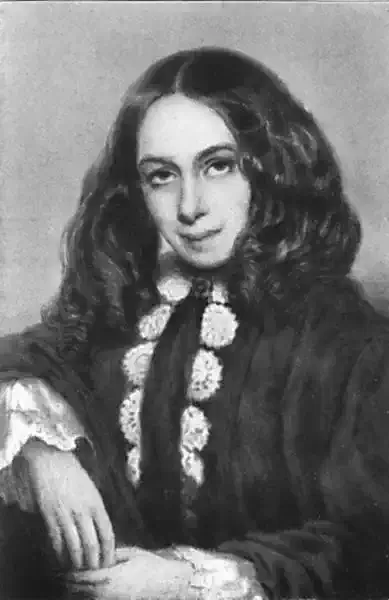
Elizabeth Barrett Browning
The Weakest Thing
The Weakest Thing
Which is the weakest thing of all
Mine heart can ponder?
The sun, a little cloud can pall
With darkness yonder?
The cloud, a little wind can move
Where'er it listeth?
The wind, a little leaf above,
Though sere, resisteth?
What time that yellow leaf was green,
My days were gladder;
But now, whatever Spring may mean,
I must grow sadder.
Ah me! a leaf with sighs can wring
My lips asunder -
Then is mine heart the weakest thing
Itself can ponder.
Yet, Heart, when sun and cloud are pined
And drop together,
And at a blast, which is not wind,
The forests wither,
Thou, from the darkening deathly curse
To glory breakest, -
The Strongest of the universe
Guarding the weakest!
Which is the weakest thing of all
Mine heart can ponder?
The sun, a little cloud can pall
With darkness yonder?
The cloud, a little wind can move
Where'er it listeth?
The wind, a little leaf above,
Though sere, resisteth?
What time that yellow leaf was green,
My days were gladder;
But now, whatever Spring may mean,
I must grow sadder.
Ah me! a leaf with sighs can wring
My lips asunder -
Then is mine heart the weakest thing
Itself can ponder.
Yet, Heart, when sun and cloud are pined
And drop together,
And at a blast, which is not wind,
The forests wither,
Thou, from the darkening deathly curse
To glory breakest, -
The Strongest of the universe
Guarding the weakest!
432
Elizabeth Barrett Browning
Sonnet XXX: I See Thine Image
Sonnet XXX: I See Thine Image
I see thine image through my tears to-night,
And yet to-day I saw thee smiling. How
Refer the cause?--Beloved, is it thou
Or I, who makes me sad? The acolyte
Amid the chanted joy and thankful rite
May so fall flat, with pale insensate brow,
On the altar-stair. I hear thy voice and vow,
Perplexed, uncertain, since thou art out of sight,
As he, in his swooning ears, the choir's amen.
Beloved, dost thou love? or did I see all
The glory as I dreamed, and fainted when
Too vehement light dilated my ideal,
For my soul's eyes? Will that light come again,
As now these tears come--falling hot and real?
I see thine image through my tears to-night,
And yet to-day I saw thee smiling. How
Refer the cause?--Beloved, is it thou
Or I, who makes me sad? The acolyte
Amid the chanted joy and thankful rite
May so fall flat, with pale insensate brow,
On the altar-stair. I hear thy voice and vow,
Perplexed, uncertain, since thou art out of sight,
As he, in his swooning ears, the choir's amen.
Beloved, dost thou love? or did I see all
The glory as I dreamed, and fainted when
Too vehement light dilated my ideal,
For my soul's eyes? Will that light come again,
As now these tears come--falling hot and real?
644
Elizabeth Barrett Browning
Sonnet XV: Accuse Me Not
Sonnet XV: Accuse Me Not
Accuse me not, beseech thee, that I wear
Too calm and sad a face in front of thine;
For we two look two ways, and cannot shine
With the same sunlight on our brow and hair.
On me thou lookest with no doubting care,
As on a bee in a crystalline;
Since sorrow hath shut me safe in love's divine
And to spread wing and fly in the outer air
Were most impossible failure, if I strove
To fail so. But I look on thee--on thee--
Beholding, besides love, the end of love,
Hearing oblivion beyond memory;
As one who sits and gazes from above,
Over the rivers to the bitter sea.
Accuse me not, beseech thee, that I wear
Too calm and sad a face in front of thine;
For we two look two ways, and cannot shine
With the same sunlight on our brow and hair.
On me thou lookest with no doubting care,
As on a bee in a crystalline;
Since sorrow hath shut me safe in love's divine
And to spread wing and fly in the outer air
Were most impossible failure, if I strove
To fail so. But I look on thee--on thee--
Beholding, besides love, the end of love,
Hearing oblivion beyond memory;
As one who sits and gazes from above,
Over the rivers to the bitter sea.
374
Elizabeth Barrett Browning
Pain In Pleasure
Pain In Pleasure
A THOUGHT ay like a flower upon mine heart,
And drew around it other thoughts like bees
For multitude and thirst of sweetnesses;
Whereat rejoicing, I desired the art
Of the Greek whistler, who to wharf and mart
Could lure those insect swarms from orange-trees
That I might hive with me such thoughts and please
My soul so, always. foolish counterpart
Of a weak man's vain wishes ! While I spoke,
The thought I called a flower grew nettle-rough
The thoughts, called bees, stung me to festering:
Oh, entertain (cried Reason as she woke)
Your best and gladdest thoughts but long enough,
And they will all prove sad enough to sting !
A THOUGHT ay like a flower upon mine heart,
And drew around it other thoughts like bees
For multitude and thirst of sweetnesses;
Whereat rejoicing, I desired the art
Of the Greek whistler, who to wharf and mart
Could lure those insect swarms from orange-trees
That I might hive with me such thoughts and please
My soul so, always. foolish counterpart
Of a weak man's vain wishes ! While I spoke,
The thought I called a flower grew nettle-rough
The thoughts, called bees, stung me to festering:
Oh, entertain (cried Reason as she woke)
Your best and gladdest thoughts but long enough,
And they will all prove sad enough to sting !
493
Elizabeth Barrett Browning
My Heart and I
My Heart and I
I.
ENOUGH ! we're tired, my heart and I.
We sit beside the headstone thus,
And wish that name were carved for us.
The moss reprints more tenderly
The hard types of the mason's knife,
As heaven's sweet life renews earth's life
With which we're tired, my heart and I.
II.
You see we're tired, my heart and I.
We dealt with books, we trusted men,
And in our own blood drenched the pen,
As if such colours could not fly.
We walked too straight for fortune's end,
We loved too true to keep a friend ;
At last we're tired, my heart and I.
III.
How tired we feel, my heart and I !
We seem of no use in the world ;
Our fancies hang grey and uncurled
About men's eyes indifferently ;
Our voice which thrilled you so, will let
You sleep; our tears are only wet :
What do we here, my heart and I ?
IV.
So tired, so tired, my heart and I !
It was not thus in that old time
When Ralph sat with me 'neath the lime
To watch the sunset from the sky.
`Dear love, you're looking tired,' he said;
I, smiling at him, shook my head :
'Tis now we're tired, my heart and I.
V.
So tired, so tired, my heart and I !
Though now none takes me on his arm
To fold me close and kiss me warm
Till each quick breath end in a sigh
Of happy languor. Now, alone,
We lean upon this graveyard stone,
Uncheered, unkissed, my heart and I.
VI.
Tired out we are, my heart and I.
Suppose the world brought diadems
To tempt us, crusted with loose gems
Of powers and pleasures ? Let it try.
We scarcely care to look at even
A pretty child, or God's blue heaven,
We feel so tired, my heart and I.
VII.
Yet who complains ? My heart and I ?
In this abundant earth no doubt
Is little room for things worn out :
Disdain them, break them, throw them by
And if before the days grew rough
We once were loved, used, -- well enough,
I think, we've fared, my heart and I.
I.
ENOUGH ! we're tired, my heart and I.
We sit beside the headstone thus,
And wish that name were carved for us.
The moss reprints more tenderly
The hard types of the mason's knife,
As heaven's sweet life renews earth's life
With which we're tired, my heart and I.
II.
You see we're tired, my heart and I.
We dealt with books, we trusted men,
And in our own blood drenched the pen,
As if such colours could not fly.
We walked too straight for fortune's end,
We loved too true to keep a friend ;
At last we're tired, my heart and I.
III.
How tired we feel, my heart and I !
We seem of no use in the world ;
Our fancies hang grey and uncurled
About men's eyes indifferently ;
Our voice which thrilled you so, will let
You sleep; our tears are only wet :
What do we here, my heart and I ?
IV.
So tired, so tired, my heart and I !
It was not thus in that old time
When Ralph sat with me 'neath the lime
To watch the sunset from the sky.
`Dear love, you're looking tired,' he said;
I, smiling at him, shook my head :
'Tis now we're tired, my heart and I.
V.
So tired, so tired, my heart and I !
Though now none takes me on his arm
To fold me close and kiss me warm
Till each quick breath end in a sigh
Of happy languor. Now, alone,
We lean upon this graveyard stone,
Uncheered, unkissed, my heart and I.
VI.
Tired out we are, my heart and I.
Suppose the world brought diadems
To tempt us, crusted with loose gems
Of powers and pleasures ? Let it try.
We scarcely care to look at even
A pretty child, or God's blue heaven,
We feel so tired, my heart and I.
VII.
Yet who complains ? My heart and I ?
In this abundant earth no doubt
Is little room for things worn out :
Disdain them, break them, throw them by
And if before the days grew rough
We once were loved, used, -- well enough,
I think, we've fared, my heart and I.
476
Elizabeth Barrett Browning
Irreparableness
Irreparableness
I HAVE been in the meadows all the day
And gathered there the nosegay that you see
Singing within myself as bird or bee
When such do field-work on a morn of May.
But, now I look upon my flowers, decay
Has met them in my hands more fatally
Because more warmly clasped,--and sobs are free
To come instead of songs. What do you say,
Sweet counsellors, dear friends ? that I should go
Back straightway to the fields and gather more ?
Another, sooth, may do it, but not I !
My heart is very tired, my strength is low,
My hands are full of blossoms plucked before,
Held dead within them till myself shall die.
I HAVE been in the meadows all the day
And gathered there the nosegay that you see
Singing within myself as bird or bee
When such do field-work on a morn of May.
But, now I look upon my flowers, decay
Has met them in my hands more fatally
Because more warmly clasped,--and sobs are free
To come instead of songs. What do you say,
Sweet counsellors, dear friends ? that I should go
Back straightway to the fields and gather more ?
Another, sooth, may do it, but not I !
My heart is very tired, my strength is low,
My hands are full of blossoms plucked before,
Held dead within them till myself shall die.
389
Elizabeth Barrett Browning
Exaggeration
Exaggeration
WE overstate the ills of life, and take
Imagination (given us to bring down
The choirs of singing angels overshone
By God's clear glory) down our earth to rake
The dismal snows instead, flake following flake,
To cover all the corn; we walk upon
The shadow of hills across a level thrown,
And pant like climbers: near the alder brake
We sigh so loud, the nightingale within
Refuses to sing loud, as else she would.
O brothers, let us leave the shame and sin
Of taking vainly, in a plaintive mood,
The holy name of GRIEF !--holy herein
That by the grief of ONE came all our good.
WE overstate the ills of life, and take
Imagination (given us to bring down
The choirs of singing angels overshone
By God's clear glory) down our earth to rake
The dismal snows instead, flake following flake,
To cover all the corn; we walk upon
The shadow of hills across a level thrown,
And pant like climbers: near the alder brake
We sigh so loud, the nightingale within
Refuses to sing loud, as else she would.
O brothers, let us leave the shame and sin
Of taking vainly, in a plaintive mood,
The holy name of GRIEF !--holy herein
That by the grief of ONE came all our good.
467

Edward Lear
There Was an Old Lady Whose Folly
There Was an Old Lady Whose Folly
There was an Old Lady whose folly
Induced her to sit in a holly:
Whereupon by a thorn
Her dress being torn,
She quickly became melancholy.
There was an Old Lady whose folly
Induced her to sit in a holly:
Whereupon by a thorn
Her dress being torn,
She quickly became melancholy.
230
Edward Lear
Limerick: There was an Old Man in a boat
Limerick: There was an Old Man in a boat
There was an Old Man in a boat,
Who said, 'I'm afloat! I'm afloat!'
When they said, 'No! you aint!'
He was ready to faint,
That unhappy Old Man in a boat.
There was an Old Man in a boat,
Who said, 'I'm afloat! I'm afloat!'
When they said, 'No! you aint!'
He was ready to faint,
That unhappy Old Man in a boat.
204
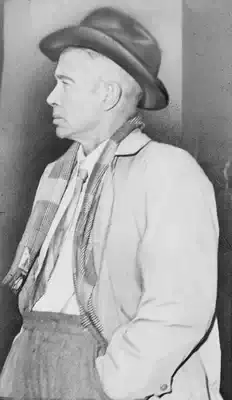
E. E. Cummings
nobody loses all the time (X)
nobody loses all the time (X)
nobody loses all the time
i had an uncle named
Sol who was a born failure and
nearly everybody said he should have gone
into vaudeville perhaps because my Uncle Sol could
sing McCann He Was A Diver on Xmas Eve like Hell Itself which
may or may not account for the fact that my Uncle
Sol indulged in that possibly most inexcusable
of all to use a highfalootin phrase
luxuries that is or to
wit farming and be
it needlessly
added
my Uncle Sol's farm
failed because the chickens
ate the vegetables so
my Uncle Sol had a
chicken farm till the
skunks ate the chickens when
my Uncle Sol
had a skunk farm but
the skunks caught cold and
died so
my Uncle Sol imitated the
skunks in a subtle manner
or by drowning himself in the watertank
but somebody who'd given my Unde Sol a Victor
Victrola and records while he lived presented to
him upon the auspicious occasion of his decease a
scrumptious not to mention splendiferous funeral with
tall boys in black gloves and flowers and everything and
i remember we all cried like the Missouri
when my Uncle Sol's coffin lurched because
somebody pressed a button
(and down went
my Uncle
Sol
and started a worm farm)
nobody loses all the time
i had an uncle named
Sol who was a born failure and
nearly everybody said he should have gone
into vaudeville perhaps because my Uncle Sol could
sing McCann He Was A Diver on Xmas Eve like Hell Itself which
may or may not account for the fact that my Uncle
Sol indulged in that possibly most inexcusable
of all to use a highfalootin phrase
luxuries that is or to
wit farming and be
it needlessly
added
my Uncle Sol's farm
failed because the chickens
ate the vegetables so
my Uncle Sol had a
chicken farm till the
skunks ate the chickens when
my Uncle Sol
had a skunk farm but
the skunks caught cold and
died so
my Uncle Sol imitated the
skunks in a subtle manner
or by drowning himself in the watertank
but somebody who'd given my Unde Sol a Victor
Victrola and records while he lived presented to
him upon the auspicious occasion of his decease a
scrumptious not to mention splendiferous funeral with
tall boys in black gloves and flowers and everything and
i remember we all cried like the Missouri
when my Uncle Sol's coffin lurched because
somebody pressed a button
(and down went
my Uncle
Sol
and started a worm farm)
565
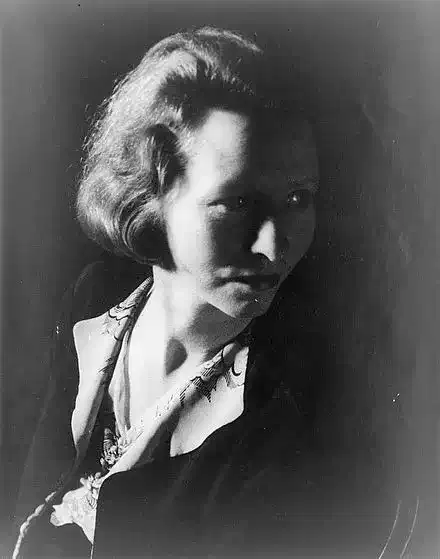
Edna St. Vincent Millay
Three Songs Of Shattering
Three Songs Of Shattering
I
The first rose on my rose-tree
Budded, bloomed, and shattered,
During sad days when to me
Nothing mattered.
Grief of grief has drained me clean;
Still it seems a pity
No one saw,—it must have been
Very pretty.
II
Let the little birds sing;
Let the little lambs play;
Spring is here; and so 'tis spring;—
But not in the old way!
I recall a place
Where a plum-tree grew;
There you lifted up your face,
And blossoms covered you.
If the little birds sing,
And the little lambs play,
Spring is here; and so 'tis spring—
But not in the old way!
III
All the dog-wood blossoms are underneath the tree!
Ere spring was going—ah, spring is gone!
And there comes no summer to the like of you and me,—
Blossom time is early, but no fruit sets on.
All the dog-wood blossoms are underneath the tree,
Browned at the edges, turned in a day;
And I would with all my heart they trimmed a mound for me,
And weeds were tall on all the paths that led that way!
I
The first rose on my rose-tree
Budded, bloomed, and shattered,
During sad days when to me
Nothing mattered.
Grief of grief has drained me clean;
Still it seems a pity
No one saw,—it must have been
Very pretty.
II
Let the little birds sing;
Let the little lambs play;
Spring is here; and so 'tis spring;—
But not in the old way!
I recall a place
Where a plum-tree grew;
There you lifted up your face,
And blossoms covered you.
If the little birds sing,
And the little lambs play,
Spring is here; and so 'tis spring—
But not in the old way!
III
All the dog-wood blossoms are underneath the tree!
Ere spring was going—ah, spring is gone!
And there comes no summer to the like of you and me,—
Blossom time is early, but no fruit sets on.
All the dog-wood blossoms are underneath the tree,
Browned at the edges, turned in a day;
And I would with all my heart they trimmed a mound for me,
And weeds were tall on all the paths that led that way!
422
Edna St. Vincent Millay
Sorrow
Sorrow
Sorrow like a ceaseless rain
Beats upon my heart.
People twist and scream in pain,—
Dawn will find them still again;
This has neither wax nor wane,
Neither stop nor start.
People dress and go to town;
I sit in my chair.
All my thoughts are slow and brown:
Standing up or sitting down
Little matters, or what gown
Or what shoes I wear.
Sorrow like a ceaseless rain
Beats upon my heart.
People twist and scream in pain,—
Dawn will find them still again;
This has neither wax nor wane,
Neither stop nor start.
People dress and go to town;
I sit in my chair.
All my thoughts are slow and brown:
Standing up or sitting down
Little matters, or what gown
Or what shoes I wear.
309
Edna St. Vincent Millay
Sonnets (1923)
Sonnets (1923)
VIII8.
Oh, oh, you will be sorry for that word!
.
Give back my book and take my kiss instead.
.
Was it my enemy or my friend I heard,
.
"What a big book for such a little head!"
.
Come, I will show you now my newest hat,
.
And you may watch me purse my mouth and prink!
.
Oh, I shall love you still, and all of that.
.
I never again shall tell you what I think.
.
I shall be sweet and crafty, soft and sly;
.
You will not catch me reading any more:
.
I shall be called a wife to pattern by;
.
And some day when you knock and push the door,
.
Some sane day, not too bright and not too stormy,
.
I shall be gone, and you may whistle for me. IX9.
Here is a wound that never will heal, I know,
.
Being wrought not of a dearness and a death,
.
But of a love turned ashes and the breath
.
Gone out of beauty; never again will grow
.
The grass on that scarred acre, though I sow
.
Young seed there yearly and the sky bequeath
.
Its friendly weathers down, far underneath
.
Shall be such bitterness of an old woe.
.
That April should be shattered by a gust,
.
That August should be levelled by a rain,
.
I can endure, and that the lifted dust
.
Of man should settle to the earth again;
.
But that a dream can die, will be a thrust
.
Between my ribs forever of hot pain. XVIII18.
I, being born a woman and distressed
.
By all the needs and notions of my kind,
.
Am urged by your propinquity to find
.
Your person fair, and feel a certain zest
.
To bear your body's weight upon my breast:
.
So subtly is the fume of life designed,
.
To clarify the pulse and cloud the mind,
.
And leave me once again undone, possessed.
.
Think not for this, however, the poor treason
.
Of my stout blood against my staggering brain,
.
I shall remember you with love, or season
.
My scorn with pity, -- let me make it plain:
.
I find this frenzy insufficient reason
.
For conversation when we meet again. XIX19.
What lips my lips have kissed, and where, and why,
.
I have forgotten, and what arms have lain
.
Under my head till morning; but the rain
.
Is full of ghosts to-night, that tap and sigh
.
Upon the glass and listen for reply,
.
And in my heart there stirs a quiet pain
.
For unremembered lads that not again
.
Will turn to me at midnight with a cry.
.
Thus in the winter stands the lonely tree,
.
Nor knows what birds have vanished one by one,
.
Yet knows its boughs more silent than before:
.
I cannot say what loves have come and gone,
.
I only know that summer sang in me
.
A little while, that in me sings no more.
VIII8.
Oh, oh, you will be sorry for that word!
.
Give back my book and take my kiss instead.
.
Was it my enemy or my friend I heard,
.
"What a big book for such a little head!"
.
Come, I will show you now my newest hat,
.
And you may watch me purse my mouth and prink!
.
Oh, I shall love you still, and all of that.
.
I never again shall tell you what I think.
.
I shall be sweet and crafty, soft and sly;
.
You will not catch me reading any more:
.
I shall be called a wife to pattern by;
.
And some day when you knock and push the door,
.
Some sane day, not too bright and not too stormy,
.
I shall be gone, and you may whistle for me. IX9.
Here is a wound that never will heal, I know,
.
Being wrought not of a dearness and a death,
.
But of a love turned ashes and the breath
.
Gone out of beauty; never again will grow
.
The grass on that scarred acre, though I sow
.
Young seed there yearly and the sky bequeath
.
Its friendly weathers down, far underneath
.
Shall be such bitterness of an old woe.
.
That April should be shattered by a gust,
.
That August should be levelled by a rain,
.
I can endure, and that the lifted dust
.
Of man should settle to the earth again;
.
But that a dream can die, will be a thrust
.
Between my ribs forever of hot pain. XVIII18.
I, being born a woman and distressed
.
By all the needs and notions of my kind,
.
Am urged by your propinquity to find
.
Your person fair, and feel a certain zest
.
To bear your body's weight upon my breast:
.
So subtly is the fume of life designed,
.
To clarify the pulse and cloud the mind,
.
And leave me once again undone, possessed.
.
Think not for this, however, the poor treason
.
Of my stout blood against my staggering brain,
.
I shall remember you with love, or season
.
My scorn with pity, -- let me make it plain:
.
I find this frenzy insufficient reason
.
For conversation when we meet again. XIX19.
What lips my lips have kissed, and where, and why,
.
I have forgotten, and what arms have lain
.
Under my head till morning; but the rain
.
Is full of ghosts to-night, that tap and sigh
.
Upon the glass and listen for reply,
.
And in my heart there stirs a quiet pain
.
For unremembered lads that not again
.
Will turn to me at midnight with a cry.
.
Thus in the winter stands the lonely tree,
.
Nor knows what birds have vanished one by one,
.
Yet knows its boughs more silent than before:
.
I cannot say what loves have come and gone,
.
I only know that summer sang in me
.
A little while, that in me sings no more.
359
Edna St. Vincent Millay
Sonnet 05: If I Should Learn, In Some Quite Casual Way
Sonnet 05: If I Should Learn, In Some Quite Casual Way
If I should learn, in some quite casual way,
That you were gone, not to return again—
Read from the back-page of a paper, say,
Held by a neighbor in a subway train,
How at the corner of this avenue
And such a street (so are the papers filled)
A hurrying man—who happened to be you—
At noon to-day had happened to be killed,
I should not cry aloud—I could not cry
Aloud, or wring my hands in such a place—
I should but watch the station lights rush by
With a more careful interest on my face,
Or raise my eyes and read with greater care
Where to store furs and how to treat the hair.
If I should learn, in some quite casual way,
That you were gone, not to return again—
Read from the back-page of a paper, say,
Held by a neighbor in a subway train,
How at the corner of this avenue
And such a street (so are the papers filled)
A hurrying man—who happened to be you—
At noon to-day had happened to be killed,
I should not cry aloud—I could not cry
Aloud, or wring my hands in such a place—
I should but watch the station lights rush by
With a more careful interest on my face,
Or raise my eyes and read with greater care
Where to store furs and how to treat the hair.
235
Edna St. Vincent Millay
Kin To Sorrow
Kin To Sorrow
Am I kin to Sorrow,
That so oft
Falls the knocker of my door——
Neither loud nor soft,
But as long accustomed,
Under Sorrow's hand?
Marigolds around the step
And rosemary stand,
And then comes Sorrow—
And what does Sorrow care
For the rosemary
Or the marigolds there?
Am I kin to Sorrow?
Are we kin?
That so oft upon my door—
Oh, come in!
Am I kin to Sorrow,
That so oft
Falls the knocker of my door——
Neither loud nor soft,
But as long accustomed,
Under Sorrow's hand?
Marigolds around the step
And rosemary stand,
And then comes Sorrow—
And what does Sorrow care
For the rosemary
Or the marigolds there?
Am I kin to Sorrow?
Are we kin?
That so oft upon my door—
Oh, come in!
297
Edna St. Vincent Millay
If Still Your Orchards Bear
If Still Your Orchards Bear
Brother, that breathe the August air
Ten thousand years from now,
And smell—if still your orchards bear
Tart apples on the bough—
The early windfall under the tree,
And see the red fruit shine,
I cannot think your thoughts will be
Much different from mine.
Should at that moment the full moon
Step forth upon the hill,
And memories hard to bear at noon,
By moonlight harder still,
Form in the shadow of the trees, —
Things that you could not spare
And live, or so you thought, yet these
All gone, and you still there,
A man no longer what he was,
Nor yet the thing he'd planned,
The chilly apple from the grass
Warmed by your living hand—
I think you will have need of tears;
I think they will not flow;
Supposing in ten thousand years
Men ache, as they do now.
Brother, that breathe the August air
Ten thousand years from now,
And smell—if still your orchards bear
Tart apples on the bough—
The early windfall under the tree,
And see the red fruit shine,
I cannot think your thoughts will be
Much different from mine.
Should at that moment the full moon
Step forth upon the hill,
And memories hard to bear at noon,
By moonlight harder still,
Form in the shadow of the trees, —
Things that you could not spare
And live, or so you thought, yet these
All gone, and you still there,
A man no longer what he was,
Nor yet the thing he'd planned,
The chilly apple from the grass
Warmed by your living hand—
I think you will have need of tears;
I think they will not flow;
Supposing in ten thousand years
Men ache, as they do now.
322
Edna St. Vincent Millay
Elegy Before Death
Elegy Before Death
There will be rose and rhododendron
When you are dead and under ground;
Still will be heard from white syringas
Heavy with bees, a sunny sound;
Still will the tamaracks be raining
After the rain has ceased, and still
Will there be robins in the stubble,
Brown sheep upon the warm green hill.
Spring will not ail nor autumn falter;
Nothing will know that you are gone,
Saving alone some sullen plough-land
None but yourself sets foot upon;
Saving the may-weed and the pig-weed
Nothing will know that you are dead,—
These, and perhaps a useless wagon
Standing beside some tumbled shed.
Oh, there will pass with your great passing
Little of beauty not your own,—
Only the light from common water,
Only the grace from simple stone!
There will be rose and rhododendron
When you are dead and under ground;
Still will be heard from white syringas
Heavy with bees, a sunny sound;
Still will the tamaracks be raining
After the rain has ceased, and still
Will there be robins in the stubble,
Brown sheep upon the warm green hill.
Spring will not ail nor autumn falter;
Nothing will know that you are gone,
Saving alone some sullen plough-land
None but yourself sets foot upon;
Saving the may-weed and the pig-weed
Nothing will know that you are dead,—
These, and perhaps a useless wagon
Standing beside some tumbled shed.
Oh, there will pass with your great passing
Little of beauty not your own,—
Only the light from common water,
Only the grace from simple stone!
260
Edna St. Vincent Millay
Alms
Alms
My heart is what it was before,
A house where people come and go;
But it is winter with your love,
The sashes are beset with snow.
I light the lamp and lay the cloth,
I blow the coals to blaze again;
But it is winter with your love,
The frost is thick upon the pane..
I know a winter when it comes:
The leaves are listless on the boughs;
I watched your love a little while,
And brought my plants into the house.
I water them and turn them south,
I snap the dead brown from the stem;
But it is winter with your love,
I only tend and water them.
There was a time I stood and watched
The small, ill-natured sparrows' fray;
I loved the beggar that I fed,
I cared for what he had to say,
I stood and watched him out of sight:
Today I reach around the door
And set a bowl upon the step;
My heart is what it was before,
But it is winter with your love;
I scatter crumbs upon the sill,
And close the window, —and the birds
May take or leave them, as they will.
My heart is what it was before,
A house where people come and go;
But it is winter with your love,
The sashes are beset with snow.
I light the lamp and lay the cloth,
I blow the coals to blaze again;
But it is winter with your love,
The frost is thick upon the pane..
I know a winter when it comes:
The leaves are listless on the boughs;
I watched your love a little while,
And brought my plants into the house.
I water them and turn them south,
I snap the dead brown from the stem;
But it is winter with your love,
I only tend and water them.
There was a time I stood and watched
The small, ill-natured sparrows' fray;
I loved the beggar that I fed,
I cared for what he had to say,
I stood and watched him out of sight:
Today I reach around the door
And set a bowl upon the step;
My heart is what it was before,
But it is winter with your love;
I scatter crumbs upon the sill,
And close the window, —and the birds
May take or leave them, as they will.
396