

Poems in this theme
Sadness and Melancholy
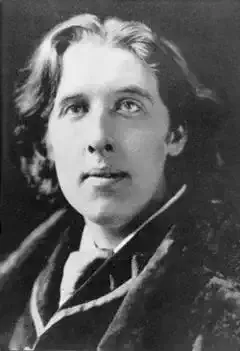
Oscar Wilde
Requiescat
Requiescat
TREAD lightly, she is near
Under the snow,
Speak gently, she can hear
The daisies grow.
All her bright golden hair
Tarnished with rust,
She that was young and fair
Fallen to dust.
Lily-like, white as snow,
She hardly knew
She was a woman, so
Sweetly she grew.
Coffin-board, heavy stone,
Lie on her breast,
I vex my heart alone
She is at rest.
Peace, Peace, she cannot hear
Lyre or sonnet,
All my life's buried here,
Heap earth upon it.
AVIGNON.
TREAD lightly, she is near
Under the snow,
Speak gently, she can hear
The daisies grow.
All her bright golden hair
Tarnished with rust,
She that was young and fair
Fallen to dust.
Lily-like, white as snow,
She hardly knew
She was a woman, so
Sweetly she grew.
Coffin-board, heavy stone,
Lie on her breast,
I vex my heart alone
She is at rest.
Peace, Peace, she cannot hear
Lyre or sonnet,
All my life's buried here,
Heap earth upon it.
AVIGNON.
190
Oscar Wilde
Impression Du Matin
Impression Du Matin
THE Thames nocturne of blue and gold
Changed to a Harmony in grey:
A barge with ochre-coloured hay
Dropt from the wharf: and chill and cold
The yellow fog came creeping down
The bridges, till the houses' walls
Seemed changed to shadows, and S. Paul's
Loomed like a bubble o'er the town.
Then suddenly arose the clang
Of waking life; the streets were stirred
With country waggons: and a bird
Flew to the glistening roofs and sang.
But one pale woman all alone,
The daylight kissing her wan hair,
Loitered beneath the gas lamps' flare,
With lips of flame and heart of stone.
THE Thames nocturne of blue and gold
Changed to a Harmony in grey:
A barge with ochre-coloured hay
Dropt from the wharf: and chill and cold
The yellow fog came creeping down
The bridges, till the houses' walls
Seemed changed to shadows, and S. Paul's
Loomed like a bubble o'er the town.
Then suddenly arose the clang
Of waking life; the streets were stirred
With country waggons: and a bird
Flew to the glistening roofs and sang.
But one pale woman all alone,
The daylight kissing her wan hair,
Loitered beneath the gas lamps' flare,
With lips of flame and heart of stone.
240
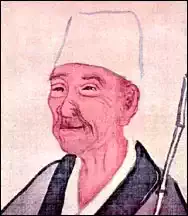
Matsuo Bashō
In this world of ours,
In this world of ours,
Yo no naka wa kutte hako shite nete okite
Sate sono ato wa shinuru bakari zo
In this world of ours,
We eat only to cast out,
Sleep only to wake,
And what comes after all that
Is simply to die at last.
Yo no naka wa kutte hako shite nete okite
Sate sono ato wa shinuru bakari zo
In this world of ours,
We eat only to cast out,
Sleep only to wake,
And what comes after all that
Is simply to die at last.
421
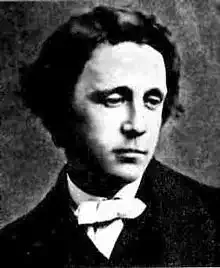
Lewis Carroll
Melancholetta
Melancholetta
With saddest music all day long
She soothed her secret sorrow:
At night she sighed "I fear 'twas wrong
Such cheerful words to borrow.
Dearest, a sweeter, sadder song
I'll sing to thee tomorrow."
I thanked her, but I could not say
That I was glad to hear it:
I left the house at break of day,
And did not venture near it
Till time, I hoped, had worn away
Her grief, for nought could cheer it!
My dismal sister! Couldst thou know
The wretched home thou keepest!
Thy brother, drowned in daily woe,
Is thankful when thou sleepest;
For if I laugh, however low,
When thou'rt awake, thou weepest!
I took my sister t'other day
(Excuse the slang expression)
To Sadler's Wells to see the play
In hopes the new impression
Might in her thoughts, from grave to gay
Effect some slight digression.
I asked three gay young dogs from town
To join us in our folly,
Whose mirth, I thought, might serve to drown
My sister's melancholy:
The lively Jones, the sportive Brown,
And Robinson the jolly.
The maid announced the meal in tones
That I myself had taught her,
Meant to allay my sister's moans
Like oil on troubled water:
I rushed to Jones, the lively Jones,
And begged him to escort her.
Vainly he strove, with ready wit,
To joke about the weather To
ventilate the last 'ON DIT' To
quote the price of leather She
groaned "Here I and Sorrow sit:
Let us lament together!"
I urged "You're wasting time, you know:
Delay will spoil the venison."
"My heart is wasted with my woe!
There is no rest in
Venice, on
The Bridge of Sighs!" she quoted low
From Byron and from Tennyson.
I need not tell of soup and fish
In solemn silence swallowed,
The sobs that ushered in each dish,
And its departure followed,
Nor yet my suicidal wish
To BE the cheese I hollowed.
Some desperate attempts were made
To start a conversation;
"Madam," the sportive Brown essayed,
"Which kind of recreation,
Hunting or fishing, have you made
Your special occupation?"
Her lips curved downwards instantly,
As if of indiarubber.
"Hounds IN FULL CRY I like," said she:
(Oh how I longed to snub her!)
"Of fish, a whale's the one for me,
IT IS SO FULL OF BLUBBER!"
The night's performance was "King John."
"It's dull," she wept, "and soso!"
Awhile I let her tears flow on,
She said they soothed her woe so!
At length the curtain rose upon
'Bombastes Furioso.'
In vain we roared; in vain we tried
To rouse her into laughter:
Her pensive glances wandered wide
From orchestra to rafter "
TIER UPON TIER!" she said, and sighed;
And silence followed after.
With saddest music all day long
She soothed her secret sorrow:
At night she sighed "I fear 'twas wrong
Such cheerful words to borrow.
Dearest, a sweeter, sadder song
I'll sing to thee tomorrow."
I thanked her, but I could not say
That I was glad to hear it:
I left the house at break of day,
And did not venture near it
Till time, I hoped, had worn away
Her grief, for nought could cheer it!
My dismal sister! Couldst thou know
The wretched home thou keepest!
Thy brother, drowned in daily woe,
Is thankful when thou sleepest;
For if I laugh, however low,
When thou'rt awake, thou weepest!
I took my sister t'other day
(Excuse the slang expression)
To Sadler's Wells to see the play
In hopes the new impression
Might in her thoughts, from grave to gay
Effect some slight digression.
I asked three gay young dogs from town
To join us in our folly,
Whose mirth, I thought, might serve to drown
My sister's melancholy:
The lively Jones, the sportive Brown,
And Robinson the jolly.
The maid announced the meal in tones
That I myself had taught her,
Meant to allay my sister's moans
Like oil on troubled water:
I rushed to Jones, the lively Jones,
And begged him to escort her.
Vainly he strove, with ready wit,
To joke about the weather To
ventilate the last 'ON DIT' To
quote the price of leather She
groaned "Here I and Sorrow sit:
Let us lament together!"
I urged "You're wasting time, you know:
Delay will spoil the venison."
"My heart is wasted with my woe!
There is no rest in
Venice, on
The Bridge of Sighs!" she quoted low
From Byron and from Tennyson.
I need not tell of soup and fish
In solemn silence swallowed,
The sobs that ushered in each dish,
And its departure followed,
Nor yet my suicidal wish
To BE the cheese I hollowed.
Some desperate attempts were made
To start a conversation;
"Madam," the sportive Brown essayed,
"Which kind of recreation,
Hunting or fishing, have you made
Your special occupation?"
Her lips curved downwards instantly,
As if of indiarubber.
"Hounds IN FULL CRY I like," said she:
(Oh how I longed to snub her!)
"Of fish, a whale's the one for me,
IT IS SO FULL OF BLUBBER!"
The night's performance was "King John."
"It's dull," she wept, "and soso!"
Awhile I let her tears flow on,
She said they soothed her woe so!
At length the curtain rose upon
'Bombastes Furioso.'
In vain we roared; in vain we tried
To rouse her into laughter:
Her pensive glances wandered wide
From orchestra to rafter "
TIER UPON TIER!" she said, and sighed;
And silence followed after.
164
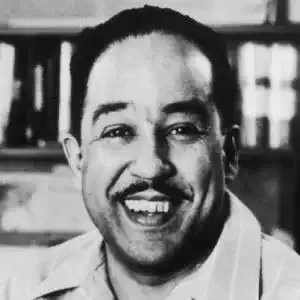
Langston Hughes
The Weary Blues
The Weary Blues
Droning a drowsy syncopated tune,
Rocking back and forth to a mellow croon,
I heard a Negro play.
Down on Lenox Avenue the other night
By the pale dull pallor of an old gas light
He did a lazy sway ....
He did a lazy sway ....
To the tune o' those Weary Blues.
With his ebony hands on each ivory key
He made that poor piano moan with melody.
O Blues!
Swaying to and fro on his rickety stool
He played that sad raggy tune like a musical fool.
Sweet Blues!
Coming from a black man's soul.
O Blues!
In a deep song voice with a melancholy tone
I heard that Negro sing, that old piano moan-"
Ain't got nobody in all this world,
Ain't got nobody but ma self.
I's gwine to quit ma frownin'
And put ma troubles on the shelf."
Thump, thump, thump, went his foot on the floor.
He played a few chords then he sang some more-"
I got the Weary Blues
And I can't be satisfied.
Got the Weary Blues
And can't be satisfied--
I ain't happy no mo'
And I wish that I had died."
And far into the night he crooned that tune.
The stars went out and so did the moon.
The singer stopped playing and went to bed
While the Weary Blues echoed through his head.
He slept like a rock or a man that's dead.
Droning a drowsy syncopated tune,
Rocking back and forth to a mellow croon,
I heard a Negro play.
Down on Lenox Avenue the other night
By the pale dull pallor of an old gas light
He did a lazy sway ....
He did a lazy sway ....
To the tune o' those Weary Blues.
With his ebony hands on each ivory key
He made that poor piano moan with melody.
O Blues!
Swaying to and fro on his rickety stool
He played that sad raggy tune like a musical fool.
Sweet Blues!
Coming from a black man's soul.
O Blues!
In a deep song voice with a melancholy tone
I heard that Negro sing, that old piano moan-"
Ain't got nobody in all this world,
Ain't got nobody but ma self.
I's gwine to quit ma frownin'
And put ma troubles on the shelf."
Thump, thump, thump, went his foot on the floor.
He played a few chords then he sang some more-"
I got the Weary Blues
And I can't be satisfied.
Got the Weary Blues
And can't be satisfied--
I ain't happy no mo'
And I wish that I had died."
And far into the night he crooned that tune.
The stars went out and so did the moon.
The singer stopped playing and went to bed
While the Weary Blues echoed through his head.
He slept like a rock or a man that's dead.
683
Langston Hughes
The Blues
The Blues
When the shoe strings break
On both your shoes
And you're in a hurryThat's
the blues.
When you go to buy a candy bar
And you've lost the dime you had-
Slipped through a hole in your pocket somewhereThat's
the blues, too, and bad!
Submitted by Denice Jackson
When the shoe strings break
On both your shoes
And you're in a hurryThat's
the blues.
When you go to buy a candy bar
And you've lost the dime you had-
Slipped through a hole in your pocket somewhereThat's
the blues, too, and bad!
Submitted by Denice Jackson
358
Langston Hughes
Po' Boy Blues
Po' Boy Blues
When I was home de
Sunshine seemed like gold.
When I was home de
Sunshine seemed like gold.
Since I come up North de
Whole damn world's turned cold.
I was a good boy,
Never done no wrong.
Yes, I was a good boy,
Never done no wrong,
But this world is weary
An' de road is hard an' long.
I fell in love with
A gal I thought was kind.
Fell in love with
A gal I thought was kind.
She made me lose ma money
An' almost lose ma mind.
Weary, weary,
Weary early in de morn.
Weary, weary,
Early, early in de morn.
I's so weary
I wish I'd never been born.
When I was home de
Sunshine seemed like gold.
When I was home de
Sunshine seemed like gold.
Since I come up North de
Whole damn world's turned cold.
I was a good boy,
Never done no wrong.
Yes, I was a good boy,
Never done no wrong,
But this world is weary
An' de road is hard an' long.
I fell in love with
A gal I thought was kind.
Fell in love with
A gal I thought was kind.
She made me lose ma money
An' almost lose ma mind.
Weary, weary,
Weary early in de morn.
Weary, weary,
Early, early in de morn.
I's so weary
I wish I'd never been born.
367
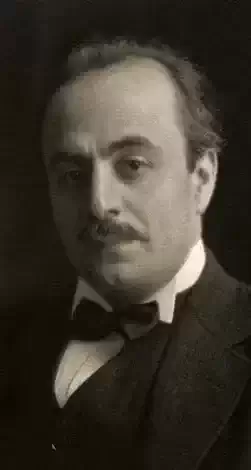
Khalil Gibran
Joy and Sorrow chapter VIII
Joy and Sorrow chapter VIII
Then a woman said, "Speak to us of Joy and Sorrow."
And he answered:
Your joy is your sorrow unmasked.
And the selfsame well from which your laughter rises was oftentimes filled with your
tears.
And how else can it be?
The deeper that sorrow carves into your being, the more joy you can contain.
Is not the cup that hold your wine the very cup that was burned in the potter's oven?
And is not the lute that soothes your spirit, the very wood that was hollowed with
knives?
When you are joyous, look deep into your heart and you shall find it is only that which
has given you sorrow that is giving you joy.
When you are sorrowful look again in your heart, and you shall see that in truth you
are weeping for that which has been your delight.
Some of you say, "Joy is greater than sorrow," and others say, "Nay, sorrow is the
greater."
But I say unto you, they are inseparable.
Together they come, and when one sits alone with you at your board, remember that
the other is asleep upon your bed.
Verily you are suspended like scales between your sorrow and your joy.
Only when you are empty are you at standstill and balanced.
When the treasure-keeper lifts you to weigh his gold and his silver, needs must your
joy or your sorrow rise or fall.
Then a woman said, "Speak to us of Joy and Sorrow."
And he answered:
Your joy is your sorrow unmasked.
And the selfsame well from which your laughter rises was oftentimes filled with your
tears.
And how else can it be?
The deeper that sorrow carves into your being, the more joy you can contain.
Is not the cup that hold your wine the very cup that was burned in the potter's oven?
And is not the lute that soothes your spirit, the very wood that was hollowed with
knives?
When you are joyous, look deep into your heart and you shall find it is only that which
has given you sorrow that is giving you joy.
When you are sorrowful look again in your heart, and you shall see that in truth you
are weeping for that which has been your delight.
Some of you say, "Joy is greater than sorrow," and others say, "Nay, sorrow is the
greater."
But I say unto you, they are inseparable.
Together they come, and when one sits alone with you at your board, remember that
the other is asleep upon your bed.
Verily you are suspended like scales between your sorrow and your joy.
Only when you are empty are you at standstill and balanced.
When the treasure-keeper lifts you to weigh his gold and his silver, needs must your
joy or your sorrow rise or fall.
513

Kazi Nazrul Islam
The Nightingale is silent
The Nightingale is silent
The bulbul bird is silent in the nargis garden
Listening to the laments of the fallen flower
In spring next to the lovers tomb young poet sobs in solace
Pensive sky is still with clouds burdened with water
Next to the barmaids glass of wine, tears of sorrow rolIs like buds
The heart broken moon stares with melancholy eyes.
[Original: Bulbuli nirob; Translation: Kashfia Billah]
The bulbul bird is silent in the nargis garden
Listening to the laments of the fallen flower
In spring next to the lovers tomb young poet sobs in solace
Pensive sky is still with clouds burdened with water
Next to the barmaids glass of wine, tears of sorrow rolIs like buds
The heart broken moon stares with melancholy eyes.
[Original: Bulbuli nirob; Translation: Kashfia Billah]
597
Kazi Nazrul Islam
The Month of Poush
The Month of Poush
Lo! Winter comes!
She comes across an ocean of sorrow and tears.
Beware! Beware!
She comes from behind the horizon enveloped
in thick mist.
With her advent, alas! in the Ieafy forest
A farewell dirge seems to go round
The parting Day (Ah me!) casts a sad look
Losing as she does-the Evening Star that
lights her path.
See! Winter sets in -
She represents the sadness of the year's
journey, a loss of Eternity,
The farewell season of ripe paddy,
the dread of new arrival-
Beware! Beware! She is come! -
Dry breath, and Oh! the choked voice
of a farewell deeply laden with tears -
Arise, wayfarer! Thou hast to cover
a long distance casting a sad look
from thy black eyes.
[Translation: Abdul Hakim]
Lo! Winter comes!
She comes across an ocean of sorrow and tears.
Beware! Beware!
She comes from behind the horizon enveloped
in thick mist.
With her advent, alas! in the Ieafy forest
A farewell dirge seems to go round
The parting Day (Ah me!) casts a sad look
Losing as she does-the Evening Star that
lights her path.
See! Winter sets in -
She represents the sadness of the year's
journey, a loss of Eternity,
The farewell season of ripe paddy,
the dread of new arrival-
Beware! Beware! She is come! -
Dry breath, and Oh! the choked voice
of a farewell deeply laden with tears -
Arise, wayfarer! Thou hast to cover
a long distance casting a sad look
from thy black eyes.
[Translation: Abdul Hakim]
547
Kazi Nazrul Islam
The First Bud of Love
The First Bud of Love
The first bud of love withers away at the first moment of meeting;
He did not heed her pleas, but flew into the deep woods.
The spring air blooms all flowers,
Alas! my flower wilts away;
Every home lights up, but my lamp flickers away at twilight
Garland of wild flowers cry out around my neck,
I sob in solace rolling in the dusty road like torn ivy.
With intolerable thirst at the mouth of the sea
Fall down on the sandy breast of the shore
Taking me for a smoky cloud, the bird ignores me
I scathe from the fire of your absence.
[Original: Prothom Moner Koli; Translation: Kashfia Billah]
The first bud of love withers away at the first moment of meeting;
He did not heed her pleas, but flew into the deep woods.
The spring air blooms all flowers,
Alas! my flower wilts away;
Every home lights up, but my lamp flickers away at twilight
Garland of wild flowers cry out around my neck,
I sob in solace rolling in the dusty road like torn ivy.
With intolerable thirst at the mouth of the sea
Fall down on the sandy breast of the shore
Taking me for a smoky cloud, the bird ignores me
I scathe from the fire of your absence.
[Original: Prothom Moner Koli; Translation: Kashfia Billah]
541
Kazi Nazrul Islam
Song ( Ajo Dhoroni)
Song ( Ajo Dhoroni)
Half of the world is dark.
The other haIf has light -
It heralds the dawn of
Someone's sorrowful night.
Half is hard earth,
The other half is water;
Half is full of thorn,
The other half is flower.
Half is melody,
The other half is wine,
Half abounds in hope -
Lonely hearts pine.
Half remains hidden,
The other half is known;
Half is full of love,
The other half disown.
Half of it is dawn,
The other half is twilight-
Half of it is dew,
And a moiety sunlight.
[Translation: Syed Mujibul Huq]
Half of the world is dark.
The other haIf has light -
It heralds the dawn of
Someone's sorrowful night.
Half is hard earth,
The other half is water;
Half is full of thorn,
The other half is flower.
Half is melody,
The other half is wine,
Half abounds in hope -
Lonely hearts pine.
Half remains hidden,
The other half is known;
Half is full of love,
The other half disown.
Half of it is dawn,
The other half is twilight-
Half of it is dew,
And a moiety sunlight.
[Translation: Syed Mujibul Huq]
550
Kazi Nazrul Islam
Pain of the Poor
Pain of the Poor
These children-suffering
from a lack of mother's care,
in rags, their bodies covered with dirt,
faces dried up from starving all day, scornful,
their bodies feverish, skin chapped all over.
They can't even get a meager meal
from laboring all day.
Ignoring them-O Rich, O Ruler,
how can you stand the taste of monda, mithai, khaja?
Starving, when they see you-eating,
they beg silently with their pathetic eyes.
Shame on you!-How do you still go on gorging?
All that rice you store in your binsjust
a portion of it could save them.
You have such a wide variety of clothing;
these children do not have even as much
as the rag you polish your shoes with.
You've trunk loads of clothing,
while these children freeze to death all night long
with their mothers lying in corridors and lanes.
You feel so happy from hugs and kisses
from your children,
their mothers weep holding them in their bosoms.
Your children have no dearth of toys,
their toys are what's been thrown outan
embarrassment for their mothers.
Their unkempt hair, turning brownish and matted,
their skin blackened from roaming about in the sun,
for no reason they get beaten and scolded by people.
Your children cry 'bloody murder' for minor incidents,
whereas they have at most a sombre face
even when their hearts break from sadness.
The mothers of these unfortunate childrenstanding
aloof-who understands how much pain there is
in their tearful eyes?
If there's a slight touch of fever
in your children, ten doctors come rushing to check them.
But for these children-even when they have a high temperature,
there's none to offer them even a sip of water;
reduced to skeletons, they die in their mothers' arms.
They don't eat pomegranates or grapes when they are sick;
they think they have the world
by getting just a piece of sugar candy.
Your children go to sleep in rocking cradles,
these children sleep under the tamarind tree;
even the most stone-hearted aught to be moved to see this.
Nobody understands their misery,
everybody despises them
and thinks, 'Why do they litter the streets?'
So take heed, a burning stomach needs to complain;
I don't wish that even on my enemies. .
Even in such misery,
God will supposedly grant them welfare-that's
the only consolation for the poor.
[Original: Goriber baytha; Translation: Sajed Kamal]
These children-suffering
from a lack of mother's care,
in rags, their bodies covered with dirt,
faces dried up from starving all day, scornful,
their bodies feverish, skin chapped all over.
They can't even get a meager meal
from laboring all day.
Ignoring them-O Rich, O Ruler,
how can you stand the taste of monda, mithai, khaja?
Starving, when they see you-eating,
they beg silently with their pathetic eyes.
Shame on you!-How do you still go on gorging?
All that rice you store in your binsjust
a portion of it could save them.
You have such a wide variety of clothing;
these children do not have even as much
as the rag you polish your shoes with.
You've trunk loads of clothing,
while these children freeze to death all night long
with their mothers lying in corridors and lanes.
You feel so happy from hugs and kisses
from your children,
their mothers weep holding them in their bosoms.
Your children have no dearth of toys,
their toys are what's been thrown outan
embarrassment for their mothers.
Their unkempt hair, turning brownish and matted,
their skin blackened from roaming about in the sun,
for no reason they get beaten and scolded by people.
Your children cry 'bloody murder' for minor incidents,
whereas they have at most a sombre face
even when their hearts break from sadness.
The mothers of these unfortunate childrenstanding
aloof-who understands how much pain there is
in their tearful eyes?
If there's a slight touch of fever
in your children, ten doctors come rushing to check them.
But for these children-even when they have a high temperature,
there's none to offer them even a sip of water;
reduced to skeletons, they die in their mothers' arms.
They don't eat pomegranates or grapes when they are sick;
they think they have the world
by getting just a piece of sugar candy.
Your children go to sleep in rocking cradles,
these children sleep under the tamarind tree;
even the most stone-hearted aught to be moved to see this.
Nobody understands their misery,
everybody despises them
and thinks, 'Why do they litter the streets?'
So take heed, a burning stomach needs to complain;
I don't wish that even on my enemies. .
Even in such misery,
God will supposedly grant them welfare-that's
the only consolation for the poor.
[Original: Goriber baytha; Translation: Sajed Kamal]
632
Kazi Nazrul Islam
Like a Lost Bird
Like a Lost Bird
At the end of the rolIing road, my dearest, I await alone;
Rolling in the dust of the path you have traveled.
The way you have walked on the bright ground of the mountains
I wish you could rub your feet on my breast making me forget my pain
I do not desire anything, no slumber in my eyes;
Wandering aimlessly in the street, the neighborhood laughs at me.
I cannot go to the pond, how have you enchanted me!
In the black water of the pond, I see your black beauty
You have scandalized me and left me alone!
[Original: Pothhara Pakhi; Translation: Kashfia Billah]
At the end of the rolIing road, my dearest, I await alone;
Rolling in the dust of the path you have traveled.
The way you have walked on the bright ground of the mountains
I wish you could rub your feet on my breast making me forget my pain
I do not desire anything, no slumber in my eyes;
Wandering aimlessly in the street, the neighborhood laughs at me.
I cannot go to the pond, how have you enchanted me!
In the black water of the pond, I see your black beauty
You have scandalized me and left me alone!
[Original: Pothhara Pakhi; Translation: Kashfia Billah]
491
Kazi Nazrul Islam
Grief-Laden Mid-Night
Grief-Laden Mid-Night
In this still solitude of deep mid-night
Tears unbidden appear in my eyes
What recollection doth enrapture
Whose disregard doth agonize the breast?
What wail of disappointment doth in
the bottom of her heart arise and start
a flood of tears?
The agony of my unfulfilled life
I cannot conceal this mid-night,
Thus in the privacy of my solitary,
bed I do but burst into overflowing tears.
On such a night arose once a hundred
desires in my bosom and now their
despondency is writ large in that
drooping Shefalika and in the
pathos of the Purabi strains.
[Translation: Abdul Hakim]
In this still solitude of deep mid-night
Tears unbidden appear in my eyes
What recollection doth enrapture
Whose disregard doth agonize the breast?
What wail of disappointment doth in
the bottom of her heart arise and start
a flood of tears?
The agony of my unfulfilled life
I cannot conceal this mid-night,
Thus in the privacy of my solitary,
bed I do but burst into overflowing tears.
On such a night arose once a hundred
desires in my bosom and now their
despondency is writ large in that
drooping Shefalika and in the
pathos of the Purabi strains.
[Translation: Abdul Hakim]
591
Kazi Nazrul Islam
At My Gaze No Longer Laughs the Rose
At My Gaze No Longer Laughs the Rose
At my gaze no longer laughs the rose,
At the music of my words no longer blossoms forth the flowers
What is the use of going to the fair
With the garland of the withered smile?
Dose the dark night amaze her disheveled hair
Without looking at the moon for a while?
The southern wind brings the springs yet
But in the garden the nightingale sings no more.
No more does the wild flower in the forest
Dance at the sight of the moon
Something is lost, something is missing,
My heart feels so empty and old.
Ah me, at whose cruel touch
Has my heart grown so cold!
[Translation: Kabir Chowdhury]
At my gaze no longer laughs the rose,
At the music of my words no longer blossoms forth the flowers
What is the use of going to the fair
With the garland of the withered smile?
Dose the dark night amaze her disheveled hair
Without looking at the moon for a while?
The southern wind brings the springs yet
But in the garden the nightingale sings no more.
No more does the wild flower in the forest
Dance at the sight of the moon
Something is lost, something is missing,
My heart feels so empty and old.
Ah me, at whose cruel touch
Has my heart grown so cold!
[Translation: Kabir Chowdhury]
532

Joyce Kilmer
The House with Nobody in It
The House with Nobody in It
Whenever I walk to Suffern along the Erie track
I go by a poor old farmhouse with its shingles broken and black.
I suppose I've passed it a hundred times, but I always stop for a minute
And look at the house, the tragic house, the house with nobody in it.
I never have seen a haunted house, but I hear there are such things;
That they hold the talk of spirits, their mirth and sorrowings.
I know this house isn't haunted, and I wish it were, I do;
For it wouldn't be so lonely if it had a ghost or two.
This house on the road to Suffern needs a dozen panes of glass,
And somebody ought to weed the walk and take a scythe to the grass.
It needs new paint and shingles, and the vines should be trimmed and tied;
But what it needs the most of all is some people living inside.
If I had a lot of money and all my debts were paid
I'd put a gang of men to work with brush and saw and spade.
I'd buy that place and fix it up the way it used to be
And I'd find some people who wanted a home and give it to them free.
Now, a new house standing empty, with staring window and door,
Looks idle, perhaps, and foolish, like a hat on its block in the store.
But there's nothing mournful about it; it cannot be sad and lone
For the lack of something within it that it has never known.
But a house that has done what a house should do,
a house that has sheltered life,
That has put its loving wooden arms around a man and his wife,
A house that has echoed a baby's laugh and held up his stumbling feet,
Is the saddest sight, when it's left alone, that ever your eyes could meet.
So whenever I go to Suffern along the Erie track
I never go by the empty house without stopping and looking back,
Yet it hurts me to look at the crumbling roof and the shutters fallen apart,
For I can't help thinking the poor old house is a house with a broken heart.
Whenever I walk to Suffern along the Erie track
I go by a poor old farmhouse with its shingles broken and black.
I suppose I've passed it a hundred times, but I always stop for a minute
And look at the house, the tragic house, the house with nobody in it.
I never have seen a haunted house, but I hear there are such things;
That they hold the talk of spirits, their mirth and sorrowings.
I know this house isn't haunted, and I wish it were, I do;
For it wouldn't be so lonely if it had a ghost or two.
This house on the road to Suffern needs a dozen panes of glass,
And somebody ought to weed the walk and take a scythe to the grass.
It needs new paint and shingles, and the vines should be trimmed and tied;
But what it needs the most of all is some people living inside.
If I had a lot of money and all my debts were paid
I'd put a gang of men to work with brush and saw and spade.
I'd buy that place and fix it up the way it used to be
And I'd find some people who wanted a home and give it to them free.
Now, a new house standing empty, with staring window and door,
Looks idle, perhaps, and foolish, like a hat on its block in the store.
But there's nothing mournful about it; it cannot be sad and lone
For the lack of something within it that it has never known.
But a house that has done what a house should do,
a house that has sheltered life,
That has put its loving wooden arms around a man and his wife,
A house that has echoed a baby's laugh and held up his stumbling feet,
Is the saddest sight, when it's left alone, that ever your eyes could meet.
So whenever I go to Suffern along the Erie track
I never go by the empty house without stopping and looking back,
Yet it hurts me to look at the crumbling roof and the shutters fallen apart,
For I can't help thinking the poor old house is a house with a broken heart.
125
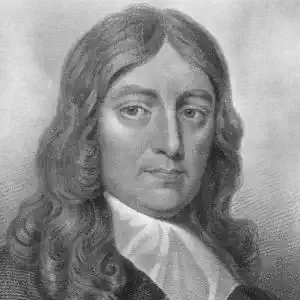
John Milton
Il Penseroso
Il Penseroso
HENCE, vain deluding Joys,
............The brood of Folly without father bred!
How little you bested
............Or fill the fixed mind with all your toys!
Dwell in some idle brain,
............And fancies fond with gaudy shapes possess,
As thick and numberless
............As the gay motes that people the sun-beams,
Or likest hovering dreams,
............The fickle pensioners of Morpheus' train.
But, hail! thou Goddess sage and holy!
Hail, divinest Melancholy!
Whose saintly visage is too bright
To hit the sense of human sight,
And therefore to our weaker view
O'erlaid with black, staid Wisdom's hue;
Black, but such as in esteem
Prince Memnon's sister might beseem,
Or that starred Ethiop queen that strove
To set her beauty's praise above
The Sea-Nymphs, and their powers offended.
Yet thou art higher far descended:
Thee bright-haired Vesta long of yore
To solitary Saturn bore;
His daughter she; in Saturn's reign
Such mixture was not held a stain.
Oft in glimmering bowers and glades
He met her, and in secret shades
Of woody Ida's inmost grove,
Whilst yet there was no fear of Jove.
Come, pensive Nun, devout and pure,
Sober, steadfast, and demure,
All in a robe of darkest grain,
Flowing with majestic train,
And sable stole of cypress lawn
Over thy decent shoulders drawn.
Come; but keep thy wonted state,
With even step, and musing gait,
And looks commercing with the skies,
Thy rapt soul sitting in thine eyes:
There, held in holy passion still,
Forget thyself to marble, till
With a sad leaden downward cast
Thou fix them on the earth as fast.
And join with thee calm Peace and Quiet,
Spare Fast, that oft with gods doth diet,
And hears the Muses in a ring
Aye round about Jove's altar sing;
And add to these retired Leisure,
That in trim gardens takes his pleasure;
But, first and chiefest, with thee bring
Him that yon soars on golden wing,
Guiding the fiery-wheeled throne,
The Cherub Contemplation;
And the mute Silence hist along,
'Less Philomel will deign a song,
In her sweetest saddest plight,
Smoothing the rugged brow of Night,
While Cynthia checks her dragon yoke
Gently o'er the accustomed oak.
Sweet bird, that shunn'st the noise of folly,
Most musical, most melancholy!
Thee, chauntress, oft the woods among
I woo, to hear thy even-song;
And, missing thee,I walk unseen
On the dry smooth-shaven green,
To behold the wandering moon,
Riding near her highest noon,
Like one that had been led astray
Through the heaven's wide pathless way,
And oft, as if her head she bowed,
Stooping through a fleecy cloud.
Oft, on a plat of rising ground,
I hear the far-off curfew sound,
Over some wide-watered shore,
Swinging slow with sullen roar;
Or, if the air will not permit,
Some still removed place will fit,
Where glowing embers through the room
Teach light to counterfeit a gloom,
Far from all resort of mirth,
Save the cricket on the hearth,
Or the bellman's drowsy charm
To bless the doors from nightly harm.
Or let my lamp, at midnight hour,
Be seen in some high lonely tower,
Where I may oft outwatch the Bear,
With thrice great Hermes, or unsphere
The spirit of Plato, to unfold
What worlds or what vast regions hold
The immortal mind that hath forsook
Her mansion in this fleshly nook;
And of those demons that are found
In fire, air, flood, or underground,
Whose power hath a true consent
With planet or with element.
Sometime let gorgeous Tragedy
In sceptred pall come sweeping by,
Presenting Thebes, or Pelops' line,
Or the tale of Troy divine,
Or what (though rare) of later age
Ennobled hath the buskined stage.
But, O sad Virgin! that thy power
Might raise Musaeus from his bower;
Or bid the soul of Orpheus sing
Such notes as, warbled to the string,
Drew iron tears down Pluto's cheek,
And made Hell grant what love did seek;
Or call up him that left half-told
The story of Cambuscan bold,
Of Camball, and of Algarsife,
And who had Canace to wife,
That owned the virtuous ring and glass,
And of the wondrous horse of brass
On which the Tartar king did ride;
And if aught else great bards beside
In sage and solemn tunes have sung,
Of turneys, and of trophies hung,
Of forests, and enchantments drear,
Where more is meant than meets the ear.
Thus, Night, oft see me in thy pale career,
Till civil-suited Morn appear,
Not tricked and frounced, as she was wont
With the Attic boy to hunt,
But kerchieft in a comely cloud
While rocking winds are piping loud,
Or ushered with a shower still,
When the gust hath blown his fill,
Ending on the rustling leaves,
With minute-drops from off the eaves.
And, when the sun begins to fling
His flaring beams, me, Goddess, bring
To arched walks of twilight groves,
And shadows brown, that Sylvan loves,
Of pine, or monumental oak,
Where the rude axe with heaved stroke
Was never heard the nymphs to daunt,
Or fright them from their hallowed haunt.
There, in close covert, by some brook,
Where no profaner eye may look,
Hide me from day's garish eye,
While the bee with honeyed thigh,
That at her flowery work doth sing,
And the waters murmuring,
With such consort as they keep,
Entice the dewy-feathered Sleep.
And let some strange mysterious dream
Wave at his wings, in airy stream
Of lively portraiture displayed,
Softly on my eyelids laid;
And, as I wake, sweet music breathe
Above, about, or underneath,
Sent by some Spirit to mortals good,
Or the unseen Genius of the wood.
But let my due feet never fail
To walk the studious cloister's pale,
And love the high embowed roof,
With antique pillars massy proof,
And storied windows richly dight,
Casting a dim religious light.
There let the pealing organ blow,
To the full-voiced quire below,
In service high and anthems clear,
As may with sweetness, through mine ear,
Dissolve me into ecstasies,
And bring all Heaven before mine eyes.
And may at last my weary age
Find out the peaceful hermitage,
The hairy gown and mossy cell,
Where I may sit and rightly spell
Of every star that heaven doth shew,
And every herb that sips the dew,
Till old experience do attain
To something like prophetic strain.
These pleasures, Melancholy, give;
And I with thee will choose to live.
HENCE, vain deluding Joys,
............The brood of Folly without father bred!
How little you bested
............Or fill the fixed mind with all your toys!
Dwell in some idle brain,
............And fancies fond with gaudy shapes possess,
As thick and numberless
............As the gay motes that people the sun-beams,
Or likest hovering dreams,
............The fickle pensioners of Morpheus' train.
But, hail! thou Goddess sage and holy!
Hail, divinest Melancholy!
Whose saintly visage is too bright
To hit the sense of human sight,
And therefore to our weaker view
O'erlaid with black, staid Wisdom's hue;
Black, but such as in esteem
Prince Memnon's sister might beseem,
Or that starred Ethiop queen that strove
To set her beauty's praise above
The Sea-Nymphs, and their powers offended.
Yet thou art higher far descended:
Thee bright-haired Vesta long of yore
To solitary Saturn bore;
His daughter she; in Saturn's reign
Such mixture was not held a stain.
Oft in glimmering bowers and glades
He met her, and in secret shades
Of woody Ida's inmost grove,
Whilst yet there was no fear of Jove.
Come, pensive Nun, devout and pure,
Sober, steadfast, and demure,
All in a robe of darkest grain,
Flowing with majestic train,
And sable stole of cypress lawn
Over thy decent shoulders drawn.
Come; but keep thy wonted state,
With even step, and musing gait,
And looks commercing with the skies,
Thy rapt soul sitting in thine eyes:
There, held in holy passion still,
Forget thyself to marble, till
With a sad leaden downward cast
Thou fix them on the earth as fast.
And join with thee calm Peace and Quiet,
Spare Fast, that oft with gods doth diet,
And hears the Muses in a ring
Aye round about Jove's altar sing;
And add to these retired Leisure,
That in trim gardens takes his pleasure;
But, first and chiefest, with thee bring
Him that yon soars on golden wing,
Guiding the fiery-wheeled throne,
The Cherub Contemplation;
And the mute Silence hist along,
'Less Philomel will deign a song,
In her sweetest saddest plight,
Smoothing the rugged brow of Night,
While Cynthia checks her dragon yoke
Gently o'er the accustomed oak.
Sweet bird, that shunn'st the noise of folly,
Most musical, most melancholy!
Thee, chauntress, oft the woods among
I woo, to hear thy even-song;
And, missing thee,I walk unseen
On the dry smooth-shaven green,
To behold the wandering moon,
Riding near her highest noon,
Like one that had been led astray
Through the heaven's wide pathless way,
And oft, as if her head she bowed,
Stooping through a fleecy cloud.
Oft, on a plat of rising ground,
I hear the far-off curfew sound,
Over some wide-watered shore,
Swinging slow with sullen roar;
Or, if the air will not permit,
Some still removed place will fit,
Where glowing embers through the room
Teach light to counterfeit a gloom,
Far from all resort of mirth,
Save the cricket on the hearth,
Or the bellman's drowsy charm
To bless the doors from nightly harm.
Or let my lamp, at midnight hour,
Be seen in some high lonely tower,
Where I may oft outwatch the Bear,
With thrice great Hermes, or unsphere
The spirit of Plato, to unfold
What worlds or what vast regions hold
The immortal mind that hath forsook
Her mansion in this fleshly nook;
And of those demons that are found
In fire, air, flood, or underground,
Whose power hath a true consent
With planet or with element.
Sometime let gorgeous Tragedy
In sceptred pall come sweeping by,
Presenting Thebes, or Pelops' line,
Or the tale of Troy divine,
Or what (though rare) of later age
Ennobled hath the buskined stage.
But, O sad Virgin! that thy power
Might raise Musaeus from his bower;
Or bid the soul of Orpheus sing
Such notes as, warbled to the string,
Drew iron tears down Pluto's cheek,
And made Hell grant what love did seek;
Or call up him that left half-told
The story of Cambuscan bold,
Of Camball, and of Algarsife,
And who had Canace to wife,
That owned the virtuous ring and glass,
And of the wondrous horse of brass
On which the Tartar king did ride;
And if aught else great bards beside
In sage and solemn tunes have sung,
Of turneys, and of trophies hung,
Of forests, and enchantments drear,
Where more is meant than meets the ear.
Thus, Night, oft see me in thy pale career,
Till civil-suited Morn appear,
Not tricked and frounced, as she was wont
With the Attic boy to hunt,
But kerchieft in a comely cloud
While rocking winds are piping loud,
Or ushered with a shower still,
When the gust hath blown his fill,
Ending on the rustling leaves,
With minute-drops from off the eaves.
And, when the sun begins to fling
His flaring beams, me, Goddess, bring
To arched walks of twilight groves,
And shadows brown, that Sylvan loves,
Of pine, or monumental oak,
Where the rude axe with heaved stroke
Was never heard the nymphs to daunt,
Or fright them from their hallowed haunt.
There, in close covert, by some brook,
Where no profaner eye may look,
Hide me from day's garish eye,
While the bee with honeyed thigh,
That at her flowery work doth sing,
And the waters murmuring,
With such consort as they keep,
Entice the dewy-feathered Sleep.
And let some strange mysterious dream
Wave at his wings, in airy stream
Of lively portraiture displayed,
Softly on my eyelids laid;
And, as I wake, sweet music breathe
Above, about, or underneath,
Sent by some Spirit to mortals good,
Or the unseen Genius of the wood.
But let my due feet never fail
To walk the studious cloister's pale,
And love the high embowed roof,
With antique pillars massy proof,
And storied windows richly dight,
Casting a dim religious light.
There let the pealing organ blow,
To the full-voiced quire below,
In service high and anthems clear,
As may with sweetness, through mine ear,
Dissolve me into ecstasies,
And bring all Heaven before mine eyes.
And may at last my weary age
Find out the peaceful hermitage,
The hairy gown and mossy cell,
Where I may sit and rightly spell
Of every star that heaven doth shew,
And every herb that sips the dew,
Till old experience do attain
To something like prophetic strain.
These pleasures, Melancholy, give;
And I with thee will choose to live.
755
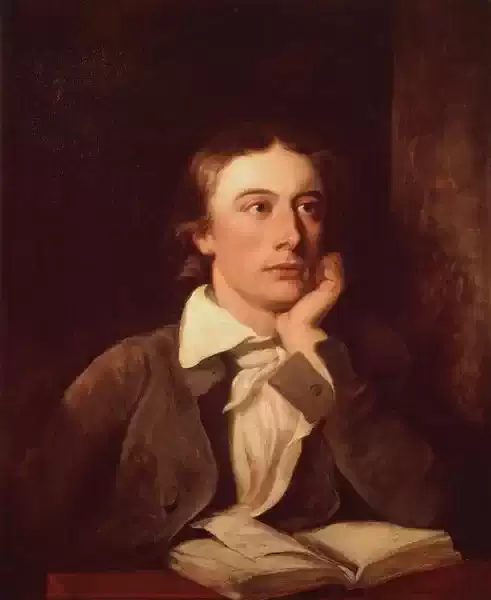
John Keats
To Byron
To Byron
Byron! how sweetly sad thy melody!
Attuning still the soul to tenderness,
As if soft Pity, with unusual stress,
Had touch'd her plaintive lute, and thou, being by,
Hadst caught the tones, nor suffer'd them to die.
O'ershadowing sorrow doth not make thee less
Delightful: thou thy griefs dost dress
With a bright halo, shining beamily,
As when a cloud the golden moon doth veil,
Its sides are ting'd with a resplendent glow,
Through the dark robe oft amber rays prevail,
And like fair veins in sable marble flow;
Still warble, dying swan! still tell the tale,
The enchanting tale, the tale of pleasing woe.
Byron! how sweetly sad thy melody!
Attuning still the soul to tenderness,
As if soft Pity, with unusual stress,
Had touch'd her plaintive lute, and thou, being by,
Hadst caught the tones, nor suffer'd them to die.
O'ershadowing sorrow doth not make thee less
Delightful: thou thy griefs dost dress
With a bright halo, shining beamily,
As when a cloud the golden moon doth veil,
Its sides are ting'd with a resplendent glow,
Through the dark robe oft amber rays prevail,
And like fair veins in sable marble flow;
Still warble, dying swan! still tell the tale,
The enchanting tale, the tale of pleasing woe.
406
John Keats
Think Of It Not, Sweet One
Think Of It Not, Sweet One
THINK not of it, sweet one, so;--Give
it not a tear;
Sigh thou mayst, and bid it go
Any---anywhere.
Do not lool so sad, sweet one,--Sad
and fadingly;
Shed one drop then,---it is gone--O
'twas born to die!
Still so pale? then, dearest, weep;
Weep, I'll count the tears,
And each one shall be a bliss
For thee in after years.
Brighter has it left thine eyes
Than a sunny rill;
And thy whispering melodies
Are tenderer still.
Yet---as all things mourn awhile
At fleeting blisses,
E'en let us too! but be our dirge
A dirge of kisses.
THINK not of it, sweet one, so;--Give
it not a tear;
Sigh thou mayst, and bid it go
Any---anywhere.
Do not lool so sad, sweet one,--Sad
and fadingly;
Shed one drop then,---it is gone--O
'twas born to die!
Still so pale? then, dearest, weep;
Weep, I'll count the tears,
And each one shall be a bliss
For thee in after years.
Brighter has it left thine eyes
Than a sunny rill;
And thy whispering melodies
Are tenderer still.
Yet---as all things mourn awhile
At fleeting blisses,
E'en let us too! but be our dirge
A dirge of kisses.
363
John Keats
Sonnet To Byron
Sonnet To Byron
Byron! how sweetly sad thy melody!
Attuning still the soul to tenderness,
As if soft Pity, with unusual stress,
Had touch'd her plaintive lute, and thou, being by,
Hadst caught the tones, nor suffer'd them to die.
O'ershadowing sorrow doth not make thee less
Delightful: thou thy griefs dost dress
With a bright halo, shining beamily,
As when a cloud the golden moon doth veil,
Its sides are ting'd with a resplendent glow,
Through the dark robe oft amber rays prevail,
And like fair veins in sable marble flow;
Still warble, dying swan! still tell the tale,
The enchanting tale, the tale of pleasing woe.
Byron! how sweetly sad thy melody!
Attuning still the soul to tenderness,
As if soft Pity, with unusual stress,
Had touch'd her plaintive lute, and thou, being by,
Hadst caught the tones, nor suffer'd them to die.
O'ershadowing sorrow doth not make thee less
Delightful: thou thy griefs dost dress
With a bright halo, shining beamily,
As when a cloud the golden moon doth veil,
Its sides are ting'd with a resplendent glow,
Through the dark robe oft amber rays prevail,
And like fair veins in sable marble flow;
Still warble, dying swan! still tell the tale,
The enchanting tale, the tale of pleasing woe.
508
John Keats
Song of the Indian Maid, from 'Endymion'
Song of the Indian Maid, from 'Endymion'
O SORROW!
Why dost borrow
The natural hue of health, from vermeil lips?-
To give maiden blushes
To the white rose bushes?
Or is it thy dewy hand the daisy tips?
O Sorrow!
Why dost borrow
The lustrous passion from a falcon-eye?-To
give the glow-worm light?
Or, on a moonless night,
To tinge, on siren shores, the salt sea-spry?
O Sorrow!
Why dost borrow
The mellow ditties from a mourning tongue?-To
give at evening pale
Unto the nightingale,
That thou mayst listen the cold dews among?
O Sorrow!
Why dost borrow
Heart's lightness from the merriment of May?-A
lover would not tread
A cowslip on the head,
Though he should dance from eve till peep of day-Nor
any drooping flower
Held sacred for thy bower,
Wherever he may sport himself and play.
To Sorrow
I bade good morrow,
And thought to leave her far away behind;
But cheerly, cheerly,
She loves me dearly;
She is so constant to me, and so kind:
I would deceive her
And so leave her,
But ah! she is so constant and so kind.
Beneath my palm-trees, by the river side,
I sat a-weeping: in the whole world wide
There was no one to ask me why I wept,-
And so I kept
Brimming the water-lily cups with tears
Cold as my fears.
Beneath my palm-trees, by the river side,
I sat a-weeping: what enamour'd bride,
Cheated by shadowy wooer from the clouds,
But hides and shrouds
Beneath dark palm-trees by a river side?
And as I sat, over the light blue hills
There came a noise of revellers: the rills
Into the wide stream came of purple hue-
'Twas Bacchus and his crew!
The earnest trumpet spake, and silver thrills
From kissing cymbals made a merry din-
'Twas Bacchus and his kin!
Like to a moving vintage down they came,
Crown'd with green leaves, and faces all on flame;
All madly dancing through the pleasant valley,
To scare thee, Melancholy!
O then, O then, thou wast a simple name!
And I forgot thee, as the berried holly
By shepherds is forgotten, when in June
Tall chestnuts keep away the sun and moon:-
I rush'd into the folly!
Within his car, aloft, young Bacchus stood,
Trifling his ivy-dart, in dancing mood,
With sidelong laughing;
And little rills of crimson wine imbrued
His plump white arms and shoulders, enough white
For Venus' pearly bite;
And near him rode Silenus on his ass,
Pelted with flowers as he on did pass
Tipsily quaffing.
'Whence came ye, merry Damsels! whence came ye,
So many, and so many, and such glee?
Why have ye left your bowers desolate,
Your lutes, and gentler fate?'-'
We follow Bacchus! Bacchus on the wing,
A-conquering!
Bacchus, young Bacchus! good or ill betide,
We dance before him thorough kingdoms wide:--
Come hither, lady fair, and joined be
To our wild minstrelsy!'
'Whence came ye, jolly Satyrs! whence came ye,
So many, and so many, and such glee?
Why have ye left your forest haunts, why left
Your nuts in oak-tree cleft?'-'
For wine, for wine we left our kernel tree;
For wine we left our heath, and yellow brooms,
And cold mushrooms;
For wine we follow Bacchus through the earth;
Great god of breathless cups and chirping mirth!
Come hither, lady fair, and joined be
To our mad minstrelsy!'
Over wide streams and mountains great we went,
And, save when Bacchus kept his ivy tent,
Onward the tiger and the leopard pants,
With Asian elephants:
Onward these myriads--with song and dance,
With zebras striped, and sleek Arabians' prance,
Web-footed alligators, crocodiles,
Bearing upon their scaly backs, in files,
Plump infant laughers mimicking the coil
Of seamen, and stout galley-rowers' toil:
With toying oars and silken sails they glide,
Nor care for wind and tide.
Mounted on panthers' furs and lions' manes,
From rear to van they scour about the plains;
A three days' journey in a moment done;
And always, at the rising of the sun,
About the wilds they hunt with spear and horn,
On spleenful unicorn.
I saw Osirian Egypt kneel adown
Before the vine-wreath crown!
I saw parch'd Abyssinia rouse and sing
To the silver cymbals' ring!
I saw the whelming vintage hotly pierce
Old Tartary the fierce!
The kings of Ind their jewel-sceptres vail,
And from their treasures scatter pearled hail;
Great Brahma from his mystic heaven groans,
And all his priesthood moans,
Before young Bacchus' eye-wink turning pale.
Into these regions came I, following him,
Sick-hearted, weary--so I took a whim
To stray away into these forests drear,
Alone, without a peer:
And I have told thee all thou mayest hear.
Young Stranger!
I've been a ranger
In search of pleasure throughout every clime;
Alas! 'tis not for me!
Bewitch'd I sure must be,
To lose in grieving all my maiden prime.
Come then, Sorrow,
Sweetest Sorrow!
Like an own babe I nurse thee on my breast:
I thought to leave thee,
And deceive thee,
But now of all the world I love thee best.
There is not one,
No, no, not one
But thee to comfort a poor lonely maid;
Thou art her mother,
And her brother,
Her playmate, and her wooer in the shade.
O SORROW!
Why dost borrow
The natural hue of health, from vermeil lips?-
To give maiden blushes
To the white rose bushes?
Or is it thy dewy hand the daisy tips?
O Sorrow!
Why dost borrow
The lustrous passion from a falcon-eye?-To
give the glow-worm light?
Or, on a moonless night,
To tinge, on siren shores, the salt sea-spry?
O Sorrow!
Why dost borrow
The mellow ditties from a mourning tongue?-To
give at evening pale
Unto the nightingale,
That thou mayst listen the cold dews among?
O Sorrow!
Why dost borrow
Heart's lightness from the merriment of May?-A
lover would not tread
A cowslip on the head,
Though he should dance from eve till peep of day-Nor
any drooping flower
Held sacred for thy bower,
Wherever he may sport himself and play.
To Sorrow
I bade good morrow,
And thought to leave her far away behind;
But cheerly, cheerly,
She loves me dearly;
She is so constant to me, and so kind:
I would deceive her
And so leave her,
But ah! she is so constant and so kind.
Beneath my palm-trees, by the river side,
I sat a-weeping: in the whole world wide
There was no one to ask me why I wept,-
And so I kept
Brimming the water-lily cups with tears
Cold as my fears.
Beneath my palm-trees, by the river side,
I sat a-weeping: what enamour'd bride,
Cheated by shadowy wooer from the clouds,
But hides and shrouds
Beneath dark palm-trees by a river side?
And as I sat, over the light blue hills
There came a noise of revellers: the rills
Into the wide stream came of purple hue-
'Twas Bacchus and his crew!
The earnest trumpet spake, and silver thrills
From kissing cymbals made a merry din-
'Twas Bacchus and his kin!
Like to a moving vintage down they came,
Crown'd with green leaves, and faces all on flame;
All madly dancing through the pleasant valley,
To scare thee, Melancholy!
O then, O then, thou wast a simple name!
And I forgot thee, as the berried holly
By shepherds is forgotten, when in June
Tall chestnuts keep away the sun and moon:-
I rush'd into the folly!
Within his car, aloft, young Bacchus stood,
Trifling his ivy-dart, in dancing mood,
With sidelong laughing;
And little rills of crimson wine imbrued
His plump white arms and shoulders, enough white
For Venus' pearly bite;
And near him rode Silenus on his ass,
Pelted with flowers as he on did pass
Tipsily quaffing.
'Whence came ye, merry Damsels! whence came ye,
So many, and so many, and such glee?
Why have ye left your bowers desolate,
Your lutes, and gentler fate?'-'
We follow Bacchus! Bacchus on the wing,
A-conquering!
Bacchus, young Bacchus! good or ill betide,
We dance before him thorough kingdoms wide:--
Come hither, lady fair, and joined be
To our wild minstrelsy!'
'Whence came ye, jolly Satyrs! whence came ye,
So many, and so many, and such glee?
Why have ye left your forest haunts, why left
Your nuts in oak-tree cleft?'-'
For wine, for wine we left our kernel tree;
For wine we left our heath, and yellow brooms,
And cold mushrooms;
For wine we follow Bacchus through the earth;
Great god of breathless cups and chirping mirth!
Come hither, lady fair, and joined be
To our mad minstrelsy!'
Over wide streams and mountains great we went,
And, save when Bacchus kept his ivy tent,
Onward the tiger and the leopard pants,
With Asian elephants:
Onward these myriads--with song and dance,
With zebras striped, and sleek Arabians' prance,
Web-footed alligators, crocodiles,
Bearing upon their scaly backs, in files,
Plump infant laughers mimicking the coil
Of seamen, and stout galley-rowers' toil:
With toying oars and silken sails they glide,
Nor care for wind and tide.
Mounted on panthers' furs and lions' manes,
From rear to van they scour about the plains;
A three days' journey in a moment done;
And always, at the rising of the sun,
About the wilds they hunt with spear and horn,
On spleenful unicorn.
I saw Osirian Egypt kneel adown
Before the vine-wreath crown!
I saw parch'd Abyssinia rouse and sing
To the silver cymbals' ring!
I saw the whelming vintage hotly pierce
Old Tartary the fierce!
The kings of Ind their jewel-sceptres vail,
And from their treasures scatter pearled hail;
Great Brahma from his mystic heaven groans,
And all his priesthood moans,
Before young Bacchus' eye-wink turning pale.
Into these regions came I, following him,
Sick-hearted, weary--so I took a whim
To stray away into these forests drear,
Alone, without a peer:
And I have told thee all thou mayest hear.
Young Stranger!
I've been a ranger
In search of pleasure throughout every clime;
Alas! 'tis not for me!
Bewitch'd I sure must be,
To lose in grieving all my maiden prime.
Come then, Sorrow,
Sweetest Sorrow!
Like an own babe I nurse thee on my breast:
I thought to leave thee,
And deceive thee,
But now of all the world I love thee best.
There is not one,
No, no, not one
But thee to comfort a poor lonely maid;
Thou art her mother,
And her brother,
Her playmate, and her wooer in the shade.
472
John Keats
In Drear-Nighted December
In Drear-Nighted December
IN drear-nighted December,
Too happy, happy tree,
Thy branches ne'er remember
Their green felicity:
The north cannot undo them
With a sleety whistle through them;
Nor frozen thawings glue them
From budding at the prime.
In drear-nighted December,
Too happy, happy brook,
Thy bubblings ne'er remember
Apollo's summer look;
But with a sweet forgetting,
They stay their crystal fretting,
Never, never petting
About the frozen time.
Ah! would 'twere so with many
A gentle girl and boy!
But were there ever any
Writhed not at passed joy?
The feel of not to feel it,
When there is none to heal it
Nor numbed sense to steel it,
Was never said in rhyme.
IN drear-nighted December,
Too happy, happy tree,
Thy branches ne'er remember
Their green felicity:
The north cannot undo them
With a sleety whistle through them;
Nor frozen thawings glue them
From budding at the prime.
In drear-nighted December,
Too happy, happy brook,
Thy bubblings ne'er remember
Apollo's summer look;
But with a sweet forgetting,
They stay their crystal fretting,
Never, never petting
About the frozen time.
Ah! would 'twere so with many
A gentle girl and boy!
But were there ever any
Writhed not at passed joy?
The feel of not to feel it,
When there is none to heal it
Nor numbed sense to steel it,
Was never said in rhyme.
438
John Keats
A Party Of Lovers
A Party Of Lovers
Pensive they sit, and roll their languid eyes,
Nibble their toast, and cool their tea with sighs,
Or else forget the purpose of the night,
Forget their tea -- forget their appetite.
See with cross'd arms they sit -- ah! happy crew,
The fire is going out and no one rings
For coals, and therefore no coals Betty brings.
A fly is in the milk-pot -- must he die
By a humane society?
No, no; there Mr. Werter takes his spoon,
Inserts it, dips the handle, and lo! soon
The little straggler, sav'd from perils dark,
Across the teaboard draws a long wet mark.
Arise! take snuffers by the handle,
There's a large cauliflower in each candle.
A winding-sheet, ah me! I must away
To No. 7, just beyond the circus gay.
'Alas, my friend! your coat sits very well;
Where may your tailor live?' 'I may not tell.
O pardon me -- I'm absent now and then.
Where might my tailor live? I say again
I cannot tell, let me no more be teaz'd --
He lives in Wapping, might live where he pleas'd.'
Pensive they sit, and roll their languid eyes,
Nibble their toast, and cool their tea with sighs,
Or else forget the purpose of the night,
Forget their tea -- forget their appetite.
See with cross'd arms they sit -- ah! happy crew,
The fire is going out and no one rings
For coals, and therefore no coals Betty brings.
A fly is in the milk-pot -- must he die
By a humane society?
No, no; there Mr. Werter takes his spoon,
Inserts it, dips the handle, and lo! soon
The little straggler, sav'd from perils dark,
Across the teaboard draws a long wet mark.
Arise! take snuffers by the handle,
There's a large cauliflower in each candle.
A winding-sheet, ah me! I must away
To No. 7, just beyond the circus gay.
'Alas, my friend! your coat sits very well;
Where may your tailor live?' 'I may not tell.
O pardon me -- I'm absent now and then.
Where might my tailor live? I say again
I cannot tell, let me no more be teaz'd --
He lives in Wapping, might live where he pleas'd.'
447