

Poems in this theme
Sadness and Melancholy

Christina Rossetti
Light Love
Light Love
'Oh, sad thy lot before I came,
But sadder when I go;
My presence but a flash of flame,
A transitory glow
Between two barren wastes like snow.
What wilt thou do when I am gone,
Where wilt thou rest, my dear?
For cold thy bed to rest upon,
And cold the falling year
Whose withered leaves are lost and sere.'
She hushed the baby at her breast,
She rocked it on her knee:
'And I will rest my lonely rest,
Warmed with the thought of thee,
Rest lulled to rest by memory.'
She hushed the baby with her kiss,
She hushed it with her breast:
'Is death so sadder much than this—
Sure death that builds a nest
For those who elsewhere cannot rest?'
'Oh, sad thy note, my mateless dove,
With tender nestling cold;
But hast thou ne'er another love
Left from the days of old,
To build thy nest of silk and gold,
To warm thy paleness to a blush
When I am far away—
To warm thy coldness to a flush,
And turn thee back to May,
And turn thy twilight back to day?'
She did not answer him again,
But leaned her face aside,
Weary with the pang of shame and pain,
And sore with wounded pride:
He knew his very soul had lied.
She strained his baby in her arms,
His baby to her heart:
'Even let it go, the love that harms:
We twain will never part;
Mine own, his own, how dear thou art.'
'Now never teaze me, tender-eyed,
Sigh-voiced,' he said in scorn:
'For nigh at hand there blooms a bride,
My bride before the morn;
Ripe-blooming she, as thou forlorn.
Ripe-blooming she, my rose, my peach;
She woos me day and night:
I watch her tremble in my reach;
She reddens, my delight,
She ripens, reddens in my sight.'
'And is she like a sunlit rose?
Am I like withered leaves?
Haste where thy spiced garden blows:
But in bare Autumn eves
Wilt thou have store of harvest sheaves?
Thou leavest love, true love behind,
To seek a love as true;
Go, seek in haste: but wilt thou find?
Change new again for new;
Pluck up, enjoy—yea, trample too.
'Alas for her, poor faded rose,
Alas for her her, like me,
Cast down and trampled in the snows.'
'Like thee? nay, not like thee:
She leans, but from a guarded tree.
Farewell, and dream as long ago,
Before we ever met:
Farewell; my swift-paced horse seems slow.'
She raised her eyes, not wet
But hard, to Heaven: 'Does God forget?'
'Oh, sad thy lot before I came,
But sadder when I go;
My presence but a flash of flame,
A transitory glow
Between two barren wastes like snow.
What wilt thou do when I am gone,
Where wilt thou rest, my dear?
For cold thy bed to rest upon,
And cold the falling year
Whose withered leaves are lost and sere.'
She hushed the baby at her breast,
She rocked it on her knee:
'And I will rest my lonely rest,
Warmed with the thought of thee,
Rest lulled to rest by memory.'
She hushed the baby with her kiss,
She hushed it with her breast:
'Is death so sadder much than this—
Sure death that builds a nest
For those who elsewhere cannot rest?'
'Oh, sad thy note, my mateless dove,
With tender nestling cold;
But hast thou ne'er another love
Left from the days of old,
To build thy nest of silk and gold,
To warm thy paleness to a blush
When I am far away—
To warm thy coldness to a flush,
And turn thee back to May,
And turn thy twilight back to day?'
She did not answer him again,
But leaned her face aside,
Weary with the pang of shame and pain,
And sore with wounded pride:
He knew his very soul had lied.
She strained his baby in her arms,
His baby to her heart:
'Even let it go, the love that harms:
We twain will never part;
Mine own, his own, how dear thou art.'
'Now never teaze me, tender-eyed,
Sigh-voiced,' he said in scorn:
'For nigh at hand there blooms a bride,
My bride before the morn;
Ripe-blooming she, as thou forlorn.
Ripe-blooming she, my rose, my peach;
She woos me day and night:
I watch her tremble in my reach;
She reddens, my delight,
She ripens, reddens in my sight.'
'And is she like a sunlit rose?
Am I like withered leaves?
Haste where thy spiced garden blows:
But in bare Autumn eves
Wilt thou have store of harvest sheaves?
Thou leavest love, true love behind,
To seek a love as true;
Go, seek in haste: but wilt thou find?
Change new again for new;
Pluck up, enjoy—yea, trample too.
'Alas for her, poor faded rose,
Alas for her her, like me,
Cast down and trampled in the snows.'
'Like thee? nay, not like thee:
She leans, but from a guarded tree.
Farewell, and dream as long ago,
Before we ever met:
Farewell; my swift-paced horse seems slow.'
She raised her eyes, not wet
But hard, to Heaven: 'Does God forget?'
232
Christina Rossetti
L. e. l.
L. e. l.
'Whose heart was breaking for a little love.'
Downstairs I laugh, I sport and jest with all;
But in my solitary room above
I turn my face in silence to the wall;
My heart is breaking for a little love.
Though winter frosts are done,
And birds pair every one,
And leaves peep out, for springtide is begun.
I feel no spring, while spring is wellnigh blown,
I find no nest, while nests are in the grove:
Woe's me for mine own heart that dwells alone,
My heart that breaketh for a little love.
While golden in the sun
Rivulets rise and run,
While lilies bud, for springtide is begun.
All love, are loved, save only I; their hearts
Beat warm with love and joy, beat full thereof:
They cannot guess, who play the pleasant parts,
My heart is breaking for a little love.
While beehives wake and whirr,
And rabbit thins his fur,
In living spring that sets the world astir.
I deck myself with skills and jewelry,
I plume myself like any mated dove:
They praise my rustling show, and never see
My heart is breaking for a little love.
While sprouts green lavender
With rosemary and myrrh,
For in quick spring the sap is all astir.
Perhaps some saints in glory guess the truth,
Perhaps some angels read it as they move,
And cry one to another full of ruth,
'Her heart is breaking for a little love.'
Though other things have birth,
And leap and sing for mirth,
When springtime wakes and clothes and feeds the earth.
Yet saith a saint: 'Take patience for thy scathe;'
Yet saith an angel: 'Wait, for thou shalt prove
True best is last, true life is born of death,
O thou, heart-broken for a little love.
Then love shall fill they girth,
And love make fat thy dearth,
When new spring builds new heaven and clean new earth.'
'Whose heart was breaking for a little love.'
Downstairs I laugh, I sport and jest with all;
But in my solitary room above
I turn my face in silence to the wall;
My heart is breaking for a little love.
Though winter frosts are done,
And birds pair every one,
And leaves peep out, for springtide is begun.
I feel no spring, while spring is wellnigh blown,
I find no nest, while nests are in the grove:
Woe's me for mine own heart that dwells alone,
My heart that breaketh for a little love.
While golden in the sun
Rivulets rise and run,
While lilies bud, for springtide is begun.
All love, are loved, save only I; their hearts
Beat warm with love and joy, beat full thereof:
They cannot guess, who play the pleasant parts,
My heart is breaking for a little love.
While beehives wake and whirr,
And rabbit thins his fur,
In living spring that sets the world astir.
I deck myself with skills and jewelry,
I plume myself like any mated dove:
They praise my rustling show, and never see
My heart is breaking for a little love.
While sprouts green lavender
With rosemary and myrrh,
For in quick spring the sap is all astir.
Perhaps some saints in glory guess the truth,
Perhaps some angels read it as they move,
And cry one to another full of ruth,
'Her heart is breaking for a little love.'
Though other things have birth,
And leap and sing for mirth,
When springtime wakes and clothes and feeds the earth.
Yet saith a saint: 'Take patience for thy scathe;'
Yet saith an angel: 'Wait, for thou shalt prove
True best is last, true life is born of death,
O thou, heart-broken for a little love.
Then love shall fill they girth,
And love make fat thy dearth,
When new spring builds new heaven and clean new earth.'
214
Christina Rossetti
Heart’s Chill Between
Heart’s Chill Between
I did not chide him, though I knew
That he was false to me.
Chide the exhaling of the dew,
The ebbing of the sea,
The fading of a rosy hue,—
But not inconstancy.
Why strive for love when love is o'er?
Why bind a restive heart?—
He never knew the pain I bore
In saying: 'We must part;
Let us be friends and nothing more.'
—Oh, woman's shallow art!
But it is over, it is done,—
I hardly heed it now;
So many weary years have run
Since then, I think not how
Things might have been,—but greet each one
With an unruffled brow.
What time I am where others be,
My heart seems very calm—
Stone calm; but if all go from me,
There comes a vague alarm,
A shrinking in the memory
From some forgotten harm.
And often through the long, long night,
Waking when none are near,
I feel my heart beat fast with fright,
Yet know not what I fear.
Oh how I long to see the light,
And the sweet birds to hear!
To have the sun upon my face,
To look up through the trees,
To walk forth in the open space
And listen to the breeze,—
And not to dream the burial-place
Is clogging my weak knees.
Sometimes I can nor weep nor pray,
But am half stupefied:
And then all those who see me say
Mine eyes are opened wide
And that my wits seem gone away—
Ah, would that I had died!
Would I could die and be at peace,
Or living could forget!
My grief nor grows nor doth decrease,
But ever is:—and yet
Methinks, now, that all this shall cease
Before the sun shall set.
I did not chide him, though I knew
That he was false to me.
Chide the exhaling of the dew,
The ebbing of the sea,
The fading of a rosy hue,—
But not inconstancy.
Why strive for love when love is o'er?
Why bind a restive heart?—
He never knew the pain I bore
In saying: 'We must part;
Let us be friends and nothing more.'
—Oh, woman's shallow art!
But it is over, it is done,—
I hardly heed it now;
So many weary years have run
Since then, I think not how
Things might have been,—but greet each one
With an unruffled brow.
What time I am where others be,
My heart seems very calm—
Stone calm; but if all go from me,
There comes a vague alarm,
A shrinking in the memory
From some forgotten harm.
And often through the long, long night,
Waking when none are near,
I feel my heart beat fast with fright,
Yet know not what I fear.
Oh how I long to see the light,
And the sweet birds to hear!
To have the sun upon my face,
To look up through the trees,
To walk forth in the open space
And listen to the breeze,—
And not to dream the burial-place
Is clogging my weak knees.
Sometimes I can nor weep nor pray,
But am half stupefied:
And then all those who see me say
Mine eyes are opened wide
And that my wits seem gone away—
Ah, would that I had died!
Would I could die and be at peace,
Or living could forget!
My grief nor grows nor doth decrease,
But ever is:—and yet
Methinks, now, that all this shall cease
Before the sun shall set.
193
Christina Rossetti
Grown And Flown
Grown And Flown
I loved my love from green of Spring
Until sere Autumn's fall;
But now that leaves are withering
How should one love at all?
One heart's too small
For hunger, cold, love, everything.
I loved my love on sunny days
Until late Summer's wane;
But now that frost begins to glaze
How should one love again ?
Nay, love and pain
Walk wide apart in diverse ways.
I loved my love - alas to see
That this should be, alas!
I thought that this could scarcely be,
Yet has it come to pass:
Sweet sweet love was,
Now bitter bitter grown to me.
I loved my love from green of Spring
Until sere Autumn's fall;
But now that leaves are withering
How should one love at all?
One heart's too small
For hunger, cold, love, everything.
I loved my love on sunny days
Until late Summer's wane;
But now that frost begins to glaze
How should one love again ?
Nay, love and pain
Walk wide apart in diverse ways.
I loved my love - alas to see
That this should be, alas!
I thought that this could scarcely be,
Yet has it come to pass:
Sweet sweet love was,
Now bitter bitter grown to me.
178
Christina Rossetti
A Royal Princess
A Royal Princess
I, a princess, king-descended, decked with jewels, gilded, drest,
Would rather be a peasant with her baby at her breast,
For all I shine so like the sun, and am purple like the west.
Two and two my guards behind, two and two before,
Two and two on either hand, they guard me evermore;
Me, poor dove, that must not coo—eagle that must not soar.
All my fountains cast up perfumes, all my gardens grow
Scented woods and foreign spices, with all flowers in blow
That are costly, out of season as the seasons go.
All my walls are lost in mirrors, whereupon I trace
Self to right hand, self to left hand, self in every place,
Self-same solitary figure, self-same seeking face.
Then I have an ivory chair high to sit upon,
Almost like my father's chair, which is an ivory throne;
There I sit uplift and upright, there I sit alone.
Alone by day, alone by night, alone days without end;
My father and my mother give me treasures, search and spend—
O my father! O my mother! have you ne'er a friend?
As I am a lofty princess, so my father is
A lofty king, accomplished in all kingly subtilties,
Holding in his strong right hand world-kingdoms' balances.
He has quarrelled with his neighbours, he has scourged his foes;
Vassal counts and princes follow where his pennon goes,
Long-descended valiant lords whom the vulture knows,
On whose track the vulture swoops, when they ride in state
To break the strength of armies and topple down the great:
Each of these my courteous servant, none of these my mate.
My father counting up his strength sets down with equal pen
So many head of cattle, head of horses, head of men;
These for slaughter, these for breeding, with the how and when.
Some to work on roads, canals; some to man his ships;
Some to smart in mines beneath sharp overseers' whips;
Some to trap fur-beasts in lands where utmost winter nips.
Once it came into my heart, and whelmed me like a flood,
That these too are men and women, human flesh and blood;
Men with hearts and men with souls, though trodden down like mud.
Our feasting was not glad that night, our music was not gay:
On my mother's graceful head I marked a thread of grey,
My father frowning at the fare seemed every dish to weigh.
I sat beside them sole princess in my exalted place,
My ladies and my gentlemen stood by me on the dais:
A mirror showed me I look old and haggard in the face;
It showed me that my ladies all are fair to gaze upon,
Plump, plenteous-haired, to every one love's secret lore is known,
They laugh by day, they sleep by night; ah me, what is a throne?
The singing men and women sang that night as usual,
The dancers danced in pairs and sets, but music had a fall,
A melancholy windy fall as at a funeral.
Amid the toss of torches to my chamber back we swept;
My ladies loosed my golden chain; meantime I could have wept
To think of some in galling chains whether they waked or slept.
I took my bath of scented milk, delicately waited on,
They burned sweet things for my delight, cedar and cinnamon,
They lit my shaded silver lamp, and left me there alone.
A day went by, a week went by. One day I heard it said:
'Men are clamouring, women, children, clamouring to be fed;
Men like famished dogs are howling in the streets for bread.'
So two whispered by my door, not thinking I could hear,
Vulgar naked truth, ungarnished for a royal ear;
Fit for cooping in the background, not to stalk so near.
But I strained my utmost sense to catch this truth, and mark:
'There are families out grazing like cattle in the park.'
'A pair of peasants must be saved even if we build an ark.'
A merry jest, a merry laugh, each strolled upon his way;
One was my page, a lad I reared and bore with day by day;
One was my youngest maid as sweet and white as cream in May.
Other footsteps followed softly with a weightier tramp;
Voices said: 'Picked soldiers have been summoned from the camp
To quell these base-born ruffians who make free to howl and stamp.'
'Howl and stamp?' one answered: 'They made free to hurl a stone
At the minister's state coach, well aimed and stoutly thrown.'
'There's work then for the soldiers, for this rank crop must be mown.'
'One I saw, a poor old fool with ashes on his head,
Whimpering because a girl had snatched his crust of bread:
Then he dropped; when some one raised him, it turned out he was dead.'
'After us the deluge,' was retorted with a laugh:
'If bread's the staff of life, they must walk without a staff.'
'While I've a loaf they're welcome to my blessing and the chaff.'
These passed. The king: stand up. Said my father with a smile:
'Daughter mine, your mother comes to sit with you awhile,
She's sad to-day, and who but you her sadness can beguile?'
He too left me. Shall I touch my harp now while I wait,—
(I hear them doubling guard below before our palace gate—)
Or shall I work the last gold stitch into my veil of state;
Or shall my woman stand and read some unimpassioned scene,
There's music of a lulling sort in words that pause between;
Or shall she merely fan me while I wait here for the queen?
Again I caught my father's voice in sharp word of command:
'Charge!' a clash of steel: 'Charge again, the rebels stand.
Smite and spare not, hand to hand; smite and spare not, hand to hand.'
There swelled a tumult at the gate, high voices waxing higher;
A flash of red reflected light lit the cathedral spire;
I heard a cry for faggots, then I heard a yell for fire.
'Sit and roast there with your meat, sit and bake there with your bread,
You who sat to see us starve,' one shrieking woman said:
'Sit on your throne and roast with your crown upon your head.'
Nay, this thing will I do, while my mother tarrieth,
I will take my fine spun gold, but not to sew therewith,
I will take my gold and gems, and rainbow fan and wreath;
With a ransom in my lap, a king's ransom in my hand,
I will go down to this people, will stand face to face, will stand
Where they curse king, queen, and princess of this cursed land.
They shall take all to buy them bread, take all I have to give;
I, if I perish, perish; they to-day shall eat and live;
I, if I perish, perish; that's the goal I half conceive:
Once to speak before the world, rend bare my heart and show
The lesson I have learned which is death, is life, to know.
I, if I perish, perish; in the name of God I go.
I, a princess, king-descended, decked with jewels, gilded, drest,
Would rather be a peasant with her baby at her breast,
For all I shine so like the sun, and am purple like the west.
Two and two my guards behind, two and two before,
Two and two on either hand, they guard me evermore;
Me, poor dove, that must not coo—eagle that must not soar.
All my fountains cast up perfumes, all my gardens grow
Scented woods and foreign spices, with all flowers in blow
That are costly, out of season as the seasons go.
All my walls are lost in mirrors, whereupon I trace
Self to right hand, self to left hand, self in every place,
Self-same solitary figure, self-same seeking face.
Then I have an ivory chair high to sit upon,
Almost like my father's chair, which is an ivory throne;
There I sit uplift and upright, there I sit alone.
Alone by day, alone by night, alone days without end;
My father and my mother give me treasures, search and spend—
O my father! O my mother! have you ne'er a friend?
As I am a lofty princess, so my father is
A lofty king, accomplished in all kingly subtilties,
Holding in his strong right hand world-kingdoms' balances.
He has quarrelled with his neighbours, he has scourged his foes;
Vassal counts and princes follow where his pennon goes,
Long-descended valiant lords whom the vulture knows,
On whose track the vulture swoops, when they ride in state
To break the strength of armies and topple down the great:
Each of these my courteous servant, none of these my mate.
My father counting up his strength sets down with equal pen
So many head of cattle, head of horses, head of men;
These for slaughter, these for breeding, with the how and when.
Some to work on roads, canals; some to man his ships;
Some to smart in mines beneath sharp overseers' whips;
Some to trap fur-beasts in lands where utmost winter nips.
Once it came into my heart, and whelmed me like a flood,
That these too are men and women, human flesh and blood;
Men with hearts and men with souls, though trodden down like mud.
Our feasting was not glad that night, our music was not gay:
On my mother's graceful head I marked a thread of grey,
My father frowning at the fare seemed every dish to weigh.
I sat beside them sole princess in my exalted place,
My ladies and my gentlemen stood by me on the dais:
A mirror showed me I look old and haggard in the face;
It showed me that my ladies all are fair to gaze upon,
Plump, plenteous-haired, to every one love's secret lore is known,
They laugh by day, they sleep by night; ah me, what is a throne?
The singing men and women sang that night as usual,
The dancers danced in pairs and sets, but music had a fall,
A melancholy windy fall as at a funeral.
Amid the toss of torches to my chamber back we swept;
My ladies loosed my golden chain; meantime I could have wept
To think of some in galling chains whether they waked or slept.
I took my bath of scented milk, delicately waited on,
They burned sweet things for my delight, cedar and cinnamon,
They lit my shaded silver lamp, and left me there alone.
A day went by, a week went by. One day I heard it said:
'Men are clamouring, women, children, clamouring to be fed;
Men like famished dogs are howling in the streets for bread.'
So two whispered by my door, not thinking I could hear,
Vulgar naked truth, ungarnished for a royal ear;
Fit for cooping in the background, not to stalk so near.
But I strained my utmost sense to catch this truth, and mark:
'There are families out grazing like cattle in the park.'
'A pair of peasants must be saved even if we build an ark.'
A merry jest, a merry laugh, each strolled upon his way;
One was my page, a lad I reared and bore with day by day;
One was my youngest maid as sweet and white as cream in May.
Other footsteps followed softly with a weightier tramp;
Voices said: 'Picked soldiers have been summoned from the camp
To quell these base-born ruffians who make free to howl and stamp.'
'Howl and stamp?' one answered: 'They made free to hurl a stone
At the minister's state coach, well aimed and stoutly thrown.'
'There's work then for the soldiers, for this rank crop must be mown.'
'One I saw, a poor old fool with ashes on his head,
Whimpering because a girl had snatched his crust of bread:
Then he dropped; when some one raised him, it turned out he was dead.'
'After us the deluge,' was retorted with a laugh:
'If bread's the staff of life, they must walk without a staff.'
'While I've a loaf they're welcome to my blessing and the chaff.'
These passed. The king: stand up. Said my father with a smile:
'Daughter mine, your mother comes to sit with you awhile,
She's sad to-day, and who but you her sadness can beguile?'
He too left me. Shall I touch my harp now while I wait,—
(I hear them doubling guard below before our palace gate—)
Or shall I work the last gold stitch into my veil of state;
Or shall my woman stand and read some unimpassioned scene,
There's music of a lulling sort in words that pause between;
Or shall she merely fan me while I wait here for the queen?
Again I caught my father's voice in sharp word of command:
'Charge!' a clash of steel: 'Charge again, the rebels stand.
Smite and spare not, hand to hand; smite and spare not, hand to hand.'
There swelled a tumult at the gate, high voices waxing higher;
A flash of red reflected light lit the cathedral spire;
I heard a cry for faggots, then I heard a yell for fire.
'Sit and roast there with your meat, sit and bake there with your bread,
You who sat to see us starve,' one shrieking woman said:
'Sit on your throne and roast with your crown upon your head.'
Nay, this thing will I do, while my mother tarrieth,
I will take my fine spun gold, but not to sew therewith,
I will take my gold and gems, and rainbow fan and wreath;
With a ransom in my lap, a king's ransom in my hand,
I will go down to this people, will stand face to face, will stand
Where they curse king, queen, and princess of this cursed land.
They shall take all to buy them bread, take all I have to give;
I, if I perish, perish; they to-day shall eat and live;
I, if I perish, perish; that's the goal I half conceive:
Once to speak before the world, rend bare my heart and show
The lesson I have learned which is death, is life, to know.
I, if I perish, perish; in the name of God I go.
230

Charlotte Brontë
Evening Solace
Evening Solace
THE human heart has hidden treasures,
In secret kept, in silence sealed;The
thoughts, the hopes, the dreams, the pleasures,
Whose charms were broken if revealed.
And days may pass in gay confusion,
And nights in rosy riot fly,
While, lost in Fame's or Wealth's illusion,
The memory of the Past may die.
But, there are hours of lonely musing,
Such as in evening silence come,
When, soft as birds their pinions closing,
The heart's best feelings gather home.
Then in our souls there seems to languish
A tender grief that is not woe;
And thoughts that once wrung groans of anguish,
Now cause but some mild tears to flow.
And feelings, once as strong as passions,
Float softly backa
faded dream;
Our own sharp griefs and wild sensations,
The tale of others' sufferings seem.
Oh ! when the heart is freshly bleeding,
How longs it for that time to be,
When, through the mist of years receding,
Its woes but live in reverie !
And it can dwell on moonlight glimmer,
On evening shade and loneliness;
And, while the sky grows dim and dimmer,
Feel no untold and strange distressOnly
a deeper impulse given
By lonely hour and darkened room,
To solemn thoughts that soar to heaven,
Seeking a life and world to come.
THE human heart has hidden treasures,
In secret kept, in silence sealed;The
thoughts, the hopes, the dreams, the pleasures,
Whose charms were broken if revealed.
And days may pass in gay confusion,
And nights in rosy riot fly,
While, lost in Fame's or Wealth's illusion,
The memory of the Past may die.
But, there are hours of lonely musing,
Such as in evening silence come,
When, soft as birds their pinions closing,
The heart's best feelings gather home.
Then in our souls there seems to languish
A tender grief that is not woe;
And thoughts that once wrung groans of anguish,
Now cause but some mild tears to flow.
And feelings, once as strong as passions,
Float softly backa
faded dream;
Our own sharp griefs and wild sensations,
The tale of others' sufferings seem.
Oh ! when the heart is freshly bleeding,
How longs it for that time to be,
When, through the mist of years receding,
Its woes but live in reverie !
And it can dwell on moonlight glimmer,
On evening shade and loneliness;
And, while the sky grows dim and dimmer,
Feel no untold and strange distressOnly
a deeper impulse given
By lonely hour and darkened room,
To solemn thoughts that soar to heaven,
Seeking a life and world to come.
237
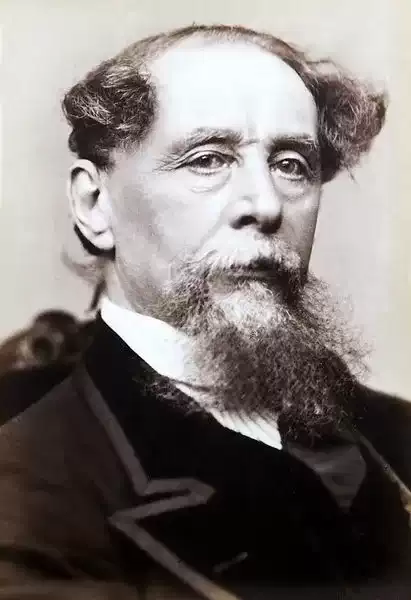
Charles Dickens
Lucy's Song
Lucy's Song
How beautiful at eventide
To see the twilight shadows pale,
Steal o'er the landscape, far and wide,
O'er stream and meadow, mound and dale!
How soft is Nature's calm repose
When ev'ning skies their cool dews weep:
The gentlest wind more gently blows,
As if to soothe her in her sleep!
The gay morn breaks,
Mists roll away,
All Nature awakes
To glorious day.
In my breast alone
Dark shadows remain;
The peace it has known
It can never regain.
How beautiful at eventide
To see the twilight shadows pale,
Steal o'er the landscape, far and wide,
O'er stream and meadow, mound and dale!
How soft is Nature's calm repose
When ev'ning skies their cool dews weep:
The gentlest wind more gently blows,
As if to soothe her in her sleep!
The gay morn breaks,
Mists roll away,
All Nature awakes
To glorious day.
In my breast alone
Dark shadows remain;
The peace it has known
It can never regain.
441
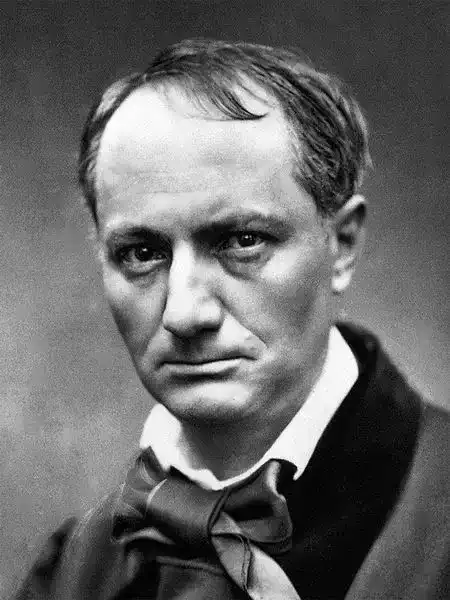
Charles Baudelaire
The Enemy
The Enemy
My youth was nothing but a black storm
Crossed now and then by brilliant suns.
The thunder and the rain so ravage the shores
Nothing's left of the fruit my garden held once.
I should employ the rake and the plow,
Having reached the autumn of ideas,
To restore this inundated ground
Where the deep grooves of water form tombs in the lees.
And who knows if the new flowers you dreamed
Will find in a soil stripped and cleaned
The mystic nourishment that fortifies?
—O Sorrow—O Sorrow—Time consumes Life,
And the obscure enemy that gnaws at my heart
Uses the blood that I lose to play my part.
Translated by William A. Sigler
Submitted by Ryan McGuire
My youth was nothing but a black storm
Crossed now and then by brilliant suns.
The thunder and the rain so ravage the shores
Nothing's left of the fruit my garden held once.
I should employ the rake and the plow,
Having reached the autumn of ideas,
To restore this inundated ground
Where the deep grooves of water form tombs in the lees.
And who knows if the new flowers you dreamed
Will find in a soil stripped and cleaned
The mystic nourishment that fortifies?
—O Sorrow—O Sorrow—Time consumes Life,
And the obscure enemy that gnaws at my heart
Uses the blood that I lose to play my part.
Translated by William A. Sigler
Submitted by Ryan McGuire
1,022
Charles Baudelaire
Spleen
Spleen
I'm like the king of a rain-country, rich
but sterile, young but with an old wolf's itch,
one who escapes Fénelon's apologues,
and kills the day in boredom with his dogs;
nothing cheers him, darts, tennis, falconry,
his people dying by the balcony;
the bawdry of the pet hermaphrodite
no longer gets him through a single night;
his bed of fleur-de-lys becomes a tomb;
even the ladies of the court, for whom
all kings are beautiful, cannot put on
shameful enough dresses for this skeleton;
the scholar who makes his gold cannot invent
washes to cleanse the poisoned element;
even in baths of blood, Rome's legacy,
our tyrants' solace in senility,
we cannot warm up his shot corpse, whose food
is syrup-green Lethean ooze, not blood.
I'm like the king of a rain-country, rich
but sterile, young but with an old wolf's itch,
one who escapes Fénelon's apologues,
and kills the day in boredom with his dogs;
nothing cheers him, darts, tennis, falconry,
his people dying by the balcony;
the bawdry of the pet hermaphrodite
no longer gets him through a single night;
his bed of fleur-de-lys becomes a tomb;
even the ladies of the court, for whom
all kings are beautiful, cannot put on
shameful enough dresses for this skeleton;
the scholar who makes his gold cannot invent
washes to cleanse the poisoned element;
even in baths of blood, Rome's legacy,
our tyrants' solace in senility,
we cannot warm up his shot corpse, whose food
is syrup-green Lethean ooze, not blood.
610
Charles Baudelaire
Evening Harmony
Evening Harmony
The hour has come at last when, trembling to and fro,
Each flower is a censer sifting its perfume;
The scent and sounds all swirl in evening’s gentle fume;
A melancholy waltz, a languid vertigo!
Each flower is a censer sifting its perfume;
A violin’s vibrato wounds the heart of woe;
A melancholy waltz, a languid vertigo!
The sky, a lofty altar, lovely in the gloom,
A violin’s vibrato wounds the heart of woe,
A tender heart detests the black of nullity,
The sky, a lofty altar, lovely in the gloom;
The sun is drowning in the evening’s blood-red glow.
A tender heart detests the black of nullity,
And lovingly preserves each trace of long ago!
The sun is drowning in the evening’s blood-red glow …
Your memory shines through me like an ostensory!
The hour has come at last when, trembling to and fro,
Each flower is a censer sifting its perfume;
The scent and sounds all swirl in evening’s gentle fume;
A melancholy waltz, a languid vertigo!
Each flower is a censer sifting its perfume;
A violin’s vibrato wounds the heart of woe;
A melancholy waltz, a languid vertigo!
The sky, a lofty altar, lovely in the gloom,
A violin’s vibrato wounds the heart of woe,
A tender heart detests the black of nullity,
The sky, a lofty altar, lovely in the gloom;
The sun is drowning in the evening’s blood-red glow.
A tender heart detests the black of nullity,
And lovingly preserves each trace of long ago!
The sun is drowning in the evening’s blood-red glow …
Your memory shines through me like an ostensory!
688

Carl Sandburg
Mill-Doors
Mill-Doors
You never come back.
I say good-by when I see you going in the doors,
The hopeless open doors that call and wait
And take you then for—how many cents a day?
How many cents for the sleepy eyes and fingers?
I say good-by because I know they tap your wrists,
In the dark, in the silence, day by day,
And all the blood of you drop by drop,
And you are old before you are young.
You never come back.
You never come back.
I say good-by when I see you going in the doors,
The hopeless open doors that call and wait
And take you then for—how many cents a day?
How many cents for the sleepy eyes and fingers?
I say good-by because I know they tap your wrists,
In the dark, in the silence, day by day,
And all the blood of you drop by drop,
And you are old before you are young.
You never come back.
311
Carl Sandburg
Lost
Lost
Desolate and lone
All night long on the lake
Where fog trails and mist creeps,
The whistle of a boat
Calls and cries unendingly,
Like some lost child
In tears and trouble
Hunting the harbor's breast
And the harbor's eyes.
Desolate and lone
All night long on the lake
Where fog trails and mist creeps,
The whistle of a boat
Calls and cries unendingly,
Like some lost child
In tears and trouble
Hunting the harbor's breast
And the harbor's eyes.
363
Carl Sandburg
Honky Tonk in Cleveland, Ohio
Honky Tonk in Cleveland, Ohio
It's a jazz affair, drum crashes and coronet razzes.
The trombone pony neighs and the tuba jackass snorts.
The banjo tickles and titters too awful.
The chippies talk about the funnies in the papers.
The cartoonists weep in their beer.
Shop riveters talk with their feet
To the feet of floozies under the tables.
A quartet of white hopes mourn with interspersed snickers:
"I got the blues.
I got the blues.
I got the blues."
And . . . as we said earlier:
The cartoonists weep in their beer.
It's a jazz affair, drum crashes and coronet razzes.
The trombone pony neighs and the tuba jackass snorts.
The banjo tickles and titters too awful.
The chippies talk about the funnies in the papers.
The cartoonists weep in their beer.
Shop riveters talk with their feet
To the feet of floozies under the tables.
A quartet of white hopes mourn with interspersed snickers:
"I got the blues.
I got the blues.
I got the blues."
And . . . as we said earlier:
The cartoonists weep in their beer.
349
Boris Pasternak
There'll be no one in the house...
There'll be no one in the house...
There'll be no one in the house
Save for twilight. All alone,
Winter's day seen in the space that's
Made by curtains left undrawn.
Only flash-past of the wet white
Snowflake clusters, glimpsed and gone.
Only roofs and snow, and save for
Roofs and snow-no one at home.
Once more, frost will trace its patterns,
I'll be haunted once again
By my last year's melancholy,
By that other wintertime.
Once more, I'll be troubled by an
Old unexpiated shame,
And the icy firewood famine
Will press on the window-pane.
But the quiver of intrusion
Through those curtains folds will run.
Measuring silence with your footsteps,
Like the future, in you'll come.
You'll appear there in the doorway
Wearing something white and plain,
Something in the very stuff from
Which the snowflakes too are sewn.
There'll be no one in the house
Save for twilight. All alone,
Winter's day seen in the space that's
Made by curtains left undrawn.
Only flash-past of the wet white
Snowflake clusters, glimpsed and gone.
Only roofs and snow, and save for
Roofs and snow-no one at home.
Once more, frost will trace its patterns,
I'll be haunted once again
By my last year's melancholy,
By that other wintertime.
Once more, I'll be troubled by an
Old unexpiated shame,
And the icy firewood famine
Will press on the window-pane.
But the quiver of intrusion
Through those curtains folds will run.
Measuring silence with your footsteps,
Like the future, in you'll come.
You'll appear there in the doorway
Wearing something white and plain,
Something in the very stuff from
Which the snowflakes too are sewn.
554
Boris Pasternak
The Weeping Garden
The Weeping Garden
It’s terrible! – all drip and listening.
Whether, as ever, it’s loneliness,
splashing a branch, like lace, on the window,
or whether perhaps there’s a witness.
Choked there beneath its swollen
burden – earth’s nostrils, and audibly,
like August, far off in the distance,
midnight, ripening slow with the fields.
No sound. No one’s in hiding.
Confirming its pure desolation,
it returns to its game – slipping
from roof, to gutter, slides on.
I’ll moisten my lips, listening:
whether, as ever, I’m loneliness,
and ready maybe for weeping,
or whether perhaps there’s a witness.
But, silence. No leaves trembling.
Nothing to see: sobs, and cries
being swallowed, slippers splashing,
between them, tears and sighs.
It’s terrible! – all drip and listening.
Whether, as ever, it’s loneliness,
splashing a branch, like lace, on the window,
or whether perhaps there’s a witness.
Choked there beneath its swollen
burden – earth’s nostrils, and audibly,
like August, far off in the distance,
midnight, ripening slow with the fields.
No sound. No one’s in hiding.
Confirming its pure desolation,
it returns to its game – slipping
from roof, to gutter, slides on.
I’ll moisten my lips, listening:
whether, as ever, I’m loneliness,
and ready maybe for weeping,
or whether perhaps there’s a witness.
But, silence. No leaves trembling.
Nothing to see: sobs, and cries
being swallowed, slippers splashing,
between them, tears and sighs.
733
Boris Pasternak
Meeting
Meeting
The snow will dust the roadway,
And load the roofs still more.
I'll stretch my legs a little:
You're there outside the door.
Autumn, not winter coat,
Hat-none, galoshes-none.
You struggle with excitement
Out there all on your own.
Far, far into the darkness
Fences and trees withdraw.
You stand there on the corner,
Under the falling snow.
The water trickles down from
The kerchief that you wear
Into your sleeves, while dewdrops
Shine sparkling in your hair.
And now illumined by
A single strand of light
Are features, kerchief, figure
And coat of autumn cut.
There's wet snow on your lashes
And in your eyes, distress,
And your external image
Is all, all of apiece.
As if an iron point
With truly consummate art,
Dipped into antimony,
Had scribed you on my heart.
Those modest, humble features
Are in it now to stay,
And if the world's cruel-hearted,
That's merely by the way.
And therefore it is doubled,
All this night in snow;
To draw frontiers between us
Is more than I can do.
But who are we and whence,
If, of those years gone by,
Scandal alone remains
And we have ceased to be.
The snow will dust the roadway,
And load the roofs still more.
I'll stretch my legs a little:
You're there outside the door.
Autumn, not winter coat,
Hat-none, galoshes-none.
You struggle with excitement
Out there all on your own.
Far, far into the darkness
Fences and trees withdraw.
You stand there on the corner,
Under the falling snow.
The water trickles down from
The kerchief that you wear
Into your sleeves, while dewdrops
Shine sparkling in your hair.
And now illumined by
A single strand of light
Are features, kerchief, figure
And coat of autumn cut.
There's wet snow on your lashes
And in your eyes, distress,
And your external image
Is all, all of apiece.
As if an iron point
With truly consummate art,
Dipped into antimony,
Had scribed you on my heart.
Those modest, humble features
Are in it now to stay,
And if the world's cruel-hearted,
That's merely by the way.
And therefore it is doubled,
All this night in snow;
To draw frontiers between us
Is more than I can do.
But who are we and whence,
If, of those years gone by,
Scandal alone remains
And we have ceased to be.
549
Boris Pasternak
It's spring, I leave a street where poplars...
It's spring, I leave a street where poplars...
It's spring, I leave a street where poplars are astonished,
Where distance is alarmed and the house fears it may fall.
Where air is blue just like the linen bundle
A discharged patient takes from hospital,
Where dusk is empty, like a broken tale,
Abandoned by a star, without conclusion,
So that expressionless, unfathomable,
A thousand clamouring eyes are in confusion.
It's spring, I leave a street where poplars are astonished,
Where distance is alarmed and the house fears it may fall.
Where air is blue just like the linen bundle
A discharged patient takes from hospital,
Where dusk is empty, like a broken tale,
Abandoned by a star, without conclusion,
So that expressionless, unfathomable,
A thousand clamouring eyes are in confusion.
337
Boris Pasternak
Change
Change
I used to glorify the poor,
Not simply lofty views expressing:
Their lives alone, I felt, were true,
Devoid of pomp and window-dressing.
No stranger to the manor house,
Its finery and lordly tenor,
I was a friend of down-and-outs,
And shunned the idly sponging manner.
For choosing friendship in the ranks
Of working people, though no rebel,
I had the honour to be stamped
As also one among the rabble.
The state of basements, unadorned,
Of attics with no frills or curtains
Was tangible without pretence
And full of substance, weighty, certain.
And I went bad when rot defaced
Our time, and life became infested,
When grief was censured as disgrace
And all played optimists and yes-men.
My faith in those who seemed my friends
Was broken and our ties were sundered.
I, too, lost Man, the Human, since
He had been lost by all and sundry.
I used to glorify the poor,
Not simply lofty views expressing:
Their lives alone, I felt, were true,
Devoid of pomp and window-dressing.
No stranger to the manor house,
Its finery and lordly tenor,
I was a friend of down-and-outs,
And shunned the idly sponging manner.
For choosing friendship in the ranks
Of working people, though no rebel,
I had the honour to be stamped
As also one among the rabble.
The state of basements, unadorned,
Of attics with no frills or curtains
Was tangible without pretence
And full of substance, weighty, certain.
And I went bad when rot defaced
Our time, and life became infested,
When grief was censured as disgrace
And all played optimists and yes-men.
My faith in those who seemed my friends
Was broken and our ties were sundered.
I, too, lost Man, the Human, since
He had been lost by all and sundry.
600
Boris Pasternak
‘February. Take ink and weep,’
‘February. Take ink and weep,’
February. Take ink and weep,
write February as you’re sobbing,
while black Spring burns deep
through the slush and throbbing.
Take a cab. For a clutch of copecks,
through bell-towers’ and wheel noise,
go where the rain-storm’s din breaks,
greater than crying or ink employs.
Where rooks in thousands falling,
like charred pears from the skies,
drop down into puddles, bringing
cold grief to the depths of eyes.
Below, the black shows through,
and the wind’s furrowed with cries:
the more freely, the more truly
then, sobbing verse is realised.
February. Take ink and weep,
write February as you’re sobbing,
while black Spring burns deep
through the slush and throbbing.
Take a cab. For a clutch of copecks,
through bell-towers’ and wheel noise,
go where the rain-storm’s din breaks,
greater than crying or ink employs.
Where rooks in thousands falling,
like charred pears from the skies,
drop down into puddles, bringing
cold grief to the depths of eyes.
Below, the black shows through,
and the wind’s furrowed with cries:
the more freely, the more truly
then, sobbing verse is realised.
425
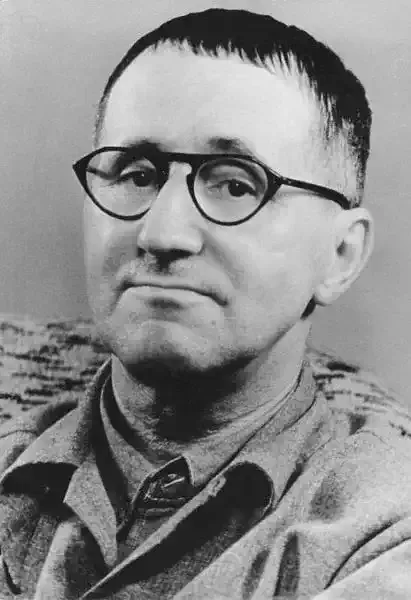
Bertolt Brecht
I Never Loved You More
I Never Loved You More
I never loved you more, ma soeur
Than as I walked away from you that evening.
The forest swallowed me, the blue forest, ma soeur
The blue forest and above it pale stars in the west.
I did not laugh, not one little bit, ma soeur
As I playfully walked towards a dark fate –
While the faces behind me
Slowly paled in the evening of the blue forest.
Everything was grand that one night, ma soeur
Never thereafter and never before –
I admit it: I was left with nothing but the big birds
And their hungry cries in the dark evening sky.
I never loved you more, ma soeur
Than as I walked away from you that evening.
The forest swallowed me, the blue forest, ma soeur
The blue forest and above it pale stars in the west.
I did not laugh, not one little bit, ma soeur
As I playfully walked towards a dark fate –
While the faces behind me
Slowly paled in the evening of the blue forest.
Everything was grand that one night, ma soeur
Never thereafter and never before –
I admit it: I was left with nothing but the big birds
And their hungry cries in the dark evening sky.
543
Bertolt Brecht
Fragen
Fragen
Schreib mir, was du anhast! Ist es warm?
Schreib mir, wie du liegst! Liegst du auch weich?
Schreib mir, wie du aussiehst! Ist´s noch gleich?
Schreib mir, was dir fehlt! Ist es mein Arm?
Schreib mir, wie´s dir geht! Verschont man dich?
Schreib mir, was sie treiben! Reicht dein Mut?
Schreib mir, was du tust! Ist es auch gut?
Schreib mir, woran denkst du? Bin es ich?
Freilich hab ich dir nur meine Fragen!
Und die Antwort hör ich, wie sie fällt!
Wenn du müd bist, kann ich dir nichts tragen.
Hungerst du, hab ich dir nichts zu Essen.
Und so bin ich grad wie aus der Welt
Nicht mehr da, als hätt ich dich vergessen.
Schreib mir, was du anhast! Ist es warm?
Schreib mir, wie du liegst! Liegst du auch weich?
Schreib mir, wie du aussiehst! Ist´s noch gleich?
Schreib mir, was dir fehlt! Ist es mein Arm?
Schreib mir, wie´s dir geht! Verschont man dich?
Schreib mir, was sie treiben! Reicht dein Mut?
Schreib mir, was du tust! Ist es auch gut?
Schreib mir, woran denkst du? Bin es ich?
Freilich hab ich dir nur meine Fragen!
Und die Antwort hör ich, wie sie fällt!
Wenn du müd bist, kann ich dir nichts tragen.
Hungerst du, hab ich dir nichts zu Essen.
Und so bin ich grad wie aus der Welt
Nicht mehr da, als hätt ich dich vergessen.
1,610
Bertolt Brecht
Alabama Song
Alabama Song
Show me the way to the next whisky bar
Oh, don't ask why, oh, don't ask why
Show me the way to the next whisky bar
Oh, don't ask why, oh, don't ask why
For if we don't find the next whisky bar
I tell you we must die
I tell you we must die
I tell you
I tell you
I tell you we must die
Oh, moon of Alabama
We now must say say good-bye
We've lost our good old mamma
And must have whisky
Oh, you know why.
Show me the way to the next pretty girl
Oh, don't ask why, oh, don't ask why
Show me the way to the next pretty girl
Oh don't ask why, oh, don't ask why
For if we don't find the next pretty girl
I tell you we must die
I tell you we must die
I tell you
I tell you
I tell you we must die
Oh, moon of Alabama
We now must say good-bye
We've lost our good old mamma
And must have a girl
Oh, you know why.
Show me the way to the next little dollar
Oh, don't ask why, oh, don't ask why
Show me the way to the next little dollar
Oh, don't ask why, oh, don't ask why
For if we don't find the next little dollar
I tell you we must die
I tell you we must die
I tell you
I tell you
I tell you we must die
Oh, moon of Alabama
We now must say good-bye
We've lost our good old mamma
And must have dollars
Oh, you know why.
Show me the way to the next whisky bar
Oh, don't ask why, oh, don't ask why
Show me the way to the next whisky bar
Oh, don't ask why, oh, don't ask why
For if we don't find the next whisky bar
I tell you we must die
I tell you we must die
I tell you
I tell you
I tell you we must die
Oh, moon of Alabama
We now must say say good-bye
We've lost our good old mamma
And must have whisky
Oh, you know why.
Show me the way to the next pretty girl
Oh, don't ask why, oh, don't ask why
Show me the way to the next pretty girl
Oh don't ask why, oh, don't ask why
For if we don't find the next pretty girl
I tell you we must die
I tell you we must die
I tell you
I tell you
I tell you we must die
Oh, moon of Alabama
We now must say good-bye
We've lost our good old mamma
And must have a girl
Oh, you know why.
Show me the way to the next little dollar
Oh, don't ask why, oh, don't ask why
Show me the way to the next little dollar
Oh, don't ask why, oh, don't ask why
For if we don't find the next little dollar
I tell you we must die
I tell you we must die
I tell you
I tell you
I tell you we must die
Oh, moon of Alabama
We now must say good-bye
We've lost our good old mamma
And must have dollars
Oh, you know why.
730
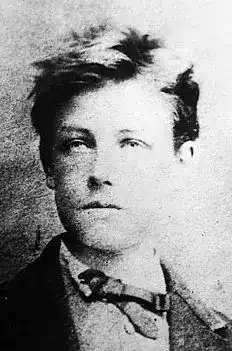
Arthur Rimbaud
Vigils
Vigils
I.
It is a repose in the light,
neither fever nor languor,
on a bed or on a meadow.
It is the friend neither violent nor weak.
The friend.
It is the beloved neither
tormenting nor tormented.
The beloved.
Air and the world not sought.
Life. --Was it really this?
--And the dream grew cold.
II.
The lighting comes round
to the crown post again.
From the two extremities of the room
-- decorations negligible
-- harmonic elevations join.
The wall opposite the watcher
is a psychological succession
of atmospheric sections of friezes,
bands, and geological accidents.
Intense quick dream
of sentimental groups
with people of all possible characters
amidst all possible appearances.
III.
The lamps and the rugs
of the vigil make the noise
of waves in the night,
along the hull and around the steerage.
The sea of the vigil, like Emily's breasts.
The hangings, halfway up,
undergrowth of emerald tinted lace,
where dart the vigil doves. . . . . . . . . . . . . . . . . . . .
The plaque of the black hearth,
real suns of seashores! ah! magic wells;
only sight of dawn, this time.
I.
It is a repose in the light,
neither fever nor languor,
on a bed or on a meadow.
It is the friend neither violent nor weak.
The friend.
It is the beloved neither
tormenting nor tormented.
The beloved.
Air and the world not sought.
Life. --Was it really this?
--And the dream grew cold.
II.
The lighting comes round
to the crown post again.
From the two extremities of the room
-- decorations negligible
-- harmonic elevations join.
The wall opposite the watcher
is a psychological succession
of atmospheric sections of friezes,
bands, and geological accidents.
Intense quick dream
of sentimental groups
with people of all possible characters
amidst all possible appearances.
III.
The lamps and the rugs
of the vigil make the noise
of waves in the night,
along the hull and around the steerage.
The sea of the vigil, like Emily's breasts.
The hangings, halfway up,
undergrowth of emerald tinted lace,
where dart the vigil doves. . . . . . . . . . . . . . . . . . . .
The plaque of the black hearth,
real suns of seashores! ah! magic wells;
only sight of dawn, this time.
546
Arthur Rimbaud
Song Of The Highest Tower
Song Of The Highest Tower
Idle youth
Enslaved to everything,
By being too sensitive
I have wasted my life.
Ah ! Let the time come
When hearts are enamoured.
I said to myself : let be,
And let no one see you :
Do without the promise
Of higher joys.
Let nothing delay you,
Majestic retirement.
I have endured so long
That I have forgotten everything ;
Fear and suffering
Have flown to the skies.
And morbid thirst
Darkens my veins.
Thus the meadow
Given over to oblivion,
Grown up, and flowering
With frankincense and tares
To the wild buzzing
Of a hundred filthy flies.
Oh ! the thousand bereavements
Of the poor soul
Which possesses only the image
Of Our Lady ! Can one pray
To the Virgin Mary ?
Idle youth
Enslaved by everything,
By being too sensitive
I have wasted my life.
Ah ! Let the time come
When hearts are enamoured !
Idle youth
Enslaved to everything,
By being too sensitive
I have wasted my life.
Ah ! Let the time come
When hearts are enamoured.
I said to myself : let be,
And let no one see you :
Do without the promise
Of higher joys.
Let nothing delay you,
Majestic retirement.
I have endured so long
That I have forgotten everything ;
Fear and suffering
Have flown to the skies.
And morbid thirst
Darkens my veins.
Thus the meadow
Given over to oblivion,
Grown up, and flowering
With frankincense and tares
To the wild buzzing
Of a hundred filthy flies.
Oh ! the thousand bereavements
Of the poor soul
Which possesses only the image
Of Our Lady ! Can one pray
To the Virgin Mary ?
Idle youth
Enslaved by everything,
By being too sensitive
I have wasted my life.
Ah ! Let the time come
When hearts are enamoured !
774