

Poems
Betrayal and Disappointment
Poems in this topic

Robert W. Service
The Wedding Ring
The Wedding Ring
I pawned my sick wife's wedding ring,
To drink and make myself a beast.
I got the most that it would bring,
Of golden coins the very least.
With stealth into her room I crept
And stole it from her as she slept.
I do not think that she will know,
As in its place I left a band
Of brass that has a brighter glow
And gleamed upon her withered hand.
I do not think that she can tell
The change - she does not see too well.
Pray God, she doesn't find me out.
I'd rather far I would be dead.
Yet yesterday she seemed to doubt,
And looking at me long she said:
"My finger must have shrunk, because
My ring seems bigger than it was."
She gazed at it so wistfully,
And one big tear rolled down her cheek.
Said she: "You'll bury it with me . . ."
I was so moved I could not speak.
Oh wretched me! How whisky can
Bring out the devil in a man!"
And yet I know she loves me still,
As on the morn that we were wed;
And darkly guess I also will
Be doomed the day that she is dead.
And yet I swear, before she's gone,
I will retrieve her ring from pawn.
I'll get it though I have to steal,
Then when to ease her bitter pain
They give her sleep oh I will feel
Her hand and slip it on again;
Through tears her wasted face I'll see,
And pray to God: "Oh pity me!"
I pawned my sick wife's wedding ring,
To drink and make myself a beast.
I got the most that it would bring,
Of golden coins the very least.
With stealth into her room I crept
And stole it from her as she slept.
I do not think that she will know,
As in its place I left a band
Of brass that has a brighter glow
And gleamed upon her withered hand.
I do not think that she can tell
The change - she does not see too well.
Pray God, she doesn't find me out.
I'd rather far I would be dead.
Yet yesterday she seemed to doubt,
And looking at me long she said:
"My finger must have shrunk, because
My ring seems bigger than it was."
She gazed at it so wistfully,
And one big tear rolled down her cheek.
Said she: "You'll bury it with me . . ."
I was so moved I could not speak.
Oh wretched me! How whisky can
Bring out the devil in a man!"
And yet I know she loves me still,
As on the morn that we were wed;
And darkly guess I also will
Be doomed the day that she is dead.
And yet I swear, before she's gone,
I will retrieve her ring from pawn.
I'll get it though I have to steal,
Then when to ease her bitter pain
They give her sleep oh I will feel
Her hand and slip it on again;
Through tears her wasted face I'll see,
And pray to God: "Oh pity me!"
260
Robert W. Service
The Twins
The Twins
There were two brothers, John and James,
And when the town went up in flames,
To save the house of James dashed John,
Then turned, and lo! his own was gone.
And when the great World War began,
To volunteer John promptly ran;
And while he learned live bombs to lob,
James stayed at home and -- sneaked his job.
John came home with a missing limb;
That didn't seem to worry him;
But oh, it set his brain awhirl
To find that James had -- sneaked his girl!
Time passed. John tried his grief to drown;
To-day James owns one-half the town;
His army contracts riches yield;
And John? Well, search the Potter's Field.
There were two brothers, John and James,
And when the town went up in flames,
To save the house of James dashed John,
Then turned, and lo! his own was gone.
And when the great World War began,
To volunteer John promptly ran;
And while he learned live bombs to lob,
James stayed at home and -- sneaked his job.
John came home with a missing limb;
That didn't seem to worry him;
But oh, it set his brain awhirl
To find that James had -- sneaked his girl!
Time passed. John tried his grief to drown;
To-day James owns one-half the town;
His army contracts riches yield;
And John? Well, search the Potter's Field.
232
Robert W. Service
The Pigeons Of St. Marks
The Pigeons Of St. Marks
Something's wrong in Pigeon-land;
'Tisn't as it used to be,
When the pilgrim, corn in hand,
Courted us with laughing glee;
When we crooned with pinions furled,
Tamest pigeons in the world.
When we packed each arm and shoulder,
Never deeming man a menace;
Surly birds were never bolder
Than our dainty doves of Venice:
Who would have believed a pigeon
Could become wild as a widgeon.
Well, juts blame it on the War,
When Venetians grew thinner,
And gaunt hands would grab us for
Succulence to serve a dinner . . .
How our numbers fast grew fewer,
As we perished on a skewer.
Pa and Mummie went like that,
So when tourist takes his stand,
On his Borsolino hat
Soft as whispered love I land;
Then with cooing liquid vowels
I . . . evacuate my bowls.
Something's wrong in Pigeon-land;
Mankind we no longer trust;
Shrinking from the tendered hand,
pick we corn from out the dust;
While on guileless pilgrim pate,
Thinking that revenge is sweet,
Soft I croon my hymn of hate,
Drop my tribute and retreat.
Something's wrong in Pigeon-land;
'Tisn't as it used to be,
When the pilgrim, corn in hand,
Courted us with laughing glee;
When we crooned with pinions furled,
Tamest pigeons in the world.
When we packed each arm and shoulder,
Never deeming man a menace;
Surly birds were never bolder
Than our dainty doves of Venice:
Who would have believed a pigeon
Could become wild as a widgeon.
Well, juts blame it on the War,
When Venetians grew thinner,
And gaunt hands would grab us for
Succulence to serve a dinner . . .
How our numbers fast grew fewer,
As we perished on a skewer.
Pa and Mummie went like that,
So when tourist takes his stand,
On his Borsolino hat
Soft as whispered love I land;
Then with cooing liquid vowels
I . . . evacuate my bowls.
Something's wrong in Pigeon-land;
Mankind we no longer trust;
Shrinking from the tendered hand,
pick we corn from out the dust;
While on guileless pilgrim pate,
Thinking that revenge is sweet,
Soft I croon my hymn of hate,
Drop my tribute and retreat.
195
Robert W. Service
The Last Supper
The Last Supper
Marie Vaux of the Painted Lips,
And the mouth so mocking gay,
A wanton you to the finger-tips,
Who break men's hearts in play;
A thing of dust I have striven for,
Honour and manhood given for,
Headlong to ruin driven for,
And this is the last, you say. . . .
Drinking your wine with dainty sips,
Marie Vaux of the Painted Lips.
Marie Vaux of the Painted Lips,
ong have you held your sway;
I have laughed at your merry quips -
Now is my time to pay.
What we sow we must reap again;
When we laugh we must weep again;
So to-night we will sleep again,
Nor wake until Judgement Day. . . .
'Tis a poisoned wine that your palate lips,
Marie Vaux of the Painted Lips.
Marie Vaux of the Painted Lips,
Down on your knees and pray;
Pray your last ere the moment slips,
Pray ere the dark and the terror grips,
And the bright world fades away.
Pray for the peace and the rest of us:
Here comes the Shape in quest of us,
Now we must go away. . . .
You and I in the grave's eclipse,
Marie Vaux of the painted Lips.
Marie Vaux of the Painted Lips,
And the mouth so mocking gay,
A wanton you to the finger-tips,
Who break men's hearts in play;
A thing of dust I have striven for,
Honour and manhood given for,
Headlong to ruin driven for,
And this is the last, you say. . . .
Drinking your wine with dainty sips,
Marie Vaux of the Painted Lips.
Marie Vaux of the Painted Lips,
ong have you held your sway;
I have laughed at your merry quips -
Now is my time to pay.
What we sow we must reap again;
When we laugh we must weep again;
So to-night we will sleep again,
Nor wake until Judgement Day. . . .
'Tis a poisoned wine that your palate lips,
Marie Vaux of the Painted Lips.
Marie Vaux of the Painted Lips,
Down on your knees and pray;
Pray your last ere the moment slips,
Pray ere the dark and the terror grips,
And the bright world fades away.
Pray for the peace and the rest of us:
Here comes the Shape in quest of us,
Now we must go away. . . .
You and I in the grave's eclipse,
Marie Vaux of the painted Lips.
124
Robert W. Service
The Cuckoo
The Cuckoo
No lyric line I ever penned
The praise this parasitic bird;
And what is more, I don't intend
To write a laudatory word,
Since in my garden robins made
A nest with eggs of dainty spot,
And then a callous cuckoo laid
A lone on on the lot.
Of course the sillies hatched it out
Along with their two tiny chicks,
And there it threw its weight about,
But with the others would not mix.
In fact, it seemed their guts to hate,
And crossly kicked them to the ground,
So that next morning, sorry fate!
Two babes stone dead I found.
These stupid robins, how they strove
To gluttonize that young cuckoo!
And like a prodigy it throve,
And daily greedier it grew.
How it would snap and glup and spit!
Till finally it came to pass,
Growing too big the nest to fit,
It fell out on the grass.
So for a week they fed it there,
As in a nook of turf it lay;
But it was scornful of their care,
for it was twice as big as they.
When lo! one afternoon I heard
A flutelike call: Cuckoo! Cuckoo!
Then suddenly that foulsome bird
Flapped to its feet and flew.
I'm sure it never said goodbye
To its fond foster Pa and Ma,
Though to their desolated sigh
It might have chirruped: "Au revoir."
But no, it went in wanton mood,
Flying the coop for climates new
And so I say: "Ingratitude,
They name's Cuckoo."
No lyric line I ever penned
The praise this parasitic bird;
And what is more, I don't intend
To write a laudatory word,
Since in my garden robins made
A nest with eggs of dainty spot,
And then a callous cuckoo laid
A lone on on the lot.
Of course the sillies hatched it out
Along with their two tiny chicks,
And there it threw its weight about,
But with the others would not mix.
In fact, it seemed their guts to hate,
And crossly kicked them to the ground,
So that next morning, sorry fate!
Two babes stone dead I found.
These stupid robins, how they strove
To gluttonize that young cuckoo!
And like a prodigy it throve,
And daily greedier it grew.
How it would snap and glup and spit!
Till finally it came to pass,
Growing too big the nest to fit,
It fell out on the grass.
So for a week they fed it there,
As in a nook of turf it lay;
But it was scornful of their care,
for it was twice as big as they.
When lo! one afternoon I heard
A flutelike call: Cuckoo! Cuckoo!
Then suddenly that foulsome bird
Flapped to its feet and flew.
I'm sure it never said goodbye
To its fond foster Pa and Ma,
Though to their desolated sigh
It might have chirruped: "Au revoir."
But no, it went in wanton mood,
Flying the coop for climates new
And so I say: "Ingratitude,
They name's Cuckoo."
235
Robert W. Service
The Ballad Of One-Eyed Mike
The Ballad Of One-Eyed Mike
This is the tale that was told to me by the man with the crystal eye,
As I smoked my pipe in the camp-fire light, and the Glories swept the sky;
As the Northlights gleamed and curved and streamed, and the bottle of "hooch" was
dry.
A man once aimed that my life be shamed, and wrought me a deathly wrong;
I vowed one day I would well repay, but the heft of his hate was strong.
He thonged me East and he thonged me West; he harried me back and forth,
Till I fled in fright from his peerless spite to the bleak, bald-headed North.
And there I lay, and for many a day I hatched plan after plan,
For a golden haul of the wherewithal to crush and to kill my man;
And there I strove, and there I clove through the drift of icy streams;
And there I fought, and there I sought for the pay-streak of my dreams.
So twenty years, with their hopes and fears and smiles and tears and such,
Went by and left me long bereft of hope of the Midas touch;
About as fat as a chancel rat, and lo! despite my will,
In the weary fight I had clean lost sight of the man I sought to kill.
'Twas so far away, that evil day when I prayed to the Prince of Gloom
For the savage strength and the sullen length of life to work his doom.
Nor sign nor word had I seen or heard, and it happed so long ago;
My youth was gone and my memory wan, and I willed it even so.
It fell one night in the waning light by the Yukon's oily flow,
I smoked and sat as I marvelled at the sky's port-winey glow;
Till it paled away to an absinthe gray, and the river seemed to shrink,
All wobbly flakes and wriggling snakes and goblin eyes a-wink.
'Twas weird to see and it 'wildered me in a queer, hypnotic dream,
Till I saw a spot like an inky blot come floating down the stream;
It bobbed and swung; it sheered and hung; it romped round in a ring;
It seemed to play in a tricksome way; it sure was a merry thing.
In freakish flights strange oily lights came fluttering round its head,
Like butterflies of a monster size--then I knew it for the Dead.
Its face was rubbed and slicked and scrubbed as smooth as a shaven pate;
In the silver snakes that the water makes it gleamed like a dinner-plate.
It gurgled near, and clear and clear and large and large it grew;
It stood upright in a ring of light and it looked me through and through.
It weltered round with a woozy sound, and ere I could retreat,
With the witless roll of a sodden soul it wantoned to my feet.
And here I swear by this Cross I wear, I heard that "floater" say:
"I am the man from whom you ran, the man you sought to slay.
That you may note and gaze and gloat, and say `Revenge is sweet',
In the grit and grime of the river's slime I am rotting at your feet.
"The ill we rue we must e'en undo, though it rive us bone from bone;
So it came about that I sought you out, for I prayed I might atone.
I did you wrong, and for long and long I sought where you might live;
And now you're found, though I'm dead and drowned, I beg you to forgive."
So sad it seemed, and its cheek-bones gleamed, and its fingers flicked the shore;
And it lapped and lay in a weary way, and its hands met to implore;
That I gently said: "Poor, restless dead, I would never work you woe;
Though the wrong you rue you can ne'er undo, I forgave you long ago."
Then, wonder-wise, I rubbed my eyes and I woke from a horrid dream.
The moon rode high in the naked sky, and something bobbed in the stream.
It held my sight in a patch of light, and then it sheered from the shore;
It dipped and sank by a hollow bank, and I never saw it more.
This was the tale he told to me, that man so warped and gray,
Ere he slept and dreamed, and the camp-fire gleamed in his eye in a wolfish way--
That crystal eye that raked the sky in the weird Auroral ray.
This is the tale that was told to me by the man with the crystal eye,
As I smoked my pipe in the camp-fire light, and the Glories swept the sky;
As the Northlights gleamed and curved and streamed, and the bottle of "hooch" was
dry.
A man once aimed that my life be shamed, and wrought me a deathly wrong;
I vowed one day I would well repay, but the heft of his hate was strong.
He thonged me East and he thonged me West; he harried me back and forth,
Till I fled in fright from his peerless spite to the bleak, bald-headed North.
And there I lay, and for many a day I hatched plan after plan,
For a golden haul of the wherewithal to crush and to kill my man;
And there I strove, and there I clove through the drift of icy streams;
And there I fought, and there I sought for the pay-streak of my dreams.
So twenty years, with their hopes and fears and smiles and tears and such,
Went by and left me long bereft of hope of the Midas touch;
About as fat as a chancel rat, and lo! despite my will,
In the weary fight I had clean lost sight of the man I sought to kill.
'Twas so far away, that evil day when I prayed to the Prince of Gloom
For the savage strength and the sullen length of life to work his doom.
Nor sign nor word had I seen or heard, and it happed so long ago;
My youth was gone and my memory wan, and I willed it even so.
It fell one night in the waning light by the Yukon's oily flow,
I smoked and sat as I marvelled at the sky's port-winey glow;
Till it paled away to an absinthe gray, and the river seemed to shrink,
All wobbly flakes and wriggling snakes and goblin eyes a-wink.
'Twas weird to see and it 'wildered me in a queer, hypnotic dream,
Till I saw a spot like an inky blot come floating down the stream;
It bobbed and swung; it sheered and hung; it romped round in a ring;
It seemed to play in a tricksome way; it sure was a merry thing.
In freakish flights strange oily lights came fluttering round its head,
Like butterflies of a monster size--then I knew it for the Dead.
Its face was rubbed and slicked and scrubbed as smooth as a shaven pate;
In the silver snakes that the water makes it gleamed like a dinner-plate.
It gurgled near, and clear and clear and large and large it grew;
It stood upright in a ring of light and it looked me through and through.
It weltered round with a woozy sound, and ere I could retreat,
With the witless roll of a sodden soul it wantoned to my feet.
And here I swear by this Cross I wear, I heard that "floater" say:
"I am the man from whom you ran, the man you sought to slay.
That you may note and gaze and gloat, and say `Revenge is sweet',
In the grit and grime of the river's slime I am rotting at your feet.
"The ill we rue we must e'en undo, though it rive us bone from bone;
So it came about that I sought you out, for I prayed I might atone.
I did you wrong, and for long and long I sought where you might live;
And now you're found, though I'm dead and drowned, I beg you to forgive."
So sad it seemed, and its cheek-bones gleamed, and its fingers flicked the shore;
And it lapped and lay in a weary way, and its hands met to implore;
That I gently said: "Poor, restless dead, I would never work you woe;
Though the wrong you rue you can ne'er undo, I forgave you long ago."
Then, wonder-wise, I rubbed my eyes and I woke from a horrid dream.
The moon rode high in the naked sky, and something bobbed in the stream.
It held my sight in a patch of light, and then it sheered from the shore;
It dipped and sank by a hollow bank, and I never saw it more.
This was the tale he told to me, that man so warped and gray,
Ere he slept and dreamed, and the camp-fire gleamed in his eye in a wolfish way--
That crystal eye that raked the sky in the weird Auroral ray.
360
Robert W. Service
The Ballad Of Hank The Finn
The Ballad Of Hank The Finn
Now Fireman Flynn met Hank the Finn where lights of Lust-land glow;
"Let's leave," says he, "the lousy sea, and give the land a show.
I'm fed up to the molar mark with wallopin' the brine;
I feel the bloody barnacles a-carkin' on me spine.
Let's hit the hard-boiled North a crack, where creeks are paved with gold."
"You count me in," says Hank the Finn. "Ay do as Ay ban told."
And so they sought the Lonely Land and drifted down its stream,
Where sunny silence round them spanned, as dopey as a dream.
But to the spell of flood and fell their gold-grimed eyes were blind;
By pine and peak they paused to seek, but nothing did they find;
No yellow glint of dust to mint, just mud and mocking sand,
And a hateful hush that seemed to crush them down on every hand.
Till Fireman Flynn grew mean as sin, and cursed his comrade cold,
But Hank the Finn would only grin, and . . . do as he was told.
Now Fireman Flynn had pieces ten of yellow Yankee gold,
Which every night he would invite his partner to behold.
"Look hard," says he; "It's all you'll see in this god-blasted land;
But you fret, I'm gonna let you hold them i your hand.
Yeah! Watch 'em gleam, then go and dream they're yours to have and hold."
Then Hank the Finn would scratch his chin and . . . do as he was told.
But every night by camp-fire light, he'd incubate his woes,
And fan the hate of mate for mate, the evil Artic knows.
In dreams the Lapland withes gloomed like gargoyles overhead,
While the devils three of Helsinkee came cowering by his bed.
"Go take," said they, "the yellow loot he's clinking in his belt,
And leave the sneaking wolverines to snout around his pelt.
Last night he called you Swedish scum, from out the glory-hole;
To-day he said you were a bum, and damned your mother's soul.
Go, plug with lead his scurvy head, and grab his greasy gold . . ."
Then Hank the Finn saw red within, and . . . did as he was told.
So in due course the famous Force of Men Who Get Their Man,
Swooped down on sleeping Hank the Finn, and popped him in the can.
And in due time his grievous crime was judged without a plea,
And he was dated up to swing upon the gallows tree.
Then Sheriff gave a party in the Law's almighty name,
He gave a neck-tie party, and he asked me to the same.
There was no hooch a-flowin' and his party wasn't gay,
For O our hearts were heavy at the dawning of the day.
There was no band a-playin' and the only dancin' there
Was Hank the Fin interpretin' his solo in the air.
We climbed the scaffold steps and stood beside the knotted rope.
We watched the hooded hangman and his eyes were dazed with dope.
The Sheriff was in evening dress; a bell began to toll,
A beastly bell that struck a knell of horror to the soul.
As if the doomed one was myself, I shuddered, waiting there.
I spoke no word, then . . . then I heard his step upon the stair;
His halting foot, moccasin clad . . . and then I saw him stand
Between a weeping warder and a priest with Cross in hand.
And at the sight a murmur rose of terror and of awe,
And all them hardened gallows fans were sick at what they saw:
For as he towered above the mob, his limbs with leather triced,
By all that's wonderful, I swear, his face was that of Christ.
Now I ain't no blaspheming cuss, so don't you start to shout.
You see, his beard had grown so long it framed his face about.
His rippling hair was long and fair, his cheeks were spirit-pale,
His face was bright with holy light that made us wince and quail.
He looked at us with eyes a-shine, and sore were we confused,
As if he were the Judge divine, and we were the accused.
Aye, as serene he stood between the hangman and the cord,
You would have sworn, with anguish torn, he was the Blessed Lord.
The priest was wet with icy sweat, the Sheriff's lips were dry,
And we were staring starkly at the man who had to die.
"Lo! I am raised above you all," his pale lips seemed to say,
"For in a moment I shall leap to God's Eternal Day.
Am I not happy! I forgive you each for what you do;
Redeemed and penitent I go, with heart of love for you."
So there he stood in mystic mood, with scorn sublime of death.
I saw him gently kiss the Cross, and then I held by breath.
That blessed smile was blotted out; they dropped the hood of black;
They fixed the noose around his neck, the rope was hanging slack.
I heard him pray, I saw him sway, then . . . then he was not there;
A rope, a ghastly yellow rope was jerking in the air;
A jigging rope that soon was still; a hush as of the tomb,
And Hank the Finn, that man of sin, had met his rightful doom.
His rightful doom! Now that's the point. I'm wondering, because
I hold a man is what he is, and never what he was.
You see, the priest had filled that guy so full of holy dope,
That at the last he came to die as pious as the Pope.
A gentle ray of sunshine made a halo round his head.
I thought to see a sinner - lo! I saw a Saint instead.
Aye, as he stood as martyrs stand, clean-cleansed of mortal dross,
I think he might have gloried had . . . WE NAILED HIM TO A CROSS.
Now Fireman Flynn met Hank the Finn where lights of Lust-land glow;
"Let's leave," says he, "the lousy sea, and give the land a show.
I'm fed up to the molar mark with wallopin' the brine;
I feel the bloody barnacles a-carkin' on me spine.
Let's hit the hard-boiled North a crack, where creeks are paved with gold."
"You count me in," says Hank the Finn. "Ay do as Ay ban told."
And so they sought the Lonely Land and drifted down its stream,
Where sunny silence round them spanned, as dopey as a dream.
But to the spell of flood and fell their gold-grimed eyes were blind;
By pine and peak they paused to seek, but nothing did they find;
No yellow glint of dust to mint, just mud and mocking sand,
And a hateful hush that seemed to crush them down on every hand.
Till Fireman Flynn grew mean as sin, and cursed his comrade cold,
But Hank the Finn would only grin, and . . . do as he was told.
Now Fireman Flynn had pieces ten of yellow Yankee gold,
Which every night he would invite his partner to behold.
"Look hard," says he; "It's all you'll see in this god-blasted land;
But you fret, I'm gonna let you hold them i your hand.
Yeah! Watch 'em gleam, then go and dream they're yours to have and hold."
Then Hank the Finn would scratch his chin and . . . do as he was told.
But every night by camp-fire light, he'd incubate his woes,
And fan the hate of mate for mate, the evil Artic knows.
In dreams the Lapland withes gloomed like gargoyles overhead,
While the devils three of Helsinkee came cowering by his bed.
"Go take," said they, "the yellow loot he's clinking in his belt,
And leave the sneaking wolverines to snout around his pelt.
Last night he called you Swedish scum, from out the glory-hole;
To-day he said you were a bum, and damned your mother's soul.
Go, plug with lead his scurvy head, and grab his greasy gold . . ."
Then Hank the Finn saw red within, and . . . did as he was told.
So in due course the famous Force of Men Who Get Their Man,
Swooped down on sleeping Hank the Finn, and popped him in the can.
And in due time his grievous crime was judged without a plea,
And he was dated up to swing upon the gallows tree.
Then Sheriff gave a party in the Law's almighty name,
He gave a neck-tie party, and he asked me to the same.
There was no hooch a-flowin' and his party wasn't gay,
For O our hearts were heavy at the dawning of the day.
There was no band a-playin' and the only dancin' there
Was Hank the Fin interpretin' his solo in the air.
We climbed the scaffold steps and stood beside the knotted rope.
We watched the hooded hangman and his eyes were dazed with dope.
The Sheriff was in evening dress; a bell began to toll,
A beastly bell that struck a knell of horror to the soul.
As if the doomed one was myself, I shuddered, waiting there.
I spoke no word, then . . . then I heard his step upon the stair;
His halting foot, moccasin clad . . . and then I saw him stand
Between a weeping warder and a priest with Cross in hand.
And at the sight a murmur rose of terror and of awe,
And all them hardened gallows fans were sick at what they saw:
For as he towered above the mob, his limbs with leather triced,
By all that's wonderful, I swear, his face was that of Christ.
Now I ain't no blaspheming cuss, so don't you start to shout.
You see, his beard had grown so long it framed his face about.
His rippling hair was long and fair, his cheeks were spirit-pale,
His face was bright with holy light that made us wince and quail.
He looked at us with eyes a-shine, and sore were we confused,
As if he were the Judge divine, and we were the accused.
Aye, as serene he stood between the hangman and the cord,
You would have sworn, with anguish torn, he was the Blessed Lord.
The priest was wet with icy sweat, the Sheriff's lips were dry,
And we were staring starkly at the man who had to die.
"Lo! I am raised above you all," his pale lips seemed to say,
"For in a moment I shall leap to God's Eternal Day.
Am I not happy! I forgive you each for what you do;
Redeemed and penitent I go, with heart of love for you."
So there he stood in mystic mood, with scorn sublime of death.
I saw him gently kiss the Cross, and then I held by breath.
That blessed smile was blotted out; they dropped the hood of black;
They fixed the noose around his neck, the rope was hanging slack.
I heard him pray, I saw him sway, then . . . then he was not there;
A rope, a ghastly yellow rope was jerking in the air;
A jigging rope that soon was still; a hush as of the tomb,
And Hank the Finn, that man of sin, had met his rightful doom.
His rightful doom! Now that's the point. I'm wondering, because
I hold a man is what he is, and never what he was.
You see, the priest had filled that guy so full of holy dope,
That at the last he came to die as pious as the Pope.
A gentle ray of sunshine made a halo round his head.
I thought to see a sinner - lo! I saw a Saint instead.
Aye, as he stood as martyrs stand, clean-cleansed of mortal dross,
I think he might have gloried had . . . WE NAILED HIM TO A CROSS.
223
Robert W. Service
Secretary
Secretary
My Master is a man of might
With manners like a hog;
He makes me slave from morn to night
And treats me like a dog.
He thinks there's nothing on this earth
His money cannot buy,
And claims to get full wages worth
From hirelings such as I.
But does he? Though a Man of State,
And fabulously rich,
He little guesses that his mate
Is just a bonny bitch.
For he is grey and gross and fat,
While I am tall and slim,
And when he's gone it happens that
I take the place of him.
Oh God! The beauty of the blow
When I will blast his life;
When I will laugh and let him know
My mistress is his wife.
Today a doormat for his feet,
He loves to see me squirm . . .
Tomorrow,--how revenge is sweet!
The turning of the worm.
My Master is a man of might
With manners like a hog;
He makes me slave from morn to night
And treats me like a dog.
He thinks there's nothing on this earth
His money cannot buy,
And claims to get full wages worth
From hirelings such as I.
But does he? Though a Man of State,
And fabulously rich,
He little guesses that his mate
Is just a bonny bitch.
For he is grey and gross and fat,
While I am tall and slim,
And when he's gone it happens that
I take the place of him.
Oh God! The beauty of the blow
When I will blast his life;
When I will laugh and let him know
My mistress is his wife.
Today a doormat for his feet,
He loves to see me squirm . . .
Tomorrow,--how revenge is sweet!
The turning of the worm.
176
Robert W. Service
Poor Kid
Poor Kid
Mumsie and Dad are raven dark
And I am lily blonde.
''Tis strange,' I once heard nurse remark,
'You do not correspond.'
And yet they claim me as their own,
Born of their flesh and bone.
To doubt their parenthood I dread,
But now to girlhood grown,
The thought is haunting in my head
That I am not their own:
If so, my radiant bloom of youth
Would wither in the truth.
'Twould give me anguish deep to know
A fondling babe was I;
And that a maid in wedless woe
Left me to live or die:
I'd rather Mother lied and lied
To save my pride.
I love them both and they love me;
I am their all, they say.
Yet though the sweetest home have we,
To know I'm theirs I pray.
If not, please dear ones, never tell . . .
The truth would be of hell.
Mumsie and Dad are raven dark
And I am lily blonde.
''Tis strange,' I once heard nurse remark,
'You do not correspond.'
And yet they claim me as their own,
Born of their flesh and bone.
To doubt their parenthood I dread,
But now to girlhood grown,
The thought is haunting in my head
That I am not their own:
If so, my radiant bloom of youth
Would wither in the truth.
'Twould give me anguish deep to know
A fondling babe was I;
And that a maid in wedless woe
Left me to live or die:
I'd rather Mother lied and lied
To save my pride.
I love them both and they love me;
I am their all, they say.
Yet though the sweetest home have we,
To know I'm theirs I pray.
If not, please dear ones, never tell . . .
The truth would be of hell.
192
Robert W. Service
My Mate
My Mate
I've been sittin' starin', starin' at 'is muddy pair of boots,
And tryin' to convince meself it's 'im.
(Look out there, lad! That sniper -- 'e's a dysey when 'e shoots;
'E'll be layin' of you out the same as Jim.)
Jim as lies there in the dug-out wiv 'is blanket round 'is 'ead,
To keep 'is brains from mixin' wiv the mud;
And 'is face as white as putty, and 'is overcoat all red,
Like 'e's spilt a bloomin' paint-pot -- but it's blood.
And I'm tryin' to remember of a time we wasn't pals.
'Ow often we've played 'ookey, 'im and me;
And sometimes it was music-'alls, and sometimes it was gals,
And even there we 'ad no disagree.
For when 'e copped Mariar Jones, the one I liked the best,
I shook 'is 'and and loaned 'im 'arf a quid;
I saw 'im through the parson's job, I 'elped 'im make 'is nest,
I even stood god-farther to the kid.
So when the war broke out, sez 'e: "Well, wot abaht it, Joe?"
"Well, wot abaht it, lad?" sez I to 'im.
'Is missis made a awful fuss, but 'e was mad to go,
('E always was 'igh-sperrited was Jim).
Well, none of it's been 'eaven, and the most of it's been 'ell,
But we've shared our baccy, and we've 'alved our bread.
We'd all the luck at Wipers, and we shaved through Noove Chapelle,
And . . . that snipin' barstard gits 'im on the 'ead.
Now wot I wants to know is, why it wasn't me was took?
I've only got meself, 'e stands for three.
I'm plainer than a louse, while 'e was 'andsome as a dook;
'E always WAS a better man than me.
'E was goin' 'ome next Toosday; 'e was 'appy as a lark,
And 'e'd just received a letter from 'is kid;
And 'e struck a match to show me, as we stood there in the dark,
When . . . that bleedin' bullet got 'im on the lid.
'E was killed so awful sudden that 'e 'adn't time to die.
'E sorto jumped, and came down wiv a thud.
Them corpsy-lookin' star-shells kept a-streamin' in the sky,
And there 'e lay like nothin' in the mud.
And there 'e lay so quiet wiv no mansard to 'is 'ead,
And I'm sick, and blamed if I can understand:
The pots of 'alf and 'alf we've 'ad, and ZIP! like that -- 'e's dead,
Wiv the letter of 'is nipper in 'is 'and.
There's some as fights for freedom and there's some as fights for fun,
But me, my lad, I fights for bleedin' 'ate.
You can blame the war and blast it, but I 'opes it won't be done
Till I gets the bloomin' blood-price for me mate.
It'll take a bit o' bayonet to level up for Jim;
Then if I'm spared I think I'll 'ave a bid,
Wiv 'er that was Mariar Jones to take the place of 'im,
To sorter be a farther to 'is kid.
I've been sittin' starin', starin' at 'is muddy pair of boots,
And tryin' to convince meself it's 'im.
(Look out there, lad! That sniper -- 'e's a dysey when 'e shoots;
'E'll be layin' of you out the same as Jim.)
Jim as lies there in the dug-out wiv 'is blanket round 'is 'ead,
To keep 'is brains from mixin' wiv the mud;
And 'is face as white as putty, and 'is overcoat all red,
Like 'e's spilt a bloomin' paint-pot -- but it's blood.
And I'm tryin' to remember of a time we wasn't pals.
'Ow often we've played 'ookey, 'im and me;
And sometimes it was music-'alls, and sometimes it was gals,
And even there we 'ad no disagree.
For when 'e copped Mariar Jones, the one I liked the best,
I shook 'is 'and and loaned 'im 'arf a quid;
I saw 'im through the parson's job, I 'elped 'im make 'is nest,
I even stood god-farther to the kid.
So when the war broke out, sez 'e: "Well, wot abaht it, Joe?"
"Well, wot abaht it, lad?" sez I to 'im.
'Is missis made a awful fuss, but 'e was mad to go,
('E always was 'igh-sperrited was Jim).
Well, none of it's been 'eaven, and the most of it's been 'ell,
But we've shared our baccy, and we've 'alved our bread.
We'd all the luck at Wipers, and we shaved through Noove Chapelle,
And . . . that snipin' barstard gits 'im on the 'ead.
Now wot I wants to know is, why it wasn't me was took?
I've only got meself, 'e stands for three.
I'm plainer than a louse, while 'e was 'andsome as a dook;
'E always WAS a better man than me.
'E was goin' 'ome next Toosday; 'e was 'appy as a lark,
And 'e'd just received a letter from 'is kid;
And 'e struck a match to show me, as we stood there in the dark,
When . . . that bleedin' bullet got 'im on the lid.
'E was killed so awful sudden that 'e 'adn't time to die.
'E sorto jumped, and came down wiv a thud.
Them corpsy-lookin' star-shells kept a-streamin' in the sky,
And there 'e lay like nothin' in the mud.
And there 'e lay so quiet wiv no mansard to 'is 'ead,
And I'm sick, and blamed if I can understand:
The pots of 'alf and 'alf we've 'ad, and ZIP! like that -- 'e's dead,
Wiv the letter of 'is nipper in 'is 'and.
There's some as fights for freedom and there's some as fights for fun,
But me, my lad, I fights for bleedin' 'ate.
You can blame the war and blast it, but I 'opes it won't be done
Till I gets the bloomin' blood-price for me mate.
It'll take a bit o' bayonet to level up for Jim;
Then if I'm spared I think I'll 'ave a bid,
Wiv 'er that was Mariar Jones to take the place of 'im,
To sorter be a farther to 'is kid.
205
Robert W. Service
My Bay'nit
My Bay'nit
When first I left Blighty they gave me a bay'nit
And told me it 'ad to be smothered wiv gore;
But blimey! I 'aven't been able to stain it,
So far as I've gone wiv the vintage of war.
For ain't it a fraud! when a Boche and yours truly
Gits into a mix in the grit and the grime,
'E jerks up 'is 'ands wiv a yell and 'e's duly
Part of me outfit every time.
Left, right, Hans and Fritz!
Goose step, keep up yer mits!
Oh my, Ain't it a shyme!
Part of me outfit every time.
At toasting a biscuit me bay'nit's a dandy;
I've used it to open a bully beef can;
For pokin' the fire it comes in werry 'andy;
For any old thing but for stickin' a man.
'Ow often I've said: "'Ere, I'm goin' to press you
Into a 'Un till you're seasoned for prime,"
And fiercely I rushes to do it, but bless you!
Part of me outfit every time.
Lor, yus; DON'T they look glad?
Right O! 'Owl Kamerad!
Oh my, always the syme!
Part of me outfit every time.
I'm 'untin' for someone to christen me bay'nit,
Some nice juicy Chewton wot's fightin' in France;
I'm fairly down-'earted -- 'ow CAN yer explain it?
I keeps gettin' prisoners every chance.
As soon as they sees me they ups and surrenders,
Extended like monkeys wot's tryin' to climb;
And I uses me bay'nit -- to slit their suspenders -
Part of me outfit every time.
Four 'Uns; lor, wot a bag!
'Ere, Fritz, sample a fag!
Oh my, ain't it a gyme!
Part of me outfit every time.
When first I left Blighty they gave me a bay'nit
And told me it 'ad to be smothered wiv gore;
But blimey! I 'aven't been able to stain it,
So far as I've gone wiv the vintage of war.
For ain't it a fraud! when a Boche and yours truly
Gits into a mix in the grit and the grime,
'E jerks up 'is 'ands wiv a yell and 'e's duly
Part of me outfit every time.
Left, right, Hans and Fritz!
Goose step, keep up yer mits!
Oh my, Ain't it a shyme!
Part of me outfit every time.
At toasting a biscuit me bay'nit's a dandy;
I've used it to open a bully beef can;
For pokin' the fire it comes in werry 'andy;
For any old thing but for stickin' a man.
'Ow often I've said: "'Ere, I'm goin' to press you
Into a 'Un till you're seasoned for prime,"
And fiercely I rushes to do it, but bless you!
Part of me outfit every time.
Lor, yus; DON'T they look glad?
Right O! 'Owl Kamerad!
Oh my, always the syme!
Part of me outfit every time.
I'm 'untin' for someone to christen me bay'nit,
Some nice juicy Chewton wot's fightin' in France;
I'm fairly down-'earted -- 'ow CAN yer explain it?
I keeps gettin' prisoners every chance.
As soon as they sees me they ups and surrenders,
Extended like monkeys wot's tryin' to climb;
And I uses me bay'nit -- to slit their suspenders -
Part of me outfit every time.
Four 'Uns; lor, wot a bag!
'Ere, Fritz, sample a fag!
Oh my, ain't it a gyme!
Part of me outfit every time.
190
Robert W. Service
Maternity
Maternity
There once was a Square, such a square little Square,
And he loved a trim Triangle;
But she was a flirt and around her skirt
Vainly she made him dangle.
Oh he wanted to wed and he had no dread
Of domestic woes and wrangles;
For he thought that his fate was to procreate
Cute little Squares and Triangles.
Now it happened one day on that geometric way
There swaggered a big bold Cube.
With a haughty stare and he made that Square
Have the air of a perfect boob;
To his solid spell the Triangle fell,
And she thrilled with love's sweet sickness,
For she took delight in his breadth and height -
But how she adored his thickness!
So that poor little Square just died of despair,
For his love he could not strangle;
While the bold Cube led to the bridal bed
That cute and acute Triangle.
The Square's sad lot she has long forgot,
And his passionate pretensions . . .
For she dotes on her kids-Oh such cute Pyramids
In a world of three dimensions.
There once was a Square, such a square little Square,
And he loved a trim Triangle;
But she was a flirt and around her skirt
Vainly she made him dangle.
Oh he wanted to wed and he had no dread
Of domestic woes and wrangles;
For he thought that his fate was to procreate
Cute little Squares and Triangles.
Now it happened one day on that geometric way
There swaggered a big bold Cube.
With a haughty stare and he made that Square
Have the air of a perfect boob;
To his solid spell the Triangle fell,
And she thrilled with love's sweet sickness,
For she took delight in his breadth and height -
But how she adored his thickness!
So that poor little Square just died of despair,
For his love he could not strangle;
While the bold Cube led to the bridal bed
That cute and acute Triangle.
The Square's sad lot she has long forgot,
And his passionate pretensions . . .
For she dotes on her kids-Oh such cute Pyramids
In a world of three dimensions.
163
Robert W. Service
Lip-Stick Liz
Lip-Stick Liz
Oh Lip-Stick Liz was in the biz, That's the oldest known in history;
She had a lot of fancy rags, Of her form she made no myst'ry.
She had a man, a fancy man, His name was Alexander,
And he used to beat her up because he couldn't understand her.
Now Lip-Stick Liz she loved her man And she couldn't love no other
So when she saw him with a Broadway Blonde, Her rage she could not smother.
She saw him once and she saw him twice But the third time nearly crazed her,
So she walked bang into a hardware store, And she bought a brand new razor.
Now Lip-Stick Liz she trailed them two For she was tired of weeping;
She trailed them two, in a flash hotel And there she found them sleeping;
So she gashed them once and she gashed them twice Their ju'lar veins to sever,
And the bright blood flowed like a brook between. And their lives were gone forever.
Now Lip-Stick Liz went to the p'lice And sez she: "Me hands are gory,
And you'll put me away in a deep dark cell When once you've heard me story."
So they've put her away in a deep dark cell, Until her life be over
And what is the moral of the whole damn show, I wish I could discover.
Chorus:
Oh Lip-Stick Liz! What a lousy life this is.
It's a hell of a break for a girl on the make,
Oh Lip-Stick Liz!
Oh Lip-Stick Liz was in the biz, That's the oldest known in history;
She had a lot of fancy rags, Of her form she made no myst'ry.
She had a man, a fancy man, His name was Alexander,
And he used to beat her up because he couldn't understand her.
Now Lip-Stick Liz she loved her man And she couldn't love no other
So when she saw him with a Broadway Blonde, Her rage she could not smother.
She saw him once and she saw him twice But the third time nearly crazed her,
So she walked bang into a hardware store, And she bought a brand new razor.
Now Lip-Stick Liz she trailed them two For she was tired of weeping;
She trailed them two, in a flash hotel And there she found them sleeping;
So she gashed them once and she gashed them twice Their ju'lar veins to sever,
And the bright blood flowed like a brook between. And their lives were gone forever.
Now Lip-Stick Liz went to the p'lice And sez she: "Me hands are gory,
And you'll put me away in a deep dark cell When once you've heard me story."
So they've put her away in a deep dark cell, Until her life be over
And what is the moral of the whole damn show, I wish I could discover.
Chorus:
Oh Lip-Stick Liz! What a lousy life this is.
It's a hell of a break for a girl on the make,
Oh Lip-Stick Liz!
236
Robert W. Service
Infidelity
Infidelity
Three Triangles
TRIANGLE ONE
My husband put some poison in my beer,
And fondly hoped that I would drink it up.
He would get rid of me - no bloody fear,
For when his back was turned I changed the cup.
He took it all, and if he did not die,
Its just because he's heartier than I.
And now I watch and watch him night and day
dreading that he will try it on again.
I'm getting like a skeleton they say,
And every time I feel the slightest pain
I think: he's got me this time. . . . Oh the beast!
He might have let me starve to death, at least.
But all he thinks of is that shell-pink nurse.
I know as well as well that they're in loe.
I'm sure they kiss, and maybe do things worse,
Although she looks as gentle as a dove.
I see their eyes with passion all aglow:
I know they only wait for me to go.
Ah well, I'll go (I have to, anyway),
But they will pay the price of lust and sin.
I've sent a letter to the police to say:
"If I should die its them have dome me in."
And now a lot of vernal I'll take,
And go to sleep, and never, never wake.
But won't I laugh! Aye, even when I'm dead,
To think of them both hanging by the head.
TRIANGLE TWO
My wife's a fancy bit of stuff it's true;
But that's no reason she should do me dirt.
Of course I know a girl is tempted to,
With mountain men a-fussin' round her skirt.
A 'andome women's bound to 'ave a 'eart,
But that's no reason she should be a tart.
I didn't oughter give me 'ome address
To sergeant when 'e last went on 'is leave;
And now the 'ole shebang's a bloody mess;
I didn't think the missis would deceive.
And 'ere was I, a-riskin' of me life,
And thee was 'e, a-sleepin' wiv me wife.
Go blimy, but this thing 'as got to stop.
Well, next time when we makes a big attack,
As soon as we gets well across the top,
I'll plug 'em (accidental) in the back.
'E'll cop a blinkin' packet in 'is spine,
And that'll be the end of 'im, the swine.
It's easy in the muck-up of a fight;
And all me mates'll think it was the foe.
And 'oo can say it doesn't serve 'im right?
And I'll go 'ome and none will ever know,
My missis didn't oughter do that sort o' thing,
Seein' as 'ow she wears my weddin' ring.
Well, we'll be just as 'appy as before,
When otherwise she might a' bin a 'ore.
TRIANGLE THREE
It's fun to see Joe fuss around that kid.
I know 'e loves 'er more than all the rest,
Because she's by a lot the prettiest.
'E wouldn't lose 'er for a 'undred quid.
I love 'er too, because she isn't his'n;
But Jim, his brother's, wot they've put in prision.
It's 'ard to 'ave a 'usband wot you 'ate;
So soft that if 'e knowed you'd 'ad a tup,
'E wouldn't 'ave the guts to beat you up.
Now Jim - 'e's wot I call a proper mate.
I daren't try no monkey tricks wiv 'im.
'E'd flay be 'ide off (quite right, too) would Jim.
I won't let on to Jim when 'e comes out;
But Joe - each time I see 'im kissin' Nell,
I 'ave to leave the room and laughlike 'ell.
"E'll 'ave the benefit (damn little) of the doubt.
So let 'im kiss our Nellie fit to smother;
There ain't no proof 'er father is 'is brother.
Well, anyway I've no remorse. You see,
I've kept my frailty in the family.
Three Triangles
TRIANGLE ONE
My husband put some poison in my beer,
And fondly hoped that I would drink it up.
He would get rid of me - no bloody fear,
For when his back was turned I changed the cup.
He took it all, and if he did not die,
Its just because he's heartier than I.
And now I watch and watch him night and day
dreading that he will try it on again.
I'm getting like a skeleton they say,
And every time I feel the slightest pain
I think: he's got me this time. . . . Oh the beast!
He might have let me starve to death, at least.
But all he thinks of is that shell-pink nurse.
I know as well as well that they're in loe.
I'm sure they kiss, and maybe do things worse,
Although she looks as gentle as a dove.
I see their eyes with passion all aglow:
I know they only wait for me to go.
Ah well, I'll go (I have to, anyway),
But they will pay the price of lust and sin.
I've sent a letter to the police to say:
"If I should die its them have dome me in."
And now a lot of vernal I'll take,
And go to sleep, and never, never wake.
But won't I laugh! Aye, even when I'm dead,
To think of them both hanging by the head.
TRIANGLE TWO
My wife's a fancy bit of stuff it's true;
But that's no reason she should do me dirt.
Of course I know a girl is tempted to,
With mountain men a-fussin' round her skirt.
A 'andome women's bound to 'ave a 'eart,
But that's no reason she should be a tart.
I didn't oughter give me 'ome address
To sergeant when 'e last went on 'is leave;
And now the 'ole shebang's a bloody mess;
I didn't think the missis would deceive.
And 'ere was I, a-riskin' of me life,
And thee was 'e, a-sleepin' wiv me wife.
Go blimy, but this thing 'as got to stop.
Well, next time when we makes a big attack,
As soon as we gets well across the top,
I'll plug 'em (accidental) in the back.
'E'll cop a blinkin' packet in 'is spine,
And that'll be the end of 'im, the swine.
It's easy in the muck-up of a fight;
And all me mates'll think it was the foe.
And 'oo can say it doesn't serve 'im right?
And I'll go 'ome and none will ever know,
My missis didn't oughter do that sort o' thing,
Seein' as 'ow she wears my weddin' ring.
Well, we'll be just as 'appy as before,
When otherwise she might a' bin a 'ore.
TRIANGLE THREE
It's fun to see Joe fuss around that kid.
I know 'e loves 'er more than all the rest,
Because she's by a lot the prettiest.
'E wouldn't lose 'er for a 'undred quid.
I love 'er too, because she isn't his'n;
But Jim, his brother's, wot they've put in prision.
It's 'ard to 'ave a 'usband wot you 'ate;
So soft that if 'e knowed you'd 'ad a tup,
'E wouldn't 'ave the guts to beat you up.
Now Jim - 'e's wot I call a proper mate.
I daren't try no monkey tricks wiv 'im.
'E'd flay be 'ide off (quite right, too) would Jim.
I won't let on to Jim when 'e comes out;
But Joe - each time I see 'im kissin' Nell,
I 'ave to leave the room and laughlike 'ell.
"E'll 'ave the benefit (damn little) of the doubt.
So let 'im kiss our Nellie fit to smother;
There ain't no proof 'er father is 'is brother.
Well, anyway I've no remorse. You see,
I've kept my frailty in the family.
185
Robert W. Service
Gypsy Jill
Gypsy Jill
They're hanging Bill at eight o' clock,
And millions will applaud.
He killed, and so they have to kill,
Such is the will of God.
His brother Tom is on my bed
To keep me comforted.
I see his bleary, blotchy face,
I hear his sodden snore.
He plans that he can take Bill's place;
I felt worse than a whore
As in his arms I cried all night,
Thinking of poor Bill's plight.
I keep my eyes upon the clock;
It nears the stroke of eight.
I think how bravely Bill will walk
To meet his gallows fate . . .
His loaded gun is in the tent,-I
know now what he meant.
Though Tom is boastful he will wed
With me, no more to part,
I'll put a bullet through his head,
Another through my heart:
At eight, stone-dead we three will be,
--Bill, Tom and me.
They're hanging Bill at eight o' clock,
And millions will applaud.
He killed, and so they have to kill,
Such is the will of God.
His brother Tom is on my bed
To keep me comforted.
I see his bleary, blotchy face,
I hear his sodden snore.
He plans that he can take Bill's place;
I felt worse than a whore
As in his arms I cried all night,
Thinking of poor Bill's plight.
I keep my eyes upon the clock;
It nears the stroke of eight.
I think how bravely Bill will walk
To meet his gallows fate . . .
His loaded gun is in the tent,-I
know now what he meant.
Though Tom is boastful he will wed
With me, no more to part,
I'll put a bullet through his head,
Another through my heart:
At eight, stone-dead we three will be,
--Bill, Tom and me.
187
Robert W. Service
Expectation
Expectation
My flask of wine was ruby red
And swift I ran my sweet to see;
With eyes that snapped delight I said:
"How mad with love a lad can be!"
The moon was laughing overhead;
I danced as nimbly as a flea.
Thought I: In two weeks time we'll wed;
No more a lonesome widow she;
For I have bought a double bed
And I will father children three.
So singing like a lark I sped
To her who ne'er expected me.
And then I went with wary tread,
Her sweet surprise to greet with glee;
To where her lamplit lattice shed
A rosy radiance on the lea:
. . . And then my heart sank low like lead,
Two shadows on the blind to see.
A man was sitting on the bed,
And she was nudely on his knee. . . .
I saw her face drain white with dread,
I saw her lover madly flee. . . .
Oh how her blood is ruby red,
And I await the gallows tree
My flask of wine was ruby red
And swift I ran my sweet to see;
With eyes that snapped delight I said:
"How mad with love a lad can be!"
The moon was laughing overhead;
I danced as nimbly as a flea.
Thought I: In two weeks time we'll wed;
No more a lonesome widow she;
For I have bought a double bed
And I will father children three.
So singing like a lark I sped
To her who ne'er expected me.
And then I went with wary tread,
Her sweet surprise to greet with glee;
To where her lamplit lattice shed
A rosy radiance on the lea:
. . . And then my heart sank low like lead,
Two shadows on the blind to see.
A man was sitting on the bed,
And she was nudely on his knee. . . .
I saw her face drain white with dread,
I saw her lover madly flee. . . .
Oh how her blood is ruby red,
And I await the gallows tree
218
Robert W. Service
Bonehead Bill
Bonehead Bill
I wonder 'oo and wot 'e was,
That 'Un I got so slick.
I couldn't see 'is face because
The night was 'ideous thick.
I just made out among the black
A blinkin' wedge o' white;
Then biff! I guess I got 'im crack --
The man I killed last night.
I wonder if account o' me
Some wench will go unwed,
And 'eaps o' lives will never be,
Because 'e's stark and dead?
Or if 'is missis damns the war,
And by some candle light,
Tow-headed kids are prayin' for
The Fritz I copped last night.
I wonder, 'struth, I wonder why
I 'ad that 'orful dream?
I saw up in the giddy sky
The gates o' God agleam;
I saw the gates o' 'eaven shine
Wiv everlastin' light:
And then . . . I knew that I'd got mine,
As 'e got 'is last night.
Aye, bang beyond the broodin' mists
Where spawn the mother stars,
I 'ammered wiv me bloody fists
Upon them golden bars;
I 'ammered till a devil's doubt
Fair froze me wiv affright:
To fink wot God would say about
The bloke I corpsed last night.
I 'ushed; I wilted wiv despair,
When, like a rosy flame,
I sees a angel standin' there
'Oo calls me by me name.
'E 'ad such soft, such shiny eyes;
'E 'eld 'is 'and and smiled;
And through the gates o' Paradise
'E led me like a child.
'E led me by them golden palms
Wot 'ems that jeweled street;
And seraphs was a-singin' psalms,
You've no ideer 'ow sweet;
Wiv cheroobs crowdin' closer round
Than peas is in a pod,
'E led me to a shiny mound
Where beams the throne o' God.
And then I 'ears God's werry voice:
"Bill 'agan, 'ave no fear.
Stand up and glory and rejoice
For 'im 'oo led you 'ere."
And in a nip I seemed to see:
Aye, like a flash o' light,
My angel pal I knew to be
The chap I plugged last night.
Now, I don't claim to understand --
They calls me Bonehead Bill;
They shoves a rifle in me 'and,
And show me 'ow to kill.
Me job's to risk me life and limb,
But . . . be it wrong or right,
This cross I'm makin', it's for 'im,
The cove I croaked last night.
I wonder 'oo and wot 'e was,
That 'Un I got so slick.
I couldn't see 'is face because
The night was 'ideous thick.
I just made out among the black
A blinkin' wedge o' white;
Then biff! I guess I got 'im crack --
The man I killed last night.
I wonder if account o' me
Some wench will go unwed,
And 'eaps o' lives will never be,
Because 'e's stark and dead?
Or if 'is missis damns the war,
And by some candle light,
Tow-headed kids are prayin' for
The Fritz I copped last night.
I wonder, 'struth, I wonder why
I 'ad that 'orful dream?
I saw up in the giddy sky
The gates o' God agleam;
I saw the gates o' 'eaven shine
Wiv everlastin' light:
And then . . . I knew that I'd got mine,
As 'e got 'is last night.
Aye, bang beyond the broodin' mists
Where spawn the mother stars,
I 'ammered wiv me bloody fists
Upon them golden bars;
I 'ammered till a devil's doubt
Fair froze me wiv affright:
To fink wot God would say about
The bloke I corpsed last night.
I 'ushed; I wilted wiv despair,
When, like a rosy flame,
I sees a angel standin' there
'Oo calls me by me name.
'E 'ad such soft, such shiny eyes;
'E 'eld 'is 'and and smiled;
And through the gates o' Paradise
'E led me like a child.
'E led me by them golden palms
Wot 'ems that jeweled street;
And seraphs was a-singin' psalms,
You've no ideer 'ow sweet;
Wiv cheroobs crowdin' closer round
Than peas is in a pod,
'E led me to a shiny mound
Where beams the throne o' God.
And then I 'ears God's werry voice:
"Bill 'agan, 'ave no fear.
Stand up and glory and rejoice
For 'im 'oo led you 'ere."
And in a nip I seemed to see:
Aye, like a flash o' light,
My angel pal I knew to be
The chap I plugged last night.
Now, I don't claim to understand --
They calls me Bonehead Bill;
They shoves a rifle in me 'and,
And show me 'ow to kill.
Me job's to risk me life and limb,
But . . . be it wrong or right,
This cross I'm makin', it's for 'im,
The cove I croaked last night.
234
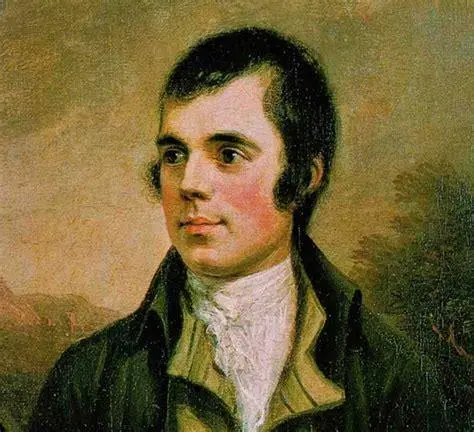
Robert Burns
Fareweel To A'Our Scottish Fame
Fareweel To A'Our Scottish Fame
Fareweel to a' our Scottish fame,
Fareweel our ancient glory;
Fareweel ev'n to the Scottish name,
Sae famed in martial story!
Now Sark rins over Solway sands,
And Tweed rins to the ocean,
To mark where England's province stands—
Such a parcel of rogues in a nation!
What force or guile could not subdue
Thro' many warlike ages,
Is wrought now by a coward few,
For hireling traitor's wages.
The English steel we could disdain,
Secure in valour's station;
But English gold has been our bane—
Such a parcel of rogues in a nation!
O, would or I had seen the day
That treason thus could sell us,
My auld grey head had lien in clay
Wi' Bruce and loyal Wallace!
But pith and power, till my last hour,
I'll mak this declaration:
We're bought and sold for English gold—
Such a parcel of rogues in a nation!
Fareweel to a' our Scottish fame,
Fareweel our ancient glory;
Fareweel ev'n to the Scottish name,
Sae famed in martial story!
Now Sark rins over Solway sands,
And Tweed rins to the ocean,
To mark where England's province stands—
Such a parcel of rogues in a nation!
What force or guile could not subdue
Thro' many warlike ages,
Is wrought now by a coward few,
For hireling traitor's wages.
The English steel we could disdain,
Secure in valour's station;
But English gold has been our bane—
Such a parcel of rogues in a nation!
O, would or I had seen the day
That treason thus could sell us,
My auld grey head had lien in clay
Wi' Bruce and loyal Wallace!
But pith and power, till my last hour,
I'll mak this declaration:
We're bought and sold for English gold—
Such a parcel of rogues in a nation!
250
Robert Burns
Banks O' Doon, The
Banks O' Doon, The
Ye banks and braes o' bonie Doon,
How can ye bloom sae fresh and fair?
How can ye chant, ye little birds,
And I sae weary fu' o' care!
Thou'll break my heart, thou warbling bird,
That wantons thro' the flowering thorn:
Thou minds me o' departed joys,
Departed never to return.
Aft I rov'd by Bonie Doon,
To see the rose and woodbine twine:
And ilka bird sang o' its luve,
And fondly sae did I o' mine.
Wi' lightsome heart I pu'd a rose,
Fu' sweet upon its thorny tree!
Any my fause luver staw my rose,
But ah! he left the thorn wi' me.
Ye banks and braes o' bonie Doon,
How can ye bloom sae fresh and fair?
How can ye chant, ye little birds,
And I sae weary fu' o' care!
Thou'll break my heart, thou warbling bird,
That wantons thro' the flowering thorn:
Thou minds me o' departed joys,
Departed never to return.
Aft I rov'd by Bonie Doon,
To see the rose and woodbine twine:
And ilka bird sang o' its luve,
And fondly sae did I o' mine.
Wi' lightsome heart I pu'd a rose,
Fu' sweet upon its thorny tree!
Any my fause luver staw my rose,
But ah! he left the thorn wi' me.
187
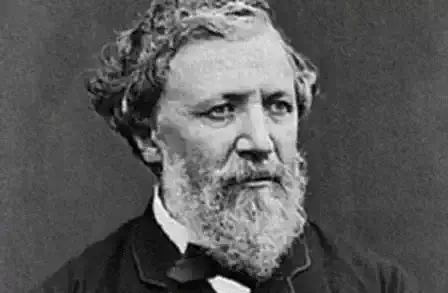
Robert Browning
The Lost Leader
The Lost Leader
I.
Just for a handful of silver he left us,
Just for a riband to stick in his coat---
Found the one gift of which fortune bereft us,
Lost all the others she lets us devote;
They, with the gold to give, doled him out silver,
So much was theirs who so little allowed:
How all our copper had gone for his service!
Rags---were they purple, his heart had been proud!
We that had loved him so, followed him, honoured him,
Lived in his mild and magnificent eye,
Learned his great language, caught his clear accents,
Made him our pattern to live and to die!
Shakespeare was of us, Milton was for us,
Burns, Shelley, were with us,---they watch from their graves!
He alone breaks from the van and the free-men,
---He alone sinks to the rear and the slaves!
II.
We shall march prospering,---not thro' his presence;
Songs may inspirit us,---not from his lyre;
Deeds will be done,---while he boasts his quiescence,
Still bidding crouch whom the rest bade aspire:
Blot out his name, then, record one lost soul more,
One task more declined, one more foot-path untrod,
One more devils'-triumph and sorrow for angels,
One wrong more to man, one more insult to God!
Life's night begins: let him never come back to us!
There would be doubt, hesitation and pain,
Forced praise on our part---the glimmer of twilight,
Never glad confident morning again!
Best fight on well, for we taught him---strike gallantly,
Menace our heart ere we master his own;
Then let him receive the new knowledge and wait us,
Pardoned in heaven, the first by the throne!
I.
Just for a handful of silver he left us,
Just for a riband to stick in his coat---
Found the one gift of which fortune bereft us,
Lost all the others she lets us devote;
They, with the gold to give, doled him out silver,
So much was theirs who so little allowed:
How all our copper had gone for his service!
Rags---were they purple, his heart had been proud!
We that had loved him so, followed him, honoured him,
Lived in his mild and magnificent eye,
Learned his great language, caught his clear accents,
Made him our pattern to live and to die!
Shakespeare was of us, Milton was for us,
Burns, Shelley, were with us,---they watch from their graves!
He alone breaks from the van and the free-men,
---He alone sinks to the rear and the slaves!
II.
We shall march prospering,---not thro' his presence;
Songs may inspirit us,---not from his lyre;
Deeds will be done,---while he boasts his quiescence,
Still bidding crouch whom the rest bade aspire:
Blot out his name, then, record one lost soul more,
One task more declined, one more foot-path untrod,
One more devils'-triumph and sorrow for angels,
One wrong more to man, one more insult to God!
Life's night begins: let him never come back to us!
There would be doubt, hesitation and pain,
Forced praise on our part---the glimmer of twilight,
Never glad confident morning again!
Best fight on well, for we taught him---strike gallantly,
Menace our heart ere we master his own;
Then let him receive the new knowledge and wait us,
Pardoned in heaven, the first by the throne!
554
Robert Browning
The Patriot
The Patriot
AN OLD STORY.
I.
It was roses, roses, all the way,
With myrtle mixed in my path like mad:
The house-roofs seemed to heave and sway,
The church-spires flamed, such flags they had,
A year ago on this very day.
II.
The air broke into a mist with bells,
The old walls rocked with the crowd and cries.
Had I said, ``Good folk, mere noise repels---
But give me your sun from yonder skies!''
They had answered, ``And afterward, what else?''
III.
Alack, it was I who leaped at the sun
To give it my loving friends to keep!
Nought man could do, have I left undone:
And you see my harvest, what I reap
This very day, now a year is run.
IV.
There's nobody on the house-tops now---
Just a palsied few at the windows set;
For the best of the sight is, all allow,
At the Shambles' Gate---or, better yet,
By the very scaffold's foot, I trow.
V.
I go in the rain, and, more than needs,
A rope cuts both my wrists behind;
And I think, by the feel, my forehead bleeds,
For they fling, whoever has a mind,
Stones at me for my year's misdeeds.
VI.
Thus I entered, and thus I go!
In triumphs, people have dropped down dead.
``Paid by the world, what dost thou owe
``Me?''---God might question; now instead,
'Tis God shall repay: I am safer so.
AN OLD STORY.
I.
It was roses, roses, all the way,
With myrtle mixed in my path like mad:
The house-roofs seemed to heave and sway,
The church-spires flamed, such flags they had,
A year ago on this very day.
II.
The air broke into a mist with bells,
The old walls rocked with the crowd and cries.
Had I said, ``Good folk, mere noise repels---
But give me your sun from yonder skies!''
They had answered, ``And afterward, what else?''
III.
Alack, it was I who leaped at the sun
To give it my loving friends to keep!
Nought man could do, have I left undone:
And you see my harvest, what I reap
This very day, now a year is run.
IV.
There's nobody on the house-tops now---
Just a palsied few at the windows set;
For the best of the sight is, all allow,
At the Shambles' Gate---or, better yet,
By the very scaffold's foot, I trow.
V.
I go in the rain, and, more than needs,
A rope cuts both my wrists behind;
And I think, by the feel, my forehead bleeds,
For they fling, whoever has a mind,
Stones at me for my year's misdeeds.
VI.
Thus I entered, and thus I go!
In triumphs, people have dropped down dead.
``Paid by the world, what dost thou owe
``Me?''---God might question; now instead,
'Tis God shall repay: I am safer so.
795
Robert Browning
The Laboratory-Ancien Régime
The Laboratory-Ancien Régime
I.
Now that I, tying thy glass mask tightly,
May gaze thro' these faint smokes curling whitely,
As thou pliest thy trade in this devil's-smithy---
Which is the poison to poison her, prithee?
II.
He is with her, and they know that I know
Where they are, what they do: they believe my tears flow
While they laugh, laugh at me, at me fled to the drear
Empty church, to pray God in, for them!---I am here.
III
Grind away, moisten and mash up thy paste,
Pound at thy powder,---I am not in haste!
Better sit thus, and observe thy strange things,
Than go where men wait me and dance at the King's.
IV
That in the mortar---you call it a gum?
Ah, the brave tree whence such gold oozings come!
And yonder soft phial, the exquisite blue,
Sure to taste sweetly,---is that poison too?
V
Had I but all of them, thee and thy treasures,
What a wild crowd of invisible pleasures!
To carry pure death in an earring, a casket,
A signet, a fan-mount, a filigree basket!
VI
Soon, at the King's, a mere lozenge to give,
And Pauline should have just thirty minutes to live!
But to light a pastile, and Elise, with her head
And her breast and her arms and her hands, should drop dead!
VII
Quick---is it finished? The colour's too grim!
Why not soft like the phial's, enticing and dim?
Let it brighten her drink, let her turn it and stir,
And try it and taste, ere she fix and prefer!
VIII
What a drop! She's not little, no minion like me!
That's why she ensnared him: this never will free
The soul from those masculine eyes,---Say, ``no!''
To that pulse's magnificent come-and-go.
IX
For only last night, as they whispered, I brought
My own eyes to bear on her so, that I thought
Could I keep them one half minute fixed, she would fall
Shrivelled; she fell not; yet this does it all!
X
Not that I bid you spare her the pain;
Let death be felt and the proof remain:
Brand, burn up, bite into its grace---
He is sure to remember her dying face!
XI
Is it done? Take my mask off! Nay, be not morose;
It kills her, and this prevents seeing it close;
The delicate droplet, my whole fortune's fee!
If it hurts her, beside, can it ever hurt me?
XII
Now, take all my jewels, gorge gold to your fill,
You may kiss me, old man, on my mouth if you will!
But brush this dust off me, lest horror it brings
Ere I know it---next moment I dance at the King's!
I.
Now that I, tying thy glass mask tightly,
May gaze thro' these faint smokes curling whitely,
As thou pliest thy trade in this devil's-smithy---
Which is the poison to poison her, prithee?
II.
He is with her, and they know that I know
Where they are, what they do: they believe my tears flow
While they laugh, laugh at me, at me fled to the drear
Empty church, to pray God in, for them!---I am here.
III
Grind away, moisten and mash up thy paste,
Pound at thy powder,---I am not in haste!
Better sit thus, and observe thy strange things,
Than go where men wait me and dance at the King's.
IV
That in the mortar---you call it a gum?
Ah, the brave tree whence such gold oozings come!
And yonder soft phial, the exquisite blue,
Sure to taste sweetly,---is that poison too?
V
Had I but all of them, thee and thy treasures,
What a wild crowd of invisible pleasures!
To carry pure death in an earring, a casket,
A signet, a fan-mount, a filigree basket!
VI
Soon, at the King's, a mere lozenge to give,
And Pauline should have just thirty minutes to live!
But to light a pastile, and Elise, with her head
And her breast and her arms and her hands, should drop dead!
VII
Quick---is it finished? The colour's too grim!
Why not soft like the phial's, enticing and dim?
Let it brighten her drink, let her turn it and stir,
And try it and taste, ere she fix and prefer!
VIII
What a drop! She's not little, no minion like me!
That's why she ensnared him: this never will free
The soul from those masculine eyes,---Say, ``no!''
To that pulse's magnificent come-and-go.
IX
For only last night, as they whispered, I brought
My own eyes to bear on her so, that I thought
Could I keep them one half minute fixed, she would fall
Shrivelled; she fell not; yet this does it all!
X
Not that I bid you spare her the pain;
Let death be felt and the proof remain:
Brand, burn up, bite into its grace---
He is sure to remember her dying face!
XI
Is it done? Take my mask off! Nay, be not morose;
It kills her, and this prevents seeing it close;
The delicate droplet, my whole fortune's fee!
If it hurts her, beside, can it ever hurt me?
XII
Now, take all my jewels, gorge gold to your fill,
You may kiss me, old man, on my mouth if you will!
But brush this dust off me, lest horror it brings
Ere I know it---next moment I dance at the King's!
259
Robert Browning
The Dtatue And The Bust
The Dtatue And The Bust
There's a palace in Florence, the world knows well,
And a statue watches it from the square,
And this story of both do our townsmen tell.
Ages ago, a lady there,
At the farthest window facing the East
Asked, ``Who rides by with the royal air?''
The bridesmaids' prattle around her ceased;
She leaned forth, one on either hand;
They saw how the blush of the bride increased---
They felt by its beats her heart expand---
As one at each ear and both in a breath
Whispered, ``The Great-Duke Ferdinand.''
That self-same instant, underneath,
The Duke rode past in his idle way,
Empty and fine like a swordless sheath.
Gay he rode, with a friend as gay,
Till he threw his head back---``Who is she?''
---``A bride the Riccardi brings home to-day.''
Hair in heaps lay heavily
Over a pale brow spirit-pure---
Carved like the heart of a coal-black tree,
Crisped like a war-steed's encolure<*>---
And vainly sought to dissemble her eyes
Of the blackest black our eyes endure.
And lo, a blade for a knight's emprise
Filled the fine empty sheath of a man,---
The Duke grew straightway brave and wise.
He looked at her, as a lover can;
She looked at him, as one who awakes:
The past was a sleep, and her life began.
Now, love so ordered for both their sakes,
A feast was held that selfsame night
In the pile which the mighty shadow makes.
(For Via Larga is three-parts light,
But the palace overshadows one,
Because of a crime which may God requite!
To Florence and God the wrong was done,
Through the first republic's murder there
By Cosimo and his cursed son.)
The Duke (with the statue's face in the square)
Turned in the midst of his multitude
At the bright approach of the bridal pair.
Face to face the lovers stood
A single minute and no more,
While the bridegroom bent as a man subdued---
Bowed till his bonnet brushed the floor---
For the Duke on the lady a kiss conferred,
As the courtly custom was of yore.
In a minute can lovers exchange a word?
If a word did pass, which I do not think,
Only one out of the thousand heard.
That was the bridegroom. At day's brink
He and his bride were alone at last
In a bedchamber by a taper's blink.
Calmly he said that her lot was cast,
That the door she had passed was shut on her
Till the final catafalk<*> repassed.
The world meanwhile, its noise and stir,
Through a certain window facing the East,
She could watch like a convent's chronicler.
Since passing the door might lead to a feast,
And a feast might lead to so much beside,
He, of many evils, chose the least.
``Freely I choose too,'' said the bride---
``Your window and its world suffice,''
Replied the tongue, while the heart replied---
``If I spend the night with that devil twice,
``May his window serve as my loop of hell
``Whence a damned soul looks on paradise!
``I fly to the Duke who loves me well,
``Sit by his side and laugh at sorrow
``Ere I count another ave-bell.
``'Tis only the coat of a page to borrow,
``And tie my hair in a horse-boy's trim,
``And I save my soul---but not to-morrow''---
(She checked herself and her eye grew dim)
``My father tarries to bless my state:
``I must keep it one day more for him.
``Is one day more so long to wait?
``Moreover the Duke rides past, I know;
``We shall see each other, sure as fate.''
She turned on her side and slept. Just so!
So we resolve on a thing and sleep:
So did the lady, ages ago.
That night the Duke said, ``Dear or cheap
``As the cost of this cup of bliss may prove
``To body or soul, I will drain it deep.''
And on the morrow, bold with love,
He beckoned the bridegroom (close on call,
As his duty bade, by the Duke's alcove)
And smiled ``'Twas a very funeral,
``Your lady will think, this feast of ours,---
``A shame to efface, whate'er befall!
``What if we break from the Arno bowers,
``And try if Petraja, cool and green,
``Cure last night's fault with this morning's flowers?''
The bridegroom, not a thought to be seen
On his steady brow and quiet mouth,
Said, ``Too much favour for me so mean!
``But, alas! my lady leaves the South;
``Each wind that comes from the Apennine
``Is a menace to her tender youth:
``Nor a way exists, the wise opine,
``If she quits her palace twice this year,
``To avert the flower of life's decline.''
Quoth the Duke, ``A sage and a kindly fear.
``Moreover Petraja is cold this spring:
``Be our feast to-night as usual here!''
And then to himself---``Which night shall bring
Thy bride to her lover's embraces, fool---
Or I am the fool, and thou art the king!
``Yet my passion must wait a night, nor cool---
``For to-night the Envoy arrives from France
``Whose heart I unlock with thyself, my tool.
``I need thee still and might miss perchance.
``To-day is not wholly lost, beside,
``With its hope of my lady's countenance:
``For I ride---what should I do but ride?
``And passing her palace, if I list,
``May glance at its window---well betide!''
So said, so done: nor the lady missed
One ray that broke from the ardent brow,
Nor a curl of the lips where the spirit kissed.
Be sure that each renewed the vow,
No morrow's sun should arise---and set
And leave them then as it left them now.
But next day passed, and next day yet,
With still fresh cause to wait one day more
Ere each leaped over the parapet.
And still, as love's brief morning wore,
With a gentle start, half smile, half sigh,
They found love not as it seemed before.
They thought it would work infallibly,
But not in despite of heaven and earth:
The rose would blow when the storm passed by.
Meantime they could profit in winter's dearth
By store of fruits that supplant the rose:
The world and its ways have a certain worth:
And to press a point while these oppose
Were simple policy; better wait:
We lose no friends and we gain no foes.
Meantime, worse fates than a lover's fate,
Who daily may ride and pass and look
Where his lady watches behind the grate!
And she---she watched the square like a book
holding one picture and only one,
Which daily to find she undertook:
When the picture was reached the book was done,
And she turned from the picture at night to scheme
Of tearing it out for herself next sun.
So weeks grew months, years; gleam by gleam
The glory dropped from their youth and love,
And both perceived they had dreamed a dream;
Which hovered as dreams do, still above:
But who can take a dream for a truth?
Oh, hide our eyes from the next remove!
One day as the lady saw her youth
Depart, and the silver thread that streaked
Her hair, and, worn by the serpent's tooth,
The brow so puckered, the chin so peaked,---
And wondered who the woman was,
Hollow-eyed and haggard-cheeked,
Fronting her silent in the glass---
``Summon here,'' she suddenly said,
``Before the rest of my old self pass,
``Him, the Carver, a hand to aid,
``Who fashions the clay no love will change,
``And fixes a beauty never to fade.
``Let Robbia's craft so apt and strange
``Arrest the remains of young and fair,
``And rivet them while the seasons range.
``Make me a face on the window there,
``Waiting as ever, mute the while,
``My love to pass below in the square!
``And let me think that it may beguile
``Dreary days which the dead must spend
``Down in their darkness under the aisle,
``To say, `What matters it at the end?
`` `I did no more while my heart was warm
`` `Than does that image, my pale-faced friend.'
``Where is the use of the lip's red charm,
``The heaven of hair, the pride of the brow,
``And the blood that blues the inside arm---
``Unless we turn as the soul knows how,
``The earthly gift to an end divine?
``A lady of clay is as good, I trow.''
But long ere Robbia's cornice, fine,
With flowers and fruits which leaves enlace,
Was set where now is the empty shrine---
(And, leaning out of a bright blue space,
As a ghost might lean from a chink of sky,
The passionate pale lady's face---
Eyeing ever, with earnest eye
And quick-turned neck at its breathless stretch,
Some one who ever is passing by---)
The Duke had sighed like the simplest wretch
In Florence, ``Youth---my dream escapes!
Will its record stay?'' And he bade them fetch
Some subtle moulder of brazen shapes---
``Can the soul, the will, die out of a man
``Ere his body find the grave that gapes?
``John of Douay<*> shall effect my plan,
``Set me on horseback here aloft,
``Alive, as the crafty sculptor can,
``In the very square I have crossed so oft:
``That men may admire, when future suns
``Shall touch the eyes to a purpose soft,
``While the mouth and the brow stay brave in bronze---
``Admire and say, `When he was alive
`` `How he would take his pleasure once!'
``And it shall go hard but I contrive
``To listen the while, and laugh in my tomb
``At idleness which aspires to strive.''
------------
So! While these wait the trump of doom,
How do their spirits pass, I wonder,
Nights and days in the narrow room?
Still, I suppose, they sit and ponder
What a gift life was, ages ago,
Six steps out of the chapel yonder.
Only they see not God, I know,
Nor all that chivalry of his,
The soldier-saints who, row on row,
Burn upward each to his point of bliss---
Since, the end of life being manifest,
He had burned his way thro' the world to this.
I hear you reproach, ``But delay was best,
For their end was a crime.''---Oh, a crime will do
As well, I reply, to serve for a test,
As a virtue golden through and through,
Sufficient to vindicate itself
And prove its worth at a moment's view!
Must a game be played for the sale of pelf?
Where a button goes, 'twere an epigram
To offer the stamp of the very Guelph.
The true has no value beyond the sham:
As well the counter as coin, I submit,
When your table's a hat, and your prize a dram.
Stake your counter as boldly every whit,
Venture as warily, use the same skill,
Do your best, whether winning or losing it,
If you choose to play!---is my principle.
Let a man contend to the uttermost
For his life's set prize, be it what it will!
The counter our lovers staked was lost
As surely as if it were lawful coin:
And the sin I impute to each frustrate ghost
Is---the unlit lamp and the ungirt loin,
Though the end in sight was a vice, I say.
You of the virtue (we issue join)
How strive you? _De te, fabula!_
* Neck and shoulder of a horse.
* The stage or scaffolding for a coffin whilst
* in the church.
* Giovanni of Bologna, a sculptor.
There's a palace in Florence, the world knows well,
And a statue watches it from the square,
And this story of both do our townsmen tell.
Ages ago, a lady there,
At the farthest window facing the East
Asked, ``Who rides by with the royal air?''
The bridesmaids' prattle around her ceased;
She leaned forth, one on either hand;
They saw how the blush of the bride increased---
They felt by its beats her heart expand---
As one at each ear and both in a breath
Whispered, ``The Great-Duke Ferdinand.''
That self-same instant, underneath,
The Duke rode past in his idle way,
Empty and fine like a swordless sheath.
Gay he rode, with a friend as gay,
Till he threw his head back---``Who is she?''
---``A bride the Riccardi brings home to-day.''
Hair in heaps lay heavily
Over a pale brow spirit-pure---
Carved like the heart of a coal-black tree,
Crisped like a war-steed's encolure<*>---
And vainly sought to dissemble her eyes
Of the blackest black our eyes endure.
And lo, a blade for a knight's emprise
Filled the fine empty sheath of a man,---
The Duke grew straightway brave and wise.
He looked at her, as a lover can;
She looked at him, as one who awakes:
The past was a sleep, and her life began.
Now, love so ordered for both their sakes,
A feast was held that selfsame night
In the pile which the mighty shadow makes.
(For Via Larga is three-parts light,
But the palace overshadows one,
Because of a crime which may God requite!
To Florence and God the wrong was done,
Through the first republic's murder there
By Cosimo and his cursed son.)
The Duke (with the statue's face in the square)
Turned in the midst of his multitude
At the bright approach of the bridal pair.
Face to face the lovers stood
A single minute and no more,
While the bridegroom bent as a man subdued---
Bowed till his bonnet brushed the floor---
For the Duke on the lady a kiss conferred,
As the courtly custom was of yore.
In a minute can lovers exchange a word?
If a word did pass, which I do not think,
Only one out of the thousand heard.
That was the bridegroom. At day's brink
He and his bride were alone at last
In a bedchamber by a taper's blink.
Calmly he said that her lot was cast,
That the door she had passed was shut on her
Till the final catafalk<*> repassed.
The world meanwhile, its noise and stir,
Through a certain window facing the East,
She could watch like a convent's chronicler.
Since passing the door might lead to a feast,
And a feast might lead to so much beside,
He, of many evils, chose the least.
``Freely I choose too,'' said the bride---
``Your window and its world suffice,''
Replied the tongue, while the heart replied---
``If I spend the night with that devil twice,
``May his window serve as my loop of hell
``Whence a damned soul looks on paradise!
``I fly to the Duke who loves me well,
``Sit by his side and laugh at sorrow
``Ere I count another ave-bell.
``'Tis only the coat of a page to borrow,
``And tie my hair in a horse-boy's trim,
``And I save my soul---but not to-morrow''---
(She checked herself and her eye grew dim)
``My father tarries to bless my state:
``I must keep it one day more for him.
``Is one day more so long to wait?
``Moreover the Duke rides past, I know;
``We shall see each other, sure as fate.''
She turned on her side and slept. Just so!
So we resolve on a thing and sleep:
So did the lady, ages ago.
That night the Duke said, ``Dear or cheap
``As the cost of this cup of bliss may prove
``To body or soul, I will drain it deep.''
And on the morrow, bold with love,
He beckoned the bridegroom (close on call,
As his duty bade, by the Duke's alcove)
And smiled ``'Twas a very funeral,
``Your lady will think, this feast of ours,---
``A shame to efface, whate'er befall!
``What if we break from the Arno bowers,
``And try if Petraja, cool and green,
``Cure last night's fault with this morning's flowers?''
The bridegroom, not a thought to be seen
On his steady brow and quiet mouth,
Said, ``Too much favour for me so mean!
``But, alas! my lady leaves the South;
``Each wind that comes from the Apennine
``Is a menace to her tender youth:
``Nor a way exists, the wise opine,
``If she quits her palace twice this year,
``To avert the flower of life's decline.''
Quoth the Duke, ``A sage and a kindly fear.
``Moreover Petraja is cold this spring:
``Be our feast to-night as usual here!''
And then to himself---``Which night shall bring
Thy bride to her lover's embraces, fool---
Or I am the fool, and thou art the king!
``Yet my passion must wait a night, nor cool---
``For to-night the Envoy arrives from France
``Whose heart I unlock with thyself, my tool.
``I need thee still and might miss perchance.
``To-day is not wholly lost, beside,
``With its hope of my lady's countenance:
``For I ride---what should I do but ride?
``And passing her palace, if I list,
``May glance at its window---well betide!''
So said, so done: nor the lady missed
One ray that broke from the ardent brow,
Nor a curl of the lips where the spirit kissed.
Be sure that each renewed the vow,
No morrow's sun should arise---and set
And leave them then as it left them now.
But next day passed, and next day yet,
With still fresh cause to wait one day more
Ere each leaped over the parapet.
And still, as love's brief morning wore,
With a gentle start, half smile, half sigh,
They found love not as it seemed before.
They thought it would work infallibly,
But not in despite of heaven and earth:
The rose would blow when the storm passed by.
Meantime they could profit in winter's dearth
By store of fruits that supplant the rose:
The world and its ways have a certain worth:
And to press a point while these oppose
Were simple policy; better wait:
We lose no friends and we gain no foes.
Meantime, worse fates than a lover's fate,
Who daily may ride and pass and look
Where his lady watches behind the grate!
And she---she watched the square like a book
holding one picture and only one,
Which daily to find she undertook:
When the picture was reached the book was done,
And she turned from the picture at night to scheme
Of tearing it out for herself next sun.
So weeks grew months, years; gleam by gleam
The glory dropped from their youth and love,
And both perceived they had dreamed a dream;
Which hovered as dreams do, still above:
But who can take a dream for a truth?
Oh, hide our eyes from the next remove!
One day as the lady saw her youth
Depart, and the silver thread that streaked
Her hair, and, worn by the serpent's tooth,
The brow so puckered, the chin so peaked,---
And wondered who the woman was,
Hollow-eyed and haggard-cheeked,
Fronting her silent in the glass---
``Summon here,'' she suddenly said,
``Before the rest of my old self pass,
``Him, the Carver, a hand to aid,
``Who fashions the clay no love will change,
``And fixes a beauty never to fade.
``Let Robbia's craft so apt and strange
``Arrest the remains of young and fair,
``And rivet them while the seasons range.
``Make me a face on the window there,
``Waiting as ever, mute the while,
``My love to pass below in the square!
``And let me think that it may beguile
``Dreary days which the dead must spend
``Down in their darkness under the aisle,
``To say, `What matters it at the end?
`` `I did no more while my heart was warm
`` `Than does that image, my pale-faced friend.'
``Where is the use of the lip's red charm,
``The heaven of hair, the pride of the brow,
``And the blood that blues the inside arm---
``Unless we turn as the soul knows how,
``The earthly gift to an end divine?
``A lady of clay is as good, I trow.''
But long ere Robbia's cornice, fine,
With flowers and fruits which leaves enlace,
Was set where now is the empty shrine---
(And, leaning out of a bright blue space,
As a ghost might lean from a chink of sky,
The passionate pale lady's face---
Eyeing ever, with earnest eye
And quick-turned neck at its breathless stretch,
Some one who ever is passing by---)
The Duke had sighed like the simplest wretch
In Florence, ``Youth---my dream escapes!
Will its record stay?'' And he bade them fetch
Some subtle moulder of brazen shapes---
``Can the soul, the will, die out of a man
``Ere his body find the grave that gapes?
``John of Douay<*> shall effect my plan,
``Set me on horseback here aloft,
``Alive, as the crafty sculptor can,
``In the very square I have crossed so oft:
``That men may admire, when future suns
``Shall touch the eyes to a purpose soft,
``While the mouth and the brow stay brave in bronze---
``Admire and say, `When he was alive
`` `How he would take his pleasure once!'
``And it shall go hard but I contrive
``To listen the while, and laugh in my tomb
``At idleness which aspires to strive.''
------------
So! While these wait the trump of doom,
How do their spirits pass, I wonder,
Nights and days in the narrow room?
Still, I suppose, they sit and ponder
What a gift life was, ages ago,
Six steps out of the chapel yonder.
Only they see not God, I know,
Nor all that chivalry of his,
The soldier-saints who, row on row,
Burn upward each to his point of bliss---
Since, the end of life being manifest,
He had burned his way thro' the world to this.
I hear you reproach, ``But delay was best,
For their end was a crime.''---Oh, a crime will do
As well, I reply, to serve for a test,
As a virtue golden through and through,
Sufficient to vindicate itself
And prove its worth at a moment's view!
Must a game be played for the sale of pelf?
Where a button goes, 'twere an epigram
To offer the stamp of the very Guelph.
The true has no value beyond the sham:
As well the counter as coin, I submit,
When your table's a hat, and your prize a dram.
Stake your counter as boldly every whit,
Venture as warily, use the same skill,
Do your best, whether winning or losing it,
If you choose to play!---is my principle.
Let a man contend to the uttermost
For his life's set prize, be it what it will!
The counter our lovers staked was lost
As surely as if it were lawful coin:
And the sin I impute to each frustrate ghost
Is---the unlit lamp and the ungirt loin,
Though the end in sight was a vice, I say.
You of the virtue (we issue join)
How strive you? _De te, fabula!_
* Neck and shoulder of a horse.
* The stage or scaffolding for a coffin whilst
* in the church.
* Giovanni of Bologna, a sculptor.
385
Robert Browning
My Last Duchess
My Last Duchess
FERRARA.
That's my last Duchess painted on the wall,
Looking as if she were alive. I call
That piece a wonder, now: Fr Pandolf's hands
Worked busily a day, and there she stands.
Will't please you sit and look at her? I said
``Fr Pandolf'' by design, for never read
Strangers like you that pictured countenance,
The depth and passion of its earnest glance,
But to myself they turned (since none puts by
The curtain I have drawn for you, but I)
And seemed as they would ask me, if they durst,
How such a glance came there; so, not the first
Are you to turn and ask thus. Sir, 'twas not
Her husband's presence only, called that spot
Of joy into the Duchess' cheek: perhaps
Fr Pandolf chanced to say ``Her mantle laps
``Over my lady's wrist too much,'' or ``Paint
``Must never hope to reproduce the faint
``Half-flush that dies along her throat:'' such stuff
Was courtesy, she thought, and cause enough
For calling up that spot of joy. She had
A heart---how shall I say?---too soon made glad,
Too easily impressed; she liked whate'er
She looked on, and her looks went everywhere.
Sir, 'twas all one! My favour at her breast,
The dropping of the daylight in the West,
The bough of cherries some officious fool
Broke in the orchard for her, the white mule
She rode with round the terrace---all and each
Would draw from her alike the approving speech,
Or blush, at least. She thanked men,---good! but thanked
Somehow---I know not how---as if she ranked
My gift of a nine-hundred-years-old name
With anybody's gift. Who'd stoop to blame
This sort of trifling? Even had you skill
In speech---(which I have not)---to make your will
Quite clear to such an one, and say, ``Just this
``Or that in you disgusts me; here you miss,
``Or there exceed the mark''---and if she let
Herself be lessoned so, nor plainly set
Her wits to yours, forsooth, and made excuse,
---E'en then would be some stooping; and I choose
Never to stoop. Oh sir, she smiled, no doubt,
Whene'er I passed her; but who passed without
Much the same smile? This grew; I gave commands;
Then all smiles stopped together. There she stands
As if alive. Will't please you rise? We'll meet
The company below, then. I repeat,
The Count your master's known munificence
Is ample warrant that no just pretence
Of mine for dowry will be disallowed;
Though his fair daughter's self, as I avowed
At starting, is my object. Nay, we'll go
Together down, sir. Notice Neptune, though,
Taming a sea-horse, thought a rarity,
Which Claus of Innsbruck cast in bronze for me!
FERRARA.
That's my last Duchess painted on the wall,
Looking as if she were alive. I call
That piece a wonder, now: Fr Pandolf's hands
Worked busily a day, and there she stands.
Will't please you sit and look at her? I said
``Fr Pandolf'' by design, for never read
Strangers like you that pictured countenance,
The depth and passion of its earnest glance,
But to myself they turned (since none puts by
The curtain I have drawn for you, but I)
And seemed as they would ask me, if they durst,
How such a glance came there; so, not the first
Are you to turn and ask thus. Sir, 'twas not
Her husband's presence only, called that spot
Of joy into the Duchess' cheek: perhaps
Fr Pandolf chanced to say ``Her mantle laps
``Over my lady's wrist too much,'' or ``Paint
``Must never hope to reproduce the faint
``Half-flush that dies along her throat:'' such stuff
Was courtesy, she thought, and cause enough
For calling up that spot of joy. She had
A heart---how shall I say?---too soon made glad,
Too easily impressed; she liked whate'er
She looked on, and her looks went everywhere.
Sir, 'twas all one! My favour at her breast,
The dropping of the daylight in the West,
The bough of cherries some officious fool
Broke in the orchard for her, the white mule
She rode with round the terrace---all and each
Would draw from her alike the approving speech,
Or blush, at least. She thanked men,---good! but thanked
Somehow---I know not how---as if she ranked
My gift of a nine-hundred-years-old name
With anybody's gift. Who'd stoop to blame
This sort of trifling? Even had you skill
In speech---(which I have not)---to make your will
Quite clear to such an one, and say, ``Just this
``Or that in you disgusts me; here you miss,
``Or there exceed the mark''---and if she let
Herself be lessoned so, nor plainly set
Her wits to yours, forsooth, and made excuse,
---E'en then would be some stooping; and I choose
Never to stoop. Oh sir, she smiled, no doubt,
Whene'er I passed her; but who passed without
Much the same smile? This grew; I gave commands;
Then all smiles stopped together. There she stands
As if alive. Will't please you rise? We'll meet
The company below, then. I repeat,
The Count your master's known munificence
Is ample warrant that no just pretence
Of mine for dowry will be disallowed;
Though his fair daughter's self, as I avowed
At starting, is my object. Nay, we'll go
Together down, sir. Notice Neptune, though,
Taming a sea-horse, thought a rarity,
Which Claus of Innsbruck cast in bronze for me!
462