

Poems
Work and Profession
Poems in this topic

Robert Frost
The Tuft of Flowers
The Tuft of Flowers
I went to turn the grass once after one
Who mowed it in the dew before the sun.
The dew was gone that made his blade so keen
Before I came to view the levelled scene.
I looked for him behind an isle of trees;
I listened for his whetstone on the breeze.
But he had gone his way, the grass all mown,
And I must be, as he had been,—alone,
"As all must be," I said within my heart,
"Whether they work together or apart."
But as I said it, swift there passed me by
On noiseless wing a bewildered butterfly,
Seeking with memories grown dim over night
Some resting flower of yesterday's delight.
And once I marked his flight go round and round,
As where some flower lay withering on the ground.
And then he flew as far as eye could see,
And then on tremulous wing came back to me.
I thought of questions that have no reply,
And would have turned to toss the grass to dry;
But he turned first, and led my eye to look
At a tall tuft of flowers beside a brook,
A leaping tongue of bloom the scythe had spared
Beside a reedy brook the scythe had bared.
I left my place to know them by their name,
Finding them butterfly-weed when I came.
The mower in the dew had loved them thus,
By leaving them to flourish, not for us,
Nor yet to draw one thought of ours to him,
But from sheer morning gladness at the brim.
The butterfly and I had lit upon,
Nevertheless, a message from the dawn,
That made me hear the wakening birds around,
And hear his long scythe whispering to the ground,
And feel a spirit kindred to my own;
So that henceforth I worked no more alone;
But glad with him, I worked as with his aid,
And weary, sought at noon with him the shade;
And dreaming, as it were, held brotherly speech
With one whose thought I had not hoped to reach.
"Men work together," I told him from the heart,
"Whether they work together or apart."
I went to turn the grass once after one
Who mowed it in the dew before the sun.
The dew was gone that made his blade so keen
Before I came to view the levelled scene.
I looked for him behind an isle of trees;
I listened for his whetstone on the breeze.
But he had gone his way, the grass all mown,
And I must be, as he had been,—alone,
"As all must be," I said within my heart,
"Whether they work together or apart."
But as I said it, swift there passed me by
On noiseless wing a bewildered butterfly,
Seeking with memories grown dim over night
Some resting flower of yesterday's delight.
And once I marked his flight go round and round,
As where some flower lay withering on the ground.
And then he flew as far as eye could see,
And then on tremulous wing came back to me.
I thought of questions that have no reply,
And would have turned to toss the grass to dry;
But he turned first, and led my eye to look
At a tall tuft of flowers beside a brook,
A leaping tongue of bloom the scythe had spared
Beside a reedy brook the scythe had bared.
I left my place to know them by their name,
Finding them butterfly-weed when I came.
The mower in the dew had loved them thus,
By leaving them to flourish, not for us,
Nor yet to draw one thought of ours to him,
But from sheer morning gladness at the brim.
The butterfly and I had lit upon,
Nevertheless, a message from the dawn,
That made me hear the wakening birds around,
And hear his long scythe whispering to the ground,
And feel a spirit kindred to my own;
So that henceforth I worked no more alone;
But glad with him, I worked as with his aid,
And weary, sought at noon with him the shade;
And dreaming, as it were, held brotherly speech
With one whose thought I had not hoped to reach.
"Men work together," I told him from the heart,
"Whether they work together or apart."
601
Robert Frost
The Death of the Hired Man
The Death of the Hired Man
Mary sat musing on the lamp-flame at the table
Waiting for Warren. When she heard his step,
She ran on tip-toe down the darkened passage
To meet him in the doorway with the news
And put him on his guard. "Silas is back."
She pushed him outward with her through the door
And shut it after her. "Be kind," she said.
She took the market things from Warren's arms
And set them on the porch, then drew him down
To sit beside her on the wooden steps.
"When was I ever anything but kind to him?
But I'll not have the fellow back," he said.
"I told him so last haying, didn't I?
'If he left then,' I said, 'that ended it.'
What good is he? Who else will harbour him
At his age for the little he can do?
What help he is there's no depending on.
Off he goes always when I need him most.
'He thinks he ought to earn a little pay,
Enough at least to buy tobacco with,
So he won't have to beg and be beholden.'
'All right,' I say, 'I can't afford to pay
Any fixed wages, though I wish I could.'
'Someone else can.' 'Then someone else will have to.'
I shouldn't mind his bettering himself
If that was what it was. You can be certain,
When he begins like that, there's someone at him
Trying to coax him off with pocket-money,--
In haying time, when any help is scarce.
In winter he comes back to us. I'm done."
"Sh! not so loud: he'll hear you," Mary said.
"I want him to: he'll have to soon or late."
"He's worn out. He's asleep beside the stove.
When I came up from Rowe's I found him here,
Huddled against the barn-door fast asleep,
A miserable sight, and frightening, too--
You needn't smile--I didn't recognise him--
I wasn't looking for him--and he's changed.
Wait till you see."
"Where did you say he'd been?"
"He didn't say. I dragged him to the house,
And gave him tea and tried to make him smoke.
I tried to make him talk about his travels.
Nothing would do: he just kept nodding off."
"What did he say? Did he say anything?"
"But little."
"Anything? Mary, confess
He said he'd come to ditch the meadow for me."
"Warren!"
"But did he? I just want to know."
"Of course he did. What would you have him say?
Surely you wouldn't grudge the poor old man
Some humble way to save his self-respect.
He added, if you really care to know,
He meant to clear the upper pasture, too.
That sounds like something you have heard before?
Warren, I wish you could have heard the way
He jumbled everything. I stopped to look
Two or three times--he made me feel so queer--
To see if he was talking in his sleep.
He ran on Harold Wilson--you remember--
The boy you had in haying four years since.
He's finished school, and teaching in his college.
Silas declares you'll have to get him back.
He says they two will make a team for work:
Between them they will lay this farm as smooth!
The way he mixed that in with other things.
He thinks young Wilson a likely lad, though daft
On education--you know how they fought
All through July under the blazing sun,
Silas up on the cart to build the load,
Harold along beside to pitch it on."
"Yes, I took care to keep well out of earshot."
"Well, those days trouble Silas like a dream.
You wouldn't think they would. How some things linger!
Harold's young college boy's assurance piqued him.
After so many years he still keeps finding
Good arguments he sees he might have used.
I sympathise. I know just how it feels
To think of the right thing to say too late.
Harold's associated in his mind with Latin.
He asked me what I thought of Harold's saying
He studied Latin like the violin
Because he liked it--that an argument!
He said he couldn't make the boy believe
He could find water with a hazel prong--
Which showed how much good school had ever done him.
He wanted to go over that. But most of all
He thinks if he could have another chance
To teach him how to build a load of hay----"
"I know, that's Silas' one accomplishment.
He bundles every forkful in its place,
And tags and numbers it for future reference,
So he can find and easily dislodge it
In the unloading. Silas does that well.
He takes it out in bunches like big birds' nests.
You never see him standing on the hay
He's trying to lift, straining to lift himself."
"He thinks if he could teach him that, he'd be
Some good perhaps to someone in the world.
He hates to see a boy the fool of books.
Poor Silas, so concerned for other folk,
And nothing to look backward to with pride,
And nothing to look forward to with hope,
So now and never any different."
Part of a moon was falling down the west,
Dragging the whole sky with it to the hills.
Its light poured softly in her lap. She saw
And spread her apron to it. She put out her hand
Among the harp-like morning-glory strings,
Taut with the dew from garden bed to eaves,
As if she played unheard the tenderness
That wrought on him beside her in the night.
"Warren," she said, "he has come home to die:
You needn't be afraid he'll leave you this time."
"Home," he mocked gently.
"Yes, what else but home?
It all depends on what you mean by home.
Of course he's nothing to us, any more
Than was the hound that came a stranger to us
Out of the woods, worn out upon the trail."
"Home is the place where, when you have to go there,
They have to take you in."
"I should have called it
Something you somehow haven't to deserve."
Warren leaned out and took a step or two,
Picked up a little stick, and brought it back
And broke it in his hand and tossed it by.
"Silas has better claim on us you think
Than on his brother? Thirteen little miles
As the road winds would bring him to his door.
Silas has walked that far no doubt to-day.
Why didn't he go there? His brother's rich,
A somebody--director in the bank."
"He never told us that."
"We know it though."
"I think his brother ought to help, of course.
I'll see to that if there is need. He ought of right
To take him in, and might be willing to--
He may be better than appearances.
But have some pity on Silas. Do you think
If he'd had any pride in claiming kin
Or anything he looked for from his brother,
He'd keep so still about him all this time?"
"I wonder what's between them."
"I can tell you.
Silas is what he is--we wouldn't mind him--
But just the kind that kinsfolk can't abide.
He never did a thing so very bad.
He don't know why he isn't quite as good
As anyone. He won't be made ashamed
To please his brother, worthless though he is."
"I can't think Si ever hurt anyone."
"No, but he hurt my heart the way he lay
And rolled his old head on that sharp-edged chair-back.
He wouldn't let me put him on the lounge.
You must go in and see what you can do.
I made the bed up for him there to-night.
You'll be surprised at him--how much he's broken.
His working days are done; I'm sure of it."
"I'd not be in a hurry to say that."
"I haven't been. Go, look, see for yourself.
But, Warren, please remember how it is:
He's come to help you ditch the meadow.
He has a plan. You mustn't laugh at him.
He may not speak of it, and then he may.
I'll sit and see if that small sailing cloud
Will hit or miss the moon."
It hit the moon.
Then there were three there, making a dim row,
The moon, the little silver cloud, and she.
Warren returned--too soon, it seemed to her,
Slipped to her side, caught up her hand and waited.
"Warren," she questioned.
"Dead," was all he answered.
Mary sat musing on the lamp-flame at the table
Waiting for Warren. When she heard his step,
She ran on tip-toe down the darkened passage
To meet him in the doorway with the news
And put him on his guard. "Silas is back."
She pushed him outward with her through the door
And shut it after her. "Be kind," she said.
She took the market things from Warren's arms
And set them on the porch, then drew him down
To sit beside her on the wooden steps.
"When was I ever anything but kind to him?
But I'll not have the fellow back," he said.
"I told him so last haying, didn't I?
'If he left then,' I said, 'that ended it.'
What good is he? Who else will harbour him
At his age for the little he can do?
What help he is there's no depending on.
Off he goes always when I need him most.
'He thinks he ought to earn a little pay,
Enough at least to buy tobacco with,
So he won't have to beg and be beholden.'
'All right,' I say, 'I can't afford to pay
Any fixed wages, though I wish I could.'
'Someone else can.' 'Then someone else will have to.'
I shouldn't mind his bettering himself
If that was what it was. You can be certain,
When he begins like that, there's someone at him
Trying to coax him off with pocket-money,--
In haying time, when any help is scarce.
In winter he comes back to us. I'm done."
"Sh! not so loud: he'll hear you," Mary said.
"I want him to: he'll have to soon or late."
"He's worn out. He's asleep beside the stove.
When I came up from Rowe's I found him here,
Huddled against the barn-door fast asleep,
A miserable sight, and frightening, too--
You needn't smile--I didn't recognise him--
I wasn't looking for him--and he's changed.
Wait till you see."
"Where did you say he'd been?"
"He didn't say. I dragged him to the house,
And gave him tea and tried to make him smoke.
I tried to make him talk about his travels.
Nothing would do: he just kept nodding off."
"What did he say? Did he say anything?"
"But little."
"Anything? Mary, confess
He said he'd come to ditch the meadow for me."
"Warren!"
"But did he? I just want to know."
"Of course he did. What would you have him say?
Surely you wouldn't grudge the poor old man
Some humble way to save his self-respect.
He added, if you really care to know,
He meant to clear the upper pasture, too.
That sounds like something you have heard before?
Warren, I wish you could have heard the way
He jumbled everything. I stopped to look
Two or three times--he made me feel so queer--
To see if he was talking in his sleep.
He ran on Harold Wilson--you remember--
The boy you had in haying four years since.
He's finished school, and teaching in his college.
Silas declares you'll have to get him back.
He says they two will make a team for work:
Between them they will lay this farm as smooth!
The way he mixed that in with other things.
He thinks young Wilson a likely lad, though daft
On education--you know how they fought
All through July under the blazing sun,
Silas up on the cart to build the load,
Harold along beside to pitch it on."
"Yes, I took care to keep well out of earshot."
"Well, those days trouble Silas like a dream.
You wouldn't think they would. How some things linger!
Harold's young college boy's assurance piqued him.
After so many years he still keeps finding
Good arguments he sees he might have used.
I sympathise. I know just how it feels
To think of the right thing to say too late.
Harold's associated in his mind with Latin.
He asked me what I thought of Harold's saying
He studied Latin like the violin
Because he liked it--that an argument!
He said he couldn't make the boy believe
He could find water with a hazel prong--
Which showed how much good school had ever done him.
He wanted to go over that. But most of all
He thinks if he could have another chance
To teach him how to build a load of hay----"
"I know, that's Silas' one accomplishment.
He bundles every forkful in its place,
And tags and numbers it for future reference,
So he can find and easily dislodge it
In the unloading. Silas does that well.
He takes it out in bunches like big birds' nests.
You never see him standing on the hay
He's trying to lift, straining to lift himself."
"He thinks if he could teach him that, he'd be
Some good perhaps to someone in the world.
He hates to see a boy the fool of books.
Poor Silas, so concerned for other folk,
And nothing to look backward to with pride,
And nothing to look forward to with hope,
So now and never any different."
Part of a moon was falling down the west,
Dragging the whole sky with it to the hills.
Its light poured softly in her lap. She saw
And spread her apron to it. She put out her hand
Among the harp-like morning-glory strings,
Taut with the dew from garden bed to eaves,
As if she played unheard the tenderness
That wrought on him beside her in the night.
"Warren," she said, "he has come home to die:
You needn't be afraid he'll leave you this time."
"Home," he mocked gently.
"Yes, what else but home?
It all depends on what you mean by home.
Of course he's nothing to us, any more
Than was the hound that came a stranger to us
Out of the woods, worn out upon the trail."
"Home is the place where, when you have to go there,
They have to take you in."
"I should have called it
Something you somehow haven't to deserve."
Warren leaned out and took a step or two,
Picked up a little stick, and brought it back
And broke it in his hand and tossed it by.
"Silas has better claim on us you think
Than on his brother? Thirteen little miles
As the road winds would bring him to his door.
Silas has walked that far no doubt to-day.
Why didn't he go there? His brother's rich,
A somebody--director in the bank."
"He never told us that."
"We know it though."
"I think his brother ought to help, of course.
I'll see to that if there is need. He ought of right
To take him in, and might be willing to--
He may be better than appearances.
But have some pity on Silas. Do you think
If he'd had any pride in claiming kin
Or anything he looked for from his brother,
He'd keep so still about him all this time?"
"I wonder what's between them."
"I can tell you.
Silas is what he is--we wouldn't mind him--
But just the kind that kinsfolk can't abide.
He never did a thing so very bad.
He don't know why he isn't quite as good
As anyone. He won't be made ashamed
To please his brother, worthless though he is."
"I can't think Si ever hurt anyone."
"No, but he hurt my heart the way he lay
And rolled his old head on that sharp-edged chair-back.
He wouldn't let me put him on the lounge.
You must go in and see what you can do.
I made the bed up for him there to-night.
You'll be surprised at him--how much he's broken.
His working days are done; I'm sure of it."
"I'd not be in a hurry to say that."
"I haven't been. Go, look, see for yourself.
But, Warren, please remember how it is:
He's come to help you ditch the meadow.
He has a plan. You mustn't laugh at him.
He may not speak of it, and then he may.
I'll sit and see if that small sailing cloud
Will hit or miss the moon."
It hit the moon.
Then there were three there, making a dim row,
The moon, the little silver cloud, and she.
Warren returned--too soon, it seemed to her,
Slipped to her side, caught up her hand and waited.
"Warren," she questioned.
"Dead," was all he answered.
462
Robert Frost
Out, out--
Out, out--
The buzz-saw snarled and rattled in the yard
And made dust and dropped stove-length sticks of wood,
Sweet-scented stuff when the breeze drew across it.
And from there those that lifted eyes could count
Five mountain ranges one behind the other
Under the sunset far into Vermont.
And the saw snarled and rattled, snarled and rattled,
As it ran light, or had to bear a load.
And nothing happened: day was all but done.
Call it a day, I wish they might have said
To please the boy by giving him the half hour
That a boy counts so much when saved from work.
His sister stood beside them in her apron
To tell them "Supper." At the word, the saw,
As if to prove saws knew what supper meant,
Leaped out at the boy's hand, or seemed to leap--
He must have given the hand. However it was,
Neither refused the meeting. But the hand!
The boy's first outcry was a rueful laugh,
As he swung toward them holding up the hand
Half in appeal, but half as if to keep
The life from spilling. Then the boy saw all--
Since he was old enough to know, big boy
Doing a man's work, though a child at heart--
He saw all spoiled. "Don't let him cut my hand off--
The doctor, when he comes. Don't let him, sister!"
So. But the hand was gone already.
The doctor put him in the dark of ether.
He lay and puffed his lips out with his breath.
And then--the watcher at his pulse took fright.
No one believed. They listened at his heart.
Little--less--nothing!--and that ended it.
No more to build on there. And they, since they
Were not the one dead, turned to their affairs.
The buzz-saw snarled and rattled in the yard
And made dust and dropped stove-length sticks of wood,
Sweet-scented stuff when the breeze drew across it.
And from there those that lifted eyes could count
Five mountain ranges one behind the other
Under the sunset far into Vermont.
And the saw snarled and rattled, snarled and rattled,
As it ran light, or had to bear a load.
And nothing happened: day was all but done.
Call it a day, I wish they might have said
To please the boy by giving him the half hour
That a boy counts so much when saved from work.
His sister stood beside them in her apron
To tell them "Supper." At the word, the saw,
As if to prove saws knew what supper meant,
Leaped out at the boy's hand, or seemed to leap--
He must have given the hand. However it was,
Neither refused the meeting. But the hand!
The boy's first outcry was a rueful laugh,
As he swung toward them holding up the hand
Half in appeal, but half as if to keep
The life from spilling. Then the boy saw all--
Since he was old enough to know, big boy
Doing a man's work, though a child at heart--
He saw all spoiled. "Don't let him cut my hand off--
The doctor, when he comes. Don't let him, sister!"
So. But the hand was gone already.
The doctor put him in the dark of ether.
He lay and puffed his lips out with his breath.
And then--the watcher at his pulse took fright.
No one believed. They listened at his heart.
Little--less--nothing!--and that ended it.
No more to build on there. And they, since they
Were not the one dead, turned to their affairs.
477
Robert Frost
Plowmen
Plowmen
A plow, they say, to plow the snow.
They cannot mean to plant it, no --
Unless in bitterness to mock
At having cultivated rock.
A plow, they say, to plow the snow.
They cannot mean to plant it, no --
Unless in bitterness to mock
At having cultivated rock.
411
Robert Frost
Mowing
Mowing
There was never a sound beside the wood but one,
And that was my long scythe whispering to the ground.
What was it it whispered? I knew not well myself;
Perhaps it was something about the heat of the sun,
Something, perhaps, about the lack of sound--
And that was why it whispered and did not speak.
It was no dream of the gift of idle hours,
Or easy gold at the hand of fay or elf:
Anything more than the truth would have seemed too weak
To the earnest love that laid the swale in rows,
Not without feeble-pointed spikes of flowers
(Pale orchises), and scared a bright green snake.
The fact is the sweetest dream that labour knows.
My long scythe whispered and left the hay to make.
There was never a sound beside the wood but one,
And that was my long scythe whispering to the ground.
What was it it whispered? I knew not well myself;
Perhaps it was something about the heat of the sun,
Something, perhaps, about the lack of sound--
And that was why it whispered and did not speak.
It was no dream of the gift of idle hours,
Or easy gold at the hand of fay or elf:
Anything more than the truth would have seemed too weak
To the earnest love that laid the swale in rows,
Not without feeble-pointed spikes of flowers
(Pale orchises), and scared a bright green snake.
The fact is the sweetest dream that labour knows.
My long scythe whispered and left the hay to make.
806
Robert Frost
After Apple-Picking
After Apple-Picking
My long two-pointed ladder's sticking through a tree
Toward heaven still,
And there's a barrel that I didn't fill
Beside it, and there may be two or three
Apples I didn't pick upon some bough.
But I am done with apple-picking now.
Essence of winter sleep is on the night,
The scent of apples: I am drowsing off.
I cannot rub the strangeness from my sight
I got from looking through a pane of glass
I skimmed this morning from the drinking trough
And held against the world of hoary grass.
It melted, and I let it fall and break.
But I was well
Upon my way to sleep before it fell,
And I could tell
What form my dreaming was about to take.
Magnified apples appear and disappear,
Stem end and blossom end,
And every fleck of russet showing clear.
My instep arch not only keeps the ache,
It keeps the pressure of a ladder-round.
I feel the ladder sway as the boughs bend.
And I keep hearing from the cellar bin
The rumbling sound
Of load on load of apples coming in.
For I have had too much
Of apple-picking: I am overtired
Of the great harvest I myself desired.
There were ten thousand thousand fruit to touch,
Cherish in hand, lift down, and not let fall.
For all
That struck the earth,
No matter if not bruised or spiked with stubble,
Went surely to the cider-apple heap
As of no worth.
One can see what will trouble
This sleep of mine, whatever sleep it is.
Were he not gone,
The woodchuck could say whether it's like his
Long sleep, as I describe its coming on,
Or just some human sleep.
My long two-pointed ladder's sticking through a tree
Toward heaven still,
And there's a barrel that I didn't fill
Beside it, and there may be two or three
Apples I didn't pick upon some bough.
But I am done with apple-picking now.
Essence of winter sleep is on the night,
The scent of apples: I am drowsing off.
I cannot rub the strangeness from my sight
I got from looking through a pane of glass
I skimmed this morning from the drinking trough
And held against the world of hoary grass.
It melted, and I let it fall and break.
But I was well
Upon my way to sleep before it fell,
And I could tell
What form my dreaming was about to take.
Magnified apples appear and disappear,
Stem end and blossom end,
And every fleck of russet showing clear.
My instep arch not only keeps the ache,
It keeps the pressure of a ladder-round.
I feel the ladder sway as the boughs bend.
And I keep hearing from the cellar bin
The rumbling sound
Of load on load of apples coming in.
For I have had too much
Of apple-picking: I am overtired
Of the great harvest I myself desired.
There were ten thousand thousand fruit to touch,
Cherish in hand, lift down, and not let fall.
For all
That struck the earth,
No matter if not bruised or spiked with stubble,
Went surely to the cider-apple heap
As of no worth.
One can see what will trouble
This sleep of mine, whatever sleep it is.
Were he not gone,
The woodchuck could say whether it's like his
Long sleep, as I describe its coming on,
Or just some human sleep.
456
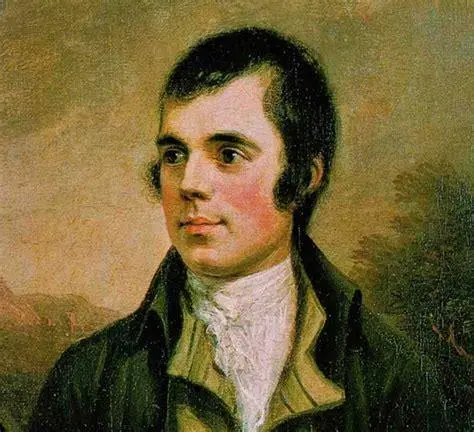
Robert Burns
Tam O' Shanter
Tam O' Shanter
A Tale
"Of Brownyis and of Bogillis full is this Buke."
Gawin Douglas.
When chapman billies leave the street,
And drouthy neibors neibors meet;
As market days are wearing late,
And folk begin to tak the gate,
While we sit bousing at the nappy,
An' getting fou and unco happy,
We think na on the lang Scots miles,
The mosses, waters, slaps and stiles,
That lie between us and our hame,
Where sits our sulky, sullen dame,
Gathering her brows like gathering storm,
Nursing her wrath to keep it warm.
This truth fand honest Tam o' Shanter,
As he frae Ayr ae night did canter:
(Auld Ayr, wham ne'er a town surpasses,
For honest men and bonie lasses).
O Tam! had'st thou but been sae wise,
As taen thy ain wife Kate's advice!
She tauld thee weel thou was a skellum,
A blethering, blustering, drunken blellum;
That frae November till October,
Ae market-day thou was na sober;
That ilka melder wi' the Miller,
Thou sat as lang as thou had siller;
That ev'ry naig was ca'd a shoe on
The Smith and thee gat roarin fou on;
That at the Lord's house, ev'n on Sunday,
Thou drank wi' Kirkton Jean till Monday;
She prophesied that late or soon,
Thou wad be found, deep drown'd in Doon,
Or catch'd wi' warlocks in the mirk,
By Alloway's auld, haunted kirk.
Ah, gentle dames! it gars me greet,
To think how mony counsels sweet,
How mony lengthen'd, sage advices,
The husband frae the wife despises!
But to our tale: - Ae market night,
Tam had got planted unco right,
Fast by the ingle, bleezing finely,
Wi' reaming swats that drank divinely;
And at his elbow, Souter Johnie,
His ancient, trusty, drouthy crony:
Tam lo'ed him like a very brither;
They had been fou for weeks thegither.
The night drave on wi' sangs an' clatter;
And aye the ale was growing better:
The Landlady and Tam grew gracious,
Wi' favours secret, sweet and precious:
The Souter tauld his queerest stories;
The Landlord's laugh was ready chorus:
The storm without might rair and rustle,
Tam did na mind the storm a whistle.
Care, mad to see a man sae happy,
E'en drown'd himsel amang the nappy.
As bees flee hame wi' lades o' treasure,
The minutes wing'd their way wi' pleasure:
Kings may be blest, but Tam was glorious,
O'er a' the ills o' life victorious!
But pleasures are like poppies spread,
You seize the flow'r, its bloom is shed;
Or like the snow falls in the river,
A moment white - then melts for ever;
Or like the Borealis race,
That flit ere you can point their place;
Or like the Rainbow's lovely form
Evanishing amid the storm. -
Nae man can tecther Time nor Tide,
The hour approaches Tam maun ride;
That hour, o' night's black arch the key-stane,
That dreary hour he mounts his beast in;
And sic a night he taks the road in,
As ne'er poor sinner was abroad in.
The wind blew as 'twad blawn its last;
The rattling showers rose on the blast;
The speedy gleams the darkness swallow'd;
Loud, deep, and lang the thunder bellow'd:
That night, a child might understand,
The deil had business on his hand.
Weel-mounted on his grey mare Meg,
A better never leg,
Tam skelpit on thro' dub and mire,
Despising wind, and rain, and fire;
Whiles holding fast his gude blue bonnett,
Whiles crooning o'er some auld Scots sonnet,
Whiles glow'rin round wi' prudent cares,
Lest bogles catch him unawares;
Kirk-Alloway was drawing nigh,
Where ghaists and houlets nightly cry.
By this time he was cross the ford,
Where in the snaw the chapman smoor'd;
And past the birks and meikle stane,
Where drunken Charlie brak's neck-bane;
And thro' the whins, and by the cairn,
Where hunters fand the murder'd bairn;
And near the thorn, aboon the well,
Where Mungo's mither hang'd hersel'.
Before him Doon pours all his floods,
The doubling storm roars thro' the woods,
The lightnings flash from pole to pole,
Near and more near the thunders roll,
When, glimmering thro' the groaning trees,
Kirk-Alloway seem'd in a bleeze,
Thro' ilka bore the beams were glancing,
And loud resounded mirth and dancing.
Inspiring bold John Barleycorn!
What dangers thou canst make us scorn!
Wi' tippeny, we fear nae evil;
Wi' usquabae, we'll face the devil!
The swats sae ream'd in Tammie's noddle,
Fair play, he car'd na deils a boddle,
But Maggie stood, right sair astonish'd,
Till, by the heel and hand admonish'd,
She ventur'd forward on the light;
And wow! Tam saw an unco sight!
Warlocks and witches in a dance:
Nae cotillon, brent new frae France,
But hornpipes, jigs, strathspeys, and reels,
Put life and mettle in their heels.
A winnock-bunker in the east,
There sat auld Nick, in shape o' beast;
A tousie tyke, black, grim, and large,
To gie them music was his charge.
He screw'd the pipes and gart them skirl,
Till roof and rafters a' did dirl. -
Coffins stood round, like open presses,
That shaw'd the Dead in their last dresses;
And (by some devilish cantraip sleight)
Each in its cauld hand held a light.
By which heroic Tam was able
To note upon the haly table,
A murderer's banes, in gibbet-airns;
Twa span-lang, wee, unchristened bairns;
A thief, new-cutted frae a rape,
Wi' his last gasp his gab did gape;
Five tomahawks, wi' blude red-rusted:
Five scimitars, wi' murder crusted;
A garter which a babe had strangled:
A knife, a father's throat had mangled,
Whom his ain son of life bereft,
The grey hairs yet stack to the heft;
Wi' mair of horrible and awfu',
Which even to name was be unlawfu'.
As Tammie glowr'd, amaz'd, and curious,
The mirth and fun grew fast and furious;
The Piper loud and louder blew,
The dancers quick and quicker flew,
They reel'd, they set, they cross'd, they cleekit,
Till ilka carlin swat and reekit,
And coost her duddies to the wark,
And linkit at it in her sark!
Now Tam, O Tam! had they been queans,
A' plump and strapping in their teens!
Their sarks, instead o' creeshie flainen,
Been snaw-white seventeen-hunder linen! -
Thir breeks o' mine, my only pair,
That aince were plush, o' guid blue hair,
I wud hae gien them off my hurdies,
For ae blink o' the bonie burdies!
But wither'd beldams, auld and droll,
Rigwoodie hags wad spean a foal,
Louping an' flinging on a crummock,
I wonder did na turn thy stomach.
But Tam kent what was what fu' brawlie:
There was ae winsome wench and waulie
That night enlisted in the core,
Lang after ken'd on Carrick shore
(For mony a beast to dead she shot,
And perish'd mony a bonie boat,
And shook baith meikle corn and bear,
And kept the country-side in fear);
Her cutty sark, o' Paisley harn,
That while a lassie she had worn,
In longitude tho' sorely scanty,
It was her best, and she was vauntie.
Ah! little ken'd thy reverend grannie,
That sark she coft for her wee Nannie,
Wi' twa pund Scots ('twas a' her riches),
Wad ever grac'd a dance of witches!
But here my Muse her wing maun cour,
Sic flights are far beyond her power;
To sing how Nannie lap and flang
(A souple jade she was and strang),
And how Tam stood, like ane bewitch'd,
And thought his very een enrich'd:
Even Satan glowr'd, and fidg'd fu' fain,
And hotch'd and blew wi' might and main:
Till first ae caper, syne anither,
Tam tint his reason a' thegither,
And roars out, "Weel done, Cutty-sark!"
And in an instant all was dark:
And scarcely had he Maggie rallied,
When out the hellish legion sallied.
As bees bizz out wi' angry fyke,
When plundering herds assail their byke;
As open pussie's mortal foes,
When, pop! she starts before their nose;
As eager runs the market-crowd,
When "Catch the thief!" resounds aloud;
So Maggie runs, the witches follow,
Wi' mony an eldritch skreich and hollo.
Ah, Tam! Ah, Tam! thou'll get thy fairin!
In hell they'll roast thee like a herrin!
In vain thy Kate awaits thy comin!
Kate soon will be a woefu' woman!
Now, do thy speedy utmost, Meg,
And win the key-stane o' the brig;
There, at them thou thy tail may toss,
A running stream they dare ne cross.
But ere the key-stane she could make,
The fient a tail she had to shake!
For Nannie, far before the rest,
Hard upon noble Maggie prest,
And flew at Tam wi' furious ettle;
But little wist she Maggie's mettle!
Ae spring brought off her master hale,
But left behind her ain grey tale:
The carlin claught her by the rump,
And left poor Maggie scarce a stump.
Now, wha this tale o' truth shall read,
Ilk man, and mother's son, take heed:
Whene'er to Drink you are inclin'd,
Or Cutty-sarks rin in your mind,
Think ye may buy the joys o'er dear;
Remember Tam o' Shanter's mare.
A Tale
"Of Brownyis and of Bogillis full is this Buke."
Gawin Douglas.
When chapman billies leave the street,
And drouthy neibors neibors meet;
As market days are wearing late,
And folk begin to tak the gate,
While we sit bousing at the nappy,
An' getting fou and unco happy,
We think na on the lang Scots miles,
The mosses, waters, slaps and stiles,
That lie between us and our hame,
Where sits our sulky, sullen dame,
Gathering her brows like gathering storm,
Nursing her wrath to keep it warm.
This truth fand honest Tam o' Shanter,
As he frae Ayr ae night did canter:
(Auld Ayr, wham ne'er a town surpasses,
For honest men and bonie lasses).
O Tam! had'st thou but been sae wise,
As taen thy ain wife Kate's advice!
She tauld thee weel thou was a skellum,
A blethering, blustering, drunken blellum;
That frae November till October,
Ae market-day thou was na sober;
That ilka melder wi' the Miller,
Thou sat as lang as thou had siller;
That ev'ry naig was ca'd a shoe on
The Smith and thee gat roarin fou on;
That at the Lord's house, ev'n on Sunday,
Thou drank wi' Kirkton Jean till Monday;
She prophesied that late or soon,
Thou wad be found, deep drown'd in Doon,
Or catch'd wi' warlocks in the mirk,
By Alloway's auld, haunted kirk.
Ah, gentle dames! it gars me greet,
To think how mony counsels sweet,
How mony lengthen'd, sage advices,
The husband frae the wife despises!
But to our tale: - Ae market night,
Tam had got planted unco right,
Fast by the ingle, bleezing finely,
Wi' reaming swats that drank divinely;
And at his elbow, Souter Johnie,
His ancient, trusty, drouthy crony:
Tam lo'ed him like a very brither;
They had been fou for weeks thegither.
The night drave on wi' sangs an' clatter;
And aye the ale was growing better:
The Landlady and Tam grew gracious,
Wi' favours secret, sweet and precious:
The Souter tauld his queerest stories;
The Landlord's laugh was ready chorus:
The storm without might rair and rustle,
Tam did na mind the storm a whistle.
Care, mad to see a man sae happy,
E'en drown'd himsel amang the nappy.
As bees flee hame wi' lades o' treasure,
The minutes wing'd their way wi' pleasure:
Kings may be blest, but Tam was glorious,
O'er a' the ills o' life victorious!
But pleasures are like poppies spread,
You seize the flow'r, its bloom is shed;
Or like the snow falls in the river,
A moment white - then melts for ever;
Or like the Borealis race,
That flit ere you can point their place;
Or like the Rainbow's lovely form
Evanishing amid the storm. -
Nae man can tecther Time nor Tide,
The hour approaches Tam maun ride;
That hour, o' night's black arch the key-stane,
That dreary hour he mounts his beast in;
And sic a night he taks the road in,
As ne'er poor sinner was abroad in.
The wind blew as 'twad blawn its last;
The rattling showers rose on the blast;
The speedy gleams the darkness swallow'd;
Loud, deep, and lang the thunder bellow'd:
That night, a child might understand,
The deil had business on his hand.
Weel-mounted on his grey mare Meg,
A better never leg,
Tam skelpit on thro' dub and mire,
Despising wind, and rain, and fire;
Whiles holding fast his gude blue bonnett,
Whiles crooning o'er some auld Scots sonnet,
Whiles glow'rin round wi' prudent cares,
Lest bogles catch him unawares;
Kirk-Alloway was drawing nigh,
Where ghaists and houlets nightly cry.
By this time he was cross the ford,
Where in the snaw the chapman smoor'd;
And past the birks and meikle stane,
Where drunken Charlie brak's neck-bane;
And thro' the whins, and by the cairn,
Where hunters fand the murder'd bairn;
And near the thorn, aboon the well,
Where Mungo's mither hang'd hersel'.
Before him Doon pours all his floods,
The doubling storm roars thro' the woods,
The lightnings flash from pole to pole,
Near and more near the thunders roll,
When, glimmering thro' the groaning trees,
Kirk-Alloway seem'd in a bleeze,
Thro' ilka bore the beams were glancing,
And loud resounded mirth and dancing.
Inspiring bold John Barleycorn!
What dangers thou canst make us scorn!
Wi' tippeny, we fear nae evil;
Wi' usquabae, we'll face the devil!
The swats sae ream'd in Tammie's noddle,
Fair play, he car'd na deils a boddle,
But Maggie stood, right sair astonish'd,
Till, by the heel and hand admonish'd,
She ventur'd forward on the light;
And wow! Tam saw an unco sight!
Warlocks and witches in a dance:
Nae cotillon, brent new frae France,
But hornpipes, jigs, strathspeys, and reels,
Put life and mettle in their heels.
A winnock-bunker in the east,
There sat auld Nick, in shape o' beast;
A tousie tyke, black, grim, and large,
To gie them music was his charge.
He screw'd the pipes and gart them skirl,
Till roof and rafters a' did dirl. -
Coffins stood round, like open presses,
That shaw'd the Dead in their last dresses;
And (by some devilish cantraip sleight)
Each in its cauld hand held a light.
By which heroic Tam was able
To note upon the haly table,
A murderer's banes, in gibbet-airns;
Twa span-lang, wee, unchristened bairns;
A thief, new-cutted frae a rape,
Wi' his last gasp his gab did gape;
Five tomahawks, wi' blude red-rusted:
Five scimitars, wi' murder crusted;
A garter which a babe had strangled:
A knife, a father's throat had mangled,
Whom his ain son of life bereft,
The grey hairs yet stack to the heft;
Wi' mair of horrible and awfu',
Which even to name was be unlawfu'.
As Tammie glowr'd, amaz'd, and curious,
The mirth and fun grew fast and furious;
The Piper loud and louder blew,
The dancers quick and quicker flew,
They reel'd, they set, they cross'd, they cleekit,
Till ilka carlin swat and reekit,
And coost her duddies to the wark,
And linkit at it in her sark!
Now Tam, O Tam! had they been queans,
A' plump and strapping in their teens!
Their sarks, instead o' creeshie flainen,
Been snaw-white seventeen-hunder linen! -
Thir breeks o' mine, my only pair,
That aince were plush, o' guid blue hair,
I wud hae gien them off my hurdies,
For ae blink o' the bonie burdies!
But wither'd beldams, auld and droll,
Rigwoodie hags wad spean a foal,
Louping an' flinging on a crummock,
I wonder did na turn thy stomach.
But Tam kent what was what fu' brawlie:
There was ae winsome wench and waulie
That night enlisted in the core,
Lang after ken'd on Carrick shore
(For mony a beast to dead she shot,
And perish'd mony a bonie boat,
And shook baith meikle corn and bear,
And kept the country-side in fear);
Her cutty sark, o' Paisley harn,
That while a lassie she had worn,
In longitude tho' sorely scanty,
It was her best, and she was vauntie.
Ah! little ken'd thy reverend grannie,
That sark she coft for her wee Nannie,
Wi' twa pund Scots ('twas a' her riches),
Wad ever grac'd a dance of witches!
But here my Muse her wing maun cour,
Sic flights are far beyond her power;
To sing how Nannie lap and flang
(A souple jade she was and strang),
And how Tam stood, like ane bewitch'd,
And thought his very een enrich'd:
Even Satan glowr'd, and fidg'd fu' fain,
And hotch'd and blew wi' might and main:
Till first ae caper, syne anither,
Tam tint his reason a' thegither,
And roars out, "Weel done, Cutty-sark!"
And in an instant all was dark:
And scarcely had he Maggie rallied,
When out the hellish legion sallied.
As bees bizz out wi' angry fyke,
When plundering herds assail their byke;
As open pussie's mortal foes,
When, pop! she starts before their nose;
As eager runs the market-crowd,
When "Catch the thief!" resounds aloud;
So Maggie runs, the witches follow,
Wi' mony an eldritch skreich and hollo.
Ah, Tam! Ah, Tam! thou'll get thy fairin!
In hell they'll roast thee like a herrin!
In vain thy Kate awaits thy comin!
Kate soon will be a woefu' woman!
Now, do thy speedy utmost, Meg,
And win the key-stane o' the brig;
There, at them thou thy tail may toss,
A running stream they dare ne cross.
But ere the key-stane she could make,
The fient a tail she had to shake!
For Nannie, far before the rest,
Hard upon noble Maggie prest,
And flew at Tam wi' furious ettle;
But little wist she Maggie's mettle!
Ae spring brought off her master hale,
But left behind her ain grey tale:
The carlin claught her by the rump,
And left poor Maggie scarce a stump.
Now, wha this tale o' truth shall read,
Ilk man, and mother's son, take heed:
Whene'er to Drink you are inclin'd,
Or Cutty-sarks rin in your mind,
Think ye may buy the joys o'er dear;
Remember Tam o' Shanter's mare.
498
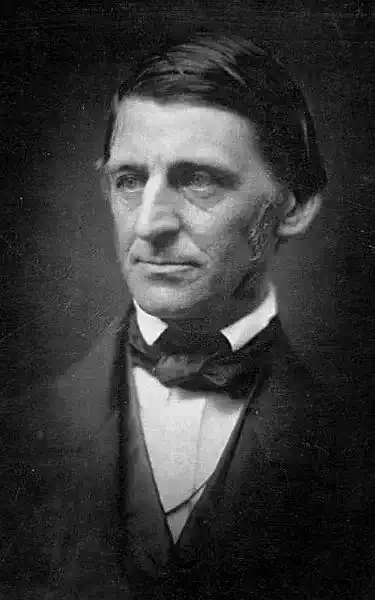
Ralph Waldo Emerson
You have tried famine: no more try it;
You have tried famine: no more try it;
Ply us now with a full diet;
Teach your pupils now with plenty,
For one sun supply us twenty:
I have thought it thoroughly over,
State of hermit, state of lover;
We must have society,
We cannot spare variety.
Hear you, then, celestial fellows!
Fits not to be over zealous;
Steads not to work on the clean jump,
Nor wine nor brains perpetual pump;
Men and gods are too extense,—
Could you slacken and condense?
Your rank overgrowths reduce,
Till your kinds abound with juice;
Earth crowded cries, "Too many men,"—
My counsel is, Kill nine in ten,
And bestow the shares of all
On the remnant decimal.
Add their nine lives to this cat;
Stuff their nine brains in his hat;
Make his frame and forces square
With the labors he must dare;
Thatch his flesh, and even his years
With the marble which he rears;
There growing slowly old at ease,
No faster than his planted trees,
He may, by warrant of his age,
In schemes of broader scope engage:
So shall ye have a man of the sphere,
Fit to grace the solar year.
Ply us now with a full diet;
Teach your pupils now with plenty,
For one sun supply us twenty:
I have thought it thoroughly over,
State of hermit, state of lover;
We must have society,
We cannot spare variety.
Hear you, then, celestial fellows!
Fits not to be over zealous;
Steads not to work on the clean jump,
Nor wine nor brains perpetual pump;
Men and gods are too extense,—
Could you slacken and condense?
Your rank overgrowths reduce,
Till your kinds abound with juice;
Earth crowded cries, "Too many men,"—
My counsel is, Kill nine in ten,
And bestow the shares of all
On the remnant decimal.
Add their nine lives to this cat;
Stuff their nine brains in his hat;
Make his frame and forces square
With the labors he must dare;
Thatch his flesh, and even his years
With the marble which he rears;
There growing slowly old at ease,
No faster than his planted trees,
He may, by warrant of his age,
In schemes of broader scope engage:
So shall ye have a man of the sphere,
Fit to grace the solar year.
314
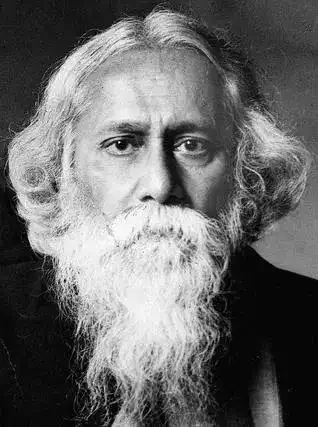
Rabindranath Tagore
Vocation
Vocation
When the gong sounds ten in the morning and I walk to school by our
lane.
Every day I meet the hawker crying, "Bangles, crystal
bangles!"
There is nothing to hurry him on, there is no road he must
take, no place he must go to, no time when he must come home.
I wish I were a hawker, spending my day in the road, crying,
"Bangles, crystal bangles!"
When at four in the afternoon I come back from the school,
I can see through the gate of that house the gardener digging
the ground.
He does what he likes with his spade, he soils his clothes
with dust, nobody takes him to task if he gets baked in the sun or
gets wet.
I wish I were a gardener digging away at the garden with
nobody to stop me from digging.
Just as it gets dark in the evening and my mother sends me to
bed,
I can see through my open window the watchman walking up and
down.
The lane is dark and lonely, and the street-lamp stands like
a giant with one red eye in its head.
The watchman swings his lantern and walks with his shadow at
his side, and never once goes to bed in his life.
I wish I were a watchman walking the streets all night,
chasing the shadows with my lantern.
When the gong sounds ten in the morning and I walk to school by our
lane.
Every day I meet the hawker crying, "Bangles, crystal
bangles!"
There is nothing to hurry him on, there is no road he must
take, no place he must go to, no time when he must come home.
I wish I were a hawker, spending my day in the road, crying,
"Bangles, crystal bangles!"
When at four in the afternoon I come back from the school,
I can see through the gate of that house the gardener digging
the ground.
He does what he likes with his spade, he soils his clothes
with dust, nobody takes him to task if he gets baked in the sun or
gets wet.
I wish I were a gardener digging away at the garden with
nobody to stop me from digging.
Just as it gets dark in the evening and my mother sends me to
bed,
I can see through my open window the watchman walking up and
down.
The lane is dark and lonely, and the street-lamp stands like
a giant with one red eye in its head.
The watchman swings his lantern and walks with his shadow at
his side, and never once goes to bed in his life.
I wish I were a watchman walking the streets all night,
chasing the shadows with my lantern.
606
Rabindranath Tagore
The Last Bargain
The Last Bargain
"Come and hire me," I cried, while in the morning I was walking on the stone-paved
road.
Sword in hand, the King came in his chariot.
He held my hand and said, "I will hire you with my power."
But his power counted for nought, and he went away in his chariot.
In the heat of the midday the houses stood with shut doors.
I wandered along the crooked lane.
An old man came out with his bag of gold.
He pondered and said, "I will hire you with my money."
He weighed his coins one by one, but I turned away.
It was evening. The garden hedge was all aflower.
The fair maid came out and said, "I will hire you with a smile."
Her smile paled and melted into tears, and she went back alone into the dark.
The sun glistened on the sand, and the sea waves broke waywardly.
A child sat playing with shells.
He raised his head and seemed to know me, and said, "I hire you with nothing."
From thenceforward that bargain struck in child's play made me a free man.
"Come and hire me," I cried, while in the morning I was walking on the stone-paved
road.
Sword in hand, the King came in his chariot.
He held my hand and said, "I will hire you with my power."
But his power counted for nought, and he went away in his chariot.
In the heat of the midday the houses stood with shut doors.
I wandered along the crooked lane.
An old man came out with his bag of gold.
He pondered and said, "I will hire you with my money."
He weighed his coins one by one, but I turned away.
It was evening. The garden hedge was all aflower.
The fair maid came out and said, "I will hire you with a smile."
Her smile paled and melted into tears, and she went back alone into the dark.
The sun glistened on the sand, and the sea waves broke waywardly.
A child sat playing with shells.
He raised his head and seemed to know me, and said, "I hire you with nothing."
From thenceforward that bargain struck in child's play made me a free man.
794
Rabindranath Tagore
Leave This
Leave This
Leave this chanting and singing and telling of beads!
Whom dost thou worship in this lonely dark corner of a temple with doors all shut?
Open thine eyes and see thy God is not before thee!
He is there where the tiller is tilling the hard ground
and where the pathmaker is breaking stones.
He is with them in sun and in shower,
and his garment is covered with dust.
Put off thy holy mantle and even like him come down on the dusty soil!
Deliverance?
Where is this deliverance to be found?
Our master himself has joyfully taken upon him the bonds of creation;
he is bound with us all for ever.
Come out of thy meditations and leave aside thy flowers and incense!
What harm is there if thy clothes become tattered and stained?
Meet him and stand by him in toil and in sweat of thy brow.
Leave this chanting and singing and telling of beads!
Whom dost thou worship in this lonely dark corner of a temple with doors all shut?
Open thine eyes and see thy God is not before thee!
He is there where the tiller is tilling the hard ground
and where the pathmaker is breaking stones.
He is with them in sun and in shower,
and his garment is covered with dust.
Put off thy holy mantle and even like him come down on the dusty soil!
Deliverance?
Where is this deliverance to be found?
Our master himself has joyfully taken upon him the bonds of creation;
he is bound with us all for ever.
Come out of thy meditations and leave aside thy flowers and incense!
What harm is there if thy clothes become tattered and stained?
Meet him and stand by him in toil and in sweat of thy brow.
805
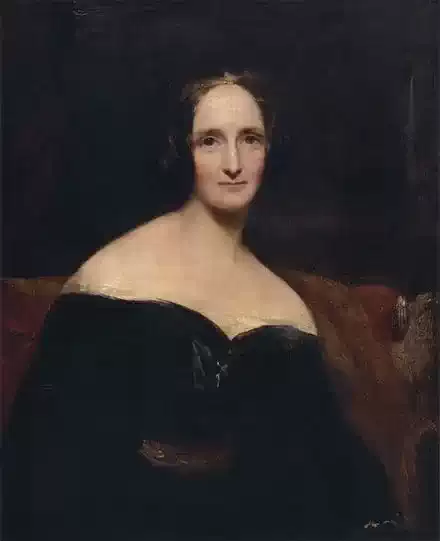
Percy Bysshe Shelley
To The Men Of England
To The Men Of England
Men of England, wherefore plough
For the lords who lay ye low?
Wherefore weave with toil and care
The rich robes your tyrants wear?
Wherefore feed and clothe and save,
From the cradle to the grave,
Those ungrateful drones who would
Drain your sweat -- nay, drink your blood?
Wherefore, Bees of England, forge
Many a weapon, chain, and scourge,
That these stingless drones may spoil
The forced produce of your toil?
Have ye leisure, comfort, calm,
Shelter, food, love's gentle balm?
Or what is it ye buy so dear
With your pain and with your fear?
The seed ye sow another reaps;
The wealth ye find another keeps;
The robes ye weave another wears;
The arms ye forge another bears.
Sow seed, -- but let no tyrant reap;
Find wealth, -- let no imposter heap;
Weave robes, -- let not the idle wear;
Forge arms, in your defence to bear.
Shrink to your cellars, holes, and cells;
In halls ye deck another dwells.
Why shake the chains ye wrought? Ye see
The steel ye tempered glance on ye.
With plough and spade and hoe and loom,
Trace your grave, and build your tomb,
And weave your winding-sheet, till fair
England be your sepulchre!
Men of England, wherefore plough
For the lords who lay ye low?
Wherefore weave with toil and care
The rich robes your tyrants wear?
Wherefore feed and clothe and save,
From the cradle to the grave,
Those ungrateful drones who would
Drain your sweat -- nay, drink your blood?
Wherefore, Bees of England, forge
Many a weapon, chain, and scourge,
That these stingless drones may spoil
The forced produce of your toil?
Have ye leisure, comfort, calm,
Shelter, food, love's gentle balm?
Or what is it ye buy so dear
With your pain and with your fear?
The seed ye sow another reaps;
The wealth ye find another keeps;
The robes ye weave another wears;
The arms ye forge another bears.
Sow seed, -- but let no tyrant reap;
Find wealth, -- let no imposter heap;
Weave robes, -- let not the idle wear;
Forge arms, in your defence to bear.
Shrink to your cellars, holes, and cells;
In halls ye deck another dwells.
Why shake the chains ye wrought? Ye see
The steel ye tempered glance on ye.
With plough and spade and hoe and loom,
Trace your grave, and build your tomb,
And weave your winding-sheet, till fair
England be your sepulchre!
418
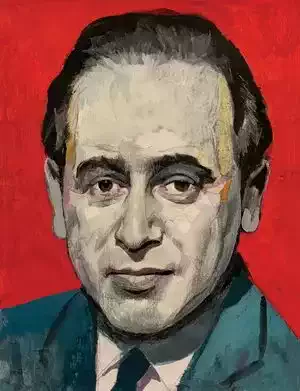
Paul Celan
There Was Earth
There Was Earth
There was Earth in them, and
they dug.
They dug and they dug, and so
their Day went by, and their Night. And they did not praise God,
who, so they heard, wanted all this,
who, so they heard, knew of all this.
They dug and they heard nothing more;
did not grow wise, invented no Song,
thought up for themselves no Language.
They dug.
There came a Silence, there came a Storm,
There came every Ocean.
I dig, you dig, and it digs, the Worm,
and the Singing, there, says: They dig.
O someone, o none, o no one, o you:
Where did it lead to, that nowhere-leading?
O you dig and I dig, and I dig towards you,
and on our finger awakens the Ring.
There was Earth in them, and
they dug.
They dug and they dug, and so
their Day went by, and their Night. And they did not praise God,
who, so they heard, wanted all this,
who, so they heard, knew of all this.
They dug and they heard nothing more;
did not grow wise, invented no Song,
thought up for themselves no Language.
They dug.
There came a Silence, there came a Storm,
There came every Ocean.
I dig, you dig, and it digs, the Worm,
and the Singing, there, says: They dig.
O someone, o none, o no one, o you:
Where did it lead to, that nowhere-leading?
O you dig and I dig, and I dig towards you,
and on our finger awakens the Ring.
485
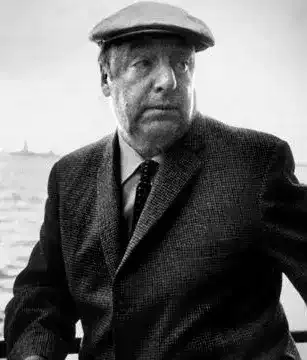
Pablo Neruda
The People
The People
I recall that man and not two centuries
have passed since I saw him,
he went neither by horse nor by carriage:
purely on foot
he outstripped
distances,
and carried no sword or armour,
only nets on his shoulder,
axe or hammer or spade,
never fighting the rest of his species:
his exploits were with water and earth,
with wheat so that it turned into bread,
with giant trees to render them wood,
with walls to open up doors,
with sand to construct the walls,
and with ocean for it to bear.
I knew him and he is still not cancelled in me.
The carriages fell to pieces,
war destroyed doors and walls,
the city was a handful of ashes,
all the clothes turned to dust,
and he remains to me,
he survives in the sand,
when everything before
seemed imperishable but him.
In the going and coming of families
at times he was my father or kinsman
or perhaps it was scarcely him or not
the one who did not return to his house
because water or earth swallowed him up
or a tree or an engine killed him,
or he was the saddened carpenter
who went behind the coffin, without tears,
someone in the end who had no name,
except those that metal or timber have,
and on whom others gazed from on high
without seeing the ant
for the anthill
and so that when his feet did not stir,
because the poor exhausted one had died,
they never saw what they had not seen:
already there were other feet where he'd been.
The other feet were still his,
and the other hands,
the man remained:
when it seemed that now he was done for
he was the same once more,
there he was digging again at the earth,
cutting cloth, minus a shirt,
there he was and was not, like before,
he had gone down and was once more,
and since he never owned graveyards,
or tombs, nor was his name carved
on the stone he sweated to quarry,
no one knew he had come
and no one knew when he died,
so that only when the poor man could
he returned to life once more, without it being noted.
He was the man, no doubt of it, without heritage,
without cattle, without a flag,
and he was not distinguished from others,
the others who were him,
from the heights he was grey like the subsoil,
tanned like the leather,
he was yellow reaping the wheat,
he was black down in the mine,
he was the colour of stone on the fortress,
in the fishing boat the colour of tuna,
and the colour of horses in the meadow:
how could anyone distinguish him
if he was inseparable, elemental,
earth, coal or sea vested in man?
Where he lived whatever
a man touched grew:
the hostile stones,
quarried
by his hands,
took on order
and one by one formed
the right clarity of a building,
he made bread with his hands,
moved the engines,
the distances peopled themselves with towns,
other men grew,
bees arrived,
and by man's creating and breeding
spring walked the market squares
between bakeries and doves.
The maker of loaves was forgotten,
he who quarried and journeyed, beating down
and opening furrows, transporting sand,
when everything existed he no longer existed,
he gave his existence, that's all.
He went elsewhere to labour, and at last
he was dead, rolling
like a stone in the river:
death carried him downstream.
I, who knew him, saw him descend
till he was no longer except what he left:
roads he could scarcely know,
houses he never ever would live in.
I turn to see him, and I await him
I see him in his grave and resurrected.
I distinguish him among all
who are his equals
and it seems to me it cannot be,
that like this we go nowhere,
that to survive like this holds no glory.
I believe that this man
must be enthroned, rightly shod and crowned.
I believe that those who made such things
must be the masters of all these things.
And that those who made bread should eat!
And those in the mines must have light!
Enough now of grey men enslaved!
Enough of the pale 'missing ones'!
Not another man passes except as a king.
Not a single woman without her crown.
Golden gauntlets for every hand.
Fruits of the sun for all the unknowns!
I knew that man and when I could,
when he still had eyes in his head,
when he still had a voice in his mouth
I searched for him among tombs, and I said
grasping his arm that was not yet dust:
'All will be gone, you will live on,
You ignite life.
You made what is yours.'
So let no one trouble themselves when
I seem to be alone and am not alone,
I am with no one and speak for them all:
Some listen to me, without knowing,
but those I sing, those who do know
go on being born, and will fill up the Earth.
I recall that man and not two centuries
have passed since I saw him,
he went neither by horse nor by carriage:
purely on foot
he outstripped
distances,
and carried no sword or armour,
only nets on his shoulder,
axe or hammer or spade,
never fighting the rest of his species:
his exploits were with water and earth,
with wheat so that it turned into bread,
with giant trees to render them wood,
with walls to open up doors,
with sand to construct the walls,
and with ocean for it to bear.
I knew him and he is still not cancelled in me.
The carriages fell to pieces,
war destroyed doors and walls,
the city was a handful of ashes,
all the clothes turned to dust,
and he remains to me,
he survives in the sand,
when everything before
seemed imperishable but him.
In the going and coming of families
at times he was my father or kinsman
or perhaps it was scarcely him or not
the one who did not return to his house
because water or earth swallowed him up
or a tree or an engine killed him,
or he was the saddened carpenter
who went behind the coffin, without tears,
someone in the end who had no name,
except those that metal or timber have,
and on whom others gazed from on high
without seeing the ant
for the anthill
and so that when his feet did not stir,
because the poor exhausted one had died,
they never saw what they had not seen:
already there were other feet where he'd been.
The other feet were still his,
and the other hands,
the man remained:
when it seemed that now he was done for
he was the same once more,
there he was digging again at the earth,
cutting cloth, minus a shirt,
there he was and was not, like before,
he had gone down and was once more,
and since he never owned graveyards,
or tombs, nor was his name carved
on the stone he sweated to quarry,
no one knew he had come
and no one knew when he died,
so that only when the poor man could
he returned to life once more, without it being noted.
He was the man, no doubt of it, without heritage,
without cattle, without a flag,
and he was not distinguished from others,
the others who were him,
from the heights he was grey like the subsoil,
tanned like the leather,
he was yellow reaping the wheat,
he was black down in the mine,
he was the colour of stone on the fortress,
in the fishing boat the colour of tuna,
and the colour of horses in the meadow:
how could anyone distinguish him
if he was inseparable, elemental,
earth, coal or sea vested in man?
Where he lived whatever
a man touched grew:
the hostile stones,
quarried
by his hands,
took on order
and one by one formed
the right clarity of a building,
he made bread with his hands,
moved the engines,
the distances peopled themselves with towns,
other men grew,
bees arrived,
and by man's creating and breeding
spring walked the market squares
between bakeries and doves.
The maker of loaves was forgotten,
he who quarried and journeyed, beating down
and opening furrows, transporting sand,
when everything existed he no longer existed,
he gave his existence, that's all.
He went elsewhere to labour, and at last
he was dead, rolling
like a stone in the river:
death carried him downstream.
I, who knew him, saw him descend
till he was no longer except what he left:
roads he could scarcely know,
houses he never ever would live in.
I turn to see him, and I await him
I see him in his grave and resurrected.
I distinguish him among all
who are his equals
and it seems to me it cannot be,
that like this we go nowhere,
that to survive like this holds no glory.
I believe that this man
must be enthroned, rightly shod and crowned.
I believe that those who made such things
must be the masters of all these things.
And that those who made bread should eat!
And those in the mines must have light!
Enough now of grey men enslaved!
Enough of the pale 'missing ones'!
Not another man passes except as a king.
Not a single woman without her crown.
Golden gauntlets for every hand.
Fruits of the sun for all the unknowns!
I knew that man and when I could,
when he still had eyes in his head,
when he still had a voice in his mouth
I searched for him among tombs, and I said
grasping his arm that was not yet dust:
'All will be gone, you will live on,
You ignite life.
You made what is yours.'
So let no one trouble themselves when
I seem to be alone and am not alone,
I am with no one and speak for them all:
Some listen to me, without knowing,
but those I sing, those who do know
go on being born, and will fill up the Earth.
540
Pablo Neruda
The House of Odes
The House of Odes
Writing
these
odes
in this
year nineteen
hundred and
fifty-five,
readying and tuning
my demanding, murmuring lyre,
I know who I am
and where my song is going.
I understand
that the shopper for myths
and mysteries
may enter
my wood
and adobe
house of odes,
may despise
the utensils,
the portraits
of father and mother and country
on the walls,
the simplicity
of the bread
and the saltcellar. But
that's how it is in my house of odes.
I deposed the dark monarchy,
the useless flowing hair of dreams,
I trod on the tail
of the cerebral reptile,
and set things
-- water and fire in
harmony with man and earth.
I want everything
to have
a handle,
I want everything to be
a cup or a tool,
I want people to enter a hardware
store through the door of my odes.
I work at
cutting
newly hewn boards,
storing casks
of honey,
arranging
horseshoes, harness,
forks:
I want everyone to enter here,
let them ask questions,
ask for anything they want.
I am from the South, a Chilean,
a sailor
returned
from the seas.
I did not stay in the islands,
a king.
I did not stay ensconced
in the land of dreams.
I returned to labor simply
beside others,
for everyone.
So that everyone
may live here,
I build my house
with transparent
odes.
Writing
these
odes
in this
year nineteen
hundred and
fifty-five,
readying and tuning
my demanding, murmuring lyre,
I know who I am
and where my song is going.
I understand
that the shopper for myths
and mysteries
may enter
my wood
and adobe
house of odes,
may despise
the utensils,
the portraits
of father and mother and country
on the walls,
the simplicity
of the bread
and the saltcellar. But
that's how it is in my house of odes.
I deposed the dark monarchy,
the useless flowing hair of dreams,
I trod on the tail
of the cerebral reptile,
and set things
-- water and fire in
harmony with man and earth.
I want everything
to have
a handle,
I want everything to be
a cup or a tool,
I want people to enter a hardware
store through the door of my odes.
I work at
cutting
newly hewn boards,
storing casks
of honey,
arranging
horseshoes, harness,
forks:
I want everyone to enter here,
let them ask questions,
ask for anything they want.
I am from the South, a Chilean,
a sailor
returned
from the seas.
I did not stay in the islands,
a king.
I did not stay ensconced
in the land of dreams.
I returned to labor simply
beside others,
for everyone.
So that everyone
may live here,
I build my house
with transparent
odes.
571
Pablo Neruda
Ode to the Book
Ode to the Book
When I close a book
I open life.
I hear
faltering cries
among harbours.
Copper ignots
slide down sand-pits
to Tocopilla.
Night time.
Among the islands
our ocean
throbs with fish,
touches the feet, the thighs,
the chalk ribs
of my country.
The whole of night
clings to its shores, by dawn
it wakes up singing
as if it had excited a guitar.
The ocean's surge is calling.
The wind
calls me
and Rodriguez calls,
and Jose Antonio--
I got a telegram
from the "Mine" Union
and the one I love
(whose name I won't let out)
expects me in Bucalemu.
No book has been able
to wrap me in paper,
to fill me up
with typography,
with heavenly imprints
or was ever able
to bind my eyes,
I come out of books to people orchards
with the hoarse family of my song,
to work the burning metals
or to eat smoked beef
by mountain firesides.
I love adventurous
books,
books of forest or snow,
depth or sky
but hate
the spider book
in which thought
has laid poisonous wires
to trap the juvenile
and circling fly.
Book, let me go.
I won't go clothed
in volumes,
I don't come out
of collected works,
my poems
have not eaten poems-they
devour
exciting happenings,
feed on rough weather,
and dig their food
out of earth and men.
I'm on my way
with dust in my shoes
free of mythology:
send books back to their shelves,
I'm going down into the streets.
I learned about life
from life itself,
love I learned in a single kiss
and could teach no one anything
except that I have lived
with something in common among men,
when fighting with them,
when saying all their say in my song.
When I close a book
I open life.
I hear
faltering cries
among harbours.
Copper ignots
slide down sand-pits
to Tocopilla.
Night time.
Among the islands
our ocean
throbs with fish,
touches the feet, the thighs,
the chalk ribs
of my country.
The whole of night
clings to its shores, by dawn
it wakes up singing
as if it had excited a guitar.
The ocean's surge is calling.
The wind
calls me
and Rodriguez calls,
and Jose Antonio--
I got a telegram
from the "Mine" Union
and the one I love
(whose name I won't let out)
expects me in Bucalemu.
No book has been able
to wrap me in paper,
to fill me up
with typography,
with heavenly imprints
or was ever able
to bind my eyes,
I come out of books to people orchards
with the hoarse family of my song,
to work the burning metals
or to eat smoked beef
by mountain firesides.
I love adventurous
books,
books of forest or snow,
depth or sky
but hate
the spider book
in which thought
has laid poisonous wires
to trap the juvenile
and circling fly.
Book, let me go.
I won't go clothed
in volumes,
I don't come out
of collected works,
my poems
have not eaten poems-they
devour
exciting happenings,
feed on rough weather,
and dig their food
out of earth and men.
I'm on my way
with dust in my shoes
free of mythology:
send books back to their shelves,
I'm going down into the streets.
I learned about life
from life itself,
love I learned in a single kiss
and could teach no one anything
except that I have lived
with something in common among men,
when fighting with them,
when saying all their say in my song.
670
Pablo Neruda
Ode to Clothes
Ode to Clothes
Every morning you wait,
clothes, over a chair,
to fill yourself with
my vanity, my love,
my hope, my body.
Barely
risen from sleep,
I relinquish the water,
enter your sleeves,
my legs look for
the hollows of your legs,
and so embraced
by your indefatigable faithfulness
I rise, to tread the grass,
enter poetry,
consider through the windows,
the things,
the men, the women,
the deeds and the fights
go on forming me,
go on making me face things
working my hands,
opening my eyes,
using my mouth,
and so,
clothes,
I too go forming you,
extending your elbows,
snapping your threads,
and so your life expands
in the image of my life.
In the wind
you billow and snap
as if you were my soul,
at bad times
you cling
to my bones,
vacant, for the night,
darkness, sleep
populate with their phantoms
your wings and mine.
I wonder
if one day
a bullet
from the enemy
will leave you stained with my blood
and then
you will die with me
or one day
not quite
so dramatic
but simple,
you will fall ill,
clothes,
with me,
grow old
with me, with my body
and joined
we will enter
the earth.
Because of this
each day
I greet you
with reverence and then
you embrace me and I forget you,
because we are one
and we will go on
facing the wind, in the night,
the streets or the fight,
a single body,
one day, one day, some day, still.
Every morning you wait,
clothes, over a chair,
to fill yourself with
my vanity, my love,
my hope, my body.
Barely
risen from sleep,
I relinquish the water,
enter your sleeves,
my legs look for
the hollows of your legs,
and so embraced
by your indefatigable faithfulness
I rise, to tread the grass,
enter poetry,
consider through the windows,
the things,
the men, the women,
the deeds and the fights
go on forming me,
go on making me face things
working my hands,
opening my eyes,
using my mouth,
and so,
clothes,
I too go forming you,
extending your elbows,
snapping your threads,
and so your life expands
in the image of my life.
In the wind
you billow and snap
as if you were my soul,
at bad times
you cling
to my bones,
vacant, for the night,
darkness, sleep
populate with their phantoms
your wings and mine.
I wonder
if one day
a bullet
from the enemy
will leave you stained with my blood
and then
you will die with me
or one day
not quite
so dramatic
but simple,
you will fall ill,
clothes,
with me,
grow old
with me, with my body
and joined
we will enter
the earth.
Because of this
each day
I greet you
with reverence and then
you embrace me and I forget you,
because we are one
and we will go on
facing the wind, in the night,
the streets or the fight,
a single body,
one day, one day, some day, still.
637
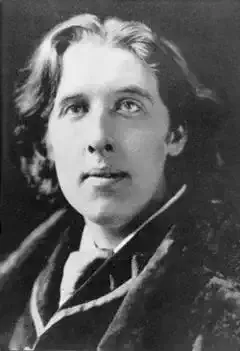
Oscar Wilde
Les Silhouettes
Les Silhouettes
The sea is flecked with bars of grey,
The dull dead wind is out of tune,
And like a withered leaf the moon
Is blown across the stormy bay.
Etched clear upon the pallid sand
Lies the black boat: a sailor boy
Clambers aboard in careless joy
With laughing face and gleaming hand.
And overhead the curlews cry,
Where through the dusky upland grass
The young brown-throated reapers pass,
Like silhouettes against the sky.
The sea is flecked with bars of grey,
The dull dead wind is out of tune,
And like a withered leaf the moon
Is blown across the stormy bay.
Etched clear upon the pallid sand
Lies the black boat: a sailor boy
Clambers aboard in careless joy
With laughing face and gleaming hand.
And overhead the curlews cry,
Where through the dusky upland grass
The young brown-throated reapers pass,
Like silhouettes against the sky.
190

Ogden Nash
The Ant
The Ant
The ant has made herself illustrious
By constant industry industrious.
So what? Would you be calm and placid
If you were full of formic acid?
The ant has made herself illustrious
By constant industry industrious.
So what? Would you be calm and placid
If you were full of formic acid?
307
Ogden Nash
One From One Leaves Two
One From One Leaves Two
Higgledy piggledy, my black hen,
She lays eggs for gentlemen.
Gentlemen come every day
To count what my black hen doth lay.
If perchance she lays too many,
They fine my hen a pretty penny;
If perchance she fails to lay,
The gentlemen a bonus pay.
Mumbledy pumbledy, my red cow,
She’s cooperating now.
At first she didn’t understand
That milk production must be planned;
She didn’t understand at first
She either had to plan or burst,
But now the government reports
She’s giving pints instead of quarts.
Fiddle de dee, my next-door neighbors,
They are giggling at their labors.
First they plant the tiny seed,
Then they water, then they weed,
Then they hoe and prune and lop,
They they raise a record crop,
Then they laugh their sides asunder,
And plow the whole caboodle under.
Abracadabra, thus we learn
The more you create, the less you earn.
The less you earn, the more you’re given,
The less you lead, the more you’re driven,
The more destroyed, the more they feed,
The more you pay, the more they need,
The more you earn, the less you keep,
And now I lay me down to sleep.
I pray the Lord my soul to take
If the tax-collector hasn’t got it before I wake.
Higgledy piggledy, my black hen,
She lays eggs for gentlemen.
Gentlemen come every day
To count what my black hen doth lay.
If perchance she lays too many,
They fine my hen a pretty penny;
If perchance she fails to lay,
The gentlemen a bonus pay.
Mumbledy pumbledy, my red cow,
She’s cooperating now.
At first she didn’t understand
That milk production must be planned;
She didn’t understand at first
She either had to plan or burst,
But now the government reports
She’s giving pints instead of quarts.
Fiddle de dee, my next-door neighbors,
They are giggling at their labors.
First they plant the tiny seed,
Then they water, then they weed,
Then they hoe and prune and lop,
They they raise a record crop,
Then they laugh their sides asunder,
And plow the whole caboodle under.
Abracadabra, thus we learn
The more you create, the less you earn.
The less you earn, the more you’re given,
The less you lead, the more you’re driven,
The more destroyed, the more they feed,
The more you pay, the more they need,
The more you earn, the less you keep,
And now I lay me down to sleep.
I pray the Lord my soul to take
If the tax-collector hasn’t got it before I wake.
252
Ogden Nash
Introspective Reflection
Introspective Reflection
I would live all my life in nonchalance and insouciance
Were it not for making a living, which is rather a nouciance.
I would live all my life in nonchalance and insouciance
Were it not for making a living, which is rather a nouciance.
345

Nazim Hikmet
Our Eyes
Our Eyes
Our eyes
are limpid
drops of water.
In each drop exists
a tiny sign
of our genius
which has given life to cold iron.
Our eyes
are limpid
drops of water
merged absolutely in the Ocean
that you could hardly recognize
the drop in a block of ice
in a boiling pan.
The masterpiece of these eyes
the fulfillment of their genius
the living iron.
In these eyes
filled with limpid
pure tears
had failed to emerge
from the infinite Ocean
if the strength
had dispersed,
we could never have mated
the dynamo with the turbine,
never have moved
those steel mountains in water
easily
as if made of hollow wood.
The masterpiece of these eyes
the fulfillment of their genius
of our unified labour
the living iron.
Translated by Taner Baybars
Our eyes
are limpid
drops of water.
In each drop exists
a tiny sign
of our genius
which has given life to cold iron.
Our eyes
are limpid
drops of water
merged absolutely in the Ocean
that you could hardly recognize
the drop in a block of ice
in a boiling pan.
The masterpiece of these eyes
the fulfillment of their genius
the living iron.
In these eyes
filled with limpid
pure tears
had failed to emerge
from the infinite Ocean
if the strength
had dispersed,
we could never have mated
the dynamo with the turbine,
never have moved
those steel mountains in water
easily
as if made of hollow wood.
The masterpiece of these eyes
the fulfillment of their genius
of our unified labour
the living iron.
Translated by Taner Baybars
360
Lewis Carroll
Fit the First: ( Hunting of the Snark )
Fit the First: ( Hunting of the Snark )
The Landing
"Just the place for a Snark!" the Bellman cried,
As he landed his crew with care;
Supporting each man on the top of the tide
By a finger entwined in his hair.
"Just the place for a Snark! I have said it twice:
That alone should encourage the crew.
Just the place for a Snark! I have said it thrice:
What I tell you three times is true."
The crew was complete: it included a BootsA
maker of Bonnets and HoodsA
Barrister, brought to arrange their disputesAnd
a Broker, to value their goods.
A Billiardmarker,
whose skill was immense,
Might perhaps have won more than his shareBut
a Banker, engaged at enormous expense,
Had the whole of their cash in his care.
There was also a Beaver, that paced on the deck,
Or would sit making lace in the bow:
And had often (the Bellman said) saved them from wreck
Though none of the sailors knew how.
There was one who was famed for the number of things
He forgot when he entered the ship:
His umbrella, his watch, all his jewels and rings,
And the clothes he had bought for the trip.
He had fortytwo
boxes, all carefully packed,
With his name painted clearly on each:
But, since he omitted to mention the fact,
They were all left behind on the beach.
The loss of his clothes hardly mattered, because
He had seven coats on when he came,
With three pair of bootsbut
the worst of is was,
He had wholly forgotten his name.
He would answer to "Hi!" or to any loud cry,
Such as "Fry me!" or "Fritter my wig!"
To "Whatyoumaycallum!"
or "Whatwashisname!"
But especially "Thingumajig!"
While, for those who preferred a more forcible word,
He had different names from these:
His intimate friends called him "Candleends",
And his enemies "Toastedcheese"
"His form is ungainlyhis
intellect small"
(So the Bellman would often remark)"
But his courage is perfect! And that, after all,
Is the thing that one needs with a Snark."
He would joke with hyaenas, returning their stare
With an impudent wag of the head:
And he once went a walk, pawinpaw,
with a bear,
"Just to keep up its spirits," he said.
He came as a Baker: but owned, when too lateAnd
it drove the poor Bellman halfmadHe
could only bake Bridecakefor
which, I may state,
No materials were to be had.
The last of the crew needs especial remark,
Though he looked an incredible dunce:
He had just one ideabut,
that one being "Snark",
The good Bellman engaged him at once.
He came as a Butcher: but gravely declared,
When the ship had been sailing a week,
He could only kill Beavers. The Bellman looked scared,
And was almost too frightened to speak:
But at length he explained, in a tremulous tone,
There was only one Beaver on board;
And that was a tame one he had of his own,
Whose death would be deeply deplored.
The Beaver, who happened to hear the remark,
Protested, with tears in its eyes,
That not even the rapture of hunting the Snark
Could atone for that dismal surprise!
It strongly advised that the Butcher should be
Conveyed in a separate ship:
But the Bellman declared that would never agree
With the plans he had made for the trip:
Navigation was always a difficult art,
Though with only one ship and one bell:
And he feared he must really decline, for his part,
Undertaking another as well.
The Beaver's best course was, no doubt, to procure
A secondhand
daggerproof
coatSo
the baker advised itand
next, to insure
Its life in some Office of note:
This the Baker suggested, and offered for hire
(On moderate terms), or for sale,
Two excellent Policies, one Against Fire
And one Against Damage From Hail.
Yet still, ever after that sorrowful day,
Whenever the Butcher was by,
The Beaver kept looking the opposite way,
And appeared unaccountably shy.
The Landing
"Just the place for a Snark!" the Bellman cried,
As he landed his crew with care;
Supporting each man on the top of the tide
By a finger entwined in his hair.
"Just the place for a Snark! I have said it twice:
That alone should encourage the crew.
Just the place for a Snark! I have said it thrice:
What I tell you three times is true."
The crew was complete: it included a BootsA
maker of Bonnets and HoodsA
Barrister, brought to arrange their disputesAnd
a Broker, to value their goods.
A Billiardmarker,
whose skill was immense,
Might perhaps have won more than his shareBut
a Banker, engaged at enormous expense,
Had the whole of their cash in his care.
There was also a Beaver, that paced on the deck,
Or would sit making lace in the bow:
And had often (the Bellman said) saved them from wreck
Though none of the sailors knew how.
There was one who was famed for the number of things
He forgot when he entered the ship:
His umbrella, his watch, all his jewels and rings,
And the clothes he had bought for the trip.
He had fortytwo
boxes, all carefully packed,
With his name painted clearly on each:
But, since he omitted to mention the fact,
They were all left behind on the beach.
The loss of his clothes hardly mattered, because
He had seven coats on when he came,
With three pair of bootsbut
the worst of is was,
He had wholly forgotten his name.
He would answer to "Hi!" or to any loud cry,
Such as "Fry me!" or "Fritter my wig!"
To "Whatyoumaycallum!"
or "Whatwashisname!"
But especially "Thingumajig!"
While, for those who preferred a more forcible word,
He had different names from these:
His intimate friends called him "Candleends",
And his enemies "Toastedcheese"
"His form is ungainlyhis
intellect small"
(So the Bellman would often remark)"
But his courage is perfect! And that, after all,
Is the thing that one needs with a Snark."
He would joke with hyaenas, returning their stare
With an impudent wag of the head:
And he once went a walk, pawinpaw,
with a bear,
"Just to keep up its spirits," he said.
He came as a Baker: but owned, when too lateAnd
it drove the poor Bellman halfmadHe
could only bake Bridecakefor
which, I may state,
No materials were to be had.
The last of the crew needs especial remark,
Though he looked an incredible dunce:
He had just one ideabut,
that one being "Snark",
The good Bellman engaged him at once.
He came as a Butcher: but gravely declared,
When the ship had been sailing a week,
He could only kill Beavers. The Bellman looked scared,
And was almost too frightened to speak:
But at length he explained, in a tremulous tone,
There was only one Beaver on board;
And that was a tame one he had of his own,
Whose death would be deeply deplored.
The Beaver, who happened to hear the remark,
Protested, with tears in its eyes,
That not even the rapture of hunting the Snark
Could atone for that dismal surprise!
It strongly advised that the Butcher should be
Conveyed in a separate ship:
But the Bellman declared that would never agree
With the plans he had made for the trip:
Navigation was always a difficult art,
Though with only one ship and one bell:
And he feared he must really decline, for his part,
Undertaking another as well.
The Beaver's best course was, no doubt, to procure
A secondhand
daggerproof
coatSo
the baker advised itand
next, to insure
Its life in some Office of note:
This the Baker suggested, and offered for hire
(On moderate terms), or for sale,
Two excellent Policies, one Against Fire
And one Against Damage From Hail.
Yet still, ever after that sorrowful day,
Whenever the Butcher was by,
The Beaver kept looking the opposite way,
And appeared unaccountably shy.
187
Langston Hughes
Brass Spittoons
Brass Spittoons
Clean the spittoons, boy.
Detroit,
Chicago,
Atlantic City,
Palm Beach.
Clean the spittoons.
The steam in hotel kitchens,
And the smoke in hotel lobbies,
And the slime in hotel spittoons:
Part of my life.
Hey, boy!
A nickel,
A dime,
A dollar,
Two dollars a day.
Hey, boy!
A nickel,
A dime,
A dollar,
Two dollars
Buy shoes for the baby.
House rent to pay.
Gin on Saturday,
Church on Sunday.
My God!
Babies and gin and church
And women and Sunday
All mixed with dimes and
Dollars and clean spittoons
And house rent to pay.
Hey, boy!
A bright bowl of brass is beautiful to the Lord.
Bright polished brass like the cymbals
Of King David’s dancers,
Like the wine cups of Solomon.
Hey, boy!
A clean spittoon on the altar of the Lord.
A clean bright spittoon all newly polished—
At least I can offer that.
Com’mere, boy!
Clean the spittoons, boy.
Detroit,
Chicago,
Atlantic City,
Palm Beach.
Clean the spittoons.
The steam in hotel kitchens,
And the smoke in hotel lobbies,
And the slime in hotel spittoons:
Part of my life.
Hey, boy!
A nickel,
A dime,
A dollar,
Two dollars a day.
Hey, boy!
A nickel,
A dime,
A dollar,
Two dollars
Buy shoes for the baby.
House rent to pay.
Gin on Saturday,
Church on Sunday.
My God!
Babies and gin and church
And women and Sunday
All mixed with dimes and
Dollars and clean spittoons
And house rent to pay.
Hey, boy!
A bright bowl of brass is beautiful to the Lord.
Bright polished brass like the cymbals
Of King David’s dancers,
Like the wine cups of Solomon.
Hey, boy!
A clean spittoon on the altar of the Lord.
A clean bright spittoon all newly polished—
At least I can offer that.
Com’mere, boy!
445