

Poems in this theme
Time and Its Passage
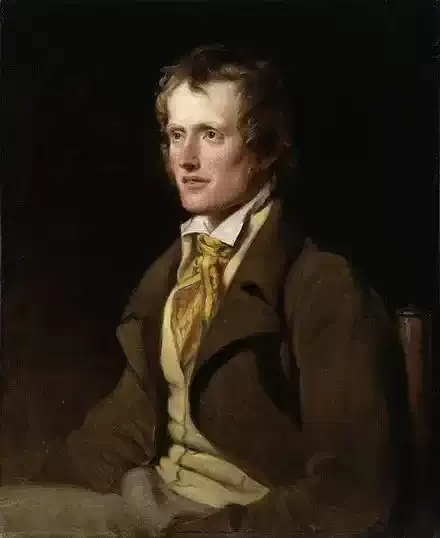
John Clare
May
May
Come queen of months in company
Wi all thy merry minstrelsy
The restless cuckoo absent long
And twittering swallows chimney song
And hedge row crickets notes that run
From every bank that fronts the sun
And swathy bees about the grass
That stops wi every bloom they pass
And every minute every hour
Keep teazing weeds that wear a flower
And toil and childhoods humming joys
For there is music in the noise
The village childern mad for sport
In school times leisure ever short
That crick and catch the bouncing ball
And run along the church yard wall
Capt wi rude figured slabs whose claims
In times bad memory hath no names
Oft racing round the nookey church
Or calling ecchos in the porch
And jilting oer the weather cock
Viewing wi jealous eyes the clock
Oft leaping grave stones leaning hights
Uncheckt wi mellancholy sights
The green grass swelld in many a heap
Where kin and friends and parents sleep
Unthinking in their jovial cry
That time shall come when they shall lye
As lowly and as still as they
While other boys above them play
Heedless as they do now to know
The unconcious dust that lies below
The shepherd goes wi happy stride
Wi moms long shadow by his side
Down the dryd lanes neath blooming may
That once was over shoes in clay
While martins twitter neath his eves
Which he at early morning leaves
The driving boy beside his team
Will oer the may month beauty dream
And cock his hat and turn his eye
On flower and tree and deepning skye
And oft bursts loud in fits of song
And whistles as he reels along
Crack[ing] his whip in starts of joy
A happy dirty driving boy
The youth who leaves his corner stool
Betimes for neighbouring village school
While as a mark to urge him right
The church spires all the way in sight
Wi cheerings from his parents given
Starts neath the joyous smiles of heaven
And sawns wi many an idle stand
Wi bookbag swinging in his hand
And gazes as he passes bye
On every thing that meets his eye
Young lambs seem tempting him to play
Dancing and bleating in his way
Wi trembling tails and pointed ears
They follow him and loose their fears
He smiles upon their sunny faces
And feign woud join their happy races
The birds that sing on bush and tree
Seem chirping for his company
And all in fancys idle whim
Seem keeping holiday but him
He lolls upon each resting stile
To see the fields so sweetly smile
To see the wheat grow green and long
And list the weeders toiling song
Or short not[e] of the changing thrush
Above him in the white thorn bush
That oer the leaning stile bends low
Loaded wi mockery of snow
Mozzld wi many a lushing thread
Of crab tree blossoms delicate red
He often bends wi many a wish
Oer the brig rail to view the fish
Go sturting by in sunny gleams
And chucks in the eye dazzld streams
Crumbs from his pocket oft to watch
The swarming struttle come to catch
Them where they to the bottom sile
Sighing in fancys joy the while
Hes cautiond not to stand so nigh
By rosey milkmaid tripping bye
Where he admires wi fond delight
And longs to be there mute till night
He often ventures thro the day
At truant now and then to play
Rambling about the field and plain
Seeking larks nests in the grain
And picking flowers and boughs of may
To hurd awhile and throw away
Lurking neath bushes from the sight
Of tell tale eyes till schools noon night
Listing each hour for church clocks hum
To know the hour to wander home
That parents may not think him long
Nor dream of his rude doing wrong
Dreading thro the night wi dreaming pain
To meet his masters wand again
Each hedge is loaded thick wi green
And where the hedger late hath been
Tender shoots begin to grow
From the mossy stumps below
While sheep and cow that teaze the grain
will nip them to the root again
They lay their bill and mittens bye
And on to other labours hie
While wood men still on spring intrudes
And thins the shadow solitudes
Wi sharpend axes felling down
The oak trees budding into brown
Where as they crash upon the ground
A crowd of labourers gather round
And mix among the shadows dark
To rip the crackling staining bark
From off the tree and lay when done
The rolls in lares to meet the sun
Depriving yearly where they come
The green wood pecker of its home
That early in the spring began
Far from the sight of troubling man
And bord their round holes in each tree
In fancys sweet security
Till startld wi the woodmans noise
It wakes from all its dreaming joys
The blue bells too that thickly bloom
Where man was never feared to come
And smell smocks that from view retires
Mong rustling leaves and bowing briars
And stooping lilys of the valley
That comes wi shades and dews to dally
White beady drops on slender threads
Wi broad hood leaves above their heads
Like white robd maids in summer hours
Neath umberellas shunning showers
These neath the barkmens crushing treads
Oft perish in their blooming beds
Thus stript of boughs and bark in white
Their trunks shine in the mellow light
Beneath the green surviving trees
That wave above them in the breeze
And waking whispers slowly bends
As if they mournd their fallen friends
Each morning now the weeders meet
To cut the thistle from the wheat
And ruin in the sunny hours
Full many wild weeds of their flowers
Corn poppys that in crimson dwell
Calld 'head achs' from their sickly smell
And carlock yellow as the sun
That oer the may fields thickly run
And 'iron weed' content to share
The meanest spot that spring can spare
Een roads where danger hourly comes
Is not wi out its purple blooms
And leaves wi points like thistles round
Thickset that have no strength to wound
That shrink to childhoods eager hold
Like hair-and with its eye of gold
And scarlet starry points of flowers
Pimpernel dreading nights and showers
Oft calld 'the shepherds weather glass'
That sleep till suns have dyd the grass
Then wakes and spreads its creeping bloom
Till clouds or threatning shadows come
Then close it shuts to sleep again
Which weeders see and talk of rain
And boys that mark them shut so soon
will call them 'John go bed at noon
And fumitory too a name
That superstition holds to fame
Whose red and purple mottled flowers
Are cropt by maids in weeding hours
To boil in water milk and way1
For washes on an holiday
To make their beauty fair and sleak
And scour the tan from summers cheek
And simple small forget me not
Eyd wi a pinshead yellow spot
I'th'2 middle of its tender blue
That gains from poets notice due
These flowers the toil by crowds destroys
And robs them of their lowly joys
That met the may wi hopes as sweet
As those her suns in gardens meet
And oft the dame will feel inclind
As childhoods memory comes to mind
To turn her hook away and spare
The blooms it lovd to gather there
My wild field catalogue of flowers
Grows in my ryhmes as thick as showers
Tedious and long as they may be
To some, they never weary me
The wood and mead and field of grain
I coud hunt oer and oer again
And talk to every blossom wild
Fond as a parent to a child
And cull them in my childish joy
By swarms and swarms and never cloy
When their lank shades oer morning pearls
Shrink from their lengths to little girls
And like the clock hand pointing one
Is turnd and tells the morning gone
They leave their toils for dinners hour
Beneath some hedges bramble bower
And season sweet their savory meals
Wi joke and tale and merry peals
Of ancient tunes from happy tongues
While linnets join their fitful songs
Perchd oer their heads in frolic play
Among the tufts of motling may
The young girls whisper things of love
And from the old dames hearing move
Oft making 'love knotts' in the shade
Of blue green oat or wheaten blade
And trying simple charms and spells
That rural superstition tells
They pull the little blossom threads
From out the knapweeds button heads
And put the husk wi many a smile
In their white bosoms for awhile
Who if they guess aright the swain
That loves sweet fancys trys to gain
Tis said that ere its lain an hour
Twill blossom wi a second flower
And from her white breasts hankerchief
Bloom as they ne'er had lost a leaf
When signs appear that token wet
As they are neath the bushes met
The girls are glad wi hopes of play
And harping of the holiday
A hugh blue bird will often swim
Along the wheat when skys grow dim
Wi clouds-slow as the gales of spring
In motion wi dark shadowd wing
Beneath the coming storm it sails
And lonly chirps the wheat hid quails
That came to live wi spring again
And start when summer browns the grain
They start the young girls joys afloat
Wi 'wet my foot' its yearly note
So fancy doth the sound explain
And proves it oft a sign of rain
About the moor 'mong sheep and cow
The boy or old man wanders now
Hunting all day wi hopful pace
Each thick sown rushy thistly place
For plover eggs while oer them flye
The fearful birds wi teazing cry
Trying to lead their steps astray
And coying him another way
And be the weather chill or warm
Wi brown hats truckd beneath his arm
Holding each prize their search has won
They plod bare headed to the sun
Now dames oft bustle from their wheels
Wi childern scampering at their heels
To watch the bees that hang and swive
In clumps about each thronging hive
And flit and thicken in the light
While the old dame enjoys the sight
And raps the while their warming pans
A spell that superstition plans
To coax them in the garden bounds
As if they lovd the tinkling sounds
And oft one hears the dinning noise
Which dames believe each swarm decoys
Around each village day by day
Mingling in the warmth of may
Sweet scented herbs her skill contrives
To rub the bramble platted hives
Fennels thread leaves and crimpld balm
To scent the new house of the swarm
The thresher dull as winter days
And lost to all that spring displays
Still mid his barn dust forcd to stand
Swings his frail round wi weary hand
While oer his head shades thickly creep
And hides the blinking owl asleep
And bats in cobweb corners bred
Sharing till night their murky bed
The sunshine trickles on the floor
Thro every crevice of the door
And makes his barn where shadows dwell
As irksome as a prisoners cell
And as he seeks his daily meal
As schoolboys from their tasks will steal
ile often stands in fond delay
To see the daisy in his way
And wild weeds flowering on the wall
That will his childish sports recall
Of all the joys that came wi spring
The twirling top the marble ring
The gingling halfpence hussld up
At pitch and toss the eager stoop
To pick up heads, the smuggeld plays
Neath hovels upon sabbath days
When parson he is safe from view
And clerk sings amen in his pew
The sitting down when school was oer
Upon the threshold by his door
Picking from mallows sport to please
Each crumpld seed he calld a cheese
And hunting from the stackyard sod
The stinking hen banes belted pod
By youths vain fancys sweetly fed
Christning them his loaves of bread
He sees while rocking down the street
Wi weary hands and crimpling feet
Young childern at the self same games
And hears the self same simple names
Still floating on each happy tongue
Touchd wi the simple scene so strong
Tears almost start and many a sigh
Regrets the happiness gone bye
And in sweet natures holiday
His heart is sad while all is gay
How lovly now are lanes and balks
For toils and lovers sunday walks
The daisey and the buttercup
For which the laughing childern stoop
A hundred times throughout the day
In their rude ramping summer play
So thickly now the pasture crowds
In gold and silver sheeted clouds
As if the drops in april showers
Had woo'd the sun and swoond to flowers
The brook resumes its summer dresses
Purling neath grass and water cresses
And mint and flag leaf swording high
Their blooms to the unheeding eye
And taper bowbent hanging rushes
And horse tail childerns bottle brushes
And summer tracks about its brink
Is fresh again where cattle drink
And on its sunny bank the swain
Stretches his idle length again
Soon as the sun forgets the day
The moon looks down on the lovly may
And the little star his friend and guide
Travelling together side by side
And the seven stars and charleses wain1
Hangs smiling oer green woods agen
The heaven rekindles all alive
Wi light the may bees round the hive
Swarm not so thick in mornings eye
As stars do in the evening skye
All all are nestling in their joys
The flowers and birds and pasture boys
The firetail, long a stranger, comes
To his last summer haunts and homes
To hollow tree and crevisd wall
And in the grass the rails odd call
That featherd spirit stops the swain
To listen to his note again
And school boy still in vain retraces
The secrets of his hiding places
In the black thorns crowded cops~e1
Thro its varied turns and stops
The nightingale its ditty weaves
Hid in a multitude of leaves
The boy stops short to hear the strain
And 'sweet jug jug' he mocks again
The yellow hammer builds its nest
By banks where sun beams earliest rest
That drys the dews from off the grass
Shading it from all that pass
Save the rude boy wi ferret gaze
That hunts thro evry secret maze
He finds its pencild eggs agen
All streakd wi lines as if a pen
By natures freakish hand was took
To scrawl them over like a book
And from these many mozzling marks
The school boy names them 'writing larks'
Bum barrels twit on bush and tree
Scarse bigger then a bumble bee
And in a white thorns leafy rest
It builds its curious pudding-nest
Wi hole beside as if a mouse
Had built the little barrel house
Toiling full many a lining feather
And bits of grey tree moss together
Amid the noisey rooky park
Beneath the firdales branches dark
The little golden crested wren
Hangs up his glowing nest agen
And sticks it to the furry leaves
As martins theirs beneath the eaves
The old hens leave the roost betimes
And oer the garden pailing climbs
To scrat the gardens fresh turnd soil
And if unwatchd his crops to spoil
Oft cackling from the prison yard
To peck about the houseclose sward
Catching at butterflys and things
Ere they have time to try their wings
The cattle feels the breath of may
And kick and toss their heads in play
The ass beneath his bags of sand
Oft jerks the string from leaders hand
And on the road will eager stoop
To pick the sprouting thistle up
Oft answering on his weary way
Some distant neighbours sobbing bray
Dining the ears of driving boy
As if he felt a fit of joy
Wi in its pinfold circle left
Of all its company bereft
Starvd stock no longer noising round
Lone in the nooks of foddering ground
Each skeleton of lingering stack
By winters tempests beaten black
Nodds upon props or bolt upright
Stands swarthy in the summer light
And oer the green grass seems to lower
Like stump of old time wasted tower
All that in winter lookd for hay
Spread from their batterd haunts away
To pick the grass or lye at lare
Beneath the mild hedge shadows there
Sweet month that gives a welcome call
To toil and nature and to all
Yet one day mid thy many joys
Is dead to all its sport and noise
Old may day where's thy glorys gone
All fled and left thee every one
Thou comst to thy old haunts and homes
Unnoticd as a stranger comes
No flowers are pluckt to hail the now
Nor cotter seeks a single bough
The maids no more on thy sweet morn
Awake their thresholds to adorn
Wi dewey flowers-May locks new come
And princifeathers cluttering bloom
And blue bells from the woodland moss
And cowslip cucking balls to toss
Above the garlands swinging hight
Hang in the soft eves sober light
These maid and child did yearly pull
By many a folded apron full
But all is past the merry song
Of maidens hurrying along
To crown at eve the earliest cow
Is gone and dead and silent now
The laugh raisd at the mocking thorn
Tyd to the cows tail last that morn
The kerchief at arms length displayd
Held up by pairs of swain and maid
While others bolted underneath
Bawling loud wi panting breath
'Duck under water' as they ran
Alls ended as they ne'er began
While the new thing that took thy place
Wears faded smiles upon its face
And where enclosure has its birth
It spreads a mildew oer her mirth
The herd no longer one by one
Goes plodding on her morning way
And garlands lost and sports nigh gone
Leaves her like thee a common day
Yet summer smiles upon thee still
Wi natures sweet unalterd will
And at thy births unworshipd hours
Fills her green lap wi swarms of flowers
To crown thee still as thou hast been
Of spring and summer months the queen.
Come queen of months in company
Wi all thy merry minstrelsy
The restless cuckoo absent long
And twittering swallows chimney song
And hedge row crickets notes that run
From every bank that fronts the sun
And swathy bees about the grass
That stops wi every bloom they pass
And every minute every hour
Keep teazing weeds that wear a flower
And toil and childhoods humming joys
For there is music in the noise
The village childern mad for sport
In school times leisure ever short
That crick and catch the bouncing ball
And run along the church yard wall
Capt wi rude figured slabs whose claims
In times bad memory hath no names
Oft racing round the nookey church
Or calling ecchos in the porch
And jilting oer the weather cock
Viewing wi jealous eyes the clock
Oft leaping grave stones leaning hights
Uncheckt wi mellancholy sights
The green grass swelld in many a heap
Where kin and friends and parents sleep
Unthinking in their jovial cry
That time shall come when they shall lye
As lowly and as still as they
While other boys above them play
Heedless as they do now to know
The unconcious dust that lies below
The shepherd goes wi happy stride
Wi moms long shadow by his side
Down the dryd lanes neath blooming may
That once was over shoes in clay
While martins twitter neath his eves
Which he at early morning leaves
The driving boy beside his team
Will oer the may month beauty dream
And cock his hat and turn his eye
On flower and tree and deepning skye
And oft bursts loud in fits of song
And whistles as he reels along
Crack[ing] his whip in starts of joy
A happy dirty driving boy
The youth who leaves his corner stool
Betimes for neighbouring village school
While as a mark to urge him right
The church spires all the way in sight
Wi cheerings from his parents given
Starts neath the joyous smiles of heaven
And sawns wi many an idle stand
Wi bookbag swinging in his hand
And gazes as he passes bye
On every thing that meets his eye
Young lambs seem tempting him to play
Dancing and bleating in his way
Wi trembling tails and pointed ears
They follow him and loose their fears
He smiles upon their sunny faces
And feign woud join their happy races
The birds that sing on bush and tree
Seem chirping for his company
And all in fancys idle whim
Seem keeping holiday but him
He lolls upon each resting stile
To see the fields so sweetly smile
To see the wheat grow green and long
And list the weeders toiling song
Or short not[e] of the changing thrush
Above him in the white thorn bush
That oer the leaning stile bends low
Loaded wi mockery of snow
Mozzld wi many a lushing thread
Of crab tree blossoms delicate red
He often bends wi many a wish
Oer the brig rail to view the fish
Go sturting by in sunny gleams
And chucks in the eye dazzld streams
Crumbs from his pocket oft to watch
The swarming struttle come to catch
Them where they to the bottom sile
Sighing in fancys joy the while
Hes cautiond not to stand so nigh
By rosey milkmaid tripping bye
Where he admires wi fond delight
And longs to be there mute till night
He often ventures thro the day
At truant now and then to play
Rambling about the field and plain
Seeking larks nests in the grain
And picking flowers and boughs of may
To hurd awhile and throw away
Lurking neath bushes from the sight
Of tell tale eyes till schools noon night
Listing each hour for church clocks hum
To know the hour to wander home
That parents may not think him long
Nor dream of his rude doing wrong
Dreading thro the night wi dreaming pain
To meet his masters wand again
Each hedge is loaded thick wi green
And where the hedger late hath been
Tender shoots begin to grow
From the mossy stumps below
While sheep and cow that teaze the grain
will nip them to the root again
They lay their bill and mittens bye
And on to other labours hie
While wood men still on spring intrudes
And thins the shadow solitudes
Wi sharpend axes felling down
The oak trees budding into brown
Where as they crash upon the ground
A crowd of labourers gather round
And mix among the shadows dark
To rip the crackling staining bark
From off the tree and lay when done
The rolls in lares to meet the sun
Depriving yearly where they come
The green wood pecker of its home
That early in the spring began
Far from the sight of troubling man
And bord their round holes in each tree
In fancys sweet security
Till startld wi the woodmans noise
It wakes from all its dreaming joys
The blue bells too that thickly bloom
Where man was never feared to come
And smell smocks that from view retires
Mong rustling leaves and bowing briars
And stooping lilys of the valley
That comes wi shades and dews to dally
White beady drops on slender threads
Wi broad hood leaves above their heads
Like white robd maids in summer hours
Neath umberellas shunning showers
These neath the barkmens crushing treads
Oft perish in their blooming beds
Thus stript of boughs and bark in white
Their trunks shine in the mellow light
Beneath the green surviving trees
That wave above them in the breeze
And waking whispers slowly bends
As if they mournd their fallen friends
Each morning now the weeders meet
To cut the thistle from the wheat
And ruin in the sunny hours
Full many wild weeds of their flowers
Corn poppys that in crimson dwell
Calld 'head achs' from their sickly smell
And carlock yellow as the sun
That oer the may fields thickly run
And 'iron weed' content to share
The meanest spot that spring can spare
Een roads where danger hourly comes
Is not wi out its purple blooms
And leaves wi points like thistles round
Thickset that have no strength to wound
That shrink to childhoods eager hold
Like hair-and with its eye of gold
And scarlet starry points of flowers
Pimpernel dreading nights and showers
Oft calld 'the shepherds weather glass'
That sleep till suns have dyd the grass
Then wakes and spreads its creeping bloom
Till clouds or threatning shadows come
Then close it shuts to sleep again
Which weeders see and talk of rain
And boys that mark them shut so soon
will call them 'John go bed at noon
And fumitory too a name
That superstition holds to fame
Whose red and purple mottled flowers
Are cropt by maids in weeding hours
To boil in water milk and way1
For washes on an holiday
To make their beauty fair and sleak
And scour the tan from summers cheek
And simple small forget me not
Eyd wi a pinshead yellow spot
I'th'2 middle of its tender blue
That gains from poets notice due
These flowers the toil by crowds destroys
And robs them of their lowly joys
That met the may wi hopes as sweet
As those her suns in gardens meet
And oft the dame will feel inclind
As childhoods memory comes to mind
To turn her hook away and spare
The blooms it lovd to gather there
My wild field catalogue of flowers
Grows in my ryhmes as thick as showers
Tedious and long as they may be
To some, they never weary me
The wood and mead and field of grain
I coud hunt oer and oer again
And talk to every blossom wild
Fond as a parent to a child
And cull them in my childish joy
By swarms and swarms and never cloy
When their lank shades oer morning pearls
Shrink from their lengths to little girls
And like the clock hand pointing one
Is turnd and tells the morning gone
They leave their toils for dinners hour
Beneath some hedges bramble bower
And season sweet their savory meals
Wi joke and tale and merry peals
Of ancient tunes from happy tongues
While linnets join their fitful songs
Perchd oer their heads in frolic play
Among the tufts of motling may
The young girls whisper things of love
And from the old dames hearing move
Oft making 'love knotts' in the shade
Of blue green oat or wheaten blade
And trying simple charms and spells
That rural superstition tells
They pull the little blossom threads
From out the knapweeds button heads
And put the husk wi many a smile
In their white bosoms for awhile
Who if they guess aright the swain
That loves sweet fancys trys to gain
Tis said that ere its lain an hour
Twill blossom wi a second flower
And from her white breasts hankerchief
Bloom as they ne'er had lost a leaf
When signs appear that token wet
As they are neath the bushes met
The girls are glad wi hopes of play
And harping of the holiday
A hugh blue bird will often swim
Along the wheat when skys grow dim
Wi clouds-slow as the gales of spring
In motion wi dark shadowd wing
Beneath the coming storm it sails
And lonly chirps the wheat hid quails
That came to live wi spring again
And start when summer browns the grain
They start the young girls joys afloat
Wi 'wet my foot' its yearly note
So fancy doth the sound explain
And proves it oft a sign of rain
About the moor 'mong sheep and cow
The boy or old man wanders now
Hunting all day wi hopful pace
Each thick sown rushy thistly place
For plover eggs while oer them flye
The fearful birds wi teazing cry
Trying to lead their steps astray
And coying him another way
And be the weather chill or warm
Wi brown hats truckd beneath his arm
Holding each prize their search has won
They plod bare headed to the sun
Now dames oft bustle from their wheels
Wi childern scampering at their heels
To watch the bees that hang and swive
In clumps about each thronging hive
And flit and thicken in the light
While the old dame enjoys the sight
And raps the while their warming pans
A spell that superstition plans
To coax them in the garden bounds
As if they lovd the tinkling sounds
And oft one hears the dinning noise
Which dames believe each swarm decoys
Around each village day by day
Mingling in the warmth of may
Sweet scented herbs her skill contrives
To rub the bramble platted hives
Fennels thread leaves and crimpld balm
To scent the new house of the swarm
The thresher dull as winter days
And lost to all that spring displays
Still mid his barn dust forcd to stand
Swings his frail round wi weary hand
While oer his head shades thickly creep
And hides the blinking owl asleep
And bats in cobweb corners bred
Sharing till night their murky bed
The sunshine trickles on the floor
Thro every crevice of the door
And makes his barn where shadows dwell
As irksome as a prisoners cell
And as he seeks his daily meal
As schoolboys from their tasks will steal
ile often stands in fond delay
To see the daisy in his way
And wild weeds flowering on the wall
That will his childish sports recall
Of all the joys that came wi spring
The twirling top the marble ring
The gingling halfpence hussld up
At pitch and toss the eager stoop
To pick up heads, the smuggeld plays
Neath hovels upon sabbath days
When parson he is safe from view
And clerk sings amen in his pew
The sitting down when school was oer
Upon the threshold by his door
Picking from mallows sport to please
Each crumpld seed he calld a cheese
And hunting from the stackyard sod
The stinking hen banes belted pod
By youths vain fancys sweetly fed
Christning them his loaves of bread
He sees while rocking down the street
Wi weary hands and crimpling feet
Young childern at the self same games
And hears the self same simple names
Still floating on each happy tongue
Touchd wi the simple scene so strong
Tears almost start and many a sigh
Regrets the happiness gone bye
And in sweet natures holiday
His heart is sad while all is gay
How lovly now are lanes and balks
For toils and lovers sunday walks
The daisey and the buttercup
For which the laughing childern stoop
A hundred times throughout the day
In their rude ramping summer play
So thickly now the pasture crowds
In gold and silver sheeted clouds
As if the drops in april showers
Had woo'd the sun and swoond to flowers
The brook resumes its summer dresses
Purling neath grass and water cresses
And mint and flag leaf swording high
Their blooms to the unheeding eye
And taper bowbent hanging rushes
And horse tail childerns bottle brushes
And summer tracks about its brink
Is fresh again where cattle drink
And on its sunny bank the swain
Stretches his idle length again
Soon as the sun forgets the day
The moon looks down on the lovly may
And the little star his friend and guide
Travelling together side by side
And the seven stars and charleses wain1
Hangs smiling oer green woods agen
The heaven rekindles all alive
Wi light the may bees round the hive
Swarm not so thick in mornings eye
As stars do in the evening skye
All all are nestling in their joys
The flowers and birds and pasture boys
The firetail, long a stranger, comes
To his last summer haunts and homes
To hollow tree and crevisd wall
And in the grass the rails odd call
That featherd spirit stops the swain
To listen to his note again
And school boy still in vain retraces
The secrets of his hiding places
In the black thorns crowded cops~e1
Thro its varied turns and stops
The nightingale its ditty weaves
Hid in a multitude of leaves
The boy stops short to hear the strain
And 'sweet jug jug' he mocks again
The yellow hammer builds its nest
By banks where sun beams earliest rest
That drys the dews from off the grass
Shading it from all that pass
Save the rude boy wi ferret gaze
That hunts thro evry secret maze
He finds its pencild eggs agen
All streakd wi lines as if a pen
By natures freakish hand was took
To scrawl them over like a book
And from these many mozzling marks
The school boy names them 'writing larks'
Bum barrels twit on bush and tree
Scarse bigger then a bumble bee
And in a white thorns leafy rest
It builds its curious pudding-nest
Wi hole beside as if a mouse
Had built the little barrel house
Toiling full many a lining feather
And bits of grey tree moss together
Amid the noisey rooky park
Beneath the firdales branches dark
The little golden crested wren
Hangs up his glowing nest agen
And sticks it to the furry leaves
As martins theirs beneath the eaves
The old hens leave the roost betimes
And oer the garden pailing climbs
To scrat the gardens fresh turnd soil
And if unwatchd his crops to spoil
Oft cackling from the prison yard
To peck about the houseclose sward
Catching at butterflys and things
Ere they have time to try their wings
The cattle feels the breath of may
And kick and toss their heads in play
The ass beneath his bags of sand
Oft jerks the string from leaders hand
And on the road will eager stoop
To pick the sprouting thistle up
Oft answering on his weary way
Some distant neighbours sobbing bray
Dining the ears of driving boy
As if he felt a fit of joy
Wi in its pinfold circle left
Of all its company bereft
Starvd stock no longer noising round
Lone in the nooks of foddering ground
Each skeleton of lingering stack
By winters tempests beaten black
Nodds upon props or bolt upright
Stands swarthy in the summer light
And oer the green grass seems to lower
Like stump of old time wasted tower
All that in winter lookd for hay
Spread from their batterd haunts away
To pick the grass or lye at lare
Beneath the mild hedge shadows there
Sweet month that gives a welcome call
To toil and nature and to all
Yet one day mid thy many joys
Is dead to all its sport and noise
Old may day where's thy glorys gone
All fled and left thee every one
Thou comst to thy old haunts and homes
Unnoticd as a stranger comes
No flowers are pluckt to hail the now
Nor cotter seeks a single bough
The maids no more on thy sweet morn
Awake their thresholds to adorn
Wi dewey flowers-May locks new come
And princifeathers cluttering bloom
And blue bells from the woodland moss
And cowslip cucking balls to toss
Above the garlands swinging hight
Hang in the soft eves sober light
These maid and child did yearly pull
By many a folded apron full
But all is past the merry song
Of maidens hurrying along
To crown at eve the earliest cow
Is gone and dead and silent now
The laugh raisd at the mocking thorn
Tyd to the cows tail last that morn
The kerchief at arms length displayd
Held up by pairs of swain and maid
While others bolted underneath
Bawling loud wi panting breath
'Duck under water' as they ran
Alls ended as they ne'er began
While the new thing that took thy place
Wears faded smiles upon its face
And where enclosure has its birth
It spreads a mildew oer her mirth
The herd no longer one by one
Goes plodding on her morning way
And garlands lost and sports nigh gone
Leaves her like thee a common day
Yet summer smiles upon thee still
Wi natures sweet unalterd will
And at thy births unworshipd hours
Fills her green lap wi swarms of flowers
To crown thee still as thou hast been
Of spring and summer months the queen.
404
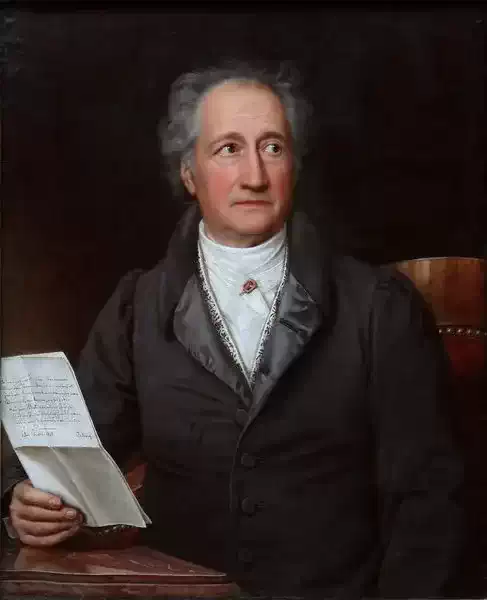
Johann Wolfgang von Goethe
The Exchange
The Exchange
THE stones in the streamlet I make my bright pillow,
And open my arms to the swift-rolling billow,
That lovingly hastens to fall on my breast.
Then fickleness soon bids it onwards be flowing;
A second draws nigh, its caresses bestowing,--
And so by a twofold enjoyment I'm blest.
And yet thou art trailing in sorrow and sadness
The moments that life, as it flies, gave for gladness,
Because by thy love thou'rt remember'd no more!
Oh, call back to mind former days and their blisses!
The lips of the second will give as sweet kisses
As any the lips of the first gave before!
THE stones in the streamlet I make my bright pillow,
And open my arms to the swift-rolling billow,
That lovingly hastens to fall on my breast.
Then fickleness soon bids it onwards be flowing;
A second draws nigh, its caresses bestowing,--
And so by a twofold enjoyment I'm blest.
And yet thou art trailing in sorrow and sadness
The moments that life, as it flies, gave for gladness,
Because by thy love thou'rt remember'd no more!
Oh, call back to mind former days and their blisses!
The lips of the second will give as sweet kisses
As any the lips of the first gave before!
422
Johann Wolfgang von Goethe
Book Of Contemplation - Five Things
Book Of Contemplation - Five Things
WHAT makes time short to me?
Activity!
What makes it long and spiritless?
'Tis idleness!
What brings us to debt?
To delay and forget!
What makes us succeed?
Decision with speed
How to fame to ascend?
Oneself to defend!
WHAT makes time short to me?
Activity!
What makes it long and spiritless?
'Tis idleness!
What brings us to debt?
To delay and forget!
What makes us succeed?
Decision with speed
How to fame to ascend?
Oneself to defend!
402
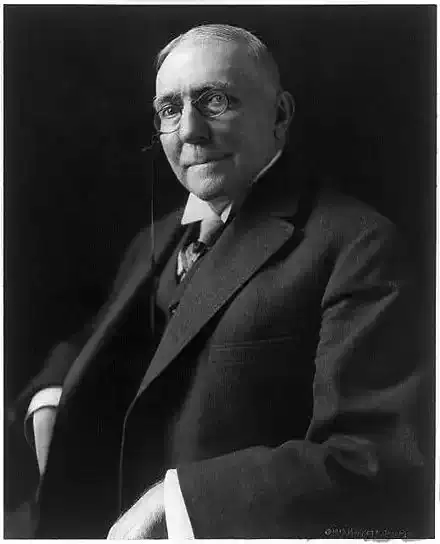
James Whitcomb Riley
Time
Time
1
The ticking-- ticking-- ticking of the clock--!
That vexed me so last night--! 'For though Time keeps
Such drowsy watch,' I moaned, 'he never sleeps,
But only nods above the world to mock
Its restless occupant, then rudely rock
It as the cradle of a babe that weeps!'
I seemed to see the seconds piled in heaps
Like sand about me; and at every shock
O' the bell, the piled sands were swirled away
As by a desert-storm that swept the earth
Stark as a granary floor, whereon the gray
And mist-bedrizzled moon amidst the dearth
Came crawling, like a sickly child, to lay
Its pale face next mine own and weep for day.
2
Wait for the morning! Ah! We wait indeed
For daylight, we who toss about through stress
Of vacant-armed desires and emptiness
Of all the warm, warm touches that we need,
And the warm kisses upon which we feed
Our famished lips in fancy! May God bless
The starved lips of us with but one caress
Warm as the yearning blood our poor hearts bleed...!
A wild prayer--! Bite thy pillow, praying so--
Toss this side, and whirl that, and moan for dawn;
Let the clock's seconds dribble out their woe,
And Time be drained of sorrow! Long ago
We heard the crowing cock, with answer drawn
As hoarsely sad at throat as sobs... Pray on!
1
The ticking-- ticking-- ticking of the clock--!
That vexed me so last night--! 'For though Time keeps
Such drowsy watch,' I moaned, 'he never sleeps,
But only nods above the world to mock
Its restless occupant, then rudely rock
It as the cradle of a babe that weeps!'
I seemed to see the seconds piled in heaps
Like sand about me; and at every shock
O' the bell, the piled sands were swirled away
As by a desert-storm that swept the earth
Stark as a granary floor, whereon the gray
And mist-bedrizzled moon amidst the dearth
Came crawling, like a sickly child, to lay
Its pale face next mine own and weep for day.
2
Wait for the morning! Ah! We wait indeed
For daylight, we who toss about through stress
Of vacant-armed desires and emptiness
Of all the warm, warm touches that we need,
And the warm kisses upon which we feed
Our famished lips in fancy! May God bless
The starved lips of us with but one caress
Warm as the yearning blood our poor hearts bleed...!
A wild prayer--! Bite thy pillow, praying so--
Toss this side, and whirl that, and moan for dawn;
Let the clock's seconds dribble out their woe,
And Time be drained of sorrow! Long ago
We heard the crowing cock, with answer drawn
As hoarsely sad at throat as sobs... Pray on!
332
James Whitcomb Riley
The Rose
The Rose
It tossed its head at the wooing breeze;
And the sun, like a bashful swain,
Beamed on it through the waving trees
With a passion all in vain,--
For my rose laughed in a crimson glee,
And hid in the leaves in wait for me.
The honey-bee came there to sing
His love through the languid hours,
And vaunt of his hives, as a proud old king
Might boast of his palace-towers:
But my rose bowed in a mockery,
And hid in the leaves in wait for me.
The humming-bird, like a courtier gay,
Dipped down with a dalliant song,
And twanged his wings through the roundelay
Of love the whole day long:
Yet my rose turned from his minstrelsy
And hid in the leaves in wait for me.
The firefly came in the twilight dim
My red, red rose to woo--
Till quenched was the flame of love in him,
And the light of his lantern too,
As my rose wept with dewdrops three
And hid in the leaves in wait for me.
And I said: I will cull my own sweet rose--
Some day I will claim as mine
The priceless worth of the flower that knows
No change, but a bloom divine--
The bloom of a fadeless constancy
That hides in the leaves in wait for me!
But time passed by in a strange disguise,
And I marked it not, but lay
In a lazy dream, with drowsy eyes,
Till the summer slipped away,
And a chill wind sang in a minor key:
'Where is the rose that waits for thee?'
. . . . . . . .
I dream to-day, o'er a purple stain
Of bloom on a withered stalk,
Pelted down by the autumn rain
In the dust of the garden-walk,
That an Angel-rose in the world to be
Will hide in the leaves in wait for me.
It tossed its head at the wooing breeze;
And the sun, like a bashful swain,
Beamed on it through the waving trees
With a passion all in vain,--
For my rose laughed in a crimson glee,
And hid in the leaves in wait for me.
The honey-bee came there to sing
His love through the languid hours,
And vaunt of his hives, as a proud old king
Might boast of his palace-towers:
But my rose bowed in a mockery,
And hid in the leaves in wait for me.
The humming-bird, like a courtier gay,
Dipped down with a dalliant song,
And twanged his wings through the roundelay
Of love the whole day long:
Yet my rose turned from his minstrelsy
And hid in the leaves in wait for me.
The firefly came in the twilight dim
My red, red rose to woo--
Till quenched was the flame of love in him,
And the light of his lantern too,
As my rose wept with dewdrops three
And hid in the leaves in wait for me.
And I said: I will cull my own sweet rose--
Some day I will claim as mine
The priceless worth of the flower that knows
No change, but a bloom divine--
The bloom of a fadeless constancy
That hides in the leaves in wait for me!
But time passed by in a strange disguise,
And I marked it not, but lay
In a lazy dream, with drowsy eyes,
Till the summer slipped away,
And a chill wind sang in a minor key:
'Where is the rose that waits for thee?'
. . . . . . . .
I dream to-day, o'er a purple stain
Of bloom on a withered stalk,
Pelted down by the autumn rain
In the dust of the garden-walk,
That an Angel-rose in the world to be
Will hide in the leaves in wait for me.
336
Horácio
BkIV:VII Diffugere Nives
BkIV:VII Diffugere Nives
The snow has vanished, already the grass returns to the fields,
and the leaves to the branches:
earth alters its state, and the steadily lessening rivers
slide quietly past their banks:
The Grace, and the Nymphs, with both of her sisters, is daring enough,
leading her dancers, naked.
The year, and the hour that snatches the kindly day away, warn you:
don’t hope for undying things.
Winter gives way to the westerly winds, spring’s trampled to ruin
by summer, and in its turn
fruitful autumn pours out its harvest, barely a moment before
lifeless winter is back again.
Yet swift moons are always repairing celestial losses:
while, when we have descended
to virtuous Aeneas, to rich Tullus and Ancus, our kings,
we’re only dust and shadow.
Who knows whether the gods above will add tomorrow’s hours
to the total of today?
All those you devote to a friendly spirit will escape from
the grasping hands of your heirs.
When once you’re dead, my Torquatus, and Minos pronounces
his splendid judgement on you,
no family, no eloquence, no righteousness even,
can restore you again:
Persephone never frees Hippolytus, chaste as he is,
from the shadow of darkness,
nor has Theseus, for his dear Pirithous, the power to
shatter those Lethean chains.
The snow has vanished, already the grass returns to the fields,
and the leaves to the branches:
earth alters its state, and the steadily lessening rivers
slide quietly past their banks:
The Grace, and the Nymphs, with both of her sisters, is daring enough,
leading her dancers, naked.
The year, and the hour that snatches the kindly day away, warn you:
don’t hope for undying things.
Winter gives way to the westerly winds, spring’s trampled to ruin
by summer, and in its turn
fruitful autumn pours out its harvest, barely a moment before
lifeless winter is back again.
Yet swift moons are always repairing celestial losses:
while, when we have descended
to virtuous Aeneas, to rich Tullus and Ancus, our kings,
we’re only dust and shadow.
Who knows whether the gods above will add tomorrow’s hours
to the total of today?
All those you devote to a friendly spirit will escape from
the grasping hands of your heirs.
When once you’re dead, my Torquatus, and Minos pronounces
his splendid judgement on you,
no family, no eloquence, no righteousness even,
can restore you again:
Persephone never frees Hippolytus, chaste as he is,
from the shadow of darkness,
nor has Theseus, for his dear Pirithous, the power to
shatter those Lethean chains.
233
Horácio
BkII:XIV Eheu Fugaces
BkII:XIV Eheu Fugaces
Oh how the years fly, Postumus, Postumus,
they’re slipping away, virtue brings no respite
from the wrinkles that furrow our brow,
impending old age, Death the invincible:
not even, my friend, if with three hundred bulls
every day, you appease pitiless Pluto,
jailor of three-bodied Geryon,
who imprisons Tityos by the sad
stream, that every one of us must sail over,
whoever we are that enjoy earth’s riches,
whether we’re wealthy, or whether we are
the most destitute of humble farmers.
In vain we’ll escape from bloodiest warfare,
from the breakers’ roar in the Adriatic,
in vain, on the autumn seas, we’ll fear
the southerly that shatters our bodies:
We’re destined to gaze at Cocytus, winding,
dark languid river: the infamous daughters
of Danaus: and at Sisyphus,
son of Aeolus, condemned to long toil.
We’re destined to leave earth, home, our loving wife,
nor will a single tree, that you planted here,
follow you, it’s briefly-known master,
except for the much-detested cypress.
A worthier heir will drink your Caecuban,
that cellar a hundred keys are protecting,
and stain the street with a vintage wine,
finer than those at the Pontiff’s table.
Oh how the years fly, Postumus, Postumus,
they’re slipping away, virtue brings no respite
from the wrinkles that furrow our brow,
impending old age, Death the invincible:
not even, my friend, if with three hundred bulls
every day, you appease pitiless Pluto,
jailor of three-bodied Geryon,
who imprisons Tityos by the sad
stream, that every one of us must sail over,
whoever we are that enjoy earth’s riches,
whether we’re wealthy, or whether we are
the most destitute of humble farmers.
In vain we’ll escape from bloodiest warfare,
from the breakers’ roar in the Adriatic,
in vain, on the autumn seas, we’ll fear
the southerly that shatters our bodies:
We’re destined to gaze at Cocytus, winding,
dark languid river: the infamous daughters
of Danaus: and at Sisyphus,
son of Aeolus, condemned to long toil.
We’re destined to leave earth, home, our loving wife,
nor will a single tree, that you planted here,
follow you, it’s briefly-known master,
except for the much-detested cypress.
A worthier heir will drink your Caecuban,
that cellar a hundred keys are protecting,
and stain the street with a vintage wine,
finer than those at the Pontiff’s table.
273
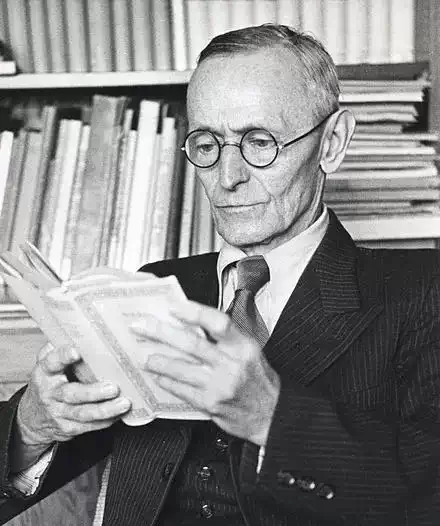
Hermann Hesse
A Swarm Of Gnats
A Swarm Of Gnats
Many thousand glittering motes
Crowd forward greedily together
In trembling circles.
Extravagantly carousing away
For a whole hour rapidly vanishing,
They rave, delirious, a shrill whir,
Shivering with joy against death.
While kingdoms, sunk into ruin,
Whose thrones, heavy with gold, instantly scattered
Into night and legend, without leaving a trace,
Have never known so fierce a dancing.
Translated by James Wright
Submitted by Holt
Many thousand glittering motes
Crowd forward greedily together
In trembling circles.
Extravagantly carousing away
For a whole hour rapidly vanishing,
They rave, delirious, a shrill whir,
Shivering with joy against death.
While kingdoms, sunk into ruin,
Whose thrones, heavy with gold, instantly scattered
Into night and legend, without leaving a trace,
Have never known so fierce a dancing.
Translated by James Wright
Submitted by Holt
645
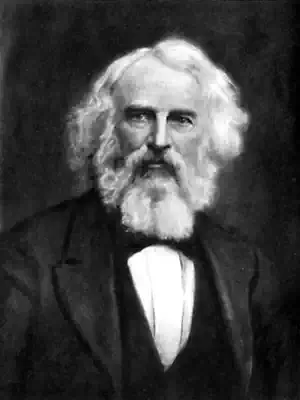
Henry Wadsworth Longfellow
Ultima Thule: The Tide Rises, The Tide Falls
Ultima Thule: The Tide Rises, The Tide Falls
The tide rises, the tide falls,
The twilight darkens, the curlew calls;
Along the sea-sands damp and brown
The traveller hastens toward the town,
And the tide rises, the tide falls.
Darkness settles on roofs and walls,
But the sea, the sea in the darkness calls;
The little waves, with their soft, white hands,
Efface the footprints in the sands,
And the tide rises, the tide falls.
The morning breaks; the steeds in their stalls
Stamp and neigh, as the hostler calls;
The day returns, but nevermore
Returns the traveller to the shore,
And the tide rises, the tide falls.
The tide rises, the tide falls,
The twilight darkens, the curlew calls;
Along the sea-sands damp and brown
The traveller hastens toward the town,
And the tide rises, the tide falls.
Darkness settles on roofs and walls,
But the sea, the sea in the darkness calls;
The little waves, with their soft, white hands,
Efface the footprints in the sands,
And the tide rises, the tide falls.
The morning breaks; the steeds in their stalls
Stamp and neigh, as the hostler calls;
The day returns, but nevermore
Returns the traveller to the shore,
And the tide rises, the tide falls.
210
Henry Wadsworth Longfellow
To Vittoria Colonna. (Sonnet V.)
To Vittoria Colonna. (Sonnet V.)
Lady, how can it chance--yet this we see
In long experience--that will longer last
A living image carved from quarries vast
Than its own maker, who dies presently?
Cause yieldeth to effect if this so be,
And even Nature is by Art at surpassed;
This know I, who to Art have given the past,
But see that Time is breaking faith with me.
Perhaps on both of us long life can I
Either in color or in stone bestow,
By now portraying each in look and mien;
So that a thousand years after we die,
How fair thou wast, and I how full of woe,
And wherefore I so loved thee, may be seen.
Lady, how can it chance--yet this we see
In long experience--that will longer last
A living image carved from quarries vast
Than its own maker, who dies presently?
Cause yieldeth to effect if this so be,
And even Nature is by Art at surpassed;
This know I, who to Art have given the past,
But see that Time is breaking faith with me.
Perhaps on both of us long life can I
Either in color or in stone bestow,
By now portraying each in look and mien;
So that a thousand years after we die,
How fair thou wast, and I how full of woe,
And wherefore I so loved thee, may be seen.
352
Henry Wadsworth Longfellow
Tide Rises, the Tide Falls, The
Tide Rises, the Tide Falls, The
The tide rises, the tide falls,
The twilight darkens, the curlew calls;
Along the sea-sands damp and brown
The traveler hastens toward the town,
And the tide rises, the tide falls.
Darkness settles on roofs and walls,
But the sea, the sea in darkness calls;
The little waves, with their soft, white hands
Efface the footprints in the sands,
And the tide rises, the tide falls.
The morning breaks; the steeds in their stalls
Stamp and neigh, as the hostler calls;
The day returns, but nevermore
Returns the traveler to the shore.
And the tide rises, the tide falls.
The tide rises, the tide falls,
The twilight darkens, the curlew calls;
Along the sea-sands damp and brown
The traveler hastens toward the town,
And the tide rises, the tide falls.
Darkness settles on roofs and walls,
But the sea, the sea in darkness calls;
The little waves, with their soft, white hands
Efface the footprints in the sands,
And the tide rises, the tide falls.
The morning breaks; the steeds in their stalls
Stamp and neigh, as the hostler calls;
The day returns, but nevermore
Returns the traveler to the shore.
And the tide rises, the tide falls.
301
Henry Wadsworth Longfellow
The Two Rivers
The Two Rivers
Slowly the hour-hand of the clock moves round;
So slowly that no human eye hath power
To see it move! Slowly in shine or shower
The painted ship above it, homeward bound,
Sails, but seems motionless, as if aground;
Yet both arrive at last; and in his tower
The slumberous watchman wakes and strikes the hour,
A mellow, measured, melancholy sound.
Midnight! the outpost of advancing day!
The frontier town and citadel of night!
The watershed of Time, from which the streams
Of Yesterday and To-morrow take their way,
One to the land of promise and of light,
One to the land of darkness and of dreams!
II.
O River of Yesterday, with current swift
Through chasms descending, and soon lost to sight,
I do not care to follow in their flight
The faded leaves, that on thy bosom drift!
O River of To-morrow, I uplift
Mine eyes, and thee I follow, as the night
Wanes into morning, and the dawning light
Broadens, and all the shadows fade and shift!
I follow, follow, where thy waters run
Through unfrequented, unfamiliar fields,
Fragrant with flowers and musical with song;
Still follow, follow; sure to meet the sun,
And confident, that what the future yields
Will be the right, unless myself be wrong.
III.
Yet not in vain, O River of Yesterday,
Through chasms of darkness to the deep descending,
I heard thee sobbing in the rain, and blending
Thy voice with other voices far away.
I called to thee, and yet thou wouldst not stay,
But turbulent, and with thyself contending,
And torrent-like thy force on pebbles spending,
Thou wouldst not listen to a poet's lay.
Thoughts, like a loud and sudden rush of wings,
Regrets and recollections of things past,
With hints and prophecies of things to be,
And inspirations, which, could they be things,
And stay with us, and we could hold them fast,
Were our good angels,--these I owe to thee.
IV.
And thou, O River of To-morrow, flowing
Between thy narrow adamantine walls,
But beautiful, and white with waterfalls,
And wreaths of mist, like hands the pathway showing;
I hear the trumpets of the morning blowing,
I hear thy mighty voice, that calls and calls,
And see, as Ossian saw in Morven's halls,
Mysterious phantoms, coming, beckoning, going!
It is the mystery of the unknown
That fascinates us; we are children still,
Wayward and wistful; with one hand we cling
To the familiar things we call our own,
And with the other, resolute of will,
Grope in the dark for what the day will bring.
Slowly the hour-hand of the clock moves round;
So slowly that no human eye hath power
To see it move! Slowly in shine or shower
The painted ship above it, homeward bound,
Sails, but seems motionless, as if aground;
Yet both arrive at last; and in his tower
The slumberous watchman wakes and strikes the hour,
A mellow, measured, melancholy sound.
Midnight! the outpost of advancing day!
The frontier town and citadel of night!
The watershed of Time, from which the streams
Of Yesterday and To-morrow take their way,
One to the land of promise and of light,
One to the land of darkness and of dreams!
II.
O River of Yesterday, with current swift
Through chasms descending, and soon lost to sight,
I do not care to follow in their flight
The faded leaves, that on thy bosom drift!
O River of To-morrow, I uplift
Mine eyes, and thee I follow, as the night
Wanes into morning, and the dawning light
Broadens, and all the shadows fade and shift!
I follow, follow, where thy waters run
Through unfrequented, unfamiliar fields,
Fragrant with flowers and musical with song;
Still follow, follow; sure to meet the sun,
And confident, that what the future yields
Will be the right, unless myself be wrong.
III.
Yet not in vain, O River of Yesterday,
Through chasms of darkness to the deep descending,
I heard thee sobbing in the rain, and blending
Thy voice with other voices far away.
I called to thee, and yet thou wouldst not stay,
But turbulent, and with thyself contending,
And torrent-like thy force on pebbles spending,
Thou wouldst not listen to a poet's lay.
Thoughts, like a loud and sudden rush of wings,
Regrets and recollections of things past,
With hints and prophecies of things to be,
And inspirations, which, could they be things,
And stay with us, and we could hold them fast,
Were our good angels,--these I owe to thee.
IV.
And thou, O River of To-morrow, flowing
Between thy narrow adamantine walls,
But beautiful, and white with waterfalls,
And wreaths of mist, like hands the pathway showing;
I hear the trumpets of the morning blowing,
I hear thy mighty voice, that calls and calls,
And see, as Ossian saw in Morven's halls,
Mysterious phantoms, coming, beckoning, going!
It is the mystery of the unknown
That fascinates us; we are children still,
Wayward and wistful; with one hand we cling
To the familiar things we call our own,
And with the other, resolute of will,
Grope in the dark for what the day will bring.
342
Henry Wadsworth Longfellow
The Old Clock on the Stairs
The Old Clock on the Stairs
Somewhat back from the village street
Stands the old-fashioned country-seat.
Across its antique portico
Tall poplar-trees their shadows throw;
And from its station in the hall
An ancient timepiece says to all, -
"Forever -- never!
Never -- forever!"
Half-way up the stairs it stands,
And points and beckons with its hands
From its case of massive oak,
Like a monk, who, under his cloak,
Crosses himself, and sighs, alas!
With sorrowful voice to all who pass, -
"Forever -- never!
Never -- forever!"
By day its voice is low and light;
But in the silent dead of night,
Distinct as a passing footstep's fall,
It echoes along the vacant hall,
Along the ceiling, along the floor,
And seems to say, at each chamber-door, -
"Forever -- never!
Never -- forever!"
Through days of sorrow and of mirth,
Through days of death and days of birth,
Through every swift vicissitude
Of changeful time, unchanged it has stood,
And as if, like God, it all things saw,
It calmly repeats those words of awe, -
"Forever -- never!
Never -- forever!"
In that mansion used to be
Free-hearted Hospitality;
His great fires up the chimney roared;
The stranger feasted at his board;
But, like the skeleton at the feast,
That warning timepiece never ceased, -
"Forever -- never!
Never -- forever!"
There groups of merry children played,
There youths and maidens dreaming strayed;
O precious hours! O golden prime,
And affluence of love and time!
Even as a miser counts his gold,
Those hours the ancient timepiece told, -
"Forever -- never!
Never -- forever!"
From that chamber, clothed in white,
The bride came forth on her wedding night;
There, in that silent room below,
The dead lay in his shroud of snow;
And in the hush that followed the prayer,
Was heard the old clock on the stair, -
"Forever -- never!
Never -- forever!"
All are scattered now and fled,
Some are married, some are dead;
And when I ask, with throbs of pain,
"Ah! when shall they all meet again?"
As in the days long since gone by,
The ancient timepiece makes reply, -
"Forever -- never!
Never -- forever!"
Never here, forever there,
Where all parting, pain, and care,
And death, and time shall disappear, -Forever
there, but never here!
The horologe of Eternity
Sayeth this incessantly, -
"Forever -- never!
Never -- forever!"
Somewhat back from the village street
Stands the old-fashioned country-seat.
Across its antique portico
Tall poplar-trees their shadows throw;
And from its station in the hall
An ancient timepiece says to all, -
"Forever -- never!
Never -- forever!"
Half-way up the stairs it stands,
And points and beckons with its hands
From its case of massive oak,
Like a monk, who, under his cloak,
Crosses himself, and sighs, alas!
With sorrowful voice to all who pass, -
"Forever -- never!
Never -- forever!"
By day its voice is low and light;
But in the silent dead of night,
Distinct as a passing footstep's fall,
It echoes along the vacant hall,
Along the ceiling, along the floor,
And seems to say, at each chamber-door, -
"Forever -- never!
Never -- forever!"
Through days of sorrow and of mirth,
Through days of death and days of birth,
Through every swift vicissitude
Of changeful time, unchanged it has stood,
And as if, like God, it all things saw,
It calmly repeats those words of awe, -
"Forever -- never!
Never -- forever!"
In that mansion used to be
Free-hearted Hospitality;
His great fires up the chimney roared;
The stranger feasted at his board;
But, like the skeleton at the feast,
That warning timepiece never ceased, -
"Forever -- never!
Never -- forever!"
There groups of merry children played,
There youths and maidens dreaming strayed;
O precious hours! O golden prime,
And affluence of love and time!
Even as a miser counts his gold,
Those hours the ancient timepiece told, -
"Forever -- never!
Never -- forever!"
From that chamber, clothed in white,
The bride came forth on her wedding night;
There, in that silent room below,
The dead lay in his shroud of snow;
And in the hush that followed the prayer,
Was heard the old clock on the stair, -
"Forever -- never!
Never -- forever!"
All are scattered now and fled,
Some are married, some are dead;
And when I ask, with throbs of pain,
"Ah! when shall they all meet again?"
As in the days long since gone by,
The ancient timepiece makes reply, -
"Forever -- never!
Never -- forever!"
Never here, forever there,
Where all parting, pain, and care,
And death, and time shall disappear, -Forever
there, but never here!
The horologe of Eternity
Sayeth this incessantly, -
"Forever -- never!
Never -- forever!"
358
Henry Wadsworth Longfellow
Tales Of A Wayside Inn : Part 3. Finale
Tales Of A Wayside Inn : Part 3. Finale
These are the tales those merry guests
Told to each other, well or ill;
Like summer birds that lift their crests
Above the borders of their nests
And twitter, and again are still.
These are the tales, or new or old,
In idle moments idly told;
Flowers of the field with petals thin,
Lilies that neither toil nor spin,
And tufts of wayside weeds and gorse
Hung in the parlor of the inn
Beneath the sign of the Red Horse.
And still, reluctant to retire,
The friends sat talking by the fire
And watched the smouldering embers burn
To ashes, and flash up again
Into a momentary glow,
Lingering like them when forced to go,
And going when they would remain;
For on the morrow they must turn
Their faces homeward, and the pain
Of parting touched with its unrest
A tender nerve in every breast.
But sleep at last the victory won;
They must be stirring with the sun,
And drowsily good night they said,
And went still gossiping to bed,
And left the parlor wrapped in gloom,
The only live thing in the room
Was the old clock, that in its pace
Kept time with the revolving spheres
And constellations in their flight,
And struck with its uplifted mace
The dark, unconscious hours of night,
To senseless and unlistening ears.
Uprose the sun; and every guest,
Uprisen, was soon equipped and dressed
For journeying home and city-ward;
The old stage-coach was at the door,
With horses harnessed, long before
The sunshine reached the withered sward
Beneath the oaks, whose branches hoar
Murmured: ?Farewell forevermore.?
?Farewell!? the portly Landlord cried;
?Farewell!? the parting guests replied,
But little thought that nevermore
Their feet would pass that thershold o?er;
That nevermore together there
Would they assemble, free from care,
To hear the oaks? mysterious roar,
And breathe the wholesome country air.
Where are they now? What lands and skies
Paint pictures in their friendly eyes?
What hope deludes, what promise cheers,
What pleasant voices fill their ears?
Two are beyond the salt sea waves,
And three already in their graves.
Perchance the living still may look
Into the pages of this book,
And see the days of long ago
Floating and fleeting to and fro,
As in the well-remembered brook
They saw the inverted landscape gleam,
And their own faces like a dream
Look up upon them from below.
These are the tales those merry guests
Told to each other, well or ill;
Like summer birds that lift their crests
Above the borders of their nests
And twitter, and again are still.
These are the tales, or new or old,
In idle moments idly told;
Flowers of the field with petals thin,
Lilies that neither toil nor spin,
And tufts of wayside weeds and gorse
Hung in the parlor of the inn
Beneath the sign of the Red Horse.
And still, reluctant to retire,
The friends sat talking by the fire
And watched the smouldering embers burn
To ashes, and flash up again
Into a momentary glow,
Lingering like them when forced to go,
And going when they would remain;
For on the morrow they must turn
Their faces homeward, and the pain
Of parting touched with its unrest
A tender nerve in every breast.
But sleep at last the victory won;
They must be stirring with the sun,
And drowsily good night they said,
And went still gossiping to bed,
And left the parlor wrapped in gloom,
The only live thing in the room
Was the old clock, that in its pace
Kept time with the revolving spheres
And constellations in their flight,
And struck with its uplifted mace
The dark, unconscious hours of night,
To senseless and unlistening ears.
Uprose the sun; and every guest,
Uprisen, was soon equipped and dressed
For journeying home and city-ward;
The old stage-coach was at the door,
With horses harnessed, long before
The sunshine reached the withered sward
Beneath the oaks, whose branches hoar
Murmured: ?Farewell forevermore.?
?Farewell!? the portly Landlord cried;
?Farewell!? the parting guests replied,
But little thought that nevermore
Their feet would pass that thershold o?er;
That nevermore together there
Would they assemble, free from care,
To hear the oaks? mysterious roar,
And breathe the wholesome country air.
Where are they now? What lands and skies
Paint pictures in their friendly eyes?
What hope deludes, what promise cheers,
What pleasant voices fill their ears?
Two are beyond the salt sea waves,
And three already in their graves.
Perchance the living still may look
Into the pages of this book,
And see the days of long ago
Floating and fleeting to and fro,
As in the well-remembered brook
They saw the inverted landscape gleam,
And their own faces like a dream
Look up upon them from below.
281
Henry Wadsworth Longfellow
Sundown
Sundown
The summer sun is sinking low;
Only the tree-tops redden and glow:
Only the weathercock on the spire
Of the neighboring church is a flame of fire;
All is in shadow below.
O beautiful, awful summer day,
What hast thou given, what taken away?
Life and death, and love and hate,
Homes made happy or desolate,
Hearts made sad or gay!
On the road of life one mile-stone more!
In the book of life one leaf turned o'er!
Like a red seal is the setting sun
On the good and the evil men have done,--
Naught can to-day restore!
The summer sun is sinking low;
Only the tree-tops redden and glow:
Only the weathercock on the spire
Of the neighboring church is a flame of fire;
All is in shadow below.
O beautiful, awful summer day,
What hast thou given, what taken away?
Life and death, and love and hate,
Homes made happy or desolate,
Hearts made sad or gay!
On the road of life one mile-stone more!
In the book of life one leaf turned o'er!
Like a red seal is the setting sun
On the good and the evil men have done,--
Naught can to-day restore!
270
Henry Wadsworth Longfellow
Remorse. (From August Von Platen)
Remorse. (From August Von Platen)
How I started up in the night, in the night,
Drawn on without rest or reprieval!
The streets, with their watchmen, were lost to my sight,
As I wandered so light
In the night, in the night,
Through the gate with the arch mediaeval.
The mill-brook rushed from the rocky height,
I leaned o'er the bridge in my yearning;
Deep under me watched I the waves in their flight,
As they glided so light
In the night, in the night,
Yet backward not one was returning.
O'erhead were revolving, so countless and bright,
The stars in melodious existence;
And with them the moon, more serenely bedight;--
They sparkled so light
In the night, in the night,
Through the magical, measureless distance.
And upward I gazed in the night, in the night,
And again on the waves in their fleeting;
Ah woe! thou hast wasted thy days in delight,
Now silence thou light,
In the night, in the night,
The remorse in thy heart that is beating.
How I started up in the night, in the night,
Drawn on without rest or reprieval!
The streets, with their watchmen, were lost to my sight,
As I wandered so light
In the night, in the night,
Through the gate with the arch mediaeval.
The mill-brook rushed from the rocky height,
I leaned o'er the bridge in my yearning;
Deep under me watched I the waves in their flight,
As they glided so light
In the night, in the night,
Yet backward not one was returning.
O'erhead were revolving, so countless and bright,
The stars in melodious existence;
And with them the moon, more serenely bedight;--
They sparkled so light
In the night, in the night,
Through the magical, measureless distance.
And upward I gazed in the night, in the night,
And again on the waves in their fleeting;
Ah woe! thou hast wasted thy days in delight,
Now silence thou light,
In the night, in the night,
The remorse in thy heart that is beating.
330
Henry Wadsworth Longfellow
Mezzo Cammin
Mezzo Cammin
Half of my life is gone, and I have let
The years slip from me and have not fulfilled
The aspiration of my youth, to build
Some tower of song with lofty parapet.
Not indolence, nor pleasure, nor the fret
Of restless passions chat would not be stilled,
But sorrow, and a care that almost killed,
Kept me from what I may accomplish yet;
Though, half way up the hill, I see the Past
Lying beneath me with its sounds and sights,-A
city in the twilight dim and vast,
With smoking roofs, soft bells, and gleaming lights.-And
hear above me on the autumnal blast
The cataract of Death far thundering from the heights.
Half of my life is gone, and I have let
The years slip from me and have not fulfilled
The aspiration of my youth, to build
Some tower of song with lofty parapet.
Not indolence, nor pleasure, nor the fret
Of restless passions chat would not be stilled,
But sorrow, and a care that almost killed,
Kept me from what I may accomplish yet;
Though, half way up the hill, I see the Past
Lying beneath me with its sounds and sights,-A
city in the twilight dim and vast,
With smoking roofs, soft bells, and gleaming lights.-And
hear above me on the autumnal blast
The cataract of Death far thundering from the heights.
349
Henry Wadsworth Longfellow
In The Harbour: The Poet's Calendar
In The Harbour: The Poet's Calendar
JANUARY
Janus am I; oldest of potentates;
Forward I look, and backward, and below
I count, as god of avenues and gates,
The years that through my portals come and go.
I block the roads, and drift the fields with snow;
I chase the wild-fowl from the frozen fen;
My frosts congeal the rivers in their flow,
My fires light up the hearths and hearts of men.
FEBRUARY
I am lustration, and the sea is mine!
I wash the sands and headlands with my tide;
My brow is crowned with branches of the pine;
Before my chariot-wheels the fishes glide.
By me all things unclean are purified,
By me the souls of men washed white again;
E'en the unlovely tombs of those who died
Without a dirge, I cleanse from every stain.
MARCH
I Martius am! Once first, and now the third!
To lead the Year was my appointed place;
A mortal dispossessed me by a word,
And set there Janus with the double face.
Hence I make war on all the human race;
I shake the cities with my hurricanes;
I flood the rivers and their banks efface,
And drown the farms and hamlets with my rains.
APRIL
I open wide the portals of the Spring
To welcome the procession of the flowers,
With their gay banners, and the birds that sing
Their song of songs from their aerial towers.
I soften with my sunshine and my showers
The heart of earth; with thoughts of love I glide
Into the hearts of men; and with the Hours
Upon the Bull with wreathed horns I ride.
MAY
Hark! The sea-faring wild-fowl loud proclaim
My coming, and the swarming of the bees.
These are my heralds, and behold! my name
Is written in blossoms on the hawthorn-trees.
I tell the mariner when to sail the seas;
I waft o'er all the land from far away
The breath and bloom of the Hesperides,
My birthplace. I am Maia. I am May.
JUNE
Mine is the Month of Roses; yes, and mine
The Month of Marriages! All pleasant sights
And scents, the fragrance of the blossoming vine,
The foliage of the valleys and the heights.
Mine are the longest days, the loveliest nights;
The mower's scythe makes music to my ear;
I am the mother of all dear delights;
I am the fairest daughter of the year.
JULY
My emblem is the Lion, and I breathe
The breath of Libyan deserts o'er the land;
My sickle as a sabre I unsheathe,
And bent before me the pale harvests stand.
The lakes and rivers shrink at my command,
And there is thirst and fever in the air;
The sky is changed to brass, the earth to sand;
I am the Emperor whose name I bear.
AUGUST
The Emperor Octavian, called the August,
I being his favorite, bestowed his name
Upon me, and I hold it still in trust,
In memory of him and of his fame.
I am the Virgin, and my vestal flame
Burns less intensely than the Lion's rage;
Sheaves are my only garlands, and I claim
The golden Harvests as my heritage.
SEPTEMBER
I bear the Scales, where hang in equipoise
The night and day; and when unto my lips
I put my trumpet, with its stress and noise
Fly the white clouds like tattered sails of ships;
The tree-tops lash the air with sounding whips;
Southward the clamorous sea-fowl wing their flight;
The hedges are all red with haws and hips,
The Hunter's Moon reigns empress of the night.
OCTOBER
My ornaments are fruits; my garments leaves,
Woven like cloth of gold, and crimson dyed;
I do not boast the harvesting of sheaves,
O'er orchards and o'er vineyards I preside.
Though on the frigid Scorpion I ride,
The dreamy air is full, and overflows
With tender memories of the summer-tide,
And mingled voices of the doves and crows.
NOVEMBER
The Centaur, Sagittarius, am I,
Born of Ixion's and the cloud's embrace;
With sounding hoofs across the earth I fly,
A steed Thessalian with a human face.
Sharp winds the arrows are with which I chase
The leaves, half dead already with affright;
I shroud myself in gloom; and to the race
Of mortals bring nor comfort nor delight.
DECEMBER
Riding upon the Goat, with snow-white hair,
I come, the last of all. This crown of mine
Is of the holly; in my hand I bear
The thyrsus, tipped with fragrant cones of pine.
I celebrate the birth of the Divine,
And the return of the Saturnian reign;--
My songs are carols sung at every shrine.
Proclaiming 'Peace on earth, good will to men.'
JANUARY
Janus am I; oldest of potentates;
Forward I look, and backward, and below
I count, as god of avenues and gates,
The years that through my portals come and go.
I block the roads, and drift the fields with snow;
I chase the wild-fowl from the frozen fen;
My frosts congeal the rivers in their flow,
My fires light up the hearths and hearts of men.
FEBRUARY
I am lustration, and the sea is mine!
I wash the sands and headlands with my tide;
My brow is crowned with branches of the pine;
Before my chariot-wheels the fishes glide.
By me all things unclean are purified,
By me the souls of men washed white again;
E'en the unlovely tombs of those who died
Without a dirge, I cleanse from every stain.
MARCH
I Martius am! Once first, and now the third!
To lead the Year was my appointed place;
A mortal dispossessed me by a word,
And set there Janus with the double face.
Hence I make war on all the human race;
I shake the cities with my hurricanes;
I flood the rivers and their banks efface,
And drown the farms and hamlets with my rains.
APRIL
I open wide the portals of the Spring
To welcome the procession of the flowers,
With their gay banners, and the birds that sing
Their song of songs from their aerial towers.
I soften with my sunshine and my showers
The heart of earth; with thoughts of love I glide
Into the hearts of men; and with the Hours
Upon the Bull with wreathed horns I ride.
MAY
Hark! The sea-faring wild-fowl loud proclaim
My coming, and the swarming of the bees.
These are my heralds, and behold! my name
Is written in blossoms on the hawthorn-trees.
I tell the mariner when to sail the seas;
I waft o'er all the land from far away
The breath and bloom of the Hesperides,
My birthplace. I am Maia. I am May.
JUNE
Mine is the Month of Roses; yes, and mine
The Month of Marriages! All pleasant sights
And scents, the fragrance of the blossoming vine,
The foliage of the valleys and the heights.
Mine are the longest days, the loveliest nights;
The mower's scythe makes music to my ear;
I am the mother of all dear delights;
I am the fairest daughter of the year.
JULY
My emblem is the Lion, and I breathe
The breath of Libyan deserts o'er the land;
My sickle as a sabre I unsheathe,
And bent before me the pale harvests stand.
The lakes and rivers shrink at my command,
And there is thirst and fever in the air;
The sky is changed to brass, the earth to sand;
I am the Emperor whose name I bear.
AUGUST
The Emperor Octavian, called the August,
I being his favorite, bestowed his name
Upon me, and I hold it still in trust,
In memory of him and of his fame.
I am the Virgin, and my vestal flame
Burns less intensely than the Lion's rage;
Sheaves are my only garlands, and I claim
The golden Harvests as my heritage.
SEPTEMBER
I bear the Scales, where hang in equipoise
The night and day; and when unto my lips
I put my trumpet, with its stress and noise
Fly the white clouds like tattered sails of ships;
The tree-tops lash the air with sounding whips;
Southward the clamorous sea-fowl wing their flight;
The hedges are all red with haws and hips,
The Hunter's Moon reigns empress of the night.
OCTOBER
My ornaments are fruits; my garments leaves,
Woven like cloth of gold, and crimson dyed;
I do not boast the harvesting of sheaves,
O'er orchards and o'er vineyards I preside.
Though on the frigid Scorpion I ride,
The dreamy air is full, and overflows
With tender memories of the summer-tide,
And mingled voices of the doves and crows.
NOVEMBER
The Centaur, Sagittarius, am I,
Born of Ixion's and the cloud's embrace;
With sounding hoofs across the earth I fly,
A steed Thessalian with a human face.
Sharp winds the arrows are with which I chase
The leaves, half dead already with affright;
I shroud myself in gloom; and to the race
Of mortals bring nor comfort nor delight.
DECEMBER
Riding upon the Goat, with snow-white hair,
I come, the last of all. This crown of mine
Is of the holly; in my hand I bear
The thyrsus, tipped with fragrant cones of pine.
I celebrate the birth of the Divine,
And the return of the Saturnian reign;--
My songs are carols sung at every shrine.
Proclaiming 'Peace on earth, good will to men.'
254
Henry Wadsworth Longfellow
In The Harbour: Sundown
In The Harbour: Sundown
The summer sun is sinking low;
Only the tree-tops redden and glow:
Only the weathercock on the spire
Of the neighboring church is a flame of fire;
All is in shadow below.
O beautiful, awful summer day,
What hast thou given, what taken away?
Life and death, and love and hate,
Homes made happy or desolate,
Hearts made sad or gay!
On the road of life one mile-stone more!
In the book of life one leaf turned o'er!
Like a red seal is the setting sun
On the good and the evil men have done,--
Naught can to-day restore!
The summer sun is sinking low;
Only the tree-tops redden and glow:
Only the weathercock on the spire
Of the neighboring church is a flame of fire;
All is in shadow below.
O beautiful, awful summer day,
What hast thou given, what taken away?
Life and death, and love and hate,
Homes made happy or desolate,
Hearts made sad or gay!
On the road of life one mile-stone more!
In the book of life one leaf turned o'er!
Like a red seal is the setting sun
On the good and the evil men have done,--
Naught can to-day restore!
294
Henry Wadsworth Longfellow
Belfry of Bruges, The
Belfry of Bruges, The
In the market-place of Bruges stands the belfry old and brown;
Thrice consumed and thrice rebuilded, still it watches o'er the
town.
As the summer morn was breaking, on that lofty tower I stood,
And the world threw off the darkness, like the weeds of
widowhood.
Thick with towns and hamlets studded, and with streams and vapors
gray,
Like a shield embossed with silver, round and vast the landscape
lay.
At my feet the city slumbered. From its chimneys, here and
there,
Wreaths of snow-white smoke, ascending, vanished, ghost-like,
into air.
Not a sound rose from the city at that early morning hour,
But I heard a heart of iron beating in the ancient tower.
From their nests beneath the rafters sang the swallows wild and
high;
And the world, beneath me sleeping, seemed more distant than the
sky.
Then most musical and solemn, bringing back the olden times,
With their strange, unearthly changes rang the melancholy chimes,
Like the psalms from some old cloister, when the nuns sing in the
choir;
And the great bell tolled among them, like the chanting of a
friar.
Visions of the days departed, shadowy phantoms filled my brain;
They who live in history only seemed to walk the earth again;
All the Foresters of Flanders,--mighty Baldwin Bras de Fer,
Lyderick du Bucq and Cressy Philip, Guy de Dampierre.
I beheld the pageants splendid that adorned those days of old;
Stately dames, like queens attended, knights who bore the Fleece
of Gold
Lombard and Venetian merchants with deep-laden argosies;
Ministers from twenty nations; more than royal pomp and ease.
I beheld proud Maximilian, kneeling humbly on the ground;
I beheld the gentle Mary, hunting with her hawk and hound;
And her lighted bridal-chamber, where a duke slept with the
queen,
And the armed guard around them, and the sword unsheathed
between.
I beheld the Flemish weavers, with Namur and Juliers bold,
Marching homeward from the bloody battle of the Spurs of Gold;
Saw the light at Minnewater, saw the White Hoods moving west,
Saw great Artevelde victorious scale the Golden Dragon's nest.
And again the whiskered Spaniard all the land with terror smote;
And again the wild alarum sounded from the tocsin's throat;
Till the bell of Ghent responded o'er lagoon and dike of sand,
"I am Roland! I am Roland! there is victory in the land!"
Then the sound of drums aroused me. The awakened city's roar
Chased the phantoms I had summoned back into their graves once
more.
Hours had passed away like minutes; and, before I was aware,
Lo! the shadow of the belfry crossed the sun-illumined square.
In the market-place of Bruges stands the belfry old and brown;
Thrice consumed and thrice rebuilded, still it watches o'er the
town.
As the summer morn was breaking, on that lofty tower I stood,
And the world threw off the darkness, like the weeds of
widowhood.
Thick with towns and hamlets studded, and with streams and vapors
gray,
Like a shield embossed with silver, round and vast the landscape
lay.
At my feet the city slumbered. From its chimneys, here and
there,
Wreaths of snow-white smoke, ascending, vanished, ghost-like,
into air.
Not a sound rose from the city at that early morning hour,
But I heard a heart of iron beating in the ancient tower.
From their nests beneath the rafters sang the swallows wild and
high;
And the world, beneath me sleeping, seemed more distant than the
sky.
Then most musical and solemn, bringing back the olden times,
With their strange, unearthly changes rang the melancholy chimes,
Like the psalms from some old cloister, when the nuns sing in the
choir;
And the great bell tolled among them, like the chanting of a
friar.
Visions of the days departed, shadowy phantoms filled my brain;
They who live in history only seemed to walk the earth again;
All the Foresters of Flanders,--mighty Baldwin Bras de Fer,
Lyderick du Bucq and Cressy Philip, Guy de Dampierre.
I beheld the pageants splendid that adorned those days of old;
Stately dames, like queens attended, knights who bore the Fleece
of Gold
Lombard and Venetian merchants with deep-laden argosies;
Ministers from twenty nations; more than royal pomp and ease.
I beheld proud Maximilian, kneeling humbly on the ground;
I beheld the gentle Mary, hunting with her hawk and hound;
And her lighted bridal-chamber, where a duke slept with the
queen,
And the armed guard around them, and the sword unsheathed
between.
I beheld the Flemish weavers, with Namur and Juliers bold,
Marching homeward from the bloody battle of the Spurs of Gold;
Saw the light at Minnewater, saw the White Hoods moving west,
Saw great Artevelde victorious scale the Golden Dragon's nest.
And again the whiskered Spaniard all the land with terror smote;
And again the wild alarum sounded from the tocsin's throat;
Till the bell of Ghent responded o'er lagoon and dike of sand,
"I am Roland! I am Roland! there is victory in the land!"
Then the sound of drums aroused me. The awakened city's roar
Chased the phantoms I had summoned back into their graves once
more.
Hours had passed away like minutes; and, before I was aware,
Lo! the shadow of the belfry crossed the sun-illumined square.
434
George Herbert
Virtue
Virtue
Sweet day, so cool, so calm, so bright
The bridal of the earth and sky:
The dew shall weep thy fall tonight,
For thou must die.
Sweet rose, whose hue, angry and brave,
Bids the rash gazer wipe his eyes:
Thy root is ever in its grave,
And thou must die.
Sweet spring, full of sweet days and roses,
A box where sweets compacted lie:
My music shows ye have your closes,
And all must die.
Only a sweet and virtuous soul,
LIke seasoned timber, never gives;
But though the whole world turn to coal.
Then chiefly lives.
Sweet day, so cool, so calm, so bright
The bridal of the earth and sky:
The dew shall weep thy fall tonight,
For thou must die.
Sweet rose, whose hue, angry and brave,
Bids the rash gazer wipe his eyes:
Thy root is ever in its grave,
And thou must die.
Sweet spring, full of sweet days and roses,
A box where sweets compacted lie:
My music shows ye have your closes,
And all must die.
Only a sweet and virtuous soul,
LIke seasoned timber, never gives;
But though the whole world turn to coal.
Then chiefly lives.
351
George Herbert
Mortification
Mortification
How soon doth man decay!
When clothes are taken from a chest of sweets
To swaddle infants, whose young breath
Scarce knows the way;
Those clouts are little winding-sheets,
Which do consign and send them unto Death.
When boyes go first to bed,
They step into their voluntarie graves;
Sleep binds them fast; onely their breath
Makes them not dead:
Successive nights, like rolling waves,
Convey them quickly who are bound for Death.
When Youth is frank and free,
And calls for musick, while his veins do swell,
All day exchanging mirth and breath
In companie,
That musick summons to the knell
Which shall befriend him at the house of Death.
When man grows staid and wise,
Getting a house and home, where he may move
Within the circle of his breath,
Schooling his eyes,
That dumbe inclosure maketh love
Unto the coffin, that attends his death.
When Age grows low and weak,
Marking his grave, and thawing ev'ry year,
Till all do melt and drown his breath
When he would speak,
A chair or litter shows the biere
Which shall convey him to the house of Death.
Man, ere he is aware,
Hath put together a solemnitie,
And drest his hearse, while he has breath
As yet to spare;
Yet, Lord, instruct us so to die,
That all these dyings may be LIFE in DEATH.
How soon doth man decay!
When clothes are taken from a chest of sweets
To swaddle infants, whose young breath
Scarce knows the way;
Those clouts are little winding-sheets,
Which do consign and send them unto Death.
When boyes go first to bed,
They step into their voluntarie graves;
Sleep binds them fast; onely their breath
Makes them not dead:
Successive nights, like rolling waves,
Convey them quickly who are bound for Death.
When Youth is frank and free,
And calls for musick, while his veins do swell,
All day exchanging mirth and breath
In companie,
That musick summons to the knell
Which shall befriend him at the house of Death.
When man grows staid and wise,
Getting a house and home, where he may move
Within the circle of his breath,
Schooling his eyes,
That dumbe inclosure maketh love
Unto the coffin, that attends his death.
When Age grows low and weak,
Marking his grave, and thawing ev'ry year,
Till all do melt and drown his breath
When he would speak,
A chair or litter shows the biere
Which shall convey him to the house of Death.
Man, ere he is aware,
Hath put together a solemnitie,
And drest his hearse, while he has breath
As yet to spare;
Yet, Lord, instruct us so to die,
That all these dyings may be LIFE in DEATH.
266
George Herbert
Life
Life
I made a posie, while the day ran by:
Here will I smell my remnant out, and tie
My life within this band.
But time did becken to the flowers, and they
By noon most cunningly did steal away
And wither'd in my hand.
My hand was next to them, and then my heart:
I took, without more thinking, in good part
Times gentle admonition:
Who did so sweetly deaths sad taste convey
Making my minde to smell my fatall day;
Yet sugring the suspicion.
Farewell deare flowers, sweetly your time ye spent,
Fit, while ye liv'd, for smell or ornament,
And after death for cures.
I follow straight without complaints or grief,
Since if my sent be good, I care not, if
It be as short as yours.
I made a posie, while the day ran by:
Here will I smell my remnant out, and tie
My life within this band.
But time did becken to the flowers, and they
By noon most cunningly did steal away
And wither'd in my hand.
My hand was next to them, and then my heart:
I took, without more thinking, in good part
Times gentle admonition:
Who did so sweetly deaths sad taste convey
Making my minde to smell my fatall day;
Yet sugring the suspicion.
Farewell deare flowers, sweetly your time ye spent,
Fit, while ye liv'd, for smell or ornament,
And after death for cures.
I follow straight without complaints or grief,
Since if my sent be good, I care not, if
It be as short as yours.
276
George Herbert
Church Monuments
Church Monuments
While that my soul repairs to her devotion,
Here I intomb my flesh, that it betimes
May take acquaintance of this heap of dust;
To which the blast of death's incessant motion,
Fed with the exhalation of our crimes,
Drives all at last. Therefore I gladly trust
My body to this school, that it may learn
To spell his elements, and find his birth
Written in dusty heraldry and lines;
Which dissolution sure doth best discern,
Comparing dust with dust, and earth with earth.
These laugh at jet and marble put for signs,
To sever the good fellowship of dust,
And spoil the meeting. What shall point out them,
When they shall bow, and kneel, and fall down flat
To kiss those heaps, which now they have in trust?
Dear flesh, while I do pray, learn here thy stem
And true descent, that when thou shalt grow fat
And wanton in thy cravings, thou mayst know
That flesh is but the glass which holds the dust
That measures all our time; which also shall
Be crumbled into dust. Mark, here below
How tame these ashes are, how free from lust,
That thou mayst fit thyself against thy fall.
While that my soul repairs to her devotion,
Here I intomb my flesh, that it betimes
May take acquaintance of this heap of dust;
To which the blast of death's incessant motion,
Fed with the exhalation of our crimes,
Drives all at last. Therefore I gladly trust
My body to this school, that it may learn
To spell his elements, and find his birth
Written in dusty heraldry and lines;
Which dissolution sure doth best discern,
Comparing dust with dust, and earth with earth.
These laugh at jet and marble put for signs,
To sever the good fellowship of dust,
And spoil the meeting. What shall point out them,
When they shall bow, and kneel, and fall down flat
To kiss those heaps, which now they have in trust?
Dear flesh, while I do pray, learn here thy stem
And true descent, that when thou shalt grow fat
And wanton in thy cravings, thou mayst know
That flesh is but the glass which holds the dust
That measures all our time; which also shall
Be crumbled into dust. Mark, here below
How tame these ashes are, how free from lust,
That thou mayst fit thyself against thy fall.
282