

Poems in this theme
Time and Its Passage
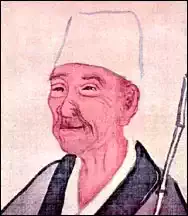
Matsuo Bashō
What fish feel
What fish feel
What fish feel,
birds feel, I don't know--
the year ending.
Translated by Robert Hass
What fish feel,
birds feel, I don't know--
the year ending.
Translated by Robert Hass
422
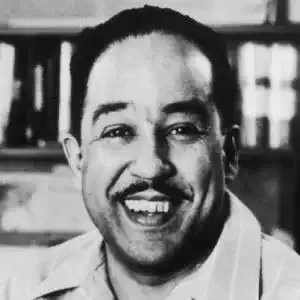
Langston Hughes
Lincoln Monument: Washington
Lincoln Monument: Washington
Let's go see Old Abe
Sitting in the marble and the moonlight,
Sitting lonely in the marble and the moonlight,
Quiet for ten thousand centuries, old Abe.
Quiet for a million, million years.
Quiet-
And yet a voice forever
Against the
Timeless walls
Of time-
Old Abe.
Let's go see Old Abe
Sitting in the marble and the moonlight,
Sitting lonely in the marble and the moonlight,
Quiet for ten thousand centuries, old Abe.
Quiet for a million, million years.
Quiet-
And yet a voice forever
Against the
Timeless walls
Of time-
Old Abe.
352
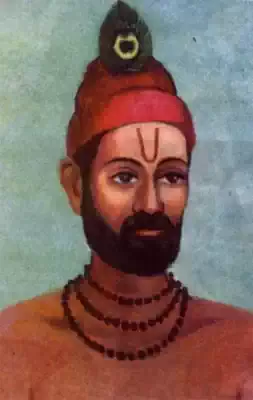
Kabir
Tentacles of Time
Tentacles of Time
Sadho Ye Murdon Ka Gaon
Peer Mare, Pygambar Mari Hain
Mari Hain Zinda Jogi
Raja Mari Hain, Parja Mari Hain
Mari Hain Baid Aur Rogi
Chanda Mari Hain, Suraj Mari Hain
Mari Hain Dharni Akasa
Chaudan Bhuvan Ke Chaudhry Mari Hain
In Hun Ki Ka Asa
Nauhun Mari Hain, Dus Hun Mari Hain
Mari Hain Sahaj Athasi
Tethis Koti Devata Mari Hain
Badi Kaal Ki Bazi
Naam Anam Anant Rehat Hai
Duja Tatva Na Hoi
Kahe Kabir Suno Bhai Sadho
Bhatak Maro Mat Koi
English Translation
Oh Sadhu This is the Village of the Dead
The Saints Have Died, The God-Messengers Die
The Life-Filled Yogis Die Too |
The Kings Die, The Subjects Die
The Healers and the Sick Die Too ||
The Moon Dies, The Sun Dies
The Earth and Sky Die Too |
Even the Caretakers of the Fourteen Worlds Die
Why Hope For Any of These ||
The Nine Die, The Ten Die
The Eighty Eight Die Easily Too |
The Thirty Three Crore Devatas Die
It's a Big Game of Time ||
The Un-Named Naam Lives Without Any End
There is No Other Truth ||
Says Kabir Listen Oh Sadhu
Don't Get Lost and Die ||
Sadho Ye Murdon Ka Gaon
Peer Mare, Pygambar Mari Hain
Mari Hain Zinda Jogi
Raja Mari Hain, Parja Mari Hain
Mari Hain Baid Aur Rogi
Chanda Mari Hain, Suraj Mari Hain
Mari Hain Dharni Akasa
Chaudan Bhuvan Ke Chaudhry Mari Hain
In Hun Ki Ka Asa
Nauhun Mari Hain, Dus Hun Mari Hain
Mari Hain Sahaj Athasi
Tethis Koti Devata Mari Hain
Badi Kaal Ki Bazi
Naam Anam Anant Rehat Hai
Duja Tatva Na Hoi
Kahe Kabir Suno Bhai Sadho
Bhatak Maro Mat Koi
English Translation
Oh Sadhu This is the Village of the Dead
The Saints Have Died, The God-Messengers Die
The Life-Filled Yogis Die Too |
The Kings Die, The Subjects Die
The Healers and the Sick Die Too ||
The Moon Dies, The Sun Dies
The Earth and Sky Die Too |
Even the Caretakers of the Fourteen Worlds Die
Why Hope For Any of These ||
The Nine Die, The Ten Die
The Eighty Eight Die Easily Too |
The Thirty Three Crore Devatas Die
It's a Big Game of Time ||
The Un-Named Naam Lives Without Any End
There is No Other Truth ||
Says Kabir Listen Oh Sadhu
Don't Get Lost and Die ||
437

Joyce Kilmer
Alarm Clocks
Alarm Clocks
When Dawn strides out to wake a dewy farm
Across green fields and yellow hills of hay
The little twittering birds laugh in his way
And poise triumphant on his shining arm.
He bears a sword of flame but not to harm
The wakened life that feels his quickening sway
And barnyard voices shrilling "It is day!"
Take by his grace a new and alien charm.
But in the city, like a wounded thing
That limps to cover from the angry chase,
He steals down streets where sickly arc-lights sing,
And wanly mock his young and shameful face;
And tiny gongs with cruel fervor ring
In many a high and dreary sleeping place.
When Dawn strides out to wake a dewy farm
Across green fields and yellow hills of hay
The little twittering birds laugh in his way
And poise triumphant on his shining arm.
He bears a sword of flame but not to harm
The wakened life that feels his quickening sway
And barnyard voices shrilling "It is day!"
Take by his grace a new and alien charm.
But in the city, like a wounded thing
That limps to cover from the angry chase,
He steals down streets where sickly arc-lights sing,
And wanly mock his young and shameful face;
And tiny gongs with cruel fervor ring
In many a high and dreary sleeping place.
172
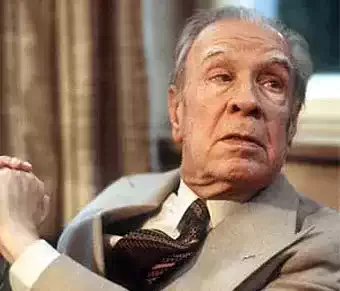
Jorge Luis Borges
The Art of Poetry
The Art of Poetry
To gaze at a river made of time and water
And remember Time is another river.
To know we stray like a river
and our faces vanish like water.
To feel that waking is another dream
that dreams of not dreaming and that the death
we fear in our bones is the death
that every night we call a dream.
To see in every day and year a symbol
of all the days of man and his years,
and convert the outrage of the years
into a music, a sound, and a symbol.
To see in death a dream, in the sunset
a golden sadness--such is poetry,
humble and immortal, poetry,
returning, like dawn and the sunset.
Sometimes at evening there's a face
that sees us from the deeps of a mirror.
Art must be that sort of mirror,
disclosing to each of us his face.
They say Ulysses, wearied of wonders,
wept with love on seeing Ithaca,
humble and green. Art is that Ithaca,
a green eternity, not wonders.
Art is endless like a river flowing,
passing, yet remaining, a mirror to the same
inconstant Heraclitus, who is the same
and yet another, like the river flowing.
To gaze at a river made of time and water
And remember Time is another river.
To know we stray like a river
and our faces vanish like water.
To feel that waking is another dream
that dreams of not dreaming and that the death
we fear in our bones is the death
that every night we call a dream.
To see in every day and year a symbol
of all the days of man and his years,
and convert the outrage of the years
into a music, a sound, and a symbol.
To see in death a dream, in the sunset
a golden sadness--such is poetry,
humble and immortal, poetry,
returning, like dawn and the sunset.
Sometimes at evening there's a face
that sees us from the deeps of a mirror.
Art must be that sort of mirror,
disclosing to each of us his face.
They say Ulysses, wearied of wonders,
wept with love on seeing Ithaca,
humble and green. Art is that Ithaca,
a green eternity, not wonders.
Art is endless like a river flowing,
passing, yet remaining, a mirror to the same
inconstant Heraclitus, who is the same
and yet another, like the river flowing.
823
Jorge Luis Borges
El Instante
El Instante
Dónde estarán los siglos, dónde el sueño
de espadas que los tártaros soñaron,
dónde los fuertes muros que allanaron,
dónde el Árbol de Adán y el otro Leño?
El presente está solo. La memoria
erige el tiempo. Sucesión y engaño
es la rutina del reloj. El año
no es menos vano que la vana historia.
Entre el alba y la noche hay un abismo
de agonías, de luces, de cuidados;
el rostro que se mira en los gastados
espejos de la noche no es el mismo.
El hoy fugaz es tenue y es eterno;
otro Cielo no esperes, ni otro Infierno.
Dónde estarán los siglos, dónde el sueño
de espadas que los tártaros soñaron,
dónde los fuertes muros que allanaron,
dónde el Árbol de Adán y el otro Leño?
El presente está solo. La memoria
erige el tiempo. Sucesión y engaño
es la rutina del reloj. El año
no es menos vano que la vana historia.
Entre el alba y la noche hay un abismo
de agonías, de luces, de cuidados;
el rostro que se mira en los gastados
espejos de la noche no es el mismo.
El hoy fugaz es tenue y es eterno;
otro Cielo no esperes, ni otro Infierno.
784
Jorge Luis Borges
Art of Poetry, The
Art of Poetry, The
To gaze at a river made of time and water
And remember Time is another river.
To know we stray like a river
and our faces vanish like water.
To feel that waking is another dream
that dreams of not dreaming and that the death
we fear in our bones is the death
that every night we call a dream.
To see in every day and year a symbol
of all the days of man and his years,
and convert the outrage of the years
into a music, a sound, and a symbol.
To see in death a dream, in the sunset
a golden sadness--such is poetry,
humble and immortal, poetry,
returning, like dawn and the sunset.
Sometimes at evening there's a face
that sees us from the deeps of a mirror.
Art must be that sort of mirror,
disclosing to each of us his face.
They say Ulysses, wearied of wonders,
wept with love on seeing Ithaca,
humble and green. Art is that Ithaca,
a green eternity, not wonders.
Art is endless like a river flowing,
passing, yet remaining, a mirror to the same
inconstant Heraclitus, who is the same
and yet another, like the river flowing.
To gaze at a river made of time and water
And remember Time is another river.
To know we stray like a river
and our faces vanish like water.
To feel that waking is another dream
that dreams of not dreaming and that the death
we fear in our bones is the death
that every night we call a dream.
To see in every day and year a symbol
of all the days of man and his years,
and convert the outrage of the years
into a music, a sound, and a symbol.
To see in death a dream, in the sunset
a golden sadness--such is poetry,
humble and immortal, poetry,
returning, like dawn and the sunset.
Sometimes at evening there's a face
that sees us from the deeps of a mirror.
Art must be that sort of mirror,
disclosing to each of us his face.
They say Ulysses, wearied of wonders,
wept with love on seeing Ithaca,
humble and green. Art is that Ithaca,
a green eternity, not wonders.
Art is endless like a river flowing,
passing, yet remaining, a mirror to the same
inconstant Heraclitus, who is the same
and yet another, like the river flowing.
950

Jonathan Swift
To Stella On Her Birth-Day, 1721-2
To Stella On Her Birth-Day, 1721-2
While, Stella, to your lasting praise
The Muse her annual tribute pays,
While I assign myself a task
Which you expect, but scorn to ask;
If I perform this task with pain,
Let me of partial fate complain;
You every year the debt enlarge,
I grow less equal to the charge:
In you each virtue brighter shines,
But my poetic vein declines;
My harp will soon in vain be strung,
And all your virtues left unsung.
For none among the upstart race
Of poets dare assume my place;
Your worth will be to them unknown,
They must have Stellas of their own;
And thus, my stock of wit decay'd,
I dying leave the debt unpaid,
Unless Delany, as my heir,
Will answer for the whole arrear.
While, Stella, to your lasting praise
The Muse her annual tribute pays,
While I assign myself a task
Which you expect, but scorn to ask;
If I perform this task with pain,
Let me of partial fate complain;
You every year the debt enlarge,
I grow less equal to the charge:
In you each virtue brighter shines,
But my poetic vein declines;
My harp will soon in vain be strung,
And all your virtues left unsung.
For none among the upstart race
Of poets dare assume my place;
Your worth will be to them unknown,
They must have Stellas of their own;
And thus, my stock of wit decay'd,
I dying leave the debt unpaid,
Unless Delany, as my heir,
Will answer for the whole arrear.
213
Jonathan Swift
On Time
On Time
Ever eating, never cloying,
All-devouring, all-destroying,
Never finding full repast,
Till I eat the world at last.
Ever eating, never cloying,
All-devouring, all-destroying,
Never finding full repast,
Till I eat the world at last.
208
Jonathan Swift
Fontinella To Florinda
Fontinella To Florinda
When on my bosom thy bright eyes,
Florinda, dart their heavenly beams,
I feel not the least love surprise,
Yet endless tears flow down in streams;
There's nought so beautiful in thee,
But you may find the same in me.
The lilies of thy skin compare;
In me you see them full as white:
The roses of your cheeks, I dare
Affirm, can't glow to more delight.
Then, since I show as fine a face,
Can you refuse a soft embrace?
Ah! lovely nymph, thou'rt in thy prime!
And so am I, while thou art here;
But soon will come the fatal time,
When all we see shall disappear.
'Tis mine to make a just reflection,
And yours to follow my direction.
Then catch admirers while you may;
Treat not your lovers with disdain;
For time with beauty flies away,
And there is no return again.
To you the sad account I bring,
Life's autumn has no second spring.
When on my bosom thy bright eyes,
Florinda, dart their heavenly beams,
I feel not the least love surprise,
Yet endless tears flow down in streams;
There's nought so beautiful in thee,
But you may find the same in me.
The lilies of thy skin compare;
In me you see them full as white:
The roses of your cheeks, I dare
Affirm, can't glow to more delight.
Then, since I show as fine a face,
Can you refuse a soft embrace?
Ah! lovely nymph, thou'rt in thy prime!
And so am I, while thou art here;
But soon will come the fatal time,
When all we see shall disappear.
'Tis mine to make a just reflection,
And yours to follow my direction.
Then catch admirers while you may;
Treat not your lovers with disdain;
For time with beauty flies away,
And there is no return again.
To you the sad account I bring,
Life's autumn has no second spring.
218
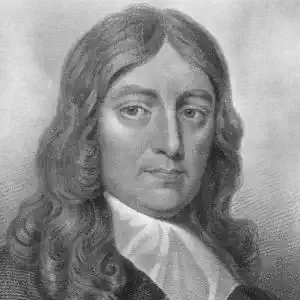
John Milton
On Time
On Time
Fly, envious Time, till thou run out thy race,
Call on the lazy leaden-stepping hours,
Whose speed is but the heavy plummet's pace;
And glut thyself with what thy womb devours,
Which is no more than what is false and vain,
And merely mortal dross;
So little is our loss,
So little is thy gain.
For when as each thing bad thou hast intombed,
And last of all thy greedy self consumed,
Then long Eternity shall greet our bliss
With an individual kiss,
And Joy shall overtake us as a flood;
When every thing that is sincerely good
And perfectly divine,
With truth, and peace, and love, shall ever shine
About the supreme throne
Of Him, t' whose happy-making sight alone
When once our heav'nly-guided soul shall climb,
Then, all this earthly grossness quit,
Attired with stars, we shall for ever sit,
Triumphing over Death, and Chance, and thee, O Time.
Fly, envious Time, till thou run out thy race,
Call on the lazy leaden-stepping hours,
Whose speed is but the heavy plummet's pace;
And glut thyself with what thy womb devours,
Which is no more than what is false and vain,
And merely mortal dross;
So little is our loss,
So little is thy gain.
For when as each thing bad thou hast intombed,
And last of all thy greedy self consumed,
Then long Eternity shall greet our bliss
With an individual kiss,
And Joy shall overtake us as a flood;
When every thing that is sincerely good
And perfectly divine,
With truth, and peace, and love, shall ever shine
About the supreme throne
Of Him, t' whose happy-making sight alone
When once our heav'nly-guided soul shall climb,
Then, all this earthly grossness quit,
Attired with stars, we shall for ever sit,
Triumphing over Death, and Chance, and thee, O Time.
633
John Milton
How Soon Hath Time
How Soon Hath Time
How soon hath Time, the subtle thief of youth,
Stoln on his wing my three and twentieth year!
My hasting days fly on wtih full career,
But my late spring no bud or blossom shew'th.
Perhaps my semblance might deceive the truth,
That I to manhood am arrived so near,
And inward ripeness doth much less appear,
That some more timely-happy spirits endu'th.
Yet be it less or more, or soon or slow,
It shall be still in strictest measure even
To that same lot, however mean or high,
Toward which Time leads me, and the will of Heaven;
All is, if I have grace to use it so,
As ever in my great Taskmaster's eye.
How soon hath Time, the subtle thief of youth,
Stoln on his wing my three and twentieth year!
My hasting days fly on wtih full career,
But my late spring no bud or blossom shew'th.
Perhaps my semblance might deceive the truth,
That I to manhood am arrived so near,
And inward ripeness doth much less appear,
That some more timely-happy spirits endu'th.
Yet be it less or more, or soon or slow,
It shall be still in strictest measure even
To that same lot, however mean or high,
Toward which Time leads me, and the will of Heaven;
All is, if I have grace to use it so,
As ever in my great Taskmaster's eye.
562
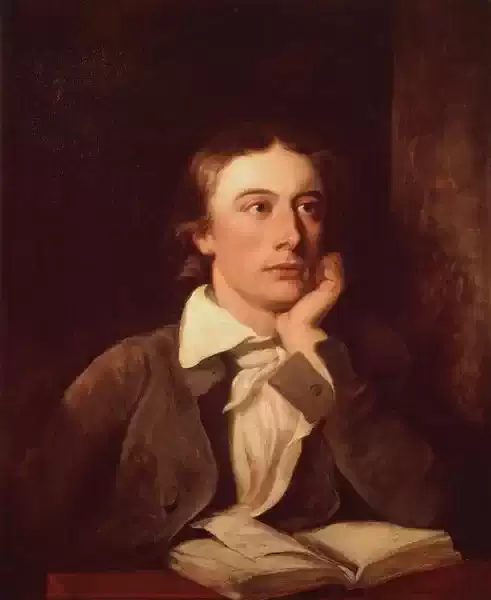
John Keats
To one who has been long in city pent
To one who has been long in city pent
To one who has been long in city pent,
'Tis very sweet to look into the fair
And open face of heaven,--to breathe a prayer
Full in the smile of the blue firmament.
Who is more happy, when, with heart's content,
Fatigued he sinks into some pleasant lair
Of wavy grass, and reads a debonair
And gentle tale of love and languishment?
Returning home at evening, with an ear
Catching the notes of Philomel,--an eye
Watching the sailing cloudlet's bright career,
He mourns that day so soon has glided by:
E'en like the passage of an angel's tear
That falls through the clear ether silently.
To one who has been long in city pent,
'Tis very sweet to look into the fair
And open face of heaven,--to breathe a prayer
Full in the smile of the blue firmament.
Who is more happy, when, with heart's content,
Fatigued he sinks into some pleasant lair
Of wavy grass, and reads a debonair
And gentle tale of love and languishment?
Returning home at evening, with an ear
Catching the notes of Philomel,--an eye
Watching the sailing cloudlet's bright career,
He mourns that day so soon has glided by:
E'en like the passage of an angel's tear
That falls through the clear ether silently.
408
John Keats
To John Hamilton Reynolds
To John Hamilton Reynolds
O that a week could be an age, and we
Felt parting and warm meeting every week,
Then one poor year a thousand years would be,
The flush of welcome ever on the cheek:
So could we live long life in little space,
So time itself would be annihilate,
So a day's journey in oblivious haze
To serve ourjoys would lengthen and dilate.
O to arrive each Monday morn from Ind!
To land each Tuesday from the rich Levant!
In little time a host of joys to bind,
And keep our souls in one eternal pant!
This morn, my friend, and yester-evening taught
Me how to harbour such a happy thought.
O that a week could be an age, and we
Felt parting and warm meeting every week,
Then one poor year a thousand years would be,
The flush of welcome ever on the cheek:
So could we live long life in little space,
So time itself would be annihilate,
So a day's journey in oblivious haze
To serve ourjoys would lengthen and dilate.
O to arrive each Monday morn from Ind!
To land each Tuesday from the rich Levant!
In little time a host of joys to bind,
And keep our souls in one eternal pant!
This morn, my friend, and yester-evening taught
Me how to harbour such a happy thought.
442
John Keats
To Ailsa Rock
To Ailsa Rock
Hearken, thou craggy ocean-pyramid,
Give answer by thy voice-the sea-fowls' screams!
When were thy shoulders mantled in huge streams?
When from the sun was thy broad forehead hid?
How long is't since the mighty Power bid
Thee heave to airy sleep from fathom dreams-
Sleep in the lap of thunder or sunbeams-
Or when grey clouds are thy cold coverlid!
Thou answer'st not; for thou art dead asleep.
Thy life is but two dead eternities,
The last in air, the former in the deep!
First with the whales, last with the eagle-skies!
Drowned wast thou till an earthquake made thee steep,
Another cannot wake thy giant-size!
Hearken, thou craggy ocean-pyramid,
Give answer by thy voice-the sea-fowls' screams!
When were thy shoulders mantled in huge streams?
When from the sun was thy broad forehead hid?
How long is't since the mighty Power bid
Thee heave to airy sleep from fathom dreams-
Sleep in the lap of thunder or sunbeams-
Or when grey clouds are thy cold coverlid!
Thou answer'st not; for thou art dead asleep.
Thy life is but two dead eternities,
The last in air, the former in the deep!
First with the whales, last with the eagle-skies!
Drowned wast thou till an earthquake made thee steep,
Another cannot wake thy giant-size!
373
John Keats
Sonnet To John Hamilton Reynolds
Sonnet To John Hamilton Reynolds
O that a week could be an age, and we
Felt parting and warm meeting every week,
Then one poor year a thousand years would be,
The flush of welcome ever on the cheek:
So could we live long life in little space,
So time itself would be annihilate,
So a day's journey in oblivious haze
To serve ourjoys would lengthen and dilate.
O to arrive each Monday morn from Ind!
To land each Tuesday from the rich Levant!
In little time a host of joys to bind,
And keep our souls in one eternal pant!
This morn, my friend, and yester-evening taught
Me how to harbour such a happy thought.
O that a week could be an age, and we
Felt parting and warm meeting every week,
Then one poor year a thousand years would be,
The flush of welcome ever on the cheek:
So could we live long life in little space,
So time itself would be annihilate,
So a day's journey in oblivious haze
To serve ourjoys would lengthen and dilate.
O to arrive each Monday morn from Ind!
To land each Tuesday from the rich Levant!
In little time a host of joys to bind,
And keep our souls in one eternal pant!
This morn, my friend, and yester-evening taught
Me how to harbour such a happy thought.
440
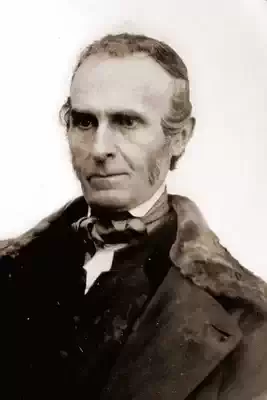
John Greenleaf Whittier
The Red River Voyageur
The Red River Voyageur
Out and in the river is winding
The links of its long, red chain,
Through belts of dusky pine-land
And gusty leagues of plain.
Only, at times, a smoke-wreath
With the drifting cloud-rack joins,The
smoke of the hunting-lodges
Of the wild Assiniboins.
Drearily blows the north-wind
From the land of ice and snow;
The eyes that look are weary,
And heavy the hands that row.
And with one foot on the water,
And one upon the shore,
The Angel of Shadow gives warning
That day shall be no more.
Is it the clang of wild-geese?
Is it the Indian's yell,
That lends to the voice of the north-wind
The tones of a far-off bell?
The voyageur smiles as he listens
To the sound that grows apace;
Well he knows the vesper ringing
Of the bells of St. Boniface.
The bells of the Roman Mission,
That call from their turrets twain,
To the boatman on the river,
To the hunter on the plain!
Even so in our mortal journey
The bitter north-winds blow,
And thus upon life's Red River
Our hearts, as oarsmen, row.
And when the Angel of Shadow
Rests his feet on wave and shore,
And our eyes grow dim with watching
And our hearts faint at the oar,
Happy is he who heareth
The signal of his release
In the bells of the Holy City,
The chimes of eternal peace!
Out and in the river is winding
The links of its long, red chain,
Through belts of dusky pine-land
And gusty leagues of plain.
Only, at times, a smoke-wreath
With the drifting cloud-rack joins,The
smoke of the hunting-lodges
Of the wild Assiniboins.
Drearily blows the north-wind
From the land of ice and snow;
The eyes that look are weary,
And heavy the hands that row.
And with one foot on the water,
And one upon the shore,
The Angel of Shadow gives warning
That day shall be no more.
Is it the clang of wild-geese?
Is it the Indian's yell,
That lends to the voice of the north-wind
The tones of a far-off bell?
The voyageur smiles as he listens
To the sound that grows apace;
Well he knows the vesper ringing
Of the bells of St. Boniface.
The bells of the Roman Mission,
That call from their turrets twain,
To the boatman on the river,
To the hunter on the plain!
Even so in our mortal journey
The bitter north-winds blow,
And thus upon life's Red River
Our hearts, as oarsmen, row.
And when the Angel of Shadow
Rests his feet on wave and shore,
And our eyes grow dim with watching
And our hearts faint at the oar,
Happy is he who heareth
The signal of his release
In the bells of the Holy City,
The chimes of eternal peace!
356
John Greenleaf Whittier
My Playmate
My Playmate
The pines were dark on Ramoth hill,
Their song was soft and low;
The blossoms in the sweet May wind
Were falling like the snow.
The blossoms drifted at our feet,
The orchard birds sang clear;
The sweetest and the saddest day
It seemed of all the year.
For, more to me than birds or flowers,
My playmate left her home,
And took with her the laughing spring,
The music and the bloom.
She kissed the lips of kith and kin,
She laid her hand in mine
What more could ask the bashful boy
Who fed her father's kine?
She left us in the bloom of May
The constant years told o'er
Their seasons with as sweet May morns,
But she came back no more.
I walk, with noiseless feet, the round
Of uneventful years;
Still o'er and o'er I sow the spring
And reap the autumn ears.
She lives where all the golden year
Her summer roses blow;
The dusky children of the sun
Before her come and go.
There haply with her jewelled hands
She smooths her silken gown,No
more the homespun lap wherein
I shook the walnuts down.
The wild grapes wait us by the brook,
The brown nuts on the hill,
And still the May-day flowers make sweet
The woods of Follymill.
The lilies blossom in the pond,
The bird builds in the tree,
The dark pines sing on Ramoth hill
The slow song of the sea.
I wonder if she thinks of them,
And how the old time seems,
If ever the pines of Ramoth wood
Are sounding in her dreams.
I see her face, I hear her voice;
Does she remember mine?
And what to her is now the boy
Who fed her father's kine?
What cares she that the orioles build
For other eyes than ours,That
other hands with nuts are filled,
And other laps with flowers?
O playmate in the golden time!
Our mossy seat is green,
Its fringing violets blossom yet,
The old trees o'er it lean.
The winds so sweet with birch and fern
A sweeter memory blow;
And there in spring the veeries sing
The song of long ago.
And still the pines of Ramoth wood
Are moaning like the sea,
The moaning of the sea of change
Between myself and thee!
The pines were dark on Ramoth hill,
Their song was soft and low;
The blossoms in the sweet May wind
Were falling like the snow.
The blossoms drifted at our feet,
The orchard birds sang clear;
The sweetest and the saddest day
It seemed of all the year.
For, more to me than birds or flowers,
My playmate left her home,
And took with her the laughing spring,
The music and the bloom.
She kissed the lips of kith and kin,
She laid her hand in mine
What more could ask the bashful boy
Who fed her father's kine?
She left us in the bloom of May
The constant years told o'er
Their seasons with as sweet May morns,
But she came back no more.
I walk, with noiseless feet, the round
Of uneventful years;
Still o'er and o'er I sow the spring
And reap the autumn ears.
She lives where all the golden year
Her summer roses blow;
The dusky children of the sun
Before her come and go.
There haply with her jewelled hands
She smooths her silken gown,No
more the homespun lap wherein
I shook the walnuts down.
The wild grapes wait us by the brook,
The brown nuts on the hill,
And still the May-day flowers make sweet
The woods of Follymill.
The lilies blossom in the pond,
The bird builds in the tree,
The dark pines sing on Ramoth hill
The slow song of the sea.
I wonder if she thinks of them,
And how the old time seems,
If ever the pines of Ramoth wood
Are sounding in her dreams.
I see her face, I hear her voice;
Does she remember mine?
And what to her is now the boy
Who fed her father's kine?
What cares she that the orioles build
For other eyes than ours,That
other hands with nuts are filled,
And other laps with flowers?
O playmate in the golden time!
Our mossy seat is green,
Its fringing violets blossom yet,
The old trees o'er it lean.
The winds so sweet with birch and fern
A sweeter memory blow;
And there in spring the veeries sing
The song of long ago.
And still the pines of Ramoth wood
Are moaning like the sea,
The moaning of the sea of change
Between myself and thee!
249
John Greenleaf Whittier
Inscriptions on a Sun-Dial
Inscriptions on a Sun-Dial
For Dr Henry L Bowditch
With warning hand I mark Time's rapid
flight
From life's glad morning to it's solemn
night;
Yet through thee dear God's love, I also
show
There's Light above me by the shade
below.
For Dr Henry L Bowditch
With warning hand I mark Time's rapid
flight
From life's glad morning to it's solemn
night;
Yet through thee dear God's love, I also
show
There's Light above me by the shade
below.
297
John Donne
That Time and Absence proves Rather helps than hurts to loves
That Time and Absence proves Rather helps than hurts to loves
ABSENCE, hear thou my protestation
Against thy strength,
Distance and length:
Do what thou canst for alteration,
For hearts of truest mettle
Absence doth join and Time doth settle.
Who loves a mistress of such quality,
His mind hath found
Affection's ground
Beyond time, place, and all mortality.
To hearts that cannot vary
Absence is present, Time doth tarry.
My senses want their outward motion
Which now within
Reason doth win,
Redoubled by her secret notion:
Like rich men that take pleasure
In hiding more than handling treasure.
By Absence this good means I gain,
That I can catch her
Where none can watch her,
In some close corner of my brain:
There I embrace and kiss her,
And so enjoy her and none miss her.
ABSENCE, hear thou my protestation
Against thy strength,
Distance and length:
Do what thou canst for alteration,
For hearts of truest mettle
Absence doth join and Time doth settle.
Who loves a mistress of such quality,
His mind hath found
Affection's ground
Beyond time, place, and all mortality.
To hearts that cannot vary
Absence is present, Time doth tarry.
My senses want their outward motion
Which now within
Reason doth win,
Redoubled by her secret notion:
Like rich men that take pleasure
In hiding more than handling treasure.
By Absence this good means I gain,
That I can catch her
Where none can watch her,
In some close corner of my brain:
There I embrace and kiss her,
And so enjoy her and none miss her.
326
John Donne
Break of Day
Break of Day
'Tis true, 'tis day; what though it be?
O wilt thou therefore rise from me?
Why should we rise, because 'tis light?
Did we lie down, because 'twas night?
Love which in spite of darkness brought us hither
Should in despite of light keep us together.
Light hath no tongue, but is all eye;
If it could speak as well as spy,
This were the worst that it could say -
That being well, I fain would stay,
And that I loved my heart and honour so,
That I would not from her, that had them, go.
Must business thee from hence remove?
Oh, that's the worst disease of love!
The poor, the foul, the false, love can
Admit, but not the busied man.
He which hath business, and makes love, doth do
Such wrong as when a married man doth woo.
'Tis true, 'tis day; what though it be?
O wilt thou therefore rise from me?
Why should we rise, because 'tis light?
Did we lie down, because 'twas night?
Love which in spite of darkness brought us hither
Should in despite of light keep us together.
Light hath no tongue, but is all eye;
If it could speak as well as spy,
This were the worst that it could say -
That being well, I fain would stay,
And that I loved my heart and honour so,
That I would not from her, that had them, go.
Must business thee from hence remove?
Oh, that's the worst disease of love!
The poor, the foul, the false, love can
Admit, but not the busied man.
He which hath business, and makes love, doth do
Such wrong as when a married man doth woo.
338
John Donne
A Lecture Upon The Shadow
A Lecture Upon The Shadow
Stand still, and I will read to thee
A lecture, love, in love's philosophy.
These three hours that we have spent,
Walking here, two shadows went
Along with us, which we ourselves produc'd.
But, now the sun is just above our head,
We do those shadows tread,
And to brave clearness all things are reduc'd.
So whilst our infant loves did grow,
Disguises did, and shadows, flow
From us, and our cares; but now 'tis not so.
That love has not attain'd the high'st degree,
Which is still diligent lest others see.
Except our loves at this noon stay,
We shall new shadows make the other way.
As the first were made to blind
Others, these which come behind
Will work upon ourselves, and blind our eyes.
If our loves faint, and westwardly decline,
To me thou, falsely, thine,
And I to thee mine actions shall disguise.
The morning shadows wear away,
But these grow longer all the day;
But oh, love's day is short, if love decay.
Love is a growing, or full constant light,
And his first minute, after noon, is night.
Stand still, and I will read to thee
A lecture, love, in love's philosophy.
These three hours that we have spent,
Walking here, two shadows went
Along with us, which we ourselves produc'd.
But, now the sun is just above our head,
We do those shadows tread,
And to brave clearness all things are reduc'd.
So whilst our infant loves did grow,
Disguises did, and shadows, flow
From us, and our cares; but now 'tis not so.
That love has not attain'd the high'st degree,
Which is still diligent lest others see.
Except our loves at this noon stay,
We shall new shadows make the other way.
As the first were made to blind
Others, these which come behind
Will work upon ourselves, and blind our eyes.
If our loves faint, and westwardly decline,
To me thou, falsely, thine,
And I to thee mine actions shall disguise.
The morning shadows wear away,
But these grow longer all the day;
But oh, love's day is short, if love decay.
Love is a growing, or full constant light,
And his first minute, after noon, is night.
343
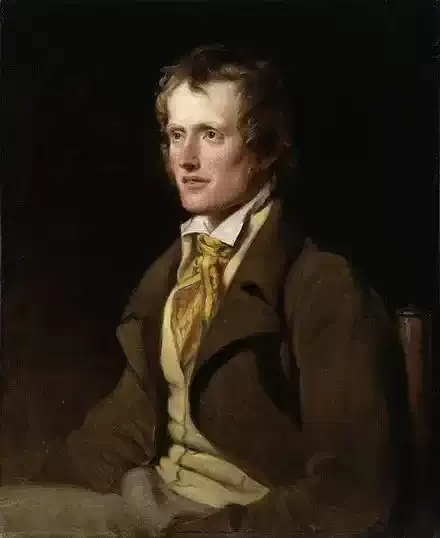
John Clare
The Shepherds Calendar - May
The Shepherds Calendar - May
Come queen of months in company
Wi all thy merry minstrelsy
The restless cuckoo absent long
And twittering swallows chimney song
And hedge row crickets notes that run
From every bank that fronts the sun
And swathy bees about the grass
That stops wi every bloom they pass
And every minute every hour
Keep teazing weeds that wear a flower
And toil and childhoods humming joys
For there is music in the noise
The village childern mad for sport
In school times leisure ever short
That crick and catch the bouncing ball
And run along the church yard wall
Capt wi rude figured slabs whose claims
In times bad memory hath no names
Oft racing round the nookey church
Or calling ecchos in the porch
And jilting oer the weather cock
Viewing wi jealous eyes the clock
Oft leaping grave stones leaning hights
Uncheckt wi mellancholy sights
The green grass swelld in many a heap
Where kin and friends and parents sleep
Unthinking in their jovial cry
That time shall come when they shall lye
As lowly and as still as they
While other boys above them play
Heedless as they do now to know
The unconcious dust that lies below
The shepherd goes wi happy stride
Wi moms long shadow by his side
Down the dryd lanes neath blooming may
That once was over shoes in clay
While martins twitter neath his eves
Which he at early morning leaves
The driving boy beside his team
Will oer the may month beauty dream
And cock his hat and turn his eye
On flower and tree and deepning skye
And oft bursts loud in fits of song
And whistles as he reels along
Crack[ing] his whip in starts of joy
A happy dirty driving boy
The youth who leaves his corner stool
Betimes for neighbouring village school
While as a mark to urge him right
The church spires all the way in sight
Wi cheerings from his parents given
Starts neath the joyous smiles of heaven
And sawns wi many an idle stand
Wi bookbag swinging in his hand
And gazes as he passes bye
On every thing that meets his eye
Young lambs seem tempting him to play
Dancing and bleating in his way
Wi trembling tails and pointed ears
They follow him and loose their fears
He smiles upon their sunny faces
And feign woud join their happy races
The birds that sing on bush and tree
Seem chirping for his company
And all in fancys idle whim
Seem keeping holiday but him
He lolls upon each resting stile
To see the fields so sweetly smile
To see the wheat grow green and long
And list the weeders toiling song
Or short not[e] of the changing thrush
Above him in the white thorn bush
That oer the leaning stile bends low
Loaded wi mockery of snow
Mozzld wi many a lushing thread
Of crab tree blossoms delicate red
He often bends wi many a wish
Oer the brig rail to view the fish
Go sturting by in sunny gleams
And chucks in the eye dazzld streams
Crumbs from his pocket oft to watch
The swarming struttle come to catch
Them where they to the bottom sile
Sighing in fancys joy the while
Hes cautiond not to stand so nigh
By rosey milkmaid tripping bye
Where he admires wi fond delight
And longs to be there mute till night
He often ventures thro the day
At truant now and then to play
Rambling about the field and plain
Seeking larks nests in the grain
And picking flowers and boughs of may
To hurd awhile and throw away
Lurking neath bushes from the sight
Of tell tale eyes till schools noon night
Listing each hour for church clocks hum
To know the hour to wander home
That parents may not think him long
Nor dream of his rude doing wrong
Dreading thro the night wi dreaming pain
To meet his masters wand again
Each hedge is loaded thick wi green
And where the hedger late hath been
Tender shoots begin to grow
From the mossy stumps below
While sheep and cow that teaze the grain
will nip them to the root again
They lay their bill and mittens bye
And on to other labours hie
While wood men still on spring intrudes
And thins the shadow solitudes
Wi sharpend axes felling down
The oak trees budding into brown
Where as they crash upon the ground
A crowd of labourers gather round
And mix among the shadows dark
To rip the crackling staining bark
From off the tree and lay when done
The rolls in lares to meet the sun
Depriving yearly where they come
The green wood pecker of its home
That early in the spring began
Far from the sight of troubling man
And bord their round holes in each tree
In fancys sweet security
Till startld wi the woodmans noise
It wakes from all its dreaming joys
The blue bells too that thickly bloom
Where man was never feared to come
And smell smocks that from view retires
Mong rustling leaves and bowing briars
And stooping lilys of the valley
That comes wi shades and dews to dally
White beady drops on slender threads
Wi broad hood leaves above their heads
Like white robd maids in summer hours
Neath umberellas shunning showers
These neath the barkmens crushing treads
Oft perish in their blooming beds
Thus stript of boughs and bark in white
Their trunks shine in the mellow light
Beneath the green surviving trees
That wave above them in the breeze
And waking whispers slowly bends
As if they mournd their fallen friends
Each morning now the weeders meet
To cut the thistle from the wheat
And ruin in the sunny hours
Full many wild weeds of their flowers
Corn poppys that in crimson dwell
Calld 'head achs' from their sickly smell
And carlock yellow as the sun
That oer the may fields thickly run
And 'iron weed' content to share
The meanest spot that spring can spare
Een roads where danger hourly comes
Is not wi out its purple blooms
And leaves wi points like thistles round
Thickset that have no strength to wound
That shrink to childhoods eager hold
Like hair-and with its eye of gold
And scarlet starry points of flowers
Pimpernel dreading nights and showers
Oft calld 'the shepherds weather glass'
That sleep till suns have dyd the grass
Then wakes and spreads its creeping bloom
Till clouds or threatning shadows come
Then close it shuts to sleep again
Which weeders see and talk of rain
And boys that mark them shut so soon
will call them 'John go bed at noon
And fumitory too a name
That superstition holds to fame
Whose red and purple mottled flowers
Are cropt by maids in weeding hours
To boil in water milk and way1
For washes on an holiday
To make their beauty fair and sleak
And scour the tan from summers cheek
And simple small forget me not
Eyd wi a pinshead yellow spot
I'th'2 middle of its tender blue
That gains from poets notice due
These flowers the toil by crowds destroys
And robs them of their lowly joys
That met the may wi hopes as sweet
As those her suns in gardens meet
And oft the dame will feel inclind
As childhoods memory comes to mind
To turn her hook away and spare
The blooms it lovd to gather there
My wild field catalogue of flowers
Grows in my ryhmes as thick as showers
Tedious and long as they may be
To some, they never weary me
The wood and mead and field of grain
I coud hunt oer and oer again
And talk to every blossom wild
Fond as a parent to a child
And cull them in my childish joy
By swarms and swarms and never cloy
When their lank shades oer morning pearls
Shrink from their lengths to little girls
And like the clock hand pointing one
Is turnd and tells the morning gone
They leave their toils for dinners hour
Beneath some hedges bramble bower
And season sweet their savory meals
Wi joke and tale and merry peals
Of ancient tunes from happy tongues
While linnets join their fitful songs
Perchd oer their heads in frolic play
Among the tufts of motling may
The young girls whisper things of love
And from the old dames hearing move
Oft making 'love knotts' in the shade
Of blue green oat or wheaten blade
And trying simple charms and spells
That rural superstition tells
They pull the little blossom threads
From out the knapweeds button heads
And put the husk wi many a smile
In their white bosoms for awhile
Who if they guess aright the swain
That loves sweet fancys trys to gain
Tis said that ere its lain an hour
Twill blossom wi a second flower
And from her white breasts hankerchief
Bloom as they ne'er had lost a leaf
When signs appear that token wet
As they are neath the bushes met
The girls are glad wi hopes of play
And harping of the holiday
A hugh blue bird will often swim
Along the wheat when skys grow dim
Wi clouds-slow as the gales of spring
In motion wi dark shadowd wing
Beneath the coming storm it sails
And lonly chirps the wheat hid quails
That came to live wi spring again
And start when summer browns the grain
They start the young girls joys afloat
Wi 'wet my foot' its yearly note
So fancy doth the sound explain
And proves it oft a sign of rain
About the moor 'mong sheep and cow
The boy or old man wanders now
Hunting all day wi hopful pace
Each thick sown rushy thistly place
For plover eggs while oer them flye
The fearful birds wi teazing cry
Trying to lead their steps astray
And coying him another way
And be the weather chill or warm
Wi brown hats truckd beneath his arm
Holding each prize their search has won
They plod bare headed to the sun
Now dames oft bustle from their wheels
Wi childern scampering at their heels
To watch the bees that hang and swive
In clumps about each thronging hive
And flit and thicken in the light
While the old dame enjoys the sight
And raps the while their warming pans
A spell that superstition plans
To coax them in the garden bounds
As if they lovd the tinkling sounds
And oft one hears the dinning noise
Which dames believe each swarm decoys
Around each village day by day
Mingling in the warmth of may
Sweet scented herbs her skill contrives
To rub the bramble platted hives
Fennels thread leaves and crimpld balm
To scent the new house of the swarm
The thresher dull as winter days
And lost to all that spring displays
Still mid his barn dust forcd to stand
Swings his frail round wi weary hand
While oer his head shades thickly creep
And hides the blinking owl asleep
And bats in cobweb corners bred
Sharing till night their murky bed
The sunshine trickles on the floor
Thro every crevice of the door
And makes his barn where shadows dwell
As irksome as a prisoners cell
And as he seeks his daily meal
As schoolboys from their tasks will steal
ile often stands in fond delay
To see the daisy in his way
And wild weeds flowering on the wall
That will his childish sports recall
Of all the joys that came wi spring
The twirling top the marble ring
The gingling halfpence hussld up
At pitch and toss the eager stoop
To pick up heads, the smuggeld plays
Neath hovels upon sabbath days
When parson he is safe from view
And clerk sings amen in his pew
The sitting down when school was oer
Upon the threshold by his door
Picking from mallows sport to please
Each crumpld seed he calld a cheese
And hunting from the stackyard sod
The stinking hen banes belted pod
By youths vain fancys sweetly fed
Christning them his loaves of bread
He sees while rocking down the street
Wi weary hands and crimpling feet
Young childern at the self same games
And hears the self same simple names
Still floating on each happy tongue
Touchd wi the simple scene so strong
Tears almost start and many a sigh
Regrets the happiness gone bye
And in sweet natures holiday
His heart is sad while all is gay
How lovly now are lanes and balks
For toils and lovers sunday walks
The daisey and the buttercup
For which the laughing childern stoop
A hundred times throughout the day
In their rude ramping summer play
So thickly now the pasture crowds
In gold and silver sheeted clouds
As if the drops in april showers
Had woo'd the sun and swoond to flowers
The brook resumes its summer dresses
Purling neath grass and water cresses
And mint and flag leaf swording high
Their blooms to the unheeding eye
And taper bowbent hanging rushes
And horse tail childerns bottle brushes
And summer tracks about its brink
Is fresh again where cattle drink
And on its sunny bank the swain
Stretches his idle length again
Soon as the sun forgets the day
The moon looks down on the lovly may
And the little star his friend and guide
Travelling together side by side
And the seven stars and charleses wain1
Hangs smiling oer green woods agen
The heaven rekindles all alive
Wi light the may bees round the hive
Swarm not so thick in mornings eye
As stars do in the evening skye
All all are nestling in their joys
The flowers and birds and pasture boys
The firetail, long a stranger, comes
To his last summer haunts and homes
To hollow tree and crevisd wall
And in the grass the rails odd call
That featherd spirit stops the swain
To listen to his note again
And school boy still in vain retraces
The secrets of his hiding places
In the black thorns crowded cops~e1
Thro its varied turns and stops
The nightingale its ditty weaves
Hid in a multitude of leaves
The boy stops short to hear the strain
And 'sweet jug jug' he mocks again
The yellow hammer builds its nest
By banks where sun beams earliest rest
That drys the dews from off the grass
Shading it from all that pass
Save the rude boy wi ferret gaze
That hunts thro evry secret maze
He finds its pencild eggs agen
All streakd wi lines as if a pen
By natures freakish hand was took
To scrawl them over like a book
And from these many mozzling marks
The school boy names them 'writing larks'
Bum barrels twit on bush and tree
Scarse bigger then a bumble bee
And in a white thorns leafy rest
It builds its curious pudding-nest
Wi hole beside as if a mouse
Had built the little barrel house
Toiling full many a lining feather
And bits of grey tree moss together
Amid the noisey rooky park
Beneath the firdales branches dark
The little golden crested wren
Hangs up his glowing nest agen
And sticks it to the furry leaves
As martins theirs beneath the eaves
The old hens leave the roost betimes
And oer the garden pailing climbs
To scrat the gardens fresh turnd soil
And if unwatchd his crops to spoil
Oft cackling from the prison yard
To peck about the houseclose sward
Catching at butterflys and things
Ere they have time to try their wings
The cattle feels the breath of may
And kick and toss their heads in play
The ass beneath his bags of sand
Oft jerks the string from leaders hand
And on the road will eager stoop
To pick the sprouting thistle up
Oft answering on his weary way
Some distant neighbours sobbing bray
Dining the ears of driving boy
As if he felt a fit of joy
Wi in its pinfold circle left
Of all its company bereft
Starvd stock no longer noising round
Lone in the nooks of foddering ground
Each skeleton of lingering stack
By winters tempests beaten black
Nodds upon props or bolt upright
Stands swarthy in the summer light
And oer the green grass seems to lower
Like stump of old time wasted tower
All that in winter lookd for hay
Spread from their batterd haunts away
To pick the grass or lye at lare
Beneath the mild hedge shadows there
Sweet month that gives a welcome call
To toil and nature and to all
Yet one day mid thy many joys
Is dead to all its sport and noise
Old may day where's thy glorys gone
All fled and left thee every one
Thou comst to thy old haunts and homes
Unnoticd as a stranger comes
No flowers are pluckt to hail the now
Nor cotter seeks a single bough
The maids no more on thy sweet morn
Awake their thresholds to adorn
Wi dewey flowers-May locks new come
And princifeathers cluttering bloom
And blue bells from the woodland moss
And cowslip cucking balls to toss
Above the garlands swinging hight
Hang in the soft eves sober light
These maid and child did yearly pull
By many a folded apron full
But all is past the merry song
Of maidens hurrying along
To crown at eve the earliest cow
Is gone and dead and silent now
The laugh raisd at the mocking thorn
Tyd to the cows tail last that morn
The kerchief at arms length displayd
Held up by pairs of swain and maid
While others bolted underneath
Bawling loud wi panting breath
'Duck under water' as they ran
Alls ended as they ne'er began
While the new thing that took thy place
Wears faded smiles upon its face
And where enclosure has its birth
It spreads a mildew oer her mirth
The herd no longer one by one
Goes plodding on her morning way
And garlands lost and sports nigh gone
Leaves her like thee a common day
Yet summer smiles upon thee still
Wi natures sweet unalterd will
And at thy births unworshipd hours
Fills her green lap wi swarms of flowers
To crown thee still as thou hast been
Of spring and summer months the queen.
Come queen of months in company
Wi all thy merry minstrelsy
The restless cuckoo absent long
And twittering swallows chimney song
And hedge row crickets notes that run
From every bank that fronts the sun
And swathy bees about the grass
That stops wi every bloom they pass
And every minute every hour
Keep teazing weeds that wear a flower
And toil and childhoods humming joys
For there is music in the noise
The village childern mad for sport
In school times leisure ever short
That crick and catch the bouncing ball
And run along the church yard wall
Capt wi rude figured slabs whose claims
In times bad memory hath no names
Oft racing round the nookey church
Or calling ecchos in the porch
And jilting oer the weather cock
Viewing wi jealous eyes the clock
Oft leaping grave stones leaning hights
Uncheckt wi mellancholy sights
The green grass swelld in many a heap
Where kin and friends and parents sleep
Unthinking in their jovial cry
That time shall come when they shall lye
As lowly and as still as they
While other boys above them play
Heedless as they do now to know
The unconcious dust that lies below
The shepherd goes wi happy stride
Wi moms long shadow by his side
Down the dryd lanes neath blooming may
That once was over shoes in clay
While martins twitter neath his eves
Which he at early morning leaves
The driving boy beside his team
Will oer the may month beauty dream
And cock his hat and turn his eye
On flower and tree and deepning skye
And oft bursts loud in fits of song
And whistles as he reels along
Crack[ing] his whip in starts of joy
A happy dirty driving boy
The youth who leaves his corner stool
Betimes for neighbouring village school
While as a mark to urge him right
The church spires all the way in sight
Wi cheerings from his parents given
Starts neath the joyous smiles of heaven
And sawns wi many an idle stand
Wi bookbag swinging in his hand
And gazes as he passes bye
On every thing that meets his eye
Young lambs seem tempting him to play
Dancing and bleating in his way
Wi trembling tails and pointed ears
They follow him and loose their fears
He smiles upon their sunny faces
And feign woud join their happy races
The birds that sing on bush and tree
Seem chirping for his company
And all in fancys idle whim
Seem keeping holiday but him
He lolls upon each resting stile
To see the fields so sweetly smile
To see the wheat grow green and long
And list the weeders toiling song
Or short not[e] of the changing thrush
Above him in the white thorn bush
That oer the leaning stile bends low
Loaded wi mockery of snow
Mozzld wi many a lushing thread
Of crab tree blossoms delicate red
He often bends wi many a wish
Oer the brig rail to view the fish
Go sturting by in sunny gleams
And chucks in the eye dazzld streams
Crumbs from his pocket oft to watch
The swarming struttle come to catch
Them where they to the bottom sile
Sighing in fancys joy the while
Hes cautiond not to stand so nigh
By rosey milkmaid tripping bye
Where he admires wi fond delight
And longs to be there mute till night
He often ventures thro the day
At truant now and then to play
Rambling about the field and plain
Seeking larks nests in the grain
And picking flowers and boughs of may
To hurd awhile and throw away
Lurking neath bushes from the sight
Of tell tale eyes till schools noon night
Listing each hour for church clocks hum
To know the hour to wander home
That parents may not think him long
Nor dream of his rude doing wrong
Dreading thro the night wi dreaming pain
To meet his masters wand again
Each hedge is loaded thick wi green
And where the hedger late hath been
Tender shoots begin to grow
From the mossy stumps below
While sheep and cow that teaze the grain
will nip them to the root again
They lay their bill and mittens bye
And on to other labours hie
While wood men still on spring intrudes
And thins the shadow solitudes
Wi sharpend axes felling down
The oak trees budding into brown
Where as they crash upon the ground
A crowd of labourers gather round
And mix among the shadows dark
To rip the crackling staining bark
From off the tree and lay when done
The rolls in lares to meet the sun
Depriving yearly where they come
The green wood pecker of its home
That early in the spring began
Far from the sight of troubling man
And bord their round holes in each tree
In fancys sweet security
Till startld wi the woodmans noise
It wakes from all its dreaming joys
The blue bells too that thickly bloom
Where man was never feared to come
And smell smocks that from view retires
Mong rustling leaves and bowing briars
And stooping lilys of the valley
That comes wi shades and dews to dally
White beady drops on slender threads
Wi broad hood leaves above their heads
Like white robd maids in summer hours
Neath umberellas shunning showers
These neath the barkmens crushing treads
Oft perish in their blooming beds
Thus stript of boughs and bark in white
Their trunks shine in the mellow light
Beneath the green surviving trees
That wave above them in the breeze
And waking whispers slowly bends
As if they mournd their fallen friends
Each morning now the weeders meet
To cut the thistle from the wheat
And ruin in the sunny hours
Full many wild weeds of their flowers
Corn poppys that in crimson dwell
Calld 'head achs' from their sickly smell
And carlock yellow as the sun
That oer the may fields thickly run
And 'iron weed' content to share
The meanest spot that spring can spare
Een roads where danger hourly comes
Is not wi out its purple blooms
And leaves wi points like thistles round
Thickset that have no strength to wound
That shrink to childhoods eager hold
Like hair-and with its eye of gold
And scarlet starry points of flowers
Pimpernel dreading nights and showers
Oft calld 'the shepherds weather glass'
That sleep till suns have dyd the grass
Then wakes and spreads its creeping bloom
Till clouds or threatning shadows come
Then close it shuts to sleep again
Which weeders see and talk of rain
And boys that mark them shut so soon
will call them 'John go bed at noon
And fumitory too a name
That superstition holds to fame
Whose red and purple mottled flowers
Are cropt by maids in weeding hours
To boil in water milk and way1
For washes on an holiday
To make their beauty fair and sleak
And scour the tan from summers cheek
And simple small forget me not
Eyd wi a pinshead yellow spot
I'th'2 middle of its tender blue
That gains from poets notice due
These flowers the toil by crowds destroys
And robs them of their lowly joys
That met the may wi hopes as sweet
As those her suns in gardens meet
And oft the dame will feel inclind
As childhoods memory comes to mind
To turn her hook away and spare
The blooms it lovd to gather there
My wild field catalogue of flowers
Grows in my ryhmes as thick as showers
Tedious and long as they may be
To some, they never weary me
The wood and mead and field of grain
I coud hunt oer and oer again
And talk to every blossom wild
Fond as a parent to a child
And cull them in my childish joy
By swarms and swarms and never cloy
When their lank shades oer morning pearls
Shrink from their lengths to little girls
And like the clock hand pointing one
Is turnd and tells the morning gone
They leave their toils for dinners hour
Beneath some hedges bramble bower
And season sweet their savory meals
Wi joke and tale and merry peals
Of ancient tunes from happy tongues
While linnets join their fitful songs
Perchd oer their heads in frolic play
Among the tufts of motling may
The young girls whisper things of love
And from the old dames hearing move
Oft making 'love knotts' in the shade
Of blue green oat or wheaten blade
And trying simple charms and spells
That rural superstition tells
They pull the little blossom threads
From out the knapweeds button heads
And put the husk wi many a smile
In their white bosoms for awhile
Who if they guess aright the swain
That loves sweet fancys trys to gain
Tis said that ere its lain an hour
Twill blossom wi a second flower
And from her white breasts hankerchief
Bloom as they ne'er had lost a leaf
When signs appear that token wet
As they are neath the bushes met
The girls are glad wi hopes of play
And harping of the holiday
A hugh blue bird will often swim
Along the wheat when skys grow dim
Wi clouds-slow as the gales of spring
In motion wi dark shadowd wing
Beneath the coming storm it sails
And lonly chirps the wheat hid quails
That came to live wi spring again
And start when summer browns the grain
They start the young girls joys afloat
Wi 'wet my foot' its yearly note
So fancy doth the sound explain
And proves it oft a sign of rain
About the moor 'mong sheep and cow
The boy or old man wanders now
Hunting all day wi hopful pace
Each thick sown rushy thistly place
For plover eggs while oer them flye
The fearful birds wi teazing cry
Trying to lead their steps astray
And coying him another way
And be the weather chill or warm
Wi brown hats truckd beneath his arm
Holding each prize their search has won
They plod bare headed to the sun
Now dames oft bustle from their wheels
Wi childern scampering at their heels
To watch the bees that hang and swive
In clumps about each thronging hive
And flit and thicken in the light
While the old dame enjoys the sight
And raps the while their warming pans
A spell that superstition plans
To coax them in the garden bounds
As if they lovd the tinkling sounds
And oft one hears the dinning noise
Which dames believe each swarm decoys
Around each village day by day
Mingling in the warmth of may
Sweet scented herbs her skill contrives
To rub the bramble platted hives
Fennels thread leaves and crimpld balm
To scent the new house of the swarm
The thresher dull as winter days
And lost to all that spring displays
Still mid his barn dust forcd to stand
Swings his frail round wi weary hand
While oer his head shades thickly creep
And hides the blinking owl asleep
And bats in cobweb corners bred
Sharing till night their murky bed
The sunshine trickles on the floor
Thro every crevice of the door
And makes his barn where shadows dwell
As irksome as a prisoners cell
And as he seeks his daily meal
As schoolboys from their tasks will steal
ile often stands in fond delay
To see the daisy in his way
And wild weeds flowering on the wall
That will his childish sports recall
Of all the joys that came wi spring
The twirling top the marble ring
The gingling halfpence hussld up
At pitch and toss the eager stoop
To pick up heads, the smuggeld plays
Neath hovels upon sabbath days
When parson he is safe from view
And clerk sings amen in his pew
The sitting down when school was oer
Upon the threshold by his door
Picking from mallows sport to please
Each crumpld seed he calld a cheese
And hunting from the stackyard sod
The stinking hen banes belted pod
By youths vain fancys sweetly fed
Christning them his loaves of bread
He sees while rocking down the street
Wi weary hands and crimpling feet
Young childern at the self same games
And hears the self same simple names
Still floating on each happy tongue
Touchd wi the simple scene so strong
Tears almost start and many a sigh
Regrets the happiness gone bye
And in sweet natures holiday
His heart is sad while all is gay
How lovly now are lanes and balks
For toils and lovers sunday walks
The daisey and the buttercup
For which the laughing childern stoop
A hundred times throughout the day
In their rude ramping summer play
So thickly now the pasture crowds
In gold and silver sheeted clouds
As if the drops in april showers
Had woo'd the sun and swoond to flowers
The brook resumes its summer dresses
Purling neath grass and water cresses
And mint and flag leaf swording high
Their blooms to the unheeding eye
And taper bowbent hanging rushes
And horse tail childerns bottle brushes
And summer tracks about its brink
Is fresh again where cattle drink
And on its sunny bank the swain
Stretches his idle length again
Soon as the sun forgets the day
The moon looks down on the lovly may
And the little star his friend and guide
Travelling together side by side
And the seven stars and charleses wain1
Hangs smiling oer green woods agen
The heaven rekindles all alive
Wi light the may bees round the hive
Swarm not so thick in mornings eye
As stars do in the evening skye
All all are nestling in their joys
The flowers and birds and pasture boys
The firetail, long a stranger, comes
To his last summer haunts and homes
To hollow tree and crevisd wall
And in the grass the rails odd call
That featherd spirit stops the swain
To listen to his note again
And school boy still in vain retraces
The secrets of his hiding places
In the black thorns crowded cops~e1
Thro its varied turns and stops
The nightingale its ditty weaves
Hid in a multitude of leaves
The boy stops short to hear the strain
And 'sweet jug jug' he mocks again
The yellow hammer builds its nest
By banks where sun beams earliest rest
That drys the dews from off the grass
Shading it from all that pass
Save the rude boy wi ferret gaze
That hunts thro evry secret maze
He finds its pencild eggs agen
All streakd wi lines as if a pen
By natures freakish hand was took
To scrawl them over like a book
And from these many mozzling marks
The school boy names them 'writing larks'
Bum barrels twit on bush and tree
Scarse bigger then a bumble bee
And in a white thorns leafy rest
It builds its curious pudding-nest
Wi hole beside as if a mouse
Had built the little barrel house
Toiling full many a lining feather
And bits of grey tree moss together
Amid the noisey rooky park
Beneath the firdales branches dark
The little golden crested wren
Hangs up his glowing nest agen
And sticks it to the furry leaves
As martins theirs beneath the eaves
The old hens leave the roost betimes
And oer the garden pailing climbs
To scrat the gardens fresh turnd soil
And if unwatchd his crops to spoil
Oft cackling from the prison yard
To peck about the houseclose sward
Catching at butterflys and things
Ere they have time to try their wings
The cattle feels the breath of may
And kick and toss their heads in play
The ass beneath his bags of sand
Oft jerks the string from leaders hand
And on the road will eager stoop
To pick the sprouting thistle up
Oft answering on his weary way
Some distant neighbours sobbing bray
Dining the ears of driving boy
As if he felt a fit of joy
Wi in its pinfold circle left
Of all its company bereft
Starvd stock no longer noising round
Lone in the nooks of foddering ground
Each skeleton of lingering stack
By winters tempests beaten black
Nodds upon props or bolt upright
Stands swarthy in the summer light
And oer the green grass seems to lower
Like stump of old time wasted tower
All that in winter lookd for hay
Spread from their batterd haunts away
To pick the grass or lye at lare
Beneath the mild hedge shadows there
Sweet month that gives a welcome call
To toil and nature and to all
Yet one day mid thy many joys
Is dead to all its sport and noise
Old may day where's thy glorys gone
All fled and left thee every one
Thou comst to thy old haunts and homes
Unnoticd as a stranger comes
No flowers are pluckt to hail the now
Nor cotter seeks a single bough
The maids no more on thy sweet morn
Awake their thresholds to adorn
Wi dewey flowers-May locks new come
And princifeathers cluttering bloom
And blue bells from the woodland moss
And cowslip cucking balls to toss
Above the garlands swinging hight
Hang in the soft eves sober light
These maid and child did yearly pull
By many a folded apron full
But all is past the merry song
Of maidens hurrying along
To crown at eve the earliest cow
Is gone and dead and silent now
The laugh raisd at the mocking thorn
Tyd to the cows tail last that morn
The kerchief at arms length displayd
Held up by pairs of swain and maid
While others bolted underneath
Bawling loud wi panting breath
'Duck under water' as they ran
Alls ended as they ne'er began
While the new thing that took thy place
Wears faded smiles upon its face
And where enclosure has its birth
It spreads a mildew oer her mirth
The herd no longer one by one
Goes plodding on her morning way
And garlands lost and sports nigh gone
Leaves her like thee a common day
Yet summer smiles upon thee still
Wi natures sweet unalterd will
And at thy births unworshipd hours
Fills her green lap wi swarms of flowers
To crown thee still as thou hast been
Of spring and summer months the queen.
354
John Clare
Song's Eternity
Song's Eternity
What is song's eternity?
Come and see.
Can it noise and bustle be?
Come and see.
Praises sung or praises said
Can it be?
Wait awhile and these are dead -
Sigh, sigh;
Be they high or lowly bred
They die.
What is song's eternity?
Come and see.
Melodies of earth and sky,
Here they be.
Song once sung to Adam's ears
Can it be?
Ballads of six thousand years
Thrive, thrive;
Songs awaken with the spheres
Alive.
Mighty songs that miss decay,
What are they?
Crowds and cities pass away
Like a day.
Books are out and books are read;
What are they?
Years will lay them with the dead -
Sigh, sigh;
Trifles unto nothing wed,
They die.
Dreamers, mark the honey bee;
Mark the tree
Where the blue cap "tootle tee"
Sings a glee
Sung to Adam and to Eve -
Here they be.
When floods covered every bough,
Noah's ark
Heard that ballad singing now;
Hark, hark,
"Tootle tootle tootle tee" -
Can it be
Pride and fame must shadows be?
Come and see -
Every season owns her own;
Bird and bee
Sing creation's music on;
Nature's glee
Is in every mood and tone
Eternity.
What is song's eternity?
Come and see.
Can it noise and bustle be?
Come and see.
Praises sung or praises said
Can it be?
Wait awhile and these are dead -
Sigh, sigh;
Be they high or lowly bred
They die.
What is song's eternity?
Come and see.
Melodies of earth and sky,
Here they be.
Song once sung to Adam's ears
Can it be?
Ballads of six thousand years
Thrive, thrive;
Songs awaken with the spheres
Alive.
Mighty songs that miss decay,
What are they?
Crowds and cities pass away
Like a day.
Books are out and books are read;
What are they?
Years will lay them with the dead -
Sigh, sigh;
Trifles unto nothing wed,
They die.
Dreamers, mark the honey bee;
Mark the tree
Where the blue cap "tootle tee"
Sings a glee
Sung to Adam and to Eve -
Here they be.
When floods covered every bough,
Noah's ark
Heard that ballad singing now;
Hark, hark,
"Tootle tootle tootle tee" -
Can it be
Pride and fame must shadows be?
Come and see -
Every season owns her own;
Bird and bee
Sing creation's music on;
Nature's glee
Is in every mood and tone
Eternity.
408