

Poems in this theme
Dreams and Imagination
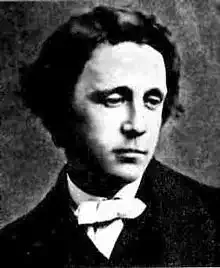
Lewis Carroll
Little Birds
Little Birds
Little Birds are dining
Warily and well,
Hid in mossy cell:
Hid, I say, by waiters
Gorgeous in their gaiters I've
a Tale to tell.
Little Birds are feeding
Justices with jam,
Rich in frizzled ham:
Rich, I say, in oysters
Haunting shady cloisters That
is what I am.
Little Birds are teaching
Tigresses to smile,
Innocent of guile:
Smile, I say, not smirkle Mouth
a semicircle,
That's the proper style!
Little Birds are sleeping
All among the pins,
Where the loser wins:
Where, I say, he sneezes
When and how he pleases So
the Tale begins.
Little Birds are writing
Interesting books,
To be read by cooks:
Read, I say, not roasted Letterpress,
when toasted,
Loses its good looks.
Little Birds are playing
Bagpipes on the shore,
Where the tourists snore:
"Thanks!" they cry. "'Tis thrilling!
Take, oh take this shilling!
Let us have no more!"
Little Birds are bathing
Crocodiles in cream,
Like a happy dream:
Like, but not so lasting Crocodiles,
when fasting,
Are not all they seem!
Little Birds are choking
Baronets with bun,
Taught to fire a gun:
Taught, I say, to splinter
Salmon in the winter Merely
for the fun.
Little Birds are hiding
Crimes in carpetbags,
Blessed by happy stags:
Blessed, I say, though beaten Since
our friends are eaten
When the memory flags.
Little Birds are tasting
Gratitude and gold,
Pale with sudden cold:
Pale, I say, and wrinkled When
the bells have tinkled,
And the Tale is told.
Little Birds are dining
Warily and well,
Hid in mossy cell:
Hid, I say, by waiters
Gorgeous in their gaiters I've
a Tale to tell.
Little Birds are feeding
Justices with jam,
Rich in frizzled ham:
Rich, I say, in oysters
Haunting shady cloisters That
is what I am.
Little Birds are teaching
Tigresses to smile,
Innocent of guile:
Smile, I say, not smirkle Mouth
a semicircle,
That's the proper style!
Little Birds are sleeping
All among the pins,
Where the loser wins:
Where, I say, he sneezes
When and how he pleases So
the Tale begins.
Little Birds are writing
Interesting books,
To be read by cooks:
Read, I say, not roasted Letterpress,
when toasted,
Loses its good looks.
Little Birds are playing
Bagpipes on the shore,
Where the tourists snore:
"Thanks!" they cry. "'Tis thrilling!
Take, oh take this shilling!
Let us have no more!"
Little Birds are bathing
Crocodiles in cream,
Like a happy dream:
Like, but not so lasting Crocodiles,
when fasting,
Are not all they seem!
Little Birds are choking
Baronets with bun,
Taught to fire a gun:
Taught, I say, to splinter
Salmon in the winter Merely
for the fun.
Little Birds are hiding
Crimes in carpetbags,
Blessed by happy stags:
Blessed, I say, though beaten Since
our friends are eaten
When the memory flags.
Little Birds are tasting
Gratitude and gold,
Pale with sudden cold:
Pale, I say, and wrinkled When
the bells have tinkled,
And the Tale is told.
271
Lewis Carroll
I'll Tell Thee Everything I Can
I'll Tell Thee Everything I Can
I'll tell thee everything I can;
There's little to relate,
I saw an aged, aged man,
Asitting
on a gate.
'Who are you, aged man?' I said.
'And how is it you live?'
And his answer trickled through my head
Like water through a sieve.
He said, 'I look for butterflies
That sleep among the wheat;
I make them into muttonpies,
And sell them in the street.
I sell them unto men,' he said,
'Who sail on stormy seas;
And that's the way I get my bread
A trifle, if you please.'
But I was thinking of a plan
To dye one's whiskers green,
And always use so large a fan
That they could not be seen.
So, having no reply to give
To what the old man said,
I cried, 'Come, tell me how you live!'
And thumped him on the head.
His accents mild took up the tale;
He said, 'I go my ways,
And when I find a mountainrill,
I set it in a blaze;
And thence they make a stuff they call
Rowland's Macassar Oil
Yet twopencehalfpenny
is all
They give me for my toil.'
But I was thinking of a way
To feed one's self on batter,
And so go on from day to day
Getting a little fatter.
I shook him well from side to side,
Until his face was blue,
'Come, tell me how you live,' I cried,
'And what it is you do!'
He said, 'I hunt for haddocks' eyes
Among the heather bright,
And work them into waistcoatbuttons
In the silent night.
And these I do not sell for gold
Or coin of silvery shine,
But for a copper halfpenny,
And that will purchase nine.
'I sometimes dig for buttered rolls,
Or set limed twigs for crabs;
I sometimes search the grassy knolls
For wheels of hansomcabs.
And that's the way' (he gave a wink)
'By which I get my wealth
And very gladly will I drink
Your honor's noble health.'
I heard him then, for I had just
Completed my design
To keep the Menai bridge from rust
By boiling it in wine.
I thanked him much for telling me
The way he got his wealth,
But chiefly for his wish that he
Might drink my noble health.
And now, if e'er by chance I put
My fingers into glue,
Or madly squeeze a righthand
foot
Into a lefthand
shoe,
Or if I drop upon my toe
A very heavy weight,
I weep, for it reminds me so
Of that old man I used to know
Whose look was mild, whose speech was slow,
Whose hair was whiter than the snow,
Whose face was very like a crow,
With eyes, like cinders, all aglow,
Who seemed distracted with his woe,
Who rocked his body to and fro,
And muttered mumblingly and low,
As if his mouth were full of dough,
Who snorted like a buffalo
That summer evening long ago,
Asitting
on a gate.
I'll tell thee everything I can;
There's little to relate,
I saw an aged, aged man,
Asitting
on a gate.
'Who are you, aged man?' I said.
'And how is it you live?'
And his answer trickled through my head
Like water through a sieve.
He said, 'I look for butterflies
That sleep among the wheat;
I make them into muttonpies,
And sell them in the street.
I sell them unto men,' he said,
'Who sail on stormy seas;
And that's the way I get my bread
A trifle, if you please.'
But I was thinking of a plan
To dye one's whiskers green,
And always use so large a fan
That they could not be seen.
So, having no reply to give
To what the old man said,
I cried, 'Come, tell me how you live!'
And thumped him on the head.
His accents mild took up the tale;
He said, 'I go my ways,
And when I find a mountainrill,
I set it in a blaze;
And thence they make a stuff they call
Rowland's Macassar Oil
Yet twopencehalfpenny
is all
They give me for my toil.'
But I was thinking of a way
To feed one's self on batter,
And so go on from day to day
Getting a little fatter.
I shook him well from side to side,
Until his face was blue,
'Come, tell me how you live,' I cried,
'And what it is you do!'
He said, 'I hunt for haddocks' eyes
Among the heather bright,
And work them into waistcoatbuttons
In the silent night.
And these I do not sell for gold
Or coin of silvery shine,
But for a copper halfpenny,
And that will purchase nine.
'I sometimes dig for buttered rolls,
Or set limed twigs for crabs;
I sometimes search the grassy knolls
For wheels of hansomcabs.
And that's the way' (he gave a wink)
'By which I get my wealth
And very gladly will I drink
Your honor's noble health.'
I heard him then, for I had just
Completed my design
To keep the Menai bridge from rust
By boiling it in wine.
I thanked him much for telling me
The way he got his wealth,
But chiefly for his wish that he
Might drink my noble health.
And now, if e'er by chance I put
My fingers into glue,
Or madly squeeze a righthand
foot
Into a lefthand
shoe,
Or if I drop upon my toe
A very heavy weight,
I weep, for it reminds me so
Of that old man I used to know
Whose look was mild, whose speech was slow,
Whose hair was whiter than the snow,
Whose face was very like a crow,
With eyes, like cinders, all aglow,
Who seemed distracted with his woe,
Who rocked his body to and fro,
And muttered mumblingly and low,
As if his mouth were full of dough,
Who snorted like a buffalo
That summer evening long ago,
Asitting
on a gate.
190
Lewis Carroll
Four Riddles
Four Riddles
I
There was an ancient City, stricken down
With a strange frenzy, and for many a day
They paced from morn to eve the crowded town,
And danced the night away.
I asked the cause: the aged man grew sad:
They pointed to a building gray and tall,
And hoarsely answered "Step inside, my lad,
And then you'll see it all."
Yet what are all such gaieties to me
Whose thoughts are full of indices and surds?
x*x + 7x + 53 = 11/3
But something whispered "It will soon be done:
Bands cannot always play, nor ladies smile:
Endure with patience the distasteful fun
For just a little while!"
A change came o'er my Vision it
was night:
We clove a pathway through a frantic throng:
The steeds, wildplunging,
filled us with affright:
The chariots whirled along.
Within a marble hall a river ran A
living tide, half muslin and half cloth:
And here one mourned a broken wreath or fan,
Yet swallowed down her wrath;
And here one offered to a thirsty fair
(His words halfdrowned
amid those thunders tuneful)
Some frozen viand (there were many there),
A toothache
in each spoonful.
There comes a happy pause, for human strength
Will not endure to dance without cessation;
And every one must reach the point at length
Of absolute prostration.
At such a moment ladies learn to give,
To partners who would urge them overmuch,
A flat and yet decided negative Photographers
love such.
There comes a welcome summons hope
revives,
And fading eyes grow bright, and pulses quicken:
Incessant pop the corks, and busy knives
Dispense the tongue and chicken.
Flushed with new life, the crowd flows back again:
And all is tangled talk and mazy motion Much
like a waving field of golden grain,
Or a tempestuous ocean.
And thus they give the time, that Nature meant
For peaceful sleep and meditative snores,
To ceaseless din and mindless merriment
And waste of shoes and floors.
And One (we name him not) that flies the flowers,
That dreads the dances, and that shuns the salads,
They doom to pass in solitude the hours,
Writing acrosticballads.
How late it grows! The hour is surely past
That should have warned us with its double knock?
The twilight wanes, and morning comes at last "
Oh, Uncle, what's o'clock?"
The Uncle gravely nods, and wisely winks.
It MAY mean much, but how is one to know?
He opens his mouth yet
out of it, methinks,
No words of wisdom flow.
II
Empress of Art, for thee I twine
This wreath with all too slender skill.
Forgive my Muse each halting line,
And for the deed accept the will!
O day of tears! Whence comes this spectre grim,
Parting, like Death's cold river, souls that love?
Is not he bound to thee, as thou to him,
By vows, unwhispered here, yet heard above?
And still it lives, that keen and heavenward flame,
Lives in his eye, and trembles in his tone:
And these wild words of fury but proclaim
A heart that beats for thee, for thee alone!
But all is lost: that mighty mind o'erthrown,
Like sweet bells jangled, piteous sight to see!
"Doubt that the stars are fire," so runs his moan,
"Doubt Truth herself, but not my love for thee!"
A sadder vision yet: thine aged sire
Shaming his hoary locks with treacherous wile!
And dost thou now doubt Truth to be a liar?
And wilt thou die, that hast forgot to smile?
Nay, get thee hence! Leave all thy winsome ways
And the faint fragrance of thy scattered flowers:
In holy silence wait the appointed days,
And weep away the leadenfooted
hours.
III.
The air is bright with hues of light
And rich with laughter and with singing:
Young hearts beat high in ecstasy,
And banners wave, and bells are ringing:
But silence falls with fading day,
And there's an end to mirth and play.
Ah, welladay
Rest your old bones, ye wrinkled crones!
The kettle sings, the firelight dances.
Deep be it quaffed, the magic draught
That fills the soul with golden fancies!
For Youth and Pleasance will not stay,
And ye are withered, worn, and gray.
Ah, welladay!
O fair cold face! O form of grace,
For human passion madly yearning!
O weary air of dumb despair,
From marble won, to marble turning!
"Leave us not thus!" we fondly pray.
"We cannot let thee pass away!"
Ah, welladay!
IV.
My First is singular at best:
More plural is my Second:
My Third is far the pluralest So
pluralplural,
I protest
It scarcely can be reckoned!
My First is followed by a bird:
My Second by believers
In magic art: my simple Third
Follows, too often, hopes absurd
And plausible deceivers.
My First to get at wisdom tries A
failure melancholy!
My Second men revered as wise:
My Third from heights of wisdom flies
To depths of frantic folly.
My First is ageing day by day:
My Second's age is ended:
My Third enjoys an age, they say,
That never seems to fade away,
Through centuries extended.
My Whole? I need a poet's pen
To paint her myriad phases:
The monarch, and the slave, of men A
mountainsummit,
and a den
Of dark and deadly mazes
A flashing light a
fleeting shade Beginning,
end, and middle
Of all that human art hath made
Or wit devised! Go, seek HER aid,
If you would read my riddle!
I
There was an ancient City, stricken down
With a strange frenzy, and for many a day
They paced from morn to eve the crowded town,
And danced the night away.
I asked the cause: the aged man grew sad:
They pointed to a building gray and tall,
And hoarsely answered "Step inside, my lad,
And then you'll see it all."
Yet what are all such gaieties to me
Whose thoughts are full of indices and surds?
x*x + 7x + 53 = 11/3
But something whispered "It will soon be done:
Bands cannot always play, nor ladies smile:
Endure with patience the distasteful fun
For just a little while!"
A change came o'er my Vision it
was night:
We clove a pathway through a frantic throng:
The steeds, wildplunging,
filled us with affright:
The chariots whirled along.
Within a marble hall a river ran A
living tide, half muslin and half cloth:
And here one mourned a broken wreath or fan,
Yet swallowed down her wrath;
And here one offered to a thirsty fair
(His words halfdrowned
amid those thunders tuneful)
Some frozen viand (there were many there),
A toothache
in each spoonful.
There comes a happy pause, for human strength
Will not endure to dance without cessation;
And every one must reach the point at length
Of absolute prostration.
At such a moment ladies learn to give,
To partners who would urge them overmuch,
A flat and yet decided negative Photographers
love such.
There comes a welcome summons hope
revives,
And fading eyes grow bright, and pulses quicken:
Incessant pop the corks, and busy knives
Dispense the tongue and chicken.
Flushed with new life, the crowd flows back again:
And all is tangled talk and mazy motion Much
like a waving field of golden grain,
Or a tempestuous ocean.
And thus they give the time, that Nature meant
For peaceful sleep and meditative snores,
To ceaseless din and mindless merriment
And waste of shoes and floors.
And One (we name him not) that flies the flowers,
That dreads the dances, and that shuns the salads,
They doom to pass in solitude the hours,
Writing acrosticballads.
How late it grows! The hour is surely past
That should have warned us with its double knock?
The twilight wanes, and morning comes at last "
Oh, Uncle, what's o'clock?"
The Uncle gravely nods, and wisely winks.
It MAY mean much, but how is one to know?
He opens his mouth yet
out of it, methinks,
No words of wisdom flow.
II
Empress of Art, for thee I twine
This wreath with all too slender skill.
Forgive my Muse each halting line,
And for the deed accept the will!
O day of tears! Whence comes this spectre grim,
Parting, like Death's cold river, souls that love?
Is not he bound to thee, as thou to him,
By vows, unwhispered here, yet heard above?
And still it lives, that keen and heavenward flame,
Lives in his eye, and trembles in his tone:
And these wild words of fury but proclaim
A heart that beats for thee, for thee alone!
But all is lost: that mighty mind o'erthrown,
Like sweet bells jangled, piteous sight to see!
"Doubt that the stars are fire," so runs his moan,
"Doubt Truth herself, but not my love for thee!"
A sadder vision yet: thine aged sire
Shaming his hoary locks with treacherous wile!
And dost thou now doubt Truth to be a liar?
And wilt thou die, that hast forgot to smile?
Nay, get thee hence! Leave all thy winsome ways
And the faint fragrance of thy scattered flowers:
In holy silence wait the appointed days,
And weep away the leadenfooted
hours.
III.
The air is bright with hues of light
And rich with laughter and with singing:
Young hearts beat high in ecstasy,
And banners wave, and bells are ringing:
But silence falls with fading day,
And there's an end to mirth and play.
Ah, welladay
Rest your old bones, ye wrinkled crones!
The kettle sings, the firelight dances.
Deep be it quaffed, the magic draught
That fills the soul with golden fancies!
For Youth and Pleasance will not stay,
And ye are withered, worn, and gray.
Ah, welladay!
O fair cold face! O form of grace,
For human passion madly yearning!
O weary air of dumb despair,
From marble won, to marble turning!
"Leave us not thus!" we fondly pray.
"We cannot let thee pass away!"
Ah, welladay!
IV.
My First is singular at best:
More plural is my Second:
My Third is far the pluralest So
pluralplural,
I protest
It scarcely can be reckoned!
My First is followed by a bird:
My Second by believers
In magic art: my simple Third
Follows, too often, hopes absurd
And plausible deceivers.
My First to get at wisdom tries A
failure melancholy!
My Second men revered as wise:
My Third from heights of wisdom flies
To depths of frantic folly.
My First is ageing day by day:
My Second's age is ended:
My Third enjoys an age, they say,
That never seems to fade away,
Through centuries extended.
My Whole? I need a poet's pen
To paint her myriad phases:
The monarch, and the slave, of men A
mountainsummit,
and a den
Of dark and deadly mazes
A flashing light a
fleeting shade Beginning,
end, and middle
Of all that human art hath made
Or wit devised! Go, seek HER aid,
If you would read my riddle!
235
Lewis Carroll
Fit the Sixth ( Hunting of the Snark )
Fit the Sixth ( Hunting of the Snark )
The Barrister's Dream
They sought it with thimbles, they sought it with care;
They pursued it with forks and hope;
They threatened its life with a railwayshare;
They charmed it with smiles and soap.
But the Barrister, weary of proving in vain
That the Beaver's lacemaking
was wrong,
Fell asleep, and in dreams saw the creature quite plain
That his fancy had dwelt on so long.
He dreamed that he stood in a shadowy Court,
Where the Snark, with a glass in its eye,
Dressed in gown, bands, and wig, was defending a pig
On the charge of deserting its sty.
The Witnesses proved, without error or flaw,
That the sty was deserted when found:
And the Judge kept explaining the state of the law
In a soft undercurrent
of sound.
The indictment had never been clearly expressed,
And it seemed that the Snark had begun,
And had spoken three hours, before any one guessed
What the pig was supposed to have done.
The Jury had each formed a different view
(Long before the indictment was read),
And they all spoke at once, so that none of them knew
One word that the others had said.
"You must know"
said the Judge: but the Snark exclaimed "Fudge!"
That statute is obsolete quite!
Let me tell you, my friends, the whole question depends
On an ancient manorial right.
"In the matter of Treason the pig would appear
To have aided, but scarcely abetted:
While the charge of Insolvency fails, it is clear,
If you grant the plea 'never indebted'.
"The fact of Desertion I will not dispute:
But its guilt, as I trust, is removed
(So far as relates to the costs of this suit)
By the Alibi which has been proved.
"My poor client's fate now depends on your votes."
Here the speaker sat down in his place,
And directed the Judge to refer to his notes
And briefly to sum up the case.
But the Judge said he never had summed up before;
So the Snark undertook it instead,
And summed it so well that it came to far more
Than the Witnesses ever had said!
When the verdict was called for, the Jury declined,
As the word was so puzzling to spell;
But they ventured to hope that the Snark wouldn't mind
Undertaking that duty as well.
So the Snark found the verdict, although, as it owned,
It was spent with the toils of the day:
When it said the word "GUILTY!" the Jury all groaned
And some of them fainted away.
Then the Snark pronounced sentence, the Judge being quite
Too nervous to utter a word:
When it rose to its feet, there was silence like night,
And the fall of a pin might be heard.
"Transportation for life" was the sentence it gave,
"And then to be fined forty pound."
The Jury all cheered, though the Judge said he feared
That the phrase was not legally sound.
But their wild exultation was suddenly checked
When the jailer informed them, with tears,
Such a sentence would not have the slightest effect,
As the pig had been dead for some years.
The Judge left the Court, looking deeply disgusted
But the Snark, though a little aghast,
As the lawyer to whom the defence was intrusted,
Went bellowing on to the last.
Thus the Barrister dreamed, while the bellowing seemed
To grow every moment more clear:
Till he woke to the knell of a furious bell,
Which the Bellman rang close at his ear.
The Barrister's Dream
They sought it with thimbles, they sought it with care;
They pursued it with forks and hope;
They threatened its life with a railwayshare;
They charmed it with smiles and soap.
But the Barrister, weary of proving in vain
That the Beaver's lacemaking
was wrong,
Fell asleep, and in dreams saw the creature quite plain
That his fancy had dwelt on so long.
He dreamed that he stood in a shadowy Court,
Where the Snark, with a glass in its eye,
Dressed in gown, bands, and wig, was defending a pig
On the charge of deserting its sty.
The Witnesses proved, without error or flaw,
That the sty was deserted when found:
And the Judge kept explaining the state of the law
In a soft undercurrent
of sound.
The indictment had never been clearly expressed,
And it seemed that the Snark had begun,
And had spoken three hours, before any one guessed
What the pig was supposed to have done.
The Jury had each formed a different view
(Long before the indictment was read),
And they all spoke at once, so that none of them knew
One word that the others had said.
"You must know"
said the Judge: but the Snark exclaimed "Fudge!"
That statute is obsolete quite!
Let me tell you, my friends, the whole question depends
On an ancient manorial right.
"In the matter of Treason the pig would appear
To have aided, but scarcely abetted:
While the charge of Insolvency fails, it is clear,
If you grant the plea 'never indebted'.
"The fact of Desertion I will not dispute:
But its guilt, as I trust, is removed
(So far as relates to the costs of this suit)
By the Alibi which has been proved.
"My poor client's fate now depends on your votes."
Here the speaker sat down in his place,
And directed the Judge to refer to his notes
And briefly to sum up the case.
But the Judge said he never had summed up before;
So the Snark undertook it instead,
And summed it so well that it came to far more
Than the Witnesses ever had said!
When the verdict was called for, the Jury declined,
As the word was so puzzling to spell;
But they ventured to hope that the Snark wouldn't mind
Undertaking that duty as well.
So the Snark found the verdict, although, as it owned,
It was spent with the toils of the day:
When it said the word "GUILTY!" the Jury all groaned
And some of them fainted away.
Then the Snark pronounced sentence, the Judge being quite
Too nervous to utter a word:
When it rose to its feet, there was silence like night,
And the fall of a pin might be heard.
"Transportation for life" was the sentence it gave,
"And then to be fined forty pound."
The Jury all cheered, though the Judge said he feared
That the phrase was not legally sound.
But their wild exultation was suddenly checked
When the jailer informed them, with tears,
Such a sentence would not have the slightest effect,
As the pig had been dead for some years.
The Judge left the Court, looking deeply disgusted
But the Snark, though a little aghast,
As the lawyer to whom the defence was intrusted,
Went bellowing on to the last.
Thus the Barrister dreamed, while the bellowing seemed
To grow every moment more clear:
Till he woke to the knell of a furious bell,
Which the Bellman rang close at his ear.
191
Lewis Carroll
Fit the Second ( Hunting of the Snark )
Fit the Second ( Hunting of the Snark )
The Bellman's Speech
The Bellman himself they all praised to the skiesSuch
a carriage, such ease and such grace!
Such solemnity, too! One could see he was wise,
The moment one looked in his face!
He had bought a large map representing the sea,
Without the least vestige of land:
And the crew were much pleased when they found it to be
A map they could all understand.
"What's the good of Mercator's North Poles and Equators,
Tropics, Zones, and Meridian Lines?"
So the Bellman would cry: and the crew would reply
"They are merely conventional signs!
"Other maps are such shapes, with their islands and capes!
But we've got our brave Captain to thank"
(So the crew would protest) "that he's bought us the bestA
perfect and absolute blank!"
This was charming, no doubt: but they shortly found out
That the Captain they trusted so well
Had only one notion for crossing the ocean
And that was to tingle his bell.
He was thoughtful and gravebut
the orders he gave
Were enough to bewilder a crew.
When he cried "Steer to starboard, but keep her head larboard!"
What on earth was the helmsman to do?
Then the bowsprit got mixed with the rudder sometimes:
A thing, as the Bellman remarked,
That frequently happens in tropical climes,
When a vessel is, so to speak, "snarked".
But the principal failing occurred in the sailing,
And the Bellman, perplexed and distressed,
Said he had hoped, at least, when the wind blew due East,
That the ship would not travel due West!
But the danger was pastthey
had landed at last,
With their boxes, portmanteaus, and bags:
Yet at first sight the crew were not pleased with the view
Which consisted of chasms and crags.
The Bellman perceived that their spirits were low,
And repeated in musical tone
Some jokes he had kept for a season of woeBut
the crew would do nothing but groan.
He served out some grog with a liberal hand,
And bade them sit down on the beach:
And they could not but own that their Captain looked grand,
As he stood and delivered his speech.
"Friends, Romans, and countrymen, lend me your ears!"
(They were all of them fond of quotations:
So they drank to his health, and they gave him three cheers,
While he served out additional rations).
"We have sailed many months, we have sailed many weeks,
(Four weeks to the month you may mark),
But never as yet ('tis your Captain who speaks)
Have we caught the least glimpse of a Snark!
"We have sailed many weeks, we have sailed many days,
(Seven days to the week I allow),
But a Snark, on the which we might lovingly gaze,
We have never beheld till now!
"Come, listen, my men, while I tell you again
The five unmistakable marks
By which you may know, wheresoever you go,
The warranted genuine Snarks.
"Let us take them in order. The first is the taste,
Which is meagre and hollow, but crisp:
Like a coat that is rather too tight in the waist,
With a flavour of Willo'
theWisp.
"Its habit of getting up late you'll agree
That it carries too far, when I say
That it frequently breakfasts at fiveo'clock
tea,
And dines on the following day.
"The third is its slowness in taking a jest.
Should you happen to venture on one,
It will sigh like a thing that is deeply distressed:
And it always looks grave at a pun.
"The fourth is its fondness for bathingmachines,
Which it constantly carries about,
And believes that they add to the beauty of scenesA
sentiment open to doubt.
"The fifth is ambition. It next will be right
To describe each particular batch:
Distinguishing those that have feathers, and bite,
From those that have whiskers, and scratch.
"For, although common Snarks do no manner of harm,
Yet I feel it my duty to say
Some are Boojums"
The Bellman broke off in alarm,
For the Baker had fainted away.
The Bellman's Speech
The Bellman himself they all praised to the skiesSuch
a carriage, such ease and such grace!
Such solemnity, too! One could see he was wise,
The moment one looked in his face!
He had bought a large map representing the sea,
Without the least vestige of land:
And the crew were much pleased when they found it to be
A map they could all understand.
"What's the good of Mercator's North Poles and Equators,
Tropics, Zones, and Meridian Lines?"
So the Bellman would cry: and the crew would reply
"They are merely conventional signs!
"Other maps are such shapes, with their islands and capes!
But we've got our brave Captain to thank"
(So the crew would protest) "that he's bought us the bestA
perfect and absolute blank!"
This was charming, no doubt: but they shortly found out
That the Captain they trusted so well
Had only one notion for crossing the ocean
And that was to tingle his bell.
He was thoughtful and gravebut
the orders he gave
Were enough to bewilder a crew.
When he cried "Steer to starboard, but keep her head larboard!"
What on earth was the helmsman to do?
Then the bowsprit got mixed with the rudder sometimes:
A thing, as the Bellman remarked,
That frequently happens in tropical climes,
When a vessel is, so to speak, "snarked".
But the principal failing occurred in the sailing,
And the Bellman, perplexed and distressed,
Said he had hoped, at least, when the wind blew due East,
That the ship would not travel due West!
But the danger was pastthey
had landed at last,
With their boxes, portmanteaus, and bags:
Yet at first sight the crew were not pleased with the view
Which consisted of chasms and crags.
The Bellman perceived that their spirits were low,
And repeated in musical tone
Some jokes he had kept for a season of woeBut
the crew would do nothing but groan.
He served out some grog with a liberal hand,
And bade them sit down on the beach:
And they could not but own that their Captain looked grand,
As he stood and delivered his speech.
"Friends, Romans, and countrymen, lend me your ears!"
(They were all of them fond of quotations:
So they drank to his health, and they gave him three cheers,
While he served out additional rations).
"We have sailed many months, we have sailed many weeks,
(Four weeks to the month you may mark),
But never as yet ('tis your Captain who speaks)
Have we caught the least glimpse of a Snark!
"We have sailed many weeks, we have sailed many days,
(Seven days to the week I allow),
But a Snark, on the which we might lovingly gaze,
We have never beheld till now!
"Come, listen, my men, while I tell you again
The five unmistakable marks
By which you may know, wheresoever you go,
The warranted genuine Snarks.
"Let us take them in order. The first is the taste,
Which is meagre and hollow, but crisp:
Like a coat that is rather too tight in the waist,
With a flavour of Willo'
theWisp.
"Its habit of getting up late you'll agree
That it carries too far, when I say
That it frequently breakfasts at fiveo'clock
tea,
And dines on the following day.
"The third is its slowness in taking a jest.
Should you happen to venture on one,
It will sigh like a thing that is deeply distressed:
And it always looks grave at a pun.
"The fourth is its fondness for bathingmachines,
Which it constantly carries about,
And believes that they add to the beauty of scenesA
sentiment open to doubt.
"The fifth is ambition. It next will be right
To describe each particular batch:
Distinguishing those that have feathers, and bite,
From those that have whiskers, and scratch.
"For, although common Snarks do no manner of harm,
Yet I feel it my duty to say
Some are Boojums"
The Bellman broke off in alarm,
For the Baker had fainted away.
213
Lewis Carroll
Alice And The White Knight
Alice And The White Knight
Alice was walking beside the White Knight in Looking Glass Land.
'You are sad.' the Knight said in an anxious tone: 'let me sing you a song to comfort
you.'
'Is it very long?' Alice asked, for she had heard a good deal of poetry that day.
'It's long.' said the Knight, 'but it's very, very beautiful. Everybody that hears me sing
it either
it brings tears to their eyes, or else '
'Or else what?' said Alice, for the Knight had made a sudden pause.
'Or else it doesn't, you know. The name of the song is called 'Haddocks' Eyes.''
'Oh, that's the name of the song, is it?' Alice said, trying to feel interested.
'No, you don't understand,' the Knight said, looking a little vexed. 'That's what the
name
is called. The name really is 'The Aged, Aged Man.''
'Then I ought to have said 'That's what the song is called'?' Alice corrected herself.
'No you oughtn't: that's another thing. The song is called 'Ways and Means' but that's
only
what it's called, you know!'
'Well, what is the song then?' said Alice, who was by this time completely bewildered.
'I was coming to that,' the Knight said. 'The song really is 'Asitting
On a Gate': and the
tune's my own invention.'
So saying, he stopped his horse and let the reins fall on its neck: then slowly beating
time
with one hand, and with a faint smile lighting up his gentle, foolish face, he began:
I'll tell thee everything I can;
There's little to relate.
I saw an aged, aged man,
Asitting
on a gate.
'Who are you, aged man?' I said,
' And how is it you live?'
And his answer trickled through my head
like water through a sieve.
He said 'I look for butterflies
That sleep among the wheat:
I make them into mutton pies,
And sell them in the street.
I sell them unto men,' he said,
'Who sail on stormy seas;
And that's the way I get my bread
A trifle if you please.'
But I was thinking of a plan
To dye one's whiskers green,
And always use so large a fan
That they could not be seen.
So, having no reply to give
To what the old man said,
I cried, 'Come tell me how you live!'
And thumped him on the head.
His accents mild took up the tale:
He said, 'I go my ways,
And when I find a mountainrill,
I set it in a blaze;
And thence they make a stuff they call
Rowland's Macassar Oil Yet
twopencehalfpenny
is all
They give me for my toil.'
But I was thinking of a way
To feed one's self on batter,
And so go on from day to day
Getting a little fatter.
I shook him well from side to side
Until his face was blue:
'Come tell me how you live,' I cried,
'And what it is you do!'
He said 'I hunt for haddocks' eyes
Among the heather bright,
And work them into waistcoat buttons
In the silent night.
And these I do not sell for gold
Or coin of silvery shine,
But for a copper halfpenny,
And that will purchase nine.
'I sometimes dig for buttered rolls,
Or set limed twigs for crabs;
I sometimes search for grassy knolls
For wheels of hansomcabs.
And that's the way' (he gave a wink)
'By which I get my wealth And
very gladly will I drink
Your Honour's noble health.'
I heard him then, for I had just
Completed my design
To keep the Menai Bridge from rust
By boiling it in wine.
I thanked him much for telling me
The way he got his wealth,
But chiefly for the wish that he
Might drink my noble health.
And now if e'er by chance I put
My fingers into glue,
Or madly squeeze a righthand
foot
Into a lefthand
shoe,
Or if I drop upon my toe
A very heavy weight,
I weep, for it reminds me so
Of that old man I used to know Whose
look was mild, whose speech was slow
Whose hair was whiter than the snow,
Whose face was very like a crow,
With eyes, like cinders, all aglow,
Who seemed distracted with his woe,
Who rocked his body to and fro,
And muttered mumblingly and low,
As if his mouth were full of dough,
Who snorted like a buffalo That
summer evening long ago
Asitting
on a gate.
As the Knight sang the last words of the ballad, he gathered up the reins, and turned
his horse's head along the road by which they had come.
Alice was walking beside the White Knight in Looking Glass Land.
'You are sad.' the Knight said in an anxious tone: 'let me sing you a song to comfort
you.'
'Is it very long?' Alice asked, for she had heard a good deal of poetry that day.
'It's long.' said the Knight, 'but it's very, very beautiful. Everybody that hears me sing
it either
it brings tears to their eyes, or else '
'Or else what?' said Alice, for the Knight had made a sudden pause.
'Or else it doesn't, you know. The name of the song is called 'Haddocks' Eyes.''
'Oh, that's the name of the song, is it?' Alice said, trying to feel interested.
'No, you don't understand,' the Knight said, looking a little vexed. 'That's what the
name
is called. The name really is 'The Aged, Aged Man.''
'Then I ought to have said 'That's what the song is called'?' Alice corrected herself.
'No you oughtn't: that's another thing. The song is called 'Ways and Means' but that's
only
what it's called, you know!'
'Well, what is the song then?' said Alice, who was by this time completely bewildered.
'I was coming to that,' the Knight said. 'The song really is 'Asitting
On a Gate': and the
tune's my own invention.'
So saying, he stopped his horse and let the reins fall on its neck: then slowly beating
time
with one hand, and with a faint smile lighting up his gentle, foolish face, he began:
I'll tell thee everything I can;
There's little to relate.
I saw an aged, aged man,
Asitting
on a gate.
'Who are you, aged man?' I said,
' And how is it you live?'
And his answer trickled through my head
like water through a sieve.
He said 'I look for butterflies
That sleep among the wheat:
I make them into mutton pies,
And sell them in the street.
I sell them unto men,' he said,
'Who sail on stormy seas;
And that's the way I get my bread
A trifle if you please.'
But I was thinking of a plan
To dye one's whiskers green,
And always use so large a fan
That they could not be seen.
So, having no reply to give
To what the old man said,
I cried, 'Come tell me how you live!'
And thumped him on the head.
His accents mild took up the tale:
He said, 'I go my ways,
And when I find a mountainrill,
I set it in a blaze;
And thence they make a stuff they call
Rowland's Macassar Oil Yet
twopencehalfpenny
is all
They give me for my toil.'
But I was thinking of a way
To feed one's self on batter,
And so go on from day to day
Getting a little fatter.
I shook him well from side to side
Until his face was blue:
'Come tell me how you live,' I cried,
'And what it is you do!'
He said 'I hunt for haddocks' eyes
Among the heather bright,
And work them into waistcoat buttons
In the silent night.
And these I do not sell for gold
Or coin of silvery shine,
But for a copper halfpenny,
And that will purchase nine.
'I sometimes dig for buttered rolls,
Or set limed twigs for crabs;
I sometimes search for grassy knolls
For wheels of hansomcabs.
And that's the way' (he gave a wink)
'By which I get my wealth And
very gladly will I drink
Your Honour's noble health.'
I heard him then, for I had just
Completed my design
To keep the Menai Bridge from rust
By boiling it in wine.
I thanked him much for telling me
The way he got his wealth,
But chiefly for the wish that he
Might drink my noble health.
And now if e'er by chance I put
My fingers into glue,
Or madly squeeze a righthand
foot
Into a lefthand
shoe,
Or if I drop upon my toe
A very heavy weight,
I weep, for it reminds me so
Of that old man I used to know Whose
look was mild, whose speech was slow
Whose hair was whiter than the snow,
Whose face was very like a crow,
With eyes, like cinders, all aglow,
Who seemed distracted with his woe,
Who rocked his body to and fro,
And muttered mumblingly and low,
As if his mouth were full of dough,
Who snorted like a buffalo That
summer evening long ago
Asitting
on a gate.
As the Knight sang the last words of the ballad, he gathered up the reins, and turned
his horse's head along the road by which they had come.
186
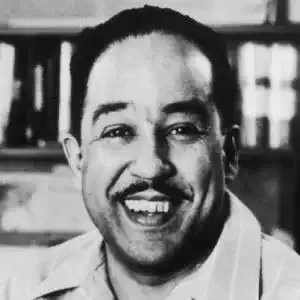
Langston Hughes
Dream Boogie
Dream Boogie
Good morning, daddy!
Ain't you heard
The boogie-woogie rumble
Of a dream deferred?
Listen closely:
You'll hear their feet
Beating out and beating out a -
You think
It's a happy beat?
Listen to it closely:
Ain't you heard
something underneath
like a -
What did I say?
Sure,
I'm happy!
Take it away!
Hey, pop!
Re-bop!
Mop!
Y-e-a-h!
Good morning, daddy!
Ain't you heard
The boogie-woogie rumble
Of a dream deferred?
Listen closely:
You'll hear their feet
Beating out and beating out a -
You think
It's a happy beat?
Listen to it closely:
Ain't you heard
something underneath
like a -
What did I say?
Sure,
I'm happy!
Take it away!
Hey, pop!
Re-bop!
Mop!
Y-e-a-h!
401
Langston Hughes
Dreams
Dreams
Hold fast to dreams
For if dreams die
Life is a broken-winged bird
That cannot fly.
Hold fast to dreams
For when dreams go
Life is a barren field
Frozen with snow.
Hold fast to dreams
For if dreams die
Life is a broken-winged bird
That cannot fly.
Hold fast to dreams
For when dreams go
Life is a barren field
Frozen with snow.
421
Langston Hughes
As I Grew Older
As I Grew Older
It was a long time ago.
I have almost forgotten my dream.
But it was there then,
In front of me,
Bright like a sun--
My dream.
And then the wall rose,
Rose slowly,
Slowly,
Between me and my dream.
Rose until it touched the sky--
The wall.
Shadow.
I am black.
I lie down in the shadow.
No longer the light of my dream before me,
Above me.
Only the thick wall.
Only the shadow.
My hands!
My dark hands!
Break through the wall!
Find my dream!
Help me to shatter this darkness,
To smash this night,
To break this shadow
Into a thousand lights of sun,
Into a thousand whirling dreams
Of sun!
It was a long time ago.
I have almost forgotten my dream.
But it was there then,
In front of me,
Bright like a sun--
My dream.
And then the wall rose,
Rose slowly,
Slowly,
Between me and my dream.
Rose until it touched the sky--
The wall.
Shadow.
I am black.
I lie down in the shadow.
No longer the light of my dream before me,
Above me.
Only the thick wall.
Only the shadow.
My hands!
My dark hands!
Break through the wall!
Find my dream!
Help me to shatter this darkness,
To smash this night,
To break this shadow
Into a thousand lights of sun,
Into a thousand whirling dreams
Of sun!
883

Kazi Nazrul Islam
Song of the Do-Nothing
Song of the Do-Nothing
My mind as the Bee today runs a-field
amid the blossoms of the grass in
the field of mator-shuti -
On this winter morn enamored of the
sun-light.
I like to accompany the restless butterfly
From bud to bud
In the field of flowery Maw plants.
And at night I hear the farewell wails
of Amman paddy in the meadow
Who's today taking a round amid
Kusha grasses along the bank of the dead river?
Lo! her yellow skirt gets entangled
among aroher flowers
She wears t hat Babla flower as her
nose-top.
And around her body is her cloth
of green Aparajita.
I am keen for a touch of that fair unknown!
She send me while walking
speechless message of her eyes.
And so my mind as the Bee runs
in wild ecstasy amid the blossoms
of the grass in the field of Mator-Shuti.
[Translation: Abdul Hakim]
My mind as the Bee today runs a-field
amid the blossoms of the grass in
the field of mator-shuti -
On this winter morn enamored of the
sun-light.
I like to accompany the restless butterfly
From bud to bud
In the field of flowery Maw plants.
And at night I hear the farewell wails
of Amman paddy in the meadow
Who's today taking a round amid
Kusha grasses along the bank of the dead river?
Lo! her yellow skirt gets entangled
among aroher flowers
She wears t hat Babla flower as her
nose-top.
And around her body is her cloth
of green Aparajita.
I am keen for a touch of that fair unknown!
She send me while walking
speechless message of her eyes.
And so my mind as the Bee runs
in wild ecstasy amid the blossoms
of the grass in the field of Mator-Shuti.
[Translation: Abdul Hakim]
563
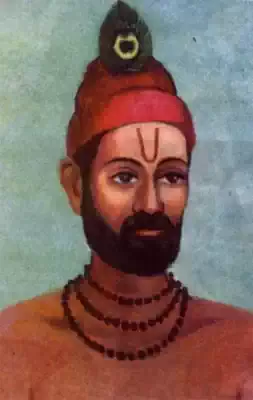
Kabir
I have been thinking
I have been thinking
I have been thinking...
I have been thinking of the difference between water
I have been thinkingI have been thinkingand the waves on it. Rising,
water's still water, falling back,
it is water, will you give me a hint
how to tell them apart?
Because someone has made up the word
'wave,' do I have to distinguish it
from water?
There is a Secret One inside us;
the planets in all the galaxies
pass through his hands like beads.
That is a string of beads one should look at with luminous eyes.
I have been thinking...
I have been thinking of the difference between water
I have been thinkingI have been thinkingand the waves on it. Rising,
water's still water, falling back,
it is water, will you give me a hint
how to tell them apart?
Because someone has made up the word
'wave,' do I have to distinguish it
from water?
There is a Secret One inside us;
the planets in all the galaxies
pass through his hands like beads.
That is a string of beads one should look at with luminous eyes.
524
Kabir
Brother, I've Seen Some
Brother, I've Seen Some
Brother, I've seen some
Astonishing sights:
A lion keeping watch
Over pasturing cows;
A mother delivered
After her son was;
A guru prostrated
Before his disciple;
Fish spawning
On treetops;
A cat carrying away
A dog;
A gunny-sack
Driving a bullock-cart;
A buffalo going out to graze,
Sitting on a horse;
A tree with its branches in the earth,
Its roots in the sky;
A tree with flowering roots.
This verse, says Kabir,
Is your key to the universe.
If you can figure it out.
Brother, I've seen some
Astonishing sights:
A lion keeping watch
Over pasturing cows;
A mother delivered
After her son was;
A guru prostrated
Before his disciple;
Fish spawning
On treetops;
A cat carrying away
A dog;
A gunny-sack
Driving a bullock-cart;
A buffalo going out to graze,
Sitting on a horse;
A tree with its branches in the earth,
Its roots in the sky;
A tree with flowering roots.
This verse, says Kabir,
Is your key to the universe.
If you can figure it out.
446
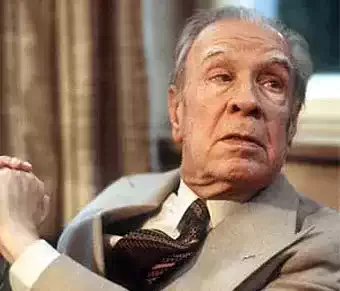
Jorge Luis Borges
Art of Poetry, The
Art of Poetry, The
To gaze at a river made of time and water
And remember Time is another river.
To know we stray like a river
and our faces vanish like water.
To feel that waking is another dream
that dreams of not dreaming and that the death
we fear in our bones is the death
that every night we call a dream.
To see in every day and year a symbol
of all the days of man and his years,
and convert the outrage of the years
into a music, a sound, and a symbol.
To see in death a dream, in the sunset
a golden sadness--such is poetry,
humble and immortal, poetry,
returning, like dawn and the sunset.
Sometimes at evening there's a face
that sees us from the deeps of a mirror.
Art must be that sort of mirror,
disclosing to each of us his face.
They say Ulysses, wearied of wonders,
wept with love on seeing Ithaca,
humble and green. Art is that Ithaca,
a green eternity, not wonders.
Art is endless like a river flowing,
passing, yet remaining, a mirror to the same
inconstant Heraclitus, who is the same
and yet another, like the river flowing.
To gaze at a river made of time and water
And remember Time is another river.
To know we stray like a river
and our faces vanish like water.
To feel that waking is another dream
that dreams of not dreaming and that the death
we fear in our bones is the death
that every night we call a dream.
To see in every day and year a symbol
of all the days of man and his years,
and convert the outrage of the years
into a music, a sound, and a symbol.
To see in death a dream, in the sunset
a golden sadness--such is poetry,
humble and immortal, poetry,
returning, like dawn and the sunset.
Sometimes at evening there's a face
that sees us from the deeps of a mirror.
Art must be that sort of mirror,
disclosing to each of us his face.
They say Ulysses, wearied of wonders,
wept with love on seeing Ithaca,
humble and green. Art is that Ithaca,
a green eternity, not wonders.
Art is endless like a river flowing,
passing, yet remaining, a mirror to the same
inconstant Heraclitus, who is the same
and yet another, like the river flowing.
950
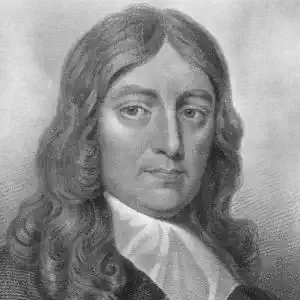
John Milton
Il Penseroso
Il Penseroso
HENCE, vain deluding Joys,
............The brood of Folly without father bred!
How little you bested
............Or fill the fixed mind with all your toys!
Dwell in some idle brain,
............And fancies fond with gaudy shapes possess,
As thick and numberless
............As the gay motes that people the sun-beams,
Or likest hovering dreams,
............The fickle pensioners of Morpheus' train.
But, hail! thou Goddess sage and holy!
Hail, divinest Melancholy!
Whose saintly visage is too bright
To hit the sense of human sight,
And therefore to our weaker view
O'erlaid with black, staid Wisdom's hue;
Black, but such as in esteem
Prince Memnon's sister might beseem,
Or that starred Ethiop queen that strove
To set her beauty's praise above
The Sea-Nymphs, and their powers offended.
Yet thou art higher far descended:
Thee bright-haired Vesta long of yore
To solitary Saturn bore;
His daughter she; in Saturn's reign
Such mixture was not held a stain.
Oft in glimmering bowers and glades
He met her, and in secret shades
Of woody Ida's inmost grove,
Whilst yet there was no fear of Jove.
Come, pensive Nun, devout and pure,
Sober, steadfast, and demure,
All in a robe of darkest grain,
Flowing with majestic train,
And sable stole of cypress lawn
Over thy decent shoulders drawn.
Come; but keep thy wonted state,
With even step, and musing gait,
And looks commercing with the skies,
Thy rapt soul sitting in thine eyes:
There, held in holy passion still,
Forget thyself to marble, till
With a sad leaden downward cast
Thou fix them on the earth as fast.
And join with thee calm Peace and Quiet,
Spare Fast, that oft with gods doth diet,
And hears the Muses in a ring
Aye round about Jove's altar sing;
And add to these retired Leisure,
That in trim gardens takes his pleasure;
But, first and chiefest, with thee bring
Him that yon soars on golden wing,
Guiding the fiery-wheeled throne,
The Cherub Contemplation;
And the mute Silence hist along,
'Less Philomel will deign a song,
In her sweetest saddest plight,
Smoothing the rugged brow of Night,
While Cynthia checks her dragon yoke
Gently o'er the accustomed oak.
Sweet bird, that shunn'st the noise of folly,
Most musical, most melancholy!
Thee, chauntress, oft the woods among
I woo, to hear thy even-song;
And, missing thee,I walk unseen
On the dry smooth-shaven green,
To behold the wandering moon,
Riding near her highest noon,
Like one that had been led astray
Through the heaven's wide pathless way,
And oft, as if her head she bowed,
Stooping through a fleecy cloud.
Oft, on a plat of rising ground,
I hear the far-off curfew sound,
Over some wide-watered shore,
Swinging slow with sullen roar;
Or, if the air will not permit,
Some still removed place will fit,
Where glowing embers through the room
Teach light to counterfeit a gloom,
Far from all resort of mirth,
Save the cricket on the hearth,
Or the bellman's drowsy charm
To bless the doors from nightly harm.
Or let my lamp, at midnight hour,
Be seen in some high lonely tower,
Where I may oft outwatch the Bear,
With thrice great Hermes, or unsphere
The spirit of Plato, to unfold
What worlds or what vast regions hold
The immortal mind that hath forsook
Her mansion in this fleshly nook;
And of those demons that are found
In fire, air, flood, or underground,
Whose power hath a true consent
With planet or with element.
Sometime let gorgeous Tragedy
In sceptred pall come sweeping by,
Presenting Thebes, or Pelops' line,
Or the tale of Troy divine,
Or what (though rare) of later age
Ennobled hath the buskined stage.
But, O sad Virgin! that thy power
Might raise Musaeus from his bower;
Or bid the soul of Orpheus sing
Such notes as, warbled to the string,
Drew iron tears down Pluto's cheek,
And made Hell grant what love did seek;
Or call up him that left half-told
The story of Cambuscan bold,
Of Camball, and of Algarsife,
And who had Canace to wife,
That owned the virtuous ring and glass,
And of the wondrous horse of brass
On which the Tartar king did ride;
And if aught else great bards beside
In sage and solemn tunes have sung,
Of turneys, and of trophies hung,
Of forests, and enchantments drear,
Where more is meant than meets the ear.
Thus, Night, oft see me in thy pale career,
Till civil-suited Morn appear,
Not tricked and frounced, as she was wont
With the Attic boy to hunt,
But kerchieft in a comely cloud
While rocking winds are piping loud,
Or ushered with a shower still,
When the gust hath blown his fill,
Ending on the rustling leaves,
With minute-drops from off the eaves.
And, when the sun begins to fling
His flaring beams, me, Goddess, bring
To arched walks of twilight groves,
And shadows brown, that Sylvan loves,
Of pine, or monumental oak,
Where the rude axe with heaved stroke
Was never heard the nymphs to daunt,
Or fright them from their hallowed haunt.
There, in close covert, by some brook,
Where no profaner eye may look,
Hide me from day's garish eye,
While the bee with honeyed thigh,
That at her flowery work doth sing,
And the waters murmuring,
With such consort as they keep,
Entice the dewy-feathered Sleep.
And let some strange mysterious dream
Wave at his wings, in airy stream
Of lively portraiture displayed,
Softly on my eyelids laid;
And, as I wake, sweet music breathe
Above, about, or underneath,
Sent by some Spirit to mortals good,
Or the unseen Genius of the wood.
But let my due feet never fail
To walk the studious cloister's pale,
And love the high embowed roof,
With antique pillars massy proof,
And storied windows richly dight,
Casting a dim religious light.
There let the pealing organ blow,
To the full-voiced quire below,
In service high and anthems clear,
As may with sweetness, through mine ear,
Dissolve me into ecstasies,
And bring all Heaven before mine eyes.
And may at last my weary age
Find out the peaceful hermitage,
The hairy gown and mossy cell,
Where I may sit and rightly spell
Of every star that heaven doth shew,
And every herb that sips the dew,
Till old experience do attain
To something like prophetic strain.
These pleasures, Melancholy, give;
And I with thee will choose to live.
HENCE, vain deluding Joys,
............The brood of Folly without father bred!
How little you bested
............Or fill the fixed mind with all your toys!
Dwell in some idle brain,
............And fancies fond with gaudy shapes possess,
As thick and numberless
............As the gay motes that people the sun-beams,
Or likest hovering dreams,
............The fickle pensioners of Morpheus' train.
But, hail! thou Goddess sage and holy!
Hail, divinest Melancholy!
Whose saintly visage is too bright
To hit the sense of human sight,
And therefore to our weaker view
O'erlaid with black, staid Wisdom's hue;
Black, but such as in esteem
Prince Memnon's sister might beseem,
Or that starred Ethiop queen that strove
To set her beauty's praise above
The Sea-Nymphs, and their powers offended.
Yet thou art higher far descended:
Thee bright-haired Vesta long of yore
To solitary Saturn bore;
His daughter she; in Saturn's reign
Such mixture was not held a stain.
Oft in glimmering bowers and glades
He met her, and in secret shades
Of woody Ida's inmost grove,
Whilst yet there was no fear of Jove.
Come, pensive Nun, devout and pure,
Sober, steadfast, and demure,
All in a robe of darkest grain,
Flowing with majestic train,
And sable stole of cypress lawn
Over thy decent shoulders drawn.
Come; but keep thy wonted state,
With even step, and musing gait,
And looks commercing with the skies,
Thy rapt soul sitting in thine eyes:
There, held in holy passion still,
Forget thyself to marble, till
With a sad leaden downward cast
Thou fix them on the earth as fast.
And join with thee calm Peace and Quiet,
Spare Fast, that oft with gods doth diet,
And hears the Muses in a ring
Aye round about Jove's altar sing;
And add to these retired Leisure,
That in trim gardens takes his pleasure;
But, first and chiefest, with thee bring
Him that yon soars on golden wing,
Guiding the fiery-wheeled throne,
The Cherub Contemplation;
And the mute Silence hist along,
'Less Philomel will deign a song,
In her sweetest saddest plight,
Smoothing the rugged brow of Night,
While Cynthia checks her dragon yoke
Gently o'er the accustomed oak.
Sweet bird, that shunn'st the noise of folly,
Most musical, most melancholy!
Thee, chauntress, oft the woods among
I woo, to hear thy even-song;
And, missing thee,I walk unseen
On the dry smooth-shaven green,
To behold the wandering moon,
Riding near her highest noon,
Like one that had been led astray
Through the heaven's wide pathless way,
And oft, as if her head she bowed,
Stooping through a fleecy cloud.
Oft, on a plat of rising ground,
I hear the far-off curfew sound,
Over some wide-watered shore,
Swinging slow with sullen roar;
Or, if the air will not permit,
Some still removed place will fit,
Where glowing embers through the room
Teach light to counterfeit a gloom,
Far from all resort of mirth,
Save the cricket on the hearth,
Or the bellman's drowsy charm
To bless the doors from nightly harm.
Or let my lamp, at midnight hour,
Be seen in some high lonely tower,
Where I may oft outwatch the Bear,
With thrice great Hermes, or unsphere
The spirit of Plato, to unfold
What worlds or what vast regions hold
The immortal mind that hath forsook
Her mansion in this fleshly nook;
And of those demons that are found
In fire, air, flood, or underground,
Whose power hath a true consent
With planet or with element.
Sometime let gorgeous Tragedy
In sceptred pall come sweeping by,
Presenting Thebes, or Pelops' line,
Or the tale of Troy divine,
Or what (though rare) of later age
Ennobled hath the buskined stage.
But, O sad Virgin! that thy power
Might raise Musaeus from his bower;
Or bid the soul of Orpheus sing
Such notes as, warbled to the string,
Drew iron tears down Pluto's cheek,
And made Hell grant what love did seek;
Or call up him that left half-told
The story of Cambuscan bold,
Of Camball, and of Algarsife,
And who had Canace to wife,
That owned the virtuous ring and glass,
And of the wondrous horse of brass
On which the Tartar king did ride;
And if aught else great bards beside
In sage and solemn tunes have sung,
Of turneys, and of trophies hung,
Of forests, and enchantments drear,
Where more is meant than meets the ear.
Thus, Night, oft see me in thy pale career,
Till civil-suited Morn appear,
Not tricked and frounced, as she was wont
With the Attic boy to hunt,
But kerchieft in a comely cloud
While rocking winds are piping loud,
Or ushered with a shower still,
When the gust hath blown his fill,
Ending on the rustling leaves,
With minute-drops from off the eaves.
And, when the sun begins to fling
His flaring beams, me, Goddess, bring
To arched walks of twilight groves,
And shadows brown, that Sylvan loves,
Of pine, or monumental oak,
Where the rude axe with heaved stroke
Was never heard the nymphs to daunt,
Or fright them from their hallowed haunt.
There, in close covert, by some brook,
Where no profaner eye may look,
Hide me from day's garish eye,
While the bee with honeyed thigh,
That at her flowery work doth sing,
And the waters murmuring,
With such consort as they keep,
Entice the dewy-feathered Sleep.
And let some strange mysterious dream
Wave at his wings, in airy stream
Of lively portraiture displayed,
Softly on my eyelids laid;
And, as I wake, sweet music breathe
Above, about, or underneath,
Sent by some Spirit to mortals good,
Or the unseen Genius of the wood.
But let my due feet never fail
To walk the studious cloister's pale,
And love the high embowed roof,
With antique pillars massy proof,
And storied windows richly dight,
Casting a dim religious light.
There let the pealing organ blow,
To the full-voiced quire below,
In service high and anthems clear,
As may with sweetness, through mine ear,
Dissolve me into ecstasies,
And bring all Heaven before mine eyes.
And may at last my weary age
Find out the peaceful hermitage,
The hairy gown and mossy cell,
Where I may sit and rightly spell
Of every star that heaven doth shew,
And every herb that sips the dew,
Till old experience do attain
To something like prophetic strain.
These pleasures, Melancholy, give;
And I with thee will choose to live.
755
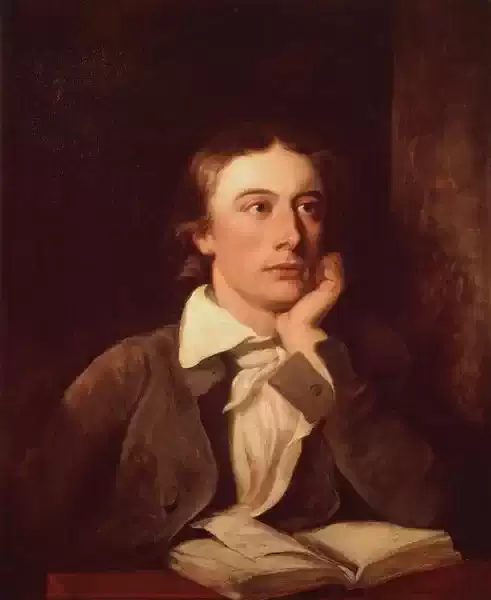
John Keats
Sleep And Poetry
Sleep And Poetry
As I lay in my bed slepe full unmete
Was unto me, but why that I ne might
Rest I ne wist, for there n'as erthly wight
[As I suppose] had more of hertis ese
Than I, for I n'ad sicknesse nor disese. ~ Chaucer
What is more gentle than a wind in summer?
What is more soothing than the pretty hummer
That stays one moment in an open flower,
And buzzes cheerily from bower to bower?
What is more tranquil than a musk-rose blowing
In a green island, far from all men's knowing?
More healthful than the leafiness of dales?
More secret than a nest of nightingales?
More serene than Cordelia's countenance?
More full of visions than a high romance?
What, but thee Sleep? Soft closer of our eyes!
Low murmurer of tender lullabies!
Light hoverer around our happy pillows!
Wreather of poppy buds, and weeping willows!
Silent entangler of a beauty's tresses!
Most happy listener! when the morning blesses
Thee for enlivening all the cheerful eyes
That glance so brightly at the new sun-rise.
But what is higher beyond thought than thee?
Fresher than berries of a mountain tree?
More strange, more beautiful, more smooth, more regal,
Than wings of swans, than doves, than dim-seen eagle?
What is it? And to what shall I compare it?
It has a glory, and naught else can share it:
The thought thereof is awful, sweet, and holy,
Chasing away all worldliness and folly;
Coming sometimes like fearful claps of thunder,
Or the low rumblings earth's regions under;
And sometimes like a gentle whispering
Of all the secrets of some wond'rous thing
That breathes about us in the vacant air;
So that we look around with prying stare,
Perhaps to see shapes of light, aerial limning,
And catch soft floatings from a faint-heard hymning;
To see the laurel wreath, on high suspended,
That is to crown our name when life is ended.
Sometimes it gives a glory to the voice,
And from the heart up-springs, rejoice! rejoice!
Sounds which will reach the Framer of all things,
And die away in ardent mutterings.
No one who once the glorious sun has seen,
And all the clouds, and felt his bosom clean
For his great Maker's presence, but must know
What 'tis I mean, and feel his being glow:
Therefore no insult will I give his spirit,
By telling what he sees from native merit.
O Poesy! for thee I hold my pen
That am not yet a glorious denizen
Of thy wide heaven- Should I rather kneel
Upon some mountain-top until I feel
A glowing splendour round about me hung,
And echo back the voice of thine own tongue?
O Poesy! for thee I grasp my pen
That am not yet a glorious denizen
Of thy wide heaven; yet, to my ardent prayer,
Yield from thy sanctuary some clear air,
Smooth'd for intoxication by the breath
Of flowering bays, that I may die a death
Of luxury, and my young spirit follow
The morning sun-beams to the great Apollo
Like a fresh sacrifice; or, if I can bear
The o'erwhelming sweets, 'twill bring to me the fair
Visions of all places: a bowery nook
Will be elysium- an eternal book
Whence I may copy many a lovely saying
About the leaves, and flowers- about the playing
Of nymphs in woods, and fountains; and the shade
Keeping a silence round a sleeping maid;
And many a verse from so strange influence
That we must ever wonder how, and whence
It came. Also imaginings will hover
Round my fire-side, and haply there discover
Vistas of solemn beauty, where I'd wander
In happy silence, like the clear Meander
Through its lone vales; and where I found a spot
Of awfuller shade, or an enchanted grot,
Or a green hill o'erspread with chequer'd dress
Of flowers, and fearful from its loveliness,
Write on my tablets all that was permitted,
All that was for our human senses fitted.
Then the events of this wide world I'd seize
Like a strong giant, and my spirit teaze
Till at its shoulders it should proudly see
Wings to find out an immortality.
Stop and consider! life is but a day;
A fragile dew-drop on its perilous way
From a tree's summit; a poor Indian's sleep
While his boat hastens to the monstrous steep
Of Montmorenci. Why so sad a moan?
Life is the rose's hope while yet unblown;
The reading of an ever-changing tale;
The light uplifting of a maiden's veil;
A pigeon tumbling in clear summer air;
A laughing school-boy, without grief or care,
Riding the springy branches of an elm.
O for ten years, that I may overwhelm
Myself in poesy; so I may do the deed
That my own soul has to itself decreed.
Then will I pass the countries that I see
In long perspective, and continually
Taste their pure fountains. First the realm I'll pass
Of Flora, and old Pan: sleep in the grass,
Feed upon apples red, and strawberries,
And choose each pleasure that my fancy sees;
Catch the white-handed nymphs in shady places,
To woo sweet kisses from averted faces,-
Play with their fingers, touch their shoulders white
Into a pretty shrinking with a bite
As hard as lips can make it: till agreed,
A lovely tale of human life we'll read.
And one will teach a tame dove how it best
May fan the cool air gently o'er my rest;
Another, bending o'er her nimble tread,
Will set a green robe floating round her head,
And still will dance with ever varied ease,
Smiling upon the flowers and the trees:
Another will entice me on, and on
Through almond blossoms and rich cinnamon;
Till in the bosom of a leafy world
We rest in silence, like two gems upcurl'd
In the recesses of a pearly shell.
And can I ever bid these joys farewell?
Yes, I must pass them for a nobler life,
Where I may find the agonies, the strife
Of human hearts: for lo! I see afar,
O'ersailing the blue cragginess, a car
And steeds with streamy manes- the charioteer
Looks out upon the winds with glorious fear:
And now the numerous tramplings quiver lightly
Along a huge cloud's ridge; and now with sprightly
Wheel downward come they into fresher skies,
Tipt round with silver from the sun's bright eyes.
Still downward with capacious whirl they glide;
And now I see them on the green-hill's side
In breezy rest among the nodding stalks.
The charioteer with wond'rous gesture talks
To the trees and mountains; and there soon appear
Shapes of delight, of mystery, and fear,
Passing along before a dusky space
Made by some mighty oaks: as they would chase
Some ever- fleeting music on they sweep.
Lo! how they murmur, laugh, and smile, and weep:
Some with upholden hand and mouth severe;
Some with their faces muffled to the ear
Between their arms; some, clear in youthful bloom,
Go glad and smilingly athwart the gloom;
Some looking back, and some with upward gaze;
Yes, thousands in a thousand different ways
Flit onward- now a lovely wreath of girls
Dancing their sleek hair into tangled curls;
And now broad wings. Most awfully intent
The driver of those steeds is forward bent,
And seems to listen: O that I might know
All that he writes with such a hurrying glow.
The visions all are fled- the car is fled
Into the light of heaven, and in their stead
A sense of real things comes doubly strong,
And, like a muddy stream, would bear along
My soul to nothingness: but I will strive
Against all doubtings, and will keep alive
The thought of that same chariot, and the strange
Journey it went.
Is there so small a range
In the present strength of manhood, that the high
Imagination cannot freely fly
As she was wont of old? prepare her steeds,
Paw up against the light, and do strange deeds
Upon the clouds? Has she not shown us all?
From the clear space of ether, to the small
Breath of new buds unfolding? From the meaning
Of Jove's large eye-brow, to the tender greening
Of April meadows? Here her altar shone,
E'en in this isle; and who could paragon
The fervid choir that lifted up a noise
Of harmony, to where it aye will poise
Its mighty self of convoluting sound,
Huge as a planet, and like that roll round,
Eternally around a dizzy void?
Ay, in those days the Muses were nigh cloy'd
With honors; nor had any other care
Than to sing out and sooth their wavy hair.
Could all this be forgotten? Yes, a schism
Nurtured by foppery and barbarism,
Made great Apollo blush for this his land.
Men were thought wise who could not understand
His glories: with a puling infant's force
They sway'd about upon a rocking horse,
And thought it Pegasus. Ah dismal soul'd!
The winds of heaven blew, the ocean roll'd
Its gathering waves- ye felt it not. The blue
Bared its eternal bosom, and the dew
Of summer nights collected still to make
The morning precious: beauty was awake!
Why were ye not awake? But ye were dead
To things ye knew not of,- were closely wed
To musty laws lined out with wretched rule
And compass vile: so that ye taught a school
Of dolts to smooth, inlay, and clip, and fit,
Till, like the certain wands of Jacob's wit,
Their verses tallied. Easy was the task:
A thousand handicraftsmen wore the mask
Of Poesy. Ill-fated, impious race!
That blasphemed the bright Lyrist to his face,
And did not know it,- no, they went about,
Holding a poor, decrepid standard out
Mark'd with most flimsy mottos, and in large
The name of one Boileau!
O ye whose charge
It is to hover round our pleasant hills!
Whose congregated majesty so fills
My boundly reverence, that I cannot trace
Your hallowed names, in this unholy place,
So near those common folk; did not their shames
Affright you? Did our old lamenting Thames
Delight you? Did ye never cluster round
Delicious Avon, with a mournful sound,
And weep? Or did ye wholly bid adieu
To regions where no more the laurel grew?
Or did ye stay to give a welcoming
To some lone spirits who could proudly sing
Their youth away, and die? 'Twas even so:
But let me think away those times of woe:
Now 'tis a fairer season; ye have breathed
Rich benedictions o'er us; ye have wreathed
Fresh garlands: for sweet music has been heard
In many places;- some has been upstirr'd
From out its crystal dwelling in a lake,
By a swan's ebon bill; from a thick brake,
Nested and quiet in a valley mild,
Bubbles a pipe; fine sounds are floating wild
About the earth: happy are ye and glad.
These things are doubtless: yet in truth we've had
Strange thunders from the potency of song;
Mingled indeed with what is sweet and strong,
From majesty: but in clear truth the themes
Are ugly clubs, the Poets' Polyphemes
Disturbing the grand sea. A drainless shower
Of light is poesy; 'tis the supreme of power;
'Tis might half slumb'ring on its own right arm.
The very archings of her eye-lids charm
A thousand willing agents to obey,
And still she governs with the mildest sway:
But strength alone though of the Muses born
Is like a fallen angel: trees uptorn,
Darkness, and worms, and shrouds, and sepulchres
Delight it; for it feeds upon the burrs,
And thorns of life; forgetting the great end
Of poesy, that it should be a friend
To sooth the cares, and lift the thoughts of man.
Yet I rejoice: a myrtle fairer than
E'er grew in Paphos, from the bitter weeds
Lifts its sweet head into the air, and feeds
A silent space with ever sprouting green.
All tenderest birds there find a pleasant screen,
Creep through the shade with jaunty fluttering,
Nibble the little cupped flowers and sing.
Then let us clear away the choking thorns
From round its gentle stem; let the young fawns,
Yeaned in after times, when we are flown,
Find a fresh sward beneath it, overgrown
With simple flowers: let there nothing be
More boisterous than a lover's bended knee;
Nought more ungentle than the placid look
Of one who leans upon a closed book;
Nought more untranquil than the grassy slopes
Between two hills. All hail delightful hopes!
As she was wont, th' imagination
Into most lovely labyrinths will be gone,
And they shall be accounted poet kings
Who simply tell the most heart-easing things.
O may these joys be ripe before I die.
Will not some say that I presumptuously
Have spoken? that from hastening disgrace
'Twere better far to hide my foolish face?
That whining boyhood should with reverence bow
Ere the dread thunderbolt could reach? How!
If I do hide myself, it sure shall be
In the very fane, the light of Poesy:
If I do fall, at least I will be laid
Beneath the silence of a poplar shade;
And over me the grass shall be smooth shaven;
And there shall be a kind memorial graven.
But off Despondence! miserable bane!
They should not know thee, who athirst to gain
A noble end, are thirsty every hour.
What though I am not wealthy in the dower
Of spanning wisdom; though I do not know
The shiftings of the mighty winds that blow
Hither and thither all the changing thoughts
Of man: though no great minist'ring reason sorts
Out the dark mysteries of human souls
To clear conceiving: yet there ever rolls
A vast idea before me, and I glean
Therefrom my liberty; thence too I've seen
The end and aim of Poesy. 'Tis clear
As anything most true; as that the year
Is made of the four seasons- manifest
As a large cross, some old cathedral's crest,
Lifted to the white clouds. Therefore should I
Be but the essence of deformity,
A coward, did my very eye-lids wink
At speaking out what I have dared to think.
Ah! rather let me like a madman run
Over some precipice; let the hot sun
Melt my Dedalian wings, and drive me down
Convuls'd and headlong! Stay! an inward frown
Of conscience bids me be more calm awhile.
An ocean dim, sprinkled with many an isle,
Spreads awfully before me. How much toil!
How many days! what desperate turmoil!
Ere I can have explored its widenesses.
Ah, what a task! upon my bended knees,
I could unsay those- no, impossible!
Impossible!
For sweet relief I'll dwell
On humbler thoughts, and let this strange assay
Begun in gentleness die so away.
E'en now all tumult from my bosom fades:
I turn full hearted to the friendly aids
That smooth the path of honour; brotherhood,
And friendliness the nurse of mutual good.
The hearty grasp that sends a pleasant sonnet
Into the brain ere one can think upon it;
The silence when some rhymes are coming out;
And when they're come, the very pleasant rout:
The message certain to be done to-morrow.
'Tis perhaps as well that it should be to borrow
Some precious book from out its snug retreat,
To cluster round it when we next shall meet.
Scarce can I scribble on; for lovely airs
Are fluttering round the room like doves in pairs;
Many delights of that glad day recalling,
When first my senses caught their tender falling.
And with these airs come forms of elegance
Stooping their shoulders o'er a horse's prance,
Careless, and grand-fingers soft and round
Parting luxuriant curls;- and the swift bound
Of Bacchus from his chariot, when his eye
Made Ariadne's cheek look blushingly.
Thus I remember all the pleasant flow
Of words at opening a portfolio.
Things such as these are ever harbingers
To trains of peaceful images: the stirs
Of a swan's neck unseen among the rushes:
A linnet starting all about the bushes:
A butterfly, with golden wings broad parted,
Nestling a rose, convuls'd as though it smarted
With over pleasure- many, many more,
Might I indulge at large in all my store
Of luxuries: yet I must not forget
Sleep, quiet with his poppy coronet:
For what there may be worthy in these rhymes
I partly owe to him: and thus, the chimes
Of friendly voices had just given place
To as sweet a silence, when I 'gan retrace
The pleasant day, upon a couch at ease.
It was a poet's house who keeps the keys
Of pleasure's temple. Round about were hung
The glorious features of the bards who sung
In other ages- cold and sacred busts
Smiled at each other. Happy he who trusts
To clear Futurity his darling fame!
Then there were fauns and satyrs taking aim
At swelling apples with a frisky leap
And reaching fingers, 'mid a luscious heap
Of vine-leaves. Then there rose to view a fane
Of liny marble, and thereto a train
Of nymphs approaching fairly o'er the sward:
One, loveliest, holding her white hand toward
The dazzling sun-rise: two sisters sweet
Bending their graceful figures till they meet
Over the trippings of a little child:
And some are hearing, eagerly, the wild
Thrilling liquidity of dewy piping.
See, in another picture, nymphs are wiping
Cherishingly Diana's timorous limbs;-
A fold of lawny mantle dabbling swims
At the bath's edge, and keeps a gentle motion
With the subsiding crystal: as when ocean
Heaves calmly its broad swelling smoothness o'er
Its rocky marge, and balances once more
The patient weeds; that now unshent by foam
Feel all about their undulating home.
Sappho's meek head was there half smiling down
At nothing; just as though the earnest frown
Of over thinking had that moment gone
From off her brow, and left her all alone.
Great Alfred's too, with anxious, pitying eyes,
As if he always listened to the sighs
Of the goaded world; and Kosciusko's worn
By horrid suffrance- mightily forlorn.
Petrarch, outstepping from the shady green,
Starts at the sight of Laura; nor can wean
His eyes from her sweet face. Most happy they!
For over them was seen a free display
Of out-spread wings, and from between them shone
The face of Poesy: from off her throne
She overlook'd things that I scarce could tell.
The very sense of where I was might well
Keep Sleep aloof: but more than that there came
Thought after thought to nourish up the flame
Within my breast; so that the morning light
Surprised me even from a sleepless night;
And up I rose refresh'd, and glad, and gay,
Resolving to begin that very day
These lines; and howsoever they be done,
I leave them as a father does his son.
THE END
As I lay in my bed slepe full unmete
Was unto me, but why that I ne might
Rest I ne wist, for there n'as erthly wight
[As I suppose] had more of hertis ese
Than I, for I n'ad sicknesse nor disese. ~ Chaucer
What is more gentle than a wind in summer?
What is more soothing than the pretty hummer
That stays one moment in an open flower,
And buzzes cheerily from bower to bower?
What is more tranquil than a musk-rose blowing
In a green island, far from all men's knowing?
More healthful than the leafiness of dales?
More secret than a nest of nightingales?
More serene than Cordelia's countenance?
More full of visions than a high romance?
What, but thee Sleep? Soft closer of our eyes!
Low murmurer of tender lullabies!
Light hoverer around our happy pillows!
Wreather of poppy buds, and weeping willows!
Silent entangler of a beauty's tresses!
Most happy listener! when the morning blesses
Thee for enlivening all the cheerful eyes
That glance so brightly at the new sun-rise.
But what is higher beyond thought than thee?
Fresher than berries of a mountain tree?
More strange, more beautiful, more smooth, more regal,
Than wings of swans, than doves, than dim-seen eagle?
What is it? And to what shall I compare it?
It has a glory, and naught else can share it:
The thought thereof is awful, sweet, and holy,
Chasing away all worldliness and folly;
Coming sometimes like fearful claps of thunder,
Or the low rumblings earth's regions under;
And sometimes like a gentle whispering
Of all the secrets of some wond'rous thing
That breathes about us in the vacant air;
So that we look around with prying stare,
Perhaps to see shapes of light, aerial limning,
And catch soft floatings from a faint-heard hymning;
To see the laurel wreath, on high suspended,
That is to crown our name when life is ended.
Sometimes it gives a glory to the voice,
And from the heart up-springs, rejoice! rejoice!
Sounds which will reach the Framer of all things,
And die away in ardent mutterings.
No one who once the glorious sun has seen,
And all the clouds, and felt his bosom clean
For his great Maker's presence, but must know
What 'tis I mean, and feel his being glow:
Therefore no insult will I give his spirit,
By telling what he sees from native merit.
O Poesy! for thee I hold my pen
That am not yet a glorious denizen
Of thy wide heaven- Should I rather kneel
Upon some mountain-top until I feel
A glowing splendour round about me hung,
And echo back the voice of thine own tongue?
O Poesy! for thee I grasp my pen
That am not yet a glorious denizen
Of thy wide heaven; yet, to my ardent prayer,
Yield from thy sanctuary some clear air,
Smooth'd for intoxication by the breath
Of flowering bays, that I may die a death
Of luxury, and my young spirit follow
The morning sun-beams to the great Apollo
Like a fresh sacrifice; or, if I can bear
The o'erwhelming sweets, 'twill bring to me the fair
Visions of all places: a bowery nook
Will be elysium- an eternal book
Whence I may copy many a lovely saying
About the leaves, and flowers- about the playing
Of nymphs in woods, and fountains; and the shade
Keeping a silence round a sleeping maid;
And many a verse from so strange influence
That we must ever wonder how, and whence
It came. Also imaginings will hover
Round my fire-side, and haply there discover
Vistas of solemn beauty, where I'd wander
In happy silence, like the clear Meander
Through its lone vales; and where I found a spot
Of awfuller shade, or an enchanted grot,
Or a green hill o'erspread with chequer'd dress
Of flowers, and fearful from its loveliness,
Write on my tablets all that was permitted,
All that was for our human senses fitted.
Then the events of this wide world I'd seize
Like a strong giant, and my spirit teaze
Till at its shoulders it should proudly see
Wings to find out an immortality.
Stop and consider! life is but a day;
A fragile dew-drop on its perilous way
From a tree's summit; a poor Indian's sleep
While his boat hastens to the monstrous steep
Of Montmorenci. Why so sad a moan?
Life is the rose's hope while yet unblown;
The reading of an ever-changing tale;
The light uplifting of a maiden's veil;
A pigeon tumbling in clear summer air;
A laughing school-boy, without grief or care,
Riding the springy branches of an elm.
O for ten years, that I may overwhelm
Myself in poesy; so I may do the deed
That my own soul has to itself decreed.
Then will I pass the countries that I see
In long perspective, and continually
Taste their pure fountains. First the realm I'll pass
Of Flora, and old Pan: sleep in the grass,
Feed upon apples red, and strawberries,
And choose each pleasure that my fancy sees;
Catch the white-handed nymphs in shady places,
To woo sweet kisses from averted faces,-
Play with their fingers, touch their shoulders white
Into a pretty shrinking with a bite
As hard as lips can make it: till agreed,
A lovely tale of human life we'll read.
And one will teach a tame dove how it best
May fan the cool air gently o'er my rest;
Another, bending o'er her nimble tread,
Will set a green robe floating round her head,
And still will dance with ever varied ease,
Smiling upon the flowers and the trees:
Another will entice me on, and on
Through almond blossoms and rich cinnamon;
Till in the bosom of a leafy world
We rest in silence, like two gems upcurl'd
In the recesses of a pearly shell.
And can I ever bid these joys farewell?
Yes, I must pass them for a nobler life,
Where I may find the agonies, the strife
Of human hearts: for lo! I see afar,
O'ersailing the blue cragginess, a car
And steeds with streamy manes- the charioteer
Looks out upon the winds with glorious fear:
And now the numerous tramplings quiver lightly
Along a huge cloud's ridge; and now with sprightly
Wheel downward come they into fresher skies,
Tipt round with silver from the sun's bright eyes.
Still downward with capacious whirl they glide;
And now I see them on the green-hill's side
In breezy rest among the nodding stalks.
The charioteer with wond'rous gesture talks
To the trees and mountains; and there soon appear
Shapes of delight, of mystery, and fear,
Passing along before a dusky space
Made by some mighty oaks: as they would chase
Some ever- fleeting music on they sweep.
Lo! how they murmur, laugh, and smile, and weep:
Some with upholden hand and mouth severe;
Some with their faces muffled to the ear
Between their arms; some, clear in youthful bloom,
Go glad and smilingly athwart the gloom;
Some looking back, and some with upward gaze;
Yes, thousands in a thousand different ways
Flit onward- now a lovely wreath of girls
Dancing their sleek hair into tangled curls;
And now broad wings. Most awfully intent
The driver of those steeds is forward bent,
And seems to listen: O that I might know
All that he writes with such a hurrying glow.
The visions all are fled- the car is fled
Into the light of heaven, and in their stead
A sense of real things comes doubly strong,
And, like a muddy stream, would bear along
My soul to nothingness: but I will strive
Against all doubtings, and will keep alive
The thought of that same chariot, and the strange
Journey it went.
Is there so small a range
In the present strength of manhood, that the high
Imagination cannot freely fly
As she was wont of old? prepare her steeds,
Paw up against the light, and do strange deeds
Upon the clouds? Has she not shown us all?
From the clear space of ether, to the small
Breath of new buds unfolding? From the meaning
Of Jove's large eye-brow, to the tender greening
Of April meadows? Here her altar shone,
E'en in this isle; and who could paragon
The fervid choir that lifted up a noise
Of harmony, to where it aye will poise
Its mighty self of convoluting sound,
Huge as a planet, and like that roll round,
Eternally around a dizzy void?
Ay, in those days the Muses were nigh cloy'd
With honors; nor had any other care
Than to sing out and sooth their wavy hair.
Could all this be forgotten? Yes, a schism
Nurtured by foppery and barbarism,
Made great Apollo blush for this his land.
Men were thought wise who could not understand
His glories: with a puling infant's force
They sway'd about upon a rocking horse,
And thought it Pegasus. Ah dismal soul'd!
The winds of heaven blew, the ocean roll'd
Its gathering waves- ye felt it not. The blue
Bared its eternal bosom, and the dew
Of summer nights collected still to make
The morning precious: beauty was awake!
Why were ye not awake? But ye were dead
To things ye knew not of,- were closely wed
To musty laws lined out with wretched rule
And compass vile: so that ye taught a school
Of dolts to smooth, inlay, and clip, and fit,
Till, like the certain wands of Jacob's wit,
Their verses tallied. Easy was the task:
A thousand handicraftsmen wore the mask
Of Poesy. Ill-fated, impious race!
That blasphemed the bright Lyrist to his face,
And did not know it,- no, they went about,
Holding a poor, decrepid standard out
Mark'd with most flimsy mottos, and in large
The name of one Boileau!
O ye whose charge
It is to hover round our pleasant hills!
Whose congregated majesty so fills
My boundly reverence, that I cannot trace
Your hallowed names, in this unholy place,
So near those common folk; did not their shames
Affright you? Did our old lamenting Thames
Delight you? Did ye never cluster round
Delicious Avon, with a mournful sound,
And weep? Or did ye wholly bid adieu
To regions where no more the laurel grew?
Or did ye stay to give a welcoming
To some lone spirits who could proudly sing
Their youth away, and die? 'Twas even so:
But let me think away those times of woe:
Now 'tis a fairer season; ye have breathed
Rich benedictions o'er us; ye have wreathed
Fresh garlands: for sweet music has been heard
In many places;- some has been upstirr'd
From out its crystal dwelling in a lake,
By a swan's ebon bill; from a thick brake,
Nested and quiet in a valley mild,
Bubbles a pipe; fine sounds are floating wild
About the earth: happy are ye and glad.
These things are doubtless: yet in truth we've had
Strange thunders from the potency of song;
Mingled indeed with what is sweet and strong,
From majesty: but in clear truth the themes
Are ugly clubs, the Poets' Polyphemes
Disturbing the grand sea. A drainless shower
Of light is poesy; 'tis the supreme of power;
'Tis might half slumb'ring on its own right arm.
The very archings of her eye-lids charm
A thousand willing agents to obey,
And still she governs with the mildest sway:
But strength alone though of the Muses born
Is like a fallen angel: trees uptorn,
Darkness, and worms, and shrouds, and sepulchres
Delight it; for it feeds upon the burrs,
And thorns of life; forgetting the great end
Of poesy, that it should be a friend
To sooth the cares, and lift the thoughts of man.
Yet I rejoice: a myrtle fairer than
E'er grew in Paphos, from the bitter weeds
Lifts its sweet head into the air, and feeds
A silent space with ever sprouting green.
All tenderest birds there find a pleasant screen,
Creep through the shade with jaunty fluttering,
Nibble the little cupped flowers and sing.
Then let us clear away the choking thorns
From round its gentle stem; let the young fawns,
Yeaned in after times, when we are flown,
Find a fresh sward beneath it, overgrown
With simple flowers: let there nothing be
More boisterous than a lover's bended knee;
Nought more ungentle than the placid look
Of one who leans upon a closed book;
Nought more untranquil than the grassy slopes
Between two hills. All hail delightful hopes!
As she was wont, th' imagination
Into most lovely labyrinths will be gone,
And they shall be accounted poet kings
Who simply tell the most heart-easing things.
O may these joys be ripe before I die.
Will not some say that I presumptuously
Have spoken? that from hastening disgrace
'Twere better far to hide my foolish face?
That whining boyhood should with reverence bow
Ere the dread thunderbolt could reach? How!
If I do hide myself, it sure shall be
In the very fane, the light of Poesy:
If I do fall, at least I will be laid
Beneath the silence of a poplar shade;
And over me the grass shall be smooth shaven;
And there shall be a kind memorial graven.
But off Despondence! miserable bane!
They should not know thee, who athirst to gain
A noble end, are thirsty every hour.
What though I am not wealthy in the dower
Of spanning wisdom; though I do not know
The shiftings of the mighty winds that blow
Hither and thither all the changing thoughts
Of man: though no great minist'ring reason sorts
Out the dark mysteries of human souls
To clear conceiving: yet there ever rolls
A vast idea before me, and I glean
Therefrom my liberty; thence too I've seen
The end and aim of Poesy. 'Tis clear
As anything most true; as that the year
Is made of the four seasons- manifest
As a large cross, some old cathedral's crest,
Lifted to the white clouds. Therefore should I
Be but the essence of deformity,
A coward, did my very eye-lids wink
At speaking out what I have dared to think.
Ah! rather let me like a madman run
Over some precipice; let the hot sun
Melt my Dedalian wings, and drive me down
Convuls'd and headlong! Stay! an inward frown
Of conscience bids me be more calm awhile.
An ocean dim, sprinkled with many an isle,
Spreads awfully before me. How much toil!
How many days! what desperate turmoil!
Ere I can have explored its widenesses.
Ah, what a task! upon my bended knees,
I could unsay those- no, impossible!
Impossible!
For sweet relief I'll dwell
On humbler thoughts, and let this strange assay
Begun in gentleness die so away.
E'en now all tumult from my bosom fades:
I turn full hearted to the friendly aids
That smooth the path of honour; brotherhood,
And friendliness the nurse of mutual good.
The hearty grasp that sends a pleasant sonnet
Into the brain ere one can think upon it;
The silence when some rhymes are coming out;
And when they're come, the very pleasant rout:
The message certain to be done to-morrow.
'Tis perhaps as well that it should be to borrow
Some precious book from out its snug retreat,
To cluster round it when we next shall meet.
Scarce can I scribble on; for lovely airs
Are fluttering round the room like doves in pairs;
Many delights of that glad day recalling,
When first my senses caught their tender falling.
And with these airs come forms of elegance
Stooping their shoulders o'er a horse's prance,
Careless, and grand-fingers soft and round
Parting luxuriant curls;- and the swift bound
Of Bacchus from his chariot, when his eye
Made Ariadne's cheek look blushingly.
Thus I remember all the pleasant flow
Of words at opening a portfolio.
Things such as these are ever harbingers
To trains of peaceful images: the stirs
Of a swan's neck unseen among the rushes:
A linnet starting all about the bushes:
A butterfly, with golden wings broad parted,
Nestling a rose, convuls'd as though it smarted
With over pleasure- many, many more,
Might I indulge at large in all my store
Of luxuries: yet I must not forget
Sleep, quiet with his poppy coronet:
For what there may be worthy in these rhymes
I partly owe to him: and thus, the chimes
Of friendly voices had just given place
To as sweet a silence, when I 'gan retrace
The pleasant day, upon a couch at ease.
It was a poet's house who keeps the keys
Of pleasure's temple. Round about were hung
The glorious features of the bards who sung
In other ages- cold and sacred busts
Smiled at each other. Happy he who trusts
To clear Futurity his darling fame!
Then there were fauns and satyrs taking aim
At swelling apples with a frisky leap
And reaching fingers, 'mid a luscious heap
Of vine-leaves. Then there rose to view a fane
Of liny marble, and thereto a train
Of nymphs approaching fairly o'er the sward:
One, loveliest, holding her white hand toward
The dazzling sun-rise: two sisters sweet
Bending their graceful figures till they meet
Over the trippings of a little child:
And some are hearing, eagerly, the wild
Thrilling liquidity of dewy piping.
See, in another picture, nymphs are wiping
Cherishingly Diana's timorous limbs;-
A fold of lawny mantle dabbling swims
At the bath's edge, and keeps a gentle motion
With the subsiding crystal: as when ocean
Heaves calmly its broad swelling smoothness o'er
Its rocky marge, and balances once more
The patient weeds; that now unshent by foam
Feel all about their undulating home.
Sappho's meek head was there half smiling down
At nothing; just as though the earnest frown
Of over thinking had that moment gone
From off her brow, and left her all alone.
Great Alfred's too, with anxious, pitying eyes,
As if he always listened to the sighs
Of the goaded world; and Kosciusko's worn
By horrid suffrance- mightily forlorn.
Petrarch, outstepping from the shady green,
Starts at the sight of Laura; nor can wean
His eyes from her sweet face. Most happy they!
For over them was seen a free display
Of out-spread wings, and from between them shone
The face of Poesy: from off her throne
She overlook'd things that I scarce could tell.
The very sense of where I was might well
Keep Sleep aloof: but more than that there came
Thought after thought to nourish up the flame
Within my breast; so that the morning light
Surprised me even from a sleepless night;
And up I rose refresh'd, and glad, and gay,
Resolving to begin that very day
These lines; and howsoever they be done,
I leave them as a father does his son.
THE END
778
John Greenleaf Whittier
The Vanishers
The Vanishers
Sweetest of all childlike dreams
In the simple Indian lore
Still to me the legend seems
Of the shapes who flit before.
Flitting, passing, seen and gone,
Never reached nor found at rest,
Baffling search, but beckoning on
To the Sunset of the Blest.
From the clefts of mountain rocks,
Through the dark of lowland firs,
Flash the eyes and flow the locks
Of the mystic Vanishers!
And the fisher in his skiff,
And the hunter on the moss,
Hear their call from cape and cliff,
See their hands the birch-leaves toss.
Wistful, longing, through the green
Twilight of the clustered pines,
In their faces rarely seen
Beauty more than mortal shines.
Fringed with gold their mantles flow
On the slopes of westering knolls;
In the wind they whisper low
Of the Sunset Land of Souls.
Doubt who may, O friend of mine!
Thou and I have seen them too;
On before with beck and sign
Still they glide, and we pursue.
More than clouds of purple trail
In the gold of setting day;
More than gleams of wing or sail
Beckon from the sea-mist gray.
Glimpses of immortal youth,
Gleams and glories seen and flown,
Far-heard voices sweet with truth,
Airs from viewless Eden blown;
Beauty that eludes our grasp,
Sweetness that transcends our taste,
Loving hands we may not clasp,
Shining feet that mock our haste;
Gentle eyes we closed below,
Tender voices heard once more,
Smile and call us, as they go
On and onward, still before.
Guided thus, O friend of mine
Let us walk our little way,
Knowing by each beckoning sign
That we are not quite astray.
Chase we still, with baffled feet,
Smiling eye and waving hand,
Sought and seeker soon shall meet,
Lost and found, in Sunset Land
Sweetest of all childlike dreams
In the simple Indian lore
Still to me the legend seems
Of the shapes who flit before.
Flitting, passing, seen and gone,
Never reached nor found at rest,
Baffling search, but beckoning on
To the Sunset of the Blest.
From the clefts of mountain rocks,
Through the dark of lowland firs,
Flash the eyes and flow the locks
Of the mystic Vanishers!
And the fisher in his skiff,
And the hunter on the moss,
Hear their call from cape and cliff,
See their hands the birch-leaves toss.
Wistful, longing, through the green
Twilight of the clustered pines,
In their faces rarely seen
Beauty more than mortal shines.
Fringed with gold their mantles flow
On the slopes of westering knolls;
In the wind they whisper low
Of the Sunset Land of Souls.
Doubt who may, O friend of mine!
Thou and I have seen them too;
On before with beck and sign
Still they glide, and we pursue.
More than clouds of purple trail
In the gold of setting day;
More than gleams of wing or sail
Beckon from the sea-mist gray.
Glimpses of immortal youth,
Gleams and glories seen and flown,
Far-heard voices sweet with truth,
Airs from viewless Eden blown;
Beauty that eludes our grasp,
Sweetness that transcends our taste,
Loving hands we may not clasp,
Shining feet that mock our haste;
Gentle eyes we closed below,
Tender voices heard once more,
Smile and call us, as they go
On and onward, still before.
Guided thus, O friend of mine
Let us walk our little way,
Knowing by each beckoning sign
That we are not quite astray.
Chase we still, with baffled feet,
Smiling eye and waving hand,
Sought and seeker soon shall meet,
Lost and found, in Sunset Land
255
John Greenleaf Whittier
Norumbega Hall
Norumbega Hall
Not on Penobscot's wooded bank the spires
Of the sought City rose, nor yet beside
The winding Charles, nor where the daily tide
Of Naumkeag's haven rises and retires,
The vision tarried; but somewhere we knew
The beautiful gates must open to our quest,
Somewhere that marvellous City of the West
Would lift its towers and palace domes in view,
And, to! at last its mystery is made known-Its
only dwellers maidens fair and young,
Its Princess such as England's Laureate sung;
And safe from capture, save by love alone,
It lends its beauty to the lake's green shore,
And Norumbega is a myth no more.
Not on Penobscot's wooded bank the spires
Of the sought City rose, nor yet beside
The winding Charles, nor where the daily tide
Of Naumkeag's haven rises and retires,
The vision tarried; but somewhere we knew
The beautiful gates must open to our quest,
Somewhere that marvellous City of the West
Would lift its towers and palace domes in view,
And, to! at last its mystery is made known-Its
only dwellers maidens fair and young,
Its Princess such as England's Laureate sung;
And safe from capture, save by love alone,
It lends its beauty to the lake's green shore,
And Norumbega is a myth no more.
245
John Greenleaf Whittier
My Dream
My Dream
In my dream, methought I trod,
Yesternight, a mountain road;
Narrow as Al Sirat's span,
High as eagle's flight, it ran.
Overhead, a roof of cloud
With its weight of thunder bowed;
Underneath, to left and right,
Blankness and abysmal night.
Here and there a wild-flower blushed,
Now and then a bird-song gushed;
Now and then, through rifts of shade,
Stars shone out, and sunbeams played.
But the goodly company,
Walking in that path with me,
One by one the brink o'erslid,
One by one the darkness hid.
Some with wailing and lament,
Some with cheerful courage went;
But, of all who smiled or mourned,
Never one to us returned.
Anxiously, with eye and ear,
Questioning that shadow drear,
Never hand in token stirred,
Never answering voice I heard!
Steeper, darker!--lo! I felt
From my feet the pathway melt.
Swallowed by the black despair,
And the hungry jaws of air,
Past the stony-throated caves,
Strangled by the wash of waves,
Past the splintered crags, I sank
On a green and flowery bank,-
Soft as fall of thistle-down,
Lightly as a cloud is blown,
Soothingly as childhood pressed
To the bosom of its rest.
Of the sharp-horned rocks instead,
Green the grassy meadows spread,
Bright with waters singing by
Trees that propped a golden sky.
Painless, trustful, sorrow-free,
Old lost faces welcomed me,
With whose sweetness of content
Still expectant hope was blent.
Waking while the dawning gray
Slowly brightened into day,
Pondering that vision fled,
Thus unto myself I said:-
'Steep and hung with clouds of strife
Is our narrow path of life;
And our death the dreaded fall
Through the dark, awaiting all.
'So, with painful steps we climb
Up the dizzy ways of time,
Ever in the shadow shed
By the forecast of our dread.
'Dread of mystery solved alone,
Of the untried and unknown;
Yet the end thereof may seem
Like the falling of my dream.
'And this heart-consuming care,
All our fears of here or there,
Change and absence, loss and death,
Prove but simple lack of faith.'
Thou, O Most Compassionate!
Who didst stoop to our estate,
Drinking of the cup we drain,
Treading in our path of pain,-
Through the doubt and mystery,
Grant to us thy steps to see,
And the grace to draw from thence
Larger hope and confidence.
Show thy vacant tomb, and let,
As of old, the angels sit,
Whispering, by its open door
'Fear not! He hath gone before!'
In my dream, methought I trod,
Yesternight, a mountain road;
Narrow as Al Sirat's span,
High as eagle's flight, it ran.
Overhead, a roof of cloud
With its weight of thunder bowed;
Underneath, to left and right,
Blankness and abysmal night.
Here and there a wild-flower blushed,
Now and then a bird-song gushed;
Now and then, through rifts of shade,
Stars shone out, and sunbeams played.
But the goodly company,
Walking in that path with me,
One by one the brink o'erslid,
One by one the darkness hid.
Some with wailing and lament,
Some with cheerful courage went;
But, of all who smiled or mourned,
Never one to us returned.
Anxiously, with eye and ear,
Questioning that shadow drear,
Never hand in token stirred,
Never answering voice I heard!
Steeper, darker!--lo! I felt
From my feet the pathway melt.
Swallowed by the black despair,
And the hungry jaws of air,
Past the stony-throated caves,
Strangled by the wash of waves,
Past the splintered crags, I sank
On a green and flowery bank,-
Soft as fall of thistle-down,
Lightly as a cloud is blown,
Soothingly as childhood pressed
To the bosom of its rest.
Of the sharp-horned rocks instead,
Green the grassy meadows spread,
Bright with waters singing by
Trees that propped a golden sky.
Painless, trustful, sorrow-free,
Old lost faces welcomed me,
With whose sweetness of content
Still expectant hope was blent.
Waking while the dawning gray
Slowly brightened into day,
Pondering that vision fled,
Thus unto myself I said:-
'Steep and hung with clouds of strife
Is our narrow path of life;
And our death the dreaded fall
Through the dark, awaiting all.
'So, with painful steps we climb
Up the dizzy ways of time,
Ever in the shadow shed
By the forecast of our dread.
'Dread of mystery solved alone,
Of the untried and unknown;
Yet the end thereof may seem
Like the falling of my dream.
'And this heart-consuming care,
All our fears of here or there,
Change and absence, loss and death,
Prove but simple lack of faith.'
Thou, O Most Compassionate!
Who didst stoop to our estate,
Drinking of the cup we drain,
Treading in our path of pain,-
Through the doubt and mystery,
Grant to us thy steps to see,
And the grace to draw from thence
Larger hope and confidence.
Show thy vacant tomb, and let,
As of old, the angels sit,
Whispering, by its open door
'Fear not! He hath gone before!'
326
John Clare
I Dreamt Of Robin
I Dreamt Of Robin
I opened the casement this morn at starlight,
And, the moment I got out of bed,
The daisies were quaking about in their white
And the cowslip was nodding its head.
The grass was all shivers, the stars were all bright,
And Robin that should come at e'en--
I thought that I saw him, a ghost by moonlight,
Like a stalking horse stand on the green.
I went bed agen and did nothing but dream
Of Robin and moonlight and flowers.
He stood like a shadow transfixed by a stream,
And I couldn't forget him for hours.
I'd just dropt asleep when I dreamed Robin spoke,
And the casement it gave such a shake,
As if every pane in the window was broke;
Such a patter the gravel did make.
So I up in the morning before the cock crew
And to strike me a light I sat down.
I saw from the door all his track in the dew
And, I guess, called 'Come in and sit down.'
And one, sure enough, tramples up to the door,
And who but young Robin his sen?
And ere the old folks were half willing to stir
We met, kissed, and parted agen.
I opened the casement this morn at starlight,
And, the moment I got out of bed,
The daisies were quaking about in their white
And the cowslip was nodding its head.
The grass was all shivers, the stars were all bright,
And Robin that should come at e'en--
I thought that I saw him, a ghost by moonlight,
Like a stalking horse stand on the green.
I went bed agen and did nothing but dream
Of Robin and moonlight and flowers.
He stood like a shadow transfixed by a stream,
And I couldn't forget him for hours.
I'd just dropt asleep when I dreamed Robin spoke,
And the casement it gave such a shake,
As if every pane in the window was broke;
Such a patter the gravel did make.
So I up in the morning before the cock crew
And to strike me a light I sat down.
I saw from the door all his track in the dew
And, I guess, called 'Come in and sit down.'
And one, sure enough, tramples up to the door,
And who but young Robin his sen?
And ere the old folks were half willing to stir
We met, kissed, and parted agen.
350
John Clare
A vision
A vision
I lost the love of heaven above,
I spurned the lust of earth below,
I felt the sweets of fancied love
And hell itself my only foe.
I lost earth's joys but felt the glow
Of heaven's flame abound in me
Till loveliness and I did grow
The bard of immortality.
I loved but woman fell away
I hid me from her faded fame,
I snatched the sun's eternal ray
And wrote till earth was but a name
In every language upon earth,
On every shore, o'er every sea,
I give my name immortal birth
And kept my spirit with the free.
I lost the love of heaven above,
I spurned the lust of earth below,
I felt the sweets of fancied love
And hell itself my only foe.
I lost earth's joys but felt the glow
Of heaven's flame abound in me
Till loveliness and I did grow
The bard of immortality.
I loved but woman fell away
I hid me from her faded fame,
I snatched the sun's eternal ray
And wrote till earth was but a name
In every language upon earth,
On every shore, o'er every sea,
I give my name immortal birth
And kept my spirit with the free.
483
Johann Wolfgang von Goethe
The New Amadis
The New Amadis
IN my boyhood's days so drear
I was kept confined;
There I sat for many a year,
All alone I pined,
As within the womb.
Yet thou drov'st away my gloom,
Golden phantasy!
I became a hero true,
Like the Prince Pipi,
And the world roam'd through,
Many a crystal palace built,
Crush'd them with like art,
And the Dragon's life-blood spilt
With my glitt'ring dart.
Yes! I was a man!
Next I formed the knightly plan
Princess Fish to free;
She was much too complaisant,
Kindly welcomed me,--
And I was gallant.
Heav'nly bread her kisses proved,
Glowing as the wine;
Almost unto death I loved.
Sun-s appeared to shine
In her dazzling charms.
Who hath torn her from mine arms?
Could no magic band
Make her in her flight delay?
Say, where now her land?
Where, alas, the way?
IN my boyhood's days so drear
I was kept confined;
There I sat for many a year,
All alone I pined,
As within the womb.
Yet thou drov'st away my gloom,
Golden phantasy!
I became a hero true,
Like the Prince Pipi,
And the world roam'd through,
Many a crystal palace built,
Crush'd them with like art,
And the Dragon's life-blood spilt
With my glitt'ring dart.
Yes! I was a man!
Next I formed the knightly plan
Princess Fish to free;
She was much too complaisant,
Kindly welcomed me,--
And I was gallant.
Heav'nly bread her kisses proved,
Glowing as the wine;
Almost unto death I loved.
Sun-s appeared to shine
In her dazzling charms.
Who hath torn her from mine arms?
Could no magic band
Make her in her flight delay?
Say, where now her land?
Where, alas, the way?
476
Johann Wolfgang von Goethe
Love As A Landscape Painter
Love As A Landscape Painter
ON a rocky peak once sat I early,
Gazing on the mist with eyes unmoving;
Stretch'd out like a pall of greyish texture,
All things round, and all above it cover'd.
Suddenly a boy appear'd beside me,
Saying "Friend, what meanest thou by gazing
On the vacant pall with such composure?
Hast thou lost for evermore all pleasure
Both in painting cunningly, and forming?"
On the child I gazed, and thought in secret:
"Would the boy pretend to be a master?"
"Wouldst thou be for ever dull and idle,"
Said the boy, "no wisdom thou'lt attain to;
See, I'll straightway paint for thee a figure,--
How to paint a beauteous figure, show thee."
And he then extended his fore-finger,-(
Ruddy was it as a youthful rosebud)
Tow'rd the broad and far outstretching carpet,
And began to draw there with his finger.
First on high a radiant sun he painted,
Which upon mine eyes with splendour glisten'd,
And he made the clouds with golden border,
Through the clouds he let the sunbeams enter;
Painted then the soft and feathery summits
Of the fresh and quicken'd trees, behind them
One by one with freedom drew the mountains;
Underneath he left no lack of water,
But the river painted so like Nature,
That it seem'd to glitter in the sunbeams,
That it seem'd against its banks to murmur.
Ah, there blossom'd flowers beside the river,
And bright colours gleam'd upon the meadow,
Gold, and green, and purple, and enamell'd,
All like carbuncles and emeralds seeming!
Bright and clear he added then the heavens,
And the blue-tinged mountains far and farther,
So that I, as though newborn, enraptured
Gazed on, now the painter, now the picture.
Then spake he: "Although I have convinced thee
That this art I understand full surely,
Yet the hardest still is left to show thee."
Thereupon he traced, with pointed finger,
And with anxious care, upon the forest,
At the utmost verge, where the strong sunbeams
From the shining ground appear'd reflected,
Traced the figure of a lovely maiden,
Fair in form, and clad in graceful fashion,
Fresh the cheeks beneath her brown locks' ambush,
And the cheeks possess'd the selfsame colour
As the finger that had served to paint them.
"Oh thou boy!" exclaim'd I then, "what master
In his school received thee as his pupil,
Teaching thee so truthfully and quickly
Wisely to begin, and well to finish?"
Whilst I still was speaking, lo, a zephyr
Softly rose, and set the tree-tops moving,
Curling all the wavelets on the river,
And the perfect maiden's veil, too, fill'd it,
And to make my wonderment still greater,
Soon the maiden set her foot in motion.
On she came, approaching tow'rd the station
Where still sat I with my arch instructor.
As now all, yes, all thus moved together,--
Flowers, river, trees, the veil,--all moving,--
And the gentle foot of that most fair one,
Can ye think that on my rock I linger'd,
Like a rock, as though fast-chain'd and silent?
ON a rocky peak once sat I early,
Gazing on the mist with eyes unmoving;
Stretch'd out like a pall of greyish texture,
All things round, and all above it cover'd.
Suddenly a boy appear'd beside me,
Saying "Friend, what meanest thou by gazing
On the vacant pall with such composure?
Hast thou lost for evermore all pleasure
Both in painting cunningly, and forming?"
On the child I gazed, and thought in secret:
"Would the boy pretend to be a master?"
"Wouldst thou be for ever dull and idle,"
Said the boy, "no wisdom thou'lt attain to;
See, I'll straightway paint for thee a figure,--
How to paint a beauteous figure, show thee."
And he then extended his fore-finger,-(
Ruddy was it as a youthful rosebud)
Tow'rd the broad and far outstretching carpet,
And began to draw there with his finger.
First on high a radiant sun he painted,
Which upon mine eyes with splendour glisten'd,
And he made the clouds with golden border,
Through the clouds he let the sunbeams enter;
Painted then the soft and feathery summits
Of the fresh and quicken'd trees, behind them
One by one with freedom drew the mountains;
Underneath he left no lack of water,
But the river painted so like Nature,
That it seem'd to glitter in the sunbeams,
That it seem'd against its banks to murmur.
Ah, there blossom'd flowers beside the river,
And bright colours gleam'd upon the meadow,
Gold, and green, and purple, and enamell'd,
All like carbuncles and emeralds seeming!
Bright and clear he added then the heavens,
And the blue-tinged mountains far and farther,
So that I, as though newborn, enraptured
Gazed on, now the painter, now the picture.
Then spake he: "Although I have convinced thee
That this art I understand full surely,
Yet the hardest still is left to show thee."
Thereupon he traced, with pointed finger,
And with anxious care, upon the forest,
At the utmost verge, where the strong sunbeams
From the shining ground appear'd reflected,
Traced the figure of a lovely maiden,
Fair in form, and clad in graceful fashion,
Fresh the cheeks beneath her brown locks' ambush,
And the cheeks possess'd the selfsame colour
As the finger that had served to paint them.
"Oh thou boy!" exclaim'd I then, "what master
In his school received thee as his pupil,
Teaching thee so truthfully and quickly
Wisely to begin, and well to finish?"
Whilst I still was speaking, lo, a zephyr
Softly rose, and set the tree-tops moving,
Curling all the wavelets on the river,
And the perfect maiden's veil, too, fill'd it,
And to make my wonderment still greater,
Soon the maiden set her foot in motion.
On she came, approaching tow'rd the station
Where still sat I with my arch instructor.
As now all, yes, all thus moved together,--
Flowers, river, trees, the veil,--all moving,--
And the gentle foot of that most fair one,
Can ye think that on my rock I linger'd,
Like a rock, as though fast-chain'd and silent?
311
James Whitcomb Riley
While The Musician Played
While The Musician Played
O it was but a dream I had
While the musician played!--
And here the sky, and here the glad
Old ocean kissed the glade--
And here the laughing ripples ran,
And here the roses grew
That threw a kiss to every man
That voyaged with the crew.
Our silken sails in lazy folds
Drooped in the breathless breeze:
As o'er a field of marigolds
Our eyes swam o'er the seas;
While here the eddies lisped and purled
Around the island's rim,
And up from out the underworld
We saw the mermen swim.
And it was dawn and middle-day
And midnight--for the moon
On silver rounds across the bay
Had climbed the skies of June--
And there the glowing, glorious king
Of day ruled o'er his realm,
With stars of midnight glittering
About his diadem.
The seagull reeled on languid wing
In circles round the mast,
We heard the songs the sirens sing
As we went sailing past;
And up and down the golden sands
A thousand fairy throngs
Flung at us from their flashing hands
The echoes of their songs.
O it was but a dream I had
While the musician played--
For here the sky, and here the glad
Old ocean kissed the glade;
And here the laughing ripples ran,
And here the roses grew
That threw a kiss to every man
That voyaged with the crew.
O it was but a dream I had
While the musician played!--
And here the sky, and here the glad
Old ocean kissed the glade--
And here the laughing ripples ran,
And here the roses grew
That threw a kiss to every man
That voyaged with the crew.
Our silken sails in lazy folds
Drooped in the breathless breeze:
As o'er a field of marigolds
Our eyes swam o'er the seas;
While here the eddies lisped and purled
Around the island's rim,
And up from out the underworld
We saw the mermen swim.
And it was dawn and middle-day
And midnight--for the moon
On silver rounds across the bay
Had climbed the skies of June--
And there the glowing, glorious king
Of day ruled o'er his realm,
With stars of midnight glittering
About his diadem.
The seagull reeled on languid wing
In circles round the mast,
We heard the songs the sirens sing
As we went sailing past;
And up and down the golden sands
A thousand fairy throngs
Flung at us from their flashing hands
The echoes of their songs.
O it was but a dream I had
While the musician played--
For here the sky, and here the glad
Old ocean kissed the glade;
And here the laughing ripples ran,
And here the roses grew
That threw a kiss to every man
That voyaged with the crew.
269
James Whitcomb Riley
The Treasure Of The Wise Man
The Treasure Of The Wise Man
O the night was dark and the night was late,
And the robbers came to rob him;
And they picked the locks of his palace-gate,
The robbers that came to rob him--
They picked the locks of his palace-gate,
Seized his jewels and gems of state,
His coffers of gold and his priceless plate,--
The robbers that came to rob him.
But loud laughed he in the morning red!--
For of what had the robbers robbed him?--
Ho! hidden safe, as he slept in bed,
When the robbers came to rob him,--
They robbed him not of a golden shred
Of the childish dreams in his wise old head-'
And they're welcome to all things else,' he said,
When the robbers came to rob him.
O the night was dark and the night was late,
And the robbers came to rob him;
And they picked the locks of his palace-gate,
The robbers that came to rob him--
They picked the locks of his palace-gate,
Seized his jewels and gems of state,
His coffers of gold and his priceless plate,--
The robbers that came to rob him.
But loud laughed he in the morning red!--
For of what had the robbers robbed him?--
Ho! hidden safe, as he slept in bed,
When the robbers came to rob him,--
They robbed him not of a golden shred
Of the childish dreams in his wise old head-'
And they're welcome to all things else,' he said,
When the robbers came to rob him.
304