

Poems
Dreams and Imagination
Poems in this topic
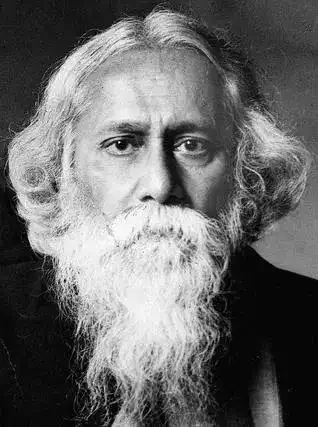
Rabindranath Tagore
Paper Boats
Paper Boats
Day by day I float my paper boats one by one down the running
stream.
In bid black letters I write my name on them and the name of
the village where I live.
I hope that someone in some strange land will find them and
know who I am.
I load my little boats with shiuli flower from our garden, and
hope that these blooms of the dawn will be carried safely to land
in the night.
I launch my paper boats and look up into the sky and see the
little clouds setting thee white bulging sails.
I know not what playmate of mine in the sky sends them down
the air to race with my boats!
When night comes I bury my face in my arms and dream that my
paper boats float on and on under the midnight stars.
The fairies of sleep are sailing in them, and the lading ins
their baskets full of dreams.
Day by day I float my paper boats one by one down the running
stream.
In bid black letters I write my name on them and the name of
the village where I live.
I hope that someone in some strange land will find them and
know who I am.
I load my little boats with shiuli flower from our garden, and
hope that these blooms of the dawn will be carried safely to land
in the night.
I launch my paper boats and look up into the sky and see the
little clouds setting thee white bulging sails.
I know not what playmate of mine in the sky sends them down
the air to race with my boats!
When night comes I bury my face in my arms and dream that my
paper boats float on and on under the midnight stars.
The fairies of sleep are sailing in them, and the lading ins
their baskets full of dreams.
898
Rabindranath Tagore
Maya
Maya
That I should make much of myself and turn it on all sides,
thus casting colored shadows on thy radiance
---such is thy Maya.
Thou settest a barrier in thine own being
and then callest thy severed self in myriad notes.
This thy self-separation has taken body in me.
The poignant song is echoed through all the sky in many-coloued tears
and smiles, alarms and hopes; waves rise up and sink again,
dreams break and form.
In me is thy own defeat of self.
This screen that thou hast raised is painted with innumerable figures
with the brush of the night and the day.
Behind it thy seat is woven in wondrous mysteries of curves,
casting away all barren lines of straightness.
The great pageant of thee and me has overspread the sky.
With the tune of thee and me all the air is vibrant,
and all ages pass with the hiding and seeking of thee and me.
That I should make much of myself and turn it on all sides,
thus casting colored shadows on thy radiance
---such is thy Maya.
Thou settest a barrier in thine own being
and then callest thy severed self in myriad notes.
This thy self-separation has taken body in me.
The poignant song is echoed through all the sky in many-coloued tears
and smiles, alarms and hopes; waves rise up and sink again,
dreams break and form.
In me is thy own defeat of self.
This screen that thou hast raised is painted with innumerable figures
with the brush of the night and the day.
Behind it thy seat is woven in wondrous mysteries of curves,
casting away all barren lines of straightness.
The great pageant of thee and me has overspread the sky.
With the tune of thee and me all the air is vibrant,
and all ages pass with the hiding and seeking of thee and me.
499
Rabindranath Tagore
Lover's Gifts XXII: I Shall Gladly Suffer
Lover's Gifts XXII: I Shall Gladly Suffer
I shall gladly suffer the pride of culture to die out in my house,
if only in some happy future I am born a herd-boy in the Brinda
forest.
The herd-boy who grazes his cattle sitting under the banyan
tree, and idly weaves gunja flowers into garlands, who loves to
splash and plunge in the Jamuna's cool deep stream.
He calls his companions to wake up when morning dawns, and all
the houses in the lane hum with the sound of the churn, clouds of
dust are raised by the cattle, the maidens come out in the
courtyard to milk the king.
As the shadows deepen under the tomal trees, and the dusk
gathers on the river-banks; when the milkmaids, while crossing the
turbulent water, tremble with fear; and loud peacocks, with tails
outspread, dance in the forest, he watchers the summer clouds.
When the April night is sweet as a fresh-blown flower, he
disappears in the forest with a peacock's plume in his hair; the
swing ropes are twined with flowers on the branches; the south wind
throbs with music, and the merry shepherd boys crowd on the banks
of the blue river.
No, I will never be the leader, brothers, of this new age of
new Bengal; I shall not trouble to light the lamp of culture for
the benighted. If only I could be born, under the shady asoka
groves, in some village of Brinda, where milk is churned by the
maidens!
I shall gladly suffer the pride of culture to die out in my house,
if only in some happy future I am born a herd-boy in the Brinda
forest.
The herd-boy who grazes his cattle sitting under the banyan
tree, and idly weaves gunja flowers into garlands, who loves to
splash and plunge in the Jamuna's cool deep stream.
He calls his companions to wake up when morning dawns, and all
the houses in the lane hum with the sound of the churn, clouds of
dust are raised by the cattle, the maidens come out in the
courtyard to milk the king.
As the shadows deepen under the tomal trees, and the dusk
gathers on the river-banks; when the milkmaids, while crossing the
turbulent water, tremble with fear; and loud peacocks, with tails
outspread, dance in the forest, he watchers the summer clouds.
When the April night is sweet as a fresh-blown flower, he
disappears in the forest with a peacock's plume in his hair; the
swing ropes are twined with flowers on the branches; the south wind
throbs with music, and the merry shepherd boys crowd on the banks
of the blue river.
No, I will never be the leader, brothers, of this new age of
new Bengal; I shall not trouble to light the lamp of culture for
the benighted. If only I could be born, under the shady asoka
groves, in some village of Brinda, where milk is churned by the
maidens!
467
Rabindranath Tagore
Lover's Gifts XL: A Message Came
Lover's Gifts XL: A Message Came
A message came from my youth of vanished days, saying, " I wait for
you among the quivering of unborn May, where smiles ripen for tears
and hours ache with songs unsung."
It says, "Come to me across the worn-out track of age, through
the gates of death. For dreams fade, hopes fail, the fathered
fruits of the year decay, but I am the eternal truth, and you shall
meet me again and again in your voyage of life from shore to
shore."
A message came from my youth of vanished days, saying, " I wait for
you among the quivering of unborn May, where smiles ripen for tears
and hours ache with songs unsung."
It says, "Come to me across the worn-out track of age, through
the gates of death. For dreams fade, hopes fail, the fathered
fruits of the year decay, but I am the eternal truth, and you shall
meet me again and again in your voyage of life from shore to
shore."
490
Rabindranath Tagore
Lover's Gifts LVIII: Things Throng and Laugh
Lover's Gifts LVIII: Things Throng and Laugh
Things throng and laugh loud in the sky; the sands and dust dance
and whirl like children. Man's mind is aroused by their shouts; his
thoughts long to be the playmates of things.
Our dreams, drifting in the stream of the vague, stretch their
arms to clutch the earth, -their efforts stiffen into bricks and
stones, and thus the city of man is built.
Voices come swarming from the past,-seeking answers from the
living moments. Beats of their wings fill the air with tremulous
shadows, and sleepless thoughts in our minds leave their nests to
take flight across the desert of dimness, in the passionate thirst
for forms. They are lampless pilgrims, seeking the shore of light,
to find themselves in things. They will be lured into poets's
rhymes, they will be housed in the towers of the town not yet
planned, they have their call to arms from the battle fields of the
future, they are bidden to join hands in the strife of peace yet
to come.
Things throng and laugh loud in the sky; the sands and dust dance
and whirl like children. Man's mind is aroused by their shouts; his
thoughts long to be the playmates of things.
Our dreams, drifting in the stream of the vague, stretch their
arms to clutch the earth, -their efforts stiffen into bricks and
stones, and thus the city of man is built.
Voices come swarming from the past,-seeking answers from the
living moments. Beats of their wings fill the air with tremulous
shadows, and sleepless thoughts in our minds leave their nests to
take flight across the desert of dimness, in the passionate thirst
for forms. They are lampless pilgrims, seeking the shore of light,
to find themselves in things. They will be lured into poets's
rhymes, they will be housed in the towers of the town not yet
planned, they have their call to arms from the battle fields of the
future, they are bidden to join hands in the strife of peace yet
to come.
467
Rabindranath Tagore
Lotus
Lotus
On the day when the lotus bloomed, alas, my mind was straying,
and I knew it not. My basket was empty and the flower remained unheeded.
Only now and again a sadness fell upon me, and I started up from my
dream and felt a sweet trace of a strange fragrance in the south wind.
That vague sweetness made my heart ache with longing and it seemed to
me that is was the eager breath of the summer seeking for its completion.
I knew not then that it was so near, that it was mine, and that this
perfect sweetness had blossomed in the depth of my own heart.
On the day when the lotus bloomed, alas, my mind was straying,
and I knew it not. My basket was empty and the flower remained unheeded.
Only now and again a sadness fell upon me, and I started up from my
dream and felt a sweet trace of a strange fragrance in the south wind.
That vague sweetness made my heart ache with longing and it seemed to
me that is was the eager breath of the summer seeking for its completion.
I knew not then that it was so near, that it was mine, and that this
perfect sweetness had blossomed in the depth of my own heart.
651
Rabindranath Tagore
Lost Star
Lost Star
When the creation was new and all the stars shone in their first
splendor, the gods held their assembly in the sky and sang
`Oh, the picture of perfection! the joy unalloyed!'
But one cried of a sudden
---`It seems that somewhere there is a break in the chain of light
and one of the stars has been lost.'
The golden string of their harp snapped,
their song stopped, and they cried in dismay
---`Yes, that lost star was the best,
she was the glory of all heavens!'
From that day the search is unceasing for her,
and the cry goes on from one to the other
that in her the world has lost its one joy!
Only in the deepest silence of night the stars smile
and whisper among themselves
---`Vain is this seeking! unbroken perfection is over all!'
When the creation was new and all the stars shone in their first
splendor, the gods held their assembly in the sky and sang
`Oh, the picture of perfection! the joy unalloyed!'
But one cried of a sudden
---`It seems that somewhere there is a break in the chain of light
and one of the stars has been lost.'
The golden string of their harp snapped,
their song stopped, and they cried in dismay
---`Yes, that lost star was the best,
she was the glory of all heavens!'
From that day the search is unceasing for her,
and the cry goes on from one to the other
that in her the world has lost its one joy!
Only in the deepest silence of night the stars smile
and whisper among themselves
---`Vain is this seeking! unbroken perfection is over all!'
657
Rabindranath Tagore
Hard Times
Hard Times
Music is silenced, the dark descending slowly
Has stripped unending skies of all companions.
Weariness grips your limbs and within the locked horizons
Dumbly ring the bells of hugely gathering fears.
Still, O bird, O sightless bird,
Not yet, not yet the time to furl your wings.
It's not melodious woodlands but the leaps and falls
Of an ocean's drowsy booming,
Not a grove bedecked with flowers but a tumult flecked with foam.
Where is the shore that stored your buds and leaves?
Where the nest and the branch's hold?
Still, O bird, my sightless bird,
Not yet, not yet the time to furl your wings.
Stretching in front of you the night's immensity
Hides the western hill where sleeps the distant sun;
Still with bated breath the world is counting time and swimming
Across the shoreless dark a crescent moon
Has thinly just appeared upon the dim horizon.
-But O my bird, O sightless bird,
Not yet, not yet the time to furl your wings.
From upper skies the stars with pointing fingers
Intently watch your course and death's impatience
Lashes at you from the deeps in swirling waves;
And sad entreaties line the farthest shore
With hands outstretched and crooning 'Come, O come!'
Still, O bird, O sightless bird,
Not yet, not yet the time to furl your wings.
All that is past: your fears and loves and hopes;
All that is lost: your words and lamentation;
No longer yours a home nor a bed composed of flowers.
For wings are all you have, and the sky's broadening countryard,
And the dawn steeped in darkness, lacking all direction.
Dear bird, my sightless bird,
Not yet, not yet the time to furl your wings!
Music is silenced, the dark descending slowly
Has stripped unending skies of all companions.
Weariness grips your limbs and within the locked horizons
Dumbly ring the bells of hugely gathering fears.
Still, O bird, O sightless bird,
Not yet, not yet the time to furl your wings.
It's not melodious woodlands but the leaps and falls
Of an ocean's drowsy booming,
Not a grove bedecked with flowers but a tumult flecked with foam.
Where is the shore that stored your buds and leaves?
Where the nest and the branch's hold?
Still, O bird, my sightless bird,
Not yet, not yet the time to furl your wings.
Stretching in front of you the night's immensity
Hides the western hill where sleeps the distant sun;
Still with bated breath the world is counting time and swimming
Across the shoreless dark a crescent moon
Has thinly just appeared upon the dim horizon.
-But O my bird, O sightless bird,
Not yet, not yet the time to furl your wings.
From upper skies the stars with pointing fingers
Intently watch your course and death's impatience
Lashes at you from the deeps in swirling waves;
And sad entreaties line the farthest shore
With hands outstretched and crooning 'Come, O come!'
Still, O bird, O sightless bird,
Not yet, not yet the time to furl your wings.
All that is past: your fears and loves and hopes;
All that is lost: your words and lamentation;
No longer yours a home nor a bed composed of flowers.
For wings are all you have, and the sky's broadening countryard,
And the dawn steeped in darkness, lacking all direction.
Dear bird, my sightless bird,
Not yet, not yet the time to furl your wings!
601

Phillis Wheatley
On Imagination
On Imagination
THY various works, imperial queen, we see,
How bright their forms! how deck'd with pomp
by thee!
Thy wond'rous acts in beauteous order stand,
And all attest how potent is thine hand.
From Helicon's refulgent heights attend,
Ye sacred choir, and my attempts befriend:
To tell her glories with a faithful tongue,
Ye blooming graces, triumph in my song.
Now here, now there, the roving Fancy flies,
Till some lov'd object strikes her wand'ring eyes,
Whose silken fetters all the senses bind,
And soft captivity involves the mind.
Imagination! who can sing thy force?
Or who describe the swiftness of thy course?
Soaring through air to find the bright abode,
Th' empyreal palace of the thund'ring God,
We on thy pinions can surpass the wind,
And leave the rolling universe behind:
From star to star the mental optics rove,
Measure the skies, and range the realms above.
There in one view we grasp the mighty whole,
Or with new worlds amaze th' unbounded soul.
Though Winter frowns to Fancy's raptur'd eyes
The fields may flourish, and gay scenes arise;
The frozen deeps may break their iron bands,
And bid their waters murmur o'er the sands.
Fair Flora may resume her fragrant reign,
And with her flow'ry riches deck the plain;
Sylvanus may diffuse his honours round,
And all the forest may with leaves be crown'd:
Show'rs may descend, and dews their gems disclose,
And nectar sparkle on the blooming rose.
Such is thy pow'r, nor are thine orders vain,
O thou the leader of the mental train:
In full perfection all thy works are wrought,
And thine the sceptre o'er the realms of thought.
Before thy throne the subject-passions bow,
Of subject-passions sov'reign ruler thou;
At thy command joy rushes on the heart,
And through the glowing veins the spirits dart.
Fancy might now her silken pinions try
To rise from earth, and sweep th' expanse on high:
From Tithon's bed now might Aurora rise,
Her cheeks all glowing with celestial dies,
While a pure stream of light o'erflows the skies.
The monarch of the day I might behold,
And all the mountains tipt with radiant gold,
But I reluctant leave the pleasing views,
Which Fancy dresses to delight the Muse;
Winter austere forbids me to aspire,
And northern tempests damp the rising fire;
They chill the tides of Fancy's flowing sea,
Cease then, my song, cease the unequal lay.
THY various works, imperial queen, we see,
How bright their forms! how deck'd with pomp
by thee!
Thy wond'rous acts in beauteous order stand,
And all attest how potent is thine hand.
From Helicon's refulgent heights attend,
Ye sacred choir, and my attempts befriend:
To tell her glories with a faithful tongue,
Ye blooming graces, triumph in my song.
Now here, now there, the roving Fancy flies,
Till some lov'd object strikes her wand'ring eyes,
Whose silken fetters all the senses bind,
And soft captivity involves the mind.
Imagination! who can sing thy force?
Or who describe the swiftness of thy course?
Soaring through air to find the bright abode,
Th' empyreal palace of the thund'ring God,
We on thy pinions can surpass the wind,
And leave the rolling universe behind:
From star to star the mental optics rove,
Measure the skies, and range the realms above.
There in one view we grasp the mighty whole,
Or with new worlds amaze th' unbounded soul.
Though Winter frowns to Fancy's raptur'd eyes
The fields may flourish, and gay scenes arise;
The frozen deeps may break their iron bands,
And bid their waters murmur o'er the sands.
Fair Flora may resume her fragrant reign,
And with her flow'ry riches deck the plain;
Sylvanus may diffuse his honours round,
And all the forest may with leaves be crown'd:
Show'rs may descend, and dews their gems disclose,
And nectar sparkle on the blooming rose.
Such is thy pow'r, nor are thine orders vain,
O thou the leader of the mental train:
In full perfection all thy works are wrought,
And thine the sceptre o'er the realms of thought.
Before thy throne the subject-passions bow,
Of subject-passions sov'reign ruler thou;
At thy command joy rushes on the heart,
And through the glowing veins the spirits dart.
Fancy might now her silken pinions try
To rise from earth, and sweep th' expanse on high:
From Tithon's bed now might Aurora rise,
Her cheeks all glowing with celestial dies,
While a pure stream of light o'erflows the skies.
The monarch of the day I might behold,
And all the mountains tipt with radiant gold,
But I reluctant leave the pleasing views,
Which Fancy dresses to delight the Muse;
Winter austere forbids me to aspire,
And northern tempests damp the rising fire;
They chill the tides of Fancy's flowing sea,
Cease then, my song, cease the unequal lay.
279
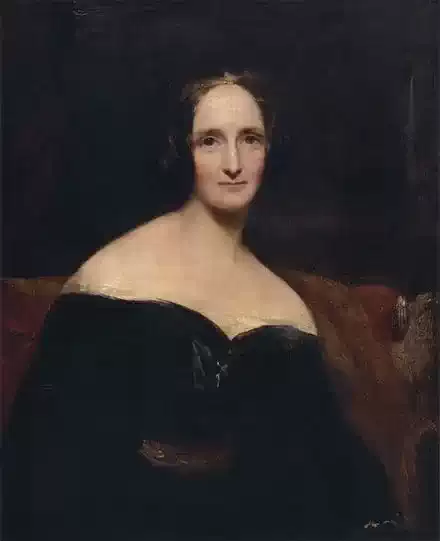
Percy Bysshe Shelley
The Question
The Question
I dreamed that, as I wandered by the way,
Bare Winter suddenly was changed to Spring,
And gentle odours led my steps astray,
Mixed with a sound of waters murmuring
Along a shelving bank of turf, which lay
Under a copse, and hardly dared to fling
Its green arms round the bosom of the stream,
But kissed it and then fled, as thou mightest in dream.
There grew pied wind-flowers and violets,
Daisies, those pearled Arcturi of the earth,
The constellated flower that never sets;
Faint oxlips; tender bluebells, at whose birth
The sod scarce heaved; and that tall flower that wets--
Like a child, half in tenderness and mirth--
Its mother's face with Heaven's collected tears,
When the low wind, its playmate's voice, it hears.
And in the warm hedge grew lush eglantine,
Green cowbind and the moonlight-coloured may,
And cherry-blossoms, and white cups, whose wine
Was the bright dew, yet drained not by the day;
And wild roses, and ivy serpentine,
With its dark buds and leaves, wandering astray;
And flowers azure, black, and streaked with gold,
Fairer than any wakened eyes behold.
And nearer to the river's trembling edge
There grew broad flag-flowers, purple pranked with white,
And starry river buds among the sedge,
And floating water-lilies, broad and bright,
Which lit the oak that overhung the hedge
With moonlight beams of their own watery light;
And bulrushes, and reeds of such deep green
As soothed the dazzled eye with sober sheen.
Methought that of these visionary flowers
I made a nosegay, bound in such a way
That the same hues, which in their natural bowers
Were mingled or opposed, the like array
Kept these imprisoned children of the Hours
Within my hand,--and then, elate and gay,
I hastened to the spot whence I had come,
That I might there present it!--Oh! to whom?
I dreamed that, as I wandered by the way,
Bare Winter suddenly was changed to Spring,
And gentle odours led my steps astray,
Mixed with a sound of waters murmuring
Along a shelving bank of turf, which lay
Under a copse, and hardly dared to fling
Its green arms round the bosom of the stream,
But kissed it and then fled, as thou mightest in dream.
There grew pied wind-flowers and violets,
Daisies, those pearled Arcturi of the earth,
The constellated flower that never sets;
Faint oxlips; tender bluebells, at whose birth
The sod scarce heaved; and that tall flower that wets--
Like a child, half in tenderness and mirth--
Its mother's face with Heaven's collected tears,
When the low wind, its playmate's voice, it hears.
And in the warm hedge grew lush eglantine,
Green cowbind and the moonlight-coloured may,
And cherry-blossoms, and white cups, whose wine
Was the bright dew, yet drained not by the day;
And wild roses, and ivy serpentine,
With its dark buds and leaves, wandering astray;
And flowers azure, black, and streaked with gold,
Fairer than any wakened eyes behold.
And nearer to the river's trembling edge
There grew broad flag-flowers, purple pranked with white,
And starry river buds among the sedge,
And floating water-lilies, broad and bright,
Which lit the oak that overhung the hedge
With moonlight beams of their own watery light;
And bulrushes, and reeds of such deep green
As soothed the dazzled eye with sober sheen.
Methought that of these visionary flowers
I made a nosegay, bound in such a way
That the same hues, which in their natural bowers
Were mingled or opposed, the like array
Kept these imprisoned children of the Hours
Within my hand,--and then, elate and gay,
I hastened to the spot whence I had come,
That I might there present it!--Oh! to whom?
448
Percy Bysshe Shelley
The Two Spirits: An Allegory
The Two Spirits: An Allegory
FIRST SPIRIT
O thou, who plum'd with strong desire
Wouldst float above the earth, beware!
A Shadow tracks thy flight of fire--
Night is coming!
Bright are the regions of the air,
And among the winds and beams
It were delight to wander there--
Night is coming!SECOND SPIRIT
The deathless stars are bright above;
If I would cross the shade of night,
Within my heart is the lamp of love,
And that is day!
And the moon will smile with gentle light
On my golden plumes where'er they move;
The meteors will linger round my flight,
And make night day.FIRST SPIRIT
But if the whirlwinds of darkness waken
Hail, and lightning, and stormy rain;
See, the bounds of the air are shaken--
Night is coming!
The red swift clouds of the hurricane
Yon declining sun have overtaken,
The clash of the hail sweeps over the plain--
Night is coming!SECOND SPIRIT
I see the light, and I hear the sound;
I'll sail on the flood of the tempest dark,
With the calm within and the light around
Which makes night day:
And thou, when the gloom is deep and stark,
Look from thy dull earth, slumber-bound,
My moon-like flight thou then mayst mark
On high, far away.----
Some say there is a precipice
Where one vast pine is frozen to ruin
O'er piles of snow and chasms of ice
Mid Alpine mountains;
And that the languid storm pursuing
That winged shape, for ever flies
Round those hoar branches, aye renewing
Its aëry fountains.
Some say when nights are dry and dear,
And the death-dews sleep on the morass,
Sweet whispers are heard by the traveller,
Which make night day:
And a silver shape like his early love doth pass
Upborne by her wild and glittering hair,
And when he awakes on the fragrant grass,
He finds night day.
FIRST SPIRIT
O thou, who plum'd with strong desire
Wouldst float above the earth, beware!
A Shadow tracks thy flight of fire--
Night is coming!
Bright are the regions of the air,
And among the winds and beams
It were delight to wander there--
Night is coming!SECOND SPIRIT
The deathless stars are bright above;
If I would cross the shade of night,
Within my heart is the lamp of love,
And that is day!
And the moon will smile with gentle light
On my golden plumes where'er they move;
The meteors will linger round my flight,
And make night day.FIRST SPIRIT
But if the whirlwinds of darkness waken
Hail, and lightning, and stormy rain;
See, the bounds of the air are shaken--
Night is coming!
The red swift clouds of the hurricane
Yon declining sun have overtaken,
The clash of the hail sweeps over the plain--
Night is coming!SECOND SPIRIT
I see the light, and I hear the sound;
I'll sail on the flood of the tempest dark,
With the calm within and the light around
Which makes night day:
And thou, when the gloom is deep and stark,
Look from thy dull earth, slumber-bound,
My moon-like flight thou then mayst mark
On high, far away.----
Some say there is a precipice
Where one vast pine is frozen to ruin
O'er piles of snow and chasms of ice
Mid Alpine mountains;
And that the languid storm pursuing
That winged shape, for ever flies
Round those hoar branches, aye renewing
Its aëry fountains.
Some say when nights are dry and dear,
And the death-dews sleep on the morass,
Sweet whispers are heard by the traveller,
Which make night day:
And a silver shape like his early love doth pass
Upborne by her wild and glittering hair,
And when he awakes on the fragrant grass,
He finds night day.
435
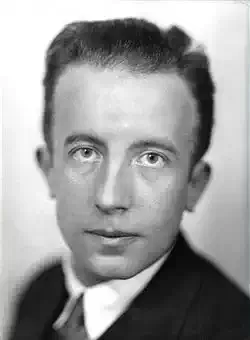
Paul Éluard
At the Window
At the Window
I have not always had this certainty, this pessimism which reassures the best among
us. There was
a time when my friends laughed at me. I was not the master of my words. A certain
indifference, I
have not always known well what I wanted to say, but most often it was because I had
nothing to
say. The necessity of speaking and the desire not to be heard. My life hanging only by
a thread.
There was a time when I seemed to understand nothing. My chains floated on the
water.
All my desires are born of my dreams. And I have proven my love with words. To what
fantastic
creatures have I entrusted myself, in what dolorous and ravishing world has my
imagination
enclosed me? I am sure of having been loved in the most mysterious of domains, my
own. The
language of my love does not belong to human language, my human body does not
touch the flesh
of my love. My amorous imagination has always been constant and high enough so
that nothing
could attempt to convince me of error.
I have not always had this certainty, this pessimism which reassures the best among
us. There was
a time when my friends laughed at me. I was not the master of my words. A certain
indifference, I
have not always known well what I wanted to say, but most often it was because I had
nothing to
say. The necessity of speaking and the desire not to be heard. My life hanging only by
a thread.
There was a time when I seemed to understand nothing. My chains floated on the
water.
All my desires are born of my dreams. And I have proven my love with words. To what
fantastic
creatures have I entrusted myself, in what dolorous and ravishing world has my
imagination
enclosed me? I am sure of having been loved in the most mysterious of domains, my
own. The
language of my love does not belong to human language, my human body does not
touch the flesh
of my love. My amorous imagination has always been constant and high enough so
that nothing
could attempt to convince me of error.
374
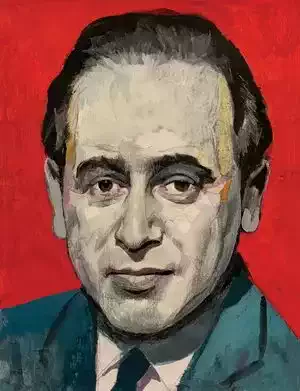
Paul Celan
With Every Thought
With Every Thought
With every Thought I went
out of the World: there you were,
you my Gentle One, you my Open One, and –
you received us.
Who
says that for us everything died,
that for us there the Eye broke?
Everything woke, all things began.
Vast, a Sun came swimming by, bright
a Soul and a Soul engaged, clear,
masterfully made a silence for it
a path ahead.
Lightly
you opened your Lap, quiet
rose a Breath in the Aether,
and what became cloud, was it not,
was it not Form, and for us then,
was it not
as good as a Name?
With every Thought I went
out of the World: there you were,
you my Gentle One, you my Open One, and –
you received us.
Who
says that for us everything died,
that for us there the Eye broke?
Everything woke, all things began.
Vast, a Sun came swimming by, bright
a Soul and a Soul engaged, clear,
masterfully made a silence for it
a path ahead.
Lightly
you opened your Lap, quiet
rose a Breath in the Aether,
and what became cloud, was it not,
was it not Form, and for us then,
was it not
as good as a Name?
448
Paul Celan
When You Lie
When You Lie
When you lie
in the Bed of lost Flag-Cloth,
with blue-black Syllables, in Snow-Eyelash-Shadow,
the Crane through Thoughtshowers,
comes gliding, steelyyou
open for him.
His beak ticks the Hour for you
at every Mouth – at every
bell-stroke, with red-hot Rope, a Silent-
Millennium,
Un-Pulse and Pulse
mint each other to death,
the Dollars, the Cents,
rain hard through your Pores,
in
Second-Shapes
you fly there and bar
the Doors Yesterday and Tomorrow – phosphorescent,
Forever-Teeth,
buds the one, and buds the
other breast,
towards the Grasping, under
the Thrusts –: so thick,
so deeply
strewn
the starry
Crane-
Seed.
When you lie
in the Bed of lost Flag-Cloth,
with blue-black Syllables, in Snow-Eyelash-Shadow,
the Crane through Thoughtshowers,
comes gliding, steelyyou
open for him.
His beak ticks the Hour for you
at every Mouth – at every
bell-stroke, with red-hot Rope, a Silent-
Millennium,
Un-Pulse and Pulse
mint each other to death,
the Dollars, the Cents,
rain hard through your Pores,
in
Second-Shapes
you fly there and bar
the Doors Yesterday and Tomorrow – phosphorescent,
Forever-Teeth,
buds the one, and buds the
other breast,
towards the Grasping, under
the Thrusts –: so thick,
so deeply
strewn
the starry
Crane-
Seed.
407
Paul Celan
Ice, Eden
Ice, Eden
There is a Land that’s Lost,
Moon waxes in its Reeds,
and all that’s turned to frost
with us, burns there and sees.
It sees, for it has Eyes,
Earths they are, and bright.
Night, Night, Alkalis.
It sees, this Child of Sight.
It sees, it sees, we see,
I see you, you too see.
Ice will rise again before
This Hour shall cease to be.
There is a Land that’s Lost,
Moon waxes in its Reeds,
and all that’s turned to frost
with us, burns there and sees.
It sees, for it has Eyes,
Earths they are, and bright.
Night, Night, Alkalis.
It sees, this Child of Sight.
It sees, it sees, we see,
I see you, you too see.
Ice will rise again before
This Hour shall cease to be.
405
Pablo Neruda
Cat's Dream
Cat's Dream
How neatly a cat sleeps,
sleeps with its paws and its posture,
sleeps with its wicked claws,
and with its unfeeling blood,
sleeps with all the rings-a
series of burnt circles-which
have formed the odd geology
of its sand-colored tail.
I should like to sleep like a cat,
with all the fur of time,
with a tongue rough as flint,
with the dry sex of fire;
and after speaking to no one,
stretch myself over the world,
over roofs and landscapes,
with a passionate desire
to hunt the rats in my dreams.
I have seen how the cat asleep
would undulate, how the night
flowed through it like dark water;
and at times, it was going to fall
or possibly plunge into
the bare deserted snowdrifts.
Sometimes it grew so much in sleep
like a tiger's great-grandfather,
and would leap in the darkness over
rooftops, clouds and volcanoes.
Sleep, sleep cat of the night,
with episcopal ceremony
and your stone-carved moustache.
Take care of all our dreams;
control the obscurity
of our slumbering prowess
with your relentless heart
and the great ruff of your tail.
Translated by Alastair Reid
Submitted by Jen
How neatly a cat sleeps,
sleeps with its paws and its posture,
sleeps with its wicked claws,
and with its unfeeling blood,
sleeps with all the rings-a
series of burnt circles-which
have formed the odd geology
of its sand-colored tail.
I should like to sleep like a cat,
with all the fur of time,
with a tongue rough as flint,
with the dry sex of fire;
and after speaking to no one,
stretch myself over the world,
over roofs and landscapes,
with a passionate desire
to hunt the rats in my dreams.
I have seen how the cat asleep
would undulate, how the night
flowed through it like dark water;
and at times, it was going to fall
or possibly plunge into
the bare deserted snowdrifts.
Sometimes it grew so much in sleep
like a tiger's great-grandfather,
and would leap in the darkness over
rooftops, clouds and volcanoes.
Sleep, sleep cat of the night,
with episcopal ceremony
and your stone-carved moustache.
Take care of all our dreams;
control the obscurity
of our slumbering prowess
with your relentless heart
and the great ruff of your tail.
Translated by Alastair Reid
Submitted by Jen
709
Pablo Neruda
Bird
Bird
It was passed from one bird to another,
the whole gift of the day.
The day went from flute to flute,
went dressed in vegetation,
in flights which opened a tunnel
through the wind would pass
to where birds were breaking open
the dense blue air and
there, night came in.
When I returned from so many journeys,
I stayed suspended and green
between sun and geography -
I saw how wings worked,
how perfumes are transmitted
by feathery telegraph,
and from above I saw the path,
the springs and the roof tiles,
the fishermen at their trades,
the trousers of the foam;
I saw it all from my green sky.
I had no more alphabet
than the swallows in their courses,
the tiny, shining water
of the small bird on fire
which dances out of the pollen.
It was passed from one bird to another,
the whole gift of the day.
The day went from flute to flute,
went dressed in vegetation,
in flights which opened a tunnel
through the wind would pass
to where birds were breaking open
the dense blue air and
there, night came in.
When I returned from so many journeys,
I stayed suspended and green
between sun and geography -
I saw how wings worked,
how perfumes are transmitted
by feathery telegraph,
and from above I saw the path,
the springs and the roof tiles,
the fishermen at their trades,
the trousers of the foam;
I saw it all from my green sky.
I had no more alphabet
than the swallows in their courses,
the tiny, shining water
of the small bird on fire
which dances out of the pollen.
898
Oscar Wilde
In The Forest
In The Forest
Out of the mid-wood's twilight
Into the meadow's dawn,
Ivory limbed and brown-eyed,
Flashes my Faun!
He skips through the copses singing,
And his shadow dances along,
And I know not which I should follow,
Shadow or song!
O Hunter, snare me his shadow!
O Nightingale, catch me his strain!
Else moonstruck with music and madness
I track him in vain!
Out of the mid-wood's twilight
Into the meadow's dawn,
Ivory limbed and brown-eyed,
Flashes my Faun!
He skips through the copses singing,
And his shadow dances along,
And I know not which I should follow,
Shadow or song!
O Hunter, snare me his shadow!
O Nightingale, catch me his strain!
Else moonstruck with music and madness
I track him in vain!
191
Mao Tsé-Tung
Reply to a Friend
Reply to a Friend
White clouds are sailing above Mount Chiuyi;
Riding the wind, the Princesses descend the green hills.
Once they speckled the bamboos with their profuse tears,
Now they are robed in rose-red clouds.
Tungting Lake's snow-topped waves surge skyward;
The long isle reverberates with earth-shaking song.
And I am lost in dreams, untrammelled dreams
Of the land of hibiscus glowing in the morning sun.
White clouds are sailing above Mount Chiuyi;
Riding the wind, the Princesses descend the green hills.
Once they speckled the bamboos with their profuse tears,
Now they are robed in rose-red clouds.
Tungting Lake's snow-topped waves surge skyward;
The long isle reverberates with earth-shaking song.
And I am lost in dreams, untrammelled dreams
Of the land of hibiscus glowing in the morning sun.
209
Lewis Carroll
The White Knight's Song
The White Knight's Song
'Haddock's Eyes' or 'The Aged Aged Man' or
'Ways and Means' or 'ASitting
On A Gate'
I'll tell thee everything I can;
There's little to relate.
I saw an aged, aged man,
Asitting
on a gate.
'Who are you, aged man?' I said.
'And how is it you live?'
And his answer trickled through my head
Like water through a sieve.
He said 'I look for butterflies
That sleep among the wheat;
I make them into muttonpies,
And sell them in the street.
I sell them unto men,' he said,
'Who sail on stormy seas;
And that's the way I get my breadA
trifle, if you please.'
But I was thinking of a plan
To dye one's whiskers green,
And always use so large a fan
That it could not be seen.
So, having no reply to give
To what the old man said,
I cried, 'Come, tell me how you live!'
And thumped him on the head.
His accents mild took up the tale;
He said, 'I go my ways,
And when I find a mountainrill,
I set it in a blaze.
And thence they make a stuff they call
Rowland's Macassar OilYet
twopencehalfpenny
is all
They give me for my toil.'
But I was thinking of a way
To feed oneself on batter,
And so go on from day to day
Getting a little fatter.
I shook him well from side to side,
Until his face was blue;
'Come, tell me how you live,' I cried
'And what it is you do!'
He said, 'I hunt for haddocks' eyes
Among the heather bright,
And work them into waistcoatbuttons
In the silent night.
And these I do not sell for gold
Or coin of silvery shine,
But for a copper halfpenny,
And that will purchase nine.
'I sometimes dig for buttered rolls,
Or set limed twigs for crabs;
I sometimes search the grassy knolls
For wheels of hansomcabs.
And that's the way' (he gave a wink)
'By which I get my wealthAnd
very gladly will I drink
Your Honor's noble health.'
I heard him then, for I had just
Completed my design
To keep the Menai bridge from rust
By boiling it in wine.
I thanked him much for telling me
The way he got his wealth,
But chiefly for his wish that he
Might drink my noble health.
And now, if e'er by chance I put
My fingers into glue,
Or madly squeeze a righthand
foot
Into a lefthand
shoe,
Or if I drop upon my toe
A very heavy weight,
I weep, for it reminds me so
Of that old man I used to knowWhose
look was mild, whose speech was slow,
Whose hair was whiter than the snow,
Whose face was very like a crow
With eyes, like cinders, all aglow,
Who seemed distracted with his woe,
Who rocked his body to and fro,
And muttered mumblingly and low,
As if his mouth were full of dough,
Who snorted like a buffaloThat
summer evening long ago
Asitting
on a gate.
'Haddock's Eyes' or 'The Aged Aged Man' or
'Ways and Means' or 'ASitting
On A Gate'
I'll tell thee everything I can;
There's little to relate.
I saw an aged, aged man,
Asitting
on a gate.
'Who are you, aged man?' I said.
'And how is it you live?'
And his answer trickled through my head
Like water through a sieve.
He said 'I look for butterflies
That sleep among the wheat;
I make them into muttonpies,
And sell them in the street.
I sell them unto men,' he said,
'Who sail on stormy seas;
And that's the way I get my breadA
trifle, if you please.'
But I was thinking of a plan
To dye one's whiskers green,
And always use so large a fan
That it could not be seen.
So, having no reply to give
To what the old man said,
I cried, 'Come, tell me how you live!'
And thumped him on the head.
His accents mild took up the tale;
He said, 'I go my ways,
And when I find a mountainrill,
I set it in a blaze.
And thence they make a stuff they call
Rowland's Macassar OilYet
twopencehalfpenny
is all
They give me for my toil.'
But I was thinking of a way
To feed oneself on batter,
And so go on from day to day
Getting a little fatter.
I shook him well from side to side,
Until his face was blue;
'Come, tell me how you live,' I cried
'And what it is you do!'
He said, 'I hunt for haddocks' eyes
Among the heather bright,
And work them into waistcoatbuttons
In the silent night.
And these I do not sell for gold
Or coin of silvery shine,
But for a copper halfpenny,
And that will purchase nine.
'I sometimes dig for buttered rolls,
Or set limed twigs for crabs;
I sometimes search the grassy knolls
For wheels of hansomcabs.
And that's the way' (he gave a wink)
'By which I get my wealthAnd
very gladly will I drink
Your Honor's noble health.'
I heard him then, for I had just
Completed my design
To keep the Menai bridge from rust
By boiling it in wine.
I thanked him much for telling me
The way he got his wealth,
But chiefly for his wish that he
Might drink my noble health.
And now, if e'er by chance I put
My fingers into glue,
Or madly squeeze a righthand
foot
Into a lefthand
shoe,
Or if I drop upon my toe
A very heavy weight,
I weep, for it reminds me so
Of that old man I used to knowWhose
look was mild, whose speech was slow,
Whose hair was whiter than the snow,
Whose face was very like a crow
With eyes, like cinders, all aglow,
Who seemed distracted with his woe,
Who rocked his body to and fro,
And muttered mumblingly and low,
As if his mouth were full of dough,
Who snorted like a buffaloThat
summer evening long ago
Asitting
on a gate.
200
Lewis Carroll
The Mad Gardener's Song
The Mad Gardener's Song
He thought he saw an Elephant,
That practised on a fife:
He looked again, and found it was
A letter from his wife.
'At length I realise,' he said,
The bitterness of Life!'
He thought he saw a Buffalo
Upon the chimneypiece:
He looked again, and found it was
His Sister's Husband's Niece.
'Unless you leave this house,' he said,
'I'll send for the Police!'
He thought he saw a Rattlesnake
That questioned him in Greek:
He looked again, and found it was
The Middle of Next Week.
'The one thing I regret,' he said,
'Is that it cannot speak!'
He thought he saw a Banker's Clerk
Descending from the bus:
He looked again, and found it was
A Hippopotamus.
'If this should stay to dine,' he said,
'There won't be much for us!'
He thought he saw a Kangaroo
That worked a coffeemill:
He looked again, and found it was
A VegetablePill.
'Were I to swallow this,' he said,
'I should be very ill!'
He thought he saw a CoachandFour
That stood beside his bed:
He looked again, and found it was
A Bear without a Head.
'Poor thing,' he said, 'poor silly thing!
It's waiting to be fed!'
He thought he saw an Albatross
That fluttered round the lamp:
He looked again, and found it was
A PennyPostage
Stamp.
'You'd best be getting home,' he said:
'The nights are very damp!'
He thought he saw a GardenDoor
That opened with a key:
He looked again, and found it was
A Double Rule of Three:
'And all its mystery,' he said,
'Is clear as day to me!'
He thought he saw a Argument
That proved he was the Pope:
He looked again, and found it was
A Bar of Mottled Soap.
'A fact so dread,' he faintly said,
'Extinguishes all hope!'
He thought he saw an Elephant,
That practised on a fife:
He looked again, and found it was
A letter from his wife.
'At length I realise,' he said,
The bitterness of Life!'
He thought he saw a Buffalo
Upon the chimneypiece:
He looked again, and found it was
His Sister's Husband's Niece.
'Unless you leave this house,' he said,
'I'll send for the Police!'
He thought he saw a Rattlesnake
That questioned him in Greek:
He looked again, and found it was
The Middle of Next Week.
'The one thing I regret,' he said,
'Is that it cannot speak!'
He thought he saw a Banker's Clerk
Descending from the bus:
He looked again, and found it was
A Hippopotamus.
'If this should stay to dine,' he said,
'There won't be much for us!'
He thought he saw a Kangaroo
That worked a coffeemill:
He looked again, and found it was
A VegetablePill.
'Were I to swallow this,' he said,
'I should be very ill!'
He thought he saw a CoachandFour
That stood beside his bed:
He looked again, and found it was
A Bear without a Head.
'Poor thing,' he said, 'poor silly thing!
It's waiting to be fed!'
He thought he saw an Albatross
That fluttered round the lamp:
He looked again, and found it was
A PennyPostage
Stamp.
'You'd best be getting home,' he said:
'The nights are very damp!'
He thought he saw a GardenDoor
That opened with a key:
He looked again, and found it was
A Double Rule of Three:
'And all its mystery,' he said,
'Is clear as day to me!'
He thought he saw a Argument
That proved he was the Pope:
He looked again, and found it was
A Bar of Mottled Soap.
'A fact so dread,' he faintly said,
'Extinguishes all hope!'
204
Lewis Carroll
The Palace of Humbug
The Palace of Humbug
Lays of Mystery,
Imagination, and Humor
Number 1
I dreamt I dwelt in marble halls,
And each damp thing that creeps and crawls
Went wobblewobble
on the walls.
Faint odours of departed cheese,
Blown on the dank, unwholesome breeze,
Awoke the never ending sneeze.
Strange pictures decked the arras drear,
Strange characters of woe and fear,
The humbugs of the social sphere.
One showed a vain and noisy prig,
That shouted empty words and big
At him that nodded in a wig.
And one, a dotard grim and gray,
Who wasteth childhood's happy day
In work more profitless than play.
Whose icy breast no pity warms,
Whose little victims sit in swarms,
And slowly sob on lower forms.
And one, a green thymehonoured
Bank,
Where flowers are growing wild and rank,
Like weeds that fringe a poisoned tank.
All birds of evil omen there
Flood with rich Notes the tainted air,
The witless wanderer to snare.
The fatal Notes neglected fall,
No creature heeds the treacherous call,
For all those goodly Strawn Baits Pall.
The wandering phantom broke and fled,
Straightway I saw within my head
A vision of a ghostly bed,
Where lay two worn decrepit men,
The fictions of a lawyer's pen,
Who never more might breathe again.
The servingman
of Richard Roe
Wept, inarticulate with woe:
She wept, that waiting on John Doe.
"Oh rouse", I urged, "the waning sense
With tales of tangled evidence,
Of suit, demurrer, and defence."
"Vain", she replied, "such mockeries:
For morbid fancies, such as these,
No suits can suit, no plea can please."
And bending o'er that man of straw,
She cried in grief and sudden awe,
Not inappropriately, "Law!"
The wellremembered
voice he knew,
He smiled, he faintly muttered "Sue!"
(Her very name was legal too.)
The night was fled, the dawn was nigh:
A hurricane went raving by,
And swept the Vision from mine eye.
Vanished that dim and ghostly bed,
(The hangings, tape; the tape was red happy
'Tis o'er, and Doe and Roe are dead!
Oh, yet my spirit inly crawls,
What time it shudderingly recalls
That horrid dream of marble halls!
Lays of Mystery,
Imagination, and Humor
Number 1
I dreamt I dwelt in marble halls,
And each damp thing that creeps and crawls
Went wobblewobble
on the walls.
Faint odours of departed cheese,
Blown on the dank, unwholesome breeze,
Awoke the never ending sneeze.
Strange pictures decked the arras drear,
Strange characters of woe and fear,
The humbugs of the social sphere.
One showed a vain and noisy prig,
That shouted empty words and big
At him that nodded in a wig.
And one, a dotard grim and gray,
Who wasteth childhood's happy day
In work more profitless than play.
Whose icy breast no pity warms,
Whose little victims sit in swarms,
And slowly sob on lower forms.
And one, a green thymehonoured
Bank,
Where flowers are growing wild and rank,
Like weeds that fringe a poisoned tank.
All birds of evil omen there
Flood with rich Notes the tainted air,
The witless wanderer to snare.
The fatal Notes neglected fall,
No creature heeds the treacherous call,
For all those goodly Strawn Baits Pall.
The wandering phantom broke and fled,
Straightway I saw within my head
A vision of a ghostly bed,
Where lay two worn decrepit men,
The fictions of a lawyer's pen,
Who never more might breathe again.
The servingman
of Richard Roe
Wept, inarticulate with woe:
She wept, that waiting on John Doe.
"Oh rouse", I urged, "the waning sense
With tales of tangled evidence,
Of suit, demurrer, and defence."
"Vain", she replied, "such mockeries:
For morbid fancies, such as these,
No suits can suit, no plea can please."
And bending o'er that man of straw,
She cried in grief and sudden awe,
Not inappropriately, "Law!"
The wellremembered
voice he knew,
He smiled, he faintly muttered "Sue!"
(Her very name was legal too.)
The night was fled, the dawn was nigh:
A hurricane went raving by,
And swept the Vision from mine eye.
Vanished that dim and ghostly bed,
(The hangings, tape; the tape was red happy
'Tis o'er, and Doe and Roe are dead!
Oh, yet my spirit inly crawls,
What time it shudderingly recalls
That horrid dream of marble halls!
198
Lewis Carroll
She's All My Fancy Painted Him
She's All My Fancy Painted Him
She's all my fancy painted him
(I make no idle boast);
If he or you had lost a limb,
Which would have suffered most?
He said that you had been to her,
And seen me here before;
But, in another character,
She was the same of yore.
There was not one that spoke to us,
Of all that thronged the street:
So he sadly got into a 'bus,
And pattered with his feet.
They sent him word I had not gone
(We know it to be true);
If she should push the matter on,
What would become of you?
They gave her one, the gave me two,
They gave us three or more;
They all returned from him to you,
Though they were mine before.
If I or she should chance to be
Involved in this affair,
He trusts to you to set them free,
Exactly as we were.
It seemed to me that you had been
(Before she had this fit)
An obstacle, that came between
Him, and ourselves, and it.
Don't let him know she liked them best,
For this must ever be
A secret, kept from all the rest,
Between yourself and me.
She's all my fancy painted him
(I make no idle boast);
If he or you had lost a limb,
Which would have suffered most?
He said that you had been to her,
And seen me here before;
But, in another character,
She was the same of yore.
There was not one that spoke to us,
Of all that thronged the street:
So he sadly got into a 'bus,
And pattered with his feet.
They sent him word I had not gone
(We know it to be true);
If she should push the matter on,
What would become of you?
They gave her one, the gave me two,
They gave us three or more;
They all returned from him to you,
Though they were mine before.
If I or she should chance to be
Involved in this affair,
He trusts to you to set them free,
Exactly as we were.
It seemed to me that you had been
(Before she had this fit)
An obstacle, that came between
Him, and ourselves, and it.
Don't let him know she liked them best,
For this must ever be
A secret, kept from all the rest,
Between yourself and me.
199
Lewis Carroll
Phantasmagoria CANTO II ( Hys Fyve Rules )
Phantasmagoria CANTO II ( Hys Fyve Rules )
"MY First but
don't suppose," he said,
"I'm setting you a riddle Is
if
your Victim be in bed,
Don't touch the curtains at his head,
But take them in the middle,
"And wave them slowly in and out,
While drawing them asunder;
And in a minute's time, no doubt,
He'll raise his head and look about
With eyes of wrath and wonder.
"And here you must on no pretence
Make the first observation.
Wait for the Victim to commence:
No Ghost of any common sense
Begins a conversation.
"If he should say 'HOW CAME YOU HERE?'
(The way that YOU began, Sir,)
In such a case your course is clear '
ON THE BAT'S BACK, MY LITTLE DEAR!'
Is the appropriate answer.
"If after this he says no more,
You'd best perhaps curtail your
Exertions go
and shake the door,
And then, if he begins to snore,
You'll know the thing's a failure.
"By day, if he should be alone At
home or on a walk You
merely give a hollow groan,
To indicate the kind of tone
In which you mean to talk.
"But if you find him with his friends,
The thing is rather harder.
In such a case success depends
On picking up some candleends,
Or butter, in the larder.
"With this you make a kind of slide
(It answers best with suet),
On which you must contrive to glide,
And swing yourself from side to side One
soon learns how to do it.
"The Second tells us what is right
In ceremonious calls:'
FIRST BURN A BLUE OR CRIMSON LIGHT'
(A thing I quite forgot tonight),
'THEN SCRATCH THE DOOR OR WALLS.'"
I said "You'll visit HERE no more,
If you attempt the Guy.
I'll have no bonfires on MY floor And,
as for scratching at the door,
I'd like to see you try!"
"The Third was written to protect
The interests of the Victim,
And tells us, as I recollect,
TO TREAT HIM WITH A GRAVE RESPECT,
AND NOT TO CONTRADICT HIM."
"That's plain," said I, "as Tare and Tret,
To any comprehension:
I only wish SOME Ghosts I've met
Would not so CONSTANTLY forget
The maxim that you mention!"
"Perhaps," he said, "YOU first transgressed
The laws of hospitality:
All Ghosts instinctively detest
The Man that fails to treat his guest
With proper cordiality.
"If you address a Ghost as 'Thing!'
Or strike him with a hatchet,
He is permitted by the King
To drop all FORMAL parleying And
then you're SURE to catch it!
"The Fourth prohibits trespassing
Where other Ghosts are quartered:
And those convicted of the thing
(Unless when pardoned by the King)
Must instantly be slaughtered.
"That simply means 'be cut up small':
Ghosts soon unite anew.
The process scarcely hurts at all Not
more than when YOU're what you call
'Cut up' by a Review.
"The Fifth is one you may prefer
That I should quote entire:THE
KING MUST BE ADDRESSED AS 'SIR.'
THIS, FROM A SIMPLE COURTIER,
IS ALL THE LAWS REQUIRE:
"BUT, SHOULD YOU WISH TO DO THE THING
WITH OUTANDOUT
POLITENESS,
ACCOST HIM AS 'MY GOBLIN KING!
AND ALWAYS USE, IN ANSWERING,
THE PHRASE 'YOUR ROYAL WHITENESS!'
"I'm getting rather hoarse, I fear,
After so much reciting :
So, if you don't object, my dear,
We'll try a glass of bitter beer I
think it looks inviting."
"MY First but
don't suppose," he said,
"I'm setting you a riddle Is
if
your Victim be in bed,
Don't touch the curtains at his head,
But take them in the middle,
"And wave them slowly in and out,
While drawing them asunder;
And in a minute's time, no doubt,
He'll raise his head and look about
With eyes of wrath and wonder.
"And here you must on no pretence
Make the first observation.
Wait for the Victim to commence:
No Ghost of any common sense
Begins a conversation.
"If he should say 'HOW CAME YOU HERE?'
(The way that YOU began, Sir,)
In such a case your course is clear '
ON THE BAT'S BACK, MY LITTLE DEAR!'
Is the appropriate answer.
"If after this he says no more,
You'd best perhaps curtail your
Exertions go
and shake the door,
And then, if he begins to snore,
You'll know the thing's a failure.
"By day, if he should be alone At
home or on a walk You
merely give a hollow groan,
To indicate the kind of tone
In which you mean to talk.
"But if you find him with his friends,
The thing is rather harder.
In such a case success depends
On picking up some candleends,
Or butter, in the larder.
"With this you make a kind of slide
(It answers best with suet),
On which you must contrive to glide,
And swing yourself from side to side One
soon learns how to do it.
"The Second tells us what is right
In ceremonious calls:'
FIRST BURN A BLUE OR CRIMSON LIGHT'
(A thing I quite forgot tonight),
'THEN SCRATCH THE DOOR OR WALLS.'"
I said "You'll visit HERE no more,
If you attempt the Guy.
I'll have no bonfires on MY floor And,
as for scratching at the door,
I'd like to see you try!"
"The Third was written to protect
The interests of the Victim,
And tells us, as I recollect,
TO TREAT HIM WITH A GRAVE RESPECT,
AND NOT TO CONTRADICT HIM."
"That's plain," said I, "as Tare and Tret,
To any comprehension:
I only wish SOME Ghosts I've met
Would not so CONSTANTLY forget
The maxim that you mention!"
"Perhaps," he said, "YOU first transgressed
The laws of hospitality:
All Ghosts instinctively detest
The Man that fails to treat his guest
With proper cordiality.
"If you address a Ghost as 'Thing!'
Or strike him with a hatchet,
He is permitted by the King
To drop all FORMAL parleying And
then you're SURE to catch it!
"The Fourth prohibits trespassing
Where other Ghosts are quartered:
And those convicted of the thing
(Unless when pardoned by the King)
Must instantly be slaughtered.
"That simply means 'be cut up small':
Ghosts soon unite anew.
The process scarcely hurts at all Not
more than when YOU're what you call
'Cut up' by a Review.
"The Fifth is one you may prefer
That I should quote entire:THE
KING MUST BE ADDRESSED AS 'SIR.'
THIS, FROM A SIMPLE COURTIER,
IS ALL THE LAWS REQUIRE:
"BUT, SHOULD YOU WISH TO DO THE THING
WITH OUTANDOUT
POLITENESS,
ACCOST HIM AS 'MY GOBLIN KING!
AND ALWAYS USE, IN ANSWERING,
THE PHRASE 'YOUR ROYAL WHITENESS!'
"I'm getting rather hoarse, I fear,
After so much reciting :
So, if you don't object, my dear,
We'll try a glass of bitter beer I
think it looks inviting."
190