

Poems in this theme
Dreams and Imagination

Christina Rossetti
If A Mouse Could Fly
If A Mouse Could Fly
If a mouse could fly,
Or if a crow could swim,
Or if a sprat could walk and talk,
I’d like to be like him.
If a mouse could fly,
He might fly away;
Or if a crow could swim,
It might turn him grey;
Or if a sprat could walk and talk,
What would he find to say?
If a mouse could fly,
Or if a crow could swim,
Or if a sprat could walk and talk,
I’d like to be like him.
If a mouse could fly,
He might fly away;
Or if a crow could swim,
It might turn him grey;
Or if a sprat could walk and talk,
What would he find to say?
194
Christina Rossetti
Dream-Love
Dream-Love
Young Love lies sleeping
In May-time of the year,
Among the lilies,
Lapped in the tender light:
White lambs come grazing,
White doves come building there:
And round about him
The May-bushes are white.
Soft moss the pillow
For oh, a softer cheek;
Broad leaves cast shadow
Upon the heavy eyes:
There winds and waters
Grow lulled and scarcely speak;
There twilight lingers
The longest in the skies.
Young Love lies dreaming;
But who shall tell the dream?
A perfect sunlight
On rustling forest tips;
Or perfect moonlight
Upon a rippling stream;
Or perfect silence,
Or song of cherished lips.
Burn odours round him
To fill the drowsy air;
Weave silent dances
Around him to and fro;
For oh, in waking
The sights are not so fair,
And song and silence
Are not like these below.
Young Love lies dreaming
Till summer days are gone,—
Dreaming and drowsing
Away to perfect sleep:
He sees the beauty
Sun hath not looked upon,
And tastes the fountain
Unutterably deep.
Him perfect music
Doth hush unto his rest,
And through the pauses
The perfect silence calms:
Oh, poor the voices
Of earth from east to west,
And poor earth's stillness
Between her stately palms.
Young Love lies drowsing
Away to poppied death;
Cool shadows deepen
Across the sleeping face:
So fails the summer
With warm, delicious breath;
And what hath autumn
To give us in its place?
Draw close the curtains
Of branched evergreen;
Change cannot touch them
With fading fingers sere:
Here the first violets
Perhaps will bud unseen,
And a dove, may be,
Return to nestle here.
Young Love lies sleeping
In May-time of the year,
Among the lilies,
Lapped in the tender light:
White lambs come grazing,
White doves come building there:
And round about him
The May-bushes are white.
Soft moss the pillow
For oh, a softer cheek;
Broad leaves cast shadow
Upon the heavy eyes:
There winds and waters
Grow lulled and scarcely speak;
There twilight lingers
The longest in the skies.
Young Love lies dreaming;
But who shall tell the dream?
A perfect sunlight
On rustling forest tips;
Or perfect moonlight
Upon a rippling stream;
Or perfect silence,
Or song of cherished lips.
Burn odours round him
To fill the drowsy air;
Weave silent dances
Around him to and fro;
For oh, in waking
The sights are not so fair,
And song and silence
Are not like these below.
Young Love lies dreaming
Till summer days are gone,—
Dreaming and drowsing
Away to perfect sleep:
He sees the beauty
Sun hath not looked upon,
And tastes the fountain
Unutterably deep.
Him perfect music
Doth hush unto his rest,
And through the pauses
The perfect silence calms:
Oh, poor the voices
Of earth from east to west,
And poor earth's stillness
Between her stately palms.
Young Love lies drowsing
Away to poppied death;
Cool shadows deepen
Across the sleeping face:
So fails the summer
With warm, delicious breath;
And what hath autumn
To give us in its place?
Draw close the curtains
Of branched evergreen;
Change cannot touch them
With fading fingers sere:
Here the first violets
Perhaps will bud unseen,
And a dove, may be,
Return to nestle here.
341
Christina Rossetti
A House Of Cards
A House Of Cards
A house of cards
Is neat and small:
Shake the table,
It must fall.
Find the Court cards
One by one;
Raise it, roof it, -
Now it's done: -
Shake the table!
That's the fun.
A house of cards
Is neat and small:
Shake the table,
It must fall.
Find the Court cards
One by one;
Raise it, roof it, -
Now it's done: -
Shake the table!
That's the fun.
214
Christina Rossetti
A Dream
A Dream
Once in a dream (for once I dreamed of you)
We stood together in an open field;
Above our heads two swift-winged pigeons wheeled,
Sporting at ease and courting full in view.
When loftier still a broadening darkness flew,
Down-swooping, and a ravenous hawk revealed;
Too weak to fight, too fond to fly, they yield;
So farewell life and love and pleasures new.
Then as their plumes fell fluttering to the ground,
Their snow-white plumage flecked with crimson drops,
I wept, and thought I turned towards you to weep:
But you were gone; while rustling hedgerow tops
Bent in a wind which bore to me a sound
Of far-off piteous bleat of lambs and sheep.
Once in a dream (for once I dreamed of you)
We stood together in an open field;
Above our heads two swift-winged pigeons wheeled,
Sporting at ease and courting full in view.
When loftier still a broadening darkness flew,
Down-swooping, and a ravenous hawk revealed;
Too weak to fight, too fond to fly, they yield;
So farewell life and love and pleasures new.
Then as their plumes fell fluttering to the ground,
Their snow-white plumage flecked with crimson drops,
I wept, and thought I turned towards you to weep:
But you were gone; while rustling hedgerow tops
Bent in a wind which bore to me a sound
Of far-off piteous bleat of lambs and sheep.
258
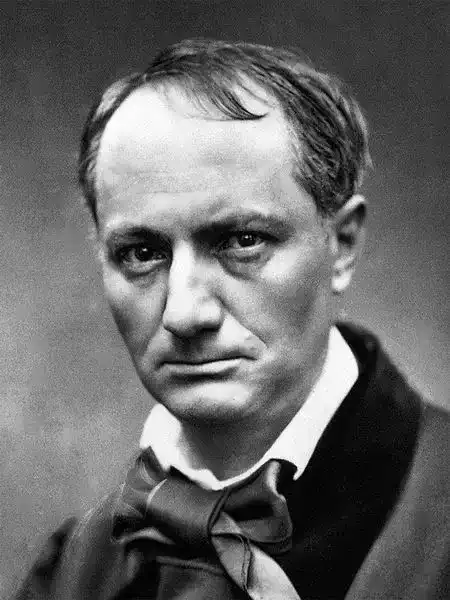
Charles Baudelaire
Correspondences
Correspondences
Nature is a temple whose living colonnades
Breathe forth a mystic speech in fitful sighs;
Man wanders among symbols in those glades
Where all things watch him with familiar eyes.
Like dwindling echoes gathered far away
Into a deep and thronging unison
Huge as the night or as the light of day,
All scents and sounds and colors meet as one.
Perfumes there are as sweet as the oboe's sound,
Green as the prairies, fresh as a child's caress,
- And there are others, rich, corrupt, profound
And of an infinite pervasiveness,
Like myrrh, or musk, or amber, the excite
The ecstasies of sense, the soul's delight.
Nature is a temple whose living colonnades
Breathe forth a mystic speech in fitful sighs;
Man wanders among symbols in those glades
Where all things watch him with familiar eyes.
Like dwindling echoes gathered far away
Into a deep and thronging unison
Huge as the night or as the light of day,
All scents and sounds and colors meet as one.
Perfumes there are as sweet as the oboe's sound,
Green as the prairies, fresh as a child's caress,
- And there are others, rich, corrupt, profound
And of an infinite pervasiveness,
Like myrrh, or musk, or amber, the excite
The ecstasies of sense, the soul's delight.
517

Carl Sandburg
Work Gangs
Work Gangs
Box cars run by a mile long.
And I wonder what they say to each other
When they stop a mile long on a sidetrack.
Maybe their chatter goes:
I came from Fargo with a load of wheat up to the danger line.
I came from Omaha with a load of shorthorns and they splintered my boards.
I came from Detroit heavy with a load of fivers.
I carried apples from the Hood river last year and this year bunches of bananas from
Florida; they look for me with watermelons from Mississippi next year.
Hammers and shovels of work gangs sleep in shop corners
when the dark stars come on the sky and the night watchmen walk and look.
Then the hammer heads talk to the handles,
then the scoops of the shovels talk,
how the day’s work nicked and trimmed them,
how they swung and lifted all day,
how the hands of the work gangs smelled of hope.
In the night of the dark stars
when the curve of the sky is a work gang handle,
in the night on the mile long sidetracks,
in the night where the hammers and shovels sleep in corners,
the night watchmen stuff their pipes with dreams—
and sometimes they doze and don’t care for nothin’,
and sometimes they search their heads for meanings, stories, stars.
The stuff of it runs like this:
A long way we come; a long way to go; long rests and long deep sniffs for our lungs on
the way.
Sleep is a belonging of all; even if all songs are old songs and the singing heart is
snuffed out like a switchman’s lantern with the oil gone, even if we forget our names
and houses in the finish, the secret of sleep is left us, sleep belongs to all, sleep is the
first and last and best of all.
People singing; people with song mouths connecting with song hearts; people who
must sing or die; people whose song hearts break if there is no song mouth; these are
my people.
Box cars run by a mile long.
And I wonder what they say to each other
When they stop a mile long on a sidetrack.
Maybe their chatter goes:
I came from Fargo with a load of wheat up to the danger line.
I came from Omaha with a load of shorthorns and they splintered my boards.
I came from Detroit heavy with a load of fivers.
I carried apples from the Hood river last year and this year bunches of bananas from
Florida; they look for me with watermelons from Mississippi next year.
Hammers and shovels of work gangs sleep in shop corners
when the dark stars come on the sky and the night watchmen walk and look.
Then the hammer heads talk to the handles,
then the scoops of the shovels talk,
how the day’s work nicked and trimmed them,
how they swung and lifted all day,
how the hands of the work gangs smelled of hope.
In the night of the dark stars
when the curve of the sky is a work gang handle,
in the night on the mile long sidetracks,
in the night where the hammers and shovels sleep in corners,
the night watchmen stuff their pipes with dreams—
and sometimes they doze and don’t care for nothin’,
and sometimes they search their heads for meanings, stories, stars.
The stuff of it runs like this:
A long way we come; a long way to go; long rests and long deep sniffs for our lungs on
the way.
Sleep is a belonging of all; even if all songs are old songs and the singing heart is
snuffed out like a switchman’s lantern with the oil gone, even if we forget our names
and houses in the finish, the secret of sleep is left us, sleep belongs to all, sleep is the
first and last and best of all.
People singing; people with song mouths connecting with song hearts; people who
must sing or die; people whose song hearts break if there is no song mouth; these are
my people.
393
Carl Sandburg
Mamie
Mamie
Mamie beat her head against the bars of a little Indiana town and dreamed of romance
and big things off somewhere the way the railroad trains all ran.
She could see the smoke of the engines get lost down where the streaks of steel
flashed in the sun and when the newspapers came in on the morning mail she knew
there was a big Chicago far off, where all the trains ran.
She got tired of the barber shop boys and the post office chatter and the church gossip
and the old pieces the band played on the Fourth of July and Decoration Day
And sobbed at her fate and beat her head against the bars and was going to kill herself
When the thought came to her that if she was going to die she might as well die
struggling for a clutch of romance among the streets of Chicago.
She has a job now at six dollars a week in the basement of the Boston Store
And even now she beats her head against the bars in the same old way and wonders if
there is a bigger place the railroads run to from Chicago where maybe there is
romance
and big things
and real dreams
that never go smash.
Mamie beat her head against the bars of a little Indiana town and dreamed of romance
and big things off somewhere the way the railroad trains all ran.
She could see the smoke of the engines get lost down where the streaks of steel
flashed in the sun and when the newspapers came in on the morning mail she knew
there was a big Chicago far off, where all the trains ran.
She got tired of the barber shop boys and the post office chatter and the church gossip
and the old pieces the band played on the Fourth of July and Decoration Day
And sobbed at her fate and beat her head against the bars and was going to kill herself
When the thought came to her that if she was going to die she might as well die
struggling for a clutch of romance among the streets of Chicago.
She has a job now at six dollars a week in the basement of the Boston Store
And even now she beats her head against the bars in the same old way and wonders if
there is a bigger place the railroads run to from Chicago where maybe there is
romance
and big things
and real dreams
that never go smash.
369
Carl Sandburg
Child Moon
Child Moon
The child's wonder
At the old moon
Comes back nightly.
She points her finger
To the far silent yellow thing
Shining through the branches
Filtering on the leaves a golden sand,
Crying with her little tongue, “See the moon!”
And in her bed fading to sleep
With babblings of the moon on her little mouth.
The child's wonder
At the old moon
Comes back nightly.
She points her finger
To the far silent yellow thing
Shining through the branches
Filtering on the leaves a golden sand,
Crying with her little tongue, “See the moon!”
And in her bed fading to sleep
With babblings of the moon on her little mouth.
337
Boris Pasternak
Stars were racing
Stars were racing
Stars were racing; waves were washing headlands.
Salt went blind, and tears were slowly drying.
Darkened were the bedrooms; thoughts were racing,
And the Sphinx was listening to the desert.
Candles swam. It seemed that the Colossus'
Blood grew cold; upon his lips was spreading
The blue shadow smile of the Sahara.
With the turning tide the night was waning.
Sea-breeze from Morocco touched the water.
Simooms blew. In snowdrifts snored Archangel.
Candles swam; the rough draft of 'The Prophet'
Slowly dried, and dawn broke on the Ganges.
Stars were racing; waves were washing headlands.
Salt went blind, and tears were slowly drying.
Darkened were the bedrooms; thoughts were racing,
And the Sphinx was listening to the desert.
Candles swam. It seemed that the Colossus'
Blood grew cold; upon his lips was spreading
The blue shadow smile of the Sahara.
With the turning tide the night was waning.
Sea-breeze from Morocco touched the water.
Simooms blew. In snowdrifts snored Archangel.
Candles swam; the rough draft of 'The Prophet'
Slowly dried, and dawn broke on the Ganges.
561
Boris Pasternak
It's spring, I leave a street where poplars...
It's spring, I leave a street where poplars...
It's spring, I leave a street where poplars are astonished,
Where distance is alarmed and the house fears it may fall.
Where air is blue just like the linen bundle
A discharged patient takes from hospital,
Where dusk is empty, like a broken tale,
Abandoned by a star, without conclusion,
So that expressionless, unfathomable,
A thousand clamouring eyes are in confusion.
It's spring, I leave a street where poplars are astonished,
Where distance is alarmed and the house fears it may fall.
Where air is blue just like the linen bundle
A discharged patient takes from hospital,
Where dusk is empty, like a broken tale,
Abandoned by a star, without conclusion,
So that expressionless, unfathomable,
A thousand clamouring eyes are in confusion.
337
Boris Pasternak
Definition of Creative Art
Definition of Creative Art
With shirt wide open at the collar,
Maned as Beethoven's bust, it stands;
Our conscience, dreams, the night and love,
Are as chessmen covered by its hands.
And one black king upon the board:
In sadness and in rage, forthright
It brings the day of doom.-Against
The pawn it brings the mounted knight.
In gardens where from icy spheres
The stars lean tender, linger near,
Tristan still sings, like a nightingale
On Isolde's vine, with trembling fear.
The gardens, ponds, and fences, made pure
By burning tears, and the whole great span,
Creation-are only burst of passion
Hoarded in the hearts of men.
With shirt wide open at the collar,
Maned as Beethoven's bust, it stands;
Our conscience, dreams, the night and love,
Are as chessmen covered by its hands.
And one black king upon the board:
In sadness and in rage, forthright
It brings the day of doom.-Against
The pawn it brings the mounted knight.
In gardens where from icy spheres
The stars lean tender, linger near,
Tristan still sings, like a nightingale
On Isolde's vine, with trembling fear.
The gardens, ponds, and fences, made pure
By burning tears, and the whole great span,
Creation-are only burst of passion
Hoarded in the hearts of men.
535
Boris Pasternak
‘Like a brazier’s bronze cinders,’
‘Like a brazier’s bronze cinders,’
Like a brazier’s bronze cinders,
the sleepy garden’s beetles flowing.
Level with me, and my candle,
a flowering world is hanging.
As if into unprecedented faith,
I cross into this night,
where the poplar’s beaten grey
veils the moon’s rim from sight.
Where the pond’s an open secret,
where apple-trees whisper of waves,
where the garden hanging on piles,
holds the sky before its face.
Like a brazier’s bronze cinders,
the sleepy garden’s beetles flowing.
Level with me, and my candle,
a flowering world is hanging.
As if into unprecedented faith,
I cross into this night,
where the poplar’s beaten grey
veils the moon’s rim from sight.
Where the pond’s an open secret,
where apple-trees whisper of waves,
where the garden hanging on piles,
holds the sky before its face.
457

Billy Collins
Walking Across The Atlantic
Walking Across The Atlantic
I wait for the holiday crowd to clear the beach
before stepping onto the first wave.
Soon I am walking across the Atlantic
thinking about Spain,
checking for whales, waterspouts.
I feel the water holding up my shifting weight.
Tonight I will sleep on its rocking surface.
But for now I try to imagine what
this must look like to the fish below,
the bottoms of my feet appearing, disappearing.
I wait for the holiday crowd to clear the beach
before stepping onto the first wave.
Soon I am walking across the Atlantic
thinking about Spain,
checking for whales, waterspouts.
I feel the water holding up my shifting weight.
Tonight I will sleep on its rocking surface.
But for now I try to imagine what
this must look like to the fish below,
the bottoms of my feet appearing, disappearing.
218
Billy Collins
Taking Off Emily Dickinson's Clothes
Taking Off Emily Dickinson's Clothes
First, her tippet made of tulle,
easily lifted off her shoulders and laid
on the back of a wooden chair.
And her bonnet,
the bow undone with a light forward pull.
Then the long white dress, a more
complicated matter with mother-of-pearl
buttons down the back,
so tiny and numerous that it takes forever
before my hands can part the fabric,
like a swimmer's dividing water,
and slip inside.
You will want to know
that she was standing
by an open window in an upstairs bedroom,
motionless, a little wide-eyed,
looking out at the orchard below,
the white dress puddled at her feet
on the wide-board, hardwood floor.
The complexity of women's undergarments
in nineteenth-century America
is not to be waved off,
and I proceeded like a polar explorer
through clips, clasps, and moorings,
catches, straps, and whalebone stays,
sailing toward the iceberg of her nakedness.
Later, I wrote in a notebook
it was like riding a swan into the night,
but, of course, I cannot tell you everything the
way she closed her eyes to the orchard,
how her hair tumbled free of its pins,
how there were sudden dashes
whenever we spoke.
What I can tell you is
it was terribly quiet in Amherst
that Sabbath afternoon,
nothing but a carriage passing the house,
a fly buzzing in a windowpane.
So I could plainly hear her inhale
when I undid the very top
hook-and-eye fastener of her corset
and I could hear her sigh when finally it was unloosed,
the way some readers sigh when they realize
that Hope has feathers,
that reason is a plank,
that life is a loaded gun
that looks right at you with a yellow eye.
First, her tippet made of tulle,
easily lifted off her shoulders and laid
on the back of a wooden chair.
And her bonnet,
the bow undone with a light forward pull.
Then the long white dress, a more
complicated matter with mother-of-pearl
buttons down the back,
so tiny and numerous that it takes forever
before my hands can part the fabric,
like a swimmer's dividing water,
and slip inside.
You will want to know
that she was standing
by an open window in an upstairs bedroom,
motionless, a little wide-eyed,
looking out at the orchard below,
the white dress puddled at her feet
on the wide-board, hardwood floor.
The complexity of women's undergarments
in nineteenth-century America
is not to be waved off,
and I proceeded like a polar explorer
through clips, clasps, and moorings,
catches, straps, and whalebone stays,
sailing toward the iceberg of her nakedness.
Later, I wrote in a notebook
it was like riding a swan into the night,
but, of course, I cannot tell you everything the
way she closed her eyes to the orchard,
how her hair tumbled free of its pins,
how there were sudden dashes
whenever we spoke.
What I can tell you is
it was terribly quiet in Amherst
that Sabbath afternoon,
nothing but a carriage passing the house,
a fly buzzing in a windowpane.
So I could plainly hear her inhale
when I undid the very top
hook-and-eye fastener of her corset
and I could hear her sigh when finally it was unloosed,
the way some readers sigh when they realize
that Hope has feathers,
that reason is a plank,
that life is a loaded gun
that looks right at you with a yellow eye.
435
Billy Collins
Neither Snow
Neither Snow
When all of a sudden the city air filled with snow,
the distinguishable flakes
blowing sideways,
looked like krill
fleeing the maw of an advancing whale.
At least they looked that way to me
from the taxi window,
and since I happened to be sitting
that fading Sunday afternoon
in the very center of the universe,
who was in a better position
to say what looked like what,
which thing resembled some other?
Yes, it was a run of white plankton
borne down the Avenue of the Americas
in the stream of the wind,
phosphorescent against the weighty buildings.
Which made the taxi itself,
yellow and slow-moving,
a kind of undersea creature,
I thought as I wiped the fog from the glass,
and me one of its protruding eyes,
an eye on a stem
swiveling this way and that
monitoring one side of its world,
observing tons of water
tons of people
colored signs and lights
and now a wildly blowing race of snow.
When all of a sudden the city air filled with snow,
the distinguishable flakes
blowing sideways,
looked like krill
fleeing the maw of an advancing whale.
At least they looked that way to me
from the taxi window,
and since I happened to be sitting
that fading Sunday afternoon
in the very center of the universe,
who was in a better position
to say what looked like what,
which thing resembled some other?
Yes, it was a run of white plankton
borne down the Avenue of the Americas
in the stream of the wind,
phosphorescent against the weighty buildings.
Which made the taxi itself,
yellow and slow-moving,
a kind of undersea creature,
I thought as I wiped the fog from the glass,
and me one of its protruding eyes,
an eye on a stem
swiveling this way and that
monitoring one side of its world,
observing tons of water
tons of people
colored signs and lights
and now a wildly blowing race of snow.
257
Billy Collins
I Ask You
I Ask You
What scene would I want to be enveloped in
more than this one,
an ordinary night at the kitchen table,
floral wallpaper pressing in,
white cabinets full of glass,
the telephone silent,
a pen tilted back in my hand?
It gives me time to think
about all that is going on outside-leaves
gathering in corners,
lichen greening the high grey rocks,
while over the dunes the world sails on,
huge, ocean-going, history bubbling in its wake.
But beyond this table
there is nothing that I need,
not even a job that would allow me to row to work,
or a coffee-colored Aston Martin DB4
with cracked green leather seats.
No, it's all here,
the clear ovals of a glass of water,
a small crate of oranges, a book on Stalin,
not to mention the odd snarling fish
in a frame on the wall,
and the way these three candles-each
a different height-are
singing in perfect harmony.
So forgive me
if I lower my head now and listen
to the short bass candle as he takes a solo
while my heart
thrums under my shirt-frog
at the edge of a pond-and
my thoughts fly off to a province
made of one enormous sky
and about a million empty branches.
What scene would I want to be enveloped in
more than this one,
an ordinary night at the kitchen table,
floral wallpaper pressing in,
white cabinets full of glass,
the telephone silent,
a pen tilted back in my hand?
It gives me time to think
about all that is going on outside-leaves
gathering in corners,
lichen greening the high grey rocks,
while over the dunes the world sails on,
huge, ocean-going, history bubbling in its wake.
But beyond this table
there is nothing that I need,
not even a job that would allow me to row to work,
or a coffee-colored Aston Martin DB4
with cracked green leather seats.
No, it's all here,
the clear ovals of a glass of water,
a small crate of oranges, a book on Stalin,
not to mention the odd snarling fish
in a frame on the wall,
and the way these three candles-each
a different height-are
singing in perfect harmony.
So forgive me
if I lower my head now and listen
to the short bass candle as he takes a solo
while my heart
thrums under my shirt-frog
at the edge of a pond-and
my thoughts fly off to a province
made of one enormous sky
and about a million empty branches.
248
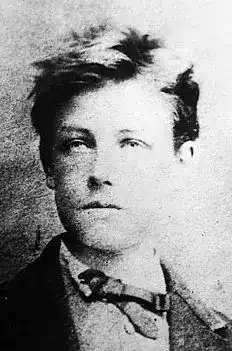
Arthur Rimbaud
Those Who Sit
Those Who Sit
Dark with knobbed growths,
peppered with pock-marks like hail,
their eyes ringed with green,
their swollen fingers clenched on their thigh-bones,
their skulls caked with indeterminate crusts
like the leprous growths on old walls;
in amorous seizures they have grafted
their weird bone structures
to the great dark skeletons of their chairs;
their feet are entwined, morning and evening,
on the rickety rails!
These old men have always been one flesh with their seats,
feeling bright suns drying their skins to the texture of calico,
or else, looking at the window-panes
where the snow is turning grey,
shivering with the painful shiver of the toad.
And their Seats are kind to them;
coloured brown with age, the straw yields
to the angularities of their buttocks;
the spirit of ancient suns lights up,
bound in these braids of ears in which the corn fermented.
And the Seated Ones, knees drawn up to their teeth,
green pianists whose ten fingers keep drumming under their seats,
listen to the tapping of each other's melancholy barcolles;
and their heads nod back and forth as in the act of love.
-Oh don't make them get up! It's a catastrophe!
They rear up like growling tom-cats when struck,
slowly spreading their shoulders... What rage!
Their trousers puff out at their swelling backsides.
And you listen to them as they bump
their bald head is against the dark walls,
stamping and stamping with their crooked feet;
and their coat-buttons are the eyes of wild beasts
which fix yours from the end of the corridors!
And then they have an invisible weapon which can kill:
returning, their eyes seep the black poison
with which the beaten bitch's eye is charged,
and you sweat, trapped in the horrible funnel.
Reseated, their fists retreating into soiled cuffs,
they think about those that have made them
get up and, from dawn until dusk,
their tonsils in bunches tremble
under their meagre chins, fir to burst.
When austere slumbers have lowered their lids
they dream on their arms of seats become fertile;
of perfect little loves of open-work chairs surrounding dignified desks.
Flowers of ink dropping pollen like commas lull them asleep
in their rows of squat flower-cups like dragonflies
threading their flight along the flags
-and their membra virilia are aroused by barbed ears of wheat.
Dark with knobbed growths,
peppered with pock-marks like hail,
their eyes ringed with green,
their swollen fingers clenched on their thigh-bones,
their skulls caked with indeterminate crusts
like the leprous growths on old walls;
in amorous seizures they have grafted
their weird bone structures
to the great dark skeletons of their chairs;
their feet are entwined, morning and evening,
on the rickety rails!
These old men have always been one flesh with their seats,
feeling bright suns drying their skins to the texture of calico,
or else, looking at the window-panes
where the snow is turning grey,
shivering with the painful shiver of the toad.
And their Seats are kind to them;
coloured brown with age, the straw yields
to the angularities of their buttocks;
the spirit of ancient suns lights up,
bound in these braids of ears in which the corn fermented.
And the Seated Ones, knees drawn up to their teeth,
green pianists whose ten fingers keep drumming under their seats,
listen to the tapping of each other's melancholy barcolles;
and their heads nod back and forth as in the act of love.
-Oh don't make them get up! It's a catastrophe!
They rear up like growling tom-cats when struck,
slowly spreading their shoulders... What rage!
Their trousers puff out at their swelling backsides.
And you listen to them as they bump
their bald head is against the dark walls,
stamping and stamping with their crooked feet;
and their coat-buttons are the eyes of wild beasts
which fix yours from the end of the corridors!
And then they have an invisible weapon which can kill:
returning, their eyes seep the black poison
with which the beaten bitch's eye is charged,
and you sweat, trapped in the horrible funnel.
Reseated, their fists retreating into soiled cuffs,
they think about those that have made them
get up and, from dawn until dusk,
their tonsils in bunches tremble
under their meagre chins, fir to burst.
When austere slumbers have lowered their lids
they dream on their arms of seats become fertile;
of perfect little loves of open-work chairs surrounding dignified desks.
Flowers of ink dropping pollen like commas lull them asleep
in their rows of squat flower-cups like dragonflies
threading their flight along the flags
-and their membra virilia are aroused by barbed ears of wheat.
703
Arthur Rimbaud
Sensation
Sensation
In the blue summer evenings, I will go along the paths,
And walk over the short grass, as I am pricked by the wheat:
Daydreaming I will feel the coolness on my feet.
I will let the wind bathe my bare head.
I will not speak, I will have no thoughts:
But infinite love will mount in my soul;
And I will go far, far off, like a gypsy,
Through the country side-joyous as if I were with a woman.
In the blue summer evenings, I will go along the paths,
And walk over the short grass, as I am pricked by the wheat:
Daydreaming I will feel the coolness on my feet.
I will let the wind bathe my bare head.
I will not speak, I will have no thoughts:
But infinite love will mount in my soul;
And I will go far, far off, like a gypsy,
Through the country side-joyous as if I were with a woman.
669
Arthur Rimbaud
Romance
Romance
When you are seventeen you aren't really serious.
-One fine evening, you've had enough of beer and lemonade,
And the rowdy cafes with their dazzling lights!
-You go walking beneath the green lime trees of the promenade.
The lime trees smell good on fine evenings in June!
The air is so soft sometimes, you close your eyelids;
The wind, full of sounds, - the town's not far away -
Carries odours of vines, and odours of beer...
II
-Then you see a very tiny rag
Of dark blue, framed by a small branch,
Pierced by an unlucky star which is melting away
With soft little shivers, small, perfectly white...
June night! Seventeen! - You let yourself get drunk.
The sap is champagne and goes straight to your head...
You are wandering; you feel a kiss on your lips
Which quivers there like something small and alive...
III
Your mad heart goes Crusoeing through all the romances,
-When, under the light of a pale street lamp,
Passes a young girl with charming little airs,
In the shadow of her father's terrifying stiff collar...
And because you strike her as absurdly naif,
As she trots along in her little ankle boots,
She turns, wide awake, with a brisk movement...
And then cavatinas die on your lips...
IV
You're in love. Taken until the month of August.
You're in love - Your sonnets make Her laugh.
All your friends disappear, you are not quite the thing.
-Then your adored one, one evening, condescends to write to you...!
That evening,... - you go back again to the dazzling cafes,
You ask for beer or for lemonade...
-You are not really serious when you are seventeen
And there are green lime trees on the promenade...
Original French
Roman
I
On n'est pas sérieux, quand on a dix-sept ans.
-Un beau soir, foin des bocks et de la limonade,
Des cafés tapageurs aux lustres éclatants !
-On va sous les tilleuls verts de la promenade.
Les tilleuls sentent bon dans les bons soirs de juin !
L'air est parfois si doux, qu'on ferme la paupière ;
Le vent chargé de bruits - la ville n'est pas loin -
A des parfums de vigne et des parfums de bière....
II
-Voilà qu'on aperçoit un tout petit chiffon
D'azur sombre, encadré d'une petite branche,
Piqué d'une mauvaise étoile, qui se fond
Avec de doux frissons, petite et toute blanche...
Nuit de juin ! Dix-sept ans ! - On se laisse griser.
La sève est du champagne et vous monte à la tête...
On divague ; on se sent aux lèvres un baiser
Qui palpite là, comme une petite bête....
III
Le coeur fou Robinsonne à travers les romans,
Lorsque, dans la clarté d'un pâle réverbère,
Passe une demoiselle aux petits airs charmants,
Sous l'ombre du faux col effrayant de son père...
Et, comme elle vous trouve immensément naïf,
Tout en faisant trotter ses petites bottines,
Elle se tourne, alerte et d'un mouvement vif....
-Sur vos lèvres alors meurent les cavatines...
IV
Vous êtes amoureux. Loué jusqu'au mois d'août.
Vous êtes amoureux. - Vos sonnets La font rire.
Tous vos amis s'en vont, vous êtes mauvais goût.
-Puis l'adorée, un soir, a daigné vous écrire...!
-Ce soir-là,... - vous rentrez aux cafés éclatants,
Vous demandez des bocks ou de la limonade..
-On n'est pas sérieux, quand on a dix-sept ans
Et qu'on a des tilleuls verts sur la promenade.
When you are seventeen you aren't really serious.
-One fine evening, you've had enough of beer and lemonade,
And the rowdy cafes with their dazzling lights!
-You go walking beneath the green lime trees of the promenade.
The lime trees smell good on fine evenings in June!
The air is so soft sometimes, you close your eyelids;
The wind, full of sounds, - the town's not far away -
Carries odours of vines, and odours of beer...
II
-Then you see a very tiny rag
Of dark blue, framed by a small branch,
Pierced by an unlucky star which is melting away
With soft little shivers, small, perfectly white...
June night! Seventeen! - You let yourself get drunk.
The sap is champagne and goes straight to your head...
You are wandering; you feel a kiss on your lips
Which quivers there like something small and alive...
III
Your mad heart goes Crusoeing through all the romances,
-When, under the light of a pale street lamp,
Passes a young girl with charming little airs,
In the shadow of her father's terrifying stiff collar...
And because you strike her as absurdly naif,
As she trots along in her little ankle boots,
She turns, wide awake, with a brisk movement...
And then cavatinas die on your lips...
IV
You're in love. Taken until the month of August.
You're in love - Your sonnets make Her laugh.
All your friends disappear, you are not quite the thing.
-Then your adored one, one evening, condescends to write to you...!
That evening,... - you go back again to the dazzling cafes,
You ask for beer or for lemonade...
-You are not really serious when you are seventeen
And there are green lime trees on the promenade...
Original French
Roman
I
On n'est pas sérieux, quand on a dix-sept ans.
-Un beau soir, foin des bocks et de la limonade,
Des cafés tapageurs aux lustres éclatants !
-On va sous les tilleuls verts de la promenade.
Les tilleuls sentent bon dans les bons soirs de juin !
L'air est parfois si doux, qu'on ferme la paupière ;
Le vent chargé de bruits - la ville n'est pas loin -
A des parfums de vigne et des parfums de bière....
II
-Voilà qu'on aperçoit un tout petit chiffon
D'azur sombre, encadré d'une petite branche,
Piqué d'une mauvaise étoile, qui se fond
Avec de doux frissons, petite et toute blanche...
Nuit de juin ! Dix-sept ans ! - On se laisse griser.
La sève est du champagne et vous monte à la tête...
On divague ; on se sent aux lèvres un baiser
Qui palpite là, comme une petite bête....
III
Le coeur fou Robinsonne à travers les romans,
Lorsque, dans la clarté d'un pâle réverbère,
Passe une demoiselle aux petits airs charmants,
Sous l'ombre du faux col effrayant de son père...
Et, comme elle vous trouve immensément naïf,
Tout en faisant trotter ses petites bottines,
Elle se tourne, alerte et d'un mouvement vif....
-Sur vos lèvres alors meurent les cavatines...
IV
Vous êtes amoureux. Loué jusqu'au mois d'août.
Vous êtes amoureux. - Vos sonnets La font rire.
Tous vos amis s'en vont, vous êtes mauvais goût.
-Puis l'adorée, un soir, a daigné vous écrire...!
-Ce soir-là,... - vous rentrez aux cafés éclatants,
Vous demandez des bocks ou de la limonade..
-On n'est pas sérieux, quand on a dix-sept ans
Et qu'on a des tilleuls verts sur la promenade.
682
Arthur Rimbaud
Poets At Seven Years
Poets At Seven Years
And the mother, closing the work-book
Went off, proud, satisfied, not seeing,
In the blue eyes, under the lumpy brow,
The soul of her child given over to loathing.
All day he sweated obedience: very
Intelligent: yet dark habits, certain traits
Seemed to show bitter hypocrisies at work!
In the shadow of corridors with damp paper,
He stuck out his tongue in passing, two fists
In his groin, seeing specks under his shut lids.
A doorway open to evening: by the light
You’d see him, high up, groaning on the railing
Under a void of light hung from the roof. In summer,
Especially, vanquished, stupefied, stubborn,
He’d shut himself in the toilet’s coolness:
He could think in peace there, sacrificing his nostrils.
When the small garden cleansed of the smell of day,
Filled with light, behind the house, in winter,
Lying at the foot of a wall, buried in clay
Rubbing his dazzled eyes hard, for the visions,
He listened to the scabbed espaliers creaking.
Pity! His only companions were those children
Bare-headed and puny, eyes sunk in their cheeks,
Hiding thin fingers yellow and black with mud
Under old clothes soiled with excrement,
Who talked with the sweetness of the simple-minded!
And if his mother took fright, surprising him
At his vile compassions: the child’s deep
Tenderness overcame her astonishment.
All fine. She’d had the blue look, – that lies!
At seven he was making novels about life
In the great desert, where ravished Freedom shines,
Forests, suns, riverbanks, savannahs! – He used
Illustrated weeklies where he saw, blushing,
Smiling Italian girls, and Spanish women.
When the daughter of next door workers came by,
Eight years old – in Indian prints, brown-eyed,
A little brute, and jumped him from behind,
Shaking out her tresses, in a corner,
And he was under her, he bit her buttocks,
Since she never wore knickers:
– And, bruised by her fists and heels,
Carried the taste of her back to his room.
He feared the pallid December Sundays,
When, hair slicked back, at a mahogany table,
He read from a Bible with cabbage-green margins:
Dreams oppressed him each night in the alcove.
He didn’t love God: rather those men in the dusk,
Returning, black, in smocks, to the outer suburbs
Where the town-crier, with a triple drum beat,
Made the crowds laugh and murmur at the edicts.
– He dreamed of the amorous prairies, where
Luminous swells, pure odours, gold pubescences,
Stirred in the calm there, and then took flight!
And above all how he savoured sombre things,
When, in his bare room behind closed shutters,
High, and blue, and pierced with acrid damp,
He read his novel, mooned over endlessly,
Full of drowned forests, leaden ochre skies,
Flowers of flesh opening in star-filled woods,
Dizziness, epilepsies, defeats, compassion!
– While the street noises rumbled on below,
Lying alone on pieces of unbleached canvas,
With a violent presentiment of setting sail!
And the mother, closing the work-book
Went off, proud, satisfied, not seeing,
In the blue eyes, under the lumpy brow,
The soul of her child given over to loathing.
All day he sweated obedience: very
Intelligent: yet dark habits, certain traits
Seemed to show bitter hypocrisies at work!
In the shadow of corridors with damp paper,
He stuck out his tongue in passing, two fists
In his groin, seeing specks under his shut lids.
A doorway open to evening: by the light
You’d see him, high up, groaning on the railing
Under a void of light hung from the roof. In summer,
Especially, vanquished, stupefied, stubborn,
He’d shut himself in the toilet’s coolness:
He could think in peace there, sacrificing his nostrils.
When the small garden cleansed of the smell of day,
Filled with light, behind the house, in winter,
Lying at the foot of a wall, buried in clay
Rubbing his dazzled eyes hard, for the visions,
He listened to the scabbed espaliers creaking.
Pity! His only companions were those children
Bare-headed and puny, eyes sunk in their cheeks,
Hiding thin fingers yellow and black with mud
Under old clothes soiled with excrement,
Who talked with the sweetness of the simple-minded!
And if his mother took fright, surprising him
At his vile compassions: the child’s deep
Tenderness overcame her astonishment.
All fine. She’d had the blue look, – that lies!
At seven he was making novels about life
In the great desert, where ravished Freedom shines,
Forests, suns, riverbanks, savannahs! – He used
Illustrated weeklies where he saw, blushing,
Smiling Italian girls, and Spanish women.
When the daughter of next door workers came by,
Eight years old – in Indian prints, brown-eyed,
A little brute, and jumped him from behind,
Shaking out her tresses, in a corner,
And he was under her, he bit her buttocks,
Since she never wore knickers:
– And, bruised by her fists and heels,
Carried the taste of her back to his room.
He feared the pallid December Sundays,
When, hair slicked back, at a mahogany table,
He read from a Bible with cabbage-green margins:
Dreams oppressed him each night in the alcove.
He didn’t love God: rather those men in the dusk,
Returning, black, in smocks, to the outer suburbs
Where the town-crier, with a triple drum beat,
Made the crowds laugh and murmur at the edicts.
– He dreamed of the amorous prairies, where
Luminous swells, pure odours, gold pubescences,
Stirred in the calm there, and then took flight!
And above all how he savoured sombre things,
When, in his bare room behind closed shutters,
High, and blue, and pierced with acrid damp,
He read his novel, mooned over endlessly,
Full of drowned forests, leaden ochre skies,
Flowers of flesh opening in star-filled woods,
Dizziness, epilepsies, defeats, compassion!
– While the street noises rumbled on below,
Lying alone on pieces of unbleached canvas,
With a violent presentiment of setting sail!
798
Arthur Rimbaud
Drunken Morning
Drunken Morning
Oh, my Beautiful! Oh, my Good!
Hideous fanfare where yet I do not stumble!
Oh, rack of enchantments!
For the first time, hurrah for the unheard-of work,
For the marvelous body! For the first time!
It began with the laughter of children, and there it will end.
This poison will stay in our veins even when, as the fanfares depart,
We return to our former disharmony.
Oh, now, we who are so worthy of these tortures!
Let us re-create ourselves after that superhuman promise
Made to our souls and our bodies at their creation:
That promise, that madness!
Elegance, silence, violence!
They promised to bury in shadows the tree of good and evil,
To banish tyrannical honesty,
So that we might flourish in our very pure love.
It began with a certain disgust, and it ended -
Since we could not immediately seize upon eternity -
It ended in a scattering of perfumes.
Laughter of children, discretion of slaves, austerity of virgins,
Horror of faces and objects here below,
Be sacred in the memory of the evening past.
It began in utter boorishness, and now it ends
In angels of fire and ice.
Little drunken vigil, blessed!
If only for the mask you have left us!
Method, we believe in you! We never forgot that yesterday
You glorified all of our ages.
We have faith in poison.
We will give our lives completely, every day.
FOR THIS IS THE ASSASSIN'S HOUR.
(translated by Paul Schmidt)
Oh, my Beautiful! Oh, my Good!
Hideous fanfare where yet I do not stumble!
Oh, rack of enchantments!
For the first time, hurrah for the unheard-of work,
For the marvelous body! For the first time!
It began with the laughter of children, and there it will end.
This poison will stay in our veins even when, as the fanfares depart,
We return to our former disharmony.
Oh, now, we who are so worthy of these tortures!
Let us re-create ourselves after that superhuman promise
Made to our souls and our bodies at their creation:
That promise, that madness!
Elegance, silence, violence!
They promised to bury in shadows the tree of good and evil,
To banish tyrannical honesty,
So that we might flourish in our very pure love.
It began with a certain disgust, and it ended -
Since we could not immediately seize upon eternity -
It ended in a scattering of perfumes.
Laughter of children, discretion of slaves, austerity of virgins,
Horror of faces and objects here below,
Be sacred in the memory of the evening past.
It began in utter boorishness, and now it ends
In angels of fire and ice.
Little drunken vigil, blessed!
If only for the mask you have left us!
Method, we believe in you! We never forgot that yesterday
You glorified all of our ages.
We have faith in poison.
We will give our lives completely, every day.
FOR THIS IS THE ASSASSIN'S HOUR.
(translated by Paul Schmidt)
542
Arthur Rimbaud
Dawn
Dawn
I have kissed the summer dawn. Before the palaces, nothing moved. The water lay
dead. Battalions of shadows still kept the forest road.
I walked, walking warm and vital breath, While stones watched, and wings rose
soundlessly.
My first adventure, in a path already gleaming With a clear pale light, Was a flower
who told me its name.
I laughted at the blond Wasserfall That threw its hair across the pines: On the silvered
summit, I came upon the goddess.
Then one by one, I lifted her veils. In the long walk, waving my arms.
Across the meadow, where I betrayed her to the cock. In the heart of town she fled
among the steeples and domes, And I hunted her, scrambling like a beggar on marble
wharves.
Above the road, near a thicket of laurel, I caught her in her gathered veils, And smelled
the scent of her immense body. Dawn and the child fell together at the bottom of the
wood.
When I awoke, it was noon.
I have kissed the summer dawn. Before the palaces, nothing moved. The water lay
dead. Battalions of shadows still kept the forest road.
I walked, walking warm and vital breath, While stones watched, and wings rose
soundlessly.
My first adventure, in a path already gleaming With a clear pale light, Was a flower
who told me its name.
I laughted at the blond Wasserfall That threw its hair across the pines: On the silvered
summit, I came upon the goddess.
Then one by one, I lifted her veils. In the long walk, waving my arms.
Across the meadow, where I betrayed her to the cock. In the heart of town she fled
among the steeples and domes, And I hunted her, scrambling like a beggar on marble
wharves.
Above the road, near a thicket of laurel, I caught her in her gathered veils, And smelled
the scent of her immense body. Dawn and the child fell together at the bottom of the
wood.
When I awoke, it was noon.
1,592
Arthur Rimbaud
Cities Vagabonds
Cities Vagabonds
These are cities!
And this is the people for whom these
Alleghenys and Lebanons of dream have been raised!
Castles of wood and crystal move on tracks and invisible winches.
Old craters ringed with mammoth statues and
coppery palms roar melodiously in flames.
Festivals of love reverberate
from the canals suspended behind the castles.
Chimes echo through the gorges like a chase.
Corporations of giant singers assemble,
their vestments and oriflames
brilliant as the mountain-peaks.
On platforms in the midst of gulfs,
Rolands brazen their bravuras.
From abysmal catwalks and the rooftops of inns,
a burning sky hoists flags upon the masts.
The collapse of apotheosis
unites the heights to the depths
where seraphic shecentaurs
wind among the avalanches.
Above the plateaus of the highest reaches,
the sea, troubled by the perpetual birth of Venus
and loaded with choral fleets amid
an uproar of pearls and precious conches,
grows dark at times with mortal thunder.
On the slopes,
harvests of flowers
as big as our weapons
and goblets are bellowing.
Processions of Mabs in red-opaline scale the ravines.
On high, their feet in the waterfalls and briars,
stags give suck to Diana.
Bacchantes of the suburbs weep,
and the moon burns and howls.
Venus enters the caves
of the black-smiths and hermits.
Clusters of belfries repeat the ideas of the people.
Issues from castles of bone an unknown music.
In the boroughs legends
are born and enthusiasm germinate.
A paradise of storms collapses.
Savages dance without stopping the festival of night.
And, for one hour, I descended into the swarm
of a boulevard of Baghdad
where groups of peple were singing
the joy of the new work,
circulating under a heavy wind
without being able to escape those fabulous phantoms
of the mountains to which one must return.
What good arms, what wondrous hour
will restore to me that region
whence come my slumbers
and least movements?
These are cities!
And this is the people for whom these
Alleghenys and Lebanons of dream have been raised!
Castles of wood and crystal move on tracks and invisible winches.
Old craters ringed with mammoth statues and
coppery palms roar melodiously in flames.
Festivals of love reverberate
from the canals suspended behind the castles.
Chimes echo through the gorges like a chase.
Corporations of giant singers assemble,
their vestments and oriflames
brilliant as the mountain-peaks.
On platforms in the midst of gulfs,
Rolands brazen their bravuras.
From abysmal catwalks and the rooftops of inns,
a burning sky hoists flags upon the masts.
The collapse of apotheosis
unites the heights to the depths
where seraphic shecentaurs
wind among the avalanches.
Above the plateaus of the highest reaches,
the sea, troubled by the perpetual birth of Venus
and loaded with choral fleets amid
an uproar of pearls and precious conches,
grows dark at times with mortal thunder.
On the slopes,
harvests of flowers
as big as our weapons
and goblets are bellowing.
Processions of Mabs in red-opaline scale the ravines.
On high, their feet in the waterfalls and briars,
stags give suck to Diana.
Bacchantes of the suburbs weep,
and the moon burns and howls.
Venus enters the caves
of the black-smiths and hermits.
Clusters of belfries repeat the ideas of the people.
Issues from castles of bone an unknown music.
In the boroughs legends
are born and enthusiasm germinate.
A paradise of storms collapses.
Savages dance without stopping the festival of night.
And, for one hour, I descended into the swarm
of a boulevard of Baghdad
where groups of peple were singing
the joy of the new work,
circulating under a heavy wind
without being able to escape those fabulous phantoms
of the mountains to which one must return.
What good arms, what wondrous hour
will restore to me that region
whence come my slumbers
and least movements?
550
Arthur Rimbaud
A Winter Dream
A Winter Dream
In winter we’ll travel in a little pink carriage
With cushions of blue.
We’ll be fine. A nest of mad kisses waits
In each corner too.
You’ll shut your eyes, not to see, through the glass,
Grimacing shadows of evening,
Those snarling monsters, a crowd going past
Of black wolves and black demons.
Then you’ll feel your cheek tickled quite hard…
A little kiss, like a maddened spider,
Will run over your neck…
And you’ll say: “Catch it!” bowing your head,
– And we’ll take our time finding that creature
– Who travels so far…
In winter we’ll travel in a little pink carriage
With cushions of blue.
We’ll be fine. A nest of mad kisses waits
In each corner too.
You’ll shut your eyes, not to see, through the glass,
Grimacing shadows of evening,
Those snarling monsters, a crowd going past
Of black wolves and black demons.
Then you’ll feel your cheek tickled quite hard…
A little kiss, like a maddened spider,
Will run over your neck…
And you’ll say: “Catch it!” bowing your head,
– And we’ll take our time finding that creature
– Who travels so far…
560