

Poems
Silence
Poems in this topic

Ezra Pound
Night Litany
Night Litany
O Dieu, purifiez nos cceurs!
Purifiez nos coeurs !
Yea the lines hast thou laid unto me
in pleasant places,
And the beauty of this thy Venice
hast thou shown unto me
Until is its loveliness become unto me
a thing of tears.
O God, what great kindness
have we done in times past
and forgotten it,
That thou givest this wonder unto us,
O God of waters?
O God of the night,
What great sorrow
Cometh unto us,
That thou thus repayest us
Before the time of its coming?
O God of silence,
Purifiez nos coeurs,
Purifiez nos coeurs,
For we have seen
The glory of the shadow of the
likeness of thine handmaid,
Yea, the glory of the shadow
of thy Beauty hath walked
Upon the shadow of the waters
In this thy Venice.
And before the holiness
Of the shadow of thy handmaid
Have I hidden mine eyes,
O God of waters.
O God of silence,
Purifiez nos coeurs,
Purifiez nos coeurs,
O God of waters,
make clean our hearts within us,
For I have seen the
Shadow of this thy Venice
Floating upon the waters,
And thy stars
Have seen this thing, out of their far courses
Have they seen this thing,
O God of waters,
Even as are thy stars
Silent unto us in their far-coursing,
Even so is mine heart
become silent within me.
Purifiez nos coeurs,
O God of the silence,
Purifiez nos coeurs,
O God of waters.
O Dieu, purifiez nos cceurs!
Purifiez nos coeurs !
Yea the lines hast thou laid unto me
in pleasant places,
And the beauty of this thy Venice
hast thou shown unto me
Until is its loveliness become unto me
a thing of tears.
O God, what great kindness
have we done in times past
and forgotten it,
That thou givest this wonder unto us,
O God of waters?
O God of the night,
What great sorrow
Cometh unto us,
That thou thus repayest us
Before the time of its coming?
O God of silence,
Purifiez nos coeurs,
Purifiez nos coeurs,
For we have seen
The glory of the shadow of the
likeness of thine handmaid,
Yea, the glory of the shadow
of thy Beauty hath walked
Upon the shadow of the waters
In this thy Venice.
And before the holiness
Of the shadow of thy handmaid
Have I hidden mine eyes,
O God of waters.
O God of silence,
Purifiez nos coeurs,
Purifiez nos coeurs,
O God of waters,
make clean our hearts within us,
For I have seen the
Shadow of this thy Venice
Floating upon the waters,
And thy stars
Have seen this thing, out of their far courses
Have they seen this thing,
O God of waters,
Even as are thy stars
Silent unto us in their far-coursing,
Even so is mine heart
become silent within me.
Purifiez nos coeurs,
O God of the silence,
Purifiez nos coeurs,
O God of waters.
519

Emily Dickinson
Unit, like Death, for Whom?
Unit, like Death, for Whom?
408
Unit, like Death, for Whom?
True, like the Tomb,
Who tells no secret
Told to Him-
The Grave is strict-
Tickets admit
Just two-the Bearer-
And the Borne-
And seat-just One-
The Living-tell-
The Dying-but a Syllable-
The Coy Dead-None-
No Chatter-here-no tea-
So Babbler, and Bohea-stay there-
But Gravity-and Expectation-and Fear-
A tremor just, that All's not sure.
408
Unit, like Death, for Whom?
True, like the Tomb,
Who tells no secret
Told to Him-
The Grave is strict-
Tickets admit
Just two-the Bearer-
And the Borne-
And seat-just One-
The Living-tell-
The Dying-but a Syllable-
The Coy Dead-None-
No Chatter-here-no tea-
So Babbler, and Bohea-stay there-
But Gravity-and Expectation-and Fear-
A tremor just, that All's not sure.
256
Emily Dickinson
This that would greet-an hour ago
This that would greet-an hour ago
778
This that would greet-an hour ago-
Is quaintest Distance-now-
Had it a Guest from Paradise-
Nor glow, would it, nor bow-
Had it a notice from the Noon
Nor beam would it nor warm-
Match me the Silver Reticence-
Match me the Solid Calm-
778
This that would greet-an hour ago-
Is quaintest Distance-now-
Had it a Guest from Paradise-
Nor glow, would it, nor bow-
Had it a notice from the Noon
Nor beam would it nor warm-
Match me the Silver Reticence-
Match me the Solid Calm-
262
Emily Dickinson
I've heard an Organ talk, sometimes
I've heard an Organ talk, sometimes
183
I've heard an Organ talk, sometimes
In a Cathedral Aisle,
And understood no word it said-
Yet held my breath, the while-
And risen up-and gone away,
A more Berdardine GirlYet-
know not what was done to me
In that old Chapel Aisle.
183
I've heard an Organ talk, sometimes
In a Cathedral Aisle,
And understood no word it said-
Yet held my breath, the while-
And risen up-and gone away,
A more Berdardine GirlYet-
know not what was done to me
In that old Chapel Aisle.
266
Emily Dickinson
By my Window have I for Scenery
By my Window have I for Scenery
797
By my Window have I for Scenery
Just a Sea-with a Stem-
If the Bird and the Farmer-deem it a "Pine"-
The Opinion will serve-for them-
It has no Port, nor a "Line"-but the Jays-
That split their route to the Sky-
Or a Squirrel, whose giddy Peninsula
May be easier reached-this way-
For Inlands-the Earth is the under side-
And the upper side-is the Sun-
And its Commerce-if Commerce it have-
Of Spice-I infer from the Odors borne-
Of its Voice-to affirm-when the Wind is within-
Can the Dumb-define the Divine?
The Definition of Melody-is-
That Definition is none
It-suggests to our FaithThey-
suggest to our Sight-
When the latter-is put away
I shall meet with Conviction I somewhere met
That Immortality-
Was the Pine at my Window a "Fellow
Of the Royal" Infinity?
Apprehensions-are God's introductions-
To be hallowed-accordingly-
797
By my Window have I for Scenery
Just a Sea-with a Stem-
If the Bird and the Farmer-deem it a "Pine"-
The Opinion will serve-for them-
It has no Port, nor a "Line"-but the Jays-
That split their route to the Sky-
Or a Squirrel, whose giddy Peninsula
May be easier reached-this way-
For Inlands-the Earth is the under side-
And the upper side-is the Sun-
And its Commerce-if Commerce it have-
Of Spice-I infer from the Odors borne-
Of its Voice-to affirm-when the Wind is within-
Can the Dumb-define the Divine?
The Definition of Melody-is-
That Definition is none
It-suggests to our FaithThey-
suggest to our Sight-
When the latter-is put away
I shall meet with Conviction I somewhere met
That Immortality-
Was the Pine at my Window a "Fellow
Of the Royal" Infinity?
Apprehensions-are God's introductions-
To be hallowed-accordingly-
268
Emily Dickinson
A Murmur in the Trees-to note
A Murmur in the Trees-to note
416
A Murmur in the Trees-to note-
Not loud enough-for Wind-
A Star-not far enough to seek-
Nor near enough-to find-
A long-long Yellow-on the Lawn-
A Hubbub-as of feet-
Not audible-as Ours-to Us-
But dapperer-More Sweet-
A Hurrying Home of little Men
To Houses unperceived-
All this-and more-if I should tell-
Would never be believed-
Of Robins in the Trundle bed
How many I espy
Whose Nightgowns could not hide the Wings-
Although I heard them try-
But then I promised ne'er to tell-
How could I break My Word?
So go your Way-and I'll go Mine-
No fear you'll miss the Road.
416
A Murmur in the Trees-to note-
Not loud enough-for Wind-
A Star-not far enough to seek-
Nor near enough-to find-
A long-long Yellow-on the Lawn-
A Hubbub-as of feet-
Not audible-as Ours-to Us-
But dapperer-More Sweet-
A Hurrying Home of little Men
To Houses unperceived-
All this-and more-if I should tell-
Would never be believed-
Of Robins in the Trundle bed
How many I espy
Whose Nightgowns could not hide the Wings-
Although I heard them try-
But then I promised ne'er to tell-
How could I break My Word?
So go your Way-and I'll go Mine-
No fear you'll miss the Road.
323
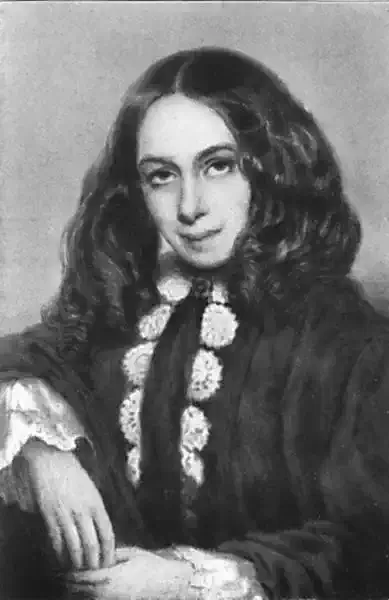
Elizabeth Barrett Browning
XX
XX
And wilt thou have me fashion into speech
The love I bear thee, finding words enough,
And hold the torch out, while the winds are rough,
Between our faces, to cast light on each ?--
I drop it at thy feet. I cannot teach
My hand to hold my spirit so far off
From myself--me--that I should bring thee proof
In words, of love hid in me out of reach.
Nay, let the silence of my womanhood
Commend my woman-love to thy belief,--
Seeing that I stand unwon, however wooed,
And rend the garment of my life, in brief,
By a most dauntless, voiceless fortitude,
Lest one touch of this heart convey its grief
And wilt thou have me fashion into speech
The love I bear thee, finding words enough,
And hold the torch out, while the winds are rough,
Between our faces, to cast light on each ?--
I drop it at thy feet. I cannot teach
My hand to hold my spirit so far off
From myself--me--that I should bring thee proof
In words, of love hid in me out of reach.
Nay, let the silence of my womanhood
Commend my woman-love to thy belief,--
Seeing that I stand unwon, however wooed,
And rend the garment of my life, in brief,
By a most dauntless, voiceless fortitude,
Lest one touch of this heart convey its grief
452
Elizabeth Barrett Browning
Sonnet XIII: And Wilt Thou Have Me
Sonnet XIII: And Wilt Thou Have Me
And wilt thou have me fashion into speech
The love I bear thee, finding words enough,
And hold the torch out, while the winds are rough,
Between our faces, to cast light upon each?
I drop it at thy feet. I cannot teach
My hand to hold my spirit so far off
From myself.. me.. that I should bring thee proof,
In words of love hid in me...out of reach.
Nay, let the silence of my womanhood
Commend my woman-love to thy belief,
Seeing that I stand unwon (however wooed)
And rend the garment of my life in brief
By a most dauntless, voiceless fortitude,
Lest one touch of this heart convey its grief.
And wilt thou have me fashion into speech
The love I bear thee, finding words enough,
And hold the torch out, while the winds are rough,
Between our faces, to cast light upon each?
I drop it at thy feet. I cannot teach
My hand to hold my spirit so far off
From myself.. me.. that I should bring thee proof,
In words of love hid in me...out of reach.
Nay, let the silence of my womanhood
Commend my woman-love to thy belief,
Seeing that I stand unwon (however wooed)
And rend the garment of my life in brief
By a most dauntless, voiceless fortitude,
Lest one touch of this heart convey its grief.
383
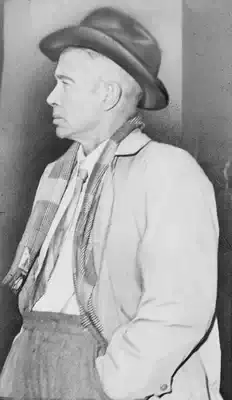
E. E. Cummings
Poem 42
Poem 42
n
OthI
n
g can
s
urPas
s
the m
y
SteR
y
of
s
tilLnes
s
n
OthI
n
g can
s
urPas
s
the m
y
SteR
y
of
s
tilLnes
s
603
E. E. Cummings
(a... (a leaf falls on loneliness)
(a... (a leaf falls on loneliness)
1(a
le
af
fa
ll
s)
one
l
iness
1(a
le
af
fa
ll
s)
one
l
iness
921
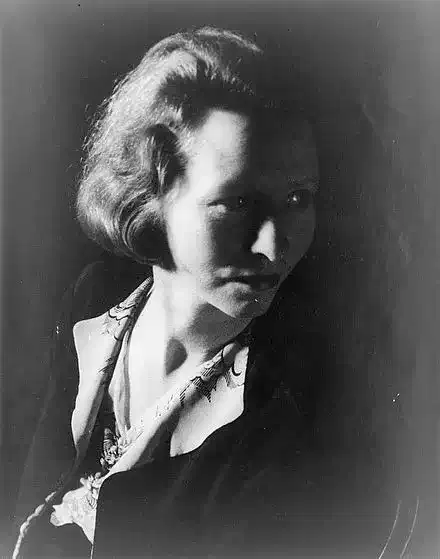
Edna St. Vincent Millay
Ode To Silence
Ode To Silence
Aye, but she?
Your other sister and my other soul
Grave Silence, lovelier
Than the three loveliest maidens, what of her?
Clio, not you,
Not you, Calliope,
Nor all your wanton line,
Not Beauty's perfect self shall comfort me
For Silence once departed,
For her the cool-tongued, her the tranquil-hearted,
Whom evermore I follow wistfully,
Wandering Heaven and Earth and Hell and the four seasons through;
Thalia, not you,
Not you, Melpomene,
Not your incomparable feet, O thin Terpsichore, I seek in this great hall,
But one more pale, more pensive, most beloved of you all.
I seek her from afar,
I come from temples where her altars are,
From groves that bear her name,
Noisy with stricken victims now and sacrificial flame,
And cymbals struck on high and strident faces
Obstreperous in her praise
They neither love nor know,
A goddess of gone days,
Departed long ago,
Abandoning the invaded shrines and fanes
Of her old sanctuary,
A deity obscure and legendary,
Of whom there now remains,
For sages to decipher and priests to garble,
Only and for a little while her letters wedged in marble,
Which even now, behold, the friendly mumbling rain erases,
And the inarticulate snow,
Leaving at last of her least signs and traces
None whatsoever, nor whither she is vanished from these places.
"She will love well," I said,
"If love be of that heart inhabiter,
The flowers of the dead;
The red anemone that with no sound
Moves in the wind, and from another wound
That sprang, the heavily-sweet blue hyacinth,
That blossoms underground,
And sallow poppies, will be dear to her.
And will not Silence know
In the black shade of what obsidian steep
Stiffens the white narcissus numb with sleep?
(Seed which Demeter's daughter bore from home,
Uptorn by desperate fingers long ago,
Reluctant even as she,
Undone Persephone,
And even as she set out again to grow
In twilight, in perdition's lean and inauspicious loam).
She will love well," I said,
"The flowers of the dead;
Where dark Persephone the winter round,
Uncomforted for home, uncomforted,
Lacking a sunny southern slope in northern Sicily,
With sullen pupils focussed on a dream,
Stares on the stagnant stream
That moats the unequivocable battlements of Hell,
There, there will she be found,
She that is Beauty veiled from men and Music in a swound."
"I long for Silence as they long for breath
Whose helpless nostrils drink the bitter sea;
What thing can be
So stout, what so redoubtable, in Death
What fury, what considerable rage, if only she,
Upon whose icy breast,
Unquestioned, uncaressed,
One time I lay,
And whom always I lack,
Even to this day,
Being by no means from that frigid bosom weaned away,
If only she therewith be given me back?"
I sought her down that dolorous labyrinth,
Wherein no shaft of sunlight ever fell,
And in among the bloodless everywhere
I sought her, but the air,
Breathed many times and spent,
Was fretful with a whispering discontent,
And questioning me, importuning me to tell
Some slightest tidings of the light of day they know no more,
Plucking my sleeve, the eager shades were with me where I went.
I paused at every grievous door,
And harked a moment, holding up my hand,—and for a space
A hush was on them, while they watched my face;
And then they fell a-whispering as before;
So that I smiled at them and left them, seeing she was not there.
I sought her, too,
Among the upper gods, although I knew
She was not like to be where feasting is,
Nor near to Heaven's lord,
Being a thing abhorred
And shunned of him, although a child of his,
(Not yours, not yours; to you she owes not breath,
Mother of Song, being sown of Zeus upon a dream of Death).
Fearing to pass unvisited some place
And later learn, too late, how all the while,
With her still face,
She had been standing there and seen me pass, without a smile,
I sought her even to the sagging board whereat
The stout immortals sat;
But such a laughter shook the mighty hall
No one could hear me say:
Had she been seen upon the Hill that day?
And no one knew at all
How long I stood, or when at last I sighed and went away.
There is a garden lying in a lull
Between the mountains and the mountainous sea,
I know not where, but which a dream diurnal
Paints on my lids a moment till the hull
Be lifted from the kernel
And Slumber fed to me.
Your foot-print is not there, Mnemosene,
Though it would seem a ruined place and after
Your lichenous heart, being full
Of broken columns, caryatides
Thrown to the earth and fallen forward on their jointless knees,
And urns funereal altered into dust
Minuter than the ashes of the dead,
And Psyche's lamp out of the earth up-thrust,
Dripping itself in marble wax on what was once the bed
Of Love, and his young body asleep, but now is dust instead.
There twists the bitter-sweet, the white wisteria Fastens its fingers in the strangling
wall,
And the wide crannies quicken with bright weeds;
There dumbly like a worm all day the still white orchid feeds;
But never an echo of your daughters' laughter
Is there, nor any sign of you at all
Swells fungous from the rotten bough, grey mother of Pieria!
Only her shadow once upon a stone
I saw,—and, lo, the shadow and the garden, too, were gone.
I tell you you have done her body an ill,
You chatterers, you noisy crew!
She is not anywhere!
I sought her in deep Hell;
And through the world as well;
I thought of Heaven and I sought her there;
Above nor under ground
Is Silence to be found,
That was the very warp and woof of you,
Lovely before your songs began and after they were through!
Oh, say if on this hill
Somewhere your sister's body lies in death,
So I may follow there, and make a wreath
Of my locked hands, that on her quiet breast
Shall lie till age has withered them!
(Ah, sweetly from the rest
I see
Turn and consider me
Compassionate Euterpe!)
"There is a gate beyond the gate of Death,
Beyond the gate of everlasting Life,
Beyond the gates of Heaven and Hell," she saith,
"Whereon but to believe is horror!
Whereon to meditate engendereth
Even in deathless spirits such as I
A tumult in the breath,
A chilling of the inexhaustible blood
Even in my veins that never will be dry,
And in the austere, divine monotony
That is my being, the madness of an unaccustomed mood.
This is her province whom you lack and seek;
And seek her not elsewhere.
Hell is a thoroughfare
For pilgrims,—Herakles,
And he that loved Euridice too well,
Have walked therein; and many more than these;
And witnessed the desire and the despair
Of souls that passed reluctantly and sicken for the air;
You, too, have entered Hell,
And issued thence; but thence whereof I speak
None has returned;—for thither fury brings
Only the driven ghosts of them that flee before all things.
Oblivion is the name of this abode: and she is there."
Oh, radiant Song! Oh, gracious Memory!
Be long upon this height
I shall not climb again!
I know the way you mean,—the little night,
And the long empty day,—never to see
Again the angry light,
Or hear the hungry noises cry my brain!
Ah, but she,
Your other sister and my other soul,
She shall again be mine;
And I shall drink her from a silver bowl,
A chilly thin green wine,
Not bitter to the taste,
Not sweet,
Not of your press, oh, restless, clamorous nine,—
To foam beneath the frantic hoofs of mirth—
But savoring faintly of the acid earth,
And trod by pensive feet
From perfect clusters ripened without haste
Out of the urgent heat
In some clear glimmering vaulted twilight under the odorous vine
. Lift up your lyres! Sing on!
But as for me, I seek your sister whither she is gone.
Aye, but she?
Your other sister and my other soul
Grave Silence, lovelier
Than the three loveliest maidens, what of her?
Clio, not you,
Not you, Calliope,
Nor all your wanton line,
Not Beauty's perfect self shall comfort me
For Silence once departed,
For her the cool-tongued, her the tranquil-hearted,
Whom evermore I follow wistfully,
Wandering Heaven and Earth and Hell and the four seasons through;
Thalia, not you,
Not you, Melpomene,
Not your incomparable feet, O thin Terpsichore, I seek in this great hall,
But one more pale, more pensive, most beloved of you all.
I seek her from afar,
I come from temples where her altars are,
From groves that bear her name,
Noisy with stricken victims now and sacrificial flame,
And cymbals struck on high and strident faces
Obstreperous in her praise
They neither love nor know,
A goddess of gone days,
Departed long ago,
Abandoning the invaded shrines and fanes
Of her old sanctuary,
A deity obscure and legendary,
Of whom there now remains,
For sages to decipher and priests to garble,
Only and for a little while her letters wedged in marble,
Which even now, behold, the friendly mumbling rain erases,
And the inarticulate snow,
Leaving at last of her least signs and traces
None whatsoever, nor whither she is vanished from these places.
"She will love well," I said,
"If love be of that heart inhabiter,
The flowers of the dead;
The red anemone that with no sound
Moves in the wind, and from another wound
That sprang, the heavily-sweet blue hyacinth,
That blossoms underground,
And sallow poppies, will be dear to her.
And will not Silence know
In the black shade of what obsidian steep
Stiffens the white narcissus numb with sleep?
(Seed which Demeter's daughter bore from home,
Uptorn by desperate fingers long ago,
Reluctant even as she,
Undone Persephone,
And even as she set out again to grow
In twilight, in perdition's lean and inauspicious loam).
She will love well," I said,
"The flowers of the dead;
Where dark Persephone the winter round,
Uncomforted for home, uncomforted,
Lacking a sunny southern slope in northern Sicily,
With sullen pupils focussed on a dream,
Stares on the stagnant stream
That moats the unequivocable battlements of Hell,
There, there will she be found,
She that is Beauty veiled from men and Music in a swound."
"I long for Silence as they long for breath
Whose helpless nostrils drink the bitter sea;
What thing can be
So stout, what so redoubtable, in Death
What fury, what considerable rage, if only she,
Upon whose icy breast,
Unquestioned, uncaressed,
One time I lay,
And whom always I lack,
Even to this day,
Being by no means from that frigid bosom weaned away,
If only she therewith be given me back?"
I sought her down that dolorous labyrinth,
Wherein no shaft of sunlight ever fell,
And in among the bloodless everywhere
I sought her, but the air,
Breathed many times and spent,
Was fretful with a whispering discontent,
And questioning me, importuning me to tell
Some slightest tidings of the light of day they know no more,
Plucking my sleeve, the eager shades were with me where I went.
I paused at every grievous door,
And harked a moment, holding up my hand,—and for a space
A hush was on them, while they watched my face;
And then they fell a-whispering as before;
So that I smiled at them and left them, seeing she was not there.
I sought her, too,
Among the upper gods, although I knew
She was not like to be where feasting is,
Nor near to Heaven's lord,
Being a thing abhorred
And shunned of him, although a child of his,
(Not yours, not yours; to you she owes not breath,
Mother of Song, being sown of Zeus upon a dream of Death).
Fearing to pass unvisited some place
And later learn, too late, how all the while,
With her still face,
She had been standing there and seen me pass, without a smile,
I sought her even to the sagging board whereat
The stout immortals sat;
But such a laughter shook the mighty hall
No one could hear me say:
Had she been seen upon the Hill that day?
And no one knew at all
How long I stood, or when at last I sighed and went away.
There is a garden lying in a lull
Between the mountains and the mountainous sea,
I know not where, but which a dream diurnal
Paints on my lids a moment till the hull
Be lifted from the kernel
And Slumber fed to me.
Your foot-print is not there, Mnemosene,
Though it would seem a ruined place and after
Your lichenous heart, being full
Of broken columns, caryatides
Thrown to the earth and fallen forward on their jointless knees,
And urns funereal altered into dust
Minuter than the ashes of the dead,
And Psyche's lamp out of the earth up-thrust,
Dripping itself in marble wax on what was once the bed
Of Love, and his young body asleep, but now is dust instead.
There twists the bitter-sweet, the white wisteria Fastens its fingers in the strangling
wall,
And the wide crannies quicken with bright weeds;
There dumbly like a worm all day the still white orchid feeds;
But never an echo of your daughters' laughter
Is there, nor any sign of you at all
Swells fungous from the rotten bough, grey mother of Pieria!
Only her shadow once upon a stone
I saw,—and, lo, the shadow and the garden, too, were gone.
I tell you you have done her body an ill,
You chatterers, you noisy crew!
She is not anywhere!
I sought her in deep Hell;
And through the world as well;
I thought of Heaven and I sought her there;
Above nor under ground
Is Silence to be found,
That was the very warp and woof of you,
Lovely before your songs began and after they were through!
Oh, say if on this hill
Somewhere your sister's body lies in death,
So I may follow there, and make a wreath
Of my locked hands, that on her quiet breast
Shall lie till age has withered them!
(Ah, sweetly from the rest
I see
Turn and consider me
Compassionate Euterpe!)
"There is a gate beyond the gate of Death,
Beyond the gate of everlasting Life,
Beyond the gates of Heaven and Hell," she saith,
"Whereon but to believe is horror!
Whereon to meditate engendereth
Even in deathless spirits such as I
A tumult in the breath,
A chilling of the inexhaustible blood
Even in my veins that never will be dry,
And in the austere, divine monotony
That is my being, the madness of an unaccustomed mood.
This is her province whom you lack and seek;
And seek her not elsewhere.
Hell is a thoroughfare
For pilgrims,—Herakles,
And he that loved Euridice too well,
Have walked therein; and many more than these;
And witnessed the desire and the despair
Of souls that passed reluctantly and sicken for the air;
You, too, have entered Hell,
And issued thence; but thence whereof I speak
None has returned;—for thither fury brings
Only the driven ghosts of them that flee before all things.
Oblivion is the name of this abode: and she is there."
Oh, radiant Song! Oh, gracious Memory!
Be long upon this height
I shall not climb again!
I know the way you mean,—the little night,
And the long empty day,—never to see
Again the angry light,
Or hear the hungry noises cry my brain!
Ah, but she,
Your other sister and my other soul,
She shall again be mine;
And I shall drink her from a silver bowl,
A chilly thin green wine,
Not bitter to the taste,
Not sweet,
Not of your press, oh, restless, clamorous nine,—
To foam beneath the frantic hoofs of mirth—
But savoring faintly of the acid earth,
And trod by pensive feet
From perfect clusters ripened without haste
Out of the urgent heat
In some clear glimmering vaulted twilight under the odorous vine
. Lift up your lyres! Sing on!
But as for me, I seek your sister whither she is gone.
338

Derek Walcott
In The Virgins
In The Virgins
You can't put in the ground swell of the organ
from the Christiansted, St.Croix, Anglican Church
behind the paratrooper's voice: 'Turned cop
after Vietnam. I made thirty jumps.'
Bells punish the dead street and pigeons lurch
from the stone belfry, opening their chutes,
circling until the rings of ringing stop.
'Salud!' The paratrooper's glass is raised.
The congregation rises to its feet
like a patrol, with scuffling shoes and boots,
repeating orders as the organ thumps:
'Praise Ye the Lord. The Lord's name be praised.'
You cannot hear, beyond the quiet harbor,
the breakers cannonading on the bruised
horizon, or the charter engines gunning for
Buck Island. The only war here is a war
of silence between blue sky and sea,
and just one voice, the marching choir's, is raised
to draft new conscripts with the ancient cry
of 'Onward, Christian Soldiers,' into pews
half-empty still, or like a glass, half-full.
Pinning itself to a cornice, a gull
hangs like a medal from the serge-blue sky.
Are these boats all? Is the blue water all?
The rocks surpliced with lace where they are moored,
dinghy, catamaran, and racing yawl,
nodding to the ground swell of 'Praise the Lord'?
Wesley and Watts, their evangelical light
lanced down the mine shafts to our chapel pew,
its beam gritted with motes of anthracite
that drifted on us in our chapel benches:
from God's slow-grinding mills in Lancashire,
ash on the dead mired in Flanders' trenches,
as a gray drizzle now defiles the view
of this blue harbor, framed in windows where
two yellow palm fronds, jerked by the wind's rain,
agree like horses' necks, and nodding bear,
slow as a hearse, a haze of tasseled rain,
and, as the weather changes in a child,
the paradisal day outside grows dark,
the yachts flutter like moths in a gray jar,
the martial voices fade in thunder, while
across the harbor, like a timid lure,
a rainbow casts its seven-colored arc.
Tonight, now Sunday has been put to rest.
Altar lights ride the black glass where the yachts
stiffly repeat themselves and phosphoresce
with every ripple - the wide parking-lots
of tidal affluence - and every mast
sways the night's dial as its needle veers
to find the station which is truly peace.
Like neon lasers shot across the bars
discos blast out the music of the spheres,
and, one by one, science infects the stars.
You can't put in the ground swell of the organ
from the Christiansted, St.Croix, Anglican Church
behind the paratrooper's voice: 'Turned cop
after Vietnam. I made thirty jumps.'
Bells punish the dead street and pigeons lurch
from the stone belfry, opening their chutes,
circling until the rings of ringing stop.
'Salud!' The paratrooper's glass is raised.
The congregation rises to its feet
like a patrol, with scuffling shoes and boots,
repeating orders as the organ thumps:
'Praise Ye the Lord. The Lord's name be praised.'
You cannot hear, beyond the quiet harbor,
the breakers cannonading on the bruised
horizon, or the charter engines gunning for
Buck Island. The only war here is a war
of silence between blue sky and sea,
and just one voice, the marching choir's, is raised
to draft new conscripts with the ancient cry
of 'Onward, Christian Soldiers,' into pews
half-empty still, or like a glass, half-full.
Pinning itself to a cornice, a gull
hangs like a medal from the serge-blue sky.
Are these boats all? Is the blue water all?
The rocks surpliced with lace where they are moored,
dinghy, catamaran, and racing yawl,
nodding to the ground swell of 'Praise the Lord'?
Wesley and Watts, their evangelical light
lanced down the mine shafts to our chapel pew,
its beam gritted with motes of anthracite
that drifted on us in our chapel benches:
from God's slow-grinding mills in Lancashire,
ash on the dead mired in Flanders' trenches,
as a gray drizzle now defiles the view
of this blue harbor, framed in windows where
two yellow palm fronds, jerked by the wind's rain,
agree like horses' necks, and nodding bear,
slow as a hearse, a haze of tasseled rain,
and, as the weather changes in a child,
the paradisal day outside grows dark,
the yachts flutter like moths in a gray jar,
the martial voices fade in thunder, while
across the harbor, like a timid lure,
a rainbow casts its seven-colored arc.
Tonight, now Sunday has been put to rest.
Altar lights ride the black glass where the yachts
stiffly repeat themselves and phosphoresce
with every ripple - the wide parking-lots
of tidal affluence - and every mast
sways the night's dial as its needle veers
to find the station which is truly peace.
Like neon lasers shot across the bars
discos blast out the music of the spheres,
and, one by one, science infects the stars.
1,212

D.H. Lawrence
Week-Night Service
Week-Night Service
The five old bells
Are hurrying and eagerly calling,
Imploring, protesting
They know, but clamorously falling
Into gabbling incoherence, never resting,
Like spattering showers from a bursten sky-rocket dropping
In splashes of sound, endlessly, never stopping.
The silver moon
That somebody has spun so high
To settle the question, yes or no, has caught
In the net of the night’s balloon,
And sits with a smooth bland smile up there in the sky
Smiling at naught,
Unless the winking star that keeps her company
Makes little jests at the bells’ insanity,
As if he knew aught!
The patient Night
Sits indifferent, hugged in her rags,
She neither knows nor cares
Why the old church sobs and brags;
The light distresses her eyes, and tears
Her old blue cloak, as she crouches and covers her face,
Smiling, perhaps, if we knew it, at the bells’ loud clattering disgrace.
The wise old trees
Drop their leaves with a faint, sharp hiss of contempt,
While a car at the end of the street goes by with a laugh;
As by degrees
The poor bells cease, and the Night is exempt,
And the stars can chaff
The ironic moon at their ease, while the dim old church
Is peopled with shadows and sounds and ghosts that lurch
In its cenotaph.
The five old bells
Are hurrying and eagerly calling,
Imploring, protesting
They know, but clamorously falling
Into gabbling incoherence, never resting,
Like spattering showers from a bursten sky-rocket dropping
In splashes of sound, endlessly, never stopping.
The silver moon
That somebody has spun so high
To settle the question, yes or no, has caught
In the net of the night’s balloon,
And sits with a smooth bland smile up there in the sky
Smiling at naught,
Unless the winking star that keeps her company
Makes little jests at the bells’ insanity,
As if he knew aught!
The patient Night
Sits indifferent, hugged in her rags,
She neither knows nor cares
Why the old church sobs and brags;
The light distresses her eyes, and tears
Her old blue cloak, as she crouches and covers her face,
Smiling, perhaps, if we knew it, at the bells’ loud clattering disgrace.
The wise old trees
Drop their leaves with a faint, sharp hiss of contempt,
While a car at the end of the street goes by with a laugh;
As by degrees
The poor bells cease, and the Night is exempt,
And the stars can chaff
The ironic moon at their ease, while the dim old church
Is peopled with shadows and sounds and ghosts that lurch
In its cenotaph.
237
D.H. Lawrence
New Year's Eve
New Year's Eve
There are only two things now,
The great black night scooped out
And this fireglow.
This fireglow, the core,
And we the two ripe pips
That are held in store.
Listen, the darkness rings
As it circulates round our fire.
Take off your things.
Your shoulders, your bruised throat!
You breasts, your nakedness!
This fiery coat!
As the darkness flickers and dips,
As the firelight falls and leaps
From your feet to your lips!
There are only two things now,
The great black night scooped out
And this fireglow.
This fireglow, the core,
And we the two ripe pips
That are held in store.
Listen, the darkness rings
As it circulates round our fire.
Take off your things.
Your shoulders, your bruised throat!
You breasts, your nakedness!
This fiery coat!
As the darkness flickers and dips,
As the firelight falls and leaps
From your feet to your lips!
195
D.H. Lawrence
Listening
Listening
I listen to the stillness of you,
My dear, among it all;
I feel your silence touch my words as I talk,
And take them in thrall.
My words fly off a forge
The length of a spark;
I see the night-sky easily sip them
Up in the dark.
The lark sings loud and glad,
Yet I am not loth
That silence should take the song and the bird
And lose them both.
A train goes roaring south,
The steam-flag flying;
I see the stealthy shadow of silence
Alongside going.
And off the forge of the world,
Whirling in the draught of life,
Go sparks of myriad people, filling
The night with strife.
Yet they never change the darkness
Or blench it with noise;
Alone on the perfect silence
The stars are buoys.
I listen to the stillness of you,
My dear, among it all;
I feel your silence touch my words as I talk,
And take them in thrall.
My words fly off a forge
The length of a spark;
I see the night-sky easily sip them
Up in the dark.
The lark sings loud and glad,
Yet I am not loth
That silence should take the song and the bird
And lose them both.
A train goes roaring south,
The steam-flag flying;
I see the stealthy shadow of silence
Alongside going.
And off the forge of the world,
Whirling in the draught of life,
Go sparks of myriad people, filling
The night with strife.
Yet they never change the darkness
Or blench it with noise;
Alone on the perfect silence
The stars are buoys.
186

Carl Sandburg
The Answer
The Answer
You have spoken the answer.
A child searches far sometimes
Into the red dust
On a dark rose leaf
And so you have gone far
For the answer is:
Silence.
In the republic
Of the winking stars
and spent cataclysms
Sure we are it is off there the answer
is hidden and folded over,
Sleeping in the sun, careless whether
it is Sunday or any other day of
the week,
Knowing silence will bring all one way or another.
Have we not seen
Purple of the pansy
out of the mulch
and mold
crawl
into a dusk
of velvet?
blur of yellow?
Almost we thought from nowhere but it was the silence,
the future,
working.
You have spoken the answer.
A child searches far sometimes
Into the red dust
On a dark rose leaf
And so you have gone far
For the answer is:
Silence.
In the republic
Of the winking stars
and spent cataclysms
Sure we are it is off there the answer
is hidden and folded over,
Sleeping in the sun, careless whether
it is Sunday or any other day of
the week,
Knowing silence will bring all one way or another.
Have we not seen
Purple of the pansy
out of the mulch
and mold
crawl
into a dusk
of velvet?
blur of yellow?
Almost we thought from nowhere but it was the silence,
the future,
working.
342
Carl Sandburg
Interior
Interior
In the cool of the night time
The clocks pick off the points
And the mainsprings loosen.
They will need winding.
One of these days
they will need winding.
Rabelais in red boards,
Walt Whitman in green,
Hugo in ten-cent paper covers,
Here they stand on shelves
In the cool of the night time
And there is nothing . . . .
To be said against them . . . .
Or for them . . . .
In the cool of the night time
And the docks.
A man in pigeon-gray pyjamas.
The open window begins at his feet
And goes taller than his head.
Eight feet high is the pattern.
Moon and mist make an oblong layout.
Silver at the man's bare feet.
He swings one foot in a moon silver.
And it costs nothing.
(One more day of bread and work.
One more day . . . .so much rags .
The man barefoot in moon silver
Mutters "You" and "You"
To things hidden
In the cool of the night time,
In Rabelais, Whitman, Hugo,
In an oblong of moon mist.
Out from the window . . . . prairielands.
Moon mist whitens a golf ground.
Whiter yet is a limestone quarry.
The crickets keep on chirring.
Switch engines of the Great Western
Sidetrack box cars, make up trains
For Weehawken, Oskaloosa, Saskatchewan;
The cattle, the coal, the corn, must go
In the night . . . . on the prairielands.
Chuff-chuff go the pulses.
They beat in the cool of the night time.
Chuff-chuff and chuff-chuff . . . .
These heartbeats travel the night a mile
And touch the moon silver at the window
And the hones of the man.
It costs nothing.
Rabelais in red boards,
Whitman in green,
Hugo in ten-cent paper covers,
Here they stand on shelves
In the cool of the night time
And the clocks.
In the cool of the night time
The clocks pick off the points
And the mainsprings loosen.
They will need winding.
One of these days
they will need winding.
Rabelais in red boards,
Walt Whitman in green,
Hugo in ten-cent paper covers,
Here they stand on shelves
In the cool of the night time
And there is nothing . . . .
To be said against them . . . .
Or for them . . . .
In the cool of the night time
And the docks.
A man in pigeon-gray pyjamas.
The open window begins at his feet
And goes taller than his head.
Eight feet high is the pattern.
Moon and mist make an oblong layout.
Silver at the man's bare feet.
He swings one foot in a moon silver.
And it costs nothing.
(One more day of bread and work.
One more day . . . .so much rags .
The man barefoot in moon silver
Mutters "You" and "You"
To things hidden
In the cool of the night time,
In Rabelais, Whitman, Hugo,
In an oblong of moon mist.
Out from the window . . . . prairielands.
Moon mist whitens a golf ground.
Whiter yet is a limestone quarry.
The crickets keep on chirring.
Switch engines of the Great Western
Sidetrack box cars, make up trains
For Weehawken, Oskaloosa, Saskatchewan;
The cattle, the coal, the corn, must go
In the night . . . . on the prairielands.
Chuff-chuff go the pulses.
They beat in the cool of the night time.
Chuff-chuff and chuff-chuff . . . .
These heartbeats travel the night a mile
And touch the moon silver at the window
And the hones of the man.
It costs nothing.
Rabelais in red boards,
Whitman in green,
Hugo in ten-cent paper covers,
Here they stand on shelves
In the cool of the night time
And the clocks.
404
Carl Sandburg
Gypsy
Gypsy
I asked a gypsy pal
To imitate an old image
And speak old wisdom.
She drew in her chin,
Made her neck and head
The top piece of a Nile obelisk
and said:
Snatch off the gag from thy mouth, child,
And be free to keep silence.
Tell no man anything for no man listens,
Yet hold thy lips ready to speak.
I asked a gypsy pal
To imitate an old image
And speak old wisdom.
She drew in her chin,
Made her neck and head
The top piece of a Nile obelisk
and said:
Snatch off the gag from thy mouth, child,
And be free to keep silence.
Tell no man anything for no man listens,
Yet hold thy lips ready to speak.
377
Carl Sandburg
Aprons of Silence
Aprons of Silence
Many things I might have said today.
And I kept my mouth shut.
So many times I was asked
To come and say the same things
Everybody was saying, no end
To the yes-yes, yes-yes,
me-too, me-too.
The aprons of silence covered me.
A wire and hatch held my tongue.
I spit nails into an abyss and listened.
I shut off the gable of Jones, Johnson, Smith,
All whose names take pages in the city directory.
I fixed up a padded cell and lugged it around.
I locked myself in and nobody knew it.
Only the keeper and the kept in the hoosegow
Knew it--on the streets, in the post office,
On the cars, into the railroad station
Where the caller was calling, "All a-board,
All a-board for . . . Blaa-blaa . . . Blaa-blaa,
Blaa-blaa . . . and all points northwest . . .all a-board."
Here I took along my own hoosegow
And did business with my own thoughts.
Do you see? It must be the aprons of silence.
Many things I might have said today.
And I kept my mouth shut.
So many times I was asked
To come and say the same things
Everybody was saying, no end
To the yes-yes, yes-yes,
me-too, me-too.
The aprons of silence covered me.
A wire and hatch held my tongue.
I spit nails into an abyss and listened.
I shut off the gable of Jones, Johnson, Smith,
All whose names take pages in the city directory.
I fixed up a padded cell and lugged it around.
I locked myself in and nobody knew it.
Only the keeper and the kept in the hoosegow
Knew it--on the streets, in the post office,
On the cars, into the railroad station
Where the caller was calling, "All a-board,
All a-board for . . . Blaa-blaa . . . Blaa-blaa,
Blaa-blaa . . . and all points northwest . . .all a-board."
Here I took along my own hoosegow
And did business with my own thoughts.
Do you see? It must be the aprons of silence.
412
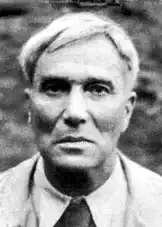
Boris Pasternak
The Weeping Garden
The Weeping Garden
It’s terrible! – all drip and listening.
Whether, as ever, it’s loneliness,
splashing a branch, like lace, on the window,
or whether perhaps there’s a witness.
Choked there beneath its swollen
burden – earth’s nostrils, and audibly,
like August, far off in the distance,
midnight, ripening slow with the fields.
No sound. No one’s in hiding.
Confirming its pure desolation,
it returns to its game – slipping
from roof, to gutter, slides on.
I’ll moisten my lips, listening:
whether, as ever, I’m loneliness,
and ready maybe for weeping,
or whether perhaps there’s a witness.
But, silence. No leaves trembling.
Nothing to see: sobs, and cries
being swallowed, slippers splashing,
between them, tears and sighs.
It’s terrible! – all drip and listening.
Whether, as ever, it’s loneliness,
splashing a branch, like lace, on the window,
or whether perhaps there’s a witness.
Choked there beneath its swollen
burden – earth’s nostrils, and audibly,
like August, far off in the distance,
midnight, ripening slow with the fields.
No sound. No one’s in hiding.
Confirming its pure desolation,
it returns to its game – slipping
from roof, to gutter, slides on.
I’ll moisten my lips, listening:
whether, as ever, I’m loneliness,
and ready maybe for weeping,
or whether perhaps there’s a witness.
But, silence. No leaves trembling.
Nothing to see: sobs, and cries
being swallowed, slippers splashing,
between them, tears and sighs.
732

Allen Ginsberg
Syllables at Rocky Mountain Dharma Center
Syllables at Rocky Mountain Dharma Center
Tail turned to red sunset on a juniper crown a lone magpie cawks.
Mad at Oryoki in the shrine-room -- Thistles blossomed late afternoon.
Put on my shirt and took it off in the sun walking the path to lunch.
A dandelion seed floats above the marsh grass with the mosquitos.
At 4 A.M. the two middleaged men sleeping together holding hands.
In the half-light of dawn a few birds warble under the Pleiades.
Sky reddens behind fir trees, larks twitter, sparrows cheep cheep cheep
cheep cheep.
Tail turned to red sunset on a juniper crown a lone magpie cawks.
Mad at Oryoki in the shrine-room -- Thistles blossomed late afternoon.
Put on my shirt and took it off in the sun walking the path to lunch.
A dandelion seed floats above the marsh grass with the mosquitos.
At 4 A.M. the two middleaged men sleeping together holding hands.
In the half-light of dawn a few birds warble under the Pleiades.
Sky reddens behind fir trees, larks twitter, sparrows cheep cheep cheep
cheep cheep.
626
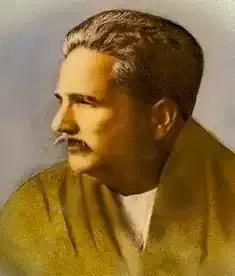
Muhammad Iqbal
A Longing
A Longing
O Lord! I have become weary of human assemblages!
When the heart is sad no pleasure in assemblages can be
I seek escape from tumult, my heart desires
The silence which speech may ardently love!
I vehemently desire silence, I strongly long that
A small hut in the mountain's side may there be
Freed from worry I may live in retirement
Freed from the cares of the world I may be
Birds chirping may give the pleasure of the lyre
In the spring's noise may the orchestra's melody be
The flower bud bursting may give God's message to me
Showing the whole world 1 to me this small wine-cup may be
My arm may be my pillow, and the green grass my bed be
Putting the congregation to shame my solitude's quality be
The nightingale be so familiar with my face that
Her little heart harboring no fear from me may be
Avenues of green trees standing on both sides be
The spring's clear water providing a beautiful picture be
The view of the mountain range may be so beautiful
To see it the waves of water again and again rising be
The verdure may be asleep in the lap of the earth
Water running through the bushes may glistening be
Again and again the flowered boughs touching the water be
As if some beauty looking at itself in mirror be
When the sun apply myrtle to the evening's bride
The tunic of every flower may pinkish golden be
When night's travellers falter behind with fatigue
Their only hope my broken earthenware lamp may be
May the lightning lead them to my hut
When clouds hovering over the whole sky be.
The early dawn's cuckoo, that morning's mu'adhdhin2
May my confidante he be, and may his confidante I be
May I not be obligated to the temple or to the mosque
May the hut's hole alone herald of morning's arrival be
When the dew may come to perform the flowers' ablution
May wailing my supplication, weeping my ablution be
In this silence may my heart's wailing rise so high
That for stars' caravan the clarion's call my wailing be
May every compassionate heart weeping with me be
Perhaps it may awaken those who may unconscious be
O Lord! I have become weary of human assemblages!
When the heart is sad no pleasure in assemblages can be
I seek escape from tumult, my heart desires
The silence which speech may ardently love!
I vehemently desire silence, I strongly long that
A small hut in the mountain's side may there be
Freed from worry I may live in retirement
Freed from the cares of the world I may be
Birds chirping may give the pleasure of the lyre
In the spring's noise may the orchestra's melody be
The flower bud bursting may give God's message to me
Showing the whole world 1 to me this small wine-cup may be
My arm may be my pillow, and the green grass my bed be
Putting the congregation to shame my solitude's quality be
The nightingale be so familiar with my face that
Her little heart harboring no fear from me may be
Avenues of green trees standing on both sides be
The spring's clear water providing a beautiful picture be
The view of the mountain range may be so beautiful
To see it the waves of water again and again rising be
The verdure may be asleep in the lap of the earth
Water running through the bushes may glistening be
Again and again the flowered boughs touching the water be
As if some beauty looking at itself in mirror be
When the sun apply myrtle to the evening's bride
The tunic of every flower may pinkish golden be
When night's travellers falter behind with fatigue
Their only hope my broken earthenware lamp may be
May the lightning lead them to my hut
When clouds hovering over the whole sky be.
The early dawn's cuckoo, that morning's mu'adhdhin2
May my confidante he be, and may his confidante I be
May I not be obligated to the temple or to the mosque
May the hut's hole alone herald of morning's arrival be
When the dew may come to perform the flowers' ablution
May wailing my supplication, weeping my ablution be
In this silence may my heart's wailing rise so high
That for stars' caravan the clarion's call my wailing be
May every compassionate heart weeping with me be
Perhaps it may awaken those who may unconscious be
493
Previous
Page 2