

Poems in this theme
Longing and Absence
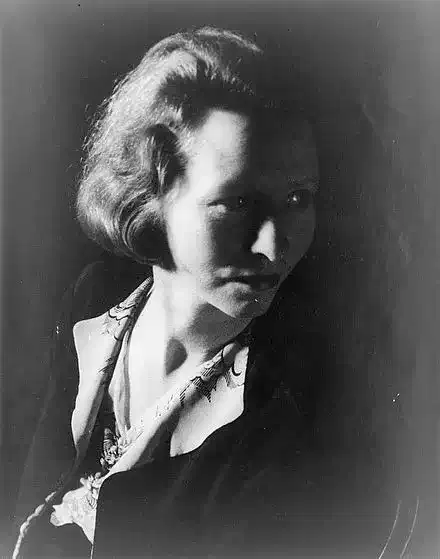
Edna St. Vincent Millay
Song Of A Second April
Song Of A Second April
April this year, not otherwise
Than April of a year ago,
Is full of whispers, full of sighs,
Of dazzling mud and dingy snow;
Hepaticas that pleased you so
Are here again, and butterflies.
There rings a hammering all day,
And shingles lie about the doors;
In orchards near and far away
The grey wood-pecker taps and bores;
The men are merry at their chores,
And children earnest at their play.
The larger streams run still and deep,
Noisy and swift the small brooks run
Among the mullein stalks the sheep
Go up the hillside in the sun,
Pensively,—only you are gone,
You that alone I cared to keep.
April this year, not otherwise
Than April of a year ago,
Is full of whispers, full of sighs,
Of dazzling mud and dingy snow;
Hepaticas that pleased you so
Are here again, and butterflies.
There rings a hammering all day,
And shingles lie about the doors;
In orchards near and far away
The grey wood-pecker taps and bores;
The men are merry at their chores,
And children earnest at their play.
The larger streams run still and deep,
Noisy and swift the small brooks run
Among the mullein stalks the sheep
Go up the hillside in the sun,
Pensively,—only you are gone,
You that alone I cared to keep.
340
Edna St. Vincent Millay
Pity Me Not Because The Light Of Day
Pity Me Not Because The Light Of Day
Pity me not because the light of day
At close of day no longer walks the sky;
Pity me not for beauties passed away
From field and thicket as the the year goes by;
Pity me not the waning of the moon,
Nor that the ebbing tide goes out to sea,
Nor that a man's desire is hushed so soon,
And you no longer look with love on me.
This have I known always: Love is no more
Than the wide blossom which the wind assails,
Than the great tide that treads the shifting shore,
Strewing fresh wreckage gathered in the gales:
Pity me that the heart is slow to learn
What the swift mind beholds at ever turn.
Pity me not because the light of day
At close of day no longer walks the sky;
Pity me not for beauties passed away
From field and thicket as the the year goes by;
Pity me not the waning of the moon,
Nor that the ebbing tide goes out to sea,
Nor that a man's desire is hushed so soon,
And you no longer look with love on me.
This have I known always: Love is no more
Than the wide blossom which the wind assails,
Than the great tide that treads the shifting shore,
Strewing fresh wreckage gathered in the gales:
Pity me that the heart is slow to learn
What the swift mind beholds at ever turn.
302
Edna St. Vincent Millay
Prayer To Persephone
Prayer To Persephone
Be to her, Persephone,
All the things I might not be:
Take her head upon your knee.
She that was so proud and wild,
Flippant, arrogant and free,
She that had no need of me,
Is a little lonely child
Lost in Hell,—Persephone,
Take her head upon your knee:
Say to her, "My dear, my dear,
It is not so dreadful here."
Be to her, Persephone,
All the things I might not be:
Take her head upon your knee.
She that was so proud and wild,
Flippant, arrogant and free,
She that had no need of me,
Is a little lonely child
Lost in Hell,—Persephone,
Take her head upon your knee:
Say to her, "My dear, my dear,
It is not so dreadful here."
372
Edna St. Vincent Millay
Night Is My Sister, And How Deep In Love
Night Is My Sister, And How Deep In Love
Night is my sister, and how deep in love,
How drowned in love and weedily washed ashore,
There to be fretted by the drag and shove
At the tide's edge, I lie—these things and more:
Whose arm alone between me and the sand,
Whose voice alone, whose pitiful breath brought near,
Could thaw these nostrils and unlock this hand,
She could advise you, should you care to hear.
Small chance, however, in a storm so black,
A man will leave his friendly fire and snug
For a drowned woman's sake, and bring her back
To drip and scatter shells upon the rug.
No one but Night, with tears on her dark face,
Watches beside me in this windy place.
Night is my sister, and how deep in love,
How drowned in love and weedily washed ashore,
There to be fretted by the drag and shove
At the tide's edge, I lie—these things and more:
Whose arm alone between me and the sand,
Whose voice alone, whose pitiful breath brought near,
Could thaw these nostrils and unlock this hand,
She could advise you, should you care to hear.
Small chance, however, in a storm so black,
A man will leave his friendly fire and snug
For a drowned woman's sake, and bring her back
To drip and scatter shells upon the rug.
No one but Night, with tears on her dark face,
Watches beside me in this windy place.
352
Edna St. Vincent Millay
Interim
Interim
The room is full of you!—As I came in
And closed the door behind me, all at once
A something in the air, intangible,
Yet stiff with meaning, struck my senses sick!—
Sharp, unfamiliar odors have destroyed
Each other room's dear personality.
The heavy scent of damp, funereal flowers,—
The very essence, hush-distilled, of Death—
Has strangled that habitual breath of home
Whose expiration leaves all houses dead;
And wheresoe'er I look is hideous change.
Save here. Here 'twas as if a weed-choked gate
Had opened at my touch, and I had stepped
Into some long-forgot, enchanted, strange,
Sweet garden of a thousand years ago
And suddenly thought, "I have been here before!"
You are not here. I know that you are gone,
And will not ever enter here again.
And yet it seems to me, if I should speak,
Your silent step must wake across the hall;
If I should turn my head, that your sweet eyes
Would kiss me from the door.—So short a time
To teach my life its transposition to
This difficult and unaccustomed key!—
The room is as you left it; your last touch—
A thoughtless pressure, knowing not itself
As saintly—hallows now each simple thing;
Hallows and glorifies, and glows between
The dust's grey fingers like a shielded light.
There is your book, just as you laid it down,
Face to the table,—I cannot believe
That you are gone!—Just then it seemed to me
You must be here. I almost laughed to think
How like reality the dream had been;
Yet knew before I laughed, and so was still.
That book, outspread, just as you laid it down!
Perhaps you thought, "I wonder what comes next,
And whether this or this will be the end";
So rose, and left it, thinking to return.
Perhaps that chair, when you arose and passed
Out of the room, rocked silently a while
Ere it again was still. When you were gone
Forever from the room, perhaps that chair,
Stirred by your movement, rocked a little while,
Silently, to and fro...
And here are the last words your fingers wrote,
Scrawled in broad characters across a page
In this brown book I gave you. Here your hand,
Guiding your rapid pen, moved up and down.
Here with a looping knot you crossed a "t,"
And here another like it, just beyond
These two eccentric "e's." You were so small,
And wrote so brave a hand!
How strange it seems
That of all words these are the words you chose!
And yet a simple choice; you did not know
You would not write again. If you had known—
But then, it does not matter,—and indeed
If you had known there was so little time
You would have dropped your pen and come to me
And this page would be empty, and some phrase
Other than this would hold my wonder now.
Yet, since you could not know, and it befell
That these are the last words your fingers wrote,
There is a dignity some might not see
In this, "I picked the first sweet-pea to-day."
To-day! Was there an opening bud beside it
You left until to-morrow?—O my love,
The things that withered,—and you came not back
That day you filled this circle of my arms
That now is empty. (O my empty life!)
That day—that day you picked the first sweet-pea,—
And brought it in to show me! I recall
With terrible distinctness how the smell
Of your cool gardens drifted in with you.
I know, you held it up for me to see
And flushed because I looked not at the flower,
But at your face; and when behind my look
You saw such unmistakable intent
You laughed and brushed your flower against my lips.
(You were the fairest thing God ever made,
I think.) And then your hands above my heart
Drew down its stem into a fastening,
And while your head was bent I kissed your hair.
I wonder if you knew. (Beloved hands!
Somehow I cannot seem to see them still.
Somehow I cannot seem to see the dust
In your bright hair.) What is the need of Heaven
When earth can be so sweet?—If only God
Had let us love,—and show the world the way!
Strange cancellings must ink th' eternal books
When love-crossed-out will bring the answer right!
That first sweet-pea! I wonder where it is.
It seems to me I laid it down somewhere,
And yet,—I am not sure. I am not sure,
Even, if it was white or pink; for then
'Twas much like any other flower to me
Save that it was the first. I did not know
Then, that it was the last. If I had known—
But then, it does not matter. Strange how few,
After all's said and done, the things that are
Of moment.
Few indeed! When I can make
Of ten small words a rope to hang the world!
"I had you and I have you now no more."
There, there it dangles,—where's the little truth
That can for long keep footing under that
When its slack syllables tighten to a thought?
Here, let me write it down! I wish to see
Just how a thing like that will look on paper!
"I had you and I have you now no more."
O little words, how can you run so straight
Across the page, beneath the weight you bear?
How can you fall apart, whom such a theme
Has bound together, and hereafter aid
In trivial expression, that have been
So hideously dignified?—Would God
That tearing you apart would tear the thread
I strung you on! Would God—O God, my mind
Stretches asunder on this merciless rack
Of imagery! O, let me sleep a while!
Would I could sleep, and wake to find me back
In that sweet summer afternoon with you.
Summer? Tis summer still by the calendar!
How easily could God, if He so willed,
Set back the world a little turn or two!
Correct its griefs, and bring its joys again!
We were so wholly one I had not thought
That we could die apart. I had not thought
That I could move,—and you be stiff and still!
That I could speak,—and you perforce be dumb!
I think our heart-strings were, like warp and woof
In some firm fabric, woven in and out;
Your golden filaments in fair design
Across my duller fibre. And to-day
The shining strip is rent; the exquisite
Fine pattern is destroyed; part of your heart
Aches in my breast; part of my heart lies chilled
In the damp earth with you. I have been tom
In two, and suffer for the rest of me.
What is my life to me? And what am I
To life,—a ship whose star has guttered out?
A Fear that in the deep night starts awake
Perpetually, to find its senses strained
Against the taut strings of the quivering air,
Awaiting the return of some dread chord?
Dark, Dark, is all I find for metaphor;
All else were contrast,—save that contrast's wall
Is down, and all opposed things flow together
Into a vast monotony, where night
And day, and frost and thaw, and death and life,
Are synonyms. What now—what now to me
Are all the jabbering birds and foolish flowers
That clutter up the world? You were my song!
Now, let discord scream! You were my flower!
Now let the world grow weeds! For I shall not
Plant things above your grave—(the common balm
Of the conventional woe for its own wound!)
Amid sensations rendered negative
By your elimination stands to-day,
Certain, unmixed, the element of grief;
I sorrow; and I shall not mock my truth
With travesties of suffering, nor seek
To effigy its incorporeal bulk
In little wry-faced images of woe.
I cannot call you back; and I desire
No utterance of my immaterial voice.
I cannot even turn my face this way
Or that, and say, "My face is turned to you";
I know not where you are, I do not know
If Heaven hold you or if earth transmute,
Body and soul, you into earth again;
But this I know:—not for one second's space
Shall I insult my sight with visionings
Such as the credulous crowd so eager-eyed
Beholds, self-conjured, in the empty air.
Let the world wail! Let drip its easy tears!
My sorrow shall be dumb!
—What do I say?
God! God!—God pity me! Am I gone mad
That I should spit upon a rosary?
Am I become so shrunken? Would to God
I too might feel that frenzied faith whose touch
Makes temporal the most enduring grief;
Though it must walk a while, as is its wont,
With wild lamenting! Would I too might weep
Where weeps the world and hangs its piteous wreaths
For its new dead! Not Truth, but Faith, it is
That keeps the world alive. If all at once
Faith were to slacken,—that unconscious faith
Which must, I know, yet be the corner-stone
Of all believing,—birds now flying fearless
Across would drop in terror to the earth;
Fishes would drown; and the all-governing reins
Would tangle in the frantic hands of God
And the worlds gallop headlong to destruction!
O God, I see it now, and my sick brain
Staggers and swoons! How often over me
Flashes this breathlessness of sudden sight
In which I see the universe unrolled
Before me like a scroll and read thereon
Chaos and Doom, where helpless planets whirl
Dizzily round and round and round and round,
Like tops across a table, gathering speed
With every spin, to waver on the edge
One instant—looking over—and the next
To shudder and lurch forward out of sight—
* * * * * * *
Ah, I am worn out—I am wearied out—
It is too much—I am but flesh and blood,
And I must sleep. Though you were dead again,
I am but flesh and blood and I must sleep.
The room is full of you!—As I came in
And closed the door behind me, all at once
A something in the air, intangible,
Yet stiff with meaning, struck my senses sick!—
Sharp, unfamiliar odors have destroyed
Each other room's dear personality.
The heavy scent of damp, funereal flowers,—
The very essence, hush-distilled, of Death—
Has strangled that habitual breath of home
Whose expiration leaves all houses dead;
And wheresoe'er I look is hideous change.
Save here. Here 'twas as if a weed-choked gate
Had opened at my touch, and I had stepped
Into some long-forgot, enchanted, strange,
Sweet garden of a thousand years ago
And suddenly thought, "I have been here before!"
You are not here. I know that you are gone,
And will not ever enter here again.
And yet it seems to me, if I should speak,
Your silent step must wake across the hall;
If I should turn my head, that your sweet eyes
Would kiss me from the door.—So short a time
To teach my life its transposition to
This difficult and unaccustomed key!—
The room is as you left it; your last touch—
A thoughtless pressure, knowing not itself
As saintly—hallows now each simple thing;
Hallows and glorifies, and glows between
The dust's grey fingers like a shielded light.
There is your book, just as you laid it down,
Face to the table,—I cannot believe
That you are gone!—Just then it seemed to me
You must be here. I almost laughed to think
How like reality the dream had been;
Yet knew before I laughed, and so was still.
That book, outspread, just as you laid it down!
Perhaps you thought, "I wonder what comes next,
And whether this or this will be the end";
So rose, and left it, thinking to return.
Perhaps that chair, when you arose and passed
Out of the room, rocked silently a while
Ere it again was still. When you were gone
Forever from the room, perhaps that chair,
Stirred by your movement, rocked a little while,
Silently, to and fro...
And here are the last words your fingers wrote,
Scrawled in broad characters across a page
In this brown book I gave you. Here your hand,
Guiding your rapid pen, moved up and down.
Here with a looping knot you crossed a "t,"
And here another like it, just beyond
These two eccentric "e's." You were so small,
And wrote so brave a hand!
How strange it seems
That of all words these are the words you chose!
And yet a simple choice; you did not know
You would not write again. If you had known—
But then, it does not matter,—and indeed
If you had known there was so little time
You would have dropped your pen and come to me
And this page would be empty, and some phrase
Other than this would hold my wonder now.
Yet, since you could not know, and it befell
That these are the last words your fingers wrote,
There is a dignity some might not see
In this, "I picked the first sweet-pea to-day."
To-day! Was there an opening bud beside it
You left until to-morrow?—O my love,
The things that withered,—and you came not back
That day you filled this circle of my arms
That now is empty. (O my empty life!)
That day—that day you picked the first sweet-pea,—
And brought it in to show me! I recall
With terrible distinctness how the smell
Of your cool gardens drifted in with you.
I know, you held it up for me to see
And flushed because I looked not at the flower,
But at your face; and when behind my look
You saw such unmistakable intent
You laughed and brushed your flower against my lips.
(You were the fairest thing God ever made,
I think.) And then your hands above my heart
Drew down its stem into a fastening,
And while your head was bent I kissed your hair.
I wonder if you knew. (Beloved hands!
Somehow I cannot seem to see them still.
Somehow I cannot seem to see the dust
In your bright hair.) What is the need of Heaven
When earth can be so sweet?—If only God
Had let us love,—and show the world the way!
Strange cancellings must ink th' eternal books
When love-crossed-out will bring the answer right!
That first sweet-pea! I wonder where it is.
It seems to me I laid it down somewhere,
And yet,—I am not sure. I am not sure,
Even, if it was white or pink; for then
'Twas much like any other flower to me
Save that it was the first. I did not know
Then, that it was the last. If I had known—
But then, it does not matter. Strange how few,
After all's said and done, the things that are
Of moment.
Few indeed! When I can make
Of ten small words a rope to hang the world!
"I had you and I have you now no more."
There, there it dangles,—where's the little truth
That can for long keep footing under that
When its slack syllables tighten to a thought?
Here, let me write it down! I wish to see
Just how a thing like that will look on paper!
"I had you and I have you now no more."
O little words, how can you run so straight
Across the page, beneath the weight you bear?
How can you fall apart, whom such a theme
Has bound together, and hereafter aid
In trivial expression, that have been
So hideously dignified?—Would God
That tearing you apart would tear the thread
I strung you on! Would God—O God, my mind
Stretches asunder on this merciless rack
Of imagery! O, let me sleep a while!
Would I could sleep, and wake to find me back
In that sweet summer afternoon with you.
Summer? Tis summer still by the calendar!
How easily could God, if He so willed,
Set back the world a little turn or two!
Correct its griefs, and bring its joys again!
We were so wholly one I had not thought
That we could die apart. I had not thought
That I could move,—and you be stiff and still!
That I could speak,—and you perforce be dumb!
I think our heart-strings were, like warp and woof
In some firm fabric, woven in and out;
Your golden filaments in fair design
Across my duller fibre. And to-day
The shining strip is rent; the exquisite
Fine pattern is destroyed; part of your heart
Aches in my breast; part of my heart lies chilled
In the damp earth with you. I have been tom
In two, and suffer for the rest of me.
What is my life to me? And what am I
To life,—a ship whose star has guttered out?
A Fear that in the deep night starts awake
Perpetually, to find its senses strained
Against the taut strings of the quivering air,
Awaiting the return of some dread chord?
Dark, Dark, is all I find for metaphor;
All else were contrast,—save that contrast's wall
Is down, and all opposed things flow together
Into a vast monotony, where night
And day, and frost and thaw, and death and life,
Are synonyms. What now—what now to me
Are all the jabbering birds and foolish flowers
That clutter up the world? You were my song!
Now, let discord scream! You were my flower!
Now let the world grow weeds! For I shall not
Plant things above your grave—(the common balm
Of the conventional woe for its own wound!)
Amid sensations rendered negative
By your elimination stands to-day,
Certain, unmixed, the element of grief;
I sorrow; and I shall not mock my truth
With travesties of suffering, nor seek
To effigy its incorporeal bulk
In little wry-faced images of woe.
I cannot call you back; and I desire
No utterance of my immaterial voice.
I cannot even turn my face this way
Or that, and say, "My face is turned to you";
I know not where you are, I do not know
If Heaven hold you or if earth transmute,
Body and soul, you into earth again;
But this I know:—not for one second's space
Shall I insult my sight with visionings
Such as the credulous crowd so eager-eyed
Beholds, self-conjured, in the empty air.
Let the world wail! Let drip its easy tears!
My sorrow shall be dumb!
—What do I say?
God! God!—God pity me! Am I gone mad
That I should spit upon a rosary?
Am I become so shrunken? Would to God
I too might feel that frenzied faith whose touch
Makes temporal the most enduring grief;
Though it must walk a while, as is its wont,
With wild lamenting! Would I too might weep
Where weeps the world and hangs its piteous wreaths
For its new dead! Not Truth, but Faith, it is
That keeps the world alive. If all at once
Faith were to slacken,—that unconscious faith
Which must, I know, yet be the corner-stone
Of all believing,—birds now flying fearless
Across would drop in terror to the earth;
Fishes would drown; and the all-governing reins
Would tangle in the frantic hands of God
And the worlds gallop headlong to destruction!
O God, I see it now, and my sick brain
Staggers and swoons! How often over me
Flashes this breathlessness of sudden sight
In which I see the universe unrolled
Before me like a scroll and read thereon
Chaos and Doom, where helpless planets whirl
Dizzily round and round and round and round,
Like tops across a table, gathering speed
With every spin, to waver on the edge
One instant—looking over—and the next
To shudder and lurch forward out of sight—
* * * * * * *
Ah, I am worn out—I am wearied out—
It is too much—I am but flesh and blood,
And I must sleep. Though you were dead again,
I am but flesh and blood and I must sleep.
406
Edna St. Vincent Millay
Inland
Inland
People that build their houses inland,
People that buy a plot of ground
Shaped like a house, and build a house there,
Far from the sea-board, far from the sound
Of water sucking the hollow ledges,
Tons of water striking the shore,—
What do they long for, as I long for
One salt smell of the sea once more?
People the waves have not awakened,
Spanking the boats at the harbour's head,
What do they long for, as I long for,—
Starting up in my inland bed,
Beating the narrow walls, and finding
Neither a window nor a door,
Screaming to God for death by drowning,—
One salt taste of the sea once more?
People that build their houses inland,
People that buy a plot of ground
Shaped like a house, and build a house there,
Far from the sea-board, far from the sound
Of water sucking the hollow ledges,
Tons of water striking the shore,—
What do they long for, as I long for
One salt smell of the sea once more?
People the waves have not awakened,
Spanking the boats at the harbour's head,
What do they long for, as I long for,—
Starting up in my inland bed,
Beating the narrow walls, and finding
Neither a window nor a door,
Screaming to God for death by drowning,—
One salt taste of the sea once more?
279
Edna St. Vincent Millay
Alms
Alms
My heart is what it was before,
A house where people come and go;
But it is winter with your love,
The sashes are beset with snow.
I light the lamp and lay the cloth,
I blow the coals to blaze again;
But it is winter with your love,
The frost is thick upon the pane..
I know a winter when it comes:
The leaves are listless on the boughs;
I watched your love a little while,
And brought my plants into the house.
I water them and turn them south,
I snap the dead brown from the stem;
But it is winter with your love,
I only tend and water them.
There was a time I stood and watched
The small, ill-natured sparrows' fray;
I loved the beggar that I fed,
I cared for what he had to say,
I stood and watched him out of sight:
Today I reach around the door
And set a bowl upon the step;
My heart is what it was before,
But it is winter with your love;
I scatter crumbs upon the sill,
And close the window, —and the birds
May take or leave them, as they will.
My heart is what it was before,
A house where people come and go;
But it is winter with your love,
The sashes are beset with snow.
I light the lamp and lay the cloth,
I blow the coals to blaze again;
But it is winter with your love,
The frost is thick upon the pane..
I know a winter when it comes:
The leaves are listless on the boughs;
I watched your love a little while,
And brought my plants into the house.
I water them and turn them south,
I snap the dead brown from the stem;
But it is winter with your love,
I only tend and water them.
There was a time I stood and watched
The small, ill-natured sparrows' fray;
I loved the beggar that I fed,
I cared for what he had to say,
I stood and watched him out of sight:
Today I reach around the door
And set a bowl upon the step;
My heart is what it was before,
But it is winter with your love;
I scatter crumbs upon the sill,
And close the window, —and the birds
May take or leave them, as they will.
397

Dylan Thomas
In The White Giant's Thigh
In The White Giant's Thigh
Through throats where many rivers meet, the curlews cry,
Under the conceiving moon, on the high chalk hill,
And there this night I walk in the white giant's thigh
Where barren as boulders women lie longing still
To labour and love though they lay down long ago.
Through throats where many many rivers meet, the women pray,
Pleading in the waded bay for the seed to flow
Though the names on their weed grown stones are rained away,
And alone in the night's eternal, curving act
They yearn with tongues of curlews for the unconceived
And immemorial sons of the cudgelling, hacked
Hill. Who once in gooseskin winter loved all ice leaved
In the courters' lanes, or twined in the ox roasting sun
In the wains tonned so high that the wisps of the hay
Clung to the pitching clouds, or gay with any one
Young as they in the after milking moonlight lay
Under the lighted shapes of faith and their moonshade
Petticoats galed high, or shy with the rough riding boys,
Now clasp me to their grains in the gigantic glade,
Who once, green countries since, were a hedgerow of joys.
Time by, their dust was flesh the swineherd rooted sly,
Flared in the reek of the wiving sty with the rush
Light of his thighs, spreadeagle to the dunghill sky,
Or with their orchard man in the core of the sun's bush
Rough as cows' tongues and thrashed with brambles their buttermilk
Manes, under the quenchless summer barbed gold to the bone,
Or rippling soft in the spinney moon as the silk
And ducked and draked white lake that harps to a hail stone.
Who once were a bloom of wayside brides in the hawed house
And heard the lewd, wooed field flow to the coming frost,
The scurrying, furred small friars squeal, in the dowse
Of day, in the thistle aisles, till the white owl crossed
Their breast, the vaulting does roister, the horned bucks climb
Quick in the wood at love, where a torch of foxes foams,
All birds and beasts of the linked night uproar and chime
And the mole snout blunt under his pilgrimage of domes,
Or, butter fat goosegirls, bounced in a gambo bed,
Their breasts full of honey, under their gander king
Trounced by his wings in the hissing shippen, long dead
And gone that barley dark where their clogs danced in the spring,
And their firefly hairpins flew, and the ricks ran round-
(But nothing bore, no mouthing babe to the veined hives
Hugged, and barren and bare on Mother Goose's ground
They with the simple Jacks were a boulder of wives)--
Now curlew cry me down to kiss the mouths of their dust.
The dust of their kettles and clocks swings to and fro
Where the hay rides now or the bracken kitchens rust
As the arc of the billhooks that flashed the hedges low
And cut the birds' boughs that the minstrel sap ran red.
They from houses where the harvest kneels, hold me hard,
Who heard the tall bell sail down the Sundays of the dead
And the rain wring out its tongues on the faded yard,
Teach me the love that is evergreen after the fall leaved
Grave, after Belovéd on the grass gulfed cross is scrubbed
Off by the sun and Daughters no longer grieved
Save by their long desires in the fox cubbed
Streets or hungering in the crumbled wood: to these
Hale dead and deathless do the women of the hill
Love for ever meridian through the courters' trees
And the daughters of darkness flame like Fawkes fires still.
Through throats where many rivers meet, the curlews cry,
Under the conceiving moon, on the high chalk hill,
And there this night I walk in the white giant's thigh
Where barren as boulders women lie longing still
To labour and love though they lay down long ago.
Through throats where many many rivers meet, the women pray,
Pleading in the waded bay for the seed to flow
Though the names on their weed grown stones are rained away,
And alone in the night's eternal, curving act
They yearn with tongues of curlews for the unconceived
And immemorial sons of the cudgelling, hacked
Hill. Who once in gooseskin winter loved all ice leaved
In the courters' lanes, or twined in the ox roasting sun
In the wains tonned so high that the wisps of the hay
Clung to the pitching clouds, or gay with any one
Young as they in the after milking moonlight lay
Under the lighted shapes of faith and their moonshade
Petticoats galed high, or shy with the rough riding boys,
Now clasp me to their grains in the gigantic glade,
Who once, green countries since, were a hedgerow of joys.
Time by, their dust was flesh the swineherd rooted sly,
Flared in the reek of the wiving sty with the rush
Light of his thighs, spreadeagle to the dunghill sky,
Or with their orchard man in the core of the sun's bush
Rough as cows' tongues and thrashed with brambles their buttermilk
Manes, under the quenchless summer barbed gold to the bone,
Or rippling soft in the spinney moon as the silk
And ducked and draked white lake that harps to a hail stone.
Who once were a bloom of wayside brides in the hawed house
And heard the lewd, wooed field flow to the coming frost,
The scurrying, furred small friars squeal, in the dowse
Of day, in the thistle aisles, till the white owl crossed
Their breast, the vaulting does roister, the horned bucks climb
Quick in the wood at love, where a torch of foxes foams,
All birds and beasts of the linked night uproar and chime
And the mole snout blunt under his pilgrimage of domes,
Or, butter fat goosegirls, bounced in a gambo bed,
Their breasts full of honey, under their gander king
Trounced by his wings in the hissing shippen, long dead
And gone that barley dark where their clogs danced in the spring,
And their firefly hairpins flew, and the ricks ran round-
(But nothing bore, no mouthing babe to the veined hives
Hugged, and barren and bare on Mother Goose's ground
They with the simple Jacks were a boulder of wives)--
Now curlew cry me down to kiss the mouths of their dust.
The dust of their kettles and clocks swings to and fro
Where the hay rides now or the bracken kitchens rust
As the arc of the billhooks that flashed the hedges low
And cut the birds' boughs that the minstrel sap ran red.
They from houses where the harvest kneels, hold me hard,
Who heard the tall bell sail down the Sundays of the dead
And the rain wring out its tongues on the faded yard,
Teach me the love that is evergreen after the fall leaved
Grave, after Belovéd on the grass gulfed cross is scrubbed
Off by the sun and Daughters no longer grieved
Save by their long desires in the fox cubbed
Streets or hungering in the crumbled wood: to these
Hale dead and deathless do the women of the hill
Love for ever meridian through the courters' trees
And the daughters of darkness flame like Fawkes fires still.
468
Dylan Thomas
I Make This In A Warring Absence
I Make This In A Warring Absence
I make this in a warring absence when
Each ancient, stone-necked minute of love's season
Harbours my anchored tongue, slips the quaystone,
When, praise is blessed, her pride in mast and fountain
Sailed and set dazzling by the handshaped ocean,
In that proud sailing tree with branches driven
Through the last vault and vegetable groyne,
And this weak house to marrow-columned heaven,
Is corner-cast, breath's rag, scrawled weed, a vain
And opium head, crow stalk, puffed, cut, and blown,
Or like the tide-looped breastknot reefed again
Or rent ancestrally the roped sea-hymen,
And, pride is last, is like a child alone
By magnet winds to her blind mother drawn,
Bread and milk mansion in a toothless town.
She makes for me a nettle's innocence
And a silk pigeon's guilt in her proud absence,
In the molested rocks the shell of virgins,
The frank, closed pearl, the sea-girls' lineaments
Glint in the staved and siren-printed caverns,
Is maiden in the shameful oak, omens
Whalebed and bulldance, the gold bush of lions,
Proud as a sucked stone and huge as sandgrains.
These are her contraries: the beast who follows
With priest's grave foot and hand of five assassins
Her molten flight up cinder-nesting columns,
Calls the starved fire herd, is cast in ice,
Lost in a limp-treed and uneating silence,
Who scales a hailing hill in her cold flintsteps
Falls on a ring of summers and locked noons.
I make a weapon of an ass's skeleton
And walk the warring sands by the dead town.
Cudgel great air, wreck east, and topple sundown,
Storm her sped heart, hang with beheaded veins
Its wringing shell, and let her eyelids fasten.
Destruction, picked by birds, brays through the jaw-bone,
And, for that murder's sake, dark with contagion
Like an approaching wave I sprawl to ruin.
Ruin, the room of errors, one rood dropped
Down the stacked sea and water-pillared shade,
Weighed in rock shroud, is my proud pyramid;
Where, wound in emerald linen and sharp wind,
The hero's head lies scraped of every legend,
Comes love's anatomist with sun-gloved hand
Who picks the live heart on a diamond.
'His mother's womb had a tongue that lapped up mud,'
Cried the topless, inchtaped lips from hank and hood
In that bright anchorground where I lay linened,
'A lizard darting with black venom's thread
Doubled, to fork him back, through the lockjaw bed
And the breath-white, curtained mouth of seed.'
'See,' drummed the taut masks, 'how the dead ascend:
In the groin's endless coil a man is tangled.'
These once-blind eyes have breathed a wind of visions,
The cauldron's root through this once-rindless hand
Fumed like a tree, and tossed a burning bird;
With loud, torn tooth and tail and cobweb drum
The crumpled packs fled past this ghost in bloom,
And, mild as pardon from a cloud of pride,
The terrible world my brother bares his skin.
Now in the cloud's big breast lie quiet countries,
Delivered seas my love from her proud place
Walks with no wound, nor lightning in her face,
A calm wind blows that raised the trees like hair
Once where the soft snow's blood was turned to ice.
And though my love pulls the pale, nippled air,
Prides of to-morrow suckling in her eyes,
Yet this I make in a forgiving presence.
I make this in a warring absence when
Each ancient, stone-necked minute of love's season
Harbours my anchored tongue, slips the quaystone,
When, praise is blessed, her pride in mast and fountain
Sailed and set dazzling by the handshaped ocean,
In that proud sailing tree with branches driven
Through the last vault and vegetable groyne,
And this weak house to marrow-columned heaven,
Is corner-cast, breath's rag, scrawled weed, a vain
And opium head, crow stalk, puffed, cut, and blown,
Or like the tide-looped breastknot reefed again
Or rent ancestrally the roped sea-hymen,
And, pride is last, is like a child alone
By magnet winds to her blind mother drawn,
Bread and milk mansion in a toothless town.
She makes for me a nettle's innocence
And a silk pigeon's guilt in her proud absence,
In the molested rocks the shell of virgins,
The frank, closed pearl, the sea-girls' lineaments
Glint in the staved and siren-printed caverns,
Is maiden in the shameful oak, omens
Whalebed and bulldance, the gold bush of lions,
Proud as a sucked stone and huge as sandgrains.
These are her contraries: the beast who follows
With priest's grave foot and hand of five assassins
Her molten flight up cinder-nesting columns,
Calls the starved fire herd, is cast in ice,
Lost in a limp-treed and uneating silence,
Who scales a hailing hill in her cold flintsteps
Falls on a ring of summers and locked noons.
I make a weapon of an ass's skeleton
And walk the warring sands by the dead town.
Cudgel great air, wreck east, and topple sundown,
Storm her sped heart, hang with beheaded veins
Its wringing shell, and let her eyelids fasten.
Destruction, picked by birds, brays through the jaw-bone,
And, for that murder's sake, dark with contagion
Like an approaching wave I sprawl to ruin.
Ruin, the room of errors, one rood dropped
Down the stacked sea and water-pillared shade,
Weighed in rock shroud, is my proud pyramid;
Where, wound in emerald linen and sharp wind,
The hero's head lies scraped of every legend,
Comes love's anatomist with sun-gloved hand
Who picks the live heart on a diamond.
'His mother's womb had a tongue that lapped up mud,'
Cried the topless, inchtaped lips from hank and hood
In that bright anchorground where I lay linened,
'A lizard darting with black venom's thread
Doubled, to fork him back, through the lockjaw bed
And the breath-white, curtained mouth of seed.'
'See,' drummed the taut masks, 'how the dead ascend:
In the groin's endless coil a man is tangled.'
These once-blind eyes have breathed a wind of visions,
The cauldron's root through this once-rindless hand
Fumed like a tree, and tossed a burning bird;
With loud, torn tooth and tail and cobweb drum
The crumpled packs fled past this ghost in bloom,
And, mild as pardon from a cloud of pride,
The terrible world my brother bares his skin.
Now in the cloud's big breast lie quiet countries,
Delivered seas my love from her proud place
Walks with no wound, nor lightning in her face,
A calm wind blows that raised the trees like hair
Once where the soft snow's blood was turned to ice.
And though my love pulls the pale, nippled air,
Prides of to-morrow suckling in her eyes,
Yet this I make in a forgiving presence.
257
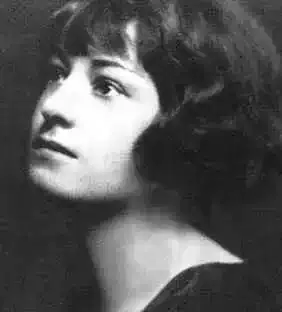
Dorothy Parker
Wail
Wail
Love has gone a-rocketing.
That is not the worst;
I could do without the thing,
And not be the first.
Joy has gone the way it came.
That is nothing new;
I could get along the same, --
Many people do.
Dig for me the narrow bed,
Now I am bereft.
All my pretty hates are dead,
And what have I left?
Love has gone a-rocketing.
That is not the worst;
I could do without the thing,
And not be the first.
Joy has gone the way it came.
That is nothing new;
I could get along the same, --
Many people do.
Dig for me the narrow bed,
Now I am bereft.
All my pretty hates are dead,
And what have I left?
257
Dorothy Parker
The Danger Of Writing Defiant Verse
The Danger Of Writing Defiant Verse
And now I have another lad!
No longer need you tell
How all my nights are slow and sad
For loving you too well.
His ways are not your wicked ways,
He's not the like of you.
He treads his path of reckoned days,
A sober man, and true.
They'll never see him in the town,
Another on his knee.
He'd cut his laden orchards down,
If that would pleasure me.
He'd give his blood to paint my lips
If I should wish them red.
He prays to touch my finger-tips
Or stroke my prideful head.
He never weaves a glinting lie,
Or brags the hearts he'll keep.
I have forgotten how to sighRemembered
how to sleep.
He's none to kiss away my mindA
slower way is his.
Oh, Lord! On reading this, I find
A silly lot he is.
And now I have another lad!
No longer need you tell
How all my nights are slow and sad
For loving you too well.
His ways are not your wicked ways,
He's not the like of you.
He treads his path of reckoned days,
A sober man, and true.
They'll never see him in the town,
Another on his knee.
He'd cut his laden orchards down,
If that would pleasure me.
He'd give his blood to paint my lips
If I should wish them red.
He prays to touch my finger-tips
Or stroke my prideful head.
He never weaves a glinting lie,
Or brags the hearts he'll keep.
I have forgotten how to sighRemembered
how to sleep.
He's none to kiss away my mindA
slower way is his.
Oh, Lord! On reading this, I find
A silly lot he is.
363
Dorothy Parker
Surprise
Surprise
My heart went fluttering with fear
Lest you should go, and leave me here
To beat my breast and rock my head
And stretch me sleepless on my bed.
Ah, clear they see and true they say
That one shall weep, and one shall stray
For such is Love's unvarying law....
I never thought, I never saw
That I should be the first to go;
How pleasant that it happened so!
My heart went fluttering with fear
Lest you should go, and leave me here
To beat my breast and rock my head
And stretch me sleepless on my bed.
Ah, clear they see and true they say
That one shall weep, and one shall stray
For such is Love's unvarying law....
I never thought, I never saw
That I should be the first to go;
How pleasant that it happened so!
334
Dorothy Parker
Rondeau Redoublé
Rondeau Redoublé
[and scarcely worth the trouble, at that]
The same to me are somber days and gay.
Though Joyous dawns the rosy morn, and bright,
Because my dearest love is gone away
Within my heart is melancholy night.
My heart beats low in loneliness, despite
That riotous Summer holds the earth in sway.
In cerements my spirit is bedight;
The same to me are somber days and gay.
Though breezes in the rippling grasses play,
And waves dash high and far in glorious might,
I thrill no longer to the sparkling day,
Though joyous dawns the rosy morn, and bright.
Ungraceful seems to me the swallow's flight;
As well might heaven's blue be sullen gray;
My soul discerns no beauty in their sight
Because my dearest love is gone away.
Let roses fling afar their crimson spray,
And virgin daisies splash the fields with white,
Let bloom the poppy hotly as it may,
Within my heart is melancholy night.
And this, O love, my pitiable plight
Whenever from my circling arms you stray;
This little world of mine has lost its light....
I hope to God, my dear, that you can say
The same to me.
[and scarcely worth the trouble, at that]
The same to me are somber days and gay.
Though Joyous dawns the rosy morn, and bright,
Because my dearest love is gone away
Within my heart is melancholy night.
My heart beats low in loneliness, despite
That riotous Summer holds the earth in sway.
In cerements my spirit is bedight;
The same to me are somber days and gay.
Though breezes in the rippling grasses play,
And waves dash high and far in glorious might,
I thrill no longer to the sparkling day,
Though joyous dawns the rosy morn, and bright.
Ungraceful seems to me the swallow's flight;
As well might heaven's blue be sullen gray;
My soul discerns no beauty in their sight
Because my dearest love is gone away.
Let roses fling afar their crimson spray,
And virgin daisies splash the fields with white,
Let bloom the poppy hotly as it may,
Within my heart is melancholy night.
And this, O love, my pitiable plight
Whenever from my circling arms you stray;
This little world of mine has lost its light....
I hope to God, my dear, that you can say
The same to me.
355
Dorothy Parker
Requiescat
Requiescat
Tonight my love is sleeping cold
Where none may see and none shall pass.
The daisies quicken in the mold,
And richer fares the meadow grass.
The warding cypress pleads the skies,
The mound goes level in the rain.
My love all cold and silent lies
Pray God it will not rise again!
Tonight my love is sleeping cold
Where none may see and none shall pass.
The daisies quicken in the mold,
And richer fares the meadow grass.
The warding cypress pleads the skies,
The mound goes level in the rain.
My love all cold and silent lies
Pray God it will not rise again!
316
Dorothy Parker
On Being A Woman
On Being A Woman
Why is it, when I am in Rome,
I'd give an eye to be at home,
But when on native earth I be,
My soul is sick for Italy?
And why with you, my love, my lord,
Am I spectacularly bored,
Yet do you up and leave me- then
I scream to have you back again?
Why is it, when I am in Rome,
I'd give an eye to be at home,
But when on native earth I be,
My soul is sick for Italy?
And why with you, my love, my lord,
Am I spectacularly bored,
Yet do you up and leave me- then
I scream to have you back again?
358
Dorothy Parker
Nocturne
Nocturne
Always I knew that it could not last
(Gathering clouds, and the snowflakes flying),
Now it is part of the golden past
(Darkening skies, and the night-wind sighing);
It is but cowardice to pretend.
Cover with ashes our love's cold crater-
Always I've known that it had to end
Sooner or later.
Always I knew it would come like this
(Pattering rain, and the grasses springing),
Sweeter to you is a new love's kiss
(Flickering sunshine, and young birds singing).
Gone are the raptures that once we knew,
Now you are finding a new joy greater-
Well, I'll be doing the same thing, too,
Sooner or later.
Always I knew that it could not last
(Gathering clouds, and the snowflakes flying),
Now it is part of the golden past
(Darkening skies, and the night-wind sighing);
It is but cowardice to pretend.
Cover with ashes our love's cold crater-
Always I've known that it had to end
Sooner or later.
Always I knew it would come like this
(Pattering rain, and the grasses springing),
Sweeter to you is a new love's kiss
(Flickering sunshine, and young birds singing).
Gone are the raptures that once we knew,
Now you are finding a new joy greater-
Well, I'll be doing the same thing, too,
Sooner or later.
346
Dorothy Parker
Lullaby
Lullaby
Sleep, pretty lady, the night is enfolding you;
Drift, and so lightly, on crystalline streams.
Wrapped in its perfumes, the darkness is holding you;
Starlight bespangles the way of your dreams.
Chorus the nightingales, wistfully amorous;
Blessedly quiet, the blare of the day.
All the sweet hours may your visions be glamorous-
Sleep, pretty lady, as long as you may.
Sleep, pretty lady, the night shall be still for you;
Silvered and silent, it watches you rest.
Each little breeze, in its eagerness, will for you
Murmur the melodies ancient and blest.
So in the midnight does happiness capture us;
Morning is dim with another day's tears.
Give yourself sweetly to images rapturous-
Sleep, pretty lady, a couple of years.
Sleep, pretty lady, the world awaits day with you;
Girlish and golden, the slender young moon.
Grant the fond darkness its mystical way with you;
Morning returns to us ever too soon.
Roses unfold, in their loveliness, all for you;
Blossom the lilies for hope of your glance.
When you're awake, all the men go and fall for you-
Sleep, pretty lady, and give me a chance.
Sleep, pretty lady, the night is enfolding you;
Drift, and so lightly, on crystalline streams.
Wrapped in its perfumes, the darkness is holding you;
Starlight bespangles the way of your dreams.
Chorus the nightingales, wistfully amorous;
Blessedly quiet, the blare of the day.
All the sweet hours may your visions be glamorous-
Sleep, pretty lady, as long as you may.
Sleep, pretty lady, the night shall be still for you;
Silvered and silent, it watches you rest.
Each little breeze, in its eagerness, will for you
Murmur the melodies ancient and blest.
So in the midnight does happiness capture us;
Morning is dim with another day's tears.
Give yourself sweetly to images rapturous-
Sleep, pretty lady, a couple of years.
Sleep, pretty lady, the world awaits day with you;
Girlish and golden, the slender young moon.
Grant the fond darkness its mystical way with you;
Morning returns to us ever too soon.
Roses unfold, in their loveliness, all for you;
Blossom the lilies for hope of your glance.
When you're awake, all the men go and fall for you-
Sleep, pretty lady, and give me a chance.
462
Dorothy Parker
Little Words
Little Words
When you are gone, there is nor bloom nor leaf,
Nor singing sea at night, nor silver birds;
And I can only stare, and shape my grief
In little words.
I cannot conjure loveliness, to drown
The bitter woe that racks my cords apart.
The weary pen that sets my sorrow down
Feeds at my heart.
There is no mercy in the shifting year,
No beauty wraps me tenderly about.
I turn to little words- so you, my dear,
Can spell them out.
When you are gone, there is nor bloom nor leaf,
Nor singing sea at night, nor silver birds;
And I can only stare, and shape my grief
In little words.
I cannot conjure loveliness, to drown
The bitter woe that racks my cords apart.
The weary pen that sets my sorrow down
Feeds at my heart.
There is no mercy in the shifting year,
No beauty wraps me tenderly about.
I turn to little words- so you, my dear,
Can spell them out.
336
Dorothy Parker
Landscape
Landscape
Now this must be the sweetest place
From here to heaven's end;
The field is white and flowering lace,
The birches leap and bend,
The hills, beneath the roving sun,
From green to purple pass,
And little, trifling breezes run
Their fingers through the grass.
So good it is, so gay it is,
So calm it is, and pure.
A one whose eyes may look on this
Must be the happier, sure.
But me- I see it flat and gray
And blurred with misery,
Because a lad a mile away
Has little need of me.
Now this must be the sweetest place
From here to heaven's end;
The field is white and flowering lace,
The birches leap and bend,
The hills, beneath the roving sun,
From green to purple pass,
And little, trifling breezes run
Their fingers through the grass.
So good it is, so gay it is,
So calm it is, and pure.
A one whose eyes may look on this
Must be the happier, sure.
But me- I see it flat and gray
And blurred with misery,
Because a lad a mile away
Has little need of me.
305
Dorothy Parker
I Shall Come Back
I Shall Come Back
I shall come back without fanfaronade
Of wailing wind and graveyard panoply;
But, trembling, slip from cool Eternity-
A mild and most bewildered little shade.
I shall not make sepulchral midnight raid,
But softly come where I had longed to be
In April twilight's unsung melody,
And I, not you, shall be the one afraid.
Strange, that from lovely dreamings of the dead
I shall come back to you, who hurt me most.
You may not feel my hand upon your head,
I'll be so new and inexpert a ghost.
Perhaps you will not know that I am near-
And that will break my ghostly heart, my dear.
I shall come back without fanfaronade
Of wailing wind and graveyard panoply;
But, trembling, slip from cool Eternity-
A mild and most bewildered little shade.
I shall not make sepulchral midnight raid,
But softly come where I had longed to be
In April twilight's unsung melody,
And I, not you, shall be the one afraid.
Strange, that from lovely dreamings of the dead
I shall come back to you, who hurt me most.
You may not feel my hand upon your head,
I'll be so new and inexpert a ghost.
Perhaps you will not know that I am near-
And that will break my ghostly heart, my dear.
371
Dorothy Parker
Godspeed
Godspeed
Oh, seek, my love, your newer way;
I'll not be left in sorrow.
So long as I have yesterday,
Go take your damned tomorrow!
Oh, seek, my love, your newer way;
I'll not be left in sorrow.
So long as I have yesterday,
Go take your damned tomorrow!
325
Dorothy Parker
But Not Forgotten
But Not Forgotten
I think, no matter where you stray,
That I shall go with you a way.
Though you may wander sweeter lands,
You will not soon forget my hands,
Nor yet the way I held my head,
Nor all the tremulous things I said.
You still will see me, small and white
And smiling, in the secret night,
And feel my arms about you when
The day comes fluttering back again.
I think, no matter where you be,
You'll hold me in your memory
And keep my image, there without me,
By telling later loves about me.
I think, no matter where you stray,
That I shall go with you a way.
Though you may wander sweeter lands,
You will not soon forget my hands,
Nor yet the way I held my head,
Nor all the tremulous things I said.
You still will see me, small and white
And smiling, in the secret night,
And feel my arms about you when
The day comes fluttering back again.
I think, no matter where you be,
You'll hold me in your memory
And keep my image, there without me,
By telling later loves about me.
337
Dorothy Parker
A Portrait
A Portrait
Because my love is quick to come and go-
A little here, and then a little there-
What use are any words of mine to swear
My heart is stubborn, and my spirit slow
Of weathering the drip and drive of woe?
What is my oath, when you have but to bare
My little, easy loves; and I can dare
Only to shrug, and answer, "They are so"?
You do not know how heavy a heart it is
That hangs about my neck- a clumsy stone
Cut with a birth, a death, a bridal-day.
Each time I love, I find it still my own,
Who take it, now to that lad, now to this,
Seeking to give the wretched thing away.
Because my love is quick to come and go-
A little here, and then a little there-
What use are any words of mine to swear
My heart is stubborn, and my spirit slow
Of weathering the drip and drive of woe?
What is my oath, when you have but to bare
My little, easy loves; and I can dare
Only to shrug, and answer, "They are so"?
You do not know how heavy a heart it is
That hangs about my neck- a clumsy stone
Cut with a birth, a death, a bridal-day.
Each time I love, I find it still my own,
Who take it, now to that lad, now to this,
Seeking to give the wretched thing away.
384
Dorothy Parker
Star Light, Star Bright--
"Star Light, Star Bright--"
Star, that gives a gracious dole,
What am I to choose?
Oh, will it be a shriven soul,
Or little buckled shoes?
Shall I wish a wedding-ring,
Bright and thin and round,
Or plead you send me coveringA
newly spaded mound?
Gentle beam, shall I implore
Gold, or sailing-ships,
Or beg I hate forevermore
A pair of lying lips?
Swing you low or high away,
Burn you hot or dim;
My only wish I dare not sayLest
you should grant me him.
Star, that gives a gracious dole,
What am I to choose?
Oh, will it be a shriven soul,
Or little buckled shoes?
Shall I wish a wedding-ring,
Bright and thin and round,
Or plead you send me coveringA
newly spaded mound?
Gentle beam, shall I implore
Gold, or sailing-ships,
Or beg I hate forevermore
A pair of lying lips?
Swing you low or high away,
Burn you hot or dim;
My only wish I dare not sayLest
you should grant me him.
277