

Poems in this theme
Longing and Absence

Henry Lawson
Genoa
Genoa
A long farewell to Genoa
That rises to the skies,
Where the barren coast of Italy
Like our own coastline lies.
A sad farewell to Genoa,
And long my heart shall grieve,
The only city in the world
That I was loath to leave.
No sign of rush or strife is there,
No war of greed they wage.
The deep cool streets of Genoa
Are rock-like in their age.
No garish signs of commerce there
Are flaunting in the sun.
A rag hung from a balcony
Is by an artist done.
And she was fair in Genoa,
And she was very kind,
Those pale blind-seeming eyes that seem
Most beautifully blind.
Oh they are sad in Genoa,
Those poor soiled singing birds.
I had but three Italian words
And she three English words.
But love is cheap in Genoa,
Aye, love and wine are cheap,
And neither leaves an aching head,
Nor cuts the heart too deep;
Save when the knife goes straight, and then
There’s little time to grieve—
The only city in the world
That I was loath to leave.
I’ve said farewell to tinted days
And glorious starry nights,
I’ve said farewell to Naples with
Her long straight lines of lights;
But it is not for Naples but
For Genoa that I grieve,
The only city in the world
That I was loath to leave.
A long farewell to Genoa
That rises to the skies,
Where the barren coast of Italy
Like our own coastline lies.
A sad farewell to Genoa,
And long my heart shall grieve,
The only city in the world
That I was loath to leave.
No sign of rush or strife is there,
No war of greed they wage.
The deep cool streets of Genoa
Are rock-like in their age.
No garish signs of commerce there
Are flaunting in the sun.
A rag hung from a balcony
Is by an artist done.
And she was fair in Genoa,
And she was very kind,
Those pale blind-seeming eyes that seem
Most beautifully blind.
Oh they are sad in Genoa,
Those poor soiled singing birds.
I had but three Italian words
And she three English words.
But love is cheap in Genoa,
Aye, love and wine are cheap,
And neither leaves an aching head,
Nor cuts the heart too deep;
Save when the knife goes straight, and then
There’s little time to grieve—
The only city in the world
That I was loath to leave.
I’ve said farewell to tinted days
And glorious starry nights,
I’ve said farewell to Naples with
Her long straight lines of lights;
But it is not for Naples but
For Genoa that I grieve,
The only city in the world
That I was loath to leave.
281
Henry Lawson
Break o’ Day
Break o’ Day
You love me, you say, and I think you do,
But I know so many who don’t,
And how can I say I’ll be true to you
When I know very well that I won’t?
I have journeyed long and my goal is far,
I love, but I cannot bide,
For as sure as rises the morning star,
With the break of day I’ll ride.
I was doomed to ruin or doomed to mar
The home wherever I stay,
But I’ll think of you as the morning star
And they call me Break o’ Day.
They well might have named me the Fall o’ Night,
For drear is the track I mark,
But I love fair girls and I love the light,
For I and my tribe were dark.
You may love me dear, for a day and night,
You may cast your life aside;
But as sure as the morning star shines bright
With the break of day I’ll ride.
There was never a lover so proud and kind,
There was never a friend so true;
But the song of my life I have left behind
In the heart of a girl like you.
There was never so deep or cruel a wrong
In the land that is far away,
There was never so bitter a broken heart
That rode at the break of day.
God bless you, dear, with your red-gold hair
And your pitying eyes of grey—
Oh! my heart forbids that a star so fair
Should be marred by the Break o’ Day.
Live on, my girl, as the girl you are,
Be a good and a true man’s bride,
For as sure as beckons the evening star
With the fall o’ night I’ll ride.
I was born to ruin or born to mar
The home wherever I light.
Oh! I wish that you were the Evening Star
And that I were the Fall o’ Night.
You love me, you say, and I think you do,
But I know so many who don’t,
And how can I say I’ll be true to you
When I know very well that I won’t?
I have journeyed long and my goal is far,
I love, but I cannot bide,
For as sure as rises the morning star,
With the break of day I’ll ride.
I was doomed to ruin or doomed to mar
The home wherever I stay,
But I’ll think of you as the morning star
And they call me Break o’ Day.
They well might have named me the Fall o’ Night,
For drear is the track I mark,
But I love fair girls and I love the light,
For I and my tribe were dark.
You may love me dear, for a day and night,
You may cast your life aside;
But as sure as the morning star shines bright
With the break of day I’ll ride.
There was never a lover so proud and kind,
There was never a friend so true;
But the song of my life I have left behind
In the heart of a girl like you.
There was never so deep or cruel a wrong
In the land that is far away,
There was never so bitter a broken heart
That rode at the break of day.
God bless you, dear, with your red-gold hair
And your pitying eyes of grey—
Oh! my heart forbids that a star so fair
Should be marred by the Break o’ Day.
Live on, my girl, as the girl you are,
Be a good and a true man’s bride,
For as sure as beckons the evening star
With the fall o’ night I’ll ride.
I was born to ruin or born to mar
The home wherever I light.
Oh! I wish that you were the Evening Star
And that I were the Fall o’ Night.
187
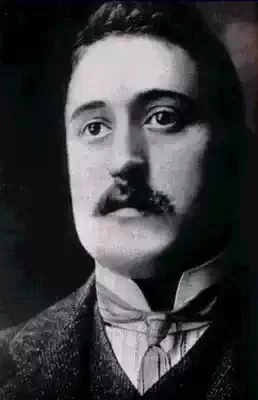
Guillaume Apollinaire
There Is
There Is
There is this ship which has taken my beloved back again
There are six Zeppelin sausages in the sky and with night
coming on it makes a man think of the maggots from which the
stars might some day be reborn
There is this enemy submarine slipping up beneath my love
There are one thousand young pinetrees splintered by the
bursting of the same shells falling around me now
There is this infantryman walking by completely blinded by
poison gas
There is the obvious fact that all that is happening here was
hatched a long time ago in the intestinal trenches of Nietzche
Goethe and the metaphysicians of the town of Cologne
There is the obvious fact that I'm dying over a letter which
has thus far been delayed
There are in my wallet various photos of my beloved
There are prisoners marching past with anxious faces
There is this artillery battery with its faithful servants
hurrying among the guns
There is the postmaster arriving at a trot on the road beneath
the single tree in silhouette
There is according to rumor a spy who infiltrates somewhere
near here invisible as the horizon as the horizon-blue French
uniform he has assumed for offensive purposes and in which he
is now most effectively camouflaged
There is erect as any lily the bosom of my beloved
There is this captain anxiously awaiting the latest radio
dispatch to reach us via transatlantic cable
There are at midnight these details of soldiers sawing planks
for coffins
There are women somewhere in Mexico pleading with wild cries
for more indian corn and maize
There is this Gulf Stream which is so warm and beneficial
There is this cemetery covered with crosses only five
kilometers away
There are all these crosses everywhere this way that way
There are paradisial persimmons growing on cactus-trees in
Algeria
There are the long hands of my love
There is this inkwell which I've made from a 150 mm shell I
saved from shooting
There is my calvary saddle left out in the rain
There are all these rivers blasted off their courses which will
never go back to their banks
There is the god of Love who leads me on so sweetly
There is this German prisoner carrying his machine-gun across
his shoulders
There are men on earth who've never fought in the war
There are Hindus here who look with astonishment on the
occidental style of campaign
They meditate gravely upon those who've left this place
wondering whether they'll ever see them again
Knowing as they do what great progress we've made during this
particular war in the art of invisibility.
There is this ship which has taken my beloved back again
There are six Zeppelin sausages in the sky and with night
coming on it makes a man think of the maggots from which the
stars might some day be reborn
There is this enemy submarine slipping up beneath my love
There are one thousand young pinetrees splintered by the
bursting of the same shells falling around me now
There is this infantryman walking by completely blinded by
poison gas
There is the obvious fact that all that is happening here was
hatched a long time ago in the intestinal trenches of Nietzche
Goethe and the metaphysicians of the town of Cologne
There is the obvious fact that I'm dying over a letter which
has thus far been delayed
There are in my wallet various photos of my beloved
There are prisoners marching past with anxious faces
There is this artillery battery with its faithful servants
hurrying among the guns
There is the postmaster arriving at a trot on the road beneath
the single tree in silhouette
There is according to rumor a spy who infiltrates somewhere
near here invisible as the horizon as the horizon-blue French
uniform he has assumed for offensive purposes and in which he
is now most effectively camouflaged
There is erect as any lily the bosom of my beloved
There is this captain anxiously awaiting the latest radio
dispatch to reach us via transatlantic cable
There are at midnight these details of soldiers sawing planks
for coffins
There are women somewhere in Mexico pleading with wild cries
for more indian corn and maize
There is this Gulf Stream which is so warm and beneficial
There is this cemetery covered with crosses only five
kilometers away
There are all these crosses everywhere this way that way
There are paradisial persimmons growing on cactus-trees in
Algeria
There are the long hands of my love
There is this inkwell which I've made from a 150 mm shell I
saved from shooting
There is my calvary saddle left out in the rain
There are all these rivers blasted off their courses which will
never go back to their banks
There is the god of Love who leads me on so sweetly
There is this German prisoner carrying his machine-gun across
his shoulders
There are men on earth who've never fought in the war
There are Hindus here who look with astonishment on the
occidental style of campaign
They meditate gravely upon those who've left this place
wondering whether they'll ever see them again
Knowing as they do what great progress we've made during this
particular war in the art of invisibility.
758
Guillaume Apollinaire
L'Adieu
L'Adieu
J'ai cueilli ce brin de bruyère
L'automne est morte souviens-t'en
Nous ne nous verrons plus sur terre
Odeur du temps Brin de bruyère
Et souviens-toi que je t'attends
J'ai cueilli ce brin de bruyère
L'automne est morte souviens-t'en
Nous ne nous verrons plus sur terre
Odeur du temps Brin de bruyère
Et souviens-toi que je t'attends
814
Guillaume Apollinaire
Hotels
Hotels
The room is free
Each for himself
A new arrival
Pays by the month
The boss is doubtful
Whether you’ll pay
Like a top
I spin on the way
The traffic noise
My neighbour gross
Who puffs an acrid
English smoke
O La Vallière
Who limps and smiles
In my prayers
The bedside table
And all the company
in this hotel
know the languages
of Babel
Let’s shut our doors
With a double lock
And each adore
his lonely love
The room is free
Each for himself
A new arrival
Pays by the month
The boss is doubtful
Whether you’ll pay
Like a top
I spin on the way
The traffic noise
My neighbour gross
Who puffs an acrid
English smoke
O La Vallière
Who limps and smiles
In my prayers
The bedside table
And all the company
in this hotel
know the languages
of Babel
Let’s shut our doors
With a double lock
And each adore
his lonely love
726
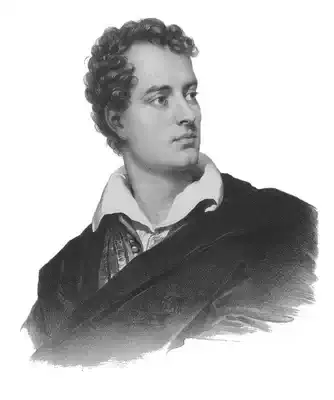
Lord Byron
Written Shortly After The Marriage Of Miss Chaworth
Written Shortly After The Marriage Of Miss Chaworth
Hills of Annesley, bleak and barren,
Where my thoughtless childhood stray'd,
How the northern tempests, warring,
Howl above thy tufted shade!
Now no more, the hours beguiling,
Former favourite haunts I see;
Now no more my Mary smiling
Makes ye seem a heaven to me.
Hills of Annesley, bleak and barren,
Where my thoughtless childhood stray'd,
How the northern tempests, warring,
Howl above thy tufted shade!
Now no more, the hours beguiling,
Former favourite haunts I see;
Now no more my Mary smiling
Makes ye seem a heaven to me.
430
Lord Byron
When I Roved A Young Highlander
When I Roved A Young Highlander
When I roved a young Highlander o'er the dark heath,
And climb'd thy steep sumrnit, oh Morven of snow!
To gaze on the torrent that thunder'd beneath,
Or the mist of the tempest that gather'd below,
Untutor'd by science, a stranger to fear,
And rude as the rocks where my infancy grew,
No feeling, save one, to my bosom was dear
Need I say, my sweet Mary, 'twas centred in you?
Yet it could not be love, for I knew not the name,What
passion can dwell in the heart of a child?
But still I pereceive an emotion the same
As I felt, when a boy, on the crag cover'd wild:
One image alone on my bosom impress'd
I loved my bleak regions, nor panted for new;
And few were my wants, for my wishes were bless'd;
And pure were my thoughts, for my soul was with you.
I arose with the dawn; with my dog as my guide,
From mountain to mountain I bounded along
I breasted the billows of Dee's rushing tide,
And heard at a distance the Highlander's song:
At eve, on my heathcover'd
couch of repose,
No dreams, save of Mary, were spread to my view;
And warm to the skies my devotions aoose,
For the first of my prayers was a blessing on you.
I left my bleak home, and my visions are gone;
The mountains are vanish'd, my youth is no more;
As the last of my race, I must wither alone,
And delight but in days I have witness'd before:
Ah! splendour has raised but embitter'd my lot;
More dear were the scenes which my infancy knew:
Though my hopes may have fail'd, yet they are not forgot;
Though cold is my heart, still it lingers with you.
When I see some dark hill point its crest to the sky,
I think of the rocks that o'ershadow Colbleen
When I see the soft blue of a lovespeaking
eye
I think of those eyes that endear'd the rude scene;
When, haply, some lightwaving
locks I behold,
That faintly resemble my Mary's in hue,
I think on the long, flowing ringlets of gold,
The locks that were sacred to beauty, and you.
Yet the day may arrive when the mountains once more
Shall rise to my sight In their mantles of snow:
But while these soar above me, unchanged as before
Will Mary be there to receive me? ah,
no!
Adieu, then, ye hills, where my childhood was bred!
Thou sweet flowing Dee, to thy waters adieu!
No home in the forest shall shelter my head,
Ah! Mary, what home could be mine but with you?
When I roved a young Highlander o'er the dark heath,
And climb'd thy steep sumrnit, oh Morven of snow!
To gaze on the torrent that thunder'd beneath,
Or the mist of the tempest that gather'd below,
Untutor'd by science, a stranger to fear,
And rude as the rocks where my infancy grew,
No feeling, save one, to my bosom was dear
Need I say, my sweet Mary, 'twas centred in you?
Yet it could not be love, for I knew not the name,What
passion can dwell in the heart of a child?
But still I pereceive an emotion the same
As I felt, when a boy, on the crag cover'd wild:
One image alone on my bosom impress'd
I loved my bleak regions, nor panted for new;
And few were my wants, for my wishes were bless'd;
And pure were my thoughts, for my soul was with you.
I arose with the dawn; with my dog as my guide,
From mountain to mountain I bounded along
I breasted the billows of Dee's rushing tide,
And heard at a distance the Highlander's song:
At eve, on my heathcover'd
couch of repose,
No dreams, save of Mary, were spread to my view;
And warm to the skies my devotions aoose,
For the first of my prayers was a blessing on you.
I left my bleak home, and my visions are gone;
The mountains are vanish'd, my youth is no more;
As the last of my race, I must wither alone,
And delight but in days I have witness'd before:
Ah! splendour has raised but embitter'd my lot;
More dear were the scenes which my infancy knew:
Though my hopes may have fail'd, yet they are not forgot;
Though cold is my heart, still it lingers with you.
When I see some dark hill point its crest to the sky,
I think of the rocks that o'ershadow Colbleen
When I see the soft blue of a lovespeaking
eye
I think of those eyes that endear'd the rude scene;
When, haply, some lightwaving
locks I behold,
That faintly resemble my Mary's in hue,
I think on the long, flowing ringlets of gold,
The locks that were sacred to beauty, and you.
Yet the day may arrive when the mountains once more
Shall rise to my sight In their mantles of snow:
But while these soar above me, unchanged as before
Will Mary be there to receive me? ah,
no!
Adieu, then, ye hills, where my childhood was bred!
Thou sweet flowing Dee, to thy waters adieu!
No home in the forest shall shelter my head,
Ah! Mary, what home could be mine but with you?
670
Lord Byron
Translation Of A Romaic Love Song
Translation Of A Romaic Love Song
Ah! Love was never yet without
The pang, the agony, the doubt,
Which rends my heart with ceaseless sigh,
While day and night roll darkling by.
Without one friend to hear my woe,
I faint, I die beneath the blow.
That Love had arrows well I knew;
Alas! I find them poison'd too.
Birds, yet in freedom, shun the net
Which Love around your haunts hath set;
Or, circled by his fatal fire,
Your hearts shall burn, your hopes expire.
A bird of free and careless wing
Was I through many a smiling spring;
But caught within the subtle snare,
I burn, and feebly flutter there.
Who ne'er have loved, and loved in vain,
Can neither feel nor pity pain,
The cold repulse, the look askance,
The lightning of Love's angry glance.
In flattering dreams I deem'd thee mine;
Now hope, and he who hoped, decline'
Like melting wax, or withering flower,
I feel my passion, and thy power.
My light of life! ah, tell me why
That pouting lip, and alter'd eye?
My bird of love! my beauteous mate!
And art thou changed, and canst thou hate?
Mine eyes like wintry streams o'erflow:
What wretch with me would barter woe?
My bird! relent: one note could give
A charm to bid thy lover live.
My curdling blood, my madd'ning brain,
In silent anguish I sustain
And still thy heart, without partaking
One pang, exults while
mine is breaking.
Pour me the poison; fear not thou!
Thou canst not murder more than now:
I've lived to curse my natal day,
And Love, that thus can lingering slay.
My wounded soul, my bleeding breast,
Can patience preach thee into rest?
Alas! too late, I dearly know
That joy is harbinger of woe.
Ah! Love was never yet without
The pang, the agony, the doubt,
Which rends my heart with ceaseless sigh,
While day and night roll darkling by.
Without one friend to hear my woe,
I faint, I die beneath the blow.
That Love had arrows well I knew;
Alas! I find them poison'd too.
Birds, yet in freedom, shun the net
Which Love around your haunts hath set;
Or, circled by his fatal fire,
Your hearts shall burn, your hopes expire.
A bird of free and careless wing
Was I through many a smiling spring;
But caught within the subtle snare,
I burn, and feebly flutter there.
Who ne'er have loved, and loved in vain,
Can neither feel nor pity pain,
The cold repulse, the look askance,
The lightning of Love's angry glance.
In flattering dreams I deem'd thee mine;
Now hope, and he who hoped, decline'
Like melting wax, or withering flower,
I feel my passion, and thy power.
My light of life! ah, tell me why
That pouting lip, and alter'd eye?
My bird of love! my beauteous mate!
And art thou changed, and canst thou hate?
Mine eyes like wintry streams o'erflow:
What wretch with me would barter woe?
My bird! relent: one note could give
A charm to bid thy lover live.
My curdling blood, my madd'ning brain,
In silent anguish I sustain
And still thy heart, without partaking
One pang, exults while
mine is breaking.
Pour me the poison; fear not thou!
Thou canst not murder more than now:
I've lived to curse my natal day,
And Love, that thus can lingering slay.
My wounded soul, my bleeding breast,
Can patience preach thee into rest?
Alas! too late, I dearly know
That joy is harbinger of woe.
609
Lord Byron
To Thyrza: And Thou Art Dead, As Young And Fair
To Thyrza: And Thou Art Dead, As Young And Fair
And thou art dead, as young and fair
As aught of mortal birth;
And form so soft, and charms so rare,
Too soon return'd to Earth!
Though Earth received them in her bed
And o'er the spot the crowd may tread
In carelessness or mirth,
There is an eye which could not brook
A moment on that grave to look.
I will not ask where thou liest low,
Nor gaze upon the spot;
There flowers or weeds at will may grow,
So I behold them not:
It is enough for me to prove
That what I loved, and long must love,
Like common earth can rot;
To me there needs no stone to tell,
'Tis Nothing that I loved so well.
Yet did I love thee to the last
As fervently as thou,
Who didst not change through all the past,
And cans't not alter now.
The love where Death has set his seal,
Nor age can chill, nor rival steal,
Nor falsehood disavow:
And, what were worse, thou canst not see
Or wrong, or change, or fault in me.
The better days of life were ours;
The worst can be but mine:
The sun that cheers, the storm that lowers,
Shall never more be thine.
The silence of that dreamless sleep
I envy now too much to weep;
Nor need I to repine,
That all those charms have pass'd away
I might have watch'd through long decay.
The flower in ripen'd bloom unmatch'd
Must fall the earliest prey;
Though by no hand untimely snatch'd,
The leaves must drop away:
And yet it were a greater grief
To watch it withering, leaf by leaf,
Than see it pluck'd today;
Since earthly eye but ill can bear
To trace the change to foul from fair.
I know not if I could have borne
To see thy beauties fade;
The night that followed such a morn
Had worn a deeper shade:
Thy day without a cloud hath passed
And thou wert lovely to the last;
Extinguish'd, not decay'd;
As stars that shoot along the sky
Shine brightest as they fall from high.
As once I wept, if I could weep,
My tears might well be shed,
To think I was not near to keep
One vigil o'er thy bed;
To gaze, how fondly! on thy face,
To fold thee in a faint embrace,
Uphold thy drooping head;
And show that love, however vain,
Nor thou nor I can feel again.
Yet how much less it were to gain,
Though thou hast left me free,
The loveliest things that still remain,
Than thus remember thee!
The all of thine that cannot die
Through dark and dread Eternity
Returns again to me,
And more thy buried love endears
Than aught except its living years.
And thou art dead, as young and fair
As aught of mortal birth;
And form so soft, and charms so rare,
Too soon return'd to Earth!
Though Earth received them in her bed
And o'er the spot the crowd may tread
In carelessness or mirth,
There is an eye which could not brook
A moment on that grave to look.
I will not ask where thou liest low,
Nor gaze upon the spot;
There flowers or weeds at will may grow,
So I behold them not:
It is enough for me to prove
That what I loved, and long must love,
Like common earth can rot;
To me there needs no stone to tell,
'Tis Nothing that I loved so well.
Yet did I love thee to the last
As fervently as thou,
Who didst not change through all the past,
And cans't not alter now.
The love where Death has set his seal,
Nor age can chill, nor rival steal,
Nor falsehood disavow:
And, what were worse, thou canst not see
Or wrong, or change, or fault in me.
The better days of life were ours;
The worst can be but mine:
The sun that cheers, the storm that lowers,
Shall never more be thine.
The silence of that dreamless sleep
I envy now too much to weep;
Nor need I to repine,
That all those charms have pass'd away
I might have watch'd through long decay.
The flower in ripen'd bloom unmatch'd
Must fall the earliest prey;
Though by no hand untimely snatch'd,
The leaves must drop away:
And yet it were a greater grief
To watch it withering, leaf by leaf,
Than see it pluck'd today;
Since earthly eye but ill can bear
To trace the change to foul from fair.
I know not if I could have borne
To see thy beauties fade;
The night that followed such a morn
Had worn a deeper shade:
Thy day without a cloud hath passed
And thou wert lovely to the last;
Extinguish'd, not decay'd;
As stars that shoot along the sky
Shine brightest as they fall from high.
As once I wept, if I could weep,
My tears might well be shed,
To think I was not near to keep
One vigil o'er thy bed;
To gaze, how fondly! on thy face,
To fold thee in a faint embrace,
Uphold thy drooping head;
And show that love, however vain,
Nor thou nor I can feel again.
Yet how much less it were to gain,
Though thou hast left me free,
The loveliest things that still remain,
Than thus remember thee!
The all of thine that cannot die
Through dark and dread Eternity
Returns again to me,
And more thy buried love endears
Than aught except its living years.
432
Lord Byron
To Caroline
To Caroline
Think'st thou I saw thy beauteous eyes,
Suffus'd in tears, implore to stay;
And heard unmov'd thy plenteous sighs,
Which said far more than words can say?
Though keen the grief thy tears exprest,
When love and hope lay both o'erthrown;
Yet still, my girl, this bleeding breast
Throbb'd, with deep sorrow, as thine own.
But, when our cheeks with anguish glow'd,
When thy sweet lips were join'd to mine;
The tears that from my eyelids flow'd
Were lost in those which fell from thine.
Thou could'st not feel my burning cheek,
Thy gushing tears had quench'd its flame,
And, as thy tongue essay'd to speak,
In sighs alone it breath'd my name.
And yet, my girl, we weep in vain,
In vain our fate in sighs deplore;
Remembrance only can remain,
But that, will make us weep the more.
Again, thou best belov'd, adieu!
Ah! if thou canst, o'ercome regret,
Nor let thy mind past joys review,
Our only hope is, to forget!
Think'st thou I saw thy beauteous eyes,
Suffus'd in tears, implore to stay;
And heard unmov'd thy plenteous sighs,
Which said far more than words can say?
Though keen the grief thy tears exprest,
When love and hope lay both o'erthrown;
Yet still, my girl, this bleeding breast
Throbb'd, with deep sorrow, as thine own.
But, when our cheeks with anguish glow'd,
When thy sweet lips were join'd to mine;
The tears that from my eyelids flow'd
Were lost in those which fell from thine.
Thou could'st not feel my burning cheek,
Thy gushing tears had quench'd its flame,
And, as thy tongue essay'd to speak,
In sighs alone it breath'd my name.
And yet, my girl, we weep in vain,
In vain our fate in sighs deplore;
Remembrance only can remain,
But that, will make us weep the more.
Again, thou best belov'd, adieu!
Ah! if thou canst, o'ercome regret,
Nor let thy mind past joys review,
Our only hope is, to forget!
519
Lord Byron
To Anne: Oh, Say Not, Sweet Anne
To Anne: Oh, Say Not, Sweet Anne
Oh, say not, sweet Anne, that the Fates have decreed
The heart which adores you should wish to dissever;
Such Fates were to me most unkind ones indeed,
To bear me from love and from beauty for ever.
Your frowns, lovely girl, are the Fates which alone
Could bid me from fond admiration refrain;
By these, every hope, every wish were o'erthrown,
Till smiles should restore me to rapture again.
As the ivy and oak, in the forest entwined,
The rage of the tempest united must weather;
My love and my life were by nature design'd
To flourish alike, or to perish together.
Then say not, sweet Anne, that the Fates have decreed
Your lover should bid you a lasting adieu;
Till Fate can ordain that his bosom shall bleed,
His soul, his existence, are centred in you.
Oh, say not, sweet Anne, that the Fates have decreed
The heart which adores you should wish to dissever;
Such Fates were to me most unkind ones indeed,
To bear me from love and from beauty for ever.
Your frowns, lovely girl, are the Fates which alone
Could bid me from fond admiration refrain;
By these, every hope, every wish were o'erthrown,
Till smiles should restore me to rapture again.
As the ivy and oak, in the forest entwined,
The rage of the tempest united must weather;
My love and my life were by nature design'd
To flourish alike, or to perish together.
Then say not, sweet Anne, that the Fates have decreed
Your lover should bid you a lasting adieu;
Till Fate can ordain that his bosom shall bleed,
His soul, his existence, are centred in you.
519
Lord Byron
There Was A Time, I Need Not Name
There Was A Time, I Need Not Name
There was a time, I need not name,
Since it will ne'er forgotten be,
When all our feelings were the same
As still my soul hath been to thee.
And from that hour when first thy tongue
Confess'd a love which equall'd mine,
Though many a grief my heart hath wrung,
Unknown, and thus unfelt, by thine,
None, none hath sunk so deep as thisTo
think how all that love hath flown;
Transient as every faithless kiss,
But transient in thy breast alone.
And yet my heart some solace knew,
When late I heard thy lips declare,
In accents once imagined true,
Remembrance of the days that were.
Yes! my adored, yet most unkind!
Though thou wilt never love again,
To me 'tis doubly sweet to find
Remembrance of that love remain.
Yes! 'tis a glorious thought to me,
Nor longer shall my soul repine,
Whate'er thou art or e'er shalt be,
Thou hast been dearly, solely mine.
There was a time, I need not name,
Since it will ne'er forgotten be,
When all our feelings were the same
As still my soul hath been to thee.
And from that hour when first thy tongue
Confess'd a love which equall'd mine,
Though many a grief my heart hath wrung,
Unknown, and thus unfelt, by thine,
None, none hath sunk so deep as thisTo
think how all that love hath flown;
Transient as every faithless kiss,
But transient in thy breast alone.
And yet my heart some solace knew,
When late I heard thy lips declare,
In accents once imagined true,
Remembrance of the days that were.
Yes! my adored, yet most unkind!
Though thou wilt never love again,
To me 'tis doubly sweet to find
Remembrance of that love remain.
Yes! 'tis a glorious thought to me,
Nor longer shall my soul repine,
Whate'er thou art or e'er shalt be,
Thou hast been dearly, solely mine.
542
Lord Byron
The Adieu
The Adieu
Written Under The Impression That The Author Would Soon Die.
Adieu, thou Hill! where early joy
Spread roses o'er my brow;
Where Science seeks each loitering boy
With knowledge to endow.
Adieu, my youthful friends or foes,
Partners of former bliss or woes;
No more through Ida's paths we stray;
Soon must I share the gloomy cell,
Whose ever‑slumbering inmates dwell
Unconscious of the day.
Adieu, ye hoary Regal Fanes,
Ye spires of Granta's vale,
Where Learning robed in sable reigns,
And Melancholy pale.
Ye comrades of the jovial hour,
Ye tenants of the classic bower,
On Cama's verdant margin placed,
Adieu! while memory still is mine,
For, offerings on Oblivion's shrine,
These scenes must be effaced.
Adieu, ye mountains of the clime
Where grew my youthful years;
Where Loch na Garr in snows sublime
His giant summit rears.
Why did my childhood wander forth
From you, ye regions of the North,
With sons of pride to roam?
Why did I quit my Highland cave,
Mar's dusky heath, and Dee's clear wave,
To seek a Sotheron home!
Hall of my Sires! a long farewellYet
why to thee adieu?
Thy vaults will echo back my knell,
Thy towers my tomb will view:
The faltering tongue which sung thy fall,
And former glories of thy Hall,
Forgets its wonted simple noteBut
yet the Lyre retains the strings,
And sometimes, on Æolian wings,
In dying strains may float.
Fields which surround yon rustic cot,
While yet I linger here,
Adieu! you are not now forgot,
To retrospection dear.
Streamlet! along whose rippling surge
My youthful limbs were wont to urge,
At noontide heat, their pliant course;
Plunging with ardour from the shore,
Thy springs will lave these limbs no more,
Deprived of active force.
And shall I here forget the scene,
Still nearest to my breast?
Rocks rise and rivers roll between
The spot which passion blest;
Yet, Mary, all thy beauties seem
Fresh as in Love's bewitching dream,
To me in smiles display'd;
Till slow disease resigns his prey
To Death, the parent of decay,
Thine image cannot fade.
And thou, my Friend! whose gentle love
Yet thrills my bosom's chords,
How much thy friendship was above
Description's power of words!
Still near my breast thy gift I wear
Which sparkled once with Feeling's tear,
Of Love the pure, the sacred gem;
Our souls were equal, and our lot
In that dear moment quite forgot;
Let Pride alone condemn!
All, all is dark and cheerless now!
No smile of Love's deceit
Can warm my veins with wonted glow,
Can bid Life's pulses beat:
Not e'en the hope of future fame
Can wake my faint, exhausted frame,
Or crown with fancied wreaths my head.
Mine is a short inglorious race,To
humble in the dust my face,
And mingle with the dead.
Oh Fame! thou goddess of my heart;
On him who gains thy praise,
Pointless must fall the Spectre's dart,
Consumed in Glory's blaze;
But me she beckons from the earth,
My name obscure, unmark'd my birth,
My life a short and vulgar dream:
Lost in the dull, ignoble crowd,
My hopes recline within a shroud,
My fate is Lathe's stream.
When I repose beneath the sod,
Unheeded in the clay,
Where once my playful footsteps trod,
Where now my head must lay,
The weed of Pity will be shed
In dewdrops
o'er my narrow bed,
By nightly skies, and storms alone;
No mortal eye will deign to steep
With tears the dark sepulchral deep
Which hides a name unknown.
Forget this world, my restless sprite,
Turn, turn thy thoughts to Heaven:
There must thou soon direct thy flight,
If errors are forgiven.
To bigots and to sects unknown,
Bow down beneath the Almighty's Throne;
To Him address thy trembling prayer:
He, who is merciful and just,
Will not reject a child of dust,
Although his meanest care.
Father of Light! to Thee I call;
My soul is dark within:
Thou who canst mark the sparrow's fall,
Avert the death of sin.
Thou, who canst guide the wandering star,
Who calm'st the elemental war,
Whose mantle is yon boundless sky,
My thoughts, my words, my crimes forgive:
And, since I soon must cease to live,
Instruct me how to die.
Written Under The Impression That The Author Would Soon Die.
Adieu, thou Hill! where early joy
Spread roses o'er my brow;
Where Science seeks each loitering boy
With knowledge to endow.
Adieu, my youthful friends or foes,
Partners of former bliss or woes;
No more through Ida's paths we stray;
Soon must I share the gloomy cell,
Whose ever‑slumbering inmates dwell
Unconscious of the day.
Adieu, ye hoary Regal Fanes,
Ye spires of Granta's vale,
Where Learning robed in sable reigns,
And Melancholy pale.
Ye comrades of the jovial hour,
Ye tenants of the classic bower,
On Cama's verdant margin placed,
Adieu! while memory still is mine,
For, offerings on Oblivion's shrine,
These scenes must be effaced.
Adieu, ye mountains of the clime
Where grew my youthful years;
Where Loch na Garr in snows sublime
His giant summit rears.
Why did my childhood wander forth
From you, ye regions of the North,
With sons of pride to roam?
Why did I quit my Highland cave,
Mar's dusky heath, and Dee's clear wave,
To seek a Sotheron home!
Hall of my Sires! a long farewellYet
why to thee adieu?
Thy vaults will echo back my knell,
Thy towers my tomb will view:
The faltering tongue which sung thy fall,
And former glories of thy Hall,
Forgets its wonted simple noteBut
yet the Lyre retains the strings,
And sometimes, on Æolian wings,
In dying strains may float.
Fields which surround yon rustic cot,
While yet I linger here,
Adieu! you are not now forgot,
To retrospection dear.
Streamlet! along whose rippling surge
My youthful limbs were wont to urge,
At noontide heat, their pliant course;
Plunging with ardour from the shore,
Thy springs will lave these limbs no more,
Deprived of active force.
And shall I here forget the scene,
Still nearest to my breast?
Rocks rise and rivers roll between
The spot which passion blest;
Yet, Mary, all thy beauties seem
Fresh as in Love's bewitching dream,
To me in smiles display'd;
Till slow disease resigns his prey
To Death, the parent of decay,
Thine image cannot fade.
And thou, my Friend! whose gentle love
Yet thrills my bosom's chords,
How much thy friendship was above
Description's power of words!
Still near my breast thy gift I wear
Which sparkled once with Feeling's tear,
Of Love the pure, the sacred gem;
Our souls were equal, and our lot
In that dear moment quite forgot;
Let Pride alone condemn!
All, all is dark and cheerless now!
No smile of Love's deceit
Can warm my veins with wonted glow,
Can bid Life's pulses beat:
Not e'en the hope of future fame
Can wake my faint, exhausted frame,
Or crown with fancied wreaths my head.
Mine is a short inglorious race,To
humble in the dust my face,
And mingle with the dead.
Oh Fame! thou goddess of my heart;
On him who gains thy praise,
Pointless must fall the Spectre's dart,
Consumed in Glory's blaze;
But me she beckons from the earth,
My name obscure, unmark'd my birth,
My life a short and vulgar dream:
Lost in the dull, ignoble crowd,
My hopes recline within a shroud,
My fate is Lathe's stream.
When I repose beneath the sod,
Unheeded in the clay,
Where once my playful footsteps trod,
Where now my head must lay,
The weed of Pity will be shed
In dewdrops
o'er my narrow bed,
By nightly skies, and storms alone;
No mortal eye will deign to steep
With tears the dark sepulchral deep
Which hides a name unknown.
Forget this world, my restless sprite,
Turn, turn thy thoughts to Heaven:
There must thou soon direct thy flight,
If errors are forgiven.
To bigots and to sects unknown,
Bow down beneath the Almighty's Throne;
To Him address thy trembling prayer:
He, who is merciful and just,
Will not reject a child of dust,
Although his meanest care.
Father of Light! to Thee I call;
My soul is dark within:
Thou who canst mark the sparrow's fall,
Avert the death of sin.
Thou, who canst guide the wandering star,
Who calm'st the elemental war,
Whose mantle is yon boundless sky,
My thoughts, my words, my crimes forgive:
And, since I soon must cease to live,
Instruct me how to die.
495
Lord Byron
Stanzas To The Po
Stanzas To The Po
River, that rollest by the ancient walls,
Where dwells the Lady of my love, when she
Walks by thy brink, and there perchance recalls
A faint and fleeting memory of me:
What if thy deep and ample stream should be
A mirror of my heart, where she may read
The thousand thoughts I now betray to thee,
Wild as thy wave, and headlong as thy speed!
What do I saya
mirror of my heart?
Are not thy waters sweeping, dark, and strong?
Such as my feelings were and are, thou art;
And such as thou art were my passions long.
Time may have somewhat tamed them,not
for ever
Thou overflow'st thy banks, and not for aye
Thy bosom overboils, congenial river!
Thy floods subside, and mine have sunk away:
But left long wrecks behind, and now again,
Borne in our old unchanged career, we move:
Thou tendest wildly onwards to the main,
And Ito
loving one I should not love.
The current I behold will sweep beneath
Her native walls, and murmur at her feet;
Her eyes will look on thee, when she shall breathe
The twilight air, unharmed by summer's heat.
She will look on thee,I
have looked on thee,
Full of that thought: and, from that moment, ne'er
Thy waters could I dream of, name, or see,
Without the inseparable sigh for her!
Her bright eyes will be imaged in thy stream,Yes!
they will meet the wave I gaze on now:
Mine cannot witness, even in a dream,
That happy wave repass me in its flow!
The wave that bears my tears returns no more:
Will she return by whom that wave shall sweep?Both
tread thy banks, both wander on thy shore,
I by thy source, she by the darkblue
deep.
But that which keepeth us apart is not
Distance, nor depth of wave, nor space of earth,
But the distraction of a various lot,
As various as the climates of our birth.
A stranger loves the Lady of the land;
Born far beyond the mountains, but his blood
Is all meridian, as if never fanned
By the black wind that chills the polar flood.
My blood is all meridian; were it not
I had not left my clime, nor should I be,
In spite of tortures, ne'er to be forgot
A slave again of love,at
least of thee.
'Tis vain to strugglelet
me perish youngLive
as I lived, and love as I have loved;
To dust if I return, from dust I sprung,
And then, at least, my heart can ne'er be moved.
River, that rollest by the ancient walls,
Where dwells the Lady of my love, when she
Walks by thy brink, and there perchance recalls
A faint and fleeting memory of me:
What if thy deep and ample stream should be
A mirror of my heart, where she may read
The thousand thoughts I now betray to thee,
Wild as thy wave, and headlong as thy speed!
What do I saya
mirror of my heart?
Are not thy waters sweeping, dark, and strong?
Such as my feelings were and are, thou art;
And such as thou art were my passions long.
Time may have somewhat tamed them,not
for ever
Thou overflow'st thy banks, and not for aye
Thy bosom overboils, congenial river!
Thy floods subside, and mine have sunk away:
But left long wrecks behind, and now again,
Borne in our old unchanged career, we move:
Thou tendest wildly onwards to the main,
And Ito
loving one I should not love.
The current I behold will sweep beneath
Her native walls, and murmur at her feet;
Her eyes will look on thee, when she shall breathe
The twilight air, unharmed by summer's heat.
She will look on thee,I
have looked on thee,
Full of that thought: and, from that moment, ne'er
Thy waters could I dream of, name, or see,
Without the inseparable sigh for her!
Her bright eyes will be imaged in thy stream,Yes!
they will meet the wave I gaze on now:
Mine cannot witness, even in a dream,
That happy wave repass me in its flow!
The wave that bears my tears returns no more:
Will she return by whom that wave shall sweep?Both
tread thy banks, both wander on thy shore,
I by thy source, she by the darkblue
deep.
But that which keepeth us apart is not
Distance, nor depth of wave, nor space of earth,
But the distraction of a various lot,
As various as the climates of our birth.
A stranger loves the Lady of the land;
Born far beyond the mountains, but his blood
Is all meridian, as if never fanned
By the black wind that chills the polar flood.
My blood is all meridian; were it not
I had not left my clime, nor should I be,
In spite of tortures, ne'er to be forgot
A slave again of love,at
least of thee.
'Tis vain to strugglelet
me perish youngLive
as I lived, and love as I have loved;
To dust if I return, from dust I sprung,
And then, at least, my heart can ne'er be moved.
584
Lord Byron
Stanzas To Augusta (II.)
Stanzas To Augusta (II.)
I.
Though the day of my destiny's over,
And the star of my fate hath declined,
Thy soft heart refused to discover
The faults which so many could find;
Though thy soul with my grief was acquainted,
It shrunk not to share it with me,
And the love which my spirit hath painted
It never hath found but in thee.
II.
Then when nature around me is smiling,
The last smile which answers to mine,
I do not believe it beguiling,
Because it reminds me of thine;
And when winds are at war with the ocean.
As the breasts I believed in with me,
If their billows excite an emotion,
It is that they bear me from thee.
III.
Though the rock of my last hope is shiver'd,
And its fragments are sunk in the wave,
Though I feel that my soul is deliver'd
To pain it
shall not be its slave.
There is many a pang to pursue me:
They may crush, but they shall not contemn;
They may torture, but shall not subdue me
'Tis of thee that I think not
of them.
IV.
Though human, thou didst not deceive me,
Though woman, thou didst not forsake,
Though loved, thou forborest to grieve me,
Though slander'd, thou never couldst shake;
Though trusted, thou didst not disclaim me,
Though parted, it was not to fly,
Though watchful, 'twas not to defame me,
Nor, mute, that the world might belie.
V.
Yet I blame not the world, nor despise it,
Nor the war of the many with one;
If my soul was not fitted to prize it,
'Twas folly not sooner to shun:
And if dearly that error hath cost me,
And more than I once could foresee,
I have found that, whatever it lost me,
It could not deprive me of thee.
VI.
From the wreck of the past, which hath perish'd
Thus much I at least may recall
It hath taught me that what I most cherish'd
Deserved to be dearest of all:
In the desert a fountain is springing,
In the wide waste there still is a tree,
And a bird in the solitude singing,
Which speaks to my spirit of thee.
I.
Though the day of my destiny's over,
And the star of my fate hath declined,
Thy soft heart refused to discover
The faults which so many could find;
Though thy soul with my grief was acquainted,
It shrunk not to share it with me,
And the love which my spirit hath painted
It never hath found but in thee.
II.
Then when nature around me is smiling,
The last smile which answers to mine,
I do not believe it beguiling,
Because it reminds me of thine;
And when winds are at war with the ocean.
As the breasts I believed in with me,
If their billows excite an emotion,
It is that they bear me from thee.
III.
Though the rock of my last hope is shiver'd,
And its fragments are sunk in the wave,
Though I feel that my soul is deliver'd
To pain it
shall not be its slave.
There is many a pang to pursue me:
They may crush, but they shall not contemn;
They may torture, but shall not subdue me
'Tis of thee that I think not
of them.
IV.
Though human, thou didst not deceive me,
Though woman, thou didst not forsake,
Though loved, thou forborest to grieve me,
Though slander'd, thou never couldst shake;
Though trusted, thou didst not disclaim me,
Though parted, it was not to fly,
Though watchful, 'twas not to defame me,
Nor, mute, that the world might belie.
V.
Yet I blame not the world, nor despise it,
Nor the war of the many with one;
If my soul was not fitted to prize it,
'Twas folly not sooner to shun:
And if dearly that error hath cost me,
And more than I once could foresee,
I have found that, whatever it lost me,
It could not deprive me of thee.
VI.
From the wreck of the past, which hath perish'd
Thus much I at least may recall
It hath taught me that what I most cherish'd
Deserved to be dearest of all:
In the desert a fountain is springing,
In the wide waste there still is a tree,
And a bird in the solitude singing,
Which speaks to my spirit of thee.
686
Lord Byron
Stanzas To A Hindoo Air
Stanzas To A Hindoo Air
Oh! my lonelylonelylonelyPillow!
Where is my lover? where is my lover?
Is it his bark which my dreary dreams discover?
Farfar
away! and alone along the billow?
Oh! my lonelylonelylonelyPillow!
Why must my head ache where his gentle brow lay?
How the long night flags lovelessly and slowly,
And my head droops over thee like the willow!
Oh! thou, my sad and solitary Pillow!
Send me kind dreams to keep my heart from breaking,
In return for the tears I shed upon thee waking;
Let me not die till he comes back o'er the billow.
Then if thou wiltno
more my lonely Pillow,
In one embrace let these arms again enfold him,
And then expire of the joybut
to behold him!
Oh! my lone bosom!oh!
my lonely Pillow!
Oh! my lonelylonelylonelyPillow!
Where is my lover? where is my lover?
Is it his bark which my dreary dreams discover?
Farfar
away! and alone along the billow?
Oh! my lonelylonelylonelyPillow!
Why must my head ache where his gentle brow lay?
How the long night flags lovelessly and slowly,
And my head droops over thee like the willow!
Oh! thou, my sad and solitary Pillow!
Send me kind dreams to keep my heart from breaking,
In return for the tears I shed upon thee waking;
Let me not die till he comes back o'er the billow.
Then if thou wiltno
more my lonely Pillow,
In one embrace let these arms again enfold him,
And then expire of the joybut
to behold him!
Oh! my lone bosom!oh!
my lonely Pillow!
473
Lord Byron
Stanzas Composed During A Thunderstorm
Stanzas Composed During A Thunderstorm
Chill and mirk is the nightly blast,
Where Pindus' mountains rise,
And angry clouds are pouring fast
The vengeance of the skies.
Our guides are gone, our hope is lost,
And lightnings, as they play,
But show where rocks our path have crost,
Or gild the torrent's spray.
Is yon a cot I saw, though low?
When lightning broke the gloom
How welcome were its shade!ah,
no!
'Tis but a Turkish tomb.
Through sounds of foaming waterfalls,
I hear a voice exclaim
My wayworn
countryman, who calls
On distant England's name.
A shot is firedby
foe or friend?
Another'
tis to tell
The mountainpeasants
to descend,
And lead us where they dwell.
Oh! who in such a night will dare
To tempt the wilderness?
And who 'mid thunderpeals
can hear
Our signal of distress?
And who that heard our shouts would rise
To try the dubious road?
Nor rather deem from nightly cries
That outlaws were abroad.
Clouds burst, skies flash, oh, dreadful hour!
More fiercely pours the storm!
Yet here one thought has still the power
To keep my bosom warm.
While wandering through each broken path,
O'er brake and craggy brow;
While elements exhaust their wrath,
Sweet Florence, where art thou?
Not on the sea, not on the seaThy
bark hath long been gone:
Oh, may the storm that pours on me,
Bow down my head alone!
Full swiftly blew the swift Siroc,
When last I pressed thy lip;
And long ere now, with foaming shock,
Impelled thy gallant ship.
Now thou art safe; nay, long ere now
Hast trod the shore of Spain;
'Twere hard if aught so fair as thou
Should linger on the main.
And since I now remember thee
In darkness and in dread,
As in those hours of revelry
Which Mirth and Music sped;
Do thou, amid the fair white walls,
If Cadiz yet be free,
At times from out her latticed halls
Look o'er the dark blue sea;
Then think upon Calypso's isles,
Endeared by days gone by;
To others give a thousand smiles,
To me a single sigh.
And when the admiring circle mark
The paleness of thy face,
A halfformed
tear, a transient spark
Of melancholy grace,
Again thou'lt smile, and blushing shun
Some coxcomb's raillery;
Nor own for once thou thought'st on one,
Who ever thinks on thee.
Though smile and sigh alike are vain,
When severed hearts repine
My spirit flies o'er Mount and Main
And mourns in search of thine.
Chill and mirk is the nightly blast,
Where Pindus' mountains rise,
And angry clouds are pouring fast
The vengeance of the skies.
Our guides are gone, our hope is lost,
And lightnings, as they play,
But show where rocks our path have crost,
Or gild the torrent's spray.
Is yon a cot I saw, though low?
When lightning broke the gloom
How welcome were its shade!ah,
no!
'Tis but a Turkish tomb.
Through sounds of foaming waterfalls,
I hear a voice exclaim
My wayworn
countryman, who calls
On distant England's name.
A shot is firedby
foe or friend?
Another'
tis to tell
The mountainpeasants
to descend,
And lead us where they dwell.
Oh! who in such a night will dare
To tempt the wilderness?
And who 'mid thunderpeals
can hear
Our signal of distress?
And who that heard our shouts would rise
To try the dubious road?
Nor rather deem from nightly cries
That outlaws were abroad.
Clouds burst, skies flash, oh, dreadful hour!
More fiercely pours the storm!
Yet here one thought has still the power
To keep my bosom warm.
While wandering through each broken path,
O'er brake and craggy brow;
While elements exhaust their wrath,
Sweet Florence, where art thou?
Not on the sea, not on the seaThy
bark hath long been gone:
Oh, may the storm that pours on me,
Bow down my head alone!
Full swiftly blew the swift Siroc,
When last I pressed thy lip;
And long ere now, with foaming shock,
Impelled thy gallant ship.
Now thou art safe; nay, long ere now
Hast trod the shore of Spain;
'Twere hard if aught so fair as thou
Should linger on the main.
And since I now remember thee
In darkness and in dread,
As in those hours of revelry
Which Mirth and Music sped;
Do thou, amid the fair white walls,
If Cadiz yet be free,
At times from out her latticed halls
Look o'er the dark blue sea;
Then think upon Calypso's isles,
Endeared by days gone by;
To others give a thousand smiles,
To me a single sigh.
And when the admiring circle mark
The paleness of thy face,
A halfformed
tear, a transient spark
Of melancholy grace,
Again thou'lt smile, and blushing shun
Some coxcomb's raillery;
Nor own for once thou thought'st on one,
Who ever thinks on thee.
Though smile and sigh alike are vain,
When severed hearts repine
My spirit flies o'er Mount and Main
And mourns in search of thine.
523
Lord Byron
Remind Me Not, Remind Me Not
Remind Me Not, Remind Me Not
Remind me not, remind me not,
Of those beloved, those vanish'd hours,
When all my soul was given to thee;
Hours that may never be forgot,
Till Time unnerves our vital powers,
And thou and I shall cease to be.
Can I forgetcanst
thou forget,
When playing with thy golden hair,
How quick thy fluttering heart did move?
Oh! by my soul, I see thee yet,
With eyes so languid, breast so fair,
And lips, though silent, breathing love.
When thus reclining on my breast,
Those eyes threw back a glance so sweet,
As half reproach'd yet rais'd desire,
And still we near and nearer prest,
And still our glowing lips would meet,
As if in kisses to expire.
And then those pensive eyes would close,
And bid their lids each other seek,
Veiling the azure orbs below;
While their long lashes' darken'd gloss
Seem'd stealing o'er thy brilliant cheek,
Like raven's plumage smooth'd on snow.
I dreamt last night our love return'd,
And, sooth to say, that very dream
Was sweeter in its phantasy,
Than if for other hearts I burn'd,
For eyes that ne'er like thine could beam
In Rapture's wild reality.
Then tell me not, remind me not,
Of hours which, though for ever gone,
Can still a pleasing dream restore,
Till Thou and I shall be forgot,
And senseless, as the mouldering stone
Which tells that we shall be no more.
Remind me not, remind me not,
Of those beloved, those vanish'd hours,
When all my soul was given to thee;
Hours that may never be forgot,
Till Time unnerves our vital powers,
And thou and I shall cease to be.
Can I forgetcanst
thou forget,
When playing with thy golden hair,
How quick thy fluttering heart did move?
Oh! by my soul, I see thee yet,
With eyes so languid, breast so fair,
And lips, though silent, breathing love.
When thus reclining on my breast,
Those eyes threw back a glance so sweet,
As half reproach'd yet rais'd desire,
And still we near and nearer prest,
And still our glowing lips would meet,
As if in kisses to expire.
And then those pensive eyes would close,
And bid their lids each other seek,
Veiling the azure orbs below;
While their long lashes' darken'd gloss
Seem'd stealing o'er thy brilliant cheek,
Like raven's plumage smooth'd on snow.
I dreamt last night our love return'd,
And, sooth to say, that very dream
Was sweeter in its phantasy,
Than if for other hearts I burn'd,
For eyes that ne'er like thine could beam
In Rapture's wild reality.
Then tell me not, remind me not,
Of hours which, though for ever gone,
Can still a pleasing dream restore,
Till Thou and I shall be forgot,
And senseless, as the mouldering stone
Which tells that we shall be no more.
499
Lord Byron
Maid Of Athens, Ere We Part
Maid Of Athens, Ere We Part
Maid of Athens, ere we part,
Give, oh give me back my heart!
Or, since that has left my breast,
Keep it now, and take the rest!
Hear my vow before I go,
Zoë mou, sas agapo!
By those tresses unconfined,
Wood by each Ægean wind;
By those lids whose jetty fringe
Kiss thy soft cheeks' blooming tinge;
By those wild eyes like the roe,
Zoë mou, sas agapo!
By that lip I long to taste;
By that zone encircled waist;
By all the tokenflowers
that tell
What words can never speak so well;
By love's alternate joy and woe.
Zoë mou, sas agapo!
Maid of Athens! I am gone:
Think of me, sweet! when alone.
Though I fly to Istambol,
Athens holds my heart and soul:
Can I cease to love thee? No!
Zoë mou, sas agapo!
Maid of Athens, ere we part,
Give, oh give me back my heart!
Or, since that has left my breast,
Keep it now, and take the rest!
Hear my vow before I go,
Zoë mou, sas agapo!
By those tresses unconfined,
Wood by each Ægean wind;
By those lids whose jetty fringe
Kiss thy soft cheeks' blooming tinge;
By those wild eyes like the roe,
Zoë mou, sas agapo!
By that lip I long to taste;
By that zone encircled waist;
By all the tokenflowers
that tell
What words can never speak so well;
By love's alternate joy and woe.
Zoë mou, sas agapo!
Maid of Athens! I am gone:
Think of me, sweet! when alone.
Though I fly to Istambol,
Athens holds my heart and soul:
Can I cease to love thee? No!
Zoë mou, sas agapo!
610
Lord Byron
Imitation Of Tibullus
Imitation Of Tibullus
'Sulpicia ad Cerinthum.'Lib.
iv.
Cruel Cerinthus! does the fell disease
Which racks my breast your fickle bosom please?
Alas! I wish'd but to o'ercome the pain,
That I might live for love and you again;
But now I scarcely shall bewail my fate:
By death alone I can avoid your hate
'Sulpicia ad Cerinthum.'Lib.
iv.
Cruel Cerinthus! does the fell disease
Which racks my breast your fickle bosom please?
Alas! I wish'd but to o'ercome the pain,
That I might live for love and you again;
But now I scarcely shall bewail my fate:
By death alone I can avoid your hate
429
Lord Byron
Fare Thee Well
Fare Thee Well
Fare thee well! and if for ever,
Still for ever, fare thee well:
Even though unforgiving, never
'Gainst thee shall my heart rebel.
Would that breast were bared before thee
Where thy head so oft hath lain.
While that placid sleep came o'er thee
Which thou ne'er canst know again;
Would that breast, by thee glanced over,
Every inmost thought could show!
Then thou wouldst at last discover
'Twas not well to spurn it so.
Though the world for this commend theeThough
it smile upon the blow,
Even its praises must offend thee,
Founded on another's woe:
Though my many faults defaced me,
Could no other arm be found,
Than the one which once embraced me,
To inflict a cureless wound?
Yet, oh yet, thyself deceive not;
Love may sink by slow decay,
But by sudden wrench, believe not
Hearts can thus be torn away:
Still thine own its life retaineth,
Still must mine, though bleeding, beat;
And the undying thought which paineth
Is that
we no more may meet.
These are words of deeper sorrow
Than the wail above the dead;
Both shall live, but every morrow
Wake us from a widow'd bed.
And when thou wouldst solace gather,
When our child's first accents flow,
Wilt thou teach her to say 'Father!'
Though his care she must forego?
When her little hands shall press thee,
When her lip to thine is press'd
Think of him whose prayer shall bless thee,
Think of him thy love had bless'd!
Should her lineaments resemble
Those thou never more may'st see,
Then thy heart will softly tremble
With a pulse yet true to me.
All my faults perchance thou knowest,
All my madness none can know;
All my hopes where'er thou goest,
Wither, yet with thee they go.
Every feeling hath been shaken;
Pride, which not a world could bow,
Bows to theeby
thee forsaken,
Even my soul forsakes me now:
But 'tis doneall
words are idleWords
from me are vainer still;
But the thoughts we cannot bridle
Force their way without the will.
Fare thee well! thus disunited,
Torn from every nearer tie
Sear 'd in heart, and lone, and blighted,
More than this I scarce can die.
Fare thee well! and if for ever,
Still for ever, fare thee well:
Even though unforgiving, never
'Gainst thee shall my heart rebel.
Would that breast were bared before thee
Where thy head so oft hath lain.
While that placid sleep came o'er thee
Which thou ne'er canst know again;
Would that breast, by thee glanced over,
Every inmost thought could show!
Then thou wouldst at last discover
'Twas not well to spurn it so.
Though the world for this commend theeThough
it smile upon the blow,
Even its praises must offend thee,
Founded on another's woe:
Though my many faults defaced me,
Could no other arm be found,
Than the one which once embraced me,
To inflict a cureless wound?
Yet, oh yet, thyself deceive not;
Love may sink by slow decay,
But by sudden wrench, believe not
Hearts can thus be torn away:
Still thine own its life retaineth,
Still must mine, though bleeding, beat;
And the undying thought which paineth
Is that
we no more may meet.
These are words of deeper sorrow
Than the wail above the dead;
Both shall live, but every morrow
Wake us from a widow'd bed.
And when thou wouldst solace gather,
When our child's first accents flow,
Wilt thou teach her to say 'Father!'
Though his care she must forego?
When her little hands shall press thee,
When her lip to thine is press'd
Think of him whose prayer shall bless thee,
Think of him thy love had bless'd!
Should her lineaments resemble
Those thou never more may'st see,
Then thy heart will softly tremble
With a pulse yet true to me.
All my faults perchance thou knowest,
All my madness none can know;
All my hopes where'er thou goest,
Wither, yet with thee they go.
Every feeling hath been shaken;
Pride, which not a world could bow,
Bows to theeby
thee forsaken,
Even my soul forsakes me now:
But 'tis doneall
words are idleWords
from me are vainer still;
But the thoughts we cannot bridle
Force their way without the will.
Fare thee well! thus disunited,
Torn from every nearer tie
Sear 'd in heart, and lone, and blighted,
More than this I scarce can die.
523
Lord Byron
Epistle To Augusta
Epistle To Augusta
I.
My sister! my sweet sister! if a name
Dearer and purer were, it should be thine;
Mountains and seas divide us, but I claim
No tears, but tenderness to answer mine:
Go where I will, to me thou art the sameA
loved regret which I would not resign,
There yet are two things in my destiny,
A
world to roam through, and a home with thee.
II.
The first were nothinghad
I still the last,
It were the haven of my happiness;
But other claims and other ties thou hast,
And mine is not the wish to make them less.
A strange doom is thy father's son's, and past
Recalling, as it lies beyond redress;
Reversed for him our grandsire's fate of yore,
He had no rest at sea, nor I on shore.
III.
If my inheritance of storms hath been
In other elements, and on the rocks
Of perils, overlook'd or unforeseen,
I have sustain'd my share of worldly shocks,
The fault was mine; nor do I seek to screen
My errors with defensive paradox;
I have been cunning in mine overthrow,
The careful pilot of my proper woe.
IV.
Mine were my faults, and mine be their reward.
My whole life was a contest, since the day
That gave me being, gave me that which marr'd
The gift,a
fate, or will, that walk'd astray;
And I at times have found the struggle hard,
And thought of shaking off my bonds of clay:
But now I fain would for a time survive,
If but to see what next can well arrive.
V.
Kingdoms and empires in my little day
I have outlived, and yet I am not old;
And when I look on this, the petty spray
Of my own years of trouble, which have roll'd
Like a wild bay of breakers, melts away
SomethingI
know not whatdoes
still uphold
A spirit of slight patience; not in vain,
Even for its own sake, do we purchase pain.
VI.
Perhaps the workings of defiance stir
Within me or
perhaps a cold despair,
Brought on when ills habitually recur,
Perhaps a kinder clime, or purer air,
(For even to this may change of soul refer,
And with light armour we may learn to bear,)
Have taught me a strange quiet, which was not
The chief companion of a calmer lot.
VII.
I feel almost at times as I have felt
In happy childhood; trees, and flowers, and brooks,
Which do remember me of where I dwelt
Ere my young mind was sacrificed to books,
Come as of yore upon me, and can melt
My heart with recognition of their looks;
And even at moments I could think I see
Some living thing to lovebut
none like thee.
VIII.
Here are the Alpine landscapes which create
A fund for contemplation;to
admire
Is a brief feeling of a trivial date;
But something worthier do such scenes inspire:
Here to be lonely is not desolate'
For much I view which I could most desire,
And, above all, a lake I can behold
Lovelier, not dearer, than our own of old.
IX.
Oh that thou wert but with me! but
I grow
The fool of my own wishes, and forget
The solitude which I have vaunted so
Has lost its praise in this but one regret;
There may be others which I less may show
I am not of the plaintive mood, and yet
I feel an ebb in my philosophy,
And the tide rising in my alter'd eye.
X.
I did remind thee of our own dear Lake,
By the old Hall which may be mine no more.
Leman's is fair; but think not I forsake
The sweet remembrance of a dearer shore:
Sad havoc Time must with my memory make,
Ere that or thou can fade these eyes before;
Though, like all things which I have loved they are
Resign 'd For ever, or divided far.
XI.
The world is all before me; I but ask
Of Nature that with which she will comply
It is but in her summer's sun to bask,
To mingle with the quiet of her sky,
To see her gentle face without a mask,
And never gaze on it with apathy.
She was my early friend, and now shall be
My sister till
I look again on thee.
XII.
I can reduce all feelings but this one;
And that I would not; for at length I see
Such scenes as those wherein my life begun.
The earliest even
the only paths for me Had
I but sooner learnt the crowd to shun,
I had been better than I now can be;
The passions which have torn me would have slept;
I had not suffer'd, and thou hadst not wept.
XIII.
With false Ambition what had I to do?
Little with Love, and least of all with Fame;
And yet they came unsought, and with me grew,
And made me all which they can make a
name.
Yet this was not the end I did pursue;
Surely I once beheld a nobler aim.
But all is over I
am one the more
To baffled millions which have gone before.
XIV.
And for the future, this world's future may
From me demand but little of my care;
I have outlived myself by many a day;
Having survived so many things that were;
My years have been no slumber, but the prey
Of ceaseless vigils; for I had the share
Of life which might have fill'd a century,
Before its fourth in time had pass'd me by.
XV.
And for the remnant which may be to come
I am content; and for the past I feel
Not thankless,for
within the crowded sum
Of struggles, happiness at times would steal,
And for the present, I would not benumb
My feelings further. Nor
shall I conceal
That with all this I still can look around,
And worship Nature with a thought profound.
XVI.
For thee, my own sweet sister, in thy heart
I know myself secure, as thou in mine;
We were and are I
am, even as thou art
Beings who ne'er each other can resign;
It is the same, together or apart,
From life's commencement to its slow decline
We are entwinedlet
death come slow or fast,
The tie which bound the first endures the last!
I.
My sister! my sweet sister! if a name
Dearer and purer were, it should be thine;
Mountains and seas divide us, but I claim
No tears, but tenderness to answer mine:
Go where I will, to me thou art the sameA
loved regret which I would not resign,
There yet are two things in my destiny,
A
world to roam through, and a home with thee.
II.
The first were nothinghad
I still the last,
It were the haven of my happiness;
But other claims and other ties thou hast,
And mine is not the wish to make them less.
A strange doom is thy father's son's, and past
Recalling, as it lies beyond redress;
Reversed for him our grandsire's fate of yore,
He had no rest at sea, nor I on shore.
III.
If my inheritance of storms hath been
In other elements, and on the rocks
Of perils, overlook'd or unforeseen,
I have sustain'd my share of worldly shocks,
The fault was mine; nor do I seek to screen
My errors with defensive paradox;
I have been cunning in mine overthrow,
The careful pilot of my proper woe.
IV.
Mine were my faults, and mine be their reward.
My whole life was a contest, since the day
That gave me being, gave me that which marr'd
The gift,a
fate, or will, that walk'd astray;
And I at times have found the struggle hard,
And thought of shaking off my bonds of clay:
But now I fain would for a time survive,
If but to see what next can well arrive.
V.
Kingdoms and empires in my little day
I have outlived, and yet I am not old;
And when I look on this, the petty spray
Of my own years of trouble, which have roll'd
Like a wild bay of breakers, melts away
SomethingI
know not whatdoes
still uphold
A spirit of slight patience; not in vain,
Even for its own sake, do we purchase pain.
VI.
Perhaps the workings of defiance stir
Within me or
perhaps a cold despair,
Brought on when ills habitually recur,
Perhaps a kinder clime, or purer air,
(For even to this may change of soul refer,
And with light armour we may learn to bear,)
Have taught me a strange quiet, which was not
The chief companion of a calmer lot.
VII.
I feel almost at times as I have felt
In happy childhood; trees, and flowers, and brooks,
Which do remember me of where I dwelt
Ere my young mind was sacrificed to books,
Come as of yore upon me, and can melt
My heart with recognition of their looks;
And even at moments I could think I see
Some living thing to lovebut
none like thee.
VIII.
Here are the Alpine landscapes which create
A fund for contemplation;to
admire
Is a brief feeling of a trivial date;
But something worthier do such scenes inspire:
Here to be lonely is not desolate'
For much I view which I could most desire,
And, above all, a lake I can behold
Lovelier, not dearer, than our own of old.
IX.
Oh that thou wert but with me! but
I grow
The fool of my own wishes, and forget
The solitude which I have vaunted so
Has lost its praise in this but one regret;
There may be others which I less may show
I am not of the plaintive mood, and yet
I feel an ebb in my philosophy,
And the tide rising in my alter'd eye.
X.
I did remind thee of our own dear Lake,
By the old Hall which may be mine no more.
Leman's is fair; but think not I forsake
The sweet remembrance of a dearer shore:
Sad havoc Time must with my memory make,
Ere that or thou can fade these eyes before;
Though, like all things which I have loved they are
Resign 'd For ever, or divided far.
XI.
The world is all before me; I but ask
Of Nature that with which she will comply
It is but in her summer's sun to bask,
To mingle with the quiet of her sky,
To see her gentle face without a mask,
And never gaze on it with apathy.
She was my early friend, and now shall be
My sister till
I look again on thee.
XII.
I can reduce all feelings but this one;
And that I would not; for at length I see
Such scenes as those wherein my life begun.
The earliest even
the only paths for me Had
I but sooner learnt the crowd to shun,
I had been better than I now can be;
The passions which have torn me would have slept;
I had not suffer'd, and thou hadst not wept.
XIII.
With false Ambition what had I to do?
Little with Love, and least of all with Fame;
And yet they came unsought, and with me grew,
And made me all which they can make a
name.
Yet this was not the end I did pursue;
Surely I once beheld a nobler aim.
But all is over I
am one the more
To baffled millions which have gone before.
XIV.
And for the future, this world's future may
From me demand but little of my care;
I have outlived myself by many a day;
Having survived so many things that were;
My years have been no slumber, but the prey
Of ceaseless vigils; for I had the share
Of life which might have fill'd a century,
Before its fourth in time had pass'd me by.
XV.
And for the remnant which may be to come
I am content; and for the past I feel
Not thankless,for
within the crowded sum
Of struggles, happiness at times would steal,
And for the present, I would not benumb
My feelings further. Nor
shall I conceal
That with all this I still can look around,
And worship Nature with a thought profound.
XVI.
For thee, my own sweet sister, in thy heart
I know myself secure, as thou in mine;
We were and are I
am, even as thou art
Beings who ne'er each other can resign;
It is the same, together or apart,
From life's commencement to its slow decline
We are entwinedlet
death come slow or fast,
The tie which bound the first endures the last!
544
Lord Byron
And Wilt Thou Weep When I Am Low?
And Wilt Thou Weep When I Am Low?
And wilt thou weep when I am low?
Sweet lady! speak those words again:
Yet if they grieve thee, say not soI
would not give that bosom pain.
My heart is sad, my hopes are gone,
My blood runs coldly through my breast;
And when I perish, thou alone
Wilt sigh above my place of rest.
And yet, methinks, a gleam of peace
Doth through my cloud of anguish shine:
And for a while my sorrows cease,
To know thy heart hath felt for mine.
Oh lady! blessd be that tearIt
falls for one who cannot weep;
Such precious drops are doubly dear
To those whose eyes no tear may steep.
Sweet lady! once my heart was warm
With every feeling soft as thine;
But Beauty's self hath ceased to charm
A wretch created to repine.
Yet wilt thou weep when I am low?
Sweet lady! speak those words again:
Yet if they grieve thee, say not soI
would not give that bosom pain.
And wilt thou weep when I am low?
Sweet lady! speak those words again:
Yet if they grieve thee, say not soI
would not give that bosom pain.
My heart is sad, my hopes are gone,
My blood runs coldly through my breast;
And when I perish, thou alone
Wilt sigh above my place of rest.
And yet, methinks, a gleam of peace
Doth through my cloud of anguish shine:
And for a while my sorrows cease,
To know thy heart hath felt for mine.
Oh lady! blessd be that tearIt
falls for one who cannot weep;
Such precious drops are doubly dear
To those whose eyes no tear may steep.
Sweet lady! once my heart was warm
With every feeling soft as thine;
But Beauty's self hath ceased to charm
A wretch created to repine.
Yet wilt thou weep when I am low?
Sweet lady! speak those words again:
Yet if they grieve thee, say not soI
would not give that bosom pain.
471
Federico García Lorca
Sonnet
Sonnet
I know that my profile will be serene
in the north of an unreflecting sky.
Mercury of vigil, chaste mirror
to break the pulse of my style.
For if ivy and the cool of linen
are the norm of the body I leave behind,
my profile in the sand will be the old
unblushing silence of a crocodile.
And though my tongue of frozen doves
will never taste of flame,
only of empty broom,
I'll be a free sign of oppressed norms
on the neck of the stiff branch
and in an ache of dahlias without end.
Largo espectro de plata conmovida
el viento de la noche suspirando,
abrió con mano gris mi vieja herida
y se alejó: yo estaba deseando.
Llaga de amor que me dará la vida
perpetua sangre y pura luz brotando.
Grieta en que Filomela enmudecida
tendrá bosque, dolor y nido blando.
¡Ay qué dulce rumor en mi cabeza!
Me tenderé junto a la flor sencilla
donde flota sin alma tu belleza.
Y el agua errante se pondrá amarilla,
mientras corre mi sangre en la maleza
mojada y olorosa de la orilla.
I know that my profile will be serene
in the north of an unreflecting sky.
Mercury of vigil, chaste mirror
to break the pulse of my style.
For if ivy and the cool of linen
are the norm of the body I leave behind,
my profile in the sand will be the old
unblushing silence of a crocodile.
And though my tongue of frozen doves
will never taste of flame,
only of empty broom,
I'll be a free sign of oppressed norms
on the neck of the stiff branch
and in an ache of dahlias without end.
Largo espectro de plata conmovida
el viento de la noche suspirando,
abrió con mano gris mi vieja herida
y se alejó: yo estaba deseando.
Llaga de amor que me dará la vida
perpetua sangre y pura luz brotando.
Grieta en que Filomela enmudecida
tendrá bosque, dolor y nido blando.
¡Ay qué dulce rumor en mi cabeza!
Me tenderé junto a la flor sencilla
donde flota sin alma tu belleza.
Y el agua errante se pondrá amarilla,
mientras corre mi sangre en la maleza
mojada y olorosa de la orilla.
647