

Poems in this theme
Longing and Absence
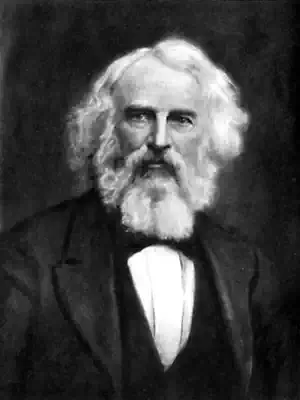
Henry Wadsworth Longfellow
Evangeline: Part The Second. I.
Evangeline: Part The Second. I.
MANY a weary year had passed since the burning of Grand-Pré,
When on the falling tide the freighted vessels departed,
Bearing a nation, with all its household gods, into exile,
Exile without an end, and without an example in story.
Far asunder, on separate coasts, the Acadians landed;
Scattered were they, like flakes of snow, when the wind from the northeast
Strikes aslant through the fogs that darken the Banks of Newfoundland.
Friendless, homeless, hopeless, they wandered from city to city,
From the cold lakes of the North to sultry Southern savannas,-
From the bleak shores of the sea to the lands where the Father of Waters
Seizes the hills in his hands, and drags them down to the ocean,
Deep in their sands to bury the scattered bones of the mammoth.
Friends they sought and homes; and many, despairing, heart-broken,
Asked of the earth but a grave, and no longer a friend nor a fireside.
Written their history stands on tablets of stone in the churchyards.
Long among them was seen a maiden who waited and wandered,
Lowly and meek in spirit, and patiently suffering all things.
Fair was she and young; but, alas! before her extended,
Dreary and vast and silent, the desert of life, with its pathway
Marked by the graves of those who had sorrowed and suffered before her,
Passions long extinguished, and hopes long dead and abandoned,
As the emigrant's way o'er the Western desert is marked by
Camp-fires long consumed, and bones that bleach in the sunshine.
Something there was in her life incomplete, imperfect, unfinished;
As if a morning of June, with all its music and sunshine,
Suddenly paused in the sky, and, fading, slowly descended
Into the east again, from whence it late had arisen.
Sometimes she lingered in towns, till, urged by the fever within her,
Urged by a restless longing, the hunger and thirst of the spirit,
She would commence again her endless search and endeavor;
Sometimes in churchyards strayed, and gazed on the crosses and tombstones,
Sat by some nameless grave, and thought that perhaps in its bosom
He was already at rest, and she longed to slumber beside him.
Sometimes a rumor, a hearsay, an inarticulate whisper,
Came with its airy hand to point and beckon her forward.
Sometimes she spake with those who had seen her beloved and known him,
But it was long ago, in some far-off place or forgotten.
'Gabriel Lajeunesse!' they said; 'O yes! we have seen him.
He was with Basil the blacksmith, and both have gone to the prairies;
Coureurs-des-Bois are they, and famous hunters and trappers,'
'Gabriel Lajeunesse!' said others; 'O yes! we have seen him.
He is a Voyageur in the lowlands of Louisiana.'
Then would they say: 'Dear child! why dream and wait for him longer?
Are there not other youths as fair as Gabriel? others
Who have hearts as tender and true, and spirits as loyal?
Here is Baptiste Leblanc, the notary's son, who has loved thee
Many a tedious year; come, give him thy hand and be happy!
Thou art too fair to be left to braid St. Catherine's tresses.'
Then would Evangeline answer, serenely but sadly, 'I cannot!
Whither my heart has gone, there follows my hand, and not elsewhere.
For when the heart goes before, like a lamp, and illumines the pathway,
Many things are made clear, that else lie hidden in darkness.'
Thereupon the priest, her friend and father-confessor,
Said, with a smile, 'O daughter! thy God thus speaketh within thee!
Talk not of wasted affection, affection never was wasted;
If it enrich not the heart of another, its waters, returning
Back to their springs, like the rain, shall fill them full of refreshment;
That which the fountain sends forth returns again to the fountain.
Patience; accomplish thy labor; accomplish thy work of affection!
Sorrow and silence are strong, and patient endurance is godlike.
Therefore accomplish thy labor of love, till the heart is made godlike,
Purified, strengthened, perfected, and rendered more worthy of heaven!'
Cheered by the good man's words, Evangeline labored and waited.
Still in her heart she heard the funeral dirge of the ocean,
But with its sound there was mingled a voice that whispered, 'Despair not!'
Thus did that poor soul wander in want and cheerless discomfort,
Bleeding, barefooted, over the shards and thorns of existence.
Let me essay, O Muse! to follow the wanderer's footsteps;-
Not through each devious path, each changeful year of existence;
But as a traveller follows a streamlet's course through the valley:
Far from its margin at times, and seeing the gleam of its water
Here and there, in some open space, and at intervals only;
Then drawing nearer its banks, through sylvan glooms that conceal it,
Though he behold it not, he can hear its continuous murmur;
Happy, at length, if he find the spot where it reaches an outlet.
MANY a weary year had passed since the burning of Grand-Pré,
When on the falling tide the freighted vessels departed,
Bearing a nation, with all its household gods, into exile,
Exile without an end, and without an example in story.
Far asunder, on separate coasts, the Acadians landed;
Scattered were they, like flakes of snow, when the wind from the northeast
Strikes aslant through the fogs that darken the Banks of Newfoundland.
Friendless, homeless, hopeless, they wandered from city to city,
From the cold lakes of the North to sultry Southern savannas,-
From the bleak shores of the sea to the lands where the Father of Waters
Seizes the hills in his hands, and drags them down to the ocean,
Deep in their sands to bury the scattered bones of the mammoth.
Friends they sought and homes; and many, despairing, heart-broken,
Asked of the earth but a grave, and no longer a friend nor a fireside.
Written their history stands on tablets of stone in the churchyards.
Long among them was seen a maiden who waited and wandered,
Lowly and meek in spirit, and patiently suffering all things.
Fair was she and young; but, alas! before her extended,
Dreary and vast and silent, the desert of life, with its pathway
Marked by the graves of those who had sorrowed and suffered before her,
Passions long extinguished, and hopes long dead and abandoned,
As the emigrant's way o'er the Western desert is marked by
Camp-fires long consumed, and bones that bleach in the sunshine.
Something there was in her life incomplete, imperfect, unfinished;
As if a morning of June, with all its music and sunshine,
Suddenly paused in the sky, and, fading, slowly descended
Into the east again, from whence it late had arisen.
Sometimes she lingered in towns, till, urged by the fever within her,
Urged by a restless longing, the hunger and thirst of the spirit,
She would commence again her endless search and endeavor;
Sometimes in churchyards strayed, and gazed on the crosses and tombstones,
Sat by some nameless grave, and thought that perhaps in its bosom
He was already at rest, and she longed to slumber beside him.
Sometimes a rumor, a hearsay, an inarticulate whisper,
Came with its airy hand to point and beckon her forward.
Sometimes she spake with those who had seen her beloved and known him,
But it was long ago, in some far-off place or forgotten.
'Gabriel Lajeunesse!' they said; 'O yes! we have seen him.
He was with Basil the blacksmith, and both have gone to the prairies;
Coureurs-des-Bois are they, and famous hunters and trappers,'
'Gabriel Lajeunesse!' said others; 'O yes! we have seen him.
He is a Voyageur in the lowlands of Louisiana.'
Then would they say: 'Dear child! why dream and wait for him longer?
Are there not other youths as fair as Gabriel? others
Who have hearts as tender and true, and spirits as loyal?
Here is Baptiste Leblanc, the notary's son, who has loved thee
Many a tedious year; come, give him thy hand and be happy!
Thou art too fair to be left to braid St. Catherine's tresses.'
Then would Evangeline answer, serenely but sadly, 'I cannot!
Whither my heart has gone, there follows my hand, and not elsewhere.
For when the heart goes before, like a lamp, and illumines the pathway,
Many things are made clear, that else lie hidden in darkness.'
Thereupon the priest, her friend and father-confessor,
Said, with a smile, 'O daughter! thy God thus speaketh within thee!
Talk not of wasted affection, affection never was wasted;
If it enrich not the heart of another, its waters, returning
Back to their springs, like the rain, shall fill them full of refreshment;
That which the fountain sends forth returns again to the fountain.
Patience; accomplish thy labor; accomplish thy work of affection!
Sorrow and silence are strong, and patient endurance is godlike.
Therefore accomplish thy labor of love, till the heart is made godlike,
Purified, strengthened, perfected, and rendered more worthy of heaven!'
Cheered by the good man's words, Evangeline labored and waited.
Still in her heart she heard the funeral dirge of the ocean,
But with its sound there was mingled a voice that whispered, 'Despair not!'
Thus did that poor soul wander in want and cheerless discomfort,
Bleeding, barefooted, over the shards and thorns of existence.
Let me essay, O Muse! to follow the wanderer's footsteps;-
Not through each devious path, each changeful year of existence;
But as a traveller follows a streamlet's course through the valley:
Far from its margin at times, and seeing the gleam of its water
Here and there, in some open space, and at intervals only;
Then drawing nearer its banks, through sylvan glooms that conceal it,
Though he behold it not, he can hear its continuous murmur;
Happy, at length, if he find the spot where it reaches an outlet.
299
Henry Wadsworth Longfellow
Birds Of Passage
Birds Of Passage
Black shadows fall
From the lindens tall,
That lift aloft their massive wall
Against the southern sky;
And from the realms
Of the shadowy elms
A tide-like darkness overwhelm
The fields that round us lie.
But the night is fair,
And everywhere
A warm, soft vapor fills the air,
And distant sounds seem near;
And above, in the light
Of the star-lit night,
Swift birds of passage wing their flight
Through the dewy atmosphere.
I hear the beat
Of their pinions fleet,
As from the land of snow and sleet
They seek a southern lea.
I hear the cry
Of their voices high
Falling dreamily through the sky,
But their forms I cannot see.
Oh, say not so!
Those sounds that flow
In murmurs of delight and woe
Come not from wings of birds.
They are the throngs
Of the poet's songs,
Murmurs of pleasures, and pains, and wrongs,
The sound of winged words.
This is the cry
Of souls, that high
On toiling, beating pinions, fly,
Seeking a warmer clime.
From their distant flight
Through realms of light
It falls into our world of night,
With the murmuring sound of rhyme.
Black shadows fall
From the lindens tall,
That lift aloft their massive wall
Against the southern sky;
And from the realms
Of the shadowy elms
A tide-like darkness overwhelm
The fields that round us lie.
But the night is fair,
And everywhere
A warm, soft vapor fills the air,
And distant sounds seem near;
And above, in the light
Of the star-lit night,
Swift birds of passage wing their flight
Through the dewy atmosphere.
I hear the beat
Of their pinions fleet,
As from the land of snow and sleet
They seek a southern lea.
I hear the cry
Of their voices high
Falling dreamily through the sky,
But their forms I cannot see.
Oh, say not so!
Those sounds that flow
In murmurs of delight and woe
Come not from wings of birds.
They are the throngs
Of the poet's songs,
Murmurs of pleasures, and pains, and wrongs,
The sound of winged words.
This is the cry
Of souls, that high
On toiling, beating pinions, fly,
Seeking a warmer clime.
From their distant flight
Through realms of light
It falls into our world of night,
With the murmuring sound of rhyme.
357
Henry Wadsworth Longfellow
A Gleam of Sunshine
A Gleam of Sunshine
This is the place. Stand still, my steed,
Let me review the scene,
And summon from the shadowy Past
The forms that once have been.
The Past and Present here unite
Beneath Time's flowing tide,
Like footprints hidden by a brook,
But seen on either side.
Here runs the highway to the town;
There the green lane descends,
Through which I walked to church with thee,
O gentlest of my friends!
The shadow of the linden-trees
Lay moving on the grass;
Between them and the moving boughs,
A shadow, thou didst pass.
Thy dress was like the lilies,
And thy heart as pure as they:
One of God's holy messengers
Did walk with me that day.
I saw the branches of the trees
Bend down thy touch to meet,
The clover-blossoms in the grass
Rise up to kiss thy feet,
"Sleep, sleep to-day, tormenting cares,
Of earth and folly born!"
Solemnly sang the village choir
On that sweet Sabbath morn.
Through the closed blinds the golden sun
Poured in a dusty beam,
Like the celestial ladder seen
By Jacob in his dream.
And ever and anon, the wind,
Sweet-scented with the hay,
Turned o'er the hymn-book's fluttering leaves
That on the window lay.
Long was the good man's sermon,
Yet it seemed not so to me;
For he spake of Ruth the beautiful,
And still I thought of thee.
Long was the prayer he uttered,
Yet it seemed not so to me;
For in my heart I prayed with him,
And still I thought of thee.
But now, alas! the place seems changed;
Thou art no longer here:
Part of the sunshine of the scene
With thee did disappear.
Though thoughts, deep-rooted in my heart,
Like pine-trees dark and high,
Subdue the light of noon, and breathe
A low and ceaseless sigh;
This memory brightens o'er the past,
As when the sun, concealed
Behind some cloud that near us hangs
Shines on a distant field.
This is the place. Stand still, my steed,
Let me review the scene,
And summon from the shadowy Past
The forms that once have been.
The Past and Present here unite
Beneath Time's flowing tide,
Like footprints hidden by a brook,
But seen on either side.
Here runs the highway to the town;
There the green lane descends,
Through which I walked to church with thee,
O gentlest of my friends!
The shadow of the linden-trees
Lay moving on the grass;
Between them and the moving boughs,
A shadow, thou didst pass.
Thy dress was like the lilies,
And thy heart as pure as they:
One of God's holy messengers
Did walk with me that day.
I saw the branches of the trees
Bend down thy touch to meet,
The clover-blossoms in the grass
Rise up to kiss thy feet,
"Sleep, sleep to-day, tormenting cares,
Of earth and folly born!"
Solemnly sang the village choir
On that sweet Sabbath morn.
Through the closed blinds the golden sun
Poured in a dusty beam,
Like the celestial ladder seen
By Jacob in his dream.
And ever and anon, the wind,
Sweet-scented with the hay,
Turned o'er the hymn-book's fluttering leaves
That on the window lay.
Long was the good man's sermon,
Yet it seemed not so to me;
For he spake of Ruth the beautiful,
And still I thought of thee.
Long was the prayer he uttered,
Yet it seemed not so to me;
For in my heart I prayed with him,
And still I thought of thee.
But now, alas! the place seems changed;
Thou art no longer here:
Part of the sunshine of the scene
With thee did disappear.
Though thoughts, deep-rooted in my heart,
Like pine-trees dark and high,
Subdue the light of noon, and breathe
A low and ceaseless sigh;
This memory brightens o'er the past,
As when the sun, concealed
Behind some cloud that near us hangs
Shines on a distant field.
429
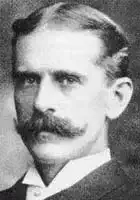
Henry Van Dyke
Shelley
Shelley
Knight-errant of the Never-ending Quest,
And Minstrel of the Unfulfilled Desire;
For ever tuning thy frail earthly lyre
To some unearthly music, and possessed
With painful passionate longing to invest
The golden dream of Love's immortal fire
In mortal robes of beautiful attire,
And fold perfection to thy throbbing breast!
What wonder, Shelley, if the restless wave
Should claim thee and the leaping flame consume
Thy drifted form on Viareggio's beach?
Fate to thy body gave a fitting grave,
And bade thy soul ride on with fiery plume,
Thy wild song ring in ocean's yearning speech!
Knight-errant of the Never-ending Quest,
And Minstrel of the Unfulfilled Desire;
For ever tuning thy frail earthly lyre
To some unearthly music, and possessed
With painful passionate longing to invest
The golden dream of Love's immortal fire
In mortal robes of beautiful attire,
And fold perfection to thy throbbing breast!
What wonder, Shelley, if the restless wave
Should claim thee and the leaping flame consume
Thy drifted form on Viareggio's beach?
Fate to thy body gave a fitting grave,
And bade thy soul ride on with fiery plume,
Thy wild song ring in ocean's yearning speech!
226
Henry Van Dyke
Hide and Seek
Hide and Seek
All the trees are sleeping, all the winds are still,
All the flocks of fleecy clouds have wandered past the hill;
Through the noonday silence, down the woods of June,
Hark, a little hunter's voice comes running with a tune.
"Hide and seek!
"When I speak,
"You must answer me:
"Call again,
"Merry men,
"Coo-ee, coo-ee, coo-ee!"
Now I hear his footsteps, rustling through the grass:
Hidden in my leafy nook, shall I let him pass?
Just a low, soft whistle,--quick the hunter turns,
Leaps upon me laughing, rolls me in the ferns.
"Hold him fast,
"Caught at last!
"Now you're it, you see.
"Hide your eye,
"Till I cry,
"Coo-ee, coo-ee, coo-ee!"
II
Long ago he left me, long and long ago:
Now I wander through the world and seek him high and low;
Hidden safe and happy, in some pleasant place,--
Ah, if I could hear his voice, I soon should find his face.
Far away,
Many a day,
Where can Barney be?
Answer, dear,
Don't you hear?
Coo-ee, coo-ee, coo-ee!
Birds that in the spring-time thrilled his heart with joy,
Flowers he loved to pick for me, mind me of my boy.
Surely he is waiting till my steps come nigh;
Love may hide itself awhile, but love can never die.
Heart, be glad,
The little lad
Will call some day to thee:
"Father dear,
"Heaven is here,
"Coo-ee, coo-ee, coo-ee!"
All the trees are sleeping, all the winds are still,
All the flocks of fleecy clouds have wandered past the hill;
Through the noonday silence, down the woods of June,
Hark, a little hunter's voice comes running with a tune.
"Hide and seek!
"When I speak,
"You must answer me:
"Call again,
"Merry men,
"Coo-ee, coo-ee, coo-ee!"
Now I hear his footsteps, rustling through the grass:
Hidden in my leafy nook, shall I let him pass?
Just a low, soft whistle,--quick the hunter turns,
Leaps upon me laughing, rolls me in the ferns.
"Hold him fast,
"Caught at last!
"Now you're it, you see.
"Hide your eye,
"Till I cry,
"Coo-ee, coo-ee, coo-ee!"
II
Long ago he left me, long and long ago:
Now I wander through the world and seek him high and low;
Hidden safe and happy, in some pleasant place,--
Ah, if I could hear his voice, I soon should find his face.
Far away,
Many a day,
Where can Barney be?
Answer, dear,
Don't you hear?
Coo-ee, coo-ee, coo-ee!
Birds that in the spring-time thrilled his heart with joy,
Flowers he loved to pick for me, mind me of my boy.
Surely he is waiting till my steps come nigh;
Love may hide itself awhile, but love can never die.
Heart, be glad,
The little lad
Will call some day to thee:
"Father dear,
"Heaven is here,
"Coo-ee, coo-ee, coo-ee!"
316
Henry Van Dyke
Departure
Departure
Oh, why are you shining so bright, big Sun,
And why is the garden so gay?
Do you know that my days of delight are done,
Do you know I am going away?
If you covered your face with a cloud, I 'd dream
You were sorry for me in my pain,
And the heads of the flowers all bowed would seem
To be weeping with me in the rain.
But why is your head so low, sweet heart,
And why are your eyes overcast?
Are they clouded because you know we must part,
Do you think this embrace is our last?
Then kiss me again, and again, and again,
Look up as you bid me good-bye!
For your face is too dear for the stain of a tear,
And your smile is the sun in my sky.
Oh, why are you shining so bright, big Sun,
And why is the garden so gay?
Do you know that my days of delight are done,
Do you know I am going away?
If you covered your face with a cloud, I 'd dream
You were sorry for me in my pain,
And the heads of the flowers all bowed would seem
To be weeping with me in the rain.
But why is your head so low, sweet heart,
And why are your eyes overcast?
Are they clouded because you know we must part,
Do you think this embrace is our last?
Then kiss me again, and again, and again,
Look up as you bid me good-bye!
For your face is too dear for the stain of a tear,
And your smile is the sun in my sky.
285

Henry Lawson
When the Ladies Come to the Shearing Shed
When the Ladies Come to the Shearing Shed
‘The ladies are coming,’ the super says
To the shearers sweltering there,
And ‘the ladies’ means in the shearing shed:
‘Don’t cut ’em too bad. Don’t swear.’
The ghost of a pause in the shed’s rough heart,
And lower is bowed each head;
And nothing is heard, save a whispered word,
And the roar of the shearing-shed.
The tall, shy rouser has lost his wits,
And his limbs are all astray;
He leaves a fleece on the shearing-board,
And his broom in the shearer’s way.
There’s a curse in store for that jackaroo
As down by the wall he slants—
And the ringer bends with his legs askew
And wishes he’d ‘patched them pants.’
They are girls from the city. (Our hearts rebel
As we squint at their dainty feet.)
And they gush and say in a girly way
That ‘the dear little lambs’ are ‘sweet.’
And Bill, the ringer, who’d scorn the use
Of a childish word like ‘damn,’
Would give a pound that his tongue were loose
As he tackles a lively lamb.
Swift thoughts of homes in the coastal towns—
Or rivers and waving grass—
And a weight on our hearts that we cannot define
That comes as the ladies pass.
But the rouser ventures a nervous dig
In the ribs of the next to him;
And Barcoo says to his pen-mate: ‘Twig
‘The style of the last un, Jim.’
Jim Moonlight gives her a careless glance—
Then he catches his breath with pain—
His strong hand shakes and the sunlights dance
As he bends to his work again.
But he’s well disguised in a bristling beard,
Bronzed skin, and his shearer’s dress;
And whatever Jim Moonlight hoped or feared
Were hard for his mates to guess.
Jim Moonlight, wiping his broad, white brow,
Explains, with a doleful smile:
‘A stitch in the side,’ and ‘he’s all right now’—
But he leans on the beam awhile,
And gazes out in the blazing noon
On the clearing, brown and bare—
She has come and gone, like a breath of June,
In December’s heat and glare.
The bushmen are big rough boys at the best,
With hearts of a larger growth;
But they hide those hearts with a brutal jest,
And the pain with a reckless oath.
Though the Bills and Jims of the bush-bard sing
Of their life loves, lost or dead,
The love of a girl is a sacred thing
Not voiced in a shearing-shed.
‘The ladies are coming,’ the super says
To the shearers sweltering there,
And ‘the ladies’ means in the shearing shed:
‘Don’t cut ’em too bad. Don’t swear.’
The ghost of a pause in the shed’s rough heart,
And lower is bowed each head;
And nothing is heard, save a whispered word,
And the roar of the shearing-shed.
The tall, shy rouser has lost his wits,
And his limbs are all astray;
He leaves a fleece on the shearing-board,
And his broom in the shearer’s way.
There’s a curse in store for that jackaroo
As down by the wall he slants—
And the ringer bends with his legs askew
And wishes he’d ‘patched them pants.’
They are girls from the city. (Our hearts rebel
As we squint at their dainty feet.)
And they gush and say in a girly way
That ‘the dear little lambs’ are ‘sweet.’
And Bill, the ringer, who’d scorn the use
Of a childish word like ‘damn,’
Would give a pound that his tongue were loose
As he tackles a lively lamb.
Swift thoughts of homes in the coastal towns—
Or rivers and waving grass—
And a weight on our hearts that we cannot define
That comes as the ladies pass.
But the rouser ventures a nervous dig
In the ribs of the next to him;
And Barcoo says to his pen-mate: ‘Twig
‘The style of the last un, Jim.’
Jim Moonlight gives her a careless glance—
Then he catches his breath with pain—
His strong hand shakes and the sunlights dance
As he bends to his work again.
But he’s well disguised in a bristling beard,
Bronzed skin, and his shearer’s dress;
And whatever Jim Moonlight hoped or feared
Were hard for his mates to guess.
Jim Moonlight, wiping his broad, white brow,
Explains, with a doleful smile:
‘A stitch in the side,’ and ‘he’s all right now’—
But he leans on the beam awhile,
And gazes out in the blazing noon
On the clearing, brown and bare—
She has come and gone, like a breath of June,
In December’s heat and glare.
The bushmen are big rough boys at the best,
With hearts of a larger growth;
But they hide those hearts with a brutal jest,
And the pain with a reckless oath.
Though the Bills and Jims of the bush-bard sing
Of their life loves, lost or dead,
The love of a girl is a sacred thing
Not voiced in a shearing-shed.
177
Henry Lawson
Till All the Bad Things Came Untrue
Till All the Bad Things Came Untrue
BY blacksoil plains burned grey with drought
Where desert shrubs and grasses grow,
Along the Land of Furthest Out
That only Overlanders know.
I dreamed I camped on river grass
In bends where river timber grew—
I dreamed, I dreamed the days to pass
Till all the bad things came untrue.
I dreamed that I was young again,
But was not young as I had been,
My path through life seemed fair and plain,
My sight and hearing clear and keen.
No longer bent nor lined and grey,
I met and loved and worshipped you—
I dreamed, I dreamed the days away
Till all the sad things came untrue.
I dreamed a home of freestone stood
With toned tiled roofs as roofs should be,
By cliff and fall and beach and wood
With wide verandahs to the sea.
I dreamed a hale gudeman and wife,
With sons and daughters well-to-do,
Lived there the glorious old home life
And all the mad things were untrue.
From blacksoil plains burned bare with drought
Where years are sown that never grow—
From dead grey creeks of dreams and drought,
Through black-ridged wastes of weirdest woe,
I tramped and camped with fearsome fare
Until the sea-scape came in view,
And lo! the home lay smiling there
And all the bad things were untrue.
BY blacksoil plains burned grey with drought
Where desert shrubs and grasses grow,
Along the Land of Furthest Out
That only Overlanders know.
I dreamed I camped on river grass
In bends where river timber grew—
I dreamed, I dreamed the days to pass
Till all the bad things came untrue.
I dreamed that I was young again,
But was not young as I had been,
My path through life seemed fair and plain,
My sight and hearing clear and keen.
No longer bent nor lined and grey,
I met and loved and worshipped you—
I dreamed, I dreamed the days away
Till all the sad things came untrue.
I dreamed a home of freestone stood
With toned tiled roofs as roofs should be,
By cliff and fall and beach and wood
With wide verandahs to the sea.
I dreamed a hale gudeman and wife,
With sons and daughters well-to-do,
Lived there the glorious old home life
And all the mad things were untrue.
From blacksoil plains burned bare with drought
Where years are sown that never grow—
From dead grey creeks of dreams and drought,
Through black-ridged wastes of weirdest woe,
I tramped and camped with fearsome fare
Until the sea-scape came in view,
And lo! the home lay smiling there
And all the bad things were untrue.
197
Henry Lawson
The Way of the World
The Way of the World
When fairer faces turn from me,
And gayer friends grow cold,
And I have lost through poverty
The friendship bought with gold;
When I have served the selfish turn
Of some all-worldly few,
And Folly’s lamps have ceased to burn,
Then I’ll come back to you.
When my admirers find I’m not
The rising star they thought,
And praise or blame is all forgot
My early promise brought;
When brighter rivals lead a host
Where once I led a few,
And kinder times reward their boast,
Then I’ll come back to you.
You loved me, not for what I had
Or what I might have been,
You saw the good, but not the bad,
Was kind, for that between.
I know that you’ll forgive again—
That you will judge me true;
I’ll be too tired to explain
When I come back to you.
When fairer faces turn from me,
And gayer friends grow cold,
And I have lost through poverty
The friendship bought with gold;
When I have served the selfish turn
Of some all-worldly few,
And Folly’s lamps have ceased to burn,
Then I’ll come back to you.
When my admirers find I’m not
The rising star they thought,
And praise or blame is all forgot
My early promise brought;
When brighter rivals lead a host
Where once I led a few,
And kinder times reward their boast,
Then I’ll come back to you.
You loved me, not for what I had
Or what I might have been,
You saw the good, but not the bad,
Was kind, for that between.
I know that you’ll forgive again—
That you will judge me true;
I’ll be too tired to explain
When I come back to you.
255
Henry Lawson
The Water Lily
The Water Lily
A lonely young wife
In her dreaming discerns
A lily-decked pool
With a border of ferns,
And a beautiful child,
With butterfly wings,
Trips down to the edge of the water and sings:
‘Come, mamma! come!
‘Quick! follow me—
‘Step out on the leaves of the water-lily!’
And the lonely young wife,
Her heart beating wild,
Cries, ‘Wait till I come,
‘Till I reach you, my child!’
But the beautiful child
With butterfly wings
Steps out on the leaves of the lily and sings:
‘Come, mamma! come!
‘Quick! follow me!
‘And step on the leaves of the water-lily!
And the wife in her dreaming
Steps out on the stream,
But the lily leaves sink
And she wakes from her dream.
Ah, the waking is sad,
For the tears that it brings,
And she knows ’tis her dead baby’s spirit that sings:
‘Come, mamma! come!
‘Quick! follow me!
‘Step out on the leaves of the water-lily!’
A lonely young wife
In her dreaming discerns
A lily-decked pool
With a border of ferns,
And a beautiful child,
With butterfly wings,
Trips down to the edge of the water and sings:
‘Come, mamma! come!
‘Quick! follow me—
‘Step out on the leaves of the water-lily!’
And the lonely young wife,
Her heart beating wild,
Cries, ‘Wait till I come,
‘Till I reach you, my child!’
But the beautiful child
With butterfly wings
Steps out on the leaves of the lily and sings:
‘Come, mamma! come!
‘Quick! follow me!
‘And step on the leaves of the water-lily!
And the wife in her dreaming
Steps out on the stream,
But the lily leaves sink
And she wakes from her dream.
Ah, the waking is sad,
For the tears that it brings,
And she knows ’tis her dead baby’s spirit that sings:
‘Come, mamma! come!
‘Quick! follow me!
‘Step out on the leaves of the water-lily!’
264
Henry Lawson
The Voice from Over Yonder
The Voice from Over Yonder
“Did she care as much as I did
When our paths of Fate divided?
Was the love, then, all onesided—
Did she understand or care?”
Slowly fall the moments leaden,
And the silence seems to deaden—
And a voice from over yonder answers sadly: “I’ve been there.”
“Have you tramped the streets of cities
Poor? And do you know what it is—
While no mortal cares or pities—
To have drifted past ambition;
To have sunk below despair?
Doomed to slave and stint and borrow;
Ever haunted in your sorrow
By the spectre of To-morrow?”
And the voice from over yonder answers sadly: “I’ve been there.”
“Surely in the wide Hereafter
There’s a land of love and laughter?
Say: Is this life all we live for—
Say it! think it, if you dare!
Have you ever thought or wondered
Why the Man and God were sundered?
Do you think the Maker blundered?”
And the voice, in mocking accents, answered only: “I’ve been there.”
“Did she care as much as I did
When our paths of Fate divided?
Was the love, then, all onesided—
Did she understand or care?”
Slowly fall the moments leaden,
And the silence seems to deaden—
And a voice from over yonder answers sadly: “I’ve been there.”
“Have you tramped the streets of cities
Poor? And do you know what it is—
While no mortal cares or pities—
To have drifted past ambition;
To have sunk below despair?
Doomed to slave and stint and borrow;
Ever haunted in your sorrow
By the spectre of To-morrow?”
And the voice from over yonder answers sadly: “I’ve been there.”
“Surely in the wide Hereafter
There’s a land of love and laughter?
Say: Is this life all we live for—
Say it! think it, if you dare!
Have you ever thought or wondered
Why the Man and God were sundered?
Do you think the Maker blundered?”
And the voice, in mocking accents, answered only: “I’ve been there.”
278
Henry Lawson
The Tracks That Lie By India
The Tracks That Lie By India
Now this is not a dismal song, like some I’ve sung of late,
When I’ve been brooding all day long about my muddled fate;
For though I’ve had a rocky time I’ll never quite forget,
And though I never was so deep in trouble and in debt,
And though I never was so poor nor in a fix so tight—
The tracks that run by India are shining in my sight.
The roads that run by India, and all the ports of call—
I’m going back to London first to raise the wherewithal.
I’ll call at Suez and Port Said as I am going past
(I was too worried to take notes when I was that way last),
At Naples and at Genoa, and, if I get the chance,
Who knows but I might run across the pleasant land of France.
The track that runs by India goes up the hot Red Sea—
The other side of Africa is far too dull for me.
(I fear that I have missed a chance I’ll never get again
To see the land of chivalry and bide awhile in Spain.)
I’ll graft a year in London, and if fortune smiles on me
I’ll take the track to India by France and Italy.
’Tis sweet to court some foreign girl with eyes of lustrous glow,
Who does not know my language and whose language I don’t know;
To loll on gently-rolling decks beneath the softening skies,
While she sits knitting opposite, and make love with our eyes—
The glance that says far more than words, the old half-mystic smile—
The track that runs by India will wait for me awhile.
The tracks that run by India to China and Japan,
The tracks where all the rovers go—the tracks that call a Man!
I’m wearied of the formal lands of parson and of priest,
Of dollars and of fashions, and I’m drifting towards the East;
I’m tired of cant and cackle, and of sordid jobbery—
The mystery of the East hath cast its glamour over me.
Now this is not a dismal song, like some I’ve sung of late,
When I’ve been brooding all day long about my muddled fate;
For though I’ve had a rocky time I’ll never quite forget,
And though I never was so deep in trouble and in debt,
And though I never was so poor nor in a fix so tight—
The tracks that run by India are shining in my sight.
The roads that run by India, and all the ports of call—
I’m going back to London first to raise the wherewithal.
I’ll call at Suez and Port Said as I am going past
(I was too worried to take notes when I was that way last),
At Naples and at Genoa, and, if I get the chance,
Who knows but I might run across the pleasant land of France.
The track that runs by India goes up the hot Red Sea—
The other side of Africa is far too dull for me.
(I fear that I have missed a chance I’ll never get again
To see the land of chivalry and bide awhile in Spain.)
I’ll graft a year in London, and if fortune smiles on me
I’ll take the track to India by France and Italy.
’Tis sweet to court some foreign girl with eyes of lustrous glow,
Who does not know my language and whose language I don’t know;
To loll on gently-rolling decks beneath the softening skies,
While she sits knitting opposite, and make love with our eyes—
The glance that says far more than words, the old half-mystic smile—
The track that runs by India will wait for me awhile.
The tracks that run by India to China and Japan,
The tracks where all the rovers go—the tracks that call a Man!
I’m wearied of the formal lands of parson and of priest,
Of dollars and of fashions, and I’m drifting towards the East;
I’m tired of cant and cackle, and of sordid jobbery—
The mystery of the East hath cast its glamour over me.
267
Henry Lawson
The Separation
The Separation
We knew too little of the world,
And you and I were good—
’Twas paltry things that wrecked our lives
As well I knew they would.
The people said our love was dead,
But how were they to know?
Ah! had we loved each other less
We’d not have quarrelled so.
We knew too little of the world,
And you and I were kind,
We listened to what others said
And both of us were blind.
The people said ’twas selfishness,
But how were they to know?
Ah! had we both more selfish been
We’d not have parted so.
But still when all seems lost on earth
Then heaven sets a sign—
Kneel down beside your lonely bed,
And I will kneel by mine,
And let us pray for happy days—
Like those of long ago.
Ah! had we knelt together then
We’d not have parted so.
We knew too little of the world,
And you and I were good—
’Twas paltry things that wrecked our lives
As well I knew they would.
The people said our love was dead,
But how were they to know?
Ah! had we loved each other less
We’d not have quarrelled so.
We knew too little of the world,
And you and I were kind,
We listened to what others said
And both of us were blind.
The people said ’twas selfishness,
But how were they to know?
Ah! had we both more selfish been
We’d not have parted so.
But still when all seems lost on earth
Then heaven sets a sign—
Kneel down beside your lonely bed,
And I will kneel by mine,
And let us pray for happy days—
Like those of long ago.
Ah! had we knelt together then
We’d not have parted so.
248
Henry Lawson
The Pink Carnation
The Pink Carnation
I may walk until I’m fainting, I may write until I’m blinded,
I might drink until my back teeth are afloat,
But I can’t forget my ruin and the happy days behind it,
When I wore a pink carnation in my coat.
Oh, I thought that time could conquer, and I thought my heart would harden,
But it sends a sudden lump into my throat,
When I think of what I have been, and the cottage and the garden,
When I wore a pink carnation in my coat.
God forgive you, girl, and bless you! Let no line of mine distress you –
I am sorry for the bitter lines I wrote;
But remember, and think kindly, for we met and married blindly,
When I wore a pink carnation in my coat.
I may walk until I’m fainting, I may write until I’m blinded,
I might drink until my back teeth are afloat,
But I can’t forget my ruin and the happy days behind it,
When I wore a pink carnation in my coat.
Oh, I thought that time could conquer, and I thought my heart would harden,
But it sends a sudden lump into my throat,
When I think of what I have been, and the cottage and the garden,
When I wore a pink carnation in my coat.
God forgive you, girl, and bless you! Let no line of mine distress you –
I am sorry for the bitter lines I wrote;
But remember, and think kindly, for we met and married blindly,
When I wore a pink carnation in my coat.
222
Henry Lawson
The Lily of St Leonards
The Lily of St Leonards
’TIS sunrise over Watson,
Where I sailed out to sea,
On that wild run to London
That wrecked and ruined me.
The beauty of the morning
On bluff and point and bay,
But the Lily of St Leonards
Was fairer than the day.
O Lily of St Leonards!
And I was mad to roam—
She died with loving words for me
Three days ere I came home.
As fair as lily whiteness,
As pure as lily gold,
And bright with childlike brightness
And wise as worlds of old.
Her heart for all was beating
And all hearts were her own—
Like sunshine through the Lily
Her purity was shown.
O Lily of St Leonards!
My night is on the track,
’Tis well you never lived to see
The wreck that I came back.
A leaden sky shuts over
A sobbing leaden sea,
For the Lily of St Leonards
Is never more for me.
I seek the wharf of Outward
Where the deck no longer thrills
Where she stood with great tears starting
Like the lights on dark wet hills.
The world was all before me
The laurels on my brow—
’Twas the world-star of the rovers,
’Tis the Star of Exile now.
’TIS sunrise over Watson,
Where I sailed out to sea,
On that wild run to London
That wrecked and ruined me.
The beauty of the morning
On bluff and point and bay,
But the Lily of St Leonards
Was fairer than the day.
O Lily of St Leonards!
And I was mad to roam—
She died with loving words for me
Three days ere I came home.
As fair as lily whiteness,
As pure as lily gold,
And bright with childlike brightness
And wise as worlds of old.
Her heart for all was beating
And all hearts were her own—
Like sunshine through the Lily
Her purity was shown.
O Lily of St Leonards!
My night is on the track,
’Tis well you never lived to see
The wreck that I came back.
A leaden sky shuts over
A sobbing leaden sea,
For the Lily of St Leonards
Is never more for me.
I seek the wharf of Outward
Where the deck no longer thrills
Where she stood with great tears starting
Like the lights on dark wet hills.
The world was all before me
The laurels on my brow—
’Twas the world-star of the rovers,
’Tis the Star of Exile now.
336
Henry Lawson
The Heart of the Swag
The Heart of the Swag
Oh, the track through the scrub groweth ever more dreary,
And lower and lower his grey head doth bow;
For the swagman is old and the swagman is weary—
He’s been tramping for over a century now.
He tramps in a worn-out old “side spring” and “blucher,”
His hat is a ruin, his coat is a rag,
And he carries forever, far into the future,
The key of his life in the core of his swag.
There are old-fashioned portraits of girls who are grannies,
There are tresses of dark hair whose owner’s are grey;
There are faded old letters from Marys and Annies,
And Toms, Dicks, and Harrys, dead many a day.
There are broken-heart secrets and bitter-heart reasons—
They are sewn in a canvas or calico bag,
And wrapped up in oilskin through dark rainy seasons,
And he carries them safe in the core of his swag.
There are letters that should have been burnt in the past time,
For he reads them alone, and a devil it brings;
There were farewells that should have been said for the last time,
For, forever and ever the love for her springs.
But he keeps them all precious, and keeps them in order,
And no matter to man how his footsteps may drag,
There’s a friend who will find, when he crosses the Border,
That the Heart of the Man’s in the Heart of his swag.
Oh, the track through the scrub groweth ever more dreary,
And lower and lower his grey head doth bow;
For the swagman is old and the swagman is weary—
He’s been tramping for over a century now.
He tramps in a worn-out old “side spring” and “blucher,”
His hat is a ruin, his coat is a rag,
And he carries forever, far into the future,
The key of his life in the core of his swag.
There are old-fashioned portraits of girls who are grannies,
There are tresses of dark hair whose owner’s are grey;
There are faded old letters from Marys and Annies,
And Toms, Dicks, and Harrys, dead many a day.
There are broken-heart secrets and bitter-heart reasons—
They are sewn in a canvas or calico bag,
And wrapped up in oilskin through dark rainy seasons,
And he carries them safe in the core of his swag.
There are letters that should have been burnt in the past time,
For he reads them alone, and a devil it brings;
There were farewells that should have been said for the last time,
For, forever and ever the love for her springs.
But he keeps them all precious, and keeps them in order,
And no matter to man how his footsteps may drag,
There’s a friend who will find, when he crosses the Border,
That the Heart of the Man’s in the Heart of his swag.
236
Henry Lawson
The Ballad of the Black-Sheep
The Ballad of the Black-Sheep
A black-sheep, from England, who worked on the run –
Riding where the stockmen ride –
He sat by the hut when the day’s work was done –
Lone huts where the black sheep bide.
“I’m tired of my life!” to his lone self said he,
“My girl and my country are both done with me!”
“I’m tired of my life!” to the wide scrubs said he –
“My girl and my country are long done with me!”
He took from a packet a portrait and curl –
Such things as the exiles keep –
And sadly he gazed at the face of the girl –
Lost girl of a lost black-sheep.
“I’ll go where there’s fighting and die there!” said he;
“My girl and my country are well rid of me.
“I’ll go where there’s fighting and die there,” said he;
“For heart-break and country that’s well rid of me!”
He rode with a thousand, he rode with the best –
Riding as bushmen ride –
Who’d ridden alone on the wastes of the West –
Wide wastes where the drought-fiends bide,
They rode as they’d ride to an up-country ball,
And the laugh of the black-sheep was lightest of all!
The road was a shambles, the hill was a hell –
Red rosed where the reckless ride –
And he with the foremost lay torn by a shell –
(Die hard where your father died!)
“the death of a rebel!” he laughed as he groaned –
“for the land that adoptee – the land that disowned!”
the death of a black-sheep! – they laugh as they groan –
for the lands that adopt and the lands that disown!
A black-sheep, from England, who worked on the run –
Riding where the stockmen ride –
He sat by the hut when the day’s work was done –
Lone huts where the black sheep bide.
“I’m tired of my life!” to his lone self said he,
“My girl and my country are both done with me!”
“I’m tired of my life!” to the wide scrubs said he –
“My girl and my country are long done with me!”
He took from a packet a portrait and curl –
Such things as the exiles keep –
And sadly he gazed at the face of the girl –
Lost girl of a lost black-sheep.
“I’ll go where there’s fighting and die there!” said he;
“My girl and my country are well rid of me.
“I’ll go where there’s fighting and die there,” said he;
“For heart-break and country that’s well rid of me!”
He rode with a thousand, he rode with the best –
Riding as bushmen ride –
Who’d ridden alone on the wastes of the West –
Wide wastes where the drought-fiends bide,
They rode as they’d ride to an up-country ball,
And the laugh of the black-sheep was lightest of all!
The road was a shambles, the hill was a hell –
Red rosed where the reckless ride –
And he with the foremost lay torn by a shell –
(Die hard where your father died!)
“the death of a rebel!” he laughed as he groaned –
“for the land that adoptee – the land that disowned!”
the death of a black-sheep! – they laugh as they groan –
for the lands that adopt and the lands that disown!
265
Henry Lawson
Sweethearts Wait on Every Shore
Sweethearts Wait on Every Shore
SHE SITS beside the tinted tide,
That’s reddened by the tortured sand;
And through the East, to ocean wide,
A vessel sails from sight of land.
But she will wait and watch in vain,
For it is said in Cupid’s lore,
“That he who loved will love again,
And sweethearts wait on every shore.”
SHE SITS beside the tinted tide,
That’s reddened by the tortured sand;
And through the East, to ocean wide,
A vessel sails from sight of land.
But she will wait and watch in vain,
For it is said in Cupid’s lore,
“That he who loved will love again,
And sweethearts wait on every shore.”
193
Henry Lawson
Somewhere Up In Queensland
Somewhere Up In Queensland
He's somewhere up in Queensland,
The old folks used to say;
He’s somewhere up in Queensland,
The people say to-day.
But Somewhere (up in Queensland)
That uncle used to know—
That filled our hearts with wonder,
Seems vanished long ago.
He’s gone to Queensland, droving,
The old folks used to say;
He’s gone to Queensland, droving,
The people say to-day.
But “gone to Queensland, droving,”
Might mean, in language plain,
He follows stock in buggies,
And gets supplies by train.
He’s knocking round in Queensland,
The old folks used to say;
He’s gone to Queensland, roving,
His sweetheart says to-day.
But “gone to Queensland, roving”
By mighty plain and scrub,
Might mean he drives a motor-car
For Missus Moneygrub.
He’s looking for new country,
The old folks used to say;
Our boy has gone exploring,
Fond parents say to-day.
“Exploring” out in Queensland
Might only mean to some
He’s salesman in “the drapery”
Of a bush emporium.
To somewhere up in Queensland
Went Tom and Ted and Jack;
From somewhere up in Queensland
The dusty cheques come back:
From somewhere up in Queensland
Brown drovers used to come,
And someone up in Queensland
Kept many a southern home.
Somewhere up in Queensland,
How many black sheep roam,
Who never write a letter,
And never think of home.
For someone up in Queensland
How many a mother spoke;
For someone up in Queensland
How many a girl’s heart broke.
He's somewhere up in Queensland,
The old folks used to say;
He’s somewhere up in Queensland,
The people say to-day.
But Somewhere (up in Queensland)
That uncle used to know—
That filled our hearts with wonder,
Seems vanished long ago.
He’s gone to Queensland, droving,
The old folks used to say;
He’s gone to Queensland, droving,
The people say to-day.
But “gone to Queensland, droving,”
Might mean, in language plain,
He follows stock in buggies,
And gets supplies by train.
He’s knocking round in Queensland,
The old folks used to say;
He’s gone to Queensland, roving,
His sweetheart says to-day.
But “gone to Queensland, roving”
By mighty plain and scrub,
Might mean he drives a motor-car
For Missus Moneygrub.
He’s looking for new country,
The old folks used to say;
Our boy has gone exploring,
Fond parents say to-day.
“Exploring” out in Queensland
Might only mean to some
He’s salesman in “the drapery”
Of a bush emporium.
To somewhere up in Queensland
Went Tom and Ted and Jack;
From somewhere up in Queensland
The dusty cheques come back:
From somewhere up in Queensland
Brown drovers used to come,
And someone up in Queensland
Kept many a southern home.
Somewhere up in Queensland,
How many black sheep roam,
Who never write a letter,
And never think of home.
For someone up in Queensland
How many a mother spoke;
For someone up in Queensland
How many a girl’s heart broke.
244
Henry Lawson
Out Back
Out Back
The old year went, and the new returned, in the withering weeks of drought,
The cheque was spent that the shearer earned,
and the sheds were all cut out;
The publican's words were short and few,
and the publican's looks were black --
And the time had come, as the shearer knew, to carry his swag Out Back.
For time means tucker, and tramp you must,
where the scrubs and plains are wide,
With seldom a track that a man can trust, or a mountain peak to guide;
All day long in the dust and heat -- when summer is on the track -With
stinted stomachs and blistered feet,
they carry their swags Out Back.
He tramped away from the shanty there, when the days were long and hot,
With never a soul to know or care if he died on the track or not.
The poor of the city have friends in woe, no matter how much they lack,
But only God and the swagmen know how a poor man fares Out Back.
He begged his way on the parched Paroo and the Warrego tracks once more,
And lived like a dog, as the swagmen do, till the Western stations shore;
But men were many, and sheds were full, for work in the town was slack --
The traveller never got hands in wool,
though he tramped for a year Out Back.
In stifling noons when his back was wrung
by its load, and the air seemed dead,
And the water warmed in the bag that hung to his aching arm like lead,
Or in times of flood, when plains were seas,
and the scrubs were cold and black,
He ploughed in mud to his trembling knees, and paid for his sins Out Back.
He blamed himself in the year `Too Late' -
in the heaviest hours of life -'
Twas little he dreamed that a shearing-mate had care of his home and wife;
There are times when wrongs from your kindred come,
and treacherous tongues attack --
When a man is better away from home, and dead to the world, Out Back.
And dirty and careless and old he wore, as his lamp of hope grew dim;
He tramped for years till the swag he bore seemed part of himself to him.
As a bullock drags in the sandy ruts, he followed the dreary track,
With never a thought but to reach the huts when the sun went down Out Back.
It chanced one day, when the north wind blew
in his face like a furnace-breath,
He left the track for a tank he knew -- 'twas a short-cut to his death;
For the bed of the tank was hard and dry, and crossed with many a crack,
And, oh! it's a terrible thing to die of thirst in the scrub Out Back.
A drover came, but the fringe of law was eastward many a mile;
He never reported the thing he saw, for it was not worth his while.
The tanks are full and the grass is high in the mulga off the track,
Where the bleaching bones of a white man lie
by his mouldering swag Out Back.
For time means tucker, and tramp they must,
where the plains and scrubs are wide,
With seldom a track that a man can trust, or a mountain peak to guide;
All day long in the flies and heat the men of the outside track
With stinted stomachs and blistered feet
must carry their swags Out Back.
The old year went, and the new returned, in the withering weeks of drought,
The cheque was spent that the shearer earned,
and the sheds were all cut out;
The publican's words were short and few,
and the publican's looks were black --
And the time had come, as the shearer knew, to carry his swag Out Back.
For time means tucker, and tramp you must,
where the scrubs and plains are wide,
With seldom a track that a man can trust, or a mountain peak to guide;
All day long in the dust and heat -- when summer is on the track -With
stinted stomachs and blistered feet,
they carry their swags Out Back.
He tramped away from the shanty there, when the days were long and hot,
With never a soul to know or care if he died on the track or not.
The poor of the city have friends in woe, no matter how much they lack,
But only God and the swagmen know how a poor man fares Out Back.
He begged his way on the parched Paroo and the Warrego tracks once more,
And lived like a dog, as the swagmen do, till the Western stations shore;
But men were many, and sheds were full, for work in the town was slack --
The traveller never got hands in wool,
though he tramped for a year Out Back.
In stifling noons when his back was wrung
by its load, and the air seemed dead,
And the water warmed in the bag that hung to his aching arm like lead,
Or in times of flood, when plains were seas,
and the scrubs were cold and black,
He ploughed in mud to his trembling knees, and paid for his sins Out Back.
He blamed himself in the year `Too Late' -
in the heaviest hours of life -'
Twas little he dreamed that a shearing-mate had care of his home and wife;
There are times when wrongs from your kindred come,
and treacherous tongues attack --
When a man is better away from home, and dead to the world, Out Back.
And dirty and careless and old he wore, as his lamp of hope grew dim;
He tramped for years till the swag he bore seemed part of himself to him.
As a bullock drags in the sandy ruts, he followed the dreary track,
With never a thought but to reach the huts when the sun went down Out Back.
It chanced one day, when the north wind blew
in his face like a furnace-breath,
He left the track for a tank he knew -- 'twas a short-cut to his death;
For the bed of the tank was hard and dry, and crossed with many a crack,
And, oh! it's a terrible thing to die of thirst in the scrub Out Back.
A drover came, but the fringe of law was eastward many a mile;
He never reported the thing he saw, for it was not worth his while.
The tanks are full and the grass is high in the mulga off the track,
Where the bleaching bones of a white man lie
by his mouldering swag Out Back.
For time means tucker, and tramp they must,
where the plains and scrubs are wide,
With seldom a track that a man can trust, or a mountain peak to guide;
All day long in the flies and heat the men of the outside track
With stinted stomachs and blistered feet
must carry their swags Out Back.
238
Henry Lawson
Mary Called Him 'Mister'
Mary Called Him 'Mister'
They'd parted but a year before—she never thought he’d come,
She stammer’d, blushed, held out her hand, and called him ‘Mister Gum.’
How could he know that all the while she longed to murmur ‘John.’
He called her ‘Miss le Brook,’ and asked how she was getting on.
They’d parted but a year before; they’d loved each other well,
But he’d been to the city, and he came back such a swell.
They longed to meet in fond embrace, they hungered for a kiss—
But Mary called him ‘Mister,’ and the idiot called her ‘Miss.’
He stood and lean’d against the door—a stupid chap was he—
And, when she asked if he’d come in and have a cup of tea,
He looked to left, he looked to right, and then he glanced behind,
And slowly doffed his cabbage-tree, and said he ‘didn’t mind.’
She made a shy apology because the meat was tough,
And then she asked if he was sure his tea was sweet enough;
He stirred the tea and sipped it twice, and answer’d ‘plenty, quite;’
And cut the smallest piece of beef and said that it was ‘right.’
She glanced at him at times and cough’d an awkward little cough;
He stared at anything but her and said, ‘I must be off.’
That evening he went riding north—a sad and lonely ride—
She locked herself inside her room, and there sat down and cried.
They’d parted but a year before, they loved each other well—
But she was such a country girl and he was such a swell ;
They longed to meet in fond embrace, they hungered for a kiss—
But Mary called him ‘Mister’ and the idiot called her ‘Miss.
They'd parted but a year before—she never thought he’d come,
She stammer’d, blushed, held out her hand, and called him ‘Mister Gum.’
How could he know that all the while she longed to murmur ‘John.’
He called her ‘Miss le Brook,’ and asked how she was getting on.
They’d parted but a year before; they’d loved each other well,
But he’d been to the city, and he came back such a swell.
They longed to meet in fond embrace, they hungered for a kiss—
But Mary called him ‘Mister,’ and the idiot called her ‘Miss.’
He stood and lean’d against the door—a stupid chap was he—
And, when she asked if he’d come in and have a cup of tea,
He looked to left, he looked to right, and then he glanced behind,
And slowly doffed his cabbage-tree, and said he ‘didn’t mind.’
She made a shy apology because the meat was tough,
And then she asked if he was sure his tea was sweet enough;
He stirred the tea and sipped it twice, and answer’d ‘plenty, quite;’
And cut the smallest piece of beef and said that it was ‘right.’
She glanced at him at times and cough’d an awkward little cough;
He stared at anything but her and said, ‘I must be off.’
That evening he went riding north—a sad and lonely ride—
She locked herself inside her room, and there sat down and cried.
They’d parted but a year before, they loved each other well—
But she was such a country girl and he was such a swell ;
They longed to meet in fond embrace, they hungered for a kiss—
But Mary called him ‘Mister’ and the idiot called her ‘Miss.
268
Henry Lawson
Lachlan Side
Lachlan Side
REGION of damper and junk and tea,
Region of pastures wide!
The fairest spots in the world to me
Are out on the Lachlan Side.
CHORUS:
I’m off to the Lachlan Side,
Where the bright lagoons are wide;
I long for river and grass and tree,
And someone dearer than all to me,
Far out on the Lachlan Side.
My heart was hardened against advice
And reason I would not see,
For by the ocean a paradise
The city appeared to me.
CHORUS:
I’m off to the Lachlan Side, etc.
“Not I for a bumpkin’s fate,” I cried,
“I’ll not be a country clown!
A life’s too slow on the Lachlan Side;
I’ll go to the shining town!”
CHORUS:
I’m off to the Lachlan Side, etc.
I’ve lost the battle, I strike the flag,
The town may sink in the tide;
A wiser head and a lighter swag
I take to the Lachlan Side.
CHORUS:
I’m off to the Lachlan Side, etc.
When crops of wool on the plains shall grow,
Shall flourish in drought or rain,
And when the shearers begin to mow
I’ll come to the town again.
CHORUS:
I’m off to the Lachlan Side, etc.
But now I go to a kinder fate,
If her love still conquers pride;
Her heart was true when she sobbed, “I’ll wait
For you on the Lachlan Side.”
CHORUS:
I’m off to the Lachlan Side,
Where the bright lagoons are wide;
I long for river and grass and tree,
And someone dearer than all to me,
Far out on the Lachlan Side.
REGION of damper and junk and tea,
Region of pastures wide!
The fairest spots in the world to me
Are out on the Lachlan Side.
CHORUS:
I’m off to the Lachlan Side,
Where the bright lagoons are wide;
I long for river and grass and tree,
And someone dearer than all to me,
Far out on the Lachlan Side.
My heart was hardened against advice
And reason I would not see,
For by the ocean a paradise
The city appeared to me.
CHORUS:
I’m off to the Lachlan Side, etc.
“Not I for a bumpkin’s fate,” I cried,
“I’ll not be a country clown!
A life’s too slow on the Lachlan Side;
I’ll go to the shining town!”
CHORUS:
I’m off to the Lachlan Side, etc.
I’ve lost the battle, I strike the flag,
The town may sink in the tide;
A wiser head and a lighter swag
I take to the Lachlan Side.
CHORUS:
I’m off to the Lachlan Side, etc.
When crops of wool on the plains shall grow,
Shall flourish in drought or rain,
And when the shearers begin to mow
I’ll come to the town again.
CHORUS:
I’m off to the Lachlan Side, etc.
But now I go to a kinder fate,
If her love still conquers pride;
Her heart was true when she sobbed, “I’ll wait
For you on the Lachlan Side.”
CHORUS:
I’m off to the Lachlan Side,
Where the bright lagoons are wide;
I long for river and grass and tree,
And someone dearer than all to me,
Far out on the Lachlan Side.
215
Henry Lawson
Jack Cornstalk as a Lover
Jack Cornstalk as a Lover
'For he rides hard to dull the pain,
Who rides from him who loves him best;
But he rides slowly home again,
Whose restless heart must rove for rest.'
'For he rides hard to dull the pain,
Who rides from him who loves him best;
But he rides slowly home again,
Whose restless heart must rove for rest.'
229
Henry Lawson
Hannah Thomburn
Hannah Thomburn
They lifted her out of a story
Too sordid and selfish by far,
They left me the innocent glory
Of love that was pure as a star;
They left me all guiltless of “evil”
That would have brought years of distress
When the chance to be man, god or devil,
Was mine, on return from Success.
With a name and a courage uncommon
She had come in the soul striving days,
She had come as a child, girl and woman—
Come only to comfort and praise.
There was never a church that could marry,
For never a court could divorce,
In the season of Hannah and Harry
When the love of my life ran its course.
Her hair was red gold on head Grecian,
But fluffed from the parting away,
And her eyes were the warm grey Venetian
That comes with the dawn of the day.
No Fashion nor Fad could entrap her,
And a simple print work dress wore she,
But her long limbs were formed for the “wrapper”
And her fair arms were meant to be free.
(Oh, I knew by the thrill of pure passion
At the touch of her elbow, or hand—
By the wife’s loveless eyes that would flash on
The feeling I could not command.
Oh, I knew when revulsion came rushing—
Oh, I knew by the brush strokes that hurt
At the sight of a sculptor friend brushing
The clay from the hem of her skirt.)
She was mine on return from succeeding
In a struggle that no one shall know;
She only knew my heart was bleeding,
She only knew what dealt the blow.
I had fought back the friends that were clutching,
I had forced back the heart-scalding tears
Just to lay my hot head to her touching
And to weep for Two Terrible Years.
Oh! the hand on my hair that was greying!
Oh! the kiss on my brow that was lined!
Oh! the peace when my reason was straying
And the rest and relief for my mind.
Till, no longer world shackled or frightened,
The voice of the past would be stilled,
Hearts quickened, cheeks flushed and eyes brightened,
And the love of our lives be fulfilled!
It was Antwerp, and Plymouth—th’ Atlantic
And, so well had Love’s network been laid,
That I heard of her illness, grown frantic,
At Genoa, Naples—Port Said.
I was mad just to reach her and “tell her”,
But a sandbank at Suez tripped me,
And we limped, with a crippled propeller,
Through all Hades adown the Red Sea.
Through the monsoon we rolled like a Jumbo
With a second blade shaken away,
There was never a dock in Colombo
So the captain drank hard to Bombay.
Then a “point” in the south like an anthill
Or seawastes—then hove into sight—
I called for no news at Fremantle
For I wanted to hope through the Bight.
There’s a gentleman, reading, shall know it,
There’s an earl who will now understand
Why I “slighted” the son of their poet
(And a vice regal lord of the land)—
Semaphore—and a burst through the wicket
On platform left guards in distress—
A run without luggage or ticket,
A cab, and the Melbourne Express.
’Twas a brother-in-grief of mine told me
With harsh eyes unwontedly dim,
With a hand on my shoulder to hold me
And a grip on my own—to hold him.
A dry choke, and words cracked and hurried,
A stare, as of something afraid,
And he told me that Hannah was buried
On the day I reached Port Adelaide.
They could greet me—let Heaven or Hell come,
They could weep—for the grave by the sea
Oh! the mother and father could welcome
And the kinsfolk without fear of me.
For they watched her safe out of a story
Where she slaved and suffered alone—
They could weep to the tune of the hoary
Old lie “If we only had known”.
But I have the letter that followed
That she wrote to England and me—
That crossed us perchance as we wallowed
That birthday of mine on the sea,
That she wrote on the eve of her going,
Hopeful and loving and brave,
To keep me there, prosperous, knowing,
No care save the far away grave.
They have lifted her out of a story
Too sordid and selfish by far,
And left me the innocent glory
Of love that was pure as a star:
That was human and strong though she hid it
To write before death in last lines—
And I kneel to the angels who did it
And I bow to the fate that refines.
They lifted her out of a story
Too sordid and selfish by far,
They left me the innocent glory
Of love that was pure as a star;
They left me all guiltless of “evil”
That would have brought years of distress
When the chance to be man, god or devil,
Was mine, on return from Success.
With a name and a courage uncommon
She had come in the soul striving days,
She had come as a child, girl and woman—
Come only to comfort and praise.
There was never a church that could marry,
For never a court could divorce,
In the season of Hannah and Harry
When the love of my life ran its course.
Her hair was red gold on head Grecian,
But fluffed from the parting away,
And her eyes were the warm grey Venetian
That comes with the dawn of the day.
No Fashion nor Fad could entrap her,
And a simple print work dress wore she,
But her long limbs were formed for the “wrapper”
And her fair arms were meant to be free.
(Oh, I knew by the thrill of pure passion
At the touch of her elbow, or hand—
By the wife’s loveless eyes that would flash on
The feeling I could not command.
Oh, I knew when revulsion came rushing—
Oh, I knew by the brush strokes that hurt
At the sight of a sculptor friend brushing
The clay from the hem of her skirt.)
She was mine on return from succeeding
In a struggle that no one shall know;
She only knew my heart was bleeding,
She only knew what dealt the blow.
I had fought back the friends that were clutching,
I had forced back the heart-scalding tears
Just to lay my hot head to her touching
And to weep for Two Terrible Years.
Oh! the hand on my hair that was greying!
Oh! the kiss on my brow that was lined!
Oh! the peace when my reason was straying
And the rest and relief for my mind.
Till, no longer world shackled or frightened,
The voice of the past would be stilled,
Hearts quickened, cheeks flushed and eyes brightened,
And the love of our lives be fulfilled!
It was Antwerp, and Plymouth—th’ Atlantic
And, so well had Love’s network been laid,
That I heard of her illness, grown frantic,
At Genoa, Naples—Port Said.
I was mad just to reach her and “tell her”,
But a sandbank at Suez tripped me,
And we limped, with a crippled propeller,
Through all Hades adown the Red Sea.
Through the monsoon we rolled like a Jumbo
With a second blade shaken away,
There was never a dock in Colombo
So the captain drank hard to Bombay.
Then a “point” in the south like an anthill
Or seawastes—then hove into sight—
I called for no news at Fremantle
For I wanted to hope through the Bight.
There’s a gentleman, reading, shall know it,
There’s an earl who will now understand
Why I “slighted” the son of their poet
(And a vice regal lord of the land)—
Semaphore—and a burst through the wicket
On platform left guards in distress—
A run without luggage or ticket,
A cab, and the Melbourne Express.
’Twas a brother-in-grief of mine told me
With harsh eyes unwontedly dim,
With a hand on my shoulder to hold me
And a grip on my own—to hold him.
A dry choke, and words cracked and hurried,
A stare, as of something afraid,
And he told me that Hannah was buried
On the day I reached Port Adelaide.
They could greet me—let Heaven or Hell come,
They could weep—for the grave by the sea
Oh! the mother and father could welcome
And the kinsfolk without fear of me.
For they watched her safe out of a story
Where she slaved and suffered alone—
They could weep to the tune of the hoary
Old lie “If we only had known”.
But I have the letter that followed
That she wrote to England and me—
That crossed us perchance as we wallowed
That birthday of mine on the sea,
That she wrote on the eve of her going,
Hopeful and loving and brave,
To keep me there, prosperous, knowing,
No care save the far away grave.
They have lifted her out of a story
Too sordid and selfish by far,
And left me the innocent glory
Of love that was pure as a star:
That was human and strong though she hid it
To write before death in last lines—
And I kneel to the angels who did it
And I bow to the fate that refines.
227