

Poems in this theme
Longing and Absence
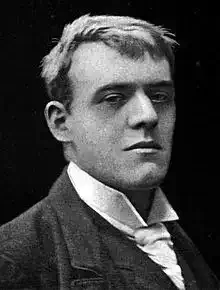
Hilaire Belloc
Juliet
Juliet
How did the party go in Portman Square?
I cannot tell you; Juliet was not there.
And how did Lady Gaster's party go?
Juliet was next me and I do not know.
How did the party go in Portman Square?
I cannot tell you; Juliet was not there.
And how did Lady Gaster's party go?
Juliet was next me and I do not know.
503
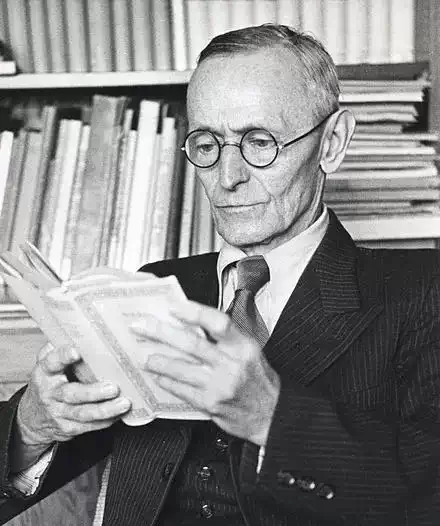
Hermann Hesse
Thinking Of A Friend At Night
Thinking Of A Friend At Night
In this evil year, autumn comes early...
I walk by night in the field, alone, the rain clatters,
The wind on my hat...And you? And you, my friend?
You are standing--maybe--and seeing the sickle moon
Move in a small arc over the forests
And bivouac fire, red in the black valley.
You are lying--maybe--in a straw field and sleeping
And dew falls cold on your forehead and battle jacket.
It's possible tonight you're on horseback,
The farthest outpost, peering along, with a gun in your fist,
Smiling, whispering, to your exhausted horse.
Maybe--I keep imagining--you are spending the night
As a guest in a strange castle with a park
And writing a letter by candlelight, and tapping
On the piano keys by the window,
Groping for a sound...
--And maybe
You are already silent, already dead, and the day
Will shine no longer into your beloved
Serious eyes, and your beloved brown hand hangs wilted,
And your white forehead split open--Oh, if only,
If only, just once, that last day, I had shown you, told you
Something of my love, that was too timid to speak!
But you know me, you know...and, smiling, you nod
Tonight in front of your strange castle,
And you nod to your horse in the drenched forest,
And you nod to your sleep to your harsh clutter of straw,
And think about me, and smile.
And maybe,
Maybe some day you will come back from the war,
and take a walk with me some evening,
And somebody will talk about Longwy, Luttich, Dammerkirch,
And smile gravely, and everything will be as before,
And no one will speak a word of his worry,
Of his worry and tenderness by night in the field,
Of his love. And with a single joke
You will frighten away the worry, the war, the uneasy nights,
The summer lightning of shy human friendship,
Into the cool past that will never come back.
Translated by James Wright
Submitted by Holt
In this evil year, autumn comes early...
I walk by night in the field, alone, the rain clatters,
The wind on my hat...And you? And you, my friend?
You are standing--maybe--and seeing the sickle moon
Move in a small arc over the forests
And bivouac fire, red in the black valley.
You are lying--maybe--in a straw field and sleeping
And dew falls cold on your forehead and battle jacket.
It's possible tonight you're on horseback,
The farthest outpost, peering along, with a gun in your fist,
Smiling, whispering, to your exhausted horse.
Maybe--I keep imagining--you are spending the night
As a guest in a strange castle with a park
And writing a letter by candlelight, and tapping
On the piano keys by the window,
Groping for a sound...
--And maybe
You are already silent, already dead, and the day
Will shine no longer into your beloved
Serious eyes, and your beloved brown hand hangs wilted,
And your white forehead split open--Oh, if only,
If only, just once, that last day, I had shown you, told you
Something of my love, that was too timid to speak!
But you know me, you know...and, smiling, you nod
Tonight in front of your strange castle,
And you nod to your horse in the drenched forest,
And you nod to your sleep to your harsh clutter of straw,
And think about me, and smile.
And maybe,
Maybe some day you will come back from the war,
and take a walk with me some evening,
And somebody will talk about Longwy, Luttich, Dammerkirch,
And smile gravely, and everything will be as before,
And no one will speak a word of his worry,
Of his worry and tenderness by night in the field,
Of his love. And with a single joke
You will frighten away the worry, the war, the uneasy nights,
The summer lightning of shy human friendship,
Into the cool past that will never come back.
Translated by James Wright
Submitted by Holt
578
Hermann Hesse
Across The Fields
Across The Fields
Across the sky, the clouds move,
Across the fields, the wind,
Across the fields the lost child
Of my mother wanders.
Across the street, leaves blow,
Across the trees, birds cry --
Across the mountains, far away,
My home must be.
Across the sky, the clouds move,
Across the fields, the wind,
Across the fields the lost child
Of my mother wanders.
Across the street, leaves blow,
Across the trees, birds cry --
Across the mountains, far away,
My home must be.
672
Hermann Hesse
How Heavy The Days
How Heavy The Days
How heavy the days are.
There's not a fire that can warm me,
Not a sun to laugh with me,
Everything bare,
Everything cold and merciless,
And even the beloved, clear
Stars look desolately down,
Since I learned in my heart that
Love can die.
Translated by James Wright
Submitted by Holt
How heavy the days are.
There's not a fire that can warm me,
Not a sun to laugh with me,
Everything bare,
Everything cold and merciless,
And even the beloved, clear
Stars look desolately down,
Since I learned in my heart that
Love can die.
Translated by James Wright
Submitted by Holt
570
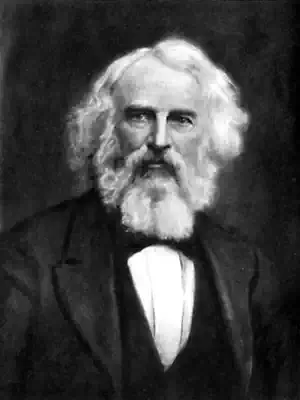
Henry Wadsworth Longfellow
Vittoria Colonna
Vittoria Colonna
Once more, once more, Inarimé,
I see thy purple hills!--once more
I hear the billows of the bay
Wash the white pebbles on thy shore.
High o'er the sea-surge and the sands,
Like a great galleon wrecked and cast
Ashore by storms, thy castle stands,
A mouldering landmark of the Past.
Upon its terrace-walk I see
A phantom gliding to and fro;
It is Colonna,--it is she
Who lived and loved so long ago.
Pescara's beautiful young wife,
The type of perfect womanhood,
Whose life was love, the life of life,
That time and change and death withstood.
For death, that breaks the marriage band
In others, only closer pressed
The wedding-ring upon her hand
And closer locked and barred her breast.
She knew the life-long martyrdom,
The weariness, the endless pain
Of waiting for some one to come
Who nevermore would come again.
The shadows of the chestnut trees,
The odor of the orange blooms,
The song of birds, and, more than these,
The silence of deserted rooms;
The respiration of the sea,
The soft caresses of the air,
All things in nature seemed to be
But ministers of her despair;
Till the o'erburdened heart, so long
Imprisoned in itself, found vent
And voice in one impassioned song
Of inconsolable lament.
Then as the sun, though hidden from sight,
Transmutes to gold the leaden mist,
Her life was interfused with light,
From realms that, though unseen, exist,
Inarimé! Inarimé!
Thy castle on the crags above
In dust shall crumble and decay,
But not the memory of her love.
Once more, once more, Inarimé,
I see thy purple hills!--once more
I hear the billows of the bay
Wash the white pebbles on thy shore.
High o'er the sea-surge and the sands,
Like a great galleon wrecked and cast
Ashore by storms, thy castle stands,
A mouldering landmark of the Past.
Upon its terrace-walk I see
A phantom gliding to and fro;
It is Colonna,--it is she
Who lived and loved so long ago.
Pescara's beautiful young wife,
The type of perfect womanhood,
Whose life was love, the life of life,
That time and change and death withstood.
For death, that breaks the marriage band
In others, only closer pressed
The wedding-ring upon her hand
And closer locked and barred her breast.
She knew the life-long martyrdom,
The weariness, the endless pain
Of waiting for some one to come
Who nevermore would come again.
The shadows of the chestnut trees,
The odor of the orange blooms,
The song of birds, and, more than these,
The silence of deserted rooms;
The respiration of the sea,
The soft caresses of the air,
All things in nature seemed to be
But ministers of her despair;
Till the o'erburdened heart, so long
Imprisoned in itself, found vent
And voice in one impassioned song
Of inconsolable lament.
Then as the sun, though hidden from sight,
Transmutes to gold the leaden mist,
Her life was interfused with light,
From realms that, though unseen, exist,
Inarimé! Inarimé!
Thy castle on the crags above
In dust shall crumble and decay,
But not the memory of her love.
361
Henry Wadsworth Longfellow
Ultima Thule: Elegiac
Ultima Thule: Elegiac
Dark is the morning with mist; in the narrow mouth of the harbor
Motionless lies the sea, under its curtain of cloud;
Dreamily glimmer the sails of ships on the distant horizon,
Like to the towers of a town, built on the verge of the sea.
Slowly and stately and still, they sail forth into the ocean;
With them sail my thoughts over the limitless deep,
Farther and farther away, borne on by unsatisfied longings,
Unto Hesperian isles, unto Ausonian shores.
Now they have vanished away, have disappeared in the ocean;
Sunk are the towers of the town into the depths of the sea!
All have vanished but those that, moored in the neighboring
roadstead,
Sailless at anchor ride, looming so large in the mist.
Vanished, too, are the thoughts, the dim, unsatisfied longings;
Sunk are the turrets of cloud into the ocean of dreams;
While in a haven of rest my heart is riding at anchor,
Held by the chains of love, held by the anchors of trust!
Dark is the morning with mist; in the narrow mouth of the harbor
Motionless lies the sea, under its curtain of cloud;
Dreamily glimmer the sails of ships on the distant horizon,
Like to the towers of a town, built on the verge of the sea.
Slowly and stately and still, they sail forth into the ocean;
With them sail my thoughts over the limitless deep,
Farther and farther away, borne on by unsatisfied longings,
Unto Hesperian isles, unto Ausonian shores.
Now they have vanished away, have disappeared in the ocean;
Sunk are the towers of the town into the depths of the sea!
All have vanished but those that, moored in the neighboring
roadstead,
Sailless at anchor ride, looming so large in the mist.
Vanished, too, are the thoughts, the dim, unsatisfied longings;
Sunk are the turrets of cloud into the ocean of dreams;
While in a haven of rest my heart is riding at anchor,
Held by the chains of love, held by the anchors of trust!
320
Henry Wadsworth Longfellow
To Vittoria Colonna. (Sonnet V.)
To Vittoria Colonna. (Sonnet V.)
Lady, how can it chance--yet this we see
In long experience--that will longer last
A living image carved from quarries vast
Than its own maker, who dies presently?
Cause yieldeth to effect if this so be,
And even Nature is by Art at surpassed;
This know I, who to Art have given the past,
But see that Time is breaking faith with me.
Perhaps on both of us long life can I
Either in color or in stone bestow,
By now portraying each in look and mien;
So that a thousand years after we die,
How fair thou wast, and I how full of woe,
And wherefore I so loved thee, may be seen.
Lady, how can it chance--yet this we see
In long experience--that will longer last
A living image carved from quarries vast
Than its own maker, who dies presently?
Cause yieldeth to effect if this so be,
And even Nature is by Art at surpassed;
This know I, who to Art have given the past,
But see that Time is breaking faith with me.
Perhaps on both of us long life can I
Either in color or in stone bestow,
By now portraying each in look and mien;
So that a thousand years after we die,
How fair thou wast, and I how full of woe,
And wherefore I so loved thee, may be seen.
352
Henry Wadsworth Longfellow
The Song Of Hiawatha XV: Hiawatha's Lamentation
The Song Of Hiawatha XV: Hiawatha's Lamentation
In those days the Evil Spirits,
All the Manitos of mischief,
Fearing Hiawatha's wisdom,
And his love for Chibiabos,
Jealous of their faithful friendship,
And their noble words and actions,
Made at length a league against them,
To molest them and destroy them.
Hiawatha, wise and wary,
Often said to Chibiabos,
'O my brother! do not leave me,
Lest the Evil Spirits harm you!'
Chibiabos, young and heedless,
Laughing shook his coal-black tresses,
Answered ever sweet and childlike,
'Do not fear for me, O brother!
Harm and evil come not near me!'
Once when Peboan, the Winter,
Roofed with ice the Big-Sea-Water,
When the snow-flakes, whirling downward,
Hissed among the withered oak-leaves,
Changed the pine-trees into wigwams,
Covered all the earth with silence,
Armed with arrows, shod with snow-shoes,
Heeding not his brother's warning,
Fearing not the Evil Spirits,
Forth to hunt the deer with antlers
All alone went Chibiabos.
Right across the Big-Sea-Water
Sprang with speed the deer before him.
With the wind and snow he followed,
O'er the treacherous ice he followed,
Wild with all the fierce commotion
And the rapture of the hunting.
But beneath, the Evil Spirits
Lay in ambush, waiting for him,
Broke the treacherous ice beneath him,
Dragged him downward to the bottom,
Buried in the sand his body.
Unktahee, the god of water,
He the god of the Dacotahs,
Drowned him in the deep abysses
Of the lake of Gitche Gumee.
From the headlands Hiawatha
Sent forth such a wail of anguish,
Such a fearful lamentation,
That the bison paused to listen,
And the wolves howled from the prairies,
And the thunder in the distance
Starting answered 'Baim-wawa!'
Then his face with black he painted,
With his robe his head he covered,
In his wigwam sat lamenting,
Seven long weeks he sat lamenting,
Uttering still this moan of sorrow:
'He is dead, the sweet musician!
He the sweetest of all singers!
He has gone from us forever,
He has moved a little nearer
To the Master of all music,
To the Master of all singing!
O my brother, Chibiabos!'
And the melancholy fir-trees
Waved their dark green fans above him,
Waved their purple cones above him,
Sighing with him to console him,
Mingling with his lamentation
Their complaining, their lamenting.
Came the Spring, and all the forest
Looked in vain for Chibiabos;
Sighed the rivulet, Sebowisha,
Sighed the rushes in the meadow.
From the tree-tops sang the bluebird,
Sang the bluebird, the Owaissa,
'Chibiabos! Chibiabos!
He is dead, the sweet musician!'
From the wigwam sang the robin,
Sang the robin, the Opechee,
'Chibiabos! Chibiabos!
He is dead, the sweetest singer!'
And at night through all the forest
Went the whippoorwill complaining,
Wailing went the Wawonaissa,
'Chibiabos! Chibiabos!
He is dead, the sweet musician!
He the sweetest of all singers!'
Then the Medicine-men, the Medas,
The magicians, the Wabenos,
And the Jossakeeds, the Prophets,
Came to visit Hiawatha;
Built a Sacred Lodge beside him,
To appease him, to console him,
Walked in silent, grave procession,
Bearing each a pouch of healing,
Skin of beaver, lynx, or otter,
Filled with magic roots and simples,
Filled with very potent medicines.
When he heard their steps approaching~,
Hiawatha ceased lamenting,
Called no more on Chibiabos;
Naught he questioned, naught he answered,
But his mournful head uncovered,
From his face the mourning colors
Washed he slowly and in silence,
Slowly and in silence followed
Onward to the Sacred Wigwam.
There a magic drink they gave him,
Made of Nahma-wusk, the spearmint,
And Wabeno-wusk, the yarrow,
Roots of power, and herbs of healing;
Beat their drums, and shook their rattles;
Chanted singly and in chorus,
Mystic songs like these, they chanted.
'I myself, myself! behold me!
`T Is the great Gray Eagle talking;
Come, ye white crows, come and hear him!
The loud-speaking thunder helps me;
All the unseen spirits help me;
I can hear their voices calling,
All around the sky I hear them!
I can blow you strong, my brother,
I can heal you, Hiawatha!'
'Hi-au-ha!' replied the chorus,
'Wayha-way!' the mystic chorus.
Friends of mine are all the serpents!
Hear me shake my skin of hen-hawk!
Mahng, the white loon, I can kill him;
I can shoot your heart and kill it!
I can blow you strong, my brother,
I can heal you, Hiawatha !'
'Hi-au-ha!' replied the chorus,
'Wayhaway!' the mystic chorus.
'I myself, myself! the prophet!
When I speak the wigwam trembles,
Shakes the Sacred Lodge with terror,
Hands unseen begin to shake it!
When I walk, the sky I tread on
Bends and makes a noise beneath me!
I can blow you strong, my brother!
Rise and speak, O Hiawatha!'
'Hi-au-ha!' replied the chorus,
'Way-ha-way!' the mystic chorus.
Then they shook their medicine-pouches
O'er the head of Hiawatha,
Danced their medicine-dance around him;
And upstarting wild and haggard,
Like a man from dreams awakened,
He was healed of all his madness.
As the clouds are swept from heaven,
Straightway from his brain departed
All his moody melancholy;
As the ice is swept from rivers,
Straightway from his heart departed
All his sorrow and affliction.
Then they summoned Chibiabos
From his grave beneath the waters,
From the sands of Gitche Gumee
Summoned Hiawatha's brother.
And so mighty was the magic
Of that cry and invocation,
That he heard it as he lay there
Underneath the Big-Sea-Water;
From the sand he rose and listened,
Heard the music and the singing,
Came, obedient to the summons,
To the doorway of the wigwam,
But to enter they forbade him.
Through a chink a coal they gave him,
Through the door a burning fire-brand;
Ruler in the Land of Spirits,
Ruler o'er the dead, they made him,
Telling him a fire to kindle
For all those that died thereafter,
Camp-fires for their night encampments
On their solitary journey
To the kingdom of Ponemah,
To the land of the Hereafter.
From the village of his childhood,
From the homes of those who knew him,
Passing silent through the forest,
Like a smoke-wreath wafted sideways,
Slowly vanished Chibiabos!
Where he passed, the branches moved not,
Where he trod, the grasses bent not,
And the fallen leaves of last year
Made no sound beneath his footstep.
Four whole days he journeyed onward
Down the pathway of the dead men;
On the dead-man's strawberry feasted,
Crossed the melancholy river,
On the swinging log he crossed it,
Came unto the Lake of Silver,
In the Stone Canoe was carried
To the Islands of the Blessed,
To the land of ghosts and shadows.
On that journey, moving slowly,
Many weary spirits saw he,
Panting under heavy burdens,
Laden with war-clubs, bows and arrows,
Robes of fur, and pots and kettles,
And with food that friends had given
For that solitary journey.
'Ay! why do the living,' said they,
'Lay such heavy burdens on us!
Better were it to go naked,
Better were it to go fasting,
Than to bear such heavy burdens
On our long and weary journey!'
Forth then issued Hiawatha,
Wandered eastward, wandered westward,
Teaching men the use of simples
And the antidotes for poisons,
And the cure of all diseases.
Thus was first made known to mortals
All the mystery of Medamin,
All the sacred art of healing.
In those days the Evil Spirits,
All the Manitos of mischief,
Fearing Hiawatha's wisdom,
And his love for Chibiabos,
Jealous of their faithful friendship,
And their noble words and actions,
Made at length a league against them,
To molest them and destroy them.
Hiawatha, wise and wary,
Often said to Chibiabos,
'O my brother! do not leave me,
Lest the Evil Spirits harm you!'
Chibiabos, young and heedless,
Laughing shook his coal-black tresses,
Answered ever sweet and childlike,
'Do not fear for me, O brother!
Harm and evil come not near me!'
Once when Peboan, the Winter,
Roofed with ice the Big-Sea-Water,
When the snow-flakes, whirling downward,
Hissed among the withered oak-leaves,
Changed the pine-trees into wigwams,
Covered all the earth with silence,
Armed with arrows, shod with snow-shoes,
Heeding not his brother's warning,
Fearing not the Evil Spirits,
Forth to hunt the deer with antlers
All alone went Chibiabos.
Right across the Big-Sea-Water
Sprang with speed the deer before him.
With the wind and snow he followed,
O'er the treacherous ice he followed,
Wild with all the fierce commotion
And the rapture of the hunting.
But beneath, the Evil Spirits
Lay in ambush, waiting for him,
Broke the treacherous ice beneath him,
Dragged him downward to the bottom,
Buried in the sand his body.
Unktahee, the god of water,
He the god of the Dacotahs,
Drowned him in the deep abysses
Of the lake of Gitche Gumee.
From the headlands Hiawatha
Sent forth such a wail of anguish,
Such a fearful lamentation,
That the bison paused to listen,
And the wolves howled from the prairies,
And the thunder in the distance
Starting answered 'Baim-wawa!'
Then his face with black he painted,
With his robe his head he covered,
In his wigwam sat lamenting,
Seven long weeks he sat lamenting,
Uttering still this moan of sorrow:
'He is dead, the sweet musician!
He the sweetest of all singers!
He has gone from us forever,
He has moved a little nearer
To the Master of all music,
To the Master of all singing!
O my brother, Chibiabos!'
And the melancholy fir-trees
Waved their dark green fans above him,
Waved their purple cones above him,
Sighing with him to console him,
Mingling with his lamentation
Their complaining, their lamenting.
Came the Spring, and all the forest
Looked in vain for Chibiabos;
Sighed the rivulet, Sebowisha,
Sighed the rushes in the meadow.
From the tree-tops sang the bluebird,
Sang the bluebird, the Owaissa,
'Chibiabos! Chibiabos!
He is dead, the sweet musician!'
From the wigwam sang the robin,
Sang the robin, the Opechee,
'Chibiabos! Chibiabos!
He is dead, the sweetest singer!'
And at night through all the forest
Went the whippoorwill complaining,
Wailing went the Wawonaissa,
'Chibiabos! Chibiabos!
He is dead, the sweet musician!
He the sweetest of all singers!'
Then the Medicine-men, the Medas,
The magicians, the Wabenos,
And the Jossakeeds, the Prophets,
Came to visit Hiawatha;
Built a Sacred Lodge beside him,
To appease him, to console him,
Walked in silent, grave procession,
Bearing each a pouch of healing,
Skin of beaver, lynx, or otter,
Filled with magic roots and simples,
Filled with very potent medicines.
When he heard their steps approaching~,
Hiawatha ceased lamenting,
Called no more on Chibiabos;
Naught he questioned, naught he answered,
But his mournful head uncovered,
From his face the mourning colors
Washed he slowly and in silence,
Slowly and in silence followed
Onward to the Sacred Wigwam.
There a magic drink they gave him,
Made of Nahma-wusk, the spearmint,
And Wabeno-wusk, the yarrow,
Roots of power, and herbs of healing;
Beat their drums, and shook their rattles;
Chanted singly and in chorus,
Mystic songs like these, they chanted.
'I myself, myself! behold me!
`T Is the great Gray Eagle talking;
Come, ye white crows, come and hear him!
The loud-speaking thunder helps me;
All the unseen spirits help me;
I can hear their voices calling,
All around the sky I hear them!
I can blow you strong, my brother,
I can heal you, Hiawatha!'
'Hi-au-ha!' replied the chorus,
'Wayha-way!' the mystic chorus.
Friends of mine are all the serpents!
Hear me shake my skin of hen-hawk!
Mahng, the white loon, I can kill him;
I can shoot your heart and kill it!
I can blow you strong, my brother,
I can heal you, Hiawatha !'
'Hi-au-ha!' replied the chorus,
'Wayhaway!' the mystic chorus.
'I myself, myself! the prophet!
When I speak the wigwam trembles,
Shakes the Sacred Lodge with terror,
Hands unseen begin to shake it!
When I walk, the sky I tread on
Bends and makes a noise beneath me!
I can blow you strong, my brother!
Rise and speak, O Hiawatha!'
'Hi-au-ha!' replied the chorus,
'Way-ha-way!' the mystic chorus.
Then they shook their medicine-pouches
O'er the head of Hiawatha,
Danced their medicine-dance around him;
And upstarting wild and haggard,
Like a man from dreams awakened,
He was healed of all his madness.
As the clouds are swept from heaven,
Straightway from his brain departed
All his moody melancholy;
As the ice is swept from rivers,
Straightway from his heart departed
All his sorrow and affliction.
Then they summoned Chibiabos
From his grave beneath the waters,
From the sands of Gitche Gumee
Summoned Hiawatha's brother.
And so mighty was the magic
Of that cry and invocation,
That he heard it as he lay there
Underneath the Big-Sea-Water;
From the sand he rose and listened,
Heard the music and the singing,
Came, obedient to the summons,
To the doorway of the wigwam,
But to enter they forbade him.
Through a chink a coal they gave him,
Through the door a burning fire-brand;
Ruler in the Land of Spirits,
Ruler o'er the dead, they made him,
Telling him a fire to kindle
For all those that died thereafter,
Camp-fires for their night encampments
On their solitary journey
To the kingdom of Ponemah,
To the land of the Hereafter.
From the village of his childhood,
From the homes of those who knew him,
Passing silent through the forest,
Like a smoke-wreath wafted sideways,
Slowly vanished Chibiabos!
Where he passed, the branches moved not,
Where he trod, the grasses bent not,
And the fallen leaves of last year
Made no sound beneath his footstep.
Four whole days he journeyed onward
Down the pathway of the dead men;
On the dead-man's strawberry feasted,
Crossed the melancholy river,
On the swinging log he crossed it,
Came unto the Lake of Silver,
In the Stone Canoe was carried
To the Islands of the Blessed,
To the land of ghosts and shadows.
On that journey, moving slowly,
Many weary spirits saw he,
Panting under heavy burdens,
Laden with war-clubs, bows and arrows,
Robes of fur, and pots and kettles,
And with food that friends had given
For that solitary journey.
'Ay! why do the living,' said they,
'Lay such heavy burdens on us!
Better were it to go naked,
Better were it to go fasting,
Than to bear such heavy burdens
On our long and weary journey!'
Forth then issued Hiawatha,
Wandered eastward, wandered westward,
Teaching men the use of simples
And the antidotes for poisons,
And the cure of all diseases.
Thus was first made known to mortals
All the mystery of Medamin,
All the sacred art of healing.
357
Henry Wadsworth Longfellow
The Slave's Dream
The Slave's Dream
Beside the ungathered rice he lay,
His sickle in his hand;
His breast was bare, his matted hair
Was buried in the sand.
Again, in the mist and shadow of sleep,
He saw his Native Land.
Wide through the landscape of his dreams
The lordly Niger flowed;
Beneath the palm-trees on the plain
Once more a king he strode;
And heard the tinkling caravans
Descend the mountain-road.
He saw once more his dark-eyed queen
Among her children stand;
They clasped his neck, they kissed his cheeks,
They held him by the hand!--
A tear burst from the sleeper's lids
And fell into the sand.
And then at furious speed he rode
Along the Niger's bank;
His bridle-reins were golden chains,
And, with a martial clank,
At each leap he could feel his scabbard of steel
Smiting his stallion's flank.
Before him, like a blood-red flag,
The bright flamingoes flew;
>From morn till night he followed their flight,
O'er plains where the tamarind grew,
Till he saw the roofs of Caffre huts,
And the ocean rose to view.
At night he heard the lion roar,
And the hyena scream,
And the river-horse, as he crushed the reeds
Beside some hidden stream;
And it passed, like a glorious roll of drums,
Through the triumph of his dream.
The forests, with their myriad tongues,
Shouted of liberty;
And the Blast of the Desert cried aloud,
With a voice so wild and free,
That he started in his sleep and smiled
At their tempestuous glee.
He did not feel the driver's whip,
Nor the burning heat of day;
For Death had illumined the Land of Sleep,
And his lifeless body lay
A worn-out fetter, that the soul
Had broken and thrown away!
Beside the ungathered rice he lay,
His sickle in his hand;
His breast was bare, his matted hair
Was buried in the sand.
Again, in the mist and shadow of sleep,
He saw his Native Land.
Wide through the landscape of his dreams
The lordly Niger flowed;
Beneath the palm-trees on the plain
Once more a king he strode;
And heard the tinkling caravans
Descend the mountain-road.
He saw once more his dark-eyed queen
Among her children stand;
They clasped his neck, they kissed his cheeks,
They held him by the hand!--
A tear burst from the sleeper's lids
And fell into the sand.
And then at furious speed he rode
Along the Niger's bank;
His bridle-reins were golden chains,
And, with a martial clank,
At each leap he could feel his scabbard of steel
Smiting his stallion's flank.
Before him, like a blood-red flag,
The bright flamingoes flew;
>From morn till night he followed their flight,
O'er plains where the tamarind grew,
Till he saw the roofs of Caffre huts,
And the ocean rose to view.
At night he heard the lion roar,
And the hyena scream,
And the river-horse, as he crushed the reeds
Beside some hidden stream;
And it passed, like a glorious roll of drums,
Through the triumph of his dream.
The forests, with their myriad tongues,
Shouted of liberty;
And the Blast of the Desert cried aloud,
With a voice so wild and free,
That he started in his sleep and smiled
At their tempestuous glee.
He did not feel the driver's whip,
Nor the burning heat of day;
For Death had illumined the Land of Sleep,
And his lifeless body lay
A worn-out fetter, that the soul
Had broken and thrown away!
285
Henry Wadsworth Longfellow
The Native Land. (From The Spanish Of Francisco De Aldana)
The Native Land. (From The Spanish Of Francisco De Aldana)
Clear fount of light! my native land on high,
Bright with a glory that shall never fade!
Mansion of truth! without a veil or shade,
Thy holy quiet meets the spirit's eye.
There dwells the soul in its ethereal essence,
Gasping no longer for life's feeble breath;
But, sentinelled in heaven, its glorious presence
With pitying eye beholds, yet fears not, death.
Beloved country! banished from thy shore,
A stranger in this prison-house of clay,
The exiled spirit weeps and sighs for thee!
Heavenward the bright perfections I adore
Direct, and the sure promise cheers the way,
That, whither love aspires, there shall my dwelling be.
Clear fount of light! my native land on high,
Bright with a glory that shall never fade!
Mansion of truth! without a veil or shade,
Thy holy quiet meets the spirit's eye.
There dwells the soul in its ethereal essence,
Gasping no longer for life's feeble breath;
But, sentinelled in heaven, its glorious presence
With pitying eye beholds, yet fears not, death.
Beloved country! banished from thy shore,
A stranger in this prison-house of clay,
The exiled spirit weeps and sighs for thee!
Heavenward the bright perfections I adore
Direct, and the sure promise cheers the way,
That, whither love aspires, there shall my dwelling be.
358
Henry Wadsworth Longfellow
The Good Shepherd (From The Spanish Of Lope De Vega)
The Good Shepherd (From The Spanish Of Lope De Vega)
Shepherd! who with thine amorous sylvan songs
Hast broken the slumber that encompassed me,
Who mad'st thy crook from the accursed tree,
On which thy powerful arms were stretched so long!
Lead me to mercy's ever-flowing fountains;
For thou my shepherd, guard, and guide shalt be ;
I will obey thy voice, and wait to see
Thy feet all beautiful upon the mountains.
Hear, Shepherd! thou who for thy flock art dying,
Oh, wash away these scarlet sins, for thou
Rejoicest at the contrite sinner's vow.
Oh, wait! to thee my weary soul is crying,
Wait for me! Yet why ask it, when I see,
With feet nailed to the cross, thou'rt waiting still for me?
Shepherd! who with thine amorous sylvan songs
Hast broken the slumber that encompassed me,
Who mad'st thy crook from the accursed tree,
On which thy powerful arms were stretched so long!
Lead me to mercy's ever-flowing fountains;
For thou my shepherd, guard, and guide shalt be ;
I will obey thy voice, and wait to see
Thy feet all beautiful upon the mountains.
Hear, Shepherd! thou who for thy flock art dying,
Oh, wash away these scarlet sins, for thou
Rejoicest at the contrite sinner's vow.
Oh, wait! to thee my weary soul is crying,
Wait for me! Yet why ask it, when I see,
With feet nailed to the cross, thou'rt waiting still for me?
225
Henry Wadsworth Longfellow
The Fiftieth Birthday Of Agassiz. (Birds Of Passage. Flight The First)
The Fiftieth Birthday Of Agassiz. (Birds Of Passage. Flight The First)
It was fifty years ago
In the pleasant month of May,
In the beautiful Pays de Vaud,
A child in its cradle lay.
And Nature, the old nurse, took
The child upon her knee,
Saying: 'Here is a story-book
Thy Father has written for thee.'
'Come, wander with me,' she said,
'Into regions yet untrod;
And read what is still unread
In the manuscripts of God.'
And he wandered away and away
With Nature, the dear old nurse,
Who sang to him night and day
The rhymes of the universe.
And whenever the way seemed long,
Or his heart began to fail,
She would sing a more wonderful song,
Or tell a more marvellous tale.
So she keeps him still a child,
And will not let him go,
Though at times his heart beats wild
For the beautiful Pays de Vaud;
Though at times he hears in his dreams
The Ranz des Vaches of old,
And the rush of mountain streams
From glaciers clear and cold;
And the mother at home says, 'Hark!
For his voice I listen and yearn;
It is growing late and dark,
And my boy does not return!'
It was fifty years ago
In the pleasant month of May,
In the beautiful Pays de Vaud,
A child in its cradle lay.
And Nature, the old nurse, took
The child upon her knee,
Saying: 'Here is a story-book
Thy Father has written for thee.'
'Come, wander with me,' she said,
'Into regions yet untrod;
And read what is still unread
In the manuscripts of God.'
And he wandered away and away
With Nature, the dear old nurse,
Who sang to him night and day
The rhymes of the universe.
And whenever the way seemed long,
Or his heart began to fail,
She would sing a more wonderful song,
Or tell a more marvellous tale.
So she keeps him still a child,
And will not let him go,
Though at times his heart beats wild
For the beautiful Pays de Vaud;
Though at times he hears in his dreams
The Ranz des Vaches of old,
And the rush of mountain streams
From glaciers clear and cold;
And the mother at home says, 'Hark!
For his voice I listen and yearn;
It is growing late and dark,
And my boy does not return!'
312
Henry Wadsworth Longfellow
The Evening Star
The Evening Star
Lo! in the paintedoriel of the West,
Whose panes the sunken sun incarnadines,
Like a fair lady at her casement, shines
The evening star, the star of love and rest!
And then anon she doth herself divest
Of all her radiant garments, and reclines
Behind the sombre screen of yonder pines,
With slumber and soft dreams of love oppressed.
O my beloved, my sweet Hesperus!
My morning and my evening star of love!
My best and gentlest lady! even thus,
As that fair planet in the sky above,
Dost thou retire unto thy rest at night,
And from thy darkened window fades the light.
Lo! in the paintedoriel of the West,
Whose panes the sunken sun incarnadines,
Like a fair lady at her casement, shines
The evening star, the star of love and rest!
And then anon she doth herself divest
Of all her radiant garments, and reclines
Behind the sombre screen of yonder pines,
With slumber and soft dreams of love oppressed.
O my beloved, my sweet Hesperus!
My morning and my evening star of love!
My best and gentlest lady! even thus,
As that fair planet in the sky above,
Dost thou retire unto thy rest at night,
And from thy darkened window fades the light.
423
Henry Wadsworth Longfellow
Tales Of A Wayside Inn : Part 3. Finale
Tales Of A Wayside Inn : Part 3. Finale
These are the tales those merry guests
Told to each other, well or ill;
Like summer birds that lift their crests
Above the borders of their nests
And twitter, and again are still.
These are the tales, or new or old,
In idle moments idly told;
Flowers of the field with petals thin,
Lilies that neither toil nor spin,
And tufts of wayside weeds and gorse
Hung in the parlor of the inn
Beneath the sign of the Red Horse.
And still, reluctant to retire,
The friends sat talking by the fire
And watched the smouldering embers burn
To ashes, and flash up again
Into a momentary glow,
Lingering like them when forced to go,
And going when they would remain;
For on the morrow they must turn
Their faces homeward, and the pain
Of parting touched with its unrest
A tender nerve in every breast.
But sleep at last the victory won;
They must be stirring with the sun,
And drowsily good night they said,
And went still gossiping to bed,
And left the parlor wrapped in gloom,
The only live thing in the room
Was the old clock, that in its pace
Kept time with the revolving spheres
And constellations in their flight,
And struck with its uplifted mace
The dark, unconscious hours of night,
To senseless and unlistening ears.
Uprose the sun; and every guest,
Uprisen, was soon equipped and dressed
For journeying home and city-ward;
The old stage-coach was at the door,
With horses harnessed, long before
The sunshine reached the withered sward
Beneath the oaks, whose branches hoar
Murmured: ?Farewell forevermore.?
?Farewell!? the portly Landlord cried;
?Farewell!? the parting guests replied,
But little thought that nevermore
Their feet would pass that thershold o?er;
That nevermore together there
Would they assemble, free from care,
To hear the oaks? mysterious roar,
And breathe the wholesome country air.
Where are they now? What lands and skies
Paint pictures in their friendly eyes?
What hope deludes, what promise cheers,
What pleasant voices fill their ears?
Two are beyond the salt sea waves,
And three already in their graves.
Perchance the living still may look
Into the pages of this book,
And see the days of long ago
Floating and fleeting to and fro,
As in the well-remembered brook
They saw the inverted landscape gleam,
And their own faces like a dream
Look up upon them from below.
These are the tales those merry guests
Told to each other, well or ill;
Like summer birds that lift their crests
Above the borders of their nests
And twitter, and again are still.
These are the tales, or new or old,
In idle moments idly told;
Flowers of the field with petals thin,
Lilies that neither toil nor spin,
And tufts of wayside weeds and gorse
Hung in the parlor of the inn
Beneath the sign of the Red Horse.
And still, reluctant to retire,
The friends sat talking by the fire
And watched the smouldering embers burn
To ashes, and flash up again
Into a momentary glow,
Lingering like them when forced to go,
And going when they would remain;
For on the morrow they must turn
Their faces homeward, and the pain
Of parting touched with its unrest
A tender nerve in every breast.
But sleep at last the victory won;
They must be stirring with the sun,
And drowsily good night they said,
And went still gossiping to bed,
And left the parlor wrapped in gloom,
The only live thing in the room
Was the old clock, that in its pace
Kept time with the revolving spheres
And constellations in their flight,
And struck with its uplifted mace
The dark, unconscious hours of night,
To senseless and unlistening ears.
Uprose the sun; and every guest,
Uprisen, was soon equipped and dressed
For journeying home and city-ward;
The old stage-coach was at the door,
With horses harnessed, long before
The sunshine reached the withered sward
Beneath the oaks, whose branches hoar
Murmured: ?Farewell forevermore.?
?Farewell!? the portly Landlord cried;
?Farewell!? the parting guests replied,
But little thought that nevermore
Their feet would pass that thershold o?er;
That nevermore together there
Would they assemble, free from care,
To hear the oaks? mysterious roar,
And breathe the wholesome country air.
Where are they now? What lands and skies
Paint pictures in their friendly eyes?
What hope deludes, what promise cheers,
What pleasant voices fill their ears?
Two are beyond the salt sea waves,
And three already in their graves.
Perchance the living still may look
Into the pages of this book,
And see the days of long ago
Floating and fleeting to and fro,
As in the well-remembered brook
They saw the inverted landscape gleam,
And their own faces like a dream
Look up upon them from below.
283
Henry Wadsworth Longfellow
Tales Of A Wayside Inn : Part 2. The Student's Second Tale; The Baron of St.
Tales Of A Wayside Inn : Part 2. The Student's Second Tale; The Baron of St.
Castine
Baron Castine of St. Castine
Has left his château in the Pyrenees,
And sailed across the western seas.
When he went away from his fair demesne
The birds were building, the woods were green;
And now the winds of winter blow
Round the turrets of the old château,
The birds are silent and unseen,
The leaves lie dead in the ravine,
And the Pyrenees are white with snow.
His father, lonely, old, and gray,
Sits by the fireside day by day,
Thinking ever one thought of care;
Through the southern windows, narrow and tall,
The sun shines into the ancient hall,
And makes a glory round his hair.
The house-dog, stretched beneath his chair,
Groans in his sleep as if in pain,
Then wakes, and yawns, and sleeps again,
So silent is it everywhere,--
So silent you can hear the mouse
Run and rummage along the beams
Behind the wainscot of the wall;
And the old man rouses from his dreams,
And wanders restless through the house,
As if he heard strange voices call.
His footsteps echo along the floor
Of a distant passage, and pause awhile;
He is standing by an open door
Looking long, with a sad, sweet smile,
Into the room of his absent son.
There is the bed on which he lay,
There are the pictures bright and gay,
Horses and hounds and sun-lit seas;
There are his powder-flask and gun,
And his hunting-knives in shape of a fan;
The chair by the window where he sat,
With the clouded tiger-skin for a mat,
Looking out on the Pyrenees,
Looking out on Mount Marboré
And the Seven Valleys of Lavedan.
Ah me! he turns away and sighs;
There is a mist before his eyes.
At night whatever the weather be,
Wind or rain or starry heaven,
Just as the clock is striking seven,
Those who look from the windows see
The village Curate, with lantern and maid,
Come through the gateway from the park
And cross the courtyard damp and dark,--
A ring of light in a ring of shade.
And now at the old man's side he stands,
His voice is cheery, his heart expands,
He gossips pleasantly, by the blaze
Of the fire of fagots, about old days,
And Cardinal Mazarin and the Fronde,
And the Cardinal's nieces fair and fond,
And what they did, and what they said,
When they heard his Eminence was dead.
And after a pause the old man says,
His mind still coming back again
To the one sad thought that haunts his brain,
'Are there any tidings from over sea?
Ah, why has that wild boy gone from me?'
And the Curate answers, looking down,
Harmless and docile as a lamb,
'Young blood! young blood! It must so be!'
And draws from the pocket of his gown
A handkerchief like an oriflamb,
And wipes his spectacles, and they play
Their little game of lansquenet
In silence for an hour or so,
Till the clock at nine strikes loud and clear
From the village lying asleep below,
And across the courtyard, into the dark
Of the winding pathway in the park,
Curate and lantern disappear,
And darkness reigns in the old château .
The ship has come back from over sea,
She has been signalled from below,
And into the harbor of Bordeaux
She sails with her gallant company.
But among them is nowhere seen
The brave young Baron of St. Castine;
He hath tarried behind, I ween,
In the beautiful land of Acadie!
And the father paces to and fro
Through the chambers of the old château ,
Waiting, waiting to hear the hum
Of wheels on the road that runs below,
Of servants hurrying here and there,
The voice in the courtyard, the step on the stair,
Waiting for some one who doth not come!
But letters there are, which the old man reads
To the Curate, when he comes at night
Word by word, as an acolyte
Repeats his prayers and tells his beads;
Letters full of the rolling sea,
Full of a young man's joy to be
Abroad in the world, alone and free;
Full of adventures and wonderful scenes
Of hunting the deer through forests vast
In the royal grant of Pierre du Gast;
Of nights in the tents of the Tarratines;
Of Madocawando the Indian chief,
And his daughters, glorious as queens,
And beautiful beyond belief;
And so soft the tones of their native tongue,
The words are not spoken, they are sung!
And the Curate listens, and smiling says:
'Ah yes, dear friend! in our young days
We should have liked to hunt the deer
All day amid those forest scenes,
And to sleep in the tents of the Tarratines;
But now it is better sitting here
Within four walls, and without the fear
Of losing our hearts to Indian queens;
For man is fire and woman is tow,
And the Somebody comes and begins to blow.'
Then a gleam of distrust and vague surmise
Shines in the father's gentle eyes,
As fire-light on a window-pane
Glimmers and vanishes again;
But naught he answers; he only sighs,
And for a moment bows his head;
Then, as their custom is, they play
Their little game of lansquenet,
And another day is with the dead.
Another day, and many a day
And many a week and month depart,
When a fatal letter wings its way
Across the sea, like a bird of prey,
And strikes and tears the old man's heart.
Lo! the young Baron of St. Castine,
Swift as the wind is, and as wild,
Has married a dusky Tarratine,
Has married Madocawando's child!
The letter drops from the father's hand;
Though the sinews of his heart are wrung,
He utters no cry, he breathes no prayer,
No malediction falls from his tongue;
But his stately figure, erect and grand,
Bends and sinks like a column of sand
In the whirlwind of his great despair.
Dying, yes, dying! His latest breath
Of parley at the door of death
Is a blessing on his wayward son.
Lower and lower on his breast
Sinks his gray head; he is at rest;
No longer he waits for any one.
For many a year the old château
Lies tenantless and desolate;
Rank grasses in the courtyard grow,
About its gables caws the crow;
Only the porter at the gate
Is left to guard it, and to wait
The coming of the rightful heir;
No other life or sound is there;
No more the Curate comes at night,
No more is seen the unsteady light,
Threading the alleys of the park;
The windows of the hall are dark,
The chambers dreary, cold, and bare!
At length, at last, when the winter is past,
And birds are building, and woods are green,
With flying skirts is the Curate seen
Speeding along the woodland way,
Humming gayly, 'No day is so long
But it comes at last to vesper-song.'
He stops at the porter's lodge to say
That at last the Baron of St. Castine
Is coming home with his Indian queen,
Is coming without a week's delay;
And all the house must be swept and clean,
And all things set in good array!
And the solemn porter shakes his head;
And the answer he makes is: 'Lackaday!
We will see, as the blind man said!'
Alert since first the day began,
The cock upon the village church
Looks northward from his airy perch,
As if beyond the ken of man
To see the ships come sailing on,
And pass the isle of Oléron,
And pass the Tower of Cordouan.
In the church below is cold in clay
The heart that would have leaped for joy?
O tender heart of truth and trust!?
To see the coming of that day;
In the church below the lips are dust;
Dust are the hands, and dust the feet,
That would have been so swift to meet
The coming of that wayward boy.
At night the front of the old château
Is a blaze of light above and below;
There's a sound of wheels and hoofs in the street,
A cracking of whips, and scamper of feet,
Bells are ringing, and horns are blown,
And the Baron hath come again to his own.
The Curate is waiting in the hall,
Most eager and alive of all
To welcome the Baron and Baroness;
But his mind is full of vague distress,
For he hath read in Jesuit books
Of those children of the wilderness,
And now, good, simple man! he looks
To see a painted savage stride
Into the room, with shoulders bare,
And eagle feathers in her hair,
And around her a robe of panther's hide.
Instead, he beholds with secret shame
A form of beauty undefined,
A loveliness with out a name,
Not of degree, but more of kind;
Nor bold nor shy, nor short nor tall,
But a new mingling of them all.
Yes, beautiful beyond belief,
Transfigured and transfused, he sees
The lady of the Pyrenees,
The daughter of the Indian chief.
Beneath the shadow of her hair
The gold-bronze color of the skin
Seems lighted by a fire within,
As when a burst of sunlight shines
Beneath a sombre grove of pines,--
A dusky splendor in the air.
The two small hands, that now are pressed
In his, seem made to be caressed,
They lie so warm and soft and still,
Like birds half hidden in a nest,
Trustful, and innocent of ill.
And ah! he cannot believe his ears
When her melodious voice he hears
Speaking his native Gascon tongue;
The words she utters seem to be
Part of some poem of Goudouli,
They are not spoken, they are sung!
And the Baron smiles, and says, 'You see,
I told you but the simple truth;
Ah, you may trust the eyes of youth!'
Down in the village day by day
The people gossip in their way,
And stared to see the Baroness pass
On Sunday morning to early Mass;
And when she kneeleth down to pray,
They wonder, and whisper together, and say,
'Surely this is no heathen lass!'
And in course of time they learn to bless
The Baron and the Baroness.
And in course of time the Curate learns
A secret so dreadful, that by turns
He is ice and fire, he freezes and burns.
The Baron at confession hath said,
That though this woman be his wife,
He hath wed her as the Indians wed,
He hath bought her for a gun and a knife!
And the Curate replies: 'O profligate,
O Prodigal Son! return once more
To the open arms and the open door
Of the Church, or ever it be too late.
Thank God, thy father did not live
To see what he could not forgive;
On thee, so reckless and perverse,
He left his blessing, not his curse.
But the nearer the dawn the darker the night,
And by going wrong all things come right;
Things have been mended that were worse,
And the worse, the nearer they are to mend.
For the sake of the living and the dead,
Thou shalt be wed as Christians wed,
And all things come to a happy end.'
O sun, that followest the night,
In yon blue sky, serene and pure,
And pourest thine impartial light
Alike on mountain and on moor,
Pause for a moment in thy course,
And bless the bridegroom and the bride!
O Gave, that from thy hidden source
In yon mysterious mountain-side
Pursuest thy wandering way alone,
And leaping down its steps of stone,
Along the meadow-lands demure
Stealest away to the Adour,
Pause for a moment in thy course
To bless the bridegroom and the bride!
The choir is singing the matin song,
The doors of the church are opened wide,
The people crowd, and press, and throng
To see the bridegroom and the bride.
They enter and pass along the nave;
They stand upon the father's grave;
The bells are ringing soft and slow;
The living above and the dead below
Give their blessing on one and twain;
The warm wind blows from the hills of Spain,
The birds are building, the leaves are green,
And Baron Castine of St. Castine
Hath come at last to his own again.
Castine
Baron Castine of St. Castine
Has left his château in the Pyrenees,
And sailed across the western seas.
When he went away from his fair demesne
The birds were building, the woods were green;
And now the winds of winter blow
Round the turrets of the old château,
The birds are silent and unseen,
The leaves lie dead in the ravine,
And the Pyrenees are white with snow.
His father, lonely, old, and gray,
Sits by the fireside day by day,
Thinking ever one thought of care;
Through the southern windows, narrow and tall,
The sun shines into the ancient hall,
And makes a glory round his hair.
The house-dog, stretched beneath his chair,
Groans in his sleep as if in pain,
Then wakes, and yawns, and sleeps again,
So silent is it everywhere,--
So silent you can hear the mouse
Run and rummage along the beams
Behind the wainscot of the wall;
And the old man rouses from his dreams,
And wanders restless through the house,
As if he heard strange voices call.
His footsteps echo along the floor
Of a distant passage, and pause awhile;
He is standing by an open door
Looking long, with a sad, sweet smile,
Into the room of his absent son.
There is the bed on which he lay,
There are the pictures bright and gay,
Horses and hounds and sun-lit seas;
There are his powder-flask and gun,
And his hunting-knives in shape of a fan;
The chair by the window where he sat,
With the clouded tiger-skin for a mat,
Looking out on the Pyrenees,
Looking out on Mount Marboré
And the Seven Valleys of Lavedan.
Ah me! he turns away and sighs;
There is a mist before his eyes.
At night whatever the weather be,
Wind or rain or starry heaven,
Just as the clock is striking seven,
Those who look from the windows see
The village Curate, with lantern and maid,
Come through the gateway from the park
And cross the courtyard damp and dark,--
A ring of light in a ring of shade.
And now at the old man's side he stands,
His voice is cheery, his heart expands,
He gossips pleasantly, by the blaze
Of the fire of fagots, about old days,
And Cardinal Mazarin and the Fronde,
And the Cardinal's nieces fair and fond,
And what they did, and what they said,
When they heard his Eminence was dead.
And after a pause the old man says,
His mind still coming back again
To the one sad thought that haunts his brain,
'Are there any tidings from over sea?
Ah, why has that wild boy gone from me?'
And the Curate answers, looking down,
Harmless and docile as a lamb,
'Young blood! young blood! It must so be!'
And draws from the pocket of his gown
A handkerchief like an oriflamb,
And wipes his spectacles, and they play
Their little game of lansquenet
In silence for an hour or so,
Till the clock at nine strikes loud and clear
From the village lying asleep below,
And across the courtyard, into the dark
Of the winding pathway in the park,
Curate and lantern disappear,
And darkness reigns in the old château .
The ship has come back from over sea,
She has been signalled from below,
And into the harbor of Bordeaux
She sails with her gallant company.
But among them is nowhere seen
The brave young Baron of St. Castine;
He hath tarried behind, I ween,
In the beautiful land of Acadie!
And the father paces to and fro
Through the chambers of the old château ,
Waiting, waiting to hear the hum
Of wheels on the road that runs below,
Of servants hurrying here and there,
The voice in the courtyard, the step on the stair,
Waiting for some one who doth not come!
But letters there are, which the old man reads
To the Curate, when he comes at night
Word by word, as an acolyte
Repeats his prayers and tells his beads;
Letters full of the rolling sea,
Full of a young man's joy to be
Abroad in the world, alone and free;
Full of adventures and wonderful scenes
Of hunting the deer through forests vast
In the royal grant of Pierre du Gast;
Of nights in the tents of the Tarratines;
Of Madocawando the Indian chief,
And his daughters, glorious as queens,
And beautiful beyond belief;
And so soft the tones of their native tongue,
The words are not spoken, they are sung!
And the Curate listens, and smiling says:
'Ah yes, dear friend! in our young days
We should have liked to hunt the deer
All day amid those forest scenes,
And to sleep in the tents of the Tarratines;
But now it is better sitting here
Within four walls, and without the fear
Of losing our hearts to Indian queens;
For man is fire and woman is tow,
And the Somebody comes and begins to blow.'
Then a gleam of distrust and vague surmise
Shines in the father's gentle eyes,
As fire-light on a window-pane
Glimmers and vanishes again;
But naught he answers; he only sighs,
And for a moment bows his head;
Then, as their custom is, they play
Their little game of lansquenet,
And another day is with the dead.
Another day, and many a day
And many a week and month depart,
When a fatal letter wings its way
Across the sea, like a bird of prey,
And strikes and tears the old man's heart.
Lo! the young Baron of St. Castine,
Swift as the wind is, and as wild,
Has married a dusky Tarratine,
Has married Madocawando's child!
The letter drops from the father's hand;
Though the sinews of his heart are wrung,
He utters no cry, he breathes no prayer,
No malediction falls from his tongue;
But his stately figure, erect and grand,
Bends and sinks like a column of sand
In the whirlwind of his great despair.
Dying, yes, dying! His latest breath
Of parley at the door of death
Is a blessing on his wayward son.
Lower and lower on his breast
Sinks his gray head; he is at rest;
No longer he waits for any one.
For many a year the old château
Lies tenantless and desolate;
Rank grasses in the courtyard grow,
About its gables caws the crow;
Only the porter at the gate
Is left to guard it, and to wait
The coming of the rightful heir;
No other life or sound is there;
No more the Curate comes at night,
No more is seen the unsteady light,
Threading the alleys of the park;
The windows of the hall are dark,
The chambers dreary, cold, and bare!
At length, at last, when the winter is past,
And birds are building, and woods are green,
With flying skirts is the Curate seen
Speeding along the woodland way,
Humming gayly, 'No day is so long
But it comes at last to vesper-song.'
He stops at the porter's lodge to say
That at last the Baron of St. Castine
Is coming home with his Indian queen,
Is coming without a week's delay;
And all the house must be swept and clean,
And all things set in good array!
And the solemn porter shakes his head;
And the answer he makes is: 'Lackaday!
We will see, as the blind man said!'
Alert since first the day began,
The cock upon the village church
Looks northward from his airy perch,
As if beyond the ken of man
To see the ships come sailing on,
And pass the isle of Oléron,
And pass the Tower of Cordouan.
In the church below is cold in clay
The heart that would have leaped for joy?
O tender heart of truth and trust!?
To see the coming of that day;
In the church below the lips are dust;
Dust are the hands, and dust the feet,
That would have been so swift to meet
The coming of that wayward boy.
At night the front of the old château
Is a blaze of light above and below;
There's a sound of wheels and hoofs in the street,
A cracking of whips, and scamper of feet,
Bells are ringing, and horns are blown,
And the Baron hath come again to his own.
The Curate is waiting in the hall,
Most eager and alive of all
To welcome the Baron and Baroness;
But his mind is full of vague distress,
For he hath read in Jesuit books
Of those children of the wilderness,
And now, good, simple man! he looks
To see a painted savage stride
Into the room, with shoulders bare,
And eagle feathers in her hair,
And around her a robe of panther's hide.
Instead, he beholds with secret shame
A form of beauty undefined,
A loveliness with out a name,
Not of degree, but more of kind;
Nor bold nor shy, nor short nor tall,
But a new mingling of them all.
Yes, beautiful beyond belief,
Transfigured and transfused, he sees
The lady of the Pyrenees,
The daughter of the Indian chief.
Beneath the shadow of her hair
The gold-bronze color of the skin
Seems lighted by a fire within,
As when a burst of sunlight shines
Beneath a sombre grove of pines,--
A dusky splendor in the air.
The two small hands, that now are pressed
In his, seem made to be caressed,
They lie so warm and soft and still,
Like birds half hidden in a nest,
Trustful, and innocent of ill.
And ah! he cannot believe his ears
When her melodious voice he hears
Speaking his native Gascon tongue;
The words she utters seem to be
Part of some poem of Goudouli,
They are not spoken, they are sung!
And the Baron smiles, and says, 'You see,
I told you but the simple truth;
Ah, you may trust the eyes of youth!'
Down in the village day by day
The people gossip in their way,
And stared to see the Baroness pass
On Sunday morning to early Mass;
And when she kneeleth down to pray,
They wonder, and whisper together, and say,
'Surely this is no heathen lass!'
And in course of time they learn to bless
The Baron and the Baroness.
And in course of time the Curate learns
A secret so dreadful, that by turns
He is ice and fire, he freezes and burns.
The Baron at confession hath said,
That though this woman be his wife,
He hath wed her as the Indians wed,
He hath bought her for a gun and a knife!
And the Curate replies: 'O profligate,
O Prodigal Son! return once more
To the open arms and the open door
Of the Church, or ever it be too late.
Thank God, thy father did not live
To see what he could not forgive;
On thee, so reckless and perverse,
He left his blessing, not his curse.
But the nearer the dawn the darker the night,
And by going wrong all things come right;
Things have been mended that were worse,
And the worse, the nearer they are to mend.
For the sake of the living and the dead,
Thou shalt be wed as Christians wed,
And all things come to a happy end.'
O sun, that followest the night,
In yon blue sky, serene and pure,
And pourest thine impartial light
Alike on mountain and on moor,
Pause for a moment in thy course,
And bless the bridegroom and the bride!
O Gave, that from thy hidden source
In yon mysterious mountain-side
Pursuest thy wandering way alone,
And leaping down its steps of stone,
Along the meadow-lands demure
Stealest away to the Adour,
Pause for a moment in thy course
To bless the bridegroom and the bride!
The choir is singing the matin song,
The doors of the church are opened wide,
The people crowd, and press, and throng
To see the bridegroom and the bride.
They enter and pass along the nave;
They stand upon the father's grave;
The bells are ringing soft and slow;
The living above and the dead below
Give their blessing on one and twain;
The warm wind blows from the hills of Spain,
The birds are building, the leaves are green,
And Baron Castine of St. Castine
Hath come at last to his own again.
351
Henry Wadsworth Longfellow
Tales Of A Wayside Inn : Part 1. The Student's Tale; The Falcon of Ser
Tales Of A Wayside Inn : Part 1. The Student's Tale; The Falcon of Ser
Federigo
One summer morning, when the sun was hot,
Weary with labor in his garden-plot,
On a rude bench beneath his cottage eaves,
Ser Federigo sat among the leaves
Of a huge vine, that, with its arms outspread,
Hung its delicious clusters overhead.
Below him, through the lovely valley flowed
The river Arno, like a winding road,
And from its banks were lifted high in air
The spires and roofs of Florence called the Fair;
To him a marble tomb, that rose above
His wasted fortunes and his buried love.
For there, in banquet and in tournament,
His wealth had lavished been, his substance spent,
To woo and lose, since ill his wooing sped,
Monna Giovanna, who his rival wed,
Yet ever in his fancy reigned supreme,
The ideal woman of a young man's dream.
Then he withdrew, in poverty and pain,
To this small farm, the last of his domain,
His only comfort and his only care
To prune his vines, and plant the fig and pear;
His only forester and only guest
His falcon, faithful to him, when the rest,
Whose willing hands had found so light of yore
The brazen knocker of his palace door,
Had now no strength to lift the wooden latch,
That entrance gave beneath a roof of thatch.
Companion of his solitary ways,
Purveyor of his feasts on holidays,
On him this melancholy man bestowed
The love with which his nature overflowed.
And so the empty-handed years went round,
Vacant, though voiceful with prophetic sound,
And so, that summer morn, he sat and mused
With folded, patient hands, as he was used,
And dreamily before his half-closed sight
Floated the vision of his lost delight.
Beside him, motionless, the drowsy bird
Dreamed of the chase, and in his slumber heard
The sudden, scythe-like sweep of wings, that dare
The headlong plunge through eddying gulfs of air,
Then, starting broad awake upon his perch,
Tinkled his bells, like mass-bells in a church,
And, looking at his master, seemed to say,
'Ser Federigo, shall we hunt to-day?'
Ser Federigo thought not of the chase;
The tender vision of her lovely face,
I will not say he seems to see, he sees
In the leaf-shadows of the trellises,
Herself, yet not herself; a lovely child
With flowing tresses, and eyes wide and wild,
Coming undaunted up the garden walk,
And looking not at him, but at the hawk.
'Beautiful falcon!' said he, 'would that I
Might hold thee on my wrist, or see thee fly!'
The voice was hers, and made strange echoes start
Through all the haunted chambers of his heart,
As an aeolian harp through gusty doors
Of some old ruin its wild music pours.
'Who is thy mother, my fair boy?' he said,
His hand laid softly on that shining head.
'Monna Giovanna. Will you let me stay
A little while, and with your falcon play?
We live there, just beyond your garden wall,
In the great house behind the poplars tall.'
So he spake on; and Federigo heard
As from afar each softly uttered word,
And drifted onward through the golden gleams
And shadows of the misty sea of dreams,
As mariners becalmed through vapors drift,
And feel the sea beneath them sink and lift,
And hear far off the mournful breakers roar,
And voices calling faintly from the shore!
Then, waking from his pleasant reveries
He took the little boy upon his knees,
And told him stories of his gallant bird,
Till in their friendship he became a third.
Monna Giovanna, widowed in her prime,
Had come with friends to pass the summer time
In her grand villa, half-way up the hill,
O'erlooking Florence, but retired and still;
With iron gates, that opened through long lines
Of sacred ilex and centennial pines,
And terraced gardens, and broad steps of stone,
And sylvan deities, with moss o'ergrown,
And fountains palpitating in the heat,
And all Val d'Arno stretched beneath its feet.
Here in seclusion, as a widow may,
The lovely lady whiled the hours away,
Pacing in sable robes the statued hall,
Herself the stateliest statue among all,
And seeing more and more, with secret joy,
Her husband risen and living in her boy,
Till the lost sense of life returned again,
Not as delight, but as relief from pain.
Meanwhile the boy, rejoicing in his strength,
Stormed down the terraces from length to length;
The screaming peacock chased in hot pursuit,
And climbed the garden trellises for fruit.
But his chief pastime was to watch the flight
Of a gerfalcon, soaring into sight,
Beyond the trees that fringed the garden wall,
Then downward stooping at some distant call;
And as he gazed full often wondered he
Who might the master of the falcon be,
Until that happy morning, when he found
Master and falcon in the cottage ground.
And now a shadow and a terror fell
On the great house, as if a passing-bell
Tolled from the tower, and filled each spacious room
With secret awe, and preternatural gloom;
The petted boy grew ill, and day by day
Pined with mysterious malady away.
The mother's heart would not be comforted;
Her darling seemed to her already dead,
And often, sitting by the sufferer's side,
'What can I do to comfort thee?' she cried.
At first the silent lips made no reply,
But moved at length by her importunate cry,
'Give me,' he answered, with imploring tone,
'Ser Federigo's falcon for my own!'
No answer could the astonished mother make;
How could she ask, e'en for her darling's sake,
Such favor at a luckless lover's hand,
Well knowing that to ask was to command?
Well knowing, what all falconers confessed,
In all the land that falcon was the best,
The master's pride and passion and delight,
And the sole pursuivant of this poor knight.
But yet, for her child's sake, she could no less
Than give assent to soothe his restlessness,
So promised, and then promising to keep
Her promise sacred, saw him fall asleep.
The morrow was a bright September morn;
The earth was beautiful as if new-born;
There was that nameless splendor everywhere,
That wild exhilaration in the air,
Which makes the passers in the city street
Congratulate each other as they meet.
Two lovely ladies, clothed in cloak and hood,
Passed through the garden gate into the wood,
Under the lustrous leaves, and through the sheen
Of dewy sunshine showering down between.
The one, close-hooded, had the attractive grace
Which sorrow sometimes lends a woman's face;
Her dark eyes moistened with the mists that roll
From the gulf-stream of passion in the soul;
The other with her hood thrown back, her hair
Making a golden glory in the air,
Her cheeks suffused with an auroral blush,
Her young heart singing louder than the thrush.
So walked, that morn, through mingled light and shade,
Each by the other's presence lovelier made,
Monna Giovanna and her bosom friend,
Intent upon their errand and its end.
They found Ser Federigo at his toil,
Like banished Adam, delving in the soil;
And when he looked and these fair women spied,
The garden suddenly was glorified;
His long-lost Eden was restored again,
And the strange river winding through the plain
No longer was the Arno to his eyes,
But the Euphrates watering Paradise!
Monna Giovanna raised her stately head,
And with fair words of salutation said:
'Ser Federigo, we come here as friends,
Hoping in this to make some poor amends
For past unkindness. I who ne'er before
Would even cross the threshold of your door,
I who in happier days such pride maintained,
Refused your banquets, and your gifts disdained,
This morning come, a self-invited guest,
To put your generous nature to the test,
And breakfast with you under your own vine.'
To which he answered: 'Poor desert of mine,
Not your unkindness call it, for if aught
Is good in me of feeling or of thought,
From you it comes, and this last grace outweighs
All sorrows, all regrets of other days.'
And after further compliment and talk,
Among the asters in the garden walk
He left his guests; and to his cottage turned,
And as he entered for a moment yearned
For the lost splendors of the days of old,
The ruby glass, the silver and the gold,
And felt how piercing is the sting of pride,
By want embittered and intensified.
He looked about him for some means or way
To keep this unexpected holiday;
Searched every cupboard, and then searched again,
Summoned the maid, who came, but came in vain;
'The Signor did not hunt to-day,' she said,
'There's nothing in the house but wine and bread.'
Then suddenly the drowsy falcon shook
His little bells, with that sagacious look,
Which said, as plain as language to the ear,
'If anything is wanting, I am here!'
Yes, everything is wanting, gallant bird!
The master seized thee without further word.
Like thine own lure, he whirled thee round; ah me!
The pomp and flutter of brave falconry,
The bells, the jesses, the bright scarlet hood,
The flight and the pursuit o'er field and wood,
All these forevermore are ended now;
No longer victor, but the victim thou!
Then on the board a snow-white cloth he spread,
Laid on its wooden dish the loaf of bread,
Brought purple grapes with autumn sunshine hot,
The fragrant peach, the juicy bergamot;
Then in the midst a flask of wine he placed,
And with autumnal flowers the banquet graced.
Ser Federigo, would not these suffice
Without thy falcon stuffed with cloves and spice?
When all was ready, and the courtly dame
With her companion to the cottage came,
Upon Ser Federigo's brain there fell
The wild enchantment of a magic spell!
The room they entered, mean and low and small,
Was changed into a sumptuous banquet-hall,
With fanfares by aerial trumpets blown;
The rustic chair she sat on was a throne;
He ate celestial food, and a divine
Flavor was given to his country wine,
And the poor falcon, fragrant with his spice,
A peacock was, or bird of paradise!
When the repast was ended, they arose
And passed again into the garden-close.
Then said the lady, 'Far too well I know,
Remembering still the days of long ago,
Though you betray it not with what surprise
You see me here in this familiar wise.
You have no children, and you cannot guess
What anguish, what unspeakable distress
A mother feels, whose child is lying ill,
Nor how her heart anticipates his will.
And yet for this, you see me lay aside
All womanly reserve and check of pride,
And ask the thing most precious in your sight,
Your falcon, your sole comfort and delight,
Which if you find it in your heart to give,
My poor, unhappy boy perchance may live.'
Ser Federigo listens, and replies,
With tears of love and pity in his eyes:
'Alas, dear lady! there can be no task
So sweet to me, as giving when you ask.
One little hour ago, if I had known
This wish of yours, it would have been my own.
But thinking in what manner I could best
Do honor to the presence of my guest,
I deemed that nothing worthier could be
Than what most dear and precious was to me,
And so my gallant falcon breathed his last
To furnish forth this morning our repast.'
In mute contrition, mingled with dismay,
The gentle lady turned her eyes away,
Grieving that he such sacrifice should make,
And kill his falcon for a woman's sake,
Yet feeling in her heart a woman's pride,
That nothing she could ask for was denied;
Then took her leave, and passed out at the gate
With footstep slow and soul disconsolate.
Three days went by, and lo! a passing-bell
Tolled from the little chapel in the dell;
Ten strokes Ser Federigo heard, and said,
Breathing a prayer, 'Alas! her child is dead!'
Three months went by; and lo! a merrier chime
Rang from the chapel bells at Christmas-time;
The cottage was deserted, and no more
Ser Federigo sat beside its door,
But now, with servitors to do his will,
In the grand villa, half-way up the hill,
Sat at the Christmas feast, and at his side
Monna Giovanna, his beloved bride,
Never so beautiful, so kind, so fair,
Enthroned once more in the old rustic chair,
High-perched upon the back of which there stood
The image of a falcon carved in wood,
And underneath the inscription, with date,
'All things come round to him who will but wait.'
Federigo
One summer morning, when the sun was hot,
Weary with labor in his garden-plot,
On a rude bench beneath his cottage eaves,
Ser Federigo sat among the leaves
Of a huge vine, that, with its arms outspread,
Hung its delicious clusters overhead.
Below him, through the lovely valley flowed
The river Arno, like a winding road,
And from its banks were lifted high in air
The spires and roofs of Florence called the Fair;
To him a marble tomb, that rose above
His wasted fortunes and his buried love.
For there, in banquet and in tournament,
His wealth had lavished been, his substance spent,
To woo and lose, since ill his wooing sped,
Monna Giovanna, who his rival wed,
Yet ever in his fancy reigned supreme,
The ideal woman of a young man's dream.
Then he withdrew, in poverty and pain,
To this small farm, the last of his domain,
His only comfort and his only care
To prune his vines, and plant the fig and pear;
His only forester and only guest
His falcon, faithful to him, when the rest,
Whose willing hands had found so light of yore
The brazen knocker of his palace door,
Had now no strength to lift the wooden latch,
That entrance gave beneath a roof of thatch.
Companion of his solitary ways,
Purveyor of his feasts on holidays,
On him this melancholy man bestowed
The love with which his nature overflowed.
And so the empty-handed years went round,
Vacant, though voiceful with prophetic sound,
And so, that summer morn, he sat and mused
With folded, patient hands, as he was used,
And dreamily before his half-closed sight
Floated the vision of his lost delight.
Beside him, motionless, the drowsy bird
Dreamed of the chase, and in his slumber heard
The sudden, scythe-like sweep of wings, that dare
The headlong plunge through eddying gulfs of air,
Then, starting broad awake upon his perch,
Tinkled his bells, like mass-bells in a church,
And, looking at his master, seemed to say,
'Ser Federigo, shall we hunt to-day?'
Ser Federigo thought not of the chase;
The tender vision of her lovely face,
I will not say he seems to see, he sees
In the leaf-shadows of the trellises,
Herself, yet not herself; a lovely child
With flowing tresses, and eyes wide and wild,
Coming undaunted up the garden walk,
And looking not at him, but at the hawk.
'Beautiful falcon!' said he, 'would that I
Might hold thee on my wrist, or see thee fly!'
The voice was hers, and made strange echoes start
Through all the haunted chambers of his heart,
As an aeolian harp through gusty doors
Of some old ruin its wild music pours.
'Who is thy mother, my fair boy?' he said,
His hand laid softly on that shining head.
'Monna Giovanna. Will you let me stay
A little while, and with your falcon play?
We live there, just beyond your garden wall,
In the great house behind the poplars tall.'
So he spake on; and Federigo heard
As from afar each softly uttered word,
And drifted onward through the golden gleams
And shadows of the misty sea of dreams,
As mariners becalmed through vapors drift,
And feel the sea beneath them sink and lift,
And hear far off the mournful breakers roar,
And voices calling faintly from the shore!
Then, waking from his pleasant reveries
He took the little boy upon his knees,
And told him stories of his gallant bird,
Till in their friendship he became a third.
Monna Giovanna, widowed in her prime,
Had come with friends to pass the summer time
In her grand villa, half-way up the hill,
O'erlooking Florence, but retired and still;
With iron gates, that opened through long lines
Of sacred ilex and centennial pines,
And terraced gardens, and broad steps of stone,
And sylvan deities, with moss o'ergrown,
And fountains palpitating in the heat,
And all Val d'Arno stretched beneath its feet.
Here in seclusion, as a widow may,
The lovely lady whiled the hours away,
Pacing in sable robes the statued hall,
Herself the stateliest statue among all,
And seeing more and more, with secret joy,
Her husband risen and living in her boy,
Till the lost sense of life returned again,
Not as delight, but as relief from pain.
Meanwhile the boy, rejoicing in his strength,
Stormed down the terraces from length to length;
The screaming peacock chased in hot pursuit,
And climbed the garden trellises for fruit.
But his chief pastime was to watch the flight
Of a gerfalcon, soaring into sight,
Beyond the trees that fringed the garden wall,
Then downward stooping at some distant call;
And as he gazed full often wondered he
Who might the master of the falcon be,
Until that happy morning, when he found
Master and falcon in the cottage ground.
And now a shadow and a terror fell
On the great house, as if a passing-bell
Tolled from the tower, and filled each spacious room
With secret awe, and preternatural gloom;
The petted boy grew ill, and day by day
Pined with mysterious malady away.
The mother's heart would not be comforted;
Her darling seemed to her already dead,
And often, sitting by the sufferer's side,
'What can I do to comfort thee?' she cried.
At first the silent lips made no reply,
But moved at length by her importunate cry,
'Give me,' he answered, with imploring tone,
'Ser Federigo's falcon for my own!'
No answer could the astonished mother make;
How could she ask, e'en for her darling's sake,
Such favor at a luckless lover's hand,
Well knowing that to ask was to command?
Well knowing, what all falconers confessed,
In all the land that falcon was the best,
The master's pride and passion and delight,
And the sole pursuivant of this poor knight.
But yet, for her child's sake, she could no less
Than give assent to soothe his restlessness,
So promised, and then promising to keep
Her promise sacred, saw him fall asleep.
The morrow was a bright September morn;
The earth was beautiful as if new-born;
There was that nameless splendor everywhere,
That wild exhilaration in the air,
Which makes the passers in the city street
Congratulate each other as they meet.
Two lovely ladies, clothed in cloak and hood,
Passed through the garden gate into the wood,
Under the lustrous leaves, and through the sheen
Of dewy sunshine showering down between.
The one, close-hooded, had the attractive grace
Which sorrow sometimes lends a woman's face;
Her dark eyes moistened with the mists that roll
From the gulf-stream of passion in the soul;
The other with her hood thrown back, her hair
Making a golden glory in the air,
Her cheeks suffused with an auroral blush,
Her young heart singing louder than the thrush.
So walked, that morn, through mingled light and shade,
Each by the other's presence lovelier made,
Monna Giovanna and her bosom friend,
Intent upon their errand and its end.
They found Ser Federigo at his toil,
Like banished Adam, delving in the soil;
And when he looked and these fair women spied,
The garden suddenly was glorified;
His long-lost Eden was restored again,
And the strange river winding through the plain
No longer was the Arno to his eyes,
But the Euphrates watering Paradise!
Monna Giovanna raised her stately head,
And with fair words of salutation said:
'Ser Federigo, we come here as friends,
Hoping in this to make some poor amends
For past unkindness. I who ne'er before
Would even cross the threshold of your door,
I who in happier days such pride maintained,
Refused your banquets, and your gifts disdained,
This morning come, a self-invited guest,
To put your generous nature to the test,
And breakfast with you under your own vine.'
To which he answered: 'Poor desert of mine,
Not your unkindness call it, for if aught
Is good in me of feeling or of thought,
From you it comes, and this last grace outweighs
All sorrows, all regrets of other days.'
And after further compliment and talk,
Among the asters in the garden walk
He left his guests; and to his cottage turned,
And as he entered for a moment yearned
For the lost splendors of the days of old,
The ruby glass, the silver and the gold,
And felt how piercing is the sting of pride,
By want embittered and intensified.
He looked about him for some means or way
To keep this unexpected holiday;
Searched every cupboard, and then searched again,
Summoned the maid, who came, but came in vain;
'The Signor did not hunt to-day,' she said,
'There's nothing in the house but wine and bread.'
Then suddenly the drowsy falcon shook
His little bells, with that sagacious look,
Which said, as plain as language to the ear,
'If anything is wanting, I am here!'
Yes, everything is wanting, gallant bird!
The master seized thee without further word.
Like thine own lure, he whirled thee round; ah me!
The pomp and flutter of brave falconry,
The bells, the jesses, the bright scarlet hood,
The flight and the pursuit o'er field and wood,
All these forevermore are ended now;
No longer victor, but the victim thou!
Then on the board a snow-white cloth he spread,
Laid on its wooden dish the loaf of bread,
Brought purple grapes with autumn sunshine hot,
The fragrant peach, the juicy bergamot;
Then in the midst a flask of wine he placed,
And with autumnal flowers the banquet graced.
Ser Federigo, would not these suffice
Without thy falcon stuffed with cloves and spice?
When all was ready, and the courtly dame
With her companion to the cottage came,
Upon Ser Federigo's brain there fell
The wild enchantment of a magic spell!
The room they entered, mean and low and small,
Was changed into a sumptuous banquet-hall,
With fanfares by aerial trumpets blown;
The rustic chair she sat on was a throne;
He ate celestial food, and a divine
Flavor was given to his country wine,
And the poor falcon, fragrant with his spice,
A peacock was, or bird of paradise!
When the repast was ended, they arose
And passed again into the garden-close.
Then said the lady, 'Far too well I know,
Remembering still the days of long ago,
Though you betray it not with what surprise
You see me here in this familiar wise.
You have no children, and you cannot guess
What anguish, what unspeakable distress
A mother feels, whose child is lying ill,
Nor how her heart anticipates his will.
And yet for this, you see me lay aside
All womanly reserve and check of pride,
And ask the thing most precious in your sight,
Your falcon, your sole comfort and delight,
Which if you find it in your heart to give,
My poor, unhappy boy perchance may live.'
Ser Federigo listens, and replies,
With tears of love and pity in his eyes:
'Alas, dear lady! there can be no task
So sweet to me, as giving when you ask.
One little hour ago, if I had known
This wish of yours, it would have been my own.
But thinking in what manner I could best
Do honor to the presence of my guest,
I deemed that nothing worthier could be
Than what most dear and precious was to me,
And so my gallant falcon breathed his last
To furnish forth this morning our repast.'
In mute contrition, mingled with dismay,
The gentle lady turned her eyes away,
Grieving that he such sacrifice should make,
And kill his falcon for a woman's sake,
Yet feeling in her heart a woman's pride,
That nothing she could ask for was denied;
Then took her leave, and passed out at the gate
With footstep slow and soul disconsolate.
Three days went by, and lo! a passing-bell
Tolled from the little chapel in the dell;
Ten strokes Ser Federigo heard, and said,
Breathing a prayer, 'Alas! her child is dead!'
Three months went by; and lo! a merrier chime
Rang from the chapel bells at Christmas-time;
The cottage was deserted, and no more
Ser Federigo sat beside its door,
But now, with servitors to do his will,
In the grand villa, half-way up the hill,
Sat at the Christmas feast, and at his side
Monna Giovanna, his beloved bride,
Never so beautiful, so kind, so fair,
Enthroned once more in the old rustic chair,
High-perched upon the back of which there stood
The image of a falcon carved in wood,
And underneath the inscription, with date,
'All things come round to him who will but wait.'
270
Henry Wadsworth Longfellow
Song Of The Silent Land. (From The German Of Salis)
Song Of The Silent Land. (From The German Of Salis)
Into the Silent Land!
Ah! who shall lead us thither?
Clouds in the evening sky more darkly gather,
And shattered wrecks lie thicker on the strand.
Who leads us with a gentle hand
Thither, O thither,
Into the Silent Land?
Into the Silent Land!
To you, ye boundless regions
Of all perfection! Tender morning-visions
Of beauteous souls! The Future's pledge and band!
Who in Life's battle firm doth stand,
Shall bear Hope's tender blossoms
Into the Silent Land!
O Land! O Land!
For all the broken-hearted
The mildest herald by our faith allotted,
Beckons, and with inverted torch doth stand
To lead us with a gentle hand
Into the land of the great Departed,
Into the Silent Land!
Into the Silent Land!
Ah! who shall lead us thither?
Clouds in the evening sky more darkly gather,
And shattered wrecks lie thicker on the strand.
Who leads us with a gentle hand
Thither, O thither,
Into the Silent Land?
Into the Silent Land!
To you, ye boundless regions
Of all perfection! Tender morning-visions
Of beauteous souls! The Future's pledge and band!
Who in Life's battle firm doth stand,
Shall bear Hope's tender blossoms
Into the Silent Land!
O Land! O Land!
For all the broken-hearted
The mildest herald by our faith allotted,
Beckons, and with inverted torch doth stand
To lead us with a gentle hand
Into the land of the great Departed,
Into the Silent Land!
313
Henry Wadsworth Longfellow
Rondel. (From Froissart)
Rondel. (From Froissart)
Love, love, what wilt thou with this heart of mine?
Naught see I fixed or sure in thee!
I do not know thee,--nor what deeds are thine:
Love, love, what wilt thou with this heart of mine?
Naught see I fixed or sure in thee!
Shall I be mute, or vows with prayers combine?
Ye who are blessed in loving, tell it me:
Love, love, what wilt thou with this heart of mine?
Naught see I permanent or sure in thee!
Love, love, what wilt thou with this heart of mine?
Naught see I fixed or sure in thee!
I do not know thee,--nor what deeds are thine:
Love, love, what wilt thou with this heart of mine?
Naught see I fixed or sure in thee!
Shall I be mute, or vows with prayers combine?
Ye who are blessed in loving, tell it me:
Love, love, what wilt thou with this heart of mine?
Naught see I permanent or sure in thee!
325
Henry Wadsworth Longfellow
Ovid In Exile, At Tomis, In Bessarabia, Near The Mouths Of The Danube
Ovid In Exile, At Tomis, In Bessarabia, Near The Mouths Of The Danube
(Tristia, Book III. Elegy X.)
Should any one there in Rome remember Ovid the exile,
And, without me, my name still in the city survive;
Tell him that under stars which never set in the ocean
I am existing still, here in a barbarous land.
Fierce Sarmatians encompass me round, and the Bessi and Getae;
Names how unworthy to be sung by a genius like mine!
Yet when the air is warm, intervening Ister defends us:
He, as he flows, repels inroads of war with his waves.
But when the dismal winter reveals its hideous aspect,
When all the earth becomes white with a marble-like frost;
And when Boreas is loosed, and the snow hurled under Arcturus,
Then these nations, in sooth, shudder and shiver with cold.
Deep lies the snow, and neither the sun nor the rain can dissolve
it;
Boreas hardens it still, makes it forever remain.
Hence, ere the first ha-s melted away, another succeeds it,
And two years it is wont, in many places, to lie.
And so great is the power of the Northwind awakened, it levels
Lofty towers with the ground, roofs uplifted bears off.
Wrapped in skins, and with trousers sewed, they contend with the
weather,
And their faces alone of the whole body are seen.
Often their tresses, when shaken, with pendent icicles tinkle,
And their whitened beards shine with the gathering frost.
Wines consolidate stand, preserving the form of the vessels;
No more draughts of wine,--pieces presented they drink.
Why should I tell you how all the rivers are frozen and solid,
And from out of the lake frangible water is dug?
Ister,--no narrower stream than the river that bears the
papyrus,--
Which through its many mouths mingles its waves with the deep;
Ister, with hardening winds, congeals its cerulean waters,
Under a roof of ice, winding its way to the sea.
There where ships have sailed, men go on foot; and the billows,
Solid made by the frost, hoof-beats of horses indent.
Over unwonted bridges, with water gliding beneath them,
The Sarmatian steers drag their barbarian carts.
Scarcely shall I be believed; yet when naught is gained by a
falsehood,
Absolute credence then should to a witness be given.
I have beheld the vast Black Sea of ice all compacted,
And a slippery crust pressing its motionless tides.
'Tis not enough to have seen, I have trodden this indurate
ocean;
Dry shod passed my foot over its uppermost wave.
If thou hadst had of old such a sea as this is, Leander!
Then thy death had not been charged as a crime to the Strait.
Nor can the curved dolphins uplift themselves from the water;
All their struggles to rise merciless winter prevents;
And though Boreas sound with roar of wings in commotion,
In the blockaded gulf never a wave will there be;
And the ships will stand hemmed in by the frost, as in marble,
Nor will the oar have power through the stiff waters to cleave.
Fast-bound in the ice have I seen the fishes adhering,
Yet notwithstanding this some of them still were alive.
Hence, if the savage strength of omnipotent Boreas freezes
Whether the salt-sea wave, whether the refluent stream,-
Straightway,--the Ister made level by arid blasts of the North-wind,--
Comes the barbaric foe borne on his swift-footed steed;
Foe, that powerful made by his steed and his far-flying arrows,
All the neighboring land void of inhabitants makes.
Some take flight, and none being left to defend their possessions,
Unprotected, their goods pillage and plunder become;
Cattle and creaking carts, the little wealth of the country,
And what riches beside indigent peasants possess.
Some as captives are driven along, their hands bound behind them,
Looking backward in vain toward their Lares and lands.
Others, transfixed with barbed arrows, in agony perish,
For the swift arrow-heads all have in poison been dipped.
What they cannot carry or lead away they demolish,
And the hostile flames burn up the innocent cots.
Even when there is peace, the fear of war is impending;
None, with the ploughshare pressed, furrows the soil any more.
Either this region sees, or fears a foe that it sees not,
And the sluggish land slumbers in utter neglect.
No sweet grape lies hidden here in the shade of its vine-leaves,
No fermenting must fills and o'erflows the deep vats.
Apples the region denies; nor would Acontius have found here
Aught upon which to write words for his mistress to read.
Naked and barren plains without leaves or trees we behold here,--
Places, alas! unto which no happy man would repair.
Since then this mighty orb lies open so wide upon all sides,
Has this region been found only my prison to be?
(Tristia, Book III. Elegy XII.)
Now the zephyrs diminish the cold, and the year being ended,
Winter Maeotian seems longer than ever before;
And the Ram that bore unsafely the burden of Helle,
Now makes the hours of the day equal with those of the night.
Now the boys and the laughing girls the violet gather,
Which the fields bring forth, nobody sowing the seed.
Now the meadows are blooming with flowers of various colors,
And with untaught throats carol the garrulous birds.
Now the swallow, to shun the crime of her merciless mother,
Under the rafters builds cradles and dear little homes;
And the blade that lay hid, covered up in the furrows of Ceres,
Now from the tepid ground raises its delicate head.
Where there is ever a vine, the bud shoots forth from the tendrils,
But from the Getic shore distant afar is the vine!
Where there is ever a tree, on the tree the branches are swelling,
But from the Getic land distant afar is the tree!
Now it is holiday there in Rome, and to games in due order
Give place the windy wars of the vociferous bar.
Now they are riding the horses; with light arms now they are playing,
Now with the ball, and now round rolls the swift-flying hoop:
Now, when the young athlete with flowing oil is anointed,
He in the Virgin's Fount bathes, over-wearied, his limbs.
Thrives the stage; and applause, with voices at variance, thunders,
And the Theatres three for the three Forums resound.
Four times happy is he, and times without number is happy,
Who the city of Rome, uninterdicted, enjoys.
But all I see is the snow in the vernal sunshine dissolving,
And the waters no more delved from the indurate lake.
Nor is the sea now frozen, nor as before o'er the Ister
Comes the Sarmatian boor driving his stridulous cart.
Hitherward, nevertheless, some keels already are steering,
And on this Pontic shore alien vessels will be.
Eagerly shall I run to the sailor, and, having saluted,
Who he may be, I shall ask; wherefore and whence he hath come.
Strange indeed will it be, if he come not from regions adjacent,
And incautious unless ploughing the neighboring sea.
Rarely a mariner over the deep from Italy passes,
Rarely he comes to these shores, wholly of harbors devoid.
Whether he knoweth Greek, or whether in Latin he speaketh,
Surely on this account he the more welcome will be.
Also perchance from the mouth of the Strait and the waters Propontic,
Unto the steady South-wind, some one is spreading his sails.
Whosoever he is, the news he can faithfully tell me,
Which may become a part and an approach to the truth.
He, I pray, may he able to tell me the triumphs of Caesar,
Which he has heard of, and vows paid to the Latian Jove;
And that thy sorrowful head, Germania, thou, the rebellious,
Under the feet, at last, of the Great Captain hast laid.
Whoso shall tell me these things, that not to have seen will afflict me,
Forthwith unto my house welcomed as guest shall he be.
Woe is me! Is the house of Ovid in Scythian lands now?
And doth punishment now give me its place for a home?
Grant, ye gods, that Caesar make this not my house and my homestead,
But decree it to be only the inn of my pain.
(Tristia, Book III. Elegy X.)
Should any one there in Rome remember Ovid the exile,
And, without me, my name still in the city survive;
Tell him that under stars which never set in the ocean
I am existing still, here in a barbarous land.
Fierce Sarmatians encompass me round, and the Bessi and Getae;
Names how unworthy to be sung by a genius like mine!
Yet when the air is warm, intervening Ister defends us:
He, as he flows, repels inroads of war with his waves.
But when the dismal winter reveals its hideous aspect,
When all the earth becomes white with a marble-like frost;
And when Boreas is loosed, and the snow hurled under Arcturus,
Then these nations, in sooth, shudder and shiver with cold.
Deep lies the snow, and neither the sun nor the rain can dissolve
it;
Boreas hardens it still, makes it forever remain.
Hence, ere the first ha-s melted away, another succeeds it,
And two years it is wont, in many places, to lie.
And so great is the power of the Northwind awakened, it levels
Lofty towers with the ground, roofs uplifted bears off.
Wrapped in skins, and with trousers sewed, they contend with the
weather,
And their faces alone of the whole body are seen.
Often their tresses, when shaken, with pendent icicles tinkle,
And their whitened beards shine with the gathering frost.
Wines consolidate stand, preserving the form of the vessels;
No more draughts of wine,--pieces presented they drink.
Why should I tell you how all the rivers are frozen and solid,
And from out of the lake frangible water is dug?
Ister,--no narrower stream than the river that bears the
papyrus,--
Which through its many mouths mingles its waves with the deep;
Ister, with hardening winds, congeals its cerulean waters,
Under a roof of ice, winding its way to the sea.
There where ships have sailed, men go on foot; and the billows,
Solid made by the frost, hoof-beats of horses indent.
Over unwonted bridges, with water gliding beneath them,
The Sarmatian steers drag their barbarian carts.
Scarcely shall I be believed; yet when naught is gained by a
falsehood,
Absolute credence then should to a witness be given.
I have beheld the vast Black Sea of ice all compacted,
And a slippery crust pressing its motionless tides.
'Tis not enough to have seen, I have trodden this indurate
ocean;
Dry shod passed my foot over its uppermost wave.
If thou hadst had of old such a sea as this is, Leander!
Then thy death had not been charged as a crime to the Strait.
Nor can the curved dolphins uplift themselves from the water;
All their struggles to rise merciless winter prevents;
And though Boreas sound with roar of wings in commotion,
In the blockaded gulf never a wave will there be;
And the ships will stand hemmed in by the frost, as in marble,
Nor will the oar have power through the stiff waters to cleave.
Fast-bound in the ice have I seen the fishes adhering,
Yet notwithstanding this some of them still were alive.
Hence, if the savage strength of omnipotent Boreas freezes
Whether the salt-sea wave, whether the refluent stream,-
Straightway,--the Ister made level by arid blasts of the North-wind,--
Comes the barbaric foe borne on his swift-footed steed;
Foe, that powerful made by his steed and his far-flying arrows,
All the neighboring land void of inhabitants makes.
Some take flight, and none being left to defend their possessions,
Unprotected, their goods pillage and plunder become;
Cattle and creaking carts, the little wealth of the country,
And what riches beside indigent peasants possess.
Some as captives are driven along, their hands bound behind them,
Looking backward in vain toward their Lares and lands.
Others, transfixed with barbed arrows, in agony perish,
For the swift arrow-heads all have in poison been dipped.
What they cannot carry or lead away they demolish,
And the hostile flames burn up the innocent cots.
Even when there is peace, the fear of war is impending;
None, with the ploughshare pressed, furrows the soil any more.
Either this region sees, or fears a foe that it sees not,
And the sluggish land slumbers in utter neglect.
No sweet grape lies hidden here in the shade of its vine-leaves,
No fermenting must fills and o'erflows the deep vats.
Apples the region denies; nor would Acontius have found here
Aught upon which to write words for his mistress to read.
Naked and barren plains without leaves or trees we behold here,--
Places, alas! unto which no happy man would repair.
Since then this mighty orb lies open so wide upon all sides,
Has this region been found only my prison to be?
(Tristia, Book III. Elegy XII.)
Now the zephyrs diminish the cold, and the year being ended,
Winter Maeotian seems longer than ever before;
And the Ram that bore unsafely the burden of Helle,
Now makes the hours of the day equal with those of the night.
Now the boys and the laughing girls the violet gather,
Which the fields bring forth, nobody sowing the seed.
Now the meadows are blooming with flowers of various colors,
And with untaught throats carol the garrulous birds.
Now the swallow, to shun the crime of her merciless mother,
Under the rafters builds cradles and dear little homes;
And the blade that lay hid, covered up in the furrows of Ceres,
Now from the tepid ground raises its delicate head.
Where there is ever a vine, the bud shoots forth from the tendrils,
But from the Getic shore distant afar is the vine!
Where there is ever a tree, on the tree the branches are swelling,
But from the Getic land distant afar is the tree!
Now it is holiday there in Rome, and to games in due order
Give place the windy wars of the vociferous bar.
Now they are riding the horses; with light arms now they are playing,
Now with the ball, and now round rolls the swift-flying hoop:
Now, when the young athlete with flowing oil is anointed,
He in the Virgin's Fount bathes, over-wearied, his limbs.
Thrives the stage; and applause, with voices at variance, thunders,
And the Theatres three for the three Forums resound.
Four times happy is he, and times without number is happy,
Who the city of Rome, uninterdicted, enjoys.
But all I see is the snow in the vernal sunshine dissolving,
And the waters no more delved from the indurate lake.
Nor is the sea now frozen, nor as before o'er the Ister
Comes the Sarmatian boor driving his stridulous cart.
Hitherward, nevertheless, some keels already are steering,
And on this Pontic shore alien vessels will be.
Eagerly shall I run to the sailor, and, having saluted,
Who he may be, I shall ask; wherefore and whence he hath come.
Strange indeed will it be, if he come not from regions adjacent,
And incautious unless ploughing the neighboring sea.
Rarely a mariner over the deep from Italy passes,
Rarely he comes to these shores, wholly of harbors devoid.
Whether he knoweth Greek, or whether in Latin he speaketh,
Surely on this account he the more welcome will be.
Also perchance from the mouth of the Strait and the waters Propontic,
Unto the steady South-wind, some one is spreading his sails.
Whosoever he is, the news he can faithfully tell me,
Which may become a part and an approach to the truth.
He, I pray, may he able to tell me the triumphs of Caesar,
Which he has heard of, and vows paid to the Latian Jove;
And that thy sorrowful head, Germania, thou, the rebellious,
Under the feet, at last, of the Great Captain hast laid.
Whoso shall tell me these things, that not to have seen will afflict me,
Forthwith unto my house welcomed as guest shall he be.
Woe is me! Is the house of Ovid in Scythian lands now?
And doth punishment now give me its place for a home?
Grant, ye gods, that Caesar make this not my house and my homestead,
But decree it to be only the inn of my pain.
263
Henry Wadsworth Longfellow
In The Harbour: Memories
In The Harbour: Memories
Oft I remember those I have known
In other days, to whom my heart was lead
As by a magnet, and who are not dead,
But absent, and their memories overgrown
With other thoughts and troubles of my own,
As graves with grasses are, and at their head
The stone with moss and lichens so o'er spread,
Nothing is legible but the name alone.
And is it so with them? After long years.
Do they remember me in the same way,
And is the memory pleasant as to me?
I fear to ask; yet wherefore are my fears?
Pleasures, like flowers, may wither and decay,
And yet the root perennial may be.
Oft I remember those I have known
In other days, to whom my heart was lead
As by a magnet, and who are not dead,
But absent, and their memories overgrown
With other thoughts and troubles of my own,
As graves with grasses are, and at their head
The stone with moss and lichens so o'er spread,
Nothing is legible but the name alone.
And is it so with them? After long years.
Do they remember me in the same way,
And is the memory pleasant as to me?
I fear to ask; yet wherefore are my fears?
Pleasures, like flowers, may wither and decay,
And yet the root perennial may be.
415
Henry Wadsworth Longfellow
In The Harbour: From The French
In The Harbour: From The French
Will ever the dear days come back again,
Those days of June, when lilacs were in bloom,
And bluebirds sang their sonnets in the gloom
Of leaves that roofed them in from sun or rain?
I know not; but a presence will remain
For ever and for ever in this room,
Formless, diffused in air, like a perfume,--
A phantom of the heart, and not the brain.
Delicious days! when every spoken word
Was like a foot-fall nearer and more near
And a mysterious knocking at the gate
Of the heart's secret places, and we heard
In the sweet tumult of delight and fear
A voice that whispered, 'Open, I cannot wait!'
Will ever the dear days come back again,
Those days of June, when lilacs were in bloom,
And bluebirds sang their sonnets in the gloom
Of leaves that roofed them in from sun or rain?
I know not; but a presence will remain
For ever and for ever in this room,
Formless, diffused in air, like a perfume,--
A phantom of the heart, and not the brain.
Delicious days! when every spoken word
Was like a foot-fall nearer and more near
And a mysterious knocking at the gate
Of the heart's secret places, and we heard
In the sweet tumult of delight and fear
A voice that whispered, 'Open, I cannot wait!'
296
Henry Wadsworth Longfellow
In The Harbour: At La Chaudeau. (From The French Of Charles Coran)
In The Harbour: At La Chaudeau. (From The French Of Charles Coran)
At La Chaudeau,--'tis long since then:
I was young,--my years twice ten;
All things smiled on the happy boy,
Dreams of love and songs of joy,
Azure of heaven and wave below,
At La Chaudeau.
At La Chaudeau I come back old:
My head is gray, my blood is cold;
Seeking along the meadow ooze,
Seeking beside the river Seymouse,
The days of my spring-time of long ago
At La Chaudeau.
At La Chaudeau nor heart nor brain
Ever grows old with grief and pain;
A sweet remembrance keeps off age;
A tender friendship doth still assuage
The burden of sorrow that one may know
At La Chaudeau.
At La Chaudeau, had fate decreed
To limit the wandering life I lead,
Peradventure I still, forsooth,
Should have preserved my fresh green youth,
Under the shadows the hill-tops throw
At La Chaudeau.
At La Chaudeau, live on, my friends,
Happy to be where God intends;
And sometimes, by the evening fire,
Think of him whose sole desire
Is again to sit in the old chateau
At La Chaudeau.
At La Chaudeau,--'tis long since then:
I was young,--my years twice ten;
All things smiled on the happy boy,
Dreams of love and songs of joy,
Azure of heaven and wave below,
At La Chaudeau.
At La Chaudeau I come back old:
My head is gray, my blood is cold;
Seeking along the meadow ooze,
Seeking beside the river Seymouse,
The days of my spring-time of long ago
At La Chaudeau.
At La Chaudeau nor heart nor brain
Ever grows old with grief and pain;
A sweet remembrance keeps off age;
A tender friendship doth still assuage
The burden of sorrow that one may know
At La Chaudeau.
At La Chaudeau, had fate decreed
To limit the wandering life I lead,
Peradventure I still, forsooth,
Should have preserved my fresh green youth,
Under the shadows the hill-tops throw
At La Chaudeau.
At La Chaudeau, live on, my friends,
Happy to be where God intends;
And sometimes, by the evening fire,
Think of him whose sole desire
Is again to sit in the old chateau
At La Chaudeau.
338
Henry Wadsworth Longfellow
Flower-De-Luce: The Bridge Of Cloud
Flower-De-Luce: The Bridge Of Cloud
Burn, O evening hearth, and waken
Pleasant visions, as of old!
Though the house by winds be shaken,
Safe I keep this room of gold!
Ah, no longer wizard Fancy
Builds her castles in the air,
Luring me by necromancy
Up the never-ending stair!
But, instead, she builds me bridges
Over many a dark ravine,
Where beneath the gusty ridges
Cataracts dash and roar unseen.
And I cross them, little heeding
Blast of wind or torrent's roar,
As I follow the receding
Footsteps that have gone before.
Naught avails the imploring gesture,
Naught avails the cry of pain!
When I touch the flying vesture,
'Tis the gray robe of the rain.
Baffled I return, and, leaning
O'er the parapets of cloud,
Watch the mist that intervening
Wraps the valley in its shroud.
And the sounds of life ascending
Faintly, vaguely, meet the ear,
Murmur of bells and voices blending
With the rush of waters near.
Well I know what there lies hidden,
Every tower and town and farm,
And again the land forbidden
Reassumes its vanished charm.
Well I know the secret places,
And the nests in hedge and tree;
At what doors are friendly faces,
In what hearts are thoughts of me.
Through the mist and darkness sinking,
Blown by wind and beaten by shower,
Down I fling the thought I'm thinking,
Down I toss this Alpine flower.
Burn, O evening hearth, and waken
Pleasant visions, as of old!
Though the house by winds be shaken,
Safe I keep this room of gold!
Ah, no longer wizard Fancy
Builds her castles in the air,
Luring me by necromancy
Up the never-ending stair!
But, instead, she builds me bridges
Over many a dark ravine,
Where beneath the gusty ridges
Cataracts dash and roar unseen.
And I cross them, little heeding
Blast of wind or torrent's roar,
As I follow the receding
Footsteps that have gone before.
Naught avails the imploring gesture,
Naught avails the cry of pain!
When I touch the flying vesture,
'Tis the gray robe of the rain.
Baffled I return, and, leaning
O'er the parapets of cloud,
Watch the mist that intervening
Wraps the valley in its shroud.
And the sounds of life ascending
Faintly, vaguely, meet the ear,
Murmur of bells and voices blending
With the rush of waters near.
Well I know what there lies hidden,
Every tower and town and farm,
And again the land forbidden
Reassumes its vanished charm.
Well I know the secret places,
And the nests in hedge and tree;
At what doors are friendly faces,
In what hearts are thoughts of me.
Through the mist and darkness sinking,
Blown by wind and beaten by shower,
Down I fling the thought I'm thinking,
Down I toss this Alpine flower.
269
Henry Wadsworth Longfellow
Evening Star, The
Evening Star, The
Lo! in the painted oriel of the West,
Whose panes the sunken sun incarnadines,
Like a fair lady at her casement, shines
The evening star, the star of love and rest!
And then anon she doth herself divest
Of all her radiant garments, and reclines
Behind the sombre screen of yonder pines,
With slumber and soft dreams of love oppressed.
O my beloved, my sweet Hesperus!
My morning and my evening star of love!
My best and gentlest lady! even thus,
As that fair planet in the sky above,
Dost thou retire unto thy rest at night,
And from thy darkened window fades the light.
Lo! in the painted oriel of the West,
Whose panes the sunken sun incarnadines,
Like a fair lady at her casement, shines
The evening star, the star of love and rest!
And then anon she doth herself divest
Of all her radiant garments, and reclines
Behind the sombre screen of yonder pines,
With slumber and soft dreams of love oppressed.
O my beloved, my sweet Hesperus!
My morning and my evening star of love!
My best and gentlest lady! even thus,
As that fair planet in the sky above,
Dost thou retire unto thy rest at night,
And from thy darkened window fades the light.
403