

Poems in this theme
Wisdom
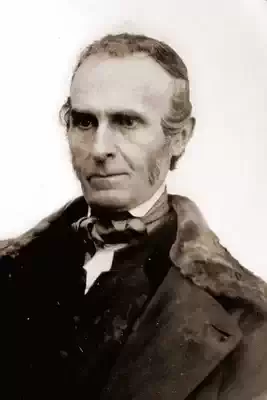
John Greenleaf Whittier
How The Robin Came
How The Robin Came
AN ALGONQUIN LEGEND.
HAPPY young friends, sit by me,
Under May's blown apple-tree,
While these home-birds in and out
Through the blossoms flit about.
Hear a story, strange and old,
By the wild red Indians told,
How the robin came to be:
Once a great chief left his son,-Well-
beloved, his only one,-When
the boy was well-nigh grown,
In the trial-lodge alone.
Left for tortures long and slow
Youths like him must undergo,
Who their pride of manhood test,
Lacking water, food, and rest.
Seven days the fast he kept,
Seven nights he never slept.
Then the young boy, wrung with pain,
Weak from nature's overstrain,
Faltering, moaned a low complaint
'Spare me, father, for I faint!'
But the chieftain, haughty-eyed,
Hid his pity in his pride.
'You shall be a hunter good,
Knowing never lack of food;
You shall be a warrior great,
Wise as fox and strong as bear;
Many scalps your belt shall wear,
If with patient heart you wait
Bravely till your task is done.
Better you should starving die
Than that boy and squaw should cry
Shame upon your father's son!'
When next morn the sun's first rays
Glistened on the hemlock sprays,
Straight that lodge the old chief sought,
And boiled sainp and moose meat brought.
'Rise and eat, my son!' he said.
Lo, he found the poor boy dead!
As with grief his grave they made,
And his bow beside him laid,
Pipe, and knife, and wampum-braid,
On the lodge-top overhead,
Preening smooth its breast of red
And the brown coat that it wore,
Sat a bird, unknown before.
And as if with human tongue,
'Mourn me not,' it said, or sung;
'I, a bird, am still your son,
Happier than if hunter fleet,
Or a brave, before your feet
Laying scalps in battle won.
Friend of man, my song shall cheer
Lodge and corn-land; hovering near,
To each wigwam I shall bring
Tidings of the corning spring;
Every child my voice shall know
In the moon of melting snow,
When the maple's red bud swells,
And the wind-flower lifts its bells.
As their fond companion
Men shall henceforth own your son,
And my song shall testify
That of human kin am I.'
Thus the Indian legend saith
How, at first, the robin came
With a sweeter life from death,
Bird for boy, and still the same.
If my young friends doubt that this
Is the robin's genesis,
Not in vain is still the myth
If a truth be found therewith
Unto gentleness belong
Gifts unknown to pride and wrong;
Happier far than hate is praise,-He
who sings than he who slays.
AN ALGONQUIN LEGEND.
HAPPY young friends, sit by me,
Under May's blown apple-tree,
While these home-birds in and out
Through the blossoms flit about.
Hear a story, strange and old,
By the wild red Indians told,
How the robin came to be:
Once a great chief left his son,-Well-
beloved, his only one,-When
the boy was well-nigh grown,
In the trial-lodge alone.
Left for tortures long and slow
Youths like him must undergo,
Who their pride of manhood test,
Lacking water, food, and rest.
Seven days the fast he kept,
Seven nights he never slept.
Then the young boy, wrung with pain,
Weak from nature's overstrain,
Faltering, moaned a low complaint
'Spare me, father, for I faint!'
But the chieftain, haughty-eyed,
Hid his pity in his pride.
'You shall be a hunter good,
Knowing never lack of food;
You shall be a warrior great,
Wise as fox and strong as bear;
Many scalps your belt shall wear,
If with patient heart you wait
Bravely till your task is done.
Better you should starving die
Than that boy and squaw should cry
Shame upon your father's son!'
When next morn the sun's first rays
Glistened on the hemlock sprays,
Straight that lodge the old chief sought,
And boiled sainp and moose meat brought.
'Rise and eat, my son!' he said.
Lo, he found the poor boy dead!
As with grief his grave they made,
And his bow beside him laid,
Pipe, and knife, and wampum-braid,
On the lodge-top overhead,
Preening smooth its breast of red
And the brown coat that it wore,
Sat a bird, unknown before.
And as if with human tongue,
'Mourn me not,' it said, or sung;
'I, a bird, am still your son,
Happier than if hunter fleet,
Or a brave, before your feet
Laying scalps in battle won.
Friend of man, my song shall cheer
Lodge and corn-land; hovering near,
To each wigwam I shall bring
Tidings of the corning spring;
Every child my voice shall know
In the moon of melting snow,
When the maple's red bud swells,
And the wind-flower lifts its bells.
As their fond companion
Men shall henceforth own your son,
And my song shall testify
That of human kin am I.'
Thus the Indian legend saith
How, at first, the robin came
With a sweeter life from death,
Bird for boy, and still the same.
If my young friends doubt that this
Is the robin's genesis,
Not in vain is still the myth
If a truth be found therewith
Unto gentleness belong
Gifts unknown to pride and wrong;
Happier far than hate is praise,-He
who sings than he who slays.
244
John Greenleaf Whittier
Conduct
Conduct
From the Mahabharata.
Heed how thou livest. Do no act by day
Which from the night shall drive thy peace away.
In months of sun so live that months of rain
Shall still be happy. Evermore restrain
Evil and cherish good, so shall there be
Another and a happier life for thee.
From the Mahabharata.
Heed how thou livest. Do no act by day
Which from the night shall drive thy peace away.
In months of sun so live that months of rain
Shall still be happy. Evermore restrain
Evil and cherish good, so shall there be
Another and a happier life for thee.
394
John Greenleaf Whittier
Bryant On His Birthday
Bryant On His Birthday
We praise not now the poet's art,
The rounded beauty of his song;
Who weighs him from his life apart
Must do his nobler nature wrong.
Not for the eye, familiar grown
With charms to common sight denied,
The marvellous gift he shares alone
With him who walked on Rydal-side;
Not for rapt hymn nor woodland lay,
Too grave for smiles, too sweet for tears;
We speak his praise who wears to-day
The glory of his seventy years.
When Peace brings Freedom in her train,
Let happy lips his songs rehearse;
His life is now his noblest strain,
His manhood better than his verse!
Thank God! his hand on Nature's keys
Its cunning keeps at life's full span;
But, dimmed and dwarfed, in times like these,
The poet seems beside the man!
So be it! let the garlands die,
The singer's wreath, the painter's meed,
Let our names perish, if thereby
Our country may be saved and freed!
We praise not now the poet's art,
The rounded beauty of his song;
Who weighs him from his life apart
Must do his nobler nature wrong.
Not for the eye, familiar grown
With charms to common sight denied,
The marvellous gift he shares alone
With him who walked on Rydal-side;
Not for rapt hymn nor woodland lay,
Too grave for smiles, too sweet for tears;
We speak his praise who wears to-day
The glory of his seventy years.
When Peace brings Freedom in her train,
Let happy lips his songs rehearse;
His life is now his noblest strain,
His manhood better than his verse!
Thank God! his hand on Nature's keys
Its cunning keeps at life's full span;
But, dimmed and dwarfed, in times like these,
The poet seems beside the man!
So be it! let the garlands die,
The singer's wreath, the painter's meed,
Let our names perish, if thereby
Our country may be saved and freed!
332
John Greenleaf Whittier
Andrew Rykman’s Prayer
Andrew Rykman’s Prayer
Andrew Rykman's dead and gone;
You can see his leaning slate
In the graveyard, and thereon
Read his name and date.
Trust is truer than our fears
Runs the legend through the moss,
Gain is not in added years,
Nor in death is loss
Still the feet that thither trod,
All the friendly eyes are dim;
Only Nature, now, and God
Have a care for him.
There the dews of quiet fall,
Singing birds and soft winds stray:
Shall the tender Heart of all
Be less kind than they?
What he was and what he is
They who ask may haply find,
If they read this prayer of his
Which he left behind.
. . . .
Pardon, Lord, the lips that dare
Shape in words a mortal's prayer!
Prayer, that, when my day is done,
And I see its setting sun,
Shorn and beamless, cold and dim,
Sink beneath the horizon's rim,-When
this ball of rock and clay
Crumbles from my feet away,
And the solid shores of sense
Melt into the vague immense,
Father! I may come to Thee
Even with the beggar's plea,
As the poorest of Thy poor,
With my needs, and nothing more.
Not as one who seeks his home
With a step assured I come;
Still behind the tread I hear
Of my life-companion, Fear;
Still a shadow deep and vast
From my westering feet is cast,
Wavering, doubtful, undefined,
Never shapen nor outlined
From myself the fear has grown,
And the shadow is my own.
Yet, O Lord, through all a sense
Of Thy tender providence
Stays my failing heart on Thee,
And confirms the feeble knee;
And, at times, my worn feet press
Spaces of cool quietness,
Lilied whiteness shone upon
Not by light of moon or sun.
Hours there be of inmost calm,
Broken but by grateful psalm,
When I love Thee more than fear Thee,
And Thy blessed Christ seems near me,
With forgiving look, as when
He beheld the Magdalen.
Well I know that all things move
To the spheral rhythm of love,-That
to Thee, O Lord of all!
Nothing can of chance befall
Child and seraph, mote and star,
Well Thou knowest what we are
Through Thy vast creative plan
Looking, from the worm to man,
There is pity in Thine eyes,
But no hatred nor surprise.
Not in blind caprice of will,
Not in cunning sleight of skill,
Not for show of power, was wrought
Nature's marvel in Thy thought.
Never careless hand and vain
Smites these chords of joy and pain;
No immortal selfishness
Plays the game of curse and bless
Heaven and earth are witnesses
That Thy glory goodness is.
Not for sport of mind and force
Hast Thou made Thy universe,
But as atmosphere and zone
Of Thy loving heart alone.
Man, who walketh in a show,
Sees before him, to and fro,
Shadow and illusion go;
All things flow and fluctuate,
Now contract and now dilate.
In the welter of this sea,
Nothing stable is but Thee;
In this whirl of swooning trance,
Thou alone art permanence;
All without Thee only seems,
All beside is choice of dreams.
Never yet in darkest mood
Doubted I that Thou wast good,
Nor mistook my will for fate,
Pain of sin for heavenly hate,-Never
dreamed the gates of pearl
Rise from out the burning marl,
Or that good can only live
Of the bad conservative,
And through counterpoise of hell
Heaven alone be possible.
For myself alone I doubt;
All is well, I know, without;
I alone the beauty mar,
I alone the music jar.
Yet, with hands by evil stained,
And an ear by discord pained,
I am groping for the keys
Of the heavenly harmonies;
Still within my heart I bear
Love for all things good and fair.
Hands of want or souls in pain
Have not sought my door in vain;
I have kept my fealty good
To the human brotherhood;
Scarcely have I asked in prayer
That which others might not share.
I, who hear with secret shame
Praise that paineth more than blame,
Rich alone in favors lent,
Virtuous by accident,
Doubtful where I fain would rest,
Frailest where I seem the best,
Only strong for lack of test,-What
am I, that I should press
Special pleas of selfishness,
Coolly mounting into heaven
On my neighbor unforgiven?
Ne'er to me, howe'er disguised,
Comes a saint unrecognized;
Never fails my heart to greet
Noble deed with warmer beat;
Halt and maimed, I own not less
All the grace of holiness;
Nor, through shame or self-distrust,
Less I love the pure and just.
Lord, forgive these words of mine
What have I that is not Thine?
Whatsoe'er I fain would boast
Needs Thy pitying pardon most.
Thou, O Elder Brother! who
In Thy flesh our trial knew,
Thou, who hast been touched by these
Our most sad infirmities,
Thou alone the gulf canst span
In the dual heart of man,
And between the soul and sense
Reconcile all difference,
Change the dream of me and mine
For the truth of Thee and Thine,
And, through chaos, doubt, and strife,
Interfuse Thy calm of life.
Haply, thus by Thee renewed,
In Thy borrowed goodness good,
Some sweet morning yet in God's
Dim, veonian periods,
Joyful I shall wake to see
Those I love who rest in Thee,
And to them in Thee allied
Shall my soul be satisfied.
Scarcely Hope hath shaped for me
What the future life may be.
Other lips may well be bold;
Like the publican of old,
I can only urge the plea,
'Lord, be merciful to me!'
Nothing of desert I claim,
Unto me belongeth shame.
Not for me the, crowns of gold,
Palms, and harpings manifold;
Not for erring eye and feet
Jasper wall and golden street.
What thou wilt, O Father, give I
All is gain that I receive.
If my voice I may not raise
In the elders' song of praise,
If I may not, sin-defiled,
Claim my birthright as a child,
Suffer it that I to Thee
As an hired servant be;
Let the lowliest task be mine,
Grateful, so the work be Thine;
Let me find the humblest place
In the shadow of Thy grace
Blest to me were any spot
Where temptation whispers not.
If there be some weaker one,
Give me strength to help him on
If a blinder soul there be,
Let me guide him nearer Thee.
Make my mortal dreams come true
With the work I fain would do;
Clothe with life the weak intent,
Let me be the thing I meant;
Let me find in Thy employ
Peace that dearer is than joy;
Out of self to love be led
And to heaven acclimated,
Until all things sweet and good
Seem my natural habitude.
. . . .
So we read the prayer of him
Who, with John of Labadie,
Trod, of old, the oozy rim
Of the Zuyder Zee.
Thus did Andrew Rykman pray.
Are we wiser, better grown,
That we may not, in our day,
Make his prayer our own?
Andrew Rykman's dead and gone;
You can see his leaning slate
In the graveyard, and thereon
Read his name and date.
Trust is truer than our fears
Runs the legend through the moss,
Gain is not in added years,
Nor in death is loss
Still the feet that thither trod,
All the friendly eyes are dim;
Only Nature, now, and God
Have a care for him.
There the dews of quiet fall,
Singing birds and soft winds stray:
Shall the tender Heart of all
Be less kind than they?
What he was and what he is
They who ask may haply find,
If they read this prayer of his
Which he left behind.
. . . .
Pardon, Lord, the lips that dare
Shape in words a mortal's prayer!
Prayer, that, when my day is done,
And I see its setting sun,
Shorn and beamless, cold and dim,
Sink beneath the horizon's rim,-When
this ball of rock and clay
Crumbles from my feet away,
And the solid shores of sense
Melt into the vague immense,
Father! I may come to Thee
Even with the beggar's plea,
As the poorest of Thy poor,
With my needs, and nothing more.
Not as one who seeks his home
With a step assured I come;
Still behind the tread I hear
Of my life-companion, Fear;
Still a shadow deep and vast
From my westering feet is cast,
Wavering, doubtful, undefined,
Never shapen nor outlined
From myself the fear has grown,
And the shadow is my own.
Yet, O Lord, through all a sense
Of Thy tender providence
Stays my failing heart on Thee,
And confirms the feeble knee;
And, at times, my worn feet press
Spaces of cool quietness,
Lilied whiteness shone upon
Not by light of moon or sun.
Hours there be of inmost calm,
Broken but by grateful psalm,
When I love Thee more than fear Thee,
And Thy blessed Christ seems near me,
With forgiving look, as when
He beheld the Magdalen.
Well I know that all things move
To the spheral rhythm of love,-That
to Thee, O Lord of all!
Nothing can of chance befall
Child and seraph, mote and star,
Well Thou knowest what we are
Through Thy vast creative plan
Looking, from the worm to man,
There is pity in Thine eyes,
But no hatred nor surprise.
Not in blind caprice of will,
Not in cunning sleight of skill,
Not for show of power, was wrought
Nature's marvel in Thy thought.
Never careless hand and vain
Smites these chords of joy and pain;
No immortal selfishness
Plays the game of curse and bless
Heaven and earth are witnesses
That Thy glory goodness is.
Not for sport of mind and force
Hast Thou made Thy universe,
But as atmosphere and zone
Of Thy loving heart alone.
Man, who walketh in a show,
Sees before him, to and fro,
Shadow and illusion go;
All things flow and fluctuate,
Now contract and now dilate.
In the welter of this sea,
Nothing stable is but Thee;
In this whirl of swooning trance,
Thou alone art permanence;
All without Thee only seems,
All beside is choice of dreams.
Never yet in darkest mood
Doubted I that Thou wast good,
Nor mistook my will for fate,
Pain of sin for heavenly hate,-Never
dreamed the gates of pearl
Rise from out the burning marl,
Or that good can only live
Of the bad conservative,
And through counterpoise of hell
Heaven alone be possible.
For myself alone I doubt;
All is well, I know, without;
I alone the beauty mar,
I alone the music jar.
Yet, with hands by evil stained,
And an ear by discord pained,
I am groping for the keys
Of the heavenly harmonies;
Still within my heart I bear
Love for all things good and fair.
Hands of want or souls in pain
Have not sought my door in vain;
I have kept my fealty good
To the human brotherhood;
Scarcely have I asked in prayer
That which others might not share.
I, who hear with secret shame
Praise that paineth more than blame,
Rich alone in favors lent,
Virtuous by accident,
Doubtful where I fain would rest,
Frailest where I seem the best,
Only strong for lack of test,-What
am I, that I should press
Special pleas of selfishness,
Coolly mounting into heaven
On my neighbor unforgiven?
Ne'er to me, howe'er disguised,
Comes a saint unrecognized;
Never fails my heart to greet
Noble deed with warmer beat;
Halt and maimed, I own not less
All the grace of holiness;
Nor, through shame or self-distrust,
Less I love the pure and just.
Lord, forgive these words of mine
What have I that is not Thine?
Whatsoe'er I fain would boast
Needs Thy pitying pardon most.
Thou, O Elder Brother! who
In Thy flesh our trial knew,
Thou, who hast been touched by these
Our most sad infirmities,
Thou alone the gulf canst span
In the dual heart of man,
And between the soul and sense
Reconcile all difference,
Change the dream of me and mine
For the truth of Thee and Thine,
And, through chaos, doubt, and strife,
Interfuse Thy calm of life.
Haply, thus by Thee renewed,
In Thy borrowed goodness good,
Some sweet morning yet in God's
Dim, veonian periods,
Joyful I shall wake to see
Those I love who rest in Thee,
And to them in Thee allied
Shall my soul be satisfied.
Scarcely Hope hath shaped for me
What the future life may be.
Other lips may well be bold;
Like the publican of old,
I can only urge the plea,
'Lord, be merciful to me!'
Nothing of desert I claim,
Unto me belongeth shame.
Not for me the, crowns of gold,
Palms, and harpings manifold;
Not for erring eye and feet
Jasper wall and golden street.
What thou wilt, O Father, give I
All is gain that I receive.
If my voice I may not raise
In the elders' song of praise,
If I may not, sin-defiled,
Claim my birthright as a child,
Suffer it that I to Thee
As an hired servant be;
Let the lowliest task be mine,
Grateful, so the work be Thine;
Let me find the humblest place
In the shadow of Thy grace
Blest to me were any spot
Where temptation whispers not.
If there be some weaker one,
Give me strength to help him on
If a blinder soul there be,
Let me guide him nearer Thee.
Make my mortal dreams come true
With the work I fain would do;
Clothe with life the weak intent,
Let me be the thing I meant;
Let me find in Thy employ
Peace that dearer is than joy;
Out of self to love be led
And to heaven acclimated,
Until all things sweet and good
Seem my natural habitude.
. . . .
So we read the prayer of him
Who, with John of Labadie,
Trod, of old, the oozy rim
Of the Zuyder Zee.
Thus did Andrew Rykman pray.
Are we wiser, better grown,
That we may not, in our day,
Make his prayer our own?
266
John Greenleaf Whittier
A Name
A Name
The name the Gallic exile bore,
St. Malo! from thy ancient mart,
Became upon our Western shore
Greenleaf for Feuillevert.
A name to hear in soft accord
Of leaves by light winds overrun,
Or read, upon the greening sward
Of May, in shade and sun.
The name my infant ear first heard
Breathed softly with a mother's kiss;
His mother's own, no tenderer word
My father spake than this.
No child have I to bear it on;
Be thou its keeper; let it take
From gifts well used and duty done
New beauty for thy sake.
The fair ideals that outran
My halting footsteps seek and find-The
flawless symmetry of man,
The poise of heart and mind.
Stand firmly where I felt the sway
Of every wing that fancy flew,
See clearly where I groped my way,
Nor real from seeming knew.
And wisely choose, and bravely hold
Thy faith unswerved by cross or crown,
Like the stout Huguenot of old
Whose name to thee comes down.
As Marot's songs made glad the heart
Of that lone exile, haply mine
May in life's heavy hours impart
Some strength and hope to thine.
Yet when did Age transfer to Youth
The hard-gained lessons of its day?
Each lip must learn the taste of truth,
Each foot must feel its way.
We cannot hold the hands of choice
That touch or shun life's fateful keys;
The whisper of the inward voice
Is more than homilies.
Dear boy! for whom the flowers are born,
Stars shine, and happy song-birds sing,
What can my evening give to morn,
My winter to thy spring!
A life not void of pure intent,
With small desert of praise or blame,
The love I felt, the good I meant,
I leave thee with my name.
The name the Gallic exile bore,
St. Malo! from thy ancient mart,
Became upon our Western shore
Greenleaf for Feuillevert.
A name to hear in soft accord
Of leaves by light winds overrun,
Or read, upon the greening sward
Of May, in shade and sun.
The name my infant ear first heard
Breathed softly with a mother's kiss;
His mother's own, no tenderer word
My father spake than this.
No child have I to bear it on;
Be thou its keeper; let it take
From gifts well used and duty done
New beauty for thy sake.
The fair ideals that outran
My halting footsteps seek and find-The
flawless symmetry of man,
The poise of heart and mind.
Stand firmly where I felt the sway
Of every wing that fancy flew,
See clearly where I groped my way,
Nor real from seeming knew.
And wisely choose, and bravely hold
Thy faith unswerved by cross or crown,
Like the stout Huguenot of old
Whose name to thee comes down.
As Marot's songs made glad the heart
Of that lone exile, haply mine
May in life's heavy hours impart
Some strength and hope to thine.
Yet when did Age transfer to Youth
The hard-gained lessons of its day?
Each lip must learn the taste of truth,
Each foot must feel its way.
We cannot hold the hands of choice
That touch or shun life's fateful keys;
The whisper of the inward voice
Is more than homilies.
Dear boy! for whom the flowers are born,
Stars shine, and happy song-birds sing,
What can my evening give to morn,
My winter to thy spring!
A life not void of pure intent,
With small desert of praise or blame,
The love I felt, the good I meant,
I leave thee with my name.
237
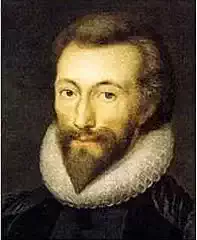
John Donne
To Sir Henry Wotton At His Going Ambassador To Venice
To Sir Henry Wotton At His Going Ambassador To Venice
AFTER those reverend papers, whose soul is
Our good and great king's loved hand and fear'd name ;
By which to you he derives much of his,
And, how he may, makes you almost the same,
A taper of his torch, a copy writ
From his oiginal, and a fair beam
Of the same warm and dazzling sun, though it
Must in another sphere his virtue stream ;
After those learned papers which your hand
Hath stored with notes of use and pleasures too,
From which rich treasury you may command
Fit matter whether you will write or do ;
After those loving papers where friends send,
With glad grief to your sea-ward steps, farewell,
Which thicken on you now, as prayers ascend
To heaven in troops, at a good man's passing-bell ;
Admit this honest paper, and allow
It such an audience as yourself would ask ;
What you must say at Venice, this means now,
And hath for nature, what you have for task.
To swear much love, not to be changed before
Honour, alone will to your fortune fit ;
Nor shall I then honour your fortune, more
Than I have done your honour, wanting it.
But 'tis an easier load, though both oppress,
To want, than govern greatness, for we are
In that, our own and only business,
In this, we must for others' vices care.
'Tis therefore well your spirits now are placed
In their last furnace, in activity ;
Which fits them—schools and courts and wars o'erpast—
To touch and test in any best degree.
For me—if there be such a thing as I—
Fortune—if there be such a thing as she—
Spies that I bear so well her tyranny,
That she thinks nothing else so fit for me.
But, though she part us, to hear my oft prayers
For your increase, God is as near me here ;
And to send you what I shall beg, His stairs
In length and ease are alike everywhere.
AFTER those reverend papers, whose soul is
Our good and great king's loved hand and fear'd name ;
By which to you he derives much of his,
And, how he may, makes you almost the same,
A taper of his torch, a copy writ
From his oiginal, and a fair beam
Of the same warm and dazzling sun, though it
Must in another sphere his virtue stream ;
After those learned papers which your hand
Hath stored with notes of use and pleasures too,
From which rich treasury you may command
Fit matter whether you will write or do ;
After those loving papers where friends send,
With glad grief to your sea-ward steps, farewell,
Which thicken on you now, as prayers ascend
To heaven in troops, at a good man's passing-bell ;
Admit this honest paper, and allow
It such an audience as yourself would ask ;
What you must say at Venice, this means now,
And hath for nature, what you have for task.
To swear much love, not to be changed before
Honour, alone will to your fortune fit ;
Nor shall I then honour your fortune, more
Than I have done your honour, wanting it.
But 'tis an easier load, though both oppress,
To want, than govern greatness, for we are
In that, our own and only business,
In this, we must for others' vices care.
'Tis therefore well your spirits now are placed
In their last furnace, in activity ;
Which fits them—schools and courts and wars o'erpast—
To touch and test in any best degree.
For me—if there be such a thing as I—
Fortune—if there be such a thing as she—
Spies that I bear so well her tyranny,
That she thinks nothing else so fit for me.
But, though she part us, to hear my oft prayers
For your increase, God is as near me here ;
And to send you what I shall beg, His stairs
In length and ease are alike everywhere.
316
John Donne
To Mr. Tilman After He Had Taken Orders
To Mr. Tilman After He Had Taken Orders
THOU, whose diviner soul hath caused thee now
To put thy hand unto the holy plough,
Making lay-scornings of the ministry
Not an impediment, but victory ;
What bring'st thou home with thee ? how is thy mind
Affected since the vintage ? Dost thou find
New thoughts and stirrings in thee ? and, as steel
Touch'd with a loadstone, dost new motions feel ?
Or, as a ship after much pain and care
For iron and cloth brings home rich Indian ware,
Hast thou thus traffick'd, but with far more gain
Of noble goods, and with less time and pain ?
Thou art the same materials, as before,
Only the stamp is changèd, but no more.
And as new crowned kings alter the face,
But not the money's substance, so hath grace
Changed only God's old image by creation,
To Christ's new stamp, at this thy coronation ;
Or, as we paint angels with wings, because
They bear God's message and proclaim His laws,
Since thou must do the like and so must move,
Art thou new feather'd with celestial love ?
Dear, tell me where thy purchase lies, and show
What thy advantage is above, below.
But if thy gainings do surmount expression,
Why doth the foolish world scorn that profession,
Whose joys pass speech ? Why do they think unfit
That gentry should join families with it ?
As if their day were only to be spent
In dressing, mistressing and compliment.
Alas ! poor joys, but poorer men, whose trust
Seems richly placèd in sublimèd dust,
—For such are clothes and beauty, which though gay,
Are, at the best, but of sublimèd clay—
Let then the world thy calling disrespect,
But go thou on, and pity their neglect.
What function is so noble, as to be
Ambassador to God, and destiny ?
To open life ? to give kingdoms to more
Than kings give dignities? to keep heaven's door ?
Mary's prerogative was to bear Christ, so
'Tis preachers' to convey Him, for they do,
As angels out of clouds, from pulpits speak ;
And bless the poor beneath, the lame, the weak.
If then th' astronomers, whereas they spy
A new-found star, their optics magnify,
How brave are those, who with their engine can
Bring man to heaven, and heaven again to man ?
These are thy titles and pre-eminences,
In whom must meet God's graces, men's offences ;
And so the heavens which beget all things here,
And the earth, our mother, which these things doth bear ;
Both these in thee, are in thy calling knit
And make thee now a blest hermaphrodite.
THOU, whose diviner soul hath caused thee now
To put thy hand unto the holy plough,
Making lay-scornings of the ministry
Not an impediment, but victory ;
What bring'st thou home with thee ? how is thy mind
Affected since the vintage ? Dost thou find
New thoughts and stirrings in thee ? and, as steel
Touch'd with a loadstone, dost new motions feel ?
Or, as a ship after much pain and care
For iron and cloth brings home rich Indian ware,
Hast thou thus traffick'd, but with far more gain
Of noble goods, and with less time and pain ?
Thou art the same materials, as before,
Only the stamp is changèd, but no more.
And as new crowned kings alter the face,
But not the money's substance, so hath grace
Changed only God's old image by creation,
To Christ's new stamp, at this thy coronation ;
Or, as we paint angels with wings, because
They bear God's message and proclaim His laws,
Since thou must do the like and so must move,
Art thou new feather'd with celestial love ?
Dear, tell me where thy purchase lies, and show
What thy advantage is above, below.
But if thy gainings do surmount expression,
Why doth the foolish world scorn that profession,
Whose joys pass speech ? Why do they think unfit
That gentry should join families with it ?
As if their day were only to be spent
In dressing, mistressing and compliment.
Alas ! poor joys, but poorer men, whose trust
Seems richly placèd in sublimèd dust,
—For such are clothes and beauty, which though gay,
Are, at the best, but of sublimèd clay—
Let then the world thy calling disrespect,
But go thou on, and pity their neglect.
What function is so noble, as to be
Ambassador to God, and destiny ?
To open life ? to give kingdoms to more
Than kings give dignities? to keep heaven's door ?
Mary's prerogative was to bear Christ, so
'Tis preachers' to convey Him, for they do,
As angels out of clouds, from pulpits speak ;
And bless the poor beneath, the lame, the weak.
If then th' astronomers, whereas they spy
A new-found star, their optics magnify,
How brave are those, who with their engine can
Bring man to heaven, and heaven again to man ?
These are thy titles and pre-eminences,
In whom must meet God's graces, men's offences ;
And so the heavens which beget all things here,
And the earth, our mother, which these things doth bear ;
Both these in thee, are in thy calling knit
And make thee now a blest hermaphrodite.
325
John Donne
To Mr. Rowland Woodward
To Mr. Rowland Woodward
LIKE one who in her third widowhood doth profess
Herself a nun, tied to retiredness,
So affects my Muse, now, a chaste fallowness.
Since she to few, yet to too many hath shown,
How love-song weeds and satiric thorns are grown,
Where seeds of better arts were early sown ;
Though to use and love poetry, to me,
Betroth'd to no one art, be no adultery ;
Omissions of good, ill, as ill deeds be.
For though to us it seems but light and thin,
Yet in those faithful scales, where God throws in
Men's works, vanity weighs as much as sin.
If our souls have stain'd their first white, yet we
May clothe them with faith, and dear honesty,
Which God imputes as native purity.
There is no virtue but religion.
Wise, valiant, sober, just, are names which none
Want, which want not vice-covering discretion.
Seek we then ourselves in ourselves ; for as
Men force the sun with much more force to pass,
By gathering his beams with a crystal glass,
So we—if we into ourselves will turn,
Blowing our spark of virtue—may out-burn
The straw which doth about our hearts sojourn.
You know physicians, when they would infuse
Into any oil the souls of simples, use
Places, where they may lie still warm, to choose.
So works retiredness in us. To roam
Giddily and be everywhere, but at home,
Such freedom doth a banishment become.
We are but farmers of ourselves, yet may,
If we can stock ourselves, and thrive, uplay
Much, much dear treasure for the great rent day.
Manure thyself then, to thyself be improved ;
And with vain outward things be no more moved,
But to know that I love thee and would be loved.
LIKE one who in her third widowhood doth profess
Herself a nun, tied to retiredness,
So affects my Muse, now, a chaste fallowness.
Since she to few, yet to too many hath shown,
How love-song weeds and satiric thorns are grown,
Where seeds of better arts were early sown ;
Though to use and love poetry, to me,
Betroth'd to no one art, be no adultery ;
Omissions of good, ill, as ill deeds be.
For though to us it seems but light and thin,
Yet in those faithful scales, where God throws in
Men's works, vanity weighs as much as sin.
If our souls have stain'd their first white, yet we
May clothe them with faith, and dear honesty,
Which God imputes as native purity.
There is no virtue but religion.
Wise, valiant, sober, just, are names which none
Want, which want not vice-covering discretion.
Seek we then ourselves in ourselves ; for as
Men force the sun with much more force to pass,
By gathering his beams with a crystal glass,
So we—if we into ourselves will turn,
Blowing our spark of virtue—may out-burn
The straw which doth about our hearts sojourn.
You know physicians, when they would infuse
Into any oil the souls of simples, use
Places, where they may lie still warm, to choose.
So works retiredness in us. To roam
Giddily and be everywhere, but at home,
Such freedom doth a banishment become.
We are but farmers of ourselves, yet may,
If we can stock ourselves, and thrive, uplay
Much, much dear treasure for the great rent day.
Manure thyself then, to thyself be improved ;
And with vain outward things be no more moved,
But to know that I love thee and would be loved.
337
John Donne
Satire IV
Satire IV
Well; I may now receive, and die. My sin
Indeed is great, but yet I have been in
A purgatory, such as fear'd hell is
A recreation and scant map of this.
My mind, neither with pride's itch, nor yet hath been
Poison'd with love to see, or to be seen.
I had no suit there, nor new suit to show,
Yet went to court; but as Glaze which did go
To'a mass in jest, catch'd, was fain to disburse
The hundred marks, which is the statute's curse,
Before he 'scap'd; so'it pleas'd my destiny
(Guilty of my sin of going) to think me
As prone to all ill, and of good as forget{-}
Full, as proud, as lustful, and as much in debt,
As vain, as witless, and as false as they
Which dwell in court, for once going that way.
Therefore I suffered this; towards me did run
A thing more strange, than on Nile's slime the sun
E'er bred, or all which into Noah's ark came;
A thing which would have pos'd Adam to name;
Stranger than seven antiquaries' studies,
Than Afric's monsters, Guiana's rarities;
Stranger than strangers; one, who for a Dane,
In the Danes' massacre had sure been slain,
If he had liv'd then; and without help dies,
When next the 'prentices 'gainst strangers rise;
One, whom the watch, at noon, lets scarce go by;
One, to whom the examining justice sure would cry,
"Sir, by your priesthood, tell me what you are."
His clothes were strange, though coarse; and black, though bare;
Sleeveless his jerkin was, and it had been
Velvet, but 'twas now (so much ground was seen)
Become tufftaffaty; and our children shall
See it plain rash awhile, then nought at all.
This thing hath travell'd, and, saith, speaks all tongues,
And only knoweth what to all states belongs.
Made of th' accents and best phrase of all these,
He speaks one language. If strange meats displease,
Art can deceive, or hunger force my taste,
But pedants' motley tongue, soldiers' bombast,
Mountebanks' drug-tongue, nor the terms of law
Are strong enough preparatives, to draw
Me to bear this; yet I must be content
With his tongue, in his tongue, call'd compliment;
In which he can win widows, and pay scores,
Make men speak treason, cozen subtlest whores,
Out-flatter favourites, or outlie either
Jovius, or Surius, or both together.
He names me, and comes to me; I whisper, "God!
How have I sinn'd, that Thy wrath's furious rod,
This fellow, chooseth me?" He saith, "Sir,
I love your judgment; whom do you prefer,
For the best linguist?" And I seelily
Said, that I thought Calepine's dictionary.
"Nay, but of men, most sweet Sir?" Beza then,
Some Jesuits, and two reverend men
Of our two Academies, I named. There
He stopp'd me, and said; "Nay, your apostles were
Good pretty linguists, and so Panurge was;
Yet a poor gentleman all these may pass
By travel." Then, as if he would have sold
His tongue, he prais'd it, and such wonders told,
That I was fain to say, "If you'had liv'd, sir,
Time enough to have been interpreter
To Babel's bricklayers, sure the tower had stood."
He adds, "If of court life you knew the good,
You would leave loneness." I said, "Not alone
My loneness is; but Spartan's fashion,
To teach by painting drunkards, doth not last
Now; Aretine's pictures have made few chaste;
No more can princes' courts, though there be few
Better pictures of vice, teach me virtue."
He, like to a high-stretch'd lute-string, squeak'd, "O sir,
'Tis sweet to talk of kings." "At Westminster,"
Said I, "the man that keeps the abbey tombs,
And for his price doth with whoever comes
Of all our Harrys and our Edwards talk,
From king to king, and all their kin can walk.
Your ears shall hear nought, but kings; your eyes meet
Kings only; the way to it is King street."
He smack'd and cried, "He's base, mechanic, coarse,
So are all your Englishmen in their discourse.
Are not your Frenchmen neat?" "Mine? As you see,
I have but one Frenchman, look--he follows me."
"Certes they are neatly cloth'd. I of this mind am,
Your only wearing is your grogaram."
"Not so, sir, I have more." Under this pitch
He would not fly; I chaff'd him; but as itch
Scratch'd into smart, and as blunt iron ground
Into an edge, hurts worse; so I (fool) found
Crossing hurt me. To fit my sullenness,
He to another key his style doth dress,
And asks, "What news?" I tell him of new plays.
He takes my hand, and as a still which stays
A sembrief, 'twixt each drop, he niggardly,
As loth to enrich me, so tells many a lie,
More than ten Holinsheds, or Halls, or Stows,
Of trivial household trash, he knows. He knows
When the Queen frown'd, or smil'd, and he knows what
A subtle statesman may gather of that;
He knows who loves; whom; and who by poison
Hastes to an office's reversion;
He knows who'hath sold his land, and now doth beg
A licence, old iron, boots, shoes, and egg{-}
Shells to transport; shortly boys shall not play
At span-counter, or blow-point, but shall pay
Toll to some courtier; and wiser than all us,
He knows what lady is not painted. Thus
He with home meats tries me. I belch, spew, spit,
Look pale and sickly, like a patient, yet
He thrusts on more; and as if he'd undertook
To say Gallo-Belgicus without book,
Speaks of all states, and deeds, that have been since
The Spaniards came, to the loss of Amiens.
Like a big wife, at sight of loathed meat,
Ready to travail, so I sigh and sweat
To hear this Macaron talk. In vain; for yet,
Either my humour, or his own to fit,
He, like a privileg'd spy, whom nothing can
Discredit, libels now 'gainst each great man.
He names a price for every office paid;
He saith, our wars thrive ill, because delay'd;
That offices are entail'd, and that there are
Perpetuities of them, lasting as far
As the last day; and that great officers
Do with the pirates share, and Dunkirkers.
...
Toughly and stubbornly I bear this cross; but the' hour
Of mercy now was come; he tries to bring
Me to pay a fine to 'scape his torturing,
And says, "Sir, can you spare me"--I said, "Willingly";
"Nay, sir, can you spare me a crown"? Thankfully I
Gave it, as ransom; but as fiddlers, still,
Though they be paid to be gone, yet needs will
Thrust one more jig upon you; so did he
With his long complimental thanks vex me.
But he is gone, thanks to his needy want,
And the prerogative of my crown; scant
His thanks were ended, when I (which did see
All the court fill'd with more strange things than he)
Ran from thence with such, or more haste than one
Who fears more actions doth make from prison.
Well; I may now receive, and die. My sin
Indeed is great, but yet I have been in
A purgatory, such as fear'd hell is
A recreation and scant map of this.
My mind, neither with pride's itch, nor yet hath been
Poison'd with love to see, or to be seen.
I had no suit there, nor new suit to show,
Yet went to court; but as Glaze which did go
To'a mass in jest, catch'd, was fain to disburse
The hundred marks, which is the statute's curse,
Before he 'scap'd; so'it pleas'd my destiny
(Guilty of my sin of going) to think me
As prone to all ill, and of good as forget{-}
Full, as proud, as lustful, and as much in debt,
As vain, as witless, and as false as they
Which dwell in court, for once going that way.
Therefore I suffered this; towards me did run
A thing more strange, than on Nile's slime the sun
E'er bred, or all which into Noah's ark came;
A thing which would have pos'd Adam to name;
Stranger than seven antiquaries' studies,
Than Afric's monsters, Guiana's rarities;
Stranger than strangers; one, who for a Dane,
In the Danes' massacre had sure been slain,
If he had liv'd then; and without help dies,
When next the 'prentices 'gainst strangers rise;
One, whom the watch, at noon, lets scarce go by;
One, to whom the examining justice sure would cry,
"Sir, by your priesthood, tell me what you are."
His clothes were strange, though coarse; and black, though bare;
Sleeveless his jerkin was, and it had been
Velvet, but 'twas now (so much ground was seen)
Become tufftaffaty; and our children shall
See it plain rash awhile, then nought at all.
This thing hath travell'd, and, saith, speaks all tongues,
And only knoweth what to all states belongs.
Made of th' accents and best phrase of all these,
He speaks one language. If strange meats displease,
Art can deceive, or hunger force my taste,
But pedants' motley tongue, soldiers' bombast,
Mountebanks' drug-tongue, nor the terms of law
Are strong enough preparatives, to draw
Me to bear this; yet I must be content
With his tongue, in his tongue, call'd compliment;
In which he can win widows, and pay scores,
Make men speak treason, cozen subtlest whores,
Out-flatter favourites, or outlie either
Jovius, or Surius, or both together.
He names me, and comes to me; I whisper, "God!
How have I sinn'd, that Thy wrath's furious rod,
This fellow, chooseth me?" He saith, "Sir,
I love your judgment; whom do you prefer,
For the best linguist?" And I seelily
Said, that I thought Calepine's dictionary.
"Nay, but of men, most sweet Sir?" Beza then,
Some Jesuits, and two reverend men
Of our two Academies, I named. There
He stopp'd me, and said; "Nay, your apostles were
Good pretty linguists, and so Panurge was;
Yet a poor gentleman all these may pass
By travel." Then, as if he would have sold
His tongue, he prais'd it, and such wonders told,
That I was fain to say, "If you'had liv'd, sir,
Time enough to have been interpreter
To Babel's bricklayers, sure the tower had stood."
He adds, "If of court life you knew the good,
You would leave loneness." I said, "Not alone
My loneness is; but Spartan's fashion,
To teach by painting drunkards, doth not last
Now; Aretine's pictures have made few chaste;
No more can princes' courts, though there be few
Better pictures of vice, teach me virtue."
He, like to a high-stretch'd lute-string, squeak'd, "O sir,
'Tis sweet to talk of kings." "At Westminster,"
Said I, "the man that keeps the abbey tombs,
And for his price doth with whoever comes
Of all our Harrys and our Edwards talk,
From king to king, and all their kin can walk.
Your ears shall hear nought, but kings; your eyes meet
Kings only; the way to it is King street."
He smack'd and cried, "He's base, mechanic, coarse,
So are all your Englishmen in their discourse.
Are not your Frenchmen neat?" "Mine? As you see,
I have but one Frenchman, look--he follows me."
"Certes they are neatly cloth'd. I of this mind am,
Your only wearing is your grogaram."
"Not so, sir, I have more." Under this pitch
He would not fly; I chaff'd him; but as itch
Scratch'd into smart, and as blunt iron ground
Into an edge, hurts worse; so I (fool) found
Crossing hurt me. To fit my sullenness,
He to another key his style doth dress,
And asks, "What news?" I tell him of new plays.
He takes my hand, and as a still which stays
A sembrief, 'twixt each drop, he niggardly,
As loth to enrich me, so tells many a lie,
More than ten Holinsheds, or Halls, or Stows,
Of trivial household trash, he knows. He knows
When the Queen frown'd, or smil'd, and he knows what
A subtle statesman may gather of that;
He knows who loves; whom; and who by poison
Hastes to an office's reversion;
He knows who'hath sold his land, and now doth beg
A licence, old iron, boots, shoes, and egg{-}
Shells to transport; shortly boys shall not play
At span-counter, or blow-point, but shall pay
Toll to some courtier; and wiser than all us,
He knows what lady is not painted. Thus
He with home meats tries me. I belch, spew, spit,
Look pale and sickly, like a patient, yet
He thrusts on more; and as if he'd undertook
To say Gallo-Belgicus without book,
Speaks of all states, and deeds, that have been since
The Spaniards came, to the loss of Amiens.
Like a big wife, at sight of loathed meat,
Ready to travail, so I sigh and sweat
To hear this Macaron talk. In vain; for yet,
Either my humour, or his own to fit,
He, like a privileg'd spy, whom nothing can
Discredit, libels now 'gainst each great man.
He names a price for every office paid;
He saith, our wars thrive ill, because delay'd;
That offices are entail'd, and that there are
Perpetuities of them, lasting as far
As the last day; and that great officers
Do with the pirates share, and Dunkirkers.
...
Toughly and stubbornly I bear this cross; but the' hour
Of mercy now was come; he tries to bring
Me to pay a fine to 'scape his torturing,
And says, "Sir, can you spare me"--I said, "Willingly";
"Nay, sir, can you spare me a crown"? Thankfully I
Gave it, as ransom; but as fiddlers, still,
Though they be paid to be gone, yet needs will
Thrust one more jig upon you; so did he
With his long complimental thanks vex me.
But he is gone, thanks to his needy want,
And the prerogative of my crown; scant
His thanks were ended, when I (which did see
All the court fill'd with more strange things than he)
Ran from thence with such, or more haste than one
Who fears more actions doth make from prison.
359
John Donne
Satire II
Satire II
Sir; though (I thanke God for it) I do hate
Perfectly all this towne, yet there's one state
In all ill things so excellently best,
That hate, towards them, breeds pitty towards the rest.
Though Poetry indeed be such a sinne
As I thinke that brings dearths, and Spaniards in,
Though like the Pestilence and old fashion'd love,
Ridlingly it catch men; and doth remove
Never, till it be sterv'd out; yet their state
Is poore, disarm'd, like Papists, not worth hate.
One,(like a wretch, which at Barre judg'd as dead,
Yet prompts him which stands next, and cannot reade,
And saves his life)gives ideot actors meanes
(Starving himselfe)to live by'his labor'd sceanes;
As in some Organ, Puppits dance above
And bellows pant below, which them do move.
One would move Love by rimes; but witchcrafts charms
Bring not now their old feares, nor their old harmes:
Rammes, and slings now are seely battery,
Pistolets are the best Artillerie.
And they who write to Lords, rewards to get,
Are they not like singers at doores for meat?
And they who write, because all write, have still
That excuse for writing, and for writing ill.
But hee is worst, who (beggarly) doth chaw
Others wits fruits, and in his ravenous maw
Rankly digested, doth those things out-spue,
As his owne things; 'and they are his owne, 'tis true,
For if one eate my meate, though it be knowne
The meate was mine, th'excrement is his owne.
But these do mee no harme, nor they which use
To out-doe Dildoes, and out-usure Jewes;
To'out-drinke the sea, to'out-sweare the Letanie;
Who with sinnes all kindes as familiar bee
As Confessors; and for whose sinfull sake
Schoolemen new tenements in hell must make:
Whose strange sinnes, Canonists could hardly tell
In which Commandements large receit they dwell.
But these punish themselves; the insolence
Of Coscus onely breeds my just offence,
Whom time (which rots all, and makes botches poxe,
And plodding on, must make a calfe an oxe)
Hath made a Lawyer, which was (alas) of late
But a scarce Poet; jollier of this state,
Then are new benefic'd ministers, he throwes
Like nets, or lime-twigs, wheresoere he goes,
His title'of Barrister, on every wench,
And wooes in language of the Pleas, and Bench:
'A motion, Lady.' 'Speake Coscus.' 'I'have beene
In love, ever since tricesimo' of the Queene,
Continuall claimes I'have made, injunctions got
To stay my rivals suit, that hee should not
Proceed.' 'Spare mee.' 'In Hillary terme I went,
You said, If I returne next size in Lent,
I should be in remitter of your grace;
In th'interim my letters should take place
Of affidavits--': words, words, which would teare
The tender labyrinth of a soft maids eare,
More, more, then ten Sclavonians scolding, more
Then when winds in our ruin'd Abbeyes rore.
When sicke with Poetrie,'and possest with muse
Thou wast, and mad, I hop'd; but men which chuse
Law practise for meere gaine, bold soule, repute
Worse then imbrothel'd strumpets prostitute.
Now like an owlelike watchman, hee must walke
His hand still at a bill, now he must talke
Idly, like prisoners, which whole months will sweare
That onely suretiship hath brought them there,
And to'every suitor lye in every thing,
Like a Kings favorite, yea like a King;
Like a wedge in a blocke, wring to the barre,
Bearing like Asses, and more shameless farre
Then carted whores, lye, to the grave Judge; for
Bastardy'abounds not in Kings titles, nor
Symonie'and Sodomy in Churchmens lives,
As these things do in him; by these he thrives.
Shortly ('as the sea) hee'will compasse all our land;
From Scots, to Wight; from Mount, to Dover strand.
And spying heires melting with luxurie,
Satan will not joy at their sinnes, as hee.
For as a thrifty wench scrapes kitching-stuffe,
And barrelling the droppings, and the snuffe,
Of wasting candles, which in thirty yeare
(Relique-like kept) perchance buyes wedding geare;
Peecemeale he gets lands, and spends as much time
Wringing each Acre, as men pulling prime.
In parchments then, large as his fields, hee drawes
Assurances, bigge, as gloss'd civill lawes,
So huge, that men (in our times forwardnesse)
Are Fathers of the Church for writing lesse.
These hee writes not; nor for these written payes,
Therefore spares no length; as in those first dayes
When Luther was profest, he did desire
Short Pater nosters, saying as a Fryer
Each day his beads, but having left those lawes,
Addes to Christs prayer, the Power and glory clause.
But when he sells or changes land, he'impaires
His writings, and (unwatch'd) leaves out, ses heires,
As slily'as any Commenter goes by
Hard words, or sense; or in Divinity
As controverters, in vouch'd texts, leave out
Shrewd words, which might against them cleare the doubt.
Where are those spred woods which cloth'd heretofore
Those bought lands? not built, not burnt within dore.
Where's th'old landlords troops, and almes? In great hals
Carthusian fasts, and fulsome Bachanalls
Equally'I hate; meanes blesse; in rich mens homes
I bid kill some beasts, but no Hecatombs,
None starve, none surfet so; But (Oh) we'allow
Good workes as good, but out of fashion now,
Like old rich wardrops; but my words none drawes
Within the vast reach of th'huge statute lawes.
Sir; though (I thanke God for it) I do hate
Perfectly all this towne, yet there's one state
In all ill things so excellently best,
That hate, towards them, breeds pitty towards the rest.
Though Poetry indeed be such a sinne
As I thinke that brings dearths, and Spaniards in,
Though like the Pestilence and old fashion'd love,
Ridlingly it catch men; and doth remove
Never, till it be sterv'd out; yet their state
Is poore, disarm'd, like Papists, not worth hate.
One,(like a wretch, which at Barre judg'd as dead,
Yet prompts him which stands next, and cannot reade,
And saves his life)gives ideot actors meanes
(Starving himselfe)to live by'his labor'd sceanes;
As in some Organ, Puppits dance above
And bellows pant below, which them do move.
One would move Love by rimes; but witchcrafts charms
Bring not now their old feares, nor their old harmes:
Rammes, and slings now are seely battery,
Pistolets are the best Artillerie.
And they who write to Lords, rewards to get,
Are they not like singers at doores for meat?
And they who write, because all write, have still
That excuse for writing, and for writing ill.
But hee is worst, who (beggarly) doth chaw
Others wits fruits, and in his ravenous maw
Rankly digested, doth those things out-spue,
As his owne things; 'and they are his owne, 'tis true,
For if one eate my meate, though it be knowne
The meate was mine, th'excrement is his owne.
But these do mee no harme, nor they which use
To out-doe Dildoes, and out-usure Jewes;
To'out-drinke the sea, to'out-sweare the Letanie;
Who with sinnes all kindes as familiar bee
As Confessors; and for whose sinfull sake
Schoolemen new tenements in hell must make:
Whose strange sinnes, Canonists could hardly tell
In which Commandements large receit they dwell.
But these punish themselves; the insolence
Of Coscus onely breeds my just offence,
Whom time (which rots all, and makes botches poxe,
And plodding on, must make a calfe an oxe)
Hath made a Lawyer, which was (alas) of late
But a scarce Poet; jollier of this state,
Then are new benefic'd ministers, he throwes
Like nets, or lime-twigs, wheresoere he goes,
His title'of Barrister, on every wench,
And wooes in language of the Pleas, and Bench:
'A motion, Lady.' 'Speake Coscus.' 'I'have beene
In love, ever since tricesimo' of the Queene,
Continuall claimes I'have made, injunctions got
To stay my rivals suit, that hee should not
Proceed.' 'Spare mee.' 'In Hillary terme I went,
You said, If I returne next size in Lent,
I should be in remitter of your grace;
In th'interim my letters should take place
Of affidavits--': words, words, which would teare
The tender labyrinth of a soft maids eare,
More, more, then ten Sclavonians scolding, more
Then when winds in our ruin'd Abbeyes rore.
When sicke with Poetrie,'and possest with muse
Thou wast, and mad, I hop'd; but men which chuse
Law practise for meere gaine, bold soule, repute
Worse then imbrothel'd strumpets prostitute.
Now like an owlelike watchman, hee must walke
His hand still at a bill, now he must talke
Idly, like prisoners, which whole months will sweare
That onely suretiship hath brought them there,
And to'every suitor lye in every thing,
Like a Kings favorite, yea like a King;
Like a wedge in a blocke, wring to the barre,
Bearing like Asses, and more shameless farre
Then carted whores, lye, to the grave Judge; for
Bastardy'abounds not in Kings titles, nor
Symonie'and Sodomy in Churchmens lives,
As these things do in him; by these he thrives.
Shortly ('as the sea) hee'will compasse all our land;
From Scots, to Wight; from Mount, to Dover strand.
And spying heires melting with luxurie,
Satan will not joy at their sinnes, as hee.
For as a thrifty wench scrapes kitching-stuffe,
And barrelling the droppings, and the snuffe,
Of wasting candles, which in thirty yeare
(Relique-like kept) perchance buyes wedding geare;
Peecemeale he gets lands, and spends as much time
Wringing each Acre, as men pulling prime.
In parchments then, large as his fields, hee drawes
Assurances, bigge, as gloss'd civill lawes,
So huge, that men (in our times forwardnesse)
Are Fathers of the Church for writing lesse.
These hee writes not; nor for these written payes,
Therefore spares no length; as in those first dayes
When Luther was profest, he did desire
Short Pater nosters, saying as a Fryer
Each day his beads, but having left those lawes,
Addes to Christs prayer, the Power and glory clause.
But when he sells or changes land, he'impaires
His writings, and (unwatch'd) leaves out, ses heires,
As slily'as any Commenter goes by
Hard words, or sense; or in Divinity
As controverters, in vouch'd texts, leave out
Shrewd words, which might against them cleare the doubt.
Where are those spred woods which cloth'd heretofore
Those bought lands? not built, not burnt within dore.
Where's th'old landlords troops, and almes? In great hals
Carthusian fasts, and fulsome Bachanalls
Equally'I hate; meanes blesse; in rich mens homes
I bid kill some beasts, but no Hecatombs,
None starve, none surfet so; But (Oh) we'allow
Good workes as good, but out of fashion now,
Like old rich wardrops; but my words none drawes
Within the vast reach of th'huge statute lawes.
322
John Donne
An Anatomy Of The World...
An Anatomy Of The World...
When that rich soul which to her heaven is gone,
Whom all do celebrate, who know they have one
(For who is sure he hath a soul, unless
It see, and judge, and follow worthiness,
And by deeds praise it? He who doth not this,
May lodge an inmate soul, but 'tis not his)
When that queen ended here her progress time,
And, as t'her standing house, to heaven did climb,
Where loath to make the saints attend her long,
She's now a part both of the choir, and song;
This world, in that great earthquake languished;
For in a common bath of tears it bled,
Which drew the strongest vital spirits out;
But succour'd then with a perplexed doubt,
Whether the world did lose, or gain in this,
(Because since now no other way there is,
But goodness, to see her, whom all would see,
All must endeavour to be good as she)
This great consumption to a fever turn'd,
And so the world had fits; it joy'd, it mourn'd;
And, as men think, that agues physic are,
And th' ague being spent, give over care,
So thou, sick world, mistak'st thy self to be
Well, when alas, thou'rt in a lethargy.
Her death did wound and tame thee then, and then
Thou might'st have better spar'd the sun, or man.
That wound was deep, but 'tis more misery
That thou hast lost thy sense and memory.
'Twas heavy then to hear thy voice of moan,
But this is worse, that thou art speechless grown.
Thou hast forgot thy name thou hadst; thou wast
Nothing but she, and her thou hast o'erpast.
For, as a child kept from the font until
A prince, expected long, come to fulfill
The ceremonies, thou unnam'd had'st laid,
Had not her coming, thee her palace made;
Her name defin'd thee, gave thee form, and frame,
And thou forget'st to celebrate thy name.
Some months she hath been dead (but being dead,
Measures of times are all determined)
But long she'ath been away, long, long, yet none
Offers to tell us who it is that's gone.
But as in states doubtful of future heirs,
When sickness without remedy impairs
The present prince, they're loath it should be said,
'The prince doth languish,' or 'The prince is dead;'
So mankind feeling now a general thaw,
A strong example gone, equal to law,
The cement which did faithfully compact
And glue all virtues, now resolv'd, and slack'd,
Thought it some blasphemy to say sh'was dead,
Or that our weakness was discovered
In that confession; therefore spoke no more
Than tongues, the soul being gone, the loss deplore.
But though it be too late to succour thee,
Sick world, yea dead, yea putrified, since she
Thy' intrinsic balm, and thy preservative,
Can never be renew'd, thou never live,
I (since no man can make thee live) will try,
What we may gain by thy anatomy.
Her death hath taught us dearly that thou art
Corrupt and mortal in thy purest part.
Let no man say, the world itself being dead,
'Tis labour lost to have discovered
The world's infirmities, since there is none
Alive to study this dissection;
For there's a kind of world remaining still,
Though she which did inanimate and fill
The world, be gone, yet in this last long night,
Her ghost doth walk; that is a glimmering light,
A faint weak love of virtue, and of good,
Reflects from her on them which understood
Her worth; and though she have shut in all day,
The twilight of her memory doth stay,
Which, from the carcass of the old world free,
Creates a new world, and new creatures be
Produc'd. The matter and the stuff of this,
Her virtue, and the form our practice is.
And though to be thus elemented, arm
These creatures from home-born intrinsic harm,
(For all assum'd unto this dignity
So many weedless paradises be,
Which of themselves produce no venomous sin,
Except some foreign serpent bring it in)
Yet, because outward storms the strongest break,
And strength itself by confidence grows weak,
This new world may be safer, being told
The dangers and diseases of the old;
For with due temper men do then forgo,
Or covet things, when they their true worth know.
There is no health; physicians say that we
At best enjoy but a neutrality.
And can there be worse sickness than to know
That we are never well, nor can be so?
We are born ruinous: poor mothers cry
That children come not right, nor orderly;
Except they headlong come and fall upon
An ominous precipitation.
How witty's ruin! how importunate
Upon mankind! It labour'd to frustrate
Even God's purpose; and made woman, sent
For man's relief, cause of his languishment.
They were to good ends, and they are so still,
But accessory, and principal in ill,
For that first marriage was our funeral;
One woman at one blow, then kill'd us all,
And singly, one by one, they kill us now.
We do delightfully our selves allow
To that consumption; and profusely blind,
We kill our selves to propagate our kind.
And yet we do not that; we are not men;
There is not now that mankind, which was then,
When as the sun and man did seem to strive,
(Joint tenants of the world) who should survive;
When stag, and raven, and the long-liv'd tree,
Compar'd with man, died in minority;
When, if a slow-pac'd star had stol'n away
From the observer's marking, he might stay
Two or three hundred years to see't again,
And then make up his observation plain;
When, as the age was long, the size was great
(Man's growth confess'd, and recompens'd the meat),
So spacious and large, that every soul
Did a fair kingdom, and large realm control;
And when the very stature, thus erect,
Did that soul a good way towards heaven direct.
Where is this mankind now? Who lives to age,
Fit to be made Methusalem his page?
Alas, we scarce live long enough to try
Whether a true-made clock run right, or lie.
Old grandsires talk of yesterday with sorrow,
And for our children we reserve tomorrow.
So short is life, that every peasant strives,
In a torn house, or field, to have three lives.
And as in lasting, so in length is man
Contracted to an inch, who was a span;
For had a man at first in forests stray'd,
Or shipwrack'd in the sea, one would have laid
A wager, that an elephant, or whale,
That met him, would not hastily assail
A thing so equall to him; now alas,
The fairies, and the pigmies well may pass
As credible; mankind decays so soon,
We'are scarce our fathers' shadows cast at noon,
Only death adds t'our length: nor are we grown
In stature to be men, till we are none.
But this were light, did our less volume hold
All the old text; or had we chang'd to gold
Their silver; or dispos'd into less glass
Spirits of virtue, which then scatter'd was.
But 'tis not so; w'are not retir'd, but damp'd;
And as our bodies, so our minds are cramp'd;
'Tis shrinking, not close weaving, that hath thus
In mind and body both bedwarfed us.
We seem ambitious, God's whole work t'undo;
Of nothing he made us, and we strive too,
To bring our selves to nothing back; and we
Do what we can, to do't so soon as he.
With new diseases on our selves we war,
And with new physic, a worse engine far.
Thus man, this world's vice-emperor, in whom
All faculties, all graces are at home
(And if in other creatures they appear,
They're but man's ministers and legates there
To work on their rebellions, and reduce
Them to civility, and to man's use);
This man, whom God did woo, and loath t'attend
Till man came up, did down to man descend,
This man, so great, that all that is, is his,
O what a trifle, and poor thing he is!
If man were anything, he's nothing now;
Help, or at least some time to waste, allow
T'his other wants, yet when he did depart
With her whom we lament, he lost his heart.
She, of whom th'ancients seem'd to prophesy,
When they call'd virtues by the name of she;
She in whom virtue was so much refin'd,
That for alloy unto so pure a mind
She took the weaker sex; she that could drive
The poisonous tincture, and the stain of Eve,
Out of her thoughts, and deeds, and purify
All, by a true religious alchemy,
She, she is dead; she's dead: when thou knowest this,
Thou knowest how poor a trifling thing man is,
And learn'st thus much by our anatomy,
The heart being perish'd, no part can be free,
And that except thou feed (not banquet) on
The supernatural food, religion,
Thy better growth grows withered, and scant;
Be more than man, or thou'rt less than an ant.
Then, as mankind, so is the world's whole frame
Quite out of joint, almost created lame,
For, before God had made up all the rest,
Corruption ent'red, and deprav'd the best;
It seiz'd the angels, and then first of all
The world did in her cradle take a fall,
And turn'd her brains, and took a general maim,
Wronging each joint of th'universal frame.
The noblest part, man, felt it first; and then
Both beasts and plants, curs'd in the curse of man.
So did the world from the first hour decay,
That evening was beginning of the day,
And now the springs and summers which we see,
Like sons of women after fifty be.
And new philosophy calls all in doubt,
The element of fire is quite put out,
The sun is lost, and th'earth, and no man's wit
Can well direct him where to look for it.
And freely men confess that this world's spent,
When in the planets and the firmament
They seek so many new; they see that this
Is crumbled out again to his atomies.
'Tis all in pieces, all coherence gone,
All just supply, and all relation;
Prince, subject, father, son, are things forgot,
For every man alone thinks he hath got
To be a phoenix, and that then can be
None of that kind, of which he is, but he.
This is the world's condition now, and now
She that should all parts to reunion bow,
She that had all magnetic force alone,
To draw, and fasten sund'red parts in one;
She whom wise nature had invented then
When she observ'd that every sort of men
Did in their voyage in this world's sea stray,
And needed a new compass for their way;
She that was best and first original
Of all fair copies, and the general
Steward to fate; she whose rich eyes and breast
Gilt the West Indies, and perfum'd the East;
Whose having breath'd in this world, did bestow
Spice on those Isles, and bade them still smell so,
And that rich India which doth gold inter,
Is but as single money, coin'd from her;
She to whom this world must it self refer,
As suburbs or the microcosm of her,
She, she is dead; she's dead: when thou know'st this,
Thou know'st how lame a cripple this world is
....
When that rich soul which to her heaven is gone,
Whom all do celebrate, who know they have one
(For who is sure he hath a soul, unless
It see, and judge, and follow worthiness,
And by deeds praise it? He who doth not this,
May lodge an inmate soul, but 'tis not his)
When that queen ended here her progress time,
And, as t'her standing house, to heaven did climb,
Where loath to make the saints attend her long,
She's now a part both of the choir, and song;
This world, in that great earthquake languished;
For in a common bath of tears it bled,
Which drew the strongest vital spirits out;
But succour'd then with a perplexed doubt,
Whether the world did lose, or gain in this,
(Because since now no other way there is,
But goodness, to see her, whom all would see,
All must endeavour to be good as she)
This great consumption to a fever turn'd,
And so the world had fits; it joy'd, it mourn'd;
And, as men think, that agues physic are,
And th' ague being spent, give over care,
So thou, sick world, mistak'st thy self to be
Well, when alas, thou'rt in a lethargy.
Her death did wound and tame thee then, and then
Thou might'st have better spar'd the sun, or man.
That wound was deep, but 'tis more misery
That thou hast lost thy sense and memory.
'Twas heavy then to hear thy voice of moan,
But this is worse, that thou art speechless grown.
Thou hast forgot thy name thou hadst; thou wast
Nothing but she, and her thou hast o'erpast.
For, as a child kept from the font until
A prince, expected long, come to fulfill
The ceremonies, thou unnam'd had'st laid,
Had not her coming, thee her palace made;
Her name defin'd thee, gave thee form, and frame,
And thou forget'st to celebrate thy name.
Some months she hath been dead (but being dead,
Measures of times are all determined)
But long she'ath been away, long, long, yet none
Offers to tell us who it is that's gone.
But as in states doubtful of future heirs,
When sickness without remedy impairs
The present prince, they're loath it should be said,
'The prince doth languish,' or 'The prince is dead;'
So mankind feeling now a general thaw,
A strong example gone, equal to law,
The cement which did faithfully compact
And glue all virtues, now resolv'd, and slack'd,
Thought it some blasphemy to say sh'was dead,
Or that our weakness was discovered
In that confession; therefore spoke no more
Than tongues, the soul being gone, the loss deplore.
But though it be too late to succour thee,
Sick world, yea dead, yea putrified, since she
Thy' intrinsic balm, and thy preservative,
Can never be renew'd, thou never live,
I (since no man can make thee live) will try,
What we may gain by thy anatomy.
Her death hath taught us dearly that thou art
Corrupt and mortal in thy purest part.
Let no man say, the world itself being dead,
'Tis labour lost to have discovered
The world's infirmities, since there is none
Alive to study this dissection;
For there's a kind of world remaining still,
Though she which did inanimate and fill
The world, be gone, yet in this last long night,
Her ghost doth walk; that is a glimmering light,
A faint weak love of virtue, and of good,
Reflects from her on them which understood
Her worth; and though she have shut in all day,
The twilight of her memory doth stay,
Which, from the carcass of the old world free,
Creates a new world, and new creatures be
Produc'd. The matter and the stuff of this,
Her virtue, and the form our practice is.
And though to be thus elemented, arm
These creatures from home-born intrinsic harm,
(For all assum'd unto this dignity
So many weedless paradises be,
Which of themselves produce no venomous sin,
Except some foreign serpent bring it in)
Yet, because outward storms the strongest break,
And strength itself by confidence grows weak,
This new world may be safer, being told
The dangers and diseases of the old;
For with due temper men do then forgo,
Or covet things, when they their true worth know.
There is no health; physicians say that we
At best enjoy but a neutrality.
And can there be worse sickness than to know
That we are never well, nor can be so?
We are born ruinous: poor mothers cry
That children come not right, nor orderly;
Except they headlong come and fall upon
An ominous precipitation.
How witty's ruin! how importunate
Upon mankind! It labour'd to frustrate
Even God's purpose; and made woman, sent
For man's relief, cause of his languishment.
They were to good ends, and they are so still,
But accessory, and principal in ill,
For that first marriage was our funeral;
One woman at one blow, then kill'd us all,
And singly, one by one, they kill us now.
We do delightfully our selves allow
To that consumption; and profusely blind,
We kill our selves to propagate our kind.
And yet we do not that; we are not men;
There is not now that mankind, which was then,
When as the sun and man did seem to strive,
(Joint tenants of the world) who should survive;
When stag, and raven, and the long-liv'd tree,
Compar'd with man, died in minority;
When, if a slow-pac'd star had stol'n away
From the observer's marking, he might stay
Two or three hundred years to see't again,
And then make up his observation plain;
When, as the age was long, the size was great
(Man's growth confess'd, and recompens'd the meat),
So spacious and large, that every soul
Did a fair kingdom, and large realm control;
And when the very stature, thus erect,
Did that soul a good way towards heaven direct.
Where is this mankind now? Who lives to age,
Fit to be made Methusalem his page?
Alas, we scarce live long enough to try
Whether a true-made clock run right, or lie.
Old grandsires talk of yesterday with sorrow,
And for our children we reserve tomorrow.
So short is life, that every peasant strives,
In a torn house, or field, to have three lives.
And as in lasting, so in length is man
Contracted to an inch, who was a span;
For had a man at first in forests stray'd,
Or shipwrack'd in the sea, one would have laid
A wager, that an elephant, or whale,
That met him, would not hastily assail
A thing so equall to him; now alas,
The fairies, and the pigmies well may pass
As credible; mankind decays so soon,
We'are scarce our fathers' shadows cast at noon,
Only death adds t'our length: nor are we grown
In stature to be men, till we are none.
But this were light, did our less volume hold
All the old text; or had we chang'd to gold
Their silver; or dispos'd into less glass
Spirits of virtue, which then scatter'd was.
But 'tis not so; w'are not retir'd, but damp'd;
And as our bodies, so our minds are cramp'd;
'Tis shrinking, not close weaving, that hath thus
In mind and body both bedwarfed us.
We seem ambitious, God's whole work t'undo;
Of nothing he made us, and we strive too,
To bring our selves to nothing back; and we
Do what we can, to do't so soon as he.
With new diseases on our selves we war,
And with new physic, a worse engine far.
Thus man, this world's vice-emperor, in whom
All faculties, all graces are at home
(And if in other creatures they appear,
They're but man's ministers and legates there
To work on their rebellions, and reduce
Them to civility, and to man's use);
This man, whom God did woo, and loath t'attend
Till man came up, did down to man descend,
This man, so great, that all that is, is his,
O what a trifle, and poor thing he is!
If man were anything, he's nothing now;
Help, or at least some time to waste, allow
T'his other wants, yet when he did depart
With her whom we lament, he lost his heart.
She, of whom th'ancients seem'd to prophesy,
When they call'd virtues by the name of she;
She in whom virtue was so much refin'd,
That for alloy unto so pure a mind
She took the weaker sex; she that could drive
The poisonous tincture, and the stain of Eve,
Out of her thoughts, and deeds, and purify
All, by a true religious alchemy,
She, she is dead; she's dead: when thou knowest this,
Thou knowest how poor a trifling thing man is,
And learn'st thus much by our anatomy,
The heart being perish'd, no part can be free,
And that except thou feed (not banquet) on
The supernatural food, religion,
Thy better growth grows withered, and scant;
Be more than man, or thou'rt less than an ant.
Then, as mankind, so is the world's whole frame
Quite out of joint, almost created lame,
For, before God had made up all the rest,
Corruption ent'red, and deprav'd the best;
It seiz'd the angels, and then first of all
The world did in her cradle take a fall,
And turn'd her brains, and took a general maim,
Wronging each joint of th'universal frame.
The noblest part, man, felt it first; and then
Both beasts and plants, curs'd in the curse of man.
So did the world from the first hour decay,
That evening was beginning of the day,
And now the springs and summers which we see,
Like sons of women after fifty be.
And new philosophy calls all in doubt,
The element of fire is quite put out,
The sun is lost, and th'earth, and no man's wit
Can well direct him where to look for it.
And freely men confess that this world's spent,
When in the planets and the firmament
They seek so many new; they see that this
Is crumbled out again to his atomies.
'Tis all in pieces, all coherence gone,
All just supply, and all relation;
Prince, subject, father, son, are things forgot,
For every man alone thinks he hath got
To be a phoenix, and that then can be
None of that kind, of which he is, but he.
This is the world's condition now, and now
She that should all parts to reunion bow,
She that had all magnetic force alone,
To draw, and fasten sund'red parts in one;
She whom wise nature had invented then
When she observ'd that every sort of men
Did in their voyage in this world's sea stray,
And needed a new compass for their way;
She that was best and first original
Of all fair copies, and the general
Steward to fate; she whose rich eyes and breast
Gilt the West Indies, and perfum'd the East;
Whose having breath'd in this world, did bestow
Spice on those Isles, and bade them still smell so,
And that rich India which doth gold inter,
Is but as single money, coin'd from her;
She to whom this world must it self refer,
As suburbs or the microcosm of her,
She, she is dead; she's dead: when thou know'st this,
Thou know'st how lame a cripple this world is
....
352
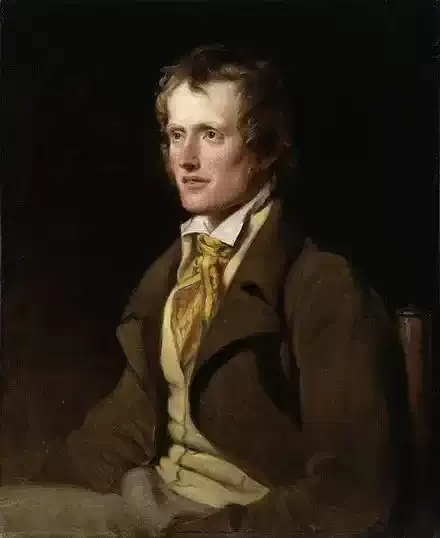
John Clare
The Vanities Of Life
The Vanities Of Life
Vanity of vanities, all is vanity.--_Solomon_
What are life's joys and gains?
What pleasures crowd its ways,
That man should take such pains
To seek them all his days?
Sift this untoward strife
On which thy mind is bent:
See if this chaff of life
Is worth the trouble spent.
Is pride thy heart's desire?
Is power thy climbing aim?
Is love thy folly's fire?
Is wealth thy restless game?
Pride, power, love, wealth, and all
Time's touchstone shall destroy,
And, like base coin, prove all
Vain substitutes for joy.
Dost think that pride exalts
Thyself in other's eyes,
And hides thy folly's faults,
Which reason will despise?
Dost strut, and turn, and stride,
Like walking weathercocks?
The shadow by thy side
Becomes thy ape, and mocks.
Dost think that power's disguise
Can make thee mighty seem?
It may in folly's eyes,
But not in worth's esteem,
When all that thou canst ask,
And all that she can give,
Is but a paltry mask
Which tyrants wear and live.
Go, let thy fancies range
And ramble where they may;
View power in every change,
And what is the display?
--The country magistrate,
The meanest shade in power,
To rulers of the state,
The meteors of an hour.
View all, and mark the end
Of every proud extreme,
Where flattery turns a friend,
And counterfeits esteem;
Where worth is aped in show,
That doth her name purloin,
Like toys of golden glow
That's sold for copper coin.
Ambition's haughty nod
With fancies may deceive,
Nay, tell thee thou'rt a god,
And wilt thou such believe?
Go, bid the seas be dry;
Go, hold earth like a ball,
Or throw thy fancies by,
For God can do it all.
Dost thou possess the dower
Of laws to spare or kill?
Call it not heavenly power
When but a tyrant's will.
Know what a God will do,
And know thyself a fool,
Nor, tyrant-like, pursue
Where He alone should rule.
O put away thy pride,
Or be ashamed of power
That cannot turn aside
The breeze that waves a flower.
Or bid the clouds be still:
Though shadows, they can brave
Thy poor power mocking will:
Then make not man a slave.
Dost think, when wealth is won,
Thy heart has its desire?
Hold ice up to the sun,
And wax before the fire;
Nor triumph oer the reign
Which they so soon resign;
In this world's ways they gain,
Insurance safe as thine.
Dost think life's peace secure
In house and in land?
Go, read the fairy lure
To twist a cord in sand;
Lodge stones upon the sky,
Hold water in a sieve,
Nor give such tales the lie,
And still thine own believe.
Whoso with riches deals,
And thinks peace bought and sold,
Will find them slipping eels,
That slide the firmest hold:
Though sweet as sleep with health
Thy lulling luck may be,
Pride may oerstride thy wealth,
And check prosperity.
Dost think that beauty's power
Life sweetest pleasure gives?
Go, pluck the summer flower,
And see how long it lives:
Behold, the rays glide on
Along the summer plain
Ere thou canst say 'they're gone,'
And measure beauty's reign.
Look on the brightest eye,
Nor teach it to be proud;
View but the clearest sky,
And thou shalt find a cloud;
Nor call each face ye meet
An angel's, cause it's fair,
But look beneath your feet,
And think of what they are.
Who thinks that love doth live
In beauty's tempting show,
Shall find his hopes ungive,
And melt in reason's thaw.
Who thinks that pleasure lies
In every fairy bower,
Shall oft, to his surprise,
Find poison in the flower.
Dost lawless passions grasp?
Judge not thou deal'st in joy:
Its flowers but hide the asp,
Thy revels to destroy.
Who trusts an harlot's smile,
And by her wiles are led,
Plays, with a sword the while
Hung dropping oer his head.
Dost doubt my warning song?
Then doubt the sun gives light,
Doubt truth to teach thee wrong,
And wrong alone as right;
And live as lives the knave,
Intrigue's deceiving guest;
Be tyrant, or be slave,
As suits thy ends the best.
Or pause amid thy toils
For visions won and lost,
And count the fancied spoils,
If eer they quit the cost:
And if they still possess
Thy mind, as worthy things,
Plat straws with bedlam Bess,
And call them diamond rings.
Thy folly's past advice,
Thy heart's already won,
Thy fall's above all price,
So go, and be undone;
For all who thus prefer
The seeming great for small
Shall make wine vinegar,
And sweetest honey gall.
Wouldst heed the truths I sing,
To profit wherewithal,
Clip folly's wanton wing,
And keep her within call.
I've little else to give,
What thou canst easy try;
The lesson how to live
Is but to learn to die.
Vanity of vanities, all is vanity.--_Solomon_
What are life's joys and gains?
What pleasures crowd its ways,
That man should take such pains
To seek them all his days?
Sift this untoward strife
On which thy mind is bent:
See if this chaff of life
Is worth the trouble spent.
Is pride thy heart's desire?
Is power thy climbing aim?
Is love thy folly's fire?
Is wealth thy restless game?
Pride, power, love, wealth, and all
Time's touchstone shall destroy,
And, like base coin, prove all
Vain substitutes for joy.
Dost think that pride exalts
Thyself in other's eyes,
And hides thy folly's faults,
Which reason will despise?
Dost strut, and turn, and stride,
Like walking weathercocks?
The shadow by thy side
Becomes thy ape, and mocks.
Dost think that power's disguise
Can make thee mighty seem?
It may in folly's eyes,
But not in worth's esteem,
When all that thou canst ask,
And all that she can give,
Is but a paltry mask
Which tyrants wear and live.
Go, let thy fancies range
And ramble where they may;
View power in every change,
And what is the display?
--The country magistrate,
The meanest shade in power,
To rulers of the state,
The meteors of an hour.
View all, and mark the end
Of every proud extreme,
Where flattery turns a friend,
And counterfeits esteem;
Where worth is aped in show,
That doth her name purloin,
Like toys of golden glow
That's sold for copper coin.
Ambition's haughty nod
With fancies may deceive,
Nay, tell thee thou'rt a god,
And wilt thou such believe?
Go, bid the seas be dry;
Go, hold earth like a ball,
Or throw thy fancies by,
For God can do it all.
Dost thou possess the dower
Of laws to spare or kill?
Call it not heavenly power
When but a tyrant's will.
Know what a God will do,
And know thyself a fool,
Nor, tyrant-like, pursue
Where He alone should rule.
O put away thy pride,
Or be ashamed of power
That cannot turn aside
The breeze that waves a flower.
Or bid the clouds be still:
Though shadows, they can brave
Thy poor power mocking will:
Then make not man a slave.
Dost think, when wealth is won,
Thy heart has its desire?
Hold ice up to the sun,
And wax before the fire;
Nor triumph oer the reign
Which they so soon resign;
In this world's ways they gain,
Insurance safe as thine.
Dost think life's peace secure
In house and in land?
Go, read the fairy lure
To twist a cord in sand;
Lodge stones upon the sky,
Hold water in a sieve,
Nor give such tales the lie,
And still thine own believe.
Whoso with riches deals,
And thinks peace bought and sold,
Will find them slipping eels,
That slide the firmest hold:
Though sweet as sleep with health
Thy lulling luck may be,
Pride may oerstride thy wealth,
And check prosperity.
Dost think that beauty's power
Life sweetest pleasure gives?
Go, pluck the summer flower,
And see how long it lives:
Behold, the rays glide on
Along the summer plain
Ere thou canst say 'they're gone,'
And measure beauty's reign.
Look on the brightest eye,
Nor teach it to be proud;
View but the clearest sky,
And thou shalt find a cloud;
Nor call each face ye meet
An angel's, cause it's fair,
But look beneath your feet,
And think of what they are.
Who thinks that love doth live
In beauty's tempting show,
Shall find his hopes ungive,
And melt in reason's thaw.
Who thinks that pleasure lies
In every fairy bower,
Shall oft, to his surprise,
Find poison in the flower.
Dost lawless passions grasp?
Judge not thou deal'st in joy:
Its flowers but hide the asp,
Thy revels to destroy.
Who trusts an harlot's smile,
And by her wiles are led,
Plays, with a sword the while
Hung dropping oer his head.
Dost doubt my warning song?
Then doubt the sun gives light,
Doubt truth to teach thee wrong,
And wrong alone as right;
And live as lives the knave,
Intrigue's deceiving guest;
Be tyrant, or be slave,
As suits thy ends the best.
Or pause amid thy toils
For visions won and lost,
And count the fancied spoils,
If eer they quit the cost:
And if they still possess
Thy mind, as worthy things,
Plat straws with bedlam Bess,
And call them diamond rings.
Thy folly's past advice,
Thy heart's already won,
Thy fall's above all price,
So go, and be undone;
For all who thus prefer
The seeming great for small
Shall make wine vinegar,
And sweetest honey gall.
Wouldst heed the truths I sing,
To profit wherewithal,
Clip folly's wanton wing,
And keep her within call.
I've little else to give,
What thou canst easy try;
The lesson how to live
Is but to learn to die.
414
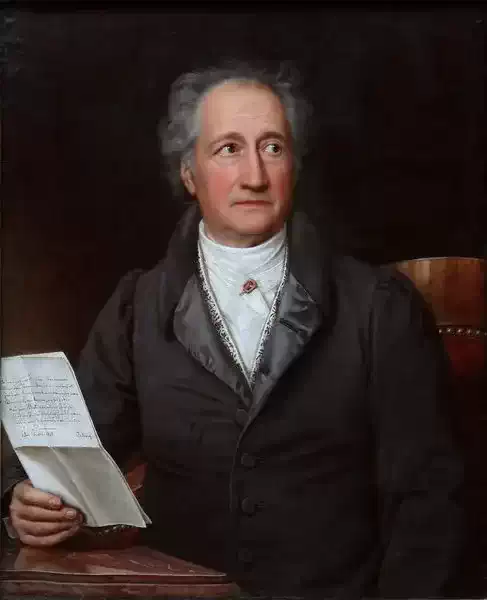
Johann Wolfgang von Goethe
The Originals
The Originals
A FELLOW says: "I own no school or college;
No master lives whom I acknowledge;
And pray don't entertain the thought
That from the dead I e'er learnt aught."
This, if I rightly understand,
Means: "I'm a blockhead at first hand."
A FELLOW says: "I own no school or college;
No master lives whom I acknowledge;
And pray don't entertain the thought
That from the dead I e'er learnt aught."
This, if I rightly understand,
Means: "I'm a blockhead at first hand."
392
Johann Wolfgang von Goethe
The Godlike
The Godlike
NOBLE be man,
Helpful and good!
For that alone
Distinguisheth him
From all the beings
Unto us known.
Hail to the beings,
Unknown and glorious,
Whom we forebode!
From his example
Learn we to know them!
For unfeeling
Nature is ever:
On bad and on good
The sun alike shineth;
And on the wicked,
As on the best,
The moon and stars gleam.
Tempest and torrent,
Thunder and hail,
Roar on their path,
Seizing the while,
As they haste onward,
One after another.
Even so, fortune
Gropes 'mid the throng--
Innocent boyhood's
Curly head seizing,--
Seizing the hoary
Head of the sinner.
After laws mighty,
Brazen, eternal,
Must all we mortals
Finish the circuit
Of our existence.
Man, and man only
Can do the impossible;
He 'tis distinguisheth,
Chooseth and judgeth;
He to the moment
Endurance can lend.
He and he only
The good can reward,
The bad can he punish,
Can heal and can save;
All that wanders and strays
Can usefully blend.
And we pay homage
To the immortals
As though they were men,
And did in the great,
What the best, in the small,
Does or might do.
Be the man that is noble,
Both helpful and good.
Unweariedly forming
The right and the useful,
A type of those beings
Our mind hath foreshadow'd!
NOBLE be man,
Helpful and good!
For that alone
Distinguisheth him
From all the beings
Unto us known.
Hail to the beings,
Unknown and glorious,
Whom we forebode!
From his example
Learn we to know them!
For unfeeling
Nature is ever:
On bad and on good
The sun alike shineth;
And on the wicked,
As on the best,
The moon and stars gleam.
Tempest and torrent,
Thunder and hail,
Roar on their path,
Seizing the while,
As they haste onward,
One after another.
Even so, fortune
Gropes 'mid the throng--
Innocent boyhood's
Curly head seizing,--
Seizing the hoary
Head of the sinner.
After laws mighty,
Brazen, eternal,
Must all we mortals
Finish the circuit
Of our existence.
Man, and man only
Can do the impossible;
He 'tis distinguisheth,
Chooseth and judgeth;
He to the moment
Endurance can lend.
He and he only
The good can reward,
The bad can he punish,
Can heal and can save;
All that wanders and strays
Can usefully blend.
And we pay homage
To the immortals
As though they were men,
And did in the great,
What the best, in the small,
Does or might do.
Be the man that is noble,
Both helpful and good.
Unweariedly forming
The right and the useful,
A type of those beings
Our mind hath foreshadow'd!
455
Johann Wolfgang von Goethe
The Country Schoolmaster
The Country Schoolmaster
I.
A MASTER of a country school
Jump'd up one day from off his stool,
Inspired with firm resolve to try
To gain the best society;
So to the nearest baths he walk'd,
And into the saloon he stalk'd.
He felt quite. startled at the door,
Ne'er having seen the like before.
To the first stranger made he now
A very low and graceful bow,
But quite forgot to bear in mind
That people also stood behind;
His left-hand neighbor's paunch he struck
A grievous blow, by great ill luck;
Pardon for this he first entreated,
And then in haste his bow repeated.
His right hand neighbor next he hit,
And begg'd him, too, to pardon it;
But on his granting his petition,
Another was in like condition;
These compliments he paid to all,
Behind, before, across the hall;
At length one who could stand no more,
Show'd him impatiently the door.
May many, pond'ring on their crimes,
A moral draw from this betimes!
II.
As he proceeded on his way
He thought, "I was too weak to-day;
To bow I'll ne'er again be seen;
For goats will swallow what is green."
Across the fields he now must speed,
Not over stumps and stones, indeed,
But over meads and cornfields sweet,
Trampling down all with clumsy feet.
A farmer met him by-and-by,
And didn't ask him: how? or why?
But with his fist saluted him.
"I feel new life in every limb!"
Our traveller cried in ecstasy.
"Who art thou who thus gladden'st me?
May Heaven such blessings ever send!
Ne'er may I want a jovial friend!"
I.
A MASTER of a country school
Jump'd up one day from off his stool,
Inspired with firm resolve to try
To gain the best society;
So to the nearest baths he walk'd,
And into the saloon he stalk'd.
He felt quite. startled at the door,
Ne'er having seen the like before.
To the first stranger made he now
A very low and graceful bow,
But quite forgot to bear in mind
That people also stood behind;
His left-hand neighbor's paunch he struck
A grievous blow, by great ill luck;
Pardon for this he first entreated,
And then in haste his bow repeated.
His right hand neighbor next he hit,
And begg'd him, too, to pardon it;
But on his granting his petition,
Another was in like condition;
These compliments he paid to all,
Behind, before, across the hall;
At length one who could stand no more,
Show'd him impatiently the door.
May many, pond'ring on their crimes,
A moral draw from this betimes!
II.
As he proceeded on his way
He thought, "I was too weak to-day;
To bow I'll ne'er again be seen;
For goats will swallow what is green."
Across the fields he now must speed,
Not over stumps and stones, indeed,
But over meads and cornfields sweet,
Trampling down all with clumsy feet.
A farmer met him by-and-by,
And didn't ask him: how? or why?
But with his fist saluted him.
"I feel new life in every limb!"
Our traveller cried in ecstasy.
"Who art thou who thus gladden'st me?
May Heaven such blessings ever send!
Ne'er may I want a jovial friend!"
347
Johann Wolfgang von Goethe
On The Divan
On The Divan
HE who knows himself and others
Here will also see,
That the East and West, like brothers,
Parted ne'er shall be.
Thoughtfully to float for ever
'Tween two worlds, be man's endeavour!
So between the East and West
To revolve, be my behest!
HE who knows himself and others
Here will also see,
That the East and West, like brothers,
Parted ne'er shall be.
Thoughtfully to float for ever
'Tween two worlds, be man's endeavour!
So between the East and West
To revolve, be my behest!
311
Johann Wolfgang von Goethe
Lines On Seeing Schiller's Skull
Lines On Seeing Schiller's Skull
WITHIN a gloomy charnel-house one day
I view'd the countless skulls, so strangely mated,
And of old times I thought, that now were grey.
Close pack'd they stand, that once so fiercely hated,
And hardy bones, that to the death contended,
Are lying cross'd,--to lie for ever, fated.
What held those crooked shoulder-blades suspended?
No one now asks; and limbs with vigour fired,
The hand, the foot--their use in life is ended.
Vainly ye sought the tomb for rest when tired;
Peace in the grave may not be yours; ye're driven
Back into daylight by a force inspired;
But none can love the wither'd husk, though even
A glorious noble kernel it contained.
To me, an adept, was the writing given
Which not to all its holy sense explained,
When 'mid the crowd, their icy shadows flinging,
I saw a form, that glorious still remained.
And even there, where mould and damp were clinging,
Gave me a blest, a rapture-fraught emotion,
As though from death a living fount were springing.
What mystic joy I felt! What rapt devotion!
That form, how pregnant with a godlike trace!
A look, how did it whirl me tow'rd that ocean
Whose rolling billows mightier shapes embrace!
Mysterious vessel! Oracle how dear!
Even to grasp thee is my hand too base,
Except to steal thee from thy prison here
With pious purpose, and devoutly go
Back to the air, free thoughts, and sunlight clear.
What greater gain in life can man e'er know
Than when God-Nature will to him explain
How into Spirit steadfastness may flow,
How steadfast, too, the Spirit-Born remain.
WITHIN a gloomy charnel-house one day
I view'd the countless skulls, so strangely mated,
And of old times I thought, that now were grey.
Close pack'd they stand, that once so fiercely hated,
And hardy bones, that to the death contended,
Are lying cross'd,--to lie for ever, fated.
What held those crooked shoulder-blades suspended?
No one now asks; and limbs with vigour fired,
The hand, the foot--their use in life is ended.
Vainly ye sought the tomb for rest when tired;
Peace in the grave may not be yours; ye're driven
Back into daylight by a force inspired;
But none can love the wither'd husk, though even
A glorious noble kernel it contained.
To me, an adept, was the writing given
Which not to all its holy sense explained,
When 'mid the crowd, their icy shadows flinging,
I saw a form, that glorious still remained.
And even there, where mould and damp were clinging,
Gave me a blest, a rapture-fraught emotion,
As though from death a living fount were springing.
What mystic joy I felt! What rapt devotion!
That form, how pregnant with a godlike trace!
A look, how did it whirl me tow'rd that ocean
Whose rolling billows mightier shapes embrace!
Mysterious vessel! Oracle how dear!
Even to grasp thee is my hand too base,
Except to steal thee from thy prison here
With pious purpose, and devoutly go
Back to the air, free thoughts, and sunlight clear.
What greater gain in life can man e'er know
Than when God-Nature will to him explain
How into Spirit steadfastness may flow,
How steadfast, too, the Spirit-Born remain.
339
Johann Wolfgang von Goethe
Legend
Legend
THERE lived in the desert a holy man
To whom a goat-footed Faun one day
Paid a visit, and thus began
To his surprise: 'I entreat thee to pray
That grace to me and my friends may be given,
That we may be able to mount to Heaven,
For great is our thirst for heav'nly bliss.'
The holy man made answer to this:
'Much danger is lurking in thy petition,
Nor will it be easy to gain admission;
Thou dost not come with an angel's salute;
For I see thou wearest a cloven foot.'
The wild man paused, and then answer'd he:
'What doth my goat's foot matter to thee?
Full many I've known into heaven to pass
Straight and with ease, with the head of an ass!'
THERE lived in the desert a holy man
To whom a goat-footed Faun one day
Paid a visit, and thus began
To his surprise: 'I entreat thee to pray
That grace to me and my friends may be given,
That we may be able to mount to Heaven,
For great is our thirst for heav'nly bliss.'
The holy man made answer to this:
'Much danger is lurking in thy petition,
Nor will it be easy to gain admission;
Thou dost not come with an angel's salute;
For I see thou wearest a cloven foot.'
The wild man paused, and then answer'd he:
'What doth my goat's foot matter to thee?
Full many I've known into heaven to pass
Straight and with ease, with the head of an ass!'
447
Johann Wolfgang von Goethe
Hermann And Dorothea - IX. Urania
Hermann And Dorothea - IX. Urania
CONCLUSION.
O YE Muses, who gladly favour a love that is heartfelt,
Who on his way the excellent youth have hitherto guided,
Who have press'd the maid to his bosom before their betrothal,
Help still further to perfect the bonds of a couple so loving,
Drive away the clouds which over their happiness hover!
But begin by saying what now in the house has been passing.
For the third time the mother impatiently enter'd the chamber
Where the men were sitting, which she had anxiously quitted,
Speaking of the approaching storm, and the loss of the moon's light,
Then of her son's long absence, and all the perils that night brings.
Strongly she censured their friends for having so soon left the youngster,
For not even addressing the maiden, or seeking to woo her.
'Make not the worst of the mischief,' the father peevishly answer'd;
'For you see we are waiting ourselves, expecting the issue.'
But the neighbour sat still, and calmly address'd them as follows:-'
In uneasy moments like these, I always feel grateful
To my late father, who when I was young all seeds of impatience
In my mind uprooted, and left no fragment remaining,
And I learnt how to wait, as well as the best of the wise men.
'Tell us what legerdemain he employ'd,' the pastor made answer.
'I will gladly inform you, and each one may gain by the lesson,'
Answer'd the neighbour. 'When I was a boy, I was standing one Sunday
In a state of impatience, eagerly waiting the carriage
Which was to carry us out to the fountain under the lime-trees;
But it came not; I ran like a weasel now hither, now thither,
Up and down the stairs, and from the door to the window;
Both my hands were prickling, I scratch'd away at the tables,
Stamping and trotting about, and scarcely refrain'd I from crying.
All this the calm man composedly saw; but finally when I
Carried my folly too far, by the arm he quietly took me,
Led me up to the window, and used this significant language
'See you up yonder the joiner's workshop, now closed for the Sunday?
'Twill be re-open'd to-morrow, and plane and saw will be working.
Thus will the busy hours be pass'd from morning till evening.
But remember this: the rimming will soon be arriving,
When the master, together with all his men, will be busy
In preparing and finishing quickly and deftly your coffin,
And they will carefully bring over here that house made of boards, which
Will at length receive the patient as well as impatient,
And which is destined to carry a roof that's unpleasantly heavy.
All that he mention'd I forthwith saw taking place in my mind's eye,
Saw the boards join'd together, and saw the black cover made ready,
Patiently then I sat, and meekly awaited the carriage.
And I always think of the coffin whenever I see men
Running about in a state of doubtful and wild expectation.'
Smilingly answered the pastor:--'Death's stirring image is neither
Unto the wise a cause of alarm,--or an end to the pious.
Back into life it urges the former, and teaches him action,
And, for the weal of the latter, it strengthens his hope in affliction.
Death is a giver of life unto both. Your father did wrongly
When to the sensitive boy he pointed out death in its own form.
Unto the youth should be shown the worth of a noble and ripen'd
Age, and unto the old man, youth, that both may rejoice in
The eternal circle, and life may in life be made perfect!'
Here the door was open'd. The handsome couple appear'd there,
And the friends were amazed, the loving parents astonish'd
At the form of the bride, the form of the bridegroom resembling.
Yes! the door appear'd too small to admit the tall figures
Which now cross'd the threshold, in company walking together.
To his parents Hermann presented her, hastily saying:-'
Here is a maiden just of the sort you are wishing to have here,
Welcome her kindly, dear father! she fully deserves it, and you too,
Mother dear, ask her questions as to her housekeeping knowledge,
That you may see how well she deserves to form one of our party.'
Then he hastily took on one side the excellent pastor,
Saying:--' Kind sir, I entreat you to help me out of this trouble
Quickly, and loosen the knot, whose unravelling I am so dreading;
For I have not ventured to woo as my bride the fair maiden,
But she believes she's to be a maid in the house, and I fear me
She will in anger depart, as soon as we talk about marriage.
But it must be decided at once! no longer in error
Shall she remain, and I no longer this doubt can put up with.
Hasten and once more exhibit that wisdom we all hold in honour.'
So the pastor forthwith turn'd round to the rest of the party,
But the maiden's soul was, unhappily, troubled already
By the talk of the father, who just had address'd her as follows,
Speaking good humour'dly, and in accents pleasant and lively
'Yes, I'm well satisfied, child! I joyfully see that my son has
Just as good taste as his father, who in his younger days show'd it,
Always leading the fairest one out in the dance, and then lastly
Taking the fairest one home as his wife--'twas your dear little mother!
For by the bride whom a man selects, we may easily gather
What kind of spirit his is, and whether he knows his own value.
But you will surely need but a short time to form your decision,
For I verily think he will find it full easy to follow.'
Hermann but partially heard the words; the whole of his members
Inwardly quivered, and all the circle were suddenly silent.
But the excellent maiden, by words of such irony wounded,
(As she esteem'd them to be) and deeply distress'd in her spirit,
Stood, while a passing flush from her cheeks as far as her neck was
Spreading, but she restrain'd herself, and collected her thoughts soon;
Then to the old man she said, not fully concealing her sorrow
'Truly I was not prepared by your son for such a reception,
When he described his father's nature,--that excellent burgher,
And I know I am standing before you, a person of culture,
Who behaves himself wisely to all, in a suitable manner.
But it would seem that you feel not pity enough for the poor thing
Who has just cross'd your threshold, prepared to enter your service
Else you would not seek to point out, with ridicule bitter,
How far removed my lot from your son's and that of yourself is.
True, with a little bundle, and poor, I have enter'd your dwelling,
Which it is the owner's delight to furnish with all things.
But I know myself well, and feel the whole situation.
Is it generous thus to greet me with language so jeering,
Which was well nigh expelled me the house, when just on the threshold?'
Hermann uneasily moved about, and signed to the pastor
To interpose without delay, and clear up the error.
Quickly the wise man advanced to the spot, and witness'd the maiden's
Silent vexation and tearful eyes and scarce-restrain'd sorrow.
Then his spirit advised him to solve not at once the confusion,
But, on the contrary, prove the excited mind of the maiden.
So, in words framed to try her, the pastor address'd her as follows:-'
Surely, my foreign maiden, you did not fully consider,
When you made up your mind to serve a stranger so quickly,
What it really is to enter the house of a master;
For a shake of the hand decides your fate for a twelvemonth,
And a single word Yes to much endurance will bind you.
But the worst part of the service is not the wearisome habits,
Nor the bitter toil of the work, which seems never-ending;
For the active freeman works hard as well as the servant.
But to suffer the whims of the master, who blames you unjustly,
Or who calls for this and for that, not knowing his own mind,
And the mistress's violence, always so easily kindled,
With the children's rough and supercilious bad manners,--
This is indeed hard to bear, whilst still fulfilling your duties
Promptly and actively, never becoming morose or ill-natured;
Yet for such work you appear little fit, for already the father's
Jokes have offended you deeply; yet nothing more commonly happens
Than to tease a maiden about her liking a youngster.'
Thus he spoke, and the maiden felt the weight of his language,
And no more restrain'd herself; mightily all her emotions
Show'd themselves, her bosom heaved, and a deep sigh escaped her,
And whilst shedding burning tears, she answer'd as follows:-'
Ne'er does the clever man, who seeks to advise us in sorrow,
Think how little his chilling words our hearts can deliver
From the pangs which an unseen destiny fastens upon us.
You are happy and merry. How then should a jest ever wound you?
But the slightest touch gives torture to those who are suff'ring.
Even dissimulation would nothing avail me at present.
Let me at once disclose what later would deepen my sorrow,
And consign me perchance to agony mute and consuming.
Let me depart forthwith! No more in this house dare I linger;
I must hence and away, and look once more for my poor friends
Whom I left in distress, when seeking to better my fortunes.
This is my firm resolve; and now I may properly tell you
That which had else been buried for many a year in my bosom.
Yes, the father's jest has wounded me deeply, I own it,
Not that I'm proud and touchy, as ill becometh a servant,
But because in truth in my heart a feeling has risen
For the youth, who to-day has fill'd the part of my Saviour.
For when first in the road he left me, his image remain'd still
Firmly fix'd in my mind; and I thought of the fortunate maiden
Whom, as his betroth'd one, he cherish'd perchance in his bosom.
And when I found him again at the well, the sight of him charm'd me
Just as if I had-seen an angel descending from heaven.
And I follow'd him willingly, when as a servant he sought me,
But by my heart in truth I was flatter'd (I need must confess it),
As I hitherward came, that I might possibly win him,
If I became in the house an indispensable pillar.
But, alas, I now see the dangers I well nigh fell into,
When I bethought me of living so near a silently-loved one.
Now for the first time I feel how far removed a poor maiden
Is from a richer youth, however clever she may be.
I have told you all this, that you my heart may mistake not,
Which an event that in thought I foreshadow has wounded already.
For I must have expected, my secret wishes concealing,
That, ere much time had elapsed, I should see him bringing his bride home.
And how then could I have endured my hidden affliction!
Happily I am warn'd in time, and out of my bosom
Has my secret escaped, whilst curable still is the evil.
But no more of the subject! I now must tarry no longer
In this house, where I now am standing in pain and confusion,
All my foolish hopes and my feelings freely confessing.
Not the night which, with sinking clouds, is spreading around us,
Not the rolling thunder (I hear it already) shall stop me,
Not the falling rain, which outside is descending in torrents,
Not the blustering storm. All this I had to encounter
In that sorrowful flight, while the enemy follow'd behind Us.
And once more I go on my way, as I long have been wont to,
Seized by the whirlpool of time, and parted from all that I care for.
So farewell! I'll tarry no longer. My fate is accomplish'd!'
Thus she spoke, and towards the door she hastily turn'd her,
Holding under her arm the bundle she brought when arriving.
But the mother seized by both of her arms the fair maiden,
Clasping her round the body, and cried with surprise and amazement
'Say, what signifies this? These fruitless tears, what denote they?
No, I'll not leave you alone! You're surely my dear son's betroth'd one!'
But the father stood still, and show'd a great deal of reluctance,
Stared at the weeping girl, and peevishly spoke then as follows
'This, then, is all the indulgence my friends are willing to give me,
That at the close of the day the most unpleasant thing happens!
For there is nothing I hate so much as the tears of a woman,
And their passionate cries, set up with such heat and excitement,
Which a little plain sense would show to be utterly needless.
Truly, I find the sight of these whimsical doings a nuisance.
Matters must shift for themselves; as for me, I think it is bed-time.'
So he quickly turn'd round, and hasten'd to go to the chamber
Where the marriage-bed stood, in which he slept for the most part.
But his son held him back, and spoke in words of entreaty
'Father, don't go in a hurry, and be not amniote with the maiden!
I alone have to bear the blame of all this confusion,
Which our friend has increased by his unexpected dissembling.
Speak then, honour'd Sir! for to you the affair I confided;
Heap not up pain and annoyance, but rather complete the whole matter;
For I surely in future should not respect you so highly,
If you play practical jokes, instead of displaying true wisdom.'
Thereupon the worthy pastor smilingly answer'd
'What kind of wisdom could have extracted the charming confession
Of this good maiden, and so have reveal'd all her character to us?
Is not your care converted at once to pleasure and rapture?
Speak out, then, for yourself! Why need explanations from others
Hermann then stepped forward, and gently address'd her as follows
'Do not repent of your tears, nor yet of your passing affliction;
For they perfect my happiness; yours too, I fain would consider.
I came not to the fountain, to hire so noble a maiden
As a servant, I came to seek to win you affections.
But, alas! my timid gaze had not strength to discover
Your heart's leanings; it saw in your eye but a friendly expression,
When you greeted it out of the tranquil fountain's bright mirror.
Merely to bring you home, made half of my happiness certain
But you now make it complete! May every blessing be yours, then!'
Then the maiden look'd on the youth with heartfelt emotion,
And avoided not kiss or embrace, the summit of rapture,
When they also are to the loving the long-wish'd-for pledges
Of approaching bliss in a life which now seems to them endless.
Then the pastor told the others the whole of the story;
But the maiden came and gracefully bent o'er the father,
Kissing the while his hand, which he to draw back attempted.
And she said:--' I am sure that you will forgive the surprised one,
First for her tears of sorrow, and then for her tears of true rapture.
O forgive the emotions by which they both have been prompted,
And let me fully enjoy the bliss that has now been vouchsafed me!
Let the first vexation, which my confusion gave rise to,
Also be the last! The loving service which lately
Was by the servant promised, shall now by the daughter be render'd.'
And the father, his tears concealing, straightway embraced her;
Lovingly came the mother in turn, and heartily kiss'd her,
Warmly shaking her hand; and silently wept they together.
Then in a hasty manner, the good and sensible pastor
Seized the hand of the father, his wedding-ring off from his finger
Drawing (not easily though; so plump was the member that held it)
Then he took the mother's ring, and betroth'd the two children,
Saying:--'Once more may it be these golden hoops' destination
Firmly to fasten a bond altogether resembling the old one!
For this youth is deeply imbued with love for the maiden,
And the maiden confesses that she for the youth has a liking.
Therefore, I now betroth you, and wish you all blessings hereafter,
With the parents' consent, and with our friend here as a witness.'
And the neighbour bent forward, and added his own benediction;
But when the clergyman placed the gold ring on the hand of the maiden,
He with astonishment saw the one which already was on it,
And which Hermann before at the fountain had anxiously noticed.
Whereupon he spoke in words at once friendly and jesting
'What! You are twice engaging yourself? I hope that the first one
May not appear at the altar, unkindly forbidding the banns there!'
But she said in reply:--'O let me devote but one moment
To this mournful remembrance! For well did the good youth deserve it,
Who, when departing, presented the ring, but never return'd home.
All was by him foreseen, when freedom's love of a sudden,
And a desire to play his part in the new-found Existence,
Drove him to go to Paris, where prison and death were his portion.
'Farewell,' said he, 'I go; for all things on earth are in motion
At this moment, and all things appear in a state of disunion.
Fundamental laws in the steadiest countries are loosen'd,
And possessions are parted from those who used to possess them,
Friends are parted from friends, and love is parted from love too.
I now leave you here, and whether I ever shall see you
Here again,--who can tell? Perchance these words will our last be.
Man is a stranger here upon earth, the proverb informs us;
Every person has now become more a stranger than ever.
Ours the soil is no longer; our treasures are fast flying from us;
All the sacred old vessels of gold and silver are melted,
All is moving, as though the old-fashion'd world would roll backwards
Into chaos and night, in order anew to be fashion'd.
You of my heart have possession, and if we shall ever here-after
Meet again over the wreck of the world, it will be as new creatures,
All remodell'd and free and independent of fortune;
For what fetters can bind down those who survive such a period!
But if we are destined not to escape from these dangers,
If we are never again to embrace each other with raptures
O then fondly keep in your thoughts my hovering image,
That you may be prepared with like courage for good and ill fortune!
If a new home or a new alliance should chance to allure you,
Then enjoy with thanks whatever your destiny offers,
Purely loving the loving, and grateful to him who thus loves you.
But remember always to tread with a circumspect footstep,
For the fresh pangs of a second loss will behind you be lurking.
Deem each day as sacred; but value not life any higher
Than any other possession, for all possessions are fleeting.'
Thus he spoke; and the noble youth and I parted for ever:
Meanwhile I ev'rything lost, and a thousand times thought of his warning.
Once more I think of his words, now that love is sweetly preparing
Happiness for me anew, and the brightest of hopes is unfolding.
Pardon me, dearest friend, for trembling e'en at the moment
When I am clasping your arm! For thus, on first landing, the sailor
Fancies that even the solid ground is shaking beneath him.'
Thus she spoke, and she placed the rings by the side of each other.
But the bridegroom answer'd, with noble and manly emotion
'All the firmer, amidst the universal disruption,
Be, Dorothea, our union! We'll show ourselves bold and enduring,
Firmly hold our own, and firmly retain our possessions.
For the man who in wav'ring times is inclined to be wav'ring
Only increases the evil, and spreads it wider and wider;
But the man of firm decision the universe fashions.
'Tis not becoming the Germans to further this fearful commotion,
And in addition to waver uncertainly hither and thither.
'This is our own!' we ought to say, and so to maintain it!
For the world will ever applaud those resolute nations
Who for God and the Law, their wives, and parents, and children
Struggle, and fall when contending against the foeman together.
You are mine; and now what is mine, is mine more than ever.
Not with anxiety will I preserve it, or timidly use it,
But with courage and strength. And if the enemy threaten
Now or hereafter, I'll hold myself ready, and reach down my weapons.
If I know that the house and my parents by you are protected,
I shall expose my breast to the enemy, void of all terror;
And if all others thought thus, then might against might should be measured,
And in the early prospect of peace we should all be rejoicing.'
CONCLUSION.
O YE Muses, who gladly favour a love that is heartfelt,
Who on his way the excellent youth have hitherto guided,
Who have press'd the maid to his bosom before their betrothal,
Help still further to perfect the bonds of a couple so loving,
Drive away the clouds which over their happiness hover!
But begin by saying what now in the house has been passing.
For the third time the mother impatiently enter'd the chamber
Where the men were sitting, which she had anxiously quitted,
Speaking of the approaching storm, and the loss of the moon's light,
Then of her son's long absence, and all the perils that night brings.
Strongly she censured their friends for having so soon left the youngster,
For not even addressing the maiden, or seeking to woo her.
'Make not the worst of the mischief,' the father peevishly answer'd;
'For you see we are waiting ourselves, expecting the issue.'
But the neighbour sat still, and calmly address'd them as follows:-'
In uneasy moments like these, I always feel grateful
To my late father, who when I was young all seeds of impatience
In my mind uprooted, and left no fragment remaining,
And I learnt how to wait, as well as the best of the wise men.
'Tell us what legerdemain he employ'd,' the pastor made answer.
'I will gladly inform you, and each one may gain by the lesson,'
Answer'd the neighbour. 'When I was a boy, I was standing one Sunday
In a state of impatience, eagerly waiting the carriage
Which was to carry us out to the fountain under the lime-trees;
But it came not; I ran like a weasel now hither, now thither,
Up and down the stairs, and from the door to the window;
Both my hands were prickling, I scratch'd away at the tables,
Stamping and trotting about, and scarcely refrain'd I from crying.
All this the calm man composedly saw; but finally when I
Carried my folly too far, by the arm he quietly took me,
Led me up to the window, and used this significant language
'See you up yonder the joiner's workshop, now closed for the Sunday?
'Twill be re-open'd to-morrow, and plane and saw will be working.
Thus will the busy hours be pass'd from morning till evening.
But remember this: the rimming will soon be arriving,
When the master, together with all his men, will be busy
In preparing and finishing quickly and deftly your coffin,
And they will carefully bring over here that house made of boards, which
Will at length receive the patient as well as impatient,
And which is destined to carry a roof that's unpleasantly heavy.
All that he mention'd I forthwith saw taking place in my mind's eye,
Saw the boards join'd together, and saw the black cover made ready,
Patiently then I sat, and meekly awaited the carriage.
And I always think of the coffin whenever I see men
Running about in a state of doubtful and wild expectation.'
Smilingly answered the pastor:--'Death's stirring image is neither
Unto the wise a cause of alarm,--or an end to the pious.
Back into life it urges the former, and teaches him action,
And, for the weal of the latter, it strengthens his hope in affliction.
Death is a giver of life unto both. Your father did wrongly
When to the sensitive boy he pointed out death in its own form.
Unto the youth should be shown the worth of a noble and ripen'd
Age, and unto the old man, youth, that both may rejoice in
The eternal circle, and life may in life be made perfect!'
Here the door was open'd. The handsome couple appear'd there,
And the friends were amazed, the loving parents astonish'd
At the form of the bride, the form of the bridegroom resembling.
Yes! the door appear'd too small to admit the tall figures
Which now cross'd the threshold, in company walking together.
To his parents Hermann presented her, hastily saying:-'
Here is a maiden just of the sort you are wishing to have here,
Welcome her kindly, dear father! she fully deserves it, and you too,
Mother dear, ask her questions as to her housekeeping knowledge,
That you may see how well she deserves to form one of our party.'
Then he hastily took on one side the excellent pastor,
Saying:--' Kind sir, I entreat you to help me out of this trouble
Quickly, and loosen the knot, whose unravelling I am so dreading;
For I have not ventured to woo as my bride the fair maiden,
But she believes she's to be a maid in the house, and I fear me
She will in anger depart, as soon as we talk about marriage.
But it must be decided at once! no longer in error
Shall she remain, and I no longer this doubt can put up with.
Hasten and once more exhibit that wisdom we all hold in honour.'
So the pastor forthwith turn'd round to the rest of the party,
But the maiden's soul was, unhappily, troubled already
By the talk of the father, who just had address'd her as follows,
Speaking good humour'dly, and in accents pleasant and lively
'Yes, I'm well satisfied, child! I joyfully see that my son has
Just as good taste as his father, who in his younger days show'd it,
Always leading the fairest one out in the dance, and then lastly
Taking the fairest one home as his wife--'twas your dear little mother!
For by the bride whom a man selects, we may easily gather
What kind of spirit his is, and whether he knows his own value.
But you will surely need but a short time to form your decision,
For I verily think he will find it full easy to follow.'
Hermann but partially heard the words; the whole of his members
Inwardly quivered, and all the circle were suddenly silent.
But the excellent maiden, by words of such irony wounded,
(As she esteem'd them to be) and deeply distress'd in her spirit,
Stood, while a passing flush from her cheeks as far as her neck was
Spreading, but she restrain'd herself, and collected her thoughts soon;
Then to the old man she said, not fully concealing her sorrow
'Truly I was not prepared by your son for such a reception,
When he described his father's nature,--that excellent burgher,
And I know I am standing before you, a person of culture,
Who behaves himself wisely to all, in a suitable manner.
But it would seem that you feel not pity enough for the poor thing
Who has just cross'd your threshold, prepared to enter your service
Else you would not seek to point out, with ridicule bitter,
How far removed my lot from your son's and that of yourself is.
True, with a little bundle, and poor, I have enter'd your dwelling,
Which it is the owner's delight to furnish with all things.
But I know myself well, and feel the whole situation.
Is it generous thus to greet me with language so jeering,
Which was well nigh expelled me the house, when just on the threshold?'
Hermann uneasily moved about, and signed to the pastor
To interpose without delay, and clear up the error.
Quickly the wise man advanced to the spot, and witness'd the maiden's
Silent vexation and tearful eyes and scarce-restrain'd sorrow.
Then his spirit advised him to solve not at once the confusion,
But, on the contrary, prove the excited mind of the maiden.
So, in words framed to try her, the pastor address'd her as follows:-'
Surely, my foreign maiden, you did not fully consider,
When you made up your mind to serve a stranger so quickly,
What it really is to enter the house of a master;
For a shake of the hand decides your fate for a twelvemonth,
And a single word Yes to much endurance will bind you.
But the worst part of the service is not the wearisome habits,
Nor the bitter toil of the work, which seems never-ending;
For the active freeman works hard as well as the servant.
But to suffer the whims of the master, who blames you unjustly,
Or who calls for this and for that, not knowing his own mind,
And the mistress's violence, always so easily kindled,
With the children's rough and supercilious bad manners,--
This is indeed hard to bear, whilst still fulfilling your duties
Promptly and actively, never becoming morose or ill-natured;
Yet for such work you appear little fit, for already the father's
Jokes have offended you deeply; yet nothing more commonly happens
Than to tease a maiden about her liking a youngster.'
Thus he spoke, and the maiden felt the weight of his language,
And no more restrain'd herself; mightily all her emotions
Show'd themselves, her bosom heaved, and a deep sigh escaped her,
And whilst shedding burning tears, she answer'd as follows:-'
Ne'er does the clever man, who seeks to advise us in sorrow,
Think how little his chilling words our hearts can deliver
From the pangs which an unseen destiny fastens upon us.
You are happy and merry. How then should a jest ever wound you?
But the slightest touch gives torture to those who are suff'ring.
Even dissimulation would nothing avail me at present.
Let me at once disclose what later would deepen my sorrow,
And consign me perchance to agony mute and consuming.
Let me depart forthwith! No more in this house dare I linger;
I must hence and away, and look once more for my poor friends
Whom I left in distress, when seeking to better my fortunes.
This is my firm resolve; and now I may properly tell you
That which had else been buried for many a year in my bosom.
Yes, the father's jest has wounded me deeply, I own it,
Not that I'm proud and touchy, as ill becometh a servant,
But because in truth in my heart a feeling has risen
For the youth, who to-day has fill'd the part of my Saviour.
For when first in the road he left me, his image remain'd still
Firmly fix'd in my mind; and I thought of the fortunate maiden
Whom, as his betroth'd one, he cherish'd perchance in his bosom.
And when I found him again at the well, the sight of him charm'd me
Just as if I had-seen an angel descending from heaven.
And I follow'd him willingly, when as a servant he sought me,
But by my heart in truth I was flatter'd (I need must confess it),
As I hitherward came, that I might possibly win him,
If I became in the house an indispensable pillar.
But, alas, I now see the dangers I well nigh fell into,
When I bethought me of living so near a silently-loved one.
Now for the first time I feel how far removed a poor maiden
Is from a richer youth, however clever she may be.
I have told you all this, that you my heart may mistake not,
Which an event that in thought I foreshadow has wounded already.
For I must have expected, my secret wishes concealing,
That, ere much time had elapsed, I should see him bringing his bride home.
And how then could I have endured my hidden affliction!
Happily I am warn'd in time, and out of my bosom
Has my secret escaped, whilst curable still is the evil.
But no more of the subject! I now must tarry no longer
In this house, where I now am standing in pain and confusion,
All my foolish hopes and my feelings freely confessing.
Not the night which, with sinking clouds, is spreading around us,
Not the rolling thunder (I hear it already) shall stop me,
Not the falling rain, which outside is descending in torrents,
Not the blustering storm. All this I had to encounter
In that sorrowful flight, while the enemy follow'd behind Us.
And once more I go on my way, as I long have been wont to,
Seized by the whirlpool of time, and parted from all that I care for.
So farewell! I'll tarry no longer. My fate is accomplish'd!'
Thus she spoke, and towards the door she hastily turn'd her,
Holding under her arm the bundle she brought when arriving.
But the mother seized by both of her arms the fair maiden,
Clasping her round the body, and cried with surprise and amazement
'Say, what signifies this? These fruitless tears, what denote they?
No, I'll not leave you alone! You're surely my dear son's betroth'd one!'
But the father stood still, and show'd a great deal of reluctance,
Stared at the weeping girl, and peevishly spoke then as follows
'This, then, is all the indulgence my friends are willing to give me,
That at the close of the day the most unpleasant thing happens!
For there is nothing I hate so much as the tears of a woman,
And their passionate cries, set up with such heat and excitement,
Which a little plain sense would show to be utterly needless.
Truly, I find the sight of these whimsical doings a nuisance.
Matters must shift for themselves; as for me, I think it is bed-time.'
So he quickly turn'd round, and hasten'd to go to the chamber
Where the marriage-bed stood, in which he slept for the most part.
But his son held him back, and spoke in words of entreaty
'Father, don't go in a hurry, and be not amniote with the maiden!
I alone have to bear the blame of all this confusion,
Which our friend has increased by his unexpected dissembling.
Speak then, honour'd Sir! for to you the affair I confided;
Heap not up pain and annoyance, but rather complete the whole matter;
For I surely in future should not respect you so highly,
If you play practical jokes, instead of displaying true wisdom.'
Thereupon the worthy pastor smilingly answer'd
'What kind of wisdom could have extracted the charming confession
Of this good maiden, and so have reveal'd all her character to us?
Is not your care converted at once to pleasure and rapture?
Speak out, then, for yourself! Why need explanations from others
Hermann then stepped forward, and gently address'd her as follows
'Do not repent of your tears, nor yet of your passing affliction;
For they perfect my happiness; yours too, I fain would consider.
I came not to the fountain, to hire so noble a maiden
As a servant, I came to seek to win you affections.
But, alas! my timid gaze had not strength to discover
Your heart's leanings; it saw in your eye but a friendly expression,
When you greeted it out of the tranquil fountain's bright mirror.
Merely to bring you home, made half of my happiness certain
But you now make it complete! May every blessing be yours, then!'
Then the maiden look'd on the youth with heartfelt emotion,
And avoided not kiss or embrace, the summit of rapture,
When they also are to the loving the long-wish'd-for pledges
Of approaching bliss in a life which now seems to them endless.
Then the pastor told the others the whole of the story;
But the maiden came and gracefully bent o'er the father,
Kissing the while his hand, which he to draw back attempted.
And she said:--' I am sure that you will forgive the surprised one,
First for her tears of sorrow, and then for her tears of true rapture.
O forgive the emotions by which they both have been prompted,
And let me fully enjoy the bliss that has now been vouchsafed me!
Let the first vexation, which my confusion gave rise to,
Also be the last! The loving service which lately
Was by the servant promised, shall now by the daughter be render'd.'
And the father, his tears concealing, straightway embraced her;
Lovingly came the mother in turn, and heartily kiss'd her,
Warmly shaking her hand; and silently wept they together.
Then in a hasty manner, the good and sensible pastor
Seized the hand of the father, his wedding-ring off from his finger
Drawing (not easily though; so plump was the member that held it)
Then he took the mother's ring, and betroth'd the two children,
Saying:--'Once more may it be these golden hoops' destination
Firmly to fasten a bond altogether resembling the old one!
For this youth is deeply imbued with love for the maiden,
And the maiden confesses that she for the youth has a liking.
Therefore, I now betroth you, and wish you all blessings hereafter,
With the parents' consent, and with our friend here as a witness.'
And the neighbour bent forward, and added his own benediction;
But when the clergyman placed the gold ring on the hand of the maiden,
He with astonishment saw the one which already was on it,
And which Hermann before at the fountain had anxiously noticed.
Whereupon he spoke in words at once friendly and jesting
'What! You are twice engaging yourself? I hope that the first one
May not appear at the altar, unkindly forbidding the banns there!'
But she said in reply:--'O let me devote but one moment
To this mournful remembrance! For well did the good youth deserve it,
Who, when departing, presented the ring, but never return'd home.
All was by him foreseen, when freedom's love of a sudden,
And a desire to play his part in the new-found Existence,
Drove him to go to Paris, where prison and death were his portion.
'Farewell,' said he, 'I go; for all things on earth are in motion
At this moment, and all things appear in a state of disunion.
Fundamental laws in the steadiest countries are loosen'd,
And possessions are parted from those who used to possess them,
Friends are parted from friends, and love is parted from love too.
I now leave you here, and whether I ever shall see you
Here again,--who can tell? Perchance these words will our last be.
Man is a stranger here upon earth, the proverb informs us;
Every person has now become more a stranger than ever.
Ours the soil is no longer; our treasures are fast flying from us;
All the sacred old vessels of gold and silver are melted,
All is moving, as though the old-fashion'd world would roll backwards
Into chaos and night, in order anew to be fashion'd.
You of my heart have possession, and if we shall ever here-after
Meet again over the wreck of the world, it will be as new creatures,
All remodell'd and free and independent of fortune;
For what fetters can bind down those who survive such a period!
But if we are destined not to escape from these dangers,
If we are never again to embrace each other with raptures
O then fondly keep in your thoughts my hovering image,
That you may be prepared with like courage for good and ill fortune!
If a new home or a new alliance should chance to allure you,
Then enjoy with thanks whatever your destiny offers,
Purely loving the loving, and grateful to him who thus loves you.
But remember always to tread with a circumspect footstep,
For the fresh pangs of a second loss will behind you be lurking.
Deem each day as sacred; but value not life any higher
Than any other possession, for all possessions are fleeting.'
Thus he spoke; and the noble youth and I parted for ever:
Meanwhile I ev'rything lost, and a thousand times thought of his warning.
Once more I think of his words, now that love is sweetly preparing
Happiness for me anew, and the brightest of hopes is unfolding.
Pardon me, dearest friend, for trembling e'en at the moment
When I am clasping your arm! For thus, on first landing, the sailor
Fancies that even the solid ground is shaking beneath him.'
Thus she spoke, and she placed the rings by the side of each other.
But the bridegroom answer'd, with noble and manly emotion
'All the firmer, amidst the universal disruption,
Be, Dorothea, our union! We'll show ourselves bold and enduring,
Firmly hold our own, and firmly retain our possessions.
For the man who in wav'ring times is inclined to be wav'ring
Only increases the evil, and spreads it wider and wider;
But the man of firm decision the universe fashions.
'Tis not becoming the Germans to further this fearful commotion,
And in addition to waver uncertainly hither and thither.
'This is our own!' we ought to say, and so to maintain it!
For the world will ever applaud those resolute nations
Who for God and the Law, their wives, and parents, and children
Struggle, and fall when contending against the foeman together.
You are mine; and now what is mine, is mine more than ever.
Not with anxiety will I preserve it, or timidly use it,
But with courage and strength. And if the enemy threaten
Now or hereafter, I'll hold myself ready, and reach down my weapons.
If I know that the house and my parents by you are protected,
I shall expose my breast to the enemy, void of all terror;
And if all others thought thus, then might against might should be measured,
And in the early prospect of peace we should all be rejoicing.'
342
Johann Wolfgang von Goethe
Hermann And Dorothea - III. Thalia
Hermann And Dorothea - III. Thalia
THE BURGHERS.
THUS did the prudent son escape from the hot conversation,
But the father continued precisely as he had begun it
What is not in a man can never come out of him, surely!
Never, I fear, shall I see fulfill'd my dearest of wishes,
That my son should be unlike his father, but better.
What would be the fate of a house or a town, if its inmates
Did not all take pride in preserving, renewing, improving,
As we are taught by the age, and by the wisdom of strangers?
Man is not born to spring out of the ground, just like a mere mushroom,
And to rot away soon in the very place that produced him!
Leaving behind him no trace of what he has done in his lifetime.
One can judge by the look of a house of the taste of its master,
As on ent'ring a town, one can judge the authorities' fitness.
For where the towers and walls are falling, where in the ditches
Dirt is collected, and dirt in every street is seen lying,
Where the stones come out of their groove, and are not replaced there,
Where the beams are rotting, and vainly the houses are waiting
New supports; that town is sure to be wretchedly managed.
For where order and cleanliness reign not supreme in high places,
Then to dirt and delay the citizens soon get accustom'd,
Just as the beggar's accustom'd to wear his cloths full of tatters.
Therefore I often have wish'd that Hermann would start on his travels
Ere he's much older, and visit at any rate Strasburg and Frankfort,
And that pleasant town, Mannheim, so evenly built and so cheerful.
He who has seen such large and cleanly cities rests never
Till his own native town, however small, he sees better'd.
Do not all strangers who visit us praise our well-mended gateways,
And the well-whited tower, the church so neatly repair'd too?
Do not all praise our pavements? Our well-arranged cover'd-in conduits,
Always well furnish'd with water, utility blending with safety,
So that a fire, whenever it happens, is straightway extinguish'd,--
Is not this the result of that conflagration so dreadful?
Six times in Council I superintended the town's works, receiving
Hearty thanks and assistance from every well-disposed burgher.
How I design'd, follow'd up, and ensured the completion of measures
Worthy men had projected, and afterwards left all unfinish'd!
Finally, every man in the Council took pleasure in working.
All put forth their exertions, and now they have finally settled
That new highway to make, which will join our town with the main road.
But I am greatly afraid that the young generation won't act thus;
Some on the one hand think only of pleasure and trumpery dresses,
Others wont stir out of doors, and pass all their time by the fireside,
And our Hermann, I fear, will always be one of this last sort.'
Forthwith to him replied the excellent sensible mother
'Father, you're always unjust whenever you speak of your son, and
That is the least likely way to obtain your wishes' fulfillment,
For we cannot fashion our children after our fancy.
We must have them and love them, as God has given them to us,
Bring them up for the best, and let each do as he listeth.
One has one kind of gift, another possesses another,
Each one employs them, and each in turn in his separate fashion
Good and happy becomes. My Hermann shall not be upbraided,
For I know that he well deserves the wealth he'll inherit;
He'll be an excellent landlord, a pattern to burghers and peasants,
And, as I clearly foresee, by no means the last in the Council.
But with your blame and reproaches, you daily dishearten him sadly,
As you have done just now, and make the poor fellow unhappy.'
Then she left the apartment, and after her son hasten'd quickly,
Hoping somewhere to find him, and with her words of affection
Gladden his heart, for he, the excellent son, well deserved it.
Smilingly, when she had closed the door, continued the father
'What a wonderful race of people are women and children.
All of them fain would do whatever pleases their fancy,
And we're only alow'd to praise them and flatter them freely.
Once for all there's truth in the ancient proverb which tells us:
He who moves not forward, goes backward! a capital saying!'
Speaking with much circumspection, the druggist made answer as follows
'What you say, good neighbour, is certainly true, and my plan is
Always to think of improvement, provided tho' new, 'tis not costly.
But what avails it in truth, unless one has plenty of money,
Active and fussy to he, improving both inside and outside?
Sadly confined are the means of a burgher; e'en when he knows it,
Little that's good he is able to do, his purse is too narrow,
And the sum wanted too great; and so he is always prevented.
I have had plenty of schemes! but then I was terribly frighten'd
At the expense, especially during a time of such danger.
Long had my house smiled upon me, decked out in modish exterior,
Long had my windows with large panes of glass resplendently glitterd.
Who can compete with a merchant, however, who, rolling in riches,
Also knows the manner in which what is best can be purchased?
Only look at the house up yonder, the new one: how handsome
Looks the stucco of those white scrolls on the green-colour'd panels!
Large are the plates of the windows--how shining and brilliant the panes are,
Quite eclipsing the rest of the houses that stand in the market!
Yet at the time of the fire, our two were by far the most handsome,
Mine at the sign of the Angel, and yours at the old Golden Lion.
Then my garden was famous throughout the whole country, and strangers
Used to stop as they pass'd and peep through my red-colourd palings
At my beggars of stone, and at my dwarfs, which were painted,
He to whom I gave coffee inside my beautiful grotto,
Which, alas! is now cover'd with dust and tumbling to pieces,
Used to rejoice in the colour'd glimmering light of the mussels,
Ranged in natural order around it, and connoisseurs even
Used with dazzled eyes to gaze at the spars and the coral.
Then, in the drawing-room, people look'd with delight on the painting,
Where the prim ladies and gentlemen walked in the garden demurely,
And with pointed fingers presented the flowers, and held them.
Ah, if only such things were now to be seen! Little care I
Now to go out; for everything needs to be alter'd and tasteful,
As it is call'd; and white are the benches of wood and the palings;
All things are simple and plain; and neither carving not gilding
Now are employ'd, and foreign timber is now all the fashion.
I should be only too pleased to possess some novelty also,
So as to march with the times, and my household furniture alter.
But we all are afraid to make the least alteration,
For who is able to pay the present charges of workmen?
Lately a fancy possess'd me, the angel Michael, whose figure
Hangs up over my shop, to treat to a new coat of gilding,
And the terrible Dragon, who round his feet is entwining;
But I have left him all brown; as he is; for the cost quite alarm'd me.'
THE BURGHERS.
THUS did the prudent son escape from the hot conversation,
But the father continued precisely as he had begun it
What is not in a man can never come out of him, surely!
Never, I fear, shall I see fulfill'd my dearest of wishes,
That my son should be unlike his father, but better.
What would be the fate of a house or a town, if its inmates
Did not all take pride in preserving, renewing, improving,
As we are taught by the age, and by the wisdom of strangers?
Man is not born to spring out of the ground, just like a mere mushroom,
And to rot away soon in the very place that produced him!
Leaving behind him no trace of what he has done in his lifetime.
One can judge by the look of a house of the taste of its master,
As on ent'ring a town, one can judge the authorities' fitness.
For where the towers and walls are falling, where in the ditches
Dirt is collected, and dirt in every street is seen lying,
Where the stones come out of their groove, and are not replaced there,
Where the beams are rotting, and vainly the houses are waiting
New supports; that town is sure to be wretchedly managed.
For where order and cleanliness reign not supreme in high places,
Then to dirt and delay the citizens soon get accustom'd,
Just as the beggar's accustom'd to wear his cloths full of tatters.
Therefore I often have wish'd that Hermann would start on his travels
Ere he's much older, and visit at any rate Strasburg and Frankfort,
And that pleasant town, Mannheim, so evenly built and so cheerful.
He who has seen such large and cleanly cities rests never
Till his own native town, however small, he sees better'd.
Do not all strangers who visit us praise our well-mended gateways,
And the well-whited tower, the church so neatly repair'd too?
Do not all praise our pavements? Our well-arranged cover'd-in conduits,
Always well furnish'd with water, utility blending with safety,
So that a fire, whenever it happens, is straightway extinguish'd,--
Is not this the result of that conflagration so dreadful?
Six times in Council I superintended the town's works, receiving
Hearty thanks and assistance from every well-disposed burgher.
How I design'd, follow'd up, and ensured the completion of measures
Worthy men had projected, and afterwards left all unfinish'd!
Finally, every man in the Council took pleasure in working.
All put forth their exertions, and now they have finally settled
That new highway to make, which will join our town with the main road.
But I am greatly afraid that the young generation won't act thus;
Some on the one hand think only of pleasure and trumpery dresses,
Others wont stir out of doors, and pass all their time by the fireside,
And our Hermann, I fear, will always be one of this last sort.'
Forthwith to him replied the excellent sensible mother
'Father, you're always unjust whenever you speak of your son, and
That is the least likely way to obtain your wishes' fulfillment,
For we cannot fashion our children after our fancy.
We must have them and love them, as God has given them to us,
Bring them up for the best, and let each do as he listeth.
One has one kind of gift, another possesses another,
Each one employs them, and each in turn in his separate fashion
Good and happy becomes. My Hermann shall not be upbraided,
For I know that he well deserves the wealth he'll inherit;
He'll be an excellent landlord, a pattern to burghers and peasants,
And, as I clearly foresee, by no means the last in the Council.
But with your blame and reproaches, you daily dishearten him sadly,
As you have done just now, and make the poor fellow unhappy.'
Then she left the apartment, and after her son hasten'd quickly,
Hoping somewhere to find him, and with her words of affection
Gladden his heart, for he, the excellent son, well deserved it.
Smilingly, when she had closed the door, continued the father
'What a wonderful race of people are women and children.
All of them fain would do whatever pleases their fancy,
And we're only alow'd to praise them and flatter them freely.
Once for all there's truth in the ancient proverb which tells us:
He who moves not forward, goes backward! a capital saying!'
Speaking with much circumspection, the druggist made answer as follows
'What you say, good neighbour, is certainly true, and my plan is
Always to think of improvement, provided tho' new, 'tis not costly.
But what avails it in truth, unless one has plenty of money,
Active and fussy to he, improving both inside and outside?
Sadly confined are the means of a burgher; e'en when he knows it,
Little that's good he is able to do, his purse is too narrow,
And the sum wanted too great; and so he is always prevented.
I have had plenty of schemes! but then I was terribly frighten'd
At the expense, especially during a time of such danger.
Long had my house smiled upon me, decked out in modish exterior,
Long had my windows with large panes of glass resplendently glitterd.
Who can compete with a merchant, however, who, rolling in riches,
Also knows the manner in which what is best can be purchased?
Only look at the house up yonder, the new one: how handsome
Looks the stucco of those white scrolls on the green-colour'd panels!
Large are the plates of the windows--how shining and brilliant the panes are,
Quite eclipsing the rest of the houses that stand in the market!
Yet at the time of the fire, our two were by far the most handsome,
Mine at the sign of the Angel, and yours at the old Golden Lion.
Then my garden was famous throughout the whole country, and strangers
Used to stop as they pass'd and peep through my red-colourd palings
At my beggars of stone, and at my dwarfs, which were painted,
He to whom I gave coffee inside my beautiful grotto,
Which, alas! is now cover'd with dust and tumbling to pieces,
Used to rejoice in the colour'd glimmering light of the mussels,
Ranged in natural order around it, and connoisseurs even
Used with dazzled eyes to gaze at the spars and the coral.
Then, in the drawing-room, people look'd with delight on the painting,
Where the prim ladies and gentlemen walked in the garden demurely,
And with pointed fingers presented the flowers, and held them.
Ah, if only such things were now to be seen! Little care I
Now to go out; for everything needs to be alter'd and tasteful,
As it is call'd; and white are the benches of wood and the palings;
All things are simple and plain; and neither carving not gilding
Now are employ'd, and foreign timber is now all the fashion.
I should be only too pleased to possess some novelty also,
So as to march with the times, and my household furniture alter.
But we all are afraid to make the least alteration,
For who is able to pay the present charges of workmen?
Lately a fancy possess'd me, the angel Michael, whose figure
Hangs up over my shop, to treat to a new coat of gilding,
And the terrible Dragon, who round his feet is entwining;
But I have left him all brown; as he is; for the cost quite alarm'd me.'
346
Johann Wolfgang von Goethe
From Iphigenia In Tauris
From Iphigenia In Tauris
ACT IV. SCENE 5.
SONG OF THE FATES.
The deities dread!
The mastery hold they
In hands all-eternal,
And use them, unquestioned,
What manner they like.
Let him fear them doubly,
Whom they have uplifted!
On cliffs and on clouds, oh,
Round tables all-golden,
he seats are made ready.
When rises contention,
The guests are humid downwards
With shame and dishonor
To deep depths of midnight,
And vainly await they,
Bound fast in the darkness,
A just condemnation.
But they remain ever
In firmness unshaken
Round tables all-golden.
On stride they from mountain
To mountain far distant:
From out the abysses'
Dark jaws, the breath rises
Of torment-choked Titans
Up tow'rds them, like incense
In light clouds ascending.
The rulers immortal
Avert from whole peoples
Their blessing-fraught glances,
And shun, in the children,
To trace the once cherish'd,
Still, eloquent features
Their ancestors wore.
Thus chanted the Parae;
The old man, the banish'd,
In gloomy vault lying,
Their song overheareth,
Sons, grandsons remembereth,
And shaketh his head.
ACT IV. SCENE 5.
SONG OF THE FATES.
The deities dread!
The mastery hold they
In hands all-eternal,
And use them, unquestioned,
What manner they like.
Let him fear them doubly,
Whom they have uplifted!
On cliffs and on clouds, oh,
Round tables all-golden,
he seats are made ready.
When rises contention,
The guests are humid downwards
With shame and dishonor
To deep depths of midnight,
And vainly await they,
Bound fast in the darkness,
A just condemnation.
But they remain ever
In firmness unshaken
Round tables all-golden.
On stride they from mountain
To mountain far distant:
From out the abysses'
Dark jaws, the breath rises
Of torment-choked Titans
Up tow'rds them, like incense
In light clouds ascending.
The rulers immortal
Avert from whole peoples
Their blessing-fraught glances,
And shun, in the children,
To trace the once cherish'd,
Still, eloquent features
Their ancestors wore.
Thus chanted the Parae;
The old man, the banish'd,
In gloomy vault lying,
Their song overheareth,
Sons, grandsons remembereth,
And shaketh his head.
397
Johann Wolfgang von Goethe
Explanation Of An Ancient Woodcut
Explanation Of An Ancient Woodcut
EARLY within his workshop here,
On Sundays stands our master dear;
His dirty apron he puts away,
And wears a cleanly doublet to-day;
Lets wax'd thread, hammer, and pincers rest,
And lays his awl within his chest;
The seventh day he takes repose
From many pulls and many blows.
Soon as the spring-sun meets his view,
Repose begets him labour anew;
He feels that he holds within his brain
A little world, that broods there amain,
And that begins to act and to live,
Which he to others would gladly give.
He had a skillful eye and true,
And was full kind and loving too.
For contemplation, clear and pure,--
For making all his own again, sure;
He had a tongue that charm'd when 'twas heard,
And graceful and light flow'd ev'ry word;
Which made the Muses in him rejoice,
The Master-singer of their choice.
And now a maiden enter'd there,
With swelling breast, and body fair;
With footing firm she took her place,
And moved with stately, noble grace;
She did not walk in wanton mood,
Nor look around with glances lewd.
She held a measure in her hand,
Her girdle was a golden band,
A wreath of corn was on her head,
Her eye the day's bright lustre shed;
Her name is honest Industry,
Else, Justice, Magnanimity.
She enter'd with a kindly greeting;
He felt no wonder at the meeting,
For, kind and fair as she might be,
He long had known her, fancied he.
"I have selected thee," she said,
"From all who earth's wild mazes tread,
That thou shouldst have clear-sighted sense,
And nought that's wrong shouldst e'er commence.
When others run in strange confusion,
Thy gaze shall see through each illusion
When others dolefully complain,
Thy cause with jesting thou shalt gain,
Honour and right shalt value duly,
In everything act simply, truly,--
Virtue and godliness proclaim,
And call all evil by its name,
Nought soften down, attempt no quibble,
Nought polish up, nought vainly scribble.
The world shall stand before thee, then,
As seen by Albert Durer's ken,
In manliness and changeless life,
In inward strength, with firmness rife.
Fair Nature's Genius by the hand
Shall lead thee on through every land,
Teach thee each different life to scan,
Show thee the wondrous ways of man,
His shifts, confusions, thrustings, and drubbings,
Pushings, tearings, pressings, and rubbings;
The varying madness of the crew,
The anthill's ravings bring to view;
But thou shalt see all this express'd,
As though 'twere in a magic chest.
Write these things down for folks on earth,
In hopes they may to wit give birth."--
Then she a window open'd wide,
And show'd a motley crowd outside,
All kinds of beings 'neath the sky,
As in his writings one may spy.
Our master dear was, after this,
On Nature thinking, full of bliss,
When tow'rd him, from the other side
He saw an aged woman glide;
The name she bears, Historia,
Mythologia, Fabula;
With footstep tottering and unstable
She dragg'd a large and wooden carved-table,
Where, with wide sleeves and human mien,
The Lord was catechizing seen;
Adam, Eve, Eden, the Serpent's seduction,
Gomorrah and Sodom's awful destruction,
The twelve illustrious women, too,
That mirror of honour brought to view;
All kinds of bloodthirstiness, murder, and sin,
The twelve wicked tyrants also were in,
And all kinds of goodly doctrine and law;
Saint Peter with his scourge you saw,
With the world's ways dissatisfied,
And by our Lord with power supplied.
Her train and dress, behind and before,
And e'en the seams, were painted o'er
With tales of worldly virtue and crime.--
Our master view'd all this for a time;
The sight right gladly he survey'd,
So useful for him in his trade,
Whence he was able to procure
Example good and precept sure,
Recounting all with truthful care,
As though he had been present there.
His spirit seem'd from earth to fly,
He ne'er had turned away his eye,
Did he not just behind him hear
A rattle of bells approaching near.
And now a fool doth catch his eye,
With goat and ape's leap drawing nigh
A merry interlude preparing
With fooleries and jests unsparing.
Behind him, in a line drawn out,
He dragg'd all fools, the lean and stout,
The great and little, the empty and full,
All too witty, and all too dull,
A lash he flourish'd overhead,
As though a dance of apes he led,
Abusing them with bitterness,
As though his wrath would ne'er grow less.
While on this sight our master gazed,
His head was growing well-nigh crazed:
What words for all could he e'er find,
Could such a medley be combined?
Could he continue with delight
For evermore to sing and write?
When lo, from out a cloud's dark bed
In at the upper window sped
The Muse, in all her majesty,
As fair as our loved maids we see.
With clearness she around him threw
Her truth, that ever stronger grew.
"I, to ordain thee come," she spake:
"So prosper, and my blessing take!
The holy fire that slumb'ring lies
Within thee, in bright flames shall rise;
Yet that thine ever-restless life
May still with kindly strength be rife,
I, for thine inward spirit's calm.
Have granted nourishment and balm,
That rapture may thy soul imbue,
Like some fair blossom bathed in dew."--
Behind his house then secretly
Outside the doorway pointed she,
Where, in a shady garden-nook,
A beauteous maid with downcast look
Was sitting where a stream was flowing,
With elder bushes near it growing,
She sat beneath an apple tree,
And nought around her seem'd to see.
Her lap was full of roses fair,
Which in a wreath she twined with care.
And, with them, leaves and blossoms blended:
For whom was that sweet wreath intended?
Thus sat she, modest and retired,
Her bosom throbb'd, with hope inspired;
Such deep forebodings fill'd her mind,
No room for wishing could she find,
And with the thoughts that o'er it flew,
Perchance a sigh was mingled too.
"But why should sorrow cloud thy brow?
That, dearest love, which fills thee now
Is fraught with joy and ecstasy.
Prepared in one alone for thee,
That he within thine eye may find
Solace when fortune proves unkind,
And be newborn through many a kiss,
That he receives with inward bliss;
When'er he clasps thee to his breast.
May he from all his toils find rest
When he in thy dear arms shall sink,
May he new life and vigour drink:
Fresh joys of youth shalt thou obtain,
In merry jest rejoice again.
With raillery and roguish spite,
Thou now shalt tease him, now delight.
Thus Love will nevermore grow old,
Thus will the minstrel ne'er be cold!"
While he thus lives, in secret bless'd,
Above him in the clouds doth rest
An oak-wreath, verdant and sublime,
Placed on his brow in after-time;
While they are banish'd to the slough,
Who their great master disavow.
EARLY within his workshop here,
On Sundays stands our master dear;
His dirty apron he puts away,
And wears a cleanly doublet to-day;
Lets wax'd thread, hammer, and pincers rest,
And lays his awl within his chest;
The seventh day he takes repose
From many pulls and many blows.
Soon as the spring-sun meets his view,
Repose begets him labour anew;
He feels that he holds within his brain
A little world, that broods there amain,
And that begins to act and to live,
Which he to others would gladly give.
He had a skillful eye and true,
And was full kind and loving too.
For contemplation, clear and pure,--
For making all his own again, sure;
He had a tongue that charm'd when 'twas heard,
And graceful and light flow'd ev'ry word;
Which made the Muses in him rejoice,
The Master-singer of their choice.
And now a maiden enter'd there,
With swelling breast, and body fair;
With footing firm she took her place,
And moved with stately, noble grace;
She did not walk in wanton mood,
Nor look around with glances lewd.
She held a measure in her hand,
Her girdle was a golden band,
A wreath of corn was on her head,
Her eye the day's bright lustre shed;
Her name is honest Industry,
Else, Justice, Magnanimity.
She enter'd with a kindly greeting;
He felt no wonder at the meeting,
For, kind and fair as she might be,
He long had known her, fancied he.
"I have selected thee," she said,
"From all who earth's wild mazes tread,
That thou shouldst have clear-sighted sense,
And nought that's wrong shouldst e'er commence.
When others run in strange confusion,
Thy gaze shall see through each illusion
When others dolefully complain,
Thy cause with jesting thou shalt gain,
Honour and right shalt value duly,
In everything act simply, truly,--
Virtue and godliness proclaim,
And call all evil by its name,
Nought soften down, attempt no quibble,
Nought polish up, nought vainly scribble.
The world shall stand before thee, then,
As seen by Albert Durer's ken,
In manliness and changeless life,
In inward strength, with firmness rife.
Fair Nature's Genius by the hand
Shall lead thee on through every land,
Teach thee each different life to scan,
Show thee the wondrous ways of man,
His shifts, confusions, thrustings, and drubbings,
Pushings, tearings, pressings, and rubbings;
The varying madness of the crew,
The anthill's ravings bring to view;
But thou shalt see all this express'd,
As though 'twere in a magic chest.
Write these things down for folks on earth,
In hopes they may to wit give birth."--
Then she a window open'd wide,
And show'd a motley crowd outside,
All kinds of beings 'neath the sky,
As in his writings one may spy.
Our master dear was, after this,
On Nature thinking, full of bliss,
When tow'rd him, from the other side
He saw an aged woman glide;
The name she bears, Historia,
Mythologia, Fabula;
With footstep tottering and unstable
She dragg'd a large and wooden carved-table,
Where, with wide sleeves and human mien,
The Lord was catechizing seen;
Adam, Eve, Eden, the Serpent's seduction,
Gomorrah and Sodom's awful destruction,
The twelve illustrious women, too,
That mirror of honour brought to view;
All kinds of bloodthirstiness, murder, and sin,
The twelve wicked tyrants also were in,
And all kinds of goodly doctrine and law;
Saint Peter with his scourge you saw,
With the world's ways dissatisfied,
And by our Lord with power supplied.
Her train and dress, behind and before,
And e'en the seams, were painted o'er
With tales of worldly virtue and crime.--
Our master view'd all this for a time;
The sight right gladly he survey'd,
So useful for him in his trade,
Whence he was able to procure
Example good and precept sure,
Recounting all with truthful care,
As though he had been present there.
His spirit seem'd from earth to fly,
He ne'er had turned away his eye,
Did he not just behind him hear
A rattle of bells approaching near.
And now a fool doth catch his eye,
With goat and ape's leap drawing nigh
A merry interlude preparing
With fooleries and jests unsparing.
Behind him, in a line drawn out,
He dragg'd all fools, the lean and stout,
The great and little, the empty and full,
All too witty, and all too dull,
A lash he flourish'd overhead,
As though a dance of apes he led,
Abusing them with bitterness,
As though his wrath would ne'er grow less.
While on this sight our master gazed,
His head was growing well-nigh crazed:
What words for all could he e'er find,
Could such a medley be combined?
Could he continue with delight
For evermore to sing and write?
When lo, from out a cloud's dark bed
In at the upper window sped
The Muse, in all her majesty,
As fair as our loved maids we see.
With clearness she around him threw
Her truth, that ever stronger grew.
"I, to ordain thee come," she spake:
"So prosper, and my blessing take!
The holy fire that slumb'ring lies
Within thee, in bright flames shall rise;
Yet that thine ever-restless life
May still with kindly strength be rife,
I, for thine inward spirit's calm.
Have granted nourishment and balm,
That rapture may thy soul imbue,
Like some fair blossom bathed in dew."--
Behind his house then secretly
Outside the doorway pointed she,
Where, in a shady garden-nook,
A beauteous maid with downcast look
Was sitting where a stream was flowing,
With elder bushes near it growing,
She sat beneath an apple tree,
And nought around her seem'd to see.
Her lap was full of roses fair,
Which in a wreath she twined with care.
And, with them, leaves and blossoms blended:
For whom was that sweet wreath intended?
Thus sat she, modest and retired,
Her bosom throbb'd, with hope inspired;
Such deep forebodings fill'd her mind,
No room for wishing could she find,
And with the thoughts that o'er it flew,
Perchance a sigh was mingled too.
"But why should sorrow cloud thy brow?
That, dearest love, which fills thee now
Is fraught with joy and ecstasy.
Prepared in one alone for thee,
That he within thine eye may find
Solace when fortune proves unkind,
And be newborn through many a kiss,
That he receives with inward bliss;
When'er he clasps thee to his breast.
May he from all his toils find rest
When he in thy dear arms shall sink,
May he new life and vigour drink:
Fresh joys of youth shalt thou obtain,
In merry jest rejoice again.
With raillery and roguish spite,
Thou now shalt tease him, now delight.
Thus Love will nevermore grow old,
Thus will the minstrel ne'er be cold!"
While he thus lives, in secret bless'd,
Above him in the clouds doth rest
An oak-wreath, verdant and sublime,
Placed on his brow in after-time;
While they are banish'd to the slough,
Who their great master disavow.
361
Johann Wolfgang von Goethe
Dedication - The Poems Of Goeth
Dedication - The Poems Of Goeth
The morn arrived; his footstep quickly scared
The gentle sleep that round my senses clung,
And I, awak'ning, from my cottage fared,
And up the mountain side with light heart sprung;
At every step I felt my gaze ensnared
By new-born flow'rs that full of dew-drops hung;
The youthful day awoke with ecstacy,
And all things quicken'd were, to quicken me.
And as I mounted, from the valley rose
A streaky mist, that upward slowly spread,
Then bent, as though my form it would enclose,
Then, as on pinions, soar'd above my head:
My gaze could now on no fair view repose,
in mournful veil conceal'd, the world seem'd dead;
The clouds soon closed around me, as a tomb,
And I was left alone in twilight gloom.
At once the sun his lustre seem'd to pour,
And through the mist was seen a radiant light;
Here sank it gently to the ground once more,
There parted it, and climb'd o'er wood and height.
How did I yearn to greet him as of yore,
After the darkness waxing doubly bright!
The airy conflict ofttimes was renew'd,
Then blinded by a dazzling glow I stood.
Ere long an inward impulse prompted me
A hasty glance with boldness round to throw;
At first mine eyes had scarcely strength to see,
For all around appear'd to burn and glow.
Then saw I, on the clouds borne gracefully,
A godlike woman hov'ring to and fro.
In life I ne'er had seen a form so fair--
She gazed at me, and still she hover'd there.
"Dost thou not know me?" were the words she said
In tones where love and faith were sweetly bound;
"Knowest thou not Her who oftentimes hath shed
The purest balsam in each earthly wound?
Thou knows't me well; thy panting heart I led
To join me in a bond with rapture crown'd.
Did I not see thee, when a stripling, yearning
To welcome me with tears, heartfelt and burning?"
"Yes!" I exclaim'd, whilst, overcome with joy,
I sank to earth; "I long have worshipp'd thee;
Thou gav'st me rest, when passions rack'd the boy,
Pervading ev'ry limb unceasingly;
Thy heav'nly pinions thou didst then employ
The scorching sunbeams to ward off from me.
From thee alone Earth's fairest gifts I gain'd,
Through thee alone, true bliss can be obtain'd.
"Thy name I know not; yet I hear thee nam'd
By many a one who boasts thee as his own;
Each eye believes that tow'rd thy form 'tis aim'd,
Yet to most eyes thy rays are anguish-sown.
Ah! whilst I err'd, full many a friend I claim'd,
Now that I know thee, I am left alone;
With but myself can I my rapture share,
I needs must veil and hide thy radiance fair.
She smiled, and answering said: "Thou see'st how wise,
How prudent 'twas but little to unveil!
Scarce from the clumsiest cheat are clear'd thine eyes,
Scarce hast thou strength thy childish bars to scale,
When thou dost rank thee 'mongst the deities,
And so man's duties to perform would'st fail!
How dost thou differ from all other men?
Live with the world in peace, and know thee then!"
"Oh, pardon me," I cried, "I meant it well:
Not vainly did'st thou bless mine eyes with light;
For in my blood glad aspirations swell,
The value of thy gifts I know aright!
Those treasures in my breast for others dwell,
The buried pound no more I'll hide from sight.
Why did I seek the road so anxiously,
If hidden from my brethren 'twere to be?"
And as I answer'd, tow'rd me turn'd her face,
With kindly sympathy, that god-like one;
Within her eye full plainly could I trace
What I had fail'd in, and what rightly done.
She smiled, and cured me with that smile's sweet grace,
To new-born joys my spirit soar'd anon;
With inward confidence I now could dare
To draw yet closer, and observe her there.
Through the light cloud she then stretch'd forth her hand,
As if to bid the streaky vapour fly:
At once it seemed to yield to her command,
Contracted, and no mist then met mine eye.
My glance once more survey'd the smiling land,
Unclouded and serene appear'd the sky.
Nought but a veil of purest white she held,
And round her in a thousand folds it swell'd.
"I know thee, and I know thy wav'ring will.
I know the good that lives and glows in thee!"--
Thus spake she, and methinks I hear her still-
"The prize long destined, now receive from me;
That blest one will be safe from ev'ry ill,
Who takes this gift with soul of purity,--"
The veil of Minstrelsy from Truth's own hand,
Of sunlight and of morn's sweet fragrance plann'd.
"And when thou and thy friends at fierce noon-day
Are parched with heat, straight cast it in the air!
Then Zephyr's cooling breath will round you play,
Distilling balm and flowers' sweet incense there;
The tones of earthly woe will die away,
The grave become a bed of clouds so fair,
To sing to rest life's billows will be seen,
The day be lovely, and the night serene."-
Come, then, my friends! and whensoe'er ye find
Upon your way increase life's heavy load;
If by fresh-waken'd blessings flowers are twin'd
Around your path, and golden fruits bestow'd,
We'll seek the coming day with joyous mind!
Thus blest, we'll live, thus wander on our road
And when our grandsons sorrow o'er our tomb,
Our love, to glad their bosoms, still shall bloom.
The morn arrived; his footstep quickly scared
The gentle sleep that round my senses clung,
And I, awak'ning, from my cottage fared,
And up the mountain side with light heart sprung;
At every step I felt my gaze ensnared
By new-born flow'rs that full of dew-drops hung;
The youthful day awoke with ecstacy,
And all things quicken'd were, to quicken me.
And as I mounted, from the valley rose
A streaky mist, that upward slowly spread,
Then bent, as though my form it would enclose,
Then, as on pinions, soar'd above my head:
My gaze could now on no fair view repose,
in mournful veil conceal'd, the world seem'd dead;
The clouds soon closed around me, as a tomb,
And I was left alone in twilight gloom.
At once the sun his lustre seem'd to pour,
And through the mist was seen a radiant light;
Here sank it gently to the ground once more,
There parted it, and climb'd o'er wood and height.
How did I yearn to greet him as of yore,
After the darkness waxing doubly bright!
The airy conflict ofttimes was renew'd,
Then blinded by a dazzling glow I stood.
Ere long an inward impulse prompted me
A hasty glance with boldness round to throw;
At first mine eyes had scarcely strength to see,
For all around appear'd to burn and glow.
Then saw I, on the clouds borne gracefully,
A godlike woman hov'ring to and fro.
In life I ne'er had seen a form so fair--
She gazed at me, and still she hover'd there.
"Dost thou not know me?" were the words she said
In tones where love and faith were sweetly bound;
"Knowest thou not Her who oftentimes hath shed
The purest balsam in each earthly wound?
Thou knows't me well; thy panting heart I led
To join me in a bond with rapture crown'd.
Did I not see thee, when a stripling, yearning
To welcome me with tears, heartfelt and burning?"
"Yes!" I exclaim'd, whilst, overcome with joy,
I sank to earth; "I long have worshipp'd thee;
Thou gav'st me rest, when passions rack'd the boy,
Pervading ev'ry limb unceasingly;
Thy heav'nly pinions thou didst then employ
The scorching sunbeams to ward off from me.
From thee alone Earth's fairest gifts I gain'd,
Through thee alone, true bliss can be obtain'd.
"Thy name I know not; yet I hear thee nam'd
By many a one who boasts thee as his own;
Each eye believes that tow'rd thy form 'tis aim'd,
Yet to most eyes thy rays are anguish-sown.
Ah! whilst I err'd, full many a friend I claim'd,
Now that I know thee, I am left alone;
With but myself can I my rapture share,
I needs must veil and hide thy radiance fair.
She smiled, and answering said: "Thou see'st how wise,
How prudent 'twas but little to unveil!
Scarce from the clumsiest cheat are clear'd thine eyes,
Scarce hast thou strength thy childish bars to scale,
When thou dost rank thee 'mongst the deities,
And so man's duties to perform would'st fail!
How dost thou differ from all other men?
Live with the world in peace, and know thee then!"
"Oh, pardon me," I cried, "I meant it well:
Not vainly did'st thou bless mine eyes with light;
For in my blood glad aspirations swell,
The value of thy gifts I know aright!
Those treasures in my breast for others dwell,
The buried pound no more I'll hide from sight.
Why did I seek the road so anxiously,
If hidden from my brethren 'twere to be?"
And as I answer'd, tow'rd me turn'd her face,
With kindly sympathy, that god-like one;
Within her eye full plainly could I trace
What I had fail'd in, and what rightly done.
She smiled, and cured me with that smile's sweet grace,
To new-born joys my spirit soar'd anon;
With inward confidence I now could dare
To draw yet closer, and observe her there.
Through the light cloud she then stretch'd forth her hand,
As if to bid the streaky vapour fly:
At once it seemed to yield to her command,
Contracted, and no mist then met mine eye.
My glance once more survey'd the smiling land,
Unclouded and serene appear'd the sky.
Nought but a veil of purest white she held,
And round her in a thousand folds it swell'd.
"I know thee, and I know thy wav'ring will.
I know the good that lives and glows in thee!"--
Thus spake she, and methinks I hear her still-
"The prize long destined, now receive from me;
That blest one will be safe from ev'ry ill,
Who takes this gift with soul of purity,--"
The veil of Minstrelsy from Truth's own hand,
Of sunlight and of morn's sweet fragrance plann'd.
"And when thou and thy friends at fierce noon-day
Are parched with heat, straight cast it in the air!
Then Zephyr's cooling breath will round you play,
Distilling balm and flowers' sweet incense there;
The tones of earthly woe will die away,
The grave become a bed of clouds so fair,
To sing to rest life's billows will be seen,
The day be lovely, and the night serene."-
Come, then, my friends! and whensoe'er ye find
Upon your way increase life's heavy load;
If by fresh-waken'd blessings flowers are twin'd
Around your path, and golden fruits bestow'd,
We'll seek the coming day with joyous mind!
Thus blest, we'll live, thus wander on our road
And when our grandsons sorrow o'er our tomb,
Our love, to glad their bosoms, still shall bloom.
353
Johann Wolfgang von Goethe
Coptic Song
Coptic Song
LEAVE we the pedants to quarrel and strive,
Rigid and cautious the teachers to be!
All of the wisest men e'er seen alive
Smile, nod, and join in the chorus with me:
"Vain 'tis to wait till the dolt grows less silly!
Play then the fool with the fool, willy-nilly,--
Children of wisdom,--remember the word!"
Merlin the old, from his glittering grave,
When I, a stripling, once spoke to him,--gave
Just the same answer as that I've preferr'd;
"Vain 'tis to wait till the dolt grows less silly!
Play then the fool with the fool, willy-nilly,--
Children of wisdom,--remember the word!"
And on the Indian breeze as it booms,
And in the depths of Egyptian tombs,
Only the same holy saying I've heard:
"Vain 'tis to wait till the dolt grows less silly!
Play then the fool with the fool, willy-nilly,--
Children of wisdom,--remember the word!"
LEAVE we the pedants to quarrel and strive,
Rigid and cautious the teachers to be!
All of the wisest men e'er seen alive
Smile, nod, and join in the chorus with me:
"Vain 'tis to wait till the dolt grows less silly!
Play then the fool with the fool, willy-nilly,--
Children of wisdom,--remember the word!"
Merlin the old, from his glittering grave,
When I, a stripling, once spoke to him,--gave
Just the same answer as that I've preferr'd;
"Vain 'tis to wait till the dolt grows less silly!
Play then the fool with the fool, willy-nilly,--
Children of wisdom,--remember the word!"
And on the Indian breeze as it booms,
And in the depths of Egyptian tombs,
Only the same holy saying I've heard:
"Vain 'tis to wait till the dolt grows less silly!
Play then the fool with the fool, willy-nilly,--
Children of wisdom,--remember the word!"
401