

Poems
Wisdom
Poems in this topic
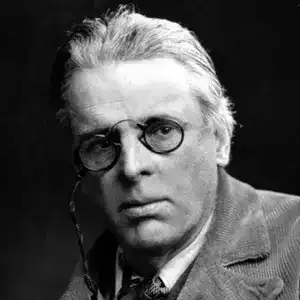
William Butler Yeats
The Results Of Thought
The Results Of Thought
ACQUAINTANCE; companion;
One dear brilliant woman;
The best-endowed, the elect,
All by their youth undone,
All, all, by that inhuman
Bitter glory wrecked.
But I have straightened out
Ruin, wreck and wrack;
I toiled long years and at length
Came to so deep a thought
I can summon back
All their wholesome strength.
What images are these
That turn dull-eyed away,
Or Shift Time's filthy load,
Straighten aged knees,
Hesitate or stay?
What heads shake or nod?
ACQUAINTANCE; companion;
One dear brilliant woman;
The best-endowed, the elect,
All by their youth undone,
All, all, by that inhuman
Bitter glory wrecked.
But I have straightened out
Ruin, wreck and wrack;
I toiled long years and at length
Came to so deep a thought
I can summon back
All their wholesome strength.
What images are these
That turn dull-eyed away,
Or Shift Time's filthy load,
Straighten aged knees,
Hesitate or stay?
What heads shake or nod?
318
William Butler Yeats
The Gyres
The Gyres
THE GYRES! the gyres! Old Rocky Face, look forth;
Things thought too long can be no longer thought,
For beauty dies of beauty, worth of worth,
And ancient lineaments are blotted out.
Irrational streams of blood are staining earth;
Empedocles has thrown all things about;
Hector is dead and there's a light in Troy;
We that look on but laugh in tragic joy.
What matter though numb nightmare ride on top,
And blood and mire the sensitive body stain?
What matter? Heave no sigh, let no tear drop,
A-greater, a more gracious time has gone;
For painted forms or boxes of make-up
In ancient tombs I sighed, but not again;
What matter? Out of cavern comes a voice,
And all it knows is that one word 'Rejoice!'
Conduct and work grow coarse, and coarse the soul,
What matter? Those that Rocky Face holds dear,
Lovers of horses and of women, shall,
From marble of a broken sepulchre,
Or dark betwixt the polecat and the owl,
Or any rich, dark nothing disinter
The workman, noble and saint, and all things run
On that unfashionable gyre again.
THE GYRES! the gyres! Old Rocky Face, look forth;
Things thought too long can be no longer thought,
For beauty dies of beauty, worth of worth,
And ancient lineaments are blotted out.
Irrational streams of blood are staining earth;
Empedocles has thrown all things about;
Hector is dead and there's a light in Troy;
We that look on but laugh in tragic joy.
What matter though numb nightmare ride on top,
And blood and mire the sensitive body stain?
What matter? Heave no sigh, let no tear drop,
A-greater, a more gracious time has gone;
For painted forms or boxes of make-up
In ancient tombs I sighed, but not again;
What matter? Out of cavern comes a voice,
And all it knows is that one word 'Rejoice!'
Conduct and work grow coarse, and coarse the soul,
What matter? Those that Rocky Face holds dear,
Lovers of horses and of women, shall,
From marble of a broken sepulchre,
Or dark betwixt the polecat and the owl,
Or any rich, dark nothing disinter
The workman, noble and saint, and all things run
On that unfashionable gyre again.
373
William Butler Yeats
The Coming Of Wisdom With Time
The Coming Of Wisdom With Time
THOUGH leaves are many, the root is one;
Through all the lying days of my youth
I swayed my leaves and flowers in the sun;
Now I may wither into the truth.
THOUGH leaves are many, the root is one;
Through all the lying days of my youth
I swayed my leaves and flowers in the sun;
Now I may wither into the truth.
327
William Butler Yeats
On Woman
On Woman
MAY God be praised for woman
That gives up all her mind,
A man may find in no man
A friendship of her kind
That covers all he has brought
As with her flesh and bone,
Nor quarrels with a thought
Because it is not her own.
Though pedantry denies,
It's plain the Bible means
That Solomon grew wise
While talking with his queens.
Yet never could, although
They say he counted grass,
Count all the praises due
When Sheba was his lass,
When she the iron wrought, or
When from the smithy fire
It shuddered in the water:
Harshness of their desire
That made them stretch and yawn,
pleasure that comes with sleep,
Shudder that made them one.
What else He give or keep
God grant me -- no, not here,
For I am not so bold
To hope a thing so dear
Now I am growing old,
But when, if the tale's true,
The Pestle of the moon
That pounds up all anew
Brings me to birth again --
To find what once I had
And know what once I have known,
Until I am driven mad,
Sleep driven from my bed.
By tenderness and care.
pity, an aching head,
Gnashing of teeth, despair;
And all because of some one
perverse creature of chance,
And live like Solomon
That Sheba led a dance.
MAY God be praised for woman
That gives up all her mind,
A man may find in no man
A friendship of her kind
That covers all he has brought
As with her flesh and bone,
Nor quarrels with a thought
Because it is not her own.
Though pedantry denies,
It's plain the Bible means
That Solomon grew wise
While talking with his queens.
Yet never could, although
They say he counted grass,
Count all the praises due
When Sheba was his lass,
When she the iron wrought, or
When from the smithy fire
It shuddered in the water:
Harshness of their desire
That made them stretch and yawn,
pleasure that comes with sleep,
Shudder that made them one.
What else He give or keep
God grant me -- no, not here,
For I am not so bold
To hope a thing so dear
Now I am growing old,
But when, if the tale's true,
The Pestle of the moon
That pounds up all anew
Brings me to birth again --
To find what once I had
And know what once I have known,
Until I am driven mad,
Sleep driven from my bed.
By tenderness and care.
pity, an aching head,
Gnashing of teeth, despair;
And all because of some one
perverse creature of chance,
And live like Solomon
That Sheba led a dance.
397
William Butler Yeats
Michael Robartes and the Dancer
Michael Robartes and the Dancer
He. Opinion is not worth a rush;
In this altar-piece the knight,
Who grips his long spear so to push
That dragon through the fading light,
Loved the lady; and it's plain
The half-dead dragon was her thought,
That every morning rose again
And dug its claws and shrieked and fought.
Could the impossible come to pass
She would have time to turn her eyes,
Her lover thought, upon the glass
And on the instant would grow wise.
She. You mean they argued.
He. Put it so;
But bear in mind your lover's wage
Is what your looking-glass can show,
And that he will turn green with rage
At all that is not pictured there.
She. May I not put myself to college?
He. Go pluck Athena by the hair;
For what mere book can grant a knowledge
With an impassioned gravity
Appropriate to that beating breast,
That vigorous thigh, that dreaming eye?
And may the devil take the rest.
She. And must no beautiful woman be
Learned like a man?
He. Paul Veronese
And all his sacred company
Imagined bodies all their days
By the lagoon you love so much,
For proud, soft, ceremonious proof
That all must come to sight and touch;
While Michael Angelo's Sistine roof
His 'Morning' and his 'Night' disclose
How sinew that has been pulled tight,
Or it may be loosened in repose,
Can rule by supernatural right
Yet be but sinew.
She. I have heard said
There is great danger in the body.
He. Did God in portioning wine and bread
Give man His thought or His mere body?
She. My wretched dragon is perplexed.
He. I have principles to prove me right.
It follows from this Latin text
That blest souls are not composite,
And that all beautiful women may
Live in uncomposite blessedness,
And lead us to the like -- if they
Will banish every thought, unless
The lineaments that please their view
When the long looking-glass is full,
Even from the foot-sole think it too.
She. They say such different things at school.
He. Opinion is not worth a rush;
In this altar-piece the knight,
Who grips his long spear so to push
That dragon through the fading light,
Loved the lady; and it's plain
The half-dead dragon was her thought,
That every morning rose again
And dug its claws and shrieked and fought.
Could the impossible come to pass
She would have time to turn her eyes,
Her lover thought, upon the glass
And on the instant would grow wise.
She. You mean they argued.
He. Put it so;
But bear in mind your lover's wage
Is what your looking-glass can show,
And that he will turn green with rage
At all that is not pictured there.
She. May I not put myself to college?
He. Go pluck Athena by the hair;
For what mere book can grant a knowledge
With an impassioned gravity
Appropriate to that beating breast,
That vigorous thigh, that dreaming eye?
And may the devil take the rest.
She. And must no beautiful woman be
Learned like a man?
He. Paul Veronese
And all his sacred company
Imagined bodies all their days
By the lagoon you love so much,
For proud, soft, ceremonious proof
That all must come to sight and touch;
While Michael Angelo's Sistine roof
His 'Morning' and his 'Night' disclose
How sinew that has been pulled tight,
Or it may be loosened in repose,
Can rule by supernatural right
Yet be but sinew.
She. I have heard said
There is great danger in the body.
He. Did God in portioning wine and bread
Give man His thought or His mere body?
She. My wretched dragon is perplexed.
He. I have principles to prove me right.
It follows from this Latin text
That blest souls are not composite,
And that all beautiful women may
Live in uncomposite blessedness,
And lead us to the like -- if they
Will banish every thought, unless
The lineaments that please their view
When the long looking-glass is full,
Even from the foot-sole think it too.
She. They say such different things at school.
363
William Butler Yeats
High Talk
High Talk
PROCESSIONS that lack high stilts have nothing that catches the eye.
What if my great-granddad had a pair that were twenty foot high,
And mine were but fifteen foot, no modern Stalks upon higher,
Some rogue of the world stole them to patch up a fence or a fire.
Because piebald ponies, led bears, caged lions, ake but poor shows,
Because children demand Daddy-long-legs upon This timber toes,
Because women in the upper storeys demand a face at the pane,
That patching old heels they may shriek, I take to chisel and plane.
Malachi Stilt-Jack am I, whatever I learned has run wild, From collar to collar, from stilt
to stilt, from father to child.
All metaphor, Malachi, stilts and all. A barnacle goose
Far up in the stretches of night; night splits and the dawn breaks loose;
I, through the terrible novelty of light, stalk on, stalk on;
Those great sea-horses bare their teeth and laugh at the dawn.
PROCESSIONS that lack high stilts have nothing that catches the eye.
What if my great-granddad had a pair that were twenty foot high,
And mine were but fifteen foot, no modern Stalks upon higher,
Some rogue of the world stole them to patch up a fence or a fire.
Because piebald ponies, led bears, caged lions, ake but poor shows,
Because children demand Daddy-long-legs upon This timber toes,
Because women in the upper storeys demand a face at the pane,
That patching old heels they may shriek, I take to chisel and plane.
Malachi Stilt-Jack am I, whatever I learned has run wild, From collar to collar, from stilt
to stilt, from father to child.
All metaphor, Malachi, stilts and all. A barnacle goose
Far up in the stretches of night; night splits and the dawn breaks loose;
I, through the terrible novelty of light, stalk on, stalk on;
Those great sea-horses bare their teeth and laugh at the dawn.
385
William Butler Yeats
An Acre Of Grass
An Acre Of Grass
PICTURE and book remain,
An acre of green grass
For air and exercise,
Now strength of body goes;
Midnight, an old house
Where nothing stirs but a mouse.
My temptation is quiet.
Here at life's end
Neither loose imagination,
Nor the mill of the mind
Consuming its rag and bonc,
Can make the truth known.
Grant me an old man's frenzy,
Myself must I remake
Till I am Timon and Lear
Or that William Blake
Who beat upon the wall
Till Truth obeyed his call;
A mind Michael Angelo knew
That can pierce the clouds,
Or inspired by frenzy
Shake the dead in their shrouds;
Forgotten else by mankind,
An old man's eagle mind.
PICTURE and book remain,
An acre of green grass
For air and exercise,
Now strength of body goes;
Midnight, an old house
Where nothing stirs but a mouse.
My temptation is quiet.
Here at life's end
Neither loose imagination,
Nor the mill of the mind
Consuming its rag and bonc,
Can make the truth known.
Grant me an old man's frenzy,
Myself must I remake
Till I am Timon and Lear
Or that William Blake
Who beat upon the wall
Till Truth obeyed his call;
A mind Michael Angelo knew
That can pierce the clouds,
Or inspired by frenzy
Shake the dead in their shrouds;
Forgotten else by mankind,
An old man's eagle mind.
429
William Butler Yeats
A Prayer On Going Into My House
A Prayer On Going Into My House
GOD grant a blessing on this tower and cottage
And on my heirs, if all remain unspoiled,
No table or chair or stool not simple enough
For shepherd lads in Galilee; and grant
That I myself for portions of the year
May handle nothing and set eyes on nothing
But what the great and passionate have used
Throughout so many varying centuries
We take it for the norm; yet should I dream
Sinbad the sailor's brought a painted chest,
Or image, from beyond the Loadstone Mountain,
That dream is a norm; and should some limb of the Devil
Destroy the view by cutting down an ash
That shades the road, or setting up a cottage
Planned in a government office, shorten his life,
Manacle his soul upon the Red Sea bottom.
GOD grant a blessing on this tower and cottage
And on my heirs, if all remain unspoiled,
No table or chair or stool not simple enough
For shepherd lads in Galilee; and grant
That I myself for portions of the year
May handle nothing and set eyes on nothing
But what the great and passionate have used
Throughout so many varying centuries
We take it for the norm; yet should I dream
Sinbad the sailor's brought a painted chest,
Or image, from beyond the Loadstone Mountain,
That dream is a norm; and should some limb of the Devil
Destroy the view by cutting down an ash
That shades the road, or setting up a cottage
Planned in a government office, shorten his life,
Manacle his soul upon the Red Sea bottom.
546
William Butler Yeats
A Drunken Man's Praise Of Sobriety
A Drunken Man's Praise Of Sobriety
COME swish around, my pretty punk,
And keep me dancing still
That I may stay a sober man
Although I drink my fill.
Sobriety is a jewel
That I do much adore;
And therefore keep me dancing
Though drunkards lie and snore.
O mind your feet, O mind your feet,
Keep dancing like a wave,
And under every dancer
A dead man in his grave.
No ups and downs, my pretty,
A mermaid, not a punk;
A drunkard is a dead man,
And all dead men are drunk.
COME swish around, my pretty punk,
And keep me dancing still
That I may stay a sober man
Although I drink my fill.
Sobriety is a jewel
That I do much adore;
And therefore keep me dancing
Though drunkards lie and snore.
O mind your feet, O mind your feet,
Keep dancing like a wave,
And under every dancer
A dead man in his grave.
No ups and downs, my pretty,
A mermaid, not a punk;
A drunkard is a dead man,
And all dead men are drunk.
291
William Butler Yeats
A Dialogue Of Self And Soul
A Dialogue Of Self And Soul
i{My Soul} I summon to the winding ancient stair;
Set all your mind upon the steep ascent,
Upon the broken, crumbling battlement,
Upon the breathless starlit air,
'Upon the star that marks the hidden pole;
Fix every wandering thought upon
That quarter where all thought is done:
Who can distinguish darkness from the soul
i{My Self}. The consecretes blade upon my knees
Is Sato's ancient blade, still as it was,
Still razor-keen, still like a looking-glass
Unspotted by the centuries;
That flowering, silken, old embroidery, torn
From some court-lady's dress and round
The wodden scabbard bound and wound
Can, tattered, still protect, faded adorn
i{My Soul.} Why should the imagination of a man
Long past his prime remember things that are
Emblematical of love and war?
Think of ancestral night that can,
If but imagination scorn the earth
And interllect is wandering
To this and that and t'other thing,
Deliver from the crime of death and birth.
i{My self.} Montashigi, third of his family, fashioned it
Five hundred years ago, about it lie
Flowers from I know not what embroidery -Heart's
purple -- and all these I set
For emblems of the day against the tower
Emblematical of the night,
And claim as by a soldier's right
A charter to commit the crime once more.
i{My Soul.} Such fullness in that quarter overflows
And falls into the basin of the mind
That man is stricken deaf and dumb and blind,
For intellect no longer knows
i{Is} from the i{Ought,} or i{knower} from the i{Known -- }
That is to say, ascends to Heaven;
Only the dead can be forgiven;
But when I think of that my tongue's a stone.
i{My Self.} A living man is blind and drinks his drop.
What matter if the ditches are impure?
What matter if I live it all once more?
Endure that toil of growing up;
The ignominy of boyhood; the distress
Of boyhood changing into man;
The unfinished man and his pain
Brought face to face with his own clumsiness;
The finished man among his enemies? --
How in the name of Heaven can he escape
That defiling and disfigured shape
The mirror of malicious eyes
Casts upon his eyes until at last
He thinks that shape must be his shape?
And what's the good of an escape
If honour find him in the wintry blast?
I am content to live it all again
And yet again, if it be life to pitch
Into the frog-spawn of a blind man's ditch,
A blind man battering blind men;
Or into that most fecund ditch of all,
The folly that man does
Or must suffer, if he woos
A proud woman not kindred of his soul.
I am content to follow to its source
Every event in action or in thought;
Measure the lot; forgive myself the lot!
When such as I cast out remorse
So great a sweetness flows into the breast
We must laugh and we must sing,
We are blest by everything,
Everything we look upon is blest.
i{My Soul} I summon to the winding ancient stair;
Set all your mind upon the steep ascent,
Upon the broken, crumbling battlement,
Upon the breathless starlit air,
'Upon the star that marks the hidden pole;
Fix every wandering thought upon
That quarter where all thought is done:
Who can distinguish darkness from the soul
i{My Self}. The consecretes blade upon my knees
Is Sato's ancient blade, still as it was,
Still razor-keen, still like a looking-glass
Unspotted by the centuries;
That flowering, silken, old embroidery, torn
From some court-lady's dress and round
The wodden scabbard bound and wound
Can, tattered, still protect, faded adorn
i{My Soul.} Why should the imagination of a man
Long past his prime remember things that are
Emblematical of love and war?
Think of ancestral night that can,
If but imagination scorn the earth
And interllect is wandering
To this and that and t'other thing,
Deliver from the crime of death and birth.
i{My self.} Montashigi, third of his family, fashioned it
Five hundred years ago, about it lie
Flowers from I know not what embroidery -Heart's
purple -- and all these I set
For emblems of the day against the tower
Emblematical of the night,
And claim as by a soldier's right
A charter to commit the crime once more.
i{My Soul.} Such fullness in that quarter overflows
And falls into the basin of the mind
That man is stricken deaf and dumb and blind,
For intellect no longer knows
i{Is} from the i{Ought,} or i{knower} from the i{Known -- }
That is to say, ascends to Heaven;
Only the dead can be forgiven;
But when I think of that my tongue's a stone.
i{My Self.} A living man is blind and drinks his drop.
What matter if the ditches are impure?
What matter if I live it all once more?
Endure that toil of growing up;
The ignominy of boyhood; the distress
Of boyhood changing into man;
The unfinished man and his pain
Brought face to face with his own clumsiness;
The finished man among his enemies? --
How in the name of Heaven can he escape
That defiling and disfigured shape
The mirror of malicious eyes
Casts upon his eyes until at last
He thinks that shape must be his shape?
And what's the good of an escape
If honour find him in the wintry blast?
I am content to live it all again
And yet again, if it be life to pitch
Into the frog-spawn of a blind man's ditch,
A blind man battering blind men;
Or into that most fecund ditch of all,
The folly that man does
Or must suffer, if he woos
A proud woman not kindred of his soul.
I am content to follow to its source
Every event in action or in thought;
Measure the lot; forgive myself the lot!
When such as I cast out remorse
So great a sweetness flows into the breast
We must laugh and we must sing,
We are blest by everything,
Everything we look upon is blest.
503
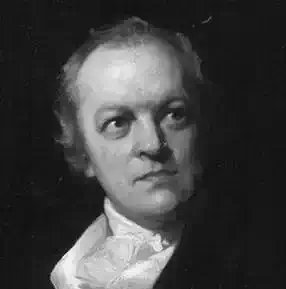
William Blake
The Voice of the Ancient Bard
The Voice of the Ancient Bard
Youth of delight, come hither,
And see the opening morn,
Image of truth new born.
Doubt is fled, & clouds of reason,
Dark disputes & artful teazing.
Folly is an endless maze,
Tangled roots perplex her ways.
How many have fallen there!
They stumble all night over bones of the dead,
And feel they know not what but care,
And wish to lead others, when they should be led.
Youth of delight, come hither,
And see the opening morn,
Image of truth new born.
Doubt is fled, & clouds of reason,
Dark disputes & artful teazing.
Folly is an endless maze,
Tangled roots perplex her ways.
How many have fallen there!
They stumble all night over bones of the dead,
And feel they know not what but care,
And wish to lead others, when they should be led.
369
William Blake
The Marriage of Heaven and Hell (excerpt)
The Marriage of Heaven and Hell (excerpt)
In seed time learn, in harvest teach, in winter enjoy.
Drive your cart and your plow over the bones of the dead.
The road of excess leads to the palace of wisdom.
Prudence is a rich, ugly old maid courted by Incapacity.
He who desires but acts not, breeds pestilence.
The cut worm forgives the plow.
Dip him in the river who loves water.
A fool sees not the same tree that a wise man sees.
He whose face gives no light, shall never become a star.
Eternity is in love with the productions of time.
The busy bee has no time for sorrow.
The hours of folly are measur'd by the clock; but of wisdom, no clock can measure.
All wholesome food is caught without a net or a trap.
Bring out number, weight and measure in a year of dearth.
No bird soars too high, if he soars with his own wings.
A dead body revenges not injuries.
The most sublime act is to set another before you.
If the fool would persist in his folly he would become wise.
Folly is the cloak of knavery.
Shame is Pride's cloke.
Prisons are built with stones of law, brothels with bricks of religion.
The pride of the peacock is the glory of God.
The lust of the goat is the bounty of God.
The wrath of the lion is the wisdom of God.
The nakedness of woman is the work of God.
Excess of sorrow laughs. Excess of joy weeps.
The roaring of lions, the howling of wolves, the raging of the stormy sea, and the
destructive sword, are portions of
eternity, too great for the eye of man.
The fox condemns the trap, not himself.
Joys impregnate. Sorrows bring forth.
Let man wear the fell of the lion, woman the fleece of the sheep.
The bird a nest, the spider a web, man friendship.
The selfish, smiling fool, and the sullen, frowning fool shall be both thought wise,
that they may be a rod.
What is now proved was once only imagin'd.
The rat, the mouse, the fox, the rabbit watch the roots; the lion, the tyger, the
horse, the elephant watch the fruits.
The cistern contains: the fountain overflows.
One thought fills immensity.
Always be ready to speak your mind, and a base man will avoid you.
Every thing possible to be believ'd is an image of truth.
The eagle never lost so much time as when he submitted to learn of the crow.
The fox provides for himself, but God provides for the lion.
Think in the morning. Act in the noon. Eat in the evening. Sleep in the night.
He who has suffer'd you to impose on him, knows you.
As the plow follows words, so God rewards prayers.
The tygers of wrath are wiser than the horses of instruction.
Expect poison from the standing water.
You never know what is enough unless you know what is more than enough.
Listen to the fool's reproach! it is a kingly title!
The eyes of fire, the nostrils of air, the mouth of water, the beard of earth.
The weak in courage is strong in cunning.
The apple tree never asks the beech how he shall grow; nor the lion, the horse, how
he shall take his prey.
The thankful receiver bears a plentiful harvest.
If others had not been foolish, we should be so.
The soul of sweet delight can never be defil'd.
When thou seest an eagle, thou seest a portion of genius; lift up thy head!
As the caterpiller chooses the fairest leaves to lay her eggs on, so the priest lays his
curse on the fairest joys.
To create a little flower is the labour of ages.
Damn braces. Bless relaxes.
The best wine is the oldest, the best water the newest.
Prayers plow not! Praises reap not!
Joys laugh not! Sorrows weep not!
The head Sublime, the heart Pathos, the genitals Beauty, the hands and feet
Proportion.
As the air to a bird or the sea to a fish, so is contempt to the contemptible.
The crow wish'd every thing was black, the owl that every thing was white.
Exuberance is Beauty.
If the lion was advised by the fox, he would be cunning.
Improvement makes strait roads; but the crooked roads without improvement are
roads of genius.
Sooner murder an infant in its cradle than nurse unacted desires.
Where man is not, nature is barren.
Truth can never be told so as to be understood, and not be believ'd.
Enough! or too much.
In seed time learn, in harvest teach, in winter enjoy.
Drive your cart and your plow over the bones of the dead.
The road of excess leads to the palace of wisdom.
Prudence is a rich, ugly old maid courted by Incapacity.
He who desires but acts not, breeds pestilence.
The cut worm forgives the plow.
Dip him in the river who loves water.
A fool sees not the same tree that a wise man sees.
He whose face gives no light, shall never become a star.
Eternity is in love with the productions of time.
The busy bee has no time for sorrow.
The hours of folly are measur'd by the clock; but of wisdom, no clock can measure.
All wholesome food is caught without a net or a trap.
Bring out number, weight and measure in a year of dearth.
No bird soars too high, if he soars with his own wings.
A dead body revenges not injuries.
The most sublime act is to set another before you.
If the fool would persist in his folly he would become wise.
Folly is the cloak of knavery.
Shame is Pride's cloke.
Prisons are built with stones of law, brothels with bricks of religion.
The pride of the peacock is the glory of God.
The lust of the goat is the bounty of God.
The wrath of the lion is the wisdom of God.
The nakedness of woman is the work of God.
Excess of sorrow laughs. Excess of joy weeps.
The roaring of lions, the howling of wolves, the raging of the stormy sea, and the
destructive sword, are portions of
eternity, too great for the eye of man.
The fox condemns the trap, not himself.
Joys impregnate. Sorrows bring forth.
Let man wear the fell of the lion, woman the fleece of the sheep.
The bird a nest, the spider a web, man friendship.
The selfish, smiling fool, and the sullen, frowning fool shall be both thought wise,
that they may be a rod.
What is now proved was once only imagin'd.
The rat, the mouse, the fox, the rabbit watch the roots; the lion, the tyger, the
horse, the elephant watch the fruits.
The cistern contains: the fountain overflows.
One thought fills immensity.
Always be ready to speak your mind, and a base man will avoid you.
Every thing possible to be believ'd is an image of truth.
The eagle never lost so much time as when he submitted to learn of the crow.
The fox provides for himself, but God provides for the lion.
Think in the morning. Act in the noon. Eat in the evening. Sleep in the night.
He who has suffer'd you to impose on him, knows you.
As the plow follows words, so God rewards prayers.
The tygers of wrath are wiser than the horses of instruction.
Expect poison from the standing water.
You never know what is enough unless you know what is more than enough.
Listen to the fool's reproach! it is a kingly title!
The eyes of fire, the nostrils of air, the mouth of water, the beard of earth.
The weak in courage is strong in cunning.
The apple tree never asks the beech how he shall grow; nor the lion, the horse, how
he shall take his prey.
The thankful receiver bears a plentiful harvest.
If others had not been foolish, we should be so.
The soul of sweet delight can never be defil'd.
When thou seest an eagle, thou seest a portion of genius; lift up thy head!
As the caterpiller chooses the fairest leaves to lay her eggs on, so the priest lays his
curse on the fairest joys.
To create a little flower is the labour of ages.
Damn braces. Bless relaxes.
The best wine is the oldest, the best water the newest.
Prayers plow not! Praises reap not!
Joys laugh not! Sorrows weep not!
The head Sublime, the heart Pathos, the genitals Beauty, the hands and feet
Proportion.
As the air to a bird or the sea to a fish, so is contempt to the contemptible.
The crow wish'd every thing was black, the owl that every thing was white.
Exuberance is Beauty.
If the lion was advised by the fox, he would be cunning.
Improvement makes strait roads; but the crooked roads without improvement are
roads of genius.
Sooner murder an infant in its cradle than nurse unacted desires.
Where man is not, nature is barren.
Truth can never be told so as to be understood, and not be believ'd.
Enough! or too much.
485
William Blake
Proverbs of Hell (Excerpt from The Marriage of Heaven and H
Proverbs of Hell (Excerpt from The Marriage of Heaven and H
In seed time learn, in harvest teach, in winter enjoy.
Drive your cart and your plow over the bones of the dead.
The road of excess leads to the palace of wisdom.
Prudence is a rich, ugly old maid courted by Incapacity.
He who desires but acts not, breeds pestilence.
The cut worm forgives the plow.
Dip him in the river who loves water.
A fool sees not the same tree that a wise man sees.
He whose face gives no light, shall never become a star.
Eternity is in love with the productions of time.
The busy bee has no time for sorrow.
The hours of folly are measur'd by the clock; but of wisdom, no clock can measure.
All wholesome food is caught without a net or a trap.
Bring out number, weight and measure in a year of dearth.
No bird soars too high, if he soars with his own wings.
A dead body revenges not injuries.
The most sublime act is to set another before you.
If the fool would persist in his folly he would become wise.
Folly is the cloak of knavery.
Shame is Pride's cloke.
Prisons are built with stones of law, brothels with bricks of religion.
The pride of the peacock is the glory of God.
The lust of the goat is the bounty of God.
The wrath of the lion is the wisdom of God.
The nakedness of woman is the work of God.
Excess of sorrow laughs. Excess of joy weeps.
The roaring of lions, the howling of wolves, the raging of the stormy sea, and the
destructive sword, are portions of eternity, too great for the eye of man.
The fox condemns the trap, not himself.
Joys impregnate. Sorrows bring forth.
Let man wear the fell of the lion, woman the fleece of the sheep.
The bird a nest, the spider a web, man friendship.
The selfish, smiling fool, and the sullen, frowning fool shall be both thought wise, that
they may be a rod.
What is now proved was once only imagin'd.
The rat, the mouse, the fox, the rabbit watch the roots; the lion, the tyger, the horse,
the elephant watch the fruits.
The cistern contains: the fountain overflows.
One thought fills immensity.
Always be ready to speak your mind, and a base man will avoid you.
Every thing possible to be believ'd is an image of truth.
The eagle never lost so much time as when he submitted to learn of the crow.
The fox provides for himself, but God provides for the lion.
Think in the morning. Act in the noon. Eat in the evening. Sleep in the night.
He who has suffer'd you to impose on him, knows you.
As the plow follows words, so God rewards prayers.
The tygers of wrath are wiser than the horses of instruction.
Expect poison from the standing water.
You never know what is enough unless you know what is more than enough.
Listen to the fool's reproach! it is a kingly title!
The eyes of fire, the nostrils of air, the mouth of water, the beard of earth.
The weak in courage is strong in cunning.
The apple tree never asks the beech how he shall grow; nor the lion, the horse, how
he shall take his prey.
The thankful receiver bears a plentiful harvest.
If others had not been foolish, we should be so.
The soul of sweet delight can never be defil'd.
When thou seest an eagle, thou seest a portion of genius; lift up thy head!
As the caterpiller chooses the fairest leaves to lay her eggs on, so the priest lays his
curse on the fairest joys.
To create a little flower is the labour of ages.
Damn braces. Bless relaxes.
The best wine is the oldest, the best water the newest.
Prayers plow not! Praises reap not!
Joys laugh not! Sorrows weep not!
The head Sublime, the heart Pathos, the genitals Beauty, the hands and feet
Proportion.
As the air to a bird or the sea to a fish, so is contempt to the contemptible.
The crow wish'd every thing was black, the owl that every thing was white.
Exuberance is Beauty.
If the lion was advised by the fox, he would be cunning.
Improvement makes strait roads; but the crooked roads without improvement are
roads of genius.
Sooner murder an infant in its cradle than nurse unacted desires.
Where man is not, nature is barren.
Truth can never be told so as to be understood, and not be believ'd.
Enough! or too much.
In seed time learn, in harvest teach, in winter enjoy.
Drive your cart and your plow over the bones of the dead.
The road of excess leads to the palace of wisdom.
Prudence is a rich, ugly old maid courted by Incapacity.
He who desires but acts not, breeds pestilence.
The cut worm forgives the plow.
Dip him in the river who loves water.
A fool sees not the same tree that a wise man sees.
He whose face gives no light, shall never become a star.
Eternity is in love with the productions of time.
The busy bee has no time for sorrow.
The hours of folly are measur'd by the clock; but of wisdom, no clock can measure.
All wholesome food is caught without a net or a trap.
Bring out number, weight and measure in a year of dearth.
No bird soars too high, if he soars with his own wings.
A dead body revenges not injuries.
The most sublime act is to set another before you.
If the fool would persist in his folly he would become wise.
Folly is the cloak of knavery.
Shame is Pride's cloke.
Prisons are built with stones of law, brothels with bricks of religion.
The pride of the peacock is the glory of God.
The lust of the goat is the bounty of God.
The wrath of the lion is the wisdom of God.
The nakedness of woman is the work of God.
Excess of sorrow laughs. Excess of joy weeps.
The roaring of lions, the howling of wolves, the raging of the stormy sea, and the
destructive sword, are portions of eternity, too great for the eye of man.
The fox condemns the trap, not himself.
Joys impregnate. Sorrows bring forth.
Let man wear the fell of the lion, woman the fleece of the sheep.
The bird a nest, the spider a web, man friendship.
The selfish, smiling fool, and the sullen, frowning fool shall be both thought wise, that
they may be a rod.
What is now proved was once only imagin'd.
The rat, the mouse, the fox, the rabbit watch the roots; the lion, the tyger, the horse,
the elephant watch the fruits.
The cistern contains: the fountain overflows.
One thought fills immensity.
Always be ready to speak your mind, and a base man will avoid you.
Every thing possible to be believ'd is an image of truth.
The eagle never lost so much time as when he submitted to learn of the crow.
The fox provides for himself, but God provides for the lion.
Think in the morning. Act in the noon. Eat in the evening. Sleep in the night.
He who has suffer'd you to impose on him, knows you.
As the plow follows words, so God rewards prayers.
The tygers of wrath are wiser than the horses of instruction.
Expect poison from the standing water.
You never know what is enough unless you know what is more than enough.
Listen to the fool's reproach! it is a kingly title!
The eyes of fire, the nostrils of air, the mouth of water, the beard of earth.
The weak in courage is strong in cunning.
The apple tree never asks the beech how he shall grow; nor the lion, the horse, how
he shall take his prey.
The thankful receiver bears a plentiful harvest.
If others had not been foolish, we should be so.
The soul of sweet delight can never be defil'd.
When thou seest an eagle, thou seest a portion of genius; lift up thy head!
As the caterpiller chooses the fairest leaves to lay her eggs on, so the priest lays his
curse on the fairest joys.
To create a little flower is the labour of ages.
Damn braces. Bless relaxes.
The best wine is the oldest, the best water the newest.
Prayers plow not! Praises reap not!
Joys laugh not! Sorrows weep not!
The head Sublime, the heart Pathos, the genitals Beauty, the hands and feet
Proportion.
As the air to a bird or the sea to a fish, so is contempt to the contemptible.
The crow wish'd every thing was black, the owl that every thing was white.
Exuberance is Beauty.
If the lion was advised by the fox, he would be cunning.
Improvement makes strait roads; but the crooked roads without improvement are
roads of genius.
Sooner murder an infant in its cradle than nurse unacted desires.
Where man is not, nature is barren.
Truth can never be told so as to be understood, and not be believ'd.
Enough! or too much.
664
William Blake
Four Zoas, The (excerpt)
Four Zoas, The (excerpt)
. "What is the price of Experience? do men buy it for a song?
. Or wisdom for a dance in the street? No, it is bought with the price
. Of all that a man hath, his house, his wife, his children.
. Wisdom is sold in the desolate market where none come to buy,
. And in the wither'd field where the farmer plows for bread in vain.
. It is an easy thing to triumph in the summer's sun
. And in the vintage and to sing on the waggon loaded with corn.
. It is an easy thing to talk of patience to the afflicted,
. To speak the laws of prudence to the houseless wanderer,
. To listen to the hungry raven's cry in wintry season
. When the red blood is fill'd with wine and with the marrow of lambs.
. It is an easy thing to laugh at wrathful elements,
. To hear the dog howl at the wintry door, the ox in the slaughter house moan;
. To see a god on every wind and a blessing on every blast;
. To hear sounds of love in the thunder storm that destroys our enemies' house;
. To rejoice in the blight that covers his field, and the sickness that cuts off his
children,
. While our olive and vine sing and laugh round our door, and our children bring
fruits and flowers.
. Then the groan and the dolor are quite forgotten, and the slave grinding at the
mill,
. And the captive in chains, and the poor in the prison, and the soldier in the field
. When the shatter'd bone hath laid him groaning among the happier dead.
. It is an easy thing to rejoice in the tents of prosperity:
. Thus could I sing and thus rejoice: but it is not so with me."
. "Compel the poor to live upon a crust of bread, by soft mild arts.
. Smile when they frown, frown when they smile; and when a man looks pale
. With labour and abstinence, say he looks healthy and happy;
. And when his children sicken, let them die; there are enough
. Born, even too many, and our earth will be overrun
. Without these arts. If you would make the poor live with temper,
. With pomp give every crust of bread you give; with gracious cunning
. Magnify small gifts; reduce the man to want a gift, and then give with pomp.
. Say he smiles if you hear him sigh. If pale, say he is ruddy.
. Preach temperance: say he is overgorg'd and drowns his wit
. In strong drink, though you know that bread and water are all
. He can afford. Flatter his wife, pity his children, till we can
. Reduce all to our will, as spaniels are taught with art."
. The sun has left his blackness and has found a fresher morning,
. And the mild moon rejoices in the clear and cloudless night,
. And Man walks forth from midst of the fires: the evil is all consum'd.
. His eyes behold the Angelic spheres arising night and day;
. The stars consum'd like a lamp blown out, and in their stead, behold
. The expanding eyes of Man behold the depths of wondrous worlds!
. One Earth, one sea beneath; nor erring globes wander, but stars
. Of fire rise up nightly from the ocean; and one sun
. Each morning, like a new born man, issues with songs and joy
. Calling the Plowman to his labour and the Shepherd to his rest.
. He walks upon the Eternal Mountains, raising his heavenly voice,
. Conversing with the animal forms of wisdom night and day,
. That, risen from the sea of fire, renew'd walk o'er the Earth;
. For Tharmas brought his flocks upon the hills, and in the vales
. Around the Eternal Man's bright tent, the little children play
. Among the woolly flocks. The hammer of Urthona sounds
. In the deep caves beneath; his limbs renew'd, his Lions roar
. Around the Furnaces and in evening sport upon the plains.
. They raise their faces from the earth, conversing with the Man:
. "How is it we have walk'd through fires and yet are not consum'd?
. How is it that all things are chang'd, even as in ancient times?"
. "What is the price of Experience? do men buy it for a song?
. Or wisdom for a dance in the street? No, it is bought with the price
. Of all that a man hath, his house, his wife, his children.
. Wisdom is sold in the desolate market where none come to buy,
. And in the wither'd field where the farmer plows for bread in vain.
. It is an easy thing to triumph in the summer's sun
. And in the vintage and to sing on the waggon loaded with corn.
. It is an easy thing to talk of patience to the afflicted,
. To speak the laws of prudence to the houseless wanderer,
. To listen to the hungry raven's cry in wintry season
. When the red blood is fill'd with wine and with the marrow of lambs.
. It is an easy thing to laugh at wrathful elements,
. To hear the dog howl at the wintry door, the ox in the slaughter house moan;
. To see a god on every wind and a blessing on every blast;
. To hear sounds of love in the thunder storm that destroys our enemies' house;
. To rejoice in the blight that covers his field, and the sickness that cuts off his
children,
. While our olive and vine sing and laugh round our door, and our children bring
fruits and flowers.
. Then the groan and the dolor are quite forgotten, and the slave grinding at the
mill,
. And the captive in chains, and the poor in the prison, and the soldier in the field
. When the shatter'd bone hath laid him groaning among the happier dead.
. It is an easy thing to rejoice in the tents of prosperity:
. Thus could I sing and thus rejoice: but it is not so with me."
. "Compel the poor to live upon a crust of bread, by soft mild arts.
. Smile when they frown, frown when they smile; and when a man looks pale
. With labour and abstinence, say he looks healthy and happy;
. And when his children sicken, let them die; there are enough
. Born, even too many, and our earth will be overrun
. Without these arts. If you would make the poor live with temper,
. With pomp give every crust of bread you give; with gracious cunning
. Magnify small gifts; reduce the man to want a gift, and then give with pomp.
. Say he smiles if you hear him sigh. If pale, say he is ruddy.
. Preach temperance: say he is overgorg'd and drowns his wit
. In strong drink, though you know that bread and water are all
. He can afford. Flatter his wife, pity his children, till we can
. Reduce all to our will, as spaniels are taught with art."
. The sun has left his blackness and has found a fresher morning,
. And the mild moon rejoices in the clear and cloudless night,
. And Man walks forth from midst of the fires: the evil is all consum'd.
. His eyes behold the Angelic spheres arising night and day;
. The stars consum'd like a lamp blown out, and in their stead, behold
. The expanding eyes of Man behold the depths of wondrous worlds!
. One Earth, one sea beneath; nor erring globes wander, but stars
. Of fire rise up nightly from the ocean; and one sun
. Each morning, like a new born man, issues with songs and joy
. Calling the Plowman to his labour and the Shepherd to his rest.
. He walks upon the Eternal Mountains, raising his heavenly voice,
. Conversing with the animal forms of wisdom night and day,
. That, risen from the sea of fire, renew'd walk o'er the Earth;
. For Tharmas brought his flocks upon the hills, and in the vales
. Around the Eternal Man's bright tent, the little children play
. Among the woolly flocks. The hammer of Urthona sounds
. In the deep caves beneath; his limbs renew'd, his Lions roar
. Around the Furnaces and in evening sport upon the plains.
. They raise their faces from the earth, conversing with the Man:
. "How is it we have walk'd through fires and yet are not consum'd?
. How is it that all things are chang'd, even as in ancient times?"
567
William Blake
An Imitation of Spenser
An Imitation of Spenser
Golden Apollo, that thro' heaven wide
Scatter'st the rays of light, and truth's beams,
In lucent words my darkling verses dight,
And wash my earthy mind in thy clear streams,
That wisdom may descend in fairy dreams,
All while the jocund hours in thy train
Scatter their fancies at thy poet's feet;
And when thou yields to night thy wide domain,
Let rays of truth enlight his sleeping brain.
For brutish Pan in vain might thee assay
With tinkling sounds to dash thy nervous verse,
Sound without sense; yet in his rude affray,
(For ignorance is Folly's leasing nurse
And love of Folly needs none other's curse)
Midas the praise hath gain'd of lengthen'd ears,
For which himself might deem him ne'er the worse
To sit in council with his modern peers,
And judge of tinkling rimes and elegances terse.
And thou, Mercurius, that with wingèd brow
Dost mount aloft into the yielding sky,
And thro' Heav'n's halls thy airy flight dost throw,
Entering with holy feet to where on high
Jove weighs the counsel of futurity;
Then, laden with eternal fate, dost go
Down, like a falling star, from autumn sky,
And o'er the surface of the silent deep dost fly:
If thou arrivest at the sandy shore
Where nought but envious hissing adders dwell,
Thy golden rod, thrown on t he dusty floor,
Can charm to harmony with potent spell.
Such is sweet Eloquence, that does dispel
Envy and Hate that thirst for human gore;
And cause in sweet society to dwell
Vile savage minds that lurk in lonely cell
O Mercury, assist my lab'ring sense
That round the circle of the world would fly,
As the wing'd eagle scorns the tow'ry fence
Of Alpine hills round his high aëry,
And searches thro' the corners of the sky,
Sports in the clouds to hear the thunder's sound,
And see the wingèd lightnings as they fly;
Then, bosom'd in an amber cloud, around
Plumes his wide wings, and seeks Sol's palace high.
And thou, O warrior maid invincible,
Arm'd with the terrors of Almighty Jove,
Pallas, Minerva, maiden terrible,
Lov'st thou to walk the peaceful solemn grove,
In solemn gloom of branches interwove?
Or bear'st thy AEgis o'er the burning field,
Where, like the sea, the waves of battle move?
Or have thy soft piteous eyes beheld
The weary wanderer thro' the desert rove?
Or does th' afflicted man thy heav'nly bosom move?
Golden Apollo, that thro' heaven wide
Scatter'st the rays of light, and truth's beams,
In lucent words my darkling verses dight,
And wash my earthy mind in thy clear streams,
That wisdom may descend in fairy dreams,
All while the jocund hours in thy train
Scatter their fancies at thy poet's feet;
And when thou yields to night thy wide domain,
Let rays of truth enlight his sleeping brain.
For brutish Pan in vain might thee assay
With tinkling sounds to dash thy nervous verse,
Sound without sense; yet in his rude affray,
(For ignorance is Folly's leasing nurse
And love of Folly needs none other's curse)
Midas the praise hath gain'd of lengthen'd ears,
For which himself might deem him ne'er the worse
To sit in council with his modern peers,
And judge of tinkling rimes and elegances terse.
And thou, Mercurius, that with wingèd brow
Dost mount aloft into the yielding sky,
And thro' Heav'n's halls thy airy flight dost throw,
Entering with holy feet to where on high
Jove weighs the counsel of futurity;
Then, laden with eternal fate, dost go
Down, like a falling star, from autumn sky,
And o'er the surface of the silent deep dost fly:
If thou arrivest at the sandy shore
Where nought but envious hissing adders dwell,
Thy golden rod, thrown on t he dusty floor,
Can charm to harmony with potent spell.
Such is sweet Eloquence, that does dispel
Envy and Hate that thirst for human gore;
And cause in sweet society to dwell
Vile savage minds that lurk in lonely cell
O Mercury, assist my lab'ring sense
That round the circle of the world would fly,
As the wing'd eagle scorns the tow'ry fence
Of Alpine hills round his high aëry,
And searches thro' the corners of the sky,
Sports in the clouds to hear the thunder's sound,
And see the wingèd lightnings as they fly;
Then, bosom'd in an amber cloud, around
Plumes his wide wings, and seeks Sol's palace high.
And thou, O warrior maid invincible,
Arm'd with the terrors of Almighty Jove,
Pallas, Minerva, maiden terrible,
Lov'st thou to walk the peaceful solemn grove,
In solemn gloom of branches interwove?
Or bear'st thy AEgis o'er the burning field,
Where, like the sea, the waves of battle move?
Or have thy soft piteous eyes beheld
The weary wanderer thro' the desert rove?
Or does th' afflicted man thy heav'nly bosom move?
457
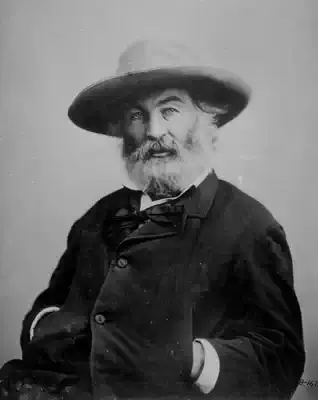
Walt Whitman
Tests
Tests
ALL submit to them, where they sit, inner, secure, unapproachable to
analysis, in the Soul;
Not traditions--not the outer authorities are the judges--they are
the judges of outer authorities, and of all traditions;
They corroborate as they go, only whatever corroborates themselves,
and touches themselves;
For all that, they have it forever in themselves to corroborate far
and near, without one exception.
ALL submit to them, where they sit, inner, secure, unapproachable to
analysis, in the Soul;
Not traditions--not the outer authorities are the judges--they are
the judges of outer authorities, and of all traditions;
They corroborate as they go, only whatever corroborates themselves,
and touches themselves;
For all that, they have it forever in themselves to corroborate far
and near, without one exception.
354

D.H. Lawrence
Boaz Asleep
Boaz Asleep
Boaz, overcome with weariness, by torchlight
made his pallet on the threshing floor
where all day he had worked, and now he slept
among the bushels of threshed wheat.
The old man owned wheatfields and barley,
and though he was rich, he was still fair-minded.
No filth soured the sweetness of his well.
No hot iron of torture whitened in his forge.
His beard was silver as a brook in April.
He bound sheaves without the strain of hate
or envy. He saw gleaners pass, and said,
Let handfuls of the fat ears fall to them.
The man's mind, clear of untoward feeling,
clothed itself in candor. He wore clean robes.
His heaped granaries spilled over always
toward the poor, no less than public fountains.
Boaz did well by his workers and by kinsmen.
He was generous, and moderate. Women held him
worthier than younger men, for youth is handsome,
but to him in his old age came greatness.
An old man, nearing his first source, may find
the timelessness beyond times of trouble.
And though fire burned in young men's eyes,
to Ruth the eyes of Boaz shone clear light.
Boaz, overcome with weariness, by torchlight
made his pallet on the threshing floor
where all day he had worked, and now he slept
among the bushels of threshed wheat.
The old man owned wheatfields and barley,
and though he was rich, he was still fair-minded.
No filth soured the sweetness of his well.
No hot iron of torture whitened in his forge.
His beard was silver as a brook in April.
He bound sheaves without the strain of hate
or envy. He saw gleaners pass, and said,
Let handfuls of the fat ears fall to them.
The man's mind, clear of untoward feeling,
clothed itself in candor. He wore clean robes.
His heaped granaries spilled over always
toward the poor, no less than public fountains.
Boaz did well by his workers and by kinsmen.
He was generous, and moderate. Women held him
worthier than younger men, for youth is handsome,
but to him in his old age came greatness.
An old man, nearing his first source, may find
the timelessness beyond times of trouble.
And though fire burned in young men's eyes,
to Ruth the eyes of Boaz shone clear light.
247
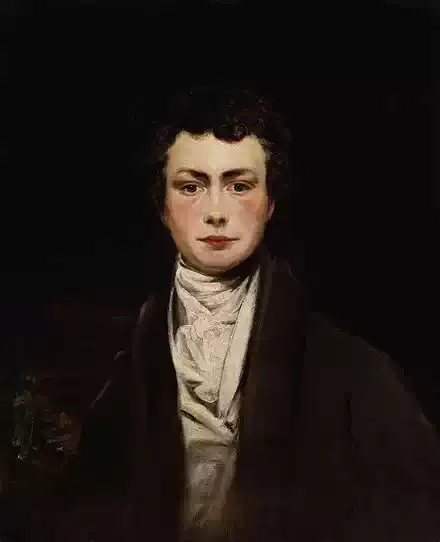
Thomas Moore
This Life Is All Chequer'd With Pleasures and Woes
This Life Is All Chequer'd With Pleasures and Woes
This life is all chequer'd with pleasures and woes,
That chase one another like waves of the deep --
Each brightly or darkly, as onward it flows,
Reflecting our eyes, as they sparkle or weep.
So closely our whims on our miseries tread,
That the laugh is awaked ere the tear can be dried;
And, as fast as the rain-drop of Pity is shed,
The goose-plumage of Folly can turn it aside.
But pledge me the cup -- if existence would cloy,
With hearts ever happy and heads ever wise,
Be ours the light Sorrow, half-sister to Joy,
And the light brilliant Folly that flashes and dies.
When Hylas was sent with his urn to the fount,
Through fields full of light, and with heart full of play,
Light rambled the boy, over meadow and mount,
And neglected his task for the flowers on the way.
Thus many, like me, who in youth should have tasted
The fountain that runs by Philosophy's shrine,
Their time with the flowers on the margin have wasted,
And left their light urns all as empty as mine.
But pledge me the goblet; -- while idleness weaves
These flowerets together, should Wisdom but see
One bright drop or two that has fall'n on the leaves
From her fountain divine, 'tis sufficient for me.
This life is all chequer'd with pleasures and woes,
That chase one another like waves of the deep --
Each brightly or darkly, as onward it flows,
Reflecting our eyes, as they sparkle or weep.
So closely our whims on our miseries tread,
That the laugh is awaked ere the tear can be dried;
And, as fast as the rain-drop of Pity is shed,
The goose-plumage of Folly can turn it aside.
But pledge me the cup -- if existence would cloy,
With hearts ever happy and heads ever wise,
Be ours the light Sorrow, half-sister to Joy,
And the light brilliant Folly that flashes and dies.
When Hylas was sent with his urn to the fount,
Through fields full of light, and with heart full of play,
Light rambled the boy, over meadow and mount,
And neglected his task for the flowers on the way.
Thus many, like me, who in youth should have tasted
The fountain that runs by Philosophy's shrine,
Their time with the flowers on the margin have wasted,
And left their light urns all as empty as mine.
But pledge me the goblet; -- while idleness weaves
These flowerets together, should Wisdom but see
One bright drop or two that has fall'n on the leaves
From her fountain divine, 'tis sufficient for me.
179
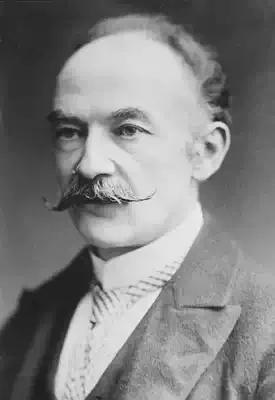
Thomas Hardy
V.R. -, A Reverie
V.R. -, A Reverie
Moments the mightiest pass uncalendared,
And when the Absolute
In backward Time outgave the deedful word
Whereby all life is stirred:
"Let one be born and throned whose mould shall constitute
The norm of every royal-reckoned attribute,"
No mortal knew or heard.
But in due days the purposed Life outshone -
Serene, sagacious, free;
--Her waxing seasons bloomed with deeds well done,
And the world's heart was won . . .
Yet may the deed of hers most bright in eyes to be
Lie hid from ours--as in the All-One's thought lay she -
Till ripening years have run.
Moments the mightiest pass uncalendared,
And when the Absolute
In backward Time outgave the deedful word
Whereby all life is stirred:
"Let one be born and throned whose mould shall constitute
The norm of every royal-reckoned attribute,"
No mortal knew or heard.
But in due days the purposed Life outshone -
Serene, sagacious, free;
--Her waxing seasons bloomed with deeds well done,
And the world's heart was won . . .
Yet may the deed of hers most bright in eyes to be
Lie hid from ours--as in the All-One's thought lay she -
Till ripening years have run.
249
Thomas Hardy
The Mother Mourns
The Mother Mourns
When mid-autumn's moan shook the night-time,
And sedges were horny,
And summer's green wonderwork faltered
On leaze and in lane,
I fared Yell'ham-Firs way, where dimly
Came wheeling around me
Those phantoms obscure and insistent
That shadows unchain.
Till airs from the needle-thicks brought me
A low lamentation,
As 'twere of a tree-god disheartened,
Perplexed, or in pain.
And, heeding, it awed me to gather
That Nature herself there
Was breathing in aerie accents,
With dirgeful refrain,
Weary plaint that Mankind, in these late days,
Had grieved her by holding
Her ancient high fame of perfection
In doubt and disdain . . .
- "I had not proposed me a Creature
(She soughed) so excelling
All else of my kingdom in compass
And brightness of brain
"As to read my defects with a god-glance,
Uncover each vestige
Of old inadvertence, annunciate
Each flaw and each stain!
"My purpose went not to develop
Such insight in Earthland;
Such potent appraisements affront me,
And sadden my reign!
"Why loosened I olden control here
To mechanize skywards,
Undeeming great scope could outshape in
A globe of such grain?
"Man's mountings of mind-sight I checked not,
Till range of his vision
Has topped my intent, and found blemish
Throughout my domain.
"He holds as inept his own soul-shell -
My deftest achievement -
Contemns me for fitful inventions
Ill-timed and inane:
"No more sees my sun as a Sanct-shape,
My moon as the Night-queen,
My stars as august and sublime ones
That influences rain:
"Reckons gross and ignoble my teaching,
Immoral my story,
My love-lights a lure, that my species
May gather and gain.
"'Give me,' he has said, 'but the matter
And means the gods lot her,
My brain could evolve a creation
More seemly, more sane.'
- "If ever a naughtiness seized me
To woo adulation
From creatures more keen than those crude ones
That first formed my train -
"If inly a moment I murmured,
'The simple praise sweetly,
But sweetlier the sage'--and did rashly
Man's vision unrein,
"I rue it! . . . His guileless forerunners,
Whose brains I could blandish,
To measure the deeps of my mysteries
Applied them in vain.
"From them my waste aimings and futile
I subtly could cover;
'Every best thing,' said they, 'to best purpose
Her powers preordain.' -
"No more such! . . . My species are dwindling,
My forests grow barren,
My popinjays fail from their tappings,
My larks from their strain.
"My leopardine beauties are rarer,
My tusky ones vanish,
My children have aped mine own slaughters
To quicken my wane.
"Let me grow, then, but mildews and mandrakes,
And slimy distortions,
Let nevermore things good and lovely
To me appertain;
"For Reason is rank in my temples,
And Vision unruly,
And chivalrous laud of my cunning
Is heard not again!"
When mid-autumn's moan shook the night-time,
And sedges were horny,
And summer's green wonderwork faltered
On leaze and in lane,
I fared Yell'ham-Firs way, where dimly
Came wheeling around me
Those phantoms obscure and insistent
That shadows unchain.
Till airs from the needle-thicks brought me
A low lamentation,
As 'twere of a tree-god disheartened,
Perplexed, or in pain.
And, heeding, it awed me to gather
That Nature herself there
Was breathing in aerie accents,
With dirgeful refrain,
Weary plaint that Mankind, in these late days,
Had grieved her by holding
Her ancient high fame of perfection
In doubt and disdain . . .
- "I had not proposed me a Creature
(She soughed) so excelling
All else of my kingdom in compass
And brightness of brain
"As to read my defects with a god-glance,
Uncover each vestige
Of old inadvertence, annunciate
Each flaw and each stain!
"My purpose went not to develop
Such insight in Earthland;
Such potent appraisements affront me,
And sadden my reign!
"Why loosened I olden control here
To mechanize skywards,
Undeeming great scope could outshape in
A globe of such grain?
"Man's mountings of mind-sight I checked not,
Till range of his vision
Has topped my intent, and found blemish
Throughout my domain.
"He holds as inept his own soul-shell -
My deftest achievement -
Contemns me for fitful inventions
Ill-timed and inane:
"No more sees my sun as a Sanct-shape,
My moon as the Night-queen,
My stars as august and sublime ones
That influences rain:
"Reckons gross and ignoble my teaching,
Immoral my story,
My love-lights a lure, that my species
May gather and gain.
"'Give me,' he has said, 'but the matter
And means the gods lot her,
My brain could evolve a creation
More seemly, more sane.'
- "If ever a naughtiness seized me
To woo adulation
From creatures more keen than those crude ones
That first formed my train -
"If inly a moment I murmured,
'The simple praise sweetly,
But sweetlier the sage'--and did rashly
Man's vision unrein,
"I rue it! . . . His guileless forerunners,
Whose brains I could blandish,
To measure the deeps of my mysteries
Applied them in vain.
"From them my waste aimings and futile
I subtly could cover;
'Every best thing,' said they, 'to best purpose
Her powers preordain.' -
"No more such! . . . My species are dwindling,
My forests grow barren,
My popinjays fail from their tappings,
My larks from their strain.
"My leopardine beauties are rarer,
My tusky ones vanish,
My children have aped mine own slaughters
To quicken my wane.
"Let me grow, then, but mildews and mandrakes,
And slimy distortions,
Let nevermore things good and lovely
To me appertain;
"For Reason is rank in my temples,
And Vision unruly,
And chivalrous laud of my cunning
Is heard not again!"
228
Thomas Hardy
The Caged Thrush Freed and Home Again (Villanelle)
The Caged Thrush Freed and Home Again (Villanelle)
"Men know but little more than we,
Who count us least of things terrene,
How happy days are made to be!
"Of such strange tidings what think ye,
O birds in brown that peck and preen?
Men know but little more than we!
"When I was borne from yonder tree
In bonds to them, I hoped to glean
How happy days are made to be,
"And want and wailing turned to glee;
Alas, despite their mighty mien
Men know but little more than we!
"They cannot change the Frost's decree,
They cannot keep the skies serene;
How happy days are made to be
"Eludes great Man's sagacity
No less than ours, O tribes in treen!
Men know but little more than we
How happy days are made to be."
"Men know but little more than we,
Who count us least of things terrene,
How happy days are made to be!
"Of such strange tidings what think ye,
O birds in brown that peck and preen?
Men know but little more than we!
"When I was borne from yonder tree
In bonds to them, I hoped to glean
How happy days are made to be,
"And want and wailing turned to glee;
Alas, despite their mighty mien
Men know but little more than we!
"They cannot change the Frost's decree,
They cannot keep the skies serene;
How happy days are made to be
"Eludes great Man's sagacity
No less than ours, O tribes in treen!
Men know but little more than we
How happy days are made to be."
189
Thomas Hardy
Lausanne, In Gibbon's Old Garden: - p.m.
Lausanne, In Gibbon's Old Garden: - p.m.
(The th anniversary of the completion of the "Decline and Fall" at the same hour
and place)
A spirit seems to pass,
Formal in pose, but grave and grand withal:
He contemplates a volume stout and tall,
And far lamps fleck him through the thin acacias.
Anon the book is closed,
With "It is finished!" And at the alley's end
He turns, and soon on me his glances bend;
And, as from earth, comes speech--small, muted, yet composed.
"How fares the Truth now?--Ill?
--Do pens but slily further her advance?
May one not speed her but in phrase askance?
Do scribes aver the Comic to be Reverend still?
"Still rule those minds on earth
At whom sage Milton's wormwood words were hurled:
'Truth like a bastard comes into the world
Never without ill-fame to him who gives her birth'?"
(The th anniversary of the completion of the "Decline and Fall" at the same hour
and place)
A spirit seems to pass,
Formal in pose, but grave and grand withal:
He contemplates a volume stout and tall,
And far lamps fleck him through the thin acacias.
Anon the book is closed,
With "It is finished!" And at the alley's end
He turns, and soon on me his glances bend;
And, as from earth, comes speech--small, muted, yet composed.
"How fares the Truth now?--Ill?
--Do pens but slily further her advance?
May one not speed her but in phrase askance?
Do scribes aver the Comic to be Reverend still?
"Still rule those minds on earth
At whom sage Milton's wormwood words were hurled:
'Truth like a bastard comes into the world
Never without ill-fame to him who gives her birth'?"
186
Thomas Hardy
Heiress And Architect
Heiress And Architect
For A. W. B.
SHE sought the Studios, beckoning to her side
An arch-designer, for she planned to build.
He was of wise contrivance, deeply skilled
In every intervolve of high and wide--
Well fit to be her guide.
"Whatever it be,"
Responded he,
With cold, clear voice, and cold, clear view,
"In true accord with prudent fashionings
For such vicissitudes as living brings,
And thwarting not the law of stable things,
That will I do."
"Shape me," she said, "high walls with tracery
And open ogive-work, that scent and hue
Of buds, and travelling bees, may come in through,
The note of birds, and singings of the sea,
For these are much to me."
"An idle whim!"
Broke forth from him
Whom nought could warm to gallantries:
"Cede all these buds and birds, the zephyr's call,
And scents, and hues, and things that falter all,
And choose as best the close and surly wall,
For winter's freeze."
"Then frame," she cried, "wide fronts of crystal glass,
That I may show my laughter and my light--
Light like the sun's by day, the stars' by night--
Till rival heart-queens, envying, wail, 'Alas,
Her glory!' as they pass."
"O maid misled!"
He sternly said,
Whose facile foresight pierced her dire;
"Where shall abide the soul when, sick of glee,
It shrinks, and hides, and prays no eye may see?
Those house them best who house for secrecy,
For you will tire."
"A little chamber, then, with swan and dove
Ranged thickly, and engrailed with rare device
Of reds and purples, for a Paradise
Wherein my Love may greet me, I my Love,
When he shall know thereof?"
"This, too, is ill,"
He answered still,
The man who swayed her like a shade.
"An hour will come when sight of such sweet nook
Would bring a bitterness too sharp to brook,
When brighter eyes have won away his look;
For you will fade."
Then said she faintly: "O, contrive some way--
Some narrow winding turret, quite mine own,
To reach a loft where I may grieve alone!
It is a slight thing; hence do not, I pray,
This last dear fancy slay!"
"Such winding ways
Fit not your days,"
Said he, the man of measuring eye;
"I must even fashion as my rule declares,
To wit: Give space (since life ends unawares)
To hale a coffined corpse adown the stairs;
For you will die."
For A. W. B.
SHE sought the Studios, beckoning to her side
An arch-designer, for she planned to build.
He was of wise contrivance, deeply skilled
In every intervolve of high and wide--
Well fit to be her guide.
"Whatever it be,"
Responded he,
With cold, clear voice, and cold, clear view,
"In true accord with prudent fashionings
For such vicissitudes as living brings,
And thwarting not the law of stable things,
That will I do."
"Shape me," she said, "high walls with tracery
And open ogive-work, that scent and hue
Of buds, and travelling bees, may come in through,
The note of birds, and singings of the sea,
For these are much to me."
"An idle whim!"
Broke forth from him
Whom nought could warm to gallantries:
"Cede all these buds and birds, the zephyr's call,
And scents, and hues, and things that falter all,
And choose as best the close and surly wall,
For winter's freeze."
"Then frame," she cried, "wide fronts of crystal glass,
That I may show my laughter and my light--
Light like the sun's by day, the stars' by night--
Till rival heart-queens, envying, wail, 'Alas,
Her glory!' as they pass."
"O maid misled!"
He sternly said,
Whose facile foresight pierced her dire;
"Where shall abide the soul when, sick of glee,
It shrinks, and hides, and prays no eye may see?
Those house them best who house for secrecy,
For you will tire."
"A little chamber, then, with swan and dove
Ranged thickly, and engrailed with rare device
Of reds and purples, for a Paradise
Wherein my Love may greet me, I my Love,
When he shall know thereof?"
"This, too, is ill,"
He answered still,
The man who swayed her like a shade.
"An hour will come when sight of such sweet nook
Would bring a bitterness too sharp to brook,
When brighter eyes have won away his look;
For you will fade."
Then said she faintly: "O, contrive some way--
Some narrow winding turret, quite mine own,
To reach a loft where I may grieve alone!
It is a slight thing; hence do not, I pray,
This last dear fancy slay!"
"Such winding ways
Fit not your days,"
Said he, the man of measuring eye;
"I must even fashion as my rule declares,
To wit: Give space (since life ends unawares)
To hale a coffined corpse adown the stairs;
For you will die."
261

Siegfried Sassoon
Wisdom
Wisdom
When Wisdom tells me that the world’s a speck
Lost on the shoreless blue of God’s To-Day...
I smile, and think, ‘For every man his way:
The world’s my ship, and I’m alone on deck!’
And when he tells me that the world’s a spark
Lit in the whistling gloom of God’s To-Night...
I look within me to the edge of dark,
And dream, ‘The world’s my field, and I’m the lark,
Alone with upward song, alone with light!’
When Wisdom tells me that the world’s a speck
Lost on the shoreless blue of God’s To-Day...
I smile, and think, ‘For every man his way:
The world’s my ship, and I’m alone on deck!’
And when he tells me that the world’s a spark
Lit in the whistling gloom of God’s To-Night...
I look within me to the edge of dark,
And dream, ‘The world’s my field, and I’m the lark,
Alone with upward song, alone with light!’
87