

Poems in this theme
Animals and Nature
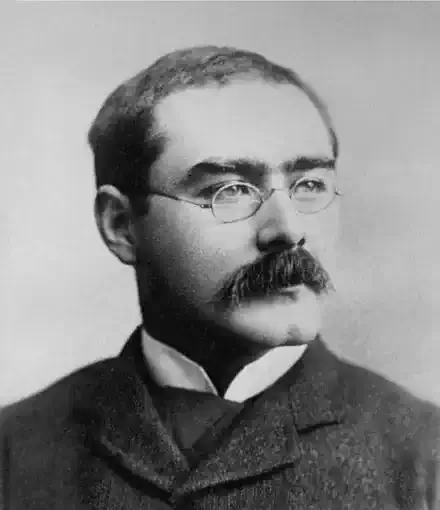
Rudyard Kipling
False Dawn
False Dawn
To-night, God knows what thing shall tide,
The Earth is racked and fain--
Expectant, sleepless, open-eyed;
And we, who from the Earth were made,
Thrill with our Mother's pain.
To-night, God knows what thing shall tide,
The Earth is racked and fain--
Expectant, sleepless, open-eyed;
And we, who from the Earth were made,
Thrill with our Mother's pain.
406
Rudyard Kipling
Divided Destinies
Divided Destinies
It was an artless Bandar, and he danced upon a pine,
And much I wondered how he lived, and where the beast might dine,
And many, many other things, till, o'er my morning smoke,
I slept the sleep of idleness and dreamt that Bandar spoke.
He said: "O man of many clothes! Sad crawler on the Hills!
Observe, I know not Ranken's shop, nor Ranken's monthly bills;
I take no heed to trousers or the coats that you call dress;
Nor am I plagued with little cards for little drinks at Mess.
"I steal the bunnia's grain at morn, at noon and eventide,
(For he is fat and I am spare), I roam the mountain side,
I follow no man's carriage, and no, never in my life
Have I flirted at Peliti's with another Bandar's wife.
"O man of futile fopperies -- unnecessary wraps;
I own no ponies in the hills, I drive no tall-wheeled traps;
I buy me not twelve-button gloves, 'short-sixes' eke, or rings,
Nor do I waste at Hamilton's my wealth on 'pretty things.'
"I quarrel with my wife at home, we never fight abroad;
But Mrs. B. has grasped the fact I am her only lord.
I never heard of fever -- dumps nor debts depress my soul;
And I pity and despise you!" Here he pouched my breakfast-roll.
His hide was very mangy, and his face was very red,
And ever and anon he scratched with energy his head.
His manners were not always nice, but how my spirit cried
To be an artless Bandar loose upon the mountain side!
So I answered: "Gentle Bandar, and inscrutable Decree
Makes thee a gleesome fleasome Thou, and me a wretched Me.
Go! Depart in peace, my brother, to thy home amid the pine;
Yet forget not once a mortal wished to change his lot for thine."
It was an artless Bandar, and he danced upon a pine,
And much I wondered how he lived, and where the beast might dine,
And many, many other things, till, o'er my morning smoke,
I slept the sleep of idleness and dreamt that Bandar spoke.
He said: "O man of many clothes! Sad crawler on the Hills!
Observe, I know not Ranken's shop, nor Ranken's monthly bills;
I take no heed to trousers or the coats that you call dress;
Nor am I plagued with little cards for little drinks at Mess.
"I steal the bunnia's grain at morn, at noon and eventide,
(For he is fat and I am spare), I roam the mountain side,
I follow no man's carriage, and no, never in my life
Have I flirted at Peliti's with another Bandar's wife.
"O man of futile fopperies -- unnecessary wraps;
I own no ponies in the hills, I drive no tall-wheeled traps;
I buy me not twelve-button gloves, 'short-sixes' eke, or rings,
Nor do I waste at Hamilton's my wealth on 'pretty things.'
"I quarrel with my wife at home, we never fight abroad;
But Mrs. B. has grasped the fact I am her only lord.
I never heard of fever -- dumps nor debts depress my soul;
And I pity and despise you!" Here he pouched my breakfast-roll.
His hide was very mangy, and his face was very red,
And ever and anon he scratched with energy his head.
His manners were not always nice, but how my spirit cried
To be an artless Bandar loose upon the mountain side!
So I answered: "Gentle Bandar, and inscrutable Decree
Makes thee a gleesome fleasome Thou, and me a wretched Me.
Go! Depart in peace, my brother, to thy home amid the pine;
Yet forget not once a mortal wished to change his lot for thine."
374
Rudyard Kipling
Eddi's Service
Eddi's Service
(A.D. )
Eddi, priest of St. Wilfrid
In his chapel at Manhood End,
Ordered a midnight service
For such as cared to attend.
But the Saxons were keeping Christmas,
And the night was stormy as well.
Nobody came to service,
Though Eddi rang the bell.
"'Wicked weather for walking,"
Said Eddi of Manhood End.
"But I must go on with the service
For such as care to attend."
The altar-lamps were lighted, --
An old marsh-donkey came,
Bold as a guest invited,
And stared at the guttering flame.
The storm beat on at the windows,
The water splashed on the floor,
And a wet, yoke-weary bullock
Pushed in through the open door.
"How do I know what is greatest,
How do I know what is least?
That is My Father's business,"
Said Eddi, Wilfrid's priest.
"But -- three are gathered together --
Listen to me and attend.
I bring good news, my brethren!"
Said Eddi of Manhood End.
And he told the Ox of a Manger
And a Stall in Bethlehem,
And he spoke to the Ass of a Rider,
That rode to Jerusalem.
They steamed and dripped in the chancel,
They listened and never stirred,
While, just as though they were Bishops,
Eddi preached them The World,
Till the gale blew off on the marshes
And the windows showed the day,
And the Ox and the Ass together
Wheeled and clattered away.
And when the Saxons mocked him,
Said Eddi of Manhood End,
"I dare not shut His chapel
On such as care to attend."
(A.D. )
Eddi, priest of St. Wilfrid
In his chapel at Manhood End,
Ordered a midnight service
For such as cared to attend.
But the Saxons were keeping Christmas,
And the night was stormy as well.
Nobody came to service,
Though Eddi rang the bell.
"'Wicked weather for walking,"
Said Eddi of Manhood End.
"But I must go on with the service
For such as care to attend."
The altar-lamps were lighted, --
An old marsh-donkey came,
Bold as a guest invited,
And stared at the guttering flame.
The storm beat on at the windows,
The water splashed on the floor,
And a wet, yoke-weary bullock
Pushed in through the open door.
"How do I know what is greatest,
How do I know what is least?
That is My Father's business,"
Said Eddi, Wilfrid's priest.
"But -- three are gathered together --
Listen to me and attend.
I bring good news, my brethren!"
Said Eddi of Manhood End.
And he told the Ox of a Manger
And a Stall in Bethlehem,
And he spoke to the Ass of a Rider,
That rode to Jerusalem.
They steamed and dripped in the chancel,
They listened and never stirred,
While, just as though they were Bishops,
Eddi preached them The World,
Till the gale blew off on the marshes
And the windows showed the day,
And the Ox and the Ass together
Wheeled and clattered away.
And when the Saxons mocked him,
Said Eddi of Manhood End,
"I dare not shut His chapel
On such as care to attend."
473
Rudyard Kipling
Darzee's Chaunt
Darzee's Chaunt
Singer and tailor am I--
Doubled the joys that I know--
Proud of my lilt to the sky,
Proud of the house that I sew--
Over and under, so weave I my music--so weave I the house that
I sew.
Sing to your fledglings again,
Mother, O lift up your head!
Evil that plagued us is slain,
Death in the garden lies dead.
Terror that hid in the roses is impotent--flung on the dung-hill
and dead!
Who hath delivered us, who?
Tell me his nest and his name.
Rikki, the valiant, the true,
Tikki, with eyeballs of flame,
Rik-tikki-tikki, the ivory-fanged, the Hunter with eyeballs of
flame.
Give him the Thanks of the Birds,
Bowing with tail-feathers spread!
Praise him in nightingale-words--
Nay, I will praise him instead.
I will sing you the praise of the bottle-tailed Rikki with
eyeballs of red!
Singer and tailor am I--
Doubled the joys that I know--
Proud of my lilt to the sky,
Proud of the house that I sew--
Over and under, so weave I my music--so weave I the house that
I sew.
Sing to your fledglings again,
Mother, O lift up your head!
Evil that plagued us is slain,
Death in the garden lies dead.
Terror that hid in the roses is impotent--flung on the dung-hill
and dead!
Who hath delivered us, who?
Tell me his nest and his name.
Rikki, the valiant, the true,
Tikki, with eyeballs of flame,
Rik-tikki-tikki, the ivory-fanged, the Hunter with eyeballs of
flame.
Give him the Thanks of the Birds,
Bowing with tail-feathers spread!
Praise him in nightingale-words--
Nay, I will praise him instead.
I will sing you the praise of the bottle-tailed Rikki with
eyeballs of red!
491
Rudyard Kipling
By the Hoof of the Wild Goat
By the Hoof of the Wild Goat
By the Hoof of the Wild Goat uptossed
From the cliff where she lay in the Sun
Fell the Stone
To the Tarn where the daylight is lost,
So she fell from the light of the Sun
And alone!
Now the fall was ordained from the first
With the Goat and the Cliff and the Tarn,
But the Stone
Knows only her life is accursed
As she sinks from the light of the Sun
And alone!
Oh Thou Who hast builded the World,
Oh Thou Who hast lighted the Sun,
Oh Thou Who hast darkened the Tarn,
Judge Thou
The sin of the Stone that was hurled
By the goat from the light of the Sun,
As she sinks in the mire of the Tarn,
Even now--even now--even now!
By the Hoof of the Wild Goat uptossed
From the cliff where she lay in the Sun
Fell the Stone
To the Tarn where the daylight is lost,
So she fell from the light of the Sun
And alone!
Now the fall was ordained from the first
With the Goat and the Cliff and the Tarn,
But the Stone
Knows only her life is accursed
As she sinks from the light of the Sun
And alone!
Oh Thou Who hast builded the World,
Oh Thou Who hast lighted the Sun,
Oh Thou Who hast darkened the Tarn,
Judge Thou
The sin of the Stone that was hurled
By the goat from the light of the Sun,
As she sinks in the mire of the Tarn,
Even now--even now--even now!
496
Rudyard Kipling
Beast and Man in India
Beast and Man in India
They killed a Child to please the Gods
In Earth's young penitence,
And I have bled in that Babe's stead
Because of innocence.
I bear the sins of sinful men
That have no sin of my own,
They drive me forth to Heaven's wrath
Unpastured and alone.
I am the meat of sacrifice,
The ransom of man's guilt,
For they give my life to the altar-knife
Wherever shrine is built.
The Goat.
Between the waving tufts of jungle-grass,
Up from the river as the twilight falls,
Across the dust-beclouded plain they pass
On to the village walls.
Great is the sword and mighty is the pen,
But over all the labouring ploughman's blade--
For on its oxen and its husbandmen
An Empire's strength is laid.
The Oxen.
The torn boughs trailing o'er the tusks aslant,
The saplings reeling in the path he trod,
Declare his might--our lord the Elephant,
Chief of the ways of God.
The black bulk heaving where the oxen pant,
The bowed head toiling where the guns careen,
Declare our might--our slave the Elephant,
And servant of the Queen.
The Elephant.
Dark children of the mere and marsh,
Wallow and waste and lea,
Outcaste they wait at the village gate
With folk of low degree.
Their pasture is in no man's land,
Their food the cattle's scorn;
Their rest is mire and their desire
The thicket and the thorn.
But woe to those that break their sleep,
And woe to those that dare
To rouse the herd-bull from his keep,
The wild boar from his lair!
Pigs and Buffaloes.
The beasts are very wise,
Their mouths are clean of lies,
They talk one to the other,
Bullock to bullock's brother
Resting after their labours,
Each in stall with his neighbours.
But man with goad and whip,
Breaks up their fellowship,
Shouts in their silky ears
Filling their soul with fears.
When he has ploughed the land,
He says: "They understand."
But the beasts in stall together,
Freed from the yoke and tether,
Say as the torn flanks smoke:
"Nay, 'twas the whip that spoke."
They killed a Child to please the Gods
In Earth's young penitence,
And I have bled in that Babe's stead
Because of innocence.
I bear the sins of sinful men
That have no sin of my own,
They drive me forth to Heaven's wrath
Unpastured and alone.
I am the meat of sacrifice,
The ransom of man's guilt,
For they give my life to the altar-knife
Wherever shrine is built.
The Goat.
Between the waving tufts of jungle-grass,
Up from the river as the twilight falls,
Across the dust-beclouded plain they pass
On to the village walls.
Great is the sword and mighty is the pen,
But over all the labouring ploughman's blade--
For on its oxen and its husbandmen
An Empire's strength is laid.
The Oxen.
The torn boughs trailing o'er the tusks aslant,
The saplings reeling in the path he trod,
Declare his might--our lord the Elephant,
Chief of the ways of God.
The black bulk heaving where the oxen pant,
The bowed head toiling where the guns careen,
Declare our might--our slave the Elephant,
And servant of the Queen.
The Elephant.
Dark children of the mere and marsh,
Wallow and waste and lea,
Outcaste they wait at the village gate
With folk of low degree.
Their pasture is in no man's land,
Their food the cattle's scorn;
Their rest is mire and their desire
The thicket and the thorn.
But woe to those that break their sleep,
And woe to those that dare
To rouse the herd-bull from his keep,
The wild boar from his lair!
Pigs and Buffaloes.
The beasts are very wise,
Their mouths are clean of lies,
They talk one to the other,
Bullock to bullock's brother
Resting after their labours,
Each in stall with his neighbours.
But man with goad and whip,
Breaks up their fellowship,
Shouts in their silky ears
Filling their soul with fears.
When he has ploughed the land,
He says: "They understand."
But the beasts in stall together,
Freed from the yoke and tether,
Say as the torn flanks smoke:
"Nay, 'twas the whip that spoke."
546
Rudyard Kipling
Snarleyow
"Snarleyow"
This 'appened in a battle to a batt'ry of the corps
Which is first among the women an' amazin' first in war;
An' what the bloomin' battle was I don't remember now,
But Two's off-lead 'e answered to the name o' ~Snarleyow~.
Down in the Infantry, nobody cares;
Down in the Cavalry, Colonel 'e swears;
But down in the lead with the wheel at the flog
Turns the bold Bombardier to a little whipped dog!
They was movin' into action, they was needed very sore,
To learn a little schoolin' to a native army corps,
They 'ad nipped against an uphill, they was tuckin' down the brow,
When a tricky, trundlin' roundshot give the knock to ~Snarleyow~.
They cut 'im loose an' left 'im -- 'e was almost tore in two --
But he tried to follow after as a well-trained 'orse should do;
'E went an' fouled the limber, an' the Driver's Brother squeals:
"Pull up, pull up for ~Snarleyow~ -- 'is head's between 'is 'eels!"
The Driver 'umped 'is shoulder, for the wheels was goin' round,
An' there ain't no "Stop, conductor!" when a batt'ry's changin' ground;
Sez 'e: "I broke the beggar in, an' very sad I feels,
But I couldn't pull up, not for ~you~ -- your 'ead between your 'eels!"
'E 'adn't 'ardly spoke the word, before a droppin' shell
A little right the batt'ry an' between the sections fell;
An' when the smoke 'ad cleared away, before the limber wheels,
There lay the Driver's Brother with 'is 'ead between 'is 'eels.
Then sez the Driver's Brother, an' 'is words was very plain,
"For Gawd's own sake get over me, an' put me out o' pain."
They saw 'is wounds was mortial, an' they judged that it was best,
So they took an' drove the limber straight across 'is back an' chest.
The Driver 'e give nothin' 'cept a little coughin' grunt,
But 'e swung 'is 'orses 'andsome when it came to "Action Front!"
An' if one wheel was juicy, you may lay your Monday head
'Twas juicier for the niggers when the case begun to spread.
The moril of this story, it is plainly to be seen:
You 'avn't got no families when servin' of the Queen --
You 'avn't got no brothers, fathers, sisters, wives, or sons --
If you want to win your battles take an' work your bloomin' guns!
Down in the Infantry, nobody cares;
Down in the Cavalry, Colonel 'e swears;
But down in the lead with the wheel at the flog
Turns the bold Bombardier to a little whipped dog!
This 'appened in a battle to a batt'ry of the corps
Which is first among the women an' amazin' first in war;
An' what the bloomin' battle was I don't remember now,
But Two's off-lead 'e answered to the name o' ~Snarleyow~.
Down in the Infantry, nobody cares;
Down in the Cavalry, Colonel 'e swears;
But down in the lead with the wheel at the flog
Turns the bold Bombardier to a little whipped dog!
They was movin' into action, they was needed very sore,
To learn a little schoolin' to a native army corps,
They 'ad nipped against an uphill, they was tuckin' down the brow,
When a tricky, trundlin' roundshot give the knock to ~Snarleyow~.
They cut 'im loose an' left 'im -- 'e was almost tore in two --
But he tried to follow after as a well-trained 'orse should do;
'E went an' fouled the limber, an' the Driver's Brother squeals:
"Pull up, pull up for ~Snarleyow~ -- 'is head's between 'is 'eels!"
The Driver 'umped 'is shoulder, for the wheels was goin' round,
An' there ain't no "Stop, conductor!" when a batt'ry's changin' ground;
Sez 'e: "I broke the beggar in, an' very sad I feels,
But I couldn't pull up, not for ~you~ -- your 'ead between your 'eels!"
'E 'adn't 'ardly spoke the word, before a droppin' shell
A little right the batt'ry an' between the sections fell;
An' when the smoke 'ad cleared away, before the limber wheels,
There lay the Driver's Brother with 'is 'ead between 'is 'eels.
Then sez the Driver's Brother, an' 'is words was very plain,
"For Gawd's own sake get over me, an' put me out o' pain."
They saw 'is wounds was mortial, an' they judged that it was best,
So they took an' drove the limber straight across 'is back an' chest.
The Driver 'e give nothin' 'cept a little coughin' grunt,
But 'e swung 'is 'orses 'andsome when it came to "Action Front!"
An' if one wheel was juicy, you may lay your Monday head
'Twas juicier for the niggers when the case begun to spread.
The moril of this story, it is plainly to be seen:
You 'avn't got no families when servin' of the Queen --
You 'avn't got no brothers, fathers, sisters, wives, or sons --
If you want to win your battles take an' work your bloomin' guns!
Down in the Infantry, nobody cares;
Down in the Cavalry, Colonel 'e swears;
But down in the lead with the wheel at the flog
Turns the bold Bombardier to a little whipped dog!
549
Rudyard Kipling
Lukannon
"Lukannon"
I met my mates in the morning (and oh, but I am old!)
Where roaring on the ledges the summer ground-swell rolled;
I heard them lift the chorus that dropped the breakers' song --
The beaches of Lukannon -- two million voices strong!
The song of pleasant stations beside the salt lagoons,
The song of blowing squadrons that shuffled down the dunes,
The song of midnight dances that churned the sea to flame --
The beaches of Lukannon -- before the sealers came!
I met my mates in the morning (I'll never meet them more!);
They came and went in legions that darkened all the shore.
And through the foam-flecked offing as far as voice could reach
We hailed the landing-parties and we sang them up the beach.
The beaches of Lukannon -- the winter-wheat so tall --
The dripping, crinkled lichens, and the sea-fog drenching all!
The platforms of our playground, all shining smooth and worn!
The beaches of Lukannon -- the home where we were born!
I meet my mates in the morning, a broken, scattered band.
Men shoot us in the water and club us on the land;
Men drive us to the Salt House like silly sheep and tame,
And still we sing Lukannon -- before the sealers came.
Wheel down, wheel down to southward; oh, Gooverooska go!
And tell the Deep-Sea Viceroys! the story of our woe;
Ere, empty as the shark's egg the tempest flings ashore,
The beaches of Lukannon shall know their sons no more!
I met my mates in the morning (and oh, but I am old!)
Where roaring on the ledges the summer ground-swell rolled;
I heard them lift the chorus that dropped the breakers' song --
The beaches of Lukannon -- two million voices strong!
The song of pleasant stations beside the salt lagoons,
The song of blowing squadrons that shuffled down the dunes,
The song of midnight dances that churned the sea to flame --
The beaches of Lukannon -- before the sealers came!
I met my mates in the morning (I'll never meet them more!);
They came and went in legions that darkened all the shore.
And through the foam-flecked offing as far as voice could reach
We hailed the landing-parties and we sang them up the beach.
The beaches of Lukannon -- the winter-wheat so tall --
The dripping, crinkled lichens, and the sea-fog drenching all!
The platforms of our playground, all shining smooth and worn!
The beaches of Lukannon -- the home where we were born!
I meet my mates in the morning, a broken, scattered band.
Men shoot us in the water and club us on the land;
Men drive us to the Salt House like silly sheep and tame,
And still we sing Lukannon -- before the sealers came.
Wheel down, wheel down to southward; oh, Gooverooska go!
And tell the Deep-Sea Viceroys! the story of our woe;
Ere, empty as the shark's egg the tempest flings ashore,
The beaches of Lukannon shall know their sons no more!
587
Rudyard Kipling
By the Hoof of the Wild Goat
"By the Hoof of the Wild Goat"
By the Hoof of the Wild Goat uptossed
From the cliff where she lay in the Sun
Fell the Stone
To the Tarn where the daylight is lost,
So she fell from the light of the Sun
And alone!
Now the fall was ordained from the first
With the Goat and the Cliff and the Tarn,
But the Stone
Knows only her life is accursed
As she sinks from the light of the Sun
And alone!
Oh Thou Who hast builded the World,
Oh Thou Who hast lighted the Sun,
Oh Thou Who hast darkened the Tarn,
Judge Thou
The sin of the Stone that was hurled
By the goat from the light of the Sun,
As she sinks in the mire of the Tarn,
Even now--even now--even now!
By the Hoof of the Wild Goat uptossed
From the cliff where she lay in the Sun
Fell the Stone
To the Tarn where the daylight is lost,
So she fell from the light of the Sun
And alone!
Now the fall was ordained from the first
With the Goat and the Cliff and the Tarn,
But the Stone
Knows only her life is accursed
As she sinks from the light of the Sun
And alone!
Oh Thou Who hast builded the World,
Oh Thou Who hast lighted the Sun,
Oh Thou Who hast darkened the Tarn,
Judge Thou
The sin of the Stone that was hurled
By the goat from the light of the Sun,
As she sinks in the mire of the Tarn,
Even now--even now--even now!
461
Rudyard Kipling
Angutivaun Taina
"Angutivaun Taina"
Our gloves are stiff with the frozen blood,
Our furs with the drifted snow,
As we come in with the seal--the seal!
In from the edge of the floe.
Au jana! Aua! Oha! Haq!
And the yelping dog-teams go;
And the long whips crack, and the men come back,
Back from the edge of the floe!
We tracked our seal to his secret place,
We heard him scratch below,
We made our mark, and we watched beside,
Out on the edge of the floe.
We raised our lance when he rose to breathe,
We drove it downward--so!
And we played him thus, and we killed him thus,
Out on the edge of the floe.
Our gloves are glued with the frozen blood,
Our eyes with the drifting snow;
But we come back to our wives again,
Back from the edge of the floe!
Au jana! Aua! Oha! Haq!
And the loaded dog-teams go;
And the wives ran hear their men come back,
Back from the edge of the floe!
Our gloves are stiff with the frozen blood,
Our furs with the drifted snow,
As we come in with the seal--the seal!
In from the edge of the floe.
Au jana! Aua! Oha! Haq!
And the yelping dog-teams go;
And the long whips crack, and the men come back,
Back from the edge of the floe!
We tracked our seal to his secret place,
We heard him scratch below,
We made our mark, and we watched beside,
Out on the edge of the floe.
We raised our lance when he rose to breathe,
We drove it downward--so!
And we played him thus, and we killed him thus,
Out on the edge of the floe.
Our gloves are glued with the frozen blood,
Our eyes with the drifting snow;
But we come back to our wives again,
Back from the edge of the floe!
Au jana! Aua! Oha! Haq!
And the loaded dog-teams go;
And the wives ran hear their men come back,
Back from the edge of the floe!
438

Robert W. Service
Worms
Worms
Worms finer for fishing you couldn't be wishing;
I delved them dismayed from the velvety sod;
The rich loam upturning I gathered them squirming,
big, fat, gleamy earthworms, all ripe for my rod.
Thinks I, without waiting, my hook I'll be baiting,
And flip me a fish from the foam of the pool;
Then Mother beholding, came crying and scolding:
"You're late, ye young devil! Be off to the school."
So grabbing me bait-tin I dropped them fat worms in,
With globs of green turf for their comfort and cheer;
And there, clean forgotten, no doubt dead and rotten;
I left them to languish for nigh on a year.
One day to be cleaning the byre I was meaning,
When seeing that old rusty can on the shelf,
Says I: "To my thinking, them worms must be stinking:
Begorrah! I'd better find out for myself."
So I opened the tin, held my nose and looked in;
And what did I see? Why, most nothing at all.
Just darkness and dank. and . . . a something that stank,
Tucked down in a corner, a greasy grey ball.
My worms -no, not dead, but thin as a thread,
Each seemed to reproach me, protesting its worth:
So softly I took them and tenderly shook them
Back into the bosom of mothering earth.
I'm now in the City; 'tis grand, but I pity
The weariful wretches that crawl in its grime;
The dregs and the scum and the spawn of the slum,
And the poor little children that's cradled in crime.
Sure I see them in terms of my pitiful worms,
surviving despite desperation and doom,
And I wish I was God, with a smile and a nod
To set them all down in a valley of bloom,
Saying: "Let these rejoice with a wonderful voice
For mothering earth and for fathering sea,
And healing of sun, for each weariful one
Of these poor human worms is a wee bit of me. . . .
Let your be the blame and yours be the shame:
What ye do unto them ye do also to ME."
Worms finer for fishing you couldn't be wishing;
I delved them dismayed from the velvety sod;
The rich loam upturning I gathered them squirming,
big, fat, gleamy earthworms, all ripe for my rod.
Thinks I, without waiting, my hook I'll be baiting,
And flip me a fish from the foam of the pool;
Then Mother beholding, came crying and scolding:
"You're late, ye young devil! Be off to the school."
So grabbing me bait-tin I dropped them fat worms in,
With globs of green turf for their comfort and cheer;
And there, clean forgotten, no doubt dead and rotten;
I left them to languish for nigh on a year.
One day to be cleaning the byre I was meaning,
When seeing that old rusty can on the shelf,
Says I: "To my thinking, them worms must be stinking:
Begorrah! I'd better find out for myself."
So I opened the tin, held my nose and looked in;
And what did I see? Why, most nothing at all.
Just darkness and dank. and . . . a something that stank,
Tucked down in a corner, a greasy grey ball.
My worms -no, not dead, but thin as a thread,
Each seemed to reproach me, protesting its worth:
So softly I took them and tenderly shook them
Back into the bosom of mothering earth.
I'm now in the City; 'tis grand, but I pity
The weariful wretches that crawl in its grime;
The dregs and the scum and the spawn of the slum,
And the poor little children that's cradled in crime.
Sure I see them in terms of my pitiful worms,
surviving despite desperation and doom,
And I wish I was God, with a smile and a nod
To set them all down in a valley of bloom,
Saying: "Let these rejoice with a wonderful voice
For mothering earth and for fathering sea,
And healing of sun, for each weariful one
Of these poor human worms is a wee bit of me. . . .
Let your be the blame and yours be the shame:
What ye do unto them ye do also to ME."
223
Robert W. Service
Winnie
Winnie
When I went by the meadow gate
The chestnut mare would trot to meet me,
And as her coming I would wait,
She'd whinney high as if to greet me.
And I would kiss her silky nose,
And stroke her neck until it glistened,
And speak soft words: I don't suppose
She understand - but how she listened!
Then in the war-net I was caught,
Returning three black winters older;
And when the little mare I sought
The farmer told me he had sold her.
And so time passed - when in the street
One day I heard a plaintive whinney
That roused a recollection sweet,
So then I turned and there was Winnie.
I vow she knew me, mooning there.
She raised her nose for me to fondle,
And though I'd lost an arm I'll swear
She kissed the empty sleeve a-dangle.
But oh it cut me to the heart,
Though I was awful glad to meet her,
For lo! she dragged a tinker's cart
And stumbled weakly as he beat her.
Just skin and bone, a sorry hack!
Say, fellow, you may think it funny:
I made a deal and bought her back,
Though it took all my bonus money.
And she'll be in the meadow there,
As long as I have dough for spending . . .
Gee! I'll take care of that old mare "
Sweetheart! you'll have a happy ending."
When I went by the meadow gate
The chestnut mare would trot to meet me,
And as her coming I would wait,
She'd whinney high as if to greet me.
And I would kiss her silky nose,
And stroke her neck until it glistened,
And speak soft words: I don't suppose
She understand - but how she listened!
Then in the war-net I was caught,
Returning three black winters older;
And when the little mare I sought
The farmer told me he had sold her.
And so time passed - when in the street
One day I heard a plaintive whinney
That roused a recollection sweet,
So then I turned and there was Winnie.
I vow she knew me, mooning there.
She raised her nose for me to fondle,
And though I'd lost an arm I'll swear
She kissed the empty sleeve a-dangle.
But oh it cut me to the heart,
Though I was awful glad to meet her,
For lo! she dragged a tinker's cart
And stumbled weakly as he beat her.
Just skin and bone, a sorry hack!
Say, fellow, you may think it funny:
I made a deal and bought her back,
Though it took all my bonus money.
And she'll be in the meadow there,
As long as I have dough for spending . . .
Gee! I'll take care of that old mare "
Sweetheart! you'll have a happy ending."
269
Robert W. Service
Why Do Birds Sing?
Why Do Birds Sing?
Let poets piece prismatic words,
Give me the jewelled joy of birds!
What ecstasy moves them to sing?
Is it the lyric glee of Spring,
The dewy rapture of the rose?
Is it the worship born in those
Who are of Nature's self a part,
The adoration of the heart?
Is it the mating mood in them
That makes each crystal note a gem?
Oh mocking bird and nightingale,
Oh mavis, lark and robin - hail!
Tell me what perfect passion glows
In your inspired arpeggios?
A thrush is thrilling as I write
Its obligato of delight;
And in its fervour, as in mine,
I fathom tenderness divine,
And pity those of earthy ear
Who cannot hear . . . who cannot hear.
Let poets pattern pretty words:
For lovely largesse - bless you, Birds!
Let poets piece prismatic words,
Give me the jewelled joy of birds!
What ecstasy moves them to sing?
Is it the lyric glee of Spring,
The dewy rapture of the rose?
Is it the worship born in those
Who are of Nature's self a part,
The adoration of the heart?
Is it the mating mood in them
That makes each crystal note a gem?
Oh mocking bird and nightingale,
Oh mavis, lark and robin - hail!
Tell me what perfect passion glows
In your inspired arpeggios?
A thrush is thrilling as I write
Its obligato of delight;
And in its fervour, as in mine,
I fathom tenderness divine,
And pity those of earthy ear
Who cannot hear . . . who cannot hear.
Let poets pattern pretty words:
For lovely largesse - bless you, Birds!
181
Robert W. Service
Trixie
Trixie
Dogs have a sense beyond our ken -
At least my little Trixie had:
Tail-wagging when I laughed, and when
I sighed, eyes luminously sad.
And if I planned to go away,
She'd know, oh, days and days before:
Aye, dogs I think are sometimes fey,
They seem to sense our fate in store.
Now take the case of old Tome Low;
With flowers each week he'd call on me.
Dear Trixie used to love him so,
With joyous jump upon his knee.
Yet when he wandered in one day,
Her hair grew sudden stark with dread;
She growled, she howled, she ran away . . .
Well, ten hours later Tom was dead.
Aye, dogs hear sounds we cannot hear,
And dogs see sights we cannot see;
And that is why I took the fear
That one day she would glare at me
As if a Shape cowered on my bead,
And with each hair on end she'd creep
Beneath the couch and whine with dread . . .
And so I've had her put to sleep.
Now Trixie's gone, the only one
Who loved me in my lonely life,
And here I wait, my race nigh run,
My ill too grievous for the knife.
My hand of ice she'll never lick,
My heedless mask she'll never see:
No heartbreak - just a needle prick. . . .
Oh, Doctor, do the same for me!
Dogs have a sense beyond our ken -
At least my little Trixie had:
Tail-wagging when I laughed, and when
I sighed, eyes luminously sad.
And if I planned to go away,
She'd know, oh, days and days before:
Aye, dogs I think are sometimes fey,
They seem to sense our fate in store.
Now take the case of old Tome Low;
With flowers each week he'd call on me.
Dear Trixie used to love him so,
With joyous jump upon his knee.
Yet when he wandered in one day,
Her hair grew sudden stark with dread;
She growled, she howled, she ran away . . .
Well, ten hours later Tom was dead.
Aye, dogs hear sounds we cannot hear,
And dogs see sights we cannot see;
And that is why I took the fear
That one day she would glare at me
As if a Shape cowered on my bead,
And with each hair on end she'd creep
Beneath the couch and whine with dread . . .
And so I've had her put to sleep.
Now Trixie's gone, the only one
Who loved me in my lonely life,
And here I wait, my race nigh run,
My ill too grievous for the knife.
My hand of ice she'll never lick,
My heedless mask she'll never see:
No heartbreak - just a needle prick. . . .
Oh, Doctor, do the same for me!
219
Robert W. Service
Titine
Titine
Although I have a car of class,
A limousine,
I also have a jenny ass
I call Titine.
And if I had in sober sense
To choose between,
I know I'd give the preference
To sleek Titine.
My chauffeur drives my Cadillac
In uniform.
I wear a worn coat on my back
That he would scorn.
He speeds with umpty equine power,
Like an express;
I amble at eight miles an hour,
Or even less.
My wife can use our fancy bus
To cut a dash;
She very definitely does,
And blows my cash.
But this old codger seeks the sane
And simple scene;
Content to jog along a lane
With old Titine.
So as in country ways I go
Wife loves the town;
But though I'm slow, serene I know
I won't break down.
With brawn and bone I reckon mine
The best machine:
Old folks and donkeys best combine,
--"Giddup, Titine!"
Although I have a car of class,
A limousine,
I also have a jenny ass
I call Titine.
And if I had in sober sense
To choose between,
I know I'd give the preference
To sleek Titine.
My chauffeur drives my Cadillac
In uniform.
I wear a worn coat on my back
That he would scorn.
He speeds with umpty equine power,
Like an express;
I amble at eight miles an hour,
Or even less.
My wife can use our fancy bus
To cut a dash;
She very definitely does,
And blows my cash.
But this old codger seeks the sane
And simple scene;
Content to jog along a lane
With old Titine.
So as in country ways I go
Wife loves the town;
But though I'm slow, serene I know
I won't break down.
With brawn and bone I reckon mine
The best machine:
Old folks and donkeys best combine,
--"Giddup, Titine!"
213
Robert W. Service
The Wildy Ones
The Wildy Ones
The sheep are in the silver wood,
The cows are in the broom;
The goats are in the wild mountain
And won't be home by noon.
My mother sang that olden tune
Most every night,
And to her newest she would croon
By candle light;
While cuddling in the velvet gloom
I'd dream of cows
That sought each dawn 'mid golden broom
To gently browse.
Or I would glimpse the silver wood,
The birchen glade,
Where pearly sheep in quiet mood
Cropped unafraid;
But how I loved in lapsing drowse
The mountain wild!
The goats were more than sheep and cows
To one wee child.
For cows and sheep are shelter-wise,
And love the lea;
While goats have starlight in their eyes,
In cragland free . . .
And now on edge of endless sleep
Wryly I note
How less I'm kin to kine and sheep
Than rebel goat!
The sheep are in the silver wood,
The cows are in the broom;
The goats are in the wild mountain
And won't be home by noon.
My mother sang that olden tune
Most every night,
And to her newest she would croon
By candle light;
While cuddling in the velvet gloom
I'd dream of cows
That sought each dawn 'mid golden broom
To gently browse.
Or I would glimpse the silver wood,
The birchen glade,
Where pearly sheep in quiet mood
Cropped unafraid;
But how I loved in lapsing drowse
The mountain wild!
The goats were more than sheep and cows
To one wee child.
For cows and sheep are shelter-wise,
And love the lea;
While goats have starlight in their eyes,
In cragland free . . .
And now on edge of endless sleep
Wryly I note
How less I'm kin to kine and sheep
Than rebel goat!
207
Robert W. Service
The Three Bares
The Three Bares
Ma tried to wash her garden slacks but couldn't get 'em clean
And so she thought she'd soak 'em in a bucket o' benzine.
It worked all right. She wrung 'em out then wondered what she'd do
With all that bucket load of high explosive residue.
She knew that it was dangerous to scatter it around,
For Grandpa liked to throw his lighted matches on the ground.
Somehow she didn't dare to pour it down the kitchen sink,
And what the heck to do with it, poor Ma jest couldn't think.
Then Nature seemed to give the clue, as down the garden lot
She spied the edifice that graced a solitary spot,
Their Palace of Necessity, the family joy and pride,
Enshrined in morning-glory vine, with graded seats inside;
Jest like that cabin Goldylocks found occupied by three,
But in this case B-E-A-R was spelt B-A-R-E----
A tiny seat for Baby Bare, a medium for Ma,
A full-sized section sacred to the Bare of Grandpapa.
Well, Ma was mighty glad to get that worry off her mind,
And hefting up the bucket so combustibly inclined,
She hurried down the garden to that refuge so discreet,
And dumped the liquid menace safely through the centre seat.
Next morning old Grandpa arose; he made a hearty meal,
And sniffed the air and said: 'By Gosh! how full of beans I feel.
Darned if I ain't as fresh as paint; my joy will be complete
With jest a quiet session on the usual morning seat;
To smoke me pipe an' meditate, an' maybe write a pome,
For that's the time when bits o' rhyme gits jiggin' in me dome.'
He sat down on that special seat slicked shiny by his age,
And looking like Walt Whitman, jest a silver-whiskered sage,
He filled his corn-cob to the brim and tapped it snugly down,
And chuckled: 'Of a perfect day I reckon this the crown.'
He lit the weed, it soothed his need, it was so soft and sweet:
And then he dropped the lighted match clean through the middle seat.
His little grand-child Rosyleen cried from the kichen door:
'Oh, Ma, come quick; there's sompin wrong; I heared a dreffel roar;
Oh, Ma, I see a sheet of flame; it's rising high and higher...
Oh, Mummy dear, I sadly fear our comfort-cot's caught fire.'
Poor Ma was thrilled with horror at them words o' Rosyleen.
She thought of Grandpa's matches and that bucket of benzine;
So down the garden geared on high, she ran with all her power,
For regular was Grandpa, and she knew it was his hour.
Then graspin' gaspin' Rosyleen she peered into the fire,
A roarin' soarin' furnace now, perchance old Grandpa's pyre....
But as them twain expressed their pain they heard a hearty cheer----
Behold the old rapscallion squattinn' in the duck pond near,
His silver whiskers singed away, a gosh-almighty wreck,
Wi' half a yard o' toilet seat entwined about his neck....
He cried: 'Say, folks, oh, did ye hear the big blow-out I made?
It scared me stiff - I hope you-uns was not too much afraid?
But now I best be crawlin' out o' this dog-gasted wet....
For what I aim to figger out is----WHAT THE HECK I ET?'
Ma tried to wash her garden slacks but couldn't get 'em clean
And so she thought she'd soak 'em in a bucket o' benzine.
It worked all right. She wrung 'em out then wondered what she'd do
With all that bucket load of high explosive residue.
She knew that it was dangerous to scatter it around,
For Grandpa liked to throw his lighted matches on the ground.
Somehow she didn't dare to pour it down the kitchen sink,
And what the heck to do with it, poor Ma jest couldn't think.
Then Nature seemed to give the clue, as down the garden lot
She spied the edifice that graced a solitary spot,
Their Palace of Necessity, the family joy and pride,
Enshrined in morning-glory vine, with graded seats inside;
Jest like that cabin Goldylocks found occupied by three,
But in this case B-E-A-R was spelt B-A-R-E----
A tiny seat for Baby Bare, a medium for Ma,
A full-sized section sacred to the Bare of Grandpapa.
Well, Ma was mighty glad to get that worry off her mind,
And hefting up the bucket so combustibly inclined,
She hurried down the garden to that refuge so discreet,
And dumped the liquid menace safely through the centre seat.
Next morning old Grandpa arose; he made a hearty meal,
And sniffed the air and said: 'By Gosh! how full of beans I feel.
Darned if I ain't as fresh as paint; my joy will be complete
With jest a quiet session on the usual morning seat;
To smoke me pipe an' meditate, an' maybe write a pome,
For that's the time when bits o' rhyme gits jiggin' in me dome.'
He sat down on that special seat slicked shiny by his age,
And looking like Walt Whitman, jest a silver-whiskered sage,
He filled his corn-cob to the brim and tapped it snugly down,
And chuckled: 'Of a perfect day I reckon this the crown.'
He lit the weed, it soothed his need, it was so soft and sweet:
And then he dropped the lighted match clean through the middle seat.
His little grand-child Rosyleen cried from the kichen door:
'Oh, Ma, come quick; there's sompin wrong; I heared a dreffel roar;
Oh, Ma, I see a sheet of flame; it's rising high and higher...
Oh, Mummy dear, I sadly fear our comfort-cot's caught fire.'
Poor Ma was thrilled with horror at them words o' Rosyleen.
She thought of Grandpa's matches and that bucket of benzine;
So down the garden geared on high, she ran with all her power,
For regular was Grandpa, and she knew it was his hour.
Then graspin' gaspin' Rosyleen she peered into the fire,
A roarin' soarin' furnace now, perchance old Grandpa's pyre....
But as them twain expressed their pain they heard a hearty cheer----
Behold the old rapscallion squattinn' in the duck pond near,
His silver whiskers singed away, a gosh-almighty wreck,
Wi' half a yard o' toilet seat entwined about his neck....
He cried: 'Say, folks, oh, did ye hear the big blow-out I made?
It scared me stiff - I hope you-uns was not too much afraid?
But now I best be crawlin' out o' this dog-gasted wet....
For what I aim to figger out is----WHAT THE HECK I ET?'
218
Robert W. Service
The Three Voices
The Three Voices
The waves have a story to tell me,
As I lie on the lonely beach;
Chanting aloft in the pine-tops,
The wind has a lesson to teach;
But the stars sing an anthem of glory
I cannot put into speech.
The waves tell of ocean spaces,
Of hearts that are wild and brave,
Of populous city places,
Of desolate shores they lave,
Of men who sally in quest of gold
To sink in an ocean grave.
The wind is a mighty roamer;
He bids me keep me free,
Clean from the taint of the gold-lust,
Hardy and pure as he;
Cling with my love to nature,
As a child to the mother-knee.
But the stars throng out in their glory,
And they sing of the God in man;
They sing of the Mighty Master,
Of the loom his fingers span,
Where a star or a soul is a part of the whole,
And weft in the wondrous plan.
Here by the camp-fire's flicker,
Deep in my blanket curled,
I long for the peace of the pine-gloom,
When the scroll of the Lord is unfurled,
And the wind and the wave are silent,
And world is singing to world.
The waves have a story to tell me,
As I lie on the lonely beach;
Chanting aloft in the pine-tops,
The wind has a lesson to teach;
But the stars sing an anthem of glory
I cannot put into speech.
The waves tell of ocean spaces,
Of hearts that are wild and brave,
Of populous city places,
Of desolate shores they lave,
Of men who sally in quest of gold
To sink in an ocean grave.
The wind is a mighty roamer;
He bids me keep me free,
Clean from the taint of the gold-lust,
Hardy and pure as he;
Cling with my love to nature,
As a child to the mother-knee.
But the stars throng out in their glory,
And they sing of the God in man;
They sing of the Mighty Master,
Of the loom his fingers span,
Where a star or a soul is a part of the whole,
And weft in the wondrous plan.
Here by the camp-fire's flicker,
Deep in my blanket curled,
I long for the peace of the pine-gloom,
When the scroll of the Lord is unfurled,
And the wind and the wave are silent,
And world is singing to world.
236
Robert W. Service
The Release
The Release
To-day within a grog-shop near
I saw a newly captured linnet,
Who beat against his cage in fear,
And fell exhausted every minute;
And when I asked the fellow there
If he to sell the bird were willing,
He told me with a careless air
That I could have it for a shilling.
And so I bought it, cage and all
(Although I went without my dinner),
And where some trees were fairly tall
And houses shrank and smoke was thinner,
The tiny door I open threw,
As down upon the grass I sank me:
Poor little chap! How quick he flew . . .
He didn't even wait to thank me.
Life's like a cage; we beat the bars,
We bruise our breasts, we struggle vainly;
Up to the glory of the stars
We strain with flutterings ungainly.
And then -- God opens wide the door;
Our wondrous wings are arched for flying;
We poise, we part, we sing, we soar . . .
Light, freedom, love. . . . Fools call it -- Dying.
To-day within a grog-shop near
I saw a newly captured linnet,
Who beat against his cage in fear,
And fell exhausted every minute;
And when I asked the fellow there
If he to sell the bird were willing,
He told me with a careless air
That I could have it for a shilling.
And so I bought it, cage and all
(Although I went without my dinner),
And where some trees were fairly tall
And houses shrank and smoke was thinner,
The tiny door I open threw,
As down upon the grass I sank me:
Poor little chap! How quick he flew . . .
He didn't even wait to thank me.
Life's like a cage; we beat the bars,
We bruise our breasts, we struggle vainly;
Up to the glory of the stars
We strain with flutterings ungainly.
And then -- God opens wide the door;
Our wondrous wings are arched for flying;
We poise, we part, we sing, we soar . . .
Light, freedom, love. . . . Fools call it -- Dying.
263
Robert W. Service
The Pigeons Of St. Marks
The Pigeons Of St. Marks
Something's wrong in Pigeon-land;
'Tisn't as it used to be,
When the pilgrim, corn in hand,
Courted us with laughing glee;
When we crooned with pinions furled,
Tamest pigeons in the world.
When we packed each arm and shoulder,
Never deeming man a menace;
Surly birds were never bolder
Than our dainty doves of Venice:
Who would have believed a pigeon
Could become wild as a widgeon.
Well, juts blame it on the War,
When Venetians grew thinner,
And gaunt hands would grab us for
Succulence to serve a dinner . . .
How our numbers fast grew fewer,
As we perished on a skewer.
Pa and Mummie went like that,
So when tourist takes his stand,
On his Borsolino hat
Soft as whispered love I land;
Then with cooing liquid vowels
I . . . evacuate my bowls.
Something's wrong in Pigeon-land;
Mankind we no longer trust;
Shrinking from the tendered hand,
pick we corn from out the dust;
While on guileless pilgrim pate,
Thinking that revenge is sweet,
Soft I croon my hymn of hate,
Drop my tribute and retreat.
Something's wrong in Pigeon-land;
'Tisn't as it used to be,
When the pilgrim, corn in hand,
Courted us with laughing glee;
When we crooned with pinions furled,
Tamest pigeons in the world.
When we packed each arm and shoulder,
Never deeming man a menace;
Surly birds were never bolder
Than our dainty doves of Venice:
Who would have believed a pigeon
Could become wild as a widgeon.
Well, juts blame it on the War,
When Venetians grew thinner,
And gaunt hands would grab us for
Succulence to serve a dinner . . .
How our numbers fast grew fewer,
As we perished on a skewer.
Pa and Mummie went like that,
So when tourist takes his stand,
On his Borsolino hat
Soft as whispered love I land;
Then with cooing liquid vowels
I . . . evacuate my bowls.
Something's wrong in Pigeon-land;
Mankind we no longer trust;
Shrinking from the tendered hand,
pick we corn from out the dust;
While on guileless pilgrim pate,
Thinking that revenge is sweet,
Soft I croon my hymn of hate,
Drop my tribute and retreat.
195
Robert W. Service
The Parson's Son
The Parson's Son
This is the song of the parson's son, as he squats in his shack alone,
On the wild, weird nights, when the Northern Lights shoot up from the frozen zone,
And it's sixty below, and couched in the snow the hungry huskies moan:
"I'm one of the Arctic brotherhood, I'm an old-time pioneer.
I came with the first -- O God! how I've cursed this Yukon -- but still I'm here.
I've sweated athirst in its summer heat, I've frozen and starved in its cold;
I've followed my dreams by its thousand streams, I've toiled and moiled for its gold.
"Look at my eyes -- been snow-blind twice; look where my foot's half gone;
And that gruesome scar on my left cheek, where the frost-fiend bit to the bone.
Each one a brand of this devil's land, where I've played and I've lost the game,
A broken wreck with a craze for `hooch', and never a cent to my name.
"This mining is only a gamble; the worst is as good as the best;
I was in with the bunch and I might have come out right on top with the rest;
With Cormack, Ladue and Macdonald -- O God! but it's hell to think
Of the thousands and thousands I've squandered on cards and women and drink.
"In the early days we were just a few, and we hunted and fished around,
Nor dreamt by our lonely camp-fires of the wealth that lay under the ground.
We traded in skins and whiskey, and I've often slept under the shade
Of that lone birch tree on Bonanza, where the first big find was made.
"We were just like a great big family, and every man had his squaw,
And we lived such a wild, free, fearless life beyond the pale of the law;
Till sudden there came a whisper, and it maddened us every man,
And I got in on Bonanza before the big rush began.
"Oh, those Dawson days, and the sin and the blaze, and the town all open wide!
(If God made me in His likeness, sure He let the devil inside.)
But we all were mad, both the good and the bad, and as for the women, well --
No spot on the map in so short a space has hustled more souls to hell.
"Money was just like dirt there, easy to get and to spend.
I was all caked in on a dance-hall jade, but she shook me in the end.
It put me queer, and for near a year I never drew sober breath,
Till I found myself in the bughouse ward with a claim staked out on death.
"Twenty years in the Yukon, struggling along its creeks;
Roaming its giant valleys, scaling its god-like peaks;
Bathed in its fiery sunsets, fighting its fiendish cold --
Twenty years in the Yukon . . . twenty years -- and I'm old.
"Old and weak, but no matter, there's `hooch' in the bottle still.
I'll hitch up the dogs to-morrow, and mush down the trail to Bill.
It's so long dark, and I'm lonesome -- I'll just lay down on the bed;
To-morrow I'll go . . . to-morrow . . . I guess I'll play on the red.
". . . Come, Kit, your pony is saddled. I'm waiting, dear, in the court . . .
. . . Minnie, you devil, I'll kill you if you skip with that flossy sport . . .
. . . How much does it go to the pan, Bill? . . . play up, School, and play the game . . .
. . . Our Father, which art in heaven, hallowed be Thy name . . ."
This was the song of the parson's son, as he lay in his bunk alone,
Ere the fire went out and the cold crept in, and his blue lips ceased to moan,
And the hunger-maddened malamutes had torn him flesh from bone.
This is the song of the parson's son, as he squats in his shack alone,
On the wild, weird nights, when the Northern Lights shoot up from the frozen zone,
And it's sixty below, and couched in the snow the hungry huskies moan:
"I'm one of the Arctic brotherhood, I'm an old-time pioneer.
I came with the first -- O God! how I've cursed this Yukon -- but still I'm here.
I've sweated athirst in its summer heat, I've frozen and starved in its cold;
I've followed my dreams by its thousand streams, I've toiled and moiled for its gold.
"Look at my eyes -- been snow-blind twice; look where my foot's half gone;
And that gruesome scar on my left cheek, where the frost-fiend bit to the bone.
Each one a brand of this devil's land, where I've played and I've lost the game,
A broken wreck with a craze for `hooch', and never a cent to my name.
"This mining is only a gamble; the worst is as good as the best;
I was in with the bunch and I might have come out right on top with the rest;
With Cormack, Ladue and Macdonald -- O God! but it's hell to think
Of the thousands and thousands I've squandered on cards and women and drink.
"In the early days we were just a few, and we hunted and fished around,
Nor dreamt by our lonely camp-fires of the wealth that lay under the ground.
We traded in skins and whiskey, and I've often slept under the shade
Of that lone birch tree on Bonanza, where the first big find was made.
"We were just like a great big family, and every man had his squaw,
And we lived such a wild, free, fearless life beyond the pale of the law;
Till sudden there came a whisper, and it maddened us every man,
And I got in on Bonanza before the big rush began.
"Oh, those Dawson days, and the sin and the blaze, and the town all open wide!
(If God made me in His likeness, sure He let the devil inside.)
But we all were mad, both the good and the bad, and as for the women, well --
No spot on the map in so short a space has hustled more souls to hell.
"Money was just like dirt there, easy to get and to spend.
I was all caked in on a dance-hall jade, but she shook me in the end.
It put me queer, and for near a year I never drew sober breath,
Till I found myself in the bughouse ward with a claim staked out on death.
"Twenty years in the Yukon, struggling along its creeks;
Roaming its giant valleys, scaling its god-like peaks;
Bathed in its fiery sunsets, fighting its fiendish cold --
Twenty years in the Yukon . . . twenty years -- and I'm old.
"Old and weak, but no matter, there's `hooch' in the bottle still.
I'll hitch up the dogs to-morrow, and mush down the trail to Bill.
It's so long dark, and I'm lonesome -- I'll just lay down on the bed;
To-morrow I'll go . . . to-morrow . . . I guess I'll play on the red.
". . . Come, Kit, your pony is saddled. I'm waiting, dear, in the court . . .
. . . Minnie, you devil, I'll kill you if you skip with that flossy sport . . .
. . . How much does it go to the pan, Bill? . . . play up, School, and play the game . . .
. . . Our Father, which art in heaven, hallowed be Thy name . . ."
This was the song of the parson's son, as he lay in his bunk alone,
Ere the fire went out and the cold crept in, and his blue lips ceased to moan,
And the hunger-maddened malamutes had torn him flesh from bone.
218
Robert W. Service
The Outlaw
The Outlaw
A wild and woeful race he ran
Of lust and sin by land and sea;
Until, abhorred of God and man,
They swung him from the gallows-tree.
And then he climbed the Starry Stair,
And dumb and naked and alone,
With head unbowed and brazen glare,
He stood before the Judgment Throne.
The Keeper of the Records spoke:
"This man, O Lord, has mocked Thy Name.
The weak have wept beneath his yoke,
The strong have fled before his flame.
The blood of babes is on his sword;
His life is evil to the brim:
Look down, decree his doom, O Lord!
Lo! there is none will speak for him."
The golden trumpets blew a blast
That echoed in the crypts of Hell,
For there was Judgment to be passed,
And lips were hushed and silence fell.
The man was mute; he made no stir,
Erect before the Judgment Seat . . .
When all at once a mongrel cur
Crept out and cowered and licked his feet.
It licked his feet with whining cry.
Come Heav'n, come Hell, what did it care?
It leapt, it tried to catch his eye;
Its master, yea, its God was there.
Then, as a thrill of wonder sped
Through throngs of shining seraphim,
The Judge of All looked down and said:
"Lo! here is ONE who pleads for him.
"And who shall love of these the least,
And who by word or look or deed
Shall pity show to bird or beast,
By Me shall have a friend in need.
Aye, though his sin be black as night,
And though he stand 'mid men alone,
He shall be softened in My sight,
And find a pleader by My Throne.
"So let this man to glory win;
From life to life salvation glean;
By pain and sacrifice and sin,
Until he stand before Me -- clean.
For he who loves the least of these
(And here I say and here repeat)
Shall win himself an angel's pleas
For Mercy at My Judgment Seat."
A wild and woeful race he ran
Of lust and sin by land and sea;
Until, abhorred of God and man,
They swung him from the gallows-tree.
And then he climbed the Starry Stair,
And dumb and naked and alone,
With head unbowed and brazen glare,
He stood before the Judgment Throne.
The Keeper of the Records spoke:
"This man, O Lord, has mocked Thy Name.
The weak have wept beneath his yoke,
The strong have fled before his flame.
The blood of babes is on his sword;
His life is evil to the brim:
Look down, decree his doom, O Lord!
Lo! there is none will speak for him."
The golden trumpets blew a blast
That echoed in the crypts of Hell,
For there was Judgment to be passed,
And lips were hushed and silence fell.
The man was mute; he made no stir,
Erect before the Judgment Seat . . .
When all at once a mongrel cur
Crept out and cowered and licked his feet.
It licked his feet with whining cry.
Come Heav'n, come Hell, what did it care?
It leapt, it tried to catch his eye;
Its master, yea, its God was there.
Then, as a thrill of wonder sped
Through throngs of shining seraphim,
The Judge of All looked down and said:
"Lo! here is ONE who pleads for him.
"And who shall love of these the least,
And who by word or look or deed
Shall pity show to bird or beast,
By Me shall have a friend in need.
Aye, though his sin be black as night,
And though he stand 'mid men alone,
He shall be softened in My sight,
And find a pleader by My Throne.
"So let this man to glory win;
From life to life salvation glean;
By pain and sacrifice and sin,
Until he stand before Me -- clean.
For he who loves the least of these
(And here I say and here repeat)
Shall win himself an angel's pleas
For Mercy at My Judgment Seat."
197
Robert W. Service
The Great Recall
The Great Recall
I've wearied of so many things
Adored in youthful days;
Music no more my spirit wings,
E'en when Master play.
For stage and screen I have no heart,
Great paintings leave me cold;
Alas! I've lost the love of Art
That raptured me of old.
Only my love of books is left,
Yet that begins to pall;
And if of it I am bereft,
I'll read no more at all.
Then when I am too frail to walk
I'll sit out in the sun,
And there with Nature I will talk . . .
Last friend and dearest one.
For Nature's all in all to me;
My other loves are vain;
Her bosom brought me forth and she
Will take me back again.
So I will let her have her way,
For I've a feeling odd,
Whatever wiser men may say,
That she herself is GOD.
I've wearied of so many things
Adored in youthful days;
Music no more my spirit wings,
E'en when Master play.
For stage and screen I have no heart,
Great paintings leave me cold;
Alas! I've lost the love of Art
That raptured me of old.
Only my love of books is left,
Yet that begins to pall;
And if of it I am bereft,
I'll read no more at all.
Then when I am too frail to walk
I'll sit out in the sun,
And there with Nature I will talk . . .
Last friend and dearest one.
For Nature's all in all to me;
My other loves are vain;
Her bosom brought me forth and she
Will take me back again.
So I will let her have her way,
For I've a feeling odd,
Whatever wiser men may say,
That she herself is GOD.
173
Robert W. Service
The Cuckoo
The Cuckoo
No lyric line I ever penned
The praise this parasitic bird;
And what is more, I don't intend
To write a laudatory word,
Since in my garden robins made
A nest with eggs of dainty spot,
And then a callous cuckoo laid
A lone on on the lot.
Of course the sillies hatched it out
Along with their two tiny chicks,
And there it threw its weight about,
But with the others would not mix.
In fact, it seemed their guts to hate,
And crossly kicked them to the ground,
So that next morning, sorry fate!
Two babes stone dead I found.
These stupid robins, how they strove
To gluttonize that young cuckoo!
And like a prodigy it throve,
And daily greedier it grew.
How it would snap and glup and spit!
Till finally it came to pass,
Growing too big the nest to fit,
It fell out on the grass.
So for a week they fed it there,
As in a nook of turf it lay;
But it was scornful of their care,
for it was twice as big as they.
When lo! one afternoon I heard
A flutelike call: Cuckoo! Cuckoo!
Then suddenly that foulsome bird
Flapped to its feet and flew.
I'm sure it never said goodbye
To its fond foster Pa and Ma,
Though to their desolated sigh
It might have chirruped: "Au revoir."
But no, it went in wanton mood,
Flying the coop for climates new
And so I say: "Ingratitude,
They name's Cuckoo."
No lyric line I ever penned
The praise this parasitic bird;
And what is more, I don't intend
To write a laudatory word,
Since in my garden robins made
A nest with eggs of dainty spot,
And then a callous cuckoo laid
A lone on on the lot.
Of course the sillies hatched it out
Along with their two tiny chicks,
And there it threw its weight about,
But with the others would not mix.
In fact, it seemed their guts to hate,
And crossly kicked them to the ground,
So that next morning, sorry fate!
Two babes stone dead I found.
These stupid robins, how they strove
To gluttonize that young cuckoo!
And like a prodigy it throve,
And daily greedier it grew.
How it would snap and glup and spit!
Till finally it came to pass,
Growing too big the nest to fit,
It fell out on the grass.
So for a week they fed it there,
As in a nook of turf it lay;
But it was scornful of their care,
for it was twice as big as they.
When lo! one afternoon I heard
A flutelike call: Cuckoo! Cuckoo!
Then suddenly that foulsome bird
Flapped to its feet and flew.
I'm sure it never said goodbye
To its fond foster Pa and Ma,
Though to their desolated sigh
It might have chirruped: "Au revoir."
But no, it went in wanton mood,
Flying the coop for climates new
And so I say: "Ingratitude,
They name's Cuckoo."
236