

Poems in this theme
Animals and Nature

Edward Lear
He Lived at Dingle Bank
He Lived at Dingle Bank
He lived at Dingle Bank - he did; -
He lived at Dingle Bank;
And in his garden was one Quail,
Four tulips and a Tank:
And from his window he could see
The otion and the River Dee.
His house stood on a Cliff, - it did,
Its aspic it was cool;
And many thousand little boys
Resorted to his school,
Where if of progress they could boast
He gave them heaps of buttered toast.
But he grew rabid-wroth, he did,
If they neglected books,
And dragged them to adjacent Cliffs
With beastly Button Hooks,
And there with fatuous glee he threw
Them down into the ocean blue.
And in the sea they sway, they did, -
All playfully about,
And some eventually became
Sponges, or speckled trout: -
But Liverpool doth all bewail
Their Fate; - likewise his Garden Quail.
He lived at Dingle Bank - he did; -
He lived at Dingle Bank;
And in his garden was one Quail,
Four tulips and a Tank:
And from his window he could see
The otion and the River Dee.
His house stood on a Cliff, - it did,
Its aspic it was cool;
And many thousand little boys
Resorted to his school,
Where if of progress they could boast
He gave them heaps of buttered toast.
But he grew rabid-wroth, he did,
If they neglected books,
And dragged them to adjacent Cliffs
With beastly Button Hooks,
And there with fatuous glee he threw
Them down into the ocean blue.
And in the sea they sway, they did, -
All playfully about,
And some eventually became
Sponges, or speckled trout: -
But Liverpool doth all bewail
Their Fate; - likewise his Garden Quail.
231
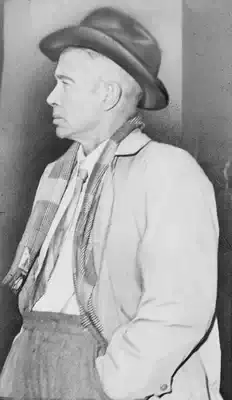
E. E. Cummings
when serpents bargain
when serpents bargain
when serpents bargain for the right to squirm
and the sun strikes to gain a living wage when
thorns regard their roses with alarm
and rainbows are insured against old age
when every thrush may sing no new moon in
if all screech-owls have not okayed his voice
-and any wave signs on the dotted line
or else an ocean is compelled to close
when the oak begs permission of the birch
to make an acorn - valleys accuse their
mountains of having altitude - and march
denounces april as a saboteur
then we'll believe in that incredible
unanimal mankind (and not until)
when serpents bargain for the right to squirm
and the sun strikes to gain a living wage when
thorns regard their roses with alarm
and rainbows are insured against old age
when every thrush may sing no new moon in
if all screech-owls have not okayed his voice
-and any wave signs on the dotted line
or else an ocean is compelled to close
when the oak begs permission of the birch
to make an acorn - valleys accuse their
mountains of having altitude - and march
denounces april as a saboteur
then we'll believe in that incredible
unanimal mankind (and not until)
580
E. E. Cummings
all in green
all in green
All in green went my love riding
on a great horse of gold
into the silver dawn.
Four lean hounds crouched low and smiling
the merry deer ran before.
Fleeter be they than dappled dreams
the swift red deer
the red rare deer.
Four red roebuck at a white water
the cruel bugle sang before.
Horn at hip went my love riding
riding the echo down
into the silver dawn.
Four lean hounds crouched low and smiling
the level meadows ran before.
Softer be they than slippered sleep
the lean lithe deer
the fleet flown deer.
Four fleet does at a gold valley
the famished arrow sang before.
Bow at belt went my love riding
riding the mountain down
into the silver dawn.
Four lean hounds crouched low and smiling
the sheer peaks ran before.
Paler be they than daunting death
the sleek slim deer
the tall tense deer.
Four tall stags at the green mountain
the lucky hunter sang before.
All in green went my love riding
on a great horse of gold
into the silver dawn.
Four lean hounds crouched low and smiling
my heart fell dead before.
All in green went my love riding
on a great horse of gold
into the silver dawn.
Four lean hounds crouched low and smiling
the merry deer ran before.
Fleeter be they than dappled dreams
the swift red deer
the red rare deer.
Four red roebuck at a white water
the cruel bugle sang before.
Horn at hip went my love riding
riding the echo down
into the silver dawn.
Four lean hounds crouched low and smiling
the level meadows ran before.
Softer be they than slippered sleep
the lean lithe deer
the fleet flown deer.
Four fleet does at a gold valley
the famished arrow sang before.
Bow at belt went my love riding
riding the mountain down
into the silver dawn.
Four lean hounds crouched low and smiling
the sheer peaks ran before.
Paler be they than daunting death
the sleek slim deer
the tall tense deer.
Four tall stags at the green mountain
the lucky hunter sang before.
All in green went my love riding
on a great horse of gold
into the silver dawn.
Four lean hounds crouched low and smiling
my heart fell dead before.
607
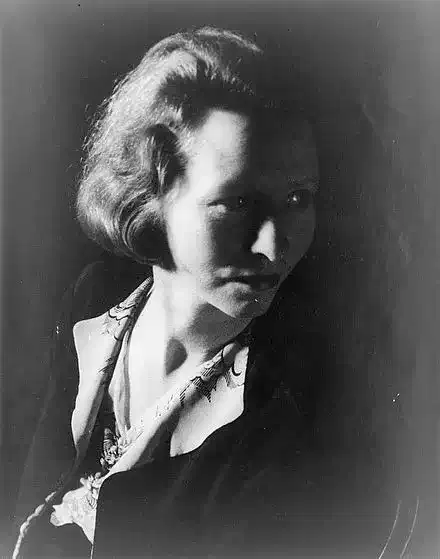
Edna St. Vincent Millay
Wild Swans
Wild Swans
I looked in my heart while the wild swans went over.
And what did I see I had not seen before?
Only a question less or a question more:
Nothing to match the flight of wild birds flying.
Tiresome heart, forever living and dying,
House without air, I leave you and lock your door.
Wild swans, come over the town, come over
The town again, trailing your legs and crying!
I looked in my heart while the wild swans went over.
And what did I see I had not seen before?
Only a question less or a question more:
Nothing to match the flight of wild birds flying.
Tiresome heart, forever living and dying,
House without air, I leave you and lock your door.
Wild swans, come over the town, come over
The town again, trailing your legs and crying!
329
Edna St. Vincent Millay
The Fawn
The Fawn
There it was I saw what I shall never forget
And never retrieve.
Monstrous and beautiful to human eyes, hard to
believe,
He lay, yet there he lay,
Asleep on the moss, his head on his polished cleft
small ebony hoves,
The child of the doe, the dappled child of the deer.
Surely his mother had never said, "Lie here
Till I return," so spotty and plain to see
On the green moss lay he.
His eyes had opened; he considered me.
I would have given more than I care to say
To thrifty ears, might I have had him for my friend
One moment only of that forest day:
Might I have had the acceptance, not the love
Of those clear eyes;
Might I have been for him in the bough above
Or the root beneath his forest bed,
A part of the forest, seen without surprise.
Was it alarm, or was it the wind of my fear lest he
depart
That jerked him to his jointy knees,
And sent him crashing off, leaping and stumbling
On his new legs, between the stems of the white
trees?
There it was I saw what I shall never forget
And never retrieve.
Monstrous and beautiful to human eyes, hard to
believe,
He lay, yet there he lay,
Asleep on the moss, his head on his polished cleft
small ebony hoves,
The child of the doe, the dappled child of the deer.
Surely his mother had never said, "Lie here
Till I return," so spotty and plain to see
On the green moss lay he.
His eyes had opened; he considered me.
I would have given more than I care to say
To thrifty ears, might I have had him for my friend
One moment only of that forest day:
Might I have had the acceptance, not the love
Of those clear eyes;
Might I have been for him in the bough above
Or the root beneath his forest bed,
A part of the forest, seen without surprise.
Was it alarm, or was it the wind of my fear lest he
depart
That jerked him to his jointy knees,
And sent him crashing off, leaping and stumbling
On his new legs, between the stems of the white
trees?
371
Edna St. Vincent Millay
Eel-Grass
Eel-Grass
No matter what I say,
All that I really love
Is the rain that flattens on the bay,
And the eel-grass in the cove;
The jingle-shells that lie and bleach
At the tide-line, and the trace
Of higher tides along the beach:
Nothing in this place.
No matter what I say,
All that I really love
Is the rain that flattens on the bay,
And the eel-grass in the cove;
The jingle-shells that lie and bleach
At the tide-line, and the trace
Of higher tides along the beach:
Nothing in this place.
478
Edna St. Vincent Millay
Doubt No More That Oberon
Doubt No More That Oberon
Doubt no more that Oberon—
Never doubt that Pan
Lived, and played a reed, and ran
After nymphs in a dark forest,
In the merry, credulous days,—
Lived, and led a fairy band
Over the indulgent land!
Ah, for in this dourest, sorest
Age man's eye has looked upon,
Death to fauns and death to fays,
Still the dog-wood dares to raise—
Healthy tree, with trunk and root—
Ivory bowls that bear no fruit,
And the starlings and the jays—
Birds that cannot even sing—
Dare to come again in spring!
Doubt no more that Oberon—
Never doubt that Pan
Lived, and played a reed, and ran
After nymphs in a dark forest,
In the merry, credulous days,—
Lived, and led a fairy band
Over the indulgent land!
Ah, for in this dourest, sorest
Age man's eye has looked upon,
Death to fauns and death to fays,
Still the dog-wood dares to raise—
Healthy tree, with trunk and root—
Ivory bowls that bear no fruit,
And the starlings and the jays—
Birds that cannot even sing—
Dare to come again in spring!
296
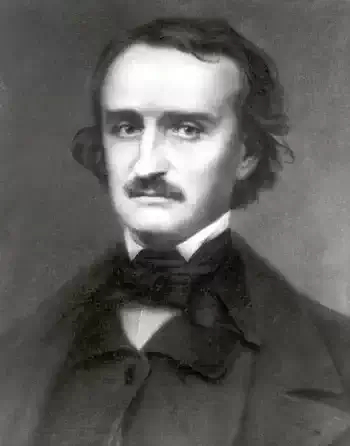
Edgar Allan Poe
The Valley Of Unrest
The Valley Of Unrest
Once it smiled a silent dell
Where the people did not dwell;
They had gone unto the wars,
Trusting to the mild-eyed stars,
Nightly, from their azure towers,
To keep watch above the flowers,
In the midst of which all day
The red sunlight lazily lay.
Now each visitor shall confess
The sad valley's restlessness.
Nothing there is motionlessNothing
save the airs that brood
Over the magic solitude.
Ah, by no wind are stirred those trees
That palpitate like the chill seas
Around the misty Hebrides!
Ah, by no wind those clouds are driven
That rustle through the unquiet Heaven
Uneasily, from morn till even,
Over the violets there that lie
In myriad types of the human eyeOver
the lilies there that wave
And weep above a nameless grave!
They wave:- from out their fragrant tops
Eternal dews come down in drops.
They weep:- from off their delicate stems
Perennial tears descend in gems.
Once it smiled a silent dell
Where the people did not dwell;
They had gone unto the wars,
Trusting to the mild-eyed stars,
Nightly, from their azure towers,
To keep watch above the flowers,
In the midst of which all day
The red sunlight lazily lay.
Now each visitor shall confess
The sad valley's restlessness.
Nothing there is motionlessNothing
save the airs that brood
Over the magic solitude.
Ah, by no wind are stirred those trees
That palpitate like the chill seas
Around the misty Hebrides!
Ah, by no wind those clouds are driven
That rustle through the unquiet Heaven
Uneasily, from morn till even,
Over the violets there that lie
In myriad types of the human eyeOver
the lilies there that wave
And weep above a nameless grave!
They wave:- from out their fragrant tops
Eternal dews come down in drops.
They weep:- from off their delicate stems
Perennial tears descend in gems.
310
Edgar Allan Poe
In Youth I have Known One
In Youth I have Known One
How often we forget all time, when lone
Admiring Nature's universal throne;
Her woods - her winds - her mountains - the intense
Reply of Hers to Our intelligence!
I.
In youth I have known one with whom the Earth
In secret communing held - as he with it,
In daylight, and in beauty, from his birth:
Whose fervid, flickering torch of life was lit
From the sun and stars, whence he had drawn forth
A passionate light - such for his spirit was fit -
And yet that spirit knew - not in the hour
Of its own fervour - what had o'er it power.
II.
Perhaps it may be that my mind is wrought
To a fever by the moonbeam that hangs o'er,
But I will half believe that wild light fraught
With more of sovereignty than ancient lore
Hath ever told - or is it of a thought
The unembodied essence, and no more
That with a quickening spell doth o'er us pass
As dew of the night time, o'er the summer grass?
III.
Doth o'er us pass, when as th' expanding eye
To the loved object - so the tear to the lid
Will start, which lately slept in apathy?
And yet it need not be - (that object) hid
From us in life - but common - which doth lie
Each hour before us - but then only bid
With a strange sound, as of a harpstring broken
T' awake us - 'Tis a symbol and a token
IV.
Of what in other worlds shall be - and given
In beauty by our God, to those alone
Who otherwise would fall from life and Heaven
Drawn by their heart's passion, and that tone,
That high tone of the spirit which hath striven
Though not with Faith - with godliness - whose throne
With desperate energy 't hath beaten down;
Wearing its own deep feeling as a crown.
How often we forget all time, when lone
Admiring Nature's universal throne;
Her woods - her winds - her mountains - the intense
Reply of Hers to Our intelligence!
I.
In youth I have known one with whom the Earth
In secret communing held - as he with it,
In daylight, and in beauty, from his birth:
Whose fervid, flickering torch of life was lit
From the sun and stars, whence he had drawn forth
A passionate light - such for his spirit was fit -
And yet that spirit knew - not in the hour
Of its own fervour - what had o'er it power.
II.
Perhaps it may be that my mind is wrought
To a fever by the moonbeam that hangs o'er,
But I will half believe that wild light fraught
With more of sovereignty than ancient lore
Hath ever told - or is it of a thought
The unembodied essence, and no more
That with a quickening spell doth o'er us pass
As dew of the night time, o'er the summer grass?
III.
Doth o'er us pass, when as th' expanding eye
To the loved object - so the tear to the lid
Will start, which lately slept in apathy?
And yet it need not be - (that object) hid
From us in life - but common - which doth lie
Each hour before us - but then only bid
With a strange sound, as of a harpstring broken
T' awake us - 'Tis a symbol and a token
IV.
Of what in other worlds shall be - and given
In beauty by our God, to those alone
Who otherwise would fall from life and Heaven
Drawn by their heart's passion, and that tone,
That high tone of the spirit which hath striven
Though not with Faith - with godliness - whose throne
With desperate energy 't hath beaten down;
Wearing its own deep feeling as a crown.
317

Dylan Thomas
We Lying By Seasand
We Lying By Seasand
We lying by seasand, watching yellow
And the grave sea, mock who deride
Who follow the red rivers, hollow
Alcove of words out of cicada shade,
For in this yellow grave of sand and sea
A calling for colour calls with the wind
That's grave and gay as grave and sea
Sleeping on either hand.
The lunar silences, the silent tide
Lapping the still canals, the dry tide-master
Ribbed between desert and water storm,
Should cure our ills of the water
With a one-coloured calm;
The heavenly music over the sand
Sounds with the grains as they hurry
Hiding the golden mountains and mansions
Of the grave, gay, seaside land.
Bound by a sovereign strip, we lie,
Watch yellow, wish for wind to blow away
The strata of the shore and drown red rock;
But wishes breed not, neither
Can we fend off rock arrival,
Lie watching yellow until the golden weather
Breaks, O my heart's blood, like a heart and hill.
We lying by seasand, watching yellow
And the grave sea, mock who deride
Who follow the red rivers, hollow
Alcove of words out of cicada shade,
For in this yellow grave of sand and sea
A calling for colour calls with the wind
That's grave and gay as grave and sea
Sleeping on either hand.
The lunar silences, the silent tide
Lapping the still canals, the dry tide-master
Ribbed between desert and water storm,
Should cure our ills of the water
With a one-coloured calm;
The heavenly music over the sand
Sounds with the grains as they hurry
Hiding the golden mountains and mansions
Of the grave, gay, seaside land.
Bound by a sovereign strip, we lie,
Watch yellow, wish for wind to blow away
The strata of the shore and drown red rock;
But wishes breed not, neither
Can we fend off rock arrival,
Lie watching yellow until the golden weather
Breaks, O my heart's blood, like a heart and hill.
621
Dylan Thomas
Prologue
Prologue
This day winding down now
At God speeded summer's end
In the torrent salmon sun,
In my seashaken house
On a breakneck of rocks
Tangled with chirrup and fruit,
Froth, flute, fin, and quill
At a wood's dancing hoof,
By scummed, starfish sands
With their fishwife cross
Gulls, pipers, cockles, and snails,
Out there, crow black, men
Tackled with clouds, who kneel
To the sunset nets,
Geese nearly in heaven, boys
Stabbing, and herons, and shells
That speak seven seas,
Eternal waters away
From the cities of nine
Days' night whose towers will catch
In the religious wind
Like stalks of tall, dry straw,
At poor peace I sing
To you strangers (though song
Is a burning and crested act,
The fire of birds in
The world's turning wood,
For my swan, splay sounds),
Out of these seathumbed leaves
That will fly and fall
Like leaves of trees and as soon
Crumble and undie
Into the dogdayed night.
Seaward the salmon, sucked sun slips,
And the dumb swans drub blue
My dabbed bay's dusk, as I hack
This rumpus of shapes
For you to know
How I, a spining man,
Glory also this star, bird
Roared, sea born, man torn, blood blest.
Hark: I trumpet the place,
From fish to jumping hill! Look:
I build my bellowing ark
To the best of my love
As the flood begins,
Out of the fountainhead
Of fear, rage read, manalive,
Molten and mountainous to stream
Over the wound asleep
Sheep white hollow farms
To Wales in my arms.
Hoo, there, in castle keep,
You king singsong owls, who moonbeam
The flickering runs and dive
The dingle furred deer dead!
Huloo, on plumbed bryns,
O my ruffled ring dove
in the hooting, nearly dark
With Welsh and reverent rook,
Coo rooning the woods' praise,
who moons her blue notes from her nest
Down to the curlew herd!
Ho, hullaballoing clan
Agape, with woe
In your beaks, on the gabbing capes!
Heigh, on horseback hill, jack
Whisking hare! who
Hears, there, this fox light, my flood ship's
Clangour as I hew and smite
(A clash of anvils for my
Hubbub and fiddle, this tune
On a toungued puffball)
But animals thick as theives
On God's rough tumbling grounds
(Hail to His beasthood!).
Beasts who sleep good and thin,
Hist, in hogback woods! The haystacked
Hollow farms in a throng
Of waters cluck and cling,
And barnroofs cockcrow war!
O kingdom of neighbors finned
Felled and quilled, flash to my patch
Work ark and the moonshine
Drinking Noah of the bay,
With pelt, and scale, and fleece:
Only the drowned deep bells
Of sheep and churches noise
Poor peace as the sun sets
And dark shoals every holy field.
We will ride out alone then,
Under the stars of Wales,
Cry, multitudes of arks! Across
The water lidded lands,
Manned with their loves they'll move
Like wooden islands, hill to hill.
Hulloo, my prowed dove with a flute!
Ahoy, old, sea-legged fox,
Tom tit and Dai mouse!
My ark sings in the sun
At God speeded summer's end
And the flood flowers now.
This day winding down now
At God speeded summer's end
In the torrent salmon sun,
In my seashaken house
On a breakneck of rocks
Tangled with chirrup and fruit,
Froth, flute, fin, and quill
At a wood's dancing hoof,
By scummed, starfish sands
With their fishwife cross
Gulls, pipers, cockles, and snails,
Out there, crow black, men
Tackled with clouds, who kneel
To the sunset nets,
Geese nearly in heaven, boys
Stabbing, and herons, and shells
That speak seven seas,
Eternal waters away
From the cities of nine
Days' night whose towers will catch
In the religious wind
Like stalks of tall, dry straw,
At poor peace I sing
To you strangers (though song
Is a burning and crested act,
The fire of birds in
The world's turning wood,
For my swan, splay sounds),
Out of these seathumbed leaves
That will fly and fall
Like leaves of trees and as soon
Crumble and undie
Into the dogdayed night.
Seaward the salmon, sucked sun slips,
And the dumb swans drub blue
My dabbed bay's dusk, as I hack
This rumpus of shapes
For you to know
How I, a spining man,
Glory also this star, bird
Roared, sea born, man torn, blood blest.
Hark: I trumpet the place,
From fish to jumping hill! Look:
I build my bellowing ark
To the best of my love
As the flood begins,
Out of the fountainhead
Of fear, rage read, manalive,
Molten and mountainous to stream
Over the wound asleep
Sheep white hollow farms
To Wales in my arms.
Hoo, there, in castle keep,
You king singsong owls, who moonbeam
The flickering runs and dive
The dingle furred deer dead!
Huloo, on plumbed bryns,
O my ruffled ring dove
in the hooting, nearly dark
With Welsh and reverent rook,
Coo rooning the woods' praise,
who moons her blue notes from her nest
Down to the curlew herd!
Ho, hullaballoing clan
Agape, with woe
In your beaks, on the gabbing capes!
Heigh, on horseback hill, jack
Whisking hare! who
Hears, there, this fox light, my flood ship's
Clangour as I hew and smite
(A clash of anvils for my
Hubbub and fiddle, this tune
On a toungued puffball)
But animals thick as theives
On God's rough tumbling grounds
(Hail to His beasthood!).
Beasts who sleep good and thin,
Hist, in hogback woods! The haystacked
Hollow farms in a throng
Of waters cluck and cling,
And barnroofs cockcrow war!
O kingdom of neighbors finned
Felled and quilled, flash to my patch
Work ark and the moonshine
Drinking Noah of the bay,
With pelt, and scale, and fleece:
Only the drowned deep bells
Of sheep and churches noise
Poor peace as the sun sets
And dark shoals every holy field.
We will ride out alone then,
Under the stars of Wales,
Cry, multitudes of arks! Across
The water lidded lands,
Manned with their loves they'll move
Like wooden islands, hill to hill.
Hulloo, my prowed dove with a flute!
Ahoy, old, sea-legged fox,
Tom tit and Dai mouse!
My ark sings in the sun
At God speeded summer's end
And the flood flowers now.
289
Dylan Thomas
Here In This spring
Here In This spring
Here in this spring, stars float along the void;
Here in this ornamental winter
Down pelts the naked weather;
This summer buries a spring bird.
Symbols are selected from the years'
Slow rounding of four seasons' coasts,
In autumn teach three seasons' fires
And four birds' notes.
I should tell summer from the trees, the worms
Tell, if at all, the winter's storms
Or the funeral of the sun;
I should learn spring by the cuckooing,
And the slug should teach me destruction.
A worm tells summer better than the clock,
The slug's a living calendar of days;
What shall it tell me if a timeless insect
Says the world wears away?
Here in this spring, stars float along the void;
Here in this ornamental winter
Down pelts the naked weather;
This summer buries a spring bird.
Symbols are selected from the years'
Slow rounding of four seasons' coasts,
In autumn teach three seasons' fires
And four birds' notes.
I should tell summer from the trees, the worms
Tell, if at all, the winter's storms
Or the funeral of the sun;
I should learn spring by the cuckooing,
And the slug should teach me destruction.
A worm tells summer better than the clock,
The slug's a living calendar of days;
What shall it tell me if a timeless insect
Says the world wears away?
354
Dylan Thomas
Especially When the October Wind
Especially When the October Wind
Especially when the October wind
With frosty fingers punishes my hair,
Caught by the crabbing sun I walk on fire
And cast a shadow crab upon the land,
By the sea's side, hearing the noise of birds,
Hearing the raven cough in winter sticks,
My busy heart who shudders as she talks
Sheds the syllabic blood and drains her words.
Shut, too, in a tower of words, I mark
On the horizon walking like the trees
The wordy shapes of women, and the rows
Of the star-gestured children in the park.
Some let me make you of the vowelled beeches,
Some of the oaken voices, from the roots
Of many a thorny shire tell you notes,
Some let me make you of the water's speeches.
Behind a pot of ferns the wagging clock
Tells me the hour's word, the neural meaning
Flies on the shafted disk, declaims the morning
And tells the windy weather in the cock.
Some let me make you of the meadow's signs;
The signal grass that tells me all I know
Breaks with the wormy winter through the eye.
Some let me tell you of the raven's sins.
Especially when the October wind
(Some let me make you of autumnal spells,
The spider-tongued, and the loud hill of Wales)
With fists of turnips punishes the land,
Some let me make you of the heartless words.
The heart is drained that, spelling in the scurry
Of chemic blood, warned of the coming fury.
By the sea's side hear the dark-vowelled birds.
Especially when the October wind
With frosty fingers punishes my hair,
Caught by the crabbing sun I walk on fire
And cast a shadow crab upon the land,
By the sea's side, hearing the noise of birds,
Hearing the raven cough in winter sticks,
My busy heart who shudders as she talks
Sheds the syllabic blood and drains her words.
Shut, too, in a tower of words, I mark
On the horizon walking like the trees
The wordy shapes of women, and the rows
Of the star-gestured children in the park.
Some let me make you of the vowelled beeches,
Some of the oaken voices, from the roots
Of many a thorny shire tell you notes,
Some let me make you of the water's speeches.
Behind a pot of ferns the wagging clock
Tells me the hour's word, the neural meaning
Flies on the shafted disk, declaims the morning
And tells the windy weather in the cock.
Some let me make you of the meadow's signs;
The signal grass that tells me all I know
Breaks with the wormy winter through the eye.
Some let me tell you of the raven's sins.
Especially when the October wind
(Some let me make you of autumnal spells,
The spider-tongued, and the loud hill of Wales)
With fists of turnips punishes the land,
Some let me make you of the heartless words.
The heart is drained that, spelling in the scurry
Of chemic blood, warned of the coming fury.
By the sea's side hear the dark-vowelled birds.
287
Dylan Thomas
Being But Men
Being But Men
Being but men, we walked into the trees
Afraid, letting our syllables be soft
For fear of waking the rooks,
For fear of coming
Noiselessly into a world of wings and cries.
If we were children we might climb,
Catch the rooks sleeping, and break no twig,
And, after the soft ascent,
Thrust out our heads above the branches
To wonder at the unfailing stars.
Out of confusion, as the way is,
And the wonder, that man knows,
Out of the chaos would come bliss.
That, then, is loveliness, we said,
Children in wonder watching the stars,
Is the aim and the end.
Being but men, we walked into the trees.
Being but men, we walked into the trees
Afraid, letting our syllables be soft
For fear of waking the rooks,
For fear of coming
Noiselessly into a world of wings and cries.
If we were children we might climb,
Catch the rooks sleeping, and break no twig,
And, after the soft ascent,
Thrust out our heads above the branches
To wonder at the unfailing stars.
Out of confusion, as the way is,
And the wonder, that man knows,
Out of the chaos would come bliss.
That, then, is loveliness, we said,
Children in wonder watching the stars,
Is the aim and the end.
Being but men, we walked into the trees.
599
Dylan Thomas
Among Those Killed in the Dawn Raid Was a Man Aged a Hundred
Among Those Killed in the Dawn Raid Was a Man Aged a Hundred
When the morning was waking over the war
He put on his clothes and stepped out and he died,
The locks yawned loose and a blast blew them wide,
He dropped where he loved on the burst pavement stone
And the funeral grains of the slaughtered floor.
Tell his street on its back he stopped a sun
And the craters of his eyes grew springshots and fire
When all the keys shot from the locks, and rang.
Dig no more for the chains of his grey-haired heart.
The heavenly ambulance drawn by a wound
Assembling waits for the spade's ring on the cage.
O keep his bones away from the common cart,
The morning is flying on the wings of his age
And a hundred storks perch on the sun's right hand.
When the morning was waking over the war
He put on his clothes and stepped out and he died,
The locks yawned loose and a blast blew them wide,
He dropped where he loved on the burst pavement stone
And the funeral grains of the slaughtered floor.
Tell his street on its back he stopped a sun
And the craters of his eyes grew springshots and fire
When all the keys shot from the locks, and rang.
Dig no more for the chains of his grey-haired heart.
The heavenly ambulance drawn by a wound
Assembling waits for the spade's ring on the cage.
O keep his bones away from the common cart,
The morning is flying on the wings of his age
And a hundred storks perch on the sun's right hand.
259
Dylan Thomas
Author's Prologue
Author's Prologue
This day winding down now
At God speeded summer's end
In the torrent salmon sun,
In my seashaken house
On a breakneck of rocks
Tangled with chirrup and fruit,
Froth, flute, fin, and quill
At a wood's dancing hoof,
By scummed, starfish sands
With their fishwife cross
Gulls, pipers, cockles, and snails,
Out there, crow black, men
Tackled with clouds, who kneel
To the sunset nets,
Geese nearly in heaven, boys
Stabbing, and herons, and shells
That speak seven seas,
Eternal waters away
From the cities of nine
Days' night whose towers will catch
In the religious wind
Like stalks of tall, dry straw,
At poor peace I sing
To you strangers (though song
Is a burning and crested act,
The fire of birds in
The world's turning wood,
For my swan, splay sounds),
Out of these seathumbed leaves
That will fly and fall
Like leaves of trees and as soon
Crumble and undie
Into the dogdayed night.
Seaward the salmon, sucked sun slips,
And the dumb swans drub blue
My dabbed bay's dusk, as I hack
This rumpus of shapes
For you to know
How I, a spining man,
Glory also this star, bird
Roared, sea born, man torn, blood blest.
Hark: I trumpet the place,
From fish to jumping hill! Look:
I build my bellowing ark
To the best of my love
As the flood begins,
Out of the fountainhead
Of fear, rage read, manalive,
Molten and mountainous to stream
Over the wound asleep
Sheep white hollow farms
To Wales in my arms.
Hoo, there, in castle keep,
You king singsong owls, who moonbeam
The flickering runs and dive
The dingle furred deer dead!
Huloo, on plumbed bryns,
O my ruffled ring dove
in the hooting, nearly dark
With Welsh and reverent rook,
Coo rooning the woods' praise,
who moons her blue notes from her nest
Down to the curlew herd!
Ho, hullaballoing clan
Agape, with woe
In your beaks, on the gabbing capes!
Heigh, on horseback hill, jack
Whisking hare! who
Hears, there, this fox light, my flood ship's
Clangour as I hew and smite
(A clash of anvils for my
Hubbub and fiddle, this tune
On atounged puffball)
But animals thick as theives
On God's rough tumbling grounds
(Hail to His beasthood!).
Beasts who sleep good and thin,
Hist, in hogback woods! The haystacked
Hollow farms ina throng
Of waters cluck and cling,
And barnroofs cockcrow war!
O kingdom of neighbors finned
Felled and quilled, flash to my patch
Work ark and the moonshine
Drinking Noah of the bay,
With pelt, and scale, and fleece:
Only the drowned deep bells
Of sheep and churches noise
Poor peace as the sun sets
And dark shoals every holy field.
We will ride out alone then,
Under the stars of Wales,
Cry, Multiudes of arks! Across
The water lidded lands,
Manned with their loves they'll move
Like wooden islands, hill to hill.
Huloo, my prowed dove with a flute!
Ahoy, old, sea-legged fox,
Tom tit and Dai mouse!
My ark sings in the sun
At God speeded summer's end
And the flood flowers now.
This day winding down now
At God speeded summer's end
In the torrent salmon sun,
In my seashaken house
On a breakneck of rocks
Tangled with chirrup and fruit,
Froth, flute, fin, and quill
At a wood's dancing hoof,
By scummed, starfish sands
With their fishwife cross
Gulls, pipers, cockles, and snails,
Out there, crow black, men
Tackled with clouds, who kneel
To the sunset nets,
Geese nearly in heaven, boys
Stabbing, and herons, and shells
That speak seven seas,
Eternal waters away
From the cities of nine
Days' night whose towers will catch
In the religious wind
Like stalks of tall, dry straw,
At poor peace I sing
To you strangers (though song
Is a burning and crested act,
The fire of birds in
The world's turning wood,
For my swan, splay sounds),
Out of these seathumbed leaves
That will fly and fall
Like leaves of trees and as soon
Crumble and undie
Into the dogdayed night.
Seaward the salmon, sucked sun slips,
And the dumb swans drub blue
My dabbed bay's dusk, as I hack
This rumpus of shapes
For you to know
How I, a spining man,
Glory also this star, bird
Roared, sea born, man torn, blood blest.
Hark: I trumpet the place,
From fish to jumping hill! Look:
I build my bellowing ark
To the best of my love
As the flood begins,
Out of the fountainhead
Of fear, rage read, manalive,
Molten and mountainous to stream
Over the wound asleep
Sheep white hollow farms
To Wales in my arms.
Hoo, there, in castle keep,
You king singsong owls, who moonbeam
The flickering runs and dive
The dingle furred deer dead!
Huloo, on plumbed bryns,
O my ruffled ring dove
in the hooting, nearly dark
With Welsh and reverent rook,
Coo rooning the woods' praise,
who moons her blue notes from her nest
Down to the curlew herd!
Ho, hullaballoing clan
Agape, with woe
In your beaks, on the gabbing capes!
Heigh, on horseback hill, jack
Whisking hare! who
Hears, there, this fox light, my flood ship's
Clangour as I hew and smite
(A clash of anvils for my
Hubbub and fiddle, this tune
On atounged puffball)
But animals thick as theives
On God's rough tumbling grounds
(Hail to His beasthood!).
Beasts who sleep good and thin,
Hist, in hogback woods! The haystacked
Hollow farms ina throng
Of waters cluck and cling,
And barnroofs cockcrow war!
O kingdom of neighbors finned
Felled and quilled, flash to my patch
Work ark and the moonshine
Drinking Noah of the bay,
With pelt, and scale, and fleece:
Only the drowned deep bells
Of sheep and churches noise
Poor peace as the sun sets
And dark shoals every holy field.
We will ride out alone then,
Under the stars of Wales,
Cry, Multiudes of arks! Across
The water lidded lands,
Manned with their loves they'll move
Like wooden islands, hill to hill.
Huloo, my prowed dove with a flute!
Ahoy, old, sea-legged fox,
Tom tit and Dai mouse!
My ark sings in the sun
At God speeded summer's end
And the flood flowers now.
374
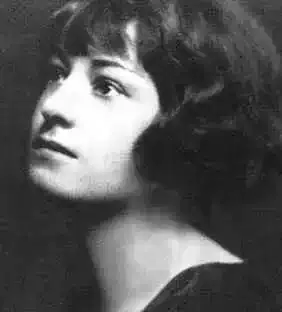
Dorothy Parker
Verse For a Certain Dog
Verse For a Certain Dog
Such glorious faith as fills your limpid eyes,
Dear little friend of mine, I never knew.
All-innocent are you, and yet all-wise.
(For Heaven's sake, stop worrying that shoe!)
You look about, and all you see is fair;
This mighty globe was made for you alone.
Of all the thunderous ages, you're the heir.
(Get off the pillow with that dirty bone!)
A skeptic world you face with steady gaze;
High in young pride you hold your noble head,
Gayly you meet the rush of roaring days.
(Must you eat puppy biscuit on the bed?)
Lancelike your courage, gleaming swift and strong,
Yours the white rapture of a winged soul,
Yours is a spirit like a Mayday song.
(God help you, if you break the goldfish bowl!)
"Whatever is, is good" - your gracious creed.
You wear your joy of living like a crown.
Love lights your simplest act, your every deed.
(Drop it, I tell you- put that kitten down!)
You are God's kindliest gift of all - a friend.
Your shining loyalty unflecked by doubt,
You ask but leave to follow to the end.
(Couldn't you wait until I took you out?)
Such glorious faith as fills your limpid eyes,
Dear little friend of mine, I never knew.
All-innocent are you, and yet all-wise.
(For Heaven's sake, stop worrying that shoe!)
You look about, and all you see is fair;
This mighty globe was made for you alone.
Of all the thunderous ages, you're the heir.
(Get off the pillow with that dirty bone!)
A skeptic world you face with steady gaze;
High in young pride you hold your noble head,
Gayly you meet the rush of roaring days.
(Must you eat puppy biscuit on the bed?)
Lancelike your courage, gleaming swift and strong,
Yours the white rapture of a winged soul,
Yours is a spirit like a Mayday song.
(God help you, if you break the goldfish bowl!)
"Whatever is, is good" - your gracious creed.
You wear your joy of living like a crown.
Love lights your simplest act, your every deed.
(Drop it, I tell you- put that kitten down!)
You are God's kindliest gift of all - a friend.
Your shining loyalty unflecked by doubt,
You ask but leave to follow to the end.
(Couldn't you wait until I took you out?)
413
Dorothy Parker
Thought For A Sunshiny Morning
Thought For A Sunshiny Morning
It costs me never a stab nor squirm
To tread by chance upon a worm.
"Aha, my little dear," I say,
"Your clan will pay me back one day."
It costs me never a stab nor squirm
To tread by chance upon a worm.
"Aha, my little dear," I say,
"Your clan will pay me back one day."
336
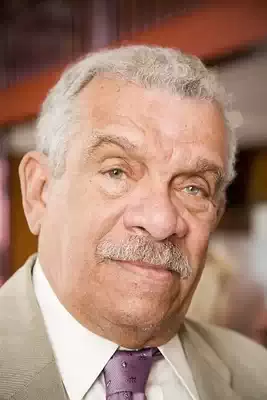
Derek Walcott
Sabbaths, W.I.
Sabbaths, W.I.
Those villages stricken with the melancholia of Sunday,
in all of whose ocher streets one dog is sleeping
those volcanoes like ashen roses, or the incurable sore
of poverty, around whose puckered mouth thin boys are
selling yellow sulphur stone
the burnt banana leaves that used to dance
the river whose bed is made of broken bottles
the cocoa grove where a bird whose cry sounds green and
yellow and in the lights under the leaves crested with
orange flame has forgotten its flute
gommiers peeling from sunburn still wrestling to escape the sea
the dead lizard turning blue as stone
those rivers, threads of spittle, that forgot the old music
that dry, brief esplanade under the drier sea almonds
where the dry old men sat
watching a white schooner stuck in the branches
and playing draughts with the moving frigate birds
those hillsides like broken pots
those ferns that stamped their skeletons on the skin
and those roads that begin reciting their names at vespers
mention them and they will stop
those crabs that were willing to let an epoch pass
those herons like spinsters that doubted their reflections
inquiring, inquiring
those nettles that waited
those Sundays, those Sundays
those Sundays when the lights at the road's end were an occasion
those Sundays when my mother lay on her back
those Sundays when the sisters gathered like white moths
round their street lantern
and cities passed us by on the horizon
Those villages stricken with the melancholia of Sunday,
in all of whose ocher streets one dog is sleeping
those volcanoes like ashen roses, or the incurable sore
of poverty, around whose puckered mouth thin boys are
selling yellow sulphur stone
the burnt banana leaves that used to dance
the river whose bed is made of broken bottles
the cocoa grove where a bird whose cry sounds green and
yellow and in the lights under the leaves crested with
orange flame has forgotten its flute
gommiers peeling from sunburn still wrestling to escape the sea
the dead lizard turning blue as stone
those rivers, threads of spittle, that forgot the old music
that dry, brief esplanade under the drier sea almonds
where the dry old men sat
watching a white schooner stuck in the branches
and playing draughts with the moving frigate birds
those hillsides like broken pots
those ferns that stamped their skeletons on the skin
and those roads that begin reciting their names at vespers
mention them and they will stop
those crabs that were willing to let an epoch pass
those herons like spinsters that doubted their reflections
inquiring, inquiring
those nettles that waited
those Sundays, those Sundays
those Sundays when the lights at the road's end were an occasion
those Sundays when my mother lay on her back
those Sundays when the sisters gathered like white moths
round their street lantern
and cities passed us by on the horizon
1,102

D.H. Lawrence
Week-Night Service
Week-Night Service
The five old bells
Are hurrying and eagerly calling,
Imploring, protesting
They know, but clamorously falling
Into gabbling incoherence, never resting,
Like spattering showers from a bursten sky-rocket dropping
In splashes of sound, endlessly, never stopping.
The silver moon
That somebody has spun so high
To settle the question, yes or no, has caught
In the net of the night’s balloon,
And sits with a smooth bland smile up there in the sky
Smiling at naught,
Unless the winking star that keeps her company
Makes little jests at the bells’ insanity,
As if he knew aught!
The patient Night
Sits indifferent, hugged in her rags,
She neither knows nor cares
Why the old church sobs and brags;
The light distresses her eyes, and tears
Her old blue cloak, as she crouches and covers her face,
Smiling, perhaps, if we knew it, at the bells’ loud clattering disgrace.
The wise old trees
Drop their leaves with a faint, sharp hiss of contempt,
While a car at the end of the street goes by with a laugh;
As by degrees
The poor bells cease, and the Night is exempt,
And the stars can chaff
The ironic moon at their ease, while the dim old church
Is peopled with shadows and sounds and ghosts that lurch
In its cenotaph.
The five old bells
Are hurrying and eagerly calling,
Imploring, protesting
They know, but clamorously falling
Into gabbling incoherence, never resting,
Like spattering showers from a bursten sky-rocket dropping
In splashes of sound, endlessly, never stopping.
The silver moon
That somebody has spun so high
To settle the question, yes or no, has caught
In the net of the night’s balloon,
And sits with a smooth bland smile up there in the sky
Smiling at naught,
Unless the winking star that keeps her company
Makes little jests at the bells’ insanity,
As if he knew aught!
The patient Night
Sits indifferent, hugged in her rags,
She neither knows nor cares
Why the old church sobs and brags;
The light distresses her eyes, and tears
Her old blue cloak, as she crouches and covers her face,
Smiling, perhaps, if we knew it, at the bells’ loud clattering disgrace.
The wise old trees
Drop their leaves with a faint, sharp hiss of contempt,
While a car at the end of the street goes by with a laugh;
As by degrees
The poor bells cease, and the Night is exempt,
And the stars can chaff
The ironic moon at their ease, while the dim old church
Is peopled with shadows and sounds and ghosts that lurch
In its cenotaph.
238
D.H. Lawrence
Tortoise Shell
Tortoise Shell
The Cross, the Cross
Goes deeper in than we know,
Deeper into life;
Right into the marrow
And through the bone.
Along the back of the baby tortoise
The scales are locked in an arch like a bridge,
Scale-lapping, like a lobster's sections
Or a bee's.
Then crossways down his sides
Tiger-stripes and wasp-bands.
Five, and five again, and five again,
And round the edges twenty-five little ones,
The sections of the baby tortoise shell.
Four, and a keystone;
Four, and a keystone;
Four, and a keystone;
Then twenty-four, and a tiny little keystone.
It needed Pythagoras to see life playing with counters on the living back
Of the baby tortoise;
Life establishing the first eternal mathematical tablet,
Not in stone, like the Judean Lord, or bronze, but in life-clouded, life-rosy tortoise shell.
The first little mathematical gentleman
Stepping, wee mite, in his loose trousers
Under all the eternal dome of mathematical law.
Fives, and tens,
Threes and fours and twelves,
All the volte face of decimals,
The whirligig of dozens and the pinnacle of seven.
Turn him on his back,
The kicking little beetle,
And there again, on his shell-tender, earth-touching belly,
The long cleavage of division, upright of the eternal cross
And on either side count five,
On each side, two above, on each side, two below
The dark bar horizontal.
The Cross!
It goes right through him, the sprottling insect,
Through his cross-wise cloven psyche,
Through his five-fold complex-nature.
So turn him over on his toes again;
Four pin-point toes, and a problematical thumb-piece,
Four rowing limbs, and one wedge-balancing head,
Four and one makes five, which is the clue to all mathematics.
The Lord wrote it all down on the little slate
Of the baby tortoise.
Outward and visible indication of the plan within,
The complex, manifold involvednes,s of an individual creature
Plotted out
On this small bird, this rudiment,
This little dome, this pediment
Of all creation,
This slow one.
The Cross, the Cross
Goes deeper in than we know,
Deeper into life;
Right into the marrow
And through the bone.
Along the back of the baby tortoise
The scales are locked in an arch like a bridge,
Scale-lapping, like a lobster's sections
Or a bee's.
Then crossways down his sides
Tiger-stripes and wasp-bands.
Five, and five again, and five again,
And round the edges twenty-five little ones,
The sections of the baby tortoise shell.
Four, and a keystone;
Four, and a keystone;
Four, and a keystone;
Then twenty-four, and a tiny little keystone.
It needed Pythagoras to see life playing with counters on the living back
Of the baby tortoise;
Life establishing the first eternal mathematical tablet,
Not in stone, like the Judean Lord, or bronze, but in life-clouded, life-rosy tortoise shell.
The first little mathematical gentleman
Stepping, wee mite, in his loose trousers
Under all the eternal dome of mathematical law.
Fives, and tens,
Threes and fours and twelves,
All the volte face of decimals,
The whirligig of dozens and the pinnacle of seven.
Turn him on his back,
The kicking little beetle,
And there again, on his shell-tender, earth-touching belly,
The long cleavage of division, upright of the eternal cross
And on either side count five,
On each side, two above, on each side, two below
The dark bar horizontal.
The Cross!
It goes right through him, the sprottling insect,
Through his cross-wise cloven psyche,
Through his five-fold complex-nature.
So turn him over on his toes again;
Four pin-point toes, and a problematical thumb-piece,
Four rowing limbs, and one wedge-balancing head,
Four and one makes five, which is the clue to all mathematics.
The Lord wrote it all down on the little slate
Of the baby tortoise.
Outward and visible indication of the plan within,
The complex, manifold involvednes,s of an individual creature
Plotted out
On this small bird, this rudiment,
This little dome, this pediment
Of all creation,
This slow one.
223
D.H. Lawrence
Tortoise Family Connections
Tortoise Family Connections
On he goes, the little one,
Bud of the universe,
Pediment of life.
Setting off somewhere, apparently.
Whither away, brisk egg?
His mother deposited him on the soil as if he were no more than droppings,
And now he scuffles tinily past her as if she were an old rusty tin.
A mere obstacle,
He veers round the slow great mound of her --
Tortoises always foresee obstacles.
It is no use my saying to him in an emotional voice:
'This is your Mother, she laid you when you were an egg.'
He does not even trouble to answer: 'Woman, what have I to do with thee?'
He wearily looks the other way,
And she even more wearily looks another way still,
Each with the utmost apathy,
Incognisant,
Unaware,
Nothing.
As for papa,
He snaps when I offer him his offspring,
Just as he snaps when I poke a bit of stick at him,
Because he is irascible this morning, an irascible tortoise
Being touched with love, and devoid of fatherliness.
Father and mother,
And three little brothers,
And all rambling aimless, like little perambulating pebbles scattered in the garden,
Not knowing each other from bits of earth or old tins.
Except that papa and mama are old acquaintances, of course,
Though family feeling there is none, not even the beginnings.
Fatherless, motherless, brotherless, sisterless
Little tortoise.
Row on then, small pebble,
Over the clods of the autumn, wind-chilled sunshine,
Young gaiety.
Does he look for a companion?
No, no, don't think it.
He doesn't know he is alone;
Isolation is his birthright,
This atom.
To row forward, and reach himself tall on spiny toes,
To travel, to burrow into a little loose earth, afraid of the night,
To crop a little substance,
To move, and to be quite sure that he is moving:
Basta!
To be a tortoise!
Think of it, in a garden of inert clods
A brisk, brindled little tortoise, all to himself --
Adam!
In a garden of pebbles and insects
To roam, and feel the slow heart beat
Tortoise-wise, the first bell sounding
From the warm blood, in the dark-creation morning.
Moving, and being himself,
Slow, and unquestioned,
And inordinately there, O stoic!
Wandering in the slow triumph of his own existence,
Ringing the soundless bell of his presence in chaos,
And biting the frail grass arrogantly,
Decidedly arrogantly.
On he goes, the little one,
Bud of the universe,
Pediment of life.
Setting off somewhere, apparently.
Whither away, brisk egg?
His mother deposited him on the soil as if he were no more than droppings,
And now he scuffles tinily past her as if she were an old rusty tin.
A mere obstacle,
He veers round the slow great mound of her --
Tortoises always foresee obstacles.
It is no use my saying to him in an emotional voice:
'This is your Mother, she laid you when you were an egg.'
He does not even trouble to answer: 'Woman, what have I to do with thee?'
He wearily looks the other way,
And she even more wearily looks another way still,
Each with the utmost apathy,
Incognisant,
Unaware,
Nothing.
As for papa,
He snaps when I offer him his offspring,
Just as he snaps when I poke a bit of stick at him,
Because he is irascible this morning, an irascible tortoise
Being touched with love, and devoid of fatherliness.
Father and mother,
And three little brothers,
And all rambling aimless, like little perambulating pebbles scattered in the garden,
Not knowing each other from bits of earth or old tins.
Except that papa and mama are old acquaintances, of course,
Though family feeling there is none, not even the beginnings.
Fatherless, motherless, brotherless, sisterless
Little tortoise.
Row on then, small pebble,
Over the clods of the autumn, wind-chilled sunshine,
Young gaiety.
Does he look for a companion?
No, no, don't think it.
He doesn't know he is alone;
Isolation is his birthright,
This atom.
To row forward, and reach himself tall on spiny toes,
To travel, to burrow into a little loose earth, afraid of the night,
To crop a little substance,
To move, and to be quite sure that he is moving:
Basta!
To be a tortoise!
Think of it, in a garden of inert clods
A brisk, brindled little tortoise, all to himself --
Adam!
In a garden of pebbles and insects
To roam, and feel the slow heart beat
Tortoise-wise, the first bell sounding
From the warm blood, in the dark-creation morning.
Moving, and being himself,
Slow, and unquestioned,
And inordinately there, O stoic!
Wandering in the slow triumph of his own existence,
Ringing the soundless bell of his presence in chaos,
And biting the frail grass arrogantly,
Decidedly arrogantly.
206
D.H. Lawrence
The Elephant Is Slow to Mate
The Elephant Is Slow to Mate
The elephant, the huge old beast,
is slow to mate;
he finds a female, they show no haste
they wait
for the sympathy in their vast shy hearts
slowly, slowly to rouse
as they loiter along the river-beds
and drink and browse
and dash in panic through the brake
of forest with the herd,
and sleep in massive silence, and wake
together, without a word.
So slowly the great hot elephant hearts
grow full of desire,
and the great beasts mate in secret at last,
hiding their fire.
Oldest they are and the wisest of beasts
so they know at last
how to wait for the loneliest of feasts
for the full repast.
They do not snatch, they do not tear;
their massive blood
moves as the moon-tides, near, more near
till they touch in flood.
The elephant, the huge old beast,
is slow to mate;
he finds a female, they show no haste
they wait
for the sympathy in their vast shy hearts
slowly, slowly to rouse
as they loiter along the river-beds
and drink and browse
and dash in panic through the brake
of forest with the herd,
and sleep in massive silence, and wake
together, without a word.
So slowly the great hot elephant hearts
grow full of desire,
and the great beasts mate in secret at last,
hiding their fire.
Oldest they are and the wisest of beasts
so they know at last
how to wait for the loneliest of feasts
for the full repast.
They do not snatch, they do not tear;
their massive blood
moves as the moon-tides, near, more near
till they touch in flood.
206
D.H. Lawrence
Snake
Snake
A snake came to my water-trough
On a hot, hot day, and I in pyjamas for the heat,
To drink there.
In the deep, strange-scented shade of the great dark carob-tree
I came down the steps with my pitcher
And must wait, must stand and wait, for there he was at the trough before
me.
He reached down from a fissure in the earth-wall in the gloom
And trailed his yellow-brown slackness soft-bellied down, over the edge of
the stone trough
And rested his throat upon the stone bottom,
And where the water had dripped from the tap, in a small clearness,
He sipped with his straight mouth,
Softly drank through his straight gums, into his slack long body,
Silently.
Someone was before me at my water-trough,
And I, like a second comer, waiting.
He lifted his head from his drinking, as cattle do,
And looked at me vaguely, as drinking cattle do,
And flickered his two-forked tongue from his lips, and mused a moment,
And stooped and drank a little more,
Being earth-brown, earth-golden from the burning bowels of the earth
On the day of Sicilian July, with Etna smoking.
The voice of my education said to me
He must be killed,
For in Sicily the black, black snakes are innocent, the gold are venomous.
And voices in me said, If you were a man
You would take a stick and break him now, and finish him off.
But must I confess how I liked him,
How glad I was he had come like a guest in quiet, to drink at my water-trough
And depart peaceful, pacified, and thankless,
Into the burning bowels of this earth?
Was it cowardice, that I dared not kill him? Was it perversity, that I longed to talk to
him? Was it humility, to feel so honoured?
I felt so honoured.
And yet those voices:
If you were not afraid, you would kill him!
And truly I was afraid, I was most afraid, But even so, honoured still more
That he should seek my hospitality
From out the dark door of the secret earth.
He drank enough
And lifted his head, dreamily, as one who has drunken,
And flickered his tongue like a forked night on the air, so black,
Seeming to lick his lips,
And looked around like a god, unseeing, into the air,
And slowly turned his head,
And slowly, very slowly, as if thrice adream,
Proceeded to draw his slow length curving round
And climb again the broken bank of my wall-face.
And as he put his head into that dreadful hole,
And as he slowly drew up, snake-easing his shoulders, and entered farther,
A sort of horror, a sort of protest against his withdrawing into that horrid black hole,
Deliberately going into the blackness, and slowly drawing himself after,
Overcame me now his back was turned.
I looked round, I put down my pitcher,
I picked up a clumsy log
And threw it at the water-trough with a clatter.
I think it did not hit him,
But suddenly that part of him that was left behind convulsed in undignified haste.
Writhed like lightning, and was gone
Into the black hole, the earth-lipped fissure in the wall-front,
At which, in the intense still noon, I stared with fascination.
And immediately I regretted it.
I thought how paltry, how vulgar, what a mean act!
I despised myself and the voices of my accursed human education.
And I thought of the albatross
And I wished he would come back, my snake.
For he seemed to me again like a king,
Like a king in exile, uncrowned in the underworld,
Now due to be crowned again.
And so, I missed my chance with one of the lords
Of life.
And I have something to expiate:
A pettiness.
A snake came to my water-trough
On a hot, hot day, and I in pyjamas for the heat,
To drink there.
In the deep, strange-scented shade of the great dark carob-tree
I came down the steps with my pitcher
And must wait, must stand and wait, for there he was at the trough before
me.
He reached down from a fissure in the earth-wall in the gloom
And trailed his yellow-brown slackness soft-bellied down, over the edge of
the stone trough
And rested his throat upon the stone bottom,
And where the water had dripped from the tap, in a small clearness,
He sipped with his straight mouth,
Softly drank through his straight gums, into his slack long body,
Silently.
Someone was before me at my water-trough,
And I, like a second comer, waiting.
He lifted his head from his drinking, as cattle do,
And looked at me vaguely, as drinking cattle do,
And flickered his two-forked tongue from his lips, and mused a moment,
And stooped and drank a little more,
Being earth-brown, earth-golden from the burning bowels of the earth
On the day of Sicilian July, with Etna smoking.
The voice of my education said to me
He must be killed,
For in Sicily the black, black snakes are innocent, the gold are venomous.
And voices in me said, If you were a man
You would take a stick and break him now, and finish him off.
But must I confess how I liked him,
How glad I was he had come like a guest in quiet, to drink at my water-trough
And depart peaceful, pacified, and thankless,
Into the burning bowels of this earth?
Was it cowardice, that I dared not kill him? Was it perversity, that I longed to talk to
him? Was it humility, to feel so honoured?
I felt so honoured.
And yet those voices:
If you were not afraid, you would kill him!
And truly I was afraid, I was most afraid, But even so, honoured still more
That he should seek my hospitality
From out the dark door of the secret earth.
He drank enough
And lifted his head, dreamily, as one who has drunken,
And flickered his tongue like a forked night on the air, so black,
Seeming to lick his lips,
And looked around like a god, unseeing, into the air,
And slowly turned his head,
And slowly, very slowly, as if thrice adream,
Proceeded to draw his slow length curving round
And climb again the broken bank of my wall-face.
And as he put his head into that dreadful hole,
And as he slowly drew up, snake-easing his shoulders, and entered farther,
A sort of horror, a sort of protest against his withdrawing into that horrid black hole,
Deliberately going into the blackness, and slowly drawing himself after,
Overcame me now his back was turned.
I looked round, I put down my pitcher,
I picked up a clumsy log
And threw it at the water-trough with a clatter.
I think it did not hit him,
But suddenly that part of him that was left behind convulsed in undignified haste.
Writhed like lightning, and was gone
Into the black hole, the earth-lipped fissure in the wall-front,
At which, in the intense still noon, I stared with fascination.
And immediately I regretted it.
I thought how paltry, how vulgar, what a mean act!
I despised myself and the voices of my accursed human education.
And I thought of the albatross
And I wished he would come back, my snake.
For he seemed to me again like a king,
Like a king in exile, uncrowned in the underworld,
Now due to be crowned again.
And so, I missed my chance with one of the lords
Of life.
And I have something to expiate:
A pettiness.
199