

Poems in this theme
Animals and Nature

Henry Lawson
The Muscovy Duck
The Muscovy Duck
The rooster is a brainless dude, although he sports a crest,
The hen’s an awful fool we know, though hen-eggs are the best;
She’ll flutter, cackling, anywhere save through a gate or door,
And try to hatch a door-knob, too, for forty days or more.
The turkey is of small account, we’ll let it go in peace,
And other fowls are ornaments, and geese are simply geese;
But over all that cackle, hiss, or gobble, quack, or cluck,
My favourite shall always be the quaint Muscovy duck.
I’m fond of Mrs Muscovy, I think she knows the most
Of all the different kinds of fowls that poultry-breeders boast.
She knows best how to build her nest when laying time is past,
And you should see the knowing pride with which she sets at last.
She waddles out for food and drink—she’s not afraid of us,
And if we fix her now and then she doesn’t make a fuss;
No frantic flaps of useless wings, no cackle, hiss, nor cluck,
She’s queen of all philosophers—the quaint Muscovy duck.
It is a wondrous thing to see, and a wondrous thing to tell,
Her ducklings know as much as ducks the day they leave the shell.
That she is proud as proud can be, is plain to any dunce—
The little ducklings set to work to grow up ducks at once;
And, on a sunny winter’s day, ’tis a good thing for the eyes
To see her waddle round and watch her ducklings catching flies,
I love her for her waddle, and her patience, and her pluck,
Her wag of tail and nod of head—the quaint Muscovy duck.
The rooster is a brainless dude, although he sports a crest,
The hen’s an awful fool we know, though hen-eggs are the best;
She’ll flutter, cackling, anywhere save through a gate or door,
And try to hatch a door-knob, too, for forty days or more.
The turkey is of small account, we’ll let it go in peace,
And other fowls are ornaments, and geese are simply geese;
But over all that cackle, hiss, or gobble, quack, or cluck,
My favourite shall always be the quaint Muscovy duck.
I’m fond of Mrs Muscovy, I think she knows the most
Of all the different kinds of fowls that poultry-breeders boast.
She knows best how to build her nest when laying time is past,
And you should see the knowing pride with which she sets at last.
She waddles out for food and drink—she’s not afraid of us,
And if we fix her now and then she doesn’t make a fuss;
No frantic flaps of useless wings, no cackle, hiss, nor cluck,
She’s queen of all philosophers—the quaint Muscovy duck.
It is a wondrous thing to see, and a wondrous thing to tell,
Her ducklings know as much as ducks the day they leave the shell.
That she is proud as proud can be, is plain to any dunce—
The little ducklings set to work to grow up ducks at once;
And, on a sunny winter’s day, ’tis a good thing for the eyes
To see her waddle round and watch her ducklings catching flies,
I love her for her waddle, and her patience, and her pluck,
Her wag of tail and nod of head—the quaint Muscovy duck.
239
Henry Lawson
The Men Who Sleep With Danger
The Men Who Sleep With Danger
The men who camp with Danger
Are mostly quiet men:
And one may use a rifle,
And one may use a pen,
And one may strap a camera
In deserts to his bike;
But men who sleep with Danger
Are pretty much alike.
To men in places pleasant
Or in the barren West
There’s Danger ever present –
A half unheeded guest.
But , thoughtful for the stranger,
The timid or the weak –
The men who camp with Danger
Keep watch but do not speak.
The men who go with Danger
Are mostly dreamy-eyed
Upon the swooping fo’c’sle.
Or by the camp-fire side,
And when they sit in darkness,
To show us where they are:
The glowing of a pipe-bowl
And often a cigar
The men who camp with Danger
Have quiet humour too,
And songs that you’ve forgotten,
And real good yarns for you.
There’s little you can tell them
Of yourself or your own
That men who’ve lived with Danger
Have never felt or known.
The men who sleep with Danger
Sleep soundly while they may,
But always wake at midnight
Or just before the day.
A something in the darkness
That shudders at the dawn –
A side-mate softly wakened,
A rifle swiftly drawn.
The men who sail with Danger
As actors are ideal:
They lightly laugh to fool you
When Danger’s very real.
The men who sail with Danger
A wondrous insight have:
They know if you are timid,
They know if you are brave.
The stewards set the tables
With careless, practised care,
And take accustomed comforts
To sea-sick cabins there.
They knock at doors of state-rooms
With broth and tea and toast,
While well they know, it’s touch and go,
And death sits on the coast.
The man who lives with Danger
Has knowledge all his own;
The instinct of a woman,
Of men who fight alone.
He learns from peace and comfort,
He learns from care and strife;
Unwittingly from all things
And from his native wife.
The men who live with Danger
See sermons in a log;
They have the nerves of horses,
The instincts of a dog,
When illness comes to loved ones
They know where’er they roam –
Have you seen, without for reason,
A farther start for home?
They know and feel our 'warnings'
As only Gipsies do;
They know the Norse Vardoger –
They hear and see it, too.
They know when death has passed them,
And the death watch is at end.
They know when he is coming –
The Unexpected Friend.
The men who live with Danger,
They take things as they go –
In seeming unpreparedness,
To those who do not know.
They sleep when they have toiled and laughed
And fought for someone’s sake;
But Danger whispers in their ear,
And they are wide awake !
The men who camp with Danger
Are mostly quiet men:
And one may use a rifle,
And one may use a pen,
And one may strap a camera
In deserts to his bike;
But men who sleep with Danger
Are pretty much alike.
To men in places pleasant
Or in the barren West
There’s Danger ever present –
A half unheeded guest.
But , thoughtful for the stranger,
The timid or the weak –
The men who camp with Danger
Keep watch but do not speak.
The men who go with Danger
Are mostly dreamy-eyed
Upon the swooping fo’c’sle.
Or by the camp-fire side,
And when they sit in darkness,
To show us where they are:
The glowing of a pipe-bowl
And often a cigar
The men who camp with Danger
Have quiet humour too,
And songs that you’ve forgotten,
And real good yarns for you.
There’s little you can tell them
Of yourself or your own
That men who’ve lived with Danger
Have never felt or known.
The men who sleep with Danger
Sleep soundly while they may,
But always wake at midnight
Or just before the day.
A something in the darkness
That shudders at the dawn –
A side-mate softly wakened,
A rifle swiftly drawn.
The men who sail with Danger
As actors are ideal:
They lightly laugh to fool you
When Danger’s very real.
The men who sail with Danger
A wondrous insight have:
They know if you are timid,
They know if you are brave.
The stewards set the tables
With careless, practised care,
And take accustomed comforts
To sea-sick cabins there.
They knock at doors of state-rooms
With broth and tea and toast,
While well they know, it’s touch and go,
And death sits on the coast.
The man who lives with Danger
Has knowledge all his own;
The instinct of a woman,
Of men who fight alone.
He learns from peace and comfort,
He learns from care and strife;
Unwittingly from all things
And from his native wife.
The men who live with Danger
See sermons in a log;
They have the nerves of horses,
The instincts of a dog,
When illness comes to loved ones
They know where’er they roam –
Have you seen, without for reason,
A farther start for home?
They know and feel our 'warnings'
As only Gipsies do;
They know the Norse Vardoger –
They hear and see it, too.
They know when death has passed them,
And the death watch is at end.
They know when he is coming –
The Unexpected Friend.
The men who live with Danger,
They take things as they go –
In seeming unpreparedness,
To those who do not know.
They sleep when they have toiled and laughed
And fought for someone’s sake;
But Danger whispers in their ear,
And they are wide awake !
253
Henry Lawson
The Grog-an'Grumble Steeplechase
The Grog-an'Grumble Steeplechase
'Twixt the coastline and the border lay the town of Grog-an'-Grumble
In the days before the bushman was a dull 'n' heartless drudge,
An' they say the local meeting was a drunken rough-and-tumble,
Which was ended pretty often by an inquest on the judge.
An' 'tis said the city talent very often caught a tartar
In the Grog-an'-Grumble sportsman, 'n' returned with broken heads,
For the fortune, life, and safety of the Grog-an'-Grumble starter
Mostly hung upon the finish of the local thoroughbreds.
Pat M'Durmer was the owner of a horse they called the Screamer,
Which he called "the quickest stepper 'twixt the Darling and the sea",
And I think it's very doubtful if the stomach-troubled dreamer
Ever saw a more outrageous piece of equine scenery;
For his points were most decided, from his end to his beginning,
He had eyes of different colour, and his legs they wasn't mates.
Pat M'Durmer said he always came "widin a flip of winnin'",
An' his sire had come from England, 'n' his dam was from the States.
Friends would argue with M'Durmer, and they said he was in error
To put up his horse the Screamer, for he'd lose in any case,
And they said a city racer by the name of Holy Terror
Was regarded as the winner of the coming steeplechase;
But he said he had the knowledge to come in when it was raining,
And irrevelantly mentioned that he knew the time of day,
So he rose in their opinion. It was noticed that the training
Of the Screamer was conducted in a dark, mysterious way.
Well, the day arrived in glory; 'twas a day of jubilation
With careless-hearted bushmen for a hundred miles around,
An' the rum 'n' beer 'n' whisky came in waggons from the station,
An' the Holy Terror talent were the first upon the ground.
Judge M'Ard – with whose opinion it was scarcely safe to wrestle –
Took his dangerous position on the bark-and-sapling stand:
He was what the local Stiggins used to speak of as a "wessel
Of wrath", and he'd a bludgeon that he carried in his hand.
"Off ye go!" the starter shouted, as down fell a stupid jockey –
Off they started in disorder – left the jockey where he lay –
And they fell and rolled and galloped down the crooked course and rocky,
Till the pumping of the Screamer could be heard a mile away.
But he kept his legs and galloped; he was used to rugged courses,
And he lumbered down the gully till the ridge began to quake:
And he ploughed along the siding, raising earth till other horses
An' their riders, too, were blinded by the dust-cloud in his wake.
From the ruck he'd struggled slowly – they were much surprised to find him
Close abeam of the Holy Terror as along the flat they tore –
Even higher still and denser rose the cloud of dust behind him,
While in more divided splinters flew the shattered rails before.
"Terror!" "Dead heat!" they were shouting – "Terror!" but the Screamer hung out
Nose to nose with Holy Terror as across the creek they swung,
An' M'Durmer shouted loudly, "Put yer toungue out! put yer tongue out!"
An ' the Screamer put his tongue out, and he won by half-a-tongue.
'Twixt the coastline and the border lay the town of Grog-an'-Grumble
In the days before the bushman was a dull 'n' heartless drudge,
An' they say the local meeting was a drunken rough-and-tumble,
Which was ended pretty often by an inquest on the judge.
An' 'tis said the city talent very often caught a tartar
In the Grog-an'-Grumble sportsman, 'n' returned with broken heads,
For the fortune, life, and safety of the Grog-an'-Grumble starter
Mostly hung upon the finish of the local thoroughbreds.
Pat M'Durmer was the owner of a horse they called the Screamer,
Which he called "the quickest stepper 'twixt the Darling and the sea",
And I think it's very doubtful if the stomach-troubled dreamer
Ever saw a more outrageous piece of equine scenery;
For his points were most decided, from his end to his beginning,
He had eyes of different colour, and his legs they wasn't mates.
Pat M'Durmer said he always came "widin a flip of winnin'",
An' his sire had come from England, 'n' his dam was from the States.
Friends would argue with M'Durmer, and they said he was in error
To put up his horse the Screamer, for he'd lose in any case,
And they said a city racer by the name of Holy Terror
Was regarded as the winner of the coming steeplechase;
But he said he had the knowledge to come in when it was raining,
And irrevelantly mentioned that he knew the time of day,
So he rose in their opinion. It was noticed that the training
Of the Screamer was conducted in a dark, mysterious way.
Well, the day arrived in glory; 'twas a day of jubilation
With careless-hearted bushmen for a hundred miles around,
An' the rum 'n' beer 'n' whisky came in waggons from the station,
An' the Holy Terror talent were the first upon the ground.
Judge M'Ard – with whose opinion it was scarcely safe to wrestle –
Took his dangerous position on the bark-and-sapling stand:
He was what the local Stiggins used to speak of as a "wessel
Of wrath", and he'd a bludgeon that he carried in his hand.
"Off ye go!" the starter shouted, as down fell a stupid jockey –
Off they started in disorder – left the jockey where he lay –
And they fell and rolled and galloped down the crooked course and rocky,
Till the pumping of the Screamer could be heard a mile away.
But he kept his legs and galloped; he was used to rugged courses,
And he lumbered down the gully till the ridge began to quake:
And he ploughed along the siding, raising earth till other horses
An' their riders, too, were blinded by the dust-cloud in his wake.
From the ruck he'd struggled slowly – they were much surprised to find him
Close abeam of the Holy Terror as along the flat they tore –
Even higher still and denser rose the cloud of dust behind him,
While in more divided splinters flew the shattered rails before.
"Terror!" "Dead heat!" they were shouting – "Terror!" but the Screamer hung out
Nose to nose with Holy Terror as across the creek they swung,
An' M'Durmer shouted loudly, "Put yer toungue out! put yer tongue out!"
An ' the Screamer put his tongue out, and he won by half-a-tongue.
212
Henry Lawson
The First Dingo
The First Dingo
The kangaroo was formed to run,
but not from man alone it
ran before the horse or gun
or native dog was known.
It ran when drought left waterholes
three hundred miles between from
great floods and greater fires
than we have ever seen.
The blacks beside the coastal springs,
where mountain sides are steep,
they bred and kept their kangaroo
much tamer than are sheep.
And when the men fought inland tribes
or when they roamed at large,
they drove their flocks down to the sea
and left the gins in charge.
And so, alert, with startled eyes
the shepherdess in fear
perceives with wonder and surprise
some foreign beats appear.
She watches, creeping through the trees,
and round the blackened logs
the strangest sight by southern seas the
stranded Dutchmans's dogs.
The kangaroo was formed to run,
but not from man alone it
ran before the horse or gun
or native dog was known.
It ran when drought left waterholes
three hundred miles between from
great floods and greater fires
than we have ever seen.
The blacks beside the coastal springs,
where mountain sides are steep,
they bred and kept their kangaroo
much tamer than are sheep.
And when the men fought inland tribes
or when they roamed at large,
they drove their flocks down to the sea
and left the gins in charge.
And so, alert, with startled eyes
the shepherdess in fear
perceives with wonder and surprise
some foreign beats appear.
She watches, creeping through the trees,
and round the blackened logs
the strangest sight by southern seas the
stranded Dutchmans's dogs.
261
Henry Lawson
The Cattle-Dog's Death
The Cattle-Dog's Death
The Plains lay bare on the homeward route,
And the march was heavy on man and brute;
For the Spirit of Drought was on all the land,
And the white heat danced on the glowing sand.
The best of our cattle-dogs lagged at last,
His strength gave out ere the plains were passed,
And our hearts grew sad when he crept and laid
His languid limbs in the nearest shade.
He saved our lives in the years gone by,
When no one dreamed of the danger nigh,
And the treacherous blacks in the darkness crept
On the silent camp where the drovers slept.
‘The dog is dying,’ a stockman said,
As he knelt and lifted the shaggy head;
‘’Tis a long day’s march ere the run be near,
‘And he’s dying fast; shall we leave him here?’
But the super cried, ‘There’s an answer there!’
As he raised a tuft of the dog’s grey hair;
And, strangely vivid, each man descried
The old spear-mark on the shaggy hide.
We laid a ‘bluey’ and coat across
The camping pack of the lightest horse,
And raised the dog to his deathbed high,
And brought him far ’neath the burning sky.
At the kindly touch of the stockmen rude
His eyes grew human with gratitude;
And though we parched in the heat that fags,
We gave him the last of the water-bags.
The super’s daughter we knew would chide
If we left the dog in the desert wide;
So we brought him far o’er the burning sand
For a parting stroke of her small white hand.
But long ere the station was seen ahead,
His pain was o’er, for the dog was dead
And the folks all knew by our looks of gloom
’Twas a comrade’s corpse that we carried home.
The Plains lay bare on the homeward route,
And the march was heavy on man and brute;
For the Spirit of Drought was on all the land,
And the white heat danced on the glowing sand.
The best of our cattle-dogs lagged at last,
His strength gave out ere the plains were passed,
And our hearts grew sad when he crept and laid
His languid limbs in the nearest shade.
He saved our lives in the years gone by,
When no one dreamed of the danger nigh,
And the treacherous blacks in the darkness crept
On the silent camp where the drovers slept.
‘The dog is dying,’ a stockman said,
As he knelt and lifted the shaggy head;
‘’Tis a long day’s march ere the run be near,
‘And he’s dying fast; shall we leave him here?’
But the super cried, ‘There’s an answer there!’
As he raised a tuft of the dog’s grey hair;
And, strangely vivid, each man descried
The old spear-mark on the shaggy hide.
We laid a ‘bluey’ and coat across
The camping pack of the lightest horse,
And raised the dog to his deathbed high,
And brought him far ’neath the burning sky.
At the kindly touch of the stockmen rude
His eyes grew human with gratitude;
And though we parched in the heat that fags,
We gave him the last of the water-bags.
The super’s daughter we knew would chide
If we left the dog in the desert wide;
So we brought him far o’er the burning sand
For a parting stroke of her small white hand.
But long ere the station was seen ahead,
His pain was o’er, for the dog was dead
And the folks all knew by our looks of gloom
’Twas a comrade’s corpse that we carried home.
257
Henry Lawson
That There Dog O' Mine
That There Dog O' Mine
Macquarie the shearer had met with an accident. To tell the truth, he had been in a
drunken row at a wayside shanty, from which he had escaped with three fractured ribs,
a cracked head, and various minor abrasions. His dog, Tally, had been a sober but
savage participator in the drunken row, and had escaped with a broken leg.
Macquarie afterwards shouldered his swag and staggered and struggled along the track
ten miles to the Union-Town Hospital. Lord knows how he did it. He didn't exactly know
himself. Tally limped behind all the way on three legs. The doctors examined the man's
injuries and were surprised at his endurance.
Even doctors are surprised sometimes - though they don't always show it. Of course
they would take him in, but they objected to Tally. Dogs were not allowed on the
premises. 'You will have to turn that dog out,' they said to the shearer, as he sat on
the edge of a bed.
Macquarie said nothing. 'We cannot allow dogs about the place, my man,' said the
doctor in a louder tone, thinking the man was deaf. 'Tie him up in the yard then.' 'No.
He must go out. Dogs are not permitted on the grounds.'
Macquarie rose slowly to his feet, shut his agony behind his set teeth painfully
buttoned his shirt over his hairy chest, took up his waistcoat, and staggered to the
comer where the swag lay. 'What are you going to do?' they asked.
'You ain't going to let my dog stop?' 'No. It's against the rules. There are no dogs
allowed on the premises.' He stooped and lifted his swag, but the pain was too great,
and he leaned back against the wall.
'Come, come now! man alive!' exclaimed the doctor, impatiently. 'You must be mad.
You know you are not in a fit state to go out. Let the wardsman help you to undress.'
'No!' said Macquarie. 'No. If you won't take my dog in you don't take me. He's got a
broken leg and wants fixing up just - just as much as - as I do.
If I'm good enough to come in, he's good enough - and - and better.' He paused
awhile, breathing painfully, and then went on. 'That - that there old dog of mine has
follered me faithful and true, these twelve long hard and hungry years. He's about about
the only thing that ever cared whether I lived or fell and rotted on the cursed
track.'
He rested again; then he continued: 'That - that there dog was pupped on the track,'
he said with a sad sort of smile. 'I carried him for months in a billy can and afterwards
on my swag when he was knocked up… And the old slut - his mother - she'd foller
along quite contented - sniff the billy now and again - just to see if he was all right…
She follered me for God knows how many years. She follered me till she was blind and
for a year after. She folleredme till she could crawl along through the dust no
longer, and - and then I killed her, because I couldn't leave her behind alive! '
He rested again. 'And this here old dog,' he continued, touching Tally's upturned nose
with his knotted fingers, 'this here old dog has follered me for - for ten years; through
floods and droughts, through fair times and - and hard - mostly hard; and kept me
from going mad when I had no mate nor money on the lonely track and watched over
me for weeks when I was drunk - drugged and poisoned at the cursed shanties; and
saved my life more'n once, and got kicks and curses very often for thanks; and forgave
me for it all; and - and fought for me.
He was the only living thing that stood up for me against that crawling push of curs
when they set onter me at the shanty back yonder - and he left his mark on some of
'em too; and - and so did I.' He took another spell.
Then he drew in his breath, shut his teeth hard, shouldered his swag, stepped into the
doorway, and faced round again. The dog limped out of the comer and looked up
anxiously. 'That there dog,' said Macquarie to the Hospital staff in general, 'is a better
dog than I'm a man - or you too, it seems - and a better Christian.
He's been a better mate to me than I ever was to any man - or any man to me. He's
watched over me; kep' me from getting robbed many a time; fought for me; saved my
life and took drunken kicks and curses for thanks - and forgave me. He's been a true,
straight, honest, and faithful mate to me - and I ain't going to desert him now. I ain't
going to kick him out in the road with a broken leg. I - Oh, my God! my back!'
He groaned and lurched forward, but they caught him, slipped off the swag, and laid
him on a bed. Half an hour later the shearer was comfortably fixed up. 'Where's my
dog?' he asked, when he came to himself.
'Oh, the dog's all right,' said the nurse, rather impatiently. 'Don't bother. The doctor's
setting his leg out in the yard.'
Macquarie the shearer had met with an accident. To tell the truth, he had been in a
drunken row at a wayside shanty, from which he had escaped with three fractured ribs,
a cracked head, and various minor abrasions. His dog, Tally, had been a sober but
savage participator in the drunken row, and had escaped with a broken leg.
Macquarie afterwards shouldered his swag and staggered and struggled along the track
ten miles to the Union-Town Hospital. Lord knows how he did it. He didn't exactly know
himself. Tally limped behind all the way on three legs. The doctors examined the man's
injuries and were surprised at his endurance.
Even doctors are surprised sometimes - though they don't always show it. Of course
they would take him in, but they objected to Tally. Dogs were not allowed on the
premises. 'You will have to turn that dog out,' they said to the shearer, as he sat on
the edge of a bed.
Macquarie said nothing. 'We cannot allow dogs about the place, my man,' said the
doctor in a louder tone, thinking the man was deaf. 'Tie him up in the yard then.' 'No.
He must go out. Dogs are not permitted on the grounds.'
Macquarie rose slowly to his feet, shut his agony behind his set teeth painfully
buttoned his shirt over his hairy chest, took up his waistcoat, and staggered to the
comer where the swag lay. 'What are you going to do?' they asked.
'You ain't going to let my dog stop?' 'No. It's against the rules. There are no dogs
allowed on the premises.' He stooped and lifted his swag, but the pain was too great,
and he leaned back against the wall.
'Come, come now! man alive!' exclaimed the doctor, impatiently. 'You must be mad.
You know you are not in a fit state to go out. Let the wardsman help you to undress.'
'No!' said Macquarie. 'No. If you won't take my dog in you don't take me. He's got a
broken leg and wants fixing up just - just as much as - as I do.
If I'm good enough to come in, he's good enough - and - and better.' He paused
awhile, breathing painfully, and then went on. 'That - that there old dog of mine has
follered me faithful and true, these twelve long hard and hungry years. He's about about
the only thing that ever cared whether I lived or fell and rotted on the cursed
track.'
He rested again; then he continued: 'That - that there dog was pupped on the track,'
he said with a sad sort of smile. 'I carried him for months in a billy can and afterwards
on my swag when he was knocked up… And the old slut - his mother - she'd foller
along quite contented - sniff the billy now and again - just to see if he was all right…
She follered me for God knows how many years. She follered me till she was blind and
for a year after. She folleredme till she could crawl along through the dust no
longer, and - and then I killed her, because I couldn't leave her behind alive! '
He rested again. 'And this here old dog,' he continued, touching Tally's upturned nose
with his knotted fingers, 'this here old dog has follered me for - for ten years; through
floods and droughts, through fair times and - and hard - mostly hard; and kept me
from going mad when I had no mate nor money on the lonely track and watched over
me for weeks when I was drunk - drugged and poisoned at the cursed shanties; and
saved my life more'n once, and got kicks and curses very often for thanks; and forgave
me for it all; and - and fought for me.
He was the only living thing that stood up for me against that crawling push of curs
when they set onter me at the shanty back yonder - and he left his mark on some of
'em too; and - and so did I.' He took another spell.
Then he drew in his breath, shut his teeth hard, shouldered his swag, stepped into the
doorway, and faced round again. The dog limped out of the comer and looked up
anxiously. 'That there dog,' said Macquarie to the Hospital staff in general, 'is a better
dog than I'm a man - or you too, it seems - and a better Christian.
He's been a better mate to me than I ever was to any man - or any man to me. He's
watched over me; kep' me from getting robbed many a time; fought for me; saved my
life and took drunken kicks and curses for thanks - and forgave me. He's been a true,
straight, honest, and faithful mate to me - and I ain't going to desert him now. I ain't
going to kick him out in the road with a broken leg. I - Oh, my God! my back!'
He groaned and lurched forward, but they caught him, slipped off the swag, and laid
him on a bed. Half an hour later the shearer was comfortably fixed up. 'Where's my
dog?' he asked, when he came to himself.
'Oh, the dog's all right,' said the nurse, rather impatiently. 'Don't bother. The doctor's
setting his leg out in the yard.'
214
Henry Lawson
Seaweed, Tussock and Fern
Seaweed, Tussock and Fern
Emblems of storm and danger,
Spindrift and mountain stern,
Plants that welcome the stranger—
Seaweed, tussock, and fern.
Known to the world-wide ranger,
Who sailed on the “Never Return,”
Emblems of storm and danger—
Flax and tussock and fern.
Plants that welcome the stranger,
Sea-swept and driven astern,
Beloved by the wide-world ranger—
Seaweed, tussock, and fern.
Emblems of storm and danger,
Spindrift and mountain stern,
Plants that welcome the stranger—
Seaweed, tussock, and fern.
Known to the world-wide ranger,
Who sailed on the “Never Return,”
Emblems of storm and danger—
Flax and tussock and fern.
Plants that welcome the stranger,
Sea-swept and driven astern,
Beloved by the wide-world ranger—
Seaweed, tussock, and fern.
207
Henry Lawson
Sacred to the Memory of “Unknown”
Sacred to the Memory of “Unknown”
Oh, the wild black swans fly westward still,
While the sun goes down in glory—
And away o’er lonely plain and hill
Still runs the same old story:
The sheoaks sigh it all day long—
It is safe in the Big Scrub’s keeping—
’Tis the butcher-birds’ and the bell-birds’ song
In the gum where ‘Unknown’ lies sleeping—
(It is heard in the chat of the soldier-birds
O’er the grave where ‘Unknown’ lies sleeping).
Ah! the Bushmen knew not his name or land,
Or the shame that had sent him here—
But the Bushmen knew by the dead man’s hand
That his past life lay not near.
The law of the land might have watched for him,
Or a sweetheart, wife, or mother;
But they bared their heads, and their eyes were dim,
For he might have been a brother!
(Ah! the death he died brought him near to them,
For he might have been a brother.)
Oh, the wild black swans to the westward fade,
And the sunset burns to ashes,
And three times bright on an eastern range
The light of a big star flashes,
Like a signal sent to a distant strand
Where a dead man’s love sits weeping.
And the night comes grand to the Great Lone Land
O’er the grave where ‘Unknown’ lies sleeping,
And the big white stars in their clusters blaze
O’er the Bush where ‘Unknown’ lies sleeping.
Oh, the wild black swans fly westward still,
While the sun goes down in glory—
And away o’er lonely plain and hill
Still runs the same old story:
The sheoaks sigh it all day long—
It is safe in the Big Scrub’s keeping—
’Tis the butcher-birds’ and the bell-birds’ song
In the gum where ‘Unknown’ lies sleeping—
(It is heard in the chat of the soldier-birds
O’er the grave where ‘Unknown’ lies sleeping).
Ah! the Bushmen knew not his name or land,
Or the shame that had sent him here—
But the Bushmen knew by the dead man’s hand
That his past life lay not near.
The law of the land might have watched for him,
Or a sweetheart, wife, or mother;
But they bared their heads, and their eyes were dim,
For he might have been a brother!
(Ah! the death he died brought him near to them,
For he might have been a brother.)
Oh, the wild black swans to the westward fade,
And the sunset burns to ashes,
And three times bright on an eastern range
The light of a big star flashes,
Like a signal sent to a distant strand
Where a dead man’s love sits weeping.
And the night comes grand to the Great Lone Land
O’er the grave where ‘Unknown’ lies sleeping,
And the big white stars in their clusters blaze
O’er the Bush where ‘Unknown’ lies sleeping.
128
Henry Lawson
Reedy River
Reedy River
Ten miles down Reedy River
A pool of water lies,
And all the year it mirrors
The changes in the skies,
And in that pool's broad bosom
Is room for all the stars;
Its bed of sand has drifted
O'er countless rocky bars.
Around the lower edges
There waves a bed of reeds,
Where water rats are hidden
And where the wild duck breeds;
And grassy slopes rise gently
To ridges long and low,
Where groves of wattle flourish
And native bluebells grow.
Beneath the granite ridges
The eye may just discern
Where Rocky Creek emerges
From deep green banks of fern;
And standing tall between them,
The grassy she-oaks cool
The hard, blue-tinted waters
Before they reach the pool.
Ten miles down Reedy River
One Sunday afternoon,
I rode with Mary Campbell
To that broad, bright lagoon;
We left our horses grazing
Till shadows climbed the peak,
And strolled beneath the she-oaks
On the banks of Rocky Creek.
Then home along the river
That night we rode a race,
And the moonlight lent a glory
To Mary Campbell's face;
And I pleaded for our future
All through that moonlight ride,
Until our weary horses
Drew closer side by side.
Ten miles from Ryan's Crossing
And five miles below the peak,
I built a little homestead
On the banks of Rocky Creek;
I cleared the land and fenced it
And ploughed the rich, red loam,
And my first crop was golden
When I brought my Mary home.
Now still down Reedy River
The grassy she-oaks sigh,
And the water-holes still mirror
The pictures in the sky;
And over all for ever
Go sun and moon and stars,
While the golden sand is drifting
Across the rocky bars
But of the hut I builded
There are no traces now.
And many rains have levelled
The furrows of the plough;
And my bright days are olden,
For the twisted branches wave
And the wattle blossoms golden
On the hill by Mary's grave.
Ten miles down Reedy River
A pool of water lies,
And all the year it mirrors
The changes in the skies,
And in that pool's broad bosom
Is room for all the stars;
Its bed of sand has drifted
O'er countless rocky bars.
Around the lower edges
There waves a bed of reeds,
Where water rats are hidden
And where the wild duck breeds;
And grassy slopes rise gently
To ridges long and low,
Where groves of wattle flourish
And native bluebells grow.
Beneath the granite ridges
The eye may just discern
Where Rocky Creek emerges
From deep green banks of fern;
And standing tall between them,
The grassy she-oaks cool
The hard, blue-tinted waters
Before they reach the pool.
Ten miles down Reedy River
One Sunday afternoon,
I rode with Mary Campbell
To that broad, bright lagoon;
We left our horses grazing
Till shadows climbed the peak,
And strolled beneath the she-oaks
On the banks of Rocky Creek.
Then home along the river
That night we rode a race,
And the moonlight lent a glory
To Mary Campbell's face;
And I pleaded for our future
All through that moonlight ride,
Until our weary horses
Drew closer side by side.
Ten miles from Ryan's Crossing
And five miles below the peak,
I built a little homestead
On the banks of Rocky Creek;
I cleared the land and fenced it
And ploughed the rich, red loam,
And my first crop was golden
When I brought my Mary home.
Now still down Reedy River
The grassy she-oaks sigh,
And the water-holes still mirror
The pictures in the sky;
And over all for ever
Go sun and moon and stars,
While the golden sand is drifting
Across the rocky bars
But of the hut I builded
There are no traces now.
And many rains have levelled
The furrows of the plough;
And my bright days are olden,
For the twisted branches wave
And the wattle blossoms golden
On the hill by Mary's grave.
216
Henry Lawson
O Cupid, Cupid; Get Your Bow!
O Cupid, Cupid; Get Your Bow!
Arming down along the stream,
Along the sparkling water,
And past the pool where lilies gleam,
There comes the squatter’s daughter.
Her eyes are kind; her lips are warm;
And like a flower her face is;
The habit shows her bonny form
As graceful as a Grace’s.
O I’ll be mad of love, I know;
My head she’ll surely addle;
O Cupid, Cupid; get your bow;
And shoot her from the saddle!
For, like a bird on breezes waft,
She quickly, quickly passes;
O Cupid, Cupid, draw your shaft;
And bring her to the grasses!
O she is worthy game for you;
And there is none to match her.
So, Cupid, send your arrow true;
And I’ll be there to catch her!
Arming down along the stream,
Along the sparkling water,
And past the pool where lilies gleam,
There comes the squatter’s daughter.
Her eyes are kind; her lips are warm;
And like a flower her face is;
The habit shows her bonny form
As graceful as a Grace’s.
O I’ll be mad of love, I know;
My head she’ll surely addle;
O Cupid, Cupid; get your bow;
And shoot her from the saddle!
For, like a bird on breezes waft,
She quickly, quickly passes;
O Cupid, Cupid, draw your shaft;
And bring her to the grasses!
O she is worthy game for you;
And there is none to match her.
So, Cupid, send your arrow true;
And I’ll be there to catch her!
308
Henry Lawson
In Possum Land
In Possum Land
In Possum Land the nights are fair,
The streams are fresh and clear;
No dust is in the moonlit air;
No traffic jars the ear.
With Possums gambolling overhead,
'Neath western stars so grand,
Ah! would that we could make our bed
Tonight in Possum Land.
In Possum Land the nights are fair,
The streams are fresh and clear;
No dust is in the moonlit air;
No traffic jars the ear.
With Possums gambolling overhead,
'Neath western stars so grand,
Ah! would that we could make our bed
Tonight in Possum Land.
243
Henry Lawson
Hawkers
Hawkers
Dust, dust, dust and a dog –
Oh! The sheep-dog won’t be last.
When the long, long, shadow of the old bay horse
With the shadow of his mate is cast.
A brick-brown woman with the brick-brown kids,
And a man with his head half-mast,
The feed-bags hung and the bedding slung,
And the blackened bucket made fast
Where the tailboard clings to the tucker and things –
So the hawker’s van goes past.
Dust, dust, dust and a dog –
Oh! The sheep-dog won’t be last.
When the long, long, shadow of the old bay horse
With the shadow of his mate is cast.
A brick-brown woman with the brick-brown kids,
And a man with his head half-mast,
The feed-bags hung and the bedding slung,
And the blackened bucket made fast
Where the tailboard clings to the tucker and things –
So the hawker’s van goes past.
200
Henry Lawson
Grey Wolves Grey
Grey Wolves Grey
The Russian march is soft and slow,
Through dust and heat, or slush and snow,
When the Russian skies hang grey and low
To the frontiers far where the Russians go;
And they march to-night and they march to-day
Like the grey wolves grey, like the grey wolves grey.
Nor song nor sound their track reveals,
Save the ceaseless “clock” of the waggon wheels;
But a rift in the mist shows a glint of sun
On the long, dark shape of a toiling gun;
And they strain by night and they drag by day
To a distant goal, like the grey wolves grey.
As the horses toil at the ends of trains,
And the ends of roads on the Blacksoil Plains.
And Ivan digs in the frozen clay,
And he rolls the logs a bed to lay
For a gun that’s five hundred miles away,
But as sure to come as the grey wolves grey.
He is marching on with a purpose grand,
For brother Slav in another land;
Whose tongue, perchance, he cannot understand.—
But he knows the cry from the far-away,
And he smells the blood like the grey wolves grey.
And Ivan’s wife in her den at home,
While hunger looms and his lean wolves come—
With her grey-black bread like the Darling mud,
And her tea-bricks bound with the bullock’s blood—
She shields her cubs by night and day
Like the crouching sluts of the grey wolves grey.
And I march with Ivan where’er he be,
With the foreign blood that is strong in me,
And the love and the hate that is fantasy,
Like the ghosts of a father’s memory.
With the blood that is strange to us to-day
As the strange wild blood of the grey wolves grey.
Grey wolves,
Grey wolves—
The strange wild blood of the grey wolves grey.
The Russian march is soft and slow,
Through dust and heat, or slush and snow,
When the Russian skies hang grey and low
To the frontiers far where the Russians go;
And they march to-night and they march to-day
Like the grey wolves grey, like the grey wolves grey.
Nor song nor sound their track reveals,
Save the ceaseless “clock” of the waggon wheels;
But a rift in the mist shows a glint of sun
On the long, dark shape of a toiling gun;
And they strain by night and they drag by day
To a distant goal, like the grey wolves grey.
As the horses toil at the ends of trains,
And the ends of roads on the Blacksoil Plains.
And Ivan digs in the frozen clay,
And he rolls the logs a bed to lay
For a gun that’s five hundred miles away,
But as sure to come as the grey wolves grey.
He is marching on with a purpose grand,
For brother Slav in another land;
Whose tongue, perchance, he cannot understand.—
But he knows the cry from the far-away,
And he smells the blood like the grey wolves grey.
And Ivan’s wife in her den at home,
While hunger looms and his lean wolves come—
With her grey-black bread like the Darling mud,
And her tea-bricks bound with the bullock’s blood—
She shields her cubs by night and day
Like the crouching sluts of the grey wolves grey.
And I march with Ivan where’er he be,
With the foreign blood that is strong in me,
And the love and the hate that is fantasy,
Like the ghosts of a father’s memory.
With the blood that is strange to us to-day
As the strange wild blood of the grey wolves grey.
Grey wolves,
Grey wolves—
The strange wild blood of the grey wolves grey.
236
Henry Lawson
Dawgs of War
Dawgs of War
Comes the British bulldog first—solid as a log—
He’s so ugly in repose that he’s a handsome dog;
Full of mild benevolence as his years increase;
Silent as a china dog on the mantelpiece.
Rub his sides and point his nose,
Click your tongue and in he goes,
To the thick of Britain’s foes—
Enemies behind him close—
(
Silence for a while
).
Comes a very different dog—tell him at a glance.
Clipped and trimmed and frilled all round. Dandy dog of France.
(Always was a dandy dog, no matter what his age)
Now his every hair and frill is stiff as wire with rage.
Rub his sides and point his nose,
Click your tongue and in he goes,
While behind him France’s foes
Reel and surge and pack and close.
(
Silence for a while
.)
Next comes Belgium’s market dog—hard to realise.
Go-cart dog and barrow dog—he’s a great surprise.
Dog that never hurt a cat, did no person harm;
Friendly, kindly, round and fat as a “Johnny Darm.”
Rub his sides and point his nose,
Click your tongue and in he goes,
At the flank of Belgium’s foes
Who could not behind him close—
(
Silence for a while
).
Next comes Servia’s mongrel pup—mongrel dawgs can fight;
Up or down, or down or up, whether wrong or right.
He was mad the other day—he is mad today,
Hustling round and raising dust in his backyard way.
Rub his sides and point his nose,
Click your tongue and in he goes,
’Twixt the legs of Servia’s foes,
Biting tails and rearmost toes—
(
Silence for a while
.)
There are various terrier dawgs mixed up in the scrap,
Much too small for us to see, and too mad to yap.
Each one, on his frantic own—heard the row commence—
Tore with tooth and claw a hole in the backyard fence.
No one called, but in they go,
Dogs with many a nameless woe,
Tripping up their common foe—
(
Silence for a while
).
From the snows of Canada, dragging box and bale,
Comes the sledge-dog toiling on, sore-foot from the trail.
He’ll be useful in the trench, when the nose is blue—
Winter dog that knows the French and the English too.
Rub his sides and point his nose,
Click your tongue and in he goes,
At his father’s country’s foes,
And his mother’s country’s foes.
(
Silence for a while
.)
See, in sunny Southern France a dog that runs by sight,
Lean and yellow, sharp of nose, long of leg and light,
Silent and bloodthirsty, too; Distance in his eyes,
Leaping high to gain his view, the Kangaroo Dog flies!
Rub his sides and point his nose,
Click your tongue and up he goes,
Lands amongst his country’s foes—
And his country’s country’s foes;
While they sway and while they close—
(
Silence for a while
).
See across the early snow, far across the plain,
Where the clouds are grey and low and winter comes again;
By the sand-dune and the marsh—and forest black and dumb—
As dusky white as their winter’s night, the Russian wolf-hounds come!
(
Silence for a while
.)
Comes the British bulldog first—solid as a log—
He’s so ugly in repose that he’s a handsome dog;
Full of mild benevolence as his years increase;
Silent as a china dog on the mantelpiece.
Rub his sides and point his nose,
Click your tongue and in he goes,
To the thick of Britain’s foes—
Enemies behind him close—
(
Silence for a while
).
Comes a very different dog—tell him at a glance.
Clipped and trimmed and frilled all round. Dandy dog of France.
(Always was a dandy dog, no matter what his age)
Now his every hair and frill is stiff as wire with rage.
Rub his sides and point his nose,
Click your tongue and in he goes,
While behind him France’s foes
Reel and surge and pack and close.
(
Silence for a while
.)
Next comes Belgium’s market dog—hard to realise.
Go-cart dog and barrow dog—he’s a great surprise.
Dog that never hurt a cat, did no person harm;
Friendly, kindly, round and fat as a “Johnny Darm.”
Rub his sides and point his nose,
Click your tongue and in he goes,
At the flank of Belgium’s foes
Who could not behind him close—
(
Silence for a while
).
Next comes Servia’s mongrel pup—mongrel dawgs can fight;
Up or down, or down or up, whether wrong or right.
He was mad the other day—he is mad today,
Hustling round and raising dust in his backyard way.
Rub his sides and point his nose,
Click your tongue and in he goes,
’Twixt the legs of Servia’s foes,
Biting tails and rearmost toes—
(
Silence for a while
.)
There are various terrier dawgs mixed up in the scrap,
Much too small for us to see, and too mad to yap.
Each one, on his frantic own—heard the row commence—
Tore with tooth and claw a hole in the backyard fence.
No one called, but in they go,
Dogs with many a nameless woe,
Tripping up their common foe—
(
Silence for a while
).
From the snows of Canada, dragging box and bale,
Comes the sledge-dog toiling on, sore-foot from the trail.
He’ll be useful in the trench, when the nose is blue—
Winter dog that knows the French and the English too.
Rub his sides and point his nose,
Click your tongue and in he goes,
At his father’s country’s foes,
And his mother’s country’s foes.
(
Silence for a while
.)
See, in sunny Southern France a dog that runs by sight,
Lean and yellow, sharp of nose, long of leg and light,
Silent and bloodthirsty, too; Distance in his eyes,
Leaping high to gain his view, the Kangaroo Dog flies!
Rub his sides and point his nose,
Click your tongue and up he goes,
Lands amongst his country’s foes—
And his country’s country’s foes;
While they sway and while they close—
(
Silence for a while
).
See across the early snow, far across the plain,
Where the clouds are grey and low and winter comes again;
By the sand-dune and the marsh—and forest black and dumb—
As dusky white as their winter’s night, the Russian wolf-hounds come!
(
Silence for a while
.)
274
Henry Lawson
Dan Wasn’t Thrown from His Horse
Dan Wasn’t Thrown from His Horse
THEY SAY he was thrown and run over,
But that is sheer nonsense, of course:
I taught him to ride when a kiddy,
And Dan wasn’t thrown from his horse.
The horse that Dan rode was a devil—
The kind of a brute I despise,
With nasty white eyelashes fringing
A pair of red, sinister eyes.
And a queerly-shaped spot on his forehead,
Where I put a conical ball
The day that he murdered Dan Denver,
The pluckiest rider of all.
’Twas after the races were over
And Duggan (a Talbragar man)
And two of the Denvers, and Barney
Were trying a gallop with Dan.
Dan’s horse on a sudden got vicious,
And reared up an’ plunged in the race,
Then threw back his head, hitting Dan like
A sledge-hammer, full in the face.
Dan stopped and got down, stood a moment,
Then fell to the ground like a stone,
And died about ten minutes after;
But they’re liars who say he was thrown.
THEY SAY he was thrown and run over,
But that is sheer nonsense, of course:
I taught him to ride when a kiddy,
And Dan wasn’t thrown from his horse.
The horse that Dan rode was a devil—
The kind of a brute I despise,
With nasty white eyelashes fringing
A pair of red, sinister eyes.
And a queerly-shaped spot on his forehead,
Where I put a conical ball
The day that he murdered Dan Denver,
The pluckiest rider of all.
’Twas after the races were over
And Duggan (a Talbragar man)
And two of the Denvers, and Barney
Were trying a gallop with Dan.
Dan’s horse on a sudden got vicious,
And reared up an’ plunged in the race,
Then threw back his head, hitting Dan like
A sledge-hammer, full in the face.
Dan stopped and got down, stood a moment,
Then fell to the ground like a stone,
And died about ten minutes after;
But they’re liars who say he was thrown.
194
Henry Lawson
Ballad Of The Drover
Ballad Of The Drover
Across the stony ridges,
Across the rolling plain,
Young Harry Dale, the drover,
Comes riding home again.
And well his stock-horse bears him,
And light of heart is he,
And stoutly his old pack-horse
Is trotting by his knee.
Up Queensland way with cattle
He travelled regions vast;
And many months have vanished
Since home-folk saw him last.
He hums a song of someone
He hopes to marry soon;
And hobble-chains and camp-ware
Keep jingling to the tune.
Beyond the hazy dado
Against the lower skies
And yon blue line of ranges
The homestead station lies.
And thitherward the drover
Jogs through the lazy noon,
While hobble-chains and camp-ware
Are jingling to a tune.
An hour has filled the heavens
With storm-clouds inky black;
At times the lightning trickles
Around the drover's track;
But Harry pushes onward,
His horses' strength he tries,
In hope to reach the river
Before the flood shall rise.
The thunder from above him
Goes rolling o'er the plain;
And down on thirsty pastures
In torrents falls the rain.
And every creek and gully
Sends forth its little flood,
Till the river runs a banker,
All stained with yellow mud.
Now Harry speaks to Rover,
The best dog on the plains,
And to his hardy horses,
And strokes their shaggy manes;
`We've breasted bigger rivers
When floods were at their height
Nor shall this gutter stop us
From getting home to-night!'
The thunder growls a warning,
The ghastly lightnings gleam,
As the drover turns his horses
To swim the fatal stream.
But, oh! the flood runs stronger
Than e'er it ran before;
The saddle-horse is failing,
And only half-way o'er!
When flashes next the lightning,
The flood's grey breast is blank,
And a cattle dog and pack-horse
Are struggling up the bank.
But in the lonely homestead
The girl will wait in vain He'll
never pass the stations
In charge of stock again.
The faithful dog a moment
Sits panting on the bank,
And then swims through the current
To where his master sank.
And round and round in circles
He fights with failing strength,
Till, borne down by the waters,
The old dog sinks at length.
Across the flooded lowlands
And slopes of sodden loam
The pack-horse struggles onward,
To take dumb tidings home.
And mud-stained, wet, and weary,
Through ranges dark goes he;
While hobble-chains and tinware
Are sounding eerily.
The floods are in the ocean,
The stream is clear again,
And now a verdant carpet
Is stretched across the plain.
But someone's eyes are saddened,
And someone's heart still bleeds
In sorrow for the drover
Who sleeps among the reeds.
Across the stony ridges,
Across the rolling plain,
Young Harry Dale, the drover,
Comes riding home again.
And well his stock-horse bears him,
And light of heart is he,
And stoutly his old pack-horse
Is trotting by his knee.
Up Queensland way with cattle
He travelled regions vast;
And many months have vanished
Since home-folk saw him last.
He hums a song of someone
He hopes to marry soon;
And hobble-chains and camp-ware
Keep jingling to the tune.
Beyond the hazy dado
Against the lower skies
And yon blue line of ranges
The homestead station lies.
And thitherward the drover
Jogs through the lazy noon,
While hobble-chains and camp-ware
Are jingling to a tune.
An hour has filled the heavens
With storm-clouds inky black;
At times the lightning trickles
Around the drover's track;
But Harry pushes onward,
His horses' strength he tries,
In hope to reach the river
Before the flood shall rise.
The thunder from above him
Goes rolling o'er the plain;
And down on thirsty pastures
In torrents falls the rain.
And every creek and gully
Sends forth its little flood,
Till the river runs a banker,
All stained with yellow mud.
Now Harry speaks to Rover,
The best dog on the plains,
And to his hardy horses,
And strokes their shaggy manes;
`We've breasted bigger rivers
When floods were at their height
Nor shall this gutter stop us
From getting home to-night!'
The thunder growls a warning,
The ghastly lightnings gleam,
As the drover turns his horses
To swim the fatal stream.
But, oh! the flood runs stronger
Than e'er it ran before;
The saddle-horse is failing,
And only half-way o'er!
When flashes next the lightning,
The flood's grey breast is blank,
And a cattle dog and pack-horse
Are struggling up the bank.
But in the lonely homestead
The girl will wait in vain He'll
never pass the stations
In charge of stock again.
The faithful dog a moment
Sits panting on the bank,
And then swims through the current
To where his master sank.
And round and round in circles
He fights with failing strength,
Till, borne down by the waters,
The old dog sinks at length.
Across the flooded lowlands
And slopes of sodden loam
The pack-horse struggles onward,
To take dumb tidings home.
And mud-stained, wet, and weary,
Through ranges dark goes he;
While hobble-chains and tinware
Are sounding eerily.
The floods are in the ocean,
The stream is clear again,
And now a verdant carpet
Is stretched across the plain.
But someone's eyes are saddened,
And someone's heart still bleeds
In sorrow for the drover
Who sleeps among the reeds.
287
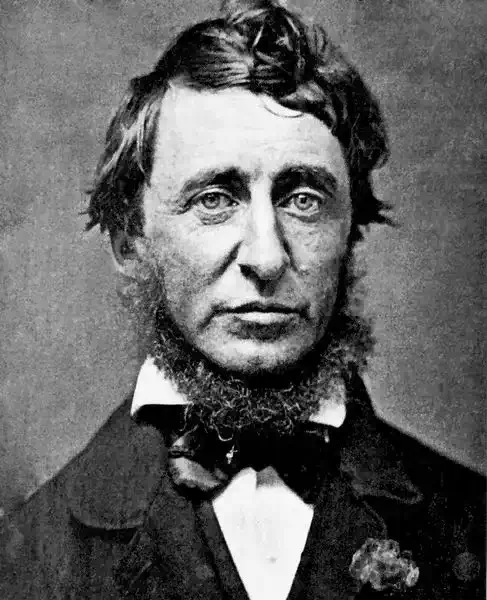
Henry David Thoreau
To a Marsh Hawk in Spring
To a Marsh Hawk in Spring
There is health in thy gray wing,
Health of nature’s furnishing.
Say, thou modern-winged antique,
Was thy mistress ever sick?
In each heaving of thy wing
Thou dost health and leisure bring,
Thou dost waive disease and pain
And resume new life again.
There is health in thy gray wing,
Health of nature’s furnishing.
Say, thou modern-winged antique,
Was thy mistress ever sick?
In each heaving of thy wing
Thou dost health and leisure bring,
Thou dost waive disease and pain
And resume new life again.
243
Henry David Thoreau
Song Of Nature
Song Of Nature
Mine are the night and morning,
The pits of air, the gull of space,
The sportive sun, the gibbous moon,
The innumerable days.
I hide in the solar glory,
I am dumb in the pealing song,
I rest on the pitch of the torrent,
In slumber I am strong.
No numbers have counted my tallies,
No tribes my house can fill,
I sit by the shining Fount of Life
And pour the deluge still;
And ever by delicate powers
Gathering along the centuries
From race on race the rarest flowers,
My wreath shall nothing miss.
And many a thousand summers
My gardens ripened well,
And light from meliorating stars
With firmer glory fell.
I wrote the past in characters
Of rock and fire the scroll,
The building in the coral sea,
The planting of the coal.
And thefts from satellites and rings
And broken stars I drew,
And out of spent and aged things
I formed the world anew;
What time the gods kept carnival,
Tricked out in star and flower,
And in cramp elf and saurian forms
They swathed their too much power.
Time and Thought were my surveyors,
They laid their courses well,
They boiled the sea, and piled the layers
Of granite, marl and shell.
But he, the man-child glorious, -
Where tarries he the while?
The rainbow shines his harbinger,
The sunset gleams his smile.
My boreal lights leap upward,
Forthright my planets roll,
And still the man-child is not born,
The summit of the whole.
Must time and tide forever run?
Will never my winds go sleep in the west?
Will never my wheels which whirl the sun
And satellites have rest?
Too much of donning and doffing,
Too slow the rainbow fades,
I weary of my robe of snow,
My leaves and my cascades;
I tire of globes and races,
Too long the game is played;
What without him is summer's pomp,
Or winter's frozen shade?
I travail in pain for him,
My creatures travail and wait;
His couriers come by squadrons,
He comes not to the gate.
Twice I have moulded an image,
And thrice outstretched my hand,
Made one of day and one of night
And one of the salt sea-sand.
One in a Judaean manger,
And one by Avon stream,
One over against the mouths of Nile,
And one in the Academe.
I moulded kings and saviors,
And bards o'er kings to rule; -
But fell the starry influence short,
The cup was never full.
Yet whirl the glowing wheels once more,
And mix the bowl again;
Seethe, Fate! the ancient elements,
Heat, cold, wet, dry, and peace, and pain.
Let war and trade and creeds and song
Blend, ripen race on race,
The sunburnt world a man shall breed
Of all the zones and countless days.
No ray is dimmed, no atom worn,
My oldest force is good as new,
And the fresh rose on yonder thorn
Gives back the bending heavens in dew.
Mine are the night and morning,
The pits of air, the gull of space,
The sportive sun, the gibbous moon,
The innumerable days.
I hide in the solar glory,
I am dumb in the pealing song,
I rest on the pitch of the torrent,
In slumber I am strong.
No numbers have counted my tallies,
No tribes my house can fill,
I sit by the shining Fount of Life
And pour the deluge still;
And ever by delicate powers
Gathering along the centuries
From race on race the rarest flowers,
My wreath shall nothing miss.
And many a thousand summers
My gardens ripened well,
And light from meliorating stars
With firmer glory fell.
I wrote the past in characters
Of rock and fire the scroll,
The building in the coral sea,
The planting of the coal.
And thefts from satellites and rings
And broken stars I drew,
And out of spent and aged things
I formed the world anew;
What time the gods kept carnival,
Tricked out in star and flower,
And in cramp elf and saurian forms
They swathed their too much power.
Time and Thought were my surveyors,
They laid their courses well,
They boiled the sea, and piled the layers
Of granite, marl and shell.
But he, the man-child glorious, -
Where tarries he the while?
The rainbow shines his harbinger,
The sunset gleams his smile.
My boreal lights leap upward,
Forthright my planets roll,
And still the man-child is not born,
The summit of the whole.
Must time and tide forever run?
Will never my winds go sleep in the west?
Will never my wheels which whirl the sun
And satellites have rest?
Too much of donning and doffing,
Too slow the rainbow fades,
I weary of my robe of snow,
My leaves and my cascades;
I tire of globes and races,
Too long the game is played;
What without him is summer's pomp,
Or winter's frozen shade?
I travail in pain for him,
My creatures travail and wait;
His couriers come by squadrons,
He comes not to the gate.
Twice I have moulded an image,
And thrice outstretched my hand,
Made one of day and one of night
And one of the salt sea-sand.
One in a Judaean manger,
And one by Avon stream,
One over against the mouths of Nile,
And one in the Academe.
I moulded kings and saviors,
And bards o'er kings to rule; -
But fell the starry influence short,
The cup was never full.
Yet whirl the glowing wheels once more,
And mix the bowl again;
Seethe, Fate! the ancient elements,
Heat, cold, wet, dry, and peace, and pain.
Let war and trade and creeds and song
Blend, ripen race on race,
The sunburnt world a man shall breed
Of all the zones and countless days.
No ray is dimmed, no atom worn,
My oldest force is good as new,
And the fresh rose on yonder thorn
Gives back the bending heavens in dew.
251
Henry David Thoreau
Tall Ambrosia
Tall Ambrosia
Among the signs of autumn I perceive
The Roman wormwood (called by learned men
Ambrosia elatior, food for gods,—
For to impartial science the humblest weed
Is as immortal once as the proudest flower—)
Sprinkles its yellow dust over my shoes
As I cross the now neglected garden.
—We trample under foot the food of gods
And spill their nectar in each dropp of dew—
My honest shoes, fast friends that never stray
Far from my couch, thus powdered, countryfied,
Bearing many a mile the marks of their adventure,
At the post-house disgrace the Gallic gloss
Of those well dressed ones who no morning dew
Nor Roman wormwood ever have been through,
Who never walk but are transported rather—
For what old crime of theirs I do not gather.
Among the signs of autumn I perceive
The Roman wormwood (called by learned men
Ambrosia elatior, food for gods,—
For to impartial science the humblest weed
Is as immortal once as the proudest flower—)
Sprinkles its yellow dust over my shoes
As I cross the now neglected garden.
—We trample under foot the food of gods
And spill their nectar in each dropp of dew—
My honest shoes, fast friends that never stray
Far from my couch, thus powdered, countryfied,
Bearing many a mile the marks of their adventure,
At the post-house disgrace the Gallic gloss
Of those well dressed ones who no morning dew
Nor Roman wormwood ever have been through,
Who never walk but are transported rather—
For what old crime of theirs I do not gather.
201
Henry David Thoreau
Nature
Nature
O Nature! I do not aspire
To be the highest in thy choir, -
To be a meteor in thy sky,
Or comet that may range on high;
Only a zephyr that may blow
Among the reeds by the river low;
Give me thy most privy place
Where to run my airy race.
In some withdrawn, unpublic mead
Let me sigh upon a reed,
Or in the woods, with leafy din,
Whisper the still evening in:
Some still work give me to do, -
Only - be it near to you!
For I'd rather be thy child
And pupil, in the forest wild,
Than be the king of men elsewhere,
And most sovereign slave of care;
To have one moment of thy dawn,
Than share the city's year forlorn.
O Nature! I do not aspire
To be the highest in thy choir, -
To be a meteor in thy sky,
Or comet that may range on high;
Only a zephyr that may blow
Among the reeds by the river low;
Give me thy most privy place
Where to run my airy race.
In some withdrawn, unpublic mead
Let me sigh upon a reed,
Or in the woods, with leafy din,
Whisper the still evening in:
Some still work give me to do, -
Only - be it near to you!
For I'd rather be thy child
And pupil, in the forest wild,
Than be the king of men elsewhere,
And most sovereign slave of care;
To have one moment of thy dawn,
Than share the city's year forlorn.
211
Henry David Thoreau
Pray to What Earth Does This Sweet Cold Belong
Pray to What Earth Does This Sweet Cold Belong
Pray to what earth does this sweet cold belong,
Which asks no duties and no conscience?
The moon goes up by leaps, her cheerful path
In some far summer stratum of the sky,
While stars with their cold shine bedot her way.
The fields gleam mildly back upon the sky,
And far and near upon the leafless shrubs
The snow dust still emits a silver light.
Under the hedge, where drift banks are their screen,
The titmice now pursue their downy dreams,
As often in the sweltering summer nights
The bee doth drop asleep in the flower cup,
When evening overtakes him with his load.
By the brooksides, in the still, genial night,
The more adventurous wanderer may hear
The crystals shoot and form, and winter slow
Increase his rule by gentlest summer means.
Pray to what earth does this sweet cold belong,
Which asks no duties and no conscience?
The moon goes up by leaps, her cheerful path
In some far summer stratum of the sky,
While stars with their cold shine bedot her way.
The fields gleam mildly back upon the sky,
And far and near upon the leafless shrubs
The snow dust still emits a silver light.
Under the hedge, where drift banks are their screen,
The titmice now pursue their downy dreams,
As often in the sweltering summer nights
The bee doth drop asleep in the flower cup,
When evening overtakes him with his load.
By the brooksides, in the still, genial night,
The more adventurous wanderer may hear
The crystals shoot and form, and winter slow
Increase his rule by gentlest summer means.
165
Henry David Thoreau
Mist
Mist
Low-anchored cloud,
Newfoundland air,
Fountain head and source of rivers,
Dew-cloth, dream drapery,
And napkin spread by fays;
Drifting meadow of the air,
Where bloom the dasied banks and violets,
And in whose fenny labyrinth
The bittern booms and heron wades;
Spirit of the lake and seas and rivers,
Bear only purfumes and the scent
Of healing herbs to just men's fields!
Low-anchored cloud,
Newfoundland air,
Fountain head and source of rivers,
Dew-cloth, dream drapery,
And napkin spread by fays;
Drifting meadow of the air,
Where bloom the dasied banks and violets,
And in whose fenny labyrinth
The bittern booms and heron wades;
Spirit of the lake and seas and rivers,
Bear only purfumes and the scent
Of healing herbs to just men's fields!
225
Henry David Thoreau
Light-Winged Smoke
Light-Winged Smoke
LIGHT-WINGED Smoke, Icarian bird,
Melting thy pinions in thy upward flight,
Lark without song, and the messenger of dawn,
Circling above the hamlets as thy nest;
Or else, departing dream, and shadowy form
Of midnight vision, gathering up thy skirts;
By night star-veiling, and by day
Darkening the light and blotting out the sun;
Go thou my incense upward from this hearth,
And ask the gods to pardon this clear flame.
LIGHT-WINGED Smoke, Icarian bird,
Melting thy pinions in thy upward flight,
Lark without song, and the messenger of dawn,
Circling above the hamlets as thy nest;
Or else, departing dream, and shadowy form
Of midnight vision, gathering up thy skirts;
By night star-veiling, and by day
Darkening the light and blotting out the sun;
Go thou my incense upward from this hearth,
And ask the gods to pardon this clear flame.
264
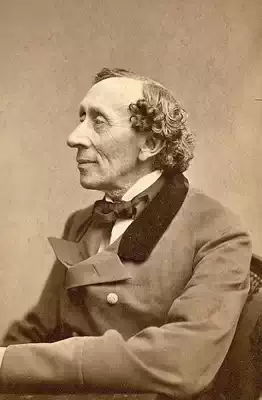
Hans Christian Andersen
Januar
Januar
'- Nyfødt Aaret er vorden!
Stolt, med den flagrende Lok, i Storm og i Blæst,
Paa sin vingede Hest
Jager Tiden hen over Jorden - !'
*
Vandringsmanden.
Et Hjem for Samojed og Pescheræ
Viser den frosne Jord med sin Snee;
Men her, som i et Feeland at see,
Staaer det riimfrosne Træ
Og løfter mod Solen sin glimrende Green
Mod en Luft, som Italiens, sortblaa, men reen.
Det er deiligt at see,
Hvor over den hvide Snee
Den sorte Rovfugl svæver,
Og Hytterne hist, hvor Røgen sig hæver,
Hvor Pigen strøer Korn af sin lille Kurv
For den qviddrende Spurv.
-Ja, nyfødt Aaret er vorden!
Stolt med den flagrende Lok, i Storm og i Blæst,
Paa sin vingede Hest
Jager Tiden hen over Jorden,
Trykker med faderlig Arm
Sine Børn, de kommende Aar, til sin Barm.
Er Maanen i Næ tolv Gange vorden,
Svæver et Barn fra hans Bryst til Jorden,
Hvorfra den ventende Broder vil stige
Igjen til sit evige Rige.
Thi Himmelens mægtige Blaa er det Hav,
Hvor Aaret forsvinder,
Hvorfra det nye oprinder
For vor Jord, denne altid blomstrende Grav.
Tiden
(paa sin vingede Hest).
Min Jord, Du er saa skjøn at see
I Sommer-Grønt, i Vinter-Snee!
Din Kamp, Din Færdsel, Død og Liv,
Alt peger til et Guddoms-Bliv!
Du Hvilepunkt for Tanken gav;
Først saae jeg kun et Taage-Hav,
Det maatte snart for Lyset døe,
Og Du fremstod, men alt var Sø!
Da voxte frem den første Ø,
Med Skov og Frugt og Blomster smaae,
Og Mennesket sin Skaber saae.
Hvert Aar et Barn jeg sendte ned,
Og gjennem Had og Kjærlighed
Det atter sig til Himlen svang,
Naar Maanen skifted' tolvte Gang.
Vandringsmanden.
See de henrundne Aar, som bevingede Smaae,
Svæve hen i det Blaae.
Men det yngste, smukt, med et flagrende Haar,
Nærmest ved Faderen staaer;
Verden det nævner: 'det gamle Aar'.
Det stirrer mod Jorden tilbage,
Hører dets Klage!
Tiden.
Hvorfor staaer Øiet fuldt af Graad?
Paa Jorden har Du endt din Daad,
Alt voxer der for Herrens Meed,
Til Frihed, Kraft og Kjærlighed.
Det yngste Barn vel græder meest,
Men har det derfor Sorger fleest?
Det gamle Aar.*
Hvor mellem Myrter og glødende Frugter
I Bugter
Floderne gaae
I den tryllende Nat, under sydlige Blaa,
Eet, kun Eet i Naturen jeg saae:
Kulsorte Ravne med hæse Skrig
Fløi om svævende Liig,
Og de sang, jeg det hører paa ny!
'- Stille det er i den mægtige By,
Stille, som her under Galgen.
Guitaren toner ei længer mod Sky,
Sværdet i Balgen!
Beder og drømmer, Qvinde og Mand,
I Tajos og Ebros blomstrende Land.
-Fra Fængslernes pestfyldte Gange,
Hvor Vandet steeg om den døende Fange,
Hørte jeg Suk og Forbandelsens Skrig;
Rundt om saae jeg tusinde blodige Liig;
Ungdommens Slægt,
Under Lænkernes Vægt,
Sendt bort, langt bort over Hav,
Til Africas brændende Grav,
Medens Munkene stolt, ved Orgelets Klang,
Sang en Vuggesang,
Og jeg, paa min sorte, fjedrede Vinge,
I mægtige Ringe,
Mig svang om Don Miguels Slot
Og sang for min Drot!'
-Saa qvad den sorte skrigende Ravn.
Men Friheds Hymner lød fra Frankrigs Havn,
Og Folket steeg paa Aandens stolte Bane;
Thi plantede jeg kjækt den franske Fane
Paa Atlasbjerget - - steeg igjen derned,
Men fandt kun Striid og Stræben, uden Meed.
-Hvor Donaufloden sig i Bugter snoer,
Hvor Vinen paa de varme Bjerge groer,
Jeg saae det ladte Trækskib glide frem,
Den stolte Flod bar Rigdom til sit Hjem.
Mod Natten sov den raske Bonde ind,
Med Sundheds-Æblet paa sin runde Kind,
Ved Dag-Gry laae han død - et sortblaa Liig,
Og hvor jeg kom, lød Skræk og vilde Skrig,
Thi Pestens fule Sot det monne være.
Den kom fra Ruslands Død-indviede Hære,
Hvis halve Magt, hvorhen mit Øie saae,
Som Aadsler paa de øde Marker laae,
Ja Ven og Fjende, henslængt Favn i Favn,
Et Bytte for den sultne Ulv og Ravn;
Men Himlen brændte i den røde Lue.
-I Grændsebyen, i den lave Stue,
Jeg saae en gammel Bedstemoer i Krogen;
Hun sad med Bibelen, hun aabned' Bogen
Og læste høit: - 'Den Rige havde
Eet tusind Faar, den Fattige kun eet,
Da tog den Rige dette eneste - -'
Hun standsede, Graad stod i hvert et Øie,
Og Sønnen, o, jeg husker det saa nøie!
'Hvor ligner det et Sagn', begyndte han,
'Som I og jeg og alle har oplevet;
Kun kom Propheten ikke der og sagde
Til ham, som gjorde dette: 'Du est Manden!'
- Tre Naboer - de vare mægtige -
Faldt paa at ville dele mellem sig
Den mindre rige Naboes Eiendomme;
Den Mægtigste tog selv hans Børn fra ham,
Og sendte disse bort, langt bort derfra,
Behandlede ham som en Hund i Lænke,
Og Lænken trængte ind i Kjødet paa ham,
Han havde intet mere - kun sit Navn,
Sit gamle Hæders-Navn, selv dette skulde
Udslettes nu. Da kogte Blodet i ham,
Han voved' Kampen mod den Mægtige;
Han kun forlangte Livet og sin Frihed!
Han stred. Han stred alene, uden Hjælp;
Og Mængden græd ved Mandens store Jammer,
Men taalte roligt dog, man slæbte ham
Til Slagterbænken, det forlangte jo
Den mægtige, den stolte Herres Ære!'
Han taug - jeg svang mig bort fra Friheds Grav
Over det svulmende Hav.
-Dybt, hvor Naturen synes at sove,
Hvor de vilde Huroners Tal
Søge Fjendernes Hjerneskal,
Hvor den svulmende Flod
Bliver Skum ved Fjeldmassens Fod,
I Amerikas uendelige Skove;
Hvor i Kredse Fuglene steeg
Om en tusindaarig Eeg,
Og hvor atter Stilheden, dyb og lang,
Gjorde Barmen trang,
Der saae jeg en Flok, nei en Hær,
Qvinder og Børn,
Hvem Øxen brød Vei over Skovens Tjørn
Ved det blaahvide Maaneskjær.
Indfødte, Kristne ved Daab og Ord,
I det blomstrende Fædreneland,
Forjagne fra Hjem og dyrkede Jord
Af den hvide Mand. -
Frihedens Land, med stigende Flor
Du hæver Dig blomstrende stor,
Mens de ældste Slægter vige og svinde!
Ja mod Vest, høit mod Polen,
Som Solen,
De hendøe bag Bjergenes Tinde.
-Dog, eet Sted fandt jeg Kjærlighed og Fred,
Hvor Bautastenen staaer ved Søens Bred,
Hvor Bøgen voxer, deilig uden Lige,
Og Danmark kaldte man det lille Rige!
-Ja der, og ved det stolte Dovrefjeld,
Flød, uden Bloddaab, Friheds Kildevæld,
Og Blomst og Frugt mit Øie kunde see,
Som Kornets Spiren under Vinter-Snee.
Tiden.
Og end Du græder, skjøndt Du saae,
Hvordan der Liv bag Døden laae?
Aarhundredet, som Aaret, har
Jo først sin kolde Januar!
Kan alt i den dit Øie see
Det Grønne bag den hvide Snee,
Da maa dit Hjerte glad Dig spaae,
Hvad Vaarens Kampe bringe maae.
Alt grønne Spirer Danmark har,
Og Jorden Friheds Januar! -
Vandringsmanden.
Forstod jeg dig, Du Tidens stærke Aand?
Forstod jeg vel Naturens dybe Tale?
Snart sprænges alle Vintrens snevre Baand,
Og Sandheds Sol bestraaler Fjeld og Dale!
Din Januar al Jorderige fik,
Snart Aandens Vaar de frie Slægter prise,
Af Januar fik Danmark Frederik,
Og Danmark kan det første Grønt fremvise!
'- Nyfødt Aaret er vorden!
Stolt, med den flagrende Lok, i Storm og i Blæst,
Paa sin vingede Hest
Jager Tiden hen over Jorden - !'
*
Vandringsmanden.
Et Hjem for Samojed og Pescheræ
Viser den frosne Jord med sin Snee;
Men her, som i et Feeland at see,
Staaer det riimfrosne Træ
Og løfter mod Solen sin glimrende Green
Mod en Luft, som Italiens, sortblaa, men reen.
Det er deiligt at see,
Hvor over den hvide Snee
Den sorte Rovfugl svæver,
Og Hytterne hist, hvor Røgen sig hæver,
Hvor Pigen strøer Korn af sin lille Kurv
For den qviddrende Spurv.
-Ja, nyfødt Aaret er vorden!
Stolt med den flagrende Lok, i Storm og i Blæst,
Paa sin vingede Hest
Jager Tiden hen over Jorden,
Trykker med faderlig Arm
Sine Børn, de kommende Aar, til sin Barm.
Er Maanen i Næ tolv Gange vorden,
Svæver et Barn fra hans Bryst til Jorden,
Hvorfra den ventende Broder vil stige
Igjen til sit evige Rige.
Thi Himmelens mægtige Blaa er det Hav,
Hvor Aaret forsvinder,
Hvorfra det nye oprinder
For vor Jord, denne altid blomstrende Grav.
Tiden
(paa sin vingede Hest).
Min Jord, Du er saa skjøn at see
I Sommer-Grønt, i Vinter-Snee!
Din Kamp, Din Færdsel, Død og Liv,
Alt peger til et Guddoms-Bliv!
Du Hvilepunkt for Tanken gav;
Først saae jeg kun et Taage-Hav,
Det maatte snart for Lyset døe,
Og Du fremstod, men alt var Sø!
Da voxte frem den første Ø,
Med Skov og Frugt og Blomster smaae,
Og Mennesket sin Skaber saae.
Hvert Aar et Barn jeg sendte ned,
Og gjennem Had og Kjærlighed
Det atter sig til Himlen svang,
Naar Maanen skifted' tolvte Gang.
Vandringsmanden.
See de henrundne Aar, som bevingede Smaae,
Svæve hen i det Blaae.
Men det yngste, smukt, med et flagrende Haar,
Nærmest ved Faderen staaer;
Verden det nævner: 'det gamle Aar'.
Det stirrer mod Jorden tilbage,
Hører dets Klage!
Tiden.
Hvorfor staaer Øiet fuldt af Graad?
Paa Jorden har Du endt din Daad,
Alt voxer der for Herrens Meed,
Til Frihed, Kraft og Kjærlighed.
Det yngste Barn vel græder meest,
Men har det derfor Sorger fleest?
Det gamle Aar.*
Hvor mellem Myrter og glødende Frugter
I Bugter
Floderne gaae
I den tryllende Nat, under sydlige Blaa,
Eet, kun Eet i Naturen jeg saae:
Kulsorte Ravne med hæse Skrig
Fløi om svævende Liig,
Og de sang, jeg det hører paa ny!
'- Stille det er i den mægtige By,
Stille, som her under Galgen.
Guitaren toner ei længer mod Sky,
Sværdet i Balgen!
Beder og drømmer, Qvinde og Mand,
I Tajos og Ebros blomstrende Land.
-Fra Fængslernes pestfyldte Gange,
Hvor Vandet steeg om den døende Fange,
Hørte jeg Suk og Forbandelsens Skrig;
Rundt om saae jeg tusinde blodige Liig;
Ungdommens Slægt,
Under Lænkernes Vægt,
Sendt bort, langt bort over Hav,
Til Africas brændende Grav,
Medens Munkene stolt, ved Orgelets Klang,
Sang en Vuggesang,
Og jeg, paa min sorte, fjedrede Vinge,
I mægtige Ringe,
Mig svang om Don Miguels Slot
Og sang for min Drot!'
-Saa qvad den sorte skrigende Ravn.
Men Friheds Hymner lød fra Frankrigs Havn,
Og Folket steeg paa Aandens stolte Bane;
Thi plantede jeg kjækt den franske Fane
Paa Atlasbjerget - - steeg igjen derned,
Men fandt kun Striid og Stræben, uden Meed.
-Hvor Donaufloden sig i Bugter snoer,
Hvor Vinen paa de varme Bjerge groer,
Jeg saae det ladte Trækskib glide frem,
Den stolte Flod bar Rigdom til sit Hjem.
Mod Natten sov den raske Bonde ind,
Med Sundheds-Æblet paa sin runde Kind,
Ved Dag-Gry laae han død - et sortblaa Liig,
Og hvor jeg kom, lød Skræk og vilde Skrig,
Thi Pestens fule Sot det monne være.
Den kom fra Ruslands Død-indviede Hære,
Hvis halve Magt, hvorhen mit Øie saae,
Som Aadsler paa de øde Marker laae,
Ja Ven og Fjende, henslængt Favn i Favn,
Et Bytte for den sultne Ulv og Ravn;
Men Himlen brændte i den røde Lue.
-I Grændsebyen, i den lave Stue,
Jeg saae en gammel Bedstemoer i Krogen;
Hun sad med Bibelen, hun aabned' Bogen
Og læste høit: - 'Den Rige havde
Eet tusind Faar, den Fattige kun eet,
Da tog den Rige dette eneste - -'
Hun standsede, Graad stod i hvert et Øie,
Og Sønnen, o, jeg husker det saa nøie!
'Hvor ligner det et Sagn', begyndte han,
'Som I og jeg og alle har oplevet;
Kun kom Propheten ikke der og sagde
Til ham, som gjorde dette: 'Du est Manden!'
- Tre Naboer - de vare mægtige -
Faldt paa at ville dele mellem sig
Den mindre rige Naboes Eiendomme;
Den Mægtigste tog selv hans Børn fra ham,
Og sendte disse bort, langt bort derfra,
Behandlede ham som en Hund i Lænke,
Og Lænken trængte ind i Kjødet paa ham,
Han havde intet mere - kun sit Navn,
Sit gamle Hæders-Navn, selv dette skulde
Udslettes nu. Da kogte Blodet i ham,
Han voved' Kampen mod den Mægtige;
Han kun forlangte Livet og sin Frihed!
Han stred. Han stred alene, uden Hjælp;
Og Mængden græd ved Mandens store Jammer,
Men taalte roligt dog, man slæbte ham
Til Slagterbænken, det forlangte jo
Den mægtige, den stolte Herres Ære!'
Han taug - jeg svang mig bort fra Friheds Grav
Over det svulmende Hav.
-Dybt, hvor Naturen synes at sove,
Hvor de vilde Huroners Tal
Søge Fjendernes Hjerneskal,
Hvor den svulmende Flod
Bliver Skum ved Fjeldmassens Fod,
I Amerikas uendelige Skove;
Hvor i Kredse Fuglene steeg
Om en tusindaarig Eeg,
Og hvor atter Stilheden, dyb og lang,
Gjorde Barmen trang,
Der saae jeg en Flok, nei en Hær,
Qvinder og Børn,
Hvem Øxen brød Vei over Skovens Tjørn
Ved det blaahvide Maaneskjær.
Indfødte, Kristne ved Daab og Ord,
I det blomstrende Fædreneland,
Forjagne fra Hjem og dyrkede Jord
Af den hvide Mand. -
Frihedens Land, med stigende Flor
Du hæver Dig blomstrende stor,
Mens de ældste Slægter vige og svinde!
Ja mod Vest, høit mod Polen,
Som Solen,
De hendøe bag Bjergenes Tinde.
-Dog, eet Sted fandt jeg Kjærlighed og Fred,
Hvor Bautastenen staaer ved Søens Bred,
Hvor Bøgen voxer, deilig uden Lige,
Og Danmark kaldte man det lille Rige!
-Ja der, og ved det stolte Dovrefjeld,
Flød, uden Bloddaab, Friheds Kildevæld,
Og Blomst og Frugt mit Øie kunde see,
Som Kornets Spiren under Vinter-Snee.
Tiden.
Og end Du græder, skjøndt Du saae,
Hvordan der Liv bag Døden laae?
Aarhundredet, som Aaret, har
Jo først sin kolde Januar!
Kan alt i den dit Øie see
Det Grønne bag den hvide Snee,
Da maa dit Hjerte glad Dig spaae,
Hvad Vaarens Kampe bringe maae.
Alt grønne Spirer Danmark har,
Og Jorden Friheds Januar! -
Vandringsmanden.
Forstod jeg dig, Du Tidens stærke Aand?
Forstod jeg vel Naturens dybe Tale?
Snart sprænges alle Vintrens snevre Baand,
Og Sandheds Sol bestraaler Fjeld og Dale!
Din Januar al Jorderige fik,
Snart Aandens Vaar de frie Slægter prise,
Af Januar fik Danmark Frederik,
Og Danmark kan det første Grønt fremvise!
329