

Poems in this theme
Animals and Nature
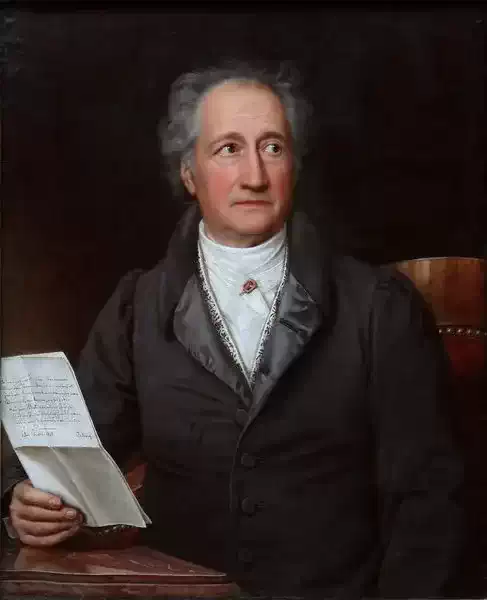
Johann Wolfgang von Goethe
Legend
Legend
THERE lived in the desert a holy man
To whom a goat-footed Faun one day
Paid a visit, and thus began
To his surprise: 'I entreat thee to pray
That grace to me and my friends may be given,
That we may be able to mount to Heaven,
For great is our thirst for heav'nly bliss.'
The holy man made answer to this:
'Much danger is lurking in thy petition,
Nor will it be easy to gain admission;
Thou dost not come with an angel's salute;
For I see thou wearest a cloven foot.'
The wild man paused, and then answer'd he:
'What doth my goat's foot matter to thee?
Full many I've known into heaven to pass
Straight and with ease, with the head of an ass!'
THERE lived in the desert a holy man
To whom a goat-footed Faun one day
Paid a visit, and thus began
To his surprise: 'I entreat thee to pray
That grace to me and my friends may be given,
That we may be able to mount to Heaven,
For great is our thirst for heav'nly bliss.'
The holy man made answer to this:
'Much danger is lurking in thy petition,
Nor will it be easy to gain admission;
Thou dost not come with an angel's salute;
For I see thou wearest a cloven foot.'
The wild man paused, and then answer'd he:
'What doth my goat's foot matter to thee?
Full many I've known into heaven to pass
Straight and with ease, with the head of an ass!'
447
Johann Wolfgang von Goethe
Gipsy Song
Gipsy Song
IN the drizzling mist, with the snow high-pil'd,
In the Winter night, in the forest wild,
I heard the wolves with their ravenous howl,
I heard the screaming note of the owl:
Wille wau wau wau!
Wille wo wo wo!
Wito hu!
I shot, one day, a cat in a ditch--
The dear black cat of Anna the witch;
Upon me, at night, seven were-wolves came down,
Seven women they were, from out of the town.
Wille wau wau wau!
Wille wo wo wo!
Wito hu!
I knew them all; ay, I knew them straight;
First, Anna, then Ursula, Eve, and Kate,
And Barbara, Lizzy, and Bet as well;
And forming a ring, they began to yell:
Wille wau wau wau!
Wille wo wo wo!
Wito hu!
Then call'd I their names with angry threat:
"What wouldst thou, Anna? What wouldst thou, Bet?"
At hearing my voice, themselves they shook,
And howling and yelling, to flight they took.
Wille wau wau wau!
Wille wo wo wo!
Wito hu!
IN the drizzling mist, with the snow high-pil'd,
In the Winter night, in the forest wild,
I heard the wolves with their ravenous howl,
I heard the screaming note of the owl:
Wille wau wau wau!
Wille wo wo wo!
Wito hu!
I shot, one day, a cat in a ditch--
The dear black cat of Anna the witch;
Upon me, at night, seven were-wolves came down,
Seven women they were, from out of the town.
Wille wau wau wau!
Wille wo wo wo!
Wito hu!
I knew them all; ay, I knew them straight;
First, Anna, then Ursula, Eve, and Kate,
And Barbara, Lizzy, and Bet as well;
And forming a ring, they began to yell:
Wille wau wau wau!
Wille wo wo wo!
Wito hu!
Then call'd I their names with angry threat:
"What wouldst thou, Anna? What wouldst thou, Bet?"
At hearing my voice, themselves they shook,
And howling and yelling, to flight they took.
Wille wau wau wau!
Wille wo wo wo!
Wito hu!
425
Johann Wolfgang von Goethe
From Faust - II. Prologue In Heaven
From Faust - II. Prologue In Heaven
THE ARCHANGELS' SONG.
RAPHAEL.
THE sun still chaunts, as in old time,
With brother-spheres in choral song,
And with his thunder-march sublime
Moves his predestined course along.
Strength find the angels in his sight,
Though he by none may fathomed be;
Still glorious is each work of might
As when first form'd in majesty.
GABRIEL.
And swift and swift, in wondrous guise,
Revolves the earth in splendour bright,
The radiant hues of Paradise
Alternating with deepest night.
From out the gulf against the rock,
In spreading billows foams the ocean,--
And cliff and sea with mighty shock,
The spheres whirl round in endless motion.
MICHAEL.
And storms in emulation growl
From land to sea, from sea to land,
And fashion, as they wildly howl,
A circling, wonder-working band.
Destructive flames in mad career
Precede Thy thunders on their way;
Yet, Lord, Thy messengers revere
The soft mutations of Thy day.
THE THREE.
Strength find the angels in Thy sight,
Though none may hope to fathom Thee;
Still glorious are Thy works of might,
As when first form'd in majesty.
THE ARCHANGELS' SONG.
RAPHAEL.
THE sun still chaunts, as in old time,
With brother-spheres in choral song,
And with his thunder-march sublime
Moves his predestined course along.
Strength find the angels in his sight,
Though he by none may fathomed be;
Still glorious is each work of might
As when first form'd in majesty.
GABRIEL.
And swift and swift, in wondrous guise,
Revolves the earth in splendour bright,
The radiant hues of Paradise
Alternating with deepest night.
From out the gulf against the rock,
In spreading billows foams the ocean,--
And cliff and sea with mighty shock,
The spheres whirl round in endless motion.
MICHAEL.
And storms in emulation growl
From land to sea, from sea to land,
And fashion, as they wildly howl,
A circling, wonder-working band.
Destructive flames in mad career
Precede Thy thunders on their way;
Yet, Lord, Thy messengers revere
The soft mutations of Thy day.
THE THREE.
Strength find the angels in Thy sight,
Though none may hope to fathom Thee;
Still glorious are Thy works of might,
As when first form'd in majesty.
352
Johann Wolfgang von Goethe
Found
Found
Once through the forest
Alone I went;
To seek for nothing
My thoughts were bent.
I saw i' the shadow
A flower stand there
As stars it glisten'd,
As eyes 'twas fair.
I sought to pluck it,-
It gently said:
'Shall I be gather'd
Only to fade?'
With all its roots
I dug it with care,
And took it home
To my garden fair.
In silent corner
Soon it was set;
There grows it ever,
There blooms it yet.
Once through the forest
Alone I went;
To seek for nothing
My thoughts were bent.
I saw i' the shadow
A flower stand there
As stars it glisten'd,
As eyes 'twas fair.
I sought to pluck it,-
It gently said:
'Shall I be gather'd
Only to fade?'
With all its roots
I dug it with care,
And took it home
To my garden fair.
In silent corner
Soon it was set;
There grows it ever,
There blooms it yet.
332
Johann Wolfgang von Goethe
Ever And Everywhere
Ever And Everywhere
FAR explore the mountain hollow,
High in air the clouds then follow!
To each brook and vale the Muse
Thousand times her call renews.
Soon as a flow'ret blooms in spring,
It wakens many a strain;
And when Time spreads his fleeting wing,
The seasons come again.
FAR explore the mountain hollow,
High in air the clouds then follow!
To each brook and vale the Muse
Thousand times her call renews.
Soon as a flow'ret blooms in spring,
It wakens many a strain;
And when Time spreads his fleeting wing,
The seasons come again.
410
Johann Wolfgang von Goethe
Book Of Suleika - Suleika 02
Book Of Suleika - Suleika 02
WHAT is by this stir reveal'd?
Doth the East glad tidings bring?
For my heart's deep wounds are heal'd
By his mild and cooling wing.
He the dust with sports doth meet,
And in gentle cloudlets chase;
To the vineleaf's safe retreat
Drives the insects' happy race,
Cools these burning cheeks of mine,
Checks the sun's fierce glow Adam,
Kisses, as he flies, the vine,
Flaunting over hill and plain.
And his whispers soft convey
Thousand greetings from my friend;
Ere these hills own night's dark sway,
Kisses greet me, without end.
Thus canst thou still onward go,
Serving friend and mourner too!
There, where lofty ramparts glow,
Soon the loved one shall I view.
Ah, what makes the heart's truth known,-Love's
sweet breath,--a newborn life,--
Learn I from his mouth alone,
In his breath alone is rife!
WHAT is by this stir reveal'd?
Doth the East glad tidings bring?
For my heart's deep wounds are heal'd
By his mild and cooling wing.
He the dust with sports doth meet,
And in gentle cloudlets chase;
To the vineleaf's safe retreat
Drives the insects' happy race,
Cools these burning cheeks of mine,
Checks the sun's fierce glow Adam,
Kisses, as he flies, the vine,
Flaunting over hill and plain.
And his whispers soft convey
Thousand greetings from my friend;
Ere these hills own night's dark sway,
Kisses greet me, without end.
Thus canst thou still onward go,
Serving friend and mourner too!
There, where lofty ramparts glow,
Soon the loved one shall I view.
Ah, what makes the heart's truth known,-Love's
sweet breath,--a newborn life,--
Learn I from his mouth alone,
In his breath alone is rife!
380
Johann Wolfgang von Goethe
Book Of Parables - In The Koran With Strange Delight
Book Of Parables - In The Koran With Strange Delight
In the Koran with strange delight
A peacock's feather met my sight:
Thou'rt welcome in this holy place,
The highest prize on earth's wide face!
As in the stars of heaven, in thee,
God's greatness in the small we see;
For he whose gaze whole worlds bath bless'd
His eye hath even here impress'd,
And the light down in beauty dress'd,
So that e'en monarchs cannot hope
In splendour with the bird to cope.
Meekly enjoy thy happy lot,
And so deserve that holy spot!
In the Koran with strange delight
A peacock's feather met my sight:
Thou'rt welcome in this holy place,
The highest prize on earth's wide face!
As in the stars of heaven, in thee,
God's greatness in the small we see;
For he whose gaze whole worlds bath bless'd
His eye hath even here impress'd,
And the light down in beauty dress'd,
So that e'en monarchs cannot hope
In splendour with the bird to cope.
Meekly enjoy thy happy lot,
And so deserve that holy spot!
270
Johann Wolfgang von Goethe
Anacreon's Grave
Anacreon's Grave
HERE where the roses blossom, where vines round the laurels are twining,
Where the turtle-dove calls, where the blithe cricket is heard,
Say, whose grave can this be, with life by all the Immortals
Beauteously planted and deck'd?--Here doth Anacreon sleep
Spring and summer and autumn rejoiced the thrice-happy minstrel,
And from the winter this mound kindly hath screen'd him at last.
HERE where the roses blossom, where vines round the laurels are twining,
Where the turtle-dove calls, where the blithe cricket is heard,
Say, whose grave can this be, with life by all the Immortals
Beauteously planted and deck'd?--Here doth Anacreon sleep
Spring and summer and autumn rejoiced the thrice-happy minstrel,
And from the winter this mound kindly hath screen'd him at last.
370
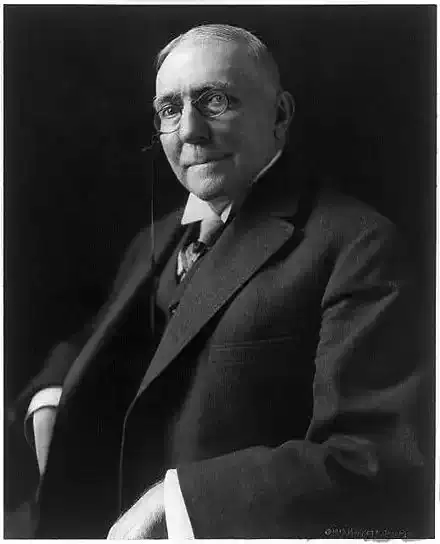
James Whitcomb Riley
With Hale Affection And Abiding Faith These Rhymes And Pictures Are
With Hale Affection And Abiding Faith These Rhymes And Pictures Are
Inscribed To The Children Everywhere
_He owns the bird-songs of the hills--
The laughter of the April rills;
And his are all the diamonds set
In Morning's dewy coronet,--
And his the Dusk's first minted stars
That twinkle through the pasture-bars
And litter all the skies at night
With glittering scraps of silver light;--
The rainbow's bar, from rim to rim,
In beaten gold, belongs to him._
Inscribed To The Children Everywhere
_He owns the bird-songs of the hills--
The laughter of the April rills;
And his are all the diamonds set
In Morning's dewy coronet,--
And his the Dusk's first minted stars
That twinkle through the pasture-bars
And litter all the skies at night
With glittering scraps of silver light;--
The rainbow's bar, from rim to rim,
In beaten gold, belongs to him._
255
James Whitcomb Riley
While The Musician Played
While The Musician Played
O it was but a dream I had
While the musician played!--
And here the sky, and here the glad
Old ocean kissed the glade--
And here the laughing ripples ran,
And here the roses grew
That threw a kiss to every man
That voyaged with the crew.
Our silken sails in lazy folds
Drooped in the breathless breeze:
As o'er a field of marigolds
Our eyes swam o'er the seas;
While here the eddies lisped and purled
Around the island's rim,
And up from out the underworld
We saw the mermen swim.
And it was dawn and middle-day
And midnight--for the moon
On silver rounds across the bay
Had climbed the skies of June--
And there the glowing, glorious king
Of day ruled o'er his realm,
With stars of midnight glittering
About his diadem.
The seagull reeled on languid wing
In circles round the mast,
We heard the songs the sirens sing
As we went sailing past;
And up and down the golden sands
A thousand fairy throngs
Flung at us from their flashing hands
The echoes of their songs.
O it was but a dream I had
While the musician played--
For here the sky, and here the glad
Old ocean kissed the glade;
And here the laughing ripples ran,
And here the roses grew
That threw a kiss to every man
That voyaged with the crew.
O it was but a dream I had
While the musician played!--
And here the sky, and here the glad
Old ocean kissed the glade--
And here the laughing ripples ran,
And here the roses grew
That threw a kiss to every man
That voyaged with the crew.
Our silken sails in lazy folds
Drooped in the breathless breeze:
As o'er a field of marigolds
Our eyes swam o'er the seas;
While here the eddies lisped and purled
Around the island's rim,
And up from out the underworld
We saw the mermen swim.
And it was dawn and middle-day
And midnight--for the moon
On silver rounds across the bay
Had climbed the skies of June--
And there the glowing, glorious king
Of day ruled o'er his realm,
With stars of midnight glittering
About his diadem.
The seagull reeled on languid wing
In circles round the mast,
We heard the songs the sirens sing
As we went sailing past;
And up and down the golden sands
A thousand fairy throngs
Flung at us from their flashing hands
The echoes of their songs.
O it was but a dream I had
While the musician played--
For here the sky, and here the glad
Old ocean kissed the glade;
And here the laughing ripples ran,
And here the roses grew
That threw a kiss to every man
That voyaged with the crew.
269
James Whitcomb Riley
When The Frost Is On The Punkin
When The Frost Is On The Punkin
When the frost is on the punkin and the fodder's in the shock
And you hear the kyouck and gobble of the struttin' turkey cock
And the clackin' of the guineys, and the cluckin' of the hens
And the rooster's hallylooyer as he tiptoes on the fence
O, it's then's the times a feller is a-feelin' at his best
With the risin' sun to greet him from a night of peaceful rest
As he leaves the house, bareheaded, and goes out to feed the stock
When the frost is on the punkin and the fodder's in the shock
They's something kindo' harty-like about the atmusfere
When the heat of summer's over and the coolin' fall is here
Of course we miss the flowers, and the blossums on the trees
And the mumble of the hummin'-birds and buzzin' of the bees
But the air's so appetizin'; and the landscape through the haze
Of a crisp and sunny morning of the airly autumn days
Is a pictur' that no painter has the colorin' to mock
When the frost is on the punkin and the fodder's in the shock.
The husky, rusty russel of the tossels of the corn,
And the raspin' of the tangled leaves, as golden as the morn;
The stubble in the furries kindo' lonesome-like, but still
A-preachin' sermuns to us of the barns they growed to fill;
The strawstack in the medder, and the reaper in the shed;
The hosses in theyr stalls below the clover over-head!
O, it sets my hart a-clickin' like the tickin' of a clock,
When the frost is on the punkin and the fodder's in the shock!
Then your apples all is gethered, and the ones a feller keeps
Is poured around the celler-floor in red and yeller heaps;
And your cider-makin' 's over, and your wimmern-folks is through
With their mince and apple butter, and theyr souse and saussage, too!
I don't know how to tell it but ef sich a thing could be
As the Angels wantin' boardin', and they'd call around on me
I'd want to 'commodate 'em all the whole-indurin' flock
When the frost is on the punkin and the fodder's in the shock!
When the frost is on the punkin and the fodder's in the shock
And you hear the kyouck and gobble of the struttin' turkey cock
And the clackin' of the guineys, and the cluckin' of the hens
And the rooster's hallylooyer as he tiptoes on the fence
O, it's then's the times a feller is a-feelin' at his best
With the risin' sun to greet him from a night of peaceful rest
As he leaves the house, bareheaded, and goes out to feed the stock
When the frost is on the punkin and the fodder's in the shock
They's something kindo' harty-like about the atmusfere
When the heat of summer's over and the coolin' fall is here
Of course we miss the flowers, and the blossums on the trees
And the mumble of the hummin'-birds and buzzin' of the bees
But the air's so appetizin'; and the landscape through the haze
Of a crisp and sunny morning of the airly autumn days
Is a pictur' that no painter has the colorin' to mock
When the frost is on the punkin and the fodder's in the shock.
The husky, rusty russel of the tossels of the corn,
And the raspin' of the tangled leaves, as golden as the morn;
The stubble in the furries kindo' lonesome-like, but still
A-preachin' sermuns to us of the barns they growed to fill;
The strawstack in the medder, and the reaper in the shed;
The hosses in theyr stalls below the clover over-head!
O, it sets my hart a-clickin' like the tickin' of a clock,
When the frost is on the punkin and the fodder's in the shock!
Then your apples all is gethered, and the ones a feller keeps
Is poured around the celler-floor in red and yeller heaps;
And your cider-makin' 's over, and your wimmern-folks is through
With their mince and apple butter, and theyr souse and saussage, too!
I don't know how to tell it but ef sich a thing could be
As the Angels wantin' boardin', and they'd call around on me
I'd want to 'commodate 'em all the whole-indurin' flock
When the frost is on the punkin and the fodder's in the shock!
232
James Whitcomb Riley
When Old Jack Died
When Old Jack Died
I.
When old Jack died, we staid from school (they said,
At home, we needn't go that day), and none
Of us ate any breakfast--only one,
And that was Papa--and his eyes were red
When he came round where we were, by the shed
Where Jack was lying, half way in the sun
And half way in the shade. When we begun
To cry out loud, Pa turned and dropped his head
And went away; and Mamma, she went back
Into the kitchen. Then, for a long while,
All to ourselves, like, we stood there and cried.
We thought so many good things of Old Jack,
And funny things--although we didn't smile--We
couldn't only cry when Old Jack died.
II.
When Old Jack died, it seemed a human friend
Had suddenly gone from us; that some face
That we had loved to fondle and embrace
From babyhood, no more would condescend
To smile on us forever. We might bend
With tearful eyes above him, interlace
Our chubby fingers o'er him, romp and race,
Plead with him, call and coax--aye, we might send
The old halloo up for him, whistle, hist,
(If sobs had let us) or, as wildly vain,
Snapped thumbs, called 'speak,' and he had not replied;
We might have gone down on our knees and kissed
The tousled ears, and yet they must remain
Deaf, motionless, we knew--when Old Jack died.
III.
When Old Jack died, it seemed to us, some way,
That all the other dogs in town were pained
With our bereavement, and some that were chained,
Even, unslipped their collars on that day
To visit Jack in state, as though to pay
A last, sad tribute there, while neighbors craned
Their heads above the high board fence, and deigned
To sigh 'Poor dog!' remembering how they
Had cuffed him, when alive, perchance, because,
For love of them he leaped to lick their hands--
Now, that he could not, were they satisfied?
We children thought that, as we crossed his paws,
And o'er his grave, 'way down the bottom-lands,
Wrote 'Our First Love Lies Here,' when Old Jack died.
I.
When old Jack died, we staid from school (they said,
At home, we needn't go that day), and none
Of us ate any breakfast--only one,
And that was Papa--and his eyes were red
When he came round where we were, by the shed
Where Jack was lying, half way in the sun
And half way in the shade. When we begun
To cry out loud, Pa turned and dropped his head
And went away; and Mamma, she went back
Into the kitchen. Then, for a long while,
All to ourselves, like, we stood there and cried.
We thought so many good things of Old Jack,
And funny things--although we didn't smile--We
couldn't only cry when Old Jack died.
II.
When Old Jack died, it seemed a human friend
Had suddenly gone from us; that some face
That we had loved to fondle and embrace
From babyhood, no more would condescend
To smile on us forever. We might bend
With tearful eyes above him, interlace
Our chubby fingers o'er him, romp and race,
Plead with him, call and coax--aye, we might send
The old halloo up for him, whistle, hist,
(If sobs had let us) or, as wildly vain,
Snapped thumbs, called 'speak,' and he had not replied;
We might have gone down on our knees and kissed
The tousled ears, and yet they must remain
Deaf, motionless, we knew--when Old Jack died.
III.
When Old Jack died, it seemed to us, some way,
That all the other dogs in town were pained
With our bereavement, and some that were chained,
Even, unslipped their collars on that day
To visit Jack in state, as though to pay
A last, sad tribute there, while neighbors craned
Their heads above the high board fence, and deigned
To sigh 'Poor dog!' remembering how they
Had cuffed him, when alive, perchance, because,
For love of them he leaped to lick their hands--
Now, that he could not, were they satisfied?
We children thought that, as we crossed his paws,
And o'er his grave, 'way down the bottom-lands,
Wrote 'Our First Love Lies Here,' when Old Jack died.
283
James Whitcomb Riley
When June Is Here
When June Is Here
When June is here--what art have we to sing
The whiteness of the lilies midst the green
Of noon-tranced lawns? Or flash of roses seen
Like redbirds' wings? Or earliest ripening
Prince-Harvest apples, where the cloyed bees cling
Round winey juices oozing down between
The peckings of the robin, while we lean
In under-grasses, lost in marveling.
Or the cool term of morning, and the stir
Of odorous breaths from wood and meadow walks,
The bobwhite's liquid yodel, and the whir
Of sudden flight; and, where the milkmaid talks
Across the bars, on tilted barley-stalks
The dewdrops' glint in webs of gossamer.
When June is here--what art have we to sing
The whiteness of the lilies midst the green
Of noon-tranced lawns? Or flash of roses seen
Like redbirds' wings? Or earliest ripening
Prince-Harvest apples, where the cloyed bees cling
Round winey juices oozing down between
The peckings of the robin, while we lean
In under-grasses, lost in marveling.
Or the cool term of morning, and the stir
Of odorous breaths from wood and meadow walks,
The bobwhite's liquid yodel, and the whir
Of sudden flight; and, where the milkmaid talks
Across the bars, on tilted barley-stalks
The dewdrops' glint in webs of gossamer.
331
James Whitcomb Riley
What The Wind Said
What The Wind Said
'I muse to-day, in a listless way,
In the gleam of a summer land;
I close my eyes as a lover may
At the touch of his sweetheart's hand,
And I hear these things in the whisperings
Of the zephyrs round me fanned':--
I am the Wind, and I rule mankind,
And I hold a sovereign reign
Over the lands, as God designed,
And the waters they contain:
Lo! the bound of the wide world round
Falleth in my domain!
I was born on a stormy morn
In a kingdom walled with snow,
Whose crystal cities laugh to scorn
The proudest the world can show;
And the daylight's glare is frozen there
In the breath of the blasts that blow.
Life to me was a jubilee
From the first of my youthful days:
Clinking my icy toys with glee--
Playing my childish plays;
Filling my hands with the silver sands
To scatter a thousand ways:
Chasing the flakes that the Polar shakes
From his shaggy coat of white,
Or hunting the trace of the track he makes
And sweeping it from sight,
As he turned to glare from the slippery stair
Of the iceberg's farthest height.
Till I grew so strong that I strayed ere long
From my home of ice and chill;
With an eager heart and a merry song
I traveled the snows until
I heard the thaws in the ice-crag's jaws
Crunched with a hungry will;
And the angry crash of the waves that dash
Themselves on the jagged shore
Where the splintered masts of the ice-wrecks flash,
And the frightened breakers roar
In wild unrest on the ocean's breast
For a thousand leagues or more.
And the grand old sea invited me
With a million beckoning hands,
And I spread my wings for a flight as free
As ever a sailor plans
When his thoughts are wild and his heart beguiled
With the dreams of foreign lands.
I passed a ship on its homeward trip,
With a weary and toil-worn crew;
And I kissed their flag with a welcome lip,
And so glad a gale I blew
That the sailors quaffed their grog and laughed
At the work I made them do.
I drifted by where sea-groves lie
Like brides in the fond caress
Of the warm sunshine and the tender sky--
Where the ocean, passionless
And tranquil, lies like a child whose eyes
Are blurred with drowsiness.
I drank the air and the perfume there,
And bathed in a fountain's spray;
And I smoothed the wings and the plumage rare
Of a bird for his roundelay,
And fluttered a rag from a signal-crag
For a wretched castaway.
With a sea-gull resting on my breast,
I launched on a madder flight:
And I lashed the waves to a wild unrest,
And howled with a fierce delight
Till the daylight slept; and I wailed and wept
Like a fretful babe all night.
For I heard the boom of a gun strike doom;
And the gleam of a blood-red star
Glared at me through the mirk and gloom
From the lighthouse tower afar;
And I held my breath at the shriek of death
That came from the harbor bar.
For I am the Wind, and I rule mankind,
And I hold a sovereign reign
Over the lands, as God designed,
And the waters they contain:
Lo! the bound of the wide world round
Falleth in my domain!
I journeyed on, when the night was gone,
O'er a coast of oak and pine;
And I followed a path that a stream had drawn
Through a land of vale and vine,
And here and there was a village fair
In a nest of shade and shine.
I passed o'er lakes where the sunshine shakes
And shivers his golden lance
On the glittering shield of the wave that breaks
Where the fish-boats dip and dance,
And the trader sails where the mist unveils
The glory of old romance.
I joyed to stand where the jeweled hand
Of the maiden-morning lies
On the tawny brow of the mountain-land.
Where the eagle shrieks and cries,
And holds his throne to himself alone
From the light of human eyes.
Adown deep glades where the forest shades
Are dim as the dusk of day--
Where only the foot of the wild beast wades,
Or the Indian dares to stray,
As the blacksnakes glide through the reeds and hide
In the swamp-depths grim and gray.
And I turned and fled from the place of dread
To the far-off haunts of men.
'In the city's heart is rest,' I said,--
But I found it not, and when
I saw but care and vice reign there
I was filled with wrath again:
And I blew a spark in the midnight dark
Till it flashed to an angry flame
And scarred the sky with a lurid mark
As red as the blush of shame:
And a hint of hell was the dying yell
That up from the ruins came.
The bells went wild, and the black smoke piled
Its pillars against the night,
Till I gathered them, like flocks defiled,
And scattered them left and right,
While the holocaust's red tresses tossed
As a maddened Fury's might.
'Ye overthrown!' did I jeer and groan-'
Ho! who is your master?--say!--
Ye shapes that writhe in the slag and moan
Your slow-charred souls away--
Ye worse than worst of things accurst--
Ye dead leaves of a day!'
I am the Wind, and I rule mankind,
And I hold a sovereign reign
Over the lands, as God designed,
And the waters they contain:
Lo! the bound of the wide world round
Falleth in my domain!
. . . . . . .
'I wake, as one from a dream half done,
And gaze with a dazzled eye
On an autumn leaf like a scrap of sun
That the wind goes whirling by,
While afar I hear, with a chill of fear,
The winter storm-king sigh.'
'I muse to-day, in a listless way,
In the gleam of a summer land;
I close my eyes as a lover may
At the touch of his sweetheart's hand,
And I hear these things in the whisperings
Of the zephyrs round me fanned':--
I am the Wind, and I rule mankind,
And I hold a sovereign reign
Over the lands, as God designed,
And the waters they contain:
Lo! the bound of the wide world round
Falleth in my domain!
I was born on a stormy morn
In a kingdom walled with snow,
Whose crystal cities laugh to scorn
The proudest the world can show;
And the daylight's glare is frozen there
In the breath of the blasts that blow.
Life to me was a jubilee
From the first of my youthful days:
Clinking my icy toys with glee--
Playing my childish plays;
Filling my hands with the silver sands
To scatter a thousand ways:
Chasing the flakes that the Polar shakes
From his shaggy coat of white,
Or hunting the trace of the track he makes
And sweeping it from sight,
As he turned to glare from the slippery stair
Of the iceberg's farthest height.
Till I grew so strong that I strayed ere long
From my home of ice and chill;
With an eager heart and a merry song
I traveled the snows until
I heard the thaws in the ice-crag's jaws
Crunched with a hungry will;
And the angry crash of the waves that dash
Themselves on the jagged shore
Where the splintered masts of the ice-wrecks flash,
And the frightened breakers roar
In wild unrest on the ocean's breast
For a thousand leagues or more.
And the grand old sea invited me
With a million beckoning hands,
And I spread my wings for a flight as free
As ever a sailor plans
When his thoughts are wild and his heart beguiled
With the dreams of foreign lands.
I passed a ship on its homeward trip,
With a weary and toil-worn crew;
And I kissed their flag with a welcome lip,
And so glad a gale I blew
That the sailors quaffed their grog and laughed
At the work I made them do.
I drifted by where sea-groves lie
Like brides in the fond caress
Of the warm sunshine and the tender sky--
Where the ocean, passionless
And tranquil, lies like a child whose eyes
Are blurred with drowsiness.
I drank the air and the perfume there,
And bathed in a fountain's spray;
And I smoothed the wings and the plumage rare
Of a bird for his roundelay,
And fluttered a rag from a signal-crag
For a wretched castaway.
With a sea-gull resting on my breast,
I launched on a madder flight:
And I lashed the waves to a wild unrest,
And howled with a fierce delight
Till the daylight slept; and I wailed and wept
Like a fretful babe all night.
For I heard the boom of a gun strike doom;
And the gleam of a blood-red star
Glared at me through the mirk and gloom
From the lighthouse tower afar;
And I held my breath at the shriek of death
That came from the harbor bar.
For I am the Wind, and I rule mankind,
And I hold a sovereign reign
Over the lands, as God designed,
And the waters they contain:
Lo! the bound of the wide world round
Falleth in my domain!
I journeyed on, when the night was gone,
O'er a coast of oak and pine;
And I followed a path that a stream had drawn
Through a land of vale and vine,
And here and there was a village fair
In a nest of shade and shine.
I passed o'er lakes where the sunshine shakes
And shivers his golden lance
On the glittering shield of the wave that breaks
Where the fish-boats dip and dance,
And the trader sails where the mist unveils
The glory of old romance.
I joyed to stand where the jeweled hand
Of the maiden-morning lies
On the tawny brow of the mountain-land.
Where the eagle shrieks and cries,
And holds his throne to himself alone
From the light of human eyes.
Adown deep glades where the forest shades
Are dim as the dusk of day--
Where only the foot of the wild beast wades,
Or the Indian dares to stray,
As the blacksnakes glide through the reeds and hide
In the swamp-depths grim and gray.
And I turned and fled from the place of dread
To the far-off haunts of men.
'In the city's heart is rest,' I said,--
But I found it not, and when
I saw but care and vice reign there
I was filled with wrath again:
And I blew a spark in the midnight dark
Till it flashed to an angry flame
And scarred the sky with a lurid mark
As red as the blush of shame:
And a hint of hell was the dying yell
That up from the ruins came.
The bells went wild, and the black smoke piled
Its pillars against the night,
Till I gathered them, like flocks defiled,
And scattered them left and right,
While the holocaust's red tresses tossed
As a maddened Fury's might.
'Ye overthrown!' did I jeer and groan-'
Ho! who is your master?--say!--
Ye shapes that writhe in the slag and moan
Your slow-charred souls away--
Ye worse than worst of things accurst--
Ye dead leaves of a day!'
I am the Wind, and I rule mankind,
And I hold a sovereign reign
Over the lands, as God designed,
And the waters they contain:
Lo! the bound of the wide world round
Falleth in my domain!
. . . . . . .
'I wake, as one from a dream half done,
And gaze with a dazzled eye
On an autumn leaf like a scrap of sun
That the wind goes whirling by,
While afar I hear, with a chill of fear,
The winter storm-king sigh.'
345
James Whitcomb Riley
Uncle Mart's Poem
Uncle Mart's Poem
THE OLD SNOW-MAN
Ho! the old Snow-Man
That Noey Bixler made!
He looked as fierce and sassy
As a soldier on parade!-'
Cause Noey, when he made him,
While we all wuz gone, you see,
He made him, jist a-purpose,
Jist as fierce as he could be!--
But when we all got _ust_ to him,
Nobody wuz afraid
Of the old Snow-Man
That Noey Bixler made!
'Cause Noey told us 'bout him
And what he made him fer:-He'd
come to feed, that morning
He found we wuzn't here;
And so the notion struck him,
When we all come taggin' home
'Tud _s'prise_ us ef a' old Snow-Man
'Ud meet us when we come!
So, when he'd fed the stock, and milked,
And ben back home, and chopped
His wood, and et his breakfast, he
Jist grabbed his mitts and hopped
Right in on that-air old Snow-Man
That he laid out he'd make
Er bust a trace _a-tryin_'--jist
Fer old-acquaintance sake!--
But work like that wuz lots more fun.
He said, than when he played!
Ho! the old Snow-Man
That Noey Bixler made!
He started with a big snow-ball,
And rolled it all around;
And as he rolled, more snow 'ud stick
And pull up off the ground.--
He rolled and rolled all round the yard-'
Cause we could see the _track_,
All wher' the snow come off, you know,
And left it wet and black.
He got the Snow-Man's _legs-part_ rolled--
In front the kitchen-door,--
And then he hat to turn in then
And roll and roll some more!--
He rolled the yard all round agin,
And round the house, at that--
Clean round the house and back to wher'
The blame legs-half wuz at!
He said he missed his dinner, too--
Jist clean fergot and stayed
There workin'. Ho! the old Snow-Man
That Noey Bixler made!
And Noey said he hat to _hump_
To git the _top-half_ on
The _legs-half!_--When he _did_, he said,
His wind wuz purt'-nigh gone.--
He said, I jucks! he jist drapped down
There on the old porch-floor
And panted like a dog!--And then
He up! and rolled some more!--
The _last_ batch--that wuz fer his head,-And--
time he'd got it right
And clumb and fixed it on, he said--
He hat to quit fer night!--
And _then_, he said, he'd kep' right on
Ef they'd ben any _moon_
To work by! So he crawled in bed--
And _could_ a-slep' tel _noon_,
He wuz so plum wore out! he said,--
But it wuz washin'-day,
And hat to cut a cord o' wood
'Fore he could git away!
But, last, he got to work agin,--
With spade, and gouge, and hoe,
And trowel, too--(All tools 'ud do
What _Noey_ said, you know!)
He cut his eyebrows out like cliffs--
And his cheekbones and chin
Stuck _furder_ out--and his old _nose_
Stuck out as fur-agin!
He made his eyes o' walnuts,
And his whiskers out o' this
Here buggy-cushion stuffin'--_moss_,
The teacher says it is.
And then he made a' old wood'-gun,
Set keerless-like, you know,
Acrost one shoulder--kindo' like
Big Foot, er Adam Poe--
Er, mayby, Simon Girty,
The dinged old Renegade!
_Wooh!_ the old Snow-Man
That Noey Bixler made!
And there he stood, all fierce and grim,
A stern, heroic form:
What was the winter blast to him,
And what the driving storm?--
What wonder that the children pressed
Their faces at the pane
And scratched away the frost, in pride
To look on him again?--
What wonder that, with yearning bold,
Their all of love and care
Went warmest through the keenest cold
To that Snow-Man out there!
But the old Snow-Man--
What a dubious delight
He grew at last when Spring came on
And days waxed warm and bright.--
Alone he stood--all kith and kin
Of snow and ice were gone;--
Alone, with constant teardrops in
His eyes and glittering on
His thin, pathetic beard of black--
Grief in a hopeless cause!-Hope--
hope is for the man that _dies_--
What for the man that _thaws!_
O Hero of a hero's make!--
Let _marble_ melt and fade,
But never _you_--you old Snow-Man
That Noey Bixler made!
THE OLD SNOW-MAN
Ho! the old Snow-Man
That Noey Bixler made!
He looked as fierce and sassy
As a soldier on parade!-'
Cause Noey, when he made him,
While we all wuz gone, you see,
He made him, jist a-purpose,
Jist as fierce as he could be!--
But when we all got _ust_ to him,
Nobody wuz afraid
Of the old Snow-Man
That Noey Bixler made!
'Cause Noey told us 'bout him
And what he made him fer:-He'd
come to feed, that morning
He found we wuzn't here;
And so the notion struck him,
When we all come taggin' home
'Tud _s'prise_ us ef a' old Snow-Man
'Ud meet us when we come!
So, when he'd fed the stock, and milked,
And ben back home, and chopped
His wood, and et his breakfast, he
Jist grabbed his mitts and hopped
Right in on that-air old Snow-Man
That he laid out he'd make
Er bust a trace _a-tryin_'--jist
Fer old-acquaintance sake!--
But work like that wuz lots more fun.
He said, than when he played!
Ho! the old Snow-Man
That Noey Bixler made!
He started with a big snow-ball,
And rolled it all around;
And as he rolled, more snow 'ud stick
And pull up off the ground.--
He rolled and rolled all round the yard-'
Cause we could see the _track_,
All wher' the snow come off, you know,
And left it wet and black.
He got the Snow-Man's _legs-part_ rolled--
In front the kitchen-door,--
And then he hat to turn in then
And roll and roll some more!--
He rolled the yard all round agin,
And round the house, at that--
Clean round the house and back to wher'
The blame legs-half wuz at!
He said he missed his dinner, too--
Jist clean fergot and stayed
There workin'. Ho! the old Snow-Man
That Noey Bixler made!
And Noey said he hat to _hump_
To git the _top-half_ on
The _legs-half!_--When he _did_, he said,
His wind wuz purt'-nigh gone.--
He said, I jucks! he jist drapped down
There on the old porch-floor
And panted like a dog!--And then
He up! and rolled some more!--
The _last_ batch--that wuz fer his head,-And--
time he'd got it right
And clumb and fixed it on, he said--
He hat to quit fer night!--
And _then_, he said, he'd kep' right on
Ef they'd ben any _moon_
To work by! So he crawled in bed--
And _could_ a-slep' tel _noon_,
He wuz so plum wore out! he said,--
But it wuz washin'-day,
And hat to cut a cord o' wood
'Fore he could git away!
But, last, he got to work agin,--
With spade, and gouge, and hoe,
And trowel, too--(All tools 'ud do
What _Noey_ said, you know!)
He cut his eyebrows out like cliffs--
And his cheekbones and chin
Stuck _furder_ out--and his old _nose_
Stuck out as fur-agin!
He made his eyes o' walnuts,
And his whiskers out o' this
Here buggy-cushion stuffin'--_moss_,
The teacher says it is.
And then he made a' old wood'-gun,
Set keerless-like, you know,
Acrost one shoulder--kindo' like
Big Foot, er Adam Poe--
Er, mayby, Simon Girty,
The dinged old Renegade!
_Wooh!_ the old Snow-Man
That Noey Bixler made!
And there he stood, all fierce and grim,
A stern, heroic form:
What was the winter blast to him,
And what the driving storm?--
What wonder that the children pressed
Their faces at the pane
And scratched away the frost, in pride
To look on him again?--
What wonder that, with yearning bold,
Their all of love and care
Went warmest through the keenest cold
To that Snow-Man out there!
But the old Snow-Man--
What a dubious delight
He grew at last when Spring came on
And days waxed warm and bright.--
Alone he stood--all kith and kin
Of snow and ice were gone;--
Alone, with constant teardrops in
His eyes and glittering on
His thin, pathetic beard of black--
Grief in a hopeless cause!-Hope--
hope is for the man that _dies_--
What for the man that _thaws!_
O Hero of a hero's make!--
Let _marble_ melt and fade,
But never _you_--you old Snow-Man
That Noey Bixler made!
350
James Whitcomb Riley
The Pixy People
The Pixy People
It was just a very
Merry fairy dream!--
All the woods were airy
With the gloom and gleam;
Crickets in the clover
Clattered clear and strong,
And the bees droned over
Their old honey-song.
In the mossy passes,
Saucy grasshoppers
Leapt about the grasses
And the thistle-burs;
And the whispered chuckle
Of the katydid
Shook the honeysuckle
Blossoms where he hid.
Through the breezy mazes
Of the lazy June,
Drowsy with the hazes
Of the dreamy noon,
Little Pixy people
Winged above the walk,
Pouring from the steeple
Of a mullein-stalk.
One--a gallant fellow--
Evidently King,--
Wore a plume of yellow
In a jewelled ring
On a pansy bonnet,
Gold and white and blue,
With the dew still on it,
And the fragrance, too.
One--a dainty lady,--
Evidently Queen,--
Wore a gown of shady
Moonshine and green,
With a lace of gleaming
Starlight that sent
All the dewdrops dreaming
Everywhere she went.
One wore a waistcoat
Of roseleaves, out and in,
And one wore a faced-coat
Of tiger-lily-skin;
And one wore a neat coat
Of palest galingale;
And one a tiny street-coat,
And one a swallow-tail.
And Ho! sang the King of them,
And Hey! sang the Queen;
And round and round the ring of them
Went dancing o'er the green;
And Hey! sang the Queen of them,
And Ho! sang the King--
And all that I had seen of them
--Wasn't anything!
It was just a very
Merry fairy dream!--
All the woods were airy
With the gloom and gleam;
Crickets in the clover
Clattered clear and strong,
And the bees droned over
Their old honey-song!
It was just a very
Merry fairy dream!--
All the woods were airy
With the gloom and gleam;
Crickets in the clover
Clattered clear and strong,
And the bees droned over
Their old honey-song.
In the mossy passes,
Saucy grasshoppers
Leapt about the grasses
And the thistle-burs;
And the whispered chuckle
Of the katydid
Shook the honeysuckle
Blossoms where he hid.
Through the breezy mazes
Of the lazy June,
Drowsy with the hazes
Of the dreamy noon,
Little Pixy people
Winged above the walk,
Pouring from the steeple
Of a mullein-stalk.
One--a gallant fellow--
Evidently King,--
Wore a plume of yellow
In a jewelled ring
On a pansy bonnet,
Gold and white and blue,
With the dew still on it,
And the fragrance, too.
One--a dainty lady,--
Evidently Queen,--
Wore a gown of shady
Moonshine and green,
With a lace of gleaming
Starlight that sent
All the dewdrops dreaming
Everywhere she went.
One wore a waistcoat
Of roseleaves, out and in,
And one wore a faced-coat
Of tiger-lily-skin;
And one wore a neat coat
Of palest galingale;
And one a tiny street-coat,
And one a swallow-tail.
And Ho! sang the King of them,
And Hey! sang the Queen;
And round and round the ring of them
Went dancing o'er the green;
And Hey! sang the Queen of them,
And Ho! sang the King--
And all that I had seen of them
--Wasn't anything!
It was just a very
Merry fairy dream!--
All the woods were airy
With the gloom and gleam;
Crickets in the clover
Clattered clear and strong,
And the bees droned over
Their old honey-song!
306
James Whitcomb Riley
The Old Tramp
The Old Tramp
A Old Tramp slep' in our stable wunst,
An' The Raggedy Man he caught
An' roust him up, an' chased him off
Clean out through our back lot!
An' th' Old Tramp hollered back an' said,-'
You're a _purty_ man!--_You_ air!--
With a pair o' eyes like two fried eggs,
An' a nose like a Bartlutt pear!'
A Old Tramp slep' in our stable wunst,
An' The Raggedy Man he caught
An' roust him up, an' chased him off
Clean out through our back lot!
An' th' Old Tramp hollered back an' said,-'
You're a _purty_ man!--_You_ air!--
With a pair o' eyes like two fried eggs,
An' a nose like a Bartlutt pear!'
325
James Whitcomb Riley
The Katydids
The Katydids
Sometimes I keep
From going to sleep,
To hear the katydids 'cheep-cheep!'
And think they say
Their prayers that way;
But _katydids_ don't have to _pray_!
I listen when
They cheep again
And so, I think, they're _singing_ then!
But, no; I'm wrong,--
The sound's too long
And all-alike to be a song!
I think, 'Well, there!
I do declare,
If it is neither song nor prayer,
It's _talk_--and quite
Too vain and light
For me to listen to all night!'
And so, I smile,
And think,--'Now I'll
Not listen for a little while!'--
Then, sweet and clear,
Next '_cheep_' I hear
'S a _kiss_.... Good morning, Mommy dear!
Sometimes I keep
From going to sleep,
To hear the katydids 'cheep-cheep!'
And think they say
Their prayers that way;
But _katydids_ don't have to _pray_!
I listen when
They cheep again
And so, I think, they're _singing_ then!
But, no; I'm wrong,--
The sound's too long
And all-alike to be a song!
I think, 'Well, there!
I do declare,
If it is neither song nor prayer,
It's _talk_--and quite
Too vain and light
For me to listen to all night!'
And so, I smile,
And think,--'Now I'll
Not listen for a little while!'--
Then, sweet and clear,
Next '_cheep_' I hear
'S a _kiss_.... Good morning, Mommy dear!
284
James Whitcomb Riley
The Jaybird
The Jaybird
The Jaybird he's my _favorite_
Of all the birds they is!
I think he's quite a stylish sight
In that blue suit of his:
An' when he' lights an' shuts his wings,
His coat's a 'cutaway'--
I guess it's only when he sings
You'd know he wuz a jay.
I like to watch him when he's lit
In top of any tree,
'Cause all birds git wite out of it
When _he_ 'lights, an' they see
How proud he act', an' swell an' spread
His chest out more an' more,
An' raise the feathers on his head
Like it's cut pompadore!
The Jaybird he's my _favorite_
Of all the birds they is!
I think he's quite a stylish sight
In that blue suit of his:
An' when he' lights an' shuts his wings,
His coat's a 'cutaway'--
I guess it's only when he sings
You'd know he wuz a jay.
I like to watch him when he's lit
In top of any tree,
'Cause all birds git wite out of it
When _he_ 'lights, an' they see
How proud he act', an' swell an' spread
His chest out more an' more,
An' raise the feathers on his head
Like it's cut pompadore!
253
James Whitcomb Riley
The Hoosier Folk-Child
The Hoosier Folk-Child
The Hoosier Folk-Child--all unsung--
Unlettered all of mind and tongue;
Unmastered, unmolested--made
Most wholly frank and unafraid:
Untaught of any school--unvexed
Of law or creed--all unperplexed--
Unsermoned, aye, and undefiled,
An all imperfect-perfect child--
A type which (Heaven forgive us!) you
And I do tardy honor to,
And so, profane the sanctities
Of our most sacred memories.
Who, growing thus from boy to man,
That dares not be American?
Go, Pride, with prudent underbuzz--
Go _whistle_! as the Folk-Child does.
The Hoosier Folk-Child's world is not
Much wider than the stable-lot
Between the house and highway fence
That bounds the home his father rents.
His playmates mostly are the ducks
And chickens, and the boy that 'shucks
Corn by the shock,' and talks of town,
And whether eggs are 'up' or 'down,'
And prophesies in boastful tone
Of 'owning horses of his own,'
And 'being his own man,' and 'when
He gets to be, what he'll do then.'--
Takes out his jack-knife dreamily
And makes the Folk-Child two or three
Crude corn-stalk figures,--a wee span
Of horses and a little man.
The Hoosier Folk-Child's eyes are wise
And wide and round as Brownies' eyes:
The smile they wear is ever blent
With all-expectant wonderment,--
On homeliest things they bend a look
As rapt as o'er a picture-book,
And seem to ask, whate'er befall,
The happy reason of it all:--
Why grass is all so glad a green,
And leaves--and what their lispings mean;--
Why buds grow on the boughs, and why
They burst in blossom by and by--
As though the orchard in the breeze
Had shook and popped its _popcorn-trees_,
To lure and whet, as well they might,
Some seven-league giant's appetite!
The Hoosier Folk-Child's chubby face
Has scant refinement, caste or grace,--
From crown to chin, and cheek to cheek,
It bears the grimy water-streak
Of rinsings such as some long rain
Might drool across the window-pane
Wherethrough he peers, with troubled frown,
As some lorn team drives by for town.
His brow is elfed with wispish hair,
With tangles in it here and there,
As though the warlocks snarled it so
At midmirk when the moon sagged low,
And boughs did toss and skreek and shake,
And children moaned themselves awake,
With fingers clutched, and starting sight
Blind as the blackness of the night!
The Hoosier Folk-Child!--Rich is he
In all the wealth of poverty!
He owns nor title nor estate,
Nor speech but half articulate,--
He owns nor princely robe nor crown;--
Yet, draped in patched and faded brown,
He owns the bird-songs of the hills--
The laughter of the April rills;
And his are all the diamonds set.
In Morning's dewy coronet,--
And his the Dusk's first minted stars
That twinkle through the pasture-bars,
And litter all the skies at night
With glittering scraps of silver light;--
The rainbow's bar, from rim to rim,
In beaten gold, belongs to him.
The Hoosier Folk-Child--all unsung--
Unlettered all of mind and tongue;
Unmastered, unmolested--made
Most wholly frank and unafraid:
Untaught of any school--unvexed
Of law or creed--all unperplexed--
Unsermoned, aye, and undefiled,
An all imperfect-perfect child--
A type which (Heaven forgive us!) you
And I do tardy honor to,
And so, profane the sanctities
Of our most sacred memories.
Who, growing thus from boy to man,
That dares not be American?
Go, Pride, with prudent underbuzz--
Go _whistle_! as the Folk-Child does.
The Hoosier Folk-Child's world is not
Much wider than the stable-lot
Between the house and highway fence
That bounds the home his father rents.
His playmates mostly are the ducks
And chickens, and the boy that 'shucks
Corn by the shock,' and talks of town,
And whether eggs are 'up' or 'down,'
And prophesies in boastful tone
Of 'owning horses of his own,'
And 'being his own man,' and 'when
He gets to be, what he'll do then.'--
Takes out his jack-knife dreamily
And makes the Folk-Child two or three
Crude corn-stalk figures,--a wee span
Of horses and a little man.
The Hoosier Folk-Child's eyes are wise
And wide and round as Brownies' eyes:
The smile they wear is ever blent
With all-expectant wonderment,--
On homeliest things they bend a look
As rapt as o'er a picture-book,
And seem to ask, whate'er befall,
The happy reason of it all:--
Why grass is all so glad a green,
And leaves--and what their lispings mean;--
Why buds grow on the boughs, and why
They burst in blossom by and by--
As though the orchard in the breeze
Had shook and popped its _popcorn-trees_,
To lure and whet, as well they might,
Some seven-league giant's appetite!
The Hoosier Folk-Child's chubby face
Has scant refinement, caste or grace,--
From crown to chin, and cheek to cheek,
It bears the grimy water-streak
Of rinsings such as some long rain
Might drool across the window-pane
Wherethrough he peers, with troubled frown,
As some lorn team drives by for town.
His brow is elfed with wispish hair,
With tangles in it here and there,
As though the warlocks snarled it so
At midmirk when the moon sagged low,
And boughs did toss and skreek and shake,
And children moaned themselves awake,
With fingers clutched, and starting sight
Blind as the blackness of the night!
The Hoosier Folk-Child!--Rich is he
In all the wealth of poverty!
He owns nor title nor estate,
Nor speech but half articulate,--
He owns nor princely robe nor crown;--
Yet, draped in patched and faded brown,
He owns the bird-songs of the hills--
The laughter of the April rills;
And his are all the diamonds set.
In Morning's dewy coronet,--
And his the Dusk's first minted stars
That twinkle through the pasture-bars,
And litter all the skies at night
With glittering scraps of silver light;--
The rainbow's bar, from rim to rim,
In beaten gold, belongs to him.
348
James Whitcomb Riley
The Frog
The Frog
Who am I but the Frog--the Frog!
My realm is the dark bayou,
And my throne is the muddy and moss-grown log
That the poison-vine clings to--
And the blacksnakes slide in the slimy tide
Where the ghost of the moon looks blue.
What am I but a King--a King!--
For the royal robes I wear--
A scepter, too, and a signet-ring,
As vassals and serfs declare:
And a voice, god wot, that is equaled not
In the wide world anywhere!
I can talk to the Night--the Night!--
Under her big black wing
She tells me the tale of the world outright,
And the secret of everything;
For she knows you all, from the time you crawl,
To the doom that death will bring.
The Storm swoops down, and he blows--and blows,--
While I drum on his swollen cheek,
And croak in his angered eye that glows
With the lurid lightning's streak;
While the rushes drown in the watery frown
That his bursting passions leak.
And I can see through the sky--the sky--
As clear as a piece of glass;
And I can tell you the how and why
Of the things that come to pass--
And whether the dead are there instead,
Or under the graveyard grass.
To your Sovereign lord all hail--all hail!--
To your Prince on his throne so grim!
Let the moon swing low, and the high stars trail
Their heads in the dust to him;
And the wide world sing: Long live the King,
And grace to his royal whim!
Who am I but the Frog--the Frog!
My realm is the dark bayou,
And my throne is the muddy and moss-grown log
That the poison-vine clings to--
And the blacksnakes slide in the slimy tide
Where the ghost of the moon looks blue.
What am I but a King--a King!--
For the royal robes I wear--
A scepter, too, and a signet-ring,
As vassals and serfs declare:
And a voice, god wot, that is equaled not
In the wide world anywhere!
I can talk to the Night--the Night!--
Under her big black wing
She tells me the tale of the world outright,
And the secret of everything;
For she knows you all, from the time you crawl,
To the doom that death will bring.
The Storm swoops down, and he blows--and blows,--
While I drum on his swollen cheek,
And croak in his angered eye that glows
With the lurid lightning's streak;
While the rushes drown in the watery frown
That his bursting passions leak.
And I can see through the sky--the sky--
As clear as a piece of glass;
And I can tell you the how and why
Of the things that come to pass--
And whether the dead are there instead,
Or under the graveyard grass.
To your Sovereign lord all hail--all hail!--
To your Prince on his throne so grim!
Let the moon swing low, and the high stars trail
Their heads in the dust to him;
And the wide world sing: Long live the King,
And grace to his royal whim!
249
James Whitcomb Riley
The Days Gone By
The Days Gone By
O the days gone by! O the days gone by!
The apples in the orchard, and the pathway through the rye;
The chirrup of the robin, and the whistle of the quail
As he piped across the meadows sweet as any nightingale;
When the bloom was on the clover, and the blue was in the sky,
And my happy heart brimmed over in the days gone by.
In the days gone by, when my naked feet were tripped
By the honey-suckle's tangles where the water-lilies dipped,
And the ripples of the river lipped the moss along the brink
Where the placid-eyed and lazy-footed cattle came to drink,
And the tilting snipe stood fearless of the truant's wayward cry
And the splashing of the swimmer, in the days gone by.
O the days gone by! O the days gone by!
The music of the laughing lip, the luster of the eye;
The childish faith in fairies, and Aladdin's magic ring--
The simple, soul-reposing, glad belief in everything,--
When life was like a story, holding neither sob nor sigh,
In the golden olden glory of the days gone by.
O the days gone by! O the days gone by!
The apples in the orchard, and the pathway through the rye;
The chirrup of the robin, and the whistle of the quail
As he piped across the meadows sweet as any nightingale;
When the bloom was on the clover, and the blue was in the sky,
And my happy heart brimmed over in the days gone by.
In the days gone by, when my naked feet were tripped
By the honey-suckle's tangles where the water-lilies dipped,
And the ripples of the river lipped the moss along the brink
Where the placid-eyed and lazy-footed cattle came to drink,
And the tilting snipe stood fearless of the truant's wayward cry
And the splashing of the swimmer, in the days gone by.
O the days gone by! O the days gone by!
The music of the laughing lip, the luster of the eye;
The childish faith in fairies, and Aladdin's magic ring--
The simple, soul-reposing, glad belief in everything,--
When life was like a story, holding neither sob nor sigh,
In the golden olden glory of the days gone by.
256
James Whitcomb Riley
The Circus-Day Parade
The Circus-Day Parade
Oh, the Circus-Day parade! How the bugles played and played!
And how the glossy horses tossed their flossy manes, and neighed,
As the rattle and the rhyme of the tenor-drummer's time
Filled all the hungry hearts of us with melody sublime!
How the grand band-wagon shone with a splendor all its own,
And glittered with a glory that our dreams had never known!
And how the boys behind, high and low of every kind,
Marched in unconscious capture, with a rapture undefined!
How the horsemen, two and two, with their plumes of white and blue,
And crimson, gold and purple, nodding by at me and you.
Waved the banners that they bore, as the Knights in days of yore,
Till our glad eyes gleamed and glistened like the spangles that they wore!
How the graceless-graceful stride of the elephant was eyed,
And the capers of the little horse that cantered at his side!
How the shambling camels, tame to the plaudits of their fame,
With listless eyes came silent, masticating as they came.
How the cages jolted past, with each wagon battened fast,
And the mystery within it only hinted of at last
From the little grated square in the rear, and nosing there
The snout of some strange animal that sniffed the outer air!
And, last of all, The Clown, making mirth for all the town,
With his lips curved ever upward and his eyebrows ever down,
And his chief attention paid to the little mule that played
A tattoo on the dashboard with his heels, in the parade.
Oh! the Circus-Day parade! How the bugles played and played!
And how the glossy horses tossed their flossy manes and neighed.
As the rattle and the rhyme of the tenor-drummer's time
Filled all the hungry hearts of us with melody sublime!
Oh, the Circus-Day parade! How the bugles played and played!
And how the glossy horses tossed their flossy manes, and neighed,
As the rattle and the rhyme of the tenor-drummer's time
Filled all the hungry hearts of us with melody sublime!
How the grand band-wagon shone with a splendor all its own,
And glittered with a glory that our dreams had never known!
And how the boys behind, high and low of every kind,
Marched in unconscious capture, with a rapture undefined!
How the horsemen, two and two, with their plumes of white and blue,
And crimson, gold and purple, nodding by at me and you.
Waved the banners that they bore, as the Knights in days of yore,
Till our glad eyes gleamed and glistened like the spangles that they wore!
How the graceless-graceful stride of the elephant was eyed,
And the capers of the little horse that cantered at his side!
How the shambling camels, tame to the plaudits of their fame,
With listless eyes came silent, masticating as they came.
How the cages jolted past, with each wagon battened fast,
And the mystery within it only hinted of at last
From the little grated square in the rear, and nosing there
The snout of some strange animal that sniffed the outer air!
And, last of all, The Clown, making mirth for all the town,
With his lips curved ever upward and his eyebrows ever down,
And his chief attention paid to the little mule that played
A tattoo on the dashboard with his heels, in the parade.
Oh! the Circus-Day parade! How the bugles played and played!
And how the glossy horses tossed their flossy manes and neighed.
As the rattle and the rhyme of the tenor-drummer's time
Filled all the hungry hearts of us with melody sublime!
300
James Whitcomb Riley
The Brook-Song
The Brook-Song
Little brook! Little brook!
You have such a happy look--
Such a very merry manner, as you swerve and
curve and crook--
And your ripples, one and one,
Reach each other's hands and run
Like laughing little children in the sun!
Little brook, sing to me:
Sing about a bumblebee
That tumbled from a lily-bell and grumbled
mumblingly,
Because he wet the film
Of his wings, and had to swim,
While the water-bugs raced round and
laughed at him!
Little brook-sing a song
Of a leaf that sailed along
Down the golden-braided centre of your current
swift and strong,
And a dragon-fly that lit
On the tilting rim of it,
And rode away and wasn't scared a bit.
And sing--how oft in glee
Came a truant boy like me,
Who loved to lean and listen to your lilting
melody,
Till the gurgle and refrain
Of your music in his brain
Wrought a happiness as keen to him
as pain.
Little brook-laugh and leap!
Do not let the dreamer weep:
Sing him all the songs of summer till he sink in
softest sleep;
And then sing soft and low
Through his dreams of long ago--
Sing back to him the rest he used to
know!
Little brook! Little brook!
You have such a happy look--
Such a very merry manner, as you swerve and
curve and crook--
And your ripples, one and one,
Reach each other's hands and run
Like laughing little children in the sun!
Little brook, sing to me:
Sing about a bumblebee
That tumbled from a lily-bell and grumbled
mumblingly,
Because he wet the film
Of his wings, and had to swim,
While the water-bugs raced round and
laughed at him!
Little brook-sing a song
Of a leaf that sailed along
Down the golden-braided centre of your current
swift and strong,
And a dragon-fly that lit
On the tilting rim of it,
And rode away and wasn't scared a bit.
And sing--how oft in glee
Came a truant boy like me,
Who loved to lean and listen to your lilting
melody,
Till the gurgle and refrain
Of your music in his brain
Wrought a happiness as keen to him
as pain.
Little brook-laugh and leap!
Do not let the dreamer weep:
Sing him all the songs of summer till he sink in
softest sleep;
And then sing soft and low
Through his dreams of long ago--
Sing back to him the rest he used to
know!
289