

Poems in this theme
Animals and Nature

Ogden Nash
The Duck
The Duck
Behold the duck.
It does not cluck.
A cluck it lacks.
It quacks.
It is specially fond
Of a puddle or pond.
When it dines or sups,
It bottoms ups.
Behold the duck.
It does not cluck.
A cluck it lacks.
It quacks.
It is specially fond
Of a puddle or pond.
When it dines or sups,
It bottoms ups.
206
Ogden Nash
The Centipede
The Centipede
I objurgate the centipede,
A bug we do not really need.
At sleepy-time he beats a path
Straight to the bedroom or the bath.
You always wallop where he's not,
Or, if he is, he makes a spot.
I objurgate the centipede,
A bug we do not really need.
At sleepy-time he beats a path
Straight to the bedroom or the bath.
You always wallop where he's not,
Or, if he is, he makes a spot.
249
Ogden Nash
The Ant
The Ant
The ant has made herself illustrious
By constant industry industrious.
So what? Would you be calm and placid
If you were full of formic acid?
The ant has made herself illustrious
By constant industry industrious.
So what? Would you be calm and placid
If you were full of formic acid?
308
Ogden Nash
A Caution To Everybody
A Caution To Everybody
Consider the auk;
Becoming extinct because he forgot how to fly, and could only walk.
Consider man, who may well become extinct
Because he forgot how to walk and learned how to fly before he thinked.
Consider the auk;
Becoming extinct because he forgot how to fly, and could only walk.
Consider man, who may well become extinct
Because he forgot how to walk and learned how to fly before he thinked.
326

Nazim Hikmet
Things I Didn't Know I Loved
Things I Didn't Know I Loved
it's March th
I'm sitting by the window on the Prague-Berlin train
night is falling
I never knew I liked
night descending like a tired bird on a smoky wet plain
I don't like
comparing nightfall to a tired bird
I didn't know I loved the earth
can someone who hasn't worked the earth love it
I've never worked the earth
it must be my only Platonic love
and here I've loved rivers all this time
whether motionless like this they curl skirting the hills
European hills crowned with chateaus
or whether stretched out flat as far as the eye can see
I know you can't wash in the same river even once
I know the river will bring new lights you'll never see
I know we live slightly longer than a horse but not nearly as long as a crow
I know this has troubled people before
and will trouble those after me
I know all this has been said a thousand times before
and will be said after me
I didn't know I loved the sky
cloudy or clear
the blue vault Andrei studied on his back at Borodino
in prison I translated both volumes of War and Peace into Turkish
I hear voices
not from the blue vault but from the yard
the guards are beating someone again
I didn't know I loved trees
bare beeches near Moscow in Peredelkino
they come upon me in winter noble and modest
beeches are Russian the way poplars are Turkish
"the poplars of Izmir
losing their leaves. . .
they call me The Knife. . .
lover like a young tree. . .
I blow stately mansions sky-high"
in the Ilgaz woods in I tied an embroidered linen handkerchief
to a pine bough for luck
I never knew I loved roads
even the asphalt kind
Vera's behind the wheel we're driving from Moscow to the Crimea
Koktebele
formerly "Goktepé ili" in Turkish
the two of us inside a closed box
the world flows past on both sides distant and mute
I was never so close to anyone in my life
bandits stopped me on the red road between Bolu and Geredé
when I was eighteen
apart from my life I didn't have anything in the wagon they could take
and at eighteen our lives are what we value least
I've written this somewhere before
wading through a dark muddy street I'm going to the shadow play
Ramazan night
a paper lantern leading the way
maybe nothing like this ever happened
maybe I read it somewhere an eight-year-old boy
going to the shadow play
Ramazan night in Istanbul holding his grandfather's hand
his grandfather has on a fez and is wearing the fur coat
with a sable collar over his robe
and there's a lantern in the servant's hand
and I can't contain myself for joy
flowers come to mind for some reason
poppies cactuses jonquils
in the jonquil garden in Kadikoy Istanbul I kissed Marika
fresh almonds on her breath
I was seventeen
my heart on a swing touched the sky
I didn't know I loved flowers
friends sent me three red carnations in prison
I just remembered the stars
I love them too
whether I'm floored watching them from below
or whether I'm flying at their side
I have some questions for the cosmonauts
were the stars much bigger
did they look like huge jewels on black velvet
or apricots on orange
did you feel proud to get closer to the stars
I saw color photos of the cosmos in Ogonek magazine now don't
be upset comrades but nonfigurative shall we say or abstract
well some of them looked just like such paintings which is to
say they were terribly figurative and concrete
my heart was in my mouth looking at them
they are our endless desire to grasp things
seeing them I could even think of death and not feel at all sad
I never knew I loved the cosmos
snow flashes in front of my eyes
both heavy wet steady snow and the dry whirling kind
I didn't know I liked snow
I never knew I loved the sun
even when setting cherry-red as now
in Istanbul too it sometimes sets in postcard colors
but you aren't about to paint it that way
I didn't know I loved the sea
except the Sea of Azov
or how much
I didn't know I loved clouds
whether I'm under or up above them
whether they look like giants or shaggy white beasts
moonlight the falsest the most languid the most petit-bourgeois
strikes me
I like it
I didn't know I liked rain
whether it falls like a fine net or splatters against the glass my
heart leaves me tangled up in a net or trapped inside a drop
and takes off for uncharted countries I didn't know I loved
rain but why did I suddenly discover all these passions sitting
by the window on the Prague-Berlin train
is it because I lit my sixth cigarette
one alone could kill me
is it because I'm half dead from thinking about someone back in Moscow
her hair straw-blond eyelashes blue
the train plunges on through the pitch-black night
I never knew I liked the night pitch-black
sparks fly from the engine
I didn't know I loved sparks
I didn't know I loved so many things and I had to wait until sixty
to find it out sitting by the window on the Prague-Berlin train
watching the world disappear as if on a journey of no return
April
Moscow
Trans. by Randy Blasing and Mutlu Konuk ()
it's March th
I'm sitting by the window on the Prague-Berlin train
night is falling
I never knew I liked
night descending like a tired bird on a smoky wet plain
I don't like
comparing nightfall to a tired bird
I didn't know I loved the earth
can someone who hasn't worked the earth love it
I've never worked the earth
it must be my only Platonic love
and here I've loved rivers all this time
whether motionless like this they curl skirting the hills
European hills crowned with chateaus
or whether stretched out flat as far as the eye can see
I know you can't wash in the same river even once
I know the river will bring new lights you'll never see
I know we live slightly longer than a horse but not nearly as long as a crow
I know this has troubled people before
and will trouble those after me
I know all this has been said a thousand times before
and will be said after me
I didn't know I loved the sky
cloudy or clear
the blue vault Andrei studied on his back at Borodino
in prison I translated both volumes of War and Peace into Turkish
I hear voices
not from the blue vault but from the yard
the guards are beating someone again
I didn't know I loved trees
bare beeches near Moscow in Peredelkino
they come upon me in winter noble and modest
beeches are Russian the way poplars are Turkish
"the poplars of Izmir
losing their leaves. . .
they call me The Knife. . .
lover like a young tree. . .
I blow stately mansions sky-high"
in the Ilgaz woods in I tied an embroidered linen handkerchief
to a pine bough for luck
I never knew I loved roads
even the asphalt kind
Vera's behind the wheel we're driving from Moscow to the Crimea
Koktebele
formerly "Goktepé ili" in Turkish
the two of us inside a closed box
the world flows past on both sides distant and mute
I was never so close to anyone in my life
bandits stopped me on the red road between Bolu and Geredé
when I was eighteen
apart from my life I didn't have anything in the wagon they could take
and at eighteen our lives are what we value least
I've written this somewhere before
wading through a dark muddy street I'm going to the shadow play
Ramazan night
a paper lantern leading the way
maybe nothing like this ever happened
maybe I read it somewhere an eight-year-old boy
going to the shadow play
Ramazan night in Istanbul holding his grandfather's hand
his grandfather has on a fez and is wearing the fur coat
with a sable collar over his robe
and there's a lantern in the servant's hand
and I can't contain myself for joy
flowers come to mind for some reason
poppies cactuses jonquils
in the jonquil garden in Kadikoy Istanbul I kissed Marika
fresh almonds on her breath
I was seventeen
my heart on a swing touched the sky
I didn't know I loved flowers
friends sent me three red carnations in prison
I just remembered the stars
I love them too
whether I'm floored watching them from below
or whether I'm flying at their side
I have some questions for the cosmonauts
were the stars much bigger
did they look like huge jewels on black velvet
or apricots on orange
did you feel proud to get closer to the stars
I saw color photos of the cosmos in Ogonek magazine now don't
be upset comrades but nonfigurative shall we say or abstract
well some of them looked just like such paintings which is to
say they were terribly figurative and concrete
my heart was in my mouth looking at them
they are our endless desire to grasp things
seeing them I could even think of death and not feel at all sad
I never knew I loved the cosmos
snow flashes in front of my eyes
both heavy wet steady snow and the dry whirling kind
I didn't know I liked snow
I never knew I loved the sun
even when setting cherry-red as now
in Istanbul too it sometimes sets in postcard colors
but you aren't about to paint it that way
I didn't know I loved the sea
except the Sea of Azov
or how much
I didn't know I loved clouds
whether I'm under or up above them
whether they look like giants or shaggy white beasts
moonlight the falsest the most languid the most petit-bourgeois
strikes me
I like it
I didn't know I liked rain
whether it falls like a fine net or splatters against the glass my
heart leaves me tangled up in a net or trapped inside a drop
and takes off for uncharted countries I didn't know I loved
rain but why did I suddenly discover all these passions sitting
by the window on the Prague-Berlin train
is it because I lit my sixth cigarette
one alone could kill me
is it because I'm half dead from thinking about someone back in Moscow
her hair straw-blond eyelashes blue
the train plunges on through the pitch-black night
I never knew I liked the night pitch-black
sparks fly from the engine
I didn't know I loved sparks
I didn't know I loved so many things and I had to wait until sixty
to find it out sitting by the window on the Prague-Berlin train
watching the world disappear as if on a journey of no return
April
Moscow
Trans. by Randy Blasing and Mutlu Konuk ()
374

Mirza Ghalib
The dropp dies in the river
The dropp dies in the river
The dropp dies in the riverof its joy
Pain goes so far it cures itself
In the spring after the heavy rain the cloud disappears
That was nothing but tears
In the spring the mirror turns green
holding a miracle
Change the shining wind
The rose led us to our eyes
Let whatever is be open.
[Translated by W. S. Merwin and Aijaz Ahmed]
The dropp dies in the riverof its joy
Pain goes so far it cures itself
In the spring after the heavy rain the cloud disappears
That was nothing but tears
In the spring the mirror turns green
holding a miracle
Change the shining wind
The rose led us to our eyes
Let whatever is be open.
[Translated by W. S. Merwin and Aijaz Ahmed]
292
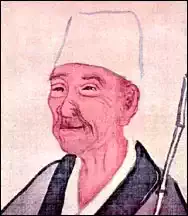
Matsuo Bashō
What fish feel
What fish feel
What fish feel,
birds feel, I don't know--
the year ending.
Translated by Robert Hass
What fish feel,
birds feel, I don't know--
the year ending.
Translated by Robert Hass
423
Matsuo Bashō
The squid seller's call
The squid seller's call
The squid seller's call
mingles with the voice
of the cuckoo.
Translated by Robert Hass
The squid seller's call
mingles with the voice
of the cuckoo.
Translated by Robert Hass
377
Matsuo Bashō
The oak tree
The oak tree
The oak tree:
not interested
in cherry blossoms.
Translated by Robert Hass
The oak tree:
not interested
in cherry blossoms.
Translated by Robert Hass
342
Matsuo Bashō
The dragonfly
The dragonfly
The dragonfly
can't quite land
on that blade of grass.
Translated by Robert Hass
The dragonfly
can't quite land
on that blade of grass.
Translated by Robert Hass
499
Matsuo Bashō
Moonlight slanting
Moonlight slanting
Moonlight slanting
through the bamboo grove;
a cuckoo crying.
Translated by Robert Hass
Moonlight slanting
through the bamboo grove;
a cuckoo crying.
Translated by Robert Hass
534
Matsuo Bashō
Heat waves shimmering
Heat waves shimmering
Heat waves shimmering
one or two inches
above the dead grass.
Translated by Robert Hass
Heat waves shimmering
one or two inches
above the dead grass.
Translated by Robert Hass
364
Matsuo Bashō
Fleas, lice
Fleas, lice
Fleas, lice,
a horse peeing
near my pillow.
Translated by Robert Hass
Fleas, lice,
a horse peeing
near my pillow.
Translated by Robert Hass
991
Matsuo Bashō
Bush warbler
Bush warbler
Bush warbler:
shits on the rice cakes
on the porch rail.
Translated by Robert Hass
Bush warbler:
shits on the rice cakes
on the porch rail.
Translated by Robert Hass
527
Matsuo Bashō
Autumn moonlight
Autumn moonlight
Autumn moonlight--
a worm digs silently
into the chestnut.
Translated by Robert Hass
Autumn moonlight--
a worm digs silently
into the chestnut.
Translated by Robert Hass
426
Matsuo Bashō
A caterpillar
A caterpillar
A caterpillar,
this deep in fall--
still not a butterfly.
Translated by Robert Hass
A caterpillar,
this deep in fall--
still not a butterfly.
Translated by Robert Hass
343
Matsuo Bashō
A bee
A bee
A bee
staggers out
of the peony.
Translated by Robert Hass
A bee
staggers out
of the peony.
Translated by Robert Hass
423
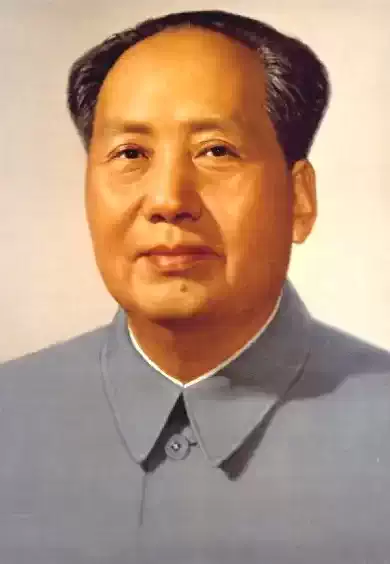
Mao Tsé-Tung
Winter clouds
Winter clouds
Winter clouds snow-laden, cotton fluff flying,
None or few the unfallen flowers.
Chill waves sweep through steep skies,
Yet earth's gentle breath grows warm.
Only heroes can quell tigers and leopards
And wild bears never daunt the brave.
Plum blossoms welcome the whirling snow;
Small wonder flies freeze and perish.
Winter clouds snow-laden, cotton fluff flying,
None or few the unfallen flowers.
Chill waves sweep through steep skies,
Yet earth's gentle breath grows warm.
Only heroes can quell tigers and leopards
And wild bears never daunt the brave.
Plum blossoms welcome the whirling snow;
Small wonder flies freeze and perish.
215
Mao Tsé-Tung
Tapoti
Tapoti
Red, orange, yellow, green,
blue, violet, indigo:
Who is dancing with these
rainbow colours in the sky?
Air after rain, slanting sun:
mountains and passes turning blue
in each changing moment.
Fierce battles that year:
bullet holes in village walls.
These mountains so decorated,
look even more beautiful today.
Red, orange, yellow, green,
blue, violet, indigo:
Who is dancing with these
rainbow colours in the sky?
Air after rain, slanting sun:
mountains and passes turning blue
in each changing moment.
Fierce battles that year:
bullet holes in village walls.
These mountains so decorated,
look even more beautiful today.
313
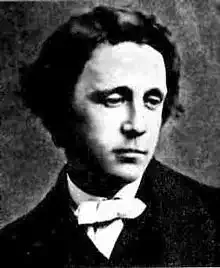
Lewis Carroll
The White Knight's Song
The White Knight's Song
'Haddock's Eyes' or 'The Aged Aged Man' or
'Ways and Means' or 'ASitting
On A Gate'
I'll tell thee everything I can;
There's little to relate.
I saw an aged, aged man,
Asitting
on a gate.
'Who are you, aged man?' I said.
'And how is it you live?'
And his answer trickled through my head
Like water through a sieve.
He said 'I look for butterflies
That sleep among the wheat;
I make them into muttonpies,
And sell them in the street.
I sell them unto men,' he said,
'Who sail on stormy seas;
And that's the way I get my breadA
trifle, if you please.'
But I was thinking of a plan
To dye one's whiskers green,
And always use so large a fan
That it could not be seen.
So, having no reply to give
To what the old man said,
I cried, 'Come, tell me how you live!'
And thumped him on the head.
His accents mild took up the tale;
He said, 'I go my ways,
And when I find a mountainrill,
I set it in a blaze.
And thence they make a stuff they call
Rowland's Macassar OilYet
twopencehalfpenny
is all
They give me for my toil.'
But I was thinking of a way
To feed oneself on batter,
And so go on from day to day
Getting a little fatter.
I shook him well from side to side,
Until his face was blue;
'Come, tell me how you live,' I cried
'And what it is you do!'
He said, 'I hunt for haddocks' eyes
Among the heather bright,
And work them into waistcoatbuttons
In the silent night.
And these I do not sell for gold
Or coin of silvery shine,
But for a copper halfpenny,
And that will purchase nine.
'I sometimes dig for buttered rolls,
Or set limed twigs for crabs;
I sometimes search the grassy knolls
For wheels of hansomcabs.
And that's the way' (he gave a wink)
'By which I get my wealthAnd
very gladly will I drink
Your Honor's noble health.'
I heard him then, for I had just
Completed my design
To keep the Menai bridge from rust
By boiling it in wine.
I thanked him much for telling me
The way he got his wealth,
But chiefly for his wish that he
Might drink my noble health.
And now, if e'er by chance I put
My fingers into glue,
Or madly squeeze a righthand
foot
Into a lefthand
shoe,
Or if I drop upon my toe
A very heavy weight,
I weep, for it reminds me so
Of that old man I used to knowWhose
look was mild, whose speech was slow,
Whose hair was whiter than the snow,
Whose face was very like a crow
With eyes, like cinders, all aglow,
Who seemed distracted with his woe,
Who rocked his body to and fro,
And muttered mumblingly and low,
As if his mouth were full of dough,
Who snorted like a buffaloThat
summer evening long ago
Asitting
on a gate.
'Haddock's Eyes' or 'The Aged Aged Man' or
'Ways and Means' or 'ASitting
On A Gate'
I'll tell thee everything I can;
There's little to relate.
I saw an aged, aged man,
Asitting
on a gate.
'Who are you, aged man?' I said.
'And how is it you live?'
And his answer trickled through my head
Like water through a sieve.
He said 'I look for butterflies
That sleep among the wheat;
I make them into muttonpies,
And sell them in the street.
I sell them unto men,' he said,
'Who sail on stormy seas;
And that's the way I get my breadA
trifle, if you please.'
But I was thinking of a plan
To dye one's whiskers green,
And always use so large a fan
That it could not be seen.
So, having no reply to give
To what the old man said,
I cried, 'Come, tell me how you live!'
And thumped him on the head.
His accents mild took up the tale;
He said, 'I go my ways,
And when I find a mountainrill,
I set it in a blaze.
And thence they make a stuff they call
Rowland's Macassar OilYet
twopencehalfpenny
is all
They give me for my toil.'
But I was thinking of a way
To feed oneself on batter,
And so go on from day to day
Getting a little fatter.
I shook him well from side to side,
Until his face was blue;
'Come, tell me how you live,' I cried
'And what it is you do!'
He said, 'I hunt for haddocks' eyes
Among the heather bright,
And work them into waistcoatbuttons
In the silent night.
And these I do not sell for gold
Or coin of silvery shine,
But for a copper halfpenny,
And that will purchase nine.
'I sometimes dig for buttered rolls,
Or set limed twigs for crabs;
I sometimes search the grassy knolls
For wheels of hansomcabs.
And that's the way' (he gave a wink)
'By which I get my wealthAnd
very gladly will I drink
Your Honor's noble health.'
I heard him then, for I had just
Completed my design
To keep the Menai bridge from rust
By boiling it in wine.
I thanked him much for telling me
The way he got his wealth,
But chiefly for his wish that he
Might drink my noble health.
And now, if e'er by chance I put
My fingers into glue,
Or madly squeeze a righthand
foot
Into a lefthand
shoe,
Or if I drop upon my toe
A very heavy weight,
I weep, for it reminds me so
Of that old man I used to knowWhose
look was mild, whose speech was slow,
Whose hair was whiter than the snow,
Whose face was very like a crow
With eyes, like cinders, all aglow,
Who seemed distracted with his woe,
Who rocked his body to and fro,
And muttered mumblingly and low,
As if his mouth were full of dough,
Who snorted like a buffaloThat
summer evening long ago
Asitting
on a gate.
202
Lewis Carroll
The Voice of the Lobster
The Voice of the Lobster
''Tis the voice of the Lobster: I heard him declare
'You have baked me too brown, I must sugar my hair.'
As a duck with its eyelids, so he with his nose
Trims his belt and his buttons, and turns out his toes.
When the sands are all dry, he is gay as a lark,
And will talk in contemptuous tones of the Shark:
But, when the tide rises and sharks are around,
His voice has a timid and tremulous sound.'
'I passed by his garden, and marked, with one eye,
How the Owl and the Panter were sharing a pie:
The Panther took piecrust,
and gravy, and meat,
While the Old had the dish as its share of the treat.
When the pie was all finished, the Owl, as a boon,
Was kindly permitted to pocket the spoon:
While the Panther received knife and fork with a growl,
And concluded the banquet by [eating the owl.]
''Tis the voice of the Lobster: I heard him declare
'You have baked me too brown, I must sugar my hair.'
As a duck with its eyelids, so he with his nose
Trims his belt and his buttons, and turns out his toes.
When the sands are all dry, he is gay as a lark,
And will talk in contemptuous tones of the Shark:
But, when the tide rises and sharks are around,
His voice has a timid and tremulous sound.'
'I passed by his garden, and marked, with one eye,
How the Owl and the Panter were sharing a pie:
The Panther took piecrust,
and gravy, and meat,
While the Old had the dish as its share of the treat.
When the pie was all finished, the Owl, as a boon,
Was kindly permitted to pocket the spoon:
While the Panther received knife and fork with a growl,
And concluded the banquet by [eating the owl.]
198
Lewis Carroll
The Hunting of the Snark
The Hunting of the Snark
Fit the First
THE LANDING
'Just the place for a Snark!' the Bellman cried,
As he landed his crew with care;
Supporting each man on the top of the tide
By a finger entwined in his hair.
'Just the place for a Snark! I have said it twice:
That alone should encourage the crew.
Just the place for a Snark! I have said it thrice:
What i tell you three times is true.'
The crew was complete: it included a BootsA
maker of Bonnets and HoodsA
Barrister, brought to arrange their disputesAnd
a Broker, to value their goods.
A Billiardmaker,
whose skill was immense,
Might perhaps have won more than his shareBut
a Banker, engaged at enormous expense,
Had the whole of their cash in his care.
There was also a Beaver, that paced on the deck,
Or would sit making lace in the bow:
And had often (the Bellman said) saved them from wreck,
Though none of the sailors knew how.
There was one who was famed for the number of things
He forgot when he entered the ship:
His umbrella, his watch, all his jewels and rings,
And the clothes he had bought for the trip.
He had fortytwo
boxes, all carefully packed,
With his name painted clearly on each:
But, since he omitted to mention the fact,
They were all left behind on the beach.
The loss of his clothes hardly mattered, because
He had seven coats on when he came,
With three pairs of bootsbut
the worst of it was,
He had wholly forgotten his name.
He would answer to 'Hi!' or to any loud cry,
Such as 'Fry me!' or 'Fritter my wig!'
To 'Whatyoumaycallum!'
or 'Whatwashisname!'
But especially 'Thingumajig!'
While, for those who preferred a more forcible word,
He had different names from these:
His intimate friends called him 'Candleends,'
And his enemies 'Toastedcheese.'
'His form in ungainlyhis
intellect small'
(So the Bellman would often remark)
'But his courage is perfect! And that, after all,
Is the thing that one needs with a Snark.'
He would joke with hyenas, returning their stare
With an impudent wag of the head:
And he once went a walk, pawinpaw,
with a bear,
'Just to keep up its spirits,' he said.
He came as a Baker: but owned, when too lateAnd
it drove the poor Bellman halfmadHe
could only bake Bridecakefor
which, I may state,
No materials were to be had.
The last of the crew needs especial remark,
Though he looked an incredible dunce:
He had just one ideabut,
that one being 'Snark,'
The good Bellman engaged him at once.
He came as a Butcher: but gravely declared,
When the ship had been sailing a week,
He could only kill Beavers. The Bellman looked scared,
And was almost too frightened to speak:
But at length he explained, in a tremulous tone,
There was only one Beaver on board;
And that was a tame one he had of his own,
Whose death would be deeply deplored.
The Beaver, who happened to hear the remark,
Protested, with tears in its eyes,
That not even the rapture of hunting the Snark
Could atone for that dismal surprise!
It strongly advised that the Butcher should be
Conveyed in a separate ship:
But the Bellman declared that would never agree
With the plans he had made for the trip:
Navigation was always a difficult art,
Though with only one ship and one bell:
And he feared he must really decline, for his part,
Undertaking another as well.
The Beaver's best course was, no doubt, to procure
A secondhand
daggerproof
coatSo
the Baker advised itand
next, to insure
Its life in some Office of note:
This the Banker suggested, and offered for hire
(On moderate terms), or for sale,
Two excellent Policies, one Against Fire,
And one Against Damage From Hail.
Yet still, ever after that sorrowful day,
Whenever the Butcher was by,
The Beaver kept looking the opposite way,
And appeared unaccountably shy.
Fit the Second
THE BELLMAN'S SPEECH
The Bellman himself they all praised to the skiesSuch
a carriage, such ease and such grace!
Such solemnity, too! One could see he was wise,
The moment one looked in his face!
He had bought a large map representing the sea,
Without the least vestige of land:
And the crew were much pleased when they found it to be
A map they could all understand.
'What's the good of Mercator's North Poles and Equators,
Tropics, Zones, and Meridian Lines?'
So the Bellman would cry: and the crew would reply
'They are merely conventional signs!
'Other maps are such shapes, with their islands and capes!
But we've got our brave Captain to thank:
(So the crew would protest) 'that he's bought us the bestA
perfect and absolute blank!'
This was charming, no doubt; but they shortly found out
That the Captain they trusted so well
Had only one notion for crossing the ocean,
And that was to tingle his bell.
He was thoughtful and gravebut
the orders he gave
Were enough to bewilder a crew.
When he cried 'Steer to starboard, but keep her head larboard!'
What on earth was the helmsman to do?
Then the bowsprit got mixed with the rudder sometimes:
A thing, as the Bellman remarked,
That frequently happens in tropical climes,
When a vessel is, so to speak, 'snarked.'
But the principal failing occurred in the sailing,
And the Bellman, perplexed and distressed,
Said he had hoped, at least, when the wind blew due East,
That the ship would not travel due West!
But the danger was pastthey
had landed at last,
With their boxes, portmanteaus, and bags:
Yet at first sight the crew were not pleased with the view,
Which consisted to chasms and crags.
The Bellman perceived that their spirits were low,
And repeated in musical tone
Some jokes he had kept for a season of woeBut
the crew would do nothing but groan.
He served out some grog with a liberal hand,
And bade them sit down on the beach:
And they could not but own that their Captain looked grand,
As he stood and delivered his speech.
'Friends, Romans, and countrymen, lend me your ears!'
(They were all of them fond of quotations:
So they drank to his health, and they gave him three cheers,
While he served out additional rations).
'We have sailed many months, we have sailed many weeks,
(Four weeks to the month you may mark),
But never as yet ('tis your Captain who speaks)
Have we caught the least glimpse of a Snark!
'We have sailed many weeks, we have sailed many days,
(Seven days to the week I allow),
But a Snark, on the which we might lovingly gaze,
We have never beheld till now!
'Come, listen, my men, while I tell you again
The five unmistakable marks
By which you may know, wheresoever you go,
The warranted genuine Snarks.
'Let us take them in order. The first is the taste,
Which is meager and hollow, but crisp:
Like a coat that is rather too tight in the waist,
With a flavor of Willothewisp.
'Its habit of getting up late you'll agree
That it carries too far, when I say
That it frequently breakfasts at fiveo'clock
tea,
And dines on the following day.
'The third is its slowness in taking a jest.
Should you happen to venture on one,
It will sigh like a thing that is deeply distressed:
And it always looks grave at a pun.
'The fourth is its fondness for bathingmachines,
Which is constantly carries about,
And believes that they add to the beauty of scenesA
sentiment open to doubt.
'The fifth is ambition. It next will be right
To describe each particular batch:
Distinguishing those that have feathers, and bite,
And those that have whiskers, and scratch.
'For, although common Snarks do no manner of harm,
Yet, I feel it my duty to say,
Some are Boojums'
The Bellman broke off in alarm,
For the Baker had fainted away.
Fit the Third
THE BAKER'S TALE
They roused him with muffinsthey
roused him with iceThey
roused him with mustard and cressThey
roused him with jam and judicious adviceThey
set him conundrums to guess.
When at length he sat up and was able to speak,
His sad story he offered to tell;
And the Bellman cried 'Silence! Not even a shriek!'
And excitedly tingled his bell.
There was silence supreme! Not a shriek, not a scream,
Scarcely even a howl or a groan,
As the man they called 'Ho!' told his story of woe
In an antediluvian tone.
'My father and mother were honest, though poor'
'Skip all that!' cried the Bellman in haste.
'If it once becomes dark, there's no chance of a SnarkWe
have hardly a minute to waste!'
'I skip forty years,' said the Baker, in tears,
'And proceed without further remark
To the day when you took me aboard of your ship
To help you in hunting the Snark.
'A dear uncle of mine (after whom I was named)
Remarked, when I bade him farewell'
'Oh, skip your dear uncle!' the Bellman exclaimed,
As he angrily tingled his bell.
'He remarked to me then,' said that mildest of men,
' 'If your Snark be a Snark, that is right:
Fetch it home by all meansyou
may serve it with greens,
And it's handy for striking a light.
' 'You may seek it with thimblesand
seek it with care;
You may hunt it with forks and hope;
You may threaten its life with a railwayshare;
You may charm it with smiles and soap'
'
('That's exactly the method,' the Bellman bold
In a hasty parenthesis cried,
'That's exactly the way I have always been told
That the capture of Snarks should be tried!')
' 'But oh, beamish nephew, beware of the day,
If your Snark be a Boojum! For then
You will softly and suddenly vanish away,
And never be met with again!'
'It is this, it is this that oppresses my soul,
When I think of my uncle's last words:
And my heart is like nothing so much as a bowl
Brimming over with quivering curds!
'It is this, it is this'
'We have had that before!'
The Bellman indignantly said.
And the Baker replied 'Let me say it once more.
It is this, it is this that I dread!
'I engage with the Snarkevery
night after darkIn
a dreamy delirious fight:
I serve it with greens in those shadowy scenes,
And I use it for striking a light:
'But if ever I meet with a Boojum, that day,
In a moment (of this I am sure),
I shall softly and suddenly vanish awayAnd
the notion I cannot endure!'
Fit the fourth
THE HUNTING
The Bellman looked uffish, and wrinkled his brow.
'If only you'd spoken before!
It's excessively awkward to mention it now,
With the Snark, so to speak, at the door!
'We should all of us grieve, as you well may believe,
If you never were met with againBut
surely, my man, when the voyage began,
You might have suggested it then?
'It's excessively awkward to mention it nowAs
I think I've already remarked.'
And the man they called 'Hi!' replied, with a sigh,
'I informed you the day we embarked.
'You may charge me with murderor
want of sense(
We are all of us weak at times):
But the slightest approach to a false pretense
Was never among my crimes!
'I said it in HebrewI
said it in DutchI
said it in German and Greek:
But I wholly forgot (and it vexes me much)
That English is what you speak!'
''Tis a pitiful tale,' said the Bellman, whose face
Had grown longer at every word:
'But, now that you've stated the whole of your case,
More debate would be simply absurd.
'The rest of my speech' (he explained to his men)
'You shall hear when I've leisure to speak it.
But the Snark is at hand, let me tell you again!
'Tis your glorious duty to seek it!
'To seek it with thimbles, to seek it with care;
To pursue it with forks and hope;
To threaten its life with a railwayshare;
To charm it with smiles and soap!
'For the Snark's a peculiar creature, that won't
Be caught in a commonplace way.
Do all that you know, and try all that you don't:
Not a chance must be wasted today!
'For England expectsI
forbear to proceed:
'Tis a maxim tremendous, but trite:
And you'd best be unpacking the things that you need
To rig yourselves out for the fight.'
Then the Banker endorsed a blank check (which he crossed),
And changed his loose silver for notes.
The Baker with care combed his whiskers and hair,
And shook the dust out of his coats.
The Boots and the Broker were sharpening a spadeEach
working the grindstone in turn:
But the Beaver went on making lace, and displayed
No interest in the concern:
Though the Barrister tried to appeal to its pride,
And vainly proceeded to cite
A number of cases, in which making laces
Had been proved an infringement of right.
The maker of Bonnets ferociously planned
A novel arrangement of bows:
While the Billiardmarker
with quivering hand
Was chalking the tip of his nose.
But the Butcher turned nervous, and dressed himself fine,
With yellow kid gloves and a ruffSaid
he felt it exactly like going to dine,
Which the Bellman declared was all 'stuff.'
'Introduce me, now there's a good fellow,' he said,
'If we happen to meet it together!'
And the Bellman, sagaciously nodding his head,
Said 'That must depend on the weather.'
The Beaver went simply galumphing about,
At seeing the Butcher so shy:
And even the Baker, though stupid and stout,
Made an effort to wink with one eye.
'Be a man!' said the Bellman in wrath, as he heard
The Butcher beginning to sob.
'Should we meet with a Jubjub, that desperate bird,
We shall need all our strength for the job!'
Fit the Fifth
THE BEAVER'S LESSON
They sought it with thimbles, they sought it with care;
They pursued it with forks and hope;
They threatened its life with a railwayshare;
They charmed it with smiles and soap.
Then the Butcher contrived an ingenious plan
For making a separate sally;
And fixed on a spot unfrequented by man,
A dismal and desolate valley.
But the very same plan to the Beaver occurred:
It had chosen the very same place:
Yet neither betrayed, by a sign or a word,
The disgust that appeared in his face.
Each thought he was thinking of nothing but 'Snark'
And the glorious work of the day;
And each tried to pretend that he did not remark
That the other was going that way.
But the valley grew narrow and narrower still,
And the evening got darker and colder,
Till (merely from nervousness, not from goodwill)
They marched along shoulder to shoulder.
Then a scream, shrill and high, rent the shuddering sky,
And they knew that some danger was near:
The Beaver turned pale to the tip of its tail,
And even the Butcher felt queer.
He thought of his childhood, left far far behindThat
blissful and innocent stateThe
sound so exactly recalled to his mind
A pencil that squeaks on a slate!
''Tis the voice of the Jubjub!' he suddenly cried.
(This man, that they used to call 'Dunce.')
'As the Bellman would tell you,' he added with pride,
'I have uttered that sentiment once.
''Tis the note of the Jubjub! Keep count, I entreat;
You will find I have told it you twice.
'Tis the song of the Jubjub! The proof is complete,
If only I've stated it thrice.'
The Beaver had counted with scrupulous care,
Attending to every word:
But it fairly lost heart, and outgrabe in despair,
When the third repetition occurred.
It felt that, in spite of all possible pains,
It had somehow contrived to lose count,
And the only thing now was to rack its poor brains
By reckoning up the amount.
'Two added to oneif
that could but be done,'
It said, 'with one's fingers and thumbs!'
Recollecting with tears how, in earlier years,
It had taken no pains with its sums.
'The thing can be done,' said the Butcher, 'I think.
The thing must be done, I am sure.
The thing shall be done! Bring me paper and ink,
The best there is time to procure.'
The Beaver brought paper,portfolio, pens,
And ink in unfailing supplies:
While strange creepy creatures came out of their dens,
And watched them with wondering eyes.
So engrossed was the Butcher, he heeded them not,
As he wrote with a pen in each hand,
And explained all the while in a popular style
Which the Beaver could well understand.
'Taking Three as the subject to reason aboutA
convenient number to stateWe
add Seven, and Ten, and then multiply out
By One Thousand diminished by Eight.
'The result we proceed to divide, as you see,
By Nine Hundred and Ninety Two:
Then subtract Seventeen, and the answer must be
Exactly and perfectly true.
'The method employed I would gladly explain,
While I have it so clear in my head,
If I had but the time and you had but the brainBut
much yet remains to be said.
'In one moment I've seen what has hitherto been
Enveloped in absolute mystery,
And without extra charge I will give you at large
A Lesson in Natural History.'
In his genial way he proceeded to say
(Forgetting all laws of propriety,
And that giving instruction, without introduction,
Would have caused quite a thrill in Society),
'As to temper the Jubjub's a desperate bird,
Since it lives in perpetual passion:
Its taste in costume is entirely absurdIt
is ages ahead of the fashion:
'But it knows any friend it has met once before:
It never will look at a bride:
And in charitymeetings
it stands at the door,
And collectsthough
it does not subscribe.
' Its flavor when cooked is more exquisite far
Than mutton, or oysters, or eggs:
(Some think it keeps best in an ivory jar,
And some, in mahogany kegs:)
'You boil it in sawdust: you salt it in glue:
You condense it with locusts and tape:
Still keeping one principal object in viewTo
preserve its symmetrical shape.'
The Butcher would gladly have talked till next day,
But he felt that the lesson must end,
And he wept with delight in attempting to say
He considered the Beaver his friend.
While the Beaver confessed, with affectionate looks
More eloquent even than tears,
It had learned in ten minutes far more than all books
Would have taught it in seventy years.
They returned handinhand,
and the Bellman, unmanned
(For a moment) with noble emotion,
Said 'This amply repays all the wearisome days
We have spent on the billowy ocean!'
Such friends, as the Beaver and Butcher became,
Have seldom if ever been known;
In winter or summer, 'twas always the sameYou
could never meet either alone.
And when quarrels aroseas
one frequently finds
Quarrels will, spite of every endeavorThe
song of the Jubjub recurred to their minds,
And cemented their friendship for ever!
Fit the Sixth
THE BARRISTER'S DREAM
They sought it with thimbles, they sought it with care;
They pursued it with forks and hope;
They threatened its life with a railwayshare;
They charmed it with smiles and soap.
But the Barrister, weary of proving in vain
That the Beaver's lacemaking
was wrong,
Fell asleep, and in dreams saw the creature quite plain
That his fancy had dwelt on so long.
He dreamed that he stood in a shadowy Court,
Where the Snark, with a glass in its eye,
Dressed in gown, bands, and wig, was defending a pig
On the charge of deserting its sty.
The Witnesses proved, without error or flaw,
That the sty was deserted when found:
And the Judge kept explaining the state of the law
In a soft undercurrent
of sound.
The indictment had never been clearly expressed,
And it seemed that the Snark had begun,
And had spoken three hours, before any one guessed
What the pig was supposed to have done.
The Jury had each formed a different view
(Long before the indictment was read),
And they all spoke at once, so that none of them knew
One word that the others had said.
'You must know '
said the Judge: but the Snark exclaimed 'Fudge!'
That statute is obsolete quite!
Let me tell you, my friends, the whole question depends
On an ancient manorial right.
'In the matter of Treason the pig would appear
To have aided, but scarcely abetted:
While the charge of Insolvency fails, it is clear,
If you grant the plea 'never indebted.'
'The fact of Desertion I will not dispute;
But its guilt, as I trust, is removed
(So far as related to the costs of this suit)
By the Alibi which has been proved.
'My poor client's fate now depends on you votes.'
Here the speaker sat down in his place,
And directed the Judge to refer to his notes
And briefly to sum up the case.
But the Judge said he never had summed up before;
So the Snark undertook it instead,
And summed it so well that it came to far more
Than the Witnesses ever had said!
When the verdict was called for, the Jury declined,
As the word was so puzzling to spell;
But they ventured to hope that the Snark wouldn't mind
Undertaking that duty as well.
So the Snark found the verdict, although, as it owned,
It was spent with the toils of the day:
When it said the word 'GUILTY!' the Jury all groaned,
And some of them fainted away.
Then the Snark pronounced sentence, the Judge being quite
Too nervous to utter a word:
When it rose to its feet, there was silence like night,
And the fall of a pin might be heard.
'Transportation for lift' was the sentence it gave,
'And *then* to be fined forty pound.'
The Jury all cheered, though the Judge said he feared
That the phrase was not legally sound.
But their wild exultation was suddenly checked
When the jailer informed them, with tears,
Such a sentence would have not the slightest effect,
As the pig had been dead for some years.
The Judge left the Court, looking deeply disgusted:
But the Snark, though a little aghast,
As the lawyer to whom the defense was entrusted,
Went bellowing on to the last.
Thus the Barrister dreamed, while the bellowing seemed
To grow every moment more clear:
Till he woke to the knell of a furious bell,
Which the Bellman rang close at his ear.
Fit the Seventh
THE BANKER'S FATE
They sought it with thimbles, they sought it with care;
They pursued it with forks and hope;
They threatened its life with a railwayshare;
They charmed it with smiles and soap.
And the Banker, inspired with a courage so new
It was matter for general remark,
Rushed madly ahead and was lost to their view
In his zeal to discover the Snark
But while he was seeking with thimbles and care,
A Bandersnatch swiftly drew nigh
And grabbed at the Banker, who shrieked in despair,
For he knew it was useless to fly.
He offered large discounthe
offered a check
(Drawn 'to bearer') for sevenpoundsten:
But the Bandersnatch merely extended its neck
And grabbed at the Banker again.
Without rest or pausewhile
those frumious jaws
Went savagely snapping aroundHe
skipped and he hopped, and he floundered and flopped,
Till fainting he fell to the ground.
The Bandersnatch fled as the others appeared
Led on by that fearstricken
yell:
And the Bellman remarked 'It is just as I feared!'
And solemnly tolled on his bell.
He was black in the face, and they scarcely could trace
The least likeness to what he had been:
While so great was his fright that his waistcoat turned whiteA
wonderful thing to be seen!
To the horror of all who were present that day.
He uprose in full evening dress,
And with senseless grimaces endeavored to say
What his tongue could no longer express.
Down he sank in a chairran
his hands through his hairAnd
chanted in mimsiest tones
Words whose utter inanity proved his insanity,
While he rattled a couple of bones.
'Leave him here to his fateit
is getting so late!'
The Bellman exclaimed in a fright.
'We have lost half the day. Any further delay,
And we sha'nt catch a Snark before night!'
Fit the Eighth
THE VANISHING
They sought it with thimbles, they sought it with care;
They pursued it with forks and hope;
They threatened its life with a railwayshare;
They charmed it with smiles and soap.
They shuddered to think that the chase might fail,
And the Beaver, excited at last,
Went bounding along on the tip of its tail,
For the daylight was nearly past.
'There is Thingumbob shouting!' the Bellman said,
'He is shouting like mad, only hark!
He is waving his hands, he is wagging his head,
He has certainly found a Snark!'
They gazed in delight, while the Butcher exclaimed
'He was always a desperate wag!'
They beheld himtheir
Bakertheir
hero unnamedOn
the top of a neighboring crag.
Erect and sublime, for one moment of time.
In the next, that wild figure they saw
(As if stung by a spasm) plunge into a chasm,
While they waited and listened in awe.
'It's a Snark!' was the sound that first came to their ears,
And seemed almost too good to be true.
Then followed a torrent of laughter and cheers:
Then the ominous words 'It's a Boo'
Then, silence. Some fancied they heard in the air
A weary and wandering sigh
Then sounded like 'jum!'
but the others declare
It was only a breeze that went by.
They hunted till darkness came on, but they found
Not a button, or feather, or mark,
By which they could tell that they stood on the ground
Where the Baker had met with the Snark.
In the midst of the word he was trying to say,
In the midst of his laughter and glee,
He had softly and suddenly vanished awayFor
the Snark *was* a Boojum, you see.
Fit the First
THE LANDING
'Just the place for a Snark!' the Bellman cried,
As he landed his crew with care;
Supporting each man on the top of the tide
By a finger entwined in his hair.
'Just the place for a Snark! I have said it twice:
That alone should encourage the crew.
Just the place for a Snark! I have said it thrice:
What i tell you three times is true.'
The crew was complete: it included a BootsA
maker of Bonnets and HoodsA
Barrister, brought to arrange their disputesAnd
a Broker, to value their goods.
A Billiardmaker,
whose skill was immense,
Might perhaps have won more than his shareBut
a Banker, engaged at enormous expense,
Had the whole of their cash in his care.
There was also a Beaver, that paced on the deck,
Or would sit making lace in the bow:
And had often (the Bellman said) saved them from wreck,
Though none of the sailors knew how.
There was one who was famed for the number of things
He forgot when he entered the ship:
His umbrella, his watch, all his jewels and rings,
And the clothes he had bought for the trip.
He had fortytwo
boxes, all carefully packed,
With his name painted clearly on each:
But, since he omitted to mention the fact,
They were all left behind on the beach.
The loss of his clothes hardly mattered, because
He had seven coats on when he came,
With three pairs of bootsbut
the worst of it was,
He had wholly forgotten his name.
He would answer to 'Hi!' or to any loud cry,
Such as 'Fry me!' or 'Fritter my wig!'
To 'Whatyoumaycallum!'
or 'Whatwashisname!'
But especially 'Thingumajig!'
While, for those who preferred a more forcible word,
He had different names from these:
His intimate friends called him 'Candleends,'
And his enemies 'Toastedcheese.'
'His form in ungainlyhis
intellect small'
(So the Bellman would often remark)
'But his courage is perfect! And that, after all,
Is the thing that one needs with a Snark.'
He would joke with hyenas, returning their stare
With an impudent wag of the head:
And he once went a walk, pawinpaw,
with a bear,
'Just to keep up its spirits,' he said.
He came as a Baker: but owned, when too lateAnd
it drove the poor Bellman halfmadHe
could only bake Bridecakefor
which, I may state,
No materials were to be had.
The last of the crew needs especial remark,
Though he looked an incredible dunce:
He had just one ideabut,
that one being 'Snark,'
The good Bellman engaged him at once.
He came as a Butcher: but gravely declared,
When the ship had been sailing a week,
He could only kill Beavers. The Bellman looked scared,
And was almost too frightened to speak:
But at length he explained, in a tremulous tone,
There was only one Beaver on board;
And that was a tame one he had of his own,
Whose death would be deeply deplored.
The Beaver, who happened to hear the remark,
Protested, with tears in its eyes,
That not even the rapture of hunting the Snark
Could atone for that dismal surprise!
It strongly advised that the Butcher should be
Conveyed in a separate ship:
But the Bellman declared that would never agree
With the plans he had made for the trip:
Navigation was always a difficult art,
Though with only one ship and one bell:
And he feared he must really decline, for his part,
Undertaking another as well.
The Beaver's best course was, no doubt, to procure
A secondhand
daggerproof
coatSo
the Baker advised itand
next, to insure
Its life in some Office of note:
This the Banker suggested, and offered for hire
(On moderate terms), or for sale,
Two excellent Policies, one Against Fire,
And one Against Damage From Hail.
Yet still, ever after that sorrowful day,
Whenever the Butcher was by,
The Beaver kept looking the opposite way,
And appeared unaccountably shy.
Fit the Second
THE BELLMAN'S SPEECH
The Bellman himself they all praised to the skiesSuch
a carriage, such ease and such grace!
Such solemnity, too! One could see he was wise,
The moment one looked in his face!
He had bought a large map representing the sea,
Without the least vestige of land:
And the crew were much pleased when they found it to be
A map they could all understand.
'What's the good of Mercator's North Poles and Equators,
Tropics, Zones, and Meridian Lines?'
So the Bellman would cry: and the crew would reply
'They are merely conventional signs!
'Other maps are such shapes, with their islands and capes!
But we've got our brave Captain to thank:
(So the crew would protest) 'that he's bought us the bestA
perfect and absolute blank!'
This was charming, no doubt; but they shortly found out
That the Captain they trusted so well
Had only one notion for crossing the ocean,
And that was to tingle his bell.
He was thoughtful and gravebut
the orders he gave
Were enough to bewilder a crew.
When he cried 'Steer to starboard, but keep her head larboard!'
What on earth was the helmsman to do?
Then the bowsprit got mixed with the rudder sometimes:
A thing, as the Bellman remarked,
That frequently happens in tropical climes,
When a vessel is, so to speak, 'snarked.'
But the principal failing occurred in the sailing,
And the Bellman, perplexed and distressed,
Said he had hoped, at least, when the wind blew due East,
That the ship would not travel due West!
But the danger was pastthey
had landed at last,
With their boxes, portmanteaus, and bags:
Yet at first sight the crew were not pleased with the view,
Which consisted to chasms and crags.
The Bellman perceived that their spirits were low,
And repeated in musical tone
Some jokes he had kept for a season of woeBut
the crew would do nothing but groan.
He served out some grog with a liberal hand,
And bade them sit down on the beach:
And they could not but own that their Captain looked grand,
As he stood and delivered his speech.
'Friends, Romans, and countrymen, lend me your ears!'
(They were all of them fond of quotations:
So they drank to his health, and they gave him three cheers,
While he served out additional rations).
'We have sailed many months, we have sailed many weeks,
(Four weeks to the month you may mark),
But never as yet ('tis your Captain who speaks)
Have we caught the least glimpse of a Snark!
'We have sailed many weeks, we have sailed many days,
(Seven days to the week I allow),
But a Snark, on the which we might lovingly gaze,
We have never beheld till now!
'Come, listen, my men, while I tell you again
The five unmistakable marks
By which you may know, wheresoever you go,
The warranted genuine Snarks.
'Let us take them in order. The first is the taste,
Which is meager and hollow, but crisp:
Like a coat that is rather too tight in the waist,
With a flavor of Willothewisp.
'Its habit of getting up late you'll agree
That it carries too far, when I say
That it frequently breakfasts at fiveo'clock
tea,
And dines on the following day.
'The third is its slowness in taking a jest.
Should you happen to venture on one,
It will sigh like a thing that is deeply distressed:
And it always looks grave at a pun.
'The fourth is its fondness for bathingmachines,
Which is constantly carries about,
And believes that they add to the beauty of scenesA
sentiment open to doubt.
'The fifth is ambition. It next will be right
To describe each particular batch:
Distinguishing those that have feathers, and bite,
And those that have whiskers, and scratch.
'For, although common Snarks do no manner of harm,
Yet, I feel it my duty to say,
Some are Boojums'
The Bellman broke off in alarm,
For the Baker had fainted away.
Fit the Third
THE BAKER'S TALE
They roused him with muffinsthey
roused him with iceThey
roused him with mustard and cressThey
roused him with jam and judicious adviceThey
set him conundrums to guess.
When at length he sat up and was able to speak,
His sad story he offered to tell;
And the Bellman cried 'Silence! Not even a shriek!'
And excitedly tingled his bell.
There was silence supreme! Not a shriek, not a scream,
Scarcely even a howl or a groan,
As the man they called 'Ho!' told his story of woe
In an antediluvian tone.
'My father and mother were honest, though poor'
'Skip all that!' cried the Bellman in haste.
'If it once becomes dark, there's no chance of a SnarkWe
have hardly a minute to waste!'
'I skip forty years,' said the Baker, in tears,
'And proceed without further remark
To the day when you took me aboard of your ship
To help you in hunting the Snark.
'A dear uncle of mine (after whom I was named)
Remarked, when I bade him farewell'
'Oh, skip your dear uncle!' the Bellman exclaimed,
As he angrily tingled his bell.
'He remarked to me then,' said that mildest of men,
' 'If your Snark be a Snark, that is right:
Fetch it home by all meansyou
may serve it with greens,
And it's handy for striking a light.
' 'You may seek it with thimblesand
seek it with care;
You may hunt it with forks and hope;
You may threaten its life with a railwayshare;
You may charm it with smiles and soap'
'
('That's exactly the method,' the Bellman bold
In a hasty parenthesis cried,
'That's exactly the way I have always been told
That the capture of Snarks should be tried!')
' 'But oh, beamish nephew, beware of the day,
If your Snark be a Boojum! For then
You will softly and suddenly vanish away,
And never be met with again!'
'It is this, it is this that oppresses my soul,
When I think of my uncle's last words:
And my heart is like nothing so much as a bowl
Brimming over with quivering curds!
'It is this, it is this'
'We have had that before!'
The Bellman indignantly said.
And the Baker replied 'Let me say it once more.
It is this, it is this that I dread!
'I engage with the Snarkevery
night after darkIn
a dreamy delirious fight:
I serve it with greens in those shadowy scenes,
And I use it for striking a light:
'But if ever I meet with a Boojum, that day,
In a moment (of this I am sure),
I shall softly and suddenly vanish awayAnd
the notion I cannot endure!'
Fit the fourth
THE HUNTING
The Bellman looked uffish, and wrinkled his brow.
'If only you'd spoken before!
It's excessively awkward to mention it now,
With the Snark, so to speak, at the door!
'We should all of us grieve, as you well may believe,
If you never were met with againBut
surely, my man, when the voyage began,
You might have suggested it then?
'It's excessively awkward to mention it nowAs
I think I've already remarked.'
And the man they called 'Hi!' replied, with a sigh,
'I informed you the day we embarked.
'You may charge me with murderor
want of sense(
We are all of us weak at times):
But the slightest approach to a false pretense
Was never among my crimes!
'I said it in HebrewI
said it in DutchI
said it in German and Greek:
But I wholly forgot (and it vexes me much)
That English is what you speak!'
''Tis a pitiful tale,' said the Bellman, whose face
Had grown longer at every word:
'But, now that you've stated the whole of your case,
More debate would be simply absurd.
'The rest of my speech' (he explained to his men)
'You shall hear when I've leisure to speak it.
But the Snark is at hand, let me tell you again!
'Tis your glorious duty to seek it!
'To seek it with thimbles, to seek it with care;
To pursue it with forks and hope;
To threaten its life with a railwayshare;
To charm it with smiles and soap!
'For the Snark's a peculiar creature, that won't
Be caught in a commonplace way.
Do all that you know, and try all that you don't:
Not a chance must be wasted today!
'For England expectsI
forbear to proceed:
'Tis a maxim tremendous, but trite:
And you'd best be unpacking the things that you need
To rig yourselves out for the fight.'
Then the Banker endorsed a blank check (which he crossed),
And changed his loose silver for notes.
The Baker with care combed his whiskers and hair,
And shook the dust out of his coats.
The Boots and the Broker were sharpening a spadeEach
working the grindstone in turn:
But the Beaver went on making lace, and displayed
No interest in the concern:
Though the Barrister tried to appeal to its pride,
And vainly proceeded to cite
A number of cases, in which making laces
Had been proved an infringement of right.
The maker of Bonnets ferociously planned
A novel arrangement of bows:
While the Billiardmarker
with quivering hand
Was chalking the tip of his nose.
But the Butcher turned nervous, and dressed himself fine,
With yellow kid gloves and a ruffSaid
he felt it exactly like going to dine,
Which the Bellman declared was all 'stuff.'
'Introduce me, now there's a good fellow,' he said,
'If we happen to meet it together!'
And the Bellman, sagaciously nodding his head,
Said 'That must depend on the weather.'
The Beaver went simply galumphing about,
At seeing the Butcher so shy:
And even the Baker, though stupid and stout,
Made an effort to wink with one eye.
'Be a man!' said the Bellman in wrath, as he heard
The Butcher beginning to sob.
'Should we meet with a Jubjub, that desperate bird,
We shall need all our strength for the job!'
Fit the Fifth
THE BEAVER'S LESSON
They sought it with thimbles, they sought it with care;
They pursued it with forks and hope;
They threatened its life with a railwayshare;
They charmed it with smiles and soap.
Then the Butcher contrived an ingenious plan
For making a separate sally;
And fixed on a spot unfrequented by man,
A dismal and desolate valley.
But the very same plan to the Beaver occurred:
It had chosen the very same place:
Yet neither betrayed, by a sign or a word,
The disgust that appeared in his face.
Each thought he was thinking of nothing but 'Snark'
And the glorious work of the day;
And each tried to pretend that he did not remark
That the other was going that way.
But the valley grew narrow and narrower still,
And the evening got darker and colder,
Till (merely from nervousness, not from goodwill)
They marched along shoulder to shoulder.
Then a scream, shrill and high, rent the shuddering sky,
And they knew that some danger was near:
The Beaver turned pale to the tip of its tail,
And even the Butcher felt queer.
He thought of his childhood, left far far behindThat
blissful and innocent stateThe
sound so exactly recalled to his mind
A pencil that squeaks on a slate!
''Tis the voice of the Jubjub!' he suddenly cried.
(This man, that they used to call 'Dunce.')
'As the Bellman would tell you,' he added with pride,
'I have uttered that sentiment once.
''Tis the note of the Jubjub! Keep count, I entreat;
You will find I have told it you twice.
'Tis the song of the Jubjub! The proof is complete,
If only I've stated it thrice.'
The Beaver had counted with scrupulous care,
Attending to every word:
But it fairly lost heart, and outgrabe in despair,
When the third repetition occurred.
It felt that, in spite of all possible pains,
It had somehow contrived to lose count,
And the only thing now was to rack its poor brains
By reckoning up the amount.
'Two added to oneif
that could but be done,'
It said, 'with one's fingers and thumbs!'
Recollecting with tears how, in earlier years,
It had taken no pains with its sums.
'The thing can be done,' said the Butcher, 'I think.
The thing must be done, I am sure.
The thing shall be done! Bring me paper and ink,
The best there is time to procure.'
The Beaver brought paper,portfolio, pens,
And ink in unfailing supplies:
While strange creepy creatures came out of their dens,
And watched them with wondering eyes.
So engrossed was the Butcher, he heeded them not,
As he wrote with a pen in each hand,
And explained all the while in a popular style
Which the Beaver could well understand.
'Taking Three as the subject to reason aboutA
convenient number to stateWe
add Seven, and Ten, and then multiply out
By One Thousand diminished by Eight.
'The result we proceed to divide, as you see,
By Nine Hundred and Ninety Two:
Then subtract Seventeen, and the answer must be
Exactly and perfectly true.
'The method employed I would gladly explain,
While I have it so clear in my head,
If I had but the time and you had but the brainBut
much yet remains to be said.
'In one moment I've seen what has hitherto been
Enveloped in absolute mystery,
And without extra charge I will give you at large
A Lesson in Natural History.'
In his genial way he proceeded to say
(Forgetting all laws of propriety,
And that giving instruction, without introduction,
Would have caused quite a thrill in Society),
'As to temper the Jubjub's a desperate bird,
Since it lives in perpetual passion:
Its taste in costume is entirely absurdIt
is ages ahead of the fashion:
'But it knows any friend it has met once before:
It never will look at a bride:
And in charitymeetings
it stands at the door,
And collectsthough
it does not subscribe.
' Its flavor when cooked is more exquisite far
Than mutton, or oysters, or eggs:
(Some think it keeps best in an ivory jar,
And some, in mahogany kegs:)
'You boil it in sawdust: you salt it in glue:
You condense it with locusts and tape:
Still keeping one principal object in viewTo
preserve its symmetrical shape.'
The Butcher would gladly have talked till next day,
But he felt that the lesson must end,
And he wept with delight in attempting to say
He considered the Beaver his friend.
While the Beaver confessed, with affectionate looks
More eloquent even than tears,
It had learned in ten minutes far more than all books
Would have taught it in seventy years.
They returned handinhand,
and the Bellman, unmanned
(For a moment) with noble emotion,
Said 'This amply repays all the wearisome days
We have spent on the billowy ocean!'
Such friends, as the Beaver and Butcher became,
Have seldom if ever been known;
In winter or summer, 'twas always the sameYou
could never meet either alone.
And when quarrels aroseas
one frequently finds
Quarrels will, spite of every endeavorThe
song of the Jubjub recurred to their minds,
And cemented their friendship for ever!
Fit the Sixth
THE BARRISTER'S DREAM
They sought it with thimbles, they sought it with care;
They pursued it with forks and hope;
They threatened its life with a railwayshare;
They charmed it with smiles and soap.
But the Barrister, weary of proving in vain
That the Beaver's lacemaking
was wrong,
Fell asleep, and in dreams saw the creature quite plain
That his fancy had dwelt on so long.
He dreamed that he stood in a shadowy Court,
Where the Snark, with a glass in its eye,
Dressed in gown, bands, and wig, was defending a pig
On the charge of deserting its sty.
The Witnesses proved, without error or flaw,
That the sty was deserted when found:
And the Judge kept explaining the state of the law
In a soft undercurrent
of sound.
The indictment had never been clearly expressed,
And it seemed that the Snark had begun,
And had spoken three hours, before any one guessed
What the pig was supposed to have done.
The Jury had each formed a different view
(Long before the indictment was read),
And they all spoke at once, so that none of them knew
One word that the others had said.
'You must know '
said the Judge: but the Snark exclaimed 'Fudge!'
That statute is obsolete quite!
Let me tell you, my friends, the whole question depends
On an ancient manorial right.
'In the matter of Treason the pig would appear
To have aided, but scarcely abetted:
While the charge of Insolvency fails, it is clear,
If you grant the plea 'never indebted.'
'The fact of Desertion I will not dispute;
But its guilt, as I trust, is removed
(So far as related to the costs of this suit)
By the Alibi which has been proved.
'My poor client's fate now depends on you votes.'
Here the speaker sat down in his place,
And directed the Judge to refer to his notes
And briefly to sum up the case.
But the Judge said he never had summed up before;
So the Snark undertook it instead,
And summed it so well that it came to far more
Than the Witnesses ever had said!
When the verdict was called for, the Jury declined,
As the word was so puzzling to spell;
But they ventured to hope that the Snark wouldn't mind
Undertaking that duty as well.
So the Snark found the verdict, although, as it owned,
It was spent with the toils of the day:
When it said the word 'GUILTY!' the Jury all groaned,
And some of them fainted away.
Then the Snark pronounced sentence, the Judge being quite
Too nervous to utter a word:
When it rose to its feet, there was silence like night,
And the fall of a pin might be heard.
'Transportation for lift' was the sentence it gave,
'And *then* to be fined forty pound.'
The Jury all cheered, though the Judge said he feared
That the phrase was not legally sound.
But their wild exultation was suddenly checked
When the jailer informed them, with tears,
Such a sentence would have not the slightest effect,
As the pig had been dead for some years.
The Judge left the Court, looking deeply disgusted:
But the Snark, though a little aghast,
As the lawyer to whom the defense was entrusted,
Went bellowing on to the last.
Thus the Barrister dreamed, while the bellowing seemed
To grow every moment more clear:
Till he woke to the knell of a furious bell,
Which the Bellman rang close at his ear.
Fit the Seventh
THE BANKER'S FATE
They sought it with thimbles, they sought it with care;
They pursued it with forks and hope;
They threatened its life with a railwayshare;
They charmed it with smiles and soap.
And the Banker, inspired with a courage so new
It was matter for general remark,
Rushed madly ahead and was lost to their view
In his zeal to discover the Snark
But while he was seeking with thimbles and care,
A Bandersnatch swiftly drew nigh
And grabbed at the Banker, who shrieked in despair,
For he knew it was useless to fly.
He offered large discounthe
offered a check
(Drawn 'to bearer') for sevenpoundsten:
But the Bandersnatch merely extended its neck
And grabbed at the Banker again.
Without rest or pausewhile
those frumious jaws
Went savagely snapping aroundHe
skipped and he hopped, and he floundered and flopped,
Till fainting he fell to the ground.
The Bandersnatch fled as the others appeared
Led on by that fearstricken
yell:
And the Bellman remarked 'It is just as I feared!'
And solemnly tolled on his bell.
He was black in the face, and they scarcely could trace
The least likeness to what he had been:
While so great was his fright that his waistcoat turned whiteA
wonderful thing to be seen!
To the horror of all who were present that day.
He uprose in full evening dress,
And with senseless grimaces endeavored to say
What his tongue could no longer express.
Down he sank in a chairran
his hands through his hairAnd
chanted in mimsiest tones
Words whose utter inanity proved his insanity,
While he rattled a couple of bones.
'Leave him here to his fateit
is getting so late!'
The Bellman exclaimed in a fright.
'We have lost half the day. Any further delay,
And we sha'nt catch a Snark before night!'
Fit the Eighth
THE VANISHING
They sought it with thimbles, they sought it with care;
They pursued it with forks and hope;
They threatened its life with a railwayshare;
They charmed it with smiles and soap.
They shuddered to think that the chase might fail,
And the Beaver, excited at last,
Went bounding along on the tip of its tail,
For the daylight was nearly past.
'There is Thingumbob shouting!' the Bellman said,
'He is shouting like mad, only hark!
He is waving his hands, he is wagging his head,
He has certainly found a Snark!'
They gazed in delight, while the Butcher exclaimed
'He was always a desperate wag!'
They beheld himtheir
Bakertheir
hero unnamedOn
the top of a neighboring crag.
Erect and sublime, for one moment of time.
In the next, that wild figure they saw
(As if stung by a spasm) plunge into a chasm,
While they waited and listened in awe.
'It's a Snark!' was the sound that first came to their ears,
And seemed almost too good to be true.
Then followed a torrent of laughter and cheers:
Then the ominous words 'It's a Boo'
Then, silence. Some fancied they heard in the air
A weary and wandering sigh
Then sounded like 'jum!'
but the others declare
It was only a breeze that went by.
They hunted till darkness came on, but they found
Not a button, or feather, or mark,
By which they could tell that they stood on the ground
Where the Baker had met with the Snark.
In the midst of the word he was trying to say,
In the midst of his laughter and glee,
He had softly and suddenly vanished awayFor
the Snark *was* a Boojum, you see.
308
Lewis Carroll
Lays of Sorrow
Lays of Sorrow
The day was wet, the rain fell souse
Like jars of strawberry jam, [1] a
sound was heard in the old henhouse,
A beating of a hammer.
Of stalwart form, and visage warm,
Two youths were seen within it,
Splitting up an old tree into perches for their poultry
At a hundred strokes [2] a minute.
The work is done, the hen has taken
Possession of her nest and eggs,
Without a thought of eggs and bacon, [3]
(Or I am very much mistaken happy)
She turns over each shell,
To be sure that all's well,
Looks into the straw
To see there's no flaw,
Goes once round the house, [4]
Half afraid of a mouse,
Then sinks calmly to rest
On the top of her nest,
First doubling up each of her legs.
Time rolled away, and so did every shell,
"Small by degrees and beautifully less,"
As the large mother with a powerful spell [5]
Forced each in turn its contents to express, [6]
But ah! "imperfect is expression,"
Some poet said, I don't care who,
If you want to know you must go elsewhere,
One fact I can tell, if you're willing to hear,
He never attended a Parliament Session,
For I'm certain that if he had ever been there,
Full quickly would he have changed his ideas,
With the hissings, the hootings, the groans and the cheers.
And as to his name it is pretty clear
That it wasn't me and it wasn't you!
And so it fell upon a day,
(That is, it never rose again)
A chick was found upon the hay,
Its little life had ebbed away.
No longer frolicsome and gay,
No longer could it run or play.
"And must we, chicken, must we part?"
Its master [7] cried with bursting heart,
And voice of agony and pain.
So one, whose ticket's marked "Return", [8]
When to the lonely roadside station
He flies in fear and perturbation,
Thinks of his homethe
hissing urnThen
runs with flying hat and hair,
And, entering, finds to his despair
He's missed the very last train. [9]
Too long it were to tell of each conjecture
Of chicken suicide, and poultry victim,
The deadly frown, the stern and dreary lecture,
The timid guess, "perhaps some needle pricked him!"
The din of voice, the words both loud and many,
The sob, the tear, the sigh that none could smother,
Till all agreed "a shilling to a penny
It killed itself, and we acquit the mother!"
Scarce was the verdict spoken,
When that still calm was broken,
A childish form hath burst into the throng;
With tears and looks of sadness,
That bring no news of gladness,
But tell too surely something hath gone wrong!
"The sight I have come upon
The stoutest heart [10] would sicken,
That nasty hen has been and gone
And killed another chicken!"
The day was wet, the rain fell souse
Like jars of strawberry jam, [1] a
sound was heard in the old henhouse,
A beating of a hammer.
Of stalwart form, and visage warm,
Two youths were seen within it,
Splitting up an old tree into perches for their poultry
At a hundred strokes [2] a minute.
The work is done, the hen has taken
Possession of her nest and eggs,
Without a thought of eggs and bacon, [3]
(Or I am very much mistaken happy)
She turns over each shell,
To be sure that all's well,
Looks into the straw
To see there's no flaw,
Goes once round the house, [4]
Half afraid of a mouse,
Then sinks calmly to rest
On the top of her nest,
First doubling up each of her legs.
Time rolled away, and so did every shell,
"Small by degrees and beautifully less,"
As the large mother with a powerful spell [5]
Forced each in turn its contents to express, [6]
But ah! "imperfect is expression,"
Some poet said, I don't care who,
If you want to know you must go elsewhere,
One fact I can tell, if you're willing to hear,
He never attended a Parliament Session,
For I'm certain that if he had ever been there,
Full quickly would he have changed his ideas,
With the hissings, the hootings, the groans and the cheers.
And as to his name it is pretty clear
That it wasn't me and it wasn't you!
And so it fell upon a day,
(That is, it never rose again)
A chick was found upon the hay,
Its little life had ebbed away.
No longer frolicsome and gay,
No longer could it run or play.
"And must we, chicken, must we part?"
Its master [7] cried with bursting heart,
And voice of agony and pain.
So one, whose ticket's marked "Return", [8]
When to the lonely roadside station
He flies in fear and perturbation,
Thinks of his homethe
hissing urnThen
runs with flying hat and hair,
And, entering, finds to his despair
He's missed the very last train. [9]
Too long it were to tell of each conjecture
Of chicken suicide, and poultry victim,
The deadly frown, the stern and dreary lecture,
The timid guess, "perhaps some needle pricked him!"
The din of voice, the words both loud and many,
The sob, the tear, the sigh that none could smother,
Till all agreed "a shilling to a penny
It killed itself, and we acquit the mother!"
Scarce was the verdict spoken,
When that still calm was broken,
A childish form hath burst into the throng;
With tears and looks of sadness,
That bring no news of gladness,
But tell too surely something hath gone wrong!
"The sight I have come upon
The stoutest heart [10] would sicken,
That nasty hen has been and gone
And killed another chicken!"
187
Lewis Carroll
Fit the First: ( Hunting of the Snark )
Fit the First: ( Hunting of the Snark )
The Landing
"Just the place for a Snark!" the Bellman cried,
As he landed his crew with care;
Supporting each man on the top of the tide
By a finger entwined in his hair.
"Just the place for a Snark! I have said it twice:
That alone should encourage the crew.
Just the place for a Snark! I have said it thrice:
What I tell you three times is true."
The crew was complete: it included a BootsA
maker of Bonnets and HoodsA
Barrister, brought to arrange their disputesAnd
a Broker, to value their goods.
A Billiardmarker,
whose skill was immense,
Might perhaps have won more than his shareBut
a Banker, engaged at enormous expense,
Had the whole of their cash in his care.
There was also a Beaver, that paced on the deck,
Or would sit making lace in the bow:
And had often (the Bellman said) saved them from wreck
Though none of the sailors knew how.
There was one who was famed for the number of things
He forgot when he entered the ship:
His umbrella, his watch, all his jewels and rings,
And the clothes he had bought for the trip.
He had fortytwo
boxes, all carefully packed,
With his name painted clearly on each:
But, since he omitted to mention the fact,
They were all left behind on the beach.
The loss of his clothes hardly mattered, because
He had seven coats on when he came,
With three pair of bootsbut
the worst of is was,
He had wholly forgotten his name.
He would answer to "Hi!" or to any loud cry,
Such as "Fry me!" or "Fritter my wig!"
To "Whatyoumaycallum!"
or "Whatwashisname!"
But especially "Thingumajig!"
While, for those who preferred a more forcible word,
He had different names from these:
His intimate friends called him "Candleends",
And his enemies "Toastedcheese"
"His form is ungainlyhis
intellect small"
(So the Bellman would often remark)"
But his courage is perfect! And that, after all,
Is the thing that one needs with a Snark."
He would joke with hyaenas, returning their stare
With an impudent wag of the head:
And he once went a walk, pawinpaw,
with a bear,
"Just to keep up its spirits," he said.
He came as a Baker: but owned, when too lateAnd
it drove the poor Bellman halfmadHe
could only bake Bridecakefor
which, I may state,
No materials were to be had.
The last of the crew needs especial remark,
Though he looked an incredible dunce:
He had just one ideabut,
that one being "Snark",
The good Bellman engaged him at once.
He came as a Butcher: but gravely declared,
When the ship had been sailing a week,
He could only kill Beavers. The Bellman looked scared,
And was almost too frightened to speak:
But at length he explained, in a tremulous tone,
There was only one Beaver on board;
And that was a tame one he had of his own,
Whose death would be deeply deplored.
The Beaver, who happened to hear the remark,
Protested, with tears in its eyes,
That not even the rapture of hunting the Snark
Could atone for that dismal surprise!
It strongly advised that the Butcher should be
Conveyed in a separate ship:
But the Bellman declared that would never agree
With the plans he had made for the trip:
Navigation was always a difficult art,
Though with only one ship and one bell:
And he feared he must really decline, for his part,
Undertaking another as well.
The Beaver's best course was, no doubt, to procure
A secondhand
daggerproof
coatSo
the baker advised itand
next, to insure
Its life in some Office of note:
This the Baker suggested, and offered for hire
(On moderate terms), or for sale,
Two excellent Policies, one Against Fire
And one Against Damage From Hail.
Yet still, ever after that sorrowful day,
Whenever the Butcher was by,
The Beaver kept looking the opposite way,
And appeared unaccountably shy.
The Landing
"Just the place for a Snark!" the Bellman cried,
As he landed his crew with care;
Supporting each man on the top of the tide
By a finger entwined in his hair.
"Just the place for a Snark! I have said it twice:
That alone should encourage the crew.
Just the place for a Snark! I have said it thrice:
What I tell you three times is true."
The crew was complete: it included a BootsA
maker of Bonnets and HoodsA
Barrister, brought to arrange their disputesAnd
a Broker, to value their goods.
A Billiardmarker,
whose skill was immense,
Might perhaps have won more than his shareBut
a Banker, engaged at enormous expense,
Had the whole of their cash in his care.
There was also a Beaver, that paced on the deck,
Or would sit making lace in the bow:
And had often (the Bellman said) saved them from wreck
Though none of the sailors knew how.
There was one who was famed for the number of things
He forgot when he entered the ship:
His umbrella, his watch, all his jewels and rings,
And the clothes he had bought for the trip.
He had fortytwo
boxes, all carefully packed,
With his name painted clearly on each:
But, since he omitted to mention the fact,
They were all left behind on the beach.
The loss of his clothes hardly mattered, because
He had seven coats on when he came,
With three pair of bootsbut
the worst of is was,
He had wholly forgotten his name.
He would answer to "Hi!" or to any loud cry,
Such as "Fry me!" or "Fritter my wig!"
To "Whatyoumaycallum!"
or "Whatwashisname!"
But especially "Thingumajig!"
While, for those who preferred a more forcible word,
He had different names from these:
His intimate friends called him "Candleends",
And his enemies "Toastedcheese"
"His form is ungainlyhis
intellect small"
(So the Bellman would often remark)"
But his courage is perfect! And that, after all,
Is the thing that one needs with a Snark."
He would joke with hyaenas, returning their stare
With an impudent wag of the head:
And he once went a walk, pawinpaw,
with a bear,
"Just to keep up its spirits," he said.
He came as a Baker: but owned, when too lateAnd
it drove the poor Bellman halfmadHe
could only bake Bridecakefor
which, I may state,
No materials were to be had.
The last of the crew needs especial remark,
Though he looked an incredible dunce:
He had just one ideabut,
that one being "Snark",
The good Bellman engaged him at once.
He came as a Butcher: but gravely declared,
When the ship had been sailing a week,
He could only kill Beavers. The Bellman looked scared,
And was almost too frightened to speak:
But at length he explained, in a tremulous tone,
There was only one Beaver on board;
And that was a tame one he had of his own,
Whose death would be deeply deplored.
The Beaver, who happened to hear the remark,
Protested, with tears in its eyes,
That not even the rapture of hunting the Snark
Could atone for that dismal surprise!
It strongly advised that the Butcher should be
Conveyed in a separate ship:
But the Bellman declared that would never agree
With the plans he had made for the trip:
Navigation was always a difficult art,
Though with only one ship and one bell:
And he feared he must really decline, for his part,
Undertaking another as well.
The Beaver's best course was, no doubt, to procure
A secondhand
daggerproof
coatSo
the baker advised itand
next, to insure
Its life in some Office of note:
This the Baker suggested, and offered for hire
(On moderate terms), or for sale,
Two excellent Policies, one Against Fire
And one Against Damage From Hail.
Yet still, ever after that sorrowful day,
Whenever the Butcher was by,
The Beaver kept looking the opposite way,
And appeared unaccountably shy.
188