

Poems in this theme
Anger and Indignation
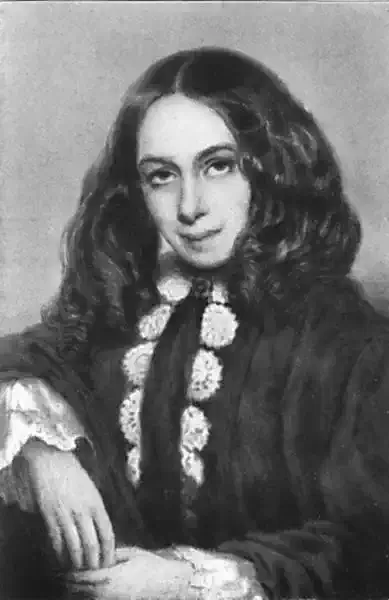
Elizabeth Barrett Browning
The Runaway Slave at Pilgrim's Point
The Runaway Slave at Pilgrim's Point
I.
I stand on the mark beside the shore
Of the first white pilgrim's bended knee,
Where exile turned to ancestor,
And God was thanked for liberty.
I have run through the night, my skin is as dark,
I bend my knee down on this mark . . .
I look on the sky and the sea.
II.
O pilgrim-souls, I speak to you!
I see you come out proud and slow
From the land of the spirits pale as dew. . .
And round me and round me ye go!
O pilgrims, I have gasped and run
All night long from the whips of one
Who in your names works sin and woe.
III.
And thus I thought that I would come
And kneel here where I knelt before,
And feel your souls around me hum
In undertone to the ocean's roar;
And lift my black face, my black hand,
Here, in your names, to curse this land
Ye blessed in freedom's evermore.
IV.
I am black, I am black;
And yet God made me, they say.
But if He did so, smiling back
He must have cast His work away
Under the feet of His white creatures,
With a look of scorn,--that the dusky features
Might be trodden again to clay.
V.
And yet He has made dark things
To be glad and merry as light.
There's a little dark bird sits and sings;
There's a dark stream ripples out of sight;
And the dark frogs chant in the safe morass,
And the sweetest stars are made to pass
O'er the face of the darkest night.
VI.
But we who are dark, we are dark!
Ah, God, we have no stars!
About our souls in care and cark
Our blackness shuts like prison bars:
The poor souls crouch so far behind,
That never a comfort can they find
By reaching through the prison-bars.
VII.
Indeed, we live beneath the sky, . . .
That great smooth Hand of God, stretched out
On all His children fatherly,
To bless them from the fear and doubt,
Which would be, if, from this low place,
All opened straight up to His face
Into the grand eternity.
VIII.
And still God's sunshine and His frost,
They make us hot, they make us cold,
As if we were not black and lost:
And the beasts and birds, in wood and fold,
Do fear and take us for very men!
Could the weep-poor-will or the cat of the glen
Look into my eyes and be bold?
IX.
I am black, I am black!--
But, once, I laughed in girlish glee;
For one of my colour stood in the track
Where the drivers drove, and looked at me--
And tender and full was the look he gave:
Could a slave look so at another slave?--
I look at the sky and the sea.
X.
And from that hour our spirits grew
As free as if unsold, unbought:
Oh, strong enough, since we were two
To conquer the world, we thought!
The drivers drove us day by day;
We did not mind, we went one way,
And no better a liberty sought.
XI.
In the sunny ground between the canes,
He said 'I love you' as he passed:
When the shingle-roof rang sharp with the rains,
I heard how he vowed it fast:
While others shook, he smiled in the hut
As he carved me a bowl of the cocoa-nut,
Through the roar of the hurricanes.
XII.
I sang his name instead of a song;
Over and over I sang his name--
Upward and downward I drew it along
My various notes; the same, the same!
I sang it low, that the slave-girls near
Might never guess from aught they could hear,
It was only a name.
XIII.
I look on the sky and the sea--
We were two to love, and two to pray,--
Yes, two, O God, who cried to Thee,
Though nothing didst Thou say.
Coldly Thou sat'st behind the sun!
And now I cry who am but one,
How wilt Thou speak to-day?--
XIV.
We were black, we were black!
We had no claim to love and bliss:
What marvel, if each turned to lack?
They wrung my cold hands out of his,--
They dragged him . . . where ? . . . I crawled to touch
His blood's mark in the dust! . . . not much,
Ye pilgrim-souls, . . . though plain as this!
XV.
Wrong, followed by a deeper wrong!
Mere grief's too good for such as I.
So the white men brought the shame ere long
To strangle the sob of my agony.
They would not leave me for my dull
Wet eyes!--it was too merciful
To let me weep pure tears and die.
XVI.
I am black, I am black!--
I wore a child upon my breast
An amulet that hung too slack,
And, in my unrest, could not rest:
Thus we went moaning, child and mother,
One to another, one to another,
Until all ended for the best:
XVII.
For hark ! I will tell you low . . . Iow . . .
I am black, you see,--
And the babe who lay on my bosom so,
Was far too white . . . too white for me;
As white as the ladies who scorned to pray
Beside me at church but yesterday;
Though my tears had washed a place for my knee.
XVIII.
My own, own child! I could not bear
To look in his face, it was so white.
I covered him up with a kerchief there;
I covered his face in close and tight:
And he moaned and struggled, as well might be,
For the white child wanted his liberty--
Ha, ha! he wanted his master right.
XIX.
He moaned and beat with his head and feet,
His little feet that never grew--
He struck them out, as it was meet,
Against my heart to break it through.
I might have sung and made him mild--
But I dared not sing to the white-faced child
The only song I knew.
XX.
I pulled the kerchief very close:
He could not see the sun, I swear,
More, then, alive, than now he does
From between the roots of the mango . . . where
. . . I know where. Close! a child and mother
Do wrong to look at one another,
When one is black and one is fair.
XXI.
Why, in that single glance I had
Of my child's face, . . . I tell you all,
I saw a look that made me mad . . .
The master's look, that used to fall
On my soul like his lash . . . or worse!
And so, to save it from my curse,
I twisted it round in my shawl.
XXII.
And he moaned and trembled from foot to head,
He shivered from head to foot;
Till, after a time, he lay instead
Too suddenly still and mute.
I felt, beside, a stiffening cold, . . .
I dared to lift up just a fold . . .
As in lifting a leaf of the mango-fruit.
XXIII.
But my fruit . . . ha, ha!--there, had been
(I laugh to think on't at this hour! . . .)
Your fine white angels, who have seen
Nearest the secret of God's power, . . .
And plucked my fruit to make them wine,
And sucked the soul of that child of mine,
As the humming-bird sucks the soul of the flower.
XXIV.
Ha, ha, for the trick of the angels white!
They freed the white child's spirit so.
I said not a word, but, day and night,
I carried the body to and fro;
And it lay on my heart like a stone . . . as chill.
--The sun may shine out as much as he will:
I am cold, though it happened a month ago.
XXV.
From the white man's house, and the black man's hut,
I carried the little body on,
The forest's arms did round us shut,
And silence through the trees did run:
They asked no question as I went,--
They stood too high for astonishment,--
They could see God sit on His throne.
XXVI.
My little body, kerchiefed fast,
I bore it on through the forest . . . on:
And when I felt it was tired at last,
I scooped a hole beneath the moon.
Through the forest-tops the angels far,
With a white sharp finger from every star,
Did point and mock at what was done.
XXVII.
Yet when it was all done aright, . . .
Earth, 'twixt me and my baby, strewed,
All, changed to black earth, . . . nothing white, . . .
A dark child in the dark,--ensued
Some comfort, and my heart grew young:
I sate down smiling there and sung
The song I learnt in my maidenhood.
XXVIII.
And thus we two were reconciled,
The white child and black mother, thus:
For, as I sang it, soft and wild
The same song, more melodious,
Rose from the grave whereon I sate!
It was the dead child singing that,
To join the souls of both of us.
XXIX.
I look on the sea and the sky!
Where the pilgrims' ships first anchored lay,
The free sun rideth gloriously;
But the pilgrim-ghosts have slid away
Through the earliest streaks of the morn.
My face is black, but it glares with a scorn
Which they dare not meet by day.
XXX.
Ah!--in their 'stead, their hunter sons!
Ah, ah! they are on me--they hunt in a ring--
Keep off! I brave you all at once--
I throw off your eyes like snakes that sting!
You have killed the black eagle at nest, I think:
Did you never stand still in your triumph, and shrink
From the stroke of her wounded wing?
XXXI.
(Man, drop that stone you dared to lift!--)
I wish you, who stand there five a-breast,
Each, for his own wife's joy and gift,
A little corpse as safely at rest
As mine in the mangos!--Yes, but she
May keep live babies on her knee,
And sing the song she liketh best.
XXXll.
I am not mad: I am black.
I see you staring in my face--
I know you, staring, shrinking back--
Ye are born of the Washington-race:
And this land is the free America:
And this mark on my wrist . . . (I prove what I say)
Ropes tied me up here to the flogging-place.
XXXIII.
You think I shrieked then? Not a sound!
I hung, as a gourd hangs in the sun.
I only cursed them all around,
As softly as I might have done
My very own child!--From these sands
Up to the mountains, lift your hands,
O slaves, and end what I begun!
XXXIV.
Whips, curses; these must answer those!
For in this UNION, you have set
Two kinds of men in adverse rows,
Each loathing each: and all forget
The seven wounds in Christ's body fair;
While HE sees gaping everywhere
Our countless wounds that pay no debt.
XXXV.
Our wounds are different. Your white men
Are, after all, not gods indeed,
Nor able to make Christs again
Do good with bleeding. We who bleed . . .
(Stand off!) we help not in our loss!
We are too heavy for our cross,
And fall and crush you and your seed.
XXXVI.
I fall, I swoon! I look at the sky:
The clouds are breaking on my brain;
I am floated along, as if I should die
Of liberty's exquisite pain--
In the name of the white child, waiting for me
In the death-dark where we may kiss and agree,
White men, I leave you all curse-free
In my broken heart's disdain!
I.
I stand on the mark beside the shore
Of the first white pilgrim's bended knee,
Where exile turned to ancestor,
And God was thanked for liberty.
I have run through the night, my skin is as dark,
I bend my knee down on this mark . . .
I look on the sky and the sea.
II.
O pilgrim-souls, I speak to you!
I see you come out proud and slow
From the land of the spirits pale as dew. . .
And round me and round me ye go!
O pilgrims, I have gasped and run
All night long from the whips of one
Who in your names works sin and woe.
III.
And thus I thought that I would come
And kneel here where I knelt before,
And feel your souls around me hum
In undertone to the ocean's roar;
And lift my black face, my black hand,
Here, in your names, to curse this land
Ye blessed in freedom's evermore.
IV.
I am black, I am black;
And yet God made me, they say.
But if He did so, smiling back
He must have cast His work away
Under the feet of His white creatures,
With a look of scorn,--that the dusky features
Might be trodden again to clay.
V.
And yet He has made dark things
To be glad and merry as light.
There's a little dark bird sits and sings;
There's a dark stream ripples out of sight;
And the dark frogs chant in the safe morass,
And the sweetest stars are made to pass
O'er the face of the darkest night.
VI.
But we who are dark, we are dark!
Ah, God, we have no stars!
About our souls in care and cark
Our blackness shuts like prison bars:
The poor souls crouch so far behind,
That never a comfort can they find
By reaching through the prison-bars.
VII.
Indeed, we live beneath the sky, . . .
That great smooth Hand of God, stretched out
On all His children fatherly,
To bless them from the fear and doubt,
Which would be, if, from this low place,
All opened straight up to His face
Into the grand eternity.
VIII.
And still God's sunshine and His frost,
They make us hot, they make us cold,
As if we were not black and lost:
And the beasts and birds, in wood and fold,
Do fear and take us for very men!
Could the weep-poor-will or the cat of the glen
Look into my eyes and be bold?
IX.
I am black, I am black!--
But, once, I laughed in girlish glee;
For one of my colour stood in the track
Where the drivers drove, and looked at me--
And tender and full was the look he gave:
Could a slave look so at another slave?--
I look at the sky and the sea.
X.
And from that hour our spirits grew
As free as if unsold, unbought:
Oh, strong enough, since we were two
To conquer the world, we thought!
The drivers drove us day by day;
We did not mind, we went one way,
And no better a liberty sought.
XI.
In the sunny ground between the canes,
He said 'I love you' as he passed:
When the shingle-roof rang sharp with the rains,
I heard how he vowed it fast:
While others shook, he smiled in the hut
As he carved me a bowl of the cocoa-nut,
Through the roar of the hurricanes.
XII.
I sang his name instead of a song;
Over and over I sang his name--
Upward and downward I drew it along
My various notes; the same, the same!
I sang it low, that the slave-girls near
Might never guess from aught they could hear,
It was only a name.
XIII.
I look on the sky and the sea--
We were two to love, and two to pray,--
Yes, two, O God, who cried to Thee,
Though nothing didst Thou say.
Coldly Thou sat'st behind the sun!
And now I cry who am but one,
How wilt Thou speak to-day?--
XIV.
We were black, we were black!
We had no claim to love and bliss:
What marvel, if each turned to lack?
They wrung my cold hands out of his,--
They dragged him . . . where ? . . . I crawled to touch
His blood's mark in the dust! . . . not much,
Ye pilgrim-souls, . . . though plain as this!
XV.
Wrong, followed by a deeper wrong!
Mere grief's too good for such as I.
So the white men brought the shame ere long
To strangle the sob of my agony.
They would not leave me for my dull
Wet eyes!--it was too merciful
To let me weep pure tears and die.
XVI.
I am black, I am black!--
I wore a child upon my breast
An amulet that hung too slack,
And, in my unrest, could not rest:
Thus we went moaning, child and mother,
One to another, one to another,
Until all ended for the best:
XVII.
For hark ! I will tell you low . . . Iow . . .
I am black, you see,--
And the babe who lay on my bosom so,
Was far too white . . . too white for me;
As white as the ladies who scorned to pray
Beside me at church but yesterday;
Though my tears had washed a place for my knee.
XVIII.
My own, own child! I could not bear
To look in his face, it was so white.
I covered him up with a kerchief there;
I covered his face in close and tight:
And he moaned and struggled, as well might be,
For the white child wanted his liberty--
Ha, ha! he wanted his master right.
XIX.
He moaned and beat with his head and feet,
His little feet that never grew--
He struck them out, as it was meet,
Against my heart to break it through.
I might have sung and made him mild--
But I dared not sing to the white-faced child
The only song I knew.
XX.
I pulled the kerchief very close:
He could not see the sun, I swear,
More, then, alive, than now he does
From between the roots of the mango . . . where
. . . I know where. Close! a child and mother
Do wrong to look at one another,
When one is black and one is fair.
XXI.
Why, in that single glance I had
Of my child's face, . . . I tell you all,
I saw a look that made me mad . . .
The master's look, that used to fall
On my soul like his lash . . . or worse!
And so, to save it from my curse,
I twisted it round in my shawl.
XXII.
And he moaned and trembled from foot to head,
He shivered from head to foot;
Till, after a time, he lay instead
Too suddenly still and mute.
I felt, beside, a stiffening cold, . . .
I dared to lift up just a fold . . .
As in lifting a leaf of the mango-fruit.
XXIII.
But my fruit . . . ha, ha!--there, had been
(I laugh to think on't at this hour! . . .)
Your fine white angels, who have seen
Nearest the secret of God's power, . . .
And plucked my fruit to make them wine,
And sucked the soul of that child of mine,
As the humming-bird sucks the soul of the flower.
XXIV.
Ha, ha, for the trick of the angels white!
They freed the white child's spirit so.
I said not a word, but, day and night,
I carried the body to and fro;
And it lay on my heart like a stone . . . as chill.
--The sun may shine out as much as he will:
I am cold, though it happened a month ago.
XXV.
From the white man's house, and the black man's hut,
I carried the little body on,
The forest's arms did round us shut,
And silence through the trees did run:
They asked no question as I went,--
They stood too high for astonishment,--
They could see God sit on His throne.
XXVI.
My little body, kerchiefed fast,
I bore it on through the forest . . . on:
And when I felt it was tired at last,
I scooped a hole beneath the moon.
Through the forest-tops the angels far,
With a white sharp finger from every star,
Did point and mock at what was done.
XXVII.
Yet when it was all done aright, . . .
Earth, 'twixt me and my baby, strewed,
All, changed to black earth, . . . nothing white, . . .
A dark child in the dark,--ensued
Some comfort, and my heart grew young:
I sate down smiling there and sung
The song I learnt in my maidenhood.
XXVIII.
And thus we two were reconciled,
The white child and black mother, thus:
For, as I sang it, soft and wild
The same song, more melodious,
Rose from the grave whereon I sate!
It was the dead child singing that,
To join the souls of both of us.
XXIX.
I look on the sea and the sky!
Where the pilgrims' ships first anchored lay,
The free sun rideth gloriously;
But the pilgrim-ghosts have slid away
Through the earliest streaks of the morn.
My face is black, but it glares with a scorn
Which they dare not meet by day.
XXX.
Ah!--in their 'stead, their hunter sons!
Ah, ah! they are on me--they hunt in a ring--
Keep off! I brave you all at once--
I throw off your eyes like snakes that sting!
You have killed the black eagle at nest, I think:
Did you never stand still in your triumph, and shrink
From the stroke of her wounded wing?
XXXI.
(Man, drop that stone you dared to lift!--)
I wish you, who stand there five a-breast,
Each, for his own wife's joy and gift,
A little corpse as safely at rest
As mine in the mangos!--Yes, but she
May keep live babies on her knee,
And sing the song she liketh best.
XXXll.
I am not mad: I am black.
I see you staring in my face--
I know you, staring, shrinking back--
Ye are born of the Washington-race:
And this land is the free America:
And this mark on my wrist . . . (I prove what I say)
Ropes tied me up here to the flogging-place.
XXXIII.
You think I shrieked then? Not a sound!
I hung, as a gourd hangs in the sun.
I only cursed them all around,
As softly as I might have done
My very own child!--From these sands
Up to the mountains, lift your hands,
O slaves, and end what I begun!
XXXIV.
Whips, curses; these must answer those!
For in this UNION, you have set
Two kinds of men in adverse rows,
Each loathing each: and all forget
The seven wounds in Christ's body fair;
While HE sees gaping everywhere
Our countless wounds that pay no debt.
XXXV.
Our wounds are different. Your white men
Are, after all, not gods indeed,
Nor able to make Christs again
Do good with bleeding. We who bleed . . .
(Stand off!) we help not in our loss!
We are too heavy for our cross,
And fall and crush you and your seed.
XXXVI.
I fall, I swoon! I look at the sky:
The clouds are breaking on my brain;
I am floated along, as if I should die
Of liberty's exquisite pain--
In the name of the white child, waiting for me
In the death-dark where we may kiss and agree,
White men, I leave you all curse-free
In my broken heart's disdain!
656
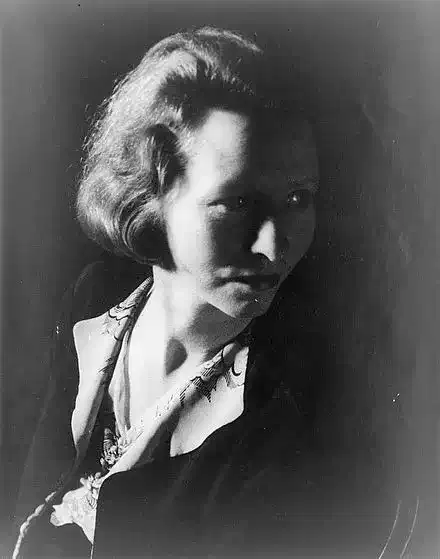
Edna St. Vincent Millay
To Those Without Pity
To Those Without Pity
Cruel of heart, lay down my song,
Your reading eyes have done me wrong,
Not for you was the pen bitten,
And the mind wrung, and the song written.
Cruel of heart, lay down my song,
Your reading eyes have done me wrong,
Not for you was the pen bitten,
And the mind wrung, and the song written.
355
Edna St. Vincent Millay
Oh, Oh, You Will Be Sorry
Oh, Oh, You Will Be Sorry
Oh, oh, you will be sorry for that word!
Give me back my book and take my kiss instead.
Was it my enemy or my friend I heard,
"What a big book for such a little head!"
Come, I will show you now my newest hat,
And you may watch me purse my mouth and prink!
Oh, I shall love you still, and all of that.
I never again shall tell you what I think.
I shall be sweet and crafty, soft and sly;
You will not catch me reading any more:
I shall be called a wife to pattern by;
And some day when you knock and push the door,
Some sane day, not too bright and not too stormy,
I shall be gone, and you may whistle for me.
Oh, oh, you will be sorry for that word!
Give me back my book and take my kiss instead.
Was it my enemy or my friend I heard,
"What a big book for such a little head!"
Come, I will show you now my newest hat,
And you may watch me purse my mouth and prink!
Oh, I shall love you still, and all of that.
I never again shall tell you what I think.
I shall be sweet and crafty, soft and sly;
You will not catch me reading any more:
I shall be called a wife to pattern by;
And some day when you knock and push the door,
Some sane day, not too bright and not too stormy,
I shall be gone, and you may whistle for me.
366
Edna St. Vincent Millay
I Know The Face Of Falsehood And Her Tongue
I Know The Face Of Falsehood And Her Tongue
I know the face of Falsehood and her Tongue
Honeyed with unction, Plausible with guile,
Are dear to men, whom count me not among,
That owe their daily credit to her smile;
Such have been succoured out of great distress
By her contriving, if accounts be true:
Their deference now above the board, I guess,
Dishcharges what beneath the board is due.
As for myself, I'd liefer lack her aid
Than eat her presence; let this building fall:
But let me never lift my latch, afraid
To hear her simpering accents in the hall,
Nor force an entrance past mephitic airs
Of stale patchoulie hanging on my stairs.
I know the face of Falsehood and her Tongue
Honeyed with unction, Plausible with guile,
Are dear to men, whom count me not among,
That owe their daily credit to her smile;
Such have been succoured out of great distress
By her contriving, if accounts be true:
Their deference now above the board, I guess,
Dishcharges what beneath the board is due.
As for myself, I'd liefer lack her aid
Than eat her presence; let this building fall:
But let me never lift my latch, afraid
To hear her simpering accents in the hall,
Nor force an entrance past mephitic airs
Of stale patchoulie hanging on my stairs.
261

Dylan Thomas
Not From This Anger
Not From This Anger
Not from this anger, anticlimax after
Refusal struck her loin and the lame flower
Bent like a beast to lap the singular floods
In a land strapped by hunger
Shall she receive a bellyful of weeds
And bear those tendril hands I touch across
The agonized, two seas.
Behind my head a square of sky sags over
The circular smile tossed from lover to lover
And the golden ball spins out of the skies;
Not from this anger after
Refusal struck like a bell under water
Shall her smile breed that mouth, behind the mirror,
That burns along my eyes.
Not from this anger, anticlimax after
Refusal struck her loin and the lame flower
Bent like a beast to lap the singular floods
In a land strapped by hunger
Shall she receive a bellyful of weeds
And bear those tendril hands I touch across
The agonized, two seas.
Behind my head a square of sky sags over
The circular smile tossed from lover to lover
And the golden ball spins out of the skies;
Not from this anger after
Refusal struck like a bell under water
Shall her smile breed that mouth, behind the mirror,
That burns along my eyes.
271
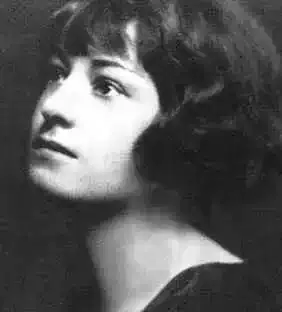
Dorothy Parker
Thought For A Sunshiny Morning
Thought For A Sunshiny Morning
It costs me never a stab nor squirm
To tread by chance upon a worm.
"Aha, my little dear," I say,
"Your clan will pay me back one day."
It costs me never a stab nor squirm
To tread by chance upon a worm.
"Aha, my little dear," I say,
"Your clan will pay me back one day."
336
Dorothy Parker
The Veteran
The Veteran
When I was young and bold and strong,
Oh, right was right, and wrong was wrong!
My plume on high, my flag unfurled,
I rode away to right the world.
"Come out, you dogs, and fight!" said I,
And wept there was but once to die.
But I am old; and good and bad
Are woven in a crazy plaid.
I sit and say, "The world is so;
And he is wise who lets it go.
A battle lost, a battle won-
The difference is small, my son."
Inertia rides and riddles me;
The which is called Philosophy.
When I was young and bold and strong,
Oh, right was right, and wrong was wrong!
My plume on high, my flag unfurled,
I rode away to right the world.
"Come out, you dogs, and fight!" said I,
And wept there was but once to die.
But I am old; and good and bad
Are woven in a crazy plaid.
I sit and say, "The world is so;
And he is wise who lets it go.
A battle lost, a battle won-
The difference is small, my son."
Inertia rides and riddles me;
The which is called Philosophy.
456
Dorothy Parker
Indian Summer
Indian Summer
In youth, it was a way I had
To do my best to please,
And change, with every passing lad,
To suit his theories.
But now I know the things I know,
And do the things I do;
And if you do not like me so,
To hell, my love, with you!
In youth, it was a way I had
To do my best to please,
And change, with every passing lad,
To suit his theories.
But now I know the things I know,
And do the things I do;
And if you do not like me so,
To hell, my love, with you!
428
Dorothy Parker
Frustration
Frustration
If I had a shiny gun,
I could have a world of fun
Speeding bullets through the brains
Of the folk who give me pains;
Or had I some poison gas,
I could make the moments pass
Bumping off a number of
People whom I do not love.
But I have no lethal weapon-
Thus does Fate our pleasure step on!
So they still are quick and well
Who should be, by rights, in hell.
If I had a shiny gun,
I could have a world of fun
Speeding bullets through the brains
Of the folk who give me pains;
Or had I some poison gas,
I could make the moments pass
Bumping off a number of
People whom I do not love.
But I have no lethal weapon-
Thus does Fate our pleasure step on!
So they still are quick and well
Who should be, by rights, in hell.
784
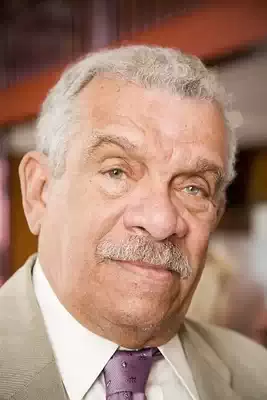
Derek Walcott
Blues
Blues
Those five or six young guys
lunched on the stoop
that oven-hot summer night
whistled me over. Nice
and friendly. So, I stop.
MacDougal or Christopher
Street in chains of light.
A summer festival. Or some
saint's. I wasn't too far from
home, but not too bright
for a nigger, and not too dark.
I figured we were all
one, wop, nigger, jew,
besides, this wasn't Central Park.
I'm coming on too strong? You figure
right! They beat this yellow nigger
black and blue.
Yeah. During all this, scared
on case one used a knife,
I hung my olive-green, just-bought
sports coat on a fire plug.
I did nothing. They fought
each other, really. Life
gives them a few kcks,
that's all. The spades, the spicks.
My face smashed in, my bloddy mug
pouring, my olive-branch jacket saved
from cuts and tears,
I crawled four flights upstairs.
Sprawled in the gutter, I
remember a few watchers waved
loudly, and one kid's mother shouting
like 'Jackie' or 'Terry,'
'now that's enough!'
It's nothing really.
They don't get enough love.
You know they wouldn't kill
you. Just playing rough,
like young Americans will.
Still it taught me somthing
about love. If it's so tough,
forget it.
Those five or six young guys
lunched on the stoop
that oven-hot summer night
whistled me over. Nice
and friendly. So, I stop.
MacDougal or Christopher
Street in chains of light.
A summer festival. Or some
saint's. I wasn't too far from
home, but not too bright
for a nigger, and not too dark.
I figured we were all
one, wop, nigger, jew,
besides, this wasn't Central Park.
I'm coming on too strong? You figure
right! They beat this yellow nigger
black and blue.
Yeah. During all this, scared
on case one used a knife,
I hung my olive-green, just-bought
sports coat on a fire plug.
I did nothing. They fought
each other, really. Life
gives them a few kcks,
that's all. The spades, the spicks.
My face smashed in, my bloddy mug
pouring, my olive-branch jacket saved
from cuts and tears,
I crawled four flights upstairs.
Sprawled in the gutter, I
remember a few watchers waved
loudly, and one kid's mother shouting
like 'Jackie' or 'Terry,'
'now that's enough!'
It's nothing really.
They don't get enough love.
You know they wouldn't kill
you. Just playing rough,
like young Americans will.
Still it taught me somthing
about love. If it's so tough,
forget it.
1,095

D.H. Lawrence
How Beastly the Bourgeois Is
How Beastly the Bourgeois Is
How beastly the bourgeois is
especially the male of the species--
Presentable, eminently presentable-shall
I make you a present of him?
Isn't he handsome? Isn't he healthy? Isn't he a fine specimen?
Doesn't he look the fresh clean Englishman, outside?
Isn't it God's own image? tramping his thirty miles a day
after partridges, or a little rubber ball?
wouldn't you like to be like that, well off, and quite the
thing
Oh, but wait!
Let him meet a new emotion, let him be faced with another
man's need,
let him come home to a bit of moral difficulty, let life
face him with a new demand on his understanding
and then watch him go soggy, like a wet meringue.
Watch him turn into a mess, either a fool or a bully.
Just watch the display of him, confronted with a new
demand on his intelligence,
a new life-demand.
How beastly the bourgeois is
especially the male of the species--
Nicely groomed, like a mushroom
standing there so sleek and erect and eyeable-and
like a fungus, living on the remains of a bygone life
sucking his life out of the dead leaves of greater life
than his own.
And even so, he's stale, he's been there too long.
Touch him, and you'll find he's all gone inside
just like an old mushroom, all wormy inside, and hollow
under a smooth skin and an upright appearance.
Full of seething, wormy, hollow feelings
rather nasty--
How beastly the bourgeois is!
Standing in their thousands, these appearances, in damp
England
what a pity they can't all be kicked over
like sickening toadstools, and left to melt back, swiftly
into the soil of England.
How beastly the bourgeois is
especially the male of the species--
Presentable, eminently presentable-shall
I make you a present of him?
Isn't he handsome? Isn't he healthy? Isn't he a fine specimen?
Doesn't he look the fresh clean Englishman, outside?
Isn't it God's own image? tramping his thirty miles a day
after partridges, or a little rubber ball?
wouldn't you like to be like that, well off, and quite the
thing
Oh, but wait!
Let him meet a new emotion, let him be faced with another
man's need,
let him come home to a bit of moral difficulty, let life
face him with a new demand on his understanding
and then watch him go soggy, like a wet meringue.
Watch him turn into a mess, either a fool or a bully.
Just watch the display of him, confronted with a new
demand on his intelligence,
a new life-demand.
How beastly the bourgeois is
especially the male of the species--
Nicely groomed, like a mushroom
standing there so sleek and erect and eyeable-and
like a fungus, living on the remains of a bygone life
sucking his life out of the dead leaves of greater life
than his own.
And even so, he's stale, he's been there too long.
Touch him, and you'll find he's all gone inside
just like an old mushroom, all wormy inside, and hollow
under a smooth skin and an upright appearance.
Full of seething, wormy, hollow feelings
rather nasty--
How beastly the bourgeois is!
Standing in their thousands, these appearances, in damp
England
what a pity they can't all be kicked over
like sickening toadstools, and left to melt back, swiftly
into the soil of England.
178
D.H. Lawrence
Discipline
Discipline
It is stormy, and raindrops cling like silver bees to the pane,
The thin sycamores in the playground are swinging with flattened leaves;
The heads of the boys move dimly through a yellow gloom that stains
The class; over them all the dark net of my discipline weaves.
It is no good, dear, gentleness and forbearance, I endured too long:
I have pushed my hands in the dark soil, under the flower of my soul
And the gentle leaves, and have felt where the roots are strong
Fixed in the darkness, grappling for the deep soil’s little control.
And there is the dark, my darling, where the roots are entangled and fight
Each one for its hold on the oblivious darkness, I know that there
In the night where we first have being, before we rise on the light,
We are not brothers, my darling, we fight and we do not spare.
And in the original dark the roots cannot keep, cannot know
Any communion whatever, but they bind themselves on to the dark,
And drawing the darkness together, crush from it a twilight, a slow
Burning that breaks at last into leaves and a flower’s bright spark.
I came to the boys with love, my dear, but they turned on me;
I came with gentleness, with my heart ’twixt my hands like a bowl,
Like a loving-cup, like a grail, but they spilt it triumphantly
And tried to break the vessel, and to violate my soul.
But what have I to do with the boys, deep down in my soul, my love?
I throw from out of the darkness my self like a flower into sight,
Like a flower from out of the night-time, I lift my face, and those
Who will may warm their hands at me, comfort this night.
But whosoever would pluck apart my flowering shall burn their hands,
So flowers are tender folk, and roots can only hide,
Yet my flowerings of love are a fire, and the scarlet brands
Of my love are roses to look at, but flames to chide.
But comfort me, my love, now the fires are low,
Now I am broken to earth like a winter destroyed, and all
Myself but a knowledge of roots, of roots in the dark that throw
A net on the undersoil, which lies passive beneath their thrall.
But comfort me, for henceforth my love is yours alone,
To you alone will I offer the bowl, to you will I give
My essence only, but love me, and I will atone
To you for my general loving, atone as long as I live.
It is stormy, and raindrops cling like silver bees to the pane,
The thin sycamores in the playground are swinging with flattened leaves;
The heads of the boys move dimly through a yellow gloom that stains
The class; over them all the dark net of my discipline weaves.
It is no good, dear, gentleness and forbearance, I endured too long:
I have pushed my hands in the dark soil, under the flower of my soul
And the gentle leaves, and have felt where the roots are strong
Fixed in the darkness, grappling for the deep soil’s little control.
And there is the dark, my darling, where the roots are entangled and fight
Each one for its hold on the oblivious darkness, I know that there
In the night where we first have being, before we rise on the light,
We are not brothers, my darling, we fight and we do not spare.
And in the original dark the roots cannot keep, cannot know
Any communion whatever, but they bind themselves on to the dark,
And drawing the darkness together, crush from it a twilight, a slow
Burning that breaks at last into leaves and a flower’s bright spark.
I came to the boys with love, my dear, but they turned on me;
I came with gentleness, with my heart ’twixt my hands like a bowl,
Like a loving-cup, like a grail, but they spilt it triumphantly
And tried to break the vessel, and to violate my soul.
But what have I to do with the boys, deep down in my soul, my love?
I throw from out of the darkness my self like a flower into sight,
Like a flower from out of the night-time, I lift my face, and those
Who will may warm their hands at me, comfort this night.
But whosoever would pluck apart my flowering shall burn their hands,
So flowers are tender folk, and roots can only hide,
Yet my flowerings of love are a fire, and the scarlet brands
Of my love are roses to look at, but flames to chide.
But comfort me, my love, now the fires are low,
Now I am broken to earth like a winter destroyed, and all
Myself but a knowledge of roots, of roots in the dark that throw
A net on the undersoil, which lies passive beneath their thrall.
But comfort me, for henceforth my love is yours alone,
To you alone will I offer the bowl, to you will I give
My essence only, but love me, and I will atone
To you for my general loving, atone as long as I live.
227
D.H. Lawrence
A Spiritual Woman
A Spiritual Woman
Close your eyes, my love, let me make you blind;
They have taught you to see
Only a mean arithmetic on the face of things,
A cunning algebra in the faces of men,
And God like geometry
Completing his circles, and working cleverly.
I’ll kiss you over the eyes till I kiss you blind;
If I can—if any one could.
Then perhaps in the dark you’ll have got what you want to find.
You’ve discovered so many bits, with your clever eyes,
And I’m a kaleidoscope
That you shake and shake, and yet it won’t come to your mind.
Now stop carping at me.—But God, how I hate you!
Do you fear I shall swindle you?
Do you think if you take me as I am, that that will abate you
Somehow?—so sad, so intrinsic, so spiritual, yet so cautious, you
Must have me all in your will and your consciousness—
I hate you.
Close your eyes, my love, let me make you blind;
They have taught you to see
Only a mean arithmetic on the face of things,
A cunning algebra in the faces of men,
And God like geometry
Completing his circles, and working cleverly.
I’ll kiss you over the eyes till I kiss you blind;
If I can—if any one could.
Then perhaps in the dark you’ll have got what you want to find.
You’ve discovered so many bits, with your clever eyes,
And I’m a kaleidoscope
That you shake and shake, and yet it won’t come to your mind.
Now stop carping at me.—But God, how I hate you!
Do you fear I shall swindle you?
Do you think if you take me as I am, that that will abate you
Somehow?—so sad, so intrinsic, so spiritual, yet so cautious, you
Must have me all in your will and your consciousness—
I hate you.
190

Claude Mckay
White Houses
White Houses
Your door is shut against my tightened face,
And I am sharp as steel with discontent;
But I possess the courage and the grace
To bear my anger proudly and unbent.
The pavement slabs burn loose beneath my feet,
A chafing savage, down the decent street;
And passion rends my vitals as I pass,
Where boldly shines your shuttered door of glass.
Oh, I must search for wisdom every hour,
Deep in my wrathful bosom sore and raw,
And find in it the superhuman power
To hold me to the letter of your law!
Oh, I must keep my heart inviolate
Against the potent poison of your hate.
Your door is shut against my tightened face,
And I am sharp as steel with discontent;
But I possess the courage and the grace
To bear my anger proudly and unbent.
The pavement slabs burn loose beneath my feet,
A chafing savage, down the decent street;
And passion rends my vitals as I pass,
Where boldly shines your shuttered door of glass.
Oh, I must search for wisdom every hour,
Deep in my wrathful bosom sore and raw,
And find in it the superhuman power
To hold me to the letter of your law!
Oh, I must keep my heart inviolate
Against the potent poison of your hate.
378
Claude Mckay
The White House
The White House
Your door is shut against my tightened face,
And I am sharp as steel with discontent;
But I possess the courage and the grace
To bear my anger proudly and unbent.
The pavement slabs burn loose beneath my feet,
A chafing savage, down the decent street;
And passion rends my vitals as I pass,
Where boldly shines your shuttered door of glass.
Oh, I must search for wisdom every hour,
Deep in my wrathful bosom sore and raw,
And find in it the superhuman power
To hold me to the letter of your law!
Oh, I must keep my heart inviolate
Against the potent poison of your hate.
Your door is shut against my tightened face,
And I am sharp as steel with discontent;
But I possess the courage and the grace
To bear my anger proudly and unbent.
The pavement slabs burn loose beneath my feet,
A chafing savage, down the decent street;
And passion rends my vitals as I pass,
Where boldly shines your shuttered door of glass.
Oh, I must search for wisdom every hour,
Deep in my wrathful bosom sore and raw,
And find in it the superhuman power
To hold me to the letter of your law!
Oh, I must keep my heart inviolate
Against the potent poison of your hate.
416
Claude Mckay
O Word I Love to Sing
O Word I Love to Sing
O word I love to sing! thou art too tender
For all the passions agitating me;
For all my bitterness thou art too tender,
I cannot pour my red soul into thee.
O haunting melody! thou art too slender,
Too fragile like a globe of crystal glass;
For all my stormy thoughts thou art too slender,
The burden from my bosom will not pass.
O tender word! O melody so slender!
O tears of passion saturate with brine,
O words, unwilling words, ye can not render
My hatred for the foe of me and mine.
O word I love to sing! thou art too tender
For all the passions agitating me;
For all my bitterness thou art too tender,
I cannot pour my red soul into thee.
O haunting melody! thou art too slender,
Too fragile like a globe of crystal glass;
For all my stormy thoughts thou art too slender,
The burden from my bosom will not pass.
O tender word! O melody so slender!
O tears of passion saturate with brine,
O words, unwilling words, ye can not render
My hatred for the foe of me and mine.
380
Claude Mckay
Enslaved
Enslaved
Oh when I think of my long-suffering race,
For weary centuries despised, oppressed,
Enslaved and lynched, denied a human place
In the great life line of the Christian West;
And in the Black Land disinherited,
Robbed in the ancient country of its birth,
My heart grows sick with hate, becomes as lead,
For this my race that has no home on earth.
Then from the dark depths of my soul I cry
To the avenging angel to consume
The white man's world of wonders utterly:
Let it be swallowed up in earth's vast womb,
Or upward roll as sacrificial smoke
To liberate my people from its yoke!
Oh when I think of my long-suffering race,
For weary centuries despised, oppressed,
Enslaved and lynched, denied a human place
In the great life line of the Christian West;
And in the Black Land disinherited,
Robbed in the ancient country of its birth,
My heart grows sick with hate, becomes as lead,
For this my race that has no home on earth.
Then from the dark depths of my soul I cry
To the avenging angel to consume
The white man's world of wonders utterly:
Let it be swallowed up in earth's vast womb,
Or upward roll as sacrificial smoke
To liberate my people from its yoke!
422
Charles Dickens
A fine Old English Gentleman
A fine Old English Gentleman
I'll sing you a new ballad, and I'll warrant it first-rate,
Of the days of that old gentleman who had that old estate;
When they spent the public money at a bountiful old rate
On ev'ry mistress, pimp, and scamp, at ev'ry noble gate,
In the fine old English Tory times;
Soon may they come again!
The good old laws were garnished well with gibbets, whips, and chains,
With fine old English penalties, and fine old English pains,
With rebel heads, and seas of blood once hot in rebel veins;
For all these things were requisite to guard the rich old gains
Of the fine old English Tory times;
Soon may they come again!
This brave old code, like Argus, had a hundred watchful eyes,
And ev'ry English peasant had his good old English spies,
To tempt his starving discontent with fine old English lies,
Then call the good old Yeomanry to stop his peevish cries,
In the fine old English Tory times;
Soon may they come again!
The good old times for cutting throats that cried out in their need,
The good old times for hunting men who held their fathers' creed,
The good old times when William Pitt, as all good men agreed,
Came down direct from Paradise at more than railroad speed. . . .
Oh the fine old English Tory times;
When will they come again!
In those rare days, the press was seldom known to snarl or bark,
But sweetly sang of men in pow'r, like any tuneful lark;
Grave judges, too, to all their evil deeds were in the dark;
And not a man in twenty score knew how to make his mark.
Oh the fine old English Tory times;
Soon may they come again!
Those were the days for taxes, and for war's infernal din;
For scarcity of bread, that fine old dowagers might win;
For shutting men of letters up, through iron bars to grin,
Because they didn't think the Prince was altogether thin,
In the fine old English Tory times;
Soon may they come again!
But Tolerance, though slow in flight, is strong-wing'd in the main;
That night must come on these fine days, in course of time was plain;
The pure old spirit struggled, but Its struggles were in vain;
A nation's grip was on it, and it died in choking pain,
With the fine old English Tory days,
All of the olden time.
The bright old day now dawns again; the cry runs through the land,
In England there shall be dear bread -- in Ireland, sword and brand;
And poverty, and ignorance, shall swell the rich and grand,
So, rally round the rulers with the gentle iron hand,
Of the fine old English Tory days; Hail to the coming time!
I'll sing you a new ballad, and I'll warrant it first-rate,
Of the days of that old gentleman who had that old estate;
When they spent the public money at a bountiful old rate
On ev'ry mistress, pimp, and scamp, at ev'ry noble gate,
In the fine old English Tory times;
Soon may they come again!
The good old laws were garnished well with gibbets, whips, and chains,
With fine old English penalties, and fine old English pains,
With rebel heads, and seas of blood once hot in rebel veins;
For all these things were requisite to guard the rich old gains
Of the fine old English Tory times;
Soon may they come again!
This brave old code, like Argus, had a hundred watchful eyes,
And ev'ry English peasant had his good old English spies,
To tempt his starving discontent with fine old English lies,
Then call the good old Yeomanry to stop his peevish cries,
In the fine old English Tory times;
Soon may they come again!
The good old times for cutting throats that cried out in their need,
The good old times for hunting men who held their fathers' creed,
The good old times when William Pitt, as all good men agreed,
Came down direct from Paradise at more than railroad speed. . . .
Oh the fine old English Tory times;
When will they come again!
In those rare days, the press was seldom known to snarl or bark,
But sweetly sang of men in pow'r, like any tuneful lark;
Grave judges, too, to all their evil deeds were in the dark;
And not a man in twenty score knew how to make his mark.
Oh the fine old English Tory times;
Soon may they come again!
Those were the days for taxes, and for war's infernal din;
For scarcity of bread, that fine old dowagers might win;
For shutting men of letters up, through iron bars to grin,
Because they didn't think the Prince was altogether thin,
In the fine old English Tory times;
Soon may they come again!
But Tolerance, though slow in flight, is strong-wing'd in the main;
That night must come on these fine days, in course of time was plain;
The pure old spirit struggled, but Its struggles were in vain;
A nation's grip was on it, and it died in choking pain,
With the fine old English Tory days,
All of the olden time.
The bright old day now dawns again; the cry runs through the land,
In England there shall be dear bread -- in Ireland, sword and brand;
And poverty, and ignorance, shall swell the rich and grand,
So, rally round the rulers with the gentle iron hand,
Of the fine old English Tory days; Hail to the coming time!
889
Charles Baudelaire
The Venal Muse
The Venal Muse
O muse of my heart, lover of palaces,
Will you bring, when January lets loose its sleet
And its black evenings without solace,
An ember to warm my violet feet?
What will revive your bruised shoulders,
The nocturnal rays that pierce the shutters?
When you cannot feel your palace, just your empty billfold,
How will you harvest the gold of azure vaults and gutters?
You should, to earn your bread today
Like a choir boy with a censer to wave,
Sings hymns with feeling but without belief.
Or, a starving rip-off artist, selling your charm
And your laughter shades the tears so no one sees the harm
In bringing to bloom an ordinary rat, a vulgar thief.
Translated by William A. Sigler
Submitted by Ryan McGuire
O muse of my heart, lover of palaces,
Will you bring, when January lets loose its sleet
And its black evenings without solace,
An ember to warm my violet feet?
What will revive your bruised shoulders,
The nocturnal rays that pierce the shutters?
When you cannot feel your palace, just your empty billfold,
How will you harvest the gold of azure vaults and gutters?
You should, to earn your bread today
Like a choir boy with a censer to wave,
Sings hymns with feeling but without belief.
Or, a starving rip-off artist, selling your charm
And your laughter shades the tears so no one sees the harm
In bringing to bloom an ordinary rat, a vulgar thief.
Translated by William A. Sigler
Submitted by Ryan McGuire
736
Charles Baudelaire
The Enemy
The Enemy
My youth was nothing but a black storm
Crossed now and then by brilliant suns.
The thunder and the rain so ravage the shores
Nothing's left of the fruit my garden held once.
I should employ the rake and the plow,
Having reached the autumn of ideas,
To restore this inundated ground
Where the deep grooves of water form tombs in the lees.
And who knows if the new flowers you dreamed
Will find in a soil stripped and cleaned
The mystic nourishment that fortifies?
—O Sorrow—O Sorrow—Time consumes Life,
And the obscure enemy that gnaws at my heart
Uses the blood that I lose to play my part.
Translated by William A. Sigler
Submitted by Ryan McGuire
My youth was nothing but a black storm
Crossed now and then by brilliant suns.
The thunder and the rain so ravage the shores
Nothing's left of the fruit my garden held once.
I should employ the rake and the plow,
Having reached the autumn of ideas,
To restore this inundated ground
Where the deep grooves of water form tombs in the lees.
And who knows if the new flowers you dreamed
Will find in a soil stripped and cleaned
The mystic nourishment that fortifies?
—O Sorrow—O Sorrow—Time consumes Life,
And the obscure enemy that gnaws at my heart
Uses the blood that I lose to play my part.
Translated by William A. Sigler
Submitted by Ryan McGuire
1,022

Carl Sandburg
Ready to Kill
Ready to Kill
Ten minutes now I have been looking at this.
I have gone by here before and wondered about it.
This is a bronze memorial of a famous general
Riding horseback with a flag and a sword and a revolver
on him.
I want to smash the whole thing into a pile of junk to be
hauled away to the scrap yard.
I put it straight to you,
After the farmer, the miner, the shop man, the factory
hand, the fireman and the teamster,
Have all been remembered with bronze memorials,
Shaping them on the job of getting all of us
Something to eat and something to wear,
When they stack a few silhouettes
Against the sky
Here in the park,
And show the real huskies that are doing the work of
the world, and feeding people instead of butchering them,
Then maybe I will stand here
And look easy at this general of the army holding a flag
in the air,
And riding like hell on horseback
Ready to kill anybody that gets in his way,
Ready to run the red blood and slush the bowels of men
all over the sweet new grass of the prairie.
Ten minutes now I have been looking at this.
I have gone by here before and wondered about it.
This is a bronze memorial of a famous general
Riding horseback with a flag and a sword and a revolver
on him.
I want to smash the whole thing into a pile of junk to be
hauled away to the scrap yard.
I put it straight to you,
After the farmer, the miner, the shop man, the factory
hand, the fireman and the teamster,
Have all been remembered with bronze memorials,
Shaping them on the job of getting all of us
Something to eat and something to wear,
When they stack a few silhouettes
Against the sky
Here in the park,
And show the real huskies that are doing the work of
the world, and feeding people instead of butchering them,
Then maybe I will stand here
And look easy at this general of the army holding a flag
in the air,
And riding like hell on horseback
Ready to kill anybody that gets in his way,
Ready to run the red blood and slush the bowels of men
all over the sweet new grass of the prairie.
384
Carl Sandburg
Always The Mob
Always The Mob
Jesus emptied the devils of one man into forty hogs and the hogs took the edge of a
high rock and dropped off and down into the sea: a mob.
The sheep on the hills of Australia, blundering fourfooted in the sunset mist to the
dark, they go one way, they hunt one sleep, they find one pocket of grass for all.
Karnak? Pyramids? Sphinx paws tall as a coolie? Tombs kept for kings and sacred
cows? A mob.
Young roast pigs and naked dancing girls of Belshazzar, the room where a thousand sat
guzzling when a hand wrote: Mene, mene, tekel, upharsin? A mob.
The honeycomb of green that won the sun as the Hanging Gardens of Nineveh, flew to
its shape at the hands of a mob that followed the fingers of Nebuchadnezzar: a mob of
one hand and one plan.
Stones of a circle of hills at Athens, staircases of a mountain in Peru, scattered clans of
marble dragons in China: each a mob on the rim of a sunrise: hammers and wagons
have them now.
Locks and gates of Panama? The Union Pacific crossing deserts and tunneling
mountains? The Woolworth on land and the Titanic at sea? Lighthouses blinking a coast
line from Labrador to Key West? Pig iron bars piled on a barge whistling in a fog off
Sheboygan? A mob: hammers and wagons have them to-morrow.
The mob? A typhoon tearing loose an island from thousand-year moorings and
bastions, shooting a volcanic ash with a fire tongue that licks up cities and peoples.
Layers of worms eating rocks and forming loam and valley floors for potatoes, wheat,
watermelons.
The mob? A jag of lightning, a geyser, a gravel mass loosening…
The mob … kills or builds … the mob is Attila or Ghengis Khan, the mob is Napoleon,
Lincoln.
I am born in the mob—I die in the mob—the same goes for you—I don’t care who you
are.
I cross the sheets of fire in No Man’s land for you, my brother—I slip a steel tooth into
your throat, you my brother—I die for you and I kill you—It is a twisted and gnarled
thing, a crimson wool:
One more arch of stars,
In the night of our mist,
In the night of our tears.
Jesus emptied the devils of one man into forty hogs and the hogs took the edge of a
high rock and dropped off and down into the sea: a mob.
The sheep on the hills of Australia, blundering fourfooted in the sunset mist to the
dark, they go one way, they hunt one sleep, they find one pocket of grass for all.
Karnak? Pyramids? Sphinx paws tall as a coolie? Tombs kept for kings and sacred
cows? A mob.
Young roast pigs and naked dancing girls of Belshazzar, the room where a thousand sat
guzzling when a hand wrote: Mene, mene, tekel, upharsin? A mob.
The honeycomb of green that won the sun as the Hanging Gardens of Nineveh, flew to
its shape at the hands of a mob that followed the fingers of Nebuchadnezzar: a mob of
one hand and one plan.
Stones of a circle of hills at Athens, staircases of a mountain in Peru, scattered clans of
marble dragons in China: each a mob on the rim of a sunrise: hammers and wagons
have them now.
Locks and gates of Panama? The Union Pacific crossing deserts and tunneling
mountains? The Woolworth on land and the Titanic at sea? Lighthouses blinking a coast
line from Labrador to Key West? Pig iron bars piled on a barge whistling in a fog off
Sheboygan? A mob: hammers and wagons have them to-morrow.
The mob? A typhoon tearing loose an island from thousand-year moorings and
bastions, shooting a volcanic ash with a fire tongue that licks up cities and peoples.
Layers of worms eating rocks and forming loam and valley floors for potatoes, wheat,
watermelons.
The mob? A jag of lightning, a geyser, a gravel mass loosening…
The mob … kills or builds … the mob is Attila or Ghengis Khan, the mob is Napoleon,
Lincoln.
I am born in the mob—I die in the mob—the same goes for you—I don’t care who you
are.
I cross the sheets of fire in No Man’s land for you, my brother—I slip a steel tooth into
your throat, you my brother—I die for you and I kill you—It is a twisted and gnarled
thing, a crimson wool:
One more arch of stars,
In the night of our mist,
In the night of our tears.
373
Carl Sandburg
A Million Young Work Men
A Million Young Work Men
A million young workmen straight and strong lay stiff on the grass and roads,
And the million are now under soil and their rottening flesh will in the years feed roots
of blood-red roses.
Yes, this million of young workmen slaughtered one another and never saw their red
hands.
And oh, it would have been a great job of killing and a new and beautiful thing under
the sun if the million knew why they hacked and tore each other to death.
The kings are grinning, the Kaiser and the czar—they are alive riding in leather-seated
motor cars, and they have their women and roses for ease, and they eat fresh-poached
eggs for breakfast, new butter on toast, sitting in tall water-tight houses reading the
news of war.
I dreamed a million ghosts of the young workmen rose in their shirts all soaked in
crimson … and yelled:
God damn the grinning kings, God damn the kaiser and the czar.
A million young workmen straight and strong lay stiff on the grass and roads,
And the million are now under soil and their rottening flesh will in the years feed roots
of blood-red roses.
Yes, this million of young workmen slaughtered one another and never saw their red
hands.
And oh, it would have been a great job of killing and a new and beautiful thing under
the sun if the million knew why they hacked and tore each other to death.
The kings are grinning, the Kaiser and the czar—they are alive riding in leather-seated
motor cars, and they have their women and roses for ease, and they eat fresh-poached
eggs for breakfast, new butter on toast, sitting in tall water-tight houses reading the
news of war.
I dreamed a million ghosts of the young workmen rose in their shirts all soaked in
crimson … and yelled:
God damn the grinning kings, God damn the kaiser and the czar.
382
Billy Collins
Another Reason Why I Don't Keep A Gun In The House
Another Reason Why I Don't Keep A Gun In The House
The neighbors' dog will not stop barking.
He is barking the same high, rhythmic bark
that he barks every time they leave the house.
They must switch him on on their way out.
The neighbors' dog will not stop barking.
I close all the windows in the house
and put on a Beethoven symphony full blast
but I can still hear him muffled under the music,
barking, barking, barking,
and now I can see him sitting in the orchestra,
his head raised confidently as if Beethoven
had included a part for barking dog.
When the record finally ends he is still barking,
sitting there in the oboe section barking,
his eyes fixed on the conductor who is
entreating him with his baton
while the other musicians listen in respectful
silence to the famous barking dog solo,
that endless coda that first established
Beethoven as an innovative genius.
The neighbors' dog will not stop barking.
He is barking the same high, rhythmic bark
that he barks every time they leave the house.
They must switch him on on their way out.
The neighbors' dog will not stop barking.
I close all the windows in the house
and put on a Beethoven symphony full blast
but I can still hear him muffled under the music,
barking, barking, barking,
and now I can see him sitting in the orchestra,
his head raised confidently as if Beethoven
had included a part for barking dog.
When the record finally ends he is still barking,
sitting there in the oboe section barking,
his eyes fixed on the conductor who is
entreating him with his baton
while the other musicians listen in respectful
silence to the famous barking dog solo,
that endless coda that first established
Beethoven as an innovative genius.
325