

Poems in this theme
Anger and Indignation
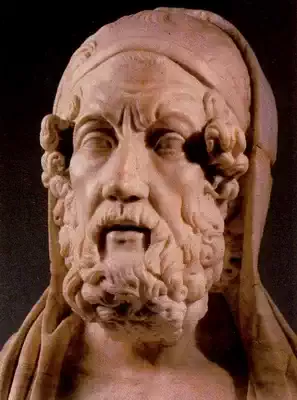
Homero
The Iliad: Book 1
The Iliad: Book 1
Sing, O goddess, the anger of Achilles son of Peleus, that brought
countless ills upon the Achaeans. Many a brave soul did it send
hurrying down to Hades, and many a hero did it yield a prey to dogs
and vultures, for so were the counsels of Jove fulfilled from the
day on which the son of Atreus, king of men, and great Achilles, first
fell out with one another.
And which of the gods was it that set them on to quarrel? It was the
son of Jove and Leto; for he was angry with the king and sent a
pestilence upon the host to plague the people, because the son of
Atreus had dishonoured Chryses his priest. Now Chryses had come to the
ships of the Achaeans to free his daughter, and had brought with him a
great ransom: moreover he bore in his hand the sceptre of Apollo
wreathed with a suppliant's wreath and he besought the Achaeans, but
most of all the two sons of Atreus, who were their chiefs.
"Sons of Atreus," he cried, "and all other Achaeans, may the gods
who dwell in Olympus grant you to sack the city of Priam, and to reach
your homes in safety; but free my daughter, and accept a ransom for
her, in reverence to Apollo, son of Jove."
On this the rest of the Achaeans with one voice were for
respecting the priest and taking the ransom that he offered; but not
so Agamemnon, who spoke fiercely to him and sent him roughly away.
"Old man," said he, "let me not find you tarrying about our ships, nor
yet coming hereafter. Your sceptre of the god and your wreath shall
profit you nothing. I will not free her. She shall grow old in my
house at Argos far from her own home, busying herself with her loom
and visiting my couch; so go, and do not provoke me or it shall be the
worse for you."
The old man feared him and obeyed. Not a word he spoke, but went
by the shore of the sounding sea and prayed apart to King Apollo
whom lovely Leto had borne. "Hear me," he cried, "O god of the
silver bow, that protectest Chryse and holy Cilla and rulest Tenedos
with thy might, hear me oh thou of Sminthe. If I have ever decked your
temple with garlands, or burned your thigh-bones in fat of bulls or
goats, grant my prayer, and let your arrows avenge these my tears upon
the Danaans."
Thus did he pray, and Apollo heard his prayer. He came down
furious from the summits of Olympus, with his bow and his quiver
upon his shoulder, and the arrows rattled on his back with the rage
that trembled within him. He sat himself down away from the ships with
a face as dark as night, and his silver bow rang death as he shot
his arrow in the midst of them. First he smote their mules and their
hounds, but presently he aimed his shafts at the people themselves,
and all day long the pyres of the dead were burning.
For nine whole days he shot his arrows among the people, but upon
the tenth day Achilles called them in assembly- moved thereto by Juno,
who saw the Achaeans in their death-throes and had compassion upon
them. Then, when they were got together, he rose and spoke among them.
"Son of Atreus," said he, "I deem that we should now turn roving
home if we would escape destruction, for we are being cut down by
war and pestilence at once. Let us ask some priest or prophet, or some
reader of dreams (for dreams, too, are of Jove) who can tell us why
Phoebus Apollo is so angry, and say whether it is for some vow that we
have broken, or hecatomb that we have not offered, and whether he will
accept the savour of lambs and goats without blemish, so as to take
away the plague from us."
With these words he sat down, and Calchas son of Thestor, wisest
of augurs, who knew things past present and to come, rose to speak. He
it was who had guided the Achaeans with their fleet to Ilius,
through the prophesyings with which Phoebus Apollo had inspired him.
With all sincerity and goodwill he addressed them thus:
"Achilles, loved of heaven, you bid me tell you about the anger of
King Apollo, I will therefore do so; but consider first and swear that
you will stand by me heartily in word and deed, for I know that I
shall offend one who rules the Argives with might, to whom all the
Achaeans are in subjection. A plain man cannot stand against the anger
of a king, who if he swallow his displeasure now, will yet nurse
revenge till he has wreaked it. Consider, therefore, whether or no you
will protect me."
And Achilles answered, "Fear not, but speak as it is borne in upon
you from heaven, for by Apollo, Calchas, to whom you pray, and whose
oracles you reveal to us, not a Danaan at our ships shall lay his hand
upon you, while I yet live to look upon the face of the earth- no, not
though you name Agamemnon himself, who is by far the foremost of the
Achaeans."
Thereon the seer spoke boldly. "The god," he said, "is angry neither
about vow nor hecatomb, but for his priest's sake, whom Agamemnon
has dishonoured, in that he would not free his daughter nor take a
ransom for her; therefore has he sent these evils upon us, and will
yet send others. He will not deliver the Danaans from this
pestilence till Agamemnon has restored the girl without fee or
ransom to her father, and has sent a holy hecatomb to Chryse. Thus
we may perhaps appease him."
With these words he sat down, and Agamemnon rose in anger. His heart
was black with rage, and his eyes flashed fire as he scowled on
Calchas and said, "Seer of evil, you never yet prophesied smooth
things concerning me, but have ever loved to foretell that which was
evil. You have brought me neither comfort nor performance; and now you
come seeing among Danaans, and saying that Apollo has plagued us
because I would not take a ransom for this girl, the daughter of
Chryses. I have set my heart on keeping her in my own house, for I
love her better even than my own wife Clytemnestra, whose peer she
is alike in form and feature, in understanding and accomplishments.
Still I will give her up if I must, for I would have the people
live, not die; but you must find me a prize instead, or I alone
among the Argives shall be without one. This is not well; for you
behold, all of you, that my prize is to go elsewhither."
And Achilles answered, "Most noble son of Atreus, covetous beyond
all mankind, how shall the Achaeans find you another prize? We have no
common store from which to take one. Those we took from the cities
have been awarded; we cannot disallow the awards that have been made
already. Give this girl, therefore, to the god, and if ever Jove
grants us to sack the city of Troy we will requite you three and
fourfold."
Then Agamemnon said, "Achilles, valiant though you be, you shall not
thus outwit me. You shall not overreach and you shall not persuade me.
Are you to keep your own prize, while I sit tamely under my loss and
give up the girl at your bidding? Let the Achaeans find me a prize
in fair exchange to my liking, or I will come and take your own, or
that of Ajax or of Ulysses; and he to whomsoever I may come shall
rue my coming. But of this we will take thought hereafter; for the
present, let us draw a ship into the sea, and find a crew for her
expressly; let us put a hecatomb on board, and let us send Chryseis
also; further, let some chief man among us be in command, either Ajax,
or Idomeneus, or yourself, son of Peleus, mighty warrior that you are,
that we may offer sacrifice and appease the the anger of the god."
Achilles scowled at him and answered, "You are steeped in
insolence and lust of gain. With what heart can any of the Achaeans do
your bidding, either on foray or in open fighting? I came not
warring here for any ill the Trojans had done me. I have no quarrel
with them. They have not raided my cattle nor my horses, nor cut
down my harvests on the rich plains of Phthia; for between me and them
there is a great space, both mountain and sounding sea. We have
followed you, Sir Insolence! for your pleasure, not ours- to gain
satisfaction from the Trojans for your shameless self and for
Menelaus. You forget this, and threaten to rob me of the prize for
which I have toiled, and which the sons of the Achaeans have given me.
Never when the Achaeans sack any rich city of the Trojans do I receive
so good a prize as you do, though it is my hands that do the better
part of the fighting. When the sharing comes, your share is far the
largest, and I, forsooth, must go back to my ships, take what I can
get and be thankful, when my labour of fighting is done. Now,
therefore, I shall go back to Phthia; it will be much better for me to
return home with my ships, for I will not stay here dishonoured to
gather gold and substance for you."
And Agamemnon answered, "Fly if you will, I shall make you no
prayers to stay you. I have others here who will do me honour, and
above all Jove, the lord of counsel. There is no king here so
hateful to me as you are, for you are ever quarrelsome and ill
affected. What though you be brave? Was it not heaven that made you
so? Go home, then, with your ships and comrades to lord it over the
Myrmidons. I care neither for you nor for your anger; and thus will
I do: since Phoebus Apollo is taking Chryseis from me, I shall send
her with my ship and my followers, but I shall come to your tent and
take your own prize Briseis, that you may learn how much stronger I am
than you are, and that another may fear to set himself up as equal
or comparable with me."
The son of Peleus was furious, and his heart within his shaggy
breast was divided whether to draw his sword, push the others aside,
and kill the son of Atreus, or to restrain himself and check his
anger. While he was thus in two minds, and was drawing his mighty
sword from its scabbard, Minerva came down from heaven (for Juno had
sent her in the love she bore to them both), and seized the son of
Peleus by his yellow hair, visible to him alone, for of the others
no man could see her. Achilles turned in amaze, and by the fire that
flashed from her eyes at once knew that she was Minerva. "Why are
you here," said he, "daughter of aegis-bearing Jove? To see the
pride of Agamemnon, son of Atreus? Let me tell you- and it shall
surely be- he shall pay for this insolence with his life."
And Minerva said, "I come from heaven, if you will hear me, to bid
you stay your anger. Juno has sent me, who cares for both of you
alike. Cease, then, this brawling, and do not draw your sword; rail at
him if you will, and your railing will not be vain, for I tell youand
it shall surely be- that you shall hereafter receive gifts three
times as splendid by reason of this present insult. Hold, therefore,
and obey."
"Goddess," answered Achilles, "however angry a man may be, he must
do as you two command him. This will be best, for the gods ever hear
the prayers of him who has obeyed them."
He stayed his hand on the silver hilt of his sword, and thrust it
back into the scabbard as Minerva bade him. Then she went back to
Olympus among the other gods, and to the house of aegis-bearing Jove.
But the son of Peleus again began railing at the son of Atreus,
for he was still in a rage. "Wine-bibber," he cried, "with the face of
a dog and the heart of a hind, you never dare to go out with the
host in fight, nor yet with our chosen men in ambuscade. You shun this
as you do death itself. You had rather go round and rob his prizes
from any man who contradicts you. You devour your people, for you
are king over a feeble folk; otherwise, son of Atreus, henceforward
you would insult no man. Therefore I say, and swear it with a great
oath- nay, by this my sceptre which shalt sprout neither leaf nor
shoot, nor bud anew from the day on which it left its parent stem upon
the mountains- for the axe stripped it of leaf and bark, and now the
sons of the Achaeans bear it as judges and guardians of the decrees of
heaven- so surely and solemnly do I swear that hereafter they shall
look fondly for Achilles and shall not find him. In the day of your
distress, when your men fall dying by the murderous hand of Hector,
you shall not know how to help them, and shall rend your heart with
rage for the hour when you offered insult to the bravest of the
Achaeans."
With this the son of Peleus dashed his gold-bestudded sceptre on the
ground and took his seat, while the son of Atreus was beginning
fiercely from his place upon the other side. Then uprose
smooth-tongued Nestor, the facile speaker of the Pylians, and the
words fell from his lips sweeter than honey. Two generations of men
born and bred in Pylos had passed away under his rule, and he was
now reigning over the third. With all sincerity and goodwill,
therefore, he addressed them thus:
"Of a truth," he said, "a great sorrow has befallen the Achaean
land. Surely Priam with his sons would rejoice, and the Trojans be
glad at heart if they could hear this quarrel between you two, who are
so excellent in fight and counsel. I am older than either of you;
therefore be guided by me. Moreover I have been the familiar friend of
men even greater than you are, and they did not disregard my counsels.
Never again can I behold such men as Pirithous and Dryas shepherd of
his people, or as Caeneus, Exadius, godlike Polyphemus, and Theseus
son of Aegeus, peer of the immortals. These were the mightiest men
ever born upon this earth: mightiest were they, and when they fought
the fiercest tribes of mountain savages they utterly overthrew them. I
came from distant Pylos, and went about among them, for they would
have me come, and I fought as it was in me to do. Not a man now living
could withstand them, but they heard my words, and were persuaded by
them. So be it also with yourselves, for this is the more excellent
way. Therefore, Agamemnon, though you be strong, take not this girl
away, for the sons of the Achaeans have already given her to Achilles;
and you, Achilles, strive not further with the king, for no man who by
the grace of Jove wields a sceptre has like honour with Agamemnon. You
are strong, and have a goddess for your mother; but Agamemnon is
stronger than you, for he has more people under him. Son of Atreus,
check your anger, I implore you; end this quarrel with Achilles, who
in the day of battle is a tower of strength to the Achaeans."
And Agamemnon answered, "Sir, all that you have said is true, but
this fellow must needs become our lord and master: he must be lord
of all, king of all, and captain of all, and this shall hardly be.
Granted that the gods have made him a great warrior, have they also
given him the right to speak with railing?"
Achilles interrupted him. "I should be a mean coward," he cried,
"were I to give in to you in all things. Order other people about, not
me, for I shall obey no longer. Furthermore I say- and lay my saying
to your heart- I shall fight neither you nor any man about this
girl, for those that take were those also that gave. But of all else
that is at my ship you shall carry away nothing by force. Try, that
others may see; if you do, my spear shall be reddened with your
blood."
When they had quarrelled thus angrily, they rose, and broke up the
assembly at the ships of the Achaeans. The son of Peleus went back
to his tents and ships with the son of Menoetius and his company,
while Agamemnon drew a vessel into the water and chose a crew of
twenty oarsmen. He escorted Chryseis on board and sent moreover a
hecatomb for the god. And Ulysses went as captain.
These, then, went on board and sailed their ways over the sea. But
the son of Atreus bade the people purify themselves; so they
purified themselves and cast their filth into the sea. Then they
offered hecatombs of bulls and goats without blemish on the sea-shore,
and the smoke with the savour of their sacrifice rose curling up
towards heaven.
Thus did they busy themselves throughout the host. But Agamemnon did
not forget the threat that he had made Achilles, and called his trusty
messengers and squires Talthybius and Eurybates. "Go," said he, "to
the tent of Achilles, son of Peleus; take Briseis by the hand and
bring her hither; if he will not give her I shall come with others and
take her- which will press him harder."
He charged them straightly further and dismissed them, whereon
they went their way sorrowfully by the seaside, till they came to
the tents and ships of the Myrmidons. They found Achilles sitting by
his tent and his ships, and ill-pleased he was when he beheld them.
They stood fearfully and reverently before him, and never a word did
they speak, but he knew them and said, "Welcome, heralds, messengers
of gods and men; draw near; my quarrel is not with you but with
Agamemnon who has sent you for the girl Briseis. Therefore, Patroclus,
bring her and give her to them, but let them be witnesses by the
blessed gods, by mortal men, and by the fierceness of Agamemnon's
anger, that if ever again there be need of me to save the people
from ruin, they shall seek and they shall not find. Agamemnon is mad
with rage and knows not how to look before and after that the Achaeans
may fight by their ships in safety."
Patroclus did as his dear comrade had bidden him. He brought Briseis
from the tent and gave her over to the heralds, who took her with them
to the ships of the Achaeans- and the woman was loth to go. Then
Achilles went all alone by the side of the hoar sea, weeping and
looking out upon the boundless waste of waters. He raised his hands in
prayer to his immortal mother, "Mother," he cried, "you bore me doomed
to live but for a little season; surely Jove, who thunders from
Olympus, might have made that little glorious. It is not so.
Agamemnon, son of Atreus, has done me dishonour, and has robbed me
of my prize by force."
As he spoke he wept aloud, and his mother heard him where she was
sitting in the depths of the sea hard by the old man her father.
Forthwith she rose as it were a grey mist out of the waves, sat down
before him as he stood weeping, caressed him with her hand, and
said, "My son, why are you weeping? What is it that grieves you?
Keep it not from me, but tell me, that we may know it together."
Achilles drew a deep sigh and said, "You know it; why tell you
what you know well already? We went to Thebe the strong city of
Eetion, sacked it, and brought hither the spoil. The sons of the
Achaeans shared it duly among themselves, and chose lovely Chryseis as
the meed of Agamemnon; but Chryses, priest of Apollo, came to the
ships of the Achaeans to free his daughter, and brought with him a
great ransom: moreover he bore in his hand the sceptre of Apollo,
wreathed with a suppliant's wreath, and he besought the Achaeans,
but most of all the two sons of Atreus who were their chiefs.
"On this the rest of the Achaeans with one voice were for respecting
the priest and taking the ransom that he offered; but not so
Agamemnon, who spoke fiercely to him and sent him roughly away. So
he went back in anger, and Apollo, who loved him dearly, heard his
prayer. Then the god sent a deadly dart upon the Argives, and the
people died thick on one another, for the arrows went everywhither
among the wide host of the Achaeans. At last a seer in the fulness
of his knowledge declared to us the oracles of Apollo, and I was
myself first to say that we should appease him. Whereon the son of
Atreus rose in anger, and threatened that which he has since done. The
Achaeans are now taking the girl in a ship to Chryse, and sending
gifts of sacrifice to the god; but the heralds have just taken from my
tent the daughter of Briseus, whom the Achaeans had awarded to myself.
"Help your brave son, therefore, if you are able. Go to Olympus, and
if you have ever done him service in word or deed, implore the aid
of Jove. Ofttimes in my father's house have I heard you glory in
that you alone of the immortals saved the son of Saturn from ruin,
when the others, with Juno, Neptune, and Pallas Minerva would have put
him in bonds. It was you, goddess, who delivered him by calling to
Olympus the hundred-handed monster whom gods call Briareus, but men
Aegaeon, for he is stronger even than his father; when therefore he
took his seat all-glorious beside the son of Saturn, the other gods
were afraid, and did not bind him. Go, then, to him, remind him of all
this, clasp his knees, and bid him give succour to the Trojans. Let
the Achaeans be hemmed in at the sterns of their ships, and perish
on the sea-shore, that they may reap what joy they may of their
king, and that Agamemnon may rue his blindness in offering insult to
the foremost of the Achaeans."
Thetis wept and answered, "My son, woe is me that I should have
borne or suckled you. Would indeed that you had lived your span free
from all sorrow at your ships, for it is all too brief; alas, that you
should be at once short of life and long of sorrow above your peers:
woe, therefore, was the hour in which I bore you; nevertheless I
will go to the snowy heights of Olympus, and tell this tale to Jove,
if he will hear our prayer: meanwhile stay where you are with your
ships, nurse your anger against the Achaeans, and hold aloof from
fight. For Jove went yesterday to Oceanus, to a feast among the
Ethiopians, and the other gods went with him. He will return to
Olympus twelve days hence; I will then go to his mansion paved with
bronze and will beseech him; nor do I doubt that I shall be able to
persuade him."
On this she left him, still furious at the loss of her that had been
taken from him. Meanwhile Ulysses reached Chryse with the hecatomb.
When they had come inside the harbour they furled the sails and laid
them in the ship's hold; they slackened the forestays, lowered the
mast into its place, and rowed the ship to the place where they
would have her lie; there they cast out their mooring-stones and
made fast the hawsers. They then got out upon the sea-shore and landed
the hecatomb for Apollo; Chryseis also left the ship, and Ulysses
led her to the altar to deliver her into the hands of her father.
"Chryses," said he, "King Agamemnon has sent me to bring you back your
child, and to offer sacrifice to Apollo on behalf of the Danaans, that
we may propitiate the god, who has now brought sorrow upon the
Argives."
So saying he gave the girl over to her father, who received her
gladly, and they ranged the holy hecatomb all orderly round the
altar of the god. They washed their hands and took up the
barley-meal to sprinkle over the victims, while Chryses lifted up
his hands and prayed aloud on their behalf. "Hear me," he cried, "O
god of the silver bow, that protectest Chryse and holy Cilla, and
rulest Tenedos with thy might. Even as thou didst hear me aforetime
when I prayed, and didst press hardly upon the Achaeans, so hear me
yet again, and stay this fearful pestilence from the Danaans."
Thus did he pray, and Apollo heard his prayer. When they had done
praying and sprinkling the barley-meal, they drew back the heads of
the victims and killed and flayed them. They cut out the
thigh-bones, wrapped them round in two layers of fat, set some
pieces of raw meat on the top of them, and then Chryses laid them on
the wood fire and poured wine over them, while the young men stood
near him with five-pronged spits in their hands. When the
thigh-bones were burned and they had tasted the inward meats, they cut
the rest up small, put the pieces upon the spits, roasted them till
they were done, and drew them off: then, when they had finished
their work and the feast was ready, they ate it, and every man had his
full share, so that all were satisfied. As soon as they had had enough
to eat and drink, pages filled the mixing-bowl with wine and water and
handed it round, after giving every man his drink-offering.
Thus all day long the young men worshipped the god with song,
hymning him and chaunting the joyous paean, and the god took
pleasure in their voices; but when the sun went down, and it came on
dark, they laid themselves down to sleep by the stern cables of the
ship, and when the child of morning, rosy-fingered Dawn, appeared they
again set sail for the host of the Achaeans. Apollo sent them a fair
wind, so they raised their mast and hoisted their white sails aloft.
As the sail bellied with the wind the ship flew through the deep
blue water, and the foam hissed against her bows as she sped onward.
When they reached the wide-stretching host of the Achaeans, they
drew the vessel ashore, high and dry upon the sands, set her strong
props beneath her, and went their ways to their own tents and ships.
But Achilles abode at his ships and nursed his anger. He went not to
the honourable assembly, and sallied not forth to fight, but gnawed at
his own heart, pining for battle and the war-cry.
Now after twelve days the immortal gods came back in a body to
Olympus, and Jove led the way. Thetis was not unmindful of the
charge her son had laid upon her, so she rose from under the sea and
went through great heaven with early morning to Olympus, where she
found the mighty son of Saturn sitting all alone upon its topmost
ridges. She sat herself down before him, and with her left hand seized
his knees, while with her right she caught him under the chin, and
besought him, saying
"Father Jove, if I ever did you service in word or deed among the
immortals, hear my prayer, and do honour to my son, whose life is to
be cut short so early. King Agamemnon has dishonoured him by taking
his prize and keeping her. Honour him then yourself, Olympian lord
of counsel, and grant victory to the Trojans, till the Achaeans give
my son his due and load him with riches in requital."
Jove sat for a while silent, and without a word, but Thetis still
kept firm hold of his knees, and besought him a second time.
"Incline your head," said she, "and promise me surely, or else deny
me- for you have nothing to fear- that I may learn how greatly you
disdain me."
At this Jove was much troubled and answered, "I shall have trouble
if you set me quarrelling with Juno, for she will provoke me with
her taunting speeches; even now she is always railing at me before the
other gods and accusing me of giving aid to the Trojans. Go back
now, lest she should find out. I will consider the matter, and will
bring it about as wish. See, I incline my head that you believe me.
This is the most solemn that I can give to any god. I never recall
my word, or deceive, or fail to do what I say, when I have nodded my
head."
As he spoke the son of Saturn bowed his dark brows, and the
ambrosial locks swayed on his immortal head, till vast Olympus reeled.
When the pair had thus laid their plans, they parted- Jove to his
house, while the goddess quitted the splendour of Olympus, and plunged
into the depths of the sea. The gods rose from their seats, before the
coming of their sire. Not one of them dared to remain sitting, but all
stood up as he came among them. There, then, he took his seat. But
Juno, when she saw him, knew that he and the old merman's daughter,
silver-footed Thetis, had been hatching mischief, so she at once began
to upbraid him. "Trickster," she cried, "which of the gods have you
been taking into your counsels now? You are always settling matters in
secret behind my back, and have never yet told me, if you could help
it, one word of your intentions."
"Juno," replied the sire of gods and men, "you must not expect to be
informed of all my counsels. You are my wife, but you would find it
hard to understand them. When it is proper for you to hear, there is
no one, god or man, who will be told sooner, but when I mean to keep a
matter to myself, you must not pry nor ask questions."
"Dread son of Saturn," answered Juno, "what are you talking about?
I? Pry and ask questions? Never. I let you have your own way in
everything. Still, I have a strong misgiving that the old merman's
daughter Thetis has been talking you over, for she was with you and
had hold of your knees this self-same morning. I believe, therefore,
that you have been promising her to give glory to Achilles, and to
kill much people at the ships of the Achaeans."
"Wife," said Jove, "I can do nothing but you suspect me and find
it out. You will take nothing by it, for I shall only dislike you
the more, and it will go harder with you. Granted that it is as you
say; I mean to have it so; sit down and hold your tongue as I bid
you for if I once begin to lay my hands about you, though all heaven
were on your side it would profit you nothing."
On this Juno was frightened, so she curbed her stubborn will and sat
down in silence. But the heavenly beings were disquieted throughout
the house of Jove, till the cunning workman Vulcan began to try and
pacify his mother Juno. "It will be intolerable," said he, "if you two
fall to wrangling and setting heaven in an uproar about a pack of
mortals. If such ill counsels are to prevail, we shall have no
pleasure at our banquet. Let me then advise my mother- and she must
herself know that it will be better- to make friends with my dear
father Jove, lest he again scold her and disturb our feast. If the
Olympian Thunderer wants to hurl us all from our seats, he can do
so, for he is far the strongest, so give him fair words, and he will
then soon be in a good humour with us."
As he spoke, he took a double cup of nectar, and placed it in his
mother's hand. "Cheer up, my dear mother," said he, "and make the best
of it. I love you dearly, and should be very sorry to see you get a
thrashing; however grieved I might be, I could not help for there is
no standing against Jove. Once before when I was trying to help you,
he caught me by the foot and flung me from the heavenly threshold. All
day long from morn till eve, was I falling, till at sunset I came to
ground in the island of Lemnos, and there I lay, with very little life
left in me, till the Sintians came and tended me."
Juno smiled at this, and as she smiled she took the cup from her
son's hands. Then Vulcan drew sweet nectar from the mixing-bowl, and
served it round among the gods, going from left to right; and the
blessed gods laughed out a loud applause as they saw him ing
bustling about the heavenly mansion.
Thus through the livelong day to the going down of the sun they
feasted, and every one had his full share, so that all were satisfied.
Apollo struck his lyre, and the Muses lifted up their sweet voices,
calling and answering one another. But when the sun's glorious light
had faded, they went home to bed, each in his own abode, which lame
Vulcan with his consummate skill had fashioned for them. So Jove,
the Olympian Lord of Thunder, hied him to the bed in which he always
slept; and when he had got on to it he went to sleep, with Juno of the
golden throne by his side.
Translated by Samuel Butler
Sing, O goddess, the anger of Achilles son of Peleus, that brought
countless ills upon the Achaeans. Many a brave soul did it send
hurrying down to Hades, and many a hero did it yield a prey to dogs
and vultures, for so were the counsels of Jove fulfilled from the
day on which the son of Atreus, king of men, and great Achilles, first
fell out with one another.
And which of the gods was it that set them on to quarrel? It was the
son of Jove and Leto; for he was angry with the king and sent a
pestilence upon the host to plague the people, because the son of
Atreus had dishonoured Chryses his priest. Now Chryses had come to the
ships of the Achaeans to free his daughter, and had brought with him a
great ransom: moreover he bore in his hand the sceptre of Apollo
wreathed with a suppliant's wreath and he besought the Achaeans, but
most of all the two sons of Atreus, who were their chiefs.
"Sons of Atreus," he cried, "and all other Achaeans, may the gods
who dwell in Olympus grant you to sack the city of Priam, and to reach
your homes in safety; but free my daughter, and accept a ransom for
her, in reverence to Apollo, son of Jove."
On this the rest of the Achaeans with one voice were for
respecting the priest and taking the ransom that he offered; but not
so Agamemnon, who spoke fiercely to him and sent him roughly away.
"Old man," said he, "let me not find you tarrying about our ships, nor
yet coming hereafter. Your sceptre of the god and your wreath shall
profit you nothing. I will not free her. She shall grow old in my
house at Argos far from her own home, busying herself with her loom
and visiting my couch; so go, and do not provoke me or it shall be the
worse for you."
The old man feared him and obeyed. Not a word he spoke, but went
by the shore of the sounding sea and prayed apart to King Apollo
whom lovely Leto had borne. "Hear me," he cried, "O god of the
silver bow, that protectest Chryse and holy Cilla and rulest Tenedos
with thy might, hear me oh thou of Sminthe. If I have ever decked your
temple with garlands, or burned your thigh-bones in fat of bulls or
goats, grant my prayer, and let your arrows avenge these my tears upon
the Danaans."
Thus did he pray, and Apollo heard his prayer. He came down
furious from the summits of Olympus, with his bow and his quiver
upon his shoulder, and the arrows rattled on his back with the rage
that trembled within him. He sat himself down away from the ships with
a face as dark as night, and his silver bow rang death as he shot
his arrow in the midst of them. First he smote their mules and their
hounds, but presently he aimed his shafts at the people themselves,
and all day long the pyres of the dead were burning.
For nine whole days he shot his arrows among the people, but upon
the tenth day Achilles called them in assembly- moved thereto by Juno,
who saw the Achaeans in their death-throes and had compassion upon
them. Then, when they were got together, he rose and spoke among them.
"Son of Atreus," said he, "I deem that we should now turn roving
home if we would escape destruction, for we are being cut down by
war and pestilence at once. Let us ask some priest or prophet, or some
reader of dreams (for dreams, too, are of Jove) who can tell us why
Phoebus Apollo is so angry, and say whether it is for some vow that we
have broken, or hecatomb that we have not offered, and whether he will
accept the savour of lambs and goats without blemish, so as to take
away the plague from us."
With these words he sat down, and Calchas son of Thestor, wisest
of augurs, who knew things past present and to come, rose to speak. He
it was who had guided the Achaeans with their fleet to Ilius,
through the prophesyings with which Phoebus Apollo had inspired him.
With all sincerity and goodwill he addressed them thus:
"Achilles, loved of heaven, you bid me tell you about the anger of
King Apollo, I will therefore do so; but consider first and swear that
you will stand by me heartily in word and deed, for I know that I
shall offend one who rules the Argives with might, to whom all the
Achaeans are in subjection. A plain man cannot stand against the anger
of a king, who if he swallow his displeasure now, will yet nurse
revenge till he has wreaked it. Consider, therefore, whether or no you
will protect me."
And Achilles answered, "Fear not, but speak as it is borne in upon
you from heaven, for by Apollo, Calchas, to whom you pray, and whose
oracles you reveal to us, not a Danaan at our ships shall lay his hand
upon you, while I yet live to look upon the face of the earth- no, not
though you name Agamemnon himself, who is by far the foremost of the
Achaeans."
Thereon the seer spoke boldly. "The god," he said, "is angry neither
about vow nor hecatomb, but for his priest's sake, whom Agamemnon
has dishonoured, in that he would not free his daughter nor take a
ransom for her; therefore has he sent these evils upon us, and will
yet send others. He will not deliver the Danaans from this
pestilence till Agamemnon has restored the girl without fee or
ransom to her father, and has sent a holy hecatomb to Chryse. Thus
we may perhaps appease him."
With these words he sat down, and Agamemnon rose in anger. His heart
was black with rage, and his eyes flashed fire as he scowled on
Calchas and said, "Seer of evil, you never yet prophesied smooth
things concerning me, but have ever loved to foretell that which was
evil. You have brought me neither comfort nor performance; and now you
come seeing among Danaans, and saying that Apollo has plagued us
because I would not take a ransom for this girl, the daughter of
Chryses. I have set my heart on keeping her in my own house, for I
love her better even than my own wife Clytemnestra, whose peer she
is alike in form and feature, in understanding and accomplishments.
Still I will give her up if I must, for I would have the people
live, not die; but you must find me a prize instead, or I alone
among the Argives shall be without one. This is not well; for you
behold, all of you, that my prize is to go elsewhither."
And Achilles answered, "Most noble son of Atreus, covetous beyond
all mankind, how shall the Achaeans find you another prize? We have no
common store from which to take one. Those we took from the cities
have been awarded; we cannot disallow the awards that have been made
already. Give this girl, therefore, to the god, and if ever Jove
grants us to sack the city of Troy we will requite you three and
fourfold."
Then Agamemnon said, "Achilles, valiant though you be, you shall not
thus outwit me. You shall not overreach and you shall not persuade me.
Are you to keep your own prize, while I sit tamely under my loss and
give up the girl at your bidding? Let the Achaeans find me a prize
in fair exchange to my liking, or I will come and take your own, or
that of Ajax or of Ulysses; and he to whomsoever I may come shall
rue my coming. But of this we will take thought hereafter; for the
present, let us draw a ship into the sea, and find a crew for her
expressly; let us put a hecatomb on board, and let us send Chryseis
also; further, let some chief man among us be in command, either Ajax,
or Idomeneus, or yourself, son of Peleus, mighty warrior that you are,
that we may offer sacrifice and appease the the anger of the god."
Achilles scowled at him and answered, "You are steeped in
insolence and lust of gain. With what heart can any of the Achaeans do
your bidding, either on foray or in open fighting? I came not
warring here for any ill the Trojans had done me. I have no quarrel
with them. They have not raided my cattle nor my horses, nor cut
down my harvests on the rich plains of Phthia; for between me and them
there is a great space, both mountain and sounding sea. We have
followed you, Sir Insolence! for your pleasure, not ours- to gain
satisfaction from the Trojans for your shameless self and for
Menelaus. You forget this, and threaten to rob me of the prize for
which I have toiled, and which the sons of the Achaeans have given me.
Never when the Achaeans sack any rich city of the Trojans do I receive
so good a prize as you do, though it is my hands that do the better
part of the fighting. When the sharing comes, your share is far the
largest, and I, forsooth, must go back to my ships, take what I can
get and be thankful, when my labour of fighting is done. Now,
therefore, I shall go back to Phthia; it will be much better for me to
return home with my ships, for I will not stay here dishonoured to
gather gold and substance for you."
And Agamemnon answered, "Fly if you will, I shall make you no
prayers to stay you. I have others here who will do me honour, and
above all Jove, the lord of counsel. There is no king here so
hateful to me as you are, for you are ever quarrelsome and ill
affected. What though you be brave? Was it not heaven that made you
so? Go home, then, with your ships and comrades to lord it over the
Myrmidons. I care neither for you nor for your anger; and thus will
I do: since Phoebus Apollo is taking Chryseis from me, I shall send
her with my ship and my followers, but I shall come to your tent and
take your own prize Briseis, that you may learn how much stronger I am
than you are, and that another may fear to set himself up as equal
or comparable with me."
The son of Peleus was furious, and his heart within his shaggy
breast was divided whether to draw his sword, push the others aside,
and kill the son of Atreus, or to restrain himself and check his
anger. While he was thus in two minds, and was drawing his mighty
sword from its scabbard, Minerva came down from heaven (for Juno had
sent her in the love she bore to them both), and seized the son of
Peleus by his yellow hair, visible to him alone, for of the others
no man could see her. Achilles turned in amaze, and by the fire that
flashed from her eyes at once knew that she was Minerva. "Why are
you here," said he, "daughter of aegis-bearing Jove? To see the
pride of Agamemnon, son of Atreus? Let me tell you- and it shall
surely be- he shall pay for this insolence with his life."
And Minerva said, "I come from heaven, if you will hear me, to bid
you stay your anger. Juno has sent me, who cares for both of you
alike. Cease, then, this brawling, and do not draw your sword; rail at
him if you will, and your railing will not be vain, for I tell youand
it shall surely be- that you shall hereafter receive gifts three
times as splendid by reason of this present insult. Hold, therefore,
and obey."
"Goddess," answered Achilles, "however angry a man may be, he must
do as you two command him. This will be best, for the gods ever hear
the prayers of him who has obeyed them."
He stayed his hand on the silver hilt of his sword, and thrust it
back into the scabbard as Minerva bade him. Then she went back to
Olympus among the other gods, and to the house of aegis-bearing Jove.
But the son of Peleus again began railing at the son of Atreus,
for he was still in a rage. "Wine-bibber," he cried, "with the face of
a dog and the heart of a hind, you never dare to go out with the
host in fight, nor yet with our chosen men in ambuscade. You shun this
as you do death itself. You had rather go round and rob his prizes
from any man who contradicts you. You devour your people, for you
are king over a feeble folk; otherwise, son of Atreus, henceforward
you would insult no man. Therefore I say, and swear it with a great
oath- nay, by this my sceptre which shalt sprout neither leaf nor
shoot, nor bud anew from the day on which it left its parent stem upon
the mountains- for the axe stripped it of leaf and bark, and now the
sons of the Achaeans bear it as judges and guardians of the decrees of
heaven- so surely and solemnly do I swear that hereafter they shall
look fondly for Achilles and shall not find him. In the day of your
distress, when your men fall dying by the murderous hand of Hector,
you shall not know how to help them, and shall rend your heart with
rage for the hour when you offered insult to the bravest of the
Achaeans."
With this the son of Peleus dashed his gold-bestudded sceptre on the
ground and took his seat, while the son of Atreus was beginning
fiercely from his place upon the other side. Then uprose
smooth-tongued Nestor, the facile speaker of the Pylians, and the
words fell from his lips sweeter than honey. Two generations of men
born and bred in Pylos had passed away under his rule, and he was
now reigning over the third. With all sincerity and goodwill,
therefore, he addressed them thus:
"Of a truth," he said, "a great sorrow has befallen the Achaean
land. Surely Priam with his sons would rejoice, and the Trojans be
glad at heart if they could hear this quarrel between you two, who are
so excellent in fight and counsel. I am older than either of you;
therefore be guided by me. Moreover I have been the familiar friend of
men even greater than you are, and they did not disregard my counsels.
Never again can I behold such men as Pirithous and Dryas shepherd of
his people, or as Caeneus, Exadius, godlike Polyphemus, and Theseus
son of Aegeus, peer of the immortals. These were the mightiest men
ever born upon this earth: mightiest were they, and when they fought
the fiercest tribes of mountain savages they utterly overthrew them. I
came from distant Pylos, and went about among them, for they would
have me come, and I fought as it was in me to do. Not a man now living
could withstand them, but they heard my words, and were persuaded by
them. So be it also with yourselves, for this is the more excellent
way. Therefore, Agamemnon, though you be strong, take not this girl
away, for the sons of the Achaeans have already given her to Achilles;
and you, Achilles, strive not further with the king, for no man who by
the grace of Jove wields a sceptre has like honour with Agamemnon. You
are strong, and have a goddess for your mother; but Agamemnon is
stronger than you, for he has more people under him. Son of Atreus,
check your anger, I implore you; end this quarrel with Achilles, who
in the day of battle is a tower of strength to the Achaeans."
And Agamemnon answered, "Sir, all that you have said is true, but
this fellow must needs become our lord and master: he must be lord
of all, king of all, and captain of all, and this shall hardly be.
Granted that the gods have made him a great warrior, have they also
given him the right to speak with railing?"
Achilles interrupted him. "I should be a mean coward," he cried,
"were I to give in to you in all things. Order other people about, not
me, for I shall obey no longer. Furthermore I say- and lay my saying
to your heart- I shall fight neither you nor any man about this
girl, for those that take were those also that gave. But of all else
that is at my ship you shall carry away nothing by force. Try, that
others may see; if you do, my spear shall be reddened with your
blood."
When they had quarrelled thus angrily, they rose, and broke up the
assembly at the ships of the Achaeans. The son of Peleus went back
to his tents and ships with the son of Menoetius and his company,
while Agamemnon drew a vessel into the water and chose a crew of
twenty oarsmen. He escorted Chryseis on board and sent moreover a
hecatomb for the god. And Ulysses went as captain.
These, then, went on board and sailed their ways over the sea. But
the son of Atreus bade the people purify themselves; so they
purified themselves and cast their filth into the sea. Then they
offered hecatombs of bulls and goats without blemish on the sea-shore,
and the smoke with the savour of their sacrifice rose curling up
towards heaven.
Thus did they busy themselves throughout the host. But Agamemnon did
not forget the threat that he had made Achilles, and called his trusty
messengers and squires Talthybius and Eurybates. "Go," said he, "to
the tent of Achilles, son of Peleus; take Briseis by the hand and
bring her hither; if he will not give her I shall come with others and
take her- which will press him harder."
He charged them straightly further and dismissed them, whereon
they went their way sorrowfully by the seaside, till they came to
the tents and ships of the Myrmidons. They found Achilles sitting by
his tent and his ships, and ill-pleased he was when he beheld them.
They stood fearfully and reverently before him, and never a word did
they speak, but he knew them and said, "Welcome, heralds, messengers
of gods and men; draw near; my quarrel is not with you but with
Agamemnon who has sent you for the girl Briseis. Therefore, Patroclus,
bring her and give her to them, but let them be witnesses by the
blessed gods, by mortal men, and by the fierceness of Agamemnon's
anger, that if ever again there be need of me to save the people
from ruin, they shall seek and they shall not find. Agamemnon is mad
with rage and knows not how to look before and after that the Achaeans
may fight by their ships in safety."
Patroclus did as his dear comrade had bidden him. He brought Briseis
from the tent and gave her over to the heralds, who took her with them
to the ships of the Achaeans- and the woman was loth to go. Then
Achilles went all alone by the side of the hoar sea, weeping and
looking out upon the boundless waste of waters. He raised his hands in
prayer to his immortal mother, "Mother," he cried, "you bore me doomed
to live but for a little season; surely Jove, who thunders from
Olympus, might have made that little glorious. It is not so.
Agamemnon, son of Atreus, has done me dishonour, and has robbed me
of my prize by force."
As he spoke he wept aloud, and his mother heard him where she was
sitting in the depths of the sea hard by the old man her father.
Forthwith she rose as it were a grey mist out of the waves, sat down
before him as he stood weeping, caressed him with her hand, and
said, "My son, why are you weeping? What is it that grieves you?
Keep it not from me, but tell me, that we may know it together."
Achilles drew a deep sigh and said, "You know it; why tell you
what you know well already? We went to Thebe the strong city of
Eetion, sacked it, and brought hither the spoil. The sons of the
Achaeans shared it duly among themselves, and chose lovely Chryseis as
the meed of Agamemnon; but Chryses, priest of Apollo, came to the
ships of the Achaeans to free his daughter, and brought with him a
great ransom: moreover he bore in his hand the sceptre of Apollo,
wreathed with a suppliant's wreath, and he besought the Achaeans,
but most of all the two sons of Atreus who were their chiefs.
"On this the rest of the Achaeans with one voice were for respecting
the priest and taking the ransom that he offered; but not so
Agamemnon, who spoke fiercely to him and sent him roughly away. So
he went back in anger, and Apollo, who loved him dearly, heard his
prayer. Then the god sent a deadly dart upon the Argives, and the
people died thick on one another, for the arrows went everywhither
among the wide host of the Achaeans. At last a seer in the fulness
of his knowledge declared to us the oracles of Apollo, and I was
myself first to say that we should appease him. Whereon the son of
Atreus rose in anger, and threatened that which he has since done. The
Achaeans are now taking the girl in a ship to Chryse, and sending
gifts of sacrifice to the god; but the heralds have just taken from my
tent the daughter of Briseus, whom the Achaeans had awarded to myself.
"Help your brave son, therefore, if you are able. Go to Olympus, and
if you have ever done him service in word or deed, implore the aid
of Jove. Ofttimes in my father's house have I heard you glory in
that you alone of the immortals saved the son of Saturn from ruin,
when the others, with Juno, Neptune, and Pallas Minerva would have put
him in bonds. It was you, goddess, who delivered him by calling to
Olympus the hundred-handed monster whom gods call Briareus, but men
Aegaeon, for he is stronger even than his father; when therefore he
took his seat all-glorious beside the son of Saturn, the other gods
were afraid, and did not bind him. Go, then, to him, remind him of all
this, clasp his knees, and bid him give succour to the Trojans. Let
the Achaeans be hemmed in at the sterns of their ships, and perish
on the sea-shore, that they may reap what joy they may of their
king, and that Agamemnon may rue his blindness in offering insult to
the foremost of the Achaeans."
Thetis wept and answered, "My son, woe is me that I should have
borne or suckled you. Would indeed that you had lived your span free
from all sorrow at your ships, for it is all too brief; alas, that you
should be at once short of life and long of sorrow above your peers:
woe, therefore, was the hour in which I bore you; nevertheless I
will go to the snowy heights of Olympus, and tell this tale to Jove,
if he will hear our prayer: meanwhile stay where you are with your
ships, nurse your anger against the Achaeans, and hold aloof from
fight. For Jove went yesterday to Oceanus, to a feast among the
Ethiopians, and the other gods went with him. He will return to
Olympus twelve days hence; I will then go to his mansion paved with
bronze and will beseech him; nor do I doubt that I shall be able to
persuade him."
On this she left him, still furious at the loss of her that had been
taken from him. Meanwhile Ulysses reached Chryse with the hecatomb.
When they had come inside the harbour they furled the sails and laid
them in the ship's hold; they slackened the forestays, lowered the
mast into its place, and rowed the ship to the place where they
would have her lie; there they cast out their mooring-stones and
made fast the hawsers. They then got out upon the sea-shore and landed
the hecatomb for Apollo; Chryseis also left the ship, and Ulysses
led her to the altar to deliver her into the hands of her father.
"Chryses," said he, "King Agamemnon has sent me to bring you back your
child, and to offer sacrifice to Apollo on behalf of the Danaans, that
we may propitiate the god, who has now brought sorrow upon the
Argives."
So saying he gave the girl over to her father, who received her
gladly, and they ranged the holy hecatomb all orderly round the
altar of the god. They washed their hands and took up the
barley-meal to sprinkle over the victims, while Chryses lifted up
his hands and prayed aloud on their behalf. "Hear me," he cried, "O
god of the silver bow, that protectest Chryse and holy Cilla, and
rulest Tenedos with thy might. Even as thou didst hear me aforetime
when I prayed, and didst press hardly upon the Achaeans, so hear me
yet again, and stay this fearful pestilence from the Danaans."
Thus did he pray, and Apollo heard his prayer. When they had done
praying and sprinkling the barley-meal, they drew back the heads of
the victims and killed and flayed them. They cut out the
thigh-bones, wrapped them round in two layers of fat, set some
pieces of raw meat on the top of them, and then Chryses laid them on
the wood fire and poured wine over them, while the young men stood
near him with five-pronged spits in their hands. When the
thigh-bones were burned and they had tasted the inward meats, they cut
the rest up small, put the pieces upon the spits, roasted them till
they were done, and drew them off: then, when they had finished
their work and the feast was ready, they ate it, and every man had his
full share, so that all were satisfied. As soon as they had had enough
to eat and drink, pages filled the mixing-bowl with wine and water and
handed it round, after giving every man his drink-offering.
Thus all day long the young men worshipped the god with song,
hymning him and chaunting the joyous paean, and the god took
pleasure in their voices; but when the sun went down, and it came on
dark, they laid themselves down to sleep by the stern cables of the
ship, and when the child of morning, rosy-fingered Dawn, appeared they
again set sail for the host of the Achaeans. Apollo sent them a fair
wind, so they raised their mast and hoisted their white sails aloft.
As the sail bellied with the wind the ship flew through the deep
blue water, and the foam hissed against her bows as she sped onward.
When they reached the wide-stretching host of the Achaeans, they
drew the vessel ashore, high and dry upon the sands, set her strong
props beneath her, and went their ways to their own tents and ships.
But Achilles abode at his ships and nursed his anger. He went not to
the honourable assembly, and sallied not forth to fight, but gnawed at
his own heart, pining for battle and the war-cry.
Now after twelve days the immortal gods came back in a body to
Olympus, and Jove led the way. Thetis was not unmindful of the
charge her son had laid upon her, so she rose from under the sea and
went through great heaven with early morning to Olympus, where she
found the mighty son of Saturn sitting all alone upon its topmost
ridges. She sat herself down before him, and with her left hand seized
his knees, while with her right she caught him under the chin, and
besought him, saying
"Father Jove, if I ever did you service in word or deed among the
immortals, hear my prayer, and do honour to my son, whose life is to
be cut short so early. King Agamemnon has dishonoured him by taking
his prize and keeping her. Honour him then yourself, Olympian lord
of counsel, and grant victory to the Trojans, till the Achaeans give
my son his due and load him with riches in requital."
Jove sat for a while silent, and without a word, but Thetis still
kept firm hold of his knees, and besought him a second time.
"Incline your head," said she, "and promise me surely, or else deny
me- for you have nothing to fear- that I may learn how greatly you
disdain me."
At this Jove was much troubled and answered, "I shall have trouble
if you set me quarrelling with Juno, for she will provoke me with
her taunting speeches; even now she is always railing at me before the
other gods and accusing me of giving aid to the Trojans. Go back
now, lest she should find out. I will consider the matter, and will
bring it about as wish. See, I incline my head that you believe me.
This is the most solemn that I can give to any god. I never recall
my word, or deceive, or fail to do what I say, when I have nodded my
head."
As he spoke the son of Saturn bowed his dark brows, and the
ambrosial locks swayed on his immortal head, till vast Olympus reeled.
When the pair had thus laid their plans, they parted- Jove to his
house, while the goddess quitted the splendour of Olympus, and plunged
into the depths of the sea. The gods rose from their seats, before the
coming of their sire. Not one of them dared to remain sitting, but all
stood up as he came among them. There, then, he took his seat. But
Juno, when she saw him, knew that he and the old merman's daughter,
silver-footed Thetis, had been hatching mischief, so she at once began
to upbraid him. "Trickster," she cried, "which of the gods have you
been taking into your counsels now? You are always settling matters in
secret behind my back, and have never yet told me, if you could help
it, one word of your intentions."
"Juno," replied the sire of gods and men, "you must not expect to be
informed of all my counsels. You are my wife, but you would find it
hard to understand them. When it is proper for you to hear, there is
no one, god or man, who will be told sooner, but when I mean to keep a
matter to myself, you must not pry nor ask questions."
"Dread son of Saturn," answered Juno, "what are you talking about?
I? Pry and ask questions? Never. I let you have your own way in
everything. Still, I have a strong misgiving that the old merman's
daughter Thetis has been talking you over, for she was with you and
had hold of your knees this self-same morning. I believe, therefore,
that you have been promising her to give glory to Achilles, and to
kill much people at the ships of the Achaeans."
"Wife," said Jove, "I can do nothing but you suspect me and find
it out. You will take nothing by it, for I shall only dislike you
the more, and it will go harder with you. Granted that it is as you
say; I mean to have it so; sit down and hold your tongue as I bid
you for if I once begin to lay my hands about you, though all heaven
were on your side it would profit you nothing."
On this Juno was frightened, so she curbed her stubborn will and sat
down in silence. But the heavenly beings were disquieted throughout
the house of Jove, till the cunning workman Vulcan began to try and
pacify his mother Juno. "It will be intolerable," said he, "if you two
fall to wrangling and setting heaven in an uproar about a pack of
mortals. If such ill counsels are to prevail, we shall have no
pleasure at our banquet. Let me then advise my mother- and she must
herself know that it will be better- to make friends with my dear
father Jove, lest he again scold her and disturb our feast. If the
Olympian Thunderer wants to hurl us all from our seats, he can do
so, for he is far the strongest, so give him fair words, and he will
then soon be in a good humour with us."
As he spoke, he took a double cup of nectar, and placed it in his
mother's hand. "Cheer up, my dear mother," said he, "and make the best
of it. I love you dearly, and should be very sorry to see you get a
thrashing; however grieved I might be, I could not help for there is
no standing against Jove. Once before when I was trying to help you,
he caught me by the foot and flung me from the heavenly threshold. All
day long from morn till eve, was I falling, till at sunset I came to
ground in the island of Lemnos, and there I lay, with very little life
left in me, till the Sintians came and tended me."
Juno smiled at this, and as she smiled she took the cup from her
son's hands. Then Vulcan drew sweet nectar from the mixing-bowl, and
served it round among the gods, going from left to right; and the
blessed gods laughed out a loud applause as they saw him ing
bustling about the heavenly mansion.
Thus through the livelong day to the going down of the sun they
feasted, and every one had his full share, so that all were satisfied.
Apollo struck his lyre, and the Muses lifted up their sweet voices,
calling and answering one another. But when the sun's glorious light
had faded, they went home to bed, each in his own abode, which lame
Vulcan with his consummate skill had fashioned for them. So Jove,
the Olympian Lord of Thunder, hied him to the bed in which he always
slept; and when he had got on to it he went to sleep, with Juno of the
golden throne by his side.
Translated by Samuel Butler
155
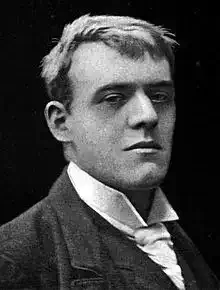
Hilaire Belloc
Lines to a Don
Lines to a Don
Remote and ineffectual Don
That dared attack my Chesterton,
With that poor weapon, half-impelled,
Unlearnt, unsteady, hardly held,
Unworthy for a tilt with men--
Your quavering and corroded pen;
Don poor at Bed and worse at Table,
Don pinched, Don starved, Don miserable;
Don stuttering, Don with roving eyes,
Don nervous, Don of crudities;
Don clerical, Don ordinary,
Don self-absorbed and solitary;
Don here-and-there, Don epileptic;
Don puffed and empty, Don dyspeptic;
Don middle-class, Don sycophantic,
Don dull, Don brutish, Don pedantic;
Don hypocritical, Don bad,
Don furtive, Don three-quarters mad;
Don (since a man must make and end),
Don that shall never be my friend.
Don different from those regal Dons!
With hearts of gold and lungs of bronze,
Who shout and bang and roar and bawl
The Absolute across the hall,
Or sail in amply bellying gown
Enormous through the Sacred Town,
Bearing from College to their homes
Deep cargoes of gigantic tomes;
Dons admirable! Dons of Might!
Uprising on my inward sight
Compact of ancient tales, and port
And sleep--and learning of a sort.
Dons English, worthy of the land;
Dons rooted; Dons that understand.
Good Dons perpetual that remain
A landmark, walling in the plain--
The horizon of my memories--
Like large and comfortable trees.
Don very much apart from these,
Thou scapegoat Don, thou Don devoted,
Don to thine own damnation quoted,
Perplexed to find thy trivial name
Reared in my verse to lasting shame.
Don dreadful, rasping Don and wearing,
Repulsive Don--Don past all bearing.
Don of the cold and doubtful breath,
Don despicable, Don of death;
Don nasty, skimpy, silent, level;
Don evil, Don that serves the devil.
Don ugly--that makes fifty lines.
There is a Canon which confines
A Rhymed Octosyllabic Curse
If written in Iambic Verse
To fifty lines. I never cut;
I far prefer to end it--but
Believe me I shall soon return.
My fires are banked, but still they burn
To write some more about the Don
That dared attack my Chesterton.
Remote and ineffectual Don
That dared attack my Chesterton,
With that poor weapon, half-impelled,
Unlearnt, unsteady, hardly held,
Unworthy for a tilt with men--
Your quavering and corroded pen;
Don poor at Bed and worse at Table,
Don pinched, Don starved, Don miserable;
Don stuttering, Don with roving eyes,
Don nervous, Don of crudities;
Don clerical, Don ordinary,
Don self-absorbed and solitary;
Don here-and-there, Don epileptic;
Don puffed and empty, Don dyspeptic;
Don middle-class, Don sycophantic,
Don dull, Don brutish, Don pedantic;
Don hypocritical, Don bad,
Don furtive, Don three-quarters mad;
Don (since a man must make and end),
Don that shall never be my friend.
Don different from those regal Dons!
With hearts of gold and lungs of bronze,
Who shout and bang and roar and bawl
The Absolute across the hall,
Or sail in amply bellying gown
Enormous through the Sacred Town,
Bearing from College to their homes
Deep cargoes of gigantic tomes;
Dons admirable! Dons of Might!
Uprising on my inward sight
Compact of ancient tales, and port
And sleep--and learning of a sort.
Dons English, worthy of the land;
Dons rooted; Dons that understand.
Good Dons perpetual that remain
A landmark, walling in the plain--
The horizon of my memories--
Like large and comfortable trees.
Don very much apart from these,
Thou scapegoat Don, thou Don devoted,
Don to thine own damnation quoted,
Perplexed to find thy trivial name
Reared in my verse to lasting shame.
Don dreadful, rasping Don and wearing,
Repulsive Don--Don past all bearing.
Don of the cold and doubtful breath,
Don despicable, Don of death;
Don nasty, skimpy, silent, level;
Don evil, Don that serves the devil.
Don ugly--that makes fifty lines.
There is a Canon which confines
A Rhymed Octosyllabic Curse
If written in Iambic Verse
To fifty lines. I never cut;
I far prefer to end it--but
Believe me I shall soon return.
My fires are banked, but still they burn
To write some more about the Don
That dared attack my Chesterton.
426
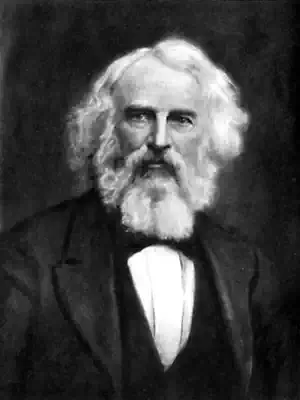
Henry Wadsworth Longfellow
The Song Of Hiawatha XVII: The Hunting Of Pau-Puk Keewis
The Song Of Hiawatha XVII: The Hunting Of Pau-Puk Keewis
Full of wrath was Hiawatha
When he came into the village,
Found the people in confusion,
Heard of all the misdemeanors,
All the malice and the mischief,
Of the cunning Pau-Puk-Keewis.
Hard his breath came through his nostrils,
Through his teeth he buzzed and muttered
Words of anger and resentment,
Hot and humming, like a hornet.
'I will slay this Pau-Puk-Keewis,
Slay this mischief-maker!' said he.
'Not so long and wide the world is,
Not so rude and rough the way is,
That my wrath shall not attain him,
That my vengeance shall not reach him!'
Then in swift pursuit departed
Hiawatha and the hunters
On the trail of Pau-Puk-Keewis,
Through the forest, where he passed it,
To the headlands where he rested;
But they found not Pau-Puk-Keewis,
Only in the trampled grasses,
In the whortleberry-bushes,
Found the couch where he had rested,
Found the impress of his body.
From the lowlands far beneath them,
From the Muskoday, the meadow,
Pau-Puk-Keewis, turning backward,
Made a gesture of defiance,
Made a gesture of derision;
And aloud cried Hiawatha,
From the summit of the mountains:
'Not so long and wide the world is,
Not so rude and rough the way is,
But my wrath shall overtake you,
And my vengeance shall attain you!'
Over rock and over river,
Through bush, and brake, and forest,
Ran the cunning Pau-Puk-Keewis;
Like an antelope he bounded,
Till he came unto a streamlet
In the middle of the forest,
To a streamlet still and tranquil,
That had overflowed its margin,
To a dam made by the beavers,
To a pond of quiet water,
Where knee-deep the trees were standing,
Where the water lilies floated,
Where the rushes waved and whispered.
On the dam stood Pau-Puk-Keewis,
On the dam of trunks and branches,
Through whose chinks the water spouted,
O'er whose summit flowed the streamlet.
From the bottom rose the beaver,
Looked with two great eyes of wonder,
Eyes that seemed to ask a question,
At the stranger, Pau-Puk-Keewis.
On the dam stood Pau-Puk-Keewis,
O'er his ankles flowed the streamlet,
Flowed the bright and silvery water,
And he spake unto the beaver,
With a smile he spake in this wise:
'O my friend Ahmeek, the beaver,
Cool and pleasant Is the water;
Let me dive into the water,
Let me rest there in your lodges;
Change me, too, into a beaver!'
Cautiously replied the beaver,
With reserve he thus made answer:
'Let me first consult the others,
Let me ask the other beavers.'
Down he sank into the water,
Heavily sank he, as a stone sinks,
Down among the leaves and branches,
Brown and matted at the bottom.
On the dam stood Pau-Puk-Keewis,
O'er his ankles flowed the streamlet,
Spouted through the chinks below him,
Dashed upon the stones beneath him,
Spread serene and calm before him,
And the sunshine and the shadows
Fell in flecks and gleams upon him,
Fell in little shining patches,
Through the waving, rustling branches.
From the bottom rose the beavers,
Silently above the surface
Rose one head and then another,
Till the pond seemed full of beavers,
Full of black and shining faces.
To the beavers Pau-Puk-Keewis
Spake entreating, said in this wise:
'Very pleasant Is your dwelling,
O my friends! and safe from danger;
Can you not, with all your cunning,
All your wisdom and contrivance,
Change me, too, into a beaver?'
'Yes!' replied Ahmeek, the beaver,
He the King of all the beavers,
'Let yourself slide down among us,
Down into the tranquil water.'
Down into the pond among them
Silently sank Pau-Puk-Keewis;
Black became his shirt of deer-skin,
Black his moccasins and leggings,
In a broad black tail behind him
Spread his fox-tails and his fringes;
He was changed into a beaver.
'Make me large,' said Pau-Puk-Keewis,
'Make me large and make me larger,
Larger than the other beavers.'
'Yes,' the beaver chief responded,
'When our lodge below you enter,
In our wigwam we will make you
Ten times larger than the others.'
Thus into the clear, brown water
Silently sank Pau-Puk-Keewis:
Found the bottom covered over
With the trunks of trees and branches,
Hoards of food against the winter,
Piles and heaps against the famine;
Found the lodge with arching doorway,
Leading into spacious chambers.
Here they made him large and larger,
Made him largest of the beavers,
Ten times larger than the others.
'You shall be our ruler,' said they;
'Chief and King of all the beavers.'
But not long had Pau-Puk-Keewis
Sat in state among the beavers,
When there came a voice, of warning
From the watchman at his station
In the water-flags and lilies,
Saying, 'Here Is Hiawatha!
Hiawatha with his hunters!'
Then they heard a cry above them,
Heard a shouting and a tramping,
Heard a crashing and a rushing,
And the water round and o'er them
Sank and sucked away in eddies,
And they knew their dam was broken.
On the lodge's roof the hunters
Leaped, and broke it all asunder;
Streamed the sunshine through the crevice,
Sprang the beavers through the doorway,
Hid themselves in deeper water,
In the channel of the streamlet;
But the mighty Pau-Puk-Keewis
Could not pass beneath the doorway;
He was puffed with pride and feeding,
He was swollen like a bladder.
Through the roof looked Hiawatha,
Cried aloud, 'O Pau-Puk-Keewis
Vain are all your craft and cunning,
Vain your manifold disguises!
Well I know you, Pau-Puk-Keewis!'
With their clubs they beat and bruised him,
Beat to death poor Pau-Puk-Keewis,
Pounded him as maize is pounded,
Till his skull was crushed to pieces.
Six tall hunters, lithe and limber,
Bore him home on poles and branches,
Bore the body of the beaver;
But the ghost, the Jeebi in him,
Thought and felt as Pau-Puk-Keewis,
Still lived on as Pau-Puk-Keewis.
And it fluttered, strove, and struggled,
Waving hither, waving thither,
As the curtains of a wigwam
Struggle with their thongs of deer-skin,
When the wintry wind is blowing;
Till it drew itself together,
Till it rose up from the body,
Till it took the form and features
Of the cunning Pau-Puk-Keewis
Vanishing into the forest.
But the wary Hiawatha
Saw the figure ere it vanished,
Saw the form of Pau-Puk-Keewis
Glide into the soft blue shadow
Of the pine-trees of the forest;
Toward the squares of white beyond it,
Toward an opening in the forest.
Like a wind it rushed and panted,
Bending all the boughs before it,
And behind it, as the rain comes,
Came the steps of Hiawatha.
To a lake with many islands
Came the breathless Pau-Puk-Keewis,
Where among the water-lilies
Pishnekuh, the brant, were sailing;
Through the tufts of rushes floating,
Steering through the reedy Islands.
Now their broad black beaks they lifted,
Now they plunged beneath the water,
Now they darkened in the shadow,
Now they brightened in the sunshine.
'Pishnekuh!' cried Pau-Puk-Keewis,
'Pishnekuh! my brothers!' said he,
'Change me to a brant with plumage,
With a shining neck and feathers,
Make me large, and make me larger,
Ten times larger than the others.'
Straightway to a brant they changed him,
With two huge and dusky pinions,
With a bosom smooth and rounded,
With a bill like two great paddles,
Made him larger than the others,
Ten times larger than the largest,
Just as, shouting from the forest,
On the shore stood Hiawatha.
Up they rose with cry and clamor,
With a whir and beat of pinions,
Rose up from the reedy Islands,
From the water-flags and lilies.
And they said to Pau-Puk-Keewis:
'In your flying, look not downward,
Take good heed and look not downward,
Lest some strange mischance should happen,
Lest some great mishap befall you!'
Fast and far they fled to northward,
Fast and far through mist and sunshine,
Fed among the moors and fen-lands,
Slept among the reeds and rushes.
On the morrow as they journeyed,
Buoyed and lifted by the South-wind,
Wafted onward by the South-wind,
Blowing fresh and strong behind them,
Rose a sound of human voices,
Rose a clamor from beneath them,
From the lodges of a village,
From the people miles beneath them.
For the people of the village
Saw the flock of brant with wonder,
Saw the wings of Pau-Puk-Keewis
Flapping far up in the ether,
Broader than two doorway curtains.
Pau-Puk-Keewis heard the shouting,
Knew the voice of Hiawatha,
Knew the outcry of Iagoo,
And, forgetful of the warning,
Drew his neck in, and looked downward,
And the wind that blew behind him
Caught his mighty fan of feathers,
Sent him wheeling, whirling downward!
All in vain did Pau-Puk-Keewis
Struggle to regain his balance!
Whirling round and round and downward,
He beheld in turn the village
And in turn the flock above him,
Saw the village coming nearer,
And the flock receding farther,
Heard the voices growing louder,
Heard the shouting and the laughter;
Saw no more the flocks above him,
Only saw the earth beneath him;
Dead out of the empty heaven,
Dead among the shouting people,
With a heavy sound and sullen,
Fell the brant with broken pinions.
But his soul, his ghost, his shadow,
Still survived as Pau-Puk-Keewis,
Took again the form and features
Of the handsome Yenadizze,
And again went rushing onward,
Followed fast by Hiawatha,
Crying: 'Not so wide the world is,
Not so long and rough the way Is,
But my wrath shall overtake you,
But my vengeance shall attain you!'
And so near he came, so near him,
That his hand was stretched to seize him,
His right hand to seize and hold him,
When the cunning Pau-Puk-Keewis
Whirled and spun about in circles,
Fanned the air into a whirlwind,
Danced the dust and leaves about him,
And amid the whirling eddies
Sprang into a hollow oak-tree,
Changed himself into a serpent,
Gliding out through root and rubbish.
With his right hand Hiawatha
Smote amain the hollow oak-tree,
Rent it into shreds and splinters,
Left it lying there in fragments.
But in vain; for Pau-Puk-Keewis,
Once again in human figure,
Full in sight ran on before him,
Sped away in gust and whirlwind,
On the shores of Gitche Gumee,
Westward by the Big-Sea-Water,
Came unto the rocky headlands,
To the Pictured Rocks of sandstone,
Looking over lake and landscape.
And the Old Man of the Mountain,
He the Manito of Mountains,
Opened wide his rocky doorways,
Opened wide his deep abysses,
Giving Pau-Puk-Keewis shelter
In his caverns dark and dreary,
Bidding Pau-Puk-Keewis welcome
To his gloomy lodge of sandstone.
There without stood Hiawatha,
Found the doorways closed against him,
With his mittens, Minjekahwun,
Smote great caverns in the sandstone,
Cried aloud in tones of thunder,
'Open! I am Hiawatha!'
But the Old Man of the Mountain
Opened not, and made no answer
From the silent crags of sandstone,
From the gloomy rock abysses.
Then he raised his hands to heaven,
Called imploring on the tempest,
Called Waywassimo, the lightning,
And the thunder, Annemeekee;
And they came with night and darkness,
Sweeping down the Big-Sea-Water
From the distant Thunder Mountains;
And the trembling Pau-Puk-Keewis
Heard the footsteps of the thunder,
Saw the red eyes of the lightning,
Was afraid, and crouched and trembled.
Then Waywassimo, the lightning,
Smote the doorways of the caverns,
With his war-club smote the doorways,
Smote the jutting crags of sandstone,
And the thunder, Annemeekee,
Shouted down into the caverns,
Saying, 'Where is Pau-Puk-Keewis!'
And the crags fell, and beneath them
Dead among the rocky ruins
Lay the cunning Pau-Puk-Keewis,
Lay the handsome Yenadizze,
Slain in his own human figure.
Ended were his wild adventures,
Ended were his tricks and gambols,
Ended all his craft and cunning,
Ended all his mischief-making,
All his gambling and his dancing,
All his wooing of the maidens.
Then the noble Hiawatha
Took his soul, his ghost, his shadow,
Spake and said: 'O Pau-Puk-Keewis,
Never more in human figure
Shall you search for new adventures'
Never more with jest and laughter
Dance the dust and leaves in whirlwinds;
But above there in the heavens
You shall soar and sail in circles;
I will change you to an eagle,
To Keneu, the great war-eagle,
Chief of all the fowls with feathers,
Chief of Hiawatha's chickens.'
And the name of Pau-Puk-Keewis
Lingers still among the people,
Lingers still among the singers,
And among the story-tellers;
And in Winter, when the snow-flakes
Whirl in eddies round the lodges,
When the wind in gusty tumult
O'er the smoke-flue pipes and whistles,
'There,' they cry, 'comes Pau-Puk-Keewis,
He is dancing through the village,
He is gathering in his harvest!'
Full of wrath was Hiawatha
When he came into the village,
Found the people in confusion,
Heard of all the misdemeanors,
All the malice and the mischief,
Of the cunning Pau-Puk-Keewis.
Hard his breath came through his nostrils,
Through his teeth he buzzed and muttered
Words of anger and resentment,
Hot and humming, like a hornet.
'I will slay this Pau-Puk-Keewis,
Slay this mischief-maker!' said he.
'Not so long and wide the world is,
Not so rude and rough the way is,
That my wrath shall not attain him,
That my vengeance shall not reach him!'
Then in swift pursuit departed
Hiawatha and the hunters
On the trail of Pau-Puk-Keewis,
Through the forest, where he passed it,
To the headlands where he rested;
But they found not Pau-Puk-Keewis,
Only in the trampled grasses,
In the whortleberry-bushes,
Found the couch where he had rested,
Found the impress of his body.
From the lowlands far beneath them,
From the Muskoday, the meadow,
Pau-Puk-Keewis, turning backward,
Made a gesture of defiance,
Made a gesture of derision;
And aloud cried Hiawatha,
From the summit of the mountains:
'Not so long and wide the world is,
Not so rude and rough the way is,
But my wrath shall overtake you,
And my vengeance shall attain you!'
Over rock and over river,
Through bush, and brake, and forest,
Ran the cunning Pau-Puk-Keewis;
Like an antelope he bounded,
Till he came unto a streamlet
In the middle of the forest,
To a streamlet still and tranquil,
That had overflowed its margin,
To a dam made by the beavers,
To a pond of quiet water,
Where knee-deep the trees were standing,
Where the water lilies floated,
Where the rushes waved and whispered.
On the dam stood Pau-Puk-Keewis,
On the dam of trunks and branches,
Through whose chinks the water spouted,
O'er whose summit flowed the streamlet.
From the bottom rose the beaver,
Looked with two great eyes of wonder,
Eyes that seemed to ask a question,
At the stranger, Pau-Puk-Keewis.
On the dam stood Pau-Puk-Keewis,
O'er his ankles flowed the streamlet,
Flowed the bright and silvery water,
And he spake unto the beaver,
With a smile he spake in this wise:
'O my friend Ahmeek, the beaver,
Cool and pleasant Is the water;
Let me dive into the water,
Let me rest there in your lodges;
Change me, too, into a beaver!'
Cautiously replied the beaver,
With reserve he thus made answer:
'Let me first consult the others,
Let me ask the other beavers.'
Down he sank into the water,
Heavily sank he, as a stone sinks,
Down among the leaves and branches,
Brown and matted at the bottom.
On the dam stood Pau-Puk-Keewis,
O'er his ankles flowed the streamlet,
Spouted through the chinks below him,
Dashed upon the stones beneath him,
Spread serene and calm before him,
And the sunshine and the shadows
Fell in flecks and gleams upon him,
Fell in little shining patches,
Through the waving, rustling branches.
From the bottom rose the beavers,
Silently above the surface
Rose one head and then another,
Till the pond seemed full of beavers,
Full of black and shining faces.
To the beavers Pau-Puk-Keewis
Spake entreating, said in this wise:
'Very pleasant Is your dwelling,
O my friends! and safe from danger;
Can you not, with all your cunning,
All your wisdom and contrivance,
Change me, too, into a beaver?'
'Yes!' replied Ahmeek, the beaver,
He the King of all the beavers,
'Let yourself slide down among us,
Down into the tranquil water.'
Down into the pond among them
Silently sank Pau-Puk-Keewis;
Black became his shirt of deer-skin,
Black his moccasins and leggings,
In a broad black tail behind him
Spread his fox-tails and his fringes;
He was changed into a beaver.
'Make me large,' said Pau-Puk-Keewis,
'Make me large and make me larger,
Larger than the other beavers.'
'Yes,' the beaver chief responded,
'When our lodge below you enter,
In our wigwam we will make you
Ten times larger than the others.'
Thus into the clear, brown water
Silently sank Pau-Puk-Keewis:
Found the bottom covered over
With the trunks of trees and branches,
Hoards of food against the winter,
Piles and heaps against the famine;
Found the lodge with arching doorway,
Leading into spacious chambers.
Here they made him large and larger,
Made him largest of the beavers,
Ten times larger than the others.
'You shall be our ruler,' said they;
'Chief and King of all the beavers.'
But not long had Pau-Puk-Keewis
Sat in state among the beavers,
When there came a voice, of warning
From the watchman at his station
In the water-flags and lilies,
Saying, 'Here Is Hiawatha!
Hiawatha with his hunters!'
Then they heard a cry above them,
Heard a shouting and a tramping,
Heard a crashing and a rushing,
And the water round and o'er them
Sank and sucked away in eddies,
And they knew their dam was broken.
On the lodge's roof the hunters
Leaped, and broke it all asunder;
Streamed the sunshine through the crevice,
Sprang the beavers through the doorway,
Hid themselves in deeper water,
In the channel of the streamlet;
But the mighty Pau-Puk-Keewis
Could not pass beneath the doorway;
He was puffed with pride and feeding,
He was swollen like a bladder.
Through the roof looked Hiawatha,
Cried aloud, 'O Pau-Puk-Keewis
Vain are all your craft and cunning,
Vain your manifold disguises!
Well I know you, Pau-Puk-Keewis!'
With their clubs they beat and bruised him,
Beat to death poor Pau-Puk-Keewis,
Pounded him as maize is pounded,
Till his skull was crushed to pieces.
Six tall hunters, lithe and limber,
Bore him home on poles and branches,
Bore the body of the beaver;
But the ghost, the Jeebi in him,
Thought and felt as Pau-Puk-Keewis,
Still lived on as Pau-Puk-Keewis.
And it fluttered, strove, and struggled,
Waving hither, waving thither,
As the curtains of a wigwam
Struggle with their thongs of deer-skin,
When the wintry wind is blowing;
Till it drew itself together,
Till it rose up from the body,
Till it took the form and features
Of the cunning Pau-Puk-Keewis
Vanishing into the forest.
But the wary Hiawatha
Saw the figure ere it vanished,
Saw the form of Pau-Puk-Keewis
Glide into the soft blue shadow
Of the pine-trees of the forest;
Toward the squares of white beyond it,
Toward an opening in the forest.
Like a wind it rushed and panted,
Bending all the boughs before it,
And behind it, as the rain comes,
Came the steps of Hiawatha.
To a lake with many islands
Came the breathless Pau-Puk-Keewis,
Where among the water-lilies
Pishnekuh, the brant, were sailing;
Through the tufts of rushes floating,
Steering through the reedy Islands.
Now their broad black beaks they lifted,
Now they plunged beneath the water,
Now they darkened in the shadow,
Now they brightened in the sunshine.
'Pishnekuh!' cried Pau-Puk-Keewis,
'Pishnekuh! my brothers!' said he,
'Change me to a brant with plumage,
With a shining neck and feathers,
Make me large, and make me larger,
Ten times larger than the others.'
Straightway to a brant they changed him,
With two huge and dusky pinions,
With a bosom smooth and rounded,
With a bill like two great paddles,
Made him larger than the others,
Ten times larger than the largest,
Just as, shouting from the forest,
On the shore stood Hiawatha.
Up they rose with cry and clamor,
With a whir and beat of pinions,
Rose up from the reedy Islands,
From the water-flags and lilies.
And they said to Pau-Puk-Keewis:
'In your flying, look not downward,
Take good heed and look not downward,
Lest some strange mischance should happen,
Lest some great mishap befall you!'
Fast and far they fled to northward,
Fast and far through mist and sunshine,
Fed among the moors and fen-lands,
Slept among the reeds and rushes.
On the morrow as they journeyed,
Buoyed and lifted by the South-wind,
Wafted onward by the South-wind,
Blowing fresh and strong behind them,
Rose a sound of human voices,
Rose a clamor from beneath them,
From the lodges of a village,
From the people miles beneath them.
For the people of the village
Saw the flock of brant with wonder,
Saw the wings of Pau-Puk-Keewis
Flapping far up in the ether,
Broader than two doorway curtains.
Pau-Puk-Keewis heard the shouting,
Knew the voice of Hiawatha,
Knew the outcry of Iagoo,
And, forgetful of the warning,
Drew his neck in, and looked downward,
And the wind that blew behind him
Caught his mighty fan of feathers,
Sent him wheeling, whirling downward!
All in vain did Pau-Puk-Keewis
Struggle to regain his balance!
Whirling round and round and downward,
He beheld in turn the village
And in turn the flock above him,
Saw the village coming nearer,
And the flock receding farther,
Heard the voices growing louder,
Heard the shouting and the laughter;
Saw no more the flocks above him,
Only saw the earth beneath him;
Dead out of the empty heaven,
Dead among the shouting people,
With a heavy sound and sullen,
Fell the brant with broken pinions.
But his soul, his ghost, his shadow,
Still survived as Pau-Puk-Keewis,
Took again the form and features
Of the handsome Yenadizze,
And again went rushing onward,
Followed fast by Hiawatha,
Crying: 'Not so wide the world is,
Not so long and rough the way Is,
But my wrath shall overtake you,
But my vengeance shall attain you!'
And so near he came, so near him,
That his hand was stretched to seize him,
His right hand to seize and hold him,
When the cunning Pau-Puk-Keewis
Whirled and spun about in circles,
Fanned the air into a whirlwind,
Danced the dust and leaves about him,
And amid the whirling eddies
Sprang into a hollow oak-tree,
Changed himself into a serpent,
Gliding out through root and rubbish.
With his right hand Hiawatha
Smote amain the hollow oak-tree,
Rent it into shreds and splinters,
Left it lying there in fragments.
But in vain; for Pau-Puk-Keewis,
Once again in human figure,
Full in sight ran on before him,
Sped away in gust and whirlwind,
On the shores of Gitche Gumee,
Westward by the Big-Sea-Water,
Came unto the rocky headlands,
To the Pictured Rocks of sandstone,
Looking over lake and landscape.
And the Old Man of the Mountain,
He the Manito of Mountains,
Opened wide his rocky doorways,
Opened wide his deep abysses,
Giving Pau-Puk-Keewis shelter
In his caverns dark and dreary,
Bidding Pau-Puk-Keewis welcome
To his gloomy lodge of sandstone.
There without stood Hiawatha,
Found the doorways closed against him,
With his mittens, Minjekahwun,
Smote great caverns in the sandstone,
Cried aloud in tones of thunder,
'Open! I am Hiawatha!'
But the Old Man of the Mountain
Opened not, and made no answer
From the silent crags of sandstone,
From the gloomy rock abysses.
Then he raised his hands to heaven,
Called imploring on the tempest,
Called Waywassimo, the lightning,
And the thunder, Annemeekee;
And they came with night and darkness,
Sweeping down the Big-Sea-Water
From the distant Thunder Mountains;
And the trembling Pau-Puk-Keewis
Heard the footsteps of the thunder,
Saw the red eyes of the lightning,
Was afraid, and crouched and trembled.
Then Waywassimo, the lightning,
Smote the doorways of the caverns,
With his war-club smote the doorways,
Smote the jutting crags of sandstone,
And the thunder, Annemeekee,
Shouted down into the caverns,
Saying, 'Where is Pau-Puk-Keewis!'
And the crags fell, and beneath them
Dead among the rocky ruins
Lay the cunning Pau-Puk-Keewis,
Lay the handsome Yenadizze,
Slain in his own human figure.
Ended were his wild adventures,
Ended were his tricks and gambols,
Ended all his craft and cunning,
Ended all his mischief-making,
All his gambling and his dancing,
All his wooing of the maidens.
Then the noble Hiawatha
Took his soul, his ghost, his shadow,
Spake and said: 'O Pau-Puk-Keewis,
Never more in human figure
Shall you search for new adventures'
Never more with jest and laughter
Dance the dust and leaves in whirlwinds;
But above there in the heavens
You shall soar and sail in circles;
I will change you to an eagle,
To Keneu, the great war-eagle,
Chief of all the fowls with feathers,
Chief of Hiawatha's chickens.'
And the name of Pau-Puk-Keewis
Lingers still among the people,
Lingers still among the singers,
And among the story-tellers;
And in Winter, when the snow-flakes
Whirl in eddies round the lodges,
When the wind in gusty tumult
O'er the smoke-flue pipes and whistles,
'There,' they cry, 'comes Pau-Puk-Keewis,
He is dancing through the village,
He is gathering in his harvest!'
190
Henry Wadsworth Longfellow
The Song Of Hiawatha IV: Hiawatha And Mudjekeewis
The Song Of Hiawatha IV: Hiawatha And Mudjekeewis
Out of childhood into manhood
Now had grown my Hiawatha,
Skilled in all the craft of hunters,
Learned in all the lore of old men,
In all youthful sports and pastimes,
In all manly arts and labors.
Swift of foot was Hiawatha;
He could shoot an arrow from him,
And run forward with such fleetness,
That the arrow fell behind him!
Strong of arm was Hiawatha;
He could shoot ten arrows upward,
Shoot them with such strength and swiftness,
That the tenth had left the bow-string
Ere the first to earth had fallen!
He had mittens, Minjekahwun,
Magic mittens made of deer-skin;
When upon his hands he wore them,
He could smite the rocks asunder,
He could grind them into powder.
He had moccasins enchanted,
Magic moccasins of deer-skin;
When he bound them round his ankles,
When upon his feet he tied them,
At each stride a mile he measured!
Much he questioned old Nokomis
Of his father Mudjekeewis;
Learned from her the fatal secret
Of the beauty of his mother,
Of the falsehood of his father;
And his heart was hot within him,
Like a living coal his heart was.
Then he said to old Nokomis,
'I will go to Mudjekeewis,
See how fares it with my father,
At the doorways of the West-Wind,
At the portals of the Sunset!'
From his lodge went Hiawatha,
Dressed for travel, armed for hunting;
Dressed in deer-skin shirt and leggings,
Richly wrought with quills and wampum;
On his head his eagle-feathers,
Round his waist his belt of wampum,
In his hand his bow of ash-wood,
Strung with sinews of the reindeer;
In his quiver oaken arrows,
Tipped with jasper, winged with feathers;
With his mittens, Minjekahwun,
With his moccasins enchanted.
Warning said the old Nokomis,
'Go not forth, O Hiawatha!
To the kingdom of the West-Wind,
To the realms of Mudjekeewis,
Lest he harm you with his magic,
Lest he kill you with his cunning!'
But the fearless Hiawatha
Heeded not her woman's warning;
Forth he strode into the forest,
At each stride a mile he measured;
Lurid seemed the sky above him,
Lurid seemed the earth beneath him,
Hot and close the air around him,
Filled with smoke and fiery vapors,
As of burning woods and prairies,
For his heart was hot within him,
Like a living coal his heart was.
So he journeyed westward, westward,
Left the fleetest deer behind him,
Left the antelope and bison;
Crossed the rushing Esconaba,
Crossed the mighty Mississippi,
Passed the Mountains of the Prairie,
Passed the land of Crows and Foxes,
Passed the dwellings of the Blackfeet,
Came unto the Rocky Mountains,
To the kingdom of the West-Wind,
Where upon the gusty summits
Sat the ancient Mudjekeewis,
Ruler of the winds of heaven.
Filled with awe was Hiawatha
At the aspect of his father.
On the air about him wildly
Tossed and streamed his cloudy tresses,
Gleamed like drifting snow his tresses,
Glared like Ishkoodah, the comet,
Like the star with fiery tresses.
Filled with joy was Mudjekeewis
When he looked on Hiawatha,
Saw his youth rise up before him
In the face of Hiawatha,
Saw the beauty of Wenonah
From the grave rise up before him.
'Welcome!' said he, 'Hiawatha,
To the kingdom of the West-Wind
Long have I been waiting for you
Youth is lovely, age is lonely,
Youth is fiery, age is frosty;
You bring back the days departed,
You bring back my youth of passion,
And the beautiful Wenonah!'
Many days they talked together,
Questioned, listened, waited, answered;
Much the mighty Mudjekeewis
Boasted of his ancient prowess,
Of his perilous adventures,
His indomitable courage,
His invulnerable body.
Patiently sat Hiawatha,
Listening to his father's boasting;
With a smile he sat and listened,
Uttered neither threat nor menace,
Neither word nor look betrayed him,
But his heart was hot within him,
Like a living coal his heart was.
Then he said, 'O Mudjekeewis,
Is there nothing that can harm you?
Nothing that you are afraid of?'
And the mighty Mudjekeewis,
Grand and gracious in his boasting,
Answered, saying, 'There is nothing,
Nothing but the black rock yonder,
Nothing but the fatal Wawbeek!'
And he looked at Hiawatha
With a wise look and benignant,
With a countenance paternal,
Looked with pride upon the beauty
Of his tall and graceful figure,
Saying, 'O my Hiawatha!
Is there anything can harm you?
Anything you are afraid of?'
But the wary Hiawatha
Paused awhile, as if uncertain,
Held his peace, as if resolving,
And then answered, 'There is nothing,
Nothing but the bulrush yonder,
Nothing but the great Apukwa!'
And as Mudjekeewis, rising,
Stretched his hand to pluck the bulrush,
Hiawatha cried in terror,
Cried in well-dissembled terror,
'Kago! kago! do not touch it!'
'Ah, kaween!' said Mudjekeewis,
'No indeed, I will not touch it!'
Then they talked of other matters;
First of Hiawatha's brothers,
First of Wabun, of the East-Wind,
Of the South-Wind, Shawondasee,
Of the North, Kabibonokka;
Then of Hiawatha's mother,
Of the beautiful Wenonah,
Of her birth upon the meadow,
Of her death, as old Nokomis
Had remembered and related.
And he cried, 'O Mudjekeewis,
It was you who killed Wenonah,
Took her young life and her beauty,
Broke the Lily of the Prairie,
Trampled it beneath your footsteps;
You confess it! you confess it!'
And the mighty Mudjekeewis
Tossed upon the wind his tresses,
Bowed his hoary head in anguish,
With a silent nod assented.
Then up started Hiawatha,
And with threatening look and gesture
Laid his hand upon the black rock,
On the fatal Wawbeek laid it,
With his mittens, Minjekahwun,
Rent the jutting crag asunder,
Smote and crushed it into fragments,
Hurled them madly at his father,
The remorseful Mudjekeewis,
For his heart was hot within him,
Like a living coal his heart was.
But the ruler of the West-Wind
Blew the fragments backward from him,
With the breathing of his nostrils,
With the tempest of his anger,
Blew them back at his assailant;
Seized the bulrush, the Apukwa,
Dragged it with its roots and fibres
From the margin of the meadow,
From its ooze the giant bulrush;
Long and loud laughed Hiawatha!
Then began the deadly conflict,
Hand to hand among the mountains;
From his eyry screamed the eagle,
The Keneu, the great war-eagle,
Sat upon the crags around them,
Wheeling flapped his wings above them.
Like a tall tree in the tempest
Bent and lashed the giant bulrush;
And in masses huge and heavy
Crashing fell the fatal Wawbeek;
Till the earth shook with the tumult
And confusion of the battle,
And the air was full of shoutings,
And the thunder of the mountains,
Starting, answered, 'Baim-wawa!'
Back retreated Mudjekeewis,
Rushing westward o'er the mountains,
Stumbling westward down the mountains,
Three whole days retreated fighting,
Still pursued by Hiawatha
To the doorways of the West-Wind,
To the portals of the Sunset,
To the earth's remotest border,
Where into the empty spaces
Sinks the sun, as a flamingo
Drops into her nest at nightfall
In the melancholy marshes.
'Hold!' at length cried Mudjekeewis,
'Hold, my son, my Hiawatha!
'T is impossible to kill me,
For you cannot kill the immortal
I have put you to this trial,
But to know and prove your courage;
Now receive the prize of valor!
'Go back to your home and people,
Live among them, toil among them,
Cleanse the earth from all that harms it,
Clear the fishing-grounds and rivers,
Slay all monsters and magicians,
All the Wendigoes, the giants,
All the serpents, the Kenabeeks,
As I slew the Mishe-Mokwa,
Slew the Great Bear of the mountains.
'And at last when Death draws near you,
When the awful eyes of Pauguk
Glare upon you in the darkness,
I will share my kingdom with you,
Ruler shall you be thenceforward
Of the Northwest-Wind, Keewaydin,
Of the home-wind, the Keewaydin.'
Thus was fought that famous battle
In the dreadful days of Shah-shah,
In the days long since departed,
In the kingdom of the West-Wind.
Still the hunter sees its traces
Scattered far o'er hill and valley;
Sees the giant bulrush growing
By the ponds and water-courses,
Sees the masses of the Wawbeek
Lying still in every valley.
Homeward now went Hiawatha;
Pleasant was the landscape round him,
Pleasant was the air above him,
For the bitterness of anger
Had departed wholly from him,
From his brain the thought of vengeance,
From his heart the burning fever.
Only once his pace he slackened,
Only once he paused or halted,
Paused to purchase heads of arrows
Of the ancient Arrow-maker,
In the land of the Dacotahs,
Where the Falls of Minnehaha
Flash and gleam among the oak-trees,
Laugh and leap into the valley.
There the ancient Arrow-maker
Made his arrow-heads of sandstone,
Arrow-heads of chalcedony,
Arrow-heads of flint and jasper,
Smoothed and sharpened at the edges,
Hard and polished, keen and costly.
With him dwelt his dark-eyed daughter,
Wayward as the Minnehaha,
With her moods of shade and sunshine,
Eyes that smiled and frowned alternate,
Feet as rapid as the river,
Tresses flowing like the water,
And as musical a laughter:
And he named her from the river,
From the water-fall he named her,
Minnehaha, Laughing Water.
Was it then for heads of arrows,
Arrow-heads of chalcedony,
Arrow-heads of flint and jasper,
That my Hiawatha halted
In the land of the Dacotahs?
Was it not to see the maiden,
See the face of Laughing Water
Peeping from behind the curtain,
Hear the rustling of her garments
From behind the waving curtain,
As one sees the Minnehaha
Gleaming, glancing through the branches,
As one hears the Laughing Water
From behind its screen of branches?
Who shall say what thoughts and visions
Fill the fiery brains of young men?
Who shall say what dreams of beauty
Filled the heart of Hiawatha?
All he told to old Nokomis,
When he reached the lodge at sunset,
Was the meeting with his father,
Was his fight with Mudjekeewis;
Not a word he said of arrows,
Not a word of Laughing Water.
Out of childhood into manhood
Now had grown my Hiawatha,
Skilled in all the craft of hunters,
Learned in all the lore of old men,
In all youthful sports and pastimes,
In all manly arts and labors.
Swift of foot was Hiawatha;
He could shoot an arrow from him,
And run forward with such fleetness,
That the arrow fell behind him!
Strong of arm was Hiawatha;
He could shoot ten arrows upward,
Shoot them with such strength and swiftness,
That the tenth had left the bow-string
Ere the first to earth had fallen!
He had mittens, Minjekahwun,
Magic mittens made of deer-skin;
When upon his hands he wore them,
He could smite the rocks asunder,
He could grind them into powder.
He had moccasins enchanted,
Magic moccasins of deer-skin;
When he bound them round his ankles,
When upon his feet he tied them,
At each stride a mile he measured!
Much he questioned old Nokomis
Of his father Mudjekeewis;
Learned from her the fatal secret
Of the beauty of his mother,
Of the falsehood of his father;
And his heart was hot within him,
Like a living coal his heart was.
Then he said to old Nokomis,
'I will go to Mudjekeewis,
See how fares it with my father,
At the doorways of the West-Wind,
At the portals of the Sunset!'
From his lodge went Hiawatha,
Dressed for travel, armed for hunting;
Dressed in deer-skin shirt and leggings,
Richly wrought with quills and wampum;
On his head his eagle-feathers,
Round his waist his belt of wampum,
In his hand his bow of ash-wood,
Strung with sinews of the reindeer;
In his quiver oaken arrows,
Tipped with jasper, winged with feathers;
With his mittens, Minjekahwun,
With his moccasins enchanted.
Warning said the old Nokomis,
'Go not forth, O Hiawatha!
To the kingdom of the West-Wind,
To the realms of Mudjekeewis,
Lest he harm you with his magic,
Lest he kill you with his cunning!'
But the fearless Hiawatha
Heeded not her woman's warning;
Forth he strode into the forest,
At each stride a mile he measured;
Lurid seemed the sky above him,
Lurid seemed the earth beneath him,
Hot and close the air around him,
Filled with smoke and fiery vapors,
As of burning woods and prairies,
For his heart was hot within him,
Like a living coal his heart was.
So he journeyed westward, westward,
Left the fleetest deer behind him,
Left the antelope and bison;
Crossed the rushing Esconaba,
Crossed the mighty Mississippi,
Passed the Mountains of the Prairie,
Passed the land of Crows and Foxes,
Passed the dwellings of the Blackfeet,
Came unto the Rocky Mountains,
To the kingdom of the West-Wind,
Where upon the gusty summits
Sat the ancient Mudjekeewis,
Ruler of the winds of heaven.
Filled with awe was Hiawatha
At the aspect of his father.
On the air about him wildly
Tossed and streamed his cloudy tresses,
Gleamed like drifting snow his tresses,
Glared like Ishkoodah, the comet,
Like the star with fiery tresses.
Filled with joy was Mudjekeewis
When he looked on Hiawatha,
Saw his youth rise up before him
In the face of Hiawatha,
Saw the beauty of Wenonah
From the grave rise up before him.
'Welcome!' said he, 'Hiawatha,
To the kingdom of the West-Wind
Long have I been waiting for you
Youth is lovely, age is lonely,
Youth is fiery, age is frosty;
You bring back the days departed,
You bring back my youth of passion,
And the beautiful Wenonah!'
Many days they talked together,
Questioned, listened, waited, answered;
Much the mighty Mudjekeewis
Boasted of his ancient prowess,
Of his perilous adventures,
His indomitable courage,
His invulnerable body.
Patiently sat Hiawatha,
Listening to his father's boasting;
With a smile he sat and listened,
Uttered neither threat nor menace,
Neither word nor look betrayed him,
But his heart was hot within him,
Like a living coal his heart was.
Then he said, 'O Mudjekeewis,
Is there nothing that can harm you?
Nothing that you are afraid of?'
And the mighty Mudjekeewis,
Grand and gracious in his boasting,
Answered, saying, 'There is nothing,
Nothing but the black rock yonder,
Nothing but the fatal Wawbeek!'
And he looked at Hiawatha
With a wise look and benignant,
With a countenance paternal,
Looked with pride upon the beauty
Of his tall and graceful figure,
Saying, 'O my Hiawatha!
Is there anything can harm you?
Anything you are afraid of?'
But the wary Hiawatha
Paused awhile, as if uncertain,
Held his peace, as if resolving,
And then answered, 'There is nothing,
Nothing but the bulrush yonder,
Nothing but the great Apukwa!'
And as Mudjekeewis, rising,
Stretched his hand to pluck the bulrush,
Hiawatha cried in terror,
Cried in well-dissembled terror,
'Kago! kago! do not touch it!'
'Ah, kaween!' said Mudjekeewis,
'No indeed, I will not touch it!'
Then they talked of other matters;
First of Hiawatha's brothers,
First of Wabun, of the East-Wind,
Of the South-Wind, Shawondasee,
Of the North, Kabibonokka;
Then of Hiawatha's mother,
Of the beautiful Wenonah,
Of her birth upon the meadow,
Of her death, as old Nokomis
Had remembered and related.
And he cried, 'O Mudjekeewis,
It was you who killed Wenonah,
Took her young life and her beauty,
Broke the Lily of the Prairie,
Trampled it beneath your footsteps;
You confess it! you confess it!'
And the mighty Mudjekeewis
Tossed upon the wind his tresses,
Bowed his hoary head in anguish,
With a silent nod assented.
Then up started Hiawatha,
And with threatening look and gesture
Laid his hand upon the black rock,
On the fatal Wawbeek laid it,
With his mittens, Minjekahwun,
Rent the jutting crag asunder,
Smote and crushed it into fragments,
Hurled them madly at his father,
The remorseful Mudjekeewis,
For his heart was hot within him,
Like a living coal his heart was.
But the ruler of the West-Wind
Blew the fragments backward from him,
With the breathing of his nostrils,
With the tempest of his anger,
Blew them back at his assailant;
Seized the bulrush, the Apukwa,
Dragged it with its roots and fibres
From the margin of the meadow,
From its ooze the giant bulrush;
Long and loud laughed Hiawatha!
Then began the deadly conflict,
Hand to hand among the mountains;
From his eyry screamed the eagle,
The Keneu, the great war-eagle,
Sat upon the crags around them,
Wheeling flapped his wings above them.
Like a tall tree in the tempest
Bent and lashed the giant bulrush;
And in masses huge and heavy
Crashing fell the fatal Wawbeek;
Till the earth shook with the tumult
And confusion of the battle,
And the air was full of shoutings,
And the thunder of the mountains,
Starting, answered, 'Baim-wawa!'
Back retreated Mudjekeewis,
Rushing westward o'er the mountains,
Stumbling westward down the mountains,
Three whole days retreated fighting,
Still pursued by Hiawatha
To the doorways of the West-Wind,
To the portals of the Sunset,
To the earth's remotest border,
Where into the empty spaces
Sinks the sun, as a flamingo
Drops into her nest at nightfall
In the melancholy marshes.
'Hold!' at length cried Mudjekeewis,
'Hold, my son, my Hiawatha!
'T is impossible to kill me,
For you cannot kill the immortal
I have put you to this trial,
But to know and prove your courage;
Now receive the prize of valor!
'Go back to your home and people,
Live among them, toil among them,
Cleanse the earth from all that harms it,
Clear the fishing-grounds and rivers,
Slay all monsters and magicians,
All the Wendigoes, the giants,
All the serpents, the Kenabeeks,
As I slew the Mishe-Mokwa,
Slew the Great Bear of the mountains.
'And at last when Death draws near you,
When the awful eyes of Pauguk
Glare upon you in the darkness,
I will share my kingdom with you,
Ruler shall you be thenceforward
Of the Northwest-Wind, Keewaydin,
Of the home-wind, the Keewaydin.'
Thus was fought that famous battle
In the dreadful days of Shah-shah,
In the days long since departed,
In the kingdom of the West-Wind.
Still the hunter sees its traces
Scattered far o'er hill and valley;
Sees the giant bulrush growing
By the ponds and water-courses,
Sees the masses of the Wawbeek
Lying still in every valley.
Homeward now went Hiawatha;
Pleasant was the landscape round him,
Pleasant was the air above him,
For the bitterness of anger
Had departed wholly from him,
From his brain the thought of vengeance,
From his heart the burning fever.
Only once his pace he slackened,
Only once he paused or halted,
Paused to purchase heads of arrows
Of the ancient Arrow-maker,
In the land of the Dacotahs,
Where the Falls of Minnehaha
Flash and gleam among the oak-trees,
Laugh and leap into the valley.
There the ancient Arrow-maker
Made his arrow-heads of sandstone,
Arrow-heads of chalcedony,
Arrow-heads of flint and jasper,
Smoothed and sharpened at the edges,
Hard and polished, keen and costly.
With him dwelt his dark-eyed daughter,
Wayward as the Minnehaha,
With her moods of shade and sunshine,
Eyes that smiled and frowned alternate,
Feet as rapid as the river,
Tresses flowing like the water,
And as musical a laughter:
And he named her from the river,
From the water-fall he named her,
Minnehaha, Laughing Water.
Was it then for heads of arrows,
Arrow-heads of chalcedony,
Arrow-heads of flint and jasper,
That my Hiawatha halted
In the land of the Dacotahs?
Was it not to see the maiden,
See the face of Laughing Water
Peeping from behind the curtain,
Hear the rustling of her garments
From behind the waving curtain,
As one sees the Minnehaha
Gleaming, glancing through the branches,
As one hears the Laughing Water
From behind its screen of branches?
Who shall say what thoughts and visions
Fill the fiery brains of young men?
Who shall say what dreams of beauty
Filled the heart of Hiawatha?
All he told to old Nokomis,
When he reached the lodge at sunset,
Was the meeting with his father,
Was his fight with Mudjekeewis;
Not a word he said of arrows,
Not a word of Laughing Water.
400
Henry Wadsworth Longfellow
The Revenge of Rain-in-the-Face
The Revenge of Rain-in-the-Face
In that desolate land and lone,
Where the Big Horn and Yellowstone
Roar down their mountain path,
By their fires the Sioux Chiefs
Muttered their woes and griefs
And the menace of their wrath.
"Revenge!" cried Rain-in-the-Face,
"Revenue upon all the race
Of the White Chief with yellow hair!"
And the mountains dark and high
From their crags re-echoed the cry
Of his anger and despair.
In the meadow, spreading wide
By woodland and riverside
The Indian village stood;
All was silent as a dream,
Save the rushing a of the stream
And the blue-jay in the wood.
In his war paint and his beads,
Like a bison among the reeds,
In ambush the Sitting Bull
Lay with three thousand braves
Crouched in the clefts and caves,
Savage, unmerciful!
Into the fatal snare
The White Chief with yellow hair
And his three hundred men
Dashed headlong, sword in hand;
But of that gallant band
Not one returned again.
The sudden darkness of death
Overwhelmed them like the breath
And smoke of a furnace fire:
By the river's bank, and between
The rocks of the ravine,
They lay in their bloody attire.
But the foemen fled in the night,
And Rain-in-the-Face, in his flight
Uplifted high in air
As a ghastly trophy, bore
The brave heart, that beat no more,
Of the White Chief with yellow hair.
Whose was the right and the wrong?
Sing it, O funeral song,
With a voice that is full of tears,
And say that our broken faith
Wrought all this ruin and scathe,
In the Year of a Hundred Years.
In that desolate land and lone,
Where the Big Horn and Yellowstone
Roar down their mountain path,
By their fires the Sioux Chiefs
Muttered their woes and griefs
And the menace of their wrath.
"Revenge!" cried Rain-in-the-Face,
"Revenue upon all the race
Of the White Chief with yellow hair!"
And the mountains dark and high
From their crags re-echoed the cry
Of his anger and despair.
In the meadow, spreading wide
By woodland and riverside
The Indian village stood;
All was silent as a dream,
Save the rushing a of the stream
And the blue-jay in the wood.
In his war paint and his beads,
Like a bison among the reeds,
In ambush the Sitting Bull
Lay with three thousand braves
Crouched in the clefts and caves,
Savage, unmerciful!
Into the fatal snare
The White Chief with yellow hair
And his three hundred men
Dashed headlong, sword in hand;
But of that gallant band
Not one returned again.
The sudden darkness of death
Overwhelmed them like the breath
And smoke of a furnace fire:
By the river's bank, and between
The rocks of the ravine,
They lay in their bloody attire.
But the foemen fled in the night,
And Rain-in-the-Face, in his flight
Uplifted high in air
As a ghastly trophy, bore
The brave heart, that beat no more,
Of the White Chief with yellow hair.
Whose was the right and the wrong?
Sing it, O funeral song,
With a voice that is full of tears,
And say that our broken faith
Wrought all this ruin and scathe,
In the Year of a Hundred Years.
357
Henry Wadsworth Longfellow
Thangbrand the Priest
Thangbrand the Priest
Short of stature, large of limb,
Burly face and russet beard,
All the women stared at him,
When in Iceland he appeared.
"Look!" they said,
With nodding head,
"There goes Thangbrand, Olaf's Priest."
All the prayers he knew by rote,
He could preach like Chrysostome,
From the Fathers he could quote,
He had even been at Rome.
A learned clerk,
A man of mark,
Was this Thangbrand, Olaf's Priest.
He was quarrelsome and loud,
And impatient of control,
Boisterous in the market crowd,
Boisterous at the wassail-bowl,
Everywhere
Would drink and swear,
Swaggering Thangbrand, Olaf's Priest.
In his house this malcontent
Could the King no longer bear,
So to Iceland he was sent
To convert the heathen there,
And away
One summer day
Sailed this Thangbrand, Olaf's Priest.
There in Iceland, o'er their books
Pored the people day and night,
But he did not like their looks,
Nor the songs they used to write.
All this rhyme
Is waste of time! "
Grumbled Thangbrand, Olaf's Priest.
To the alehouse, where he sat,
Came the Scalds and Saga men;
Is it to be wondered at,
That they quarrelled now and then,
When o'er his beer
Began to leer
Drunken Thangbrand, Olaf's Priest?
All the folk in Altafiord
Boasted of their island grand;
Saying in a single word,
"Iceland is the finest land
That the sun
Doth shine upon!"
Loud laughed Thangbrand, Olaf's Priest.
And he answered: "What's the use
Of this bragging up and down,
When three women and one goose
Make a market in your town! "
Every Scald
Satires scrawled
On poor Thangbrand, Olaf's Priest.
Something worse they did than that!
And what vexed him most of all
Was a figure in shovel hat,
Drawn in charcoal on the wall;
With words that go
Sprawling below,
"This is Thangbrand, Olaf's Priest."
Hardly knowing what he did,
Then he smote them might and main,
Thorvald Veile and Veterlid
Lay there in the alehouse slain.
"To-day we are gold,
To-morrow mould!"
Muttered Thangbrand, Olaf's Priest
Much in fear of axe and rope,
Back to Norway sailed he then.
"O, King Olaf! little hope
Is there of these Iceland men!"
Meekly said,
With bending head,
Pious Thangbrand, Olaf's Priest.
Short of stature, large of limb,
Burly face and russet beard,
All the women stared at him,
When in Iceland he appeared.
"Look!" they said,
With nodding head,
"There goes Thangbrand, Olaf's Priest."
All the prayers he knew by rote,
He could preach like Chrysostome,
From the Fathers he could quote,
He had even been at Rome.
A learned clerk,
A man of mark,
Was this Thangbrand, Olaf's Priest.
He was quarrelsome and loud,
And impatient of control,
Boisterous in the market crowd,
Boisterous at the wassail-bowl,
Everywhere
Would drink and swear,
Swaggering Thangbrand, Olaf's Priest.
In his house this malcontent
Could the King no longer bear,
So to Iceland he was sent
To convert the heathen there,
And away
One summer day
Sailed this Thangbrand, Olaf's Priest.
There in Iceland, o'er their books
Pored the people day and night,
But he did not like their looks,
Nor the songs they used to write.
All this rhyme
Is waste of time! "
Grumbled Thangbrand, Olaf's Priest.
To the alehouse, where he sat,
Came the Scalds and Saga men;
Is it to be wondered at,
That they quarrelled now and then,
When o'er his beer
Began to leer
Drunken Thangbrand, Olaf's Priest?
All the folk in Altafiord
Boasted of their island grand;
Saying in a single word,
"Iceland is the finest land
That the sun
Doth shine upon!"
Loud laughed Thangbrand, Olaf's Priest.
And he answered: "What's the use
Of this bragging up and down,
When three women and one goose
Make a market in your town! "
Every Scald
Satires scrawled
On poor Thangbrand, Olaf's Priest.
Something worse they did than that!
And what vexed him most of all
Was a figure in shovel hat,
Drawn in charcoal on the wall;
With words that go
Sprawling below,
"This is Thangbrand, Olaf's Priest."
Hardly knowing what he did,
Then he smote them might and main,
Thorvald Veile and Veterlid
Lay there in the alehouse slain.
"To-day we are gold,
To-morrow mould!"
Muttered Thangbrand, Olaf's Priest
Much in fear of axe and rope,
Back to Norway sailed he then.
"O, King Olaf! little hope
Is there of these Iceland men!"
Meekly said,
With bending head,
Pious Thangbrand, Olaf's Priest.
389
Henry Wadsworth Longfellow
Tales Of A Wayside Inn : Part 1. The Musician's Tale; The Saga of King Olaf
Tales Of A Wayside Inn : Part 1. The Musician's Tale; The Saga of King Olaf
XVI. -- Queen Thuri And The Angelica Stalks
Northward over Drontheim,
Flew the clamorous sea-gulls,
Sang the lark and linnet
From the meadows green;
Weeping in her chamber,
Lonely and unhappy,
Sat the Drottning Thyri,
Sat King Olaf's Queen.
In at all the windows
Streamed the pleasant sunshine,
On the roof above her
Softly cooed the dove;
But the sound she heard not,
Nor the sunshine heeded,
For the thoughts of Thyri
Were not thoughts of love,
Then King Olaf entered,
Beautiful as morning,
Like the sun at Easter
Shone his happy face;
In his hand he carried
Angelicas uprooted,
With delicious fragrance
Filling all the place.
Like a rainy midnight
Sat the Drottning Thyri,
Even the smile of Olaf
Could not cheer her gloom;
Nor the stalks he gave her
With a gracious gesture,
And with words as pleasant
As their own perfume.
In her hands he placed them,
And her jewelled fingers
Through the green leaves glistened
Like the dews of morn;
But she cast them from her,
Haughty and indignant,
On the floor she threw them
With a look of scorn.
'Richer presents,' said she,
'Gave King Harald Gormson
To the Queen, my mother,
Than such worthless weeds;
'When he ravaged Norway,
Laying waste the kingdom,
Seizing scatt and treasure
For her royal needs.
'But thou darest not venture
Through the Sound to Vendland,
My domains to rescue
From King Burislaf;
'Lest King Svend of Denmark,
Forked Beard, my brother,
Scatter all thy vessels
As the wind the chaff.'
Then up sprang King Olaf,
Like a reindeer bounding,
With an oath he answered
Thus the luckless Queen:
'Never yet did Olaf
Fear King Svend of Denmark;
This right hand shall hale him
By his forked chin!'
Then he left the chamber,
Thundering through the doorway,
Loud his steps resounded
Down the outer stair.
Smarting with the insult,
Through the streets of Drontheim
Strode he red and wrathful,
With his stately air.
All his ships he gathered,
Summoned all his forces,
Making his war levy
In the region round;
Down the coast of Norway,
Like a flock of sea-gulls,
Sailed the fleet of Olaf
Through the Danish Sound.
With his own hand fearless,
Steered he the Long Serpent,
Strained the creaking cordage,
Bent each boom and gaff;
Till in Venland landing,
The domains of Thyri
He redeemed and rescued
From King Burislaf.
Then said Olaf, laughing,
'Not ten yoke of oxen
Have the power to draw us
Like a woman's hair!
'Now will I confess it,
Better things are jewels
Than angelica stalks are
For a Queen to wear.'
XVI. -- Queen Thuri And The Angelica Stalks
Northward over Drontheim,
Flew the clamorous sea-gulls,
Sang the lark and linnet
From the meadows green;
Weeping in her chamber,
Lonely and unhappy,
Sat the Drottning Thyri,
Sat King Olaf's Queen.
In at all the windows
Streamed the pleasant sunshine,
On the roof above her
Softly cooed the dove;
But the sound she heard not,
Nor the sunshine heeded,
For the thoughts of Thyri
Were not thoughts of love,
Then King Olaf entered,
Beautiful as morning,
Like the sun at Easter
Shone his happy face;
In his hand he carried
Angelicas uprooted,
With delicious fragrance
Filling all the place.
Like a rainy midnight
Sat the Drottning Thyri,
Even the smile of Olaf
Could not cheer her gloom;
Nor the stalks he gave her
With a gracious gesture,
And with words as pleasant
As their own perfume.
In her hands he placed them,
And her jewelled fingers
Through the green leaves glistened
Like the dews of morn;
But she cast them from her,
Haughty and indignant,
On the floor she threw them
With a look of scorn.
'Richer presents,' said she,
'Gave King Harald Gormson
To the Queen, my mother,
Than such worthless weeds;
'When he ravaged Norway,
Laying waste the kingdom,
Seizing scatt and treasure
For her royal needs.
'But thou darest not venture
Through the Sound to Vendland,
My domains to rescue
From King Burislaf;
'Lest King Svend of Denmark,
Forked Beard, my brother,
Scatter all thy vessels
As the wind the chaff.'
Then up sprang King Olaf,
Like a reindeer bounding,
With an oath he answered
Thus the luckless Queen:
'Never yet did Olaf
Fear King Svend of Denmark;
This right hand shall hale him
By his forked chin!'
Then he left the chamber,
Thundering through the doorway,
Loud his steps resounded
Down the outer stair.
Smarting with the insult,
Through the streets of Drontheim
Strode he red and wrathful,
With his stately air.
All his ships he gathered,
Summoned all his forces,
Making his war levy
In the region round;
Down the coast of Norway,
Like a flock of sea-gulls,
Sailed the fleet of Olaf
Through the Danish Sound.
With his own hand fearless,
Steered he the Long Serpent,
Strained the creaking cordage,
Bent each boom and gaff;
Till in Venland landing,
The domains of Thyri
He redeemed and rescued
From King Burislaf.
Then said Olaf, laughing,
'Not ten yoke of oxen
Have the power to draw us
Like a woman's hair!
'Now will I confess it,
Better things are jewels
Than angelica stalks are
For a Queen to wear.'
351
Henry Wadsworth Longfellow
Tales Of A Wayside Inn : Part 1. The Musician's Tale; The Saga of King Olaf IX.
Tales Of A Wayside Inn : Part 1. The Musician's Tale; The Saga of King Olaf IX.
-- Thangbrand The Priest
Short of stature, large of limb,
Burly face and russet beard,
All the women stared at him,
When in Iceland he appeared.
'Look!' they said,
With nodding head,
'There goes Thangbrand, Olaf's Priest.'
All the prayers he knew by rote,
He could preach like Chrysostome,
From the Fathers he could quote,
He had even been at Rome,
A learned clerk,
A man of mark,
Was this Thangbrand, Olaf's Priest.
He was quarrelsome and loud,
And impatient of control,
Boisterous in the market crowd,
Boisterous at the wassail-bowl,
Everywhere
Would drink and swear,
Swaggering Thangbrand, Olaf's Priest
In his house this malcontent
Could the King no longer bear,
So to Iceland he was sent
To convert the heathen there,
And away
One summer day
Sailed this Thangbrand, Olaf's Priest.
There in Iceland, o'er their books
Pored the people day and night,
But he did not like their looks,
Nor the songs they used to write.
'All this rhyme
Is waste of time!'
Grumbled Thangbrand, Olaf's Priest.
To the alehouse, where he sat
Came the Scalds and Saga-men;
Is it to be wondered at,
That they quarrelled now and then,
When o'er his beer
Began to leer
Drunken Thangbrand, Olaf's Priest?
All the folk in Altafiord
Boasted of their island grand;
Saying in a single word,
'Iceland is the finest land
That the sun
Doth shine upon!'
Loud laughed Thangbrand, Olaf's Priest.
And he answered: 'What's the use
Of this bragging up and down,
When three women and one goose
Make a market in your town!'
Every Scald
Satires drawled
On poor Thangbrand, Olaf's Priest.
Something worse they did than that;
And what vexed him most of all
Was a figure in shovel hat,
Drawn in charcoal on the wall;
With words that go
Sprawling below,
'This is Thangbrand, Olaf's Priest.'
Hardly knowing what he did,
Then he smote them might and main,
Thorvald Veile and Veterlid
Lay there in the alehouse slain.
'To-day we are gold,
To-morrow mould!'
Muttered Thangbrand, Olaf's Priest.
Much in fear of axe and rope,
Back to Norway sailed he then.
'O King Olaf! little hope
Is there of these Iceland men!'
Meekly said,
With bending head,
Pious Thangbrand, Olaf's Priest.
-- Thangbrand The Priest
Short of stature, large of limb,
Burly face and russet beard,
All the women stared at him,
When in Iceland he appeared.
'Look!' they said,
With nodding head,
'There goes Thangbrand, Olaf's Priest.'
All the prayers he knew by rote,
He could preach like Chrysostome,
From the Fathers he could quote,
He had even been at Rome,
A learned clerk,
A man of mark,
Was this Thangbrand, Olaf's Priest.
He was quarrelsome and loud,
And impatient of control,
Boisterous in the market crowd,
Boisterous at the wassail-bowl,
Everywhere
Would drink and swear,
Swaggering Thangbrand, Olaf's Priest
In his house this malcontent
Could the King no longer bear,
So to Iceland he was sent
To convert the heathen there,
And away
One summer day
Sailed this Thangbrand, Olaf's Priest.
There in Iceland, o'er their books
Pored the people day and night,
But he did not like their looks,
Nor the songs they used to write.
'All this rhyme
Is waste of time!'
Grumbled Thangbrand, Olaf's Priest.
To the alehouse, where he sat
Came the Scalds and Saga-men;
Is it to be wondered at,
That they quarrelled now and then,
When o'er his beer
Began to leer
Drunken Thangbrand, Olaf's Priest?
All the folk in Altafiord
Boasted of their island grand;
Saying in a single word,
'Iceland is the finest land
That the sun
Doth shine upon!'
Loud laughed Thangbrand, Olaf's Priest.
And he answered: 'What's the use
Of this bragging up and down,
When three women and one goose
Make a market in your town!'
Every Scald
Satires drawled
On poor Thangbrand, Olaf's Priest.
Something worse they did than that;
And what vexed him most of all
Was a figure in shovel hat,
Drawn in charcoal on the wall;
With words that go
Sprawling below,
'This is Thangbrand, Olaf's Priest.'
Hardly knowing what he did,
Then he smote them might and main,
Thorvald Veile and Veterlid
Lay there in the alehouse slain.
'To-day we are gold,
To-morrow mould!'
Muttered Thangbrand, Olaf's Priest.
Much in fear of axe and rope,
Back to Norway sailed he then.
'O King Olaf! little hope
Is there of these Iceland men!'
Meekly said,
With bending head,
Pious Thangbrand, Olaf's Priest.
325
Henry Wadsworth Longfellow
Tales Of A Wayside Inn : Part 1. The Musician's Tale; The Saga of King Olaf I.
Tales Of A Wayside Inn : Part 1. The Musician's Tale; The Saga of King Olaf I.
-- The Challenge Of Thor
I am the God Thor,
I am the War God,
I am the Thunderer!
Here in my Northland,
My fastness and fortress,
Reign I forever!
Here amid icebergs
Rule I the nations;
This is my hammer,
Miölner the mighty;
Giants and sorcerers
Cannot withstand it!
These are the gauntlets
Wherewith I wield it,
And hurl it afar off;
This is my girdle;
Whenever I brace it,
Strength is redoubled!
The light thou beholdest
Stream through the heavens,
In flashes of crimson,
Is but my red beard
Blown by the night-wind,
Affrighting the nations!
Jove is my brother;
Mine eyes are the lightning;
The wheels of my chariot
Roll in the thunder,
The blows of my hammer
Ring in the earthquake!
Force rules the world still,
Has ruled it, shall rule it;
Meekness is weakness,
Strength is triumphant,
Over the whole earth
Still is it Thor's-Day!
Thou art a God too,
O Galilean!
And thus single-handed
Unto the combat,
Gauntlet or Gospel,
Here I defy thee!
-- The Challenge Of Thor
I am the God Thor,
I am the War God,
I am the Thunderer!
Here in my Northland,
My fastness and fortress,
Reign I forever!
Here amid icebergs
Rule I the nations;
This is my hammer,
Miölner the mighty;
Giants and sorcerers
Cannot withstand it!
These are the gauntlets
Wherewith I wield it,
And hurl it afar off;
This is my girdle;
Whenever I brace it,
Strength is redoubled!
The light thou beholdest
Stream through the heavens,
In flashes of crimson,
Is but my red beard
Blown by the night-wind,
Affrighting the nations!
Jove is my brother;
Mine eyes are the lightning;
The wheels of my chariot
Roll in the thunder,
The blows of my hammer
Ring in the earthquake!
Force rules the world still,
Has ruled it, shall rule it;
Meekness is weakness,
Strength is triumphant,
Over the whole earth
Still is it Thor's-Day!
Thou art a God too,
O Galilean!
And thus single-handed
Unto the combat,
Gauntlet or Gospel,
Here I defy thee!
272
Henry Wadsworth Longfellow
By The Fireside : Tegner's Death (Tegner's Drapa)
By The Fireside : Tegner's Death (Tegner's Drapa)
I heard a voice, that cried,
'Balder the Beautiful
Is dead, is dead!'
And through the misty air
Passed like the mournful cry
Of sunward sailing cranes.
I saw the pallid corpse
Of the dead sun
Borne through the Northern sky.
Blasts from Niffelheim
Lifted the sheeted mists
Around him as he passed.
And the voice forever cried,
'Balder the Beautiful
Is dead, is dead!'
And died away
Through the dreary night,
In accents of despair.
Balder the Beautiful,
God of the summer sun,
Fairest of all the Gods!
Light from his forehead beamed,
Runes were upon his tongue,
As on the warrior's sword.
All things in earth and air
Bound were by magic spell
Never to do him harm;
Even the plants and stones;
All save the mistletoe,
The sacred mistletoe!
Hoeder, the blind old God,
Whose feet are shod with silence,
Pierced through that gentle breast
With his sharp spear, by fraud
Made of the mistletoe,
The accursed mistletoe!
They laid him in his ship,
With horse and harness,
As on a funeral pyre.
Odin placed
A ring upon his finger,
And whispered in his ear.
They launched the burning ship!
It floated far away
Over the misty sea,
Till like the sun it seemed,
Sinking beneath the waves.
Balder returned no more!
So perish the old Gods!
But out of the sea of Time
Rises a new land of song,
Fairer than the old.
Over its meadows green
Walk the young bards and sing.
Build it again,
O ye bards,
Fairer than before!
Ye fathers of the new race,
Feed upon morning dew,
Sing the new Song of Love!
The law of force is dead!
The law of love prevails!
Thor, the thunderer,
Shall rule the earth no more,
No more, with threats,
Challenge the meek Christ.
Sing no more,
O ye bards of the North,
Of Vikings and of Jarls!
Of the days of Eld
Preserve the freedom only,
Not the deeds of blood!
I heard a voice, that cried,
'Balder the Beautiful
Is dead, is dead!'
And through the misty air
Passed like the mournful cry
Of sunward sailing cranes.
I saw the pallid corpse
Of the dead sun
Borne through the Northern sky.
Blasts from Niffelheim
Lifted the sheeted mists
Around him as he passed.
And the voice forever cried,
'Balder the Beautiful
Is dead, is dead!'
And died away
Through the dreary night,
In accents of despair.
Balder the Beautiful,
God of the summer sun,
Fairest of all the Gods!
Light from his forehead beamed,
Runes were upon his tongue,
As on the warrior's sword.
All things in earth and air
Bound were by magic spell
Never to do him harm;
Even the plants and stones;
All save the mistletoe,
The sacred mistletoe!
Hoeder, the blind old God,
Whose feet are shod with silence,
Pierced through that gentle breast
With his sharp spear, by fraud
Made of the mistletoe,
The accursed mistletoe!
They laid him in his ship,
With horse and harness,
As on a funeral pyre.
Odin placed
A ring upon his finger,
And whispered in his ear.
They launched the burning ship!
It floated far away
Over the misty sea,
Till like the sun it seemed,
Sinking beneath the waves.
Balder returned no more!
So perish the old Gods!
But out of the sea of Time
Rises a new land of song,
Fairer than the old.
Over its meadows green
Walk the young bards and sing.
Build it again,
O ye bards,
Fairer than before!
Ye fathers of the new race,
Feed upon morning dew,
Sing the new Song of Love!
The law of force is dead!
The law of love prevails!
Thor, the thunderer,
Shall rule the earth no more,
No more, with threats,
Challenge the meek Christ.
Sing no more,
O ye bards of the North,
Of Vikings and of Jarls!
Of the days of Eld
Preserve the freedom only,
Not the deeds of blood!
343
Henry Van Dyke
The Vain King
The Vain King
In robes of Tyrian blue the King was drest,
A jewelled collar shone upon his breast,
A giant ruby glittered in his crown -----
Lord of rich lands and many a splendid town.
In him the glories of an ancient line
Of sober kings, who ruled by right divine,
Were centred; and to him with loyal awe
The people looked for leadership and law.
Ten thousand knights, the safeguard of the land,
Lay like a single sword within his hand;
A hundred courts, with power of life and death,
Proclaimed decrees justice by his breath;
And all the sacred growths that men had known
Of order and of rule upheld his throne.
Proud was the King: yet not with such a heart
As fits a man to play a royal part.
Not his the pride that honours as a trust
The right to rule, the duty to be just:
Not his the dignity that bends to bear
The monarch's yoke, the master's load of care,
And labours like the peasant at his gate,
To serve the people and protect the State.
Another pride was his, and other joys:
To him the crown and sceptre were but toys,
With which he played at glory's idle game,
To please himself and win the wreaths of fame.
The throne his fathers held from age to age
Built for King Martin to diplay at will,
His mighty strength and universal skill.
No conscious child, that, spoiled with praising, tries
At every step to win admiring eyes, ----
No favourite mountebank, whose acting draws
From gaping crowds loud thunder of applause,
Was vainer than the King: his only thirst
Was to be hailed, in every race, the first.
When tournament was held, in knightly guise
The King would ride the lists and win the prize;
When music charmed the court, with golden lyre
The King would take the stage and lead the choir;
In hunting, his the lance to slay the boar;
In hawking, see his falcon highest soar;
In painting, he would wield the master's brush;
In high debate, -----"the King is speaking! Hush!"
Thus, with a restless heart, in every field
He sought renown, and found his subjects yield
As if he were a demi-god revealed.
But while he played the petty games of life
His kingdom fell a prey to inward strife;
Corruption through the court unheeded crept,
And on the seat of honour justice slept.
The strong trod down the weak; the helpless poor
Groaned under burdens grievous to endure.
The nation's wealth was spent in vain display,
And weakness wore the nation's heart away.
Yet think not Earth is blind to human woes ---
Man has more friends and helpers than he knows;
And when a patient people are oppressed,
The land that bore them feels it in her breast.
Spirits of field and flood, of heath and hill,
Are grieved and angry at the spreading ill;
The trees complain together in the night,
Voices of wrath are heard along the height,
And secret vows are sworn, by stream and strand,
To bring the tyrant low and liberate the land.
But little recked the pampered King of these;
He heard no voice but such as praise and please.
Flattered and fooled, victor in every sport,
One day he wandered idly with his court
Beside the river, seeking to devise
New ways to show his skill to wondering eyes.
There in the stream a patient fisher stood,
And cast his line across the rippling flood.
His silver spoil lay near him on the green:
"Such fish," the courtiers cried, "were never seen!"
"Three salmon larger than a cloth-yard shaft--"
This man must be the master of his craft!"
"An easy art!" the jealous King replied:
"Myself could learn it better, if I tried,
"And catch a hundred larger fish a week--"
Wilt thou accept the challenge, fellow? Speak!"
The fisher turned, came near, and bent his knee:
"'Tis not for kings to strive with such as me;
"Yet if the King commands it, I obey.
"But one condition of the strife I pray:
"The fisherman who brings the least to land
"Shall do whate'er the other may command."
Loud laughed the King: "A foolish fisher thou!
"For I shall win and rule thee then as now."
So to Prince John, a sober soul, sedate
And slow, King Martin left the helm of state,
While to the novel game with eager zest
He all his time and all his powers addrest.
Sure such a sight was never seen before!
For robed and crowned the monarch trod the shore;
His golden hooks were decked with feathers fine,
His jewelled reel ran out a silken line.
With kingly strokes he flogged the crystal stream,
Far-off the salmon saw his tackle gleam;
Careless of kings, they eyed with calm disdain
The gaudy lure, and Martin fished in vain.
On Friday, when the week was almost spent,
He scanned his empty creel with discontent,
Called for a net, and cast it far and wide,
And drew --- a thousand minnows from the tide!
Then came the fisher to conclude the match,
And at the monarch's feet spread out his catch ---
A hundred salmon, greater than before --"
I win!" he cried: "the King must pay the score."
Then Martin, angry, threw his tackle down:
"Rather than lose this game I'd lose me crown!"
"Nay, thou has lost them both," the fisher said;
And as he spoke a wondrous light was shed
Around his form; he dropped his garments mean,
And in his place the River-god was seen.
"Thy vanity hast brought thee in my power,
"And thou shalt pay the forfeit at this hour:
"For thou hast shown thyself a royal fool,
"Too proud to angle, and too vain to rule.
"Eager to win in every trivial strife, --"
Go! Thou shalt fish for minnows all thy life!"
Wrathful, the King the scornful sentence heard;
He strove to answer, but he only chirr-r-ed:
His Tyrian robe was changed to wings of blue,
His crown became a crest, --- away he flew!
And still, along the reaches of the stream,
The vain King-fisher flits, an azure gleam, ---
You see his ruby crest, you hear his jealous scream.
In robes of Tyrian blue the King was drest,
A jewelled collar shone upon his breast,
A giant ruby glittered in his crown -----
Lord of rich lands and many a splendid town.
In him the glories of an ancient line
Of sober kings, who ruled by right divine,
Were centred; and to him with loyal awe
The people looked for leadership and law.
Ten thousand knights, the safeguard of the land,
Lay like a single sword within his hand;
A hundred courts, with power of life and death,
Proclaimed decrees justice by his breath;
And all the sacred growths that men had known
Of order and of rule upheld his throne.
Proud was the King: yet not with such a heart
As fits a man to play a royal part.
Not his the pride that honours as a trust
The right to rule, the duty to be just:
Not his the dignity that bends to bear
The monarch's yoke, the master's load of care,
And labours like the peasant at his gate,
To serve the people and protect the State.
Another pride was his, and other joys:
To him the crown and sceptre were but toys,
With which he played at glory's idle game,
To please himself and win the wreaths of fame.
The throne his fathers held from age to age
Built for King Martin to diplay at will,
His mighty strength and universal skill.
No conscious child, that, spoiled with praising, tries
At every step to win admiring eyes, ----
No favourite mountebank, whose acting draws
From gaping crowds loud thunder of applause,
Was vainer than the King: his only thirst
Was to be hailed, in every race, the first.
When tournament was held, in knightly guise
The King would ride the lists and win the prize;
When music charmed the court, with golden lyre
The King would take the stage and lead the choir;
In hunting, his the lance to slay the boar;
In hawking, see his falcon highest soar;
In painting, he would wield the master's brush;
In high debate, -----"the King is speaking! Hush!"
Thus, with a restless heart, in every field
He sought renown, and found his subjects yield
As if he were a demi-god revealed.
But while he played the petty games of life
His kingdom fell a prey to inward strife;
Corruption through the court unheeded crept,
And on the seat of honour justice slept.
The strong trod down the weak; the helpless poor
Groaned under burdens grievous to endure.
The nation's wealth was spent in vain display,
And weakness wore the nation's heart away.
Yet think not Earth is blind to human woes ---
Man has more friends and helpers than he knows;
And when a patient people are oppressed,
The land that bore them feels it in her breast.
Spirits of field and flood, of heath and hill,
Are grieved and angry at the spreading ill;
The trees complain together in the night,
Voices of wrath are heard along the height,
And secret vows are sworn, by stream and strand,
To bring the tyrant low and liberate the land.
But little recked the pampered King of these;
He heard no voice but such as praise and please.
Flattered and fooled, victor in every sport,
One day he wandered idly with his court
Beside the river, seeking to devise
New ways to show his skill to wondering eyes.
There in the stream a patient fisher stood,
And cast his line across the rippling flood.
His silver spoil lay near him on the green:
"Such fish," the courtiers cried, "were never seen!"
"Three salmon larger than a cloth-yard shaft--"
This man must be the master of his craft!"
"An easy art!" the jealous King replied:
"Myself could learn it better, if I tried,
"And catch a hundred larger fish a week--"
Wilt thou accept the challenge, fellow? Speak!"
The fisher turned, came near, and bent his knee:
"'Tis not for kings to strive with such as me;
"Yet if the King commands it, I obey.
"But one condition of the strife I pray:
"The fisherman who brings the least to land
"Shall do whate'er the other may command."
Loud laughed the King: "A foolish fisher thou!
"For I shall win and rule thee then as now."
So to Prince John, a sober soul, sedate
And slow, King Martin left the helm of state,
While to the novel game with eager zest
He all his time and all his powers addrest.
Sure such a sight was never seen before!
For robed and crowned the monarch trod the shore;
His golden hooks were decked with feathers fine,
His jewelled reel ran out a silken line.
With kingly strokes he flogged the crystal stream,
Far-off the salmon saw his tackle gleam;
Careless of kings, they eyed with calm disdain
The gaudy lure, and Martin fished in vain.
On Friday, when the week was almost spent,
He scanned his empty creel with discontent,
Called for a net, and cast it far and wide,
And drew --- a thousand minnows from the tide!
Then came the fisher to conclude the match,
And at the monarch's feet spread out his catch ---
A hundred salmon, greater than before --"
I win!" he cried: "the King must pay the score."
Then Martin, angry, threw his tackle down:
"Rather than lose this game I'd lose me crown!"
"Nay, thou has lost them both," the fisher said;
And as he spoke a wondrous light was shed
Around his form; he dropped his garments mean,
And in his place the River-god was seen.
"Thy vanity hast brought thee in my power,
"And thou shalt pay the forfeit at this hour:
"For thou hast shown thyself a royal fool,
"Too proud to angle, and too vain to rule.
"Eager to win in every trivial strife, --"
Go! Thou shalt fish for minnows all thy life!"
Wrathful, the King the scornful sentence heard;
He strove to answer, but he only chirr-r-ed:
His Tyrian robe was changed to wings of blue,
His crown became a crest, --- away he flew!
And still, along the reaches of the stream,
The vain King-fisher flits, an azure gleam, ---
You see his ruby crest, you hear his jealous scream.
408

Henry Lawson
The Women of the Town
The Women of the Town
It is up from out the alleys, from the alleys dark and vile—
It is up from out the alleys I have struggled for a while—
Just to breathe the breath of Heaven ere my devil drags me down,
And to sing a song of pity for the women of the town.
Johnnies in the private bar room, weak and silly, vain and blind—
Even they would shrink and shudder if they knew the hell behind,
And the meanest wouldn’t grumble when he’s bilked of half-a-crown
If he knew as much as I do of the women of the town.
For I see the end too plainly of the golden-headed star
Who is smiling like an angel in the gilded private bar—
Drifting to the third-rate houses, drifting, sinking lower down
Till she raves in some foul parlour with the women of the town.
To the dingy beer-stained parlour all day long the outcasts come—
Draggled, dirty, bleared, repulsive, shameless, aye, and rotten some—
They have sold their bodies and would sell their souls for drink to drown
Memories of wrong that haunt them—haunt the women of the town.
I have seen the haunting terror of the ‘horrors’ in their eyes,
Heard them cry to Christ to help them as the mansoul never cries,
While the smirking landlord listened with a grin or with a frown.
Oh, they suffer hell in drinking, do the women of the town.
I have known too well, God help me! to what depths a man can sink,
Sacrificing wife and children, fame and honour, all for drink.
Deeper, deeper sink the women, for the veriest drunken clown
Has his feet upon the shoulders of the women of the town.
There’s a heavy cloud that’s lying on my spirit like a pall—
’Tis the horror and injustice and the hopelessness of all—
There’s the love of one for ever that no sea of sin can drown,
And she loves a brute, God help her! does the woman of the town.
O my sisters, O my sisters, I am powerless to aid;
’Tis a world of prostitution, it is business, it is trade,
And they profit from the brewer and the smirking landlord down
To the bully and the bludger, on the women of the town.
Oh, the heart of one great poet* called to heaven in a line—
Crying, ‘Mary, pity women!’—You have whiter souls than mine.
And if in the grand Hereafter there is one shall wear a crown—
For the hell that men made for her—’tis the Woman of the Town.
It is up from out the alleys, from the alleys dark and vile—
It is up from out the alleys I have struggled for a while—
Just to breathe the breath of Heaven ere my devil drags me down,
And to sing a song of pity for the women of the town.
Johnnies in the private bar room, weak and silly, vain and blind—
Even they would shrink and shudder if they knew the hell behind,
And the meanest wouldn’t grumble when he’s bilked of half-a-crown
If he knew as much as I do of the women of the town.
For I see the end too plainly of the golden-headed star
Who is smiling like an angel in the gilded private bar—
Drifting to the third-rate houses, drifting, sinking lower down
Till she raves in some foul parlour with the women of the town.
To the dingy beer-stained parlour all day long the outcasts come—
Draggled, dirty, bleared, repulsive, shameless, aye, and rotten some—
They have sold their bodies and would sell their souls for drink to drown
Memories of wrong that haunt them—haunt the women of the town.
I have seen the haunting terror of the ‘horrors’ in their eyes,
Heard them cry to Christ to help them as the mansoul never cries,
While the smirking landlord listened with a grin or with a frown.
Oh, they suffer hell in drinking, do the women of the town.
I have known too well, God help me! to what depths a man can sink,
Sacrificing wife and children, fame and honour, all for drink.
Deeper, deeper sink the women, for the veriest drunken clown
Has his feet upon the shoulders of the women of the town.
There’s a heavy cloud that’s lying on my spirit like a pall—
’Tis the horror and injustice and the hopelessness of all—
There’s the love of one for ever that no sea of sin can drown,
And she loves a brute, God help her! does the woman of the town.
O my sisters, O my sisters, I am powerless to aid;
’Tis a world of prostitution, it is business, it is trade,
And they profit from the brewer and the smirking landlord down
To the bully and the bludger, on the women of the town.
Oh, the heart of one great poet* called to heaven in a line—
Crying, ‘Mary, pity women!’—You have whiter souls than mine.
And if in the grand Hereafter there is one shall wear a crown—
For the hell that men made for her—’tis the Woman of the Town.
243
Henry Lawson
The Drunkard's Vision
The Drunkard's Vision
A public parlour in the slums,
The haunt of vice and villainy,
Where things are said unfit to hear,
And things are done unfit to see;
’Mid ribald jest and reckless song,
That mock at all that’s pure and right,
The drunkard drinks the whole day long,
And raves through half the dreadful night.
And in the morning now he sits,
With staring eyes and trembling limb;
The harbour in the sunlight laughs,
But morning is as night to him.
And, staring blankly at the wall,
He sees the tragedy complete—
He sees the man he used to be
Go striding proudly up the street.
He turns the corner with a swing,
And, at the vine-framed cottage gate,
The father sees, with laughing eyes,
His little son and daughter wait:
They race to meet him as he comes—
And—Oh! this memory is worst—
Her dimpled arms go round his neck,
She pants, ‘I dot my daddy first!’
He sees his bright-eyed little wife;
He sees the cottage neat and clean—
He sees the wrecking of his life
And all the things that might have been!
And, sunk in hopeless, black despair,
That drink no more has power to drown,
Upon the beer-stained table there
The drunkard’s ruined head goes down.
But even I, a fearful wreck,
Have drifted long before the storm:
I know, when all seems lost on earth,
How hard it can be to reform.
I, too, have sinned, and we have both
Drunk to the dregs the bitter cup—
Give me your hand, Oh brother mine,
And even I might help you up.
A public parlour in the slums,
The haunt of vice and villainy,
Where things are said unfit to hear,
And things are done unfit to see;
’Mid ribald jest and reckless song,
That mock at all that’s pure and right,
The drunkard drinks the whole day long,
And raves through half the dreadful night.
And in the morning now he sits,
With staring eyes and trembling limb;
The harbour in the sunlight laughs,
But morning is as night to him.
And, staring blankly at the wall,
He sees the tragedy complete—
He sees the man he used to be
Go striding proudly up the street.
He turns the corner with a swing,
And, at the vine-framed cottage gate,
The father sees, with laughing eyes,
His little son and daughter wait:
They race to meet him as he comes—
And—Oh! this memory is worst—
Her dimpled arms go round his neck,
She pants, ‘I dot my daddy first!’
He sees his bright-eyed little wife;
He sees the cottage neat and clean—
He sees the wrecking of his life
And all the things that might have been!
And, sunk in hopeless, black despair,
That drink no more has power to drown,
Upon the beer-stained table there
The drunkard’s ruined head goes down.
But even I, a fearful wreck,
Have drifted long before the storm:
I know, when all seems lost on earth,
How hard it can be to reform.
I, too, have sinned, and we have both
Drunk to the dregs the bitter cup—
Give me your hand, Oh brother mine,
And even I might help you up.
213
Henry Lawson
The Captain of the Push
The Captain of the Push
As the night was falling slowly down on city, town and bush,
From a slum in Jones's Alley sloped the Captain of the Push;
And he scowled towards the North, and he scowled towards the South,
As he hooked his little finger in the corners of his mouth.
Then his whistle, loud and shrill, woke the echoes of the `Rocks',
And a dozen ghouls came sloping round the corners of the blocks.
There was nought to rouse their anger; yet the oath that each one swore
Seemed less fit for publication than the one that went before.
For they spoke the gutter language with the easy flow that comes
Only to the men whose childhood knew the brothels and the slums.
Then they spat in turns, and halted; and the one that came behind,
Spitting fiercely on the pavement, called on Heaven to strike him blind.
Let us first describe the captain, bottle-shouldered, pale and thin,
For he was the beau-ideal of a Sydney larrikin;
E'en his hat was most suggestive of the city where we live,
With a gallows-tilt that no one, save a larrikin, can give;
And the coat, a little shorter than the writer would desire,
Showed a more or less uncertain portion of his strange attire.
That which tailors know as `trousers' -- known by him as `bloomin' bags' --
Hanging loosely from his person, swept, with tattered ends, the flags;
And he had a pointed sternpost to the boots that peeped below
(Which he laced up from the centre of the nail of his great toe),
And he wore his shirt uncollar'd, and the tie correctly wrong;
But I think his vest was shorter than should be in one so long.
And the captain crooked his finger at a stranger on the kerb,
Whom he qualified politely with an adjective and verb,
And he begged the Gory Bleeders that they wouldn't interrupt
Till he gave an introduction -- it was painfully abrupt -`
Here's the bleedin' push, me covey -- here's a (something) from the bush!
Strike me dead, he wants to join us!' said the captain of the push.
Said the stranger: `I am nothing but a bushy and a dunce;
`But I read about the Bleeders in the WEEKLY GASBAG once;
`Sitting lonely in the humpy when the wind began to "whoosh,"
`How I longed to share the dangers and the pleasures of the push!
`Gosh! I hate the swells and good 'uns -- I could burn 'em in their beds;
`I am with you, if you'll have me, and I'll break their blazing heads.'
`Now, look here,' exclaimed the captain to the stranger from the bush,
`Now, look here -- suppose a feller was to split upon the push,
`Would you lay for him and fetch him, even if the traps were round?
`Would you lay him out and kick him to a jelly on the ground?
`Would you jump upon the nameless -- kill, or cripple him, or both?
`Speak? or else I'll SPEAK!' The stranger answered, `My kerlonial oath!'
`Now, look here,' exclaimed the captain to the stranger from the bush,
`Now, look here -- suppose the Bleeders let you come and join the push,
`Would you smash a bleedin' bobby if you got the blank alone?
`Would you break a swell or Chinkie -- split his garret with a stone?
`Would you have a "moll" to keep yer -- like to swear off work for good?'
`Yes, my oath!' replied the stranger. `My kerlonial oath! I would!'
`Now, look here,' exclaimed the captain to the stranger from the bush,
`Now, look here -- before the Bleeders let yer come and join the push,
`You must prove that you're a blazer -- you must prove that you have grit
`Worthy of a Gory Bleeder -- you must show your form a bit -`
Take a rock and smash that winder!' and the stranger, nothing loth,
Took the rock -- and smash! They only muttered, `My kerlonial oath!'
So they swore him in, and found him sure of aim and light of heel,
And his only fault, if any, lay in his excessive zeal;
He was good at throwing metal, but we chronicle with pain
That he jumped upon a victim, damaging the watch and chain,
Ere the Bleeders had secured them; yet the captain of the push
Swore a dozen oaths in favour of the stranger from the bush.
Late next morn the captain, rising, hoarse and thirsty from his lair,
Called the newly-feather'd Bleeder, but the stranger wasn't there!
Quickly going through the pockets of his `bloomin' bags,' he learned
That the stranger had been through him for the stuff his `moll' had earned;
And the language that he muttered I should scarcely like to tell.
(Stars! and notes of exclamation!! blank and dash will do as well).
In the night the captain's signal woke the echoes of the `Rocks,'
Brought the Gory Bleeders sloping thro' the shadows of the blocks;
And they swore the stranger's action was a blood-escaping shame,
While they waited for the nameless, but the nameless never came.
And the Bleeders soon forgot him; but the captain of the push
Still is `laying' round, in ballast, for the nameless `from the bush.'
As the night was falling slowly down on city, town and bush,
From a slum in Jones's Alley sloped the Captain of the Push;
And he scowled towards the North, and he scowled towards the South,
As he hooked his little finger in the corners of his mouth.
Then his whistle, loud and shrill, woke the echoes of the `Rocks',
And a dozen ghouls came sloping round the corners of the blocks.
There was nought to rouse their anger; yet the oath that each one swore
Seemed less fit for publication than the one that went before.
For they spoke the gutter language with the easy flow that comes
Only to the men whose childhood knew the brothels and the slums.
Then they spat in turns, and halted; and the one that came behind,
Spitting fiercely on the pavement, called on Heaven to strike him blind.
Let us first describe the captain, bottle-shouldered, pale and thin,
For he was the beau-ideal of a Sydney larrikin;
E'en his hat was most suggestive of the city where we live,
With a gallows-tilt that no one, save a larrikin, can give;
And the coat, a little shorter than the writer would desire,
Showed a more or less uncertain portion of his strange attire.
That which tailors know as `trousers' -- known by him as `bloomin' bags' --
Hanging loosely from his person, swept, with tattered ends, the flags;
And he had a pointed sternpost to the boots that peeped below
(Which he laced up from the centre of the nail of his great toe),
And he wore his shirt uncollar'd, and the tie correctly wrong;
But I think his vest was shorter than should be in one so long.
And the captain crooked his finger at a stranger on the kerb,
Whom he qualified politely with an adjective and verb,
And he begged the Gory Bleeders that they wouldn't interrupt
Till he gave an introduction -- it was painfully abrupt -`
Here's the bleedin' push, me covey -- here's a (something) from the bush!
Strike me dead, he wants to join us!' said the captain of the push.
Said the stranger: `I am nothing but a bushy and a dunce;
`But I read about the Bleeders in the WEEKLY GASBAG once;
`Sitting lonely in the humpy when the wind began to "whoosh,"
`How I longed to share the dangers and the pleasures of the push!
`Gosh! I hate the swells and good 'uns -- I could burn 'em in their beds;
`I am with you, if you'll have me, and I'll break their blazing heads.'
`Now, look here,' exclaimed the captain to the stranger from the bush,
`Now, look here -- suppose a feller was to split upon the push,
`Would you lay for him and fetch him, even if the traps were round?
`Would you lay him out and kick him to a jelly on the ground?
`Would you jump upon the nameless -- kill, or cripple him, or both?
`Speak? or else I'll SPEAK!' The stranger answered, `My kerlonial oath!'
`Now, look here,' exclaimed the captain to the stranger from the bush,
`Now, look here -- suppose the Bleeders let you come and join the push,
`Would you smash a bleedin' bobby if you got the blank alone?
`Would you break a swell or Chinkie -- split his garret with a stone?
`Would you have a "moll" to keep yer -- like to swear off work for good?'
`Yes, my oath!' replied the stranger. `My kerlonial oath! I would!'
`Now, look here,' exclaimed the captain to the stranger from the bush,
`Now, look here -- before the Bleeders let yer come and join the push,
`You must prove that you're a blazer -- you must prove that you have grit
`Worthy of a Gory Bleeder -- you must show your form a bit -`
Take a rock and smash that winder!' and the stranger, nothing loth,
Took the rock -- and smash! They only muttered, `My kerlonial oath!'
So they swore him in, and found him sure of aim and light of heel,
And his only fault, if any, lay in his excessive zeal;
He was good at throwing metal, but we chronicle with pain
That he jumped upon a victim, damaging the watch and chain,
Ere the Bleeders had secured them; yet the captain of the push
Swore a dozen oaths in favour of the stranger from the bush.
Late next morn the captain, rising, hoarse and thirsty from his lair,
Called the newly-feather'd Bleeder, but the stranger wasn't there!
Quickly going through the pockets of his `bloomin' bags,' he learned
That the stranger had been through him for the stuff his `moll' had earned;
And the language that he muttered I should scarcely like to tell.
(Stars! and notes of exclamation!! blank and dash will do as well).
In the night the captain's signal woke the echoes of the `Rocks,'
Brought the Gory Bleeders sloping thro' the shadows of the blocks;
And they swore the stranger's action was a blood-escaping shame,
While they waited for the nameless, but the nameless never came.
And the Bleeders soon forgot him; but the captain of the push
Still is `laying' round, in ballast, for the nameless `from the bush.'
266
Henry Lawson
Robbie's Statue
Robbie's Statue
Grown tired of mourning for my sins—
And brooding over merits—
The other night with bothered brow
I went amongst the spirits;
And I met one that I knew well:
‘Oh, Scotty’s Ghost, is that you?
‘And did you see the fearsome crowd
‘At Robbie Burns’s statue?
‘They hurried up in hansom cabs,
‘Tall-hatted and frock-coated;
‘They trained it in from all the towns,
‘The weird and hairy-throated;
‘They spoke in some outlandish tongue,
‘They cut some comic capers,
‘And ilka man was wild to get
‘His name in all the papers.
‘They showed no gleam of intellect,
‘Those frauds who rushed before us;
‘They knew one verse of “Auld Lang Syne—”
‘The first one and the chorus:
‘They clacked the clack o’ Scotlan’s Bard,
‘They glibly talked of “Rabby;”
‘But what if he had come to them
‘Without a groat and shabby?
‘They drank and wept for Robbie’s sake,
‘They stood and brayed like asses
‘(The living bard’s a drunken rake,
‘The dead one loved the lasses);
‘If Robbie Burns were here, they’d sit
‘As still as any mouse is;
‘If Robbie Burns should come their way,
‘They’d turn him out their houses.
‘Oh, weep for bonny Scotland’s bard!
‘And praise the Scottish nation,
‘Who made him spy and let him die
‘Heart-broken in privation:
‘Exciseman, so that he might live
‘Through northern winters’ rigours—
‘Just as in southern lands they give
‘The hard-up rhymer figures.
‘We need some songs of stinging fun
‘To wake the States and light ’em;
‘I wish a man like Robert Burns
‘Were here to-day to write ’em!
‘But still the mockery shall survive
‘Till the Day o’ Judgment crashes—
‘The men we scorn when we’re alive
‘With praise insult our ashes.’
And Scotty’s ghost said: ‘Never mind
‘The fleas that you inherit;
‘The living bard can flick them off—
‘They cannot hurt his spirit.
‘The crawlers round the bardie’s name
‘Shall crawl through all the ages;
‘His work’s the living thing, and they
‘Are fly-dirt on the pages.’
Grown tired of mourning for my sins—
And brooding over merits—
The other night with bothered brow
I went amongst the spirits;
And I met one that I knew well:
‘Oh, Scotty’s Ghost, is that you?
‘And did you see the fearsome crowd
‘At Robbie Burns’s statue?
‘They hurried up in hansom cabs,
‘Tall-hatted and frock-coated;
‘They trained it in from all the towns,
‘The weird and hairy-throated;
‘They spoke in some outlandish tongue,
‘They cut some comic capers,
‘And ilka man was wild to get
‘His name in all the papers.
‘They showed no gleam of intellect,
‘Those frauds who rushed before us;
‘They knew one verse of “Auld Lang Syne—”
‘The first one and the chorus:
‘They clacked the clack o’ Scotlan’s Bard,
‘They glibly talked of “Rabby;”
‘But what if he had come to them
‘Without a groat and shabby?
‘They drank and wept for Robbie’s sake,
‘They stood and brayed like asses
‘(The living bard’s a drunken rake,
‘The dead one loved the lasses);
‘If Robbie Burns were here, they’d sit
‘As still as any mouse is;
‘If Robbie Burns should come their way,
‘They’d turn him out their houses.
‘Oh, weep for bonny Scotland’s bard!
‘And praise the Scottish nation,
‘Who made him spy and let him die
‘Heart-broken in privation:
‘Exciseman, so that he might live
‘Through northern winters’ rigours—
‘Just as in southern lands they give
‘The hard-up rhymer figures.
‘We need some songs of stinging fun
‘To wake the States and light ’em;
‘I wish a man like Robert Burns
‘Were here to-day to write ’em!
‘But still the mockery shall survive
‘Till the Day o’ Judgment crashes—
‘The men we scorn when we’re alive
‘With praise insult our ashes.’
And Scotty’s ghost said: ‘Never mind
‘The fleas that you inherit;
‘The living bard can flick them off—
‘They cannot hurt his spirit.
‘The crawlers round the bardie’s name
‘Shall crawl through all the ages;
‘His work’s the living thing, and they
‘Are fly-dirt on the pages.’
237
Henry Lawson
Next Door
Next Door
Whenever I’m moving my furniture in
Or shifting my furniture out—
Which is nearly as often and risky as Sin
In these days of shifting about—
There isn’t a stretcher, there isn’t a stick,
Nor a mat that belongs to the floor;
There isn’t a pot (Oh, my heart groweth sick!)
That escapes from the glare of Next Door!
The Basilisk Glare of Next Door.
Be it morn, noon or night—be it early or late;
Be it summer or winter or spring,
I cannot sneak down just to list at the gate
For the song that the bottle-ohs sing;
With some bottles to sell that shall bring me a beer,
And lead up to one or two more;
But I feel in my backbone the serpentine sneer,
And the Basilisk Glare of Next Door.
The political woman Next Door.
I really can’t say, being no one of note,
Why she glares at my odds and my ends,
Excepting, maybe, I’m a frivolous Pote,
With one or two frivolous friends,
Who help me to shift and to warm up the house
For three or four glad hours or more,
In a suburb that hasn’t the soul of a louse;
And they’ve got no respect for Next Door!
They don’t give a damn for Next Door
.
Whenever I’m moving my furniture in
Or shifting my furniture out—
Which is nearly as often and risky as Sin
In these days of shifting about—
There isn’t a stretcher, there isn’t a stick,
Nor a mat that belongs to the floor;
There isn’t a pot (Oh, my heart groweth sick!)
That escapes from the glare of Next Door!
The Basilisk Glare of Next Door.
Be it morn, noon or night—be it early or late;
Be it summer or winter or spring,
I cannot sneak down just to list at the gate
For the song that the bottle-ohs sing;
With some bottles to sell that shall bring me a beer,
And lead up to one or two more;
But I feel in my backbone the serpentine sneer,
And the Basilisk Glare of Next Door.
The political woman Next Door.
I really can’t say, being no one of note,
Why she glares at my odds and my ends,
Excepting, maybe, I’m a frivolous Pote,
With one or two frivolous friends,
Who help me to shift and to warm up the house
For three or four glad hours or more,
In a suburb that hasn’t the soul of a louse;
And they’ve got no respect for Next Door!
They don’t give a damn for Next Door
.
305
Henry Lawson
Laughing and Sneering
Laughing and Sneering
WHAT tho' the world does me ill turns
And cares my life environ;
I’d sooner laugh with Bobbie Burns
Than sneer with titl'd Byron.
The smile has always been the best;
’Tis stronger than the frown, sirs:
And Venus smiled the waves to rest;
She didn’t sneer them down, sirs.
WHAT tho' the world does me ill turns
And cares my life environ;
I’d sooner laugh with Bobbie Burns
Than sneer with titl'd Byron.
The smile has always been the best;
’Tis stronger than the frown, sirs:
And Venus smiled the waves to rest;
She didn’t sneer them down, sirs.
255
Henry Lawson
A Derry on a Cove
A Derry on a Cove
’Twas in the felon’s dock he stood, his eyes were black and blue;
His voice with grief was broken, and his nose was broken, too;
He muttered, as that broken nose he wiped upon his cap—
‘It’s orfal when the p’leece has got a derry on a chap.
‘I am a honest workin’ cove, as any bloke can see,
‘It’s just because the p’leece has got a derry, sir, on me;
‘Oh, yes, the legal gents can grin, I say it ain’t no joke—
‘It’s cruel when the p’leece has got a derry on a bloke.’
‘Why don’t you go to work?’ he said (he muttered, ‘Why don’t you?’).
‘Yer honer knows as well as me there ain’t no work to do.
‘And when I try to find a job I’m shaddered by a trap—
‘It’s awful when the p’leece has got a derry on a chap.’
I sigh’d and shed a tearlet for that noble nature marred,
But, ah! the Bench was rough on him, and gave him six months’ hard.
He only said, ‘Beyond the grave you’ll cop it hot, by Jove!
‘There ain’t no angel p’leece to get a derry on a cove.’
’Twas in the felon’s dock he stood, his eyes were black and blue;
His voice with grief was broken, and his nose was broken, too;
He muttered, as that broken nose he wiped upon his cap—
‘It’s orfal when the p’leece has got a derry on a chap.
‘I am a honest workin’ cove, as any bloke can see,
‘It’s just because the p’leece has got a derry, sir, on me;
‘Oh, yes, the legal gents can grin, I say it ain’t no joke—
‘It’s cruel when the p’leece has got a derry on a bloke.’
‘Why don’t you go to work?’ he said (he muttered, ‘Why don’t you?’).
‘Yer honer knows as well as me there ain’t no work to do.
‘And when I try to find a job I’m shaddered by a trap—
‘It’s awful when the p’leece has got a derry on a chap.’
I sigh’d and shed a tearlet for that noble nature marred,
But, ah! the Bench was rough on him, and gave him six months’ hard.
He only said, ‘Beyond the grave you’ll cop it hot, by Jove!
‘There ain’t no angel p’leece to get a derry on a cove.’
274

Gwendolyn Brooks
Young Afrikans
Young Afrikans
of the furious
Who take Today and jerk it out of joint
have made new underpinnings and a Head.
Blacktime is time for chimeful
poemhood
but they decree a
jagged chiming now.
If there are flowers flowers
must come out to the road. Rowdy!—
knowing where wheels and people are,
knowing where whips and screams are,
knowing where deaths are, where the kind kills are.
As for that other kind of kindness,
if there is milk it must be mindful.
The milkofhumankindness must be mindful
as wily wines.
Must be fine fury.
Must be mega, must be main.
Taking Today (to jerk it out of joint)
the hardheroic maim the
leechlike-as-usual who use,
adhere to, carp, and harm.
And they await,
across the Changes and the spiraling dead,
our Black revival, our Black vinegar,
our hands, and our hot blood.
of the furious
Who take Today and jerk it out of joint
have made new underpinnings and a Head.
Blacktime is time for chimeful
poemhood
but they decree a
jagged chiming now.
If there are flowers flowers
must come out to the road. Rowdy!—
knowing where wheels and people are,
knowing where whips and screams are,
knowing where deaths are, where the kind kills are.
As for that other kind of kindness,
if there is milk it must be mindful.
The milkofhumankindness must be mindful
as wily wines.
Must be fine fury.
Must be mega, must be main.
Taking Today (to jerk it out of joint)
the hardheroic maim the
leechlike-as-usual who use,
adhere to, carp, and harm.
And they await,
across the Changes and the spiraling dead,
our Black revival, our Black vinegar,
our hands, and our hot blood.
237
Gwendolyn Brooks
The Blackstone Rangers
The Blackstone Rangers
I
AS SEEN BY DISCIPLINES
There they are.
Thirty at the corner.
Black, raw, ready.
Sores in the city
that do not want to heal.
II
THE LEADERS
Jeff. Gene. Geronimo. And Bop.
They cancel, cure and curry.
Hardly the dupes of the downtown thing
the cold bonbon,
the rhinestone thing. And hardly
in a hurry.
Hardly Belafonte, King,
Black Jesus, Stokely, Malcolm X or Rap.
Bungled trophies.
Their country is a Nation on no map.
Jeff, Gene, Geronimo and Bop
in the passionate noon,
in bewitching night
are the detailed men, the copious men.
They curry, cure,
they cancel, cancelled images whose Concerts
are not divine, vivacious; the different tins
are intense last entries; pagan argument;
translations of the night.
The Blackstone bitter bureaus
(bureaucracy is footloose) edit, fuse
unfashionable damnations and descent;
and exulting, monstrous hand on monstrous hand,
construct, strangely, a monstrous pearl or grace.
III
GANG GIRLS
A Rangerette
Gang Girls are sweet exotics.
Mary Ann
uses the nutrients of her orient,
but sometimes sighs for Cities of blue and jewel
beyond her Ranger rim of Cottage Grove.
(Bowery Boys, Disciples, Whip-Birds will
dissolve no margins, stop no savory sanctities.)
Mary is
a rose in a whiskey glass.
Mary’s
Februaries shudder and are gone. Aprils
fret frankly, lilac hurries on.
Summer is a hard irregular ridge.
October looks away.
And that’s the Year!
Save for her bugle-love.
Save for the bleat of not-obese devotion.
Save for Somebody Terribly Dying, under
the philanthropy of robins. Save for her Ranger
bringing
an amount of rainbow in a string-drawn bag.
“Where did you get the diamond?” Do not ask:
but swallow, straight, the spirals of his flask
and assist him at your zipper; pet his lips
and help him clutch you.
Love’s another departure.
Will there be any arrivals, confirmations?
Will there be gleaning?
Mary, the Shakedancer’s child
from the rooming-flat, pants carefully, peers at
her laboring lover ....
Mary! Mary Ann!
Settle for sandwiches! settle for stocking caps!
for sudden blood, aborted carnival,
the props and niceties of non-loneliness—
the rhymes of Leaning.
I
AS SEEN BY DISCIPLINES
There they are.
Thirty at the corner.
Black, raw, ready.
Sores in the city
that do not want to heal.
II
THE LEADERS
Jeff. Gene. Geronimo. And Bop.
They cancel, cure and curry.
Hardly the dupes of the downtown thing
the cold bonbon,
the rhinestone thing. And hardly
in a hurry.
Hardly Belafonte, King,
Black Jesus, Stokely, Malcolm X or Rap.
Bungled trophies.
Their country is a Nation on no map.
Jeff, Gene, Geronimo and Bop
in the passionate noon,
in bewitching night
are the detailed men, the copious men.
They curry, cure,
they cancel, cancelled images whose Concerts
are not divine, vivacious; the different tins
are intense last entries; pagan argument;
translations of the night.
The Blackstone bitter bureaus
(bureaucracy is footloose) edit, fuse
unfashionable damnations and descent;
and exulting, monstrous hand on monstrous hand,
construct, strangely, a monstrous pearl or grace.
III
GANG GIRLS
A Rangerette
Gang Girls are sweet exotics.
Mary Ann
uses the nutrients of her orient,
but sometimes sighs for Cities of blue and jewel
beyond her Ranger rim of Cottage Grove.
(Bowery Boys, Disciples, Whip-Birds will
dissolve no margins, stop no savory sanctities.)
Mary is
a rose in a whiskey glass.
Mary’s
Februaries shudder and are gone. Aprils
fret frankly, lilac hurries on.
Summer is a hard irregular ridge.
October looks away.
And that’s the Year!
Save for her bugle-love.
Save for the bleat of not-obese devotion.
Save for Somebody Terribly Dying, under
the philanthropy of robins. Save for her Ranger
bringing
an amount of rainbow in a string-drawn bag.
“Where did you get the diamond?” Do not ask:
but swallow, straight, the spirals of his flask
and assist him at your zipper; pet his lips
and help him clutch you.
Love’s another departure.
Will there be any arrivals, confirmations?
Will there be gleaning?
Mary, the Shakedancer’s child
from the rooming-flat, pants carefully, peers at
her laboring lover ....
Mary! Mary Ann!
Settle for sandwiches! settle for stocking caps!
for sudden blood, aborted carnival,
the props and niceties of non-loneliness—
the rhymes of Leaning.
297
Gwendolyn Brooks
The Ballad of Rudolph Reed
The Ballad of Rudolph Reed
Rudolph Reed was oaken.
His wife was oaken too.
And his two good girls and his good little man
Oakened as they grew.
"I am not hungry for berries.
I am not hungry for bread.
But hungry hungry for a house
Where at night a man in bed
"May never hear the plaster
Stir as if in pain.
May never hear the roaches
Falling like fat rain.
"Where never wife and children need
Go blinking through the gloom.
Where every room of many rooms
Will be full of room.
"Oh my home may have its east or west
Or north or south behind it.
All I know is I shall know it,
And fight for it when I find it."
The agent's steep and steady stare
Corroded to a grin.
Why you black old, tough old hell of a man,
Move your family in!
Nary a grin grinned Rudolph Reed,
Nary a curse cursed he,
But moved in his House. With his dark little wife,
And his dark little children three.
A neighbor would look, with a yawning eye
That squeezed into a slit.
But the Rudolph Reeds and children three
Were too joyous to notice it.
For were they not firm in a home of their own
With windows everywhere
And a beautiful banistered stair
And a front yard for flowers and a back for grass?
The first night, a rock, big as two fists.
The second, a rock big as three.
But nary a curse cursed Rudolph Reed.
(Though oaken as man could be.)
The third night, a silvery ring of glass.
Patience arched to endure,
But he looked, and lo! small Mabel's blood
Was staining her gaze so pure.
Then up did rise our Roodoplh Reed
And pressed the hand of his wife,
And went to the door with a thirty-four
And a beastly butcher knife.
He ran like a mad thing into the night
And the words in his mouth were stinking.
By the time he had hurt his first white man
He was no longer thinking.
By the time he had hurt his fourth white man
Rudolph Reed was dead.
His neighbors gathered and kicked his corpse.
"Nigger--" his neighbors said.
Small Mabel whimpered all night long,
For calling herself the cause.
Her oak-eyed mother did no thing
But change the bloody gauze.
Rudolph Reed was oaken.
His wife was oaken too.
And his two good girls and his good little man
Oakened as they grew.
"I am not hungry for berries.
I am not hungry for bread.
But hungry hungry for a house
Where at night a man in bed
"May never hear the plaster
Stir as if in pain.
May never hear the roaches
Falling like fat rain.
"Where never wife and children need
Go blinking through the gloom.
Where every room of many rooms
Will be full of room.
"Oh my home may have its east or west
Or north or south behind it.
All I know is I shall know it,
And fight for it when I find it."
The agent's steep and steady stare
Corroded to a grin.
Why you black old, tough old hell of a man,
Move your family in!
Nary a grin grinned Rudolph Reed,
Nary a curse cursed he,
But moved in his House. With his dark little wife,
And his dark little children three.
A neighbor would look, with a yawning eye
That squeezed into a slit.
But the Rudolph Reeds and children three
Were too joyous to notice it.
For were they not firm in a home of their own
With windows everywhere
And a beautiful banistered stair
And a front yard for flowers and a back for grass?
The first night, a rock, big as two fists.
The second, a rock big as three.
But nary a curse cursed Rudolph Reed.
(Though oaken as man could be.)
The third night, a silvery ring of glass.
Patience arched to endure,
But he looked, and lo! small Mabel's blood
Was staining her gaze so pure.
Then up did rise our Roodoplh Reed
And pressed the hand of his wife,
And went to the door with a thirty-four
And a beastly butcher knife.
He ran like a mad thing into the night
And the words in his mouth were stinking.
By the time he had hurt his first white man
He was no longer thinking.
By the time he had hurt his fourth white man
Rudolph Reed was dead.
His neighbors gathered and kicked his corpse.
"Nigger--" his neighbors said.
Small Mabel whimpered all night long,
For calling herself the cause.
Her oak-eyed mother did no thing
But change the bloody gauze.
268
Gwendolyn Brooks
She did not scream.
She did not scream.
She stood there.
But a hatred for him burst into glorious flower,
And its perfume enclasped them--big,
Bigger than all magnolias.
The last bleak news of the ballad.
The rest of the rugged music.
The last quatrain.
She stood there.
But a hatred for him burst into glorious flower,
And its perfume enclasped them--big,
Bigger than all magnolias.
The last bleak news of the ballad.
The rest of the rugged music.
The last quatrain.
250
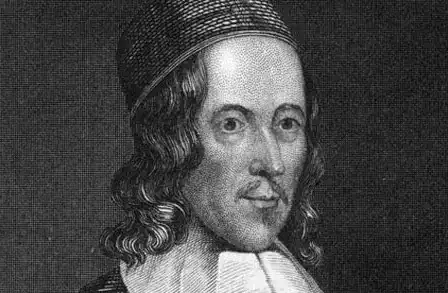
George Herbert
Discipline
Discipline
THROW away Thy rod,
Throw away Thy wrath;
O my God,
Take the gentle path!
For my heart's desire
Unto Thine is bent:
I aspire
To a full consent.
Not a word or look
I affect to own,
But by book,
And Thy Book alone.
Though I fail, I weep;
Though I halt in pace,
Yet I creep
To the throne of grace.
Then let wrath remove;
Love will do the deed;
For with love
Stony hearts will bleed.
Love is swift of foot;
Love 's a man of war,
And can shoot,
And can hit from far.
Who can 'scape his bow?
That which wrought on Thee,
Brought Thee low,
Needs must work on me.
Throw away Thy rod;
Though man frailties hath,
Thou art God:
Throw away Thy wrath!
THROW away Thy rod,
Throw away Thy wrath;
O my God,
Take the gentle path!
For my heart's desire
Unto Thine is bent:
I aspire
To a full consent.
Not a word or look
I affect to own,
But by book,
And Thy Book alone.
Though I fail, I weep;
Though I halt in pace,
Yet I creep
To the throne of grace.
Then let wrath remove;
Love will do the deed;
For with love
Stony hearts will bleed.
Love is swift of foot;
Love 's a man of war,
And can shoot,
And can hit from far.
Who can 'scape his bow?
That which wrought on Thee,
Brought Thee low,
Needs must work on me.
Throw away Thy rod;
Though man frailties hath,
Thou art God:
Throw away Thy wrath!
192
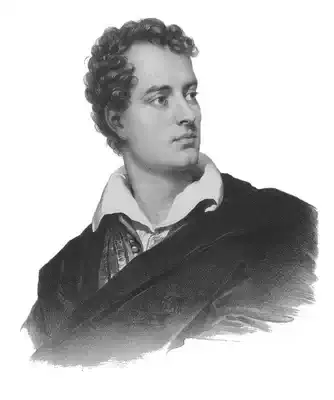
Lord Byron
Windsor Poetics : Lines Composed On The Occasion Of His Royal Highness The
Windsor Poetics : Lines Composed On The Occasion Of His Royal Highness The
Prince Regent Being Seen Standing Between The Coffins Of Henry VIII And
Charles I, In The Royal Vault At Windsor
Famed for contemptuous breach of sacred ties,
By headless Charles see heartless Henry lies;
Between them stands another sceptred thingIt
moves, it reignsin
all but name, a king:
Charles to his people, Henry to his wife,
In
him the double tyrant starts to life:
Justice and death have mix'd their dust in vain,
Each royal vampire wakes to life again.
Ah, what can tombs avail!since
these disgorge
The blood and dust of bothto
mould a George.
Prince Regent Being Seen Standing Between The Coffins Of Henry VIII And
Charles I, In The Royal Vault At Windsor
Famed for contemptuous breach of sacred ties,
By headless Charles see heartless Henry lies;
Between them stands another sceptred thingIt
moves, it reignsin
all but name, a king:
Charles to his people, Henry to his wife,
In
him the double tyrant starts to life:
Justice and death have mix'd their dust in vain,
Each royal vampire wakes to life again.
Ah, what can tombs avail!since
these disgorge
The blood and dust of bothto
mould a George.
419