

Poems in this theme
Protest, Resistance and Revolution
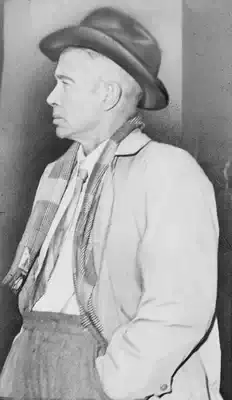
E. E. Cummings
i sing of Olaf glad and big
i sing of Olaf glad and big
i sing of Olaf glad and big
whose warmest heart recoiled at war:
a conscientious object-or
his wellbelovéd colonel (trig
westpointer most succinctly bred)
took erring Olaf soon in hand;
but-though an host of overjoyed
noncoms (first knocking on the head
him) do through icy waters roll
that helplessness which others stroke
with brushes recently employed
anent this muddy toiletbowl,
while kindred intellects evoke
allegiance per blunt instruments-
Olaf (being to all intents
a corpse and wanting any rag
upon what God unto him gave)
responds, without getting annoyed
"I will not kiss your fucking flag"
straightaway the silver bird looked grave
(departing hurriedly to shave)
but-though all kinds of officers
(a yearning nation's blueeyed pride)
their passive prey did kick and curse
until for wear their clarion
voices and boots were much the worse,
and egged the firstclassprivates on
his rectum wickedly to tease
by means of skillfully applied
bayonets roasted hot with heat-
Olaf (upon what were once knees)
does almost ceaselessly repeat
"there is some shit I will not eat"
our president,being of which
assertions duly notified
threw the yellowsonofabitch
into a dungeon,where he died
Christ (of His mercy infinite)
i pray to see;and Olaf,too
preponderatingly because
unless statistics lie he was
more brave than me:more blond than you
i sing of Olaf glad and big
whose warmest heart recoiled at war:
a conscientious object-or
his wellbelovéd colonel (trig
westpointer most succinctly bred)
took erring Olaf soon in hand;
but-though an host of overjoyed
noncoms (first knocking on the head
him) do through icy waters roll
that helplessness which others stroke
with brushes recently employed
anent this muddy toiletbowl,
while kindred intellects evoke
allegiance per blunt instruments-
Olaf (being to all intents
a corpse and wanting any rag
upon what God unto him gave)
responds, without getting annoyed
"I will not kiss your fucking flag"
straightaway the silver bird looked grave
(departing hurriedly to shave)
but-though all kinds of officers
(a yearning nation's blueeyed pride)
their passive prey did kick and curse
until for wear their clarion
voices and boots were much the worse,
and egged the firstclassprivates on
his rectum wickedly to tease
by means of skillfully applied
bayonets roasted hot with heat-
Olaf (upon what were once knees)
does almost ceaselessly repeat
"there is some shit I will not eat"
our president,being of which
assertions duly notified
threw the yellowsonofabitch
into a dungeon,where he died
Christ (of His mercy infinite)
i pray to see;and Olaf,too
preponderatingly because
unless statistics lie he was
more brave than me:more blond than you
683
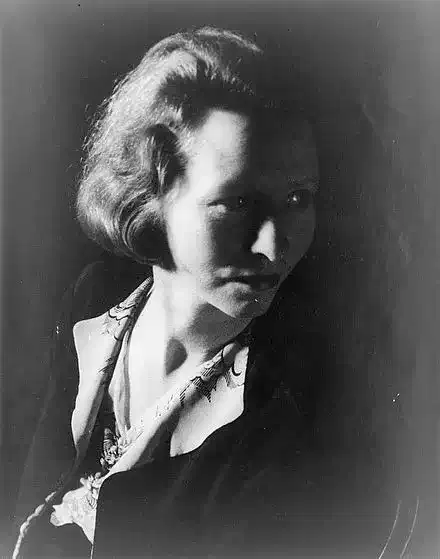
Edna St. Vincent Millay
Two Sonnets In Memory
Two Sonnets In Memory
(Nicola Sacco -- Bartolomeo Vanzetti)
Executed August 23, 1927
I
As men have loved their lovers in times past
And sung their wit, their virtue and their grace,
So have we loved sweet Justice to the last,
That now lies here in an unseemly place.
The child will quit the cradle and grow wise
And stare on beauty till his senses drown;
Yet shall be seen no more by mortal eyes
Such beauty as here walked and here went down.
Like birds that hear the winter crying plain
Her courtiers leave to seek the clement south;
Many have praised her, we alone remain
To break a fist against the lying mouth
Of any man who says this was not so:
Though she be dead now, as indeed we know.
II
Where can the heart be hidden in the ground
And be at peace, and be at peace forever,
Under the world, untroubled by the sound
Of mortal tears, that cease from pouring never?
Well for the heart, by stern compassion harried,
If death be deeper than the churchmen say, --
Gone from this world indeed what's graveward carried,
And laid to rest indeed what's laid away.
Anguish enough while yet the indignant breather
Have blood to spurt upon the oppressor's hand;
Who would eternal be, and hang in ether
A stuffless ghost above his struggling land,
Retching in vain to render up the groan
That is not there, being aching dust's alone?
(Nicola Sacco -- Bartolomeo Vanzetti)
Executed August 23, 1927
I
As men have loved their lovers in times past
And sung their wit, their virtue and their grace,
So have we loved sweet Justice to the last,
That now lies here in an unseemly place.
The child will quit the cradle and grow wise
And stare on beauty till his senses drown;
Yet shall be seen no more by mortal eyes
Such beauty as here walked and here went down.
Like birds that hear the winter crying plain
Her courtiers leave to seek the clement south;
Many have praised her, we alone remain
To break a fist against the lying mouth
Of any man who says this was not so:
Though she be dead now, as indeed we know.
II
Where can the heart be hidden in the ground
And be at peace, and be at peace forever,
Under the world, untroubled by the sound
Of mortal tears, that cease from pouring never?
Well for the heart, by stern compassion harried,
If death be deeper than the churchmen say, --
Gone from this world indeed what's graveward carried,
And laid to rest indeed what's laid away.
Anguish enough while yet the indignant breather
Have blood to spurt upon the oppressor's hand;
Who would eternal be, and hang in ether
A stuffless ghost above his struggling land,
Retching in vain to render up the groan
That is not there, being aching dust's alone?
338
Edna St. Vincent Millay
Apostrophe To Man
Apostrophe To Man
(On reflecting that the world
is ready to go to war again)
Detestable race, continue to expunge yourself, die out.
Breed faster, crowd, encroach, sing hymns, build
bombing airplanes;
Make speeches, unveil statues, issue bonds, parade;
Convert again into explosives the bewildered ammonia
and the distracted cellulose;
Convert again into putrescent matter drawing flies
The hopeful bodies of the young; exhort,
Pray, pull long faces, be earnest,
be all but overcome, be photographed;
Confer, perfect your formulae, commercialize
Bacateria harmful to human tissue,
Put death on the market;
Breed, crowd, encroach,
expand, expunge yourself, die out,
Homo called sapiens.
(On reflecting that the world
is ready to go to war again)
Detestable race, continue to expunge yourself, die out.
Breed faster, crowd, encroach, sing hymns, build
bombing airplanes;
Make speeches, unveil statues, issue bonds, parade;
Convert again into explosives the bewildered ammonia
and the distracted cellulose;
Convert again into putrescent matter drawing flies
The hopeful bodies of the young; exhort,
Pray, pull long faces, be earnest,
be all but overcome, be photographed;
Confer, perfect your formulae, commercialize
Bacateria harmful to human tissue,
Put death on the market;
Breed, crowd, encroach,
expand, expunge yourself, die out,
Homo called sapiens.
410
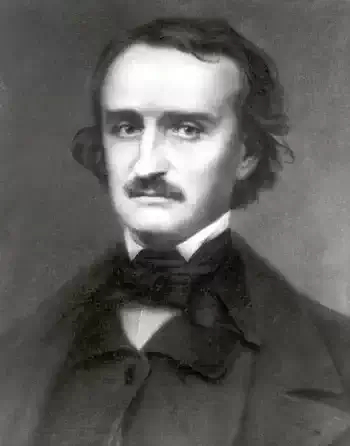
Edgar Allan Poe
Hymn to Aristogeiton and Harmodius
Hymn to Aristogeiton and Harmodius
Wreathed in myrtle, my sword I'll conceal
Like those champions devoted and brave,
When they plunged in the tyrant their steel,
And to Athens deliverance gave.
Beloved heroes! your deathless souls roam
In the joy breathing isles of the blest;
Where the mighty of old have their home -
Where Achilles and Diomed rest.
In fresh myrtle my blade I'll entwine,
Like Harmodious, the gallant and good,
When he made at the tutelar shrine
A libation of Tyranny's blood.
Ye deliverers of Athens from shame!
Ye avengers of Liberty's wrongs!
Endless ages shall cherish your fame
Embalmed in their echoing songs!
Wreathed in myrtle, my sword I'll conceal
Like those champions devoted and brave,
When they plunged in the tyrant their steel,
And to Athens deliverance gave.
Beloved heroes! your deathless souls roam
In the joy breathing isles of the blest;
Where the mighty of old have their home -
Where Achilles and Diomed rest.
In fresh myrtle my blade I'll entwine,
Like Harmodious, the gallant and good,
When he made at the tutelar shrine
A libation of Tyranny's blood.
Ye deliverers of Athens from shame!
Ye avengers of Liberty's wrongs!
Endless ages shall cherish your fame
Embalmed in their echoing songs!
263

Dylan Thomas
Find Meat On Bones
Find Meat On Bones
'Find meat on bones that soon have none,
And drink in the two milked crags,
The merriest marrow and the dregs
Before the ladies' breasts are hags
And the limbs are torn.
Disturb no winding-sheets, my son,
But when the ladies are cold as stone
Then hang a ram rose over the rags.
'Rebel against the binding moon
And the parliament of sky,
The kingcrafts of the wicked sea,
Autocracy of night and day,
Dictatorship of sun.
Rebel against the flesh and bone,
The word of the blood, the wily skin,
And the maggot no man can slay.'
'The thirst is quenched, the hunger gone,
And my heart is cracked across;
My face is haggard in the glass,
My lips are withered with a kiss,
My breasts are thin.
A merry girl took me for man,
I laid her down and told her sin,
And put beside her a ram rose.
'The maggot that no man can kill
And the man no rope can hang
Rebel against my father's dream
That out of a bower of red swine
Howls the foul fiend to heel.
I cannot murder, like a fool,
Season and sunshine, grace and girl,
Nor can I smother the sweet waking.'
Black night still ministers the moon,
And the sky lays down her laws,
The sea speaks in a kingly voice,
Light and dark are no enemies
But one companion.
'War on the spider and the wren!
War on the destiny of man!
Doom on the sun!'
Before death takes you, O take back this.
'Find meat on bones that soon have none,
And drink in the two milked crags,
The merriest marrow and the dregs
Before the ladies' breasts are hags
And the limbs are torn.
Disturb no winding-sheets, my son,
But when the ladies are cold as stone
Then hang a ram rose over the rags.
'Rebel against the binding moon
And the parliament of sky,
The kingcrafts of the wicked sea,
Autocracy of night and day,
Dictatorship of sun.
Rebel against the flesh and bone,
The word of the blood, the wily skin,
And the maggot no man can slay.'
'The thirst is quenched, the hunger gone,
And my heart is cracked across;
My face is haggard in the glass,
My lips are withered with a kiss,
My breasts are thin.
A merry girl took me for man,
I laid her down and told her sin,
And put beside her a ram rose.
'The maggot that no man can kill
And the man no rope can hang
Rebel against my father's dream
That out of a bower of red swine
Howls the foul fiend to heel.
I cannot murder, like a fool,
Season and sunshine, grace and girl,
Nor can I smother the sweet waking.'
Black night still ministers the moon,
And the sky lays down her laws,
The sea speaks in a kingly voice,
Light and dark are no enemies
But one companion.
'War on the spider and the wren!
War on the destiny of man!
Doom on the sun!'
Before death takes you, O take back this.
341

Claude Mckay
The Lynching
The Lynching
His Spirit in smoke ascended to high heaven.
His father, by the cruelest way of pain,
Had bidden him to his bosom once again;
The awful sin remained still unforgiven.
All night a bright and solitary star
(Perchance the one that ever guided him,
Yet gave him up at last to Fate's wild whim)
Hung pitifully o'er the swinging char.
Day dawned, and soon the mixed crowds came to view
The ghastly body swaying in the sun
The women thronged to look, but never a one
Showed sorrow in her eyes of steely blue;
And little lads, lynchers that were to be,
Danced round the dreadful thing in fiendish glee.
His Spirit in smoke ascended to high heaven.
His father, by the cruelest way of pain,
Had bidden him to his bosom once again;
The awful sin remained still unforgiven.
All night a bright and solitary star
(Perchance the one that ever guided him,
Yet gave him up at last to Fate's wild whim)
Hung pitifully o'er the swinging char.
Day dawned, and soon the mixed crowds came to view
The ghastly body swaying in the sun
The women thronged to look, but never a one
Showed sorrow in her eyes of steely blue;
And little lads, lynchers that were to be,
Danced round the dreadful thing in fiendish glee.
362
Claude Mckay
Enslaved
Enslaved
Oh when I think of my long-suffering race,
For weary centuries despised, oppressed,
Enslaved and lynched, denied a human place
In the great life line of the Christian West;
And in the Black Land disinherited,
Robbed in the ancient country of its birth,
My heart grows sick with hate, becomes as lead,
For this my race that has no home on earth.
Then from the dark depths of my soul I cry
To the avenging angel to consume
The white man's world of wonders utterly:
Let it be swallowed up in earth's vast womb,
Or upward roll as sacrificial smoke
To liberate my people from its yoke!
Oh when I think of my long-suffering race,
For weary centuries despised, oppressed,
Enslaved and lynched, denied a human place
In the great life line of the Christian West;
And in the Black Land disinherited,
Robbed in the ancient country of its birth,
My heart grows sick with hate, becomes as lead,
For this my race that has no home on earth.
Then from the dark depths of my soul I cry
To the avenging angel to consume
The white man's world of wonders utterly:
Let it be swallowed up in earth's vast womb,
Or upward roll as sacrificial smoke
To liberate my people from its yoke!
422
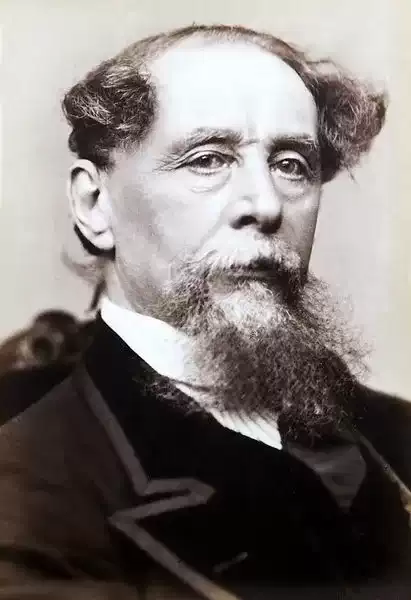
Charles Dickens
A fine Old English Gentleman
A fine Old English Gentleman
I'll sing you a new ballad, and I'll warrant it first-rate,
Of the days of that old gentleman who had that old estate;
When they spent the public money at a bountiful old rate
On ev'ry mistress, pimp, and scamp, at ev'ry noble gate,
In the fine old English Tory times;
Soon may they come again!
The good old laws were garnished well with gibbets, whips, and chains,
With fine old English penalties, and fine old English pains,
With rebel heads, and seas of blood once hot in rebel veins;
For all these things were requisite to guard the rich old gains
Of the fine old English Tory times;
Soon may they come again!
This brave old code, like Argus, had a hundred watchful eyes,
And ev'ry English peasant had his good old English spies,
To tempt his starving discontent with fine old English lies,
Then call the good old Yeomanry to stop his peevish cries,
In the fine old English Tory times;
Soon may they come again!
The good old times for cutting throats that cried out in their need,
The good old times for hunting men who held their fathers' creed,
The good old times when William Pitt, as all good men agreed,
Came down direct from Paradise at more than railroad speed. . . .
Oh the fine old English Tory times;
When will they come again!
In those rare days, the press was seldom known to snarl or bark,
But sweetly sang of men in pow'r, like any tuneful lark;
Grave judges, too, to all their evil deeds were in the dark;
And not a man in twenty score knew how to make his mark.
Oh the fine old English Tory times;
Soon may they come again!
Those were the days for taxes, and for war's infernal din;
For scarcity of bread, that fine old dowagers might win;
For shutting men of letters up, through iron bars to grin,
Because they didn't think the Prince was altogether thin,
In the fine old English Tory times;
Soon may they come again!
But Tolerance, though slow in flight, is strong-wing'd in the main;
That night must come on these fine days, in course of time was plain;
The pure old spirit struggled, but Its struggles were in vain;
A nation's grip was on it, and it died in choking pain,
With the fine old English Tory days,
All of the olden time.
The bright old day now dawns again; the cry runs through the land,
In England there shall be dear bread -- in Ireland, sword and brand;
And poverty, and ignorance, shall swell the rich and grand,
So, rally round the rulers with the gentle iron hand,
Of the fine old English Tory days; Hail to the coming time!
I'll sing you a new ballad, and I'll warrant it first-rate,
Of the days of that old gentleman who had that old estate;
When they spent the public money at a bountiful old rate
On ev'ry mistress, pimp, and scamp, at ev'ry noble gate,
In the fine old English Tory times;
Soon may they come again!
The good old laws were garnished well with gibbets, whips, and chains,
With fine old English penalties, and fine old English pains,
With rebel heads, and seas of blood once hot in rebel veins;
For all these things were requisite to guard the rich old gains
Of the fine old English Tory times;
Soon may they come again!
This brave old code, like Argus, had a hundred watchful eyes,
And ev'ry English peasant had his good old English spies,
To tempt his starving discontent with fine old English lies,
Then call the good old Yeomanry to stop his peevish cries,
In the fine old English Tory times;
Soon may they come again!
The good old times for cutting throats that cried out in their need,
The good old times for hunting men who held their fathers' creed,
The good old times when William Pitt, as all good men agreed,
Came down direct from Paradise at more than railroad speed. . . .
Oh the fine old English Tory times;
When will they come again!
In those rare days, the press was seldom known to snarl or bark,
But sweetly sang of men in pow'r, like any tuneful lark;
Grave judges, too, to all their evil deeds were in the dark;
And not a man in twenty score knew how to make his mark.
Oh the fine old English Tory times;
Soon may they come again!
Those were the days for taxes, and for war's infernal din;
For scarcity of bread, that fine old dowagers might win;
For shutting men of letters up, through iron bars to grin,
Because they didn't think the Prince was altogether thin,
In the fine old English Tory times;
Soon may they come again!
But Tolerance, though slow in flight, is strong-wing'd in the main;
That night must come on these fine days, in course of time was plain;
The pure old spirit struggled, but Its struggles were in vain;
A nation's grip was on it, and it died in choking pain,
With the fine old English Tory days,
All of the olden time.
The bright old day now dawns again; the cry runs through the land,
In England there shall be dear bread -- in Ireland, sword and brand;
And poverty, and ignorance, shall swell the rich and grand,
So, rally round the rulers with the gentle iron hand,
Of the fine old English Tory days; Hail to the coming time!
889

Carl Sandburg
Ready to Kill
Ready to Kill
Ten minutes now I have been looking at this.
I have gone by here before and wondered about it.
This is a bronze memorial of a famous general
Riding horseback with a flag and a sword and a revolver
on him.
I want to smash the whole thing into a pile of junk to be
hauled away to the scrap yard.
I put it straight to you,
After the farmer, the miner, the shop man, the factory
hand, the fireman and the teamster,
Have all been remembered with bronze memorials,
Shaping them on the job of getting all of us
Something to eat and something to wear,
When they stack a few silhouettes
Against the sky
Here in the park,
And show the real huskies that are doing the work of
the world, and feeding people instead of butchering them,
Then maybe I will stand here
And look easy at this general of the army holding a flag
in the air,
And riding like hell on horseback
Ready to kill anybody that gets in his way,
Ready to run the red blood and slush the bowels of men
all over the sweet new grass of the prairie.
Ten minutes now I have been looking at this.
I have gone by here before and wondered about it.
This is a bronze memorial of a famous general
Riding horseback with a flag and a sword and a revolver
on him.
I want to smash the whole thing into a pile of junk to be
hauled away to the scrap yard.
I put it straight to you,
After the farmer, the miner, the shop man, the factory
hand, the fireman and the teamster,
Have all been remembered with bronze memorials,
Shaping them on the job of getting all of us
Something to eat and something to wear,
When they stack a few silhouettes
Against the sky
Here in the park,
And show the real huskies that are doing the work of
the world, and feeding people instead of butchering them,
Then maybe I will stand here
And look easy at this general of the army holding a flag
in the air,
And riding like hell on horseback
Ready to kill anybody that gets in his way,
Ready to run the red blood and slush the bowels of men
all over the sweet new grass of the prairie.
384
Carl Sandburg
I Am The People, The Mob
I Am The People, The Mob
I Am the people--the mob--the crowd--the mass.
Do you know that all the great work of the world is
done through me?
I am the workingman, the inventor, the maker of the
world's food and clothes.
I am the audience that witnesses history. The Napoleons
come from me and the Lincolns. They die. And
then I send forth more Napoleons and Lincolns.
I am the seed ground. I am a prairie that will stand
for much plowing. Terrible storms pass over me.
I forget. The best of me is sucked out and wasted.
I forget. Everything but Death comes to me and
makes me work and give up what I have. And I
forget.
Sometimes I growl, shake myself and spatter a few red
drops for history to remember. Then--I forget.
When I, the People, learn to remember, when I, the
People, use the lessons of yesterday and no longer
forget who robbed me last year, who played me for
a fool--then there will be no speaker in all the world
say the name: 'The People,' with any fleck of a
sneer in his voice or any far-off smile of derision.
The mob--the crowd--the mass--will arrive then.
I Am the people--the mob--the crowd--the mass.
Do you know that all the great work of the world is
done through me?
I am the workingman, the inventor, the maker of the
world's food and clothes.
I am the audience that witnesses history. The Napoleons
come from me and the Lincolns. They die. And
then I send forth more Napoleons and Lincolns.
I am the seed ground. I am a prairie that will stand
for much plowing. Terrible storms pass over me.
I forget. The best of me is sucked out and wasted.
I forget. Everything but Death comes to me and
makes me work and give up what I have. And I
forget.
Sometimes I growl, shake myself and spatter a few red
drops for history to remember. Then--I forget.
When I, the People, learn to remember, when I, the
People, use the lessons of yesterday and no longer
forget who robbed me last year, who played me for
a fool--then there will be no speaker in all the world
say the name: 'The People,' with any fleck of a
sneer in his voice or any far-off smile of derision.
The mob--the crowd--the mass--will arrive then.
286
Carl Sandburg
Always The Mob
Always The Mob
Jesus emptied the devils of one man into forty hogs and the hogs took the edge of a
high rock and dropped off and down into the sea: a mob.
The sheep on the hills of Australia, blundering fourfooted in the sunset mist to the
dark, they go one way, they hunt one sleep, they find one pocket of grass for all.
Karnak? Pyramids? Sphinx paws tall as a coolie? Tombs kept for kings and sacred
cows? A mob.
Young roast pigs and naked dancing girls of Belshazzar, the room where a thousand sat
guzzling when a hand wrote: Mene, mene, tekel, upharsin? A mob.
The honeycomb of green that won the sun as the Hanging Gardens of Nineveh, flew to
its shape at the hands of a mob that followed the fingers of Nebuchadnezzar: a mob of
one hand and one plan.
Stones of a circle of hills at Athens, staircases of a mountain in Peru, scattered clans of
marble dragons in China: each a mob on the rim of a sunrise: hammers and wagons
have them now.
Locks and gates of Panama? The Union Pacific crossing deserts and tunneling
mountains? The Woolworth on land and the Titanic at sea? Lighthouses blinking a coast
line from Labrador to Key West? Pig iron bars piled on a barge whistling in a fog off
Sheboygan? A mob: hammers and wagons have them to-morrow.
The mob? A typhoon tearing loose an island from thousand-year moorings and
bastions, shooting a volcanic ash with a fire tongue that licks up cities and peoples.
Layers of worms eating rocks and forming loam and valley floors for potatoes, wheat,
watermelons.
The mob? A jag of lightning, a geyser, a gravel mass loosening…
The mob … kills or builds … the mob is Attila or Ghengis Khan, the mob is Napoleon,
Lincoln.
I am born in the mob—I die in the mob—the same goes for you—I don’t care who you
are.
I cross the sheets of fire in No Man’s land for you, my brother—I slip a steel tooth into
your throat, you my brother—I die for you and I kill you—It is a twisted and gnarled
thing, a crimson wool:
One more arch of stars,
In the night of our mist,
In the night of our tears.
Jesus emptied the devils of one man into forty hogs and the hogs took the edge of a
high rock and dropped off and down into the sea: a mob.
The sheep on the hills of Australia, blundering fourfooted in the sunset mist to the
dark, they go one way, they hunt one sleep, they find one pocket of grass for all.
Karnak? Pyramids? Sphinx paws tall as a coolie? Tombs kept for kings and sacred
cows? A mob.
Young roast pigs and naked dancing girls of Belshazzar, the room where a thousand sat
guzzling when a hand wrote: Mene, mene, tekel, upharsin? A mob.
The honeycomb of green that won the sun as the Hanging Gardens of Nineveh, flew to
its shape at the hands of a mob that followed the fingers of Nebuchadnezzar: a mob of
one hand and one plan.
Stones of a circle of hills at Athens, staircases of a mountain in Peru, scattered clans of
marble dragons in China: each a mob on the rim of a sunrise: hammers and wagons
have them now.
Locks and gates of Panama? The Union Pacific crossing deserts and tunneling
mountains? The Woolworth on land and the Titanic at sea? Lighthouses blinking a coast
line from Labrador to Key West? Pig iron bars piled on a barge whistling in a fog off
Sheboygan? A mob: hammers and wagons have them to-morrow.
The mob? A typhoon tearing loose an island from thousand-year moorings and
bastions, shooting a volcanic ash with a fire tongue that licks up cities and peoples.
Layers of worms eating rocks and forming loam and valley floors for potatoes, wheat,
watermelons.
The mob? A jag of lightning, a geyser, a gravel mass loosening…
The mob … kills or builds … the mob is Attila or Ghengis Khan, the mob is Napoleon,
Lincoln.
I am born in the mob—I die in the mob—the same goes for you—I don’t care who you
are.
I cross the sheets of fire in No Man’s land for you, my brother—I slip a steel tooth into
your throat, you my brother—I die for you and I kill you—It is a twisted and gnarled
thing, a crimson wool:
One more arch of stars,
In the night of our mist,
In the night of our tears.
374
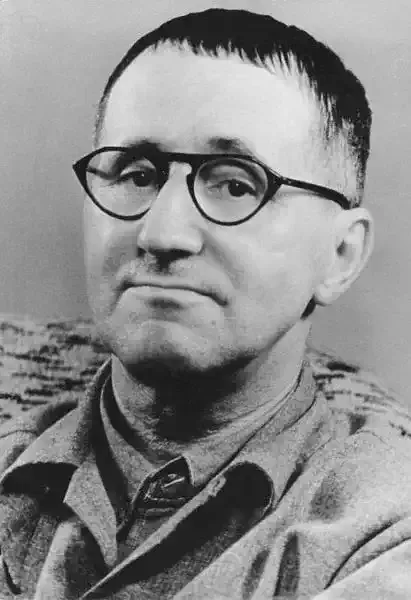
Bertolt Brecht
United Front Song
United Front Song
And because a man is human
He'll want to eat, and thanks a lot
But talk can't take the place of meat
or fill an empty pot.
So left, two, three!
So left, two, three!
Comrade, there's a place for you.
Take your stand in the workers united front
For you are a worker too.
And because a man is human
he won't care for a kick in the face.
He doesn't want slaves under him
Or above him a ruling class.
So left, two, three!
So left, two, three!
Comrade, there's a place for you.
Take your stand in the workers united front
For you are a worker too.
And because a worker's a worker
No one else will bring him liberty.
It's nobody's work but the worker' own
To set the worker free.
So left, two, three!
So left, two, three!
Comrade, there's a place for you.
Take your stand in the workers united front
For you are a worker too.
And because a man is human
He'll want to eat, and thanks a lot
But talk can't take the place of meat
or fill an empty pot.
So left, two, three!
So left, two, three!
Comrade, there's a place for you.
Take your stand in the workers united front
For you are a worker too.
And because a man is human
he won't care for a kick in the face.
He doesn't want slaves under him
Or above him a ruling class.
So left, two, three!
So left, two, three!
Comrade, there's a place for you.
Take your stand in the workers united front
For you are a worker too.
And because a worker's a worker
No one else will bring him liberty.
It's nobody's work but the worker' own
To set the worker free.
So left, two, three!
So left, two, three!
Comrade, there's a place for you.
Take your stand in the workers united front
For you are a worker too.
719
Bertolt Brecht
To the Students of the Workers' and Peasants' Faculty
To the Students of the Workers' and Peasants' Faculty
So there you sit. And how much blood was shed
That you might sit there. Do such stories bore you?
Well, don't forget that others sat before you
who later sat on people. Keep your head!
Your science will be valueless, you'll find
And learning will be sterile, if inviting
Unless you pledge your intellect to fighting
Against all enemies of all mankind.
Never forget that men like you got hurt
That you might sit here, not the other lot.
And now don't shut your eyes, and don't desert
But learn to learn, and try to learn for what.
So there you sit. And how much blood was shed
That you might sit there. Do such stories bore you?
Well, don't forget that others sat before you
who later sat on people. Keep your head!
Your science will be valueless, you'll find
And learning will be sterile, if inviting
Unless you pledge your intellect to fighting
Against all enemies of all mankind.
Never forget that men like you got hurt
That you might sit here, not the other lot.
And now don't shut your eyes, and don't desert
But learn to learn, and try to learn for what.
663
Bertolt Brecht
Solidarity Song
Solidarity Song
Peoples of the world, together
Join to serve the common cause!
So it feeds us all for ever
See to it that it's now yours.
Forward, without forgetting
Where our strength can be seen now to be!
When starving or when eating
Forward, not forgetting
Our solidarity!
Black or white or brown or yellow
Leave your old disputes behind.
Once start talking with your fellow
Men, you'll soon be of one mind.
Forward, without forgetting
Where our strength can be seen now to be!
When starving or when eating
Forward, not forgetting
Our solidarity!
If we want to make this certain
We'll need you and your support.
It's yourselves you'll be deserting
if you rat your own sort.
Forward, without forgetting
Where our strength can be seen now to be!
When starving or when eating
Forward, not forgetting
Our solidarity!
All the gang of those who rule us
Hope our quarrels never stop
Helping them to split and fool us
So they can remain on top.
Forward, without forgetting
Where our strength can be seen now to be!
When starving or when eating
Forward, not forgetting
Our solidarity!
Workers of the world, uniting
Thats the way to lose your chains.
Mighty regiments now are fighting
That no tyrrany remains!
Forward, without forgetting
Till the concrete question is hurled
When starving or when eating:
Whose tomorrow is tomorrow?
And whose world is the world?
Peoples of the world, together
Join to serve the common cause!
So it feeds us all for ever
See to it that it's now yours.
Forward, without forgetting
Where our strength can be seen now to be!
When starving or when eating
Forward, not forgetting
Our solidarity!
Black or white or brown or yellow
Leave your old disputes behind.
Once start talking with your fellow
Men, you'll soon be of one mind.
Forward, without forgetting
Where our strength can be seen now to be!
When starving or when eating
Forward, not forgetting
Our solidarity!
If we want to make this certain
We'll need you and your support.
It's yourselves you'll be deserting
if you rat your own sort.
Forward, without forgetting
Where our strength can be seen now to be!
When starving or when eating
Forward, not forgetting
Our solidarity!
All the gang of those who rule us
Hope our quarrels never stop
Helping them to split and fool us
So they can remain on top.
Forward, without forgetting
Where our strength can be seen now to be!
When starving or when eating
Forward, not forgetting
Our solidarity!
Workers of the world, uniting
Thats the way to lose your chains.
Mighty regiments now are fighting
That no tyrrany remains!
Forward, without forgetting
Till the concrete question is hurled
When starving or when eating:
Whose tomorrow is tomorrow?
And whose world is the world?
874
Bertolt Brecht
Mack the Knife
Mack the Knife
Oh, the shark has pretty teeth, dear
And he shows them pearly white.
Just a jack knife has Macheath, dear
And he keeps it out of sight.
When the shark bites with his teeth, dear
Scarlet billows start to spread.
Fancy gloves, though, wears Macheath, dear
So there's not a trace of red.
On the side-walk Sunday morning
Lies a body oozing life;
Someone's sneaking 'round the corner.
Is that someone Mack the Knife?
From a tugboat by the river
A cement bag's dropping down;
The cement's just for the weight, dear.
Bet you Mackie's back in town.
Louie Miller disappeared, dear
After drawing out his cash;
And Macheath spends like a sailor.
Did our boy do something rash?
Sukey Tawdry, Jenny Diver,
Polly Peachum, Lucy Brown
Oh, the line forms on the right, dear
Now that Mackie's back in town.
Oh, the shark has pretty teeth, dear
And he shows them pearly white.
Just a jack knife has Macheath, dear
And he keeps it out of sight.
When the shark bites with his teeth, dear
Scarlet billows start to spread.
Fancy gloves, though, wears Macheath, dear
So there's not a trace of red.
On the side-walk Sunday morning
Lies a body oozing life;
Someone's sneaking 'round the corner.
Is that someone Mack the Knife?
From a tugboat by the river
A cement bag's dropping down;
The cement's just for the weight, dear.
Bet you Mackie's back in town.
Louie Miller disappeared, dear
After drawing out his cash;
And Macheath spends like a sailor.
Did our boy do something rash?
Sukey Tawdry, Jenny Diver,
Polly Peachum, Lucy Brown
Oh, the line forms on the right, dear
Now that Mackie's back in town.
633
Bertolt Brecht
Not What Was Meant
Not What Was Meant
When the Academy of Arts demanded freedom
Of artistic expression from narrow-minded bureaucrats
There was a howl and a clamour in its immediate vicinity
But roaring above everything
Came a deafening thunder of applause
From beyond the Sector boundary.
Freedom! it roared. Freedom for the artists!
Freedom all round! Freedom for all!
Freedom for the exploiters! Freedom for the warmongers!
Freedom for the Ruhr cartels! Freedom for Hitler's generals!
Softly, my dear fellows...
The Judas kiss for the artists follows
Hard on the Judas kiss for the workers.
The arsonist with his bottle of petrol
Sneaks up grinning to
The Academy of Arts.
But it was not to embrace him, just
To knock the bottle out of his dirty hand that
We asked for elbow room.
Even the narrowest minds
In which peace is harboured
Are more welcome to the arts than the art lover
Who is also a lover of the art of war.
When the Academy of Arts demanded freedom
Of artistic expression from narrow-minded bureaucrats
There was a howl and a clamour in its immediate vicinity
But roaring above everything
Came a deafening thunder of applause
From beyond the Sector boundary.
Freedom! it roared. Freedom for the artists!
Freedom all round! Freedom for all!
Freedom for the exploiters! Freedom for the warmongers!
Freedom for the Ruhr cartels! Freedom for Hitler's generals!
Softly, my dear fellows...
The Judas kiss for the artists follows
Hard on the Judas kiss for the workers.
The arsonist with his bottle of petrol
Sneaks up grinning to
The Academy of Arts.
But it was not to embrace him, just
To knock the bottle out of his dirty hand that
We asked for elbow room.
Even the narrowest minds
In which peace is harboured
Are more welcome to the arts than the art lover
Who is also a lover of the art of war.
574
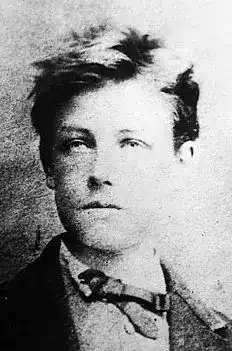
Arthur Rimbaud
The Parisian Orgy
The Parisian Orgy
O cowards! There she is!
Pile out into the stations!
The sun with its fiery lungs blew clear
the boulevards that, one evening,
the Barbarians filled.
Here is the holy City, seated in the West! Come!
We'll stave off the return of the fires;
here are the quays, here are the boulevards,
here are the houses against the pale,
radiant blue-starred, one evening,
by the red flashes of bombs!
Hide the dead places with forests of planks!
Affrighted, the dying daylight freshens your looks.
Look at the red-headed troop of the wrigglers of hips:
be mad, you'll be comical, being haggard!
Pack of bitches on heat, eating poultices:
the cry from the houses of gold calls you!
Plunder! Eat! See the night of joy and deep twitchings
coming down on the street.
O desolate drinkers, Drink! When the light comes,
intense and crazed, to ransack round you the rustling luxuries,
you're not going to dribbe into your glasses
without motion or sound, with your eyes lost in white distances?
Knock it back: to the Queen whose buttocks cascade in folds!
Listen to the working of stupid tearing hiccups!
Listen to them leaping n the fiery night:
the panting idiots, the aged, the nonentities, the lackeys!
O hearts of filth, appalling mouths;
work harder, mouths of foul stenches!
Wine for these ignoble torpors, at these tables…
Your bellies are melting with shame, O Conquerors!
Open your nostrils to these superb nauseas!
Steep the tendons of your necks in strong poisons!
Laying his crossed hands on the napes of your childish necks,
the Poet says to you: 'O cowards! Be mad!
Because you are ransacking the guts of Woman,
you fear another convulsion from her, crying out,
and stifling your infamous perching on her breast with a horrible pressure.
Syphilitics, madmen, kings, puppets, ventriloquists!
What can you matter to Paris the whore?
Your souls or your bodies, your poisons or your rags?
She'll shake you off, you pox-rotten snarlers!
And when you are down, whimpering on your bellies,
your sides wrung, clamouring for your money back, distracted,
the red harlot with her breasts swelling
with battles will clench her hard fists,
far removed from your stupor!'
When your feet, Paris, danced so hard in anger!
When you had so many knife wounds; when you lay helpless,
still retaining in your clear eyes a little of the goodness
of the tawny spring; O city in pain;
O city almost dead, with your face and your two breasts
pointing towards the Future
which opens to your pallor its thousand million gates;
city whom the dark Past could bless:
Body galvanized back to life to suffer tremendous pains,
you are drinking in dreadful life once more!
You feel he ghastly pale worms flooding back in your veins,
the icy fingers prowling on your unclouded love!
And it does you no harm.
The worms, the pale worms, will obstruct your breath of Progress no more
than the Stryx could extinguish the eyes of the Caryatides,
from whose blue sills fell tears of sidereal gold.
Although it is frightful to see you again
covered in this fashion; although no city was ever made
into a more foul-smelling ulcer
on the face of green Nature, the Poet says to you:
'Your beauty is Marvelous!' The tempest sealed you in supreme poetry;
the huge stirring of strength comes to your aid;
your work comes to the boil, death groans, O chosen City!
Hoard in your heart the stridors of the ominous trumpet.
The Poet will take the sobs of the Infamous
the hate of the Galley-slaves, the clamour of the Damned;
and the beams of his love will scourge Womankind.
His verses will leap out: There's for you! There! Villains! -Society,
and everything, is restored: - the orgies are weeping
with dry sobs in the old brothels:
and on the reddened walls the gaslights in frenzy flare
balefully upwards to the wan blue skies!
O cowards! There she is!
Pile out into the stations!
The sun with its fiery lungs blew clear
the boulevards that, one evening,
the Barbarians filled.
Here is the holy City, seated in the West! Come!
We'll stave off the return of the fires;
here are the quays, here are the boulevards,
here are the houses against the pale,
radiant blue-starred, one evening,
by the red flashes of bombs!
Hide the dead places with forests of planks!
Affrighted, the dying daylight freshens your looks.
Look at the red-headed troop of the wrigglers of hips:
be mad, you'll be comical, being haggard!
Pack of bitches on heat, eating poultices:
the cry from the houses of gold calls you!
Plunder! Eat! See the night of joy and deep twitchings
coming down on the street.
O desolate drinkers, Drink! When the light comes,
intense and crazed, to ransack round you the rustling luxuries,
you're not going to dribbe into your glasses
without motion or sound, with your eyes lost in white distances?
Knock it back: to the Queen whose buttocks cascade in folds!
Listen to the working of stupid tearing hiccups!
Listen to them leaping n the fiery night:
the panting idiots, the aged, the nonentities, the lackeys!
O hearts of filth, appalling mouths;
work harder, mouths of foul stenches!
Wine for these ignoble torpors, at these tables…
Your bellies are melting with shame, O Conquerors!
Open your nostrils to these superb nauseas!
Steep the tendons of your necks in strong poisons!
Laying his crossed hands on the napes of your childish necks,
the Poet says to you: 'O cowards! Be mad!
Because you are ransacking the guts of Woman,
you fear another convulsion from her, crying out,
and stifling your infamous perching on her breast with a horrible pressure.
Syphilitics, madmen, kings, puppets, ventriloquists!
What can you matter to Paris the whore?
Your souls or your bodies, your poisons or your rags?
She'll shake you off, you pox-rotten snarlers!
And when you are down, whimpering on your bellies,
your sides wrung, clamouring for your money back, distracted,
the red harlot with her breasts swelling
with battles will clench her hard fists,
far removed from your stupor!'
When your feet, Paris, danced so hard in anger!
When you had so many knife wounds; when you lay helpless,
still retaining in your clear eyes a little of the goodness
of the tawny spring; O city in pain;
O city almost dead, with your face and your two breasts
pointing towards the Future
which opens to your pallor its thousand million gates;
city whom the dark Past could bless:
Body galvanized back to life to suffer tremendous pains,
you are drinking in dreadful life once more!
You feel he ghastly pale worms flooding back in your veins,
the icy fingers prowling on your unclouded love!
And it does you no harm.
The worms, the pale worms, will obstruct your breath of Progress no more
than the Stryx could extinguish the eyes of the Caryatides,
from whose blue sills fell tears of sidereal gold.
Although it is frightful to see you again
covered in this fashion; although no city was ever made
into a more foul-smelling ulcer
on the face of green Nature, the Poet says to you:
'Your beauty is Marvelous!' The tempest sealed you in supreme poetry;
the huge stirring of strength comes to your aid;
your work comes to the boil, death groans, O chosen City!
Hoard in your heart the stridors of the ominous trumpet.
The Poet will take the sobs of the Infamous
the hate of the Galley-slaves, the clamour of the Damned;
and the beams of his love will scourge Womankind.
His verses will leap out: There's for you! There! Villains! -Society,
and everything, is restored: - the orgies are weeping
with dry sobs in the old brothels:
and on the reddened walls the gaslights in frenzy flare
balefully upwards to the wan blue skies!
631
Arthur Rimbaud
The Customs Men
The Customs Men
Those who say Gord Struth; those who say Swelp Me pensioned
soldiers and sailors, the wreckage of Empire are
nothing, nothing at all, compared with the warriors of Excise
who slash the blue frontiers with their great axe-blows.
Pipes in their teeth, blades in their hands, deep, unruffled,
when darkness noses at the woods like a cow's muzzle, off they go,
leading their dogs, to hold their nocturnal and terrible revels!
They report the bacchantes to the laws of today.
They clap hands on the shoulders of Fausts and of Devils:
'Now then, none of that, you old dodgers! Put those bundles down!'
And, when his serene highness accosts the young,
the Customs Man holds fast to all contraband charms!
The Inferno for Offenders whom his hand has frisked!
Those who say Gord Struth; those who say Swelp Me pensioned
soldiers and sailors, the wreckage of Empire are
nothing, nothing at all, compared with the warriors of Excise
who slash the blue frontiers with their great axe-blows.
Pipes in their teeth, blades in their hands, deep, unruffled,
when darkness noses at the woods like a cow's muzzle, off they go,
leading their dogs, to hold their nocturnal and terrible revels!
They report the bacchantes to the laws of today.
They clap hands on the shoulders of Fausts and of Devils:
'Now then, none of that, you old dodgers! Put those bundles down!'
And, when his serene highness accosts the young,
the Customs Man holds fast to all contraband charms!
The Inferno for Offenders whom his hand has frisked!
545
Arthur Rimbaud
Le Forgeron (The Blacksmith)
Le Forgeron (The Blacksmith)
Le bras sur un marteau gigantesque, effrayant
D'ivresse et de grandeur, le front large, riant
Comme un clairon d'airain, avec toute sa bouche,
Et prenant ce gros-là dans son regard farouche,
Le Forgeron parlait à Louis Seize, un jour
Que le Peuple était là, se tordant tout autour,
Et sur les lambris d'or traînait sa veste sale.
Or le bon roi, debout sur son ventre, était pâle
Pâle comme un vaincu qu'on prend pour le gibet,
Et, soumis comme un chien, jamais ne regimbait,
Car ce maraud de forge aux énormes épaules
Lui disait de vieux mots et des choses si drôles,
Que cela l'empoignait au front, comme cela !
'Donc, Sire, tu sais bien, nous chantions tra la la
Et nous piquions les boeufs vers les sillons des autres :
Le Chanoine au soleil disait ses patenôtres
Sur des chapelets clairs grenés de pièces d'or.
Le Seigneur, à cheval, passait, sonnant du cor,
Et l'un avec la hart, l'autre avec la cravache,
Nous fouaillaient ; Hébétés comme des yeux de vache,
Nos yeux ne pleuraient pas : nous allions ! nous allions !
Et quand nous avions mis le pays en sillons,
Quand nous avions laissé dans cette terre noire
Un peu de notre chair... nous avions un pourboire :
-Nous venions voir flamber nos taudis dans la nuit ;
Nos enfants y faisaient un gâteau fort bien cuit !...
'Oh ! je ne me plains pas. Je te dis mes bêtises :
-C'est entre nous. J'admets que tu me contredises...
Or, n'est-ce pas joyeux de voir, au mois de juin
Dans les granges entrer des voitures de foin
Enormes ? De sentir l'odeur de ce qui pousse,
Des vergers quand il pleut un peu, de l'herbe rousse ?
De voir les champs de blé, les épis pleins de grain,
De penser que cela prépare bien du pain ?...
-Oui, l'on pourrait, plus fort, au fourneau qui s'allume,
Chanter joyeusement en martelant l'enclume,
Si l'on était certain qu'on pourrait prendre un peu,
Étant homme, à la fin !, de ce que donne Dieu !...
-Mais voilà, c'est toujours la même vieille histoire !
'... Oh ! je sais, maintenant ! Moi, je ne peux plus croire,
Quand j'ai deux bonnes mains, mon front et mon marteau,
Qu'un homme vienne là, dague sous le manteau
Et me dise : Maraud, ensemence ma terre ;
Que l'on arrive encor, quand ce serait la guerre,
Me prendre mon garçon comme cela, chez moi !...
-Moi, je serais un homme, et toi tu serais roi,
Tu me dirais : Je veux ! - Tu vois bien, c'est stupide !...
Tu crois que j'aime à voir ta baraque splendide,
Tes officiers dorés, tes mille chenapans,
Tes palsembleu bâtards tournant comme des paons ?
Ils ont rempli ton nid de l'odeur de nos filles,
Et de petits billets pour nous mettre aux Bastilles,
Et nous dirions : C'est bien : les pauvres à genoux !...
Nous dorerions ton Louvre en donnant nos gros sous,
Et tu te soûlerais, tu ferais belle fête,
Et tes Messieurs riraient, les reins sur notre tête !...
'Non ! Ces saletés-là datent de nos papas !
Oh ! Le Peuple n'est plus une putain ! Trois pas,
Et, tous, nous avons mis ta Bastille en poussière !
Cette bête suait du sang à chaque pierre...
Et c'était dégoûtant, la Bastille debout
Avec ses murs lépreux qui nous rappelaient tout
Et, toujours, nous tenaient enfermés dans leur ombre !
-Citoyen ! citoyen ! c'était le passé sombre
Qui croulait, qui râlait, quand nous prîmes la tour !
Nous avions quelque chose au coeur comme l'amour :
Nous avions embrassé nos fils sur nos poitrines,
Et, comme des chevaux, en soufflant des narines,
Nous marchions, nous chantions, et ça nous battait là,
Nous allions au soleil, front haut, comme cela,
Dans Paris accourant devant nos vestes sales !...
Enfin ! Nous nous sentions hommes ! Nous étions pâles,
Sire ; nous étions soûls de terribles espoirs,
Et quand nous fûmes là, devant les donjons noirs,
Agitant nos clairons et nos feuilles de chêne,
Les piques à la main ; nous n'eûmes pas de haine :
-Nous nous sentions si forts ! nous voulions être doux !
'Et depuis ce jour-là, nous sommes comme fous...
Le flot des ouvriers a monté dans la rue
Et ces maudits s'en vont, foule toujours accrue,
Comme des revenants, aux portes des richards !...
Moi, je cours avec eux assommer les mouchards,
Et je vais dans Paris le marteau sur l'épaule,
Farouche, à chaque coin balayant quelque drôle,
Et, si tu me riais au nez, je te tuerais !...
-Puis, tu dois y compter, tu te feras des frais
Avec tes avocats, qui prennent nos requêtes
Pour se les renvoyer comme sur des raquettes,
Et, tout bas, les malins ! Nous traitant de gros sots !
Pour mitonner des lois, ranger des de petits pots
Pleins de menus décrets, de méchantes droguailles,
S'amuser à couper proprement quelques tailles,
Puis se boucher le nez quand nous passons près d'eux,
- Ces chers avocassiers qui nous trouvent crasseux ! -
Pour débiter là-bas des milliers de sornettes
Et ne rien redouter sinon les baïonnettes,
Nous en avons assez, de tous ces cerveaux plats !
Ils embêtent le peuple !... Ah ! ce sont là les plats
Que tu nous sers, bourgeois, quand nous sommes féroces,
Quand nous cassons déjà les sceptres et les crosses !...'
Puis il le prend au bras, arrache le velours
Des rideaux, et lui montre, en bas, les larges cours
Où fourmille, où fourmille, où se lève la foule,
La foule épouvantable avec des bruits de houle,
Hurlant comme une chienne, hurlant comme une mer,
Avec ses bâtons forts et ses piques de fer,
Ses clameurs, ses grands cris de halles et de bouges,
Tas sombre de haillons taché de bonnets rouges !
L'Homme, par la fenêtre ouverte, montre tout
Au Roi pâle, suant qui chancelle debout,
Malade à regarder cela !...
spacespacespacespacespacespacespacespace'C'est la Crapule,
Sire ! ça bave aux murs, ça roule, ça pullule...
-Puisqu'ils ne mangent pas, Sire, ce sont les gueux !
-Je suis un forgeron : ma femme est avec eux :
Folle ! Elle vient chercher du pain aux Tuileries :
-On ne veut pas de nous dans les boulangeries !...
J'ai trois petits ; -Je suis crapule ! - Je connais
Des vieilles qui s'en vont pleurant sous leurs bonnets,
Parce qu'on leur a pris leur garçon ou leur fille :
-C'est la crapule. - Un homme était à la bastille,
D'autres étaient forçats ; c'étaient des citoyens
Honnêtes ; Libérés, ils sont comme des chiens ;
On les insulte ! Alors, ils ont là quelque chose
Qui leur fait mal, allez ! C'est terrible, et c'est cause
Que, se sentant brisés, que, se sentant damnés,
Ils viennent maintenant hurler sous votre nez !...
-Crapules : - Là-dedans sont des filles, infâmes
Parce que -, sachant bien que c'est faible, les femmes,
Messeigneurs de la cour, que ça veut toujours bien, -
Vous leur avez sali leur âme, comme rien !
Vos belles, aujourd'hui, sont là : - C'est la Crapule...
'Oh ! tous les Malheureux, tout ceux dont le dos brûle
Sous le soleil féroce, et qui vont, et qui vont,
Et dans ce travail-là sentent crever leur front,
Chapeau bas, mes bourgeois ! Oh ! ceux-là sont les hommes !
-Nous sommes Ouvriers ! Sire, Ouvriers ! - nous sommes
Pour les grands temps nouveaux où l'on voudra savoir,
Où l'homme forgera du matin jusqu'au soir,
Où, lentement vainqueur, il chassera les choses
Poursuivant les grands buts, cherchant les grandes causes,
Et montera sur Tout comme sur un cheval !
Oh ! nous sommes contents, nous aurons bien du mal !
-Tout ce qu'on ne sait pas, c'est peut-être terrible.
Nous pendrons nos marteaux, nous passerons au crible
Tout ce que nous savons, puis, Frères, en avant !...
-Nous faisons quelquefois ce grand rêve émouvant
De vivre simplement, ardemment, sans rien dire
De mauvais, travaillant sous l'auguste sourire
D'une femme qu'on aime avec un noble amour !
Et l'on travaillerait fièrement tout le jour,
Ecoutant le devoir comme un clairon qui sonne :
Et l'on se trouverait fort heureux, et personne,
Oh ! personne ! surtout, ne vous ferait plier !...
On aurait un fusil au-dessus du foyer....
'Oh ! mais ! l'air est tout plein d'une odeur de bataille !
Que te disais-je donc ? Je suis de la canaille !'
Translation by A. S. Kline
His hand on a gigantic hammer, terrifying
In size and drunkenness, vast-browed, laughing
Like a bronze trumpet, his whole mouth displayed,
Devouring the fat man, now, with his wild gaze,
The Blacksmith spoke with Louis, with the king,
The People there, all around him, cavorting,
Trailing their dirty coats down gilded panels.
But the dear king, belly upright, was pallid,
Pale as the victim led to the guillotine,
Submissive like a dog, cowed by the scene,
Since that wide-shouldered forge-black soul
Spoke of things past and other things so droll,
He had him by the short hairs, just like that!
‘Now, Sir, you know how we’d sing tra-la-la,
And drive the ox down other people’s furrows:
The Canon spun paternosters in the shadows
On rosaries bright with golden coins adorned,
Some Lord, astride, passed blowing on his horn,
One with the noose, another with whip-blows
Lashed us on. – Dazed like the eyes of cows,
Our eyes no longer wept; on and on we went,
And when we’d ploughed a whole continent,
When we had left behind in that black soil
A little of our own flesh…to reward our toil:
They’d set alight our hovels in the night;
Our little ones made burnt cakes alright.
…Oh, I’m not complaining! All my follies,
They’re between us. I’ll let you contradict.
But, isn’t it fine to see, in the month of June,
The enormous hay-wains entering the barns?
To smell the odour of burgeoning things,
The orchards in fine rain, the oats reddening?
To see wheat, wheat, ears filled with grain,
To think it promises us good bread again?...
Oh! You’d go to the forge, be more cheerful,
Sing and hammer joyfully at the anvil,
If you were sure to gain a little in the end –
Being, in fact, a man – of what God intends!
– But there it is, always the same old story!...
But now I know! I don’t credit it any more,
Owning two strong hands, a head, a hammer,
That a man in a cloak, wearing a dagger
Can say: go and sow my land, there, fellow;
Or that another, if maybe war should follow,
Can take my son like that, from where I’m living!
– Suppose I were a man, and you a king,
You’d say: I will it!... – What stupidity.
You think your splendid barn pleases me,
Your gilded servants, your thousand rogues,
Your fancy bastards, peacocks in a row:
Filling your nest with our daughters’ odour,
Warrants to the Bastille for us, moreover
That we should say: fine: make the poor poorer!
We’ll give you our last sous to gild the Louvre!
While you get drunk and enjoy the feast,
– And they all laugh, riding our backs beneath!
No. Those puerilities were our fathers!
The People is no one’s whore now, three steps further
And then, we razed your Bastille to the ground.
That monster sweated blood from every mound,
Was an abomination, that Bastille standing,
With leprous walls its every story yielding,
And, we forever held fast in its shadow!
– Citizen! That was the past, its sorrow,
That broke, and died, when we stormed the tower!
We had something in our hearts like true ardour.
We had clutched our children to our breast.
And like chargers, snorting at the contest,
We went, proud and strong, beating here inside…
We marched in the sun – like this – heads high
Into Paris! They greeted us in our ragged clothes.
At last! We felt ourselves Men! We were sallow,
Sire, drunk, and pallid with terrifying hopes:
And there, in front of those black prison slopes,
Waving our bugles and our sprigs of oak,
Pikes in our fists; did we feel hatred, no!
– We felt such strength we wanted to be gentle! ...
And since that day, we have proved elementals!
A mass of workers sprang up in the street,
And, cursed, are gone, a swelling crowd replete
With ghostly shades, to haunt the rich man’s gate.
I, I run with them, and set informers straight:
I scour Paris, dark-faced, wild, hammer on shoulder,
Sweeping something droll out of every corner,
And, if you smile at me, then I’ll do for you!
– Well, count on it: all this is going to cost you
And your men in black, culling our requests
To bat them about on their racquets all in jest,
And whisper, the rascals, softly: “Oh, what sots!”
To cook up laws, and stick up little pots,
Filled with cute pink decrees, and sugar pills,
Cutting us down to size, to amuse themselves,
Then they hold their noses when we pass by,
– Our kind representatives who hate the sty! –
Fearful of nothing, nothing, but bayonets….
That’s fine. Enough of snuff and lorgnettes!
We’ve had our fill, here, of those dull heads
And bellies of gods. Ah! That’s the bread
You serve us, bourgeoisie, while we rage here,
While we shatter the sceptre and the crozier!...’
He takes his arm, tears back the velvet curtain
And shows the vast courtyards beneath them,
Where the mob swarms, and seethes, where rise,
Out of the frightful mob those storm-filled cries,
Howling as bitches howl, or like the sea,
With their knotted stakes, their pikes of steel,
With the clamour of their market-halls and slums,
A ragged mass of blood-stained caps, and drums:
The Man, through the open window, shows all
To the pale sweating king, reeling, about to fall,
Sick at the sight of it!
‘Those are the Scum, Sire.
Licking the walls, seething, rising higher:
– But then they’ve not eaten, Sire, these beggars!
I’m a blacksmith: my wife, madwoman, is there!
She thinks she’ll get bread at the Tuileries!
– They’ll have none of us in the bakeries.
I’ve three youngsters. I’m scum, too – I know
Old women weeping under their bonnets so
Because they’ve taken a daughter or a son:
One man was in the Bastille – oh, they’re scum –
Another the galleys: both honest citizens.
Freed, they’re treated like dogs, these men:
Insulted! Then, they have something here
That hurts them, see! It’s terrible, it’s clear
They feel broken, feel themselves damned,
There, screaming beneath you where you stand!
Scum. – Down there girls, infamous, shriek,
Because – well, you knew girls were weak –
Gentlemen of the court – gave all you sought –
You’d spit on their souls, as if they were naught!
Now, your pretty ones are there. They’re scum.
Oh, all the Wretched, whose backs, in the fierce sun
Burn, and yet they still work on and on,
Feeling their heads burst with their exertion,
Hats off, you bourgeoisie! Those are Men.
We are the Workers, Sire! Workers! And then
We’re for the great new age, of knowledge, light,
When Man will forge from morning to night,
Pursuing great effects, chasing great causes,
When he will tame things, slowly victorious,
And like a horse, mount the mighty All!
Oh! Splendour of the forges! And no more
Evil, then! – What’s unknown, its terror maybe
We’ll know! – Hammer in hand, let’s sieve freely
All that we know: then, Brothers, we’ll go on!
Sometimes we dream that dream’s vast emotion
Of the simple ardent life, where you revile
All evil, working beneath the august smile,
Of a woman you love with love’s nobility:
And all day long you labour on proudly,
Hearing the clarion call of duty sounding!
And you feel so happy; and nothing, nothing,
Oh, above all, no-one makes you kneel!
Over the fireplace, there, you’d have a rifle…
Oh! But the air is filled with the scent of battle.
What did I say? I too am one of the rascals!
And there are still sharks and informers.
But we are free! With our moments of terror
When we feel we are great, so great! Just now
I was talking of peaceful work, of how…
Look at that sky! – Too small for us, you see,
If we feared the heat, we’d live on our knees!
Look at that sky! – I’ll return to the crowd,
To the vast fearful mob who cry aloud
And roll your cannon through the cobbles’ sty;
– Oh! We will wash them clean when we die!
– And if, against our cries and our vengeance,
The claws of old gilded kings, all over France,
Urge on their regiments in full battle-dress,
Well then, you lot? Shit to those dogs, no less!’
– He shoulders his hammer once more.
The crowd
Feels soul-drunk close to that man, and now
Through the great courtyard, all those rooms,
Where Paris pants and the voices boom,
A shudder shakes the immense populace.
Then, with his broad hand, its grimy grace
Gilded, while the pot-bellied king sweats,
The Blacksmith set his red cap on that head!
Le bras sur un marteau gigantesque, effrayant
D'ivresse et de grandeur, le front large, riant
Comme un clairon d'airain, avec toute sa bouche,
Et prenant ce gros-là dans son regard farouche,
Le Forgeron parlait à Louis Seize, un jour
Que le Peuple était là, se tordant tout autour,
Et sur les lambris d'or traînait sa veste sale.
Or le bon roi, debout sur son ventre, était pâle
Pâle comme un vaincu qu'on prend pour le gibet,
Et, soumis comme un chien, jamais ne regimbait,
Car ce maraud de forge aux énormes épaules
Lui disait de vieux mots et des choses si drôles,
Que cela l'empoignait au front, comme cela !
'Donc, Sire, tu sais bien, nous chantions tra la la
Et nous piquions les boeufs vers les sillons des autres :
Le Chanoine au soleil disait ses patenôtres
Sur des chapelets clairs grenés de pièces d'or.
Le Seigneur, à cheval, passait, sonnant du cor,
Et l'un avec la hart, l'autre avec la cravache,
Nous fouaillaient ; Hébétés comme des yeux de vache,
Nos yeux ne pleuraient pas : nous allions ! nous allions !
Et quand nous avions mis le pays en sillons,
Quand nous avions laissé dans cette terre noire
Un peu de notre chair... nous avions un pourboire :
-Nous venions voir flamber nos taudis dans la nuit ;
Nos enfants y faisaient un gâteau fort bien cuit !...
'Oh ! je ne me plains pas. Je te dis mes bêtises :
-C'est entre nous. J'admets que tu me contredises...
Or, n'est-ce pas joyeux de voir, au mois de juin
Dans les granges entrer des voitures de foin
Enormes ? De sentir l'odeur de ce qui pousse,
Des vergers quand il pleut un peu, de l'herbe rousse ?
De voir les champs de blé, les épis pleins de grain,
De penser que cela prépare bien du pain ?...
-Oui, l'on pourrait, plus fort, au fourneau qui s'allume,
Chanter joyeusement en martelant l'enclume,
Si l'on était certain qu'on pourrait prendre un peu,
Étant homme, à la fin !, de ce que donne Dieu !...
-Mais voilà, c'est toujours la même vieille histoire !
'... Oh ! je sais, maintenant ! Moi, je ne peux plus croire,
Quand j'ai deux bonnes mains, mon front et mon marteau,
Qu'un homme vienne là, dague sous le manteau
Et me dise : Maraud, ensemence ma terre ;
Que l'on arrive encor, quand ce serait la guerre,
Me prendre mon garçon comme cela, chez moi !...
-Moi, je serais un homme, et toi tu serais roi,
Tu me dirais : Je veux ! - Tu vois bien, c'est stupide !...
Tu crois que j'aime à voir ta baraque splendide,
Tes officiers dorés, tes mille chenapans,
Tes palsembleu bâtards tournant comme des paons ?
Ils ont rempli ton nid de l'odeur de nos filles,
Et de petits billets pour nous mettre aux Bastilles,
Et nous dirions : C'est bien : les pauvres à genoux !...
Nous dorerions ton Louvre en donnant nos gros sous,
Et tu te soûlerais, tu ferais belle fête,
Et tes Messieurs riraient, les reins sur notre tête !...
'Non ! Ces saletés-là datent de nos papas !
Oh ! Le Peuple n'est plus une putain ! Trois pas,
Et, tous, nous avons mis ta Bastille en poussière !
Cette bête suait du sang à chaque pierre...
Et c'était dégoûtant, la Bastille debout
Avec ses murs lépreux qui nous rappelaient tout
Et, toujours, nous tenaient enfermés dans leur ombre !
-Citoyen ! citoyen ! c'était le passé sombre
Qui croulait, qui râlait, quand nous prîmes la tour !
Nous avions quelque chose au coeur comme l'amour :
Nous avions embrassé nos fils sur nos poitrines,
Et, comme des chevaux, en soufflant des narines,
Nous marchions, nous chantions, et ça nous battait là,
Nous allions au soleil, front haut, comme cela,
Dans Paris accourant devant nos vestes sales !...
Enfin ! Nous nous sentions hommes ! Nous étions pâles,
Sire ; nous étions soûls de terribles espoirs,
Et quand nous fûmes là, devant les donjons noirs,
Agitant nos clairons et nos feuilles de chêne,
Les piques à la main ; nous n'eûmes pas de haine :
-Nous nous sentions si forts ! nous voulions être doux !
'Et depuis ce jour-là, nous sommes comme fous...
Le flot des ouvriers a monté dans la rue
Et ces maudits s'en vont, foule toujours accrue,
Comme des revenants, aux portes des richards !...
Moi, je cours avec eux assommer les mouchards,
Et je vais dans Paris le marteau sur l'épaule,
Farouche, à chaque coin balayant quelque drôle,
Et, si tu me riais au nez, je te tuerais !...
-Puis, tu dois y compter, tu te feras des frais
Avec tes avocats, qui prennent nos requêtes
Pour se les renvoyer comme sur des raquettes,
Et, tout bas, les malins ! Nous traitant de gros sots !
Pour mitonner des lois, ranger des de petits pots
Pleins de menus décrets, de méchantes droguailles,
S'amuser à couper proprement quelques tailles,
Puis se boucher le nez quand nous passons près d'eux,
- Ces chers avocassiers qui nous trouvent crasseux ! -
Pour débiter là-bas des milliers de sornettes
Et ne rien redouter sinon les baïonnettes,
Nous en avons assez, de tous ces cerveaux plats !
Ils embêtent le peuple !... Ah ! ce sont là les plats
Que tu nous sers, bourgeois, quand nous sommes féroces,
Quand nous cassons déjà les sceptres et les crosses !...'
Puis il le prend au bras, arrache le velours
Des rideaux, et lui montre, en bas, les larges cours
Où fourmille, où fourmille, où se lève la foule,
La foule épouvantable avec des bruits de houle,
Hurlant comme une chienne, hurlant comme une mer,
Avec ses bâtons forts et ses piques de fer,
Ses clameurs, ses grands cris de halles et de bouges,
Tas sombre de haillons taché de bonnets rouges !
L'Homme, par la fenêtre ouverte, montre tout
Au Roi pâle, suant qui chancelle debout,
Malade à regarder cela !...
spacespacespacespacespacespacespacespace'C'est la Crapule,
Sire ! ça bave aux murs, ça roule, ça pullule...
-Puisqu'ils ne mangent pas, Sire, ce sont les gueux !
-Je suis un forgeron : ma femme est avec eux :
Folle ! Elle vient chercher du pain aux Tuileries :
-On ne veut pas de nous dans les boulangeries !...
J'ai trois petits ; -Je suis crapule ! - Je connais
Des vieilles qui s'en vont pleurant sous leurs bonnets,
Parce qu'on leur a pris leur garçon ou leur fille :
-C'est la crapule. - Un homme était à la bastille,
D'autres étaient forçats ; c'étaient des citoyens
Honnêtes ; Libérés, ils sont comme des chiens ;
On les insulte ! Alors, ils ont là quelque chose
Qui leur fait mal, allez ! C'est terrible, et c'est cause
Que, se sentant brisés, que, se sentant damnés,
Ils viennent maintenant hurler sous votre nez !...
-Crapules : - Là-dedans sont des filles, infâmes
Parce que -, sachant bien que c'est faible, les femmes,
Messeigneurs de la cour, que ça veut toujours bien, -
Vous leur avez sali leur âme, comme rien !
Vos belles, aujourd'hui, sont là : - C'est la Crapule...
'Oh ! tous les Malheureux, tout ceux dont le dos brûle
Sous le soleil féroce, et qui vont, et qui vont,
Et dans ce travail-là sentent crever leur front,
Chapeau bas, mes bourgeois ! Oh ! ceux-là sont les hommes !
-Nous sommes Ouvriers ! Sire, Ouvriers ! - nous sommes
Pour les grands temps nouveaux où l'on voudra savoir,
Où l'homme forgera du matin jusqu'au soir,
Où, lentement vainqueur, il chassera les choses
Poursuivant les grands buts, cherchant les grandes causes,
Et montera sur Tout comme sur un cheval !
Oh ! nous sommes contents, nous aurons bien du mal !
-Tout ce qu'on ne sait pas, c'est peut-être terrible.
Nous pendrons nos marteaux, nous passerons au crible
Tout ce que nous savons, puis, Frères, en avant !...
-Nous faisons quelquefois ce grand rêve émouvant
De vivre simplement, ardemment, sans rien dire
De mauvais, travaillant sous l'auguste sourire
D'une femme qu'on aime avec un noble amour !
Et l'on travaillerait fièrement tout le jour,
Ecoutant le devoir comme un clairon qui sonne :
Et l'on se trouverait fort heureux, et personne,
Oh ! personne ! surtout, ne vous ferait plier !...
On aurait un fusil au-dessus du foyer....
'Oh ! mais ! l'air est tout plein d'une odeur de bataille !
Que te disais-je donc ? Je suis de la canaille !'
Translation by A. S. Kline
His hand on a gigantic hammer, terrifying
In size and drunkenness, vast-browed, laughing
Like a bronze trumpet, his whole mouth displayed,
Devouring the fat man, now, with his wild gaze,
The Blacksmith spoke with Louis, with the king,
The People there, all around him, cavorting,
Trailing their dirty coats down gilded panels.
But the dear king, belly upright, was pallid,
Pale as the victim led to the guillotine,
Submissive like a dog, cowed by the scene,
Since that wide-shouldered forge-black soul
Spoke of things past and other things so droll,
He had him by the short hairs, just like that!
‘Now, Sir, you know how we’d sing tra-la-la,
And drive the ox down other people’s furrows:
The Canon spun paternosters in the shadows
On rosaries bright with golden coins adorned,
Some Lord, astride, passed blowing on his horn,
One with the noose, another with whip-blows
Lashed us on. – Dazed like the eyes of cows,
Our eyes no longer wept; on and on we went,
And when we’d ploughed a whole continent,
When we had left behind in that black soil
A little of our own flesh…to reward our toil:
They’d set alight our hovels in the night;
Our little ones made burnt cakes alright.
…Oh, I’m not complaining! All my follies,
They’re between us. I’ll let you contradict.
But, isn’t it fine to see, in the month of June,
The enormous hay-wains entering the barns?
To smell the odour of burgeoning things,
The orchards in fine rain, the oats reddening?
To see wheat, wheat, ears filled with grain,
To think it promises us good bread again?...
Oh! You’d go to the forge, be more cheerful,
Sing and hammer joyfully at the anvil,
If you were sure to gain a little in the end –
Being, in fact, a man – of what God intends!
– But there it is, always the same old story!...
But now I know! I don’t credit it any more,
Owning two strong hands, a head, a hammer,
That a man in a cloak, wearing a dagger
Can say: go and sow my land, there, fellow;
Or that another, if maybe war should follow,
Can take my son like that, from where I’m living!
– Suppose I were a man, and you a king,
You’d say: I will it!... – What stupidity.
You think your splendid barn pleases me,
Your gilded servants, your thousand rogues,
Your fancy bastards, peacocks in a row:
Filling your nest with our daughters’ odour,
Warrants to the Bastille for us, moreover
That we should say: fine: make the poor poorer!
We’ll give you our last sous to gild the Louvre!
While you get drunk and enjoy the feast,
– And they all laugh, riding our backs beneath!
No. Those puerilities were our fathers!
The People is no one’s whore now, three steps further
And then, we razed your Bastille to the ground.
That monster sweated blood from every mound,
Was an abomination, that Bastille standing,
With leprous walls its every story yielding,
And, we forever held fast in its shadow!
– Citizen! That was the past, its sorrow,
That broke, and died, when we stormed the tower!
We had something in our hearts like true ardour.
We had clutched our children to our breast.
And like chargers, snorting at the contest,
We went, proud and strong, beating here inside…
We marched in the sun – like this – heads high
Into Paris! They greeted us in our ragged clothes.
At last! We felt ourselves Men! We were sallow,
Sire, drunk, and pallid with terrifying hopes:
And there, in front of those black prison slopes,
Waving our bugles and our sprigs of oak,
Pikes in our fists; did we feel hatred, no!
– We felt such strength we wanted to be gentle! ...
And since that day, we have proved elementals!
A mass of workers sprang up in the street,
And, cursed, are gone, a swelling crowd replete
With ghostly shades, to haunt the rich man’s gate.
I, I run with them, and set informers straight:
I scour Paris, dark-faced, wild, hammer on shoulder,
Sweeping something droll out of every corner,
And, if you smile at me, then I’ll do for you!
– Well, count on it: all this is going to cost you
And your men in black, culling our requests
To bat them about on their racquets all in jest,
And whisper, the rascals, softly: “Oh, what sots!”
To cook up laws, and stick up little pots,
Filled with cute pink decrees, and sugar pills,
Cutting us down to size, to amuse themselves,
Then they hold their noses when we pass by,
– Our kind representatives who hate the sty! –
Fearful of nothing, nothing, but bayonets….
That’s fine. Enough of snuff and lorgnettes!
We’ve had our fill, here, of those dull heads
And bellies of gods. Ah! That’s the bread
You serve us, bourgeoisie, while we rage here,
While we shatter the sceptre and the crozier!...’
He takes his arm, tears back the velvet curtain
And shows the vast courtyards beneath them,
Where the mob swarms, and seethes, where rise,
Out of the frightful mob those storm-filled cries,
Howling as bitches howl, or like the sea,
With their knotted stakes, their pikes of steel,
With the clamour of their market-halls and slums,
A ragged mass of blood-stained caps, and drums:
The Man, through the open window, shows all
To the pale sweating king, reeling, about to fall,
Sick at the sight of it!
‘Those are the Scum, Sire.
Licking the walls, seething, rising higher:
– But then they’ve not eaten, Sire, these beggars!
I’m a blacksmith: my wife, madwoman, is there!
She thinks she’ll get bread at the Tuileries!
– They’ll have none of us in the bakeries.
I’ve three youngsters. I’m scum, too – I know
Old women weeping under their bonnets so
Because they’ve taken a daughter or a son:
One man was in the Bastille – oh, they’re scum –
Another the galleys: both honest citizens.
Freed, they’re treated like dogs, these men:
Insulted! Then, they have something here
That hurts them, see! It’s terrible, it’s clear
They feel broken, feel themselves damned,
There, screaming beneath you where you stand!
Scum. – Down there girls, infamous, shriek,
Because – well, you knew girls were weak –
Gentlemen of the court – gave all you sought –
You’d spit on their souls, as if they were naught!
Now, your pretty ones are there. They’re scum.
Oh, all the Wretched, whose backs, in the fierce sun
Burn, and yet they still work on and on,
Feeling their heads burst with their exertion,
Hats off, you bourgeoisie! Those are Men.
We are the Workers, Sire! Workers! And then
We’re for the great new age, of knowledge, light,
When Man will forge from morning to night,
Pursuing great effects, chasing great causes,
When he will tame things, slowly victorious,
And like a horse, mount the mighty All!
Oh! Splendour of the forges! And no more
Evil, then! – What’s unknown, its terror maybe
We’ll know! – Hammer in hand, let’s sieve freely
All that we know: then, Brothers, we’ll go on!
Sometimes we dream that dream’s vast emotion
Of the simple ardent life, where you revile
All evil, working beneath the august smile,
Of a woman you love with love’s nobility:
And all day long you labour on proudly,
Hearing the clarion call of duty sounding!
And you feel so happy; and nothing, nothing,
Oh, above all, no-one makes you kneel!
Over the fireplace, there, you’d have a rifle…
Oh! But the air is filled with the scent of battle.
What did I say? I too am one of the rascals!
And there are still sharks and informers.
But we are free! With our moments of terror
When we feel we are great, so great! Just now
I was talking of peaceful work, of how…
Look at that sky! – Too small for us, you see,
If we feared the heat, we’d live on our knees!
Look at that sky! – I’ll return to the crowd,
To the vast fearful mob who cry aloud
And roll your cannon through the cobbles’ sty;
– Oh! We will wash them clean when we die!
– And if, against our cries and our vengeance,
The claws of old gilded kings, all over France,
Urge on their regiments in full battle-dress,
Well then, you lot? Shit to those dogs, no less!’
– He shoulders his hammer once more.
The crowd
Feels soul-drunk close to that man, and now
Through the great courtyard, all those rooms,
Where Paris pants and the voices boom,
A shudder shakes the immense populace.
Then, with his broad hand, its grimy grace
Gilded, while the pot-bellied king sweats,
The Blacksmith set his red cap on that head!
634
Arthur Rimbaud
Jeanne-Marie's Hands
Jeanne-Marie's Hands
Jeanne-Marie has strong hands; dark hands tanned by the summer,
pale hands like dead hands. Are they the hands of Donna Juana?
Did they get their dusky cream colour
sailing on pools of sensual pleasure?
Have they dipped into moons, in ponds of serenity?
Have they drunk heat from barbarous skies, calm upon enchanting knees?
Have they rolled cigars, or traded in diamonds?
Have they tossed golden flowers at the glowing feet of Madonnas?
It is the black blood of belladonnas that blazes and sleeps in their palms.
Hands which drive the diptera with which
the auroral bluenesses buzz, towards the nectars?
Hands which measure out poisons?
Oh what Dream has stiffened them in pandiculations?
Some extraordinary dream of the Asias, of Khenghavars or Zions?
These hands have neither sold oranges
nor become sunburnt at the feet of the gods:
these hands have never washed the napkins of heavy babies without eyes.
These are not the hands of a tart,
nor of working women with round foreheads burnt
by a sun which is drunk with the smell of tar,
in woods that sink of factories.
These are benders of backbones; hands that never work harm;
more inevitable than machines, stronger than carthorses!
Stirring like furnaces, shaking off all their chills of fear,
their flesh sings Marseillaises, and never Eleisons!
They could grasp your necks, O evil women;
they could pulverize your hands, noblewomen;
your infamous hands full of white and of carmine.
The splendour of these hands of love turns the heads of the lambs!
On their spicy fingers the great sun sets a ruby!
A dark stain of the common people makes then brown
like the nipples of the women of yesterday,
but it is the backs of these Hands which every
proud Rebel desires to kiss! Marvelous,
they have paled in the great sunshine full of love of the cause
on the bronze casing of machine-guns throughout insurgent Paris!
Ah, sometimes, O blessed Hands, at your wrists,
Hands where our never-sobered lips tremble,
cries out a chain of bright links!
And there's a strange and sudden
Start in our beings when,
sometimes, they try, angelic Hands,
to make your sunburn fade away
by making your fingers bleed!
Jeanne-Marie has strong hands; dark hands tanned by the summer,
pale hands like dead hands. Are they the hands of Donna Juana?
Did they get their dusky cream colour
sailing on pools of sensual pleasure?
Have they dipped into moons, in ponds of serenity?
Have they drunk heat from barbarous skies, calm upon enchanting knees?
Have they rolled cigars, or traded in diamonds?
Have they tossed golden flowers at the glowing feet of Madonnas?
It is the black blood of belladonnas that blazes and sleeps in their palms.
Hands which drive the diptera with which
the auroral bluenesses buzz, towards the nectars?
Hands which measure out poisons?
Oh what Dream has stiffened them in pandiculations?
Some extraordinary dream of the Asias, of Khenghavars or Zions?
These hands have neither sold oranges
nor become sunburnt at the feet of the gods:
these hands have never washed the napkins of heavy babies without eyes.
These are not the hands of a tart,
nor of working women with round foreheads burnt
by a sun which is drunk with the smell of tar,
in woods that sink of factories.
These are benders of backbones; hands that never work harm;
more inevitable than machines, stronger than carthorses!
Stirring like furnaces, shaking off all their chills of fear,
their flesh sings Marseillaises, and never Eleisons!
They could grasp your necks, O evil women;
they could pulverize your hands, noblewomen;
your infamous hands full of white and of carmine.
The splendour of these hands of love turns the heads of the lambs!
On their spicy fingers the great sun sets a ruby!
A dark stain of the common people makes then brown
like the nipples of the women of yesterday,
but it is the backs of these Hands which every
proud Rebel desires to kiss! Marvelous,
they have paled in the great sunshine full of love of the cause
on the bronze casing of machine-guns throughout insurgent Paris!
Ah, sometimes, O blessed Hands, at your wrists,
Hands where our never-sobered lips tremble,
cries out a chain of bright links!
And there's a strange and sudden
Start in our beings when,
sometimes, they try, angelic Hands,
to make your sunburn fade away
by making your fingers bleed!
551
Arthur Rimbaud
Historic Evening
Historic Evening
On an evening, for example, when the naive tourist has retired
from our economic horrors, a master's hand awakens
the meadow's harpsichord;
they are playing cards at the bottom of the pond,
mirror conjuring up favorites and queens;
there are saints, veils, threads of harmony,
and legendary chromatics in the setting sun.
He shudders as the hunts and hordes go by.
Comedy drips on the grass stages.
And the distress of the poor and of the weak
on those stupid planes! Before his slave's vision,
Germany goes scaffolding toward moons;
Tartar deserts light up; ancient revolts ferment
in the center of the Celestial Empire;
over stairways and armchairs of rock, a little world, wan and flat,
Africa and Occidents, will be erected.
Then a ballet of familiar seas and nights,
worthless chemistry and impossible melodies. The same bourgeois magic
wherever the mail-train sets you down.
Even the most elementary physicist feels that it is no longer possible
to submit to this personal atmosphere, fog of physical remorse,
which to acknowledge is already an affliction. No!
The moment of the seething cauldron, of seas removed,
of subterranean conflagrations, of the planet swept away,
and the consequent exterminations, certitudes indicated
with so little malice by the Bible and by the Norns
and for which serious persons should be on the alert
On an evening, for example, when the naive tourist has retired
from our economic horrors, a master's hand awakens
the meadow's harpsichord;
they are playing cards at the bottom of the pond,
mirror conjuring up favorites and queens;
there are saints, veils, threads of harmony,
and legendary chromatics in the setting sun.
He shudders as the hunts and hordes go by.
Comedy drips on the grass stages.
And the distress of the poor and of the weak
on those stupid planes! Before his slave's vision,
Germany goes scaffolding toward moons;
Tartar deserts light up; ancient revolts ferment
in the center of the Celestial Empire;
over stairways and armchairs of rock, a little world, wan and flat,
Africa and Occidents, will be erected.
Then a ballet of familiar seas and nights,
worthless chemistry and impossible melodies. The same bourgeois magic
wherever the mail-train sets you down.
Even the most elementary physicist feels that it is no longer possible
to submit to this personal atmosphere, fog of physical remorse,
which to acknowledge is already an affliction. No!
The moment of the seething cauldron, of seas removed,
of subterranean conflagrations, of the planet swept away,
and the consequent exterminations, certitudes indicated
with so little malice by the Bible and by the Norns
and for which serious persons should be on the alert
526
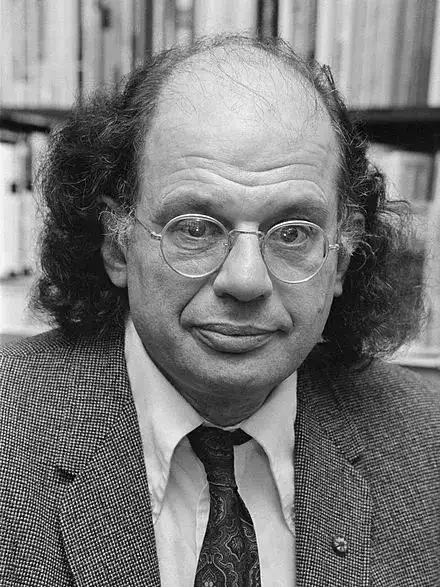
Allen Ginsberg
Paterson
Paterson
What do I want in these rooms papered with visions of money?
How much can I make by cutting my hair? If I put new heels on my shoes,
bathe my body reeking of masturbation and sweat, layer upon layer of excrement
dried in employment bureaus, magazine hallways, statistical cubicles, factory
stairways,
cloakrooms of the smiling gods of psychiatry;
if in antechambers I face the presumption of department store supervisory employees,
old clerks in their asylums of fat, the slobs and dumbbells of the ego with money and
power
to hire and fire and make and break and fart and justify their reality of wrath and
rumor of wrath to wrath-weary man,
what war I enter and for what a prize! the dead prick of commonplace obsession,
harridan vision of electricity at night and daylight misery of thumb-sucking rage.
I would rather go mad, gone down the dark road to Mexico, heroin dripping in my
veins,
eyes and ears full of marijuana,
eating the god Peyote on the floor of a mudhut on the border
or laying in a hotel room over the body of some suffering man or woman;
rather jar my body down the road, crying by a diner in the Western sun;
rather crawl on my naked belly over the tincans of Cincinnati;
rather drag a rotten railroad tie to a Golgotha in the Rockies;
rather, crowned with thorns in Galveston, nailed hand and foot in Los Angeles, raised
up to die in Denver,
pierced in the side in Chicago, perished and tombed in New Orleans and resurrected in
1958 somewhere on Garret Mountain,
come down roaring in a blaze of hot cars and garbage,
streetcorner Evangel in front of City I-Tall, surrounded by statues of agonized lions,
with a mouthful of shit, and the hair rising on my scalp,
screaming and dancing in praise of Eternity annihilating the sidewalk, annihilating
reality,
screaming and dancing against the orchestra in the destructible ballroom of the world,
blood streaming from my belly and shoulders
flooding the city with its hideous ecstasy, rolling over the pavements and highways
by the bayoux and forests and derricks leaving my flesh and my bones hanging on the
trees.
What do I want in these rooms papered with visions of money?
How much can I make by cutting my hair? If I put new heels on my shoes,
bathe my body reeking of masturbation and sweat, layer upon layer of excrement
dried in employment bureaus, magazine hallways, statistical cubicles, factory
stairways,
cloakrooms of the smiling gods of psychiatry;
if in antechambers I face the presumption of department store supervisory employees,
old clerks in their asylums of fat, the slobs and dumbbells of the ego with money and
power
to hire and fire and make and break and fart and justify their reality of wrath and
rumor of wrath to wrath-weary man,
what war I enter and for what a prize! the dead prick of commonplace obsession,
harridan vision of electricity at night and daylight misery of thumb-sucking rage.
I would rather go mad, gone down the dark road to Mexico, heroin dripping in my
veins,
eyes and ears full of marijuana,
eating the god Peyote on the floor of a mudhut on the border
or laying in a hotel room over the body of some suffering man or woman;
rather jar my body down the road, crying by a diner in the Western sun;
rather crawl on my naked belly over the tincans of Cincinnati;
rather drag a rotten railroad tie to a Golgotha in the Rockies;
rather, crowned with thorns in Galveston, nailed hand and foot in Los Angeles, raised
up to die in Denver,
pierced in the side in Chicago, perished and tombed in New Orleans and resurrected in
1958 somewhere on Garret Mountain,
come down roaring in a blaze of hot cars and garbage,
streetcorner Evangel in front of City I-Tall, surrounded by statues of agonized lions,
with a mouthful of shit, and the hair rising on my scalp,
screaming and dancing in praise of Eternity annihilating the sidewalk, annihilating
reality,
screaming and dancing against the orchestra in the destructible ballroom of the world,
blood streaming from my belly and shoulders
flooding the city with its hideous ecstasy, rolling over the pavements and highways
by the bayoux and forests and derricks leaving my flesh and my bones hanging on the
trees.
687
Allen Ginsberg
Nagasaki Days
Nagasaki Days
I -- A Pleasant Afternoon
for Michael Brownstein and Dick Gallup
One day 3 poets and 60 ears sat under a green-striped Chautauqua
tent in Aurora
listening to Black spirituals, tapping their feet, appreciating
words singing by in mountain winds
on a pleasant sunny day of rest -- the wild wind blew thru
blue Heavens
filled with fluffy clouds stretched from Central City to Rocky
Flats, Plutonium sizzled in its secret bed,
hot dogs sizzled in the Lion's Club lunchwagon microwave
mouth, orangeade bubbled over in waxen cups
Traffic moved along Colefax, meditators silent in the Diamond
Castle shrine-room at Boulder followed the breath going
out of their nostrils,
Nobody could remember anything, spirits flew out of mouths
& noses, out of the sky, across Colorado plains & the
tent flapped happily open spacious & didn't fall down.
June 18, 1978
II -- Peace Protest
Cumulus clouds float across blue sky
over the white-walled Rockwell Corporation factory
-- am I going to stop that?
*
Rocky Mountains rising behind us
Denver shining in morning light
-- Led away from the crowd by police and photographers
*
Middleaged Ginsberg and Ellsberg taken down the road
to the greyhaired Sheriff's van --
But what about Einstein? What about Einstein? Hey, Einstein
Come back!
III -- Golden Courthouse
Waiting for the Judge, breathing silent
Prisoners, witnesses, Police -
the stenographer yawns into her palms.
August 9, 1978
IV -- Everybody's Fantasy
I walked outside & the bomb'd
dropped lots of plutonium
all over the Lower East Side
There weren't any buildings left just
iron skeletons
groceries burned, potholes open to
stinking sewer waters
There were people starving and crawling
across the desert
the Martian UFOs with blue
Light destroyer rays
passed over and dried up all the
waters
Charred Amazon palmtrees for
hundreds of miles on both sides
of the river
August 10, 1978
V -- Waiting Room at the Rocky Flats Plutonium Plant
"Give us the weapons we need to protect ourselves!"
the bareheaded guard lifts his flyswatter above the desk
-- whap!
*
A green-letter'd shield on the pressboard wall!
"Life is fragile. Handle with care" --
My Goodness! here's where they make the nuclear bomb
triggers.
August 17, 1978
VI -- Numbers in Red Notebook
2,000,000 killed in Vietnam
13,000,000 refugees in Indochina 1972
200,000,000 years for the Galaxy to revolve on its core
24,000 the Babylonian Great Year
24,000 half life of plutonium
2,000 the most I ever got for a poetry reading
80,000 dolphins killed in the dragnet
4,000,000,000 years earth been born
Summer 1978
I -- A Pleasant Afternoon
for Michael Brownstein and Dick Gallup
One day 3 poets and 60 ears sat under a green-striped Chautauqua
tent in Aurora
listening to Black spirituals, tapping their feet, appreciating
words singing by in mountain winds
on a pleasant sunny day of rest -- the wild wind blew thru
blue Heavens
filled with fluffy clouds stretched from Central City to Rocky
Flats, Plutonium sizzled in its secret bed,
hot dogs sizzled in the Lion's Club lunchwagon microwave
mouth, orangeade bubbled over in waxen cups
Traffic moved along Colefax, meditators silent in the Diamond
Castle shrine-room at Boulder followed the breath going
out of their nostrils,
Nobody could remember anything, spirits flew out of mouths
& noses, out of the sky, across Colorado plains & the
tent flapped happily open spacious & didn't fall down.
June 18, 1978
II -- Peace Protest
Cumulus clouds float across blue sky
over the white-walled Rockwell Corporation factory
-- am I going to stop that?
*
Rocky Mountains rising behind us
Denver shining in morning light
-- Led away from the crowd by police and photographers
*
Middleaged Ginsberg and Ellsberg taken down the road
to the greyhaired Sheriff's van --
But what about Einstein? What about Einstein? Hey, Einstein
Come back!
III -- Golden Courthouse
Waiting for the Judge, breathing silent
Prisoners, witnesses, Police -
the stenographer yawns into her palms.
August 9, 1978
IV -- Everybody's Fantasy
I walked outside & the bomb'd
dropped lots of plutonium
all over the Lower East Side
There weren't any buildings left just
iron skeletons
groceries burned, potholes open to
stinking sewer waters
There were people starving and crawling
across the desert
the Martian UFOs with blue
Light destroyer rays
passed over and dried up all the
waters
Charred Amazon palmtrees for
hundreds of miles on both sides
of the river
August 10, 1978
V -- Waiting Room at the Rocky Flats Plutonium Plant
"Give us the weapons we need to protect ourselves!"
the bareheaded guard lifts his flyswatter above the desk
-- whap!
*
A green-letter'd shield on the pressboard wall!
"Life is fragile. Handle with care" --
My Goodness! here's where they make the nuclear bomb
triggers.
August 17, 1978
VI -- Numbers in Red Notebook
2,000,000 killed in Vietnam
13,000,000 refugees in Indochina 1972
200,000,000 years for the Galaxy to revolve on its core
24,000 the Babylonian Great Year
24,000 half life of plutonium
2,000 the most I ever got for a poetry reading
80,000 dolphins killed in the dragnet
4,000,000,000 years earth been born
Summer 1978
621
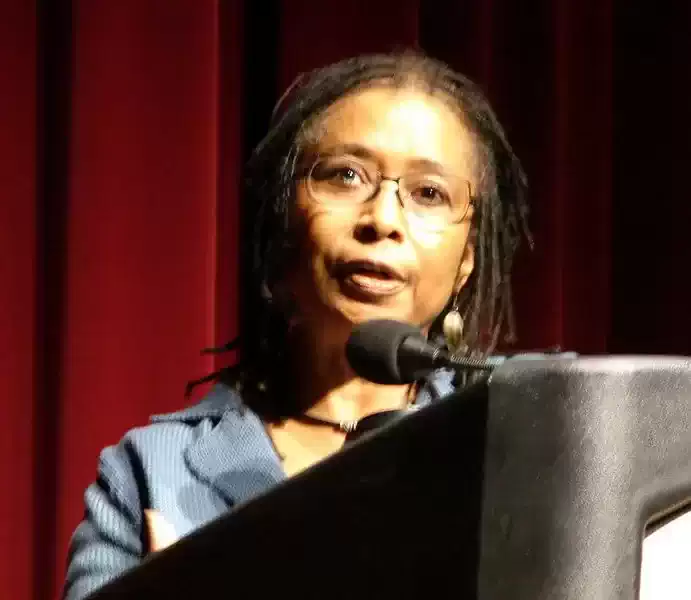
Alice Walker
To Change The World Enough
To Change The World Enough
To change the world enough
you must cease to be afraid
of the poor.
We experience your fear as the least pardonable of
humiliations; in the past
it has sent us scurrying off
daunted and ashamed
into the shadows.
Now,
the world ending
the only one all of us have known
we seek the same
fresh light
you do:
the same high place
and ample table.
The poor always believe
there is room enough
for all of us;
the very rich never seem to have heard
of this.
In us there is wisdom of how to share
loaves and fishes
however few;
we do this everyday.
Learn from us,
we ask you.
We enter now
the dreaded location
of Earth's reckoning;
no longer far
off
or hidden in books
that claim to disclose
revelations;
it is here.
We must walk together without fear.
There is no path without us
To change the world enough
you must cease to be afraid
of the poor.
We experience your fear as the least pardonable of
humiliations; in the past
it has sent us scurrying off
daunted and ashamed
into the shadows.
Now,
the world ending
the only one all of us have known
we seek the same
fresh light
you do:
the same high place
and ample table.
The poor always believe
there is room enough
for all of us;
the very rich never seem to have heard
of this.
In us there is wisdom of how to share
loaves and fishes
however few;
we do this everyday.
Learn from us,
we ask you.
We enter now
the dreaded location
of Earth's reckoning;
no longer far
off
or hidden in books
that claim to disclose
revelations;
it is here.
We must walk together without fear.
There is no path without us
332