

Poems in this theme
Protest, Resistance and Revolution
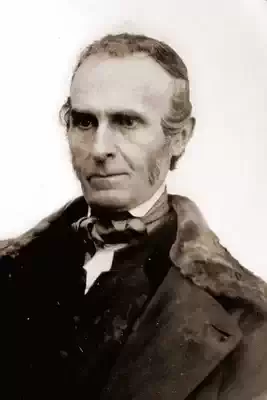
John Greenleaf Whittier
Expostulation
Expostulation
OUR fellow-countrymen in chains!
Slaves, in a land of light and law!
Slaves, crouching on the very plains
Where rolled the storm of Freedom's war!
A groan from Eutaw's haunted wood,
A. wail where Camden's martyrs fell,
By every shrine of patriot blood,
From Moultrie's wall and Jasper's well!
By storied hill and hallowed grot,
By mossy wood and marshy glen,
Whence rang of old the rifle-shot,
And hurrying shout of Marion's men!
The groan of breaking hearts is there,
The falling lash, the fetter's clank!
Slaves, slaves are breathing in that air
Which old De Kalb and Sumter drank!
What, ho! our countrymen in chains!
The whip on woman's shrinking flesh!
Our soil yet reddening with the stains
Caught from her scourging, warm and fresh!
What! mothers from their children riven!
What! God's own image bought and sold!
Americans to market driven,
And bartered as the brute for gold!
Speak! shall their agony of prayer
Come thrilling to our hearts in vain?
To us whose fathers scorned to bear
The paltry menace of a chain;
To us, whose boast is loud and long
Of holy Liberty and Light;
Say, shall these writhing slaves of Wrong
Plead vainly for their plundered Right?
What! shall we send, with lavish breath,
Our sympathies across the wave,
Where Manhood, on the field of death,
Strikes for his freedom or a grave?
Shall prayers go up, and hymns be sung
For Greece, the Moslem fetter spurning,
And millions hail with pen and tongue
Our light on all her altars burning?
Shall Belgium feel, and gallant France,
By Vendome's pile and Schoenbrun's wall,
And Poland, gasping on her lance,
The impulse of our cheering call?
And shall the slave, beneath our eye,
Clank o'er our fields his hateful chain?
And toss his fettered arms on high,
And groan for Freedom's gift, in vain?
Oh, say, shall Prussia's banner be
A refuge for the stricken slave?
And shall the Russian serf go free
By Baikal's lake and Neva's wave?
And shall the wintry-bosomed Dane
Relax the iron hand of pride,
And bid his bondmen cast the chain
From fettered soul and limb aside?
Shall every flap of England's flag
Proclaim that all around are free,
From farthest Ind to each blue crag
That beetles o'er the Western Sea?
And shall we scoff at Europe's kings,
When Freedom's fire is dim with us,
And round our country's altar clings
The damning shade of Slavery's curse?
Go, let us ask of Constantine
To loose his grasp on Poland's throat;
And beg the lord of Mahmoud's line
To spare the struggling Suliote;
Will not the scorching answer come
From turbaned Turk, and scornful Russ
'Go, loose your fettered slaves at home,
Then turn, and ask the like of us!'
Just God! and shall we calmly rest,
The Christian's scorn, the heathen's mirth,
Content to live the lingering jest
And by-word of a mocking Earth?
Shall our own glorious land retain
That curse which Europe scorns to bear?
Shall our own brethren drag the chain
Which not even Russia's menials wear?
Up, then, in Freedom's manly part,
From graybeard eld to fiery youth,
And on the nation's naked heart
Scatter the living coals of Truth!
Up! while ye slumber, deeper yet
The shadow of our fame is growing!
Up! while ye pause, our sun may set
In blood, around our altars flowing!
Oh! rouse ye, ere the storm comes forth,
The gathered wrath of God and man,
Like that which wasted Egypt's earth,
When hail and fire above it ran.
Hear ye no warnings in the air?
Feel ye no earthquake underneath?
Up, up! why will ye slumber where
The sleeper only wakes in death?
Rise now for Freedom! not in strife
Like that your sterner fathers saw,
The awful waste of human life,
The glory and the guilt of war:'
But break the chain, the yoke remove,
And smite to earth Oppression's rod,
With those mild arms of Truth and Love,
Made mighty through the living God!
Down let the shrine of Moloch sink,
And leave no traces where it stood;
Nor longer let its idol drink
His daily cup of human blood;
But rear another altar there,
To Truth and Love and Mercy given,
And Freedom's gift, and Freedom's prayer,
Shall call an answer down from Heaven!
OUR fellow-countrymen in chains!
Slaves, in a land of light and law!
Slaves, crouching on the very plains
Where rolled the storm of Freedom's war!
A groan from Eutaw's haunted wood,
A. wail where Camden's martyrs fell,
By every shrine of patriot blood,
From Moultrie's wall and Jasper's well!
By storied hill and hallowed grot,
By mossy wood and marshy glen,
Whence rang of old the rifle-shot,
And hurrying shout of Marion's men!
The groan of breaking hearts is there,
The falling lash, the fetter's clank!
Slaves, slaves are breathing in that air
Which old De Kalb and Sumter drank!
What, ho! our countrymen in chains!
The whip on woman's shrinking flesh!
Our soil yet reddening with the stains
Caught from her scourging, warm and fresh!
What! mothers from their children riven!
What! God's own image bought and sold!
Americans to market driven,
And bartered as the brute for gold!
Speak! shall their agony of prayer
Come thrilling to our hearts in vain?
To us whose fathers scorned to bear
The paltry menace of a chain;
To us, whose boast is loud and long
Of holy Liberty and Light;
Say, shall these writhing slaves of Wrong
Plead vainly for their plundered Right?
What! shall we send, with lavish breath,
Our sympathies across the wave,
Where Manhood, on the field of death,
Strikes for his freedom or a grave?
Shall prayers go up, and hymns be sung
For Greece, the Moslem fetter spurning,
And millions hail with pen and tongue
Our light on all her altars burning?
Shall Belgium feel, and gallant France,
By Vendome's pile and Schoenbrun's wall,
And Poland, gasping on her lance,
The impulse of our cheering call?
And shall the slave, beneath our eye,
Clank o'er our fields his hateful chain?
And toss his fettered arms on high,
And groan for Freedom's gift, in vain?
Oh, say, shall Prussia's banner be
A refuge for the stricken slave?
And shall the Russian serf go free
By Baikal's lake and Neva's wave?
And shall the wintry-bosomed Dane
Relax the iron hand of pride,
And bid his bondmen cast the chain
From fettered soul and limb aside?
Shall every flap of England's flag
Proclaim that all around are free,
From farthest Ind to each blue crag
That beetles o'er the Western Sea?
And shall we scoff at Europe's kings,
When Freedom's fire is dim with us,
And round our country's altar clings
The damning shade of Slavery's curse?
Go, let us ask of Constantine
To loose his grasp on Poland's throat;
And beg the lord of Mahmoud's line
To spare the struggling Suliote;
Will not the scorching answer come
From turbaned Turk, and scornful Russ
'Go, loose your fettered slaves at home,
Then turn, and ask the like of us!'
Just God! and shall we calmly rest,
The Christian's scorn, the heathen's mirth,
Content to live the lingering jest
And by-word of a mocking Earth?
Shall our own glorious land retain
That curse which Europe scorns to bear?
Shall our own brethren drag the chain
Which not even Russia's menials wear?
Up, then, in Freedom's manly part,
From graybeard eld to fiery youth,
And on the nation's naked heart
Scatter the living coals of Truth!
Up! while ye slumber, deeper yet
The shadow of our fame is growing!
Up! while ye pause, our sun may set
In blood, around our altars flowing!
Oh! rouse ye, ere the storm comes forth,
The gathered wrath of God and man,
Like that which wasted Egypt's earth,
When hail and fire above it ran.
Hear ye no warnings in the air?
Feel ye no earthquake underneath?
Up, up! why will ye slumber where
The sleeper only wakes in death?
Rise now for Freedom! not in strife
Like that your sterner fathers saw,
The awful waste of human life,
The glory and the guilt of war:'
But break the chain, the yoke remove,
And smite to earth Oppression's rod,
With those mild arms of Truth and Love,
Made mighty through the living God!
Down let the shrine of Moloch sink,
And leave no traces where it stood;
Nor longer let its idol drink
His daily cup of human blood;
But rear another altar there,
To Truth and Love and Mercy given,
And Freedom's gift, and Freedom's prayer,
Shall call an answer down from Heaven!
314
John Greenleaf Whittier
Elliott
Elliott
Hands off! thou tithe-fat plunderer! play
No trick of priestcraft here!
Back, puny lordling! darest thou lay
A hand on Elliott's bier?
Alive, your rank and pomp, as dust,
Beneath his feet he trod.
He knew the locust swarm that cursed
The harvest-fields of God.
On these pale lips, the smothered thought
Which England's millions feel,
A fierce and fearful splendor caught,
As from his forge the steel.
Strong-armed as Thor, a shower of fire
His smitten anvil flung;
God's curse, Earth's wrong, dumb Hunger's ire,
He gave them all a tongue!
Then let the poor man's horny hands
Bear up the mighty dead,
And labor's swart and stalwart bands
Behind as mourners tread.
Leave cant and craft their baptized bounds,
Leave rank its minster floor;
Give England's green and daisied grounds
The poet of the poor!
Lay down upon his Sheaf's green verge
That brave old heart of oak,
With fitting dirge from sounding forge,
And pall of furnace smoke!
Where whirls the stone its dizzy rounds,
And axe and sledge are swung,
And, timing to their stormy sounds,
His stormy lays are sung.
There let the peasant's step be heard,
The grinder chant his rhyme,
Nor patron's praise nor dainty word
Befits the man or time.
No soft lament nor dreamer's sigh
For him whose words were bread;
The Runic rhyme and spell whereby
The foodless poor were fed!
Pile up the tombs of rank and pride,
O England, as thou wilt!
With pomp to nameless worth denied,
Emblazon titled guilt!
No part or lot in these we claim;
But, o'er the sounding wave,
A common right to Elliott's name,
A freehold in his grave!
Hands off! thou tithe-fat plunderer! play
No trick of priestcraft here!
Back, puny lordling! darest thou lay
A hand on Elliott's bier?
Alive, your rank and pomp, as dust,
Beneath his feet he trod.
He knew the locust swarm that cursed
The harvest-fields of God.
On these pale lips, the smothered thought
Which England's millions feel,
A fierce and fearful splendor caught,
As from his forge the steel.
Strong-armed as Thor, a shower of fire
His smitten anvil flung;
God's curse, Earth's wrong, dumb Hunger's ire,
He gave them all a tongue!
Then let the poor man's horny hands
Bear up the mighty dead,
And labor's swart and stalwart bands
Behind as mourners tread.
Leave cant and craft their baptized bounds,
Leave rank its minster floor;
Give England's green and daisied grounds
The poet of the poor!
Lay down upon his Sheaf's green verge
That brave old heart of oak,
With fitting dirge from sounding forge,
And pall of furnace smoke!
Where whirls the stone its dizzy rounds,
And axe and sledge are swung,
And, timing to their stormy sounds,
His stormy lays are sung.
There let the peasant's step be heard,
The grinder chant his rhyme,
Nor patron's praise nor dainty word
Befits the man or time.
No soft lament nor dreamer's sigh
For him whose words were bread;
The Runic rhyme and spell whereby
The foodless poor were fed!
Pile up the tombs of rank and pride,
O England, as thou wilt!
With pomp to nameless worth denied,
Emblazon titled guilt!
No part or lot in these we claim;
But, o'er the sounding wave,
A common right to Elliott's name,
A freehold in his grave!
254
John Greenleaf Whittier
Clerical Oppressors
Clerical Oppressors
JUST God! and these are they
Who minister at thine altar, God of Right!
Men who their hands with prayer and blessing lay
On Israel's Ark of light!
What! preach, and kidnap men?
Give thanks, and rob thy own afflicted poor?
Talk of thy glorious liberty, and then
Bolt hard the captive's door?
What! servants of thy own
Merciful Son, who came to seek and save
The homeless and the outcast, fettering down
The tasked and plundered slave!
Pilate and Herod, friends!
Chief priests and rulers, as of old, combine!
Just God and holy! is that church, which lends
Strength to the spoiler, thine?
Paid hypocrites, who turn
Judgment aside, and rob the Holy Book
Of those high words of truth which search and burn
In warning and rebuke;
Feed fat, ye locusts, feed!
And, in your tasselled pulpits, thank the Lord
That, from the toiling bondman's utter need,
Ye pile your own full board.
How long, O Lord! how long
Shall such a priesthood barter truth away,
And in Thy name, for robbery and wrong
At Thy own altars pray?
Is not Thy hand stretched forth
Visibly in the heavens, to awe and smite?
Shall not the living God of all the earth,
And heaven above, do right?
Woe, then, to all who grind
Their brethren of a common Father down!
To all who plunder from the immortal mind
Its bright and glorious crown!
Woe to the priesthood! woe
To those whose hire is with the price of blood;
Perverting, darkening, changing, as they go,
The searching truths of God!
Their glory and their might.
Shall perish; and their very names shall be
Vile before all the people, in the light
Of a world's liberty.
Oh, speed the moment on
When Wrong shall cease, and Liberty and Love
And Truth and Right throughout the earth be known
As in their home above.
JUST God! and these are they
Who minister at thine altar, God of Right!
Men who their hands with prayer and blessing lay
On Israel's Ark of light!
What! preach, and kidnap men?
Give thanks, and rob thy own afflicted poor?
Talk of thy glorious liberty, and then
Bolt hard the captive's door?
What! servants of thy own
Merciful Son, who came to seek and save
The homeless and the outcast, fettering down
The tasked and plundered slave!
Pilate and Herod, friends!
Chief priests and rulers, as of old, combine!
Just God and holy! is that church, which lends
Strength to the spoiler, thine?
Paid hypocrites, who turn
Judgment aside, and rob the Holy Book
Of those high words of truth which search and burn
In warning and rebuke;
Feed fat, ye locusts, feed!
And, in your tasselled pulpits, thank the Lord
That, from the toiling bondman's utter need,
Ye pile your own full board.
How long, O Lord! how long
Shall such a priesthood barter truth away,
And in Thy name, for robbery and wrong
At Thy own altars pray?
Is not Thy hand stretched forth
Visibly in the heavens, to awe and smite?
Shall not the living God of all the earth,
And heaven above, do right?
Woe, then, to all who grind
Their brethren of a common Father down!
To all who plunder from the immortal mind
Its bright and glorious crown!
Woe to the priesthood! woe
To those whose hire is with the price of blood;
Perverting, darkening, changing, as they go,
The searching truths of God!
Their glory and their might.
Shall perish; and their very names shall be
Vile before all the people, in the light
Of a world's liberty.
Oh, speed the moment on
When Wrong shall cease, and Liberty and Love
And Truth and Right throughout the earth be known
As in their home above.
306
John Greenleaf Whittier
A Word for the Hour
A Word for the Hour
The firmament breaks up. In black eclipse
Light after light goes out. One evil star,
Luridly glaring through the smoke of war,
As in the dream of the Apocalypse,
Drags others down. Let us not weakly weep
Nor rashly threaten. Give us grace to keep
Our faith and patience; wherefore should we leap
On one hand into fratricidal fight,
Or, on the other, yield eternal right,
Frame lies of laws, and good and ill confound?
What fear we? Safe on freedom's vantage ground
Our feet are planted; let us there remain
In unrevengeful calm, no means untried
Which truth can sanction, no just claim denied,
The sad spectators of a suicide!
They break the lines of Union: shall we light
The fires of hell to weld anew the chain
On that red anvil where each blow is pain?
Draw we not even now a freer breath,
As from our shoulders falls a load of death
Loathsome as that the Tuscan's victim bore
When keen with life to a dead horror bound?
Why take we up the accursed thing again?
Pity, forgive, but urge them back no more
Who, drunk with passion, flaunt disunion's rag
With its vile reptile blazon. Let us press
The golden cluster on our brave old flag
In closer union, and, if numbering less,
Brighter shall shine the stars which still remain.
The firmament breaks up. In black eclipse
Light after light goes out. One evil star,
Luridly glaring through the smoke of war,
As in the dream of the Apocalypse,
Drags others down. Let us not weakly weep
Nor rashly threaten. Give us grace to keep
Our faith and patience; wherefore should we leap
On one hand into fratricidal fight,
Or, on the other, yield eternal right,
Frame lies of laws, and good and ill confound?
What fear we? Safe on freedom's vantage ground
Our feet are planted; let us there remain
In unrevengeful calm, no means untried
Which truth can sanction, no just claim denied,
The sad spectators of a suicide!
They break the lines of Union: shall we light
The fires of hell to weld anew the chain
On that red anvil where each blow is pain?
Draw we not even now a freer breath,
As from our shoulders falls a load of death
Loathsome as that the Tuscan's victim bore
When keen with life to a dead horror bound?
Why take we up the accursed thing again?
Pity, forgive, but urge them back no more
Who, drunk with passion, flaunt disunion's rag
With its vile reptile blazon. Let us press
The golden cluster on our brave old flag
In closer union, and, if numbering less,
Brighter shall shine the stars which still remain.
361
John Greenleaf Whittier
A Letter
A Letter
'TIS over, Moses! All is lost!
I hear the bells a-ringing;
Of Pharaoh and his Red Sea host
I hear the Free-Wills singing.*
We're routed, Moses, horse and foot,
If there be truth in figures,
With Federal Whigs in hot pursuit,
And Hale, and all the 'niggers.'
Alack! alas! this month or more
We've felt a sad foreboding;
Our very dreams the burden bore
Of central cliques exploding;
Before our eyes a furnace shone,
Where heads of dough were roasting,
And one we took to be your own
The traitor Hale was toasting!
Our Belknap brother* heard with awe
The Congo minstrels playing;
At Pittsfield Reuben Leavitt* saw
The ghost of Storrs a-praying;
And Carroll's woods were sad to see,
With black-winged crows a-darting;
And Black Snout looked on Ossipee,
New-glossed with Day and Martin.
We thought the 'Old Man of the Notch'
His face seemed changing wholly —
His lips seemed thick; his nose seemed flat;
His misty hair looked woolly;
And Coös teamsters, shrieking, fled
From the metamorphosed figure.
'Look there!' they said, 'the Old Stone Head
Himself is turning nigger!'
The schoolhouse* out of Canaan hauled
Seemed turning on its track again,
And like a great swamp-turtle crawled
To Canaan village back again,
Shook off the mud and settled flat
Upon its underpinning;
A nigger on its ridge-pole sat,
From ear to ear a-grinning.
Gray H—d heard o' nights the sound
Of rail-cars onward faring;
Right over Democratic ground
The iron horse came tearing.
A flag waved o'er that spectral train,
As high as Pittsfield steeple;
Its emblem was a broken chain;
Its motto: 'To the people!'
I dreamed that Charley took his bed,
With Hale for his physician;
His daily dose an old 'unread
And unreferred' petition.*
There Hayes and Tuck as nurses sat,
As near as near could be, man;
They leeched him with the 'Democrat;'
They blistered with the 'Freeman.'
Ah! grisly portents! What avail
Your terrors of forewarning?
We wake to find the nightmare Hale
Astride our breasts at morning!
From Portsmouth lights to Indian stream
Our foes their throats are trying;
The very factory-spindles seem
To mock us while they're flying.
The hills have bonfires; in our streets
Flags flout us in our faces;
The newsboys, peddling off their sheets,
Are hoarse with our disgraces.
In vain we turn, for gibing wit
And shoutings follow after,
As if old Kearsarge had split
His granite sides with laughter!
What boots it that we pelted out
The anti-slavery women,9
And bravely strewed their hall about
With tattered lace and trimming?
Was it for such a sad reverse
Our mobs became peacemakers,
And kept their tar and wooden horse
For Englishmen and Quakers?
For this did shifty Atherton
Make gag rules for the Great House?
Wiped we for this our feet upon
Petitions in our State House?
Plied we for this our axe of doom,
No stubborn traitor sparing,
Who scoffed at our opinion loom,
And took to homespun wearing?
Ah, Moses! hard it is to scan
These crooked providences,
Deducing from the wisest plan
The saddest consequences!
Strange that, in trampling as was meet
The nigger-men's petition,
We sprung a mine beneath our feet
Which opened up perdition.
How goodly, Moses, was the game
In which we've long been actors,
Supplying freedom with the name
And slavery with the practice!
Our smooth words fed the people's mouth,
Their ears our party rattle;
We kept them headed to the South,
As drovers do their cattle.
But now our game of politics
The world at large is learning;
And men grown gray in all our tricks
State's evidence are turning.
Votes and preambles subtly spun
They cram with meanings louder,
And load the Democratic gun
With abolition powder.
The ides of June! Woe worth the day
When, turning all things over,
The traitor Hale shall make his hay
From Democratic clover!
Who then shall take him in the law,
Who punish crime so flagrant?
Whose hand shall serve, whose pen shall draw,
A writ against that 'vagrant'?
Alas! no hope is left us here,
And one can only pine for
The envied place of overseer
Of slaves in Carolina!
Pray, Moses, give Calhoun the wink,
And see what pay he's giving!
We're practised long enough, we think,
To know the art of driving.
And for the faithful rank and file,
Who know their proper stations,
Perhaps it may be worth their while
To try the rice plantations.
Let Hale exult, let Wilson scoff,
To see us southward scamper;
The slaves, we know, are 'better off
Than laborers in New Hampshire!'
'TIS over, Moses! All is lost!
I hear the bells a-ringing;
Of Pharaoh and his Red Sea host
I hear the Free-Wills singing.*
We're routed, Moses, horse and foot,
If there be truth in figures,
With Federal Whigs in hot pursuit,
And Hale, and all the 'niggers.'
Alack! alas! this month or more
We've felt a sad foreboding;
Our very dreams the burden bore
Of central cliques exploding;
Before our eyes a furnace shone,
Where heads of dough were roasting,
And one we took to be your own
The traitor Hale was toasting!
Our Belknap brother* heard with awe
The Congo minstrels playing;
At Pittsfield Reuben Leavitt* saw
The ghost of Storrs a-praying;
And Carroll's woods were sad to see,
With black-winged crows a-darting;
And Black Snout looked on Ossipee,
New-glossed with Day and Martin.
We thought the 'Old Man of the Notch'
His face seemed changing wholly —
His lips seemed thick; his nose seemed flat;
His misty hair looked woolly;
And Coös teamsters, shrieking, fled
From the metamorphosed figure.
'Look there!' they said, 'the Old Stone Head
Himself is turning nigger!'
The schoolhouse* out of Canaan hauled
Seemed turning on its track again,
And like a great swamp-turtle crawled
To Canaan village back again,
Shook off the mud and settled flat
Upon its underpinning;
A nigger on its ridge-pole sat,
From ear to ear a-grinning.
Gray H—d heard o' nights the sound
Of rail-cars onward faring;
Right over Democratic ground
The iron horse came tearing.
A flag waved o'er that spectral train,
As high as Pittsfield steeple;
Its emblem was a broken chain;
Its motto: 'To the people!'
I dreamed that Charley took his bed,
With Hale for his physician;
His daily dose an old 'unread
And unreferred' petition.*
There Hayes and Tuck as nurses sat,
As near as near could be, man;
They leeched him with the 'Democrat;'
They blistered with the 'Freeman.'
Ah! grisly portents! What avail
Your terrors of forewarning?
We wake to find the nightmare Hale
Astride our breasts at morning!
From Portsmouth lights to Indian stream
Our foes their throats are trying;
The very factory-spindles seem
To mock us while they're flying.
The hills have bonfires; in our streets
Flags flout us in our faces;
The newsboys, peddling off their sheets,
Are hoarse with our disgraces.
In vain we turn, for gibing wit
And shoutings follow after,
As if old Kearsarge had split
His granite sides with laughter!
What boots it that we pelted out
The anti-slavery women,9
And bravely strewed their hall about
With tattered lace and trimming?
Was it for such a sad reverse
Our mobs became peacemakers,
And kept their tar and wooden horse
For Englishmen and Quakers?
For this did shifty Atherton
Make gag rules for the Great House?
Wiped we for this our feet upon
Petitions in our State House?
Plied we for this our axe of doom,
No stubborn traitor sparing,
Who scoffed at our opinion loom,
And took to homespun wearing?
Ah, Moses! hard it is to scan
These crooked providences,
Deducing from the wisest plan
The saddest consequences!
Strange that, in trampling as was meet
The nigger-men's petition,
We sprung a mine beneath our feet
Which opened up perdition.
How goodly, Moses, was the game
In which we've long been actors,
Supplying freedom with the name
And slavery with the practice!
Our smooth words fed the people's mouth,
Their ears our party rattle;
We kept them headed to the South,
As drovers do their cattle.
But now our game of politics
The world at large is learning;
And men grown gray in all our tricks
State's evidence are turning.
Votes and preambles subtly spun
They cram with meanings louder,
And load the Democratic gun
With abolition powder.
The ides of June! Woe worth the day
When, turning all things over,
The traitor Hale shall make his hay
From Democratic clover!
Who then shall take him in the law,
Who punish crime so flagrant?
Whose hand shall serve, whose pen shall draw,
A writ against that 'vagrant'?
Alas! no hope is left us here,
And one can only pine for
The envied place of overseer
Of slaves in Carolina!
Pray, Moses, give Calhoun the wink,
And see what pay he's giving!
We're practised long enough, we think,
To know the art of driving.
And for the faithful rank and file,
Who know their proper stations,
Perhaps it may be worth their while
To try the rice plantations.
Let Hale exult, let Wilson scoff,
To see us southward scamper;
The slaves, we know, are 'better off
Than laborers in New Hampshire!'
272
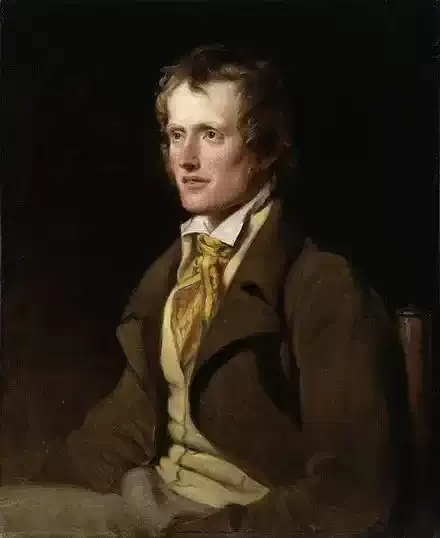
John Clare
From The Parish: A Satire
From The Parish: A Satire
I
In politics and politicians' lies
The modern farmer waxes wondrous wise;
Opinionates with wisdom all compact,
And een could tell a nation how to act;
Throws light on darkness with excessive skill,
Knows who acts well and whose designs are ill,
Proves half the members nought but bribery's tools,
And calls the past a dull dark age of fools.
As wise as Solomon they read the news,
Not with their blind forefathers' simple views,
Who read of wars, and wished that wars would cease,
And blessed the King, and wished his country peace;
Who marked the weight of each fat sheep and ox,
The price of grain and rise and fall of stocks;
Who thought it learning how to buy and sell,
And him a wise man who could manage well.
No, not with such old-fashioned, idle views
Do these newsmongers traffic with the news.
They read of politics and not of grain,
And speechify and comment and explain,
And know so much of Parliament and state
You'd think they're members when you heard them prate;
And know so little of their farms the while
They can but urge a wiser man to smile.
II
A thing all consequence here takes the lead,
Reigning knight-errant oer this dirty breed--
A bailiff he, and who so great to brag
Of law and all its terrors as Bumtagg;
Fawning a puppy at his master's side
And frowning like a wolf on all beside;
Who fattens best where sorrow worst appears
And feeds on sad misfortune's bitterest tears?
Such is Bumtagg the bailiff to a hair,
The worshipper and demon of despair,
Who waits and hopes and wishes for success
At every nod and signal of distress,
Happy at heart, when storms begin to boil,
To seek the shipwreck and to share the spoil.
Brave is this Bumtagg, match him if you can;
For there's none like him living--save his man.
As every animal assists his kind
Just so are these in blood and business joined;
Yet both in different colours hide their art,
And each as suits his ends transacts his part.
One keeps the heart-bred villain full in sight,
The other cants and acts the hypocrite,
Smoothing the deed where law sharks set their gin
Like a coy dog to draw misfortune in.
But both will chuckle oer their prisoners' sighs
And are as blest as spiders over flies.
Such is Bumtagg, whose history I resign,
As other knaves wait room to stink and shine;
And, as the meanest knave a dog can brag,
Such is the lurcher that assists Bumtagg.
I
In politics and politicians' lies
The modern farmer waxes wondrous wise;
Opinionates with wisdom all compact,
And een could tell a nation how to act;
Throws light on darkness with excessive skill,
Knows who acts well and whose designs are ill,
Proves half the members nought but bribery's tools,
And calls the past a dull dark age of fools.
As wise as Solomon they read the news,
Not with their blind forefathers' simple views,
Who read of wars, and wished that wars would cease,
And blessed the King, and wished his country peace;
Who marked the weight of each fat sheep and ox,
The price of grain and rise and fall of stocks;
Who thought it learning how to buy and sell,
And him a wise man who could manage well.
No, not with such old-fashioned, idle views
Do these newsmongers traffic with the news.
They read of politics and not of grain,
And speechify and comment and explain,
And know so much of Parliament and state
You'd think they're members when you heard them prate;
And know so little of their farms the while
They can but urge a wiser man to smile.
II
A thing all consequence here takes the lead,
Reigning knight-errant oer this dirty breed--
A bailiff he, and who so great to brag
Of law and all its terrors as Bumtagg;
Fawning a puppy at his master's side
And frowning like a wolf on all beside;
Who fattens best where sorrow worst appears
And feeds on sad misfortune's bitterest tears?
Such is Bumtagg the bailiff to a hair,
The worshipper and demon of despair,
Who waits and hopes and wishes for success
At every nod and signal of distress,
Happy at heart, when storms begin to boil,
To seek the shipwreck and to share the spoil.
Brave is this Bumtagg, match him if you can;
For there's none like him living--save his man.
As every animal assists his kind
Just so are these in blood and business joined;
Yet both in different colours hide their art,
And each as suits his ends transacts his part.
One keeps the heart-bred villain full in sight,
The other cants and acts the hypocrite,
Smoothing the deed where law sharks set their gin
Like a coy dog to draw misfortune in.
But both will chuckle oer their prisoners' sighs
And are as blest as spiders over flies.
Such is Bumtagg, whose history I resign,
As other knaves wait room to stink and shine;
And, as the meanest knave a dog can brag,
Such is the lurcher that assists Bumtagg.
348
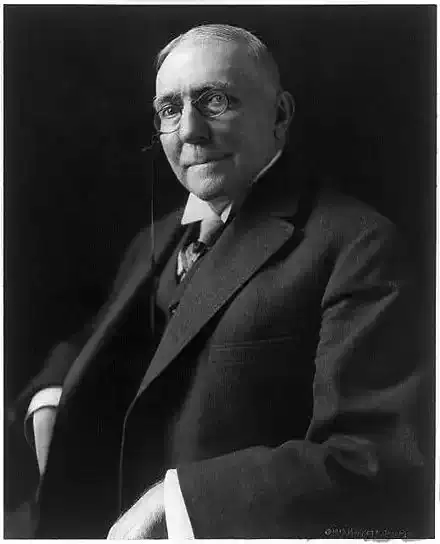
James Whitcomb Riley
Down On Wriggle Crick
Down On Wriggle Crick
'Best time to kill a hog's when he's fat.' --Old Saw.
Mostly folks is law-abidin'
Down on Wriggle Crick--,
Seein' they's no Squire residin'
In our bailywick;
No grand juries, no suppeenies,
Ner no vested rights to pick
Out yer man, jerk up and jail ef
He's outragin' Wriggle Crick!
Wriggle Crick hain't got no lawin',
Ner no suits to beat;
Ner no court-house gee-and-hawin'
Like a County-seat;
Hain't no waitin' round fer verdick,
Ner non-gittin' witness-fees;
Ner no thiefs 'at gits 'new heain's,'
By some lawyer slick as grease!
Wriggle Cricks's leadin' spirit
Is old Johnts Culwell--,
Keeps post-office, and right near it
Owns what's called 'The Grand Hotel--'
(Warehouse now--) buys wheat and ships it;
Gits out ties, and trades in stock,
And knows all the high-toned drummers
'Twixt South Bend and Mishawauk'
Last year comes along a feller--
Sharper 'an a lance-Stovepipe-
hat and silk umbreller,
And a boughten all-wool pants--,
Tinkerin of clocks and watches:
Says a trial's all he wants--
And rents out the tavern-office
Next to Uncle Johnts.
Well--. He tacked up his k'dentials,
And got down to biz--.
Captured Johnts by cuttin' stenchils
Fer them old wheat-sacks o' his--.
Fixed his clock, in the post-office--
Painted fer him, clean and slick,
'Crost his safe, in gold-leaf letters,
'J. Culwells's Wriggle Crick.'
Any kindo' job you keered to
Resk him with, and bring,
He'd fix fer you-- jest appeared to
Turn his hand to anything--!
Rings, er earbobs, er umbrellers--
Glue a cheer er chany doll--,
W'y, of all the beatin' fellers,
He Jest beat 'em all!
Made his friends, but wouldn't stop there--,
One mistake he learnt,
That was, sleepin' in his shop there--.
And one Sund'y night it burnt!
Come in one o' jest a-sweepin'
All the whole town high and dry--
And that feller, when they waked him,
Suffocatin', mighty nigh!
Johnts he drug him from the buildin',
He'pless-- 'peared to be--,
And the women and the childern
Drenchin' him with sympathy!
But I noticed Johnts helt on him
With a' extry lovin' grip,
And the men-folks gethered round him
In most warmest pardership!
That's the whole mess, grease-and-dopin'!
Johnt's safe was saved--,
But the lock was found sprung open,
And the inside caved.
Was no trial-- ner no jury--
Ner no jedge ner court-house-click--.
Circumstances alters cases
Down on Wriggle Crick!
'Best time to kill a hog's when he's fat.' --Old Saw.
Mostly folks is law-abidin'
Down on Wriggle Crick--,
Seein' they's no Squire residin'
In our bailywick;
No grand juries, no suppeenies,
Ner no vested rights to pick
Out yer man, jerk up and jail ef
He's outragin' Wriggle Crick!
Wriggle Crick hain't got no lawin',
Ner no suits to beat;
Ner no court-house gee-and-hawin'
Like a County-seat;
Hain't no waitin' round fer verdick,
Ner non-gittin' witness-fees;
Ner no thiefs 'at gits 'new heain's,'
By some lawyer slick as grease!
Wriggle Cricks's leadin' spirit
Is old Johnts Culwell--,
Keeps post-office, and right near it
Owns what's called 'The Grand Hotel--'
(Warehouse now--) buys wheat and ships it;
Gits out ties, and trades in stock,
And knows all the high-toned drummers
'Twixt South Bend and Mishawauk'
Last year comes along a feller--
Sharper 'an a lance-Stovepipe-
hat and silk umbreller,
And a boughten all-wool pants--,
Tinkerin of clocks and watches:
Says a trial's all he wants--
And rents out the tavern-office
Next to Uncle Johnts.
Well--. He tacked up his k'dentials,
And got down to biz--.
Captured Johnts by cuttin' stenchils
Fer them old wheat-sacks o' his--.
Fixed his clock, in the post-office--
Painted fer him, clean and slick,
'Crost his safe, in gold-leaf letters,
'J. Culwells's Wriggle Crick.'
Any kindo' job you keered to
Resk him with, and bring,
He'd fix fer you-- jest appeared to
Turn his hand to anything--!
Rings, er earbobs, er umbrellers--
Glue a cheer er chany doll--,
W'y, of all the beatin' fellers,
He Jest beat 'em all!
Made his friends, but wouldn't stop there--,
One mistake he learnt,
That was, sleepin' in his shop there--.
And one Sund'y night it burnt!
Come in one o' jest a-sweepin'
All the whole town high and dry--
And that feller, when they waked him,
Suffocatin', mighty nigh!
Johnts he drug him from the buildin',
He'pless-- 'peared to be--,
And the women and the childern
Drenchin' him with sympathy!
But I noticed Johnts helt on him
With a' extry lovin' grip,
And the men-folks gethered round him
In most warmest pardership!
That's the whole mess, grease-and-dopin'!
Johnt's safe was saved--,
But the lock was found sprung open,
And the inside caved.
Was no trial-- ner no jury--
Ner no jedge ner court-house-click--.
Circumstances alters cases
Down on Wriggle Crick!
302
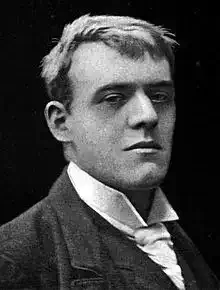
Hilaire Belloc
The Pelagian Drinking Song
The Pelagian Drinking Song
Pelagius lived at Kardanoel
And taught a doctrine there
How, whether you went to heaven or to hell
It was your own affair.
It had nothing to do with the Church, my boy,
But was your own affair.
No, he didn't believe
In Adam and Eve
He put no faith therein!
His doubts began
With the Fall of Man
And he laughed at Original Sin.
With my row-ti-tow
Ti-oodly-ow
He laughed at original sin.
Then came the bishop of old Auxerre
Germanus was his name
He tore great handfuls out of his hair
And he called Pelagius shame.
And with his stout Episcopal staff
So thoroughly whacked and banged
The heretics all, both short and tall --
They rather had been hanged.
Oh he whacked them hard, and he banged them long
Upon each and all occasions
Till they bellowed in chorus, loud and strong
Their orthodox persuasions.
With my row-ti-tow
Ti-oodly-ow
Their orthodox persuasions.
Now the faith is old and the Devil bold
Exceedingly bold indeed.
And the masses of doubt that are floating about
Would smother a mortal creed.
But we that sit in a sturdy youth
And still can drink strong ale
Let us put it away to infallible truth
That always shall prevail.
And thank the Lord
For the temporal sword
And howling heretics too.
And all good things
Our Christendom brings
But especially barley brew!
With my row-ti-tow
Ti-oodly-ow
Especially barley brew!
Pelagius lived at Kardanoel
And taught a doctrine there
How, whether you went to heaven or to hell
It was your own affair.
It had nothing to do with the Church, my boy,
But was your own affair.
No, he didn't believe
In Adam and Eve
He put no faith therein!
His doubts began
With the Fall of Man
And he laughed at Original Sin.
With my row-ti-tow
Ti-oodly-ow
He laughed at original sin.
Then came the bishop of old Auxerre
Germanus was his name
He tore great handfuls out of his hair
And he called Pelagius shame.
And with his stout Episcopal staff
So thoroughly whacked and banged
The heretics all, both short and tall --
They rather had been hanged.
Oh he whacked them hard, and he banged them long
Upon each and all occasions
Till they bellowed in chorus, loud and strong
Their orthodox persuasions.
With my row-ti-tow
Ti-oodly-ow
Their orthodox persuasions.
Now the faith is old and the Devil bold
Exceedingly bold indeed.
And the masses of doubt that are floating about
Would smother a mortal creed.
But we that sit in a sturdy youth
And still can drink strong ale
Let us put it away to infallible truth
That always shall prevail.
And thank the Lord
For the temporal sword
And howling heretics too.
And all good things
Our Christendom brings
But especially barley brew!
With my row-ti-tow
Ti-oodly-ow
Especially barley brew!
425
Hilaire Belloc
On Torture: A Public Singer
On Torture: A Public Singer
Torture will give a dozen pence or more
To keep a drab from bawling at his door.
The public taste is quite a different thing-
Torture is positively paid to sing.
Torture will give a dozen pence or more
To keep a drab from bawling at his door.
The public taste is quite a different thing-
Torture is positively paid to sing.
404
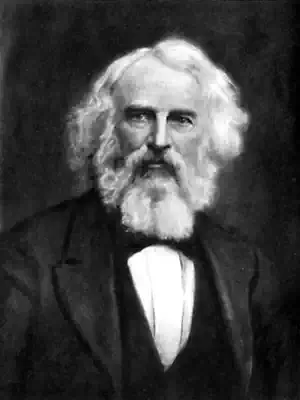
Henry Wadsworth Longfellow
To William E. Channing
To William E. Channing
The pages of thy book I read,
And as I closed each one,
My heart, responding, ever said,
"Servant of God! well done!"
Well done! Thy words are great and bold;
At times they seem to me,
Like Luther's, in the days of old,
Half-battles for the free.
Go on, until this land revokes
The old and chartered Lie,
The feudal curse, whose whips and yokes
Insult humanity.
A voice is ever at thy side
Speaking in tones of might,
Like the prophetic voice, that cried
To John in Patmos, "Write!"
Write! and tell out this bloody tale;
Record this dire eclipse,
This Day of Wrath, this Endless Wail,
This dread Apocalypse!
The pages of thy book I read,
And as I closed each one,
My heart, responding, ever said,
"Servant of God! well done!"
Well done! Thy words are great and bold;
At times they seem to me,
Like Luther's, in the days of old,
Half-battles for the free.
Go on, until this land revokes
The old and chartered Lie,
The feudal curse, whose whips and yokes
Insult humanity.
A voice is ever at thy side
Speaking in tones of might,
Like the prophetic voice, that cried
To John in Patmos, "Write!"
Write! and tell out this bloody tale;
Record this dire eclipse,
This Day of Wrath, this Endless Wail,
This dread Apocalypse!
422
Henry Wadsworth Longfellow
The Witnesses
The Witnesses
In Ocean's wide domains,
Half buried in the sands,
Lie skeletons in chains,
With shackled feet and hands.
Beyond the fall of dews,
Deeper than plummet lies,
Float ships, with all their crews,
No more to sink nor rise.
There the black Slave-ship swims,
Freighted with human forms,
Whose fettered, fleshless limbs
Are not the sport of storms.
These are the bones of Slaves;
They gleam from the abyss;
They cry, from yawning waves,
"We are the Witnesses!"
Within Earth's wide domains
Are markets for men's lives;
Their necks are galled with chains,
Their wrists are cramped with gyves.
Dead bodies, that the kite
In deserts makes its prey;
Murders, that with affright
Scare school-boys from their play!
All evil thoughts and deeds;
Anger, and lust, and pride;
The foulest, rankest weeds,
That choke Life's groaning tide!
These are the woes of Slaves;
They glare from the abyss;
They cry, from unknown graves,
"We are the Witnesses!"
In Ocean's wide domains,
Half buried in the sands,
Lie skeletons in chains,
With shackled feet and hands.
Beyond the fall of dews,
Deeper than plummet lies,
Float ships, with all their crews,
No more to sink nor rise.
There the black Slave-ship swims,
Freighted with human forms,
Whose fettered, fleshless limbs
Are not the sport of storms.
These are the bones of Slaves;
They gleam from the abyss;
They cry, from yawning waves,
"We are the Witnesses!"
Within Earth's wide domains
Are markets for men's lives;
Their necks are galled with chains,
Their wrists are cramped with gyves.
Dead bodies, that the kite
In deserts makes its prey;
Murders, that with affright
Scare school-boys from their play!
All evil thoughts and deeds;
Anger, and lust, and pride;
The foulest, rankest weeds,
That choke Life's groaning tide!
These are the woes of Slaves;
They glare from the abyss;
They cry, from unknown graves,
"We are the Witnesses!"
335
Henry Wadsworth Longfellow
The Slave In The Dismal Swamp
The Slave In The Dismal Swamp
In dark fens of the Dismal Swamp
The hunted Negro lay;
He saw the fire of the midnight camp,
And heard at times a horse's tramp
And a bloodhound's distant bay.
Where will-o'-the-wisps and glow-worms shine,
In bulrush and in brake;
Where waving mosses shroud the pine,
And the cedar grows, and the poisonous vine
Is spotted like the snake;
Where hardly a human foot could pass,
Or a human heart would dare,
On the quaking turf of the green morass
He crouched in the rank and tangled grass,
Like a wild beast in his lair.
A poor old slave, infirm and lame;
Great scars deformed his face;
On his forehead he bore the brand of shame,
And the rags, that hid his mangled frame,
Were the livery of disgrace.
All things above were bright and fair,
All things were glad and free;
Lithe squirrels darted here and there,
And wild birds filled the echoing air
With songs of Liberty!
On him alone was the doom of pain,
From the morning of his birth;
On him alone the curse of Cain
Fell, like a flail on the garnered grain,
And struck him to the earth!
In dark fens of the Dismal Swamp
The hunted Negro lay;
He saw the fire of the midnight camp,
And heard at times a horse's tramp
And a bloodhound's distant bay.
Where will-o'-the-wisps and glow-worms shine,
In bulrush and in brake;
Where waving mosses shroud the pine,
And the cedar grows, and the poisonous vine
Is spotted like the snake;
Where hardly a human foot could pass,
Or a human heart would dare,
On the quaking turf of the green morass
He crouched in the rank and tangled grass,
Like a wild beast in his lair.
A poor old slave, infirm and lame;
Great scars deformed his face;
On his forehead he bore the brand of shame,
And the rags, that hid his mangled frame,
Were the livery of disgrace.
All things above were bright and fair,
All things were glad and free;
Lithe squirrels darted here and there,
And wild birds filled the echoing air
With songs of Liberty!
On him alone was the doom of pain,
From the morning of his birth;
On him alone the curse of Cain
Fell, like a flail on the garnered grain,
And struck him to the earth!
307
Henry Wadsworth Longfellow
The Challenge of Thor
The Challenge of Thor
I am the God Thor,
I am the War God,
I am the Thunderer!
Here in my Northland,
My fastness and fortress,
Reign I forever!
Here amid icebergs
Rule I the nations;
This is my hammer,
Miölner the mighty;
Giants and sorcerers
Cannot withstand it!
These are the gauntlets
Wherewith I wield it,
And hurl it afar off;
This is my girdle;
Whenever I brace it,
Strength is redoubled!
The light thou beholdest
Stream through the heavens,
In flashes of crimson,
Is but my red beard
Blown by the night-wind,
Affrighting the nations!
Jove is my brother;
Mine eyes are the lightning;
The wheels of my chariot
Roll in the thunder,
The blows of my hammer
Ring in the earthquake!
Force rules the world still,
Has ruled it, shall rule it;
Meekness is weakness,
Strength is triumphant,
Over the whole earth
Still is it Thor's Day!
Thou art a God too,
O Galilean!
And thus singled-handed
Unto the combat,
Gauntlet or Gospel,
Here I defy thee!
I am the God Thor,
I am the War God,
I am the Thunderer!
Here in my Northland,
My fastness and fortress,
Reign I forever!
Here amid icebergs
Rule I the nations;
This is my hammer,
Miölner the mighty;
Giants and sorcerers
Cannot withstand it!
These are the gauntlets
Wherewith I wield it,
And hurl it afar off;
This is my girdle;
Whenever I brace it,
Strength is redoubled!
The light thou beholdest
Stream through the heavens,
In flashes of crimson,
Is but my red beard
Blown by the night-wind,
Affrighting the nations!
Jove is my brother;
Mine eyes are the lightning;
The wheels of my chariot
Roll in the thunder,
The blows of my hammer
Ring in the earthquake!
Force rules the world still,
Has ruled it, shall rule it;
Meekness is weakness,
Strength is triumphant,
Over the whole earth
Still is it Thor's Day!
Thou art a God too,
O Galilean!
And thus singled-handed
Unto the combat,
Gauntlet or Gospel,
Here I defy thee!
381
Henry Van Dyke
The Vain King
The Vain King
In robes of Tyrian blue the King was drest,
A jewelled collar shone upon his breast,
A giant ruby glittered in his crown -----
Lord of rich lands and many a splendid town.
In him the glories of an ancient line
Of sober kings, who ruled by right divine,
Were centred; and to him with loyal awe
The people looked for leadership and law.
Ten thousand knights, the safeguard of the land,
Lay like a single sword within his hand;
A hundred courts, with power of life and death,
Proclaimed decrees justice by his breath;
And all the sacred growths that men had known
Of order and of rule upheld his throne.
Proud was the King: yet not with such a heart
As fits a man to play a royal part.
Not his the pride that honours as a trust
The right to rule, the duty to be just:
Not his the dignity that bends to bear
The monarch's yoke, the master's load of care,
And labours like the peasant at his gate,
To serve the people and protect the State.
Another pride was his, and other joys:
To him the crown and sceptre were but toys,
With which he played at glory's idle game,
To please himself and win the wreaths of fame.
The throne his fathers held from age to age
Built for King Martin to diplay at will,
His mighty strength and universal skill.
No conscious child, that, spoiled with praising, tries
At every step to win admiring eyes, ----
No favourite mountebank, whose acting draws
From gaping crowds loud thunder of applause,
Was vainer than the King: his only thirst
Was to be hailed, in every race, the first.
When tournament was held, in knightly guise
The King would ride the lists and win the prize;
When music charmed the court, with golden lyre
The King would take the stage and lead the choir;
In hunting, his the lance to slay the boar;
In hawking, see his falcon highest soar;
In painting, he would wield the master's brush;
In high debate, -----"the King is speaking! Hush!"
Thus, with a restless heart, in every field
He sought renown, and found his subjects yield
As if he were a demi-god revealed.
But while he played the petty games of life
His kingdom fell a prey to inward strife;
Corruption through the court unheeded crept,
And on the seat of honour justice slept.
The strong trod down the weak; the helpless poor
Groaned under burdens grievous to endure.
The nation's wealth was spent in vain display,
And weakness wore the nation's heart away.
Yet think not Earth is blind to human woes ---
Man has more friends and helpers than he knows;
And when a patient people are oppressed,
The land that bore them feels it in her breast.
Spirits of field and flood, of heath and hill,
Are grieved and angry at the spreading ill;
The trees complain together in the night,
Voices of wrath are heard along the height,
And secret vows are sworn, by stream and strand,
To bring the tyrant low and liberate the land.
But little recked the pampered King of these;
He heard no voice but such as praise and please.
Flattered and fooled, victor in every sport,
One day he wandered idly with his court
Beside the river, seeking to devise
New ways to show his skill to wondering eyes.
There in the stream a patient fisher stood,
And cast his line across the rippling flood.
His silver spoil lay near him on the green:
"Such fish," the courtiers cried, "were never seen!"
"Three salmon larger than a cloth-yard shaft--"
This man must be the master of his craft!"
"An easy art!" the jealous King replied:
"Myself could learn it better, if I tried,
"And catch a hundred larger fish a week--"
Wilt thou accept the challenge, fellow? Speak!"
The fisher turned, came near, and bent his knee:
"'Tis not for kings to strive with such as me;
"Yet if the King commands it, I obey.
"But one condition of the strife I pray:
"The fisherman who brings the least to land
"Shall do whate'er the other may command."
Loud laughed the King: "A foolish fisher thou!
"For I shall win and rule thee then as now."
So to Prince John, a sober soul, sedate
And slow, King Martin left the helm of state,
While to the novel game with eager zest
He all his time and all his powers addrest.
Sure such a sight was never seen before!
For robed and crowned the monarch trod the shore;
His golden hooks were decked with feathers fine,
His jewelled reel ran out a silken line.
With kingly strokes he flogged the crystal stream,
Far-off the salmon saw his tackle gleam;
Careless of kings, they eyed with calm disdain
The gaudy lure, and Martin fished in vain.
On Friday, when the week was almost spent,
He scanned his empty creel with discontent,
Called for a net, and cast it far and wide,
And drew --- a thousand minnows from the tide!
Then came the fisher to conclude the match,
And at the monarch's feet spread out his catch ---
A hundred salmon, greater than before --"
I win!" he cried: "the King must pay the score."
Then Martin, angry, threw his tackle down:
"Rather than lose this game I'd lose me crown!"
"Nay, thou has lost them both," the fisher said;
And as he spoke a wondrous light was shed
Around his form; he dropped his garments mean,
And in his place the River-god was seen.
"Thy vanity hast brought thee in my power,
"And thou shalt pay the forfeit at this hour:
"For thou hast shown thyself a royal fool,
"Too proud to angle, and too vain to rule.
"Eager to win in every trivial strife, --"
Go! Thou shalt fish for minnows all thy life!"
Wrathful, the King the scornful sentence heard;
He strove to answer, but he only chirr-r-ed:
His Tyrian robe was changed to wings of blue,
His crown became a crest, --- away he flew!
And still, along the reaches of the stream,
The vain King-fisher flits, an azure gleam, ---
You see his ruby crest, you hear his jealous scream.
In robes of Tyrian blue the King was drest,
A jewelled collar shone upon his breast,
A giant ruby glittered in his crown -----
Lord of rich lands and many a splendid town.
In him the glories of an ancient line
Of sober kings, who ruled by right divine,
Were centred; and to him with loyal awe
The people looked for leadership and law.
Ten thousand knights, the safeguard of the land,
Lay like a single sword within his hand;
A hundred courts, with power of life and death,
Proclaimed decrees justice by his breath;
And all the sacred growths that men had known
Of order and of rule upheld his throne.
Proud was the King: yet not with such a heart
As fits a man to play a royal part.
Not his the pride that honours as a trust
The right to rule, the duty to be just:
Not his the dignity that bends to bear
The monarch's yoke, the master's load of care,
And labours like the peasant at his gate,
To serve the people and protect the State.
Another pride was his, and other joys:
To him the crown and sceptre were but toys,
With which he played at glory's idle game,
To please himself and win the wreaths of fame.
The throne his fathers held from age to age
Built for King Martin to diplay at will,
His mighty strength and universal skill.
No conscious child, that, spoiled with praising, tries
At every step to win admiring eyes, ----
No favourite mountebank, whose acting draws
From gaping crowds loud thunder of applause,
Was vainer than the King: his only thirst
Was to be hailed, in every race, the first.
When tournament was held, in knightly guise
The King would ride the lists and win the prize;
When music charmed the court, with golden lyre
The King would take the stage and lead the choir;
In hunting, his the lance to slay the boar;
In hawking, see his falcon highest soar;
In painting, he would wield the master's brush;
In high debate, -----"the King is speaking! Hush!"
Thus, with a restless heart, in every field
He sought renown, and found his subjects yield
As if he were a demi-god revealed.
But while he played the petty games of life
His kingdom fell a prey to inward strife;
Corruption through the court unheeded crept,
And on the seat of honour justice slept.
The strong trod down the weak; the helpless poor
Groaned under burdens grievous to endure.
The nation's wealth was spent in vain display,
And weakness wore the nation's heart away.
Yet think not Earth is blind to human woes ---
Man has more friends and helpers than he knows;
And when a patient people are oppressed,
The land that bore them feels it in her breast.
Spirits of field and flood, of heath and hill,
Are grieved and angry at the spreading ill;
The trees complain together in the night,
Voices of wrath are heard along the height,
And secret vows are sworn, by stream and strand,
To bring the tyrant low and liberate the land.
But little recked the pampered King of these;
He heard no voice but such as praise and please.
Flattered and fooled, victor in every sport,
One day he wandered idly with his court
Beside the river, seeking to devise
New ways to show his skill to wondering eyes.
There in the stream a patient fisher stood,
And cast his line across the rippling flood.
His silver spoil lay near him on the green:
"Such fish," the courtiers cried, "were never seen!"
"Three salmon larger than a cloth-yard shaft--"
This man must be the master of his craft!"
"An easy art!" the jealous King replied:
"Myself could learn it better, if I tried,
"And catch a hundred larger fish a week--"
Wilt thou accept the challenge, fellow? Speak!"
The fisher turned, came near, and bent his knee:
"'Tis not for kings to strive with such as me;
"Yet if the King commands it, I obey.
"But one condition of the strife I pray:
"The fisherman who brings the least to land
"Shall do whate'er the other may command."
Loud laughed the King: "A foolish fisher thou!
"For I shall win and rule thee then as now."
So to Prince John, a sober soul, sedate
And slow, King Martin left the helm of state,
While to the novel game with eager zest
He all his time and all his powers addrest.
Sure such a sight was never seen before!
For robed and crowned the monarch trod the shore;
His golden hooks were decked with feathers fine,
His jewelled reel ran out a silken line.
With kingly strokes he flogged the crystal stream,
Far-off the salmon saw his tackle gleam;
Careless of kings, they eyed with calm disdain
The gaudy lure, and Martin fished in vain.
On Friday, when the week was almost spent,
He scanned his empty creel with discontent,
Called for a net, and cast it far and wide,
And drew --- a thousand minnows from the tide!
Then came the fisher to conclude the match,
And at the monarch's feet spread out his catch ---
A hundred salmon, greater than before --"
I win!" he cried: "the King must pay the score."
Then Martin, angry, threw his tackle down:
"Rather than lose this game I'd lose me crown!"
"Nay, thou has lost them both," the fisher said;
And as he spoke a wondrous light was shed
Around his form; he dropped his garments mean,
And in his place the River-god was seen.
"Thy vanity hast brought thee in my power,
"And thou shalt pay the forfeit at this hour:
"For thou hast shown thyself a royal fool,
"Too proud to angle, and too vain to rule.
"Eager to win in every trivial strife, --"
Go! Thou shalt fish for minnows all thy life!"
Wrathful, the King the scornful sentence heard;
He strove to answer, but he only chirr-r-ed:
His Tyrian robe was changed to wings of blue,
His crown became a crest, --- away he flew!
And still, along the reaches of the stream,
The vain King-fisher flits, an azure gleam, ---
You see his ruby crest, you hear his jealous scream.
408

Henry Lawson
Who’ll Wear the Beaten Colours?
Who’ll Wear the Beaten Colours?
Who’ll wear the beaten colours—and cheer the beaten men?
Who’ll wear the beaten colours, till our time comes again?
Where sullen crowds are densest, and fickle as the sea,
Who’ll wear the beaten colours, and wear them home with me?
We closed the bars and gambling dens and voted straight and clean,
Our women walked while motor cars were whirling round the scene,
The Potts Point Vote was one for Greed and Ease and Luxury
With all to hold, and coward gold, and beaten folk are we.
Who’ll wear the beaten colours, with hands and pockets clean?
(I wore the beaten colours since I was seventeen)
I wore them up, and wore them down, Outback and across the sea—
Who’ll wear the beaten colours, and wear them home with me?
We wore them back from Ladysmith to where the peace was signed,
And wore them through the London streets where Jingoes howled behind.
We wore them to the Queen’s Hall, while England yelled “Pro-Boers!”
And sat them over victory while London banged the doors.1
We wore them from Port Arthur round till all sunk in the sea—
(Who’ll wear the white man’s colours, and wear them home with me?)
I’ve worn them through with gentlemen, with work-slaves and alone—
Who’ll wear the beaten colours, boys, and wear them on his own?
There’s one would look with startled eyes and shrink while I caressed,
Came I not with the colours of the conquered on my breast.
And twenty thousand Bushmen would stand with hands behind
And scorn in all their faces for the coward of his kind.
Who’ll wear the beaten colours and raise the voice they drowned—
It may be when we march again, they’ll bear some other sound—
Who’ll pin the beaten colours on and drive the beaten pen—
It may be other steel and ink when we march out again.
Who’ll wear the beaten colours—and cheer the beaten men?
Who’ll wear the beaten colours, till our time comes again?
Where sullen crowds are densest, and fickle as the sea,
Who’ll wear the beaten colours, and wear them home with me?
We closed the bars and gambling dens and voted straight and clean,
Our women walked while motor cars were whirling round the scene,
The Potts Point Vote was one for Greed and Ease and Luxury
With all to hold, and coward gold, and beaten folk are we.
Who’ll wear the beaten colours, with hands and pockets clean?
(I wore the beaten colours since I was seventeen)
I wore them up, and wore them down, Outback and across the sea—
Who’ll wear the beaten colours, and wear them home with me?
We wore them back from Ladysmith to where the peace was signed,
And wore them through the London streets where Jingoes howled behind.
We wore them to the Queen’s Hall, while England yelled “Pro-Boers!”
And sat them over victory while London banged the doors.1
We wore them from Port Arthur round till all sunk in the sea—
(Who’ll wear the white man’s colours, and wear them home with me?)
I’ve worn them through with gentlemen, with work-slaves and alone—
Who’ll wear the beaten colours, boys, and wear them on his own?
There’s one would look with startled eyes and shrink while I caressed,
Came I not with the colours of the conquered on my breast.
And twenty thousand Bushmen would stand with hands behind
And scorn in all their faces for the coward of his kind.
Who’ll wear the beaten colours and raise the voice they drowned—
It may be when we march again, they’ll bear some other sound—
Who’ll pin the beaten colours on and drive the beaten pen—
It may be other steel and ink when we march out again.
167
Henry Lawson
When The Duke of Clarence Died
When The Duke of Clarence Died
Let us sing in tear-choked numbers how the Duke of Clarence went,
Just to make a royal sorrow rather more pre-eminent.
Ladies sighed and sobbed and drivelled—toadies spoke with bated breath,
And the banners floating half-mast made a mockery of death,
And they said Australia sorrowed for the Prince’s death—they lied!
She had done with kings and princes ere the Duke of Clarence died.
What’s a death in lofty places? What’s a noble birth?—say I—
To the poor who die in hundreds, as a man should never die?
Can they shed a tear, or sorrow for a royal dunce’s fate?
No! for royalty has taught them how to sing the songs of hate;
O’er the sounds of grief in Europe, and the lands across the tide
Rose the growl of revolution, when the Duke of Clarence died.
We—it matters not how lonely our o’er-burdened lives are spent—
Claim in common with a Clarence, straight from Adam our descent!
Even the man they call a “bastard” has a lineage to himself,
Though he traces not his fathers through the sordid line of Guelph,
And, perhaps in some foul garret in his misery and pride,
One of Nature’s Kings was dying when the Duke of Clarence died.
Ah! the workgirl’s bloodless fingers, in the plundered human hive,
Sew the banners of rebellion, while the kings and princes thrive;
In the cold of northern winter—in the south in dust and heat—
Weary workmen preach sedition at the corners of the street.
They pre-eminent in sorrow! ’tis pre-eminence in cheek;
We shall hear what care and pain is when the slums begin to speak;
Hundreds starved to pay the shadow of a crown upon his head!
Yellow gold (at last impotent) fought with death beside his bed.
And, perhaps, a Prince of Nature sat despairing by the side
Of a noble mother STARVING when the Duke of Clarence died.
Ignoble living—splendid dead! behold the pomp of royal woe!
Lo, the funeral! battle-hero never yet was buried so.
Who and what was he? What has he done to benefit mankind?
Has he nought to show Saint Peter save a royal race behind?
Who is worthy? Who is noble? God! shall gold alone decide?
Better men like dogs were buried ere the Duke of Clarence died.
Thrones of earth and earthly rulers soon shall all be swept aside,
And ’twere better for his comfort that the Duke of Clarence died.
Let us sing in tear-choked numbers how the Duke of Clarence went,
Just to make a royal sorrow rather more pre-eminent.
Ladies sighed and sobbed and drivelled—toadies spoke with bated breath,
And the banners floating half-mast made a mockery of death,
And they said Australia sorrowed for the Prince’s death—they lied!
She had done with kings and princes ere the Duke of Clarence died.
What’s a death in lofty places? What’s a noble birth?—say I—
To the poor who die in hundreds, as a man should never die?
Can they shed a tear, or sorrow for a royal dunce’s fate?
No! for royalty has taught them how to sing the songs of hate;
O’er the sounds of grief in Europe, and the lands across the tide
Rose the growl of revolution, when the Duke of Clarence died.
We—it matters not how lonely our o’er-burdened lives are spent—
Claim in common with a Clarence, straight from Adam our descent!
Even the man they call a “bastard” has a lineage to himself,
Though he traces not his fathers through the sordid line of Guelph,
And, perhaps in some foul garret in his misery and pride,
One of Nature’s Kings was dying when the Duke of Clarence died.
Ah! the workgirl’s bloodless fingers, in the plundered human hive,
Sew the banners of rebellion, while the kings and princes thrive;
In the cold of northern winter—in the south in dust and heat—
Weary workmen preach sedition at the corners of the street.
They pre-eminent in sorrow! ’tis pre-eminence in cheek;
We shall hear what care and pain is when the slums begin to speak;
Hundreds starved to pay the shadow of a crown upon his head!
Yellow gold (at last impotent) fought with death beside his bed.
And, perhaps, a Prince of Nature sat despairing by the side
Of a noble mother STARVING when the Duke of Clarence died.
Ignoble living—splendid dead! behold the pomp of royal woe!
Lo, the funeral! battle-hero never yet was buried so.
Who and what was he? What has he done to benefit mankind?
Has he nought to show Saint Peter save a royal race behind?
Who is worthy? Who is noble? God! shall gold alone decide?
Better men like dogs were buried ere the Duke of Clarence died.
Thrones of earth and earthly rulers soon shall all be swept aside,
And ’twere better for his comfort that the Duke of Clarence died.
235
Henry Lawson
When the Bush Begins to Speak
When the Bush Begins to Speak
They know us not in England yet, their pens are overbold;
We're seen in fancy pictures that are fifty years too old.
They think we are a careless race - a childish race, and weak;
They'll know us yet in England, when the bush begins to speak;
When the bush begins to speak,
When the bush begins to speak,
When the west by Greed's invaded, and the bush begins to speak.
'The leaders that will be', the men of southern destiny,
Are not all found in cities that are builded by the sea;
They learn to love Australia by many a western creek,
They'll know them yet in England, when the bush begins to speak;
When the bush begins to speak,
When the bush begins to speak,
When the west by Greed's invaded, and the bush begins to speak.
All ready for the struggle, and waiting for the change,
The army of our future lies encamped beyond the range;
Australia, for her patriots, will not have far to seek;
They'll know her yet in England when the bush begins to speak;
When the bush begins to speak,
When the bush begins to speak,
When the west by Greed's invaded, and the bush begins to speak.
We'll find the peace and comfort that our fathers could not find,
Or some shall strike the good old blow that leaves a mark behind.
We'll find the Truth and Liberty our fathers came to seek,
Or let them know in England when the bush begins to speak;
When the bush begins to speak,
When the bush begins to speak,
When the west by Greed's invaded, and the bush begins to speak.
They know us not in England yet, their pens are overbold;
We're seen in fancy pictures that are fifty years too old.
They think we are a careless race - a childish race, and weak;
They'll know us yet in England, when the bush begins to speak;
When the bush begins to speak,
When the bush begins to speak,
When the west by Greed's invaded, and the bush begins to speak.
'The leaders that will be', the men of southern destiny,
Are not all found in cities that are builded by the sea;
They learn to love Australia by many a western creek,
They'll know them yet in England, when the bush begins to speak;
When the bush begins to speak,
When the bush begins to speak,
When the west by Greed's invaded, and the bush begins to speak.
All ready for the struggle, and waiting for the change,
The army of our future lies encamped beyond the range;
Australia, for her patriots, will not have far to seek;
They'll know her yet in England when the bush begins to speak;
When the bush begins to speak,
When the bush begins to speak,
When the west by Greed's invaded, and the bush begins to speak.
We'll find the peace and comfort that our fathers could not find,
Or some shall strike the good old blow that leaves a mark behind.
We'll find the Truth and Liberty our fathers came to seek,
Or let them know in England when the bush begins to speak;
When the bush begins to speak,
When the bush begins to speak,
When the west by Greed's invaded, and the bush begins to speak.
290
Henry Lawson
Victory
Victory
The schools marched in procession in happiness and pride,
The city bands before them, the soldiers marched beside;
Oh, starched white frocks and sashes and suits that high schools wear,
The boy scout and the boy lout and all the rest were there,
And all flags save Australia's flag waved high in sun and air!
The Girls' High School, and Grammar School and colleges of stone
Flew all flags from their walls and towers – all flags except our own!
And down here in the alleys where Premiers never come,
Nor candidate, nor delegate, nor sound of fife and drum,
They packed them on the lorries, seared children of the slum.
Each face seemed soiled and faded, though scrubbed with household soap,
And older than a mother-face, but with less sign of hope:
The knowledge of things evil, of drunken wreck and hag,
Of sordid sounds and voices, the everlasting "nag" –
Oh, men without a battle-song! Oh, men without a flag!
They breed a nation's strength behind each shabby little door,
Where rent-collectors knock for aye, and Christ shall knock no more;
The sounds that hurt the mother's heart affright the children there –
Alarm-clocks on an empty tin, the tin tray on a chair;
For weary folk are hard to wake in hot and heavy air.
They sang in Pride's Procession that Mammon might endure –
Oh, wistful singing faces, the children of the poor!
Oh, hideous fiends of commerce! Oh, ghouls of business strife!
I wait the coming of the things to wake the land to life;
The flag without a cross or bar, the drum without a fife!
The schools marched in procession in happiness and pride,
The city bands before them, the soldiers marched beside;
Oh, starched white frocks and sashes and suits that high schools wear,
The boy scout and the boy lout and all the rest were there,
And all flags save Australia's flag waved high in sun and air!
The Girls' High School, and Grammar School and colleges of stone
Flew all flags from their walls and towers – all flags except our own!
And down here in the alleys where Premiers never come,
Nor candidate, nor delegate, nor sound of fife and drum,
They packed them on the lorries, seared children of the slum.
Each face seemed soiled and faded, though scrubbed with household soap,
And older than a mother-face, but with less sign of hope:
The knowledge of things evil, of drunken wreck and hag,
Of sordid sounds and voices, the everlasting "nag" –
Oh, men without a battle-song! Oh, men without a flag!
They breed a nation's strength behind each shabby little door,
Where rent-collectors knock for aye, and Christ shall knock no more;
The sounds that hurt the mother's heart affright the children there –
Alarm-clocks on an empty tin, the tin tray on a chair;
For weary folk are hard to wake in hot and heavy air.
They sang in Pride's Procession that Mammon might endure –
Oh, wistful singing faces, the children of the poor!
Oh, hideous fiends of commerce! Oh, ghouls of business strife!
I wait the coming of the things to wake the land to life;
The flag without a cross or bar, the drum without a fife!
313
Henry Lawson
The Waving of the Red
The Waving of the Red
It is a sad and cruel fate the country’s coming to,
And there’s no use in striking, ‘so what are we to do?’
“I know what we could do, but then, there might be traitors near,
And things are running in my head that only mates should hear!”
The world cannot go on like this, in spite of all that’s said,
And millions now are waiting for – the Waving of the Red.
“Last night as I lay slipping out a vision came to me;
A girl with face as fair and grand as ever man might see –
Her form was like the statues raised to Liberty in France,
And in her hand a blood-red flag was wrapped around a lance.
She shook the grand old colour loose, she smiled at me and said;
“Go bid your brothers gather for the Waving of the Red.”
It is a sad and cruel fate the country’s coming to,
And there’s no use in striking, ‘so what are we to do?’
“I know what we could do, but then, there might be traitors near,
And things are running in my head that only mates should hear!”
The world cannot go on like this, in spite of all that’s said,
And millions now are waiting for – the Waving of the Red.
“Last night as I lay slipping out a vision came to me;
A girl with face as fair and grand as ever man might see –
Her form was like the statues raised to Liberty in France,
And in her hand a blood-red flag was wrapped around a lance.
She shook the grand old colour loose, she smiled at me and said;
“Go bid your brothers gather for the Waving of the Red.”
238
Henry Lawson
The Triumph of the People
The Triumph of the People
LO, the gods of Vice and Mammon from their pinnacles are hurled
By the workers’ new religion, which is oldest in the world;
And the earth will feel her children treading firmly on the sod,
For the triumph of the People is the victory of God.
Not the victory of Churches, nor of Punishment and Wrath,
Not the triumph of the sceptic, throwing shadows on the path,
But of Christ and love and mercy o’er the Monarch and the Rod,
For the harvest of the Saviour is the aftermath of God.
O the Light of Revelation, since the reign of Care began,
Has been shining through the ages on the darkened eyes of man.
And the willing slave of Error—he is senseless as a clod—
For the simple Book of Nature is the written scroll of God.
Who will dare to say the sunlight on the pregnant Earth was shed
That the few might rest and fatten, while the many fight for bread?
Lo, there springs a common garden, where the foot of Greed hath trod,
For the victory of Labour was the prophecy of God.
Mother Earth, in coming seasons, shall fulfil her motherhood;
Then the children of her bosom never more shall want for food,
And oppression shall no longer grind the people iron-shod;
For the lifted hand of Labour is the upraised hand of God.
LO, the gods of Vice and Mammon from their pinnacles are hurled
By the workers’ new religion, which is oldest in the world;
And the earth will feel her children treading firmly on the sod,
For the triumph of the People is the victory of God.
Not the victory of Churches, nor of Punishment and Wrath,
Not the triumph of the sceptic, throwing shadows on the path,
But of Christ and love and mercy o’er the Monarch and the Rod,
For the harvest of the Saviour is the aftermath of God.
O the Light of Revelation, since the reign of Care began,
Has been shining through the ages on the darkened eyes of man.
And the willing slave of Error—he is senseless as a clod—
For the simple Book of Nature is the written scroll of God.
Who will dare to say the sunlight on the pregnant Earth was shed
That the few might rest and fatten, while the many fight for bread?
Lo, there springs a common garden, where the foot of Greed hath trod,
For the victory of Labour was the prophecy of God.
Mother Earth, in coming seasons, shall fulfil her motherhood;
Then the children of her bosom never more shall want for food,
And oppression shall no longer grind the people iron-shod;
For the lifted hand of Labour is the upraised hand of God.
285
Henry Lawson
The Soul of a Poet
The Soul of a Poet
I HAVE written, long years I have written
For the sake of my people and right,
I was true when the iron had bitten
Deep into my soul in the night;
And I wrote not for praise nor for money,
I craved but the soul and the pen,
And I felt not the sting in the honey
Of praising the kindness of men.
You read and you saw without seeing,
My work seemed a trifle apart,
While the truth of things thrilled through my being,
And the wrong of things murdered my heart!
Cast out and despised and neglected,
And weak, and in fear, and in debt,
My songs, mutilated, rejected,
Shall ring through the Commonwealth yet!
And you, too, the pure and the guileless,
In the peace of your comfort and pride,
You have mocked at my bodily vileness,
You have tempted and cast me aside.
But wronged, and cast out, drink-sodden,
But shunned, and insane and unclean,
I have dared where few others have trodden,
I have seen what few others have seen.
I have seen your souls bare for a season,
I have heard as a deaf man can hear,
I have seen you deprived of your reason
And stricken with deadliest fear.
And when beautiful night hid the shocking
Black shame of the day that was past,
I felt the great universe rocking
With the truth that was coming at last!
I HAVE written, long years I have written
For the sake of my people and right,
I was true when the iron had bitten
Deep into my soul in the night;
And I wrote not for praise nor for money,
I craved but the soul and the pen,
And I felt not the sting in the honey
Of praising the kindness of men.
You read and you saw without seeing,
My work seemed a trifle apart,
While the truth of things thrilled through my being,
And the wrong of things murdered my heart!
Cast out and despised and neglected,
And weak, and in fear, and in debt,
My songs, mutilated, rejected,
Shall ring through the Commonwealth yet!
And you, too, the pure and the guileless,
In the peace of your comfort and pride,
You have mocked at my bodily vileness,
You have tempted and cast me aside.
But wronged, and cast out, drink-sodden,
But shunned, and insane and unclean,
I have dared where few others have trodden,
I have seen what few others have seen.
I have seen your souls bare for a season,
I have heard as a deaf man can hear,
I have seen you deprived of your reason
And stricken with deadliest fear.
And when beautiful night hid the shocking
Black shame of the day that was past,
I felt the great universe rocking
With the truth that was coming at last!
237
Henry Lawson
The Patriotic League
The Patriotic League
Behold! the biased foes of Right
Are conscious of their danger,
They’re startled by the dawning light,
So very long a stranger.
And fearing for their rotting laws—
Whose reign is nearly ended—
To study out the People’s cause
At last they’ve condescended.
“And this they call the ‘People’s Cause’,
Why this is insurrection!
They would revoke the very laws
We made for our protection!
An equal right with us they claim!
They’ll rob us by and by, sir!
We’ll form a league and steal a name
And tell another lie, sir.”
They took to gloss a base intrigue
A name that was demotic.
They stole a name and formed a league
And called it “Patriotic”.
They’ve resurrected ancient lies—
The world had most forgotten—
The liars think the world will rise
To back a Cause that’s rotten.
I know their creed, and know it well,
Too mean are its creators
To hope for heaven, or fear the hell
They’d make for agitators.
Old as the hills—and quite as dense
Though shaking like a jelly.
Time honoured to magnificence,
Religion of the Belly!
Behold! the biased foes of Right
Are conscious of their danger,
They’re startled by the dawning light,
So very long a stranger.
And fearing for their rotting laws—
Whose reign is nearly ended—
To study out the People’s cause
At last they’ve condescended.
“And this they call the ‘People’s Cause’,
Why this is insurrection!
They would revoke the very laws
We made for our protection!
An equal right with us they claim!
They’ll rob us by and by, sir!
We’ll form a league and steal a name
And tell another lie, sir.”
They took to gloss a base intrigue
A name that was demotic.
They stole a name and formed a league
And called it “Patriotic”.
They’ve resurrected ancient lies—
The world had most forgotten—
The liars think the world will rise
To back a Cause that’s rotten.
I know their creed, and know it well,
Too mean are its creators
To hope for heaven, or fear the hell
They’d make for agitators.
Old as the hills—and quite as dense
Though shaking like a jelly.
Time honoured to magnificence,
Religion of the Belly!
285
Henry Lawson
The Motor Car
The Motor Car
The motor car is sullen, like a thing that should not be;
The motor car is master of Smart Society.
’Twas born of sweated genius and collared by a clown;
’Twas planned by Retribution to ride its riders down.
And straight for Caesar’s Column,
It runs to Caesar’s Column,
Last section, Caesar’s Column
To ride its riders down!
The motor car is shame-struck, for greed and misery,
For mad and hopeless self-lust, and the sins that need not be.
The motor car is vicious, for its conscience makes it so,
It aye would smash the victims while it runs the riders low.
And straight for Caesar’s Column,
Its goal is Caesar’s Column,
It longs for Caesar’s Column
To lay its riders low.
The motor car is maddened like a horse that’s had a fright,
The shameful day behind it and the Coming of the Night!
It flees across the country and it flees back to the town
And straight for Caesar’s Column to run its riders down.
And straight for Caesar’s Column,
What ho! for Caesar’s Column!
Hurrah! for Caesar’s Column!
To seal its riders down.
The motor car is reckless like a gambler losing fast;
The motor car’s in terror of the Future—and the Past;
The motor car is worn out and has passed Sin’s boundary by,
And is bound for Caesar’s Column where to pile its riders high.
It’s bound for Caesar’s Column
And marked for Caesar’s Column,
And doomed for Caesar’s Column
To pile its riders high.
The motor car is brainless, and scornful of all tears,
Its dust is in our faces, its giggle in our ears,
Its harsh laugh is the last laugh of the last lost soul alone,
’Tis nearing Caesar’s Column to set self-damned in stone.
Change here for Caesar’s Column!
All out for Caesar’s Column!
Past Hope—and Caesar’s Column
To lodge self-damned in stone.
I don’t know how ’twill happen, or when ’twill come to pass,
But folk shall yet pass sanely by river, tree and grass;
By homesteads and farm wagons, they’ll ride each pleasant mile,
And back from Caesar’s Column where the world went mad awhile.
And back from Caesar’s Column
With lessons from the Column;
Grown sane at Caesar’s Column
To save the world awhile.
The motor car is sullen, like a thing that should not be;
The motor car is master of Smart Society.
’Twas born of sweated genius and collared by a clown;
’Twas planned by Retribution to ride its riders down.
And straight for Caesar’s Column,
It runs to Caesar’s Column,
Last section, Caesar’s Column
To ride its riders down!
The motor car is shame-struck, for greed and misery,
For mad and hopeless self-lust, and the sins that need not be.
The motor car is vicious, for its conscience makes it so,
It aye would smash the victims while it runs the riders low.
And straight for Caesar’s Column,
Its goal is Caesar’s Column,
It longs for Caesar’s Column
To lay its riders low.
The motor car is maddened like a horse that’s had a fright,
The shameful day behind it and the Coming of the Night!
It flees across the country and it flees back to the town
And straight for Caesar’s Column to run its riders down.
And straight for Caesar’s Column,
What ho! for Caesar’s Column!
Hurrah! for Caesar’s Column!
To seal its riders down.
The motor car is reckless like a gambler losing fast;
The motor car’s in terror of the Future—and the Past;
The motor car is worn out and has passed Sin’s boundary by,
And is bound for Caesar’s Column where to pile its riders high.
It’s bound for Caesar’s Column
And marked for Caesar’s Column,
And doomed for Caesar’s Column
To pile its riders high.
The motor car is brainless, and scornful of all tears,
Its dust is in our faces, its giggle in our ears,
Its harsh laugh is the last laugh of the last lost soul alone,
’Tis nearing Caesar’s Column to set self-damned in stone.
Change here for Caesar’s Column!
All out for Caesar’s Column!
Past Hope—and Caesar’s Column
To lodge self-damned in stone.
I don’t know how ’twill happen, or when ’twill come to pass,
But folk shall yet pass sanely by river, tree and grass;
By homesteads and farm wagons, they’ll ride each pleasant mile,
And back from Caesar’s Column where the world went mad awhile.
And back from Caesar’s Column
With lessons from the Column;
Grown sane at Caesar’s Column
To save the world awhile.
225
Henry Lawson
The Man Who Raised Charlestown
The Man Who Raised Charlestown
They were hanging men in Buckland who would not cheer King George –
The parson from his pulpit and the blacksmith from his forge;
They were hanging men and brothers, and the stoutest heart was down,
When a quiet man from Buckland rode at dusk to raise Charlestown.
Not a young man in his glory filled with patriotic fire,
Not an orator or soldier, or a known man in his shire;
He was just the Unexpected – one of Danger's Volunteers,
At a time for which he'd waited, all unheard of, many years.
And Charlestown met in council, the quiet man to hear –
The town was large and wealthy, but the folks were filled with fear,
The fear of death and plunder; and none to lead had they,
And Self fought Patriotism as will always be the way.
The man turned to the people, and he spoke in anger then.
And crooked his finger here and there to those he marked as men.
And many gathered round him to see what they could do –
For men know men in danger, as they know the cowards too.
He chose his men and captains, and sent them here and there,
The arms and ammunition were gathered in the square;
While peaceful folk were praying or croaking, every one,
He was working with his blacksmiths at the carriage of a gun.
While the Council sat on Sunday, and the church bells rang their peal,
The quiet man was mending a broken waggon wheel;
While they passed their resolutions on his doings (and the likes),
From a pile his men brought to him he was choosing poles for pikes.
(They were hanging men in Buckland who would not cheer King George –
They were making pikes in Charlestown at every blacksmith's forge:
While the Council sat in session and the same old song they sang,
They heard the horsemen gallop out, and the blacksmiths' hammers clang.)
And a thrill went through the city ere the drums began to roll,
And the coward found his courage, and the drunkard found his soul.
So a thrill went through the city that would go through all the land,
For the quiet man from Buckland held men's hearts in his right hand.
And he caught a Charlestown poet (there are many tell the tale),
And he took him by the collar when he'd filled him up with ale;
"Now, then, write a song for Charlestown that shall lift her on her way,
For she's marching out to Buckland and to Death at break o' day."
And he set the silenced women tearing sheet and shift and shirt
To make bandages and roll them for the men that would get hurt.
And he called out his musicians and he told them what to play:
"For I want my men excited when they march at break o' day."
And he set the women cooking – with a wood-and-water crew –
"For I want no empty stomachs for the work we have to do."
Then he said to his new soldiers: "Eat your fill while yet you may;
'Tis a heavy road to Buckland that we'll march at break o' day."
And a shout went through the city when the drums began to roll
(And the coward was a brave man and the beggar had a soul),
And the drunken Charlestown poet cared no more if he should hang,
For his song of "Charlestown's Coming" was the song the soldiers sang.
And they cursed the King of England, and they shouted in their glee,
And they swore to drive the British and their friends into the sea;
But when they'd quite finished swearing, said their leader "Let us pray,
For we march to Death and Freedom, and it's nearly dawn of day."
There were marching feet at daybreak, and close upon their heels
Came the scuffling tread of horses and the heavy crunch of wheels;
So they took the road to Buckland, with their scout out to take heed,
And a quiet man of fifty on a grey horse in the lead.
There was silence in the city, there was silence as of night –
Women in the ghostly daylight, kneeling, praying, deathly white,
As their mothers knelt before them, as their daughters knelt since then,
And as ours shall, in the future, kneel and pray for fighting men.
For their men had gone to battle, as our sons and grandsons too
Must go out, for Life and Freedom, as all nations have to do.
And the Charlestown women waited for the sounds that came too soon –
Though they listened, almost breathless, till the early afternoon.
Then they heard the tones of danger for their husbands, sweethearts, sons,
And they stopped their ears in terror, crying, "Oh, my God! The guns!"
Then they strained their ears to listen through the church-bells' startled chime –
Far along the road to Buckland, Charlestown's guns were marking time.
"They advance!" "They halt!" "Retreating!" "They come back!" The guns are done!"
But the calmer spirits, listening, said: "Our guns are going on."
And the friend and foe in Buckland felt two different kinds of thrills
When they heard the Charlestown cannon talking on the Buckland hills.
And the quiet man of Buckland sent a message in that day,
And he gave the British soldiers just two hours to march away.
And they hang men there no longer, there is peace on land and wave;
On the sunny hills of Buckland there is many a quiet grave.
There is peace upon the land, and there is friendship on the waves –
On the sunny hills of Buckland there are rows of quiet graves.
And an ancient man in Buckland may be seen in sunny hours,
Pottering round about his garden, and his kitchen stuff and flowers.
They were hanging men in Buckland who would not cheer King George –
The parson from his pulpit and the blacksmith from his forge;
They were hanging men and brothers, and the stoutest heart was down,
When a quiet man from Buckland rode at dusk to raise Charlestown.
Not a young man in his glory filled with patriotic fire,
Not an orator or soldier, or a known man in his shire;
He was just the Unexpected – one of Danger's Volunteers,
At a time for which he'd waited, all unheard of, many years.
And Charlestown met in council, the quiet man to hear –
The town was large and wealthy, but the folks were filled with fear,
The fear of death and plunder; and none to lead had they,
And Self fought Patriotism as will always be the way.
The man turned to the people, and he spoke in anger then.
And crooked his finger here and there to those he marked as men.
And many gathered round him to see what they could do –
For men know men in danger, as they know the cowards too.
He chose his men and captains, and sent them here and there,
The arms and ammunition were gathered in the square;
While peaceful folk were praying or croaking, every one,
He was working with his blacksmiths at the carriage of a gun.
While the Council sat on Sunday, and the church bells rang their peal,
The quiet man was mending a broken waggon wheel;
While they passed their resolutions on his doings (and the likes),
From a pile his men brought to him he was choosing poles for pikes.
(They were hanging men in Buckland who would not cheer King George –
They were making pikes in Charlestown at every blacksmith's forge:
While the Council sat in session and the same old song they sang,
They heard the horsemen gallop out, and the blacksmiths' hammers clang.)
And a thrill went through the city ere the drums began to roll,
And the coward found his courage, and the drunkard found his soul.
So a thrill went through the city that would go through all the land,
For the quiet man from Buckland held men's hearts in his right hand.
And he caught a Charlestown poet (there are many tell the tale),
And he took him by the collar when he'd filled him up with ale;
"Now, then, write a song for Charlestown that shall lift her on her way,
For she's marching out to Buckland and to Death at break o' day."
And he set the silenced women tearing sheet and shift and shirt
To make bandages and roll them for the men that would get hurt.
And he called out his musicians and he told them what to play:
"For I want my men excited when they march at break o' day."
And he set the women cooking – with a wood-and-water crew –
"For I want no empty stomachs for the work we have to do."
Then he said to his new soldiers: "Eat your fill while yet you may;
'Tis a heavy road to Buckland that we'll march at break o' day."
And a shout went through the city when the drums began to roll
(And the coward was a brave man and the beggar had a soul),
And the drunken Charlestown poet cared no more if he should hang,
For his song of "Charlestown's Coming" was the song the soldiers sang.
And they cursed the King of England, and they shouted in their glee,
And they swore to drive the British and their friends into the sea;
But when they'd quite finished swearing, said their leader "Let us pray,
For we march to Death and Freedom, and it's nearly dawn of day."
There were marching feet at daybreak, and close upon their heels
Came the scuffling tread of horses and the heavy crunch of wheels;
So they took the road to Buckland, with their scout out to take heed,
And a quiet man of fifty on a grey horse in the lead.
There was silence in the city, there was silence as of night –
Women in the ghostly daylight, kneeling, praying, deathly white,
As their mothers knelt before them, as their daughters knelt since then,
And as ours shall, in the future, kneel and pray for fighting men.
For their men had gone to battle, as our sons and grandsons too
Must go out, for Life and Freedom, as all nations have to do.
And the Charlestown women waited for the sounds that came too soon –
Though they listened, almost breathless, till the early afternoon.
Then they heard the tones of danger for their husbands, sweethearts, sons,
And they stopped their ears in terror, crying, "Oh, my God! The guns!"
Then they strained their ears to listen through the church-bells' startled chime –
Far along the road to Buckland, Charlestown's guns were marking time.
"They advance!" "They halt!" "Retreating!" "They come back!" The guns are done!"
But the calmer spirits, listening, said: "Our guns are going on."
And the friend and foe in Buckland felt two different kinds of thrills
When they heard the Charlestown cannon talking on the Buckland hills.
And the quiet man of Buckland sent a message in that day,
And he gave the British soldiers just two hours to march away.
And they hang men there no longer, there is peace on land and wave;
On the sunny hills of Buckland there is many a quiet grave.
There is peace upon the land, and there is friendship on the waves –
On the sunny hills of Buckland there are rows of quiet graves.
And an ancient man in Buckland may be seen in sunny hours,
Pottering round about his garden, and his kitchen stuff and flowers.
217