

Poems
Protest, Resistance and Revolution
Poems in this topic

Siegfried Sassoon
Aftermath
Aftermath
Have you forgotten yet?...
For the world's events have rumbled on since those gagged days,
Like traffic checked while at the crossing of city-ways:
And the haunted gap in your mind has filled with thoughts that flow
Like clouds in the lit heaven of life; and you're a man reprieved to go,
Taking your peaceful share of Time, with joy to spare.
But the past is just the same--and War's a bloody game...
Have you forgotten yet?...
Look down, and swear by the slain of the War that you'll never forget.
Do you remember the dark months you held the sector at Mametz--
The nights you watched and wired and dug and piled sandbags on parapets?
Do you remember the rats; and the stench
Of corpses rotting in front of the front-line trench--
And dawn coming, dirty-white, and chill with a hopeless rain?
Do you ever stop and ask, 'Is it all going to happen again?'
Do you remember that hour of din before the attack--
And the anger, the blind compassion that seized and shook you then
As you peered at the doomed and haggard faces of your men?
Do you remember the stretcher-cases lurching back
With dying eyes and lolling heads--those ashen-grey
Masks of the lads who once were keen and kind and gay?
Have you forgotten yet?...
Look up, and swear by the green of the spring that you'll never forget.
Have you forgotten yet?...
For the world's events have rumbled on since those gagged days,
Like traffic checked while at the crossing of city-ways:
And the haunted gap in your mind has filled with thoughts that flow
Like clouds in the lit heaven of life; and you're a man reprieved to go,
Taking your peaceful share of Time, with joy to spare.
But the past is just the same--and War's a bloody game...
Have you forgotten yet?...
Look down, and swear by the slain of the War that you'll never forget.
Do you remember the dark months you held the sector at Mametz--
The nights you watched and wired and dug and piled sandbags on parapets?
Do you remember the rats; and the stench
Of corpses rotting in front of the front-line trench--
And dawn coming, dirty-white, and chill with a hopeless rain?
Do you ever stop and ask, 'Is it all going to happen again?'
Do you remember that hour of din before the attack--
And the anger, the blind compassion that seized and shook you then
As you peered at the doomed and haggard faces of your men?
Do you remember the stretcher-cases lurching back
With dying eyes and lolling heads--those ashen-grey
Masks of the lads who once were keen and kind and gay?
Have you forgotten yet?...
Look up, and swear by the green of the spring that you'll never forget.
89
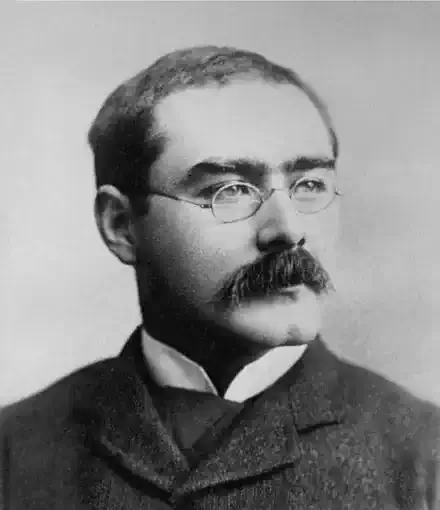
Rudyard Kipling
What Happened
What Happened
Hurree Chunder Mookerjee, pride of Bow Bazaar,
Owner of a native press, "Barrishter-at-Lar,"
Waited on the Government with a claim to wear
Sabres by the bucketful, rifles by the pair.
Then the Indian Government winked a wicked wink,
Said to Chunder Mookerjee: "Stick to pen and ink.
They are safer implements, but, if you insist,
We will let you carry arms wheresoe'er you list."
Hurree Chunder Mookerjee sought the gunsmith and
Bought the tubes of Lancaster, Ballard, Dean, and Bland,
Bought a shiny bowie-knife, bought a town-made sword,
Jingled like a carriage-horse when he went abroad.
But the Indian Government, always keen to please,
Also gave permission to horrid men like these --
Yar Mahommed Yusufzai, down to kill or steal,
Chimbu Singh from Bikaneer, Tantia the Bhil;
Killar Khan the Marri chief, Jowar Singh the Sikh,
Nubbee Baksh Punjabi Jat, Abdul Huq Rafiq --
He was a Wahabi; last, little Boh Hla-oo
Took advantage of the Act -- took a Snider too.
They were unenlightened men, Ballard knew them not.
They procured their swords and guns chiefly on the spot;
And the lore of centuries, plus a hundred fights,
Made them slow to disregard one another's rights.
With a unanimity dear to patriot hearts
All those hairy gentlemen out of foreign parts
Said: "The good old days are back -- let us go to war!"
Swaggered down the Grand Trunk Road into Bow Bazaar,
Nubbee Baksh Punjabi Jat found a hide-bound flail;
Chimbu Singh from Bikaneer oiled his Tonk jezail;
Yar Mahommed Yusufzai spat and grinned with glee
As he ground the butcher-knife of the Khyberee.
Jowar Singh the Sikh procured sabre, quoit, and mace,
Abdul Huq, Wahabi, jerked his dagger from its place,
While amid the jungle-grass danced and grinned and jabbered
Little Boh Hla-oo and cleared his dah-blade from the scabbard.
What became of Mookerjee? Smoothly, who can say?
Yar Mahommed only grins in a nasty way,
Jowar Singh is reticent, Chimbu Singh is mute.
But the belts of all of them simply bulge with loot.
What became of Ballard's guns? Afghans black and grubby
Sell them for their silver weight to the men of Pubbi;
And the shiny bowie-knife and the town-made sword are
Hanging in a Marri camp just across the Border.
What became of Mookerjee? Ask Mahommed Yar
Prodding Siva's sacred bull down the Bow Bazaar.
Speak to placid Nubbee Baksh -- question land and sea --
Ask the Indian Congressmen -- only don't ask me!
Hurree Chunder Mookerjee, pride of Bow Bazaar,
Owner of a native press, "Barrishter-at-Lar,"
Waited on the Government with a claim to wear
Sabres by the bucketful, rifles by the pair.
Then the Indian Government winked a wicked wink,
Said to Chunder Mookerjee: "Stick to pen and ink.
They are safer implements, but, if you insist,
We will let you carry arms wheresoe'er you list."
Hurree Chunder Mookerjee sought the gunsmith and
Bought the tubes of Lancaster, Ballard, Dean, and Bland,
Bought a shiny bowie-knife, bought a town-made sword,
Jingled like a carriage-horse when he went abroad.
But the Indian Government, always keen to please,
Also gave permission to horrid men like these --
Yar Mahommed Yusufzai, down to kill or steal,
Chimbu Singh from Bikaneer, Tantia the Bhil;
Killar Khan the Marri chief, Jowar Singh the Sikh,
Nubbee Baksh Punjabi Jat, Abdul Huq Rafiq --
He was a Wahabi; last, little Boh Hla-oo
Took advantage of the Act -- took a Snider too.
They were unenlightened men, Ballard knew them not.
They procured their swords and guns chiefly on the spot;
And the lore of centuries, plus a hundred fights,
Made them slow to disregard one another's rights.
With a unanimity dear to patriot hearts
All those hairy gentlemen out of foreign parts
Said: "The good old days are back -- let us go to war!"
Swaggered down the Grand Trunk Road into Bow Bazaar,
Nubbee Baksh Punjabi Jat found a hide-bound flail;
Chimbu Singh from Bikaneer oiled his Tonk jezail;
Yar Mahommed Yusufzai spat and grinned with glee
As he ground the butcher-knife of the Khyberee.
Jowar Singh the Sikh procured sabre, quoit, and mace,
Abdul Huq, Wahabi, jerked his dagger from its place,
While amid the jungle-grass danced and grinned and jabbered
Little Boh Hla-oo and cleared his dah-blade from the scabbard.
What became of Mookerjee? Smoothly, who can say?
Yar Mahommed only grins in a nasty way,
Jowar Singh is reticent, Chimbu Singh is mute.
But the belts of all of them simply bulge with loot.
What became of Ballard's guns? Afghans black and grubby
Sell them for their silver weight to the men of Pubbi;
And the shiny bowie-knife and the town-made sword are
Hanging in a Marri camp just across the Border.
What became of Mookerjee? Ask Mahommed Yar
Prodding Siva's sacred bull down the Bow Bazaar.
Speak to placid Nubbee Baksh -- question land and sea --
Ask the Indian Congressmen -- only don't ask me!
473
Rudyard Kipling
Ulster
Ulster
("Their webs shall not become garments, neither shall they
cover themselves with their works: their works are works
of inquity and the act of violence is in their hands." --
Isaiah lix. .)
The dark eleventh hour
Draws on and sees us sold
To every evil power
We fought against of old.
Rebellion, rapine hate
Oppression, wrong and greed
Are loosed to rule our fate,
By England's act and deed.
The Faith in which we stand,
The laws we made and guard,
Our honour, lives, and land
Are given for reward
To Murder done by night,
To Treason taught by day,
To folly, sloth, and spite,
And we are thrust away.
The blood our fathers spilt,
Our love, our toils, our pains,
Are counted us for guilt,
And only bind our chains.
Before an Empire's eyes
The traitor claims his price.
What need of further lies?
We are the sacrifice.
We asked no more than leave
To reap where we had sown,
Through good and ill to cleave
To our own flag and throne.
Now England's shot and steel
Beneath that flag must show
How loyal hearts should kneel
To England's oldest foe.
We know the war prepared
On every peaceful home,
We know the hells declared
For such as serve not Rome --
The terror, threats, and dread
In market, hearth, and field --
We know, when all is said,
We perish if we yield.
Believe, we dare not boast,
Believe, we do not fear --
We stand to pay the cost
In all that men hold dear.
What answer from the North?
One Law, one Land, one Throne.
If England drive us forth
We shall not fall alone!
("Their webs shall not become garments, neither shall they
cover themselves with their works: their works are works
of inquity and the act of violence is in their hands." --
Isaiah lix. .)
The dark eleventh hour
Draws on and sees us sold
To every evil power
We fought against of old.
Rebellion, rapine hate
Oppression, wrong and greed
Are loosed to rule our fate,
By England's act and deed.
The Faith in which we stand,
The laws we made and guard,
Our honour, lives, and land
Are given for reward
To Murder done by night,
To Treason taught by day,
To folly, sloth, and spite,
And we are thrust away.
The blood our fathers spilt,
Our love, our toils, our pains,
Are counted us for guilt,
And only bind our chains.
Before an Empire's eyes
The traitor claims his price.
What need of further lies?
We are the sacrifice.
We asked no more than leave
To reap where we had sown,
Through good and ill to cleave
To our own flag and throne.
Now England's shot and steel
Beneath that flag must show
How loyal hearts should kneel
To England's oldest foe.
We know the war prepared
On every peaceful home,
We know the hells declared
For such as serve not Rome --
The terror, threats, and dread
In market, hearth, and field --
We know, when all is said,
We perish if we yield.
Believe, we dare not boast,
Believe, we do not fear --
We stand to pay the cost
In all that men hold dear.
What answer from the North?
One Law, one Land, one Throne.
If England drive us forth
We shall not fall alone!
505
Rudyard Kipling
The Song of the Old Guard
The Song of the Old Guard
Know this, my brethren, Heaven is clear
And all the clouds are gone--
The Proper Sort shall flourish now,
Good times are coming on"--
The evil that was threatened late
To all of our degree
Hath passed in discord and debate,
And,Hey then up go we!
A common people strove in vain
To shame us unto toil,
But they are spent and we remain,
And we shall share the spoil
According to our several needs
As Beauty shall decree,
As Age ordains or Birth concedes,
And, Hey then up go we!
And they that with accursed zeal
Our Service would amend,
Shall own the odds and come to heel
Ere worse befall their end:
For though no naked word be wrote
Yet plainly shall they see
What pinneth Orders on their coat,
And, Hey then up go we!
Our doorways that, in time of fear,
We opened overwide
Shall softly close from year to year
Till all be purified;
For though no fluttering fan be heard .
Nor chaff be seen to flee--
The Lord shall winnow the Lord's Preferred--
And, Hey then up go we!
Our altars which the heathen brake
Shall rankly smoke anew,
And anise, mint and cummin take
Their dread and sovereign due,
Whereby the buttons of our trade
Shall soon restored be
With curious work in gilt and braid,
And, Hey then up go we!
Then come, my brethren, and prepare
The candlesticks and bells,
The scarlet, brass, and badger's hair
Wherein our Honour dwells,
And straitly fence and strictly keep
The Ark's integrity
Till Armageddon break our sleep . . .
And, Hey then go we!
Know this, my brethren, Heaven is clear
And all the clouds are gone--
The Proper Sort shall flourish now,
Good times are coming on"--
The evil that was threatened late
To all of our degree
Hath passed in discord and debate,
And,Hey then up go we!
A common people strove in vain
To shame us unto toil,
But they are spent and we remain,
And we shall share the spoil
According to our several needs
As Beauty shall decree,
As Age ordains or Birth concedes,
And, Hey then up go we!
And they that with accursed zeal
Our Service would amend,
Shall own the odds and come to heel
Ere worse befall their end:
For though no naked word be wrote
Yet plainly shall they see
What pinneth Orders on their coat,
And, Hey then up go we!
Our doorways that, in time of fear,
We opened overwide
Shall softly close from year to year
Till all be purified;
For though no fluttering fan be heard .
Nor chaff be seen to flee--
The Lord shall winnow the Lord's Preferred--
And, Hey then up go we!
Our altars which the heathen brake
Shall rankly smoke anew,
And anise, mint and cummin take
Their dread and sovereign due,
Whereby the buttons of our trade
Shall soon restored be
With curious work in gilt and braid,
And, Hey then up go we!
Then come, my brethren, and prepare
The candlesticks and bells,
The scarlet, brass, and badger's hair
Wherein our Honour dwells,
And straitly fence and strictly keep
The Ark's integrity
Till Armageddon break our sleep . . .
And, Hey then go we!
408
Rudyard Kipling
The Reeds of Runnymede
The Reeds of Runnymede
Magna Charta, June ,
At Runnymede, At Runnymede,
What say the reeds at Runnymede?
The lissom reeds that give and take,
That bend so far, but never break,
They keep the sleepy Thames awake
With tales of John at Runnymede.
At Runnymede, at Runnymede,
Oh, hear the reeds at Runnymede:--
"You mustn't sell, delay, deny,
A freeman's right or liberty.
It makes the stubborn Englishry,
We saw 'em roused at Runnymede!
"When through our ranks the Barons came,
With little thought of praise or blame,
But resolute to pay a game,
They lumbered up to Runnymede;
And there they launched in solid time
The first attack on Right Divine--
The curt, uncompromising 'Sign!'
That settled John at Runnymede.
"At Runnymede, at Runnymede,
Your rights were won at Runnymede!
No freeman shall be fined or bound,
Or dispossessed or freehold ground,
Except by lawful judgment found
And passed upon him by his peers.
Forget not, after all these years,
The Charter Signed at Runnymede."
And still when Mob or Monarch lays
Too rude hand on English ways,
The whisper wakes, the shudder plays,
Across the reeds at Runnymede.
And Tames, that knows the moods of kings,
And crowds and priests and suchlike things,
Rolls deep and dreadful as he brings
Their warning down from Runnymede!
Magna Charta, June ,
At Runnymede, At Runnymede,
What say the reeds at Runnymede?
The lissom reeds that give and take,
That bend so far, but never break,
They keep the sleepy Thames awake
With tales of John at Runnymede.
At Runnymede, at Runnymede,
Oh, hear the reeds at Runnymede:--
"You mustn't sell, delay, deny,
A freeman's right or liberty.
It makes the stubborn Englishry,
We saw 'em roused at Runnymede!
"When through our ranks the Barons came,
With little thought of praise or blame,
But resolute to pay a game,
They lumbered up to Runnymede;
And there they launched in solid time
The first attack on Right Divine--
The curt, uncompromising 'Sign!'
That settled John at Runnymede.
"At Runnymede, at Runnymede,
Your rights were won at Runnymede!
No freeman shall be fined or bound,
Or dispossessed or freehold ground,
Except by lawful judgment found
And passed upon him by his peers.
Forget not, after all these years,
The Charter Signed at Runnymede."
And still when Mob or Monarch lays
Too rude hand on English ways,
The whisper wakes, the shudder plays,
Across the reeds at Runnymede.
And Tames, that knows the moods of kings,
And crowds and priests and suchlike things,
Rolls deep and dreadful as he brings
Their warning down from Runnymede!
507
Rudyard Kipling
The Outlaws
The Outlaws
Through learned and laborious years
They set themselves to find
Fresh terrors and undreamed-of fears
To heap upon mankind.
ALl that they drew from Heaven above
Or digged from earth beneath,
They laid into their treasure-trove
And arsenals of death:
While, for well-weighed advantage sake,
Ruler and ruled alike
Built up the faith they meant to break
When the fit hour should strike.
They traded with the careless earth,
And good return it gave:
They plotted by their neighbour's hearth
The means to make him slave.
When all was ready to their hand
They loosed their hidden sword,
And utterly laid waste a land
Their oath was pledged to guard.
Coldly they went about to raise
To life and make more dread
Abominations of old days,
That men believed were dead.
They paid the price to reach their goal
Across a world in flame;
But their own hate slew their own soul
Before that victory came.
Through learned and laborious years
They set themselves to find
Fresh terrors and undreamed-of fears
To heap upon mankind.
ALl that they drew from Heaven above
Or digged from earth beneath,
They laid into their treasure-trove
And arsenals of death:
While, for well-weighed advantage sake,
Ruler and ruled alike
Built up the faith they meant to break
When the fit hour should strike.
They traded with the careless earth,
And good return it gave:
They plotted by their neighbour's hearth
The means to make him slave.
When all was ready to their hand
They loosed their hidden sword,
And utterly laid waste a land
Their oath was pledged to guard.
Coldly they went about to raise
To life and make more dread
Abominations of old days,
That men believed were dead.
They paid the price to reach their goal
Across a world in flame;
But their own hate slew their own soul
Before that victory came.
412
Rudyard Kipling
The Last of the Light Brigade
The Last of the Light Brigade
There were thirty million English who talked of England's might,
There were twenty broken troopers who lacked a bed for the night.
They had neither food nor money, they had neither service nor trade;
They were only shiftless soldiers, the last of the Light Brigade.
They felt that life was fleeting; they knew not that art was long,
That though they were dying of famine, they lived in deathless song.
They asked for a little money to keep the wolf from the door;
And the thirty million English sent twenty pounds and four!
They laid their heads together that were scarred and lined and grey;
Keen were the Russian sabres, but want was keener than they;
And an old Troop-Sergeant muttered, "Let us go to the man who writes
The things on Balaclava the kiddies at school recites."
They went without bands or colours, a regiment ten-file strong,
To look for the Master-singer who had crowned them all in his song;
And, waiting his servant's order, by the garden gate they stayed,
A desolate little cluster, the last of the Light Brigade.
They strove to stand to attention, to straighten the toil-bowed back;
They drilled on an empty stomach, the loose-knit files fell slack;
With stooping of weary shoulders, in garments tattered and frayed,
They shambled into his presence, the last of the Light Brigade.
The old Troop-Sergeant was spokesman, and "Beggin' your pardon," he said,
"You wrote o' the Light Brigade, sir. Here's all that isn't dead.
An' it's all come true what you wrote, sir, regardin' the mouth of hell;
For we're all of us nigh to the workhouse, an, we thought we'd call an' tell.
"No, thank you, we don't want food, sir; but couldn't you take an' write
A sort of 'to be continued' and 'see next page' o' the fight?
We think that someone has blundered, an' couldn't you tell 'em how?
You wrote we were heroes once, sir. Please, write we are starving now."
The poor little army departed, limping and lean and forlorn.
And the heart of the Master-singer grew hot with "the scorn of scorn."
And he wrote for them wonderful verses that swept the land like flame,
Till the fatted souls of the English were scourged with the thing called Shame.
O thirty million English that babble of England's might,
Behold there are twenty heroes who lack their food to-night;
Our children's children are lisping to "honour the charge they made-"
And we leave to the streets and the workhouse the charge of the Light Brigade!
There were thirty million English who talked of England's might,
There were twenty broken troopers who lacked a bed for the night.
They had neither food nor money, they had neither service nor trade;
They were only shiftless soldiers, the last of the Light Brigade.
They felt that life was fleeting; they knew not that art was long,
That though they were dying of famine, they lived in deathless song.
They asked for a little money to keep the wolf from the door;
And the thirty million English sent twenty pounds and four!
They laid their heads together that were scarred and lined and grey;
Keen were the Russian sabres, but want was keener than they;
And an old Troop-Sergeant muttered, "Let us go to the man who writes
The things on Balaclava the kiddies at school recites."
They went without bands or colours, a regiment ten-file strong,
To look for the Master-singer who had crowned them all in his song;
And, waiting his servant's order, by the garden gate they stayed,
A desolate little cluster, the last of the Light Brigade.
They strove to stand to attention, to straighten the toil-bowed back;
They drilled on an empty stomach, the loose-knit files fell slack;
With stooping of weary shoulders, in garments tattered and frayed,
They shambled into his presence, the last of the Light Brigade.
The old Troop-Sergeant was spokesman, and "Beggin' your pardon," he said,
"You wrote o' the Light Brigade, sir. Here's all that isn't dead.
An' it's all come true what you wrote, sir, regardin' the mouth of hell;
For we're all of us nigh to the workhouse, an, we thought we'd call an' tell.
"No, thank you, we don't want food, sir; but couldn't you take an' write
A sort of 'to be continued' and 'see next page' o' the fight?
We think that someone has blundered, an' couldn't you tell 'em how?
You wrote we were heroes once, sir. Please, write we are starving now."
The poor little army departed, limping and lean and forlorn.
And the heart of the Master-singer grew hot with "the scorn of scorn."
And he wrote for them wonderful verses that swept the land like flame,
Till the fatted souls of the English were scourged with the thing called Shame.
O thirty million English that babble of England's might,
Behold there are twenty heroes who lack their food to-night;
Our children's children are lisping to "honour the charge they made-"
And we leave to the streets and the workhouse the charge of the Light Brigade!
521
Rudyard Kipling
The Fabulists
The Fabulists
-
When all the world would keep a matter hid,
Since Truth is seldom Friend to any crowd,
Men write in Fable, as old AEsop did,
Jesting at that which none will name aloud.
And this they needs must do, or it will fall
Unless they please they are not heard at all.
When desperate Folly daily laboureth
To work confusion upon all we have,
When diligent Sloth demandeth Freedom's death,
And banded Fear commandeth Honour's grave--
Even in that certain hour before the fall,
Unless men please they are not heard at all.
Needs must all please, yet some not all for need,
Needs must all toil, yet some not all for gain,
But that men taking pleasure may take heed
Whom present toil shall snatch from later pain.
Thus some have toiled, but their reward was small
Since, though they pleased, they were not heard at all.
This was the lock that lay upon our lips,
This was the yoke that we have undergone,
Denying us all pleasant fellowships
As in our time and generation.
Our pleasures unpursued age past recall,
And for our pains--we are not heard at all.
What man hears aught except the groaning guns?
What man heeds aught save what each instant brings?
When each man's life all imaged life outruns,
What man shall pleasure in imaginings?
So it hath fallen, as it was bound to fall,
We are not, nor we were not, heard at all.
-
When all the world would keep a matter hid,
Since Truth is seldom Friend to any crowd,
Men write in Fable, as old AEsop did,
Jesting at that which none will name aloud.
And this they needs must do, or it will fall
Unless they please they are not heard at all.
When desperate Folly daily laboureth
To work confusion upon all we have,
When diligent Sloth demandeth Freedom's death,
And banded Fear commandeth Honour's grave--
Even in that certain hour before the fall,
Unless men please they are not heard at all.
Needs must all please, yet some not all for need,
Needs must all toil, yet some not all for gain,
But that men taking pleasure may take heed
Whom present toil shall snatch from later pain.
Thus some have toiled, but their reward was small
Since, though they pleased, they were not heard at all.
This was the lock that lay upon our lips,
This was the yoke that we have undergone,
Denying us all pleasant fellowships
As in our time and generation.
Our pleasures unpursued age past recall,
And for our pains--we are not heard at all.
What man hears aught except the groaning guns?
What man heeds aught save what each instant brings?
When each man's life all imaged life outruns,
What man shall pleasure in imaginings?
So it hath fallen, as it was bound to fall,
We are not, nor we were not, heard at all.
523
Rudyard Kipling
The Dutch in the Medway
The Dutch in the Medway
If wars were won by feasting,
Or victory by song,
Or safety found in sleeping sound,
How England would be strong!
But honour and dominion
Are not maintainéd so,
They're only got by sword and shot,
And this the Dutchmen know!
The moneys that should feed us,
You spend on your delight,
How can you then have sailor-men
To aid you in your fight?
Our fish and cheese are rotten,
Which makes the scurvy grow—
We cannot serve you if we starve,
And this the Dutchmen know!
Our ships in every harbour
Be neither whole nor sound,
And, when we seek to mend a leak,
No oakum can be found,
Or, if it is, the caulkers,
And carpenters also,
For lack of pay have gone away,
And this the Dutchmen know!
Mere powder, guns, and bullets,
We scarce can get at all,
Their price was spent in merriment
And revel at Whitehall,
While we in tattered doublets
From ship to ship must row,
Beseeching friends for odds and ends—
And this the Dutchmen know!
No King will heed our warnings,
No Court will pay our claims—
Our King and Court for their disport
Do sell the very Thames!
For, now De Ruyter's topsails,
Off naked Chatham show,
We dare not meet him with our fleet—
And this the Dutchmen know!
If wars were won by feasting,
Or victory by song,
Or safety found in sleeping sound,
How England would be strong!
But honour and dominion
Are not maintainéd so,
They're only got by sword and shot,
And this the Dutchmen know!
The moneys that should feed us,
You spend on your delight,
How can you then have sailor-men
To aid you in your fight?
Our fish and cheese are rotten,
Which makes the scurvy grow—
We cannot serve you if we starve,
And this the Dutchmen know!
Our ships in every harbour
Be neither whole nor sound,
And, when we seek to mend a leak,
No oakum can be found,
Or, if it is, the caulkers,
And carpenters also,
For lack of pay have gone away,
And this the Dutchmen know!
Mere powder, guns, and bullets,
We scarce can get at all,
Their price was spent in merriment
And revel at Whitehall,
While we in tattered doublets
From ship to ship must row,
Beseeching friends for odds and ends—
And this the Dutchmen know!
No King will heed our warnings,
No Court will pay our claims—
Our King and Court for their disport
Do sell the very Thames!
For, now De Ruyter's topsails,
Off naked Chatham show,
We dare not meet him with our fleet—
And this the Dutchmen know!
466
Rudyard Kipling
The Anvil
The Anvil
England's on the anvil--hear the hammers ring--
Clanging from the Severn to the Tyne!
Never was a blacksmith like our Norman King--
England's being hammered, hammered, hammered into line!
England's on the anvil! Heavy are the blows!
(But the work will be a marvel when it's done.)
Little bits of Kingdoms cannot stand against their foes.
England's being hammered hammered, hammered into one!
There shall be one people--it shall serve one Lord--
(Neither Prist nor Baron shall escape!)
It shall have one speech and law, soul and strength and sword.
England's being hammered, hammered, hammered into
shape!
England's on the anvil--hear the hammers ring--
Clanging from the Severn to the Tyne!
Never was a blacksmith like our Norman King--
England's being hammered, hammered, hammered into line!
England's on the anvil! Heavy are the blows!
(But the work will be a marvel when it's done.)
Little bits of Kingdoms cannot stand against their foes.
England's being hammered hammered, hammered into one!
There shall be one people--it shall serve one Lord--
(Neither Prist nor Baron shall escape!)
It shall have one speech and law, soul and strength and sword.
England's being hammered, hammered, hammered into
shape!
523
Rudyard Kipling
Screw-Guns
Screw-Guns
Smokin' my pipe on the mountings, sniffin' the mornin' cool,
I walks in my old brown gaiters along o' my old brown mule,
With seventy gunners be'ind me, an' never a beggar forgets
It's only the pick of the Army
that handles the dear little pets -- 'Tss! 'Tss!
For you all love the screw-guns -- the screw-guns they all love you!
So when we call round with a few guns,
o' course you will know what to do -- hoo! hoo!
Jest send in your Chief an' surrender --
it's worse if you fights or you runs:
You can go where you please, you can skid up the trees,
but you don't get away from the guns!
They sends us along where the roads are, but mostly we goes where they ain't:
We'd climb up the side of a sign-board an' trust to the stick o' the paint:
We've chivied the Naga an' Looshai, we've give the Afreedeeman fits,
For we fancies ourselves at two thousand,
we guns that are built in two bits -- 'Tss! 'Tss!
For you all love the screw-guns . . .
If a man doesn't work, why, we drills 'im an' teaches 'im 'ow to behave;
If a beggar can't march, why, we kills 'im an' rattles 'im into 'is grave.
You've got to stand up to our business an' spring without snatchin' or fuss.
D'you say that you sweat with the field-guns?
By God, you must lather with us -- 'Tss! 'Tss!
For you all love the screw-guns . . .
The eagles is screamin' around us, the river's a-moanin' below,
We're clear o' the pine an' the oak-scrub,
we're out on the rocks an' the snow,
An' the wind is as thin as a whip-lash what carries away to the plains
The rattle an' stamp o' the lead-mules --
the jinglety-jink o' the chains -- 'Tss! 'Tss!
For you all love the screw-guns . . .
There's a wheel on the Horns o' the Mornin',
an' a wheel on the edge o' the Pit,
An' a drop into nothin' beneath you as straight as a beggar can spit:
With the sweat runnin' out o' your shirt-sleeves,
an' the sun off the snow in your face,
An' 'arf o' the men on the drag-ropes
to hold the old gun in 'er place -- 'Tss! 'Tss!
For you all love the screw-guns . . .
Smokin' my pipe on the mountings, sniffin' the mornin' cool,
I climbs in my old brown gaiters along o' my old brown mule.
The monkey can say what our road was --
the wild-goat 'e knows where we passed.
Stand easy, you long-eared old darlin's!
Out drag-ropes! With shrapnel! Hold fast -- 'Tss! 'Tss!
For you all love the screw-guns -- the screw-guns they all love you!
So when we take tea with a few guns,
o' course you will know what to do -- hoo! hoo!
Jest send in your Chief an' surrender --
it's worse if you fights or you runs:
You may hide in the caves, they'll be only your graves,
but you can't get away from the guns!
Smokin' my pipe on the mountings, sniffin' the mornin' cool,
I walks in my old brown gaiters along o' my old brown mule,
With seventy gunners be'ind me, an' never a beggar forgets
It's only the pick of the Army
that handles the dear little pets -- 'Tss! 'Tss!
For you all love the screw-guns -- the screw-guns they all love you!
So when we call round with a few guns,
o' course you will know what to do -- hoo! hoo!
Jest send in your Chief an' surrender --
it's worse if you fights or you runs:
You can go where you please, you can skid up the trees,
but you don't get away from the guns!
They sends us along where the roads are, but mostly we goes where they ain't:
We'd climb up the side of a sign-board an' trust to the stick o' the paint:
We've chivied the Naga an' Looshai, we've give the Afreedeeman fits,
For we fancies ourselves at two thousand,
we guns that are built in two bits -- 'Tss! 'Tss!
For you all love the screw-guns . . .
If a man doesn't work, why, we drills 'im an' teaches 'im 'ow to behave;
If a beggar can't march, why, we kills 'im an' rattles 'im into 'is grave.
You've got to stand up to our business an' spring without snatchin' or fuss.
D'you say that you sweat with the field-guns?
By God, you must lather with us -- 'Tss! 'Tss!
For you all love the screw-guns . . .
The eagles is screamin' around us, the river's a-moanin' below,
We're clear o' the pine an' the oak-scrub,
we're out on the rocks an' the snow,
An' the wind is as thin as a whip-lash what carries away to the plains
The rattle an' stamp o' the lead-mules --
the jinglety-jink o' the chains -- 'Tss! 'Tss!
For you all love the screw-guns . . .
There's a wheel on the Horns o' the Mornin',
an' a wheel on the edge o' the Pit,
An' a drop into nothin' beneath you as straight as a beggar can spit:
With the sweat runnin' out o' your shirt-sleeves,
an' the sun off the snow in your face,
An' 'arf o' the men on the drag-ropes
to hold the old gun in 'er place -- 'Tss! 'Tss!
For you all love the screw-guns . . .
Smokin' my pipe on the mountings, sniffin' the mornin' cool,
I climbs in my old brown gaiters along o' my old brown mule.
The monkey can say what our road was --
the wild-goat 'e knows where we passed.
Stand easy, you long-eared old darlin's!
Out drag-ropes! With shrapnel! Hold fast -- 'Tss! 'Tss!
For you all love the screw-guns -- the screw-guns they all love you!
So when we take tea with a few guns,
o' course you will know what to do -- hoo! hoo!
Jest send in your Chief an' surrender --
it's worse if you fights or you runs:
You may hide in the caves, they'll be only your graves,
but you can't get away from the guns!
626
Rudyard Kipling
Mesopotamia
Mesopotamia
They shall not return to us, the resolute, the young,
The eager and whole-hearted whom we gave:
But the men who left them thriftily to die in their own dung,
Shall they come with years and honour to the grave?
They shall not return to us; the strong men coldly slain
In sight of help denied from day to day:
But the men who edged their agonies and chid them in their pain,
Are they too strong and wise to put away?
Our dead shall not return to us while Day and Night divide--
Never while the bars of sunset hold.
But the idle-minded overlings who quibbled while they died,
Shall they thrust for high employments as of old?
Shall we only threaten and be angry for an hour:
When the storm is ended shall we find
How softly but how swiftly they have sidled back to power
By the favour and contrivance of their kind?
Even while they soothe us, while they promise large amends,
Even while they make a show of fear,
Do they call upon their debtors, and take counsel with their
friends,
To conform and re-establish each career?
Their lives cannot repay us--their death could not undo--
The shame that they have laid upon our race.
But the slothfulness that wasted and the arrogance that slew,
Shell we leave it unabated in its place?
They shall not return to us, the resolute, the young,
The eager and whole-hearted whom we gave:
But the men who left them thriftily to die in their own dung,
Shall they come with years and honour to the grave?
They shall not return to us; the strong men coldly slain
In sight of help denied from day to day:
But the men who edged their agonies and chid them in their pain,
Are they too strong and wise to put away?
Our dead shall not return to us while Day and Night divide--
Never while the bars of sunset hold.
But the idle-minded overlings who quibbled while they died,
Shall they thrust for high employments as of old?
Shall we only threaten and be angry for an hour:
When the storm is ended shall we find
How softly but how swiftly they have sidled back to power
By the favour and contrivance of their kind?
Even while they soothe us, while they promise large amends,
Even while they make a show of fear,
Do they call upon their debtors, and take counsel with their
friends,
To conform and re-establish each career?
Their lives cannot repay us--their death could not undo--
The shame that they have laid upon our race.
But the slothfulness that wasted and the arrogance that slew,
Shell we leave it unabated in its place?
456
Rudyard Kipling
Macdonough's Song
Macdonough's Song
Whether the State can loose and bind
In Heaven as well as on Earth:
If it be wiser to kill mankind
Before or after the birth--
These are matters of high concern
Where State-kept schoolmen are;
But Holy State (we have lived to learn)
Endeth in Holy War.
Whether The People be led by The Lord,
Or lured by the loudest throat:
If it be quicker to die by the sword
Or cheaper to die by vote--
These are things we have dealt with once,
(And they will not rise from their grave)
For Holy People, however it runs,
Endeth in wholly Slave.
Whatsoever, for any cause,
Seeketh to take or give
Power above or beyond the Laws,
Suffer it not to live!
Holy State or Holy King--
Or Holy People's Will--
Have no truck with the senseless thing.
Order the guns and kill!
Saying --after--me:--
Once there was The People--Terror gave it birth;
Once there was The People and it made a Hell of Earth.
Earth arose and crushed it. Listen, O ye slain!
Once there was The People--it shall never be again!
Whether the State can loose and bind
In Heaven as well as on Earth:
If it be wiser to kill mankind
Before or after the birth--
These are matters of high concern
Where State-kept schoolmen are;
But Holy State (we have lived to learn)
Endeth in Holy War.
Whether The People be led by The Lord,
Or lured by the loudest throat:
If it be quicker to die by the sword
Or cheaper to die by vote--
These are things we have dealt with once,
(And they will not rise from their grave)
For Holy People, however it runs,
Endeth in wholly Slave.
Whatsoever, for any cause,
Seeketh to take or give
Power above or beyond the Laws,
Suffer it not to live!
Holy State or Holy King--
Or Holy People's Will--
Have no truck with the senseless thing.
Order the guns and kill!
Saying --after--me:--
Once there was The People--Terror gave it birth;
Once there was The People and it made a Hell of Earth.
Earth arose and crushed it. Listen, O ye slain!
Once there was The People--it shall never be again!
500
Rudyard Kipling
Cleared
Cleared
(In Memory of a Commission)
Help for a patriot distressed, a spotless spirit hurt,
Help for an honourable clan sore trampled in the dirt!
From Queenstown Bay to Donegal, O listen to my song,
The honourable gentlemen have suffered grievous wrong.
Their noble names were mentioned -- O the burning black disgrace! --
By a brutal Saxon paper in an Irish shooting-case;
They sat upon it for a year, then steeled their heart to brave it,
And "coruscating innocence" the learned Judges gave it.
Bear witness, Heaven, of that grim crime beneath the surgeon's knife,
The honourable gentlemen deplored the loss of life!
Bear witness of those chanting choirs that burk and shirk and snigger,
No man laid hand upon the knife or finger to the trigger!
Cleared in the face of all mankind beneath the winking skies,
Like ph]oenixes from Ph]oenix Park (and what lay there) they rise!
Go shout it to the emerald seas -- give word to Erin now,
Her honourable gentlemen are cleared -- and this is how: --
They only paid the Moonlighter his cattle-hocking price,
They only helped the murderer with counsel's best advice,
But -- sure it keeps their honour white -- the learned Court believes
They never gave a piece of plate to murderers and thieves.
They never told the ramping crowd to card a woman's hide,
They never marked a man for death -- what fault of theirs he died? --
They only said "intimidate", and talked and went away --
By God, the boys that did the work were braver men than they!
Their sin it was that fed the fire -- small blame to them that heard --
The "bhoys" get drunk on rhetoric, and madden at a word --
They knew whom they were talking at, if they were Irish too,
The gentlemen that lied in Court, they knew, and well they knew.
They only took the Judas-gold from Fenians out of jail,
They only fawned for dollars on the blood-dyed Clanna-Gael.
If black is black or white is white, in black and white it's down,
They're only traitors to the Queen and rebels to the Crown.
"Cleared", honourable gentlemen! Be thankful it's no more: --
The widow's curse is on your house, the dead are at your door.
On you the shame of open shame, on you from North to South
The hand of every honest man flat-heeled across your mouth.
"Less black than we were painted"? -- Faith, no word of black was said;
The lightest touch was human blood, and that, you know, runs red.
It's sticking to your fist to-day for all your sneer and scoff,
And by the Judge's well-weighed word you cannot wipe it off.
Hold up those hands of innocence -- go, scare your sheep together,
The blundering, tripping tups that bleat behind the old bell-wether;
And if they snuff the taint and break to find another pen,
Tell them it's tar that glistens so, and daub them yours again!
"The charge is old"? -- As old as Cain -- as fresh as yesterday;
Old as the Ten Commandments -- have ye talked those laws away?
If words are words, or death is death, or powder sends the ball,
You spoke the words that sped the shot -- the curse be on you all.
"Our friends believe"? -- Of course they do -- as sheltered women may;
But have they seen the shrieking soul ripped from the quivering clay?
They! -- If their own front door is shut,
they'll swear the whole world's warm;
What do they know of dread of death or hanging fear of harm?
The secret half a county keeps, the whisper in the lane,
The shriek that tells the shot went home behind the broken pane,
The dry blood crisping in the sun that scares the honest bees,
And shows the "bhoys" have heard your talk -- what do they know of these?
But you -- you know -- ay, ten times more; the secrets of the dead,
Black terror on the country-side by word and whisper bred,
The mangled stallion's scream at night, the tail-cropped heifer's low.
Who set the whisper going first? You know, and well you know!
My soul! I'd sooner lie in jail for murder plain and straight,
Pure crime I'd done with my own hand for money, lust, or hate,
Than take a seat in Parliament by fellow-felons cheered,
While one of those "not provens" proved me cleared as you are cleared.
Cleared -- you that "lost" the League accounts -- go, guard our honour still,
Go, help to make our country's laws that broke God's law at will --
One hand stuck out behind the back, to signal "strike again";
The other on your dress-shirt-front to show your heart is clane.
If black is black or white is white, in black and white it's down,
You're only traitors to the Queen and rebels to the Crown.
If print is print or words are words, the learned Court perpends: --
We are not ruled by murderers, but only -- by their friends.
(In Memory of a Commission)
Help for a patriot distressed, a spotless spirit hurt,
Help for an honourable clan sore trampled in the dirt!
From Queenstown Bay to Donegal, O listen to my song,
The honourable gentlemen have suffered grievous wrong.
Their noble names were mentioned -- O the burning black disgrace! --
By a brutal Saxon paper in an Irish shooting-case;
They sat upon it for a year, then steeled their heart to brave it,
And "coruscating innocence" the learned Judges gave it.
Bear witness, Heaven, of that grim crime beneath the surgeon's knife,
The honourable gentlemen deplored the loss of life!
Bear witness of those chanting choirs that burk and shirk and snigger,
No man laid hand upon the knife or finger to the trigger!
Cleared in the face of all mankind beneath the winking skies,
Like ph]oenixes from Ph]oenix Park (and what lay there) they rise!
Go shout it to the emerald seas -- give word to Erin now,
Her honourable gentlemen are cleared -- and this is how: --
They only paid the Moonlighter his cattle-hocking price,
They only helped the murderer with counsel's best advice,
But -- sure it keeps their honour white -- the learned Court believes
They never gave a piece of plate to murderers and thieves.
They never told the ramping crowd to card a woman's hide,
They never marked a man for death -- what fault of theirs he died? --
They only said "intimidate", and talked and went away --
By God, the boys that did the work were braver men than they!
Their sin it was that fed the fire -- small blame to them that heard --
The "bhoys" get drunk on rhetoric, and madden at a word --
They knew whom they were talking at, if they were Irish too,
The gentlemen that lied in Court, they knew, and well they knew.
They only took the Judas-gold from Fenians out of jail,
They only fawned for dollars on the blood-dyed Clanna-Gael.
If black is black or white is white, in black and white it's down,
They're only traitors to the Queen and rebels to the Crown.
"Cleared", honourable gentlemen! Be thankful it's no more: --
The widow's curse is on your house, the dead are at your door.
On you the shame of open shame, on you from North to South
The hand of every honest man flat-heeled across your mouth.
"Less black than we were painted"? -- Faith, no word of black was said;
The lightest touch was human blood, and that, you know, runs red.
It's sticking to your fist to-day for all your sneer and scoff,
And by the Judge's well-weighed word you cannot wipe it off.
Hold up those hands of innocence -- go, scare your sheep together,
The blundering, tripping tups that bleat behind the old bell-wether;
And if they snuff the taint and break to find another pen,
Tell them it's tar that glistens so, and daub them yours again!
"The charge is old"? -- As old as Cain -- as fresh as yesterday;
Old as the Ten Commandments -- have ye talked those laws away?
If words are words, or death is death, or powder sends the ball,
You spoke the words that sped the shot -- the curse be on you all.
"Our friends believe"? -- Of course they do -- as sheltered women may;
But have they seen the shrieking soul ripped from the quivering clay?
They! -- If their own front door is shut,
they'll swear the whole world's warm;
What do they know of dread of death or hanging fear of harm?
The secret half a county keeps, the whisper in the lane,
The shriek that tells the shot went home behind the broken pane,
The dry blood crisping in the sun that scares the honest bees,
And shows the "bhoys" have heard your talk -- what do they know of these?
But you -- you know -- ay, ten times more; the secrets of the dead,
Black terror on the country-side by word and whisper bred,
The mangled stallion's scream at night, the tail-cropped heifer's low.
Who set the whisper going first? You know, and well you know!
My soul! I'd sooner lie in jail for murder plain and straight,
Pure crime I'd done with my own hand for money, lust, or hate,
Than take a seat in Parliament by fellow-felons cheered,
While one of those "not provens" proved me cleared as you are cleared.
Cleared -- you that "lost" the League accounts -- go, guard our honour still,
Go, help to make our country's laws that broke God's law at will --
One hand stuck out behind the back, to signal "strike again";
The other on your dress-shirt-front to show your heart is clane.
If black is black or white is white, in black and white it's down,
You're only traitors to the Queen and rebels to the Crown.
If print is print or words are words, the learned Court perpends: --
We are not ruled by murderers, but only -- by their friends.
466
Rudyard Kipling
Belts
Belts
There was a row in Silver Street that's near to Dublin Quay,
Between an Irish regiment an' English cavalree;
It started at Revelly an' it lasted on till dark:
The first man dropped at Harrison's, the last forninst the Park.
For it was: -- "Belts, belts, belts, an' that's one for you!"
An' it was "Belts, belts, belts, an' that's done for you!"
O buckle an' tongue
Was the song that we sung
From Harrison's down to the Park!
There was a row in Silver Street -- the regiments was out,
They called us "Delhi Rebels", an' we answered "Threes about!"
That drew them like a hornet's nest -- we met them good an' large,
The English at the double an' the Irish at the charge.
Then it was: -- "Belts . . .
There was a row in Silver Street -- an' I was in it too;
We passed the time o' day, an' then the belts went whirraru!
I misremember what occurred, but subsequint the storm
A ~Freeman's Journal Supplemint~ was all my uniform.
O it was: -- "Belts . . .
There was a row in Silver Street -- they sent the Polis there,
The English were too drunk to know, the Irish didn't care;
But when they grew impertinint we simultaneous rose,
Till half o' them was Liffey mud an' half was tatthered clo'es.
For it was: -- "Belts . . .
There was a row in Silver Street -- it might ha' raged till now,
But some one drew his side-arm clear, an' nobody knew how;
'Twas Hogan took the point an' dropped; we saw the red blood run:
An' so we all was murderers that started out in fun.
While it was: -- "Belts . . .
There was a row in Silver Street -- but that put down the shine,
Wid each man whisperin' to his next: "'Twas never work o' mine!"
We went away like beaten dogs, an' down the street we bore him,
The poor dumb corpse that couldn't tell the bhoys were sorry for him.
When it was: -- "Belts . . .
There was a row in Silver Street -- it isn't over yet,
For half of us are under guard wid punishments to get;
'Tis all a merricle to me as in the Clink I lie:
There was a row in Silver Street -- begod, I wonder why!
But it was: -- "Belts, belts, belts, an' that's one for you!"
An' it was "Belts, belts, belts, an' that's done for you!"
O buckle an' tongue
Was the song that we sung
From Harrison's down to the Park!
There was a row in Silver Street that's near to Dublin Quay,
Between an Irish regiment an' English cavalree;
It started at Revelly an' it lasted on till dark:
The first man dropped at Harrison's, the last forninst the Park.
For it was: -- "Belts, belts, belts, an' that's one for you!"
An' it was "Belts, belts, belts, an' that's done for you!"
O buckle an' tongue
Was the song that we sung
From Harrison's down to the Park!
There was a row in Silver Street -- the regiments was out,
They called us "Delhi Rebels", an' we answered "Threes about!"
That drew them like a hornet's nest -- we met them good an' large,
The English at the double an' the Irish at the charge.
Then it was: -- "Belts . . .
There was a row in Silver Street -- an' I was in it too;
We passed the time o' day, an' then the belts went whirraru!
I misremember what occurred, but subsequint the storm
A ~Freeman's Journal Supplemint~ was all my uniform.
O it was: -- "Belts . . .
There was a row in Silver Street -- they sent the Polis there,
The English were too drunk to know, the Irish didn't care;
But when they grew impertinint we simultaneous rose,
Till half o' them was Liffey mud an' half was tatthered clo'es.
For it was: -- "Belts . . .
There was a row in Silver Street -- it might ha' raged till now,
But some one drew his side-arm clear, an' nobody knew how;
'Twas Hogan took the point an' dropped; we saw the red blood run:
An' so we all was murderers that started out in fun.
While it was: -- "Belts . . .
There was a row in Silver Street -- but that put down the shine,
Wid each man whisperin' to his next: "'Twas never work o' mine!"
We went away like beaten dogs, an' down the street we bore him,
The poor dumb corpse that couldn't tell the bhoys were sorry for him.
When it was: -- "Belts . . .
There was a row in Silver Street -- it isn't over yet,
For half of us are under guard wid punishments to get;
'Tis all a merricle to me as in the Clink I lie:
There was a row in Silver Street -- begod, I wonder why!
But it was: -- "Belts, belts, belts, an' that's one for you!"
An' it was "Belts, belts, belts, an' that's done for you!"
O buckle an' tongue
Was the song that we sung
From Harrison's down to the Park!
417
Rudyard Kipling
Beast and Man in India
Beast and Man in India
They killed a Child to please the Gods
In Earth's young penitence,
And I have bled in that Babe's stead
Because of innocence.
I bear the sins of sinful men
That have no sin of my own,
They drive me forth to Heaven's wrath
Unpastured and alone.
I am the meat of sacrifice,
The ransom of man's guilt,
For they give my life to the altar-knife
Wherever shrine is built.
The Goat.
Between the waving tufts of jungle-grass,
Up from the river as the twilight falls,
Across the dust-beclouded plain they pass
On to the village walls.
Great is the sword and mighty is the pen,
But over all the labouring ploughman's blade--
For on its oxen and its husbandmen
An Empire's strength is laid.
The Oxen.
The torn boughs trailing o'er the tusks aslant,
The saplings reeling in the path he trod,
Declare his might--our lord the Elephant,
Chief of the ways of God.
The black bulk heaving where the oxen pant,
The bowed head toiling where the guns careen,
Declare our might--our slave the Elephant,
And servant of the Queen.
The Elephant.
Dark children of the mere and marsh,
Wallow and waste and lea,
Outcaste they wait at the village gate
With folk of low degree.
Their pasture is in no man's land,
Their food the cattle's scorn;
Their rest is mire and their desire
The thicket and the thorn.
But woe to those that break their sleep,
And woe to those that dare
To rouse the herd-bull from his keep,
The wild boar from his lair!
Pigs and Buffaloes.
The beasts are very wise,
Their mouths are clean of lies,
They talk one to the other,
Bullock to bullock's brother
Resting after their labours,
Each in stall with his neighbours.
But man with goad and whip,
Breaks up their fellowship,
Shouts in their silky ears
Filling their soul with fears.
When he has ploughed the land,
He says: "They understand."
But the beasts in stall together,
Freed from the yoke and tether,
Say as the torn flanks smoke:
"Nay, 'twas the whip that spoke."
They killed a Child to please the Gods
In Earth's young penitence,
And I have bled in that Babe's stead
Because of innocence.
I bear the sins of sinful men
That have no sin of my own,
They drive me forth to Heaven's wrath
Unpastured and alone.
I am the meat of sacrifice,
The ransom of man's guilt,
For they give my life to the altar-knife
Wherever shrine is built.
The Goat.
Between the waving tufts of jungle-grass,
Up from the river as the twilight falls,
Across the dust-beclouded plain they pass
On to the village walls.
Great is the sword and mighty is the pen,
But over all the labouring ploughman's blade--
For on its oxen and its husbandmen
An Empire's strength is laid.
The Oxen.
The torn boughs trailing o'er the tusks aslant,
The saplings reeling in the path he trod,
Declare his might--our lord the Elephant,
Chief of the ways of God.
The black bulk heaving where the oxen pant,
The bowed head toiling where the guns careen,
Declare our might--our slave the Elephant,
And servant of the Queen.
The Elephant.
Dark children of the mere and marsh,
Wallow and waste and lea,
Outcaste they wait at the village gate
With folk of low degree.
Their pasture is in no man's land,
Their food the cattle's scorn;
Their rest is mire and their desire
The thicket and the thorn.
But woe to those that break their sleep,
And woe to those that dare
To rouse the herd-bull from his keep,
The wild boar from his lair!
Pigs and Buffaloes.
The beasts are very wise,
Their mouths are clean of lies,
They talk one to the other,
Bullock to bullock's brother
Resting after their labours,
Each in stall with his neighbours.
But man with goad and whip,
Breaks up their fellowship,
Shouts in their silky ears
Filling their soul with fears.
When he has ploughed the land,
He says: "They understand."
But the beasts in stall together,
Freed from the yoke and tether,
Say as the torn flanks smoke:
"Nay, 'twas the whip that spoke."
543
Rudyard Kipling
A General Summary
A General Summary
We are very slightly changed
From the semi-apes who ranged
India's Prehistoric clay;
He that drew the longest bow
Ran his brother down, you know,
As we run men down to-day.
"Dowb," the first of all his race,
Met the Mammoth face to face
On the lake or in the cave:
Stole the steadiest canoe,
Ate the quarry others slew,
Died -- and took the finest grave.
When they scratched the reindeer-bone,
Some one made the sketch his own,
Filched it from the artist -- then,
Even in those early days,
Won a simple Viceroy's praise
Through the toil of other men.
Ere they hewed the Sphinx's visage
Favouritism governed kissage,
Even as it does in this age.
Who shall doubt "the secret hid
Under Cheops' pyramid"
Was that the contractor did
Cheops out of several millions?
Or that Joseph's sudden rise
To comptroller of Supplies
Was a fraud of monstrous size
On King Pharaoh's swart Civilians?
Thus, the artless songs I sing
Do not deal with anything
New or never said before.
As it was in the beginning
Is to-day official sinning,
And shall be for evermore!
We are very slightly changed
From the semi-apes who ranged
India's Prehistoric clay;
He that drew the longest bow
Ran his brother down, you know,
As we run men down to-day.
"Dowb," the first of all his race,
Met the Mammoth face to face
On the lake or in the cave:
Stole the steadiest canoe,
Ate the quarry others slew,
Died -- and took the finest grave.
When they scratched the reindeer-bone,
Some one made the sketch his own,
Filched it from the artist -- then,
Even in those early days,
Won a simple Viceroy's praise
Through the toil of other men.
Ere they hewed the Sphinx's visage
Favouritism governed kissage,
Even as it does in this age.
Who shall doubt "the secret hid
Under Cheops' pyramid"
Was that the contractor did
Cheops out of several millions?
Or that Joseph's sudden rise
To comptroller of Supplies
Was a fraud of monstrous size
On King Pharaoh's swart Civilians?
Thus, the artless songs I sing
Do not deal with anything
New or never said before.
As it was in the beginning
Is to-day official sinning,
And shall be for evermore!
495
Rudyard Kipling
Lukannon
"Lukannon"
I met my mates in the morning (and oh, but I am old!)
Where roaring on the ledges the summer ground-swell rolled;
I heard them lift the chorus that dropped the breakers' song --
The beaches of Lukannon -- two million voices strong!
The song of pleasant stations beside the salt lagoons,
The song of blowing squadrons that shuffled down the dunes,
The song of midnight dances that churned the sea to flame --
The beaches of Lukannon -- before the sealers came!
I met my mates in the morning (I'll never meet them more!);
They came and went in legions that darkened all the shore.
And through the foam-flecked offing as far as voice could reach
We hailed the landing-parties and we sang them up the beach.
The beaches of Lukannon -- the winter-wheat so tall --
The dripping, crinkled lichens, and the sea-fog drenching all!
The platforms of our playground, all shining smooth and worn!
The beaches of Lukannon -- the home where we were born!
I meet my mates in the morning, a broken, scattered band.
Men shoot us in the water and club us on the land;
Men drive us to the Salt House like silly sheep and tame,
And still we sing Lukannon -- before the sealers came.
Wheel down, wheel down to southward; oh, Gooverooska go!
And tell the Deep-Sea Viceroys! the story of our woe;
Ere, empty as the shark's egg the tempest flings ashore,
The beaches of Lukannon shall know their sons no more!
I met my mates in the morning (and oh, but I am old!)
Where roaring on the ledges the summer ground-swell rolled;
I heard them lift the chorus that dropped the breakers' song --
The beaches of Lukannon -- two million voices strong!
The song of pleasant stations beside the salt lagoons,
The song of blowing squadrons that shuffled down the dunes,
The song of midnight dances that churned the sea to flame --
The beaches of Lukannon -- before the sealers came!
I met my mates in the morning (I'll never meet them more!);
They came and went in legions that darkened all the shore.
And through the foam-flecked offing as far as voice could reach
We hailed the landing-parties and we sang them up the beach.
The beaches of Lukannon -- the winter-wheat so tall --
The dripping, crinkled lichens, and the sea-fog drenching all!
The platforms of our playground, all shining smooth and worn!
The beaches of Lukannon -- the home where we were born!
I meet my mates in the morning, a broken, scattered band.
Men shoot us in the water and club us on the land;
Men drive us to the Salt House like silly sheep and tame,
And still we sing Lukannon -- before the sealers came.
Wheel down, wheel down to southward; oh, Gooverooska go!
And tell the Deep-Sea Viceroys! the story of our woe;
Ere, empty as the shark's egg the tempest flings ashore,
The beaches of Lukannon shall know their sons no more!
583
Rudyard Kipling
Cleared
"Cleared"
(In Memory of a Commission)
Help for a patriot distressed, a spotless spirit hurt,
Help for an honourable clan sore trampled in the dirt!
From Queenstown Bay to Donegal, O listen to my song,
The honourable gentlemen have suffered grievous wrong.
Their noble names were mentioned -- O the burning black disgrace! --
By a brutal Saxon paper in an Irish shooting-case;
They sat upon it for a year, then steeled their heart to brave it,
And "coruscating innocence" the learned Judges gave it.
Bear witness, Heaven, of that grim crime beneath the surgeon's knife,
The honourable gentlemen deplored the loss of life!
Bear witness of those chanting choirs that burk and shirk and snigger,
No man laid hand upon the knife or finger to the trigger!
Cleared in the face of all mankind beneath the winking skies,
Like ph]oenixes from Ph]oenix Park (and what lay there) they rise!
Go shout it to the emerald seas -- give word to Erin now,
Her honourable gentlemen are cleared -- and this is how: --
They only paid the Moonlighter his cattle-hocking price,
They only helped the murderer with counsel's best advice,
But -- sure it keeps their honour white -- the learned Court believes
They never gave a piece of plate to murderers and thieves.
They never told the ramping crowd to card a woman's hide,
They never marked a man for death -- what fault of theirs he died? --
They only said "intimidate", and talked and went away --
By God, the boys that did the work were braver men than they!
Their sin it was that fed the fire -- small blame to them that heard --
The "bhoys" get drunk on rhetoric, and madden at a word --
They knew whom they were talking at, if they were Irish too,
The gentlemen that lied in Court, they knew, and well they knew.
They only took the Judas-gold from Fenians out of jail,
They only fawned for dollars on the blood-dyed Clanna-Gael.
If black is black or white is white, in black and white it's down,
They're only traitors to the Queen and rebels to the Crown.
"Cleared", honourable gentlemen! Be thankful it's no more: --
The widow's curse is on your house, the dead are at your door.
On you the shame of open shame, on you from North to South
The hand of every honest man flat-heeled across your mouth.
"Less black than we were painted"? -- Faith, no word of black was said;
The lightest touch was human blood, and that, you know, runs red.
It's sticking to your fist to-day for all your sneer and scoff,
And by the Judge's well-weighed word you cannot wipe it off.
Hold up those hands of innocence -- go, scare your sheep together,
The blundering, tripping tups that bleat behind the old bell-wether;
And if they snuff the taint and break to find another pen,
Tell them it's tar that glistens so, and daub them yours again!
"The charge is old"? -- As old as Cain -- as fresh as yesterday;
Old as the Ten Commandments -- have ye talked those laws away?
If words are words, or death is death, or powder sends the ball,
You spoke the words that sped the shot -- the curse be on you all.
"Our friends believe"? -- Of course they do -- as sheltered women may;
But have they seen the shrieking soul ripped from the quivering clay?
They! -- If their own front door is shut,
they'll swear the whole world's warm;
What do they know of dread of death or hanging fear of harm?
The secret half a county keeps, the whisper in the lane,
The shriek that tells the shot went home behind the broken pane,
The dry blood crisping in the sun that scares the honest bees,
And shows the "bhoys" have heard your talk -- what do they know of these?
But you -- you know -- ay, ten times more; the secrets of the dead,
Black terror on the country-side by word and whisper bred,
The mangled stallion's scream at night, the tail-cropped heifer's low.
Who set the whisper going first? You know, and well you know!
My soul! I'd sooner lie in jail for murder plain and straight,
Pure crime I'd done with my own hand for money, lust, or hate,
Than take a seat in Parliament by fellow-felons cheered,
While one of those "not provens" proved me cleared as you are cleared.
Cleared -- you that "lost" the League accounts -- go, guard our honour still,
Go, help to make our country's laws that broke God's law at will --
One hand stuck out behind the back, to signal "strike again";
The other on your dress-shirt-front to show your heart is clane.
If black is black or white is white, in black and white it's down,
You're only traitors to the Queen and rebels to the Crown.
If print is print or words are words, the learned Court perpends: --
We are not ruled by murderers, but only -- by their friends.
(In Memory of a Commission)
Help for a patriot distressed, a spotless spirit hurt,
Help for an honourable clan sore trampled in the dirt!
From Queenstown Bay to Donegal, O listen to my song,
The honourable gentlemen have suffered grievous wrong.
Their noble names were mentioned -- O the burning black disgrace! --
By a brutal Saxon paper in an Irish shooting-case;
They sat upon it for a year, then steeled their heart to brave it,
And "coruscating innocence" the learned Judges gave it.
Bear witness, Heaven, of that grim crime beneath the surgeon's knife,
The honourable gentlemen deplored the loss of life!
Bear witness of those chanting choirs that burk and shirk and snigger,
No man laid hand upon the knife or finger to the trigger!
Cleared in the face of all mankind beneath the winking skies,
Like ph]oenixes from Ph]oenix Park (and what lay there) they rise!
Go shout it to the emerald seas -- give word to Erin now,
Her honourable gentlemen are cleared -- and this is how: --
They only paid the Moonlighter his cattle-hocking price,
They only helped the murderer with counsel's best advice,
But -- sure it keeps their honour white -- the learned Court believes
They never gave a piece of plate to murderers and thieves.
They never told the ramping crowd to card a woman's hide,
They never marked a man for death -- what fault of theirs he died? --
They only said "intimidate", and talked and went away --
By God, the boys that did the work were braver men than they!
Their sin it was that fed the fire -- small blame to them that heard --
The "bhoys" get drunk on rhetoric, and madden at a word --
They knew whom they were talking at, if they were Irish too,
The gentlemen that lied in Court, they knew, and well they knew.
They only took the Judas-gold from Fenians out of jail,
They only fawned for dollars on the blood-dyed Clanna-Gael.
If black is black or white is white, in black and white it's down,
They're only traitors to the Queen and rebels to the Crown.
"Cleared", honourable gentlemen! Be thankful it's no more: --
The widow's curse is on your house, the dead are at your door.
On you the shame of open shame, on you from North to South
The hand of every honest man flat-heeled across your mouth.
"Less black than we were painted"? -- Faith, no word of black was said;
The lightest touch was human blood, and that, you know, runs red.
It's sticking to your fist to-day for all your sneer and scoff,
And by the Judge's well-weighed word you cannot wipe it off.
Hold up those hands of innocence -- go, scare your sheep together,
The blundering, tripping tups that bleat behind the old bell-wether;
And if they snuff the taint and break to find another pen,
Tell them it's tar that glistens so, and daub them yours again!
"The charge is old"? -- As old as Cain -- as fresh as yesterday;
Old as the Ten Commandments -- have ye talked those laws away?
If words are words, or death is death, or powder sends the ball,
You spoke the words that sped the shot -- the curse be on you all.
"Our friends believe"? -- Of course they do -- as sheltered women may;
But have they seen the shrieking soul ripped from the quivering clay?
They! -- If their own front door is shut,
they'll swear the whole world's warm;
What do they know of dread of death or hanging fear of harm?
The secret half a county keeps, the whisper in the lane,
The shriek that tells the shot went home behind the broken pane,
The dry blood crisping in the sun that scares the honest bees,
And shows the "bhoys" have heard your talk -- what do they know of these?
But you -- you know -- ay, ten times more; the secrets of the dead,
Black terror on the country-side by word and whisper bred,
The mangled stallion's scream at night, the tail-cropped heifer's low.
Who set the whisper going first? You know, and well you know!
My soul! I'd sooner lie in jail for murder plain and straight,
Pure crime I'd done with my own hand for money, lust, or hate,
Than take a seat in Parliament by fellow-felons cheered,
While one of those "not provens" proved me cleared as you are cleared.
Cleared -- you that "lost" the League accounts -- go, guard our honour still,
Go, help to make our country's laws that broke God's law at will --
One hand stuck out behind the back, to signal "strike again";
The other on your dress-shirt-front to show your heart is clane.
If black is black or white is white, in black and white it's down,
You're only traitors to the Queen and rebels to the Crown.
If print is print or words are words, the learned Court perpends: --
We are not ruled by murderers, but only -- by their friends.
467

Robert W. Service
Warsaw
Warsaw
I was in Warsaw when the first bomb fell;
I was in Warsaw when the Terror came -
Havoc and horror, famine, fear and flame,
Blasting from loveliness a living hell.
Barring the station towered a sentinel;
Trainward I battled, blind escape my aim.
ENGLAND! I cried. He kindled at the name:
With lion-leap he haled me. . . . All was well.
ENGLAND! they cried for aid, and cried in vain.
Vain was their valour, emptily they cried.
Bleeding, they saw their Cry crucified. . . .
O splendid soldier, by the last lone train,
To-day would you flame forth to fray me place?
Or - would you curse and spit into my face?
September, 1939
I was in Warsaw when the first bomb fell;
I was in Warsaw when the Terror came -
Havoc and horror, famine, fear and flame,
Blasting from loveliness a living hell.
Barring the station towered a sentinel;
Trainward I battled, blind escape my aim.
ENGLAND! I cried. He kindled at the name:
With lion-leap he haled me. . . . All was well.
ENGLAND! they cried for aid, and cried in vain.
Vain was their valour, emptily they cried.
Bleeding, they saw their Cry crucified. . . .
O splendid soldier, by the last lone train,
To-day would you flame forth to fray me place?
Or - would you curse and spit into my face?
September, 1939
179
Robert W. Service
The Tunnel
The Tunnel
Toil's a tunnel, there's no way out
For fellows, the like o' me;
A beggar wi' only a crust an' a clout
At the worst o' the worst is free;
but I work to eat, an' I eat to work;
It's always the same old round,
And I dassent fail for the day I shirk
They'll shovel me underground.
I guess God meant it to be that way,
For a man must make his bread;
I was born to bondage, to earn my pay,
To slave to the day I'm dead;
To live in a tunnel, to die in a ditch That's
just what us fellows do;
For the poor must be makin' the rich more rich,
An' the many must serve the few.
Aye, we live in a tunnel, most o' us,
A-fearin' to lose our job;
But who has the right to gripe an' cuss
So the goblet's hot on the hob.
An' I mustn't be havin' the wife complain,
An' I can't let the childer fast:
So I'll toil in my tunnel an' drag my chain,
Clank! Clank! Clank! to the last.
Toil's a tunnel, there's no way out
For fellows, the like o' me;
A beggar wi' only a crust an' a clout
At the worst o' the worst is free;
but I work to eat, an' I eat to work;
It's always the same old round,
And I dassent fail for the day I shirk
They'll shovel me underground.
I guess God meant it to be that way,
For a man must make his bread;
I was born to bondage, to earn my pay,
To slave to the day I'm dead;
To live in a tunnel, to die in a ditch That's
just what us fellows do;
For the poor must be makin' the rich more rich,
An' the many must serve the few.
Aye, we live in a tunnel, most o' us,
A-fearin' to lose our job;
But who has the right to gripe an' cuss
So the goblet's hot on the hob.
An' I mustn't be havin' the wife complain,
An' I can't let the childer fast:
So I'll toil in my tunnel an' drag my chain,
Clank! Clank! Clank! to the last.
265
Robert W. Service
The Silent Ones
The Silent Ones
I'm just an ordinary chap
Who comes home to his tea,
And mostly I don't care a rap
What people think of me;
I do my job and take my pay,
And love of peace expound;
But as I go my patient way,
--Don't push me round.
Though I respect authority
And order never flout,
When Law and Justice disagree
You can include me out.
The Welfare State I tolerate
If it is kept in bound,
But if you wish to rouse my hate
--Just push me round.
And that's the way with lots of us:
We want to feel we're free;
So labour governments we cuss
And mock at monarchy.
Yea, we are men of secret mirth,
And fury seldom sound;
But if you value peace on earth
--Don't push us round.
I'm just an ordinary chap
Who comes home to his tea,
And mostly I don't care a rap
What people think of me;
I do my job and take my pay,
And love of peace expound;
But as I go my patient way,
--Don't push me round.
Though I respect authority
And order never flout,
When Law and Justice disagree
You can include me out.
The Welfare State I tolerate
If it is kept in bound,
But if you wish to rouse my hate
--Just push me round.
And that's the way with lots of us:
We want to feel we're free;
So labour governments we cuss
And mock at monarchy.
Yea, we are men of secret mirth,
And fury seldom sound;
But if you value peace on earth
--Don't push us round.
216
Robert W. Service
The Healer
The Healer
"Tuberculosis should not be,"
The old professor said.
"If folks would hearken unto me
'Twould save a million dead.
Nay, no consumptive needs to die,
--A cure have I.
"From blood of turtle I've distilled
An elixir of worth;
Let every sufferer be thrilled
And sing for joy of earth;
Yet every doctor turns his back
And calls me quack.
"Alas! They do not want to cure,
For sickness is their meat;
So persecution I endure,
And die in dark defeat:
Ye lungers, listen to my call!
--I'll save you all."
The old Professor now is dead,
And turtles of the sea,
Knowing their blood they need not shed,
Are festive in their glee:
While sanitoriums are crammed
With legions dammed.
"Tuberculosis should not be,"
The old professor said.
"If folks would hearken unto me
'Twould save a million dead.
Nay, no consumptive needs to die,
--A cure have I.
"From blood of turtle I've distilled
An elixir of worth;
Let every sufferer be thrilled
And sing for joy of earth;
Yet every doctor turns his back
And calls me quack.
"Alas! They do not want to cure,
For sickness is their meat;
So persecution I endure,
And die in dark defeat:
Ye lungers, listen to my call!
--I'll save you all."
The old Professor now is dead,
And turtles of the sea,
Knowing their blood they need not shed,
Are festive in their glee:
While sanitoriums are crammed
With legions dammed.
256
Robert W. Service
The Call
The Call
(France, August first, 1914)
Far and near, high and clear,
Hark to the call of War!
Over the gorse and the golden dells,
Ringing and swinging of clamorous bells,
Praying and saying of wild farewells:
War! War! War!
High and low, all must go:
Hark to the shout of War!
Leave to the women the harvest yield;
Gird ye, men, for the sinister field;
A sabre instead of a scythe to wield:
War! Red War!
Rich and poor, lord and boor,
Hark to the blast of War!
Tinker and tailor and millionaire,
Actor in triumph and priest in prayer,
Comrades now in the hell out there,
Sweep to the fire of War!
Prince and page, sot and sage,
Hark to the roar of War!
Poet, professor and circus clown,
Chimney-sweeper and fop o' the town,
Into the pot and be melted down:
Into the pot of War!
Women all, hear the call,
The pitiless call of War!
Look your last on your dearest ones,
Brothers and husbands, fathers, sons:
Swift they go to the ravenous guns,
The gluttonous guns of War.
Everywhere thrill the air
The maniac bells of War.
There will be little of sleeping to-night;
There will be wailing and weeping to-night;
Death's red sickle is reaping to-night:
War! War! War!
(France, August first, 1914)
Far and near, high and clear,
Hark to the call of War!
Over the gorse and the golden dells,
Ringing and swinging of clamorous bells,
Praying and saying of wild farewells:
War! War! War!
High and low, all must go:
Hark to the shout of War!
Leave to the women the harvest yield;
Gird ye, men, for the sinister field;
A sabre instead of a scythe to wield:
War! Red War!
Rich and poor, lord and boor,
Hark to the blast of War!
Tinker and tailor and millionaire,
Actor in triumph and priest in prayer,
Comrades now in the hell out there,
Sweep to the fire of War!
Prince and page, sot and sage,
Hark to the roar of War!
Poet, professor and circus clown,
Chimney-sweeper and fop o' the town,
Into the pot and be melted down:
Into the pot of War!
Women all, hear the call,
The pitiless call of War!
Look your last on your dearest ones,
Brothers and husbands, fathers, sons:
Swift they go to the ravenous guns,
The gluttonous guns of War.
Everywhere thrill the air
The maniac bells of War.
There will be little of sleeping to-night;
There will be wailing and weeping to-night;
Death's red sickle is reaping to-night:
War! War! War!
180