

Poems in this theme
Purpose and Meaning of Life

Robert W. Service
The Ape And God
The Ape And God
Son put a poser up to me
That made me scratch my head:
"God made the whole wide world," quoth he;
"That's right, my boy," I said.
Said son: "He mad the mountains soar,
And all the plains lie flat;
But Dad, what did he do before
He did all that?
Said I: "Creation was his biz;
He set the stars to shine;
The sun and moon and all that is
Were His unique design.
The Cosmos is his concrete thought,
The Universe his chore..."
Said Son: "I understand, but what
Did He before?"
I gave it up; I could not cope
With his enquiring prod,
And must admit I've little hope
Of understanding God.
Indeed I find more to my mind
The monkey in the tree
In whose crude form Nature defined
Our human destiny.
Thought I: "Why search for Deity
In visionary shape?
'Twould better be if we could see
The angel in the ape.
Let mystic seek a God above:
Far wiser he who delves,
To find in kindliness and love
God in ourselves."
Son put a poser up to me
That made me scratch my head:
"God made the whole wide world," quoth he;
"That's right, my boy," I said.
Said son: "He mad the mountains soar,
And all the plains lie flat;
But Dad, what did he do before
He did all that?
Said I: "Creation was his biz;
He set the stars to shine;
The sun and moon and all that is
Were His unique design.
The Cosmos is his concrete thought,
The Universe his chore..."
Said Son: "I understand, but what
Did He before?"
I gave it up; I could not cope
With his enquiring prod,
And must admit I've little hope
Of understanding God.
Indeed I find more to my mind
The monkey in the tree
In whose crude form Nature defined
Our human destiny.
Thought I: "Why search for Deity
In visionary shape?
'Twould better be if we could see
The angel in the ape.
Let mystic seek a God above:
Far wiser he who delves,
To find in kindliness and love
God in ourselves."
252
Robert W. Service
Sinister Sooth
Sinister Sooth
You say I am the slave of Fate
Bound by unalterable laws.
I harken, but your words I hate,
Your damnable Effect and Cause.
If there's no hope for happy Chance
Give me the bliss of ignorance.
You say my life ends with the tomb;
This brain, my mind machine, will rot;
Its many million cells that room
My personality and thought
Will in the Dark Destroyer's term
Provide a banquet for the worm.
You say--yet though your wisdom wells,
To it I am unreconciled;
My mind admits, my heart rebels . . .
O let me listen like a child
To Him who spoke with blessed breath
From bench of toil in Nazareth!
You say I am the slave of Fate
Bound by unalterable laws.
I harken, but your words I hate,
Your damnable Effect and Cause.
If there's no hope for happy Chance
Give me the bliss of ignorance.
You say my life ends with the tomb;
This brain, my mind machine, will rot;
Its many million cells that room
My personality and thought
Will in the Dark Destroyer's term
Provide a banquet for the worm.
You say--yet though your wisdom wells,
To it I am unreconciled;
My mind admits, my heart rebels . . .
O let me listen like a child
To Him who spoke with blessed breath
From bench of toil in Nazareth!
207
Robert W. Service
Repentance
Repentance
"If you repent," the Parson said,"
Your sins will be forgiven.
Aye, even on your dying bed
You're not too late for heaven."
That's just my cup of tea, I thought,
Though for my sins I sorrow;
Since salvation is easy bought
I will repent . . . to-morrow.
To-morrow and to-morrow went,
But though my youth was flying,
I was reluctant to repent,
having no fear of dying.
'Tis plain, I mused, the more I sin,
(To Satan's jubilation)
When I repent the more I'll win
Celestial approbation.
So still I sin, and though I fail
To get snow-whitely shriven,
My timing's good: I home to hail
The last bus up to heaven.
"If you repent," the Parson said,"
Your sins will be forgiven.
Aye, even on your dying bed
You're not too late for heaven."
That's just my cup of tea, I thought,
Though for my sins I sorrow;
Since salvation is easy bought
I will repent . . . to-morrow.
To-morrow and to-morrow went,
But though my youth was flying,
I was reluctant to repent,
having no fear of dying.
'Tis plain, I mused, the more I sin,
(To Satan's jubilation)
When I repent the more I'll win
Celestial approbation.
So still I sin, and though I fail
To get snow-whitely shriven,
My timing's good: I home to hail
The last bus up to heaven.
191
Robert W. Service
Procreation
Procreation
It hurts my pride that I should be
The issue of a night of lust;
Yet even Bishops, you'll agree,
Obey the biologic 'must';
Though no doubt with more dignity
Than we of layman dust.
I think the Lord made a mistake
When he designed the human race,
That man and angel in the make
Should have brutality for base.
Jehovah might have planned at least
Not to confound us with the beast.
So with humiliation I
Think of my basic origin;
And yet with some relief I sigh,-I
might have been conceived in sin;
Instead of being, I believe,
The offspring of a nuptial eve.
So when I look in beauty's face,
Or that of king or saint or sage,
It seems to me I darkly trace
Their being to a rutting rage . . .
Had I been Deity's adviser
Meseems I might have planned it wiser.
It hurts my pride that I should be
The issue of a night of lust;
Yet even Bishops, you'll agree,
Obey the biologic 'must';
Though no doubt with more dignity
Than we of layman dust.
I think the Lord made a mistake
When he designed the human race,
That man and angel in the make
Should have brutality for base.
Jehovah might have planned at least
Not to confound us with the beast.
So with humiliation I
Think of my basic origin;
And yet with some relief I sigh,-I
might have been conceived in sin;
Instead of being, I believe,
The offspring of a nuptial eve.
So when I look in beauty's face,
Or that of king or saint or sage,
It seems to me I darkly trace
Their being to a rutting rage . . .
Had I been Deity's adviser
Meseems I might have planned it wiser.
244
Robert W. Service
My Will
My Will
I've made my Will. I don't believe
In luxury and wealth;
And to those loving ones who grieve
My age and frailing health
I give the meed to soothe their ways
That they may happy be,
And pass serenely all their days
In snug security.
That duty done, I leave behind
The all I have to give
To crippled children and the blind
Who lamentably live;
Hoping my withered hand may freight
To happiness a few
Poor innocents whom cruel fate
Has cheated of their due.
A am no grey philanthropist,
Too humble is my lot
Yet how I'm glad to give the grist
My singing mill has brought.
For I have had such lyric days,
So rich, so full, so sweet,
That I with gratitude and praise
Would make my life complete.
I'VE MADE MY WILL: now near the end,
At peace with all mankind,
To children lame I would be friend,
And brother to the blind . . .
And if there be a God, I pray
He bless my last bequest,
And in His love and pity say:
"Good servant,--rest!"
I've made my Will. I don't believe
In luxury and wealth;
And to those loving ones who grieve
My age and frailing health
I give the meed to soothe their ways
That they may happy be,
And pass serenely all their days
In snug security.
That duty done, I leave behind
The all I have to give
To crippled children and the blind
Who lamentably live;
Hoping my withered hand may freight
To happiness a few
Poor innocents whom cruel fate
Has cheated of their due.
A am no grey philanthropist,
Too humble is my lot
Yet how I'm glad to give the grist
My singing mill has brought.
For I have had such lyric days,
So rich, so full, so sweet,
That I with gratitude and praise
Would make my life complete.
I'VE MADE MY WILL: now near the end,
At peace with all mankind,
To children lame I would be friend,
And brother to the blind . . .
And if there be a God, I pray
He bless my last bequest,
And in His love and pity say:
"Good servant,--rest!"
204
Robert W. Service
My Twins
My Twins
Of twin daughters I'm the mother -
Lord! how I was proud of them;
Each the image of the other,
Like two lilies on one stem;
But while May, my first-born daughter,
Was angelic from the first,
Different as wine and water,
Maude, my second, seemed accurst.
I'm a tender-hearted dame,
Military is my bent;
Thus my pretty dears can claim
For their Pa the Regiment.
As they say: to err is human;
But though lots of love I've had,
I'm an ordinary women,
Just as good as I am bad.
Good and bad should find their level,
So I often wonder why
May was angel, Maude was devil,
Yet between the two was I.
May, they say, has taken vows -
Sister Mary, pure and sweet;
Maudie's in a bawdy house,
Down in Mariposa Street.
It's not natural I'm thinking,
One should pray, the other curse;
I'm so worried I am drinking,
Which is making matters worse.
Yet my daughters love each other,
And I love them equal well;
Saint and sinner call me mother . . .
Ain't heredity just hell?
Of twin daughters I'm the mother -
Lord! how I was proud of them;
Each the image of the other,
Like two lilies on one stem;
But while May, my first-born daughter,
Was angelic from the first,
Different as wine and water,
Maude, my second, seemed accurst.
I'm a tender-hearted dame,
Military is my bent;
Thus my pretty dears can claim
For their Pa the Regiment.
As they say: to err is human;
But though lots of love I've had,
I'm an ordinary women,
Just as good as I am bad.
Good and bad should find their level,
So I often wonder why
May was angel, Maude was devil,
Yet between the two was I.
May, they say, has taken vows -
Sister Mary, pure and sweet;
Maudie's in a bawdy house,
Down in Mariposa Street.
It's not natural I'm thinking,
One should pray, the other curse;
I'm so worried I am drinking,
Which is making matters worse.
Yet my daughters love each other,
And I love them equal well;
Saint and sinner call me mother . . .
Ain't heredity just hell?
238
Robert W. Service
My Future
My Future
"Let's make him a sailor," said Father,
"And he will adventure the sea."
"A soldier," said Mother, "is rather
What I would prefer him to be."
"A lawyer," said Father, "would please me,
For then he could draw up my will."
"A doctor," said Mother, "would ease me;
Maybe he could give me a pill."
Said Father: "Lt's make him a curate,
A Bishop in gaiters to be."
Said Mother: "I couldn't endure it
To have Willie preaching to me."
Said Father: ""Let him be a poet;
So often he's gathering wool."
Said Mother with temper: "Oh stow it!
You know it, a poet's a fool."
Said Farther: "Your son is a duffer,
A stupid and mischievous elf."
Said Mother, who's rather a huffer:
"That's right - he takes after yourself."
Controlling parental emotion
They turned to me, seeking a cue,
And sudden conceived the bright notion
To ask what I wanted to do.
Said I: "my ambition is modest:
A clown in a circus I'd be,
And turn somersaults in the sawdust
With audience laughing at me."
. . . Poor parents! they're dead and decaying,
But I am a clown as you see;
And though in no circus I'm playing,
How people are laughing at me!
"Let's make him a sailor," said Father,
"And he will adventure the sea."
"A soldier," said Mother, "is rather
What I would prefer him to be."
"A lawyer," said Father, "would please me,
For then he could draw up my will."
"A doctor," said Mother, "would ease me;
Maybe he could give me a pill."
Said Father: "Lt's make him a curate,
A Bishop in gaiters to be."
Said Mother: "I couldn't endure it
To have Willie preaching to me."
Said Father: ""Let him be a poet;
So often he's gathering wool."
Said Mother with temper: "Oh stow it!
You know it, a poet's a fool."
Said Farther: "Your son is a duffer,
A stupid and mischievous elf."
Said Mother, who's rather a huffer:
"That's right - he takes after yourself."
Controlling parental emotion
They turned to me, seeking a cue,
And sudden conceived the bright notion
To ask what I wanted to do.
Said I: "my ambition is modest:
A clown in a circus I'd be,
And turn somersaults in the sawdust
With audience laughing at me."
. . . Poor parents! they're dead and decaying,
But I am a clown as you see;
And though in no circus I'm playing,
How people are laughing at me!
222
Robert W. Service
My Cancer Cure
My Cancer Cure
"A year to live," the Doctor said;
"There is no cure," and shook his head.
Ah me! I felt as good as dead.
Yet quite resigned to fate was I,
Thinking: "Well, since I have to die
'Twill be beneath the open sky."
And so I sought a wildsome wood
Wherein a lonely cabin stood,
And doomed myself to solitude,
And there was no one I would see:
Each morn a farmer brought to me
My food and hung it on a tree.
Six eggs he brought, and milk a quart,
Enough for wretches of my sort
Whose life is fated to be short.
At night I laid me on the round,
In robe of buffalo wrapped round . . .
'Twas strange that I should sleep so sound.
The farmer man I seldom saw;
I pierced my eggs and sucked them raw;
Sweet mil refreshed my ravaged maw.
So slowly days and weeks went by,
And always I would wonder why
I did not die. . . I did not die.
Thus brooding on my grievous lot
The world of men I fast forgot.
And in the wildwood friends I sought.
The brook bright melodies would sing,
The groves with feathered rapture ring,
And bring me strange, sweet comforting. . . .
Then all at once I knew that I
Miraculously would not die:
When doctors fail let Nature try.
"A year to live," the Doctor said;
"There is no cure," and shook his head.
Ah me! I felt as good as dead.
Yet quite resigned to fate was I,
Thinking: "Well, since I have to die
'Twill be beneath the open sky."
And so I sought a wildsome wood
Wherein a lonely cabin stood,
And doomed myself to solitude,
And there was no one I would see:
Each morn a farmer brought to me
My food and hung it on a tree.
Six eggs he brought, and milk a quart,
Enough for wretches of my sort
Whose life is fated to be short.
At night I laid me on the round,
In robe of buffalo wrapped round . . .
'Twas strange that I should sleep so sound.
The farmer man I seldom saw;
I pierced my eggs and sucked them raw;
Sweet mil refreshed my ravaged maw.
So slowly days and weeks went by,
And always I would wonder why
I did not die. . . I did not die.
Thus brooding on my grievous lot
The world of men I fast forgot.
And in the wildwood friends I sought.
The brook bright melodies would sing,
The groves with feathered rapture ring,
And bring me strange, sweet comforting. . . .
Then all at once I knew that I
Miraculously would not die:
When doctors fail let Nature try.
117
Robert W. Service
My Book
My Book
Before I drink myself to death,
God, let me finish up my Book!
At night, I fear, I fight for breath,
And wake up whiter than a spook;
And crawl off to a bistro near,
And drink until my brain is clear.
Rare Absinthe! Oh, it gives me strength
To write and write; and so I spend
Day after day, until at length
With joy and pain I'll write The End:
Then let this carcase rot; I give
The world my Book -- my Book will live.
For every line is tense with truth,
There's hope and joy on every page;
A cheer, a clarion call to Youth,
A hymn, a comforter to Age:
All's there that I was meant to be,
My part divine, the God in me.
It's of my life the golden sum;
Ah! who that reads this Book of mine,
In stormy centuries to come,
Will dream I rooted with the swine?
Behold! I give mankind my best:
What does it matter, all the rest?
It's this that makes sublime my day;
It's this that makes me struggle on.
Oh, let them mock my mortal clay,
My spirit's deathless as the dawn;
Oh, let them shudder as they look . . .
I'll be immortal in my Book.
And so beside the sullen Seine
I fight with dogs for filthy food,
Yet know that from my sin and pain
Will soar serene a Something Good;
Exultantly from shame and wrong
A Right, a Glory and a Song.
Before I drink myself to death,
God, let me finish up my Book!
At night, I fear, I fight for breath,
And wake up whiter than a spook;
And crawl off to a bistro near,
And drink until my brain is clear.
Rare Absinthe! Oh, it gives me strength
To write and write; and so I spend
Day after day, until at length
With joy and pain I'll write The End:
Then let this carcase rot; I give
The world my Book -- my Book will live.
For every line is tense with truth,
There's hope and joy on every page;
A cheer, a clarion call to Youth,
A hymn, a comforter to Age:
All's there that I was meant to be,
My part divine, the God in me.
It's of my life the golden sum;
Ah! who that reads this Book of mine,
In stormy centuries to come,
Will dream I rooted with the swine?
Behold! I give mankind my best:
What does it matter, all the rest?
It's this that makes sublime my day;
It's this that makes me struggle on.
Oh, let them mock my mortal clay,
My spirit's deathless as the dawn;
Oh, let them shudder as they look . . .
I'll be immortal in my Book.
And so beside the sullen Seine
I fight with dogs for filthy food,
Yet know that from my sin and pain
Will soar serene a Something Good;
Exultantly from shame and wrong
A Right, a Glory and a Song.
152
Robert W. Service
It Is Later Than You Think
It Is Later Than You Think
Lone amid the cafe's cheer,
Sad of heart am I to-night;
Dolefully I drink my beer,
But no single line I write.
There's the wretched rent to pay,
Yet I glower at pen and ink:
Oh, inspire me, Muse, I pray,
It is later than you think!
Hello! there's a pregnant phrase.
Bravo! let me write it down;
Hold it with a hopeful gaze,
Gauge it with a fretful frown;
Tune it to my lyric lyre . . .
Ah! upon starvation's brink,
How the words are dark and dire:
It is later than you think.
Weigh them well. . . . Behold yon band,
Students drinking by the door,
Madly merry, bock in hand,
Saucers stacked to mark their score.
Get you gone, you jolly scamps;
Let your parting glasses clink;
Seek your long neglected lamps:
It is later than you think.
Look again: yon dainty blonde,
All allure and golden grace,
Oh so willing to respond
Should you turn a smiling face.
Play your part, poor pretty doll;
Feast and frolic, pose and prink;
There's the Morgue to end it all,
And it's later than you think.
Yon's a playwright -- mark his face,
Puffed and purple, tense and tired;
Pasha-like he holds his place,
Hated, envied and admired.
How you gobble life, my friend;
Wine, and woman soft and pink!
Well, each tether has its end:
Sir, it's later than you think.
See yon living scarecrow pass
With a wild and wolfish stare
At each empty absinthe glass,
As if he saw Heaven there.
Poor damned wretch, to end your pain
There is still the Greater Drink.
Yonder waits the sanguine Seine . . .
It is later than you think.
Lastly, you who read; aye, you
Who this very line may scan:
Think of all you planned to do . . .
Have you done the best you can?
See! the tavern lights are low;
Black's the night, and how you shrink!
God! and is it time to go?
Ah! the clock is always slow;
It is later than you think;
Sadly later than you think;
Far, far later than you think.
Lone amid the cafe's cheer,
Sad of heart am I to-night;
Dolefully I drink my beer,
But no single line I write.
There's the wretched rent to pay,
Yet I glower at pen and ink:
Oh, inspire me, Muse, I pray,
It is later than you think!
Hello! there's a pregnant phrase.
Bravo! let me write it down;
Hold it with a hopeful gaze,
Gauge it with a fretful frown;
Tune it to my lyric lyre . . .
Ah! upon starvation's brink,
How the words are dark and dire:
It is later than you think.
Weigh them well. . . . Behold yon band,
Students drinking by the door,
Madly merry, bock in hand,
Saucers stacked to mark their score.
Get you gone, you jolly scamps;
Let your parting glasses clink;
Seek your long neglected lamps:
It is later than you think.
Look again: yon dainty blonde,
All allure and golden grace,
Oh so willing to respond
Should you turn a smiling face.
Play your part, poor pretty doll;
Feast and frolic, pose and prink;
There's the Morgue to end it all,
And it's later than you think.
Yon's a playwright -- mark his face,
Puffed and purple, tense and tired;
Pasha-like he holds his place,
Hated, envied and admired.
How you gobble life, my friend;
Wine, and woman soft and pink!
Well, each tether has its end:
Sir, it's later than you think.
See yon living scarecrow pass
With a wild and wolfish stare
At each empty absinthe glass,
As if he saw Heaven there.
Poor damned wretch, to end your pain
There is still the Greater Drink.
Yonder waits the sanguine Seine . . .
It is later than you think.
Lastly, you who read; aye, you
Who this very line may scan:
Think of all you planned to do . . .
Have you done the best you can?
See! the tavern lights are low;
Black's the night, and how you shrink!
God! and is it time to go?
Ah! the clock is always slow;
It is later than you think;
Sadly later than you think;
Far, far later than you think.
270
Robert W. Service
Hero Worship
Hero Worship
Said he: "You saw the Master clear;
By Rushy Pond alone he sat,
Serene and silent as a seer,
in tweedy coat and seedy hat.
you tell me you did not intrude,
(Although his book was in your hand,)
Upon his melancholy mood . . .
I do not understand.
"You did not tell him: 'I have come
From o'er the sea to speak to you.'
You did not dare, your lips were dumb . . .
You thought a little zephyr blew
From Rushy Pond a touch of him
You'll cherish to your dying day,
Perhaps with tears your eyes were dim . . .
And then - you went away.
"And down the years you will proclaim:
'O call me dullard, dub me dunce!
But let this be my meed of fame:
I looked on Thomas Hardy once.
Aye, by a stile I stood a span
And with these eyes did plainly see
A little, shrinking, shabby man . . .
But Oh a god to me!'"
Said I: "'Tis true, I scarce dared look,
yet he would have been kind, I'm sure;
But though I clutched his precious book
I feared to beg his signature.
Ah yes, my friend, I merit mirth.
You're bold, you have the right to laugh,
And if Christ came again to earth
You'd cadge his autograph."
Said he: "You saw the Master clear;
By Rushy Pond alone he sat,
Serene and silent as a seer,
in tweedy coat and seedy hat.
you tell me you did not intrude,
(Although his book was in your hand,)
Upon his melancholy mood . . .
I do not understand.
"You did not tell him: 'I have come
From o'er the sea to speak to you.'
You did not dare, your lips were dumb . . .
You thought a little zephyr blew
From Rushy Pond a touch of him
You'll cherish to your dying day,
Perhaps with tears your eyes were dim . . .
And then - you went away.
"And down the years you will proclaim:
'O call me dullard, dub me dunce!
But let this be my meed of fame:
I looked on Thomas Hardy once.
Aye, by a stile I stood a span
And with these eyes did plainly see
A little, shrinking, shabby man . . .
But Oh a god to me!'"
Said I: "'Tis true, I scarce dared look,
yet he would have been kind, I'm sure;
But though I clutched his precious book
I feared to beg his signature.
Ah yes, my friend, I merit mirth.
You're bold, you have the right to laugh,
And if Christ came again to earth
You'd cadge his autograph."
173
Robert W. Service
Fool Faith
Fool Faith
Said I: "See yon vast heaven shine,-What
earthly sight diviner?
Before such radiant Design
Why doubt Designer?"
Said he: "Design is just a thought
In human cerebration,
And meaningless if Man is not
Part of creation.
"But grant Design,--we may imply
The job took toil aplenty;
Then why one sole designer, why
Not ten or twenty.
"But should there be one Source supreme
Of matter and of motion,
Why mould it like our man-machine
For daft devotion?"
Said I: "You may be right or wrong,
I'll seek not to discover . . .
I listen to yon starry song,-Still,
still God's lover."
Said I: "See yon vast heaven shine,-What
earthly sight diviner?
Before such radiant Design
Why doubt Designer?"
Said he: "Design is just a thought
In human cerebration,
And meaningless if Man is not
Part of creation.
"But grant Design,--we may imply
The job took toil aplenty;
Then why one sole designer, why
Not ten or twenty.
"But should there be one Source supreme
Of matter and of motion,
Why mould it like our man-machine
For daft devotion?"
Said I: "You may be right or wrong,
I'll seek not to discover . . .
I listen to yon starry song,-Still,
still God's lover."
233
Robert W. Service
Failure
Failure
He wrote a play; by day and night
He strove with passion and delight;
Yet knew, long ere the curtain drop,
His drama was a sorry flop.
In Parliament he sought a seat;
Election Day brought dire defeat;
Yet he had wooed with word and pen
Prodigiously his fellow men.
And then he wrote a lighter play
That made him famous in a day.
He won a seat in Parliament,
And starry was the way he went.
Yet as he neared the door of death
They heard him say with broken breath:
'For all I've spoken, planned and penned,
I'm just a wash-out in the end.'
So are we all; our triumphs won
Are mean by what we might have done.
Our victories that men applaud
Are sordid in the sight of God.
He wrote a play; by day and night
He strove with passion and delight;
Yet knew, long ere the curtain drop,
His drama was a sorry flop.
In Parliament he sought a seat;
Election Day brought dire defeat;
Yet he had wooed with word and pen
Prodigiously his fellow men.
And then he wrote a lighter play
That made him famous in a day.
He won a seat in Parliament,
And starry was the way he went.
Yet as he neared the door of death
They heard him say with broken breath:
'For all I've spoken, planned and penned,
I'm just a wash-out in the end.'
So are we all; our triumphs won
Are mean by what we might have done.
Our victories that men applaud
Are sordid in the sight of God.
256
Robert W. Service
Euthansia
Euthansia
A sea-gull with a broken wing,
I found upon the kelp-strewn shore.
It sprawled and gasped; I sighed: "Poor thing!
I fear your flying days are o'er;
Sad victim of a savage gun,
So ends your soaring in the sun."
I only wanted to be kind;
Its icy legs I gently caught,
Thinking its fracture I might bind,
But fiercely in its fear it fought;
Till guessing that I meant no ill,
It glared and gaped, but lay quite still.
I took it home and gave it food,
And nursed its wing day after day.
Alas for my solicitude,
It would not eat, but pined away.
And so at last with tender hands
I took it to its native sands.
"I'll leave it where its kindred are,"
I thought, "And maybe they will cheer
And comfort it": I watched afar,
I saw them wheeling swiftly near. . . .
Awhile they hovered overhead,
Then darted down and - stabbed it dead.
When agonized is human breath,
And there's of living not a chance,
Could it not be that gentle death
Might mean divine deliverance?
Might it not seep into our skulls
To be as merciful as gulls?
A sea-gull with a broken wing,
I found upon the kelp-strewn shore.
It sprawled and gasped; I sighed: "Poor thing!
I fear your flying days are o'er;
Sad victim of a savage gun,
So ends your soaring in the sun."
I only wanted to be kind;
Its icy legs I gently caught,
Thinking its fracture I might bind,
But fiercely in its fear it fought;
Till guessing that I meant no ill,
It glared and gaped, but lay quite still.
I took it home and gave it food,
And nursed its wing day after day.
Alas for my solicitude,
It would not eat, but pined away.
And so at last with tender hands
I took it to its native sands.
"I'll leave it where its kindred are,"
I thought, "And maybe they will cheer
And comfort it": I watched afar,
I saw them wheeling swiftly near. . . .
Awhile they hovered overhead,
Then darted down and - stabbed it dead.
When agonized is human breath,
And there's of living not a chance,
Could it not be that gentle death
Might mean divine deliverance?
Might it not seep into our skulls
To be as merciful as gulls?
213
Robert W. Service
Einstein
Einstein
A little mousey man he was
With board, and chalk in hand;
And millions were awestruck because
They couldn't understand.
Said he: 'E equals Mc2:
I'll prove it true.'
No doubt you can, your marvel man,
But will it serve our good?
Will it prolong our living span
And multiply our food?
Will it bring peace between the nations
To make equations?
Our thanks are due no doubt to you
For truth beyond our ken;
But after all what did you do
To ease the lot of men?
How can a thousand 'yous' be priced
Beside a Christ?
A little mousey man he was
With board, and chalk in hand;
And millions were awestruck because
They couldn't understand.
Said he: 'E equals Mc2:
I'll prove it true.'
No doubt you can, your marvel man,
But will it serve our good?
Will it prolong our living span
And multiply our food?
Will it bring peace between the nations
To make equations?
Our thanks are due no doubt to you
For truth beyond our ken;
But after all what did you do
To ease the lot of men?
How can a thousand 'yous' be priced
Beside a Christ?
225
Robert W. Service
Each Day A Life
Each Day A Life
I count each day a little life,
With birth and death complete;
I cloister it from care and strife
And keep it sane and sweet.
With eager eyes I greet the morn,
Exultant as a boy,
Knowing that I am newly born
To wonder and to joy.
And when the sunset splendours wane
And ripe for rest am I,
Knowing that I will live again,
Exultantly I die.
O that all Life were but a Day
Sunny and sweet and sane!
And that at Even I might say:
"I sleep to wake again."
I count each day a little life,
With birth and death complete;
I cloister it from care and strife
And keep it sane and sweet.
With eager eyes I greet the morn,
Exultant as a boy,
Knowing that I am newly born
To wonder and to joy.
And when the sunset splendours wane
And ripe for rest am I,
Knowing that I will live again,
Exultantly I die.
O that all Life were but a Day
Sunny and sweet and sane!
And that at Even I might say:
"I sleep to wake again."
187
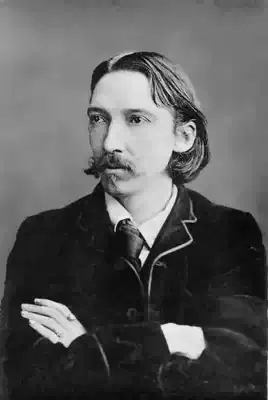
Robert Louis Stevenson
What Man May Learn, What Man May Do
What Man May Learn, What Man May Do
WHAT man may learn, what man may do,
Of right or wrong of false or true,
While, skipper-like, his course he steers
Through nine and twenty mingled years,
Half misconceived and half forgot,
So much I know and practise not.
Old are the words of wisdom, old
The counsels of the wise and bold:
To close the ears, to check the tongue,
To keep the pining spirit young;
To act the right, to say the true,
And to be kind whate'er you do.
Thus we across the modern stage
Follow the wise of every age;
And, as oaks grow and rivers run
Unchanged in the unchanging sun,
So the eternal march of man
Goes forth on an eternal plan.
WHAT man may learn, what man may do,
Of right or wrong of false or true,
While, skipper-like, his course he steers
Through nine and twenty mingled years,
Half misconceived and half forgot,
So much I know and practise not.
Old are the words of wisdom, old
The counsels of the wise and bold:
To close the ears, to check the tongue,
To keep the pining spirit young;
To act the right, to say the true,
And to be kind whate'er you do.
Thus we across the modern stage
Follow the wise of every age;
And, as oaks grow and rivers run
Unchanged in the unchanging sun,
So the eternal march of man
Goes forth on an eternal plan.
239
Robert Louis Stevenson
If This Were Faith
If This Were Faith
God, if this were enough,
That I see things bare to the buff
And up to the buttocks in mire;
That I ask nor hope nor hire,
Nut in the husk,
Nor dawn beyond the dusk,
Nor life beyond death:
God, if this were faith!
Having felt thy wind in my face
Spit sorrow and disgrace,
Having seen thine evil doom
In Golgotha and Khartoum,
And the brutes, the work of thine hands,
Fill with injustice lands
And stain with blood the sea:
If still in my veins the glee
Of the black night and the sun
And the lost battle, run:
If, an adept,
The iniquitous lists I still accept
With joy, and joy to endure and be withstood,
And still to battle and perish for a dream of good:
God, if that were enough!
If to feel, in the ink of the slough,
And the sink of the mire,
Veins of glory and fire
Run through and transpierce and transpire,
And a secret purpose of glory in every part,
And the answering glory of battle fill my heart;
To thrill with the joy of girded men
To go on for ever and fail and go on again,
And be mauled to the earth and arise,
And contend for the shade of a word and a thing
not seen with the eyes:
With the half of a broken hope for a pillow at night
That somehow the right is the right
And the smooth shall bloom from the rough:
Lord, if that were enough!
God, if this were enough,
That I see things bare to the buff
And up to the buttocks in mire;
That I ask nor hope nor hire,
Nut in the husk,
Nor dawn beyond the dusk,
Nor life beyond death:
God, if this were faith!
Having felt thy wind in my face
Spit sorrow and disgrace,
Having seen thine evil doom
In Golgotha and Khartoum,
And the brutes, the work of thine hands,
Fill with injustice lands
And stain with blood the sea:
If still in my veins the glee
Of the black night and the sun
And the lost battle, run:
If, an adept,
The iniquitous lists I still accept
With joy, and joy to endure and be withstood,
And still to battle and perish for a dream of good:
God, if that were enough!
If to feel, in the ink of the slough,
And the sink of the mire,
Veins of glory and fire
Run through and transpierce and transpire,
And a secret purpose of glory in every part,
And the answering glory of battle fill my heart;
To thrill with the joy of girded men
To go on for ever and fail and go on again,
And be mauled to the earth and arise,
And contend for the shade of a word and a thing
not seen with the eyes:
With the half of a broken hope for a pillow at night
That somehow the right is the right
And the smooth shall bloom from the rough:
Lord, if that were enough!
402
Robert Louis Stevenson
Ad Se Ipsum
Ad Se Ipsum
DEAR sir, good-morrow! Five years back,
When you first girded for this arduous track,
And under various whimsical pretexts
Endowed another with your damned defects,
Could you have dreamed in your despondent vein
That the kind God would make your path so plain?
Non nobis, domine! O, may He still
Support my stumbling footsteps on the hill!
DEAR sir, good-morrow! Five years back,
When you first girded for this arduous track,
And under various whimsical pretexts
Endowed another with your damned defects,
Could you have dreamed in your despondent vein
That the kind God would make your path so plain?
Non nobis, domine! O, may He still
Support my stumbling footsteps on the hill!
389

Robert Frost
The Soldier
The Soldier
He is that fallen lance that lies as hurled,
That lies unlifted now, come dew, come rust,
But still lies pointed as it ploughed the dust.
If we who sight along it round the world,
See nothing worthy to have been its mark,
It is because like men we look too near,
Forgetting that as fitted to the sphere,
Our missiles always make too short an arc.
They fall, they rip the grass, they intersect
The curve of earth, and striking, break their own;
They make us cringe for metal-point on stone.
But this we know, the obstacle that checked
And tripped the body, shot the spirit on
Further than target ever showed or shone.
He is that fallen lance that lies as hurled,
That lies unlifted now, come dew, come rust,
But still lies pointed as it ploughed the dust.
If we who sight along it round the world,
See nothing worthy to have been its mark,
It is because like men we look too near,
Forgetting that as fitted to the sphere,
Our missiles always make too short an arc.
They fall, they rip the grass, they intersect
The curve of earth, and striking, break their own;
They make us cringe for metal-point on stone.
But this we know, the obstacle that checked
And tripped the body, shot the spirit on
Further than target ever showed or shone.
490
Robert Frost
The Secret Sits
The Secret Sits
We dance round in a ring and suppose,
But the Secret sits in the middle and knows.
We dance round in a ring and suppose,
But the Secret sits in the middle and knows.
422
Robert Frost
A Question
A Question
A voice said, Look me in the stars
And tell me truly, men of earth,
If all the soul-and-body scars
Were not too much to pay for birth.
A voice said, Look me in the stars
And tell me truly, men of earth,
If all the soul-and-body scars
Were not too much to pay for birth.
356
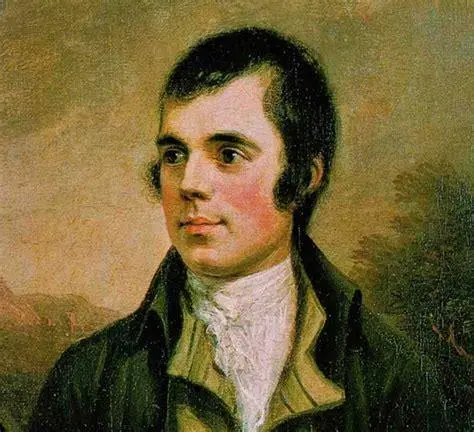
Robert Burns
John Barleycorn
John Barleycorn
There were three kings into the east,
Three kings both great and high,
An' they hae sworn a solemn oath
John Barleycorn should die.
They took a plough and ploughed him down,
Put clods upon his head;
An' they hae sworn a solemn oath
John Barleycorn was dead.
But the cheerfu' spring came kindly on,
And show'rs began to fall;
John Barleycorn got up again,
And sore surprised them all.
The sultry suns of summer came,
And he grew thick and strong;
His head weel armed wi' pointed spears,
That no one should him wrong.
The sober autumn entered mild,
When he grew wan and pale;
His bending joints and drooping head
Showed he began to fail.
His colour sickened more and more,
He faded into age;
And then his enemies began
To show their deadly rage.
They've ta'en a weapon long and sharp,
And cut him by the knee;
Then tied him fast upon a cart,
Like a rogue for forgerie.
They laid him down upon his back,
And cudgelled him full sore;
They hung him up before the storm,
And turned him o'er and o'er.
They filled up a darksome pit
With water to the brim;
They heaved in John Barleycorn,
There let him sink or swim.
They laid him out upon the floor,
To work him farther woe,
And still, as signs of life appeared,
They tossed him to and fro.
They wasted, o'er a scorching flame,
The marrow of his bones;
But a miller used him worst of all,
For he crushed him 'tween two stones.
And they hae ta'en his very heart's blood,
And drank it round and round;
And still the more and more they drank,
Their joy did more abound.
John Barleycorn was a hero bold,
Of noble enterprise;
For if you do but taste his blood,
'Twill make your courage rise;
'Twill make a man forget his woe;
'Twill heighten all his joy:
'Twill make the widow's heart to sing,
Tho' the tear were in her eye.
Then let us toast John Barleycorn,
Each man a glass in hand;
And may his great posterity
Ne'er fail in old Scotland!
There were three kings into the east,
Three kings both great and high,
An' they hae sworn a solemn oath
John Barleycorn should die.
They took a plough and ploughed him down,
Put clods upon his head;
An' they hae sworn a solemn oath
John Barleycorn was dead.
But the cheerfu' spring came kindly on,
And show'rs began to fall;
John Barleycorn got up again,
And sore surprised them all.
The sultry suns of summer came,
And he grew thick and strong;
His head weel armed wi' pointed spears,
That no one should him wrong.
The sober autumn entered mild,
When he grew wan and pale;
His bending joints and drooping head
Showed he began to fail.
His colour sickened more and more,
He faded into age;
And then his enemies began
To show their deadly rage.
They've ta'en a weapon long and sharp,
And cut him by the knee;
Then tied him fast upon a cart,
Like a rogue for forgerie.
They laid him down upon his back,
And cudgelled him full sore;
They hung him up before the storm,
And turned him o'er and o'er.
They filled up a darksome pit
With water to the brim;
They heaved in John Barleycorn,
There let him sink or swim.
They laid him out upon the floor,
To work him farther woe,
And still, as signs of life appeared,
They tossed him to and fro.
They wasted, o'er a scorching flame,
The marrow of his bones;
But a miller used him worst of all,
For he crushed him 'tween two stones.
And they hae ta'en his very heart's blood,
And drank it round and round;
And still the more and more they drank,
Their joy did more abound.
John Barleycorn was a hero bold,
Of noble enterprise;
For if you do but taste his blood,
'Twill make your courage rise;
'Twill make a man forget his woe;
'Twill heighten all his joy:
'Twill make the widow's heart to sing,
Tho' the tear were in her eye.
Then let us toast John Barleycorn,
Each man a glass in hand;
And may his great posterity
Ne'er fail in old Scotland!
280
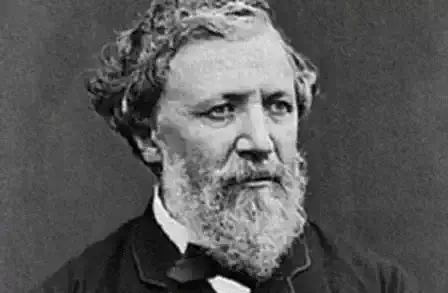
Robert Browning
The Boy And the Angel
The Boy And the Angel
Morning, evening, noon and night,
``Praise God!; sang Theocrite.
Then to his poor trade he turned,
Whereby the daily meal was earned.
Hard he laboured, long and well;
O'er his work the boy's curls fell.
But ever, at each period,
He stopped and sang, ``Praise God!''
Then back again his curls he threw,
And cheerful turned to work anew.
Said Blaise, the listening monk, ``Well done;
``I doubt not thou art heard, my son:
``As well as if thy voice to-day
``Were praising God, the Pope's great way.
``This Easter Day, the Pope at Rome
``Praises God from Peter's dome.''
Said Theocrite, ``Would God that I
``Might praise him, that great way, and die!''
Night passed, day shone,
And Theocrite was gone.
With God a day endures alway,
A thousand years are but a day.
God said in heaven, ``Nor day nor night
``Now brings the voice of my delight.''
Then Gabriel, like a rainbow's birth,
Spread his wings and sank to earth;
Entered, in flesh, the empty cell,
Lived there, and played the craftsman well;
And morning, evening, noon and night,
Praised God in place of Theocrite.
And from a boy, to youth he grew:
The man put off the stripling's hue:
The man matured and fell away
Into the season of decay:
And ever o'er the trade he bent,
And ever lived on earth content.
(He did God's will; to him, all one
If on the earth or in the sun.)
God said, ``A praise is in mine ear;
``There is no doubt in it, no fear:
``So sing old worlds, and so
``New worlds that from my footstool go.
``Clearer loves sound other ways:
``I miss my little human praise.''
Then forth sprang Gabriel's wings, off fell
The flesh disguise, remained the cell.
'Twas Easter Day: he flew to Rome,
And paused above Saint Peter's dome.
In the tiring-room close by
The great outer gallery,
With his holy vestments dight,
Stood the new Pope, Theocrite:
And all his past career
Came back upon him clear,
Since when, a boy, he plied his trade,
Till on his life the sickness weighed;
And in his cell, when death drew near,
An angel in a dream brought cheer:
And rising from the sickness drear
He grew a priest, and now stood here.
To the East with praise he turned,
And on his sight the angel burned.
``I bore thee from thy craftsman's cell
``And set thee here; I did not well.
``Vainly I left my angel-sphere,
``Vain was thy dream of many a year.
``Thy voice's praise seemed weak; it dropped---
``Creation's chorus stopped!
``Go back and praise again
``The early way, while I remain.
``With that weak voice of our disdain,
``Take up creation's pausing strain.
``Back to the cell and poor employ:
``Resume the craftsman and the boy!''
Theocrite grew old at home;
A new Pope dwelt in Peter's dome.
One vanished as the other died:
They sought God side by side.
Morning, evening, noon and night,
``Praise God!; sang Theocrite.
Then to his poor trade he turned,
Whereby the daily meal was earned.
Hard he laboured, long and well;
O'er his work the boy's curls fell.
But ever, at each period,
He stopped and sang, ``Praise God!''
Then back again his curls he threw,
And cheerful turned to work anew.
Said Blaise, the listening monk, ``Well done;
``I doubt not thou art heard, my son:
``As well as if thy voice to-day
``Were praising God, the Pope's great way.
``This Easter Day, the Pope at Rome
``Praises God from Peter's dome.''
Said Theocrite, ``Would God that I
``Might praise him, that great way, and die!''
Night passed, day shone,
And Theocrite was gone.
With God a day endures alway,
A thousand years are but a day.
God said in heaven, ``Nor day nor night
``Now brings the voice of my delight.''
Then Gabriel, like a rainbow's birth,
Spread his wings and sank to earth;
Entered, in flesh, the empty cell,
Lived there, and played the craftsman well;
And morning, evening, noon and night,
Praised God in place of Theocrite.
And from a boy, to youth he grew:
The man put off the stripling's hue:
The man matured and fell away
Into the season of decay:
And ever o'er the trade he bent,
And ever lived on earth content.
(He did God's will; to him, all one
If on the earth or in the sun.)
God said, ``A praise is in mine ear;
``There is no doubt in it, no fear:
``So sing old worlds, and so
``New worlds that from my footstool go.
``Clearer loves sound other ways:
``I miss my little human praise.''
Then forth sprang Gabriel's wings, off fell
The flesh disguise, remained the cell.
'Twas Easter Day: he flew to Rome,
And paused above Saint Peter's dome.
In the tiring-room close by
The great outer gallery,
With his holy vestments dight,
Stood the new Pope, Theocrite:
And all his past career
Came back upon him clear,
Since when, a boy, he plied his trade,
Till on his life the sickness weighed;
And in his cell, when death drew near,
An angel in a dream brought cheer:
And rising from the sickness drear
He grew a priest, and now stood here.
To the East with praise he turned,
And on his sight the angel burned.
``I bore thee from thy craftsman's cell
``And set thee here; I did not well.
``Vainly I left my angel-sphere,
``Vain was thy dream of many a year.
``Thy voice's praise seemed weak; it dropped---
``Creation's chorus stopped!
``Go back and praise again
``The early way, while I remain.
``With that weak voice of our disdain,
``Take up creation's pausing strain.
``Back to the cell and poor employ:
``Resume the craftsman and the boy!''
Theocrite grew old at home;
A new Pope dwelt in Peter's dome.
One vanished as the other died:
They sought God side by side.
408