

Poems in this theme
Politics and Power

Ella Wheeler Wilcox
Our Atlas
Our Atlas
Not Atlas, with his shoulders bent beneath the weighty world,
Bore such a burden as this man, on whom the Gods have hurled
The evils of old festering lands-yea, hurled them in their might
And left him standing all alone, to set the wrong things right.
It is the way the Fates have done since first Time's race began!
They open up Pandora's box before some chosen man;
And then, aloof, they wait and watch, to see if he will find
And wake the slumbering God that dwells in every mortal's mind.
Erect, our modern Atlas stands, with brave uplifted head,
And there is courage in his eyes, if in his heart be dread.
Not dread of foes, but dread of friends, who may not pull together,
To bring the lurching ship of State safe through the stormy weather.
Oh, never were there wilder waves or more stupendous seas,
Or rougher rocks or bleaker winds, or darker days than these.
Not Washington, not Lincoln knew so grave an hour of Time
As he who now stands face to face with War's world-shaking crime.
His brain is clear, his soul is brave, his heart is just and right,
He asks no honours of the earth, but favour in God's sight;
His aim is not to wear a crown or win imperial power,
But to use wisely for the race life's terrible great hour.
O Liberty, who lights the world with rays that come from God,
Shine on Columbia's troubled track, and make it bright and broad;
Shine on each heart, and give it strength to meet its pains and losses,
And give supernal strength to one who bears the whole world's crosses;
Take from his thought the fear of friends who may not pull together,
And bring the glorious ship of State safe through wild waves and weather.
Not Atlas, with his shoulders bent beneath the weighty world,
Bore such a burden as this man, on whom the Gods have hurled
The evils of old festering lands-yea, hurled them in their might
And left him standing all alone, to set the wrong things right.
It is the way the Fates have done since first Time's race began!
They open up Pandora's box before some chosen man;
And then, aloof, they wait and watch, to see if he will find
And wake the slumbering God that dwells in every mortal's mind.
Erect, our modern Atlas stands, with brave uplifted head,
And there is courage in his eyes, if in his heart be dread.
Not dread of foes, but dread of friends, who may not pull together,
To bring the lurching ship of State safe through the stormy weather.
Oh, never were there wilder waves or more stupendous seas,
Or rougher rocks or bleaker winds, or darker days than these.
Not Washington, not Lincoln knew so grave an hour of Time
As he who now stands face to face with War's world-shaking crime.
His brain is clear, his soul is brave, his heart is just and right,
He asks no honours of the earth, but favour in God's sight;
His aim is not to wear a crown or win imperial power,
But to use wisely for the race life's terrible great hour.
O Liberty, who lights the world with rays that come from God,
Shine on Columbia's troubled track, and make it bright and broad;
Shine on each heart, and give it strength to meet its pains and losses,
And give supernal strength to one who bears the whole world's crosses;
Take from his thought the fear of friends who may not pull together,
And bring the glorious ship of State safe through wild waves and weather.
448
Ella Wheeler Wilcox
In India's Dreamy Land
In India's Dreamy Land
In India's land one listens aghast
To the people who scream and bawl;
For each caste yells at a lower caste,
And the Britisher yells at them all.
In India's land one listens aghast
To the people who scream and bawl;
For each caste yells at a lower caste,
And the Britisher yells at them all.
378
Elizabeth Barrett Browning
A Curse For A Nation
A Curse For A Nation
I heard an angel speak last night,
And he said 'Write!
Write a Nation's curse for me,
And send it over the Western Sea.'
I faltered, taking up the word:
'Not so, my lord!
If curses must be, choose another
To send thy curse against my brother.
'For I am bound by gratitude,
By love and blood,
To brothers of mine across the sea,
Who stretch out kindly hands to me.'
'Therefore,' the voice said, 'shalt thou write
My curse to-night.
From the summits of love a curse is driven,
As lightning is from the tops of heaven.'
'Not so,' I answered. 'Evermore
My heart is sore
For my own land's sins: for little feet
Of children bleeding along the street:
'For parked-up honors that gainsay
The right of way:
For almsgiving through a door that is
Not open enough for two friends to kiss:
'For love of freedom which abates
Beyond the Straits:
For patriot virtue starved to vice on
Self-praise, self-interest, and suspicion:
'For an oligarchic parliament,
And bribes well-meant.
What curse to another land assign,
When heavy-souled for the sins of mine?'
'Therefore,' the voice said, 'shalt thou write
My curse to-night.
Because thou hast strength to see and hate
A foul thing done within thy gate.'
'Not so,' I answered once again.
'To curse, choose men.
For I, a woman, have only known
How the heart melts and the tears run down.'
'Therefore,' the voice said, 'shalt thou write
My curse to-night.
Some women weep and curse, I say
(And no one marvels), night and day.
'And thou shalt take their part to-night,
Weep and write.
A curse from the depths of womanhood
Is very salt, and bitter, and good.'
So thus I wrote, and mourned indeed,
What all may read.
And thus, as was enjoined on me,
I send it over the Western Sea.
The Curse
Because ye have broken your own chain
With the strain
Of brave men climbing a Nation's height,
Yet thence bear down with brand and thong
On souls of others, -- for this wrong
This is the curse. Write.
Because yourselves are standing straight
In the state
Of Freedom's foremost acolyte,
Yet keep calm footing all the time
On writhing bond-slaves, -- for this crime
This is the curse. Write.
Because ye prosper in God's name,
With a claim
To honor in the old world's sight,
Yet do the fiend's work perfectly
In strangling martyrs, -- for this lie
This is the curse. Write.
Ye shall watch while kings conspire
Round the people's smouldering fire,
And, warm for your part,
Shall never dare -- O shame!
To utter the thought into flame
Which burns at your heart.
This is the curse. Write.
Ye shall watch while nations strive
With the bloodhounds, die or survive,
Drop faint from their jaws,
Or throttle them backward to death;
And only under your breath
Shall favor the cause.
This is the curse. Write.
Ye shall watch while strong men draw
The nets of feudal law
To strangle the weak;
And, counting the sin for a sin,
Your soul shall be sadder within
Than the word ye shall speak.
This is the curse. Write.
When good men are praying erect
That Christ may avenge His elect
And deliver the earth,
The prayer in your ears, said low,
Shall sound like the tramp of a foe
That's driving you forth.
This is the curse. Write.
When wise men give you their praise,
They shall praise in the heat of the phrase,
As if carried too far.
When ye boast your own charters kept true,
Ye shall blush; for the thing which ye do
Derides what ye are.
This is the curse. Write.
When fools cast taunts at your gate,
Your scorn ye shall somewhat abate
As ye look o'er the wall;
For your conscience, tradition, and name
Explode with a deadlier blame
Than the worst of them all.
This is the curse. Write.
Go, wherever ill deeds shall be done,
Go, plant your flag in the sun
Beside the ill-doers!
And recoil from clenching the curse
Of God's witnessing Universe
With a curse of yours.
This is the curse. Write.
I heard an angel speak last night,
And he said 'Write!
Write a Nation's curse for me,
And send it over the Western Sea.'
I faltered, taking up the word:
'Not so, my lord!
If curses must be, choose another
To send thy curse against my brother.
'For I am bound by gratitude,
By love and blood,
To brothers of mine across the sea,
Who stretch out kindly hands to me.'
'Therefore,' the voice said, 'shalt thou write
My curse to-night.
From the summits of love a curse is driven,
As lightning is from the tops of heaven.'
'Not so,' I answered. 'Evermore
My heart is sore
For my own land's sins: for little feet
Of children bleeding along the street:
'For parked-up honors that gainsay
The right of way:
For almsgiving through a door that is
Not open enough for two friends to kiss:
'For love of freedom which abates
Beyond the Straits:
For patriot virtue starved to vice on
Self-praise, self-interest, and suspicion:
'For an oligarchic parliament,
And bribes well-meant.
What curse to another land assign,
When heavy-souled for the sins of mine?'
'Therefore,' the voice said, 'shalt thou write
My curse to-night.
Because thou hast strength to see and hate
A foul thing done within thy gate.'
'Not so,' I answered once again.
'To curse, choose men.
For I, a woman, have only known
How the heart melts and the tears run down.'
'Therefore,' the voice said, 'shalt thou write
My curse to-night.
Some women weep and curse, I say
(And no one marvels), night and day.
'And thou shalt take their part to-night,
Weep and write.
A curse from the depths of womanhood
Is very salt, and bitter, and good.'
So thus I wrote, and mourned indeed,
What all may read.
And thus, as was enjoined on me,
I send it over the Western Sea.
The Curse
Because ye have broken your own chain
With the strain
Of brave men climbing a Nation's height,
Yet thence bear down with brand and thong
On souls of others, -- for this wrong
This is the curse. Write.
Because yourselves are standing straight
In the state
Of Freedom's foremost acolyte,
Yet keep calm footing all the time
On writhing bond-slaves, -- for this crime
This is the curse. Write.
Because ye prosper in God's name,
With a claim
To honor in the old world's sight,
Yet do the fiend's work perfectly
In strangling martyrs, -- for this lie
This is the curse. Write.
Ye shall watch while kings conspire
Round the people's smouldering fire,
And, warm for your part,
Shall never dare -- O shame!
To utter the thought into flame
Which burns at your heart.
This is the curse. Write.
Ye shall watch while nations strive
With the bloodhounds, die or survive,
Drop faint from their jaws,
Or throttle them backward to death;
And only under your breath
Shall favor the cause.
This is the curse. Write.
Ye shall watch while strong men draw
The nets of feudal law
To strangle the weak;
And, counting the sin for a sin,
Your soul shall be sadder within
Than the word ye shall speak.
This is the curse. Write.
When good men are praying erect
That Christ may avenge His elect
And deliver the earth,
The prayer in your ears, said low,
Shall sound like the tramp of a foe
That's driving you forth.
This is the curse. Write.
When wise men give you their praise,
They shall praise in the heat of the phrase,
As if carried too far.
When ye boast your own charters kept true,
Ye shall blush; for the thing which ye do
Derides what ye are.
This is the curse. Write.
When fools cast taunts at your gate,
Your scorn ye shall somewhat abate
As ye look o'er the wall;
For your conscience, tradition, and name
Explode with a deadlier blame
Than the worst of them all.
This is the curse. Write.
Go, wherever ill deeds shall be done,
Go, plant your flag in the sun
Beside the ill-doers!
And recoil from clenching the curse
Of God's witnessing Universe
With a curse of yours.
This is the curse. Write.
504

Edgar Albert Guest
Father
Father
My father knows the proper way
The nation should be run;
He tells us children every day
Just what should now be done.
He knows the way to fix the trusts,
He has a simple plan;
But if the furnace needs repairs,
We have to hire a man.
My father, in a day or two
Could land big thieves in jail;
There's nothing that he cannot do,
He knows no word like "fail."
"Our confidence" he would restore,
Of that there is no doubt;
But if there is a chair to mend,
We have to send it out.
All public questions that arise,
He settles on the spot;
He waits not till the tumult dies,
But grabs it while it's hot.
In matters of finance he can
Tell Congress what to do;
But, O, he finds it hard to meet
His bills as they fall due.
It almost makes him sick to read
The things law-makers say;
Why, father's just the man they need,
He never goes astray.
All wars he'd very quickly end,
As fast as I can write it;
But when a neighbor starts a fuss,
'Tis mother has to fight it.
In conversation father can
Do many wondrous things;
He's built upon a wiser plan
Than presidents or kings.
He knows the ins and outs of each
And every deep transaction;
We look to him for theories,
But look to ma for action.
My father knows the proper way
The nation should be run;
He tells us children every day
Just what should now be done.
He knows the way to fix the trusts,
He has a simple plan;
But if the furnace needs repairs,
We have to hire a man.
My father, in a day or two
Could land big thieves in jail;
There's nothing that he cannot do,
He knows no word like "fail."
"Our confidence" he would restore,
Of that there is no doubt;
But if there is a chair to mend,
We have to send it out.
All public questions that arise,
He settles on the spot;
He waits not till the tumult dies,
But grabs it while it's hot.
In matters of finance he can
Tell Congress what to do;
But, O, he finds it hard to meet
His bills as they fall due.
It almost makes him sick to read
The things law-makers say;
Why, father's just the man they need,
He never goes astray.
All wars he'd very quickly end,
As fast as I can write it;
But when a neighbor starts a fuss,
'Tis mother has to fight it.
In conversation father can
Do many wondrous things;
He's built upon a wiser plan
Than presidents or kings.
He knows the ins and outs of each
And every deep transaction;
We look to him for theories,
But look to ma for action.
827

Dylan Thomas
The Hand That Signed the Paper
The Hand That Signed the Paper
The hand that signed the paper felled a city;
Five sovereign fingers taxed the breath,
Doubled the globe of dead and halved a country;
These five kings did a king to death.
The mighty hand leads to a sloping shoulder,
The finger joints are cramped with chalk;
A goose's quill has put an end to murder
That put an end to talk.
The hand that signed the treaty bred a fever,
And famine grew, and locusts came;
Great is the hand that holds dominion over
Man by a scribbled name.
The five kings count the dead but do not soften
The crusted wound nor pat the brow;
A hand rules pity as a hand rules heaven;
Hands have no tears to flow.
The hand that signed the paper felled a city;
Five sovereign fingers taxed the breath,
Doubled the globe of dead and halved a country;
These five kings did a king to death.
The mighty hand leads to a sloping shoulder,
The finger joints are cramped with chalk;
A goose's quill has put an end to murder
That put an end to talk.
The hand that signed the treaty bred a fever,
And famine grew, and locusts came;
Great is the hand that holds dominion over
Man by a scribbled name.
The five kings count the dead but do not soften
The crusted wound nor pat the brow;
A hand rules pity as a hand rules heaven;
Hands have no tears to flow.
261

Claude Mckay
The White House
The White House
Your door is shut against my tightened face,
And I am sharp as steel with discontent;
But I possess the courage and the grace
To bear my anger proudly and unbent.
The pavement slabs burn loose beneath my feet,
A chafing savage, down the decent street;
And passion rends my vitals as I pass,
Where boldly shines your shuttered door of glass.
Oh, I must search for wisdom every hour,
Deep in my wrathful bosom sore and raw,
And find in it the superhuman power
To hold me to the letter of your law!
Oh, I must keep my heart inviolate
Against the potent poison of your hate.
Your door is shut against my tightened face,
And I am sharp as steel with discontent;
But I possess the courage and the grace
To bear my anger proudly and unbent.
The pavement slabs burn loose beneath my feet,
A chafing savage, down the decent street;
And passion rends my vitals as I pass,
Where boldly shines your shuttered door of glass.
Oh, I must search for wisdom every hour,
Deep in my wrathful bosom sore and raw,
And find in it the superhuman power
To hold me to the letter of your law!
Oh, I must keep my heart inviolate
Against the potent poison of your hate.
416
Charles Dickens
A fine Old English Gentleman
A fine Old English Gentleman
I'll sing you a new ballad, and I'll warrant it first-rate,
Of the days of that old gentleman who had that old estate;
When they spent the public money at a bountiful old rate
On ev'ry mistress, pimp, and scamp, at ev'ry noble gate,
In the fine old English Tory times;
Soon may they come again!
The good old laws were garnished well with gibbets, whips, and chains,
With fine old English penalties, and fine old English pains,
With rebel heads, and seas of blood once hot in rebel veins;
For all these things were requisite to guard the rich old gains
Of the fine old English Tory times;
Soon may they come again!
This brave old code, like Argus, had a hundred watchful eyes,
And ev'ry English peasant had his good old English spies,
To tempt his starving discontent with fine old English lies,
Then call the good old Yeomanry to stop his peevish cries,
In the fine old English Tory times;
Soon may they come again!
The good old times for cutting throats that cried out in their need,
The good old times for hunting men who held their fathers' creed,
The good old times when William Pitt, as all good men agreed,
Came down direct from Paradise at more than railroad speed. . . .
Oh the fine old English Tory times;
When will they come again!
In those rare days, the press was seldom known to snarl or bark,
But sweetly sang of men in pow'r, like any tuneful lark;
Grave judges, too, to all their evil deeds were in the dark;
And not a man in twenty score knew how to make his mark.
Oh the fine old English Tory times;
Soon may they come again!
Those were the days for taxes, and for war's infernal din;
For scarcity of bread, that fine old dowagers might win;
For shutting men of letters up, through iron bars to grin,
Because they didn't think the Prince was altogether thin,
In the fine old English Tory times;
Soon may they come again!
But Tolerance, though slow in flight, is strong-wing'd in the main;
That night must come on these fine days, in course of time was plain;
The pure old spirit struggled, but Its struggles were in vain;
A nation's grip was on it, and it died in choking pain,
With the fine old English Tory days,
All of the olden time.
The bright old day now dawns again; the cry runs through the land,
In England there shall be dear bread -- in Ireland, sword and brand;
And poverty, and ignorance, shall swell the rich and grand,
So, rally round the rulers with the gentle iron hand,
Of the fine old English Tory days; Hail to the coming time!
I'll sing you a new ballad, and I'll warrant it first-rate,
Of the days of that old gentleman who had that old estate;
When they spent the public money at a bountiful old rate
On ev'ry mistress, pimp, and scamp, at ev'ry noble gate,
In the fine old English Tory times;
Soon may they come again!
The good old laws were garnished well with gibbets, whips, and chains,
With fine old English penalties, and fine old English pains,
With rebel heads, and seas of blood once hot in rebel veins;
For all these things were requisite to guard the rich old gains
Of the fine old English Tory times;
Soon may they come again!
This brave old code, like Argus, had a hundred watchful eyes,
And ev'ry English peasant had his good old English spies,
To tempt his starving discontent with fine old English lies,
Then call the good old Yeomanry to stop his peevish cries,
In the fine old English Tory times;
Soon may they come again!
The good old times for cutting throats that cried out in their need,
The good old times for hunting men who held their fathers' creed,
The good old times when William Pitt, as all good men agreed,
Came down direct from Paradise at more than railroad speed. . . .
Oh the fine old English Tory times;
When will they come again!
In those rare days, the press was seldom known to snarl or bark,
But sweetly sang of men in pow'r, like any tuneful lark;
Grave judges, too, to all their evil deeds were in the dark;
And not a man in twenty score knew how to make his mark.
Oh the fine old English Tory times;
Soon may they come again!
Those were the days for taxes, and for war's infernal din;
For scarcity of bread, that fine old dowagers might win;
For shutting men of letters up, through iron bars to grin,
Because they didn't think the Prince was altogether thin,
In the fine old English Tory times;
Soon may they come again!
But Tolerance, though slow in flight, is strong-wing'd in the main;
That night must come on these fine days, in course of time was plain;
The pure old spirit struggled, but Its struggles were in vain;
A nation's grip was on it, and it died in choking pain,
With the fine old English Tory days,
All of the olden time.
The bright old day now dawns again; the cry runs through the land,
In England there shall be dear bread -- in Ireland, sword and brand;
And poverty, and ignorance, shall swell the rich and grand,
So, rally round the rulers with the gentle iron hand,
Of the fine old English Tory days; Hail to the coming time!
889

Carl Sandburg
Government
Government
The Government -- I heard about the Government and
I went out to find it. I said I would look closely at
it when I saw it.
Then I saw a policeman dragging a drunken man to
the callaboose. It was the Government in action.
I saw a ward alderman slip into an office one morning
and talk with a judge. Later in the day the judge
dismissed a case against a pickpocket who was a
live ward worker for the alderman. Again I saw
this was the Government, doing things.
I saw militiamen level their rifles at a crowd of
workingmen who were trying to get other workingmen
to stay away from a shop where there was a strike
on. Government in action.
Everywhere I saw that Government is a thing made of
men, that Government has blood and bones, it is
many mouths whispering into many ears, sending
telegrams, aiming rifles, writing orders, saying
"yes" and "no."
Government dies as the men who form it die and are laid
away in their graves and the new Government that
comes after is human, made of heartbeats of blood,
ambitions, lusts, and money running through it all,
money paid and money taken, and money covered
up and spoken of with hushed voices.
A Government is just as secret and mysterious and sensitive
as any human sinner carrying a load of germs,
traditions and corpuscles handed down from
fathers and mothers away back.
The Government -- I heard about the Government and
I went out to find it. I said I would look closely at
it when I saw it.
Then I saw a policeman dragging a drunken man to
the callaboose. It was the Government in action.
I saw a ward alderman slip into an office one morning
and talk with a judge. Later in the day the judge
dismissed a case against a pickpocket who was a
live ward worker for the alderman. Again I saw
this was the Government, doing things.
I saw militiamen level their rifles at a crowd of
workingmen who were trying to get other workingmen
to stay away from a shop where there was a strike
on. Government in action.
Everywhere I saw that Government is a thing made of
men, that Government has blood and bones, it is
many mouths whispering into many ears, sending
telegrams, aiming rifles, writing orders, saying
"yes" and "no."
Government dies as the men who form it die and are laid
away in their graves and the new Government that
comes after is human, made of heartbeats of blood,
ambitions, lusts, and money running through it all,
money paid and money taken, and money covered
up and spoken of with hushed voices.
A Government is just as secret and mysterious and sensitive
as any human sinner carrying a load of germs,
traditions and corpuscles handed down from
fathers and mothers away back.
280
Carl Sandburg
A Million Young Work Men
A Million Young Work Men
A million young workmen straight and strong lay stiff on the grass and roads,
And the million are now under soil and their rottening flesh will in the years feed roots
of blood-red roses.
Yes, this million of young workmen slaughtered one another and never saw their red
hands.
And oh, it would have been a great job of killing and a new and beautiful thing under
the sun if the million knew why they hacked and tore each other to death.
The kings are grinning, the Kaiser and the czar—they are alive riding in leather-seated
motor cars, and they have their women and roses for ease, and they eat fresh-poached
eggs for breakfast, new butter on toast, sitting in tall water-tight houses reading the
news of war.
I dreamed a million ghosts of the young workmen rose in their shirts all soaked in
crimson … and yelled:
God damn the grinning kings, God damn the kaiser and the czar.
A million young workmen straight and strong lay stiff on the grass and roads,
And the million are now under soil and their rottening flesh will in the years feed roots
of blood-red roses.
Yes, this million of young workmen slaughtered one another and never saw their red
hands.
And oh, it would have been a great job of killing and a new and beautiful thing under
the sun if the million knew why they hacked and tore each other to death.
The kings are grinning, the Kaiser and the czar—they are alive riding in leather-seated
motor cars, and they have their women and roses for ease, and they eat fresh-poached
eggs for breakfast, new butter on toast, sitting in tall water-tight houses reading the
news of war.
I dreamed a million ghosts of the young workmen rose in their shirts all soaked in
crimson … and yelled:
God damn the grinning kings, God damn the kaiser and the czar.
382
Bertolt Brecht
The Solution
The Solution
After the uprising of the 17th June
The Secretary of the Writers Union
Had leaflets distributed in the Stalinallee
Stating that the people
Had forfeited the confidence of the government
And could win it back only
By redoubled efforts. Would it not be easier
In that case for the government
To dissolve the people
And elect another?
After the uprising of the 17th June
The Secretary of the Writers Union
Had leaflets distributed in the Stalinallee
Stating that the people
Had forfeited the confidence of the government
And could win it back only
By redoubled efforts. Would it not be easier
In that case for the government
To dissolve the people
And elect another?
537
Bertolt Brecht
Not What Was Meant
Not What Was Meant
When the Academy of Arts demanded freedom
Of artistic expression from narrow-minded bureaucrats
There was a howl and a clamour in its immediate vicinity
But roaring above everything
Came a deafening thunder of applause
From beyond the Sector boundary.
Freedom! it roared. Freedom for the artists!
Freedom all round! Freedom for all!
Freedom for the exploiters! Freedom for the warmongers!
Freedom for the Ruhr cartels! Freedom for Hitler's generals!
Softly, my dear fellows...
The Judas kiss for the artists follows
Hard on the Judas kiss for the workers.
The arsonist with his bottle of petrol
Sneaks up grinning to
The Academy of Arts.
But it was not to embrace him, just
To knock the bottle out of his dirty hand that
We asked for elbow room.
Even the narrowest minds
In which peace is harboured
Are more welcome to the arts than the art lover
Who is also a lover of the art of war.
When the Academy of Arts demanded freedom
Of artistic expression from narrow-minded bureaucrats
There was a howl and a clamour in its immediate vicinity
But roaring above everything
Came a deafening thunder of applause
From beyond the Sector boundary.
Freedom! it roared. Freedom for the artists!
Freedom all round! Freedom for all!
Freedom for the exploiters! Freedom for the warmongers!
Freedom for the Ruhr cartels! Freedom for Hitler's generals!
Softly, my dear fellows...
The Judas kiss for the artists follows
Hard on the Judas kiss for the workers.
The arsonist with his bottle of petrol
Sneaks up grinning to
The Academy of Arts.
But it was not to embrace him, just
To knock the bottle out of his dirty hand that
We asked for elbow room.
Even the narrowest minds
In which peace is harboured
Are more welcome to the arts than the art lover
Who is also a lover of the art of war.
573
Arthur Rimbaud
The Famous Victory Of Saarbrucken
The Famous Victory Of Saarbrucken
At centre, the Emperor, blue-yellow, in apotheosis,
Gallops off, ramrod straight, on his fine gee-gee,
Very happy – since everything he sees is rosy,
Fierce as Zeus, and as gentle as a Daddy is:
The brave Infantrymen taking a nap, in vain,
Under the gilded drums and scarlet cannon,
Rise politely. One puts his tunic back on,
And, turns to the Chief, stunned by the big name!
On the right, another, leaning on his rifle butt,
Feeling the hair rise at the back of his neck,
Shouts: ‘Vive L’Empereur!!” – his neighbour’s mute…
A shako rises, like a black sun…– In the midst
The last, a simpleton in red and blue, lying on his gut
Gets up, and, – showing his arse – asks: “On what?”
At centre, the Emperor, blue-yellow, in apotheosis,
Gallops off, ramrod straight, on his fine gee-gee,
Very happy – since everything he sees is rosy,
Fierce as Zeus, and as gentle as a Daddy is:
The brave Infantrymen taking a nap, in vain,
Under the gilded drums and scarlet cannon,
Rise politely. One puts his tunic back on,
And, turns to the Chief, stunned by the big name!
On the right, another, leaning on his rifle butt,
Feeling the hair rise at the back of his neck,
Shouts: ‘Vive L’Empereur!!” – his neighbour’s mute…
A shako rises, like a black sun…– In the midst
The last, a simpleton in red and blue, lying on his gut
Gets up, and, – showing his arse – asks: “On what?”
602
Arthur Rimbaud
Le Forgeron (The Blacksmith)
Le Forgeron (The Blacksmith)
Le bras sur un marteau gigantesque, effrayant
D'ivresse et de grandeur, le front large, riant
Comme un clairon d'airain, avec toute sa bouche,
Et prenant ce gros-là dans son regard farouche,
Le Forgeron parlait à Louis Seize, un jour
Que le Peuple était là, se tordant tout autour,
Et sur les lambris d'or traînait sa veste sale.
Or le bon roi, debout sur son ventre, était pâle
Pâle comme un vaincu qu'on prend pour le gibet,
Et, soumis comme un chien, jamais ne regimbait,
Car ce maraud de forge aux énormes épaules
Lui disait de vieux mots et des choses si drôles,
Que cela l'empoignait au front, comme cela !
'Donc, Sire, tu sais bien, nous chantions tra la la
Et nous piquions les boeufs vers les sillons des autres :
Le Chanoine au soleil disait ses patenôtres
Sur des chapelets clairs grenés de pièces d'or.
Le Seigneur, à cheval, passait, sonnant du cor,
Et l'un avec la hart, l'autre avec la cravache,
Nous fouaillaient ; Hébétés comme des yeux de vache,
Nos yeux ne pleuraient pas : nous allions ! nous allions !
Et quand nous avions mis le pays en sillons,
Quand nous avions laissé dans cette terre noire
Un peu de notre chair... nous avions un pourboire :
-Nous venions voir flamber nos taudis dans la nuit ;
Nos enfants y faisaient un gâteau fort bien cuit !...
'Oh ! je ne me plains pas. Je te dis mes bêtises :
-C'est entre nous. J'admets que tu me contredises...
Or, n'est-ce pas joyeux de voir, au mois de juin
Dans les granges entrer des voitures de foin
Enormes ? De sentir l'odeur de ce qui pousse,
Des vergers quand il pleut un peu, de l'herbe rousse ?
De voir les champs de blé, les épis pleins de grain,
De penser que cela prépare bien du pain ?...
-Oui, l'on pourrait, plus fort, au fourneau qui s'allume,
Chanter joyeusement en martelant l'enclume,
Si l'on était certain qu'on pourrait prendre un peu,
Étant homme, à la fin !, de ce que donne Dieu !...
-Mais voilà, c'est toujours la même vieille histoire !
'... Oh ! je sais, maintenant ! Moi, je ne peux plus croire,
Quand j'ai deux bonnes mains, mon front et mon marteau,
Qu'un homme vienne là, dague sous le manteau
Et me dise : Maraud, ensemence ma terre ;
Que l'on arrive encor, quand ce serait la guerre,
Me prendre mon garçon comme cela, chez moi !...
-Moi, je serais un homme, et toi tu serais roi,
Tu me dirais : Je veux ! - Tu vois bien, c'est stupide !...
Tu crois que j'aime à voir ta baraque splendide,
Tes officiers dorés, tes mille chenapans,
Tes palsembleu bâtards tournant comme des paons ?
Ils ont rempli ton nid de l'odeur de nos filles,
Et de petits billets pour nous mettre aux Bastilles,
Et nous dirions : C'est bien : les pauvres à genoux !...
Nous dorerions ton Louvre en donnant nos gros sous,
Et tu te soûlerais, tu ferais belle fête,
Et tes Messieurs riraient, les reins sur notre tête !...
'Non ! Ces saletés-là datent de nos papas !
Oh ! Le Peuple n'est plus une putain ! Trois pas,
Et, tous, nous avons mis ta Bastille en poussière !
Cette bête suait du sang à chaque pierre...
Et c'était dégoûtant, la Bastille debout
Avec ses murs lépreux qui nous rappelaient tout
Et, toujours, nous tenaient enfermés dans leur ombre !
-Citoyen ! citoyen ! c'était le passé sombre
Qui croulait, qui râlait, quand nous prîmes la tour !
Nous avions quelque chose au coeur comme l'amour :
Nous avions embrassé nos fils sur nos poitrines,
Et, comme des chevaux, en soufflant des narines,
Nous marchions, nous chantions, et ça nous battait là,
Nous allions au soleil, front haut, comme cela,
Dans Paris accourant devant nos vestes sales !...
Enfin ! Nous nous sentions hommes ! Nous étions pâles,
Sire ; nous étions soûls de terribles espoirs,
Et quand nous fûmes là, devant les donjons noirs,
Agitant nos clairons et nos feuilles de chêne,
Les piques à la main ; nous n'eûmes pas de haine :
-Nous nous sentions si forts ! nous voulions être doux !
'Et depuis ce jour-là, nous sommes comme fous...
Le flot des ouvriers a monté dans la rue
Et ces maudits s'en vont, foule toujours accrue,
Comme des revenants, aux portes des richards !...
Moi, je cours avec eux assommer les mouchards,
Et je vais dans Paris le marteau sur l'épaule,
Farouche, à chaque coin balayant quelque drôle,
Et, si tu me riais au nez, je te tuerais !...
-Puis, tu dois y compter, tu te feras des frais
Avec tes avocats, qui prennent nos requêtes
Pour se les renvoyer comme sur des raquettes,
Et, tout bas, les malins ! Nous traitant de gros sots !
Pour mitonner des lois, ranger des de petits pots
Pleins de menus décrets, de méchantes droguailles,
S'amuser à couper proprement quelques tailles,
Puis se boucher le nez quand nous passons près d'eux,
- Ces chers avocassiers qui nous trouvent crasseux ! -
Pour débiter là-bas des milliers de sornettes
Et ne rien redouter sinon les baïonnettes,
Nous en avons assez, de tous ces cerveaux plats !
Ils embêtent le peuple !... Ah ! ce sont là les plats
Que tu nous sers, bourgeois, quand nous sommes féroces,
Quand nous cassons déjà les sceptres et les crosses !...'
Puis il le prend au bras, arrache le velours
Des rideaux, et lui montre, en bas, les larges cours
Où fourmille, où fourmille, où se lève la foule,
La foule épouvantable avec des bruits de houle,
Hurlant comme une chienne, hurlant comme une mer,
Avec ses bâtons forts et ses piques de fer,
Ses clameurs, ses grands cris de halles et de bouges,
Tas sombre de haillons taché de bonnets rouges !
L'Homme, par la fenêtre ouverte, montre tout
Au Roi pâle, suant qui chancelle debout,
Malade à regarder cela !...
spacespacespacespacespacespacespacespace'C'est la Crapule,
Sire ! ça bave aux murs, ça roule, ça pullule...
-Puisqu'ils ne mangent pas, Sire, ce sont les gueux !
-Je suis un forgeron : ma femme est avec eux :
Folle ! Elle vient chercher du pain aux Tuileries :
-On ne veut pas de nous dans les boulangeries !...
J'ai trois petits ; -Je suis crapule ! - Je connais
Des vieilles qui s'en vont pleurant sous leurs bonnets,
Parce qu'on leur a pris leur garçon ou leur fille :
-C'est la crapule. - Un homme était à la bastille,
D'autres étaient forçats ; c'étaient des citoyens
Honnêtes ; Libérés, ils sont comme des chiens ;
On les insulte ! Alors, ils ont là quelque chose
Qui leur fait mal, allez ! C'est terrible, et c'est cause
Que, se sentant brisés, que, se sentant damnés,
Ils viennent maintenant hurler sous votre nez !...
-Crapules : - Là-dedans sont des filles, infâmes
Parce que -, sachant bien que c'est faible, les femmes,
Messeigneurs de la cour, que ça veut toujours bien, -
Vous leur avez sali leur âme, comme rien !
Vos belles, aujourd'hui, sont là : - C'est la Crapule...
'Oh ! tous les Malheureux, tout ceux dont le dos brûle
Sous le soleil féroce, et qui vont, et qui vont,
Et dans ce travail-là sentent crever leur front,
Chapeau bas, mes bourgeois ! Oh ! ceux-là sont les hommes !
-Nous sommes Ouvriers ! Sire, Ouvriers ! - nous sommes
Pour les grands temps nouveaux où l'on voudra savoir,
Où l'homme forgera du matin jusqu'au soir,
Où, lentement vainqueur, il chassera les choses
Poursuivant les grands buts, cherchant les grandes causes,
Et montera sur Tout comme sur un cheval !
Oh ! nous sommes contents, nous aurons bien du mal !
-Tout ce qu'on ne sait pas, c'est peut-être terrible.
Nous pendrons nos marteaux, nous passerons au crible
Tout ce que nous savons, puis, Frères, en avant !...
-Nous faisons quelquefois ce grand rêve émouvant
De vivre simplement, ardemment, sans rien dire
De mauvais, travaillant sous l'auguste sourire
D'une femme qu'on aime avec un noble amour !
Et l'on travaillerait fièrement tout le jour,
Ecoutant le devoir comme un clairon qui sonne :
Et l'on se trouverait fort heureux, et personne,
Oh ! personne ! surtout, ne vous ferait plier !...
On aurait un fusil au-dessus du foyer....
'Oh ! mais ! l'air est tout plein d'une odeur de bataille !
Que te disais-je donc ? Je suis de la canaille !'
Translation by A. S. Kline
His hand on a gigantic hammer, terrifying
In size and drunkenness, vast-browed, laughing
Like a bronze trumpet, his whole mouth displayed,
Devouring the fat man, now, with his wild gaze,
The Blacksmith spoke with Louis, with the king,
The People there, all around him, cavorting,
Trailing their dirty coats down gilded panels.
But the dear king, belly upright, was pallid,
Pale as the victim led to the guillotine,
Submissive like a dog, cowed by the scene,
Since that wide-shouldered forge-black soul
Spoke of things past and other things so droll,
He had him by the short hairs, just like that!
‘Now, Sir, you know how we’d sing tra-la-la,
And drive the ox down other people’s furrows:
The Canon spun paternosters in the shadows
On rosaries bright with golden coins adorned,
Some Lord, astride, passed blowing on his horn,
One with the noose, another with whip-blows
Lashed us on. – Dazed like the eyes of cows,
Our eyes no longer wept; on and on we went,
And when we’d ploughed a whole continent,
When we had left behind in that black soil
A little of our own flesh…to reward our toil:
They’d set alight our hovels in the night;
Our little ones made burnt cakes alright.
…Oh, I’m not complaining! All my follies,
They’re between us. I’ll let you contradict.
But, isn’t it fine to see, in the month of June,
The enormous hay-wains entering the barns?
To smell the odour of burgeoning things,
The orchards in fine rain, the oats reddening?
To see wheat, wheat, ears filled with grain,
To think it promises us good bread again?...
Oh! You’d go to the forge, be more cheerful,
Sing and hammer joyfully at the anvil,
If you were sure to gain a little in the end –
Being, in fact, a man – of what God intends!
– But there it is, always the same old story!...
But now I know! I don’t credit it any more,
Owning two strong hands, a head, a hammer,
That a man in a cloak, wearing a dagger
Can say: go and sow my land, there, fellow;
Or that another, if maybe war should follow,
Can take my son like that, from where I’m living!
– Suppose I were a man, and you a king,
You’d say: I will it!... – What stupidity.
You think your splendid barn pleases me,
Your gilded servants, your thousand rogues,
Your fancy bastards, peacocks in a row:
Filling your nest with our daughters’ odour,
Warrants to the Bastille for us, moreover
That we should say: fine: make the poor poorer!
We’ll give you our last sous to gild the Louvre!
While you get drunk and enjoy the feast,
– And they all laugh, riding our backs beneath!
No. Those puerilities were our fathers!
The People is no one’s whore now, three steps further
And then, we razed your Bastille to the ground.
That monster sweated blood from every mound,
Was an abomination, that Bastille standing,
With leprous walls its every story yielding,
And, we forever held fast in its shadow!
– Citizen! That was the past, its sorrow,
That broke, and died, when we stormed the tower!
We had something in our hearts like true ardour.
We had clutched our children to our breast.
And like chargers, snorting at the contest,
We went, proud and strong, beating here inside…
We marched in the sun – like this – heads high
Into Paris! They greeted us in our ragged clothes.
At last! We felt ourselves Men! We were sallow,
Sire, drunk, and pallid with terrifying hopes:
And there, in front of those black prison slopes,
Waving our bugles and our sprigs of oak,
Pikes in our fists; did we feel hatred, no!
– We felt such strength we wanted to be gentle! ...
And since that day, we have proved elementals!
A mass of workers sprang up in the street,
And, cursed, are gone, a swelling crowd replete
With ghostly shades, to haunt the rich man’s gate.
I, I run with them, and set informers straight:
I scour Paris, dark-faced, wild, hammer on shoulder,
Sweeping something droll out of every corner,
And, if you smile at me, then I’ll do for you!
– Well, count on it: all this is going to cost you
And your men in black, culling our requests
To bat them about on their racquets all in jest,
And whisper, the rascals, softly: “Oh, what sots!”
To cook up laws, and stick up little pots,
Filled with cute pink decrees, and sugar pills,
Cutting us down to size, to amuse themselves,
Then they hold their noses when we pass by,
– Our kind representatives who hate the sty! –
Fearful of nothing, nothing, but bayonets….
That’s fine. Enough of snuff and lorgnettes!
We’ve had our fill, here, of those dull heads
And bellies of gods. Ah! That’s the bread
You serve us, bourgeoisie, while we rage here,
While we shatter the sceptre and the crozier!...’
He takes his arm, tears back the velvet curtain
And shows the vast courtyards beneath them,
Where the mob swarms, and seethes, where rise,
Out of the frightful mob those storm-filled cries,
Howling as bitches howl, or like the sea,
With their knotted stakes, their pikes of steel,
With the clamour of their market-halls and slums,
A ragged mass of blood-stained caps, and drums:
The Man, through the open window, shows all
To the pale sweating king, reeling, about to fall,
Sick at the sight of it!
‘Those are the Scum, Sire.
Licking the walls, seething, rising higher:
– But then they’ve not eaten, Sire, these beggars!
I’m a blacksmith: my wife, madwoman, is there!
She thinks she’ll get bread at the Tuileries!
– They’ll have none of us in the bakeries.
I’ve three youngsters. I’m scum, too – I know
Old women weeping under their bonnets so
Because they’ve taken a daughter or a son:
One man was in the Bastille – oh, they’re scum –
Another the galleys: both honest citizens.
Freed, they’re treated like dogs, these men:
Insulted! Then, they have something here
That hurts them, see! It’s terrible, it’s clear
They feel broken, feel themselves damned,
There, screaming beneath you where you stand!
Scum. – Down there girls, infamous, shriek,
Because – well, you knew girls were weak –
Gentlemen of the court – gave all you sought –
You’d spit on their souls, as if they were naught!
Now, your pretty ones are there. They’re scum.
Oh, all the Wretched, whose backs, in the fierce sun
Burn, and yet they still work on and on,
Feeling their heads burst with their exertion,
Hats off, you bourgeoisie! Those are Men.
We are the Workers, Sire! Workers! And then
We’re for the great new age, of knowledge, light,
When Man will forge from morning to night,
Pursuing great effects, chasing great causes,
When he will tame things, slowly victorious,
And like a horse, mount the mighty All!
Oh! Splendour of the forges! And no more
Evil, then! – What’s unknown, its terror maybe
We’ll know! – Hammer in hand, let’s sieve freely
All that we know: then, Brothers, we’ll go on!
Sometimes we dream that dream’s vast emotion
Of the simple ardent life, where you revile
All evil, working beneath the august smile,
Of a woman you love with love’s nobility:
And all day long you labour on proudly,
Hearing the clarion call of duty sounding!
And you feel so happy; and nothing, nothing,
Oh, above all, no-one makes you kneel!
Over the fireplace, there, you’d have a rifle…
Oh! But the air is filled with the scent of battle.
What did I say? I too am one of the rascals!
And there are still sharks and informers.
But we are free! With our moments of terror
When we feel we are great, so great! Just now
I was talking of peaceful work, of how…
Look at that sky! – Too small for us, you see,
If we feared the heat, we’d live on our knees!
Look at that sky! – I’ll return to the crowd,
To the vast fearful mob who cry aloud
And roll your cannon through the cobbles’ sty;
– Oh! We will wash them clean when we die!
– And if, against our cries and our vengeance,
The claws of old gilded kings, all over France,
Urge on their regiments in full battle-dress,
Well then, you lot? Shit to those dogs, no less!’
– He shoulders his hammer once more.
The crowd
Feels soul-drunk close to that man, and now
Through the great courtyard, all those rooms,
Where Paris pants and the voices boom,
A shudder shakes the immense populace.
Then, with his broad hand, its grimy grace
Gilded, while the pot-bellied king sweats,
The Blacksmith set his red cap on that head!
Le bras sur un marteau gigantesque, effrayant
D'ivresse et de grandeur, le front large, riant
Comme un clairon d'airain, avec toute sa bouche,
Et prenant ce gros-là dans son regard farouche,
Le Forgeron parlait à Louis Seize, un jour
Que le Peuple était là, se tordant tout autour,
Et sur les lambris d'or traînait sa veste sale.
Or le bon roi, debout sur son ventre, était pâle
Pâle comme un vaincu qu'on prend pour le gibet,
Et, soumis comme un chien, jamais ne regimbait,
Car ce maraud de forge aux énormes épaules
Lui disait de vieux mots et des choses si drôles,
Que cela l'empoignait au front, comme cela !
'Donc, Sire, tu sais bien, nous chantions tra la la
Et nous piquions les boeufs vers les sillons des autres :
Le Chanoine au soleil disait ses patenôtres
Sur des chapelets clairs grenés de pièces d'or.
Le Seigneur, à cheval, passait, sonnant du cor,
Et l'un avec la hart, l'autre avec la cravache,
Nous fouaillaient ; Hébétés comme des yeux de vache,
Nos yeux ne pleuraient pas : nous allions ! nous allions !
Et quand nous avions mis le pays en sillons,
Quand nous avions laissé dans cette terre noire
Un peu de notre chair... nous avions un pourboire :
-Nous venions voir flamber nos taudis dans la nuit ;
Nos enfants y faisaient un gâteau fort bien cuit !...
'Oh ! je ne me plains pas. Je te dis mes bêtises :
-C'est entre nous. J'admets que tu me contredises...
Or, n'est-ce pas joyeux de voir, au mois de juin
Dans les granges entrer des voitures de foin
Enormes ? De sentir l'odeur de ce qui pousse,
Des vergers quand il pleut un peu, de l'herbe rousse ?
De voir les champs de blé, les épis pleins de grain,
De penser que cela prépare bien du pain ?...
-Oui, l'on pourrait, plus fort, au fourneau qui s'allume,
Chanter joyeusement en martelant l'enclume,
Si l'on était certain qu'on pourrait prendre un peu,
Étant homme, à la fin !, de ce que donne Dieu !...
-Mais voilà, c'est toujours la même vieille histoire !
'... Oh ! je sais, maintenant ! Moi, je ne peux plus croire,
Quand j'ai deux bonnes mains, mon front et mon marteau,
Qu'un homme vienne là, dague sous le manteau
Et me dise : Maraud, ensemence ma terre ;
Que l'on arrive encor, quand ce serait la guerre,
Me prendre mon garçon comme cela, chez moi !...
-Moi, je serais un homme, et toi tu serais roi,
Tu me dirais : Je veux ! - Tu vois bien, c'est stupide !...
Tu crois que j'aime à voir ta baraque splendide,
Tes officiers dorés, tes mille chenapans,
Tes palsembleu bâtards tournant comme des paons ?
Ils ont rempli ton nid de l'odeur de nos filles,
Et de petits billets pour nous mettre aux Bastilles,
Et nous dirions : C'est bien : les pauvres à genoux !...
Nous dorerions ton Louvre en donnant nos gros sous,
Et tu te soûlerais, tu ferais belle fête,
Et tes Messieurs riraient, les reins sur notre tête !...
'Non ! Ces saletés-là datent de nos papas !
Oh ! Le Peuple n'est plus une putain ! Trois pas,
Et, tous, nous avons mis ta Bastille en poussière !
Cette bête suait du sang à chaque pierre...
Et c'était dégoûtant, la Bastille debout
Avec ses murs lépreux qui nous rappelaient tout
Et, toujours, nous tenaient enfermés dans leur ombre !
-Citoyen ! citoyen ! c'était le passé sombre
Qui croulait, qui râlait, quand nous prîmes la tour !
Nous avions quelque chose au coeur comme l'amour :
Nous avions embrassé nos fils sur nos poitrines,
Et, comme des chevaux, en soufflant des narines,
Nous marchions, nous chantions, et ça nous battait là,
Nous allions au soleil, front haut, comme cela,
Dans Paris accourant devant nos vestes sales !...
Enfin ! Nous nous sentions hommes ! Nous étions pâles,
Sire ; nous étions soûls de terribles espoirs,
Et quand nous fûmes là, devant les donjons noirs,
Agitant nos clairons et nos feuilles de chêne,
Les piques à la main ; nous n'eûmes pas de haine :
-Nous nous sentions si forts ! nous voulions être doux !
'Et depuis ce jour-là, nous sommes comme fous...
Le flot des ouvriers a monté dans la rue
Et ces maudits s'en vont, foule toujours accrue,
Comme des revenants, aux portes des richards !...
Moi, je cours avec eux assommer les mouchards,
Et je vais dans Paris le marteau sur l'épaule,
Farouche, à chaque coin balayant quelque drôle,
Et, si tu me riais au nez, je te tuerais !...
-Puis, tu dois y compter, tu te feras des frais
Avec tes avocats, qui prennent nos requêtes
Pour se les renvoyer comme sur des raquettes,
Et, tout bas, les malins ! Nous traitant de gros sots !
Pour mitonner des lois, ranger des de petits pots
Pleins de menus décrets, de méchantes droguailles,
S'amuser à couper proprement quelques tailles,
Puis se boucher le nez quand nous passons près d'eux,
- Ces chers avocassiers qui nous trouvent crasseux ! -
Pour débiter là-bas des milliers de sornettes
Et ne rien redouter sinon les baïonnettes,
Nous en avons assez, de tous ces cerveaux plats !
Ils embêtent le peuple !... Ah ! ce sont là les plats
Que tu nous sers, bourgeois, quand nous sommes féroces,
Quand nous cassons déjà les sceptres et les crosses !...'
Puis il le prend au bras, arrache le velours
Des rideaux, et lui montre, en bas, les larges cours
Où fourmille, où fourmille, où se lève la foule,
La foule épouvantable avec des bruits de houle,
Hurlant comme une chienne, hurlant comme une mer,
Avec ses bâtons forts et ses piques de fer,
Ses clameurs, ses grands cris de halles et de bouges,
Tas sombre de haillons taché de bonnets rouges !
L'Homme, par la fenêtre ouverte, montre tout
Au Roi pâle, suant qui chancelle debout,
Malade à regarder cela !...
spacespacespacespacespacespacespacespace'C'est la Crapule,
Sire ! ça bave aux murs, ça roule, ça pullule...
-Puisqu'ils ne mangent pas, Sire, ce sont les gueux !
-Je suis un forgeron : ma femme est avec eux :
Folle ! Elle vient chercher du pain aux Tuileries :
-On ne veut pas de nous dans les boulangeries !...
J'ai trois petits ; -Je suis crapule ! - Je connais
Des vieilles qui s'en vont pleurant sous leurs bonnets,
Parce qu'on leur a pris leur garçon ou leur fille :
-C'est la crapule. - Un homme était à la bastille,
D'autres étaient forçats ; c'étaient des citoyens
Honnêtes ; Libérés, ils sont comme des chiens ;
On les insulte ! Alors, ils ont là quelque chose
Qui leur fait mal, allez ! C'est terrible, et c'est cause
Que, se sentant brisés, que, se sentant damnés,
Ils viennent maintenant hurler sous votre nez !...
-Crapules : - Là-dedans sont des filles, infâmes
Parce que -, sachant bien que c'est faible, les femmes,
Messeigneurs de la cour, que ça veut toujours bien, -
Vous leur avez sali leur âme, comme rien !
Vos belles, aujourd'hui, sont là : - C'est la Crapule...
'Oh ! tous les Malheureux, tout ceux dont le dos brûle
Sous le soleil féroce, et qui vont, et qui vont,
Et dans ce travail-là sentent crever leur front,
Chapeau bas, mes bourgeois ! Oh ! ceux-là sont les hommes !
-Nous sommes Ouvriers ! Sire, Ouvriers ! - nous sommes
Pour les grands temps nouveaux où l'on voudra savoir,
Où l'homme forgera du matin jusqu'au soir,
Où, lentement vainqueur, il chassera les choses
Poursuivant les grands buts, cherchant les grandes causes,
Et montera sur Tout comme sur un cheval !
Oh ! nous sommes contents, nous aurons bien du mal !
-Tout ce qu'on ne sait pas, c'est peut-être terrible.
Nous pendrons nos marteaux, nous passerons au crible
Tout ce que nous savons, puis, Frères, en avant !...
-Nous faisons quelquefois ce grand rêve émouvant
De vivre simplement, ardemment, sans rien dire
De mauvais, travaillant sous l'auguste sourire
D'une femme qu'on aime avec un noble amour !
Et l'on travaillerait fièrement tout le jour,
Ecoutant le devoir comme un clairon qui sonne :
Et l'on se trouverait fort heureux, et personne,
Oh ! personne ! surtout, ne vous ferait plier !...
On aurait un fusil au-dessus du foyer....
'Oh ! mais ! l'air est tout plein d'une odeur de bataille !
Que te disais-je donc ? Je suis de la canaille !'
Translation by A. S. Kline
His hand on a gigantic hammer, terrifying
In size and drunkenness, vast-browed, laughing
Like a bronze trumpet, his whole mouth displayed,
Devouring the fat man, now, with his wild gaze,
The Blacksmith spoke with Louis, with the king,
The People there, all around him, cavorting,
Trailing their dirty coats down gilded panels.
But the dear king, belly upright, was pallid,
Pale as the victim led to the guillotine,
Submissive like a dog, cowed by the scene,
Since that wide-shouldered forge-black soul
Spoke of things past and other things so droll,
He had him by the short hairs, just like that!
‘Now, Sir, you know how we’d sing tra-la-la,
And drive the ox down other people’s furrows:
The Canon spun paternosters in the shadows
On rosaries bright with golden coins adorned,
Some Lord, astride, passed blowing on his horn,
One with the noose, another with whip-blows
Lashed us on. – Dazed like the eyes of cows,
Our eyes no longer wept; on and on we went,
And when we’d ploughed a whole continent,
When we had left behind in that black soil
A little of our own flesh…to reward our toil:
They’d set alight our hovels in the night;
Our little ones made burnt cakes alright.
…Oh, I’m not complaining! All my follies,
They’re between us. I’ll let you contradict.
But, isn’t it fine to see, in the month of June,
The enormous hay-wains entering the barns?
To smell the odour of burgeoning things,
The orchards in fine rain, the oats reddening?
To see wheat, wheat, ears filled with grain,
To think it promises us good bread again?...
Oh! You’d go to the forge, be more cheerful,
Sing and hammer joyfully at the anvil,
If you were sure to gain a little in the end –
Being, in fact, a man – of what God intends!
– But there it is, always the same old story!...
But now I know! I don’t credit it any more,
Owning two strong hands, a head, a hammer,
That a man in a cloak, wearing a dagger
Can say: go and sow my land, there, fellow;
Or that another, if maybe war should follow,
Can take my son like that, from where I’m living!
– Suppose I were a man, and you a king,
You’d say: I will it!... – What stupidity.
You think your splendid barn pleases me,
Your gilded servants, your thousand rogues,
Your fancy bastards, peacocks in a row:
Filling your nest with our daughters’ odour,
Warrants to the Bastille for us, moreover
That we should say: fine: make the poor poorer!
We’ll give you our last sous to gild the Louvre!
While you get drunk and enjoy the feast,
– And they all laugh, riding our backs beneath!
No. Those puerilities were our fathers!
The People is no one’s whore now, three steps further
And then, we razed your Bastille to the ground.
That monster sweated blood from every mound,
Was an abomination, that Bastille standing,
With leprous walls its every story yielding,
And, we forever held fast in its shadow!
– Citizen! That was the past, its sorrow,
That broke, and died, when we stormed the tower!
We had something in our hearts like true ardour.
We had clutched our children to our breast.
And like chargers, snorting at the contest,
We went, proud and strong, beating here inside…
We marched in the sun – like this – heads high
Into Paris! They greeted us in our ragged clothes.
At last! We felt ourselves Men! We were sallow,
Sire, drunk, and pallid with terrifying hopes:
And there, in front of those black prison slopes,
Waving our bugles and our sprigs of oak,
Pikes in our fists; did we feel hatred, no!
– We felt such strength we wanted to be gentle! ...
And since that day, we have proved elementals!
A mass of workers sprang up in the street,
And, cursed, are gone, a swelling crowd replete
With ghostly shades, to haunt the rich man’s gate.
I, I run with them, and set informers straight:
I scour Paris, dark-faced, wild, hammer on shoulder,
Sweeping something droll out of every corner,
And, if you smile at me, then I’ll do for you!
– Well, count on it: all this is going to cost you
And your men in black, culling our requests
To bat them about on their racquets all in jest,
And whisper, the rascals, softly: “Oh, what sots!”
To cook up laws, and stick up little pots,
Filled with cute pink decrees, and sugar pills,
Cutting us down to size, to amuse themselves,
Then they hold their noses when we pass by,
– Our kind representatives who hate the sty! –
Fearful of nothing, nothing, but bayonets….
That’s fine. Enough of snuff and lorgnettes!
We’ve had our fill, here, of those dull heads
And bellies of gods. Ah! That’s the bread
You serve us, bourgeoisie, while we rage here,
While we shatter the sceptre and the crozier!...’
He takes his arm, tears back the velvet curtain
And shows the vast courtyards beneath them,
Where the mob swarms, and seethes, where rise,
Out of the frightful mob those storm-filled cries,
Howling as bitches howl, or like the sea,
With their knotted stakes, their pikes of steel,
With the clamour of their market-halls and slums,
A ragged mass of blood-stained caps, and drums:
The Man, through the open window, shows all
To the pale sweating king, reeling, about to fall,
Sick at the sight of it!
‘Those are the Scum, Sire.
Licking the walls, seething, rising higher:
– But then they’ve not eaten, Sire, these beggars!
I’m a blacksmith: my wife, madwoman, is there!
She thinks she’ll get bread at the Tuileries!
– They’ll have none of us in the bakeries.
I’ve three youngsters. I’m scum, too – I know
Old women weeping under their bonnets so
Because they’ve taken a daughter or a son:
One man was in the Bastille – oh, they’re scum –
Another the galleys: both honest citizens.
Freed, they’re treated like dogs, these men:
Insulted! Then, they have something here
That hurts them, see! It’s terrible, it’s clear
They feel broken, feel themselves damned,
There, screaming beneath you where you stand!
Scum. – Down there girls, infamous, shriek,
Because – well, you knew girls were weak –
Gentlemen of the court – gave all you sought –
You’d spit on their souls, as if they were naught!
Now, your pretty ones are there. They’re scum.
Oh, all the Wretched, whose backs, in the fierce sun
Burn, and yet they still work on and on,
Feeling their heads burst with their exertion,
Hats off, you bourgeoisie! Those are Men.
We are the Workers, Sire! Workers! And then
We’re for the great new age, of knowledge, light,
When Man will forge from morning to night,
Pursuing great effects, chasing great causes,
When he will tame things, slowly victorious,
And like a horse, mount the mighty All!
Oh! Splendour of the forges! And no more
Evil, then! – What’s unknown, its terror maybe
We’ll know! – Hammer in hand, let’s sieve freely
All that we know: then, Brothers, we’ll go on!
Sometimes we dream that dream’s vast emotion
Of the simple ardent life, where you revile
All evil, working beneath the august smile,
Of a woman you love with love’s nobility:
And all day long you labour on proudly,
Hearing the clarion call of duty sounding!
And you feel so happy; and nothing, nothing,
Oh, above all, no-one makes you kneel!
Over the fireplace, there, you’d have a rifle…
Oh! But the air is filled with the scent of battle.
What did I say? I too am one of the rascals!
And there are still sharks and informers.
But we are free! With our moments of terror
When we feel we are great, so great! Just now
I was talking of peaceful work, of how…
Look at that sky! – Too small for us, you see,
If we feared the heat, we’d live on our knees!
Look at that sky! – I’ll return to the crowd,
To the vast fearful mob who cry aloud
And roll your cannon through the cobbles’ sty;
– Oh! We will wash them clean when we die!
– And if, against our cries and our vengeance,
The claws of old gilded kings, all over France,
Urge on their regiments in full battle-dress,
Well then, you lot? Shit to those dogs, no less!’
– He shoulders his hammer once more.
The crowd
Feels soul-drunk close to that man, and now
Through the great courtyard, all those rooms,
Where Paris pants and the voices boom,
A shudder shakes the immense populace.
Then, with his broad hand, its grimy grace
Gilded, while the pot-bellied king sweats,
The Blacksmith set his red cap on that head!
634

Anonymous
Soldiers Who Wish to be a Hero
Soldiers Who Wish to be a Hero
Soldiers who wish to be a hero
Are practically zero.
But those who wish to be civilians,
Jesus, they run into millions.
Soldiers who wish to be a hero
Are practically zero.
But those who wish to be civilians,
Jesus, they run into millions.
207
Anonymous
The Vicar Of Bray
The Vicar Of Bray
In good King Charles's golden days,
When loyalty no harm meant;
A furious High-Church man I was,
And so I gain'd preferment.
Unto my flock I daily preach'd,
Kings are by God appointed,
And damn'd are those who dare resist,
Or touch the Lord's anointed.
And this is law, I will maintain
Unto my dying day, sir,
That whatsoever king shall reign,
I will be Vicar of Bray, sir!
When Royal James possess'd the crown,
And popery grew in fashion;
The penal law I houted down,
And read the declaration:
The Church of Rome, I found would fit,
Full well my constitution,
And I had been a Jesuit,
But for the Revolution.
And this is law, I will maintain
Unto my dying day, sir,
That whatsoer king shall reign,
I will be Vicar of Bray, sir!
When William our deliverer came,
To heal the nation's grievance,
I turned the cat in pan again,
And swore to him allegiance:
Old principles I did revoke,
Set conscience at a distance,
Passive obedience is a joke,
A jest is non-resistance.
And this is law, I will maintain
Unto my dying day, sir,
That whatsoer king shall reign,
I will be Vicar of Bray, sir!
When glorious Anne became our queen
The Church of England's glory,
Another face of things was seen,
And I became a Tory:
Occasional conformists base,
I damn'd, and moderation,
And thought the Church in danger was,
From such prevarication.
And this is law, I will maintain
Unto my dying day, sir,
That whatsoer king shall reign,
I will be Vicar of Bray, sir!
When George in pudding time came o'er,
And moderate men looked big, sir,
My principles I chang'd once more,
And so became a Whig, sir:
And thus preferment I procur'd,
From our faith's great defender,
And almost every day abjur'd
The Pope, and the Pretender.
And this is law, I will maintain
Unto my dying day, sir,
That whatsoer king shall reign,
I will be Vicar of Bray, sir!
The illustrious House of Hanover,
And Protestant succession,
To these I lustily will swear,
Whilst they can keep possession:
For in my faith, and loyalty,
I never once will falter,
George, my lawful king shall be,
Except the times should alter.
And this is law, I will maintain
Unto my dying day, sir,
That whatsoer king shall reign,
I will be Vicar of Bray, sir!
In good King Charles's golden days,
When loyalty no harm meant;
A furious High-Church man I was,
And so I gain'd preferment.
Unto my flock I daily preach'd,
Kings are by God appointed,
And damn'd are those who dare resist,
Or touch the Lord's anointed.
And this is law, I will maintain
Unto my dying day, sir,
That whatsoever king shall reign,
I will be Vicar of Bray, sir!
When Royal James possess'd the crown,
And popery grew in fashion;
The penal law I houted down,
And read the declaration:
The Church of Rome, I found would fit,
Full well my constitution,
And I had been a Jesuit,
But for the Revolution.
And this is law, I will maintain
Unto my dying day, sir,
That whatsoer king shall reign,
I will be Vicar of Bray, sir!
When William our deliverer came,
To heal the nation's grievance,
I turned the cat in pan again,
And swore to him allegiance:
Old principles I did revoke,
Set conscience at a distance,
Passive obedience is a joke,
A jest is non-resistance.
And this is law, I will maintain
Unto my dying day, sir,
That whatsoer king shall reign,
I will be Vicar of Bray, sir!
When glorious Anne became our queen
The Church of England's glory,
Another face of things was seen,
And I became a Tory:
Occasional conformists base,
I damn'd, and moderation,
And thought the Church in danger was,
From such prevarication.
And this is law, I will maintain
Unto my dying day, sir,
That whatsoer king shall reign,
I will be Vicar of Bray, sir!
When George in pudding time came o'er,
And moderate men looked big, sir,
My principles I chang'd once more,
And so became a Whig, sir:
And thus preferment I procur'd,
From our faith's great defender,
And almost every day abjur'd
The Pope, and the Pretender.
And this is law, I will maintain
Unto my dying day, sir,
That whatsoer king shall reign,
I will be Vicar of Bray, sir!
The illustrious House of Hanover,
And Protestant succession,
To these I lustily will swear,
Whilst they can keep possession:
For in my faith, and loyalty,
I never once will falter,
George, my lawful king shall be,
Except the times should alter.
And this is law, I will maintain
Unto my dying day, sir,
That whatsoer king shall reign,
I will be Vicar of Bray, sir!
208
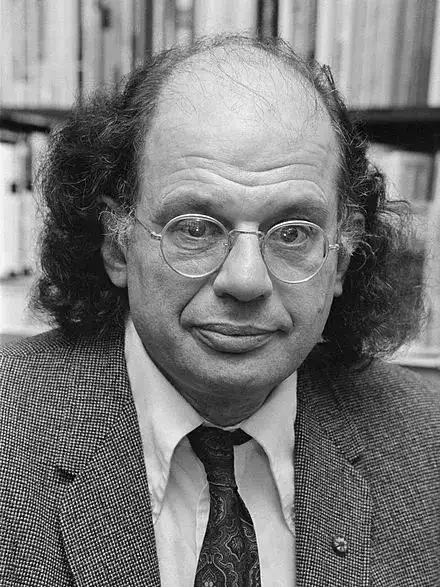
Allen Ginsberg
Kral Majales (King of May)
Kral Majales (King of May)
And the Communists have nothing to offer but fat cheeks and eyeglasses and
lying policemen
and the Capitalists proffer Napalm and money in green suitcases to the
Naked,
and the Communists create heavy industry but the heart is also heavy
and the beautiful engineers are all dead, the secret technicians conspire for
their own glamour
in the Future, in the Future, but now drink vodka and lament the Security
Forces,
and the Capitalists drink gin and whiskey on airplanes but let Indian brown
millions starve
and when Communist and Capitalist assholes tangle the Just man is arrested
or robbed or has his head cut off,
but not like Kabir, and the cigarette cough of the Just man above the clouds
in the bright sunshine is a salute to the health of the blue sky.
For I was arrested thrice in Prague, once for singing drunk on Narodni
street,
once knocked down on the midnight pavement by a mustached agent who
screamed out BOUZERANT,
once for losing my notebooks of unusual sex politics dream opinions,
and I was sent from Havana by planes by detectives in green uniform,
and I was sent from Prague by plane by detectives in Czechoslovakian
business suits,
Cardplayers out of Cezanne, the two strange dolls that entered Joseph K's
room at morn
also entered mine and ate at my table, and examined my scribbles,
and followed me night and morn from the houses of the lovers to the cafes of
Centrum -
And I am the King of May, which is the power of sexual youth,
and I am the King of May, which is long hair of Adam and Beard of my
own body
and I am the King of May, which is Kral Majales in the Czechoslovakian
tongue,
and I am the King of May, which is old Human poesy, and 100,000 people
chose my name,
and I am the King of May, and in a few minutes I will land at London
Airport,
and I am the King of May, naturally, for I am of Slavic parentage and a
Buddhist Jew
who whorships the Sacred Heart of Christ the blue body of Krishna the
straight back of Ram
the beads of Chango the Nigerian singing Shiva Shiva in a manner which
I have invented,
and the King of May is a middleeuropean honor, mine in the XX century
despite space ships and the Time Machine, because I have heard the voice of Blake
in a vision
and repeat that voice. And I am the King of May that sleeps with teenagers
laughing.
And I am the King of May, that I may be expelled from my Kingdom with
Honor, as of old,
To show the difference between Caesar's Kingdom and the Kingdom of the
May of Man
and I am the King of May because I touched my finger to my forehead
saluting
a luminous heavy girl trembling hands who said 'one moment Mr. Ginsberg'
before a fat young Plainclothesman stepped between our bodies - I was
going to England and
I am the King of May, in a giant jetplane touching Albion's airfield
trembling in fear
as the plane roars to a landing on the gray concrete, shakes & expels air,
and rolls slowly to a stop under the clouds with part of blue heaven still
visible.
And tho' I am the King of May, the Marxists have beat me upon the street,
kept me up all night in Police Station, followed me thru Springtime
Prague, detained me in secret and deported me from our kingdom by
airplane.
This I have written this poem on a jet seat in mid Heaven.
And the Communists have nothing to offer but fat cheeks and eyeglasses and
lying policemen
and the Capitalists proffer Napalm and money in green suitcases to the
Naked,
and the Communists create heavy industry but the heart is also heavy
and the beautiful engineers are all dead, the secret technicians conspire for
their own glamour
in the Future, in the Future, but now drink vodka and lament the Security
Forces,
and the Capitalists drink gin and whiskey on airplanes but let Indian brown
millions starve
and when Communist and Capitalist assholes tangle the Just man is arrested
or robbed or has his head cut off,
but not like Kabir, and the cigarette cough of the Just man above the clouds
in the bright sunshine is a salute to the health of the blue sky.
For I was arrested thrice in Prague, once for singing drunk on Narodni
street,
once knocked down on the midnight pavement by a mustached agent who
screamed out BOUZERANT,
once for losing my notebooks of unusual sex politics dream opinions,
and I was sent from Havana by planes by detectives in green uniform,
and I was sent from Prague by plane by detectives in Czechoslovakian
business suits,
Cardplayers out of Cezanne, the two strange dolls that entered Joseph K's
room at morn
also entered mine and ate at my table, and examined my scribbles,
and followed me night and morn from the houses of the lovers to the cafes of
Centrum -
And I am the King of May, which is the power of sexual youth,
and I am the King of May, which is long hair of Adam and Beard of my
own body
and I am the King of May, which is Kral Majales in the Czechoslovakian
tongue,
and I am the King of May, which is old Human poesy, and 100,000 people
chose my name,
and I am the King of May, and in a few minutes I will land at London
Airport,
and I am the King of May, naturally, for I am of Slavic parentage and a
Buddhist Jew
who whorships the Sacred Heart of Christ the blue body of Krishna the
straight back of Ram
the beads of Chango the Nigerian singing Shiva Shiva in a manner which
I have invented,
and the King of May is a middleeuropean honor, mine in the XX century
despite space ships and the Time Machine, because I have heard the voice of Blake
in a vision
and repeat that voice. And I am the King of May that sleeps with teenagers
laughing.
And I am the King of May, that I may be expelled from my Kingdom with
Honor, as of old,
To show the difference between Caesar's Kingdom and the Kingdom of the
May of Man
and I am the King of May because I touched my finger to my forehead
saluting
a luminous heavy girl trembling hands who said 'one moment Mr. Ginsberg'
before a fat young Plainclothesman stepped between our bodies - I was
going to England and
I am the King of May, in a giant jetplane touching Albion's airfield
trembling in fear
as the plane roars to a landing on the gray concrete, shakes & expels air,
and rolls slowly to a stop under the clouds with part of blue heaven still
visible.
And tho' I am the King of May, the Marxists have beat me upon the street,
kept me up all night in Police Station, followed me thru Springtime
Prague, detained me in secret and deported me from our kingdom by
airplane.
This I have written this poem on a jet seat in mid Heaven.
804
Alfred Lord Tennyson
To The Queen
To The Queen
O loyal to the royal in thyself,
And loyal to thy land, as this to thee--
Bear witness, that rememberable day,
When, pale as yet, and fever-worn, the Prince
Who scarce had plucked his flickering life again
From halfway down the shadow of the grave,
Past with thee through thy people and their love,
And London rolled one tide of joy through all
Her trebled millions, and loud leagues of man
And welcome! witness, too, the silent cry,
The prayer of many a race and creed, and clime--
Thunderless lightnings striking under sea
From sunset and sunrise of all thy realm,
And that true North, whereof we lately heard
A strain to shame us 'keep you to yourselves;
So loyal is too costly! friends--your love
Is but a burthen: loose the bond, and go.'
Is this the tone of empire? here the faith
That made us rulers? this, indeed, her voice
And meaning, whom the roar of Hougoumont
Left mightiest of all peoples under heaven?
What shock has fooled her since, that she should speak
So feebly? wealthier--wealthier--hour by hour!
The voice of Britain, or a sinking land,
Some third-rate isle half-lost among her seas?
THERE rang her voice, when the full city pealed
Thee and thy Prince! The loyal to their crown
Are loyal to their own far sons, who love
Our ocean-empire with her boundless homes
For ever-broadening England, and her throne
In our vast Orient, and one isle, one isle,
That knows not her own greatness: if she knows
And dreads it we are fallen. --But thou, my Queen,
Not for itself, but through thy living love
For one to whom I made it o'er his grave
Sacred, accept this old imperfect tale,
New-old, and shadowing Sense at war with Soul,
Ideal manhood closed in real man,
Rather than that gray king, whose name, a ghost,
Streams like a cloud, man-shaped, from mountain peak,
And cleaves to cairn and cromlech still; or him
Of Geoffrey's book, or him of Malleor's, one
Touched by the adulterous finger of a time
That hovered between war and wantonness,
And crownings and dethronements: take withal
Thy poet's blessing, and his trust that Heaven
Will blow the tempest in the distance back
From thine and ours: for some are sacred, who mark,
Or wisely or unwisely, signs of storm,
Waverings of every vane with every wind,
And wordy trucklings to the transient hour,
And fierce or careless looseners of the faith,
And Softness breeding scorn of simple life,
Or Cowardice, the child of lust for gold,
Or Labour, with a groan and not a voice,
Or Art with poisonous honey stolen from France,
And that which knows, but careful for itself,
And that which knows not, ruling that which knows
To its own harm: the goal of this great world
Lies beyond sight: yet--if our slowly-grown
And crowned Republic's crowning common-sense,
That saved her many times, not fail--their fears
Are morning shadows huger than the shapes
That cast them, not those gloomier which forego
The darkness of that battle in the West,
Where all of high and holy dies away.
O loyal to the royal in thyself,
And loyal to thy land, as this to thee--
Bear witness, that rememberable day,
When, pale as yet, and fever-worn, the Prince
Who scarce had plucked his flickering life again
From halfway down the shadow of the grave,
Past with thee through thy people and their love,
And London rolled one tide of joy through all
Her trebled millions, and loud leagues of man
And welcome! witness, too, the silent cry,
The prayer of many a race and creed, and clime--
Thunderless lightnings striking under sea
From sunset and sunrise of all thy realm,
And that true North, whereof we lately heard
A strain to shame us 'keep you to yourselves;
So loyal is too costly! friends--your love
Is but a burthen: loose the bond, and go.'
Is this the tone of empire? here the faith
That made us rulers? this, indeed, her voice
And meaning, whom the roar of Hougoumont
Left mightiest of all peoples under heaven?
What shock has fooled her since, that she should speak
So feebly? wealthier--wealthier--hour by hour!
The voice of Britain, or a sinking land,
Some third-rate isle half-lost among her seas?
THERE rang her voice, when the full city pealed
Thee and thy Prince! The loyal to their crown
Are loyal to their own far sons, who love
Our ocean-empire with her boundless homes
For ever-broadening England, and her throne
In our vast Orient, and one isle, one isle,
That knows not her own greatness: if she knows
And dreads it we are fallen. --But thou, my Queen,
Not for itself, but through thy living love
For one to whom I made it o'er his grave
Sacred, accept this old imperfect tale,
New-old, and shadowing Sense at war with Soul,
Ideal manhood closed in real man,
Rather than that gray king, whose name, a ghost,
Streams like a cloud, man-shaped, from mountain peak,
And cleaves to cairn and cromlech still; or him
Of Geoffrey's book, or him of Malleor's, one
Touched by the adulterous finger of a time
That hovered between war and wantonness,
And crownings and dethronements: take withal
Thy poet's blessing, and his trust that Heaven
Will blow the tempest in the distance back
From thine and ours: for some are sacred, who mark,
Or wisely or unwisely, signs of storm,
Waverings of every vane with every wind,
And wordy trucklings to the transient hour,
And fierce or careless looseners of the faith,
And Softness breeding scorn of simple life,
Or Cowardice, the child of lust for gold,
Or Labour, with a groan and not a voice,
Or Art with poisonous honey stolen from France,
And that which knows, but careful for itself,
And that which knows not, ruling that which knows
To its own harm: the goal of this great world
Lies beyond sight: yet--if our slowly-grown
And crowned Republic's crowning common-sense,
That saved her many times, not fail--their fears
Are morning shadows huger than the shapes
That cast them, not those gloomier which forego
The darkness of that battle in the West,
Where all of high and holy dies away.
460
Alfred Lord Tennyson
Merlin And Vivien
Merlin And Vivien
A storm was coming, but the winds were still,
And in the wild woods of Broceliande,
Before an oak, so hollow, huge and old
It looked a tower of ivied masonwork,
At Merlin's feet the wily Vivien lay.
For he that always bare in bitter grudge
The slights of Arthur and his Table, Mark
The Cornish King, had heard a wandering voice,
A minstrel of Caerlon by strong storm
Blown into shelter at Tintagil, say
That out of naked knightlike purity
Sir Lancelot worshipt no unmarried girl
But the great Queen herself, fought in her name,
Sware by her--vows like theirs, that high in heaven
Love most, but neither marry, nor are given
In marriage, angels of our Lord's report.
He ceased, and then--for Vivien sweetly said
(She sat beside the banquet nearest Mark),
'And is the fair example followed, Sir,
In Arthur's household?'--answered innocently:
'Ay, by some few--ay, truly--youths that hold
It more beseems the perfect virgin knight
To worship woman as true wife beyond
All hopes of gaining, than as maiden girl.
They place their pride in Lancelot and the Queen.
So passionate for an utter purity
Beyond the limit of their bond, are these,
For Arthur bound them not to singleness.
Brave hearts and clean! and yet--God guide them--young.'
Then Mark was half in heart to hurl his cup
Straight at the speaker, but forbore: he rose
To leave the hall, and, Vivien following him,
Turned to her: 'Here are snakes within the grass;
And you methinks, O Vivien, save ye fear
The monkish manhood, and the mask of pure
Worn by this court, can stir them till they sting.'
And Vivien answered, smiling scornfully,
'Why fear? because that fostered at THY court
I savour of thy--virtues? fear them? no.
As Love, if Love is perfect, casts out fear,
So Hate, if Hate is perfect, casts out fear.
My father died in battle against the King,
My mother on his corpse in open field;
She bore me there, for born from death was I
Among the dead and sown upon the wind--
And then on thee! and shown the truth betimes,
That old true filth, and bottom of the well
Where Truth is hidden. Gracious lessons thine
And maxims of the mud! "This Arthur pure!
Great Nature through the flesh herself hath made
Gives him the lie! There is no being pure,
My cherub; saith not Holy Writ the same?"--
If I were Arthur, I would have thy blood.
Thy blessing, stainless King! I bring thee back,
When I have ferreted out their burrowings,
The hearts of all this Order in mine hand-Ay--
so that fate and craft and folly close,
Perchance, one curl of Arthur's golden beard.
To me this narrow grizzled fork of thine
Is cleaner-fashioned--Well, I loved thee first,
That warps the wit.'
Loud laughed the graceless Mark,
But Vivien, into Camelot stealing, lodged
Low in the city, and on a festal day
When Guinevere was crossing the great hall
Cast herself down, knelt to the Queen, and wailed.
'Why kneel ye there? What evil hath ye wrought?
Rise!' and the damsel bidden rise arose
And stood with folded hands and downward eyes
Of glancing corner, and all meekly said,
'None wrought, but suffered much, an orphan maid!
My father died in battle for thy King,
My mother on his corpse--in open field,
The sad sea-sounding wastes of Lyonnesse--
Poor wretch--no friend!--and now by Mark the King
For that small charm of feature mine, pursued--
If any such be mine--I fly to thee.
Save, save me thou--Woman of women--thine
The wreath of beauty, thine the crown of power,
Be thine the balm of pity, O Heaven's own white
Earth-angel, stainless bride of stainless King--
Help, for he follows! take me to thyself!
O yield me shelter for mine innocency
Among thy maidens!
Here her slow sweet eyes
Fear-tremulous, but humbly hopeful, rose
Fixt on her hearer's, while the Queen who stood
All glittering like May sunshine on May leaves
In green and gold, and plumed with green replied,
'Peace, child! of overpraise and overblame
We choose the last. Our noble Arthur, him
Ye scarce can overpraise, will hear and know.
Nay--we believe all evil of thy Mark--
Well, we shall test thee farther; but this hour
We ride a-hawking with Sir Lancelot.
He hath given us a fair falcon which he trained;
We go to prove it. Bide ye here the while.'
She past; and Vivien murmured after 'Go!
I bide the while.' Then through the portal-arch
Peering askance, and muttering broken-wise,
As one that labours with an evil dream,
Beheld the Queen and Lancelot get to horse.
'Is that the Lancelot? goodly--ay, but gaunt:
Courteous--amends for gauntness--takes her hand--
That glance of theirs, but for the street, had been
A clinging kiss--how hand lingers in hand!
Let go at last!--they ride away--to hawk
For waterfowl. Royaller game is mine.
For such a supersensual sensual bond
As that gray cricket chirpt of at our hearth--
Touch flax with flame--a glance will serve--the liars!
Ah little rat that borest in the dyke
Thy hole by night to let the boundless deep
Down upon far-off cities while they dance--
Or dream--of thee they dreamed not--nor of me
These--ay, but each of either: ride, and dream
The mortal dream that never yet was mine--
Ride, ride and dream until ye wake--to me!
Then, narrow court and lubber King, farewell!
For Lancelot will be gracious to the rat,
And our wise Queen, if knowing that I know,
Will hate, loathe, fear--but honour me the more.'
Yet while they rode together down the plain,
Their talk was all of training, terms of art,
Diet and seeling, jesses, leash and lure.
'She is too noble' he said 'to check at pies,
Nor will she rake: there is no baseness in her.'
Here when the Queen demanded as by chance
'Know ye the stranger woman?' 'Let her be,'
Said Lancelot and unhooded casting off
The goodly falcon free; she towered; her bells,
Tone under tone, shrilled; and they lifted up
Their eager faces, wondering at the strength,
Boldness and royal knighthood of the bird
Who pounced her quarry and slew it. Many a time
As once--of old--among the flowers--they rode.
But Vivien half-forgotten of the Queen
Among her damsels broidering sat, heard, watched
And whispered: through the peaceful court she crept
And whispered: then as Arthur in the highest
Leavened the world, so Vivien in the lowest,
Arriving at a time of golden rest,
And sowing one ill hint from ear to ear,
While all the heathen lay at Arthur's feet,
And no quest came, but all was joust and play,
Leavened his hall. They heard and let her be.
Thereafter as an enemy that has left
Death in the living waters, and withdrawn,
The wily Vivien stole from Arthur's court.
She hated all the knights, and heard in thought
Their lavish comment when her name was named.
For once, when Arthur walking all alone,
Vext at a rumour issued from herself
Of some corruption crept among his knights,
Had met her, Vivien, being greeted fair,
Would fain have wrought upon his cloudy mood
With reverent eyes mock-loyal, shaken voice,
And fluttered adoration, and at last
With dark sweet hints of some who prized him more
Than who should prize him most; at which the King
Had gazed upon her blankly and gone by:
But one had watched, and had not held his peace:
It made the laughter of an afternoon
That Vivien should attempt the blameless King.
And after that, she set herself to gain
Him, the most famous man of all those times,
Merlin, who knew the range of all their arts,
Had built the King his havens, ships, and halls,
Was also Bard, and knew the starry heavens;
The people called him Wizard; whom at first
She played about with slight and sprightly talk,
And vivid smiles, and faintly-venomed points
Of slander, glancing here and grazing there;
And yielding to his kindlier moods, the Seer
Would watch her at her petulance, and play,
Even when they seemed unloveable, and laugh
As those that watch a kitten; thus he grew
Tolerant of what he half disdained, and she,
Perceiving that she was but half disdained,
Began to break her sports with graver fits,
Turn red or pale, would often when they met
Sigh fully, or all-silent gaze upon him
With such a fixt devotion, that the old man,
Though doubtful, felt the flattery, and at times
Would flatter his own wish in age for love,
And half believe her true: for thus at times
He wavered; but that other clung to him,
Fixt in her will, and so the seasons went.
Then fell on Merlin a great melancholy;
He walked with dreams and darkness, and he found
A doom that ever poised itself to fall,
An ever-moaning battle in the mist,
World-war of dying flesh against the life,
Death in all life and lying in all love,
The meanest having power upon the highest,
And the high purpose broken by the worm.
So leaving Arthur's court he gained the beach;
There found a little boat, and stept into it;
And Vivien followed, but he marked her not.
She took the helm and he the sail; the boat
Drave with a sudden wind across the deeps,
And touching Breton sands, they disembarked.
And then she followed Merlin all the way,
Even to the wild woods of Broceliande.
For Merlin once had told her of a charm,
The which if any wrought on anyone
With woven paces and with waving arms,
The man so wrought on ever seemed to lie
Closed in the four walls of a hollow tower,
From which was no escape for evermore;
And none could find that man for evermore,
Nor could he see but him who wrought the charm
Coming and going, and he lay as dead
And lost to life and use and name and fame.
And Vivien ever sought to work the charm
Upon the great Enchanter of the Time,
As fancying that her glory would be great
According to his greatness whom she quenched.
There lay she all her length and kissed his feet,
As if in deepest reverence and in love.
A twist of gold was round her hair; a robe
Of samite without price, that more exprest
Than hid her, clung about her lissome limbs,
In colour like the satin-shining palm
On sallows in the windy gleams of March:
And while she kissed them, crying, 'Trample me,
Dear feet, that I have followed through the world,
And I will pay you worship; tread me down
And I will kiss you for it;' he was mute:
So dark a forethought rolled about his brain,
As on a dull day in an Ocean cave
The blind wave feeling round his long sea-hall
In silence: wherefore, when she lifted up
A face of sad appeal, and spake and said,
'O Merlin, do ye love me?' and again,
'O Merlin, do ye love me?' and once more,
'Great Master, do ye love me?' he was mute.
And lissome Vivien, holding by his heel,
Writhed toward him, slided up his knee and sat,
Behind his ankle twined her hollow feet
Together, curved an arm about his neck,
Clung like a snake; and letting her left hand
Droop from his mighty shoulder, as a leaf,
Made with her right a comb of pearl to part
The lists of such a board as youth gone out
Had left in ashes: then he spoke and said,
Not looking at her, 'Who are wise in love
Love most, say least,' and Vivien answered quick,
'I saw the little elf-god eyeless once
In Arthur's arras hall at Camelot:
But neither eyes nor tongue--O stupid child!
Yet you are wise who say it; let me think
Silence is wisdom: I am silent then,
And ask no kiss;' then adding all at once,
'And lo, I clothe myself with wisdom,' drew
The vast and shaggy mantle of his beard
Across her neck and bosom to her knee,
And called herself a gilded summer fly
Caught in a great old tyrant spider's web,
Who meant to eat her up in that wild wood
Without one word. So Vivien called herself,
But rather seemed a lovely baleful star
Veiled in gray vapour; till he sadly smiled:
'To what request for what strange boon,' he said,
'Are these your pretty tricks and fooleries,
O Vivien, the preamble? yet my thanks,
For these have broken up my melancholy.'
And Vivien answered smiling saucily,
'What, O my Master, have ye found your voice?
I bid the stranger welcome. Thanks at last!
But yesterday you never opened lip,
Except indeed to drink: no cup had we:
In mine own lady palms I culled the spring
That gathered trickling dropwise from the cleft,
And made a pretty cup of both my hands
And offered you it kneeling: then you drank
And knew no more, nor gave me one poor word;
O no more thanks than might a goat have given
With no more sign of reverence than a beard.
And when we halted at that other well,
And I was faint to swooning, and you lay
Foot-gilt with all the blossom-dust of those
Deep meadows we had traversed, did you know
That Vivien bathed your feet before her own?
And yet no thanks: and all through this wild wood
And all this morning when I fondled you:
Boon, ay, there was a boon, one not so strange--
How had I wronged you? surely ye are wise,
But such a silence is more wise than kind.'
And Merlin locked his hand in hers and said:
'O did ye never lie upon the shore,
And watch the curled white of the coming wave
Glassed in the slippery sand before it breaks?
Even such a wave, but not so pleasurable,
Dark in the glass of some presageful mood,
Had I for three days seen, ready to fall.
And then I rose and fled from Arthur's court
To break the mood. You followed me unasked;
And when I looked, and saw you following me still,
My mind involved yourself the nearest thing
In that mind-mist: for shall I tell you truth?
You seemed that wave about to break upon me
And sweep me from my hold upon the world,
My use and name and fame. Your pardon, child.
Your pretty sports have brightened all again.
And ask your boon, for boon I owe you thrice,
Once for wrong done you by confusion, next
For thanks it seems till now neglected, last
For these your dainty gambols: wherefore ask;
And take this boon so strange and not so strange.'
And Vivien answered smiling mournfully:
'O not so strange as my long asking it,
Not yet so strange as you yourself are strange,
Nor half so strange as that dark mood of yours.
I ever feared ye were not wholly mine;
And see, yourself have owned ye did me wrong.
The people call you prophet: let it be:
But not of those that can expound themselves.
Take Vivien for expounder; she will call
That three-days-long presageful gloom of yours
No presage, but the same mistrustful mood
That makes you seem less noble than yourself,
Whenever I have asked this very boon,
Now asked again: for see you not, dear love,
That such a mood as that, which lately gloomed
Your fancy when ye saw me following you,
Must make me fear still more you are not mine,
Must make me yearn still more to prove you mine,
And make me wish still more to learn this charm
Of woven paces and of waving hands,
As proof of trust. O Merlin, teach it me.
The charm so taught will charm us both to rest.
For, grant me some slight power upon your fate,
I, feeling that you felt me worthy trust,
Should rest and let you rest, knowing you mine.
And therefore be as great as ye are named,
Not muffled round with selfish reticence.
How hard you look and how denyingly!
O, if you think this wickedness in me,
That I should prove it on you unawares,
That makes me passing wrathful; then our bond
Had best be loosed for ever: but think or not,
By Heaven that hears I tell you the clean truth,
As clean as blood of babes, as white as milk:
O Merlin, may this earth, if ever I,
If these unwitty wandering wits of mine,
Even in the jumbled rubbish of a dream,
Have tript on such conjectural treachery--
May this hard earth cleave to the Nadir hell
Down, down, and close again, and nip me flat,
If I be such a traitress. Yield my boon,
Till which I scarce can yield you all I am;
And grant my re-reiterated wish,
The great proof of your love: because I think,
However wise, ye hardly know me yet.'
And Merlin loosed his hand from hers and said,
'I never was less wise, however wise,
Too curious Vivien, though you talk of trust,
Than when I told you first of such a charm.
Yea, if ye talk of trust I tell you this,
Too much I trusted when I told you that,
And stirred this vice in you which ruined man
Through woman the first hour; for howsoe'er
In children a great curiousness be well,
Who have to learn themselves and all the world,
In you, that are no child, for still I find
Your face is practised when I spell the lines,
I call it,--well, I will not call it vice:
But since you name yourself the summer fly,
I well could wish a cobweb for the gnat,
That settles, beaten back, and beaten back
Settles, till one could yield for weariness:
But since I will not yield to give you power
Upon my life and use and name and fame,
Why will ye never ask some other boon?
Yea, by God's rood, I trusted you too much.'
And Vivien, like the tenderest-hearted maid
That ever bided tryst at village stile,
Made answer, either eyelid wet with tears:
'Nay, Master, be not wrathful with your maid;
Caress her: let her feel herself forgiven
Who feels no heart to ask another boon.
I think ye hardly know the tender rhyme
Of "trust me not at all or all in all."
I heard the great Sir Lancelot sing it once,
And it shall answer for me. Listen to it.
"In Love, if Love be Love, if Love be ours,
Faith and unfaith can ne'er be equal powers:
Unfaith in aught is want of faith in all.
"It is the little rift within the lute,
That by and by will make the music mute,
And ever widening slowly silence all.
"The little rift within the lover's lute
Or little pitted speck in garnered fruit,
That rotting inward slowly moulders all.
"It is not worth the keeping: let it go:
But shall it? answer, darling, answer, no.
And trust me not at all or all in all."
O Master, do ye love my tender rhyme?'
And Merlin looked and half believed her true,
So tender was her voice, so fair her face,
So sweetly gleamed her eyes behind her tears
Like sunlight on the plain behind a shower:
And yet he answered half indignantly:
'Far other was the song that once I heard
By this huge oak, sung nearly where we sit:
For here we met, some ten or twelve of us,
To chase a creature that was current then
In these wild woods, the hart with golden horns.
It was the time when first the question rose
About the founding of a Table Round,
That was to be, for love of God and men
And noble deeds, the flower of all the world.
And each incited each to noble deeds.
And while we waited, one, the youngest of us,
We could not keep him silent, out he flashed,
And into such a song, such fire for fame,
Such trumpet-glowings in it, coming down
To such a stern and iron-clashing close,
That when he stopt we longed to hurl together,
And should have done it; but the beauteous beast
Scared by the noise upstarted at our feet,
And like a silver shadow slipt away
Through the dim land; and all day long we rode
Through the dim land against a rushing wind,
That glorious roundel echoing in our ears,
And chased the flashes of his golden horns
Till they vanished by the fairy well
That laughs at iron--as our warriors did--
Where children cast their pins and nails, and cry,
"Laugh, little well!" but touch it with a sword,
It buzzes fiercely round the point; and there
We lost him: such a noble song was that.
But, Vivien, when you sang me that sweet rhyme,
I felt as though you knew this cursd charm,
Were proving it on me, and that I lay
And felt them slowly ebbing, name and fame.'
And Vivien answered smiling mournfully:
'O mine have ebbed away for evermore,
And all through following you to this wild wood,
Because I saw you sad, to comfort you.
Lo now, what hearts have men! they never mount
As high as woman in her selfless mood.
And touching fame, howe'er ye scorn my song,
Take one verse more--the lady speaks it--this:
'"My name, once mine, now thine, is closelier mine,
For fame, could fame be mine, that fame were thine,
And shame, could shame be thine, that shame were mine.
So trust me not at all or all in all."
'Says she not well? and there is more--this rhyme
Is like the fair pearl-necklace of the Queen,
That burst in dancing, and the pearls were spilt;
Some lost, some stolen, some as relics kept.
But nevermore the same two sister pearls
Ran down the silken thread to kiss each other
On her white neck--so is it with this rhyme:
It lives dispersedly in many hands,
And every minstrel sings it differently;
Yet is there one true line, the pearl of pearls:
"Man dreams of Fame while woman wakes to love."
Yea! Love, though Love were of the grossest, carves
A portion from the solid present, eats
And uses, careless of the rest; but Fame,
The Fame that follows death is nothing to us;
And what is Fame in life but half-disfame,
And counterchanged with darkness? ye yourself
Know well that Envy calls you Devil's son,
And since ye seem the Master of all Art,
They fain would make you Master of all vice.'
And Merlin locked his hand in hers and said,
'I once was looking for a magic weed,
And found a fair young squire who sat alone,
Had carved himself a knightly shield of wood,
And then was painting on it fancied arms,
Azure, an Eagle rising or, the Sun
In dexter chief; the scroll "I follow fame."
And speaking not, but leaning over him
I took his brush and blotted out the bird,
And made a Gardener putting in a graff,
With this for motto, "Rather use than fame."
You should have seen him blush; but afterwards
He made a stalwart knight. O Vivien,
For you, methinks you think you love me well;
For me, I love you somewhat; rest: and Love
Should have some rest and pleasure in himself,
Not ever be too curious for a boon,
Too prurient for a proof against the grain
Of him ye say ye love: but Fame with men,
Being but ampler means to serve mankind,
Should have small rest or pleasure in herself,
But work as vassal to the larger love,
That dwarfs the petty love of one to one.
Use gave me Fame at first, and Fame again
Increasing gave me use. Lo, there my boon!
What other? for men sought to prove me vile,
Because I fain had given them greater wits:
And then did Envy call me Devil's son:
The sick weak beast seeking to help herself
By striking at her better, missed, and brought
Her own claw back, and wounded her own heart.
Sweet were the days when I was all unknown,
But when my name was lifted up, the storm
Brake on the mountain and I cared not for it.
Right well know I that Fame is half-disfame,
Yet needs must work my work. That other fame,
To one at least, who hath not children, vague,
The cackle of the unborn about the grave,
I cared not for it: a single misty star,
Which is the second in a line of stars
That seem a sword beneath a belt of three,
I never gazed upon it but I dreamt
Of some vast charm concluded in that star
To make fame nothing. Wherefore, if I fear,
Giving you power upon me through this charm,
That you might play me falsely, having power,
However well ye think ye love me now
(As sons of kings loving in pupilage
Have turned to tyrants when they came to power)
I rather dread the loss of use than fame;
If you--and not so much from wickedness,
As some wild turn of anger, or a mood
Of overstrained affection, it may be,
To keep me all to your own self,--or else
A sudden spurt of woman's jealousy,--
Should try this charm on whom ye say ye love.'
And Vivien answered smiling as in wrath:
'Have I not sworn? I am not trusted. Good!
Well, hide it, hide it; I shall find it out;
And being found take heed of Vivien.
A woman and not trusted, doubtless I
Might feel some sudden turn of anger born
Of your misfaith; and your fine epithet
Is accurate too, for this full love of mine
Without the full heart back may merit well
Your term of overstrained. So used as I,
My daily wonder is, I love at all.
And as to woman's jealousy, O why not?
O to what end, except a jealous one,
And one to make me jealous if I love,
Was this fair charm invented by yourself?
I well believe that all about this world
Ye cage a buxom captive here and there,
Closed in the four walls of a hollow tower
From which is no escape for evermore.'
Then the great Master merrily answered her:
'Full many a love in loving youth was mine;
I needed then no charm to keep them mine
But youth and love; and that full heart of yours
Whereof ye prattle, may now assure you mine;
So live uncharmed. For those who wrought it first,
The wrist is parted from the hand that waved,
The feet unmortised from their ankle-bones
Who paced it, ages back: but will ye hear
The legend as in guerdon for your rhyme?
'There lived a king in the most Eastern East,
Less old than I, yet older, for my blood
Hath earnest in it of far springs to be.
A tawny pirate anchored in his port,
Whose bark had plundered twenty nameless isles;
And passing one, at the high peep of dawn,
He saw two cities in a thousand boats
All fighting for a woman on the sea.
And pushing his black craft among them all,
He lightly scattered theirs and brought her off,
With loss of half his people arrow-slain;
A maid so smooth, so white, so wonderful,
They said a light came from her when she moved:
And since the pirate would not yield her up,
The King impaled him for his piracy;
Then made her Queen: but those isle-nurtured eyes
Waged such unwilling though successful war
On all the youth, they sickened; councils thinned,
And armies waned, for magnet-like she drew
The rustiest iron of old fighters' hearts;
And beasts themselves would worship; camels knelt
Unbidden, and the brutes of mountain back
That carry kings in castles, bowed black knees
Of homage, ringing with their serpent hands,
To make her smile, her golden ankle-bells.
What wonder, being jealous, that he sent
His horns of proclamation out through all
The hundred under-kingdoms that he swayed
To find a wizard who might teach the King
Some charm, which being wrought upon the Queen
Might keep her all his own: to such a one
He promised more than ever king has given,
A league of mountain full of golden mines,
A province with a hundred miles of coast,
A palace and a princess, all for him:
But on all those who tried and failed, the King
Pronounced a dismal sentence, meaning by it
To keep the list low and pretenders back,
Or like a king, not to be trifled with--
Their heads should moulder on the city gates.
And many tried and failed, because the charm
Of nature in her overbore their own:
And many a wizard brow bleached on the walls:
And many weeks a troop of carrion crows
Hung like a cloud above the gateway towers.'
And Vivien breaking in upon him, said:
'I sit and gather honey; yet, methinks,
Thy tongue has tript a little: ask thyself.
The lady never made UNWILLING war
With those fine eyes: she had her pleasure in it,
And made her good man jealous with good cause.
And lived there neither dame nor damsel then
Wroth at a lover's loss? were all as tame,
I mean, as noble, as the Queen was fair?
Not one to flirt a venom at her eyes,
Or pinch a murderous dust into her drink,
Or make her paler with a poisoned rose?
Well, those were not our days: but did they find
A wizard? Tell me, was he like to thee?
She ceased, and made her lithe arm round his neck
Tighten, and then drew back, and let her eyes
Speak for her, glowing on him, like a bride's
On her new lord, her own, the first of men.
He answered laughing, 'Nay, not like to me.
At last they found--his foragers for charms--
A little glassy-headed hairless man,
Who lived alone in a great wild on grass;
Read but one book, and ever reading grew
So grated down and filed away with thought,
So lean his eyes were monstrous; while the skin
Clung but to crate and basket, ribs and spine.
And since he kept his mind on one sole aim,
Nor ever touched fierce wine, nor tasted flesh,
Nor owned a sensual wish, to him the wall
That sunders ghosts and shadow-casting men
Became a crystal, and he saw them through it,
And heard their voices talk behind the wall,
And learnt their elemental secrets, powers
And forces; often o'er the sun's bright eye
Drew the vast eyelid of an inky cloud,
And lashed it at the base with slanting storm;
Or in the noon of mist and driving rain,
When the lake whitened and the pinewood roared,
And the cairned mountain was a shadow, sunned
The world to peace again: here was the man.
And so by force they dragged him to the King.
And then he taught the King to charm the Queen
In such-wise, that no man could see her more,
Nor saw she save the King, who wrought the charm,
Coming and going, and she lay as dead,
And lost all use of life: but when the King
Made proffer of the league of golden mines,
The province with a hundred miles of coast,
The palace and the princess, that old man
Went back to his old wild, and lived on grass,
And vanished, and his book came down to me.'
And Vivien answered smiling saucily:
'Ye have the book: the charm is written in it:
Good: take my counsel: let me know it at once:
For keep it like a puzzle chest in chest,
With each chest locked and padlocked thirty-fold,
And whelm all this beneath as vast a mound
As after furious battle turfs the slain
On some wild down above the windy deep,
I yet should strike upon a sudden means
To dig, pick, open, find and read the charm:
Then, if I tried it, who should blame me then?'
And smiling as a master smiles at one
That is not of his school, nor any school
But that where blind and naked Ignorance
Delivers brawling judgments, unashamed,
On all things all day long, he answered her:
'Thou read the book, my pretty Vivien!
O ay, it is but twenty pages long,
But every page having an ample marge,
And every marge enclosing in the midst
A square of text that looks a little blot,
The text no larger than the limbs of fleas;
And every square of text an awful charm,
Writ in a language that has long gone by.
So long, that mountains have arisen since
With cities on their flanks--thou read the book!
And ever margin scribbled, crost, and crammed
With comment, densest condensation, hard
To mind and eye; but the long sleepless nights
Of my long life have made it easy to me.
And none can read the text, not even I;
And none can read the comment but myself;
And in the comment did I find the charm.
O, the results are simple; a mere child
Might use it to the harm of anyone,
And never could undo it: ask no more:
For though you should not prove it upon me,
But keep that oath ye sware, ye might, perchance,
Assay it on some one of the Table Round,
And all because ye dream they babble of you.'
And Vivien, frowning in true anger, said:
'What dare the full-fed liars say of me?
THEY ride abroad redressing human wrongs!
They sit with knife in meat and wine in horn!
THEY bound to holy vows of chastity!
Were I not woman, I could tell a tale.
But you are man, you well can understand
The shame that cannot be explained for shame.
Not one of all the drove should touch me: swine!'
Then answered Merlin careless of her words:
'You breathe but accusation vast and vague,
Spleen-born, I think, and proofless. If ye know,
Set up the charge ye know, to stand or fall!'
And Vivien answered frowning wrathfully:
'O ay, what say ye to Sir Valence, him
Whose kinsman left him watcher o'er his wife
And two fair babes, and went to distant lands;
Was one year gone, and on returning found
Not two but three? there lay the reckling, one
But one hour old! What said the happy sire?'
A seven-months' babe had been a truer gift.
Those twelve sweet moons confused his fatherhood.'
Then answered Merlin, 'Nay, I know the tale.
Sir Valence wedded with an outland dame:
Some cause had kept him sundered from his wife:
One child they had: it lived with her: she died:
His kinsman travelling on his own affair
Was charged by Valence to bring home the child.
He brought, not found it therefore: take the truth.'
'O ay,' said Vivien, 'overtrue a tale.
What say ye then to sweet Sir Sagramore,
That ardent man? "to pluck the flower in season,"
So says the song, "I trow it is no treason."
O Master, shall we call him overquick
To crop his own sweet rose before the hour?'
And Merlin answered, 'Overquick art thou
To catch a loathly plume fallen from the wing
Of that foul bird of rapine whose whole prey
Is man's good name: he never wronged his bride.
I know the tale. An angry gust of wind
Puffed out his torch among the myriad-roomed
And many-corridored complexities
Of Arthur's palace: then he found a door,
And darkling felt the sculptured ornament
That wreathen round it made it seem his own;
And wearied out made for the couch and slept,
A stainless man beside a stainless maid;
And either slept, nor knew of other there;
Till the high dawn piercing the royal rose
In Arthur's casement glimmered chastely down,
Blushing upon them blushing, and at once
He rose without a word and parted from her:
But when the thing was blazed about the court,
The brute world howling forced them into bonds,
And as it chanced they are happy, being pure.'
'O ay,' said Vivien, 'that were likely too.
What say ye then to fair Sir Percivale
And of the horrid foulness that he wrought,
The saintly youth, the spotless lamb of Christ,
Or some black wether of St Satan's fold.
What, in the precincts of the chapel-yard,
Among the knightly brasses of the graves,
And by the cold Hic Jacets of the dead!'
And Merlin answered careless of her charge,
'A sober man is Percivale and pure;
But once in life was flustered with new wine,
Then paced for coolness in the chapel-yard;
Where one of Satan's shepherdesses caught
And meant to stamp him with her master's mark;
And that he sinned is not believable;
For, look upon his face!--but if he sinned,
The sin that practice burns into the blood,
And not the one dark hour which brings remorse,
Will brand us, after, of whose fold we be:
Or else were he, the holy king, whose hymns
Are chanted in the minster, worse than all.
But is your spleen frothed out, or have ye more?'
And Vivien answered frowning yet in wrath:
'O ay; what say ye to Sir Lancelot, friend
Traitor or true? that commerce with the Queen,
I ask you, is it clamoured by the child,
Or whispered in the corner? do ye know it?'
To which he answered sadly, 'Yea, I know it.
Sir Lancelot went ambassador, at first,
To fetch her, and she watched him from her walls.
A rumour runs, she took him for the King,
So fixt her fancy on him: let them be.
But have ye no one word of loyal praise
For Arthur, blameless King and stainless man?'
She answered with a low and chuckling laugh:
'Man! is he man at all, who knows and winks?
Sees what his fair bride is and does, and winks?
By which the good King means to blind himself,
And blinds himself and all the Table Round
To all the foulness that they work. Myself
Could call him (were it not for womanhood)
The pretty, popular cause such manhood earns,
Could call him the main cause of all their crime;
Yea, were he not crowned King, coward, and fool.'
Then Merlin to his own heart, loathing, said:
'O true and tender! O my liege and King!
O selfless man and stainless gentleman,
Who wouldst against thine own eye-witness fain
Have all men true and leal, all women pure;
How, in the mouths of base interpreters,
From over-fineness not intelligible
To things with every sense as false and foul
As the poached filth that floods the middle street,
Is thy white blamelessness accounted blame!'
But Vivien, deeming Merlin overborne
By instance, recommenced, and let her tongue
Rage like a fire among the noblest names,
Polluting, and imputing her whole self,
Defaming and defacing, till she left
Not even Lancelot brave, nor Galahad clean.
Her words had issue other than she willed.
He dragged his eyebrow bushes down, and made
A snowy penthouse for his hollow eyes,
And muttered in himself, 'Tell HER the charm!
So, if she had it, would she rail on me
To snare the next, and if she have it not
So will she rail. What did the wanton say?
"Not mount as high;" we scarce can sink as low:
For men at most differ as Heaven and earth,
But women, worst and best, as Heaven and Hell.
I know the Table Round, my friends of old;
All brave, and many generous, and some chaste.
She cloaks the scar of some repulse with lies;
I well believe she tempted them and failed,
Being so bitter: for fine plots may fail,
Though harlots paint their talk as well as face
With colours of the heart that are not theirs.
I will not let her know: nine tithes of times
Face-flatterer and backbiter are the same.
And they, sweet soul, that most impute a crime
Are pronest to it, and impute themselves,
Wanting the mental range; or low desire
Not to feel lowest makes them level all;
Yea, they would pare the mountain to the plain,
To leave an equal baseness; and in this
Are harlots like the crowd, that if they find
Some stain or blemish in a name of note,
Not grieving that their greatest are so small,
Inflate themselves with some insane delight,
And judge all nature from her feet of clay,
Without the will to lift their eyes, and see
Her godlike head crowned with spiritual fire,
And touching other worlds. I am weary of her.'
He spoke in words part heard, in whispers part,
Half-suffocated in the hoary fell
And many-wintered fleece of throat and chin.
But Vivien, gathering somewhat of his mood,
And hearing 'harlot' muttered twice or thrice,
Leapt from her session on his lap, and stood
Stiff as a viper frozen; loathsome sight,
How from the rosy lips of life and love,
Flashed the bare-grinning skeleton of death!
White was her cheek; sharp breaths of anger puffed
Her fairy nostril out; her hand half-clenched
Went faltering sideways downward to her belt,
And feeling; had she found a dagger there
(For in a wink the false love turns to hate)
She would have stabbed him; but she found it not:
His eye was calm, and suddenly she took
To bitter weeping like a beaten child,
A long, long weeping, not consolable.
Then her false voice made way, broken with sobs:
'O crueller than was ever told in tale,
Or sung in song! O vainly lavished love!
O cruel, there was nothing wild or strange,
Or seeming shameful--for what shame in love,
So love be true, and not as yours is--nothing
Poor Vivien had not done to win his trust
Who called her what he called her--all her crime,
All--all--the wish to prove him wholly hers.'
She mused a little, and then clapt her hands
Together with a wailing shriek, and said:
'Stabbed through the heart's affections to the heart!
Seethed like the kid in its own mother's milk!
Killed with a word worse than a life of blows!
I thought that he was gentle, being great:
O God, that I had loved a smaller man!
I should have found in him a greater heart.
O, I, that flattering my true passion, saw
The knights, the court, the King, dark in your light,
Who loved to make men darker than they are,
Because of that high pleasure which I had
To seat you sole upon my pedestal
Of worship--I am answered, and henceforth
The course of life that seemed so flowery to me
With you for guide and master, only you,
Becomes the sea-cliff pathway broken short,
And ending in a ruin--nothing left,
But into some low cave to crawl, and there,
If the wolf spare me, weep my life away,
Killed with inutterable unkindliness.'
She paused, she turned away, she hung her head,
The snake of gold slid from her hair, the braid
Slipt and uncoiled itself, she wept afresh,
And the dark wood grew darker toward the storm
In silence, while his anger slowly died
Within him, till he let his wisdom go
For ease of heart, and half believed her true:
Called her to shelter in the hollow oak,
'Come from the storm,' and having no reply,
Gazed at the heaving shoulder, and the face
Hand-hidden, as for utmost grief or shame;
Then thrice essayed, by tenderest-touching terms,
To sleek her ruffled peace of mind, in vain.
At last she let herself be conquered by him,
And as the cageling newly flown returns,
The seeming-injured simple-hearted thing
Came to her old perch back, and settled there.
There while she sat, half-falling from his knees,
Half-nestled at his heart, and since he saw
The slow tear creep from her closed eyelid yet,
About her, more in kindness than in love,
The gentle wizard cast a shielding arm.
But she dislinked herself at once and rose,
Her arms upon her breast across, and stood,
A virtuous gentlewoman deeply wronged,
Upright and flushed before him: then she said:
'There must now be no passages of love
Betwixt us twain henceforward evermore;
Since, if I be what I am grossly called,
What should be granted which your own gross heart
Would reckon worth the taking? I will go.
In truth, but one thing now--better have died
Thrice than have asked it once--could make me stay--
That proof of trust--so often asked in vain!
How justly, after that vile term of yours,
I find with grief! I might believe you then,
Who knows? once more. Lo! what was once to me
Mere matter of the fancy, now hath grown
The vast necessity of heart and life.
Farewell; think gently of me, for I fear
My fate or folly, passing gayer youth
For one so old, must be to love thee still.
But ere I leave thee let me swear once more
That if I schemed against thy peace in this,
May yon just heaven, that darkens o'er me, send
One flash, that, missing all things else, may make
My scheming brain a cinder, if I lie.'
Scarce had she ceased, when out of heaven a bolt
(For now the storm was close above them) struck,
Furrowing a giant oak, and javelining
With darted spikes and splinters of the wood
The dark earth round. He raised his eyes and saw
The tree that shone white-listed through the gloom.
But Vivien, fearing heaven had heard her oath,
And dazzled by the livid-flickering fork,
And deafened with the stammering cracks and claps
That followed, flying back and crying out,
'O Merlin, though you do not love me, save,
Yet save me!' clung to him and hugged him close;
And called him dear protector in her fright,
Nor yet forgot her practice in her fright,
But wrought upon his mood and hugged him close.
The pale blood of the wizard at her touch
Took gayer colours, like an opal warmed.
She blamed herself for telling hearsay tales:
She shook from fear, and for her fault she wept
Of petulancy; she called him lord and liege,
Her seer, her bard, her silver star of eve,
Her God, her Merlin, the one passionate love
Of her whole life; and ever overhead
Bellowed the tempest, and the rotten branch
Snapt in the rushing of the river-rain
Above them; and in change of glare and gloom
Her eyes and neck glittering went and came;
Till now the storm, its burst of passion spent,
Moaning and calling out of other lands,
Had left the ravaged woodland yet once more
To peace; and what should not have been had been,
For Merlin, overtalked and overworn,
Had yielded, told her all the charm, and slept.
Then, in one moment, she put forth the charm
Of woven paces and of waving hands,
And in the hollow oak he lay as dead,
And lost to life and use and name and fame.
Then crying 'I have made his glory mine,'
And shrieking out 'O fool!' the harlot leapt
Adown the forest, and the thicket closed
Behind her, and the forest echoed 'fool.'
A storm was coming, but the winds were still,
And in the wild woods of Broceliande,
Before an oak, so hollow, huge and old
It looked a tower of ivied masonwork,
At Merlin's feet the wily Vivien lay.
For he that always bare in bitter grudge
The slights of Arthur and his Table, Mark
The Cornish King, had heard a wandering voice,
A minstrel of Caerlon by strong storm
Blown into shelter at Tintagil, say
That out of naked knightlike purity
Sir Lancelot worshipt no unmarried girl
But the great Queen herself, fought in her name,
Sware by her--vows like theirs, that high in heaven
Love most, but neither marry, nor are given
In marriage, angels of our Lord's report.
He ceased, and then--for Vivien sweetly said
(She sat beside the banquet nearest Mark),
'And is the fair example followed, Sir,
In Arthur's household?'--answered innocently:
'Ay, by some few--ay, truly--youths that hold
It more beseems the perfect virgin knight
To worship woman as true wife beyond
All hopes of gaining, than as maiden girl.
They place their pride in Lancelot and the Queen.
So passionate for an utter purity
Beyond the limit of their bond, are these,
For Arthur bound them not to singleness.
Brave hearts and clean! and yet--God guide them--young.'
Then Mark was half in heart to hurl his cup
Straight at the speaker, but forbore: he rose
To leave the hall, and, Vivien following him,
Turned to her: 'Here are snakes within the grass;
And you methinks, O Vivien, save ye fear
The monkish manhood, and the mask of pure
Worn by this court, can stir them till they sting.'
And Vivien answered, smiling scornfully,
'Why fear? because that fostered at THY court
I savour of thy--virtues? fear them? no.
As Love, if Love is perfect, casts out fear,
So Hate, if Hate is perfect, casts out fear.
My father died in battle against the King,
My mother on his corpse in open field;
She bore me there, for born from death was I
Among the dead and sown upon the wind--
And then on thee! and shown the truth betimes,
That old true filth, and bottom of the well
Where Truth is hidden. Gracious lessons thine
And maxims of the mud! "This Arthur pure!
Great Nature through the flesh herself hath made
Gives him the lie! There is no being pure,
My cherub; saith not Holy Writ the same?"--
If I were Arthur, I would have thy blood.
Thy blessing, stainless King! I bring thee back,
When I have ferreted out their burrowings,
The hearts of all this Order in mine hand-Ay--
so that fate and craft and folly close,
Perchance, one curl of Arthur's golden beard.
To me this narrow grizzled fork of thine
Is cleaner-fashioned--Well, I loved thee first,
That warps the wit.'
Loud laughed the graceless Mark,
But Vivien, into Camelot stealing, lodged
Low in the city, and on a festal day
When Guinevere was crossing the great hall
Cast herself down, knelt to the Queen, and wailed.
'Why kneel ye there? What evil hath ye wrought?
Rise!' and the damsel bidden rise arose
And stood with folded hands and downward eyes
Of glancing corner, and all meekly said,
'None wrought, but suffered much, an orphan maid!
My father died in battle for thy King,
My mother on his corpse--in open field,
The sad sea-sounding wastes of Lyonnesse--
Poor wretch--no friend!--and now by Mark the King
For that small charm of feature mine, pursued--
If any such be mine--I fly to thee.
Save, save me thou--Woman of women--thine
The wreath of beauty, thine the crown of power,
Be thine the balm of pity, O Heaven's own white
Earth-angel, stainless bride of stainless King--
Help, for he follows! take me to thyself!
O yield me shelter for mine innocency
Among thy maidens!
Here her slow sweet eyes
Fear-tremulous, but humbly hopeful, rose
Fixt on her hearer's, while the Queen who stood
All glittering like May sunshine on May leaves
In green and gold, and plumed with green replied,
'Peace, child! of overpraise and overblame
We choose the last. Our noble Arthur, him
Ye scarce can overpraise, will hear and know.
Nay--we believe all evil of thy Mark--
Well, we shall test thee farther; but this hour
We ride a-hawking with Sir Lancelot.
He hath given us a fair falcon which he trained;
We go to prove it. Bide ye here the while.'
She past; and Vivien murmured after 'Go!
I bide the while.' Then through the portal-arch
Peering askance, and muttering broken-wise,
As one that labours with an evil dream,
Beheld the Queen and Lancelot get to horse.
'Is that the Lancelot? goodly--ay, but gaunt:
Courteous--amends for gauntness--takes her hand--
That glance of theirs, but for the street, had been
A clinging kiss--how hand lingers in hand!
Let go at last!--they ride away--to hawk
For waterfowl. Royaller game is mine.
For such a supersensual sensual bond
As that gray cricket chirpt of at our hearth--
Touch flax with flame--a glance will serve--the liars!
Ah little rat that borest in the dyke
Thy hole by night to let the boundless deep
Down upon far-off cities while they dance--
Or dream--of thee they dreamed not--nor of me
These--ay, but each of either: ride, and dream
The mortal dream that never yet was mine--
Ride, ride and dream until ye wake--to me!
Then, narrow court and lubber King, farewell!
For Lancelot will be gracious to the rat,
And our wise Queen, if knowing that I know,
Will hate, loathe, fear--but honour me the more.'
Yet while they rode together down the plain,
Their talk was all of training, terms of art,
Diet and seeling, jesses, leash and lure.
'She is too noble' he said 'to check at pies,
Nor will she rake: there is no baseness in her.'
Here when the Queen demanded as by chance
'Know ye the stranger woman?' 'Let her be,'
Said Lancelot and unhooded casting off
The goodly falcon free; she towered; her bells,
Tone under tone, shrilled; and they lifted up
Their eager faces, wondering at the strength,
Boldness and royal knighthood of the bird
Who pounced her quarry and slew it. Many a time
As once--of old--among the flowers--they rode.
But Vivien half-forgotten of the Queen
Among her damsels broidering sat, heard, watched
And whispered: through the peaceful court she crept
And whispered: then as Arthur in the highest
Leavened the world, so Vivien in the lowest,
Arriving at a time of golden rest,
And sowing one ill hint from ear to ear,
While all the heathen lay at Arthur's feet,
And no quest came, but all was joust and play,
Leavened his hall. They heard and let her be.
Thereafter as an enemy that has left
Death in the living waters, and withdrawn,
The wily Vivien stole from Arthur's court.
She hated all the knights, and heard in thought
Their lavish comment when her name was named.
For once, when Arthur walking all alone,
Vext at a rumour issued from herself
Of some corruption crept among his knights,
Had met her, Vivien, being greeted fair,
Would fain have wrought upon his cloudy mood
With reverent eyes mock-loyal, shaken voice,
And fluttered adoration, and at last
With dark sweet hints of some who prized him more
Than who should prize him most; at which the King
Had gazed upon her blankly and gone by:
But one had watched, and had not held his peace:
It made the laughter of an afternoon
That Vivien should attempt the blameless King.
And after that, she set herself to gain
Him, the most famous man of all those times,
Merlin, who knew the range of all their arts,
Had built the King his havens, ships, and halls,
Was also Bard, and knew the starry heavens;
The people called him Wizard; whom at first
She played about with slight and sprightly talk,
And vivid smiles, and faintly-venomed points
Of slander, glancing here and grazing there;
And yielding to his kindlier moods, the Seer
Would watch her at her petulance, and play,
Even when they seemed unloveable, and laugh
As those that watch a kitten; thus he grew
Tolerant of what he half disdained, and she,
Perceiving that she was but half disdained,
Began to break her sports with graver fits,
Turn red or pale, would often when they met
Sigh fully, or all-silent gaze upon him
With such a fixt devotion, that the old man,
Though doubtful, felt the flattery, and at times
Would flatter his own wish in age for love,
And half believe her true: for thus at times
He wavered; but that other clung to him,
Fixt in her will, and so the seasons went.
Then fell on Merlin a great melancholy;
He walked with dreams and darkness, and he found
A doom that ever poised itself to fall,
An ever-moaning battle in the mist,
World-war of dying flesh against the life,
Death in all life and lying in all love,
The meanest having power upon the highest,
And the high purpose broken by the worm.
So leaving Arthur's court he gained the beach;
There found a little boat, and stept into it;
And Vivien followed, but he marked her not.
She took the helm and he the sail; the boat
Drave with a sudden wind across the deeps,
And touching Breton sands, they disembarked.
And then she followed Merlin all the way,
Even to the wild woods of Broceliande.
For Merlin once had told her of a charm,
The which if any wrought on anyone
With woven paces and with waving arms,
The man so wrought on ever seemed to lie
Closed in the four walls of a hollow tower,
From which was no escape for evermore;
And none could find that man for evermore,
Nor could he see but him who wrought the charm
Coming and going, and he lay as dead
And lost to life and use and name and fame.
And Vivien ever sought to work the charm
Upon the great Enchanter of the Time,
As fancying that her glory would be great
According to his greatness whom she quenched.
There lay she all her length and kissed his feet,
As if in deepest reverence and in love.
A twist of gold was round her hair; a robe
Of samite without price, that more exprest
Than hid her, clung about her lissome limbs,
In colour like the satin-shining palm
On sallows in the windy gleams of March:
And while she kissed them, crying, 'Trample me,
Dear feet, that I have followed through the world,
And I will pay you worship; tread me down
And I will kiss you for it;' he was mute:
So dark a forethought rolled about his brain,
As on a dull day in an Ocean cave
The blind wave feeling round his long sea-hall
In silence: wherefore, when she lifted up
A face of sad appeal, and spake and said,
'O Merlin, do ye love me?' and again,
'O Merlin, do ye love me?' and once more,
'Great Master, do ye love me?' he was mute.
And lissome Vivien, holding by his heel,
Writhed toward him, slided up his knee and sat,
Behind his ankle twined her hollow feet
Together, curved an arm about his neck,
Clung like a snake; and letting her left hand
Droop from his mighty shoulder, as a leaf,
Made with her right a comb of pearl to part
The lists of such a board as youth gone out
Had left in ashes: then he spoke and said,
Not looking at her, 'Who are wise in love
Love most, say least,' and Vivien answered quick,
'I saw the little elf-god eyeless once
In Arthur's arras hall at Camelot:
But neither eyes nor tongue--O stupid child!
Yet you are wise who say it; let me think
Silence is wisdom: I am silent then,
And ask no kiss;' then adding all at once,
'And lo, I clothe myself with wisdom,' drew
The vast and shaggy mantle of his beard
Across her neck and bosom to her knee,
And called herself a gilded summer fly
Caught in a great old tyrant spider's web,
Who meant to eat her up in that wild wood
Without one word. So Vivien called herself,
But rather seemed a lovely baleful star
Veiled in gray vapour; till he sadly smiled:
'To what request for what strange boon,' he said,
'Are these your pretty tricks and fooleries,
O Vivien, the preamble? yet my thanks,
For these have broken up my melancholy.'
And Vivien answered smiling saucily,
'What, O my Master, have ye found your voice?
I bid the stranger welcome. Thanks at last!
But yesterday you never opened lip,
Except indeed to drink: no cup had we:
In mine own lady palms I culled the spring
That gathered trickling dropwise from the cleft,
And made a pretty cup of both my hands
And offered you it kneeling: then you drank
And knew no more, nor gave me one poor word;
O no more thanks than might a goat have given
With no more sign of reverence than a beard.
And when we halted at that other well,
And I was faint to swooning, and you lay
Foot-gilt with all the blossom-dust of those
Deep meadows we had traversed, did you know
That Vivien bathed your feet before her own?
And yet no thanks: and all through this wild wood
And all this morning when I fondled you:
Boon, ay, there was a boon, one not so strange--
How had I wronged you? surely ye are wise,
But such a silence is more wise than kind.'
And Merlin locked his hand in hers and said:
'O did ye never lie upon the shore,
And watch the curled white of the coming wave
Glassed in the slippery sand before it breaks?
Even such a wave, but not so pleasurable,
Dark in the glass of some presageful mood,
Had I for three days seen, ready to fall.
And then I rose and fled from Arthur's court
To break the mood. You followed me unasked;
And when I looked, and saw you following me still,
My mind involved yourself the nearest thing
In that mind-mist: for shall I tell you truth?
You seemed that wave about to break upon me
And sweep me from my hold upon the world,
My use and name and fame. Your pardon, child.
Your pretty sports have brightened all again.
And ask your boon, for boon I owe you thrice,
Once for wrong done you by confusion, next
For thanks it seems till now neglected, last
For these your dainty gambols: wherefore ask;
And take this boon so strange and not so strange.'
And Vivien answered smiling mournfully:
'O not so strange as my long asking it,
Not yet so strange as you yourself are strange,
Nor half so strange as that dark mood of yours.
I ever feared ye were not wholly mine;
And see, yourself have owned ye did me wrong.
The people call you prophet: let it be:
But not of those that can expound themselves.
Take Vivien for expounder; she will call
That three-days-long presageful gloom of yours
No presage, but the same mistrustful mood
That makes you seem less noble than yourself,
Whenever I have asked this very boon,
Now asked again: for see you not, dear love,
That such a mood as that, which lately gloomed
Your fancy when ye saw me following you,
Must make me fear still more you are not mine,
Must make me yearn still more to prove you mine,
And make me wish still more to learn this charm
Of woven paces and of waving hands,
As proof of trust. O Merlin, teach it me.
The charm so taught will charm us both to rest.
For, grant me some slight power upon your fate,
I, feeling that you felt me worthy trust,
Should rest and let you rest, knowing you mine.
And therefore be as great as ye are named,
Not muffled round with selfish reticence.
How hard you look and how denyingly!
O, if you think this wickedness in me,
That I should prove it on you unawares,
That makes me passing wrathful; then our bond
Had best be loosed for ever: but think or not,
By Heaven that hears I tell you the clean truth,
As clean as blood of babes, as white as milk:
O Merlin, may this earth, if ever I,
If these unwitty wandering wits of mine,
Even in the jumbled rubbish of a dream,
Have tript on such conjectural treachery--
May this hard earth cleave to the Nadir hell
Down, down, and close again, and nip me flat,
If I be such a traitress. Yield my boon,
Till which I scarce can yield you all I am;
And grant my re-reiterated wish,
The great proof of your love: because I think,
However wise, ye hardly know me yet.'
And Merlin loosed his hand from hers and said,
'I never was less wise, however wise,
Too curious Vivien, though you talk of trust,
Than when I told you first of such a charm.
Yea, if ye talk of trust I tell you this,
Too much I trusted when I told you that,
And stirred this vice in you which ruined man
Through woman the first hour; for howsoe'er
In children a great curiousness be well,
Who have to learn themselves and all the world,
In you, that are no child, for still I find
Your face is practised when I spell the lines,
I call it,--well, I will not call it vice:
But since you name yourself the summer fly,
I well could wish a cobweb for the gnat,
That settles, beaten back, and beaten back
Settles, till one could yield for weariness:
But since I will not yield to give you power
Upon my life and use and name and fame,
Why will ye never ask some other boon?
Yea, by God's rood, I trusted you too much.'
And Vivien, like the tenderest-hearted maid
That ever bided tryst at village stile,
Made answer, either eyelid wet with tears:
'Nay, Master, be not wrathful with your maid;
Caress her: let her feel herself forgiven
Who feels no heart to ask another boon.
I think ye hardly know the tender rhyme
Of "trust me not at all or all in all."
I heard the great Sir Lancelot sing it once,
And it shall answer for me. Listen to it.
"In Love, if Love be Love, if Love be ours,
Faith and unfaith can ne'er be equal powers:
Unfaith in aught is want of faith in all.
"It is the little rift within the lute,
That by and by will make the music mute,
And ever widening slowly silence all.
"The little rift within the lover's lute
Or little pitted speck in garnered fruit,
That rotting inward slowly moulders all.
"It is not worth the keeping: let it go:
But shall it? answer, darling, answer, no.
And trust me not at all or all in all."
O Master, do ye love my tender rhyme?'
And Merlin looked and half believed her true,
So tender was her voice, so fair her face,
So sweetly gleamed her eyes behind her tears
Like sunlight on the plain behind a shower:
And yet he answered half indignantly:
'Far other was the song that once I heard
By this huge oak, sung nearly where we sit:
For here we met, some ten or twelve of us,
To chase a creature that was current then
In these wild woods, the hart with golden horns.
It was the time when first the question rose
About the founding of a Table Round,
That was to be, for love of God and men
And noble deeds, the flower of all the world.
And each incited each to noble deeds.
And while we waited, one, the youngest of us,
We could not keep him silent, out he flashed,
And into such a song, such fire for fame,
Such trumpet-glowings in it, coming down
To such a stern and iron-clashing close,
That when he stopt we longed to hurl together,
And should have done it; but the beauteous beast
Scared by the noise upstarted at our feet,
And like a silver shadow slipt away
Through the dim land; and all day long we rode
Through the dim land against a rushing wind,
That glorious roundel echoing in our ears,
And chased the flashes of his golden horns
Till they vanished by the fairy well
That laughs at iron--as our warriors did--
Where children cast their pins and nails, and cry,
"Laugh, little well!" but touch it with a sword,
It buzzes fiercely round the point; and there
We lost him: such a noble song was that.
But, Vivien, when you sang me that sweet rhyme,
I felt as though you knew this cursd charm,
Were proving it on me, and that I lay
And felt them slowly ebbing, name and fame.'
And Vivien answered smiling mournfully:
'O mine have ebbed away for evermore,
And all through following you to this wild wood,
Because I saw you sad, to comfort you.
Lo now, what hearts have men! they never mount
As high as woman in her selfless mood.
And touching fame, howe'er ye scorn my song,
Take one verse more--the lady speaks it--this:
'"My name, once mine, now thine, is closelier mine,
For fame, could fame be mine, that fame were thine,
And shame, could shame be thine, that shame were mine.
So trust me not at all or all in all."
'Says she not well? and there is more--this rhyme
Is like the fair pearl-necklace of the Queen,
That burst in dancing, and the pearls were spilt;
Some lost, some stolen, some as relics kept.
But nevermore the same two sister pearls
Ran down the silken thread to kiss each other
On her white neck--so is it with this rhyme:
It lives dispersedly in many hands,
And every minstrel sings it differently;
Yet is there one true line, the pearl of pearls:
"Man dreams of Fame while woman wakes to love."
Yea! Love, though Love were of the grossest, carves
A portion from the solid present, eats
And uses, careless of the rest; but Fame,
The Fame that follows death is nothing to us;
And what is Fame in life but half-disfame,
And counterchanged with darkness? ye yourself
Know well that Envy calls you Devil's son,
And since ye seem the Master of all Art,
They fain would make you Master of all vice.'
And Merlin locked his hand in hers and said,
'I once was looking for a magic weed,
And found a fair young squire who sat alone,
Had carved himself a knightly shield of wood,
And then was painting on it fancied arms,
Azure, an Eagle rising or, the Sun
In dexter chief; the scroll "I follow fame."
And speaking not, but leaning over him
I took his brush and blotted out the bird,
And made a Gardener putting in a graff,
With this for motto, "Rather use than fame."
You should have seen him blush; but afterwards
He made a stalwart knight. O Vivien,
For you, methinks you think you love me well;
For me, I love you somewhat; rest: and Love
Should have some rest and pleasure in himself,
Not ever be too curious for a boon,
Too prurient for a proof against the grain
Of him ye say ye love: but Fame with men,
Being but ampler means to serve mankind,
Should have small rest or pleasure in herself,
But work as vassal to the larger love,
That dwarfs the petty love of one to one.
Use gave me Fame at first, and Fame again
Increasing gave me use. Lo, there my boon!
What other? for men sought to prove me vile,
Because I fain had given them greater wits:
And then did Envy call me Devil's son:
The sick weak beast seeking to help herself
By striking at her better, missed, and brought
Her own claw back, and wounded her own heart.
Sweet were the days when I was all unknown,
But when my name was lifted up, the storm
Brake on the mountain and I cared not for it.
Right well know I that Fame is half-disfame,
Yet needs must work my work. That other fame,
To one at least, who hath not children, vague,
The cackle of the unborn about the grave,
I cared not for it: a single misty star,
Which is the second in a line of stars
That seem a sword beneath a belt of three,
I never gazed upon it but I dreamt
Of some vast charm concluded in that star
To make fame nothing. Wherefore, if I fear,
Giving you power upon me through this charm,
That you might play me falsely, having power,
However well ye think ye love me now
(As sons of kings loving in pupilage
Have turned to tyrants when they came to power)
I rather dread the loss of use than fame;
If you--and not so much from wickedness,
As some wild turn of anger, or a mood
Of overstrained affection, it may be,
To keep me all to your own self,--or else
A sudden spurt of woman's jealousy,--
Should try this charm on whom ye say ye love.'
And Vivien answered smiling as in wrath:
'Have I not sworn? I am not trusted. Good!
Well, hide it, hide it; I shall find it out;
And being found take heed of Vivien.
A woman and not trusted, doubtless I
Might feel some sudden turn of anger born
Of your misfaith; and your fine epithet
Is accurate too, for this full love of mine
Without the full heart back may merit well
Your term of overstrained. So used as I,
My daily wonder is, I love at all.
And as to woman's jealousy, O why not?
O to what end, except a jealous one,
And one to make me jealous if I love,
Was this fair charm invented by yourself?
I well believe that all about this world
Ye cage a buxom captive here and there,
Closed in the four walls of a hollow tower
From which is no escape for evermore.'
Then the great Master merrily answered her:
'Full many a love in loving youth was mine;
I needed then no charm to keep them mine
But youth and love; and that full heart of yours
Whereof ye prattle, may now assure you mine;
So live uncharmed. For those who wrought it first,
The wrist is parted from the hand that waved,
The feet unmortised from their ankle-bones
Who paced it, ages back: but will ye hear
The legend as in guerdon for your rhyme?
'There lived a king in the most Eastern East,
Less old than I, yet older, for my blood
Hath earnest in it of far springs to be.
A tawny pirate anchored in his port,
Whose bark had plundered twenty nameless isles;
And passing one, at the high peep of dawn,
He saw two cities in a thousand boats
All fighting for a woman on the sea.
And pushing his black craft among them all,
He lightly scattered theirs and brought her off,
With loss of half his people arrow-slain;
A maid so smooth, so white, so wonderful,
They said a light came from her when she moved:
And since the pirate would not yield her up,
The King impaled him for his piracy;
Then made her Queen: but those isle-nurtured eyes
Waged such unwilling though successful war
On all the youth, they sickened; councils thinned,
And armies waned, for magnet-like she drew
The rustiest iron of old fighters' hearts;
And beasts themselves would worship; camels knelt
Unbidden, and the brutes of mountain back
That carry kings in castles, bowed black knees
Of homage, ringing with their serpent hands,
To make her smile, her golden ankle-bells.
What wonder, being jealous, that he sent
His horns of proclamation out through all
The hundred under-kingdoms that he swayed
To find a wizard who might teach the King
Some charm, which being wrought upon the Queen
Might keep her all his own: to such a one
He promised more than ever king has given,
A league of mountain full of golden mines,
A province with a hundred miles of coast,
A palace and a princess, all for him:
But on all those who tried and failed, the King
Pronounced a dismal sentence, meaning by it
To keep the list low and pretenders back,
Or like a king, not to be trifled with--
Their heads should moulder on the city gates.
And many tried and failed, because the charm
Of nature in her overbore their own:
And many a wizard brow bleached on the walls:
And many weeks a troop of carrion crows
Hung like a cloud above the gateway towers.'
And Vivien breaking in upon him, said:
'I sit and gather honey; yet, methinks,
Thy tongue has tript a little: ask thyself.
The lady never made UNWILLING war
With those fine eyes: she had her pleasure in it,
And made her good man jealous with good cause.
And lived there neither dame nor damsel then
Wroth at a lover's loss? were all as tame,
I mean, as noble, as the Queen was fair?
Not one to flirt a venom at her eyes,
Or pinch a murderous dust into her drink,
Or make her paler with a poisoned rose?
Well, those were not our days: but did they find
A wizard? Tell me, was he like to thee?
She ceased, and made her lithe arm round his neck
Tighten, and then drew back, and let her eyes
Speak for her, glowing on him, like a bride's
On her new lord, her own, the first of men.
He answered laughing, 'Nay, not like to me.
At last they found--his foragers for charms--
A little glassy-headed hairless man,
Who lived alone in a great wild on grass;
Read but one book, and ever reading grew
So grated down and filed away with thought,
So lean his eyes were monstrous; while the skin
Clung but to crate and basket, ribs and spine.
And since he kept his mind on one sole aim,
Nor ever touched fierce wine, nor tasted flesh,
Nor owned a sensual wish, to him the wall
That sunders ghosts and shadow-casting men
Became a crystal, and he saw them through it,
And heard their voices talk behind the wall,
And learnt their elemental secrets, powers
And forces; often o'er the sun's bright eye
Drew the vast eyelid of an inky cloud,
And lashed it at the base with slanting storm;
Or in the noon of mist and driving rain,
When the lake whitened and the pinewood roared,
And the cairned mountain was a shadow, sunned
The world to peace again: here was the man.
And so by force they dragged him to the King.
And then he taught the King to charm the Queen
In such-wise, that no man could see her more,
Nor saw she save the King, who wrought the charm,
Coming and going, and she lay as dead,
And lost all use of life: but when the King
Made proffer of the league of golden mines,
The province with a hundred miles of coast,
The palace and the princess, that old man
Went back to his old wild, and lived on grass,
And vanished, and his book came down to me.'
And Vivien answered smiling saucily:
'Ye have the book: the charm is written in it:
Good: take my counsel: let me know it at once:
For keep it like a puzzle chest in chest,
With each chest locked and padlocked thirty-fold,
And whelm all this beneath as vast a mound
As after furious battle turfs the slain
On some wild down above the windy deep,
I yet should strike upon a sudden means
To dig, pick, open, find and read the charm:
Then, if I tried it, who should blame me then?'
And smiling as a master smiles at one
That is not of his school, nor any school
But that where blind and naked Ignorance
Delivers brawling judgments, unashamed,
On all things all day long, he answered her:
'Thou read the book, my pretty Vivien!
O ay, it is but twenty pages long,
But every page having an ample marge,
And every marge enclosing in the midst
A square of text that looks a little blot,
The text no larger than the limbs of fleas;
And every square of text an awful charm,
Writ in a language that has long gone by.
So long, that mountains have arisen since
With cities on their flanks--thou read the book!
And ever margin scribbled, crost, and crammed
With comment, densest condensation, hard
To mind and eye; but the long sleepless nights
Of my long life have made it easy to me.
And none can read the text, not even I;
And none can read the comment but myself;
And in the comment did I find the charm.
O, the results are simple; a mere child
Might use it to the harm of anyone,
And never could undo it: ask no more:
For though you should not prove it upon me,
But keep that oath ye sware, ye might, perchance,
Assay it on some one of the Table Round,
And all because ye dream they babble of you.'
And Vivien, frowning in true anger, said:
'What dare the full-fed liars say of me?
THEY ride abroad redressing human wrongs!
They sit with knife in meat and wine in horn!
THEY bound to holy vows of chastity!
Were I not woman, I could tell a tale.
But you are man, you well can understand
The shame that cannot be explained for shame.
Not one of all the drove should touch me: swine!'
Then answered Merlin careless of her words:
'You breathe but accusation vast and vague,
Spleen-born, I think, and proofless. If ye know,
Set up the charge ye know, to stand or fall!'
And Vivien answered frowning wrathfully:
'O ay, what say ye to Sir Valence, him
Whose kinsman left him watcher o'er his wife
And two fair babes, and went to distant lands;
Was one year gone, and on returning found
Not two but three? there lay the reckling, one
But one hour old! What said the happy sire?'
A seven-months' babe had been a truer gift.
Those twelve sweet moons confused his fatherhood.'
Then answered Merlin, 'Nay, I know the tale.
Sir Valence wedded with an outland dame:
Some cause had kept him sundered from his wife:
One child they had: it lived with her: she died:
His kinsman travelling on his own affair
Was charged by Valence to bring home the child.
He brought, not found it therefore: take the truth.'
'O ay,' said Vivien, 'overtrue a tale.
What say ye then to sweet Sir Sagramore,
That ardent man? "to pluck the flower in season,"
So says the song, "I trow it is no treason."
O Master, shall we call him overquick
To crop his own sweet rose before the hour?'
And Merlin answered, 'Overquick art thou
To catch a loathly plume fallen from the wing
Of that foul bird of rapine whose whole prey
Is man's good name: he never wronged his bride.
I know the tale. An angry gust of wind
Puffed out his torch among the myriad-roomed
And many-corridored complexities
Of Arthur's palace: then he found a door,
And darkling felt the sculptured ornament
That wreathen round it made it seem his own;
And wearied out made for the couch and slept,
A stainless man beside a stainless maid;
And either slept, nor knew of other there;
Till the high dawn piercing the royal rose
In Arthur's casement glimmered chastely down,
Blushing upon them blushing, and at once
He rose without a word and parted from her:
But when the thing was blazed about the court,
The brute world howling forced them into bonds,
And as it chanced they are happy, being pure.'
'O ay,' said Vivien, 'that were likely too.
What say ye then to fair Sir Percivale
And of the horrid foulness that he wrought,
The saintly youth, the spotless lamb of Christ,
Or some black wether of St Satan's fold.
What, in the precincts of the chapel-yard,
Among the knightly brasses of the graves,
And by the cold Hic Jacets of the dead!'
And Merlin answered careless of her charge,
'A sober man is Percivale and pure;
But once in life was flustered with new wine,
Then paced for coolness in the chapel-yard;
Where one of Satan's shepherdesses caught
And meant to stamp him with her master's mark;
And that he sinned is not believable;
For, look upon his face!--but if he sinned,
The sin that practice burns into the blood,
And not the one dark hour which brings remorse,
Will brand us, after, of whose fold we be:
Or else were he, the holy king, whose hymns
Are chanted in the minster, worse than all.
But is your spleen frothed out, or have ye more?'
And Vivien answered frowning yet in wrath:
'O ay; what say ye to Sir Lancelot, friend
Traitor or true? that commerce with the Queen,
I ask you, is it clamoured by the child,
Or whispered in the corner? do ye know it?'
To which he answered sadly, 'Yea, I know it.
Sir Lancelot went ambassador, at first,
To fetch her, and she watched him from her walls.
A rumour runs, she took him for the King,
So fixt her fancy on him: let them be.
But have ye no one word of loyal praise
For Arthur, blameless King and stainless man?'
She answered with a low and chuckling laugh:
'Man! is he man at all, who knows and winks?
Sees what his fair bride is and does, and winks?
By which the good King means to blind himself,
And blinds himself and all the Table Round
To all the foulness that they work. Myself
Could call him (were it not for womanhood)
The pretty, popular cause such manhood earns,
Could call him the main cause of all their crime;
Yea, were he not crowned King, coward, and fool.'
Then Merlin to his own heart, loathing, said:
'O true and tender! O my liege and King!
O selfless man and stainless gentleman,
Who wouldst against thine own eye-witness fain
Have all men true and leal, all women pure;
How, in the mouths of base interpreters,
From over-fineness not intelligible
To things with every sense as false and foul
As the poached filth that floods the middle street,
Is thy white blamelessness accounted blame!'
But Vivien, deeming Merlin overborne
By instance, recommenced, and let her tongue
Rage like a fire among the noblest names,
Polluting, and imputing her whole self,
Defaming and defacing, till she left
Not even Lancelot brave, nor Galahad clean.
Her words had issue other than she willed.
He dragged his eyebrow bushes down, and made
A snowy penthouse for his hollow eyes,
And muttered in himself, 'Tell HER the charm!
So, if she had it, would she rail on me
To snare the next, and if she have it not
So will she rail. What did the wanton say?
"Not mount as high;" we scarce can sink as low:
For men at most differ as Heaven and earth,
But women, worst and best, as Heaven and Hell.
I know the Table Round, my friends of old;
All brave, and many generous, and some chaste.
She cloaks the scar of some repulse with lies;
I well believe she tempted them and failed,
Being so bitter: for fine plots may fail,
Though harlots paint their talk as well as face
With colours of the heart that are not theirs.
I will not let her know: nine tithes of times
Face-flatterer and backbiter are the same.
And they, sweet soul, that most impute a crime
Are pronest to it, and impute themselves,
Wanting the mental range; or low desire
Not to feel lowest makes them level all;
Yea, they would pare the mountain to the plain,
To leave an equal baseness; and in this
Are harlots like the crowd, that if they find
Some stain or blemish in a name of note,
Not grieving that their greatest are so small,
Inflate themselves with some insane delight,
And judge all nature from her feet of clay,
Without the will to lift their eyes, and see
Her godlike head crowned with spiritual fire,
And touching other worlds. I am weary of her.'
He spoke in words part heard, in whispers part,
Half-suffocated in the hoary fell
And many-wintered fleece of throat and chin.
But Vivien, gathering somewhat of his mood,
And hearing 'harlot' muttered twice or thrice,
Leapt from her session on his lap, and stood
Stiff as a viper frozen; loathsome sight,
How from the rosy lips of life and love,
Flashed the bare-grinning skeleton of death!
White was her cheek; sharp breaths of anger puffed
Her fairy nostril out; her hand half-clenched
Went faltering sideways downward to her belt,
And feeling; had she found a dagger there
(For in a wink the false love turns to hate)
She would have stabbed him; but she found it not:
His eye was calm, and suddenly she took
To bitter weeping like a beaten child,
A long, long weeping, not consolable.
Then her false voice made way, broken with sobs:
'O crueller than was ever told in tale,
Or sung in song! O vainly lavished love!
O cruel, there was nothing wild or strange,
Or seeming shameful--for what shame in love,
So love be true, and not as yours is--nothing
Poor Vivien had not done to win his trust
Who called her what he called her--all her crime,
All--all--the wish to prove him wholly hers.'
She mused a little, and then clapt her hands
Together with a wailing shriek, and said:
'Stabbed through the heart's affections to the heart!
Seethed like the kid in its own mother's milk!
Killed with a word worse than a life of blows!
I thought that he was gentle, being great:
O God, that I had loved a smaller man!
I should have found in him a greater heart.
O, I, that flattering my true passion, saw
The knights, the court, the King, dark in your light,
Who loved to make men darker than they are,
Because of that high pleasure which I had
To seat you sole upon my pedestal
Of worship--I am answered, and henceforth
The course of life that seemed so flowery to me
With you for guide and master, only you,
Becomes the sea-cliff pathway broken short,
And ending in a ruin--nothing left,
But into some low cave to crawl, and there,
If the wolf spare me, weep my life away,
Killed with inutterable unkindliness.'
She paused, she turned away, she hung her head,
The snake of gold slid from her hair, the braid
Slipt and uncoiled itself, she wept afresh,
And the dark wood grew darker toward the storm
In silence, while his anger slowly died
Within him, till he let his wisdom go
For ease of heart, and half believed her true:
Called her to shelter in the hollow oak,
'Come from the storm,' and having no reply,
Gazed at the heaving shoulder, and the face
Hand-hidden, as for utmost grief or shame;
Then thrice essayed, by tenderest-touching terms,
To sleek her ruffled peace of mind, in vain.
At last she let herself be conquered by him,
And as the cageling newly flown returns,
The seeming-injured simple-hearted thing
Came to her old perch back, and settled there.
There while she sat, half-falling from his knees,
Half-nestled at his heart, and since he saw
The slow tear creep from her closed eyelid yet,
About her, more in kindness than in love,
The gentle wizard cast a shielding arm.
But she dislinked herself at once and rose,
Her arms upon her breast across, and stood,
A virtuous gentlewoman deeply wronged,
Upright and flushed before him: then she said:
'There must now be no passages of love
Betwixt us twain henceforward evermore;
Since, if I be what I am grossly called,
What should be granted which your own gross heart
Would reckon worth the taking? I will go.
In truth, but one thing now--better have died
Thrice than have asked it once--could make me stay--
That proof of trust--so often asked in vain!
How justly, after that vile term of yours,
I find with grief! I might believe you then,
Who knows? once more. Lo! what was once to me
Mere matter of the fancy, now hath grown
The vast necessity of heart and life.
Farewell; think gently of me, for I fear
My fate or folly, passing gayer youth
For one so old, must be to love thee still.
But ere I leave thee let me swear once more
That if I schemed against thy peace in this,
May yon just heaven, that darkens o'er me, send
One flash, that, missing all things else, may make
My scheming brain a cinder, if I lie.'
Scarce had she ceased, when out of heaven a bolt
(For now the storm was close above them) struck,
Furrowing a giant oak, and javelining
With darted spikes and splinters of the wood
The dark earth round. He raised his eyes and saw
The tree that shone white-listed through the gloom.
But Vivien, fearing heaven had heard her oath,
And dazzled by the livid-flickering fork,
And deafened with the stammering cracks and claps
That followed, flying back and crying out,
'O Merlin, though you do not love me, save,
Yet save me!' clung to him and hugged him close;
And called him dear protector in her fright,
Nor yet forgot her practice in her fright,
But wrought upon his mood and hugged him close.
The pale blood of the wizard at her touch
Took gayer colours, like an opal warmed.
She blamed herself for telling hearsay tales:
She shook from fear, and for her fault she wept
Of petulancy; she called him lord and liege,
Her seer, her bard, her silver star of eve,
Her God, her Merlin, the one passionate love
Of her whole life; and ever overhead
Bellowed the tempest, and the rotten branch
Snapt in the rushing of the river-rain
Above them; and in change of glare and gloom
Her eyes and neck glittering went and came;
Till now the storm, its burst of passion spent,
Moaning and calling out of other lands,
Had left the ravaged woodland yet once more
To peace; and what should not have been had been,
For Merlin, overtalked and overworn,
Had yielded, told her all the charm, and slept.
Then, in one moment, she put forth the charm
Of woven paces and of waving hands,
And in the hollow oak he lay as dead,
And lost to life and use and name and fame.
Then crying 'I have made his glory mine,'
And shrieking out 'O fool!' the harlot leapt
Adown the forest, and the thicket closed
Behind her, and the forest echoed 'fool.'
495
Alfred Lord Tennyson
Beautiful City
Beautiful City
Beautiful city
Beautiful city, the centre and crater of European confusion,
O you with your passionate shriek for the rights of an equal
humanity,
How often your Re-volution has proven but E-volution
Roll’d again back on itself in the tides of a civic insanity!
Beautiful city
Beautiful city, the centre and crater of European confusion,
O you with your passionate shriek for the rights of an equal
humanity,
How often your Re-volution has proven but E-volution
Roll’d again back on itself in the tides of a civic insanity!
385
Alfred Edward Housman
The Laws of God, The Laws of Man
The Laws of God, The Laws of Man
The laws of God, the laws of man,
He may keep that will and can;
Not I: let God and man decree
Laws for themselves and not for me;
And if my ways are not as theirs
Let them mind their own affairs.
Their deeds I judge and much condemn,
Yet when did I make laws for them?
Please yourselves, say I, and they
Need only look the other way.
But no, they will not; they must still
Wrest their neighbor to their will,
And make me dance as they desire
With jail and gallows and hell-fire.
And how am I to face the odds
Of man's bedevilment and God's?
I, a stranger and afraid
In a world I never made.
They will be master, right or wrong;
Though both are foolish, both are strong.
And since, my soul, we cannot fly
To Saturn nor to Mercury,
Keep we must, if keep we can,
These foreign laws of God and man.
The laws of God, the laws of man,
He may keep that will and can;
Not I: let God and man decree
Laws for themselves and not for me;
And if my ways are not as theirs
Let them mind their own affairs.
Their deeds I judge and much condemn,
Yet when did I make laws for them?
Please yourselves, say I, and they
Need only look the other way.
But no, they will not; they must still
Wrest their neighbor to their will,
And make me dance as they desire
With jail and gallows and hell-fire.
And how am I to face the odds
Of man's bedevilment and God's?
I, a stranger and afraid
In a world I never made.
They will be master, right or wrong;
Though both are foolish, both are strong.
And since, my soul, we cannot fly
To Saturn nor to Mercury,
Keep we must, if keep we can,
These foreign laws of God and man.
424
Alexander Pope
The Rape of the Lock: Canto 3
The Rape of the Lock: Canto 3
Close by those meads, for ever crown'd with flow'rs,
Where Thames with pride surveys his rising tow'rs,
There stands a structure of majestic frame,
Which from the neighb'ring Hampton takes its name.
Here Britain's statesmen oft the fall foredoom
Of foreign tyrants and of nymphs at home;
Here thou, great Anna! whom three realms obey,
Dost sometimes counsel take--and sometimes tea.
Hither the heroes and the nymphs resort,
To taste awhile the pleasures of a court;
In various talk th' instructive hours they pass'd,
Who gave the ball, or paid the visit last;
One speaks the glory of the British queen,
And one describes a charming Indian screen;
A third interprets motions, looks, and eyes;
At ev'ry word a reputation dies.
Snuff, or the fan, supply each pause of chat,
With singing, laughing, ogling, and all that.
Meanwhile, declining from the noon of day,
The sun obliquely shoots his burning ray;
The hungry judges soon the sentence sign,
And wretches hang that jury-men may dine;
The merchant from th' Exchange returns in peace,
And the long labours of the toilet cease.
Belinda now, whom thirst of fame invites,
Burns to encounter two adventrous knights,
At ombre singly to decide their doom;
And swells her breast with conquests yet to come.
Straight the three bands prepare in arms to join,
Each band the number of the sacred nine.
Soon as she spreads her hand, th' aerial guard
Descend, and sit on each important card:
First Ariel perch'd upon a Matadore,
Then each, according to the rank they bore;
For Sylphs, yet mindful of their ancient race,
Are, as when women, wondrous fond of place.
Behold, four Kings in majesty rever'd,
With hoary whiskers and a forky beard;
And four fair Queens whose hands sustain a flow'r,
Th' expressive emblem of their softer pow'r;
Four Knaves in garbs succinct, a trusty band,
Caps on their heads, and halberds in their hand;
And parti-colour'd troops, a shining train,
Draw forth to combat on the velvet plain.
The skilful nymph reviews her force with care:
"Let Spades be trumps!" she said, and trumps they were.
Now move to war her sable Matadores,
In show like leaders of the swarthy Moors.
Spadillio first, unconquerable lord!
Led off two captive trumps, and swept the board.
As many more Manillio forc'd to yield,
And march'd a victor from the verdant field.
Him Basto follow'd, but his fate more hard
Gain'd but one trump and one plebeian card.
With his broad sabre next, a chief in years,
The hoary Majesty of Spades appears;
Puts forth one manly leg, to sight reveal'd;
The rest, his many-colour'd robe conceal'd.
The rebel Knave, who dares his prince engage,
Proves the just victim of his royal rage.
Ev'n mighty Pam, that kings and queens o'erthrew
And mow'd down armies in the fights of loo,
Sad chance of war! now destitute of aid,
Falls undistinguish'd by the victor Spade!
Thus far both armies to Belinda yield;
Now to the baron fate inclines the field.
His warlike Amazon her host invades,
Th' imperial consort of the crown of Spades.
The Club's black tyrant first her victim died,
Spite of his haughty mien, and barb'rous pride:
What boots the regal circle on his head,
His giant limbs, in state unwieldy spread;
That long behind he trails his pompous robe,
And of all monarchs, only grasps the globe?
The baron now his diamonds pours apace;
Th' embroider'd King who shows but half his face,
And his refulgent Queen, with pow'rs combin'd
Of broken troops an easy conquest find.
Clubs, Diamonds, Hearts, in wild disorder seen,
With throngs promiscuous strow the level green.
Thus when dispers'd a routed army runs,
Of Asia's troops, and Afric's sable sons,
With like confusion diff'rent nations fly,
Of various habit, and of various dye,
The pierc'd battalions disunited fall.
In heaps on heaps; one fate o'erwhelms them all.
The Knave of Diamonds tries his wily arts,
And wins (oh shameful chance!) the Queen of Hearts.
At this, the blood the virgin's cheek forsook,
A livid paleness spreads o'er all her look;
She sees, and trembles at th' approaching ill,
Just in the jaws of ruin, and codille.
And now (as oft in some distemper'd state)
On one nice trick depends the gen'ral fate.
An Ace of Hearts steps forth: The King unseen
Lurk'd in her hand, and mourn'd his captive Queen:
He springs to vengeance with an eager pace,
And falls like thunder on the prostrate Ace.
The nymph exulting fills with shouts the sky;
The walls, the woods, and long canals reply.
Oh thoughtless mortals! ever blind to fate,
Too soon dejected, and too soon elate!
Sudden, these honours shall be snatch'd away,
And curs'd for ever this victorious day.
For lo! the board with cups and spoons is crown'd,
The berries crackle, and the mill turns round.
On shining altars of Japan they raise
The silver lamp; the fiery spirits blaze.
From silver spouts the grateful liquors glide,
While China's earth receives the smoking tide.
At once they gratify their scent and taste,
And frequent cups prolong the rich repast.
Straight hover round the fair her airy band;
Some, as she sipp'd, the fuming liquor fann'd,
Some o'er her lap their careful plumes display'd,
Trembling, and conscious of the rich brocade.
Coffee, (which makes the politician wise,
And see through all things with his half-shut eyes)
Sent up in vapours to the baron's brain
New stratagems, the radiant lock to gain.
Ah cease, rash youth! desist ere 'tis too late,
Fear the just gods, and think of Scylla's fate!
Chang'd to a bird, and sent to flit in air,
She dearly pays for Nisus' injur'd hair!
But when to mischief mortals bend their will,
How soon they find fit instruments of ill!
Just then, Clarissa drew with tempting grace
A two-edg'd weapon from her shining case;
So ladies in romance assist their knight
Present the spear, and arm him for the fight.
He takes the gift with rev'rence, and extends
The little engine on his fingers' ends;
This just behind Belinda's neck he spread,
As o'er the fragrant steams she bends her head.
Swift to the lock a thousand sprites repair,
A thousand wings, by turns, blow back the hair,
And thrice they twitch'd the diamond in her ear,
Thrice she look'd back, and thrice the foe drew near.
Just in that instant, anxious Ariel sought
The close recesses of the virgin's thought;
As on the nosegay in her breast reclin'd,
He watch'd th' ideas rising in her mind,
Sudden he view'd, in spite of all her art,
An earthly lover lurking at her heart.
Amaz'd, confus'd, he found his pow'r expir'd,
Resign'd to fate, and with a sigh retir'd.
The peer now spreads the glitt'ring forfex wide,
T' inclose the lock; now joins it, to divide.
Ev'n then, before the fatal engine clos'd,
A wretched Sylph too fondly interpos'd;
Fate urg'd the shears, and cut the Sylph in twain,
(But airy substance soon unites again).
The meeting points the sacred hair dissever
From the fair head, for ever, and for ever!
Then flash'd the living lightning from her eyes,
And screams of horror rend th' affrighted skies.
Not louder shrieks to pitying Heav'n are cast,
When husbands or when lap-dogs breathe their last,
Or when rich China vessels, fall'n from high,
In glitt'ring dust and painted fragments lie!
"Let wreaths of triumph now my temples twine,"
The victor cried, "the glorious prize is mine!
While fish in streams, or birds delight in air,
Or in a coach and six the British fair,
As long at Atalantis shall be read,
Or the small pillow grace a lady's bed,
While visits shall be paid on solemn days,
When num'rous wax-lights in bright order blaze,
While nymphs take treats, or assignations give,
So long my honour, name, and praise shall live!
What time would spare, from steel receives its date,
And monuments, like men, submit to fate!
Steel could the labour of the gods destroy,
And strike to dust th' imperial tow'rs of Troy;
Steel could the works of mortal pride confound,
And hew triumphal arches to the ground.
What wonder then, fair nymph! thy hairs should feel
The conqu'ring force of unresisted steel?"
Close by those meads, for ever crown'd with flow'rs,
Where Thames with pride surveys his rising tow'rs,
There stands a structure of majestic frame,
Which from the neighb'ring Hampton takes its name.
Here Britain's statesmen oft the fall foredoom
Of foreign tyrants and of nymphs at home;
Here thou, great Anna! whom three realms obey,
Dost sometimes counsel take--and sometimes tea.
Hither the heroes and the nymphs resort,
To taste awhile the pleasures of a court;
In various talk th' instructive hours they pass'd,
Who gave the ball, or paid the visit last;
One speaks the glory of the British queen,
And one describes a charming Indian screen;
A third interprets motions, looks, and eyes;
At ev'ry word a reputation dies.
Snuff, or the fan, supply each pause of chat,
With singing, laughing, ogling, and all that.
Meanwhile, declining from the noon of day,
The sun obliquely shoots his burning ray;
The hungry judges soon the sentence sign,
And wretches hang that jury-men may dine;
The merchant from th' Exchange returns in peace,
And the long labours of the toilet cease.
Belinda now, whom thirst of fame invites,
Burns to encounter two adventrous knights,
At ombre singly to decide their doom;
And swells her breast with conquests yet to come.
Straight the three bands prepare in arms to join,
Each band the number of the sacred nine.
Soon as she spreads her hand, th' aerial guard
Descend, and sit on each important card:
First Ariel perch'd upon a Matadore,
Then each, according to the rank they bore;
For Sylphs, yet mindful of their ancient race,
Are, as when women, wondrous fond of place.
Behold, four Kings in majesty rever'd,
With hoary whiskers and a forky beard;
And four fair Queens whose hands sustain a flow'r,
Th' expressive emblem of their softer pow'r;
Four Knaves in garbs succinct, a trusty band,
Caps on their heads, and halberds in their hand;
And parti-colour'd troops, a shining train,
Draw forth to combat on the velvet plain.
The skilful nymph reviews her force with care:
"Let Spades be trumps!" she said, and trumps they were.
Now move to war her sable Matadores,
In show like leaders of the swarthy Moors.
Spadillio first, unconquerable lord!
Led off two captive trumps, and swept the board.
As many more Manillio forc'd to yield,
And march'd a victor from the verdant field.
Him Basto follow'd, but his fate more hard
Gain'd but one trump and one plebeian card.
With his broad sabre next, a chief in years,
The hoary Majesty of Spades appears;
Puts forth one manly leg, to sight reveal'd;
The rest, his many-colour'd robe conceal'd.
The rebel Knave, who dares his prince engage,
Proves the just victim of his royal rage.
Ev'n mighty Pam, that kings and queens o'erthrew
And mow'd down armies in the fights of loo,
Sad chance of war! now destitute of aid,
Falls undistinguish'd by the victor Spade!
Thus far both armies to Belinda yield;
Now to the baron fate inclines the field.
His warlike Amazon her host invades,
Th' imperial consort of the crown of Spades.
The Club's black tyrant first her victim died,
Spite of his haughty mien, and barb'rous pride:
What boots the regal circle on his head,
His giant limbs, in state unwieldy spread;
That long behind he trails his pompous robe,
And of all monarchs, only grasps the globe?
The baron now his diamonds pours apace;
Th' embroider'd King who shows but half his face,
And his refulgent Queen, with pow'rs combin'd
Of broken troops an easy conquest find.
Clubs, Diamonds, Hearts, in wild disorder seen,
With throngs promiscuous strow the level green.
Thus when dispers'd a routed army runs,
Of Asia's troops, and Afric's sable sons,
With like confusion diff'rent nations fly,
Of various habit, and of various dye,
The pierc'd battalions disunited fall.
In heaps on heaps; one fate o'erwhelms them all.
The Knave of Diamonds tries his wily arts,
And wins (oh shameful chance!) the Queen of Hearts.
At this, the blood the virgin's cheek forsook,
A livid paleness spreads o'er all her look;
She sees, and trembles at th' approaching ill,
Just in the jaws of ruin, and codille.
And now (as oft in some distemper'd state)
On one nice trick depends the gen'ral fate.
An Ace of Hearts steps forth: The King unseen
Lurk'd in her hand, and mourn'd his captive Queen:
He springs to vengeance with an eager pace,
And falls like thunder on the prostrate Ace.
The nymph exulting fills with shouts the sky;
The walls, the woods, and long canals reply.
Oh thoughtless mortals! ever blind to fate,
Too soon dejected, and too soon elate!
Sudden, these honours shall be snatch'd away,
And curs'd for ever this victorious day.
For lo! the board with cups and spoons is crown'd,
The berries crackle, and the mill turns round.
On shining altars of Japan they raise
The silver lamp; the fiery spirits blaze.
From silver spouts the grateful liquors glide,
While China's earth receives the smoking tide.
At once they gratify their scent and taste,
And frequent cups prolong the rich repast.
Straight hover round the fair her airy band;
Some, as she sipp'd, the fuming liquor fann'd,
Some o'er her lap their careful plumes display'd,
Trembling, and conscious of the rich brocade.
Coffee, (which makes the politician wise,
And see through all things with his half-shut eyes)
Sent up in vapours to the baron's brain
New stratagems, the radiant lock to gain.
Ah cease, rash youth! desist ere 'tis too late,
Fear the just gods, and think of Scylla's fate!
Chang'd to a bird, and sent to flit in air,
She dearly pays for Nisus' injur'd hair!
But when to mischief mortals bend their will,
How soon they find fit instruments of ill!
Just then, Clarissa drew with tempting grace
A two-edg'd weapon from her shining case;
So ladies in romance assist their knight
Present the spear, and arm him for the fight.
He takes the gift with rev'rence, and extends
The little engine on his fingers' ends;
This just behind Belinda's neck he spread,
As o'er the fragrant steams she bends her head.
Swift to the lock a thousand sprites repair,
A thousand wings, by turns, blow back the hair,
And thrice they twitch'd the diamond in her ear,
Thrice she look'd back, and thrice the foe drew near.
Just in that instant, anxious Ariel sought
The close recesses of the virgin's thought;
As on the nosegay in her breast reclin'd,
He watch'd th' ideas rising in her mind,
Sudden he view'd, in spite of all her art,
An earthly lover lurking at her heart.
Amaz'd, confus'd, he found his pow'r expir'd,
Resign'd to fate, and with a sigh retir'd.
The peer now spreads the glitt'ring forfex wide,
T' inclose the lock; now joins it, to divide.
Ev'n then, before the fatal engine clos'd,
A wretched Sylph too fondly interpos'd;
Fate urg'd the shears, and cut the Sylph in twain,
(But airy substance soon unites again).
The meeting points the sacred hair dissever
From the fair head, for ever, and for ever!
Then flash'd the living lightning from her eyes,
And screams of horror rend th' affrighted skies.
Not louder shrieks to pitying Heav'n are cast,
When husbands or when lap-dogs breathe their last,
Or when rich China vessels, fall'n from high,
In glitt'ring dust and painted fragments lie!
"Let wreaths of triumph now my temples twine,"
The victor cried, "the glorious prize is mine!
While fish in streams, or birds delight in air,
Or in a coach and six the British fair,
As long at Atalantis shall be read,
Or the small pillow grace a lady's bed,
While visits shall be paid on solemn days,
When num'rous wax-lights in bright order blaze,
While nymphs take treats, or assignations give,
So long my honour, name, and praise shall live!
What time would spare, from steel receives its date,
And monuments, like men, submit to fate!
Steel could the labour of the gods destroy,
And strike to dust th' imperial tow'rs of Troy;
Steel could the works of mortal pride confound,
And hew triumphal arches to the ground.
What wonder then, fair nymph! thy hairs should feel
The conqu'ring force of unresisted steel?"
368
Alexander Pope
Chorus of Athenians
Chorus of Athenians
Strophe I.
Ye shades, where sacred truth is sought;
Groves, where immortal Sages taught;
Where heav'nly visions of Plato fir'd,
And Epicurus lay inspir'd!
In vain your guiltless laurels stood
Unspotted long with human blood.
War, horrid war, your thoughtful walks invades,
And steel now glitters in the Muses' shades.
Antistrophe I.
Oh heav'n-born sisters! source of art!
Who charm the sense, or mend the heart;
Who lead fair Virtue's train along,
Moral Truth, and mystic Song!
To what new clime, what distant sky,
Forsaken, friendless, shall ye fly?
Say, will you bless the bleak Atlantic shore?
Or bid the furious Gaul be rude no more?
Strophe II.
When Athens sinks by fates unjust,
When wild Barbarians spurn her dust;
Perhaps ev'n Britain's utmost shore,
Shall cease to blush with strager's gore.
See Arts her savage sons control,
And Athens rising near the pole!
'Till some new Tyrant lifts his purple hand,
And civil madness tears them from this land.
Antistrophe II.
Ye Gods! what justice rules the ball?
Freedom and Arts together fall;
Fools grant whate'er Ambition craves,
And men, once ignorant, are slaves.
Oh curs'd effects of civil hate,
In ev'ry age, in ev'ry state!
Still, when the lust of tyrant power succeeds,
Some Athens perishes, some Tully bleeds.
Strophe I.
Ye shades, where sacred truth is sought;
Groves, where immortal Sages taught;
Where heav'nly visions of Plato fir'd,
And Epicurus lay inspir'd!
In vain your guiltless laurels stood
Unspotted long with human blood.
War, horrid war, your thoughtful walks invades,
And steel now glitters in the Muses' shades.
Antistrophe I.
Oh heav'n-born sisters! source of art!
Who charm the sense, or mend the heart;
Who lead fair Virtue's train along,
Moral Truth, and mystic Song!
To what new clime, what distant sky,
Forsaken, friendless, shall ye fly?
Say, will you bless the bleak Atlantic shore?
Or bid the furious Gaul be rude no more?
Strophe II.
When Athens sinks by fates unjust,
When wild Barbarians spurn her dust;
Perhaps ev'n Britain's utmost shore,
Shall cease to blush with strager's gore.
See Arts her savage sons control,
And Athens rising near the pole!
'Till some new Tyrant lifts his purple hand,
And civil madness tears them from this land.
Antistrophe II.
Ye Gods! what justice rules the ball?
Freedom and Arts together fall;
Fools grant whate'er Ambition craves,
And men, once ignorant, are slaves.
Oh curs'd effects of civil hate,
In ev'ry age, in ev'ry state!
Still, when the lust of tyrant power succeeds,
Some Athens perishes, some Tully bleeds.
345
Previous
Page 8